
ADVANCES IN REAL TIME PCR: APPLICATION TO CLINICAL LABORATORY DIAGNOSTICS
|
|
|
- Ella Lloyd
- 10 years ago
- Views:
Transcription
1 ADVANCES IN CLINICAL CHEMISTRY, VOL. 40 ADVANCES IN REAL TIME PCR: APPLICATION TO CLINICAL LABORATORY DIAGNOSTICS Bernhard Kaltenboeck and Chengming Wang Department of Pathobiology, College of Veterinary Medicine, Auburn University, Auburn, Alabama 1. Abstract Introduction Real time PCR: Concept, Variations, and Data Analysis Real Time PCR Versus Traditional PCR Variations of Real Time PCR Quantitative Analysis of Real Time PCR Data Real Time PCR Platforms Signal Detection Formats DNA Binding Fluorophores Nuclease Hydrolysis Oligonucleotide Probes Fluorescence Resonance Energy Transfer (FRET) Oligonucleotide Probes Hairpin Oligonucleotide Probes: Molecular Beacons Light up Probes Sunrise Primers Scorpion Primers Design of Real Time PCR Assays Chemical Composition of Real Time PCR Assays Primers and Oligonucleotide Probes Real Time RT PCR Multiplex Real Time PCR Execution of Real Time PCR Assays Specimen Collection Nucleic Acid Extraction Automation Applications of Real Time PCR Detection, Quantification, and Genetic Typing of Microorganisms Cancer Diagnostics Prenatal Diagnosis Conclusions References /05 $35.00 Copyright 2005, Elsevier Inc. DOI: /S (05) All rights reserved.

2 220 KALTENBOECK AND WANG 1. Abstract The polymerase chain reaction (PCR) has become one of the most important tools in molecular diagnostics, providing exquisite sensitivity and specificity for detection of nucleic acid targets. Real time monitoring of PCR has simplified and accelerated PCR laboratory procedures and has increased information obtained from specimens including routine quantification and diverentiation of amplification products. Clinical diagnostic applications and uses of real time PCR are growing exponentially, real time PCR is rapidly replacing traditional PCR, and new diagnostic uses likely will emerge. This review analyzes the scope of present and potential future clinical diagnostic applications of this powerful technique. Critical discussions focus on basic concepts, variations, data analysis, instrument platforms, signal detection formats, sample collection, assay design, and execution of real time PCR. 2. Introduction The invention of the polymerase chain reaction (PCR) by Kary B. Mullis in the 1980s [1 3] has been one of the formative events in molecular biology. Its influence is comparable to the discovery of the double helix structure of DNA or to DNA cloning. Myriads of permutations of this elegant approach to sequence specific and in vitro exponential DNA replication have opened new avenues of scientific inquiry in biology and have revolutionized molecular biology and medical diagnosis. Clinical laboratory diagnosis was one of the first fields to embrace PCR methodology, mainly because the exquisite sensitivity and specificity of nucleic acid detection by PCR allowed convenient detection of microorganisms that were diycult to cultivate [4, 5] or to confirm by analysis of their products [6, 7]. Subsequently, the concept of reverse transcription (RT) of RNA to cdna prior to amplification was introduced as RT PCR that allowed sensitive detection of RNA viruses and eukaryotic mrna, greatly expanding the use of PCR. Furthermore, the advantage of facile sequence diverentiation of amplified nucleic acids was used for genetic typing of microorganisms [8 10] as well as of mammalian gene polymorphisms such as those of histocompatibility antigens in transplantation medicine [11 13]. Next, drawbacks of the initial approaches of PCR were recognized such as cumbersome multistep procedures of amplification and subsequent product detection by electrophoresis. The strong operator influence in classic PCR methodology frequently gave rise to false positive results by product carryover and to false negative results by PCR inhibition, mostly due to incomplete nucleic acid purification [14]. The shortcomings prompted a flurry

3 REAL TIME PCR 221 of technological innovations of PCR chemistry and instrumentation, culminating in closed tube methodologies with continuous detection of the amplification products, also termed real time PCR. These mature technologies now allow quantification of any nucleic acid target in addition to detection and diverentiation, because kinetic information about product accumulation is collected. A multitude of real time PCR platform approaches is presently transforming nucleic acid based diagnosis in the clinical laboratory. This review will focus on established and generally accepted standard methods of real time PCR and on aspects that critically influence diagnostic results. Methods for detection of low nucleic acids target copy numbers (typically of microorganisms or mammalian mrnas) will preferentially highlight the status of the field, since such methods generally are the most demanding applications of PCR. Nevertheless, such technical considerations apply equally to high copy targets such as in PCRs that identify mammalian genetic polymorphisms. The challenge in these PCRs is the extraction of maximum information from a single specimen by simultaneous amplification of multiple target sequences, also called multiplex PCR [15, 16]. 3. Real time PCR: Concept, Variations, and Data Analysis 3.1. REAL TIME PCR VERSUS TRADITIONAL PCR Real time PCR was first introduced by Higuchi et al. to analyze the kinetics of PCR by constructing a system to detect PCR products during the process of their amplification [17, 18]. In this real time system, the fluorescent dye ethidium bromide intercalates preferentially into doublestranded amplification products, which increases its fluorescence. The progress of PCR amplification can be continuously monitored in real time by acquiring fluorescence signals in each amplification reaction cycle during segments in which double stranded DNA (dsdna) is present. Thus, quantitative information of the PCR process is obtained by plotting the intensity of the fluorescence signal versus cycle number. This is in contrast to the traditional PCR approach in which only qualitative information is obtained by detection of presence or absence of a specific dsdna product by gel electrophoresis at the end of amplification. Direct product monitoring in real time PCR also has the advantage that reaction vessels do not need to be reopened after PCR. This minimizes postamplification processing, and importantly, the potential for sample contamination with products of previous amplifications (product carryover [19]). Aside from the increased information that can be extracted from specimens, the ease of sample processing and prevention of false positive results has

4 222 KALTENBOECK AND WANG FIG. 1. Annual numbers of PCR publications (left ordinate) and percentage of real time PCR publications among PCR publications (right ordinate). The numbers of publications citing PCR or real time PCR in the title or in keywords were obtained by using the search terms PCR and real time PCR in PubMed (Accessed December 2004). been one of the main incentives for introduction of real time PCR to clinical diagnostic laboratories [6]. Real time PCR has been rapidly applied to many areas, such as detecting and quantifying DNA and RNA of microbes [5, 20, 21], genotyping microbes and parasites [8, 22, 23], monitoring the transcription of genes by quantifying mrna concentrations relative to constantly expressed genes (housekeeping or reference genes) [24 26], and typing of genetic polymorphisms [11 13]. The profound impact of PCR and realtime PCR becomes obvious in the numbers of publications with the term PCR in the title or keywords. Similar to product accumulation in PCR, the number of PCR publications has increased exponentially since its invention, and among PCR publications the percentage of publications citing real time PCR also shows a logarithmic increase (Fig. 1). These data suggest that realtime PCR methods will replace a large percentage of traditional PCR assays within the next five years VARIATIONS OF REAL TIME PCR A major variation between real time PCR methods results from the amplification target, DNA versus RNA. All RNA targets require an initial reverse transcription step, using either random oligonucleotide, oligo(dt), or target sequence specific priming [27]. Random oligonucleotide and oligo(dt)
![been one of the main incentives for introduction of real time PCR to clinical diagnostic laboratories [6].](/docs-images/54/10521632/images/page_4.jpg "Real time PCR has been rapidly applied to many areas, such as detecting and quantifying DNA and RNA of microbes [5, 20, 21], genotyping microbes and parasites [8, 22, 23], monitoring the")
5 REAL TIME PCR 223 priming occurs in a separate step prior to PCR, and multiple real time PCRs are typically performed with such samples (two step PCR). Target specific priming of reverse transcription may occur as an initial thermal cycling step in the PCR vessel (one step PCR) or prior to PCR (two step PCR). Collectively, PCR methods for amplification from original RNA targets are termed real time reverse transcription PCR (real time RT PCR). Another diverence between real time PCR methods is the number of diverent target nucleic acids amplified and/or detected per reaction [15, 16]. Reactions that simultaneously amplify (or detect) two or more target fragments (or detect sequence polymorphisms within target fragments) are termed duplex and multiplex real time PCR, respectively. Detection of the amplification products represents yet another source of variation between real time PCR methods. To date, only light emission (fluorescence) has been used to monitor the PCR process. The source of fluorescence may be a fluorescent dye such as ethidium bromide or SYBR W Green I that changes fluorescence emission upon binding to dsdna [28, 29]. Another approach is the amplicon specific detection of fluorescence, in which the light emission of a fluorescent dye coupled to an oligonucleotide changes after hybrization of the oligonucleotide to the amplification product [30 32] QUANTITATIVE ANALYSIS OF REAL TIME PCR DATA The kinetics of target copy numbers in a PCR, as visualized in a plot of fluorescence versus cycle number, follow a sigmoidal curve. The signal from early target amplification remains below the background noise. When enough amplicon is present to generate a signal exceeding the threshold baseline of background noise, an exponential increase in signal (and target numbers) ensues that typically lasts for 4 8 cycles [33]. This exponential phase of the amplification generates a line in a plot of the logarithm of fluorescence versus cycle number (Fig. 2A). As Taq DNA polymerase becomes the limiting factor and self reannealing of amplified DNA outcompetes primer annealing, the PCR eyciency falls from the almost 2 fold amplification in the exponential phase to 1, and product numbers and fluorescent signal reach a plateau phase without any more increase Absolute Quantification Product detection in traditional PCR is limited to the end product in the plateau phase, which eventually is achieved in any positive PCR irrespective of the number of starting templates. Thus, quantitative information about input targets cannot be retrieved from traditional PCR. In contrast, in realtime PCR the fractional threshold cycle number (Ct) is linearly inversely related to the logarithm of starting templates [34]. Thus, the fewer starting

6 224 KALTENBOECK AND WANG FIG. 2. The kinetics of real time PCR. Panels A and B show the real time PCR amplification of a segment of the 23s rrna gene of Chlamydia pneumoniae from 7 fold template dilutions [76]. PCRs of panel A were performed at high stringency annealing at 56 C, those of panel B at lowstringency annealing at 48 C. An amount of 10 5 starting templates was used at the highest concentration (leftmost curve) in both PCR series. A, at high stringency, amplification in the linear exponential phase is close to 2 fold per cycle (eyciency 2), and approximately 2.8 additional cycles are required to generate the threshold signal for each subsequent 1:7 template dilution ( ). Parallel slopes of the linear phase at diverent starting template numbers indicate equal eyciency of the PCRs. B, low stringency annealing caused extensive formation of aberrant amplification products and reduced eyciency during late PCR cycles at low copy numbers. This is evident in decreasing slopes of the linear phase for decreasing starting template numbers, and resulted in progressively increasing Ct values for higher dilutions of the template. templates present, the more cycles are required for a fluorescent signal that exceeds in the linear phase of a log linear fluorescence plot the background or an arbitrary cut ov fluorescence level (Fig. 2A).

7 REAL TIME PCR 225 For determination of absolute numbers of starting templates, the Ct values of individual unknown samples are compared to the Ct values of a series of quantitative standard PCRs. A linear regression equation of the logarithm of standard template numbers and the corresponding Ct values calculates the starting templates of an unknown sample from its Ct value [33 35]. This calculation assumes equal and constant eyciency of all standard and unknown sample PCRs. Figure 2B clearly demonstrates that poor adjustment of a single parameter such as annealing temperature can result in poor PCR performance and negate the requirement of equal eyciency as evident in diverent slopes of the linear portion of the fluorescence plot for diverent starting templates (linear portions are not parallel). Such unequal PCR eyciencies prevent correct quantitative interpretation of real time PCR data [33, 36]. To remedy this problem, Ramakers et al. [37] present an algorithm for assumption free analysis of real time PCR data. They calculate the eyciency of each individual PCR from a window of linearity of the best linear fit and the steepest slope of the log (fluorescence) of data acquired in four consecutive cycles. Using individual Ct values, they can determine for each PCR the starting templates relative to an arbitrary copy number at threshold fluorescence without a need for calibration standards. Others have reported similar approaches to calculate PCR eyciency from the linear phase of the log linear fluorescence plot [38 40]. However, the convex plots of the high dilution samples in Fig. 2B suggest that the eyciency of a suboptimal PCR is not necessarily constant prior to the plateau phase, but declines even during the linear, exponential phase of amplification, that is, a window of linearity does not exist for all samples [41]. A nonlinear fit of fluorescence versus Ct would reflect the change in eyciency with cycle number, thus allowing more accurate deduction of eyciency at each PCR cycle, and potentially, more accurately calculating overall PCR eyciency in an assumption free algorithm. Such a nonlinear approach was pioneered by Liu and Saint [41] who showed that a sigmoid function modeled PCR amplification more evectively than the exponential model upon which the threshold method is based. Rutledge [42] most recently presented a refined sigmoidal approach in which an optimal cut ov cycle prior to the variable plateau phase was mathematically identified and the fluorescence data prior to this cut ov point were fitted with highest precision to a four parameter sigmoid function (r 2 of individual reactions typically ). In this function, amplification eyciency decreases continuously throughout the amplification process and each cycle has a unique amplification eyciency. Relative quantification can thus be achieved without standard curves and prior knowledge of amplification

8 226 KALTENBOECK AND WANG eyciency by modeling individual amplification reactions. A single calibration standard can convert such relative data into absolute copy numbers. This method has the potential to redefine analysis of real time PCR by allowing for reliable, fully automated quantification of nucleic acids. This method would also be insensitive to variations in amplification eyciency between individual reactions. Such variations may, for instance, occur by chemical inhibition of PCRs, through competition in multiplex real time PCRs, or in heat block real time PCR instruments Relative Quantification of mrnas Good precision in absolute quantification by real time PCR is readily achievable if PCR protocols are well designed, PCR eyciencies are carefully monitored, and invariant controls are used [33]. In real time RT PCR quantification of analyte mrnas relative to the mrna of an internal reference gene, the problems are compounded by combining results of two real time PCRs for each sample. These values are usually related to the corresponding values of a calibration sample or to an absolute standard. Levels of starting templates can again be expressed in absolute terms or relative to the reference mrna in the same sample. Problems of the quantification accuracy of RT PCR have been recognized [43, 44] and mathematical approaches have been published for calculations of relative mrna levels. The methods assume either equal eyciencies of analyte and reference mrna RT PCR [45], or do not assume equal eyciencies, but require constant eyciency of analyte and reference RT PCR [46]. However, it is important to keep in mind that Ct values, and typically used diverences between Ct values of analyte and reference mrna (Ct), are exponentially related to the numbers of target copies. Thus, small errors in Ct may become large errors in the ratios. In a simulation with diverent PCR eyciencies, a real 10 fold diverence in mrna levels was experimentally determined as any value between 0.7 and 210 [37]. These data underscore the extreme importance of tight control of all parameters and rigorous validation of real time PCR protocols [33]. One step duplex RT PCR for simultaneous amplification of analyte and reference gene mrna has the potential to optimally control variation in experimental parameters [26]. Deduction of starting templates by sigmoidal curve fitting likely will maximize the accuracy of results [42] and use of a single target DNA standard (without reverse transcription [26]) in this approach likely will allow calculation of absolute starting targets in RT PCRs Determination of T M by Melting Curve Analysis The melting point of the amplification DNA fragment (T M, temperature at which a given DNA fragment exists as 50% each double and single stranded DNA) can be determined after completion of real time PCRs that use

9 REAL TIME PCR 227 FIG. 3. Melting curve analysis for T M determination. SYBR Green I real time PCRs of fragments of the ompa and 23S rrna genes of C. pneumoniae [5, 76]. A, after completion of the real time PCRs, the reactions were cooled below the expected T M of the dsdnas and then slowly reheated while fluorescence was continuously measured. B, the negative first derivative of fluorescence over temperature produces a peak at the point of highest change in fluorescence, indicating the melting transition (T M ) of dsdna. The lower T M of the left peak reflects the lower GC content of the ompa fragment. In a similar approach for the T M determination of oligonucleotide probes, shifts due to nucleotide mismatches are highly reproducible and can be evectively used for typing of nucleotide sequence polymorphisms. dsdna binding dyes [47]. Fluorescence is continuously acquired during a slow temperature increase from 65 Cto90 C. The negative first derivative of fluorescence over temperature shows a peak at the temperature of steepest decline in fluorescence (Fig. 3). The temperature at peak is equivalent to the T M. Similarly, the T M of oligonucleotide probes can be determined in an analogous way in PCRs using oligonucleotide, but not hydrolysis (Taqman W ) probes. Hybridization of oligonucleotides is highly sensitive to destabilization by nucleotide mismatch and changes in the T M as determined

10 228 KALTENBOECK AND WANG by melting curve analysis can be very evectively used for typing of sequence polymorphisms [22, 48, 49]. 4. Real Time PCR Platforms Market introduction of real time PCR instrumentation was critical in enabling users to convert traditional PCR methods to real time PCR, because this complex method can be performed only with sophisticated equipment. Three main concepts for temperature control of reaction vessels are currently in use for the critical thermal cycling component of real time PCR instruments: (i) traditional heat blocks [50 54]; (ii) heated air [28, 32, 55 58]; and (iii) independent electronic temperature control for each individual reaction tube [59, 60]. Continuously updated information on the latest versions of real time PCR platforms and many pertinent issues is available on the Gene Quantification website [61]. Heat block instruments are derived from classic PCR equipment with an added optical component for fluorescence acquisition. An advantage is that they accommodate samples in the 96 well format. Historically, heat block instruments tended to have a shortcoming in the uneven temperature distribution across the heat block [62, 63]. Uneven reaction temperature potentially presents a major problem because the accuracy of real time PCR strongly depends on absolutely uniform temperature ramping and equilibrium temperature of all samples. Even minor temperature diverences at each cycle may change PCR eyciency between samples and thus may result in widely divergent results [37, 63]. The profound evect of diverences in annealing temperature on real time PCR accuracy is clearly evident in Fig. 2B. However, the problem of temperature uniformity has been recognized and most current heat block PCR instruments claim temperature uniformity within 0.5 C that ensure reproducible and consistent results. Nevertheless, it is highly recommended to carefully evaluate the reproducibility of real time PCR methods in a new instrument (63). Real time PCR instruments with heated air or independent electronic temperature control for reaction tubes are second generation instruments that address the problem of uneven temperature distribution very evectively, thus have the potential to yield highly accurate real time PCR results. These real time PCR platforms have the advantage of small reaction volumes and rapid temperature transfer and equilibration. The result is increased PCR specificity and short cycle times, therefore these systems are sometimes termed rapid cycle PCRs. Heated air instruments [55 57] rotate samples continuously at low speed to ensure temperature uniformity [63]. These instruments use special custom

11 REAL TIME PCR 229 reaction capillaries [56, 57] or standard polypropylene tubes [55] and allow more rapid cycling than heat block instruments. The principal disadvantage is that they do not seamlessly accept the 96 well format. Novel concepts for tight temperature control and rapid cycling have been implemented in two real time PCR platforms [59, 60]. The Cepheid Smart- Cycler W uses a heated fluorometer module for each individual reaction tube. Each module contains a solid state heating thermistor with forced air cooling. The InSyte W thermal cycler uses composite tubes with integrated heating polymer and controls the temperature of individual reaction vessels by use of a noncontact infrared thermometer. Virtually all instruments, particularly second generation platforms, provide single or multiple excitation wavelengths and support multiple emission wavelengths, and thus multiplex PCRs. Software formats diver between platforms, but all allow direct determination of Ct values, and over algorithms for conversion of these values into starting copy numbers without exporting the data. In the choice of a real time PCR platform, a potential user needs to first ascertain the main use of the instrument and determine the requirements for accuracy of quantification, sensitivity of detection of low copy targets, or typing of genetic polymorphisms of high copy target DNA. Second, multicolor detection channels, anticipated sample throughput, and requirements for automation need to be considered. Careful evaluation of requirements for the real time PCR assays and of advantages and disadvantages of each platform are important. 5. Signal Detection Formats Presently only fluorescent light, with four main strategies, is used to detect PCR amplification products in real time PCR. The initial and simplest realtime PCR method uses fluorescence dyes that specifically bind to dsdna and that change their fluorescent behavior after dsdna binding. The other three methods, hydrolysis probes, molecular beacon probes, and hybridization probes, rely on a change in fluorescence after the hybridization of fluorescently labeled oligonucleotides to the target amplicon. Detection with oligonucleotide probes adds another layer of specificity to the specificity of PCR primers. Well designed real time PCR methods using probes to generate the fluorescent signal tend to be highly specific, with little or no background signal in negative samples. It is important to note that duallabeled oligonucleotides such as hydrolysis probes, molecular beacons, or sunrise and scorpion primers are more expensive than single labeled probes and require careful optimization of their hybridization properties. However,
![Novel concepts for tight temperature control and rapid cycling have been implemented in two real time PCR platforms [59, 60].](/docs-images/54/10521632/images/page_11.jpg "The Cepheid Smart- Cycler W uses a heated fluorometer module for each individual reaction tube. Each module contains a solid state heating thermistor with forced air cooling.")
12 230 KALTENBOECK AND WANG once appropriate PCR conditions have been identified, dual labeled probes provide reliable results DNA BINDING FLUOROPHORES The first dye used as DNA binding fluorophore was ethidium bromide [17, 28], and other dyes such as YO PRO 1 and BEBO have been also used [64 66]. SYBR Green I is now the most frequently used dsdna specific dye in real time PCR. It is a cyanine dye and has an asymmetric structure related to the dsdna specific dyes YOYO 1 and TOTO 1. The binding aynity of SYBR Green I to dsdna is more than 100 times higher than that of ethidium bromide [28, 29]. Intercalation of SYBR Green I does not avect the process of PCR amplification as ethidium bromide does, since SYBR Green I mainly binds to the minor groove of dsdna. Unbound SYBR Green I exhibits little fluorescence in solution and fluorescence emitted by dsdna bound dye is more than 1000 fold higher than that of free dye, therefore this dye is ideally suited for real time monitoring of PCR amplification. SYBR Green I can be excited at a wavelength of 480 nm and peak fluorescence emission is at 520 nm. In an optimized SYBR Green I real time PCR, starting templates as low as a single target copy can be detected [5]. In some SYBR Green I real time PCRs, the accumulation of primer dimers and other nonspecific amplification products may reduce specific amplification. High temperature fluorescence acquisition, just below the melting point of the specific amplification product, but above the melting point of primer dimers, may remedy this problem by collecting only specific signals NUCLEASE HYDROLYSIS OLIGONUCLEOTIDE PROBES A hydrolysis probe, also termed Taqman W probe, is an oligonucleotide labeled with a 5 0 terminal reporter dye and a 3 0 terminal fluorescence quencher [67]. In solution, unbound intact probes do not emit fluorescence because the emission of the reporter dye is suppressed by the 3 0 terminal quencher. During PCR amplification, primers and probes hybridize to the cognate nucleotide sequence of the amplicon. When Taq DNA polymerase, extending the 3 0 end of the primer, reaches the bound probe, the dsdna specific 5 0 exonuclease activity of Taq polymerase will degrade the probe [30]. Degradation of the probe separates reporter dye and quencher and the reporter dye will emit unquenched fluorescence after excitation [68]. The strongest fluorescence signal is observed when the two labels are at the extreme terminals of the oligonucleotide probe, probably because a single hydrolytic

13 REAL TIME PCR 231 cleavage only of the 5 0 nucleotide separates reporter and quencher and releases the signal. The T M of hydrolysis probes is critical: binding to the target sequence needs to be tight in order to ensure hydrolysis of the probe rather than displacement by Taq polymerase. At a probe T M of 70 C, performance of the PCR annealing and extension step at C will ensure probe binding during primer extension and thus probe hydrolysis and generation of the fluorescent signal. The corollary of the mechanism of hydrolysis probes is that the signal generated is cumulative, because separation of reporter dye from quencher is irreversible. This implies that melting curve analysis is impossible with hydrolysis probes FLUORESCENCE RESONANCE ENERGY TRANSFER (FRET) OLIGONUCLEOTIDE PROBES FRET probes measure the transfer of energy between two fluorophores that are attached to two oligonucleotide probes [69]. These probes are designed to hybridize to adjacent segments of a nucleotide sequence, and hybridization brings the fluorophore at the 3 0 end of the donor probe in immediate proximity of the fluorophore at the 5 0 end of the acceptor probe, the fundamental requirement for FRET. The donor probe typically is labeled with fluorescein or a similar fluorophore with an excitation peak around 480 nm wavelength. The acceptor probe may be labeled with one of a multitude of dyes with longer wavelength peak excitation and emission such as cyanine dyes Cy3 and Cy5, TET (6 carboxy 4, 7, 2 0,7 0 tetrachlorofluorescein), TAMRA (6 carboxy N, N, N 0,N 0 tetramethyrhodamine), or ROX (6 carboxyrhodamine), and must be blocked at its 3 0 end to prevent extension during the PCR. When excited by light of 480 nm wavelength, fluorescein of the donor probe will emit green fluorescent light if the probe is in solution. However, if both donor and acceptor probe are hybridized simultaneously to the cognate nucleotide sequence on the amplification fragment, the activation energy of fluorescein will directly transfer to the acceptor dye, which will emit long wave fluorescent light. Thus, during the PCR annealing step, FRET results in increased long wave fluorescence proportional to the amount of PCR product. FRET probes ensure very high specificity of detection, because two probes must simultaneously hybridize to adjacent target sequences. In contrast to hydrolysis probes, FRET probes are not degraded and fluorescence is reversible, allowing the determination of probe T M in melting curve analysis. Roche Applied Science has developed the fluorophores LightCycler RED 640 and LightCycler RED 705 specifically for use in FRET probes in the LightCycler [32]. However, other Cy5 like

14 232 KALTENBOECK AND WANG fluorophores with similar spectral properties have been also successfully used [26, 70] HAIRPIN OLIGONUCLEOTIDE PROBES: MOLECULAR BEACONS Molecular beacons are DNA hybridization probes that form a stem loop structure and are labeled on both ends. The loop portion is complementary to the target sequence [71, 72]. One arm is labeled with a fluorescent reporter and a quencher is attached to the other arm. The quencher is a nonfluorescent chromophore, which absorbs the emission energy from the fluorophore. In solution, quenching of fluorescence occurs because molecular beacons form a hairpin structure in which the stem keeps the arms together, and thus fluorophore and quencher in close proximity. During PCR annealing, the loop will hybridize to the specific target sequence, resulting in a conformational transition which separates the stem, and thus fluorophore and quencher [31]. This leads to the restoration of detectable fluorescence proportional to the amount of specific PCR amplification product. Similar to hydrolysis probes, molecular beacons require careful probe design. The stem must be optimized to ensure a complete stem loop structure in solution, but evective unfolding and probe hybridization during PCR annealing. Suboptimal probe designs lead to a large background signal if the stem is not stable and to poor signal if probe annealing is unstable. Therefore, PCR annealing temperature and T M of stem and loop of molecular beacons require careful optimization [71, 72] LIGHT UP PROBES Light up probes are peptide nucleic acids (PNAs). They use thiazole orange as the fluorophore, and no quencher is required [73]. PNA molecules have a backbone with peptide like covalent bonds and exocyclic bases. When light up probes hybridize with specific target DNA, the resulting duplex or triplex structures elicit increased fluorescence of the fluorophore [74] SUNRISE PRIMERS Sunrise primers have the dual function of PCR primer and generator of a specific fluorescent signal in PCR reactions [75]. They are labeled with a reporter fluorophore and a quencher at the ends, and have a 5 0 terminal hairpin structure. The hairpin structure keeps the reporter and quencher in proximity when the primer is in solution. After annealing during PCR, sunrise primers are permanently extended to open the hairpin structure, which results in fluorescence emission.
![The loop portion is complementary to the target sequence [71, 72]. One arm is labeled with a fluorescent reporter and a quencher is attached to the other arm.](/docs-images/54/10521632/images/page_14.jpg "The quencher is a nonfluorescent chromophore, which absorbs the emission energy from the fluorophore.")
15 REAL TIME PCR SCORPION PRIMERS Scorpion primers are similar to molecular beacons, but function as primers rather than as probes [76]. A specific probe sequence is held in a hairpin loop configuration by complementary stem sequences at the 5 0 and 3 0 sides of the probe. A fluorophore attached to the 5 0 end is quenched by methyl red at the 3 0 end of the stem loop structure. The hairpin loop is linked to the 5 0 end of a primer via a hexethylene glycol moiety which stops DNA synthesis. After extension of the primer during PCR the probe will hybridize to its complement on the same DNA strand. This stops quenching and results in fluorescence as long as the probe is bound in the PCR annealing phase. The hexethylene glycol moiety stops synthesis of a complementary strand beyond the primer, and thus prevents permanent opening of the hairpin loop. Therefore, scorpion primers, unlike sunrise primers, do not produce a fluorescent signal from primer dimers. 6. Design of Real Time PCR Assays For reliable quantitative results over a wide range of starting template concentrations, real time PCR methods must be more robust than traditional PCR assays, that is, the eyciency of specific amplification should decline later than in traditional PCRs and a large amount of specific amplification fragment should be produced (the plateau should be high, Fig. 2A). In the design of such robust real time PCR assays, it is important to keep in mind that any PCR is a finely tuned mixture of reagents and thermal reaction parameters and minor changes in any component may upset this balance. Components that have a desired evect in one reaction might not have the same evect in another reaction, or might even have a detrimental evect. Real time PCR with its strictly quantitative output lends itself to method optimization. DiVerent strategies may be used to optimize a real time PCR assay by changing the chemical composition as well as thermal cycling parameters. It is important to initially identify reaction conditions that yield reproducible results, typically at high starting template concentrations. An evective approach is then to define, by limiting dilution, the template concentration at which the PCR shows reduced performance (Fig. 2B), and to modify the PCR using this starting template concentration until the performance is reproducibly improved [5, 77]. This process should be repeated until the template becomes limiting, that is, when stochastic presence or absence of single templates (Poisson error) results in either strongly positive or unambiguously negative amplifications in multiple PCRs of the same template concentration.

16 234 KALTENBOECK AND WANG Changes of diverent parameters may result in similar improvements of a PCR. Modification of the Mg 2þ ion concentration, for instance, typically is used to adjust PCR eyciency and yield. For example, the ineycient real time PCR of Fig. 2B can be substantially improved by reducing Mg 2þ concentration from 4.5 mm to 3.0 mm. However, an even better improvement can be achieved at 4.5 mm Mg 2þ by increasing the annealing temperature from 48 Cto56 C, as is evident in Fig. 1A. A highly evective approach is also touch down or step down thermal cycling, in which cycles of stringent, hightemperature annealing precede the actual real time PCR with constant thermal conditions during fluorescent signal acquisition [26, 77 79]. Thus, two fundamental approaches may be used in improving a real time PCR starting from successful, but ineycient amplification: preferential modification of either chemical or of physical (thermal cycling) reaction parameters. As in any scientific experiment, it is critically important to change only one parameter at a time, and to keep the overall reaction chemistry and protocol as simple as possible CHEMICAL COMPOSITION OF REAL TIME PCR ASSAYS The basic composition of a real time PCR is similar to a traditional PCR and consists of a thermostable DNA polymerase, oligonucleotide primers, dsdna binding fluorophores or fluorescently labeled oligonucleotide probes, nucleotides, MgCl 2, KCl, and Tris HCl [2, 5, 43, 77]. Amplification facilitators such as bovine serum albumin or nonionic detergents are sometimes added to enhance amplification eyciency. Frequently, uracil N glycosylase is added to prevent product carryover contamination of a PCR by degrading products of previous PCRs in which TTP was substituted with dutp [19, 80, 81] Thermostable DNA Polymerases The introduction of Taq DNA polymerase, the thermostable DNA polymerase from Thermus aquaticus, greatly simplified PCR and facilitated its success [2]. Taq DNA polymerase and its derivatives are still the most widely used DNA polymerases for traditional as well as real time PCR. Numerous DNA polymerases from other organisms are also commercially available, such as Tth and rtth DNA polymerase from Thermus thermophilus, or DyNazyme from T. brockianus. These polymerases have diverent resistance to PCR inhibitory substances and they exhibit diverent performance depending on sample type [14, 82, 83]. For example, Taq DNA and Ampli- Taq W Gold polymerases were completely inhibited in the presence of % (v/v) blood in the PCR master mixture, while Hot Tub, Pwo, rtth, andtfl

17 REAL TIME PCR 235 DNA polymerases provided fully eycient amplification in the presence of 20% (v/v) blood [14, 84]. Tth and rtth polymerases were 10 to 100 fold more evective than Taq polymerase in detecting influenza A virus in nasopharyngeal swab samples [85], Helicobacter hepaticus in mouse feces [86], or Clostridium botulinum in pig feces [87]. At room temperature, Taq polymerase shows low activity, but nevertheless extends spuriously paired DNA of primers, palindromes, or loop sequences [88]. Such mispriming is particularly detrimental in RT PCRs, because cdna is derived from RNA which has a high frequency of selfcomplementary, self folding sequence structures. Inhibition of amplification during the assembly phase of a PCR is highly evective in reducing nonspecific amplification. This approach is termed hot start PCR, because amplification ensues only after the first heating step. Hot start PCR has traditionally been achieved by a multitude of approaches. Most frequently, wax has been layered on incompletely assembled reactions, followed by addition of the remaining reaction components [88]. The first heating step then melted the wax, resulting in mixing of all reaction components and initiation of amplification. This cumbersome approach has been virtually completely replaced in real time PCR by initial inactivation of the DNA polymerase in fully assembled reaction. Inactivation is typically achieved via antibody directed against the active site of the enzyme [89] or via use of a recombinant Taq DNA polymerase with a sequence deletion that renders the enzyme inactive without exposure to high temperature [90]. These hotstart methods are highly evective and real time PCR is mostly performed as hot start reaction PCR Facilitators Almost all PCR chemistries include one or more reagents that improve amplification eyciency. Five groups of such facilitators have been described [91]: (i) proteins such as bovine serum albumin (BSA) and single stranded DNA binding proteins; (ii) nonionic detergents such as Tween 20, Triton X, or NP 40; (iii) organic solvents such as dimethy sulfoxide (DMSO); (iv) biologically compatible solutes such as betaine and glycerol; and (v) polymers such as polyethylene glycol (PEG) and dextran. Amplification facilitators avect amplification by modifying the thermal stability of the template or avecting the accuracy of DNA polymerase, and influence overall PCR performance and frequently alleviate inhibition of amplification [82]. For example, glass capillaries used in LightCycler platforms require higher levels of bovine serum albumin than polypropylene reaction tubes [5], presumably to block surface binding of reaction components.
![Clostridium botulinum in pig feces [87]. At room temperature, Taq polymerase shows low activity, but nevertheless extends spuriously paired DNA of primers, palindromes, or loop sequences [88].](/docs-images/54/10521632/images/page_17.jpg "Such mispriming is particularly detrimental in RT PCRs, because cdna is derived from RNA which has a high frequency of selfcomplementary, self folding sequence structures.")
18 236 KALTENBOECK AND WANG 6.2. PRIMERS AND OLIGONUCLEOTIDE PROBES A large array of computer software is available for primer or probe design. Typically, producers of oligonucleotides and of real time PCR platforms over proprietary software that supports design of oligonucleotides for realtime PCR. All programs implement algorithms that identify oligonucleotides with matched T M, and that avoid incorporation of 3 0 complementary sequences and palindromes. Nevertheless, it is important to remember that not all problems with PCRs stem from poor primer design. In many cases, internal sequences of amplification fragments lead to recombination during PCR that causes aberrant products independently of primer influence [26, 92]. Also, limitations in the choice of target sequences may impose restrictions on the design of primers and probes. The thermodynamic rules for oligonucleotide probe design follow those for primers [93]. Design of FRET probes is simple and requires essentially only the observation of a specific T M range. Design and optimization of duallabeled, self folding probes or primers should follow the suggestions and use software provided by industry, but may be tedious and time consuming. The optimal amplicon length for real time PCR is between 100 to 200 base pairs and amplicons ideally should have 50 60% GC content. Amplification of short fragments is more eycient than that of longer fragments and the probability of broken template strands is also lower for short fragments. The 3 0 end of primers should avoid stretches of 3 or more GC nucleotides, which may cause unspecific priming. To ensure specificity as well as options for adjustment of annealing temperature, primers should be between bp, with a calculated melting temperature of at least 60 C, and as high as 72 Cif possible. Such primers allow for high, stringent annealing temperatures which typically result in highly specific and eycient real time PCR assays. Primers and probes for eukaryotic mrna used in RT PCR that bridge exons will anneal only to cdna, but not to genomic DNA. However, in special circumstances, design of exon bridging oligonucleotides is not feasible such as for single exon genes, genes for which processed pseudogenes exist, or for prokaryotic genes REAL TIME RT PCR Real time RT PCR is the gold standard for quantification of lowabundance mrnas and its wide use is partly responsible for the current exponential growth in the application of real time PCR. The first step is reverse transcription of RNA to cdna, followed by the real time PCR. The reverse transcription may be performed separately from PCR as part of a two step RT PCR, or preceding the PCR in a one step reaction in the PCR

19 REAL TIME PCR 237 vessel. The advantage of the two step system is that a pool of cdna can be created that can be used for quantification of multiple target mrnas. Conversely, one step RT PCR minimizes the number of steps in a protocol and thus the potential for inaccuracies. Two step real time PCR typically utilizes random oligonucleotides or oligo(dt), one step RT PCR predominantly uses the specific PCR primers for priming reverse transcription. Total RNA is used as a template for reverse transcription, but use of poly(a) þ RNA increases sensitivity. DNase treatment of extracted nucleic acids is required if the RT PCR does not discriminate between target genomic DNA and cdna. The mostly frequently used reverse transcriptases are avian myeloblastosis virus reverse transcriptase (AMV RT) and moloney murine leukemia virus reverse transcriptase (MMLV RT) and recombinant engineered versions of these enzymes [94, 95]. MMLV RT is less robust than AMV RT, but has lower RNase H activity than AMV RT. Since RNase H activity interferes with the synthesis of long cdnas, MMLV RT is preferred for generating full length cdna molecules. Concentrations of mrnas found by real time PCR are generally related to the levels of reference transcripts of housekeeping genes in the same sample. An ideal internal standard mrna should have constant expression among diverent samples, or between individuals of the same species. In duplex or multiplex RT PCR, the concentration of the reference mrna should be less than 100 fold diverent from the analyte mrna, in order to avoid competitive PCR inhibition of the lower copy mrna. The expression of these internal controls should also be independent of normal physiological and pathological changes. The three most frequently used reference transcripts are ribosomal RNAs (rrnas), actin (ACTB), and glyceraldehyde 3 phosphate dehydrogenase (GAPDH). However, none of these targets is universally suited as reference transcript. rrnas are abundant, stably expressed, but can be used only in total RNA preparations and the expression levels are very high in comparison to most mrnas [43, 96, 97]. ACTB is highly expressed, but less abundant than rrnas, varying expression levels have been reported and the existence of pseudogenes needs to be considered in the design of oligonucleotides [24, 98]. GAPDH is the most problematic of the reference RNAs, with inconstant expression reported [43, 99, 100]. Transcripts of numerous other genes have been used as internal reference transcripts, and Vandesompele et al. [25] explore in depth the relevant criteria for their use MULTIPLEX REAL TIME PCR Duplex and multiplex real time PCRs are reactions in which two or more sets of primers and probes simultaneously amplify and detect two or more target fragments. These reactions are possible because probes labeled with fluorescent

20 238 KALTENBOECK AND WANG dyes with diverent excitation and emission spectra can be used and discriminated concurrently in real time PCR platforms. Multiple photodetectors and electronic compensation of overlapping emission spectra ensure specificity and accuracy of data [101]. In theory, multiplex PCR saves time and cost, and reduce the required sample volume. However, multiplex real time PCR is burdened with a number of inherent technical challenges: (i) all amplifications must be designed for identical reaction parameters; (ii) the parallel amplifications compete with each other; and (iii) the probability for undesirable interaction between amplifications increases with the number of targets in a multiplex PCR. For these reasons, successful multiplex approaches have almost exclusively been used for typing of genetic polymorphisms in real time PCR with high starting template numbers [4, 102, 103]. Wang et al. [26] established a duplex real time PCR approach on the LightCycler platform for simultaneous quantification of transcripts of a reference and analyte gene in a one step RT PCR. This approach is accurate and sensitive, and uses hot start and step down cycling and high temperature annealing between 63 Cto72 C after reverse transcription at 55 C for 20 min. 7. Execution of Real Time PCR Assays A major challenge in successful routine use of real time PCR is the consistent output of high quality results. The previous chapters make it abundantly clear that it is not suycient to obtain positive amplification results. Vaerman et al. [33] conclude that it is today s challenge to design experimental protocols that are rigorously validated. Each step of any real time PCRbased assay must be controlled, from sampling to PCR, including manipulations like extraction and reverse transcription. The evaluation of analytical parameters such as linearity, precision, accuracy, specificity, recovery, limit of detection, robustness, reference interval (and so on) helps us to achieve this goal. Statistical tools such as control charts allow us to study, in the realtime PCR process, the impact of various factors that change over time. In order to obtain consistent and contamination free real time PCR results, separate laboratories should be designated for sample processing and nucleic acid extraction, for assembly of real time PCRs, for the real time PCR instrument, and for contamination free disposal of closed PCR vessels SPECIMEN COLLECTION Specimen collection and processing for real time PCR falls largely into two categories: (i) specimens for high sensitivity real time PCR of low copy targets such as microorganisms, for which specimen quantity may be limiting,

21 REAL TIME PCR 239 or (ii) specimens for genetic typing for which specimen quantity is not limiting. Specimens for low copy targets require careful preservation of nucleic acids, removal of PCR inhibitors, and highest recovery during nucleic acid extraction [91]. Frequently, the limiting factor in detection of low copy targets is target preservation and recovery in nucleic acid extraction, not the real time PCR assay [77]. For genetic typing of high copy targets, it is important that PCR inhibitors are quantitatively removed during nucleic acid extraction while sample preservation and recovery rates are of less concern. It is a misconception that immediate freezing is the best approach for nucleic acid preservation. In fact, nucleic acids in frozen samples become exposed to nucleases during thawing, and low copy targets may easily be lost. It is imperative to collect low copy samples specifically for PCR analysis in nucleic acid preservatives such as guanidinium isothiocyanate buver before freezing [77]. In most cases, it will make good sense to collect any sample specifically for real time PCR. This requires good communication and clear instructions between laboratory and clinical personnel [104]. Other factors that avect the stability and property of samples should also be considered. This may include anticoagulants, stabilizing agents, temperature, timing before initial processing, sterility, and even the endogenous degrading properties of specific sample types [104] NUCLEIC ACID EXTRACTION In real time PCR assays, optimal extraction of nucleic acids from a wide range of clinical samples is one of the most underappreciated, but nevertheless challenging and important steps. Proper extraction must eyciently release nucleic acids from samples, remove PCR inhibitors, avert the degradation of nucleic acids, and ensure adequate concentration of the nucleic acids after extraction. This is relatively easily achievable for viral and mammalian amplification targets, but much more diycult and inconsistent for nucleic acid targets of bacteria, fungi, protozoa, and parasites. These pathogens frequently possess highly resistant outer membranes and specific methods for disruption of these membranes are necessary for quantitative recovery of nucleic acids from these organisms. In some cases, concentration of target organisms by physical means increases assays sensitivity, but it is important to ascertain the enrichment evect [77]. Such methods include immunomagnetic, centrifugal, or filter concentration [91, 105, 106]. The presence of inhibitory substances in the samples may strongly influence PCR performance and detection sensitivity. PCR inhibitors typically interfere with the action of DNA polymerase [14], but may also degrade nucleic acids, or interfere with the cell lysis procedure [107]. Bile salts and
22 240 KALTENBOECK AND WANG complex polysaccharides in feces [108, 109], heme, immunoglobin G, and lactoferrin in blood [82, 84], collagen in food samples [110], and humic substances in soil [111] have been identified as PCR inhibitors. Nucleic acid preparations used as samples in real time PCR assays include total nucleic acids, purified DNA, total RNA, and poly(a) þ RNA. An abundance of quality assured commercial kits are available for extraction of nucleic acids and it is strongly advisable to use such kits in the clinical laboratory. It is imperative, however, to validate recovery and removal of PCR inhibitors of any nucleic acid extraction method prior to routine use [91]. Also, compatibility of the nucleic acid storage buver with the real time PCR and reproducibility of results after freeze thaw cycles of extracted nucleic acids should be evaluated [77] AUTOMATION The universal laboratory need for nucleic acid extraction and the analysis of large sample numbers in high throughput instruments has given rise to major evorts in automation of these procedures. Automation has the potential to reduce the variability in sample preparation the probability of contamination [112]. Automated fluidic devices are available from many producers for extraction, purification, and concentration of nucleic acids [ ]. These devices use mainly chemical and thermal lysis to release nucleic acids from samples. However, extraction of nucleic acids from organisms with rigid membranes still requires specialized methods such as mechanical disruption that have not yet been automated. The limitations for the present formats of automated instruments are (i) that these instruments are expensive, both in acquisition and in operation; (ii) that recovery of nucleic acids from samples with low copy targets needs to be validated; and (iii) that this equipment functions properly only if continuously operated and maintained by highly trained personnel. 8. Applications of Real Time PCR Presently, clinical diagnosis and diverentiation of pathogens still largely relies on phenotypic identification of the agents. However, the polymerase chain reaction has been accepted as the gold standard for detection of many of these pathogens. Conversion of cumbersome traditional PCR assays into real time PCR methods and development of new methods will lead to a rapid expansion of the applications of real time PCR. Over the next decade, realtime PCR may well replace many of the present phenotypic pathogen detection methods in the clinical laboratory. In addition, genetic diverentiation of
23 REAL TIME PCR 241 amplification products such as rapid genetic identification of antibiotic resistance may well open new clinical uses of laboratory diagnostic information. The limiting factor in all real time PCR methods is nucleic acid extraction from specimens. Thus, sample collection and processing deserves considerably more attention than it has received. However, once high quality purified nucleic acid is available, multiple real time PCRs can rapidly extract a wealth of information from a single specimen. Another principal advantage of the widespread use of real time PCR will be a rapid sample turnaround and accelerated distribution of diagnostic information, which in many cases may be available within 24 hours. These advantages will, and frequently already do, apply similarly to cancer and prenatal diagnostics, and identify genetic polymorphisms by real time PCR. The following paragraphs cannot cover the advances in depth, but will try to highlight paradigms of current developments in real time PCR clinical diagnostics DETECTION, QUANTIFICATION, AND GENETIC TYPING OF MICROORGANISMS Bacterial Agents Results of real time PCR assays for detection bacteria can, in principle, inform the clinician or veterinarian of the infection status of the patient more rapidly than culture methods, allowing more specific and timely administration of appropriate therapy. This will increase the treatment eyciency, reduce the time of hospital stay, avoid the inappropriate use of antibiotics, and may lower the probability of emerging antibiotic resistant bacterial strains. PCR has long been the preferred method for diagnosis of bacteria that are diycult to cultivate, and many real time PCR assays have already been developed to replace standard PCR methods for bacteria such as Listeria monocytogenes [121], Legionella pneumophila [122], Mycobacterium spp. [ ], Propionibacterium spp. [127], Borrelia burgdorferi [128], and Leptospira genospecies [129]. DeGraves et al. [5] established an eycient real time PCR platform to detect single Chlamydia spp. organisms in the LightCycler by SYBR Green fluorescence and by FRET hybridization probes. This sensitivity is approximately equivalent to detection of a single target in a fold background of unrelated DNA. The number of chlamydial genomes detected by FRET PCR correlated well with cell culture determination of inclusion forming units [5]. Using optimized nucleic acid extraction methods [77], these PCR methods are at least 150 fold, but typically about 1000 fold more sensitive than the cell culture quantitative assay. Detection of exotic bacteria such as the methanotropic bioremediating Methylocystis spp. has also been improved by real time PCR [130].
24 242 KALTENBOECK AND WANG Real time PCR has now become an important tool in the rapid detection of potential use of bacterial pathogens as biological weapons. Conventional assays for such agents usually require more than 24 hours. Real time PCR is much more rapid and in addition allows for immediate discrimination of weaponized pathogens from the less harmful wild type strains. A good example is the successful application of real time PCR for screening for the presence of Bacillus anthracis spores and for diverentiation based on virulence encoding plasmids and chromosomal markers [131]. Results of real time PCR may also inform the clinical use of antimicrobials. Conventional microbiological diagnosis by culture is too slow to provide relevant information for physician and veterinarian for the initial use of antibiotics in infectious disease. The reduced time for real time PCR diagnosis and the information about pathogen load and genetic properties have the potential to revolutionize clinical medicine by insuring better management of patients, reducing health care costs, and slowing the problem of antibiotic resistance. Real time PCR can detect and monitor the antibiotic resistance of clinical isolates of bacteria such as S. aureus, S. epidermitis, Helicobacter pylori, Enterococcus faecalis, and Enterococcus faecium [132]. For example, melting curve analysis distinguished multiple rifampin resistance mutations and high level isoniazid resistance mutations in M. tuberculosis [22], and a real time PCR was applied successfully to screen for methicillin resistant S. aureus from nasal swabs [133] Viral Agents Of all fields in clinical microbiology, real time PCR has had the strongest impact on virology. A number of factors have contributed to this impact: (i) in terms of genetic complexity, viruses are the simplest pathogens; (ii) isolation of nucleic acids from viruses is not complicated by the need to break up rigid membranes of the agents; and (iii) the evort of standard microbiological diagnosis by culture is greater than for many other pathogens, thus real time PCR diagnosis compares favorably with standard virological methods [134]. Real time PCR helps to identify co infections in epidemiological studies, discriminates a multiplicity of viral genotypes within a single reaction vessel, gives accurate quantitative results of viral infection load and its change after antiviral therapy, and demonstrates the epidemiological links between unique viral sequences and clinical signs of disease [20, ]. Therefore, real time PCR has been used widely for detection of viruses in humans, animals, and plants, and in specimens such as cells, tissue cultures, swabs, serum, plasma, saliva, urine, and cerebrospinal fluid. One example is the use of real time PCR for diagnosis of infections with avian Newcastle disease virus, which has two radically diverent pathogenic phenotypes caused by small nucleotide changes. DiVerential diagnosis
25 REAL TIME PCR 243 between diseases induced by these two strains had been diycult with standard methods, but these pathotypes are now rapidly and accurately genetically diverentiated by fluorescence melting curve analysis in real time PCR [8]. A significant number of real time PCR assays have been developed and applied for detection, quantification, and diverentiation of viruses inducing a wide range of human and animal diseases such as coronavirus [139], flaviviruses [ ], gyrovirus [21], hepadnaviruses [143, 144], herpesviruses [ ], orthomyxoviruses [148], parvoviruses [149], papovaviruses [150], paramyxoviruses [8], picornaviruses [151, 152], poxviruses [153], retroviruses [154, 155], and rhabdoviruses [156] Parasites, Fungi, and Protozoa Over the past 20 years, dramatic advancements have occurred in molecular approaches to the investigation of parasites and parasitic diseases. Among these approaches, real time PCR methodology has been eyciently used to detect, diverentiate, and diagnose parasites of human and animals. Specific FRET real time PCRs were developed to diagnose Toxoplasma gondii, Trypanosoma cruzi, and Cryptosporidium parvum [157]. The traditional culture method, mouse inoculation, and serological detection are time consuming and insensitive, while real time PCR vastly improved speed and sensitivity of diagnosis of parasites such as Toxoplasma gondi. C. parvum oocysts and Encephalitozoon spp. have been genotyped by use of real time PCR, which was highly advantageous over conventional laboratory microscopic diagnosis for low concentration samples [158, 159]. Real time PCR assays were also successfully applied to the diagnosis of diseases caused by Aspergillus fumigatus and Aspergillus flavus [6, 160]. Similar methods were utilized to investigate the presence of potentially harmful concentrations of toxic fungal spores and conidia produced by Stachybotrys chartarum [7] CANCER DIAGNOSTICS Progress in our basic understanding of the molecular causes of many forms of cancer provides an ever increasing array of molecular targets for cancer diagnosis, treatment, and prognosis. Both expression analysis of genes as well as diverentiation of gene polymorphisms are required and real time PCR technology has rapidly been adopted for these diagnostic needs. Thus, real time PCR methodology is being used to translate recent discoveries in oncology into clinical practice, by routine use in the clinical laboratory for tumor profiling and prognosis [161]. Quantitative real time PCR can determine gene duplications, deletions, fusions, and overexpression, and melting curve analysis of PCR products can be used to identify mutations, down to single base changes.
26 244 KALTENBOECK AND WANG Quantitative Transcript Analysis The human epidermal growth factor receptor 2 (HER 2) and DNA topoisomerase II (topo II) genes are important in the prognosis and treatment of breast cancer [162, 163]. The HER 2 proto oncogene is expressed by, and involved in the growth of, 20 30% of metastatic breast cancers [164, 165]. Positive HER 2 status may indicate a poor prognosis and aggressive tumor transformation [166]. The topo II gene is located near HER 2 within the chromosome band region 17q12 q21, an area that is often mutated in breast tumors. Immunohistochemistry is the conventional HER 2 testing method interpreted by anatomic pathologists, but this technique is subjective and error prone, and it is diycult to diverentiate between weakly positive and background staining [167]. In contrast, real time PCR provides a rapid and sensitive quantitative analysis of the HER 2 gene and its expression [168]. Duplex real time PCR can be used to detect DNA amplification of HER 2 concomitant with topo II alterations in a single reaction, and changes in topo II mrna copy number indicate the chemotherapy response to topo II inhibitor drugs [169]. A three color multiplex PCR reaction was established to simultaneously detect HER 2 and topo II mrna normalized to the reference albumin mrna [161]. In this system, the cross points for all three targets in a wild type sample are very similar. However, in a tumor sample, both HER 2 and topo II have cross points three cycles earlier than albumin. This indicates approximately 8 fold mrna over expression of HER 2 and topo II Point Mutation Analysis Mutations in DNA may be small alterations such as point mutations and base insertions/deletions, as well as large rearrangements including translocations, inversions, gene fusions, and gene amplification. Small mutations occur frequently in carcinomas and somatic mutations may accumulate during the evolution of many tumors and may significantly impact the course of the malignancy [170]. The p53 tumor suppressor gene is the most frequently mutated gene in human cancers. Initially, p53 was thought to function as oncogene, because over expression of p53 appeared to cause oncogenic transformation of cells [171]. However, several critical discoveries defined the normal function of wild type p53 as anti oncogenic, and screening of DNA from colon cancer patients revealed that p53 mutations occur with unusually high frequency in tumor tissue, an observation that was extended to most of the other major forms of human cancer. Most mutations in p53 are seen in the DNA binding domain as single base changes [172]. Using realtime PCR, overlapping fluorescein labeled probes were used to scan colon
27 REAL TIME PCR 245 cancers for mutations in exons encoding the DNA binding domain of p53, and somatic mutations were identified by melting curve analysis. Compared to the p53 nonmutated wild type profile, mutated p53 induces additional peaks or creates changes in peak areas in the melting curve analysis [161]. Screening for genetic polymorphisms is in its approach similar to mutation analysis. With increasing knowledge about the association of specific single nucleotide polymorphisms (SNPs) with genetic susceptibility/resistance against diseases, screening for such polymorphisms will become a major medical need in the near future that can be met by real time PCR. Determination of the histocompatibility type is already a major need in transplantation medicine, and real time PCR methodology for MHC typing has been described [11 13] Exon Deletion and Gene Amplification Screening Deletions or duplications of single or multiple exons, entire genes, or larger chromosomal regions are a frequent cause of human genetic disorders, including tumors. No fast and eycient methods were available to detect exon/ gene deletions before the successful application of quantitative PCR. Hoebeeck et al. [173] successfully developed and applied real time quantitative PCR as a fast, sensitive, and high resolution strategy to detect single exon or larger deletions in the von Hippel Lindau (VHL) gene. This VHL exon quantification approach is based on SYBR Green I detection which is normalized by using two reference genes, ZNF80 and GPR15, with a normal copy number. Many types of cancer are characterized by increases in the copy numbers of oncogenes and such gene amplifications are typically associated with increased transcription and overexpression of these genes. Conventional methods such as Southern blot and fluorescence in situ hybridization have their intrinsic limitations for detection of gene copy number, such as low sensitivity and high laboratory work load requirement. Real time PCR has been used very evectively at quantifying such gene amplifications at the chromosomal DNA level in numerous types of tumors [ ]. Zatkova et al. [177] found 8q amplification in hepatoblastomas by a realtime, PCR based genomic copy assay, and subsequently evaluated the transcript levels of four genes and expressed sequence tags within this chromosomal region. The PLAG1 oncogene, a transcriptional activator of IGF2 in other tumor types, was found highly overexpressed relative to normal liver tissue. These results suggested that PLAG1 overexpression may be responsible for the frequently observed up regulation of IGF2 in hepatoblastoma and may be implicated in the molecular pathogenesis of this childhood neoplasia.
28 246 KALTENBOECK AND WANG Fusion Gene Analysis Many types of leukemia are characterized by chromosomal rearrangements that result in the fusion of genes. Such fusion genes are typically highly expressed by transformed cells and can serve both as markers of the type as well as of the progression of a tumor. Guerrasio et al. [178] detected and quantified real time RT PCR of the CBFbeta/MYH11 fusion transcript that characterizes the FAB M4Eo subtype of acute myeloid leukemia. The CBFbeta/MYH11 transcript was detected in all patients tested and highest copy numbers of the fusion gene relative to the reference ABL copies indicated patients destined to relapse. A 2 3 log decline in fusion transcripts was observed after induction/consolidation therapy. After therapy, minimal residual disease was continuously monitored by repeated real time RT PCR. In patients with continuous complete remission (CCR), fusion transcripts remained undetectable; while in relapsing patients, the fusion transcript copy number during complete remission (CR) never declined below the detection threshold. Similarly, real time RT PCR quantification of SIL TAL1 fusion gene transcripts allowed the earliest detection of tumor cells in human T cell lymphocytic leukemia [179]. Quantification of BCR ABL fusion transcripts after hematopoetic stem cell transplantation allowed sensitive monitoring for minimal residual disease in patients with chronic myeloid leukemia [180]. Osomi et al. [181] established a multiplex real time PCR method that simultaneously detects 10 diverent fusion transcripts that characterize frequent forms of acute leukemia. This method enables rapid characterization of the leukemia as well as post therapeutic monitoring for minimal residual disease PRENATAL DIAGNOSIS Since the early 1970s, prenatal diagnosis has been applied to identify fetal genetic disorders, predominantly trisomy of chromosomes 21, 13, 18, and sex chromosome aneuploidies [182]. Ultrasound and biochemical tests have become the standard procedures to screen for fetal chromosomal abnormalities, but require confirmation by cytogenetic analysis of amniotic fetal cells. Two standard methods to obtain fetal cells, amniocentesis usually performed at 15 weeks of gestation and chorionic villus sampling at 9 11 weeks of gestation, are invasive and have the risk of induced abortion. To alleviate parental anxiety, accelerated molecular diagnosis of aneuploidy is highly preferable over time consuming karyotyping of cultured fetal cells [182]. Real time PCR is currently replacing many of these rapid molecular techniques for uncultured fetal cells that can deliver results in 1 2 days. For instance, in a duplex real time PCR assay for trisomy 21 (Down syndrome),
29 REAL TIME PCR 247 the most common cytogenetic anomaly, simultaneous amplification from amniocytes or chorionic mesenchyme of the chromosome 12 locus GADPH and the amyloid gene locus on chromosome 21 allows the determination of chromosomal ploidy, and thus diagnosis of trisomy 21 [183, 184]. Other prenatal diagnoses by real time PCR from amniocentesis or chorionic villus sampling include the most common beta thalassemia mutations [185], achondroplasia and hypochondroplasia [186], and even an infectious disease, congenital toxoplasmosis [187]. Recently, the presence of cell free fetal DNA in the maternal circulation was recognized (30 fetal genome equivalents/ml maternal plasma), and extraction of fetal DNA from maternal plasma has opened the possibility of risk free, noninvasive prenatal real time PCR genetic diagnosis [188]. Such assays are robust, with sensitivity of approximately % and specificity near 100%. Zhong et al. [189] established a duplex real time PCR method for simultaneous amplification of the Rhesus D gene and the SRY locus on the Y chromosome. This approach allows the identification of fetal Rhesus D status along with sex determination. Quantitative real time PCR determination found that 2 3 times more fetal genome equivalents are present in maternal plasma in pregnancies with trisomy 21 and other fetal aneuploidies than in pregnancies with euploid fetus [190, 191]. Noninvasive genetic screening by real time PCR has thus the potential to replace most invasive cytogenetic and molecular prenatal tests. 9. Conclusions Real time PCR is rapidly becoming the gold standard of nucleic acid sequence detection and quantification. The strengths of this still developing technology are manifold: ease and speed of assay execution for large batches of samples; highest sensitivity (single targets can be detected in a fold excess of unrelated nucleic acids); wide dynamic range (at least six orders of magnitude) of detection and quantification with a linear relation between log target to detection threshold cycle; highest specificity approaching 100% in well designed assays with hybridization probes; and diverentiation of detected nucleic acid sequences. These advantages ensure that real time PCR will continue to replace ever more diagnostic assays in the clinical laboratory and that new assays will be developed that would not have been possible without real time PCR. Current trends clearly indicate that, within the next decade, real time PCR will become the dominant method in genetics based diagnostics. Many of the early shortcomings of have been corrected. For instance, use of dutp uracil glycosylase reaction chemistry reliably prevents product
30 248 KALTENBOECK AND WANG carryover and has become standard in real time PCR. False positive results may also be caused by contamination during sample handling and nucleic acid extraction. Careful sample handling, dedicated laboratories and equipment, well trained personnel, and a well planned and strictly forwardmoving workflow are essential to control systematic contamination problems [104]. However, some problems still impede wider use of real time PCR technology in the clinical diagnostic laboratory [33]. The main problem is quality assurance and consistency of results, divided into two main areas: (i) false negative results and (ii) inaccurate quantification and diverentiation. Certain aspects of real time PCR, as highlighted below, disproportionally contribute to inconsistent results. The importance of false negative results is substantially underestimated in PCR diagnostics, including real time PCR. IneYcient preservation, removal of PCR inhibitors, and extraction of low copy nucleic acids, and their insuycient concentration into the low sample volume of a real time PCR assay, is probably the most underappreciated cause of false negative results [77]. Of all aspects of real time PCR, pre PCR nucleic acid extraction has the greatest need for technological improvements and standardization. Another main cause of false negative results is lack of robustness of the real time PCR assay, resulting also in poor reproducibility. Poorly designed real time PCR assays can easily be recognized in a limiting standard template dilution series by the rapidly declining slopes of the linear phase of semi log amplification plots. To ensure high PCR eyciency, the prerequisite for robustness, careful optimization of real time PCR assays in a limiting template dilution series is vital. If many diverent PCR assays are performed, it is easier to modify thermal reaction parameters for optimum robustness than to modify reaction chemistry. One of the most evective ways to improve PCR eyciency is the use of a step down thermal protocol prior to fluorescence acquisition cycling. Lack of robustness may also contribute significantly to inaccuracies and imprecision in target quantification and diverentiation, and improved quantification and diverentiation is a fringe benefit of robust real time PCR assays. Carefully constructed duplex one step RT PCR assays for simultaneous amplification of analyte and reference mrna minimize errors in relative quantification of transcripts [26]. The theoretical underpinnings of quantification in real time PCR have only recently become the subject of in depth mathematical modeling. Fourparameter sigmoidal curve fitting of individual reactions has the potential to become the method of choice for objective, highly accurate quantification [42]. By modeling individual reactions, this approach would remove subjectivity in threshold cycle quantification with standard series, would require only a single calibrator standard for absolute quantification,
31 REAL TIME PCR 249 would be insensitive to diverences in PCR eyciency between samples and in multiplex PCRs, and would allow automation. REFERENCES [1] Saiki RK, Scharf S, Faloona F, et al. Enzymatic amplification of Beta globin genomic sequences and restriction site analysis for diagnosis of sickle cell anemia. Science 1985; 230: [2] Saiki RK, Gelfand DH, StoVel S, et al. Primer directed enzymatic amplification of DNA with a thermostable DNA polymerase. Science 1988; 239: [3] Mullis KB. The unusual origin of the polymerase chain reaction. Sci Am 1990; 262:56 61, [4] Balashov SV, Gardiner R, Park S, Perlin DS. Rapid, high throughput, multiplex, real time PCR for identification of mutations in the cyp51a gene of Aspergillus fumigatus that confer resistance to itraconazole. J Clin Microbiol 2005; 43: [5] Huang J, DeGraves FJ, Gao D, Feng P, Schlapp T, Kaltenboeck B. Quantitative detection of Chlamydia spp. by fluorescent PCR in the LightCycler. Biotechniques 2001; 30: [6] Costa C, Costa JM, Desterke C, Botterel F, Cordonnier C, Bretagne S. Real time PCR coupled with automated DNA extraction and detection of galactomannan antigen in serum by enzyme linked immunosorbent assay for diagnosis of invasive aspergillosis. J Clin Microbiol 2002; 40: [7] Cruz Perez P, Buttner MP, Stetzenbach LD. Specific detection of Stachybotrys chartarum in pure culture using quantitative polymerase chain reaction. Mol Cell Probes 2001; 15: [8] Aldous EW, Collins MS, McGoldrick A, Alexander DJ. Rapid pathotyping of Newcastle disease virus (NDV) using fluorogenic probes in a PCR assay. Vet Microbiol 2001; 80: [9] Dautle MP, Ulrich RL, Hughes TA. Typing and subtyping of 83 clinical isolates purified from surgically implanted silicone feeding tubes by random amplified polymorphic DNA amplification. J Clin Microbiol 2002; 40: [10] Lienert K, Fowler JC. Analysis of mixed human/microbial DNA samples: A validation study of two PCR AMP FLP typing methods. Biotechniques 1992; 13: [11] Lobashevsky A, Smith JP, Kasten Jolly J, et al. Identification of DRB alleles in rhesus monkeys using polymerase chain reaction sequence specific primers (PCR SSP) amplification. Tissue Antigens 1999; 54: [12] Kuwahara Y, Kitoh K, Kobayashi R, et al. Genotyping of feline MHC (FLA) class II DRB by PCR RFLP method using group specific primers. J Vet Med Sci 2000; 62: [13] Ehlers A, Beck S, Forbes SA, et al. MHC linked olfactory receptor loci exhibit polymorphism and contribute to extended HLA/OR haplotypes. Genome Res 2000; 10: [14] Al Soud WA, Radstrom P. Capacity of nine thermostable DNA polymerases to mediate DNA amplification in the presence of PCR inhibiting samples. Appl Environ Microbiol 1998; 64: [15] Panicker G, Vickery MC, Bej AK. Multiplex PCR detection of clinical and environmental strains of Vibrio vulnificus in shellfish. Can J Microbiol 2004; 50: [16] Rindi L, Lari N, Bonanni D, Garzelli C. Detection of Mycobacterium tuberculosis genotypic groups by a duplex real time PCR targeting the katg and gyra genes. J Microbiol Methods 2004; 59:
32 250 KALTENBOECK AND WANG [17] Higuchi R, Dollinger G, Walsh PS, GriYth R. Simultaneous amplification and detection of specific DNA sequences. Biotechnology 1992; 10: [18] Higuchi R, Fockler C, Dollinger G, Watson R. Kinetic PCR analysis: Real time monitoring of DNA amplification reactions. Biotechnology 1993; 11: [19] Longo MC, Berninger MS, Hartley JL. Use of uracil DNA glycosylase to contro, carryover contamination in polymerase chain reactions. Gene 1990; 93: [20] Kearns AM, Turner AJ, Taylor CE, George PW, Freeman R, Gennery AR. LightCyclerbased quantitative PCR for rapid detection of human herpesvirus 6 DNA in clinical material. J Clin Microbiol 2001; 39: [21] van Santen VL, Kaltenboeck B, Joiner KS, Macklin KS, Norton RA. Real time quantitative PCR based serum neutralization test for detection and titration of neutralizing antibodies to chicken anemia virus. J Virol Methods 2004; 115: [22] Garcia de Viedma D, del Sol Diaz Infantes M, Lasala F, Chaves F, Alcala L, Bouza E. New real time PCR able to detect in a single tube multiple rifampin resistance mutations and high level isoniazid resistance mutations in Mycobacterium tuberculosis. J Clin Microbiol 2002; 40: [23] Westenberger SJ, Sturm NR, Yanega D, et al. Trypanosomatid biodiversity in Costa Rica: Genotyping of parasites from Heteroptera using the spliced leader RNA gene. Parasitology 2004; 129: [24] Kreuzer KA, Lass U, Landt O, et al. Highly sensitive and specific fluorescence reverse transcription PCR assay for the pseudogene free detection of beta actin transcripts as quantitative reference. Clin Chem 1999; 5: [25] Vandesompele J, De Preter K, Pattyn F, et al. Accurate normalization of real time quantitative RT PCR data by geometric averaging of multiple internal control genes. Genome Biol 2002; 3: research [26] Wang C, Gao D, Vaglenov A, Kaltenboeck B. One step real time duplex reverse transcription PCRs simultaneously quantify analyte and reference gene mrnas. Biotechniques 2004; 36: [27] Albis Camps M, Blasczyk R. Fluorotyping of HLA DRB by sequence specific priming and fluorogenic probing. Tissue Antigens 1999; 53: [28] Wittwer CT, Herrmann MG, Moss AA, Rasmussen RP. Continuous fluorescence monitoring of rapid cycle DNA amplification. Biotechniques 1997; 22: [29] Morrison TB, Weis JJ, Wittwer CT. Quantification of low copy transcripts by continuous SYBR Green I monitoring during amplification. Biotechniques 1998; 24: [30] Gibson UE, Heid CA, Williams PM. A novel method for real time quantitative RT PCR. Genome Res 1996; 6: [31] Kostrikis LG, Tyagi S, Mhlanga MM, Ho DD, Kramer FR. Spectral genotyping of human alleles. Science 1998; 279: [32] Wittwer CT, Ririe KM, Andrew RV, David DA, Gundry RA, Balis UJ. The LightCycler: A microvolume multisample fluorimeter with rapid temperature control. Biotechniques 1997; 22: [33] Vaerman, JL, Saussoy, P, Ingargiola, I. Evaluation of real time PCR data. J Biol Regul Homeost Agents 2004; 18: [34] Rutledge RG, Côté C. Mathematics of quantitative kinetic PCR and the application of standard curves. Nucleic Acids Res 2003; 31:e93. [35] He L, Chinnery PF, Durham SE, et al. Detection and quantification of mitochondrial DNA deletions in individual cells by real time PCR. Nucleic Acids Research 2002; 30:e68. [36] Soong R, Ladányi A. Improved indicators for assessing the reliability of detection and quantification by kinetic PCR. Clin Chem 2003; 49:
33 REAL TIME PCR 251 [37] Ramakers C, Ruijter JM, Deprez RH, Moorman AF. Assumption free analysis of quantitative real time PCR data. Neurosci Lett 2003; 339: [38] Gentle A, Anastaopoulos F, McBrien NA. High resolution semi quantitative real time PCR without the use of a standard curve. BioTechniques 2001; 31: [39] Peirson SN, Butler JN, Foster RG. Experimental validation of novel and conventional approaches to quantitative real time PCR data analysis. Nucleic Acids Res 2003; 31:e73. [40] Tichopad A, Dilger M, Schwarz G, PfaZ MW. Standardized determination of real time PCR eyciency from a single reaction set up. Nucleic Acids Res 2003; 20:e122. [41] Liu W, Saint DA. validation of a quantitative method for real time PCR kinetics. Biochem Biophys Res Comm 2002; 294: [42] Rutledge RG. Sigmoidal curve fitting redefines quantitative real time PCR with the prospective of developing automated high throughput applications. Nucleic Acids Res 2004; 32:e178. [43] Bustin SA. Absolute quantification of mrna using real time reverse transcription polymerase chain reaction assays. J Mol Endocrinol 2000; 25: [44] Freeman WM, Walker SJ, Vrana KE. Quantitative RT PCR: Pitfalls and potential. BioTechniques 1999; 26: [45] Livak, KJ, Schmittgen, TD. Analysis of relative gene expression data using real time quantitative PCR and the 2 Ct method. Methods 2001; 25: [46] PfaZ, MW. A new mathematical model for relative quantification in real time RT PCR. Nucleic Acids Res 2001; 29: [47] Mackay IM. Real time PCR in the microbiology laboratory. Clin Microbiol Infect 2004; 10: [48] Deligezer U, Akisik E, Dalay N. Genotyping of the MTHFR gene polymorphism, C677T in patients with leukemia by melting curve analysis. Mol Diagn 2003; 7: [49] Wittwer CT, Reed GH, Gundry CN, Vandersteen JG, Pryor RJ. High resolution genotyping by amplicon melting analysis using LCGreen. Clin Chem 2003; 49: [50] Applied Biosystems Series Real Time PCR Systems. com (Accessed January 2005). [51] Bio Rad Laboratories. icycler iq Real Time PCR Detection System. rad. com (Accessed January 2005). [52] MJ Research. Chromo 4E Real Time PCR Detector. (Accessed January 2005). [53] Stratagene. Mx4000 W Multiplex Quantitative PCR System. (Accessed January 2005). [54] Bioneer. ExicyclerE. (Accessed January 2005). [55] Corbett Research. Rotor Gene 3000E. (Accessed January 2005). [56] Idaho Technology. RapidCycler W 2. (Accessed January 2005). [57] Roche Applied Science. LightCycler W. applied science.com (Accessed January 2005). [58] Wittwer CT, Fillmore GC, Hillyard DR. Automated polymerase chain reaction in capillary tubes with hot air. Nucleic Acids Res 1989; 17: [59] Cepheid. SmartCycler W Technology. (Accessed January 2005). [60] BioGene. InSyte W Real Time Nucleic Acid Detection/Analysis System. com (Accessed January 2005). [61] Gene Quantification. quantification.com (Accessed January 2005).
34 252 KALTENBOECK AND WANG [62] Cubie HA, Seagar AL, McGoogan E, Whitehead J, Brass A, Arends MJ, Whitley MW. Rapid real time PCR to distinguish between high risk human papillomavirus types 16 and 18. Mol Pathol 2001; 54: [63] Zuna J, Muzikova K, Madzo J, Krejci O, Trka J. Temperature nonhomogeneity in rapid airflow based cycler significantly avects real time PCR. Biotechniques 2002; 33: [64] Ishiguro T, Saitoh J, Yawata H, Yamagishi H, Iwasaki S, Mitoma Y. Homogeneous quantitative assay of hepatitis C virus RNA by polymerase chain reaction in the presence of a fluorescent intercalater. Anal Biochem 1995; 229: [65] Tseng SY, Macool D, Elliott V, et al. An homogeneous fluorescence polymerase chain reaction assay to identify Salmonella. Anal Biochem 1997; 245: [66] Bengtsson M, Karlsson HJ, Westman G, Kubista M. A new minor groove binding asymmetric cyanine reporter dye for real time PCR. Nucleic Acids Res 2003; 31:e45. [67] Holland PM, Abramson RD, Watson R, Gelfand DH. Detection of specific polymerase chain reaction product by utilizing the exonuclease activity of Thermus aquaticus DNA polymerase. Proc Natl Acad Sci USA 1991; 88: [68] Heid CA, Stevens J, Livak KJ, Williams PM. Real time quantitative PCR. Genome Res 1996; 6: [69] Simon A, Labalette P, Ordinaire I, et al. Use of fluorescence resonance energy transfer hybridization probes to evaluate quantitative real time PCR for diagnosis of ocular toxoplasmosis. J Clin Microbiol 2004; 42: [70] Connolly GR, Patel BK. Development of fluorescent adjacent hybridization probes and their application in real time PCR for the simultaneous detection and identification of Fervidobacterium and Caloramator. Int J Syst Evol Microbiol 2002; 52: [71] Tyagi S, Kramer FR. Molecular beacons: Probes that fluoresce upon hybridization. Nat Biotechnol 1996; 14: [72] Tyagi S, Bratu DP, Kramer FR. Multicolor molecular beacons for allele discrimination. Nat Biotechnol 1998; 16: [73] Svanvik N, Westman G, Wang D, Kubista M. Light up probes: Thiazole orangeconjugated peptide nucleic acid for detection of target nucleic acid in homogeneous solution. Anal Biochem 2000; 81: [74] Isacsson J, Cao H, Ohlsson L, et al. Rapid and specific detection of PCR products using light up probes. Mol Cell Probes 2000; 14: [75] Nazarenko IA, Bhatnagar SK, Hohman RJ. A closed tube format for amplification and detection of DNA based on energy transfer. Nucleic Acids Res 1997; 25: [76] Whitcombe D, Theaker J, Guy SP, Brown T, Little S. Detection of PCR products using self probing amplicons and fluorescence. Nat Biotechnol 1999; 17: [77] DeGraves FJ, Gao D, Kaltenboeck B. High sensitivity quantitative PCR platform. Biotechniques 2003; 34: , [78] Hecker, KH and Roux KH. High and low annealing temperatures increase both specificity and yield in touchdown and stepdown PCR. BioTechniques 1996; 20: [79] Marchand S, Hajdari P, Hackman P, Udd B, Richard I. Touch down method for highperformance sequencing of polymerase chain reaction products. Anal Biochem 2003; 315: [80] Gobet P, Buisson JC, Vagner O, Naciri M, Grappin M, Comparot S, Harly G, Aubert D, Varga I, Camerlynck P, Bonnin A. Detection of Cryptosporidium parvum DNA in formed human feces by a sensitive PCR based assay including uracil N glycosylase inactivation. J Clin Microbiol 1997; 35: [81] Pierce KE, Wangh LJ. EVectiveness and limitations of uracil DNA glycosylases in sensitive real time PCR assays. Biotechniques 2004; 36:44 48.
35 REAL TIME PCR 253 [82] Al Soud WA, Jonsson LJ, Radstrom P. Identification and characterization of immunoglobulin G in blood as a major inhibitor of diagnostic PCR. J Clin Microbiol 2000; 38: [83] Al Soud WA, Radstrom P. Purification and characterization of PCR inhibitory components in blood cells. J Clin Microbiol 2001; 39: [84] Akane A, Matsubara K, Nakamura H, Takahashi S, Kimura K. Identification of the heme compound copurified with deoxyribonucleic acid (DNA) from bloodstains, a major inhibitor of polymerase chain reaction (PCR) amplification. J Forensic Sci 1994; 39: [85] Poddar SK, Sawyer MH, Connor JD. EVect of inhibitors in clinical specimens on Taq and Tth DNA polymerase based PCR amplification of influenza A virus. J Med Microbiol 1998; 47: [86] Shames B, Fox JG, Dewhirst F, Yan L, Shen Z, Taylor NS. Identification of widespread Helicobacter hepaticus infection in feces in commercial mouse colonies by culture and PCR assay. J Clin Microbiol 1995; 33: [87] Dahlenborg M, Borch E, Radstrom P. Development of a combined selection and enrichment PCR procedure for Clostridium botulinum Types B, E, and F and its use to determine prevalence in fecal samples from slaughtered pigs. Appl Environ Microbiol 2001; 67: [88] Chou Q, Russell M, Birch DE, Raymond J, Bloch W. Prevention of pre PCR mis priming and primer dimerization improves low copy number amplifications. Nucleic Acids Res 1992; 20: [89] Kellogg DE, Rybalkin I, Chen S, et al. Taqstart AntibodyE: Hot Start PCR facilitated by a neutralizing monoclonal antibody directed against Taq DNA polymerase. BioTechniques 1994; 16: [90] Birch DE, Kolmodin J, Wong J, et al. The use of a thermally activated DNA polymerase PCR gives improved specificity, sensitivity and product yield without additives or extra process steps. Nature 1996; 381: [91] Rådström P, Knutsson R, WolVs P, Dahlenborg M, Löfström C. In: Sachse K, Frey J, editors. PCR detection of microbial pathogens. Humana Press, 2003: [92] Kaltenboeck B, Spatafora JW, Zhang X, Kousoulas KG, Blackwell M, Storz J. EYcient production of single stranded DNA as long as 2 kb for sequencing of PCR amplified DNA. Biotechniques 1992; 12: [93] SantaLucia J, Jr. A unified view of polymer, dumbbell, and oligonucleotide DNA nearestneighbor thermodynamics. Proc Natl Acad Sci USA 1998; 95: [94] Fuchs B, Zhang K, Rock MG, Bolander ME, Sarkar G. High temperature cdna synthesis by AMV reverse transcriptase improves the specificity of PCR. Mol Biotechnol 1999; 12: [95] Gerard GF, Fox DK, Nathan M, D Alessio JM. Reverse transcriptase. The use of cloned Moloney murine leukemia virus reverse transcriptase to synthesize DNA from RNA. Mol Biotechnol 1997; 8: [96] Spanakis E. Problems related to the interpretation of autoradiographic data on gene expression using common constitutive transcripts as controls. Nucleic Acids Res 1993; 1: [97] Zhong H, Simons JW. Direct comparison of GAPDH, beta actin, cyclophilin, and 28S rrna as internal standards for quantifying RNA levels under hypoxia. Biochem Biophys Res Commun 1999; 259: [98] Mutimer H, Deacon N, Crowe S, Sonza S. Pitfalls of processed pseudogenes in RT PCR. Biotechniques 1998; 4:
36 254 KALTENBOECK AND WANG [99] Thellin O, Zorzi W, Lakaye B, et al. Housekeeping genes as internal standards: Use and limits. J Biotechnol 1999; 75: [100] Oliveira JG, Prados RZ, Guedes AC, Ferreira PC, Kroon EG. The housekeeping gene glyceraldehyde 3 phosphate dehydrogenase is inappropriate as internal control in comparative studies between skin tissue and cultured skin fibroblasts using Northern blot analysis. Arch Dermatol Res 1999; 91: [101] Bagwell CB, Adams EG. Fluorescence spectral overlap compensation for any number of flow cytometry parameters. Ann N Y Acad Sci 1993; 677: [102] Kim K, Seo J, Wheeler K, et al. Rapid genotypic detection of Bacillus anthracis and the Bacillus cereus group by multiplex real time PCR melting curve analysis. FEMS Immunol Med Microbiol 2005; 43: [103] Ragozzino E, Faggioli F, Barba M. Development of a one tube one step RT PCR protocol for the detection of seven viroids in four genera: Apscaviroid, Hostuviroid, Pelamoviroid and Pospiviroid. J Virol Methods 2004; 121: [104] Holland NT, Smith MT, Eskenazi B, Bastaki M. Biological sample collection and processing for molecular epidemiological studies. Mutat Res 2003; 543: [105] Lindqvist R, Norling B, Lambertz ST. A rapid sample preparation method for PCR detection of food pathogens based on buoyant density centrifugation. Lett Appl Microbiol 1997; 24: [106] Al Soud WA, Lantz P G, Bäckman A, Olcén P, Rådström P. A sample preparation method which facilitates detection of bacteria in blood cultures by the polymerase chain reaction. J Microbiol Meth 1998; 32: [107] Wilson IG. Inhibition and facilitation of nucleic acid amplification. Appl Environ Microbiol 1997; 63: [108] Lantz P G, Matsson M, Wadström T, Rådström P. Removal of PCR inhibitors from human faecal samples through the use of an aqueous two phase system for sample preparation prior to PCR. J Microbiol Methods 1997; 28: [109] Monteiro L, Bonnemaison D, Vekris A, et al. Complex polysaccharides as PCR inhibitors in feces: Helicobacter pylori model. J Clin Microbiol 1997; 35: [110] Kim CH, Khan M, Morin DE, et al. Optimization of the PCR for detection of Staphylococcus aureus nuc gene in bovine milk. J Dairy Sci 2001; 84: [111] Tsai YL, Olson BH. Rapid method for separation of bacterial DNA from humic substances in sediments for polymerase chain reaction. Appl Environ Microbiol 1992; 58: [112] MiZin TE, Estey CA, Felder RA. Robotic automation performs a nested RT PCR analysis for HCV without introducing sample contamination. Clin Chim Acta 2000; 290: [113] Cepheid. GeneXpert W Technology. (Accessed January 2005). [114] Jones M, Alland D, Marras SA, El Hajj HH, Taylor MT, McMillan B. Rapid and sensitive detection of Mycobacterium DNA using Cepheid SmartCycler W and tube lysis system. Clin Chem 2001; 47: [115] Roche Applied Science. MagNA Pure LC. W applied science.com (Accessed January 2005). [116] Applied Biosystems. ABI PRISME 6700 Automated Nucleic Acid Workstation. (Accessed January 2005). [117] Qiagen. BioRobot (Accessed January 2005). [118] Genovision. GenoME 6. (Accessed January 2005). [119] AutoGene Inc. AutoGenprep 245, AutoGenprep 965, and AutoGenFlex (Accessed January 2005).
37 REAL TIME PCR 255 [120] Corbett Research. Tractor Gene automated DNA/RNA Extractor, CAS 1200 Precision Liquid Handling System. (Accessed January 2005). [121] Lunge VR, Miller BJ, Livak KJ, Batt CA. Factors avecting the performance of 5 0 nuclease PCR assays for Listeria monocytogenes detection. J Microbiol Methods 2002; 51: [122] Maltezou HC, La Scola B, Astra H, et al. Mycoplasma pneumoniae and Legionella pneumophila in community acquired lower respiratory tract infections among hospitalized children: Diagnosis by real time PCR. Scand J Infect Dis 2004; 36: [123] Miller N, Cleary T, Kraus G, Young AK, Spruill G, Hnatyszyn HJ. Rapid and specific detection of Mycobacterium tuberculosis from acid fast bacillus smear positive respiratory specimens and BacT/ALERT MP culture bottles by using fluorogenic probes and real time PCR. J Clin Microbiol 2002; 40: [124] O Mahony J, Hill C. A real time PCR assay for the detection and quantitation of Mycobacterium avium subsp. paratuberculosis using SYBR Green and the Light Cycler. J Microbiol Methods 2002; 51: [125] Torres MJ, Criado A, Palomares JC, Aznar J. Use of real time PCR and fluorimetry for rapid detection of rifampin and isoniazid resistance associated mutations in Mycobacterium tuberculosis. J Clin Microbiol 2000; 38: [126] Kraus G, Cleary T, Miller N, et al. Rapid and specific detection of the Mycobacterium tuberculosis complex using fluorogenic probes and real time PCR. Mol Cell Probes 2001; 15: [127] Eishi Y, Suga M, Ishige I, et al. Quantitative analysis of mycobacterial and propionibacterial DNA in lymph nodes of Japanese and European patients with sarcoidosis. J Clin Microbiol 2002; 40: [128] Courtney JW, Kostelnik LM, Zeidner NS, Massung RF. Multiplex real time PCR for detection of anaplasma phagocytophilum and Borrelia burgdorferi. J Clin Microbiol 2004; 42: [129] Woo TH, Patel BK, Smythe LD, Symonds ML, Norris MA, Dohnt MF. Identification of pathogenic Leptospira genospecies by continuous monitoring of fluorogenic hybridization probes during rapid cycle PCR. J Clin Microbiol 1997; 35: [130] Kikuchi T, Iwasaki K, Nishihara H, Takamura Y, Yagi O. Quantitative and rapid detection of the trichloroethylene degrading bacterium Methylocystis sp. M in groundwater by real time PCR. Appl Microbiol Biotechnol 2002; 59: [131] Ellerbrok H, Nattermann H, Ozel M, Beutin L, Appel B, Pauli G. Rapid and sensitive identification of pathogenic and apathogenic Bacillus anthracis by real time PCR. FEMS Microbiol Lett 2002; 214: [132] Boissinot M, Bergeron MG. Toward rapid real time molecular diagnostic to guide smart use of antimicrobials. Curr Opin Microbiol 2002; 5: [133] Sabersheikh S, Saunders NA. Quantification of virulence associated gene transcripts in epidemic methicillin resistant Staphylococcus aureus by real time PCR. Mol Cell Probes 2004; 18: [134] Kato H, Mizokami M, Orito E, et al. Lack of association between TTV viral load and aminotransferase levels in patients with hepatitis C or non B C. Scand J Infect Dis 2000; 32: [135] Clementi M. Quantitative molecular analysis of virus expression and replication. J Clin Microbiol 2000; 38: [136] Furuta Y, Ohtani F, Sawa H, Fukuda S, Inuyama Y. Quantitation of varicella zoster virus DNA in patients with Ramsay Hunt syndrome and zoster sine herpete. J Clin Microbiol 2001; 39:
38 256 KALTENBOECK AND WANG [137] Limaye AP, Jerome KR, Kuhr CS, et al. Quantitation of BK virus load in serum for the diagnosis of BK virus associated nephropathy in renal transplant recipients. J Infect Dis 2001; 183: [138] Zerr DM, Huang ML, Corey L, Erickson M, Parker HL, Frenkel LM. Sensitive method for detection of human herpesviruses 6 and 7 in saliva collected in field studies. J Clin Microbiol 2000; 38: [139] Yu AC H, Lau L T. Boosting the sensitivity of real time polymerase chain reaction testing for SARS. N Engl J Med 2004; 350: [140] Lanciotti RS, Kerst AJ, Nasci RS, et al. Rapid detection of West Nile virus from human clinical specimens, field collected mosquitoes, and avian samples by a TaqMan reverse transcriptase PCR assay. J Clin Microbiol 2000; 38: [141] Beames B, Chavez D, Guerra B, Notvall L, Brasky KM, Lanford RE. Development of a primary tamarin hepatocyte culture system for GB virus B: A surrogate model for hepatitis C virus. J Virol 2000; 74: [142] White PA, Pan Y, Freeman AJ, et al. Quantification of hepatitis C virus in human liver and serum samples by using LightCycler reverse transcriptase PCR. J Clin Microbiol 2002; 40: [143] Weinberger KM, Wiedenmann E, Bohm S, Jilg W. Sensitive and accurate quantitation of hepatitis B virus DNA using a kinetic fluorescence detection system (TaqMan PCR). J Virol Methods 2000; 85: [144] Brechtbuehl K, Whalley SA, Dusheiko GM, Saunders NA. A rapid real time quantitative polymerase chain reaction for hepatitis B virus. J Virol Methods 2001; 93: [145] Niesters HG, van Esser J, Fries E, Wolthers KC, Cornelissen J, Osterhaus AD. Development of a real time quantitative assay for detection of Epstein Barr virus. J Clin Microbiol 2000; 38: [146] Nitsche A, Steuer N, Schmidt CA, et al. Detection of human cytomegalovirus DNA by real time quantitative PCR. J Clin Microbiol 2000; 38: [147] Najioullah F, Thouvenot D, Lina B. Development of a real time PCR procedure including an internal control for the measurement of HCMV viral load. J Virol Methods 2001; 92: [148] van Elden LJ, Nijhuis M, Schipper P, Schuurman R, van Loon AM. Simultaneous detection of influenza viruses A and B using real time quantitative PCR. J Clin Microbiol 2001; 39: [149] Gruber F, Falkner FG, Dorner F, Hammerle T. Quantitation of viral DNA by real time PCR applying duplex amplification, internal standardization, and two color fluorescence detection. Appl Environ Microbiol 2001; 67: [150] Whiley DM, Mackay IM, Sloots TP. Detection and diverentiation of human polyomaviruses JC and BK by LightCycler PCR. J Clin Microbiol 2001; 39: [151] Monpoeho S, Coste Burel M, Costa Mattioli M, et al. Application of a real time polymerase chain reaction with internal positive control for detection and quantification of enterovirus in cerebrospinal fluid. Eur J Clin Microbiol Infect Dis 2002; 21: [152] Nijhuis M, van Maarseveen N, Schuurman R, et al. Rapid and sensitive routine detection of all members of the genus enterovirus in diverent clinical specimens by real time PCR. J Clin Microbiol 2002; 40: [153] Espy MJ, Uhl JR, Sloan LM, Rosenblatt JE, Cockerill FR, 3rd, Smith TF. Detection of vaccinia virus, herpes simplex virus, varicella zoster virus, and Bacillus anthracis DNA by LightCycler polymerase chain reaction after autoclaving: Implications for biosafety of bioterrorism agents. Mayo Clin Proc 2002; 77:
39 REAL TIME PCR 257 [154] Argaw T, Ritzhaupt A, Wilson CA. Development of a real time quantitative PCR assay for detection of porcine endogenous retrovirus. J Virol Methods 2002; 106: [155] Schutten M, van den Hoogen B, van der Ende ME, Gruters RA, Osterhaus AD, Niesters HG. Development of a real time quantitative RT PCR for the detection of HIV 2 RNA in plasma. J Virol Methods 2000; 88: [156] Smith IL, Northill JA, Harrower BJ, Smith GA. Detection of Australian bat lyssavirus using a fluorogenic probe. J Clin Virol 2002; 25: [157] Costa JM, Pautas C, Ernault P, Foulet F, Cordonnier C, Bretagne S. Real time PCR for diagnosis and follow up of Toxoplasma reactivation after allogeneic stem cell transplantation using fluorescence resonance energy transfer hybridization probes. J Clin Microbiol 2000; 38: [158] Tanriverdi S, Tanyeli A, Baslamisli F, et al. Detection and genotyping of oocysts of Cryptosporidium parvum by real time PCR and melting curve analysis. J Clin Microbiol 2002; 40: [159] Wolk DM, Schneider SK, Wengenack NL, Sloan LM, Rosenblatt JE. Real time PCR method for detection of Encephalitozoon intestinalis from stool specimens. J Clin Microbiol 2002; 40: [160] Brandt ME, Padhye AA, Mayer LW, Holloway BP. Utility of random amplified polymorphic DNA PCR and TaqMan automated detection in molecular identification of Aspergillus fumigatus. J Clin Microbiol 1998; 36: [161] Bernard PS, Wittwer CT. Real time PCR technology for cancer diagnostics. Clinical Chemistry 2002; 48: [162] Simon R, Atefy R, Wagner U, et al. HER 2 and TOP2A coamplification in urinary bladder cancer. Int J Cancer 2003; 107: [163] Mano MS, Awada A, Di Leo A, et al. Rates of topoisomerase II alpha and HER 2 gene amplification and expression in epithelial ovarian carcinoma. Gynecol Oncol 2004; 92: [164] Jacobs TW, Gown AM, Yaziji H, Barnes MJ, Schnitt J. Specificity of HercepTest in determining HER 2/neu status of breast cancers using the United States Food and Drug Administration approved scoring system. J Clin Oncol 1999; 7: [165] Pauletti G, Dandekar S, Rong H, et al. Assessment of methods for tissue based detection of the HER 2/neu alteration in human breast cancer: A direct comparison of fluorescence in situ hybridization and immunohistochemistry. J Clin Oncol 2000; 8: [166] Menard S, Casalini P, Campiglio M, Pupa SM, Tagliabue E. Role of HER2/neu in tumor progression and therapy. Cell Mol Life Sci 2004; 61: [167] Gancberg D, Lespagnard L, Rouas G, Paesmans M, Piccart M, DiLeo A, et al. Sensitivity of HER 2/neu antibodies in archival tissue samples of invasive breast carcinomas: Correlation with oncogene amplification in 160 cases. Am J Clin Pathol 2000; 113: [168] Schlemmer BO, Sorensen BS, Overgaard J, Olsen KE, Gjerdrum LM, Nexo E. Quantitative PCR new diagnostic tool for quantifying specific mrna and DNA molecules: HER2/neu DNA quantification with LightCycler real time PCR in comparison with immunohistochemistry and fluorescence in situ hybridization. Scand J Clin Lab Invest 2004; 64: [169] Jarvinen TA, Tanner M, Rantanen V, et al. Amplification and deletion of topoisomerase II associate with ErbB 2 amplification and avect sensitivity to topoisomerase II inhibitor doxorubicin in breast cancer. Am J Pathol 2000; 56: [170] Rew DA. Mitochondrial DNA, human evolution and the cancer genotype. Eur J Surg Oncol 2001; 27:
40 258 KALTENBOECK AND WANG [171] O Nions J, Brooks LA, Sullivan A, et al. p73 is over expressed in vulval cancer principally as the Delta 2 isoform. Br J Cancer 2001; 85: [172] Hainaut P, Hollstein M. p53 and human cancer: The first ten thousand mutations. Adv Cancer Res 2000; 77: [173] Hoebeeck J, van der Luijt R, Poppe B, et al. Rapid detection of VHL exon deletions using real time quantitative PCR. Lab Invest 2005; 85: [174] Lopes MA, Nikitakis NG, Ord RA, Sauk J, Jr. Amplification and protein expression of chromosome 12q13 15 genes in osteosarcomas of the jaw. Oral Oncology 2001; 37: [175] Hostein I, Pelmus M, Aurias A, Pedeutour F, Mathoulin Pelissier S, Coindre JM. Evaluation of MDM2 and CDK4 amplification by real time PCR on parayn waxembedded material: A potential tool for the diagnosis of atypical lipomatous tumours/ well diverentiated liposarcomas. J Pathol 2004; 202: [176] Rooney PH, Boonsong A, McFadyen MC, et al. The candidate oncogene ZNF217 is frequently amplified in colon cancer. J Pathol 2004; 204: [177] Zatkova A, Rouillard JM, Hartmann W, et al. Amplification and overexpression of the IGF2 regulator PLAG1 in hepatoblastoma. Genes, Chromosomes & Cancer 2004; 39: [178] Guerrasio A, Pilatrino C, De Micheli D, et al. Assessment of minimal residual disease (MRD) in CBFbeta/MYH11 positive acute myeloid leukemias by qualitative and quantitative RT PCR amplification of fusion transcripts. Leukemia 2002; 16: [179] Curry JD, Smith MT. Measurement of SIL TAL1 fusion gene transcripts associated with human T cell lymphocytic leukemia by real time reverse transcriptase PCR. Leukemia Res 2003; 27: [180] Bolufer P, Sanz GF, Barragan E, et al. Rapid quantitative detection of BCR ABL transcripts in chronic myeloid patients by real time reverse transcriptase polymerase chain reaction using fluorescently labeled probes. Haematologica 2000; 85: [181] Osumi K, Fukui T, Kiyoi H, et al. Rapid screening of leukemia fusion transcripts in acute leukemia by real time PCR. Leukemia & Lymphoma 2002; 43: [182] Pertl B, Pieber D, Lercher Hartlieb A, et al. Rapid prenatal diagnosis of aneuploidy by quantitative fluorescent PCR on fetal samples from mothers at high risk for chromosome disorders. Mol Hum Reprod 1999; 5: [183] Zimmermann B, Holzgreve W, Wenzel F, Hahn S. Novel real time quantitative PCR test for trisomy 21. Clinical Chemistry 2002; 48: [184] Ho SS, Su LL, Chan WK, et al. Ultrarapid prenatal detection of Down syndrome using real time multiplex polymerase chain reaction (PCR) in amniotic fluid. Ann Acad Med, Singapore 2004; 33(5 Suppl):S91 S92. [185] Naja RP, Kaspar H, Shbaklo H, Chakar N, Makhoul NJ, Zalloua PA. Accurate and rapid prenatal diagnosis of the most frequent East Mediterranean beta thalassemia mutations. Am J Hematol 2004; 75: [186] Schrijver I, Lay MJ, Zehnder JL. Rapid combined genotyping assay for four achondroplasia and hypochondroplasia mutations by real time PCR with multiple detection probes. Genetic Testing 2004; 8: [187] Costa JM, Ernault P, Gautier E, Bretagne S. Prenatal diagnosis of congenital toxoplasmosis by duplex real time PCR using fluorescence resonance energy transfer hybridization probes. Prenatal Diagnosis 2001; 21: [188] BischoV FZ, Sinacori MK, Dang DD, et al. Cell free fetal DNA and intact fetal cells in maternal blood circulation: Implications for first and second trimester noninvasive prenatal diagnosis. Human Reproduction Update 2002; 8:
41 REAL TIME PCR 259 [189] Zhong XY, Holzgreve W, Hahn S. Risk free simultaneous prenatal identification of fetal Rhesus D status and sex by multiplex real time PCR using cell free fetal DNA in maternal plasma. Swiss Weekly Medical 2001; 131: [190] Lo YM, Lau TK, Zhang J, Leung TN, Chang AM, Hjelm NM, Elmes RS, Bianchi DW. Increased fetal DNA concentrations in the plasma of pregnant women carrying fetuses with trisomy 21. Clin Chem 1999; 45: [191] Zhong XY, Burk MR, Troeger C, Jackson LR, Holzgreve W, Hahn S. Fetal DNA in maternal plasma is elevated in pregnancies with aneuploid fetuses. Prenatal Diagnosis 2000; 20:
Technical Note. Roche Applied Science. No. LC 18/2004. Assay Formats for Use in Real-Time PCR
 Roche Applied Science Technical Note No. LC 18/2004 Purpose of this Note Assay Formats for Use in Real-Time PCR The LightCycler Instrument uses several detection channels to monitor the amplification of
Essentials of Real Time PCR. About Sequence Detection Chemistries
 Essentials of Real Time PCR About Real-Time PCR Assays Real-time Polymerase Chain Reaction (PCR) is the ability to monitor the progress of the PCR as it occurs (i.e., in real time). Data is therefore collected
Real-Time PCR Vs. Traditional PCR
 Real-Time PCR Vs. Traditional PCR Description This tutorial will discuss the evolution of traditional PCR methods towards the use of Real-Time chemistry and instrumentation for accurate quantitation. Objectives
Introduction To Real Time Quantitative PCR (qpcr)
 Introduction To Real Time Quantitative PCR (qpcr) SABiosciences, A QIAGEN Company www.sabiosciences.com The Seminar Topics The advantages of qpcr versus conventional PCR Work flow & applications Factors
Co Extra (GM and non GM supply chains: Their CO EXistence and TRAceability) Outcomes of Co Extra
 GM and non GM supply chains: Their CO EXistence and TRAceability Outcomes of Co Extra Comparison of different real time PCR chemistries and their suitability for detection and quantification of genetically
Fluorescent dyes for use with the
 Detection of Multiple Reporter Dyes in Real-time, On-line PCR Analysis with the LightCycler System Gregor Sagner, Cornelia Goldstein, and Rob van Miltenburg Roche Molecular Biochemicals, Penzberg, Germany
Real-time PCR: Understanding C t
 APPLICATION NOTE Real-Time PCR Real-time PCR: Understanding C t Real-time PCR, also called quantitative PCR or qpcr, can provide a simple and elegant method for determining the amount of a target sequence
Thermo Scientific DyNAmo cdna Synthesis Kit for qrt-pcr Technical Manual
 Thermo Scientific DyNAmo cdna Synthesis Kit for qrt-pcr Technical Manual F- 470S 20 cdna synthesis reactions (20 µl each) F- 470L 100 cdna synthesis reactions (20 µl each) Table of contents 1. Description...
Real-time PCR handbook
 Real-time PCR handbook Single-tube assays 96- and 384-well plates 384-well TaqMan Array cards OpenArray plates The image on this cover is of an OpenArray plate which is primarily used for mid-density real-time
Methods and Application Guide. Introduction to Quantitative PCR
 Methods and Application Guide Introduction to Quantitative PCR Introduction to Quantitative PCR Methods and Application Guide Stratagene USA and Canada Order: 800-424-5444 x3 Technical Services: 800-894-1304
Introduction to Quantitative PCR
 Introduction to Quantitative PCR Methods and Applications Guide Introduction to Quantitative PCR Methods and Applications Guide IN 70200 D US and Canada Orders: 800-227-9770 x3 Technical Service: 800-227-9770
Technical Note. Roche Applied Science. No. LC 19/2004. Color Compensation
 Roche Applied Science Technical Note No. LC 19/2004 Purpose of this Note Color The LightCycler System is able to simultaneously detect and analyze more than one color in each capillary. Due to overlap
QPCR Applications using Stratagene s Mx Real-Time PCR Platform
 QPCR Applications using Stratagene s Mx Real-Time PCR Platform Dan Schoeffner, Ph.D Field Applications Scientist [email protected] Tech. Services 800-894-1304 Polymerase Chain Reaction Melt
2.500 Threshold. 2.000 1000e - 001. Threshold. Exponential phase. Cycle Number
 application note Real-Time PCR: Understanding C T Real-Time PCR: Understanding C T 4.500 3.500 1000e + 001 4.000 3.000 1000e + 000 3.500 2.500 Threshold 3.000 2.000 1000e - 001 Rn 2500 Rn 1500 Rn 2000
DNA Sequence Analysis
 DNA Sequence Analysis Two general kinds of analysis Screen for one of a set of known sequences Determine the sequence even if it is novel Screening for a known sequence usually involves an oligonucleotide
PreciseTM Whitepaper
 Precise TM Whitepaper Introduction LIMITATIONS OF EXISTING RNA-SEQ METHODS Correctly designed gene expression studies require large numbers of samples, accurate results and low analysis costs. Analysis
Validating Microarray Data Using RT 2 Real-Time PCR Products
 Validating Microarray Data Using RT 2 Real-Time PCR Products Introduction: Real-time PCR monitors the amount of amplicon as the reaction occurs. Usually, the amount of product is directly related to the
Applications Guide. Real-Time PCR Applications Guide
 Applications Guide Real-Time PCR Applications Guide table of contents Table of Contents 1. Overview of Real-Time PCR 2 1.1 Key Concepts of Real-Time PCR 2 1.1.1 What Is Real-Time PCR? 2 1.1.2 How Real-Time
Gene Expression Assays
 APPLICATION NOTE TaqMan Gene Expression Assays A mpl i fic ationef ficienc yof TaqMan Gene Expression Assays Assays tested extensively for qpcr efficiency Key factors that affect efficiency Efficiency
Highly specific and sensitive quantitation
 PRODUCT ULLETIN SYR Select Master Mix SYR Select Master Mix Highly specific and sensitive quantitation SYR Select Master Mix offers advanced performance at an affordable price. SYR Select Master Mix is
RevertAid Premium First Strand cdna Synthesis Kit
 RevertAid Premium First Strand cdna Synthesis Kit #K1651, #K1652 CERTIFICATE OF ANALYSIS #K1651 Lot QUALITY CONTROL RT-PCR using 100 fg of control GAPDH RNA and GAPDH control primers generated a prominent
HiPer RT-PCR Teaching Kit
 HiPer RT-PCR Teaching Kit Product Code: HTBM024 Number of experiments that can be performed: 5 Duration of Experiment: Protocol: 4 hours Agarose Gel Electrophoresis: 45 minutes Storage Instructions: The
PATHOGEN DETECTION SYSTEMS BY REAL TIME PCR. Results Interpretation Guide
 PATHOGEN DETECTION SYSTEMS BY REAL TIME PCR Results Interpretation Guide Pathogen Detection Systems by Real Time PCR Microbial offers real time PCR based systems for the detection of pathogenic bacteria
Quando si parla di PCR quantitativa si intende:
 Quando si parla di PCR quantitativa si intende: A. Una PCR che produce grandi quantità di DNA B. Una PCR che emette quanti di luce C. Una PCR che quantifica il numero di molecole stampo presenti all inizio
REAL-TIME PCR: Put the odds in your favor with SuperScript RT. FROM THEORY TO PRACTICE
 i REAL-TIME PCR: FROM THEORY TO PRACTICE ii Put the odds in your favor with SuperScript RT. Engineered to be RNase H and incredibly thermostable, SuperScript III RT delivers robust first-strand synthesis
Real-Time PCR UNIT 10.3 OVERVIEW AND PRINCIPLES
 UNIT.3 Real-Time PCR Dean Fraga, 1 Tea Meulia, 2 and Steven Fenster 3 1 College of Wooster, Wooster, Ohio 2 Ohio Agricultural Research and Development Center, Wooster, Ohio 3 Ashland University, Ashland,
Recombinant DNA & Genetic Engineering. Tools for Genetic Manipulation
 Recombinant DNA & Genetic Engineering g Genetic Manipulation: Tools Kathleen Hill Associate Professor Department of Biology The University of Western Ontario Tools for Genetic Manipulation DNA, RNA, cdna
Real-time quantitative RT -PCR (Taqman)
 Real-time quantitative RT -PCR (Taqman) Author: SC, Patti Lab, 3/03 This is performed as a 2-step reaction: 1. cdna synthesis from DNase 1-treated total RNA 2. PCR 1. cdna synthesis (Advantage RT-for-PCR
Quantifiler Human DNA Quantification Kit Quantifiler Y Human Male DNA Quantification Kit
 Product Bulletin Human Identification Quantifiler Human DNA Quantification Kit Quantifiler Y Human Male DNA Quantification Kit The Quantifiler kits produce reliable and reproducible results, helping to
Optimizing and Analyzing Real-Time Assays on the SmartCycler II System
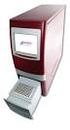 Optimizing and Analyzing Real-Time Assays on the SmartCycler II System Cepheid Technical Support Overview This technical note provides guidelines on transferring, optimizing, and evaluating real-time PCR
SYBR Green Realtime PCR Master Mix -Plus-
 Instruction manual SYBR Green Realtime PCR Master Mix -Plus- 0810 F0925K SYBR Green Realtime PCR Master Mix -Plus- Contents QPK-212T 1mLx1 QPK-212 1mLx5 Store at -20 C, protected from light [1] Introduction
Factors Influencing Multiplex Real-Time PCR
 APPLICATION NOTE Multiplex Real-Time PCR Factors Influencing Multiplex Real-Time PCR Introduction Multiplex PCR is the simultaneous amplification of more than one target sequence in a single reaction [1].
qpcr Technical Guide Detection Methods Primer and Probe Design Instrumentation Applications Guide
 qpcr Technical Guide Detection Methods Primer and Probe Design Instrumentation Applications Guide Table of Contents qpcr Technical Guide Introduction... 1 Quantitative PCR: How does it work?... 2 qpcr
Mir-X mirna First-Strand Synthesis Kit User Manual
 User Manual Mir-X mirna First-Strand Synthesis Kit User Manual United States/Canada 800.662.2566 Asia Pacific +1.650.919.7300 Europe +33.(0)1.3904.6880 Japan +81.(0)77.543.6116 Clontech Laboratories, Inc.
1. Molecular computation uses molecules to represent information and molecular processes to implement information processing.
 Chapter IV Molecular Computation These lecture notes are exclusively for the use of students in Prof. MacLennan s Unconventional Computation course. c 2013, B. J. MacLennan, EECS, University of Tennessee,
Real-Time PCR UNIT 10.3 OVERVIEW AND PRINCIPLES
 UNIT.3 Dean Fraga, 1 Tea Meulia, 2 and Steven Fenster 3 1 College of Wooster, Wooster, Ohio 2 Ohio Agricultural Research and Development Center, Wooster, Ohio 3 Ashland University, Ashland, Ohio OVERVIEW
REAL TIME PCR USING SYBR GREEN
 REAL TIME PCR USING SYBR GREEN 1 THE PROBLEM NEED TO QUANTITATE DIFFERENCES IN mrna EXPRESSION SMALL AMOUNTS OF mrna LASER CAPTURE SMALL AMOUNTS OF TISSUE PRIMARY CELLS PRECIOUS REAGENTS 2 THE PROBLEM
DyNAmo cdna Synthesis Kit for qrt-pcr
 DyNAmo cdna Synthesis Kit for qrt-pcr Instruction manual F- 470S Sufficient for 20 cdna synthesis reactions (20 µl each) F- 470L Sufficient for 100 cdna synthesis reactions (20 µl each) Description...
Real time and Quantitative (RTAQ) PCR. so I have an outlier and I want to see if it really is changed
 Real time and Quantitative (RTAQ) PCR or.. for this audience so I have an outlier and I want to see if it really is changed Nigel Walker, Ph.D. Laboratory of Computational Biology and Risk Analysis, Environmental
How many of you have checked out the web site on protein-dna interactions?
 How many of you have checked out the web site on protein-dna interactions? Example of an approximately 40,000 probe spotted oligo microarray with enlarged inset to show detail. Find and be ready to discuss
AffinityScript QPCR cdna Synthesis Kit
 AffinityScript QPCR cdna Synthesis Kit INSTRUCTION MANUAL Catalog #600559 Revision C.01 For In Vitro Use Only 600559-12 LIMITED PRODUCT WARRANTY This warranty limits our liability to replacement of this
Speed Matters - Fast ways from template to result
 qpcr Symposium 2007 - Weihenstephan Speed Matters - Fast ways from template to result March 28, 2007 Dr. Thorsten Traeger Senior Scientist, Research and Development - 1 - Overview Ạgenda Fast PCR The Challenges
VLLM0421c Medical Microbiology I, practical sessions. Protocol to topic J10
 Topic J10+11: Molecular-biological methods + Clinical virology I (hepatitis A, B & C, HIV) To study: PCR, ELISA, your own notes from serology reactions Task J10/1: DNA isolation of the etiological agent
First Strand cdna Synthesis
 380PR 01 G-Biosciences 1-800-628-7730 1-314-991-6034 [email protected] A Geno Technology, Inc. (USA) brand name First Strand cdna Synthesis (Cat. # 786 812) think proteins! think G-Biosciences
Molecular Spectroscopy
 Molecular Spectroscopy UV-Vis Spectroscopy Absorption Characteristics of Some Common Chromophores UV-Vis Spectroscopy Absorption Characteristics of Aromatic Compounds UV-Vis Spectroscopy Effect of extended
Protocol. Introduction to TaqMan and SYBR Green Chemistries for Real-Time PCR
 Protocol Introduction to TaqMan and SYBR Green Chemistries for Real-Time PCR Copyright 2008, 2010 Applied Biosystems. All rights reserved. Ambion and Applied Biosystems products are for Research Use Only.
Reagent Guide. Applied Biosystems StepOne and StepOnePlus Real-Time PCR Systems
 Reagent Guide Applied Biosystems StepOne and StepOnePlus Real-Time PCR Systems Applied Biosystems StepOne and StepOnePlus Real-Time PCR Systems Reagent Guide Copyright 2008, 2010 Applied Biosystems. All
Real-time qpcr Assay Design Software www.qpcrdesign.com
 Real-time qpcr Assay Design Software www.qpcrdesign.com Your Blueprint For Success Informational Guide 2199 South McDowell Blvd Petaluma, CA 94954-6904 USA 1.800.GENOME.1(436.6631) 1.415.883.8400 1.415.883.8488
Pitfalls in qpcr. Primer and probe design and synthesis. Mary Span Eurogentec S.A.
 Pitfalls in qpcr Primer and probe design and synthesis Mary Span Eurogentec S.A. Steps in qpcr assay Set up experiment statistical relevant # samples/experimental group controls Design and synthesis primers
SYBR Green PCR Master Mix and SYBR Green RT-PCR Reagents Kit
 USER GUIDE SYBR Green PCR Master Mix and SYBR Green RT-PCR Reagents Kit Catalog Number 4309155 (Master Mix) and 4306736 (RT-PCR Reagents Kit) Publication Part Number 4310251 Rev. G Revision Date September
Stratagene QPCR Mouse Reference Total RNA
 Stratagene QPCR Mouse Reference Total RNA Instruction Manual Catalog #750600 Revision C.0 For Research Use Only. Not for use in diagnostic procedures. 750600-12 LIMITED PRODUCT WARRANTY This warranty limits
LightCycler 480 Real-Time PCR System
 Roche Applied Science LightCycler 480 Real-Time PCR System Planned introduction of the LightCycler 480 System: September 2005 Rapid by nature, accurate by design The LightCycler 480 Real-Time PCR System
Quantitative Real Time PCR Protocol. Stack Lab
 Quantitative Real Time PCR Protocol Stack Lab Overview Real-time quantitative polymerase chain reaction (qpcr) differs from regular PCR by including in the reaction fluorescent reporter molecules that
TaqMan Fast Advanced Master Mix. Protocol
 TaqMan Fast Advanced Master Mix Protocol For Research Use Only. Not intended for any animal or human therapeutic or diagnostic use. Information in this document is subject to change without notice. APPLIED
DNA Integrity Number (DIN) For the Assessment of Genomic DNA Samples in Real-Time Quantitative PCR (qpcr) Experiments
 DNA Integrity Number () For the Assessment of Genomic DNA Samples in Real-Time Quantitative PCR (qpcr) Experiments Application Note Nucleic Acid Analysis Author Arunkumar Padmanaban Agilent Technologies,
RT31-020 20 rxns. RT31-100 100 rxns TRANSCRIPTME Enzyme Mix (1) 40 µl 2 x 50 µl 5 x 40 µl
 Components RT31-020 20 rxns RT31-050 50 rxns RT31-100 100 rxns TRANSCRIPTME Enzyme Mix (1) 40 µl 2 x 50 µl 5 x 40 µl 2x RT Master Mix (2) 200 µl 2 x 250 µl 5 x 200 µl RNase H (E. coli) 20 µl 2 x 25 µl
Molecular Diagnostics in the Clinical Microbiology Laboratory
 Molecular Diagnostics in the Clinical Microbiology Laboratory Patrick Tang, MD, PhD, FRCPC B.C. Centre for Disease Control University of British Columbia Molecular Diagnostics in the Clinical Microbiology
All-in-One mirna qrt-pcr Reagent Kits For quantitative detection of mature mirna
 All-in-One mirna qrt-pcr Reagent Kits For quantitative detection of mature mirna All-in-One TM mirna First-Strand cdna Synthesis Kit AMRT-0020 (20 RT reactions), AMRT-0060 (60 RT reactions) Used in combination
CompleteⅡ 1st strand cdna Synthesis Kit
 Instruction Manual CompleteⅡ 1st strand cdna Synthesis Kit Catalog # GM30401, GM30402 Green Mountain Biosystems. LLC Web: www.greenmountainbio.com Tel: 800-942-1160 Sales: Sales@ greenmountainbio.com Support:
BacReady TM Multiplex PCR System
 BacReady TM Multiplex PCR System Technical Manual No. 0191 Version 10112010 I Description.. 1 II Applications 2 III Key Features.. 2 IV Shipping and Storage. 2 V Simplified Procedures. 2 VI Detailed Experimental
2. True or False? The sequence of nucleotides in the human genome is 90.9% identical from one person to the next. False (it s 99.
 1. True or False? A typical chromosome can contain several hundred to several thousand genes, arranged in linear order along the DNA molecule present in the chromosome. True 2. True or False? The sequence
quantitative real-time PCR, grain, simplex DNA extraction: PGS0426 RT-PCR: PGS0494 & PGS0476
 BioScience quantitative real-time PCR, grain, simplex DNA extraction: PGS0426 RT-PCR: PGS0494 & PGS0476 This method describes a Real-time semi-quantitative TaqMan PCR procedure for the determination of
Absolute Quantification Getting Started Guide
 5 cdna Reverse Primer Oligo d(t) or random hexamer Synthesis of 1st cdna strand 3 5 cdna Applied Biosystems 7300/7500/7500 Fast Real-Time PCR System Absolute Quantification Getting Started Guide Introduction
Troubleshooting Sequencing Data
 Troubleshooting Sequencing Data Troubleshooting Sequencing Data No recognizable sequence (see page 7-10) Insufficient Quantitate the DNA. Increase the amount of DNA in the sequencing reactions. See page
360 Master Mix. , and a supplementary 360 GC Enhancer.
 Product Bulletin AmpliTaq Gold 360 Master Mix and 360 DNA Polymerase AmpliTaq Gold 360 Master Mix AmpliTaq Gold 360 DNA Polymerase 360 Coverage for a Full Range of Targets AmpliTaq Gold 360 Master Mix
The AB7900Fast and Principles of Real Time PCR
 The AB7900Fast and Principles of Real Time PCR Michael Tavaria, PhD Scientific Applications Specialist, Applied Biosystems, Australia and New Zealand Outline Chemistries 7900Fast Real Time PCR System Applications
Power SYBR Green PCR Master Mix and Power SYBR Green RT-PCR Reagents Kit
 USER GUIDE Power SYBR Green PCR Master Mix and Power SYBR Green RT-PCR Reagents Kit Catalog Number 4368577, 4367659, 4367660, 4368706, 4368702, 4368708 (Master Mix) and 4368711 (RT-PCR Reagents Kit) Publication
HBV Quantitative Real Time PCR Kit
 Revision No.: ZJ0002 Issue Date: Aug 7 th, 2008 HBV Quantitative Real Time PCR Kit Cat. No.: HD-0002-01 For Use with LightCycler 1.0/LightCycler2.0/LightCycler480 (Roche) Real Time PCR Systems (Pls ignore
PrimeTime. qpcr Application Guide. Experimental Overview, Protocol, Troubleshooting Fourth Edition
 PrimeTime qpcr Application Guide Experimental Overview, Protocol, Troubleshooting Fourth Edition qpcr Application Guide Experimental Overview, Protocol, Troubleshooting Fourth Edition Managing Editors
Data Analysis on the ABI PRISM 7700 Sequence Detection System: Setting Baselines and Thresholds. Overview. Data Analysis Tutorial
 Data Analysis on the ABI PRISM 7700 Sequence Detection System: Setting Baselines and Thresholds Overview In order for accuracy and precision to be optimal, the assay must be properly evaluated and a few
User Manual. CelluLyser Lysis and cdna Synthesis Kit. Version 1.4 Oct 2012 From cells to cdna in one tube
 User Manual CelluLyser Lysis and cdna Synthesis Kit Version 1.4 Oct 2012 From cells to cdna in one tube CelluLyser Lysis and cdna Synthesis Kit Table of contents Introduction 4 Contents 5 Storage 5 Additionally
PyroPhage 3173 DNA Polymerase, Exonuclease Minus (Exo-)
 PyroPhage 3173 DNA Polymerase, Exonuclease Minus (Exo-) FOR RESEARCH USE ONLY. NOT FOR HUMAN OR DIAGNOSTIC USE Lucigen Corporation 2905 Parmenter St, Middleton, WI 53562 USA Toll Free: (888) 575-9695 (608)
Application Guide... 2
 Protocol for GenomePlex Whole Genome Amplification from Formalin-Fixed Parrafin-Embedded (FFPE) tissue Application Guide... 2 I. Description... 2 II. Product Components... 2 III. Materials to be Supplied
DNA and Forensic Science
 DNA and Forensic Science Micah A. Luftig * Stephen Richey ** I. INTRODUCTION This paper represents a discussion of the fundamental principles of DNA technology as it applies to forensic testing. A brief
Reverse Transcription System
 TECHNICAL BULLETIN Reverse Transcription System Instruc ons for use of Product A3500 Revised 1/14 TB099 Reverse Transcription System All technical literature is available on the Internet at: www.promega.com/protocols/
Application Note. Biotechnology Explorer Crime Scene Investigator PCR Basics. Kit: A Real-Time PCR Extension
 Biotechnology Explorer Crime Scene Investigator PCR Basics Kit: Table of Contents Introduction.............................................. 2 Learning Objectives......................................
User Bulletin #2 ABI PRISM 7700 Sequence Detection System
 User Bulletin #2 ABI PRISM 7700 Sequence Detection System December 11, 1997 (updated 10/2001) SUBJECT: Relative Quantitation of Gene Expression Introduction Amplification of an endogenous control may be
GenScript BloodReady TM Multiplex PCR System
 GenScript BloodReady TM Multiplex PCR System Technical Manual No. 0174 Version 20040915 I Description.. 1 II Applications 2 III Key Features.. 2 IV Shipping and Storage. 2 V Simplified Procedures. 2 VI
Plexor Systems Instrument Setup and Data Analysis for the Applied Biosystems 7300 and 7500 Real-Time PCR Systems
 Technical Manual Plexor Systems Instrument Setup and Data Analysis for the Applied Biosystems 7300 and 7500 Real-Time PCR Systems INSTRUCTIONS FOR USE OF PRODUCTS A4011, A4021, A4031, A4041, A4051 AND
Introduction to transcriptome analysis using High Throughput Sequencing technologies (HTS)
 Introduction to transcriptome analysis using High Throughput Sequencing technologies (HTS) A typical RNA Seq experiment Library construction Protocol variations Fragmentation methods RNA: nebulization,
Introduction. Preparation of Template DNA
 Procedures and Recommendations for DNA Sequencing at the Plant-Microbe Genomics Facility Ohio State University Biological Sciences Building Room 420, 484 W. 12th Ave., Columbus OH 43210 Telephone: 614/247-6204;
ab185916 Hi-Fi cdna Synthesis Kit
 ab185916 Hi-Fi cdna Synthesis Kit Instructions for Use For cdna synthesis from various RNA samples This product is for research use only and is not intended for diagnostic use. Version 1 Last Updated 1
PrimeSTAR HS DNA Polymerase
 Cat. # R010A For Research Use PrimeSTAR HS DNA Polymerase Product Manual Table of Contents I. Description...3 II. III. IV. Components...3 Storage...3 Features...3 V. General Composition of PCR Reaction
Real-time monitoring of rolling circle amplification using aggregation-induced emission: applications for biological detection
 Electronic Supplementary Material (ESI) for ChemComm. This journal is The Royal Society of Chemistry 215 Supplementary Information Real-time monitoring of rolling circle amplification using aggregation-induced
Forensic DNA Testing Terminology
 Forensic DNA Testing Terminology ABI 310 Genetic Analyzer a capillary electrophoresis instrument used by forensic DNA laboratories to separate short tandem repeat (STR) loci on the basis of their size.
Quantification strategies in real-time PCR
 A-Z of quantitative PCR (Editor: SA Bustin) Chapter3. Quantification strategies in real-time PCR 87 Quantification strategies in real-time PCR Michael W. Pfaffl Chaper 3 pages 87-112 in: A-Z of quantitative
The Scheduled MRM Algorithm Enables Intelligent Use of Retention Time During Multiple Reaction Monitoring
 The Scheduled MRM Algorithm Enables Intelligent Use of Retention Time During Multiple Reaction Monitoring Delivering up to 2500 MRM Transitions per LC Run Christie Hunter 1, Brigitte Simons 2 1 AB SCIEX,
Supplemental Material. Methods
 Supplemental Material Methods Measurement of lncrnas expression Total RNA was extracted from PAXgene TM tubes using the PAXgene blood RNA kit (Qiagen, Venlo, Netherlands) as described by the manufacturer.
MystiCq microrna cdna Synthesis Mix Catalog Number MIRRT Storage Temperature 20 C
 microrna cdna Synthesis Mix Catalog Number MIRRT Storage Temperature 20 C Product Description The microrna cdna Synthesis Mix has been designed to easily convert micrornas into cdna templates for qpcr
Critical Factors for Successful Real-Time PCR
 Critical Factors for Successful Real-Time PCR Sample & ssay Technologies Contents 1. Introduction 4 2. Detection of PCR products in real-time 5 2.1 SYR Green 5 2.2 Fluorescently labeled sequence-specific
User Manual Mouse Endogenous Control Gene Panel
 User Manual Mouse Endogenous Control Gene Panel Version 1.5 March 2008 For use in quantitative real-time PCR Mouse Endogenous Control Gene Panel Table of contents Background 4 Contents 4 Additionally required
RIBOPROTECT. RNase Inhibitor RT33-020, RT33-100
 RIBOPROTECT RT33-020, RT33-100 RT33-020, RT33-100 RIBOPROTECT The RIBOPROTECT is a recombinant protein isolated and purified from Escherichia coli. It inhibits ribonuclease (RNase) activity of enzymes
Fast PCR: General Considerations for Minimizing Run Times and Maximizing Throughput
 amplification tech note 5362 Fast PCR: General Considerations for Minimizing Run Times and Maximizing Throughput Daniel Sullivan, Babette Fahey, and David Titus, Bio-Rad Laboratories, Inc., Waltham, MA
RealStar HBV PCR Kit 1.0 11/2012
 RealStar HBV PCR Kit 1.0 11/2012 RealStar HBV PCR Kit 1.0 For research use only! (RUO) Product No.: 201003 96 rxns INS-201000-GB-02 Store at -25 C... -15 C November 2012 altona Diagnostics GmbH Mörkenstraße
Analysis of gene expression data. Ulf Leser and Philippe Thomas
 Analysis of gene expression data Ulf Leser and Philippe Thomas This Lecture Protein synthesis Microarray Idea Technologies Applications Problems Quality control Normalization Analysis next week! Ulf Leser:
Beginner s Guide to Real-Time PCR
 Beginner s Guide to Real-Time PCR 02 Real-time PCR basic principles PCR or the Polymerase Chain Reaction has become the cornerstone of modern molecular biology the world over. Real-time PCR is an advanced
Sequencing Guidelines Adapted from ABI BigDye Terminator v3.1 Cycle Sequencing Kit and Roswell Park Cancer Institute Core Laboratory website
 Biomolecular Core Facility AI Dupont Hospital for Children, Rockland Center One, Room 214 Core: (302) 651-6712, Office: (302) 651-6707, [email protected] Katia Sol-Church, Ph.D., Director Jennifer Frenck
Oligonucleotide Stability Study
 Oligonucleotide Stability Study IDT is performing a long term study of oligo stability. The study has been ongoing for 2 years and has tested oligo stability under various conditions. An overview of the
From DNA to Protein. Proteins. Chapter 13. Prokaryotes and Eukaryotes. The Path From Genes to Proteins. All proteins consist of polypeptide chains
 Proteins From DNA to Protein Chapter 13 All proteins consist of polypeptide chains A linear sequence of amino acids Each chain corresponds to the nucleotide base sequence of a gene The Path From Genes