
COURSE DESCRIPTIONS COURSE NUMBERS. The course-numbering system indicates the college level at which courses are normally taken.
|
|
|
- Patrick Tucker
- 10 years ago
- Views:
Transcription
1 COURSE DESCRIPTIONS COURSE NUMBERS The course-numbering system indicates the college level at which courses are normally taken. NUMBERING SYSTEM GUIDE precollege course-no credit credit granted but not applicable to graduation primarily for first-year students primarily for second-year students primarily for upper division students graduate courses At the end of each description, numerals indicate course credits, lecture houses and laboratory hours per week. For example, the designation identifies a course in which students earn three credits and attend class for three hours of lecture and two-hour laboratory session per week. Courses with variable hours and credits are so indicated. SEMESTER SCHEDULE Notation to the right of the course name indicate when the course is offered. If a notation is not included, the course is offered as needed. DEPARTMENTAL OFFERINGS ARTS MANAGEMENT AMGT 216 Development for the Arts Spring Examines the different aspects of development including the roles played by the board of directors and staff in raising funds for arts organizations. An overview of corporate, foundation and government grant-seeking. Individual donor drives and their relationship to audience-building. The components of, and differences between annual, multi-year, challenge and capital campaigns, and how general operating funds and project funds support arts organization activities. Students will visit and learn to use the Foundation Center at the Carnegie Library. Prerequisite: Junior/Senior Standing; Film and Video, Digital Arts and Cinema, Film and Video Production, and Photography Majors Only. AMGT 455, AMGT 456 Arts Management Internship I, I Fall/Spring/Sum On-site experiences in non-profit organizations with assignments directly related to course study and level of proficiency. Flexible hours may be controlled by the arts organization, but a minimum of 24 to 30 hours per week is required. Students must keep a portfolio and a journal and provide satisfactory supervisor and self-evaluations. Internships are secured by the student in consultation with an advisor and/or the written approval of the department chair. AMGT 296, AMGT 396, AMGT 496 Independent Study in Arts Management I, II, III Special Request Independent Study Fee: $50 per credit Fall/Spring/Sum 1-6 credits CINEMA ARTS CINE 101 Introduction to Cinema This course is an introduction to techniques and technologies of cinema production. The fundamental principles and practices of producing, cinematography, editing, directing and sound-design will be studied. Both traditional film and state-of-the-art digital tools and techniques will be discussed. CINE 102 History of American Cinema Fall 3-3-1

2 The course will focus on the history of American cinema, decade by decade, from the early experiments with moving images through the invention of sound, color, and digital effects. Students will study the evolution of cinematic form, style and language as well as the social and artistic impact of the medium on society. CINE 105 Introduction to Screenwriting Fall This course is designed as an introduction to screenwriting. Students will, for the first part of the semester, learn the elements of storytelling and apply that knowledge to the analysis of short and feature length stories. For the second part of the semester, students will take the knowledge gained in the first part of the semester and apply it to short scripts that they will develop and rewrite. CINE 107 Classical and Modern Drama Recognizing theatre as one of the cornerstones of cinema, this course is a broad survey of historically significant plays that examines common elements of dramatic structure, character development, and theme as they relate to, and have influenced, cinematic forms. CINE 110 History of International Cinema Spring This course is designed as an introduction to the history of international/global film. Students will screen films from around the globe and will study the economic and geo-political forces that shaped the film industries of certain countries and created film movements and genres. Prerequisites: CINE 102. CINE 150 Production I Spring This course is an introduction to the basic principles and practices of cinema production. Students will learn the fundamentals of single-camera production including the basic aesthetic and technical aspects of producing, directing, cinematography and film editing. Lectures, screenings and in-class exercises will focus on teaching students the skills they need to write, shoot and edit three short films outside of class. Each project will incorporate new skills and demand a higher level of proficiency from the filmmaker. Student work will be screened and discussed in class. Prerequisites: CINE 101 & CINE 105 CINE 205 The Narrative Structure of Cinema Spring An in-- depth analysis of the structure, formulas and storytelling techniques of the feature length screenplay will be the focus of the course. Students will study a wide range of successful films and discover the common elements that they share. Prerequisites: CINE 105. CINE 207 Survey of Media Writing An overview of a variety of forms including situation comedies, hour dramas, non-fiction films, theatre, and interactive media, this course outlines the fundamentals of style, content and format specific to each and gives students the opportunity to write in several different genres. Prerequisite: CINE 105. CINE 210 Visual Analysis Fall This course will introduce students to systems of critical analysis of visual images, particularly of the cinema. These include contemporary critical frameworks of cinematic analysis, as well as analysis of the visual components of images in media production, and how their manipulation can help communicate meaning. Prerequisite: CINE 150. CINE 250 Production II Fall A workshop course that builds upon the basic skills introduced in Production I to further develop students narrative storytelling abilities with an emphasis on effective collaboration. Students, working in groups on three productions, will alternate in the roles of writer/director, cinematographer, and editor. Prerequisite: CINE 150. CINE 301 Cinema Studies: Various Topics The CINE 301 courses are designed to allow students to explore the depths, via review and analysis, of specific periods, histories and topics of cinema already covered in the freshman year sequence of courses. Some of the courses already offered have been Film Noir; Women Filmmakers; The French New Wave, an Overview; The Horror Film; Five International Masters; Comedy on Film; and American Cinema of the 1970s-The Age of the American Auteur. Prerequisite: CINE 110. CINE 302 Cinema Authors The courses comprising the Cinema Authors sequence have been developed to pinpoint one specific filmmaker's work for analysis over the span of an entire term in order for the students to have a deeper understanding of artistic evolution and an appreciation of such. Courses already offered have detailed the works of Alfred Hitchcock, Woody Allen, Stanley Kubrick, Martin Scorsese, and Joel and Ethan Coen. Prerequisite: CINE 110. CINE 305 Intermediate Screenwriting Spring 3-3-1

3 This course is designed for students who wish to advance their screenwriting skills and move beyond the introductory course. In the first half of the course students will be challenged to pitch an original short film idea and follow through with its development to a completed draft & rewrite. During the second half of the course, students will pitch an idea for a commercial feature length film, which they will continue to develop, culminating in the completion of a detailed outline of their feature. Prerequisite: CINE 205. CINE 306 Story Analysis Students will learn the skills of professional screenplay analysis, including, writing a concise plot synopsis, evaluating a script based on structure, character, theme and market ability, and developing a detailed plot outline. Prerequisite: CINE 250. CINE 307 Screenwriters and Their Work Prominent screenwriters and the work they have produced are analyzed as both screenplays and as completed cinematic works to demonstrate how masters of the craft have successfully addressed the challenges of the form. Prerequisite: CINE 110. CINE 308 History of Television An overview of television as a means of popular entertainment, this course also examines how social, technological, and market forces have influenced the evolution of the medium. Prerequisite: CINE 102. CINE 309 Advanced Narrative Structure Building on the concepts explored in CINE 205, The Narrative Structure of Cinema, this course looks at more complex narrative forms including episodic structures, ensemble films, non-linear storytelling, and other works that do not rely on dramatic tension as the principle means of engaging an audience. Prerequisite: CINE 205. CINE 310 Intermediate Directing Spring A workshop course on the fundamentals of film directing with a focus on directing actors. Students explore the basic relationship between actor, text and director. Students learn the craft and vocabulary of the actor through exercises and scene studies, and how to utilize that understanding in communicating with and directing actors. Other areas of study include the responsibilities of the director in each stage of the filmmaking process, basic staging for camera, and formulating on overall visual strategy for a project. Prerequisite: CINE 250. CINE 315 Intermediate Producing Spring For students considering a concentration in producing, this course provides a detailed study of the responsibilities of the producer in pre-production, production and post-production, with a focus on the short film. Topics include: script breakdowns, budgeting, scheduling, production management, personnel management, set operations and marketing and distribution. Prerequisite: CINE 250. CINE 320 Intermediate Editing Spring This course will focus on the conceptual development of editors as storytellers. Beginning with early film origins, students will analyze the transition from still pictures to motion pictures in the development of a film language, paying particular attention to the role of editing, the development of sound, and stylistic choices of color. Students will also screen a variety of work, analyzing artistic differences as they relate to genres. This course will afford hands-on experience with multiple non-linear picture editing, audio, and color correction platforms. Prerequisite: CINE 250. CINE 325 Intermediate Digital Tools Spring This course provides students with an overview of the concepts and tools used in digital media, focusing on the tools in Adobe Creative Cloud suite. Emphasis will be placed on the aesthetic and technical concerns involved with designing and creating digital media. Students will learn the skills to create motion-graphic animations and basic web authoring techniques. Prerequisite: CINE 250. CINE 326 Acting and Directing for Writers In order to create successful screenplays, writers must have an understanding of how directors and actors interpret their work. Students will have the opportunity to work as a director in analyzing and staging scenes, and as an actor in creating a character and developing a performance, with the goal of understanding the challenges of translating the written word to the stage or screen. Prerequisite: CINE 150. CINE 330 Intermediate Sound 3 This course teaches the foundations of film audio approaches and techniques. It introduces students to sound theory, signal flow concepts, sound design methods, and the equipment used in production and post-production sound. Hands-on exercises will explore field and production sound strategies, production/post workflow, as well as the fundamentals of postproduction processes such as sound editing, dialogue clean-up, foley, ADR, and mixing. Prerequisite: CINE 250.

4 CINE 340 Intermediate Cinematography Spring Designed for the student considering a concentration in cinematography, this course will focus on techniques in rigging, lighting, and digital imaging. Class exercises are designed to developed skills in narrative and documentary camera techniques. Prerequisite: CINE 250. CINE 345 Fundamentals of Documentary Fundamentals of documentary will introduce students to the documentary filmmaking process through analysis and workshop production. The class will examine documentary genre, processes and industry practices, and culminate in the production of a short personal documentary. The class will serve as a prerequisite for CINE 445: Documentary Workshop, and introduce concepts which will also be further explored in that course. Prerequisite: CINE 250. CINE 348 The Cinema Arts Professional This professional colloquium course will provide students with the information necessary to make it in the industry as a Cinema Production, Screenwriting or Digital Arts professional. Topics will include job search strategies, creating a reel, communication techniques, how to leverage work for additional employment, personal finance, and writing business plans. Overall, the course will cover of spectrum of topics needed to transition from being a student to creating a professional career. Prerequisite: CINE 250 or CINE 305 or DIGI 250. CINE 350 Production III Fall Students will work in groups to produce a narrative or documentary short that approaches professional quality. Each project will be a collaborative effort, created with involvement of a student screenwriter, producer, director, cinematographer, editor, and sound designer. Prerequisite: CINE 305, 310, 315, 320, 330, or 340. CINE 351 Documentary Production Workshop Students will work in groups to produce a short form documentary. Genres and styles of non-fiction cinema will be analyzed and discussed. Prerequisite: CINE 350. CINE 352 Commercial Production Workshop Students will work in groups to develop and produce a commercial or public service announcement. The structure of the commercial industry will be discussed and the roles and responsibilities of the client, advertising agency and production company will be explained. Prerequisite: CINE 350. CINE 353 Experimental Cinema Workshop Students will work in groups to produce an experimental work. Important works and filmmakers of the genre will also be studied. Prerequisite: CINE 350. CINE 354 Alternative Forms Workshop: Various This workshop course covers the history, approaches, processes, techniques of alternate forms of media. These include television commercial production, experimental film production, web series production and music video production. The course is designed to allow students to explore modes of media outside of the traditional narrative filmmaking approaches covered in the Cinema Production curriculum. It will permit students to diversify their experiences with media creation, expand their skill set, and broaden their work portfolio. Prerequisite: CINE 250. CINE 361 Writing for Theatre In this course students will write play and, in doing so, will explore the distinct challenges in structure, character development and theme involved in writing for theatre. Prerequisite: CINE 305. CINE 362 Writing the Situation Comedy With its origins in radio and its future in new media, the situation comedy has been a staple of television since its inception. In this course students study the classics of the genre, write an episode of a current situation comedy, and develop and pitch an original concept for a comedy series. Prerequisite: CINE 305. CINE 363 Writing the Hour Drama One of the principle forms of entertainment on television, the hour drama has remained popular with audiences for generations. In this course students examine the classics of the genre, write an episode of a current hour drama, and develop and pitch an original concept for a series. Prerequisite: CINE 305. CINE 364 Writing for Multimedia 3-3-0

5 Technological advances allow for content to be delivered to audiences in an ever-increasing number of ways and forms. This course examines the current entertainment media landscape and allows students to develop and write projects that are designed for digital distribution, including web-based and mobile platforms. The incorporation of audience participation and other interactivity into storytelling will also be explored. Prerequisite: CINE 305. CINE 365 Writing the Adaptation Many successful screenplays are adapted from other sources. In this course, students will find pre-existing material, whether it is a book, short story, song, biography, or graphic novel, and develop it into a feature or web series or short script. Students are encouraged to obtain the rights to any materials they choose to adapt. Prerequisite: CINE 305. CINE 367 Writing for Video Games 3 Writing for Video Games is designed to provide students an introduction to the narrative gaming industry as well as cover the functions of the narrative video game writer. Topics covered include game theory, history of video games and games consoles, game studios today, gaming structure, and the documents created in video game development. Students will pitch and develop their own video game concepts along with corresponding documents to leave the course with a portfolio of materials. Prerequisite: CINE 305. CINE 398 Production Crew This course allows students the ability to gain useful, practical experience working on the film sets of junior- and senior-level productions. Functioning as a member of a crew in a professional-style production environment, students learn the roles and practices of a specific department on a film set, practice and develop collaborative skills, and through engagement with a faculty mentor, reflect on and learn from the experience, to prepare them for future production work. This course may be taken up to three times, for a total of 3 credits. Prerequisite: CINE 101 CINE 401 Cinema Studies - Advanced Seminar An advanced course in Cinema analysis which explores the potential to which cinema can have a broader scope and a deeper consciousness, involving layers of idea and thought, both concrete and abstract, communicated through all of the components of the medium. Students achieve an advanced understanding of these ideas and processes, and then to be able to apply them in their own work. Prerequisite: CINE 301. CINE 405 Advanced Screenwriting Spring This course is designed for students to examine, create and pitch an original, feature film idea, and through a writers workshop experience, develop it through outlining and crafting a polished first draft of a screenplay. Prerequisite: CINE 305. CINE 406 Rewriting the Feature Screenplay 3-3- Recognizing that drafting a professional quality screenplay is a process that often requires more than one academic semester, this course is designed for students who have started projects in other courses and are interested in continuing to develop and rewrite the concept. Students must have a completed draft at the start of the course. Prerequisite: CINE 305. CINE 410 Advanced Directing Spring A workshop course that focuses on directing for the camera. Students experiment with various visual styles and practice concepts essential to scene construction through shooting in-class scenes and a final project outside of class. As the final elective class in the directing concentration, the course also focuses on preparing students for their Production 4 projects and assisting them in determining a career path. Prerequisite: CINE 350 & CINE 310. CINE 415 Advanced Producing Spring This course is meant to serve as a workshop for the development and pre-production of a film project from a producer s perspective. It will cover the essential considerations involved with the evolution of a project from story concept through marketing of the product. The course will also expose students to the business and legal considerations of producing motion pictures and other visual media. Prerequisite: CINE 350 & CINE 315. CINE 420 Advanced Editing Spring This course is designed to link conceptual and technical skills gained in previous courses with project assignments that emulate experiences found in the "real world," while also introducing you to multiple post-production software platforms. Additionally, students will increase their knowledge of different genres and styles of editing outside of the narrative realm. Finally, this course will push students to think about how to apply the knowledge they've gained in their major and turn it into a tenable career path. Prerequisite: CINE 350 & CINE 320.

6 CINE 425 Advanced Digital Tools Spring This is a workshop course where students will expand upon the fundamental principles of digital media, leading to a more developed understanding of the aesthetics and techniques used to create and manipulate digital content. There is a focus on the combining and compositing of elements of the various types of digital media; live action, animation, special effects, and still/motion graphics. Students will gain a high level of proficiency in the integration of these media, technologies and techniques in order to create highly stylized media works, and learn the skills to operate in a dynamic media post-production environment. Prerequisite: CINE 325. CINE 430 Advanced Sound 3 This course focuses on advanced aesthetic approaches to sound design as well as the methods and protocols of a professional post-production sound environment. It engages a student to apply, refine, and develop skills and techniques for the post-production sound work required to complete a film soundtrack. Prerequisite: CINE 330 & CINE 350. CINE 440 Advanced Cinematography Spring Advanced lighting, filtration, in-camera techniques, set operations and post-production processes are studied. An emphasis on shooting a number of exercises and projects in various staging and shooting styles in collaboration with Advanced Directors is presented. Cinematography Concentration students have the opportunity to focus their studies on issues specific to their thesis project. Prerequisite: CINE 350 & CINE 340. CINE 445 Documentary Production Workshop Students will work in groups to produce a short form documentary. Genres and styles of nonfiction cinema will be analyzed and discussed. Prerequisite: CINE 345 CINE 450 Production IV In CINE 450, students complete all 6 credits of the thesis requirement in one semester. Production IV bridges the gap between school and the working world; students take the experience and knowledge gained as a Cinema student and apply it to an advanced project of their choice Production IV is the capstone production course for an undergraduate in the (choice of concentration) of Cinema Production. Students have chosen their project with Department approval. The schedule and production of the project is set by student and instructor(s) at the beginning of the semester(s) and must be completed within agreed upon deadlines. Students are in charge of and responsible for their work in this course, including their collaboration with other production members to complete the work. (Choice of concentration) should plan and prepare to be active participants in the visual construction, production planning and postproduction of their chosen project. The instructor(s) functions as advisor and mentor for the student s project, guiding the class meetings and feedback to aid the student(s) in achieving best possible finished work. Prerequisites: CINE 350 and one of the following: CINE 310, 315, 320, 330, or 340. CINE 451 Production IVa CINE 451 is the first in a two-semester course sequence, along with CINE 452, for students competing the thesis requirement over two semesters. The course bridges the gap between school and the working world; students take the experience and knowledge gained as a Cinema student and apply it to an advanced project of their choice Production IV is the capstone production course for an undergraduate in the (choice of concentration) of Cinema Production. Students have chosen their project with Department approval. The schedule and production of the project is set by student and instructor(s) at the beginning of the semester(s) and must be completed within agreed upon deadlines. Students are in charge of and responsible for their work in this course, including their collaboration with other production members to complete the work. (Choice of concentration) should plan and prepare to be active participants in the visual construction, production planning and postproduction of their chosen project. The instructor(s) functions as advisor and mentor for the student s project, guiding the class meetings and feedback to aid the student(s) in achieving best possible finished work. Prerequisites: CINE 350 and one of the following: CINE 310, 315, 320, 330, or 340. CINE 452 Production IVb CINE 452 is the second in a two-semester course sequence, along with CINE 451, for students competing the thesis requirement over two semesters. Production IV bridges the gap between school and the working world; students take the experience and knowledge gained as a Cinema student and apply it to an advanced project of their choice Production IV is the capstone production course for an undergraduate in the (choice of concentration) of Cinema Production. Students have chosen their project with Department approval. The schedule and production of the project is set by student and instructor(s) at the beginning of the semester(s) and must be completed within agreed upon deadlines. Students are in charge of and responsible for their work in this course, including their collaboration with other production members to complete the work. (Choice of concentration) should plan and prepare to be active participants in the visual construction, production planning and postproduction of their chosen project. The instructor(s) functions as advisor and mentor for the student s project, guiding the class meetings and feedback to aid the student(s) in achieving best possible finished work. Prerequisite: CINE 451.

7 CINE 453 Senior Thesis I Working with their Thesis advisor, students will propose a project for the creation of a written dramatic work. Upon approval, students research, develop the concept, prepare outlines and treatments, and write a draft of their project. Emphasis is not only on the work created, but also in developing a successful working process that writers can rely on throughout their careers. Prerequisite: CINE 451. CINE 454 Senior Thesis II Continuing the work begun in CINE 453, students will complete the initial draft of their project and go through multiple rewrites to produce a polished, professional-quality work. Prerequisite: CINE 453. CINE 485 Screenwriting Master Class Students will focus on creating a professional -quality writing sample by rewriting and polishing an existing script. This course will also cover the business and legal aspects of screenwriting, including agents, managers, negotiating deals, options, adaptations and pitching your work. Prerequisite: CINE 405. CINE 498 Internship in Cinema and Digital Arts None individualized based on internship location. Prerequisites: CINE 250. CINE 499 Independent Study in Cinema and Digital Arts Special Request Independent Study Fee: $50 per credit. 1-6 credits 1-6 credits CINE 295, CINE 495 Special Topics in Cinema and Digital Arts 1-6 credits CONSERVATORY OF PERFORMING ARTS COPA 250 The Arts and Human Experience I: The Roots Fall/Spring/Sum An overview of artistic forms of expression from selected cultures with particular reference to Dance, Theatre, Music, and the Visual Arts. Students will explore how the arts reflect social, political, and religious conditions in a spectrum of cultures and civilizations. Prerequisite: ENGL 151. COPA 251 The Arts and Human Experience II: The Experience Fall/Spring/Sum An exposure to the content and processes inherent in the creative, artistic experience. Provides the student with an appreciation of various artistic disciplines. Live performances/event attendance required. Students describe course materials/experiences through both oral and written requirements. Prerequisite: COPA 250 or permission of instructor. DANCE DANC 105 Tap Dance I An introduction to basic tap dance styles and vocabulary. Fall/Spring DANC 106 Folk Dance I Fall/Spring An introduction to ethnic dances of different regions based on the original elements of their heritage. Areas included are the Middle European and Balkan, Middle and Far East regions. A warm-up barre is given which is used by the major national folk ensembles of the world. DANC 107 Character Dance I Fall/Spring A study of theatrical adaptation of Folk Dance limited to five nationalities -- Hungarian, Russian, Polish, Italian and Spanish. This technique is built upon ethnically-based movements combined with a knowledge of classical technique. Prerequisite: DANC 106. DANC 108 Dunham Technique I Fall/Spring An introduction to the dance techniques developed by Katherine Dunham combining western dance techniques with diverse African and Afro-Caribbean styles. DANC 109 Elements of Production for Dancers I Fall/Spring This course provides an introduction to the technical aspects of dance production.

8 DANC 111, DANC 112 Jazz Dance I and II Each Course Develops a basic understanding of jazz dance techniques on a low to intermediate level. Styles include classical, contemporary, and musical theatre jazz dance. Emphasis on proper alignment, placement and coordination. DANC 113, DANC 114 Pointe I, II Each Course Basic techniques of dancing on pointe. An introduction to correct pointe positions and exercises to strengthen the feet and legs. Prerequisite: Audition. DANC 115 Music Fundamentals for Dancers Fall/Spring Foundation for music reading, eurhythmics, and aural discrimination through specific keyboard, movement and ear training exercises. Integrates specific applications to dance. Dual listed as MUS 115. DANC 116, DANC 117 Pas de Deux I, II Fall/Spring Each Course This course introduces the basic technique required to perform classical partnering. Various styles, supported pirouettes, promenades and lifts will be included. Prerequisite: Audition. DANC 118, 119 Modern Dance I, II Fall/Spring Each Course Elementary concepts, technical principles and creative aspects essential to modern dance are taught. Modern Dance instruction is based on the Graham Technique. Exercises teach the functional aspects of dance technique; contraction and release; spiral, fall and recovery; and dynamic weight shift. Prerequisite: Audition DANC 121, DANC 122 Classical Ballet I, II Each Course A study of classical ballet technique and theory with an emphasis on proper placement and correct execution. Class placement is determined by student potential and previous training. Prerequisite: DANC 122: DANC 121. DANC 121: Audition. DANC 123 Theoretical Analysis of Dance I Fall/Each Course An introduction to the understanding and needs of a dancer in order to maintain his/her instrument and better understand his/her psychological approach to dance. This course is based on Stanislavsky s Method, adapted for dance. Required in first year of studies. DANC 124 Theoretical Analysis of Dance II Spring/Each Course An analysis of Transmission/Retention and an active use of knowledge and placement of the body. This course is based on Stanislavsky s Method, adapted for dance. Prerequisite: DANC 123. DANC 125, DANC 126 Male Technique I, II Fall/Spring Each Course Specific attention to the technical requirements needed to perform classical male variations. Prerequisite: Audition. DANC 130, DANC 131 Production/Rehearsal/Performance I, II Fall/Spring Each Course Production components of the dance curriculum. Performance opportunities with the Playhouse Dance Company and/or crew assignments will be included. DANC 150 Body Alignment I Fall/Spring Students will learn the Pilates system including, mat work and the Universal Reformer, and Ideokinetc and relaxation techniques. The course focuses on the study of human body alignment through exercise systems designed to strengthen the core or powerhouse: abdominals, lower back, and hips. DANC 203 Kinesiology Fall/Spring Designed to provide a factual foundation concerning the skeletal and muscular systems of the body. Analysis of the movements of the dancer incorporating these systems. Prerequisite: Sophomore standing. DANC 211, DANC 212 Jazz Dance III, IV Fall/Spring Each Course This course continues the study of DANC 112 on an intermediate level. More emphasis is placed on kinetic and spatial awareness, coordination, phrasing, and stylistic versatility. Prerequisite: Dance 112 or permission/audition. DANC 213, DANC 214 Pointe III, IV Fall/Spring Each Course A continuation of DANC 114 with particular emphasis placed on increasing strength and executing movements on one leg. Prerequisite for DANC 213: DANC 114 or audition.

9 DANC 216, DANC 217 Pas de Deux III, IV Fall/Spring Each Course A continuation of DANC 117 with emphasis on techniques of partnering and studies of selected classical Pas de Deux. Prerequisite: DANC 117 or audition. DANC 218, DANC 219 Modern Dance III, IV Each Course This course is a continuation of DANC 119 focusing on skills that develop spatial awareness, dynamic play, movement organization and strength. Musicality and functional alignment are stressed. Performance skills are introduced. Prerequisite: DANC 119 with final grade of C or better. DANC 221, DANC 222 Classical Ballet III, IV Fall/Spring Each Course A continuation of ballet technique with an emphasis on technical proficiency and musicality. Class placement is determined by student potential and previous training. Prerequisite for DANC 221: DANC 122. Prerequisite for DANC 222: DANC 221. DANC 225, DANC 226 Male Technique III, IV Fall/Spring Each Course A continuation of DANC 126 with emphasis on study of selected male variations. Prerequisite: DANC 126. DANC 230, DANC 231 Production/Rehearsal/Performance III, IV Fall/Spring Each Course Continued opportunities to learn choreographic works in rehearsals for performances with the Playhouse Dance Company. A continued study of technical preparation for productions at the theatre. Prerequisite: DANC 131. Performance and/or crew will be included. DANC 236, DANC 237 Contemporary Partnering I, II Fall/Spring Each Course Designed to develop and increase the partnering skills required in contemporary partnering. Students will be exposed to a wide range of contemporary styles including jazz, contemporary ballet and modern dance. Prerequisite: DANC 117 or permission of instructor. DANC 240, DANC 241 Elective Studies in Jazz I, II Fall/Spring 1-2 credits Additional studies in Jazz. Prerequisite: DANC 112. May be taken up to four times for credit. DANC 250, DANC 251 Elective Studies in Modern I, II Fall/Spring 1-2 credits Additional studies in Modern. Prerequisite: DANC 118 with final grade of C or higher. May be taken up to four times for credit. DANC 253 Body Alignment II Spring This course will continue to examine alignment through visualizations, breathing techniques, and the Pilates Method as introduced in Body Alignment I, DANC 150. The course is designed to challenge students who are interested in continuing their studies in the Pilates Method to set an individual training plan with the Professor. Instruction utilizes the Pilates equipment including the Universal Reformer, Wunda Chair, Wall Units and Magic Circles. Students have the opportunity to expand their use of the Pilates equipment and fine tune their skills within a method of exercise that balances strength with flexibility. Each student has one-on-one time with the Professor to discuss goals and methods of progress in their training programs. Body Alignments II allows students to gain a broad base of knowledge about the equipment used and methods currently being taught at the Institute and other Pilates studios. Should student wish to purse Pilates towards certification, Body Alignment II would provide support toward that goal. Prerequisite: DANC 150. DANC 260, DANC 261 Elective Studies in Ballet I, II Fall/Spring 1-2 credits Additional studies in Ballet. Prerequisite: DANC 122. May be taken up to four times for credit. DANC 270, DANC 271 Yoga I, II Fall/Spring Each Course Basic, primary Hatha Yoga asanas (postures) are introduced along with their connection to proper breathing and proper physical alignment. Pranayama (breath control) is also introduced. Prerequisite for DANC 271: DANC 270. DANC 280 Dance Composition I Fall An introductory course in the art and craft of composing dances. Students compose short studies that are specific to developing a wide range of creative skills. Studies very per semester and may include a variety of ways of using space, time and movement, the physical expression of size, volume, texture and direction. Prerequisite: Sophomore standing. DANC 281 Dance Composition II Spring This course is a continuation of Dance Composition I. Studies vary per semester. Prerequisite: DANC 280.

10 DANC 311, DANC 312 Jazz Dance V, VI Fall/Spring Each Course A continuation of DANC 212, this course further develops a sense of personal style and solid technique on an intermediate to advanced level. Individual creativity is encouraged. Prerequisite: DANC 212. DANC 313, DANC 314 Pointe V, VI Fall/Spring Each Course A continuation of DANC 214 including variations from classical ballet repertoire. Prerequisite: DANC 214. Prerequisite for DANC 314: DANC 313. DANC 316, DANC 317 Pas de Deux V, VI Fall/Spring Each Course A continuation of DANC 217. Prerequisite for DANC 316: DANC 217. Prerequisite for DANC 317: DANC 316. DANC 318, DANC 319 Modern Dance V, VI Each-Course This course is a continuation of DANC 219 providing skills that develop articulation and dynamic play as related to movement phrasing. Strength, stamina and quick response to aural and rhythmic variables are refined. Performance skills are further developed. Prerequisite: DANC 219 with a final grade of C or better. DANC 321, DANC 322 Classical Ballet V, VI Fall/Spring Each Course A continuation of ballet technique with an emphasis on strength and stamina. Class placement is determined by student potential and previous training. Prerequisite for DANC 321: DANC 222. Prerequisite for DANC 322: DANC 321. DANC 323, DANC 324 History of Dance I, II DANC 323-Fall; DANC 324-Spring Each Course A comprehensive history of dance as a form of religious and artistic expression from early recorded history to the present day. Traces the development of western theatrical dance since the Renaissance, specifically ballet, modern and jazz dance. Prerequisite for DANC 323: Junior standing. Prerequisite for DANC 324: DANC 323. DANC 325, DANC 326 Male Technique V, VI A continuation of DANC 226. Prerequisite: DANC 226. Fall/Spring Each Course DANC 330, DANC 331 Production/Rehearsal/Performance V, VI Fall/Spring Each Course A continuation of DANC 231. Continued performance opportunities with the Playhouse Dance Company including standard repertory and original works. Prerequisite for DANC 330: DANC 231. Prerequisite for DANC 331: DANC 330. Performance and/or crew will be required. DANC 336, DANC 337 Contemporary Partnering III, IV Fall/Spring Each Course A continuation of DANC 236 and DANC 237 with more attention given to personal styles, breath support, and follow through in execution of class material. Specific examples of contemporary partnering from repertoire. Prerequisite: DANC 237. DANC 340, DANC 341 Elective Studies in Jazz I, II Fall/Spring 1-2 credits A continuation of DANC 240, DANC 241 at the Junior Level. Prerequisite: DANC 241. May be taken up to four times for credit. DANC 350, DANC 351 Elective Studies in Modern I, II Fall/Spring 1-2 credits A continuation of DANC 250, DANC 251 at the Junior Level. Prerequisite: DANC 251. May be taken up to four times for credit. DANC 360, DANC 361 Elective Studies in Ballet I, II Fall/Spring 1-2 credits A continuation of DANC 260, DANC 261 at the Junior Level. Prerequisite: DANC 261. May be taken up to four times for credit. DANC 365 Dance Pedagogy I Fall The theory and practice of teaching correct dance techniques in order to assess and train students from low levels through advanced levels in a logical, progressive, and responsible manner. DANC 366 Dance Pedagogy II Spring A continuation of DANC 365, Dance Pedagogy I, with an increased emphasis on developmental stages applied to lesson plans and in class demonstrations. Outside observations and written reviews/evaluations will be a part of the experience. Prerequisite:

11 DANC 365. DANC 367 Practicum Each Course A practicum experience of four to seven hours a week teaching selected dance classes through an approved program and placement (Conservatory, Children s School, Playhouse, other). Supervision by a master teacher and the Dance Pedagogy instructor will be required. Prerequisites: DANC 365, 366. DANC 370, DANC 371 Yoga III, IV Fall/Spring Each Course Additional Hatha Yoga asanas and their variations are taught. An increased emphasis is placed on using the breath to initiate and sustain the posture. The use of pranayama and guided visualization serve to introduce the student to several relaxation techniques. Prerequisite for DANC 370: DANC 271. Prerequisite for DANC 371: DANC 370. DANC 380 Choreography Fall This course provides students with a forum to develop choreographic skills, culminating in a completed work. A journal will document the process, and a thesis will conclude the work process. The course also provides guidance and structure for hands-on work in production/technical/promotional preparation that is essential to perform the work. Prerequisite: DANC 281. DANC 404 Senior Project Spring This is a researched-based course. Students should be prepared to select and research a specific area of interest. The research will then be used as the foundation for the project. Prerequisite: DANC 280. By permission. DANC 411 DANC 412 Jazz Dance VII, VIII Each Course A continuation of DANC 312, this course is an advanced study of jazz dance techniques. Technical accomplishment, clarity, phrasing, musicality, personal style and presentation are all emphasized. Prerequisite: DANC 312. DANC 413, DANC 414 Pointe VII, VIII Fall/Spring Each Course Advanced study in pointe variations from classical ballet repertoire. Students are expected to perform several variations of contrasting style. Prerequisite for DANC 413: DANC 314. Prerequisite for DANC 414: DANC 413. DANC 416, DANC 417 Pas de Deux VII, VIII Fall/Spring Each Course A continuation of DANC 317. Prerequisite for DANC 416: DANC 317. Prerequisite for DANC 417: DANC 416. DANC 418, DANC 419 Modern Dance VII, VIII Each Course This course is a continuation of DANC 319. Class material provides students with a strong aesthetic focus, and fine-tunes personal artistry with regard to technical and performance execution. Students learn to work innovatively with technical terminology in order to execute a wide range of advanced and diverse movement motifs. Prerequisite: DANC 319 with a final grade of C or better DANC 421, DANC 422 Classical Ballet VII, VIII Fall/Spring Each Course A continuation of ballet technique with an emphasis on speed and movement quality. Class placement is determined by student potential and previous training. Prerequisite for DANC 421: DANC 322. Prerequisite for DANC 422: DANC 421. DANC 425, DANC 426 Male Technique VII, VIII Fall/Spring Each Course A continuation of DANC 326. Prerequisite for DANC 425: DANC 326. Prerequisite for DANC 426: DANC 425. DANC 430, DANC 431 Production/Rehearsal/Performance VII, VIII Fall/Spring Each Course A continuation of DANC 331. Continued performance opportunities with the Playhouse Dance Company including standard repertory and original works. Prerequisite for DANC 430: DANC 331. Prerequisite for DANC 431: DANC 430. Includes performing and crew responsibilities. DANC 436, DANC 437 Contemporary Partnering V, VI Fall/Spring Each Course A continuation of DANC 336 and DANC 337 with greater emphasis on the student s developing improvisational skills in problem solving within the context of contemporary partnering; especially in areas like weight sharing, changing supports, and leverage. Prerequisite for DANC 436: DANC 337. Prerequisite for DANC 437: DANC 436. DANC 440, DANC 441 Elective Studies in Jazz I, II Fall/Spring 1-2 credits A continuation of DANC 340, DANC 341. Prerequisite for DANC 440: DANC 341. Prerequisite for DANC 441: DANC 440. May be taken up to four times for credit.

12 DANC 450, DANC 451 Elective Studies in Modern I, II Fall/Spring 1-2 credits A continuation of DANC 350, DANC 351 at the Junior Level. Prerequisite for DANC 450: DANC 351. Prerequisite for DANC 451: DANC 450. May be taken up to four times for credit. DANC 460, DANC 461 Elective Studies in Ballet I, II Fall/Spring 1-2 credits A continuation of DANC 360, DANC 361 at the Junior Level. Prerequisite for DANC 460: DANC 361. Prerequisite for DANC 461: DANC 460. May be taken up to four times for credit. DANC 470, DANC 471 Yoga V, VI Fall/Spring Each Course More advanced asanas and variations are taught with an increased emphasis placed on holding the posture. Breath retention is introduced into pranayama. Basic meditation skills are developed to aid in stress management and centering awareness. Prerequisite for DANC 470: DANC 371. Prerequisite for DANC 471: DANC 470. DANC 295, DANC 395, DANC 495 Special Topics in Dance I, II, II DANC 296, DANC 396, DANC 496 Independent Study in Dance I, II, III Special Request Independent Study Fee: $50 per credit. 1-6 credits 1-6-credits DIGITAL ARTS DIGI 101 Design Fundamentals for Digital Media Fall The course examines the creation of modern day animation and visual effects and how these images, design paradigms, techniques were developed from historical imagery, painting and design. Students will develop the aesthetics knowledge and skills necessary to be a successful designer for digital visual arts and new media. DIGI 102 Digital Design Tools and Techniques Spring This course examines the methods, aesthetics, and tools of design in a digital environment. Topics include typography, drafting, digital illustration, color theory, 2D design, and rudimentary motion graphic techniques. Prerequisite: DIGI 101. DIGI 210 Fundamentals of Motion Graphics and Visual Effects Fall This course provides a historical overview of the evolution of visual effects, as well as an introduction to the techniques of digital visual effects for film and video. Students will be introduced to the seminal film works leading to the state of the contemporary visual effects work. The will also learn the fundamental applications of visual effects developing storyboards and previsualizations and putting them into practice with class exercises. Prerequisite: DIGI 102. DIGI 220 Fundamentals of Animation Fall This course provides a historical overview of the evolution of the art of animation, as well as an introduction to the varying animation techniques used throughout film history tracing their impact on the art form. It will cover the rudimentary practices and methods of animation including pre-production development, storyboarding, cell animation, stop-motion animation, as well as digital key frame-based animation. Students will be given exercises exploring these techniques. Prerequisite: DIGI 102. DIGI 225 Sound for Digital Media Spring This course will introduce students to the techniques of developing soundtracks for animation, motion graphics and visual effects projects. They will learn sound editing, FX recording, Foley, voice-over and sound mixing techniques as they apply to the techniques of supplying soundtracks for digitally created work. Prerequisites: DIGI 210, 220. DIGI 250 Digital Arts Project I Spring In this workshop course, students will work in teams, developing a motion-graphics based project. Beginning with conceptualization, storyboard, and a pitch each production team will take the work through completion exploring animation, compositing, and visual effects techniques. Prerequisites: DIGI 210, DIGI 220 DIGI 310 Intermediate Visual Effects Fall This course is designed for students choosing a concentration in visual effects. It covers compositing techniques, cinematography for visual effects, particle systems, and tracking techniques. Prerequisite: DIGI 250. DIGI 320 Intermediate Animation Fall 3-3-0

13 This course is designed for students choosing a concentration in animation. It focuses on the introduction of 3D animation techniques, including 3D drafting/modeling, character creation and animation. Prerequisite: DIGI 250. DIGI 330 Theory of Game Design In this hands-on workshop students learn techniques and approaches they can apply to understanding and designing games of any format -- from board games to digital games to real world games. Students analyze existing games to understand how they work as interactive systems; create a number of non-digital games in order to master the basic design principles as well as work on a series of exercises that explore the social, technological, and creative possibilities of games. Prerequisite: DIGI 250. DIGI 350 Digital Arts Project II Spring In this workshop course, students will work in teams, developing an animation or visual effects based narrative project. They will develop a script creating storyboards and pre-visualizations. Each production team will assume specific roles in completing the final project. Prerequisites: DIGI 310, DIGI 320. DIGI 353 Illustrating for Electronic Media In today s media consumption society, electronic graphics are the cornerstone of many films, most websites and television advertising. In the course, students will learn how to apply digital media, 3-D animation, visual effects and motion graphics in a variety of electronic media. This class will explore the avenues of electronic media and work on numerous course projects. Prerequisite: DIGI 250. DIGI 354 Project in Stop Motion This course provides a structure for learning the major principles of stop motion animation. Students will explore a range of techniques developing how to create puppets, armatures and sets for physical animation. Core visual skills such as sculpture, life drawing and materials development are integral to the course as well as the technical expertise execute stop motion projects. Students will work on a number of projects/exercises throughout the semester. Prerequisite: DIGI 250. DIGI 355 Designing for Commercial Media Platforms This is a workshop course where students will learn the application of motion graphics, animation, and visual effects as they apply to media creation for commercial/industrial applications. In this class students will create spec ad spots, taking into account the particular concerns the advertising/commercial world such as branding, client relations, and multi-platform media campaigns. Prerequisite: DIGI 250. DIGI 356 Classical Animation This course will explore the history of classical animation, screening a wide range of commercial and experimental works. Students create small projects using 2-D animation perspectives and other traditional designs to create a variety of shot compositions. This course will also develop the student s ability to rough, block and animate 2-D shots in sequence. Prerequisite: DIGI 250. DIGI 365 Web Media Development The course explores the avenues of developing content for the web and confers beginning to intermediate web site design concepts including: Flash, HTML, CSS, FTP, interface design, graphics optimization, typography and animation. Concepts in resolution, independent design, and web site usability are also covered. Prerequisite: DIGI 250. DIGI 370 The Digital Arts Professional In this course, students will take the time to develop a demo reel commonly, taking content developed during the program and packaging it. Students work will be reviewed to assess strengths and weaknesses. Students will also develop their resumes and interview skills as well as develop methods to locate and secure employment in a given media field. Digital arts professionals will also come in and speak on the nature of employment across numerous industries. Prerequisite: DIGI 350. DIGI 410 Advanced Visual Effects Spring In this course, students will learn advanced 3D visual effect/motion graphic techniques including advanced compositing techniques, rotoscoping, advanced motion tracking, matte paintings, digital set extensions. Prerequisite: DIGI 310 or DIGI 320. DIGI 420 Advanced Animation Spring In this course, students will learn advanced 3D animation techniques including 3D environments, 3D lighting, 3D textures and advanced character development. Prerequisite: DIGI 310 or DIGI 320. DIGI 450 Senior Thesis In this course, students will start and complete their thesis project based upon their area of concentration. Collaboration, preapproved by the advising instructor, is encouraged. The project will be an animated, motion-graphic or visual effect based work

14 that synthesizes the techniques learned in the first three years of the program. The final work will demonstrate a high level of proficiency in their area of concentration as well as an understanding of all of the processes of creating professional digital media work. Prerequisite: DIGI 410 or DIGI 420. DIGI 451 Senior Thesis Part I In this course, students will begin their thesis project based upon their area of concentration. Collaboration, preapproved by the advising instructor, is encouraged. The project will be an animated, motion-graphic or visual effect based work that synthesizes the techniques learned in the first three years of the program. This first phase of the thesis project involves the conceptualization and pre-visualization of the work as well as the initial stages of production. Prerequisite: DIGI 410 or DIGI 420. DIGI 452 Senior Thesis Part II This course is a continuation of DIGI 451. Students continue in the production of their thesis project through completion. The final work will demonstrate a high level of proficiency in their area of concentration as well as an understanding of all of the processes of creating professional digital media work. Prerequisite: DIGI 410 or DIGI 420. DIGI 495 Special Topics in Digital Arts 1-6 credits DIGI 498 Internship Internships are intended to be substantive learning experiences that help to prepare the student for his/her professional career. Internship assignments must have written approval of both the student s advisor and the department chair. Prerequisite: students are eligible for an internship after completion of their sophomore year. DIGI 499 Independent Study 1-6 credits An independent study provides students with the opportunity to enrich the learning experience by allowing them to focus their attention on a particular area in their field of study. Students can request an independent study of one to six credits if a comparable course is not available on campus or through another institution of higher education. Prerequisites: a junior or senior class standing and a 3.0 Q.P.A. are required to register for an independent study. FILM AND VIDEO FILM 103 American Film History Fall Development of American cinema from the early silent films of Thomas Edison to the work of contemporary directors such as Scorsese and Coppola. Important American films from each decade in film history are studied. FILM 104 International Film History Spring The birth, development and evolution of the foreign film including technical and stylistic advances in the German and French silent cinema, Italian neo-realism and the auteur theory. FILM 107 Elements of Film Fall A general survey of cinema that emphasizes film appreciation and the problems of viewing and understanding motion pictures. Students are encouraged to develop techniques of critical observation and thought. Prerequisite: Sophomore Standing. FILM 108 Motion Picture Fundamentals Fall/Spring/Sum This hands-on course introduces students to key photographic concepts and the basics of shooting and editing film and digital video. Students work with super-8 motion picture cameras while making short films, 35 mm still cameras while studying photographic exposure and composition, and mini-dv cameras as they create short video projects. (Those unfamiliar with Macs may opt to take Introduction to Digital prior to or concurrent with this course.) All editing is done using Final Cut Express. Students pay for a limited amount of film and processing for their own projects. FILM 110 Introduction to Film Theory and Criticism Spring Cultivates an understanding of film language. Specific filmmakers and theorists are studied in some depth. The emphasis is on reading and critical writing as well as on the films themselves. FILM 111 Black and White Photography I Fall/Spring/Sum In this production class, students will learn the basic functions of their camera, processing and custom printing in the lab. Through a variety of shooting assignments, students will understand formal composition and the aesthetics of photography as a fine art. Dual listed as PHT 111. FILM 112 Introduction to Digital Fall/Spring/Sum Introduces the student to the desktop Macintosh computer. Students are acquainted with the Mac Operating System, then will survey the most popular applications for manipulating photographic images, combining text with images, and simple video and

15 audio editing on a personal computer. Students will integrate readings, lecture and in-class lab sessions to aid them in completing their own creative projects in each application. Fee: $60. FILM 116 Video Production I Fall/Spring/Sum In this hands-on course students acquire the skills required to design, shoot and edit video. Emphasis is placed on visual and aural expression through technical mastery of the video medium. Topics include digital camera operation, lighting, audio recording, scripting, non-linear editing, special effects and audio mixing. All necessary equipment is provided but students must apply videotape. Prerequisite: FILM 108. FILM 202 Introduction to Web Design Fall/Spring Provides a solid, broad-based foundation for Web page and site design. Includes issues of interface functionality and userfriendliness with literate, visual communication. Designed to develop an interface framework with clear navigation through ideas, images and text. Begins with an historical and technical backdrop to the Internet and the World Wide Web, then continues with an introduction to the basics of HTML; image compression; using browser-safe color, and producing web pages with WYSIWYG editor. Students produce individual web pages and a site for final project. Prerequisite: FILM 112. FILM 203 National Cinemas The development of film in specific countries during selected decades from the standpoints of art, social background and politico-economic factors. Prerequisite: Sophomore Standing. FILM 204 Animation Basics Fall/Spring A comprehensive workshop in single frame filmmaking designed for the beginner in animation. Students work on individual projects using techniques such as drawing, clay, collage and time lapse. Drawing skills are not mandatory to succeed in this class. Prerequisite or co-requisite: FILM 101. FILM 208 Film Production I Fall/Spring/Sum This course is designed to develop proficiency in the standard procedures of filmmaking and the use of equipment. Students participate in shooting two 16mm films, editing and building soundtracks. Basic aspects of cinematography, lighting, sound and editing are covered, including the use of 16mm cameras, sound equipment and digital editing software (Final cut Pro). All equipment is provided, but students pay for their own film and lab expenses. Prerequisite: FILM 108. FILM 211 Black and White Photography II Fall/Spring/Sum This course covers a variety of advanced issues such as content and form, lighting, medium format camera, infrared film and archival printing techniques. Designed to teach students how to visually articulate their ideas. Prerequisite: FILM 111 or PHOT 204. Dual listed as PHT 211. FILM 215 Experimental Film/Video Art Fall Experimental films and videotapes made in the United States since 1960 are considered as they relate to other contemporary art forms such as painting, sculpture and performance. Abstract and animated works as well as innovative forms of narrative art are studied. Prerequisite: FILM 107 or FILM 110. FILM 216 Video Production II Fall/Spring/Sum Students explore video language while producing a more ambitious work through improved technical skills, including digital modes of post-production. It integrates hands-on demonstrations, lectures, exercises, projects and critiques. Students was digital video cameras along with Final cut Pro to produce a final project. All necessary equipment is provided but students must supply videotape. Prerequisite: Film 225, FILM 228, FILM 233, FILM 234, FILM 235, FILM 302 or FILM 335. FILM 225 Technical Directing Fall/Spring Addresses the basic problems of designing and directing scenes for motion pictures. Some of the problems discussed are the relationship of film to reality, the meaning of cinematic techniques, continuity, shot selection, cut selection and visualization techniques. Prerequisite: FILM 102. FILM 228 Introduction to Screenwriting Fall Introduces students to motion picture and television writing. Issues discussed include the difference between screenwriting and writing for the print media, story structure and pacing, character development and writing dialogue. Prerequisite: Sophomore Standing. FILM 230 Writing and Producing the Short Script Fall/Spring This course is designed to take students through the process of writing and planning a short film. Students will produce a film

16 treatment and multiple drafts of a script for a film, as well as work through critical phase of pre-production such as budgeting, creating a shooting script, storyboarding, casting, securing locations and acquiring necessary permissions and clearances. Students are expected to participate in critiquing and responding to the written work of others in the class. Prerequisite: FILM 228. FILM 232 Crew Production Workshop I Spring Students assume the roles of director, cinematographer, editor, sound person and production manager in the production of collaborative group projects. Students wishing to have their original screenplays produced must submit them for consideration by the second week of class. Prerequisite: FILM 102. FILM 233 Cinematography Fall Examines the tools and technology of the film camera person. Lenses, meters, emulsions, sensitometry, light sources, color and printing are among the topics covered. The format is primarily lecture but also includes production exercises done in class. Prerequisite: FILM 102. FILM 234 Lighting for Film and Video Spring Examines the tools and techniques of lighting for film and video. Classroom time includes lecture but is primarily devoted to hands-on lighting and shooting exercises. The differences between film and video lighting are addressed. Prerequisite: FILM 102. FILM 235 Sound for Film and Video Fall/Spring This is an historical, technical and aesthetic overview that begins with the basic principles of sound and examines the problems of converting sound to an electrical analogy, processing it and storing it magnetically. A working knowledge of 16mm production and film handling is recommended. Prerequisite: FILM 102. FILM 236 Electronic Cinematography Spring This course will cover advanced video technology and professional techniques of videography. Emphasis will be placed on image quality, broadcast specifications, and double-system audio recording. Professional-quality video cameras will be covered. Though students will be asked to shoot video in class, this is not a production course. Prerequisite: FILM 208. FILM 241 Acting for the Camera Fall/Spring Designed for actors wishing to improve their craft and film and television directors who would like to work more effectively with actors. The differences between stage and screen acting are addressed. Each class includes practical experience in working in front of the camera. FILM 298 Internship in Film, Video or Photography Fall/Spring/Sum 3-6 credits Working in consultation with a faculty member, advanced students wishing to pursue careers in film, video or photography have the opportunity to work with independent media, artists, film, video, audio or television production companies, or to work with art directors, gallery curators, photographers and printers while earning college credit. This program is designed to give students valuable experience in their chosen field of study outside of the college/classroom environment. Before registering, interested students should contact the Pittsburgh Filmmakers Internship Coordinator. FILM 299 Independent Study in Film, Video or Photography Fall/Spring/Sum Students may elect to study film, video or photography on an independent basis by: 1) securing the permission of the instructor with whom the student wishes to study; 2) writing a proposal for the independent study; 3) discussing your proposal with your instructor and finalizing it by completing an Independent Study Contract. Special Request Independent Study Fee: $40 per credit. FILM 302 Digital Non-linear Editing Fall/Spring/Sum Students are introduced to the Avid non-linear editing system. Following a basic introduction, students explore the ways in which the Advi Media Composer 900 enhances traditional editing techniques. Concepts include various possible edits (splice, splice sync and overwrite) Word Plot sound techniques, transitions and filter effects, layering video, paths editors and titling techniques. Final project consists of a short piece ready to transfer to videotape. Prerequisite: FILM 212. FILM 307 Script Development Spring/Fall Designed for students who have a basic knowledge of screenwriting principles and wish to develop an original idea into a full treatment. Weekly discussions and assignments focus on creating the plot, sub plots, character biographies and back story for a feature-length film script. Other elements covered extensively are the scene, sequences and story setting. Students are required to complete pages of treatment. Prerequisite: FILM 228. FILM 308 Film Production I Fall/Spring In this advanced 16mm filmmaking class students make individual films with the instructor s approval and close supervision.

17 Each student writes a treatment, script and budget for a single 16mm film. A fully edited film with edited soundtracks (voice, music, sound effects, etc.) must be completed by the end of the term. All projects are shot on film but students have the option to edit using traditional film editing methods or in a digital format first class. Extensive outside work is necessary. All equipment is provided, but students pay for their own film and lab expenses. Prerequisite: FILM 208 and one of the following: FILM 225, FILM 228, FILM 233, FILM 234, FILM 235, FILM 302 or FILM 335. FILM 312 Color Photography I Fall/Spring Designed to teach students how to visually articulate their ideas in a color portfolio. Assignments and lectures emphasize the effects of natural light and mixed light sources on color film. Prerequisite: FILM 211 or PHT 211. FILM 328 Script Analysis Fall/Spring Teaches the techniques necessary to break down a complex screenplay into its structured elements to examine plot development, characterization, theme and subplots. Students will analyze a number of scripts, focusing each week on a different element of narrative development. Final project: an in-depth written analysis of a script and film highlighting all major areas of the narrative. Prerequisite: FILM 228. FILM 329 Advanced Screenplay Workshop Fall/Spring This course will focus on writing the first draft of a feature-length script. Students who wish to take this class must bring a detailed treatment for the screenplay they intend to write to the first class. Prerequisite: FILM 307. FILM 332 Crew Production Workshop II A continuation of FILM 232. Prerequisite: FILM 232. Fall/Spring FILM 334 Producing for Film and Video Spring Students are familiarized with the skills required to produce commercials, industrials, documentaries and drama in a wide range of working situations. Issues including fund raising, applying for grants, production planning, copyrights and legal issues are covered. Prerequisite: FILM 102. FILM 335 Directing Actors Spring Explores the ways in which directors communicate with actors to translate vision into playable action on the screen. Class sessions provide precise examples and practical experience through a combination of lecture, exercises, screening and taping. Topics include script analysis, casting and rehearsal. Also covers how to judge/direct a good performance. Prerequisite: FILM 225. FILM 341 Acting for the Camera, Advanced Techniques Spring This course explores some of the special problems/challenges facing motion picture and television actors. Designed for actors and others serious about developing their skills in front of the camera. Concentrates primarily on dramatic acting. Classes include lecture, videotaped examples of performances, discussion and analysis. Prerequisite: FILM 241. FILM 408 Film Thesis I Fall/Spring/Sum This course allows students to develop their advanced filmmaking skills. Students create one 16mm film over the course of one academic year (two semesters). In some cases, students may work in a digital format, rather than a film format. During the first semester students prepare scripts, budgets and complete all of the preproduction for their project. Beyond writing and planning, the student is responsible for doing all principal photography and syncing and assembling all material by the last class. Students should bring a first draft of a script to the first class. All equipment is provided but the students pay for their own film and laboratory expenses. Prerequisite: FILM 308, 233, 216 and 236 (all four must be taken first). FILM 409 Film Thesis II Fall/Spring/Sum This course is a continuation of Film Thesis I. Students edit and do all post-production for the film that was shot during Thesis I. In order to complete this course the student must have an Answer Print of the film, or an exhibition-quality digital video master, and show a copy in an approved Pittsburgh Filmmakers Thesis Screening. Prerequisite: FILM 408. FILM 295, FILM 395, FILM 495 Special Topics in Film Production I, II, III Fall/Spring 1-6 credits FINE ARTS ART 100 Introduction to the Visual Arts Fall/Spring/Sum An introduction to the visual arts from both an analytical and historical perspective. Representational and abstract organiza-

18 tion are discussed. The historical perspective is presented in a brief chronological survey of painting, sculpture and architecture in Western art from ancient Greece and Rome to the present day. ART 210 Introduction to Architecture Survey of the architecture of the Ancient, Medieval, Renaissance, Baroque and Modern periods. All major styles are covered. Architecture is presented within the context of determinants such as geographical, cultural and historical factors. Terms, significant architects and representative works are highlighted. Prerequisite: ART 100. ART 212 Graphic Design A studio course with some lecture; no art background necessary. Relationship of basic design principles to graphic art problems in projects involving such concepts as the use of positive and negative space, unity, balance and emphasis. Projects involve design with typography, body copy, photography, illustration and graphic elements in mass-media communication. ART 213 Introduction to Drawing Fall An introductory studio course dealing with basic drawing issues and problems. Fundamental exercises geared to the novice include contour, gesture, structural, and value studies, as well as an emphasis on figure drawing with the live model. ART 214 Concepts in Rendering The concepts in rendering as related to theatre design projects with particular emphasis on creative techniques that enlarge artistic vision. Projects include collage, multi-media, basic sketching for scenic design and color values. Open to Technical Theatre/Design majors with permission. Other University majors may ask permission to enroll. ART 301 Ancient Art Survey of the art and architecture of ancient Egypt, Greece, Rome and the Islamic world. Emphasis on the cultural and historical developments which made possible the flourishing of creativity in the arts of these civilizations. Includes a variety of media, but stresses architectural developments, especially those of Greece and Rome. Prerequisite: ART 100. ART 302 Medieval Art Survey of the art and architecture of the Medieval period in Europe from the fourth through the fourteenth century. All major periods and styles covered. Architecture is stressed, but emphasis is also placed on painting, sculpture, mosaics, ivory carving, manuscript illumination and stained glass. Prerequisite: ART 100. ART 304 Renaissance and Baroque Art Survey of the art and architecture of Italy and Northern Europe from the end of the Middle Ages, or the late Gothic period, to about Major styles of the Renaissance and Baroque periods are covered. Prerequisite: ART 100. ART 305 Modern Art Survey of the painting, sculpture and architecture of Europe and America from about 1775 to the present. Dominant movements and themes of the Modern period are presented. The twentieth century is discussed with regard to new attitudes toward the nature, functions and materials of art and architecture. Prerequisite: ART 100. ART 306 American Art Survey of American painting, sculpture and architecture from the seventeenth century Colonial period to 1900, presented in relation to a changing cultural, social and philosophical background. Architecture in a variety of styles and developments. Emphasizes nineteenth as the first great indigenous style in American art. Prerequisite: ART 100. ART 313 Advanced Drawing An advanced studio course designed to explore and expand upon previously learned skills such as gesture, value studies, and the figure. Slide lectures, critiques, field trips, as well as specific advanced exercises designed to heighten investigation in seeing. Prerequisite: ART 213. ART 320 Figure Drawing This course introduces the fundamental principles of drawing the human form. Students study systems of measurement, learn the importance of gesture as a framework for proportion and movement and model structure with light and tone. Human muscular and skeletal anatomy is studied in order to create convincing drawing from observation and invention. ART 295, ART 395, ART 495 Special Topics in Fine Arts I, II, III ART 296, ART 396, ART 496 Independent Study in Fine Arts I, II, III 1-6 credits 1-6 credits

19 Special Request Independent Study Fee: $50 per credit. MUSIC MUS 101 Music Appreciation Fall/Spring/Summer Selected compositions to develop an appreciation of music through guided musical experiences, biographical materials and critical comments on composers and modes. Listening experience is provided. Attendance at professional musical performances is required. MUS 106 Piano Class Spring Only Music fundamentals and basic theory through keyboard techniques, sight reading and eurythmics utilizing beginning materials. Recommended for anyone interested in learning to play the piano from the beginning level or refreshing beginning skills. Open to all university students. Strongly recommended for Education and Dance majors. MUS 111, MUS 112 Private Voice I, II Fall/Spring/Each Course Techniques and principles of vocal performance within a private, one-to-one context. Materials may be selected from the classical, musical theatre or contemporary repertoire according to student level. Includes studio recitals and jury evaluations. Prerequisites: MUS 203, MUS 204, THEA 113, MUS 295 or audition. Specialized Instructional Fee: $ MUS 113, MUS 114 Private Piano I, II Fall/Spring/Each Course Techniques and principles of piano performance within a private, one-to-one context. Materials focus on piano literature, technique and sight reading skills chosen according to student level. Includes studio and jury evaluations. Prerequisite: MUS 106, or THEA 122, or MUS 123, or audition. Specialized Instructional Fee: $ MUS 123 Music Theory/Piano/Sightsinging Part I Fall An introduction to music theory through written and aural demonstration, keyboard skills, and sight-singing with particular attention to those skills necessary for musical theatre. MUS 124 Music Theory/Piano/Sightsinging Part II Spring A continuation of music theory studies through written and aural demonstration, keyboard skills, and sight-singing with particular attention to those skills necessary for musical theatre. Opportunities for private piano study are available upon course completion. Prerequisites: MUS 123 MUS 201 Point Park University Singers Fall/Spring The course may be taken up to four times for credit. The University Singers is open to all majors. A variety of music (classical, pop, jazz, gospel). culminates in a performance each term. Prerequisite: Audition or interview (may be taken for zero credit) MUS 203 Voice Class I Fall An examination of the processes of singing and speaking in the classroom and other performance/interaction situations. A variety of exercises and materials at both group and individual levels to improve performance/communication skills. Open to all university students. Strongly recommended for Dance majors. NOTE: Each individual student will work at his or her individual level. MUS 204 Voice Class II Spring Continuing guidance in vocal production on an individual and class basis. Students have an opportunity to receive instruction in the vocal techniques of focus, articulation, pitch, support and performance. A variety of exercises and literature. Students are evaluated on progress in technique as well as development. Strongly recommended for Dance majors. NOTE: Each individual student will work at his or her individual level. Prerequisite: MUS 203/295 or by permission of instructor. MUS 205 Solfege A basic approach to music theory through materials of sight singing, aural training and rhythmic dictation. Students are expected to improve skills in analyzing and singing materials at sight. Offered as preparation for further work in music theory. Prerequisites: THEA 123 and THEA 135, OR instructor s permission. MUS 206 Music Theory Foundations of music fundamentals, analysis of harmonic materials and aural exercises. Opportunities to analyze, criticize and develop original materials. Prerequisites: THEA 123 and THEA 135, or Instructor s Permission. MUS 211, MUS 212 Private Voice III, IV Fall/Spring/Each Course Continuation of MUS 111.Techniques and principles of vocal performance within a private, on-to-one context. Materials may be selected from the classical, musical theatre, or contemporary repertoire according to student level. Includes studio recitals and

20 jury evaluations. Prerequisites: MUS 111,MUS 112. Specialized Instructional Fee: $ MUS 213, MUS 214 Private Piano III, IV Fall/Spring/Each Course Continuation of MUS 114. Prerequisite: MUS 114. Specialized Instructional Fee: $ MUS 220 Musicianship Offered occasionally A participatory exploration and integration of basic music techniques through a variety of material and styles. Activities may include aural skills, theory fundamentals, introductory song analysis, and ensemble experiences. Opportunities for original composition or other creative work as semester project. Prerequisites: By Permission. MUS 311, MUS 312 Private Voice V, VI Fall/Spring/Each Course Continuation of MUS 211, MUS 212.Techniques and principles of vocal performance within a private, one-to-one context. Materials may be selected from the classical, musical theatre, or contemporary repertoire according to student level. Includes studio recitals and jury evaluations. Prerequisite: MUS 111, MUS 212, MUS 211, MUS 212. Specialized Instructional Fee: $ MUS 313, MUS 314 Private Piano V, VI Fall/Spring/Each Course Continuation of MUS 214. Prerequisite: MUS 214. Specialized Instructional Fee: $ MUS 411, MUS 412 Private Voice VII, VIII Fall/Spring/Each Course Continuation of MUS 311,MUS 312. Techniques and principles of vocal performance within a private, one-to-one context. Materials may be selected from the classical, musical theatre, or contemporary repertoire according to student level. Includes studio recitals and jury evaluations. Prerequisite: MUS 111, MUS 212, MUS 211, MUS 212, MUS 311, MUS 312. Specialized Instructional Fee: $ MUS 413, MUS 414 Private Piano VII, VIII Fall/Spring/Each Course Continuation of MUS 314. Prerequisite: MUS 314. Specialized Instructional Fee: $ MUS 295, MUS 395, MUS 495 Special Topics in Music I, II, III MUS 296, MUS 396, MUS 496 Independent Study in Music I, II, III Special Request Independent Study Fee: $50 per credit. 1-6 Credits 1-6 Credits THEATRE ARTS All sequential courses must have a passing grade and be taken in order. An F grade in THEA 101 or THEA 104, etc. would keep a student from taking the second half (THEA 102 or THEA 105). A minimum C grade average is required to advance to the next level. This applies to all technique classes (Movement, Voice & Speech, Acting, Singing, and Musical Theatre). THEA 101, THEA 102 Acting Level I THEA 101-Fall; THEA 102-Spring Each Course An introduction to the basic techniques of the Stanislavski System through text analysis, exercises and scene work. Open to performance majors only. Prerequisite for THEA 102 is THEA 101. THEA 103 Introduction to Drafting Fall An introduction to the proper material, methods, and techniques for creating sketches, settings, properties, working drawings, sections and schematics. Designed for beginning students in technical theatre. Prerequisite: Interview. THEA 104, THEA 105 Voice and Speech Level I THEA 104-Fall; THEA 105-Spring Each Course An introduction to the fundamental foundation of voice training for the actor, physical awareness, breath, and the free release of sound. Resonance, range, articulations, vocal clarity and expressiveness are also emphasized. Open to performance majors only. Prerequisite THEA 105 is THEA 104. THEA 106 Introduction to Stage Management Fall An introductory course in the techniques and practice of stage management, including the organization and preparation of a production book from rehearsal through the cueing of a production. Investigating the relationship between the stage manager and the artistic, administrative, and production staffs. Additional topics include working with the director and actors, stress manage-

21 ment, time management and performance maintenance. Prerequisite: Interview and acceptance into the program. THEA 107 Fundamentals of Design Fall An introduction to the elements and fundamentals of Design I in the theatre, covering aspects of color, mass, shape, form and line and how they relate to the creation of design in scenery, costumes, lighting and stage properties. Prerequisite: Interview and acceptance into the program. THEA 109 Elements of Stagecraft I Fall/Spring/Each Course Technical problems of stage production such as scene construction and painting, stage lighting and equipment and costume construction in laboratory and actual productions. Dual listed as DANC 109. Prerequisite: Audition or Interview and acceptance into the program.. THEA 110 Carpentry for the Theatre Spring Discussion and practical application of advanced techniques in woodworking, metal working and other commonly used scenic materials. Prerequisite: THEA 109. THEA 111, THEA 112 Introduction to Acting I, II THEA 111-Fall THEA 112-Spring Each Course An introduction to the acting process through exercises scene work and monologue work, improvisation, lecture, play analysis and attendance at live performances. Open to all University majors. Recommended for Dance majors. THEA 113 Singing for Actors Fall An introduction to the basics of singing ( i.e. breath resonance, support, articulation, registration and interpretation) as related to acting and preparation for singing auditions. Designed for theatre majors pursuing a concentration/focus in acting. Exemption by audition only or may substitute MUS 111, MUS 112. THEA 114, THEA 115 Stage Movement I THEA 114-Fall; THEA 115-Spring Each Course A year long course with an introduction to body awareness through various techniques in order to free habitual habits of tensions and increase range and freedom of expression for the actor. For performance majors only. Prerequisite for 115 is 114 THEA 116 Introduction to Drawing An absolute must for every visual artist. The course will introduce students to several methods of drawing with pen, ink and charcoal and awaken a passion to express ideas visually. The students will develop a habit of keeping a sketchbook. Prerequisite: Audition. THEA 118 Stage Make-up Introduces corrective and character make-up procedures for the stage. Fall/Spring THEA 122 Piano/Theory Fundamentals I Fall An introduction to keyboard fundamentals and music theory rudiments with particular attention to those skills necessary for musical theatre majors THEA 123 Piano/Theory Fundamentals II A continuation of THEA 122. Further development of keyboard techniques and repertoire, theory, sight-reading and transposition skills. Basic harmonic materials, including musical theatre sources. THEA 127 Introduction to Lighting Design Fall Introduction to the principles, theories and equipment employed by the lighting designer. The use of light sources, color, control systems and script analysis will be investigated. Prerequisite: THEA 107. THEA 131 Introduction to Scene Design Introduction to Scene Design, exploring the design process from script analysis to the conceptual idea and the history of visual expression in the theatre. Several practical assignments will stimulate conceptual thinking and improve visual communication skills. Prerequisite: THEA 107. THEA 133 Introduction to Costume Design An introduction to the function and skills of a costume designer which includes the development of visual communication skills, the analysis of plays for design purposes and the use of research. Prerequisite: THEA 107.
22 THEA 134 Sightsinging Fundamentals I Fall An introduction to both rhythmic and tonal aspects of singing melodies at sight, with particular application to musical theatre excerpts. Rhythm syllables and moveable do system are used. Ensemble, partner and solo exercises will be used. THEA 135 Sightsinging Fundamentals II Spring A continuation of THEA 134. Further exploration of meter, rhythm patterns, intervals and keys through singing exercises at sight. Particular application to musical theatre song materials. Ensemble, partner and solo exercises will be used. THEA 136 Musical Theatre History Fall An introduction to musical theatre history, including the development of the form and a survey of composers. Lyricists and librettists from the late 19 th Century to today. THEA 137 Foundations of Musical Theatre Technique I Spring Introduction to musical theatre performance technique. Integration of acting technique with singing, analysis of the performers own process, research, musical theatre history, and audition techniques. Prerequisite: THEA 136 THEA 138 Musical Theatre History Fall/Spring The study of history and styles of the American Musical and its hybrids through the use of texts, musical recordings, video, television, film and archival footage. THEA 140, THEA 141 Production I, II Fall/Spring Freshmen are assigned to crews as an introduction to general production techniques and procedures. Prerequisites: THEA 140 is an audition/interview and acceptance into the program; THEA 141 is THEA 140. THEA 205, THEA 206 Acting Level II THEA 205-Fall; THEA 206-Spring Each Course An intermediate level course designed to strengthen basic acting skills with increased emphasis on text analysis and character development. Includes instruction on audition techniques. Required of all performance majors. Prerequisite: Minimum C average in Acting Level I with a minimum C in THEA 102Prerequisite for THEA 206 is THEA 205. THEA 207, THEA 208 Stage Movement II THEA 207-Fall; THEA 208-Spring Each Course A year long course. Builds upon stage movement one with an emphasis on strengthening kinesthetic skills and the exploration of physical impulse within text. Prerequisites: Minimum C grade in Movement Level I. Prerequisite for THEA 208 is 207. For performance majors only. THEA 210, THEA 211 Fundamentals of Directing I, II THEA 210-Fall; THEA 211-Spring Each Course Fundamentals of directing the play beginning with analyzing the script, moving to physical planning of a performance to actual presentation of fully rehearsed scenes. Prerequisite for THEA 210 is THEA 109; THEA 211 is THEA 210. THEA 213, THEA 214 Voice and Speech Level II THEA 213-Fall; THEA 214 Spring This course will continue and amplify the work in THEA 104/105. The International Phonetic Alphabet (IPA) is taught in order to build a framework for dialect acquisition. Application and instruction in dialects continues in the second semester. Prerequisites: Minimum CC Average in Voice and Speech Level I with a minimum C grade in THEA 105. Prerequisite for THEA 214 is THEA 213. For performance majors only. THEA 215, THEA 216 Costume Design I, II THEA 215-Fall; THEA 216-Spring Each Course To further the development of the skills and techniques used in costume designing and to broaden and enhance the imagination and creation of ideas. Prerequisites: THEA 215 is THEA 133; THEA 216 is THEA 215. THEA 220 Scenic Painting Fall A study of basic techniques employed by the scenic artist. Emphasis is placed on equipment, procedure and practical application to framed scenery, drops and three-dimensional units. Prerequisites: THEA 107; THEA 116.
23 THEA 221 Singing for Actors II Spring A continuation of Singing for Actors I, exploring the basics of singing (i.e. breath, resonance, support, articulation, registration, and interpretation) as related to acting and in preparations for singing auditions. Designed for theatre majors pursuing a concentration in acting. Prerequisites: THEA 113, or MUS 295, or MUS 111. THEA 223 Ensemble Singing: Applied Musicianship I Fall Development of skills necessary for ensemble singing through sight-singing, score analysis and vocal techniques. The course will focus on pre-1970 s musical theatre repertoire. Prerequisites: Sophomore standing in Musical Theatre program and minimum C average in MUS 123, MUS 124 and MUS 137. THEA 224 Ensemble Singing: Applied Musicianship Part II Spring Continuation of THEA 223, with further development of skills necessary for ensemble singing through sight-singing, score analysis and vocal techniques. The course will focus on contemporary musical theatre repertoire. Prerequisites: THEA 223. THEA 225, THEA 226 Theatre History I, II THEA 225-Fall/Spring; THEA 226-Fall/Spring Each Course A Comprehensive survey of Western theatre from classical times. Prerequisite: Theatre major. THEA 227, THEA 228 Lighting Design I, II THEA 227-Fall; THEA 228-Spring Each course An overview of light and electricity, composition, aesthetic and psychological effects of stage lighting, lighting equipment and color media. Prerequisite: THEA 227 is THEA 127; THEA 228 is THEA 227. THEA 231 Scene Design I Fall A continuation of the development of scene design, emphasizing the improvement of model building skills and storyboarding skills. Prerequisite: THEA 131. THEA 232 Scene Design II Spring To further the methods in visual conceptualization, emphasizing the development of a visual and conceptual discipline, creative presentation skills and the poetic nature of theatre design. Prerequisite: THEA 231. THEA 233, THEA 234 CAD/CAM For the Theatre I, II THEA 233-Fall; THEA 234 Spring An introductory course in the techniques of computer aided drafting for use in the theatre. Prerequisite for THEA 233 is : CMPS 11O, THEA 103, THEA 109;THEA 234 is 233 THEA 235 Introduction to Properties An introduction to the procedures, materials and techniques that can be used by the designer or technician in the construction of stage properties. Prerequisite: Theatre Arts Major. THEA 237, THEA 238 Musical Theatre Techniques Level I, II THEA 237-Fall; THEA 238-Spring Each Course Additional emphasis on the performance of appropriate material for auditions. Prerequisite: THEA , THEA 134/135, THEA136/137. Or by permission of instructor. THEA 240, THEA 241 Production/Rehearsal/Performance I, II Fall/Spring/Sum Each Course Advanced crew assignments and auditions for roles in theatre productions. Prerequisite: THEA 141. A student must be registered for production in order to be cast. Prerequisite: For THEA THEA 141, for THEA 241- THEA 240. THEA 250 Script Analysis Spring An introduction to text analysis using a variety of techniques. Designed for technical theatre/design and stage management majors. Scripts will be analyzed and related back to the student s specific area of study. Prerequisites: ENGL 151; THEA 225, Second semester Sophomore Theatre Arts major. THEA 255 Advanced Drafting Spring To further the skills in technical drafting. Special emphasis on three-dimensional drafting, working drawings, sections and pictorial drawings. Prerequisite: THEA 103.
24 THEA 260 Advanced Stage Management and AEA Contracts Spring Continues the themes of Introduction to Stage Management. Particular attention is given to equity rules of production/performance contracts, solutions to backstage problems, and technical issues related to a variety of theatre venues/styles. Prerequisite: THEA 106. THEA 262 Advanced Scenery Construction Discussion and practical applications of techniques and methodology related to specialized scenic machinery and components. Prerequisite: THEA 109, THEA 110. THEA 263 Electricity for the Theatre Spring Practical application of theories learned in Lighting Design, including building primitive instruments, electrical safety, and wiring. Prerequisite: THEA 127. THEA 264 Audio for the Theatre An introduction to the various equipment and setups used for basic sound playback and reinforcement needs of live theatre productions. From this course one will have the knowledge to handle basic sound and trouble shoot if needed. THEA 265 Costume Construction I Spring Covers basic sewing techniques, both hand and machine sewing, basic construction methods and how to use a commercial pattern. A completed garment is constructed during the course. THEA 266 Stage Management Seminar A forum for sharing insights and solving problems generated by current production work. Students will also build a portfolio, resume, and cover letters and collect recommendations. Prerequisite: THEA 260 and four production credits. THEA 268 The Acting/Directing Process Fall An introduction to the acting/directing experience that focuses on the inner communication between technician and artist. The class will relate the actor s and director s work to the technical major. THEA 270 Improvisation for the Actor Elective The student will be encouraged to discover the possibilities of the imagination and to cultivate spontaneity, and will be provided with opportunities to exercise their possibilities. The student will learn basic improvisational performance skills, and will use their skills to create original work. Prerequisites: Minimum C grade in THEA 102 and THEA 105. THEA 301, THEA 302 Acting Level III THEA 301-Fall; THEA 302-Spring Each Course An advanced acting course designed to strengthen basic acting skills while broadening range and flexibility through an emphasis on classic or non-naturalistic styles. THEA 301 will focus on Shakespeare. THEA 302 will explore other styles, genres and historical periods. Offerings will vary year to year. Required of performance majors with B.F.A. Acting and Musical Theatre concentrations. Corequisite for THEA 301 is THEA 304. Corequisite for THEA 302 is THEA 305. Prerequisite: Minimum C grade in Acting Level II with a minimum C in THEA 206. Prerequisite for THEA 302 is THEA 301 and 304. THEA 304, THEA 305 Voice and Speech Level III THEA 304-Fall; THEA 305-Spring Each Course The voice and speech skills acquired in voice I &II will be applied to the exploration of text and heightened language. Various texts that place a greater physical and vocal demand on the actor will be studied. Corequisite for THEA 304 is THEA 301. Corequisite for THEA 305 is THEA 302. Prerequisites: Minimum C grade in voice and Speech Level II with a minimum C in THEA 214. Prerequisite for THEA 305 is THEA 301 and THEA 304. THEA 307, THEA 308 Advanced Directing THEA 307-Fall; THEA 308-Spring Each Course An extensive seminar/workshop in which the student director enhances his/her knowledge of both the art and craft of directing. Through the emphasis is primarily the Raymond Laine Once Act Festival, the aspects of craft and the organizational tools necessary for the evolution of the dramatic process will be studied. Prerequisites: THEA 307 is THEA 210 and THEA 211 and permission of instructor. THEA 309 Acting for the Camera Fall/Spring The fundamentals of acting for film and television are reviewed and guidance is provided in independent research and creativity through scene study. Also included are seminars with guest lectures concerning the business aspect of the performing arts. Open
25 to theatre performance majors, or by invitation. Prerequisite: THEA 207, Theatre Major. THEA 310 Advanced Drawing and Painting Fall To further the techniques and media used in rendering and painting by the theatrical artist. Prerequisite: THEA 116. THEA 311, THEA 312 Stage Movement III THEA 311-Fall; THEA 312-Spring Each Course A year long course with a concentration on extended and stylized movement with a focus on research, preparations and compositions. Prerequisites: Minimum C average in Movement Level II. Prerequisite for THEA 312 is THEA 311. For performance majors only. THEA 314, 315 Stage Design III, IV THEA 314-Fall; THEA 315-Spring Each Course Advanced study of the techniques and philosophies of scene design. Development of complete design packages. THEA 315 is a continuation of projects in scene design focusing on various theatrical forms in Drama, Ballet, Musicals and Opera. Development of advanced rendering technique. Prerequisites: THEA 314 is THEA 116 and THEA 232:THEA 315 is THEA 314. THEA 316, History of Costume and Period Styles I Fall A general survey of the chronological development and historical significance of clothing and architecture that begins with ancient civilizations and culminates with styles of the twentieth century. THEA 317 History of Costume II A general survey of the chronological development of fashion from the classical Greek world to the twentieth century. A detailed exploration of the fashion of each period with emphasis on the basic shapes, the accessories and some of the quirks of the period. Prerequisite: THEA 316. THEA 319 Costume Design Level III A study of costume accessories, symbols, abstractions and generalities. Prerequisite: THEA 216 THEA 320 Costume Design Level IV A study of non-traditional costumes, the use of non-traditional material and finding new ways to clothe an actor. Prerequisite: THEA 319 THEA 321 Repertoire The actor/singer actively learns the repertoire of material available to the musical theatre performer. Emphasis is in the development of a book of songs with marketable and appropriate material. Prerequisites: Musical Theatre Major. THEA 322 Junior Musical Theatre Lab The practical application of all aspects of actor training culminating in the development of musical theatre performance. Emphasis is on coachability, the rehearsal process, development of character and material and the relationship between the audience and performer. Prerequisites: Musical Theatre Major. THEA 323, THEA 324 Studio III THEA 323-Fall; THEA 324-Spring Each Course This studio is an extension of the work in the current year s acting classes. Topics may include: rehearsal and performance, devised work, special techniques, and others. Open to BFA Acting majors only, or by invitation. Prerequisites: THEA 224, BFA Acting Major THEA 325, THEA 326 Foundations of Modern Drama I, II THEA 325-Fall; THEA 326-Spring Each Course Development of modern theatre forms and styles through lecture and discussion. Prerequisite: Theatre Major. For THEA 325- A combined C average over the course of both THEA 225 and THEA226. The prerequisite for THEA 326 is a D or better ( a passing grade) in THEA 325. THEA 327, THEA 328 Lighting Design Level III, IV THEA 327-Fall; THEA 328 Spring Each Course Further concentration on stage lighting design with particular emphasis on aesthetics and composition. Prerequisites: THEA 327 is THEA 228; THEA 328 is THEA 327. THEA 331 Production Management Spring 3-3-3
26 The course is designed to be an overview of the function of Production Management in the performing arts and all its facets. (budgeting, scheduling,theatre systems, etc) especially in relationship to working with administrative personnel and creative artists. Prerequisites: THEA 106, THEA 109, THEA 140, THEA 141 and Sophomore standing OR by permission. THEA 335 Computer Application for Designers This course will introduce students to the basic techniques and tools incorporated in Adobe Photoshop and Power Point. Basic techniques in scanning, digital image manipulation and exporting to hard and soft copies are covered. The course aims to enable the student to create visual supported presentations (portfolio) on the computer. Prerequisite: CMPS 110. THEA 337, THEA 338 Musical Theatre Techniques Level III Continued study of musical theatre acting technique. Emphasis will be placed on various styles of performance, and on audition techniques. Prerequisites: THEA 337 is THEA 136, 137,237,238; THEA 338 is THEA 136, 137. THEA 340, THEA 341 Production/Rehearsal/Performance III, IV Fall/Spring/Summer Each Course A continuation of THEA 241. Prerequisite: THEA 241. THEA 364 Advanced Audio To provide the student that has taken THEA 264 Audio for the Theatre an in-depth look at complex and/or problem areas in sound reinforcement. A greater exploration into the performance, sound and system design aspects. Students will need basic math skills and a good understanding of how to break down a script. Prerequisite: THEA 264. THEA 403 Theatre Professional Seminar Students transitioning into the world of professional acting will greatly benefit from an introduction to the basics of the business. Theatre Professional Seminar will provide weekly seminars on a variety of topics from acting unions to taxes for the performer. This course will provide students with the necessary information to operate with credibility and competence in the world of professional acting. THEA 410 Advanced Stagecraft Students obtain exposure and working knowledge of motion control machines, rigging and structural problems. Prerequisite: THEA 110. THEA 411, THEA 412 Stage Movement IV THEA 411-Fall; THEA 412-Spring Each Course Introduction to the basic concepts and techniques of unarmed (hand to hand) combat for the stage. Students will learn the basics of various Western and Eastern fighting styles and how to adapt and modify them for the stage. Special topics may include armed combat. THEA 411 is a prerequisite for advancement into THEA 412. Open to BFA Acting majors only, or by invitation. THEA 413, THEA 414 Voice and Speech Level IV THEA 413-Fall; THEA 414-Spring Each Course This course will focus on special topics in voice and speech with an emphasis in preparing the student for the professional world. Areas of specialization to include advanced dialect and accent works, as well as voice over technique. Minimum C grade VOICE and Speech Level II. Prerequisite for THEA 413 and 414 is THEA 214 and Senior Standing in the Theatre Arts Department. For performance majors only. THEA 415, THEA 416 Acting Level IV THEA 415-Fall; THEA 416 Spring Each Course An advanced level Acting course designed to prepare the student for the transition into the profession. Required of performance majors with BFA Acting concentration. THEA 415 focuses on the fundamentals of acting for film and television. THEA 416 focuses on auditioning and the business aspects of the profession. Prerequisites: Minimum C average in Acting Level III with a minimum C in THEA 302. THEA 437, THEA 438 Musical Theatre Techniques Level IV Each Course An intensive workshop for the advanced undergraduate musical theatre actor. Emphasis on the skills needed to audition in the commercial theatre, and the business of theatre. Prerequisites: THEA 437 is 136,137,237,238,337,338; THEA 438 is 136, 137,237,238, 337, 338, 437. This section of THEA 438 will be reserved for students accepted as candidates for the New York City and Los Angeles Showcases. THEA 400 Senior Showcase 2-2-2
27 A preparatory workshop for the annual New York City showcase, the capstone project for BFA performance majors. Emphasis will be given to the selection and use of performance material (songs, monologues, choreography, scenes) in preparation for the performance of the showcase. Additionally, emphasis will be placed on all aspects of a professional career in New York and other cities, including marketability, business acumen, audition and interview techniques, and relationships with agents, managers and casting directors. THEA 440, THEA 441 Production/Rehearsal/Performance V, VI Fall/Spring/Sum Each Course A continuation of THEA 341. Prerequisite: THEA 452 is THEA 451. THEA 450 Portfolio and Interview Fall A study of the content and presentation forms of the designer s portfolio, resume and cover letter. Acquaints the designer/technician with interview skills and practical business information. THEA 451, THEA 452 Production/Rehearsal/ Performance VII, VIII A continuation of THEA 441. Prerequisite: THEA 441. Fall/Spring/Sum Each Course THEA 453 Technical Direction I This class puts in focus everything a student has learned for technical theatre and shows the student how to merge all the processes together. Participants will learn how to supervise workers, estimate and budget shows, create a plan of execution for creating a set and keeping records of the production. Prerequisites: THEA 110, THEA 255,and THEA 262. THEA 460, THEA 461 Senior Project I, II THEA Fall/THEA 461-Spring Each Course Each B.F.A. student will be assigned a senior project. Projects will be assigned at the discretion of the technical theatre faculty. These projects may include; Designer, Technical Director of Stage Manager for a Junior/Conservatory show. Students are required to research and +critically analyze the project showing the student s mastery of critical thinking. Prerequisite: Senior B.F.A. Theatre Arts major or permission. THEA 470 Senior Capstone This senior capstone is a solo performance project that synthesizes a student s skills in performance and scholarship utilizing research, rehearsal, meetings with a faculty advisor, a written component, and culminating in a performance. Topics and theatrical forms are negotiable (devised work, original play, etc.) as is exploration/collaboration with additional disciplines (dance, design, etc.) Prerequisites: By Permission of Instructor. THEA 295, THEA395, THEA 495 Special Topics in Theatre Arts I, II, III THEA 296, THEA 396, THEA 496 Independent Study in Theatre Arts I, II, III Special Request Independent Study Fee: $50 per credit. 1-6 credits 1-6 credits UNIVERSITY EXPERIENCE UNIV 101 City-University Life Fall This course introduces students to the kinds of communities that people construct for themselves (e.g. social, political, artistic, etc.) and the values and dynamics that define such communities (e.g. cooperation, civility, tolerance, responsibility, etc.). The notion of what it means to be a responsible member of the community will actively be explored and discussed by engagement and analysis of multiple communities: the classroom community, the Point Park University community, and the Pittsburgh community. Students will also examine the responsibilities they have to their personal academic development.
CINEMA DEPARTMENT COURSE LEVEL STUDENT LEARNING OUTCOMES BY COURSE
 CINEMA DEPARTMENT COURSE LEVEL STUDENT LEARNING OUTCOMES BY COURSE CINE 1000 A. Develop and implement a plan for approaching and completing complex individual and team projects. B. Illustrate skills in
Film and Television. Film and Television 299
 Film and Television 299 Film and Television Degree Associate in Arts Degree, Film Production Program Description Film is a universally recognized medium that has a profound impact on how we view the world
Jul 5, 2012, Sep 13, 2012, Oct 11, 2012, Jan 10, 2013, Mar 1, 2013, Jul 11, 2013, Sep 12, 2013, Oct 10, 2013
 FILMMAKING: TUITION: $18,000* (USD)/Semester / 13,747 (EURO)/Semester YOU GRADUATE WITH: Diploma/Certificate, DVD Film Reel LOCATION: New York, Los Angeles, USA Jul 5, 2012, Sep 13, 2012, Oct 11, 2012,
Albright Digital Media Alumni: Where Are They Now? Combined Major in Digital Media
 Professor Daniel J. Falabella, Ph.D., Chair Associate Professor Matthew Garrison, M.F.A. Assistant Professors Jocelyn Kolb, M.F.A. and Wil Lindsay, M.F.A. Combined Major in Digital Media Interdisciplinary
FILMMAKING Course Objectives + Methodology
 FILMMAKING Course + FILM 2000 Introduction to Filmmaking 3 cr. This course is an introduction to telling stories in film. It provides a theoretical and technical foundation for future work and introduces
DANCE 101, 102 Introduction to Modern Dance 111, 112 Introduction to Ballet 121, 122 Introduction to Jazz Dance
 DANCE 101, 102 Introduction to Modern Dance (1 credit hour each) For non-dance majors only. Principles of placement and rhythmic sequences of movement, providing flexibility and strength as a foundation
Film and Television 327. Program Student Learning Outcomes
 Film and Television 327 Film and Television Film is a universally recognized medium that has a profound impact on how we view the world and ourselves. Filmmaking is the most collaborative of art forms.
QUARTERLY SCHEDULE OF CLASSES
 Producing Emphasis GH166 Art of the Pitch Winter, Spring GS256 Entertainment Law Fall, Spring GH253 Hollywood Business Practices Fall, Spring F441 Producing: From Greenlight to Completion Fall, Winter
THE SCHOOL OF FILM AND PHOTOGRAPHY CATALOG YEAR 2012-2014
 THE SCHOOL OF FILM AND PHOTOGRAPHY CATALOG YEAR 2012-2014 (406) 994-2484 http://sfp.montana.edu The School of Film and Photography (SFP) prepares students to meet the challenges of a rapidly expanding
Media Communication. Film and Media Production (BA) Film and Media Production/Systems (BS)
 Media Communication Co-chairs, Associate Professor D. Downs, Assistant Professor K. Bruner Assistant Professors S. Bailey, J. Bruner, M. Saunier The media communication program seeks to develop extraordinary
Film Production. Areas of Focus. Master of Fine Arts Degree Program. Story Development & Preproduction
 Areas of Focus Film Production Story Development & Preproduction Film Production Techniques & Technology Marketing, Pitching, & Distribution Graduate-Level Portfolio Master of Fine Arts Degree Program
Interactive Multimedia Courses-1
 Interactive Multimedia Courses-1 IMM 110/Introduction to Digital Media An introduction to digital media for interactive multimedia through the study of state-of-the-art methods of creating digital media:
The Art Institute of Philadelphia Catalog Addendum GAME ART & DESIGN
 The Art Institute of Philadelphia Catalog Addendum GAME ART & DESIGN See AiPrograms.info for program duration, tuition, fees, and other costs, median debt, federal salary data, alumni success, and other
Master of Arts (M.A.), Major in Theatre
 Texas State University 1 Master of Arts (M.A.), Major in Theatre Major Programs A master of arts (M.A.) with a major in theatre offers specializations in history-criticism and dramaturgy. The M.A. will
Laney College 2009-2011
 VIDEO PRODUCTION FOR VIDEO, BROADCAST AND DIGITAL CINEMATOGRAPHY (FORMERLY VIDEO PRODUCTION FOR THE BROADCAST MEDIA) The major in Video Production for Video, Broadcast and Digital Cinematography covers
DIABLO VALLEY COLLEGE CATALOG 2014-2015
 ART DIGITAL MEDIA ARTDM Michael Almaguer, Dean Applied and Fine Arts Division Business and Foreign Language Building, Room 204 Possible career opportunities Digital media or graphic design jobs cover all
Critical thinking, research, and analysis. Professional practice. Writing proficiency. Equipment and technologies. Theoretical concepts
 Radio-TV-Film College of Communications INTRODUCTION Mission The Department of Radio-TV-Film at California State University, Fullerton (CSUF), offers a comprehensive curriculum and active learning environment
The major in Journalism or Mass Communications
 Journalism and Mass Communications The major in Journalism or Mass Communications is designed to prepare students for entry-level positions in reporting, digital media, public relations, photography, web
DISCIPLINES LIST DIVISION 5
 DISCIPLINE: ATHLETIC TRAINING DISCIPLINES LIST DIVISION 5 MASTER S DEGREE NOT GENERALLY EXPECTED OR AVAILABLE The minimum qualifications for disciplines on this list are any bachelor s degree and two years
CG: Computer Graphics
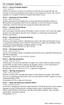 CG: Computer Graphics CG 111 Survey of Computer Graphics 1 credit; 1 lecture hour Students are exposed to a broad array of software environments and concepts that they may encounter in real-world collaborative
DIABLO VALLEY COLLEGE CATALOG 2015-2016
 ART DIGITAL MEDIA ARTDM Michael Almaguer, Dean Applied and Fine Arts Division Business and Foreign Language Building, Room 204 Possible career opportunities Digital media or graphic design jobs cover all
Animation Overview of the Industry Arts, AV, Technology, and Communication. Lesson Plan
 Animation Overview of the Industry Arts, AV, Technology, and Communication Lesson Plan Performance Objective Upon completion of this assignment, the student will have a better understanding of career and
Office of Admissions. 110 Meyerson Hall Philadelphia, PA 19104-6311 TIME BASED AND INTERACTIVE MEDIA CERTIFICATE PROGRAM
 Office of Admissions 110 Meyerson Hall Philadelphia, PA 19104-6311 TIME BASED AND INTERACTIVE MEDIA CERTIFICATE PROGRAM The Time Based and Interactive Media Certificate Program is suited for graduate students
Communication Studies Courses-1
 Communication Studies Courses-1 COM 103/Introduction to Communication Theory Provides students with an overview of the discipline and an understanding of the role theory plays in the study of communication.
Mass Communication. Marketing Communication, B.S. major. Mass Communication 1
 Mass Communication Mass communication is the primary means by which our society relays news, information, and entertainment to the public. Technological advances have promoted instantaneous, global, and
Fall 2014: Graphic Design
 Fall 2014: Graphic Design Graphic design is a large and growing profession in demand in the global communications world. In addition to an emphasis on traditional skills and production methods, the program
VAPA (Visual Arts) VISUAL ARTS
 VISUAL ARTS VAPA (Visual Arts) ART 1-2 This course will introduce the student to the various ways of producing artistic pieces in the areas of drawing, design, color, painting, three-dimensional, and printmaking.
How To Get A Degree In Art From Cesa De Los Mamos
 Cañada College College of San Mateo Skyline College Art/Design Degrees Art AA, AA-T from All Three Colleges Art History The Art Major with an Emphasis in Art History is designed for students who wish to
DIABLO VALLEY COLLEGE CATALOG 2015-2016
 DRAMA DRAMA Michael Almaguer, Dean Applied and Fine Arts Division Business and Foreign Language Building, Room 204 Possible career opportunities Most careers related to theatre require education beyond
College of Fine Arts. Theatre
 110 THEATRE: AN INTRODUCTION. (3) This course provides an introduction and investigation into the analysis, research, production, and creative techniques central to the art of theatre. Students will read
Minnesota Academic Standards
 Minnesota Academic Standards Arts K-12 2008 The proposed revised standards in this document were drafted during the 2007-2008 school year. These standards are currently proceeding through the administrative
Film has become a dynamic global system for
 SCHOOL OF COMMUNICATION film and digital media LUC.EDU/SOC Film has become a dynamic global system for production, distribution, and consumption. With the help of new, digital, networked technologies,
THEATRE SPANISH SPORTS MEDICINE
 CREDIT PROGRAMS / COURSE DESCRIPTIONSRR SOLAR 101 INTRODUCTION TO ENERGY TECHNOLOGY CSU 54.00 hours lecture Introduces major types of energy and their sources and interrelationships while exploring concepts
Arts, Media and Entertainment Pathway Courses
 CBEDS Code Course Title 5751 RCOE Creative Digital Media Course Hours Primary Pathway 180 Design, Visual and Media Arts, and / Production and Managerial Arts 5751 Digital Imaging 360 Design, Visual and
 COMPONENT I Historical/Cultural Social Context 1. Defines the different areas of the entertainment industry. 2. Acquires the fundamental knowledge relating to the history of the entertainment industry.
California State University Los Angeles MFA in Television, Film and Theatre. Abstract
 California State University Los Angeles MFA in Television, Film and Theatre Abstract The Master of Fine Arts in Television, Film and Theatre is an interdisciplinary program between the departments of Communication
Associate Degrees Graphic Design Career Path Photography Career Path Animation Career Path Digital Media Career Path
 Associate Degrees Graphic Design Career Path Photography Career Path Animation Career Path Digital Media Career Path s Computer Animation Advanced Computer Animation Computer Graphics Illustration Photography
Arts High & Arts Middle School Programs
 MIDDLESEX COUNTY 2014-2015 Class Catalogue & Applications Arts High & Arts Middle School Programs The Award-Winning Arts Education Programs for Gifted and Talented Students Open to Public, Private & Home
Program, Course, and General Education Transfer Agreement
 Program, Course, and General Education Transfer Agreement College and The Art Institute of California, a College of Argosy University Based on 2012-201 Catalog Associate General Education General Education
COMM - Communication Arts
 COMM - Communication Arts COMM 1100 - Orientation to Communication Arts This course gives students a foundation for beginning studies in the Department of Communication Arts. It will focus on the history
SCHOOL OF DESIGN STUDIES
 SCHOOL OF DESIGN STUDIES SCHOOL OF DESIGN STUDIES 1FOUNDATION YEAR DIPLOMA 3 ART HISTORY ART HISTORY BUSINESS PRACTICE 5 50 RESEARCH SKILLS 5 ACADEMIC SKILLS 10 40 11 X 5 BUSINESS PRACTICE 5 DRAWING 40
ARTS, INFORMATION AND COMMUNICATIONS CAREER LEARNING AREA
 ARTS, INFORMATION AND COMMUNICATIONS CAREER LEARNING AREA Overview The Performing Arts cluster skill sets are designed to prepare our students for entrance into performance or music education degrees.
Visual and Performing Arts Subject Template (Required Information needed to prepare for course submission)
 Visual and Performing Arts Subject Template (Required Information needed to prepare for course submission) Course Purpose: What is the purpose of this course? Please provide a brief description of the
Central Connecticut State University (CCSU) > Communication. 100s
 Central Connecticut State University (CCSU) > Communication Send To Printer Communication 1. 2. 3. 4. 5. Jump to level: 200s 300s 400s 500s COMM 115 Fundamentals of Communication 3 Basic course offering
Theatre Arts Film Theatre Arts Performance. Theatre Arts
 Theatre Arts Theatre Arts Film Theatre Arts Performance TA TAFILM TAP Degrees: A.A. Acting-Directing Emphasis A.A. Film A.A. Technical Production Emphasis AA-T Theatre Arts for Transfer (approval pending)
Degree: Fine and Performing Arts Award Type: A.A. Degree
 2014-2015 Degree: Fine and Performing Arts Award Type: A.A. Degree The Fine and Performing Arts curriculum offers instruction in theory, practice and history. These three areas of study provide the foundation
Department of Cinema-Television
 Department of Cinema-Television CTV 502 Cinema-Television Equipment Workshop (1) Required for those who plan to check-out equipment for media projects. Covers in an intensive time frame: video camera,
Mass Communication MASS COMMUNICATION BACHELOR OF SCIENCE IN MASS COMMUNICATION
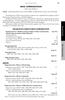 Mass Communication 197 MASS COMMUNICATION Chair: Jason Hutchens Faculty: Emilia Bak, Judith Curtis, Terence Dollard, George Harrison, Jamie Litty, Sara Oswald The Department of Mass Communication combines
Student s Name. Family Name (if different) School District Name. Street Address Town Zip. Home Phone Birth Date Grade as of September 2012
 STUDENT QUESTIONNAIRE (Please print) ~ VOCAL MUSIC ~ Family Name (if different) School District Name Street Address Town Zip Do you take private lessons? Yes No Number of years of study Vocal Range: (circle)
Chapter 117. Texas Essential Knowledge and Skills for Fine Arts. Subchapter C. High School, Adopted 2013
 High School, Adopted 2013 117.C. Chapter 117. Texas Essential Knowledge and Skills for Fine Arts Subchapter C. High School, Adopted 2013 Statutory Authority: The provisions of this Subchapter C issued
Communications and Composition Contact Person: Dr. Sara Sliter-Hays
 Communications and Composition Contact Person: Dr. Sara Sliter-Hays Drawing on both the rich humanistic and Jesuit traditions of Rhetoric, the Communications and Composition Department prepares students
Education for the Arts
 Education for the Arts Course Brochure 2013-2014 find your voice. Mission Statement The mission of Education for the Arts is to enhance arts education for all students in Kalamazoo County making dance,
Diploma/BA (Hons) Digital Arts - GI401
 Diploma/BA (Hons) Digital Arts - GI401 1. Specific Title BA (Hons) Digital Arts with Specialisation in Animation / Multimedia 2. Objectives The programme is designed to provide opportunities to students
M.F.A. in Film & Electronic Media (Degree Requirements, effective as of Academic Year 2013 2014) Core SOC Courses (32 credits) Semester Grade
 M.F.A. in Film & Electronic Media (Degree Requirements, effective as of Academic Year 2013 2014) M.F.A Candidates with an interest in teaching are encouraged to enroll in the University Greenberg Seminars
ARTS, AUDIO/VIDEO TECHNOLOGY AND COMMUNICATIONS
 ARTS, AUDIO/VIDEO TECHNOLOGY AND COMMUNICATIONS Principles of Arts, Audio/Video Technology & Communications 0.5 Credit 812210 Professional Communications (not required for Class of 2018) 0.5 Credit 820210
ACPA Holistic Delivery & Assessment Strategy 2013
 ACPA & The Cultural Program: The Aboriginal Centre for the Performing Arts (ACPA) is Australia s largest Indigenous performing arts training organisation. It offers a three year pathway, from a Certificate
MEDIA ENTERTAINMENT ARTS
 MEDIA ENTERTAINMENT ARTS Media Entertainment Arts seeks to create, improve, expand and strengthen relevant and rigorous academic Programs of Study, in cooperation with local high school, ROP, and community
COURSE DESCRIPTIONS COURSE NUMBERS. The course-numbering system indicates the college level at which courses are normally taken.
 COURSE DESCRIPTIONS COURSE NUMBERS The course-numbering system indicates the college level at which courses are normally taken. NUMBERING SYSTEM GUIDE 001-009 precollege course-no credit 010-099 credit
COURSE TITLE COURSE DESCRIPTION
 COURSE TITLE COURSE DESCRIPTION CA-00X COMMUNICATION EXIT INTERVIEW All graduating students are required to meet with their department chairperson/program director to finalize requirements for degree completion.
2015-2016 Academic Catalog
 2015-2016 Academic Catalog Communication Studies Associate Professors: Parry (Chair) Assistant Professors: Knight, Lyons, Hammer, Sullivan Visiting Assistant Professors: Famiglietti The BA in Communication
Arts High & Arts Middle School Programs
 MIDDLESEX COUNTY 2015-2016 Class Catalogue & Applications Arts High & Arts Middle School Programs The Award-Winning Arts Education Programs for Gifted and Talented Students Open to Public, Private & Home
THEATRE AND DANCE Theatre and Dance
 Theatre and Dance College of Arts & Humanities Department of Theatre and Dance 201 Performing Arts Center 507-389-2118 Web site: www.msutheatre.com Fax: 507-389-2922 Chair: Paul J. Hustoles Thomas Bliese,
Motion Picture/Television Associate in Applied Science Field of Study Code: MPTV.AAS.ANIMAT
 Motion Picture/Television Associate in Applied Science Field of Study Code: MPTV.AAS.ANIMAT Catalog Description: The Animation degree specializes in preparing students for employment and/or transfer in
DEPARTMENT OF HUMANITIES AND FINE ARTS
 Department of Humanities and Fine Arts / 87 DEPARTMENT OF HUMANITIES AND FINE ARTS THE BACHELOR OF ARTS DEGREE IN ENGLISH The goal of the English and Communication program is to help students develop the
DESIGN. College of the Arts. Career Possibilities. Undergraduate Programs. Bachelor of Arts in Design (120 Units) 342 Design 2015-2016 CSULB Catalog
 DESIGN College of the Arts Department Chair: Martin Herman Department Office: Design (DESN), Room 101 Telephone / FAX: (562) 985 5089 / (562) 985 2284 Website: http://www.csulb.edu/depts/design/ Undergraduate
Digital Film Production
 Digital Film Production Section B.92 2/13/2016 Ontario College Diploma (2 Years - 4 Semesters ) (1097) 705.759.6700 : 1.800.461.2260 : www.saultcollege.ca : Sault Ste. Marie, ON, Canada PROGRAM OVERVIEW
Visual and Performing Arts
 126 Visual and Performing Arts Students interested in art and design, dance, music, photography, theatre, and other visual and performing arts have a rich selection of degree programs and one certificate
Programs of Study. Arts, A/V Technology & Communications
 DIGITAL MULTIMEDIA DESIGN 350 Associate in Applied Science degree (A.A.S.) 67 Credit Hours (CH) The Digital Multimedia Design Program is designed to prepare students for entry-level positions in the field
Student Union B, Room 100 (501) 569-3160. Professional and
 Student Union B, Room 100 (501) 569-3160 Professional and Master of Arts in Professional and Technical Writing Technical Writing The Master of Arts in Professional and Technical Writing (PTW) program provides
Liberal Arts Division: Associate of Arts (A.A.)
 Liberal Arts Division: Associate of Arts (A.A.) James Petersen, M.A., Division Chair Woodrow Woody Kipp, M.F.A., Instructor BCC s Associate of Arts Degree is for students who are undecided on a major or
VISUAL AND PERFORMING ARTS
 VISUAL AND PERFORMING ARTS Visual Arts In Visual Arts a wide range of coursework is designed to develop an understanding of art, art history, art production, and creative problem solving. The courses are
Degree Programs Offered. Minors Offered. Special Requirements. 236 School of Journalism and Mass Communications
 236 School of Journalism and Mass Communications Phone: (512) 245-2656 Office: Old Main 102 Fax: (512) 245-7649 Web: http://www.masscomm.txstate.edu Degree Programs Offered BA, major in Mass Communication
Master of Fine Arts in Creative Writing and Media Arts University of Missouri-Kansas City
 Master of Fine Arts in Creative Writing and Media Arts University of Missouri-Kansas City The Department of English offers the degree Master of Fine Arts (M.F.A.) in Creative Writing and Media Arts. This
IFDM Career Pathways Acting, Directing & Writing Animation
 Acting, Directing & Writing Acting Focus THEA 130[120] Acting I THEA 131[121] Acting II (Prereq: THEA 130) THEA 230[220] Acting III (Prereq: THEA 131 or Pre or Corequiste: THEA 231) THEA 231[224] Voice
NORTHERN VALLEY SCHOOLS Office of Curriculum and Instruction Technology Education Department Demarest and Old Tappan HYPERMEDIA II GRADES 10 12
 NORTHERN VALLEY SCHOOLS Office of Curriculum and Instruction Technology Education Department Demarest and Old Tappan HYPERMEDIA II GRADES 10 12 Philosophy Statement...2 UNIT I Computer Use Policy, Plagiarism
Communication Advertising Communication Communication Studies Electronic Media Journalism Motion Pictures Public Relations Visual Journalism
 University of Miami Bulletin, 2012 2013 UNDERGRADUATE COURSES* * 500 level courses appear in both the undergraduate and graduate course listing and may be considered undergraduate or graduate at the discretion
GRAPHIC DESIGN, BACHELOR OF FINE ARTS (B.F.A.)
 VCU 1 GRAPHIC DESIGN, BACHELOR OF FINE ARTS (B.F.A.) Admission and standards of graphic design Students who have successfully completed the Art Foundation Program may apply for admission into the graphic
Requirements for admission to Graduate Studies for the Master of Arts or Master of Fine Arts degree in Communication are:
 SCHOOL OF COMMUNICATION GRADUATE www.com.miami.edu DEPARTMENTS The School of Communication offers the Master of Arts in the Department of Communication Studies (MA in Communication Studies), the Department
LEHMAN COLLEGE OF THE CITY UNIVERSITY OF NEW YORK JOURNALISM, COMMUNICATION AND THEATRE DEPARTMENT CURRICULUM CHANGE
 Hegis # 0699.00 Multimedia Journalism Program Code 20471 1. Type of Change: Name of major and degree requirements 2. From: [42-Credit Major in Multimedia Journalism, B.A. CORE COURSES (18 credits) All
2012 Music Standards GRADES K-1-2
 Students will: Personal Choice and Vision: Students construct and solve problems of personal relevance and interest when expressing themselves through A. Demonstrate how musical elements communicate meaning
Telephone 708-534-4118 [email protected] Office Hours Monday 2:00pm-4:30pm and Tuesday 2:00pm-4:30pm by appointment
 Course Title IFDI/MCOM 630 Directing Drama for Film and Television Credit Hours 3.0 Semester Spring Class Time Monday Class location E2591 Instructor Name Sanghoon Lee Office E2561 Telephone 708-534-4118
HACKETTSTOWN, NEW JERSEY. Computer Animation Grades 10-12 CURRICULUM GUIDE FINAL DRAFT. July 2014
 HACKETTSTOWN, NEW JERSEY Computer Animation Grades 10-12 CURRICULUM GUIDE FINAL DRAFT July 2014 Mr. David C. Mango, Superintendent Ms. Nadia Inskeep, Director of Curriculum & Instruction Developed by:
Communication. Dr. Jack H. Simons, Chairperson
 Dr. Jack H. Simons, Chairperson The basic elements of Christianity evangelization (leading people to saving faith in Jesus Christ) and edification (discipling believers to maturity) require effective communication
COURSE DESCRIPTIONS COURSE NUMBERS. The course-numbering system indicates the college level at which courses are normally taken.
 COURSE DESCRIPTIONS COURSE NUMBERS The course-numbering system indicates the college level at which courses are normally taken. NUMBERING SYSTEM GUIDE 001-009 precollege course-no credit 010-099 credit
TAFE NSW - Hunter Institute Faculty of Arts & Media
 PO Box 3267 Hamilton DC NSW 2303 Australia Phone: 13 12 25 Email: [email protected] Web: www.hunter.tafensw.edu.au The Faculty of Arts and Media offers courses at Newcastle Art School in
FOREIGN LANGUAGE, BACHELOR OF ARTS (B.A.) WITH A CONCENTRATION IN SPANISH
 VCU 1 FOREIGN LANGUAGE, BACHELOR OF ARTS (B.A.) WITH A CONCENTRATION IN SPANISH Mar Góngora Associate professor and program coordinator, Spanish worldstudies.vcu.edu/spanish (http://worldstudies.vcu.edu/spanish)
BISC 100/3.0 and FILM 104/3.0) and (registration in a FILM Plan, STSC Specialization or COCA Specialization Plan).
 FILM 104/3.0 Film Form and Modern Culture to 1970 Introduction to tools and methods of visual and aural analysis and to historical and social methods, with examples primarily from the history of cinema
SPANISH UNDERGRADUATE COURSE DESCRIPTIONS
 SPANISH UNDERGRADUATE COURSE DESCRIPTIONS SPAN 111 Elementary Spanish (3) Language laboratory required. Credit Restriction: Not available to students eligible for 150. Comment(s): For students who have
Welcome to the USC School of Cinematic Arts, where we invite you to explore and expand the power and potential of film, television and new media.
 Welcome to the USC School of Cinematic Arts, where we invite you to explore and expand the power and potential of film, television and new media. For time immemorial, the desire for humans to imagine and
Faculty Dr. Arafat Al-Naim, Dr. Rania Fawzi, Dr. Mohamed Galib, Dr. Majed Kamal Eldeen, Dr. Mohamed Sedeeq, Moh d Musa (M.A.)
 Graphic Design Department The Graphic Design Department at Zarqa University is committed to provide a high quality Design education and teaching new media skills. The Department offers a four-year bachelor
Graphic Design Bachelor of Fine Arts Degree (B.F.A.)
 Berkeley College Overview Academic Programs Graphic Design Bachelor of Fine Arts Degree (B.F.A.) Admissions and Finances Administration, Faculty, and Staff Contact Us Get a PDF of this page. Course Requirements
COMMUNICATION. COMMRC 0005 INTERVIEWING AND INFORMATION GATHERING 3 cr. COMMRC 0310 RHETORICAL PROCESS 3 cr.
 COMMUNICATION COMMRC 0005 INTERVIEWING AND INFORMATION GATHERING 3 cr. Students are introduced to the fundamental principles of interviewing, including the interpersonal communication process, the structure
Campbellsport School District Art and Design Performance Standards and Benchmarks
 CSD Performance Standards for Art and Design describe what Campbellsport School District students will know and be able to do within this subject area. Each CSD performance standard is aligned to one or
Brian & Teri Cram Middle School Course Catalog
 Brian & Teri Cram Middle School Course Catalog 6th Grade Required Courses Sixth grade students attending Brian and Teri Cram Middle School are required to enroll in the following courses of study: English
LOS ANGELES UNIFIED SCHOOL DISTRICT POLICY BULLETIN
 Los Angeles Unified School District Career Technical Education COURSE TEMPLATE (Secondary Non-ROCP) Course Title: Delivering The Message - Fundamentals of Video Production - Level One Prerequisite: ENGL