
For many years, cosmetic-plastic surgeons have
|
|
|
- Homer Anderson
- 10 years ago
- Views:
Transcription
1 W O N D E R W H Y? Autologous Fat Grafts as Mesenchymal Stromal Stem Cell Source for use in Prolotherapy: A Simple Technique to Acquire Lipoaspirants Robert W. Alexander, MD, DMD, FICS A B S T R A C T Objectives: Background for use of autologous adipose tissue as a source of adult progenitor (stem) cells for use in Prolotherapy. Present a means of lipoaspiration to harvest adipose-derived mesenchymal stromal cells (AD-MSC) and the stromal vascular fraction (SVF) for use in Prolotherapy and regenerative medical applications by non-plastic surgeons. Design: Explain the patented super luer-lok and microcannulas for use with the Tulip Medical closed syringe system. A sequential explanation and equipment selection for minimally traumatic lipoaspiration in small volumes is presented. Results: Thousands of autologous fat grafts (AFG) have proven safe and efficacious for lipoaspiration techniques for large and small structural fat grafting procedures. Addition of platelet-rich plasma (PRP) to AFG has been used in several thousand cases of HD ultrasonicguided injection Prolotherapy for musculoskeletal purposes in the past 4 years with excellent clinical outcomes. Conclusions: Use of Tulip closed syringe lipoaspiration system with microcannulas offers a safe and effective means of harvesting small volumes of non-manipulated adipose tissues and its accompanying progenitor cells within the SVF. It offers a simple and effective means to gather undifferentiated cells for use in Prolotherapy and regenerative medical applications. Syringe and microcannulas offer a compact system and practical protocol for non-plastic surgical practitioners. Journal of Prolotherapy. 2011;3(3): KEYWORDS: Adipose-derived adult mesenchymal stem cell; adipose-derived progenitor cells; adipose-derived stem cells; adipose-derived stromal cells; bioscaffolds; lipoaspiration; lipoharvest; platelet-rich plasma; PRP; Prolotherapy; stromal vascular fraction; SVF. i n t r o d u c t i o n & b a c k g r o u n d For many years, cosmetic-plastic surgeons have recognized the value of low pressure lipoaspiration for successful transplantation of adipose tissue for structural augmentation. In the introductory years ( ) of liposuction techniques, autologous fat grafting (AFG) was considered unpredictable. Once bioengineers discovered the mechanisms by which lipoaspiration worked, the closed syringe system for gentle harvesting and transplantation was developed and patented. Early belief that effective lipoaspiration was directly related to force of vacuum was replaced by understanding, that, introduction of fluid into the fat layers permitted the fat cells and stroma to enter into a suspension. This suspension was easily extracted through use of closed syringes, and provided adipose tissues with reduced damage and improved grafting results. 1 As the importance of tumescent fluid distribution was appreciated, more value was placed in extensive pretunneling (moving cannula without applying vacuum). This better distributed local solution and enhanced the ability to mobilize the adipose tissues into a suspension, which yielded more successful and predictable AFG. During the late 1990s, surgeons began to include utilization of platelet-rich plasma (PRP) to further enhance the successes and acceptance of the graft tissues, in both large and small volume transfers. 2 In the early 2000s, appreciation of the potentials of adipose tissue and its related stromal elements, led to examination of the adipose-derived adult mesenchymal stem cell content (AD-MSC). Evidence has clearly shown the key importance of the progenitor cells (SVF) and extracellular matrix (ECM) as integral contributors to 680

2 the tissue maintenance and healing processes. 3 Studies of adipocyte replenishment (following normal senescence and cellular death) showed that these attached progenitor cells were activated to form adipocytes and thereby maintain adipose tissue integrity over time. 4 Since there is easy accessibility and greater availability of pleuripotential progenitor cells for all mesogenic lines within adipose tissues, utilization of AD-MSC/SVF has become a central focus in clinical regenerative medicine Pre-clinical and clinical applications have been reported in many scientific studies in the biological, bioengineering, and clinical medical literature. 11 Cosmetic-plastic surgeons initially focused on understanding the mechanisms to achieve safe and effective AFG. It was believed that intact cellular (mature lipocytes) transplantation was the most important goal. However, it has become crystal clear that the actual adult adipocytes transplanted may be the least important feature producing the success, even in structural fat graft applications. Current beliefs are that success in long-term AFG is actually due to activation of adherent progenitor cells (attached to mature adipocytes, ECM and SVF), and proliferation of those progenitor cells to differentiate into the target cell for replacement As example, placement of lipoaspirants into existing adipose tissue favors differentiation into adipose cell types. As understanding of the maintenance and replenishment of cell cycles in Vivo increases, extensive research has been devoted to the study of microenvironment (niche), cellto-cell/cell-to-matrix factors, and autocrine/paracrine signaling system functions. Since AD-MSC/SVF are capable of differentiation for all mesogenic lines including: (1) Chondrogenic; (2) Fibro-muscular (including tendon, ligament, skeletal and cardiac muscle); (3) Osteogenic; and, (4) Adipogenic cell lines, uses in clinical applications have increased Addition of PRP concentrate-derived of growth factors and signal proteins (cytokines) to the progenitor cells, have clinically improved abilities to promote healing within an injury site. 2 Rapidly accumulating early clinical data on the safety and efficacy of AD-MSC/SVF in Vivo provides clear evidence that adipose tissue grafts possess extensive potentials, well beyond the structural augmentation in plastic surgical uses. Understanding these mechanisms resulted in important application potentials for Prolotherapy and regenerative medicine. Reporting of pre-clinical, early clinical, and controlled studies in animal and human models, shows worldwide recognition of the potentials uses of these cells in diverse areas of medicine and surgery For more than 5 decades, most research and clinical application reports have used bone marrow-derived stem cells (BM-MSCs). 21 It is now recognized that AD-MSCs have essentially the same capabilities while offering significant advantages over BM-MSCs utilization. These include: (1) Very similar progenitor differentiation capabilities; (2) Found in much higher concentrations compared to bone marrow aspirants (>100X); (3) Less expensive to harvest; (4) Less invasive (more safe); (5) Readily available tissue; and, (6) Less technically demanding than bone marrow penetration and cellular harvest. These have led to increased uses in many areas of medicine and surgery Prolotherapy has clearly demonstrated how mechanical and chemical irritants can effectively stimulate damaged musculoskeletal (MSK) and connective tissues and restart the healing process. In the early 1990s, the value of adding complex elements which are naturally derived via platelet degranulation proved effective in further promotion of healing mechanisms. 17 Since that time, Prolotherapy has recognized the value of PRP concentrate placement into local musculoskeletal and joint areas in more complex cases The natural next step is application of AD-MSC/ SVF + PRP placement by guided high-definition (HD) ultrasonography in complex and difficult cases. This has proven to be of significant value in healing outcomes, particularly in areas of complex damage or surgically failed sites. 36 It is now believed that improved efficacy is a result of direct stimulation of the microenvironment (niche) and simultaneous provision of needed undifferentiated (progenitor) cell types to damaged tissue sites in Vivo Extrapolation of extensive human uses with proven safety and success in aesthetic and reconstructive surgical structural fat grafting/prp has led Prolotherapists to adapt the techniques for uses in musculoskeletal (MSK) tissues. Technology is available to effectively isolate/ concentrate these progenitor cells, but such manipulation involving chemical digestion is not permitted for clinical use within the United States. Therefore, utilization of non-manipulated AFG/PRP concentrates remains the only option at this time. 40 This paper is intended to provide Prolotherapists and sports medicine practitioners a simple and safe means of gathering lipoaspirates to be utilized in advanced cases. The patented Tulip closed syringe system with its array of microcannulas is a well 681

3 recognized lipoaspiration system, and suitable for nonplastic surgeons to harvest small volume lipoaspirates for use in guided musculoskeletal injection therapies. Explanation and discussion of a reasonable and safe protocol for adipose harvest for non-plastic surgeons will be provided in this paper. Materials & Methods S e l e c t i o n o f L i p o a s p i r a t i o n S i t e s The lower abdomen and flank areas of both males and females are considered ideal sites due to distribution of human adipose tissues and relatively large deposits. Choice of aspiration sites in the medial and lateral thighsbuttocks areas are sometimes used in female patients due to genetic distribution within the gynoid body type. In very low percentage body fat patients, use of the ultrasound is helpful to determine the thickness and depth of adipose deposits. Figure 1. Tulip Medical Closed Syringe Microcannula System For Lipoaspiration & Injection. Left to Right: Anaerobic Transfer (Super Luer Lok); Cell Friendly Microcannulas; Mechanical Injector Gun; BD Syringes with Locks In Place. P r e p a r a t i o n o f L i p o a s p i r a t i o n S i t e s The patients may be placed in either supine or lateral decubitus position to facilitate the preparation and sterile isolation of the proposed donor area(s). It is considered important to follow a standard sterile protocol for both the harvesting and placement sites. I n s t r u m e n t a t i o n The patented Tulip Medical closed syringe system for lipoaspiration features very smooth cannulas and a super luer-lok connection for use with standard luerlok syringes. (See Figure 1.) This hub connection is an important component of the microcannula system, in that it provides an excellent seal for maintaining even vacuum forces during lipoaspiration. In addition, it provides a very stable, rigid base when using very small cannulas and their associated flexibility within the tissues. Two standard options for microcannula selection are offered within the Tulip system. They are: 1. Cell-Friendly Microcannula option (autoclavable) (See Figure 2.): These cannulas are internally polished by a proprietary extrusion process to maximize internal smoothness Figure 2. Prolotherapy Microcannula Set (Cell-Friendly). Top: Tulip Multiport Infiltrator; Middle: Tulip Carraway 3 Port Harvester 2.1 mm; Bottom: Tulip Carraway 3 Port Harvester 1.67 mm. and reduce adipose tissue damage to the adipocytes and their accompanying matrix. External cannula anodizing processes provide a smoother surface for ease of passage within the subdermal adipose plane. This is the most popular design in use within the plastic-cosmetic autologous fat grafting procedures; 2. Gel Coated Disposable option (See Figure 3.): Use of microcannulas in small diameters (range mm OD) presents a challenge in proper cleaning and sterilization, making a disposable option attractive. These are packaged and labeled in a sterile wrap, and can be opened directly onto the sterile field or back table. Featuring the super luer-lok base, the stainless steel cannulas are coated with a hydrophilic gel which provides slick coating and pass through adipose tissues with minimal resistance. 682

4 Figure 3. Tulip Medical Disposable Microcannula System. S e l e c t i o n o f M i c r o c a n n u l a L e n g t h a n d D i a m e t e r s For Prolotherapy applications, it is recommended to use a small, multiport Infiltrator Cannula for even and thorough distribution of local anesthesia throughout the adipose donor layer. Openings near the tip are multiple and oriented such that 360 degree distribution of local while moving through the subdermal fat layers is possible. It is recommended that practitioners use this cannula in a diameter of 2.1 mm OD and a length of 10 cm. (See Figures 4a & 4b.) Figures 4a & 4b. a. Close up of Multiport Infiltrator Cannula. b. Close up of 3 Port Carraway Harvester Cannula. Tulip Syringe Locks are designed for use on BD or Monoject 10/12 and 20 cc luer-lok syringes to hold the syringe plunger in a fully drawn position during the application of vacuum. (See Figure 5.) When in the locked position, and all air removed from the system, this permits the physician to apply even and gentle vacuum pressures while moving the cannula through the adipose layer. Harvesting Cannulas are designed to actually remove the adipose tissues from the subdermal plane, following the same pattern and location of local anesthesia distribution. It is recommended that Prolotherapists use one of two diameters, smaller for thinner and lower percent body fat patients, and larger for the majority of patients. The openings are offset, meaning in a non-linear pattern near the tip of the cannula. These are in diameters of 1.67 mm and 2.1 mm (OD), and a length of 8 cm. Use of a slightly shorter harvesting cannula versus infiltrator, makes it easier to remain within the local anesthesia distribution areas. Figure 5. Close up of Jonnie Lock attached to BD Syringe. 683

5 Tulip Anaerobic Transfers are available to facilitate loading of treatment syringes for both combining PRP + adipose grafts into one syringe. They are also useful for transferring the treatment mix into syringe sizes of physician s preference for injection. (See Figures 6a & 6b.) Figures 7a & 7b. a. Mechanical Injector Gun (0.5 cc Per Trigger Pull). b. Mechanical Injector Gun (0.5 cc per trigger pull) prepared for injection placement. S e q u e n t i a l T e c h n i q u e F o r L i p o a s p i r a t i o n It is recommended that the area of donor fat be outlined with a skin marking pencil. This will become the area prepped-draped to expose the thickest deposit of palpable fat tissues and serve as a distribution pattern for local anesthetic infiltration. (See Diagram 1.) Figures 6a & 6b. a. Anaerobic Transfers, Super Luer-Lok Attachment. Left: Cell-Friendly (Non-Disposable); Right: Disposable. b. Anaerobic Transfers (Luer-to-Luer) for loading syringes for actual guided placement. Tulip Injector Gun is a device for placement of controlled 0.5 cc aliquots of treatment mix. When AFG is added to the PRP, the density of the injection material is increased. This may result in the Prolotherapist requiring more force to inject into the tissue site. Single trigger pull provides exact volumes of solution to be placed with less pressure required by the provider. (See Figures 7a & 7b.) After marking, preparation, and isolation of the donor area, an g needle is utilized to create a small opening, extending through the epidermis and dermis, into the subdermal fat plane below Scarpa s fascia. This opening is made larger by selectively cutting the dermal layer (under the skin surface) with edge of the needle. This allows the introduction of the multiport infiltration cannula through the skin and the superficial fascia (Scarpa s in the abdomen). (See Diagram 2.) Following entry, passage of the infiltrator is approximately in a horizontal fashion, above the muscular layer, in a spokes-of-a-wheel pattern. Pinching the skin-fat tissues may help in passing the cannula. During movement of the infiltrating cannula, slow injection of the tumescent local anesthesia fluid is provided on both the entry and withdrawal strokes, evenly, and in layers. The importance of avoiding pooling of local is that 684

6 Diagram1. Marked abdominal skin for infiltration and harvest. X marks skin opening site(s) arrows outline pattern of infiltration of local and harvest. Diagram 2. Lateral view abdominal wall, cannula placed under Scarpa s fascia. evenly distributing liquids improve the efficiency of harvest and well as providing excellent patient comfort. Typical volumes of local solution range from cc during the infiltration process. Most practitioners select 50 cc multi-dose vials of local anesthetic (e.g. 0.5 to 1.0% Xylocaine with, or without, 1:100,000 epinephrine) to supply tumescent fluid for lipoaspiration. The remaining local is available to provide local anesthesia for the skin opening for lipoharvest, and for entry injection therapy sites for guided treatment. Upon completion of distribution of local anesthesia within the donor area, it is recommended that re-passage of the infiltrating cannula throughout the donor area (termed pre-tunneling ) multiple times is helpful. This more thoroughly distributes local fluids, and begins the mobilization of adipose tissue prior to use of any vacuum. This is an important step which will improve comfort during harvest, plus make extraction more efficient and effective. Most practitioners use a 20 cc BD luer syringe attached to the harvesting microcannula with a mounted locking device. A very small volume (1-2 cc) of sterile 0.9% saline is drawn into the cannula to displace air from the system prior to insertion into the harvest (donor site). Once the harvesting cannula is in the local infiltrated adipose layer, the syringe plunger is drawn to a full extension, and twisted to provide a lock, permitting the physician to be free to move the harvesting cannula in a forward and back series of passages. It is important that these passages are within the same plane and same pattern as was used in placement of local solution. Adipose return, at first, will be slower, as the tissue must be in suspension to be able to be extracted. Continuing these movements with vacuum applied will yield yellow adipose tissues which float on the small fluid volume within the syringe system. When the desired volume is attained, lipoaspiration is finishing, and the small opening is covered with a triple antibiotic ointment and a Coverlet bandage (adhesive on all sides). In the event of loss of vacuum (evidenced by a hissing sound), the cannula is simply removed from the adipose tissues, fluid advanced into the harvesting cannula to eliminate air from the system, cannula reinserted and plunger pulled open and locked to restart the aspiration. During the displacement of air, it is recommended that 4x4 sterile gauze be held over the harvesting tip openings to avoid spraying contents. Occasionally, in cases where there is a larger volume of infranatant fluid (the layer immediately below the fat tissues), simply express the liquid portion, and re-insert the harvesting cannula to the harvest site, lock the plunger, and gather more graft tissue. One common cause of increased infranatant volume is inadequate distribution of local fluid, creating a pooling effect, which reduces efficiency of adipose harvest. Upon completion of aspiration of approximately cc, the harvester cannula is removed, and the syringe end capped and placed in a vertical position in a standard test tube rack and allowed to decant. Some advanced techniques include a centrifugation (700 g for 3 minutes) to help further separate fluid from harvested graft. If ultrasound guidance is employed, preparation of the treatment sites can be completed during the decanting period (3-5 minutes). There is often a small liquid layer (infranatant) noted below the fat grafts. This may be expressed through an anaerobic transfer connection prior to loading of treatment syringes. [Note: It is advised that the most superficial layer on the top of the autologous fat 685

7 graft not be included in the treatment syringes (represents residual free oils).] Some practitioners perform 1-2 rinses with sterile saline to help reduce any residual local anesthetic solution and red blood cells. 38 Patients undergoing AFG will also be prepared for addition of previously harvested platelet-rich plasma (PRP) concentrates. (Harvest Tech, SmartPrep II ) The desired amount of PRP can be loaded to the treatment syringes using the anaerobic transfer. Most cases utilize the AFG:PRP ratio of 50% (i.e. added at a 50:50 ratio graft: PRP volume). This preparation is then ready for placement into treatment sites with practitioners using gauge needles of lengths needed to deliver the combination to the specific treatment site. Although these needles are larger than in common Prolotherapy use, they are necessary due to the increased viscosity of the AFG- PRP combination. Discussion When the mechanisms involved in liposuction technologies were recognized in the late 1980s, the ability to provide small and large volume liposuction via the Tulip closed syringe system was proven. Due to even, low vacuum pressures with syringe use, enhanced abilities to provide autologous fat grafting with safety, efficacy, and predictability within aesthetic surgical applications was noted. Structural fat grafting, utilizing the exact techniques herein described has been completed many thousands of times. In the mid-1990s this author began the addition of PRP to provide more effective graft acceptance. Recognizing the lipoaspirant concentration of AD-MSC/SVF played an important role in such autologous grafting and maintenance, we participated in examination for use of these progenitor cells for treatment of chronic musculoskeletal and joint disorders. With the ability of these adipose-derived stromal cells to physically differentiate into cartilaginous, skeletal, teno-ligamentous, skeletal muscle tissues in Vitro, early clinical Prolotherapy treatments utilizing these stem cells began in Prototherapists have extensive experience in using irritants to trick the body into returning to a previously incompletely or unhealed tissue state, stimulating the natural inflammation and encouraging musculoskeletal connective tissue and joints to effectively heal. The utilization of a patient s own tissues (autologous) to enhance a Prolotherapy treatment and promote the healing abilities in complex sites has become a practical clinical option. By providing many of the body s own healing growth factors and cytokines (derived from degranulating platelets), plus undifferentiated progenitor cells into damaged connective tissues, remarkable successes have been accomplished. The safety and efficacy of Prolotherapy with plateletrich plasma concentrates is now well recognized by many practitioners providing sports injury care. Appreciation of regenerative capabilities within bone marrow-derived mesenchymal stromal cells (BM-MSC) and AD-MSC have led Prolotherapists to clinical applications for use of non-manipulated AFG and autologous PRP to injury sites. Simultaneously, adipocytes and the associate stromal elements serve an important role, serving as a living bio-scaffold (attachment to adipocytes and SVF) which is critical to encourage available stem cells to activate. Both the AFG and PRP effects are further enhanced in the damaged tissues through established signaling mechanisms of autocrine and paracrine pathways in Vivo. 2, 36 Accurate introduction of AD-MSC/ SVF, adipocytes, and platelet-derived factors is important. When placed in a targeted injury site, it is believed that the interaction within the local microenvironment (niche) actually guides the activation and proliferation toward site-specific cell types. In doing so, it leads to improved inflammatory and healing capabilities Enhanced by the inclusion of the PRP concentrate, effectiveness of therapy has improved, even in the most complex cases. Conclusion This paper presents a simple and effective method of lipoaspiration to harvest adipocytes and their accompanying progenitor (stem) and stromal elements for use in Prolotherapy applications. The safety of using the patented Tulip closed syringe microcannula system has been proven for two decades. For the past 12 years, addition of PRP to the AFG protocol has provided great evidence of safety and influences on structural augmentation. As pre-clinical and human early clinical studies accumulate in MSK applications, many involved in Prolotherapy and regenerative medicine are finding a valuable paradigm shift favoring use of autologous cells and platelet derivatives for therapeutic purposes. Controlled clinical trials are now in progress to further examine the mechanisms and in Vivo tissue engineering. 686

8 [Note: The author has no financial interests in Tulip Medical, Harvest Technology or known conflicts of interest in presenting this material]. n R E F E R E N C E S Alexander RW. Liposculpture in the superficial plane: Closed syringe system for improvements in fat removal and free fat transfer. Am J Cosm Surg. 1992;11: Abuzeni P, et al. Enhancement of autologous fat transplantation with platelet rich plasma. Am J Cosm Surg. 2001;18:9-71. Guiliak F, et al. Control of stem cell fate by physical interactions with the extracellular matrix. Cell Stem Cell. 2009;5(1): Granneman J, et al. Selective electroporation of adipocytes within adipose tissue. Am J Physiol Endocrinal Metab. 2004; 287: Zuk P, et al. Multilineage cells from human adipose tissue: implications for cell-based therapies. Tissue Eng. 2001;7(2): Parker A, et al. Adipose-derived stem cells for the regeneration of damaged tissues. Expert Opin Biol Ther. 2006;6(6): Mizuno H. Adipose-derived stem cells for tissue repair and regeneration: ten years of research and a literature review. J Nippon Med Sch. 2009;76: Alexander RW. Use of PRP in autologous fat grafting. In: Shiffman, M ed. Autologous Fat Grafting. Berlin: Springer; 2010: Caplan A. Adult mesenchymal stem cells for tissue engineering versus regenerative medicine. J Cell Physiol. 2007;213: Gimble J, et al. Adipose-derived stem cells for regenerative medicine. Circ Res. 2007;100: Gimble J, et al. Clinical and pre-clinical translation of cell-based therapies using adipose tissue-derived cells. Stem Cell Res & Ther. 2010;1(2): Yoshimura K, et al. Cell-assisted lipotransfer for cosmetic breast augmentation: supportive use of adipose-derived stem/stromal cells. Aesth Plast Surg. 2008;32: Guilak F, et al. Multipotent adult stem cells from adipose tissue for musculoskeletal tissue engineering. Clin Orthop Relat Res. 2010; 9: Alexander RW. Fat transfer with platelet-rich plasma for breast augmentation. In: Breast Augmentation: Principles and Practice. 1st Edition. Springer, Berlin, Textbook 2009, Chapter 56. Gimble J, et al. Isolation and Growth of Stem Cells. Springer-Verlag, Berlin 2010; Chapter 6:3-19. Mizuno H. Adipose-derived stem and stromal cells for cell-based therapy: current status of preclinical and clinical trials. Curr Opin Molec Ther. 2010;12(4): Marx R. Platelet-rich plasma: evidence to support its use. J Oral Maxillofac Surg. 2004;62: Zuk P, et al. Human adipose tissue is a source of multipotent stem cells. Molec Biol Cell. 2002;13: Nixon A, et al. Effect of adipose-derived nucleated cell fractions on tendon repair in horse with collagenase-induced tendonitis. Am. J.Vet. Res. 2008;69: Black L, et al. Effect of adipose-derived mesenchymal stem and regenerative cells on lameness in dogs with chronic osteoarthritis of the coxofemoral joints: a randomized, double-blinded, multicenter, controlled trial. Vet Ther. 2007;8: Prockop D. Marrow stromal cells for nonhematopoietic tissues. Science. 1997;276(5309): Alexander RW, et al. Platelet-rich plasma (PRP) utilized to promote greater graft volume retention in autologous fat grafting. Am. J. Cosm. Surg. 2006;23(4): Aust L, et al. Yield of human adipose-derived adult stem cells from lipoaspirates. Cytotherapy. 2004;6:7-14. Yu G, et al. Isolation of human adipose-derived stem cells from lipoaspirates. Methods Mol Biol. 2011;702: Yoshimura K, et al. Characterization of freshly isolated and cultured cells derived from the fatty and fluid portions of liposuction aspirants. J Cell Physio. 2006;208(1): Oedayrajsingh-Varma M, et al. Adipose tissue-derived mesenchymal stem cell yield and growth characteristics are affected by the tissue-harvesting procedure. Cytotherapy. 2006; 8: Alexander RW. Platelet-rich plasma offers vast fat graft benefits. Cosm Surg Times. 2004;7(3): Fallouh L, et al. Effects of autologous platelet-rich plasma on cell viability and collagen synthesis in injured human anterior cruciate ligament. J Bone Joint Surg Am. 2010;92: Alderman D. Free yourself from chronic pain and sports injuries. Family Doctor Press Everts P, et al. Exogenous application of platelet-leukocyte gel during open subacromial decompression contributes to improved patient outcomes: A prospective, randomized, double-blind study. Eur Surg Res. 2008;40: Crane D, et al. Platelet rich plasma (PRP) matrix grafts. Pract Pain Management (P.P.M.). 2008;8: Karli D, et al. Platelet rich plasma for hamstring tears. Pract Pain Management (P.P.M.). 2010;10(5): Mei-Dan O, et al. Autologous platelet-rich plasma: a revolution in soft tissue sport injury management. Physician & Sports Med. 2010;4(38): Alderman D. The new age of Prolotherapy. Pract Pain Management (P.P.M.) 2010;10(4): Hall M, et al. Platelet-rich plasma: current concepts and application in sports medicine. J Am Acad Ortho Surg. 2009; 17(10): Albano J, et al. Autologous fat grafting as a mesenchymal stem cell source and living bioscaffold in a patellar tendon tear: a case report. Am J Sports Med. Pending Pub. 37. Liras A. Future research and therapeutic applications of human stem cells: general, regulatory, and bioethical aspects. J Tranlat. Med. 2010;8:

9 Alexander RW. Autologous fat grafting: a study of residual intracellular adipocyte lidocaine after serial rinsing with normal saline solution. In: Shiffman, M. ed. Autologous Fat Grafting. Berlin: Springer; 2010;58: Flynn L. The use of decellularized adipose tissue to provide and inductive microenvironment for the adipogenic differentiation of human adipose-derived stem cells. Biomaterials. 2010;31(17) Shoji T, et al. Local transplantation of human multipotent adipose-derived stem cells accelerates fracture healing via enhanced osteogenesis and angiogenesis. Lab Invest. 2010; 90(4): Uysal A, et al. Tendon regeneration and repair with adipose derived stem cells. Curr Stem Cell Res Ther. 2010;5(2): Lendeckel S, et al. Autologous stem cells (adipose) and fibrin glue used to treat widespread traumatic cranial defects: case report. J Craniomaxillofac Surg. 2004;32(6): Jeon O, et al. In Vivo bone formation following transplantation of human adipose-derived stromal cells that are not differentiated osteogenically. Tissue Eng Part A. 2008;14(8):

San Diego Stem Cell Treatment Center Frequently Asked Questions
 San Diego Stem Cell Treatment Center Frequently Asked Questions What is a Stem Cell? A stem cell is basically any cell that can replicate and differentiate. This means the cell can not only multiply, but
Regenerative Medicine
 January 2014 LIVING WATERS MEDICAL SPA AND WELLNESS CENTER Happy New Year A New Year: A New YOU! Regenerative Medicine We have all made numerous New Year s Resolutions in our life times, many I m sure
Orthopaedic Stem Cell Treatment
 Orthopaedic Stem Cell Treatment Stem Cell Injections Surgically Implanted Stem Cells Learn about the treatment option that is best for you. Emory Healthcare patients can benefit from surgical implantation
Placement of Epidural Catheter for Pain Management Shane Bateman DVM, DVSc, DACVECC
 Placement of Epidural Catheter for Pain Management Shane Bateman DVM, DVSc, DACVECC Indications: Patients with severe abdominal or pelvic origin pain that is poorly responsive to other analgesic modalities.
NIH Clinical Center Patient Education Materials Giving a subcutaneous injection
 NIH Clinical Center Patient Education Materials What is a subcutaenous injection? A subcutaneous injection is given in the fatty layer of tissue just under the skin. A subcutaneous injection into the fatty
STEM CELL FELLOWSHIP
 Module I: The Basic Principles of Stem Cells 1. Basics of Stem Cells a. Understanding the development of embryonic stem cells i. Embryonic stem cells ii. Embryonic germ cells iii. Differentiated stem cell
Stem Cell Therapy. Treat your pain, improve your lifestyle and look after your wellbeing. What are stem cells?
 (02) 9824 3044 LIVERPOOL NSW 2170 Stem Cell Therapy Treat your pain, improve your lifestyle and look after your wellbeing What are stem cells? Stem cells are cells that can differentiate into other types
CURRICULUM VITAE. Robert W. Alexander. M.D., D.M.D., F.I.C.S., P.S.
 CURRICULUM VITAE Robert W. Alexander. M.D., D.M.D., F.I.C.S., P.S. Graduate Doctor of Dental Surgery, Magna Cum Laude, Valedictorian, St. Louis University Medical Center, College of Medicine and Dentistry;
Stem Cell Research: Adult or Somatic Stem Cells
 Chiang 1 Stem Cell Research: Adult or Somatic Stem Cells Abstract Kelly Chiang Cluster 7 Dr. LeFebvre 07/26/10 Over the past few decades, stem cells have been a controversial topic in the scientific field.
S YN T H E T I C C A N C E L LO U S B O N E
 S YN T H E T I C C A N C E L LO U S B O N E CELLPLEX TCP Graft is a synthetic cancellous scaffold that provides an optimum environment for cellular infiltration. Composed of tricalcium phosphate, the scaffold
Chapter 11. Everting skin edges
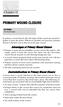 Chapter 11 PRIMARY WOUND CLOSURE KEY FIGURE: Everting skin edges In primary wound closure, the skin edges of the wound are sutured together to close the defect. Whenever possible and practical, primary
The Types of stem cells: Totipotent Pluripotent Multipotent
 Stem Cells is the main material for building and regeneration of the body Stem cells are not differentiated and can transform to any cell of organism Stem cells are capable of indefinite renewal through
5 Frequently Asked Questions About Adult Stem Cell Research
 5 Frequently Asked Questions About Adult Stem Cell Research Stem cells are often referred to in the sociopolitical realm with some level of controversy and beyond that, some level of confusion. Many researchers
Human Umbilical Cord-derived Multipotent Mesenchymal Stromal Cells (huc-msc) Handling Instructions
 Human Umbilical Cord-derived Multipotent Mesenchymal Stromal Cells (huc-msc) Order No.: 19401-005, 19401-010 Handling Instructions For preclinical ex vivo use. Not intended for therapeutic use. Table of
TREATMENT 1. Control bleeding by applying pressure over wound with Gauze Pads (Surgical Supply-4). 2. Contact Surgeon for laceration repair options.
 Page 1 of 8 pages NOTE Contact Surgeon before giving any medication marked with an asterisk. In an emergency or during Loss of Signal, begin appropriate treatment; then call Surgeon as soon as possible.
LifeNet Health Presented by James Clagett, PhD., Chief Science Officer LifeNet Health - The Best Keep Secret in Regenerative Medicine
 Presented by James Clagett, PhD., Chief Science Officer - The Best Keep Secret in Regenerative Medicine Corporate Headquarters Virginia Beach, VA Who is? helps save lives and restore health for thousands
Platelet-Rich Plasma Rehabilitation Guidelines
 UW Health Sports Rehabilitation Platelet-Rich Plasma Rehabilitation Guidelines What is Tendinopathy? Tendons are strong bands of connective tissue comprised primarily of a substance called collagen. Mechanically,
The autologous fat transfer (AFT) procedure, also
 The American Journal of Cosmetic Surgery Vol. 23, No. 1, 2006 21 Autologous Fat Transfer: Eliminating the Centrifuge, Decreasing Lipocyte Trauma and Establishing Standardization for Scientific Study Ron
Hard work. PAL will take you. can get you 90% of the way there. over the finish line. Results instead of hype.
 Hard work can get you 90% of the way there. PAL will take you over the finish line. Results instead of hype. Power-Assisted Liposuction (PAL) offers meaningful patient benefits. Less bruising, swelling
X-Plain Subclavian Inserted Central Catheter (SICC Line) Reference Summary
 X-Plain Subclavian Inserted Central Catheter (SICC Line) Reference Summary Introduction A Subclavian Inserted Central Catheter, or subclavian line, is a long thin hollow tube inserted in a vein under the
Demystifying Stem Cells. Brent Bost M.D., CPA, MBA, FACOG
 Demystifying Stem Cells Brent Bost M.D., CPA, MBA, FACOG Disclaimers Author currently serves on Board of Directors of CordTrack Most applications discussed today are not currently FDA approved and are,
MEDICAL BREAKTHROUGHS RESEARCH SUMMARY
 MEDICAL BREAKTHROUGHS RESEARCH SUMMARY TOPIC: STEM CELLS FOR SPORTS INJURIES REPORT: MB # 3975 BACKGROUND: Sports injuries can occur during any sports or exercise activities. The term typically refers
Equine Stem Cells. Sources, Processing, Expansion, Storage and Shipping
 Equine Stem Cells Sources, Processing, Expansion, Storage and Shipping Sean Owens, DVM, Diplomate ACVP Medical Director, UC Davis Veterinary Regenerative Medicine Laboratory What is a Stem Cell and What
Basic Science in Medicine
 Medical Journal of th e Islamic Republic of Iran Volume 18 Number 3 Fall 1383 November 2004 Basic Science in Medicine ] EXPANSION OF HUMAN CORD BLOOD PRIMITIVE PROGENITORS IN SERUM-FREE MEDIA USING HUMAN
FUNCTIONS OF THE SKIN
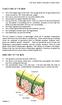 FUNCTIONS OF THE SKIN Skin is the largest organ of the body. The average adult has 18 square feet of skin which account for 16% of the total body weight. Skin acts as a physical barrier for you to the
Platelet-Rich Plasma (PRP) Injections for Osteoarthritis and Chronic Tendinitis. How will you benefit from a PRP injection?
 Platelet-Rich Plasma (PRP) Injections for Osteoarthritis and Chronic Tendinitis How will you benefit from a PRP injection? Emory Healthcare patients can now benefit from a treatment called platelet-rich
your complete stem cell bank
 your complete stem cell bank HYDERABAD - 88985 000 888, WARANGAL - 8297 256 777 VISAKHAPATNAM - 7799 990 774 VIJAYAWADA AND GUNTUR - 7799 990 771 NELLORE - 7799 990 772, KADAPA - 8297 256 700 RAJAHMUNDRY
Stem cells will change medicine as we know it. Are you ready? STEM CELL BANKING
 Stem cells will change medicine as we know it. Are you ready? STEM CELL BANKING Stem cell banking with Store-A-Tooth is a unique investment in the health of your family. WHY BANK STEM CELLS? YOU PLAN FOR
STEM CELLS FROM THE UMBLICAL CORD BLOOD AND UMBLICAL CORD TISSUE
 STEM CELLS FROM THE UMBLICAL CORD BLOOD AND UMBLICAL CORD TISSUE What are Stem Cells? Stem cells are the basic building blocks of all the cells, tissues and organs in the human body. The role of the stem
Patellofemoral Chondrosis
 Patellofemoral Chondrosis What is PF chondrosis? PF chondrosis (cartilage deterioration) is the softening or loss of smooth cartilage, most frequently that which covers the back of the kneecap, but the
STEM CELL FACTS. The ISSCR is an independent, nonproft organization providing a global forum for stem cell research and regenerative medicine.
 STEM CELL FACTS The ISSCR is an independent, nonproft organization providing a global forum for stem cell research and regenerative medicine. WHAT ARE STEM CELLS? Stem cells are the foundation cells for
HyStem. Hydrogels CELLULAR MATRICES FOR TRANSLATIONAL RESEARCH. esibio.com
 HyStem Hydrogels CELLULAR MATRICES FOR TRANSLATIONAL RESEARCH HyStem Hydrogel Extracellular Matrices Chemically-defined For use in 2D and 3D formats in vitro and in vivo applications Customizable for many
3D Cell Culture mimsys G
 3D Cell Culture mimsys G xeno-free & nutrient permeable hydrogel for 3D cell culture mimsys G is a xeno-free and non-immunogenic, easy to handle hydrogel for cell encapsulation in 3D experiments in vitro
Autologous Fat Grafting to the Breast and Adipose-derived Stem Cells. Original Policy Date
 MP 7.01.109 Autologous Fat Grafting to the Breast and Adipose-derived Stem Cells Medical Policy Section Surgery Issue 12/2013 Original Policy Date 12/2013 Last Review Status/Date Created with literature
body breast augmentation
 face body skin breast augmentation Rowena After years of self confidence issues and feeling out of proportion to the rest of my body, I felt I needed to make a change for me! breast augmentation considering
Osseous Tissue & Structure. The skeletal system includes: Storage of minerals: calcium salts
 Chapter 15 Lecture The Skeletal System: Osseous Tissue & Skeletal Structure The Skeletal System The skeletal system includes: Bones, cartilages, ligaments Bone tissue = osseous tissue Includes living cells
2nd MuscleTech Network Workshop. From translational Research to translational Medicine. CONCLUSIONS AND CLOSING REMARKS Dr.
 2nd MuscleTech Network Workshop. From translational Research to translational Medicine. CONCLUSIONS AND CLOSING REMARKS Dr. Carles Pedret MUSCLE AND TENDON WORKSHOP HEALTH AND GENERAL POPULATION SPORTS
Caring for a Tenckhoff Catheter
 Caring for a Tenckhoff Catheter UHN A Patient s Guide What is a Pleural Effusion? There is a small space between the outside of your lung and the chest wall (ribs). This space is called the pleural space.
How To Fix A Radial Head Plate
 Mayo Clinic CoNGRUENT RADIAL HEAD PLATE Since 1988 Acumed has been designing solutions to the demanding situations facing orthopedic surgeons, hospitals and their patients. Our strategy has been to know
Zimmer DeNovo NT Natural Tissue Graft
 Zimmer DeNovo NT Natural Tissue Graft Surgical Technique Biologic treatment for early intervention and cartilage repair. Overview DeNovo NT Natural Tissue Graft (Fig. 1) is an off-the-shelf human tissue,
Technological platforms
 Advitech Advitech is a life sciences & technology company Its mission is to discover and commercialize proprietary and evidence-based natural health products Focus on milk, whey and bovine colostrum R&D,
The Smooth Tuck Procedure
 The Smooth Tuck Procedure plastic surgery AN ALTERNATIVE APPROACH TO ABDOMINAL CONTOURING FOR THE OVERWEIGHT PATIENT atnt By Matthew R. Schulman, M.D. Body fat on an adult tends to increase gradually over
Biotechnology. Srivatsan Kidambi, Ph.D.
 Stem Stem Cell Cell Engineering-What, Biology and it Application Why, How?? to Biotechnology Srivatsan Kidambi, Ph.D. Assistant Professor Department of Chemical & Biomolecular Engineering University of
CHAPTER 47 STRUCTURAL FAT GRAFTING
 CHAPTER 47 STRUCTURAL FAT GRAFTING SYDNEY R. COLEMAN With the recent recognition of the importance of soft-tissue fillers, fat grafting has assumed an increasingly important roll as both an adjunctive
Care for your child s Central Venous Catheter (CVC)
 Care for your child s Central Venous Catheter (CVC) This booklet is intended for general informational purposes only. You should consult your doctor for medical advice. Please call the clinic or your home
guides BIOLOGY OF AGING STEM CELLS An introduction to aging science brought to you by the American Federation for Aging Research
 infoaging guides BIOLOGY OF AGING STEM CELLS An introduction to aging science brought to you by the American Federation for Aging Research WHAT ARE STEM CELLS? Stem cells are cells that, in cell cultures
Stem Cell Quick Guide: Stem Cell Basics
 Stem Cell Quick Guide: Stem Cell Basics What is a Stem Cell? Stem cells are the starting point from which the rest of the body grows. The adult human body is made up of hundreds of millions of different
Do you have anything to add? If so, I d love to hear from you! Jessica Robinson Conference Manager Life Sciences @jessbiopharma
 1 Who is the most influential figure in cord blood around the world? What is the biggest challenge to overcome in the use of cord blood as a source of stem cells? We asked 10 leading experts in the cord
It s not something you want to think about, but it s something you want to prepare for.
 It s not something you want to think about, but it s something you want to prepare for. StemCyte cord blood banking offers your family a new lifesaving treatment alternative Why Bank Take the once-in-alifetime
Technology Breakthrough in Spinal Implants (Technical Insights)
 Technology Breakthrough in Spinal Implants (Technical Insights) Biomaterial innovations is a growth factor for spinal implant market June 2014 Table of Contents Section Page Number Executive Summary 4
Mary LaBarre, PT, DPT,ATRIC
 Aquatic Therapy and the ACL Current Concepts on Prevention and Rehab Mary LaBarre, PT, DPT,ATRIC Anterior Cruciate Ligament (ACL) tears are a common knee injury in athletic rehab. Each year, approximately
Stem cells possess 2 main characteristics: Sources of pluripotent stem cells: -Long-term self renewal. -The inner cell mass of the blastocyst.
 Stem cells possess 2 main characteristics: -Long-term self renewal. - They give rise to all types of differentiate cells. Sources of pluripotent stem cells: -The inner cell mass of the blastocyst. - Fetal
RITMIR024 - STEM CELL RESEARCH IN CARDIOLOGY
 1. SCOPE AND METHODOLOGY 2. REPORT SYNOPSIS 2.1 General Definitions Myoblasts Pluripotent Cells Multipotent Cells Progenitor Cells Role of Stem Cells in Repairing the Heart Stem Cell Therapy Stem Cells
PROVEN NON-INVASIVE TREATMENT FOR RHEUMATOID ARTHRITIS
 PROVEN NON-INVASIVE TREATMENT FOR RHEUMATOID ARTHRITIS BIONICARE HAND SYSTEM Non-drug, non-invasive Adjunctive therapy For patients symptomatic despite current therapy For patients intolerant to drug
PHaSES: Practical Hands-on Surgical Education System
 U.S. Toll Free 866-GOLIMBS PHaSES Range PHaSES: Practical Hands-on Surgical Education System Limbs & Things is pleased to introduce the PHaSES Range. The range is based upon our well known basic & general
Learning to Self Inject Methotrexate at Home Developed by Andy Thompson MD FRCPC and Marie J Craig-Chambers B.Sc.Phm
 Learning to Self Inject Methotrexate at Home Developed by Andy Thompson MD FRCPC and Marie J Craig-Chambers B.Sc.Phm Why might my Doctor ask me to inject Methotrexate? Methotrexate comes in two forms:
INSULIN INJECTION KNOW-HOW
 0-0- INSULIN INJECTION KNOW-HOW Learning how to Congratulations for making the move to insulin therapy. It won t be long before you start enjoying better blood sugar control, more energy, and a host of
Stem Cell Treatment for Lung Disease (1 of 3)
 Stem Cell Treatment for Lung Disease (1 of 3) Overview Lung disease can be debilitating. As physicians, you know that providing treatment options to your patients is important. Until recently, options
INSULIN INJECTION KNOW-HOW
 0-0- 0 INSULIN INJECTION KNOW-HOW pro tips (and tricks) for easier and better Insulin Injections ABDOMEN THIGHS BUTTOCKS ARMS recommended injection sites WHERE IS THE BEST PLACE TO GIVE INJECTIONS? 0-
Photofunctionalization
 Photofunctionalization One and only technology to overcome the biological aging of titanium Scientific brochure of photofunctionalization Volume 1, Issue 1, 2013 published by Global Network for Photofunctionalized
Effets biologiques des facteurs de croissance sur la régénération musculaire
 Effets biologiques des facteurs de croissance sur la régénération musculaire Xavier Bigard (MD, PhD) Professeur Agrégé du Val-de-Grâce Institut de Recherche Biomédicale des Armées (IRBA) La Tronche (Grenoble)
Facial Multilayered Micro Lipo-Augmentation KIRK BRANDOW, MD, AND JULIUS NEWMAN, MD
 International Journal of Aesthetic and Restorative Volume 4, Number 2, 1996, Pages 95-110 Surgery Facial Multilayered Micro Lipo-Augmentation KIRK BRANDOW, MD, AND JULIUS NEWMAN, MD ABSTRACT: Lipo-transfer
CORD BLOOD BANKING FAQ
 CORD BLOOD BANKING FAQ Cord Blood & Stem Cells Q: What is umbilical cord blood (UCB)? A: Bone marrow, peripheral blood and UCB constitute the three primary sources of stem cells. Cord blood, which, until
Support structure for genetic material
 Support structure for genetic material 1 Making proteins in the RER Making copies of humans 2 Making copies of cells Making copies of genetic material 3 Making copies of genetic material Making copies
OneMedForumSF 2012 Conference. January 10th
 OneMedForumSF 2012 Conference January 10th Safe Harbor Certain matters discussed in this presentation are "forward-looking statements." These forward-looking statements can generally be identified as by
To maintain a port of entry to venous flow when all available peripheral ports have failed.
 I. Purpose: To maintain a port of entry to venous flow when all available peripheral ports have failed. II. General Comments: Since its development, these catheters have been used with increasing frequency
Unit 1 Higher Human Biology Summary Notes
 Unit 1 Higher Human Biology Summary Notes a. Cells tissues organs body systems Division of labour occurs in multicellular organisms (rather than each cell carrying out every function) Most cells become
Plasmax Plasma Concentration System for Laparoscopic Roux-en-Y Gastric Bypass
 Plasmax Plasma Concentration System for Laparoscopic Roux-en-Y Gastric Bypass BIOLOGICS The Digestive System Duodenum Stomach Large Intestine (colon) Small Intestine Ileum Jejunum Gastric Bypass Procedure
Animal Systems: The Musculoskeletal System
 Animal Systems: The Musculoskeletal System Tissues, Organs, and Systems of Living Things Cells, Cell Division, and Animal Systems and Plant Systems Cell Specialization Human Systems The Digestive The Circulatory
Bankart Repair using the Smith & Nephew BIORAPTOR 2.9 Suture Anchor
 Shoulder Series Technique Guide *smith&nephew BIORAPTOR 2.9 Suture Anchor Bankart Repair using the Smith & Nephew BIORAPTOR 2.9 Suture Anchor Gary M. Gartsman, M.D. Introduction Arthroscopic studies of
Dry Needling Corporate Medical Policy
 Dry Needling Corporate Medical Policy File name: Dry Needling File code: UM.REHAB.09 Origination: 04/2015 Last Review: New policy Next Review: 04/2016 Effective Date: 9/1/2015 Description Myofascial pain
Anatomic Percutaneous Ankle Reconstruction of Lateral Ligaments (A Percutaneous Anti ROLL)
 Anatomic Percutaneous Ankle Reconstruction of Lateral Ligaments (A Percutaneous Anti ROLL) Mark Glazebrook James Stone Masato Takao Stephane Guillo Introduction Ankle stabilization is required when a patient
Plasmax Plasma Concentration System BIOLOGICS
 Plasmax Plasma Concentration System BIOLOGICS Plasmax Plasma Concentration System Plasmax Plasma Concentrate System Contains Plasmax concentrator GPS III separator Provides 16ml of autologous output, 6ml
One of the most important recent developments in cancer treatment has been the ability to harvest stem
 BIOTECHNOLOGY A Patient-Friendly Approach to Human Cell Transplantation One of the most important recent developments in cancer treatment has been the ability to harvest stem cells from bone marrow or
The Role of Hedgehog Signaling in Enthesis Healing
 The Role of Hedgehog Signaling in Enthesis Healing Andrea G. Schwartz, PhD, Leesa M. Galatz, MD, Stavros Thomopoulos, PhD. Washington University School of Medicine, Saint Louis, MO, USA. Disclosures: A.G.
ORTHOPAEDIC RESEARCH AND INNOVATION DAY, April 6, 2015
 ORTHOPAEDIC RESEARCH AND INNOVATION DAY, April 6, 2015 SAFETY STUDY OF INTRAVENOUSLY ADMINISTERED HUMAN CORD BLOOD STEM CELLS IN THE TREATMENT OF SYMPTOMS RELATED TO CHRONIC INFLAMATION Brian Mehling,
THE AMERICAN QUARTER HORSE RACING JOURNAL
 THE AMERICAN QUARTER HORSE RACING JOURNAL Stem Cell THERAPY Stem cell therapy is helping horses with tendon and ligament injuries. By Andrea Caudill From The American Quarter Horse Racing Journal library
Liposuction GUIDELINE
 .goo NON HOSPITAL MEDICAL AND SURGICAL FACILITIES PROGRAM College of Physicians and Surgeons of British Columbia Liposuction GUIDELINE You may download, print or make a copy of this material for your noncommercial
Objectives At the completion of this module, unlicensed assistive personnel (UAP) should be able to:
 Objectives At the completion of this module, unlicensed assistive personnel (UAP) should be able to: 1. administer medications by subcutaneous injections. 2. document medication administration in the client
A Genetic Analysis of Rheumatoid Arthritis
 A Genetic Analysis of Rheumatoid Arthritis Introduction to Rheumatoid Arthritis: Classification and Diagnosis Rheumatoid arthritis is a chronic inflammatory disorder that affects mainly synovial joints.
Stem Cells for Life. (301) 654-7070 www.facialart.com
 Stem Cells for Life Dr. H. Ryan Kazemi Board Certified Oral & Maxillofacial Surgeon (301) 654-7070 www.facialart.com 4825 Bethesda Ave., #310 Bethesda, MD 20814 Researchers feel that stem cells could have
Mesenchymal Stem Cells
 Mesenchymal Stem Cells Instruction Manual Product Size Catalog Number from Bone Marrow (hmsc-bm) from Umbilical Cord Matrix (hmsc-uc) from Adipose Tissue (hmsc-at) 500,000 cryopreserved cells 500,000 proliferating
cartilage regeneration
 COLLAGEN MEMBRANE The membrane for safe cartilage regeneration WWW.CARTIMAIX.COM About Cartimaix Cartimaix is a cell-free, biodegradable collagen membrane used to cover articular cartilage defects during
STANDARDIZED PROCEDURE BONE MARROW ASPIRATION
 I. Definition: This protocol covers the task of bone marrow aspiration by an Allied Health Professional. The purpose of this standardized procedure is to allow the Allied Health Professional to safely
Breast Implant Guide
 Breast Implant Guide Shapes, Sizes, Textures & More Brought to you by: 801.479.5722 Copyright 2013 P2P. All Rights Reserved Contents Overview 5 History & Background 6 Implant Types 8 Implant Shapes 13
ABDOMINOPLASTY - FREQUENTLY ASKED QUESTIONS (FAQs)
 Executive Level E1, Excen Centre, 119 Willoughby Road, Crows Nest 2065 Tel: 02 9817 7585 www.mycosmeticclinic.net AFFORDABILITY WITH EXCELLENCE Liposuction Breast Augmentation Abdominoplasty Eyelids Surgery
PrO-PRP. By Centurion. Scientific Limited PrO-PRP.com
 PrO-PRP By Centurion Scientific Limited PrO-PRP.com PRP Centrifuges Centurion Scientific Limited IVD CERTIFIED ISO 9001 Welcome To Our New PrO-PRP Range Registered Firm PRP is produced from a person s
PowerLight LED Light Therapy. The FUTURE of corrective skin
 PowerLight LED Light Therapy The FUTURE of corrective skin care TODAY LED facial treatments Effective when used with correct protocols Non thermal stimulation of collagen Increases circulation and lymphatic
2. Does the patient have one of the following appropriate indications for placing indwelling urinary catheters?
 A. Decision to Insert a Urinary Catheter: 1. Before placing an indwelling catheter, please consider if these alternatives would be more appropriate: Bladder scanner: to assess and confirm urinary retention,
chronos BOne VOid Filler Beta-Tricalcium Phosphate (b-tcp) bone graft substitute
 chronos BOne VOid Filler Beta-Tricalcium Phosphate (b-tcp) bone graft substitute chronos Bone Void Filler Osteoconductive Resorbable Synthetic chronos Granules and Preforms are synthetic, porous, osteoconductive,
QUESTION I HAVE BEEN ASKED TO REHAB GRADE II AND III MCL INJURIES DIFFERENTLY BY DIFFERENT SURGEONS IN THE FIRST 6WEEKS FOLLOWING INJURY.
 QUESTION I HAVE BEEN ASKED TO REHAB GRADE II AND III MCL INJURIES DIFFERENTLY BY DIFFERENT SURGEONS IN THE FIRST 6WEEKS FOLLOWING INJURY. SOME ARE HINGE BRACED 0-90 DEGREES AND ASKED TO REHAB INCLUDING
Chapter 7. Expose the Injured Area
 Chapter 7 GUNSHOT WOUNDS KEY FIGURES: Entrance/exit wounds This chapter describes how to treat the external, surface wounds caused by a bullet. The evaluation for underlying injury related to gunshot wounds
Placement of an indwelling urinary catheter in female dogs
 Female Dog Urinary Catheterization 1 of 6 Placement of an indwelling urinary catheter in female dogs Bernie Hansen DVM MS North Carolina State University College of Veterinary Medicine Materials Needed