
CHAPTER 47 STRUCTURAL FAT GRAFTING
|
|
|
- Ilene Butler
- 10 years ago
- Views:
Transcription
1 CHAPTER 47 STRUCTURAL FAT GRAFTING SYDNEY R. COLEMAN With the recent recognition of the importance of soft-tissue fillers, fat grafting has assumed an increasingly important roll as both an adjunctive and a primary procedure in aesthetic and reconstructive surgery. However, fat grafting is not new. Surgeons have been grafting fat since 1893 (1). In 1926, Charles Conrad Miller described his experiences with infiltration of fatty tissue through cannulas (2). He believed depositing fat through a hollow metal cannula resulted in a better longterm correction and a more natural-appearing change in facial and body contours than fat grafting through an open incision. Even though Conrad Miller reported good results with the injected fat, the technique he described never became popular. It was not until 30 years later that Lyndon Peer took a scientific look at fat grafts (3). Using studies of open incision fat grafting, he concluded that approximately 50% of the fat tissue survived after he cut them into small pieces and transplanted them into donor sites. Peer s reports stimulated surgeons to use dermal fat grafts on a limited basis. Interest in fat grafting increased with the advent of liposuction. Liposuction provided plastic surgeons with a valuable byproduct semiliquid fat that could be grafted with relative ease using a needle or small cannula. Initial reports of fat grafting were discouraging and claimed that grafted fat had a survival similar to injectable collagen (4,5). In 1986, I began to transplant fat into iatrogenic liposuction deformities and subsequently into faces. Even some of my earliest attempts at fat grafting yielded long-term structural changes that had every indication of permanence. In 1988, I presented my positive experiences with fat grafting at the American Society of Aesthetic Plastic Surgery annual meeting. By 1995, 7 years after one procedure, these same patients demonstrated continued corrections (6). Transplanted fat has the potential to survive as a permanent living graft. Plastic surgeons now accept the potential longevity of fat. However, many complain that they cannot obtain consistent results. The survival of free autografts of any human tissue (skin, bone, cartilage, cornea) is extremely dependent on the technique used. Likewise, the dependability of grafting fat is related to the technique used to harvest, refine, and transfer the fat. It is not enough to graft fat so that it survives. The grafted fat must be placed appropriately to accomplish the desired objectives. The surgeon must become familiar with the levels of placement (subdermal, intramuscular, supraperiosteal), and the amounts necessary at each level to accomplish a desirable change. The amounts vary with each part of the face and body, as well as from patient to patient, and a discussion of the subject is beyond the scope of this chapter. However, the subject has been discussed extensively (7 10). PREPARATION Determining the amounts to be placed and the levels in which the fat should be placed to create subtle or gross contour changes of the face and body requires a sophisticated plan. The surgeon must evaluate the patient s appearance and be knowledgeable about the patient s lifestyle, expectations, prior aesthetic procedures, and medical history. Patients should be informed of the details of the planned procedure, the expected outcome, and the postoperative course. Of particular importance for structural fat grafting is preparing the patient for the postoperative swelling and bruising. Photography documents the preoperative appearance and provides guidance for three-dimensional analysis. Physical examination of the face or body is essential to supplement photographic documentation because photographs cannot capture the relationships of underlying structures and the skin. A surgeon grafting fat should have a strategy for placement in order to predict the volumes required, the levels of placement, and the structural support anticipated. TECHNIQUE The technique discussed below emphasizes respect for handling tissues and basic sound surgical technique. Fatty tissue is delicate human tissue and can be injured easily outside the body by mechanical, barometric, and chemical insults. For successful transplantation, fat must survive harvesting, transport, and implantation as an intact parcel of tissue composed of connective tissues as well as adipose cells. Harvesting I select harvesting sites that are convenient for access and that enhance the patient s contour. The abdomen and medial thighs are the most commonly chosen donor sites. When abdominal or medial thigh fat is in short supply because of prior liposuction or scarcity of body fat, the other potential sites include the suprapubic region, the anterior or lateral thighs, the knees, the lower back, the hips, or the sacrum. Whenever possible, harvesting sites are accessed through incisions placed in creases, previous scars, stretch marks, or hirsute areas. Meticulous sterile technique is observed with preoperative preparation using antimicrobial scrubs and prep solutions. Local anesthesia is most commonly used, but epidural or general anesthesia may be preferred for removal of larger volumes or when multiple sites are used for harvesting. In local anesthesia cases, a blunt Lamis infiltrator attached to a 480

2 Chapter 47: Structural Fat Grafting mL syringe is used to infiltrate 0.5% lidocaine with 1:200,000 epinephrine into the desired sites. To ensure hemostasis in general or epidural cases, lactate Ringer solution with 1:400,000 epinephrine is infiltrated. In all situations, about 1 ml of solution is infiltrated for every milliliter of fat to be harvested. Superwet or tumescent techniques of the harvested tissue can disrupt the parcels of fatty tissue and decrease survival. A 15- or 23-cm two-hole Coleman harvesting cannula with a blunt tip and dull distal openings placed extremely close to the end of the cannula is twisted onto a 10-mL Luer-Lok syringe. The distal openings of the harvesting cannula are of an appropriate size and shape for harvesting the largest intact fatty tissue parcels that can readily pass though the lumen of a Luer-Lok syringe. If the fatty tissue parcel can pass through the lumen of the Luer-Lok syringe, it will usually pass through the much smaller (17-gauge) lumen of the infiltration cannula. After inserting the cannula tip into the donor site, the surgeon pulls back on the syringe plunger to create a small amount of negative pressure within the barrel of the syringe. A 10-mL syringe is small enough to be manipulated manually without locking devices in order to minimize negative pressure. The surgeon pulls back on the plunger of the syringe to create about 1 or 2 ml of space in the barrel of the syringe while the attached cannula is pushed through the harvest site. The combination of slight negative pressure and the curetting action of the cannula s motion through the tissues allows parcels of fatty tissue to move through the cannula, through the Luer-Lok aperture, and into the barrel of the syringe with minimal mechanical damage. When filled, the syringe is then disconnected from the cannula and replaced with a dual-function Luer-Lok plug for capping. After the syringe is sealed at the Luer-Lok end, the plunger is removed from the proximal end of the syringe and the barrel filled with 10 ml of harvested material is placed into a centrifuge. Refinement and Transfer Refinement of the harvested subcutaneous tissue into relatively pure fat is crucial for predictable fat grafting. The amount of nonliving components harvested will depend on the quantity of liquid injected by the surgeon, the amount of blood in the harvested specimen, and the damage to fatty cells that releases lipids. Harvested tissue can have as little as 10% viable fat or as much as 90% viable fat, even when coming from the same site during the same operation. To obtain predictable results, most of the oil, blood, and aqueous components must be removed so that the surgeon can know how much of the specimen is viable fat. To promote sterility, a centrifuge with a sterilizable central rotor and sleeves that hold a 10-mL syringe should be used. The recommended centrifugation speed is 3,000 revolutions per minute for 3 minutes. This separates the denser components from the less-dense components to create multiple layers. The upper level, or the least-dense layer, is A B C FIGURE Fat grafting to correct depressions in buttock creases resulting from liposuction 11 months earlier. The markings in (A) demonstrate the areas of removal and placement of fatty tissue. From the love handles and back, 260 ml of fatty tissue was harvested and refined into 183 ml of usable tissue, of which 77 ml was infiltrated into the right buttock crease depression and 105 ml into the left. Comparison of the before (B) and 19 months later (C) images demonstrates filling of the lateral buttock creases on both sides, as well as expansion of the trochanteric regions.

3 482 Part V: Aesthetic Surgery primarily made up of oil. The middle portion is made up of potentially viable parcels of fatty tissue, and the lowest, most-dense level, is primarily made up of blood, water, and lidocaine. The oil layer is decanted from the syringe, before the Luer- Lok plug is removed. After the oil is decanted, the Luer-Lok plug can be removed. Neuropads or other highly absorbent materials can be used to wick off the remaining oil from the exposed end of the harvested fat by capillary action. Care should be taken not to allow the material from the wicks to shred off into the refined tissue. After 4 minutes, the wick can be replaced with another if oil remains. After changing the wick two or three times, the plunger is replaced into the barrel of the 10-mL syringe. This is done by allowing the fat to slide down to the edge of the syringe barrel then advancing the plunger to obliterate the dead space. The fat is then transferred into a 1-mL Luer-Lok syringe. The most efficient manner is to inject the fat directly through the Luer- Lok aperture of the 10-mL syringe into the barrel end of a smaller Luer-Lok syringe. The plunger of the smaller syringe is then replaced. Although 3-mL Luer-Lok syringes can be used for placement into most areas of the body, only 1-mL A B C D FIGURE Lifting the leg in (A) demonstrates the depth of the left lateral thigh depression and the correction at 1 year to normal in (B). Evaluation of the right buttock crease from the left oblique photo (C) demonstrates a significant volume and contour change at 19 months (D) with the grafted fat bridging the buttock and thigh.

4 Chapter 47: Structural Fat Grafting 483 Luer-Lok syringes should be used for placement into the face and hands. Placement The most challenging part of fat grafting is placing the refined fat into a recipient site to encourage uniform survival, stability, and integration into the surrounding tissues. The fatty tissue parcels must be positioned so that they are separated from each other as much as is possible by the host tissues. This creates a larger surface area of contact between the harvested fat and the recipient tissues so that diffusion and respiration can take place. Anesthesia for placement can be with local anesthesia, regional blocks, and/or general anesthesia. Regardless of which is used, an epinephrine solution is advised for vasoconstriction in the face to minimize the potential for accidental cannulation of arteries or veins (11). The use of a blunt Coleman infiltration cannula is convenient for infiltration of solution into the recipient site and tends to minimize damage to blood vessels and resulting ecchymosis or hematomas. Placement is best accomplished with a blunt Coleman infiltration cannula with one distal aperture just proximal to the tip. The instruments used for placement of fatty tissue are dramatically different from those used for harvesting they are of a smaller gauge with only one hole at the distal end. The proximal end of the cannula has a hub, like the harvesting cannula, that fits into a Luer-Lok syringe. The most useful cannula size is 17 gauge. However, larger bore cannulas can be used for corporal fat grafting, and smaller bore cannulas may be appropriate in some instances, such as in the lower eyelids. In the face, 7- and 9-cm cannulas are the most useful; longer cannulas, up to 15 cm, can be useful in the body. For varying situations in the face and body, cannulas with different tip shapes, diameters, lengths, and curves can be used (10). The use of blunt cannulas is encouraged to allow placement of the fat parcels in a more stable manner. However, less-blunt cannulas give the surgeon more control for placement in the immediately subdermal plane, in fibrous tissue, and in scars. A cannula with pointed or sharp elements can be used to free up adhesions, but care should be taken to avoid damage to nerves and other underlying structures. Through the same incisions that were used for infiltration of local anesthesia, the infiltration cannula is inserted and advanced through the recipient tissues into the appropriate plane. No fatty tissue should be ejected during the advancement of the cannula. Once the tip of the cannula is placed into the target location, the plunger of the 1-mL syringe is pressed slightly while the cannula is being withdrawn. This deposits fatty tissue in the pathway of the retreating blunt cannula. Unlike the sharp tip of a needle, the blunt tip does not cut a defined channel through the recipient tissues. With the advance of the blunt cannula, the natural tissue planes separate in a somewhat physiologic fashion. As the cannula is withdrawn, the deposited fatty tissue parcels fall into the natural tissue planes as the host tissues collapse around them. The fatty tissue parcels should be deposited in the desired location, shape, and volume with each pass of the infiltrating cannula so that the surgeon places the fat into the desired shape and volume. Accuracy of this initial placement is important because the infiltrated fatty tissue cannot easily be remodeled afterward. If a cyst or clump forms accidentally, digital manipulation can sometimes flatten minor irregularities. However, the tissue should never be placed with the idea that digital pressure can change the shape after placement. Separating the parcels of fat one from the other not only increases the chance of survival by placing the newly transplanted fat parcels in greater contact with a source of nutrition and respiration, but also encourages better fat adherence and stability in the new recipient sites. Finally, placing the fat in small parcels and separating every parcel with the donor-site tissues integrates the grafted fat into the tissues. The newly grafted fat feels like the tissue into which it is placed. Placement of miniscule linear increments is critical to maximizing the surface area of contact and minimizing the potential for irregularities or clumps of tissue. In the face, the largest amount of tissue that should be placed with each withdrawal is 0.1 ml, but in some areas, such as the eyelids, the maximum placed should be closer to 0.03 ml or even 0.02 ml per withdrawal of the cannula. The end point of placement varies widely between anatomic areas. In the lateral malar cheek and mandibular border, the appearance at the conclusion of infiltration of fat will be similar in shape and size to the final outcome. Conversely, such areas as the lips, eyelids, or hands will be grossly distorted and not resemble the desired outcome for weeks after placement. Postoperative Care Placement of fatty tissue as described above will create remarkable swelling in the recipient tissues. The patient should be prepared for a significant recovery period. Even though most patients are presentable at 2 to 4 weeks, they should be prepared for some minimal swelling lasting up to 16 weeks. A B FIGURE Markings demonstrate the planned placement of fat into specific areas of facial lipoatrophy without much feathering into the surrounding areas. On the right side of the face, 5.8-mL of fat was placed; 6 ml was placed on the left. (A) Anterior view. (B) Bird s eye view.

5 484 Part V: Aesthetic Surgery Care after fat transplantation should be aimed at minimizing swelling and stabilizing the area to avoid migration. Elevation, cold therapy, and external pressure with elastic tape help prevent swelling. Other maneuvers, such as holistic medications and electromagnetic therapy, are yet unproven, but may accelerate the resolution of swelling. COMPLICATIONS Because structural fat grafting is performed through tiny incisions primarily using blunt cannulas, complications are minimal compared to open aesthetic procedures. Incisions should be placed in a direction and position to minimize the possibility of noticeable scars, and closed with interrupted monofilament sutures. To decrease the possibility of infection, sterile technique should be observed at all times and precautions taken to avoid intraoral or mucosal contamination. With insertion of even a blunt cannula for removal and placement, it is possible to damage underlying structures such as nerves, muscles, glands, and blood vessels. For that reason sharp needles or cannulas should be used with great caution. Of particular concern with the placement of any filler substance is the cannulation of arteries or veins and intravascular emboli (11). Fortunately, the complication rate with fat grafting is extremely low compared to most open surgical techniques and the incidence of problems decreases dramatically with experience. The most common complications of fat grafting are related to aesthetic appearance, such as too much or too little fat in a specified area. The next most common problem is the A B C D E F FIGURE Same patient as Fig with drug-related lipoatrophy, correction of the anterior malar and buccal regions imparts a much healthier appearance. A, B: Before the single procedure. C, D: Four months after one treatment. E, F: Forty-two months after the procedure with no other treatment. Note that there is almost no difference between the 4-month photographs and the photographs after 42 months. The volume of the fat changes little with this technique after 4 or 5 months.

6 Chapter 47: Structural Fat Grafting 485 presence of irregularities, which can be from the intrinsic nature of the patient, from the technique used for placement, and from migration after placement. Irregularities after fat grafting diminish remarkably with experience. This is a brief summary of some of the more common or noteworthy complications, and a more exhaustive list of potential and experienced complications can be found elsewhere (10). PATIENT EXAMPLES The patient examples for this chapter were chosen to represent the simplest application of structural fat grafting: filling a welldefined deficiency to restore a contour to its normal and former appearance. Patient 1 The first patient is a 22-year-old female who presented 11 months after liposuction to the lateral thighs and buttock creases left her with unnatural-appearing exaggerations of her buttock creases and deep depressions extending into the lateral thighs. Markings (Fig. 47.1A) demonstrate the areas of fat tissue grafting. She is shown before (Fig. 47.1B) and 19 months after one fat grafting procedure (Fig. 47.1C). In Figure 47.2, note the obvious depression of the lateral thigh and buttock crease that is corrected by placement into the buttock crease. Also note the improvement of the relationship of the lateral buttock with the thigh so that they have a more continuous, flowing, and youthful-appearing relationship. On the oblique view above, the buttock flows smoothly into the thigh in the after photographs. Often the patient will know a maneuver such as lifting the thigh (Fig. 47.2C and D) that best demonstrates the deficiency and resulting correction. Patient 2 The second example is a 45-year-old healthy male with drugrelated facial lipoatrophy of gradual onset. He requested correction of his anterior cheeks only, which were filled with 5.8 ml of fatty tissue on the right and 6 ml on the left in the distribution shown in Figure The tissue was harvested from the abdomen, and the refined fat was placed using a Coleman type I cannula from three incisions on each side: a lateral malar incision, an anterior border of the mandible incision, and an incision at the lateral commissure. The volume of the placed fatty tissue seemed to stabilize by about 4 months, and the 4-month appearance appears similar to that at 3.5 years (Fig. 47.4). CONCLUSION The key to successful fat grafting is planning and attention to technique. The technique involves the purposeful placement of a specific volume of fat in tiny aliquots that allow a large surface area of contact between the host tissues and the newly grafted tissue. This large surface area of contact not only promotes nutrition and respiration, but also stabilizes the placed fat to deter migration and integrates the fat so that it feels like fullness rather than discrete collections of fatty tissue. References 1. Neuber F. Fettransplantation. Bericht uber die Verhandlungen der Dt Ges f Chir Zbl Chir. 1893;22: Miller CC. Cannula Implants and Review of Implantation Techniques in Esthetic Surgery. Chicago: The Oak Press; Peer LA. Loss of weight and volume in human fat grafts. Plast Reconst Surg. 1950;5: Illouz YG. The fat cell graft : a new technique to fill depressions [letter]. Plast Reconstr Surg. 1986;78: Ersek RA. Transplantation of purified autologous fat: a 3-year follow-up is disappointing. Plast Reconstr Surg. 1991;87: Coleman SR. Long-term survival of fat transplants: controlled demonstrations. Aesth Plast Surg. 1995;19: Coleman SR. The technique of periorbital lipoinfiltration. Oper Tech Plast Reconstr Surg. 1994;1: Coleman SR. Structural fat grafts: the ideal filler? Clin Plast Surg. 2001;28: Coleman SR. Hand rejuvenation with structural fat grafting. Plast Reconstr Surg. 2002;110(7): Coleman SR. Structural Fat Grafting. St. Louis: Quality Medical Publishing; Coleman SR. Avoidance of arterial occlusion from injection of soft tissue fillers. Aesth Surg. 2002;22:

Preface. Transformation and Identity
 Preface Transformation and Identity My faculty advisors in medical school were a plastic surgeon, Ted Huang, and an anthropologist, Mary Knudson. Dr. Knudson hired me, a 19-year-old freshman medical student,
How To Harvest Fat From The Infratemporal Fossila
 Techniques in Cosmetic Surgery Harvesting Fat from the Infratemporal Fossa Bahman Guyuron, M.D., and Kevin Rose, M.D. Cleveland, Ohio As part of forehead rejuvenation and surgical treatment of migraine
INFORMATION SHEET FAT TRANSFER
 INFORMATION SHEET FAT TRANSFER INTRODUCTION In the past surgeons have tried to enlarge women s breasts and to fill out contour hollows by cutting out a lump of fat from the abdomen or buttocks and embedding
Liposculpture of the Face
 Egypt, J. Plast. Reconstr. Surg., Vol. 33, No. 1, January: 7-14, 2009 Liposculpture of the Face HEBA HUSSEIN, M.D. The Department of Plastic and Reconstructive Surgery, Faculty of Medicine, Ain Shams University.
Fat Grafting intrauma and Reconstructive Surgery
 Fat Grafting intrauma and Reconstructive Surgery Yadranko Ducic, MD,FRCS(C),FACS a,b,c,d KEYWORDS Fat grafting Lipotransfer Reconstructive surgery The Greeks long ago recognized the ideals of proportion
NIH Clinical Center Patient Education Materials Giving a subcutaneous injection
 NIH Clinical Center Patient Education Materials What is a subcutaenous injection? A subcutaneous injection is given in the fatty layer of tissue just under the skin. A subcutaneous injection into the fatty
5 Upper eyelid blepharoplasty
 5 Upper eyelid blepharoplasty INSTRUMENTS Marking pen No. 15 scalpel blade Blade handle Castroviejo needle holder Castroviejo calipers 0.5 fixation forceps Westcott scissors 6-0 prolene suture Bovie cautery
Placement of Epidural Catheter for Pain Management Shane Bateman DVM, DVSc, DACVECC
 Placement of Epidural Catheter for Pain Management Shane Bateman DVM, DVSc, DACVECC Indications: Patients with severe abdominal or pelvic origin pain that is poorly responsive to other analgesic modalities.
Integumentary System Individual Exercises
 Integumentary System Individual Exercises 1. A physician performs an incision and drainage of a subcutaneous abscess in his office for a particularly uncooperative established patient. How should this
Hard work. PAL will take you. can get you 90% of the way there. over the finish line. Results instead of hype.
 Hard work can get you 90% of the way there. PAL will take you over the finish line. Results instead of hype. Power-Assisted Liposuction (PAL) offers meaningful patient benefits. Less bruising, swelling
Regenerative Medicine
 January 2014 LIVING WATERS MEDICAL SPA AND WELLNESS CENTER Happy New Year A New Year: A New YOU! Regenerative Medicine We have all made numerous New Year s Resolutions in our life times, many I m sure
F ORUM. Special Topic. Facial Reshaping Using Minimally Invasive Methods
 Special Topic Facial Reshaping Using Minimally Invasive Methods Q1 Richard Ellenbogen, MD; Gary Motykie, MD; nthony Youn, MD; Steven Svehlak, MD; and Dan Yamini, MD Dr. Ellenbogen, Dr. Motykie, Dr. Yamini,
Ankle Block. Indications The ankle block is suitable for the following: Orthopedic and podiatry surgical procedures of the distal foot.
 Ankle Block The ankle block is a common peripheral nerve block. It is useful for procedures of the foot and toes, as long as a tourniquet is not required above the ankle. It is a safe and effective technique.
The autologous fat transfer (AFT) procedure, also
 The American Journal of Cosmetic Surgery Vol. 23, No. 1, 2006 21 Autologous Fat Transfer: Eliminating the Centrifuge, Decreasing Lipocyte Trauma and Establishing Standardization for Scientific Study Ron
Fat Injection to Correct Contour Deformities in the Reconstructed Breast
 Fat Injection to Correct Contour Deformities in the Reconstructed Breast Scott L. Spear, M.D., Henry B. Wilson, M.D., and Michelle D. Lockwood, M.D. Washington, D.C. Background: A ten-year, single-surgeon
How To Improve Your Looks with Plastic Surgery
 How To Improve Your Looks with Plastic Surgery By Daniel Becker Plastic surgery is a special type of surgery that involves both a person's appearance and his or her ability to function. Plastic surgeons
The Smooth Tuck Procedure
 The Smooth Tuck Procedure plastic surgery AN ALTERNATIVE APPROACH TO ABDOMINAL CONTOURING FOR THE OVERWEIGHT PATIENT atnt By Matthew R. Schulman, M.D. Body fat on an adult tends to increase gradually over
ABDOMINOPLASTY - FREQUENTLY ASKED QUESTIONS (FAQs)
 Executive Level E1, Excen Centre, 119 Willoughby Road, Crows Nest 2065 Tel: 02 9817 7585 www.mycosmeticclinic.net AFFORDABILITY WITH EXCELLENCE Liposuction Breast Augmentation Abdominoplasty Eyelids Surgery
Descemet s Stripping Endothelial Keratoplasty (DSEK)
 Descemet s Stripping Endothelial Keratoplasty (DSEK) Your doctor has decided that you will benefit from a corneal transplant operation. This handout will explain your options to you. It explains the differences
Wrist and Hand. Patient Information Guide to Bone Fracture, Bone Reconstruction and Bone Fusion: Fractures of the Wrist and Hand: Carpal bones
 Patient Information Guide to Bone Fracture, Bone Reconstruction and Bone Fusion: Wrist and Hand Fractures of the Wrist and Hand: Fractures of the wrist The wrist joint is made up of the two bones in your
LIPOSUCTION. The Symbol of Excellence in Plastic Surgery. Anil P. Punjabi, M.D., D.D.S
 LIPOSUCTION Anil P. Punjabi, M.D., D.D.S The Symbol of Excellence in Plastic Surgery A public education service of the American Society of Plastic Surgeons and the American Society for Aesthetic Plastic
Lesions, and Masses, and Tumors Oh My!!
 Lesions, and Masses, and Tumors Oh My!! Presented by: Susan Ward, CPC, CPC-H, CPC-I, CPCD, CEMC, CPRC 1 1 CPT GUIDELINES Agenda CPT DEFINITIONS OP REPORT CASES 2 Definitions Cyst - a closed sac having
Aestheticare Cosmetic Surgery Institute Dr. Ronald E. Moser 30260 Rancho Viejo Rd. San Juan Capistrano, CA 92675 (800) 662-1055
 Breast augmentation, or augmentation mammoplasty, is one of the most common plastic surgery procedures performed today. Over time, factors such as age, genetics, pregnancy, weight changes, sun exposure,
Blepharoplasty & Cosmetic eyelid surgery
 Our cosmetic surgery team at The USF Eye Institute offers a wide variety of cosmetic procedures of the eyelids and face with the goal of obtaining a natural and rejuvenated appearance. Dr.Leyngold has
Laser and Cosmetic Center
 Laser and Cosmetic Center A Patient s Guide to Cosmetic Dermatology WELCOME Experts You Can Trust The Massachusetts General Hospital Dermatology Laser and Cosmetic Center s depth of experience is unmatched.
Evaluation of the Cosmetic Patient
 APC Ophthalmology Conference Evaluation of the Cosmetic Patient David K. Isaacs, M.D. Clinical instructor Loma Linda University Clinial Staff Attending UCLA/Jules Stein Eye Institute Lecture Agenda Review
Chapter 30. Rotational deformity Buddy taping Reduction of metacarpal fracture
 Chapter 30 FINGER FRACTURES AND DISLOCATIONS KEY FIGURES: Rotational deformity Buddy taping Reduction of metacarpal fracture Because we use our hands for so many things, finger fractures and dislocations
.org. Arthritis of the Hand. Description
 Arthritis of the Hand Page ( 1 ) The hand and wrist have multiple small joints that work together to produce motion, including the fine motion needed to thread a needle or tie a shoelace. When the joints
X-Plain Subclavian Inserted Central Catheter (SICC Line) Reference Summary
 X-Plain Subclavian Inserted Central Catheter (SICC Line) Reference Summary Introduction A Subclavian Inserted Central Catheter, or subclavian line, is a long thin hollow tube inserted in a vein under the
Minimally Invasive Spine Surgery
 Chapter 1 Minimally Invasive Spine Surgery 1 H.M. Mayer Primum non nocere First do no harm In the long history of surgery it always has been a basic principle to restrict the iatrogenic trauma done to
Open and Endoscopic Forehead Lift. Plastic Surgery. For All Brow and Forehead Lift Procedures. Revolutionizing. Soft-Tissue Fixation
 Plastic Surgery Open and Endoscopic Forehead Lift For All Brow and Forehead Lift Procedures Revolutionizing Soft-Tissue Fixation DESIGNED FOR SIMPLICITY AND PREDICTABILITY The versatile design can be applied
Lipomodelling in Breast Surgery Information Sheet
 Lipomodelling in Breast Surgery Information Sheet Lipomodelling is a procedure in which localised deposits of fat are removed from areas where they are not needed and replaced where there is a soft tissue
Injecting Inside the Mouth
 Injecting Inside the Mouth 135 9 CHAPTER It is possible to treat a tooth without pain. You do this with an injection of local anesthetic. You must inject near the nerve, so to give good injections, you
Femoral Nerve Block/3-in-1 Nerve Block
 Femoral Nerve Block/3-in-1 Nerve Block Femoral and/or 3-in-1 nerve blocks are used for surgical procedures on the front portion of the thigh down to the knee and postoperative analgesia. Both blocks are
Autologous fat grafts have been used successfully COSMETIC. Autologous Fat Grafts Harvested and Refined by the Coleman Technique: A Comparative Study
 COSMETIC Autologous Fat Grafts Harvested and Refined by the Coleman Technique: A Comparative Study Lee L. Q. Pu, M.D., Ph.D. Sydney R. Coleman, M.D. Xiangdong Cui, M.D. Robert E. H. Ferguson, Jr., M.D.
INSULIN INJECTION KNOW-HOW
 0-0- INSULIN INJECTION KNOW-HOW Learning how to Congratulations for making the move to insulin therapy. It won t be long before you start enjoying better blood sugar control, more energy, and a host of
S RUCTVE R CO ~SURGERY J. REGAN THOMAS
 DVNCED FCIL THERPY IN LSTC & R CO S RUCTVE ~SURGERY J. REGN THOMS 50 FCIL FT INJECTION THOMS L. TZlKS, MD Surgeons who perform facial rejuvenation procedures have recognized the importance of soft tissue
body breast augmentation
 face body skin breast augmentation Rowena After years of self confidence issues and feeling out of proportion to the rest of my body, I felt I needed to make a change for me! breast augmentation considering
INFORMED CONSENT FOR BODY CONTOURING PLEASE REVIEW AND BRING WITH YOU ON THE DAY OF YOUR PROCEDURE
 INFORMED CONSENT FOR BODY CONTOURING (INCLUDES: LIPOSUCTION, ABDOMINOPLASTY, ARMLIFT, THIGHLIFT AND BODYLIFT) PLEASE REVIEW AND BRING WITH YOU ON THE DAY OF YOUR PROCEDURE PATIENT NAME PATIENT INITIALS
Spinal Arthrodesis Group Exercises
 Spinal Arthrodesis Group Exercises 1. Two surgeons work together to perform an arthrodesis. Dr. Bonet, a general surgeon, makes the anterior incision to gain access to the spine for the arthrodesis procedure.
Facial Multilayered Micro Lipo-Augmentation KIRK BRANDOW, MD, AND JULIUS NEWMAN, MD
 International Journal of Aesthetic and Restorative Volume 4, Number 2, 1996, Pages 95-110 Surgery Facial Multilayered Micro Lipo-Augmentation KIRK BRANDOW, MD, AND JULIUS NEWMAN, MD ABSTRACT: Lipo-transfer
Lipomodelling Following Breast Surgery
 Lipomodelling Following Breast Surgery Patient Information Breast Care Department Author ID: SW/AD/EA Leaflet Number: SBC 010 Name of Leaflet: Lipomodelling Following Breast Surgery Date Produced: October
X-Plain Inguinal Hernia Repair Reference Summary
 X-Plain Inguinal Hernia Repair Reference Summary Introduction Hernias are common conditions that affect men and women of all ages. Your doctor may recommend a hernia operation. The decision whether or
Anatomic Percutaneous Ankle Reconstruction of Lateral Ligaments (A Percutaneous Anti ROLL)
 Anatomic Percutaneous Ankle Reconstruction of Lateral Ligaments (A Percutaneous Anti ROLL) Mark Glazebrook James Stone Masato Takao Stephane Guillo Introduction Ankle stabilization is required when a patient
Chapter 33. Nerve Physiology
 Chapter 33 NERVE AND VASCULAR INJURIES OF THE HAND KEY FIGURES: Digital nerve location on finger Epineurial repair Nerves and blood vessels of the hand and fingers usually are quite delicate, and some
OPEN ACCESS ATLAS OF OTOLARYNGOLOGY, HEAD & NECK OPERATIVE SURGERY
 OPEN ACCESS ATLAS OF OTOLARYNGOLOGY, HEAD & NECK OPERATIVE SURGERY NASOLABIAL FLAP FOR ORAL CAVITY RECONSTRUCTION Harry Wright, Scott Stephan, James Netterville Designed as a true myocutaneous flap pedicled
Adult Forearm Fractures
 Adult Forearm Fractures Your forearm is made up of two bones, the radius and ulna. In most cases of adult forearm fractures, both bones are broken. Fractures of the forearm can occur near the wrist at
Zimmer DeNovo NT Natural Tissue Graft
 Zimmer DeNovo NT Natural Tissue Graft Surgical Technique Biologic treatment for early intervention and cartilage repair. Overview DeNovo NT Natural Tissue Graft (Fig. 1) is an off-the-shelf human tissue,
Y O U R S U R G E O N S. choice of. implants F O R Y O U R S U R G E R Y
 Y O U R S U R G E O N S choice of implants F O R Y O U R S U R G E R Y Y O U R S U R G E O N S choice of implants F O R Y O U R S U R G E R Y Your Surgeon Has Chosen the C 2 a-taper Acetabular System The
Breast Augmentation. If you are dissatisfied with your breast size, augmentation surgery is a choice to consider. Breast augmentation can:
 Breast Augmentation What is Breast Augmentation? Also known as augmentation mammaplasty, breast augmentation involves using implants to fulfill your desire for fuller breasts or to restore breast volume
Patellofemoral Chondrosis
 Patellofemoral Chondrosis What is PF chondrosis? PF chondrosis (cartilage deterioration) is the softening or loss of smooth cartilage, most frequently that which covers the back of the kneecap, but the
Body Jet - Water Assisted Liposuction
 Steven L. Ringler, MD, FACS Introducing: SmartLipo Triplex Laser-BodySculpting Body Jet - Water Assisted Liposuction CoolSculpting by Zeltiq *Experience Exceptional - Dr. Steven L. Ringler and The Center
it s time for rubber to meet the road
 your total knee replacement surgery Steps to returning to a Lifestyle You Deserve it s time for rubber to meet the road AGAIN The knee is the largest joint in the body. The knee is made up of the lower
Breast Augmentation Amsterdam Plastic Surgery Breast Augmentation Overview
 Breast Augmentation Amsterdam Plastic Surgery Breast Augmentation Overview The long-lasting results of breast augmentation are not limited to just physical changes as data documents that many patients
Liposuction and Fat Graft to Enhance Facial Contour in Reconstructive Surgery - Nine Years Experience with the Use of Peridural Cannula
 Liposuction and Fat Graft to Enhance Facial Contour in Reconstructive Surgery - Nine Years Experience with the Use of Peridural Cannula Claudia Gutiérrez Gómez, Marcia Pérez Dosal and Alexander Cardenas
An introduction to the principles and practice of safe and effective administration of injections
 An introduction to the principles and practice of safe and effective administration of injections Introduction Giving an injection safely is considered to be a routine nursing activity. However it requires
Objectives At the completion of this module, unlicensed assistive personnel (UAP) should be able to:
 Objectives At the completion of this module, unlicensed assistive personnel (UAP) should be able to: 1. administer medications by subcutaneous injections. 2. document medication administration in the client
Blepharoplasty - Eyelid Surgery
 Blepharoplasty - Eyelid Surgery Introduction Eyelid surgery repairs sagging or drooping eyelids. The surgery is also known as blepharoplasty, or an eyelid lift. Sagging or drooping eyelids happen naturally
Instructions and User Guide. Select Series: Vascular Access Ultrasound Training Models BPO100, BPBV110, BPP120, BPNB150. June 8, 2011 Rev 2.
 Instructions and User Guide Select Series: Vascular Access Ultrasound Training Models BPO100, BPBV110, BPP120, BPNB150 June 8, 2011 Rev 2.1 Contents 3 Chapter 1: Overview 3 Giving you the confidence only
KNEE ARTHROSCOPY. Dr C.S. Waller. Orthopaedic Surgeon
 KNEE ARTHROSCOPY Dr C.S. Waller Orthopaedic Surgeon Specializing in surgery of the hip and knee 83826199 What is Arthroscopy? Arthroscopy involves the inspection of the inside of the knee joint with a
Sharp-Needle Intradermal Fat Grafting (SNIF)
 INTERNATIONAL CONTRIBUTION Oculoplastic Surgery Sharp-Needle Intradermal Fat Grafting (SNIF) Assaf A. Zeltzer, MD, FCCP; Patrick L. Tonnard, MD; and Alexis M. Verpaele, MD Aesthetic Surgery Journal 32(5)
ON-Q * Catheters and Introducers
 Instructions For Use ON-Q * Catheters and Introducers MANUFACTURED BY: Kimberly-Clark 1400 Holcomb Bridge Road Roswell, GA 30076 USA Kimberly-Clark N.V. Da Vincilaan 1 1935 Zaventem, Belgium Figure 1 4
Breast Reconstruction Options. Department of Plastic Surgery #290 Santa Clara Homestead Campus
 Breast Reconstruction Options Department of Plastic Surgery #290 Santa Clara Homestead Campus Importance of Breast Reconstruction As successes in treating breast cancer have grown, more women have been
Chapter 11. Everting skin edges
 Chapter 11 PRIMARY WOUND CLOSURE KEY FIGURE: Everting skin edges In primary wound closure, the skin edges of the wound are sutured together to close the defect. Whenever possible and practical, primary
Abdominal Pedicle Flaps To The Hand And Forearm John C. Kelleher M.D., F.A.C.S.
 Abdominal Pedicle Flaps To The Hand And Forearm John C. Kelleher M.D., F.A.C.S. Global-HELP Publications Chapter Eight: TECHNICAL REQUIREMENTS FOR FORMATION OF A TUBED PEDICLE FLAP Creating a tube pedicle
FAQ s COSMETIC SURGERY
 290 Country Club Drive, Stockbridge, Georgia 30281 770.506.9123 www.schillingmedicalspa.com FAQ s COSMETIC SURGERY Smartlipo HOW DOES SMARTLIPO WORK? This laser-assisted lipolysis procedure is performed
Breast Reconstruction Frequently Asked Questions
 Breast Reconstruction Frequently Asked Questions GENERAL Do I need to have breast reconstruction? It is never medically necessary to have breast reconstruction. This is considered an elective procedure,
KNEE LIGAMENT REPAIR AND RECONSTRUCTION INFORMED CONSENT INFORMATION
 KNEE LIGAMENT REPAIR AND RECONSTRUCTION INFORMED CONSENT INFORMATION The purpose of this document is to provide written information regarding the risks, benefits and alternatives of the procedure named
Liposuction GUIDELINE
 .goo NON HOSPITAL MEDICAL AND SURGICAL FACILITIES PROGRAM College of Physicians and Surgeons of British Columbia Liposuction GUIDELINE You may download, print or make a copy of this material for your noncommercial
Tissue Reinforcement with Strattice Reconstructive Tissue Matrix following Correction of Severe Breast Deformity
 Tissue Reinforcement with Strattice Reconstructive Tissue Matrix following Correction of Severe Breast Deformity Robert Cohen, MD, FACS* Paradise Valley, AZ Case summary A 41-year old woman with a history
FUNCTIONS OF THE SKIN
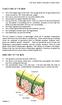 FUNCTIONS OF THE SKIN Skin is the largest organ of the body. The average adult has 18 square feet of skin which account for 16% of the total body weight. Skin acts as a physical barrier for you to the
Patient Information Understanding Varicose Veins
 Patient Information Understanding Varicose Veins The Circulatory System Arteries carry oxygenated blood to your legs and the veins carry de-oxygenated blood away from your legs. The blood returns to the
A Girlfriend s Guide. Breast Augmentation WWW.RPSMD.COM
 A Girlfriend s Guide to Breast Augmentation 1 Your Breast Augmentation Surgery: This is an important decision that you are considering. Have you always thought about increasing the size of your breasts,
Eyelid Surgery - Lower
 Eyelid Surgery - Lower Are your eyes still one of the most striking features on your face? Do they convey your actual emotions and inner vitality, or do they make you appear fatigued, sad, or older than
Open and Endoscopic Forehead Lift. Plastic Surgery. For All Brow and Forehead Lift Procedures. Revolutionizing. Soft-Tissue Fixation
 Plastic Surgery Open and Endoscopic Forehead Lift For All Brow and Forehead Lift Procedures Revolutionizing Soft-Tissue Fixation DESIGNED FOR SIMPLICITY AND PREDICTABILITY The versatile design can be applied
Minimally Invasive Hip Replacement through the Direct Lateral Approach
 Surgical Technique INNOVATIONS IN MINIMALLY INVASIVE JOINT SURGERY Minimally Invasive Hip Replacement through the Direct Lateral Approach *smith&nephew Introduction Prosthetic replacement of the hip joint
Structual Fat Transfer (Fat Injection to the Breast) Musgrove Park Hospital is part of Taunton and Somerset NHS Foundation Trust. Patient Information
 Structual Fat Transfer (Fat Injection to the Breast) Musgrove Park Hospital is part of Taunton and Somerset NHS Foundation Trust Patient Information Introduction This information is for patients undergoing
INSULIN INJECTION KNOW-HOW
 0-0- 0 INSULIN INJECTION KNOW-HOW pro tips (and tricks) for easier and better Insulin Injections ABDOMEN THIGHS BUTTOCKS ARMS recommended injection sites WHERE IS THE BEST PLACE TO GIVE INJECTIONS? 0-
Chapter 7. Expose the Injured Area
 Chapter 7 GUNSHOT WOUNDS KEY FIGURES: Entrance/exit wounds This chapter describes how to treat the external, surface wounds caused by a bullet. The evaluation for underlying injury related to gunshot wounds
Lumbar Laminectomy and Interspinous Process Fusion
 Lumbar Laminectomy and Interspinous Process Fusion Introduction Low back and leg pain caused by pinched nerves in the back is a common condition that limits your ability to move, walk, and work. This condition
PICC & Midline Catheters Patient Information Guide
 PICC & Midline Catheters Patient Information Guide medcompnet.com 1 table of contents Introduction 4 What is a PICC or Midline Catheter? 4 How is the PICC or Midline Catheter Inserted? 6 Catheter Care
Hip Replacement Surgery Understanding the Risks
 Hip Replacement Surgery Understanding the Risks Understanding the Risks of Hip Replacement Surgery Introduction This booklet is designed to help your doctor talk to you about the most common risks you
COPYRIGHT ASPS. Breast Augmentation. The Symbol of Excellence in Plastic Surgery
 Breast Augmentation The Symbol of Excellence in Plastic Surgery A public education service of the American Society of Plastic Surgeons and the American Society for Aesthetic Plastic Surgery. This brochure
RAPID CLINICAL REPORT
 RAPID CLINICAL REPORT ADVERSE EFFECTS ASSOCIATED WITH THE ABSENCE OF HYALURONIDASE IN ANESTHESIA FOR CATARACT SURGERY Background: Issued February 13, 2001 Hyaluronidase (Wydase ) is a medical preparation
Treating HIV-related lipoatrophy by injecting a non-absorbable gel polymer
 Issue date January 2013 Information for the public NICE interventional procedures guidance advises the NHS on when and how new procedures can be used in clinical practice. Treating HIV-related lipoatrophy
Hydrogel Competence in Eye Surgery
 Hydrogel Competence in Eye Surgery Self-inflating tissue expander osmed self-inflating tissue expanders are made of a specially developed hydrogel that uses the osmotic principle to gain volume. These
HEADER TOTAL HIP REPLACEMENT SURGERY FROM PREPARATION TO RECOVERY
 HEADER TOTAL HIP REPLACEMENT SURGERY FROM PREPARATION TO RECOVERY ABOUT THE HIP JOINT The hip joint is a ball and socket joint that connects the body to the legs. The leg bone is called the femur. The
Zimmer Periarticular Proximal Tibial Locking Plate
 Zimmer Periarticular Proximal Tibial Locking Plate Surgical Technique The Science of the Landscape Zimmer Periarticular Proximal Tibial Locking Plate 1 Table of Contents Introduction 2 Locking Screw Technology
Achilles Tendon Repair, Operative Technique
 *smith&nephew ANKLE TECHNIQUE GUIDE Achilles Tendon Repair, Operative Technique Prepared in Consultation with: C. Niek van Dijk, MD, PhD KNEE HIP SHOULDER EXTREMITIES Achilles Tendon Repair, Operative
Total knee replacement
 Patient Information to be retained by patient What is a total knee replacement? In a total knee replacement the cartilage surfaces of the thigh bone (femur) and leg bone (tibia) are replaced. The cartilage
Policies & Procedures. I.D. Number: 1073
 Policies & Procedures Title:: CENTRAL VENOUS CATHETERS INSERTION ASSISTING I.D. Number: 1073 Authorization [] Pharmacy Nursing Committee [] MAC Motion #: [x] SHR Nursing Practice Committee Source: Nursing
INJECTION TECHNIQUE. IVF NURSING OFFICE: (301) 400-2151 Darshana (301) 400-2146 Nicole
 IVF NURSING OFFICE: (301) 400-2151 Darshana (301) 400-2146 Nicole PLEASE NOTE: If you do not have medications for the next day s dose, you MUST go to the clinic that morning at 6:30 AM for more medications.
OPERATION:... Proximal tibial osteotomy Distal femoral osteotomy
 AFFIX PATIENT DETAIL STICKER HERE Forename.. Surname NHS Organisation. Responsible surgeon. Job Title Hospital Number... D.O.B.././ No special requirements OPERATION:..... Proximal tibial osteotomy Distal
TREATMENT 1. Control bleeding by applying pressure over wound with Gauze Pads (Surgical Supply-4). 2. Contact Surgeon for laceration repair options.
 Page 1 of 8 pages NOTE Contact Surgeon before giving any medication marked with an asterisk. In an emergency or during Loss of Signal, begin appropriate treatment; then call Surgeon as soon as possible.
CorMatrix ECM Technology
 CorMatrix ECM Technology Rethink the treatment of a damaged heart REMODEL. REGROW. RESTORE. CorMatrix ECM Technology provides a natural bioscaffold matrix that enables the body s own cells to repair and
TREATMENT REFUSAL FORMS
 TREATMENT REFUSAL FORMS These forms are intended to be used when a patient refuses the treatment. These forms help confirm that the patient is informed and aware of the risks involved with not proceeding
INFORMED CONSENT LIPOSUCTION
 INFORMED CONSENT LIPOSUCTION INSTRUCTIONS This is an informed-consent document that has been prepared to help inform you concerning suctionassisted lipectomy ( liposuction ) surgery, its risks, and alternative