
Does This Coughing Adolescent or Adult Patient Have Pertussis?
|
|
|
- Lucas Booker
- 10 years ago
- Views:
Transcription
1 THE RATIONAL CLINICAL EXAMINATION CLINICIAN S CORNER Does This Coughing Adolescent or Adult Patient Have Pertussis? Paul B. Cornia, MD Adam L. Hersh, MD Benjamin A. Lipsky, MD Thomas B. Newman, MD, MPH Ralph Gonzales, MD, MSPH CLINICAL SCENARIO A 73-year-old man presents to the clinic with a 3-week history of paroxysmal cough. He denies fever, chills, headache, myalgias, rhinorrhea, sore throat, hemoptysis, chest pain, dyspnea, orthopnea, and paroxysmal nocturnal dyspnea. He has no inspiratory whoop but acknowledges 2 episodes of posttussive emesis. Physical examination findings of his heart and lungs are normal, as is a plain chest radiograph result. How much do the clinical findings change the likelihood that he has pertussis? WHY IS THE CLINICAL EXAMINATION IMPORTANT? Childhood vaccination for Bordetella pertussis (the cause of whooping cough) confers limited immunity that wanes after 5 to 10 years and rarely lasts more than 12 years. 1,2 Physicians often forget that a prolonged cough in an adult or adolescent may be due to pertussis. 3,4 The severe cough of pertussis can cause subconjunctival hemorrhage, rib See also Patient Page. CME available online at and questions on p 912. Context Pertussis is often overlooked as a cause of chronic cough, especially in adolescents and adults. Several symptoms are classically thought to be suggestive of pertussis, but the diagnostic value of each of them is uncertain. Objective To systematically review the evidence regarding the diagnostic value of 3 classically described symptoms of pertussis: paroxysmal cough, posttussive emesis, and inspiratory whoop. Data Sources, Study Selection, and Data Extraction We searched MEDLINE ( January 1966 April 2010), EMBASE ( January 1969 to April 2010), and the bibliographies of pertinent articles to identify relevant English-language studies. Articles were selected that included children older than 5 years, adolescents, or adults and confirmed the diagnosis of pertussis among patients with cough illness (of any duration) with an a priori defined accepted reference standard. Two authors independently extracted data from articles that met selection criteria and resolved any discrepancies by consensus. Data Synthesis Five prospective studies met inclusion criteria; 3 were used in the analysis. Presence of posttussive emesis (summary likelihood ratio [LR], 1.8; 95% confidence interval [CI], ) or inspiratory whoop (summary LR, 1.9; 95% CI, ) increases the likelihood of pertussis. Absence of paroxysmal cough (summary LR, 0.52; 95% CI, ) or posttussive emesis (summary LR, 0.58; 95% CI, ) reduced the likelihood. Absence of inspiratory whoop was less useful (summary LR, 0.78; 95% CI, ). No studies evaluated combinations of findings. Conclusions In a nonoutbreak setting, data to determine the diagnostic usefulness of symptoms classically associated with pertussis are limited and of relatively weak quality. The presence or absence of posttussive emesis or inspiratory whoop modestly change the likelihood of pertussis; therefore, clinicians must use their overall clinical impression to decide about additional testing or empirical treatment. JAMA. 2010;304(8): fractures, urinary incontinence, hernias, posttussive syncope, or even intracranial hemorrhage and stroke from vertebral artery dissection. 5 Less dramatically, the cough keeps patients from sleeping, isolates them, and may cause concern about a serious undiagnosed condition. 5 Undiagnosed infected adolescents and adults may spread the illness to inadequately immunized children, in whom infection is more severe and potentially fatal. Author Affiliations: Primary and Specialty Medical Care Service, Veterans Affairs Puget Sound Health Care System, and Department of Medicine, University of Washington School of Medicine, Seattle (Drs Cornia and Lipsky); Divisions of Pediatric Infectious Diseases (Dr Hersh) and General Pediatrics (Drs Hersh and Newman), Clinical Epidemiology (Drs Newman and Gonzales), and General Internal Medicine (Dr Gonzales), University of California, San Francisco. Corresponding Author: Ralph Gonzales, MD, MSPH, Department of Medicine, University of California, San Francisco, 3333 California St, Box 1211, Ste 430, San Francisco, CA ([email protected]). The Rational Clinical Examination Section Editors: David L. Simel, MD, MHS, Durham Veterans Affairs Medical Center and Duke University Medical Center, Durham, NC; Drummond Rennie, MD, Deputy Editor. 890 JAMA, August 25, 2010 Vol 304, No. 8 (Reprinted) 2010 American Medical Association. All rights reserved.

2 Approach to Patients With Cough Patients with persistent cough often contact their physician for advice. 6 Determining the duration of cough is a useful first step in narrowing the differential diagnosis of possible causes. 7 Recently developed guidelines classify cough as acute ( 3 weeks), subacute (3-8 weeks), or chronic ( 8 weeks). 8 Acute cough may be caused by a serious condition (eg, pneumonia, congestive heart failure, lung cancer, or pulmonary embolism), but the most common cause is a self-limited, viral upper respiratory tract infection (eg, the common cold). Subacute cough often represents persistence of an acute respiratory infection, eg, a viral or bacterial upper airway infection or a lower respiratory tract infection, and may spontaneously resolve. 9 If a respiratory infection did not precede the cough, clinicians should proceed with an evaluation for chronic cough. 8 For persons who smoke or take angiotensin-converting enzyme inhibitors, the first step is to stop them. If the cough persists, it is most commonly caused by gastroesophageal reflux disease, asthma, or postnasal drip/ chronic sinusitis (also known as upper airway cough syndrome). 10 Another recently identified common cause of chronic cough is nonasthmatic eosinophilic bronchitis, defined by cough accompanied by sputum showing eosinophils and without dyspnea, wheezing, airflow obstruction by spirometry, or airway hyperreactivity by methacholine provocation testing. 11,12 In addition to these well-recognized causes of persistent cough, physicians should be aware that pertussis also causes subacute and chronic cough. Classic Stages of Pertussis Infection Infection with B pertussis in a person without immunity is characterized by 3 phases: catarrhal, paroxysmal, and convalescent. The catarrhal phase usually lasts 1 to 2 weeks, but diagnosis during this stage is difficult. Symptoms are nonspecific and overlap with more common viral upper respiratory tract infections; eg, generalized malaise, rhinorrhea, and mild cough. Patients may have low-grade temperature elevations, but significant fever is atypical. 13 Two early findings that may be clinically useful are excessive lacrimation and conjunctival injection. An important piece of historical information for a patient presenting with a cough illness is whether the patient had recent sick contacts. The incubation period for B pertussis is relatively long (7-10 days) compared with most viral upper respiratory tract infections (1-3 days). Although by no means diagnostic, exposure to a person with a cough illness 1 to 2 weeks prior to the development of symptoms is more suggestive of pertussis, particularly if that contact belongs to a high-risk group for pertussis (eg, works with young children or lives in a community with low vaccination rates). The paroxysmal stage begins during the second week of illness, with the hallmark symptom of coughing spells. A paroxysm is a series of coughs during a single expiration; these episodes often occur in groups throughout the day and night, with patients experiencing few symptoms between paroxysms. 13 A cough paroxysm causes low lung volumes, leading to a vigorous inspiration that may result in a whoop, particularly in infants and children, in whom the caliber of the trachea is smaller. Once seen or heard, this dramatic presentation is not soon forgotten. (See http: // for audio and video of examples of infants and children with pertussis infection.) Other classic symptoms that have been described at this stage are posttussive emesis or syncope. After about 2 to 3 months, the paroxysmal phase is followed by a gradual transition to the convalescent phase, characterized by a persistent but decreased frequency and severity of cough. Thus, the Chinese name for the pertussis illness, the 100- day cough, is apt. Symptomsofpertussisinfectioninpreviously immunized or infected adolescents and adults, in contrast with the classic symptoms observed in unimmunized infants and children, are variable and often atypical. 4,14 The predominant symptom may simply be a persistent cough. However, clinicians frequently do not consider pertussis infection in such cases. 3,4 Because of the relatively long incubation period, frequent nonspecific symptoms that overlap with other more common respiratory illnesses (eg, viral upper respiratory tract infections), and thedifficultyculturingtheorganismcombined with a lack of an alternative widely available and accepted diagnostic test, the true prevalence of pertussis infection is difficult to determine and subject to debate. 15 Several recent studies have shown that pertussis is the cause of 12% to 32% of prolonged cough illnesses in adolescents and adults; for most patients, the duration of the cough illness is more than 3 weeks. 14 This range of prevalence represents a reasonable pretest probability estimate for pertussis as the cause of prolonged cough illness. It is unknown how frequently the classically described features of pertussis infection (ie, paroxysmal cough, inspiratory whoop, and posttussive emesis or syncope) occur among adolescents and adults. Epidemiology of Pertussis Infection Pertussis was a devastating illness with relatively high mortality rates in infants until a whole-cell vaccine was introduced in the United States in the late 1940s. Widespread pertussis vaccination of children led to a dramatic decline in disease incidence, from a peak of more than reported cases in 1934 to a nadir of 1010 cases in The incidence of the disease began to steadily increase in the early 1980s, however, with cases reported in Increasing clinician awareness and reporting of the disease with the use of more sensitive diagnostic techniques (especially polymerase chain reaction [PCR] testing) may be at least partly responsible for the increase in reported cases. The incidence of pertussis cases decreased in 2006, 18 perhaps suggesting that the cyclic epidemic peaks and valleys that occurred approximately every 2 to 5 years in the 2010 American Medical Association. All rights reserved. (Reprinted) JAMA, August 25, 2010 Vol 304, No

3 prevaccine era are now recurring. The recent decreased incidence is unlikely to be attributable to use of the newly available acellular booster pertussis vaccine (tetanus toxoid, reduced diphtheria toxoid, and acellular pertussis vaccine, adsorbed [Tdap]) because the Advisory Council on Immunization Practices recommendations for booster vaccinations of adolescents 19 and adults 20 were not issued until A substantial portion of the increasing incidence in reported pertussis cases over the past 3 decades is attributable to increased rates of the disease in adolescents and adults. 17,21 In the prevaccine era, more than 90% of reported cases of pertussis occurred in children younger than 10 years old. 21 Currently, about half of reported cases occur in adolescents and adults persons aged 10 to 19 years account for 33% of infections; persons aged 20 years or older account for 23%. 16 Importantly, adolescents and adults with unrecognized pertussis are a reservoir of infection for infants and children. Infants, especially those younger than 6 months, and young children who have not been fully immunized are at the highest risk of hospitalization and pertussis-related morbidity and mortality. In epidemiologic studies, most infants acquire the infection from adolescents and adults in the household. 22 Among infants, increases occurred in both the incidence of reported cases 23 and of deaths 24 caused by pertussis between 1980 and Laboratory Diagnosis of Pertussis Bordetella pertussis is a gram-negative coccobacillus readily transmitted via respiratory secretions. Laboratory diagnostic tests for B pertussis infection include culturing a properly obtained nasopharyngeal specimen, performing direct fluorescent antibody staining or a PCR test, and testing for serum antibodies by enzyme-linked immunosorbent assays or Western blot. 25,26 The Centers for Disease Control and Prevention (CDC) endorses only the culture and PCR methods for diagnosis in community practice settings. 20 Specimens must be collected from the ciliated respiratory epithelium of the posterior nasopharynx where B pertussis preferentially resides, not the anterior nares or throat. 27 It is best to obtain the specimen using a Dacron rather than a cotton swab, as the latter is toxic to B pertussis organisms. Calcium alginate swabs may also be used, but they interfere with the PCR assay. Nasopharyngeal secretions may also be obtained by intranares aspiration, 28 but few clinicians (especially nonpediatricians) have the necessary supplies at hand. Importantly, the sensitivities of PCR, serologic testing, and, particularly, culture decrease with the duration of illness. Thus, in adolescents and adults, who generally present to medical care only after several weeks of coughing, the sensitivity of the available diagnostic tests is likely to be reduced. Because of its high specificity, culture of the organism from nasopharyngeal secretions is the criterion standard for diagnosis. However, the sensitivity of culture in clinical practice is only 30% to 60% 29 because of the fastidious nature of the B pertussis organism and the often prolonged duration of illness at the time of specimen collection. Other factors that may cause false-negative cultures include prolonged transport time of the specimen to the laboratory, delayed plating of the specimen after it arrives in the laboratory, and recent antibiotic treatment. 13 Growth of B pertussis requires special culture media and typically takes 7 to 10 days. There are several methods for rapidly detecting pertussis antigens. Direct fluorescent antibody testing is inexpensive and provides rapid results but is no longer recommended because of its poor sensitivity and specificity. Polymerase chain reaction testing is being used more frequently because it offers increased sensitivity and specificity, detects even small numbers of organisms, is unaffected by recent use of antibiotics, and typically provides results within 1 to 2 days. However, PCR remains relatively costly, is not available in many settings, and can produce false-positive results. 30 Currently, there is no US Food and Drug Administration (FDA) approved PCR kit for pertussis, nor is there a standardized protocol for its use. Serologic testing usually involves comparing the levels of pertussis antibodies in acute and convalescent ( 4 weeks after the acute sample is obtained) serum samples; a substantial change in the titers (typically a 2- or 4-fold increase) suggests infection. Alternatively, a single sample with a level above a designated threshold or a substantial decrease in titer is sometimes considered diagnostic. Serologic testing is frequently used for epidemiologic or research purposes, but it is neither widely available nor standardized and no FDA-approved test exists. Treatment of Pertussis The CDC recommends that the thresholds for initiating testing and treatment be the same because of the contagiousness and public health implications of pertussis. 31,32 Antibiotic treatment during the catarrhal phase may decrease the duration and severity of cough, but the diagnosis is rarely considered during this early phase in adolescents and adults. Administering antibiotics later in the course of disease probably does not affect the course of symptoms but is recommended to help reduce spread of the infection. Persons with pertussis may remain contagious for a month or longer; most will eventually recover without antibiotic therapy. 13,32 The recommended antibiotic regimens are identical for treatment and postexposure prophylaxis (for close contacts of persons diagnosed as having pertussis). 32 Macrolide agents are preferred and typically eradicate B pertussis within 5 days. 13 Erythromycin has been the antibiotic of choice for decades; while it is inexpensive, the relatively frequent dosing (4 times daily) and high rate of adverse effects (most notably gastrointestinal distress) limit patient adherence. Available data suggest that azithromycin and clarithromycin, while more expensive, have comparable efficacy with and are bet- 892 JAMA, August 25, 2010 Vol 304, No. 8 (Reprinted) 2010 American Medical Association. All rights reserved.
![vaccine, adsorbed [Tdap]) because the Advisory Council on Immunization Practices recommendations for booster vaccinations of adolescents 19 and adults 20 were not issued until 2006.](/docs-images/42/5883106/images/page_3.jpg "A substantial portion of the increasing incidence in reported pertussis cases over the past 3 decades is attributable to increased rates of the disease in adolescents and adults.")
4 ter tolerated than erythromycin, and these agents are increasingly used Trimethoprim-sulfamethoxazole is an alternative treatment for persons who are unable to tolerate macrolides. Case Definition of Pertussis Infection The CDC clinical case definition for endemic or sporadic cases of pertussis is a cough illness lasting 2 weeks or longer without other apparent cause with 1 or more of the following: paroxysms of coughing, inspiratory whoop, or posttussive vomiting. 37 We sought to estimate the accuracy of the classic symptoms for diagnosing pertussis infection in adolescents and adults in nonoutbreak settings. METHODS Literature Search Strategy We searched MEDLINE (January 1966 April 2010; English-language articles only) using 3 strategies: (1) key words pertussis AND cough AND duration; (2) Medical Subject Heading (MeSH) term whooping cough/epidemiology; and(3) MeSH term whooping cough/diagnosis and EMBASE (January 1969 April 2010) using the search strategy specificity AND (pertussis/exp or pertussis), limited to human studies. Additional articles were identified from searching the bibliographies of retrieved articles. We reviewed the titles and abstracts of the identified articles for relevance and selected only articles that included children older than 5 years (expected to have completed primary vaccination), adolescents, or adult patients and that confirmed the diagnosis of pertussis among patients with cough illness (of any duration) with an accepted reference standard that we defined a priori (ie, culture, PCR, serologic testing, or clinical diagnosis based on definite clinical exposure). Study Selection and Data Analysis We excluded studies of outbreaks or active surveillance. Although the disease itself should not be different in an outbreak compared with patients that a typical clinician encounters in usual clinical practice, the threshold for seeking treatment and the reported clinical characteristics may be different because of spectrum bias. 38 Recent reports suggest that many patients initially presumed to have pertussis in outbreaks are actually false-positive cases, 39 raising further questions about the validity of clinical characteristics derived from these studies. The laboratory tests for the diagnosis of pertussis that we accepted as reference standards were culture, PCR, and pertussis toxin serologic testing (see Laboratory Diagnosis of Pertussis section above). We excluded studies that used only culture for laboratory diagnosis because of its low sensitivity. Although serologic testing is not currently recommended for clinical use, it is an important tool for research purposes. Serum antibodies to a variety of pertussis antigens, including pertussis toxin, filamentous hemagglutinin, pertactin, and fimbriae 2 and 3, or preparations of the whole organism may be measured. Because sensitivity and specificity are best for measurement of anti pertussis toxin antibodies, 13 we included only studies that serologically diagnosed pertussis using this method. We calculated sensitivity, specificity, summary likelihood ratios (LRs), and tests of heterogeneity for the classic symptoms of pertussis (paroxysmal cough, posttussive emesis, posttussive syncope, and inspiratory whoop). Because random-effects bivariate summary measures would not converge on a solution, 40 we used random-effects univariate summary measures. Data analyses were performed using Comprehensive Meta-analysis, version 2 (Biostat Inc, Englewood, New Jersey). For LR heterogeneity, we used the I 2 statistic, for which threshold values are qualitatively described as follows: less than 25% suggests homogeneity; 25% to 50%, low heterogeneity; 51% to 74%, moderate heterogeneity; and 75% or more, high heterogeneity. 41 RESULTS Study Characteristics The MEDLINE literature search (efigure; available at yielded 2124 unique citations, of which we selected 52 for full-text review; from these articles, 5 met our prespecified inclusion criteria. The EMBASE literature search yielded 416 citations; 19 were selected for full-text review, but none met our inclusion criteria. Two of the 5 articles meeting inclusion criteria were subsequently excluded because of methodological limitations (eappendix), leaving 3 articles for data extraction. Most studies were excluded because they were conducted in an outbreak setting, did not use one of the diagnostic tests that we specified a priori, or did not contain extractable data. The number of participants in the included studies were large (n= ), which yielded reasonably narrow 95% confidence intervals (CIs) for the LRs; all studies were conducted in outpatient settings (TABLE 1). Two studies included primarily adults with some adolescents, 43,44 while 1 study included only children and adolescents. 42 The studies were carried out in 3 different countries: South Korea, United Kingdom, and United States. Vaccination coverage for children in the United States 45 and the United Kingdom 46 are high; vaccine coverage information for South Korea is not available. Duration of Cough Using current guidelines for classifying cough, 8 1 study had a median cough duration that fulfilled criteria for acute cough at presentation, 43 and 2 had median durations of subacute cough. 42,44 However, the total range for cough duration included patients across the span from acute to chronic. Accuracy of Classic Symptoms in Diagnosis of Pertussis All 3 studies included data on paroxysmal cough, posttussive emesis, and inspiratory whoop; none reported on posttussive syncope (TABLE 2). Among adolescent and adult patients with pertussis, paroxysmal cough is common, but the specificity of this finding is low. Posttussive emesis and whoop are less common, but both show greater specificity for pertussis infection American Medical Association. All rights reserved. (Reprinted) JAMA, August 25, 2010 Vol 304, No

5 In the pooled analyses, the positive LRs for the presence of posttussive emesis (LR, 1.8; 95% CI, ) and inspiratory whoop (LR, 1.9; 95% CI, ) are similar (Table 2). While statistically significant, the positive LR for paroxysmal cough is only slightly greater than 1. The pooled negative LRs for the 3 symptoms are similar: paroxysmal cough (LR, 0.52; 95% CI, ), posttussive emesis (LR, 0.58; 95% CI, ), and inspiratory whoop (LR, 0.78; 95% CI, ). In the study that included only children and adolescents (aged 5-16 years), 42 the positive and negative LRs for all symptoms are similar to the pooled positive and negative LRs. Limitations No study reported the performance characteristics for combinations of findings (eg, inspiratory whoop together with posttussive emesis) and none evaluated the independence of combinations of findings. Thus, we can only infer that physician clinical impression is affected by presence or absence Table 1. Study Characteristics Source Strebel et al, Park et al, Harnden et al, Inclusion Criteria/Setting Cough 7-34 d; age y 10 outpatient clinics (large health maintenance organization), St Paul Minneapolis, Minnesota Cough 1-12 weeks; age 16 y 2 outpatient clinics, Seoul, South Korea Cough 14 d; age 5-16 y General practitioners clinics, Oxfordshire, England No. of Participants Age, Median (Range), y Cough Duration at Presentation, Median (Range), d Reference Standard (10-49) 36 (4-77) (1) NP specimen using rayon-tipped swab for PCR and culture; (2) 2-fold increase in convalescent anti-pt IgG or IgA titers vs acute (antibody ELISA level 20 units/ml); (3) single serum anti-pt IgG 3 SD above mean for age-matched controls (19-83) 15 (6-80) Throat swab specimens using Dacron-tipped swab for PCR and culture (5-16) Positive serology: mean = 45; negative serology: mean = 44 b (1) 4-fold change in acute and convalescent serum anti-pt IgG titers (2) anti-pt IgG titers 100 ELISA units/ml Pertussis Prevalence, No. (%) [No. Positive by Each Reference Standard] 27 (13) [culture = 8; PCR = 13; acute vs convalescent anti-pt titers = 13; single high anti-pt titer = 18] 3 (2.9) [culture = 0; PCR=3] 64 (37) [not provided] I Level of Evidence 47,a III Indeterminate Abbreviations: ELISA, enzyme-linked immunosorbent assay; NP, nasopharyngeal; PCR, polymerase chain reaction; PT, pertussis toxin. a Levels of evidence: I=highest quality; an independent, blind comparison of a test (pertussis-related symptom) to a validated criterion reference standard in a sufficiently large number of consecutive patients; II=similar to level I (ie, an independent, blind comparison of a test to a validated criterion reference standard) but with a smaller number of patients; III=also independently compared the test with a validated reference standard, but enrolled nonconsecutive patients. b Median and range not reported. Table 2. Sensitivity, Specificity, and Likelihood Ratios of Classically Described Symptoms in Diagnosing Pertussis Source Sensitivity No. (%) Specificity Positive LR (95% CI) [Range] Negative LR (95% CI) [Range] Paroxysmal cough Harnden et al, /64 (86) 26/108 (24) 1.1 ( ) 0.58 ( ) Park et al, /3 (100) 35/99 (35) 1.4 ( ) 0.35 ( ) Strebel et al, /27 (100) 23/185 (12) 1.1 ( ) 0.14 ( ) Summary 1.1 ( ) [ ] a 0.52 ( ) [ ] a Posttussive emesis Harnden et al, /64 (70) 66/108 (61) 1.8 ( ) 0.49 ( ) Park et al, /3 (33) 82/99 (83) 1.9 ( ) 0.80 ( ) Strebel et al, /27 (56) 126/185 (68) 1.7 ( ) 0.65 ( ) Summary 1.8 ( ) [ ] a 0.58 ( ) [ ] a Inspiratory whoop Harnden et al, /64 (50) 78/107 (73) 1.8 ( ) 0.69 ( ) Park et al, /3 (67) 71/99 (72) 2.4 ( ) 0.46 ( ) Strebel et al, /27 (26) 158/185 (85) 1.8 ( ) 0.87 ( ) Summary 1.9 ( ) [ ] a 0.78 ( ) [ ] a Abbreviations: CI, confidence interval; LR, likelihood ratio. a I2 is a test for heterogeneity; less than 25% suggests homogeneity; 25% to 50%, low heterogeneity; 51% to 74%, moderate heterogeneity; and 75% or more, high heterogeneity. 41 For all summary LRs, I 2 =0% except negative LR for inspiratory whoop (I 2 =4%). 894 JAMA, August 25, 2010 Vol 304, No. 8 (Reprinted) 2010 American Medical Association. All rights reserved.

6 of both posttussive emesis and inspiratory whoop in patients with paroxysmal cough. Our study s findings must be interpreted in the context of the quality of the included studies, and several points merit consideration. Only 5 studies met our inclusion criteria, and 2 of these were excluded because of methodological limitations. Only 1 of the 3 included studies 42 contained level I evidence 47 ; the 3 studies had a total of 94 cases of pertussis. One study 44 met level III evidence criteria because of nonconsecutive enrollment and inclusion of a small percentage of eligible patients (2%). The evidence level for the remaining study 43 could not be determined from the article, although that study included only 3 patients with pertussis and, thus, had little effect on the summary measures. Because of the heterogeneity in the patient populations (eg, age ranges of patients, countries of origin) and reference standards used, combining the results of the studies may not be appropriate. Despite these differences in the studies, the quantitative assessments suggested little heterogeneity in the results and the summary measures provide relatively narrow 95% CIs. Misclassification bias may have affected the performance characteristics we measured. No studies described the use of explicit and reproducible definitions for each symptom. In 1 study, 42 the authors reported that half of patients with a positive serologic test result for pertussis had inspiratory whoop, but they subsequently indicated that few had classical whoop. For the symptom of paroxysmal cough, it is possible that eliciting a history of coughing fits in a single expiration followed by deep inspiration, rather than undefined paroxysmal cough, could have resulted in a higher positive LR. An inclusion criterion for 1 study 44 was paroxysmal cough, which was also one of the findings reported in the study this represents verification bias. 38 Additionally, patients in this study who were subsequently diagnosed as having pneumonia or sinusitis (numbers not given) were excluded from analysis rather than being counted in the nonpertussis group. Both of these factors may falsely increase sensitivity and decrease specificity. Finally, the limitations of available diagnostic tests (ie, our chosen reference standards) continue to make the diagnosis of pertussis challenging. The sensitivity of these diagnostic tests decreases with increased duration of cough and, as noted, adolescents and adults often do not seek medical attention until they have been coughing for several weeks. This problem with the reference standard may in turn affect our assessment of the diagnostic utility of the classic symptoms. SCENARIO RESOLUTION A nasopharyngeal swab specimen was collected from the patient and sent for testing. The estimated pretest probability of pertussis for an adult with a prolonged cough is 10% to 30%. The presence of posttussive emesis (LR, 1.8) modestly increases the posttest probability. For this patient, the direct fluorescent antibody test result was negative, but B pertussis was isolated from culture 1 week later. Four weeks after the onset of illness, when the culture result was reported, treatment with oral erythromycin was started. The patient s cough gradually resolved over the next 3 months. Because of her frequent and prolonged exposure to the patient, his wife was given postexposure antibiotic prophylaxis; she did not develop symptoms of pertussis infection. CLINICAL BOTTOM LINE In the prevaccine era, 4 symptoms were classically associated with pertussis infection: paroxysmal cough, posttussive emesis, posttussive syncope, and inspiratory whoop. Although a prolonged duration of cough illness is also characteristic of pertussis, we were unable to find any studies with extractable data to assess this. Our systematic review of the literature included 3 nonoutbreak studies in the postvaccine era of patients seeking care for cough that included data on paroxysmal cough, posttussive emesis, and inspiratory whoop; no study reported on posttussive syncope. Paroxysmal cough is a very common symptom in pertussis infection, but it appears to be nonspecific (ie, paroxysmal cough may also commonly occur in other respiratory illnesses). The presence of posttussive emesis and inspiratory whoop modestly increase the likelihood of pertussis infection, but additional information should influence the decision to test and empirically treat for pertussis. This should include recent exposure to known or suspected cases of pertussis and subsequent exposure to vulnerable populations (eg, infants). Importantly, our data do not apply to an outbreak setting in which the pretest probability of pertussis for a patient with a cough illness may be substantially higher and the thresholds to test and empirically treat for pertussis may be lower. Given the substantial limitations of currently available diagnostic tests, an important finding in this study is that the absence of classic symptoms of pertussis may not have sufficiently low LRs to exclude the diagnosis of pertussis, and the presence of classic symptoms is common in patients who do not have evidence of pertussis infection. This increases the importance of the pretest probability of infection and suggests that additional testing and treatment decisions in a patient with prolonged cough should be based on the overall clinical impression, independent of these classic clinical features of pertussis. Studies including adolescents and adults with cough illnesses lasting 1 week or longer in nonoutbreak settings indicate that pertussis is responsible for 12% to 32% of cases; the overwhelming majority of patients actually had a substantially longer duration of illness ( 3 weeks). 14 We suspect that most experts consider the combination of a whooping cough and posttussive emesis more suggestive of the diagnosis than either finding alone. Future investigations that provide data on the combinations of findings may be useful American Medical Association. All rights reserved. (Reprinted) JAMA, August 25, 2010 Vol 304, No

7 Author Contributions: Drs Cornia and Gonzales had full access to all of the data in the study and take full responsibility for the integrity of the data and the accuracy of the data analysis. Study concept and design: Cornia, Hersh, Lipsky, Gonzales. Acquisition of data: Cornia, Hersh. Analysis and interpretation of data: Cornia, Hersh, Lipsky, Newman, Gonzales. Drafting of the manuscript: Cornia, Lipsky, Gonzales. Critical revision of the manuscript for important intellectual content: Cornia, Hersh, Lipsky, Newman, Gonzales. Administrative, technical, or material support: Cornia, Hersh, Gonzales. Study supervision: Cornia, Gonzales. Financial Disclosures: None reported. Online-Only Material: The efigure and eappendix are available online at Additional Contributions: We thank Richard Frothingham, MD, and Daniel Sexton, MD, Duke University, for comments on an earlier version of the manuscript. We also thank David Simel, MD, Durham Veterans Affairs Medical Center and Duke University, for assistance in creating the summary measures and with the EMBASE literature search. No compensation was received. REFERENCES 1. Lambert HJ. Epidemiology of a small pertussis outbreak in Kent County, Michigan. Public Health Rep. 1965;80: Jenkinson D. Duration of effectiveness of pertussis vaccine: evidence from a 10 year community study. Br Med J (Clin Res Ed). 1988;296(6622): Dworkin MS. Adults are whooping, but are internists listening? Ann Intern Med. 2005;142(10): Hewlett EL, Edwards KM. Pertussis not just for kids. N Engl J Med. 2005;352(12): Irwin RS. Complications of cough: ACCP evidencebased clinical practice guidelines. Chest. 2006; 129(1)(suppl):54S-58S. 6. Irwin RS. Introduction to the diagnosis and management of cough: ACCP evidence-based clinical practice guidelines. Chest. 2006;129(1)(suppl):25S- 27S. 7. Irwin RS, Madison JM. The diagnosis and treatment of cough. N Engl J Med. 2000;343(23): Pratter MR, Brightling CE, Boulet LP, Irwin RS. An empiric integrative approach to the management of cough: ACCP evidence-based clinical practice guidelines. Chest. 2006;129(1)(suppl):222S-231S. 9. Kwon NH, Oh MJ, Min TH, Lee BJ, Choi DC. Causes and clinical features of subacute cough. Chest. 2006; 129(5): Pratter MR. Overview of commons causes of chronic cough: ACCP evidence-based clinical practice guidelines. Chest. 2006;129(1)(suppl):59S- 62S. 11. Gibson PG, Dolovich J, Denburg J, Ramsdale EH, Hargreave FE. Chronic cough: eosinophilic bronchitis without asthma. Lancet. 1989;1(8651): Brightling CE, Ward R, Goh KL, Wardlaw AJ, Pavord ID. Eosinophilic bronchitis is an important cause of chronic cough. Am J Respir Crit Care Med. 1999; 160(2): Mattoo S, Cherry JD. Molecular pathogenesis, epidemiology, and clinical manifestations of respiratory infections due to Bordetella pertussis and other Bordetella subspecies. Clin Microbiol Rev. 2005;18 (2): von König CH, Halperin S, Riffelmann M, Guiso N. Pertussis of adults and infants. Lancet Infect Dis. 2002;2(12): Fine PEM. Adult pertussis: a salesman s dream and an epidemiologist s nightmare. Biologicals. 1997; 25(2): Centers for Disease Control and Prevention. Pertussis United States, MMWR Morb Mortal Wkly Rep. 2002;51(4): Centers for Disease Control and Prevention. Pertussis United States, MMWR Morb Mortal Wkly Rep. 2005;54(50): McNabb SJ, Jajosky RA, Hall-Baker PA, et al; Centers for Disease Control and Prevention. Summary of notifiable diseases United States, MMWR Morb Mortal Wkly Rep. 2008;55(53): Broder KR, Cortese MM, Iskander JK, et al; Advisory Committee on Immunization Practices. Preventing tetanus, diphtheria, and pertussis among adolescents: use of tetanus toxoid, reduced diphtheria toxoid and acellular pertussis vaccines recommendations of the Advisory Committee on Immunization Practices (ACIP). MMWR Recomm Rep. 2006;55(RR-3): Kretsinger K, Broder KR, Cortese MM, et al; Centers for Disease Control and Prevention; Advisory Committee on Immunization Practices; Healthcare Infection Control Practices Advisory Committee. Preventing tetanus, diphtheria, and pertussis among adults: use of tetanus toxoid, reduced diphtheria toxoid and acellular pertussis vaccine recommendations of the Advisory Committee on Immunization Practices (ACIP) and recommendation of ACIP, supported by the Healthcare Infection Control Practices Advisory Committee (HICPAC), for use of Tdap among health-care personnel. MMWR Recomm Rep. 2006;55(RR-17): Güriş D, Strebel PM, Bardenheier B, et al. Changing epidemiology of pertussis in the United States: increasing reported incidence among adolescents and adults, Clin Infect Dis. 1999;28(6): Edwards KM. Overview of pertussis: focus on epidemiology, sources of infection, and long term protection after infant vaccination. Pediatr Infect Dis J. 2005;24(6)(suppl):S104-S Tanaka M, Vitek CR, Pascual FB, Bisgard KM, Tate JE, Murphy TV. Trends in pertussis among infants in the United States, JAMA. 2003;290 (22): Vitek CR, Pascual FB, Baughman AL, Murphy TV. Increase in deaths from pertussis among young infants in the United States in the 1990s. Pediatr Infect Dis J. 2003;22(7): Cherry JD, Grimprel E, Guiso N, Heininger U, Mertsola J. Defining pertussis epidemiology: clinical, microbiologic and serologic perspectives. Pediatr Infect Dis J. 2005;24(5)(suppl):S25-S Müller FM, Hoppe JE, Wirsing von König CH. Laboratory diagnosis of pertussis: state of the art in J Clin Microbiol. 1997;35(10): Cornia PB, Lipsky BA, Saint S, Gonzales R. Nothing to cough at a 73-year-old man presented to the emergency department with a 4-day history of nonproductive cough that worsened at night. N Engl J Med. 2007;357(14): Centers for Disease Control and Prevention. Guidelines for the control of pertussis outbreaks http: // Accessed April 8, Young S, Anderson G, Mitchell P. Laboratory observations during an outbreak of pertussis. Clin Microbiol Newsl. 1987;9: Lievano FA, Reynolds MA, Waring AL, et al. Issues associated with and recommendations for using PCR to detect outbreaks of pertussis. J Clin Microbiol. 2002;40(8): Gonzales R, Bartlett JG, Besser RE, et al; American Academy of Family Physicians; American College of Physicians-American Society of Internal Medicine; Centers for Disease Control; Infectious Diseases Society of America. Principles of appropriate antibiotic use for treatment of uncomplicated acute bronchitis: background. Ann Intern Med. 2001;134 (6): Tiwari T, Murphy TV, Moran J; National Immunization Program, Centers for Disease Control and Prevention. Recommended antimicrobial agents for the treatment and postexposure prophylaxis of pertussis: 2005 CDC Guidelines. MMWR Recomm Rep. 2005; 54(RR-14): Aoyama T, Sunakawa K, Iwata S, Takeuchi Y, Fujii R. Efficacy of short-term treatment of pertussis with clarithromycin and azithromycin. J Pediatr. 1996; 129(5): Langley JM, Halperin SA, Boucher FD, Smith B; Pediatric Investigators Collaborative Network on Infections in Canada. Azithromycin is as effective as and better tolerated than erythromycin estolate for the treatment of pertussis. Pediatrics. 2004;114(1): e96-e Lebel MH, Mehra S. Efficacy and safety of clarithromycin versus erythromycin for the treatment of pertussis: a prospective, randomized, single blind trial. Pediatr Infect Dis J. 2001;20(12): Pichichero ME, Hoeger WJ, Casey JR. Azithromycin for the treatment of pertussis. Pediatr Infect Dis J. 2003;22(9): Centers for Disease Control and Prevention. Pertussis (Bordetella pertussis) (whooping cough): 2010 case definition. /casedef/pertussis_current.htm. Accessed June 30, Newman TB, Kohn MA. Evidence-Based Diagnosis. New York, NY: Cambridge University Press; 2009: Centers for Disease Control and Prevention. Outbreaks of respiratory illness mistakenly attributed to pertussis New Hampshire, Massachusetts, and Tennessee, MMWR Morb Mortal Wkly Rep. 2007;56(33): Simel DL, Bossuyt PM. Differences between univariate and bivariate models for summarizing diagnostic accuracy may not be large. J Clin Epidemiol. 2009;62(12): Higgins JP, Thompson SG, Deeks JJ, Altman DG. Measuring inconsistency in meta-analyses. BMJ. 2003; 327(7414): Harnden A, Grant C, Harrison T, et al. Whooping cough in school age children with persistent cough: prospective cohort study in primary care. BMJ. 2006; 333(7560): Park WB, Park SW, Kim HB, Kim EC, Oh M, Choe KW. Pertussis in adults with persistent cough in South Korea. Eur J Clin Microbiol Infect Dis. 2005;24 (2): Strebel P, Nordin J, Edwards K, et al. Populationbased incidence of pertussis among adolescents and adults, Minnesota, J Infect Dis. 2001; 183(9): Centers for Disease Control and Prevention. National, state, and local area vaccination coverage among children aged months United States, MMWR Morb Mortal Wkly Rep. 2008;57(35): Wirsing von König CH, Campins-Marti M, Finn A, Guiso N, Mertsola J, Liese J. Pertussis immunization in the global pertussis initiative European region: recommended strategies and implementation considerations. Pediatr Infect Dis J. 2005;24(5) (suppl):s87-s Simel DL. Update: primer on precision and accuracy. In: Simel DL, Rennie D, eds. The Rational Clinical Examination: Evidence-Based Clinical Diagnosis. New York, NY: McGraw-Hill; 2008: JAMA, August 25, 2010 Vol 304, No. 8 (Reprinted) 2010 American Medical Association. All rights reserved.

PENNSYLVANIA DEPARTMENT OF HEALTH 2015 PAHAN 307 04-02-ADV Pertussis in Centre County
 PENNSYLVANIA DEPARTMENT OF HEALTH 2015 PAHAN 307 04-02-ADV Pertussis in Centre County DATE: 04/02/2015 TO: Health Alert Network FROM: Karen M. Murphy, PhD, RN, Acting Secretary of Health SUBJECT: DISTRIBUTION:
PERTUSSIS SURVEILLANCE AND RESPONSE PROTOCOL
 PERTUSSIS SURVEILLANCE AND RESPONSE PROTOCOL Public Health Action 1. Educate the public, particularly parents of infants, about the dangers of whooping cough and the advantages of initiating immunization
APIC Practice Guidance Committee: Implementation Insights Prevention & Control of Pertussis
 1275 K Street, NW, Suite 1000 Washington, DC 20005-4006 Phone: 202/789-1890 Fax: 202/789-1899 [email protected] www.apic.org APIC Practice Guidance Committee: Implementation Insights Prevention & Control
Alberta Health and Wellness Public Health Notifiable Disease Management Guidelines August 2011
 August 2011 Pertussis Revision Dates Case Definition Reporting Requirements Remainder of the Guideline (i.e., Etiology to References sections inclusive) August 2011 August 2011 December 2005 Case Definition
Community Health Administration
 Community Health Administration 300 North San Antonio Road Santa Barbara, CA 93110-1332 805/681-5439 FAX 805/681-5200 Takashi M. Wada, MD, MPH Director/Health Officer Anne M. Fearon Deputy Director Suzanne
Laboratory confirmation requires isolation of Bordetella pertussis or detection of B. pertussis nucleic acid, preferably from a nasopharyngeal swab.
 Pertussis Epidemiology in New Zealand New Zealand has continued to experience outbreaks of pertussis in recent decades. This is in part due to historically low immunisation rates and in part because immunity
Remove this cover sheet before redistributing and replace it with your own. Please ensure that DPHHS is included on your HAN distribution list.
 State of Montana Health Alert Network DPHHS HAN ADVISORY Cover Sheet DATE: May 15, 2012 SUBJECT: Pertussis INSTRUCTIONS: DISTRIBUTE to your local HAN contacts. This HAN is intended for general sharing
New Jersey Department of Health Vaccine Preventable Disease Program Pertussis FAQs. Date: January 10, 2013
 New Jersey Department of Health Vaccine Preventable Disease Program Pertussis FAQs Date: January 10, 2013 KEY MESSAGES: 1. Pertussis is a very contagious vaccine-preventable disease that can cause serious
Prevention of Pertussis Among Pregnant & Post Partum Women and Their Infants. Marilyn Michels RN MSN CIC Kathleen Curtis MS RN
 Prevention of Pertussis Among Pregnant & Post Partum Women and Their Infants Marilyn Michels RN MSN CIC Kathleen Curtis MS RN Pertussis and Adults Pertussis (whooping cough) a poorly controlled vaccine-preventable
FREQUENTLY ASKED QUESTIONS ABOUT PERTUSSIS (WHOOPING COUGH)
 FREQUENTLY ASKED QUESTIONS ABOUT PERTUSSIS (WHOOPING COUGH) What is pertussis? General Questions About Pertussis Pertussis, or whooping cough, is a contagious illness that is spread when an infected person
Pertussis Information for GPs and other Health Care Providers on Clinical and Public Health Management. March 2010
 Pertussis Information for GPs and other Health Care Providers on Clinical and Public Health Management March 2010 Infectious Agent Bordetella pertussis (a bacterium) Clinical Features Infants and Young
Pertussis: Resurgence, Prevention and Role of the Ob/Gyn
 Pertussis: Resurgence, Prevention and Role of the Ob/Gyn Kimberly B. Fortner, MD Vanderbilt University Department OB/Gyn Division Maternal-Fetal Medicine Vanderbilt Vaccine Research Program Learning Objectives
PROTOCOL FOR THE MANAGEMENT OF CLOSE CONTACTS OF PERTUSSIS INFECTION
 PROTOCOL FOR THE MANAGEMENT OF CLOSE CONTACTS OF PERTUSSIS INFECTION Printed copies must not be considered the definitive version DOCUMENT CONTROL PROTOCOL NO. 1.03 Policy Group Infection Control Committee
How Many Tdap Vaccines Are Given to San Diego County People?
 Immunizations and Pregnancy Mark H. Sawyer, MD San Diego Immunization Partnership San Diego County Immunization Branch Objectives List vaccines that should be given either during pregnancy or immediately
Pertussis/Parapertussis
 Pertussis/Parapertussis Communicable Disease Control Unit Case Definition Confirmed Case: Isolation of Bordetella pertussis or Bordetella parapertussis on culture from an appropriate clinical specimen
Health Professionals Advice: Azithromycin now fully funded 3 December 2012
 Health Professionals Advice: Azithromycin now fully funded 3 December 2012 SITUATION UPDATE The Pertussis epidemic has continued all year, and is expected to continue throughout 2013. Between 1 January
I am reaching out to you with some preventative information that you might be interested in sharing with your school community.
 Reported cases of pertussis (whooping cough) are on the rise in Colorado and El Paso County. As of October 23, more than 1,000 cases of pertussis have been reported across the state. El Paso County cases
Parents and Grandparents
 Parents and Grandparents Vaccination for parents and grandparents is vital to help protect newborn babies against whooping cough. Protect your baby by being immunised too. To find out more about Boostrix
What is whooping cough. (pertussis)? Information and Prevention. Ocument dn
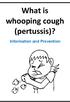 What is whooping cough Ocument dn (pertussis)? Information and Prevention IMPORTANT Pertussis (or whooping cough) is a highly contagious infection that can cause uncontrollable, violent coughing. If you
Pertussis. Chapter 15 Pertussis. August 2015. Pertussis. Vaccine introduced in 1952/53 (DTP) and 1996 (DTaP) NOTIFIABLE
 Chapter 15 15 Vaccine introduced in 1952/53 (DTP) and 1996 (DTaP) NOTIFIABLE In some circumstances, advice in these guidelines may differ from that in the Summary of Product Characteristics of the vaccines.
Information on Measles and Whooping Cough: Vaccination and Disease
 Information on Measles and Whooping Cough: Vaccination and Disease Vaccine s Mechanism of Action Vaccines expose the recipient to a small amount of an weakened organism. Through this exposure, the body
Is your family at risk for pertussis?
 Is your family at risk for pertussis? Help protect your family against a serious disease and talk to your health-care professional about adult and adolescent immunization with Adacel vaccine. Please click
Pertussis (Whooping Cough) http://www.cdc.gov/pertussis/index.html. Causes and Transmission. Causes. Transmission
 Pertussis (Whooping Cough) http://www.cdc.gov/pertussis/index.html Pertussis, also known as whooping cough, is a highly contagious respiratory disease. It is caused by the bacterium Bordetella pertussis.
Pertussis, caused by the bacterium Bordetella pertussis,
 Updated treatment and prevention guidelines for pertussis Sara Cohen, MS, PA-C; Aliza Black, MS, PA-C: Alexis Ross, MS, PA-C; Ellen D. Mandel, DMH, MPA, MS, PA-C ABSTRACT Pertussis, commonly referred to
Pertussis. Bordetella pertussis. Pathogenesis. Clinical Features
 Pertussis, or whooping cough, is an acute infectious disease caused by the bacterium Bordetella pertussis. Outbreaks of pertussis were first described in the th century, and the organism was first isolated
This article is a CME/CE certified activity. To earn credit for this activity visit: http://www.medscape.org/viewarticle/750546
 1 of 6 10/10/2011 7:17 PM This article is a CME/CE certified activity. To earn credit for this activity visit: http://www.medscape.org/viewarticle/750546 CME/CE Information CME/CE Released: 09/28/2011;
Pertussis: Whooping Cough
 Pertussis: Whooping Cough By: David Stamps Disease Etiology: Pertussis is caused by the bacteria Bordetella pertussis and Bordetella parapertussis, the latter often resulting in milder symptoms due to
2. THE DISEASE AND ITS EPIDEMIOLOGY
 1. DISEASE REPORTING 1.1 Purpose of Reporting and Surveillance 1. To prevent illness and death among exposed, high risk persons. 2. To vaccinate exposed, under immunized children. Pertussis 3. To educate
Vaccines in Pregnancy MARK H. SAWYER, MD UCSD SCHOOL OF MEDICINE RADY CHILDREN S HOSPITAL SAN DIEGO
 Vaccines in Pregnancy MARK H. SAWYER, MD UCSD SCHOOL OF MEDICINE RADY CHILDREN S HOSPITAL SAN DIEGO 1 Objectives List vaccines that should be given either during pregnancy or immediately post-partum in
HPA Guidelines for the Public Health Management of Pertussis
 HPA Guidelines for the Public Health Management of Pertussis Author Gayatri Amirthalingam and the Pertussis Guidelines Group Pertussis Guidelines Group Gayatri Amirthalingam Consultant Epidemiologist,
Linda C. Lambert, PhD Division of Microbiology and Infectious Diseases, National Institute of Allergy and Infectious Diseases, Bethesda, Maryland
 Pertussis Vaccine Trials in the 1990s Linda C. Lambert, PhD Division of Microbiology and Infectious Diseases, National Institute of Allergy and Infectious Diseases, Bethesda, Maryland Target Audience Physicians
Updated Recommendations for Use of Tdap in Pregnant Women
 From the Texas Department of State Health Services Immunization Branch The goal of the Vaccine Advisory is to disseminate, in a timely manner, practical information related to vaccines, vaccine-preventable
safest place for your baby is in your arms...
 Help protect your baby by helping to protect yourself. Photo: John Bentham Imagine a cough barreling through your infant s body at up to 100 mph. Help protect yourself and your family by getting an adult
Adult Vaccination Frequently Asked Questions: The Basics
 The Basics Why should I get vaccinated? Vaccination is the best way to protect against infections that can make you sick and be passed on to those around you. 1 What kinds of side effects will I get from
Safety of HPV vaccination: A FIGO STATEMENT
 Safety of HPV vaccination: A FIGO STATEMENT July, 2013 Human papillomavirus vaccines are used in many countries; globally, more than 175 million doses have been distributed. Extensive pre- and post-licensure
Vaccination against pertussis (whooping cough) - the replacement of Repevax with Boostrix -IPV an update for registered healthcare practitioners
 Vaccination against pertussis (whooping cough) - the replacement of Repevax with Boostrix -IPV an update for registered healthcare practitioners Questions and Answers May 2014 Health Protection Scotland
Frequently asked questions about whooping cough (pertussis)
 Frequently asked questions about whooping cough (pertussis) About whooping cough What is whooping cough? Whooping cough is a highly contagious illness caused by bacteria. It mainly affects the respiratory
Evaluation of Pertussis Treatment with Erythromycin Ethylsuccinate and Stearate According to Age
 Evaluation of Pertussis Treatment with Erythromycin Ethylsuccinate and Stearate According to Age Hirokazu KAWAI, Tatsuo AOYAMA, Akira GOTO, Hidehito IWAI and Yuji MURASE Department of Pediatrics, School
Factsheet September 2012. Pertussis immunisation for pregnant women. Introduction
 Factsheet September 2012 Pertussis immunisation for pregnant women Introduction The routine childhood immunisation programme has been very effective in reducing the overall numbers of cases of pertussis.
The Immunization Office, located in the Student Health Center, is open year round to administer needed immunizations at a nominal fee.
 Student Health Services 2815 Cates Avenue Raleigh, NC 27695-7304 919-515-2563 healthcenter.ncsu.edu The Immunization Record Form is designed to collect information about your current immunization status.
Why Pertussis matters..
 Why Pertussis matters.. Pertussis (Whooping cough) outbreaks continue to impact children & adults, both locally and across the US. Cases have been on the rise since the 1980 s. However, recent data on
Summary of the risk management plan (RMP) for Tritanrix HB [Diphtheria, tetanus, pertussis (whole cell) and hepatitis B (rdna) vaccine (adsorbed)]
![Summary of the risk management plan (RMP) for Tritanrix HB [Diphtheria, tetanus, pertussis (whole cell) and hepatitis B (rdna) vaccine (adsorbed)]](/thumbs/27/12172665.jpg "Summary of the risk management plan (RMP) for Tritanrix HB [Diphtheria, tetanus, pertussis (whole cell) and hepatitis B (rdna) vaccine (adsorbed)]") EMA/14365/2014 Summary of the risk management plan (RMP) for Tritanrix HB [Diphtheria, tetanus, pertussis (whole cell) and hepatitis B (rdna) vaccine (adsorbed)] Overview of disease epidemiology Diphtheria
EMA/14365/2014 Summary of the risk management plan (RMP) for Tritanrix HB [Diphtheria, tetanus, pertussis (whole cell) and hepatitis B (rdna) vaccine (adsorbed)] Overview of disease epidemiology Diphtheria
Cough, as a leading symptom, would certainly be in the top 10 of reasons for seeing a GP.
 COUGH Cough, as a leading symptom, would certainly be in the top 10 of reasons for seeing a GP. A cough in a child seems to cause more concern, even when it has not been present very long, whereas in adults
William Atkinson, MD, MPH Hepatitis B Vaccine Issues June 16, 2016
 William Atkinson, MD, MPH Hepatitis B Vaccine Issues June 16, 2016 Advisory Committee on Immunization Practices (ACIP) The recommendations to be discussed are primarily those of the ACIP composed of 15
Test Request Tip Sheet
 With/Without Contrast CT, MRI Studies should NOT be ordered simultaneously as dual studies (i.e., with and without contrast). Radiation exposure is doubled and both views are rarely necessary. The study
Viral Hepatitis. 2009 APHL survey report
 Issues in Brief: viral hepatitis testing Association of Public Health Laboratories May Viral Hepatitis Testing 9 APHL survey report In order to characterize the role that the nation s public health laboratories
ACCP Evidence-Based Clinical Practice Guidelines
 Postinfectious Cough ACCP Evidence-Based Clinical Practice Guidelines Sidney S. Braman, MD, FCCP Background: Patients who complain of a persistent cough lasting > 3 weeks after experiencing the acute symptoms
The Reality Pertussis can be a serious illness, part icularly for babies and young children.
 Sounds of Pertussis Pertussis, also known as whooping cough, is a poten tially deadly infection that can strike at any age, but is particularly dangerous for babies. The sounds of pertussis are like no
Key Facts about Influenza (Flu) & Flu Vaccine
 Key Facts about Influenza (Flu) & Flu Vaccine mouths or noses of people who are nearby. Less often, a person might also get flu by touching a surface or object that has flu virus on it and then touching
CDC TB Testing Guidelines and Recent Literature Update
 Pocket Guide QuantiFERON -TB Gold CDC TB Testing Guidelines and Recent Literature Update Using IGRAs for TB screening in your patients June 2010 A full copy of the US Centers for Disease Control and Prevention
COPD and Asthma Differential Diagnosis
 COPD and Asthma Differential Diagnosis Chronic Obstructive Pulmonary Disease (COPD) is the third leading cause of death in America. Learning Objectives Use tools to effectively diagnose chronic obstructive
THE INTERNET STROKE CENTER PRESENTATIONS AND DISCUSSIONS ON STROKE MANAGEMENT
 THE INTERNET STROKE CENTER PRESENTATIONS AND DISCUSSIONS ON STROKE MANAGEMENT Stroke Prevention in Atrial Fibrillation Gregory Albers, M.D. Director Stanford Stroke Center Professor of Neurology and Neurological
Pertussis (whooping cough) immunisation for pregnant women the safest way to protect yourself and your baby
 Factsheet September 2012 Pertussis (whooping cough) immunisation for pregnant women the safest way to protect yourself and your baby The routine childhood immunisation programme has been very effective
Tdap booster vaccine for Health Care Workers Frequently Asked Questions for Health Professionals
 Tdap booster vaccine for Health Care Workers Frequently Asked Questions for Health Professionals NEW items in 2013 Immunisation Guidelines for Ireland are in RED What is Tdap booster vaccine? Tdap is a
TEMPORARY PROGRAMME PERTUSSIS VACCINATION FOR PREGNANT WOMEN
 TEMPORARY PROGRAMME PERTUSSIS VACCINATION FOR PREGNANT WOMEN Richard Smithson Neil Irvine Maureen McCartney Consultant Health Protection October 2012 Pertussis/whooping cough The disease Whooping Cough
Prevention of Acute COPD exacerbations
 December 3, 2015 Prevention of Acute COPD exacerbations George Pyrgos MD 1 Disclosures No funding received for this presentation I have previously conducted clinical trials with Boehringer Ingelheim. Principal
Pertussis Update 2013
 2103 Kansas Immunization Conference Let s Get the Word Out about Pertussis! Pertussis Update 2013 Mary Anne Jackson, MD Division Chief, ID, Children s Mercy Hospital & Clinics Professor of Pediatrics,
Pertussis (whooping cough) immunisation for pregnant women
 Factsheet September 2012 Pertussis (whooping cough) immunisation for pregnant women Immunisation DEPARTMENT OF HEALTH Rheynn Slaynt The routine childhood immunisation programme has been very effective
Recommendations for the Prevention and Control of Influenza in Nursing Homes Virginia Department of Health
 Recommendations for the Prevention and Control of Influenza in Nursing Homes Virginia Department of Health Settings such as nursing homes that house persons at high risk for influenza-related complications
Pertussis: review of epidemiology, diagnosis, management and prevention
 PAEDIATRIC RESPIRATORY REVIEWS (2008) 9, 201 212 CME ARTICLE Pertussis: review of epidemiology, diagnosis, management and prevention Nicholas Wood* and Peter McIntyre National Centre for Immunisation Research
Explanation of Immunization Requirements
 Explanation of Immunization Requirements CONTENTS Hepatitis A... 2 Hepatitis B... 3 Influenza... 4 Measles (Rubella), Mumps, and Rubella (MMR)... 5 Pertussis (Tdap)... 6 Tuberculosis (TB) Test... 7 Varicella/Chicken
Public Health Management of Pertussis. HPA Guidelines for the Public Health Management of Pertussis Incidents in Healthcare Settings
 Public Health Management of Pertussis HPA Guidelines for the Public Health Management of Pertussis Incidents in Healthcare Settings Members of Pertussis Guideline Working Group Gayatri Amirthalingam (Chair)
Pertussis (whooping cough) is a highly
 MedicineToday 2011; 12(6): 40-48 PEER REVIEWED FEATURE POINTS: 2 CPD/2 PDP Whooping cough optimising prevention Key points Pertussis (whooping cough) is a highly infectious, vaccine-preventable disease.
Waning Protection after Fifth Dose of Acellular Pertussis Vaccine in Children
 T h e n e w e ngl a nd j o u r na l o f m e dic i n e original article Waning Protection after Fifth Dose of Acellular Pertussis Vaccine in Children Nicola P. Klein, M.D., Ph.D., Joan Bartlett, M.P.H.,
4/30/2013 HPV VACCINE AND NORTH DAKOTA HPV IMMUNIZATION RATES HUMAN PAPILLOMAVIRUS (HPV) HUMAN PAPILLOMAVIRUS HPV CONTINUED
 HPV VACCINE AND NORTH DAKOTA HPV IMMUNIZATION RATES HUMAN PAPILLOMAVIRUS (HPV) HUMAN PAPILLOMAVIRUS What is human papillomavirus (HPV)? HPV is the most common sexually transmitted infection. There are
Whooping Cough Vaccine for Pregnant Women
 Whooping Cough Vaccine for Pregnant Women What is whooping cough (pertussis)? Whooping cough (also known as pertussis) is a highly contagious illness that can be life threatening. The disease is most serious
CEU Update. A semi annual publication of the National Association for Health Professionals. Whooping Cough
 CEU Update A semi annual publication of the National Association for Health Professionals January 2010 Issue #0110 Whooping Cough Whooping cough is an infectious bacterial illness that affects the respiratory
BE SURE. BE SAFE. VACCINATE.
 DON T GET OR GIVE THE FLU THIS YEAR THANK YOU Vaccination is the only protection. www.immunisation.ie BE SURE. BE SAFE. VACCINATE. FLU VACCINE 2013-2014 Healthcare workers prevent the spread of flu and
4A. Types of Laboratory Tests Available and Specimens Required. Three main types of laboratory tests are used for diagnosing CHIK: virus
 4. LABORATORY 4A. Types of Laboratory Tests Available and Specimens Required Three main types of laboratory tests are used for diagnosing CHIK: virus isolation, reverse transcriptase-polymerase chain reaction
Pertussis antibodies in postpartum women and their newborns
 (2010) 30, 93 97 r 2010 Nature Publishing Group All rights reserved. 0743-8346/10 $32 www.nature.com/jp ORIGINAL ARTICLE Pertussis antibodies in postpartum women and their newborns JH Shakib 1, S Ralston
Department of Veterans Affairs Health Services Research and Development - A Systematic Review
 Department of Veterans Affairs Health Services Research & Development Service Effects of Health Plan-Sponsored Fitness Center Benefits on Physical Activity, Health Outcomes, and Health Care Costs and Utilization: