
Pertussis: Whooping Cough
|
|
|
- Paula Dennis
- 10 years ago
- Views:
Transcription
1 Pertussis: Whooping Cough By: David Stamps Disease Etiology: Pertussis is caused by the bacteria Bordetella pertussis and Bordetella parapertussis, the latter often resulting in milder symptoms due to the non-expression of the pertussis toxin (2). Pertussis is also known as whooping cough due to the characteristic inspiratory whooping sound commonly made by infected children after coughing. It is a highly contagious bacterial infection of the upper respiratory system that causes violent and uncontrollable coughing (1). Transmission: Pertussis is mostly spread through inhalation of infectious airborne droplets produced by coughing or sneezing. Direct or indirect physical contact with respiratory secretions can also result in infection (3). Pertussis is contagious and is easily spread when in close or prolonged contact with an infected person. Studies have found that the average attack rate for unvaccinated children with an infected person in the household is 76% (range, 64%-86%). Attack rates in the classroom are lower ranging from 0%-36% (4). The pertussis incubation period is 1-2 weeks, followed by the catarrhal phase, where coughing begins. A person remains contagious up to 5 weeks after coughing episodes begin. A person only remains contagious for 5-10 days after antibiotic treatment begins (2). Reservoirs: Humans are the only reservoir of B. pertussis, and B. parapertussis. Adults and adolescents with undiagnosed pertussis infections often spread the infection to others including young children (3). Microbial Characteristics: Bordetella pertussis and Bordetella parapertussis are small (approximately 0.8 μm by 0.4 μm) non-motile bacteria (2). B. pertussis and B. parapertussis are coccobacillus in shape, and are strict aerobes. They are fastidious, requiring rich media supplemented with blood to grow (5). B. pertussis and B. parapertussis are encapsulated and do not produce spores (2). B. pertussis adheres to the cilia in the mucosa of the respiratory tract using fimbriae and produces a number of harmful toxins (2). Bordetella brochiseptica is another species in the Bordetella genus. B. bronchiseptica mainly affects animals including dogs, cats, and sheep. B. bronchispetica can also infect humans (2). B. avium and B. hinzii infect poultry, and rarely infect humans. The species mentioned above have similar morphology, size, and staining to B. pertussis (2).

2 Identification Tests: Bacterial cultures, polymerase chain reaction assays (PCR), and serology are the three types of tests routinely used to diagnose B. pertussis (6). The tests vary in their testing time, specificity, and optimal collection time. Culture is considered the gold standard for diagnosing pertussis because it is 100% specific (6). However, cultures take 7-10 days to confirm after a nasopharyngeal (NP) is obtained, and the risk of a false-negative test increases if the sample is obtained >2 weeks after coughing has begun (7). PCR assays are a rapid diagnostic test often used in conjunction with cultures and serology. PCR can be done up to 4 week after coughing has begun. PCR is highly specific (86%-100%) and highly sensitive (70%-90%) (7). The high sensitivity of PCR tests makes a false-positive test more likely. Serology is a useful testing method often used in the later stages of pertussis infection. The optimal collection time is 4-8 weeks after coughing begins, but can be performed as early as 2 weeks post-cough, and as late as 12 weeks post-cough (6)(7). Signs and Symptoms: Pertussis infection progresses in 3 stages: Stage 1: The catarrhal stage lasts 1-2 weeks after infection and patients often exhibit cold-like symptoms, which include: low-grade fever and runny nose, patients may have a mild cough and infants may experience apnea (8). Stage 2: The paroxysmal stage lasts from 1-6 weeks, up to 10 weeks, and symptoms include: fits of numerous, rapid coughs often followed by inspiratory whoop, vomiting and exhaustion after coughing (8). Stage 3: The convalescent or recovery stage lasts 2-3 weeks. Coughing lessens as times passes, but the patient is susceptible to other respiratory infections (8). -CDC (8)

3 Historical Information: Pertussis was first described during the Middle Ages, and the first epidemic is thought to have taken place in Paris in 1578 (9). Jules Bordet and Octave Gengou isolated B. pertussis for the first time in 1906 (9). In the 20 th century pertussis was one of the most common childhood diseases and a leading cause of childhood mortality (10). Prior to a vaccine being available, there were more than 200,000 cases of pertussis infections annually in the U.S. alone (10). Pertussis incidence has decreased by more than 80% since vaccination has become widespread, but pertussis is still a major cause of childhood death in many developing countries (10). Virulence Factors: Bordetella pertussis and Bordetella parapertussis contain numerous antigens and toxins that make the bacteria very harmful. The toxins and antigens of B. pertussis paralyze and kill cilia, cause inflammation, and allow the bacteria to evade host defenses and even invade tissues, such as the alveolar macrophages (10). B. parapertussis contains the genes for the exotoxin known as the pertussis toxin (PTx), but does not express them (2). The pertussis toxin expressed by B. pertussis is particularly virulent and can decrease the phagocytic function of phagocytes, cause lymphocytosis, and increase insulin and histamine production resulting in hypoglycemia, increased capillary permeability, hypotension, and shock (11)(12). Filamentous hemagglutinin (FHA) is a fimbrial-like structure on the surface of B. pertussis, which plays a large role in adhesion to the cilia (11). Other toxins produced by B. pertussis include adenylate cyclase toxin, tracheal cytotoxin, pertactin, and dermonecrotic toxin (12). Adenylate cyclase toxin (CyaA) helps B. pertussis invade host defense by decreasing phagocytic activity, and causes hemolysis (11)(12). Tracheal cytotoxin (TCT) paralyzes and kills ciliated epithelial cells and stimulates the release of interleukin-1, which causes fever (11)(12). Pertactin is an outer membrane protein that helps B. pertussis adhere to cilia (12). Dermonecrotic toxin (DNT) is a lethal toxin that induces inflammation, vasoconstriction, and necrosis at sites near B. pertussis (11)(12). Control/Treatment: Treatment for pertussis includes mainly supportive care with fluids and antipyretics, and the use of antibiotics such as tetracycline, erythromycin, and chloramphenicol, erythromycin being the drug of choice (2)(10). If pertussis is suspected, the child or adult should be isolated as much as possible during the first 4 weeks of illness (2). Unimmunized children who have been exposed may be given erythromycin for 10 days, and immunized children 4 years and younger may receive a booster vaccine (2). A person remains contagious for 5-10 days after antibiotics are given (2). B. pertussis is sensitive to a variety of disinfectants such as glutaraldehyde, low concentrations of chlorine, 70% ethanol, phenolics, paracetic acid, and moist and dry heat (3). B. pertussis can survive for 3-5 days on inanimate dry surfaces, 5 days on clothes, 2 days on paper, and 6 days on glass (3).

4 Prevention/Vaccination: Prevention of pertussis is mainly achieved through vaccination. The CDC recommends children receive 5 doses of the Diptheria Tetanus acelluar Pertussis (DTaP) vaccine at 2 months, 4 months, 6 months, months, and 4-6 years of age (13). The DTaP shot contains purified diphtheria, tetanus, and pertussis toxoids (10). The pertussis toxoids often include detoxified PT, FHA, pertactin, and fimbriae (10). A Tdap vaccine is recommended for children at 11 years old, and as a booster every 10 years. The Tdap vaccine is also recommended for healthcare professionals, especially ones who work with children younger than 12 months (10). The lowercase d and p indicate a lower concentration of toxoids in the vaccine (10). A whole-cell inactivated B. pertussis vaccine was developed in the 1940 s and achieved a 70%- 90% efficacy rate after 3 doses (10). However, due to endotoxins present in the lipopolysaccharide membrane, the DwPT vaccine caused concerning adverse reactions and is no longer used in the United States (10). The DTaP and Tdap vaccine currently in use in the United States and in many countries has an efficacy rate of 80%-85% (10). Current Outbreaks/Local Cases: The Texas Department of State Health Services (TDSHS) reported 3,908 cases of pertussis in The incidence rate was 14.5 per 100,000 people. There were 5 deaths, and 11.4% of cases required hospitalization. Children <1 year old accounted for 22.6% of cases, and children under 11 made up about 64% of cases (14). TDSHS says that pertussis cases occur in waves with peaks every 3-5 years. There were outbreaks in 2005 and 2008, and there appears to be an on going outbreak that began in 2012 (15). The number of cases in 2012 was 2,218; more than double the number in 2011, which was 961 (15). Nationally, there were 48,277 cases of pertussis in the United States in This is significantly higher than the 18,719 cases reported in 2011 (16). There were 20 deaths in the U.S. in 2012 attributed to pertussis, with 15 deaths occurring in infants less than 3 months old (16). Current Outbreaks/Global Cases: The World Health Organization estimates that in 2008 there were 16 million cases of pertussis and about 195,000 deaths due to pertussis, with 95% of cases occurring in developing countries (17).

5 Works Cited: 1. "Pertussis." U.S. National Library of Medicine. N.p., 2 Aug Web. 9 Mar < 2. Finger H, von Koenig CHW. Bordetella. In: Baron S, editor. Medical Microbiology. 4th edition. Galveston (TX): University of Texas Medical Branch at Galveston; Chapter 31. Available from: 3. "BORDETELLA PERTUSSIS." Public Health Agency of Canada. N.p., Oct Web. 9 Mar < 4. Warfel, Jason M., Joel Baren, and Tod J. Merkel. "Airborne Transmission of Bordetella pertussis." The Journal of Infectious Diseases (2012): U.S. National Institutes of Health's National Library of Medicine. Web. 9 Mar < 5. Todar, Kenneth. "Bordetella pertussis and Whooping Cough." Todar's Online Textbook of Bacteriology. N.p., n.d. Web. 9 Mar < 6. "Diagnosis Confirmtation." Centers for Disease Control and Prevention. N.p., 28 aug Web. 9 Mar < 7. "What's All the Whoop About?" Association of Public Health Laboratories. N.p., May Web. 9 Mar < Brochure.pdf>. 8. "Signs & Symptoms." Centers for Disease Control and Prevention. N.p., 14 Feb Web. 9 Mar < 9. Cherry, James D. "Historical Review of Pertussis and the Classical Vaccine." The Journal of Infectious Diseases 174 (1996): S259-S263. The Journal of Infectious Diseases. Web. 9 Mar < 10. "Pertussis." Centers for Disease Control and Prevention. N.p., n.d. Web. 9 Mar < 11. Todar, Kenneth. "Bordetella pertussis and Whooping Cough." Todar's Online Textbook of Bacteriology. N.p., n.d. Web. 9 Mar < 12. Babu, M. Madan, et al. "Virulence factors of Bordetella pertussis." Current Science (2001): MRC Laboratory of Molecular Biology. Web. 9 Mar < 13. "Pertussis: Summary of Vaccine Recommendations." Centers for Disease Control and Prevention. N.p., 28 Aug Web. 9 Mar < 14. "Pertussis Data." Texas Department of State Health Services. N.p., 6 Mar Web. 9 Mar < 15. "Pertussis." Texas Department of State Health Services. N.p., 6 mar Web. 9 Mar < 16. "2012 Final Pertussis Surveillance Report." Centers for Disease Control and Prevention. N.p., 23 Aug Web. 9 Mar < 17. "Weekly epidemiological record." World Health Organization. N.p., 1 Oct Web. 9 Mar <

PENNSYLVANIA DEPARTMENT OF HEALTH 2015 PAHAN 307 04-02-ADV Pertussis in Centre County
 PENNSYLVANIA DEPARTMENT OF HEALTH 2015 PAHAN 307 04-02-ADV Pertussis in Centre County DATE: 04/02/2015 TO: Health Alert Network FROM: Karen M. Murphy, PhD, RN, Acting Secretary of Health SUBJECT: DISTRIBUTION:
PERTUSSIS SURVEILLANCE AND RESPONSE PROTOCOL
 PERTUSSIS SURVEILLANCE AND RESPONSE PROTOCOL Public Health Action 1. Educate the public, particularly parents of infants, about the dangers of whooping cough and the advantages of initiating immunization
What is whooping cough. (pertussis)? Information and Prevention. Ocument dn
 What is whooping cough Ocument dn (pertussis)? Information and Prevention IMPORTANT Pertussis (or whooping cough) is a highly contagious infection that can cause uncontrollable, violent coughing. If you
The Reality Pertussis can be a serious illness, part icularly for babies and young children.
 Sounds of Pertussis Pertussis, also known as whooping cough, is a poten tially deadly infection that can strike at any age, but is particularly dangerous for babies. The sounds of pertussis are like no
I am reaching out to you with some preventative information that you might be interested in sharing with your school community.
 Reported cases of pertussis (whooping cough) are on the rise in Colorado and El Paso County. As of October 23, more than 1,000 cases of pertussis have been reported across the state. El Paso County cases
Information on Measles and Whooping Cough: Vaccination and Disease
 Information on Measles and Whooping Cough: Vaccination and Disease Vaccine s Mechanism of Action Vaccines expose the recipient to a small amount of an weakened organism. Through this exposure, the body
Whooping Cough. The Lungs Whooping cough is an infection of the lungs and breathing tubes, both of which are parts of the respiratory system.
 Whooping Cough Introduction Whooping cough is a serious bacterial infection of the lungs and breathing tubes. It is also called pertussis. About 16 million cases of whooping cough happen worldwide each
Remove this cover sheet before redistributing and replace it with your own. Please ensure that DPHHS is included on your HAN distribution list.
 State of Montana Health Alert Network DPHHS HAN ADVISORY Cover Sheet DATE: May 15, 2012 SUBJECT: Pertussis INSTRUCTIONS: DISTRIBUTE to your local HAN contacts. This HAN is intended for general sharing
New Jersey Department of Health Vaccine Preventable Disease Program Pertussis FAQs. Date: January 10, 2013
 New Jersey Department of Health Vaccine Preventable Disease Program Pertussis FAQs Date: January 10, 2013 KEY MESSAGES: 1. Pertussis is a very contagious vaccine-preventable disease that can cause serious
FREQUENTLY ASKED QUESTIONS ABOUT PERTUSSIS (WHOOPING COUGH)
 FREQUENTLY ASKED QUESTIONS ABOUT PERTUSSIS (WHOOPING COUGH) What is pertussis? General Questions About Pertussis Pertussis, or whooping cough, is a contagious illness that is spread when an infected person
Alberta Health and Wellness Public Health Notifiable Disease Management Guidelines August 2011
 August 2011 Pertussis Revision Dates Case Definition Reporting Requirements Remainder of the Guideline (i.e., Etiology to References sections inclusive) August 2011 August 2011 December 2005 Case Definition
Community Health Administration
 Community Health Administration 300 North San Antonio Road Santa Barbara, CA 93110-1332 805/681-5439 FAX 805/681-5200 Takashi M. Wada, MD, MPH Director/Health Officer Anne M. Fearon Deputy Director Suzanne
Laboratory confirmation requires isolation of Bordetella pertussis or detection of B. pertussis nucleic acid, preferably from a nasopharyngeal swab.
 Pertussis Epidemiology in New Zealand New Zealand has continued to experience outbreaks of pertussis in recent decades. This is in part due to historically low immunisation rates and in part because immunity
The Challenge of Whooping Cough:
 The Challenge of Whooping Cough: Canada s Role in the Development of Pertussis Vaccines AUTHORS: Luis Barreto, M.B.B.S., M.D., M.H.Sc. Rob Van Exan, Ph.D. Christopher Rutty, Ph.D. CREATED THROUGH AN EDUCATIONAL
Pertussis. Bordetella pertussis. Pathogenesis. Clinical Features
 Pertussis, or whooping cough, is an acute infectious disease caused by the bacterium Bordetella pertussis. Outbreaks of pertussis were first described in the th century, and the organism was first isolated
Pertussis. Chapter 15 Pertussis. August 2015. Pertussis. Vaccine introduced in 1952/53 (DTP) and 1996 (DTaP) NOTIFIABLE
 Chapter 15 15 Vaccine introduced in 1952/53 (DTP) and 1996 (DTaP) NOTIFIABLE In some circumstances, advice in these guidelines may differ from that in the Summary of Product Characteristics of the vaccines.
CATHOLIC CHARITIES MAINE FAMILY CHILD CARE
 CATHOLIC CHARITIES MAINE FAMILY CHILD CARE October 2012 In accordance with Federal law and U.S. Department of Agriculture policy, this institution is prohibited from discriminating on the basis of race,
Pertussis Information for GPs and other Health Care Providers on Clinical and Public Health Management. March 2010
 Pertussis Information for GPs and other Health Care Providers on Clinical and Public Health Management March 2010 Infectious Agent Bordetella pertussis (a bacterium) Clinical Features Infants and Young
safest place for your baby is in your arms...
 Help protect your baby by helping to protect yourself. Photo: John Bentham Imagine a cough barreling through your infant s body at up to 100 mph. Help protect yourself and your family by getting an adult
Return of the Whoop! The Resurgence of Pertussis
 Return of the Whoop! The Resurgence of Pertussis by Lynn B. DeSanto, Department of Science, Lackawanna College, Scranton, PA Whooping cough Doctors call the disease pertussis, after the bacterium Bordetella
Pertussis (Whooping Cough) http://www.cdc.gov/pertussis/index.html. Causes and Transmission. Causes. Transmission
 Pertussis (Whooping Cough) http://www.cdc.gov/pertussis/index.html Pertussis, also known as whooping cough, is a highly contagious respiratory disease. It is caused by the bacterium Bordetella pertussis.
Parents and Grandparents
 Parents and Grandparents Vaccination for parents and grandparents is vital to help protect newborn babies against whooping cough. Protect your baby by being immunised too. To find out more about Boostrix
Health Professionals Advice: Azithromycin now fully funded 3 December 2012
 Health Professionals Advice: Azithromycin now fully funded 3 December 2012 SITUATION UPDATE The Pertussis epidemic has continued all year, and is expected to continue throughout 2013. Between 1 January
Pertussis Toolkit for Schools
 Pertussis Toolkit for Schools Cerro Gordo County experienced a significant pertussis outbreak in 2012. To lessen the effects of future outbreaks, several community partners worked together to improve our
2 P age. Babies from Birth to Age 2
 Contents Babies from Birth to Age 2... 2 Vaccines give parents the power... 2 Vaccines are recommended throughout our lives... 3 Talk to your doctor... 3 Vaccines are very safe... 3 Whooping Cough (Pertussis)...
Frequently asked questions about whooping cough (pertussis)
 Frequently asked questions about whooping cough (pertussis) About whooping cough What is whooping cough? Whooping cough is a highly contagious illness caused by bacteria. It mainly affects the respiratory
Factsheet September 2012. Pertussis immunisation for pregnant women. Introduction
 Factsheet September 2012 Pertussis immunisation for pregnant women Introduction The routine childhood immunisation programme has been very effective in reducing the overall numbers of cases of pertussis.
Pertussis/Parapertussis
 Pertussis/Parapertussis Communicable Disease Control Unit Case Definition Confirmed Case: Isolation of Bordetella pertussis or Bordetella parapertussis on culture from an appropriate clinical specimen
Summary of the risk management plan (RMP) for Tritanrix HB [Diphtheria, tetanus, pertussis (whole cell) and hepatitis B (rdna) vaccine (adsorbed)]
![Summary of the risk management plan (RMP) for Tritanrix HB [Diphtheria, tetanus, pertussis (whole cell) and hepatitis B (rdna) vaccine (adsorbed)]](/thumbs/27/12172665.jpg "Summary of the risk management plan (RMP) for Tritanrix HB [Diphtheria, tetanus, pertussis (whole cell) and hepatitis B (rdna) vaccine (adsorbed)]") EMA/14365/2014 Summary of the risk management plan (RMP) for Tritanrix HB [Diphtheria, tetanus, pertussis (whole cell) and hepatitis B (rdna) vaccine (adsorbed)] Overview of disease epidemiology Diphtheria
EMA/14365/2014 Summary of the risk management plan (RMP) for Tritanrix HB [Diphtheria, tetanus, pertussis (whole cell) and hepatitis B (rdna) vaccine (adsorbed)] Overview of disease epidemiology Diphtheria
Welcome to the California Immunization Coalition Education Hour
 Welcome to the California Immunization Coalition Education Hour 1 Pertussis Update: Where Are We and Where Are We Going? 2 . Webinar Objectives Learn about the current epidemiology and trends regarding
TEMPORARY PROGRAMME PERTUSSIS VACCINATION FOR PREGNANT WOMEN
 TEMPORARY PROGRAMME PERTUSSIS VACCINATION FOR PREGNANT WOMEN Richard Smithson Neil Irvine Maureen McCartney Consultant Health Protection October 2012 Pertussis/whooping cough The disease Whooping Cough
THE DANISH CHILDHOOD VACCINATION PROGRAMME
 THE DANISH CHILDHOOD VACCINATION PROGRAMME 2015 CONTENTS Introduction 2 The Danish childhood vaccination programme 3 Why do we vaccinate children in Denmark? 4 The diseases 5 Diphtheria 5 Tetanus 5 Whooping
Adult Vaccination Frequently Asked Questions: The Basics
 The Basics Why should I get vaccinated? Vaccination is the best way to protect against infections that can make you sick and be passed on to those around you. 1 What kinds of side effects will I get from
Updated Recommendations for Use of Tdap in Pregnant Women
 From the Texas Department of State Health Services Immunization Branch The goal of the Vaccine Advisory is to disseminate, in a timely manner, practical information related to vaccines, vaccine-preventable
PROTOCOL FOR THE MANAGEMENT OF CLOSE CONTACTS OF PERTUSSIS INFECTION
 PROTOCOL FOR THE MANAGEMENT OF CLOSE CONTACTS OF PERTUSSIS INFECTION Printed copies must not be considered the definitive version DOCUMENT CONTROL PROTOCOL NO. 1.03 Policy Group Infection Control Committee
Immunization Healthcare Branch. Meningococcal Vaccination Program Questions and Answers. Prepared by
 Immunization Healthcare Branch Meningococcal Vaccination Program Questions and Answers Prepared by Immunization Healthcare Branch (IHB), Defense Health Agency Last Updated: 27 Mar 06 www.vaccines.mil 877-GET-VACC
Pertussis (whooping cough) immunisation for pregnant women the safest way to protect yourself and your baby
 Factsheet September 2012 Pertussis (whooping cough) immunisation for pregnant women the safest way to protect yourself and your baby The routine childhood immunisation programme has been very effective
Whooping Cough Vaccine for Pregnant Women
 Whooping Cough Vaccine for Pregnant Women What is whooping cough (pertussis)? Whooping cough (also known as pertussis) is a highly contagious illness that can be life threatening. The disease is most serious
Immunity and how vaccines work
 1 Introduction Immunity is the ability of the human body to protect itself from infectious disease. The defence mechanisms of the body are complex and include innate (non-specific, non-adaptive) mechanisms
Pertussis (whooping cough) immunisation for pregnant women
 Factsheet September 2012 Pertussis (whooping cough) immunisation for pregnant women Immunisation DEPARTMENT OF HEALTH Rheynn Slaynt The routine childhood immunisation programme has been very effective
Pertussis or Whooping Cough
 The Emily Center Diagnosis/Disease/Illness Este folleto se encuentra traducido al español. Solicitelo al enfermero o médico. #1336 Name of Child: Date: What is pertussis? Pertussis, also called whooping
CEU Update. A semi annual publication of the National Association for Health Professionals. Whooping Cough
 CEU Update A semi annual publication of the National Association for Health Professionals January 2010 Issue #0110 Whooping Cough Whooping cough is an infectious bacterial illness that affects the respiratory
Prevention of Pertussis Among Pregnant & Post Partum Women and Their Infants. Marilyn Michels RN MSN CIC Kathleen Curtis MS RN
 Prevention of Pertussis Among Pregnant & Post Partum Women and Their Infants Marilyn Michels RN MSN CIC Kathleen Curtis MS RN Pertussis and Adults Pertussis (whooping cough) a poorly controlled vaccine-preventable
Pertussis: Resurgence, Prevention and Role of the Ob/Gyn
 Pertussis: Resurgence, Prevention and Role of the Ob/Gyn Kimberly B. Fortner, MD Vanderbilt University Department OB/Gyn Division Maternal-Fetal Medicine Vanderbilt Vaccine Research Program Learning Objectives
Whooping cough (Pertussis) Information for you
 Whooping cough (Pertussis) Information for you Visit our website: www.nhsaaa.net All our publications are available in other formats ...Information for you...information for you...information for you.
Is your family at risk for pertussis?
 Is your family at risk for pertussis? Help protect your family against a serious disease and talk to your health-care professional about adult and adolescent immunization with Adacel vaccine. Please click
Supplemental Material CBE Life Sciences Education. Su et al.
 Supplemental Material CBE Life Sciences Education Su et al. APPENDIX Human Body's Immune System Test This test consists of 31 questions, with only 1 answer to be selected for each question. Please select
FOR IMMEDIATE RELEASE Release #2014-04
 FOR IMMEDIATE RELEASE Release #2014-04 CONTACT for this Release: Krista Dommer Office Phone: (209) 468-3571 Email: [email protected] Alvaro Garza, MD, MPH. Public Health Officer MEASLES OUTBREAKS PROMPT
Know the Symptoms. Call Your Doctor, Treat Whooping Gough Early. Whooping Cough Signs and Symptoms. Whooping Cough Shots Prevent the Disease
 What ls Whooping Cough? Whooping cough disease (also called pertussis) causes coughing fits that make it hard to breathe. It spreads easily when someone with the disease coughs or sneezes. It can kill
APIC Practice Guidance Committee: Implementation Insights Prevention & Control of Pertussis
 1275 K Street, NW, Suite 1000 Washington, DC 20005-4006 Phone: 202/789-1890 Fax: 202/789-1899 [email protected] www.apic.org APIC Practice Guidance Committee: Implementation Insights Prevention & Control
Explanation of Immunization Requirements
 Explanation of Immunization Requirements CONTENTS Hepatitis A... 2 Hepatitis B... 3 Influenza... 4 Measles (Rubella), Mumps, and Rubella (MMR)... 5 Pertussis (Tdap)... 6 Tuberculosis (TB) Test... 7 Varicella/Chicken
Why Pertussis matters..
 Why Pertussis matters.. Pertussis (Whooping cough) outbreaks continue to impact children & adults, both locally and across the US. Cases have been on the rise since the 1980 s. However, recent data on
Historical Review of Pertussis and the Classical Vaccine
 5259 Historical Review of Pertussis and the Classical Vaccine James D. Cherry Department ofpediatrics, UCLA School ofmedicine, UCLA Children's Hospital, and UCLA Center for Vaccine Research, Los Angeles.
Chapter 3. Immunity and how vaccines work
 Chapter 3 Immunity and how vaccines work 3.1 Objectives: To understand and describe the immune system and how vaccines produce immunity To understand the differences between Passive and Active immunity
Plan early - get your vaccinations in time for full protection. To prepare for your trip, schedule an appointment: (910) 347-2154, option #2.
 The Onslow County Health Department Travel Clinic offers a complete line of immunizations and prescriptions to protect you while traveling abroad. The most appropriate immunizations and travel medications
1) Siderophores are bacterial proteins that compete with animal A) Antibodies. B) Red blood cells. C) Transferrin. D) White blood cells. E) Receptors.
 Prof. Lester s BIOL 210 Practice Exam 4 (There is no answer key. Please do not email or ask me for answers.) Chapters 15, 16, 17, 19, HIV/AIDS, TB, Quorum Sensing 1) Siderophores are bacterial proteins
DENMARK S CHILDHOOD VACCINATION PROGRAMME
 DENMARK S CHILDHOOD VACCINATION PROGRAMME 2013 7th EDITION Denmark s childhood vaccination programme, 2012 7th edition 2013 by the Danish Health and Medicines Authority. All rights reserved. Danish Health
Approaches to Infection Control
 Approaches to Infection Control Considerations for PTAs in the Clinic Objectives Describe the basic characteristics of bacteria, viruses, fungi, and parasites. Discuss the locations, advantages, and disadvantages
The Immunization Office, located in the Student Health Center, is open year round to administer needed immunizations at a nominal fee.
 Student Health Services 2815 Cates Avenue Raleigh, NC 27695-7304 919-515-2563 healthcenter.ncsu.edu The Immunization Record Form is designed to collect information about your current immunization status.
2. THE DISEASE AND ITS EPIDEMIOLOGY
 1. DISEASE REPORTING 1.1 Purpose of Reporting and Surveillance 1. To prevent illness and death among exposed, high risk persons. 2. To vaccinate exposed, under immunized children. Pertussis 3. To educate
School of Health & Rehabilitation Sciences INFORMATION FOR HEALTH CARE STUDENTS RE: VACCINATIONS AND INFECTIOUS DISEASES
 School of Health & Rehabilitation Sciences INFORMATION FOR HEALTH CARE STUDENTS RE: VACCINATIONS AND INFECTIOUS DISEASES Adults as well as children need protection against infectious diseases. As Health
WHY IS THIS IMPORTANT?
 CHAPTER 1 WHAT IS MICROBIOLOGY AND WHY IS IT IMPORTANT? WHO / TDR / Crump WHY IS THIS IMPORTANT? Microbiology is more relevant than ever in today s world. Infectious diseases are a leading health-related
The Human Immune System
 The Human Immune System What is the immune system? The body s defense against disease causing organisms, malfunctioning cells, and foreign particles The First Line of Defense Skin The dead, outer layer
Canine Influenza. What do I need to know?
 Canine Influenza What do I need to know? What is canine influenza? Canine influenza is a newly emerging infectious disease caused by a flu virus. In dogs, a highly contagious strain of the influenza A
HPA Guidelines for the Public Health Management of Pertussis
 HPA Guidelines for the Public Health Management of Pertussis Author Gayatri Amirthalingam and the Pertussis Guidelines Group Pertussis Guidelines Group Gayatri Amirthalingam Consultant Epidemiologist,
Vaccination against pertussis (whooping cough) - the replacement of Repevax with Boostrix -IPV an update for registered healthcare practitioners
 Vaccination against pertussis (whooping cough) - the replacement of Repevax with Boostrix -IPV an update for registered healthcare practitioners Questions and Answers May 2014 Health Protection Scotland
Vaccination against pertussis (Whooping cough) for pregnant women- 2014. Information for healthcare professionals
 Vaccination against pertussis (Whooping cough) for pregnant women- 2014 Information for healthcare professionals About Public Health England Public Health England s mission is to protect and improve the
TB CARE EARLY DETECTION AND PREVENTION OF TUBERCULOSIS (TB) IN CHILDREN. Risk factors in children acquiring TB:
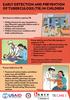 EARLY DETECTION AND PREVENTION OF TUBERCULOSIS (TB) IN CHILDREN Risk factors in children acquiring TB: Children living in the same household as a lung TB patient (especially children under 5) Children
Tuberculosis Exposure Control Plan for Low Risk Dental Offices
 Tuberculosis Exposure Control Plan for Low Risk Dental Offices A. BACKGROUND According to the CDC, approximately one-third of the world s population, almost two billion people, are infected with tuberculosis.
Chapter 5. INFECTION CONTROL IN THE HEALTHCARE SETTING
 Chapter 5. INFECTION CONTROL IN THE HEALTHCARE SETTING INTRODUCTION This chapter addresses infection control measures and practices in the healthcare setting and provides guidance to healthcare facilities
Childhood Diseases and potential risks during pregnancy: (All information available on the March of Dimes Web Site.) http://www.modimes.
 Childhood Diseases and potential risks during pregnancy: (All information available on the March of Dimes Web Site.) http://www.modimes.org/ Fifth disease (erythema infectiosum) is a common, mild, childhood
This article is a CME/CE certified activity. To earn credit for this activity visit: http://www.medscape.org/viewarticle/750546
 1 of 6 10/10/2011 7:17 PM This article is a CME/CE certified activity. To earn credit for this activity visit: http://www.medscape.org/viewarticle/750546 CME/CE Information CME/CE Released: 09/28/2011;
How Many Tdap Vaccines Are Given to San Diego County People?
 Immunizations and Pregnancy Mark H. Sawyer, MD San Diego Immunization Partnership San Diego County Immunization Branch Objectives List vaccines that should be given either during pregnancy or immediately
Illinois Long Term Care Facilities and Assisted Living Facilities
 TO: FROM: RE: Illinois Long Term Care Facilities and Assisted Living Facilities Richard Dees, Chief, Bureau of Long Term Care Karen McMahon, Immunization Section Chief Craig Conover, MD, Medical Director,
Communicable Disease Control Chapter I Management of Specific Diseases Pertussis June 2010
 TABLE OF CONTENTS 1.0 AUTHORITY...1 2.0 GOAL...1 3.0 PERTUSSIS FLOW CHART...2 4.0 CASE IDENTIFICATION...3 4.1 CONFIRM THE DIAGNOSIS...3 5.0 CASE MANAGEMENT...4 5.1 LABORATORY TESTING...4 5.2 CASE HISTORY...4
C. difficile Infections
 C. difficile Infections Introduction C. difficile is a type of bacteria that can cause diarrhea and infection of the colon. This bacterium is more likely to infect patients at hospitals and other healthcare
It takes a planet: global implications/consequences of local vaccine refusal
 It takes a planet: global implications/consequences of local vaccine refusal Meg Fisher, MD Medical Director Disclosures I have no disclosures. I may be mentioning off label uses of vaccines. Objectives/Outcomes
Tdap and MenC booster vaccines. Information for parents of children in First Year of second level school
 Tdap and MenC booster vaccines Information for parents of children in First Year of second level school Tdap and MenC booster vaccines Information for parents of children in First Year of second level