
Advancing Your Surgical Assistant Skills:
|
|
|
- Lionel Leonard
- 10 years ago
- Views:
Transcription
1 CE ONLINE Advancing Your Surgical Assistant Skills: Optimal Device Performance & Improving Surgical Outcomes A Continuing Education Activity Sponsored By Grant Funds Provided By
2 Welcome to Advancing Your Surgical Assistant Skills: Optimal Device Performance & Improving Surgical Outcomes (An Online Continuing Education Activity) CONTINUING EDUCATION INSTRUCTIONS This educational activity is being offered online and may be completed at any time. Steps for Successful Course Completion To earn continuing education credit, the participant must complete the following steps: 1. Read the overview and objectives to ensure consistency with your own learning needs and objectives. At the end of the activity, you will be assessed on the attainment of each objective. 2. Review the content of the activity, paying particular attention to those areas that reflect the objectives. 3. Complete the Test Questions. Missed questions will offer the opportunity to reread the question and answer choices. You may also revisit relevant content. 4. For additional information on an issue or topic, consult the references. 5. To receive credit for this activity complete the evaluation and registration form. 6. A certificate of completion will be available for you to print at the conclusion. Pfiedler Enterprises will maintain a record of your continuing education credits and provide verification, if necessary, for 7 years. Requests for certificates must be submitted in writing by the learner. If you have any questions, please call: CONTACT INFORMATION: 2014 All rights reserved Pfiedler Enterprises, 2101 S. Blackhawk Street, Suite 220, Aurora, Colorado Phone: Fax:
3 OVERVIEW Assisting the surgeon during an operative or other invasive procedure was once a role reserved primarily for other physicians or surgical residents; today, this role may be performed by a skilled registered nurse first assistant (RNFA), physician assistant (PA), or surgical assistant (SA). Three components of the first assistant s role are handling and/or cutting tissue, using surgical instruments and medical devices, and providing hemostasis. As surgical techniques continue to evolve, so do technological advancements in medical devices to support these procedures. This is especially true in regards to energy-based modalities and surgical stapling devices used to provide hemostasis or join tissue during surgery; therefore, anyone functioning in the role of first assistant should remain knowledgeable about the proper use, application, and performance of these devices. This continuing education activity will discuss the first assistant s role in the safe and effective use of energy-based and surgical stapling devices. A brief review of the RNFA s role will be presented. Advancements in bipolar tissue sealing technology, ultrasonic devices, and surgical stapling devices, including their indications and clinical benefits, will be reviewed. Finally, key clinical considerations related to the optimal performance of these devices will be explored. OBJECTIVES After completing this continuing nursing education activity, the participant should be able to: 1. Identify key components of the RNFA s role in assisting during surgery. 2. Describe technological advancements in energy-based surgical modalities. 3. Describe the technology behind today s surgical stapling devices and staples. 4. Explain key clinical considerations related to optimal performance of energy-based and surgical stapling devices. 5. Discuss how optimizing the use of energy-based and stapling device performance may help to improve surgical outcomes. INTENDED AUDIENCE This continuing education activity is intended for perioperative registered nurses who are interested in learning more about optimizing their skills related to safe and effective use of energy-based and stapling devices. 3
4 Credit/Credit Information State Board Approval for Nurses Pfiedler Enterprises is a provider approved by the California Board of Registered Nursing, Provider Number CEP14944, for 2.0 contact hours. Obtaining full credit for this offering depends upon attendance, regardless of circumstances, from beginning to end. Licensees must provide their license numbers for record keeping purposes. The certificate of course completion issued at the conclusion of this course must be retained in the participant s records for at least four (4) years as proof of attendance. IACET Pfiedler Enterprises has been accredited as an Authorized Provider by the International Association for Continuing Education and Training (IACET). CEU Statements As an IACET Authorized Provider, Pfiedler Enterprises offers CEUs for its programs that qualify under the ANSI/IACET Standard. Pfiedler Enterprises is authorized by IACET to offer 0.2 CEUs for this program. Release and Expiration Date This continuing education activity was planned and provided in accordance with accreditation criteria. This material was originally produced in June 2014 and can no longer be used after June 2016 without being updated; therefore, this continuing education activity expires June DISCLAIMER Accredited status as a provider refers only to continuing nursing education activities and does not imply endorsement of any products. SUPPORT Funds to support this activity have been provided by Ethicon. 4
5 Authors/Planning Committee/Reviewer Elizabeth Deroian, BA, RN Program Manager/Planning Committee Pfiedler Enterprises Judith I. Pfister, MBA, RN Program Manager/Planning Committee Pfiedler Enterprises Rose Moss, MN, RN, CNOR Nurse Consultant/Author Moss Enterprises Julia A. Kneedler, EdD, RN Program Manager/Reviewer Pfiedler Enterprises Aurora, CO Aurora, CO Elizabeth, CO Aurora, CO Disclosure of Relationships with Commercial Entities for Those in a Position to Control Content for this Activity Pfiedler Enterprises has a policy in place for identifying and resolving conflicts of interest for individuals who control content for an educational activity. Information below is provided to the learner, so that a determination can be made if identified external interests or influences pose potential bias in content, recommendations or conclusions. The intent is full disclosure of those in a position to control content, with a goal of objectivity, balance and scientific rigor in the activity. For additional information regarding Pfiedler Enterprises disclosure process, visit our website at: pfiedlerenterprises.com/disclosure Disclosure includes relevant financial relationships with commercial interests related to the subject matter that may be presented in this continuing education activity. Relevant financial relationships are those in any amount, occurring within the past 12 months that create a conflict of interest. A commercial interest is any entity producing, marketing, reselling, or distributing health care goods or services consumed by, or used on, patients. Activity Authors/ Planning Committee/Reviewer Elizabeth Deroian, BA, RN No conflict of interest Rose Moss, MN, RN, CNOR No conflict of interest Judith I. Pfister, MBA, RN Co-owner of company that receives grant funds from commercial entities Julia A. Kneedler, EdD, RN Co-owner of company that receives grant funds from commercial entities 5
6 PRIVACY AND CONFIDENTIALITY POLICY Pfiedler Enterprises is committed to protecting your privacy and following industry best practices and regulations regarding continuing education. The information we collect is never shared for commercial purposes with any other organization. Our privacy and confidentiality policy is covered at our website, and is effective on March 27, To directly access more information on our Privacy and Confidentiality Policy, type the following URL address into your browse: In addition to this privacy statement, this Website is compliant with the guidelines for internet-based continuing education programs. The privacy policy of this website is strictly enforced. CONTACT INFORMATION If site users have any questions or suggestions regarding our privacy policy, please contact us at: Phone: Postal Address: 2101 S. Blackhawk Street, Suite 220 Aurora, Colorado Website URL: 6
7 INTRODUCTION During a surgical procedure, three components of the first assistant s role handling and/or cutting tissue, using surgical instruments and medical devices, and providing hemostasis are critical in the success of the procedure and optimal surgical outcomes. Over the years, as surgical techniques have continued to evolve, so have technological advancements in medical devices to support these procedures. This is especially true in regards to energy-based modalities and surgical stapling devices used to provide hemostasis or join tissue during surgery. Achieving and maintaining effective hemostasis during a surgical procedure is a key element in achieving optimal patient outcomes. While both monopolar and bipolar electrosurgery modalities have been in use for many decades, advancements in bipolar vessel sealing technology and ultrasonic devices now provide surgeons with exciting new modalities to control bleeding during surgery. Since the 1800s, surgeons have been using mechanical devices to join tissue; stapling has been one of the most successful of these methods. Today s surgical staplers and stapling techniques have revolutionized many surgical procedures, as these devices allow certain maneuvers or techniques to be performed that would otherwise be very difficult or impossible to achieve with the use of conventional suturing methods. Today s advanced energy-based modalities and surgical stapling devices can only help to improve patient outcomes when they are used properly; therefore, it is vital that those in the role of first assistant understand the science behind these devices and the technological advancements that optimize their use. ROLE OF THE REGISTERED NURSE FIRST ASSISTANT (RNFA) Before discussing surgical assisting skills as they relate to the optimal use of energybased modalities and surgical stapling devices, the role of the RNFA is briefly reviewed below. Historical Overview Historically, the practice of perioperative nursing has included the role of the registered professional nurse as an assistant during surgery. 1 As far back as 1977, documents issued by the American College of Surgeons (ACS) supported the use of qualified RNs to function as first assistants 2 ; the ACS continues to support this role as evidenced in a 2011 study on surgical assistants. 3 The Association of perioperative Registered Nurses (AORN) officially recognized the RNFA role as a component of perioperative nursing in 1983 and adopted the first Official Statement on RNFAs in The decision by a perioperative RN to practice as a first assistant is to be made deliberately and voluntarily, taking into account the professional accountability that the role entails; he/she must meet the minimum qualifications to practice as an RNFA including certification in perioperative nursing (CNOR); successful completion of an RNFA program that meets AORN s standards for these programs; compliance with all statutes, regulations, and institutional policies applicable to RNFAs; and a baccalaureate degree (with the exception of RNFAs practicing prior to January 1, 2020). 5 7
8 Key Components of the RNFA Role AORN defines the RNFA as a perioperative registered nurse (RN) who is functioning in an expanded role or an Advanced Practice Registered Nurse (APRN) who is functioning as a first assistant; the RNFA role is acknowledged to be within the scope of nursing practice by all state boards of nursing in the United States. 6 The RNFA role is further defined as a perioperative RN who 7 : Collaborates with the surgeon and other members of the health care team to achieve optimal patient outcomes; Has obtained the required knowledge, judgment, and skills specific to the expanded role of RNFA clinical practice; Practices intraoperatively at the direction of the surgeon; and Does not simultaneously perform the role of the scrub person. Behaviors and activities of the RNFA specific to the intraoperative practice of surgical first assistant techniques include 8 : Using surgical instruments and other medical devices; Providing surgical site exposure; Handling and/or cutting tissue; Providing hemostasis; and Suturing. Halsted s Principles of Surgery A discussion of the intraoperative activities of a first assistant, specifically using surgical instruments and other medical devices, handling and/or cutting tissue, and providing hemostasis, tissue management must include the principles for tissue handling developed by Dr. William Halsted. Dr. Halsted was a U.S. surgeon who emigrated from Germany in the mid-1800s. Halsted studied for two years in Europe, primarily in Vienna under Dr. Theodor Billroth; he is considered the forefather of modern surgery. The essentials of Halsted s principles of surgery, known to contemporary surgeons as the Tenets of Halsted, are 9 : 1. Gentle handling of tissues; 2. Strict aseptic technique; 3. Sharp anatomic dissection of tissues; 4. Careful hemostasis, using fine, non-irritating suture material in minimal amounts; 5. The obliteration of dead space in the wound; and 6. Avoidance of tension. These tenets based on a fundamental knowledge of the wound healing process and are also the foundation of modern surgical craftsmanship. Every clinician throughout the world is taught Halsted s principles; however, at times they are referred to as anastomotic principles. Dr. Halsted was, in fact, a surgeon, not just a person who did anastomoses end-to-end; he felt very, very strongly that if a surgeon wanted to affect a positive outcome, he or she needed to ensure that the tissue itself was being handled gently. 8
9 The remainder of this activity will focus on the RNFA s intraoperative activities of providing hemostasis and joining tissue with advanced energy modalities and surgical stapling devices respectively. ENERGY AND STAPLING DEVICES: TECHNOLOGICAL ADVANCEMENTS AND CLINICAL CONSIDERATIONS FOR OPTIMAL PERFORMANCE Overview As noted, one of Halsted s principles of surgery is careful hemostasis. Bleeding from severed vessels not only has adverse physiologic effects associated with blood loss for the patient, but also obscures visualization of the surgical site for the surgeon and his/her assistants; therefore, bleeding must be controlled. 10 There are two types of bleeding that occur during a surgical procedure: pulsating arterial bleeding and venous oozing form severed or denuded surfaces. 11 While the need to control gross arterial bleeding is obvious, the insidious but continual loss of blood from the small veins and capillaries can become a significant loss if the oozing is uncontrolled. Complete hemostasis, therefore, is essential to minimize tissue trauma and enhance wound healing. Incomplete hemostasis and uncontrolled bleeding or oozing may lead to the formation of a hematoma. Coagulation is an important component of the process of hemostasis. During a procedure, generally the patient s normal clotting mechanisms are often insufficient to achieve adequate hemostasis; therefore, the use of surgical hemostatic techniques is required. 12 In order to effectively provide and assure hemostasis, the first assistant must not only be technically skilled, but must also have a thorough understanding off the physiologic and mechanical aspects of bleeding, coagulation, and the various methods to achieve hemostasis. 13 There are two primary types of energy modalities used for hemostasis in surgery today: electrosurgery, either monopolar or bipolar, which has been used for many decades to cut and coagulate tissue and ultrasonic energy. 14 Although electrosurgery is used on a daily basis in the operating room (OR), it remains poorly understood by those who use it; furthermore, electrosurgical energy has a high capacity for patient injury if it used incorrectly. 15 The use of electrosurgery has been associated with numerous accidents (eg, surgical fires), as well as patient injuries (eg, third-degree burns and perforations). 16,17 Today, technological advancements in bipolar vessel sealing systems, ultrasonic technology, and surgical stapling devices have overcome most of the limitations of conventional modalities and devices; they now provide surgeons and first assistants with improved options to control bleeding and join tissue during surgery, which have distinct clinical advantages for the surgical patient. 9
10 ADVANCED BIPOLAR VESSEL SEALING TECHNOLOGY Overview of Conventional Bipolar Electrosurgery Bipolar is one mode used for electrosurgical cutting or coagulation; in a bipolar system, the electrical energy flows from one tine (or prong) of a bipolar instrument to the other tine as it passes through the tissue contained between the tines. 18 The energy returns directly through the bipolar instrument to the generator to complete the circuit; this eliminates the flow of current through the patient and need for a dispersive electrode. Bipolar electrosurgery operates at lower peak voltages and high current concentrations; as with monopolar electrosurgery, heat is produced in the tissue as the current flows through it. 19 Since the current is so carefully controlled, bipolar electrosurgery is often a good choice for procedures in which the surgeon needs to limit lateral thermal spread, for example, on delicate tissues, nerves, and/or on small anatomical structures; in addition, if there is a potential for electromagnetic interference from implanted electronic devices (IEDs, eg, pacemakers or internal cardioverter-defibrillators), bipolar electrosurgery is a safer alternative to monopolar electrosurgery. 20,21 Because electronic devices implanted in a patient may be affected by other IEDs or medical equipment that is used in patient care, perioperative personnel should be aware of the potential patient safety hazards associated with specific IEDs and implement appropriate interventions in order to protect the patient from injury. 22 Newer bipolar instruments have a mechanical cutting mechanism to allow both cutting and coagulation; newer generators can sense tissue impedance and in response to increased impedance, decrease the current or interrupt energy delivery at certain levels of impedance. 23 Despite the safety aspects associated with bipolar electrosurgery, its end points are not always predictable, since achieving hemostasis may require contiguous applications; because thermal damage can expand considerably beyond the target zone, unintentional transection of a patent vessel cannot be completely reduced. 24 Recently, advances in bipolar technology have been developed to provide more predictable vessel occlusion with less thermal damage. 25 Advancements in Bipolar Vessel Sealing Technology Vessel sealing is an advanced electrosurgical modality in which the intimal layers of a vessel are fused and a permanent seal is formed. 26 In contrast to other energy-based ligation modalities that shrink the vessel walls and rely on the formation of a proximal thrombus for occlusion and thus hemostasis, this technology works by optimizing a combination of pressure and energy to obliterate the lumen of the vessel. Pressure is determined by the ratcheting of the instrument; the energy is supplied by the generator, which delivers a very low voltage, high amperage, and a continuous electrical waveform mode. The generator also provides computer-feedback-controlled output that causes the collagen and elastin with in the vessel wall to liquefy and then reform into a seal with a plastic-like consistency. Bipolar vessel sealing devices that use energy combined with compression to seal vessels up to 7 mm in diameter have been cleared by the U.S. Food and Drug 10
11 Administration since These devices not only incorporate unique technology to address several of the problems associated with other bipolar energy devices, but many are designed for multifunctional use, enabling the surgeon to seal and cut for greater flexibility and efficiency during minimally invasive procedures. Technological advances in bipolar vessel sealing technology include 28 : Positive temperature control (PTC) technology. As noted above, the heat generated by bipolar electrosurgery devices can damage nearby tissues and result in complications or poor surgical outcomes. Instruments with positive temperature control technology provide homogenous and precisely regulated delivery of energy with low thermal spread. This technology is especially beneficial in procedures located near sensitive structures, for example, when dividing the mesenteric artery during laparoscopic colectomies; thermal spread has the potential to result in damage to vulnerable adjacent structures, such as the bowel or pelvic nerves. It is important to note that this type of damage is not generally realized during the procedure; the use of devices that get too hot or are associated with excessive thermal spread may result in higher rates of postoperative complications such as perforation or urinary or sexual malfunction. This technology consists of a polymer, located within the top jaw of the instrument, composed of a compound that modulates the flow of energy during the activation cycle to maintain a constant temperature of approximately 100 C (see Figure 1). At temperatures below 100 C, particles embedded within the polymer form chainlike pathways that conduct energy. Cooler areas of tissue between the blades also conduct energy, until they reach approximately 100 C. At temperatures of approximately 100 C, the particles in the polymer expand and as a result, the conductive chains begin to separate and no longer conduct energy, thereby preventing the flow of electrical current. Since the flow of energy through the tissue stops, the tissue does not overheat, which minimizes tissue sticking, charring, and smoke. As the temperature falls below 100 C, the conductive chains reorganize and restore the flow of electricity, thereby raising the temperature once again. Figure 1 Positive Temperature Control Technology* *(1= Temperature < 100 C / 2= Temperature approximately 100 C) 11
12 In regards to tissue effects, when the temperature reaches 100 C in portions of the tissue, the device will stop delivering energy to those areas, but will continue to heat other areas of tissue within the jaws of the instrument until they reach 100 C. Because tissue is heterogeneous in nature with varying tissue densities, heat is generated at different rates; the independently conducted circuits in this technology provide a localized regulation of the current (or heat) to ensure that tissues of various densities are heated equally. Offset electrodes to minimize thermal spread. After the energy is delivered, offset electrodes within the jaws of the instrument help to contain energy flow within jaws (see Figure 2). Other bipolar instruments have positive and negative electrodes, which allow energy to spread significantly into surrounding tissue. This design minimizes lateral thermal spread to approximately 1 mm for precise vessel sealing. Figure 2 Offset Electrode Design Jaw construction design. Technological advancements in jaw design and construction have led to the development of an instrument that provides strong, uniform compression along the entire length of the jaw for seal consistency, ie, compression is not lost distally (see Figure 3). This design helps to ensure a strong seal. Figure 3 Jaw Construction for Uniform Compression 12
13 Today, technological advancements in bipolar vessel sealing systems continue, as outlined below. Articulating vessel sealing device. An articulating sealing device (see Figure 4) addresses the clinical need for strong sealing for procedures in tight spaces where access is limited (eg, low anterior resections (working it a tight space deep within the pelvis), left or total colectomies (taking down the splenic flexure), and hysterectomy (transecting the uterine artery or with a large uterus). Figure 4 Articulating Vessel Sealing Device This type of device provides several clinical advantages, including: It facilitates a perpendicular approach to seal vessels up to 7 mm in diameter and lymphatics through articulation and shaft rotation.* It helps the surgeon or first assistant maneuver around corners and behind structures in the body.* It allows improved access to tissue in deep or tight spaces with greater control of the angle of approach to vessels.* It may reduce the amount of tissue manipulation needed to access a targeted area.* Strong sealing helps to decrease the likelihood of internal bleeding and postoperative complications.* An articulating vessel sealing device is indicated for: Open and laparoscopic general and gynecological surgical procedures (examples include urologic, thoracic, plastic and reconstructive, bowel resections, hysterectomies, cholecystectomies and other gall bladder procedures, Nissen fundoplication, adhesiolysis, oophorectomies). Any procedure where vessel cutting and sealing, tissue grasping, and dissection is performed. * Compared to non-articulating device 13
14 The efficacy of the ENSEAL G2 Articulating Tissue Sealer for the indication of contraceptive tubal coagulation (permanent female sterilization) has not been evaluated and is unknown. The design of the ENSEAL G2 Articulating Tissue Sealer is significantly different from bipolar designs that are marketed for the indication of contraceptive tubal coagulation. The design differences may affect the efficacy of the procedure and failure rates may not be comparable. For optimal performance, during laparoscopic colectomies for example, there are three fundamental clinical considerations, as outlined below. 29 The significance of vessel sealing with the vessel relaxed or under no tension. Creating a seal with the vessel under tension may be the most common misapplication. This is most likely the result of past experience using an ultrasonic cutting device, which is facilitated by tension on the tissue. Adequate division of the vessel due to mass ligation of the vascular pedicle with its perivascular fat. Although this technique may be effective, some surgeons perform a partial ligation/transection of this vascular pedicle with this technique and then put tension on one side to expose the partially ligated pedicle. This results in a tear at the crotch of the previous partial division of the vessel, which leads to bleeding from the vessel. If mass ligation is performed, it is important to avoid putting tension on the partially transected vessels; instead, the bipolar device jaw should simply be opened after the initial firing and then the jaw is advanced without any additional actions. In general, refiring will complete a safe sealing and transecting of the vascular pedicle. Ultrasonic Technology Ultrasonic technology is another energy modality that supports today s advanced surgical techniques; as such, it is used across multiple surgical specialties because of its clinical benefits for both patients and surgeons. Ultrasonic energy is produced when high-frequency sound waves are disseminated to a blade tip (see Figure 5). The production of ultrasonic energy begins with an electrical current that generates a signal transmitted through a co-axial cable to a transducer in a device hand piece. 30 The transducer then converts the electrical energy to mechanical motion through contraction and expansion of piezoelectric ceramic elements. The longitudinal vibratory response is produced, which moves the tip at the end of the hand piece from 23,000 Hertz (Hz) to more than 55,000 Hz to simultaneously cut and coagulate tissue. As the power increases, the frequency does not change; however, longitudinal excursion of the tip lengthens. Because the tip of an ultrasonic device is in contact with the tissue, the mechanical motion causes tissue protein to denature as the hydrogen bonds are broken; as a result, this action causes the protein molecules to become disorganized and form a sticky coagulum that coagulates the smaller bleeding vessels. Aerosolization, ie, a small amount of water vapor, occurs during this cellular destruction but dissipates quickly. 14
15 Figure 5 Tip of Ultrasonic Shears Because there is no dispersed current with ultrasonic technology, there is no need for a dispersive electrode; additionally, this device only affects the tissue with which it is in contact, which causes minimal thermal injury to the adjacent tissues. 31 An ultrasonic surgical device can seal vessels up to 5 mm in diameter; its applications include coagulation, sharp or blunt dissection, or tissue separation. Ultrasonic dissectors that incorporate an aspirator to remove tissue or fluids from the operative field are available. Because the aerosols generated by ultrasonic devices pose health hazards for patients and perioperative staff members, control measures (eg, the use of a smoke evacuation system and wall suction with an in-line ultra-low penetration air filter) should be implemented to minimize inhalation of these aerosols. 32 Because ultrasonically activated devices thermally transfer heat to tissues without electrical current passing through the patient, they can also be used as an alternative to electrosurgery in patients with implanted cardiac devices. 33 The use of ultrasonic technology as an alternative to monopolar electrosurgery during procedures in patients with pacemakers demonstrated that it provided adequate hemostasis without electromagnetic interference. 34 Ultrasonic technology results in the following four mechanisms of action and tissue effects (see Figure 6) 35 : Coaptation. Coaptation is the adherence of tissue; it is achieved by disruption of the hydrogen bonds, which causes collagen molecules to collapse and adhere to one another at low temperature. In this process, the tissue is then transformed into a sticky coaptate. Cutting. In contrast to electrosurgery which uses extreme heat to vaporize and disrupt tissue, an ultrasonic device uses a combination of tension and pressure to rapidly stretch the tissue; when the tissue reaches its elastic limit, the blade can easily cut through it. Coagulation. By applying ultrasonic energy to tissue for a few seconds longer than it takes for coaptation, an increase in temperature will lead to the release of water and vapor and then to coagulation. 15
16 Cavitation. A side effect of the ultrasonic energy that is used to cut, coaptate, or coagulate occurs when the vibration of the device is transmitted to the surrounding tissue; this results in rapid volume changes of both the tissue and cellular fluid. Cavitation facilitates tissue plane dissection and also improves visibility of the operative field. Figure 6 Tissue Effects of Ultrasonic Energy Ultrasonic technology is indicated for multiple surgical specialties including: Bariatrics; General surgery, including colorectal procedures; Gynecologic procedures; Urologic surgery; and Thoracic procedures. The benefits of ultrasonic technology include 36 : Minimal adjacent tissue damage (compared with the use of electrosurgery or laser devices) since only a small amount of thermal energy is produced; Retention of tactile feedback; No nerve or muscle stimulation due to no electrical current delivered to the targeted area; No stray electrical energy is produced; and Precise cutting and control. Advancements in Ultrasonic Device Technology Adaptive tissue technology (ATT) represents the latest advance in ultrasonic device design for optimal performance. This technology enables the generator to actively monitor the instrument during use and thus allows the system to respond intelligently to varying tissue conditions by regulating energy delivery when needed. For example, during a transection, as the tissue divides, the blade makes contact with the tissue pad of the device; typically, the blade temperature begins to rise more rapidly. Adaptive tissue technology responds by decreasing the power level and providing enhanced feedback and in some systems, with a change to a different activation tone. As a result, hemostasis is achieved and unnecessary power output that could potentially result in thermal injury is reduced. By regulating energy delivery when needed, ATT provides greater precision, 16
17 a reduction in the power level, and enhanced feedback in comparison to devices without ATT. A preclinical study was conducted to compare ultrasonic shears with and without ATT. 37 Both devices were evaluated in an in vivo porcine model intraoperatively and after a 30- day survival period. The devices were used to seal a variety of vessels between 1 mm to 5 mm in diameter, and then compared for hemostasis, histological thermal damage, and adhesion formation. The sealed vessels were evaluated ex vivo for burst pressure; visual obstruction due to smoke plume generated from device application was quantitatively assessed. The results of this study demonstrated that the ultrasonic shears with ATT: Produced significantly less thermal damage; Had fewer adhesions; Offered faster transection; Were associated with less visual obstruction; and Resulted in higher burst pressures. In addition, all of the vessel seals and evaluated over the course of a 30 day survival period remained intact. These authors concluded that ATT assists the surgeon in achieving improved control of the energy delivery to tissues, sealing vessels with supraphysiological burst pressures, and low thermal damage. In addition, these preclinical results may translate into important clinical benefits, providing greater precision along with more effective and efficient cutting and coagulation in open or laparoscopic procedures. Surgical Stapling Devices The technology behind surgical stapling devices and staples has also evolved to meet the challenges of today s advanced surgical techniques. Before discussing technological advances in surgical stapling devices, it is helpful to first briefly review the fundamental principles of surgical stapling. Surgical staplers are used to accomplish three primary goals: Hemostasis; Occlusion; and Optimal compression for appropriate staple placement/formation. When using a stapling device, it is critical that the tissue is not unnecessarily injured; this would prevent rapid, healthy healing and potentially impact achieving optimal patient outcomes. In this regard, key considerations related to tissue management and stapling are: The pressure necessary to accomplish hemostasis, occlusion, and optimal compression. The amount of time with which the pressure must be applied. If pressure is applied for too long of a period of time, the tissue cannot recover; if the amount of time is too short, the resulting staple line maybe unable to prevent the leaks and provide hemostasis. 17
18 Tissue dynamics. This involves examining what is actually happening with the tissue as different types of forces are applied to it. Regarding surgical stapling, this could be how compression affects the tissue and, ultimately, the effect on hemostasis. It is important to realize that the characteristics of living tissue have a biomechanical set of attributes; understanding this can help to ensure that the devices used to touch that tissue can, in fact, respond appropriately to that tissue. Surgical instrumentation (ie, the technology of the stapling device itself). The important question related to surgical instrumentation is how will it interact with the tissue? At that point of interaction, it is imperative that an understanding of the tissue dynamics is appropriately captured and that the instrumentation is responding appropriately to those dynamics in order to ensure the most optimal outcome by enabling the healing response. Human factors. For some, the human factor most obviously involved in tissue management is ergonomics, ie, interaction between the user and the device. In order to get good hemostasis with no leaks, the surgeon or first assistant needs to place minimal tension on the tissues, ensure there is an adequate blood supply, and ensure there is an adequately sized lumen. In extending these anastomotic principles of Halsted to his principles of surgery, additional factors are included, such as ensuring the obliteration of dead space. This means that, when the surgeon was to place a compressive load, whether for stapling purposes or with the use of an energy-based modality, the dead space should be obliterated so that any fluid or air that is not part of the structural member of the tissue is removed as much as possible so that healing is not impeded. There are various characteristics of tissue that are important to consider in stapling, including: Thickness; Compressibility; Property variability; and Its biphasic nature. As a result of these characteristics, tissue has a viscoelastic response to compression; this means that, under compression, the tissue properties will change over time. As an example, Figure 7 shows tissue migration during firing of a stapler. 18
19 Figure 7 Tissue Migration during Firing It is also important to keep in mind that in a few instances, a given organ can vary tremendously in thickness and tissue composition. A study on human stomach tissue demonstrated something that was known to be true, but had not been proven: as you go from the lesser curve to the greater curve, you go from thicker to thinner tissues (see Figure 8). 38 This study also noted that, not only does the tissue thickness change, but the changes are statistically significantly enough that the surgeon should change cartridges. Figure 8 Measurements of the Stomach at Each Location* Diagram of the stomach showing tissue thickness measured on excised gastric specimens of obese patients * Mean measurement (maximum measurement) The only known standard to measure tissue thickness is the measurement eight grams per mm squared derived from a 1967 Russian study; this standard is the measurement to bring tissues together, but not necessarily to seal tissues
20 As discussed, compression is a key element of optimal stapler function and in accomplishing a stapler s primary objectives (ie, hemostasis and occlusion). Due to the characteristics of various tissues, the form and function of a given stapler and the staple loads employed are also different; as a result, failures can occur from 40 : Simple mechanics. Simple mechanical failure is related to the choice of staple load and usually appears in the first couple of days after surgery. It is secondary to staple line failure and is the most common cause of leaks. For example, a green load used on a small arterial ligation may fail to produce sufficient tissue compression to prevent hemorrhage; a white vascular load for thick gastric tissue may result in poor staple formation and staple line failure and leakage. Tissue ischemia. This is secondary to lengthy tissue compression or poor tissue perfusion at the staple line site. This type of failure is rare and usually seen between five to seven days postoperatively. The design of the stapler must take into account the compression pressure appropriate for the tissue for which it is designed; the time that compression is applied is entirely at the discretion of the surgeon. Both education and experience help to eliminate these possible causes of failure. Surgical stapling devices must deliver optimal tissue compression to achieve proper staple formation and successful clinical outcomes. Compression refers to the application of pressure to living tissue to achieve an adequate thickness for stapling; studies have shown that compression over time helps promote optimal healing. Prior to stapling, compression migrates fluid from tissue, which helps to ensure a more consistent thickness in the targeted tissue. After compression, the tissue is ready to accommodate a securely closed staple. Once the compressive load has been applied to the tissue and the energy has been stored, the energy must be held in position by putting this mechanical fastener in it, called a B form staple, to hold the tissue in that position until such time as the wound healing responses occur (see Figure 9). Figure 9 Tissue Compression and Stapling In regards to compression, it is important to apply enough pressure to achieve good hemostasis and a leak-free anastomosis (see Figure 10); however, it also is necessary to maintain control of the applied pressure to avoid potential injury to the tissue. 20
21 Figure 10 The Spectrum of Tissue Compression With a compressive load, too much can damage the tissue; not enough can create the opportunity for a leak or poor hemostasis. Therefore, somewhere in the middle is the compressive optimal load to achieve good hemostasis and a secure anastomosis, taking the following characteristics into account: The biphasic nature of tissue, including water content; Varying tissue properties of the esophagus, stomach, small intestine, colon, etc.; Preoperative therapies such as radiation therapy, diets, etc.; Hysteresis (ie, the time lag for the tissue to respond to compression); and The impact of intraoperative medications, such as blood thinners. Advancements in Surgical Stapling Device Technology Today, there are a variety of surgical stapling devices, ie, shapes and sizes, each of which are designed for a particular function eg, transecting structures or creating anastomoses. 41 Advancements in surgical stapling device technology have led to the development of various endoscopic stapling devices (see Figure 11). Figure 11 Surgical Stapling Devices * *Left: Endoscopic Stapler; Middle: Articulating Endoscopic Stapler; Left: Powered Endoscopic Stapler These types of staplers are designed based on Halsted s principles of surgery, ie, the importance of hemostasis and the gentle handling of tissue, to provide uniform, consistent staple formation for hemostasis with tissues of various thicknesses with a wide range of cartridges. Technological advances include enhanced system-wide compression, before and during firing, allowing uniform, consistent staple formation; pre-compression provides a smoother stapling surface and a uniform hemostatic staple line; a 3-point gap control mechanism in the jaws ensures consistent proximal to distal alignment during firing. 21
22 Articulating laparoscopic staplers are also designed to respect tissue and deliver optimal compression and uniform, consistent staple formation for hemostasis in tissues of varying thicknesses. The clinical benefits of these advanced endoscopic stapling devices include: Greater efficiency. The device can simultaneously staple and divide tissue between rows with a reduction in force-to-clamp and force-to-close with fewer strokes. The ability to clamp, fire, and rotate with one hand also improves efficiency. Ease of use. The device is easy to position and manipulate in the tissue. Tactile feedback is maintained. Adaptability. For example, 6 rows of staples in all cartridge options for advanced procedures with greater tissue thickness variability. Cost-effectiveness. Complex procedures can be completed with fewer cartridges. Advanced laparoscopic staplers are indicated for procedures across multiple surgical specialties, including: General surgery, including colorectal procedures; Thoracic; Gynecological; Urologic; and Bariatrics. Technological advances have also led to the development of powered endoscopic staplers that are designed to minimize the movement of endoscopic stapling devices during transection in order to protect targeted and surrounding fragile organs and tissue. A powered stapler combines a smooth, consistent firing stroke with simplified firing to maintain stability at the tip. This reduced force to fire leads to greater stability, ie, less movement of the tip on or near vital structures during transaction, which potentially results in less trauma. Powered endoscopic stapling devices can also be articulated in four ways: Against the body wall (see Figure 12). Figure 12 Articulation Against the Body Wall 22
23 Against tissues in the body (see Figure 13). Figure 13 Articulation Against Tissues in The Body Against a grasper (see Figure 14). Figure 14 Articulation Against a Grasper Hand assisted (see Figure 15). Figure 15 Hand Assisted Articulation Other advantages of a powered endoscopic stapling device include: Compression before firing. This type of device gently exudes fluid from targeted tissue before firing; this brings tissue to a compressed thickness that is appropriate for a uniform hemostatic staple line. Proper staple formation is necessary to achieve a leak-proof and hemostatic staple line. 23
24 Alignment during firing. A gap control mechanism on the entire device ensures uniform distance between the anvil and cartridge surfaces during firing. Powered, controlled firing. The powered operation decreases the force needed to fire the instrument, which results in less movement of the tip on or near vital structures during transection potentially resulting in less tissue trauma, even in thick tissue and at awkward angles. Increased distal tip stability provides improved control of target and surrounding tissue during firing sequence over manually fired devices, resulting in potentially less trauma to vital structures. Dual safety system. Devices that are equipped with a dual safety system have a manual override, which allows surgeons and first assistants to maintain precise placement and control of the jaws at all times; firing can also be paused or reversed at any time during transection. Controlled placement. Devices with a manual jaw closure provide precise, controlled placement by the surgeon or first assistant on targeted tissue; the manual jaw also provides tactile feedback as the device is closed. As with all tissue handling techniques, adequate exposure, meticulous hemostasis, and proper illumination are vital for safe and efficient stapling. 42 Another key clinical consideration in achieving positive outcomes is proper set up and use of the surgical stapling device for optimal performance. All devices used in perioperative patient care should be set up and operated according to the manufacturer s written instructions. An example of considerations for optimal performance of a powered surgical stapling device includes: Ensure that the cartridge is properly loaded. The sled should be flush to the back of the cartridge. Proper loading technique prevents accidental sled movement. Perform pre-fire checks, ie, visually inspect the devices to confirm that color drivers are not visible and that the cartridge lies flat and fits appropriately. Fire the device properly, eg: Fully close the closing trigger until it clicks. Pull back the firing trigger lock. Pull the exposed trigger to fire. Open jaws properly, according to the manufacturer s written instruction. Clear unused staples from the device prior to reloading, eg, hold the instrument in a vertical position, with anvil and cartridge jaw completely submerged in a sterile solution. Swish vigorously and then wipe the inside and outside surfaces. Lockout the stapler to prevent firing when needed, eg, if there is no cartridge, an incorrect cartridge, or a used cartridge. 24
25 OPTIMIZING THE PERFORMANCE OF ADVANCED ENERGY AND STAPLING DEVICES Optimizing the use of today s advanced energy-based modalities and surgical stapling devices has resulted in both clinical and economic benefits, which have been documented in the literature. The results of key studies of surgical outcomes related to the use of these devices are summarized below. Benefits of Advanced Bipolar Vessel Sealing Technology The benefits of advanced bipolar vessel sealing technology in thyroid surgery have been reported. A randomized clinical trial was conducted in 40 patients undergoing total hemithyroidectomy to evaluate the effect of using a vessel sealing system (20 patients) versus the use of conventional suture ligatures (20 patients on procedure time. 43 The results demonstrated that the total median operating time was 10 minutes shorter in the vessel sealing group (56 minutes versus 66 minutes; p = 0.001). Another study analyzing the effect of the use of a bipolar vessel sealing system compared to conventional methods on the length of thyroid procedures and complications in 40; (p = 0.001) patients had similar results. 44 The results of this study demonstrated that in the bipolar vessel sealing group, the operating time was significantly reduced by approximately 13 minutes in comparison to those in the conventional group; there was no significant difference on complications and hospital stay; (p = 0.034). In minimally invasive vaginal hysterectomy, electrosurgical bipolar vessel sealing has been reported to provide a safe and feasible alternative to sutures. 45 A retrospective analysis of the records of patients who had undergone vaginal hysterectomy for benign conditions with the use of a bipolar vessel sealing device showed that the average duration of surgery was 48.9 ± 15.3 minutes; the average length of hospital stay was 3.2 ± 1.2 days; and the mean change in hemoglobin was 1.4 ± 1.8 g/dl. The authors concluded that the use of a bipolar vessel sealing system resulting in a reduction in both operating time and blood loss and also had acceptable surgical outcomes. A retrospective case-controlled study of patients undergoing laparoscopic-assisted vaginal hysterectomy (LAVH) with and without a bipolar vessel sealing device was conducted to investigate intraoperative and postoperative length of stay and adverse outcomes. 46 The results of this study indicated a shorter mean operating time for the patients in whom bipolar vessel sealing was used (65.28 ± minutes) compared with those procedures performed without the use of the device (83.73 ± minutes); p < The mean postoperative stay did not differ significantly between the two groups. However, significantly fewer patients in the bipolar vessel sealing group reported postoperative pain for more than seven days after the procedure compared to the use of sutures in the group without bipolar vessel sealing (0 out of 251 [0%] vs. 3 out of 110 [2.7%], p < 0.05 respectively). The authors concluded that bipolar vessel sealing is effective in reducing operating time, the overall complication rate, and postoperative pain in patients undergoing LAVH. A study was also conducted to compare the use of a bipolar vessel sealing system with conventional suture ligature in vaginal hysterectomy in patients with a non-prolapsed 25
26 uterus. 47 The patients in this study were randomized into two groups: bipolar vessel sealing system (45 patients) or conventional suture ligature (the control group also consisting of 45 patients). The primary outcome measurements were operative time, blood loss, length of hospital stay, pain status, and intraoperative and postoperative complications; data were collected prospectively. The results of this study demonstrated that patients in the bipolar vessel sealing group had a significantly lower operating time (29.2 ± 2.1 minutes versus 75.2 ± 5 minutes; p < 0.001), reduced operative blood loss (84 ± 5.9 ml versus ± 89.1 ml; p = 0.001), decreased requirement of surgical sutures (1.2 ± 0.6 units versus. 7.4+/-0.3 units; p < 0.001), reduced pain status (1.6 ± 0.4 versus 3.6 ± 0.4), and decreased length of hospital stay (25.6 ± 0.9 hours versus 33.2 ± 1.7 hours) compared to the control group. The overall complication rate in the study was 7.8% (ie, 7 out of the 90 patients; p < 0.001) and did not differ between groups. The authors concluded that bipolar vessel sealing for vaginal hysterectomy appears to be an effective and safe hemostatic control method, and leads to reduced operating time, perioperative blood loss, postoperative pain, and length of hospital stay. A prospective analysis of the immediate outcomes of 114 consecutive patients who underwent a laparoscopic sigmoid or rectal resection was conducted to evaluate the appropriateness of a bipolar vessel sealer. 48 The authors intended to perform all procedures with the bipolar vessel sealer for dissection and ligation of the mesenterial vessels. A total of 113 laparoscopic procedures were performed; massive intra-abdominal adhesions in one patient required a conversion of the laparoscopic procedure to an open one. The mean operative time was 87.7 ± 2.8 minutes; the mean time for patients to tolerate solid food was 3.4 ± 0.1 days; and the time to discharge from the hospital was 4.6 ± 0.2 days. These investigators concluded that the bipolar vessel sealer is suitable and safe for laparoscopic sigmoid and rectal resections; in addition, the use of the device probably reduced operative time. A report of initial experience using a bipolar vessel sealing system during laparoscopic nephrectomy to compare its potential advantages and disadvantages with those of contemporary technologies found that this type of system is safe for use in laparoscopic nephrectomy to achieve hemostasis during dissection. 49 Benefits of Ultrasonic Technology Historically, the use of ultrasonic devices have been shown to provide excellent hemostatic sectioning (ie, grasping and dividing tissues while sealing small vessels) during video-assisted thoracic surgery 50 and strong, durable seals, ie, with bursting pressures well above physiological blood pressure levels. 51 In an animal study comparing instrument performance and tissue healing with the use of steel scalpel, ultrasonic scalpel, monopolar or bipolar electrosurgical instruments, or CO 2 laser, the use of ultrasonic scalpel resulted in quicker reepithelialization and greater tensile strength than laser or electrosurgical instruments; the results were comparable to those seen with the use of a steel scalpel (p <.05). 52 The results of a comparison of lateral thermal damage following the in vivo application of monopolar electrosurgery, an ultrasonic scalpel, and a bipolar vessel sealing device 26
27 to coagulate and divide the peritoneum of patients undergoing median laparotomy found that the degree of lateral thermal spread varied by instrument type, power setting and application time. The ultrasonic scalpel (at output power levels of 3 and 5) produced less lateral thermal spread, whereas monopolar electrosurgery was associated with the greatest degree of thermal damage in tissue. 53 A study comparing the potential for postoperative laparoscopic adhesion formation after the use of either monopolar electrosurgery or ultrasonic energy found that the ultrasonic scalpel resulted in fewer histologic signs of tissue inflammation in the early postoperative period; this result suggests that additional clinical adhesions may develop over time after the use of monopolar electrosurgery. 54 Because extensive hemostasis is essential for a successful thyroidectomy procedure and the use of electrosurgery to achieve hemostasis carries the risk of injury due to lateral dispersion of heat, a study was conducted to compare the procedure parameters and complications of thyroidectomies performed using an ultrasonic scalpel versus electrosurgery. 55 In the patients with the ultrasonic scalpel, operating time was 25 minutes less than that for the electrosurgery group (96 minutes ± 23 versus 121 minutes ± 34, respectively). The average number of ligatures in the ultrasonic scalpel group was 1 versus 17 in the electrosurgery group. The mean blood loss, estimated by gauze weight, was less with the ultrasonic scalpel (35 ± 27 ml versus 54 ± 51 ml in the electrosurgery group). Drainage during the first 24 postoperative hours and pain intensity during the first postoperative week were similar in both groups. There were no episodes of persistent nerve palsy or hypoparathyroidism in either group. These authors concluded that the use of an ultrasonic scalpel in thyroidectomy procedure decreases less operating time in comparison to the use of electrosurgery. A prospective, randomized control trial was conducted in 200 patients with symptomatic gallstone disease; the patients were randomized into two comparable groups, one undergoing cholecystectomy using ultrasonically activated shears and the other using conventional clip and electrocautery. 56 The various parameters, eg, length of surgery, removal of the gall bladder, blood loss, postoperative pain scores, analgesic requirement, duration of stay, and complications were compared between the two groups. The results demonstrated that patients who underwent laparoscopic cholecystectomy using ultrasonic shears had a shorter duration of surgery (50 versus 64.7 minutes; p <.002), reduced length of time for removal of gall bladder from the gall bladder bed (3.94 versus 7.46 minutes; p <.002), and reduced blood loss and lower pain scores (1.86 versus 3.01; p <.002). These patients also had a shorter duration of hospital stay (1.89 versus 2.52 days; p <.001) and reduced risk of gall bladder perforation (9 versus 18; p <.005); the analgesic requirement was also reduced on the first postoperative day in the ultrasonic group. These authors concluded that the ultrasonically activated scalpel can be used safely in laparoscopic cholecystectomy without risk of major injuries or leaks. It performs better than electrocautery in regard to faster and safer surgery with decreased associated morbidity, less pain, and earlier discharge home. 27
28 SUMMARY To effectively assist the surgeon during an operative or other invasive procedure, RNFAs must understand Halsted s principles of surgery and also demonstrate skills in handling and cutting tissue, using surgical instruments and medical devices, and providing hemostasis. As surgical techniques continue to evolve, so do technological advancements in medical devices to support these procedures; this is especially true in regards to energy-based modalities and surgical stapling devices used to provide hemostasis or join tissue during today s complex surgical procedures. Today, recent technological advances in energy modalities and surgical stapling devices, which were developed in response to the limitations of conventional techniques offer more consistent and reliable results with distinct clinical benefits. Through a thorough understanding of Halsted s principles of surgery, the proper selection and use of today s advanced energy modalities and surgical stapling devices, RNFAs can advance their surgical assisting skills for optimal device performance. 28
29 GLOSSARY Anastomosis Biphasic Bipolar Electrosurgery Cavitation Coagulation Coaptation Compression Current Current Density Dispersive Electrode Electrosurgery Frequency A surgical union of two normally separate structures to form a continuous channel; an anastomosis may connect two blood vessels or two sections of healthy intestine. Having two distinct phases. Electrosurgery in which the current flows between two tips of a bipolar forceps that is positioned around tissue to create a surgical effect. A side effect of ultrasonic energy that occurs when the vibration of the device is transmitted to the surrounding tissue, causing rapid volume changes of the tissue and cellular fluid. The formation of a clot. The adherence of tissue achieved by the disruption of hydrogen bonds. The application of pressure to living tissue to achieve an adequate thickness for stapling. The flow of electrons; it is measured in amperes. The amount of current flowing through a conductor. The accessory that directs electrical current flow from the patient back to the electrosurgical generator; often called the patient plate, return electrode, or grounding pad. The cutting and coagulation of body tissue with a high frequency (ie, radiofrequency) current. The number of waves passing through a given point over a specified time; it is measured in hertz (Hz) or cycles per second. 29
30 Hemostasis Hertz (Hz) Impedance Monopolar Electrosurgery Piezoelectric Effect Thrombus Ultrasonic Scalpel Vessel Sealing Device Viscoelastic Voltage The arrest of bleeding or hemorrhage; the means by which bleeding is stopped, either by the physiologic healing process or by a man-made method (eg, sutures, clips, staples, or tissue sealing). A unit of frequency equal to one cycle per second. The opposition to the flow of the current (ie, electrons) and is measured in ohms; it is also called resistance. Electrosurgery in which only the active electrode is in the surgical wound; the electrical current is directed through the patient s body, received by the dispersive electrode, and then transferred back to the generator, completing the monopolar circuit. The ability of some materials (eg, crystals and certain ceramics) to generate an electric field or electric potential in response to applied mechanical stress. A blood clot. A cutting/coagulation device that converts electrical energy into mechanical energy, providing a rapid ultrasonic motion. Bipolar technology that fuses collagen and elastin in the vessel walls and permanently obliterates the lumen of the vessel. Having both viscous and elastic properties; said of viscous substances used to restore or maintain shape. The force that moves the electrons from one atom to another; it is measured in volts. 30
31 REFERENCES 1. AORN. AORN position statement on RN first assistants. Clinical_Practice/Position_Statements/Position_Statements.aspx. Accessed December 16, ACS. American Colleges of Surgeons: statement and qualifications for surgical privileges in approved hospitals. Bull Am Coll Surg. 1977;62(4): ACS. Physicians as assistants at surgery: 2011 study. pubs/2011physasstsurg.pdf. Accessed December 16, Task force defines first assisting. AORN J. 1984;39(3): AORN. AORN position statement on RN first assistants. Clinical_Practice/Position_Statements/Position_Statements.aspx. Accessed December 16, AORN. First assisting (RNFA). Resources/First_Assisting_(RNFA).aspx. Accessed December 16, AORN. AORN position statement on RN first assistants. Clinical_Practice/Position_Statements/Position_Statements.aspx. Accessed December 16, AORN. AORN position statement on RN first assistants. Clinical_Practice/Position_Statements/Position_Statements.aspx. Accessed December 16, Halsted principles. the-candy-jar. Accessed December 16, Guglielmi C, Hunter S. Sutures, needles, and instruments. In: Rothrock JC, ed. Alexander s Care of the Patient in Surgery. 14 th ed. St. Louis, MO: Mosby, Inc.; 2011: Phillips N. Wound healing and hemostasis. In: Berry & Kohn s Operating Room Technique, 12 th ed. St. Louis, MO: Elsevier Mosby; 2013: McCarthy JR. Methods for assuring surgical hemostasis. In: Rothrock JC, Seifert PC, eds. Assisting in Surgery: Patient-Centered Care. Denver, CO: CCI; 2009: McCarthy JR. Methods for assuring surgical hemostasis. In: Rothrock JC, Seifert PC, eds. Assisting in Surgery: Patient-Centered Care. Denver, CO: CCI; 2009: Ball KA. Surgical modalities. In: Rothrock JC, ed. Alexander s Care of the Patient in Surgery. 14 th ed. St. Louis, MO: Mosby, Inc.; 2011: ; Lipscomb GH, Givens VM. Preventing electrosurgical energy-related injuries. Obstet Gynecol Clin North Am. 2010; 37(3): Ball KA. Surgical modalities. In: Rothrock JC, ed. Alexander s Care of the Patient in Surgery. 14 th ed. St. Louis, MO: Mosby, Inc.; 2011: ECRI Institute. Safety technologies for laparoscopic and high-current electrosurgery. aspx. Accessed December 17,
32 18. Ball KA. Surgical modalities. In: Rothrock JC, ed. Alexander s Care of the Patient in Surgery. 14 th ed. St. Louis, MO: Mosby, Inc.; 2011: McCarthy JR. Methods for assuring surgical hemostasis. In: Rothrock JC, Seifert PC, eds. Assisting in Surgery: Patient-Centered Care. Denver, CO: CCI; 2009: McCarthy JR. Methods for assuring surgical hemostasis. In: Rothrock JC, Seifert PC, eds. Assisting in Surgery: Patient-Centered Care. Denver, CO: CCI; 2009: Hoogerwerf BJ. Provide hemostasis. In: Phippen ML, Ulmer BC, Wells MP, Eds. Competency for Safe Patient Care During Operative and Invasive Procedures. Denver, CO: CCI; 2009: AORN. Recommended practices for electrosurgery. In: Perioperative Standards and Recommended Practices. Denver, CO; AORN, Inc.; 2013: McCarthy JR. Methods for assuring surgical hemostasis. In: Rothrock JC, Seifert PC, eds. Assisting in Surgery: Patient-Centered Care. Denver, CO: CCI; 2009: Brill AI. Bipolar electrosurgery: convention and innovation. Clin Obstet Gynecol. 2008;51(1): Brill AI. Bipolar electrosurgery: convention and innovation. Clin Obstet Gynecol. 2008;51(1): Hoogerwerf BJ. Provide hemostasis. In: Phippen ML, Ulmer BC, Wells MP, eds. Competency for Safe Patient Care During Operative and Invasive Procedures. Denver, CO: CCI; 2009: Albert M, Biest S, Ellis Jr. CN, et al. Clinical advancements with ENSEAL energy delivery device. Accessed December 17, Albert M, Biest S, Ellis Jr. CN, et al. Clinical advancements with ENSEAL energy delivery device. Accessed December 17, Brill AI, Stamos MJ. Perpendicular blood vessel sealing in surgical practice. Accessed December 18, Ball KA. Surgical modalities. In: Rothrock JC, ed. Alexander s Care of the Patient in Surgery. 14 th ed. St. Louis, MO: Mosby, Inc.; 2011: McCarthy JR. Methods for assuring surgical hemostasis. In: Rothrock JC, Seifert PC, eds. Assisting in Surgery: Patient-Centered Care. Denver, CO: CCI; 2009: AORN. Recommended practices for electrosurgery. In: Perioperative Standards and Recommended Practices. Denver, CO; AORN, Inc.; 2013: 133. Accessed January 6, Madigan JD, Choudhri AF, Chen J, Spotnitz HM, Oz MC, Edwards N. Surgical management of the patient with an implanted cardiac device. Ann Surg. 1999;230(5): PMC /#r15-5. Accessed January 6,
33 34. Epstein MR, Mayer JE Jr, Duncan BW. Use of an ultrasonic scalpel as an alternative to electrocautery in patients with pacemakers. Ann Thorac Surg. 1998;65(6): Hoogerwerf BJ. Provide hemostasis. In: Phippen ML, Ulmer BC, Wells MP, eds. Competency for Safe Patient Care During Operative and Invasive Procedures. Denver, CO: CCI; 2009: Ball KA. Surgical modalities. In: Rothrock JC, ed. Alexander s Care of the Patient in Surgery. 14 th ed. St. Louis, MO: Mosby, Inc.; 2011: Broughton D, Welling AL, Monroe EH, Pirozzi K, Schulte JB, Clymer JW. Tissue effects in vessel sealing and transection from an ultrasonic device with more intelligent control of energy delivery. Med Devices (Auckl). 2013;6: Elariny H, González H, Wang B. Tissue thickness of human stomach measured on excised gastric specimens from obese patients. Surg Technol Int. 2005;14: Astafiev G. Investigation process relating to tissue compression in suturing and stapling apparatus: surgical stapler. Chirurgicheskiey Shivayushiye Apparaty. 1967;7: Baker RS, Foote J, Kemmeter P, Brady R, Vroegop T, Serveld M. The science of stapling and leaks. Obes Surg. 2004;14(10): Paige JT. Tissue handling. In: Rothrock JC, Seifert PC, eds. Assisting in Surgery: Patient-Centered Care. Denver, CO: CCI; 2009: Paige JT. Tissue handling. In: Rothrock JC, Seifert PC, eds. Assisting in Surgery: Patient-Centered Care. Denver, CO: CCI; 2009: Schiphorst AH, Twigt BA, Elias SG, van Dalen T. Randomized clinical trial of LigaSure versus conventional suture ligation in thyroid surgery. Head Neck Oncol. 2012; 4: Kilic O, Sunamak O, Aydogan F, et al. LigaSure Precise use in thyroid operations: a comparison with the conventional method. Eur Surg. 2007; 39(1): Ghirardini G, Mohamed M, Bartolamasi A, et al. Minimally invasive vaginal hysterectomy using bipolar vessel sealing: preliminary experience with 500 cases. J Obstet Gynaecol. 2013;33(1): Nouri K, Ott J, Demmel M, Promberger R, Huber JC, Mayerhofer K. Bipolar vessel sealing increases operative safety in laparoscopic-assisted vaginal hysterectomy. Arch Gynecol Obstet. 2011;283(1): Silva-Filho AL, Rodrigues AM, Vale de Castro Monteiro M, et al. Randomized study of bipolar vessel sealing system versus conventional suture ligature for vaginal hysterectomy. Eur J Obstet Gynecol Reprod Biol. 2009;146(2): Kössi J, Luostarinen M, Kontula I, Laato M. Laparoscopic sigmoid and rectal resection using an electrothermal bipolar vessel sealing device. J Laparoendosc Adv Surg Tech A. 2007;17(6): Smaldone MC, Gibbons EP, Jackman SV. Laparoscopic nephrectomy using the EnSeal tissue and hemostasis system: successful therapeutic application of nanotechnology. JSLS. 2008;12(2):
34 50. Yamada S, Yoshino K, Inoue H. New-model ultrasonically activated shears for hemostatic sectioning during video-assisted thoracic surgery. Gen Thorac Cardiovasc Surg. 2007;55(12): Noble EJ, Smart NJ, Challand C. Experimental comparison of mesenteric vessel sealing and thermal damage between one bipolar and two ultrasonic shears devices. Br J Surg. 2011;98(6): Sinha UK, Gallagher LA. Effects of steel scalpel, ultrasonic scalpel, CO 2 laser, and monopolar and bipolar electrosurgery on wound healing in guinea pig oral mucosa. Laryngoscope. 2003;113(2): Družijanić N, Pogorelić Z, Perko Z, Mrklić I, Tomić S. Comparison of lateral thermal damage of the human peritoneum using monopolar diathermy, Harmonic scalpel and LigaSure. Can J Surg. 2012;55(5): Vetere PF, Lazarou G, Mondesir C, Wei K, Khullar P, Ogden L. Strategies to minimize adhesion formation after surgery. JSLS. 2011;15(3): Cordon C, Fajardo R, Ramirez J, Herrera MF. A randomized, prospective, parallel group study comparing the Harmonic Scalpel to electrocautery in thyroidectomy. Surgery. 2005; 137(3): Jain SK, Tanwar R, Kaza RC, Agarwal PN. A prospective, randomized study of comparison of clipless cholecystectomy with conventional laparoscopic cholecystectomy. J Laparoendosc Adv Surg Tech A. 2011;21(3):
35 Please click here for the Post-Test and Evaluation 35
Power Thinking for the Perioperative Nurse
 (An Online Continuing Education Activity) CONTINUING EDUCATION INSTRUCTIONS This educational activity is being offered online and may be completed at any time. Steps for Successful Course Completion To
ERBEJET 2. The versatility of waterjet surgery: ERBEJET 2 with hybrid instruments WATERJET SURGERY
 ERBEJET 2 The versatility of waterjet surgery: ERBEJET 2 with hybrid instruments WATERJET SURGERY Gentle interventions in surgery and endoscopy Waterjet surgery with hybrid technology Waterjet surgery
The RN First Assistant (RNFA) Standards of Practice
 The RN First Assistant (RNFA) Standards of Practice The RN First Assistant (RNFA) Standards of Practice were developed from the RN First Assistant Competency Statements. The original RNFA Competency Statements
Visceral surgery with ultrasonic technology by Söring: quick and with minimal bleeding.
 VISCERAL SURGERY Visceral surgery with ultrasonic technology by Söring: quick and with minimal bleeding. www.soering.com Söring ultrasonic scissors and hooks: for visceral surgery. Gentle operating with
Get the Facts, Be Informed, Make YOUR Best Decision. Pelvic Organ Prolapse
 Pelvic Organ Prolapse ETHICON Women s Health & Urology, a division of ETHICON, INC., a Johnson & Johnson company, is dedicated to providing innovative solutions for common women s health problems and to
INFORMED CONSENT FOR SLEEVE GASTRECTOMY
 INFORMED CONSENT FOR SLEEVE GASTRECTOMY This informed-consent document has been prepared to help inform you about your Sleeve Gastrectomy including the risks and benefits, as well as alternative treatments.
How To Become A Surgical Technologist
 JOB DESCRIPTION: SURGICAL TECHNOLOGIST. The Standards and Guidelines for the Accreditation of Educational Programs in Surgical Technology have been approved by the Association of Surgical Technologists
Selection & Use of Surgical Needles
 Selection & Use of Surgical Needles EThALLOy * INTELLIGENT GEOMETRy ADVANCED NEEDLE COATING The Selection & Use of Surgical Needles EThICON Products needles are manufactured in a wide range of types, shapes,
LOSS OF BLADDER CONTROL IS TREATABLE TAKE CONTROL AND RESTORE YOUR LIFESTYLE
 LOSS OF BLADDER CONTROL IS TREATABLE TAKE CONTROL AND RESTORE YOUR LIFESTYLE TALKING ABOUT STRESS INCONTINENCE (SUI) Millions of women suffer from stress incontinence (SUI). This condition results in accidental
Innovation for optimized outcomes
 Innovation for optimized outcomes VASOVIEW Endoscopic Vessel Harvesting Systems MAQUET MAQUET Medical Systems Medical USA Systems VASOVIEW USA PRODUCT EVH SYSTEMS NAME 31 Minimally invasive endoscopic
HAND INSTRUMENTS. HiQ+ Monopolar Hand Instruments Needle Holders Suction and Irrigation Monopolar HF Electrodes. THE HiQ+ SERIES
 HAND INSTRUMENTS HiQ+ Monopolar Hand Instruments Needle Holders Suction and Irrigation Monopolar HF Electrodes THE HiQ+ SERIES CONTENTS FORM FOLLOWS FUNCTION FOLLOWS YOUR NEEDS HiQ+ Monopolar and Standard...4
CHAPTER V CONCLUSION AND RECOMMENDATIONS. findings are presented, implications for nursing practice and education are discussed,
 CHAPTER V CONCLUSION AND RECOMMENDATIONS In this chapter, a summary of the findings and conclusion drawn from the findings are presented, implications for nursing practice and education are discussed,
Minimally Invasive Spine Surgery
 Chapter 1 Minimally Invasive Spine Surgery 1 H.M. Mayer Primum non nocere First do no harm In the long history of surgery it always has been a basic principle to restrict the iatrogenic trauma done to
linear stapler a better life trough innovative surgical technology primary status semi-closed status fully-closed status post-firing status
 a better life trough innovative surgical technology linear stapler Unique safety feature! The color indicator window shows different colors for different firing phases and reduces the possibility of misoperation.
Surgical scissors and forceps Product List
 Surgical scissors and forceps Product List Sr. No Items Picture of Product Product specification 1 Grasping forceps-- 5 MM Grasping forceps are used to remove stones and retrieve foreign objects under
Hemostasis Solutions Boston Scientific is committed to improving patient care in the management of gastrointestinal bleeding.
 Hemostasis Solutions Boston Scientific is committed to improving patient care in the management of gastrointestinal bleeding. Through innovation and continuous educational support, we offer a wide range
Contraindications: Malign or benign strictures in the upper part of esophagus close to the cricopharyngeal muscle.
 Manufactured by: ELLA CS, s.r.o. Milady Horákové 504 500 06 Hradec Králové 6 Czech Republic Phone: +420 49 527 91 11 Fax: +420 49 526 56 55 E-mail: [email protected] Instructions for Use FerX-ELLA Esophageal
Endo GIA Reloads with Tri-Staple Technology
 Reloads with Technology Technical Brochure Outstanding Performance Across a Broader Range of Tissues and Applications Introducing Technology Operate With Confidence We are delighted to introduce you to
PHaSES: Practical Hands-on Surgical Education System
 U.S. Toll Free 866-GOLIMBS PHaSES Range PHaSES: Practical Hands-on Surgical Education System Limbs & Things is pleased to introduce the PHaSES Range. The range is based upon our well known basic & general
Rock Bolt Condition Monitoring Using Ultrasonic Guided Waves
 Rock Bolt Condition Monitoring Using Ultrasonic Guided Waves Bennie Buys Department of Mechanical and Aeronautical Engineering University of Pretoria Introduction Rock Bolts and their associated problems
Summa Health System. A Woman s Guide to Hysterectomy
 Summa Health System A Woman s Guide to Hysterectomy Hysterectomy A hysterectomy is a surgical procedure to remove a woman s uterus (womb). The uterus is the organ which shelters and nourishes a baby during
9/26/14. Joel E. Rand, MPAS, PA-C DMU Luncheon May 1, 2014
 Joel E. Rand, MPAS, PA-C DMU Luncheon May 1, 2014 No financial relationship or commercial interest in any of the technologies discussed Not supporting any non-fda off label uses of any product or service
2. Does the patient have one of the following appropriate indications for placing indwelling urinary catheters?
 A. Decision to Insert a Urinary Catheter: 1. Before placing an indwelling catheter, please consider if these alternatives would be more appropriate: Bladder scanner: to assess and confirm urinary retention,
Virtual Training. Proven Results.
 Virtual Training. Proven Results. NEW BASIC SKILLS TASK TRAINING CAMERA ANATOMY TRAINING CHOLECYSTECTOMY VATS LOBECTOMY BARIATRICS SUTURING & ANASTOMOSIS APPENDECTOMY GYNECOLOGY NEPHRECTOMY The Advantage.
FUNCTIONS OF THE SKIN
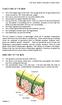 FUNCTIONS OF THE SKIN Skin is the largest organ of the body. The average adult has 18 square feet of skin which account for 16% of the total body weight. Skin acts as a physical barrier for you to the
The Whipple Procedure. Sally Hodges, Ph.D.(c) Given the length and difficulty of the procedure, regardless of the diagnosis, certain
 The Whipple Procedure Sally Hodges, Ph.D.(c) Preoperative procedures Given the length and difficulty of the procedure, regardless of the diagnosis, certain assurances must occur prior to offering a patient
Hysterectomy. What is a hysterectomy? Why is hysterectomy done? Are there alternatives to hysterectomy?
 ROBERT LEVITT, MD JESSICA BERGER-WEISS, MD ADRIENNE POTTS, MD HARTAJ POWELL, MD, MPH COURTNEY LEVENSON, MD LAUREN BURNS, MSN, RN, WHNP OBGYNCWC.COM What is a hysterectomy? Hysterectomy Hysterectomy is
Section Two: Arterial Pressure Monitoring
 Section Two: Arterial Pressure Monitoring Indications An arterial line is indicated for blood pressure monitoring for the patient with any medical or surgical condition that compromises cardiac output,
Smith & Nephew DYONICS RF Radiofrequency System
 I-1 Smith & Nephew DYONICS RF Radiofrequency System Smith & Nephew is proud to present a variety of RF options to meet the specialized needs of today s arthroscopist. The DYONICS RF Radiofrequency System
ECIA. Investor Overview 2016
 ECIA Investor Overview 2016 Encision Inc. Disclaimer Statement The following information does not purport to be all-inclusive or to contain all the information that you may desire in investigating us.
Introduction. Planned surgical procedures
 Guidelines for the perioperative management of patients with implantable pacemakers or implantable cardioverter defibrillators, where the use of surgical diathermy/electrocautery is anticipated. Introduction
Comparison of four energy-based vascular sealing and cutting instruments: A porcine model
 DOI 10.1007/s00464-007-9619-8 Comparison of four energy-based vascular sealing and cutting instruments: A porcine model Benjamin Person Æ David A. Vivas Æ Dan Ruiz Æ Michael Talcott Æ James E. Coad Æ Steven
Hysterectomy. The time to take care of yourself
 Hysterectomy The time to take care of yourself The time to take care of yourself Women spend a lot of time taking care of others spouses, children, parents. We often overlook our own needs. But when our
Adult Forearm Fractures
 Adult Forearm Fractures Your forearm is made up of two bones, the radius and ulna. In most cases of adult forearm fractures, both bones are broken. Fractures of the forearm can occur near the wrist at
The forceps are available in addition to the standard models (s. catalogue of electrosurgical accessories).
 E l e c t r o s u r g e r y B i p o l a r P R E M I U M F o r c e p s B i p o l a r I r r i g a t i o n F o r c e p s The ERBE Forceps R ange with its Non-Stick Effec t. NEW Advantages of the Non-Stick
Chapter 33. Nerve Physiology
 Chapter 33 NERVE AND VASCULAR INJURIES OF THE HAND KEY FIGURES: Digital nerve location on finger Epineurial repair Nerves and blood vessels of the hand and fingers usually are quite delicate, and some
Dept. of Medical Imaging University of Ottawa
 ED Visits Related to Bariatric Surgery: Review of Normal Post-Surgical Anatomy as Well as Complications Dept. of Medical Imaging University of Ottawa Disclosures Background Roux-en-Y Gastric Bypass Surgery
67273 EN V40/14 NOUVAG AG, all rights reserved Subject to change. Laparoscopic Hysterectomy Morcellator
 67273 EN V40/14 NOUVAG AG, all rights reserved Subject to change Laparoscopic Hysterectomy Morcellator Laparoscopic Hysterectomy Nowadays newly developed medical devices make hysterectomy possible by a
Basic Laparoscopy and Lap. Suturing and Stapling course Course Contents
 Online Courses on Laparoscopic GI Surgery for GISurgery.info Lap Skills course Harshad Soni 1. Basic Laparoscopy and Lap. Suturing and Stapling course H. Soni 2. Laparoscopic UGI Surgery Course J Mistry
Laparoscopic Colectomy. What do I need to know about my laparoscopic colorectal surgery?
 Laparoscopic Colectomy What do I need to know about my laparoscopic colorectal surgery? Traditionally, colon & rectal surgery requires a large, abdominal and/or pelvic incision, which often requires a
SILS. Port Insertion By Homero Rivas, MD, MBA, FACS. Single incision. Single port. Simple choice.
 SILS Port Insertion By Homero Rivas, MD, MBA, FACS Single incision. Single port. Simple choice. SILS Port Insertion By Homero Rivas, MD, MBA, FACS For the last 20 years, there has given surgical procedure.
Laparoscopic Assisted Vaginal Hysterectomy
 Department of Obstetrics and Gynecology, Chang Gung Memorial Hospital at ChiaYi 嘉 義 長 庚 紀 念 醫 院 婦 產 科 Clinical Guideline Laparoscopic Assisted Vaginal Hysterectomy By Dr. CJ Tseng Laparoscopic assisted
Scout Vessel Guard. A cover for vessels during anterior lumbar spine surgery.
 Scout Vessel Guard. A cover for vessels during anterior lumbar spine surgery. Technique Guide Instruments and implants approved by the AO Foundation Table of Contents Introduction Scout Vessel Guard 2
Fixing Dental Implant Component Failure and Fracture: Retrieving the Fractured Implant Abutment Screw. Charles A. Mastrovich, DDS
 Fixing Dental Implant Component Failure and Fracture: Retrieving the Fractured Implant Abutment Screw Charles A. Mastrovich, DDS [email protected] www.mastrovichdental.com Evaluating component failure
VATS / MIS. Thoracoscopic Minimally Invasive Instruments
 / Thoracoscopic Minimally Invasive Instruments / Thoracoscopic Minimally Invasive Instruments Thoracoscopic Minimally Invasive Instruments / In a continuing effort to minimize patient trauma, surgical
The System 5000. Electrosurgical Unit (ESU)
 The System 5000 Electrosurgical Unit (ESU) The standard in consistent energy delivery, the System 5000 unites proprietary dynamic response technology with an array of specialty modes for desired clinical
Laparoscopic Repair of Incisional Hernia. Maria B. ALBUJA-CRUZ, MD University of Colorado Department of Surgery-Grand Rounds
 Laparoscopic Repair of Incisional Hernia Maria B. ALBUJA-CRUZ, MD University of Colorado Department of Surgery-Grand Rounds Overview Definition Advantages of Laparoscopic Repair Disadvantages of Open Repair
Patient Information Guide Morpheus CT Peripherally Inserted Central Catheter
 Patient Information Guide Morpheus CT Peripherally Inserted Central Catheter IC 192 Rev C A measure of flexibility and strength. Table of Contents 1. Introduction 2. What is the Morpheus CT PICC? 3. What
Arizona State University Institutional Animal Care and Use Committee STANDARD INSTITUTIONAL GUIDELINE RODENT SURGERY
 Arizona State University Institutional Animal Care and Use Committee STANDARD INSTITUTIONAL GUIDELINE RODENT SURGERY It is the policy of the IACUC that all survival surgeries involving rodents be conducted
FEMALE ANATOMY. the Functions of the Female Organs
 FEMALE ANATOMY the Functions of the Female Organs An educational video for every woman who is told she needs pelvic surgery, including exploratory surgery or removal of the uterus, fallopian tubes, or
A PATIENT S GUIDE TO ABLATION THERAPY
 A PATIENT S GUIDE TO ABLATION THERAPY THE DIVISION OF VASCULAR/INTERVENTIONAL RADIOLOGY THE ROBERT WOOD JOHNSON UNIVERSITY HOSPITAL Treatment options for patients with cancer continue to expand, providing
3M Steri-Strip S Surgical Skin Closure. Commonly Asked Questions
 3M Steri-Strip S Surgical Skin Closure Commonly Asked Questions What are the indications for use of 3M Steri-Strip S Surgical Skin Closure? Steri-Strip S Surgical Skin Closures are indicated as a primary
URINARY CATHETER CARE
 URINARY CATHETER CARE INTRODUCTION Urinary catheter care is a very important skill, and it is a skill that many certified nursing assistants (CNAs) must know. Competence at providing urinary catheter care
Open Ventral Hernia Repair
 Ventral Hernias Open Ventral Hernia Repair UCSF Postgraduate Course in General Surgery Maui, HI March 21, 2011 Hobart W. Harris, MD, MPH Ventral Hernias: National Experience Occur following 11-23% of laparotomies,
Y O U R S U R G E O N S. choice of. implants F O R Y O U R S U R G E R Y
 Y O U R S U R G E O N S choice of implants F O R Y O U R S U R G E R Y Y O U R S U R G E O N S choice of implants F O R Y O U R S U R G E R Y Your Surgeon Has Chosen the C 2 a-taper Acetabular System The
No Costly Hospital Stays. No Unsightly Incisions. Far Faster, Less Painful Recovery.
 No Costly Hospital Stays. No Unsightly Incisions. Far Faster, Less Painful Recovery. No Costly Hospital Stays. No Unsightly Incisions. Far Faster, Less Painful Recovery. Welcome to the Georgia Advanced
Clinical Practice Assessment Robotic surgery
 Clinical Practice Assessment Robotic surgery Background: Surgery is by nature invasive. Efforts have been made over time to reduce complications and the trauma inherently associated with surgery through
Effective Operating Room Inventory Management
 CE ONLINE Effective Operating Room Inventory Management An Online Continuing Education Activity Sponsored By Grant funds provided by Welcome to Effective Operating Room Inventory Management (An Online
OSTEOPATHIC CARE OF CHILDREN
 OSTEOPATHIC CARE OF CHILDREN OSTEOPATHIC HEALTHCARE OF MAINE OSTEOPATHIC CARE OF CHILDREN Donald V. Hankinson, D.O. Childhood is a time when the potential for mental, physical and spiritual growth is profound.
INFORMATION FOR PATIENTS CONSIDERING LAPAROSCOPIC INGUINAL HERNIA REPAIR
 INFORMATION FOR PATIENTS CONSIDERING A LAPAROSCOPIC INGUINAL HERNIA REPAIR Prepared By Mr Peter Willson Consultant Surgeon Contents 1. Background... 3 2. What is an inguinal Hernia?... 3 3. What are the
POSITION DESCRIPTION COLUMBUS REGIONAL HEALTHCARE SYSTEM
 POSITION DESCRIPTION COLUMBUS REGIONAL HEALTHCARE SYSTEM JOB TITLE SURGICAL TECHNOLOGIST JOB CODE 0860 DEPARTMENT FLSA (Exempt/Non-Exempt) OPERATING ROOM NON-EXEMPT DEPARTMENT DIRECTOR SIGNATURE ADMINISTRATIVE
Incontinence. What is incontinence?
 Incontinence What is incontinence? Broadly speaking, the medical term incontinence refers to any involuntary release of bodily fluids, but many people associate it strongly with the inability to control
EAES course on Advanced Laparoscopic GI Surgery Course. Riyadh, Saudi Arabia 10-14 January 2015
 EAES course on Advanced Laparoscopic GI Surgery Course Riyadh, Saudi Arabia 10-14 January 2015 The European Association for Endoscopic Surgery and King Khalid University Hospital, Riyadh, Saudi Arabia
Suffering from varicose veins? Patient Information. ELVeS Radial Minimally invasive laser therapy of venous insufficiency
 Suffering from varicose veins? Patient Information ELVeS Radial Minimally invasive laser therapy of venous insufficiency Do you suffer from heavy legs or visible veins? This makes diseases of the veins
INTRAPERITONEAL HYPERTHERMIC CHEMOTHERAPY (IPHC) FOR PERITONEAL CARCINOMATOSIS AND MALIGNANT ASCITES. INFORMATION FOR PATIENTS AND FAMILY MEMBERS
 INTRAPERITONEAL HYPERTHERMIC CHEMOTHERAPY (IPHC) FOR PERITONEAL CARCINOMATOSIS AND MALIGNANT ASCITES. INFORMATION FOR PATIENTS AND FAMILY MEMBERS Description of Treatment A major difficulty in treating
How To Care For An Obese Patient In Surgery
 TITLE The Bariatric Patient in Surgery An Online Continuing Education Activity A Continuing Nursing Education Activity Sponsored by Funding provided by COVIDIEN 1 Welcome to The Bariatric Patient in Surgery
Medicare C/D Medical Coverage Policy
 Varicose Vein Treatment Medicare C/D Medical Coverage Policy Origination Date: June 1, 1993 Review Date: September 16, 2015 Next Review: September, 2017 DESCRIPTION OF PROCEDURE OR SERVICE Varicose veins
What You Should Know About Cerebral Aneurysms
 What You Should Know About Cerebral Aneurysms From the Cerebrovascular Imaging and Interventions Committee of the American Heart Association Cardiovascular Radiology Council Randall T. Higashida, M.D.,
A report of 300 cases using vacuum aspiration for the termination of pregnancy
 A report of 300 cases using vacuum aspiration for the termination of pregnancy Wu, Yuantai and Wu, Xianzhen Chinese Journal of Obstetrics and Gynaecology (1958:447-9) More than 100 years after Recamier
Brachytherapy: Low Dose Rate (LDR) Radiation Interstitial Implant
 Brachytherapy: Low Dose Rate (LDR) Radiation Interstitial Implant Goal of the Procedure Brachytherapy, or internal radiation therapy, is a way of giving a higher dose of radiation to the tumor area while
Role of Robotic Surgery in Obese Women with Endometrial Cancer
 Role of Robotic Surgery in Obese Women with Endometrial Cancer Anil Tailor Consultant Gynaecological Oncologist Royal Surrey County Hospital Guildford, Surrey, UK St Peters Hospital Chertsey, Surrey, UK
(English) NEXUS SPINE SPACER SYSTEM
 (English) NEXUS SPINE SPACER SYSTEM INDICATIONS FOR USE NEXUS Spine Spacer System, a GEO Structure is indicated for use in the thoraco-lumbar spine (i.e., T1 to L5) to replace a diseased vertebral body
Total Abdominal Hysterectomy
 What is a total abdominal hysterectomy? Is the removal of the uterus and cervix through an abdominal incision (either an up and down or bikini cut). Removal of the ovaries and tubes depends on the patient.
10 Common Questions Answers SBO
 10 Common Questions Answers SBO 1 What is Small Bowel Obstruction (SBO)? After food passes through our stomach, it soon arrives in our intestines, starting at the small bowel. This tube-like organ meanders
Overview of Bariatric Surgery
 Overview of Bariatric Surgery To better understand how weight loss surgery works, it is helpful to know how the normal digestive process works. As food moves along the digestive tract, special digestive
Uterine Fibroids. More than half of all women have fibroids. They are a common, benign, uterine growth.
 Uterine Fibroids More than half of all women have fibroids. They are a common, benign, uterine growth. Fibroids are not a disease. Much like the genetic blueprint that determines the color of your eyes
Surgery for oesophageal cancer
 Surgery for oesophageal cancer This information is an extract from the booklet Understanding oesophageal cancer (cancer of the gullet). You may find the full booklet helpful. We can send you a free copy
PREPARING FOR YOUR STOMA REVERSAL
 PREPARING FOR YOUR STOMA REVERSAL Information Leaflet Your Health. Our Priority. Page 2 of 6 Introduction- What you need to know As part of your bowel operation you may have had a temporary stoma formed.
Inflammation and Healing. Review of Normal Defenses. Review of Normal Capillary Exchange. BIO 375 Pathophysiology
 Inflammation and Healing BIO 375 Pathophysiology Review of Normal Defenses Review of Normal Capillary Exchange 1 Inflammation Inflammation is a biochemical and cellular process that occurs in vascularized
Human Exposure Limits
 Human Exposure Limits Session 3 0 Version December 2014 Learning objectives In this session we will: Learn about the international exposure limits for workers and the public Learn about methods for assessing
NP practicing as a First Assistant in a Surgical Specialty By Kemp Smith, MSN,CNOR,RNFA,ARNP,FNP-C
 NP practicing as a First Assistant in a Surgical Specialty By Kemp Smith, MSN,CNOR,RNFA,ARNP,FNP-C Objectives The attendee will have a better understanding of the of the NP in surgery. The attendee will
Oregon State Assembly of the Association of Surgical Technologists
 Support Oregon House Bill 2876 Minimum education and certification standards for surgical technologists Sponsored by the Committee on Health Care Legislative Intent: Requiring Newly-Practicing Surgical
Tucson Eye Care, PC. Informed Consent for Cataract Surgery And/Or Implantation of an Intraocular Lens
 Tucson Eye Care, PC Informed Consent for Cataract Surgery And/Or Implantation of an Intraocular Lens INTRODUCTION This information is provided so that you may make an informed decision about having eye
Weight Loss before Hernia Repair Surgery
 Weight Loss before Hernia Repair Surgery What is an abdominal wall hernia? The abdomen (commonly called the belly) holds many of your internal organs. In the front, the abdomen is protected by a tough
About the Uterus. Hysterectomy may be done to treat conditions that affect the uterus. Some reasons a hysterectomy may be needed include:
 Hysterectomy removal of the uterus is a way of treating problems that affect the uterus. Many conditions can be cured with hysterectomy. Because it is major surgery, your doctor may suggest trying other
Considering Endometriosis Surgery? Learn about minimally invasive da Vinci Surgery
 Considering Endometriosis Surgery? Learn about minimally invasive da Vinci Surgery The Condition: Endometriosis Endometriosis is a condition in which the tissue that lines your uterus (the endometrium)
Laparoscopic Sleeve gastrectomy
 Restrictive procedure Laparoscopic Sleeve gastrectomy Dr. R. Peterli Professional Education 1 2 Introduction Gastric sleeve resection is the restrictive part of the biliopancreatic diversion duodenal switch,
Understanding Your Diagnosis of Endometrial Cancer A STEP-BY-STEP GUIDE
 Understanding Your Diagnosis of Endometrial Cancer A STEP-BY-STEP GUIDE Introduction This guide is designed to help you clarify and understand the decisions that need to be made about your care for the
Informed Consent for Laparoscopic Vertical Sleeve Gastrectomy. Patient Name
 Informed Consent for Laparoscopic Vertical Sleeve Gastrectomy Patient Name Please read this form carefully and ask about anything you may not understand. I consent to have a laparoscopic Vertical Sleeve
Consumer summary Minimally invasive techniques for the relief of stress urinary incontinence
 ASERNIP S Australian Safety and Efficacy Register of New Interventional Procedures Surgical Consumer summary Minimally invasive techniques for the relief of stress urinary incontinence (Adapted from the
VUMC Guidelines for Management of Indwelling Urinary Catheters. UC Access/ Maintenance
 VUMC Guidelines for Management of Indwelling Urinary Catheters UC Insertion Preparation & Procedure Indications for insertion and continued use of indwelling urinary catheters include: Urinary retention
MIN Set. Instruments for Minimally Invasive Neurosurgery. Aesculap Neurosurgery
 MIN Set Instruments for Minimally Invasive Neurosurgery Aesculap Neurosurgery MIN Set Features Fine instrument tips Especially important when working in very narrow spaces and close to sensitive structures.
ReLEx smile Minimally invasive vision correction Information for patients
 ReLEx smile Minimally invasive vision correction Information for patients Seeing is living Our eyes are our most important sensory organ. The human brain obtains over 80 % of its information via the sense
Radiation Therapy for Prostate Cancer
 Radiation Therapy for Prostate Cancer Introduction Cancer of the prostate is the most common form of cancer that affects men. About 240,000 American men are diagnosed with prostate cancer every year. Your