
alcohol withdrawal Development of a Standing Order Set
|
|
|
- Britney Small
- 10 years ago
- Views:
Transcription
1 Feature Alcohol Withdrawal: Development of a Standing Order Set Evanthia Riddle, RN, BSN, CCRN Jeff Bush, PharmD Mary Tittle, PhD, ARNP Dimple Dilkhush, PharmD, BCPS PRIME POINTS One in 4 patients admitted to general hospitals are estimated to meet diagnostic criteria for alcohol dependence. The signs and symptoms of alcohol withdrawal may be confused with other problems common in critical care patients such as electrolyte imbalances, pain, and infection. Patients in alcohol withdrawal may need less medication for less time with the use of a symptombased standing order set. Management of alcohol withdrawal in acutely ill hospitalized patients with a critical illness is challenging for pharmacists, nurses, and practicing physicians. Alcohol withdrawal is often a diagnosis considered in patients admitted with trauma; however, it can be confused with other conditions in the list of differential diagnoses of patients admitted with nontrauma diagnoses. 1-3 Investigators estimate that up to 1 in 4 patients admitted to general hospitals meet diagnostic criteria for alcohol dependence. 4 CEContinuing Education This article has been designated for CE credit. A closed-book, multiple-choice examination follows this article, which tests your knowledge of the following objectives: 1. Explain the usual pathophysiology of alcohol withdrawal syndrome (AWS) 2. Describe 3 common clinical signs and symptoms of AWS 3. Discuss the treatment benefits associated with the use of a standard order set for AWS 2010 American Association of Critical- Care Nurses doi: /ccn Alcohol-dependent patients have a risk of withdrawal, with symptoms including altered concentration, tremulousness, autonomic hyperarousal, psychosis, seizures, and delirium tremens. 5 Alcohol withdrawal delirium, commonly known as delirium tremens or DTs, is the most serious manifestation of alcohol withdrawal syndrome (AWS) and is characterized by hallucinations, disorientation, tachycardia, hypertension, low-grade fever, agitation, and diaphoresis. Delirium tremens or seizures develop in up to 20% of hospitalized patients who experience AWS if the symptoms of withdrawal are not treated. 6 Given the seriousness of alcohol withdrawal delirium and the value of appropriate treatment, a symptom-based alcohol withdrawal protocol was developed for use in the critical care and medical wards of a community teaching hospital. This article presents the results of the development of an evidence-based standing order set for alcohol withdrawal. 38 CriticalCareNurse Vol 30, No. 3, JUNE

2 Pathophysiology of AWS AWS occurs when a person who has become dependent on alcohol stops drinking the amount that he/ she has been accustomed to drinking. The autonomic nervous system becomes hyperactive, releasing catecholamines, which lead to physiological changes such as diaphoresis, insomnia, tachycardia, anxiety, and tremors. The complex mechanisms of alcohol intoxication, tolerance, dependence, and withdrawal are not completely understood, but a clear relationship exists between alcohol and alterations in neurotransmission in the brain. The brain functions by maintaining a balance of neurochemicals through inhibitory and excitatory neurotransmitters. The major inhibitory neurotransmitter in the brain is γ-aminobutyric acid (GABA), which works through the GABA A receptor complex. The GABA A receptor complex regulates the passage of chlorine ions into cells. GABA binds to GABA A receptors, a family of chloride ion channels, changing their formation so as to allow chloride ions to pass down an electrochemical gradient. This movement of chloride ions hyperpolarizes the membrane, which leads to neuronal inhibition. 7 Alcohol passes inhibitory effects on the GABA A receptors, causing a downregulation or a decrease in the number of GABA A receptors. This down-regulation is responsible for insufficient central inhibition during alcohol withdrawal, leading to symptoms of hyperexcitability. 8 A second neurotransmitter of importance in alcohol withdrawal is the excitatory neurotransmitter N-methyl-D-aspartate (NMDA). NMDA controls excitability by increasing depolarization of the neuronal membrane through the regulation of the flow of calcium into the neuron. The influx of calcium through voltage-gated calcium channels modulates neurotransmitter release and the expression of genes that regulate the production of NMDA and GABA receptor proteins. The continued presence of alcohol increases the calcium channel expression and contributes to alcohol tolerance and AWS. 9 Alcohol inhibits the NMDA receptor, which causes a hyperexcitable state and altered anxietylike behavior. 10 Abrupt cessation in the intake of alcohol or withdrawal produces a rebound stimulatory effect, resulting in adrenergic hypersensitivity of the limbic system and brain stem, which can lead to irritability (manifested as aggressive behavior), tremors, and seizures. Abrupt cessation of alcohol exposure results in brain excitability because receptors previously inhibited by alcohol are no longer inhibited. 1,9 The mortality Authors Evanthia Riddle is a clinical nurse educator in the intensive care unit and Jeff Bush is a clinical coordinator at Bayfront Medical Center in St Petersburg, Florida. Mary Tittle is a professor in the College of Nursing at St Petersburg College. Dimple Dilkhush is the director of Formulary Services at Wellcare Health Plans, Inc, in Tampa, Florida. Corresponding author: Evanthia Riddle, RN, BSN, CCRN, Clinical Nurse Educator, ICU Bayfront Medical Center 701 Sixth Street South, St Petersburg, FL ( [email protected]). To purchase electronic or print reprints, contact The InnoVision Group, 101 Columbia, Aliso Viejo, CA Phone, (800) or (949) (ext 532); fax, (949) ; , [email protected]. rate has been found to be in the range of 5% to 15%, 11 with an early study 12 showing mortality rates from alcohol withdrawal delirium to be as high as 20%. With advances in treatment, mortality rates have decreased drastically, with more recent studies indicating mortality rates in the range of 1% Clinical Problems and Treatment of AWS The symptoms of AWS can include visual, auditory, and/or tactile hallucinations. Severe symptoms include seizures and delirium tremens, disturbances of consciousness, and change in cognition. Often medical and surgical comorbid conditions mask withdrawal symptoms, which can result in inadequate treatment. Such comorbid conditions include dehydration, infection, respiratory disease, thyrotoxicosis, anticholinergic drug poisoning, amphetamine or cocaine use, hemorrhage, and withdrawal from sedative-hypnotic agents. 1,4,16 The signs and symptoms of alcohol withdrawal may be confused with other problems common in critical care patients such as electrolyte imbalances, pain, and infection. 3 Delirium tremens typically begin between 2 and 4 days after the last drink and last less than a week. 13 Treatment of alcohol withdrawal begins with appropriate assessment of the patient for signs and symptoms of alcohol withdrawal delirium. Patients experiencing serious withdrawal symptoms, seizures, and delirium tremens should receive pharmacotherapy to treat their symptoms. 13,17 Benzodiazepines are the drugs of choice for CriticalCareNurse Vol 30, No. 3, JUNE

3 the management of alcohol withdrawal. 9,18 Benzodiazepines not only ameliorate the symptoms of alcohol withdrawal but prevent seizures and delirium tremens. Different benzodiazepines all appear similarly effective in reducing signs and symptoms of withdrawal. 6,18 However, some evidence indicates that longer acting agents may be more effective in preventing seizures. Pharmacological data and clinical experience suggest that longer acting agents can pose a risk of excess sedation in selected groups, including elderly persons and persons with marked liver disease. Longer acting agents, however, contribute to an overall smoother withdrawal course with less breakthrough or rebound symptoms. 1,6 Some of the most commonly used benzodiazepines are diazepam, chlordiazepoxide, and lorazepam. 6,18,19 A literature review suggested that symptom-based treatment was more beneficial than scheduled dosing. 6,18,19 However, few controlled studies of treatment exist, and even fewer treatments have been developed and tested in acutely ill patients. 4 The literature supports a need to identify and treat alcohol withdrawal early. 3,19 Therefore a need was identified in our institution to develop an evidence-based standing order set for alcohol withdrawal. Methods A multidisciplinary committee, including nurses, pharmacists, physicians, and dieticians, was formed to develop a standing order set that could be used to identify and treat alcohol withdrawal in both patients who are critically ill and patients who are not. Furthermore, we wanted to determine if symptombased treatment was more effective than dose-scheduled treatment of alcohol withdrawal. A critical care nurse and clinical pharmacist were given the task of researching the literature and developing an evidence-based standing order set that could be used for both patients who are critically ill and patients who are not. Development of the Standing Order Set Both scheduled dosing and symptom-based treatment use benzodiazepines for treatment of alcohol withdrawal. Studies 6,16,18,20 have shown that symptom-based treatment requires less benzodiazepine use. These studies suggest that symptom-triggered therapy allows more flexibility in dosing with fluctuations in scores on the Clinical Institute Withdrawal Assessment for Alcohol, revised (CIWA-Ar) and level of sedation, which results in less medication being required. Lower doses of benzodiazepine decreased the chance for adverse effects, oversedation, and respiratory depression. 6 Less medication also lowers the cost for treatment of alcohol withdrawal. 6,16,18,20 Benzodiazepines possess better efficacy, a greater margin of safety, and lower abuse potential compared with barbiturates. 21 Long-acting benzodiazepines, such as chlordiazepoxide, are used for alcohol withdrawal because they have the advantage of self-tapering after stabilization. The medication is administered in decreasing doses and/or frequency until no medication is taken. 9 It was also suggested that an intermediateacting benzodiazepine should be used to supplement treatment with a long-acting medication. 6,18 Diazepam and chlordiazepoxide are the long-acting drugs of choice, and lorazepam and oxazepam are the intermediate-acting drugs of choice typically used to treat AWS. 6,17 Carbamazepine was evaluated, but evidence that it prevented seizures and delirium was insufficient. Haloperidol was not recommended because it lowered the seizure threshold and prolonged the QT interval. 1,20 Oral chlordiazepoxide and/or intravenous lorazepam were chosen as the drugs to be incorporated into the standing order set. 1,6,15,17 Lorazepam was chosen because it has no active metabolites and has multiple dosing routes. In addition to the use of lorazepam and chlordiazepoxide, the standing order set included the use of antiemetics and vitamins. Vitamin deficiency is often seen in patients with alcoholism. Patients who abuse alcohol are more likely to have poor nutrition due to poor diet and/or impaired absorption of nutrients, especially the B vitamins. Folic acid is important in formation of red blood cells and protein metabolism. Wernicke syndrome (characterized by cognitive impairment, delirium, abnormal gait, and paralysis of eye muscles) and Korsakoff syndrome are both caused by thiamine deficiency. Thiamin is also needed for the metabolism of glucose. 9,16 As a result, thiamine, folic acid, and multivitamins were included in the standing order set. Treatment of alcohol withdrawal includes fluid replacement, correcting electrolyte imbalances, treating acute infections, and treating fevers. 1,13,16 Patients with AWS 40 CriticalCareNurse Vol 30, No. 3, JUNE

4 experience electrolyte imbalances in potassium, magnesium, and phosphate due to changes in renal function, altered absorption/reabsorption, poor dietary intake, and vomiting. Alcohol also induces a diuretic effect that leads to dehydration. If the patient s glycogen stores are low, such as in chronic alcohol abuse, the intake of high doses of alcohol can induce hypoglycemia by decreasing hepatic glyconeogenesis. 9,22 These patients are also at a higher risk of infection, particularly pulmonary infection, because alcohol causes a change in the immune system and often causes a dysfunction of protective barriers in the respiratory tract. 23 These patients also experience nausea, vomiting, and headaches among other complaints. 24 Therefore, the ability to order laboratory studies and treat these complaints was included in the order set. The order set was formatted to follow a symptom-based method, with the intent to decrease the amount of drug used and time required to treat alcohol withdrawal (Figure 1). In symptom-based treatment, medications are administered in response to the development of symptoms of alcohol withdrawal. In scheduled-dose treatment, medications are administered at scheduled times. The format followed similar symptom-based approaches found in the literature. 4,20,25 Clinical Institute Withdrawal Assessment for Alcohol Scale In order to use the order set, consistent symptom-based assessment of the patient was needed. To do this, the CIWA-Ar was included as part of the order set. The CIWA- Ar is used to assess patients to determine the need to treat alcohol withdrawal. 26 The CIWA-Ar is a 10- item, easily administered scale. The scale consists of 10 signs and symptoms: nausea and vomiting, tremor, paroxysmal sweats, anxiety, agitation, tactile disturbances, auditory disturbances, visual disturbances, headache, and orientation. Patients are asked a question or evaluated on each sign and symptom. Each sign and symptom is evaluated on a 7-point Likert scale except for orientation, which is scored on a 4-point Likert scale. Scores on the CIWA-Ar range from 0 to 67. A score of 8 points or less indicates mild withdrawal. A score of 9 to 15 points indicates moderate withdrawal. A score greater than 15 points indicates severe withdrawal. The CIWA-Ar has been used by several authors to assess alcohol withdrawal in patients. 1,5,6,17,18,25 The CIWA-Ar was examined for validity and reliability. Scores on the revised scale were regressed on the original CIWA-A. Beta was.99 and R 2 was The scale should be used 1 to 3 times daily, more frequently when patients are symptomatic and as frequently as hourly when making decisions about medication dosing on the basis of symptoms. 6 The CIWA-Ar provides clinicians with an appropriate scale for dosing medications, evaluating effectiveness of therapy, and evaluating the severity of withdrawal more objectively. 6,24 Procedure The preliminary order set was then presented to the multidisciplinary committee, where there was discussion and minor changes were made. The order set was then presented to the institutional review board of the hospital, the pharmacy and therapeutics committee, and the medical council for approval. The multidisciplinary committee then recommended a performance improvement project be conducted on both a critical care unit and a non critical care unit. The units selected were the trauma intensive care unit (ICU) and the step-down medical/surgical trauma unit. The step-down medical/surgical trauma unit was selected because most patients in the ICU are transferred to that unit. At this point, training of the nursing and pharmacy staff began. The ICU nurse educator trained the ICU staff and the clinical nurse leader from the step-down unit on the implementation of the standing order set. This training was done by one-to-one education and the use of a poster board. The clinical nurse leader then conducted the education of the staff on the step-down unit. The in-service training was validated by a 5-item test given to the nursing staff to ensure that they understood the process and the documentation required. Staff members who did not achieve 100% were given further instruction. The pharmacist educated the pharmacy staff on the medications to be used from the standing order set. The pharmacy staff were not tested because they do not implement the standing order set. The project then began on the 2 identified units, the trauma ICU and the step-down medical/surgical trauma unit. Patients who had a history of alcohol abuse, were intoxicated on admission, or were thought to be going through delirium tremens as determined by physician assessment were identified on the 2 units. CriticalCareNurse Vol 30, No. 3, JUNE

5 Bayfront Medical Center Alcohol Withdrawal Standing Order Allergies: Date/Time: Bulleted orders will automatically be implemented. Any order can be deleted by drawing a single line through the entire order and initialing. Fill in blanks and checks ( ) to select orders. Nursing Orders Use the CIWA-Ar Alcohol Withdrawal Assessment Tool (located on back of standing order) to assess the patient s need for symptombased treatment Document Alcohol Withdrawal Score and treatment and reassessment on PRN MAR/Powerchart Assess the need for seizure and aspiration precautions Vital signs per unit routine and with each CIWA-Ar Alcohol Withdrawal Assessment Pharmacy Orders Discontinue all sedation orders Symptom-Based Treatment Mild Symptoms (Alcohol Withdrawal Score 8) No treatment, reassess patient in 4 hour and document and score on MAR Moderate Symptoms (Alcohol Withdrawal Score 9-15) Chlordiazepoxide mg PO q 2 hour PRN. Reassess patient in 2 hours and treat based on Alcohol Withdrawal Score. Maximum daily dose, 300 mg/24 hours. If unable to take PO or symptoms inadequately controlled on above: Lorazepam 1-2 mg IVP q 4 hour PRN. Reassess patient in 2 hours and treat based on Alcohol Withdrawal Score. Maximum daily dose, 24 mg/24 hours. Severe Symptoms (Alcohol Withdrawal Score >15) Chlordiazepoxide mg PO q 1 hour PRN. Reassess patient in 1 hour and treat based on Alcohol Withdrawal Score. Maximum daily dose, 300 mg/24 hours. If unable to take PO or symptoms inadequately controlled on above: Lorazepam 2-4 mg IVP q 2 hour PRN. Reassess patient in 1 hour and treat based on Alcohol Withdrawal Score. Maximum daily dose, 24 mg/24 hours. Other Ondansetron (Zofran) 4 mg IV q 4 hours PRN nausea Promethazine 25 mg PO q 6 hours PRN nausea Acetaminophen 500 mg PO q 6 hours PRN temperature >101.1 F or headache If patient receiving maintenance IVF, add: Thiamine 100 mg daily 3 days Folic acid 1 mg daily 3 days MVI 10 ml daily (if unable to take PO) If no IV access administer: Thiamine 100 mg IM daily 3 days Folic acid 1 mg PO daily 3 days MVI 1 tablet PO every day. Administer in IVF once daily if unable to take PO. Laboratory CBC with Met-C Urine Drug Screen Blood Alcohol Level Magnesium and Phosphorus Physician Signature Date/Time: Symptom-Based Alcohol Withdrawal Standing Order /06 PO Physicians Orders Figure 1 Standing orders for alcohol withdrawal at Bayfront Medical Center. Patient Label Continued Abbreviations: CBC, complete blood cell count; CIWA-Ar, Clinical Institute Withdrawal Assessment for Alcohol, revised; IV, intravenous; IVF, intravenous fluids; IVP, intravenous bolus; MAR, medication administration record; Met-C, metabolic panel, comprehensive; MVI, multivitamin; PO, by mouth; PRN, as needed; q, every. Used with permission of Bayfront Medical Center, St Petersburg, Florida. Once a physician s order was received, nurses implemented the order set, which included the CIWA-Ar and guidelines for the administration of benzodiazepines. No benzodiazepines other than those on the order set were to be administered. For comparison, a retrospective chart review was conducted to 42 CriticalCareNurse Vol 30, No. 3, JUNE

6 Revised CIWA-Ar Assessment Tool For Alcohol Withdrawal 26 Nausea and vomiting Ask Do you feel sick to your stomach? Have you vomited? 0 No nausea and no vomiting 1 Mild nausea with no vomiting 4 Intermittent nausea with dry heaves 7 Constant nausea, frequent dry heaves, and vomiting Tremor Ask patient to extend arms and spread fingers apart 0 No tremor 1 Tremor not visible but can be felt, fingertip to fingertip 4 Moderate tremor with arms extended 7 Severe tremor, even with arms not extended Paroxysmal sweats 0 No sweats visible 1 Barely perceptible sweating; palms moist 4 Beads of sweat obvious on forehead 7 Drenching sweats Anxiety Ask Do you feel nervous? 0 No anxiety (at ease) 1 Mildly anxious 4 Moderately anxious or guarded, so anxiety is inferred 7 Equivalent to acute panic states as occur in severe delirium or acute schizophrenic reactions Agitation 0 Normal activity 1 Somewhat more than normal activity 4 Moderately fidgety and restless 7 Paces back and forth during most of the interview or constantly thrashes about Tactile disturbances Ask Do you have any itching, pins-and-needles sensations, burning or numbness, or do you feel like bugs are crawling on or under your skin? 0 None 1 Very mild itching, pins-and-needles sensation, burning, or numbness 2 Mild Itching, pins-and-needles sensation, burning, or numbness 3 Moderate itching, pins-and-needles sensation, burning, or numbness 4 Moderately severe hallucinations 5 Severe hallucinations 6 Extremely severe hallucinations 7 Continuous hallucinations Auditory disturbances Ask Are you more aware of sounds around you? Are they harsh? Do they frighten you? Are you hearing anything that is disturbing you? Are you hearing things you know are not there? 0 Not present 1 Very mild harshness or ability to frighten 2 Mild harshness or ability to frighten 3 Moderate harshness or ability to frighten 4 Moderately severe hallucinations 5 Severe hallucinations 6 Extremely severe hallucinations 7 Continuous hallucinations Continued Figure 1 Continued identify patients treated for alcohol withdrawal before the order set was developed. The patients were identified from their current history provided by the patient or the patient s family or from their blood alcohol level. The comparison group included only those patients receiving oral chlordiazepoxide and/or CriticalCareNurse Vol 30, No. 3, JUNE

7 Visual Disturbances Ask Does the light appear to be too bright? Is its color different? Does it hurt your eyes? Are you seeing anything that is disturbing to you? Are you seeing things you know are not there? 0 Not present 1 Very mild sensitivity 2 Mild sensitivity 3 Moderate sensitivity 4 Moderately severe hallucinations 5 Severe hallucinations 6 Extremely severe hallucinations 7 Continuous hallucinations Headache, fullness in head Ask Does your head feel different? Does it feel like there is a band around your head? 0 Not present 1 Very mild 2 Mild 3 Moderate 4 Moderately severe 5 Severe 6 Very severe 7 Extremely severe Orientation and clouding of sensorium Ask What day is this? Where are you? Who am I? 0 Oriented and can do serial additions 1 Cannot do serial additions or is uncertain about date 2 Date disorientation by no more than 2 calendar days 3 Date disorientation by more than 2 days 4 Disoriented for place and/or person Document Total Score: Maximum Possible Score 67 Figure 1 Continued intravenous lorazepam because these were the drugs used in the standing order set. Data were collected for 18 months. Data on all patients included length of stay, demographics, days on medication with protocol, days on medication without protocol, amount of lorazepam administered, amount of chlordiazepoxide administered, reversal agent required, history of seizures, use of restraints, sitter present, other pertinent medications used, and blood alcohol level score. Results Patients in the critical care and non critical care areas of the hospital were compared. The comparisons were further broken down to patients who used the order set (symptom-based treatment) versus patients who did not use the order set (scheduled-dose treatment). Symptom-Based Treatment (Order Set Used) A total of 31 patients were in the symptom-based group, which used the order set: 14 patients (45%) in the non critical care area and 17 patients (55%) in the critical care area. Other demographic data were similar. The mean age of the patients was 49 years (range, years) in the non critical care area and 51 years (range, years) in the critical care area. The mean length of stay was 14.9 days in the non critical care area and 14.0 days in the critical care area. The mean number of days that the standing order set was used was 3.0 days for the non critical care patients and 2.7 days for the critical care patients. The amount of drug used varied between the critical care and non critical care groups. The mean amount of lorazepam used for the non critical care patients was 14.8 mg, with a range of 0 to 68 mg. The mean amount of lorazepam used for the critical care patients was 10.9 mg, with a range of 0 to 45 mg. The non critical care patients used a mean of 164 mg of chlordiazepoxide, with a range of 0 to 850 mg. The critical care patients used a mean of 142 mg, with a range of 0 to 375 mg. 44 CriticalCareNurse Vol 30, No. 3, JUNE

8 No patients in either group used a reversal agent. Three patients in the critical care group and 2 patients in the non critical care group required physical restraints. A sitter was used twice in the non critical care group. Scheduled-Dose Treatment (No Order Set Used) Charts for 25 patients, 16 (64%) in the non critical care area and 9 (36%) in the critical care area, who did not use the order set and received scheduled-dose medications for alcohol withdrawal were reviewed. Other demographic data were similar. The mean age of the patients was 52 years (range, years) in the non critical care area and 55 years (range, years) in the critical care area. The mean length of stay was 6.6 days in the non critical care area and 6.5 days in the critical care area. The mean number of days taking withdrawal medication was 5.4 days for the non critical care patients and 4.8 days for the critical care patients. The amount of lorazepam used was similar between the groups, with a mean of 6.5 mg (range, 0-36 mg) for the critical care patients and 6.7 mg (range, 0-28 mg) for the critical care patients. The amount of chlordiazepoxide used varied between the 2 groups: 372 mg (range, mg) for non critical care patients versus 303 mg (range, mg) for the critical care patients. A reversal agent was not used in the non critical care group but used once in the critical care group. Physical restraints were needed 3 times in the non critical care group and twice in the critical care group. A sitter was required once in the non critical care group. Symptom-Based (Order Set) Versus Scheduled-Dose (No Order Set) Treatment A comparison was made between all 31 patients using the order set (symptom-based treatment) and the charts of the 25 patients not using the order set (scheduled-dose treatment; Figure 2). The mean age for patients with the order set was 50 years (range, years) and the mean age for patients without the order set was 53 years (range, years). The mean length of stay was 14.7 days for patients using the order set and 6.8 days for patients not using the order set. The mean number of days that medication was required to treat alcohol withdrawal was 3.2 days for patients with the order set and 5.2 days for patients without the order set. The mean amount of lorazepam used was 13.8 mg (range, 0-68 mg) for patients using the order set and 6.6 mg (range, 0-36 mg) for patients not using the order set. The mean amount of chlordiazepoxide used was mg (range, 0-850) for No. of men No. of women Lorazepam, mean, mg Chlordiazepoxide, mean, x10 mg Mean days with order set/scheduled dose medications patients using the order set and 349 mg (range, mg) for patients not using the order set. A reversal agent was not required for any patient using the standing orders and was required once for patients not using the order set. Physical restraints were used 5 times in each group of patients. A sitter was used twice in patients using the order set and once in patients not using the order set. Figure 3 shows a comparison of the patients using and not using the order set by type of unit. Discussion and Implications This project examined the use of a standing order set for the treatment of alcohol withdrawal in critical care and non critical care patients. Most patients in the critical care and non critical care groups were male, and the mean age was similar in both groups. The length of stay for patients who received scheduleddose medications was shorter than that for patients who used the order set. The difference in length of stay Figure 2 Comparison of patients with and without the order set (n = 56) Patients not using order set (n = 25) Patients using order set (n = 31) CriticalCareNurse Vol 30, No. 3, JUNE

9 is most likely related to the admission diagnoses, injuries, and/or medical history of the patients in the ICU compared with patients on the step-down unit. Patients who used the order set used more lorazepam on average (13.8 mg) than did patients on scheduled dosing (6.6 mg). However, patients using the standing order set used lorazepam for less time because they were on the standing order set for fewer days than were patients receiving scheduled dosing of lorazepam. In addition, lorazepam was to be given if patients were unable to take oral chlordiazepoxide. Many critical care patients are not able to take oral medications and thus received intravenous lorazepam instead. The opposite was true for the use of chlordiazepoxide. Patients who used the standing order set used less chlordiazepoxide (151 mg) than did patients on scheduled dosing (349 mg) by more than half. Lorazepam is to be given if symptoms are not controlled with chlordiazepoxide, so patients using the standing order set may have needed lorazepam to control their symptoms. The mean length of time that patients used the order set differed from the number of days that patients received scheduled dosing of medication. Patients who used the symptombased standing order set required fewer days (3.2 days) to treat alcohol withdrawal than did patients who received scheduled dosing of medications (5.2 days). The number of days was less for both critical care and non critical care patients. Patients who used the symptom-based standing order set would receive medication for fewer days. Although not No. of men No. of women Lorazepam, mean, mg Chlordiazepoxide, mean, x10 mg Mean days with order set/scheduled dose medications Figure 3 Comparison of patients with and without the order set by unit. examined, this difference could result in less costly and less complicated hospital stays. Assessment and treatment for alcohol withdrawal would be more reliable. A reversal agent was needed for 1 patient in the scheduled-dosing group and no patients in the group that used the standing order set. It would be important to look for trends in this information with future patients. Patient safety may be compromised with the need for reversal agents in patients being treated for alcohol withdrawal. Using the standing order set may help avoid the use of reversal agents because the order set is based on the patient s symptoms and patients would not receive medications unless needed. The use of physical restraints was similar in patients using the standing order set and patients receiving scheduled dosing of medications. Physical restraints may be used for several reasons, such as the patient pulling at tubes, removing essential equipment, or climbing out of bed. It is not clear if the use of restraints Non critical care patients using the standing order set (n = 14) Non critical care patients scheduled dose medication group (n = 16) Critical care patients using the standard order set (n = 17) Critical care patients scheduled dose medication group (n = 9) was solely due to alcohol withdrawal or if it was related to other problems the patients may have had. Because this study was a performance improvement project with small samples, detailed statistical analyses were not performed. In reviewing the results, it is possible to conclude that some findings were clinically significant. Clinical significance is associated with the importance of the findings to nursing s body of knowledge. Clinical significance should result in altered decisions or actions by the nurse. 27 In reviewing the results of this project, the LOS and the amount of medication given appear to differ. These differences could be explained by the acuity of the patients and the use of intravenous rather than oral medication for treatment of symptoms. However, the difference in the amount of time the patients were receiving medications could result in action by the nurse. Patients using the order set received medication for fewer days (3.2 days) than did patients not using the order set 46 CriticalCareNurse Vol 30, No. 3, JUNE

10 (5.2 days). This difference would mean a less costly and potentially less complex hospital course for patients with AWS. Nurses should assess patients for AWS on admission and encourage the use of the standing order set for those patients deemed at risk for the development of AWS. After completion of the project, both the medical and nursing staff were satisfied with the standing order set, so no changes were made. The institution has approved the use of the standing order set on all units, including the emergency department. This approval also includes the use of the CIWA-Ar, which is very helpful in the assessment of patients with alcohol withdrawal. It is important that all staff be trained in the use of the standing order set. Such training will include education in the initial orientation as a new employee and a review of the policies and procedures. In addition, follow-up on the standing order set should be part of the annual competency assessments, as self-directed competencies are more effective than in-service education. 28 Conclusions This quality improvement project has provided useful information to improve assessment and treatment of alcohol withdrawal in both patients who are critically ill and patients who are not. Treatment of symptoms appears to be of more benefit than scheduled doses of To learn more about alcohol withdrawal, read Alcohol Withdrawal Syndrome Overlooked and Mismanaged? in Critical Care Nurse, June 2005;25: Available at medications. Patients in alcohol withdrawal may need less medication for less time with the use of a symptombased standing order set. CCN eletters Now that you ve read the article, create or contribute to an online discussion about this topic using eletters. Just visit and click Respond to This Article in either the full-text or PDF view of the article. Financial Disclosures None reported. References 1. Bayard M, McIntyre J, Hill KR, Woodside J. Alcohol withdrawal syndrome. Am Fam Physician. 2004;69(6): Bard MT, Goettler CE, Toschlog EA, et al. Alcohol withdrawal syndrome: turning minor injuries into a major problem. J Trauma Injury Infect Crit Care. 2006; 61(6): McKinley MG. Alcohol withdrawal syndrome overlooked and mismanaged? Crit Care Nurs. 2005;25(3): Repper-DeLisi J, Stern TA, Mitchell M, et al. Successful implementation of an alcoholwithdrawal pathway in a general hospital. Psychosomatics. 2008;49(4): Nuss MA, Elnicki DM, Dunsworth TS, Makela EH. Utilizing CIWA-Ar to assess use of benzodiazepines in patients vulnerable to alcohol withdrawal syndrome. West Virginia Med J. 2004;99: Weaver MF, Hoffman HK, Johnson RE, Mauck K. Alcohol withdrawal pharmacotherapy for inpatients with medical comorbidity. J Addict Dis. 2006;25(2): Kumar S, Porcu P, Werner DF, et al. The role of GABA A receptors in the acute and chronic effects of alcohol: a decade of progress. Psychopharmacology. 2009;205(4): Esel E. Neurobiology of alcohol withdrawal: inhibitory and excitatory neurotransmitters. Turkish J Psychiatry. 2006;17(2): McKeon A, Frye MA, Delanty N. The alcohol withdrawal syndrome. J Neurol Neurosurg Psychiatry. 2008;79: Kash TL, Baucum AJ, Conrad JL, Colbran RJ, Winder DG. Alcohol exposure alters NMDAR function in the bed nucleus of the stria terminalis. Neuropsychopharmacology. 2009;34: Published online June 24, 2009 (doi: /npp ). 11. Lee SH, Jang MK, Lee JY, et al. Clinical predictors for delirium in alcohol dependence. J Gastroenterol Hepatol. 2005;20: Victor M. treatment of alcoholic intoxication and the withdrawal syndrome. Psychosom Med. 1966;28: Wright T, Myrick H, Henderson S, Peters H, Malcolm R. Risk factors for delirium tremens: a retrospective chart review. Am J Addict. 2006;16: Berggren U, Fahlke C, Berglund KJ, Blennow K, Zetterberg H, Balldin J. Thrombocytopenia in early alcohol withdrawal is associated with development of delirium tremens or seizures. Alcohol Alcoholism. 2009;44: Mayo-Smith MF, Beecher LH, Fischer TL, et al. Management of alcohol withdrawal delirium, an evidence-based practice guideline. Arch Intern Med. 2004;164: Lussier-Cushing M, Repper-DeLisi J, Mitchell MT, Lakatos BE, Mahmoud F, Lipkis-Orlando R. Is your medical/surgical patient withdrawing from alcohol? Nursing. 2007;37(10): Asplund CA, Aaronson JW, Aaronson HE. 3 Regimens for alcohol withdrawal and detoxification. J Fam Pract. 2004;53(7): DeCarolis DD, Rice KL, Ho L, Willenbring ML, Cassaro S. Symptom-driven lorazepam protocol for treatment of severe alcohol withdrawal delirium in the intensive care unit. Pharmacotherapy. 2007;27(4): Hecksel KA, Bostwick JM, Jaeger TM, Cha SS. Inappropriate use of symptom-triggered therapy for alcohol withdrawal in the general hospital. Mayo Clin Proc. 2008;83(3): Stanley KM, Worrall Cl, Lunsford Sl, Simpson KN, Miller JG, Spencer AP. Experience with an adult alcohol withdrawal syndrome practice guideline in internal medicine patients. Pharmacotherapy. 2005;25(8): Trevor AJ, Katzung BG, Masters S. Katzund & Trevor s Pharmacology. New York, NY: McGraw Hill; Prat G, Adan A, Sanchez-Turet M. Alcohol hangover: a critical review of explanatory factors. Hum Psychopharmacol Clin Exp. 2009;24: Zang P, Bagby GJ, Happel KI, Raasch CE, Nelson S. Alcohol abuse, immunosuppression, and pulmonary infection. Curr Drug Abuse Rev. 2008;1: Pitman B, Gueorguieva R, Krupitsky E, Rudenko AA, Flannery BA, Krystal JH. Multidimensionality of the alcohol withdrawal symptom checklist: a factor analysis of the alcohol withdrawal symptom checklist and CIWA-Ar. Alcohol Clin Exp Res. 2007;31(4): Crumpler J, Ross A. Development of an alcohol withdrawal protocol. J Nurs Care Qual. 2005;20(4): Sullivan JT, Sykora K, Schneiderman J, Naranjo CA, Sellers EM. Assessment of alcohol withdrawal: the revised Clinical Institute Withdrawal Assessment for Alcohol scale (CIWA-Ar). Br J Addict. 1989;84(11): Burns N, Grove SK. The Practice of Nursing Research. 6th ed. St Louis, MO: Saunders- Elsevier; Daly M, Kermode S, Reilly D. Evaluation of clinical practice improvement of alcohol withdrawal in hospitals. Contemp Nurse. 2009;1(2): CriticalCareNurse Vol 30, No. 3, JUNE

11 CE Test Test ID C1032: Alcohol Withdrawal: Development of a Standing Order Set Learning objectives: 1. Explain the usual pathophysiology of alcohol withdrawal syndrome (AWS) 2. Describe 3 common clinical signs and symptoms of AWS 3. Discuss the treatment benefits associated with the use of a standard order set for AWS 1. Which of the following symptoms may the hospitalized patient experiencing alcohol withdrawl syndrome (AHS) develop if the symptoms of alcohol withdrawal are not treated? a. Disorientation and tachycardia b. Low-grade fever and agitation c. Delirium tremens or seizures d. Hallucinations or disorientation 2. Which of the following statements best describes the complex mechanism of alcohol intoxication, tolerance, dependence, and withdrawal? a. The relationship between alcohol and alterations in neurotransmission in the brain b. The disrupted balance of the neurochemicals in the autonomic nervous system c. The disrupted balance of the electrochemical gradient in the brain d. The relationship between alcohol and the autonomic nervous system 3. What is the mortality rate associated with alcohol withdrawal delirium? a. More than 20% b. Between 1% and 5% c. More than 30% d. Between 5% and 15% 4. When do symptoms of delirium tremens typically begin? a. Between 2 and 4 days after the last drink b. Two weeks after the last drink c. Between 5 and 7 days after the last drink d. One week after the last drink 5. What are the drugs of choice for the management of alcohol withdrawal? a. Narcotics c. Benzodiazepines b. Anticholinergics d. Amphetamines 6. Which syndrome is associated with thiamine deficiency? a. Delirium tremens syndrome b. Wernicke syndrome c. Koori syndrome d. Alcoholic malnutrition syndrome 7. What is the rationale for the development of an evidence-based standing order set for alcohol withdrawal? a. Evidence supports the early initiation of a nutritional supplement to prevent delirium tremens. b. Few controlled studies of treatment have been developed and tested in acutely ill patients. c. Scheduled dosing of benzodiazepines is more effective than symptombased treatment. d. Literature supports the need for early identification and treatment of alcohol withdrawal. 8. Which benzodiazepines are the long-acting drugs of choice for the treatment of AWS? a. Diazepam and chlordiazepoxide b. Lorazepam and oxazepam c. Carbamazepine and haloperidol d. Oxazepam and diazepam 9. Why do patients with AWS experience electrolyte imbalances? a. Because of impaired absorption of protein, carbohydrates, and fats b. Because of increases intake of glucose c. Because of changes in renal function, poor dietary intake, and vomiting d. Because of fluid overload 10. Why was the Clinical Institute Withdrawal Assessment for Alcohol Scale included as a part of the order set in the study? a. To decrease the amount of drugs used to treat symptoms b. To provide a consistent symptom-based assessment of the patient c. To provide a standard protocol for diagnostic studies d. To increase the objectivity in evaluation of the severity of nutritional deficits 11. What conclusion did the investigators reach related to the use of a standard order set for the management of alcohol withdrawal? a. When a symptom-based order set is used, patients may need less medication for less time. b. Treatment of alcohol withdrawal should not be standardized to unique patient response. c. Scheduled doses of medication are more effective than a symptom-based order set. d. When a standard order set is used, patients may need more medication for a longer time. Test answers: Mark only one box for your answer to each question. You may photocopy this form. 1. a 2. a 3. a 4. a 5. a 6. a Test ID: C1032 Form expires: June 1, 2012 Contact hours: 1.0 Fee: AACN members, $0; nonmembers, $10 Passing score: 8 correct (73%) Synergy CERP: Category A Test writer: Deborah Lilly, RN, MSN, CCRN Program evaluation Yes No Objective 1 was met Name Address Member # Objective 2 was met Objective 3 was met City State ZIP Content was relevant to my Country Phone For faster processing, take nursing practice this CE test online at My expectations were met This method of CE is effective RN Lic. 1/St RN Lic. 2/St ( CE Articles in this issue ) for this content The level of difficulty of this test was: Payment by: Visa M/C AMEX Discover Check or mail this entire page to: easy medium difficult AACN, 101 Columbia To complete this program, Card # Expiration Date Aliso Viejo, CA it took me hours/minutes. Signature The American Association of Critical-Care Nurses is accredited as a provider of continuing nursing education by the American Nurses Credentialing Center s Commission on Accreditation. AACN has been approved as a provider of continuing education in nursing by the State Boards of Nursing of Alabama (#ABNP0062), California (#01036), and Louisiana (#ABN12). AACN programming meets the standards for most other states requiring mandatory continuing education credit for relicensure. 7. a 8. a 9. a 10. a 11. a

Alcohol Withdrawal. Introduction. Blood Alcohol Concentration. DSM-IV Criteria/Alcohol Abuse. Pharmacologic Effects of Alcohol
 Pharmacologic Effects of Alcohol Alcohol Withdrawal Kristi Theobald, Pharm.D., BCPS Therapeutics III Fall 2003 Inhibits glutamate receptor function (NMDA receptor) Inhibits excitatory neurotransmission
REFERENCE. Admit to: Program/Service: Diagnosis: Droplet/ Contact Airborne/ Contact
 Weight (kg) REFER TO THE ALLERGY SCREEN IN MEDITECH FOR ALLERGY INFORMATION To complete the order form, fill in the required blanks and/or check the appropriate boxes. To delete orders, draw one line through
Phenobarbital in Severe Alcohol Withdrawal Syndrome. Jordan Rowe Pharm.D. Candidate UAMS College of Pharmacy
 Phenobarbital in Severe Alcohol Withdrawal Syndrome Jordan Rowe Pharm.D. Candidate UAMS College of Pharmacy Disclosure: No relevant financial relationship exists. Objectives 1. Describe the pathophysiology
Alcohol Withdrawal Syndrome & CIWA Assessment
 Alcohol Withdrawal Syndrome & CIWA Assessment Alcohol Withdrawal Syndrome is a set of symptoms that can occur when an individual reduces or stops alcoholic consumption after long periods of use. Prolonged
Alcohol Withdrawal Syndromes
 Alcohol Withdrawal Syndromes Should You Treat This Patient s Alcohol Withdrawal With Benzodiazepines?! Meta-analysis of RCTs of benzodiazepines for the treatment of alcohol withdrawal! 11 RCTs identified,
Symptom Based Alcohol Withdrawal Treatment
 Symptom Based Alcohol Withdrawal Treatment -Small Rural Hospital- Presenter CDR Dwight Humpherys, DO [email protected] Idaho State University Baccalaureate Nursing Program Lake Erie College of Osteopathic
Case. History of psoriatic arthritis, htn, essential tremor Meds: propranolol, etodolac, etanercept No history of prior psychiatric disease.
 Case 48 year old man admitted complaining of hallucinations. Mild hallucinations for a year. Worsened tremor for 3 weeks and then markedly worse hallucinations last 2 days History of psoriatic arthritis,
Assessment and management of alcohol dependence and withdrawal in the acute hospital
 Assessment and management of alcohol dependence and withdrawal in the acute hospital Concise guidance to good practice series June 01 CONCISE GUIDANCE Clinical Medicine 01, Vol 1, No : 71 Assessment Main
2.6.4 Medication for withdrawal syndrome
 .6.3 Self-medication Self-medication presents a risk during alcohol withdrawal, particularly when there is minimal supervision (low level and medium level 1 settings). Inform patients of the risk of selfmedication
Development and Implementation of an Evidence-Based Alcohol Withdrawal Order Set. Kathleen Lenaghan MSN, RN-BC
 Development and Implementation of an Evidence-Based Alcohol Withdrawal Order Set Kathleen Lenaghan MSN, RN-BC 1 2 Genesis Medical Center Davenport, Iowa Objectives Identify the process of developing and
How To Treat Alcohol Withdrawal In The Elderly
 ALCOHOL ABUSE AND WITHDRAWAL SYNDROME IN THE ELDERLY Colin Muscat Family Medicine Case 90 year old Female Lives with son on vacation Admitted for FTT Consult -? GARP Develops increasing confusion during
Philip Moore DO, Toxicology Fellow, PinnacleHealth Toxicology Center Joanne Konick-McMahan RN MSRN, Staff RN, PinnacleHealth
 Philip Moore DO, Toxicology Fellow, PinnacleHealth Toxicology Center Joanne Konick-McMahan RN MSRN, Staff RN, PinnacleHealth I. II. Background A. AWS can occur in anyone who consumes alcohol B. Risk correlates
New York State Office of Alcoholism & Substance Abuse Services Addiction Services for Prevention, Treatment, Recovery
 New York State Office of Alcoholism & Substance Abuse Services Addiction Services for Prevention, Treatment, Recovery USING THE 48 HOUR OBSERVATION BED USING THE 48 HOUR OBSERVATION BED Detoxification
Lorraine Wilson, 74 years of age, is admitted. Alcohol Withdrawal. During Hospitalization. Early recognition and consistent intervention are critical.
 1.9 h o u r s Continuing Education Withdrawal During Hospitalization Early recognition and consistent intervention are critical. Overview: For a chronic drinker, sudden alcohol withdrawal because of an
Outpatient Treatment of Alcohol Withdrawal. Daniel Duhigg, DO, MBA
 Outpatient Treatment of Alcohol Withdrawal Daniel Duhigg, DO, MBA DSM V criteria for Alcohol Withdrawal A. Cessation or reduction of heavy/prolonged alcohol use B. 2 or more of the following in hours to
Alcohol withdrawal syndromes in the intensive care unit
 本 檔 僅 供 內 部 教 學 使 用 檔 案 內 所 使 用 之 照 片 之 版 權 仍 屬 於 原 期 刊 公 開 使 用 時, 須 獲 得 原 期 刊 之 同 意 授 權 Alcohol withdrawal syndromes in the intensive care unit MaryClare Sarff, MD; Jeffrey A. Gold, MD Crit Care Med 2010
Managing Patients with Alcohol Withdrawal
 Managing Patients with Alcohol Withdrawal Clinical Institute Withdrawal Assessment of Alcohol Scale, revised (CIWA-Ar) Department of Medicine Regulated Health Professionals Developed by: Tammy Datars/Crystal
Patients are admitted to critical
 ClinicalArticle Alcohol Withdrawal Syndrome Overlooked and Mismanaged? Mary G. McKinley, RN, MSN, CCRN Patients are admitted to critical care with a myriad of problems. A problem easily overlooked is alcohol
ALCOHOL DETOXIFICATION (IN-PATIENTS) PRESCRIBING GUIDELINE
 ALCOHOL DETOXIFICATION (IN-PATIENTS) PRESCRIBING GUIDELINE Authors Sponsor Responsible committee Ratified by Consultant Psychiatrist; Pharmacist Team Manager Medical Director Medicines Management Group
GP Drug & Alcohol Supplement No.7 May 1997
 GP Drug & Alcohol Supplement No.7 May 1997 This is the seventh of the monthly Drug and Alcohol Supplements prepared for Central Coast GPs. Detoxification from Alcohol Dr Tony Gill Introduction The management
Phenobarbital Use as Adjunct to Benzodiazepines in the Treatment of Severe Alcohol Withdrawal Syndrome
 Journal of Pharmacy and Pharmacology (014) 1-7 D DAVID PUBLISHING Phenobarbital Use as Adjunct to Benzodiazepines in the Treatment of Severe Alcohol Withdrawal Cristina Roman, Sibusisiwe Gumbo and Kevin
How To Treat An Alcoholic Withdrawal
 Alcohol Withdrawal Sorrento, Italy (September 19, 2007) Lewis R. Goldfrank, MD Professor and Chairman, Emergency Medicine New York University School of Medicine Director, Emergency Medicine Bellevue Hospital/NYU
Live Person Simulation Scenario Psychiatric and Mental Health Nursing (Sandra)
 1 Live Person Simulation Scenario Psychiatric and Mental Health Nursing (Sandra) I. Scenario Title: Assessment Interview & Medication Administration for a Client with Clinical Depression & Alcohol Abuse
In the United States, alcohol is the most commonly abused. Alcohol Withdrawal. Review Article
 Review Article Alcohol Withdrawal Anton Manasco, BS, Shannon Chang, MD, Joseph Larriviere, MD, L. Lee Hamm, MD, and Marcia Glass, MD Abstract: Alcohol withdrawal is a common clinical condition that has
Alcohol Withdrawal. Mild Withdrawal Moderate Withdrawal Severe Withdrawal. Mild anxiety Malaise Marked anxiety
 Alcohol Withdrawal Recognition and Assessment Alcohol withdrawal may be a presenting feature or occur as an unexplained development in a patient who has been admitted for other reasons and deprived of
Alcohol Withdrawal Recognition and Treatment
 Alcohol Withdrawal Recognition and Treatment Thomas Meyer BS EMS, MICP SREMSC Page 1 Purpose As EMTs a mantle of responsibility is placed upon you to ensure the safety and well-being of those in your charge
Alcohol and nicotine are widely abused substances and are often used together One study showed that 15% of patients visiting a primary care practice
 Dr IM Joubert Alcohol and nicotine are widely abused substances and are often used together One study showed that 15% of patients visiting a primary care practice for any reason had either an at-risk pattern
Supported Alcohol Withdrawal Treatment Information
 Supported Alcohol Withdrawal Treatment Information Alcohol Liaison Service What is Alcohol Withdrawal Syndrome? If you are dependent on alcohol and suddenly stop drinking or you are admitted to hospital
University of Michigan Alcohol Withdrawal Guidelines Overview
 University of Michigan Alcohol Withdrawal Guidelines Overview The following document contains the University of Michigan Alcohol Withdrawal Guidelines. These guidelines were developed through an intensive
Care of the Patient Undergoing Alcohol Withdrawal. Meggen Platzar RN, BSN, CMSRN Jennifer Wilhelm RN, BSN, CMSRN
 Care of the Patient Undergoing Alcohol Withdrawal Meggen Platzar RN, BSN, CMSRN Jennifer Wilhelm RN, BSN, CMSRN If you know someone who tries to drown their sorrows, you might tell them sorrows know how
Alcohol Withdrawal Syndrome. Jeffrey P Schaefer MSc MD FRCPC GI Emergencies Update October 14, 2007 http:dr.schaeferville.com
 Alcohol Withdrawal Syndrome Jeffrey P Schaefer MSc MD FRCPC GI Emergencies Update October 14, 2007 http:dr.schaeferville.com Objectives Alcohol Intoxication Take-Aways diagnosis avoid mis-diagnosis management
Glasgow Assessment and Management of Alcohol
 Glasgow Assessment and Management of Alcohol If you would like further information or advice on the alcohol screening and withdrawal management guideline(gmaws) please contact your local acute addiction
In 1992, approximately 13.8 million
 Alcohol Withdrawal Syndrome MAX BAYARD, M.D., JONAH MCINTYRE, M.D., KEITH R. HILL, M.D., and JACK WOODSIDE, JR., M.D. East Tennessee State University James H. Quillen College of Medicine, Johnson City,
GUIDELINES FOR COMMUNITY ALCOHOL DETOXIFICATION IN SHARED CARE
 GUIDELINES FOR COMMUNITY ALCOHOL DETOXIFICATION IN SHARED CARE Dr Millicent Chikoore MBBS MRCPsych Dr O Lagundoye MBBS MRCPsych Community based alcohol detoxification is a safe and effective option for
Symptom-Triggered Alcohol Detoxification: A Guideline for use in the Clinical Decisions Unit of the Emergency Department.
 Symptom-Triggered Alcohol Detoxification: A Guideline for use in the Clinical Decisions Unit of the Emergency Department. Dr Eugene Cassidy, Liaison Psychiatry; Dr Io har O Sulliva, E erge cy Department,
Alcohol withdrawal A challenge in caring for patients after heart surgery
 Abteilung Praxisentwicklung Pflege Alcohol withdrawal A challenge in caring for patients after heart surgery Wolfgang Hasemann, RN, PhD Deborah Leuenberger, MScN.cand. June 2015 Content Alcohol consumption
General PROVIDER INITIALS: PHYSICIAN ORDERS
 Height Weight Allergies If appropriate for patient condition, please consider the following order sets: Initiate Electrolyte Replcement: Med/Surg, Med/Surg Tele Physician Order #842 General Vital Signs
How To Treat An Alcoholic Patient
 Height Weight Allergies If appropriate for patient condition, please consider the following order sets: Initiate Electrolyte Replcement: Med/Surg, Med/Surg Tele Physician Order #842 Discontinue all lorazepam
SUBSTANCE USE DISORDER SOCIAL DETOXIFICATION SERVICES [ASAM LEVEL III.2-D]
![SUBSTANCE USE DISORDER SOCIAL DETOXIFICATION SERVICES [ASAM LEVEL III.2-D]](/thumbs/27/9667060.jpg "SUBSTANCE USE DISORDER SOCIAL DETOXIFICATION SERVICES [ASAM LEVEL III.2-D]") SUBSTANCE USE DISORDER SOCIAL DETOXIFICATION SERVICES [ASAM LEVEL III.2-D] I. Definitions: Detoxification is the process of interrupting the momentum of compulsive drug and/or alcohol use in an individual
SUBSTANCE USE DISORDER SOCIAL DETOXIFICATION SERVICES [ASAM LEVEL III.2-D] I. Definitions: Detoxification is the process of interrupting the momentum of compulsive drug and/or alcohol use in an individual
Benzodiazepines: A Model for Central Nervous System (CNS) Depressants
 Benzodiazepines: A Model for Central Nervous System (CNS) Depressants Objectives Summarize the basic mechanism by which benzodiazepines work in the brain. Describe two strategies for reducing and/or eliminating
THE BASICS. Community Based Medically Assisted Alcohol Withdrawal. World Health Organisation 2011. The Issues 5/18/2011. RCGP Conference May 2011
 RCGP Conference May 2011 Community Based Medically Assisted Alcohol Withdrawal THE BASICS An option for consideration World Health Organisation 2011 Alcohol is the world s third largest risk factor for
A COMPARATIVE STUDY OF EFFICACY & TOLERABILITY OF LORAZEPAM AND GABAPENTIN IN THE TREATMENT OF ALCOHOL WITHDRAWAL SYNDROME
 A COMPARATIVE STUDY OF EFFICACY & TOLERABILITY OF LORAZEPAM AND GABAPENTIN IN THE TREATMENT OF ALCOHOL WITHDRAWAL SYNDROME Dr. Ashutosh Chourishi,* Dr. O.P. Raichandani**, Dr. Sunita Chandraker***, Dr.
ALCOHOL WITHDRAWAL SYNDROME
 ALCOHOL WITHDRAWAL SYNDROME INTRODUCTION Alcohol is the most commonly abused drug in the United States and when someone who chronically abuses alcohol does not drink, that person is at risk for developing
INTOXICATED PATIENTS AND DETOXIFICATION
 VAMC Detoxification Decision Tree Updated May 2006 INTOXICATED PATIENTS AND DETOXIFICATION Patients often present for evaluation of substance use and possible detoxification. There are certain decisions
Does This Hospital Serve Cocktails? Alcohol Withdrawal: A Nursing Perspective. Written and presented by: Susan Laffan, RN, CCHP-RN, CCHP-A
 Does This Hospital Serve Cocktails? Alcohol Withdrawal: A Nursing Perspective Written and presented by: Susan Laffan, RN, CCHP-RN, CCHP-A Disclaimer: This speaker has no financial disclaimers to report.
Version 2 This guideline describes how to manage patients who are showing signs and symptoms of alcohol withdrawal and Wernicke s Encephalopathy.
 Title of Guideline (must include the word Guideline (not protocol, policy, procedure etc) Contact Name and Job Title (author) Directorate & Speciality A Guideline for the Management of Acute Alcohol Withdrawal
Alcohol Withdrawal. Julie Teater, MD Associate Professor - Clinical Department of Psychiatry The Ohio State University Wexner Medical Center
 Julie Teater, MD Associate Professor - Clinical Department of Psychiatry The Ohio State University Wexner Medical Center Learning Goals/Objectives Discuss the diagnosis of and screening for alcohol use
Alcohol Withdrawal in the AMU. Dr Ewan Forrest Glasgow Royal Infirmary
 Alcohol Withdrawal in the AMU Dr Ewan Forrest Glasgow Royal Infirmary The Society for Acute Medicine, 7 th International Conference, 3-4 October 2013 AWS: The Scale of the Problem Hospital Admissions (England):
Alcohol Liaison Service. Alcohol Withdrawal. Information
 Alcohol Liaison Service Alcohol Withdrawal Information Alcohol withdrawal If you are dependent on alcohol and suddenly stop drinking, there are a series of symptoms that you may experience. These include:
Running head: BEST TREATMENT FOR ALCOHOL WITHDRAWAL SYNDROME 1
 1 Best Treatment for Alcohol Withdrawal Syndrome Kathryn Obert Auburn University School of Nursing 2 Abstract Alcoholism is defined as a pattern of uncontrolled drinking leading to medical, legal, and
Alcohol Dependence and Motivational Interviewing
 Alcohol Dependence and Motivational Interviewing Assessment of Alcohol Misuse Checklist Establish rapport patients are often resistant Longitudinal history of alcohol use Assess additional drug use Establish
NewYork-Presbyterian Hospital Sites: All Centers Medication Use Manual: Guideline Page 1 of 12
 Page 1 of 12 TITLE: ALCOHOL WITHDRAWAL (AWD) SYMPTOM-TRIGGERED THERAPY GUIDELINES (PILOT) FOR MEDICAL PATIENTS (NYP/CU: EMERGENCY DEPARTMENT, MEDICAL ICU/A AND B, 6GN/S, AND 7GS) GUIDELINE: Alcohol Withdrawal
How To Screen For Alcohol Dependence
 Commonwealth of Massachusetts Board of Registration in Medicine Quality and Patient Safety Division Advisory Alcohol Screening and Management Protocols July 2013 Background The Quality and Patient Safety
How To Know If You Should Be Treated
 Comprehensive ehavioral Care, Inc. delivery system that does not include sufficient alternatives to a particular LOC and a particular patient. Therefore, CompCare considers at least the following factors
4/18/14. Background. Evaluation of a Morphine Weaning Protocol in Pediatric Intensive Care Patients. Background. Signs and Symptoms of Withdrawal
 Background 1 Evaluation of a Morphine Weaning Protocol in Pediatric Intensive Care Patients Alyssa Cavanaugh, PharmD PGY1 Pharmacy Resident Children s Hospital of Michigan **The speaker has no actual or
75-09.1-08-02. Program criteria. A social detoxi cation program must provide:
 CHAPTER 75-09.1-08 SOCIAL DETOXIFICATION ASAM LEVEL III.2-D Section 75-09.1-08-01 De nitions 75-09.1-08-02 Program Criteria 75-09.1-08-03 Provider Criteria 75-09.1-08-04 Admission and Continued Stay Criteria
Management of benzodiazepine misuse
 York Service Management of benzodiazepine misuse Version 2 JT July 2013 page 1 background Note: not all those who use benzodiazepines are dependent, and not all those who are dependent will benefit from
Mayo Clin Proc, July 2001, Vol 76 Alcohol Withdrawal in Inpatients 695
 Mayo Clin Proc, July 2001, Vol 76 Alcohol Withdrawal in Inpatients 695 Original Article Symptom-Triggered Therapy for Alcohol Withdrawal Syndrome in Medical Inpatients THOMAS M. JAEGER, MD; ROBERT H. LOHR,
Background. Population/Intervention(s)/Comparison/Outcome(s) (PICO) List of the systematic reviews identified by the search process
 updated 2012 Treatment of alcohol withdrawal delirium Q3: In the treatment of alcohol withdrawal delirium, are benzodiazepines or antipsychotics safe and effective when compared to a placebo/appropriate
Hugh Myrick, M.D., and Raymond F. Anton, M.D.
 Treatment of Alcohol Withdrawal Hugh Myrick, M.D., and Raymond F. Anton, M.D. Appropriate treatment of alcohol withdrawal (AW) can relieve the patient s discomfort, prevent the development of more serious
Title Alcohol Withdrawal Management Guidelines
 Document Control Title Alcohol Withdrawal Management Guidelines Author Consultant Physicians, Core Medical Trainee and Glossop Ward Manager Directorate Version Date Issued Status 0.1 Dec Draft Initial
1. According to recent US national estimates, which of the following substances is associated
 1 Chapter 36. Substance-Related, Self-Assessment Questions 1. According to recent US national estimates, which of the following substances is associated with the highest incidence of new drug initiates
CORRECTIONAL HEALTHCARE WEBINAR
 1 CORRECTIONAL HEALTHCARE WEBINAR 2 Managing Alcohol Withdrawal in the Correctional Setting February 29, 2012 3 Michelle Foster Earle President OMNISURE CONSULTING GROUP, LLC 401 Congress Ave., Suite 1540
This controlled document shall not be copied in part or whole without the express permission of the author or the author s representative.
 Title: Staff Guidelines For The Management Of Alcohol Withdrawal In NHS Grampian Adult ( Age 18) Inpatients Unique Identifier: Replaces: (provided by the NHS Grampian Review Group for Clinical Process
Review of Pharmacological Pain Management
 Review of Pharmacological Pain Management CHAMP Activities are possible with generous support from The Atlantic Philanthropies and The John A. Hartford Foundation The WHO Pain Ladder The World Health Organization
Introduction to Alcohol Withdrawal. Richard Saitz, M.D., M.P.H.
 Introduction to Alcohol Withdrawal Richard Saitz, M.D., M.P.H. Heavy drinkers who suddenly decrease their alcohol consumption or abstain completely may experience alcohol withdrawal (AW). Signs and symptoms
Alcohol information. A standard drink contains about 10g of alcohol takes a healthy liver about 1 hour to remove alcohol from the body.
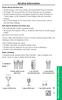 Alcohol information Facts about alcohol use Alcohol (grog) is the most widely used recreational drug in Australia NT drinks 70% more and WA 25% more than the rest of Australia Alcohol related deaths for
Alcohol addiction is a chronic illness
 AN INTEGRATED APPROACH TO THE PATIENT: INCORPORATING MEDICATION INTO THE TREATMENT PLAN * Louise Epperson, MSN, CRNP ABSTRACT Individuals attempting to withdraw from their dependence on alcohol are best
SCOTTISH PRISON SERVICE DRUG MISUSE AND DEPENDENCE OPERATIONAL GUIDANCE
 SCOTTISH PRISON SERVICE DRUG MISUSE AND DEPENDENCE OPERATIONAL GUIDANCE 1 P a g e The following Operational Guidance Manual has been prepared with input from both community and prison addictions specialists
PHYSICIAN SIGNATURE DATE TIME DRUG ALLERGIES WT: KG
 DRUG AND TREATMENT Condition/Status This powerplan is only intended for use in those patients having symptoms related to alcohol withdrawal. See DSM-IV-TR criteria listed in the Alcohol Withdrawal ICU
Alcohol. Problems with drinking alcohol
 Alcohol Alcoholism is a word which many people use to mean alcohol dependence (alcohol addiction). Some people are problem drinkers without being dependent on alcohol. If you are alcohol- dependent then
Substance Use Learning Event Nov 3, 2015 Bill Bullock MD, CCFP
 Substance Use Learning Event Nov 3, 2015 Bill Bullock MD, CCFP Medical assessment of patient with Alcohol Use Disorder Identification patients suitable for home detox Process for referral to inpatient
Alcohol Overuse and Abuse
 Alcohol Overuse and Abuse ACLI Medical Section CME Meeting February 23, 2015 Daniel Z. Lieberman, MD Professor and Vice Chair Department of Psychiatry George Washington University Alcohol OVERVIEW Definitions
Managing alcohol withdrawal in
 Managing alcohol withdrawal in By Dolores Y. Elliott, MSN, BSN, BA, RN, PMHCNS-BC; Christopher Geyer, BA, RN; Thomas Lionetti, MA, BSN, RN; and Linda Doty, MSW, RN, PMHCNS-BC, CARN According to one estimate,
SPECIFICATION FOR THE LOCAL COMMISSIONED SERVICE FOR THE MANAGEMENT ALCOHOL MISUSE
 SPECIFICATION FOR THE LOCAL COMMISSIONED SERVICE FOR THE MANAGEMENT OF ALCOHOL MISUSE Date: March 2015 1 1. Introduction Alcohol misuse is a major public health problem in Camden with high rates of hospital
MANAGEMENT OF ALCOHOL PROBLEMS ON PSYCHIATRIC WARDS
 MANAGEMENT OF ALCOHOL PROBLEMS ON PSYCHIATRIC WARDS This guideline is primarily intended to assist in the medical management of alcohol dependent patients admitted to psychiatric inpatient units. For a
The Role of Diazepam Loading for the Treatment of Alcohol Withdrawal Syndrome in Hospitalized Patients
 The American Journal on Addictions, 22: 113 118, 2013 Copyright American Academy of Addiction Psychiatry ISSN: 1055-0496 print / 1521-0391 online DOI: 10.1111/j.1521-0391.2013.00307.x The Role of Diazepam
Source: National Institute on Alcohol Abuse and Alcoholism. Bethesda, Md: NIAAA; 2004. NIH Publication No. 04-3769.
 Diagnosis and Treatment of Alcohol Dependence Lon R. Hays, MD, MBA Professor and Chairman Department of Psychiatry University of Kentucky Medical Center Defining the Standard Drink A standard drink = 14
Alcohol use disorders: sample chlordiazepoxide dosing regimens for use in managing alcohol withdrawal
 Alcohol use disorders: sample chlordiazepoxide dosing regimens for use in managing alcohol withdrawal February 2010 NICE clinical guidelines 100 and 115 1 These sample chlordiazepoxide dosing regimens
The CCB Science 2 Service Distance Learning Program
 S2S 2055 DETOXIFICATION Module 1 Post-Test 1. A common use of a biochemical marker is. a. to support or refute other information that leads to proper diagnosis b. for forensic purposes c. in detecting
Source: National Institute on Alcohol Abuse and Alcoholism. Bethesda, Md: NIAAA; 2004. NIH Publication No. 04-3769.
 Diagnosis and Treatment of Alcohol Dependence Lon R. Hays, MD, MBA Professor and Chairman an Department of Psychiatry University of Kentucky Medical Center Defining the Standard Drink A standard drink
Coping With Alcohol Withdrawal
 Coping With Alcohol Withdrawal Central and North West London NHS Foundation Trust Addictions Services Alcohol withdrawal When a person is dependent on alcohol and suddenly stops drinking there are certain
THE OFFICE OF SUBSTANCE ABUSE SERVICES REQUIREMENTS FOR THE PROVISION OF RESIDENTIAL DETOXIFICATION SERVICES BY PROVIDERS FUNDED WITH DBHDS RESOURCES
 THE OFFICE OF SUBSTANCE ABUSE SERVICES REQUIREMENTS FOR THE PROVISION OF RESIDENTIAL DETOXIFICATION SERVICES BY PROVIDERS FUNDED WITH DBHDS RESOURCES PURPOSE: The goal of this document is to describe the
Pain Medication Taper Regimen Time frame to taper off 30-60 days
 Pain Medication Taper Regimen Time frame to taper off 30-60 days Medication to taper Taper Regimen Comments Methadone Taper by no more than 25% Morphine Taper by no more than 25% Tramadol Taper by no more
MEDICATION GUIDE WELLBUTRIN (WELL byu-trin) (bupropion hydrochloride) Tablets
 MEDICATION GUIDE WELLBUTRIN (WELL byu-trin) (bupropion hydrochloride) Tablets Read this Medication Guide carefully before you start using WELLBUTRIN and each time you get a refill. There may be new information.
Alcohol Dependence Inpatient management of Alcohol Withdrawal
 NHS Fife Community Health Partnerships Addiction Services Alcohol Dependence Inpatient management of Alcohol Withdrawal Intranet Procedure No A9 Author Dr. A. Baldacchino Copy No Lead Clinician Implementation
Naltrexone and Alcoholism Treatment Test
 Naltrexone and Alcoholism Treatment Test Following your reading of the course material found in TIP No. 28. Please read the following statements and indicate the correct answer on the answer sheet. A score
OFFICE OF TREATMENT SERVICES OFFICE OF INMATE HEALTH SERVICES SUBSTANCE ABUSE MEDICAL MANAGEMENT MANUAL
 OFFICE OF TREATMENT SERVICES OFFICE OF INMATE HEALTH SERVICES SUBSTANCE ABUSE MEDICAL MANAGEMENT MANUAL OFFICE OF TREATMENT SERVICES OFFICE OF INMATE HEALTH SERVICES SUBSTANCE ABUSE MEDICAL MANAGEMENT
In our small community hospital with limited. 3 Regimens for alcohol withdrawal and detoxification. Applied Evidence. Practice recommendations
 Applied Evidence N EW R ESEARCH F INDINGS T HAT A RE C HANGING C LINICAL P RACTICE 3 Regimens for alcohol withdrawal and detoxification Chad A. Asplund, MD, Jacob W. Aaronson, DO, and Hadassah E. Aaronson,
Diabetic Emergencies. David Hill, D.O.
 Diabetic Emergencies David Hill, D.O. Class Outline Diabetic emergency/glucometer training Identify the different signs of insulin shock Diabetic coma, and HHNK Participants will understand the treatment
Pharmacological Management of Acute Alcohol Withdrawal and Relapse Prevention in alcohol Use disorders in the Community
 Pharmacological Management of Acute Alcohol Withdrawal and Relapse Prevention in alcohol Use disorders in the Community Policy Descriptor This policy sets out the standards and procedures that all staff
Alcoholism and Problem Drinking
 Page 1 of 5 Alcoholism and Problem Drinking Alcoholism is a word which many people use to mean alcohol dependence (alcohol addiction). Some people are problem drinkers without being dependent on alcohol.
ALCOHOL WITHDRAWAL. Ravi Dhanisetty 11/30/2007
 ALCOHOL WITHDRAWAL SYNDROME Ravi Dhanisetty 11/30/2007 Veterans Affairs Hospital ACGME CORE COMPETENCIES Medical Knowledge Patient Care Interpersonal Skills Practice Based Learning Systems Based Learning
The prevalence of adult alcohol
 Outpatient Management of Alcohol Withdrawal Syndrome HERBERT L. MUNCIE JR., MD, Louisiana State University School of Medicine, New Orleans, Louisiana YASMIN YASINIAN, MD, New Orleans, Louisiana LINDA OGE,
MOH CLINICAL PRACTICE GUIDELINES 2/2008 Prescribing of Benzodiazepines
 MOH CLINICL PRCTICE GUIELINES 2/2008 Prescribing of Benzodiazepines College of Family Physicians, Singapore cademy of Medicine, Singapore Executive summary of recommendations etails of recommendations
Evaluation of a Morphine Weaning Protocol in Pediatric Intensive Care Patients
 Evaluation of a Morphine Weaning Protocol in Pediatric Intensive Care Patients Jennifer Kuhns, Pharm.D. Pharmacy Practice Resident Children s Hospital of Michigan **The speaker has no actual or potential