
Managing alcohol withdrawal in
|
|
|
- Rosamond Burns
- 10 years ago
- Views:
Transcription
1 Managing alcohol withdrawal in By Dolores Y. Elliott, MSN, BSN, BA, RN, PMHCNS-BC; Christopher Geyer, BA, RN; Thomas Lionetti, MA, BSN, RN; and Linda Doty, MSW, RN, PMHCNS-BC, CARN According to one estimate, one in five patients admitted to a hospital suffers from an alcohol use disorder such as alcohol abuse or dependence. 1 Other data indicate that one in four medical-surgical patients admitted to a hospital has an alcohol use disorder. Consequently, hospital nurses care for many complex patients who experience alcohol withdrawal in the ED or a nursing unit. Yet patients at risk for alcohol withdrawal aren t always obvious, and signs of alcohol abuse can be obscure. Patients who drink heavily may not recognize that they have a problem, or be embarrassed and minimize their drinking pattern, not realizing that alcohol withdrawal can be lifethreatening. A focused nursing assessment is critical in identifying the potential for alcohol withdrawal symptoms in all hospitalized patients. This article discusses how to assess patients at risk and how to use these assessment findings as a basis for nursing interventions. Coming to terms Terminology describing alcohol use and misuse is variable and confusing, but these broad categories help guide assessment: at-risk drinking, abuse, and dependence. Patients at risk consume quantities of alcohol that put them at risk of dependence but don t meet the criteria for abuse or dependence, such as experiencing withdrawal symptoms after cessation of drinking. 4 Alcohol abuse can be described as a pattern of drinking resulting in significant and recurrent adverse consequences. The World Health Organization (WHO) describes RYERSONCLARK/ISTOCKPHOTO l Nursing01CriticalCare l Volume 8, Number

2 hospitalized patients May l Nursing01CriticalCare l 7

3 Managing alcohol withdrawal in hospitalized patients harmful drinking as a pattern of alcohol consumption carrying with it a risk of harmful consequences to the drinker. Alcohol dependence (also called alcoholism) is defined by the National Institute on Alcohol Abuse and Alcoholism (NIAAA) as a disease with four symptoms: 7 craving: a strong need or urge to drink alcohol loss of control: inability to stop drinking once drinking has begun physical dependence: appearance of withdrawal signs and symptoms after stopping drinking tolerance: the need to drink greater amounts of alcohol to get high. The clinical signs and symptoms associated with cessation of alcohol consumption are known collectively as alcohol withdrawal syndrome. 4 Signs and symptoms indicating or consistent with alcohol withdrawal include anorexia, chills, craving for alcohol, muscle cramps, irritability, palpitations, disorientation, tachycardia, hypertension, low-grade fever, mood changes, slurred speech, impaired gait, poor dexterity, fatigue, and abdominal pain. The potential for alcohol withdrawal syndrome can easily be overlooked. For example, alcohol abuse among older adults is a national epidemic, and those who underreport their use of alcohol may fail to get appropriate treatment. 8 To complicate matters, signs and symptoms of alcohol withdrawal syndrome may be confused with or masked by those of many other medical conditions, such as pneumonia, postoperative delirium, septicemia, uremia, pancreatitis, and adverse drug reactions. Be aware that complex critically ill patients may falsely present with symptoms of alcohol withdrawal. In addition, many patients with alcohol use disorder have comorbid psychiatric disorders, such as mood, anxiety, and personality disorders. 9 Because patient assessment completed at admission is unlikely to identify all patients with an alcohol use disorder, routinely screen all patients for unhealthy drinking behaviors (such as three or Treatment for alcohol withdrawal syndrome is individualized according to symptom severity. four standard drinks per day) as part of the initial and ongoing patient assessments. 10 In the United States, a standard drink contains about 14 g of pure alcohol (about 1. tablespoons). 11 The CAGE (cut-annoyed-guiltyeye) questionnaire is a simple, internationally recognized assessment instrument for identifying problems with alcohol. You can easily include this quick, effective tool in routine assessments. Two out of four positive answers to the following questions indicates alcohol use disorder Have you ever felt you should cut down on your drinking?. Have people annoyed you by criticizing your drinking?. Have you ever felt bad or guilty about your drinking? 4. Have you ever had a drink first thing in the morning to steady your nerves or get rid of a hangover (eye-opener)? Also ask patients when they had their last drink, how much they drank, and what type of drink. Find out how long (months or years) they ve been drinking heavily. Patients who develop alcohol withdrawal syndrome more than days after their last drink are more likely to experience severe symptoms than patients who develop alcohol withdrawal syndrome in a shorter time. 4 In addition, patients who have a long history of intoxication and withdrawals will experience more severe withdrawal. A history of seizures, delirium, and tachycardia, and blood alcohol levels greater than 100 mg/dl further increase the risk of more severe withdrawal symptoms. 1 Two additional tools that are being increasingly used to identify alcohol use disorder are the AUDIT (Alcohol Use Disorders Identification Test) published by the WHO, and Alcohol Screening and Brief Intervention for Youth: A Practitioner s Guide published by the National Institutes of Health (NIH)/ NIAAA. 14,1 Although a skillful clinical assessment may successfully identify patients with obvious alcohol-related problems, those with covert problems may remain undetected until signs and symptoms develop. 8 l Nursing01CriticalCare l Volume 8, Number

4 A matter of timing: When withdrawal symptoms may appear Signs and symptoms Minor withdrawal: tremulousness, mild anxiety, headache, diaphoresis, palpitations, anorexia, gastrointestinal upset; mental status normal Seizures: single or brief flurry of generalized, tonic-clonic seizures, short postictal period; status epilepticus rare Alcoholic hallucinosis: visual, auditory, and/or tactile hallucinations; intact orientation and normal vital signs DTs: delirium, agitation, tachycardia, hypertension, fever, diaphoresis Onset after last drink to hours to 48 hours 1 to 48 hours 48 to 9 hours Reproduced with permission from: Gordon AJ. Identification and management of alcohol use disorders in the perioperative period. In: UpToDate, Basow DS (Ed). UpToDate, Waltham, MA; 01. Copyright 01 UpToDate, Inc. For more information visit Signs of trouble In patients who are physically dependent on alcohol, the central nervous system adapts to the presence of alcohol and loses the ability to function normally in its absence. Signs and symptoms of alcohol withdrawal reflect declining blood alcohol levels. These usually appear within a few hours to a few days after cessation of alcohol consumption, although in some patients symptoms may develop up to 10 days after the last drink. 1 (See A matter of timing: When withdrawal symptoms may appear.) Under diagnostic criteria specified by the Diagnostic and Statistical Manual of Mental Disorders, alcohol withdrawal has these components: A. Cessation or reduction of heavy and prolonged alcohol use. B. Two or more of the following, developing within several hours to a few days after criterion A: autonomic hyperactivity increased hand tremor insomnia nausea or vomiting transient hallucinations or illusions psychomotor agitation anxiety grand mal seizures. C./D. The diagnostic criteria also specify that signs and symptoms cause clinically significant distress or impairment, that they aren t due to another medical condition, and that they are not better accounted for by another mental disorder. 17 DTs: A medical emergency The most severe form of alcohol withdrawal is delirium tremens (DTs), characterized by altered mental status and severe autonomic hyperactivity that may lead to cardiovascular collapse. 1,18 Only about % of patients with alcohol withdrawal progress to DTs, but about % of these patients die. 18,19 Because of its high mortality, DTs is a medical emergency. Signs and symptoms, which may worsen abruptly, include body tremors, diaphoresis, tachycardia, hypertension, fever, delirium, severe anxiety or agitation, disorientation, hallucinations, and seizures. 1,18 DTs are most common in patients with a history of prolonged alcohol use disorder and in those who ve experienced previous withdrawal episodes. Neuronal changes related to repeated alcohol withdrawal increase the risk for more frequent and severe withdrawal episodes, a phenomenon known as kindling. 18 Individualizing treatment Treatment for alcohol withdrawal syndrome is individualized according to symptom severity. Some patients require supportive care only; others require medication and other interventions. Supportive care includes fluid and electrolyte replacement; nutritional support; and supplemental thiamine, glucose, and multivitamins. If medication is indicated to manage moderate or severe alcohol withdrawal syndrome, benzodiazepines are the drugs of choice. Their safety and efficacy in easing the discomfort of withdrawal, especially for preventing or treating seizures and delirium, is well documented. 0 Traditionally, the treatment approach has been fixed-schedule dosing in which the healthcare provider prescribes a routine benzodiazepine regimen. Fixed dosing prevents individualized treatment May l Nursing01CriticalCare l 9

5 Managing alcohol withdrawal in hospitalized patients based on close monitoring of symptoms. In contrast, symptom-triggered dosing is based on administration of medication as needed depending on symptom severity. As direct caregivers, nurses are ideally positioned to improve patient outcomes by using the symptomtriggered approach. Based on an objective withdrawal severity scale, a symptom-triggered approach provokes faster and more effective relief of withdrawal symptoms than treatment based on clinicians subjective judgment alone. 1 The Clinical Institute Withdrawal Assessment for Alcohol, revised (CIWA-Ar) is the gold standard withdrawal assessment rating scale in both hospital and outpatient settings (see Table 1). This evidencebased, validated objective observer-rated assessment tool is designed to maintain consistency in patient assessment and treatment. Clinicians use the CIWA-Ar tool to rate 10 signs and symptoms on numeric scales to determine their severity. The total score can range from 0 (no symptoms) to a maximum of 7. Any score over 18 indicates severe withdrawal. 1 The tool takes about minutes to administer. The CIWA-Ar provides a measure of withdrawal severity and helps to guide treatment, enabling clinicians to intervene early in withdrawal to prevent poor patient outcomes. Signs and symptoms of severe alcohol withdrawal syndrome include withdrawal seizures (generalized clonic-tonic convulsions), alcoholic hallucinosis, and DTs. Although withdrawal seizures are usually singular or present only in short bursts, they may progress to DTs in one third of patients if untreated. 1 Individualized drug therapy based on symptom assessment is guided by a sliding benzodiazepine scale per institution and unit protocol. Generally, when the CIWA-Ar score is greater than 9, a benzodiazepine is indicated. 0 In a typical protocol, the CIWA-Ar scale is repeated hourly until the score is less than 10. The benzodiazepine is continued until the score is less than 9 for four consecutive assessments. 0 Then, the CIWA-Ar can be done every 8 hours until the score is less than for four consecutive assessments. Symptom-triggered treatment is safe and effective, and generally manages signs and symptoms with lower medication doses compared to a fixedschedule dosing approach. Documenting withdrawal trends The Withdrawal Trend Profile (WTP) was developed by nursing staff at the NIAAA, a part of the NIH. Like the CIWA-Ar, this tool isn t copyrighted and may be freely used and modified as needed (see Table ). The WTP provides an ongoing record of the patient s condition, and can be used as an adjunct to the CIWA-Ar to assess withdrawal trends and the patient s response to treatment. Take the patient s breath alcohol concentration, which measures the alcohol content of air in the patient s lungs and reflects the blood alcohol level. Review the patient s blood alcohol value. The higher the value, the greater the potential for withdrawal symptoms. Also document the patient s vital signs, looking for an upward trend indicating increased withdrawal symptoms. On a scale of 0 (none) to (severe), rate key signs and symptoms, such as nausea/vomiting; tremors; diaphoresis; anxiety; agitation; tactile, auditory, and visual disturbances; headache; and orientation. For example, a patient whose arms or body are visibly shaking while in bed rates a score of for tremor symptoms. A patient who has tremors only when extending the arms would rate a score of. A patient who has fingertip tremors that aren t visible but that you can feel rates a score of 1. Combined with the CIWA-Ar score, the WTP identifies trends in the patient s condition and helps you determine whether withdrawal symptoms require the p.r.n. use of medication. For example, a noncompromised patient with a CIWA-Ar of 7 and normal vital signs would require standard nursing support and reassurance with no medication intervention. However, an hour later the same patient might be tachycardic and hypertensive, indicating an upward trend in withdrawal symptoms and the need for medication. Using benzodiazepines The individualized, symptom-triggered approach to benzodiazepines use satisfies the need to use medication only when needed and may also reduce inpatient hospital stays. In fact, many patients can be safely managed with supportive care only, avoiding the risks and costs of unnecessary medication. 40 l Nursing01CriticalCare l Volume 8, Number

6 Table 1: CIWA-Ar Clinical Institute Withdrawal Assessment for Alcohol Scale, Revised (CIWA-Ar) Rater: Date: Time: (4 hour clock, midnight = 00:00) Pulse or heart rate, taken for one minute: Blood pressure: NAUSEA AND VOMITING Ask "Do you feel sick to your stomach? Have you vomited?" 0- no nausea and no vomiting 1- mild nausea with no vomiting 4- intermittent nausea with dry heaves 7- constant nausea, frequent dry heaves and vomiting TACTILE DISTURBANCES Ask "Have you any itching, pins and needles sensations, any burning, any numbness, or do you feel bugs crawling on or under your skin?" 0- none 1- very mild itching, pins and needles, burning or numbness - mild itching, pins and needles, burning or numbness - moderate itching, pins and needles, burning or numbness 4- moderately severe hallucinations - severe hallucinations - extremely severe hallucinations 7- continuous hallucinations or acute schizophrenic reactions TREMOR Arms extended and fingers spread apart. 0- no tremor 1- not visible, but can be felt fingertip to fingertip 4- moderate, with patient's arms extended 7- severe, even with arms not extended PAROXYSMAL SWEATS 0- no sweat visible 1- barely perceptible sweating, palms moist 4- beads of sweat obvious on forehead 7- drenching sweats ANXIETY Ask "Do you feel nervous?" 0- no anxiety, at ease 1- mildly anxious 4- moderately anxious, or guarded, so anxiety is inferred 7- equivalent to acute panic states as seen in severe delirium or acute schizophrenic reactions AGITATION 0- normal activity 1- somewhat more than normal activity 4- moderately fidgety and restless 7- paces back and forth during most of the interview, or constantly thrashes about AUDITORY DISTURBANCES Ask "Are you more aware of sounds around you? Are they harsh? Do they frighten you? Are you hearing anything that is disturbing to you? Are you hearing things you know are not there?" 0- not present 1- very mild harshness or ability to frighten - mild harshness or ability to frighten - moderate harshness or ability to frighten 4- moderately severe hallucinations - severe hallucinations - extremely severe hallucinations 7- continuous hallucinations VISUAL DISTURBANCES Ask, "Does the light appear to be too bright? Is its color different? Does it hurt your eyes? Are you seeing anything that is disturbing to you? Are you seeing things you know are not there?" 0- not present 1- very mild sensitivity - mild sensitivity - moderate sensitivity 4- moderately severe hallucinations - severe hallucinations - extremely severe hallucinations 7- continuous hallucinations HEADACHE, FULLNESS IN HEAD Ask, "Does your head feel different? Does it feel like there is a band around your head?" Do not rate for dizziness or lightheadedness. Otherwise, rate severity. 0- not present 1- very mild - mild - moderate 4- moderately severe - severe - very severe 7- extremely severe ORIENTATION AND CLOUDING OF SENSORIUM Ask What day is this? Where are you? Who am I? 0- Oriented and can do serial additions 1- Cannot do serial additions or is uncertain about date - Disoriented for date by no more than two () calendar days - Disoriented for day by no more than two () calendar days 4- Disoriented for place and/or person The CIWA-Ar is not copyrighted; reproduce freely Total Score: Maximum Source: Sullivan JT, Sykora K, Schneiderman J, Naranjo CA, Sellers EM. Assessment of alcohol withdrawal: the revised clinical institute withdrawal assessment for alcohol scale (CIWA-Ar). Brit J Addiction. 1989; 84(11): May l Nursing01CriticalCare l 41

7 Managing alcohol withdrawal in hospitalized patients When benzodiazepines are indicated, the most commonly used are diazepam, lorazepam, chlordiazepoxide, and oxazepam. These drugs mimic the effects of alcohol in the central nervous system. 4 Although all benzodiazepines have similar properties, certain agents may be recommended over others based on their pharmacokinetics. For example, long-acting drugs such as diazepam and chlordiazepoxide help prevent recurrent withdrawal signs and symptoms. Intermediate-acting drugs such as lorazepam or oxazepam may be indicated for older adults, critically ill patients, or those with hepatic dysfunction to minimize the risk of oversedation. Older adults have more difficulty metabolizing and excreting alcohol than younger patients, and eliminate benzodiazepines at a slower rate. Carefully assess and monitor withdrawal signs and symptoms in these patients, and administer lower doses of intermediate-acting benzodiazepines as prescribed to prevent medication accumulation and oversedation, which could lead to respiratory depression. Patients experiencing seizures or DTs require I.V. benzodiazepine administration, so maintain venous access for any patient at risk of severe alcohol withdrawal syndrome. Avoid giving I.M. injections because they re painful and drug absorption is unpredictable. In some institutions, alcohol withdrawal syndrome is treated with I.V. ethanol replacement therapy. Current research supports the use of benzodiazepines as the gold standard; ethanol replacement therapy is outmoded and not recommended. Therapy with benzodiazepines is safer and more effective, and is well-supported by the evidence. 4,1, Table WITHDRAWAL TREND PROFILE DATE: RN/ Initials ( DAY ) RN/ Initials ( EVENING ) RN/ Initials ( NIGHT ) If CIWA not indicated Interim Symptom Rating CODES: None = 0 Mild = 1 Moderate = Severe = TIME BAL / BrAC Temperature Pulse Respirations BP Nausea / Vomiting Tremors Diaphoresis Anxiety Agitation Tactile Disturbances Auditory Disturbances Visual Disturbances Headache Orientation CIWA score Medicated Initials (RN) BAL : Blood Alcohol Level BrAC: Breath Alcohol Concentration NOTE: Withdrawal Trend Profile (WTP) is not copyrighted and may be reproduced freely. This tool was developed by addiction nursing staff at the National Institutes of Health Clinical This tool was developed by nursing staff at the National Institutes of Health Clinical Center. 4 l Nursing01CriticalCare l Volume 8, Number

8 Caring for patients in withdrawal Frequently reassess the patient as indicated throughout the withdrawal process using the CIWA-Ar. Initiate fall and seizure precautions as indicated. Elevate the head of the bed to reduce the risk of aspiration. Provide nonjudgmental, supportive, empathetic, and comprehensive emotional care. Current recommendations for evidence-based nursing interventions during alcohol withdrawal include: Ensuring a patent airway; suctioning as needed. Frequently monitor vital signs, observing for respiratory distress. Assessing skin for abnormalities such as jaundice, pressure ulcers, rashes, signs of dehydration, and ecchymoses; inspect for needle tracks from I.V. drug use. Using the CIWA-Ar tool to guide medication with benzodiazepines. Encouraging the patient to rest by organizing and prioritizing nursing interventions. Decrease environmental stimuli with controlled lighting. Providing adequate nutrition. Obtain a dietary consult as indicated to treat malnutrition. Administer thiamine to prevent Wernicke-Korsakoff syndrome and Wernicke encephalopathy, and administer additional vitamins as prescribed. Measuring and documenting intake and output. Maintain I.V. access, and administer I.V. fluids as prescribed. Reviewing all lab results and closely monitoring for electrolyte imbalances, including hypomagnesemia, hypokalemia, and hypophosphatemia. Also monitor for liver biochemical test abnormalities, including serum aspartate aminotransferase, alanine aminotransferases, and gamma-glutamyl transferase. A serum carbohydrate-deficient transferrin level can identify chronic heavy alcohol consumption. 1 Assessing mental status and sleep pattern, and providing emotional support to reduce anxiety. Reassure the patient that depressive symptoms and sleep disturbances during withdrawal are common but temporary. The rate of alcohol metabolism varies depending on various factors, such as the patient s health status, age, gender, liver function, and ethnicity. On average, however, patients eliminate the equivalent of one standard drink or 0. oz (14 g) of pure alcohol per hour. When caring for older adults, keep in mind that the speed of alcohol metabolism diminishes with age, resulting in higher blood alcohol levels. 7 In addition, assess dental hygiene and document recent weight loss. Assess for bladder distension or incontinence of urine and feces. Use therapeutic management techniques and medications to prevent the use of physical restraints. Be prepared to initiate cardiac monitoring and emergency life support depending on the severity of alcohol withdrawal syndrome. Communication tips When you interact with the patient, be matter-offact and respectful, and maintain a positive, supportive environment. 8 Communicate with short, simple statements in a calm manner, using a low tone of voice. Use concrete language and statements beginning with I rather than you. If the patient is hallucinating, don t agree or disagree with the patient s statements. For example, using an I statement, you might respond, I see the curtain moving next to you instead of You re hallucinating. Present reality without challenging or escalating the patient s anxiety and thought disturbances. Build a therapeutic rapport with the patient by providing relief from his or her symptoms and meeting physiologic and safety needs. Meet the patient s needs promptly to reduce the risk of violence or aggression. Don t approach the patient with loose items that the patient could grab if he or she becomes agitated, such as a clipboard or dangling identification badge. Examine your own feelings and beliefs about working with patients who have alcohol problems so you can provide nonbiased care. You want to remain objective so you can provide nonjudgmental support to the patient and family. If needed, discuss with a healthcare professional your own feelings, thoughts, and biases, especially if you have a personal or family history of alcohol abuse, or close friends who have alcohol abuse issues. 8 Discharge planning Alcoholism is a chronic and relapsing disease requiring complex treatment strategies to improve May l Nursing01CriticalCare l 4

9 Managing alcohol withdrawal in hospitalized patients patient outcomes. Many patients with alcohol use disorder have other psychiatric conditions, such as anxiety, bipolar disorder, posttraumatic stress disorder, and mood or personality disorders, so involve the social worker or designee immediately in discharge planning. Referrals for short-term and/or long-term rehabilitation centers, counselors who specialize in addiction, cognitive behavioral therapy, motivational enhancement therapy, medical and medication management, sober housing, and Twelve Step modalities are important for patient recovery. Intervene early to improve outcomes Alcohol withdrawal syndrome is a frequently encountered medical consequence of alcohol use disorders. Closely monitor your patient during your shift to identify subtle changes and intervene appropriately. The consistent use of the CIWA-Ar in all hospital units can help clinicians accurately identify patients at high risk for alcohol withdrawal and meet the same standard of care throughout the facility. REFERENCES 1. Parsons HA, Delgado-Guay M, Osta BE, et al. Alcoholism screening in patients with advanced cancer: impact on symptom burden and opioid use. J Palliat Med. 008;11(7): Repper-DeLisi J, Stern TA, Mitchell M, et al. Successful implementation of an alcohol-withdrawal pathway in a general hospital. Psychosomatics. 008;49(4): Jane L. How is alcohol withdrawal syndrome best managed in the emergency department? Int Emerg Nurs. 010;18(): Gordon AJ. Identification and management of alcohol use disorders in the perioperative period. UpToDate uptodate.com.. American Psychological Association. Understanding alcohol use disorders and their treatments alcohol-disorders.aspx.. Babor TF, Higgins-Biddle JC. Brief Intervention for Hazardous & Harmful Drinking. World Health Organization; 001:-. whqlibdoc.who.int/hq/001/who_msd_msb_01.b.pdf. 7. National Institutes of Health/National Institute on Alcohol Abuse and Alcoholism. FAQs for the general public niaaa.nih.gov/faqs/general-english/pages/default.aspx. 8. Mathews S, Oslin DW. Alcohol misuse among the elderly: an opportunity for prevention. Am J Psychiatry. 009;1(10): Krampe H, Stawicki S, Hoehe MR, Ehrenreich H. Outpatient Long-term Intensive Therapy for Alcoholics (OLITA): a successful biopsychosocial approach to the treatment of alcoholism. Dialogues Clin Neurosci. 007;9(4): Schuckit MA. Alcohol-use disorders. Lancet. 009;7(9): National Institutes of Health/National Institute on Alcohol Abuse and Alcoholism. Rethinking drinking: alcohol and your health. rethinkingdrinking.niaaa.nih.gov. 1. O Brien CP. The CAGE questionnaire for detection of alcoholism: a remarkably useful but simple tool. JAMA. 008;00(17): Ries R, Fiellin D, Miller S, Saitz R, eds. Principles of Addiction Medicine, 4th ed. Philadelphia, PA: Lippincott Williams & Wilkins; Babor TF, Higgins-Biddle JC, Saunders JB, Monteiro MG. The Alcohol Use Disorders Identification Test: Guidelines for Use in Primary Care. nd ed. World Health Organization; who.int/hq/001/who_msd_msb_01.a.pdf. 1. National Institutes of Health/National Institute on Alcohol Abuse and Alcoholism. Alcohol Screening and Brief Intervention for Youth: A Practitioner s Guide U.S. National Library of Medicine/National Institutes of Health. MedlinePlus: delirium tremens. ency/article/0007.htm. 17. Diagnostic and Statistical Manual of Mental Disorders. 4th ed. Revised. Arlington, VA: American Psychiatric Association; Burns MJ. Delirium tremens (DTs). Medscape Reference Ropper A, Samuels M. Adams and Victor s Principles of Neurology. 9th ed. McGraw-Hill Professional; McKeon A, Frye MA, Delanty N. The alcohol withdrawal syndrome. J Neurol Neurosurg Psychiatry. 008;79(8): Hoffman RS, Weinhouse GL. Management of moderate and severe alcohol withdrawal syndromes. UpToDate uptodate.com.. McKay A, Koranda A, Axen D. Using a symptom-triggered approach to manage patients in acute alcohol withdrawal. Medsurg Nurs. 004;1(1):1-0, 1.. Cassidy EM, O Sullivan I, Bradshaw P, Islam T, Onovo C. Symptom-triggered benzodiazepine therapy for alcohol withdrawal syndrome in the emergency department: a comparison with the standard fixed dose benzodiazepine regimen. Emerg Med J. 01;9 (10): Fleming RL, Manis PB, Morrow AL. The effects of acute and chronic ethanol exposure on presynaptic and postsynaptic gammaaminobutyric acid (GABA) neurotransmission in cultured cortical and hippocampal neurons. Alcohol. 009;4(8): Hartsell Z, Drost J, Wilkens JA, Budavari AI. Managing alcohol withdrawal in hospitalized patients. JAAPA. 007;0(9):0-.. Ackley B, Ladwig G, Swan B, Tucker S, eds. Evidence-based Nursing Care Guidelines: Medical-surgical Interventions. St. Louis, MO: Mosby, Inc.; Intoximeters, Inc. Alcohol and the Human Body: Alcohol s Properties Lussier-Cushing M, Repper-DeLisi J, Mitchell MT, Lakatos BE, Mahmoud F, Lipkis-Orlando R. Is your medical/surgical patient withdrawing from alcohol? Nursing. 007;7(10):0-. Dolores Elliott is a board certified clinical nurse specialist for the behavioral health program at the NIH Clinical Center in Bethesda, Md. Also at the NIH Clinical Center, Thomas Lionetti is a senior clinical research nurse in the nursing and patient care services outpatient clinic. Recently retired, Christopher Geyer was the NIH Clinical Center senior research coordinator for the alcohol inpatient program of care. Also retired, Linda Doty was a social worker in the Army Substance Abuse Program at Ft. George Meade in Maryland. The authors would like to acknowledge Karen G. Smith, MLS, biomedical librarian/informationist at the NIH library, for her valuable literature searches. Adapted and updated from Elliott DY, Geyer C, Lionetti T, Doty L. Managing alcohol withdrawal in hospitalized patients. Nursing. 01;4(4):-1. The authors have disclosed that they have no financial relationships related to this article. DOI /01.CCN a9 44 l Nursing01CriticalCare l Volume 8, Number

Alcohol Withdrawal Recognition and Treatment
 Alcohol Withdrawal Recognition and Treatment Thomas Meyer BS EMS, MICP SREMSC Page 1 Purpose As EMTs a mantle of responsibility is placed upon you to ensure the safety and well-being of those in your charge
Alcohol Withdrawal Syndrome & CIWA Assessment
 Alcohol Withdrawal Syndrome & CIWA Assessment Alcohol Withdrawal Syndrome is a set of symptoms that can occur when an individual reduces or stops alcoholic consumption after long periods of use. Prolonged
REFERENCE. Admit to: Program/Service: Diagnosis: Droplet/ Contact Airborne/ Contact
 Weight (kg) REFER TO THE ALLERGY SCREEN IN MEDITECH FOR ALLERGY INFORMATION To complete the order form, fill in the required blanks and/or check the appropriate boxes. To delete orders, draw one line through
Outpatient Treatment of Alcohol Withdrawal. Daniel Duhigg, DO, MBA
 Outpatient Treatment of Alcohol Withdrawal Daniel Duhigg, DO, MBA DSM V criteria for Alcohol Withdrawal A. Cessation or reduction of heavy/prolonged alcohol use B. 2 or more of the following in hours to
Care of the Patient Undergoing Alcohol Withdrawal. Meggen Platzar RN, BSN, CMSRN Jennifer Wilhelm RN, BSN, CMSRN
 Care of the Patient Undergoing Alcohol Withdrawal Meggen Platzar RN, BSN, CMSRN Jennifer Wilhelm RN, BSN, CMSRN If you know someone who tries to drown their sorrows, you might tell them sorrows know how
Alcohol Withdrawal. Introduction. Blood Alcohol Concentration. DSM-IV Criteria/Alcohol Abuse. Pharmacologic Effects of Alcohol
 Pharmacologic Effects of Alcohol Alcohol Withdrawal Kristi Theobald, Pharm.D., BCPS Therapeutics III Fall 2003 Inhibits glutamate receptor function (NMDA receptor) Inhibits excitatory neurotransmission
Assessment and management of alcohol dependence and withdrawal in the acute hospital
 Assessment and management of alcohol dependence and withdrawal in the acute hospital Concise guidance to good practice series June 01 CONCISE GUIDANCE Clinical Medicine 01, Vol 1, No : 71 Assessment Main
Managing Patients with Alcohol Withdrawal
 Managing Patients with Alcohol Withdrawal Clinical Institute Withdrawal Assessment of Alcohol Scale, revised (CIWA-Ar) Department of Medicine Regulated Health Professionals Developed by: Tammy Datars/Crystal
Does This Hospital Serve Cocktails? Alcohol Withdrawal: A Nursing Perspective. Written and presented by: Susan Laffan, RN, CCHP-RN, CCHP-A
 Does This Hospital Serve Cocktails? Alcohol Withdrawal: A Nursing Perspective Written and presented by: Susan Laffan, RN, CCHP-RN, CCHP-A Disclaimer: This speaker has no financial disclaimers to report.
How To Treat Alcohol Withdrawal In The Elderly
 ALCOHOL ABUSE AND WITHDRAWAL SYNDROME IN THE ELDERLY Colin Muscat Family Medicine Case 90 year old Female Lives with son on vacation Admitted for FTT Consult -? GARP Develops increasing confusion during
New York State Office of Alcoholism & Substance Abuse Services Addiction Services for Prevention, Treatment, Recovery
 New York State Office of Alcoholism & Substance Abuse Services Addiction Services for Prevention, Treatment, Recovery USING THE 48 HOUR OBSERVATION BED USING THE 48 HOUR OBSERVATION BED Detoxification
INTOXICATED PATIENTS AND DETOXIFICATION
 VAMC Detoxification Decision Tree Updated May 2006 INTOXICATED PATIENTS AND DETOXIFICATION Patients often present for evaluation of substance use and possible detoxification. There are certain decisions
Alcohol Withdrawal Syndrome. Jeffrey P Schaefer MSc MD FRCPC GI Emergencies Update October 14, 2007 http:dr.schaeferville.com
 Alcohol Withdrawal Syndrome Jeffrey P Schaefer MSc MD FRCPC GI Emergencies Update October 14, 2007 http:dr.schaeferville.com Objectives Alcohol Intoxication Take-Aways diagnosis avoid mis-diagnosis management
SUBSTANCE USE DISORDER SOCIAL DETOXIFICATION SERVICES [ASAM LEVEL III.2-D]
![SUBSTANCE USE DISORDER SOCIAL DETOXIFICATION SERVICES [ASAM LEVEL III.2-D]](/thumbs/27/9667060.jpg "SUBSTANCE USE DISORDER SOCIAL DETOXIFICATION SERVICES [ASAM LEVEL III.2-D]") SUBSTANCE USE DISORDER SOCIAL DETOXIFICATION SERVICES [ASAM LEVEL III.2-D] I. Definitions: Detoxification is the process of interrupting the momentum of compulsive drug and/or alcohol use in an individual
SUBSTANCE USE DISORDER SOCIAL DETOXIFICATION SERVICES [ASAM LEVEL III.2-D] I. Definitions: Detoxification is the process of interrupting the momentum of compulsive drug and/or alcohol use in an individual
Lorraine Wilson, 74 years of age, is admitted. Alcohol Withdrawal. During Hospitalization. Early recognition and consistent intervention are critical.
 1.9 h o u r s Continuing Education Withdrawal During Hospitalization Early recognition and consistent intervention are critical. Overview: For a chronic drinker, sudden alcohol withdrawal because of an
Phenobarbital in Severe Alcohol Withdrawal Syndrome. Jordan Rowe Pharm.D. Candidate UAMS College of Pharmacy
 Phenobarbital in Severe Alcohol Withdrawal Syndrome Jordan Rowe Pharm.D. Candidate UAMS College of Pharmacy Disclosure: No relevant financial relationship exists. Objectives 1. Describe the pathophysiology
Chapter 7. Screening and Assessment
 Chapter 7 Screening and Assessment Screening And Assessment Starting the dialogue and begin relationship Each are sizing each other up Information gathering Listening to their story Asking the questions
Alcohol Withdrawal Syndromes
 Alcohol Withdrawal Syndromes Should You Treat This Patient s Alcohol Withdrawal With Benzodiazepines?! Meta-analysis of RCTs of benzodiazepines for the treatment of alcohol withdrawal! 11 RCTs identified,
THE BASICS. Community Based Medically Assisted Alcohol Withdrawal. World Health Organisation 2011. The Issues 5/18/2011. RCGP Conference May 2011
 RCGP Conference May 2011 Community Based Medically Assisted Alcohol Withdrawal THE BASICS An option for consideration World Health Organisation 2011 Alcohol is the world s third largest risk factor for
ALCOHOL DETOXIFICATION (IN-PATIENTS) PRESCRIBING GUIDELINE
 ALCOHOL DETOXIFICATION (IN-PATIENTS) PRESCRIBING GUIDELINE Authors Sponsor Responsible committee Ratified by Consultant Psychiatrist; Pharmacist Team Manager Medical Director Medicines Management Group
75-09.1-08-02. Program criteria. A social detoxi cation program must provide:
 CHAPTER 75-09.1-08 SOCIAL DETOXIFICATION ASAM LEVEL III.2-D Section 75-09.1-08-01 De nitions 75-09.1-08-02 Program Criteria 75-09.1-08-03 Provider Criteria 75-09.1-08-04 Admission and Continued Stay Criteria
Development and Implementation of an Evidence-Based Alcohol Withdrawal Order Set. Kathleen Lenaghan MSN, RN-BC
 Development and Implementation of an Evidence-Based Alcohol Withdrawal Order Set Kathleen Lenaghan MSN, RN-BC 1 2 Genesis Medical Center Davenport, Iowa Objectives Identify the process of developing and
Live Person Simulation Scenario Psychiatric and Mental Health Nursing (Sandra)
 1 Live Person Simulation Scenario Psychiatric and Mental Health Nursing (Sandra) I. Scenario Title: Assessment Interview & Medication Administration for a Client with Clinical Depression & Alcohol Abuse
How To Know If You Should Be Treated
 Comprehensive ehavioral Care, Inc. delivery system that does not include sufficient alternatives to a particular LOC and a particular patient. Therefore, CompCare considers at least the following factors
Alcohol Withdrawal. Mild Withdrawal Moderate Withdrawal Severe Withdrawal. Mild anxiety Malaise Marked anxiety
 Alcohol Withdrawal Recognition and Assessment Alcohol withdrawal may be a presenting feature or occur as an unexplained development in a patient who has been admitted for other reasons and deprived of
University of Michigan Alcohol Withdrawal Guidelines Overview
 University of Michigan Alcohol Withdrawal Guidelines Overview The following document contains the University of Michigan Alcohol Withdrawal Guidelines. These guidelines were developed through an intensive
Facts About Alcohol. Addiction Prevention & Treatment Services
 Facts About Alcohol Addiction Prevention & Treatment Services Table of Contents Facts about alcohol: What is harmful involvement with alcohol?... 2 What is alcohol dependence?... 3 What Is BAC?... 4 What
GUIDELINES FOR COMMUNITY ALCOHOL DETOXIFICATION IN SHARED CARE
 GUIDELINES FOR COMMUNITY ALCOHOL DETOXIFICATION IN SHARED CARE Dr Millicent Chikoore MBBS MRCPsych Dr O Lagundoye MBBS MRCPsych Community based alcohol detoxification is a safe and effective option for
Alcohol Dependence and Motivational Interviewing
 Alcohol Dependence and Motivational Interviewing Assessment of Alcohol Misuse Checklist Establish rapport patients are often resistant Longitudinal history of alcohol use Assess additional drug use Establish
Glasgow Assessment and Management of Alcohol
 Glasgow Assessment and Management of Alcohol If you would like further information or advice on the alcohol screening and withdrawal management guideline(gmaws) please contact your local acute addiction
GP Drug & Alcohol Supplement No.7 May 1997
 GP Drug & Alcohol Supplement No.7 May 1997 This is the seventh of the monthly Drug and Alcohol Supplements prepared for Central Coast GPs. Detoxification from Alcohol Dr Tony Gill Introduction The management
Case. History of psoriatic arthritis, htn, essential tremor Meds: propranolol, etodolac, etanercept No history of prior psychiatric disease.
 Case 48 year old man admitted complaining of hallucinations. Mild hallucinations for a year. Worsened tremor for 3 weeks and then markedly worse hallucinations last 2 days History of psoriatic arthritis,
Alcohol Withdrawal. Julie Teater, MD Associate Professor - Clinical Department of Psychiatry The Ohio State University Wexner Medical Center
 Julie Teater, MD Associate Professor - Clinical Department of Psychiatry The Ohio State University Wexner Medical Center Learning Goals/Objectives Discuss the diagnosis of and screening for alcohol use
SPECIFICATION FOR THE LOCAL COMMISSIONED SERVICE FOR THE MANAGEMENT ALCOHOL MISUSE
 SPECIFICATION FOR THE LOCAL COMMISSIONED SERVICE FOR THE MANAGEMENT OF ALCOHOL MISUSE Date: March 2015 1 1. Introduction Alcohol misuse is a major public health problem in Camden with high rates of hospital
Alcohol use disorders: sample chlordiazepoxide dosing regimens for use in managing alcohol withdrawal
 Alcohol use disorders: sample chlordiazepoxide dosing regimens for use in managing alcohol withdrawal February 2010 NICE clinical guidelines 100 and 115 1 These sample chlordiazepoxide dosing regimens
Prescription Drug Abuse
 Prescription Drug Abuse Introduction Most people take medicines only for the reasons their health care providers prescribe them. But millions of people around the world have used prescription drugs for
http://nurse practitioners and physician assistants.advanceweb.com/features/articles/alcohol Abuse.aspx
 http://nurse practitioners and physician assistants.advanceweb.com/features/articles/alcohol Abuse.aspx Alcohol Abuse By Neva K.Gulsby, PA-C, and Bonnie A. Dadig, EdD, PA-C Posted on: April 18, 2013 Excessive
Phenobarbital Use as Adjunct to Benzodiazepines in the Treatment of Severe Alcohol Withdrawal Syndrome
 Journal of Pharmacy and Pharmacology (014) 1-7 D DAVID PUBLISHING Phenobarbital Use as Adjunct to Benzodiazepines in the Treatment of Severe Alcohol Withdrawal Cristina Roman, Sibusisiwe Gumbo and Kevin
Alcohol information. A standard drink contains about 10g of alcohol takes a healthy liver about 1 hour to remove alcohol from the body.
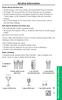 Alcohol information Facts about alcohol use Alcohol (grog) is the most widely used recreational drug in Australia NT drinks 70% more and WA 25% more than the rest of Australia Alcohol related deaths for
ALCOHOL WITHDRAWAL SYNDROME
 ALCOHOL WITHDRAWAL SYNDROME INTRODUCTION Alcohol is the most commonly abused drug in the United States and when someone who chronically abuses alcohol does not drink, that person is at risk for developing
Symptom Based Alcohol Withdrawal Treatment
 Symptom Based Alcohol Withdrawal Treatment -Small Rural Hospital- Presenter CDR Dwight Humpherys, DO [email protected] Idaho State University Baccalaureate Nursing Program Lake Erie College of Osteopathic
Alcohol and nicotine are widely abused substances and are often used together One study showed that 15% of patients visiting a primary care practice
 Dr IM Joubert Alcohol and nicotine are widely abused substances and are often used together One study showed that 15% of patients visiting a primary care practice for any reason had either an at-risk pattern
How To Diagnose And Treat An Alcoholic Problem
 guideline for identification and treatment of alcohol abuse/dependence in primary care This guideline is informational in nature and is not intended to be a substitute for professional clinical judgment.
Supported Alcohol Withdrawal Treatment Information
 Supported Alcohol Withdrawal Treatment Information Alcohol Liaison Service What is Alcohol Withdrawal Syndrome? If you are dependent on alcohol and suddenly stop drinking or you are admitted to hospital
ALCOHOLISM, ALCOHOL DEPENDENCE AND THE EFFECTS ON YOUR HEALTH.
 ALCOHOLISM, ALCOHOL DEPENDENCE AND THE EFFECTS ON YOUR HEALTH. Alcoholism also known as alcohol dependence is a disabling ADDICTIVE DISORDER. It is characterized by compulsive and uncontrolled consumption
2.6.4 Medication for withdrawal syndrome
 .6.3 Self-medication Self-medication presents a risk during alcohol withdrawal, particularly when there is minimal supervision (low level and medium level 1 settings). Inform patients of the risk of selfmedication
Alcohol withdrawal A challenge in caring for patients after heart surgery
 Abteilung Praxisentwicklung Pflege Alcohol withdrawal A challenge in caring for patients after heart surgery Wolfgang Hasemann, RN, PhD Deborah Leuenberger, MScN.cand. June 2015 Content Alcohol consumption
Residential Sub-Acute Detoxification Guidelines
 I. Background Information A. Definition of Detoxification Residential Sub-Acute Detoxification Guidelines SAMSA s TIP #45, Detoxification and Substance Abuse Treatment: Treatment Improvement Protocols
A COMPARATIVE STUDY OF EFFICACY & TOLERABILITY OF LORAZEPAM AND GABAPENTIN IN THE TREATMENT OF ALCOHOL WITHDRAWAL SYNDROME
 A COMPARATIVE STUDY OF EFFICACY & TOLERABILITY OF LORAZEPAM AND GABAPENTIN IN THE TREATMENT OF ALCOHOL WITHDRAWAL SYNDROME Dr. Ashutosh Chourishi,* Dr. O.P. Raichandani**, Dr. Sunita Chandraker***, Dr.
Running head: BEST TREATMENT FOR ALCOHOL WITHDRAWAL SYNDROME 1
 1 Best Treatment for Alcohol Withdrawal Syndrome Kathryn Obert Auburn University School of Nursing 2 Abstract Alcoholism is defined as a pattern of uncontrolled drinking leading to medical, legal, and
Medicines To Treat Alcohol Use Disorder A Review of the Research for Adults
 Medicines To Treat Alcohol Use Disorder A Review of the Research for Adults Is This Information Right for Me? Yes, this information is right for you if: Your doctor* said you have alcohol use disorder
Alcohol. Problems with drinking alcohol
 Alcohol Alcoholism is a word which many people use to mean alcohol dependence (alcohol addiction). Some people are problem drinkers without being dependent on alcohol. If you are alcohol- dependent then
Review of Pharmacological Pain Management
 Review of Pharmacological Pain Management CHAMP Activities are possible with generous support from The Atlantic Philanthropies and The John A. Hartford Foundation The WHO Pain Ladder The World Health Organization
Methamphetamine. Like heroin, meth is a drug that is illegal in some areas of the world. Meth is a highly addictive drug.
 Methamphetamine Introduction Methamphetamine is a very addictive stimulant drug. People who use it can form a strong addiction. Addiction is when a drug user can t stop taking a drug, even when he or she
Comprehensive Behavioral Care, Inc. Level of Care Guidelines Substance Abuse Children/Adolescents
 Medical Necessity In considering the appropriateness of any level of care, the four basic elements of Medical Necessity should be met: 1. A diagnosis as defined by standard diagnosis nomenclatures (DSM
Management of benzodiazepine misuse
 York Service Management of benzodiazepine misuse Version 2 JT July 2013 page 1 background Note: not all those who use benzodiazepines are dependent, and not all those who are dependent will benefit from
How To Screen For Alcohol Dependence
 Commonwealth of Massachusetts Board of Registration in Medicine Quality and Patient Safety Division Advisory Alcohol Screening and Management Protocols July 2013 Background The Quality and Patient Safety
Alcohol Overuse and Abuse
 Alcohol Overuse and Abuse ACLI Medical Section CME Meeting February 23, 2015 Daniel Z. Lieberman, MD Professor and Vice Chair Department of Psychiatry George Washington University Alcohol OVERVIEW Definitions
Alcohol Liaison Service. Alcohol Withdrawal. Information
 Alcohol Liaison Service Alcohol Withdrawal Information Alcohol withdrawal If you are dependent on alcohol and suddenly stop drinking, there are a series of symptoms that you may experience. These include:
Substance Use Learning Event Nov 3, 2015 Bill Bullock MD, CCFP
 Substance Use Learning Event Nov 3, 2015 Bill Bullock MD, CCFP Medical assessment of patient with Alcohol Use Disorder Identification patients suitable for home detox Process for referral to inpatient
General PROVIDER INITIALS: PHYSICIAN ORDERS
 Height Weight Allergies If appropriate for patient condition, please consider the following order sets: Initiate Electrolyte Replcement: Med/Surg, Med/Surg Tele Physician Order #842 General Vital Signs
Symptom-Triggered Alcohol Detoxification: A Guideline for use in the Clinical Decisions Unit of the Emergency Department.
 Symptom-Triggered Alcohol Detoxification: A Guideline for use in the Clinical Decisions Unit of the Emergency Department. Dr Eugene Cassidy, Liaison Psychiatry; Dr Io har O Sulliva, E erge cy Department,
Alcohol: The good, the bad and
 Alcohol: The good, the bad and the Clare Wilhelm, Ph.D. Portland VA Medical Center Oregon Health & Science University Supported by VA Career Development Grant (BX001294) Overview Alcohol statistics the
THE OFFICE OF SUBSTANCE ABUSE SERVICES REQUIREMENTS FOR THE PROVISION OF RESIDENTIAL DETOXIFICATION SERVICES BY PROVIDERS FUNDED WITH DBHDS RESOURCES
 THE OFFICE OF SUBSTANCE ABUSE SERVICES REQUIREMENTS FOR THE PROVISION OF RESIDENTIAL DETOXIFICATION SERVICES BY PROVIDERS FUNDED WITH DBHDS RESOURCES PURPOSE: The goal of this document is to describe the
Alcohol addiction is a chronic illness
 AN INTEGRATED APPROACH TO THE PATIENT: INCORPORATING MEDICATION INTO THE TREATMENT PLAN * Louise Epperson, MSN, CRNP ABSTRACT Individuals attempting to withdraw from their dependence on alcohol are best
Version 2 This guideline describes how to manage patients who are showing signs and symptoms of alcohol withdrawal and Wernicke s Encephalopathy.
 Title of Guideline (must include the word Guideline (not protocol, policy, procedure etc) Contact Name and Job Title (author) Directorate & Speciality A Guideline for the Management of Acute Alcohol Withdrawal
NewYork-Presbyterian Hospital Sites: All Centers Medication Use Manual: Guideline Page 1 of 12
 Page 1 of 12 TITLE: ALCOHOL WITHDRAWAL (AWD) SYMPTOM-TRIGGERED THERAPY GUIDELINES (PILOT) FOR MEDICAL PATIENTS (NYP/CU: EMERGENCY DEPARTMENT, MEDICAL ICU/A AND B, 6GN/S, AND 7GS) GUIDELINE: Alcohol Withdrawal
Adjunctive psychosocial intervention. Conditions requiring dose reduction. Immediate, peak plasma concentration is reached within 1 hour.
 Shared Care Guideline for Prescription and monitoring of Naltrexone Hydrochloride in alcohol dependence Author(s)/Originator(s): (please state author name and department) Dr Daly - Consultant Psychiatrist,
Alcohol. And Your Health. Psychological Medicine
 Alcohol And Your Health Psychological Medicine Introduction Alcohol, when used in moderation and as part of a healthy lifestyle, can have beneficial effects for some people, particularly in the prevention
Alcoholism and Problem Drinking
 Page 1 of 5 Alcoholism and Problem Drinking Alcoholism is a word which many people use to mean alcohol dependence (alcohol addiction). Some people are problem drinkers without being dependent on alcohol.
A Guide to Alcoholism and Problem Drinking
 A Guide to Alcoholism and Problem Drinking Alcoholism is a word which many people use to mean alcohol dependence (alcohol addiction). Some people are problem drinkers without being dependent on alcohol.
Alcohol withdrawal syndromes in the intensive care unit
 本 檔 僅 供 內 部 教 學 使 用 檔 案 內 所 使 用 之 照 片 之 版 權 仍 屬 於 原 期 刊 公 開 使 用 時, 須 獲 得 原 期 刊 之 同 意 授 權 Alcohol withdrawal syndromes in the intensive care unit MaryClare Sarff, MD; Jeffrey A. Gold, MD Crit Care Med 2010
Reintegration. Recovery. Medication-Assisted Treatment for Alcohol Dependence. Reintegration. Resilience
 Reintegration Recovery Medication-Assisted Treatment for Alcohol Dependence Reintegration Resilience 02 How do you free yourself from the stress and risks of alcohol dependence? Most people cannot do it
Cocaine. Like heroin, cocaine is a drug that is illegal in some areas of the world. Cocaine is a commonly abused drug.
 Cocaine Introduction Cocaine is a powerful drug that stimulates the brain. People who use it can form a strong addiction. Addiction is when a drug user can t stop taking a drug, even when he or she wants
Alcoholism and Problem Drinking
 Page 1 of 5 Alcoholism and Problem Drinking Alcoholism is a word which many people use to mean 'alcohol dependence' (alcohol addiction). Some people are 'problem drinkers' without being dependent on alcohol.
MEDICATION GUIDE WELLBUTRIN (WELL byu-trin) (bupropion hydrochloride) Tablets
 MEDICATION GUIDE WELLBUTRIN (WELL byu-trin) (bupropion hydrochloride) Tablets Read this Medication Guide carefully before you start using WELLBUTRIN and each time you get a refill. There may be new information.
DEPRESSION Depression Assessment PHQ-9 Screening tool Depression treatment Treatment flow chart Medications Patient Resource
 E-Resource March, 2015 DEPRESSION Depression Assessment PHQ-9 Screening tool Depression treatment Treatment flow chart Medications Patient Resource Depression affects approximately 20% of the general population
Diabetes Expert Witness on: Diabetic Hypoglycemia in Nursing Homes
 Diabetes Expert Witness on: Diabetic Hypoglycemia in Nursing Homes Nursing home patients with diabetes treated with insulin and certain oral diabetes medications (i.e. sulfonylureas and glitinides) are
SUBSTANCE ABUSE SCREENING
 OVERVIEW Substance abuse in the elderly is a common problem that is frequently under- diagnosed by primary care doctors and families. Alcohol abuse is present in 10% to 15% of elderly individuals who seek
Alcohol-use disorders
 Issue date: February 2011 Alcohol-use disorders Diagnosis, assessment and management of harmful drinking and alcohol dependence Alcohol dependence: NICE guideline FINAL DRAFT (February 2011) 1 NICE clinical
Withdrawal Symptoms: How Long Do They Last?
 Withdrawal Symptoms: How Long Do They Last? Posted by First Step Medical Detox on November 24, 2015 When considering stopping drugs or alcohol, many addicts and alcoholics are concerned about the withdrawal
SLEEP DISTURBANCE AND PSYCHIATRIC DISORDERS
 E-Resource December, 2013 SLEEP DISTURBANCE AND PSYCHIATRIC DISORDERS Between 10-18% of adults in the general population and up to 50% of adults in the primary care setting have difficulty sleeping. Sleep
How To Treat An Alcoholic Withdrawal
 Alcohol Withdrawal Sorrento, Italy (September 19, 2007) Lewis R. Goldfrank, MD Professor and Chairman, Emergency Medicine New York University School of Medicine Director, Emergency Medicine Bellevue Hospital/NYU
Delirium. The signs of delirium are managed by treating the underlying cause of the medical condition causing the delirium.
 Delirium Introduction Delirium is a complex symptom where a person becomes confused and shows significant changes in behavior and mental state. Signs of delirium include problems with attention and awareness,
Benzodiazepines. And Sleeping Pills. Psychological Medicine
 Benzodiazepines And Sleeping Pills Psychological Medicine Introduction Benzodiazepines are a type of medication prescribed by doctors for its therapeutic actions in various conditions such as stress and
DISCLAIMER THIS DOCUMENT CONTAINS A SCREENING TOOL. IT IS NOT INTENDED TO BE USED AS A MENTAL HEALTH DIAGNOSTIC TOOL.
 MENTAL HEALTH ASSESSMENT TOOL FORWARD The Mental Health Assessment Tool was developed to bring awareness to behaviors that may potentially disrupt the TB treatment regimen. Substance abuse and mental illness
Like cocaine, heroin is a drug that is illegal in some areas of the world. Heroin is highly addictive.
 Heroin Introduction Heroin is a powerful drug that affects the brain. People who use it can form a strong addiction. Addiction is when a drug user can t stop taking a drug, even when he or she wants to.
MANAGEMENT OF ALCOHOL PROBLEMS ON PSYCHIATRIC WARDS
 MANAGEMENT OF ALCOHOL PROBLEMS ON PSYCHIATRIC WARDS This guideline is primarily intended to assist in the medical management of alcohol dependent patients admitted to psychiatric inpatient units. For a
Source: National Institute on Alcohol Abuse and Alcoholism. Bethesda, Md: NIAAA; 2004. NIH Publication No. 04-3769.
 Diagnosis and Treatment of Alcohol Dependence Lon R. Hays, MD, MBA Professor and Chairman an Department of Psychiatry University of Kentucky Medical Center Defining the Standard Drink A standard drink
This controlled document shall not be copied in part or whole without the express permission of the author or the author s representative.
 Title: Staff Guidelines For The Management Of Alcohol Withdrawal In NHS Grampian Adult ( Age 18) Inpatients Unique Identifier: Replaces: (provided by the NHS Grampian Review Group for Clinical Process
Naltrexone Shared Care Guideline for the treatment of alcohol dependence and opioid dependance
 Naltrexone Shared Care Guideline for the treatment of alcohol dependence and opioid dependance Introduction Indication/Licensing information: Naltrexone is licensed for use as an additional therapy, within