
MANAGEMENT OF ALCOHOL PROBLEMS ON PSYCHIATRIC WARDS
|
|
|
- Naomi Miller
- 10 years ago
- Views:
Transcription
1 MANAGEMENT OF ALCOHOL PROBLEMS ON PSYCHIATRIC WARDS This guideline is primarily intended to assist in the medical management of alcohol dependent patients admitted to psychiatric inpatient units. For a comprehensive guidance of the management of drug and alcohol use in psychiatric setting please see the following Trust policy: Policy on the Management of Substance Misuse in Mental Health Services Incorporating Guidance & Protocols on the Clinical Management of Drugs & Alcohol Users in Mental Health Service Settings V3.01 Jan 2009 Available on the Trust intranet: Policies/Clinical scoll down to S INTRODUCTION Around 25% of adults in England are excessive drinkers with 6% of adult males and 2% adult females being alcohol dependent. (defined by ICD-10). Approximately 40% of community mental health patients report harmful alcohol use and 85% of patients in alcohol services have a past year history of psychiatric disorder with over half this group having multiple co-mobidities (cooccurrence of a number of psychiatric disorders or substance misuse problems) Studies of acute psychiatric inpatients suggest that 50% have an alcohol use disorder and over 20% are alcohol dependent. Historically detection of alcohol problems by generic teams in the community and on inpatient wards is poor leading to poor treatment outcome. The following is offered as a guide to safe and effective alcohol detoxification. It is primarily aimed at patients admitted for planned alcohol detoxification to any of the acute in patient psychiatric units 1

2 CRITERIA FOR PLANNED IN-PATIENT DETOXIFICATION The aims of alcohol detoxification are: To allow the patient to withdraw from alcohol with minimal discomfort To prevent complications of acute alcohol withdrawal To allow prompt treatment of complications The majority of patients with an alcohol problem, including withdrawal from alcohol, can be managed in the community but in-patient detoxification is required if a patient: Is severely dependent on alcohol and therefore likely to have severe withdrawal symptoms. Has poor or no social support Suffers from a serious or life threatening medical or psychiatric condition e.g. pre-existing epilepsy, impaired liver function (high serum bilirubin low albumin and impaired clotting) or is at risk of self harm/suicide or aggression/violence Is currently having or has in the past had severe withdrawal symptoms or withdrawal complicated by alcohol withdrawal seizures or delirium tremens (DTs) Has any evidence of cognitive impairment. Patients with a serious concurrent physical illness should be detoxified on a medical ward Those patients who request, or are referred for, in-patient detoxification when they are either under the influence of alcohol or required by circumstances to stop drinking acutely e.g. by the court, are less likely to benefit from in-patient detoxification. Such patients should not normally be admitted without consultation with a specialist team. Compulsory admission under the Mental Health Act (1983) is not permissible when alcohol dependence is the sole diagnosis. However in patients with neuropsychiatric complications of alcohol abuse such as alcoholic hallucinosis, Wenicke-Korsakoff syndrome or delirium tremens compulsory admission may be appropriate OUT-OF-HOURS PROCEDURES Problems sometimes arise when patients are referred for admission late at night or over weekends when specialist services are not available for advice. Those assessing patients sometimes feel pressurised to admit patients who are in crisis but do not meet the criteria for admission described above. Normally patients presenting in an intoxicated state should be offered an appointment for further assessment the following day providing they attend relatively sober. Alternatives to admission should be considered and if appropriate arrangements made for referral to another service. This might include referral for a specialist assessment. There may be occasions when intoxicated patients require urgent psychiatric admission due to acute mental illness/risk issues. 2

3 ASSESSMENT OF ALCOHOL USE SCREENING All patients should be asked about how many units of alcohol they drink per day and in a typical week (Table 1) and complete the A.U.D.I.T. questionnaire. Table 1: UNITS OF ALCOHOL 1 unit of alcohol = 1/2 pint of ordinary strength beer or lager (3.5%) = 1 small glass (125ml) of table wine (8%) = 1 pub measure (25cl) of spirits (40%) = 1 small glass (50ml) of sherry (17.5%) no. of units of alcohol = volume (ml) x % alcohol by volume ml can of 9% lager = 4.5 units 75cl bottle of 12% wine = 9 units 70cl bottle of 15% sherry = 10.5 units 2L bottle of 7.5% cider = 15 units 70cl bottle of 40% spirits = 28 units 3

4 AUDIT 1. How often do you have a drink containing alcohol? (0) Never (1) Monthly (2) 2-4 times a month (3) 2-3 times a week (4) 4 or more times a week 2. How many drinks containing alcohol do you have on a typical day when you are drinking? (0) 1-2 (1) 3 or 4 (2) 5 or 6 (3) 7-9 (4) 10 or more 3. How often do you have six or more drinks on one occasion? (0) never (1) less than monthly (2) monthly (3) weekly (4) daily or almost daily 4. How often during the last year have you found that you were unable to stop drinking once you started? (0) never (1) less than monthly (2) monthly (3) weekly (4) daily or almost daily 5. How often during the last year have you failed to do what was normally expected of you because of drinking? (0) never (1) less than monthly (2) monthly (3) weekly (4) daily or almost daily 6. How often during the last year have you needed a first drink in the morning to get yourself going after a heavy drinking session? (0) never (1) less than monthly (2) monthly (3) weekly (4) daily or almost daily 7. How often during the last year have you felt guilt or remorse after drinking? (0) never (1) less than monthly (2) monthly (3) weekly (4) daily or almost daily 8. How often during the last year have you been unable to remember what happened the night before because of drinking? (0) never (1) less than monthly (2) monthly (3) weekly (4) daily or almost daily 9. Have you or someone else been injured as the result of your drinking during the last year? (0) no (2) yes, but not in the last year (4) yes, during the last year 10. Has a friend, relative, doctor or other health worker been concerned about your drinking or suggested you cut down? (0) no (2) yes, but not in the last year (4) yes, during the last year Total Score. SCORING THE AUDIT The 10-item questionnaire takes about 2 minutes to complete and covers alcohol consumption, drinking behaviour and alcohol-related problems Scores for each question range from 0 to 4, with the first response for each question (e.g. never) scoring 0, the second (e.g. less than monthly) scoring 1, the third (e.g. monthly) scoring 2, the fourth (e.g. weekly) scoring 3, and the last response (e.g. daily or almost daily) scoring 4. For questions 9 and 10, which only have 3 responses, the scoring is 0, 2, and 4 (from left to right). A score of 8 or more in men and 7 or more in women indicates a strong likelihood of hazardous or harmful alcohol consumption and should be followed by a detailed assessment. A score of 13 or more is indicative of significant alcohol-related harm/dependence 4

5 TAKING A BRIEF ALCOHOL HISTORY (For details of a more comprehensive assessment see the Dual Diagnosis Liaison Service Supplementary Assessment form) Consumption in units of alcohol per day/week? Drinking pattern daily/continuous or episodic/binge drinking? Drinking behaviour in the last week and the last 6 months When did the patient have the last drink? Is there a history of withdrawal symptoms/ e.g. sweating, tremor, nausea, vomiting, anxiety, insomnia, seizures, hallucinations or delirium tremens? Is there a history of morning/relief drinking, change in tolerance, strong compulsion to drink, continued drinking despite problems, priority of drinking over other important pursuits/activities? (all indicative of dependence syndrome) History of alcohol related problems (medical, psychiatric, social, relationship, occupational, financial, legal etc) SEVERITY OF ALCOHOL DEPENDENCE QUESTIONNAIRE The Severity of Alcohol Dependence Questionnaire (SADQ) is self-administered and a reliable instrument to measure the severity of alcohol dependence. The SADQ is a 20 item tool with a 4- point scale for each item; scoring 0, 1, 2, or, 3 for each question GIVING a maximum score of 60. A score of 0-3 identifies no alcohol dependence, 4-19 mild dependence, moderate dependence and 35+ severe dependence. The SADQ is a useful guide to prescribing detoxification regimes as it can be used to predict the severity of withdrawal symptoms and therefore helps in rationalising detoxification medication (see later). It is of limited use in patients who are acutely intoxicated or who present in acute withdrawal. EXAMINATION Look for tremor, sweating, and signs of liver disease e.g. spider naevi, liver palms, hepatomegaly etc. Is the patient intoxicated, in withdrawal, confused, psychotic, depressed, or suicidal? Consider other possible organic causes for the patient's clinical presentation e.g. head injury, hypoglycaemia, concurrent infection, other drugs etc. INVESTIGATIONS: FBC, LFTS, GGT, blood/urine/breath for alcohol, urine/mouth swab for other drugs. Other investigations may be necessary depending on differential diagnoses or concurrent conditions. 5

6 SEVERITY OF ALCOHOL DEPENDENCE QUESTIONNAIRE We would like to recall a recent month when you were drinking in a way, which for you was fairly typical of a heavy drinking period. Please fill in the month and the year:- MONTH: YEAR:. We want to know more about your drinking during this time and how often you experienced certain feelings. Please put a tick to show how frequently each of the following statements applied to you during this typical period of drinking Score ) I wake up feeling sweaty 2) My hands shaking first thing in the morning 3) My whole body shakes violently first thing in the morning, if I don t have a drink 4) I wake up absolutely drenched in sweat 5) I dread waking up in the morning 6) I am frightened of meeting people first 7) I feel on the edge of despair when I wake up 8) I feel very frightened when I wake up 9) I like to have a morning drink 10) I always gulp down my morning drink as quickly as possible 11) I drink in the morning to get rid of the shakes 12) I have a very strong craving for a drink when I wake up 13) I drink more than 1/4 bottle of spirits or 4 pints beer/1 bottle wine per day 14) I drink more than 1/2 bottle of spirits or 8 pints beer/2 bottles wine per day 15) I drink more than 1 bottle of spirits or 15 pints beer/4 bottles of wine per day 16) I drink more than 2 bottles of spirits or 30 pints beer/ bottles wine per day Almost Never Sometimes Often Nearly Always 6

7 Imagine the following situation: 1. You have been completely off drink for a few weeks and 2. You then drink very heavily for two days HOW WOULD YOU FEEL THE MORNING AFTER THOSE TWO DAYS OF DRINKING? Score The morning after Not at all Slightly Moderately A lot 17) I would start to sweat 18) My hands would shake 19) My body would shake 20) I would be craving a drink Totals SEVERITY OF ALCOHOL DEPENDENCE QUOTIENT Re: Questions (If the patient has not been abstinent for a period of two weeks then score maximum for Q17 20) TOTAL SADQ SCORE = (Score 0-3 no dependence, 4-19 mild dependence, moderate dependence, 35+ severe dependence) 7

8 ALCOHOL WITHDRAWAL SYNDROME Guidance on the Clinical Management of Not all heavy drinkers will experience withdrawal phenomena. However, there is a wide range of severity of withdrawal symptoms and in some cases withdrawal may be life-threatening. It is therefore important to recognise complications early and treat them appropriately. Early withdrawal symptoms Occur up to 12 hours after the last drink and peak at 12 hours. Signs and symptoms include tremor, sweating, anorexia, nausea, insomnia and anxiety. In moderate withdrawal the signs are more marked and transient auditory hallucinations in clear consciousness may also occur. Withdrawal fits ("rum fits") Occurs in between 8-15% of individuals withdrawing from alcohol. Can occur at 12 to 48 hours post withdrawal and are more likely if there is a previous history of withdrawal fits or epilepsy. Fits tend to be single, generalised (if focal suspect head injury) and may occur in bouts. 30% of cases are followed by DTs. Delirium tremens (DTs) Is uncommon occurring in less than 5% of individuals withdrawing from alcohol (less in planned admissions) but is associated with significant morbidity and mortality. Symptoms begin within hours of withdrawal, peak at 48 hours and subside over 3-4 days. DT s usually occur in heavy drinkers who have withdrawn unexpectedly, minimised their consumption or been inadequately treated during withdrawal. Patients consuming more than 16 units per day (½ to a bottle of spirits per day or equivalent) are particularly at risk. In addition to the classical symptoms of withdrawal the characteristic symptoms of DT s are agitation, apprehension, confusion, disorientation in time and place and visual and auditory hallucinations. Insomnia, nausea, vomiting, motor incordination and paranoid ideation may be present. Fever is common. Poor concentration, intermittent disorientation and agitation may continue for 1-2 weeks before recovery Protracted withdrawal syndrome (Not an official diagnosis) has been noted in many alcohol dependent patients. This is a disorder characterised by irritability, emotional lability, insomnia and anxiety that persist for weeks to months after alcohol withdrawal. It is due to the residual effects of alcohol on the central nervous system. It generally clears spontaneously after prolonged abstinence. 8

9 MANAGEMENT OF ALCOHOL WITHDRAWAL: BENZODIAZEPINES Alcohol dependent patients exhibiting or at risk of developing withdrawal (based on their previous history) should be prescribed a benzodiazepine, usually chlordiazepoxide. Chlormethiazole and chlorpromazine should not be used in alcohol detoxification. There are a number of regimens defined therefore the guidance is not prescriptive. Dosage should be individually titrated against severity of withdrawal symptoms and signs and is ultimately a matter of clinical judgement. Suggested prescribing guidelines for inpatients are as follows: Approximate Daily Alcohol Consumption Severity of Dependence units 25-40units units SADQ Score SADQ Score SADQ Score Starting Dose of Chlordiazepoxide 15-25mg qds 30-40mg qds* 30-60mg qds* Day 1 (starting dose) 15 qds 25 qds 30 qds 40 qds* 50 qds* Day 2 10 qds 20 qds 25 qds 30 qds 40 qds Day 3 10 tds 15 qds 20 qds 25 qds 30 qds Day 4 10 bd 10 qds 15 qds 20 qds 25 qds Day 5 5 bd 10 bd 10 qds 15 qds 20 qds Day 6 5 bd 10 bd 10 qds 15 qds Day 7 5 bd 10 tds 10 qds Day 8 10 bd 10 tds Day 9 5 bd 10 bd Day 10 5 bd * Note: Doses of chlordiazepoxide in excess of 100mg daily are above BNF guidelines and should only be prescribed following discussion with the patient s consultant or another senior doctor. Doses of 30mg qds or above should only be prescribed in cases where severe withdrawal symptoms are expected and the patient's response to treatment must be regularly and closely monitored. Doses in excess of 40mg q.d.s should only be prescribed where there is clear evidence of very severe alcohol dependence. Such doses are rarely necessary in women and never in the elderly or where there is liver impairment Doses in the elderly should be 50% less than stated above 9

10 As required (prn) doses of chlordiazepoxide should not be needed if the patient has been adequately assessed. If clinically necessary small doses of prn chlordiazepoxide may be prescribed for the first 48hrs of the detoxification. If withdrawal symptoms become more severe after this then the patient should be reassessed medically (see special situations page 13) VITAMINS Most patients admitted for inpatient care will be more severely alcohol dependent than those treated in a community setting. Hence inpatients are at greater risk of complications e.g. withdrawal seizures, Wernicke s Encephalopathy (confusion, ataxia, ophthalmoplegia) etc. The following sign/symptoms occurring during alcohol withdrawal should be taken as indication of a presumptive diagnosis of Wernicke's encephalopathy and must be treated immediately with parenteral thiamine (absorption of oral thiamine is inadequate) Confusion (not due to intoxication) Memory disturbance Ophthalmoplegia (paralysis of eye muscles) Hypothermia (low body temperature) Hypotension (low blood pressure) Coma/unconsciousness (not due to intoxication) In addition parenteral thiamine should be used in the following circumstances Alcohol withdrawal fits Delirium tremens Patients who are malnourished or obviously physically unwell Acute peripheral neuritis (inflammation of the nerves) Dosage of thiamine Prophylaxis:- one pair high potency ampoules of Pabrinex IM daily for 5 days (all moderate/high risk patients should receive this as a minimum) Treatment:- three pairs high potency ampoules of Pabrinex IM/IV daily for 2 days THEN if improvement one pair of ampoules daily for 5 days if no improvement discontinue treatment for patients with enduring ataxia polyneuritis memory disturbance one pair of ampoules daily for as long as improvement continues The normal administration on a psychiatric ward is intramuscular. Anaphylaxis is a rare but recognised complication. Anaphylactic and serious allergic reactions are more severe and more frequent with the intravenous route. If given IV Pabrinex should be diluted in mls of 10

11 normal saline or 5% dextrose and given over minutes. Facilities for treating anaphylactic reactions must be readily available whenever parenteral thiamine is used. Whenever parenteral thiamine is given on a psychiatric ward an anaphylaxis pack must be available (see the Trust anaphylaxis policy) ASSESSMENT OF WITHDRAWAL SIGNS AND SYMPTOMS To ensure a safe withdrawal and appropriate use of detoxification medication withdrawal symptoms should be monitored twice a day for the first 4 days and daily thereafter. The severity of withdrawal symptoms can be measured by using Addiction Research Foundation Clinical Institute Withdrawal Assessment for Alcohol (CIWA-Ar, see page 11), which is a very sensitive instrument and can be used as a guide to dose reduction and to alert the clinician to possible complications. A total score of >15 on one occasion indicates that further medical review is needed. TREATMENT OF COMMON SYMPTOMS DURING ALCOHOL WITHDRAWAL Many of these symptoms are normal in withdrawal. Reassure the patient they will improve during detoxification. Avoid unnecessary pharmacological treatment and only treat if severe Symptom Possible Treatment Sleep difficulties: Poor appetite Nausea Diarrhoea Heartburn Sleep hygiene Do not prescribe hypnotics If severe consider loading the total daily dose of chlordiazepoxide towards the evening or increasing nightime dose for 1-2 days or extending the period of detoxification Encourage diet. If severe nutritional and vitamin supplements Metoclopramide 10 mg oral or intramuscular If severe loperamide 2-4 mgs prn Gaviscon 10 ml prn Itching Check for signs of liver disease. If necessary chlorpheniramine 2-4 mg tds Headache Anxiety Paracetamol with caution in severe liver disease Very common in withdrawal, usually resolves after 3-4 days. May unmask pre-existing anxiety which will need assessing in its own right Depression Very common. Monitor for severe persistent symptoms and suicidal ideation. Treat if necessary once the withdrawal is over 11

12 Patient: Guidance on the Clinical Management of CIWA-Ar QUESTION DATE & TIME NAUSEA & VOMITING Ask Do you feel sick to your stomach? Have you vomited? Observation. 0 no nausea and no vomiting 1 mild nausea with no vomiting intermittent nausea with dry heaves constant nausea, frequent dry heaves and vomiting TREMOR Arms extended and fingers spread apart. Observation. 0 no tremor 1 not visible, but can be felt fingertip to fingertip moderate, with patient s arms extended severe, even with arms extended PAROXYMSMAL SWEATS Observation. 0 no sweat visible 1 barely perceptible sweating, palms moist beads of sweat obvious on forehead drenching sweats ANXIETY Ask Do you feel nervous? Observation. 0 no anxiety, at ease 1 mild anxious moderately anxious, or guarded, so anxiety is inferred equivalent to acute panic states as seen in severe delirium or acute schizophrenia reactions AGITATION Observation. 0 normal activity 1 somewhat more than normal activity moderately fidgety and restless paces back and forth during most of the interview, or constantly thrashes about. TOTAL SCORE FOR PAGE ONE 12

13 TACTILE DISTURBANCES Ask Have you any itching, pins and needles sensations, any burning, any numbness, or do you feel bugs crawling on or under skin? Observation. 0 none 1 very mild itching, pins and needles, burning or numbness 2 mild itching, pins and needles, burning or numbness 3 moderate itching, pins and needles, burning or numbness 4 moderately severe hallucinations 5 severe hallucinations 6 extremely severe hallucinations 7 continuous hallucinations AUDITORY DISTURBANCES Ask Are you more aware of sounds around you? Are they harsh? Do they frighten you? Are you hearing anything that is disturbing to you? Are you hearing things you know are not there? Observation. 0 not present 1 very mild harshness or ability to frighten 2 mild harshness or ability to frighten 3 moderate harshness or ability to frighten 4 moderately severe hallucinations 5 severe hallucinations 6 extremely severe hallucinations 7 continuous hallucinations VISUAL DISTURBANCES Ask Does the light appear to be too bright? Is its colour different? Does it hurt your eyes? Are you seeing anything that is disturbing to you? Are you seeing things you know are not there? Observation. 0 not present 1 very mild sensitivity 2 mild sensitivity 3 moderate sensitivity 4 moderately severe hallucinations 5 severe hallucinations 6 extremely severe hallucinations 7 continuous hallucinations HEADACHE, FULLNESS IN HEAD Ask Does your head feel different? Does it feel like there is a band around your head? Do not rate for dizziness or lightheadedness. Otherwise, rate severity. 0 not present 1 very mild 2 mild 3 moderate 4 moderately severe 5 severe 6 very severe 7 extremely severe ORIENTATION AND CLOUDING OF SENSORIUM Ask What day is this? Where are you? Who am I? 0 oriented and can do serial additions 1 cannot do serial additions or is uncertain about date 2 disoriented for date by no more than 2 calendar days 3 disoriented for date by more than 2 calendar days TOTAL SCORE FOR PAGE 2 TOTAL CIWA-Ar SCORE Maximum possible score 67. Reassess medically if score above 15 13

14 SPECIAL SITUATIONS Breakthrough Withdrawal With adequate dosing there is no need for PRN chlordiazepoxide or other benzodiazepines. However, where a patient presents with break through withdrawal either clinically or if scores 15+ on CIWA-Ar) they should be reassessed to rule out concurrent physical illness. If necessary repeat the previous day s chlordiazepoxide dosing regimen before resuming the sliding scale. Previous Benzodiazepine Prescription Some patients will have been prescribed long-term benzodiazepines prior to detoxification. In this case continue their long-term prescription unaltered and do not take the long-term dose into account when deciding on the dosage schedule for a withdrawal regimen Acute Presentation Patients presenting in acute withdrawal should be prescribed chlordiazepoxide on a flexible dosage regimen over a 24 hour period following 4 hourly clinical assessment of withdrawal signs and symptoms. It may occasionally be necessary to extend the flexible period to 48 hours e.g. if seizures or delirium tremens occur. At the end of the flexible prescribing period a standard reducing regimen should be used. Nausea/Vomiting/Dehydration Patients who are nauseous or vomiting should be monitored especially carefully and may need an anti-emetic e.g. metoclopramide 10mg oral or im. Patients in severe withdrawal and unable to tolerate oral medication should be assessed with a view to transfer to a medical ward for intravenous therapy. Liver Disease Special caution is necessary in the case of severe liver impairment or decompensated liver disease (jaundice, ascities), as the metabolism of benzodiazepines may be reduced and lead to over sedation. Severe Withdrawal Additional doses of either chlordiazepoxide orally (5-15mg) or diazepam intramuscularly (10 mg i.m.) may be necessary initially. If the patient is very drowsy or over sedated the dosage may need to be reduced. Symptoms of break through withdrawal or features of delirium tremens (especially whilst on high dose regimen) should prompt an immediate medical review and possible urgent transfer to a medical ward where management may involve intravenous sedation. In these circumstances high levels of observation should be maintained whilst nursing the patient in a low stimulus environment and encouraging hydration till transfer can be arranged. Where a patient becomes confused, agitated, etc sensitive management will also includes not allowing the patient to leave the unit. Withdrawal fits or status epilepticus Adjunctive treatment with carbamazepine should be used in the planned prophylactic treatment of alcohol withdrawal seizures. This is recommended for those patients with a past history of withdrawal seizures or epilepsy of any cause. Ideally carbamazepine should be commenced three 14

15 days prior to admission at a dose of 200 mgs bd. and on admission increased to mg bd. for four to five days. Phenytoin does not prevent alcohol withdrawal seizures. If a withdrawal seizure does occur treatment should be with rectal or intramuscular diazepam. Intravenous diazepam should be used in the unlikely event of status epilepticus. Any patient developing a withdrawal seizure should be prescribed prophylactic parenteral thiamine and be assessed with a view to increasing the dose of chlordiazepoxide. Severe behavioural disturbance Rule out delirium tremens. If necessary give diazepam 10mg im or lorazepam 2mg im. Patients who do not respond to benzodiazepines or experience a paradoxical effect with benzodiazepines can be given haloperidol 5-10mg p.o. (syrup) or i.m. This should not be regarded as a treatment of choice in alcohol withdrawal. Delirium Tremens DT s are a medical emergency and may require a combined medical/psychiatric approach. General Measures Ensure adequate levels of medical and nursing staff Treat the patient in a well lit area away from other patients Keep external stimuli especially noise to a minimum Use a friendly understanding but firm approach Be aware of the possibility of withdrawal fits Medical Measures Ensure the patient is adequately hydrated and correct any electrolyte imbalance Give high dose parenteral thiamine (see previous) Give sufficient chlordiazepoxide to induce a light sleep without impairing vital functions Maximum doses of chlordiazepoxide may be needed for hours The detoxification regimen will need to be extended to 7-10 days Up to 50% of patients with DT s have a secondary infection or evidence of trauma especially head injury. These conditions must be actively excluded. Indications for Urgent Medical Assessment The following are some situations when urgent medical assessment is important The patient has consumed potentially toxic amounts of alcohol or alcohol plus other drugs Hallucinations Confusion or delirium Severe agitation Severe tremor Rapid heart rate (>120/min) Fever (>38 ºC) Evidence of injury especially head injury Coma or semi-coma 15

16 GENERAL MANAGEMENT Guidance on the Clinical Management of During detoxification all patients, and in particular those with severe withdrawal, need close observation monitoring of vital signs correction of dehydration or electrolyte imbalance treatment of concurrent conditions e.g. infection, hypoglycemia, hepatic failure, gastrointestinal bleeding etc. Patients should be orientated and reassured that any distressing symptoms will settle. Patients should be given an explanation of their symptoms and their relationship to excessive consumption. Although directive counselling during the detoxification can enhance patient's motivation to continue treatment many patients have subtle cognitive deficits during detoxification, therefore therapy is best kept simple. During withdrawal patients often have alcohol craving and are vulnerable to relapse. Patients should not have leave for the first few days of the detoxification. Following this any unaccompanied leave from the ward should be carefully considered and patients should be advised not to go into pubs or places where alcohol is available when on leave. PLANNING AFTERCARE: Well in advance of discharge a plan for further support in the community should be prepared with the patient's full participation and with the involvement of relevant community agencies. Where possible this should be done prior to admission. If the patient is discharged before detoxification is finished, there should be clear instructions on discharge medication and if necessary arrangements for on going medical supervision (e.g. by the GP). The Trust Addiction Service provides advice on diagnosis, management and referral to specialist agencies. Dr D J Armstrong, Clinical Director, Trust Addiction Services Mr T Phillips, Consultant Nurse, Trust Addiction Services DTC Approved June 2004 Reviewed November 2005, April 2007, October 2007, September 2009, December

17 Reference/Further Reading Taylor D, Paton C and Kerwin R. The South London and Maudsley NHS Trust 2003 Prescribing Guidelines 8 th Edition. Martin Dunitz St Georges Hospital Medical School Department of Psychiatry of Addictive Behaviour. Handbook (4 th Edition) Cook CCH and Thomson AD. B-complex vitamins in the prophylaxis and treatment of Wernike- Korsakoff Syndrome. British Journal of Hospital Medicine 1997; 9:

Glasgow Assessment and Management of Alcohol
 Glasgow Assessment and Management of Alcohol If you would like further information or advice on the alcohol screening and withdrawal management guideline(gmaws) please contact your local acute addiction
Alcohol Dependence Inpatient management of Alcohol Withdrawal
 NHS Fife Community Health Partnerships Addiction Services Alcohol Dependence Inpatient management of Alcohol Withdrawal Intranet Procedure No A9 Author Dr. A. Baldacchino Copy No Lead Clinician Implementation
Alcohol Withdrawal. Mild Withdrawal Moderate Withdrawal Severe Withdrawal. Mild anxiety Malaise Marked anxiety
 Alcohol Withdrawal Recognition and Assessment Alcohol withdrawal may be a presenting feature or occur as an unexplained development in a patient who has been admitted for other reasons and deprived of
Assessment and management of alcohol dependence and withdrawal in the acute hospital
 Assessment and management of alcohol dependence and withdrawal in the acute hospital Concise guidance to good practice series June 01 CONCISE GUIDANCE Clinical Medicine 01, Vol 1, No : 71 Assessment Main
ALCOHOL DETOXIFICATION (IN-PATIENTS) PRESCRIBING GUIDELINE
 ALCOHOL DETOXIFICATION (IN-PATIENTS) PRESCRIBING GUIDELINE Authors Sponsor Responsible committee Ratified by Consultant Psychiatrist; Pharmacist Team Manager Medical Director Medicines Management Group
THE BASICS. Community Based Medically Assisted Alcohol Withdrawal. World Health Organisation 2011. The Issues 5/18/2011. RCGP Conference May 2011
 RCGP Conference May 2011 Community Based Medically Assisted Alcohol Withdrawal THE BASICS An option for consideration World Health Organisation 2011 Alcohol is the world s third largest risk factor for
REFERENCE. Admit to: Program/Service: Diagnosis: Droplet/ Contact Airborne/ Contact
 Weight (kg) REFER TO THE ALLERGY SCREEN IN MEDITECH FOR ALLERGY INFORMATION To complete the order form, fill in the required blanks and/or check the appropriate boxes. To delete orders, draw one line through
Supported Alcohol Withdrawal Treatment Information
 Supported Alcohol Withdrawal Treatment Information Alcohol Liaison Service What is Alcohol Withdrawal Syndrome? If you are dependent on alcohol and suddenly stop drinking or you are admitted to hospital
Alcohol Liaison Service. Alcohol Withdrawal. Information
 Alcohol Liaison Service Alcohol Withdrawal Information Alcohol withdrawal If you are dependent on alcohol and suddenly stop drinking, there are a series of symptoms that you may experience. These include:
Version 2 This guideline describes how to manage patients who are showing signs and symptoms of alcohol withdrawal and Wernicke s Encephalopathy.
 Title of Guideline (must include the word Guideline (not protocol, policy, procedure etc) Contact Name and Job Title (author) Directorate & Speciality A Guideline for the Management of Acute Alcohol Withdrawal
Alcohol. Problems with drinking alcohol
 Alcohol Alcoholism is a word which many people use to mean alcohol dependence (alcohol addiction). Some people are problem drinkers without being dependent on alcohol. If you are alcohol- dependent then
GUIDELINES FOR COMMUNITY ALCOHOL DETOXIFICATION IN SHARED CARE
 GUIDELINES FOR COMMUNITY ALCOHOL DETOXIFICATION IN SHARED CARE Dr Millicent Chikoore MBBS MRCPsych Dr O Lagundoye MBBS MRCPsych Community based alcohol detoxification is a safe and effective option for
2.6.4 Medication for withdrawal syndrome
 .6.3 Self-medication Self-medication presents a risk during alcohol withdrawal, particularly when there is minimal supervision (low level and medium level 1 settings). Inform patients of the risk of selfmedication
Alcoholism and Problem Drinking
 Page 1 of 5 Alcoholism and Problem Drinking Alcoholism is a word which many people use to mean 'alcohol dependence' (alcohol addiction). Some people are 'problem drinkers' without being dependent on alcohol.
A Guide to Alcoholism and Problem Drinking
 A Guide to Alcoholism and Problem Drinking Alcoholism is a word which many people use to mean alcohol dependence (alcohol addiction). Some people are problem drinkers without being dependent on alcohol.
New York State Office of Alcoholism & Substance Abuse Services Addiction Services for Prevention, Treatment, Recovery
 New York State Office of Alcoholism & Substance Abuse Services Addiction Services for Prevention, Treatment, Recovery USING THE 48 HOUR OBSERVATION BED USING THE 48 HOUR OBSERVATION BED Detoxification
Review Group: Mental Health Operational Medicines Management Group. Signature Signature Signature. Review Date: December 2014
 Mental Health NHS Grampian Mental Health Service Staff Guidance For The Prescribing Of Vitamin Supplementation During In-Patient Admission (Mental Health) For Alcohol Withdrawal Co-ordinators: Consultant
Alcohol and nicotine are widely abused substances and are often used together One study showed that 15% of patients visiting a primary care practice
 Dr IM Joubert Alcohol and nicotine are widely abused substances and are often used together One study showed that 15% of patients visiting a primary care practice for any reason had either an at-risk pattern
Pharmacological Management of Acute Alcohol Withdrawal and Relapse Prevention in alcohol Use disorders in the Community
 Pharmacological Management of Acute Alcohol Withdrawal and Relapse Prevention in alcohol Use disorders in the Community Policy Descriptor This policy sets out the standards and procedures that all staff
Alcoholism and Problem Drinking
 Page 1 of 5 Alcoholism and Problem Drinking Alcoholism is a word which many people use to mean alcohol dependence (alcohol addiction). Some people are problem drinkers without being dependent on alcohol.
Alcohol Withdrawal Syndrome & CIWA Assessment
 Alcohol Withdrawal Syndrome & CIWA Assessment Alcohol Withdrawal Syndrome is a set of symptoms that can occur when an individual reduces or stops alcoholic consumption after long periods of use. Prolonged
INTOXICATED PATIENTS AND DETOXIFICATION
 VAMC Detoxification Decision Tree Updated May 2006 INTOXICATED PATIENTS AND DETOXIFICATION Patients often present for evaluation of substance use and possible detoxification. There are certain decisions
GP Drug & Alcohol Supplement No.7 May 1997
 GP Drug & Alcohol Supplement No.7 May 1997 This is the seventh of the monthly Drug and Alcohol Supplements prepared for Central Coast GPs. Detoxification from Alcohol Dr Tony Gill Introduction The management
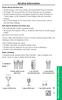
Alcohol information. A standard drink contains about 10g of alcohol takes a healthy liver about 1 hour to remove alcohol from the body.
 Alcohol information Facts about alcohol use Alcohol (grog) is the most widely used recreational drug in Australia NT drinks 70% more and WA 25% more than the rest of Australia Alcohol related deaths for
Title Alcohol Withdrawal Management Guidelines
 Document Control Title Alcohol Withdrawal Management Guidelines Author Consultant Physicians, Core Medical Trainee and Glossop Ward Manager Directorate Version Date Issued Status 0.1 Dec Draft Initial
STANDARD OPERATING PROCEDURE. Administration of High Dose Muscular Vitamin Supplements for Undergoing Alcohol
 STANDARD OPERATING PROCEDURE Administration of High Dose Muscular Vitamin Supplements for Undergoing Alcohol DOCUMENT CONTROL: Version: 2 Ratified by: Clinical Effectiveness Committee Date ratified: 03
Guidance for the Detoxification of Alcohol Dependent Patients in Community or Outpatient Settings
 Title: Identifier: Replaces: Guidance for the Detoxification of Alcohol Dependent Patients in Community or Outpatient Settings NHSG/Guid/Detox_ADP/MGPG663 N/A - New document Across NHS Boards Organisation
Alcohol Dependence and Motivational Interviewing
 Alcohol Dependence and Motivational Interviewing Assessment of Alcohol Misuse Checklist Establish rapport patients are often resistant Longitudinal history of alcohol use Assess additional drug use Establish
SPECIFICATION FOR THE LOCAL COMMISSIONED SERVICE FOR THE MANAGEMENT ALCOHOL MISUSE
 SPECIFICATION FOR THE LOCAL COMMISSIONED SERVICE FOR THE MANAGEMENT OF ALCOHOL MISUSE Date: March 2015 1 1. Introduction Alcohol misuse is a major public health problem in Camden with high rates of hospital
CALDERDALE ALCOHOL TEAM & Calderdale Substance Misuse Service COMMUNITY ALCOHOL DETOXIFICATION GUIDELINE
 CALDERDALE ALCOHOL TEAM & Calderdale Substance Misuse Service COMMUNITY ALCOHOL DETOXIFICATION GUIDELINE Unique Identifier Number: Approved By: NYA Effective From July 2010 Review Date: July 2012 Review
Does This Hospital Serve Cocktails? Alcohol Withdrawal: A Nursing Perspective. Written and presented by: Susan Laffan, RN, CCHP-RN, CCHP-A
 Does This Hospital Serve Cocktails? Alcohol Withdrawal: A Nursing Perspective Written and presented by: Susan Laffan, RN, CCHP-RN, CCHP-A Disclaimer: This speaker has no financial disclaimers to report.
How To Work With A Comorbidity
 Audit of Alcohol Detoxification Prescribing Observatory for Mental Health (POMH-UK) Regional Event Wakefield 4th December 2013 definition and guidance Duncan Raistrick Leeds Addiction Unit Detoxification
Coping With Alcohol Withdrawal
 Coping With Alcohol Withdrawal Central and North West London NHS Foundation Trust Addictions Services Alcohol withdrawal When a person is dependent on alcohol and suddenly stops drinking there are certain
This controlled document shall not be copied in part or whole without the express permission of the author or the author s representative.
 Title: Staff Guidelines For The Management Of Alcohol Withdrawal In NHS Grampian Adult ( Age 18) Inpatients Unique Identifier: Replaces: (provided by the NHS Grampian Review Group for Clinical Process
Outpatient Treatment of Alcohol Withdrawal. Daniel Duhigg, DO, MBA
 Outpatient Treatment of Alcohol Withdrawal Daniel Duhigg, DO, MBA DSM V criteria for Alcohol Withdrawal A. Cessation or reduction of heavy/prolonged alcohol use B. 2 or more of the following in hours to
Chapter 7. Screening and Assessment
 Chapter 7 Screening and Assessment Screening And Assessment Starting the dialogue and begin relationship Each are sizing each other up Information gathering Listening to their story Asking the questions
Managing Patients with Alcohol Withdrawal
 Managing Patients with Alcohol Withdrawal Clinical Institute Withdrawal Assessment of Alcohol Scale, revised (CIWA-Ar) Department of Medicine Regulated Health Professionals Developed by: Tammy Datars/Crystal
Adjunctive psychosocial intervention. Conditions requiring dose reduction. Immediate, peak plasma concentration is reached within 1 hour.
 Shared Care Guideline for Prescription and monitoring of Naltrexone Hydrochloride in alcohol dependence Author(s)/Originator(s): (please state author name and department) Dr Daly - Consultant Psychiatrist,
Alcohol management York Service Alcohol management - medically assisted alcohol withdrawal and supported reduction
 Alcohol management York Service Alcohol management - medically assisted alcohol withdrawal and supported reduction Version 4 JT January 2014 page 1 Alcohol Management York Service assessment of alcohol
Management of benzodiazepine misuse
 York Service Management of benzodiazepine misuse Version 2 JT July 2013 page 1 background Note: not all those who use benzodiazepines are dependent, and not all those who are dependent will benefit from
Alcohol Withdrawal in the AMU. Dr Ewan Forrest Glasgow Royal Infirmary
 Alcohol Withdrawal in the AMU Dr Ewan Forrest Glasgow Royal Infirmary The Society for Acute Medicine, 7 th International Conference, 3-4 October 2013 AWS: The Scale of the Problem Hospital Admissions (England):
Trust Guideline for the Management of: Acute Alcohol withdrawal (excluding pregnancy)
 A clinical guideline recommended for use In: By: For: Key words: Written by: Supported by: Medical and Surgical Wards All Medical Staff Adult Alcohol dependent patients Alcohol, Withdrawal, Detoxification
MOH CLINICAL PRACTICE GUIDELINES 2/2008 Prescribing of Benzodiazepines
 MOH CLINICL PRCTICE GUIELINES 2/2008 Prescribing of Benzodiazepines College of Family Physicians, Singapore cademy of Medicine, Singapore Executive summary of recommendations etails of recommendations
DRUG AND ALCOHOL DETOXIFICATION: A GUIDE TO OUR SERVICES
 01736 850006 www.bosencefarm.co.uk DRUG AND ALCOHOL DETOXIFICATION: A GUIDE TO OUR SERVICES An environment for change Boswyns provides medically-led drug and alcohol assessment, detoxification and stabilisation.
YCN Head & Neck NSSG Alcohol Assessment and Detoxification Management Guidelines
 YCN Head & Neck NSSG Alcohol Assessment and Detoxification Management Guidelines *** VALID ON DATE OF PRINTING ONLY - all guidelines available at http://www.ycn.nhs.uk/ *** page 1 of 18 i Document Control
How To Know If You Should Be Treated
 Comprehensive ehavioral Care, Inc. delivery system that does not include sufficient alternatives to a particular LOC and a particular patient. Therefore, CompCare considers at least the following factors
Alcohol Withdrawal. Introduction. Blood Alcohol Concentration. DSM-IV Criteria/Alcohol Abuse. Pharmacologic Effects of Alcohol
 Pharmacologic Effects of Alcohol Alcohol Withdrawal Kristi Theobald, Pharm.D., BCPS Therapeutics III Fall 2003 Inhibits glutamate receptor function (NMDA receptor) Inhibits excitatory neurotransmission
Alcohol Withdrawal Recognition and Treatment
 Alcohol Withdrawal Recognition and Treatment Thomas Meyer BS EMS, MICP SREMSC Page 1 Purpose As EMTs a mantle of responsibility is placed upon you to ensure the safety and well-being of those in your charge
SUBSTANCE USE DISORDER SOCIAL DETOXIFICATION SERVICES [ASAM LEVEL III.2-D]
![SUBSTANCE USE DISORDER SOCIAL DETOXIFICATION SERVICES [ASAM LEVEL III.2-D]](/thumbs/27/9667060.jpg "SUBSTANCE USE DISORDER SOCIAL DETOXIFICATION SERVICES [ASAM LEVEL III.2-D]") SUBSTANCE USE DISORDER SOCIAL DETOXIFICATION SERVICES [ASAM LEVEL III.2-D] I. Definitions: Detoxification is the process of interrupting the momentum of compulsive drug and/or alcohol use in an individual
SUBSTANCE USE DISORDER SOCIAL DETOXIFICATION SERVICES [ASAM LEVEL III.2-D] I. Definitions: Detoxification is the process of interrupting the momentum of compulsive drug and/or alcohol use in an individual
Phenobarbital in Severe Alcohol Withdrawal Syndrome. Jordan Rowe Pharm.D. Candidate UAMS College of Pharmacy
 Phenobarbital in Severe Alcohol Withdrawal Syndrome Jordan Rowe Pharm.D. Candidate UAMS College of Pharmacy Disclosure: No relevant financial relationship exists. Objectives 1. Describe the pathophysiology
Alcohol and Dependence
 The facts about... Alcohol and Dependence Five key things you need to know A glass of wine with dinner, a beer after work, a cocktail in the sunshine on holiday. Alcohol makes an appearance in so many
Prescribing for substance misuse: alcohol detoxification
 Prescribing for substance misuse: alcohol detoxification POMH-UK Quality Improvement Programme. Topic 14a: baseline Prepared by the Prescribing Observatory for Mental Health-UK for Kent and Medway NHS
Clinical Guideline / Formulary Document Pharmacy Department Medicines Management Services
 Clinical Guideline / Formulary Document Pharmacy Department Medicines Management Services SUBSTANCE DEPENDENCY For full details of the of the medication discussed in this formulary including side effects,
Facts About Alcohol. Addiction Prevention & Treatment Services
 Facts About Alcohol Addiction Prevention & Treatment Services Table of Contents Facts about alcohol: What is harmful involvement with alcohol?... 2 What is alcohol dependence?... 3 What Is BAC?... 4 What
Symptom-Triggered Alcohol Detoxification: A Guideline for use in the Clinical Decisions Unit of the Emergency Department.
 Symptom-Triggered Alcohol Detoxification: A Guideline for use in the Clinical Decisions Unit of the Emergency Department. Dr Eugene Cassidy, Liaison Psychiatry; Dr Io har O Sulliva, E erge cy Department,
ARTICLE #1 PLEASE RETURN AT THE END OF THE HOUR
 ARTICLE #1 PLEASE RETURN AT THE END OF THE HOUR Alcoholism By Mayo Clinic staff Original Article: http://www.mayoclinic.com/health/alcoholism/ds00340 Definition Alcoholism is a chronic and often progressive
X10 DETOXIFICATION PROTOCOLS AND WITHDRAWAL SCALES
 X10 1. CLINICAL CONDITION TO WHICH THE PROTOCOL APPLIES Medication as described in this protocol is for use in planned community alcohol detoxification of patients who are under the care of the specialist
Guideline for the Management of Acute Alcohol Withdrawal Syndrome (AWS)
 Derby Hospitals NHS Foundation Trust Guideline for the Management of Acute Alcohol Withdrawal Syndrome (AWS) Background Reference No: CG-T/2007/063 Alcohol Withdrawal Syndrome (AWS) occurs with sudden
COMMUNITY BUPRENORPHINE PRESCRIBING IN OPIATE DEPENDENCE
 COMMUNITY BUPRENORPHINE PRESCRIBING IN OPIATE DEPENDENCE INTRODUCTION High dose sublingual buprenorphine (Subutex) tablets are available in the following strengths 0.4 mg, 2 mg, and 8 mg. Suboxone tablets,
SCOTTISH PRISON SERVICE DRUG MISUSE AND DEPENDENCE OPERATIONAL GUIDANCE
 SCOTTISH PRISON SERVICE DRUG MISUSE AND DEPENDENCE OPERATIONAL GUIDANCE 1 P a g e The following Operational Guidance Manual has been prepared with input from both community and prison addictions specialists
75-09.1-08-02. Program criteria. A social detoxi cation program must provide:
 CHAPTER 75-09.1-08 SOCIAL DETOXIFICATION ASAM LEVEL III.2-D Section 75-09.1-08-01 De nitions 75-09.1-08-02 Program Criteria 75-09.1-08-03 Provider Criteria 75-09.1-08-04 Admission and Continued Stay Criteria
Naltrexone Shared Care Guideline for the treatment of alcohol dependence and opioid dependance
 Naltrexone Shared Care Guideline for the treatment of alcohol dependence and opioid dependance Introduction Indication/Licensing information: Naltrexone is licensed for use as an additional therapy, within
ALCOHOL ASSESSMENT AND DETOXIFICATION POLICY FOR INPATIENTS
 ALCOHOL ASSESSMENT AND DETOXIFICATION POLICY FOR INPATIENTS Version: 3 Ratified by: Date ratified: November 2015 Title of originator/author: Title of responsible committee/individual: Senior Managers Operational
Alcohol Addiction. Introduction. Overview and Facts. Symptoms
 Alcohol Addiction Alcohol Addiction Introduction Alcohol is a drug. It is classed as a depressant, meaning that it slows down vital functions -resulting in slurred speech, unsteady movement, disturbed
Trust Clinical Policy. Directorate/Department/Specialist Group Emergency Department, Medical Admissions Unit and All wards and Departments
 Trust Clinical Policy Directorate/Department/Specialist Group Emergency Department, Medical Admissions Unit and All wards and Departments Title Individualised Treatment for Acute Alcohol Withdrawal and
Alcohol and Sensible Drinking
 Page 1 of 5 Alcohol and Sensible Drinking See your doctor or practice nurse if you are drinking above the safe limits and are finding it difficult to cut down. What are the recommended safe limits of alcohol
Live Person Simulation Scenario Psychiatric and Mental Health Nursing (Sandra)
 1 Live Person Simulation Scenario Psychiatric and Mental Health Nursing (Sandra) I. Scenario Title: Assessment Interview & Medication Administration for a Client with Clinical Depression & Alcohol Abuse
Alcohol use disorders: sample chlordiazepoxide dosing regimens for use in managing alcohol withdrawal
 Alcohol use disorders: sample chlordiazepoxide dosing regimens for use in managing alcohol withdrawal February 2010 NICE clinical guidelines 100 and 115 1 These sample chlordiazepoxide dosing regimens
NHS FORTH VALLEY. Alcohol Dependence: Community Management of Alcohol Withdrawal
 NHS FORTH VALLEY Alcohol Dependence: Community Management of Alcohol Withdrawal Approved 14 / 11 / 2012 Version 2 Date of First Issue April 2008 Review Date 28 / 11 / 2014 Date of Issue 28 / 11 / 2012
How To Detox At Respite House
 Respite House Alcohol Detox Client Information Sheet Cambridgeshire Community Services NHS Trust: delivering excellence in drug services across Luton as part of the ResoLUTiONs Pathway Respite House client
NHS FORTH VALLEY. Guidance on Alcohol Dependence: Hospital Management of Alcohol Withdrawal (Emergency Department and in-patient setting)
 NHS FORTH VALLEY Guidance on Alcohol Dependence: Hospital Management of Alcohol Withdrawal (Emergency Department and in-patient setting) Approved 09/04/2015 Version 4.2 Date of First Issue July 2002 Review
Medicines To Treat Alcohol Use Disorder A Review of the Research for Adults
 Medicines To Treat Alcohol Use Disorder A Review of the Research for Adults Is This Information Right for Me? Yes, this information is right for you if: Your doctor* said you have alcohol use disorder
Alcohol Withdrawal Syndromes
 Alcohol Withdrawal Syndromes Should You Treat This Patient s Alcohol Withdrawal With Benzodiazepines?! Meta-analysis of RCTs of benzodiazepines for the treatment of alcohol withdrawal! 11 RCTs identified,
Guidelines for the Prescribing, Supply and Administration of Methadone and Buprenorphine on Transfer of Care
 Hull & East Riding Prescribing Committee Guidelines for the Prescribing, Supply and Administration of Methadone and Buprenorphine on Transfer of Care 1. BACKGROUND Patients who are physically dependent
ALCOHOL ASSESSMENT AND DETOXIFICATION POLICY FOR INPATIENTS
 ALCOHOL ASSESSMENT AND DETOXIFICATION POLICY FOR INPATIENTS Version: 2 Ratified by: Date ratified: April 2015 Title of originator/author: Title of responsible committee/individual: Date issued: April 2015
North Somerset Protocol to Determine: Community Alcohol Detoxification. February 2014
 North Somerset Protocol to Determine: Community Alcohol Detoxification February 2014 1 Contents Item Description 1. Introduction 2. Scope 3. Aims of Community Detoxification 4. Identifying suitable patients
Prescription Drug Abuse
 Prescription Drug Abuse Introduction Most people take medicines only for the reasons their health care providers prescribe them. But millions of people around the world have used prescription drugs for
Alcohol-use disorders
 Issue date: February 2011 Alcohol-use disorders Diagnosis, assessment and management of harmful drinking and alcohol dependence Alcohol dependence: NICE guideline FINAL DRAFT (February 2011) 1 NICE clinical
Substance Use Learning Event Nov 3, 2015 Bill Bullock MD, CCFP
 Substance Use Learning Event Nov 3, 2015 Bill Bullock MD, CCFP Medical assessment of patient with Alcohol Use Disorder Identification patients suitable for home detox Process for referral to inpatient
University of Michigan Alcohol Withdrawal Guidelines Overview
 University of Michigan Alcohol Withdrawal Guidelines Overview The following document contains the University of Michigan Alcohol Withdrawal Guidelines. These guidelines were developed through an intensive
`çããçå=jéåí~ä= aáëçêçéêëw=^åñáéíó=~åç= aééêéëëáçå. aêk=`=f=lâçåü~ jéçáå~ä=aáêéåíçê lñäé~ë=kep=cçìåç~íáçå=qêìëí=
 `çããçå=jéåí~ä= aáëçêçéêëw=^åñáéíó=~åç= aééêéëëáçå aêk=`=f=lâçåü~ jéçáå~ä=aáêéåíçê lñäé~ë=kep=cçìåç~íáçå=qêìëí= Overview: Common Mental What are they? Disorders Why are they important? How do they affect
NICE Pathways bring together all NICE guidance, quality standards and other NICE information on a specific topic.
 bring together all NICE guidance, quality standards and other NICE information on a specific topic. are interactive and designed to be used online. They are updated regularly as new NICE guidance is published.
Symptom Based Alcohol Withdrawal Treatment
 Symptom Based Alcohol Withdrawal Treatment -Small Rural Hospital- Presenter CDR Dwight Humpherys, DO [email protected] Idaho State University Baccalaureate Nursing Program Lake Erie College of Osteopathic
ALCOHOLISM, ALCOHOL DEPENDENCE AND THE EFFECTS ON YOUR HEALTH.
 ALCOHOLISM, ALCOHOL DEPENDENCE AND THE EFFECTS ON YOUR HEALTH. Alcoholism also known as alcohol dependence is a disabling ADDICTIVE DISORDER. It is characterized by compulsive and uncontrolled consumption
Clinical Guideline. Change History Date Change details, since approval Approved by
 Clinical Guideline 1. The detection of alcohol misusers attending hospital 2. The management of alcohol withdrawal syndrome (AWS) 3. The management of Wernicke s Encephalopathy (WE) Document Detail Document
Alcohol detoxification
 Alcohol detoxification A guide to alcohol detoxification for service users and families. Stockton Treatment Alcohol and Recovery Service Alcohol dependence If you are dependent on alcohol then you will
Alcohol treatment Information for service users Page
 South London and Maudsley NHS Foundation Trust Alcohol treatment Information for service users Page This leaflet tells you what you can expect during treatment for problems related to using alcohol. It's
Medication Guide KLONOPIN (KLON-oh-pin) (clonazepam) Tablets
 Medication Guide KLONOPIN (KLON-oh-pin) (clonazepam) Tablets Read this Medication Guide before you start taking KLONOPIN and each time you get a refill. There may be new information. This information does
How To Understand The Laws Of The United States
 Glossary Specialized terms used in this workbook and their meanings: Absorption: The way alcohol enters the bloodstream. Alcohol is absorbed into the blood through the stomach and small intestine. Addiction:
How To Stop Drinking
 Title Version 3.0 Nottinghamshire Primary Care Alcohol Misuse Guidelines Author / Nominated Lead Lead - Dr Stephen Willott, GP Windmill Practice, Nottingham; Clinical Lead for alcohol/drug misuse, NHS
ADVANCED BEHAVIORAL HEALTH, INC. Clinical Level of Care Guidelines - 2015
 The Clinical Level of Care Guidelines contained on the following pages have been developed as a guide to assist care managers, physicians and providers in making medical necessity decisions about the least
How To Treat Alcohol Withdrawal In The Elderly
 ALCOHOL ABUSE AND WITHDRAWAL SYNDROME IN THE ELDERLY Colin Muscat Family Medicine Case 90 year old Female Lives with son on vacation Admitted for FTT Consult -? GARP Develops increasing confusion during
Alcohol. And Your Health. Psychological Medicine
 Alcohol And Your Health Psychological Medicine Introduction Alcohol, when used in moderation and as part of a healthy lifestyle, can have beneficial effects for some people, particularly in the prevention
Treating harmful drinking and alcohol dependence
 Understanding NICE guidance Information for people who use NHS services Treating harmful drinking and alcohol dependence NICE clinical guidelines advise the NHS on caring for people with specific conditions
Residential Sub-Acute Detoxification Guidelines
 I. Background Information A. Definition of Detoxification Residential Sub-Acute Detoxification Guidelines SAMSA s TIP #45, Detoxification and Substance Abuse Treatment: Treatment Improvement Protocols
Benzodiazepine & Z drugs withdrawal protocol
 Benzodiazepine & Z drugs withdrawal protocol Rationale The NSF for Older People has highlighted the issues of dependence, sedation and fall in the elderly when taking these types of medications. It has