
Development and Implementation of an Evidence-Based Alcohol Withdrawal Order Set. Kathleen Lenaghan MSN, RN-BC
|
|
|
- Sheryl Gordon
- 10 years ago
- Views:
Transcription
1 Development and Implementation of an Evidence-Based Alcohol Withdrawal Order Set Kathleen Lenaghan MSN, RN-BC 1

2 2 Genesis Medical Center Davenport, Iowa

3 Objectives Identify the process of developing and implementing a new alcohol withdrawal order set in an acute care hospital. Describe the new evidence-based order set. Describe outcomes of using the new order set. 3

4 Case Study 46 year old man Admitted to the neuroscience unit with a small subdural hematoma Blood alcohol level of 70 mg/dl on arrival Reports drinking two or three beers each day for many years 4

5 Development and implementation of order set 5 Identified the problem Referred to Nursing Research and Evidence- Based Practice Committee Formed a multidisciplinary team Surveyed nursing staff Reviewed current literature Developed new order set Presented to medical committees Computer documentation developed Educated nursing staff Monitored for appropriate use and outcomes

6 Alcohol withdrawal syndrome in hospitalized patients: review of literature Symptoms of alcohol withdrawal usually start in the first 24 hours of abstinence. If treated aggressively in early abstinence the most serious symptoms are less likely to develop. If not treated the patient suffers, care becomes more complex, and length of stay increases. 6

7 Alcohol withdrawal syndrome in hospitalized patients: review of literature Delirium tremens (DT) and seizures are the most serious responses to alcohol withdrawal. DT and seizure can be avoided by recognition and treatment of early withdrawal symptoms. Effective withdrawal treatment increases the likelihood the patient will follow through with substance abuse treatment. 7

8 Alcohol withdrawal syndrome in hospitalized patients: review of literature Patients at high risk for severe withdrawal symptoms should have treatment with medications in early abstinence whether or not withdrawal symptoms have developed. Patients with moderate or severe symptoms of withdrawal should be treated with medications. Patients at moderate risk should have medications based on withdrawal symptoms. 8 Benzodiazepines are the medication class of choice for treating alcohol withdrawal.

9 Order set Assessment with CIWA-Ar scale Vitamin and fluid replacement Benzodiazepine orders based on risk of severe withdrawal symptoms, age, and liver disease 9

10 Benzodiazepine orders High risk patients Scheduled benzodiazepines for three days Symptom triggered benzodiazepines based on CIWA-Ar score Medium risk patients Symptom triggered benzodiazepines 10

11 Choice of benzodiazepine Long acting benzodiazepines for most patients Intermediate acting benzodiazepines for patients over age 65 or with severe liver disease 11 All benzodiazepines ordered my mouth with instruction: May give IV if patient is not able to tolerate PO; may give IM if patient is not able to take PO and no IV access is available.

12 Safe use orders Call physician if CIWA-Ar score remains greater than 15 on two consecutive assessments. Monitor vital signs with each assessment and with medication administration. Omit any dose if patient is difficult to awaken, is showing signs of over sedation, is exhibiting marked ataxia, or has a respiratory rate less than 12. Notify physician if unable to arouse. 12

13 Outcomes 18 Patients with emergence of confusion, hallucinations, or disorientation Order set not used Order set used

14 Outcomes 14 Patients requiring constant observation for confusion related to alcohol withdrawal Order set not used Order set used

15 References Center for Substance Abuse Treatment. (2006). Detoxification and substance abuse treatment. Treatment Improvement Protocol (TIP) Series 45. DHHS Publication No. (SMA) Rockville, MD: Substance Abuse and Mental Health Services Administration. Holbrook, A., Crowther, R., Lotter, A., Cheng, C. & King, D. (1999). Meta-analysis of benzodiazepine use in the treatment of acute alcohol withdrawal. Canadian Medical Association Journal, 160(5), Kosten, T. & O'Conner, P. (2003). Management of drug and alcohol withdrawal. The New England Journal of Medicine, 348(18),

16 References Mayo-Smith, M. (1997). Pharmacological management of alcohol withdrawal: a meta-analysis and evidence-based practice guideline. Journal of the American Medical Association, 278(2) Mayo-Smith, M., Beecher, L., Fischer, T., Gorelick, D., Guillaume, J., Hill, A., et al. (2004). Management of alcohol withdrawal delirium: an evidence-based practice guideline. Archives of Internal Medicine, 164, McKay, A., Koranda, A. & Axen, D. (2004). Using a symptom-triggered approach to manage patients in acute alcohol withdrawal. Medsurg Nursing, 13(1), McKinley, M. (2005). Alcohol withdrawal syndrome: overlooked and mismanaged? Critical Care Nurse, 25(3),

17 References Reoux, J. & Miller, K. (2000). Routine hospital alcohol detoxification practice compared to symptom triggered management with an objective withdrawal scale (CIWA-Ar). The American Journal on Addictions, 9, Smith, M. (2003). The search for insight: clients' psychological experiences of alcohol withdrawal in a voluntary, residential, health care setting. International Journal of Nursing Practice 10, Sullivan, J., Sykora, K., Schneiderman, J., Naranjo, C. & Sellers, E. (1989). Assessment of alcohol withdrawal: the revised clinical institute withdrawal assessment for alcohol scale (CIWA-Ar). British Journal of Addiction, 84,

Symptom-Triggered Alcohol Detoxification: A Guideline for use in the Clinical Decisions Unit of the Emergency Department.
 Symptom-Triggered Alcohol Detoxification: A Guideline for use in the Clinical Decisions Unit of the Emergency Department. Dr Eugene Cassidy, Liaison Psychiatry; Dr Io har O Sulliva, E erge cy Department,
Alcohol and nicotine are widely abused substances and are often used together One study showed that 15% of patients visiting a primary care practice
 Dr IM Joubert Alcohol and nicotine are widely abused substances and are often used together One study showed that 15% of patients visiting a primary care practice for any reason had either an at-risk pattern
2.6.4 Medication for withdrawal syndrome
 .6.3 Self-medication Self-medication presents a risk during alcohol withdrawal, particularly when there is minimal supervision (low level and medium level 1 settings). Inform patients of the risk of selfmedication
Alcohol Withdrawal Syndromes
 Alcohol Withdrawal Syndromes Should You Treat This Patient s Alcohol Withdrawal With Benzodiazepines?! Meta-analysis of RCTs of benzodiazepines for the treatment of alcohol withdrawal! 11 RCTs identified,
INTOXICATED PATIENTS AND DETOXIFICATION
 VAMC Detoxification Decision Tree Updated May 2006 INTOXICATED PATIENTS AND DETOXIFICATION Patients often present for evaluation of substance use and possible detoxification. There are certain decisions
New York State Office of Alcoholism & Substance Abuse Services Addiction Services for Prevention, Treatment, Recovery
 New York State Office of Alcoholism & Substance Abuse Services Addiction Services for Prevention, Treatment, Recovery USING THE 48 HOUR OBSERVATION BED USING THE 48 HOUR OBSERVATION BED Detoxification
SPECIFICATION FOR THE LOCAL COMMISSIONED SERVICE FOR THE MANAGEMENT ALCOHOL MISUSE
 SPECIFICATION FOR THE LOCAL COMMISSIONED SERVICE FOR THE MANAGEMENT OF ALCOHOL MISUSE Date: March 2015 1 1. Introduction Alcohol misuse is a major public health problem in Camden with high rates of hospital
Outpatient Treatment of Alcohol Withdrawal. Daniel Duhigg, DO, MBA
 Outpatient Treatment of Alcohol Withdrawal Daniel Duhigg, DO, MBA DSM V criteria for Alcohol Withdrawal A. Cessation or reduction of heavy/prolonged alcohol use B. 2 or more of the following in hours to
Supported Alcohol Withdrawal Treatment Information
 Supported Alcohol Withdrawal Treatment Information Alcohol Liaison Service What is Alcohol Withdrawal Syndrome? If you are dependent on alcohol and suddenly stop drinking or you are admitted to hospital
THE BASICS. Community Based Medically Assisted Alcohol Withdrawal. World Health Organisation 2011. The Issues 5/18/2011. RCGP Conference May 2011
 RCGP Conference May 2011 Community Based Medically Assisted Alcohol Withdrawal THE BASICS An option for consideration World Health Organisation 2011 Alcohol is the world s third largest risk factor for
Does This Hospital Serve Cocktails? Alcohol Withdrawal: A Nursing Perspective. Written and presented by: Susan Laffan, RN, CCHP-RN, CCHP-A
 Does This Hospital Serve Cocktails? Alcohol Withdrawal: A Nursing Perspective Written and presented by: Susan Laffan, RN, CCHP-RN, CCHP-A Disclaimer: This speaker has no financial disclaimers to report.
How To Treat An Alcoholic Patient
 Height Weight Allergies If appropriate for patient condition, please consider the following order sets: Initiate Electrolyte Replcement: Med/Surg, Med/Surg Tele Physician Order #842 Discontinue all lorazepam
Alcohol Withdrawal. Introduction. Blood Alcohol Concentration. DSM-IV Criteria/Alcohol Abuse. Pharmacologic Effects of Alcohol
 Pharmacologic Effects of Alcohol Alcohol Withdrawal Kristi Theobald, Pharm.D., BCPS Therapeutics III Fall 2003 Inhibits glutamate receptor function (NMDA receptor) Inhibits excitatory neurotransmission
General PROVIDER INITIALS: PHYSICIAN ORDERS
 Height Weight Allergies If appropriate for patient condition, please consider the following order sets: Initiate Electrolyte Replcement: Med/Surg, Med/Surg Tele Physician Order #842 General Vital Signs
Alcohol Liaison Service. Alcohol Withdrawal. Information
 Alcohol Liaison Service Alcohol Withdrawal Information Alcohol withdrawal If you are dependent on alcohol and suddenly stop drinking, there are a series of symptoms that you may experience. These include:
Alcohol use disorders: sample chlordiazepoxide dosing regimens for use in managing alcohol withdrawal
 Alcohol use disorders: sample chlordiazepoxide dosing regimens for use in managing alcohol withdrawal February 2010 NICE clinical guidelines 100 and 115 1 These sample chlordiazepoxide dosing regimens
Background. Population/Intervention(s)/Comparison/Outcome(s) (PICO) List of the systematic reviews identified by the search process
 updated 2012 Treatment of alcohol withdrawal delirium Q3: In the treatment of alcohol withdrawal delirium, are benzodiazepines or antipsychotics safe and effective when compared to a placebo/appropriate
ADVANCED BEHAVIORAL HEALTH, INC. Clinical Level of Care Guidelines - 2015
 The Clinical Level of Care Guidelines contained on the following pages have been developed as a guide to assist care managers, physicians and providers in making medical necessity decisions about the least
GUIDELINES FOR COMMUNITY ALCOHOL DETOXIFICATION IN SHARED CARE
 GUIDELINES FOR COMMUNITY ALCOHOL DETOXIFICATION IN SHARED CARE Dr Millicent Chikoore MBBS MRCPsych Dr O Lagundoye MBBS MRCPsych Community based alcohol detoxification is a safe and effective option for
Clinical Criteria 4.201 Inpatient Medical Withdrawal Management 4.201 Substance Use Inpatient Withdrawal Management (Adults and Adolescents)
 4.201 Inpatient Medical Withdrawal Management 4.201 Substance Use Inpatient Withdrawal Management (Adults and Adolescents) Description of Services: Inpatient withdrawal management is comprised of services
A COMPARATIVE STUDY OF EFFICACY & TOLERABILITY OF LORAZEPAM AND GABAPENTIN IN THE TREATMENT OF ALCOHOL WITHDRAWAL SYNDROME
 A COMPARATIVE STUDY OF EFFICACY & TOLERABILITY OF LORAZEPAM AND GABAPENTIN IN THE TREATMENT OF ALCOHOL WITHDRAWAL SYNDROME Dr. Ashutosh Chourishi,* Dr. O.P. Raichandani**, Dr. Sunita Chandraker***, Dr.
Phenobarbital in Severe Alcohol Withdrawal Syndrome. Jordan Rowe Pharm.D. Candidate UAMS College of Pharmacy
 Phenobarbital in Severe Alcohol Withdrawal Syndrome Jordan Rowe Pharm.D. Candidate UAMS College of Pharmacy Disclosure: No relevant financial relationship exists. Objectives 1. Describe the pathophysiology
SUBSTANCE USE DISORDER SOCIAL DETOXIFICATION SERVICES [ASAM LEVEL III.2-D]
![SUBSTANCE USE DISORDER SOCIAL DETOXIFICATION SERVICES [ASAM LEVEL III.2-D]](/thumbs/27/9667060.jpg "SUBSTANCE USE DISORDER SOCIAL DETOXIFICATION SERVICES [ASAM LEVEL III.2-D]") SUBSTANCE USE DISORDER SOCIAL DETOXIFICATION SERVICES [ASAM LEVEL III.2-D] I. Definitions: Detoxification is the process of interrupting the momentum of compulsive drug and/or alcohol use in an individual
SUBSTANCE USE DISORDER SOCIAL DETOXIFICATION SERVICES [ASAM LEVEL III.2-D] I. Definitions: Detoxification is the process of interrupting the momentum of compulsive drug and/or alcohol use in an individual
Glasgow Assessment and Management of Alcohol
 Glasgow Assessment and Management of Alcohol If you would like further information or advice on the alcohol screening and withdrawal management guideline(gmaws) please contact your local acute addiction
75-09.1-08-02. Program criteria. A social detoxi cation program must provide:
 CHAPTER 75-09.1-08 SOCIAL DETOXIFICATION ASAM LEVEL III.2-D Section 75-09.1-08-01 De nitions 75-09.1-08-02 Program Criteria 75-09.1-08-03 Provider Criteria 75-09.1-08-04 Admission and Continued Stay Criteria
Alcohol Withdrawal. A Guide for Patients and Families
 Alcohol Withdrawal A Guide for Patients and Families Table of Contents Page 1...Do I need to stop drinking? Page 2...How do I know if I am addicted? Page 3...What are alcohol withdrawal symptoms? Page
Behavioral Health Medical Necessity Criteria
 Behavioral Health Medical Necessity Criteria Revised: 7/14/05 2 nd Revision: 9/14/06 3 rd Revision: 8/23/07 4 th Revision: 8/28/08; 11/20/08 5 th Revision: 8/27/09 Anthem Blue Cross and Blue Shield 2 Gannett
ORIGINAL INVESTIGATION. Symptom-Triggered vs Fixed-Schedule Doses of Benzodiazepine for Alcohol Withdrawal
 Symptom-Triggered vs Fixed-Schedule Doses of Benzodiazepine for Alcohol Withdrawal A Randomized Treatment Trial ORIGINAL INVESTIGATION Jean-Bernard Daeppen, MD; Pascal Gache, MD; Ulrika Landry, BA; Eva
Care Management Council submission date: August 2013. Contact Information
 Clinical Practice Approval Form Clinical Practice Title: Acute use of Buprenorphine for the Treatment of Opioid Dependence and Detoxification Type of Review: New Clinical Practice Revisions of Existing
1. According to recent US national estimates, which of the following substances is associated
 1 Chapter 36. Substance-Related, Self-Assessment Questions 1. According to recent US national estimates, which of the following substances is associated with the highest incidence of new drug initiates
Mayo Clin Proc, July 2001, Vol 76 Alcohol Withdrawal in Inpatients 695
 Mayo Clin Proc, July 2001, Vol 76 Alcohol Withdrawal in Inpatients 695 Original Article Symptom-Triggered Therapy for Alcohol Withdrawal Syndrome in Medical Inpatients THOMAS M. JAEGER, MD; ROBERT H. LOHR,
Care of the Patient Undergoing Alcohol Withdrawal. Meggen Platzar RN, BSN, CMSRN Jennifer Wilhelm RN, BSN, CMSRN
 Care of the Patient Undergoing Alcohol Withdrawal Meggen Platzar RN, BSN, CMSRN Jennifer Wilhelm RN, BSN, CMSRN If you know someone who tries to drown their sorrows, you might tell them sorrows know how
Symptom Based Alcohol Withdrawal Treatment
 Symptom Based Alcohol Withdrawal Treatment -Small Rural Hospital- Presenter CDR Dwight Humpherys, DO [email protected] Idaho State University Baccalaureate Nursing Program Lake Erie College of Osteopathic
How To Know If You Should Be Treated
 Comprehensive ehavioral Care, Inc. delivery system that does not include sufficient alternatives to a particular LOC and a particular patient. Therefore, CompCare considers at least the following factors
THE OFFICE OF SUBSTANCE ABUSE SERVICES REQUIREMENTS FOR THE PROVISION OF RESIDENTIAL DETOXIFICATION SERVICES BY PROVIDERS FUNDED WITH DBHDS RESOURCES
 THE OFFICE OF SUBSTANCE ABUSE SERVICES REQUIREMENTS FOR THE PROVISION OF RESIDENTIAL DETOXIFICATION SERVICES BY PROVIDERS FUNDED WITH DBHDS RESOURCES PURPOSE: The goal of this document is to describe the
Appendix D. Behavioral Health Partnership. Adolescent/Adult Substance Abuse Guidelines
 Appendix D Behavioral Health Partnership Adolescent/Adult Substance Abuse Guidelines Handbook for Providers 92 ASAM CRITERIA The CT BHP utilizes the ASAM PPC-2R criteria for rendering decisions regarding
What Is Medically. Supervised Detoxification? Chapter 13
 Chapter 13 What Is Medically Supervised Detoxification? T I have been a heroin addict for three years and am desperately trying to stop. As the withdrawal symptoms are very severe, the muscle cramps, shakes,
SCOTTISH PRISON SERVICE DRUG MISUSE AND DEPENDENCE OPERATIONAL GUIDANCE
 SCOTTISH PRISON SERVICE DRUG MISUSE AND DEPENDENCE OPERATIONAL GUIDANCE 1 P a g e The following Operational Guidance Manual has been prepared with input from both community and prison addictions specialists
1 GUIDE TO ALCOHOLISM
 1 GUIDE TO ALCOHOLISM Understanding Alcoholism While a glass of wine with dinner or a couple of beers while watching the big game may seem like a harmless way to unwind, for 14 million Americans, it is
Alcohol Dependence and Motivational Interviewing
 Alcohol Dependence and Motivational Interviewing Assessment of Alcohol Misuse Checklist Establish rapport patients are often resistant Longitudinal history of alcohol use Assess additional drug use Establish
ALCOHOL DETOXIFICATION (IN-PATIENTS) PRESCRIBING GUIDELINE
 ALCOHOL DETOXIFICATION (IN-PATIENTS) PRESCRIBING GUIDELINE Authors Sponsor Responsible committee Ratified by Consultant Psychiatrist; Pharmacist Team Manager Medical Director Medicines Management Group
Alcohol. Problems with drinking alcohol
 Alcohol Alcoholism is a word which many people use to mean alcohol dependence (alcohol addiction). Some people are problem drinkers without being dependent on alcohol. If you are alcohol- dependent then
Treatment of Alcoholism
 Treatment of Alcoholism Why is it important Prevents further to body by getting people off alcohol. Can prevent death. Helps keep health insurance down. Provides assistance so alcoholics don t t have to
The CCB Science 2 Service Distance Learning Program
 S2S 2055 DETOXIFICATION Module 1 Post-Test 1. A common use of a biochemical marker is. a. to support or refute other information that leads to proper diagnosis b. for forensic purposes c. in detecting
Alcohol treatment Information for service users Page
 South London and Maudsley NHS Foundation Trust Alcohol treatment Information for service users Page This leaflet tells you what you can expect during treatment for problems related to using alcohol. It's
REFERENCE. Admit to: Program/Service: Diagnosis: Droplet/ Contact Airborne/ Contact
 Weight (kg) REFER TO THE ALLERGY SCREEN IN MEDITECH FOR ALLERGY INFORMATION To complete the order form, fill in the required blanks and/or check the appropriate boxes. To delete orders, draw one line through
Behavioral Health Medical Necessity Criteria
 Behavioral Health Medical Necessity Criteria Effective January 1, 2013 Revised and approved on 8/09/2012 Anthem Blue Cross 21555 Oxnard St. Woodland Hills, CA 91365 Toll free: 1-800-274-7767 The Office
DRUG AND ALCOHOL DETOXIFICATION: A GUIDE TO OUR SERVICES
 01736 850006 www.bosencefarm.co.uk DRUG AND ALCOHOL DETOXIFICATION: A GUIDE TO OUR SERVICES An environment for change Boswyns provides medically-led drug and alcohol assessment, detoxification and stabilisation.
Assessment and management of alcohol dependence and withdrawal in the acute hospital
 Assessment and management of alcohol dependence and withdrawal in the acute hospital Concise guidance to good practice series June 01 CONCISE GUIDANCE Clinical Medicine 01, Vol 1, No : 71 Assessment Main
MEDICAL POLICY No. 91104-R7 DETOXIFICATION I. POLICY/CRITERIA
 DETOXIFICATION MEDICAL POLICY Effective Date: January 7, 2013 Review Dates: 1/93, 2/97, 4/99, 2/01, 12/01, 2/02, 2/03, 1/04, 1/05, 12/05, 12/06, 12/07, 12/08, 12/09, 12/10, 12/11, 12/12, 12/13, 11/14 Date
Behavioral Health Medical Necessity Criteria
 Behavioral Health Medical Necessity Criteria Effective January 1, 2011 Revised and approved on 8/19/2010 The Office of Medical Policy and Technological Assessment (OMPTA) has developed policies that serve
Alcohol Withdrawal Recognition and Treatment
 Alcohol Withdrawal Recognition and Treatment Thomas Meyer BS EMS, MICP SREMSC Page 1 Purpose As EMTs a mantle of responsibility is placed upon you to ensure the safety and well-being of those in your charge
PHYSICIAN SIGNATURE DATE TIME DRUG ALLERGIES WT: KG
 DRUG AND TREATMENT Condition/Status This powerplan is only intended for use in those patients having symptoms related to alcohol withdrawal. See DSM-IV-TR criteria listed in the Alcohol Withdrawal ICU
Hugh Myrick, M.D., and Raymond F. Anton, M.D.
 Treatment of Alcohol Withdrawal Hugh Myrick, M.D., and Raymond F. Anton, M.D. Appropriate treatment of alcohol withdrawal (AW) can relieve the patient s discomfort, prevent the development of more serious
A Guide to Alcoholism and Problem Drinking
 A Guide to Alcoholism and Problem Drinking Alcoholism is a word which many people use to mean alcohol dependence (alcohol addiction). Some people are problem drinkers without being dependent on alcohol.
Alcoholism and Problem Drinking
 Page 1 of 5 Alcoholism and Problem Drinking Alcoholism is a word which many people use to mean 'alcohol dependence' (alcohol addiction). Some people are 'problem drinkers' without being dependent on alcohol.
Running head: TEACHING ALCOHOL WITHDRAWAL TO NURSES 1
 Running head: TEACHING ALCOHOL WITHDRAWAL TO NURSES 1 Connections and Recommendations Paper: Teaching Alcohol Withdrawal Protocol to Nurses Group Members: Jennie Nguyen, Kristen Deans, Laura Zacharias,
How To Diagnose And Treat An Alcoholic Problem
 guideline for identification and treatment of alcohol abuse/dependence in primary care This guideline is informational in nature and is not intended to be a substitute for professional clinical judgment.
Wesley Mental Health. Drug and Alcohol Addiction Program. Wesley Hospital Ashfield. Journey together
 Wesley Mental Health Drug and Alcohol Addiction Program Wesley Hospital Ashfield Journey together Mission Continuing the work of Jesus Christ in Word and deed Wesley Mission is an organisation with a long
Best Practices 7. 7. BEST PRACTICES: alcohol and other substance use withdrawal. What Is Withdrawal? Why Does Withdrawal Occur? A. Alcohol Withdrawal
 Best Practices 7 alcohol and other substance use withdrawal What Is Withdrawal? When an alcohol or drug dependent older adult stops drinking or stops using a psychoactive substance such as benzodiazepines,
Alcohol & Chemical Dependence. Chisoo Choi, M.D. Internal Medicine Consultant Brookhaven Hospital Tulsa, Oklahoma
 Alcohol & Chemical Dependence Chisoo Choi, M.D. Internal Medicine Consultant Brookhaven Hospital Tulsa, Oklahoma Objectives Increased awareness of alcohol and chemical dependence problems Hallmarks of
Alcohol Withdrawal Syndrome & CIWA Assessment
 Alcohol Withdrawal Syndrome & CIWA Assessment Alcohol Withdrawal Syndrome is a set of symptoms that can occur when an individual reduces or stops alcoholic consumption after long periods of use. Prolonged
Running head: BEST TREATMENT FOR ALCOHOL WITHDRAWAL SYNDROME 1
 1 Best Treatment for Alcohol Withdrawal Syndrome Kathryn Obert Auburn University School of Nursing 2 Abstract Alcoholism is defined as a pattern of uncontrolled drinking leading to medical, legal, and
Coping With Alcohol Withdrawal
 Coping With Alcohol Withdrawal Central and North West London NHS Foundation Trust Addictions Services Alcohol withdrawal When a person is dependent on alcohol and suddenly stops drinking there are certain
Substance Abuse During Pregnancy: Moms on Meds. Jennifer Anderson Maddron, M.D LeConte Womens Healthcare Associates
 Substance Abuse During Pregnancy: Moms on Meds Jennifer Anderson Maddron, M.D LeConte Womens Healthcare Associates 2010 National Survey on Drug Use and Health An estimated 4.4% of pregnant women reported
What is the AHS/AADAC Recovery Centre (ARC)? A voluntary detoxification program. 42 bed adult facility (14 female, 20 male, 6 acute beds)
 AHS/AADAC Recovery Centre (ARC): Detoxification Program April 9, 2009 Our Mission: Making a difference in people s lives by assisting to achieve freedom from the harmful effects of alcohol, other drugs,
Preferred Practice Guidelines for the Identification and Treatment of Substance Use Disorders
 Preferred Practice Guidelines for the Identification and Treatment of Substance Use Disorders These Guidelines were based in part on the following: Treatment of Patients with Substance Use Disorders from
ACUTE TREATMENT SERVICES (ATS) FOR SUBSTANCE USE DISORDERS LEVEL III.7
 ACUTE TREATMENT SERVICES (ATS) FOR SUBSTANCE USE DISORDERS LEVEL III.7 Providers contracted for this level of care or service are expected to comply with all requirements of these service-specific performance
NICE Pathways bring together all NICE guidance, quality standards and other NICE information on a specific topic.
 bring together all NICE guidance, quality standards and other NICE information on a specific topic. are interactive and designed to be used online. They are updated regularly as new NICE guidance is published.
Kanawha Valley Fellowship Home
 Kanawha Valley Fellowship Home Client Assessment Form Date: Time: Assessment Taken Caller s Name: Agency (if applicable) Address: County: Relationship to Patient: Phone # Client s Name: Age: D.O.B.: Current
One example: Chapman and Huygens, 1988, British Journal of Addiction
 This is a fact in the treatment of alcohol and drug abuse: Patients who do well in treatment do well in any treatment and patients who do badly in treatment do badly in any treatment. One example: Chapman
New Port Centre. 5. DHQ Drug History Questionnaire 6. Adverse Consequences Questionnaire 7. Tracking Sheet With Scores of Other Provincial Assessments
 New Port Centre Page 1 of 2 NIAGARA HEALTH SYSTEM PORT COLBORNE GENERAL SITE 260 Sugarloaf Street, Port Colborne ON, L3K 2N7 Phone (905) 378-4647 Ext 32500 Fax: (905) 834-3002 E-mail: [email protected]
Alcohol Abuse and Addiction Management Protocol
 Alcohol Abuse and Addiction Management Protocol All Team Members: Patient Self-Management Education and Support Alcohol is the most commonly abused drug in the United States. About 18 million people in
RULES OF THE TENNESSEE DEPARTMENT OF MENTAL HEALTH AND DEVELOPMENTAL DISABILITIES
 RULES OF THE TENNESSEE DEPARTMENT OF MENTAL HEALTH AND DEVELOPMENTAL DISABILITIES CHAPTER 0940-05-47 MINIMUM PROGRAM REQUIREMENTS FOR ALCOHOL AND DRUG OUTPATIENT DETOXIFICATION TREATMENT FACILITIES TABLE
Alcohol addiction is a chronic illness
 AN INTEGRATED APPROACH TO THE PATIENT: INCORPORATING MEDICATION INTO THE TREATMENT PLAN * Louise Epperson, MSN, CRNP ABSTRACT Individuals attempting to withdraw from their dependence on alcohol are best
Live Person Simulation Scenario Psychiatric and Mental Health Nursing (Sandra)
 1 Live Person Simulation Scenario Psychiatric and Mental Health Nursing (Sandra) I. Scenario Title: Assessment Interview & Medication Administration for a Client with Clinical Depression & Alcohol Abuse
These changes are prominent in individuals with severe disorders, but also occur at the mild or moderate level.
 Substance-Related Disorders DSM-V Many people use words like alcoholism, drug dependence and addiction as general descriptive terms without a clear understanding of their meaning. What does it really mean
Alcohol information. A standard drink contains about 10g of alcohol takes a healthy liver about 1 hour to remove alcohol from the body.
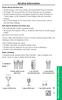 Alcohol information Facts about alcohol use Alcohol (grog) is the most widely used recreational drug in Australia NT drinks 70% more and WA 25% more than the rest of Australia Alcohol related deaths for
MOH CLINICAL PRACTICE GUIDELINES 2/2008 Prescribing of Benzodiazepines
 MOH CLINICL PRCTICE GUIELINES 2/2008 Prescribing of Benzodiazepines College of Family Physicians, Singapore cademy of Medicine, Singapore Executive summary of recommendations etails of recommendations
TREATMENT MODALITIES. May, 2013
 TREATMENT MODALITIES May, 2013 Treatment Modalities New York State Office of Alcoholism and Substance Abuse Services (NYS OASAS) regulates the addiction treatment modalities offered in New York State.
ALCOHOL WITHDRAWAL SYNDROME
 ALCOHOL WITHDRAWAL SYNDROME INTRODUCTION Alcohol is the most commonly abused drug in the United States and when someone who chronically abuses alcohol does not drink, that person is at risk for developing
Corl Kerry - Referral and Assessment for Residential Treatment (Tier 4) Introduction Types of Tier 4 Services Services provided at Tier 4
 Corl Kerry - Referral and Assessment for Residential Treatment (Tier 4) This document seeks to name the criteria that can guide referrals to residential tier 4 facilities (Part A). It provides guidance
SCRIPT NUMBER 116 ALCOHOL ADDICTION - 2 (TWO SPEAKERS)
 SCRIPT NUMBER 116 ALCOHOL ADDICTION - 2 (TWO SPEAKERS) PROGRAM NAME: HEALTH NUGGETS PROGRAM TITLE: ALCOHOL ADDICTION - 2 PROGRAM NUMBER: 116 SUBJECT: ALCOHOL ADDICTION, RISK FACTORS, TREATMENT KEY WORDS:
4. Program Regulations
 MassHealth Substance Abuse Treatment Manual Subchapter Number and Title Table of Contents Transmittal Letter SAT-15 Page iv Date 07/01/06 4. Program Regulations 418.401: Introduction... 4-1 418.402: Definitions...
Alcohol withdrawal A challenge in caring for patients after heart surgery
 Abteilung Praxisentwicklung Pflege Alcohol withdrawal A challenge in caring for patients after heart surgery Wolfgang Hasemann, RN, PhD Deborah Leuenberger, MScN.cand. June 2015 Content Alcohol consumption
Alcoholism and Problem Drinking
 Page 1 of 5 Alcoholism and Problem Drinking Alcoholism is a word which many people use to mean alcohol dependence (alcohol addiction). Some people are problem drinkers without being dependent on alcohol.
How To Treat Alcohol Withdrawal In The Elderly
 ALCOHOL ABUSE AND WITHDRAWAL SYNDROME IN THE ELDERLY Colin Muscat Family Medicine Case 90 year old Female Lives with son on vacation Admitted for FTT Consult -? GARP Develops increasing confusion during
Alcohol detoxification
 Alcohol detoxification A guide to alcohol detoxification for service users and families. Stockton Treatment Alcohol and Recovery Service Alcohol dependence If you are dependent on alcohol then you will
Prescribing for substance misuse: alcohol detoxification
 Prescribing for substance misuse: alcohol detoxification POMH-UK Quality Improvement Programme. Topic 14a: baseline Prepared by the Prescribing Observatory for Mental Health-UK for Kent and Medway NHS
Residential Sub-Acute Detoxification Guidelines
 I. Background Information A. Definition of Detoxification Residential Sub-Acute Detoxification Guidelines SAMSA s TIP #45, Detoxification and Substance Abuse Treatment: Treatment Improvement Protocols
DRUG and ALCOHOL ABUSE
 M12 DRUG and ALCOHOL ABUSE EMS personnel must be aware that alcohol and drug ingestion can mask the symptoms of injury or illness. In addition, many injuries and illnesses can present as suspected alcohol
Section 15.3 Long-Term Risks of Alcohol
 Objectives Identify five serious physical effects of longterm alcohol abuse. Describe the three stages of alcoholism. List in order three steps taken during recovery from alcoholism. Slide 1 of 25 Myth
CORRECTIONAL HEALTHCARE WEBINAR
 1 CORRECTIONAL HEALTHCARE WEBINAR 2 Managing Alcohol Withdrawal in the Correctional Setting February 29, 2012 3 Michelle Foster Earle President OMNISURE CONSULTING GROUP, LLC 401 Congress Ave., Suite 1540
WORKERS COMPENSATION PROTOCOLS WHEN PRIMARY INJURY IS PSYCHIATRIC/PSYCHOLOGICAL
 WORKERS COMPENSATION PROTOCOLS WHEN PRIMARY INJURY IS PSYCHIATRIC/PSYCHOLOGICAL General Guidelines for Treatment of Compensable Injuries Patient must have a diagnosed mental illness as defined by DSM-5
SUBSTANCE ABUSE SCREENING
 OVERVIEW Substance abuse in the elderly is a common problem that is frequently under- diagnosed by primary care doctors and families. Alcohol abuse is present in 10% to 15% of elderly individuals who seek