
ALCOHOL WITHDRAWAL. Ravi Dhanisetty 11/30/2007
|
|
|
- Andrew Evans
- 10 years ago
- Views:
Transcription
1 ALCOHOL WITHDRAWAL SYNDROME Ravi Dhanisetty 11/30/2007 Veterans Affairs Hospital

2 ACGME CORE COMPETENCIES Medical Knowledge Patient Care Interpersonal Skills Practice Based Learning Systems Based Learning Professionalism

3 CASE PRESENTATION xx year old male was admitted for elective right hthemi-colectomy. Outpatient screening colonoscopy showed a cecal mass - moderately differenciated adenocarcinoma. ROS: 30 lbs weight loss in 8 weeks.

4 CASE PRESENTATION PMHx: Diabetes Mellitus Coronary Artery Disease Chronic Obstructive Pulmonary Disease PSHx: Removal of sharpnel from right shoulder. Home Medications: Lopressor, albuterol, atrovent Social History: Alcohol beers daily and liquor on weekends. Tobacco - 80 pack year history.

5 CASE PRESENTATION PE: /88 86 A/Ox3 Neurological: no focal deficits. RRR Clear bilaterally Abdomen - soft, no masses, obese No edema in extremities.

6 CASE PRESENTATION Laboratory values: Wbc , hgb -12.6, hct 35, platlets l Electrolytes, LFTs wnl. PT 16.6, INR 1.4, PTT 34.6 CT of abdomen & pelvis no evidence of metastatic disease.

7 CASE PRESENTATION OR Details: Episode of hypoxemia after induction of anesthesia. Responded to bronchodialators. Patient underwent exploratory laparotomy, right hemi-colectomy, and 2-layered hand sewn ileo- colonic anastomosis. Patient remained intubated after the case and transferred to SICU.

8 CASE PRESENTATION POD #1: Patient was successfully extubated on morning rounds. Placed on nebulizer treatments, t t thiamine, i folate, Ativan for delirium tremens prophylaxis. He remained hemodynamically stable and was out of bed.

9 CASE PRESENTATION Overnight (3:00 a.m.), patient became restless and agitated. ittd 115/75 HR: 95 sat 100% Given IM ativan (4 mg) and haldol (5 mg), soft restraints placed. (3:51 a.m.) ABG (face mask): 7.41/40.9/63.3/25.5/92.5/0.0

10 CASE PRESENTATION 4:30 a.m. Patient became unresponsive and asystolic. Code 33: Patient was intubated and resuscitated as per ACLS. 5:00 a.m (post code). : 7.16/36/119/12.4/99/- 15

11 CASE PRESENTATION POD #2: Despite discontinuation of all sedation,,patient remained unarousable. Head CT scan showed changes consistent with diffuse anoxic brain injury. No PE on chest CT No EKG changes or significant troponin elevation.

12 CASE PRESENTATION No change in patients neurological status over next several days. After consultation with neurology, palliative care, and hospital ethics committee, patient s condition was discussed with the family. POD #7: Patient s family decided to withdraw supportive care.

13 ALCOHOL WITHDRAWAL SYNDROME Epidemiology: Common condition in inpatient setting. Symptoms developed in 8% of all general hospital admissions, 16% of all postsurgical patients, and 31% of all trauma patients. Development of alcohol withdrawal increased mortality 3 fold in post surgical patients.

14 PATHOPHYSIOLOGY O OG Alcohol withdrawal is a neurologic disorder with a continuum of progressively worsening symptoms. Secondary to effects of chronic alcohol use on the central nervous system. Exacerbated by the co-morbid conditions associated with alcoholism.

15 PATHOPHYSIOLOGY O OG Chronic alcohol consumption has profound effects on central nervous system neurotransmitters. Chronic exposure increases overactivity i in CNS especially ill sympathetic autonomic outflow GABA receptor: great inhibitor Alcohol downregulates GABA -R leading to loss of inhibition. NMDA receptor: Alcohol upregulates NMDA leading to increased excitation. This combination of increased excitation and loss of inhibition results in the clinical manifestations of autonomic excitability and psychomotor agitation.

16 CLINICAL SYNDROMES Minor Withdrawal: 6-36 hours Tremulousness, mild anxiety, headache, diaphoresis, anorexia, GI upset characterized by hypertension, tachycardia Alcoholic Hallucinosis: hours Visual, auditory, and/or tactile hallucinations Withdrawal Seizures: 6-48 hours Generalized, tonic-clonic seizures occur early, usually single with brief post-ictal period Dlii Delirium Tremens: hours Delirium, tachycardia, hypertension, agitation, fever, diaphoresis characterized by delirium and autonomic instability

17 CLINICAL SYNDROMES Alcoholic Hallucinosis 25 % of patients. Tactile (formication) and visual hallucinations No evidence of autonomic instability Not a predictor for subsequent development of DT. Withdrawal Seizures: In 10% of patients with alcohol withdrawal Self limited with rapid recovery Status epilepticus (rare) May have underlying seizure disorder Seizure with high alcohol level poor prognostic indicator.

18 CLINICAL SYNDROMES DELIRIUM TREMENS: hours Severe autonomic instability along with: Disturbance of consciousness or Change in cognition (such as memory deficit, disorientation, language disturbance) 5-37% mortality. Increased mortality if other co-morbidities: pulmonary disease, liver disease, temperature > 104 F.

19 RISK FACTORS for DEVELOPMENT OF SEVERE ALCOHOL WITHDRAWAL Strongest predictor: history of prior episodes or family history. Age >30 History of sustained drinking. Biochemical markers: homocysteine levels, liver function tests, t alcohol l level l Several studies done with contradictory results and no clear correlation.

20 Clinical i l Institute t Withdrawal Assessment Score objective scoring system to quantify the severity of alcohol withdrawal. ihd Kosten, TR T.R et al. Management of fdrug and Alcohol Withdrawal. NEJM 2003: 348:

21 MANAGEMENT Alcohol withdrawal seizures: Slfli Self limitedi Benzodiazepines are the preferred agent and prevent recurrence. Dilantin multiple trials show does not prevent recurrence. Most likely secondary to its inability to regulate GABA or NMDA receptors.
22 MANAGEMENT: Severe Alcohol Withdrawal Autonomic instability could place significant physiological stress. ABC All patients with chronic alcohol use have vitamin (especially Thiamine) and volume depletion. DVT prophylaxis and aspiration precautions. Correct electrolyte deficiency.
23 MANAGEMENT Drug of Choice Landmark study: randomized prospective study. 547 patients in acute alcohol withdrawal were randomized to 1 of 4 drugs or placebo. Chlordiazepoxide Chlorpromazine Hydroxyzine y Thiamine Patients receiving chlordiazepoxide had the lowest incidence of both delirium tremens and alcohol withdrawal seizures. BENZODIAZEPINES - first-line agent for treatment of Alcohol Withdrawal Syndrome. Kaim SC, Klett CJ, Rothfeld B: Treatment of the acute alcohol withdrawal state: A comparison of four drugs. Am J Psychiatry 1969;125:
24 MANAGEMENT Drug of Choice Diazepam (valium): Prefered agent for moderate to severe AWS Rapid onset of action (avoids oversedation) Long half-lifelife secondary to active metabolite Chlordiazepoxide (librium): most commonly used Lorazepam (ativan) No active metabolites, better tolerated in patients with compromized liver function
25 MANAGEMENT Drug of Choice Phenobarbital and propofol are other options that t can be given in addition to benzodiazepines. Beta- blockers and central acting alphaagonists (clonidine) as adjuncts.
26 MANAGEMENT Severe alcohol withdrawal / delirium tremens. Initial management: titration with intravenous benzodiazepine to achieve sedation and normal vital signs. May need admission to ICU or stepdown unit for autonomic instability / respiratory depression Repeated reassesment and administration of boluses in a symptom-triggered fashion.
27 SUGGESTED CRITERIA for ICU ADMISSION Age >40 Cardiac disease Hemodynamic instability Marked acid-base disturbances Severe electrolyte defects Respiratory insufficiency Potentially serious infections (wounds, pneumonia, trauma, urinary tract infection) Signs of gastrointestinal pathology (pancreatitis, GI bleeding, hepatic insufficiency, suspected peritonitis) Persistent hyperthermia (T >39ºC [103ºF]) Renal insufficiency or increased fluid requirements A history of prior alcohol withdrawal complications Need for frequent or high doses of sedatives or an intravenous infusion to control symptoms Carlson, RW, Keske, B, Cortez, D, J Crit Illness 1998; 13:311.
28 MANAGEMENT: Symptom-triggered Randomized, double-blinded study: 101 patients t randomized d to either fixed (with boluses as required) or symptom triggered regiment. Severity of symptoms quantified by using Clinical Institute Withdrawal Assessment score. Saitz R, Mayo-Smith MF, Roberts MS, et al: Individualized treatment for alcohol withdrawal. A randomized double-blind blind controlled trial. JAMA 1994;272:
29 MANAGEMENT: Symptom-triggered Results: Shorter duration of treatment. Decreased amount of benzodiazepine used. No significant differences in the severity of withdrawal during treatment No difference in the incidence of seizures or delirium tremens between two groups Saitz R, Mayo-Smith MF, Roberts MS, et al: Individualized treatment for alcohol withdrawal. A randomized double-blind controlled trial. JAMA 1994;272:
30 CONCLUSIONS Alcohol withdrawal is a complex neurological disorder. Physiologic process involving both neuronal excitation and reduced inhibition leading to autonomic excitability that can lead to altered mental status and seizures. Treatment includes supportive care and sedation with benzodiazepines in a symptom triggered fashion.
How To Treat Alcohol Withdrawal In The Elderly
 ALCOHOL ABUSE AND WITHDRAWAL SYNDROME IN THE ELDERLY Colin Muscat Family Medicine Case 90 year old Female Lives with son on vacation Admitted for FTT Consult -? GARP Develops increasing confusion during
Alcohol Withdrawal Recognition and Treatment
 Alcohol Withdrawal Recognition and Treatment Thomas Meyer BS EMS, MICP SREMSC Page 1 Purpose As EMTs a mantle of responsibility is placed upon you to ensure the safety and well-being of those in your charge
Case. History of psoriatic arthritis, htn, essential tremor Meds: propranolol, etodolac, etanercept No history of prior psychiatric disease.
 Case 48 year old man admitted complaining of hallucinations. Mild hallucinations for a year. Worsened tremor for 3 weeks and then markedly worse hallucinations last 2 days History of psoriatic arthritis,
Alcohol withdrawal syndromes in the intensive care unit
 本 檔 僅 供 內 部 教 學 使 用 檔 案 內 所 使 用 之 照 片 之 版 權 仍 屬 於 原 期 刊 公 開 使 用 時, 須 獲 得 原 期 刊 之 同 意 授 權 Alcohol withdrawal syndromes in the intensive care unit MaryClare Sarff, MD; Jeffrey A. Gold, MD Crit Care Med 2010
Alcohol Withdrawal Syndrome & CIWA Assessment
 Alcohol Withdrawal Syndrome & CIWA Assessment Alcohol Withdrawal Syndrome is a set of symptoms that can occur when an individual reduces or stops alcoholic consumption after long periods of use. Prolonged
How To Treat An Alcoholic Withdrawal
 Alcohol Withdrawal Sorrento, Italy (September 19, 2007) Lewis R. Goldfrank, MD Professor and Chairman, Emergency Medicine New York University School of Medicine Director, Emergency Medicine Bellevue Hospital/NYU
Alcohol Withdrawal. Introduction. Blood Alcohol Concentration. DSM-IV Criteria/Alcohol Abuse. Pharmacologic Effects of Alcohol
 Pharmacologic Effects of Alcohol Alcohol Withdrawal Kristi Theobald, Pharm.D., BCPS Therapeutics III Fall 2003 Inhibits glutamate receptor function (NMDA receptor) Inhibits excitatory neurotransmission
Symptom Based Alcohol Withdrawal Treatment
 Symptom Based Alcohol Withdrawal Treatment -Small Rural Hospital- Presenter CDR Dwight Humpherys, DO [email protected] Idaho State University Baccalaureate Nursing Program Lake Erie College of Osteopathic
Alcohol Withdrawal Syndromes
 Alcohol Withdrawal Syndromes Should You Treat This Patient s Alcohol Withdrawal With Benzodiazepines?! Meta-analysis of RCTs of benzodiazepines for the treatment of alcohol withdrawal! 11 RCTs identified,
Care of the Patient Undergoing Alcohol Withdrawal. Meggen Platzar RN, BSN, CMSRN Jennifer Wilhelm RN, BSN, CMSRN
 Care of the Patient Undergoing Alcohol Withdrawal Meggen Platzar RN, BSN, CMSRN Jennifer Wilhelm RN, BSN, CMSRN If you know someone who tries to drown their sorrows, you might tell them sorrows know how
Background. Population/Intervention(s)/Comparison/Outcome(s) (PICO) List of the systematic reviews identified by the search process
 updated 2012 Treatment of alcohol withdrawal delirium Q3: In the treatment of alcohol withdrawal delirium, are benzodiazepines or antipsychotics safe and effective when compared to a placebo/appropriate
Philip Moore DO, Toxicology Fellow, PinnacleHealth Toxicology Center Joanne Konick-McMahan RN MSRN, Staff RN, PinnacleHealth
 Philip Moore DO, Toxicology Fellow, PinnacleHealth Toxicology Center Joanne Konick-McMahan RN MSRN, Staff RN, PinnacleHealth I. II. Background A. AWS can occur in anyone who consumes alcohol B. Risk correlates
Alcohol Withdrawal Syndrome. Jeffrey P Schaefer MSc MD FRCPC GI Emergencies Update October 14, 2007 http:dr.schaeferville.com
 Alcohol Withdrawal Syndrome Jeffrey P Schaefer MSc MD FRCPC GI Emergencies Update October 14, 2007 http:dr.schaeferville.com Objectives Alcohol Intoxication Take-Aways diagnosis avoid mis-diagnosis management
Outpatient Treatment of Alcohol Withdrawal. Daniel Duhigg, DO, MBA
 Outpatient Treatment of Alcohol Withdrawal Daniel Duhigg, DO, MBA DSM V criteria for Alcohol Withdrawal A. Cessation or reduction of heavy/prolonged alcohol use B. 2 or more of the following in hours to
INTOXICATED PATIENTS AND DETOXIFICATION
 VAMC Detoxification Decision Tree Updated May 2006 INTOXICATED PATIENTS AND DETOXIFICATION Patients often present for evaluation of substance use and possible detoxification. There are certain decisions
Phenobarbital in Severe Alcohol Withdrawal Syndrome. Jordan Rowe Pharm.D. Candidate UAMS College of Pharmacy
 Phenobarbital in Severe Alcohol Withdrawal Syndrome Jordan Rowe Pharm.D. Candidate UAMS College of Pharmacy Disclosure: No relevant financial relationship exists. Objectives 1. Describe the pathophysiology
Alcohol and nicotine are widely abused substances and are often used together One study showed that 15% of patients visiting a primary care practice
 Dr IM Joubert Alcohol and nicotine are widely abused substances and are often used together One study showed that 15% of patients visiting a primary care practice for any reason had either an at-risk pattern
THE BASICS. Community Based Medically Assisted Alcohol Withdrawal. World Health Organisation 2011. The Issues 5/18/2011. RCGP Conference May 2011
 RCGP Conference May 2011 Community Based Medically Assisted Alcohol Withdrawal THE BASICS An option for consideration World Health Organisation 2011 Alcohol is the world s third largest risk factor for
Alcohol withdrawal A challenge in caring for patients after heart surgery
 Abteilung Praxisentwicklung Pflege Alcohol withdrawal A challenge in caring for patients after heart surgery Wolfgang Hasemann, RN, PhD Deborah Leuenberger, MScN.cand. June 2015 Content Alcohol consumption
GP Drug & Alcohol Supplement No.7 May 1997
 GP Drug & Alcohol Supplement No.7 May 1997 This is the seventh of the monthly Drug and Alcohol Supplements prepared for Central Coast GPs. Detoxification from Alcohol Dr Tony Gill Introduction The management
NewYork-Presbyterian Hospital Sites: All Centers Medication Use Manual: Guideline Page 1 of 12
 Page 1 of 12 TITLE: ALCOHOL WITHDRAWAL (AWD) SYMPTOM-TRIGGERED THERAPY GUIDELINES (PILOT) FOR MEDICAL PATIENTS (NYP/CU: EMERGENCY DEPARTMENT, MEDICAL ICU/A AND B, 6GN/S, AND 7GS) GUIDELINE: Alcohol Withdrawal
How To Screen For Alcohol Dependence
 Commonwealth of Massachusetts Board of Registration in Medicine Quality and Patient Safety Division Advisory Alcohol Screening and Management Protocols July 2013 Background The Quality and Patient Safety
New York State Office of Alcoholism & Substance Abuse Services Addiction Services for Prevention, Treatment, Recovery
 New York State Office of Alcoholism & Substance Abuse Services Addiction Services for Prevention, Treatment, Recovery USING THE 48 HOUR OBSERVATION BED USING THE 48 HOUR OBSERVATION BED Detoxification
Alcohol Dependence and Motivational Interviewing
 Alcohol Dependence and Motivational Interviewing Assessment of Alcohol Misuse Checklist Establish rapport patients are often resistant Longitudinal history of alcohol use Assess additional drug use Establish
GUIDELINES FOR COMMUNITY ALCOHOL DETOXIFICATION IN SHARED CARE
 GUIDELINES FOR COMMUNITY ALCOHOL DETOXIFICATION IN SHARED CARE Dr Millicent Chikoore MBBS MRCPsych Dr O Lagundoye MBBS MRCPsych Community based alcohol detoxification is a safe and effective option for
A COMPARATIVE STUDY OF EFFICACY & TOLERABILITY OF LORAZEPAM AND GABAPENTIN IN THE TREATMENT OF ALCOHOL WITHDRAWAL SYNDROME
 A COMPARATIVE STUDY OF EFFICACY & TOLERABILITY OF LORAZEPAM AND GABAPENTIN IN THE TREATMENT OF ALCOHOL WITHDRAWAL SYNDROME Dr. Ashutosh Chourishi,* Dr. O.P. Raichandani**, Dr. Sunita Chandraker***, Dr.
University of Michigan Alcohol Withdrawal Guidelines Overview
 University of Michigan Alcohol Withdrawal Guidelines Overview The following document contains the University of Michigan Alcohol Withdrawal Guidelines. These guidelines were developed through an intensive
2.6.4 Medication for withdrawal syndrome
 .6.3 Self-medication Self-medication presents a risk during alcohol withdrawal, particularly when there is minimal supervision (low level and medium level 1 settings). Inform patients of the risk of selfmedication
in the Elderly Thomas Robinson, MD Surgery Grand Rounds March 10 th, 2008
 Post- Operative Delirium in the Elderly Thomas Robinson, MD Surgery Grand Rounds March 10 th, 2008 What is the most common post-operative complication in elderly patients? What is the most common post-operative
SUBSTANCE USE DISORDER SOCIAL DETOXIFICATION SERVICES [ASAM LEVEL III.2-D]
![SUBSTANCE USE DISORDER SOCIAL DETOXIFICATION SERVICES [ASAM LEVEL III.2-D]](/thumbs/27/9667060.jpg "SUBSTANCE USE DISORDER SOCIAL DETOXIFICATION SERVICES [ASAM LEVEL III.2-D]") SUBSTANCE USE DISORDER SOCIAL DETOXIFICATION SERVICES [ASAM LEVEL III.2-D] I. Definitions: Detoxification is the process of interrupting the momentum of compulsive drug and/or alcohol use in an individual
SUBSTANCE USE DISORDER SOCIAL DETOXIFICATION SERVICES [ASAM LEVEL III.2-D] I. Definitions: Detoxification is the process of interrupting the momentum of compulsive drug and/or alcohol use in an individual
Substance Use Learning Event Nov 3, 2015 Bill Bullock MD, CCFP
 Substance Use Learning Event Nov 3, 2015 Bill Bullock MD, CCFP Medical assessment of patient with Alcohol Use Disorder Identification patients suitable for home detox Process for referral to inpatient
Targeting patients for use of dexmedetomidine
 Targeting patients for use of dexmedetomidine H a n n a h W u n s c h, M D M S c H e r b e r t I r v i n g A s s i s t a n t P r o f e s s o r o f A n e s t h e s i o l o g y & E p i d e m i o l o g y
Glasgow Assessment and Management of Alcohol
 Glasgow Assessment and Management of Alcohol If you would like further information or advice on the alcohol screening and withdrawal management guideline(gmaws) please contact your local acute addiction
General Internal Medicine Grand Rounds. Julie Taub, MD Denver Health & Hospital Authority, Denver CO
 The Treatment of Acute Alcohol Withdrawal General Internal Medicine Grand Rounds February 14, 2012 Julie Taub, MD Denver Health & Hospital Authority, Denver CO Pharmacology Ethanol Benzodiazepines Chlormethiazole
Symptom-Triggered Alcohol Detoxification: A Guideline for use in the Clinical Decisions Unit of the Emergency Department.
 Symptom-Triggered Alcohol Detoxification: A Guideline for use in the Clinical Decisions Unit of the Emergency Department. Dr Eugene Cassidy, Liaison Psychiatry; Dr Io har O Sulliva, E erge cy Department,
Running head: BEST TREATMENT FOR ALCOHOL WITHDRAWAL SYNDROME 1
 1 Best Treatment for Alcohol Withdrawal Syndrome Kathryn Obert Auburn University School of Nursing 2 Abstract Alcoholism is defined as a pattern of uncontrolled drinking leading to medical, legal, and
Alcohol Withdrawal and Delirium 11-4-03
 Alcoholism Lecture Alcohol Withdrawal and Delirium Jeff Thiele MD 11-4-03 Alcohol intoxication occurs at blood levels of.050 to.080 depending on your criteria. In MO the legal definition is now a BAL of.80
75-09.1-08-02. Program criteria. A social detoxi cation program must provide:
 CHAPTER 75-09.1-08 SOCIAL DETOXIFICATION ASAM LEVEL III.2-D Section 75-09.1-08-01 De nitions 75-09.1-08-02 Program Criteria 75-09.1-08-03 Provider Criteria 75-09.1-08-04 Admission and Continued Stay Criteria
Addiction Medicine 2013
 Addiction Medicine 2013 Pharmacotherapy for alcohol dependence Part I: alcohol withdrawal Roy M Stein, MD Durham Veterans Affairs Medical Center Duke University School of Medicine Objectives Identify goals
Hugh Myrick, M.D., and Raymond F. Anton, M.D.
 Treatment of Alcohol Withdrawal Hugh Myrick, M.D., and Raymond F. Anton, M.D. Appropriate treatment of alcohol withdrawal (AW) can relieve the patient s discomfort, prevent the development of more serious
EMS Branch / Office of the Medical Director. Active Seziures (d) Yes Yes Yes Yes. Yes Yes No No. Agitation (f) No Yes Yes No.
 M07 Medications 2015-07-15 All ages EMS Branch / Office of the Medical Director Benzodiazepines Primary Intermediate Advanced Critical INDICATIONS Diazepam (c) Lorazepam (c) Midazolam (c) Intranasal Midazolam
Emergency Room Treatment of Psychosis
 OVERVIEW The term Lewy body dementias (LBD) represents two clinical entities dementia with Lewy bodies (DLB) and Parkinson s disease dementia (PDD). While the temporal sequence of symptoms is different
ALCOHOL DETOXIFICATION (IN-PATIENTS) PRESCRIBING GUIDELINE
 ALCOHOL DETOXIFICATION (IN-PATIENTS) PRESCRIBING GUIDELINE Authors Sponsor Responsible committee Ratified by Consultant Psychiatrist; Pharmacist Team Manager Medical Director Medicines Management Group
Development and Implementation of an Evidence-Based Alcohol Withdrawal Order Set. Kathleen Lenaghan MSN, RN-BC
 Development and Implementation of an Evidence-Based Alcohol Withdrawal Order Set Kathleen Lenaghan MSN, RN-BC 1 2 Genesis Medical Center Davenport, Iowa Objectives Identify the process of developing and
Alcohol Withdrawal. Julie Teater, MD Associate Professor - Clinical Department of Psychiatry The Ohio State University Wexner Medical Center
 Julie Teater, MD Associate Professor - Clinical Department of Psychiatry The Ohio State University Wexner Medical Center Learning Goals/Objectives Discuss the diagnosis of and screening for alcohol use
ALCOHOL WITHDRAWAL SYNDROME
 ALCOHOL WITHDRAWAL SYNDROME INTRODUCTION Alcohol is the most commonly abused drug in the United States and when someone who chronically abuses alcohol does not drink, that person is at risk for developing
Diabetes Expert Witness on: Diabetic Hypoglycemia in Nursing Homes
 Diabetes Expert Witness on: Diabetic Hypoglycemia in Nursing Homes Nursing home patients with diabetes treated with insulin and certain oral diabetes medications (i.e. sulfonylureas and glitinides) are
Phenobarbital Use as Adjunct to Benzodiazepines in the Treatment of Severe Alcohol Withdrawal Syndrome
 Journal of Pharmacy and Pharmacology (014) 1-7 D DAVID PUBLISHING Phenobarbital Use as Adjunct to Benzodiazepines in the Treatment of Severe Alcohol Withdrawal Cristina Roman, Sibusisiwe Gumbo and Kevin
In 1992, approximately 13.8 million
 Alcohol Withdrawal Syndrome MAX BAYARD, M.D., JONAH MCINTYRE, M.D., KEITH R. HILL, M.D., and JACK WOODSIDE, JR., M.D. East Tennessee State University James H. Quillen College of Medicine, Johnson City,
Does This Hospital Serve Cocktails? Alcohol Withdrawal: A Nursing Perspective. Written and presented by: Susan Laffan, RN, CCHP-RN, CCHP-A
 Does This Hospital Serve Cocktails? Alcohol Withdrawal: A Nursing Perspective Written and presented by: Susan Laffan, RN, CCHP-RN, CCHP-A Disclaimer: This speaker has no financial disclaimers to report.
Supported Alcohol Withdrawal Treatment Information
 Supported Alcohol Withdrawal Treatment Information Alcohol Liaison Service What is Alcohol Withdrawal Syndrome? If you are dependent on alcohol and suddenly stop drinking or you are admitted to hospital
APPENDIX B SAMPLE PEDIATRIC CRITICAL CARE NURSE PRACTITIONER GOALS AND OBJECTIVES
 APPENDIX B SAMPLE PEDIATRIC CRITICAL CARE NURSE PRACTITIONER GOALS AND OBJECTIVES The critical care nurse practitioner orientation is an individualized process based on one s previous experiences and should
Guidelines for the Diagnosis and Management of Acute Confusion (delirium) in the Elderly
 Guidelines for the Diagnosis and Management of Acute Confusion (delirium) in the Elderly Author: Madeleine Purchas (SpR Care of the Elderly) Consultant Supervisor: Dr Neil Pollard Date: 16 th Dec 2005
PHYSICIAN SIGNATURE DATE TIME DRUG ALLERGIES WT: KG
 DRUG AND TREATMENT Condition/Status This powerplan is only intended for use in those patients having symptoms related to alcohol withdrawal. See DSM-IV-TR criteria listed in the Alcohol Withdrawal ICU
Alcohol Abuse and Addiction Management Protocol
 Alcohol Abuse and Addiction Management Protocol All Team Members: Patient Self-Management Education and Support Alcohol is the most commonly abused drug in the United States. About 18 million people in
Alcohol information. A standard drink contains about 10g of alcohol takes a healthy liver about 1 hour to remove alcohol from the body.
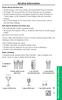 Alcohol information Facts about alcohol use Alcohol (grog) is the most widely used recreational drug in Australia NT drinks 70% more and WA 25% more than the rest of Australia Alcohol related deaths for
Diabetic Ketoacidosis: When Sugar Isn t Sweet!!!
 Diabetic Ketoacidosis: When Sugar Isn t Sweet!!! W Ricks Hanna Jr MD Assistant Professor of Pediatrics University of Tennessee Health Science Center LeBonheur Children s Hospital Introduction Diabetes
Benzodiazepines: A Model for Central Nervous System (CNS) Depressants
 Benzodiazepines: A Model for Central Nervous System (CNS) Depressants Objectives Summarize the basic mechanism by which benzodiazepines work in the brain. Describe two strategies for reducing and/or eliminating
How To Know If You Should Be Treated
 Comprehensive ehavioral Care, Inc. delivery system that does not include sufficient alternatives to a particular LOC and a particular patient. Therefore, CompCare considers at least the following factors
MOH CLINICAL PRACTICE GUIDELINES 2/2008 Prescribing of Benzodiazepines
 MOH CLINICL PRCTICE GUIELINES 2/2008 Prescribing of Benzodiazepines College of Family Physicians, Singapore cademy of Medicine, Singapore Executive summary of recommendations etails of recommendations
Lorraine Wilson, 74 years of age, is admitted. Alcohol Withdrawal. During Hospitalization. Early recognition and consistent intervention are critical.
 1.9 h o u r s Continuing Education Withdrawal During Hospitalization Early recognition and consistent intervention are critical. Overview: For a chronic drinker, sudden alcohol withdrawal because of an
Mayo Clin Proc, July 2001, Vol 76 Alcohol Withdrawal in Inpatients 695
 Mayo Clin Proc, July 2001, Vol 76 Alcohol Withdrawal in Inpatients 695 Original Article Symptom-Triggered Therapy for Alcohol Withdrawal Syndrome in Medical Inpatients THOMAS M. JAEGER, MD; ROBERT H. LOHR,
The Clinical Evaluation of the Comatose Patient in the Emergency Department
 The Clinical Evaluation of the Comatose Patient in the Emergency Department patients with altered mental status (AMS) and coma. treat patients who present to the Emergency Department with altered mental
MEDICAL INTENSIVE CARE UNIT - HEALTH SCIENCES CENTRE Reviewed August 2011
 MEDICAL INTENSIVE CARE UNIT - HEALTH SCIENCES CENTRE Reviewed August 2011 Goal The rotation in the Medical Intensive Care Unit at HSC is designed to allow the resident to encounter patients with tertiary
Alcohol Withdrawal in the AMU. Dr Ewan Forrest Glasgow Royal Infirmary
 Alcohol Withdrawal in the AMU Dr Ewan Forrest Glasgow Royal Infirmary The Society for Acute Medicine, 7 th International Conference, 3-4 October 2013 AWS: The Scale of the Problem Hospital Admissions (England):
In the United States, alcohol is the most commonly abused. Alcohol Withdrawal. Review Article
 Review Article Alcohol Withdrawal Anton Manasco, BS, Shannon Chang, MD, Joseph Larriviere, MD, L. Lee Hamm, MD, and Marcia Glass, MD Abstract: Alcohol withdrawal is a common clinical condition that has
A Manic Episode is defined by a distinct period during which there is an abnormally and persistently elevated, expansive, or irritable mood.
 Bipolar disorder Bipolar (manic-depressive illness) is a recurrent mode disorder. The patient may feel stable at baseline level but experience recurrent shifts to an emotional high (mania or hypomania)
PARAMEDIC TRAINING CLINICAL OBJECTIVES
 Page 1 of 21 GENERAL PATIENT UNIT When assigned to the General Patient unit paramedic student should gain knowledge and experience in the following: 1. Appropriate communication with patients and members
SPECIFICATION FOR THE LOCAL COMMISSIONED SERVICE FOR THE MANAGEMENT ALCOHOL MISUSE
 SPECIFICATION FOR THE LOCAL COMMISSIONED SERVICE FOR THE MANAGEMENT OF ALCOHOL MISUSE Date: March 2015 1 1. Introduction Alcohol misuse is a major public health problem in Camden with high rates of hospital
REFERENCE. Admit to: Program/Service: Diagnosis: Droplet/ Contact Airborne/ Contact
 Weight (kg) REFER TO THE ALLERGY SCREEN IN MEDITECH FOR ALLERGY INFORMATION To complete the order form, fill in the required blanks and/or check the appropriate boxes. To delete orders, draw one line through
DRUG and ALCOHOL ABUSE
 M12 DRUG and ALCOHOL ABUSE EMS personnel must be aware that alcohol and drug ingestion can mask the symptoms of injury or illness. In addition, many injuries and illnesses can present as suspected alcohol
Version 2 This guideline describes how to manage patients who are showing signs and symptoms of alcohol withdrawal and Wernicke s Encephalopathy.
 Title of Guideline (must include the word Guideline (not protocol, policy, procedure etc) Contact Name and Job Title (author) Directorate & Speciality A Guideline for the Management of Acute Alcohol Withdrawal
This controlled document shall not be copied in part or whole without the express permission of the author or the author s representative.
 Title: Staff Guidelines For The Management Of Alcohol Withdrawal In NHS Grampian Adult ( Age 18) Inpatients Unique Identifier: Replaces: (provided by the NHS Grampian Review Group for Clinical Process
Jason Hoppe, D.O. Department of Emergency Medicine University of Colorado
 Jason Hoppe, D.O. Department of Emergency Medicine University of Colorado Remember that patient you admitted 56 yo M broken hip and mild alcohol withdrawal, no other complaints, non-focal exam and workup
Atrial Fibrillation in the ICU: Attempting to defend 4 controversial statements
 Atrial Fibrillation in the ICU: Attempting to defend 4 controversial statements Salmaan Kanji, Pharm.D. The Ottawa Hospital The Ottawa Hospital Research Institute Conflict of Interest No financial, proprietary
The CCB Science 2 Service Distance Learning Program
 S2S 2055 DETOXIFICATION Module 1 Post-Test 1. A common use of a biochemical marker is. a. to support or refute other information that leads to proper diagnosis b. for forensic purposes c. in detecting
Effects of Illicit Drugs on the Heart and Brain Presented by: Jeffrey Sather, MD, FACEP Trinity Health
 2014 Stroke/Cardiac System of Care Conference Effects of Illicit Drugs on the Heart and Brain Presented by: Jeffrey Sather, MD, FACEP Trinity Health Disclosures No Financial incentives No off label use
Cholinesterase inhibitors and memantine use for Alzheimer s disease TOPIC REVIEW
 Cholinesterase inhibitors and memantine use for Alzheimer s disease TOPIC REVIEW Diagnosis of Dementia : DSM-IV criteria Loss of memory and one or more other cognitive abilities Aphasia Apraxia Agnosia
SEDATIVE/HYPNOTICS I. AVAILABLE FORMS
 SUBSTANCE ABUSE: Sedative-Hypnotics/Alcohol Withdrawal John Gualtieri, PharmD Clinical Assistant Professor Dept. of Experimental and Clinical Pharmacology College of Pharmacy, University of Minnesota OBJECTIVES
Alcohol intervention programs in other countries
 Alcohol intervention programs in other countries Assist. Prof. Dr. Suttiporn Janenawasin Siriraj Hosp. Mahidol Univ. A Major Task for Drug Treatment is Changing Brains Back! The Most Effective Treatment
Review of Pharmacological Pain Management
 Review of Pharmacological Pain Management CHAMP Activities are possible with generous support from The Atlantic Philanthropies and The John A. Hartford Foundation The WHO Pain Ladder The World Health Organization
1. According to recent US national estimates, which of the following substances is associated
 1 Chapter 36. Substance-Related, Self-Assessment Questions 1. According to recent US national estimates, which of the following substances is associated with the highest incidence of new drug initiates
General PROVIDER INITIALS: PHYSICIAN ORDERS
 Height Weight Allergies If appropriate for patient condition, please consider the following order sets: Initiate Electrolyte Replcement: Med/Surg, Med/Surg Tele Physician Order #842 General Vital Signs
Introduction to Alcohol Withdrawal. Richard Saitz, M.D., M.P.H.
 Introduction to Alcohol Withdrawal Richard Saitz, M.D., M.P.H. Heavy drinkers who suddenly decrease their alcohol consumption or abstain completely may experience alcohol withdrawal (AW). Signs and symptoms
SPECIALIZED PHYSICAL HEALTH CARE SERVICES. RECTAL DIAZEPAM ADMINISTRATION (DIASTAT or DIASTAT AcuDial )
 SAN DIEGO UNIFIED SCHOOL DISTRICT Nursing & Wellness Program SPECIALIZED PHYSICAL HEALTH CARE SERVICES RECTAL DIAZEPAM ADMINISTRATION (DIASTAT or DIASTAT AcuDial ) THIS PROCEDURE SHALL BE PERFORMED BY
Bakersfield College Associate Degree Nursing NURS B28 - Medical Surgical Nursing 4
 1 Bakersfield College Associate Degree Nursing NURS B28 - Medical Surgical Nursing 4 Unit 1 - COURSE This unit will present the instructional syllabus and define the Student Learning Outcomes (SLO) for
Mental health issues in the elderly. January 28th 2008 Presented by Éric R. Thériault [email protected]
 Mental health issues in the elderly January 28th 2008 Presented by Éric R. Thériault [email protected] Cognitive Disorders Outline Dementia (294.xx) Dementia of the Alzheimer's Type (early and late
MEDICATION ABUSE IN OLDER ADULTS
 MEDICATION ABUSE IN OLDER ADULTS Clifford Milo Singer, MD Adjunct Professor, University of Maine, Orono ME Chief, Division of Geriatric Mental Health and Neuropsychiatry The Acadia Hospital and Eastern
Preoperative Laboratory and Diagnostic Studies
 Preoperative Laboratory and Diagnostic Studies Preoperative Labratorey and Diagnostic Studies The concept of standardized testing in all presurgical patients regardless of age or medical condition is no
Alcohol Liaison Service. Alcohol Withdrawal. Information
 Alcohol Liaison Service Alcohol Withdrawal Information Alcohol withdrawal If you are dependent on alcohol and suddenly stop drinking, there are a series of symptoms that you may experience. These include:
Alcohol Withdrawal. Mild Withdrawal Moderate Withdrawal Severe Withdrawal. Mild anxiety Malaise Marked anxiety
 Alcohol Withdrawal Recognition and Assessment Alcohol withdrawal may be a presenting feature or occur as an unexplained development in a patient who has been admitted for other reasons and deprived of
Management of Neonatal Abstinence Syndrome and Iatrogenic Drug Withdrawal
 Management of Neonatal Abstinence Syndrome and Iatrogenic Drug Withdrawal Kirsten H. Ohler, Pharm.D., BCPS Clinical Assistant Professor Neonatal / Pediatric Clinical Pharmacist University of Illinois at
Diagnosis: Appropriate diagnosis is made according to diagnostic criteria in the current Diagnostic and Statistical Manual of Mental Disorders.
 Page 1 of 6 Approved: Mary Engrav, MD Date: 05/27/2015 Description: Eating disorders are illnesses having to do with disturbances in eating behaviors, especially the consuming of food in inappropriate