
Management of diabetic foot infections
|
|
|
- Estella Booth
- 10 years ago
- Views:
Transcription
1 Médecine et maladies infectieuses 37 (2007) Clinical practice guidelines Management of diabetic foot infections Sht text Disponible sur internet le 30 novembre 2006 Organized by the Société de Pathologie Infectieuse de Langue Française (SPILF) with the participation of the following scientific societies: Association de Langue Française pour l'étude du Diabète et des Maladies Métaboliques (ALFE- DIAM), Société Française de Chirurgie Vasculaire, Société Française de Microbiologie, Collège Français de Pathologie Vasculaire Société de Pathologie Infectieuse de Langue Française President: Jean-Paul Stahl (Maladies infectieuses et tropicales. CHU de Grenoble, BP 217, Grenoble cedex. Tel.: +33 (0) ; fax: +33 (0) [email protected]). Consensus and guidelines board of the Société de Pathologie Infectieuse de Langue Française Christian Chidiac (codinat), Jean-Pierre Bru, Patrick Choutet, Jean-Marie Decazes, Luc Dubreuil, Catherine Lept, Bruno Lina, Christian Perronne, Denis Pouchain, Béatrice Quinet, Pierre Weinbreck Organization committee Chairman: Louis Bernard (Maladies infectieuses et tropicales. Hôpital Raymond Poincaré, 104, boulevard Raymond Poincaré, Garches. Tel.: +33 (0) ; fax: +33 (0) [email protected]). Organization committee members Jean-Pierre Chambon, CHRU, Hôpital Claude-Huriez, Lille, Vascular Surgery David Elkharrat, Hôpital Ambroise-Paré, Boulogne, Emergency Room Geges Ha Van, Clinique les Trois Soleils, Boissise le Roi, Physical Medicine and Rehabilitation Agnès Heurtier-Hartemann, Hôpital de la Pitié-Salpêtrière, Paris, Endocrinology and Diabetology Fabien Koskas, Hôpital de la Pitié-Salpêtrière, Paris, Vascular Surgery Isabelle Lazareth, Hôpital Saint-Joseph, Paris, Vascular Medicine Yves Piémont, Hôpitaux Universitaires de Strasbourg, Bacteriology Jean-Louis Richard, Centre Médical, Le Grau du Roi, Nutritional Diseases and Diabetology Jean-Paul Stahl, CHU, Grenoble, Infectious and Tropical Diseases Crespondence: [email protected] and [email protected]. This text is protected by copyright owned by SPILF. Reproduction and distribution rights are granted by SPILF on request, provided the text is reproduced in full, with no addition deletion, and provided SPILF and the references of the iginal article in Médecine et Maladies Infectieuses are indicated. doi: /j.medmal

2 Médecine et maladies infectieuses 37 (2007) Wking group Chairman: Louis Bernard (Maladies infectieuses et tropicales. Hôpital Raymond Poincaré, 104, boulevard Raymond Poincaré, Garches. Tel.: +33 (0) ; fax: +33 (0) [email protected]). Project leader: Jean-Philippe Lavigne (Labatoire de Bactériologie. CHU Carémeau, place du Professeur Robert Debré, Nîmes cedex 9. Tel.: +33 (0) ; fax: +33 (0) [email protected]). Wking group members Cyril Boeri, Illkirch Graffenstaden, Centre de Traumatologie et d Orthopédie, Orthopaedic Surgery Pierre-Jean Bouillanne, Hôpital Saint-Roch, Nice, Vascular Surgery Virginie Boursier, Hôpital Saint-Joseph, Paris, Vascular Medicine Alain Gravet, Hôpital Emile Muller, Mulhouse, Microbiology Agnès Heurtier-Hartemann, Hôpital de la Pitié-Salpêtrière, Paris, Endocrinology and Diabetology Marc Lambert, Hôpital Claude-Huriez, Lille, Internal and Vascular Medicine Jean-Philippe Lavigne, CHU Carémeau, Nîmes, Microbiology Marc Lepeut, Hôpital de Roubaix, Endocrinology and Diabetology Dominique Malgrange, CHU Robert-Debré, Reims, Diabetology Eric Senneville, CH Gustave Dron, Tourcoing, Infectious and Tropical Diseases Jean-Louis Richard, Centre Médical, Le Grau du Roi, Nutritional Diseases and Diabetology Albert Sotto, CHU Carémeau, Nîmes, Infectious and Tropical Diseases Reading committee Mathieu Assal, Hôpitaux Universitaires de Genève, Orthopaedic Surgery André Boibieux, CHU, Lyon, Infectious and Tropical Diseases Isabelle Got, Hôpital Jeanne d Arc, Dommartin-lès-Toul, Endocrinology and Diabetology Reda Hassen-Khodja, Hôpital Saint Roch, Nice, Vascular Surgery Geges Ha Van, Clinique les Trois Soleils, Boissise le Roi, Physical Medicine and Rehabilitation Laurence Kessler, Hôpital civil, Strasbourg, Diabetology Philippe Lecocq, CH, Denain, Internal Medicine and Infectious Diseases Laurence Legout, Hôpitaux Universitaires, Genève, Orthopaedics and Traumatology Gérard Lina, Hôpital Edouard-Herriot, Lyon, Microbiology Francine My, Hôpital central, Nancy, Microbiology Jean-Jacques Mourad, Hôpital Avicenne, Bobigny, Internal Medicine Claire Parer-Richard, Centre Médical Odysseum, Montpellier, Diabetology Yves Piémont, Hôpitaux Universitaires de Strasbourg, Bacteriology France Roblot, CHU de Poitiers, Infectious Diseases Virginie Soulier-Sotto, Cabinet d Angiologie, Montpellier, Angiology Anne Vachée, CH, Roubaix, Microbiology Secretary VIVACTIS PLUS, 17 rue Jean Daudin, Paris, France. Tel.: +33 (0) ; fax: +33 (0) [email protected]. Question 1: Definition of diabetic foot infections 1a) What is the definition of diabetic foot infection and what are its clinical presentations? Infection is defined by invasion of the tissues with proliferation of micro-ganisms causing tissue damage with without an associated inflammaty response by the host. Diabetic foot infections are generally secondary to a skin wound. The diagnosis of diabetic foot infection is clinical. However, infection must be distinguished from bacterial colonization, a physiological phenomenon occurring all over the skin and related to minimally virulent aerobic and anaerobic bacteria derived from the skin fla, endogenous fla the environment. This phenomenon can be modified in diabetes mellitus, with a polymphic appearance and growth of me virulent bacteria such as Staphylococcus aureus Streptococcus pyogenes. The progression to infection occurs as a result of multiple facts related to the characteristics of the wound, the pathogenic bacteria and the host. The diagnosis of infection is based on the presence of at least two of the following signs: swelling, induration, erythema around the lesion, local tenderness pain, local warmth presence of pus. The severity of infection is assessed accding to the International Consensus on the Diabetic Foot classification system (Table 1A).

3 16 Médecine et maladies infectieuses 37 (2007) Table 1A International Consensus on the Diabetic Foot classification of foot wound infections Grade 1 Grade 2 Grade 3 Grade 4 No symptoms, no signs of infection Lesion only involving the skin (without involvment of deeper tissues n systemic signs) with at least two of the following signs: local warmth erythema > cm around the ulcer local tenderness pain local swelling induration purulent discharge (thick, opaque to white sanguineous secretion) Other causes of inflammation of the skin must be eliminated (f example: trauma, gout, acute Charcot foot, fracture, thrombosis, venous stasis) Erythema > 2 cm and one of the findings described above Infection involving structures deeper than skin and subcutaneous tissue, such as deep abscess, osteomyelitis, septic arthritis fasciitis There must not be any systemic inflammaty response (see grade 4) Any foot infection, in the presence of a systemic inflammaty response manifested by at least two of the following characteristics: - temperature > 38 C < 36 C - pulse > 90 bpm - respiraty rate > 20 per min - PaCO 2 < 32 mmhg - leukocytes > 12,000 < 4000 per mm 3-10% of immature (band) fms Superficial infections involve tissue layers above the superficial fascia and present in the fm of acute bacterial cellulitis. Deep infections involve the superficial fascia, muscles bones and joints. Cellulitis is a bacterial infection of the subdermis. The clinical features are characterized by local signs (erythema, initially around the lesions and then diffuse). Hyperthermia, ascending lymphangitis and regional lymphadenopathy are sometimes absent in diabetic patients. Necrotizing cellulitis is characterized by tissue necrosis of the subdermis and then the dermis. Necrotizing fasciitis cresponds to involvement of the superficial fascia, presenting in the fm of sloughing of the skin and a violaceous col of the integument without pus abscess. Rapid deteriation of the general status, development of renal failure, sudden extension of the lesions, cutaneous sensy loss (difficult to demonstrate in patients with diabetic neuropathy) and the presence of skin detachment constitute warning signs of necrotizing fasciitis. Wet gangrene is defined by blackish necrotic tissues. It is rapidly progressive with skin detachment and grayish pus with a nauseating od, and can lead to rapid deteriation of the patient s general status with sepsis, metabolic disders and renal failure. Purulent collections can present in the fm of abscess (collected fm) phlegmon (circumscribed by the tissues) in the soft tissues of the foot, even the leg that may sometimes be difficult to demonstrate clinically and may require the use of imaging examinations. Osteomyelitis and bone and joint infection will be described in a separate chapter (Chap. 5). 1b) What are the pathophysiological mechanisms of diabetic foot infections? Diabetic patients are at greater risk than the general population to infections, particularly foot infections. Fifteen to 25% of diabetic patients develop a foot ulcer at some time during their life and 40 80% of these ulcers become infected. The pathophysiological mechanisms of diabetic foot infections are still a subject of controversy. The various hypotheses proposed include: a deficiency of cell-mediated immune mechanisms accentuated by hyperglycemia that can alter leukocyte functions, the harmful effects of neuropathy and excessive pressure on the wound, the chronic nature of the lesion, hypoxia, due to a po local perfusion and accentuated by the host s hypermetabolic state and microbial cellular metabolism. Hypoxia promotes anaerobic subcutaneous infections and decreases the bactericidal activity of neutrophils, arterial disease decreasing the blood supply to the wound and consequently the influx of endogenous and exogenous facts (antibiotics) involved in the fight against infection, the particular anatomy of the foot, divided into several compartments, explaining the rapid spread of infection. 1c) What clinical classifications are available to guide the management of diabetic foot infections? Many wound classifications have been proposed. The University of Texas classification (UT classification) is easy to use and should now be used as the reference wound classification. It comprises four grades accding to depth and four stages accding to the presence absence of infection and/ arterial disease (Table 1B). A complementary classification of wound infections has been defined by the International Consensus on the Diabetic Foot (Table 1A). This classification comprises four grades, from grade 1 (no infection) to grade 4 (severe sepsis).

4 Médecine et maladies infectieuses 37 (2007) Table 1B Classification of foot wounds in diabetic patients: University of Texas (UT) Wound classification combining grade and stage. This classification system is a double entry table taking into account the depth of the lesion (column) and the presence absence of infection and/ ischemia (line). The amputation rate accding to the wound categy is shown in parentheses Grade 0 Completely epithelialized lesion Grade 1 Superficial wound Grade 2 Wound penetrating to tendon capsule Question 2: How to document acute diabetic foot infection? 2a) How to obtain reliable microbiological data? Grade 3 Wound penetrating to bone joint Stage A Not infected 0A (0%) 1A (0%) 2A (0%) 3A (0%) Not ischemic Stage B Infected 0B (12.5%) 1B (8.5%) 2B (28.6%) 3B (92%) Stage C Ischemic 0C (25%) 1C (20%) 2C (25%) 3C (100%) Stage D Infected Ischemic 0D (50%) 1D (50%) 2D (100%) 3D (100%) 2a1) What are the indications f bacteriological specimens? Bacteriological specimens are only indicated in the case of clinically confirmed infection, starting at grade 2 of the International Consensus classification. Bacteriological specimens should not be obtained systematically from wounds with no clinical signs of infection. 2a2) What are the methods of microbiological isolation? Protocols designed jointly by clinicians and microbiologists are essential to obtain clinically useful results. The objective is to obtain isolation and identification of the micro-ganism(s) responsible f the infection from a specimen, while avoiding contamination by the commensal fla that colonizes the skin. No consensus has been reached concerning the best technique f microbiological isolation. Befe taking any specimen, the wound must be prepared. Debridement with a sterile curette scalpel is essential. The wound must then be cleaned with gauze soaked in sterile physiological saline. Antiseptics can be used, but they must be eliminated by sterile physiological saline befe taking the specimen. Fig. 1 summarizes the choice of specimens to be perfmed as a function of the type of wound. Repeated specimens should be taken in the event of an unfavable course when the patient presents severe sepsis. Specimens must be sent to the microbiology labaty as rapidly as possible (collabation between clinicians, nurses and couriers), in transpt medium. Specimens must be inoculated on conventional media and incubated at 37 C. F specimens derived from deep tissues and aspirations, cultures must also be perfmed under anaerobic conditions. There is a po crelation between the results of Gram stain and the results of culture of tissue biopsies. Yes Clinically infected wound? No Superficial wound? Deep? No specimen Superficial Deep Careful cleaning of the wound (sterile physiological saline) Presence of a collection? Rough bone contact Curetting- Swabbing No Yes Local debridement, sterile physiological saline Fine needle aspiration (expel air bubbles) Liquified bone? Specimen and packaging (transpt medium) Yes No Bone biopsy possible? Yes No Transpt medium Bacteriology labaty Fig. 1. Flow chart of the specimens to be taken as a function of the type of wounds identified in a diabetic subject.

5 18 Médecine et maladies infectieuses 37 (2007) a3) Interpretation of the results and epidemiology Interpretation of the results must take into account the conditions of collection of the specimen, the specimen transpt time and transpt conditions and the type of bacteria isolated. Firstline treatment should disregard the least virulent commensal bacteria (coagulase-negative staphylococci, Cynebacteria, Pseudomonas aeruginosa, enterococci). There is no 100% reliable microbiological method to distinguish between pathogenic and nonpathogenic micro-ganisms at the present time. When there is a doubt, specimens must be repeated and these bacteria will be taken into consideration when they are isolated on several occasions when the patient s septic state is wrisome. Gram-positive aerobic bacteria are the most frequent microganisms; in this group, S. aureus is the micro-ganism most frequently isolated. Gram-negative aerobic bacteria, essentially Enterobacteriaceae, are generally detected in chronic previously treated infections. P. aeruginosa is frequently isolated after a long stay in hospital when the wound is treated by moist dressings. Strict anaerobic bacteria are often associated with aerobic bacteria. The ecology of multiresistant bacteria must be taken into account, especially Methicillin-resistant Staphylococcus aureus (MRSA) which constitutes a very serious problem, although isolation of MRSA is not synonymous with increased virulence. Other bacteria must also be taken into account: Enterobacteriaceae resistant to third-generation cephalospins, multiresistant P. aeruginosa and other environmental bacteria. 2b) What is the value of labaty examinations? No labaty marker is sufficiently sensitive and specific to confirm the diagnosis of infection colonization of a diabetic foot wound. Labaty markers are often misleading, even in the case of severe lesions. Question 3: Apart from microbiological facts, what other risk facts should be investigated? 3a) Mechanical facts Diabetic neuropathy predisposes to the development of foot defmities and gait abnmalities with the appearance of pressure zones and reactive hyperkeratosis. Continued walking induces the appearance of a zone of inflammaty detachment underneath the zone of hyperkeratosis, leading to mal perfmance that penetrates into deeper planes and predisposes to the development of infection. The main mechanical fact wsening foot wounds is therefe continued weightbearing. Other mechanical facts have also been identified: poly fitting shoes, nail diseases, acquired defmities (hallux valgus quintus varus), œdema (predisposing to po distal arterial perfusion) and prolonged bed-rest. These mechanical risk facts must be identified and eradicated. 3b) Peripheral vascular disease (PVD) Evaluation of the underlying vascular state is essential in any diabetic patient with an infected wound. This evaluation is based on clinical examination and complementary investigations: 3b1) Clinical examination must look f signs of intermittent claudication, rest pain, that may often not be experienced by the patient due to diabetic neuropathy, with inspection of the foot, auscultation of arteries and palpation of pedal pulses. 3b2) Complementary investigations a. Ankle-Brachial Index (ABI) must be systematically determined in all diabetic patients. It cresponds to the ratio between systolic blood pressure measured at the ankle and in the arm (brachial). The ABI may reveal PVD in a number of asymptomatic patients. Nmal values are between 0.90 and An ABI < 0.90 confirms the diagnosis of PVD. Interpretation of the ABI may be limited by medial sclerosis of ankle arteries which makes the arteries poly compressible incompressible, thereby falsely raising the systolic pressure. An ABI > 1.30 is indicative of incompressibility. b. Arterial Doppler examination of the lower limbs is highly recommended in diabetic patients over the age of 40 years and/ who have suffered from diabetes f me than 20 years and/ in the presence of known conary artery disease atheroma of the supra-atic vessels. This examination must be systematically perfmed in the case of diabetic foot infection. B-mode ultrasound identifies stenoses and occlusions, analyses the arterial wall and measures the external diameter of the artery at the site of the stenosis and at a presumably healthy site. Doppler studies provide hemodynamic analysis of flow at the stenosis and in the distal runoff. Arteriography remains the reference examination f the anatomical evaluation of PVD and to guide revascularization. MR angiography and CT angiography (perfmed without direct arterial injection and without injection of iodinated contrast agent f MR angiography) can be alternatives to arteriography of the lower limbs to evaluate the lesions, especially distal and calcified lesions. c. Other examinations Toe blood pressure (TBP), which can almost always be measured in diabetic patients, is indicated in the case of neuropathy associated with medial arterial sclerosis, when ABI is PVD is defined by a 50 mmhg difference between ankle systolic pressure and TBP by a toe/brachial systolic pressure index < A TBP less than 30 mmhg cresponds to critical ischemia and a revascularization procedure must be envisaged. Transcutaneous partial pressure of oxygen (TcPO 2 ) is an index of the severity of skin ischemia and the probability of spontaneous healing even in the presence of medial sclerosis. The nmal value of TcPO 2 measured on the dsum of the foot is about 50 mmhg in diabetic patients. F a TcPO 2 greater than 30 mmhg, healing is possible in me than 90% of cases. A value less than mmhg indicates critical ischemia with a healing rate < 30%. It is falsely lowered in the case of edema of the dsum of the foot infection. As a value > 30 mmhg confirms the absence of severe ischemia in a case of diabetic foot infection, this examination must be perfmed in the presence of arterial disease. Fig. 2 illustrates the practical approach.

6 Médecine et maladies infectieuses 37 (2007) leaving only healthy tissue in der to promote wound healing. The presence of arterial disease must be eliminated befe perfming any debridement procedure. In predominantly neuropathic ulcers, debridement must be continued until healthy tissue is reached, but in ischemic ulcers, debridement must be perfmed very cautiously and must be limited to a simple drainage. Ideally, debridement should be perfmed after during revascularization. Debridement allows complete visualization of the wound, exposure of any extensions, better drainage of exudates and collection of deep bacteriological specimens and it also promotes healing. It must always be perfmed befe application of any topical agents and must be repeated as often as necessary. Surgical debridement is discussed in Chapter 4d2. 4b4) Antiseptics and topical antibiotics Antiseptics and topical antibiotics have no place in the topical treatment of infected foot wounds in diabetic patients. Fig. 2. PVD and infected diabetic foot: diagnostic flow chart. Question 4: What treatment modalities are available? Fig. 3 illustrates the management of an infected wound in a diabetic patient. 4a) What is the value of a multidisciplinary approach? Diabetic foot is a complex disease requiring global management of the patient and not only the foot. A multidisciplinary approach is essential and requires good codination between all health care professionals involved. 4b) Which strategies should be implemented? 4b1) The role of blood glucose control There are many arguments in suppt of maintaining blood glucose as close to nmal as possible. Insulin therapy is usually required to ensure blood glucose control. 4b2) The imptance of mechanical off-loading Complete and permanent off-loading of the wound must be ensured as strictly as possible. Various modalities are available: bed rest, wheelchair (keeping the affected leg hizontal), removable non removable casts. The patient s strict compliance with off-loading, tolerance and the condition of the offloading device must be closely monited. 4b3) Medical debridement Mechanical debridement consists of excising necrotic soft tissues, devitalized and contaminated tissues and slough, 4b5) Dressings No consensus has been reached concerning the type of dressing to be used use on infected diabetic foot wounds. The principle of daily dressings to allow close surveillance of the infected wound is generally accepted. In the case of cellulitis, the edges of the inflammaty zone must be marked with a felt-tip pen to follow the course. Adhesive occlusive dressings must not be used on infected wounds. The dressing must be adapted to the volume of exudate. Regardless of the type of dressing applied, detailed wound care protocols must be established and the course of healing must be objectively documented by regular measurement of the wound as well as photographs. 4b6) Control of edema It has been shown that reduction of edema increases the healing rate of debrided diabetic foot infections. 4b7) Tetanus vaccine status must be systematically verified 4b8) Other treatments Hyperbaric oxygen therapy and growth facts are not currently recommended as treatment f diabetic foot infections. Hyperbaric oxygen therapy can be considered in the case of severe arterial disease (critical ischemia) not suitable f revascularization. 4c) What antibiotics should be used in diabetic foot infections in the absence of osteoarticular involvement? The objective of antibiotic therapy is not to sterilize wounds. Once infection has been confirmed clinically, bacteriological specimens are taken and empirical antibiotic therapy is immediately initiated due to the risk of a rapidly unfavable course, especially in grade 3 and 4 wounds. Empirical antibiotic therapy must cover the bacteria most frequently involved in these infections. Even in the absence of S. aureus on the specimens, antibiotic therapy must cover this micro-ganism. Certain features of the wound that can guide empirical antibiotic therapy are presented in Tables 2 and 3. The choice of antibiotic must take into account the cost of treatment, the mode of administration and the risk associated with

7 20 Médecine et maladies infectieuses 37 (2007) Fig. 3B. Approach to diabetic foot infections. Fig. 3A. Approach to diabetic foot infections. the presence of multiresistant bacteria. Table 4 presents proposals f first-line antibiotic treatment which take these parameters into account. The state of the patient s infection must be reviewed after hours. Two situations can be distinguished: favable clinical course: the initial antibiotic therapy must be continued except when it uselessly comprised a broad spectrum to cover a possible MRSA and/ multiresistant Gram negative bacilli that were not isolated on the specimens (treatment simplification). unfavable clinical course: the suitability of empirical antibiotic therapy in relation to the culture results must be verified and this treatment may need to be adapted to cover the pathogens isolated. When no resistant pathogen has been isolated, the presence of extension of the infection to deep tissues and/ tissue ischemia, po compliance with antibiotic any other cause of failure (especially noncompliance with off-loading) must be investigated. The parenteral route should be used f severe infections, in the presence of ischemia, when the molecules used cannot be administered ally when the patient s state is incompatible with al therapy. The criteria f hospitalization are summarized in Table 5. In all other cases, outpatient al therapy is recommended, provided regular medical follow-up can be ensured. Due to the frequently Table 2 Clinico-bacteriological crelation between the various types of wounds and the bacteria involved and identified Type of foot wound Recent superficial wound without recent antibiotics Chronic wound ( 1 month) previously treated with antibiotics Wound treated with cephalospins with unfavable course Macerated lesion Persistent wound (ulcer 6 months), previous treatment with broadspectrum antibiotics Nauseating od, necrosis, gangrene Pathogens S. aureus, -hemolytic Streptococcus S. aureus, -hemolytic Streptococcus, Enterobacteriaceae Enterococcus Pseudomonas spp (in combination with other micro-ganisms) Multiple pathogens: Gram-positive aerobic cocci (S. aureus, -hemolytic Streptococcus, coagulase-negative Staphylococcus, Enterococcus spp), Cynebacteria, Enterobacteriaceae, Pseudomonas spp, Gram-negative non-fermenting bacilli ± fungi Gram-positive aerobic cocci, Enterobacteriaceae, Pseudomonas spp, Gram-negative non-fermenting bacilli, strict anaerobes

8 Médecine et maladies infectieuses 37 (2007) Table 3 Systemic facts to be taken into account when prescribing antibiotics Concomitant diseases Renal failure Heart failure Gastroparesis PVD Allergy Implications Take into account the nephrotoxic potential of certain antibiotics (aminoglycosides and glycopeptides) Possibly adapt the dosage and/ frequency of antibiotic administration Regularly monit renal function (serum creatinine) Take into account the salt content of certain antibiotics (fosfomycin) Regular clinical surveillance (œdema, acute pulmonary œdema, etc.) Take into account the modification of the bioavailability of certain al antibiotics (fosfomycin) Consider using parenteral antibiotic therapy Tissue concentrations of the antibiotic are not always effective (even when serum levels are satisfacty) Increase the dosage? Patient s clinical interview, histy Avoid antibiotics f which allergy has been demonstrated Table 4 First-line antibiotics in diabetic foot infections (excluding osteomyelitis) Type of infection Suspected pathogens Antibiotic therapy Recent infection of a superficial wound MSSA b Cloxacillin cephalexin [amoxicillin + clavulanate] clindamycin (< 1 month) S. pyogenes MRSA c Pristinamycin linezolide vancomycin teicoplanin Extensive cellulitis Deep and/ chronic lesion with without sepsis Severe sepsis Septic shock MSSA b S. pyogenes MRSA c MSSA b S. pyogenes, GNB d, anaerobes MRSA c MSSA b S. pyogenes, GNB d, anaerobes MRSA c, GNB d, anaerobes Oxacillin AG a Vancomycin teicoplanin linezolide [Amoxicillin + clavulanate] AG a + vancomycin teicoplanin linezolide [Piperacillin + tazobactam] [ticarcillin + clavulanate] + AG a Imipenem ertapenem + [vancomycin teicoplanin linezolide] + AG a Shaded zone: al outpatient treatment; f the other cases, treatment is initially parenteral, followed by al therapy when possible, depending on the course and the susceptibility profile of the bacteria isolated. a AG: aminoglycosides (gentamicin netilmicin). b MSSA: methicillin-susceptible Staphylococcus aureus. c MRSA: methicillin-resistant Staphylococcus aureus. d GNB: Gram-negative bacilli. Table 5 Facts suggesting the need f hospitalization Severe infection (grade 4) Po patient compliance and limb-threatening infection Deep wound with suspected bone and joint involvement Rapidly unfavable course of the wound Metabolic disders Severe ischemia, gangrene Need f IV antibiotics than cannot be perfmed at home Need f a surgical procedure Patient follow-up at home is impossible Appropriate care at home is impossible associated po tissue perfusion, it seems legitimate to prescribe maximum dosages of each molecule and to strictly observe dose intervals. The optimal duration of antibiotic therapy has not been clearly established, but could be one to 2 weeks f simple fms and 2 4 weeks f moderate to severe fms of skin and soft tissue infections. When signs of infection have resolved, antibiotic therapy does not need to be continued until the wound has completely healed, but the other aspects of management must be continued. 4d) What surgical strategies are available? 4d1) Revascularization procedures Revascularization procedures have two main objectives: to ensure salvage of a limb when viability is compromised by severe ischemia and to allow healing of ulcers. In the case of severe (critical) ischemia associated with signs of infection, coldness of the foot, pall, absent pulses, presence of necrosis and suggestive signs on vascular investigations (ankle blood pressure < 50 mmhg TcPO 2 < 30 mmhg TBP < 30 mmhg), revascularization must be systematically considered. The treatment of infection (off-loading, debridement, antibiotic therapy) must be started immediately and revascularization must be considered once the infection has been controlled. In the case of surgical exposure, the revascularization procedure should be perfmed as soon as possible to avoid extension of infection, absence of healing, even life-threatening deteriation. Ideally, the revascularization should be perfmed at the same time as the debridement procedure. In the case of me moderate ischemia, a less severe clinical situation and less unfavable vascular investigations

9 22 Médecine et maladies infectieuses 37 (2007) (ankle blood pressure > 70 mmhg, TcPO 2 > 30 mmhg and TBP > 50 mmhg), revascularization can be deferred and proposed secondarily, especially in the case of delayed healing despite control of infection and well conducted medical treatment. In every case, it is essential to evaluate the patient s arterial status to assess the need f a revascularization procedure, which could reduce healing time and reoperations. The criteria f revascularization take into account: the patient s general state (operability), the potential f ulcer healing, the quality of the arterial distal runoff and the site of the lesions (arteriography possibly MR angiography in patients with renal failure). The indications f revascularization depend on the level of the lesions. Ato-iliac lesions are treated by angioplasty bypass graft. Femopopliteal tibial lesions should preferably be treated by angioplasty, which do not prevent the possibility of secondary bypass grafts. Multisegmental lesions, the most frequent situation, require a combination of angioplasty and bypass grafts. Distal bypass grafts have transfmed the prognosis of serious trophic disders of the diabetic foot and are not perfmed sufficiently frequently. They must be perfmed only after infection has been controlled, preferably with venous material allografts. Lumbar sympathectomy is not indicated in the treatment of diabetic PVD with without infected lesions. 4d2) Orthopaedic surgery Conservative surgery can be considered in two circumstances: Emergency, in the case of limb-threatening life-threatening infection, abscess complicated by a compartment syndrome necrosis, necrotizing cellulitis. Emergency surgery must be as conservative as possible. Amputations, even min, must be exceptional. Deferred, in the absence of improvement in response to well conducted medical treatment. This procedure must be perfmed after vascular assessment and revascularization, if necessary, and must be as conservative as possible. Amputation surgery sometimes still remains the only option in the case of severe, deep infection, especially in a context of ischemia. The choice of the level of amputation depends on the vascular status, while taking every efft to preserve heel weightbearing with the prosthesis. No amputation must be perfmed without first perfming complementary vascular investigations. Maj amputations (leg thigh) must be exceptional (f uncontrolled life-threatening infection extensive gangrene extensive, irreversible trophic disders). The criteria f amputation depend on the patient s arterial status: in patients without PVD, amputation should only be perfmed in the case of necrotic extensive irreversible lesions; in patients with PVD, when a revascularization procedure is possible, amputation can be perfmed at the same time as revascularization several days later. When revascularization is impossible, amputation is perfmed in the case of extensive and irreversible lesions. Absence of healing of a chronic wound is not a systematic indication f amputation. Question 5: What are the specificities of osteomyelitis of the diabetic foot? 5a) What is the definition of osteomyelitis of the diabetic foot? Bone infection is frequent in diabetic patients, present in 30 80% of cases depending on the severity of the infection. It may consist of isolated osteomyelitis, especially of the toes and calcaneus, me often bone and joint infection, while isolated septic arthritis is rare. Bone joint infection generally occurs by contiguous spread from a skin wound, while a hematogenous igin of osteomyelitis osteoarthritis of the foot is exceptional in diabetic patients. 5b) What are the signs suggestive of osteomyelitis of the foot in a diabetic? Osteomyelitis must be suspected in the following cases: resistance to treatment, recurrent infection of an ulcer, especially when it is localized over a bony prominence, unfavable persistent course despite optimal management and a satisfacty arterial blood supply. Other clinical signs are also in fav of osteomyelitis: rough bone contact when probing with a sterile, blunt metal probe introduced through the ulcer, although the value of this procedure has recently been questioned; bone exposure ; the edematous, erythematous sausage appearance of a toe abnmal mobility of a toe are also suggestive of bone and joint infection. 5c) How to establish the differential diagnosis with acute Charcot foot? Charcot neuropathic osteoarthropathy evolves in two chronological stages, acute and chronic. The acute stage may raise the problem of the differential diagnosis with infection. In the absence of an adjacent ulcer, the diagnosis of Charcot foot is almost certain. In the presence of an ulcer (active healed), the differential diagnosis may be me difficult, even impossible. Clinically, erythema is often me limited in cellulitis. Elevation of the limb (Brodsky manoeuvre) reduces œdema and local warmth in the case of Charcot foot, but has no effect in the case of infection. General symptoms and labaty abnmalities reflecting infection are typically absent in Charcot foot. However, these signs may also be absent in diabetic foot infections. Nevertheless, the absence of neuropathy and the presence of severe PVD argue in fav of osteomyelitis bone and joint infection rather than a diagnosis of Charcot foot. Charcot foot and osteomyelitis can also co-exist. Standard radiography is poly contributive. Some auths consider MRI to be the examination of choice f the diagnosis of osteomyelitis, but MR images can be misleading. Labeled polymphonuclear cells scintigraphy (coupled with Tc bone scintigraphy) can be useful, but may sometimes give false-positive results. The differential diagnosis can be based on Tc-nanocolloid bone marrow scintigraphy. In the last rest, bone biopsy may be necessary to establish the diagnosis. In the presence of an ulcer, the management of Charcot foot and osteomyelitis is based on strict off-loading of the ulcer and management in a specialized center.

10 Médecine et maladies infectieuses 37 (2007) d) What is the place of imaging in the diagnosis of osteomyelitis? Plain radiographs should be perfmed as first-line investigation. Suggestive signs over the wound (periosteal reaction, osteopenia and osteolysis) only become obvious after destruction of 30 50% of the bone. Radiographs may therefe be nmal and may need to be repeated 2 4 weeks later. Other complementary investigations can be considered: MRI appears to have a better sensitivity and specificity, especially f lesions of the fefoot. The anatomical precision of this examination is particularly useful to guide a possible surgical procedure, but the distinction with Charcot foot still remains difficult; among the various isotope studies, Tc bone scintigraphy has a better sensitivity but a po specificity. Labeled leucocyte scintigraphy and, me recently, scintigraphy using antigranulocyte antibodies, appear to have a better specificity f the diagnosis of osteomyelitis, but they can only be interpreted in comparison with Tc bone scintigraphy (coupled scintigraphy). Only coherent images confirm the diagnosis of osteomyelitis. A practical approach is proposed in Fig. 4. No study is currently available to assess the possible contribution of imaging to diagnose cure of osteomyelitis. 5e) How to microbiologically document acute osteomyelitis of the diabetic foot? Bone biopsy is the reference method f the bacteriological diagnosis of osteomyelitis (Fig. 1). It is indicated in the case of failure of first-line antibiotic therapy and must be perfmed after a 2 weeks treatment washout. The bone fragment can be Fig. 4. Flow chart of complementary investigations in the case of suspected osteomyelitis of the diabetic foot (a: most auths consider MRI to be superi to scintigraphy f the diagnosis of osteomyelitis). obtained by surgery percutaneous aspiration through healthy skin using a trocar, after very though disinfection, without obligaty local anesthesia due to the sensy neuropathy. The specimen must be immediately placed in a sterile container containing physiological saline to prevent drying. 5f) What antibiotics should be used to treat bone and joint infection? Treatment regimens recommend the use of combinations of molecules with high intraosseous diffusion (fluoquinolones [f Gram negative bacilli infection], rifampicin clindamycin [f Gram-positive cocci infection], fusidic acid). Table 6 proposes treatment regimens f acute osteomyelitis of the foot. Oral treatment reduces the length of hospital stay, costs and the risk of nosocomial infection. The optimal duration of antibiotic therapy f osteomyelitis of the diabetic foot is difficult to determine due to the limited number of clinical trials. The following guidelines are proposed: when the infected bone has been completely excised leaving noninfected surrounding soft tissues, antibiotics should be continued f hours; if all infected bone tissue has been resected, but soft tissue infection persists: treatment f 2 4 weeks (however, it is difficult to precisely determine the bder between healthy and infected bone tissues pri to surgery); when the infected bone tissue has been only partly resected: antibiotic therapy should last 4 6 weeks; when no surgical resection has been perfmed: treatment should last at least 6 weeks. Question 6: What are the modalities of prevention? 6a) Detection of diabetic patients with a high risk of foot problems This consists of identifying risk facts (histy of ulceration amputation, sensy loss of the foot demonstrated by the monofilament test, PVD and foot defmities). These risk facts identify patients accding to their level of risk, as defined in the International Consensus classification (Table 7) whose predictive value has been demonstrated by a prospective study. 6b) Prevention measures 6b1) Education Patient education is essential right from grade 1 and must include the patient s family, comprising practical and adapted advice (awareness of sensy loss and its consequences, awareness of po blood supply and its consequences, highrisk situations, self-examination of the feet, atraumatic footwear and hygiene and maintenance of the feet (nails, hyperkeratosis, fungal infections). Nurse education must emphasize the imptance of regular examination of the feet of diabetic patients, scing of the risk of foot problems, setting up of preventive strategies based on patient education and foot care. 6b2) Other measures Podiatric care (removal of hyperkeratoses and nail care), good quality shoes, fashioning of thopaedic shoes and adapted thoses are essential, as these disders are responsible f ulceration of the diabetic foot.

11 24 Médecine et maladies infectieuses 37 (2007) Table 6 Recommendations f the choice of antibiotic f acute osteomyelitis of the diabetic foot (documented) Methicillin-susceptible S. aureus Molecule Dosage/24 h Route of administration Dose interval Comment Oxacillin cloxacillin mg/kg per day IV 4 6 h Until reception of specimens ± gentamicin 4 mg/kg per day IV 24 h 4 mg/kg per day Ofloxacin pefloxacin b 600 mg per day 800 mg per day IV/Oral IV/Oral 8h 12 h + rifampicin mg/kg per day IV/Oral 8 12 h Ofloxacin pefloxacin b 600 mg per day 800 mg per day IV/Oral IV/Oral 8h 12 h Oral route as soon as possible Oral route as soon as possible + fusidic acid 1500 mg per day IV/Oral 8 h Rifampicin mg/kg per day IV/Oral 8 12 h Oral route as soon as possible + fusidic acid 1500 mg per day IV/Oral 8 h Clindamycin a 1800 mg per day IV/Oral 8 h Oral route as soon as possible + rifampicin mg/kg per day IV/Oral 8 12 h [Trimethoprim + sulfamethoxazole] 640/3200 mg IV/Oral 12 h (equivalent to 2 tab/12 h of [Trimethoprim + sulfamethoxazole] (Bactrim Fte ) + rifampicin mg/kg per day IV/Oral 8 12 h a Only if susceptible to erythromycin. b Caution in subjects > 60 years (1/2 dose). Oral route as soon as possible Methicilin-resistant S. aureus Molecule Molecule Route of administration Dose interval Comment Vancomycin 1 g (loading dose) then 30 mg/kg IV IV infusion Loading dose (1 h) IV infusion /12 h Adjust accding to serum assays a ± gentamicin 4 mg/kg per day IV 24 h F 48 h + rifampicin mg/kg per day IV/Oral 8 12 h IV f first hours, then al route as soon as possible + fosfomycin 200 mg/kg per day IV 8 h Infusion over 1 2 h Rifampicin mg/kg per day IV/Oral 8 12 h IV f first hours, then al + fusidic acid 1500 mg per day IV/Oral 8 h route as soon as possible [Trimethoprim + sulfamethoxazole] 640/3200 mg IV/Oral (equivalent to 2 tab/12 h of [Trimethoprim + sulfamethoxazole] (Bactrim Fte ) + rifampicin mg/kg per day IV/Oral 8 12 h Teicoplanin 24 mg/kg per day 12 mg/kg per day IV/Subcutaneous Subcutaneous 12 h loading dose 24 h + rifampicin mg/kg per day IV/Oral 8 12 h IV f first hours, then al route as soon as possible F 48 h, then every 24 h a a Adjust the dosages to obtain trough concentrations (discontinuous IV) plateau concentrations (continuous IV) of 30 mg/l f vancomycin, a trough concentration of mg/l by HPLC f teicoplanin.

12 Médecine et maladies infectieuses 37 (2007) Table 6 (suite) Recommendations f the choice of antibiotic f acute osteomyelitis of the diabetic foot (documented) Streptococcus spp Molecule Dosage/24 h Route of administration Dose interval Comment Amoxicillin mg/kg per day IV 4 6 h Change to al route as soon as possible + rifampicin mg/kg per day IV/Oral 8 12 h IV f first hours, then al route at the physician s discretion Clindamycin b 1800 mg per day IV/Oral 8 h Oral route as soon as possible + rifampicin mg/kg per day IV/Oral 8 12 h Vancomycin 1 g (loading dose) then 30 mg/kg IV IV infusion Loading dose (1 h) IV infusion /12 h + rifampicin mg/kg per day IV/Oral 8 12 h Teicoplanin 24 mg/kg per day then 12 mg/kg per day IV/subcutaneous Subcutaneous 12 h loading dose 24 h + rifampicin mg/kg per day IV/Oral 8 12 h Adjust to serum assays a F 48 h, then every 24 h a a Adjust the dosages to obtain trough concentrations (discontinuous IV) plateau concentrations (continuous IV) of 30 mg/l f vancomycin, a trough concentration of mg/l by HPLC f teicoplanin. b Only if susceptible to erythromycin. Enterobacteriaceae Molecule Dosage/24 h Route of administration Dose interval Comment Cefotaxime 200 mg/kg per day IV 4 6 h ofloxacin ciprofloxacin 600 mg per day mg per day mg per day IV/Oral IV Oral 8h 8h 12 h Oral route as soon as possible Ofloxacin ciprofloxacin 600 mg per day mg per day mg per day IV/Oral IV Oral 8h 8h 12 h Oral route as soon as possible Table 7 International Diabetic Foot Risk Classification Grade 0 Grade 1 Grade 2 Grade 3 No sensy neuropathy arterial disease Presence of isolated sensy neuropathy Combination of neuropathy AND arterial disease foot defmities Histy of ulceration amputation

APPENDIX 1: INTERDISCIPLINARY APPROACH TO PREVENTION AND MANAGEMENT OF DIABETIC FOOT COMPLICATIONS
 APPENDIX 1: INTERDISCIPLINARY APPROACH TO PREVENTION AND MANAGEMENT OF DIABETIC FOOT COMPLICATIONS Template: Regional Foot Programs should develop a list of available health professionals in the following
Critically evaluate the organization of diabetic foot ulcer services and interdisciplinary team working
 Rationale of Module Accurate nursing assessment is the key to effective diabetic foot ulcer prevention, treatment and management. A comprehensive assessment identifies ulcer aetiology and the factors which
Diabetic Foot Ulcers and Pressure Ulcers. Laurie Duckett D.O. Plastic and Reconstructive Surgeon Oklahoma State University Center for Health Sciences
 Diabetic Foot Ulcers and Pressure Ulcers Laurie Duckett D.O. Plastic and Reconstructive Surgeon Oklahoma State University Center for Health Sciences Lecture Objectives Identify risk factors Initiate appropriate
Wound Classification Name That Wound Sheridan, WY June 8 th 2013
 Initial Wound Care Consult Sheridan, WY June 8 th, 2013 History Physical Examination Detailed examination of the wound Photographs Cultures Procedures TCOM ABI Debridement Management Decisions A Detailed
Post-surgical V.A.C. VeraFlo Therapy with Prontosan Instillation on Inpatient Infected Wounds * COLLECTION OF CASE STUDIES
 COLLECTION OF CASE STUDIES Post-surgical V.A.C. VeraFlo Therapy with Prontosan Instillation on Inpatient Infected Wounds * *All patients were treated with systemic antibiotics Post-surgical V.A.C. VeraFlo
Benefit Criteria to Change for Hyperbaric Oxygen Therapy for the CSHCN Services Program Effective November 1, 2012
 Benefit Criteria to Change for Hyperbaric Oxygen Therapy for the CSHCN Services Program Effective November 1, 2012 Information posted September 14, 2012 Effective for dates of service on or after November
Wound and Skin Assessment. Mary Carvalho RN, BSN, MBA Clinical Coordinator Johnson Creek Wound and Edema Center
 Wound and Skin Assessment Mary Carvalho RN, BSN, MBA Clinical Coordinator Johnson Creek Wound and Edema Center Skin The largest Organ Weighs between 6 and 8 pounds Covers over 20 square feet Thickness
Blue Team Teaching Module: Periorbital/Orbital Infections
 Blue Team Teaching Module: Periorbital/Orbital Infections Format: 1. Case 2. Topic Summary 3. Questions 4. References Case: A 3-year-old boy presents with 2 days of increasing redness, swelling, and pain
Fungal Infection in Total Joint Arthroplasty. Dr.Wismer Dr.Al-Sahan
 Fungal Infection in Total Joint Arthroplasty Dr.Wismer Dr.Al-Sahan Delayed Reimplantation Arthroplasty for Candidal Prosthetic Joint Infection: A Report of 4 Cases and Review of the Literature David M.
A case of concurrent deep venous thrombosis, pseudoaneurysm, and extremity abscess in an intravenous methamphetamine abuser
 A case of concurrent deep venous thrombosis, pseudoaneurysm, and extremity abscess in an intravenous methamphetamine abuser BY MATTHEW L HARRISON Abstract Introduction. Intravenous drug abuse is a global
Case Report (online only) Charcot neuroarthropathy triggered and complicated by osteomyelitis. How limb salvage can be achieved
 1 1 1 1 1 1 0 1 0 0 1 0 1 Case Report (online only) Charcot neuroarthropathy triggered and complicated by osteomyelitis. How limb salvage can be achieved J. Aragon-Sanchez 1,J.L.Lazaro-Martınez, Y. Quintana-Marrero
Hemodialysis catheter infection
 Hemodialysis catheter infection Scary facts In 2006, 82% of patients in the United States initiated dialysis via a catheter The overall likelihood of Tunneled cuffed catheters use was 35% greater in 2005
Non-Inpatient Parenteral Antibiotic Therapy : clinical and cost effective option
 Non-Inpatient Parenteral Antibiotic Therapy : clinical and cost effective option Dilip Nathwani Ninewells Hospital & Medical School Dundee DD1 9SY TAYSIDE OHPAT EXPERIENCE Case Study Seen in A&E or AMU
Patients suffering from critical limb ischemia (CLI)
 Building a Successful Amputation Prevention Program Our single-center experience implementing an amputation prevention algorithm and how it has led to a trend in reduced amputation rates. By Jihad A. Mustapha,
Nursing college, Second stage Microbiology Dr.Nada Khazal K. Hendi L14: Hospital acquired infection, nosocomial infection
 L14: Hospital acquired infection, nosocomial infection Definition A hospital acquired infection, also called a nosocomial infection, is an infection that first appears between 48 hours and four days after
Skin and Soft Tissue Infections
 Skin and Soft Tissue Infections Cellulitis Note: The most common etiology of cellulitis with purulent drainage is S. aureus, although Group A streptococci and other streptococcal species can also present
Use of Packing for Surgical Wounds. Maggie Benson Clinical Problem Solving II
 Use of Packing for Surgical Wounds Maggie Benson Clinical Problem Solving II Purpose Present patient management s/p Incision and Drainage in an outpatient setting Examine evidence for the use of wound
Illinois Department of Public Health STATEMENT OF DEFICIENCIES AND PLAN OF CORRECTION. Statement of LICENSURE Violations
 (X1) PROVER/SUPPLIER/CLIA ENTIFICATION NUMBER: (X3) SURVEY D NAME OF PROVER OR SUPPLIER (X4) SUMMARY REGULATORY OR LSC ENTIFYING INFORMATION) PROVER'S PLAN OF CORRECTION Final Observations Statement of
An Essential Tool For The Care DFUs
 Adjunct HBO 2 Therapy: March 16, 2016 William Tettelbach, MD, FACP, FIDSA System Medical Director of Wound & Hyperbaric Medicine Services An Essential Tool For The Care DFUs Fedorko, L., et al., Hyperbaric
Plastic, Vascular & Podiatry the Georgetown Model
 Plastic, Vascular & Podiatry the Georgetown Model Christopher Attinger,, MD SVS June 15,2011 Chicago Disclosure: None for this talk Wound Center Financial Viability: outline Clinical success Team approach
Wound Care: The Basics
 Wound Care: The Basics Suzann Williams-Rosenthal, RN, MSN, WOC, GNP Norma Branham, RN, MSN, WOC, GNP University of Virginia May, 2010 What Type of Wound is it? How long has it been there? Acute-generally
Introduction to Wound Management
 EWMA Educational Development Programme Curriculum Development Project Education Module: Introduction to Wound Management Latest revision: October 2012 ABOUT THE EWMA EDUCATIONAL DEVELOPMENT PROGRAMME The
Highlights of the Revised Official ICD-9-CM Guidelines for Coding and Reporting Effective October 1, 2008
 Highlights of the Revised Official ICD-9-CM Guidelines for Coding and Reporting Effective October 1, 2008 Please refer to the complete ICD-9-CM Official Guidelines for Coding and Reporting posted on this
CLINICAL PROTOCOL FOR THE MANAGEMENT OF FOOT CARE FOR DIABETIC PATIENTS
 CLINICAL PROTOCOL FOR THE MANAGEMENT OF FOOT CARE FOR DIABETIC PATIENTS RATIONALE Clinical evidence suggests that there is considerable potential to improve the quality of foot care for people with diabetes.
Antibiotic Guidelines: Ear Nose and Throat (ENT) Infections. Contents
 Antibiotic Guidelines: Ear Nose and Throat (ENT) Infections. Classification: Clinical Guideline Lead Author: Antibiotic Steering Committee Additional author(s): Authors Division: DCSS & Tertiary Medicine
Summary of Recommendations
 Summary of Recommendations *LEVEL OF EVIDENCE Practice Recommendations Assessment 1.1 Conduct a history and focused physical assessment. IV 1.2 Conduct a psychosocial assessment to determine the client
Musculoskeletal Infection Care Process Model
 Musculoskeletal Infection Care Process Model Musculoskeletal infections are serious and potentially life-threatening. Musculoskeletal infections include necrotizing fasciitis, septic arthritis, osteomyelitis,
7/11/2011. Pressure Ulcers. Moisture-NOT Pressure. Wounds NOT Caused by Pressure
 Assessment and Documentation of Pressure Ulcers Jeri Ann Lundgren, RN, BSN, PHN, CWS, CWCN Pathway Health Services July 19, 2011 Training Objectives Describe etiologies of pressure ulcers Discuss how to
Antibiotic-Associated Diarrhea, Clostridium difficile- Associated Diarrhea and Colitis
 Antibiotic-Associated Diarrhea, Clostridium difficile- Associated Diarrhea and Colitis ANTIBIOTIC-ASSOCIATED DIARRHEA Disturbance of the normal colonic microflora Leading to alterations in bacterial degradation
University of Huddersfield Repository
 University of Huddersfield Repository Atkin, Leanne and Shirlow, K. Understanding and applying compression therapy Original Citation Atkin, Leanne and Shirlow, K. (2014) Understanding and applying compression
OPERATION:... Proximal tibial osteotomy Distal femoral osteotomy
 AFFIX PATIENT DETAIL STICKER HERE Forename.. Surname NHS Organisation. Responsible surgeon. Job Title Hospital Number... D.O.B.././ No special requirements OPERATION:..... Proximal tibial osteotomy Distal
Extremity Trauma. William Schecter, MD
 Extremity Trauma William Schecter, MD Approach to the Evaluation of the Patient with an Extremity Injury Blood Supply Skeleton Neurologic Function Risk for Compartment Syndrome? Coverage (Skin and Soft
Posttraumatic medial ankle instability
 Posttraumatic medial ankle instability Alexej Barg, Markus Knupp, Beat Hintermann Orthopaedic Department University Hospital of Basel, Switzerland Clinic of Orthopaedic Surgery, Kantonsspital Baselland
Approach to Lower Extremity Osteomyelitis. A radiologic tour of a patient encounter
 Approach to Lower Extremity Osteomyelitis A radiologic tour of a patient encounter David Guo,, HMS III Gillian Lieberman, MD BIDMC, October 2009 Our learning goals Review lower extremity anatomy Discuss
Urinary Tract Infections
 Urinary Tract Infections Overview A urine culture must ALWAYS be interpreted in the context of the urinalysis and patient symptoms. If a patient has no signs of infection on urinalysis, no symptoms of
IN THE CIVIL DIVISION OF THE HIGH COURT AT LABASA ORIGINAL JURISDICTION. CASE NUMBER: HBC 29 of 2004 BETWEEN:
 IN THE CIVIL DIVISION OF THE HIGH COURT AT LABASA ORIGINAL JURISDICTION CASE NUMBER: HBC 29 of 2004 BETWEEN: ADI NOMAI VOTIMAISIRU as administratrix in the ESTATE OF MARIKA SAULAKI PLAINTIFF AND: THE GENERAL
A Patient s Guide to Arthritis of the Big Toe (Hallux Rigidus) With Discussion on Cheilectomy and Fusion
 A Patient s Guide to Arthritis of the Big Toe (Hallux Rigidus) With Discussion on Cheilectomy and Fusion The foot and ankle unit at the Royal National Orthopaedic Hospital (RNOH) is a multi-disciplinary
Streptococcal Infections
 Streptococcal Infections Introduction Streptococcal, or strep, infections cause a variety of health problems. These infections can cause a mild skin infection or sore throat. But they can also cause severe,
Endoscopic Plantar Fasciotomy
 Endoscopic Plantar Fasciotomy Introduction Plantar fasciitis is a common condition that causes pain centralized around the heel. It may be severe enough to affect regular activities. Health care providers
Plantar Fascia Release
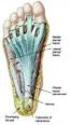 Plantar Fascia Release Introduction Plantar fasciitis is a common condition that causes pain around the heel. It may be severe enough to affect regular activities. If other treatments are unsuccessful,
Integumentary System Individual Exercises
 Integumentary System Individual Exercises 1. A physician performs an incision and drainage of a subcutaneous abscess in his office for a particularly uncooperative established patient. How should this
State of Kuwait Ministry of Health Infection Control Directorate. Guidelines for Prevention of Surgical Site Infection (SSI)
 State of Kuwait Ministry of Health Infection Control Directorate Guidelines for Prevention of Surgical Site Infection (SSI) September 1999 Updated 2007 Surgical Wound: According to 1998 Kuwait National
SURGICAL PROPHYLAXIS: ANTIBIOTIC RECOMMENDATIONS FOR ADULT PATIENTS
 Page 1 of 8 TITLE: SURGICAL PROPHYLAXIS: ANTIBIOTIC RECOMMENDATIONS FOR ADULT PATIENTS GUIDELINE: Antibiotics are administered prior to surgical procedures to prevent surgical site infections. PURPOSE:
OASIS-C Integument Assessment: Not for Wimps! Part I: Pressure Ulcers
 OASIS-C Integument Assessment: Not for Wimps! Part I: Pressure Ulcers Presented by: Rhonda Will, RN, BS, COS-C, HCS-D Assistant Director, OASIS Competency Institute 243 King Street, Suite 246 Northampton,
ABThera Open Abdomen Negative Pressure Therapy for Active Abdominal Therapy. Case Series
 ABThera Open Abdomen Negative Pressure Therapy for Active Abdominal Therapy Case Series Summary of Cases: USER EXPERIENCE The ABThera OA NPT system was found by surgeons to be a convenient and effective
Facts About Peripheral Arterial Disease (P.A.D.)
 Facts About Peripheral Arterial Disease (P.A.D.) One in every 20 Americans over the age of 50 has P.A.D., a condition that raises the risk for heart attack and stroke. Peripheral arterial disease, or P.A.D.,
Lameness in Cattle: Rules of Thumb David C. Van Metre, DVM, DACVIM College of Veterinary Medicine and Biomedical Sciences Colorado State University
 Lameness in Cattle: Rules of Thumb David C. Van Metre, DVM, DACVIM College of Veterinary Medicine and Biomedical Sciences Colorado State University Introduction Lameness remains a major cause of disease
VARICOSE VEINS. Information Leaflet. Your Health. Our Priority. VTE Ambulatory Clinic Stepping Hill Hospital
 VARICOSE VEINS Information Leaflet Your Health. Our Priority. Page 2 of 7 Varicose Veins There are no accurate figures for the number of people with varicose veins. Some studies suggest that 3 in 100 people
FOX 1064 - Laser Therapy ONYCHOMYKOSIS FUNGAL NAIL INFECTION (ONYCHOMYCOSIS) FOX 1064 nm LASER INNOVATION MA DE IN GERMA NY
 US? G N U F L I A N N A IL S FOX: CLEAR DICATION WITHOUT ME FOX 1064 - Laser Therapy ONYCHOMYKOSIS FUNGAL NAIL INFECTION (ONYCHOMYCOSIS) FOX 1064 LASER INNOVATION MA DE IN GERMA NY FOX Laser offers an
Patient Information Guide Morpheus CT Peripherally Inserted Central Catheter
 Patient Information Guide Morpheus CT Peripherally Inserted Central Catheter IC 192 Rev C A measure of flexibility and strength. Table of Contents 1. Introduction 2. What is the Morpheus CT PICC? 3. What
Calcaneus (Heel Bone) Fractures
 Copyright 2010 American Academy of Orthopaedic Surgeons Calcaneus (Heel Bone) Fractures Fractures of the heel bone, or calcaneus, can be disabling injuries. They most often occur during high-energy collisions
Tired, Aching Legs? Swollen Ankles? Varicose Veins? An informative guide for patients
 Tired, Aching Legs? Swollen Ankles? Varicose Veins? An informative guide for patients Are You at Risk? Leg problems are widespread throughout the world, but what most people don t know is that approximately
Microcyn Technology. Life-Altering Advance in Tissue Care
 Microcyn Technology Life-Altering Advance in Tissue Care The patented Microcyn Technology mimics the same oxychlorine composition as that manufactured by neutrophils in the body s immune system. Neutrophils
Visit ER at 09:14. ER & infection conference. Present illness. Past history. Physical examination
 Visit ER at 09:14 ER & infection conference A 50 y/o female, Sereve left neck and chest pain for 3 weeks Chief complaint: left neck and chest pain for 3 weeks Triage: III T/P/R:36.2/79/20, BP=130/78, SpO2=99%
Medicare Podiatry Services: Information for Medicare Fee-For-Service Health Care Professionals
 R DEPARTMENT OF HEALTH AND HUMAN SERVICES Centers for Medicare & Medicaid Services FACT SHEET Medicare Podiatry Services: Information for Medicare Fee-For-Service Health Care Professionals Overview This
Femoral artery bypass graft (Including femoral crossover graft)
 Femoral artery bypass graft (Including femoral crossover graft) Why do I need the operation? You have a blockage or narrowing of the arteries supplying blood to your leg. This reduces the blood flow to
Spinal Arthrodesis Group Exercises
 Spinal Arthrodesis Group Exercises 1. Two surgeons work together to perform an arthrodesis. Dr. Bonet, a general surgeon, makes the anterior incision to gain access to the spine for the arthrodesis procedure.
Juvenile Dermatomyositis Joseph Junewick, MD FACR
 Juvenile Dermatomyositis Joseph Junewick, MD FACR 10/11/2015 History Child with several month history of weakness, arthralgias and palpable abnormalities at the knee Diagnosis Juvenile Dermatomyositis
APPLICATION OF DRY DRESSING
 G-100 APPLICATION OF DRY DRESSING PURPOSE To aid in the management of a wound with minimal drainage. To protect the wound from injury, prevent introduction of bacteria, reduce discomfort, and assist with
What are spider veins? What is the best treatment for spider veins?
 Laser Spider/Leg Vein Q & A What are spider veins? Millions of women and men are bothered by unsightly spider veins on their faces and legs. Spider veins or telangiectasias are those small red, blue and
DIABETIC FOOT SEPSIS DR LYNNE TUDHOPE
 DIABETIC FOOT SEPSIS DR LYNNE TUDHOPE NUMBER OF PEOPLE WITH DIABETES GLOBALLY 2000 171 million 2030 366 million International Diabetes Federation. IDF Diabetes Atlas, 5th edn. Brussels, Belgium: International
Wound, Ostomy and Continence Nurses Society s Guidance on OASIS-C1 Integumentary Items: Best Practice for Clinicians
 Wound, Ostomy and Continence Nurses Society s Guidance on OASIS-C1 Integumentary Items: Best Practice for Clinicians Acknowledgments Wound, Ostomy and Continence Nurses Society s Guidance on OASIS-C1 Integumentary
How To Determine Pad
 Process Representation #1 : The PAD algorithm as a sequential flow thru all sections An exploded version of the above scoped section flow is shown below. Notes: The flow presupposes existing services (
Position Statement: Pressure Ulcer Staging
 Position Statement: Pressure Ulcer Staging Statement of Position The Wound, Ostomy and Continence Nurses (WOCN) Society supports the use of the National Pressure Ulcer Advisory Panel Staging System (NPUAP).
Wound Care Charge Process
 There are six components to the wound care charge process. 1. Visit evaluation and management levels 2. Nursing / Rehab Therapist procedures 3. Physician procedures 4. Diagnostic testing 5. Dermal tissue
Evaluating muscle injuries and residuals of shell fragment and gunshot wounds
 Evaluating muscle injuries and residuals of shell fragment and gunshot wounds Training conducted by: Michael Fishman and Sandrine Fisher 1 Objectives To become familiar with the application of the rating
the Role of Patricia Turner BSN, RN, CWCN, CWS
 Understanding the Role of Outpatient Wound Centers Patricia Turner BSN, RN, CWCN, CWS Outpatient wound centers are somewhat of a specialty unto themselves within the world of wound care. The focus of the
Y O U R S U R G E O N S. choice of. implants F O R Y O U R S U R G E R Y
 Y O U R S U R G E O N S choice of implants F O R Y O U R S U R G E R Y Y O U R S U R G E O N S choice of implants F O R Y O U R S U R G E R Y Your Surgeon Has Chosen the C 2 a-taper Acetabular System The
Management of Burns. The burns patient has the same priorities as all other trauma patients.
 Management of Burns The burns patient has the same priorities as all other trauma patients. Assess: - Airway - Breathing: beware of inhalation and rapid airway compromise - Circulation: fluid replacement
Pressure Ulcers Assessing and Staging. Anne Pirzadeh RN CWOCN University of Colorado Hospital June 2010
 Pressure Ulcers Assessing and Staging Anne Pirzadeh RN CWOCN University of Colorado Hospital June 2010 Never Events: Pressure Ulcers Pressure Ulcer Codes: MD documentation of pressure ulcers determines
REFRACTIVE SURGERY NIGHTMARES Dr.ATHIYA AGARWAL
 REFRACTIVE SURGERY NIGHTMARES Dr.ATHIYA AGARWAL POST LASIK INFECTION Infection occurring after photorefractive keratectomy (PRK) may be 1. Secondary to the defect in the epithelium as well as the use of
2012 Infectious Diseases Society of America Clinical Practice Guideline for the Diagnosis and Treatment of Diabetic Foot Infections a
 IDSA GUIDELINES 2012 Infectious Diseases Society of America Clinical Practice Guideline for the Diagnosis and Treatment of Diabetic Foot Infections a Benjamin A. Lipsky, 1 Anthony R. Berendt, 2 Paul B.
WHY DO MY LEGS HURT? Veins, arteries, and other stuff.
 WHY DO MY LEGS HURT? Veins, arteries, and other stuff. Karl A. Illig, MD Professor of Surgery Chief, Division of Vascular Surgery Mitzi Ekers, ARNP April 2013 Why do my legs hurt? CONFLICTS OF INTEREST
Inflammation and Healing. Review of Normal Defenses. Review of Normal Capillary Exchange. BIO 375 Pathophysiology
 Inflammation and Healing BIO 375 Pathophysiology Review of Normal Defenses Review of Normal Capillary Exchange 1 Inflammation Inflammation is a biochemical and cellular process that occurs in vascularized
DIABETES A chronic, debilitating and often deadly disease A global epidemic Diabetes in Africa
 DIABETES A chronic, debilitating and often deadly disease Diabetes is a chronic condition that arises when the pancreas does not produce enough insulin, or when the body cannot effectively use the insulin
Model of Care for the Diabetic Foot
 Model of Care for the Diabetic Foot National Diabetes Programme Clinical Strategy and Programmes Directorate 2011 Document Control Revision number: 01 Document drafted by: National Diabetes Programme Working
Hyperbaric Oxygen Therapy HYPERBARIC OXYGEN THERAPY HS-032. Policy Number: HS-032. Original Effective Date: 7/17/2008
 Easy Choice Health Plan, Inc. Harmony Health Plan of Illinois, Inc. M issouri Care, Inc. Ohana Health Plan, a plan offered by WellCare Health Insurance of Arizona, Inc. WellCare Health Insurance of Illinois,
An evaluation of Actilite Antibacterial non-adherent dressing with Activon+
 An evaluation of Actilite Antibacterial non-adherent dressing with Activon+ Antibacterial protection Activon honey plus Manuka oil. Non-adherent The non-adherence of the knitted viscose is further enhanced
A: Nursing Knowledge. Alberta Licensed Practical Nurses Competency Profile 1
 A: Nursing Knowledge Alberta Licensed Practical Nurses Competency Profile 1 Competency: A-1 Anatomy and Physiology A-1-1 A-1-2 A-1-3 A-1-4 A-1-5 A-1-6 A-1-7 A-1-8 Identify the normal structures and functions
NewYork-Presbyterian Hospital Sites: Columbia University Medical Center Guideline: Medication Use Manual Page 1 of 12
 Page 1 of 12 TITLE: ANTIBIOTICS IN ADULT PATIENTS EMPIRIC USE GUIDELINES, COLUMBIA UNIVERSITY MEDICAL CENTER MEDICATION GUIDELINE PURPOSE: These are the 2011 guidelines for the empiric use of antibiotics
How can DIABETES affect my FEET? Emma Howard Community Diabetes Lead Podiatrist, Oxford Health NHS Foundation Trust
 How can DIABETES affect my FEET? By: Emma Howard Community Diabetes Lead Podiatrist, Oxford Health NHS Foundation Trust HOW CAN DIABETES AFFECT MY FEET? What is neuropathy? This leaflet explains how diabetes
Podiatry Specialty ICD-10-CM Coding Tip Sheet Overview of Key Chapter Updates for Podiatry and Top 20 codes
 Podiatry Specialty ICD-10-CM Coding Tip Sheet Overview of Key Chapter Updates for Podiatry and Top 20 codes Chapter 1 Certain Infectious and Parasitic Diseases Terminology changes: The term sepsis (ICD-10-CM)
PATIENT TEACHING GUIDE: Wound Care Handbook
 PATIENT TEACHING GUIDE: Wound Care Handbook PATIENT TEACHING GUIDE: WOUND CARE Design by Mariscal Design, Illustrations by Lysa Hawke. The Wound Care Self Care Guide was written and prepared by: Barbara
Fingernail/Nailbed Wounds Animal Bites
 Fingernail/Nailbed Wounds Animal Bites Fingernail & Nailbed Injury Kent Benedict, MD, FACEP Clinical Associate Professor of Medicine Stanford University Crush Injury to Finger Crushed Finger X-Ray Anatomy
Right-sided infective endocarditis:tunisian experience
 Right-sided infective endocarditis:tunisian experience L. Ammari, A. Ghoubontini, A. Berriche, R. Abdelmalek, S.Aissa, F.Kanoun, B.Kilani, H.Tiouiri Benaissa, T.Ben chaabane Department of Infectious diseases,
Module 9: Diseases of the Endocrine System and Nutritional Disorders Exercises
 Module 9: Diseases of the Endocrine System and Nutritional Disorders Exercises 1. An 86 year old male with brittle Type I DM is admitted for orthopedic surgery. The physician documents in the operative
Modifiers Q7, Q8, and Q9
 1-47 Modifiers Q7, Q8, and Q9 (Routine Foot Care) CPT Modifier Q7 One Class A finding Q8 Two Class B findings Q9 One Class B and two Class C findings General Information The Office of Inspector General
Chronic Wound Care Guidelines
 Chronic Wound Care Guidelines Abridged Version The Wound Healing Society Table of Contents Foreword...2 Venous Ulcer...4 Pressure Ulcer...10 Diabetic Ulcer...16 Arterial Insufficiency Ulcer...22 References...28
Adult Forearm Fractures
 Adult Forearm Fractures Your forearm is made up of two bones, the radius and ulna. In most cases of adult forearm fractures, both bones are broken. Fractures of the forearm can occur near the wrist at
WAGNER S GRADING OF DIABETIC FOOT LESIONS-A TERTIARY CARE EXPERIENCE N. Krishna Mohan 1, D. Devender 2
 WAGNER S GRADING OF DIABETIC FOOT LESIONS-A TERTIARY CARE EXPERIENCE N. Krishna Mohan 1, D. Devender 2 1 Associate Professor, Department of General Surgery, Gandhi Medical College, Hyderabad. 2 Post Graduate,
Orthopaedic Spine Center. Anterior Cervical Discectomy and Fusion (ACDF) Normal Discs
 Orthopaedic Spine Center Graham Calvert MD James Woodall MD PhD Anterior Cervical Discectomy and Fusion (ACDF) Normal Discs The cervical spine consists of the bony vertebrae, discs, nerves and other structures.
PHYSICIAN OFFICE BILLING INFORMATION SHEET FOR IMLYGIC (talimogene laherparepvec)
 PHYSICIAN OFFICE BILLING INFORMATION SHEET FOR IMLYGIC (talimogene laherparepvec) INDICATION IMLYGIC is a genetically modified oncolytic viral therapy indicated for the local treatment of unresectable
Develop an understanding of the differential diagnosis of pseudomembranous colitis
 Update on Clostridium difficile Colitis Clostridium difficile infection has recently emerged in populations without any known risk factors. This presentation will focus on the historical background, diagnosis,
Disability Evaluation Under Social Security
 Disability Evaluation Under Social Security Revised Medical Criteria for Evaluating Endocrine Disorders Effective June 7, 2011 Why a Revision? Social Security revisions reflect: SSA s adjudicative experience.
SEVENTH EDITION BOOK 9 INFECTIOUS DISEASES
 SEVENTH EDITION BOOK 9 INFECTIOUS DISEASES Bone and Joint Infections By Jamie S. Winner, Pharm.D., BCPS (AQ Infectious Diseases) Reviewed by Michael B. Kays, Pharm.D., FCCP; Emilie L. Karpiuk, Pharm.D.,
.org. Ankle Fractures (Broken Ankle) Anatomy
 Ankle Fractures (Broken Ankle) Page ( 1 ) A broken ankle is also known as an ankle fracture. This means that one or more of the bones that make up the ankle joint are broken. A fractured ankle can range
ESC Guidelines on the diagnosis and treatment of peripheral artery diseases Lower extremity artery disease. Erich Minar Medical University Vienna
 ESC Guidelines on the diagnosis and treatment of peripheral artery diseases Lower extremity artery disease Erich Minar Medical University Vienna for the Task Force on the Diagnosis and Treatment of Peripheral
ANTIBIOTICS IN SEPSIS
 ANTIBIOTICS IN SEPSIS Jennifer Curello, PharmD, BCPS Clinical Pharmacist, Infectious Diseases Antimicrobial Stewardship Program Ronald Reagan UCLA Medical Center October 27, 2014 The power of antibiotics