
WAGNER S GRADING OF DIABETIC FOOT LESIONS-A TERTIARY CARE EXPERIENCE N. Krishna Mohan 1, D. Devender 2
|
|
|
- Thomasine Avis Wilkinson
- 9 years ago
- Views:
Transcription
1 WAGNER S GRADING OF DIABETIC FOOT LESIONS-A TERTIARY CARE EXPERIENCE N. Krishna Mohan 1, D. Devender 2 1 Associate Professor, Department of General Surgery, Gandhi Medical College, Hyderabad. 2 Post Graduate, Department of General Surgery, Gandhi Medical College, Hyderabad. ABSTRACT: PURPOSE OF STUDY: Diabetic foot is the most common complication of diabetes. Amputation which is the end result of diabetic foot disease is associated with significant morbidity and mortality. Since it is crucial to identify those at an increased risk of diabetic foot complications, a detailed study of the natural history of diabetic foot, various clinical characteristics, according to Wagner grading of lesions, their outcome and management protocol followed in our hospital was undertaken in our hospital. AIM AND OBJECTIVE: Evaluation of diabetic foot lesions based on Wagner grading system, outcome and management protocol followed in our hospital. MATERIALS AND METHODS: A prospective study done on hundred diabetic foot patients in our own hospital over a period of one and half year. Data was obtained from a questionnaire developed to record the medical history, examination details, investigations reports, treatment details and final outcome at the end of stay. Infection was classified based on Meggitt- Wagner, classification/grading. RESULTS: Diabetic foot was very common in elderly age group (>55yrs) 54% and male dominant (87%). Majority of them had diabetes for more than five years (47%) and complications of diabetes were present on admission in 15% of them. Grade I(29%), Grade III (27%) & Grade IV (24%) lesions based on Wagner s grading accounted for majority of diabetic foot lesions. Multiple toe disarticulation/ above knee / below knee amputation accounted for a quarter (23%) of surgical interventions in our hospital. The glycemic control in most of patients was very poor with RBS>200 mg/dl (70%) and glycosylated hemoglobin>7g% (74%) of them. A quarter of the patients stayed for at least a month in the hospital (25%). CONCLUSION: It can be concluded that diabetic foot in various forms accounts for significant morbidity in the surgical wards. Wagner s grade I (29%) Grade III (27%), Grade IV (24%) constituted majority of lesions. Factors contributing mainly are poor glycemic control at the time of admission, presence of gangrene, complications of diabetes nephropathy, neuropathy and associated co morbidities ( peripheral vascular disease, hypertension, ischemic disease). A lot of scope for improvement is their in the approach to treatment of diabetic foot as most of the cases belong to Grade I (29%) where proper patient education can avoid dreadful complications and Grade III (27%), Grade IV (24%) if properly managed morbidity can be reduced considerably. KEYWORDS: Wagner Grading, Diabetes Mellitus, Diabetic Neuropathy. HOW TO CITE THIS ARTICLE: N. Krishna Mohan, D. Devender. Wagner s Grading of Diabetic Foot Lesions-A Tertiary Care Experience. Journal of Evidence based Medicine and Healthcare; Volume 2, Issue 48, November 16, 2015; Page: , DOI: /jebmh/2015/1154 INTRODUCTION: Diabetic foot is the most common complication of diabetes and is greater than retinopathy, nephropathy, heart attack and stroke combined. (1) The ultimate result of diabetic foot disease is amputation and is associated with significant morbidity and mortality. (2) Diabetes associated problems are the second most common cause of lower limb amputations in India. Wagner s Grade I (29%), Grade III (27%), Grade IV (24%) constituted majority of lesions. Disorders such as ulcerations, infection, and gangrene are the leading causes of hospitalization in patients with diabetes mellitus. (3) Majority of amputations are preceded by foot ulcerations. It is crucial to identify the patients at an increased risk (4) therefore a detailed study of the natural Submission , Peer Review , Acceptance , Published Corresponding Author: Dr. N. Krishna Mohan, , Hyderguda, Hyderabad. [email protected] DOI: /jebmh/2015/1154 history of diabetic foot, the various clinical characteristics, the role of microorganisms their contribution towards worsening of the ulceration is crucial for optimal treatment and possible cure. AIM: Evaluation of diabetic foot lesions based on Wagner grading system, outcome and management protocol followed in our hospital. GRADE LESION 0 No open lesions, but high risk foot. Superficial diabetic ulcer (partial / full 1 thickness) Deep ulcer extension to ligament, tendon, 2 joint capsule, or deep fascia without abscess or osteomyelitis Deep ulcer with abscess, osteomyelitis or 3 joint sepsis 4 Localized gangrene. Extensive gangrenous involvement of entire 5 foot. Table 1: Wagner diabetic foot lesion grading system (5) J of Evidence Based Med & Hlthcare, pissn , eissn / Vol. 2/Issue 48/Nov. 16, 2015 Page 8450

2 MANAGEMENT OF DIABETIC PATIENTS WITH FOOT LESIONS: The management of diabetic patients with infected foot has to be individualized based on Wagner s grading of foot lesion. Grade 0 Foot: A grade 0 feet has no open lesions but is at a risk foot. (6) Separate callus and see whether any ulcer underneath. If any ulcer is present it should be reclassified as Grade1. Grade 0 feet with deformities such as intrinsic minus, hammer or claw toes, Charcot s joint or hallux valgus need purposely designed shoes. Proper patient education plays a key role in the management of diabetic patients with grade 0 feet. Use of lubricants in dry skin is good. Patients should not use chemical agents in removing callus and corns. (7) Grade 1 Lesion: This consists of superficial ulcer but with thickness skin loss, in plantar surfaces of toes of metatarsal heads. But kissing lesion occurs in between toes caused by over tight shoes. Thus mainstay of treatment is to release pressure from ulcerated area, surrounding callus removal and ulcer debridement until healthy granulation is seen. (8) Saline irrigation is usually enough in these relatively clean superficial ulcers. If infection is present, a wound swab should be taken and antibiotic therapy with broad spectrum agents should be started immediately. The most important of treatment is to relive pressure till lesions heal. Grade 2 Lesion: The ulcer is deep and often penetrates subcutaneous fat down to tendon. This patients should be admitted to hospital and blood and ulcer cultures should be taken and foot x-rayed. (9) Culture for aerobes and anaerobes should be done. Fluocloxacillin and metronidazole are used as blind first line therapy. Deep infected ulcer need to be debrided either in ward or under general anesthesia. After debridement, deep ulcer should be packed with eusol and paraffin in 175mm or 250mm gauge wick to encourage healthy granulation tissue growth. Otherwise simple dry dressings advised. (10) Topical antibiotics are not useful. Grade 3 Lesions: They have deep infection with cellulitis or abscess formation often with underlying osteomyelitis to culture and sensitivity. Initial treatment constitutes bed rest, elevation of foot, antibiotics according to culture and sensitivity. Optimal glycemic control is also needed. X-ray foot must be reviewed. Soft tissue swelling, bony changes, large amounts of subcutaneous gas on x-ray foot indicate serious anaerobic infection. Patient with serious foot infection often needs iv antibiotics, iv insulin, grade 3 foot with good blood supply can often be treated without amputation, with surgical drainage, dressing and wound irrigation. (11) Amputation may be need if severe infection of progressive anaerobic infection is present. Level of amputation is determined by the site at which wound healing will occur easily and residual limb which is functionally useful. Clinical signs suggest level of amputation like skin changes, vascular pulsation, and peripheral neuropathy and rest pain. These are very important in proper wound healing and later rehabilitation with prosthesis. The most wound healing concept is widely accepted in treating diabetic foot ulcers. The standard of care recommended by the American diabetes association is saline moistened gauze. Hydrocolloid dressings and hydrogels can maintain the moist wound environment while providing some autolytic debridement. (12) Aligates and other absorptive dressing absorb drainage well and maintain moist wound environment. Other dressings impregnated with collagen, zinc, or other factors that stimulate wound healing. Foam dressings may provide some padding in addition to absorbency. There have been no large, controlled studies to show the efficacy of hyperbaric oxygen therapy and electrical stimulation on DFU. MATERIALS AND METHODS: A prospective study was carried out on 100 diabetic patients with foot ulcers for a period of one and half years from January 1 st 2014 to June 30 th All cases with diabetic foot infections who were admitted to general surgery wards were selected. Diabetic foot infection is defined as the presence of ulcers ( superficial to deep) on examination or evidence of inflammation, i.e cellulitis or purulent discharge, or evidence of necrosis, with or without osteomyelitis or systemic toxicity. (13) Diabetes were diagnosed on the basis of fasting plasma glucose of 126mg/dl and above or if symptoms were present (i.e polyuria, polydipsia, polyphagia, weight loss and blurred vision) and a random plasma concentration of 200mg/dl or more, on 2 different occasions. A semi structured questionnaire was developed to record the medical history, examination details and investigation reports. Detailed medical history and physical examination included demographic data, duration of diabetes, treatment compliance, method of glycemic control, (14) history of previous amputation, awareness about complications, personal habits like smoking and alcohol consumption, history of ischemic heart disease, hypertension or cerebrovascular disease, nephropathy, neuropathy, duration of wound, history of antibiotic intake prior to admission. Neuropathy was assessed with tuning fork, ischemia by pulsations of dorsalis pedis and categorization of foot ulcers into five types based on Wagners classification. The extent of foot infection was assessed based on Wagner s classification as follows: (15) Grade 0: No ulcer but high risk foot. Grade 1: Ulceration involving only the dermis. Grade 2: Ulceration involving tendons and/or joint capsules. Grade 3: Extending to bone, usually causing osteomyelitis. Grade 4: Localized gangrene. Grade 5: Gangrene involving a major part of the foot. J of Evidence Based Med & Hlthcare, pissn , eissn / Vol. 2/Issue 48/Nov. 16, 2015 Page 8451

3 Specimen Collection: wound was thoroughly washed with saline to remove the slough and the local antiseptic application applied during previous dressing. Specimen was collected from the edge of the wound and sent to the lab immediately. Gram s staining was done followed by culture on 5% sheep blood agar, Mac Conkeys agar. After h of incubation, bacterial growth was identified by colony morphology, Gram s staining and biochemical reactions. Antibacterial susceptibility test was done by Kirby Bauer s method for appropriate antibiotics. (16) RESULTS: An analysis of data obtained from 100 patients admitted in the surgical ward of teritiary hospital from January 1 st 2014 to june 30 th Age Distribution: As presented in table 1 people belonged to the group of 25 to 80 years. However, most of the patients accured in the study were of more than 45 years of age with 34% being in the years, 33% in between the age of years and about 21% of >65 years of age. 2. Sex Distribution: Majority of the patients receiving treatment for diabetic foot were males (87%), while females accounted for only 13% indicating a marked difference on basis of the gender. 3. Duration of Diabetes Mellitus: Most of the patients were ignorant in expressing the precise duration of diabetes mellitus. However from the best of their knowledge it was expressed that the average duration available, was 29% (1-5 years), 13% (6-10years), 13% (10-15 years) respectively. Newly detected diabetes 6% Information not available 21% 1 5 years 29% 6 10 years 13% years 13% years 9% years 5% >25 years 1% < 1 year 3% Table 2: Duration of Diabetes Mellitus 4. Complications of Diabetes Mellitus: Diabetes causes multiple secondary complications and information accured from the study indicates that nearly 28% of the patients with the diabetic foot also had neuropathy, 22% had diabetic retinopathy, 15% had nephropathy at the time of admission. Complication Total patients Retinopathy 20% Nephropathy 15% Neuropathy 22% Osteomyelitis 1% Table 3: Complications of diabetes mellitus 5. Mode of Presentation of Diabetic Foot: Diabetic foot complications manifests in myriad forms and in this study it was observed that 27% patients presented with abscess, with 21% with cellulites, 25% with gangrene of one or more toes including forefoot along with abscess/ cellulites/ulcer, 19% with ulcer foot in various forms and 5% with necrotizing fasciitis. 6. Wagner Distribution: In this study, it was observed that Grade 1, 3 and 4 had almost equal distribution of 29%, 27% and 24% respectively, while 19% belonged to grade 2 category. Grade 1 29% Grade 2 19% Grade 3 27% Grade 4 24% Grade 5 0% Grading not available 1% Table 4: Wagner grading of wound 7. Treatment Modality: Incision and drainage (24%) and wound debridement/slough excision (27%) formed the major chunk of surgical intervention in the hospital which goes with the common mode of presentation. 19% of them underwent toe disarticulation (simple/ multiple) and also 2% had below knee amputation and above knee amputation each, while 8% of them were treated with split skin grafting. Conventional daily dressing only 12% wound debridement/ slough excision 27% Incision and drainage 24% Fasciotomy 7% toe disarticulation 19% below knee amputation 2% above knee amputation 2% split skin grafting 8% Secondary suturing 1% Callosity shaving 1% Table 5: Treatment modality 8. Associated Co Morbidities: In addition to diabetic foot most of the patients (29%) were hypertensive, while 10% had peripheral arterial occlusive disease and 13% presented a history of ischemic heart disease. 9. Mode Of Control Of Diabetes: In our study, at the time of admission it was observed that most of the patients (43%) were on oral hypoglycemic agents, 18% were on insulin and 4% were not on any treatment. Most of the patients (90%) were regular with their treatment while, a minisceule percentage (6%) of the patients was irregular with their treatment. Insulin only 18% Oral hypo glycemics only 43% Both 9% No treatment taken 4% On irregular treatment 6% Treatment details not available 20% Table 6: Mode of control of diabetes J of Evidence Based Med & Hlthcare, pissn , eissn / Vol. 2/Issue 48/Nov. 16, 2015 Page 8452

4 10. Glycemic Control: The data on RBS and glycosylated hemoglobin was unavailable in all cases. Among the available cases, it was observed that 53(68%) patients had RBS more than 200mg/dl, while glycosylated hemoglobin more than 7 in 43(74%) available of the 58 patients. 11. Average Duration Of Stay: From the available information it was observed that nearly 58% of the patients needed hospitalization for nearly a month while 10% stayed for more than a month. How ever stay of nearly 32% was unclear. Duration not available 30% 1-2 weeks 33% 3weeks to 1 month 25% More than 1 month 10% Less than 1 week 2% Table 7: Post intervention duration of hospital stay 12. Culture and Sensitivity Profiles of Organisms Isolated From Wounds: Microbiological studies performed represented a mosaic of pathogenic organisms. It was observed that out of the 55% patients in whom the wounds swab was taken, 36% had isolated single bacteria, while 19% showed poly microbial growth. Different staining indicated that 55% of organisms were gram negative while remaining were gram positive. Further characteristics indicated the infection to be mostly by staphylococcus (20.6%), pseudomonas (16.2%), E.coli (14.7%), Klebsiella (11.8%), MRSA and Enterococcus (10.3%). Culture sensitivity studies showed that E.coli was sensitive to Gatifloxacin (100%), Levofloxacin (60%), Amikacin (100%) and Gentamicin (60%). Klebsiella species were sentive to Imipenem, Meropenem, Gatifloxacin. Streptococcus was sensitive to ampicillin and Amoxicilli. Pseudomonas was sensitive to Amikacin (78%), Cefaperazone sulbactam (50%), Imipenam, Meropenam (43%). Proteus bacteria was sensitive to Ceftriaxone (33%), Imipenam (100%), Meropenam (100%), Piperacillin (100%), Cefaperazone sulbactam (100%). Stephylococus was commonly sensitive to ceftriaxone, Co trimaxazole, Amoxy clav, Vancomycin, ofloxacillin while the drug resistant MRSA was sensitive to Teicoplanin, Vancomycin, Amikacin and Gatifloxacin. Association of Bacteria Isolated with Wagners Grading and Complication in the Patient: Co relation of the organisms with the clinical complication showed an association with the Wagner,s grading. In the study it was observed that staphylococcus and were pseudomonas associated with majority of grade 2, 3 and 4 wounds. MRSA with Grade 1, 2 and 3(33%). Klebsiella with Grade 2 wounds (75%) and E.coli with Grade 1, 3 and 4(25%). Further observation showed that staphylococcus was reported in few abscesses (54.5%), MRSA in some ulcer, abscess and necrotizing fasciitis (33.3%). Pseudomonas in some gangrene of toes, necrotizing fasciitis and ulcer foot (85.7%). While Klebsiella observed in most ulcers (75%) and necrotizing fasciitis (25%). Other Observations: In our study it was observed that 31 patients (31%) had to undergo amputation. Additionally it was also observed that patients in whom the amputation had to be performed had diabetic nephropathy(34.4%), neyropathy(18.8%) and peripheral vascular disease(18.8%). DISCUSSION: Based on the analysis of the results and comparing with other similar studies, following inferences can be drawn: 1. Sex Distribution: In our study, diabetic foot was dominated by males (87%) which is comparable with the study done Bansal et al (2008). (11) This may be due to increased exposure of males to trivial trauma to the foot where as females are mostly indoors. 2. Age Distribution: Most of the patients belong to age group years (34%), years(33%), >65 years (21%). In Bansal et al, among those with diabetic foot ulcer 56.31% were in the age group of years which is comparable to our study. 3. Duration of Diabetes Mellitus: The duration for which patients is suffering from diabetes is directly related to the degree of wounds and also indirectly making the patient more vulnerable due to the complications of diabetes like nephropathy, neuropathy and retinopathy in long term disease. 29% suffered from diabetes mellitus for 1-5 years followed by 6-10 years and years accounting for 13% each respectively. In Bansal et al, (11) 48.54% had diabetes mellitus for than 10years which is more than three times our study. This can be substantiated by the fact that most of the patients were ignorant in expressing the precise duration of diabetes mellitus leading to inaccuracy in the duration of diabetes. 4. Complication of Diabetes: In diabetes, much of the damage is done by the sequel rather than the disease per se. complications such as nephropathy, retinopathy and neuropathy go hand with diabetes mellitus. 22% of the patients had neuropathy, equal proportion had retinopathy. Nephropathy was also quite common constituting 15%. In Bansal et al, 76% had neuropathy which doesn t match with our study. Another observation by Marvin E. Levin, the incidence of neuropathy in 10-20% which is comparable with our study. 5. Mode of Presentation: Patients with diabetic foot can manifest in myriad forms ranging from trival non healing ulcer, abscess, toe gangrene, callosities to the florid necrotizing fasciitis and wet gangrene. J of Evidence Based Med & Hlthcare, pissn , eissn / Vol. 2/Issue 48/Nov. 16, 2015 Page 8453

5 In our study majority of them presented with abscess (27%), followed by 40% of the patients presented with cellulitis and foot ulcers. 25% had gangrene of one or more toes at the time of admission itself. It was noted that time of admission that inevitably ended up in amputation. 6. Wagner s Grading: In our study, all grades except grade 5 wound were found, grade 1, grade 3 & 4 accounted for 29, 27 & 24% respectively in our study which is comparable with the study by Catherine et al. (17) 7. Treatment: the treatment options for diabetic foot are numerous depending on the various modes of presentation. Incision and drainage (24%), wound debridement/slough excision (27%) formed the major chunk of surgical intervention in our study which is the common mode of presentation(abscess, ulcer) as mentioned above. 19% of them underwent toe disarticulation (simple/ multiple) and also 2% had below knee amputation each. 8% of the diabetic foot were treated with split thickness skin grafting during the same admission itself which is advantageous to the patients. UP-PGH Philippine s General Hospital diabetic extremity care team reported an amputation rate of 66% out of 473 cases which is remarkable high compared to our study. 8. Associated Co Morbidities: The diabetic foot complications are aggravated because of the commonly associated co morbidities like hypertension, peripheral arterial occlusive disease and ischemic heart disease. About one third (29%) of patients had hypertension at the time of admission, 10% had peripheral arterial occlusive disease and 13% of the patients had ischemic heart disease. In Catherine et al, 25.4% had hypertension and 35.7% suffered from ischemic heart disease which is quite high compared to our study. Another feature noted in our study was that none of the patients with peripheral vascular disease underwent any surgical intervention to improve the vascularity of the vessel which is a major drawback in the treatment strategy for limb salvage in diabetic foot. In the article by Robert G Fryberg, it is stressed that arterial reconstruction surgery forms an important part in the strategy for the limb salvage therapy. 9. Duration of Hospital Stay (Post Intervention): diabetic foot is commonly associated with lengthy hospital stay adding on to the financial burden of the patients. Data available for 70% of patients among whom majority stayed up to one month (58%) and 10% stayed for more than a month. 10. Association of Bacteria with Wagner Grading: Majority of grade 2, 3 and 4 wounds isolated staphylococcus and pseudomonas in our study.mrsa equally distribute among grade 1, 2 and 3 (33%) wounds. 11. Association of the Mode of Presentation With Type of Organism: Staphylococcus was the most organism grown (54.5%) in diabetic foot with abscess. Pseudomonas predominantly found in patients with gangrene (toes), necrotizing fasciitis and foot ulcers (85.7%). 12. Other Observations: 34.4% of all amputation done in our study were presided foot ulcers in various forms. 34.4% of these patients (amputation) had nephropathy and 18.8% had neuropathy and peripheral vascular disease each. 85% of foot amputations are presided by foot ulcer according to Trautner et al. A critical analysis showed that 34.4% of the amputations were preceded by an ulcer indicated that effective treatment of the ulcer can prevent amputation. CONCLUSION: 1. Wagner s grading is the most common and widely accepted classification for grading of diabetic foot lesions based on depth of wound grade I, grade III & grade IV accounted for 29%, 27%, & 24% respectively in our study. 2. Amputations in the form of single, multiple toe disarticulations are rampant, contributing to significant morbidity, but notable feature is that 8% of these patients have undergone complete treatment for diabetic foot in the form of skin grafting at the first admission itself. 3. The lack of multidisciplinary approach in the treatment of diabetic foot is quite obvious and there is a lot of scope of improvement in the form of holistic approach to a patient with diabetic foot rather than just treating the foot, mainly in the grade I who require lot of patient education and grade III & IV lesions where morbidity can be reduced considerably. BIBLIOGRAPHY: 1. Murgan S, Mani K R, Uma Devi. Prevalence of MRSA among diabetic patients with foot ulcers and their antimicrobial susceptibility pattern. Journal of Clinical and diagnostic Research 2008 August (cited 2009 Jun 2)2: Singh N, Armstrong DG, Lipsky BA. Preventing foot ulcers in patients with diabetes. JAMA(2005)293: Frkberg GR, diabetic foot ulcers: pathogenesis and management. Journal of American Academy of family physicians 2002 November 66: J of Evidence Based Med & Hlthcare, pissn , eissn / Vol. 2/Issue 48/Nov. 16, 2015 Page 8454

6 4. Alvin C Power. Diabetes Mellitus, Eugene Braunwald, Antony S Fanci, Dennis L, Kasper, Stephen L, Hauser, Don L. Harrison s. Principles of Internal Medicine. 16 th edition. Vol 2. Mc Graw-Hill: John C Donovan, John L Rowbotham. Foot lesions in diabetes mellitus. Chapter th edition. Philadelphia: Lea and Febiger; Gibbons GW. The diabetic foot: amputations and drainage of infection. Journal of vascular Surgery 1987; 5: Edwards CRW, Baird JP, Frier BM, Shepherd J, Toff AD. Endocrine and Metabolic diseases including diabetes melliyus. Davidson s Principles and practice of Medicine. 17 th edition. Churchill Livingstone, Peter C Williams, Roger Warrick, Gray s Anatomy. 36 th edition. Churchill Livingstone. 9. James M. Crawford, Ramzis Corton. The pancreas. In: Robbins Pathology of Diseases, Ramzis Corton, Vinay Kumar, Stanley L Robbins. 5 th edition. Prism Books Pvt.Ltd Pyorala K, Laasko M, Vusiitupa M. Diabetes and atherosclerosis, An epidemiologic view. Diabet Methob Rev 1987; 3: Bansal E, Garg A, Batia S, Attri AK, Chander J. Spectrum of microbial flora in Diabetic foot ulcers. Indian J Pathol Microbiol 2008: 51: Natarajan R, Gonzalez N, XVI, Nedler JL. Vascular smooth muscle cell exhibit increased growth in response to elevated glucose. Biochem Biophys Res Commun1992: 187: Thomas PK. Metabolic neuropathy. London: JR Coll Phy 1973; 7: Lopes Verella MF, Klein RH, Lyon TJ. Glycosylation of low density lipoprotein enhance cholesteryl ester synthesis in human monocyte derived macrophages diabetes 1988; 37: Harati Y. Frequently asked questions about diabetic peripheral neuropathies. Neurologic Clinic 1992 Aug; 10(3): Farad JV, Sotalo J. Low serum levels of nerve growth factor in diabetic neuropathy. Acta Neurol Scand 1990; 81: Catherine Amalia S, Colayco, M.D., Myrna T, Mendoza MD., Marissa N, Alejandria, M.D. AND Concepcion F.Ang, R.M.T. Microbiologic and clinical profile of anaerobic diabetic foot infections. Phil J Microbiol Infect Dis 2002; 31(4): J of Evidence Based Med & Hlthcare, pissn , eissn / Vol. 2/Issue 48/Nov. 16, 2015 Page 8455


7 J of Evidence Based Med & Hlthcare, pissn , eissn / Vol. 2/Issue 48/Nov. 16, 2015 Page 8456

Post-surgical V.A.C. VeraFlo Therapy with Prontosan Instillation on Inpatient Infected Wounds * COLLECTION OF CASE STUDIES
 COLLECTION OF CASE STUDIES Post-surgical V.A.C. VeraFlo Therapy with Prontosan Instillation on Inpatient Infected Wounds * *All patients were treated with systemic antibiotics Post-surgical V.A.C. VeraFlo
Wound and Skin Assessment. Mary Carvalho RN, BSN, MBA Clinical Coordinator Johnson Creek Wound and Edema Center
 Wound and Skin Assessment Mary Carvalho RN, BSN, MBA Clinical Coordinator Johnson Creek Wound and Edema Center Skin The largest Organ Weighs between 6 and 8 pounds Covers over 20 square feet Thickness
Critically evaluate the organization of diabetic foot ulcer services and interdisciplinary team working
 Rationale of Module Accurate nursing assessment is the key to effective diabetic foot ulcer prevention, treatment and management. A comprehensive assessment identifies ulcer aetiology and the factors which
Diabetic Foot Ulcers and Pressure Ulcers. Laurie Duckett D.O. Plastic and Reconstructive Surgeon Oklahoma State University Center for Health Sciences
 Diabetic Foot Ulcers and Pressure Ulcers Laurie Duckett D.O. Plastic and Reconstructive Surgeon Oklahoma State University Center for Health Sciences Lecture Objectives Identify risk factors Initiate appropriate
An Essential Tool For The Care DFUs
 Adjunct HBO 2 Therapy: March 16, 2016 William Tettelbach, MD, FACP, FIDSA System Medical Director of Wound & Hyperbaric Medicine Services An Essential Tool For The Care DFUs Fedorko, L., et al., Hyperbaric
Wound Classification Name That Wound Sheridan, WY June 8 th 2013
 Initial Wound Care Consult Sheridan, WY June 8 th, 2013 History Physical Examination Detailed examination of the wound Photographs Cultures Procedures TCOM ABI Debridement Management Decisions A Detailed
Use of Packing for Surgical Wounds. Maggie Benson Clinical Problem Solving II
 Use of Packing for Surgical Wounds Maggie Benson Clinical Problem Solving II Purpose Present patient management s/p Incision and Drainage in an outpatient setting Examine evidence for the use of wound
CHAPTER V DISCUSSION. normal life provided they keep their diabetes under control. Life style modifications
 CHAPTER V DISCUSSION Background Diabetes mellitus is a chronic condition but people with diabetes can lead a normal life provided they keep their diabetes under control. Life style modifications (LSM)
Nutrition. Type 2 Diabetes: A Growing Challenge in the Healthcare Setting NAME OF STUDENT
 1 Nutrition Type 2 Diabetes: A Growing Challenge in the Healthcare Setting NAME OF STUDENT 2 Type 2 Diabetes: A Growing Challenge in the Healthcare Setting Introduction and background of type 2 diabetes:
Benefit Criteria to Change for Hyperbaric Oxygen Therapy for the CSHCN Services Program Effective November 1, 2012
 Benefit Criteria to Change for Hyperbaric Oxygen Therapy for the CSHCN Services Program Effective November 1, 2012 Information posted September 14, 2012 Effective for dates of service on or after November
Endoscopic Plantar Fasciotomy
 Endoscopic Plantar Fasciotomy Introduction Plantar fasciitis is a common condition that causes pain centralized around the heel. It may be severe enough to affect regular activities. Health care providers
Insulin is a hormone produced by the pancreas to control blood sugar. Diabetes can be caused by too little insulin, resistance to insulin, or both.
 Diabetes Definition Diabetes is a chronic (lifelong) disease marked by high levels of sugar in the blood. Causes Insulin is a hormone produced by the pancreas to control blood sugar. Diabetes can be caused
DIABETES A chronic, debilitating and often deadly disease A global epidemic Diabetes in Africa
 DIABETES A chronic, debilitating and often deadly disease Diabetes is a chronic condition that arises when the pancreas does not produce enough insulin, or when the body cannot effectively use the insulin
Diabetes : Foot Education
 Diabetes : Foot Education Dr. Naushira Pandya, M.D., CMD, Sweta Tewary, PhD, MSW Department of Geriatrics Nova Southeastern University Florida Coastal Geriatric Resources, Education, and Training Center
APPENDIX 1: INTERDISCIPLINARY APPROACH TO PREVENTION AND MANAGEMENT OF DIABETIC FOOT COMPLICATIONS
 APPENDIX 1: INTERDISCIPLINARY APPROACH TO PREVENTION AND MANAGEMENT OF DIABETIC FOOT COMPLICATIONS Template: Regional Foot Programs should develop a list of available health professionals in the following
Plantar Fascia Release
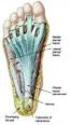 Plantar Fascia Release Introduction Plantar fasciitis is a common condition that causes pain around the heel. It may be severe enough to affect regular activities. If other treatments are unsuccessful,
TYPE 2 DIABETES IN THE AFRICAN AMERICAN COMMUNITY. Understanding the Complications That May Happen Without Proper Care
 TYPE 2 DIABETES IN THE AFRICAN AMERICAN COMMUNITY Understanding the Complications That May Happen Without Proper Care STAYING HEALTHY THE IMPORTANCE OF PROPER MANAGEMENT OF TYPE 2 DIABETES Diabetes is
Plastic, Vascular & Podiatry the Georgetown Model
 Plastic, Vascular & Podiatry the Georgetown Model Christopher Attinger,, MD SVS June 15,2011 Chicago Disclosure: None for this talk Wound Center Financial Viability: outline Clinical success Team approach
Improving the Compliance of the Annual Foot Examination and Monofilament Testing in
 Improving the Compliance of the Annual Foot Examination and Monofilament Testing in Diabetic Patients at Centromed Principal Investigator: Velen Tat, Physician Assistant Student 2016, University of Southern
IN THE CIVIL DIVISION OF THE HIGH COURT AT LABASA ORIGINAL JURISDICTION. CASE NUMBER: HBC 29 of 2004 BETWEEN:
 IN THE CIVIL DIVISION OF THE HIGH COURT AT LABASA ORIGINAL JURISDICTION CASE NUMBER: HBC 29 of 2004 BETWEEN: ADI NOMAI VOTIMAISIRU as administratrix in the ESTATE OF MARIKA SAULAKI PLAINTIFF AND: THE GENERAL
APPLICATION OF DRY DRESSING
 G-100 APPLICATION OF DRY DRESSING PURPOSE To aid in the management of a wound with minimal drainage. To protect the wound from injury, prevent introduction of bacteria, reduce discomfort, and assist with
Module 9: Diseases of the Endocrine System and Nutritional Disorders Exercises
 Module 9: Diseases of the Endocrine System and Nutritional Disorders Exercises 1. An 86 year old male with brittle Type I DM is admitted for orthopedic surgery. The physician documents in the operative
Diabetes Brief. Pre diabetes occurs when glucose levels are elevated in the blood, but are not as high as someone who has diabetes.
 Diabetes Brief What is Diabetes? Diabetes mellitus is a disease of abnormal carbohydrate metabolism in which the level of blood glucose, or blood sugar, is above normal. The disease occurs when the body
Fungal Infection in Total Joint Arthroplasty. Dr.Wismer Dr.Al-Sahan
 Fungal Infection in Total Joint Arthroplasty Dr.Wismer Dr.Al-Sahan Delayed Reimplantation Arthroplasty for Candidal Prosthetic Joint Infection: A Report of 4 Cases and Review of the Literature David M.
Highlights of the Revised Official ICD-9-CM Guidelines for Coding and Reporting Effective October 1, 2008
 Highlights of the Revised Official ICD-9-CM Guidelines for Coding and Reporting Effective October 1, 2008 Please refer to the complete ICD-9-CM Official Guidelines for Coding and Reporting posted on this
Podiatry Specialty ICD-10-CM Coding Tip Sheet Overview of Key Chapter Updates for Podiatry and Top 20 codes
 Podiatry Specialty ICD-10-CM Coding Tip Sheet Overview of Key Chapter Updates for Podiatry and Top 20 codes Chapter 1 Certain Infectious and Parasitic Diseases Terminology changes: The term sepsis (ICD-10-CM)
The Burden Of Diabetes And The Promise Of Biomedical Research
 The Burden Of Diabetes And The Promise Of Biomedical Research Presented by John Anderson, MD Incoming Chair, ADA s National Advocacy Committee; Frist Clinic, Nashville, TN Type 1 Diabetes Usually diagnosed
CLINICAL PROTOCOL FOR THE MANAGEMENT OF FOOT CARE FOR DIABETIC PATIENTS
 CLINICAL PROTOCOL FOR THE MANAGEMENT OF FOOT CARE FOR DIABETIC PATIENTS RATIONALE Clinical evidence suggests that there is considerable potential to improve the quality of foot care for people with diabetes.
The Family Library. Understanding Diabetes
 The Family Library Understanding Diabetes What is Diabetes? Diabetes is caused when the body has a problem in making or using insulin. Insulin is a hormone secreted by the pancreas and is needed for the
DCCT and EDIC: The Diabetes Control and Complications Trial and Follow-up Study
 DCCT and EDIC: The Diabetes Control and Complications Trial and Follow-up Study National Diabetes Information Clearinghouse U.S. Department of Health and Human Services NATIONAL INSTITUTES OF HEALTH What
HOW TO CARE FOR A PATIENT WITH DIABETES
 HOW TO CARE FOR A PATIENT WITH DIABETES INTRODUCTION Diabetes is one of the most common diseases in the United States, and diabetes is a disease that affects the way the body handles blood sugar. Approximately
DIABETES MELLITUS. By Tracey Steenkamp Biokineticist at the Institute for Sport Research, University of Pretoria
 DIABETES MELLITUS By Tracey Steenkamp Biokineticist at the Institute for Sport Research, University of Pretoria What is Diabetes Diabetes Mellitus (commonly referred to as diabetes ) is a chronic medical
Diabetes mellitus. Lecture Outline
 Diabetes mellitus Lecture Outline I. Diagnosis II. Epidemiology III. Causes of diabetes IV. Health Problems and Diabetes V. Treating Diabetes VI. Physical activity and diabetes 1 Diabetes Disorder characterized
Medicare Podiatry Services: Information for Medicare Fee-For-Service Health Care Professionals
 R DEPARTMENT OF HEALTH AND HUMAN SERVICES Centers for Medicare & Medicaid Services FACT SHEET Medicare Podiatry Services: Information for Medicare Fee-For-Service Health Care Professionals Overview This
Causes, incidence, and risk factors
 Causes, incidence, and risk factors Insulin is a hormone produced by the pancreas to control blood sugar. Diabetes can be caused by too little insulin, resistance to insulin, or both. To understand diabetes,
How does Diabetes Effect the Feet
 How does Diabetes Effect the Feet What Skin Changes May Occur? Diabetes can cause changes in the skin of your foot. At times your foot may become very dry. The skin may peel and crack. The problem is that
Diabetes Fundamentals
 Diabetes Fundamentals Prevalence of Diabetes in the U.S. Undiagnosed 10.7% of all people 20+ 23.1% of all people 60+ (12.2 million) Slide provided by Roche Diagnostics Sources: ADA, WHO statistics Prevalence
Disability Evaluation Under Social Security
 Disability Evaluation Under Social Security Revised Medical Criteria for Evaluating Endocrine Disorders Effective June 7, 2011 Why a Revision? Social Security revisions reflect: SSA s adjudicative experience.
Understanding Diabetes
 Understanding Diabetes What is diabetes? Diabetes is a condition where there is too much glucose (a type of sugar) in your blood. Your blood glucose level is regulated with the help of insulin, a hormone
DIABETES CARE. Advice. Blood Pressure. Cholesterol. Diabetes control. Eyes. Feet. Guardian Drugs
 DIABETES CARE What happens if you follow the Alphabet Strategy? As patients reach their targets, the chances of developing serious complications of diabetes will be reduced! 1 Stroke Eye disease Heart
7/11/2011. Pressure Ulcers. Moisture-NOT Pressure. Wounds NOT Caused by Pressure
 Assessment and Documentation of Pressure Ulcers Jeri Ann Lundgren, RN, BSN, PHN, CWS, CWCN Pathway Health Services July 19, 2011 Training Objectives Describe etiologies of pressure ulcers Discuss how to
Diabetes Mellitus Type 2
 Diabetes Mellitus Type 2 What is it? Diabetes is a common health problem in the U.S. and the world. In diabetes, the body does not use the food it digests well. It is hard for the body to use carbohydrates
Guidance for Industry Diabetes Mellitus Evaluating Cardiovascular Risk in New Antidiabetic Therapies to Treat Type 2 Diabetes
 Guidance for Industry Diabetes Mellitus Evaluating Cardiovascular Risk in New Antidiabetic Therapies to Treat Type 2 Diabetes U.S. Department of Health and Human Services Food and Drug Administration Center
Statistics of Type 2 Diabetes
 Statistics of Type 2 Diabetes Of the 17 million Americans with diabetes, 90 percent to 95 percent have type 2 diabetes. Of these, half are unaware they have the disease. People with type 2 diabetes often
FUNCTIONS OF THE SKIN
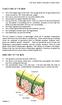 FUNCTIONS OF THE SKIN Skin is the largest organ of the body. The average adult has 18 square feet of skin which account for 16% of the total body weight. Skin acts as a physical barrier for you to the
Wound Care: The Basics
 Wound Care: The Basics Suzann Williams-Rosenthal, RN, MSN, WOC, GNP Norma Branham, RN, MSN, WOC, GNP University of Virginia May, 2010 What Type of Wound is it? How long has it been there? Acute-generally
Management of Burns. The burns patient has the same priorities as all other trauma patients.
 Management of Burns The burns patient has the same priorities as all other trauma patients. Assess: - Airway - Breathing: beware of inhalation and rapid airway compromise - Circulation: fluid replacement
Type 2 Diabetes. Increase of diabetic complications as HAIC increases
 Type 2 Diabetes Diabetes is a disease of too much sugar (glucose) in the blood. Type 2 diabetes is caused by insulin resistance of the cells and abnormal insulin production by the pancreas. Insulin is
HCPCS AMERIGEL HYDROGEL DRESSINGS CODING GUIDANCE FOR:
 HCPCS CODING GUIDANCE FOR: AMERIGEL HYDROGEL DRESSINGS FORM 1500 MUST HAVE THE FOLLOWING: APPROPRIATE HCPCS CODE APPROPRIATE A MODIFIER ACCURATE POS = 12 The Centers for Medicare and Medicaid Services
PowerPoint Lecture Outlines prepared by Dr. Lana Zinger, QCC CUNY. 12a. FOCUS ON Your Risk for Diabetes. Copyright 2011 Pearson Education, Inc.
 PowerPoint Lecture Outlines prepared by Dr. Lana Zinger, QCC CUNY 12a FOCUS ON Your Risk for Diabetes Your Risk for Diabetes! Since 1980,Diabetes has increased by 50 %. Diabetes has increased by 70 percent
WOUND MANAGEMENT PROTOCOLS WOUND CLEANSING: REMOVING WOUND DEBRIS FROM WOUND BASE
 WOUND MANAGEMENT PROTOCOLS PURPOSE: Provide nursing personnel with simple guidance regarding appropriate dressing selection in the absence of wound specialist expertise Identify appropriate interventions
TYPE 2 DIABETES MELLITUS: NEW HOPE FOR PREVENTION. Robert Dobbins, M.D. Ph.D.
 TYPE 2 DIABETES MELLITUS: NEW HOPE FOR PREVENTION Robert Dobbins, M.D. Ph.D. Learning Objectives Recognize current trends in the prevalence of type 2 diabetes. Learn differences between type 1 and type
Silicone pressure-reducing pads for the prevention and treatment of pressure ulcers
 S46 Product focus Silicone pressure-reducing pads for the prevention and treatment of pressure ulcers Abstract Pressure ulcers, a key quality of care indicator, cause emotional distress to the patient,
Classification of diabetic foot ulcers. Dr Fran Game Consultant Diabetologist, Honorary Associate Professor Derby Hospitals NHS FT Derby UK
 Classification of diabetic foot ulcers Dr Fran Game Consultant Diabetologist, Honorary Associate Professor Derby Hospitals NHS FT Derby UK Disclosures No conflict of interest to declare Why classify? Risk
Role of Body Weight Reduction in Obesity-Associated Co-Morbidities
 Obesity Role of Body Weight Reduction in JMAJ 48(1): 47 1, 2 Hideaki BUJO Professor, Department of Genome Research and Clinical Application (M6) Graduate School of Medicine, Chiba University Abstract:
Introduction. Pathogenesis of type 2 diabetes
 Introduction Type 2 diabetes mellitus (t2dm) is the most prevalent form of diabetes worldwide. It is characterised by high fasting and high postprandial blood glucose concentrations (hyperglycemia). Chronic
Background (cont) World Health Organisation (WHO) and IDF predict that this number will increase to more than 1,3 million in the next 25 years.
 Diabetes Overview Background What is diabetes Non-modifiable risk factors Modifiable risk factors Common symptoms of diabetes Early diagnosis and management of diabetes Non-medical management of diabetes
The New Complex Patient. of Diabetes Clinical Programming
 The New Complex Patient as Seen Through the Lens of Diabetes Clinical Programming 1 Valerie Garrett, M.D. Medical Director, Diabetes Center at Mission Health System Nov 6, 2014 Diabetes Health Burden High
Introduction to Wound Management
 EWMA Educational Development Programme Curriculum Development Project Education Module: Introduction to Wound Management Latest revision: October 2012 ABOUT THE EWMA EDUCATIONAL DEVELOPMENT PROGRAMME The
Managing cavity wounds Journal of Community Nursing March 1998 Author: Rosemary Pudner
 Managing cavity wounds Journal of Community Nursing March 1998 Author: Rosemary Pudner It has been seen in recent years, that an increasing number of patients are being discharged early into the community,
Case Report (online only) Charcot neuroarthropathy triggered and complicated by osteomyelitis. How limb salvage can be achieved
 1 1 1 1 1 1 0 1 0 0 1 0 1 Case Report (online only) Charcot neuroarthropathy triggered and complicated by osteomyelitis. How limb salvage can be achieved J. Aragon-Sanchez 1,J.L.Lazaro-Martınez, Y. Quintana-Marrero
Post-Transplant Diabetes: What Every Patient Needs to Know
 Post-Transplant Diabetes: What Every Patient Needs to Know International Transplant Nurses Society What is Diabetes? Diabetes is an illness that effects how your body makes and uses a hormone called insulin.
Diabetes. Patient Education. What you need to know. Diabetes Facts. Improving Health Through Education. What is Diabetes?
 Diabetes What you need to know Diabetes Facts More than 3 million Canadians have diabetes (Canadian Diabetes Association, 2009). It is the 4th leading cause of death in the world (CDA, 2009). Patient Education
Streptococcal Infections
 Streptococcal Infections Introduction Streptococcal, or strep, infections cause a variety of health problems. These infections can cause a mild skin infection or sore throat. But they can also cause severe,
X-Plain Diabetes - Introduction Reference Summary
 X-Plain Diabetes - Introduction Reference Summary Introduction Diabetes is a disease that affects millions of Americans every year. Your doctor may have informed you that you have diabetes. Although there
BARIATRIC SURGERY MAY CURE TYPE 2 DIABETES IN SOME PATIENTS
 BARIATRIC SURGERY MAY CURE TYPE 2 DIABETES IN SOME PATIENTS Thomas Rogula MD, Stacy Brethauer MD, Bipand Chand MD, and Philip Schauer, MD. "Gastric bypass surgery has become a popular option for obese
Summary of Recommendations
 Summary of Recommendations *LEVEL OF EVIDENCE Practice Recommendations Assessment 1.1 Conduct a history and focused physical assessment. IV 1.2 Conduct a psychosocial assessment to determine the client
How can DIABETES affect my FEET? Emma Howard Community Diabetes Lead Podiatrist, Oxford Health NHS Foundation Trust
 How can DIABETES affect my FEET? By: Emma Howard Community Diabetes Lead Podiatrist, Oxford Health NHS Foundation Trust HOW CAN DIABETES AFFECT MY FEET? What is neuropathy? This leaflet explains how diabetes
A Patient s Guide to Arthritis of the Big Toe (Hallux Rigidus) With Discussion on Cheilectomy and Fusion
 A Patient s Guide to Arthritis of the Big Toe (Hallux Rigidus) With Discussion on Cheilectomy and Fusion The foot and ankle unit at the Royal National Orthopaedic Hospital (RNOH) is a multi-disciplinary
The compatibility of INTRASITE Gel and ACTICOAT : An In-Vivo and In-Vitro assessment
 *smith&nephew The compatibility of INTRASITE Gel and ACTICOAT : An In-Vivo and In-Vitro assessment 1 Trade Marks of Smith & Nephew An In-Vivo and In-Vitro assessment of the compatibility of ACTICOAT and
Overview of Diabetes Management. By Cindy Daversa, M.S.,R.D.,C.D.E. UCI Health
 Overview of Diabetes Management By Cindy Daversa, M.S.,R.D.,C.D.E. UCI Health Objectives: Describe the pathophysiology of diabetes. From a multiorgan systems viewpoint. Identify the types of diabetes.
OASIS-C Integument Assessment: Not for Wimps! Part I: Pressure Ulcers
 OASIS-C Integument Assessment: Not for Wimps! Part I: Pressure Ulcers Presented by: Rhonda Will, RN, BS, COS-C, HCS-D Assistant Director, OASIS Competency Institute 243 King Street, Suite 246 Northampton,
Type 1 Diabetes ( Juvenile Diabetes)
 Type 1 Diabetes W ( Juvenile Diabetes) hat is Type 1 Diabetes? Type 1 diabetes, also known as juvenile-onset diabetes, is one of the three main forms of diabetes affecting millions of people worldwide.
Tuberculosis And Diabetes. Dr. hanan abuelrus Prof.of internal medicine Assiut University
 Tuberculosis And Diabetes Dr. hanan abuelrus Prof.of internal medicine Assiut University TUBERCULOSIS FACTS More than 9 million people fall sick with tuberculosis (TB) every year. Over 1.5 million die
Anterior Hip Replacement
 Disclaimer This movie is an educational resource only and should not be used to manage Orthopaedic health. All decisions about the management of hip replacement and arthritis management must be made in
Facts About Peripheral Arterial Disease (P.A.D.)
 Facts About Peripheral Arterial Disease (P.A.D.) One in every 20 Americans over the age of 50 has P.A.D., a condition that raises the risk for heart attack and stroke. Peripheral arterial disease, or P.A.D.,
7/30/2012. Increased incidence of chronic diseases due
 Dianne Rudolph, DNP, GNP bc, CWOCN Discuss management of wound care in older adults with focus on lower extremity ulcers Identify key aspects of prevention Explain basic principles of wound management
Other Noninfectious Diseases. Chapter 31 Lesson 3
 Other Noninfectious Diseases Chapter 31 Lesson 3 Diabetes Diabetes- a chronic disease that affects the way body cells convert food into energy. Diabetes is the seventh leading cause of death by disease
Microcyn Technology. Life-Altering Advance in Tissue Care
 Microcyn Technology Life-Altering Advance in Tissue Care The patented Microcyn Technology mimics the same oxychlorine composition as that manufactured by neutrophils in the body s immune system. Neutrophils
Patients suffering from critical limb ischemia (CLI)
 Building a Successful Amputation Prevention Program Our single-center experience implementing an amputation prevention algorithm and how it has led to a trend in reduced amputation rates. By Jihad A. Mustapha,
Markham Stouffville Hospital
 Markham Stouffville Hospital Adult Diabetes Education Frequently Asked Questions What is diabetes? Diabetes is a disease in which blood glucose levels are above normal. Most of the food we eat is turned
SPINAL STENOSIS Information for Patients WHAT IS SPINAL STENOSIS?
 SPINAL STENOSIS Information for Patients WHAT IS SPINAL STENOSIS? The spinal canal is best imagined as a bony tube through which nerve fibres pass. The tube is interrupted between each pair of adjacent
Diabetes 101. Francisco J. Prieto, M.D. American Diabetes Association National Advocacy Committee Latino Diabetes Action Council
 Diabetes 101 Francisco J. Prieto, M.D. American Diabetes Association National Advocacy Committee Latino Diabetes Action Council www.diabetes.org 1-800-DIABETES www.diabetes.org 1-800-DIABETES Age-Adjusted
Type 2 diabetes Definition
 Type 2 diabetes Definition Type 2 diabetes is a lifelong (chronic) disease in which there are high levels of sugar (glucose) in the blood. Type 2 diabetes is the most common form of diabetes. Causes Diabetes
Chapter 7. Expose the Injured Area
 Chapter 7 GUNSHOT WOUNDS KEY FIGURES: Entrance/exit wounds This chapter describes how to treat the external, surface wounds caused by a bullet. The evaluation for underlying injury related to gunshot wounds
A case of concurrent deep venous thrombosis, pseudoaneurysm, and extremity abscess in an intravenous methamphetamine abuser
 A case of concurrent deep venous thrombosis, pseudoaneurysm, and extremity abscess in an intravenous methamphetamine abuser BY MATTHEW L HARRISON Abstract Introduction. Intravenous drug abuse is a global
Orthopaedic Spine Center. Anterior Cervical Discectomy and Fusion (ACDF) Normal Discs
 Orthopaedic Spine Center Graham Calvert MD James Woodall MD PhD Anterior Cervical Discectomy and Fusion (ACDF) Normal Discs The cervical spine consists of the bony vertebrae, discs, nerves and other structures.
ETIOLOGIC CLASSIFICATION. Type I diabetes Type II diabetes
 DIABETES MELLITUS DEFINITION It is a common, chronic, metabolic syndrome characterized by hyperglycemia as a cardinal biochemical feature. Resulting from absolute lack of insulin. Abnormal metabolism of
St Lucia Diabetes and Hypertension Screening and Disease Management Programs
 St Lucia Diabetes and Hypertension Screening and Disease Management Programs Michael Graven, MD, MSc,, MPH, FAAP Health Informatics and Neonatal Pediatrics Dalhousie University Halifax, Nova Scotia CANADA
Hyperbaric Oxygen Therapy HYPERBARIC OXYGEN THERAPY HS-032. Policy Number: HS-032. Original Effective Date: 7/17/2008
 Easy Choice Health Plan, Inc. Harmony Health Plan of Illinois, Inc. M issouri Care, Inc. Ohana Health Plan, a plan offered by WellCare Health Insurance of Arizona, Inc. WellCare Health Insurance of Illinois,
ARTHROSCOPIC HIP SURGERY
 ARTHROSCOPIC HIP SURGERY Hip Arthroscopy is a relatively simple procedure whereby common disorders of the hip can be diagnosed and treated using keyhole surgery. Some conditions, which previously were
Y O U R S U R G E O N S. choice of. implants F O R Y O U R S U R G E R Y
 Y O U R S U R G E O N S choice of implants F O R Y O U R S U R G E R Y Y O U R S U R G E O N S choice of implants F O R Y O U R S U R G E R Y Your Surgeon Has Chosen the C 2 a-taper Acetabular System The
Rehabilitation Best Practice Documentation
 Rehabilitation Best Practice Documentation Click on the desired Diagnoses link or press Enter to view all information. Diagnoses: Reason for Admission to Inpatient Rehab CVA Deficits Fractures Secondary
Surgical Site Infection Prevention
 Surgical Site Infection Prevention 1 Objectives 1. Discuss risk factors for SSI 2. Describe evidence-based best practices for SSI prevention 3. State principles of antibiotic prophylaxis 4. Discuss novel
Long-term urinary catheters: prevention and control of healthcare-associated infections in primary and community care
 Long-term urinary catheters: prevention and control of healthcare-associated infections in primary and community care A NICE pathway brings together all NICE guidance, quality standards and materials to