
Michael Fleming, M.D., M.P.H., and Linda Baier Manwell
|
|
|
- Neal Berry
- 10 years ago
- Views:
Transcription
1 Brief Intervention in Primary Care Settings A Primary Treatment Method for At-Risk, Problem, and Dependent Drinkers Michael Fleming, M.D., M.P.H., and Linda Baier Manwell Primary health care providers identify and treat many patients who are at risk for or are already experiencing alcohol-related problems. Brief interventions counseling delivered by primary care providers in the context of several standard office visits can be a successful treatment approach for many of these patients. Numerous trials involving a variety of patient populations have indicated that brief interventions can reduce patients drinking levels, regardless of the patients ages and gender. In clinical practice, brief interventions can help reduce the drinking levels of nondependent drinkers who drink more than the recommended limits, facilitate therapy and abstinence in patients receiving pharmacotherapy, and enhance the effectiveness of assessment and treatment referral in patients who do not respond to brief interventions alone. Despite the evidence for their usefulness, however, brief interventions for alcohol-related problems have not yet been widely implemented in primary care settings. KEY WORDS: primary health care; intervention; risk factors; problematic AOD (alcohol and other drug) use; AOD dependence; amount of AOD use; treatment outcome; AOD abstinence; drug therapy; psychological counseling; treatment barriers; physician; AOD education; health care delivery; health care cost; social cost of AODU (alcohol and other drug use); literature review Most Americans consume alcohol at least occasionally, and results from the National Household Survey (U.S. Department of Health and Human Services 1998) suggest that as many as 40 million Americans drink more than the moderate drinking levels recommended by the National Institute on Alcohol Abuse and Alcoholism (NIAAA) (1995). These drinkers are considered at-risk, problem, or dependent alcohol users (for definitions of different types of alcohol use, see textbox on p. 129). Many people who are at risk for, or who are already experiencing, alcoholrelated social and medical problems do not consult alcoholism treatment specialists but receive their health care from a primary care provider. Consequently, primary care settings offer an important opportunity to identify and treat people with potential drinking problems. Epidemiological analyses underscore the notion that primary care settings are pivotal in helping people with alcoholrelated problems. For example, a prevalence study conducted in primary care settings found that 20 percent of male patients and 10 percent of female patients MICHAEL FLEMING, M.D., M.P.H., is a professor of family medicine at the University of Wisconsin Madison and director of the University of Wisconsin Center for Addiction Research and Education, Madison, Wisconsin. LINDA BAIER MANWELL is deputy director of the University of Wisconsin Center for Addiction Research and Education, Madison, Wisconsin. 128 Alcohol Research & Health

2 Brief Intervention in Primary Care Settings who came to see their physicians met the criteria for at-risk, problem, or dependent alcohol use (Manwell et al. 1998). Furthermore, 70 percent of American adults visit a physician at least once every 2 years for a routine physical examination or a specific health problem, suggesting that primary care providers potentially can identify and treat a substantial proportion of people experiencing alcohol-related adverse effects. One treatment method that has proved to be effective in primary care settings is physician-delivered brief intervention (Fleming et al. 1997, 1999; Ockene et al. in press). This article describes the brief intervention approach, its essential components, and evidence for its effectiveness. In addition, the article discusses the current application of brief intervention in the U.S. health care system as well as barriers to its implementation. Finally, the article proposes measures that may help overcome those barriers. Essential Elements of Brief Intervention The term brief intervention refers to a time-limited, patient-centered counseling strategy that focuses on changing patient behavior and increasing patient compliance with therapy. Although this article focuses on the use of brief intervention for changing alcohol use patterns, this approach is not unique to the treatment of alcohol problems. In fact, physicians and other health care professionals widely employ this technique to help patients change a variety of behaviors (e.g., to modify dietary habits; stop smoking; and reduce weight, cholesterol levels, or blood pressure). In general, brief intervention consists of the following five essential steps (also see textbox on p. 130): Assessment and direct feedback. The health care provider assesses the patient s alcohol use and the presence of alcohol-related problems using, for example, the four-item CAGE questionnaire. 1 The provider then expresses his or her concern regarding the patient s drinking pattern, Defining Moderate, At-Risk, Problem, and Dependent Alcohol Use According to guidelines published by the National Institute on Alcohol Abuse and Alcoholism in 1995, moderate, or low-risk, alcohol use is defined as consumption of no more than two standard drinks per day for men and no more than one standard drink per day for women and people over age 65. A standard drink is defined as one 12-ounce beer or wine cooler, one 5-ounce glass of wine, or 1.5 ounces of distilled spirits. Each of these standard drinks contains approximately 0.5 ounce, or 14 grams, of pure alcohol. At-risk alcohol use is defined as consumption of more than 7 drinks per week or more than 3 drinks per occasion for women and more than 14 drinks per week or more than 4 drinks per occasion for men. A positive response to one or more questions on the four-item CAGE questionnaire (see footnote 1 below) also may indicate at-risk use. Problem alcohol use is defined as one or more positive responses to the CAGE questionnaire and evidence of alcoholrelated medical or behavioral problems. Dependent use is defined as either three or four positive responses to the CAGE questionnaire and/or evidence of one or more symptoms of alcohol dependence (i.e., compulsion to drink, impaired control over drinking, withdrawal symptoms, drinking to relieve withdrawal, and increased tolerance to alcohol). linking, when appropriate, the alcohol use to a medical problem, such as high blood pressure (i.e., hypertension) or inflammation of the stomach lining (i.e., gastritis). Negotiation and goal setting. The treatment provider and patient agree on a mutually acceptable goal for reducing alcohol use (e.g., the moderate drinking levels recommended by the NIAAA [1995]). Behavioral modification techniques. The health care provider helps the patient to identify high-risk situations in which drinking will likely occur, such as family celebrations or stressful situations at work. The provider also familiarizes the patient with coping techniques for managing such high-risk situations and with ways for establishing a support network to help in this process. 1 The CAGE, a widely used screening test for alcoholism, includes the following four questions: (1) Have you ever felt you should Cut down on your drinking?; (2) Have people Annoyed you by criticizing your drinking?; (3) Have you ever felt Guilty about your drinking?; and (4) Have you ever had a drink first thing in the morning to steady your nerves or to get rid of a hangover (Eye opener)? Self-help-directed bibliotherapy. For reinforcement, the health care provider supplies the patient with informational materials on alcohol use and its associated problems as well as on behavioral modification exercises. Followup and reinforcement. To ensure the long-term effectiveness of the brief intervention, the health care provider establishes a system for conducting supportive telephone consultation and followup visits with the patient. A health care provider usually can conduct brief intervention incorporating these components during a standard 5- to 10-minute office visit. The number of visits required to ensure treatment success can vary, but studies suggest that three to four visits, or a combination of clinic visits and followup telephone consultations, can increase the effectiveness of the brief intervention (Wallace et al. 1988; Kristenson et al. 1983; Anderson and Scott 1992; Fleming et al. 1997). Intervention workbooks that guide the health care provider through brief intervention and drinking diary cards that help the patient track his or her alcohol consumption can be useful Vol. 23, No. 2,

3 tools for focusing the provider-patient discussion and for facilitating behavior change (Fleming et al. 1997). 2 Finally, more extensive counseling sessions with a clinic health educator or nurse can supplement the brief intervention delivered by the primary care provider. Evidence of Brief Intervention s Effectiveness in Primary Care Settings Clinical trials have demonstrated that brief intervention administered in a variety of treatment settings can reduce alcohol use for at least 12 months in patients who are not alcohol dependent. At least 20 trials conducted in medical clinics have been reported in the medical literature. Meta-analyses performed by Bien and colleagues (1993), Kahan and colleagues (1995), and Wilk and colleagues (1997) found that most brief intervention trials showed a positive outcome, as indicated by reduced consumption levels. Furthermore, these analyses suggested that clinicians could expect 10 to 30 percent of their patients to change their drinking behaviors as a result of brief intervention. Few published trials of brief intervention have been performed exclusively in community-based primary care settings. However, studies conducted by Wallace and colleagues (1988), Israel and colleagues (1996), Fleming and colleagues (1997, 1999), and Ockene and colleagues (in press) have presented compelling evidence to support the effectiveness of brief intervention in primary care settings. Another trial of brief intervention, conducted in a variety of settings by the World Health Organization (WHO) Brief Intervention Study Group (1996), also found positive outcomes associated with brief intervention. The validity of these findings is further supported by the fact that all these trials included large sample sizes and highly diverse patient populations. For a sum- The Five Essential Steps of Brief Intervention* Step I. Assessment and Direct Feedback Ask questions regarding alcohol consumption. Ask CAGE questions.** Assess medical, behavioral, and dependence problems. As your physician, I am concerned about how much you drink and how it is affecting your health. Less than 10 percent of men drink as much as you do. You are drinking alcohol at a level that puts you at serious risk for a number of alcohol-related problems. Step II. Negotiation and Goal Setting You need to reduce your drinking. What do you think about cutting down to three drinks two to three times per week? Can you reduce your alcohol use for the next month? Step III. Behavioral Modification Techniques Here is a list of situations when people drink and sometimes lose control of their drinking. Let s talk about ways you can avoid these situations. Can you identify a family member or a friend who can help you? What are the things you like about drinking? What are some of the things you don t like about your alcohol use? Step IV. Self-Help-Directed Bibliotherapy I would like you to review this booklet and bring it with you to your next visit. It would be helpful if you would complete some of the exercises in the booklet. Step V. Followup and Reinforcement I would like you to return to the clinic in 1 month to see if you have been able to change your drinking. My nurse will call you in 2 weeks to check on your progress. I would like you to keep track of your drinking by using these diary cards. Bring them with you to your followup visit in 1 month. 2 Sample copies of intervention workbooks and drinking diary cards, which were developed for Project TrEAT (Trial for Early Alcohol Treatment), are available from the authors of this article. *The italicized items indicate sample statements or questions that a primary care physician might use with his or her patients. **See footnote 1 on p Alcohol Research & Health

4 Brief Intervention in Primary Care Settings mary of the designs and major findings of these trials, see the table on pp Brief intervention appears to be effective for both men and women as well as across all age groups. To date, only one study has suggested that brief intervention may be more effective for women than for men (Sanchez-Craig 1990). Conversely, the six trials mentioned in the previous paragraph all found that brief intervention led to similar reductions in alcohol consumption for men and women. Furthermore, when Fleming and colleagues (1997) analyzed the effectiveness of brief intervention for patients of different ages in Project TrEAT (Trial for Early Alcohol Treatment), they found no difference in treatment effectiveness across age groups. However, only one trial has been conducted exclusively with older adults. In that study, called Project GOAL (Guiding Older Adult Lifestyles), brief intervention led to a 20-percent reduction in drinking levels in a sample of 158 older adults ages 65 to 85 (Fleming et al. 1999). Brief intervention can reduce not only the drinking levels of problem drinkers but also their health care utilization for related medical conditions. For example, as part of a study conducted in the late 1970s that focused on the prevention of cardiovascular disease, all men ages 46 to 53 residing in Malmo, Sweden, were invited to participate in a screening for cardiovascular disease, diabetes, and heavy drinking (Kristenson et al. 1983). The study identified 585 men with elevated blood levels of the enzyme gamma-glutamyl transferase (GGT), an indicator of long-term excessive alcohol consumption. The men were randomly assigned to either an experimental or control group. Over a study period of 12 months, the men in the experimental group received a brief intervention consisting of a consultation with their physician every 3 months, a monthly GGT test, and monthly contact with a nurse. The control group only received a letter with their initial GGT results and advice to reduce their alcohol consumption. The study found long-term (i.e., for 5 years after study entry) reductions in hospital days, sick days, and mortality in the experimental group compared with the control group. Project TrEAT, which included 774 patients ages 18 to 65 who were randomly assigned either to a brief intervention group or to a control group, also reported a significant decrease in hospital days in the intervention group compared with the control group (Fleming et al. 1997). At the 1-year followup, the control group had required twice as many hospital days as had the intervention group. For a more detailed description of both trials, see the table. In most trials on the effectiveness of brief interventions, physicians delivered the interventions. For example, in the study by Wallace and colleagues (1988), 47 physicians throughout Great Britain were trained to administer the brief intervention protocol in their practices. Similarly, Project TrEAT recruited 64 family physicians from 10 counties in southern Wisconsin to participate in training programs and successfully complete the required research protocol (Fleming et al. 1997). However, other health care professionals, such as nurse practitioners, also can be taught to successfully conduct brief intervention. For example, Project HEALTH, which was conducted in Massachusetts and included 46 physicians and nurse practitioners (26 attending physicians, 12 resident physicians, and 8 nurse practitioners), had similar success rates in teaching clinicians to conduct brief intervention, as did the trials involving only physicians (Ockene et al. in press). Unanswered Questions Although many of the clinical trials conducted to date have strongly supported the notion that brief intervention can be an effective tool for reducing the drinking levels of people at risk for or experiencing alcohol-related problems, numerous questions remain, including the following: Does brisef intervention reduce overall health care costs? Does brief intervention reduce alcohol use for more than 12 months, the most frequent followup period in the trials? Does brief intervention delivered in emergency departments and hospitals, rather than by primary care physicians, reduce rates of alcoholrelated problems, such as accidents and injuries? Does brief intervention for women at risk for alcohol use during pregnancy reduce the rates of fetal alcohol exposure? Does brief intervention work better when combined with pharmacotherapy? Is brief intervention more or less effective when performed by the patient s personal health care team rather than by a researcher who has no prior relationship with the patient? How can physicians and managed care organizations be convinced to implement brief intervention in primary care settings? Many of these questions are being addressed by a dozen trials funded by the NIAAA and other Federal agencies that are either ongoing or have been completed recently but have not yet been reported in the literature. Additional issues have been raised by several brief intervention trials that found only minimal differences between experimental groups receiving brief intervention and control groups (Richmond et al. 1995; Senft et al. 1997; Burge et al. 1997; Chang et al. in press). Each of those trials found large reductions in alcohol use in both the experimental and control groups. Several factors may explain this observation. First, the research procedure itself, which included questions about alcohol use on multiple occasions for all study subjects, may have exerted an intervention effect. In that case, simply drawing attention to a patient s excessive drinking may have positively influenced the patient s drinking behavior. Second, the reduction in alcohol use could result Vol. 23, No. 2,

5 Design and Major Results of Selected Brief Intervention Trials Researchers and Selection Population of Interest Intervention Protocol Study/Study Site Process and Sample Size and Drop-Out Rates Results Kristenson et al Men participating Men ages Exp: physician consultation GGT values reduced Malmo, Sweden in a screening Exp = 317 every 3 mo, monthly GGT in both groups; signif- (community health for cardiovascular Cont = 268 test, monthly nurse contact icant reduction in sick centers) disease, diabetes, Cont: informed of GGT by days, hospital days, and heavy drinking letter, told to cut down, had and mortality in exp further liver tests after 2 yr compared with cont; Followup: 2, 4, and 5 yr. alcohol use not Drop out: unknown determined Chick et al Consecutive Men ages Exp: counseling with nurse No significant difference Royal Edinburgh admissions of at in one of four up to 1 h, self-help booklet in alcohol consumption Hospital, Edinburgh, least 48-h medical wards Cont: nurse assessment at 12 mo; reduced Scotland duration Exp = 78 Followup: 12 mo alcohol-related prob- Cont = 78 Drop out: exp = 12%, lems and reduced cont = 18% GGT in exp Wallace et al Mailed and in-practice Male and female Exp: physician assessment, At 6 and 12 mo, MRC Trial, England questionnaires patients in general booklet, told to cut down significant reduction (rural and small urban Consumption: medical practices Cont: no advice unless in drinking for exp general practices) men 35+ units/wk, Exp: 319 men, requested by patient or compared with cont; women 21+ units/wk 131 women evidence of liver impairment GGT and blood pressure Cont: 322 men, Followup: 6 and 12 mo reduced in exp men 137 women Drop out after 6 mo: men 15%, women 13% Drop out after 12 mo: men 19%, women 17% Persson and Questionnaires and Patients ages Exp: physician interview, Consumption, trigly- Magnusson 1989 GGT levels attending outpatient monthly nurse followup, cerides, GGT, and Sweden (outpatient Consumption: clinics quarterly physician followup, sick days decreased clinics) men 200+ g/wk, Exp = 36 told to cut down in exp; sick days women 150+ g/wk, Cont = 42 Cont: initial questionnaire, increased in cont; GGT greater than 0.6 no discussion on consumption, no followup alcohol blood samples at 12 mo data available for cont Followup: 12 mo Drop out: 0% Nilsson 1991 Questionnaire and Male and female Exp 1: brief health counseling Significant differences Tromso, Norway GGT levels patients ages Exp 2: counseling sessions between exp and cont Exp 1 = 113 specifically alcohol focused for alcohol use and Exp 2 = 113 Followup: 12 mo GGT levels; no differ- Cont = 112 Drop out: 5% ences between exps Anderson and Scott Self-administered Men ages Exp: physician advice for Exp showed significant 1992 questionnaires in general medical 10 min, self-help booklet decrease in consumption Oxford Regional disseminated in practice settings Cont: no advice, self-help compared with cont Health Authority, office and by mail Exp = 80 booklet England (eight Consumption: Cont = 74 Followup: 12 mo group practices) 350 1,050 Drop out: exp 24%, cont 36% Maheswaran et al Referral by general Men drinking more Exp: 10- to 15-min sessions Significantly greater Hypertensive Clinic, practitioners than 20 units/wk advising to cut down or reduction in alcohol Dudley Road Hospital, Consumption: 20+ Exp = 22 abstain, advice reinforced consumption and in England units/wk Cont = 23 at subsequent visits standing diastolic blood Cont: no intervention pressure in exp Followup: 8 wk Drop out: exp 5%, cont 13% 132 Alcohol Research & Health

6 Brief Intervention in Primary Care Settings continued Researchers and Selection Population of Interest Intervention Protocol Study/Study Site Process and Sample Size and Drop-Out Rates Results Marlatt et al Students screened Students ages Exp: health educator, Significant reduction University of during senior year of 160 men 4-session intervention in both drinking Washington, Seattle, high school and then 188 women Cont: routine medical care rate and harmful WA (student health randomly assigned Followup: 24 mo consequences services) during freshman year Drop out: 13% of college Israel et al TRAUMA scale Males and females Exp: 20-min counseling with Both groups showed Cambridge, Ontario instrument given attending family nurse educator every 2 mo reduction in alcohol (primary care practices) to patients ages medicine clinics for 1 yr, self-help pamphlet consumption; exp Exp = 52 Cont: brief advice, self-help showed significant Cont = 53 pamphlet reduction in psychosocial Followup: 12 mo problems, physician Drop out: 30% visits, and GGT WHO Brief Intervention Interviews at ERs, Cross-cultural Exp 1: 20-min interview, Significant reduction Study Group 1996 hospitals, clinics, 1,260 men 5 min of advice, pamphlet in alcohol use and binge WHO 10-nation study workplaces, and 299 women Exp 2: interview, 5 min drinking in exps for various settings health-screening of advice, 15 min of males: significant agency counseling, pamphlet reductions for all groups Consumption: Control: interview for women; exps 1 and men 350+ g/wk, Followup: minimum 6 2 were equally effective women 225+ g/wk mo, average 9 mo Drop out: 25%, varying by center Fleming et al In-office questionnaires Men and women ages Exp: two 15-min physician Significant reduction Project TrEAT given to all patients attending primary visits, self-help book, drinking in 7-day alcohol use, Southern Wisconsin ages with care clinics diary cards, drinking contract, binge drinking, frequency (64 community-based regular appointments Exp = 392 two nurse-followup calls of excessive drinking, primary care physicians Consumption: Cont = 382 Cont: general health booklet and length of hospitalin 10 counties) men 15+ drinks/wk, Followup: 6, 12, 24, 36, and ization in exp compared women 12+ drinks/wk, 48 mo with cont binge drinking, positive Drop out: 7% at 12 mo, CAGE responses 11% at 24 mo, 17% at 48 mo Fleming et al In-office questionnaires Men and women ages Exp: two 15-min physician Significant reduction in Project GOAL given to all patients 65 or older attending visits, self-help book, drinking 7-day alcohol use, Southern Wisconsin age 65 or older with primary care clinics diary cards, drinking contract, episodes of binge (43 community-based regular appointments Exp = 87 two nurse-followup calls drinking, and frequency primary care physicians Consumption: Cont = 71 Cont: general health booklet of excessive drinking in 10 counties) men 12+ drinks/wk, Followup: 3, 6, 12, and 24 mo in exp compared women 9+ drinks/wk, Drop out: 8% at 12 mo, with cont binge drinking, positive 12% at 24 mo CAGE responses Ockene et al. in press Adults with regular Men and women ages Exp: two 5- to 10-min Significant reduction Project Health appointments attending internal physician or nurse practitioner in weekly alcohol University of Massa- interviewed by phone, medicine clinics visits, general health booklet consumption and chusetts Memorial mail, or during visit Exp = 274 Cont: general health booklet excessive drinking in Healthcare Inc. to primary care center Cont = 256 Followup: 6 mo exp compared with cont (four primary care Consumption: Drop out: 9% internal medicine practice sites) men 13+ drinks/wk, women 10+ drinks/wk, binge drinking, positive CAGE responses Cont = control group not receiving brief intervention; exp = experimental group receiving specified brief intervention; g/wk = grams of alcohol per week; GGT = gammaglutamyl transferase, an enzyme that serves as an indicator of excessive long-term alcohol consumption; h = hour(s); min = minute(s); mo = month(s); yr = year(s). Vol. 23, No. 2,

7 from a phenomenon called regression to the mean, which occurs because of the natural variability in alcohol use. This means that some patients will have been screened and enrolled in the study at time points at which their alcohol consumption was abnormally high compared with their average consumption over time. In such patients, subsequent consumption measurements will tend to gravitate back to their average consumption levels. Third, reduced drinking levels in the control subjects may be related to normal changes in alcohol use that occur in any person over time. The Role of Brief Intervention in the Treatment of People With Alcohol Problems Brief intervention can be useful for the treatment of at-risk, problem, and dependent drinkers, although the specific purpose of brief intervention may differ for each of these patient groups. Thus, three types of clinical situations exist in which brief intervention is used. First, brief intervention can help reduce alcohol use and the risk of alcohol-related problems in nondependent drinkers who consume alcohol amounts above the recommended limits (i.e., at-risk and problem drinkers). The goal of brief intervention with this population is to reduce alcohol use to low-risk levels, thereby minimizing the drinkers risk of developing alcohol-related social and medical problems. Thus, the aim of brief intervention for these drinkers is not so much abstinence as harm reduction. For example, in young men, total mortality and the relative risk 3 of dying from violent causes increase with increasing alcohol consumption (see figure 1). Therefore, if brief intervention can reduce alcohol use in young men from five standard drinks (i.e., 60 grams of pure 3 The relative risk is the ratio of the incidence of an event (e.g., a violent death) in alcohol-exposed people to the incidence of that event in nonexposed people. 4 Disulfiram is a medication that causes an unpleasant reaction (e.g., flushing, nausea, and vomiting) when a person ingests alcohol. Naltrexone can reduce craving for alcohol in alcohol-dependent people. alcohol) per day to two standard drinks (i.e., 28 grams of pure alcohol) per day, those men s relative risk for dying decreases fivefold (Andreasson et al. 1988). Similarly, the relative risk of developing and dying from liver cirrhosis rises with increasing alcohol consumption (figure 2) (Anderson et al. 1993) and could be reduced by brief intervention associated reductions in drinking levels. A second clinical situation in which brief intervention may be useful is to facilitate medication compliance and abstinence in patients who are being treated with pharmacological therapies for alcohol dependence and coexisting psychiatric conditions, such as depression. Failure to continue taking their medication (i.e. noncompliance) is a major issue with these patients, a problem that brief intervention may ameliorate. For example, O Connor and colleagues (1997) found that alcoholdependent patients treated with either Mortality per 1,000 Men Ages 18 to Violent death Other causes of death disulfiram or naltrexone 4 were more likely to respond to and remain on their medication if they also received brief counseling. Similar benefits of brief intervention were noted in people treated with antidepressant medications. As more effective pharmacological agents become available, brief intervention is likely to become an increasingly important treatment strategy. The third clinical situation in which brief intervention is beneficial involves alcohol-dependent patients or patients with alcohol-related problems who do not respond to this intervention alone. Although brief intervention by itself is not sufficient in these cases, it can help health care providers identify those patients and refer them to specialized treatment. Most patients who are referred for an assessment of their alcohol-related problems or for counseling either do not schedule an appointment or fail to keep the scheduled assessment (Bernstein > 400 Figure 1 The relationship between alcohol use (grams [g] of alcohol per week) and mortality (deaths per 1,000), both from violence (blue bars) and from causes other than violence (yellow bars), in young men ages 18 to 19. The risk of violent death increases steadily with increasing alcohol consumption. Conversely, the risk of death from other causes remains relatively low at a consumption level less than 400 g alcohol (or 28 standard drinks) per week but increases substantially with a weekly alcohol consumption of more than 400 g. Source: Andreasson et al Weekly Alcohol Consumption (g) 134 Alcohol Research & Health

8 Brief Intervention in Primary Care Settings et al. 1997). In the terms of problembehavior modification (Prochaska and DiClemente 1992), the patients are still at the precontemplation stage and have not yet reached the action stage. For patients in the precontemplation stage, the health care provider must address their ambivalence, resistance, and fears to ensure a successful referral. Brief intervention can greatly facilitate this process and increase the rates of successful assessment completion and admission to a treatment program (Bernstein et al. 1997). Relative Risk for Liver Cirrhosis in Men and Women Coates et al. (f) 1986 Coates et al. (m) 1986 Kagan et al. (m) 1981 Klatsky et al. (m,f) 1981 Kono et al. (m) 1986 Pequinot et al. (m) 1978 Tuyns et al. (f) 1984 Tuyns et al. (m) 1984 Relationship of Brief Intervention and Other Approaches A variety of alcoholism treatment approaches exist, ranging from physiciandelivered brief intervention to intensive inpatient therapy. Brief intervention is primarily based on motivational enhancement therapy. In addition, brief intervention uses many elements of 12-step-based methods and cognitive behavioral therapy. Nevertheless, brief intervention differs from these three Grams of Alcohol Consumed per Day 1 Figure 2 The relationship in men and women between alcohol use (i.e., grams of alcohol per day [g/day]) and the relative risk of developing liver cirrhosis. The lines represent the results of six different studies. In each of these studies, the risk for liver cirrhosis increased with increasing alcohol consumption. 1 Data for alcohol consumption greater than 70 g/day are not shown. f = female subjects; m = male subjects. NOTE: References for the six studies are as follows: Coates, R.A.; Halliday, M.L.; Rankin, J.G.; Feinman, S.V.; and Fisher, M.M. Risk of fatty infiltration or cirrhosis of the liver in relation to ethanol consumption: A case-control study. Clinical and Investigative Medicine Medecine Clinique et Experimentale 9:26 32, Kagan, A.; Yano, K.; Roads, G.; and McGee, D.L. Alcohol and cardiovascular disease: The Hawaiian experience. Circulation 64(3):III27 31, Klatsky, A.L.; Friedman, G.D.; and Seigelaub, A.B. Alcohol and mortality: A ten-year Kaiser- Permanente experience. Annals of Internal Medicine 95: , Kono, S.; Ikeda, M.; Tokudome, A.; Nishizumi, M.; and Kuratsune, M. Alcohol and mortality: A cohort study of male Japanese physicians. International Journal of Epidemiology 15: , Pequinot, G.; Tuyns, A.J.; and Berta, J.L. Ascitic cirrhosis in relation to alcohol consumption. International Journal of Epidemiology 7: , Tuyns, A.J., and Pequinot, G. Greater risk of ascitic cirrhosis in females in relation to alcohol consumption. International Journal of Epidemiology 14:53 57, SOURCE: Anderson et al types of interventions which primarily are administered as long-term therapy in two respects. First, brief intervention frequently is not aimed at achieving complete abstinence but focuses on harm reduction and on increasing the patient s readiness to change his or her behavior. Second, the total number of visits during which brief intervention is delivered is limited. Several strategies can help clinicians achieve their goals in the limited timeframe available for brief intervention: The physician can emphasize specific medical problems related to a patient s alcohol consumption to raise the patient s awareness that alcohol use can lead to serious health problems. The clinician can provide the patient with a written contract (in the form of a prescription) that specifies goals for reducing drinking levels. In many cases, if the physician has had a long-term and trusting relationship with the patient, the physician can influence the patient to change his or her behavior. Implementing Brief Intervention in Primary Care Many studies have demonstrated that brief intervention delivered in a primary care setting can be an effective way to help at-risk or problem drinkers change their drinking behavior, thereby ameliorating or preventing alcohol-related health and other problems. Nevertheless, brief intervention has not yet been widely implemented in primary care settings. Several factors contribute to this lack of implementation. First, health care settings today are complex systems involving numerous parties, including patients, health care providers, purchasers (e.g., employers and governmental agencies), and payers (e.g., insurance companies and health maintenance organizations). All of these parties have specific and sometimes Vol. 23, No. 2,

9 competing agendas. For example, health care providers are primarily interested in providing the most effective care to their patients (including screening for potential health problems, such as excessive alcohol use), whereas purchasers and payers also are interested in cost containment. To enhance the implementation of brief intervention, health care purchasers and payers need to provide financial support and leadership. To achieve this goal, both purchasers and providers of health care insurance must realize that the prevention and treatment of alcohol problems will improve their clients health, thereby reducing both health care and social costs. Professional organizations must more actively work with payers and providers to allocate resources that accurately reflect the adverse effects of alcohol problems on the health care industry and on the health of the American people. Second, many clinicians do not receive adequate skills training in conducting brief intervention. Furthermore, clinicians often are not compensated or rewarded for conducting clinical activities related to the prevention and treatment of alcohol problems. Several steps can help remedy those barriers. For example, clinicians should attend training workshops on how to make brief intervention for alcohol problems an essential component of their regular clinical activities. The workshops should focus on skills-training activities, using role-play exercises and standardized patients (i.e., lay people trained to consistently replicate a clinical encounter). Quality improvement programs, which are being implemented throughout the health care system, also can provide a unique opportunity to change clinician practice behavior. Many of these programs currently do not cover alcoholism screening and intervention; however, the establishment of monitoring systems to examine alcohol use in patients being treated for hypertension, depression, or anxiety disorders could significantly change practice patterns. Such incentives as financial reimbursement, paid education time to attend training workshops, and quality-improvement peer review programs also may encourage clinicians to implement alcohol screening and intervention in their practices. Third, brief intervention may be particularly difficult to implement in clinic settings, which already must accommodate a wide range of clinical tasks and activities, such as routine physicals, treatment of acute medical problems (e.g., trauma, infections, anxiety, and headaches), management of chronic conditions (e.g., depression, hypertension, and diabetes), and prevention programs (e.g., breast cancer screening, nutrition and diet counseling, and immunizations). To implement and maintain alcohol screening and intervention in clinic settings, procedures must be developed to incorporate brief intervention into routine clinical care. Measures such as self-administered screening tests, incorporation of alcoholrelated questions in the assessment of routine vital signs, and computerized reminder systems alerting clinicians to screen clients for alcohol problems can help identify patients who may benefit from brief intervention. Additional reminders (e.g., for followup) can be attached to the clients medical records or posted in another prominent location. Self-help booklets, alcohol consumption diary cards, lists of self-help group meetings (e.g., Alcoholics Anonymous), and referral information with telephone numbers and names of alcoholism treatment specialists can assist clinicians and clients in establishing followup plans and strategies. Fourth, the implementation of brief intervention often is prevented by the lack of integration of alcohol and other drug (AOD) treatment into primary care systems. Alcoholism treatment has historically occurred outside the traditional medical care system, and many alcoholism treatment programs are free standing and community based. Lack of communication between such specialized treatment programs and the client s primary health care providers can have serious adverse effects on a patient s long-term sobriety. For example, in contrast to other specialty referral systems (e.g., medical and surgical specialty clinics), AOD treatment programs do not routinely send copies of the assessment, treatment plan, or discharge summary to the client s health care provider. Similarly, AOD treatment specialists do not routinely call the client s physician or therapist to coordinate and jointly develop long-term treatment plans. Concerns about patient confidentiality may prevent the free flow of information between the specialized treatment program and the primary health care provider. Clients with alcohol problems, however, deserve treatment providers who communicate and work together to provide coordinated, comprehensive care. Consequently, the integration of specialized alcoholism treatment into the general medical care system is an important component in enhancing the implementation of brief intervention. Two measures can facilitate an integrated treatment process of brief intervention and referral to specialized treatment: Alcoholism treatment programs should be located in close physical proximity to primary care offices, because physicians are more likely to refer clients to and communicate with a trusted colleague whose office is down the hall rather than make referrals to a stranger whose practice is located many miles away in a different system of care. Local proximity between primary care and specialized care providers also makes it easier for clients to accept and follow through with a referral. Communication between primary care and alcoholism treatment providers can be increased by encouraging primary health care providers to send referral letters to and request clinical updates from alcoholism treatment programs. Conversely, treatment programs should be encouraged to have their patients sign medical release forms that allow the programs to send assessments and treatment plans back to the primary health care provider. Such releases also allow primary care providers and alcoholism counselors to communicate directly by telephone to discuss treatment options. Ideally, primary care physicians and AOD 136 Alcohol Research & Health

10 Brief Intervention in Primary Care Settings treatment specialists should be members of one comprehensive medical care team. Summary Brief interventions are counseling strategies that primary care physicians can deliver during routine office visits to help clients change their drinking behavior (or any other health-related behavior). Numerous studies have suggested that brief intervention can reduce alcohol consumption in a substantial number of at-risk or problem drinkers and can facilitate the referral of dependent drinkers into specialized alcoholism treatment. As a result, brief intervention can help prevent or ameliorate numerous alcohol-related medical and social problems and the associated costs. Despite the encouraging results regarding the effectiveness of brief intervention, however, such measures have not yet been widely incorporated into primary care practices. Factors contributing to this lack of implementation include the complexity of the health care system, inadequate physician training, and lack of integration of AOD treatment into general medical practice. Coordinated efforts of health care providers, purchasers, and payers can help remove these barriers, thereby ensuring that patients with alcohol-related problems receive the comprehensive care they need. References ANDERSON, P., AND SCOTT, E. The effect of general practitioners advice to heavy drinking men. British Journal of Addiction 87: , ANDERSON, P.; CREMONA, A.; PATON, A.; TURNER, C.; AND WALLACE, P. The risk of alcohol. Addiction 88: , ANDREASSON, S.; ALLEBECK, P.; AND ROMELSJO, A. Alcohol and mortality among young men: Longitudinal study of Swedish conscripts. British Medical Journal 296: , BERNSTEIN, E.; BERNSTEIN, J.; AND LEVENSON, S. Project ASSERT: An ED-based intervention to increase access to primary care, preventive services, and the substance abuse treatment system. Annals of Emergency Medicine 30: , BIEN, T.H.; MILLER, W.R.; AND TONIGAN, J.S. Brief interventions for alcohol problems: A review. Addiction 88: , BURGE, S.K.; AMODEI, N.; ELKIN, B.; CATALA, S.; ANDREW, S.R.; LANE, P.A.; AND SEALE, J.P. An evaluation of two primary care interventions for alcohol abuse among Mexican-American patients. Addiction 92: , CHANG, G.; WILKINS-HAUG, L.; BERMAN, S.; AND GOETZ, M.A. Brief intervention for alcohol use in pregnancy: Results from a randomized trial. Addiction, in press. CHICK, J.; LLOYD, G.; AND CROMBIE, E. Counselling problem drinkers in medical wards: A controlled study. British Medical Journal of Clinical Research and Education 290: , FLEMING, M.F.; BARRY, K.L.; MANWELL, L.B.; JOHNSON, K.; AND LONDON R. Brief physician advice for problem alcohol drinkers: A randomized controlled trial in community-based primary care practices. Journal of the American Medical Association 277: , FLEMING, M.F.; MANWELL, L.B.; BARRY, K.L.; ADAMS, W.; AND STAUFFACHER, E.A. Brief physician advice for alcohol problems in older adults: A randomized community-based trial. Journal of Family Practice 48: , ISRAEL, Y.; HOLLANDER, O.; SANCHEZ-CRAIG, M.; BOOKER, S.; MILLER, V.; GINGRICH, R.; AND RANKIN, J.G. Screening for problem drinking and counseling by the primary care physician-nurse team. Alcoholism: Clinical and Experimental Research 20: , KAHAN, M.; WILSON, L.; AND BECKER, L. Effectiveness of physician-based interventions with problem drinkers: A review. Canadian Medical Association Journal 152: , KRISTENSON, H.; OHLIN, H.; HULTEN-NOSSLIN, M.; TRELL, E.; AND HOOD, B. Identification and intervention of heavy drinking in middle-aged men: Results and follow-up of months of long-term study with randomized controls. Alcoholism: Clinical and Experimental Research 7: , MAHESWARAN, R.; BEEVERS, M.; AND BEEVERS, D.G. Effectiveness of advice to reduce alcohol consumption in hypertensive patients. Hypertension 19:79 84, MANWELL, L.B.; FLEMING, M.F.; JOHNSON, K.; AND BARRY, K.L. Tobacco, alcohol, and drug use in a primary care sample: 90-day prevalence and associated factors. Journal of Addictive Diseases 17:67 81, MARLATT, G.A.; BAER, J.S.; KIVLAHAN, D.R., DIMEFF, L.A.; LARIMER, M.E.; QUIGLEY, L.A.; SOMERS, J.M.; AND WILLIAMS, E. Screening and brief intervention for high-risk college student drinkers: Results from a two-year follow-up assessment. Journal of Consulting and Clinical Psychology 66: , National Institute on Alcohol Abuse and Alcoholism. The Physicians Guide to Helping Patients With Alcohol Problems. NIH Pub. No Bethesda, MD: the Institute, NILSSON, O. The Tromso study: Identification of and a controlled intervention on a population of early-stage risk drinkers. Preventive Medicine 20: , OCKENE, J.K.; ADAMS, A.; HURLEY, T.G.; WHEELER, E.V.; AND HEBERT, J.R. Brief physician- and nurse practitioner-delivered counseling for high-risk drinkers: Does it work? Archives of Internal Medicine, in press. O CONNOR, P.G.; FARREN, C.K.; ROUNSAVILLE, B.J.; AND O MALLEY, S.S. A preliminary investigation of the management of alcohol dependence with naltrexone by primary care providers. American Journal of Medicine 103: , PERSSON, J., AND MAGNUSSON, P.H. Early intervention in patients with excessive consumption of alcohol: A controlled study. Alcohol 6: , PROCHASKA, J.O., AND DICLEMENTE, C.C. Stages of change in the modification of problem behaviors. Progress in Behavior Modification 28: , RICHMOND, R.; HEATHER, N.; WODAK, A.; KEHOE, L.; AND WEBSTER, I. Controlled evaluation of a general practice-based brief intervention for excessive drinking. Addiction 90: , SANCHEZ-CRAIG, M. Brief didactic treatment for alcohol and drug-related problems: An approach based on client choice. British Journal of Addiction 85: , SENFT, R.A.; POLEN, M.R.; FREEBORN, D.K.; AND HOLLIS, J.F. Brief intervention in a primary care setting for hazardous drinkers. American Journal of Preventive Medicine 13: , U.S. Department of Health and Human Services. National Household Survey on Drug Abuse. Washington, DC: DHHS, Public Health Service, Substance Abuse and Mental Health Services Administration, WALLACE, P.; CUTLER, S.; AND HAINES, A. Randomised controlled trial of general practitioner intervention in patients with excessive alcohol consumption. British Medical Journal 297: , WILK, A.I.; JENSEN, N.M.; AND HAVIGHURST, T.C. Meta-analysis of randomized control trials addressing brief interventions in heavy alcohol drinkers. Journal of General Internal Medicine 12: , World Health Organization Brief Intervention Study Group. A cross-national trial of brief interventions with heavy drinkers. American Journal of Public Health 86: , Vol. 23, No. 2,

David C. Maynard, MA, LPCC, NCC Emergency and Trauma Services Chandler Medical Center
 ALCOHOL AND DRUG USE: Addressing a Prolific Problem in Healthcare David C. Maynard, MA, LPCC, NCC Emergency and Trauma Services Chandler Medical Center American College of Surgeons Committee On Trauma
http://nurse practitioners and physician assistants.advanceweb.com/features/articles/alcohol Abuse.aspx
 http://nurse practitioners and physician assistants.advanceweb.com/features/articles/alcohol Abuse.aspx Alcohol Abuse By Neva K.Gulsby, PA-C, and Bonnie A. Dadig, EdD, PA-C Posted on: April 18, 2013 Excessive
How To Diagnose And Treat An Alcoholic Problem
 guideline for identification and treatment of alcohol abuse/dependence in primary care This guideline is informational in nature and is not intended to be a substitute for professional clinical judgment.
Alcohol Screening and Brief Interventions of Women
 Alcohol Screening and Brief Interventions of Women Competency #2 Midwest Regional Fetal Alcohol Syndrome Training Center Competency 2: Screening and Brief Interventions This competency addresses preventing
Alcohol Overuse and Abuse
 Alcohol Overuse and Abuse ACLI Medical Section CME Meeting February 23, 2015 Daniel Z. Lieberman, MD Professor and Vice Chair Department of Psychiatry George Washington University Alcohol OVERVIEW Definitions
ALCOHOLISM. getting the facts
 ALCOHOLISM getting the facts U.S. Department of Health and Human Services National Institutes of Health National Institute on Alcohol Abuse and Alcoholism ALCOHOLISM getting the facts For many people,
Alcohol Addiction. Introduction. Overview and Facts. Symptoms
 Alcohol Addiction Alcohol Addiction Introduction Alcohol is a drug. It is classed as a depressant, meaning that it slows down vital functions -resulting in slurred speech, unsteady movement, disturbed
Alcohol screening and brief intervention in primary care: no evidence of efficacy for dependence
 Systematic review: Alcohol screening and brief intervention in primary care: no evidence of efficacy for dependence Richard Saitz MD, MPH, FACP, FASAM Professor of Medicine & Epidemiology Boston University
Karla Ramirez, LCSW Director, Outpatient Services Laurel Ridge Treatment Center
 Karla Ramirez, LCSW Director, Outpatient Services Laurel Ridge Treatment Center 1 in 4 Americans will have an alcohol or drug problems at some point in their lives. The number of alcohol abusers and addicts
------------------------------------------------------------------------------------------------------------
 The Journal of Family Practice (C) 1999 by Appleton & Lange. All rights reserved. Volume 48(5) May 1999 pp 378-384 Brief Physician Advice for Alcohol Problems in Older Adults: A Randomized Community-Based
Substance Use Education for Nurses Screening, Brief Intervention and Referral to Treatment (SBIRT) SBIRT: An Effective Approach
 Substance Use Education for Nurses Screening, Brief Intervention and Referral to Treatment (SBIRT) University of Pittsburgh The ATN-SBIRT Program is a partnership with the University of Pittsburgh and
D.G. Counseling Inc.
 D.G. Counseling Inc. March 2009 Newsletter T H I S M O N T H W E E N J O Y A N A R T I C L E W R I T T E N B Y J U D I T H F A W E L L ATTENTION: Two of the books Donna Gluck coauthored with Dr. Rob Bollendorf
California Society of Addiction Medicine (CSAM) Consumer Q&As
 C o n s u m e r Q & A 1 California Society of Addiction Medicine (CSAM) Consumer Q&As Q: Is addiction a disease? A: Addiction is a chronic disorder, like heart disease or diabetes. A chronic disorder is
Alcohol Awareness Month October 2013. Chad Asplund, MD, FACSM Medical Director, Student Health Georgia Regents University
 Alcohol Awareness Month October 2013 Chad Asplund, MD, FACSM Medical Director, Student Health Georgia Regents University Alcohol Statistics According to the Office of Juvenile Justice and Delinquency
FAQ' s on Alcohol Abuse and Alcoholism
 FAQ' s on Alcohol Abuse and Alcoholism It is important to understand that these answers are not meant to provide specific medical advice, but to provide information to better understand the health consequences
Suggested APA style reference:
 Suggested APA style reference: Parks, G. A., & Woodford, M. S. (2005). CHOICES about alcohol: A brief alcohol abuse prevention and harm reduction program for college students. In G. R. Walz & R. K. Yep
Alcohol Awareness: An Orientation. Serving Durham, Wake, Cumberland and Johnston Counties
 Alcohol Awareness: An Orientation Alcohol Facts The most commonly used addictive substance in the United States o 17.6 million people (1 in 12 adults) suffer from alcohol abuse or dependence o Millions
Screening, Brief Intervention, Referral, and Treatment (SBIRT) in Psychiatry
 Screening, Brief Intervention, Referral, and Treatment (SBIRT) in Psychiatry Steve Martino, Ph.D. The SBIRT Training in Yale Residency Programs (SAMHSA 1U79Ti020253-01; PI: Gail D Onofrio, M.D.) At Issue
Facts About Alcohol. Addiction Prevention & Treatment Services
 Facts About Alcohol Addiction Prevention & Treatment Services Table of Contents Facts about alcohol: What is harmful involvement with alcohol?... 2 What is alcohol dependence?... 3 What Is BAC?... 4 What
Substance Abuse Screening
 The Goal of Substance Abuse Screening The goal of substance abuse screening is to identify individuals who have or are at risk for developing alcohol or drug-related problems, and within that group, identify
CAGE. AUDIT-C and the Full AUDIT
 CAGE In the past have you ever: C tried to Cut down or Change your pattern of drinking or drug use? A been Annoyed or Angry because of others concern about your drinking or drug use? G felt Guilty about
Nalan Ward,MD Director MGH Outpatient Addiction Services
 Nalan Ward,MD Director MGH Outpatient Addiction Services National Survey Results (2012) (52.1 percent) of Americans aged 12 or older reported being current drinkers of alcohol Nearly one quarter (23.0
Alcohol & Chemical Dependence. Chisoo Choi, M.D. Internal Medicine Consultant Brookhaven Hospital Tulsa, Oklahoma
 Alcohol & Chemical Dependence Chisoo Choi, M.D. Internal Medicine Consultant Brookhaven Hospital Tulsa, Oklahoma Objectives Increased awareness of alcohol and chemical dependence problems Hallmarks of
What are some of the signs that alcohol is a problem?
 Problems with Alcohol How can I tell if alcohol is a problem for me? Alcohol is a problem if it affects any part of your life, including your health, your work and your life at home. You may have a problem
ARTICLE #1 PLEASE RETURN AT THE END OF THE HOUR
 ARTICLE #1 PLEASE RETURN AT THE END OF THE HOUR Alcoholism By Mayo Clinic staff Original Article: http://www.mayoclinic.com/health/alcoholism/ds00340 Definition Alcoholism is a chronic and often progressive
American Society of Addiction Medicine
 American Society of Addiction Medicine Public Policy Statement on Treatment for Alcohol and Other Drug Addiction 1 I. General Definitions of Addiction Treatment Addiction Treatment is the use of any planned,
Alcohol. And Your Health. Psychological Medicine
 Alcohol And Your Health Psychological Medicine Introduction Alcohol, when used in moderation and as part of a healthy lifestyle, can have beneficial effects for some people, particularly in the prevention
The relationship among alcohol use, related problems, and symptoms of psychological distress: Gender as a moderator in a college sample
 Addictive Behaviors 29 (2004) 843 848 The relationship among alcohol use, related problems, and symptoms of psychological distress: Gender as a moderator in a college sample Irene Markman Geisner*, Mary
Implementation of SBIRT onto Electronic Health Records: From Documentation to Data
 Implementation of SBIRT onto Electronic Health Records: From Documentation to Data John R. McAteer, LCSW-R New York City Department of Health and Mental Hygiene Bureau of Alcohol and Drug Use Prevention,
Alcohol. Problems with drinking alcohol
 Alcohol Alcoholism is a word which many people use to mean alcohol dependence (alcohol addiction). Some people are problem drinkers without being dependent on alcohol. If you are alcohol- dependent then
Alcohol Facts and Statistics
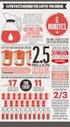 Alcohol Facts and Statistics Alcohol Use in the United States: Prevalence of Drinking: In 2012, 87.6 percent of people ages 18 or older reported that they drank alcohol at some point in their lifetime;
Tom Freese, PhD Sherry Larkins, PhD Clayton Chau, MD (Planner) - Medical Director Behavioral Services; L.A. Care Health Plan
 Tom Freese, PhD Sherry Larkins, PhD Clayton Chau, MD (Planner) - Medical Director Behavioral Services; L.A. Care Health Plan UCLA Integrated Substance Abuse Programs UCLA David Geffen School of Medicine,
What You Don t Know Can Harm You
 A L C OHOL What You Don t Know Can Harm You National Institute on Alcohol Abuse and Alcoholism National Institutes of Health U.S. Department of Health and Human Services If you are like many Americans,
ALCOHOLISM, ALCOHOL DEPENDENCE AND THE EFFECTS ON YOUR HEALTH.
 ALCOHOLISM, ALCOHOL DEPENDENCE AND THE EFFECTS ON YOUR HEALTH. Alcoholism also known as alcohol dependence is a disabling ADDICTIVE DISORDER. It is characterized by compulsive and uncontrolled consumption
Special Populations in Alcoholics Anonymous. J. Scott Tonigan, Ph.D., Gerard J. Connors, Ph.D., and William R. Miller, Ph.D.
 Special Populations in Alcoholics Anonymous J. Scott Tonigan, Ph.D., Gerard J. Connors, Ph.D., and William R. Miller, Ph.D. The vast majority of Alcoholics Anonymous (AA) members in the United States are
Chapter 7. Screening and Assessment
 Chapter 7 Screening and Assessment Screening And Assessment Starting the dialogue and begin relationship Each are sizing each other up Information gathering Listening to their story Asking the questions
How To Prevent Alcohol And Drug Abuse At Stanford
 STANFORD UNIVERSITY Office for Campus Relations Stanford Help Center Alcohol and Drug Abuse Prevention at Stanford Information for Faculty and Staff Phone: 650-723-4577 or Email: [email protected]
SPECIFICATION FOR THE LOCAL COMMISSIONED SERVICE FOR THE MANAGEMENT ALCOHOL MISUSE
 SPECIFICATION FOR THE LOCAL COMMISSIONED SERVICE FOR THE MANAGEMENT OF ALCOHOL MISUSE Date: March 2015 1 1. Introduction Alcohol misuse is a major public health problem in Camden with high rates of hospital
MENTAL HEALTH ALCOHOL AND SUBSTANCE ABUSE
 MENTAL HEALTH ALCOHOL AND SUBSTANCE ABUSE Currently, nearly 14 million Americans 1 in every 13 adults abuse alcohol or are alcoholic. Several million more adults engage in risky drinking patterns that
HealthCare Partners of Nevada. Heart Failure
 HealthCare Partners of Nevada Heart Failure Disease Management Program 2010 HF DISEASE MANAGEMENT PROGRAM The HealthCare Partners of Nevada (HCPNV) offers a Disease Management program for members with
BRIEF INTERVENTION. For Hazardous and Harmful Drinking. Thomas F. Babor John C. Higgins-Biddle. A Manual for Use in Primary Care
 WHO/MSD/MSB/01.6b Original: English Distribution: General Thomas F. Babor John C. Higgins-Biddle BRIEF INTERVENTION For Hazardous and Harmful Drinking A Manual for Use in Primary Care World Health Organization
NHS Swindon and Swindon Borough Council. Executive Summary: Adult Alcohol Needs Assessment
 NHS Swindon and Swindon Borough Council Executive Summary: Adult Alcohol Needs Assessment Aim and scope The aim of this needs assessment is to identify, through analysis and the involvement of key stakeholders,
Medicines To Treat Alcohol Use Disorder A Review of the Research for Adults
 Medicines To Treat Alcohol Use Disorder A Review of the Research for Adults Is This Information Right for Me? Yes, this information is right for you if: Your doctor* said you have alcohol use disorder
Comprehensive Addiction Treatment
 Comprehensive Addiction Treatment A cognitive-behavioral approach to treating substance use disorders Brief Treatment Eric G. Devine Deborah J. Brief George E. Horton Joseph S. LoCastro Comprehensive Addiction
Screening Patients for Substance Use in Your Practice Setting
 Screening Patients for Substance Use in Your Practice Setting Learning Objectives By the end of this session, participants will Understand the rationale for universal screening. Identify potential health
Alcohol Units. A brief guide
 Alcohol Units A brief guide 1 2 Alcohol Units A brief guide Units of alcohol explained As typical glass sizes have grown and popular drinks have increased in strength over the years, the old rule of thumb
Alcohol and Opiates Disorders
 BRIEF SCREENING, INTERVENTION, AND REFERRAL The Problem According to the National Institute on Alcohol Abuse and Alcoholism 3 in 10 adults drink at levels that elevate their risk of physical, mental health,
MASSACHUSETTS TOBACCO TREATMENT SPECIALIST TRAINING
 University of Massachusetts Medical School MASSACHUSETTS TOBACCO TREATMENT SPECIALIST TRAINING Course Description Goals and Learning Objectives 1 2012 55 Lake Avenue North, Worcester, MA 01655 www.umassmed.edu/tobacco
Underage Drinking. Underage Drinking Statistics
 Underage Drinking Underage drinking is a serious public health problem in the United States. Alcohol is the most widely used substance of abuse among America s youth, and drinking by young people poses
NETHERLANDS (THE) Recorded adult per capita consumption (age 15+) Last year abstainers
 NETHERLANDS (THE) Recorded adult per capita consumption (age 15+) 14 12 Litres of pure alcohol 1 8 6 4 Beer Spirits Wine 2 1961 1965 1969 1973 1977 1981 1985 1989 1993 1997 21 Year Sources: FAO (Food and
Do specialist alcohol liaison nurses improve alcohol-related outcomes in patients admitted to hospital settings?
 Do specialist alcohol liaison nurses improve alcohol-related outcomes in patients admitted to hospital settings? Niamh Fingleton and Catriona Matheson Academic Primary Care, University of Aberdeen, March
The Impact of Alcohol
 Alcohol and Tobacco Smoking cigarettes and drinking alcohol are behaviors that often begin in adolescence. Although tobacco companies are prohibited from advertising, promoting, or marketing their products
Mental Health and Substance Abuse Reporting Requirements Section 425 of P.A. 154 of 2005
 Mental Health and Substance Abuse Reporting Requirements Section 425 of P.A. 154 of 2005 By April 1, 2006, the Department, in conjunction with the Department of Corrections, shall report the following
1 GUIDE TO ALCOHOLISM
 1 GUIDE TO ALCOHOLISM Understanding Alcoholism While a glass of wine with dinner or a couple of beers while watching the big game may seem like a harmless way to unwind, for 14 million Americans, it is
Treatment Approaches for Drug Addiction
 Treatment Approaches for Drug Addiction NOTE: This is a fact sheet covering research findings on effective treatment approaches for drug abuse and addiction. If you are seeking treatment, please call 1-800-662-HELP(4357)
Screening, Brief Intervention, and Referral to Treatment Core Curriculum
 Screening, Brief Intervention, and Referral to Treatment Core Curriculum Acknowledgments The material included in this course is based largely on the works of previously funded SAMHSA grantees. Other information
A Guide to Alcoholism and Problem Drinking
 A Guide to Alcoholism and Problem Drinking Alcoholism is a word which many people use to mean alcohol dependence (alcohol addiction). Some people are problem drinkers without being dependent on alcohol.
Alcoholism and Problem Drinking
 Page 1 of 5 Alcoholism and Problem Drinking Alcoholism is a word which many people use to mean 'alcohol dependence' (alcohol addiction). Some people are 'problem drinkers' without being dependent on alcohol.
Does This Hospital Serve Cocktails? Alcohol Withdrawal: A Nursing Perspective. Written and presented by: Susan Laffan, RN, CCHP-RN, CCHP-A
 Does This Hospital Serve Cocktails? Alcohol Withdrawal: A Nursing Perspective Written and presented by: Susan Laffan, RN, CCHP-RN, CCHP-A Disclaimer: This speaker has no financial disclaimers to report.
SUBSTANCE USE DISORDER SOCIAL DETOXIFICATION SERVICES [ASAM LEVEL III.2-D]
![SUBSTANCE USE DISORDER SOCIAL DETOXIFICATION SERVICES [ASAM LEVEL III.2-D]](/thumbs/27/9667060.jpg "SUBSTANCE USE DISORDER SOCIAL DETOXIFICATION SERVICES [ASAM LEVEL III.2-D]") SUBSTANCE USE DISORDER SOCIAL DETOXIFICATION SERVICES [ASAM LEVEL III.2-D] I. Definitions: Detoxification is the process of interrupting the momentum of compulsive drug and/or alcohol use in an individual
SUBSTANCE USE DISORDER SOCIAL DETOXIFICATION SERVICES [ASAM LEVEL III.2-D] I. Definitions: Detoxification is the process of interrupting the momentum of compulsive drug and/or alcohol use in an individual
Pragmatic Evidence Based Review Substance Abuse in moderate to severe TBI
 Pragmatic Evidence Based Review Substance Abuse in moderate to severe TBI Reviewer Emma Scheib Date Report Completed November 2011 Important Note: This report is not intended to replace clinical judgement,
Treatment of Alcoholism
 Treatment of Alcoholism Why is it important Prevents further to body by getting people off alcohol. Can prevent death. Helps keep health insurance down. Provides assistance so alcoholics don t t have to
The Benefits of a Creating a Healthy Work Environment
 Eaton County Substance Abuse Advisory Group (ECSAAG) Barry-Eaton District Health Department The Benefits of a Creating a Healthy Work Environment This presentation includes: Harmful affects of alcohol,
Alcoholism and Problem Drinking
 Page 1 of 5 Alcoholism and Problem Drinking Alcoholism is a word which many people use to mean alcohol dependence (alcohol addiction). Some people are problem drinkers without being dependent on alcohol.
Designing Clinical Addiction Research
 Designing Clinical Addiction Research Richard Saitz MD, MPH, FACP, FASAM Professor of Medicine & Epidemiology Boston University Schools of Medicine & Public Health Director, Clinical Addiction, Research
American Society of Addiction Medicine
 American Society of Addiction Medicine Public Policy Statement on Core Benefit for Primary Care and Specialty Treatment and Prevention of Alcohol, Nicotine and Other Drug PREFACE Statement of the Problem:
JAMAICA. Recorded adult per capita consumption (age 15+) Last year abstainers
 JAMAICA Recorded adult per capita consumption (age 15+) 6 5 Litres of pure alcohol 4 3 2 Beer Spirits Wine 1 1961 1965 1969 1973 1977 1981 1985 1989 1993 1997 21 Sources: FAO (Food and Agriculture Organization
Dartmouth Medical School Curricular Content in Addiction Medicine for Medical Students (DCAMMS) Keyed to LCME Core Competency Domains ***Draft***
 Dartmouth Medical School Curricular Content in Addiction Medicine for Medical Students (DCAMMS) Keyed to LCME Core Competency Domains ***Draft*** This content, sorted by LCME competencies is intended to
DrugFacts: Treatment Approaches for Drug Addiction
 DrugFacts: Treatment Approaches for Drug Addiction NOTE: This is a fact sheet covering research findings on effective treatment approaches for drug abuse and addiction. If you are seeking treatment, please
ADMISSION TO THE PSYCHIATRIC EMERGENCY SERVICES OF PATIENTS WITH ALCOHOL-RELATED MENTAL DISORDER
 Bulletin of the Transilvania University of Braşov Series VI: Medical Sciences Vol. 4 (53) No. 2-2011 ADMISSION TO THE PSYCHIATRIC EMERGENCY SERVICES OF PATIENTS WITH ALCOHOL-RELATED MENTAL DISORDER P.
Reintegration. Recovery. Medication-Assisted Treatment for Alcohol Dependence. Reintegration. Resilience
 Reintegration Recovery Medication-Assisted Treatment for Alcohol Dependence Reintegration Resilience 02 How do you free yourself from the stress and risks of alcohol dependence? Most people cannot do it
Recommendations for the Identification of Chronic Hepatitis C virus infection Among Persons Born During 1945-1965
 Recommendations for the Identification of Chronic Hepatitis C virus infection Among Persons Born During 1945-1965 MMWR August 17, 2012 Prepared by : The National Viral Hepatitis Technical Assistance Center
Provider Training. Behavioral Health Screening, Referral, and Coding Requirements
 Provider Training Behavioral Health Screening, Referral, and Coding Requirements Training Outline I. Behavioral Health Screening Requirements and Referrals II. Healthy Behaviors Substance and Alcohol Abuse
NIAA Research Findings
 NIAA Research Findings Summary: National Institute on Alcohol Abuse and Alcoholism (NIAAA) Research Findings Orientation to Naltrexone and the Integration of Medication into State Treatment Systems. Posted
New Substance Abuse Screening and Intervention Benefit Covered by BadgerCare Plus and Medicaid
 Update December 2009 No. 2009-96 Affected Programs: BadgerCare Plus, Medicaid To: All Providers, HMOs and Other Managed Care Programs New Substance Abuse Screening and Intervention Benefit Covered by BadgerCare
Screening, Brief Intervention and Referral to Treatment (SBIRT) for Substance Use: A Public Health Approach. Joan Dilonardo, Ph.D., R.
 Screening, Brief Intervention and Referral to Treatment (SBIRT) for Substance Use: A Public Health Approach Joan Dilonardo, Ph.D., R.N What is SBIRT? Some definitions Screening: a preliminary systematic
Optimal levels of alcohol consumption for men and women at different ages, and the all-cause mortality attributable to drinking
 Optimal levels of alcohol consumption for men and women at different ages, and the all-cause mortality attributable to drinking Ian R. White, Dan R. Altmann and Kiran Nanchahal 1 1. Summary Background