
BRIEF INTERVENTION. For Hazardous and Harmful Drinking. Thomas F. Babor John C. Higgins-Biddle. A Manual for Use in Primary Care
|
|
|
- Claude Marsh
- 10 years ago
- Views:
Transcription
1 WHO/MSD/MSB/01.6b Original: English Distribution: General Thomas F. Babor John C. Higgins-Biddle BRIEF INTERVENTION For Hazardous and Harmful Drinking A Manual for Use in Primary Care World Health Organization Department of Mental Health and Substance Dependence

2 WHO/MSD/MSB/01.6b Original: English Distribution: General Thomas F. Babor John C. Higgins-Biddle BRIEF INTERVENTION For Hazardous and Harmful Drinking A Manual for Use in Primary Care World Health Organization Department of Mental Health and Substance Dependence

3 2 I BRIEF INTERVENTION FOR HAZARDOUS AND HARMFUL DRINKING Abstract Brief interventions have proven to be effective and have become increasingly valuable in the management of individuals with hazardous and harmful drinking, thereby filling the gap between primary prevention efforts and more intensive treatment for persons with serious alcohol use disorders. Brief interventions also provide a valuable framework to facilitate referral of severe cases of alcohol dependence to specialized treatment. This manual is written to help primary care workers - physicians, nurses, community health workers, and others to deal with persons whose alcohol consumption has become hazardous or harmful to their health. Its aim is to link scientific research to clinical practice by describing how to conduct brief interventions for patients with alcohol use disorders and those at risk of developing them. The manual may also be useful for social service providers, people in the criminal justice system, mental health workers, and anyone else who may be called on to intervene with a person who has alcohol-related problems. This manual is designed to be used in conjunction with a companion document that describes how to screen for alcohol-related problems in primary health care, entitled The Alcohol Use Disorders Identification Test: Guidelines for Use in Primary Care. Together these manuals describe a comprehensive approach to alcohol screening and brief intervention in primary health care. Acknowledgements The Department of Mental Health and Substance Dependence of the World Health Organization gratefully acknowledges the helpful comments and suggestions of the following individuals who reviewed the manuscript: Olaf Gjerlow Aasland, Maria Lucia Formigoni, Nick Heather, Hem Raj Pal and John B. Saunders. The revision and finalisation of this document was coordinated by Maristela Monteiro with technical assistance from Vladimir Poznyak of the WHO Department of Mental Health and Substance Dependence, and Deborah Talamini, University of Connecticut. Financial support for this publication was provided by the Ministry of Health and Welfare of Japan. World Health Organization 2001 This document is not a formal publication of the World Health Organization (WHO), and all rights are reserved by the Organization. The document may, however, be freely reviewed, abstracted, reproduced, and translated, in part or in whole but not for sale or for use in conjunction with commercial purposes. Authors alone are responsible for views expressed in this document, which are not necessarily those of the World Health Organization.

4 TABLE OF CONTENTS I 3 Table of Contents 4 Introduction 5 Concepts and Terms 7 Roles and Responsibilities of Primary Health Care 11 SBI: A Risk Management and Case Finding Approach 14 Alcohol Education for Low-Risk Drinkers, Abstainers and Others 17 Simple Advice for Risk Zone II Drinkers 23 Brief Counselling for Risk Zone III Drinkers 27 Referral for Risk Zone IV Drinkers with Probable Alcohol Dependence Appendix A. Patient Education Brochure A Guide to Low-Risk Drinking B. Self-Help Booklet C. Training Resources 49 References

5 4 I BRIEF INTERVENTION FOR HAZARDOUS AND HARMFUL DRINKING Introduction Brief interventions have become increasingly valuable in the management of individuals with alcohol-related problems. Because brief interventions are low in cost and have proven to be effective across the spectrum of alcohol problems, health workers and policymakers have increasingly focused on them as tools to fill the gap between primary prevention efforts and more intensive treatment for persons with serious alcohol use disorders. As described in this manual, brief interventions can serve as treatment for hazardous and harmful drinkers, and as a way to facilitate referral of more serious cases of alcohol dependence to specialized treatment. This manual is written to help primary care health workers physicians, nurses, community health workers, and others to deal with persons whose alcohol consumption has become hazardous or harmful to their health. Its aim is to link scientific research to clinical practice by describing how to conduct brief interventions for patients with alcohol use disorders and those at risk of developing them. The manual may also be useful for social service providers, people in the criminal justice system, mental health workers, and anyone else who may be called on to intervene with a person who has alcohol-related problems. Whatever the context, brief interventions hold promise for addressing alcohol-related problems early in their development, thus reducing harm to patients and society. brief intervention (SBI) that is designed to improve the health of populations and patient groups as well as individuals. Once a systematic screening program is initiated, the SBI approach shows how health workers can use brief interventions to respond to three levels of risk: hazardous drinking, harmful drinking, and alcohol dependence. Brief interventions are not designed to treat persons with alcohol dependence, which generally requires greater expertise and more intensive clinical management. The interested reader is referred to sources listed at the end of this manual for information about the identification and management of alcohol dependence 2, 3. Nevertheless, the SBI approach described in these pages specifies an important role for primary care practitioners in the identification and referral of persons with probable alcohol dependence to appropriate diagnostic evaluation and treatment. In addition, this manual describes how primary care health workers can use SBI as an efficient method of health promotion and disease prevention for the entire population of patients they see in their communities. By taking a few minutes following screening to advise low-risk drinkers and abstainers about the risks of alcohol, primary care workers can have a positive impact on the attitudes and norms that sustain hazardous and harmful drinking in the community. With the companion publication on the Alcohol Use Disorders Identification Test (AUDIT) 1, these manuals describe a comprehensive approach to alcohol screening and

6 CONCEPT AND TERMS I 5 Concepts and Terms Anumber of terms and concepts are used here that may be new to primary health care health workers. Fortunately, the terms are easy to understand and are sufficiently free of technical jargon to be used with patients. Many of these terms have now been incorporated into the nomenclature of the tenth revision of International Classification of Diseases (ICD-10) 4. As ICD-10 becomes adopted into health care systems throughout the world, this manual will provide a practical way to use its terminology in everyday clinical practice. In any discussion of alcohol-related problems, it is important to distinguish among use, misuse, and dependence. The word use refers to any ingestion of alcohol. We use the term low risk alcohol use to refer to drinking that is within legal and medical guidelines and is not likely to result in alcohol-related problems. Alcohol misuse is a general term for any level of risk, ranging from hazardous drinking to alcohol dependence. Alcohol dependence syndrome is a cluster of cognitive, behavioural, and physiological symptoms. A diagnosis of dependence should only be made if three or more of the following have been experienced or exhibited at some time in the previous twelve months: a strong desire or sense of compulsion to drink; difficulties in controlling drinking in terms of onset, termination, or levels of use; a physiological withdrawal state when alcohol use has ceased or been reduced, or use of alcohol to relieve or avoid withdrawal symptoms; evidence of tolerance, such that increased doses of alcohol are required to achieve effects originally produced by lower doses; progressive neglect of alternative pleasures or interests because of alcohol use; continued use despite clear evidence of harmful consequences. Because alcohol misuse can produce medical harm without the presence of dependence, ICD-10 introduced the term harmful use into the nomenclature. This category is concerned with medical or related types of harm, since the purpose of ICD is to classify diseases, injuries, and causes of death. Harmful use is defined as a pattern of drinking that is already causing damage to health. The damage may be either physical (e.g., liver damage from chronic drinking) or mental (e.g., depressive episodes secondary to drinking). Harmful patterns of use are often criticized by others and are sometimes associated with adverse social consequences of various kinds. However, the fact that a family or culture disapproves drinking is not by itself sufficient to justify a diagnosis of harmful use. A related concept not included in ICD-10, but nevertheless important to screening, is hazardous use. Hazardous use is a pattern

7 6 I BRIEF INTERVENTION FOR HAZARDOUS AND HARMFUL DRINKING of alcohol consumption carrying with it a risk of harmful consequences to the drinker. These consequences may be damage to health, physical or mental, or they may include social consequences to the drinker or others. In assessing the extent of that risk, the pattern of use, as well as other factors such as family history, should be taken into account. While it is important to diagnose a patient s condition in terms of harmful use or dependence, it is equally important to understand the pattern of drinking that produces risk. Some patients may drink in large quantities on particular occasions, but may not drink more than recommended amounts on a regular, weekly basis. Such drinking to the point of intoxication presents an acute form of risk involving injuries, violence, and loss of control affecting others as well as themselves. Other patients may drink excessively on a regular basis and, having established an increased tolerance for alcohol, may not demonstrate marked impairment at high blood alcohol levels. Chronic excessive consumption presents risks of long-term medical conditions such as liver damage, certain cancers, and psychological disorders. As will become obvious in the remainder of this manual, the purpose of making distinctions among patterns of drinking and types of risk is to match the health needs of different types of drinkers with the most appropriate interventions. Because of the heavy demands on busy health workers in primary care, interventions need to be brief. Brief interventions are those practices that aim to identify a real or potential alcohol problem and motivate an individual to do something about it. In many cultures the labels or terms applied to excessive drinkers carry highly negative connotations. The distinctions made here about types of misuse on a broad continuum are seldom reflected in popular concepts and terminology. To avoid arousing resistance and defensiveness, it is best wherever possible to describe patients alcohol use and drinking behaviours rather than to use personal labels. Hence, discussion of hazardous drinking or alcohol dependence is preferable to labeling a patient as a binge drinker or an alcoholic. This will allow patients to focus on changing their drinking behaviour without feeling defensive about the terms being applied to them.

8 ROLES AND RESPONSIBILITIES OF PRIMARY HEALTH CARE I 7 Roles and Responsibilities of Primary Health Care Primary care health workers are in a unique position to identify and intervene with patients whose drinking is hazardous or harmful to their health 5. They may also play a critical role in leading patients with alcohol dependence to enter treatment. Patients have confidence in the expertise of health workers and expect them to be interested in the health effects of drinking. The information provided by health workers is often critical not only in the management of disease but also in its prevention. Primary health care is the main vehicle for the delivery of health services in many parts of the world, with most of the world s population consulting a physician or other health worker at least once a year. Because patients trust the information they receive from health workers, advice about alcohol use is likely to be taken seriously when given in the context of a medical or preventive health consultation. Moreover, the primary care setting is ideal for continuous monitoring and repeated intervention. Unfortunately, some primary care health workers are reluctant to screen and counsel patients in relation to alcohol use. Among the reasons most often cited are lack of time, inadequate training, fear of antagonizing patients, the perceived incompatibility of alcohol counseling with primary health care, and the belief that alcoholics do not respond to interventions. Each of these reasons constitutes a misconception that is contradicted by evidence as well as logic. Lack of Time A common concern expressed by health workers is that Screening and Brief Intervention (SBI) will require too much time. Given the demands of a busy healthcare practice, it is reasonable to argue that the health worker s first duty is to attend to the patient s immediate needs, which are typically for acute care. But such an argument fails to give appropriate weight to the importance of alcohol use to the health of many patients and overestimates the time required. Because alcohol use is a leading contributor to many health problems encountered in primary care, SBI can often be delivered in the course of routine clinical practice without requiring significantly more time. A brief self-report screening test can be distributed with other forms patients are asked to complete in the waiting room, or the questions can be integrated into a routine medical history interview. Either way, screening requires only 2-4 minutes. Scoring and interpretation of the screening test takes less than a minute. Once the screening results are available, only a small proportion (5%-20%) of patients in primary care are likely to require a brief intervention. For those who screen positive, the intervention for most patients requires less than five minutes. If brief counseling is required, up to 15 minutes is recommended to review the self-help booklet described in this manual and to develop a plan for monitoring or referral.

9 8 I BRIEF INTERVENTION FOR HAZARDOUS AND HARMFUL DRINKING Inadequate Training Many health workers feel that their training is not adequate to screen and counsel patients in relation to alcohol use. While it is true that professional education is often inadequate where alcohol is concerned, there are now ample opportunities for training in use of new screening and intervention techniques. Not only is training relatively simple and easy, it is also possible to train one person in a busy clinic to take responsibility for alcohol screening, thereby reducing the burden on other members of the health care team. This manual can also help in training health workers. Other resources are listed in Appendix C. Fear of Antagonizing Patients over a Sensitive Personal Issue Another common misconception about SBI is that patients will become angry if questioned about their drinking, or they will deny having problems and resist any attempts to change their drinking behaviour. While denial and resistance are sometimes encountered from persons with alcohol dependence, harmful and hazardous drinkers are rarely uncooperative. On the contrary, the experience gained from numerous research studies and clinical programs indicates that almost all patients are cooperative, and most are appreciative when health workers show an interest in the relationship between alcohol and health. In general, patients perceive alcohol screening and brief counseling as part of the health worker s role, and rarely object when it is conducted according to the procedures described in this manual. Alcohol is not a Matter that Needs to be Addressed in Primary Health Care This misconception is contradicted by a massive amount of evidence showing how alcohol is implicated in a variety of health-related problems 6. These problems not only affect the health of the individual, but also the health of families, communities, and populations. In general, there is a dose-response relationship between alcohol consumption and a variety of disease conditions, such as liver cirrhosis and certain cancers (e.g., mouth, throat, and breast). Similarly, the more alcohol an individual consumes, the greater the risk of injuries, automobile crashes, workplace problems, domestic violence, drowning, suicide, and a variety of other social and legal problems. As with secondhand smoke, excessive drinking has secondary effects on the health and wellbeing of persons in the drinker s immediate social environment. Unintentional injuries, increased family health care costs, and psychiatric problems are some of the unintended consequences of harmful drinking. Thus, if primary health care involves the prevention and treatment of such common physical and mental conditions, it must address their causes in alcohol misuse.

10 ROLES AND RESPONSIBILITIES OF PRIMARY HEALTH CARE I 9 Alcoholics do not Respond to Primary Care Interventions. Health workers who confuse all forms of excessive drinking with alcohol dependence often voice this misconception. Alcohol misuse includes much more than alcohol dependence. Alcohol dependence affects a small but significant proportion of the adult population in many countries (3%-5% in industrialized nations), but hazardous and harmful drinking generally affect a much larger portion of the population (15%-40%). The purpose of a systematic program of SBI in primary care settings is two-fold. It will identify and refer persons with alcohol dependence at an early stage in their drinking career, thereby preventing further progression of dependence. A second purpose is to identify and help hazardous and harmful drinkers who may or may not develop an alcohol dependence syndrome, but whose risk of serious alcohol-related harm can be reduced. Contrary to popular misconceptions, SBI is effective with both populations. Persons with alcohol dependence respond well to formal treatment and to the kinds of community-based assistance provided by mutual help societies 7, 8. But these same individuals often need to be convinced that they have a problem with respect to alcohol and need encouragement to seek help. This is an important responsibility of primary care health workers, who are in an ideal position to use their expertise, knowledge, and respected role as gatekeepers to refer alcohol dependent patients to the appropriate type of care. Contrary to the belief that alcohol-related problems cannot be managed in primary care, hazardous and harmful drinkers respond well to primary care intervention (see Box 1). Unlike persons with alcohol dependence, who should be referred to specialist care, hazardous and harmful drinkers should be given simple advice and brief counseling, respectively. These brief interventions have been shown in numerous clinical trials to reduce the overall level of alcohol consumption, change harmful drinking patterns, prevent future drinking problems, improve health, and reduce health care costs 9, 10, 11, 12. Primary care providers are experienced in treating patients with diabetes and hypertension, who require initial identification through screening, counseling about behavioural change, and on-going support. This expertise will prove useful in providing similar help to hazardous and harmful drinkers. Summary The reluctance of primary care health workers to conduct alcohol screening and brief intervention is often based on assumptions about the difficulty of the task, the time required, the skills needed, and the response of the patient. Upon closer examination, most of these perceived barriers to SBI are either misconceptions

11 10 I BRIEF INTERVENTION FOR HAZARDOUS AND HARMFUL DRINKING or minor challenges that can be easily overcome. Perhaps more difficult to address, however, is the health workers own attitudes toward and personal use of alcohol. Given the obligation to provide the best possible health care to patients, implementing a trial programme of SBI may provide the best opportunity to convince skeptics that it is feasible, efficient, and effective. Box 1 The Evidence for Brief Intervention During the past 20 years, there have been numerous randomized clinical trials of brief interventions in a variety of health care settings. Studies have been conducted in Australia, Bulgaria, Mexico, the United Kingdom, Norway, Sweden, the United States, and many other countries. Evidence for the effectiveness of brief interventions has been summarized in several review articles, including the following: In one of the earliest review articles, Bien, et al. 9 considered 32 controlled studies involving over 6,000 patients, finding that brief interventions were often as effective as more extensive treatments. There is encouraging evidence that the course of harmful alcohol use can be effectively altered by well-designed intervention strategies which are feasible within relatively brief-contact contexts such as primary health care settings and employee assistance programs. Kahan, et al. 10 reviewed 11 trials of brief intervention and concluded that, while further research on specific issues is required, the public health impact of brief interventions is potentially enormous. Given the evidence for the effectiveness of brief interventions and the minimal amount of time and effort they require, physicians are advised to implement these strategies in their practice. Twelve randomized controlled trials were reviewed by Wilk, et al. 11, who concluded that drinkers receiving a brief intervention were twice as likely to reduce their drinking over 6 to 12 months than those who received no intervention. Brief intervention is a low-cost, effective preventive measure for heavy drinkers in outpatient settings. Moyer, et al. 12 reviewed studies comparing brief intervention both to untreated control groups and to more extended treatments. They found further positive evidence for the effectiveness of brief intervention, especially among patients with less severe problems. Cautioning that brief intervention should not substitute for specialist treatment, they suggested that they might well serve as an initial treatment for severely dependent patients seeking extended treatment.

12 SBI: A RISK MANAGEMENT AND CASE FINDING APPROACH I 11 SBI: A Risk Management and Case Finding Approach The remaining parts of this manual describe a risk management and case finding approach to deal with hazardous and harmful drinkers in primary health care settings. It is based on the assumption that screening and brief intervention for alcohol is likely to have positive benefits for patients who receive their health care from a particular clinic or provider. This approach focuses first on the individual patient, but also takes into account the patient s family and social networks in the community. By using SBI as a way to provide early identification of alcohol problems as well as to educate all patients, the negative effects of alcohol will be reduced over time. Screening is the first step in the SBI process. It provides a simple way to identify persons whose drinking may pose a risk to their health, as well as those who are already experiencing alcohol-related problems, including dependence. (See the companion manual, AUDIT, The Alcohol Use Disorders Identification Test: Guidelines for Use in Primary Care.) Screening has other benefits as well. It provides the health worker with information to develop an intervention plan, and it provides patients with personal feedback that can be used to motivate them to change their drinking behaviour. To conduct screening systematically, it is recommended that a standardized, validated screening instrument be used. This manual recommends the Alcohol Use Disorders Identification Test (AUDIT), which was developed by the World Health Organization to identify persons with hazardous and harmful alcohol consumption as well as alcohol dependence 13. Although other self-report instruments have been found to be useful, the AUDIT has the advantages of being: Short, easy to use, and flexible, yet provides valuable information for feedback to patients; Consistent with ICD-10 definitions of harmful alcohol use and alcohol dependence; Focused on recent alcohol use; Validated in many countries and available in many languages. The AUDIT consists of ten questions. The first three items measure the quantity and frequency of regular and occasional alcohol use. The next three questions ask about the occurrence of possible dependence symptoms, and the last four questions inquire about recent and lifetime problems associated with alcohol use. Once screening has been conducted, the next step is to provide an appropriate intervention that meets the needs of each patient. Typically, alcohol screening has been used primarily to find persons with alcohol dependence, who are then referred to specialized treatment. In recent years, however, advances in screening procedures have made it possible to screen for risk factors, such as hazardous drinking and harmful alcohol use. Using the AUDIT, the SBI approach described in this manual offers a simple way to provide each patient with an appropriate intervention, based on the level of risk. The four levels of risk and corresponding AUDIT scores shown in

13 12 I BRIEF INTERVENTION FOR HAZARDOUS AND HARMFUL DRINKING Box 2 are presented as general guidelines for assigning risk levels based upon AUDIT scores. They may serve as a basis for making clinical judgments to tailor interventions to the particular conditions of individual patients. This approach is based upon the premise that higher AUDIT scores are generally indicative of more severe levels of risk. The cut-off points, however, are not based on sufficient evidence to be normative for all groups or individuals. Clinical judgment must be used to identify situations in which the total AUDIT score may not represent the full risk level, e.g., where relatively low drinking levels mask significant harm or signs of dependence. Nevertheless, these guidelines can serve as a starting point for an appropriate intervention. If a patient is not successful at the initial level of intervention, followup should yield a plan to step the patient up to the next level of intervention. Readers are encouraged to consult carefully the companion manual 1 on the AUDIT and to consider its recommendations for adapting the scoring to national policies, local settings, gender differences, and other issues that cannot be addressed here. Box 2 Risk Level Intervention AUDIT Score* Zone I Alcohol Education 0-7 Zone II Simple Advice 8-15 Zone III Simple Advice plus Brief Counseling and Continued Monitoring Zone IV Referral to Specialist for Diagnostic Evaluation and Treatment *The AUDIT cut-off score may vary slightly depending on the country s drinking patterns, the alcohol content of standard drinks, and the nature of the screening program. Consult the AUDIT manual for details. Clinical judgment should be exercised in the interpretation of screening test results to modify these guidelines, especially when AUDIT scores are in the range of

14 SBI: A RISK MANAGEMENT AND CASE FINDING APPROACH I 13 The first level, Risk Zone I, applies to the majority of patients in most countries. AUDIT scores below 8 generally indicate low-risk drinking. Although no intervention is required, for many individuals alcohol education is appropriate for several reasons: it contributes to the general awareness of alcohol risks in the community; it may serve as a preventive measure; it could be effective for patients who have minimized the extent of their drinking on the AUDIT questions; and it might remind patients with past problems about the risks of returning to hazardous drinking. The second level, Risk Zone II, is likely to be encountered among a significant proportion of patients in many countries. It consists of alcohol use in excess of drinking guidelines. Although drinking guidelines vary from country to country, epidemiological data suggest that the risks of alcohol-related problems increase significantly when consumption exceeds 20g of pure alcohol per day, which is the equivalent of approximately two standard drinks in many countries 6. An AUDIT score between 8 and 15 generally indicates hazardous drinking, but this zone may also include patients experiencing harm and dependence. for which a more thorough approach to clinical management is recommended. The fourth and highest risk level, Risk Zone IV, is suggested by AUDIT scores in excess of 20. These patients should be referred to a specialist (if available) for diagnostic evaluation and possible treatment for alcohol dependence. Health workers should note, however, that dependence varies along a continuum of severity and might be clinically significant even at lower AUDIT scores. In the following sections, the clinical management of patients scoring in each of these zones is described in more detail. The third level, Risk Zone III, refers to a pattern of alcohol consumption that is already causing harm to the drinker, who may also have symptoms of dependence. Patients in this zone may be managed by a combination of simple advice, brief counseling, and continued monitoring. AUDIT scores in the range of often suggest harmful drinking or dependence,

15 14 I BRIEF INTERVENTION FOR HAZARDOUS AND HARMFUL DRINKING Alcohol Education for Low Risk Drinkers, Abstainers and Others Patients who screen negative on the AUDIT screening test (i.e., Zone I), whether they are low-risk drinkers or abstainers, may nevertheless benefit from information about alcohol consumption. Most people s alcohol use varies over time. Thus, a person who is drinking moderately now may increase consumption in the future. Moreover, alcohol industry advertising and media stories about the benefits of alcohol consumption may lead some non-drinkers to drink for health reasons and others who drink moderately to consume more. Therefore, a few words or written information about the risks of drinking may prevent hazardous or harmful alcohol use in the future. Patients should also be praised for their current low-risk practices and reminded that, if they do drink, they should stay within the recommended allowances. Information about what constitutes a standard drink is essential to understanding those limits. It may take less than a minute to communicate this information and to ask if the patient has any questions. The patient education brochure in Appendix A can be used for this purpose. Box 3 provides a sample script for primary care providers to illustrate how to manage patients whose screening test results are negative. How to Deal with Patients who are Concerned about Family Members and Friends When the issue of alcohol use is raised during a primary care visit, it is not unusual for patients to be interested in this information as a means of either understanding or helping family members or friends. According to Anderson 5, providing advice to concerned family and friends is important for two reasons: advice may help to reduce the stress that is often experienced by people in the excessive drinker s immediate social environment; and these people can play a critical role in helping to change the drinker s behaviour. Primary care providers can do at least three things to help a relative or friend cope with an excessive drinker 14 : Listen Sympathetically The primary care provider can ask the concerned friend or family member to describe the drinking problem they are attempting to deal with and its effect on them. It is important to determine the severity of the drinking problem in question according to the criteria described in this manual for hazardous drinking, harmful drinking, and alcohol dependence syndrome. This information should be received confidentially and any questions or comments should be non-judgmental.

16 ALCOHOL EDUCATION I 15 Box 3 What to do with Patients whose Screening Test Results are Negative Provide Feedback about the Results of the Screening Test Example I have looked over the results of the questionnaire you completed a few minutes ago. If you remember, the questions asked about how much alcohol you consume, and whether you have experienced any problems in connection with your drinking. From your answers it appears that you are at low risk of experiencing alcohol-related problems if you continue to drink moderately (abstain). Educate Patients about Low-Risk Levels and the Hazards of Exceeding them Example If you do drink, please do not consume more than two drinks per day, and always make sure that you avoid drinking at least two days of the week, even in small amounts. It is often useful to pay attention to the number of standard drinks you consume, keeping in mind that one bottle of beer, one glass of wine, and one drink of spirits generally contain about the same amounts of alcohol. People who exceed these levels increase their chances of alcohol-related health problems like accidents, injuries, high blood pressure, liver disease, cancer, and heart disease. Congratulate Patients for their Adherence to the Guidelines Example So keep up the good work and always try to keep your alcohol consumption below or within the low-risk guidelines. Note The Patient Education Brochure in Appendix A can be used to provide alcohol education to low-risk drinkers, placing emphasis on the Drinkers Pyramid (Panel 2), the standard drink illustration (Panel 6) and the low-risk drinking guidelines (Panel 5).

17 16 I BRIEF INTERVENTION FOR HAZARDOUS AND HARMFUL DRINKING Provide Information Information is a form of support. Depending on the severity of the problem, copies of the low-risk drinking brochure in Appendix A can be provided as well as information about different kinds of specialized treatment. Encourage Support and Joint Problem-Solving Family and friends are often the most important influence on a drinker s decision to take positive action. They should be encouraged to speak with the problem drinker individually or as a group to express their concern, suggest constructive action, and provide emotional support. Such interventions should attempt to set a positive tone, without accusatory, negative statements or highly charged confrontation.

18 SIMPLE ADVICE FOR RISK ZONE II DRINKERS I 17 Simple Advice for Risk Zone II Drinkers Who is Appropriate for Simple Advice? Abrief intervention using simple advice is generally appropriate for patients whose AUDIT screening test score is in the range of Even though they may not be experiencing or causing harm, such patients are: at risk of chronic health conditions due to regular alcohol use in excess of drinking guidelines; and/or at risk of injury, violence, legal problems, poor work performance, or social problems due to episodes of acute intoxication. Attention should be given to the number of standard drinks consumed per day or per week to determine whether low-risk limits are being exceeded. These drinking limits should take into account both the typical quantity per week (AUDIT questions 1 and 2) as well as frequency of heavy drinking (intoxication) episodes (AUDIT question 3). In general, a brief intervention using simple advice is appropriate for those drinking above the weekly low-risk limit, even if they are not experiencing harm. Moreover, a patient who drinks below that level, but who reports (question 3) consuming more than 60 grams of pure alcohol per occasion (4-6 drinks in many countries) once or more during the past year, should receive advice to avoid drinking to intoxication. Giving Simple Advice to Risk Zone II Drinkers Based on clinical trials and practical experience from early intervention programs in many countries 9, 15, 16, simple advice using a patient education brochure is the intervention of choice for Zone II drinkers. One such brochure, A Guide to Low-Risk Drinking included in Appendix A, is adapted from the guide developed for the WHO Project on Identification and Management of Persons with Harmful Alcohol Consumption 15, 17. Box 4 provides step-by-step examples of how to introduce the subject and what to say about each panel in the Guide to Low- Risk Drinking. After establishing that the AUDIT score is in the range appropriate for simple advice, a statement should be made to prepare the patient for the intervention. This transitional statement is best accomplished by reference to screening test results concerning the frequency, amount, or pattern of drinking and problems experienced in relation to drinking. A copy of the leaflet is then shown to the patient. Not only does it contain all of the information necessary for the patient, it also provides a complete visual guide for the health worker s spoken advice. By reviewing each panel in sequence with the patient, a standard brief intervention can be delivered in a complete, natural way that requires a minimum of training and practice on the part of the health worker.

19 18 I BRIEF INTERVENTION FOR HAZARDOUS AND HARMFUL DRINKING Give Feedback (Panel 2) The health worker should guide the patient through the leaflet, section by section, beginning with the Drinkers Pyramid, which is used to demonstrate that the person s drinking falls into the risky drinking category. (The percentages shown in the Drinkers Pyramid might need to be adapted to the drinking patterns of different countries, as noted in Appendix A). The health worker may adapt the script in Box 4. Provide Information (Panel 3) The health care worker should gently but firmly encourage the patient to take immediate action to reduce the risks associated with the current level of drinking. Use the section Effects of High-Risk Drinking to point out the specific risks of continued drinking above recommended guidelines. Establish a Goal (Panel 4) The most important part of the simple advice procedure is for the patient to establish a goal to change drinking behaviour. Guidelines are given in the leaflet about choosing total abstinence or low-risk drinking as a goal. In many cultures it is best for a health worker to lead patients to make their own decision. In countries where patients look to their health care providers for definitive advice, a more prescriptive approach may be appropriate. In choosing a drinking goal, it is also important to identify persons who should be encouraged to abstain completely from alcohol. The following persons are not appropriate for a low-risk drinking goal: those with a prior history of alcohol or drug dependence (as suggested by previous treatment) or liver damage; persons with prior or current serious mental illness; women who are pregnant; patients with medical conditions or who are taking medications that require total abstinence. Patients who are hesitant to establish a goal, or who resist accepting the need to do so, are likely to have more severe problems better dealt with by brief counseling and related motivational approaches as described in the next section (Brief Counseling for Risk Zone III Drinkers). Give Advice on Limits (Panel 5) Most patients are likely to choose a lowrisk drinking goal. They then need to agree to reduce their alcohol use to the low-risk drinking limits set forth in the leaflet. These limits are not the same in all countries. They vary depending on national policy, culture, and local drinking customs. They should also vary by gender, body mass, and the practice of drinking with meals, all of which can affect the metabolism and health consequences of alcohol. Nevertheless, the following guidelines are consistent with epidemiological data 18 indicating that the risk of a variety of

20 SIMPLE ADVICE FOR RISK ZONE II DRINKERS I 19 Box 4 Sample Script of a Simple Advice Session Using the Guide to Low-Risk Drinking Introduce the Subject with a Transitional Statement I have looked over the results of the questionnaire you completed a few minutes ago. If you remember, the questions asked about how much alcohol you consume, and whether you have experienced any problems in connection with your drinking. From your answers it appears that you may be at risk of experiencing alcohol-related problems if you continue to drink at your current levels. I would like to take a few minutes to talk with you about it. Present the Guide to Low-Risk Drinking and Point to Panel 2: The Drinkers Pyramid The best way to explain the health risks connected with your alcohol use is by following the illustrations in this leaflet, which is called A Guide to Low-Risk Drinking. Let s take a look at it and then I will give you this copy to take home with you. The first illustration, called the Drinkers Pyramid, describes four types of drinkers. While many people abstain from alcohol completely, most people who drink do so sensibly. This third area (High Risk Drinkers) represents drinkers whose alcohol use is likely to cause problems. This top area represents people who are sometimes called alcoholics. These are people whose drinking has led to dependence and severe problems. Your responses to the questionnaire indicate that you fall into the High Risk category. Your level of drinking presents risks to your health and possibly other aspects of your life. Show Panel 3 and Provide Information on the Effects of High-Risk Drinking This picture shows the kinds of health problems that are caused by high-risk drinking. Have you ever experienced any of these problems yourself? The best way to avoid these problems is to cut down on the frequency and quantity of your drinking so that you reduce your risk, or abstain entirely from alcohol.

21 20 I BRIEF INTERVENTION FOR HAZARDOUS AND HARMFUL DRINKING Box 4 (continued) Point to Panel 4 and Discuss the Need to Stop Drinking or Cut Down It is important for you to cut down on your drinking or stop entirely for awhile. Many people find it possible to make changes in their drinking. Are you willing to try? Ask yourself whether you have had any signs of alcohol dependence like feeling nauseous or shaky in the morning, or if you can drink very large amounts of alcohol without appearing to be drunk. If this is the case, you should consider stopping entirely. If you do not drink excessively most of the time, and do not feel that you have lost control over your drinking, then you should cut back. Use Panel 5 to Discuss Sensible Limits with Patients Who Choose to Drink at Low-Risk Levels According to experts, you should not have more than two drinks a day, and you should drink less if you tend to feel the effects of one or two drinks. To minimize the risk of developing alcohol dependence, there should be at least two days a week when you do not drink at all. You should always avoid drinking to intoxication, which can result from as little as two or three drinks on a single occasion. Moreover, there are situations in which you should never drink, such as the ones listed here. Point to Panel 6 to Review What s a Standard Drink Finally, it is essential to understand how much alcohol is contained in the different beverages you are drinking. Once you do this you can count your drinks and try to stay within low-risk limits. This figure shows different types of alcoholic beverages. Did you know that one glass of wine, one bottle of beer, and one small shot of spirits all contain approximately the same amounts of alcohol? If you think of each of these as a standard drink, then all you need to do is count the number of drinks you have each day. Conclude With Encouragement Now that you have heard about the risks associated with drinking and the sensible limits, are there any questions? Many people find it reassuring to learn that they can take action on their own to improve their health. I m confident you can follow this advice and reduce your drinking to low-risk limits. But if you find it difficult and can t cut down, please call me or come back for another visit so we can talk about it again.
22 SIMPLE ADVICE FOR RISK ZONE II DRINKERS I 21 health conditions and social consequences is elevated above 20g per day. The same amounts taken on an individual occasion are also likely to increase the risk of accidents and injuries because of the psychomotor impairment caused by alcohol. The guidelines are: no more than two standard drinks per day. Both men and women should be advised to drink no more than 5 days per week. They should also be reminded of situations in which they should not drink at all. Explain a Standard Drink (Panel 6) If a patient chooses to reduce drinking, and the health worker has explained the recommended limits of low-risk drinking, the idea of a standard drink should be introduced by pointing to the illustration in the leaflet. All of the drinks shown in the leaflet should contain one standard drink. Provide Encouragement Remember that hazardous drinkers are not dependent on alcohol and can change their drinking behaviour more easily. The health care worker should seek to motivate the patient by restating the need to reduce risk and by encouraging the patient to begin now. Since changing habits is not easy, the health care worker should instil hope by reminding patients that occasional failures must be viewed as opportunities to learn better ways to meet the goal more consistently. For example, the health worker might say, It may not be easy to reduce your drinking to these limits. If you go over the limits on an occasion, make an effort to learn why you did and plan how not to do it again. If you always remember how important it is to reduce your alcohol-related risk, you can do it. Clinical Approach The following techniques contribute to the effectiveness of delivering simple advice: Be Empathic and Non-judgmental Health workers should recognize that patients are often unaware of the risks of drinking and should not be blamed for their ignorance. Since hazardous drinking is usually not a permanent condition but a pattern into which many people occasionally fall only for a period of time, a health care provider should feel comfortable in communicating acceptance of the person without condoning their current drinking behaviour. Remember that patients respond best to sincere concern and supportive advice to change. Condemnation may have the counterproductive effect of both the advice and the giver being rejected. Be Authoritative Health workers have special authority because of their knowledge and training. Patients usually respect them for this expertise. To take advantage of this authority, be clear, objective, and personal when it comes to stating that the patient is drinking above set limits. Patients recognize that true concern for their health requires that you provide authoritative advice to cut back or quit.
23 22 I BRIEF INTERVENTION FOR HAZARDOUS AND HARMFUL DRINKING Deflect Denial Sometimes patients are not ready to change their drinking behaviour. Some patients may deny that they drink too much and resist any suggestion that they should cut down. To help patients who are not yet ready to change, make sure that you are speaking authoritatively without being confrontational. Avoid threatening or pejorative words like alcoholic, motivating the patient instead by giving information and expressing concern. If the patient s screening results have indicated a high level of drinking or an alcoholrelated problem, use this information to ask them to explain the discrepancy between what medical authorities say and their own view of the situation. You are then in a position to suggest that things may not be as positive as they think. Follow-up Periodic follow-up with each patient is essential to sound medical practice. Since hazardous drinkers are not currently experiencing harm, their follow-up may not require urgent or expensive service. However, follow-up should be scheduled as appropriate for the perceived degree of risk to assure that the patient is achieving success in regard to the drinking goal. If a patient is achieving success, further encouragement should be offered. If not, the health care worker should consider brief counseling or a referral for diagnostic evaluation. Facilitate Since the intended outcome of providing simple advice is to facilitate the patient s behaviour change, it is essential that the patient participate in the process. It is not sufficient just to tell the patient what to do. Rather, the most effective approach is to engage the patient in a joint decisionmaking process. This means asking about reasons for drinking, and stressing the personal benefits of low-risk drinking or abstinence. Of critical importance, the patient should choose a low-risk drinking goal or abstinence and agree at the conclusion of this process that he or she will try to achieve it.
24 BRIEF COUNSELING FOR RISK ZONE III DRINKERS I 23 Brief Counseling for Risk Zone III Drinkers Who is Appropriate for Brief Counseling? An intervention using brief counseling is generally appropriate for persons who score on the AUDIT screening test in the range of Patients receiving such scores are likely to be harmful drinkers who are: already experiencing physical and mental health problems due to regular alcohol use in excess of low-risk drinking guidelines; and/or experiencing injuries, violence, legal problems, poor work performance, or social problems due to frequent intoxication. While persons who score in this range on the AUDIT will generally drink more than those scoring less than 16, the key difference usually lies in responses to AUDIT questions 9-10, which indicate signs of harm. Indeed, some patients in this category may not drink more than those in Zone II. If a patient indicates that an accident or injury has been experienced in the past year, or that others have expressed concern, brief counseling should be considered. Brief counseling may also be appropriate for hazardous drinkers who need to abstain from alcohol permanently or for a period of time. This may be the case with women who are pregnant or nursing and with persons who are taking medication for which alcohol consumption is contraindicated. How Brief Counseling Differs from Simple Advice Brief counseling is a systematic, focused process that relies on rapid assessment, quick engagement of the patient, and immediate implementation of change strategies. It differs from simple advice in that its goal is to provide patients with tools to change basic attitudes and handle a variety of underlying problems. While brief counseling uses the same basic elements of simple advice, its expanded goal requires more content and, thus, more time than simple advice. In addition, health workers who engage in such counseling would benefit from training in empathic listening and motivational interviewing. Like simple advice, the goal of brief counseling is to reduce the risk of harm resulting from excessive drinking. Because the patient may already be experiencing harm, however, there is an obligation to inform the patient that this action is needed to prevent alcohol-related medical problems. Providing Brief Counseling There are four essential elements of brief counseling: Give Brief Advice A good way to begin brief counseling is to follow the same procedures described above under simple advice, using the Guide to Low-Risk Drinking as a way to
25 24 I BRIEF INTERVENTION FOR HAZARDOUS AND HARMFUL DRINKING initiate a discussion about alcohol. In this case the patient is informed that screening results indicate present harm within the High-Risk Drinking category, as shown in the Drinkers Pyramid (Panel 2). The specific harm(s) (both identified by the AUDIT and from the patient s presenting symptoms) should be itemized, and the seriousness of the situation should be emphasized by referring to the illustration in Panel 3. Assess and Tailor Advice to Stage of Change Further assessment beyond initial screening can be an important aid to brief counseling. Diagnostic assessment involves a broad analysis of the factors contributing to and maintaining a patient s excessive drinking, the severity of the problem, and the consequences associated with it. Another type of assessment is the motivational stage of the patient, which can vary from no interest in changing drinking behaviour (pre-contemplation) to actual initiation of a drinking moderation plan (action stage). The Stages of Change represent a process that describes how people think about, initiate, and maintain a new pattern of health behaviour. The five stages summarized in Box 5 are each matched with a specific Brief Intervention element. One of the simplest ways to assess a patient s readiness to change their drinking is to use the Readiness Ruler recommended by Miller 19. Ask the patient to rate on a scale of 1 to 10, How important is it for you to change your drinking? (with 1 being not important and 10 being very important). Patients who score in the lower end of the scale are pre-contemplators. Those who score in the middle range (4-6) are contemplators, and those scoring in the higher range should be considered ready to take action. It is helpful to begin counseling in a way that meets the patient s current motivation level. For example, if the patient is at the pre-contemplation stage, then the advice session should focus more on feedback in order to motivate the patient to take action. If the patient has been thinking about taking action (contemplation stage), emphasis should be placed on the benefits of doing so, the risks of delaying, and how to take the first steps. If the patient is already prepared for taking action, then the health worker should focus more on setting goals and securing a commitment from the patient to cut down on alcohol consumption. For most patients, the standard sequence of Feedback, Information, Goal selection, Advice, and Encouragement should be followed, with minor modifications dictated by the current stage of change. Provide Skills Training via the Self- Help Booklet After assessing the patient s readiness to change drinking behaviour, the provision of a self-help booklet is recommended. Appendix B contains a modified version of the self-help manual used in the WHO Project on Identification and Management of Alcohol-Related Problems 15, 17.
26 BRIEF COUNSELING FOR RISK ZONE III DRINKERS I 25 Box 5 The Stages of Change and Associated Brief Intervention Elements 20 Stage Precontemplation Contemplation Preparation Action Maintenance Definition The hazardous or harmful drinker is not considering change in the near future, and may not be aware of the actual or potential health consequences of continued drinking at this level The drinker may be aware of alcohol-related consequences but is ambivalent about changing The drinker has already decided to change and plans to take action The drinker has begun to cut down or stop drinking, but change has not become a permanent feature The drinker has achieved moderate drinking or abstinence on a relatively permanent basis Brief Intervention Elements to be Emphasized Feedback about the results of the screening, and Information about the hazards of drinking Emphasize the benefits of changing, give Information about alcohol problems, the risks of delaying, and discuss how to choose a Goal Discuss how to choose a Goal, and give Advice and Encouragement Review Advice, give Encouragement Give Encouragement
27 26 I BRIEF INTERVENTION FOR HAZARDOUS AND HARMFUL DRINKING The booklet is entitled How to Prevent Alcohol-Related Problems. It provides practical advice on how to achieve the drinking limits recommended in the Guide to Low-Risk Drinking. It is based on sound behaviour change strategies that have been used to teach people to modify their drinking behaviour. Patients are asked to develop a Habit Breaking Plan by reading each section and recording information that applies directly to their own situation. The first section asks the patient to list the benefits that might be expected if drinking is reduced. This is designed to increase motivation to change. The second section asks for a list of high-risk situations that should be avoided because they lead to excessive drinking. The third section asks the patient to devise a set of coping strategies to resist or avoid highrisk situations. The final section solicits ideas to cope with loneliness and boredom. Most patients can follow the selfhelp booklet with a minimum of explanation and guidance, but some patients would benefit from having a health worker read through it with them so that the Habit Breaking Plan can be completed before they leave the office or clinic (see Box 6). By completing the questions in each section, the patient can leave the brief counseling session with a clear goal and a personalized plan to achieve it. Follow-up Maintenance strategies should be built into the counseling plan from the beginning. A practitioner of brief counseling should continue to provide support, feedback, and assistance in setting, achieving, and maintaining realistic goals. This will involve helping the patient identify relapse triggers and situations that could endanger continued progress. Since patients receiving brief counseling are currently experiencing alcohol-related harm, periodic monitoring as appropriate for the degree of risk during and (for a time) after the counseling sessions is essential. If the patient is making progress toward a goal or has achieved it, such monitoring may be reduced to a semi-annual or annual visit. However, if the patient continues for several months to have difficulties reaching and maintaining the drinking goal, consideration should be given to moving the patient to the next highest level of intervention, referral to extended treatment if it is available. If such specialized treatment if not available, regular monitoring and continued counseling may be necessary. Box 6 Working with Illiterate Patients Patients who are illiterate or have poor reading ability will require special help in brief counseling situations. It is recommended that the health care worker review the self-help booklet with the patient, assist in filling out the plan, and (if the patient is willing) suggest that the patient give the materials to a friend or family member who might assist in reminding the patient of its contents.
28 REFERRAL FOR RISK ZONE IV DRINKERS WITH PROBABLE ALCOHOL DEPENDENCE I 27 Referral for Zone IV Drinkers with Probable Alcohol Dependence Preparation Abrief intervention should not be used as a substitute for care of patients with a moderate to high level of alcohol dependence. It can, however, be used to engage patients who need specialized treatment. In preparation for using a brief intervention to motivate patients to accept a referral for diagnostic evaluation and possible treatment, it will be necessary to compile information about treatment providers and, if possible, visit these programs to establish personal contacts that can be used to facilitate a referral. A list of all alcohol treatment providers should be made for the entire region, including the services offered by each. Record names, phone numbers, and addresses of the facilities, as well as other information that is relevant to your patients. This might include outpatient, day treatment, residential, and detoxification programs as well as mental health facilities that can address the psychiatric aspects of alcohol dependence. In addition, any halfway houses and group homes should be identified for those patients in need of living arrangements. Finally, the list should include local mutual help groups like Alcoholics Anonymous, as well as individual alcohol counselors in the area. Other community services that may be helpful to patients, such as vocational rehabilitation and crisis services, should also be identified. Who Requires Referral to Diagnosis and Treatment? Patients who score 20 or more on the AUDIT screening test are likely to require further diagnosis and specialized treatment for alcohol dependence. It should be remembered, however, that the AUDIT is not a diagnostic instrument, and it is therefore unwarranted to conclude (or inform the patient) that alcohol dependence has been formally diagnosed. In addition, certain persons who score under 20 on the AUDIT, but who are not appropriate for simple advice or brief counseling, should be referred to specialty care. These may include: persons strongly suspected of having an alcohol dependence syndrome; persons with a prior history of alcohol or drug dependence (as suggested by prior treatment) or liver damage; persons with prior or current serious mental illness; persons who have failed to achieve their goals despite extended brief counseling. Providing Referral to Diagnosis and Treatment The goal of a referral should be to assure that the patient contacts a specialist for further diagnosis and, if required, treatment. While most patients know how
29 28 I BRIEF INTERVENTION FOR HAZARDOUS AND HARMFUL DRINKING much they are drinking, many are resistant to taking immediate action to change. The reasons for such resistance include: not being aware their drinking is excessive; not having made the connection between drinking and problems; giving up the benefits of drinking; admitting their condition to themselves and others; and not wanting to expend the time and effort required by treatment. The effectiveness of the referral process is likely to depend upon a combination of the health care provider s authority and the degree to which the patient can resolve such resistance factors. A modified form of simple advice is useful for making a referral, using feedback, advice, responsibility, information, encouragement, and follow-up. Feedback Reporting the results of the AUDIT screening test should make clear that: the patient s level of drinking far exceeds safe limits, specific problems related to drinking are already present, and there are signs of the possible presence of alcohol dependence syndrome. loved ones and others. A frank discussion of whether the patient has tried unsuccessfully to cut back or quit may assist the patient in understanding that help may be required to change. Advice The health care worker should deliver the clear message that this is a serious medical condition and the patient should see a specialist for further diagnosis and possibly treatment. The possible connection of drinking to current medical conditions should be drawn, and the risk of future health and social problems should be discussed. Responsibility It is important to urge the patient to deal with this condition by seeing the specialist and following recommendations. If the patient indicates such willingness, information and encouragement should be provided. If the patient is resistant, another appointment may be needed to allow the patient time to reflect on the decision. Information Patients who have not previously sought treatment for alcohol problems may need information about what is involved. After describing the health workers they will meet and the treatment they will receive, patients are likely to be more receptive to making a decision to enter treatment. It may be helpful to emphasize that such drinking is dangerous to the patient s own health, and potentially harmful to
30 REFERRAL FOR RISK ZONE IV DRINKERS WITH PROBABLE ALCOHOL DEPENDENCE I 29 Encouragement Patients in this situation are likely to benefit from words of assurance and encouragement. They should be told that treatment for alcohol dependence is generally effective, but that considerable effort may be needed on their part. Follow-up Following alcohol treatment, patients should be monitored in the same way a primary care provider might monitor patients being treated by a cardiologist or orthopedist. This is particularly important because the alcohol dependence syndrome is likely to be chronic and recurring. Periodic monitoring and support may help the patient resist relapse or to control its course if it occurs.
31 30 I BRIEF INTERVENTION FOR HAZARDOUS AND HARMFUL DRINKING Appendix A Patient Education Brochure A Note on Adaptation and Use The brochure reproduced in this appendix is based on the guide to low-risk drinking that was used to provide simple advice to hazardous and harmful drinkers in the WHO Project on Identification and Management of Alcohol-Related Problems 15, 17. The six panels can be printed on two sides of a standard lettersized paper and folded into three parts with the cover (Panel 1) on top. The illustrations and guidelines provided in this version should be reviewed carefully in terms of their appropriateness for different cultural groups and primary care populations. Each panel should be adapted to the circumstances of the screening and brief intervention programme conducted in a given setting and country. The percent figures in The Drinkers Pyramid of Panel 2 represent the proportion of the population who are that type of drinker. These figures should be based on local survey data or estimates of the proportions of people representing each type of drinker. In some countries, the proportions of abstainers, low-risk drinkers, risky drinkers, and persons with alcohol dependence (alcoholics) may vary considerably. Guidelines for the Low-Risk Limit (Panel 5) can be modified to fit national policy and/or local circumstances. Different limits for males, females, and the elderly may be cited. Similarly, the list of activities in which people should not drink at all should be customized to fit culturally specific conditions. Finally, Panel 6, What s a Standard Drink?, should be modified to show local alcoholic beverages that are comparable in their absolute alcohol content. If the population where the brochure is distributed contains a large number of persons who are illiterate or have limited reading abilities, emphasis should be given to the visual illustrations in the adaptation of the leaflet. What is a Standard Drink? In different countries, health educators and researchers employ different definitions of a standard unit or drink because of differences in the typical serving sizes in that country. For example, 1 standard drink in Canada: 13.6 grammes of pure alcohol 1 standard drink in the UK: 8 grammes 1 standard drink in the USA: 14 grammes 1 standard drink in Australia or New Zealand: 10 grammes 1 standard drink in Japan: grammes In the AUDIT, Questions 2 and 3 assume that a standard drink equivalent is 10 grams of alcohol. You may need to adjust the number of drinks in the response categories for these questions in order to fit the most common drink sizes and alcohol strength in your country.
32 APPENDIX A I 31 The recommendation for low-risk drinking level set in the Guide to Low-Risk Drinking and used in the WHO study on brief interventions is no more than 20 grams of alcohol per day, 5 days a week (recommending at least 2 non-drinking days). 1 glass wine (140 ml) at 12% (strength) x 0.79 = 13.3 grammes of ethanol 1 shot spirits (40 ml) at 40% (strength) x 0.79 = 12.6 grammes of ethanol How to Calculate the Content of Alcohol in a Drink The alcohol content of a drink depends on the strength of the beverage and the volume of the container. There are wide variations in the strengths of alcoholic beverages and the drink sizes commonly used in different countries. A WHO survey 21 indicated that beer contained between 2% and 5% of pure alcohol, wines contained 10.5% to 18.9%, spirits varied from 24.3% to 90%, and cider from 1.1% to 17%. Therefore, it is essential to adapt drinking sizes to what is most common at the local level and to know roughly how much pure alcohol the person consumes per occasion and on average. Another consideration in measuring the amount of alcohol contained in a standard drink is the conversion factor of ethanol. That allows you to convert any volume of alcohol into grammes. For each milliliter of ethanol, there are 0.79 grammes of pure ethanol. For example, 1 can beer (330 ml) at 5% (strength) x 0.79 (conversion factor) = 13 grammes of ethanol
33 32 I BRIEF INTERVENTION FOR HAZARDOUS AND HARMFUL DRINKING A Guide to Low-Risk Drinking Panel 1
34 APPENDIX A I 33 Panel 2 The Drinkers Pyramid AUDIT Scores Types of Drinkers 20+ 5% Probable Alcohol Dependence % High-Risk Drinkers % Low-Risk Drinkers 0 Abstainers 40%
35 34 I BRIEF INTERVENTION FOR HAZARDOUS AND HARMFUL DRINKING Panel 3 Effects of High-Risk Drinking Aggressive,irrational behaviour. Arguments. Violence. Depression. Nervousness. Cancer of throat and mouth. Frequent colds. Reduced resistance to infection. Increased risk of pneumonia. Alcohol dependence. Memory loss. Premature aging. Drinker's nose. Weakness of heart muscle. Heart failure. Anemia. Impaired blood clotting. Breast cancer. Liver damage. Trembling hands. Tingling fingers. Numbness. Painful nerves. Ulcer. Vitamin deficiency. Bleeding. Severe inflammation of the stomach. Vomiting. Diarrhea. Malnutrition. Inflammation of the pancreas. Impaired sensation leading to falls. In men: Impaired sexual performance. In women: Risk of giving birth to deformed, retarded babies or low birth weight babies. Numb, tingling toes. Painful nerves. High-risk drinking may lead to social, legal, medical, domestic, job and financial problems. It may also cut your lifespan and lead to accidents and death from drunken driving.
36 APPENDIX A I 35 Panel 4 Should I Stop Drinking or Just Cut Down? You should stop drinking if: You have tried to cut down before but have not been successful, or You suffer from morning shakes during a heavy drinking period, or You have high blood pressure, you are pregnant, you have liver disease, or You are taking medicine that reacts with alcohol. You should try to drink at low-risk levels if: During the last year you have been drinking at low-risk levels most of the time, and You do not suffer from early morning shakes, and You would like to drink at low-risk levels. Note that you should choose low-risk drinking only if all three apply to you.
37 36 I BRIEF INTERVENTION FOR HAZARDOUS AND HARMFUL DRINKING Panel 5 What s a Low-Risk Limit? No more than two standard drinks a day Do not drink at least two days of the week But remember. There are times when even one or two drinks can be too much for example: When driving or operating machinery. When pregnant or breast feeding. When taking certain medications. If you have certain medical conditions. If you cannot control your drinking. Ask your health care provider for more information.
38 APPENDIX A I 37 Panel 6 What s a Standard Drink? 1 standard drink = 1 can of ordinary beer (e.g. 330 ml at 5%) or A single shot of spirits (whiskey, gin, vodka, etc.) (e.g. 40 ml at 40%) or A glass of wine or a small glass of sherry (e.g. 140 ml at 12% or 90 ml at 18%) or A small glass of liqueur or aperitif (e.g. 70 ml at 25%) How Much is Too Much? The most important thing is the amount of pure alcohol in a drink. These drinks, in normal measures, each contain roughly the same amount of pure alcohol. Think of each one as a standard drink.
39 38 I BRIEF INTERVENTION FOR HAZARDOUS AND HARMFUL DRINKING Appendix B Self-Help Booklet A Note on Adaptation and Use This booklet is based on How to Prevent Alcohol-Related Problems: A Sensible Drinking Manual that was developed by R. Hodgson to provide brief counseling in the WHO Project on Identification and Management of Alcohol-Related Problems 15, 17. The guidelines provided in this generic version should be reviewed carefully in terms of their appropriateness for different cultural groups and primary care populations. Each section should be adapted to the circumstances of the screening and brief intervention programme conducted in a given setting and country. For example, the section on Good Reasons for Drinking Less provides a list of possible motives people use to convince themselves that they should reduce their drinking. These motives may differ according to gender, culture, and age. If the examples listed in the booklet are not appropriate for your patients, please change them to fit the needs of the people you are interested in reaching. If the population where the booklet is distributed contains a large number of persons who are illiterate or have limited reading abilities, emphasis should be given to the development of visual illustrations and the booklet can be reviewed orally with the patient.
40 APPENDIX B I 39 How to Prevent Alcohol-Related Problems A Self-help Booklet Who is This Booklet For? This booklet is not only for people who have drinking problems, it is also for those people who are drinking smaller amounts of alcohol but are drinking enough to be at risk of developing future health problems. The advice given in this booklet will help both those people who have drinking problems and those who want to prevent future problems. The booklet provides: Advice on low-risk drinking limits Good reasons for drinking at low-risk level Advice on changing habits The emphasis is on changing habits and preventing future problems. Contents What is low-risk drinking? How you can change your drinking habits? Good reasons for drinking less High-risk situations What to do when you are tempted People need people What to do about boredom How to stick to your plans Guidelines for Helpers Creating your habit-breaking plan What is Low-Risk Drinking? Low-risk drinking involves limiting alcohol use to amounts and patterns that are unlikely to cause harm to oneself or others. Scientific evidence indicates that the risk of harm increases significantly when people consume more than two drinks per day and more than five days per week. Moreover, even smaller amounts of alcohol present risks in certain circumstances. Following the simple rules below can reduce the risk to your health and the possibility you might hurt someone else: Have no more than two drinks of alcohol per day Drink no more than five days per week Do not use any alcohol at times when you: Drive or operate machinery Are pregnant or breast feeding Are taking medications that react with alcohol Have medical conditions made worse by alcohol Cannot stop or control your drinking Ask your health care worker for more information about situations in which you should limit your drinking. These low-risk drinking limits are based upon standard measures of alcohol. It is important for you to determine how much alcohol is in each beverage you usually drink. Most bottles and cans of beer have about the same amount of
41 40 I BRIEF INTERVENTION FOR HAZARDOUS AND HARMFUL DRINKING alcohol as a glass of wine or one shot of distilled spirits. When you think about how much you drink, be sure to count standard drinks. If you have been drinking above these limits, you risk causing harm to yourself and others. Having three or more drinks on one occasion creates risks of accidents involving injuries, problems in relationships and at work, and medical problems such as hangovers, sleeplessness, and stomach problems. Drinking more than two drinks per day over extended periods may cause cancer, liver disease, depression, and dependence on alcohol (alcoholism). Fortunately, most people can stop or reduce their drinking if they decide to do so and work hard at changing their drinking habits. The following sections will tell you how. How You Can Change Your Dinking Habits When people successfully change their habits they usually follow a simple plan. This manual will help you to produce a sensible drinking plan. If possible, try to get somebody to help you. Perhaps a friend or a relative, a health worker or member of your religious community would be willing and able to help you work out a plan and stick to it. Ask that person to read this booklet first. The reason for getting somebody else to help is simply that two heads are better than one. Also, they will be able to provide some support. Another way of using this manual is to get together with one or two other people who also want to change their drinking habits. Of course, many people change their habits without help from others. If you are unable to get somebody else to help, then work out a plan by yourself. First, you should ask yourself the following questions: How will I benefit if I cut down on my drinking? How will my life improve? The next section will help you to answer these questions. Good Reasons for Drinking Less Based upon recent research on the effects of alcohol, here is a list of benefits that you can reasonably expect if you cut down on your drinking. Read through them and choose three that seem to be the best reasons to you. Choose the ones that make you want to cut down.
42 APPENDIX B I 41 If I drink within low-risk limits I will live longer--probably between five and ten years. I will sleep better. I will be happier. I will save a lot of money. My relationships will improve. I will stay younger for longer. I will achieve more in my life. There will be a greater chance that I will survive to a healthy old age without premature damage to my brain. I will be better at my job. I will probably find it easier to stay slim, since alcoholic beverages contain many calories. I will be less likely to feel depressed and to commit suicide (6 times less likely). I will be less likely to die of heart disease or cancer. The possibility that I will die in a fire or by drowning will be greatly reduced. Other people will respect me. I will be less likely to get into trouble with the police. The possibility that I will die of liver disease will be dramatically reduced (12 times less likely). It will be less likely that I will die in a car accident (3 times less likely). FOR MEN: My sexual performance will probably improve. FOR WOMEN: There will be less chance that I will have an unplanned pregnancy. FOR WOMEN: There will be less chance that I will damage my unborn child. When you have chosen three good reasons for cutting down on your drinking, make a note of them in the spaces provided at the end of this booklet under Creating Your Habit-Breaking Plan. Now you should have a clearer picture in your mind of exactly what you expect to happen if you continue to drink heavily and a clearer picture of your future if you stop drinking or drink within low-risk levels. High-Risk Situations Your desire to drink heavily probably changes according to your moods, the people you are with, and whether or not alcohol is easily available. Think about the last time you drank too much and try to work out what things contributed to your drinking. What situations will make you want to drink heavily in the future? For example, here is one person's list: Situations in which other people are drinking and I am expected to drink. Feeling bored and depressed, especially on weekends. After a family argument. When drinking with my friends. When feeling lonely at home.
43 42 I BRIEF INTERVENTION FOR HAZARDOUS AND HARMFUL DRINKING Use the following list to help you identify four situations in which you are most likely to drink too much: Parties Festivals Family Bars Mood After Work Arguments Criticism Feelings of failure Particular people Tension Feeling lonely Dinner parties Boredom Sleeplessness Weekends After receiving pay When others are drinking When you have chosen the four dangerous situations or moods that give you the most trouble, write them down in the pages provided at the end of this booklet under Creating Your Habit-Breaking Plan. The next task is to work out ways of dealing with these situations without drinking more than the recommended limits. What to Do when You are Tempted In this section try to answer the question: How can I make sure that I'm not tempted to drink too much and, if I am tempted, what can I do to stop myself? This task is not easy but you may find it easier if you get another person to help and together you go through the following steps: Choose one of your four high-risk situations. Think of different ways of avoiding or coping with it. Select two of these ways to try out. Write them down in Creating Your Habit-Breaking Plan at the end of this booklet. Here is one man's attempt to work out a way of coping with the temptation to drink with friends after work. High-Risk Situation Drinking with friends after work. Ways of Coping Without Drinking too Much Go home rather than drinking Find another activity, e.g., exercise Limit the number of days drinking after work with friends Have only two drinks when drinking Switch to non-alcoholic beverages after two drinks Change friends Work later Two that I will try: Limit the number of days drinking after work with friends Switch to non-alcoholic beverages after two drinks
44 APPENDIX B I 43 Notice that some of the ideas probably would not work. This doesn't matter when trying to produce ideas. Just think of as many as you can and then decide which ones are the most likely to work for you. When you have selected two ways of coping with your first high risk situation, move on to the next one so that you end up with two ways of coping with each of the four high-risk situations. The next area of your life that you should think about is the relationship that you have with other people. If you can increase the number of times each week that you enjoy the company of other people (without drinking above sensible limits), then you will not need to use alcohol as much. People Need People The first point to remember is that most of us need other people. We need to socialize. Secondly, one of the best ways of encouraging yourself to drink at lowrisk levels is by having friends who drink within low-risk limits. Thirdly, you will increase your chances of making new social contacts if you put yourself in situations where you will meet new people. Therefore, the next task that you should set for yourself is to think of ways of putting yourself in such situations. Again, use the method of thinking of as many ideas as you can and then choose two that are most likely to work for you. Here is an example: Problem To put myself in situations where I will be involved with other people who drink within low-risk limits. Ideas Join a club Help with religious activities or the Community Center Help out at my son or daughter's school or Youth Club Join a voluntary organization (e.g., helping the handicapped) Invite people home more often Visit relatives more often What to Do about Boredom Many people drink because they are bored. If boredom contributes to your drinking beyond low-risk limits, your task in this section is to think of as many activities as you can that might hold your interest and then select two of them to try. Use the following questions to help produce this list. Write down the two ways of meeting other low-risk drinkers that you choose under Creating Your Habit- Breaking Plan. What types of things have you enjoyed learning in the past? (e.g., sports, crafts, languages)
45 44 I BRIEF INTERVENTION FOR HAZARDOUS AND HARMFUL DRINKING What types of trips have you enjoyed in the past? (e.g., to the ocean, to the mountains, to the country) What types of things do you think you could enjoy if you had no worries about failing? (e.g., painting, dancing) What have you enjoyed doing alone? (e.g., long walks, playing a musical instrument, sewing) What have you enjoyed doing with others? (e.g., talking on the telephone, playing a game) What have you enjoyed doing that costs no money? (e.g., playing with your children, going to the library, reading) What have you enjoyed doing that costs very little (e.g., going to a park) What activities have you enjoyed at different times? (e.g., in the morning, on your day off work, in the spring, in autumn) Write down the two activities that you choose under Creating Your Habit-Breaking Plan. The two ways of avoiding boredom to try: Join a community group (in the library, church, women's organization etc. or adult education course like crafts, painting, etc.) Exercise regularly (swimming, jogging, etc.) or join a sport club A Note on Depression Many people drink because they are depressed. Depression is characterized by feelings of sadness, loss of interest in activities, and decreased energy. Other symptoms include loss of confidence and selfesteem, inappropriate guilt, thoughts of death and suicide, diminished concentration, and disturbance of sleep and appetite. If you have felt depressed for two weeks or more, you need to get help from a health worker. Treatment does help. During treatment for depression you should stop drinking, as alcohol is a depressant drug that will delay your response to treatment. How to Stick to Your Plans First of all, complete and save the section on Creating Your Habit-Breaking Plan. This is your master plan for the next few weeks. You must go over your plan each day. If you don't, you will just forget about it, especially when you are faced with a dangerous or tempting situation. Here is the best way of insuring that you keep your plan in mind. Think of an activity that you do several times every day (e.g., drinking a cup of coffee, washing your hands). Whenever you carry out that activity (e.g., drinking coffee), very quickly go over the plan in your mind. Think about your drinking plan, reasons for cutting down, dangerous situations and ways of coping with them. Also think of your
46 APPENDIX B I 45 plans for meeting other people and beginning interesting activities. If you have a helper, talk about your plan and progress every day at first and then several times a week as you have success sticking to it. If your plan is clearly in your mind, then it will help you to change. If it is only on paper it will have no effect at all. Here are a few other tips: Remember that every time you are tempted to drink too much and are able to resist, you are breaking your habit. Whenever you feel very uncomfortable, distressed or miserable, keep telling yourself that it will pass. If you crave a drink, pretend that the craving is like a sore throat that you have to put up with until it goes away. If you have a helper, tell that person honestly how much you had to drink each day and when you have been successful or have drunk too much. Finally, it is likely that you will have some bad days on which you drink too much. When that happens, DON'T GIVE IN. Remember that people who HAVE learned to drink at low-risk levels had many bad days before they were finally successful. It will get easier in time. Guidelines For Helpers It is sometimes easier to read a booklet and work out a plan for changing habits with the help of somebody else. Two heads are sometimes better than one. That is why we have encouraged people who are using this manual to ask somebody else to go through it with them. If you are willing to help in this way then you might find it useful to bear in mind the following points: This booklet has been produced with two types of drinkers in mind. Some are already having problems with drinking and want to change. Others are drinking smaller amounts of alcohol that put them at risk of developing problems. They have been advised to cut down in order that future problems can be avoided. Prevention is better than cure. The main aims of the manual are to find good reasons for drinking less and also to develop other activities instead of drinking. Changing habits is a difficult task but you can help in two ways. First, you can help with the exercises provided in the booklet. Second, you can provide encouragement and support. Try not to criticize the person you are helping, even if you get annoyed and frustrated with his or her behaviour. Remember that changing habits is never easy. There are bound to be good weeks and bad weeks. Your encouragement, support of low-risk drinking or abstinence, and creative ideas are needed.
47 46 I BRIEF INTERVENTION FOR HAZARDOUS AND HARMFUL DRINKING Creating Your Habit-Breaking Plan Reasons for cutting down or stopping drinking Dangerous Situation 1 Ways of coping: Dangerous Situation 2 Ways of coping: Dangerous Situation 3 Ways of coping: Dangerous Situation 4 Ways of coping: Ways of meeting others who don t drink or do so within low-risk limits Ways of avoiding boredom to try How to remember your plan 1. 2.
48 APPENDIX C I 47 Appendix C Training Resources A Simple Training Exercise Asimple role-play exercise can be used to allow the health worker to practice screening and simple advice with a simulated patient. Choose a fellow trainee as a partner. One partner should play the role of the high-risk drinker while the other plays the role of a health worker. The health worker should administer the AUDIT screening interview and then give the simple advice using A Guide to Low-Risk Drinking. Introduce the AUDIT by giving your partner a general idea of the content of the questions. Use the information concerning any alcohol-related problems you identify during the screening as part of your simple advice to your partner. Don t forget your transitional statement when introducing the Guide to Low-Risk Drinking. The two partners should then exchange roles. After completing your practice, comment on interview style, including transitional statements, clarity of explanations, and use of pertinent information from the screening test while giving brief advice. Also comment on style and rapport: Was the interviewer friendly and non-threatening? Was the purpose of the screening explained to the patient? Did the interviewer stress confidentiality? Did the drinker answer in terms of standard drinks. If not, did the interviewer probe the answers? Training Programs Several training programs have been developed to prepare primary care health workers to conduct screening and brief interventions. The procedures described in this manual can be taught to individuals and groups by means of a training manual and videotapes developed by the University of Connecticut (McRee et al., 1992). This and other resources are listed below. Alcohol risk assessment and intervention (ARAI) package. Ontario, College of Family Physicians of Canada, Guide to clinical preventive services. Report of the U.S. Preventive Services Task Force. Baltimore, Williams and Wilkins, Anderson, P. Alcohol and primary health care. Copenhagen, WHO, Regional Office for Europe, 1996 (WHO Regional Publications, European Series, No. 64). Heather, N. Treatment approaches to alcohol. Copenhagen, WHO Regional Office for Europe, 1995 (WHO Regional Publications, European Series, No. 65). Hester, R.K. and Miller, W.R. (Eds) Handbook of Alcoholism Treatment Approaches: Effective Alternatives. Elmsdorf, NY: Pergamon Press, McRee, B., Babor, T.F. and Church, O.M. Alcohol Screening and Brief Intervention. Project NEADA, University of Connecticut, School of Nursing, Ordering information may be obtained from: the U.S. National Clearinghouse on Alcohol and Drug Information: or call
49 48 I BRIEF INTERVENTION FOR HAZARDOUS AND HARMFUL DRINKING Miller, W.R. Enchancing motivation for change in substance abuse treatment. U.S. Department of Health and Human Services, SAMHSA/CSAT, Rockville, MD, National Institute on Alcohol Abuse and Alcoholism (NIAAA). Training Physicians in Techniques for Alcohol Screening and Brief Intervention. National Instititues of Health: Bethesda, MD Sanchez-Craig, M. A Therapist s Manual: Secondary Prevention of Alcohol Problems. Addiction Research Foundation, Toronto, Canada, Sanchez-Craig, M. Drink Wise: How to Quit Drink or Cut Down. Addiction Research Foundation, Toronto, Canada, Sullivan, E.. and Fleming, M. A Guide to Substance Abuse Services for Primary Care Clinicians. Treatment Improvement Protocol Series. U.S. Department of Health and Human Services, Rockville, MD, 24; 1997.
50 REFERENCE I 49 References 1. Babor, T.F., Higgins-Biddle, J.C., Saunders, J.B. and Monteiro, M.G. AUDIT The Alcohol Use Disorders Identification Test: Guidelines for Use in Primary Care. Second Edition. World Health Organization, Geneva, Heather, N. Treatment Approaches to Alcohol Problems. World Health Organization, Copenhagen, 1995 (WHO Regional Publications, European Series, No. 65). 3. Hester, R.K. and Miller, W.R. (Eds) Handbook of Alcoholism Treatment Approaches: Effective Alternatives. Allyn and Bacon, Boston World Health Organization. The ICD-10 Classification of Mental and Behavioural Disorders: Diagnostic Criteria for Research. World Health Organization, Geneva, Anderson, P. Alcohol and Primary Health Care. World Health Organization, Copenhagen, 1996 (WHO Regional Publications, European Series No. 64). 6. Edwards, G., Anderson, P., Babor, T.F., Casswell, S., Ferrence, R., Geisbrecht, N., Godfrey, C., Holder, H., Lemmens, P., Makela, K., Midanik, L., Norstrom, T., Osterberg, E., Romelsjo, A., Room, R., Simpura, J. and Skog., O. Alcohol Policy and the Public Good. Oxford University Press, Oxford, Institute of Medicine. Broadening the Base of Treatment for Alcohol Problems. National Academy Press, Washington, DC, Makela, K. International comparisons of Alcoholics Anonymous. Alcohol Health & Research World 17: , Bien, T, Miller, W.R. and Tonigan, J.S. Brief interventions for alcohol problems: A review. Addiction 88: , Kahan, M., Wilson, L. and Becker, L. Effectiveness of physician-based interventions with problem drinkers: A review. Canadian Medical Association Journal 152(6): , Wilk, A., Jensen, N. and Havighurst, T. Meta-analysis of randomized control trials addressing brief interventions in heavy alcohol drinkers. Journal of General Internal Medicine 12: , Moyer, A., Finney, J., Swearingen, C. and Vergun, P. Brief interventions for alcohol problems: A meta-analytic review of controlled investigations in treatment-seeking and non-treatment seeking populations. Addiction (in press). 13. Saunders, J.B., Aasland, O.G., Babor T.F., De la Fuente, J.R. and Grant, M. Development of the Alcohol Use Disorders Identification Test (AUDIT): WHO collaborative project on early detection of persons with harmful alcohol consumption. Addiction 88: , 1993.
51 50 I BRIEF INTERVENTION FOR HAZARDOUS AND HARMFUL DRINKING 14. Orford, J. Empowering family and friends: a new approach to the secondary prevention of addiction. Drug and Alcohol Review, 13: , Babor, T.F. and Grant, M. (Eds). Project on identification and management of alcohol-related problems. Report on Phase II: A randomized clinical trial of brief interventions in primary health care. Programme on Substance Abuse, World Health Organization, Geneva, Prochaska, J. O. and DiClemente, C. C. Stages and processes of selfchange of smoking: Toward an integrative model of change. Journal of Consulting and Clinical Psychology 51(3): , Finnish Foundation for Alcohol Studies. International Statistics on Alcoholic Beverages: Production, Trade and Consumption Helsinki, Finnish Foundation for Alcohol Studies, Babor, T.F. and Higgins-Biddle, J.C. Alcohol screening and brief intervention: Dissemination strategies for medical practice and public health. Addiction 95(5): , WHO Brief Intervention Study Group. A cross-national trial of brief interventions with heavy drinkers. American Journal of Public Health, 86(7): , Ashley, M.J., Ferrence, R., Room, R., Rankin, J., & Single, E. Moderate drinking and health: Report of an international symposium. Canadian Medical Association Journal 151:1-20, Miller, W.R. Enhancing motivation for change in substance abuse treatment. U.S. Department of Health and Human Services, SAMHSA/CSAT, Rockville, MD, 1999.
52 Notes NOTES I 51
53 52 I BRIEF INTERVENTION FOR HAZARDOUS AND HARMFUL DRINKING
Sample Script of an Initial Brief Alcohol Counseling Session
 Information Sheet for Behavioral Health Providers in Primary Care Sample Script of an Initial Brief Alcohol Counseling Session Introduce the Subject with a Transitional Statement From your answers it appears
http://nurse practitioners and physician assistants.advanceweb.com/features/articles/alcohol Abuse.aspx
 http://nurse practitioners and physician assistants.advanceweb.com/features/articles/alcohol Abuse.aspx Alcohol Abuse By Neva K.Gulsby, PA-C, and Bonnie A. Dadig, EdD, PA-C Posted on: April 18, 2013 Excessive
Facts About Alcohol. Addiction Prevention & Treatment Services
 Facts About Alcohol Addiction Prevention & Treatment Services Table of Contents Facts about alcohol: What is harmful involvement with alcohol?... 2 What is alcohol dependence?... 3 What Is BAC?... 4 What
How To Diagnose And Treat An Alcoholic Problem
 guideline for identification and treatment of alcohol abuse/dependence in primary care This guideline is informational in nature and is not intended to be a substitute for professional clinical judgment.
Karla Ramirez, LCSW Director, Outpatient Services Laurel Ridge Treatment Center
 Karla Ramirez, LCSW Director, Outpatient Services Laurel Ridge Treatment Center 1 in 4 Americans will have an alcohol or drug problems at some point in their lives. The number of alcohol abusers and addicts
Alcohol Screening and Brief Interventions of Women
 Alcohol Screening and Brief Interventions of Women Competency #2 Midwest Regional Fetal Alcohol Syndrome Training Center Competency 2: Screening and Brief Interventions This competency addresses preventing
Substance Abuse Screening
 The Goal of Substance Abuse Screening The goal of substance abuse screening is to identify individuals who have or are at risk for developing alcohol or drug-related problems, and within that group, identify
Alcohol and Opiates Disorders
 BRIEF SCREENING, INTERVENTION, AND REFERRAL The Problem According to the National Institute on Alcohol Abuse and Alcoholism 3 in 10 adults drink at levels that elevate their risk of physical, mental health,
Alcohol Units. A brief guide
 Alcohol Units A brief guide 1 2 Alcohol Units A brief guide Units of alcohol explained As typical glass sizes have grown and popular drinks have increased in strength over the years, the old rule of thumb
Screening Patients for Substance Use in Your Practice Setting
 Screening Patients for Substance Use in Your Practice Setting Learning Objectives By the end of this session, participants will Understand the rationale for universal screening. Identify potential health
AUDIT. The Alcohol Use Disorders Identification Test: Interview Version
 AUDIT The Alcohol Use Disorders Identification Test: Interview Version Read questions as written and record answers carefully. Begin the AUDIT by saying Now I am going to ask you some questions about your
CAGE. AUDIT-C and the Full AUDIT
 CAGE In the past have you ever: C tried to Cut down or Change your pattern of drinking or drug use? A been Annoyed or Angry because of others concern about your drinking or drug use? G felt Guilty about
Alcohol Awareness: An Orientation. Serving Durham, Wake, Cumberland and Johnston Counties
 Alcohol Awareness: An Orientation Alcohol Facts The most commonly used addictive substance in the United States o 17.6 million people (1 in 12 adults) suffer from alcohol abuse or dependence o Millions
Key trends nationally and locally in relation to alcohol consumption and alcohol-related harm
 Key trends nationally and locally in relation to alcohol consumption and alcohol-related harm November 2013 1 Executive Summary... 3 National trends in alcohol consumption and alcohol-related harm... 5
The SAOR Model for Screening and Initial Assessment
 The SAOR Model for Screening and Initial Assessment The key components of the SAOR model are outlined below: Support Ask & Assess Offer Assistance Refer The support aspect of the intervention is guided
SPECIFICATION FOR THE LOCAL COMMISSIONED SERVICE FOR THE MANAGEMENT ALCOHOL MISUSE
 SPECIFICATION FOR THE LOCAL COMMISSIONED SERVICE FOR THE MANAGEMENT OF ALCOHOL MISUSE Date: March 2015 1 1. Introduction Alcohol misuse is a major public health problem in Camden with high rates of hospital
Alcohol Screening and Brief Intervention. A guide for public health practitioners
 Alcohol Screening and Brief Intervention A guide for public health practitioners Table of Contents Overview... 2. Alcohol Problems and Their Impact... 3. The Numbers and Impact Types of Alcohol Use Why
Alcohol. Problems with drinking alcohol
 Alcohol Alcoholism is a word which many people use to mean alcohol dependence (alcohol addiction). Some people are problem drinkers without being dependent on alcohol. If you are alcohol- dependent then
Alcohol-use disorders: alcohol dependence. Costing report. Implementing NICE guidance
 Alcohol-use disorders: alcohol dependence Costing report Implementing NICE guidance February 2011 (February 2011) 1 of 37 NICE clinical guideline 115 This costing report accompanies the clinical guideline:
How to keep health risks from drinking alcohol to a low level: public consultation on proposed new guidelines
 How to keep health risks from drinking alcohol to a low level: public consultation on proposed new guidelines January 2016 2 How to keep health risks from drinking alcohol to a low level: public consultation
Screening, Brief Intervention and Referral to Treatment (SBIRT) for Substance Use: A Public Health Approach. Joan Dilonardo, Ph.D., R.
 Screening, Brief Intervention and Referral to Treatment (SBIRT) for Substance Use: A Public Health Approach Joan Dilonardo, Ph.D., R.N What is SBIRT? Some definitions Screening: a preliminary systematic
California Society of Addiction Medicine (CSAM) Consumer Q&As
 C o n s u m e r Q & A 1 California Society of Addiction Medicine (CSAM) Consumer Q&As Q: Is addiction a disease? A: Addiction is a chronic disorder, like heart disease or diabetes. A chronic disorder is
What is Addiction? DSM-IV-TR Substance Abuse Criteria
 Module 2: Understanding Addiction, Recovery, and Recovery Oriented Systems of Care This module reviews the processes involved in addiction and what is involved in recovering an addiction free lifestyle.
Alcohol Awareness Month October 2013. Chad Asplund, MD, FACSM Medical Director, Student Health Georgia Regents University
 Alcohol Awareness Month October 2013 Chad Asplund, MD, FACSM Medical Director, Student Health Georgia Regents University Alcohol Statistics According to the Office of Juvenile Justice and Delinquency
Assessment of depression in adults in primary care
 Assessment of depression in adults in primary care Adapted from: Identification of Common Mental Disorders and Management of Depression in Primary care. New Zealand Guidelines Group 1 The questions and
ARTICLE #1 PLEASE RETURN AT THE END OF THE HOUR
 ARTICLE #1 PLEASE RETURN AT THE END OF THE HOUR Alcoholism By Mayo Clinic staff Original Article: http://www.mayoclinic.com/health/alcoholism/ds00340 Definition Alcoholism is a chronic and often progressive
NHS Swindon and Swindon Borough Council. Executive Summary: Adult Alcohol Needs Assessment
 NHS Swindon and Swindon Borough Council Executive Summary: Adult Alcohol Needs Assessment Aim and scope The aim of this needs assessment is to identify, through analysis and the involvement of key stakeholders,
Alcohol, drugs and older people
 Alcohol, drugs and older people This leaflet is for older people (defined as those aged 55 or over) who are worried about their use of alcohol, illegal drugs and/or prescribed/over-the-counter medications.
Depression & Multiple Sclerosis
 Depression & Multiple Sclerosis Managing specific issues Aaron, diagnosed in 1995. The words depressed and depression are used so casually in everyday conversation that their meaning has become murky.
NETHERLANDS (THE) Recorded adult per capita consumption (age 15+) Last year abstainers
 NETHERLANDS (THE) Recorded adult per capita consumption (age 15+) 14 12 Litres of pure alcohol 1 8 6 4 Beer Spirits Wine 2 1961 1965 1969 1973 1977 1981 1985 1989 1993 1997 21 Year Sources: FAO (Food and
ALCOHOLISM. getting the facts
 ALCOHOLISM getting the facts U.S. Department of Health and Human Services National Institutes of Health National Institute on Alcohol Abuse and Alcoholism ALCOHOLISM getting the facts For many people,
Alcoholism and Problem Drinking
 Page 1 of 5 Alcoholism and Problem Drinking Alcoholism is a word which many people use to mean 'alcohol dependence' (alcohol addiction). Some people are 'problem drinkers' without being dependent on alcohol.
OVERVIEW WHAT IS POLyDRUG USE? Different examples of polydrug use
 Petrol, paint and other Polydrug inhalants use 237 11 Polydrug use Overview What is polydrug use? Reasons for polydrug use What are the harms of polydrug use? How to assess a person who uses several drugs
SCORING AND INTERPRETATION OF AUDIT
 page 11 This should not discourage health workers from conducting the remaining items of the Clinical Instrument and using this information to supplement their interpretation of AUDIT. SCORING AND INTERPRETATION
A Guide to Alcoholism and Problem Drinking
 A Guide to Alcoholism and Problem Drinking Alcoholism is a word which many people use to mean alcohol dependence (alcohol addiction). Some people are problem drinkers without being dependent on alcohol.
Screening and Brief Intervention Steps: Quick Guide
 Screening and Brief Intervention Toolkit Screening and Brief Intervention Steps: Quick Guide Steps 1. Have student complete the AUDIT test. Procedures and Discussion 2. Introduce yourself and establish
University of Maryland College Park School of Public Health
 In Focus: A Summary of the Asian American Community Group Reports Korean Community Needs Assessment Summary Report Research Team Maryland Asian American Health Solutions (MAAHS) University of Maryland
Implementation of SBIRT onto Electronic Health Records: From Documentation to Data
 Implementation of SBIRT onto Electronic Health Records: From Documentation to Data John R. McAteer, LCSW-R New York City Department of Health and Mental Hygiene Bureau of Alcohol and Drug Use Prevention,
Alcohol Addiction. Introduction. Overview and Facts. Symptoms
 Alcohol Addiction Alcohol Addiction Introduction Alcohol is a drug. It is classed as a depressant, meaning that it slows down vital functions -resulting in slurred speech, unsteady movement, disturbed
Alcohol and Dependence
 The facts about... Alcohol and Dependence Five key things you need to know A glass of wine with dinner, a beer after work, a cocktail in the sunshine on holiday. Alcohol makes an appearance in so many
Minnesota Co-occurring Mental Health & Substance Disorders Competencies:
 Minnesota Co-occurring Mental Health & Substance Disorders Competencies: This document was developed by the Minnesota Department of Human Services over the course of a series of public input meetings held
What Health Professionals Know and Do About Alcohol and Other Drug Use During Pregnancy
 What Health Professionals Know and Do About Alcohol and Other Drug Use During Pregnancy Trecia Wouldes, PhD Department of Psychological Medicine A Research Report in Collaboration with Executive Summary
Definition of Terms. nn Mental Illness Facts and Statistics
 nn Mental Illness Facts and Statistics This section contains a brief overview of facts and statistics about mental illness in Australia as well as information that may be useful in countering common myths.
FAQ' s on Alcohol Abuse and Alcoholism
 FAQ' s on Alcohol Abuse and Alcoholism It is important to understand that these answers are not meant to provide specific medical advice, but to provide information to better understand the health consequences
Tom Freese, PhD Sherry Larkins, PhD Clayton Chau, MD (Planner) - Medical Director Behavioral Services; L.A. Care Health Plan
 Tom Freese, PhD Sherry Larkins, PhD Clayton Chau, MD (Planner) - Medical Director Behavioral Services; L.A. Care Health Plan UCLA Integrated Substance Abuse Programs UCLA David Geffen School of Medicine,
1 GUIDE TO ALCOHOLISM
 1 GUIDE TO ALCOHOLISM Understanding Alcoholism While a glass of wine with dinner or a couple of beers while watching the big game may seem like a harmless way to unwind, for 14 million Americans, it is
Reference document. Alcohol addiction
 Reference document Alcohol addiction Table of content Introduction 2 Definition 2 Signs and symptoms 3 Intervening with an employee 4 Available treatments and resources 5 Conclusion 5 Reference document
Protecting and improving the nation s health. Alcohol treatment in England 2013-14
 Protecting and improving the nation s health Alcohol treatment in England 2013-14 October 2014 About Public Health England Public Health England exists to protect and improve the nation s health and wellbeing,
Alcohol Overuse and Abuse
 Alcohol Overuse and Abuse ACLI Medical Section CME Meeting February 23, 2015 Daniel Z. Lieberman, MD Professor and Vice Chair Department of Psychiatry George Washington University Alcohol OVERVIEW Definitions
Borderline personality disorder
 Understanding NICE guidance Information for people who use NHS services Borderline personality disorder NICE clinical guidelines advise the NHS on caring for people with specific conditions or diseases
Core Competencies for Addiction Medicine, Version 2
 Core Competencies for Addiction Medicine, Version 2 Core Competencies, Version 2, was approved by the Directors of the American Board of Addiction Medicine (ABAM) Foundation March 6, 2012 Core Competencies
Alcohol Risk Assessment
 Alcohol Risk Assessment NHS Health Check Challenges Don Lavoie Alcohol Programme Manager What I hope to cover Why Alcohol - what is the problem? What can Health Check do about it? How do you do it? What
Dartmouth Medical School Curricular Content in Addiction Medicine for Medical Students (DCAMMS) Keyed to LCME Core Competency Domains ***Draft***
 Dartmouth Medical School Curricular Content in Addiction Medicine for Medical Students (DCAMMS) Keyed to LCME Core Competency Domains ***Draft*** This content, sorted by LCME competencies is intended to
CHILDREN, FAMILIES & ALCOHOL USE
 CHILDREN, FAMILIES & ALCOHOL USE Essential Information for Social Workers A BASW Pocket Guide Supported by: Bedford and Luton Purpose of the guide This guide aims to support Social Workers in their practice
Understanding. Depression. The Road to Feeling Better Helping Yourself. Your Treatment Options A Note for Family Members
 TM Understanding Depression The Road to Feeling Better Helping Yourself Your Treatment Options A Note for Family Members Understanding Depression Depression is a biological illness. It affects more than
Drugs and Alcohol in the Workplace. Guidance for Workplace Representatives
 Drugs and Alcohol in the Workplace Guidance for Workplace Representatives Health and safety May 2010 Introduction The use of drugs and alcohol can be a serious workplace issue. Not only can their use lead
Working at the Intersection: Substance Abuse and Trauma in the Context of Violence Against Women. Patricia J. Bland.
 Presented at the Moving Forward in Challenging Times Conference July 6-8, 2011 SafePlace Austin, TX Working at the Intersection: Substance Abuse and Trauma (Bland, Patricia; April 2012) Working at the
Chelmsford City Council. Human Resources. Drugs and Alcohol at Work
 Chelmsford City Council Human Resources Drugs and Alcohol at Work Table of contents 1. Introduction... 1 2. Scope... 1 3. Advice... 1 4. Assistance... 2 5. Further Support and Information... 3 1. Introduction
ALCOHOLISM, ALCOHOL DEPENDENCE AND THE EFFECTS ON YOUR HEALTH.
 ALCOHOLISM, ALCOHOL DEPENDENCE AND THE EFFECTS ON YOUR HEALTH. Alcoholism also known as alcohol dependence is a disabling ADDICTIVE DISORDER. It is characterized by compulsive and uncontrolled consumption
UK Chief Medical Officers Alcohol Guidelines Review Summary of the proposed new guidelines
 UK Chief Medical Officers Alcohol Guidelines Review Summary of the proposed new guidelines January 2016 2 UK Chief Medical Officers Alcohol Guidelines Review Summary of the proposed new guidelines 1. This
Alcohol and older people. What you need to know
 Alcohol and older people What you need to know Alcohol and older people 1 Contents As we age, we become more sensitive to alcohol s effects...3 Alcohol can cause problems if you re taking certain medicines...4
What You Don t Know Can Harm You
 A L C OHOL What You Don t Know Can Harm You National Institute on Alcohol Abuse and Alcoholism National Institutes of Health U.S. Department of Health and Human Services If you are like many Americans,
Substance Use Education for Nurses Screening, Brief Intervention and Referral to Treatment (SBIRT) SBIRT: An Effective Approach
 Substance Use Education for Nurses Screening, Brief Intervention and Referral to Treatment (SBIRT) University of Pittsburgh The ATN-SBIRT Program is a partnership with the University of Pittsburgh and
GP-led services for alcohol misuse: the Fresh Start Clinic
 London Journal of Primary Care 2011;4:11 15 # 2011 Royal College of General Practitioners GP Commissioning GP-led services for alcohol misuse: the Fresh Start Clinic Johannes Coetzee GP Principle, Bridge
DEPRESSION Depression Assessment PHQ-9 Screening tool Depression treatment Treatment flow chart Medications Patient Resource
 E-Resource March, 2015 DEPRESSION Depression Assessment PHQ-9 Screening tool Depression treatment Treatment flow chart Medications Patient Resource Depression affects approximately 20% of the general population
'Swampy Territory' The role of the palliative care social worker in safeguarding children of adults who are receiving specialist palliative care
 'Swampy Territory' The role of the palliative care social worker in safeguarding children of adults who are receiving specialist palliative care This qualitative study explores the role of the palliative
Managing drug and alcohol misuse at work
 Survey report September 2007 Managing drug and alcohol misuse at work Contents Summary of key findings 2 Policies and procedures 4 Testing 10 Managing and supporting employees with drug and/or alcohol
The concept of National guidelines for treatment of alcohol and drug problems/ dependence in Sweden 2007
 The concept of National guidelines for treatment of alcohol and drug problems/ dependence in Sweden 2007 Ulf Malmström coordinator, PhD National Board of Health and Welfare Cyprus May 2009 Why establish
Alcohol Screening and Brief Intervention. A guide for public health practitioners
 Alcohol Screening and Brief Intervention A guide for public health practitioners Table of Contents Overview... 2. Alcohol Problems and Their Impact... 3. The Numbers and Impact Types of Alcohol Use Why
Alcohol information. A standard drink contains about 10g of alcohol takes a healthy liver about 1 hour to remove alcohol from the body.
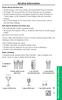 Alcohol information Facts about alcohol use Alcohol (grog) is the most widely used recreational drug in Australia NT drinks 70% more and WA 25% more than the rest of Australia Alcohol related deaths for
AZERBAIJAN. Lower-middle Income Data source: United Nations, data range 1999-2006
 AZERBAIJAN SOCIOECONOMIC CONTEXT Total population 8,406,000 Annual population growth rate 0.6% Population 15+ years 76% Adult literacy rate 98.8% Population in urban areas 52% Income group (World bank)
Hope, Help & Healing. A guide to helping someone who might have a drug or alcohol problem. www.drugfree.org
 Hope, Help & Healing A guide to helping someone who might have a drug or alcohol problem www.drugfree.org Are you worried that someone you care about has a drug or alcohol problem? Or do you feel your
Fixing Mental Health Care in America
 Fixing Mental Health Care in America A National Call for Measurement Based Care in Behavioral Health and Primary Care An Issue Brief Released by The Kennedy Forum Prepared by: John Fortney PhD, Rebecca
Dual Diagnosis Dr. Ian Paylor Senior Lecturer in Applied Social Science Lancaster University
 Dual Diagnosis Dr. Ian Paylor Senior Lecturer in Applied Social Science Lancaster University Dual diagnosis has become a critical issue for both drug and mental health services. The complexity of problems
Nalan Ward,MD Director MGH Outpatient Addiction Services
 Nalan Ward,MD Director MGH Outpatient Addiction Services National Survey Results (2012) (52.1 percent) of Americans aged 12 or older reported being current drinkers of alcohol Nearly one quarter (23.0
Booklet B The Menace of Alcohol
 The Menace of Alcohol This report has been designed so that you consider the effects of excessive drinking. It has been compiled from a series of websites from around the world, all of which are reputable
Alcohol Identification and Brief Advice
 Alcohol Identification and Brief Advice Alcohol Identification and Brief Advice (IBA) is an evidence based brief intervention directed at people drinking at increasing and higher risk levels who are not
YOUNG PEOPLE & ALCOHOL
 YOUNG PEOPLE & ALCOHOL Essential Information for Social Workers A BASW Pocket Guide Supported by: Bedford and Luton Purpose of the guide This guide seeks to support Social Workers in their practice with
Provider Training. Behavioral Health Screening, Referral, and Coding Requirements
 Provider Training Behavioral Health Screening, Referral, and Coding Requirements Training Outline I. Behavioral Health Screening Requirements and Referrals II. Healthy Behaviors Substance and Alcohol Abuse
Workforce Development Online Workshop Descriptions
 Workforce Development Online Workshop Descriptions Behavioral Health Service Delivery Workshops: The Effects of Violence Exposure on Children (1.5 hours) Regretfully, violence against children and youth
Alcohol and older people. What you need to know
 Alcohol and older people What you need to know Alcohol and older people 1 Contents As we age, we become more sensitive to alcohol s effects...3 Alcohol can cause problems if you re taking certain medicines...4
Screening, Brief Intervention, and Referral to Treatment Core Curriculum
 Screening, Brief Intervention, and Referral to Treatment Core Curriculum Acknowledgments The material included in this course is based largely on the works of previously funded SAMHSA grantees. Other information