
Screening, Brief Intervention, and Referral to Treatment Core Curriculum
|
|
|
- Catherine Beasley
- 10 years ago
- Views:
Transcription

1 Screening, Brief Intervention, and Referral to Treatment Core Curriculum
2 Acknowledgments The material included in this course is based largely on the works of previously funded SAMHSA grantees. Other information sources will be noted within the course narration. A full bibliography is available for download in the Resources folder.

3 Core Curriculum Modules What Is SBIRT and Why Use it? Screening for Substance Use Disorders Essential Motivational Interviewing Skills Brief Intervention Referral to Treatment Online SBIRT Training
4 What Is SBIRT and Why Use It?
5 What Is SBIRT and Why Use It? (continued) By the end of this session participants will able to Define SBIRT and its supporting evidence. Describe SBIRT s value for patients, payers, policymakers, physicians, and allied health and human service professionals. Better answer the question: Why might I choose to support SBIRT implementation?

6 SBIRT Defined Screening, brief intervention, and referral to treatment (SBIRT) is a comprehensive, integrated, public health approach to the delivery of early intervention and treatment services. It is used for Persons with substance use disorders Those whose use is at higher levels of risk Primary care centers, hospitals, and other community settings provide excellent opportunities for early intervention with at-risk substance users and for intervention for persons with substance use disorders.

7 What Is SBIRT? An intervention based on motivational interviewing strategies Screening: Universal screening for quickly assessing use and severity of alcohol; illicit drugs; and prescription drug use, misuse, and abuse Brief Intervention: Brief motivational and awareness-raising intervention given to risky or problematic substance users Referral to Treatment: Referrals to specialty care for patients with substance use disorders Treatment may consist of brief treatment or specialty AOD (alcohol and other drugs) treatment.

8 Question? Why might I choose to support SBIRT implementation?

9 Questions you may be asking Q: Do I really have to do this thing? A: It s your choice and we hope you will find your own personal reasons for doing it. Q: How much hassle is involved? A: There are a few challenges with starting up, but it can be made easy and routine, as with taking a blood pressure. Q: Will it annoy my patients? See next slide

10 Patients Are Open To Discussing Their Substance Use To Help Their Health Survey on Patient Attitudes Agree/Strongly Agree If my doctor asked me how much I drink, I would give an honest answer. If my drinking is affecting my health, my doctor should advise me to cut down on alcohol. As part of my medical care, my doctor should feel free to ask me how much alcohol I drink. I would be annoyed if my doctor asked me how much alcohol I drink. I would be embarrassed if my doctor asked me how much alcohol I drink. 92% 96% 93% Disagree/Strongly Disagree 86% 78% Source: Miller, P. M., et al. (2006). Alcohol & Alcoholism. Adapted from The Oregon SBIRT Primary Care Residency Initiative training curriculum (

11 Why Is SBIRT Important? Unhealthy and unsafe alcohol and drug use are major preventable public health problems resulting in more than 100,000 deaths each year. The costs to society are more than $600 billion annually. Effects of unhealthy and unsafe alcohol and drug use have far-reaching implications for the individual, family, workplace, community, and the health care system.

12 Harms Related to Hazardous Alcohol and Substance Use Increased risk for Injury/trauma Criminal justice involvement Social problems Mental health consequences (e.g., anxiety, depression) Increased absenteeism and accidents in the workplace

13 Unfortunately, these kinds of experiences remain too commonplace

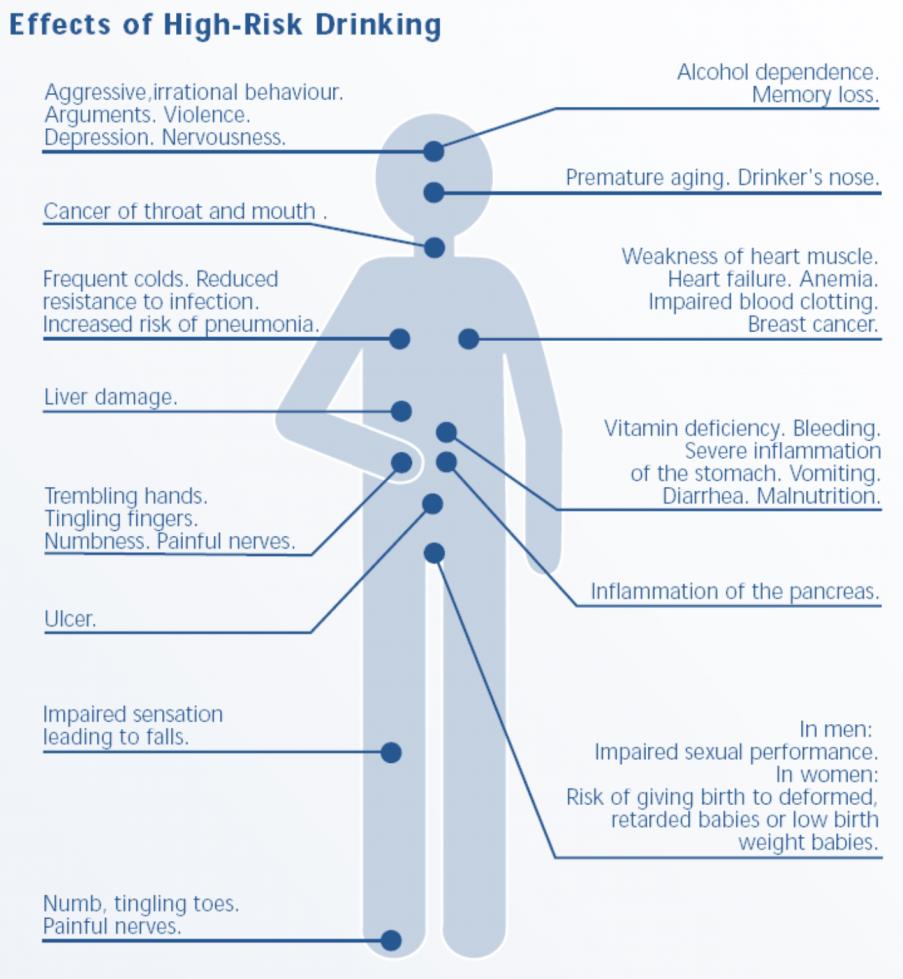
14 Medical and Psychiatric Harm of High-Risk Drinking

15 The Evidence Indicates That Moderate-Risk and High-Risk Drinkers Account for the MOST Problems High Risk Drinker Moderate Drinkers Light Drinkers 100% 90% 80% 70% 60% 50% 40% 30% 20% 10% 0% Health Aggression Spouse Job Friends Accidents

16 Historic Response to Substance Use Previously, substance use intervention and treatment focused primarily on substance abuse universal prevention strategies and on specialized treatment services for those who met the abuse and dependence criteria. There was a significant gap in service systems for at-risk populations.


17 Rethinking Substance Use Problems From a Public Health Perspective

18 In the Emerging Public Health Paradigm, All Services Are Aligned Primary Prevention Early intervention Treatment Maintenance Universal Prevention Selective Prevention Indicated Prevention SBIRT and other brief interventions Evidence-based practices with recovery supports (Recovery-Oriented Systems of Care ROSC) Recovery supports, self-help other peer support. (ROSC)


19 Goal The primary goal of SBIRT is to identify and effectively intervene with those who are at moderate or high risk for psychosocial or health care problems related to their substance use.
20 Research Demonstrates Effectiveness A growing body of evidence about SBIRT s effectiveness including costeffectiveness has demonstrated its positive outcomes. The research shows that SBIRT is an effective way to reduce drinking and substance abuse problems.


21 Brief interventions Are low cost and effective Research Shows Are most effective among persons with less severe problems Brief interventions are feasible and highly effective components of an overall public health approach to reducing alcohol misuse. (Whitlock et al., 2004, for U.S. Preventive Services Task Force)
22 Strong Research and Substantial Experiential Evidence Supports the Model There is substantial evidence for the effectiveness of brief interventions for harmful drinking. There is a growing body of literature showing the effectiveness of SBIRT for risky drug use. SAMHSA Whitepaper, 2011 (
23 Making a Measurable Difference Since 2003, SAMHSA has supported SBIRT programs, with more than 1.5 million persons screened. Outcome data confirm a 40 percent reduction in harmful use of alcohol by those drinking at risky levels and a 55 percent reduction in negative social consequences. Outcome data also demonstrate positive benefits for reduced illicit substance use. Based on review of SBIRT GPRA data ( )
24 SBIRT Is a Highly Flexible Intervention SBIRT Settings Aging/Senior Services Behavioral Health Clinic Community Health Center Community Mental Health Center Drug Abuse/Addiction Services Emergency Room Federally Qualified Health Center Homeless Facility Hospital Inpatient Primary Care Clinic Psychiatric Clinic School-Based/Student Health Trauma Centers/Trauma Units Urgent Care Veterans Hospital Other Agency Sites

25 Medical Specialty Areas


26 Why Is SBIRT Important for Physicians and Other Primary Care Practitioners?
27 SBIRT Reduces Short- and Long- Term Health Care Costs By intervening early, SBIRT saves lives and money and is consistent with overall support for patient wellness. Late-stage intervention and substance abuse treatment is expensive, and the patient has often developed comorbid health conditions.


28 SBIRT Decreases the Frequency and Severity of Alcohol and Drug Use Primary care is one of the most convenient points of contact for substance issues. Many patients are more likely to discuss this subject with their family physician than a relative, therapist, or rehab specialist.
29 Lessons Learned SBIRT is a brief and highly adaptive evidencebased practice with demonstrated results. SBIRT has been successfully implemented in diverse sites across the life span. Patients are open to talking with trusted helpers about substance use. SBIRT makes good clinical and financial sense.
30 Questions
INTEGRATING BEHAVIORAL HEALTH SERVICES INTO MEDICAL CARE SETTINGS ORIENTATION TO THE NEW MEXICO SBIRT PROGRAM
 1 INTEGRATING BEHAVIORAL HEALTH SERVICES INTO MEDICAL CARE SETTINGS ORIENTATION TO THE NEW MEXICO SBIRT PROGRAM NM Legislative Health and Human Services Committee October 20, 2014 2 ti NM SBIRT 2013-20182018
Karla Ramirez, LCSW Director, Outpatient Services Laurel Ridge Treatment Center
 Karla Ramirez, LCSW Director, Outpatient Services Laurel Ridge Treatment Center 1 in 4 Americans will have an alcohol or drug problems at some point in their lives. The number of alcohol abusers and addicts
Screening, Brief Intervention, Referral, and Treatment (SBIRT) in Psychiatry
 Screening, Brief Intervention, Referral, and Treatment (SBIRT) in Psychiatry Steve Martino, Ph.D. The SBIRT Training in Yale Residency Programs (SAMHSA 1U79Ti020253-01; PI: Gail D Onofrio, M.D.) At Issue
Free Additional Resources
 Free Additional Resources Substance Abuse and Mental Health Services Administration Treatment Improvement Protocols The Substance Abuse and Mental Health Services Administration (SAMHSA) offers free Treatment
Educating Patients on the Effects of Substance Use, Its Impact on Their Health and Linkages to Treatment
 Educating Patients on the Effects of Substance Use, Its Impact on Their Health and Linkages to Treatment LaTanya N. Townsend, LCSW-C SBIRT Program Manager Mercy Medical Center Substance Abuse a National
Workplace Substance Abuse Prevention. What the Evidence Tells Us. Rebekah K. Hersch, Ph.D. Royer F. Cook, Ph.D. ISA Associates, Inc.
 Workplace Substance Abuse Prevention What the Evidence Tells Us Rebekah K. Hersch, Ph.D. Royer F. Cook, Ph.D. ISA Associates, Inc. Focus of this Talk What is the scope of the problem of workplace substance
Vermont Department of Health. Substance Abuse Prevention and Intervention Programs for Adolescents
 Substance Abuse Prevention and Intervention Programs for Adolescents Alcohol and Drug Abuse Programs December 20, 2013 School-Based Substance Abuse Services (SBSAS) Grants Awarded to 21 Supervisory Unions,
VENTURA COUNTY ALCOHOL & DRUG PROGRAMS
 VENTURA COUNTY ALCOHOL & DRUG PROGRAMS women s services Helping women recover (805) 981-9200 1911 Williams Drive, Oxnard, CA 93036 www.venturacountylimits.org recovery VCBH ALCOHOL & DRUG PROGRAMS WOMEN
How To Improve Health Care In Rural Areas
 Online Outreach: Interprofessional Method to Increase Quality of Care in Rural Areas Project Director: Kathy Puskar, DrPH, RN, FAAN University of Pittsburgh School of Nursing Presentation Objective: To
Performance Standards
 Performance Standards Co-Occurring Disorder Competency Performance Standards are intended to provide a foundation and serve as a tool to promote continuous quality improvement and progression toward best
http://nurse practitioners and physician assistants.advanceweb.com/features/articles/alcohol Abuse.aspx
 http://nurse practitioners and physician assistants.advanceweb.com/features/articles/alcohol Abuse.aspx Alcohol Abuse By Neva K.Gulsby, PA-C, and Bonnie A. Dadig, EdD, PA-C Posted on: April 18, 2013 Excessive
National Screening, Brief Intervention, and Referral to Treatment, Addiction Technology Transfer Center
 National Screening, Brief Intervention, and Referral to Treatment, Addiction Technology Transfer Center Presenters: Holly Hagle, PhD Director of the National SBIRT-ATTC and Eric Goplerud, PhD Senior Vice
SBIRT: Behavioral Health Screenings & Patient- Centered Care. Presented By: Zoe O Neill July 24, 2013
 SBIRT: Behavioral Health Screenings & Patient- Centered Care Presented By: Zoe O Neill July 24, 2013 Welcome! Type questions into the Questions Pane Patient-Centered Primary Care Institute History and
Grassroots Efforts to Advance SBI Training in Nursing/Social Work: U.S. Consortium Efforts
 Grassroots Efforts to Advance SBI Training in Nursing/Social Work: U.S. Consortium Efforts D. S. Finnell, DNS, PMHNP-BC, CARN-AP, FAAN International Network on Brief Interventions for Alcohol and other
SBIRT in Primary Care Settings. José Esquibel SBIRT Project Director
 SBIRT in Primary Care Settings José Esquibel SBIRT Project Director SBIRT Screening Brief Intervention and Referral to Treatment (SBIRT) is a public health approach to preventing risky substance use behavior.
Substance Abuse Screening
 The Goal of Substance Abuse Screening The goal of substance abuse screening is to identify individuals who have or are at risk for developing alcohol or drug-related problems, and within that group, identify
Working with young people who have mental health and substance use issues. Samar Zakaria
 Working with young people who have mental health and substance use issues. Samar Zakaria Main points Challenges faced while treating young adults in a dual diagnosis rehab unit Define dual diagnosis in
Implementation of SBIRT onto Electronic Health Records: From Documentation to Data
 Implementation of SBIRT onto Electronic Health Records: From Documentation to Data John R. McAteer, LCSW-R New York City Department of Health and Mental Hygiene Bureau of Alcohol and Drug Use Prevention,
SBIRT Success: Clinical and patient success coexist. Joseph A Hurley MediCenter Executive Director President of Primary Care National
 SBIRT Success: Clinical and patient success coexist Joseph A Hurley MediCenter Executive Director President of Primary Care National WARNING Medical billing and/or clinical acronyms might be used during
Substance Abuse Prevention
 Prescription Drug Abuse Prevention & -Early Intervention (SBIRT) Barry R. Donovan, Ph.D. NYS OASAS Bureau of Prevention Services Research Application Unit Substance Abuse Prevention What do Heroin, Rx
Prescription Drug Abuse Prevention & -Early Intervention (SBIRT)
 Prescription Drug Abuse Prevention & -Early Intervention (SBIRT) Barry R. Donovan, Ph.D. NYS OASAS Bureau of Prevention Services Research Application Unit Substance Abuse Prevention What do Heroin, Rx
Testimony of The New York City Department of Health and Mental Hygiene. before the
 Testimony of The New York City Department of Health and Mental Hygiene before the New York City State Assembly Committee on Alcoholism and Drug Abuse on Programs and Services for the Treatment of Opioid
HOSC Report Integrated community drugs and alcohol service retendering options beyond April 2016
 HOSC Report Integrated community drugs and alcohol service retendering options beyond April 2016 Meeting Date Sponsor Report author Purpose of report (summary) 12 th May 2015 Margaret Willcox Steve O Neill
SBIRT INITIATIVE. SBIRT Process. SBIRT Overview. The New Hampshire Youth Screening, Brief Intervention and Referral to Treatment (SBIRT)
 Overview INITIATIVE New Hampshire Youth Screening, and Referral to Treatment Initiative The New Hampshire Youth Screening, and Referral to Treatment () Initiative of the New Hampshire Charitable Foundation
Program Plan for the Delivery of Treatment Services
 Standardized Model for Delivery of Substance Use Services Attachment 5: Nebraska Registered Service Provider s Program Plan for the Delivery of Treatment Services Nebraska Registered Service Provider s
Substance Abuse Treatment Services Objectives and Performance Measures Progress: First Annual Report
 Report to The Vermont Legislature Substance Abuse Treatment Services Objectives and Performance Measures Progress: First Annual Report In Accordance with Act 179 (2014) Sec. E.306.2 (a)(1) Submitted to:
The Field of Counseling. Veterans Administration one of the most honorable places to practice counseling is with the
 Gainful Employment Information The Field of Counseling Job Outlook Veterans Administration one of the most honorable places to practice counseling is with the VA. Over recent years, the Veteran s Administration
Screening Patients for Substance Use in Your Practice Setting
 Screening Patients for Substance Use in Your Practice Setting Learning Objectives By the end of this session, participants will Understand the rationale for universal screening. Identify potential health
Alcohol-use disorders: alcohol dependence. Costing report. Implementing NICE guidance
 Alcohol-use disorders: alcohol dependence Costing report Implementing NICE guidance February 2011 (February 2011) 1 of 37 NICE clinical guideline 115 This costing report accompanies the clinical guideline:
David Meshorer, Ph.D. Psychological Health Roanoke
 Substance Abuse In The Elderly David Meshorer, Ph.D. Psychological Health Roanoke The Invisible Epidemic Substance abuse in the elderly is one of the fastest growing health problems facing the county Even
Core Competencies for Addiction Medicine, Version 2
 Core Competencies for Addiction Medicine, Version 2 Core Competencies, Version 2, was approved by the Directors of the American Board of Addiction Medicine (ABAM) Foundation March 6, 2012 Core Competencies
Treatment of Alcoholism
 Treatment of Alcoholism Why is it important Prevents further to body by getting people off alcohol. Can prevent death. Helps keep health insurance down. Provides assistance so alcoholics don t t have to
Focus Area 6: Mental Health, Alcohol, and Substance Abuse
 Focus Area : Mental Health and Mental Disorders Alcohol Abuse Substance Abuse Autism Spectrum Disorders Exposure to Trauma 119 WORK GROUP ON MENTAL HEALTH, ALCOHOL, AND SUBSTANCE ABUSE Co-Chairs Barbara
What is CCS? Eligibility
 What is CCS? Department of Health Services Division of Mental Health and Substance Abuse Services Bureau of Prevention, Treatment and Recovery Services Comprehensive Community Services (CCS) Comprehensive
CAGE. AUDIT-C and the Full AUDIT
 CAGE In the past have you ever: C tried to Cut down or Change your pattern of drinking or drug use? A been Annoyed or Angry because of others concern about your drinking or drug use? G felt Guilty about
Overview of Colorado SBIRT
 Integrating Mental Health and Substance Use Services with HIV/AIDS Prevention Overview of Colorado SBIRT U.S. Conference on AIDS Orlando, Florida September 13, 2010 Presenter: Leigh Fischer, Program Manager
Many public agencies provide services aimed at preventing, reducing, or
 Publicly-Funded Substance Abuse Services Chapter 3 Developmental Disabilities, and Substance Abuse Services Many public agencies provide services aimed at preventing, reducing, or treating people with
The Evolving Behavioral Health Workforce Substance Abuse and Mental Health Services Administration Rockville, Maryland September 26, 27, 2013
 Michigan Department of Community Health Director James K. Haveman The Evolving Behavioral Health Workforce Substance Abuse and Mental Health Services Administration Rockville, Maryland September 26, 27,
Co-occurring Disorder Treatment for Substance Abuse and Compulsive Gambling
 Co-occurring Disorder Treatment for Substance Abuse and Compulsive Gambling Midwest Conference on Problem Gambling and Substance Abuse 2006 Problem Gambling and Co-occurrence: Improving Practice and Managing
Tom Freese, PhD Sherry Larkins, PhD Clayton Chau, MD (Planner) - Medical Director Behavioral Services; L.A. Care Health Plan
 Tom Freese, PhD Sherry Larkins, PhD Clayton Chau, MD (Planner) - Medical Director Behavioral Services; L.A. Care Health Plan UCLA Integrated Substance Abuse Programs UCLA David Geffen School of Medicine,
Behavioral Health Services for Adults Program Capacity Eligibility Description of Services Funding Dosage Phase I 33 hours
 Outpatient Substance Abuse Recovery (OSARP) Dual Diagnosis Behavioral Health Services for Adults Capacity Eligibility Description of Services Funding Dosage 35 at any Adults with Phase I 33 hours point
!!!!!!!!!!!! Liaison Psychiatry Services - Guidance
 Liaison Psychiatry Services - Guidance 1st edition, February 2014 Title: Edition: 1st edition Date: February 2014 URL: Liaison Psychiatry Services - Guidance http://mentalhealthpartnerships.com/resource/liaison-psychiatry-servicesguidance/
The Immediate and Long -Term Economic Benefits of Mental Health and Addiction Treatment for Canadians and Canada.
 The Immediate and Long -Term Economic Benefits of Mental Health and Addiction Treatment for Canadians and Canada. On behalf of the, Stan Parke, the Board Chair wishes to appear in person before the Standing
Substance Use Education for Nurses Screening, Brief Intervention and Referral to Treatment (SBIRT) SBIRT: An Effective Approach
 Substance Use Education for Nurses Screening, Brief Intervention and Referral to Treatment (SBIRT) University of Pittsburgh The ATN-SBIRT Program is a partnership with the University of Pittsburgh and
PERSPECTIVES ON DRUGS The role of psychosocial interventions in drug treatment
 UPDATED 31.5.2016 PERSPECTIVES ON DRUGS The role of psychosocial interventions in drug treatment Psychosocial interventions are structured psychological or social interventions used to address substance-related
Youth Residential Treatment- One Step in the Continuum of Care. Dave Sprenger, MD
 Youth Residential Treatment- One Step in the Continuum of Care Dave Sprenger, MD Outline Nature of substance abuse disorders Continuum of care philosophy Need for prevention and aftercare Cost-effectiveness
Training in SBIRT in Medical Schools in the United States:
 Training in SBIRT in Medical Schools in the United States: An Examination of Physician Education and Training on Conducting Screenings, Brief Interventions, and Referrals to Treatment Manu Singh, Ph.D.,
WASHINGTON STATE HUMAN RIGHTS COMMISSION. GUIDE TO DISABILITY and WASHINGTON STATE NONDISCRIMINATION LAWS. Disability Law and Addictions
 WASHINGTON STATE HUMAN RIGHTS COMMISSION GUIDE TO DISABILITY and WASHINGTON STATE NONDISCRIMINATION LAWS Disability Law and OLYMPIA HEADQUARTERS OFFICE 711 S. Capitol Way, Suite 402 PO Box 42490 Olympia,
Division of Behavioral Health. Requirements for Program Staff
 Division of Behavioral Health Requirements for Program Staff Integrated BH Regulations Training 1 Program Staff Program Staff are professionals who render behavioral health services directly to a recipient.
The Field of Counseling
 Gainful Employment Information The Field of Counseling Job Outlook Veterans Administration one of the most honorable places to practice counseling is with the VA. Over recent years, the Veteran s Administration
SPECIFICATION FOR THE LOCAL COMMISSIONED SERVICE FOR THE MANAGEMENT ALCOHOL MISUSE
 SPECIFICATION FOR THE LOCAL COMMISSIONED SERVICE FOR THE MANAGEMENT OF ALCOHOL MISUSE Date: March 2015 1 1. Introduction Alcohol misuse is a major public health problem in Camden with high rates of hospital
Youth Mental Health Training
 North Dakota Department of Public Instruction Youth Mental Health Training 2015 Senate Bill (SB) 2048, introduced and passed during the 2015 North Dakota legislative session, creates a school-wide response
Alcohol and drugs. Introduction. The legal position
 Alcohol and drugs Introduction There are no reliable figures for the misuse of drugs and alcohol by NHS staff but a survey in 2001 by Alcohol Concern and Drugscope suggested that 60 per cent of employers
Public Health England. Alcohol & alcohol related harm
 Public Health England Alcohol & alcohol related harm Mission To protect and improve the nation s health and to address inequalities, working with national and local government, the NHS, industry, academia,
VA/DoD Clinical Practice Guideline for Management of Substance Use Disorder Toolkit Training. Key Concepts for Providers
 VA/DoD Clinical Practice Guideline for Management of Substance Use Disorder Toolkit Training Key Concepts for Providers July 27, 2012 Audience: Providers in Defense Department and Veterans Administration
Replacement. Replaces: C/YEL/cm/18 (Dual Diagnosis Policy 2011) Kenny Laing Deputy Director of Nursing
 Clinical Dual Diagnosis Policy Document Control Summary Status: Replacement. Replaces: C/YEL/cm/18 (Dual Diagnosis Policy 2011) Version: v1.0 Date: March 2016 Author/Owner/Title: Kenny Laing Deputy Director
Section 5: Methamphetamine Prevention, Intervention and Treatment
 In This Section: Section 5: Methamphetamine Prevention, Intervention and Treatment Early Intervention, Source: This information was accessed in 2011 at www.methresources.gov which now redirects to the
Traumatic Stress. and Substance Use Problems
 Traumatic Stress and Substance Use Problems The relation between substance use and trauma Research demonstrates a strong link between exposure to traumatic events and substance use problems. Many people
(Health Scrutiny Sub-Committee 9 March 2009)
 Somerset County Council Health Scrutiny Sub-Committee 9 March 2009 Drug and Alcohol Treatment Services Author: Amanda Payne Somerset DAAT Co-ordinator Contact Details: [email protected] Paper
Title: Opening Plenary Session Challenges and Opportunities to Impact the Opioid Dependence Crisis
 The American Association for the Treatment of Opioid Dependence, provider #1044, is approved as a provider for social work continuing education by the Association of Social Work Boards (ASWB) www.aswb.org,
Testimony of. Daliah Heller, PhD, MPH Assistant Commissioner Bureau of Alcohol and Drug Use Prevention, Care and Treatment
 Testimony of Daliah Heller, PhD, MPH Assistant Commissioner Bureau of Alcohol and Drug Use Prevention, Care and Treatment New York City Department of Health and Mental Hygiene before the New York City
Substance Use: Addressing Addiction and Emerging Issues
 MODULE 6: SUBSTANCE USE: ADDRESSING ADDICTION AND EMERGING ISSUES Substance Use: Addressing Addiction and Emerging Issues Martha C. Romney, RN, MS, JD, MPH Assistant Professor Jefferson School of Population
The Doctor of Behavioral Health A Model Graduate Education Program Ronald R. O Donnell, Ph.D. Director ronald.odonnell@asu.
 A Model Graduate Education Ronald R. O Donnell, Ph.D. Director [email protected] 602-496-1352 best doctor gives the least medicines. ~Benjamin Franklin doctor the future will no longer treat the
The Benefits of a Creating a Healthy Work Environment
 Eaton County Substance Abuse Advisory Group (ECSAAG) Barry-Eaton District Health Department The Benefits of a Creating a Healthy Work Environment This presentation includes: Harmful affects of alcohol,
Screening, Brief Intervention and Referral to Treatment (SBIRT) for Substance Use: A Public Health Approach. Joan Dilonardo, Ph.D., R.
 Screening, Brief Intervention and Referral to Treatment (SBIRT) for Substance Use: A Public Health Approach Joan Dilonardo, Ph.D., R.N What is SBIRT? Some definitions Screening: a preliminary systematic
Enforcement - Aggressively Attacking Unlawful Drug Activity. Treatment/Recovery - Getting Treatment Resources Where They Are Needed
 Orange County Drug Free Coalition Strategic Plan Mission Statement: To engage, advocate, inform and bring awareness of alcohol and other substance abuse issues through education, prevention, enforcement,
Dartmouth Medical School Curricular Content in Addiction Medicine for Medical Students (DCAMMS) Keyed to LCME Core Competency Domains ***Draft***
 Dartmouth Medical School Curricular Content in Addiction Medicine for Medical Students (DCAMMS) Keyed to LCME Core Competency Domains ***Draft*** This content, sorted by LCME competencies is intended to
In Brief UTAH. Adolescent Behavioral Health. A Short Report from the Office of Applied Studies
 UTAH Adolescent Behavioral Health In Brief A Short Report from the Office of Applied Studies Adolescence (12 to 17 years) is a critical and vulnerable stage of human development, during which males and
Understanding and Managing Addiction in the Workplace
 Presents Understanding and Managing Addiction in the Workplace October 8 th, 2013 Mani Alcaide, RN, CPMHN(c) Manager of Intake & Assessment Services Bellwood Health Services Inc. These materials may not
Strategic Plan for Alcohol and Drug Abuse
 Strategic Plan for Alcohol and Drug Abuse Fiscal Years 2016-2017 1 GARRETT COUNTY, MARYLAND STRATEGIC PLAN FOR ALCOHOL AND DRUG ABUSE Vision: Mission: A safe and drug free Garrett County To assist in promoting
National Behavioral Health Quality Framework
 National Behavioral Health Quality Framework (DRAFT) Substance Abuse and Mental Health Services Administration August 22, 2013 Contents Contents Substance Abuse and Mental Health Services Administration
In Brief MICHIGAN. Adolescent Behavioral Health. A Short Report from the Office of Applied Studies
 MICHIGAN Adolescent Behavioral Health In Brief A Short Report from the Office of Applied Studies Adolescence (12 to 17 years) is a critical and vulnerable stage of human development, during which males
In Brief ARIZONA. Adolescent Behavioral Health. A Short Report from the Office of Applied Studies
 ARIZONA Adolescent Behavioral Health In Brief A Short Report from the Office of Applied Studies Adolescence (12 to 17 years) is a critical and vulnerable stage of human development, during which males
Psychology Externship Program
 Psychology Externship Program The Washington VA Medical Center (VAMC) is a state-of-the-art facility located in Washington, D.C., N.W., and is accredited by the Joint Commission on the Accreditation of
Milton Keynes Drug and Alcohol Strategy 2014-17
 Health and Wellbeing Board Milton Keynes Drug and Alcohol Strategy 2014-17 www.milton-keynes.gov.uk 2 Contents Foreword 4 Introduction 5 National context 6 Local context 7 Values and principles 9 Priorities
Chapter 7. Screening and Assessment
 Chapter 7 Screening and Assessment Screening And Assessment Starting the dialogue and begin relationship Each are sizing each other up Information gathering Listening to their story Asking the questions
OUR MISSION. WestCare s mission. is to empower everyone whom. we come into contact with. to engage in a process of healing, growth and change,
 OUR MISSION WestCare s mission is to empower everyone whom we come into contact with to engage in a process of healing, growth and change, benefiting themselves, their families, coworkers and communities.
Treating Co-Occurring Disorders. Stevie Hansen, B.A., LCDC, NCACI Chief, Addiction Services
 Treating Co-Occurring Disorders Stevie Hansen, B.A., LCDC, NCACI Chief, Addiction Services Implementing SAMHSA Evidence-Based Practice Toolkits Integrated Dual Diagnosis Treatment (IDDT) Target group:
DAYS Drug & Alcohol Youth Support Caerphilly & Blaenau Gwent
 DAYS Drug & Alcohol Youth Support Caerphilly & Blaenau Gwent CRi have been commissioned to provide a Young Persons Substance Misuse Service across both localities to support service users in the recovery
TRENDS IN HEROIN USE IN THE UNITED STATES: 2002 TO 2013
 2013 to 2002 States: United the in Use Heroin in Trends National Survey on Drug Use and Health Short Report April 23, 2015 TRENDS IN HEROIN USE IN THE UNITED STATES: 2002 TO 2013 AUTHORS Rachel N. Lipari,
Adolescent Substance Abuse: Evidence-Based Programs
 Adolescent Substance Abuse: Evidence-Based Programs Sara McEwen, MD, MPH Governor s Institute on Substance Abuse Janice Petersen, Ph.D., Director Office of Prevention/DMHDDSAS DHHS December 7, 2010 Objectives