
Alcohol Units. A brief guide
|
|
|
- Neal Gallagher
- 9 years ago
- Views:
Transcription
1 Alcohol Units A brief guide 1
2 2
3 Alcohol Units A brief guide Units of alcohol explained As typical glass sizes have grown and popular drinks have increased in strength over the years, the old rule of thumb that a glass of wine was about 1 unit has become out of date. Nowadays, a large glass of wine might well contain 3 units or more about the same amount as a treble vodka. So how do you know how much is in your drink? A UK unit is 10 millilitres (8 grams) of pure alcohol. It s actually the amount of alcohol that an average healthy adult body can break down in about an hour. So, if you drink 10ml of pure alcohol, 60 minutes later there should be virtually none left in your bloodstream. You could still be suffering some of the effects the alcohol has had on your body though, such as feeling thirsty if you hadn t drunk any water. Increasingly, bottles and cans show the number of units they contain. Tables like the one at the back of this leaflet and online calculators (e.g. ) also provide unit information for a range of common drinks. Good labelling should mean you won t normally need to work it out, but the exact number of units in any alcoholic drink can always be found by calculating the amount of pure alcohol in it. You just need to know the volume and how strong the drink is given by the percentage of alcohol by volume (ABV). The ABV is widely available and shown on beer pumps, bottles, cans and so on. For example, most whisky has an ABV of 40%. A 1 litre (1,000ml) bottle of this whisky therefore contains 400ml of pure alcohol. This is 40 units (as 10ml of pure alcohol = one unit). So, in 100ml of the whisky, there would be 4 units. And hence, a 25ml single measure of whisky would contain 1 unit. The maths is straightforward. To calculate units, take the quantity in millilitres, multiply it by the ABV (expressed as a percentage) and divide by 1,000. In the example of a glass of whisky (above) the calculation would be: 25ml x 40% = 1 unit. 1,000 Or, for a 250ml glass of wine with ABV 12%, the number of units is: 250ml x 12% = 3 units. 1,000 A 330ml bottle of lager (ABV 5%) contains: 330ml x 5% = 1.65 units. 1,000 To work out units when volume is expressed in pints, you need to convert to millilitres. 1 pint is 568ml, so as an approximation, 1 pint can be considered as 500ml. So, for 1 pint of beer (ABV 4%), the calculation would be roughly: 500ml (1 pint) x 4% = 2 units*. 1,000 *Because in this case the volume of a pint in mls was rounded down, the actual number of units is a little more than this estimate. 3
4 Alcohol Units A brief guide NHS advice on alcohol consumption Drinking heavily in one session, including drinking to get drunk, can create risks of injury and accident, and can make you and others vulnerable in particular situations. While drinking a lot of alcohol in one go may not affect your long-term health, it can certainly affect you in the short term and is responsible for a significant number of alcohol-related deaths. The effects of alcohol on long-term health depend on the amount drunk and the frequency of drinking. The NHS recommends that men should not regularly drink more than 3-4 units of alcohol daily and women should not regularly drink more than 2-3 units daily. Why? The advice is based on scientific evidence from studies in the population as a whole in this country and others about long-term health harms for broadly average, healthy adults. Up to these levels, an individual s risk of contracting alcoholrelated illness is considered to be statistically low. Above these limits, the risk of long-term health harms starts to become significant and increases progressively the more you exceed these guidelines see below. Why is there no exact limit? The limit is set as a range (2-3 and 3-4 units) because the science shows that there is no single exact cut-off that applies to every person every day. Rather it gives a good indication of the limit that should not be exceeded on a regular basis. The limits are lower for women because their bodies are less effective than men s at breaking down alcohol, putting them at higher risk of harm. Alcohol health risks how much is too much? Men who regularly* drink: over 8 Units per day (over 50 units per week) over 3-4 Units per day no more than 3-4 Units per day Increased risk HIGHER RISK INCREASING RISK LOWER RISK What does regularly mean? High risk Women who regularly* drink: over 6 Units per day (over 35 units per week) over 2-3 Units per day no more than 2-3 Units per day * Regularly here means every day or most days of the week (not just drinking at these levels once a week) Regularly refers to drinking every day or most days of the week and does not refer to regular consumption just once a week. Until 1995, the government advice on sensible drinking was based on weekly, rather than daily, limits. The advice was changed in 1995 to daily limits (for regular consumption). This was mainly because some people had misinterpreted the weekly amounts, believing it was safe to store up their weekly allowance until the weekend, when they would drink heavily. In fact, short-term episodes of heavy drinking or binge drinking are often associated with injuries, accidents and social harm. 4
5 Individual circumstances The NHS advises that it is important for people to think carefully about how much to drink on certain occasions, for example when responsible for the care of children or when driving, swimming, operating machinery, etc. It may be appropriate not to drink at all in these situations. It can be advisable for some individuals to drink much less than the regular drinking limits, because of their own identified personal risks. For example, for some people mental health problems may be aggravated by alcohol, so they may choose to avoid drinking completely at certain times. For some illnesses, increased risks occur as soon as any alcohol is consumed. For example, regular drinking of alcohol slightly increases the risk of future breast cancer although the additional risk is small for most women. The NHS describes its recommended drinking limits as lower-risk rather than completely safe because of such issues. Pregnancy and conception Specific advice has been developed for pregnant women and those trying to conceive based on analysis of the evidence of the potential for harm to a developing baby. NHS advice is that: Pregnant women or women trying to conceive should avoid drinking alcohol. If they do choose to drink, to protect the baby they should not drink more than 1-2 units of alcohol once or twice a week and should not get drunk. The National Institute for Health and Clinical Excellence (NICE) advises women to avoid alcohol in the first three months of pregnancy in particular, because of the increased risk of miscarriage. Although there is believed to be little risk associated with consuming below 1 or 2 units once or twice a week, the evidence base for limited risk comes from a small number of studies. Ignorance of units themselves also means that some women might unknowingly put their unborn child at risk by consuming more units than they realise. The NHS has taken the view that precautionary advice is right for an area where the health harm can be severe and lifelong. Women who drink heavily during pregnancy put their babies at particular risk of development of fetal alcohol syndrome or fetal alcohol spectrum disorder. These disorders lead to lifelong intellectual and behavioural problems for the child and may shorten life. 5
6 Alcohol Units A brief guide Effects on long-term health Drinking regularly over the recommended limits increases health risks over the long term. Even consumption slightly above guideline levels for lower-risk drinking contributes to significant numbers of deaths. Men and women who drink over double the recommended limits increase their chances of contracting the illnesses in the table 2 below by the multiples shown compared with people who drink below the limits. For example, both men and women are 13 times more likely to suffer liver cirrhosis. Health benefits There is evidence that regularly drinking low levels of alcohol (around 1 unit a day) can confer a health benefit (mainly a cardiovascular benefit 1 ) for middle-aged and older people. The NHS does not explicitly advise that everyone who might benefit should drink in this way, as the same or greater benefits might occur with just exercise and a good diet, but it may be valuable for some people. Illness Men Women Liver cirrhosis Mouth cancer Larynx cancer Oesophagus cancer Liver cancer Haemorrhagic stroke Hypertension Irregular heartbeat Coronary heart disease Colo-rectal cancer Female breast cancer n/a 1.6 People who drink more heavily face even higher risks of these illnesses. 1 The benefit relates to reduced chronic heart disease mortality and morbidity on men aged over 40 and post-menopausal women, and consumption above 1 unit per day does not confer any additional health benefit. 2 6 Information updated June 2008
7 Alcohol Units A brief guide The relationship between alcohol consumption and severe health harms 7 Cancer of oral cavity 6 Relative risk Haemorrhagic stroke Hypertension Pancreatitis Breast cancer Grams of alcohol per day In the UK, most of the people who will die because of their drinking are not alcoholics. Instead, they are drinkers whose habit of regular drinking over a number of years has contributed to the damage to their health and the shortening of their lives. Many of these people suffer few immediate consequences of their drinking, but cumulatively it takes its toll. While the connection between smoking and lung cancer is now commonly understood, the contribution of excessive drinking to various illnesses is less well recognised. In fact, 6,000 deaths per year due to coronary heart disease in men are directly attributable to alcohol 12 per cent of all such deaths. And 400 of the 1,700 deaths per year due to mouth cancer are associated with heavy drinking that s nearly one in four. Each year in England and Wales, alcohol misuse leads to some 33,000 hospital admissions for alcohol-related liver disease. However, the effects on health go much wider and alcohol-related hospital admissions to acute care have been rising annually. Alcohol misuse is also associated with: around 5,000 cancer deaths 2 1,100 haemorrhagic stroke deaths nearly 600 deaths due to hypertension a total of between 15,000 and 22,000 premature deaths. Overall men in England who die from alcoholrelated causes lose an average of 20.2 years of life and women who die from alcohol-related causes lose an average of 15.1 years of life. 2 Cancer deaths in particular may be an underestimate, as only data validated by research is included. 7
8 8
9 Alcohol Units A brief guide Number of male deaths from selected conditions attributable to different levels of alcohol consumption, 2005* Suicide Acute and chronic pancreatitis Condition Liver cirrhosis Ischaemic stroke Haemorrhagic stroke Cardiac arrhythmias Hypertensive diseases Epilepsy 1-39 g/day g/day 75+ g/day ,000 1,500 2,000 2,500 3,000 Number of deaths Number of female deaths from selected conditions attributable to different levels of alcohol consumption, 2005* Suicide Acute and chronic pancreatitis Condition Liver cirrhosis Ischaemic stroke Haemorrhagic stroke Cardiac arrhythmias Hypertensive diseases Epilepsy 1-19 g/day g/day 40+ g/day ,000 1,200 Number of deaths Alcohol misuse is calculated to cost the health service 1.7 billion per annum equivalent to the amount spent on all accident & emergency services. Alcohol-related crime and disorder Binge drinking (drinking heavily in one go and getting drunk) has immediate and short-term risks to the drinker and those around them. People who become drunk are much more likely to become involved in an accident or assault, be charged with a criminal offence or contract a sexually transmitted disease; women are more likely to have an unplanned pregnancy. The cost of alcohol-related crime is estimated to be up to 7.3 billion per year. 1.2 million violent incidents (around half of all violent crimes) and 360,000 incidents of domestic violence are linked to alcohol. *These graphs do not show the deaths prevented by low levels of alcohol consumption. 9
10 Alcohol Units A brief guide Know Your Units The table below provides information on the number of units contained in some common drinks, based on typical alcoholic strengths. Check labels or ask bar-staff to identify the actual ABV % strength of what you are drinking, because different brands may be stronger or weaker than these examples. To keep track of the units in your favourite drinks visit Then you can easily keep count and make informed choices when you re drinking. 10 Low Alcohol Beer, Lager & Cider Bottle (330ml) Can (440ml) Pint (568ml) Litre 2% 0.7 units 0.9 units 1.1 units 2 units Beer, Lager & Cider Bottle (330ml) Can (440ml) Pint (568ml) Litre 4% 1.3 units 1.8 units 2.3 units 4 units 5% 1.7 units 2.2 units 2.8 units 5 units 5.2% 1.7 units 2.3 units 3 units 5.2 units 6% 2 units 2.6 units 3.4 units 6 units Super-Strength Beer, Lager & Cider Bottle (330ml) Can (440ml) Pint (568ml) Litre 9% 3 units 4 units 5 units 9 units Alcopops 1 Bottle (275ml) 5% 1.4 units Wine & Champagne Small glass Standard glass Large glass Bottle (red, white, rose or sparkling) (125ml) (175ml) (250ml) (750ml) 10% 1.25 units 1.75 units 2.5 units 7.5 units 11% 1.4 units 1.9 units 2.8 units 8.3 units 12% 1.5 units 2.1 units 3 units 9 units 12.5% 1.6 units 2.2 units 3.1 units 9.4 units 13% 1.6 units 2.3 units 3.3 units 9.8 units 13.5% 1.7 units 2.4 units 3.4 units 10.1 units 14% 1.75 units 2.5 units 3.5 units 10.5 units Fortified wine (Sherry & Port) % unit Standard measure (50ml) Spirits Single measure Large single Double Large (Gin, Rum, Vodka & Whisky) (25ml) measure (35ml) measure (50ml) double measure (70ml) 38-40% 1 unit 1.4 units units units Shots (Tequila, Sambuca) Single measure (25ml) Large single measure (35ml) 38-40% 1 unit 1.3 units Shots may either be spirits or liqueurs, and are generally drunk very quickly. Different liqueurs can vary considerably in strength they can be stronger or weaker than this example.
11 11
12 Crown Copyright 2008 Produced by Department of Health 12
How to keep health risks from drinking alcohol to a low level: public consultation on proposed new guidelines
 How to keep health risks from drinking alcohol to a low level: public consultation on proposed new guidelines January 2016 2 How to keep health risks from drinking alcohol to a low level: public consultation
Patterns of Alcohol Consumption Debating Paper
 HEALTH SCRUTINY PANEL 8 TH FEBRUARY 2011 Patterns of Alcohol Consumption Debating Paper The Health Scrutiny Panel agreed the following terms of reference for the review into patterns of alcohol consumption:
Protecting and improving the nation s health. Alcohol treatment in England 2013-14
 Protecting and improving the nation s health Alcohol treatment in England 2013-14 October 2014 About Public Health England Public Health England exists to protect and improve the nation s health and wellbeing,
Alcohol and Sensible Drinking
 Page 1 of 5 Alcohol and Sensible Drinking See your doctor or practice nurse if you are drinking above the safe limits and are finding it difficult to cut down. What are the recommended safe limits of alcohol
UK Chief Medical Officers Alcohol Guidelines Review Summary of the proposed new guidelines
 UK Chief Medical Officers Alcohol Guidelines Review Summary of the proposed new guidelines January 2016 2 UK Chief Medical Officers Alcohol Guidelines Review Summary of the proposed new guidelines 1. This
Optimal levels of alcohol consumption for men and women at different ages, and the all-cause mortality attributable to drinking
 Optimal levels of alcohol consumption for men and women at different ages, and the all-cause mortality attributable to drinking Ian R. White, Dan R. Altmann and Kiran Nanchahal 1 1. Summary Background
Alcohol and drugs prevention, treatment and recovery: why invest?
 Alcohol and drugs prevention, treatment and recovery: why invest? 1 Alcohol problems are widespread 9 million adults drink at levels that increase the risk of harm to their health 1.6 million adults show
Drinking patterns. Summary
 Drinking patterns 6 Linda Ng Fat and Elizabeth Fuller Summary This chapter presents data on frequency of drinking alcohol, the amount consumed on the heaviest drinking day in the previous week, and regular
Alcohol and Reproduction
 The facts about... Alcohol and Reproduction Five key things you need to know Even small amounts of alcohol can interfere with our reproductive systems. The more you drink, the greater the effect it can
Alcohol and stroke. How can drinking alcohol increase my risk of stroke? Stroke Helpline: 0303 3033 100 Website: stroke.org.uk
 Stroke Helpline: 0303 3033 100 Website: stroke.org.uk Alcohol and stroke Regularly drinking large amounts of alcohol greatly increases your risk of stroke. This factsheet explains how alcohol can increase
Do you drink or use other drugs? You could be harming more than just your health.
 Do you drink or use other drugs? You could be harming more than just your health. Simple questions. Straight answers about the risks of alcohol and drugs for women. 1 Why is my health care provider asking
Click to edit Master text styles Second level Third level Fourth level Fifth level
 Click to edit Talking about Master alcohol title quiz style How much do you know? www.talkaboutalcohol.com 1 Question 1: Why does alcohol affect men and women differently? a) The liver breaks down alcohol
Facts About Alcohol. Addiction Prevention & Treatment Services
 Facts About Alcohol Addiction Prevention & Treatment Services Table of Contents Facts about alcohol: What is harmful involvement with alcohol?... 2 What is alcohol dependence?... 3 What Is BAC?... 4 What
Alcohol consumption. Summary
 Alcohol consumption 6 Elizabeth Fuller Summary This chapter presents adults alcohol consumption in several ways: frequency; the maximum amount drunk on any day in the last week; and usual weekly consumption.
Estimating alcohol consumption from survey data: updated method of converting volumes to units
 National Statistics Methodological Series No. 37 Estimating alcohol consumption from survey data: updated of converting volumes to units Eileen Goddard December 2007 Office for National Statistics Government
don t let drink sneak up on you how to catch it out and cut back
 don t let drink sneak up on you how to catch it out and cut back A couple of glasses at home. A few after work... Drink can sneak up on us After a long day, many of us like to unwind with a nice glass
COLLEGE STREET MEDICAL PRACTICE NEWSLETTER
 Summer2015 COLLEGE STREET MEDICAL PRACTICE NEWSLETTER Practice Phone No: 0115 973 4502 Out of Hours No: 111 All calls are now answered by a dedicated team at College Street Opening Times - 86 College Street
What You Don t Know Can Harm You
 A L C OHOL What You Don t Know Can Harm You National Institute on Alcohol Abuse and Alcoholism National Institutes of Health U.S. Department of Health and Human Services If you are like many Americans,
Alcohol Risk Assessment
 Alcohol Risk Assessment NHS Health Check Challenges Don Lavoie Alcohol Programme Manager What I hope to cover Why Alcohol - what is the problem? What can Health Check do about it? How do you do it? What
Your drinking and you. The facts on alcohol and how to cut down
 Your drinking and you The facts on alcohol and how to cut down Introduction For many of us, drinking with friends and family is one of life s pleasures. But for a lot of people, their drinking can lead
Booklet B The Menace of Alcohol
 The Menace of Alcohol This report has been designed so that you consider the effects of excessive drinking. It has been compiled from a series of websites from around the world, all of which are reputable
Risk of alcohol. Peter Anderson MD, MPH, PhD, FRCP Professor, Alcohol and Health, Maastricht University Netherlands. Zurich, 4 May 2011
 Risk of alcohol Peter Anderson MD, MPH, PhD, FRCP Professor, Alcohol and Health, Maastricht University Netherlands Zurich, 4 May 2011 Lifetime risk of an alcoholrelated death (1/100) 16.0 14.0 12.0 10.0
www.cymru.gov.uk GUIDANCE ON THE CONSUMPTION OF ALCOHOL BY CHILDREN AND YOUNG PEOPLE From Dr Tony Jewell Chief Medical Officer for Wales
 www.cymru.gov.uk GUIDANCE ON THE CONSUMPTION OF ALCOHOL BY CHILDREN AND YOUNG PEOPLE From Dr Tony Jewell Chief Medical Officer for Wales GUIDANCE ON THE CONSUMPTION OF ALCOHOL BY CHILDREN AND YOUNG PEOPLE
ALCOHOL IS OUR MOST COMMON RECREATIONAL DRUG
 NOT DRINKING IS THE SAFEST OPTION FOR YOUNG PEOPLE UNDER 18 YRS OF AGE. ALCOHOL IS OUR MOST COMMON RECREATIONAL DRUG DID YOU KNOW? 8 out of 10 New Zealanders aged 12-65 years reported drinking alcohol
inflammation of the pancreas and damage to the an increased risk of hypertension, stroke and Table 7.1: Classification of alcohol consumption
 H E A LT H SURVEY Alcohol Consumption 7 Alcohol Consumption N AT I O N A L Introduction Excessive alcohol consumption is associated with inflammation of the pancreas and damage to the an increased risk
alcohol and health A profile of alcohol and health in Wales
 alcohol and health A profile of alcohol and health in Wales Main author: Andrea Gartner (WCfH) Contributing authors: Hugo Cosh (NPHS), Rhys Gibbon (WCfH) and Nathan Lester (NPHS) Acknowledgements: Thanks
NETHERLANDS (THE) Recorded adult per capita consumption (age 15+) Last year abstainers
 NETHERLANDS (THE) Recorded adult per capita consumption (age 15+) 14 12 Litres of pure alcohol 1 8 6 4 Beer Spirits Wine 2 1961 1965 1969 1973 1977 1981 1985 1989 1993 1997 21 Year Sources: FAO (Food and
http://nurse practitioners and physician assistants.advanceweb.com/features/articles/alcohol Abuse.aspx
 http://nurse practitioners and physician assistants.advanceweb.com/features/articles/alcohol Abuse.aspx Alcohol Abuse By Neva K.Gulsby, PA-C, and Bonnie A. Dadig, EdD, PA-C Posted on: April 18, 2013 Excessive
Alcohol and your. health. Australian Alcohol Guidelines. Standard Drinks Guide. 0.7 285ml Middy/Pot* Mid Strength Beer 3.5% Alc.
 Standard Drinks Guide 1.5 375ml Full Strength Beer 4.9% Alc./Vol 1 375ml Mid Strength Beer 3.5% Alc./Vol 0.8 375ml Light Beer 2.7% Alc./Vol 1 285ml Middy/Pot* Full Strength Beer 4.9% Alc./Vol 0.7 285ml
Luton Alcohol Strategy 2012-2015
 Luton Drug & Alcohol Partnership Luton Alcohol Strategy 2012-2015 The Luton alcohol strategy for 2012 2015 reflects the increasing emphasis on working in partnership to reduce alcohol related harm to young
Alcohol consumption Factsheet
 Alcohol consumption Updated August 2013 Alcohol consumption Factsheet Institute of Alcohol Studies Alliance House 12 Caxton Street London SW1H 0QS Tel: 020 7222 4001 Email: [email protected] Institute of
Alcohol Facts and Statistics
 Alcohol Facts and Statistics Alcohol Use in the United States: Prevalence of Drinking: In 2012, 87.6 percent of people ages 18 or older reported that they drank alcohol at some point in their lifetime;
Alcohol Quick Facts. New Zealand s drinking patterns. Health impacts. Crime and violence. Drink driving. Social costs
 Alcohol Quick Facts New Zealand s drinking patterns 85% of New Zealanders aged 1664 had an alcoholic drink in the past year (Ministry of Health 2009). Three in five (61.6%) past-year drinkers consumed
Alcoholic Drinks, Measures & Units. United Kingdom
 Alcoholic Drinks, Measures & Units in the United Kingdom Frank Tapson An account of the different sorts and sizes of measures used in connection with alcoholic drinks and the relationships between them
2. Local Data to reduce Alcohol Related Harm and Comparison Groups
 Alcohol Treatment Needs Assessment 2012-2013 1. Introduction Using the JSNA Support pack for alcohol prevention, treatment & recovery, which presents data from the Local Alcohol Profiles for England (LAPE),
Alcohol information. A standard drink contains about 10g of alcohol takes a healthy liver about 1 hour to remove alcohol from the body.
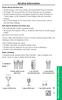 Alcohol information Facts about alcohol use Alcohol (grog) is the most widely used recreational drug in Australia NT drinks 70% more and WA 25% more than the rest of Australia Alcohol related deaths for
Nalan Ward,MD Director MGH Outpatient Addiction Services
 Nalan Ward,MD Director MGH Outpatient Addiction Services National Survey Results (2012) (52.1 percent) of Americans aged 12 or older reported being current drinkers of alcohol Nearly one quarter (23.0
Key trends nationally and locally in relation to alcohol consumption and alcohol-related harm
 Key trends nationally and locally in relation to alcohol consumption and alcohol-related harm November 2013 1 Executive Summary... 3 National trends in alcohol consumption and alcohol-related harm... 5
at www.bucksdaat.co.uk
 If you require any further information on any drug or alcohol issues, please contact: Buckinghamshire Drug & Alcohol Action Team (DAAT) Tel: 01296 387034 Email: [email protected] Web: www.bucksdaat.co.uk
Alcohol and Re-offending Who Cares?
 January 2004 Alcohol and Re-offending Who Cares? This briefing paper focuses on the high level of alcohol misuse and dependence within the prison population. In recent years a great deal of time and money
Rekindling House Dual Diagnosis Specialist
 Rekindling House Dual Diagnosis Specialist Tel: 01582 456 556 APPLICATION FOR TREATMENT Application Form / Comprehensive Assessment Form Please provide as much detail as you can it will help us process
. Alcohol Focus Scotland. Response to Tackling poverty, Inequality and deprivation in Scotland
 . Alcohol Focus Scotland. Response to Tackling poverty, Inequality and deprivation in Scotland Introduction Problem drinking and social groupings. Alcohol prob.lems affect people from all social groups.
Alcohol Identification and Brief Advice
 Alcohol Identification and Brief Advice Alcohol Identification and Brief Advice (IBA) is an evidence based brief intervention directed at people drinking at increasing and higher risk levels who are not
ARTICLE #1 PLEASE RETURN AT THE END OF THE HOUR
 ARTICLE #1 PLEASE RETURN AT THE END OF THE HOUR Alcoholism By Mayo Clinic staff Original Article: http://www.mayoclinic.com/health/alcoholism/ds00340 Definition Alcoholism is a chronic and often progressive
NHS Swindon and Swindon Borough Council. Executive Summary: Adult Alcohol Needs Assessment
 NHS Swindon and Swindon Borough Council Executive Summary: Adult Alcohol Needs Assessment Aim and scope The aim of this needs assessment is to identify, through analysis and the involvement of key stakeholders,
JAMAICA. Recorded adult per capita consumption (age 15+) Last year abstainers
 JAMAICA Recorded adult per capita consumption (age 15+) 6 5 Litres of pure alcohol 4 3 2 Beer Spirits Wine 1 1961 1965 1969 1973 1977 1981 1985 1989 1993 1997 21 Sources: FAO (Food and Agriculture Organization
Alcohol. Problems with drinking alcohol
 Alcohol Alcoholism is a word which many people use to mean alcohol dependence (alcohol addiction). Some people are problem drinkers without being dependent on alcohol. If you are alcohol- dependent then
AZERBAIJAN. Lower-middle Income Data source: United Nations, data range 1999-2006
 AZERBAIJAN SOCIOECONOMIC CONTEXT Total population 8,406,000 Annual population growth rate 0.6% Population 15+ years 76% Adult literacy rate 98.8% Population in urban areas 52% Income group (World bank)
TAJIKISTAN. Recorded adult (15+) alcohol consumption by type of alcoholic beverage (in % of pure alcohol), 2005
 TAJIKISTAN SOCIOECONOMIC CONTEXT Total population 6,640,000 Annual population growth rate 1.3% Population 15+ years 61% Adult literacy rate 99.5% Population in urban areas 25% Income group (World bank)
Alcohol and Pancreatitis
 The facts about... Alcohol and Pancreatitis Five key things you need to know You probably don t pay much attention to your pancreas. But that small, tadpoleshaped organ behind your stomach and below your
A Guide to Alcoholism and Problem Drinking
 A Guide to Alcoholism and Problem Drinking Alcoholism is a word which many people use to mean alcohol dependence (alcohol addiction). Some people are problem drinkers without being dependent on alcohol.
Alcohol, drugs and older people
 Alcohol, drugs and older people This leaflet is for older people (defined as those aged 55 or over) who are worried about their use of alcohol, illegal drugs and/or prescribed/over-the-counter medications.
Alcoholism and Problem Drinking
 Page 1 of 5 Alcoholism and Problem Drinking Alcoholism is a word which many people use to mean 'alcohol dependence' (alcohol addiction). Some people are 'problem drinkers' without being dependent on alcohol.
Alcohol Related Harm in Ireland. A Health Service Executive Report
 A Health Service Executive Report April 2008 TABLE OF CONTENTS 1.0 INTERNATIONAL EVIDENCE...1 1.1 Alcohol harm to the drinker...1 1.2 Alcohol harm to other people...3 2.0 ALCOHOL RELATED HARM IN IRELAND...4
TIME TO CALL TIME. Cumbria Alcohol Strategy 2008-11
 TIME TO CALL TIME Cumbria Alcohol Strategy 2008-11 ACKNOWLEDGEMENTS This strategy has been produced by Cumbria Drug and Alcohol Action Team, on behalf of Cumbria Strategic Partnership, with the active
Alcohol and the Liver
 The facts about... Alcohol and the Liver Five key things you need to know This is a part of your body that regularly works overtime. The liver is our largest organ and it has 500 different roles. One of
Statistics on Alcohol England, 2014
 Statistics on Alcohol England, 2014 Published 29 May 2014 This product may be of interest to stakeholders, policy officials, commissioners and members of the public to gain a comprehensive picture of society
Alcohol Awareness: An Orientation. Serving Durham, Wake, Cumberland and Johnston Counties
 Alcohol Awareness: An Orientation Alcohol Facts The most commonly used addictive substance in the United States o 17.6 million people (1 in 12 adults) suffer from alcohol abuse or dependence o Millions
NHS outcomes framework and CCG outcomes indicators: Data availability table
 NHS outcomes framework and CCG outcomes indicators: Data availability table December 2012 NHS OF objectives Preventing people from dying prematurely DOMAIN 1: preventing people from dying prematurely Potential
The Effects of Price on Alcohol Use, Abuse and Consequences
 The Effects of Price on Alcohol Use, Abuse and Consequences Frank J. Chaloupka Director, ImpacTeen, University of Illinois at Chicago www.uic.edu/~fjc www.impacteen.org Prepared for the National Academy
LOW-RISK DRINKING GUIDELINES A GUIDE FOR PHYSICIANS AND HEALTH CARE PROFESSIONALS
 LOW-RISK DRINKING GUIDELINES A GUIDE FOR PHYSICIANS AND HEALTH CARE PROFESSIONALS 7 INTRODUCTION This guide is intended for physicians and health care professionals to help them explain the low-risk drinking
Alcohol Awareness Month October 2013. Chad Asplund, MD, FACSM Medical Director, Student Health Georgia Regents University
 Alcohol Awareness Month October 2013 Chad Asplund, MD, FACSM Medical Director, Student Health Georgia Regents University Alcohol Statistics According to the Office of Juvenile Justice and Delinquency
What are the PH interventions the NHS should adopt?
 What are the PH interventions the NHS should adopt? South West Clinical Senate 15 th January, 2015 Debbie Stark, PHE Healthcare Public Health Consultant Kevin Elliston: PHE Consultant in Health Improvement
My best friend died. I don t want you to.
 My best friend died. I don t want you to. Shar and I, we did everything together. Same grade, same classes. She lived right downstairs. We would talk and talk. We had our secrets and we tried new stuff
Alcohol treatment in England 2012-13
 Alcohol treatment in England 2012-13 October 2013 About Public Health England Public Health England s mission is to protect and improve the nation s health and to address inequalities through working with
evaluation of cancer hazards Robert A Baan PhD The IARC MONOGRAPHS International Agency for Research on Cancer Lyon, France
 Consumption of alcoholic beverages; evaluation of cancer hazards Robert A Baan PhD The IARC MONOGRAPHS International Agency for Research on Cancer Lyon, France The IARC Monographs The IARC Monographs are
ALCO H O L AN D H EALTH THE EFFECTS OF MODERATE, REGULAR ALCOHOL CONSUMPTION
 ALCO H O L AN D H EALTH THE EFFECTS OF MODERATE, REGULAR ALCOHOL CONSUMPTION ISBN 2-9807330-6-7 Legal deposit 2005 A l c o h o l a n d H e a l t h THE HEALTH BENEFITS OF MODERATE AND REGULAR ALCOHOL CONSUMPTION
Table 1. Underlying causes of death related to alcohol consumption, International Classification of Diseases, Ninth Revision
 ONS - Defining alcohol-related deaths Note: This document was used for discussion with selected topic experts between November 2005 and January 2006. Release on National Statistics website: 18 July 2006
University of Sheffield Alcohol Minimum Price Modelling Research: Second Update
 MODEL-BASED APPRAISAL OF ALCOHOL MINIMUM PRICING AND OFF-LICENSED TRADE DISCOUNT BANS IN SCOTLAND USING THE SHEFFIELD ALCOHOL POLICY MODEL (v 2):- SECOND UPDATE BASED ON NEWLY AVAILABLE DATA JANUARY 2012
Impact of drugs and alcohol on individuals and the community
 Impact of drugs and alcohol on individuals and the community Introduction and overview Lynn Wilson Consultant in Public Health Overview and purpose Alcohol: The Problem Alcohol and Drug Service Review
Alcohol Quick Facts ALCOHOL FACTS. New Zealand s drinking patterns. Crime and violence. Health impacts. Drink driving.
 Alcohol Quick Facts ALCOHOL FACTS New Zealand s drinking patterns The proportion of New Zealanders aged 15 years or more who drank alcohol in the past year dropped from 84% in 2006/07 to 80% in 2011/12
Important facts to remember
 Important facts to remember If you re pregnant or trying to get pregnant, or if you know someone who is, there are several important points to remember: See a healthcare professional regularly. Get plenty
Alcohol and cancer March 2013
 Alcohol and cancer March 2013 Contents Introduction 1 The relationship between alcohol and cancer 3 > What is the evidence that drinking alcohol can cause cancer? 3 > How does alcohol cause cancer? 3
Running Head: Perceptions of binge-drinking among undergraduates. Wide variation in understanding about what constitutes binge drinking
 1 Running Head: Perceptions of binge-drinking among undergraduates Wide variation in understanding about what constitutes binge drinking Wide variation in understanding about what constitutes binge drinking
Action Plan. on Youth Drinking and on Heavy Episodic Drinking (Binge Drinking) (2014-2016)
 Action Plan on Youth Drinking and on Heavy Episodic Drinking (Binge Drinking) (2014-2016) Endorsed by the Committee on National Alcohol Policy and Action (CNAPA) on 16 September 2014 1 1 Introduction 1.1.
Alcohol and drugs Be proactive
 Alcohol and drugs Be proactive PREGNANCY: a critical time to take care of yourself and your future baby Pregnant women must often change certain daily habits and are bombarded with recommendations from
Alcohol Indicators Report
 Alcohol Indicators Report A framework of alcohol indicators describing the consumption of use, patterns of use, and alcohol-related harms in Nova Scotia NOVEMBER 2005 Nova Scotia Health Promotion Addiction
Grenada National Alcohol Policy
 Grenada National Alcohol Policy CONTENTS 1. Purpose 1.1 Policy objectives 1.2 Scope 1.3 Target population 1.4 Expected outcomes 2. Background 2.1 What is the public health problem? 2.2 Stakeholders 2.3
Focus on... Alcohol October 2012
 A project by: Focus on... Alcohol October 2012 Alcohol plays an important role in many aspects of society. The majority of people who drink, do so in a way that is unlikely to cause harm. However, a significant
Alcohol and Young people
 The facts about... Alcohol and Young people Five key things you need to know There s good news. And there s bad. Despite what the headlines often lead us to believe, the number of teenagers who are drinking
Alcohol Addiction. Introduction. Overview and Facts. Symptoms
 Alcohol Addiction Alcohol Addiction Introduction Alcohol is a drug. It is classed as a depressant, meaning that it slows down vital functions -resulting in slurred speech, unsteady movement, disturbed
Alcoholism and Problem Drinking
 Page 1 of 5 Alcoholism and Problem Drinking Alcoholism is a word which many people use to mean alcohol dependence (alcohol addiction). Some people are problem drinkers without being dependent on alcohol.
ALCOHOL. 1300 136 588 ndss.com.au AND TYPE 1 DIABETES
 ALCOHOL AND TYPE 1 DIABETES 1300 136 588 ndss.com.au The National Diabetes Services Scheme (NDSS) is an initiative of the Australian Government administered by Diabetes Australia. Contents Topic Page Introduction
THE FILIPINO AS THE QUINTESSENTIAL DRINKER: A Study of Alcohol Drinking Patterns Among Filipinos. Maritona Victa Labajo
 THE FILIPINO AS THE QUINTESSENTIAL DRINKER: A Study of Alcohol Drinking Patterns Among Filipinos Maritona Victa Labajo Purpose of the Study To examine the available literature on and observations about