
Unit 3 Lecture 11 METABOLISM
|
|
|
- Cody Dorsey
- 9 years ago
- Views:
Transcription
1 Unit 3 Lecture METABOLISM Anabolism is defined as the chemical reactions that combine simple substances into more complex molecules (requires energy). Examples of anabolism include glycogenesis (conversion of glucose to glycogen in the liver and skeletal muscles), gluconeogenesis (conversion of protein or triglyceride molecules into glucose), and lipogenesis (conversion of glucose or amino acids into lipids). Catabolism is defined as the chemical reactions that breaks down complex molecules into simpler ones (releases energy). Examples include glycolysis (breakdown of glucose into two molecules of pyruvic acid), glycogenolysis (glycogen is broken down to glucose and released from the liver), and lipolysis (breakdown of lipids into glycerol and fatty acids). Metabolism is defined as all of the chemical reactions of the cell. The purpose of metabolism is to produce energy in the form of ATP. Glucose contributes to % of the total energy requirements of the body, and its reserves (in the form of glycogen) can last for roughly a day. Fatty acids contribute to 77% of the total energy produced and can last for up to two months depending on the individual. Amino acids stored as proteins are not usually used to create energy but can account for 22% of the body s fuel requirements if absolutely necessary. There are three primary chemical reactions that take place within the cell to produce energy from the breakdown of food molecules. The first, called glycolysis (or the glycolytic pathway), is a series of reactions that occurs in the cytoplasm. It does not require oxygen and is therefore considered an anaerobic reaction. Glycolysis can produce two molecules of ATP very quickly from one molecule of glucose. The second series of reactions is called the citric acid cycle (CAC, or Krebs cycle). This reaction, which takes place inside the mitochondria, requires the presence of oxygen and therefore is an aerobic reaction. It can produce two molecules of ATP per molecule of glucose. The third series of reactions is closely linked to the citric acid cycle and is called oxidative phosphorylation (also known as the electron transport chain). This reaction can produce 34 molecules of ATP from one molecule of glucose. It also occurs in the mitochondria of the cell and also requires oxygen. All of these equations are linked together through various intermediate steps. Each of the food molecules can enter one or more of these reactions to make energy (ATP). For example, glucose (as well as its storage form glycogen) can enter glycolysis at the beginning of this reaction. Amino acids (AA) can be converted to pyruvate to enter glycolysis or can be converted to acetyl coenzyme A (acetyl CoA) to enter the citric acid cycle
2 (CAC) to produce ATP. Fats (triglycerides) can be broken down to glycerol and free fatty acids. The glycerol molecules can enter glycolysis, and the fatty acids can be converted to acetyl CoA to enter the CAC. The Metabolism of Glucose Glucose is a monosaccharide, and is stored as glycogen in most cells of the body. Most glycogen stores can be found in the liver and skeletal muscle. Glucose is a common fuel source for all the cells in the body. However, it is one of the only fuel sources for the brain, unlike most other cells in the body. Other cells can use fats and amino acids as well as glucose. Because the brain cells cannot store any glucose, the liver stores glucose for the brain. In glycolysis, G-6-P will undergo a series of reactions that will result in the production of ATP and the end product of pyruvate. The pyruvate can then undergo two possible reactions; it can either enter the citric acid cycle (CAC) and produce lots of ATP (with the help of oxidative phosphorylation) or it can enter another shorter reaction to produce a small amount of ATP and the byproduct lactate (also called lactic acid). Which reaction will pyruvate take? That depends on whether oxygen is present or not. If there is sufficient oxygen (O2), then most of the pyruvate will enter the CAC. Since it is an aerobic pathway, it requires O 2. If there is not enough O2 present, then the CAC will not be running at full capacity and the pyruvate will be converted to lactic acid. The Metabolism of Glucose via Lactic Acid During strenuous exercise, your cardiovascular system may not be able to supply sufficient oxygen to your working muscle cells to produce ATP via the citric acid cycle (CAC). However, since glycolysis is anaerobic, this reaction can continue without oxygen to produce ATP and the end product pyruvate. With insufficient oxygen, the CAC will not work at full capacity and pyruvate will start to accumulate. If too much pyruvate accumulates, then even glycolysis will be slowed. In order to keep glycolysis working so it can produce ATP for the muscles, the pyruvate will be converted to lactic acid. The accumulation of lactic acid causes the "burning" sensation in the muscle and is believed to interfere with the contractile proteins causing fatigue. You should recall that the accumulation of lactic acid will cause the blood vessels to dilate and the decreasing ph will unload more oxygen from hemoglobin. These mechanisms will help to increase blood flow and increase oxygen delivery to this working tissue to reduce the buildup of lactic acid. It is very important to note that most of the reactions we have seen so far are reversible that is, they can work in both directions. For example, if oxygen is restored, lactic acid can be converted back to pyruvate to enter the citric acid cycle. Also, pyruvate can be turned back into glycogen, through G-6-P, and stored for later use.
3 The Metabolism of Glucose via the Citric Acid Cycle If there is a sufficient supply of oxygen, then the citric acid cycle (CAC) can function at full capacity. The pyruvate from glycolysis is converted to acetyl coenzyme A (acetyl CoA), which then enters the CAC. As mentioned earlier, the CAC in conjunction with oxidative phosphorylation together produce a total of 36 molecules of ATP from one molecule of glucose (2 ATP from CAC and 34 from oxidative phosphorylation). They also produce the by-products CO 2 and H 2 O. The CO 2 will diffuse into the blood and leaves the body at the lungs. The Fed and Fasted State Food molecules can be either stored or metabolized to produce ATP. The fed state (also called the absorptive state) is the condition the body is in after a meal; when the levels of nutrients in the blood are quite high. During this period, the body's primary goal is to store all this new fuel (amino acids, fats, and glucose) for later use. Between meals, particularly in the morning before breakfast, the nutrient levels in the blood are very low. This is the fasted state (or post absorptive state), and the body's goal is to maintain blood glucose levels. In order to do this, the body will be utilizing its stored nutrients, including fats and glycogen. The Absorptive (Fed) State Once your body has eaten, it is time to store all the nutrients (fatty acids, amino acids, and glucose). This is the fed state of metabolism. Glucose will be stored in the muscle and liver as glycogen. Any excess amounts of glucose are converted to fatty acids by the liver. These fatty acids are released into the circulation and taken up by adipose (fat) tissue and stored as triglycerides for later use. Amino acids from the digestion of protein are taken up by cells in the body for protein synthesis. This could include the building of muscle proteins or for use in making new protein carriers. Any excess amino acids are converted to fatty acids. The Postabsorptive (Fasted) State It is 4:00 PM and you are hungry. You have not eaten since breakfast, so your body is in the fasted state. How can you possibly continue without food? You will recall that your glycogen stores in your cells last less than a day. Your fat stores, on the other hand, can last up to two months. The important point to remember is that most of the cells in the body can use different nutrient molecules to make energy. The brain, which can normally only use glucose, is an exception. Therefore, it is very important to keep the glucose concentrations in the blood from dropping too low. In order to maintain circulating glucose levels, the liver will produce and release glucose into the blood from its own glycogen stores. In addition, the liver can make new molecules of glucose from glycerol, amino acids, pyruvate, and lactate in a
4 process called gluconeogenesis. Muscle cells cannot produce glucose from their stores of glycogen. Instead, the muscle cells will produce pyruvate or lactate from glycolysis and release these molecules into the blood. They will then be converted to glucose by the liver for use by the brain. Regulation of Metabolism Regulation of metabolism is important since the body must be able to switch from the fed state to the fasted state when necessary. This regulation of metabolism is performed by the pancreatic hormones insulin and glucagon. These hormones are secreted by the endocrine portion of the pancreas and work through feedback mechanisms. Regulation by Insulin Insulin is the hormone of the fed state. It is secreted from cells in the pancreas called beta cells in response to high levels of glucose in the blood. It has an effect on most cells in the body (with the exception of the brain and red blood cells), but its major target site is muscle, liver, and adipose (fat) tissue. Insulin's primary effect is to promote the storage of food nutrients (glucose, amino acids, and free fatty acids) while at the same time inhibiting their release from storage in muscle, liver, and adipose tissue. When insulin is released from the pancreatic beta cells, it will cause the following: Increased glucose uptake and utilization by cells Increased glycogen formation (glucose storage) which causes decreased blood glucose levels Increased triglyceride formation (fat storage) decreases blood fatty acid levels Increased protein synthesis (protein storage) decreases amino acid levels in the blood A certain level of glucose is always in the blood. After a meal these levels will increase dramatically and will cause the release of insulin. This, in turn, will result in the storage of the nutrients. As the blood glucose levels begin to drop back to normal circulating levels, insulin secretion from the pancreas decreases as well. Diabetes mellitus is a disease of the pancreas where the beta cells of Islets are destroyed. People with this disease are therefore unable to produce insulin; consequently, their cells are unable to take up nutrients from the blood. The level of glucose in the blood reaches very high levels and is excreted in the urine. Without daily injections of insulin people with diabetes mellitus would eventually die. Regulation by Glucagon
5 Glucagon is the hormone of the fasted state. It is secreted by cells in the pancreas called alpha cells. Essentially, its effects are completely opposite to those of insulin. Glucagon is released when glucose levels in the blood drop below the normal circulating level. It stimulates cells to release their fuel stores into the blood. Its main target sites are the liver and adipose tissue. Glucagon will cause the following: Increased glycogenolysis (breakdown of glycogen stores) Increased gluconeogenesis (formation of new glucose molecules in the liver) Increased lipolysis (breakdown of fat stores); all of which result in: Increased blood glucose levels Increased levels of fatty acids in the blood As the levels of blood glucose increase, glucagon levels will drop. NUTRITION Since the world of nutrition changed recently, I'd like you to go to the following site ( by clicking on the link. Look at Tour the Pyramid and Inside the Pyramid. Vitamins are organic nutrients that maintain growth and normal metabolism. Many function in enzyme systems. Minerals are inorganic substances that help regulate body processes.
Copyright 2010 Pearson Education, Inc. Chapter Twenty Three 1
 23.2 Glucose Metabolism: An Overview When glucose enters a cell from the bloodstream, it is immediately converted to glucose 6- phosphate. Once this phosphate is formed, glucose is trapped within the cell
Chapter 25: Metabolism and Nutrition
 Chapter 25: Metabolism and Nutrition Chapter Objectives INTRODUCTION 1. Generalize the way in which nutrients are processed through the three major metabolic fates in order to perform various energetic
MULTIPLE CHOICE. Choose the one alternative that best completes the statement or answers the question.
 Ch23_PT MULTIPLE CHOICE. Choose the one alternative that best completes the statement or answers the question. 1) All of the following statements concerning digestion are correct except A) The major physical
The diagram below summarizes the effects of the compounds that cells use to regulate their own metabolism.
 Regulation of carbohydrate metabolism Intracellular metabolic regulators Each of the control point steps in the carbohydrate metabolic pathways in effect regulates itself by responding to molecules that
Energy Production In A Cell (Chapter 25 Metabolism)
 Energy Production In A Cell (Chapter 25 Metabolism) Large food molecules contain a lot of potential energy in the form of chemical bonds but it requires a lot of work to liberate the energy. Cells need
Regulation of Metabolism. By Dr. Carmen Rexach Physiology Mt San Antonio College
 Regulation of Metabolism By Dr. Carmen Rexach Physiology Mt San Antonio College Energy Constant need in living cells Measured in kcal carbohydrates and proteins = 4kcal/g Fats = 9kcal/g Most diets are
Work and Energy in Muscles
 Work and Energy in Muscles Why can't I sprint forever? I'll start this section with that silly question. What lies behind the undisputable observation that we must reduce speed if we want to run longer
AP BIOLOGY CHAPTER 7 Cellular Respiration Outline
 AP BIOLOGY CHAPTER 7 Cellular Respiration Outline I. How cells get energy. A. Cellular Respiration 1. Cellular respiration includes the various metabolic pathways that break down carbohydrates and other
CHAPTER 15: ANSWERS TO SELECTED PROBLEMS
 CHAPTER 15: ANSWERS T SELECTED PRBLEMS SAMPLE PRBLEMS ( Try it yourself ) 15.1 ur bodies can carry out the second reaction, because it requires less energy than we get from breaking down a molecule of
- Oxygen is needed for cellular respiration [OVERHEAD, fig. 6.2, p. 90 / 4th: 6.1] - lungs provide oxygen to blood, blood brings oxygen to the cells.
![- Oxygen is needed for cellular respiration [OVERHEAD, fig. 6.2, p. 90 / 4th: 6.1] - lungs provide oxygen to blood, blood brings oxygen to the cells.](/thumbs/40/21014327.jpg "- Oxygen is needed for cellular respiration [OVERHEAD, fig. 6.2, p. 90 / 4th: 6.1] - lungs provide oxygen to blood, blood brings oxygen to the cells.") Cellular respiration - how cells make energy - Oxygen is needed for cellular respiration [OVERHEAD, fig. 6.2, p. 90 / 4th: 6.1] - ATP - this is provided by the lungs - lungs provide oxygen to blood, blood
Cellular respiration - how cells make energy - Oxygen is needed for cellular respiration [OVERHEAD, fig. 6.2, p. 90 / 4th: 6.1] - ATP - this is provided by the lungs - lungs provide oxygen to blood, blood
The correct answer is d C. Answer c is incorrect. Reliance on the energy produced by others is a characteristic of heterotrophs.
 1. An autotroph is an organism that a. extracts energy from organic sources b. converts energy from sunlight into chemical energy c. relies on the energy produced by other organisms as an energy source
1. Enzymes. Biochemical Reactions. Chapter 5: Microbial Metabolism. 1. Enzymes. 2. ATP Production. 3. Autotrophic Processes
 Chapter 5: Microbial Metabolism 1. Enzymes 2. ATP Production 3. Autotrophic Processes 1. Enzymes Biochemical Reactions All living cells depend on biochemical reactions to maintain homeostasis. All of the
Cellular Respiration and Fermentation
 LECTURE PRESENTATIONS For CAMPBELL BIOLOGY, NINTH EDITION Jane B. Reece, Lisa A. Urry, Michael L. Cain, Steven A. Wasserman, Peter V. Minorsky, Robert B. Jackson Chapter 9 Cellular Respiration and Fermentation
Chapter 7 Cellular Respiration
 Phases of aerobic cellular respiration 1. Glycolysis 2. Transition or Acetyl-CoA reaction 3. Krebs cycle 4. Electron transport system Chapter 7 Cellular Respiration These phases are nothing more than metabolic
Lactic Acid Dehydrogenase
 Lactic Acid Dehydrogenase Pyruvic Acid Dehydrogenase Complex Pyruvate to ACETYL coa CC CoA + CO 2 Mitochondria 3 carbon Pyruvate to 2 carbon ACETYL Coenzyme A Pyruvate Acetyl CoA + CO 2 + NADH + H + CO2
Cellular Respiration An Overview
 Why? Cellular Respiration An Overview What are the phases of cellular respiration? All cells need energy all the time, and their primary source of energy is ATP. The methods cells use to make ATP vary
OVERVIEW OF LIPID METABOLISM
 VERVIEW F LIPID METABLISM Date: September 20, 2005 * Time: 8:00 am 8:50 am * Room: G202 Biomolecular Building Lecturer: Steve Chaney 515A Mary Ellen Jones Building [email protected] 9663286 *Please
7 Answers to end-of-chapter questions
 7 Answers to end-of-chapter questions Multiple choice questions 1 B 2 B 3 A 4 B 5 A 6 D 7 C 8 C 9 B 10 B Structured questions 11 a i Maintenance of a constant internal environment within set limits i Concentration
GLUCOSE HOMEOSTASIS-II: An Overview
 GLUCOSE HOMEOSTASIS-II: An Overview University of Papua New Guinea School of Medicine & Health Sciences, Division of Basic Medical Sciences Discipline of Biochemistry & Molecular Biology, M Med Part I
Integration of Metabolism
 I. Central Themes of Metabolism 1. ATP is the universal energy carrier. Integration of Metabolism Bryant Miles 2. ATP is generated by the oxidation of metabolic fuels Glucose Fatty Acids Amino Acids 3.
Advanced Subsidiary GCE Biology
 Advanced Subsidiary GCE Biology Unit F214 - Communication, Homeostasis and Energy - High banded OCR has produced these candidate style answers to support teachers in interpreting the assessment criteria
What affects an enzyme s activity? General environmental factors, such as temperature and ph. Chemicals that specifically influence the enzyme.
 CH s 8-9 Respiration & Metabolism Metabolism A catalyst is a chemical agent that speeds up a reaction without being consumed by the reaction. An enzyme is a catalytic protein. Hydrolysis of sucrose by
008 Chapter 8. Student:
 008 Chapter 8 Student: 1. Some bacteria are strict aerobes and others are strict anaerobes. Some bacteria, however, are facultative anaerobes and can live with or without oxygen. If given the choice of
Summary of Metabolism. Mechanism of Enzyme Action
 Summary of Metabolism Mechanism of Enzyme Action 1. The substrate contacts the active site 2. The enzyme-substrate complex is formed. 3. The substrate molecule is altered (atoms are rearranged, or the
Exercise Metabolism II
 Exercise Metabolism II Oxygen debt & deficit Lactate threshold --------------------------------------------------------------- VO2max, VO2max and Lactate threshold CHO and fat metabolism during exercise
Chapter 14- RESPIRATION IN PLANTS
 Chapter 14- RESPIRATION IN PLANTS Living cells require a continuous supply of energy for maintaining various life activities. This energy is obtained by oxidizing the organic compounds (carbohydrates,
Lesson 3: Blood glucose
 Lesson 3: Blood glucose Inquiry Focus: How does the body deliver the energy in food to its parts? Student Learning Objectives: By the end of the lesson, students will be able to do the following: Describe
Harvesting Energy: Glycolysis and Cellular Respiration. Chapter 8
 Harvesting Energy: Glycolysis and Cellular Respiration Chapter 8 Overview of Glucose Breakdown The overall equation for the complete breakdown of glucose is: C 6 H 12 O 6 + 6O 2 6CO 2 + 6H 2 O + ATP The
1. The diagram below represents a biological process
 1. The diagram below represents a biological process 5. The chart below indicates the elements contained in four different molecules and the number of atoms of each element in those molecules. Which set
Biology 20 Cellular Respiration Review NG Know the process of Cellular Respiration (use this picture if it helps):
 Biology 20 Cellular Respiration Review NG Know the process of Cellular Respiration (use this picture if it helps): 1) How many ATP molecules are produced for each glucose molecule used in fermentation?
1. Explain the difference between fermentation and cellular respiration.
 : Harvesting Chemical Energy Name Period Overview: Before getting involved with the details of cellular respiration and photosynthesis, take a second to look at the big picture. Photosynthesis and cellular
1. What has a higher stored energy potential per gram, glycogen or triglycerides? Explain.
 Lipid Metabolism 1. What has a higher stored energy potential per gram, glycogen or triglycerides? Explain. 2. How can excess acetyl CoA trapped in the mitochondria, be utilized as a substrate for fatty
Photosynthesis takes place in three stages:
 Photosynthesis takes place in three stages: Light-dependent reactions Light-independent reactions The Calvin cycle 1. Capturing energy from sunlight 2. Using energy to make ATP and NADPH 3. Using ATP and
Syllabus Chemistry 431B Biochemistry Winter 2013. Course Prerequisite: Grade of C- or better in Biochemistry I (Chem 431A)
 Syllabus Chemistry 431B Biochemistry Winter 2013 Instructor: Jamil Momand, Ph.D. Class location and time: Salazar Hall, C-265 MWF 11:40-12:30 Office Hours: La Kretz Hall, Room 270 M 10-11, T 10-11 Email:
Chapter 7 Active Reading Guide Cellular Respiration and Fermentation
 Name: AP Biology Mr. Croft Chapter 7 Active Reading Guide Cellular Respiration and Fermentation Overview: Before getting involved with the details of cellular respiration and photosynthesis, take a second
AP Bio Photosynthesis & Respiration
 AP Bio Photosynthesis & Respiration Multiple Choice Identify the letter of the choice that best completes the statement or answers the question. 1. What is the term used for the metabolic pathway in which
ATP accounting so far ELECTRON TRANSPORT CHAIN & CHEMIOSMOSIS. The Essence of ETC: The Electron Transport Chain O 2
 accounting so far The final stage of cellular respiration: ELECTRON TRANSPORT CHAIN & CHEMIOSMOSIS Glycolysis 2 Kreb s cycle 2 Life takes a lot of energy to run, need to extract more energy than 4! There
Essentials of Anatomy and Physiology, 5e (Martini/Nath) Chapter 17 Nutrition and Metabolism. Multiple-Choice Questions
 Essentials of Anatomy and Physiology, 5e (Martini/Nath) Chapter 17 Nutrition and Metabolism Multiple-Choice Questions 1) The sum of all of the biochemical processes going on within the human body at any
PHOTOSYNTHESIS AND CELLULAR RESPIRATION
 reflect Wind turbines shown in the photo on the right are large structures with blades that move in response to air movement. When the wind blows, the blades rotate. This motion generates energy that is
4. Power: Pathways that make ATP
 Page 1 of 40 4. Power: Pathways that make ATP 4.1 The human body has a duel power system In hybrid cars, such as a Prius TM, power is supplied by two systems. For long-term travel, gasoline is used to
4 Week Body Contour / Lipo Light Program
 Natural Health Solutions 14698 Galaxie Ave. Apple Valley, MN 55124 (952) 891-22225 4 Week Body Contour / Lipo Light Program Welcome and Congratulations! This is an important decision towards improving
Control of Blood Sugar Levels
 Why? Control of Sugar Levels What hormones are involved in the homeostasis of blood sugar? All living things use as a source of energy. In vertebrates it is critical that the levels of in the blood are
Endocrine System: Practice Questions #1
 Endocrine System: Practice Questions #1 1. Removing part of gland D would most likely result in A. a decrease in the secretions of other glands B. a decrease in the blood calcium level C. an increase in
Special organ structures and functions conduct these tasks through the successive parts of the overall system.
 Chapter 5 Digestion, Absorption, and Metabolism Chapter 5 Lesson 5.1 Key Concepts Through a balanced system of mechanical and chemical digestion, food is broken down into smaller substances and the nutrients
Chapter 9 Review Worksheet Cellular Respiration
 1 of 5 11/9/2011 8:11 PM Name: Hour: Chapter 9 Review Worksheet Cellular Respiration Energy in General 1. Differentiate an autotroph from a hetertroph as it relates to obtaining energy and the processes
Nutritional Support of the Burn Patient
 Nutritional Support of the Burn Patient Objectives To understand the principles of normal nutrient utilization and the abnormalities caused by burn injury To be able to assess nutrient needs To be able
DRUGS FOR GLUCOSE MANAGEMENT AND DIABETES
 Page 1 DRUGS FOR GLUCOSE MANAGEMENT AND DIABETES Drugs to know are: Actrapid HM Humulin R, L, U Penmix SUNALI MEHTA The three principal hormones produced by the pancreas are: Insulin: nutrient metabolism:
1. Essay: The Digestive and Absorption Processes of Macronutrients
 Jenny Kim Professor Rosario Nutrition: Macronutrients Project June 26, 2014 1. Essay: The Digestive and Absorption Processes of Macronutrients Whenever we eat, the foods we ingest in our bodies undergo
Chapter 16 The Citric Acid Cycle
 Chapter 16 The Citric Acid Cycle Multiple Choice Questions 1. Which of the following is not true of the reaction catalyzed by the pyruvate dehydrogenase complex? A) Biotin participates in the decarboxylation.
Cellular Energy: ATP & Enzymes. What is it? Where do organism s get it? How do they use it?
 Cellular Energy: ATP & Enzymes What is it? Where do organism s get it? How do they use it? Where does Energy come from? Ultimately, from the sun. It is transferred between organisms in the earth s lithosphere,
CITRIC ACID (KREB S, TCA) CYCLE
 ITRI AID (KREB S, TA) YLE Date: September 2, 2005 * Time: 10:40 am 11:30 am * Room: G202 Biomolecular Building Lecturer: Steve haney 515A Mary Ellen Jones Building [email protected] 9663286 *Please
Endocrine Responses to Resistance Exercise
 chapter 3 Endocrine Responses to Resistance Exercise Chapter Objectives Understand basic concepts of endocrinology. Explain the physiological roles of anabolic hormones. Describe hormonal responses to
-Loss of energy -Loss of hydrogen from carbons. -Gain of energy -Gain of hydrogen to carbons
 Cellular Respiration- Equation C6H12O6 + 6O2 6CO2 +6H20 and energy -The energy is released from the chemical bonds in the complex organic molecules -The catabolic process of releasing energy from food
The chemical reactions inside cells are controlled by enzymes. Cells may be specialised to carry out a particular function.
 12.1 What are animals and plants built from? All living things are made up of cells. The structures of different types of cells are related to their functions. to relate the structure of different types
Understanding energy systems
 Understanding energy systems Key terms & definitions: Anaerobic: A process that does not require oxygen. Aerobic: A process that requires oxygen. ATP Yield: The total amount of ATP produced by an energy
Anaerobic and Aerobic Training Adaptations. Chapters 5 & 6
 Anaerobic and Aerobic Training Adaptations Chapters 5 & 6 Adaptations to Training Chronic exercise provides stimulus for the systems of the body to change Systems will adapt according to level, intensity,
Todays Outline. Metabolism. Why do cells need energy? How do cells acquire energy? Metabolism. Concepts & Processes. The cells capacity to:
 and Work Metabolic Pathways Enzymes Features Factors Affecting Enzyme Activity Membrane Transport Diffusion Osmosis Passive Transport Active Transport Bulk Transport Todays Outline -Releasing Pathways
Chapter 15 Lecture Notes: Metabolism
 Chapter 15 Lecture Notes: Metabolism Educational Goals 1. Define the terms metabolism, metabolic pathway, catabolism, and anabolism. 2. Understand how ATP is formed from ADP and inorganic phosphate (P
How Cells Release Chemical Energy Cellular Respiration
 How Cells Release Chemical Energy Cellular Respiration Overview of Carbohydrate Breakdown Pathways Photoautotrophs make ATP during photosynthesis and use it to synthesize glucose and other carbohydrates
Anabolic and Catabolic Reactions are Linked by ATP in Living Organisms
 Chapter 5: Microbial Metabolism Microbial Metabolism Metabolism refers to all chemical reactions that occur within a living a living organism. These chemical reactions are generally of two types: Catabolic:
The Background for the Diabetes Detection Model
 The Background for the Diabetes Detection Model James K. Peterson Department of Biological Sciences and Department of Mathematical Sciences Clemson University November 23, 2014 Outline The Background for
Digestion, Absorption. How & where?
 Digestion, Absorption How & where? What happens to food? Three processes Digestion Absorption Elimination Where do they occur? GI tract Overview of Digestion GI tract Gastrointestinal (GI) tract: series
Chapter 9 Cellular Respiration
 Chapter 9 Cellular Respiration Electrons carried in NADH Mitochondrion Glucose Glycolysis Pyruvic acid Krebs Cycle Electrons carried in NADH and FADH 2 Electron Transport Chain Cytoplasm Mitochondrion
RESPIRATION AND FERMENTATION: AEROBIC AND ANAEROBIC OXIDATION OF ORGANIC MOLECULES. Bio 171 Week 6
 RESPIRATION AND FERMENTATION: AEROBIC AND ANAEROBIC OXIDATION OF ORGANIC MOLECULES Bio 171 Week 6 Procedure Label test tubes well, including group name 1) Add solutions listed to small test tubes 2) For
Pantesin Effective support for heart healthy cholesterol levels*
 Pantesin Effective support for heart healthy cholesterol levels* { Pantesin Effective support for heart healthy cholesterol levels* Many health-conscious adults keeping a watchful eye on their cholesterol
10.2 The Human Digestive System pg. 411
 10.2 The Human Digestive System pg. 411 The human digestive system is made up of a group of organs working together. The digestive tract is made up of the mouth, esophagus, stomach, small intestine, and
Copyright 2000-2003 Mark Brandt, Ph.D. 54
 Pyruvate Oxidation Overview of pyruvate metabolism Pyruvate can be produced in a variety of ways. It is an end product of glycolysis, and can be derived from lactate taken up from the environment (or,
Topic 4: Digestion and Nutrition
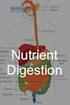 Topic 4: Digestion and Nutrition THE CONTENTS OF FOOD Food contains nutrients: Nutrients include: 1. 2. 3. 4. 5. Nutrients must be small enough to enter our cells. If they are too large they must be digested
Microbial Metabolism. Biochemical diversity
 Microbial Metabolism Biochemical diversity Metabolism Define Requirements Energy Enzymes Rate Limiting step Reaction time Types Anabolic Endergonic Dehydration Catabolic Exergonic Hydrolytic Metabolism
Photosynthesis (CO 2 + H 2 O C 6 H 12 O 6 + O 2 )
 The vital role of A This is the energy-rich compound that is the source of energy for all living things. It is a nucleotide, comprising a 5C sugar (ribose); an organic base (adenosine); and 3 phosphate
10.1 The function of Digestion pg. 402
 10.1 The function of Digestion pg. 402 Macromolecules and Living Systems The body is made up of more than 60 % water. The water is found in the cells cytoplasm, the interstitial fluid and the blood (5
PowerPoint Lecture Outlines prepared by Dr. Lana Zinger, QCC CUNY. 12a. FOCUS ON Your Risk for Diabetes. Copyright 2011 Pearson Education, Inc.
 PowerPoint Lecture Outlines prepared by Dr. Lana Zinger, QCC CUNY 12a FOCUS ON Your Risk for Diabetes Your Risk for Diabetes! Since 1980,Diabetes has increased by 50 %. Diabetes has increased by 70 percent
Cellular Respiration
 Cellular Respiration Cellular Respiration Text, Diagrams, Assessments, and Link to Standards Focus Questions 1) What is cellular respiration? 2) How is cellular respiration connected to breathing? 3) If
CELL/ PHOTOSYNTHESIS/ CELLULAR RESPIRATION Test 2011 ANSWER 250 POINTS ANY WAY IN WHICH YOU WANT
 CELL/ PHOTOSYNTHESIS/ CELLULAR RESPIRATION Test 2011 ANSWER 250 POINTS ANY WAY IN WHICH YOU WANT Completion: complete each statement. (1 point each) 1. All cells arise from. 2. The basic unit of structure
SOME Important Points About Cellular Energetics by Dr. Ty C.M. Hoffman
 SOME Important Points About Cellular Energetics by Dr. Ty C.M. Hoffman An Introduction to Metabolism Most biochemical processes occur as biochemical pathways, each individual reaction of which is catalyzed
Diabetes mellitus. Lecture Outline
 Diabetes mellitus Lecture Outline I. Diagnosis II. Epidemiology III. Causes of diabetes IV. Health Problems and Diabetes V. Treating Diabetes VI. Physical activity and diabetes 1 Diabetes Disorder characterized
Overview of Glycolysis Under anaerobic conditions, the glycolytic pathway present in most species results in a balanced reaction:
 Glycolysis Glucose is a valuable molecule. It can be used to generate energy (in red blood cells and in brain under normal conditions, glucose is the sole energy source), and it can be used to generate
Know about the different energy systems used during sports performance
 Learning aim B Know about the different energy systems used during sports performance Assessment criteria 2B.P5 2B.M5 2B.D2 Describe the function of the three energy systems in the production and release
Cellular Respiration & Metabolism. Metabolism. Coupled Reactions: Bioenergetics. Cellular Respiration: ATP is the cell s rechargable battery
 Cellular Respiration & Metabolism Metabolic Pathways: a summary Metabolism Bioenergetics Flow of energy in living systems obeys: 1 st law of thermodynamics: Energy can be transformed, but it cannot be
Respiration occurs in the mitochondria in cells.
 B3 Question Which process occurs in the mitochondria in cells? Why do the liver and muscle cells have large number of mitochondria? What is the function of the ribosomes? Answer Respiration occurs in the
Metabolism Lecture 7 METABOLIC_REGULATION Restricted for students enrolled in MCB102, UC Berkeley, Spring 2008 ONLY
 Bryan Krantz: University of California, Berkeley MCB 102, Spring 2008, Metabolism Lecture 7 Reading: Ch. 15 of Principles of Biochemistry, Principles of Metabolic Regulation, Illustrated with Glucose and
What is Type 2 Diabetes?
 Type 2 Diabetes What is Type 2 Diabetes? Diabetes is a condition where there is too much glucose in the blood. Our pancreas produces a hormone called insulin. Insulin works to regulate our blood glucose
Overview of Metabolism. Peds 231 April 9, 2009 Julie Theriot
 Overview of Metabolism Peds 231 April 9, 2009 Julie Theriot Outline What is metabolism and why should you care about it? Summary of human carbohydrate metabolism and connections to diabetes Metabolism
Chapter 16 The Citric Acid Cycle
 Chapter 16 The Citric Acid Cycle Multiple Choice Questions 1. Production of acetyl-coa (activated acetate) Page: 603 Difficulty: 2 Ans: A Which of the following is not true of the reaction catalyzed by
Essentials of Human Anatomy & Physiology 11 th Edition, 2015 Marieb
 A Correlation of Essentials of Human Anatomy Marieb To the Next Generation Science Standards Life A Correlation of, HS-LS1 From Molecules to Organisms: Structures and Processes HS-LS1-1. Construct an explanation
1- Fatty acids are activated to acyl-coas and the acyl group is further transferred to carnitine because:
 Section 10 Multiple Choice 1- Fatty acids are activated to acyl-coas and the acyl group is further transferred to carnitine because: A) acyl-carnitines readily cross the mitochondrial inner membrane, but
Metabolic Fate of Glucose. Metabolic Fate of Fatty Acids
 Metabolic Fate of Glucose Each class of biomolecule has alternative fates depending on the metabolic state of the body. Glucose: The intracellular form of glucose is glucose-6- phosphate. Only liver cells
Management of Fibromyalgia: Rationale for the use of Magnesium and Malic Acid. Journal of Nutritional Medicine
 Management of Fibromyalgia: Rationale for the use of Magnesium and Malic Acid 1 Journal of Nutritional Medicine Guy E. Abraham MD and Jorge D. Flechas MD, MPH FROM ABSTRACT: Primary Fibromyalgia (FM) is
* Is chemical energy potential or kinetic energy? The position of what is storing energy?
 Biology 1406 Exam 2 - Metabolism Chs. 5, 6 and 7 energy - capacity to do work 5.10 kinetic energy - energy of motion : light, electrical, thermal, mechanical potential energy - energy of position or stored
Metabolism Dr.kareema Amine Al-Khafaji Assistant professor in microbiology, and dermatologist Babylon University, College of Medicine, Department of
 Metabolism Dr.kareema Amine Al-Khafaji Assistant professor in microbiology, and dermatologist Babylon University, College of Medicine, Department of Microbiology. Metabolism sum of all chemical processes
Cellular Energy. 1. Photosynthesis is carried out by which of the following?
 Cellular Energy 1. Photosynthesis is carried out by which of the following? A. plants, but not animals B. animals, but not plants C. bacteria, but neither animals nor plants D. all living organisms 2.
Regulation of the Citric Acid Cycle
 Regulation of the itric Acid ycle I. hanges in Free Energy February 17, 2003 Bryant Miles kj/mol 40 20 0 20 40 60 80 Reaction DGo' DG TA Free Energy hanges 1 2 3 4 5 6 7 8 9 1.) itrate Synthase 2.) Aconitase
Cellular Respiration: Practice Questions #1
 Cellular Respiration: Practice Questions #1 1. Which statement best describes one of the events taking place in the chemical reaction? A. Energy is being stored as a result of aerobic respiration. B. Fermentation
DIABETIC KETOACIDOSIS DKA
 DIABETIC KETOACIDOSIS DKA INTRODUCTION:-Definitions, and terms Diabetic ketoacidosis (DKA) is an emergency medical condition, and a dangerous complication of diabetes mellitus in which the chemical balance
Chapter 14 Glycolysis. Glucose. 2 Pyruvate 2 Lactate (sent to liver to be converted back to glucose) TCA Cycle
 Chapter 14 Glycolysis Requires mitochondria and O 2 Glucose glycolysis anaerobic respiration 2 Pyruvate 2 Lactate (sent to liver to be converted back to glucose) pyruvate dehydrogenase acetyl-coa TCA Cycle
Unit 5 Photosynthesis and Cellular Respiration
 Unit 5 Photosynthesis and Cellular Respiration Advanced Concepts What is the abbreviated name of this molecule? What is its purpose? What are the three parts of this molecule? Label each part with the
Cellular Respiration Stage 4: Electron Transport Chain
 Cellular Respiration Stage 4: Electron Transport Chain 2006-2007 Cellular respiration What s the point? The point is to make ATP! ATP ATP accounting so far Glycolysis 2 ATP Kreb s cycle 2 ATP Life takes
2. Which type of macromolecule contains high-energy bonds and is used for long-term energy storage?
 Energy Transport Study Island 1. During the process of photosynthesis, plants use energy from the Sun to convert carbon dioxide and water into glucose and oxygen. These products are, in turn, used by the
Worksheet 13.1. Chapter 13: Human biochemistry glossary
 Worksheet 13.1 Chapter 13: Human biochemistry glossary α-helix Refers to a secondary structure of a protein where the chain is twisted to form a regular helix, held by hydrogen bonds between peptide bonds