
PEDIATRIC AMPLIFICATION GUIDELINES
|
|
|
- Gwendoline Booth
- 9 years ago
- Views:
Transcription
1 PEDIATRIC AMPLIFICATION GUIDELINES The following pediatric amplification guidelines were based upon those developed by the American Academy of Audiology (AAA, 2003). The AAA Pediatric Amplification Protocol and the Exposition on Cochlear Implants in Children were developed by panels of nationally recognized experts in their respective fields. Any modifications to the original guidelines have been made in acknowledgement of advances in technology and intervening growth of knowledge in the field of audiology. These guidelines have been adopted by the Tennessee Newborn Hearing Screening Program, with permission from AAA, and with the clear understanding that a child s family has the final choice as to whether or not the infant should use hearing aids, cochlear implants, other assistive technology or other methods of communication. Purpose The purpose of this document is to provide a detailed guideline regarding to which children should be considered for amplification, what data are necessary to start and continue the amplification process, how essential features of the amplification system should be chosen, what testing should constitute verification and validation of the amplification system, and suggestions for appropriate orientation, training, and follow-up. These guidelines are intended for application to newborns, infants, and children. These guidelines are not meant to suggest specific communication modes or academic settings for these children. In addition, children may have a variety of other co-existing conditions with hearing loss and these guidelines must be considered within the context of each child s individual characteristics. The general goal of any amplification is to provide a signal that makes soft, moderate, and loud sounds audible but not uncomfortable and to provide excellent sound quality in a variety of listening environments. Outline: 1. Personnel Qualifications 2. Candidacy 3. Pre-selection issues and procedures 4. Circuitry Signal Processing 5. Hearing Instrument Selection/Fitting Considerations 6. Verification 7. Hearing Instrument Orientation and Training 8. Validation 9. Follow-up and Referral 1. Personnel Qualifications A. Audiologists are the professionals singularly qualified to select and fit all forms of amplification for children, including personal hearing aids, frequency-modulated (FM) systems, cochlear implants and other assistive listening devices (The Pediatric Working Group, 1996). Audiologists have a master s and/or doctoral degree in audiology from a regionally-accredited university. B. Audiologists must meet all state licensure and/or regulatory requirements. 27

2 C. Pediatric audiologists are qualified by unique experience or formal training to fit hearing aids on infants and young children and should have the expertise and the test equipment necessary to complete all tests for hearing aid selection, evaluation, and verification procedures described herein. D. Audiologists should adhere to procedures consistent with current standards of practice to assess auditory function in infants and children (ASHA, 2004). E. Audiologists should be knowledgeable about federal and state laws and regulations impacting the identification, intervention, and education of children who are deaf and hard of hearing. 2. Candidacy Amplification with hearing instruments should be considered for a child who demonstrates a significant hearing loss, including sensorineural, conductive, central, or mixed hearing losses of any degree. The duration and configuration (bilateral or unilateral) will assist the audiologist in the decision to fit a child with personal hearing aids. Additional factors such as the child s health, cognitive status, and functional needs also will influence the time-line of fitting hearing aids. A. Methods for the Assessment of Hearing For newborns and infants under the developmental age of 6 months, estimates of hearing sensitivity must be supported by electrophysiological measures including auditory brainstem response (ABR) threshold assessment. Frequency-specific airconduction and bone-conduction ABR thresholds should be obtained. Frequencyspecific ABR is necessary for accurate estimation of the degree and configuration of hearing loss. A click-abr threshold alone is not sufficient for accurate hearing aid fitting. Acoustic immittance measures, including tympanometry and middle ear muscle reflexes, and otoacoustic emissions (OAE) are necessary to determine the type of hearing loss present. Differential diagnosis continues to be refined and these measures should be applied to the assessment of hearing in children as they become available and interpretable. Currently researchers are suggesting that the summating potential may have value in diagnosis and that a lack of response in this measure may relate to inner hair cell function. These and other electrophysiologic measures may become a valued part of the assessment of hearing in the pediatric population. At a minimum, low and high frequency, ear specific information should be obtained in order to prescribe appropriate amplification. These data are developed over the course of evaluating the infant or child and the hearing aid fitting may begin before all data are obtained. For older infants and young children, behavioral thresholds should be obtained using visual reinforcement audiometry (VRA), or conditioned play audiometry (CPA) test techniques appropriate for the child s developmental level. Ear-specific and frequency-specific air and bone conduction thresholds are essential for providing information needed for accurate hearing aid fitting (The Pediatric Working Group, 1996). 28

3 Additional Factors 1) Middle Ear Conditions The presence of chronic or recurrent middle ear conditions that can affect hearing threshold results or the ability to wear an occluding earmold should be considered. When determining hearing aid candidacy for infants or children with borderline or minimal hearing losses, middle ear status is of particular concern in determining the likelihood of a transient condition. 2) Other Health Concerns Other health concerns or conditions that may affect the ability to obtain reliable threshold information must be considered. The use of physiologic test methods (ABR, OAE) may be necessary even with older children who have additional disabilities. B. Special Considerations Special consideration should be given to the fitting of amplification on children with unilateral hearing loss, minimal or mild hearing loss, profound hearing loss, and auditory neuropathy. 1) Unilateral hearing loss Use of hearing aid amplification is indicated for some children with unilateral hearing losses. The decision to fit a child with a unilateral hearing loss should be made on an individual basis, taking into consideration the child s or family s preference as well as audiologic, developmental, communication, and educational factors. Amplification options such as personal FM systems also should be considered. Use of communication strategies (noise reduction, positioning, etc.) may prove to be beneficial and easily accomplished for the infant or toddler with unilateral hearing impairment. The use of contralateral-routing-of-signal (CROS) amplification requires particular care. Its design is to overcome the problem caused by the head shadow effect. This could be especially helpful in a quiet environment and when the signal of interest originates from the direction of the nonfunctioning ear. However, one study (Kenworthy, Klee, & Tharpe, 1990) indicated that CROS amplification may not be beneficial for children in a classroom setting, because of the introduction of additional noise to the normalhearing ear. 2) Minimal-mild hearing loss Current evidence suggests that children with minimal and mild hearing losses are at high risk for experiencing academic difficulty (Yoshinaga-Itano, 1996; Bess, Dodd-Murphy, & Parker, 1998; Bess & Tharpe, 1984). As such, children with minimal and mild hearing loss should be considered candidates for amplification and/or personal FM system or soundfield systems for use in school. 29

4 3) Profound hearing loss A finding of no response by ABR should not exclude a child from hearing aid candidacy, as residual hearing may exist at intensity levels greater than those capable of eliciting a standard ABR response. Children with confirmed profound hearing loss still may experience benefit from hearing aid amplification. An infant or child with severe to profound hearing loss or auditory neuropathy should be considered as a candidate for a cochlear implant. 4) Normal peripheral hearing sensitivity In some cases, children with normal peripheral hearing sensitivity may benefit from amplification (Matkin, 1996). These cases may include children with auditory processing disorders (APD), auditory neuropathy or dysynchrony (AN/AD), and children with unilateral hearing impairment when an FM system is coupled to the normal hearing ear. In such cases, close audiologic monitoring of hearing sensitivity, and careful control of the output of the amplification is required. 3. Pre-Selection Issues and Procedures A. Introduction Many decisions must be made prior to selecting amplification for a child. These decisions may be based on individual needs and abilities, diagnostic information (e.g., degree of hearing loss, physical characteristics, etc.), environment in which the individual functions, empirical evidence, and/or clinician experience. Many of these decisions must be revisited on an ongoing basis as the child matures. B. Air vs. Bone Conduction Air conduction hearing aids are considered the more conventional hearing aid type and provide amplified sound into the ear canal of the user. A bone conduction hearing aid typically is considered for children who are unable to wear air conduction devices as a result of malformation of the outer ear or recurrent middle ear drainage. A bone conduction hearing aid may be considered for children with unilateral conductive hearing loss to insure that the intact cochlea on the side with the conductive hearing loss is stimulated during development while waiting for possible corrective surgery. The bone anchored hearing aid is a device that is surgically implanted into the skull behind the ear and produces a bone-conducted signal that is transmitted through the skull to the inner ear. This type of device is useful for an individual who must use a bone-conducted rather than an air-conducted signal on a permanent basis. At this time, bone anchored hearing aids do not have the approval of the U.S. Food and Drug Administration (FDA) for use in children less than five years of age. A bone anchored hearing aid may be considered as an option for an older child. C. Style: body aid vs. behind-the-ear (BTE) vs. in-the-ear (ITE) vs. in-the-canal (ITC) vs. completely-in-the-canal (CIC). Style will be dictated by the child s hearing loss and potential for growth of the outer ear and individual needs. The outer ear may continue to grow well into puberty, thus dictating the BTE style. When growth occurs, only the earmold has to be replaced. The BTE is more durable (with no circuitry directly exposed to cerumen) than in-the-ear styles, is less likely to produce feedback when fitted with an appropriate earmold, and allows for a variety of features that may be 30

5 essential for the child (i.e., telecoil circuitry, direct audio input (DAI) connection, built-in FM circuitry). An in-the-ear or even completely-in-the-canal hearing aid may be an option for older children as long as the audiologist, child, and parents recognize the pros and cons of each style (e.g., increased cost, lack of DAI coupling to assistive technology, susceptibility to damage, etc.). D. Routing of the Signal 1) Bilateral vs. unilateral listening It is well documented that bilateral hearing is necessary for localization and for best performance in noise (Hawkins & Yacullo, 1984; Valente, 1982a, 1982b). In addition, investigations have reported auditory deprivation in children fitted with unilateral amplification (Boothroyd, 1993; Hattori, 1993). Therefore, it is recommended that, unless contraindicated, children be fitted with bilateral amplification. 2) CROS, BICROS, transcranial fitting For children with severe to profound unilateral hearing loss (or very poor word recognition unilaterally), contralateral routing of signal (CROS) system may be considered. A CROS system can be achieved by putting a microphone at the location of the impaired ear and transmitting the signal to the normal ear through: a.) a wire or FM signal (conventional CROS), b.) through bone conduction For the child with severe to profound hearing loss (or very poor word recognition) in one ear and an aidable hearing loss in the other ear, a BICROS system may be considered. 3) Implantable devices No middle ear implantable devices for children are available at this time. E. Bandwidth Research in adults supports the use of a wide bandwidth for individuals with mild to moderate hearing losses (Skinner, 1983). A number of investigators have studied bandwidth effects in adults with moderate-to-severe hearing loss (Ching, Dillon, & Byrne, 1998; Hogan & Turner, 1998; Turner & Cummings, 1999). These studies suggest that the provision of high-frequency amplification may not always be beneficial and can even degrade speech perception for some individuals. In these studies, there is considerable variability in performance across individuals and no consensus on the degree of hearing loss at which benefit from high-frequency amplification no longer occurs (Moore, 2001). Kortekaas & Stelmachowicz (2000) and Stelmachowicz, Pittman, Hoover, & Lewis (2001) found that children with hearing loss require a wider bandwidth than adults with similar hearing losses to perceive high-frequency speech sounds, particularly when listening to female and child talkers. Ching, Dillon, & Katsch (2001) indicate that there is no conclusive evidence in this area at this point and time. Therefore, the clinician must consider each child as an individual as we wait for more evidence in this area. In addition, the clinician should not confuse a lack of increased performance with high frequency amplification with an actual decrease in performance. 31

6 F. Memories Memories allow more than one amplification characteristic for use by the wearer in different listening situations. The user (or parent) can choose among memories based on the listening situation. In the pediatric population, multiple memories may be very useful if there is a predictable fluctuating hearing loss so that the hearing aid output can be easily adjusted accordingly. In addition, a programmable telecoil memory may also be useful. G. Earmold The audiologist should consider the style, material, color, length, and frequency of remakes for the earmold. The need for well-fitted earmolds has increased with the advent of wide dynamic range, wideband hearing aids. The audiologist is able to make a wide range of sounds audible in an automatic way by using compression circuitry with no volume control. Without a volume control, the child (or parent) cannot turn down the hearing aid if it starts to feed back as a result of poor earmold fit (after growth of the outer ear). The use of automatic technology forces the audiologist to be more proactive about regular earmold changes. The recent advent of automatic feedback control through various digital signal processing techniques may alleviate this problem temporarily while the new earmold is ordered. For infants, earmold replacement may be as frequent as monthly. Venting in the earmold may be appropriate for some children depending on the configuration and degree of hearing loss as well as the status of their outer and middle ear. The audiologist should approach venting earmolds in children cautiously. Diagonal venting may cause the hearing aid to lose some of its high frequency response and certain placements of venting may create problems in sound channel tubing retention. H. Sound Channel The sound channel consists of the earhook and tube that leads through the earmold and sends sound into the ear canal. Just as a horn (increased diameter at the end of a sound channel) increases the high frequency response, a reverse horn will roll off the high frequencies. These are often the frequencies where the child needs the most amplification. A reverse horn is a common concern in an infant or young child because the earmold is so small. It is essential that the end of the sound channel be checked visually for any crimping. An electroacoustic measure that includes the earmold will reveal any roll off in high frequency response as will probe microphone measurements that include the individual s earmold connected to the hearing aid. Manufacturers generally send adult size earhooks unless otherwise instructed. A pediatric earhook can be the difference between a well situated BTE and a BTE that falls off of the ear. Earhooks add resonant peaks to the hearing aid response. These peaks can increase the chance of acoustic feedback and may dictate the maximum output setting of the hearing aid thereby unnecessarily decreasing the headroom (the difference between the level of speech and the saturation level of the hearing aid) of the instrument. A filtered (damped) earhook will smooth the response (Scollie & Seewald, 2002). 32

7 I. Microphone Microphone location impacts the response of the signal that is presented to the ear. For most pediatric users, the microphone will be at the top of the ear because they will use the BTE style. The BTE and ITE styles can be equipped with omni-directional microphones (microphones that respond to signals equally around the head) or directional microphones (microphones that reduce signals from the sides and back). Directional microphones can enhance hearing in noise in adults (Hawkins & Yaccullo, 1984). The user may switch between microphone types by using a toggle switch, button, or remote control device. This is not a realistic choice for infants and young children. The use of a traditional directional microphone also implies that the signal of interest is in front of the listener. Young children learn by listening to the adults around them and may not be looking at them directly. In such situations, there may not be a primary talker. In some of the newest digital hearing aids, this switching occurs automatically based on a sampling of the incoming signal. Type of microphone technology will be dictated by the age and abilities of the child as well as listening environment. Benefits and limitations of directional microphone technology with children are currently unknown. Through the selection and deselection of memories, some hearing aids allow the audiologist to choose when to introduce the use of directional microphone technology (activating the programmable memory), thereby equipping hearing aids with potential that may not be used right away with a young child. When directional microphones are used with older children, the audiologist should ensure that the microphone response in the directional setting is equalized to the microphone response in the omnidirectional setting or audibility for low frequency sounds is lost (Ricketts & Henry, 2002). J. Controls for Fine-Tuning With children, it is frequently necessary to conduct fine-tuning of the hearing aids gain and output characteristics. As more and more infants are fitted with hearing aids as a result of universal newborn screening, the use of flexible technology becomes even more critical. The hearing abilities of these babies continue to be defined as they mature and flexible hearing aids can be changed to reflect the new information obtained from the diagnostic procedures. In addition, children may have progressive hearing losses. A flexible hearing aid is a cost-effective solution for these children because the response of the hearing aid can be changed to meet the child s needs as the hearing loss changes or as more complete information is obtained. K. Previous Experience The audiologist s decisions for all of the features described in this section may be impacted by the child s previous experience. Only the older child will have previous experience, but the impact of previous experience should be considered when working with the infant. There are data to suggest that hearing aid users will become accustomed to whatever signal processing they experience and will come to prefer it (Palmer, 2001). This puts a great deal of burden on the audiologist to provide the very best audibility and sound quality to the first-time user as this is the signal to which he/she will adapt. This is not to say that a current user of one technology (e.g., linear processing) cannot adapt and benefit from another technology that the audiologist 33

8 may deem appropriate at the time of a replacement hearing aid fitting (e.g., wide dynamic range compression). Children may require an adjustment period before they tolerate and benefit from the newer technology, just as we expect adjustment to frequency transposition, cochlear implant signal processing, etc. L. Telephone Access The Developmental Index of Audition and Listening (Palmer & Mormer, 1999) illustrates that the telephone is an integral part of a child s life from the time when they know that someone is calling, extending through their attempts to participate in telephone communication with a parent s help, to the time when they are using the telephone to make plans with their friends. It is essential that the audiologist provide telephone access for even the youngest hearing aid wearers and take the time to educate the parents on how the solution works (this may take a variety of training sessions until the parents or guardians are comfortable). M. Ability to Couple to Assistive Listening Technology The child s hearing aids may be coupled to assistive technology through the telecoil, direct audio input, built-in FM receiver, or FM receiver attachment. The assistive listening device will be the best solution for listening in noise and/or listening at a distance. Selection of instruments that are compatible with FM systems, particularly the specific FM system provided at school may be warranted. It is critical to know the coupling requirements of the school system. N. Battery Doors The audiologist should recommend tamper-resistant battery doors for younger children. O. Volume Control The need for a volume control is dictated by the signal processing scheme that is used in the hearing aid and the user s previous experience (if any). If the audiologist does not expect the child to make these adjustments, wide dynamic range compression signal processing will be advantageous. Adjustment of a volume control wheel can provide a short-term solution to feedback caused by poorly fitting earmolds. If a volume control is present, the clinician must decide if the child should have access to manipulating the control or if a locking volume control is preferred (access is then limited to the clinician and perhaps parent/caregiver). Linear signal processing implies that a volume control is not only included, but is manipulated since the gain for a linear system is targeted to moderate level input signals. One assumes that the user would need to turn down more intense inputs and turn up quiet inputs to maintain audibility and comfort. The unique combination of the above decisions will lead to the selection of particular hearing aids for a particular child. Some decisions exclude other choices and a compromise may have to be reached by prioritizing these choices. 34

9 4. Circuitry - Signal processing Although certain signal processing schemes require digital processing, the discussion here is only relevant to the strategies, not digital versus analog processing to implement those strategies. That is, the appropriate signal processing question is not, in our opinion, whether we should select digital or analog hearing aids, but rather, what signal processing schemes are appropriate. In some cases the desired signal-processing scheme may require digital signal processing, in other cases it may not. It is likely that all hearing aids will be digital within the next five years and the analog vs. digital decision will be irrelevant. The choice of appropriate features for each individual will be paramount. A. Basic Requirements 1) The system should avoid distortion. 2) The system should allow frequency/output shaping to provide audibility base on an appropriate prescriptive method. 3) The system should allow frequency/output shaping to avoid tolerance issues based on an appropriate prescriptive method. 4) The system should employ amplitude processing that ensures appropriate audibility over a range of typical speech sounds from soft to loud. It is likely that some form of amplitude compression may be necessary to achieve this goal for the common cases of reduced residual dynamic range of hearing. Wide-dynamic range amplitude processing may routinely be necessary to allow for optimal audibility of soft to loud inputs (Jenstad et al., 1999, 2000). 5) Output limiting is independent of the signal processing that is provided in the dynamic range. Compression output limiting has been shown to provide superior sound quality as compared with peak clipping output limiting (Hawkins & Naidoo, 1993; Preves & Newton, 1989). 6) The system should include sufficient electroacoustic flexibility to allow for changes in required frequency/output characteristics related to growth of the child (e.g., a larger ear canal will result in a smaller real-ear-to-coupler difference, etc). B. Current and Future Processing Schemes - Until sufficient data become available to exclude the following schemes, each should be considered viable for pediatric fitting of hearing aids. 1) Automatic feedback control, to allow for use of amplification while the child or infant is held or placed in close proximity to other objects. Caution is advised in cases in which the hearing aid requires a gain reduction in order to prevent feedback. In such cases, the potential loss of audibility of important sounds must be considered. 2) Multiple channels to allow for finer tuning of the response for fitting unusual or fluctuating audiograms, application of wide dynamic range compression, increasing the specificity of noise reduction, allowing specialized feedback and occlusion management. 35

10 3) Expansion to reduce low-level noise (e.g., microphone noise and overamplification of soft sounds associated with very low-threshold compression). 4) Compression to allow fitting of the large variation of input levels found in speech and environmental sounds into the dynamic range of the child with hearing loss. Compression also is used as a limiter, providing comfort and good sound quality for the output of intense signals. 5) Frequency transposition and frequency compression have yet to be sufficiently validated. This type of signal processing might be recommended only when the frequencies to be transposed cannot be made audible with non-transposing aids. C. Many schemes under development to reduce background noise (e.g., envelope modulation counters [digital noise reduction]) and/or enhance speech perception (e.g., spectral enhancement, temporally or spectrally based selective speech enhancement) cannot be recommended until data relative to their effectiveness become available. 5. Hearing Instrument Selection/Fitting Considerations in Children During the selection process, a determination of appropriate circuitry and processing schemes should be based on the degree, configuration, and type of hearing impairment as well as consideration of familial and economic factors. Selection and verification protocols are predicated on the availability of frequency-specific threshold data. A. Individual or age appropriate ear acoustics should be accounted for in the hearing instrument selection fitting process. Measurement and application of the real-ear-tocoupler-difference (RECD) accomplishes this goal (Moodie, Seewald, & Sinclair, 1994). Real-ear-coupler-differences are used to individualize the HL to SPL transform. This is important in a population whose earcanals and eardrum impedance generally are different from the adult averages that typically are used to conduct these transforms (Scollie et al., 1998; Seewald & Scollie, 1999). In addition, the RECD is used to adjust the electroacoustic fitting so the final output n the real-ear will be correct for an individual child (Seewald et al., 1999). This use of the measurement is especially important when real-ear aided response measures are not possible. B. Minimally, the fitting method employed to determine hearing instrument electroacoustic characteristics should be audibility based (i.e., the goal would be to provide audibility of an appropriate amplified long-term amplified speech spectrum). When nonlinear circuitry is considered, the prescriptive formula should take into account speech audibility at different input levels (eg., NAL-NL1 or DSL [i/o; Byrne et al., 2001; Cornelisse, et al., 1995). That is, the primary goal is the audibility of speech regardless of input level or vocal effort. C. Target values for gain and output are determined through the use of a prescriptive formula (evidence-based independent or evidence-based device-related) by using hearing sensitivity data and the RECD. D. Although none of the threshold-based selection procedures are guaranteed to ensure that a child will not experience loudness discomfort or that output levels are safe, the 36

11 use of a systematic objective approach that incorporates age-dependent variables into the computations is preferred. Frequency-specific loudness discomfort levels should be obtained when children are old enough to provide reliable responses (Gagné, Seewald, Zelisko, & Hudson 1991a, 1991b). E. The audiologist may consider the need to reduce gain recommended by a particular fitting strategy if binaural summation is not considered in the fitting strategy and the fitting is binaural. Currently, there are not data that clearly illustrate binaural summation experienced through hearing aids in the soundfield. Scollie et al. (2000) reported no binaural summation as measured through preferred listening levels in children who were using hearing aids. In addition, the desired frequency/gain response and output limiting may need to be modified from the prescription if the hearing loss is primarily conductive or if there is a conductive component. F. The electroacoustic parameters of the hearing instrument are pre-set so as to achieve the targeted response. Coupler measurement allows for pre-setting the hearing aids prior to fitting them to the child. Pre-setting in the pediatric population is especially important because the child may not provide reliable feedback for fine-tuning. G. Further electroacoustic measurement after the desired output (gain) has been set should include verification of low distortion at varying inputs at user prescribed settings. 6. Verification A. The electroacoustic performance of the instrument should be matched to the prescribed 2 cm3 coupler target values for gain and output limiting where the 2 cm3 coupler values have been derived using an individualized real ear to 2 cm3 coupler transform (e.g., the RECD). B. Aided soundfield threshold measurements may be useful for the evaluation of audibility of soft sounds but they are not recommended and should not be used for verifying electroacoustic characteristics of hearing instruments in infants and children for several reasons: 1) prolonged cooperation from the child is required 2) frequency resolution is poor 3) test-retest reliability is frequently poor (Seewald, Moodie, Sinclair, & Cornelisse, 1996) 4) misleading information may be obtained in cases of severe to profound hearing loss, minimal or mild loss, or when non-linear signal processing, digital noise reduction, or automatic feedback reduction circuitry is used C. Probe microphone measurements employing an insertion gain protocol are not the preferred procedure for verifying electroacoustic characteristics of hearing instruments in infants and children for several reasons: 1) targets are provided outside of any relevant context (i.e., threshold) and consequently are not directly audibility based 2) targets assume an average adult REUG 37

12 D. Output characteristics should be verified using a probe microphone approach that is referenced to ear canal SPL. Determination of audibility at several input levels is the ideal method of verification. This requires the placement of a probe microphone and hearing aid in the child s ear while sound is presented through a loudspeaker at several intensity levels (e.g., soft, moderate, loud). The resulting real ear aided response (REAR) can be compared to thresholds and UCLs (measured or ageappropriate estimation) converted to ear canal SPL. This provides a direct measurement of the predicted levels of amplified speech. The clinician must select signals for this type of testing that ensure accurate electroacoustic verification. As hearing aid technology changes (processing various input signals in different ways), the clinician must update his/her knowledge as to the appropriate signal to use for testing and may need to update his/her equipment with newly developed signals (Scollie & Seewald, 2001). All air conduction hearing aid technology can be measured electroacoustically in some appropriate manner. E. If probe-microphone measures of real-ear hearing aid performance are not possible, hearing aid performance can be predicted accurately in the real ear by applying age appropriate average RECD values to the measured 2-cc coupler electroacoustic results (Seewald et al., 1999). F. As audibility is one of the main goals of the pediatric fitting, the Situational Hearing- Aid Response Profile (SHARP; Stelmachowicz, Lewis, Kalberer, & Creutz, 1994) may be used to verify predicted audibility in a variety of settings that cannot easily be measured in a clinical setting. Measured hearing aid characteristics (test chamber or probe-microphone data) are entered into this software program and the audibility for twelve different listening situations (e.g., cradle position, hip position, 1 meter, 4 meters, child s own voice, etc.) is evaluated. Estimated performance displayed on a hearing aid manufacturer screen during programming without the direct measurement of a probe microphone is an estimate of performance based on a variety of estimations associated with the individual s ear and hearing aid. These data cannot be relied on for verification purposes. Note: In the various procedures described under Verification, a signal must be presented to the hearing aid whether it is being tested with a microphone in the test chamber or with a probe microphone in the real ear. The test signal should adequately represent the frequency, intensity, and temporal aspects of speech. Recent investigations have illustrated that various advanced signal processing interacts with the test signal and that the most accurate representation of the hearing aid s response will be through the use of a speech-like signal or by turning off signal processing during test that attempts to reduce output that it considers noise (Scollie & Seewald, 2002; Scollie, Steinberg, & Seewald, 2002). 38

13 7. Hearing Instrument Orientation and Training Orientation and training should include family members, caregivers, and the child. This information also must be communicated to the child s educators through interactions with the educational audiologist, deaf and hard-of-hearing specialist, or other qualified personnel. Orientation and training should be discussed, demonstrated, and sent home in a written or video format. Orientation and training may take place over several appointments based on the family and child s ability to perform tasks. Orientation and training should include: A. care of the hearing aids, including cleaning and moisture concerns B. suggested wearing schedule and retention C. insertion D. removal E. overnight storage (including the mechanism for turning off the hearing aids) F. insertion and removal of the batteries G. battery life, storage, disposal, toxicity H. basic troubleshooting (batteries, feedback, plugged earmold and/or receiver) I. telephone coupling and use J. assistive device coupling and use K. moisture solutions (e.g., dehumidifying systems and covers) L. tools for maintenance and care (e.g., battery tester, listening stethoscope, earmold air blower) M. issues of retention/compliance/loss (including spare hearing aids and any loaner program) N. recommended follow-up appointments to monitor use and effectiveness 8. Validation A. Validation of aided auditory function is a demonstration of the benefits and limitations of aided hearing abilities and begins immediately after the fitting and verification of amplification. Validation is an ongoing process designed to ensure that the child is receiving optimal speech input from others and that his or her own speech is adequately perceived (Pediatric Working Group, 1996). In addition to ongoing monitoring of the amplification device, objective measures of aided performance in controlled clinical environments and in real world settings may be included in the validation process. Functional assessment tools assist in the monitoring process by evaluating behaviors as they occur in real-world settings. These tools are typically questionnaires designed for administration to parents and teachers or assessments that can be conducted in the child s school environment. B. Aided speech perception measures Aided speech perception tasks including, but not limited to, the Low-Verbal Early Speech Perception Task and the Early Speech Perception Task (ESP; Moog & Geers, 1990), Phonetically Balanced Kindergarten List (PBK; Haskin, 1949), Northwestern University s Children s Perception of Speech Test (NUCHIPS; Katz & Elliott, 1978), Pediatric Speech Intelligibility Test (PSI; Jerger, Lewis, Hawkins, & Jerger, 1980) may be used in the validation process. 39

14 C. Functional Assessment Tools 1) Tasks conducted in the classroom setting or questionnaires completed by educators such as the Functional Listening Evaluation (FLE; Johnson & Von Almen, 1997), the Screening Instrument for Targeting Educational Risk (SIFTER; Anderson, 1989), the Screening Instrument for Targeting Educational Risk in Pre-School Children (pre-school SIFTER; Anderson & Matkin, 1996) may be used for functional assessment, and the Listening Inventory for Education questionnaire (LIFE; Anderson & Smaldino, 1996). 2) Questionnaires completed by parents or caregivers such as the Children s Home Inventory of Listening Difficulties (CHILD; Anderson & Smaldino, 2000), the Family Expectation Worksheet (FPW; Palmer & Mormer, 1999), the Early Listening Function (ELF; Anderson, 2002), the Meaningful Auditory Integration Scale (MAIS; Robbins, Renshaw, & Berry, 1991), the Infant-Toddler MAIS (IT- MAIS; Zimmerman, Osberger, Robbins, 1998), the Meaningful Use of Speech Scale (MUSS; Robbins, Svirsky, Osberger & Pisoni, 1998), and the Functional Auditory Performance Indicators (FAPI; Stredler-Brown & Johnson, 2001) also may provide useful validation mechanisms. The tools listed above should be helpful in planning for the individual child. The majority of these tools, however, do not have published psychometric data at this time. With these data, it would not be appropriate to use these tools to document significant change in performance. 9. Follow-up and Referral Parents and other family members or individuals who will assist in caring for the amplification system should receive orientation, training, and ongoing support and appropriate referral as needed from the audiologist. The audiologist is a key professional who can provide education or refer families to those who can educate them about hearing loss. Fitting of personal amplification in an infant or young child is an on-going process. Minimally, an audiologist should see the child every three months during the first two years of using amplification and every 4-6 months after that time (The Pediatric Working Group, 1996). Follow-up appointments should include: A. Behavioral audiometric evaluations B. Current assessment of communication abilities, needs, and demands C. Adjustment of the amplification system based on updated audiometric information and communication demands D. Periodic electroacoustic evaluations E. Listening checks F. Earmold fit check G. Periodic probe-microphone measurements (at a minimum, following replacement of earmolds) H. Periodic functional measures to document development of auditory skills (see previous section number 8: Validation) I. Long-term follow-up including academic progress (tools may include the Meadow- Kendall Social-Emotional Scales (Meadow-Orlans, 1983). 40

15 On-going auditory habilitation should be provided as part of a team of professionals including, but not limited to, audiologists, early interventionists, deaf and hard-ofhearing specialists, speech-language pathologists, classroom teachers, pediatricians, or pediatric otologists with the primary focus to support families in the development of the communication abilities of their children. J. The prudent audiologist will want to help the parent or guardian make sure that the hearing aids are covered for loss, damage, and repair at all times. For a variety of reasons, the pediatric population has a fairly high rate of loss, damage, and repair. Coverage may be available through the hearing instrument company, a hearing aid insurance company, or a homeowner s policy. References American National Standards Institute. Specification of hearing aid characteristics. ANSI S , New York. Anderson, K.L. (1989). Screening Instrument for Targeting Educational Risk (SIFTER).Tampa, FL, Educational Audiology Association. Anderson, K.L., Matkin, N.D. (1996). Screening Instrument for Targeting Educational Risk in Preschool Children (age 3-kindergarten) (Preschool SIFTER). Tampa, FL, Educational Audiology Association. Anderson, K.L., Smaldino, J. (2000). Children s Home Inventory of Listening Difficulties (CHILD). Educational Audiology Review, 17(3), Suppl. Anderson, K.L., Smaldino, J. (1996). Listening Inventory for Education (LIFE), an efficacy tool. Educational Audiology Association, [on-line]. Available: Anderson, K.L. (2002). Early Listening Function (ELF). Educational Audiology Association, [on-line]. Available: Bess, F.H., Dodd-Murphy, J., Parker, R.A. (1998). Children with minimal sensorineural hearing loss: Prevalence, educational performance, and functional status. Ear and Hearing, 19(5): Bess, F.H, Tharpe, A.M. (1984). Unilateral hearing impairment in children. Pediatrics, 74: Bess, F., Tharpe, A.M. (1988). Performance and management of children with unilateral sensorineural hearing loss. Barajas, J.J., Borg, E. (Eds), Overview and Evaluation of the Hearing-Impaired Child Imaging and Audiology. Scandinavian Audiology Supplement, 30, Boothroyd, A. (1993). Recovery of speech perception performance after prolonged auditory deprivation: Case Study. Journal of the American Academy of Audiology, 4, Byrne, D., Dillon, H., Ching, T., Katsch, R., Keidser, G. (2001). NAL-NL1 procedure for fitting nonlinear hearing aids: Characteristics and comparisons with other procedures. J Amer Acad Audiol. 12, Ching, T., Dillon, H., Byrne, D. (1998). Speech recognition of hearing-impaired listeners: Predictions from audibility and the limited role of high-frequency amplification. Journal of the Acoustical Society of America, 103, Ching, T., Dillon, H., Katsch, R. (2001). Do children require more high-frequency audibility than adults with similar hearing losses? A sound foundation through early amplification: Proceedings of the Second International Conference. Phonak, Inc.: Chicago, IL

16 Cornelisse, L., Seewald, R., Jamieson, D. (1995). The input/output formula: A theoretical approach to the fitting of personal amplification devices. Journal of the Acoustical Society of America, 97(3), Gagné, J.P., Seewald, R.C., Zelisko, D.L., Hudson, S.P. (1991a). Procedure for defining the auditory area of hearing impaired adolescents with severe/profound hearing loss I: Detection thresholds. Journal of Speech Language Pathology and Audiology, 15(3): Gagné, J.P., Seewald, R.C., Zelisko, D.L., Hudson, S.P. (1991b). Procedure for defining the auditory area of hearing impaired adolescents with severe/profound hearing loss II: Loudness discomfort levels. Journal of Speech Language Pathology and Audiology, 15(4): Gravel, J., Fausel, N., Liskow, C., Chobot, J. (1999). Children s speech recognition in noise using omnidirectional and dual-microphone hearing aid technology. Ear and Hearing, 20(1), Haskin, H.A. (1949). A phonetically balanced test of speech discrimination for children. Master s thesis, Northwestern University: Evanston, Illinois. Hattori, H. (1993). Ear dominance for nonsense-syllable recognition ability in sensorineural hearing-impaired children: Monaural versus Binaural amplification. Journal of the Academy of Audiology, 4, Hawkins, D., Naidoo, S. (1993). Comparison of sound quality with asymmetrical peak clipping and output limiting compression. American Journal of Audiology, 4, Hawkins, D., Yacullo, W. (1984). Signal-to-noise ratio advantage of binaural hearing aids and directional microphones under different levels of reverberation. Journal of Speech and Hearing Disorders, 49(3), Hogan, C., Turner, C. (1998). High frequency audibility: Benefits for hearing-impaired listeners. Journal of the Acoustical Society of America, 104(1), Jenstad, L., Seewald, R., Cornelisse, L., Shantz, J. (1999). Comparison of linear gain and WDRC hearing aid circuits: Aided speech perception measures. Ear and Hearing, 20, Jenstad, L., Pumford, J., Seewald, R., Cornelisse, L. (2000). Comparison of linear gain and WDRC hearing aid circuits II: Aided loudness measures. Ear and Hearing, 21, Jerger, S., Lewis, S., Hawkins, J., and Jerger, J. (1980). Pediatric speech intelligibility test: I. Generation of Test materials. International Journal of Pediatric Otorhinolaryngology 2: Johnson, C.D., Von Almen, P. (1997). Functional listening evaluation. In Johnson, C.D., Benson, P.V., Seaton, J.B. Educational audiology handbook. San Diego: Singular Publishing Group, Inc., pp Johnson, W., Killion, M. (1994). Amplification: Is class D better than class B? American Journal of Audiology, 3, Joint Audiology Committee. (2000). Audiology Clinical Practice Algorithms and Statements, Audiology Today, Special Issue, August Katz, D.R., Elliott, L.L. (1978). Development of a new children s speech discrimination test. Paper presented at the convention of the American speech and Hearing Association, November 18-21, Chicago. Kenworthy, O.T. Klee, T., Tharpe, A.M. (1990). Speech recognition ability of children with unilateral sensorineural hearing loss as a function of amplification, speech stimuli, and listening condition. Ear and Hearing, 11, 4. 42

17 Killion, M., Wilber, L., Gudmundsen, G. (1988). Zwislocki was right a potential solution to the hollow voice problem. Hearing Instruments, 39(1), Kortekaas, R., Stelmachowicz, P. (2000). Bandwidth effects on children s perception of the inflectional morpheme (s): Acoustical measurements, auditory detection, and clarity rating. Journal of Speech, Language, and Hearing Research, 42, Kuk, F., Kollofski, C., Brown, S., Melim, A., Rosenthal, A. (1999). Use of a digital hearing aid with directional microphones in school-aged children. Journal of the American Academy of Audiology, 10(10): Matkin, N.D. (1996). The potential benefits of amplification for young children with normal hearing, in: Bess, F.H., Gravel, J.S., Tharpe, A.M. (eds) Amplification for Children with Auditory Deficits. Nashville: Bill Wilkerson Center Press. Meadow-Orlans, K.P. (1983). Meadow-Kendall Social/Emotional assessment Inventory (SEAI) for Deaf and Hearing-Impaired Students. Gallaudet University. Moog, J.S., Geers, A.E. (1990). Early speech perception test for profoundly hearingimpaired children. St. Louis: Central Institute for the Deaf. Moore, B. (2001). Dead regions in the cochlea: implications for the choice of highfrequency amplification. A sound foundation through early amplification: Proceedings of the Second International Conference. Phonak, Inc.: Chicago, IL., Palmer, C. (2001). The impact of hearing loss and hearing aid experience on sound quality judgments. Seminars in Hearing, 22, Palmer, C., Killion, M., Wilber, L., Ballad, W. (1995). Comparison of two hearing aid receiver-amplifier combinations using sound quality judgments. Ear and Hearing, 16(6), Palmer, C., Mormer, E. (1999). Goals and expectations of the hearing aid fitting. Trends in Amplification, 4 (2), Preves, D., Newton, J. (1989). The headroom problem and hearing aid performance. The Hearing Journal, 42, Ricketts, T., Henry, P. (2002). Low-frequency gain compression in directional hearing aids. American Journal of Audiology, 11 (1), Ricketts, T., Mueller, G. (2000). Predicting directional hearing aid benefit for individual listeners. Journal of the American Academy of Audiology, 11(10), Robbins, A.M., Renshaw, J.J., Berry, S.W. (1991) Evaluating meaningful auditory integration in profoundly hearing impaired children. American Journal of Otolarygology 12: Robbins, A.M., Svirsky, Osberger, Pisoni (1998). Beyond the audiogram: The role of functional assessments. In: Bess, F.H., ed. Children with Hearing Impairment: Contemporary Trends. Nashville: Bill Wilkerson Center Press, 1998, pp Scollie, S., Seewald, R., Cornelisse, L., Jenstad, L. (1998). Validity and repeatability of level dependent HL to SPL transforms. Ear and Hearing, 19, Scollie, S., Seewald, R. (2001). Electroacoustic verification measures with modern hearing instrument technology. A sound foundation through early amplification: Proceedings of the Second International Conferences. Phonak, Inc.: Chicago, IL Scollie, S., Seewald, R. (2002). Hearing aid fitting and verification procedures for children. In Katz, J. (5th Edition). Handbook of Clinical Audiology, Lippincott/Williams and Wilkins: New York

18 Scollie, S., Seewald, R. (2002). Evaluation of electroacoustic test signals. 1 Comparison with amplified speech. Ear and Hearing, 23(5), Scollie, S., Steinberg, M.J., Seewald, R. (2002).. Evaluation of electroacoustic test signals. 2 Development and cross validation of correction factors. Ear and Hearing, 23(5), Seewald, R., Scollie, S. (1999). Infants are not average adults: Implications for Audiometric Testing. Hearing Journal, 52(10), Seewald, R.C., Moodie, K.S., Sinclair, S.T., Cornelisse, L.E. (1996). Traditional and theoretical approaches to selecting amplification for infants and children. In Bess, F.H., Gravel, J.A., Tharpe, A.M. (Eds). Amplification for Children with Auditory Deficits. Vanderbilt University Press. Seewald, R., Moodie, S., Sinclair, R., Scollie, S. (2000). Predictive validity of a procedure for pediatric hearing instrument fitting. American Journal of Audiology, 8(2), Skinner, M., Miller, J. (1983). Amplification bandwidth and intelligibility of speech in quiet and noise for listeners with sensorineural hearing loss. Audiology, 22, Stedler-Brown, A., Johnson, C., DeConde, (2001). Functional Auditory Performance Indicators: an integrated approach to auditory development. [on line], Colorado Department of Education, Special Education Services Unit. Available: Stelmachowicz, P. (2001). The importance of high-frequency amplification for young children. A sound foundation through early amplification: Proceedings of the Second International Conference. Phonak, Inc.: Chicago, IL., Stelmachowicz, P., Lewis, D., Kalberer, A., Creutz, T. (1994). Situational Hearing-Aid Response Profile (SHARP, Version 2.0). User s Manual. Boys Town National Research Hospital, 555 North 30 th Street, Omaha, Nebraska Stelmachowicz, P., Pittman, A., Hoover, B., Lewis, D. (2001). Effect of stimulus bandwidth on the perception of /s/ in normal and hearing-impaired children and adults. Journal of the Acoustical Society of America, 110, Teder, H. (1993). Compression in the time domain. American Journal of Audiology, 2(2), The Pediatric Working Group. (1996). Amplification for infants and children with hearing loss, Nashville, TN: Bill Wilkerson Press. Turner, C., Cummings, K. (1999). Speech audibility for listeners with high-frequency hearing loss. American Journal of Audiology, 8, Valente, M. (1982a). Binaural amplification: Part 1. Audiol: J for Continuing Education 7(6). Valente, M. (1982b). Binaural amplification: Part 2. Audiol: J for Continuing Education 7(6). Zimmerman, S., Osberger, M.J., Robbins, A.M. (1998). Infant-Toddler: Meaningful Auditory Integration Scale (IT-MAIS). In: W. Estabrooks (ed). Cochlear Implants for Kids. Washington: AG Bell Association for the Deaf. 44

19 COCHLEAR IMPLANTS IN CHILDREN It is well established that profound deafness in childhood affects the development of auditory speech perception, speech production, and spoken language skills. Some children with profound deafness develop viable oral communication skills with conventional hearing aids but most do not. Failure to develop adequate communication skills can have a significant negative effect on educational and employment opportunities for individuals. It is recognized that multichannel cochlear implants are options for children with profound hearing impairments who demonstrate limited or no functional benefit from conventional hearing aid amplification. Multichannel cochlear implants are appropriate for children with prelingual or postlingual deafness. It is further recognized that parents (or legal guardian) have the right to choose a cochlear implant if they decide that it is the most appropriate option for their child. Background A cochlear implant is an electronic prosthetic device that is surgically placed in the inner ear and under the skin behind the ear for the purpose of providing useful sound perception via electrical stimulation of the auditory nerve. Cochlear implants are intended to provide prelingually or postlingually deafened children, who obtain limited functional benefit from conventional amplification, improved sound and speech detection and improved auditory perception or speech. Because research in adults and children has shown significantly greater benefit with multichannel than single-channel cochlear implants, only multichannel devices should be used in the pediatric population. Multichannel cochlear implants attempt to mimic the place representation of frequencies along the cochlea by tonotopic arrangement and stimulation of electrodes. The law requires that the safety and efficacy of a cochlear implant to be demonstrated through clinical investigations before the device can be commercially marketed as accepted clinical practice. Following years of extensive testing, the U.S. Food and Drug Administration approved the first multichannel cochlear implant as medically safe for use in adults (1984) and children (1990). Cochlear implants also have been found to be medically safe by the American Academy of Otolaryngology-Head and Neck Surgery, the American Medical Association, and virtually all health insurance companies. Cochlear Implant Benefits Studies on the efficacy of multichannel cochlear implants in the pediatric population have reported postoperative speech perception and speech production results in postlingually deafened children and in children with congenital or acquired prelingual deafness. All children, especially those implanted at a young age, demonstrated improvement in sound detection and in their auditory perception skills following implantation. In addition, research has shown that children with multichannel cochlear implants achieved performance levels that exceeded those of their non-implanted peers who used other sensory aids, including conventional hearing aids and vibrotactile aids. Studies also have shown improvement in speech production skills and overall speech intelligibility in children with prelingual deafness. Improvements in auditory speech recognition and speech production occur over a long time-course in prelingually deafened children who receive multichannel cochlear implants. There are large individual differences in the benefit that children derive from multichannel cochlear implants due to factors such as age at onset of deafness, age at 45

20 implantation, amount of cochlear implant experience, and educational training. However, the reliable predictors of cochlear implant performance have not been identified. Guidelines for Determining Candidacy for Cochlear Implants Accurate assessment of hearing impairment by an audiologist is a critical factor in the determination of implant candidacy. The audiologist should use an age-appropriate combination of behavioral and physiological measures to determined hearing status. A pure tone audiogram demonstrating severe-to-profound, bilateral sensorineural hearing loss should be confirmed by acoustic reflex data and, when appropriate, auditory brainstem responses to both clicks and tonal stimuli. Behavioral audiological tests should be repeated following the provision of appropriate electroacoustic amplification and training. A cochlear implant is indicated only after the child has had a sufficient trial with hearing aid amplification. At the time of this writing, the audiological criteria for implantation are a congenital or acquired profound sensorineural hearing loss and limited or no functional benefit from electroacoustic hearing aid amplification. Generally, a pure tone average (500, 1000, 2000 Hz) of 90dB HL or greater in both ears is indicated. The criteria for limited functional hearing aid benefit continue to evolve and are influenced by the performance results reported for pediatric multichannel cochlear implant users. Hearing aid benefit is examined in terms of: (1) aided thresholds with conventional hearing aids relative to aided results in the high frequencies where important consonant cues occur, and (2) performance on word recognition tasks, administered with auditory cues only in a closed- or open-response set. Transtympanic promontory stimulation immediately prior to surgery may aid in the selection of the ear to be implanted. Candidates for cochlear implantation require medical evaluation by an otolaryngologist, including history, physical examination and imaging studies of the temporal bone. The patient should be free of active ear disease, have an intact tympanic membrane, and be acceptable candidate for general anesthesia. High resolution computed tomography (CT) scan, magnetic resonance imaging (MRI), or both, are necessary to identify the implantable cochlea and patent internal auditory canal. Electrical promontory stimulation is indicated when auditory nerve integrity is in doubt. The implant components and function, the risks, limitations, and potential benefits of implantation, the surgical procedure, and the postoperative follow-up schedule should be discussed with parents (or guardians), and the child, if age appropriate. Ideally, children should be enrolled in educational programs that support the use of auditory prostheses and the development of auditory and speech skills, regardless of the particular communication method employed. It is further recommended that parents (or guardians), and the child, if age appropriate, be fully informed about alternatives to implantation, horizontal acculturation, and Deaf Culture. Guidelines for Management of Children with Cochlear Implants Children who receive cochlear implants require ongoing audiological management and otolaryngological follow-up. Ongoing management by an audiologist includes programming the implant parameters and monitoring device performance from electrical threshold and dynamic range data. Electrically evoked auditory brainstem responses (EABR), middle latency responses (MLR), or acoustic reflexes (EART) may be used intraoperatively with 46

21 stimuli delivered to the cochlear implant prior to leaving the operating room or postoperatively on a outpatient basis to facilitate the fitting process. These objective measures can be particularly useful in children who are either difficult to condition or otherwise unable to respond consistently to the electrical stimuli used to program the speech processor. Follow-up audiological evaluations are required to assess improvement in sound and speech detection and auditory reception of speech following implantation. Medical evaluation by an otolaryngologist should be performed as needed to monitor the postoperative course and medical status of the child. Pediatric cochlear implant users require training to maximize the benefits that they receive from their devices. Rehabilitation should focus on the development of a wide range of listening behaviors within meaningful communicative contexts. Ideally, there should be close interaction between the audiologist at the implant center, the clinician who provides rehabilitative services, and educators working on a day-to-day basis with the child. For a child to realize optimal benefit from a multichannel cochlear implant, educators should have an understanding of device function and maintenance, as well as an appropriate level of expectation regarding the child's progress with the implant. Future Needs The field of cochlear implants is still in its infancy. Technological advances will lead to the development of more sophisticated and improved devices. It appears inevitable that as technology for cochlear prostheses advances, candidacy criteria for implantation will continue to expand to include a wider range of the population with severe and profound hearing impairments. Audiological training programs must provide course work and clinical experience with cochlear prostheses. Audiologists with expertise in the diagnosis (including the use of electrophysiological techniques), management, and habilitation of children with hearing impairments are necessary to ensure competent provision of professional services by pediatric cochlear implant programs. References Beiter, A.L., Brimacombe, J. (1993): Cochlear implants. In Alpiner, J.G., McCarthy, P.A. (Eds.) Rehabilitative Audiology: Children and Adults. Baltimore, Williams & Wilkins. Brown, C.J., Abbas, P.J., Fryauf-Bertschy, H., Kelsay, D., Gantz, B.J. (1994). Intraoperative and postopoerative electrically evoked auditory brain stem responses in Nucleus cochlear implant users: Implications for the fitting process. Ear Hear, 15: Cohen, N.L., Waltzman, S.B., Fisher, S.G. (1993). A prospective, randomized study of cochlear implants. New Eng J Med, 328: Gantz, B.J. et al. (1994). Results of multichannel cochlear implants in congenital and acquired prelingual deafness in children: Five year follow up. Am J Otol, 15(Suppl 2):1-7 Geers, A.E., Moog, J. (Eds.) (In press) Effectiveness of cochlear implants and tactile aids for deaf children: A report of the CID sensory aids study. Volta Review. Kileny, P.R., Zwolan, T.A., Zimmerman-Phillips, S., Teilan, S.A. (1994). Electrically evoked auditory brain-stem response in pediatric patients with cochlear implants. Arch Otolaryngol Head Neck Surg, 120:
22 Miyamoto, R.T., Osberger, M.J., Robbins, A.M., Myres, W.A., Kessler, K (1993). Prelingually deafened children's performance with the Nucleus multichannel cochlear implant. Am J Otol, 14: Miyamoto, R.T., Osberger, M.J., Todd, S.L., Robbins, A.M. (1993). Speech perception skills of children with multichannel cochlear implants. Advances in cochlear implants. Manz, Vienna: Datenkonvertierung, Reproduktion und Druck. Miyamoto, R.T., Robbins, A.M., Osberger, M.J., Todd, S.L. (1995). Comparison of tactile aids and cochlear implants in children with profound hearing impairments. Am J Otol, 16:8-13. Osberger, M.J., Robbins, A.M., Miyamoto, R.T., Berry, S.W., Myres, W.A., Kessler, K.S., Pope, M.L. (1991). Speech perception abilities of children with cochlear implants, tactile aids, or hearing aids. Am J Otol, 12 (Suppl.): Osberger, M.J., Robbins, A.M., Todd, S.L., Miyamoto, R.T. (1993). Speech production skills of children with multichannel cochlear implants. Advances in cochlear implants (pp ). Manz, Vienna: Datenkonvertierung, Reproduktion und Druck. Staller, S.J., Dowell, R.C., Beiter, A.L., Brimacombe, J.A. (1991). Perceptual abilities of children with the Nucleus 22-channel cochlear implant. Ear Hear, 12 (Suppl.): 34S- 47S. Tobey, E.A., Angelette, S., Murchinson, C., Nicosia, J., Sprague, S., Staller, S.J., Brimbacombe, J.A., Bieter, A.L. (1991). Speech production performance in children with multichannel cochlear implants. Am J Otol, 12 (Suppl.) Tobey, E.A., Hasenstab, M.S.: (1991). Effects of a Nucleus multichannel cochlear implant upon speech production in children. Ear Hear, 12 (Suppl.), 48S-54S. Waltzman, S.B., Cohen, N.L., Gomolin, R.H., Shapiro, W.H., Ozdamar, S., Hoffman, R. (1994). Long-term results of early cochlear implantation in congenitally and prelingually deafened children. Am J Otol, 14 (Suppl.):9-13. Waltzman, S.B., Cohen, N.L., Gomolin, R.H., Ozdamar, S., Shapiro, W., Hoffman, R. (1995). Effects of short-term deafness in young children implanted with the Nucleus cochlear prosthesis. Proceedings of the International Cochlear Implant, Speech and Hearing Symposium. 48
Questions and Answers for Parents
 Questions and Answers for Parents There are simple, inexpensive tests available to detect hearing impairment in infants during the first days of life. In the past, most hearing deficits in children were
DIAGNOSTIC TESTING GUIDELINES for Audiology
 DIAGNOSTIC TESTING GUIDELINES for Audiology In 1999, the Illinois legislature passed the Hearing Screening for Newborns Act. By December 31, 2002, hospitals delivering babies were required to provide hearing
Unilateral (Hearing Loss in One Ear) Hearing Loss Guidance
 Unilateral (Hearing Loss in One Ear) Hearing Loss Guidance Indiana s Early Hearing Detection and Intervention Program Before universal newborn hearing screening, most children with unilateral hearing loss
The Essentials of Fitting Hearing Aids to Babies
 The Essentials of Fitting Hearing Aids to Babies Marlene P. Bagatto, Au.D., Ph.D. 1 ABSTRACT Fitting hearing aids to infants requires special consideration at each stage of the process. In the assessment
Prescriptive Fitting Algorithms: New and Improved! Michelle Mattingly, Au.D. and Lisa Perhacs, Au.D.
 1 Prescriptive Fitting Algorithms: New and Improved! Michelle Mattingly, Au.D. and Lisa Perhacs, Au.D. TM 2 What is the goal of a prescriptive algorithm? Optimize audibility Optimize speech intelligibility
A Hearing Aid Primer
 A Hearing Aid Primer Includes: Definitions Photographs Hearing Aid Styles, Types, and Arrangements WROCC Outreach Site at Western Oregon University This hearing aid primer is designed to define the differences
ASU Speech & Hearing Clinic Hearing Aid Services
 ASU Speech & Hearing Clinic Hearing Aid Services Thank you for considering the ASU Speech & Hearing Clinic for your hearing healthcare needs. The purchase and fitting of hearing instruments is a very important
The Role of the Educational Audiologist 2014. Introduction:
 The Role of the Educational Audiologist 2014. Introduction: As the current CHAIR of the BAEA I felt that it was time for the Role of the Educational Audiologist to be updated. There has been a period of
C HAPTER TEN. Electroacoustic Verification Measures with Modern Hearing Instrument Technology. Susan D. Scollie and Richard C. Seewald.
 C HAPTER TEN Electroacoustic Verification Measures with Modern Hearing Instrument Technology Susan D. Scollie and Richard C. Seewald Introduction Modern-day hearing instruments offer a wide variety of
Hearing Aids - Adult HEARING AIDS - ADULT HS-159. Policy Number: HS-159. Original Effective Date: 3/18/2010. Revised Date(s): 3/18/2011; 3/1/2012
 Harmony Behavioral Health, Inc. Harmony Behavioral Health of Florida, Inc. Harmony Health Plan of Illinois, Inc. HealthEase of Florida, Inc. Ohana Health Plan, a plan offered by WellCare Health Insurance
The impact of using real ear measures to calculate prescriptive targets on hearing aid follow-up visits
 Washington University School of Medicine Digital Commons@Becker Independent Studies and Capstones Program in Audiology and Communication Sciences 2013 The impact of using real ear measures to calculate
Integrating best practice in hearing care
 Integrating best practice in hearing care Accurate fi t t i n g, easy verification True DSL Targets for accurate target transparency SPLogram view for easy fit-to-target verification EasyRECD for adjusting
Understanding Hearing Loss 404.591.1884. www.childrensent.com
 Understanding Hearing Loss 404.591.1884 www.childrensent.com You just found out your child has a hearing loss. You know what the Audiologist explained to you, but it is hard to keep track of all the new
CONVENTIONAL AND DIGITAL HEARING AIDS
 CONVENTIONAL AND DIGITAL HEARING AIDS Coverage for services, procedures, medical devices and drugs are dependent upon benefit eligibility as outlined in the member's specific benefit plan. This Medical
Hearcentres Guide to Hearing Aid Terminology
 Hearcentres Guide to Hearing Aid Terminology Sophisticated modern hearing aids use a number of complicated technologies and techniques to ensure great improvements in hearing. Not only are the terms used
Guidelines for Fitting and Monitoring FM Systems
 Guidelines Fitting and Monitoring FM Systems Guidelines 1999 / II - 151 Guidelines for Fitting and Monitoring FM Systems ASHA Ad Hoc Committee on FM Systems This document is a revision of the Guidelines
Hearing Tests And Your Child
 HOW EARLY CAN A CHILD S HEARING BE TESTED? Most parents can remember the moment they first realized that their child could not hear. Louise Tracy has often told other parents of the time she went onto
Wisconsin Department of Health & Family Services Division of Disability and Elder Services Bureau of Aging & Long Term Care Resources
 Waiver Wise Technical Assistance for the Community Options Program Waiver COP-W Wisconsin Department of Health & Family Services Division of Disability and Elder Services Bureau of Aging & Long Term Care
Intermediate School District 917 CLASSIFICATION DESCRIPTION Educational Audiologist Department: Special Education
 Title of Immediate Supervisor: Assistant Director of Special Education Intermediate School District 917 Department: Special Education FLSA Status: Exempt Accountable For (Job Titles): None Pay Grade Assignment:
Early vs. Late Onset Hearing Loss: How Children Differ from Adults. Andrea Pittman, PhD Arizona State University
 Early vs. Late Onset Hearing Loss: How Children Differ from Adults Andrea Pittman, PhD Arizona State University Heterogeneity of Children with Hearing Loss Chronological age Age at onset Age at identification
8.Audiological Evaluation
 8. A U D I O L O G I C A L E V A L U A T I O N 8.Audiological Evaluation The external ear of the child with Progeria Behavioral testing for assessing hearing thresholds Objective electrophysiologic tests
A PROFESSIONAL PRACTICE PROFILE
 A PROFESSIONAL PRACTICE PROFILE FOR HEARING HEALTH PROFESSIONALS The International Hearing Society has adopted the following practice profile as a comprehensive declaration of dispensing characteristics
In October 1994, Vanderbilt University, Bill
 Clinical Focus Grand Rounds Amplification for Infants and Children With Hearing Loss The Pediatric Working Group Conference on Amplification for Children With Auditory Deficits In October 1994, Vanderbilt
MODEL SUPERBILL for AUDIOLOGY
 MODEL SUPERBILL for AUDIOLOGY The following is a model of a superbill which could be used by an audiology practice when billing private health plans. This sample is not meant to dictate which services
5th Congress of Alps-Adria Acoustics Association NOISE-INDUCED HEARING LOSS
 5th Congress of Alps-Adria Acoustics Association 12-14 September 2012, Petrčane, Croatia NOISE-INDUCED HEARING LOSS Davor Šušković, mag. ing. el. techn. inf. [email protected] Abstract: One of
Trends In Amplification. Clinical Protocols for Hearing Instrument Fitting in the Desired Sensation Level Method
 Trends In Amplification VOLUME 9, NUMBER 4, 2005 Clinical Protocols for Hearing Instrument Fitting in the Desired Sensation Level Method Marlene Bagatto, AuD,* Sheila Moodie, MClSc,* Susan Scollie, PhD,*
Hearing Tests And Your Child
 How Early Can A Child s Hearing Be Tested? Most parents can remember the moment they first realized that their child could not hear. Louise Tracy has often told other parents of the time she went onto
Hearing Devices Policy and Administration Manual
 Hearing Devices Policy and Administration Manual Assistive Devices Program, Ministry of Health and Long-Term Care Table of Amendments This page will list all substantive changes to policies and procedures
Pediatric Fitting Guide
 Pediatric Fitting Guide October 2013 / Phonak Target 3.2 This guide aims to provide a detailed introduction to Phonak Target Junior Mode for hearing care professionals who fit children of all ages. Introduction...
Hearing Aids. What Is a Hearing Aid? How Common Is Hearing Loss and What Causes It? How Do We Hear?
 Hearing Aids What Is a Hearing Aid? A hearing aid is an electronic, battery-operated device that amplifies and changes sound to allow for improved communication. Hearing aids receive sound through a microphone,
NEW YORK STATE MEDICAID PROGRAM HEARING AID/ AUDIOLOGY SERVICES PROCEDURE CODES
 NEW YORK STATE MEDICAID PROGRAM HEARING AID/ AUDIOLOGY SERVICES PROCEDURE CODES Table of Contents WHAT S NEW FOR THE 2016 MANUAL? --------------------------------------------------------------------------------
PURE TONE AUDIOMETRY Andrew P. McGrath, AuD
 PURE TONE AUDIOMETRY Andrew P. McGrath, AuD Pure tone audiometry is the standard behavioral assessment of an individual s hearing. The results of pure tone audiometry are recorded on a chart or form called
Audiology (0340) Test at a Glance. About this test. Test Guide Available. See Inside Back Cover. Test Code 0340
 Audiology (0340) Test Guide Available See Inside Back Cover Test at a Glance Test Name Audiology Test Code 0340 Time 2 hours Number of Questions 150 Format Multiple-choice questions Approximate Approximate
PREFERRED PRACTICE GUIDELINE FOR THE PRESCRIPTION OF HEARING AIDS TO ADULTS
 PREFERRED PRACTICE GUIDELINE FOR THE PRESCRIPTION OF HEARING AIDS TO ADULTS 5060-3080 Yonge Street, Box 71 Toronto, Ontario M4N 3N1 416-975-5347 1-800-993-9459 www.caslpo.com Approved: Dec. 2000 Reformatted:
Guidelines for Fitting Hearing Aids to Young Infants. Version 2.0. February 2014
 Guidelines for Fitting Hearing Aids to Young Infants Version 2.0 February 2014 Rachel Feirn 1 (Editor) 1 Formerly of Children s Hearing Centre, University Hospitals Bristol, UK These guidelines were originally
Everybody has the right to
 Everybody has the right to good hearing The Guide TO Hearing satisfaction for more people Beltone was founded on the act of helping a friend to enjoy life more. Since 19, we have provided knowledge, tools,
NEW YORK STATE MEDICAID PROGRAM HEARING AID/ AUDIOLOGY SERVICES PROCEDURE CODES
 NEW YORK STATE MEDICAID PROGRAM HEARING AID/ AUDIOLOGY SERVICES PROCEDURE CODES Table of Contents GENERAL INFORMATION AND INSTRUCTIONS----------------------------------------------- 2 A. DIAGNOSTIC SERVICES
Pediatric Whitepaper. Electrophysiological Threshold Estimation and Infant Hearing Instrument Fitting
 Pediatric Whitepaper January 2010 Electrophysiological Threshold Estimation and Infant Hearing Instrument Fitting Merethe Lindgaard Fuglholt, M.A. Oticon A/S, Pediatric Audiology Abstract This paper addresses
By Michael Block, PhD
 By Michael Block, PhD IHS offers a diversity of options for obtaining continuing education credit: seminars and classroom training, institutional courses, online studies, and distance learning programs.
Hearing Aid Styles. Siemens Phonak Widex Starkey. Sonic Oticon Unitron. Resound
 Hearing Aid Styles The purpose of this paper is to assist you in becoming an educated consumer. It should not be construed that this is a definitive paper. Rather, it is merely a starting point, an overview.
Audiology (0341) Test at a Glance. About This Test. Test Code 0341. Number of Questions 120 Multiple-choice questions. Approximate Number of Questions
 Test at a Glance Test Name Audiology Test Code 0341 Time 2 hours Number of Questions 120 Format Multiple-choice questions Content Categories Approximate Number of Questions Approximate Percentage of Examination
Once your baby has good head control and can turn towards something interesting, a more advanced behavioural procedure can be used.
 How do we test the hearing of babies and children? An audiologist will select from a range of different tests to evaluate your child s hearing. The choice of test depends on the information that is needed
Fundamental Components of Hearing Aid Fitting for Infants. Josephine Marriage PhD
 Fundamental Components of Hearing Aid Fitting for Infants Josephine Marriage PhD Neonatal Hearing Screening Screening efforts have far out stripped our habilitation efforts, leaving parents with diagnosis
Pediatric Hearing Assessment
 Pediatric Hearing Assessment Stanton Jones Key Points This chapter outlines the methods of hearing assessment that are appropriate for children from birth to adolescence. The importance of timely referral
Position Paper on Cochlear Implants in Children
 Position Paper on Cochlear Implants in Children Position: The Canadian Association of Speech-Language Pathologists and Audiologists (CASLPA) supports cochlear implantation in children where appropriate
Florida Medicaid. Hearing Services Coverage Policy
 Florida Medicaid Agency for Health Care Administration June 2016 Table of Contents 1.0 Introduction... 1 1.1 Description... 1 1.2 Legal Authority... 1 1.3 Definitions... 1 2.0 Eligible Recipient... 2 2.1
SmartFocus Article 1 - Technical approach
 SmartFocus Article 1 - Technical approach Effective strategies for addressing listening in noisy environments The difficulty of determining the desired amplification for listening in noise is well documented.
Guidelines for Hearing Aid Fitting for Adults
 ASHA Ad Hoc Committee on Hearing Aid Selection and Fitting Reference this material as: American Speech-Language-Hearing Association. (1998). for Hearing Aid Fitting for Adults []. Available from www.asha.org/policy.
SEMI-IMPLANTABLE AND FULLY IMPLANTABLE MIDDLE EAR HEARING AIDS
 Coverage for services, procedures, medical devices and drugs are dependent upon benefit eligibility as outlined in the member's specific benefit plan. This Medical Coverage Guideline must be read in its
Introduction Bone Anchored Implants (BAI), Candidacy and Pre-Operative Testing for Adult Patients
 Introduction Bone Anchored Implants (BAI), Candidacy and Pre-Operative Testing for Adult Patients Developed by Hakanssonand his colleagues in Sweden in the late 1970s 3 Components Sound Processor (#1)
Paediatric Hearing Assessment
 Information for parents Paediatric Hearing Assessment Hearing assessment of infants is limited by their ability to respond to sounds. This is determined by both the development of the hearing system and
Official CPT Description
 s CPT 69210 Removal impacted cerumen (separate procedure), one or both ears 92507 Treatment of speech, language, voice, communication, and/or auditory processing disorder; individual 92516 Facial nerve
A Professional Practice Profile for Hearing Health Professionals
 A Professional Practice Profile for Hearing Health Professionals Hearing instrument dispensing includes several professions that overlap. There are traditional hearing aid dispensers, board certified hearing
130 CMR: DIVISION OF MEDICAL ASSISTANCE. 130 CMR 416.000: HEARING INSTRUMENT SPECIALIST SERVICES Section
 130 CMR 416.000: HEARING INSTRUMENT SPECIALIST SERVICES Section 416.401: 416.402: 416.403: 416.404: 416.405: 416.406: 416.407: 416.408: 416.409: 416.410: 416.414: 416.415: 416.416: 416.417: 416.418: 416.419:
Vibrant Soundbridge Implantable Hearing System
 Vibrant Soundbridge Implantable Hearing System Kristin M. Avitabile, MS, CCC-A Clinical Manager, Southeastern U.S. MED-EL Corporation Hearing Technology Hearing Aids Mild to severe HL Problems with feedback
My child has a hearing loss
 My child has a hearing loss A guide for parents Content You are not alone 3 Hearing impairment 5 Methods of testing hearing 6 Audiogram 7 Types and causes of hearing loss 8 Degree of hearing loss 10 Where
NEW YORK STATE MEDICAID PROGRAM HEARING AID/ AUDIOLOGY SERVICES FEE SCHEDULE
 NEW YORK STATE MEDICAID PROGRAM HEARING AID/ AUDIOLOGY SERVICES FEE SCHEDULE Table of Contents GENERAL INFORMATION AND INSTRUCTIONS----------------------------------------------- 2 CODES -------------------------------------------------------------------------------------------------------
GUIDELINES FOR HEARING AID FITTING FOR ADULTS
 GUIDELINES FOR HEARING AID FITTING FOR ADULTS By Rony Ganguly MSc, Clinical Scientist (Audiology) and Peter Ferguson FISHAA, FSHAA, Fd.Sc.HAA., BSc (Pharm), MPSI Introduction The aim of these protocols
BONE-CONDUCTION HEARING AIDS
 BONE-CONDUCTION HEARING AIDS Introduction Conventional hearing aids fit in the ear canal and amplify sounds, which the hearing aid user then hears in the normal way. However, these hearing aids are not
NEW YORK STATE MEDICAID PROGRAM HEARING AID/AUDIOLOGY MANUAL
 NEW YORK STATE MEDICAID PROGRAM HEARING AID/AUDIOLOGY MANUAL POLICY GUIDELINES Table of Contents SECTION I - REQUIREMENTS FOR PARTICIPATION IN MEDICAID...2 SERVICES PROVIDED TO PATIENTS UNDER 21 YEARS
Getting Started Kei Te Timata
 Getting Started Kei Te Timata AN INTRODUCTION FOR THE FAMILIES AND WHANAU OF CHILDREN DIAGNOSED WITH A HEARING LOSS. THIS IS A JOINT PROJECT BY DEAF EDUCATION AOTEAROA NEW ZEALAND AND THE NATIONAL AUDIOLOGY
C HAPTER T WELVE. Hearing Aid Verification: Old Concepts and New Considerations. H. Gustav Mueller. Establishing a Fitting Goal.
 C HAPTER T WELVE Hearing Aid Verification: Old Concepts and New Considerations H. Gustav Mueller There are several components that typically are included in a comprehensive protocol for the selection and
EXECUTIVE SUMMARY OF JOINT COMMITTEE ON INFANT HEARING YEAR 2007 POSITION STATEMENT. Intervention Programs
 EXECUTIVE SUMMARY OF JOINT COMMITTEE ON INFANT HEARING YEAR 2007 POSITION STATEMENT Principles and Guidelines for Early Hearing Detection and Intervention Programs The Joint Committee on Infant Hearing
COCHLEAR NERVE APLASIA : THE AUDIOLOGIC PERSPECTIVE A CASE REPORT. Eva Orzan, MD Pediatric Audiology University Hospital of Padova, Italy
 COCHLEAR NERVE APLASIA : THE AUDIOLOGIC PERSPECTIVE A CASE REPORT Eva Orzan, MD Pediatric Audiology University Hospital of Padova, Italy Congenital absence or underdevelopment of the cochlear nerve has
Your Hearing ILLUMINATED
 Your Hearing ILLUMINATED INFORMATION FROM YOUR HEARING CARE PROFESSIONAL REDISCOVER your hearing and reconnect 1 with the important things you might have been missing. Your sense of hearing is a vital
Learning Objective. To learn about current technological interventions that allow children with hearing loss to access auditory information
 Learning Objective To learn about current technological interventions that allow children with hearing loss to access auditory information in the educational environment. Module Outline Goal: To improve
Case Study THE IMPORTANCE OF ACCURATE BEHAVIOURAL TESTING IN INFANT HEARING AID FITTINGS
 Case Study THE IMPORTANCE OF ACCURATE BEHAVIOURAL TESTING IN INFANT HEARING AID FITTINGS Andrea Kelly, PhD, MNZAS Auckland District Health Board Suzanne Purdy, PhD, MNZAS University of Auckland Asymmetrical
Australian Hearing Aided Cortical Evoked Potentials Protocols
 Australian Hearing Aided Cortical Evoked Potentials Protocols Alison King, Principal Audiologist, Paediatric Services. Lyndal Carter (NAL), Bram Van Dun (NAL), Vicky Zhang (NAL) Wendy Pearce (Principal
Curriculum Policy for Audiology Primary and Secondary
 ELMFIELD SCHOOL FOR DEAF CHILDREN Curriculum Policy for Audiology Primary and Secondary - 2 - Throughout this document the terms deaf and deafness are used to denote all type and degrees of hearing loss.
American Academy of Audiology Clinical Practice Guidelines
 American Academy of Audiology linical Practice Guidelines Pediatric Amplification June 201 www.audiology.org American Academy of Audiology linical Practice Guidelines Pediatric Amplification ontents 1.
Audiology Services. Carolyn Dando Audiology Services Manager South Warwickshire NHS
 Audiology Services Carolyn Dando Audiology Services Manager South Warwickshire NHS What are we going to cover today? General overview of the ear Hearing loss Hearing assessments, results Hearing aids Paediatric
Life is on. Interact freely. Communicate with confidence. Live without limit. Life is on. www.phonak.com www.dynamicsoundfield.com
 Life is on We are sensitive to the needs of everyone who depends on our knowledge, ideas and care. And by creatively challenging the limits of technology, we develop innovations that help people hear,
- Review ear anatomy. Evaluation of Hearing. - Specific causes of hearing loss
 Hearing Loss in Primary Care Aaron C. Moberly, MD Otolaryngologist Department of Otorhinolaryngology The Ohio State University Wexner Medical Center Overview - Review ear anatomy - Evaluation of hearing
PRACTICE STANDARDS AND GUIDELINES FOR HEARING ASSESSMENT OF CHILDREN BY AUDIOLOGISTS
 PRACTICE STANDARDS AND GUIDELINES FOR HEARING ASSESSMENT OF CHILDREN BY AUDIOLOGISTS 5060-3080 Yonge Street, Box 71 Toronto, Ontario M4N 3N1 416-975-5347 1-800-993-9459 www.caslpo.com Approved: March 2008
School-based Audiology Advocacy Series School-based Audiology Services
 (Approved by the Board of Directors of the Educational Audiology Association September 2009) School-based Audiology Services Classrooms are primarily auditory-verbal environments where listening is the
CALIFORNIA CHILDREN S SERVICES MANUAL OF PROCEDURES 3.42 STANDARDS FOR INFANT HEARING SCREENING SERVICES
 3.42 STANDARDS FOR 3.42.1 INPATIENT INFANT HEARING SCREENING PROVIDER A. Definition An Inpatient Infant Hearing Screening Provider shall be a general acute care hospital with licensed perinatal services
instruction guide Version 2.2 Table of contents
 instruction guide Version 2.2 Table of contents Programming in Unitron TrueFit software................................. 2 Main menu........................................................... 3 Tool bar
Infant Hearing Program. A parent s guide to hearing aids
 Infant Hearing Program A parent s guide to hearing aids Introduction Hearing aids and your child Hearing aids and how they work Parts of a hearing aid Hearing aid use Turning hearing aids on and off Putting
Audiologist and Hearing Aid Dispenser. Provider Manual
 Audiologist and Hearing Aid Provider Manual Provider 1 TABLE OF CONTENTS Chapter I. General Program Policies Chapter II. Member Eligibility Chapter IV. Billing Iowa Medicaid Appendix III. Provider-Specific
Central Auditory System
 Auditory Processing Disorder Sarah (King) Zlomke, Au.D., CCC-A September 16, 2011 Kansas Speech-Language-Hearing Association Conference Auditory processing is not only what we hear, it is how we process
Hearing Tests for Children with Multiple or Developmental Disabilities by Susan Agrawal
 www.complexchild.com Hearing Tests for Children with Multiple or Developmental Disabilities by Susan Agrawal Hearing impairment is a common problem in children with developmental disabilities or who have
HEARING SCREENING: PURE TONE AUDIOMETRY
 HEARING SCREENING: PURE TONE AUDIOMETRY QUALIFIED SCREENERS 7-005.01 For the purposes of the school officials verifying that a qualified screener is carrying out the required screening activity, the qualified
GUIDELINES ON THE ACOUSTICS OF SOUND FIELD AUDIOMETRY IN CLINICAL AUDIOLOGICAL APPLICATIONS
 NOTE Although care has been taken in preparing the information supplied by the British Society of Audiology, the BSA does not and cannot guarantee the interpretation and application of it. The BSA cannot
The E-Scope Electronic Stethoscope Catalog of Products April 25, 2012
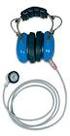 The E-Scope Electronic Stethoscope Catalog of Products April 25, 2012 Cardionics, 910 Bay Star Blvd., Webster, Texas 77598 USA Telephone: 281-488-5901 Toll-free USA & Canada 1-800-364-5901 Web: www.cardionics.com
User Guide SmartAid and SmartAid Digital BTE Hearing Aids
 Clear Hearing Delivered To Your Door From Hearing Care Experts User Guide SmartAid and SmartAid Digital BTE Hearing Aids www.clearlyhearing.com Thank You for choosing Clearly Hearing on your journey to
Infant hearing screening will not hurt your baby, and will only take between 5 and 20 minutes. Ideally it is done whilst baby is asleep or settled.
 Early diagnosis of hearing loss will make a difference to your baby s life. Significant hearing loss is the most common condition present at birth. In the private sector, 3 in every 1000 babies are born
Samuel R. Atcherson, Ph.D.
 Beyond Hearing Aids and Cochlear Implants: Helping Families Make the Most of Assistive Technology Samuel R. Atcherson, Ph.D. Assistant Professor, Clinical Audiologist, Person w/ Hearing Loss University
What you need to know about student s hearing technology for classroom listening
 What you need to know about student s hearing technology for classroom listening? Presentation developed by: Gwen Severance, AuD & Patty Klein, AuD September, 2012 There s A LOT to cover! Types of Equipment
Practice Standards for Hearing Service Providers
 Practice Standards for Hearing Service Providers The WCB has been unsuccessful in obtaining input from the SASLPA for the development of practice standards and a fee schedule to cover hearing service providers
REGULATIONS FOR THE DEGREE OF MASTER OF SCIENCE IN AUDIOLOGY (MSc[Audiology])
![REGULATIONS FOR THE DEGREE OF MASTER OF SCIENCE IN AUDIOLOGY (MSc[Audiology])](/thumbs/27/10327872.jpg "REGULATIONS FOR THE DEGREE OF MASTER OF SCIENCE IN AUDIOLOGY (MSc[Audiology])") 224 REGULATIONS FOR THE DEGREE OF MASTER OF SCIENCE IN AUDIOLOGY (MSc[Audiology]) (See also General Regulations) Any publication based on work approved for a higher degree should contain a reference to
224 REGULATIONS FOR THE DEGREE OF MASTER OF SCIENCE IN AUDIOLOGY (MSc[Audiology]) (See also General Regulations) Any publication based on work approved for a higher degree should contain a reference to