
Everything you need to know about getting hearing aids
|
|
|
- Alvin Norman
- 9 years ago
- Views:
Transcription
1 Everything you need to know about getting hearing aids

2 Everything you need to know about getting hearing aids This factsheet is part of our Hearing aids range. It provides full information on getting hearing aids, whether you choose to go through the NHS or a private hearing aid dispenser. You ll find it useful if you re experiencing hearing loss and are considering getting hearing aids, or if you currently have hearing aids and want to learn more. You ll also find it helpful if you re adjusting to new hearing aids it can take time for them to feel comfortable, but please do persevere. To find out more about hearing aids for children, please contact the National Deaf Children s Society (NDCS) see page 19 for contact information. If you d like this factsheet in large print, Braille or audio format, please contact our helpline see front page for contact details. In this factsheet we answer the following questions: What should I do if I think I have hearing loss? 3 Where will I have my hearing assessed? 3 What will happen at my hearing assessment? 5 What happens if I get my hearing aids on the NHS? 5 What are the different types of hearing aid? 7 What are some useful hearing aid features? 8 What questions should I ask the audiologist? 10 What is loudness recruitment and how can digital hearing aids help manage the problem? 10 How do I service my hearing aids and get new batteries? 11 Can I get spare hearing aids? 12 What should I do if my hearing aids aren t helping? 12 What are the common problems? 12 What is Hear to Help? 14 What should I consider if I m thinking of buying hearing aids? 14 How much will my hearing aids cost? 14 How do I choose a private hearing aid dispenser? 15 How do I decide which hearing aids to buy? 15 I have severe hearing loss will it be harder to find suitable hearing aids? 16 What will happen when I go to a private dispenser? 16 What should I check before signing the agreement to buy? 16 Can I get my money back if I m not happy? 17 Everything you need to know about getting hearing aids Action on Hearing Loss Information, December 2012, v1.1 2

3 How long are my hearing aids guaranteed for? 17 What should I do if I have a problem with the hearing aids I ve bought? 17 What if I want to make a complaint about an NHS audiology department? 18 Where can I get further support? 18 Can I buy hearing aids abroad? 19 Where can I get further information? 19 What should I do if I think I have hearing loss? Take our Hearing Check If you re struggling to hear as well as you used to, taking our Hearing Check is a quick and easy way to find out if you could have hearing loss just call to take the test over the phone, or visit our website at to take the test online. If the check indicates that you could have hearing loss, the next step is to contact your GP, who will see if you need further medical examination or treatment. See your GP Your GP will be able to rule out any temporary causes for your hearing loss, such as a build-up of wax or an ear infection, which can easily be treated. See our Ears and ear problems range of factsheets for more information about different causes of hearing loss. You can download these at or order them from our helpline (see front page for details). Once your GP has ruled out any temporary causes for your hearing loss, they should refer you to an audiologist (a specialist who deals with hearing and balance disorders) for further tests. You may need to convince your GP about the problems that your hearing loss causes, and you might have to insist on being referred to an audiology service for a full assessment. Remember: you have the right to have your hearing assessed, especially if your hearing loss is affecting your everyday life. Where will I have my hearing assessed? Your GP will either refer you to: a hospital ear, nose and throat (ENT) clinic where you will see an ENT doctor and an audiologist the audiology department at a local hospital this is called direct referral and means that you won t have to join a waiting list to see the ENT doctor first. You will, however, still have to wait up to six weeks for an appointment an audiology clinic some GPs arrange for audiologists to visit their surgery or health centre to run a clinic, so you may be able to have your hearing assessed there another qualified provider of adult audiology services (you get to choose) this option is available in England only, and not in every area; you ll also need to meet certain criteria to have this choice (see the box What is Any Qualified Provider? overleaf). Everything you need to know about getting hearing aids Action on Hearing Loss Information, December 2012, v1.1 3

4 Of course, you may decide to have your hearing assessed privately by a private hearing aid dispenser. If this is the case, you don t have to be referred by a doctor or an ENT specialist; but it may be advisable to see your GP first to rule out any temporary causes for your hearing loss. If the ENT, audiology department or private hearing aid dispenser finds that you are losing your hearing, you may be offered hearing aids if they think that you ll benefit from them. We explain what s involved when you buy hearing aids privately from page 14 onwards. If you decide to buy hearing aids privately, you are still entitled to free NHS hearing aids. What is Any Qualified Provider? The Any Qualified Provider (AQP) scheme was introduced in April 2012, as part of the government s health reforms in England. It means that any healthcare provider in England, including the NHS, third-sector organisations and private companies, can deliver certain NHS services including adult hearing services providing they meet NHS quality requirements, prices and contracts. Is AQP in my area? It s not compulsory for adult hearing services in England to be delivered through AQP; the decision will be made locally. To find out what services in your area are affected by AQP, speak to your GP or visit What will this mean for me? Only people aged over 55 who have suspected age-related hearing loss, with no balance problems or troublesome or one-sided tinnitus, will be eligible for referral to adult audiology services through AQP. If you meet this criteria and AQP is available in your area, you ll be able to choose which hearing service provider (from a list of qualified providers) you are referred to. What if I m unsure about which service to choose? You may need some time to decide. Things you may want to consider when choosing a service include: waiting times for an appointment, location of service (is it close to home?), ongoing services and support offered. You can also visit our Locate and Rate page on our website, which lets you search for all the audiology services within your area and see ratings and comments made by people who have visited the services: Whoever delivers the service, all care and treatments, including any NHS hearing aids you receive, will remain free. The government hopes that giving you the opportunity to choose which service provides your audiology care will lead to an improvement in the quality of the service. Everything you need to know about getting hearing aids Action on Hearing Loss Information, December 2012, v1.1 4

5 What will happen at my hearing assessment? Your first appointment For any medical check, it s useful to have someone with you for support and to make sure you don t mishear anything. Your ears will be examined for obvious signs of damage or disease and you will be asked about your medical history. An audiologist will assess your hearing, one ear at a time. Some hearing tests may be carried out with a tuning fork. These tests will find out which ear has greater hearing loss and which type of hearing loss it is. The range of tests carried out during a consultation can vary, but they must include an air conduction hearing test. In this test, you listen to tones (beeps) through headphones and tell the audiologist when you can hear them. The tones are musical notes of low, middle and high frequency (pitch). The audiologist will gradually make them quieter and record the softest sound that you can hear at each frequency. This is known as the threshold of hearing. If this test shows that you have some hearing problems, the audiologist will carry out a bone conduction hearing test. In this test, you wear a special headband with a vibrating pad that conducts sound through the bones of your skull directly to the cochlea in your inner ear. Again, you have to press a button each time you hear a sound. If you can hear sounds in this test that you couldn t hear in the headphone test, it suggests that your hearing loss is caused by problems in your outer or middle ear (and that your inner ear is working better than the outer and middle ear). This is known as conductive hearing loss. If your level of hearing loss is the same in both tests, it suggests that you have sensorineural hearing loss, which is caused by damage to the cochlea or hearing nerve. For more on the different forms of deafness and hearing loss, see our Ears and ear problems range of factsheets and our leaflet Understanding your ears. If the audiologist finds that hearing aids would help you, they will discuss options with you, which will depend on your type of hearing loss. If you are offered two aids one for each ear you might be given one aid first to give you time to get used to it before the second one is fitted. If you decide to get your hearing assessed privately, you do not need a referral from your GP. However, we would advise that you see the GP first to rule out any possible underlying causes for your hearing loss, such as an infection or wax. We strongly recommend that you have a friend or relative present when you see the private audiologist to help make sure you don t feel pressured into buying hearing aids. What happens if I get hearing aids on the NHS? The NHS buys a range of hearing aids and uses its bulk buying power to get good-quality digital hearing aids at low prices from hearing aid manufacturers. The audiology departments provide these aids free of charge on long-term loan to NHS patients. Digital hearing aids are fitted routinely on the NHS, since our successful campaign to modernise NHS hearing aid services. Everything you need to know about getting hearing aids Action on Hearing Loss Information, December 2012, v1.1 5

6 Hearing aids provided by the NHS usually fit behind the ear. They have an earmould that connects to the hearing aid and fits in your ear. There is an alternative way of fitting behind-the-ear (BTE) hearing aids that doesn t involve an earmould. This is called an open ear fitting and uses a thinner tube and a smaller, soft earpiece at the tip of the tubing instead of an earmould. Openfitting hearing aids are now also fitted routinely on the NHS. These fittings can be less visible than earmoulds and can give you a more natural sound, but they are only suitable if your hearing loss is mild or moderate. Some audiology departments are also beginning to issue receiver-in-the-canal aids. They look similar to open fitting aids, but are more suitable for severe hearing loss. Disposable and in-the-ear hearing aids are not normally available from the NHS most will not be suitable if your hearing loss is severe. See page 7 for more information about the different types of hearing aid. N.B. The NHS and the private sector are completely separate. Although the hearing aids come from the same manufacturers, you can t get financial help from the NHS to buy hearing aids privately. However, if you do buy them privately, you are still entitled to NHS hearing aids. It s highly likely that you ll have a wider choice of aids if you buy them privately. However, ensure you are not steered towards one or two particular models, as it may be that there are cheaper models that will suit your needs just as well. Your hearing aid fitting Your hearing aids will be chosen according to your level of hearing loss. The audiology staff will programme them with the computer to suit your needs. They will show you how to put them in, how to use the controls and how to change the batteries. They should also discuss general care and maintenance of the hearing aids and give you relevant information to take away with you. The audiology staff will also explain what your hearing aids can and can t do. They might suggest ways for you to get used to them, such as gradually increasing the length of time you wear them. They may also suggest that you familiarise yourself with wearing the hearing aids by listening to different sounds around the house before trying them outside, as this will help you to adjust to the sound of the hearing aids. You may wish to buy hearing aids privately and see a private dispenser for this. Private companies are profit-driven and a totally legitimate way to get hearing aids, though do be wary of unrealistic promises. See What should I consider if I m buying hearing aids? on page 14. REMEMBER Hearing aids can t restore perfect hearing. They make sound louder so that you can hear it comfortably, but will not necessarily make everything completely clear. Hearing aids can make a huge difference in everyday life, but any hearing aid dispenser or company that promises to give you perfect hearing is giving you unrealistic expectations. Everything you need to know about getting hearing aids Action on Hearing Loss Information, December 2012, v1.1 6

7 Your follow-up appointment You should have an appointment about eight to twelve weeks after your hearing aids are fitted, so you can ask questions and sort out any problems. The audiology staff will check how helpful you have found your hearing aids in different situations. They may make adjustments to the earmoulds or hearing aids. Some audiology departments may arrange to do a follow-up interview with you over the phone, so that you only need to visit again if you need further help or adjustments. What are the different types of hearing aid? Hearing aids are described as analogue or digital, depending on the technology they use to process sound. Digital aids are the latest, most advanced kind and are fitted routinely and as standard on the NHS. In fact, analogue technology has largely been phased out. However, bodyworn aids and some bone-conduction types are analogue and will continue to be available for use in exceptional circumstances where they are required. Your audiologist will advise you on the most suitable type for you. Digital aids take the signal from their microphone and convert it into bits of data numbers that can be manipulated by a tiny computer in each hearing aid. This means that the person fitting your hearing aids can tailor the sound precisely to suit your hearing loss. You may also be able to switch between different settings suitable for different listening conditions. Many digital aids adjust themselves automatically to suit different sound environments. See page 8 for more about hearing aid features. Behind-the-ear (BTE) digital aids These have an earmould or a soft tip (for open fittings) that sits inside your ear. The hearing aids rest behind your ears and a soft plastic tube connects each aid to the earmoulds or soft tips, and channels sound from the aids into your ears. Most people with NHS hearing aids have this type they are sophisticated digital models that can be programmed in a precise way to suit your hearing loss and everyday needs. Receiver-in-the-canal (RIC) digital aids Receiver-in-the-canal (RIC) aids are a new development in hearing aid styles the speaker (receiver) is right inside the ear canal, with a thin tube and tip similar to the open fitting. The amplification of the hearing aid does not need to be pushed through an acoustic tube to get there, so it s free of whistling problems. RIC hearing aids typically have a very small part behind the ear and the aid is very neat and small. It allows open fittings for moderate to severe hearing loss. In-the-ear (ITE) digital aids In-the-ear (ITE), in-the-canal (ITC) and completely-in-the-canal (CIC) hearing aids have their working parts in the earmould, so the whole aid fits into your ear. The smallest CIC aids fit right inside your ear canal, where they can hardly be seen at all. They tend to need repairing more Everything you need to know about getting hearing aids Action on Hearing Loss Information, December 2012, v1.1 7

8 often than behind-the-ear aids and they are also more fiddly, so can be more difficult to use as the controls are smaller. If you have severe hearing loss, or very narrow ear canals, these aids will probably not be suitable for you. These types of aid are not usually available on the NHS. Body-worn analogue hearing aids Though not widely available anymore, partly because they are so bulky, these have a small box containing the microphone and working parts. You clip the box to your clothes or put it in your pocket. The box is connected by a lead to an earphone clipped into your earmould. Body-worn hearing aids may be more suitable for you if you have visual impairment or find it hard to use very small switches or buttons. Some models can be very powerful. Bone conduction hearing aids These are for people who cannot wear conventional hearing aids due to significant outer and middle ear problems that can t be resolved and who therefore have conductive hearing loss. Conductive hearing loss happens when sound vibrations are unable to pass freely through the outer and middle parts of your ear. Instead of sound from the hearing aid going into your ear canal, bone conduction hearing aids send sound vibrations through the skull, directly to your inner ear. This is done by wearing a headband that holds a small bone vibrator in place behind the ear. Bone conduction hearing aids tend to use analogue technology. Another type, called a bone anchored hearing aid (BAHA), involves having an operation behind your ear to implant a permanent fixture in the bone, which removes the need for wearing a headband. A small sound processor clips onto this fixture. See our factsheet Bone conduction hearing aids (available from our helpline see front page for contact details). CROS and BiCROS hearing aids These are for people with hearing in one ear only. CROS ( contralateral routing of signals ) hearing aids pick up the sound from the side with no hearing and feed it to your hearing ear. This ensures that you don t miss sounds on your deaf side. BiCROS aids are suitable if you have some hearing loss in your better ear. They amplify sound from both sides and feed it into the ear that has some hearing. What are some useful hearing aid features? The loop setting A loop system can help hearing aid users hear more clearly in spite of background noise. You may have seen the sign (see right) indicating a loop system in shops or banks. You have to turn your hearing aid to the loop setting to benefit; all hearing aids have this setting, but you may need to get it activated by your audiologist first. Everything you need to know about getting hearing aids Action on Hearing Loss Information, December 2012, v1.1 8

9 A loop system usually consists of an amplifier and a wire cable (loop) that goes around the listening area/ room and plugs back into the amplifier. The amplifier then plugs into audio equipment, such as a microphone. The electric current in the loop produces a magnetic field that sends sound directly to your hearing aids (when on the loop setting), cutting out background noise. The loop setting used to be called the T or telecoil setting. You ll also need to use the loop setting on your hearing aids to use a telephone with an inductive coupler (similar to a loop system). For more information, see our factsheet Loops and infrared systems for people with hearing loss. Twin or multi-microphones This describes a directional microphone system found in most hearing aids. It can be switched on to pick up sounds in front of you, so you can hear them better than sounds to the side or behind you. This makes it easier for you to focus on what you want to listen to in a noisy place. Many hearing aids automatically detect where the noise is coming from and adjust the microphone to reduce it. However, hearing aids cannot know what you want to listen to and so the reduction of unwanted sound can never be perfect. Feedback suppression This automatically reduces the whistling that bothers many people who use hearing aids. Automatic noise reduction This reduces some kinds of steady background noise, like the rumble of traffic or the whirr of a fan. A choice of listening programmes Many digital hearing aids allow you to switch between different settings for different listening conditions. Some adjust automatically in response to different sound environments. During your hearing assessment or hearing aid fitting, it s worth mentioning any particular difficulties you may be experiencing or activities you regularly take part in. A choice of listening programmes may be helpful in these situations. Your audiologist will discuss these options with you. Direct Audio Input (DAI) and Bluetooth Direct audio input (DAI) is a way for a hearing aid to connect directly to other external audio sources, like CD players, MP3 players, mobile phones or assistive listening devices. Direct audio input connection can be either through a wire connecting to the shoe (a little piece that connects to the bottom of the hearing aid) or it can be wireless, via FM technology called Bluetooth. Current hearing aids generally do not stream directly via Bluetooth but use a secondary streaming device (usually worn around the neck or in a pocket) that connects to the hearing aid, but can only cover a short distance. Everything you need to know about getting hearing aids Action on Hearing Loss Information, December 2012, v1.1 9

10 Bluetooth hearing aid technology can connect to many electronic devices hands-free, including mobile phones, MP3 players, computers, GPS devices and FM systems. For example, a mobile phone can ring directly into the hearing aids and you can answer by pushing a button on a small controller for convenient hands-free communication and sound in both ears (if you wear two hearing aids), which provides a much clearer signal than when using a phone on one ear. Bluetooth technology allows coordination between two hearing aids, resulting in improved speech audibility. Hearing aids alone may not help in difficult listening situations, such as noisy places or if you are at some distance from the speaker. This is when assistive listening devices using direct audio input or Bluetooth can really make a difference. You should discuss assistive listening devices with your audiologist, so you can choose a technology based on your needs and what you can afford. What questions should I ask the audiologist? Whether you choose NHS or private services, don t be afraid to ask questions, explain your needs, check your options and ask for more help or explanations if you need them. Ask whether an open ear fitting might be suitable for you. This can give a more natural sound quality if your hearing loss is not severe. Find out if you will be able to change the settings to suit different sound environments. Some hearing aids adapt to different environments automatically. Find out if the aids automatically control feedback to stop them from whistling. The noise made by the wind blowing across the microphone can sometimes be annoying. Ask whether the aids have a way of stopping this. Find out if the aids can reduce some kinds of background noise automatically, so that listening is more comfortable. Find out if they have directional microphones this will make it easier for you to hear in noisy places. Find out how easy it is for you to switch the hearing aids on and off and use the controls. Make sure that you can feel them easily. You may find some models easier to use than others. Find out how well the hearing aids work with your home telephone and mobile phone. If you are consulting a private dispenser, don t be pressured into buying expensive hearing aids unless you can try them first to make sure that they are easy to use and really help you. Also, check that the dispenser offers a trial period in which you can get a refund if you re not happy with your hearing aids. What is loudness recruitment and how can digital hearing aids help manage the problem? If you have hearing loss, it s not uncommon to develop what is known as loudness recruitment. Loudness recruitment is an abnormal perception of loudness. Even if you are unable or struggle to Everything you need to know about getting hearing aids Action on Hearing Loss Information, December 2012, v1.1 10

11 hear ordinary levels of sound, you may at the same time perceive loud sounds as uncomfortably loud. This is also described as having a reduced dynamic range of hearing : dynamic range is the ability of the ear to deal with quick shifts in loudness. It may affect people with sensorineural hearing loss, which is caused by damage to the cochlea or hearing nerve. If you have conductive hearing loss (where sound cannot easily pass through the outer or middle ear), you will not be affected. How does loudness recruitment affect hearing aid wearers? If your hearing aids amplify a louder sound, such as a shout, by the same amount as a softer sound, such as a whisper, then you will find the louder sounds uncomfortably loud. This means that you are likely to turn the volume of your hearing aids down, but then will not be able to hear quiet sounds as well. Fortunately, all digital hearing aids are designed to amplify sound levels in a way that allows a wide range of sounds to be heard comfortably. It shouldn t be necessary to keep adjusting the volume control. In fact, some self-adjusting aids do not have a volume control at all. How can hearing aids help? Almost all hearing aids have what is known as automatic gain control (AGC). With AGC, when the hearing aid picks up soft sounds, it automatically amplifies them more than it amplifies loud ones. This means you can hear the soft sounds but the loud sounds do not become uncomfortable. Your hearing aids will do this automatically, but if you experience problems with the volume, your audiologist will adjust them for you. If you have sensorineural deafness, you are likely to hear low tones (low-frequency sounds) better than high tones (high-frequency sounds). You may also tend to have less severe loudness recruitment with low-frequency sounds than with high frequencies. To allow for this, many modern digital hearing aids split sound into several frequency bands that can be individually manipulated. It enables you to make the most of your dynamic range of hearing. How do I service my NHS hearing aids and get new batteries? With your hearing aids you will be given a booklet that shows the type of hearing aids you have, and when and where they were issued. You need to keep hold of this as it proves you have NHS hearing aids, so you can go to the audiology department to get new batteries free of charge or to check that your aids are working properly. How to get new batteries When your aids are fitted, audiology staff will tell you if you can get batteries from the hearing aid centre by post, at a drop-in clinic or more local centre. At a drop-in clinic, you don t need to book an appointment to get new batteries, or for simple repairs or earmould retubing. Some audiology clinics don t have a drop-in clinic, but if you need Everything you need to know about getting hearing aids Action on Hearing Loss Information, December 2012, v1.1 11

12 a repair you can arrange an appointment in advance. Your audiologist will tell you when you are fitted with your hearing aids. Some GP surgeries run battery exchange services. You can also buy batteries from pharmacies but these can be expensive. Can I get spare hearing aids? You won t usually be able to get spare hearing aids on the NHS, but the policy differs from centre to centre and depends on several things. For example, you are more likely to get spare hearing aids if you are registered blind or partially sighted and have very severe hearing loss, or if you have hearing loss in one ear and no useful hearing in the other. If you lose or damage your hearing aid, the NHS will replace or repair it. But you might have to pay a charge if they think you have been careless with it or if it happens more than once. It s against the law to sell on your NHS hearing aids. They are NHS property, so if you have aids that you no longer use, you should take them back to an audiology department. Remember, if you buy hearing aids privately, you are still entitled to hearing aids on the NHS. What should I do if my hearing aids aren t helping? It s not uncommon to have a few teething problems while getting used to hearing aids. They can greatly improve your quality of life, but sadly some people simply stop wearing them because they find them uncomfortable. The hearing aids get left in the drawer and, of course, they are of no benefit there. If you are having difficulties with your hearing aids or earmoulds, you can go back to your clinic for advice. If you think your hearing has changed, you can ask to have it tested again to see if you need to have your hearing aids reprogrammed or need different hearing aids. You can also see if we run a Hear to Help service (see page 14) in your area. N.B. Many people find adjusting to their hearing aids difficult because of the sound quality. In some cases it can even take months to get used to the new sound. After years of hearing loss, you become accustomed to not hearing. The sound enabled by hearing aids can seem artificial and unnatural at first, but please persevere you ll be grateful that you did. There are some common problems that you may experience with your hearing aids. If you can t solve them yourself, your audiologist or will be able to help. What are the common problems? Whistling and squeaking This may be caused by feedback, which happens when sound amplified by your hearing aids leaks out and is picked up by the hearing aid microphone. Everything you need to know about getting hearing aids Action on Hearing Loss Information, December 2012, v1.1 12

13 It may happen if: you haven t put the earmoulds in properly push them in gently to check you have excess wax in your ears ask your GP to check your ears the earmoulds do not fit your ear snugly enough ask your audiologist about this you have the volume too high (if you are struggling to hear, you may need to have your hearing retested) the earmoulds, plastic hooks or tubing in behind-the-ear (BTE) aids have become loose or split the tubing in BTE hearing aids has become hard. If tubing gets very hard, the hearing aids may not work well. Your audiologist can show you how to change the tubing and will give you spare tubing. They can also replace the tubing for you. Buzzing noises If you hear a buzzing sound, it might mean that you ve switched your hearing aids to the loop setting by accident. But if this isn t the problem, buzzing generally means your hearing aids have developed a fault and need to be repaired. If you find it difficult to get used to your hearing aids, don t give up! Try wearing them for a few days and make a note of the problems you have. It s not uncommon for there to be some initial difficulty, but once you have it right the hearing aids will greatly improve your quality of life. Make an appointment with the audiology department to talk to the staff about the problems you re having. They can check whether your hearing aids are working properly and they may be able to adjust them to suit you better. Whatever happens, keep trying. It takes time to get used to wearing hearing aids and to get the best from them. See Where can I get further support? on page 18. Tips for sorting out common problems If your hearing aids don t seem to be working: Have you turned on the loop setting by accident? If your hearing aids have volume controls, check that the volume is at the correct level for you and is not turned right down. Check that the batteries are the right way round. Try putting in new batteries. If you have BTE hearing aids, take them out, pull the soft tubing off the plastic hook of the hearing aids and blow down the tubing to remove any condensation that may be blocking the tubing. Check that the earmoulds are not blocked with wax. Check that the tubing is not twisted, squashed or split. Everything you need to know about getting hearing aids Action on Hearing Loss Information, December 2012, v1.1 13

14 What is Hear to Help? If you wear NHS hearing aids and find using them a bit overwhelming, our Hear to Help service might be just what you need. Our Community Support Officers and volunteers may be able to help you manage and maintain your hearing aids through home visits and drop-in services. As yet, the service doesn t cover the whole of the UK, but it s growing all the time. Contact our helpline (see front page for details) or visit to find out if there s a Hear to Help service in your area. What should I consider if I m thinking of buying hearing aids? It s important to make sure that you are in control of the decision to buy hearing aids. Be wary of newspaper advertisements that appear to be from an organisation that is campaigning or providing information about hearing. These are often from companies who want to sell you hearing aids, and they can pressure you into spending money on hearing aids that you could get for free on the NHS. Don t accept a home visit from a dispenser unless this is what you really want. It s usually better, if possible, to visit a fully equipped hearing aid shop or centre. This will help you feel more in control of the consultation and the room should have the correct sound-proof conditions. Make sure the private hearing aid dispenser is qualified By law, anyone offering to test your hearing and sell you hearing aids on the high street must be qualified, or in supervised training, and registered with the Health and Care Professions Council (HCPC), which regulates dispensers training, skills and conduct, and investigates complaints. See page 20 for contact details. The HCPC formerly known as the Health Professions Council (HPC) took over regulation of dispensers from the Hearing Aid Council on 1 April Qualified hearing aid dispensers have the letters RHAD after their name. RHAD stands for Registered Hearing Aid Dispenser. They may also use other letters after their name, such as MSHAA, FSHAA, or MRSH these show their membership of professional organisations. But it is RHAD that shows they are qualified and registered to dispense hearing aids. If you can, before you go for your hearing test, try to compare what different dispensers will offer you and how much they will charge. You can find some helpful information from different companies on the internet. Be aware that some dispensers will only sell products from one or two hearing aid companies, while other dispensers will be able to offer a wider range of products. Don t be afraid to ask questions, and get all quotations in writing. How much will my hearing aids cost? Private digital hearing aids usually cost between 300 and 3,000 each, depending on their style and how sophisticated they are. You should receive a discount when buying a pair. Many companies charge extra for the more discreet in-the-ear (ITE) or in-the-canal (ITC) aids. Everything you need to know about getting hearing aids Action on Hearing Loss Information, December 2012, v1.1 14

15 Hearing aids last five years or more, but you will have to pay again when they need replacing. Hearing aids that fit completely in the ear may not last as long. With behind-the-ear aids (BTE), you may also have to pay for new earmoulds from time to time. Remember that you ll also need to budget for a regular supply of batteries and any hearing aid repairs you need after the warranty expires. Batteries can cost between 25 and 40 a year for each hearing aid if you wear it all day. Repairs to the hearing aid can cost 100 or more each time. If you have been diagnosed with hearing loss, you are still entitled to free hearing aids on the NHS even if you have previously bought hearing aids privately. How do I choose a private hearing aid dispenser? Contact our helpline (see the front cover for details). We can give you contact details of private hearing aids dispensers though we cannot recommend one over another. Visit the Locate and Rate section of the Action on Hearing Loss website it can help you to find services in your area: You can check if a hearing aid dispenser is registered with the Health and Care Professions Council (HCPC) by visiting or calling However, the HCPC can t recommend either individual dispensers or particular hearing aids. If you know someone who has bought hearing aids privately, ask them if they would recommend their dispenser. But do remember that their hearing loss is unlikely to be the same as yours, so their hearing aid dispenser may not necessarily be the right one for you. If you are thinking of buying from a dispenser who is visiting your area, check that you ll be able to contact them easily in the future. You ll need to be able to see them if you have a problem with your hearing aids and need to get them repaired or adjusted. If in doubt, contact the HCPC and find out where the dispenser is based, or use a local dispenser instead. Find out the hours and days of each week when the dispenser will be available to help you. In some shops or centres the dispenser is there only at certain times. It might seem cheaper to buy hearing aids abroad, but it may be more expensive in the long run see Can I buy hearing aids abroad? on page 19. How do I decide which hearing aids to buy? Hearing aids are available in a range of styles and with varying features. Not all hearing aids will suit your hearing loss. Also, those that work well for someone else may not necessarily be right for you. Very small hearing aids are usually only suitable for mild to moderate hearing loss. They may not be a good idea if you find it hard to manage fiddly controls, unless you get a remote control. Everything you need to know about getting hearing aids Action on Hearing Loss Information, December 2012, v1.1 15

16 The cheapest hearing aids are unlikely to perform well in difficult listening situations (when there s lots of background noise) unless you simply want one as a spare aid. However, that doesn t mean that you need all the advanced features that more expensive hearing aids may have. It may be better to have two less expensive hearing aids then one expensive hearing aid with lots of additional features. Before you sign any agreement to buy, make sure that you get everything in writing and that you understand all the terms of the agreement. I have severe hearing loss will it be harder to find suitable hearing aids? No, not necessarily. There are models specially designed for people with severe and profound hearing loss. But you will be very reliant on the skill and experience of the dispenser in programming the aids to give you the best results. What will happen when I go to a private dispenser? Once the dispenser has tested your hearing, they will discuss which kind of hearing aids will suit you. Ask the dispenser to give you information about all the different types of aid that might suit you, and their prices. Be wary if they don t give you any choices. Most people will find a number of benefits from wearing two hearing aids, including: increased understanding in noisy situations knowing which direction a sound is coming from better hearing on both sides. If you decide to buy hearing aids from the dispenser, the process will be the same as with an NHS audiologist. They will usually then take an impression of your ear to make the earmould or measure your ear to fit a soft tip (for an open ear fitting). When this is ready, you ll need to visit the dispenser again for them to fit and programme the hearing aids to suit your hearing loss and show you how to use them. What should I check before signing the agreement to buy? Are you getting hearing aids you want at a price you can afford? What does the price include and what will you need to pay for in the future? Will you be able to contact and see the dispenser quickly if you have a problem with your aids? Before you sign anything, make sure you get everything in writing and that you understand all the terms of the agreement to buy the hearing aids. Everything you need to know about getting hearing aids Action on Hearing Loss Information, December 2012, v1.1 16

17 Can I get my money back if I m not happy? Dispensers should give you at least a 28-day trial period with a money-back guarantee so that you can return the hearing aids if you aren t happy with them. If the dispenser isn t prepared to offer this or suggests a guarantee for repair only, instead of giving you the option of a refund, go somewhere else. You are unlikely to get a full refund because the price you pay usually includes the hearing tests and fitting. Some companies charge a 12.5% cancellation fee, so check the small print and returns policy carefully before buying. How long are my hearing aids guaranteed for? You ll have to pay for repairs after the guarantee on the hearing aids runs out. The cost of these can mount up. Guarantee ( warranty ) periods are often two years but can range between one and four years, so find out what the guarantee period is for the hearing aids you are being offered. You can usually insure your hearing aids against loss or damage through your household insurance. It s a good idea to check this with your household insurance company first before you buy the hearing aids. What should I do if I have a problem with the hearing aids I ve bought? Most people are happy with the hearing aids they buy and with the service they get from their private hearing aid dispenser, but some people run into difficulties because: the aids do not help them to hear as well or understand speech as clearly as they had hoped or were led to believe the dispenser pressurised them to buy hearing aids the hearing aids give repeated trouble for example, they may whistle or be uncomfortable and the dispenser cannot put this right. If you have any problems with hearing aids you have bought, the first thing you should do is ask your dispenser for help and advice. Make a note of the problems you experience over a period of a few days so that you can explain what is wrong and help the dispenser to sort it out. It s very important that you are aware of the trial period and try to resolve any problems in this time so you can ask for a refund if you need to. If you are still unhappy with your hearing aids, or feel the dispenser is not providing a good and professional service, contact the Fitness to practice department at the Health and Care Professions Council (HCPC) (see page 20 for contact details.) Describe the problems you have had with the hearing aid dispenser, include copies of any correspondence or other documents connected with the sale and the contact details of the dispenser or company that sold you the hearing aids. Everything you need to know about getting hearing aids Action on Hearing Loss Information, December 2012, v1.1 17

18 If the HCPC decides a dispenser has broken any of its rules, it can caution or suspend them from the register. In extreme cases, a dispenser may be struck off the HCPC s register and will be unable to continue to sell hearing aids. If you still aren t happy with the outcome, and feel the HCPC has not addressed your concerns, you could pursue a claim through the Small Claims Track. Your local Citizen s Advice Bureau can advise you about this. What if I want to make a complaint about an NHS audiology department? If you re not happy with the service you ve had from an NHS audiology department, and would like to complain, your first step is to speak to the hearing aid service manager. It may be possible to sort the problem out quickly. If you re still not happy that your complaint has been dealt with properly, ask about the NHS Trust complaints procedure. Where can I get further support? Just acknowledging that you have hearing loss and may need hearing aids is a huge step, but there is plenty of support available. Your audiology department is there to help you if you have problems with your hearing aids. Some audiology departments also have a hearing therapist who can help you get used to your hearing loss and hearing aids. The hearing therapist can liaise with social services if you need other equipment. The department may run tinnitus clinics and have information on local support groups you can join. Social services Ask the sensory impairment unit or a social worker with deaf people to visit you to assess your needs. See our factsheet Social services for adults who are deaf for more information. Make sure your family and friends know about your hearing loss, so they can support you. Our leaflet Learning to lipread and our communication tips card (available from our helpline see front page for contact details) can give them useful information. Keep reminding them that they must make an effort to talk clearly to you. You are not being selfish or demanding no one wants to be left out of a conversation. Lipreading classes You ll be able to learn tips for lipreading and to practise with other people with hearing loss, informally; they can also act as a support group. Find out if there is a local hard of hearing or deaf group you can join. Sharing experiences and listening to other people s suggestions can be very helpful. You can contact our free helpline (see front page for contact details), which can direct you to a group in your area. Volunteer visiting services Find out if there is a service for people with hearing loss in your area, such as our Hear to Help service. Support from other people can encourage you to keep trying with your hearing aids. Equipment Our Solutions catalogue is packed with different products and gadgets that may be useful to you in the home, such as personal listeners, tinnitus relaxers, flashing doorbells Everything you need to know about getting hearing aids Action on Hearing Loss Information, December 2012, v1.1 18

19 and vibrating alarm clocks. For a free copy, [email protected] or call (tel) or (textphone). Can I buy hearing aids abroad? You may have read about cheaper hearing aids for sale abroad, particularly in Germany and Denmark. We can t recommend any particular hearing aid models, manufacturers or services. We would advise you to think carefully before buying hearing aids abroad. The initial cost of buying hearing aids abroad may be lower than in the UK, but you might need to see the dispenser for adjustments sometimes several times which could be expensive and inconvenient. It s important to check before you buy what will happen if you need more help or if your hearing aids break down once you are back home. Hearing aid dispensers in the UK may offer to service your hearing aids, but be aware that some use this as an opportunity to pressure you into buying their hearing aids. Where can I get further information? Action on Hearing Loss Contact our helpline for information and support. Telephone Textphone [email protected] To order our Solutions catalogue: Telephone Textphone [email protected] National Deaf Children s Society (NDCS) NDCS supports deaf children, young people and their families to overcome the challenges of childhood deafness. 15 Dufferin Street, London EC1Y 8PD Tel/textphone Fax [email protected] Everything you need to know about getting hearing aids Action on Hearing Loss Information, December 2012, v1.1 19

20 Health and Care Professions Council (HCPC) Park House, 184 Kennington Park Road, London, SE11 4BU Telephone Fax Fitness to practise department Telephone Fax Visit or call to find out if your hearing aid dispenser is registered. Action on Hearing Loss Information, December 2012 The Royal National Institute for Deaf People. Registered Office: Featherstone Street, London EC1Y 8SL. A company limited by guarantee registered in England and Wales No , Registered Charity Numbers (England and Wales) and SC (Scotland). Everything you need to know about getting hearing aids Action on Hearing Loss Information, December 2012, v1.1 20

Types of hearing aids There are a number of different types of hearing aids to choose from, although not all will necessarily be suitable for you.
 What do hearing aids do? Hearing aids are designed to amplify sounds so that they are loud enough, but not uncomfortably loud. The amplification volume depends on the type and degree of hearing loss you
BONE-CONDUCTION HEARING AIDS
 BONE-CONDUCTION HEARING AIDS Introduction Conventional hearing aids fit in the ear canal and amplify sounds, which the hearing aid user then hears in the normal way. However, these hearing aids are not
Sensory alerts and multi-alerting systems for the home
 Sensory alerts and multi-alerting systems for the home Sensory alerts and multi-alerting systems for the home This factsheet is part of our Equipment range, for people with hearing loss and their families.
Hearcentres Guide to Hearing Aid Terminology
 Hearcentres Guide to Hearing Aid Terminology Sophisticated modern hearing aids use a number of complicated technologies and techniques to ensure great improvements in hearing. Not only are the terms used
Benefits and services for deaf and hard of hearing people
 Benefits and services for deaf and hard of hearing people 2 About this leaflet This leaflet is written for deaf people who would like to find out about benefits and services. We use the term deaf people
Products to make life easier
 Products to make life easier Equipment to improve the lives of people who are deaf or hard of hearing We re RNID, the charity working to create a world where deafness or hearing loss do not limit or determine
Hearing Aid Styles. Siemens Phonak Widex Starkey. Sonic Oticon Unitron. Resound
 Hearing Aid Styles The purpose of this paper is to assist you in becoming an educated consumer. It should not be construed that this is a definitive paper. Rather, it is merely a starting point, an overview.
How to use your hearing aid
 Large print How to use your hearing aid Information for patients Queen Elizabeth Hospital Audiology Centre Ground Floor, Nuffield House Mindelsohn Way, Edgbaston Birmingham, B15 2TH Telephone: 0121 371
Hearing loop and infrared systems for people managing public services
 Hearing loop and infrared systems for people managing public services Loop and infrared systems for people managing public services This factsheet is part of our Equipment range. You should read it if
Your Hearing ILLUMINATED
 Your Hearing ILLUMINATED INFORMATION FROM YOUR HEARING CARE PROFESSIONAL REDISCOVER your hearing and reconnect 1 with the important things you might have been missing. Your sense of hearing is a vital
Your child s hearing aid
 Patient information leaflet Royal Surrey County Hospital NHS Foundation Trust Your child s hearing aid Paediatric Audiology Child s name:... Teacher of the Hearing Impaired:... 2 This booklet is intended
Hearing Aids. What Is a Hearing Aid? How Common Is Hearing Loss and What Causes It? How Do We Hear?
 Hearing Aids What Is a Hearing Aid? A hearing aid is an electronic, battery-operated device that amplifies and changes sound to allow for improved communication. Hearing aids receive sound through a microphone,
How to use your hearing aid. How to use your digital. easy read. hearing aid. Also available: How to use your analog hearing aid
 How to use your digital easy read hearing aid Also available: How to use your analog hearing aid Designed and illustrated by CHANGE 2012 When you first get your hearing aid: Practise using the controls.
War Pensions and priority health treatment for veterans
 War Pensions and priority health treatment for veterans War Pensions and priority health treatment for veterans This factsheet is part of our Benefits range. You will find it useful if you became deafened
Hearing difficulty? Information about services and support
 Hearing difficulty? Information about services and support Foreword Did you know that 1 in 6 people in the Borders have some loss of hearing? You may know from your own experience that hearing problems
Hearing Loss and Older Adults
 Hearing Loss and Older Adults Hearing loss is one of the most common conditions affecting older adults. One in three people older than 60 and half of those older than 85 have hearing loss. Hearing problems
Audiology Services. Carolyn Dando Audiology Services Manager South Warwickshire NHS
 Audiology Services Carolyn Dando Audiology Services Manager South Warwickshire NHS What are we going to cover today? General overview of the ear Hearing loss Hearing assessments, results Hearing aids Paediatric
Your Hearing Aids A guide for helping children and their families understand and take care of their hearing aids
 Your Hearing Aids A guide for helping children and their families understand and take care of their hearing aids Congratulations on your new hearing aids!! This booklet will show you how to use your behind-the-ear
User Guide SmartAid and SmartAid Digital BTE Hearing Aids
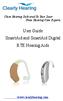 Clear Hearing Delivered To Your Door From Hearing Care Experts User Guide SmartAid and SmartAid Digital BTE Hearing Aids www.clearlyhearing.com Thank You for choosing Clearly Hearing on your journey to
Wisconsin Department of Health & Family Services Division of Disability and Elder Services Bureau of Aging & Long Term Care Resources
 Waiver Wise Technical Assistance for the Community Options Program Waiver COP-W Wisconsin Department of Health & Family Services Division of Disability and Elder Services Bureau of Aging & Long Term Care
CONVENTIONAL AND DIGITAL HEARING AIDS
 CONVENTIONAL AND DIGITAL HEARING AIDS Coverage for services, procedures, medical devices and drugs are dependent upon benefit eligibility as outlined in the member's specific benefit plan. This Medical
Hearing Aid Users Information Booklet
 This Information leaflet has been reviewed and approved by the Audiology Patient Panel. If you would like to get involved, please leave your contact details with a member of the reception staff. Hearing
Cochlear Implant and Associated Technologies for Hearing
 Cochlear Implant and Associated Technologies for Hearing Mada Assistive Technology Center Tel: 00 974 44594050 Fax: 00 974 44594051 Email: [email protected] What is a cochlear implant? Cochlear implants
How To Get A Free NHS Hearing Aid From Hearbase
 Hearbase Ltd 140 Sandgate Road Folkestone CT20 2TE Phone 01303 256995 Fax 01303 246571 [email protected] www.hearbase.com/nhs How To Get A Free NHS Hearing Aid From Hearbase Hearbase Ltd Registered
A Hearing Aid Primer
 A Hearing Aid Primer Includes: Definitions Photographs Hearing Aid Styles, Types, and Arrangements WROCC Outreach Site at Western Oregon University This hearing aid primer is designed to define the differences
talk Our calls only phone service code of practice
 talk Our calls only phone service code of practice Introduction This is our code of practice, which explains the services we offer for our calls only product, provides some general information and tells
Your guide to Using a solicitor
 www.lawsociety.org.uk 1 Most of us need expert legal help at some time in our lives. Some of the most common issues are to do with buying a house, getting a divorce or making a will. But you might also
Facts and figures on hearing loss, deafness and tinnitus
 FACTSHEET Facts and figures on hearing loss, deafness and tinnitus This factsheet gives you information about the latest available figures on hearing loss, deafness and tinnitus among adults in the UK.
Raising Concerns or Complaints about NHS services
 Raising Concerns or Complaints about NHS services Raising concerns and complaints A step by step guide Raising concerns and complaints Questions to ask yourself: 1. What am I concerned or dissatisfied
Sherwood Forest Hospitals. NHS Foundation Trust. Audiology Services. Your Hearing Aid. Earmould
 Sherwood Forest Hospitals NHS Foundation Trust Audiology Services Your Hearing Aid Earmould What will my hearing aid do? Q: Will I have normal hearing with my hearing aid in? A: No, the hearing aid can
Infant Hearing Program. A parent s guide to hearing aids
 Infant Hearing Program A parent s guide to hearing aids Introduction Hearing aids and your child Hearing aids and how they work Parts of a hearing aid Hearing aid use Turning hearing aids on and off Putting
How do I complain about the service I get from the Child Support Agency? Information and guidance
 How do I complain about the service I get from the Child Support Agency? Information and guidance What is this leaflet about? This leaflet explains how you can make a complaint about the service you have
My child has a hearing loss
 My child has a hearing loss A guide for parents Content You are not alone 3 Hearing impairment 5 Methods of testing hearing 6 Audiogram 7 Types and causes of hearing loss 8 Degree of hearing loss 10 Where
Hear Better With FM. Get more from everyday situations. Life is on. www.phonak.com
 Hear Better With FM Get more from everyday situations Life is on We are sensitive to the needs of everyone who depends on our knowledge, ideas and care. And by creatively challenging the limits of technology,
Pulsatile tinnitus. Factsheet. Contents
 Factsheet Tinnitus Pulsatile tinnitus This factsheet tells you about pulsatile tinnitus a rare form of tinnitus where a rhythmical noise is heard that may beat in time with the heart. It explains what
The Equality Act 2010 a summary guide
 Factsheet Your rights The Equality Act 2010 a summary guide You ll find this factsheet useful if you want an outline of how the Equality Act 2010 protects people who are deaf or have a hearing loss from
Using FM. A guide for children and their families on how to use an FM solution with hearing aids
 Using FM A guide for children and their families on how to use an FM solution with hearing aids Congratulations on your new FM solution!! This booklet tells you how to use your FM solution, where to use
After Your Hearing Aid Fitting
 Who is on the UofM Hearing Team?: Otolaryngologist: A medical doctor (M.D.) specializing in diseases of the ear. Your otolaryngologist will ensure that there are no medical issues preventing you from using
TV & Assistive Listening Devices
 10 TV & Assistive Listening Devices TV & Assistive Listening Devices l Relaxing at the end of the day watching TV l Enjoying listening to music l Catching up with family & friends at a restaurant l Developing
Hearing loops: a guide for services INACCESSIBLE?
 Hearing loops: a guide for services INACCESSIBLE? Hearing loops: a guide for services Managers of shops, banks and even cinemas do not seem to realise that if a hearing loop system is working well, it
Choosing the right phone. If you are Deaf or have a hearing impairment
 Choosing the right phone If you are Deaf or have a hearing impairment 1 Are you about to buy a telephone? Perhaps you are about to buy a new handset for the home or office. Or maybe you are about to buy
Questions and Answers for Parents
 Questions and Answers for Parents There are simple, inexpensive tests available to detect hearing impairment in infants during the first days of life. In the past, most hearing deficits in children were
The Top 5 Things You Should Know Before Buying Hearing Aids
 S p e c i a l R e p o r t The Top 5 Things You Should Know Before Buying Hearing Aids Dr. Mary Anne Larkin, Au. D. Board Certified Doctor of Audiology Advanced Hearing Care The Top 5 Things You Should
Communication Choices
 Communication Choices For deaf or hard of hearing people bt.com/includingyou Foreword If you ve a hearing loss or wear hearing aids, you might sometimes find communication more of a challenge. But you
Your rights and entitlements How to get the support you need if you have a hearing loss CONFUSED BY BENEFITS
 Your rights and entitlements How to get the support you need if you have a hearing loss CONFUSED BY BENEFITS In this leaflet we tell you how to get the benefits, equipment and services you re entitled
Noise and Hearing Protection
 Noise and Hearing Protection Noise and Hearing Safety Training This training module is designed to teach you about the purpose and benefits of a hearing conservation program. After completing the training,
Social Care Support - The Facts You Need to Know
 Factsheet What does the Care Act mean for me? Getting social care support under the new law in England This factsheet concentrates on parts of the Care Act which will most affect people who use social
Unilateral (Hearing Loss in One Ear) Hearing Loss Guidance
 Unilateral (Hearing Loss in One Ear) Hearing Loss Guidance Indiana s Early Hearing Detection and Intervention Program Before universal newborn hearing screening, most children with unilateral hearing loss
Noise at work a guide for health and safety representatives
 Noise at work a guide for health and safety representatives Hearing problems caused by noise at work are far too common. The HSE estimates that 170,000 people in the UK suffer deafness, tinnitus or other
highlight some of the problems a deafblind or sensory impaired person might have in getting tested;
 THE IMPORTANCE OF HEARING AND EYE TESTS Hearing and eye tests are easily and widely available to any person who has concerns about their sight or hearing. Professional testing is the only way to assess
Ten questions to ask your lawyer about costs
 Legal Ombudsman January 2014 Consumer Guide: Costs Ten questions to ask your lawyer about costs 1 The information in this leaflet is useful for anyone who is using, or thinking of using, a legal service.
Veterans UK Leaflet 10. Notes about War Pension claims for deafness
 Veterans UK Leaflet 10 Notes about War Pension claims for deafness 1 About this leaflet About this leaflet This leaflet tells you how claims for deafness are decided and gives you some information about
Make and register your lasting power of attorney a guide
 LP12 Make and register your lasting power of attorney a guide Financial decisions including: running your bank and savings accounts making or selling investments paying your bills buying or selling your
The E-Scope Electronic Stethoscope Catalog of Products April 25, 2012
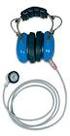 The E-Scope Electronic Stethoscope Catalog of Products April 25, 2012 Cardionics, 910 Bay Star Blvd., Webster, Texas 77598 USA Telephone: 281-488-5901 Toll-free USA & Canada 1-800-364-5901 Web: www.cardionics.com
User s instructions The Senso Vita Series. SV-38 Behind-the-ear
 User s instructions The Senso Vita Series SV-38 Behind-the-ear Contents Your hearing aid, earmould, cleaning accessories and the like may not look exactly the same as in these user s instructions. We furthermore
Factors to consider when choosing a hearing aid
 Factors to consider when choosing a hearing aid There are hundreds of highly sophisticated hearing aids available today, and there are many factors you need to consider when choosing the right hearing
Text communications. Text communications, Action on Hearing Loss Information, July 2009 2
 Text communications Text communications This factsheet is part of our Equipment range. It is written for people with hearing loss who cannot, or prefer not to, use telephones. If you are hearing and need
Presbycusis. What is presbycusis? What are the symptoms of presbycusis?
 Presbycusis What is presbycusis? Presbycusis is the loss of hearing that gradually occurs in most individuals as they grow older. Hearing loss is a common disorder associated with aging. About 30-35 percent
Getting Started Kei Te Timata
 Getting Started Kei Te Timata AN INTRODUCTION FOR THE FAMILIES AND WHANAU OF CHILDREN DIAGNOSED WITH A HEARING LOSS. THIS IS A JOINT PROJECT BY DEAF EDUCATION AOTEAROA NEW ZEALAND AND THE NATIONAL AUDIOLOGY
HCPCS CODING REFERENCE CHART
 HCPCS CODES HCPCS CODING REFERENCE CHART HCPCS CODE DESCRIPTIONS COMMENTS L7510 Repair of prosthetic device, repair or replace minor parts This code covers parts for bone anchored hearing aid that are
About the Department for Work and Pensions. Our service standards
 About the Department for Work and Pensions Our service standards 2 About the Department for Work and Pensions Contents 3 Introduction 3 Disability and Carers Service 4 Jobcentre Plus 4 The Pension Service
Hearing Tests And Your Child
 How Early Can A Child s Hearing Be Tested? Most parents can remember the moment they first realized that their child could not hear. Louise Tracy has often told other parents of the time she went onto
A guide to our. Priority Services and ways we can help you manage your energy
 A guide to our Priority Services and ways we can help you manage your energy Contents Helping to make life easier Helping you feel safe how to recognise our staff If you re visually-impaired Other services
Ten questions to ask your lawyer about costs
 Ten questions to ask your lawyer about costs www.legalombudsman.org.uk The information in this leaflet is useful for anyone who is using, or thinking of using, a legal service. This could be for a whole
Nucleus CP810 Sound Processor and Nucleus CR110 Remote Assistant Troubleshooting Guide
 Nucleus CP810 Sound Processor and Nucleus CR110 Remote Assistant Troubleshooting Guide Symbols Contents Note Important information or advice. Can save inconvenience. Tip Time saving hint or saves inconvenience.
User s instructions The mind 440 Series
 NB: Special Pantone orange: Pantone Warm Red: 45% Pantone Orange 21: 45% Black: 10% User s instructions The mind 440 Series m4-9 Behind-the-ear The hearing aid, ear-set and accessories shown in these instructions
Your health, your rights Feedback and complaints: how to have a say about your care and have any concerns and complaints dealt with
 Your health, your rights Feedback : how to have a say about your care and have any concerns and complaints dealt with Who is this factsheet for and what is it about? This factsheet is for anyone who uses
CASH ISA SAVINGS CONDITIONS. For use from 2nd September 2016.
 CASH ISA SAVINGS CONDITIONS. For use from 2nd September 2016. WELCOME TO HALIFAX This booklet explains how your Halifax savings account works, and includes its main conditions. This booklet contains: information
Using a lawyer as you get older: Ten top tips
 Using a lawyer as you get older: Ten top tips www.legalombudsman.org.uk The information in this leaflet is useful for anyone who is considering using a lawyer but it may be particularly useful for people
Here to help sort out problems with your legal service provider
 How do we sort out problems? Our job is to look at complaints about service providers in a fair way and without taking sides. If we think the service complained about was of a reasonable standard, we will
BUPA BY YOU YOUR MEMBERSHIP GUIDE
 BUPA BY YOU YOUR MEMBERSHIP GUIDE bupa.co.uk ABOUT THIS GUIDE Welcome to your Bupa By You guide. We know that insurance can be hard to follow. That s why we ve made this guide as simple as possible. You
ReSound Unite TV FREQUENTLY ASKED QUESTIONS. Setup & Configuration. Use & Operation. Troubleshooting
 Tip for use of FAQ: Click on questions to go to answer. Setup & Configuration How do I pair the hearing aids to the Unite TV?... 2 What is the latency of the streamed signal?... 2 Does the Unite TV use
Hearing Tests And Your Child
 HOW EARLY CAN A CHILD S HEARING BE TESTED? Most parents can remember the moment they first realized that their child could not hear. Louise Tracy has often told other parents of the time she went onto
Learning Objective. To learn about current technological interventions that allow children with hearing loss to access auditory information
 Learning Objective To learn about current technological interventions that allow children with hearing loss to access auditory information in the educational environment. Module Outline Goal: To improve
Safety guidance. Buying electrical goods online? The safe shopper s guide. electricalsafetyfirst.org.uk
 Safety guidance Buying electrical goods online? The safe shopper s guide electricalsafetyfirst.org.uk Every year around 70 deaths and 350,000 injuries in UK homes are caused by faulty electrics and electrical
Breast cancer and travel insurance Factsheet. This factsheet suggests some points to bear in mind when you are looking for travel insurance.
 Breast cancer and travel insurance Factsheet This factsheet suggests some points to bear in mind when you are looking for travel insurance. 02 Introduction Breast cancer and travel insurance 03 Some people
Case studies. www.siemens.co.uk/hearing
 IMPACT Case studies www.siemens.co.uk/hearing 1 Five people. Five hearing losses. Each wears an IMPACT hearing system. Since December 9, five people have been fitted with IMPACT hearing instruments. Each
I N T R O D U C I N G
 INTRODUCING Meetings Cell Phone Television Noisy Places Music Lectures The one device that does it all Introducing the industry s most unique and versatile cell phone device SurfLink Mobile. Combined with
Why does my child have a hearing loss?
 Introduction This factsheet will tell you about the range of tests that can be carried out to try to find the cause of your child s hearing loss. The process to find out why a child is deaf is sometimes
ASU Speech & Hearing Clinic Hearing Aid Services
 ASU Speech & Hearing Clinic Hearing Aid Services Thank you for considering the ASU Speech & Hearing Clinic for your hearing healthcare needs. The purchase and fitting of hearing instruments is a very important
What are the causes of presbycusis? What can be done? How can I communicate with someone who has a hearing loss? How does hearing work?
 This e-book will answer the following questions: What is presbycusis? What are the symptoms of presbycusis? What are the causes of presbycusis? What can be done? How can I communicate with someone who
Personal Alert Victoria
 Personal Alert Victoria Personal Alert Victoria (PAV) is a personal monitoring and emergency response service. It is funded by the Victorian Government and provided free of charge to eligible frail, isolated