
Theme 4. THEME 4: Friends Together
|
|
|
- Marshall McCoy
- 9 years ago
- Views:
Transcription
1 Theme 4 112

2 ENGLISH LANGUAGE DEVELOPMENT LESSONS FOR Friends Together 113

3 Week 1 Vocabulary friend, name, introduce a friend chart paper a marker self-stick notes LANGUAGE DEVELOPMENT Introducing Friends Name Master ELL 4 1 Master ELL 4 1 Theme 4/Week 1 A, My Name Is Ana A, my name is Ana. My friend s name is Andrés. We come from Argentina, and we like art. B, my name is Boris. My friend s name is Belén. We come from Borneo, and we like blocks. This week we will read about making friends. What is a friend? Who is your friend? Let children share their ideas about friends. Then display the rhyme A, My Name Is Ana. Read it aloud. Have children repeat the rhyme together a few times. On chart paper, write the sentence frames below. Write children s names on self-stick notes, and post them around the sentence frames. LOOK My name is. My friend s name is. Copyright Houghton Mifflin Company. All rights reserved. Kindergarten Theme 4: Friends Together Language Development ELL 4 1 LISTEN Have two children come to the chart. The first finds his/her name and puts it in the first sentence frame; the second puts his/her name in the friend s sentence frame. Model how to say the sentences, substituting the names. Have the first child introduce him/herself and the friend, Naming Friends using the sentence frames. Place the second child s name in the first sentence and call another child to the chart. The second child introduces him/herself and the new friend. Keep rotating children and names until everyone has been introduced. Education Place Theme 4: Friends Together Audio CD Theme 4: Friends Together Tell how you introduce yourself. Tell what you would say. How do you introduce a friend? Tell the names of some friends at home. Have you ever introduced a friend to someone else? Tell about it. Have children play a round-robin introduction game. The first child says, Hi, I m, turns to the next child and says, This is my friend. 114

4 LITERATURE FOCUS Friends at School Display Friends at School and read its title. Take a picture walk with children, inviting comments on the pictured children and what they are doing. Pages 2 3: Point to the page with two girls and two boys. Point to the page with three girls, one boy, and a guinea pig. Watch for the pictures of the same children as we look through the rest of the book together. Don t forget to watch for the guinea pig! Pages 4 21: Have each child choose a child in a photograph and look for him or her throughout the book. What does the child in the book like to do? Do you like to do that too? What else do you like to do? Pages 22 23: Where are the children going? How do you know? Is it cold or hot? How do you know? Call on children to name the different winter clothes they see in the pictures. SKILL FOCUS Phonemic Awareness/Phonics Blending and Segmenting Onset and Rime Display the Picture Cards for cat, cut, and pig. Do not name the pictures. Listen carefully as I say some sounds: /k// ăt/. Have children blend the sounds to make a word that names a picture. Repeat for cut and pig. Skill Objectives Children blend and segment onset and rime associate /h/ with h Picture Cards cat, cut, pig, hug, kit, dig; hand, hop, hut, sun Letter Cards H, h ELL Picture Cards Alphafriend Hattie Horse (See Master ELL 4 2.) Show the Picture Card hug. Name the picture. Now listen for the beginning (onset) and ending (rime) sounds of that word as you say it again. What is the beginning sound? the ending sound? What is the word? Repeat for the words kit and dig. Initial Consonant h /h/ Display the picture of Alphafriend Hattie Horse. Say each name, stretching out the initial /h/. Have children do the same. Do both words, Hattie and Horse, begin with the same sound? Say that sound with me. Display Letter Cards H h. Have children name the letters. Write Hattie, Horse, and hen on the board. Point to the words and read them aloud. What letter do these words begin with? Point to Letter Cards H, h. What sound does this letter stand for? Have children name each of the remaining pictures, say the beginning sound, and name the letter it starts with. Language Transfer Support Some children may have difficulty recognizing and pronouncing h /h/. In Spanish, the /h/ sound is often spelled with the letter j. THEME 4 WEEK 1 DAY 1 115

5 WEEK 1 Vocabulary alone, together Read Aloud Friends at School Big Book Aaron and Gayla s Alphabet Book ELL Picture Cards alone, together, jump rope, ball, tag (See Master ELL 4 2.) Beginning/Preproduction See Master ELL 4 1. Display A, My Name Is Ana, and reread it for children. Write each child s name on an index card. Read each name, say the beginning letter, and point to the appropriate child. Then name the letters, one by one, in a different order. Have each child whose name begins with the letter raise a hand and identify him- or herself by saying (letter name), my name is (child s name). Classifying Actions Today we will read about a boy and a girl who like to do some things alone and some things together. Let s talk about things we do alone and together. Start a chart like the one shown with columns labeled Alone and Together. Spend a little time developing the concepts of alone and together. Have one child stand by him- or herself. (child s name) is alone. Have two children stand together. (child s name) and (child s name) are together. Have children arrange each other in groups showing alone and together. SPEAK LANGUAGE DEVELOPMENT MOVE Help children brainstorm things they can do alone and things they can do together with friends. List their ideas in the appropriate column on the chart and add drawings whenever possible. Let children browse through Friends at School and Aaron and Gayla s Alphabet Book for additional ideas. Alone draw ride bike Together jump rope play tag Have individuals and pairs of children dramatize the activities Act It Out from the chart one at a time. Observers should name the activity and tell whether it was done alone or together. Tell who is your friend. Show something you do with your friend. What do you like to do with a friend? What do you like to do alone? Tell about a time you had fun with a friend. Why are some things more fun with others? Why do you like doing some things alone? 116

6 LITERATURE FOCUS Aaron and Gayla s Alphabet Book Display Aaron and Gayla s Alphabet Book and read aloud the title. Discuss the cover picture with children. Explain what an alphabet book is. Then ask: Pages 2 12: What is (character s name) doing? What is he/she playing with? Where is he/she? Point to the letters at the top of each page. Explain that these letters are at the beginning of the words that are printed in red in the sentence at the top of the page. Pages 13 27: What are Aaron and Gayla doing? What are they playing with? Where are they? Name the activities the two friends do together. Have children repeat the words as someone finds the page that shows the activity. Page 28: Invite children to sing the alphabet song. SKILL FOCUS Word Work/Phonics High-Frequency Word: a Construct the rebus sentence I see a (hut). Point to the word a. The letter a here is a word. Say the word a with me. Then ask a child to read the whole sentence, naming the picture for the last word. Have children copy I see a onto a sheet of paper and then draw a picture of something they see to complete the sentence. Skill Objectives Children review and compare /h/ h blend short a words recognize high-frequency word a drawing materials Picture Cards hut, hen, hop, hug, nut, bed, bike Letter Cards h, a, m, N, n, t three large envelopes Word Cards I, see, a ELL Picture Cards Alphafriends Hattie Horse, Andy Apple (See Master ELL 4 2.) Initial Consonant h /h/ Label three envelopes: h, n, b. Display the Picture Cards listed under. Have children name the pictures, say the beginning sounds, and say the beginning letters that stand for those sounds. Then have children put the cards into the correct letter-envelopes. Blending Short a Words Show Alphafriend Andy Apple and pronounce his name, stretching out the initial / ă/. Have children repeat the name and the initial sound with you. Display Letter Cards a and t separately. Then model how to blend the sounds /ă/ and /t/ to get the word at. Repeat for am and Nan. Language Transfer Support Children whose first language is Spanish may not be familiar with the sound / ă/ for the letter a. Put Letter Cards h, a, and t togeher. Have children blend the letter sounds to get the word hat and use hat in sentences. Repeat with bat and mat. THEME 4 WEEK 1 DAY 2 117

7 WEEK 1 Vocabulary actions children name self-stick notes Big Book Aaron and Gayla s Alphabet Book ELL Picture Cards ball, jump rope, tag, alone, together (See Master ELL 4 2.) Performing and Naming Actions Show children Aaron and Gayla s Alphabet Book, paging through the book. Aaron and Gayla did many things. Let s see how many of them we can name and act out. As children identify the actions, write each action word on a self-stick note and display it. (Keep these for use later in the week.) Point to one action at a time, find it in the book, and ask a child to pantomime it. Have the child complete the sentence frame I with the action word. SPEAK LANGUAGE DEVELOPMENT MOVE Tell the child You, and ask the group to say what he/she does, completing the frame He or She. sit drive dig eat hide jump kick play quarrel run visit yawn Beginning/Preproduction See Master ELL 4 1. Display the rhyme A, My Name Is Ana. Invite children to chime in as you reread it. Then reread this line: My friend s name is. Say: A friend is someone you know and like. Indicate one child in the group and say: I know you and I like you. You are my friend. Introduce the child to the rest of the group, saying: This is my friend. My friend s name is (child s name). Then ask each child to complete the sentence frame My friend s name is with the name of a classmate. I. (sit, drive ) She. (sits, drives ) You. (sit, drive ) He. (sits, drives ) Say It Again Have children find an action in Aaron and Gayla s Alphabet Book and imitate it. After the group guesses the action, the child can show the picture he or she has chosen to pantomime. Repeat each group of sentences with children: I sit, You sit, She sits, He sits. If children misuse the s ending or the pronouns, repeat the correct form with them. Which actions were hard to do? Which were easy? Show and tell which actions you usually do outside. Then show and tell which actions you do inside. Model for children how to expand on the sentences they have said. Say things, such as I sit still, You sit at your desk, She sits on the steps, He sits near the door. Have each child pick an action word and use it in similar expanded sentences. 118

8 LITERATURE FOCUS Phonics Library Nat at Bat, pages 1 5 Distribute or display the Phonics Library book. Read the story title on page 1. Let s look through this story together. What do you think it is about? Why do you think that? Preview the story with children. Pages 2 4: How does the orange cat feel? How can you tell? Why does he feel that way? How do you know? Have you ever felt the way Nat feels? Page 5: What will happen next? Why do you think that? SKILL FOCUS Concepts of Print Word Spacing Display page 1 of Nat at Bat. Point to each word and pause between words as you read the title aloud. Ask children to read the title with you. Point to each word as they read. Skill Objective Children match spoken words to print. Phonics Library selection Nat at Bat Big Book Aaron and Gayla s Alphabet Book Tell children that there is a space between the words Nat and at. This space helps us know where one word ends and another begins. Ask a child to point out the space between the words at and Bat. Then have children repeat the words in the title, clapping once for each space between words. Repeat with titles of other familiar books. Display page 3 in Nat at Bat. Read the words aloud. Have a child point to the first and last word in each sentence. Call on another child to point to the space between the words and repeat the title. Ask a child to tell about what he or she likes to do. Write the child s idea in sentence form. Have the child read it aloud with you, pointing out the spaces as you say the words. Repeat with other children. Display Aaron and Gayla s Alphabet Book. Have each child in turn choose a page, count the words, and point out the spaces. Read the sentences aloud, pausing for children to clap the spaces. Phonics Library Friends Together Each story offers children opportunities to practice and apply phonics skills and highfrequency word knowledge during the week. THEME 4 WEEK 1 DAY 3 119

9 WEEK 1 Vocabulary actions, alone, together action words from Day 3 ELL Picture Cards art, blocks, alone, together, jump rope, ball, tag (See Master ELL 4 2.) LANGUAGE DEVELOPMENT Action Words with Plural Subjects We have talked about actions things we can do alone and together. Let s practice using action words to tell what two or more people can do together. Display the action words from Day 3, and review them with children. Pick an action, such as dig, and ask a boy to pantomime digging with you. Complete the sentence frames We (dig) and (child s name) and I (dig). Repeat with a girl s name. Continue with other combinations of boys and girls so that all the sentence frames can be completed. Repeat the group of sentences with the same verb. Help children note that none of the action words end in s. MOVE We. (dig, eat ) José and I. (dig, eat ) María and I. (dig, eat ) Beginning/Preproduction See Master ELL 4 1. Revisit the rhyme A, My Name Is Ana. Have children chime in on as many words as they can. Point to the sentences And we like art and And we like blocks. Point to the art center in your room, and have children say art a few times. Repeat with the block center and the word blocks. Have children point to other areas and classroom activities that they enjoy. Provide the appropriate vocabulary, and have children complete the frame We like with it. José and María. (dig, eat ) They. (dig, eat ) Then teach children to play Action, Action. Choose a child. The Action! first time you say Action, the child picks an action from the list. The second time you say Action, the child pantomimes the word. Observers should guess the word and use it in a sentence to tell what the child is doing. Do you like to play alone? with friends? Show what you like to play with your friends. What games do we play with others at school? What games do you play with others at home? Model how to expand on the sentence frames. For example: You eat lunch at school. We dig holes in the ground. He and I yawn when it s late. Have children follow your example. 120

10 LITERATURE FOCUS Big Book Social Studies Link We Read Together, pages Read aloud the title. Have children preview the pictures with you. Then ask: Pages 31 35: Who are these people? Where are they? What are they doing? What are they reading? What is a magazine? a grocery list? a newspaper? a menu? Have children tell when people might need to read these things. Pages 36 37: What are the children doing? Have you seen their book before? SKILL FOCUS Comprehension Text Organization and Summarizing Display Aaron and Gayla s Alphabet Book. Remind children that there is a page for each letter of the alphabet in this book. Why are some words printed in red? (The words in red begin with the letter for that page.) What do the pictures show? (Aaron and/or Gayla acting out the sentence on the page.) Skill Objectives Children note how a book is organized tell what a story is about Big Book Aaron and Gayla s Alphabet Book Read Aloud Friends at School classroom books including several ABC books drawing materials Turn to page 28. Point out that this last page reviews all the letters of the alphabet that are on separate pages in the book. Have children look through several other books to see if any are organized in the same way as Aaron and Gayla s Alphabet Book. Distribute other ABC books. Show what letter comes after C in your book. Show how to find the page that has the letter h. Display Aaron and Gayla s Alphabet Book and Friends at School. How are the pictures different? Which book helps you learn the ABC s? shows children at school? Have children identify actions that have the same beginning letters or sounds as their own names. Have children draw pictures to show the actions. Help them label their pictures. THEME 4 WEEK 1 DAY 4 121

11 WEEK 1 Vocabulary children, work, play, together, names action words from Day 3 craft sticks head shapes glue Read Aloud Friends at School Big Book Aaron and Gayla s Alphabet Book ELL Picture Cards alone, together, art, blocks, jump rope, ball, tag (See Master ELL 4 2.) Pulling It All Together This week we read about children who work and play together and alone. We learned how to introduce friends and we learned lots of words for things friends can do together. Let s practice using what we learned. Provide each child with a simple puppet made from a head Puppet Friend shape glued to a craft stick. Children can draw faces on their puppets and name them. Remind children to choose names that begin with the same sounds as their names. SPEAK LANGUAGE DEVELOPMENT Revisit A, My Name Is Ana. Using your puppet, model how to substitute your name and then the puppet s name in the rhyme. Have children use the rhyme pattern to introduce themselves and their puppets to the group. Children can use the place names and activities from the rhyme or make up their own. Display the action words from Day 3. Review the action words and sentence patterns. Then invite children to use their puppets and the sentence patterns to name some things they like to do alone and with friends. Afterwards, children can use their puppets to practice conversations between friends. LOOK Beginning/Preproduction See Master ELL 4 1. Display the rhyme A, My Name Is Ana, and read it to children one final time. Have children work in pairs to recite as much of the rhyme as they can on their own. Prompt as needed. You may wish to provide children who are reticent speakers with the puppets described in the lesson to the right. Children can recite the poem through their puppet friends without worrying about mistakes. Tell how you introduced your puppet to the group. Draw a picture of yourself doing something with a friend. Tell the group about your picture. Label the pictures for children. Have children page through Friends at School and Aaron and Gayla s Alphabet Book. What things did the children in the stories do together? What did they do alone? What things do you like to do with friends? Why? 122

12 SKILL FOCUS Phonics Initial Consonants h /h/, b /b/, n /n/ Display the Picture Cards, and ask children to listen to these clues to play a riddle game. I am a word. My beginning sound is /h. I name a big animal. What word am I? Have a child hold up a picture for their answer, repeat the beginning sound, and say the word. If the answer is correct, have the child place the picture on a nearby desk. What letter stands for the beginning sound? Continue until all cards have been removed. Then have children work together to sort the cards into piles, according to their beginning sounds. Blending Short a Words Tell children to listen as you say the beginning and ending sounds of a word with /n// ăt/. Have children blend the beginning and ending sounds to make the word Nat. Provide help as needed. Repeat for mat, am, Pam, Pat, pan, ran. Skill Objectives Children associate sounds with letters: /h/ h, /b/ b, /n/ n blend short a words Picture Cards bat, bed, bike, bug, hat, hand, hen, hop, horse, net, nine, nurse, nut Letter Cards a, B, b, H, h, N, n, S, s, t, r Display Letter Cards a and t. Point to a, and review that the letter a stands for /ă/ in some words. Have children say / ă/ with you as you point to a. Repeat for t /t/. Then have children say / ăt/ as you run your hand under the two letters. Remind children that they have put other sounds with / ă/ to make some words. Have children blend /h/and / ăt/ to make hat. Call on individuals to assemble the letters h, a, t to make the word hat. Repeat for Nat, sat, and rat. Display Letter Cards b, a, and t and Picture Card bat. Model how to blend the sounds for the letters to make the word that names the picture bat. Have children say the beginning sound of the word. Repeat for hat and rat. Display these words: hat, bat, Nat, sat, rat, mat. Have children work with partners to identify the beginning sounds of the words. Repeat for Nan, ran, man, Sam, ham, ram. Use the activity for Early Production. Then have children take turns choosing a word and using it in an oral sentence. THEME 4 WEEK 1 DAY 5 123

13 Week 2 Vocabulary give someone a hand chart paper a marker pictures of a teacher, a police officer, a firefighter, and other school and community helpers ELL Picture Cards help (See Master ELL 4 4.) Copyright Houghton Mifflin Company. All rights reserved. LANGUAGE DEVELOPMENT Asking for Help Name Master ELL 4 3 Master ELL 4 3 Theme 4/Week 2 Can You Help Me? Can you help me? Can you help me? Yes, I can! Yes, I can! How can I help you? How can I help you? Please give me a hand. Please give me a hand. Kindergarten Theme 4: Friends Together Language Development ELL 4 3 This week we will read about friends helping friends. Let s practice asking for help. Display Can You Help Me? Sing it to the tune Frère Jacques, nodding and holding out your hand. Then have children sing with you, using the actions. MOVE Stand up and ask a child to give you a hand to help you balance on one foot. This is one way to give me a hand. People also use these words to ask for help. Give me a hand is another way to say Can you help me? MOVE Ask children to think of things they might need help with, such as finding a lost toy, writing a word, finding a book in the library, and crossing the street. On a chart titled Who Can Help? post pictures of a teacher, a Help! police officer, a firefighter, and other school and community helpers. Name the helpers and talk about how they can help children. Tell about and act out situations in which someone might ask for help, such as, Can you help me tie my shoe? cross the street? find a book? Call on children to repeat the questions and to tell which people could help them in the different situations. Then have children make up their own questions. Education Place Theme 4: Friends Together Audio CD Theme 4: Friends Together Point to the line Can you help me? Explain that children can use these words to ask for help. Have them try it out a few times with a partner. Have children play a round-robin game. The first child says Can you help me...? and asks the next child for help with a task. Continue for all. Have children work in pairs for a game of Helpers. One child is a helper and the other asks for help. Each pair acts out a situation for the group. 124

14 LITERATURE FOCUS The Lion and the Mouse Teacher s Edition, pages T84 T85 Display page T85. Read the title aloud and have children point to the lion and to the mouse. Tell the children that this is a story that has been told many times before. Ask children who have heard this story before to raise their hands. This is a story about animals. How many animals do you see in this picture? Identify the vulture, the zebra, the boar, and the gazelle, asking children if they have seen this kind of animal before and where. Does the mouse look happy? Why? How does the lion feel? Why? Are the other animals happy or scared? Why do you think so? Do you think a small person or animal can help a big person or animal? How? SKILL FOCUS Phonemic Awareness/Phonics Blending Phonemes Display the Picture Card for vet but do not name it. Listen carefully as I say three sounds, /v//ĕ/ /t/. Repeat the three sounds with me. Then have children blend the sounds together quickly to make the word that names the picture. What is the word? Have children tell what a vet does. Skill Objectives Children blend phonemes to make words associate /v/ with v Picture Cards cot, dog, man, nut, pig, seal, van, vest, vet Letter Cards V, v ELL Picture Cards net, Alphafriend Vinnie Volcano (See Master 4 4.) Repeat the procedure for van (/v// ă/ /n/), cot (/c//ŏ/ /t/), nut (/n//ŭ/ /t/), and pig (/p// ĭ / /g/). After blending to make the word, have children tell about the item. Initial Consonant v /v/ Introduce Alphafriend Vinnie Volcano. Say each name, stretching out the initial /v/. Have children do the same. Do you hear the same beginning sound in Vinnie and Volcano? Say that sound with me: /v/. Display the Letter Cards V and v, and have children name the letters. Write Vinnie Volcano on the board. Then ask which letter begins Vinnie s name. Language Transfer Support Spanish speakers may have difficulty distinguishing between /b/ and /v/. They may pronounce /v/ as /b/. Clarify the English pronunciations as necessary. Hold up the Picture Cards for van and man. Ask children to name the pictures. Which word, van or man, begins with the same sound as Vinnie? Use Picture Cards vest, dog, vet, pig, and seal. Show children how to use their fingers to make a V sign. Hold up one picture at a time. Tell children to name the picture and show the V sign if the word begins with the sound for v. THEME 4 WEEK 2 DAY 1 125

15 WEEK 2 Vocabulary helping others ELL Picture Cards help (See Master ELL 4 4.) Talking About Helping Others We read and talked about asking for help. Let s talk about how we help each other. LISTEN LANGUAGE DEVELOPMENT Begin by naming things you do to help children. List ways you help, sketching something to help children recall the actions. Model how to complete the sentence I help you with the different actions. I help you. sing a song read a book draw a picture tie your shoes Beginning/Preproduction See Master ELL 4 3. Display the song Can You Help Me? Sing it for children, using the motions. Say: How can we tell when someone needs our help? What do people say when they need help? Show me how someone who needs help might look. If a person is too far away to hear, sometimes you wave for someone to come to you. (demonstrate) Explain that the best way to tell if someone needs help is to ask with words. Have children practice asking: Do you need help? Have children use the sentence frame I can help you to tell how they can help others. Add children s ideas about how they can help to the list. Play a guessing game with the ideas on the list. Let children pantomime an action from the list. Have the group guess what help- Guess It ing action they are showing. Provide prompts as needed, and allow children to point to the pictures and words on the list to show what they are guessing. SPEAK Go around the group a final time. Ask each child to tell something he or she can do to help others. Supply any new words children want to use. What does a person do if he/she needs help? Draw a picture of yourself helping someone. Tell about your picture. How do you feel when you get help from a friend? When has a friend helped you? Tell us about that time. How do you feel when you help someone else? Why? 126

16 LITERATURE FOCUS MINUTES My Dad and I Display My Dad and I and read the title aloud. Tell children that Dad is what this boy calls his father. Then ask children to use clues in the title and in the cover picture to figure out what this story might be about. As you take a picture walk, invite children to point to the child and his father. Select from these prompts: What are father and son doing? Are they having fun? How can you tell? Name some of the things the boy in the story does with his dad. What are some quiet things the boy does with his dad? What do the boy and his dad do together that you would like to do with someone at home? SKILL FOCUS Word Work/Phonics High-Frequency Word: to Use Word Cards, the Picture Cards run and desk, and the period Punctuation Card to construct this rebus sentence: I run to a desk. Read the rebus sentence aloud, pointing to each word. Have children repeat it. Skill Objectives Children identify high-frequency word to associate sounds with letters: h /h/, m /m/, v /v/ blend words with short a Letter Cards a, h, m, N, n, r, t, v Word Cards a, I, to Picture Cards desk, hand, hose, map, mix, run, van, vet, hop, hen, man Punctuation Card period Point to the word to, and tell children that it begins with a sound they know. Ask children to say the sound for t, /t/. Point again to the word to, having them say /t/ and the word to. Call on children to act out the sentence I run to a desk. Then replace the Picture Card run with Picture Card hop. Have children read the new rebus sentence together and take turns acting it out. Initial Consonants h /h/, m /m/, v /v/ Display Picture Cards hen and man and have children name the pictures. Write hen and man on the board. Then have children tell which picture name begins with the sound for h, /h/. Repeat with other pairs of cards for h, m, and v. Blending Short a Words Display Letter Cards a and n together. Model how to blend / ă/ and /n/ to get an. Then have children blend the sounds. Tell them this is a word they will see many times as they learn to read. Place the Letter Card v in front of an. Say /v// ă//n/. Then have children repeat the sounds and blend them to get the word. Repeat for man, ran, tan, and Nan. THEME 4 WEEK 2 DAY 2 127

17 WEEK 2 Vocabulary action words My Dad and I ELL Picture Cards help, trash, dishes, make bed, water plant, hang coat, feed pet (See Master ELL 4 4.) Telling About Helping at Home SPEAK LANGUAGE DEVELOPMENT LOOK Show children My Dad and I, paging through the book. Ask children to name the things Rafa and his dad do together. Review the activities and ask children which ones they can do. Have a child complete the sentence I can with the action word. Then have the group substitute the child s name for I and say the whole sentence: Chang can swim. Play an action game with the activities. Name an activity and Act and Point point to the picture. Have children repeat the action word and act it out. Reverse the procedure by doing the actions yourself and having children name them. Then follow a similar procedure for activities children do to help at home. For example: I help and My and I help. Beginning/Preproduction See Master ELL 4 3. Display the song Can You Help Me? Invite children to sing the song with you as you sing it again. Ask: Can you help me? Prompt children to answer: Yes I can! Have children repeat the question and answer with a partner. Do the same with the last two lines of the song; one child says How can I help you? and the second says Please give me a hand. End with the first child helping the second stand up by pulling gently on his or her hand. Remind children that give me a hand is another way to say help me. Draw a picture of yourself helping at home. What things in the book do you like to do? How do you help at home? Tell about how you help at home. What do you help with? How do you do it? Why is it important to help at home? 128

18 LITERATURE FOCUS Phonics Library A Vat, pages MINUTES Distribute or display the Phonics Library book. Read the title on page 7 aloud. This is a silly story about a robot that mixes letters together in a vat or big pot to make words. Explain that the letters the robot puts into the vat show up as words at the bottom of the page. Pages 8 10: Point to the word the robot is holding. The robot has made a word in its vat. Can you find this word somewhere else on the page? What is the robot doing with the words it makes? Page 11: What is the robot doing with the words in the boxes? Skill Objective Children match spoken words to print. index cards a marker Phonics Library selection Nat at Bat SKILL FOCUS Concepts of Print Matching Spoken Words to Print Display page 1 Nat at Bat. Point to each word as you read the title aloud. Have children count the words with you and point to the spaces. Write Nat on a card. Have a child match the word card with a word in the title. Repeat for at and Bat. Display the three word cards. Say at with children. Have one child point to at in the story title. Have another child point to the at word card. Repeat for Nat and Bat. Display and read aloud page 2 of Nat at Bat. Ask one child to point to Bat and Nat. Ask another child to point to each word on the page as you say it. Repeat for page 3. Use the Beginning activity, but continue through page 5. On page 4, have children point out the three repetitions of the word bat. Ask a child to finish this sentence: I see a. Write the sentence and read it aloud. Have a child point to each word as you say it. Continue for each child. Phonics Library Friends Together Each selection offers children opportunities to practice and apply phonics skills and highfrequency word knowledge during the week. THEME 4 WEEK 2 DAY 3 129

19 WEEK 2 Vocabulary helping, school oak tag strips index cards drawing materials glue hole puncher reclosable book rings ELL Picture Cards help, water plant, hang coat, feed pet (See Master ELL 4 4.) Talking About Helping at School We talked about helping at home. Now let s talk about helping around our classroom. SPEAK LANGUAGE DEVELOPMENT With children, generate a list of classroom chores. Write each on a separate strip of paper with a picture clue. Write children s names on cards. Display the sentence strips and name cards. Help children place their names in front of different chores. Read the resulting sentences. Have children repeat the sentences and pantomime doing the chores. Amed Silva Carlotta waters the plants. feeds the fish. washes the paintbrushes. Beginning/Preproduction See Master ELL 4 3. Display the song Can You Help Me? Have children sing the song and perform the actions with you as you sing it. Invite children to show different things they need to use at school. Tell them sometimes they may need to ask for these things. Invite them to draw the items on the Can You Help Me? chart. Then show the group their work. Ask children to say the name of the item they drew. Make a class book with children, one that can be added to Make a Book throughout the year. Begin by writing the song title Can You Help Me? on a sheet of paper. Have the children sign and decorate this paper as the cover. Punch three holes on one side, and use reclosable book rings to bind the book. Give each child a piece of paper, and ask each to illustrate a page with something he or she can do at school to help. Help children label their pictures and add them to the book. Encourage children to copy and use the frame I can help. Display the book where children can look at and tell about it often. Draw something you like to do to help at home. Help label the pictures and add them to the class book. How can your friends help you at school? What can you do to help a friend at school? Name some ways you have helped others at school. How do you feel when you help others at school? 130

20 LITERATURE FOCUS Big Book Social Studies Link Friends Help Friends, pages Display My Dad and I opened to page 27. Watch for ways friends help each other as you take a picture walk through this selection together. Use the following prompts: Page 21: Tell children that the word on the woman s sleeve spells Police. What does a policewoman do? How can she help people? Pages 22 26: Ask children to point to the helpers in each picture. Help them identify each worker and have them tell how that worker helps. SKILL FOCUS Comprehension MINUTES Cause and Effect Tell children that you will now ask them some why questions. Suggest they try beginning each of their answers with the word because. Skill Objective Children show an understanding of cause and effect. Read Alouds Friends at School and The Lion and the Mouse, pages T84 T85 Phonics Library selection Nat at Bat Big Book My Dad and I Read page 4 of Friends at School. Why do the children keep Mocha near them when they play? After children respond, turn to and read page 14. Why do you need to put the lid back on the blender? Review with children that they have been telling why things happen. Tell them that thinking about why things happen will help them understand stories. Display My Dad and I. Show pictures that answer these questions: Why is Rafa getting better at soccer? Why are Rafa and his dad going to the pool? Why do they do so many things together? Display page T85. Reread the first paragraph of the story. Why did the lion wake up? Why is the mouse under the lion s paw? Now you ask a why question about this picture. Display the Phonics Library selection Nat at Bat. Have children work with partners to ask and answer why questions about the story. Give an example such as Why doesn t Nat want to bat? THEME 4 WEEK 2 DAY 4 131

21 WEEK 2 Vocabulary thank you, help, important, please, forget, ask, offer items to make a puppet Master ELL 4 3 Beginning/Preproduction See Master ELL 4 3. Display the song Can You Help Me? Have children sing the song and perform the actions with you as you sing it. Point to the word please in the song. Say: We use this word when we ask for something. When you hear the word please, someone is asking for something. Display and name a tray of classroom items, such as pencils, crayons, a book, paper, and scissors. Have each child, in turn, ask for something on the tray, using the sentence frame Please, may I have the? Pulling It All Together This week we read about how friends help each other. We practiced asking for help. Write the words thank you. We use the words thank you to let people know their help was important to us. When you see or hear the words thank you, someone is telling you that your help was important to them. Talk about how it makes people feel when they use words such as please and thank you. LISTEN Make a simple puppet. Introduce it to children as Frank. Frank is very forgetful. He often forgets to say please when he asks for things. Have Frank ask children aloud to help him with a simple task or to do something for him, such as smiling at him or telling him a classmate s name. Have Frank forget to include the word please when he asks. SPEAK LANGUAGE DEVELOPMENT Invite children, one by one, to come up and whisper a way to ask, using please. Then have the child say aloud to the group what you whispered. Remind Frank in a loud whisper to say thank you to each child. Guide children to recall an activity that was in a book or discussion this week. Have partners act out a few of these actions. Act It Out Encourage children to use words to ask and offer help. Refer to the song Can You Help Me? if children need help remembering ways to ask and offer help. What should you say when you ask for something? What should you say when a person helps you? How did the people in the stories help each other? Which things in the story have you done? What would you like to teach others how to do? Ask children to have a conversation with forgetful Frank, the puppet, to tell why it s important to use please and thank you. Have children coach Frank by giving him examples of ways to ask politely. 132
22 SKILL FOCUS Phonics Blending Short a Words Remind children that they have blended sounds such as / ă/ and /m/ to make words. Have them repeat those sounds and then blend them to make am. Display Letter Cards a and m. Point to a, and review the sound that letter a stands for in some words, / ă/. Point to the letter a and have children say the sound it stands for aloud. Point to m, and review the sound it stands for, /m/. Have children say /m/ as you point to m. Then have them say / ăm/ as you run your hand under am. Display the Letter Cards h, a, m. Point to h, and review the sound that h stands for. Have children say /h/ as you point to h. Then have them blend /h/ with am to get ham. Replace the initial h with S, and have children blend to make Sam. Replace S with r, and have children blend to make ram. Initial Consonants v /v/, h /h/, m /m/ Display Alphafriends Vinnie Volcano, Hattie Horse, and Mimi Mouse. Then hold up one of the Picture Cards, and name it. Ask children to tell which Alphafriend has a name that starts with the same sound and letter. Write the picture name and have a child put the Picture Card behind the Alphafriend it goes with. Skill Objectives Children associate sounds with letters: h /h/, m /m/, v /v/ blend words with short a Picture Cards hat, mat, vet, map, mop, vest, hop Letter Cards a, h, m, r, S, v ELL Picture Cards Alphafriends Hattie Horse; Mimi Mouse; Vinnie Volcano (See Masters ELL 2 4, 4 2, and 4 4.) Continue until all the Picture Cards have been matched to an Alphafriend. Then have children count to see which Alphafriend has the most pictures. Pass the set of three Alphafriend pictures around the group. Have each child in turn select one, hold it up, and say the name aloud. After each child names a picture, have the group say the letter that begins the name. Ask each child to choose an Alphafriend and a Picture Card for it to hold. Have children take turns telling why the Alphafriend wants that card. Get them started with an example such as My name begins with /h/. Show the Alphafriends pictures. Tell children to draw pictures of things one of the Alphafriends might want to eat. Each child can show his or her picture, name the food, and name the Alphafriend they want to feed it to. THEME 4 WEEK 2 DAY 5 133
23 Week 3 Vocabulary please, thank you, you re welcome chart paper two puppets tray with small objects or snacks ELL Picture Cards please, thank you (See Master ELL 4 6.) Copyright Houghton Mifflin Company. All rights reserved. LANGUAGE DEVELOPMENT Using Courtesy Words Name Master ELL 4 5 Master ELL 4 5 Theme 4/Week 3 Please and Thank You! Please take some cookies. I made them just for you. Thank you very much. But just one will do. You re welcome, I am sure. Now please, have a drink. Thank you, I ll have milk. It s the best drink, I think! Have more cookies, won t you please? No thank you, I m quite full. You re welcome. I ll save the rest. You can take them to your school. Kindergarten Theme 4: Friends Together Language Development ELL 4 5 We have talked about ways to ask for things. In the story you will hear today, a hungry young man asks nicely for food. Let s practice asking for things nicely. LISTEN Display Please and Thank You, and read the title. Remind children that please and thank you are polite words to use when asking for things. Tell children to listen for another polite phrase as you read the poem. Read the poem as a dialogue between two puppets, emphasizing the words please, thank you, and you re welcome. Explain that people say you re welcome after someone says thank you.say thank you a few times, point to children, and have them say you re welcome in response. Have available a tray of simple snacks or small objects. Use Being Polite the puppets to model a polite dialogue requesting an object, thanking the person for it, and saying you re welcome. Have pairs practice. Child 1: May I please have a? (cracker, pencil) Child 2: Yes, you may have a. (cracker, pencil) Child 1: Thank you for the. (cracker, pencil) Child 2: You re welcome. Education Place Theme 4: Friends Together Audio CD Theme 4: Friends Together What do you say when you ask for something? What do you say when you get what you asked for? Practice using please and thank you. Teach children to play Simon Says Please. In this version, the directions Simon says must begin with the word please if they are to be followed. When do you use please? When do you use thank you? When do you use you re welcome? Tell about times you have used these words. 134
24 LITERATURE FOCUS MINUTES Stone Soup Teacher s Edition, pages T142 T143 Display page T143. Tell children that this is a well-known tale, or story, from very long ago, and that it has been retold many times all over the world. Read the title aloud. Has anyone ever had stone soup? What do you think it might be made of? Invite children to look through this tale with you. Ask: Who do you think this is? (Point to several different people.) Who do you think this story is mostly about? Where is this happening? Are the people inside or outside? Is it hot or cold? What do you think is in the big pot? Can you find the stone mentioned in the title? What will all these people do next? SKILL FOCUS Phonemic Awareness/Phonics Blending and Segmenting Onset and Rime Display the Picture Cards for boat and van. Do not name the pictures. Tell children to listen carefully as you say some sounds, /b//ōt/. Have children repeat the sounds with you. Now you put the sounds together to make a word that names one of the pictures. What picture did you name? Skill Objectives Children blend and segment onset and rime associate /k/ with c Picture Cards bed, boat, box, can, cat, cot, cut, dot, goat, ten, van Letter Cards C, c ELL Picture Cards Alphafriend Callie Cat, stone, vegetables (See Master ELL 4 6.) Repeat the procedure for van. Then have children take turns segmenting a word into its letter sounds. Ask the group to blend the sounds each child says into a word. The words are bed, box, dot, goat, mop, ten. Initial Consonant c /k/ Introduce Alphafriend Callie Cat. Repeat Callie and Cat, stretching out the initial /k/ in each name. Have children do the same. Do Callie and Cat both begin with the same sound? Say that sound with me, /k/. Hold up Letter Cards C and c. Have children name the letters; then ask which letter stands for the sound at the beginning of Callie and Cat. Write cat above Picture Card cat. Have children name the picture, identify the beginning letter, and say the sound the letter stands for. Repeat the procedure for cot, can, and cut. THEME 4 WEEK 3 DAY 1 135
25 WEEK 3 Vocabulary actions, together puppets index cards or self-stick notes ELL Picture Cards jump rope (See Master ELL 4 2.) Beginning/Preproduction See Master ELL 4 5. Display the rhyme Please and Thank You. Reread it for children, using the puppets. Read it again, having children raise their hands when they hear the words thank you. Repeat the thank you lines, and have children say them after you. Say: We say thank you when someone gives us something or does something for us. Let s try it. Give each child a small object, such as a block or a crayon, and have the child say thank you. Encourage children to practice saying thank you throughout the day whenever a classmate or teacher does something for them. Performing Actions Remember we read about Aaron and Gayla, who like to do things together. Today we will practice asking people to do things with us. Perform a simple action, such as jump. Sing these words to the tune of Did You Ever See a Lassie? Do you want to jump with me? Jump with me? Jump with me? Do you want to jump with me? Yes, please, I do! Jump with children as you sing it, encouraging them to join in with the words. With children, make and illustrate a word card or self-stick Action Notes note for action words substitute for jump in the song, such as run, march, hop, dance, or sing. Review the list with children, inviting them to show the actions. Then repeat the song, using the suggested actions. SPEAK LANGUAGE DEVELOPMENT MOVE Have children, one at a time, say the line Do you want to with me? Have them fill in with their favorite action from the list. Supply any new words children want to use and any words they may have forgotten. Show what you like to play with your friends. What do you play when you are alone? How do you ask someone to play with you? What actions did we do in the song? What would you do if a friend said no when you asked him or her to play? Have children act out their responses with partners. 136
26 LITERATURE FOCUS MINUTES Aaron and Gayla s Alphabet Book and My Dad and I Display the Big Books. Point to Aaron and Gayla s Alphabet Book. What is the title of this book? What is this book about? Repeat for My Dad and I. Then invite children to take turns showing their favorite pages in each book and telling what is happening on each. Who were the people in each book? What did the people in these books do that was the same? To help children answer, show the title page in Aaron and Gayla s Alphabet Book with page 17 in My Dad and I. Then show page 26 in Aaron and Gayla s Alphabet Book with page 18 in My Dad and I. Invite children to tell which book they liked best and why. SKILL FOCUS Word Work/Phonics High-Frequency Words: a, to Write this sentence frame on the board: I see a. Call on individuals to read the sentence frame and complete it. Repeat with I ran to my. Rephrase children s sentences using an in place of a when necessary. Skill Objectives Children review the high-frequency words a and to associate sounds with letters: c /k/, h /h/, v /v/ blend short a words Word Cards a, to, my Picture Cards can, cat, cot, cut, hen, hop, hug, hut, van, vest, vet Letter Cards a, c, h, m, N, n, r, t, v Hold up Word Cards to and a, one at a time, having children read each word. Then ask them to use the words in oral sentences. Provide examples. Initial Consonants c /k/, h /h/, v /v/ Display Picture Cards van and can. Have children name the pictures. Give Letter Card c to a child. Ask the child to name the letter and then to hold up the picture that begins with the sound for c. Repeat with other cards for c, h, and v. Blending Short a Words Display Letter Cards a and n close together, and model how to blend the sounds to get the word an. Have children do the same. Place Letter Card c in front of a and n. Model how to blend the sounds /k// ăn/ to get can. Then have children do the same. Continue for the words ran, Nan, tan, and man. Then write and display the following sentences: A man ran. Nan ran to a can. Have children apply their skills to help them read the sentences. THEME 4 WEEK 3 DAY 2 137
27 WEEK 3 Vocabulary teach, good, everyone, draw, build index cards drawing materials Names and Action Words Yesterday we invited friends to do things with us. Today we will talk about things we can teach others to do. Everyone is good at something. What are you good at doing? SPEAK LANGUAGE DEVELOPMENT Write each child s name on an index card and display them. Point to each child s name and have the child use the sentence frame below to tell what he or she can teach the group to do. Encourage children to pantomime teaching the actions. For example: Fasid I can teach you how to. (draw a dog) Tonia I can teach you how to. (build with blocks) Beginning/Preproduction See Master ELL 4 5. Display the poem Please and Thank You. Say and underline thank you and you re welcome in the poem. Point out that you re welcome always comes after thank you. Put a collection of small objects in the center of the group. Ask each child, May I have a? Model the response, using the sentence frame Here is a. Say thank you and have the child reply you re welcome. Partners can then pass objects between them and practice saying thank you and you re welcome. SPEAK After each child says a sentence, have the group tell what the child can teach them, using sentences such as these: (Fasid) can teach us how to.(draw a dog) (Tonia) can teach us how to.(build with blocks) Invite children to draw pictures of themselves as teachers, teaching what they are good at. Label the pictures with the children s Bind It names and the activities. Bind the pages together into a Who Can Help? book. Keep it available for children to look at and show to others. Draw a picture of yourself teaching someone or a pet to do something. Tell about something a friend has taught you. I will read a name from our list. You say a sentence that tells what he or she can teach you. Then say a sentence that tells what you can teach. Ask children to actually teach something to the group. 138
28 LITERATURE FOCUS Phonics Library Cat Sat, pages Distribute or display the Phonics Library book and read the title aloud. Then take a picture walk through the story with children. Page 15: What is the cat holding? If necessary, tell children it is a mat. What is a mat used for? Pages 16 17: What does the cat have now? What is a bat (a hat) used for? What is the cat doing with the bat (or hat)? What three things does the cat have in this story? Have the group chant bat, mat, hat with you. SKILL FOCUS Concepts of Print Word Spacing/Matching Spoken Words to Print MINUTES Display page 13 of the Phonics Library selection Cat Sat. Listen as I read the title of this story aloud: Cat Sat. How many words do you hear in the title? Listen again. Point to the words as you say them. Then call on a child to point out the space between the two words. Repeat for the three words on page 14. Skill Objectives Children match spoken words to print identify the spaces between words in a sentence Phonics Library selection Cat Sat Word Cards I, like, my Punctuation Card period Invite children to look through classroom books to find short sentences for you to read aloud. Read each sentence slowly. Have children repeat the sentence after you and tell how many words they heard in it. Show the sentence and have children point to the spaces and count the words aloud. Display page 17 of Cat Sat. Read the first sentence aloud. Point to each word and pause for spaces. Then ask children to point to the words and spaces as you read it again. I like my cat. Assemble word cards to make the sentence. Have children point to the spaces between the words and count the number of words. Repeat using other short sentences. Have each child say a short sentence. Write the sentence. Leave extra space between words. Have the child point to each word and clap for each space. Phonics Library Friends Together Each selection offers children opportunities to practice and apply phonics skills and highfrequency word knowledge during the week. THEME 4 WEEK 3 DAY 3 139
29 WEEK 3 Vocabulary teaching, learning, ride, bike, want Phonics Library selection Friends Help Friends index cards Beginning/Preproduction See Master ELL 4 5. Display and reread Please and Thank You, inviting children to chime in or to recite the rhyme with you. Say: We use please to ask for something. We say thank you when we get what we ask for. We say you re welcome to someone who says thank you. Let s try it. Coach partners to practice this dialogue to request small objects: Child 1: Please, may I have a? Child 2: Here it is. Child 1: Thank you. Child 2: You re welcome. Teaching and Learning We have talked and drawn pictures about things we can teach each other. Now let s talk about some things we want to learn. SPEAK LANGUAGE DEVELOPMENT LOOK Revisit the Phonics Library selection Friends Help Friends. Talk about each picture. Name the person in the picture and help children identify some things they can learn from him or her. Say, for example: Here is a teacher. What can you learn from a teacher? Prompt children to respond in complete sentences using the word learn, such as: We can learn how to (read) from (a teacher). Using name cards for the children in your group, Teachers and Students ask each child, What do you want to learn? Have the child draw or act out what he or she wants to learn. Help the child verbalize the answer in a complete sentence, such as I want to learn how to (ride a bike). Who can teach you? Involve the whole group in suggesting possible teachers. Then help the child put the response into a complete sentence, such as My brother can teach me. Continue until all the children have had a chance to name things they want to learn and to tell who can teach them. Tell who teaches you things at school. Tell who teaches you things at home. What can you learn in school? in a library? Name some people who can teach you things. What can they teach you? Tell about something you learned how to do. How did you learn it? Who helped you? How do you feel when you teach someone how to do something? 140
30 LITERATURE FOCUS Big Book Links We Read Together and Friends Help Friends Display the title pages. Have the children repeat the titles after you. Take a quick picture walk through each selections. Then ask: How are the two stories alike? How are they different? Who are the people in We Read Together? In Friends Help Friends? Which story would you tell a friend or family member about? Why would you choose that one? Who would you tell it to? SKILL FOCUS Comprehension MINUTES Text Organization and Summarizing Display Aaron and Gayla s Alphabet Book. In this book, there is a page for each letter of the alphabet. Turn to several pages at random and have children tell what letter will come next. Remind children that some books tell stories and some give information. Ask children what they would say to tell this story to someone else. Skill Objectives Children recognize text organization summarize stories recognize cause-and-effect relationships Big Book Aaron and Gayla s Alphabet Book a collection of familiar storybooks Cause and Effect Turn to page 7. Aaron is looking for a friend. Why do you think Aaron went looking for a friend? Display pages Why do Aaron and Gayla yawn? Encourage children to begin their answers with the word because. Have children show how Aaron and Gayla s Alphabet Book follows the alphabet. Find a picture of Aaron or Gayla. How does he (she) feel? Tell why he (she) feels that way. Help children compare Aaron and Gayla s Alphabet Book with another selection they have enjoyed during the theme. THEME 4 WEEK 3 DAY 4 141
31 WEEK 3 Vocabulary captain, may I, yes, thank you, you Master ELL 4 5 Beginning/Preproduction See Master ELL 4 5. Display the rhyme Please and Thank You. Encourage children to recite the rhyme with you or to chime in on their own. Then practice the dialogue with the group. Take the first speaker s part and recite the first two lines. Point to children, indicating that they should say the next two lines. Practice saying the dialogue like this a few times. Then reverse roles. When children are comfortable with the dialogue, let them practice it with partners. Provide prompts as needed. Pulling It All Together We have read about helping and teaching others. We have practiced asking for things using please, thank you, and you re welcome. SPEAK LANGUAGE DEVELOPMENT Revisit Please and Thank You. Read the rhyme, tracking the print. Pause before each occurrence of please, thank you, and you re welcome, and have children supply the words. Remind them to use please when asking for something, thank you when they get it, and you re welcome when someone says thank you. Invite partners to dramatize doing things for each other and saying please, thank you, and you re welcome. Teach children to play Captain, May I Please. Acting as Be a Captain Captain, call on a child and designate a number and type of step, such as: Julio, you may take two giant steps or Nita, you may take three scissors steps. The child must say Captain, may I please before moving. If the child forgets to say please, he (she) must remain in place. Then you say Yes, you may. The child responds Thank you and moves forward. If the child forgets to say thank you, he (she) must return to the start line. The first one to reach the other side of the room becomes the next captain. Show someone learning and someone teaching. Tell who is the teacher and who is the student. Have children page through the books you ve read to recall activities before responding to these questions: What things did the people in the stories do to help or teach each other? Which things do you need help with? Which things can you teach? Ask each child to draw a picture of himself or herself teaching a friend. Label the pictures for children. Then have them take turns orally describing these activities. 142
32 SKILL FOCUS Phonics Initial Consonants c /k/, h /h/, v /v/ Display the Alphafriend Cards and hold up one of the Picture Cards that begins with c, h or v. Name this picture. Say the beginning sound and the letter that stands for that sound. Write the word on the board and call on a child to put the picture next to the Alphafriend whose name begins with the same sound and letter. Continue until all the c, h, and v Picture Cards have been assigned to one of the Alphafriends. Then help children review the picture words that go with the initial sounds of the Alphafriends names. Blending Short a Words Display Picture Card cat on a chalkboard ledge. Have children name the picture. Then have them say the beginning and ending sounds of the word with you, /k/ /ăt/. Write the word above the Picture Card and point to the picture. Again have children name the picture and identify the first letter of the word. Erase or mask the first and last letter in the word. Now we will listen and blend sounds to make other words that have /ă/. Then repeat the procedure above having children blend sounds to make these words with / ă/:hat, man, mat, pan, van. Skill Objectives Children associate sounds with letters: /h/ h, /m/ m, /v/ v blend short a words Picture Cards can, cat, cot, cut, hat, hen, hop, hose, van, vest, vet; man, mat, pan Phonics Library selections Cat Sat and A Vat Word Card can ELL Picture Cards Alphafriends Callie Cat; Hattie Horse; Vinnie Volcano (See Masters ELL 4 2, 4 4, and 4 6.) Display the Picture Card for can and the Word Card can. Point to the word, and have children blend the sounds to form a word that names the picture. Write man and repeat. List these words in two columns: cat, mat, rat; can, man, ran. Have children blend the sounds for the letters in each word. Then have children take turns reading all three words in each column. Have partners work together to read the Phonics Library selection Cat Sat and A Vat. Then have partners go through the stories again and copy all the words with the sound /ă/. Have partners compare their lists. THEME 4 WEEK 3 DAY 5 143
Theme 3. THEME 3: We re a Family
 Theme 3 80 ENGLISH LANGUAGE DEVELOPMENT LESSONS FOR We re a Family 81 Week 1 Vocabulary family, baby, brother, dad, grandpa, grandma, mom, sister chart paper a marker ELL Picture Cards grandmother, grandfather,
Week 4 Lesson Plan. Pre-K. Our Neighborhood. Macmillan /McGraw-Hill. Extend. the Unit
 Lesson Plan Extend Unit the Unit Pre-K Our Neighborhood Alphabet Time.....................2-3 Book Time.........................-5 Retelling Puppets..................6-7 Content Area......................8-9
Week 4 Lesson Plan. Pre-K. Animals in the Wild. Macmillan /McGraw-Hill. Extend. the Unit
 Lesson Plan Extend Unit the Unit Pre-K Animals in the Wild Alphabet Time.....................2-3 Book Time.........................-5 Retelling Puppets................... 6 Content Area......................7-8
My Game. Or I say, I m in the window. Or else, I m out the door. I m on top of the table, Or I m under the floor.
 My Game I have a little pretend game I play When Daddy calls to me. I say, I m right here, Daddy! I m under the sea! Or I say, I m in the window. Or else, I m out the door. I m on top of the table, Or
A Note to Parents. 1. As you study the list, vary the order of the words.
 A Note to Parents This Wordbook contains all the sight words we will be studying throughout the year plus some additional enrichment words. Your child should spend some time each week studying this Wordbook
Theme 2. THEME 2: Surprise!
 Theme 2 48 THEME 2: Surprise! ENGLISH LANGUAGE DEVELOPMENT LESSONS FOR Surprise! THEME 2: Surprise! 49 THEME 2: Surprise! Week 1 Vocabulary town, city, state, country, morning, evening chart paper briefcase,
Helping your child with Reading
 Helping your child with Reading Some ways that you can support. Getting Started Sharing books - We teach phonics to help our children learn to read and write and in order to do this successfully they need
AR State PIRC/ Center for Effective Parenting
 Helping Young Children Learn to Read What Parents Can Do Reading is one of the basic building blocks for your child s learning and school success. It is a skill on which most other learning is built. Children
Assessment Directions for Preschool Teachers & Parents:
 Assessment Directions for Preschool Teachers & Parents: Literacy Resources, Inc. created this Phonemic Awareness Assessment, aligned to the Illinois Early Learning and Development Standards to assess a
AGENDA. Phonological and Phonemic Awareness. (Local Information, Your Name, Date)
 AGENDA Phonological and Phonemic Awareness (Local Information, Your Name, Date) Participant Objectives In this workshop participants will: Gain understanding of phonological and phonemic awareness Acquire
Class 3. Early Reading Assessment
 Class 3. Early Reading Assessment 1. Phonemic Awareness: Initial Sound Segmentation Assess child s phonemic awareness: the knowledge that words are made of sounds put together. Assess ability to identify
Homework Activities for Kindergarten
 Homework Activities for Kindergarten Listed below are several learning activities for your child to complete at home to reinforce skills being taught in school. The sight words are on the last page. Reading
Comprehension. Sentence Structure and Meaning C.001. Objective The student will identify key parts of the text.
 C.001 Sentence Structure and Meaning Sentence-Picture Match Objective The student will identify key parts of the text. Materials Pocket chart Picture cards Use picture cards from core reading program or
OCPS Curriculum, Instruction, Assessment Alignment
 OCPS Curriculum, Instruction, Assessment Alignment Subject Area: Grade: Strand 1: Standard 1: Reading and Language Arts Kindergarten Reading Process The student demonstrates knowledge of the concept of
Phonics. High Frequency Words P.008. Objective The student will read high frequency words.
 P.008 Jumping Words Objective The student will read high frequency words. Materials High frequency words (P.HFW.005 - P.HFW.064) Choose target words. Checkerboard and checkers (Activity Master P.008.AM1a
Jesus Talks with Peter Lesson Aim: To show Jesus we love Him by helping others.
 Teacher s Guide: Ages 4-5 Kings & Kingdoms Part 1: The Life of Jesus Unit 4, Lesson 20 Jesus Talks with Peter Lesson Aim: To show Jesus we love Him by helping others. THE WORSHIP Who God is: The King Who
Parable of The Prodigal Son
 Parable of The Prodigal Son Teacher Pep Talk: Children need to know that they are loved unconditionally. In fact, we all need to know it! In the Parable of the Prodigal Son, Jesus assures us that God will
Theme 9. THEME 9: Spring Is Here
 Theme 9 64 CHALLENGE ACTIVITIES FOR Spring Is Here 65 WEEK 1 THEME 9/Week 1 1. What Season Is It? Think of some ways you can tell what season it is. You will make a picture riddle about a season. Choosing
Language Arts Core, First Grade, Standard 8 Writing-Students write daily to communicate effectively for a variety of purposes and audiences.
 Genre Unit Reading and Writing Fables by Amy Kinney Language Arts Core, First Grade, Standard 7 Comprehension-Students understand, interpret, and analyze narrative and informational grade level text. Objective
Do Not Worry Lesson Aim: To know God takes care of everything.
 Teacher s Guide: Ages 4-5 Kings & Kingdoms Part 1: The Life of Jesus Unit 6, Lesson 30 Do Not Worry Lesson Aim: To know God takes care of everything. THE WORSHIP Who God is: The King Who Teaches THE WORD
Pre-K. Animals Around Us. Differentiated Resources. English Language Learners... 2 Three-Year-Olds...3-4 Small Groups...5-6
 Pre-K Differentiated Resources Animals Around Us English Language Learners.......... 2 Three-Year-Olds...................3-4 Small Groups......................5-6 Visit www.macmillanmh.com for online games
Tapescript. B Listen and write the words. C Help the baby spider. Draw a red line. D Help the baby frog. Listen and draw a green line.
 Unit 1 Hello! Topics animals, colours, numbers Functions following instructions, spelling and writing Grammar questions (What s? What are? What colour?), demonstratives (this/these), imperatives Vocabulary
California Treasures High-Frequency Words Scope and Sequence K-3
 California Treasures High-Frequency Words Scope and Sequence K-3 Words were selected using the following established frequency lists: (1) Dolch 220 (2) Fry 100 (3) American Heritage Top 150 Words in English
Directions: Reading Skills Practice Tests
 Directions: Reading Skills Practice Tests Two Reading Skills Practice Tests can be found on pages 13-16 of this Teacher s Edition. You can photocopy them and use them all at once, or have students do just
David s Heart: David Praises God
 Teacher s Guide: Ages 4-5 Kings & Kingdoms Part 2: Judges through Esther Unit 8, Lesson 41 David s Heart: David Praises God Lesson Aim: To explore ways to praise the Lord. THE WORSHIP Who God is: The King
Fry Phrases Set 1. TeacherHelpForParents.com help for all areas of your child s education
 Set 1 The people Write it down By the water Who will make it? You and I What will they do? He called me. We had their dog. What did they say? When would you go? No way A number of people One or two How
THE LITTLE RED HEN. Outcome: The students will learn about sharing, helping, and cooperation.
 Outcome: The students will learn about sharing, helping, and cooperation. Materials: Popsicle sticks, glue sticks, Animal Puppet worksheet, scissors, crayons One small and one large circular sponge, yellow
Retelling. In the beginning.. Then,... After that,... And then,... Finally,... Do I understand what I read? Does it make sense?
 Retelling Gr 1-3 In the beginning.. Then,... After that,... And then,... Finally,... Do I understand what I read? Does it make sense? Retelling Gr 1-3 Page 1 Grade: Prior Knowledge: What prior knowledge
Phonemic Awareness. Section III
 Section III Phonemic Awareness Rationale Without knowledge of the separate sounds that make up words, it is difficult for children to hear separate sounds, recognize the sound s position in a word, and
Service Project Planning Guide
 Service Project Planning Guide CELEBRATING 10 YEARS ON and or registered trademarks of Norman Bridwell. All rights reserved. Everybody can be great because everybody can serve. Dr. Martin Luther King,
Female Child s date of birth: Last name: State/ Province: Home telephone number:
 60 Ages & Stages Questionnaires 57 months 0 days through 66 months 0 days Month Questionnaire Please provide the following information. Use black or blue ink only and print legibly when completing this
Preschool March Lessons. Dr. Seuss Day. One Day Free Sample
 Preschool March Lessons Dr. Seuss Day One Day Free Sample Kids R Learning Preschool Lesson Plans Letter R - Number 9 Dr. Seuss Day Circle Time: Left & Right Feet Read the story the Foot Book Explain to
Days. Day 1. Reflection Teacher Responsibilities. Lesson Plans
 Days Day 1 Lesson Plans Call the students to the carpet by the number of letters in their names. If your name has less than 5 letters, come to the carpet. If your name has more than 5 letters, come to
Fun Learning Activities for Mentors and Tutors
 Fun Learning Activities for Mentors and Tutors Mentors can best support children s academic development by having fun learning activities prepared to engage in if the child needs a change in academic/tutoring
THE WORSHIP Who God is: The King Who Teaches. THE WORD Bible Story: Luke 10:30-37 What He has done: Jesus taught about a man who was a good neighbor.
 Teacher s Guide: Ages 2-3 Kings & Kingdoms Part 1: The Life of Jesus Unit 6, Lesson 32 The Good Samaritan Lesson Aim: To show kindness to others. THE WORSHIP Who God is: The King Who Teaches THE WORD Bible
Theme 7. THEME 7: Wheels Go Around
 Theme 7 208 ENGLISH LANGUAGE DEVELOPMENT LESSONS FOR Wheels Go Around 209 Week 1 Vocabulary wheels, bike, bus chart paper a marker Read Aloud Wheels Around ELL Picture Cards bike, bus, car/van, truck,
2 Mathematics Curriculum
 New York State Common Core 2 Mathematics Curriculum GRADE GRADE 2 MODULE 3 Topic G: Use Place Value Understanding to Find 1, 10, and 100 More or Less than a Number 2.NBT.2, 2.NBT.8, 2.OA.1 Focus Standard:
Strand: Reading Literature Topics Standard I can statements Vocabulary Key Ideas and Details
 Strand: Reading Literature Key Ideas and Craft and Structure Integration of Knowledge and Ideas RL.K.1. With prompting and support, ask and answer questions about key details in a text RL.K.2. With prompting
Deborah, the Judge Lesson Aim: To know God gives us judges.
 Teacher s Guide: Ages 4-5 Kings & Kingdoms Part 2: Judges through Esther Unit 7, Lesson 33 Deborah, the Judge Lesson Aim: To know God gives us judges. THE WORSHIP Who God is: The King Who Watches Over
Last name: State/ Province: Home telephone number:
 60 Ages & Stages Questionnaires 57 months 0 days through 66 months 0 days Month Questionnaire Please provide the following information. Use black or blue ink only and print legibly when completing this
Dr. Seuss s ABC: An Amazing Alphabet Book!
 Lesson 2: Dr. Seuss s ABC: An Amazing Alphabet Book! By Dr. Seuss / ISBN: 0-679-88281-2 Lesson Author Mary C. Suiter, Ph.D., Federal Reserve Bank of St. Louis Lesson Description In this lesson, students
King Solomon Asks to Be Wise
 Teacher s Guide: Ages 2-3 Kings & Kingdoms Part 2: Judges through Esther Unit 9, Lesson 43 King Solomon Asks to Be Wise Lesson Aim: To know God helps us make good choices. THE WORSHIP Who God is: The King
Advice for Class Teachers. Moderating pupils reading at P 4 NC Level 1
 Advice for Class Teachers Moderating pupils reading at P 4 NC Level 1 Exemplars of writing at P Scales and into National Curriculum levels. The purpose of this document is to provide guidance for class
Reading aloud to a child
 Reading aloud to a child Festivals and celebrations: introduction Me and my culture: festivals and celebrations Contents Festivals and celebrations: teachers notes Festivals and celebrations: classroom
David and Jonathan Lesson Aim: To know God sends us friends.
 Teacher s Guide: Ages 4-5 Kings & Kingdoms Part 2: Judges through Esther Unit 8, Lesson 40 David and Jonathan Lesson Aim: To know God sends us friends. THE WORSHIP Who God is: The King Who Knows Our Hearts
King Solomon Asks to Be Wise Lesson Aim: To know we should ask God for wisdom.
 Teacher s Guide: Ages 4-5 Kings & Kingdoms Part 2: Judges through Esther Unit 9, Lesson 43 King Solomon Asks to Be Wise Lesson Aim: To know we should ask God for wisdom. THE WORSHIP Who God is: The King
Shopping: Week 1 of 2
 The Minnesota Literacy Council created this curriculum with funding from the MN Department of Education. We invite you to adapt it for your own classrooms. Beginning Level (CASAS reading scores of 181-200)
Jesus and Nicodemus Lesson Aim: To know God loves the world.
 Teacher s Guide: Ages 4-5 Kings & Kingdoms Part 1: The Life of Jesus Unit 2, Lesson 8 Jesus and Nicodemus Lesson Aim: To know God loves the world. THE WORSHIP Who God is: The King Who Serves THE WORD Bible
FEDERAL RESERVE BANKS OF ST. LOUIS AND PHILADELPHIA
 FEDERAL RESERVE BANKS OF ST. LOUIS AND PHILADELPHIA ECONOMIC EDUCATION By Mercer Mayer / ISBN: 978-0-06-083557-6 Lesson Author Amanda Hughey, University of Delaware Standards and Benchmarks (see page 19)
Contents. A Word About This Guide... 3. Why Is It Important for My Child to Read?... 4. How Will My Child Learn to Read?... 4
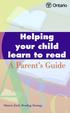 Contents A Word About This Guide............................... 3 Why Is It Important for My Child to Read?................ 4 How Will My Child Learn to Read?....................... 4 How Can I Help My
What does compassion look like?
 Lesson One: What does compassion look like? Learning Objectives: Students will: Demonstrate an understanding of the concept compassion. Identify elements of compassion shown in various images. Begin to
California. www.heinemann.com Phone: 800.225.5800
 California Preschool Learning Foundations, Vol. 1 (Foundations in Language and Literacy) and The Continuum of Literacy Learning, Grades PreK 8: A Guide to Teaching by Gay Su Pinnell and Irene C. Fountas
3 days Lifting the Qualities of Effective Fiction Writing. 3 4 days Stretching Out the Problem and Imagining Creative Solutions to Stories
 Grade 1, Unit 3 Realistic Fiction Adapted from Realistic Fiction (Unit 3) in A Curricular Plan for the Writing Workshop, Grade 1 by Calkins Section of the Unit of Study Minilesson Focus Points Time (approximate)
God is Eternal Lesson 1
 Preschool Curriculum (4K / 5K) August 15 th & 16 th, 2009 God is Eternal Lesson 1 Divine Attribute: Heart Response: God is Eternal Be Amazed Memory Verse: Jesus Christ is the same yesterday, today and
Last name: State/ Province: Home telephone number:
 54 Ages & Stages Questionnaires 51 months 0 days through 56 months 30 days Month Questionnaire Please provide the following information. Use black or blue ink only and print legibly when completing this
January. If You re Happy and You Know It (Tune: If You re Happy and You Know It Is Everybody Happy CD)
 Dr. Jean Feldman January Good Morning Song If You re Happy and You Know It (Tune: If You re Happy and You Know It Is Everybody Happy CD) If you re happy and you know it, clap your hands. (clap-clap) If
Jesus Is Anointed Lesson Aim: To give our treasure to Jesus.
 Teacher s Guide: Ages 4-5 Kings & Kingdoms Part 1: The Life of Jesus Unit 3, Lesson 12 Jesus Is Anointed Lesson Aim: To give our treasure to Jesus. THE WORSHIP Who God is: The King Who Loves THE WORD Bible
Step 1: Come Together
 THE STORY FOR LITTLE ONES: Preschool LESSON GUIDE: Lesson 2 5 ABRAHAM FOLLOWS GOD Bible Basis: Genesis 12:1 9, 17; 21:1 7 Bible Verse: Abram believed the Lord. The Lord accepted Abram because he believed.
miss off will fill hill kiss pass stiff jazz
 Unit #9 Skills: ss, ll, ff, zz Introduce Sounds 1. Display the flash card for each of the following sounds (one at a time): ss, ll, ff, zz 2. Say each sound aloud. Call attention to how each sound is made
English (Literacy) Reading Target Ideas. P Scale 4
 P Scale 4 Pupils listen and respond to familiar rhymes and stories Begin to remember one or two repeated words e.g. names of people or objects, or key words in a repetitive phrase, in a familiar text when
Teaching Children to Praise
 Teaching Children to Praise Thinking About Praise Discuss one or two of the following questions with a partner. When did you last praise God in a heartfelt way? What were you doing at the time? What effect
Expressive Objective: Realize the importance of using polite expressions in showing respect when communicating with others
 QUARTER 4 - WEEK 1 Theme: My School and Friends TARGET SKILLS : At the end of the lesson the students should be able to: Expressive Objective: Realize the importance of using polite expressions in showing
PUSD High Frequency Word List
 PUSD High Frequency Word List For Reading and Spelling Grades K-5 High Frequency or instant words are important because: 1. You can t read a sentence or a paragraph without knowing at least the most common.
Lesson Plan Template + ++ +++++
 Lesson Plan Template + ++ +++++ Title : Goldilocks and the Three Bears: A Fairy Tale Author : Linda New Levine Proficiency level X Beginning X Intermediate X Advanced Grade level K-2 Skills _X Reading
Fry s Sight Word Phrases
 The people Write it down By the water Who will make it? You and I What will they do? He called me. We had their dog. What did they say? When would you go? No way A number of people One or two How long
Writing Poetry with Second Graders By Shelly Prettyman
 Day 1 Mini-Lesson: What is Poetry (review)? Time: 30-45 min Writing Poetry with Second Graders By Shelly Prettyman Standard 7--Comprehension Students understand, interpret, and analyze grade level poetry.
Isaac and Rebekah. (Genesis 24; 25:19-34; 27:1-40) Spark Resources: Spark Story Bibles. Supplies: None. Spark Resources: Spark Bibles
 BIBLE SKILLS & GAMES LEADER GUIDE Isaac and Rebekah (Genesis 24; 25:19-34; 27:1-40) Age-Level Overview Age-Level Overview Open the Bible Activate Faith Lower Elementary Workshop Focus: God s promises come
Grade 1 National Reading Vocabulary Developed by TampaReads - ReadingKey.com/TampaReads.com
 Grade 1 National Reading Vocabulary Developed by TampaReads - ReadingKey.com/TampaReads.com The 340 reading vocabulary words in this 1st Grade reading list have been carefully selected as words which Grade
Nami s Gifts. Lesson Plan. About the Book Text Type: Fiction/Realistic Page Count: 16 Word Count: 220. About the Lesson Targeted Reading Strategy
 Lesson Plan About the Book Text Type: Fiction/Realistic Page Count: 16 Word Count: 220 Book Summary Nami has a problem: She must make the perfect gift for each person in her family. It is her family tradition.
Tools to Use in Assessment
 Tools to Use in Assessment II. Observations and Checklists Teachers have always watched and observed students in the classroom and they have made instructional decisions based on these observations. Too
Giving Second Graders the Write Skills Grade Level:
 Giving Second Graders the Write Skills Grade Level: Written by: Length of Unit: 2 nd Grade Tracy de Nieves, Cheyenne Mountain Charter Academy, Colorado Springs, CO Ten one hour lessons or (suggested) 20
Promised Land: Crossing the Jordan River Lesson Aim: To know we can be strong, brave leaders.
 Teacher s Guide: Ages 4-5 God of Wonders Part 2: Genesis through Joshua Unit 9, Lesson 46 Promised Land: Crossing the Jordan River Lesson Aim: To know we can be strong, brave leaders. THE WORSHIP Who God
BABIES FEBRUARY 2015. Basic Truth: Hold or rock a baby and sing the following song to the tune of Are You Sleeping.
 BABIES FEBRUARY 2015 Basic Truth: Jesus wants to be my friend forever. Hold or rock a baby and sing the following song to the tune of Are You Sleeping. Jesus loves you. Jesus loves you. Yes, He does. Yes,
Jesus Invites Me! Affirmation. I am welcome in the flock! Word: INVITATION
 Jesus Invites Me! Word: INVITATION Come, you that are blessed by my Father, inherit the kingdom prepared for you from the foundation of the world. Affirmation I am welcome in the flock! (Matthew 25:34b)
The Fruit of the Spirit is Love
 The Fruit of the Spirit is Love Pre-Session Warm Up (Galatians 5:22-23) Today we are going to learn more about the fruit of the Spirit called, Love. What do you think of when you hear the word love? A
Junior Cookie CEO Badge Activity Plan 1
 Junior Cookie CEO Badge Activity Plan 1 Badge Purpose: When girls have earned this badge, they ll know more about how to run all parts of their cookie business. Program Essentials Link: Financial Literacy
The Cross: Peter Denies Jesus
 Teacher s Guide: Ages 4-5 Kings & Kingdoms Part 1: The Life of Jesus Unit 3, Lesson 17 THE WORSHIP Who God is: The King Who Loves THE WORD Bible Story: Luke 22:54-62 What He has done: Jesus is denied by
Guided Reading with Emergent Readers by Jeanne Clidas, Ph.D.
 Bebop Books Guided Reading with Emergent Readers by Jeanne Clidas, Ph.D. What Is Guided Reading? Guided reading involves a small group of children thinking, talking, and reading through a new text with
INTRODUCTION TEACHING TIPS. THE NURSERY CLASS Purpose
 INTRODUCTION THE NURSERY CLASS Purpose Letter to Parents The purpose of the nursery class is to help children learn the restored gospel of Jesus Christ and live it. The nursery class should help the children
Looking for Lincoln Throughout His Life
 GRADE LEVEL: 1-3 Looking for Lincoln Throughout His Life TIME ALLOTMENT: Two 45-minute class periods OVERVIEW: In this interdisciplinary lesson, students will gather different facts about Lincoln through
Rhyming Words. Name the pictures. Color the ones that rhyme. Name. Practice Master ES 1 1 Week 1. PMES 1 1 Grade K Theme 1: Look At Us!
 Practice Master ES 1 1 Week 1 Rhyming Words the pictures. Color the ones that rhyme. PMES 1 1 Grade K Theme 1: Look At Us! Practice Master ES 1 2 Week 2 Beginning Sounds the pictures. Color the ones whose
Self-Acceptance. A Frog Thing by E. Drachman (2005) California: Kidwick Books LLC. ISBN 0-9703809-3-3. Grade Level: Third grade
 Self-Acceptance A Frog Thing by E. Drachman (2005) California: Kidwick Books LLC. ISBN 0-9703809-3-3 This Book Kit was planned by Lindsay N. Graham Grade Level: Third grade Characteristic Trait: Self Acceptance
There are many reasons why reading can be hard. This handout describes
 Understand the problems a child may be having with reading, and target what you can do to help! Look inside for practical, research-based information for parents and teachers about: Phonological and Phonemic
Transportation: Week 2 of 2
 The Minnesota Literacy Council created this curriculum with funding from the MN Department of Education. We invite you to adapt it for your own classrooms. Beginning Level (CASAS reading scores of 181-200)
BUILDING YOUR CHILD S LISTENING, TALKING, READING AND WRITING SKILLS KINDERGARTEN TO SECOND GRADE
 BUILDING YOUR CHILD S LISTENING, TALKING, READING AND WRITING SKILLS KINDERGARTEN TO SECOND GRADE PURPOSE This resource was developed to provide information about children s typical development of skills
My Family FREE SAMPLE. This unit focuses on sequencing. These extension
 Unit 5 This unit focuses on sequencing. These extension Unit Objectives activities give the children practice with sequencing beginning, middle, and end. As the learn to name family members and rooms children
Preparing Your Child for School
 Preparing Your Child for School The Early Years Foundation Stage was developed from the Foundation Stage which was introduced in September 2000 for children aged three, and continues until the end of Foundation
I. ABSTRACT II. III. IV.
 Teaching About Magnets in Kindergarten Grade Level or Special Area: Kindergarten Written by: Lori Dawn Montanez, Swallows Charter Academy, Pueblo West, CO Length of Unit: Five lessons (approximately two
Grade 2 Lesson 3: Refusing Bullying. Getting Started
 Getting Started Lesson Concepts You can refuse to let bullying happen to you or to others. Being assertive is one way to refuse bullying. Key Words Refuse, assertive Objectives Students will be able to:
God Parts the Red Sea Lesson Aim: To see how God speaks through His creation and His miracles.
 Teacher s Guide: Ages 4-5 God of Wonders Part 2: Genesis through Joshua Unit 8, Lesson 42 God Parts the Red Sea Lesson Aim: To see how God speaks through His creation and His miracles. THE WORSHIP Who
Nick s Plan. My case study child is a young boy in the third grade. I will call him Nick. Nick is a
 Jamie Oliver Nick s Plan My case study child is a young boy in the third grade. I will call him Nick. Nick is a student who has cerebral palsy. He remains in a wheelchair all day long while in school.
THE CONTEST BETWEEN THE SUN AND THE WIND. Outcome: Students will learn about Aesop and Aesop s fables.
 Outcome: Students will learn about Aesop and Aesop s fables. World map or globe Sun Graphic Organizer worksheet Blackboard or Whiteboard Unlined paper Lined paper Markers or pastels Optional: Cleveland,
Lowercase Letters Capital Letters Picture Cards
 Lowercase Letters Capital Letters Picture Cards Notes: You may want to cut out the flashcards and mount them on heavier paper for durability and ease of use. Rather than drilling through the cards (boring
Transitional Plan Levels J-M Based on 20-minute lesson each day. Prompts for Guided Reading
 Next Step in Guided Reading K-2 Emergent & Early Plan levels A-I Transitional Plan Levels J-M Based on 20-minute lesson each day Based on 20-minute lesson each day Day 1 Day 2 Day 1 Day 2 Day 3 Sight word
Week One: Five Little Penguins Slipping on the Ice
 Week One: Five Little Penguins Slipping on the Ice Copyright Info All of The Itty-Bitty Bookworm's products are licensed for use by one teacher in one classroom only. Reproduction of materials for use
K-1 Common Core Writing Santa Fe Public Schools Presented by: Sheryl White
 K-1 Common Core Writing Santa Fe Public Schools Presented by: Sheryl White Session Objectives Review expectations in Common Core Writing Gain ideas for teaching opinion writing Collaborate and articulate
Jesus Is Tempted Lesson Aim: To show God is pleased when we do what is right.
 Teacher s Guide: Ages 4-5 Kings & Kingdoms Part 1: The Life of Jesus Unit 1, Lesson 3 Jesus Is Tempted Lesson Aim: To show God is pleased when we do what is right. THE WORSHIP Who God is: The King Who
All Saints (or All Hallows) Celebration
 All Saints (or All Hallows) Celebration Bible base: Mark 10:46 52 Aim: To present an alternative focus to the Hallowe en events that dominate this time of year. Note to leaders Our focus this week will
A a B b C c D d. E e. F f G g H h. I i. J j K k L l. M m. N n O o P p. Q q. R r S s T t. U u. V v W w X x. Y y. Z z. abcd efg hijk lmnop qrs tuv wx yz
 A a B b C c D d E e F f G g H h I i J j K k L l M m N n O o P p Q q R r S s T t U u V v W w X x Y y Z z abcd efg hijk lmnop qrs tuv wx yz 25 Ways to Use Magnetic Letters at Home 1. LETTER PLAY Encourage
Grade 1 LA. 1. 1. 1. 1. Subject Grade Strand Standard Benchmark. Florida K-12 Reading and Language Arts Standards 27
 Grade 1 LA. 1. 1. 1. 1 Subject Grade Strand Standard Benchmark Florida K-12 Reading and Language Arts Standards 27 Grade 1: Reading Process Concepts of Print Standard: The student demonstrates knowledge