
Upon completion of this course, the healthcare providers should be able to:
|
|
|
- Lewis Brooks
- 9 years ago
- Views:
Transcription
1 First Aid Reviewed May, 2016, Expires May, 2018 Provider Information and Specifics available on our Website Unauthorized Distribution Prohibited 2016 RN.ORG, S.A., RN.ORG, LLC By Wanda Lockwood, RN, BA, MA Purpose The purpose of this course is to review principles of first aid and basic aid for common injuries: allergies/anaphylaxis, bleeding, fractures, strains and sprains, and burns. Goals Upon completion of this course, the healthcare providers should be able to: Discuss requirements of Good Samaritan laws. Describe initial assessment. List at least 10 findings that should trigger a call to Describe the recovery position. Describe treatment for allergic dermatitis and anaphylaxis. Describe treatment for mild and severe bleeding and nosebleeds. Describe treatment for fractures. List at least 5 findings related to fractures that should trigger a call to Describe the 4 elements of RICE therapy for strains and sprains. Differentiate among first, second, third and fourth degree burns and describe treatment for minor and major burns. Introduction Most injuries that people encounter are not serious or life threatening, but everyone should have an understanding of basic first aid in order to provide temporary care while injuries are assessed and the need for further medical care determined.

2 People who do not have a legal responsibility to provide aid are not required by law to do so, but all people have a moral obligation to help others in need. Some groups, such as police officers, lifeguards, and medical personnel have a responsibility to provide care when on duty. In other cases, a pre-existing responsibility, such as with a parent and child, means a person is responsible to attempt to render aid to another. Recuers who provide aid in good faith and provide care within their level of knowledge and training are covered by Good Samaritan laws in all states. Good Samaritan laws vary slightly from one state to another, but generally require the following: An emergency situation exists. The person rendering first aid is acting in good faith with intent to help. The person rendering first aid is doing so without compensation or reward. The person rendering first aid does not provide care that is grossly negligent or at odds with established standard first aid guidelines. However, if victims are cognizant and responsive, the rescuer rendering first aid must ask for consent. Consent may be verbal or expressed non-verbally, such as by nodding the head. If the person is not able to give consent because of age (young child), confusion, or lack of consciousness, consent is considered implied. Initial assessment The initial assessment is very important to determine what has happened. The person rendering aid should stop and look around, assessing the area for any hazards or dangerous circumstances. The first rule is that the person rendering aid should not be in danger. The rescuer should briefly assess the injured party to determine whether the injury is mild and can be easily attended to or whether there is a need to call for further medical care. If in doubt, the person should call immediately. Findings that should trigger a call to include: Open wounds (other than minor cuts). Traumatic head injuries. Major fractures. Loss of consciousness. Confusion, stupor.

3 Unequal pupils. Severe falls. Impact injuries (such as car accidents). Excessive bleeding. Chest pain/pressure. Decreased sensation or inability to move. Drug overdose. Severe burns. Severe persistent vomiting. The rescuer should also check for Medic Alert bracelets, sports bands, dog tags, watches, shoe tags, or necklaces, especially in unconscious victims as this may provide an indication of the type of emergency. Additionally, the rescuer should look about the scene to determine if there are other victims or people in need of help. For example, in an auto accident, some people may be thrown from the car. The rescuer should also assess environmental dangers, which may include downed power lines, high winds, flooding, encroaching fire, gunfire, gang activity, traffic, high surf, lightning, unstable ground, or other factors. If the environment is not safe, then the person should call and wait for trained professionals to provide aid. Recovery position If the victim has lost consciousness but does not appear at risk for spinal cord injury or severe head injury, then the victim should be placed in the recovery position rather than lying supine, which increases the danger of aspiration.

4 In the recovery position, the victim is turned to the side, the chin is raised to keep the epiglottis open, and the mouth is angled downward, to allow drainage of secretions. While various recovery positions have been advocated, the most common is to raise the arm on the side to which the victim is to be turned, lay the opposite arm across the chest, raise and grasp the opposite knee, grasp the opposite shoulder, and turn in a smooth movement. The victim must be carefully observed while in the recovery position, ensuring that ventilation is occurring. If the victim vomits, the mouth should be wiped clean to prevent obstruction of the airway. Note: Victims with head injuries should be positioned with the head elevated whenever possible. Allergic reactions/anaphylaxis Allergic reactions may result in contact dermatitis or severe systemic reactions, such as anaphylaxis. Contact Contact dermatitis may result from touching plants, such as poison ivy or poison oak, or other chemical irritants. In some cases, itching and redness may occur almost immediately, followed by blistering. The first step is to remove the irritant if possible, and this may include removing

5 clothing that has had contact with the irritant. The affected skin should be thoroughly irrigated with water and washed with soap and water to remove residue if possible. Topical cortisone cream, available OTC, may be applied to skin to relieve itching and decrease spread, but application on the face should be avoided. Topical Benadryl or calamine lotion may also reduce itching. If a rash covers more than 25% of the body or involves the genitals or face, blistering is extensive, drainage appears purulent, or the person develops severe swelling or dyspnea, then the person should be seek further medical care. Anaphylaxis If a person begins to show signs of a systemic reaction, often the first indications may be marked generalized or facial edema, increased salivation, and increasing shortness of breath. The person administering aid should immediately call because the patient is at risk of respiratory and/or cardiac arrest.

6 Often people with severe allergies carry Epi-pens. If the patient is responsive, the rescuer should ask if the patient has an Epi-pen or antihistamine and administer the drug, following directions on the package. If the patient loses consciousness, the rescuer should briefly check pockets and bags for an Epipen. If the patient is short of breath, he or she should be positioned with the head elevated until EMTs arrive. If the patient goes into cardiac and/or respiratory arrest, then cardiopulmonary resuscitation with rescue breathing should begin [See CE course Cardiopulmonary Resuscitation (CPR)]. Please note that compression only CPR is not adequate with respiratory arrest, which may occur if severe edema of the airways occurs. Two rescue breaths should be administered if possible followed by compressions and breathing at a 30:2 rate with compressions at 100/minute. Bleeding If there is any indication of internal bleeding, such as vomiting of bright red blood, or if there is severe external bleeding, then the rescuer should immediately call In some cases, such as a facial laceration, even a small injury may result in copious bleeding, so the first step is to assess the site of bleeding and the extent of injury. When caring for any injury that involves bleeding, rescuers should make every attempt to protect themselves from contamination with blood by wearing disposable gloves or applying plastic bags over the hands. If protection is not available, then the rescuer should use a thick pad or cloth to apply pressure to minimize risk. Minor bleeding Most minor lacerations and abrasions will stop bleeding spontaneously, but if an injury is bleeding, then the rescuer should elevate the

7 wound if possible and apply pressure with a dry sterile pad or clean cloth, holding it firmly in place for 20 to 30 minutes or until bleeding stops. After bleeding stops, the wound should be washed with clean water, avoiding soap as it may irritate the tissue and removing any debris. This can be followed by application of a thin layer of topical antibiotic, such as Neosporin and a protective bandage. If the wound edges cannot be easily closed or if the laceration is more than onequarter inch deep, then the victim should seek medical attention for possible suturing. The victim should be advised that any laceration poses a danger of tetanus, especially if it is deep or dirty. Tetanus shots are advised every 10 years, but a booster may be advised for injuries if the last tetanus shot was more than 5 years before the injury. Severe bleeding Severe bleeding poses the risk of shock, especially if bleeding is arterial, so the rescuer should immediately call If possible, the site of bleeding should be elevated and the head positioned lower than the trunk. The rescuer should apply pressure to the site of bleeding using a dry sterile pad or clean cloth for 20 to 30 minutes and should avoid releasing pressure. If the bleeding saturates the pad or cloth, then it should be left in place and additional padding added. If necessary, the pads can be tightly secured with binding or tape. If there is arterial bleeding or if bleeding cannot be controlled by direct pressure, then pressure must be applied to the artery that supplies the area of the bleeding. One hand should continue to apply direct pressure while the other applies pressure to the arterial pressure point.

8 Tourniquets are no longer recommended because of the potential for damage to tissues; however, in rare cases where bleeding is profound and cannot be slowed, then a wide (1 to 2-inch) band may be utilized, but these should be utilized only by trained personnel because, if the tourniquet is applied to tightly, it can result in gangrene, and if it is too loose, it may stem only venous bleeding and worsen arterial bleeding below the tourniquet. Once bleeding is controlled, the bandages should be left in place and the site immobilized for transportation to an emergency department. Nosebleed In most cases, nosebleeds can be treated by first aid, but if victims experience severe uncontrolled bleeding or bleeding is associated with anticoagulants, then the victim will need referral to an emergency department. If the nosebleed occurs as the result of a head or facial injury, then the nasal bone may be fractured.

9 The first step in controlling a nosebleed is to have the victim sit upright, leaning slightly forward. The rescuer, or the victim, should then pinch the nose tightly, just below the bony ridge, applying pressure toward the face. procedure should be repeated. Pressure should be applied for 5 minutes (check timing) and then released. If bleeding recurs, the If bleeding has not subsided within 20 minutes, then pressure should continue to be applied in 5-minute intervals during transit to an emergency department. Fractures If fractures result from major trauma, such as a motor vehicle accident, then the rescuer should immediately call 9-1-1, as there may be multiple injuries. Other indications for calling include: Unconscious victim. Severe bleeding associated with fracture. Severe pain on any movement. Obvious deformity of joint. Open fracture with bone protruding through skin. Cyanosis of limb. Possible fracture of head, neck, spine, pelvis, or femur. In all cases, victims with fractures should be transported to an emergency department for further treatment although they may not require transportation by ambulance. It s important to avoid any unnecessary movement, which may further dislodge a bone or increase tissue damage and internal bleeding. As with other causes of bleeding, the first step is to apply pressure to control blood loss. The area of the fracture should be immobilized in the position found without any attempt to straighten a limb or realign bones. Unless trained to do so, the rescuer should not attempt to apply a splint but should wait for emergency medical personnel. If available, ice packs can be applied to the area of the fracture to reduce swelling, avoiding direct application of ice to skin by placing a cloth over the area under the ice pack.

10 For fractures of the shoulder, clavicle, arm, elbow, or hand, a simple sling from a square or triangle of cloth may be applied for transportation to an emergency department. Sprains and strains Strains and sprains are treated similarly with RICE therapy. While both may require medical attention, calling is not usually indicated. Strain ( Pulled muscle): May result from overstretching or blunt injury, resulting in tears in the muscle or tendon. Strains are classified as 1 st, 2 nd, or 3 rd degree according to severity, but initial treatment is the same. Pain onset is rapid with local tenderness felt on movement of the muscle. Edema is usually present with 2 nd and 3 rd degree injuries. Sprain (Joint damage): May result from twisting or wrenching a joint, causing damage to the joint itself and supporting ligaments. The wrenching often tears vessels, so sprains are characterized by edema, tenderness at site of injury, and pain on movement or inability to bear weight on affected limb. Pain tends to increase

11 over 2 to 3 hours. Severe sprains may be associated with fractures, so victims should seek medical care for further treatment and x-ray. RICE Therapy Rest: Stop doing the activity that caused the problem and avoid any more damage to injured area. Ice: Apply ice or cold compresses for minutes an hour for the first hours to reduce swelling. Compression: Apply an Ace bandage or similar dressing to apply gentle pressure and prevent swelling. Elevate: Keep the injured area above the level of the heart to promote drainage. Like strains, sprains are classified as 1 st, 2 nd, or 3 rd degree according to severity, but initial treatment is also the same although 2 nd and 3 rd degree injuries may require splinting to support the joint. If an injury occurs where no ice or dressings are available, then the affected limb should be elevated and supported for transport to medical care. Burns Burns are classified as first, second, or third degree, depending on the extent of the tissue damage. A general knowledge of burns helps to assess the need for treatment. First-degree burn A first-degree burn affects only the epidermis (outer skin layer) and is characterized by redness and pain, such as may occur with sunburn or spilling a hot drink on the skin.

12 . With a first-degree burn, the skin is dry and intact, and the burn will usually heal within a week without treatment. Note that a burn may appear to be first degree on initial examination, but if the skin feels rough to the touch, blisters may be forming, indicating second degree burns. Treatment: Initial treatment includes holding the burn area under cool running water for 10 to 15 minutes (or immersing in cool water) to reduce swelling and pain. Note: Do not use ice water! Then, for large areas of skin (such as with sunburn) leave the area open to the air or apply a loose soft garment, such as a t-shirt. For smaller areas of skin, such as a burn on the arm, apply a loose sterile gauze bandage if one is available to help reduce pain from air and friction of clothing. Second-degree burn A second-degree burn extends through the epidermis and into the superficial or deep dermis and is characterized by blistering and sloughing of skin, and this begins almost immediately. The lesion is moist and usually requires two to three weeks to heal or even longer, depending on the depth into the dermis. Second-degree burns are very painful.

13 There is a risk of infection with second-degree burns because of the exposed tissue. Treatment: If the second-degree burn is less than 3 inches in diameter and in a non-critical area, it may be treated as a first-degree burn. However, if it involves a larger area or is located on the hands, feet, genital areas, buttocks, or over a joint, it is treated as for major third and fourth-degree burns (see below) and requires immediate medical attention. This may involve calling if the burns are extensive or severe or providing other transport to an emergency department. Second-degree burns require assessment and a judgment call to determine the type of first aid. For example, second-degree burns on the hand are considered major, but pain may be relieved by immersing the hands in cool water while waiting for emergency personnel. Third-degree and fourth-degree burns A third-degree burn extends through the entire dermis and may appear stiff and white/brown initially but is painless because of damage to nerve endings.

14 However, most burns are not completely third degree but have some combination of first, second, and third-degree burns, so even those with third-degree burns may have severe pain. A fourth-degree burn extends into underlying tissue and bone and appears charred and black. Because of damage to the nerves, the area of fourth-degree burns is painless, but as with other burns, there is often a combination of other degrees of burns, so pain may be present. Treatment: For all major burns, the rescuer should call and provide supportive care until emergency personnel arrive. Flooding the burns with water or immersing the burns may result in increased loss of body fluids and hypothermia, especially if large areas of the body are involved.

15 The victim s clothing should be left in place although smoldering materials should be removed and flames smothered or water applied to stop burning as necessary. Clothing may have adhered to burns and attempting to remove them may cause more tissue damage. The victim should be assessed for breathing and circulation and may require CPR. If possible, burned areas should be elevated above the level of the heart and may be covered with moist, sterile bandages or moist clean cloths if available. Conclusion There are two issues of concern when administering first aid: Abandonment: Once initiated, first aid must be continued and the victim attended until the person administering aid is relieved by someone with the same level of training or more advanced training. Negligence: If aid rendered results in more severe injury because the person administering aid provided substandard care, then that person may be liable for negligence. References First Aid and Emergencies: Index. (2012). WebMD. Retrieved from First Aid: Index. (2012, August 10). Mayo Clinic. Retrieved from Flegel, M.J. (2008). Sports First Aid, 4 th ed. Champaign, IL: Human Kinetics Publishers, Inc. Nosebleeds. (2010, December). FamilyDoctor.org. Retrieved from Thygerson, A.L, & Thygerson, S.M. (2011). First Aid, 6 th ed. Sudsbury, MA: James & Bartlett Learning.

First Aid Multiple Choice Test
 First Aid Multiple Choice Test Answer all 25 questions by circling the correct answer. This is an open-book test. Answers are contained in The Boy Scout Handbook. Patrol Troop 1. When making a 911 call,
CASAID THE AIMS OF FIRST AID, INCIDENT ACTION PLAN, INITIAL ASSESSMENT AND THE RECOVERY POSITION. Airway must be open so oxygen can enter the body.
 CASAID THE AIMS OF FIRST AID, INCIDENT ACTION PLAN, INITIAL ASSESSMENT AND THE RECOVERY POSITION The Aims of First Aid The aims of first aid (the three Ps) are to: Preserve the casualty s life. Prevent
Types of electrical injuries
 Types of electrical injuries Electrical injury is a term for all injuries caused by contact with electrical energy. Electrical contact can cause a wide variety of injuries involving most organ systems.
Adult First Aid/CPR/AEd. Ready Reference
 Adult First Aid/CPR/AEd Ready Reference Contents Checking an Injured or Ill Adult 3 CPR 4 AED Adult or Child 5 Conscious Choking 7 Controlling External Bleeding 8 Burns 9 Poisoning 10 Head, Neck or Spinal
EYE, EAR, NOSE, and THROAT INJURIES
 T6 EYE, EAR, NOSE, and THROAT INJURIES Management of injuries of the eyes, ears, nose, and throat focuses on airway management and initial stabilization of the injury. Bilateral comparisons can assist
Emergency Action Plans
 Emergency Action Plans Clearly the most effective way to deal with an injury- emergency is to plan ahead and to practice the appropriate procedures. An emergency action plan is a written plan of action
2. (U4C2L3:F2) If your friend received a deep cut on her wrist, what would you do?
 Cadet Name: Date: 1. (U4C2L3:F1) Your friend receives a deep cut on her wrist while washing dishes. She asks for your help. How confident are you that you could provide appropriate aid? A) My friend is
Facial Sports Injuries
 Facial Sports Injuries Playing catch, shooting hoops, bicycling on a scenic path or just kicking around a soccer ball have more in common than you may think. On the up side, these activities are good exercise
FIRST AID TEST. 367 West Robles Ave Santa Rosa, CA 95407 707-206-9988. www.schoolbusing.com. Revised April 21, 2008 - 1 -
 FIRST AID TEST 367 West Robles Ave Santa Rosa, CA 95407 707-206-9988 www.schoolbusing.com Revised April 21, 2008-1 - West County Transportation Agency This test was developed to help school bus driver
Dressing and bandage
 Dressing and bandage Mihajlo Lojpur, M.D., Ph.D. INTRODUCTION The terms dressing and bandage are often used synonymously. In fact, the term dressing refers more correctly to the primary layer in contact
MRC Medical Jeopardy Feud List of Treatments for Possible Injuries/Conditions
 List of Treatments for Possible Injuries/Conditions A. Apply cold compresses to affected area; elevate the area to reduce swelling and possible bleeding B. Apply direct pressure to wound area with sterile
CHAPTER 1 DISASTER FIRST AID INTRODUCTION
 CHAPTER 1 DISASTER FIRST AID INTRODUCTION This chapter will cover the following topics: Introduction: The basic concepts of providing disaster first aid and the equipment required to safely respond to
FIRST AID FOR BASEBALL COACHES
 FIRST AID FOR BASEBALL COACHES Liability Issues. Do the right thing State provides qualified immunity Chapter 258 C, Section 13. Good Samaritan Law: No person who, in good faith, provides or obtains, or
LEGAL PROTECTION. Good Samaritan Law RCW 4.24.300
 GOALS This course is designed to instruct coach very basic first aid techniques to protect the players under your guidance. This presentation only provides a brief overview of the issues that you may face
12/5/2012. Introduction. Head, Neck, and Spine Injuries. Recognizing and Caring for Serious Head, Neck and Back Injuries
 Head, Neck, and Spine Injuries Identify the most common causes of head, neck and spinal injuries. List 10 situations that might indicate serious head, neck and spinal injuries. List the signals of head,
CHAPTER 6 HEAD INJURY AND UNCONSCIOUSNESS
 CHAPTER 6 HEAD INJURY AND UNCONSCIOUSNESS BRAIN INJURY Injury to the brain is one of the more serious outcomes that occur due to injury or illness. The first aider plays a major role in limiting damage
First Responder (FR) and Emergency Medical Responder (EMR) Progress Log
 First Responder (FR) and Emergency Medical Responder (EMR) Progress Log Note: Those competencies that are for EMR only are denoted by boldface type. For further details on the National Occupational Competencies
How To Manage A Catastrophic Injury
 Report #14 CATASTROPHIC INJURIES: Paralysis, Amputation, Burns Overview: A catastrophic injury or illness usually occurs suddenly and without warning. Injuries may be considered catastrophic when they
Certified Athletic trainers should follow a 10-step process of evaluation for orthopedic injuries, which includes but is not limited to:
 Acute Care Policy Acute Care Policy and Procedures Athletic training students within Winona State University s Athletic Training Education Program have the opportunity to evaluate acute athletic injuries
Wound Care on the Field. Objectives
 Wound Care on the Field Brittany Witte, PT, DPT Cook Children s Medical Center Objectives Name 3 different types of wounds commonly seen in sports and how to emergently provide care for them. Name all
Understand nurse aide skills needed to promote skin integrity.
 Unit B Resident Care Skills Essential Standard NA5.00 Understand nurse aide s role in providing residents hygiene, grooming, and skin care. Indicator Understand nurse aide skills needed to promote skin
Objectives. Burn Assessment and Management. Questions Regarding the Case Study. Case Study. Patient Assessment. Patient Assessment
 Objectives Burn Assessment and Management Discuss the mechanisms and complications of a thermal burn, electrical burn and an inhalation burn Explain the factors to consider when determining the severity
Recent Injuries. www.physiofirst.org.uk
 Recent Injuries www.physiofirst.org.uk A recent or acute injury can occur suddenly during any activity, from tripping over the kerb, to making the bed, to playing sport. In some cases, an acute injury
OPTIONAL LESSON Anaphylaxis and Epinephrine Auto-Injector
 OPTIONAL LESSON Anaphylaxis and Epinephrine Auto-Injector Lesson Length: 54 minutes GUIDANCE FOR THE INSTRUCTOR To complete this lesson and meet the lesson objectives, you must: Discuss all points in the
Poison Ivy, Oak & Sumac: A Rash of Information About Identification, Treatment and Prevention
 Poison Ivy, Oak & Sumac: A Rash of Information About Identification, Treatment and Prevention The American Academy of Family Physicians Foundation has favorably reviewed this material through 2007. Favorable
Injury Law Center OTHER INJURIES
 Injury Law Center Note: This information is provided to give you a basic understanding of the injury. It is not intended as medical advice. You should consult a qualified medical provider. OTHER INJURIES
CPR/First Aid. Lesson 12 Injuries to Muscles, Bones & Joints
 CPR/First Aid Lesson 12 Injuries to Muscles, Bones & Joints 1 Muscles Muscles are soft tissues. Your body has over 600 different muscles. Injuries to the brain, spinal cord or nerves can affect the muscles.
How To Recover From A Surgical Wound From A Cast
 Care of Your Wounds After Amputation Surgery by Paddy Rossbach, RN Depending on the reason for your amputation and the state of your limb at the time of surgery, definitive closure of the wound may take
RP0807 - PERFORM SPLINTING TECHNIQUES
 RP0807 - PERFORM SPLINTING TECHNIQUES TERMINAL LEARNING OBJECTIVE. 1. Without the aid of references, given a casualty and standard combat lifesaver medical equipment set, perform splinting techniques,
MEDICATION ADMINISTRATION TO STUDENTS
 540 540 SECTION 540 MEDICATION AND FIRST AID SECTION 540A - MEDICATION MEDICATION ADMINISTRATION TO STUDENTS Medications are given to students in the school setting to continue or maintain a medical therapy
Emergency procedures instructions to farm staff
 Emergency procedures instructions to farm staff The first priority in the event of an emergency is for the safety of all people present. Emergency phone numbers Dial 111 for Fire/Police/Ambulance 1. Tell
BLS TREATMENT GUIDELINES - CARDIAC
 BLS TREATMENT GUIDELINES - CARDIAC CARDIOPULMONARY ARREST - NON-TRAUMATIC (SJ-B101) effective 07/01/99 Defibrillation CPR Apply S-AED and assess rhythm as trained. Defib as indicated Simultaneous OXYGEN:
Basic First Aid Tutorial
 Basic First Aid Tutorial 1 Overview: 1-Introduction 2-Emergency Response 3-Bleeding, Shock, & Soft-Tissue Injuries 4-Bone, Joint, & Muscle Injuries 5-Medical Emergencies 6-Heat & Cold-Related Illness/Injury
COALINGA STATE HOSPITAL. Effective Date: August 31, 2006
 COALINGA STATE HOSPITAL NURSING POLICY AND PROCEDURE MANUAL SECTION Emergency Procedures POLICY NUMBER: 715 Effective Date: August 31, 2006 SUBJECT: EMERGENCY CARE OF HEMORRHAGE 1. PURPOSE: The management
5420-R STUDENT HEALTH SERVICES REGULATION NORTH COLONIE CENTRAL SCHOOLS NEWTONVILLE, NEW YORK Emergency Procedures and Approved First Aid Methods
 STUDENT HEALTH SERVICES REGULATION NORTH COLONIE CENTRAL SCHOOLS NEWTONVILLE, NEW YORK Emergency Procedures and Approved First Aid Methods EMERGENCY PROCEDURES Contact parents and cooperate with them in
CPR/AED for Professional Rescuers and Health Care Providers HANDBOOK
 CPR/AED for Professional Rescuers and Health Care Providers HANDBOOK TABLE OF CONTENTS SECTION 1: THE PROFESSIONAL RESCUER The Duty to Respond 2 Preventing the Spread of Bloodborne Pathogens 3 Taking Action
Eye Injuries. The Eyes The eyes are sophisticated organs. They collect light and focus it on the back of the eye, allowing us to see.
 Eye Injuries Introduction The design of your face helps protect your eyes from injury. But injuries can still damage your eyes. Sometimes injuries are severe enough that you could lose your vision. Most
American Red Cross First Aid EXAMPLE ANSWER SHEET
 American Red Cross First Aid Exam A IMPORTANT: Read all instructions before beginning the exam. INSTRUCTIONS: Do not write on this exam. Mark all answers in pencil on the separate answer sheet as directed
404 Section 5 Shock and Resuscitation. Scene Size-up. Primary Assessment. History Taking
 404 Section 5 and Resuscitation Scene Size-up Scene Safety Mechanism of Injury (MOI)/ Nature of Illness (NOI) Ensure scene safety and address hazards. Standard precautions should include a minimum of gloves
California Correctional Health Care Services
 RN Protocol: I. POLICY A. Function: To facilitate and guide the Registered Nurse (RN) in the assessment and treatment of patients presenting with burns. B. Circumstances under which the RN may perform
3/24/2014. Waubonsee Community College Safety Day 2014. Why do we need a First Aid Program?
 Waubonsee Community College Safety Day 2014 Why do we need a First Aid Program? 4,383 workers were killed on the job in 2012 Total recordable non fatal cases: 2,976,400 in 2012 Cases involving days away
Chapter 11. Everting skin edges
 Chapter 11 PRIMARY WOUND CLOSURE KEY FIGURE: Everting skin edges In primary wound closure, the skin edges of the wound are sutured together to close the defect. Whenever possible and practical, primary
Adult Forearm Fractures
 Adult Forearm Fractures Your forearm is made up of two bones, the radius and ulna. In most cases of adult forearm fractures, both bones are broken. Fractures of the forearm can occur near the wrist at
2 CHECKING AN INJURED OR ILL ATHLETE
 American Red Cross 2 CHECKING AN INJURED OR ILL ATHLETE ~~~'1'H ~.. 2 CHECKING AN INJURED OR III ATHLETE Checking the scene for safety and checking an injured or ill athlete is the first action to take,
THERAPEUTIC USE OF HEAT AND COLD
 THERAPEUTIC USE OF HEAT AND COLD INTRODUCTION Heat and cold are simple and very effective therapeutic tools. They can be used locally or over the whole body, and the proper application of heat and cold
TOWN CENTER ORTHOPAEDIC ASSOCIATES P.C. Labral Tears
 Labral Tears The shoulder is your body s most flexible joint. It is designed to let the arm move in almost any direction. But this flexibility has a price, making the joint prone to injury. The shoulder
Enables MDA Medical Teams to categorize victims in mass casualty scenarios, in order to be able to triage and treat casualties
 MDA Disposable ALS + BLS Medical Ambulance Equipment Prices shown in CDN. Funds Items Description Picture Mass Casualty ID tag 1000 units = $350 Enables MDA Medical Teams to categorize victims in mass
Hand Injuries and Disorders
 Hand Injuries and Disorders Introduction Each of your hands has 27 bones, 15 joints and approximately 20 muscles. There are many common problems that can affect your hands. Hand problems can be caused
Northwestern Health Sciences University. Basic Life Support for Healthcare Providers
 Northwestern Health Sciences University Basic Life Support for Healthcare Providers Pretest May 2005 This examination to be used only as a PRECOURSE TEST for BLS for Healthcare Providers Courses Based
Pesticide Harmful Effects And Emergency Response
 Pesticide Harmful Effects And Emergency Response Most pesticides are designed to harm or kill pests. Because some pests have systems similar to the human system, some pesticides also can harm or kill humans.
Accident Prevention. and Crisis Management. Learning Objectives
 13 1 1 Accident Prevention 2 and Crisis Management Learning Objectives How can you prevent accidents? What should you do when a food recall or food crisis occurs? What should you do if the establishment
Elbow Injuries and Disorders
 Elbow Injuries and Disorders Introduction Your elbow joint is made up of bone, cartilage, ligaments and fluid. Muscles and tendons help the elbow joint move. There are many injuries and disorders that
Bleeding Control for the Injured
 Bleeding Control for the Injured Bleeding Control (1 of 2) The focus of this training is on recognition of life-threatening bleeding with appropriate medical treatment. This training will show you the
Southern Stone County Fire Protection District Emergency Medical Protocols
 TITLE Pediatric Medical Assessment PM 2.4 Confirm scene safety Appropriate body substance isolation procedures Number of patients Nature of illness Evaluate the need for assistance B.L.S ABC s & LOC Focused
Module 8: Soft Tissue Trauma
 1. Which of the following is a major function of the skin? a. Excretion of wastes b. Protection from the environment c. Temperature regulation d. All of the above 2. Which of the following is the outermost
Shoulder Dislocation or Instability Surgery: A Guide to Recovery After Surgery
 What is Shoulder Instability? What is a Shoulder Dislocation? The shoulder joint is a ball in socket joint and is the most mobile joint in the human body. The socket, however, is quite shallow which means
Orthopaedic Spine Center. Anterior Cervical Discectomy and Fusion (ACDF) Normal Discs
 Orthopaedic Spine Center Graham Calvert MD James Woodall MD PhD Anterior Cervical Discectomy and Fusion (ACDF) Normal Discs The cervical spine consists of the bony vertebrae, discs, nerves and other structures.
Initial Management of Acute Sports Injuries. By Martin Meyer Sports Physiotherapist Director APE
 Initial Management of Acute Sports Injuries By Martin Meyer Sports Physiotherapist Director APE Owned and operated by Perth physios with over 20 years experience Sports Medicine Wholesaler Strapping tapes
Throughout this reference summary, you will find out what massage therapy is, its benefits, risks, and what to expect during and after a massage.
 Massage Therapy Introduction Massage therapy is the manipulation of the soft tissues of the body, including the skin, tendons, muscles and connective tissue by a professional, for relaxation or to enhance
.org. Fractures of the Thoracic and Lumbar Spine. Cause. Description
 Fractures of the Thoracic and Lumbar Spine Page ( 1 ) Spinal fractures can vary widely in severity. While some fractures are very serious injuries that require emergency treatment, other fractures can
Epinephrine Administration Training for Unlicensed School Personnel
 Epinephrine Administration Training for Unlicensed School Personnel Management of Life-Threatening Allergies in the School Setting Dover and Sherborn Schools EpiPen Administration This program is designed
WET, COUGHING AND COLD NEAR RIVER BANK STUNG BY BEE CAUSING ANAPHYLACTIC SHOCK TO WRIST
 GRIT IN EYE BROKEN LEG BONE WET, COUGHING AND COLD NEAR RIVER BANK STUNG BY BEE CAUSING ANAPHYLACTIC SHOCK HEART ATTACK SUFFERING FROM SHOCK CHOKING SEVERE BLEEDING TO WRIST HYPOTHERMIA ANGINA Localised
Arthroscopic subacromial decompression and rotator cuff repair
 Further sources of information http://www.patient.co.uk/showdoc/553/ http://www.shoulderdoc.co.uk/article.asp?section=11 http://www.medic8.com/healthguide/articles/painfulshoulder.html http://www.cks.nhs.uk/patientinformationleaflet/shoulderpainarc/st
A compressive dressing that you apply around your ankle, and
 Ankle Injuries & Treatment The easiest way to remember this is: R.I.C.E. Each of these letters stands for: Rest. Rest your ankle. Do not place weight on it if it is very tender. Avoid walking long distances.
American Heart Association. Basic Life Support for Healthcare Providers
 American Heart Association Basic Life Support for Healthcare Providers Pretest February 2001 This examination to be used only as a PRECOURSE TEST for BLS for Healthcare Providers Courses 2001 American
Hand and Upper Extremity Injuries in Outdoor Activities. John A. Schneider, M.D.
 Hand and Upper Extremity Injuries in Outdoor Activities John A. Schneider, M.D. Biographical Sketch Dr. Schneider is an orthopedic surgeon that specializes in the treatment of hand and upper extremity
Chapter 6. Hemorrhage Control UNDER FIRE KEEP YOUR HEAD DOWN
 Hemorrhage Control Chapter 6 Hemorrhage Control The hemorrhage that take[s] place when a main artery is divided is usually so rapid and so copious that the wounded man dies before help can reach him. Colonel
Chapter 34. Neglected hand Escharotomy
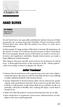 Chapter 34 HAND BURNS KEY FIGURES: Neglected hand Escharotomy Severe hand burns are especially problematic injuries because of their propensity for causing long-term disability. Proper treatment of the
UK HealthCare Sports Medicine Patient Education December 09
 LCL injury Description Lateral collateral knee ligament sprain is a sprain (stretch or tear) of one of the four major ligaments of the knee. The lateral collateral ligament (LCL) is a structure that helps
Spinal Cord Injury Education. Common Medical Problems Following Spinal Cord Injury
 Spinal Cord Injury Education Common Medical Problems Following Spinal Cord Injury Common Medical Complications After SCI, your body is vulnerable to various complications This presentation gives a brief
.org. Distal Radius Fracture (Broken Wrist) Description. Cause
 Distal Radius Fracture (Broken Wrist) Page ( 1 ) The radius is the larger of the two bones of the forearm. The end toward the wrist is called the distal end. A fracture of the distal radius occurs when
X-Plain Subclavian Inserted Central Catheter (SICC Line) Reference Summary
 X-Plain Subclavian Inserted Central Catheter (SICC Line) Reference Summary Introduction A Subclavian Inserted Central Catheter, or subclavian line, is a long thin hollow tube inserted in a vein under the
BLOOD BORNE PATHOGENS
 BLOOD BORNE PATHOGENS AIDS and other blood-borne pathogens such as Hepatitis B and C are deadly diseases that are present in today s society. All blood-borne pathogens are transmitted in blood and other
Heart information. CPR cardiopulmonary resuscitation
 Heart information CPR cardiopulmonary resuscitation Contents 3 What is CPR? 3 What is cardiac arrest? 4 Heart attack and cardiac arrest 4 Cardiopulmonary resuscitation (CPR) 5 Danger 6 Response 7 Send
Calcaneus (Heel Bone) Fractures
 Copyright 2010 American Academy of Orthopaedic Surgeons Calcaneus (Heel Bone) Fractures Fractures of the heel bone, or calcaneus, can be disabling injuries. They most often occur during high-energy collisions
Adult Choking and CPR Manual
 Adult Choking and CPR Manual 2009 Breath of Life Home Medical Equipment and Respiratory Services CHOKING Description: Choking is the coughing spasm and sputtering that happen when liquids or solids get
FUNCTIONS OF THE SKIN
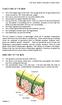 FUNCTIONS OF THE SKIN Skin is the largest organ of the body. The average adult has 18 square feet of skin which account for 16% of the total body weight. Skin acts as a physical barrier for you to the
PICC & Midline Catheters Patient Information Guide
 PICC & Midline Catheters Patient Information Guide medcompnet.com 1 table of contents Introduction 4 What is a PICC or Midline Catheter? 4 How is the PICC or Midline Catheter Inserted? 6 Catheter Care
Collarbone (Clavicle) Fractures: A Guide to Recovery After Surgery
 The collarbone or 'clavicle' is a bone that connects the shoulder blade to the chest bone. Fractures or breaks of the clavicle are common injuries during childhood and with falls onto the shoulder. The
Management of Burns. The burns patient has the same priorities as all other trauma patients.
 Management of Burns The burns patient has the same priorities as all other trauma patients. Assess: - Airway - Breathing: beware of inhalation and rapid airway compromise - Circulation: fluid replacement
REMOVAL OF A PICC. Possible Cause Nursing Actions Prevention
 REMOVAL OF A PICC PICC lines are removed following a physician order, when therapy is completed or complications such as line sepsis, thrombosis or phlebitis, require removal. The removal of a PICC line
Temple Physical Therapy
 Temple Physical Therapy A General Overview of Common Neck Injuries For current information on Temple Physical Therapy related news and for a healthy and safe return to work, sport and recreation Like Us
Frontline First Aid EMR Scenario Examples
 Course Type: Start Date: Instructors initial scenarios as they are completed CPR-AED Scenarios CPR with Hypothermia Load and Go CPR with Obstructed Airway Continue CPR after airway clears with NO obvious
NEW YORK STATE DEPARTMENT OF HEALTH BUREAU OF EMERGENCY MEDICAL SERVICES
 NEW YORK STATE DEPARTMENT OF HEALTH BUREAU OF EMERGENCY MEDICAL SERVICES TRAINING PROGRAM OUTLINE FOR UNLICENSED OR UNCERTIFIED PERSONNEL TO ADMINISTER EPINEPHRINE BY AUTO-INJECTOR IN LIFE-THREATENING
Epidural Continuous Infusion. Patient information Leaflet
 Epidural Continuous Infusion Patient information Leaflet April 2015 Introduction You may already know that epidural s are often used to treat pain during childbirth. This same technique can also used as
Basic First Aid for the Community and Workplace
 A M E R I C A N S A F E T Y & H E A LT H I N S T I T U T E Basic First Aid for the Community and Workplace Student Handbook This handbook serves as a reference guide for basic first aid. For the purpose
EMERGENCY MEDICAL RESPONDER (EMR) PRACTICAL SKILLS EXAMINATION REPORT State Form 54407 (R / 5-13)
 EMERGENCY MEDICAL RESPONDER (EMR) PRACTICAL SKILLS EXAMINATION REPT State Form 54407 (R / 5-3) INDIANA DEPARTMENT OF HOMELAND SECURITY EMERGENCY MEDICAL SERVICES CERTIFICATION 302 West Washington Street,
Provided by the American Venous Forum: veinforum.org
 CHAPTER 1 NORMAL VENOUS CIRCULATION Original author: Frank Padberg Abstracted by Teresa L.Carman Introduction The circulatory system is responsible for circulating (moving) blood throughout the body. The
All About Your Peripherally Inserted Central Catheter (PICC)
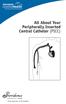 All About Your Peripherally Inserted Central Catheter (PICC) General Information Intravenous (IV) therapy is the delivery of fluid directly into a vein. An intravenous catheter is a hollow tube that is
Chapter 7. Expose the Injured Area
 Chapter 7 GUNSHOT WOUNDS KEY FIGURES: Entrance/exit wounds This chapter describes how to treat the external, surface wounds caused by a bullet. The evaluation for underlying injury related to gunshot wounds
National Registry of Emergency Medical Technicians Emergency Medical Technician Psychomotor Examination BLEEDING CONTROL/SHOCK MANAGEMENT
 BLEEDING CONTROL/SHOCK MANAGEMENT Candidate: Examiner: Date: Signature: Possible Applies direct pressure to the wound 1 NOTE: The examiner must now inform the candidate that the wound continues to bleed.
Wound and Skin Assessment. Mary Carvalho RN, BSN, MBA Clinical Coordinator Johnson Creek Wound and Edema Center
 Wound and Skin Assessment Mary Carvalho RN, BSN, MBA Clinical Coordinator Johnson Creek Wound and Edema Center Skin The largest Organ Weighs between 6 and 8 pounds Covers over 20 square feet Thickness
X-Plain Hip Replacement Surgery - Preventing Post Op Complications Reference Summary
 X-Plain Hip Replacement Surgery - Preventing Post Op Complications Reference Summary Introduction Severe arthritis in the hip can lead to severe pain and inability to walk. To relieve the pain and improve
Unit 4 FIRST AID Lecture notes
 Unit 4 FIRST AID Lecture notes I. Emergency Procedures a. Most sports injuries do not result in life or death emergency situations, but when such situations do arise, prompt care is essential. b. Emergency
Lifting and Handling, a Risk Assessor s Guide
 Lifting and Handling, a Risk Assessor s Guide 1 Introduction Unfortunately manual handling accidents are all too common, and can lead to life-long problems with bad backs. While they do not have the same
First Aid as a Life Skill. Training Requirements for Quality Provision of Unit Standard-based First Aid Training
 First Aid as a Life Skill Training Requirements for Quality Provision of Unit Standard-based First Aid Training New Zealand Qualifications Authority 2010 2 Index Introduction 3 Section One: Framework outline
100018 100016 100017. Scope of Course Public Safety First Aid and CPR Course Content. (a) The initial course of instruction shall at a minimum
 100018 100016 100017. Scope of Course Public Safety First Aid and CPR Course Content. (a) The initial course of instruction shall at a minimum consist of not less than fifteen (15) hours in first aid and