
Information Brief on Mangroves in Sri Lanka
|
|
|
- Adelia Griffin
- 9 years ago
- Views:
Transcription
1 Information Brief on Mangroves in Sri Lanka Introduction Mangrove ecosystems played a vital role in buffering the force of the tsunami waves and in protecting the human inhabitations. Even before the Tsunami, Sri Lanka has been experiencing rapid loss of mangrove ecosystems mainly due to anthropogenic factors including unprecedented growth of the tourism sector. In addition to the provision of ecosystem functions, the mangroves are instrumental in supporting the livelihoods of the local coastal communities. These mangrove systems also perform vital hydrological functions and serve as breeding grounds for fish & other marine species. Almost 40% of the world s mangroves are concentrated in Asia, the region also has accounted for the highest loss of mangrove area over the last decade. The mangrove systems covering an area of ha are interspersed along the coastline of Sri Lanka. The largest mangrove system is located in Puttalam Lagoon Dutch Bay Portugal Bay complex and covers an area of 3385 ha. The other large concentrations are in Batticaloa and Trincomalee districts. The mangrove forests in Bentota are highly threatened as a result of unchecked growth of the tourism sector. This report was produced with the generous financial support of the Organismo Autónomo Parques Nacionales (OAPN) of the Ministry of Environment of Spain, under the project Rehabilitating Coastal Ecosystems in a Post Tsunami Context: Restoration of Mangroves in Sri Lanka and Thailand. The views expressed in this document do not necessarily represent OAPN, Ministry of Environment or IUCN, and are those of the authors alone.

2 In spite of the known ecological and economic value of mangroves there has been indiscriminate exploitation of mangroves for commercial, industrial, housing needs mainly due to the lack of knowledge of the ecological role of the mangroves amongst the decision-makers. Until recent times, mangrove areas have received very little or no attention in terms of their conservation or sustainable management. As a result, most of the mangrove areas have been lost due to indiscriminate clearing and reclamation for industrial, urban, tourist resorts, roads, aquaculture ponds, and fishing ports development. Although the legal jurisdiction of the mangrove ecosystem falls under the Forest Department, Department of Wildlife Conservation, and the Coast Conservation Department, there is inadequate legal protection for mangroves in the country. Ecological Value Mangrove ecosystems suffer constant exposure to conditions of high salinity, low oxygen, strong winds, and high light intensity. Although the mangrove ecosystem is exposed to the hostile environmental conditions, it is one of the most productive wetland ecosystems in Sri Lanka. In order to survive in these harsh conditions, mangroves have developed remarkable adaptations to survive, and provide shelter for other mangrove associate organisms. Some of these adaptations are: the aerial roots for absorbing atmospheric oxygen; prop; buttress; and knee root system to anchor in soft soil, and viviparity of seed germinations.. Viviparous plants have a unique adaptation to allow seeds to grow until young roots and shoots are formed while attached to the parent plant. Viviparity may have evolved as an adaptive mechanism to prepare the seedlings for longdistance dispersal, and survival and growth within a harsh saline environment. During this viviparous development, the propagules are nourished on the parent tree, thus accumulating the carbohydrates and other compounds required for later autonomous growth. The structural complexity achieved by the seedlings at this early stage of plant development helps acclimatize the seedlings to extreme physical conditions which otherwise might preclude normal seed germination 2

3 Mangrove Biodiversity Mangroves represent a rich and diverse natural resource. Mangroves are home to many uniquely adapted biodiversity. The mangrove ecosystems play a key role by being a connecting link between marine and terrestrial ecosystems. This link will provide the maintenance of the stability, not only to the mangrove habitats itself, but also to the other related coastal ecosystems, such as sea grass beds, coral reefs. This ecosystem plays a significant role in replenishing various fish population for the coastal and lagoon fish industry. The nutrients given to the lagoon as detritus from the mangrove ecosystem is carried in to the coastal waters by the tidal currents. They become food for marine microorganisms, which is the first step of the marine food chain. The shallow inter-tidal reaches that characterize the mangrove wetlands offer refuge and nursery grounds for juvenile fish, crabs, shrimps, and mollusks. Mangroves are also prime nesting and migratory sites for hundreds of bird species. Additionally, Monkeys, Fishing cats, water monitor, Sea Turtles, and Mud-skipper fish utilize the mangrove wetlands. This unique ecosystem is home to over 20 true mangrove species of Sri Lanka. The major genera that represent these species are Avicennia, Rhizophora, Bruguiera, and Sonneratia. According to mangrove abundance and distribution, they can be categorized as very common, common, and rare; the very common species of Sri Lankan mangroves are Avicennia marina, Bruguiera gymnorrhiza, Excoecaria aggalocha, Lumnitzera racemosa, Rhizophora mucronata, Rhizophora apiculata, and Sonneratia caseolaris. The very common species appear to grow under a wide range of soil and hydrological conditions, and are widely distributed in Sri Lanka indicating that they are the most appropriate species for mangrove reforestation. The common category of mangrove species represent Aegiceras corniculatum, Avicennia officinalis, Bruguiera cylindrica, Bruguiera sexangula, Ceriops tagal, Heretiera littoralis, Pemphis acidula, Sonneratia alba, Nypa fruticans. Although these species are widely distributed in Sri Lanka, they are low in abundance. There are few species of mangroves categorized as rare species since they are in low abundance and restricted to few locations in Sri Lanka. The rare species of mangrove namely Lumnitzera littorea, Xylocarpus granatum, and Scyphiphora hydrophyllaceae in Sri Lanka. 3

4 Mangroves represent unique ecological niche for many species of terrestrial fauna. Most attractive animals in the mangroves are many species of water and shore birds. Mangroves forests support animal population of considerable size and variety. The mangrove fauna represent almost all the phyla, ranging from simple protozoa to birds, reptiles and mammals. Some of these mangrove fauna spend at least part of their life in the mangrove ecosystem. Species composition and the diversity of mangrove fauna are not comprehensively studied in Sri Lanka. There are five species of mangrove associated crabs, and five prawn species that have been identified. The mud lobster (Thalassina anomala) is unique to the mangrove environment. These burrowing lobster mounds can easily be observed in the mangrove habitats. Birds are the most attractive vertebrates associated with this mangrove ecosystem. The most common resident bird species that can be observed in the mangrove habitats include herons, egrets, cormorants, teals, waders, kingfishers and terns that feed on aquatic organisms. The Water Monitor (Varanus salvator) is the most common reptile in mangroves. The two species of crocodiles, Estuarine Crocodile (Crocodylus porosus) and Mugger Crocodile (Crocodylus palustris) also occurs in mangroves in Sri Lanka. Among the other common reptiles in the mangroves are, the Common Bronzeback (Dendrelaphis tristis), Checkered Keelback (Xenochrophis piscator), and common garden lizard (Calotes calotes). The noteworthy mammals that are associated with mangroves include Purple-faced Leaf Monkey (Trachypithecus vetulus), Sri Lanka Golden Palm Cat (Paradoxurus zeylonensis) and the Sri Lanka Slender Loris (Loris tardigradus). The mangrove habitats also serve as important refuge for carnivorous mammals such as Fishing Cat (Prionailurus viverrinus), and Eurasian Otter (Lutra lutra). Apart from these mammals, a few species of bats and shrews are also commonly found with the former playing a key role in mangrove pollination as well. The mangrove associated fishes are a very important part of the mangrove biodiversity. 4

5 There are 3 major types of fishes in mangrove areas; freshwater forms, brackish water forms, and marine-brackish migratory species. The typical freshwater species included Striped Rasbora (Rasbora daniconius), Giant Danio (Danio malabaricus), Horandandiya (Horadandiya athukorali), Barbs (Puntius spp.) and the Walking Catfish (Clarias brachysoma). These species can be observed in the relatively low salinity zones, due to the inflow of freshwater from the streams. Typical brackish water forms include ambassids (Ambassis spp.), Pony fish (Leiognathus spp.), Mono (Monodactylus argenteus), Target fish (Therapon jabua), Mud skipper (Periopthalmus koelrenteri) and the Milk fish (Chanos chanos). Mangroves are home to few species of migratory species including both catadromous species (species that migrate from fresh to marine habitats for reproduction) and anadromous species (marine species which move into brackish/fresh water for spawning or to spend their juvenile period). A typical catadromous species is the Short-finned Eel (Anguilla bicolor), while anadromous species include the Snappers (Lutjanus spp.), Trevally (Caranx spp.), Silver Beddy (Gerres spp.), Surgeon fish (Acanthurus spp.) and Barracuda (Sphyraena spp.). Mangrove Degradation One of the most recent and significant causes of mangrove forest loss in the past decade has been the consumer demand for luxury shrimp, or "prawns", and the corresponding expansion of destructive production methods of export-oriented industrial shrimp aquaculture. Vast tracts of mangrove forests have been cleared to make way for the establishment of coastal shrimp farming facilities, especially in the north western coastal belt in Sri Lanka. One tragic irony of industrial shrimp aquaculture is that the process requires clean water, yet it has become a source of severe water pollution. The often unrestricted use of chemical inputs, such as antibiotics, pesticides and water additives, when combined with the buildup on the pond bottoms of unused feeds and feces, has led to epidemic shrimp diseases and many early pond closures because of harmful accumulation of toxic effluents. 5

6 The lucrative earnings of shrimp culture are short-lived, while the real costs in terms of consequent environmental damage and social disruption are long-term. While the immediate profits from shrimp farming may satisfy a few, vast numbers of coastal residents, once dependent on healthy coastal ecosystems for fishing and farming, are being displaced and impoverished. Expansion of human settlements in mangrove areas is wide spread, and covers the entire coastal belt of Sri Lanka. These human settlement areas consist mainly of permanent and semi permanent fishing villages. Human settlement expansions also directly contribute to the pollution of mangrove ecosystem mainly through releasing untreated waste and waste disposal. A significant amount of mangrove areas have been reclaimed for tourism expansion and agriculture purposes. Small percentage of mangrove lands experience illegal encroachment by the coastal communities. Often at times, authorities are reluctant to enforce law and order due to the social and economic state of the encroachers. Some authorities seldom understand the existing policies related to conservation of mangrove ecosystems in Sri Lanka. Conservation of Mangroves Mangroves are resistant to small degree of disturbances, and are very sensitive to deforestation, pollution, and land reclamation. There has been significant reduction of mangrove ecosystems in the past two decades due to various reasons. This reduction is caused by the increasing non-sustainable human activities in and around the mangrove habitats. Aquaculture, agricultural expansion, urbanization, unregulated discharge of pollutants, unregulated waste disposal, and illegal encroachments are some of the major threats to this unique ecosystem. Today, the mangrove ecosystem is facing serious threats from development pressure, and there is a national need to conserve these sensitive ecosystems. National effort is required to increase the public awareness to conserve the mangrove habitat, and its unique biodiversity. 6

7 Mangrove restoration It is clear that in the aftermath of the tsunami, loss and degradation of this vital coastal ecosystem impacts heavily on the livelihoods of the coastal communities. The estimation of the extent of mangrove ecosystem damage due to the tsunami has not been completed by the authorities with the eastern and the southern coastal mangroves being considerably devastated. Even though much of the restoration information is not available on mangroves of Sri Lanka, there are many NGO s and other local institutions that are conducting localized small scale mangrove restoration activities with the aid of funding from external donor agencies. Restoration of mangroves means bringing back mangrove habitats in the areas where it existed before. However, when compared to the other plantations, mangrove plants need special environmental conditions to grow. Although many methodologies have been developed to restore the mangrove ecosystem, it is vital to modify those methods to the site specific requirements. The community based restoration approach has been widely used in restoring mangroves. Local communities engaged in fishing activities that are located around the mangrove areas are generally aware of the importance of mangroves as they are dependant on the mangroves for the provision of goods and services. The selection of the local community based organization should be based on capacity of these organization to handle projects of this nature, membership strength, good representation of women members and their experience in working with government agencies, such as Department of Wildlife Conservation, Forest Department, and the Coast Conservation Department. The capacity building on ecosystem restoration and project implementation of the implementing agency is vital for the success of the restoration activities. The strengthened capacity of representative organization of the local communities will ensure that they are more aware of the inter-relationships between mangrove ecosystems and their lives, enhance their success rate of planting mangroves, and being able to serve as best practice examples and transfer their knowledge to other communities in the area and elsewhere.. The involvement of women in mangrove restoration and ecosystem restoration work is an empowerment effort as it provides them economic opportunities that further enhance their bargaining power in the context of the society at large. The youth need to be integrated into mangrove restoration related work as they need to be part of a process of defining a more sustainable future with enhanced ecosystems and improved livelihoods based on mangrove and ecosystem reliance. 7

ECOLOGICAL MANGROVE RESTORATION (EMR) TRAINING REPORT
 Ursula Merz Foundation ECOLOGICAL MANGROVE RESTORATION (EMR) TRAINING REPORT KRABI, 27 TH 28 TH MARCH 2012 I. BACKGROUND MAP Asia (Thailand) supported by GNF to implement an Ecolological Mangrove Restoration
Protective Role of Mangroves
 MANGROVE PLANTING FOR COASTLINE PROTECTION TO PLANT OR NOT TO PLANT Protective Role of Mangroves by TAN KIM HOOI & ONG JIN EONG The Dilemma Destruction and degradation of mangroves blamed for loss of lives
Lesson Overview. Biodiversity. Lesson Overview. 6.3 Biodiversity
 Lesson Overview 6.3 6.3 Objectives Define biodiversity and explain its value. Identify current threats to biodiversity. Describe how biodiversity can be preserved. THINK ABOUT IT From multicolored coral
Laws to promote environmental sustainability of oceans and seas
 Laws to promote environmental sustainability of oceans and seas Laws regulations and other measures for conservation and sustainable use of living marine resources and biodiversity including those beyond
Simeulue Island Mangrove Rehabilitation Assessment Gina Rae LaCerva and Dr. Brian G. McAdoo
 Simeulue Island Mangrove Rehabilitation Assessment Gina Rae LaCerva and Dr. Brian G. McAdoo Vassar College Department of Geology Poughkeepsie, NY 12604 USA Mangrove Rehabilitation Assessment Page 2 of
Creating Green Jobs within the Environment and Culture sector.
 Creating Green Jobs within the Environment and Culture sector. Matilda Skosana Environmental Programmes (ILO Definition): 1. DEFINITION OF GREEN JOB. Jobs are green when they help reduce negative environmental
RECALLING Paragraph b of Article 13 of the Convention on the Protection of the Marine Environment of the Baltic Sea Area, 1974 (Helsinki Convention),
 CONVENTION ON THE PROTECTION OF THE MARINE ENVIRONMENT OF THE BALTIC SEA AREA HELSINKI COMMISSION - Baltic Marine HELCOM 19/98 Environment Protection Commission 15/1 Annex 3 19th Meeting Helsinki, 23-27
Aquatic Biomes, Continued
 Aquatic Biomes, Continued Introduction Extent of Marine biomes Issues & challenges Factors influencing distribution Dynamics in time & space Depth Tour of marine biomes Issues (by biome) Freshwater biomes
Protected Area Categories and Management Objectives
 Protected Area Categories and Management Objectives A protected area is defined as: An area of land and/or sea especially dedicated to the protection and maintenance of biological diversity, and of natural
Doing Business, Small & Medium Enterprise Support and Information Access
 Doing Business, Small & Medium Enterprise Support and Information Access Vietnam, a nation of 92 million people, aspires to be more fully integrated into the global economy and community and an industrialized
Michigan Wetlands. Department of Environmental Quality
 Department of Environmental Quality Wetlands are a significant component of Michigan s landscape, covering roughly 5.5 million acres, or 15 percent of the land area of the state. This represents about
AQUATIC ECOSYSTEMS & BIOMES
 AQUATIC ECOSYSTEMS & BIOMES A) Name three general types of aquatic ecosystems and describe the salinity for each. Give an example for each. 1) 2) 3) B) MATCHING In the space provided, write the letter
Ecosystem Services in the Greater Houston Region. A case study analysis and recommendations for policy initiatives
 Ecosystem Services in the Greater Houston Region A case study analysis and recommendations for policy initiatives Ecosystem Services Ecosystems provide services through their natural processes that we
Importance of Wildlife
 Importance of Wildlife The wildlife comprises all living organism (plants, animals, microorganisms) in their natural habitats which are neither cultivated or domesticated nor tamed. But in its strictest
Restoring Ecosystems. Ecosystem Restoration Services
 Restoring Ecosystems Ecosystem Restoration Services 2 Ecosystem Restoration Services AECOM s integrated approach sciencebased planning, with innovative design and execution delivers sustainable and cost-effective
How To Help Oceans
 The World Bank & the Ocean A Healthy & Productive Ocean to Help Reduce Poverty Why oceans matter to the World Bank NUTRITION Seafood provides 16% of the world s animal protein 1 billion people in developing
Sindh Coastal Communities Development Project
 Sindh Coastal Communities Development Project International Union for Conservation of Nature, Pakistan Contents 1. Introduction 1 2. Mangrove plantation and restoration 2 2.1. Community mangrove plantation
The CRM Cycle. CRM plan preparation and adoption. Issue identification and baseline assessment. Action plan and project implementation
 The CRM Cycle Issue identification and baseline assessment CRM plan preparation and adoption Action plan and project implementation Information management, education and outreach Local legislation Regulation
Broken Arrow Public Schools AP Environmental Science Objectives Revised 11-19-08
 1 st six weeks 1 Identify questions and problems that can be answered through scientific investigation. 2 Design and conduct scientific investigations to answer questions about the world by creating hypotheses;
Ecology 1 Star. 1. Missing from the diagram of this ecosystem are the
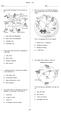 Name: ate: 1. Missing from the diagram of this ecosystem are the 5. ase your answer(s) to the following question(s) on the diagram below and on your knowledge of biology.. biotic factors and decomposers.
Biodiversity Concepts
 Biodiversity Concepts WHAT IS BIODIVERSITY? Biodiversity is the variety of life on Earth. For any kind of animal or plant each individual is not exactly the same as any other; nor are species or ecosystems.
Coral Triangle Initiative (CTI) on Coral Reefs, Fisheries and Food Securities
 2008/MRCWG/022 Agenda Item: 10 Coral Triangle Initiative (CTI) on Coral Reefs, Fisheries and Food Securities Purpose: Information Submitted by: Indonesia 21 st Marine Resource Conservation Working Group
SEMESTER AT SEA COURSE SYLLABUS University of Virginia, Academic Sponsor
 Voyage: Fall 2015 Discipline: Biology Course Title: Introduction to Marine Biology Division: Lower Division Faculty Name: Dr Christine Dudgeon Credit Hours: 3; Contact Hours: 38 Pre-requisites: SEMESTER
7.1 How and why are some eco-systems threatened with destruction?
 Topic 7: Oceans on the Edge 7.1 How and why are some eco-systems threatened with destruction? How are human activities degrading and destroying marine ecosystems on a global scale? Mangrove removal- over
AP ENVIRONMENTAL SCIENCE 2010 SCORING GUIDELINES
 AP ENVIRONMENTAL SCIENCE 2010 SCORING GUIDELINES Question 4 (a) Based on the rate cited above, calculate the expected increase in sea level, in meters, during the next 50 years. One point can be earned
www.irishseedsavers.ie Natural surface water on earth includes lakes, ponds, streams, rivers, estuaries, seas and oceans.
 www.irishseedsavers.ie POND LIFE FACT SHEET Natural surface water on earth includes lakes, ponds, streams, rivers, estuaries, seas and oceans. A pond is a small body of fresh water shallow enough for sunlight
Madagascar: Makira REDD+
 project focus Madagascar: Makira REDD+ Madagascar is considered to be one of the top five biodiversity hotspots in the world due to more than 75% of all animal and plant species being endemic while less
SLOW ONSET EVENTS. climate change impacts on BIODIVERSITY
 Regional Gateway for Technology Transfer and Climate Change Action in Latin America and the Caribbean (ROLAC UNEP) Characterizing and addressing SLOW ONSET EVENTS climate change impacts on BIODIVERSITY
Ecosystems and Food Webs
 Ecosystems and Food Webs How do AIS affect our lakes? Background Information All things on the planet both living and nonliving interact. An Ecosystem is defined as the set of elements, living and nonliving,
A Functional Classification System for Marine Protected Areas in the United States
 A Functional Classification System for Marine Protected Areas in the United States The U.S. Classification System: An Objective Approach for Understanding the Purpose and Effects of MPAs as an Ecosystem
How To Plan A Buffer Zone
 Backyard Buffers Protecting Habitat and Water Quality What is a buffer? A buffer (also called a riparian buffer area or zone) is the strip of natural vegetation along the bank of a stream, lake or other
NATURAL RESOURCE RESTORATION LESSON PLAN Fix It!
 NATURAL RESOURCE RESTORATION LESSON PLAN Fix It! Theme Repairing Damaged Resources Links to Overview Essays and Resources Needed for Student Research http://oceanservice.noaa.gov/education/corals http://oceanservice.noaa.gov/topics/coasts/restoration/
The Everglades & Northern Estuaries; St. Lucie River Estuary, Indian River Lagoon & Caloosahatchee Estuary. Water Flows & Current Issues
 The Everglades & Northern Estuaries; St. Lucie River Estuary, Indian River Lagoon & Caloosahatchee Estuary Water Flows & Current Issues Florida Governor Rick Scott August 20, 2013 Upper Chain of Lakes
3. Which relationship can correctly be inferred from the data presented in the graphs below?
 1. Recent evidence indicates that lakes in large areas of New York State are being affected by acid rain. The major effect of acid rain in the lakes is (1) an increase in game fish population levels (3)
Environmental Science
 Environmental Science UNIT I: Introduction to Environmental Science The student will demonstrate the ability to use scientific skills necessary to identify and analyze environmental issues. a. Define environmental
As stewards of the land, farmers must protect the quality of our environment and conserve the natural resources that sustain it by implementing
 N A T U R A L R E S O U R C E C O N S E R V A T I O N As stewards of the land, farmers must protect the quality of our environment and conserve the natural resources that sustain it by implementing conservation
NEW YORK SEASCAPE PROGRAM A COMMITMENT TO OCEAN CONSERVATION
 NEW YORK SEASCAPE PROGRAM A COMMITMENT TO OCEAN CONSERVATION JULY 2012 1 Wildlife Conservation Society The Wildlife Conservation Society (WCS) saves wildlife and wild places worldwide. We do so through
Did You Know? Neha Rao
 Did You Know? 1. Tigers now occupy 7 percent of their historical range, and in the past decade, the area occupied by tigers has decreased by as much as 41 percent, according to some estimates (Dinerstein
Chapter 1 Key Themes in Environmental Science
 Key Themes in Environmental Science Case Study: Shrimp, Mangroves, and Pickup Trucks This case study highlights the plight of a small farmer in Thailand in the shrimp farming business. He makes his living
ECOSYSTEM RESPONSES. reflect
 reflect There is a saying, No man is an island, which means that people need one another in order to survive. Everyone on Earth is interconnected in some way. This is not only true of human beings, but
Lesson 1. Objectives: ocus: Subjects:
 Lesson 1 The Web of Life Objectives: 1. Understand the concept of an ecosystem. 2. Understand the interdependence of members of an ecosystem. Subjects: 1. Ecology 2. Language 3. Art MATERIALS: Copies of
Global Water Resources
 Global Water Resources Highlights from assessment activities over the past two decades, which are used to establish present and future water trends, reveal that: 1. Freshwater resources are unevenly distributed,
ENVIRONMENTAL CHANGES
 reflect How do you respond to environmental changes? Maybe you wear different types of clothes in different seasons. Maybe you only ride your bike during certain times of the year. What if you moved to
Non-consumptive use of wildlife. Non-consumptive Use. Non-consumptive Use
 Non-consumptive use of wildlife Non-consumptive Use Any non-hunting or non-extractive use Examples: wildlife feeding & photography, bird watching, whale watching Non-consumptive Use Sources of information
3.1 Measuring Biodiversity
 3.1 Measuring Biodiversity Every year, a news headline reads, New species discovered in. For example, in 2006, scientists discovered 36 new species of fish, corals, and shrimp in the warm ocean waters
Human Impact to Wetlands
 Human Impact to Wetlands Oregon State Standards 3.2 3.2P.1 3.3S.1 3.3S.2 3.3S.3. 4.2 4.2L.1 4.3 4.3S.1 4.3S.2 4.3S.3 5.1 5.1L.1 5.2 5.2L.1 5.3 5.3S.3 5.3S.2 5.3S.3 Vocabulary Wetland Riparian Biodiversity
NOTE TO TEACHER: It is appropriate to introduce the mitochondria (where energy is made) as a major structure common to all cells.
 5.2.1 Recall the cell as the smallest unit of life and identify its major structures (including cell membrane, cytoplasm, nucleus, and vacuole). Taxonomy level: 1.1 and 1.2-A Remember Factual Knowledge
RESTORATION & REVITALIZATION
 RESTORATION & REVITALIZATION Legal preservation has not proved to be sufficient to preserve natural communities. Restoration activities are diverse and includes revitalization of natural communities which
REQUEST FOR PROPOSAL (RFP) For Consultancy Services
 National Environment & Planning Agency 10 & 11 Caledonia Avenue, Kingston 5, Jamaica W.I. Tel: (876) 754-7540 Fax: (876) 754-7595-6, toll free help-line: 1-888-991-5005 Website: http://www.nepa.gov.jm
AP Biology Unit I: Ecological Interactions
 AP Biology Unit I: Ecological Interactions Essential knowledge 1.C.1: Speciation and extinction have occurred throughout the Earth s history. Species extinction rates are rapid at times of ecological stress.
PRESENTATION 2 MAJOR ENVIRONMENTAL PROBLEMS
 UNEP GLOBAL JUDGES PROGRAMME APPLICATION OF ENVIRONMENTAL LAW BY NATIONAL COURTS AND TRIBUNALS PRESENTATION 2 MAJOR ENVIRONMENTAL PROBLEMS OUTLINE OF PRESENTATION A) Major environmental issues B) Responses
Life in a Pond. Page 1 of 5. Grade Levels K-5
 Grade Levels Overview Observe a local pond or aquatic ecosystem, and study the wildlife that utilizes the pond/aquatic ecosystem for its habitat needs. Subject Areas Science, Language Arts & Art, Duration
Rain Forests. America's. Web of Life. Rain Forest Ecology. Prince William Network's OVERVIEW OBJECTIVES SUBJECTS
 Rain Forest Ecology National Science Education Standards Standard C: Life Sciences Populations and ecosystems. Standard C: Life Sciences Diversity and adaptation of organisms. Standard F: Science in Personal
Climate Change: A Local Focus on a Global Issue Newfoundland and Labrador Curriculum Links 2010-2011
 Climate Change: A Local Focus on a Global Issue Newfoundland and Labrador Curriculum Links 2010-2011 HEALTH Kindergarten: Grade 1: Grade 2: Know that litter can spoil the environment. Grade 3: Grade 4:
COMPREHENSIVE PLAN SECTION B, ELEMENT 4 WATER RESOURCES. April 20, 2010 EXHIBIT 1
 COMPREHENSIVE PLAN SECTION B, ELEMENT 4 WATER RESOURCES April 20, 2010 EXHIBIT 1 ELEMENT 4 WATER RESOURCES TABLE OF CONTENTS 4.1 INTRODUCTION 4.2 GOALS AND POLICIES 4.2.A General Goals and Policies 1 4.2.B
Using Aerial Photography to Measure Habitat Changes. Method
 Then and Now Using Aerial Photography to Measure Habitat Changes Method Subject Areas: environmental education, science, social studies Conceptual Framework Topic References: HIIIB, HIIIB1, HIIIB2, HIIIB3,
EIGHTH SESSION OF THE OPEN WORKING GROUP ON SUSTAINABLE DEVELOPMENT GOALS
 EIGHTH SESSION OF THE OPEN WORKING GROUP ON SUSTAINABLE DEVELOPMENT GOALS New Zealand intervention in segment on Oceans and Seas Stephanie Lee, Chargé d'affaires a.i. 4 February 2014 Check against delivery
Ecological Restoration of a Brackish Marsh at Parcel 11, Estate Carolina, St. John
 Ecological Restoration of a Brackish Marsh at Parcel 11, Estate Carolina, St. John Gary Ray, Ph.D. Virgin Forest Restorations For Coral Bay Community Council Aerial of Parcel 11 Brackish Marsh Ecological
INTRODUCTION 1. DELAYED RESPONSE TO ENVIRONMENTAL DAMAGE. Nordic Journal of African Studies 2(2): 103 108 (1993)
 Nordic Journal of African Studies 2(2): 103 108 (1993) Resolution of Conflicts Between Agriculture and Environment Protection in Uganda VICTORIA SEKITOLEKO Ministry of Agriculture, Animal Industry and
Mu Koh Chang Coral Reef Demonstration Site: Lessons Learned and Challenges
 Mu Koh Chang Coral Reef Demonstration Site: Lessons Learned and Challenges Thamasak Yeemin, Sittiporn Pengsakun, Chaipichit Saenghaisuk, Wanlaya Klinthong, Makamas Sutthacheep Marine Biodiversity Research
Facts on biodiversity
 Facts on biodiversity What is biodiversity? Biological diversity (biodiversity) comprises diversity of species and habitats as well as the genetic diversity within the individual species of fauna and flora.
Seagrasses. What are seagrasses? Why seagrass isn t seaweed!
 Seagrasses What are seagrasses? Seagrasses are plants that grow underwater but they are not the same as seaweeds (algae). Some species of seagrass look very much like terrestrial (land) grass, with straplike
Policy & Management Applications of Blue Carbon. fact SHEET
 Policy & Management Applications of Blue Carbon fact SHEET Policy & Management Applications of Blue Carbon Coastal Blue Carbon - An Important Wetland Ecosystem Service Coastal Blue Carbon refers to the
Monitoring the Critically Endangered Bird Species (White-shouldered Ibis) in Western Siem Pang Important Bird and Biodiversity Area (IBA)
 Monitoring the Critically Endangered Bird Species (White-shouldered Ibis) in Western Siem Pang Important Bird and Biodiversity Area (IBA) Transboundary Biodiversity Landscapes (TBLs) Knowledge Meeting
CUBA CONFRONTING CLIMATE CHANGE
 CUBA CONFRONTING CLIMATE CHANGE CUBA: Main Characteristics Total population: 11.2 millions Length of the Island of Cuba: 1,200 Km. Maximum Width: 191 Km. Minimum Width: 31 Km. More than 4,000 islands and
Crooked Tree Wildlife Sanctuary
 Vision The Belize Audubon Society (BAS) will be a strategic leader in building a nation in which people in Belize live in harmony with and benefit from the environment. Mission The Belize Audubon Society
Fisheries and Aquaculture in our Changing Climate
 Fisheries and Aquaculture in our Changing Climate Coastal communities, fishers and fish farmers are already profoundly affected by climate change. Rising sea levels, acid oceans, droughts and floods are
MANAGING WETLANDS IN ACCRA, GHANA
 MANAGING WETLANDS IN ACCRA, GHANA African Regional Workshop Cities, Ecosystems and Biodiversity Nairobi, 21 September 2006 Side Event at the Africities Summit (18-24 September 2006) BY Samuel Kwame Anku
PUZZLING PIPES. Grade Level: 4-6
 PUZZLING PIPES Overview: Students will learn about the various paths that water takes after it is used. They will trace the path of wastewater either through the storm drain system or the sanitary sewer
Guidelines for Degraded Landscape Management (Deliverable #16) September 30, 2013
 Biodiversity and Agricultural Commodities Program BACP-Rainforest Alliance Grant-015 ( Applying sustainable cocoa practices through agroforestry in community forest areas as a tool for achieving biodiversity
Intervention on behalf of Denmark, Norway and Ireland on the occasion of the Open Working Group on Sustainable Development Goals meeting on
 Intervention on behalf of Denmark, Norway and Ireland on the occasion of the Open Working Group on Sustainable Development Goals meeting on Sustainable Consumption and Production, including Chemicals and
Climate Change and Sri Lanka. Ajith Silva Director/ Policy and Planning Ministry of Environment and Natural Resources Sri Lanka
 Climate Change and Sri Lanka Ajith Silva Director/ Policy and Planning Ministry of Environment and Natural Resources Sri Lanka Asia Total Area: 65610 Km Land Area : 62705 Km Inland water : 2905 Km 2 Coastal
Appendix B: Cost Estimates
 Appendix B: Estimates This appendix presents the estimated costs of the monitoring and supplemental research components presented in Section 3 of this document. A 20% quality assurance and quality control
Environmental Law Primer. Adapted from Vermont Law School s Environmental Law Primer for Journalists
 Environmental Law Primer Adapted from Vermont Law School s Environmental Law Primer for Journalists General Categories Command and Control Liability Disclosure Ecosystem and Place-based Programs Marketable
Green Infrastructure Case Study Template
 Green Infrastructure Case Study Template The aim of the exercise is to provide information on how the elements of the Green Infrastructure Strategy are implemented at national level and to provide case
The concepts developed in this standard include the following: Oceans cover about 70% of the surface of the Earth.
 Name Date Grade 5 SOL 5.6 Review Oceans Made by SOLpass - www.solpass.org [email protected] Reproduction is permitted for SOLpass subscribers only. The concepts developed in this standard include
The Marine Protected Area Inventory
 The Marine Protected Area Inventory New pictures Jordan Gass, Hugo Selbie and Charlie Wahle ESRI Ocean Forum November 6, 2013 Outline What is the MPA Inventory? Purpose Data How it s used Future directions
Section 5: Conserve to Enhance Program Goals What is Conserve to Enhance All About?
 Section 5: Conserve to Enhance Program Goals What is Conserve to Enhance All About? Conserve to Enhance (C2E) was originally conceptualized as an approach to giving the environment a seat at the table
Human Impacts on the World Ocean
 This website would like to remind you: Your browser (Safari 7) is out of date. Update your browser for more security, comfort and the best experience on this site. lesson Human Impacts on the World Ocean
Pond Water Web Lesson Plan
 Pond Water Web Lesson Plan Purpose: As a result of this lesson, students will become familiar with common organisms found in a pond and discover their importance in a balanced aquatic habitat as they create
Key Idea 2: Ecosystems
 Key Idea 2: Ecosystems Ecosystems An ecosystem is a living community of plants and animals sharing an environment with non-living elements such as climate and soil. An example of a small scale ecosystem
Lebanon Hotspot Report: the Garbage Mountain
 International POPs Elimination Project Fostering Active and Efficient Civil Society Participation in Preparation for Implementation of the Stockholm Convention Lebanon Hotspot Report: the Garbage Mountain
Water resources. The main problems of pollution that need to be addressed in the country are the following:
 Translated from Spanish Water resources 1. The issue of water resources At the present time, sustainable standards for the development and use of water resources are not maintained in many parts of the
Matter and Energy in Ecosystems
 Matter and Energy in Ecosystems The interactions that take place among biotic and abiotic factors lead to transfers of energy and matter. Every species has a particular role, or niche, in an ecosystem.
Global Environment Facility GEF OPERATIONAL PROGRAM #13 ON CONSERVATION AND SUSTAINABLE USE OF BIOLOGICAL DIVERSITY IMPORTANT TO AGRICULTURE
 Global Environment Facility GEF OPERATIONAL PROGRAM #13 ON CONSERVATION AND SUSTAINABLE USE OF BIOLOGICAL DIVERSITY IMPORTANT TO AGRICULTURE CONTENTS Introduction..1 Convention Guidance... 2 Agricultural
Chapter 3 Communities, Biomes, and Ecosystems
 Communities, Biomes, and Ecosystems Section 1: Community Ecology Section 2: Terrestrial Biomes Section 3: Aquatic Ecosystems Click on a lesson name to select. 3.1 Community Ecology Communities A biological
Long Term Challenges for Tidal Estuaries
 A view from a former tidal river manager expert with experience from 6 decades living at, with and from the Tidal River Elbe chairman of the European Interreg Project TIDE (Tidal River Development) Land
WATER: ENVIRONMENTAL SCIENCE Syllabus
 WATER: ENVIRONMENTAL SCIENCE Syllabus Course Title Water: Environmental Science Course Description Central to all ecosystems, water is essential to life as we know it. It shapes our planet on every level,
Amherst County Public Schools. AP Environmental Science Curriculum Pacing Guide. College Board AP Environmental Science Site
 Amherst County Public Schools AP Environmental Science Curriculum Pacing Guide College Board AP Environmental Science Site REV: 8/12 1 st 9 weeks AP Objectives Energy Resources and Consumption A. Energy
Madagascar s exceptional biodiversity. Conservation contracts. International value attached to Madagascar s biodiversity
 Conservation Direct incentives to communities for biodiversity conservation in Madagascar Joanna Durbin Durrell Wildlife Conservation Trust Madagascar s exceptional biodiversity One of the most important
Environmental Compliance Questionnaire for National Oceanic and Atmospheric Administration Federal Financial Assistance Applicants
 OMB Approval No.: 0648-0538 Environmental Compliance Questionnaire for National Oceanic and Atmospheric Administration Federal Financial Assistance Applicants Instructions The National Environmental Policy
Management of Wetlands in Mugla City Murat BARLAS and Nedim OZDEMIR Mugla University- Turkey
 Management of Wetlands in Mugla City Murat BARLAS and Nedim OZDEMIR Mugla University- Turkey Wetlands for Clear Water 24-25 March 2011 in Greifswald, Germany Greifswald University Turkey is one of the
Lesson Plan Two - Ecosystems
 Lesson Plan Two - Ecosystems Summary Students discuss what living things need to survive. They identify the abiotic and biotic components of an ecosystem and describe the roles and interactions of producers
TERMS OF REFERENCE. for an ENVIRONMENTAL IMPACT ASSESSMENT. for a PROPOSED RESORT DEVELOPMENT
 TERMS OF REFERENCE for an ENVIRONMENTAL IMPACT ASSESSMENT for a PROPOSED RESORT DEVELOPMENT at BIG AND LITTLE PELICAN CAY PORTLAND BIGHT, ST. CATHERINE, JAMAICA TABLE OF CONTENTS BACKGROUND 4 1. Executive