
Biorelevant Dissolution Methods and Their Applications in In Vitro- In Vivo Correlations for Oral Formulations
|
|
|
- Theresa Newton
- 9 years ago
- Views:
Transcription
1 2 The Open Drug Delivery Journal, 2010, 4, 2-13 Open Access Biorelevant Dissolution Methods and Their Applications in In Vitro- In Vivo Correlations for Oral Formulations Nikoletta Fotaki 1, * and Maria Vertzoni 2 1 Department of Pharmacy & Pharmacology, University of Bath, UK 2 Laboratory of Biopharmaceutics & Pharmacokinetics, National & Kapodistrian University of Athens, Greece Abstract: Dissolution tests that can predict the in vivo performance of drug products are usually called biorelevant dissolution tests. Biorelevant dissolution testing can be used to guide formulation development, to identify food effects on the dissolution and bioavailability of orally administered drugs, and to identify solubility limitations and stability issues. To develop a biorelevant dissolution test for oral dosage forms, the physiological conditions in the gastrointestinal (GI) tract that can affect drug dissolution are taken into consideration according to the properties of the drug and dosage form. A variety of biorelevant methods in terms of media and hydrodynamics to simulate the contents and the conditions of the GI tract are presented. The ability of biorelevant dissolution methods to predict in vivo performance and generate successful in vitro in vivo correlations (IVIVC) for oral formulations are also discussed through several studies. Keywords: Biorelevant media, stomach, small intestine, colon, hydrodynamics, dissolution, IVIVC, IVIVR. 1. INTRODUCTION Oral drug administration remains the preferred route of drug administration with the highest degree of patient compliance and is the most user-friendly form of drug delivery; the majority (84%) of the 50 most-sold pharmaceutical products in the US and European markets are given orally [1]. For solid formulations, the dissolution process is one of the important limiting steps for the entire absorption process [2]. In vitro dissolution studies are an essential tool during the early and late stage drug development. The quality of the in vitro dissolution data are of great importance for their proper use in the evaluation of dosage form performance; the composition, volume and hydrodynamics of the contents in the gastrointestinal (GI) lumen following administration of the dosage form must be accurately simulated in vitro. One of the challenges of pharmaceutical research is correlating in vitro drug release information of various drug formulations to the in vivo drug profiles (IVIVC). The main objective of developing and evaluating an IVIVC is to reduce the number of bioequivalence studies performed during the initial approval process as well as with certain scale-up and postapproval changes. IVIVC development could lead to improved product quality and decreased regulatory burden [3]. Biorelevant media that simulate the conditions in the GI tract have been proposed for the characterization of the in vivo dissolution and solubility [4, 5] in the prediction of the absorption of drugs. These media are continuously updated as more physiological data become available [6]. Biorelevant dissolution testing designed with appropriate simulated media and hydrodynamics are useful from the early stages of *Address correspondence to this author at the Department of Pharmacy and Pharmacology, University of Bath, Claverton Down, Bath, BA2 7AY UK; Tel: +44(0) ; Fax: +44(0) ; [email protected] drug discovery and development for identifying the biopharmaceutical performance of the compound (i.e. solubility problems, food effect, precipitation in the small intestine) through the later stages of development to assist in formulation strategies and the establishment of in vitro-in vivo correlations that will lead to reduction of the number of animal experimentation, bioavailability and bioequivalence studies [e.g. 7, 8]. In the present paper the development of biorelevant methods and their applications in the prediction of plasma profiles and the development of IVIVCs are reviewed. The paper is divided in three main parts. In the first part, the development of dissolution media in order to simulate the preand postprandial states of the stomach, the small intestine and the colon is described. The second part deals with the description of compendial and biorelevant hydrodynamics used in dissolution experiments. At the last part applications of the biorelevant methods in the prediction of in vivo performance of oral formulations and the development of in vitro-in vivo correlations/relationships (IVIVCs/Rs) are presented. 2. BIORELEVANT DISSOLUTION MEDIA For highly soluble compounds, dissolution is not rate limiting to oral absorption. In contrast to highly soluble compounds, for poorly soluble compounds, the choice of medium is expected to play a very important role in their dissolution. For such compounds, the dissolution may be influenced by a variety of factors such as ph, buffer capacity, ionic strength and solubilization effects due the presence of surfactants and/or food components [8]. In the fasted state, dissolution of poorly soluble nonionizable compounds will be slow in the stomach and in many cases will not be complete before the compound / Bentham Open

2 Biorelevant Dissolution Methods and IVIVCs for Oral Formulations The Open Drug Delivery Journal, 2010, Volume 4 3 reaches the first absorptive sites in the small intestine. For poorly soluble weak acids, dissolution during the gastric residence in the fasting stomach contributes little to the overall dissolution given that the small intestine with its higher ph contributes to fast and in many cases complete dissolution. Opposite to weak acids, poorly soluble weak bases administered in the fasted state are expected to be primarily dissolved during residence in stomach because their solubility is expected to be higher in the fasting stomach than elsewhere in the GI tract [2, 9, 10]. In the fed state, the gastric residence of solids is prolonged and, depending on the type of dosage form administered, it can last for up to several hours. Food components have been shown to delay the intragastric dissolution due to delayed tablet disintegration but, despite this delay, absorption usually continues to be controled by gastric emptying [11, 12]. The delayed intragastric dissolution in the fed state may affect the absorption rates of drugs (especially of poorly soluble compounds) and, subsequently can influence the rate of appearance in plasma compared to the fasted state [5, 11, 12]. In addition, the small intestine in the fed state provides an environment with a high solubilization capacity for poorly soluble compounds and may lead to enhanced oral bioavailability compared to fasted state. Compendial dissolution media have been designed for quality control purposes and often fail for IVIVC of poorly soluble compounds because their composition does not take into account the physiological environment of the GI tract and the dosing conditions [7, 10, 13]. In an attempt to better predict in vivo performance of oral formulations biorelevant media have been proposed Media to Simulate Contents of the Stomach Fasted State Various media have been proposed for simulation of fasting gastric contents. The simplest dissolution medium is the Simulated Gastric Fluid (SGF) consisting of a hydrochloric solution with a ph of 1.2, containing pepsin (3.2 mg/ml) and having a surface tension approximately equal to water (~ 68 mn/m) [14]. In order to reduce its surface tension to physiological values, the addition of synthetic surfactants, like sodium lauryl sulfate (SLS) [2] or Triton-X [15] have been proposed (Table 1). These media were shown to overestimate gastric dissolution because they induce solubilization effects greater than would be physiologically relevant [16]. Recently, Aburub et al. proposed a revised composition of SGF which contains lower amount of SLS (0.05 vs 0.25 %w/v) [17]. Nevertheless, further studies are needed to assure the in vivo predictiveness of the medium. However, in these media, non-physiologically relevant surface active agents, lower than physiological ph values and/or high concentrations of physiological components were utilized. Artificial surfactants can interfere with salt formation rates of weak bases and, thus, dissolution can be affected in an artefactual way [18]. In particular, sodium lauryl sulfate hydrolyzes in solutions having ph lower than 4 [19] leading to inconsistent medium composition. Also, sodium lauryl sulfate interacts with gelatin at ph<5 making its use with gelatin capsule products problematic [20]. The potential components responsible for the low surface tension in the fasting stomach have not been conclusively identified. Although bile salt reflux into the stomach occurs sporadically, and the resulting amounts of bile salts in the stomach are very low compared with those in the small intestine, their presence in combination with the relevant amounts of pepsin appear to be the main factors relevant to the low surface tension in gastric fluids in the preprandial state. In 2005, Vertzoni et al. [10] developed Fasted State Simulated Gastric Fluid (FaSSGF) (Table 1) as a dissolution medium that reflects the actual gastric composition in the fasting state according to published physiological data. This medium has a ph of 1.6 and contains physiological relevant amounts of pepsin, bile salts and lecithin in order to obtain a surface tension close to that found in vivo. This medium appears to be more appropriate than the previously proposed media because it comprises only components that have been recovered from the fasting stomach. Fed State The contents of the fed stomach are complex, heterogeneous, and have physicochemical characteristics that change Table 1. Composition of the Media to Simulate Gastric Contents in the Fasted State SGF SLS a,b SGF Triton c FaSSGF d Sodium lauryl sulfate (%w/v) 0.25/ Triton X 100 (%w/v) Pepsin (mg/ml) NaTc (μm) Lecithin (μm) NaCl (mm) ph Surface Tension (mn/m) Osmolality (mosmol/kg) 180.5± ± ±2.5 a: [2], b: [17], c: [15], d: [10].

3 4 The Open Drug Delivery Journal, 2010, Volume 4 Fotaki and Vertzoni with time [e.g. 21]. Homogenized long-life milk (3.5% fat), as a dissolution medium to simulate fed conditions in the stomach, was proposed more than 20 years ago [4, 22-29]. Liquid meals with physicochemical properties similar to those of meals typically administered in bioavailability / bioequivalence studies in the fed state have been also suggested for in vitro application [28, 30-32]. Milk and/or nutritional liquid products can be used only for simulation of initial gastric conditions in the fed state because the composition of the stomach contents in the fed state changes with time as secretions, digestion and gastric emptying proceed. ph in the stomach usually rises due to buffering effects of the meal contents, and may initially reach values of up to 7, depending on meal composition but with the continuous secretion of gastric acid, the ph value then trends back down to baseline over a period of several hours [5, 21, 33]. The changing intragastric composition could, thus, be taken into consideration with two approaches: either by using snapshot milk-based media [6], or by gradually digesting milk during the in vitro release test [11, 34]. Both concepts use homogenized long-life milk as the initial liquid medium. The lower nutrient content of milk as compared to nutritional liquid products makes it more representative of the intra-gastric conditions, where significant amounts of secretions (dilution of meal) occur. Also, the ratio of carbohydrate:protein:fat in milk is close to that observed in the stomach of healthy volunteers after the administration of meals typically administered in bioavailability/ bioequivalence studies in the fed state [21, 35]. The first approach is the development of snapshot media, each corresponding to a certain time-frame after ingestion of the meal [6]. Medium composition was designed in order to reflect the ph value, buffer capacity and osmolality of the gastric contents during the first 75 min (early), from min (middle) and after 165 min (late) following meal ingestion. Table 2 summarizes the composition of these three snapshot media. These snapshot media can be used as sequential dissolution media in one test series (e.g. USP Apparatus 3 and 4). The middle medium (FeSSGF) is suggested as a representative of postprandial conditions for comparing formulations and/or predicting food effects compared with FaSSGF. The second approach introduces the concept of gradual digestion of the meal during the dissolution experiment [34]. The initial medium is homogenized long-life milk (3.5% fat) which is gradually digested by adding physiologically relevant amounts of a hydrochloric solution (HCl 1.83 M) containing 1.1 mg of protein (pepsin) per ml into the vessel every 15 min from 0 to 90 min. Moreover, the simulation of gastric lipolysis can be achieved by adding two portions of lipase RN (lipase from Rhizopus Niveus) (at 0 min and 90 min after the beginning of the dissolution experiment) in order to maintain mean lipase activity levels between 20 and 50 U/ml [11, 36] Media to Simulate Contents of the Small Intestine Fasted State The simplest medium representing conditions in the small intestine is Simulated Intestinal Fluid (SIF) [14] which has a ph of 6.8 and contains pancreatin. This compendial dissolution medium is primarily used for quality control purposes and cannot be expected to be suitable in all cases for in vitro/in vivo correlations [29]. For example, food effects on drug absorption cannot be forecasted since there is no distinction between fasted and fed state in the design of SIF. In 1998, Dressman et al. introduced FaSSIF in order to simulate fasting state conditions in the small intestine according to physiological data [2, 4]. Apart ph, osmolality and buffer capacity, FaSSIF takes into account the solubilizing capacity of the intestinal fluids preprandially (Table 3). FaSSIF has a ph of 6.5 and contains sodium taurocholate and phospholipids in a ratio of 4:1. Recently, Jantratid et al., have updated the composition of FaSSIF [6] with only minor changes. The amount of lecithin is decreased from 0.75 mm in FaSSIF to 0.2 mm in FaSSIF V2, osmolality is lower in FaSSIF-V2 and maleate buffer is used instead of phosphate buffer (Table 3). Although, the principal buffer species in the fasted small intestine are the bicarbonates, media containing Table 2. Composition of the Media to Simulate Gastric Contents in the Fed State [6] Early Middle (FeSSGF) Late Sodium chloride (mm) Acetic acid (mm) Sodium acetate (mm) Ortho-phosphoric acid (mm) Sodium dihydrogen phosphate (mm) Milk:buffer 1:0 1:1 1:3 Hydrochloric acid/sodium hydroxide qs ph 6.4 qs ph 5 qs ph 3 ph Osmolality (mosmol/kg) 559 ± ± ± 10 Buffer capacity (mmol/l/ ph)

4 Biorelevant Dissolution Methods and IVIVCs for Oral Formulations The Open Drug Delivery Journal, 2010, Volume 4 5 bicarbonates are not easy to be used, because they must be continuously sparged with carbon dioxide to maintain the desired ph, buffer capacity, ionic strength and osmolality [37]. Therefore buffers were selected primarily according to their ability to achieve the desired combination of ph, osmolality and buffer capacity [6, 38]. Table 3. Composition of the Media to Simulate the Contents of the Small Intestine in the Fasted State FaSSIF a FaSSIF-V2 b Sodium taurocholate (mm) 3 3 Lecithin (mm) Dibasic sodium phosphate (mm) Maleic acid (mm) Sodium hydroxide (mm) Sodium chloride (mm) ph Osmolality (mosmol/kg) 270 ± ± 10 Buffer capacity (mmol/l/ ph) a: [4], b: [6]. Fed State Compared to the fasting state, the contents of fed small intestine have higher concentrations of mixed micelles, as the gall bladder contracts in response to a meal and empty its contents into the duodenum [5]. Fed state simulating fluid (FeSSIF) was introduced together with FaSSIF in order to better reflect the postprandial environment in the small intestine [2, 4]. FeSSIF has a ph of 5.0, and as for FaSSIF, osmolality and buffer capacity were adjusted to be close to in vivo data (Table 4). It is not easy to identify the buffer species in fed intestinal contents. Buffer species that can be generated by food digestion (e.g. amino acids) play an important role in maintaining the ph value but it is doubtful that the necessary buffer capacity could be achieved only with bicarbonate buffer as the typical ph value of the upper small intestine in the fed state is 5-6 [38]. FeSSIF contains higher concentrations of sodium taurocholate and phospholipids compared to FaSSIF and their ratio is kept to 4:1. Some adjustments to FeSSIF have been made and modified media have been proposed which are characterized as micellar solutions and/or bile salts-lecithin mixtures in order to better simulate the fed state in small intestine [39, 40]. Zangenberg et al. [41] developed a dynamic lipolysis model in order to simulate the digestion conditions in the small intestine postprandially. This model controls the rate of lipolysis by the continuous addition of Ca 2+. Such models could provide information about the transport of poorly soluble drug substances into the aqueous phase by solubilization in the micellar structures resulting from lipolysis [42]. Recently, Jantratid et al. [6] updated the composition of FeSSIF based on recent studies related to the characterization of the fed intestinal contents under conditions simulating bioavailability/bioequivalence [21] which indicated that the ph in the upper small intestine decreases rather slowly after meal intake [6]. To reflect the influence of digestion processes snapshot media were developed as for the fed state gastric media. Early, middle and late phases represent different time-frames of the composition of the contents of the small intestine after the ingestion of a meal (Table 4) [6]. In the updated media, the presence of lipolysis products (glyceryl monooleate and sodium oleate) in the fed intestinal contents was also taken into account. As with the biorelevant media simulating the contents of stomach, FeSSIF-V2 (Table 4) is suggested as a representative of postprandial conditions in the small intestine for comparing formulations and/or predicting food effects as compared with FaSSIF-V2 [6]. Table 4. Composition of the Media to Simulate the Contents of the Small Intestine in the Fed State FeSSIF a Early b Middle b Late b FeSSIF-V2 b Sodium taurocholate (mm) Lecithin (mm) Glyceryl monooleate (mm) Sodium oleate (mm) Acetic Acid Maleic acid (mm) Sodium hydroxide (mm) Sodium chloride (mm) ph Osmolality (mosmol/kg) 635± ± ± ± ± 10 Buffer capacity (mmol/l/ ph) a: [4], b: [6].
![Therefore buffers were selected primarily according to their ability to achieve the desired combination of ph, osmolality and buffer capacity [6, 38]. Table 3.](/docs-images/46/21132330/images/page_4.jpg "Composition of the Media to Simulate the Contents of the Small Intestine in the Fasted State FaSSIF a FaSSIF-V2 b Sodium taurocholate (mm) 3 3 Lecithin (mm) 0.75 0.2 Dibasic sodium phosphate (mm) 28.")
5 6 The Open Drug Delivery Journal, 2010, Volume 4 Fotaki and Vertzoni 2.3. Media to Simulate Contents of the Colon To date, the development of a medium that simulates the contents of the large intestine [43] was based on ph considerations without taking into account potential food effects because information on the conditions in this region of the intestinal lumen has been very limited. In particular, Fotaki et al. [43] developed Simulated Colonic Fluid (SCoF) based on ph values and short chain fatty acid concentrations according to physiologically available data. SCoF has a ph 5.8 and acetate buffer was selected to adjust the desired ph and buffer capacity (Table 5). Table 5. Composition of the Medium to Simulate the Colonic Fluid (SCoF) [43] SCoF Acetic acid (mm) 170 NaOH (mm) 157 ph 5.8 Osmolality (mosmol/kg) 295 Buffer capacity (mmol/l/ph) 29.1 Ionic strength 0.16 Recently, Diakidou et al. [44] characterized the contents of the ascending colon in healthy volunteers under fasting and fed conditions with a view to designing in vitro studies to explain/predict dosage form performance in the lower gut. This study showed that free water content, ph, buffer capacity, osmolality, surface tension, short chain fatty acid content and bile acid content are significantly affected by the dosing conditions applied during BA/BE studies, physicochemical characteristics that are of prime importance for dosage form performance. Based on these findings, work is currently underway to design the corresponding biorelevant media. 3. SIMULATION OF INTRALUMENAL HYDRODY- NAMICS Biorelevant dissolution testing improved the predictability of mean plasma levels where hydrodynamics employed in the in vitro dissolution setups were based mainly on compendial apparatus [7, 10, 45]. Hydrodynamics in in vitro experiments are reflected by the design of the apparatus, the agitation intensity, the flow and/or volume, the viscosity of the medium and practical issues, such as the position of the dosage form during the experiment. The most common methods used for drug dissolution testing are the Apparatus 1 and Apparatus 2 (basket and paddle assembly, respectively) followed by Apparatus 3 (reciprocating cylinder) and Apparatus 4 (flow-through cell) [14]. Reynolds number can be used to assess the hydrodynamics when using these apparatus. The Reynolds number is a global, rough order of magnitude estimate of fluid inertia (flow accelerations) to frictional force in the flow around the object [46]. Reynolds numbers for the bulk flow vary from less than 30 (USP Apparatus 4) [47] to more than 2000 (USP Apparatus 2) [48]. Currently, there is no data for USP Apparatus 3. Moreover, when using USP Apparatus 2 highly nonuniform shear rates have been observed and the flow exhibits large fluctuations in the velocity field, strong enough to displace tablets along the vessel [49]. Abrahamsson et al. reported that Reynolds numbers of the flow around tablets of 1 cm in diameter within the stomach are of order , most likely with occasional short periods of more rapid tablet motion and higher Reynolds numbers [46]. Apparatus 1 and 2 (referred to as closed systems) are relatively simple, robust, and adequately standardized. Permanent incubation of the dosage form in the same medium is taken place, but problems with homogeneity in the vessel, dispersion in the vessel with areas of high concentration, or agglomeration can appear. USP Apparatus 3 and 4 are appropriate for drugs and dosage forms where dissolution at multiple ph levels and/or sequential changes of media are needed to mimic in vivo dissolution (i.e. controled release dosage forms); the release experiments can be set up with a series of dissolution media in one single run. The differences in the residence times and the hydrodynamics in the different parts of the GI tract can be reflected by the passage of the dosage form in each medium and the applied flow/dip rates, respectively. Apparatus 4 can operate as either an open or closed system, which is important for the study of poorly soluble drugs. It can also be particularly useful for specific drug dosage forms (i.e. multiparticulate dosage forms, suspensions) as several cell types are available. One of the first attempts to develop a biorelevant in vitro setup in order to predict in vivo disintegration times was at 1948 [50]. Apart from the gastric emptying process, this setup takes into account the amount and quality of saliva in the mouth, the time of swallowing, the acidity and volume of gastric juice at the time of swallowing, the amount of peristaltic movements and the hydrostatic pressure present during peristalsis [50]. From then, artificial GI systems for the study of digestion of foods were developed but without emphasizing in the simulation of intralumenal hydrodynamics [51, 52]. Information with regard to the hydrodynamics and mechanical environment of the gastrointestinal tract appeared in the literature recently [53-56] but it is still limited mainly due the complexity and variability of intralumenal motility [57]. Based on the analysis of movement patterns of the postprandial stomach, Abrahamsson et al. [46] developed an in vitro apparatus that can simulate the in vivo range of surface shear stresses relevant for the human stomach under fed conditions (Fig. 1). The design provides a controled and predictable flow around the tablets and consists of a beaker ( 220 mm) with the tablet fixed on a steel wire. The beaker is glued to the centrally placed rod at the bottom so that when the rod is rotated at fixed revolution rate the beaker also rotates at the same rate. Using this apparatus shear force effects on drug release from matrix tablets relevant for fed state could be predicted but no direct correlation with data obtained from human stomach under fed condition has been shown. Nevertheless, using a similar apparatus which consists of the USP Apparatus 2 dissolution tester with the tablet

6 Biorelevant Dissolution Methods and IVIVCs for Oral Formulations The Open Drug Delivery Journal, 2010, Volume 4 7 fixed on a steel wire intralumenal behavior of modified release tablets could be predicted [11, 58]. 4. PREDICTION OF IN VIVO BEHAVIOR AND DEVELOPMENT OF IVIVCS/RS Data obtained with the most suitable dissolution model in terms of media composition and hydrodynamics have been used, in order to describe dissolution/release in various GI regions. Data from these studies have been used in modeldependent or model-independent approaches for the prediction of in vivo dissolution and absorption and the development of IVIVCs/Rs. In model-dependent approaches the dissolution profile or the dissolution rate constant are used in absorption modeling [softwares that simulate a complex system dynamically (i.e. Stella ) or physiologically based models of the gastrointestinal tract (i.e. GastroPlus TM, PK-Sim, Simcyp, TNO integrated software) can be used]. In model independent approaches the amount dissolved/released over time or the in vitro dissolution/release rate are directly compared with the amount absorbed over time or the in vivo absorption rate [as calculated from deconvolution of the oral data- pharmacokinetic softwares (i.e. WinNonlin, PCDCON ) can be used], respectively. Fig. (1). Illustration of rotating beaker with a tablet fixed on a steel wire. The beaker is glued to the centrally placed rod at the bottom so that when the rod is rotated at fixed rpm the beaker also rotates at the same rpm (reproduced with permission from ref [46]). Another apparatus that simulates conditions in the GI tract by applying forces to the dosage form has been developed by Burke et al. [59]. A programmable logic computer controls the frequency, duration and amount of force or compression that is applied to the dosage form. The dissolution device comprises a vessel containing the dissolution medium, an impeller, a sampler and a force application that has the dosage form housing and the force imparting mechanism. Recently, a dissolution test apparatus that mimics the physical stress conditions during GI passage has been proposed (Fig. 2) [60]. This device seems capable to simulate three mechanistic parameters which may be important for hydrodynamic and mechanical stress under in vivo conditions: discontinuous movement of the dosage form in the GI tract, pressure forces exerted by gut wall motility and interrupted contact of the dosage form to the liquid phase [60, 61]. Irregular absorption profiles in plasma after the administration of diclofenac extended release tablets could be predicted using this apparatus [60]. Although apparatus simulating the luminal hydrodynamics have started to appear in the literature, their ability to predict intralumenal drug release needs to be further validated. Fig. (2). Schematic representation of the dissolution stress test device (1) central axis ( 8 mm), (2) chamber ( 35 mm mesh size 0.5 mm, wire 0.1 mm), (3) dosage form, (4) inflatable balloon, (5) solenoid valves, (6) stepping motor, (7) stirrer (paddle mm 2 ), (8) sampling, (9) standard vessel (reproduced with permission from ref [60]). Biorelevant dissolution testing has been shown to be valuable through several studies. Food effect has been successfully predicted for poorly soluble drugs. For example, in the case of dipyridamole (a lipophilic weak base) the in vitro dissolution studies in biorelevant media showed that the dissolution rate of dipyridamole in FeSSIF (Table 4) was higher than in FaSSIF (Table 3) due to the presence of elevated bile salt and lecithin concentration combined with the lower ph value in FeSSIF; similarly, a higher oral bioavailability under fed conditions compared to fasting conditions has been observed in in vivo studies [62]. Furthermore, in the case that lipophilic weak bases are studied it has been shown that accurate in vitro simulation of the fasting gastric contents (FaSSGF- Table 1) is crucial for the assessment of the absorption [10] (Fig. 3). In vitro release experiments in biorelevant media (FaSSIF and FeSSIF data) predicted adequately a threefold increase in the absorption of danazol (a lipophilic, non-ionizable compound) that was observed in vivo when danazol was administered under fed state conditions compared to the administration under fasted state conditions [8]. In vitro experiments with modified biorelevant media in terms of bile salt and phospholipid levels for either fasted or fed conditions with the flowthrough cell apparatus gave good IVIVCs for danazol under both simulated conditions [45] (Fig. 4). Specifically, the physiologically most relevant correlation with in vivo results was achieved with a medium containing 6.3 mm bile salts

7 8 The Open Drug Delivery Journal, 2010, Volume 4 Fotaki and Vertzoni amount dissolved (mg) time (hours) Fig. (3). Actual cumulative amount of GR253035X dissolved intralumenally after the administration of one GR253035X tablet in the fasted state vs. time ( ) and simulated cumulative amounts dissolved intralumenally vs. time plots using data in SGF SLS and FaSSIF ( ), SGF Triton and FaSSIF ( ), and FaSSGF and FaSSIF ( ) (reproduced with permission from ref [10]). and 1.25 mm phospholipids and with a flow rate of 8 ml/min in the fasted state. In the fed state, an IVIVC could only be obtained by using the same flow rate and by including monoglycerides and fatty acids (lipolysis products) in a medium containing 18.8 mm bile salts and 3.75 mm phospholipids [45]. Fig. (4). Observed plasma concentration profiles of danazol in the fasted and fed states and predicted plasma concentration profiles based on flow through cell dissolution data (reproduced with permission from ref [45]). In vitro dissolution testing using biorelevant media can be combined with in silico physiologically based pharmacokinetic (PBPK) modeling for the generation of simulated plasma profiles (model-dependent approach) and the development of IVIVCs. Following this approach, prediction of the plasma profile of orally administered lipophilic drugs was achieved based on in vitro dissolution data in biorelevant media in the cases that absolute bioavailability of the drug was known and the drug had dissolution limited absorption [7]. Recently, Shono et al. [13] have shown that the prediction of food effects on the absorption of celecoxib, a poorly soluble drug, could be achieved by this methodology too. In vitro experiments in biorelevant media with Apparatus 2 have shown that in vitro dissolution appears to be limited by the solubility of the drug combined with the fixed volume of media available, whereas in vivo the rate-limiting step to absorption seemed to be the dissolution rate due to the sink conditions generated by the high permeability of the drug. The use of the initial dissolution rates (in order to compensate for the closed system conditions) in biorelevant media in an in silico model (Stella software) lead to successful predictions of the in vivo performance (Fig. 5) [13]. In the case of controled release formulations, in vivo drug release occurs according to a specific predefined delivery pattern. Oral bioavailability is limited by intralumenal release (transit times, composition of contents of the GI tract, hydrodynamics) and these factors should be taken into consideration when trying to predict in vivo performance [63]. The use of a ph gradient and sequential changes of media (use of USP Apparatus 3 and 4) can be valuable during drug development as the formulations are exposed to the different conditions across the gastrointestinal tract, as discussed in Section 3.

8 Biorelevant Dissolution Methods and IVIVCs for Oral Formulations The Open Drug Delivery Journal, 2010, Volume 4 9 Fig. (5). Simulated plasma celecoxib concentration time profile generated from combinations of dissolution media in (a) the fasted state and (b) fed state (reproduced with permission from ref [13]). The use of the flow through cell apparatus with sequential changes of biorelevant media for the whole GI tract (stomach, small intestine, colon) under fasted conditions led to successful predictions of the absorption rates in humans for controled release formulations of isosorbide-5- mononitrate (ISMN) [BCS class I compound] (Fig. 6) [43]. Physiological relevant flow rates and a model independent approach by direct comparison of the in vitro release rate with in vivo absorption rate (as calculated by deconvolution of the oral data) were used; in vitro flow rates were designed to achieve a balance between the total fluid volumes into which the formulation releases its contents intraluminally and the physiological residence times of the formulation taking into account the lack of radial water flux in the in vitro test system. In another example, when biorelevant dissolution data with the flow through cell apparatus was combined with reliable in vitro permeability data in a physiologically based pharmacokinetic model (Stella software), a successful prediction of the absorption of levosulpiride (BCS Class III compound) housed in ER formulation was achieved [34, 64] (Fig. 7). The effect of the hydrodynamics of USP Apparatus 2, 3, and 4 in the development of IVIVCs for monolithic dosage forms (a BCS Class II compound housed in a hydrophilic matrix formulation and for a BCS Class I compound housed in an osmotic pump formulation) in biorelevant dissolution experiments in the fasted state was assessed [65]. Even though in vitro hydrodynamics affected the release profile from the hydrophilic matrix all three apparatus were equally useful in predicting the actual in vivo profile [65]. In another

9 10 The Open Drug Delivery Journal, 2010, Volume 4 Fotaki and Vertzoni 6 A Amount of ISMN-5 (mg) Time (h) 6 B 5 Amount of ISMN (mg) Time (h) Fig. (6). Mean amounts of isosorbide-5-mononitrate (ISMN) absorbed in humans ( ) (deconvoluted oral data) and released in vitro ( ) with the flow-through cell apparatus. (A) Imdur TM ; (B) osmotic pump (reproduced with permission from ref [43]). 120 Plasma Concentration (ng/ml) Time (h) Fig. (7). Observed plasma levosulpiride concentration time profile in the fed state and simulated generated from combination of dissolution data in the fed state and permeability data [64].

10 Biorelevant Dissolution Methods and IVIVCs for Oral Formulations The Open Drug Delivery Journal, 2010, Volume 4 11 study, biorelevant dissolution testing with USP Apparatus 3 and 4 successfully predicted the food effect for modified release diclofenac sodium pellets, and the disadvantage of compendial dissolution tests (phosphate buffer with USP Apparatus 1 and 2) for this kind of prediction was also revealed [66]. Good correlations between in vitro drug release and in vivo drug absorption under both fasted and fed state conditions were achieved when the biorelevant dissolution test methods were used, with the flow-through cell method slightly superior to the Bio-Dis method. In a study of lipid formulations of a poorly soluble weakly acidic drug, biorelevant dissolution test methods with the Bio-Dis apparatus were superior to standard compendial methods with the paddle apparatus regarding their predictability of the in vivo performance of these formulations in dogs [67]. In this case, Bio-Dis method hydrodynamics facilitated release of the drug by emulsifying the formulation in the medium. Okumu et al. [68] showed the superiority of a dissolution test in modified biorelevant media with the flow through cell apparatus under a ph change protocol over dissolution tests in several media (modified biorelevant media and USP Simulated Intestinal Fluid) with the paddle apparatus under constant ph conditions in a study for the development of IVIVCs for montelukast sodium. The use of the in vitro biorelevant data with the flow through cell apparatus in a physiological based pharmacokinetic model in integrated software (GastroPlus TM software) led to successful prediction of the in vivo performance. In some cases, the presence of lipolytic products in the dissolution media has been proposed in order to predict in vivo performance. For example, Diakidou et al. [11] showed the importance of intragastric lipolysis to felodipine release from a hydrophilic extended release tablet in the fed stomach. In vitro digestion and presence of biorelevant concentrations of lipase facilitated felodipine release from the eroded polymer, bringing the release profile closer to the in vivo intragastric data. The presence of lipolytic products in modified intestinal biorelevant media gave good in vitro-in vivo correlations for solid formulations of a poorly soluble compound and predicted successfully the pharmacokinetic parameters in dogs [69]. In this study the modified biorelevant media contained high levels of bile salts and lecithin as the intestinal bile salts levels in dogs have been reported to be higher than in humans. 5. CONCLUDING REMARKS Biorelevant dissolution methods are used as an in vitro surrogate for in vivo performance. Biorelevant dissolution media that simulate closely the physiological in vivo conditions and in vitro hydrodynamic conditions that attempt to simulate the luminal hydrodynamics have been appeared in the literature. Appropriate in vitro conditions (media and hydrodynamics) that simulate the in vivo conditions can lead to successful predictions of the in vivo performance and in vitro in vivo correlations (IVIVC) for oral formulations. REFERENCES [1] Lennernäs, H.; Abrahamsson, B. The use of biopharmaceutic classification of drugs in drug discovery and development: current status and future extension. J. Pharm. Pharmacol., 2005, 57, [2] Dressman, J.B.; Amidon, G.L.; Reppas, C.; Shah, V.P. Dissolution testing as a prognostic tool for oral drug absorption: Immediate release dosage forms. Pharm. Res., 1998, 15, [3] Uppoor, V. R. Regulatory perspectives on in vitro (dissolution) / in vivo (bioavailability) correlations. J. Control. Release, 2001, 72, [4] Galia, E.; Nicolaides, E.; Hörter, D.; Löbenberg, R.; Reppas, C.; Dressman, J.B. Evaluation of various dissolution media for predicting in vivo performance of class I and II drugs. Pharm. Res., 1998, 15, [5] Dressman, J.B.; Vertzoni, M.; Goumas, K.; Reppas, C. Estimating drug solubility in the gastrointestinal tract. Adv. Drug Deliv. Rev., 2007, 59, [6] Jantratid, E.; Janssen, N.; Reppas, C.; Dressman, J.B. Dissolution media simulating conditions in the proximal human gastrointestinal tract: an update. Pharm Res., 2008, 25, [7] Nicolaides, E.; Symillides, M.; Dressman, J.B.; Reppas, C. Biorelevant dissolution testing to predict the plasma profile of lipophilic drugs after oral administration. Pharm. Res., 2001, 18, [8] Dressman, J.B.; Reppas, C. In vitro-in vivo correlations for lipophilic, poorly water-soluble drugs. Eur. J. Pharm. Sci., 2000, 11, S73-S80. [9] Hörter, D.; Dressman, J.B. Influence of physicochemical properties on dissolution of drugs in the gastrointestinal tract. Adv. Drug Deliv. Rev., 2001, 46, [10] Vertzoni, M.; Dressman, J.; Butler, J.; Hempenstall, J.; Reppas, C. Simulation of fasting gastric conditions and its importance for the in vivo dissolution of lipophilic compounds. Eur J. Pharm. Biopharm., 2005, 60, [11] Diakidou, A.; Vertzoni, M.; Abrahamsson, B.; Dressman, J.; Reppas, C. Simulation of lipolysis and prediction of felodipine release from a matrix tablet in the fed stomach. Eur. J. Pharm. Sci., 2009, 37, [12] Abrahamsson, B.; Albery, T.; Eriksson, A.; Gustafsson, I.; Sjöberg, M. Food effects on tablet disintegration. Eur. J. Pharm. Sci., 2004, 22, [13] Shono, Y.; Jantratid, E.; Janssen, N.; Kesisoglou, F.; Mao, Y.; Vertzoni, M.; Reppas, C.; Dressman, J.B. Prediction of food effects on the absorption of celecoxib based on biorelevant dissolution testing coupled with physiologically based pharmacokinetic modeling. Eur. J. Pharm. Biopharm., 2009, 73, [14] USP, The United States Pharmacopeia (USP 24), United States Pharmacopeial Convention, Inc., Rockville MD, [15] Galia, E.; Horton, J.; Dressman, J.B. Albendazole generics-a comparative in vitro study. Pharm. Res., 1999, 16, [16] Vertzoni, M.; Pastelli, E.; Psachoulias, D.; Kalantzi, L.; Reppas, C., Estimation of intragastric solubility of drugs: In what medium? Pharm. Res., 2007, 24, [17] Aburub, A.; Risley, D.S.; Mishra, D. A critical evaluation of fasted state simulating gastric fluid (FaSSGF) that contains sodium lauryl sulfate and proposal of a modified recipe. Int. J. Pharm., 2008, 347, [18] Chen, L.; Wesley, J.; Bhattachar, S.; Ruiz, B.; Bahash, K.; Babu, S. Dissolution behavior of a poorly water soluble compound in the presence of Tween 80. Pharm. Res., 2003, 20, [19] Committee on Codex Specification Food Chemicals Codex, 3rd ed.; National Academy Press: Washington, [20] Zhao, F.; Malayev, V.; Rao, V.; Hussain, M. Effect of sodium lauryl sulphate in dissolution media on dissolution of hard gelatine capsule cells. Pharm. Res., 2004, 21, [21] Kalantzi, L.; Goumas, K.; Kalioras, V.; Abrahamsson, B.; Dressman, J.B.; Reppas, C. Characterization of the human upper gastrointestinal contents under conditions simulating bioavailability/bioequivalence studies. Pharm. Res., 2006, 23, [22] Macheras, P.; Koupparis, M.; Tsaprounis, C. Drug dissolution studies in milk using the automated flow injection serial dynamic dialysis technique. Int. J. Pharm., 1986, 33, [23] Macheras, P.; Koupparis, M.; Apostolelli, E. Dissolution of 4 controlled-release theophylline formulations in milk. Int. J. Pharm., 1987, 36, [24] Macheras, P.E.; Koupparis, M.A. ; Antimisiaris, S.G. Effect of temperature and fat content on the binding of hydrochlorothiazide and chlorothiazide to milk. J. Pharm. Sci., 1988, 77,
![prediction was also revealed [66].](/docs-images/46/21132330/images/page_10.jpg "Good correlations between in vitro drug release and in vivo drug absorption under both fasted and fed state conditions were achieved when the biorelevant dissolution test methods were used, with the")
11 12 The Open Drug Delivery Journal, 2010, Volume 4 Fotaki and Vertzoni [25] Macheras, P.; Koupparis, M.; Antimisiaris, S. An in vitro model for exploring CR theophylline-milk fat interactions. Int. J. Pharm., 1989, 54, [26] Macheras, P.E.; Koupparis, M.A.; Antimisiaris, S.G. Effect of temperature and fat content on the solubility of hydrochlorothiazide and chlorothiazide in milk. J. Pharm. Sci., 1989, 78, [27] Macheras, P.E.; Koupparis, M.A. ; Antimisiaris, S.G. Drug binding and solubility in milk. Pharm. Res., 1990, 7, [28] Buckton, G.; Beezer, A.E.; Chatham, S.M.; Patel, K.K. In vitro dissolution testing of oral controlled release preparations in the presence of artificial foodstuffs. 2. Probing drug food interactions using microcalorimetry. Int. J. Pharm., 1989, 56, [29] Nicolaides, E.; Galia, E.; Efthymiopoulos, C.; Dressman, J.B.; Reppas, C. Forecasting the in vivo performance of four low solubility drugs from their in vitro dissolution data. Pharm. Res., 1999, 16, [30] Ashby, L.J.; Beezer, A.E.; Buckton, G. In vitro dissolution testing of oral controlled release preparations in the presence of artificial foodstuffs. 1. Exploration of alternative methodology - Microcalorimetry. Int. J. Pharm., 1989, 51, [31] Junginger, H.E.; Verhoeven, J.; Peschier, L.J.C. A new in vitro model to detect interactions between controlled release dosage forms and food. Acta Pharm. Technol., 1990, 36, [32] Klein, S.; Butler, J.; Hempenstall, J.M.; Reppas, C.; Dressman, J.B. Media to simulate the postprandial stomach I. Matching the physicochemical characteristics of standard breakfasts. J. Pharm. Pharmacol., 2004, 56, [33] Dressman, J.B.; Berardi, R.R.; Dermentzoglou, L.C.; Russel, T.L.; Schmalz, S.P.; Barnett, J.L.; Jarvenpaa, K.M. Upper gastrointestinal (GI) ph in young, healthy men and women. Pharm. Res., 1990, 7, [34] Fotaki, N.; Symillides, M.; Reppas, C. Canine versus in vitro data for predicting input profiles of L-sulpiride after oral administration. Eur. J. Pharm. Sci., 2005, 26, [35] Walstra, P.; Jennes, R.; Badings, H.T. Dairy Chemistry and Physics, John Wiley and sons, New York. 1984; pp [36] Armand, M.; Borel, P.; Dubois, C.; Senft, M.; Peyrot, J.; Salducci, J.; Lafont, H.; Lairon, D. Characterization of emulsions and lipolysis of dietary lipids in the human stomach. Am. J. Physiol., 1994, 266, G372-G381. [37] McNamara, D.P.; Whitney, K.M.; Goss, S.L. Use of a physiologic bicarbonate buffer system for dissolution characterization of ionizable drugs. Pharm. Res., 2003, 20, [38] Vertzoni, M.; Fotaki, N.; Kostewicz, E.; Stippler, E.; Leuner, C.; Nicolaides, E.; Dressman, J.; Reppas. C. Dissolution media simulating the intralumenal composition of the small intestine: physiological issues and practical aspects. J. Pharm. Pharmacol., 2004, 56, [39] Pedersen, B.L.; Müllertz, A.; Brøndsted, H.; Kristensen, H.G. A comparison of the solubility of danazol in human and simulated gastrointestinal fluids. Pharm. Res., 2000, 17, [40] Porter, C.; Charman, W. In vitro assessment of oral lipid based formulations. Adv. Drug Deliv. Rev., 2001, 50, S127-S147. [41] Zangenberg, N.H.; Müllertz, A.; Kristensen, H.G.; Hovgaard, L. A dynamic in vitro lipolysis model. I. Controlling the rate of lipolysis by continuous addition of calcium. Eur. J. Pharm. Sci., 2001, 14, [42] Fatouros, D.G.; Mullertz, A. In vitro lipid digestion models in design of drug delivery systems for enhancing oral bioavailability. Expert Opin. Drug. Metab. Toxicol., 2008, 4, [43] Fotaki, N.; Symillides, M.; Reppas, C. In vitro versus canine data for predicting input profiles of isosorbide-5-mononitrate from oral extended release products on a confidence interval basis. Eur. J. Pharm. Sci., 2005, 24, [44] Diakidou, A.; Vertzoni, M.; Goumas, K.; Söderlind, E.; Abrahamsson, B.; Dressman, J.; Reppas, C. Characterization of the contents of ascending colon to which drugs are exposed after oral administration to healthy adults. Pharm. Res., 2009, 26, [45] Sunesen, V.H.; Pedersen, B.L.; Kristensen, H.G.; Müllertz, A. In vivo in vitro correlations for a poorly soluble drug, danazol, using the flow-through dissolution method with biorelevant dissolution media. Eur. J. Pharm. Sci., 2005, 24, [46] Abrahamsson, B. ; Pal, A. ; Sjoberg, M. ; Carlsson, M. ; Laurell, E. ; Brasseur, J.G. A novel in vitro and numerical analysis of shearinduced drug release from extended-release tablets in the fed stomach. Pharm. Res., 2005, 22, [47] Cammarn, S.R.; Sakr, A. Predicting dissolution via hydrodynamics: salicylic acid tablets in flow through cell dissolution. Int. J. Pharm., 2000, 201, [48] Diebold, S.M. Physiological parameters relevant to dissolution testing: hydrodynamic considerations. In Pharmaceutical Dissolution Testing; Dressman, J., Krämer, J., Eds.; Taylor & Francis: London, UK, 2005; pp [49] Kukura, J.; Baxter, J.L.; Muzzio, F.J. Shear distribution and variability in the USP Apparatus 2 under turbulent conditions. Int. J. Pharm., 2004, 279, [50] Filleborn, V.M. A new approach to tablet disintegration testing. Am. J. Pharm. Sci. Support Public Health, 1948, 120, [51] Minekus, M.; Smeets-Peeters, M.; Bernalier, A.; Marol-Bonnin, S.; Havenaar, R.; Marteau, P.; Alric, M.; Fonty, G.; Huis in't Veld, J.H. A computer-controlled system to simulate conditions of the large intestine with peristaltic mixing, water absorption and absorption of fermentation products. Appl. Microbiol. Biotechnol., 1999, 53, [52] Blanquet, S.; Zeijdner, E.; Beyssac, E.; Meunier, J.P.; Denis, S.; Havenaar, R.; Alric, M. A dynamic artificial gastrointestinal system for studying the behavior of orally administered drug dosage forms under various physiological conditions. Pharm. Res., 2004, 21, [53] Indireshkumar, K.; Brasseur, J.G.; Faas, H.; Hebbard, G.S.; Kunz, P.; Dent, J.; Feinle, C.; Li, M.; Boesiger, P.; Fried, M.; Schwizer, W. Relative contributions of "pressure pump" and "peristaltic pump" to gastric emptying. Am. J. Physiol. Gastrointest. Liver Physiol., 2000, 278, G [54] Pallotta. N.; Cicala, M.; Frandina, C.; Corazziari, E. Antro-pyloric contractile patterns and transpyloric flow after meal ingestion in humans. Am. J. Gastroenterol., 1998, 93, [55] Cassilly, D.; Kantor, S.; Knight, L.C.; Maurer, A.H.; Fisher, R.S.; Semler, J.; Parkman, H.P. Gastric emptying of a non-digestible solid: assessment with simultaneous SmartPill ph and pressure capsule, antroduodenal manometry, gastric emptying scintigraphy. Neurogastroenterol. Motil., 2008, 20, [56] Schiller, C.; Frohlich, C.P.; Giessmann, T.; Siegmund, W.; Monnikes, H.; Hosten, N.; Weitschies, W. Intestinal fluid volumes and transit of dosage forms as assessed by magnetic resonance imaging. Aliment. Pharmacol. Ther., 2005, 22, [57] Malagelada, J.R.; Azpiroz, F.; Mearin, F. In Gastrointestinal Disease: Pathophysiology, Diagnosis, Management; Fordtran, J.S.; Sleisenger, M.H.; Eds. 5 th ed. W.B. Saunders Company: Philadelphia, USA, 1993; p [58] Abrahamsson, B.; Roos, K.; Sjogren, J. Investigation of prandial effects on hydrophilic matrix tablets. Drug Dev. Ind. Pharm., 1999, 25, [59] Burke, M.; Maheshwari, C.R.; Zimmerman, B.O. Pharmaceutical analysis apparatus and method. USA Pat. WO 2006/ A2. [60] Garbacz, G.; Wedemeyer, R.S.; Nagel, S.; Giessmann, T.; Monnikes, H.; Wilson, C.G.; Siegmund, W.; Weitschies, W. Irregular absorption profiles observed from diclofenac extended release tablets can be predicted using a dissolution test apparatus that mimics in vivo physical stresses. Eur. J. Pharm. Biopharm., 2008, 70, [61] Garbacz, G.; Golke, B.; Wedemeyer, R.S.; Axell, M.; Söderlind, E.; Abrahamsson, B.; Weitschies, W. Comparison of dissolution profiles obtained from nifedipine extended release once a day products using different dissolution test apparatuses. Eur. J. Pharm. Sci., 2009, 38, [62] Kostewicz, E.S.; Brauns, U.; Becker, R.; Dressman J.B. Forecasting the oral absorption behavior of poorly soluble weak bases using solubility and dissolution studies in biorelevant media. Pharm, Res., 2002, 19, [63] Defang, O.; Shufang, N.; Wei, L.; Hong, G.; Hui, L.; Weisan, P. In vitro and in vivo evaluation of two extended release preparations of combination metformin and glipizide. Drug Dev. Ind. Pharm., 2005, 31, [64] Fotaki, N. In Vitro Release Data and In Vivo Canine Data for the Prediction of the Gastrointestinal Absorption of Drugs PhD Thesis, National and Kapodistrian University of Athens Greece, [65] Fotaki, N.; Aivaliotis, A.; Butler, J.; Dressman, J.; Fischbach, M.; Hempenstall, J.; Klein, S.; Reppas, C. A comparative study of different release apparatus in generating in vitro-in vivo correla-
![, 1989, 78, 933-936. [27] Macheras, P.E.; Koupparis, M.A. ; Antimisiaris, S.G. Drug binding and solubility in milk. Pharm. Res., 1990, 7, 537-541. [28] Buckton, G.; Beezer, A.E.; Chatham, S.M.; Patel, K.](/docs-images/46/21132330/images/page_11.jpg "K. In vitro dissolution testing of oral controlled release preparations in the presence of artificial foodstuffs. 2. Probing drug food interactions using microcalorimetry. Int. J. Pharm.")
12 Biorelevant Dissolution Methods and IVIVCs for Oral Formulations The Open Drug Delivery Journal, 2010, Volume 4 13 tions for extended release formulations. Eur. J. Pharm. Biopharm., 2009, 73, [66] Jantratid, E.; De Maio, V.; Ronda, E.; Mattavelli, V.; Vertzoni, M.; Dressman, J.B. Application of biorelevant dissolution tests to the prediction of in vivo performance of diclofenac sodium from an oral modified-release pellet dosage form. Eur. J. Pharm. Sci., 2009, 37, [67] Jantratid, E.; Janssen, N.; Chokshi, H.; Tang, K.; Dressman, J.B. Designing biorelevant dissolution tests for lipid formulations: case example--lipid suspension of RZ-50. Eur. J. Pharm. Biopharm., 2008, 69, [68] Okumu, A.; DiMaso, M.; Löbenberg, R. Dynamic dissolution testing to establish in vitro/in vivo correlations for montelukast sodium, a poorly soluble drug. Pharm. Res., 2008, 25, [69] Lue, B.M.; Nielsen, F.S.; Magnussen, T.; Schou, H.M.; Kristensen, K.; Jacobsen, L.O.; Müllertz, A. Using biorelevant dissolution to obtain IVIVC of solid dosage forms containing a poorly-soluble model compound. Eur. J. Pharm. Biopharm., 2008, 69, Received: September 14, 2009 Revised: October 14, 2009 Accepted: November 02, 2009 Fotaki and Vertzoni.; Licensee Bentham Open. This is an open access article licensed under the terms of the Creative Commons Attribution Non-Commercial License ( which permits unrestricted, non-commercial use, distribution and reproduction in any medium, provided the work is properly cited.

Overview of Dissolution for BA/BE
 Biopharmaceutics Classification System based on Solubility/Permeability Biowaivers for BCS I Drugs Discussion of BCS III Drugs Models establishing in vivo-in vitro Correlations (IVIVC Levels A-C) 1 Biopharmaceutics
Biorelevant media are artificial in vitro media designed
 dx.doi.org/10.14227/dt200313p44 Comparison of the Solubility and Dissolution of Drugs in Fasted- State Biorelevant Media (FaSSIF and ) Contact: www.biorelevant.com/contact Mathew Leigh*, Bastian Kloefer,
Guidance for Industry
 Guidance for Industry Dissolution Testing of Immediate Release Solid Oral Dosage Forms U.S. Department of Health and Human Services Food and Drug Administration Center for Drug Evaluation and Research
Simplified Biorelevant Media for Screening Dissolution Performance of Poorly Soluble Drugs
 dx.doi.org/10.14227/dt140407p8 Simplified Biorelevant Media for Screening Dissolution Performance of Poorly Soluble Drugs e-mail: [email protected] Thomas Zoeller and Sandra Klein 1 Institute
Guidance for Industry
 Guidance for Industry Food-Effect Bioavailability and Fed Bioequivalence Studies U.S. Department of Health and Human Services Food and Drug Administration Center for Drug Evaluation and Research (CDER)
Revision of The Dissolution Procedure: Development and Validation 1092
 Page 1 of 5 STIMULI TO THE REVISION PROCESS Stimuli articles do not necessarily reflect the policies of the USPC or the USP Council of Experts Revision of The Dissolution Procedure: Development and Validation
In Vitro In Vivo Correlation: Importance of Dissolution in IVIVC
 dx.doi.org/10.14227/dt140107p15 In Vitro In Vivo Correlation: Importance of Dissolution in IVIVC J-M. Cardot 1, E. Beyssac, and M. Alric Univ. Clermont 1, Biopharmaceutical Department, UFR Pharmacie, 28
Generic drugs are copies of innovator drug products
 dx.doi.org/10.14227/dt190412p51 In Vitro Equivalence Studies of Generic Metformin Hydrochloride Tablets and Propranolol Hydrochloride Tablets Under Biowaiver Conditions in Lagos State, Nigeria e-mail:
Drug dissolution (or release) testing is an analytical
 dx.doi.org/10.14227/dt130406p18 Developing Discriminatory Drug Dissolution Tests and Profiles: Some Thoughts for Consideration on the Concept and Its Interpretation Saeed A. Qureshi, Ph.D. 1 e-mail: [email protected]
Absorption of Drugs. Transport of a drug from the GI tract
 Absorption of Drugs Absorption is the transfer of a drug from its site of administration to the bloodstream. The rate and efficiency of absorption depend on the route of administration. For IV delivery,
Asian Journal of Research in Biological and Pharmaceutical Sciences Journal home page: www.ajrbps.com
 Research Article ISSN: 2349 4492 Asian Journal of Research in Biological and Pharmaceutical Sciences Journal home page: www.ajrbps.com IMPROVEMENT OF SOLUBILITY OF OMEPRAZOLE MAGNESIUM BY SOLID DISPERSION
Bundesinstitut für Arzneimittel und Medizinprodukte. Dissolution Testing. Analytik,Methodenentwicklung, Bioäquivalenz SAQ. Olten, 25.
 Dissolution Testing Analytik,Methodenentwicklung, Bioäquivalenz SAQ Olten, 25. Januar 2006 Dr. H. Potthast ([email protected]) 1 2 Basis for Biowaiver Applications/Decisions Note for Guidance on the
Evaluation of Dissolution Hydrodynamics in the USP, Peak and Flat-Bottom Vessels Using Different Solubility Drugs
 dx.doi.org/10.14227/dt120105p11 Evaluation of Dissolution Hydrodynamics in the USP, Peak and Flat-Bottom Vessels Using Different Solubility Drugs Tahseen Mirza, Ph.D., Yatindra Joshi, Ph.D, Qian (Julie)
10.2 The Human Digestive System pg. 411
 10.2 The Human Digestive System pg. 411 The human digestive system is made up of a group of organs working together. The digestive tract is made up of the mouth, esophagus, stomach, small intestine, and
Modelling and Simulation of Human Small Intestine Bostjan Hari, Serafim Bakalis, Peter Fryer
 Modelling and Simulation of Human Small Intestine Bostjan Hari, Serafim Bakalis, Peter Fryer School of Chemical Engineering University of Birmingham Edgbaston Birmingham, B15 2TT Contents 1. Physical phenomena
Comparative Assessment of the Quality Control Measurements of Multisource Ofloxacin Tablets Marketed in Nigeria
 dx.doi.org/10.14227/dt170210p20 Comparative Assessment of the Quality Control Measurements of Multisource Ofloxacin Tablets Marketed in Nigeria e-mail: [email protected] Sunday O. Awofisayo 1, *, Oladoja
Digestion, Absorption. How & where?
 Digestion, Absorption How & where? What happens to food? Three processes Digestion Absorption Elimination Where do they occur? GI tract Overview of Digestion GI tract Gastrointestinal (GI) tract: series
Guidance for Industry
 #171 Guidance for Industry Waivers of In Vivo Demonstration of Bioequivalence of Animal Drugs in Soluble Powder Oral Dosage Form Products and Type A Medicated Articles (This version of the guidance replaces
Introduction to Enteris BioPharma
 Introduction to Enteris BioPharma Enteris BioPharma Intelligent Solutions for Oral Drug Delivery Privately held, New Jersey based biotech company Owned solely by Victory Park Capital, a large Chicago based
Tamsulosin Hydrochloride Capsules
 . nal Revision Bulletin Official October 1, 2011 Tamsulosin 1 standard solution, and shake well. Centrifuge at 1500 rpm for 10 min, and use the supernatant, passing it if Tamsulosin Hydrochloride Capsules
Digestive system Review
 Digestive system Review 1. Distinguish between chemical digestion and mechanical digestion. The physical breakdown of food begins in the mouth with two types of processes. The mouth is a complex structure
IN VITRO BINDING BIOEQUIVALENCE STUDY SUMMARY TABLES AND SAS TRANSPORT FORMATTED TABLES FOR DATASET SUBMISSION
 IN VITRO BINDING BIOEQUIVALENCE STUDY SUMMARY TABLES AND SAS TRANSPORT FORMATTED TABLES FOR DATASET SUBMISSION I. For Calcium Acetate Drug Products Table I.1 Submission Summary * Drug Product Name Strength(s)
Bioequivalence Testing, using the Dissolution Profile
 Determining Similarity of Products- F 2 Criterion and Variability of Dissolution Test Vivian Gray V. A. Gray Consulting Dissolution Workshop December 10, 2010 Bioequivalence Testing, using the Dissolution
The Excretory and Digestive Systems
 The Excretory and Digestive Systems 38.2 The Process of Digestion Organs of the Digestive System The digestive system includes the: Mouth Pharynx Esophagus Stomach Small and large intestine. Other structures
COMMITTEE FOR PROPRIETARY MEDICINAL PRODUCTS (CPMP)
 The European Agency for the Evaluation of Medicinal Products Human Medicines Evaluation Unit London, 29 July 1999 COMMITTEE FOR PROPRIETARY MEDICINAL PRODUCTS (CPMP) NOTE FOR GUIDANCE ON QUALITY OF MODIFIED
It is an important tool to assess factors that affect the bioavailability of a drug from a solid preparartion.
 Quality control of tablets Dissolution It is an important tool to assess factors that affect the bioavailability of a drug from a solid preparartion. To ensure that the preparation comply with product
Introductory Remarks FIP GUIDELINES FOR DISSOLUTION TESTING OF SOLID ORAL PRODUCTS JOINT REPORT OF THE SECTION FOR OFFICIAL LABORATORIES
 FIP GUIDELINES FOR DISSOLUTION TESTING OF SOLID ORAL PRODUCTS JOINT REPORT OF THE SECTION FOR OFFICIAL LABORATORIES AND MEDICINES CONTROL SERVICES AND THE SECTION OF INDUSTRIAL PHARMACISTS OF THE F.I.P.
Digestive System Module 7: Chemical Digestion and Absorption: A Closer Look
 OpenStax-CNX module: m49457 1 Digestive System Module 7: Chemical Digestion and Absorption: A Closer Look Donna Browne Based on Chemical Digestion and Absorption: A Closer Look by OpenStax This work is
Enhanced Organic Precursor Removals Using Aged Filter Media Page 1. Enhanced Organic Precursor Removals Using Aged Filter Media
 Enhanced Organic Precursor Removals Using Aged Media Page 1 Enhanced Organic Precursor Removals Using Aged Media O b j e c t i v e s The main goals of this project was to evaluate the dissolved organic
Medical Physiology Z.H.Al-Zubaydi
 Lec.13 Medical Physiology Z.H.Al-Zubaydi Functions of the Digestive System The major functions of the digestive tract include the following six processes, summarized in Figure 1: 1. Ingestion Food must
LAB 3: DIGESTION OF ORGANIC MACROMOLECULES
 LAB 3: DIGESTION OF ORGANIC MACROMOLECULES INTRODUCTION Enzymes are a special class of proteins that lower the activation energy of biological reactions. These biological catalysts change the rate of chemical
Lab 18 The Digestive System
 Lab 18 The Digestive System Laboratory Objectives Identify on a diagram, model or cadaver the parts of the digestive system and accessory organs. Describe the general histology of the digestive system.
Absorption and Transport of Nutrients
 Page1 Digestion Food travels from mouth esophagus stomach small intestine colon rectum anus. Food mixes with digestive juices, moving it through the digestive tract Large molecules of food are broken into
ENZAR FORTE TABLETS. (derived from Pancreatin USP) Sodium tauroglycocholate BPC 65mg (with sugar coating containing essential carminative oils)
 ENZAR FORTE TABLETS COMPOSITION Each enteric-coated tablet contains: Amylase activity -15,000 USP units Lipase activity -4,000 USP units Protease activity -15,000 USP units of (derived from Pancreatin
1. Essay: The Digestive and Absorption Processes of Macronutrients
 Jenny Kim Professor Rosario Nutrition: Macronutrients Project June 26, 2014 1. Essay: The Digestive and Absorption Processes of Macronutrients Whenever we eat, the foods we ingest in our bodies undergo
Digestive System Functions
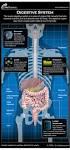 Digestive System Functions A. Gastrointestinal Processes 1. Ingestion: placing food in mouth (voluntary) 2. Propulsion: moving food through GI tract a. Peristalsis: alternating waves of contraction and
Digestion, Absorption. How & where?
 Digestion, Absorption How & where? What happens to food? Three processes Digestion Absorption Elimination Where do they occur? GI tract Overview of Digestion GI tract Gastrointestinal (GI) tract: series
THE DIGESTIVE SYSTEM
 THE DIGESTIVE SYSTEM What is digestion? Digestion is the process of breaking down food so that it's small enough to be absorbed and used by the body for energy or in other bodily functions. Digestion involves
NSW Higher School Certificate Senior Science 9.2 Lifestyle Chemistry
 NSW Higher School Certificate Senior Science 9.2 Lifestyle Chemistry Section 5 Drug Solubility 9.2 Lifestyle Chemistry Section 5 ::: Drug Solubility 9.2.5 The solubility of drugs has an effect on the way
Experiment 8 - Double Displacement Reactions
 Experiment 8 - Double Displacement Reactions A double displacement reaction involves two ionic compounds that are dissolved in water. In a double displacement reaction, it appears as though the ions are
POLYOX. Application Data
 POLYOX Application Data Water Soluble Resins The Influence of In Vitro Dissolution Method on the Release of a Highly Water Soluble Drug from Polyethylene Oxide and Hypromellose Hydrophilic Extended Release
GI TRACT ORGANS ACCESSORY ORGANS
 Digestive System GI TRACT ORGANS Oral cavity Oropharynx Esophagus Stomach Small intestine Large Intestine Anus ACCESSORY ORGANS Salivary glands Pancreas Liver Gall bladder GI TRACT LAYERS Mucosa Submucosa
Drug Excretion. Renal Drug Clearance. Drug Clearance and Half-Life. Glomerular Filtration II. Glomerular Filtration I. Drug Excretion and Clearance
 t/.drugexcretion AINTRAVENOUSDOSE 36848765430TIME(hours) t/ Drug Excretion Dr. Robert G. Lamb Professor Pharmacology & Toxicology Drug Excretion and Clearance Drug Excretion: is the movement of drug from
The Digestive System. You are what you eat!
 The Digestive System You are what you eat! Try to label the diagram (PENCIL!!) What is Digestion? Digestion: the breakdown of large macromolecules (proteins, fats, carbohydrates) into smaller molecules
2.3 QUALITY OVERALL SUMMARY Sakura Tablet
 English Mock QOS P2_Final_June08 MODULE 2: COMMON TECHNICAL DOCUMENT SUMMARIES Generic name: Amokinol 2.3 QUALITY OVERALL SUMMARY Sakura Tablet 1 English Mock QOS P2 Final TABLE OF CONTENTS Page Table
Digestive System Notes
 Digestive System Notes Structure Function Relation Mouth cavity Mechanical digestion by teeth; chemical digestion of starch by saliva. Salivary glands Three pairs of glands which secrete saliva containing
DRAFT GUIDANCE. This guidance document is being distributed for comment purposes only.
 Waiver of In Vivo Bioavailability and Bioequivalence Studies for Immediate-Release Solid Oral Dosage Forms Based on a Biopharmaceutics Classification System Guidance for Industry DRAFT GUIDANCE This guidance
ELECTROLYTE SOLUTIONS (Continued)
 ELECTROLYTE SOLUTIONS (Continued) Osmolarity Osmotic pressure is an important biologic parameter which involves diffusion of solutes or the transfer of fluids through semi permeable membranes. Per US Pharmacopeia,
Digestive System Lecture 5 Winter 2014
 Digestive System Lecture 5 Winter 2014 This lecture tells the story of the Flow of Matter from Food to Cells. The pictures are only there to help you visualize structures don t worry about names of structures
The digestive system, also called the gastrointestinal
 exercise 8 Chemical and Physical Processes of Digestion Objectives 1. To define digestive tract, accessory glands, digestion, hydrolases, salivary amylase, carbohydrates, proteins, lipids, bile salts,
INSTRUCTIONS 56-1190-98. Edition AC
 Sephacryl S-100 High Resolution Sephacryl S-200 High Resolution Sephacryl S-300 High Resolution Sephacryl S-400 High Resolution Sephacryl S-500 High Resolution INSTRUCTIONS Sephacryl High Resolution chromatography
QbD Understanding How Excipient Properties Influence Solid Oral Dosage Form Performance
 QbD Understanding How Excipient Properties Influence Solid Oral Dosage Form Performance Dr Amina Faham (Dow), Dr Liz Meehan (AstraZeneca) ExcipientFest, Amsterdam NL June 24, 2014 What do you understand
2) Digestion the breakdown of. There are two types of digestion: Mechanical and Chemical. 3) Absorption when the nutrients enter into the blood.
 The Digestive System Video on the digestive system (5 min) The digestive system is responsible for the breakdown of the we eat so that it can be absorbed into the. There are four main stages of the digestive
Guidance for Industry
 Guidance for Industry Bioavailability and Bioequivalence Studies for Orally Administered Drug Products General Considerations U.S. Department of Health and Human Services Food and Drug Administration Center
BRIEFING 661.2 Plastic Packaging Systems for Pharmaceutical Use.
 BRIEFING 661.2 Plastic Packaging Systems for Pharmaceutical Use. USP proposes the revision and development of a suite of plastic packaging system standards in the current issue of PF. General test chapter
Eating, pooping, and peeing THE DIGESTIVE SYSTEM
 THE DIGESTIVE SYSTEM Ingested food is not technically in the body until it is absorbed so it needs to be: Mechanically and chemically reduced Transported by the blood to the cells Large portions are not
Mixing in the process industry: Chemicals Food Pharmaceuticals Paper Polymers Minerals Environmental. Chemical Industry:
 Mixing Notes: Chapter 19 Robert P. Hesketh Mixing in the process industry: Chemicals Food Pharmaceuticals Paper Polymers Minerals Environmental Chemical Industry: Paints and Coatings Synthetic Rubbers
Reversed Phase High Presssure Liquid Chromatograhphic Technique for Determination of Sodium Alginate from Oral Suspension
 International Journal of PharmTech Research CODEN (USA): IJPRIF ISSN : 0974-4304 Vol.2, No.2, pp 1634-1638, April-June 2010 Reversed Phase High Presssure Liquid Chromatograhphic Technique for Determination
Separation by Solvent Extraction
 Experiment 3 Separation by Solvent Extraction Objectives To separate a mixture consisting of a carboxylic acid and a neutral compound by using solvent extraction techniques. Introduction Frequently, organic
Nursing 113. Pharmacology Principles
 Nursing 113 Pharmacology Principles 1. The study of how drugs enter the body, reach the site of action, and are removed from the body is called a. pharmacotherapeutics b. pharmacology c. pharmacodynamics
Digestive System Why is digestion important? How is food digested? Physical Digestion and Movement
 Digestive System The digestive system is made up of the digestive tract a series of hollow organs joined in a long, twisting tube from the mouth to the anus and other organs that help the body break down
Chapter 49 - Nutrients and the Digestive System I. Nutrients (chemical substances necessary for organisms to grow and function properly)
 Chapter 49 - Nutrients and the Digestive System I. Nutrients (chemical substances necessary for organisms to grow and function properly) 6 basic nutrients - 4 food groups (milk, meat, fruit and vegetable,
1. Which substances in the small intestine of humans serve to increase the surface area for absorption?
 Digestion Review 1. Which substances in the small intestine of humans serve to increase the surface area for absorption? (a.) intestinal glands (b.) villi (c.) pseudopodia (d.) cilia (e.) flagella 2. The
Working With Enzymes. a world of learning. Introduction. How Enzymes Work. Types and Sources of Enzymes
 Working With Enzymes a world of learning Presented by Peter J Ball, Southern Biological. For further information, please contact the author by phone (03) 9877-4597 or by email [email protected].
Dissolution testing plays an important role in the
 dx.doi.org/10.14227/dt210214p6 In Vitro Dissolution Studies of Immediate-Release and Extended- Release Formulations Using Flow- Through Cell Apparatus 4 e-mail: [email protected] ABSTRACT Shi Qiu, Ke Wang,
6 Characterization of Casein and Bovine Serum Albumin
 6 Characterization of Casein and Bovine Serum Albumin (BSA) Objectives: A) To separate a mixture of casein and bovine serum albumin B) to characterize these proteins based on their solubilities as a function
Guidance for Industry
 Guidance for Industry Bioequivalence Studies with Pharmacokinetic Endpoints for Drugs Submitted Under an ANDA DRAFT GUIDANCE This guidance document is being distributed for comment purposes only. Comments
The role of CO 2 in pool water
 The role of CO 2 in pool water A series of e-mail articles from the research group onbalance, January 2006 The role of CO 2 in pool water #1 While some service techs go about their business taking care
EXIGENCIA DE ESTUDIOS DE BIOEQUIVALENCIA A TRAVÉS DE METODOS IN VITRO
 EXIGENCIA DE ESTUDIOS DE BIOEQUIVALENCIA A TRAVÉS DE METODOS IN VITRO Q.F. ALEXIS ACEITUNO, PhD Jefe Subdepto. Biofarmacia & Bioequivalencia Agencia Nacional de Medicamentos Instituto de Salud Pública
Mixtures and Pure Substances
 Unit 2 Mixtures and Pure Substances Matter can be classified into two groups: mixtures and pure substances. Mixtures are the most common form of matter and consist of mixtures of pure substances. They
Solid dosage forms testing: Disintegration test and tablet friability and hardness
 Specialized Laboratory for Drug production (N111049) Instructions Solid dosage forms testing: Disintegration test and tablet friability and hardness Tutor: Ing. Jiří Petrů Study program: Drug synthesis
DRINKING WATER - LAB EXPERIMENTS. Coagulation and flocculation LAB EXPERIMENTS. Jartest
 DRINKING WATER - LAB EXPERIMENTS LAB EXPERIMENTS Coagulation and flocculation Jartest coagulation and flocculation - jartest lab experiments Framework This module explains the lab experiment on coagulation
Effect of Filler Type on the Stability of Polyethylene Oxide in a Hydrophilic Matrix Tablet
 Effect of Filler Type on the Stability of Polyethylene Oxide in a Hydrophilic Matrix Tablet Jennifer L Hote-Gaston ([email protected]) and Dave Wallick The Dow Chemical Company, Dow Wolff Cellulosics, Larkin
Molarity of Ions in Solution
 APPENDIX A Molarity of Ions in Solution ften it is necessary to calculate not only the concentration (in molarity) of a compound in aqueous solution but also the concentration of each ion in aqueous solution.
Biopharmaceutics Classification System: A Regulatory Approach
 dx.doi.org/10.14227/dt180111p31 Biopharmaceutics Classification System: A Regulatory Approach B. Basanta Kumar Reddy 1, * and A. Karunakar 2 1 Regulatory Affair Dpt., Indchemie Health Specialities Pvt.
A MULTIVARIATE TEST FOR SIMILARITY OF TWO DISSOLUTION PROFILES
 Journal of Biopharmaceutical Statistics, 15: 265 278, 2005 Copyright Taylor & Francis, Inc. ISSN: 1054-3406 print/1520-5711 online DOI: 10.1081/BIP-200049832 A MULTIVARIATE TEST FOR SIMILARITY OF TWO DISSOLUTION
Guidance for Industry
 #238 Guidance for Industry Modified Release Veterinary Parenteral Dosage Forms: Development, Evaluation, and Establishment of Specifications DRAFT GUIDANCE This guidance document is being distributed for
Special organ structures and functions conduct these tasks through the successive parts of the overall system.
 Chapter 5 Digestion, Absorption, and Metabolism Chapter 5 Lesson 5.1 Key Concepts Through a balanced system of mechanical and chemical digestion, food is broken down into smaller substances and the nutrients
ph: Measurement and Uses
 ph: Measurement and Uses One of the most important properties of aqueous solutions is the concentration of hydrogen ion. The concentration of H + (or H 3 O + ) affects the solubility of inorganic and organic
6 Reactions in Aqueous Solutions
 6 Reactions in Aqueous Solutions Water is by far the most common medium in which chemical reactions occur naturally. It is not hard to see this: 70% of our body mass is water and about 70% of the surface
Guidance for Industry
 Guidance for Industry Bioavailability and Bioequivalence Studies Submitted in NDAs or INDs General Considerations DRAFT GUIDANCE This guidance document is being distributed for comment purposes only. Comments
Organic Chemistry Lab Experiment 4 Preparation and Properties of Soap
 Organic Chemistry Lab Experiment 4 Preparation and Properties of Soap Introduction A soap is the sodium or potassium salt of a long-chain fatty acid. The fatty acid usually contains 12 to 18 carbon atoms.
The Digestive System: Where does food go? Teacher Version
 The Digestive System: Where does food go? Teacher Version In this lab you will learn about your digestive system. We will use everyday objects like yarn and a ziplock bag to understand how long our digestive
Properties of Acids and Bases
 Lab 22 Properties of Acids and Bases TN Standard 4.2: The student will investigate the characteristics of acids and bases. Have you ever brushed your teeth and then drank a glass of orange juice? What
HYDROLYSATES IN EASY TO DIGEST FORMULAS
 This information is intended for industrial customers only and not intended for consumers HYDROLYSATES IN EASY TO DIGEST FORMULAS In vitro evaluation of digestion kinetics Copyright of FrieslandCampina
Ingestible ph and Pressure Capsule
 Ingestible ph and Pressure Capsule Policy Number: 2.01.81 Last Review: 5/2016 Origination: 1/2011 Next Review: 5/2017 Policy Blue Cross and Blue Shield of Kansas City (Blue KC) will not provide coverage
All the prepared formulations were subjected for following. evaluation parameters and obtained results were showed in Tables 6.3 &
 105 6.1 CHARACTERIZATION OF TABLETS All the prepared formulations were subjected for following evaluation parameters and obtained results were showed in Tables 6.3 & 6.4. 6.1.1 Description (Size, Shape,
Chapter 8: Chemical Equations and Reactions
 Chapter 8: Chemical Equations and Reactions I. Describing Chemical Reactions A. A chemical reaction is the process by which one or more substances are changed into one or more different substances. A chemical
Chapter 48. Nutrients in Food. Carbohydrates, Proteins, and Lipids. Carbohydrates, Proteins, and Lipids, continued
 Carbohydrates, Proteins, and Lipids The three nutrients needed by the body in the greatest amounts are carbohydrates, proteins, and lipids. Nutrients in Food All of these nutrients are called organic compounds,
5. Secretion: release of water, acids. Enzymes, buffers by digestive tract.
 Digestive System CH-16 Lecture topics Functions of the digestive system: p. 488. 1. Ingestion: Taking food in 2. Propulsion: movement of food thru alimentary canal p.490. voluntary: swalloing : skeletal
INSULIN PRODUCTS. Jack DeRuiter
 INSULIN PRODUCTS Jack DeRuiter The number and types of insulin preparations available in the United States is constantly changing, thus students should refer to recent drug resources for a current list
DIGESTION is the physical and
 Digestion DIGESTION is the physical and chemical breakdown of feeds as they pass through the gastrointestinal tract. The structures of the gastrointestinal tract include the mouth, the esophagus, the stomach,
Unit B Understanding Animal Body Systems. Lesson 1 Understanding Animal Digestion
 Unit B Understanding Animal Body Systems Lesson 1 Understanding Animal Digestion 1 Terms Absorption Amino acids Anus Avian Bile Cecum Chyme Crop Cud Digestion Digestive system Enzymes Eructated Feces Gizzard
European Continuing Education College
 Design and Development of Conventional and Modified Release Oral Drug Delivery Systems Three Day Intensive Course for Managers, Scientists and Technicians with the Emphasis on the Principles of Oral Drug
Chapter 2 Digestion and Absorption Chapter Outline
 Chapter 2 Digestion and Absorption Chapter Outline I. Anatomy of the Digestive Tract A. The Digestive Organs 1. Mouth to the Esophagus 2. Esophagus to the Stomach 3. The Small Intestine 4. The Large Intestine
Each gland has at least one duct that takes saliva to the oral cavity.
 kufa university Physiology College of Nursing first year student Ass. Lect :- Hisham Qassem M. Lecture No :-3 The Digestive System Digestive system consists of: 1. Gastrointestinal Tract (GIT). 2. Accessory
Influence of the Changed USP Specifications on Disintegration Test Performance
 dx.doi.org/10.14227/dt170110p6 Influence of the Changed USP Specifications on Disintegration Test Performance e-mail: [email protected] Katja Schmid 1 and Raimar Löbenberg 2 * 1 Department of Pharmacy
Oral Bioavailability of Creatine Supplements: Is There Room for Improvement?
 Oral Bioavailability of Creatine Supplements: Is There Room for Improvement? Donald W. Miller Associate Professor Department of Pharmacology and Therapeutics University of Manitoba Acknowledgements ISSN
Bariatric surgery patients and their medicines
 Bulletin 54 April 2014 2.0 Bariatric surgery patients and their medicines There has been a steady increase in bariatric surgery 1 since the National Institute of Health and Care Excellence (NICE) published