
PFNA. With Augmentation Option.
|
|
|
- Harry Barnett
- 9 years ago
- Views:
Transcription
1 PFNA. With Augmentation Option. Surgical Technique This publication is not intended for distribution in the USA. Instruments and implants approved by the AO Foundation.

2 Image intensifier control Warning This description alone does not provide sufficient background for direct use of DePuy Synthes products. Instruction by a surgeon experienced in handling these products is highly recommended. Processing, Reprocessing, Care and Maintenance For general guidelines, function control and dismantling of multi-part instruments, as well as processing guidelines for implants, please contact your local sales representative or refer to: For general information about reprocessing, care and maintenance of Synthes reusable devices, instrument trays and cases, as well as processing of Synthes non-sterile implants, please consult the Important Information leaflet (SE_023827) or refer to:

3 Table of Contents Introduction PFNA. Proximal Femoral Nail Antirotation 4 AO Principles 11 Indications and Contraindications 12 Clinical Cases 14 Surgical Technique Preoperative Planning 16 Patient Positioning 17 Preparation 18 Open Femur 22 Insert Nail 25 Proximal Locking 28 Option: PFNA Augmentation 47 Distal Locking 62 For PFNA Short 64 For PFNA Long 69 Insert End Cap 72 Implant Removal 74 Correction of Insertion Depth of PFNA Blade 78 Cleaning 79 PFNA. With Augmentation Option Surgical Technique DePuy Synthes 1

4 Product Information Implants 80 Alternative Implants 87 Augmentation Implants and Instruments 90 Instruments 92 Cases 101 Power Tools 105 Optional: Angular Stable Locking System (ASLS) 106 Bibliography 108 MRI Information DePuy Synthes PFNA. With Augmentation Option Surgical Technique

5

6 PFNA. Proximal Femoral Nail Antirotation. PFNA Nail Optimal fit The anatomical design guarantees an optimal fit in the femur. The nail design has been well proven in over 450,000 cases performed with the PFN and PFNA. The PFNA has a medial-lateral angle of 6 This allows insertion at the tip of the greater trochanter. Optimal stress distribution The flexible PFNA tip eases insertion and reduces stress on the bone at the tip of the PFNA. Several distal locking options Static or dynamic locking can be performed via the aiming arm with PFNA standard, small and xs. The PFNA long additionally allows for secondary dynamization. PFNA short PFNA long Static Dynamic Static Dynamic 4 DePuy Synthes PFNA. With Augmentation Option Surgical Technique

7 PFNA Nail Product range The PFNA is available in 4 sizes PFNA xs, length 170 mm PFNA small, length 200 mm PFNA, length 240 mm PFNA long, length mm, with 20 mm increments, bending radius 1.5 m PFNA. With Augmentation Option Surgical Technique DePuy Synthes 5

8 PFNA. Proximal Femoral Nail Antirotation. PFNA Blade Rotational and angular stability achieved with one single element Compaction of cancellous bone Inserting the PFNA blade compacts the cancellous bone providing additional anchoring, which is especially important in osteoporotic bone. Bone structure before insertion of the PFNA blade. Bone structure after PFNA blade inser tion cancellous bone is compacted providing additional anchoring to the PFNA blade. Large surface and increasing core diameter guarantee maximum compaction and optimal hold in bone Increased stability caused by bone compaction around the PFNA blade has been biomechanically proven to retard rotation and varus collapse. Biomechanical tests have demonstrated that the PFNA blade had a significantly higher cut-out resistance in comparison with commonly-used screw systems. Lateral locking fast and reliable insertion of the PFNA blade All surgical steps required to insert the PFNA blade are performed through lateral incision The PFNA blade is automatically locked to prevent rotation of the blade and femoral head PFNA blade unlocked PFNA blade locked 6 DePuy Synthes PFNA. With Augmentation Option Surgical Technique

9 PFNA. Instrumentation. Easier guide wire positioning and insertion Correct positioning of the guide wire and finally the PFNA blade in the femoral head is crucial. The guide wire aiming device allows for AP orientation, which permits correction of the nail s insertion depth prior to guide wire insertion. In the lateral view, rotation of the nail can be adjusted with the two orientation lines in the radiolucent insertion handle for PFNA. Intraoperative compression In good bone quality the new PFNA blades (0X S 0X S and 0X S 0X S) together with the compression instrument allow for intraoperative compression. The compression instrument can be attached to the blade and intraoperative compression is obtained over the buttress nut and the protection sleeve. SureLock for proximal femoral nails SureLock is a C-arm guided distal targeting device for all Synthes long proximal femoral nails (PFN, PFNA/PFNA-II and TFN). This system is used as an alternative to the freehand technique to facilitate distal locking of long nails. Distal locking with SureLock provides simple and precise targeting, reduced exposure to radiation 1 and increased working space. 1 S. Boraiah, Arch Orthop Trauma Surg (2009), 129(9): PFNA. With Augmentation Option Surgical Technique DePuy Synthes 7

10 PFNA. Augmentation. Fractures of the hip are the most common operatively treated fractures of the elderly (over the age of 70). The number of osteoporotic fractures is growing dramatically causing treatment to become an increasingly challenging issue. The PFNA Augmentation offers a unique system of controlled cement augmentation directly through the implant: Higher number of cycles to cut-out and increased rotational stability in biomechanical testing Simple and reproducible procedure through standardized surgical technique Compatible with PFNA instrumentation and implants Intraoperative decision for augmentation possible Ready-to-use viscosity Traumacem V+ Cement requires no waiting time before injectable cement viscosity is reached. The application time of the ready-to-use-after-mixing cement is approximately 27 minutes at room temperature and offers physicians the freedom to use cement without any time constraints. Trauma Needle Kit Side-opening cannula and plunger for controlled cement injection through the standard PFNA instrumentation. 8 DePuy Synthes PFNA. With Augmentation Option Surgical Technique

11 Cement placement Controlled placement of cement around the implant, through the perforated blade with the side-opening cannula. Traumacem V+ Syringe Kit Traumacem V+ Syringes have wide integrated wings and strong syringe pistons to guarantee excellent force transfer, combined with good tactile feedback. Traumacem V+ Syringe Kit includes a one-way stop-cock for simple, clean and quick filling of the 2 and 1 ml syringes. Traumacem V+ Cement Kit For the best possible visual control during cement application, the Traumacem V+ cement contains 40% zirconium dioxide. A further addition of 15% hydroxyapatite means that the Traumacem V+ cement contains 55% ceramic components and only 45% PMMA. PFNA. With Augmentation Option Surgical Technique DePuy Synthes 9

12 11 DePuy Synthes PFNA. With Augmentation Option Surgical Technique

13 AO Principles In 1958, the AO formulated four basic principles 1, 2, which have become the guidelines for internal fixation in general, and intramedullary nailing in particular: Anatomic reduction Before inserting the nail, the reduction can be achieved manually or using a reduction table. A guide wire marks the prescribed path into the medullary canal and secures alignment of the fragments while the cannulated nail is being inserted over the wire. The nail insertion is generally monitored using x-rays. The nail is then locked proximally and distally to the bone fragments in order to hold the reduction. Stable fixation The intramedullary nail acts as an internal splint that controls but does not prevent micromovements of the fragments. It provides a relative stability that leads to an indirect healing through callus formation. The nails are available in different diameters that allow the surgeon to optimize stability. Preservation of blood supply When the canal is not reamed, intramedullary nailing generates minimal trauma to the endosteum and, therefore, the blood supply is maximized through the uninjured endosteum and periosteum. Reaming the canal temporarily disrupts the endosteal blood supply but probably stimulates the revascularisation and therefore the bone healing. Early, active mobilization Intramedullary nailing, combined with the AO technique, provides relatively stable fracture fixation with minimal trauma to vascular supply. This helps to create an improved environment for bone healing, accelerating the patient s return to previous mobility and function. 1 Müller ME, Allgöwer M, Schneider R, Willenegger H (1995) Manual of Internal Fixation. 3rd, expanded and completely revised ed Berlin, Heidelberg, New York: Springer 2 Rüedi TP, Buckley RE, Moran CG (2007) AO Principles of Fracture Management. 2nd expanded ed Stuttgart, New York: Thieme PFNA. With Augmentation Option Surgical Technique DePuy Synthes 11

14 Indications and Contraindications PFNA short (Length 170 mm 240 mm) Indications Pertrochanteric fractures (31-A1 and 31-A2) Intertrochanteric fractures (31-A3) High subtrochanteric fractures (32-A1) Contraindications Low subtrochanteric fractures Femoral shaft fractures Isolated or combined medial femoral neck fractures PFNA long (Length 300 mm 420 mm) Indications Low and extended subtrochanteric fractures Ipsilateral trochanteric fractures Combination fractures (in the proximal femur) Pathological fractures Contraindications Isolated or combined medial femoral neck fractures Note: ASLS, the Angular Stable Locking System, is indicated in cases where increased stability is needed in fractures closer to the metaphyseal area or in poor quality bone. For more details regarding the intramedullary fixator principle, please consult the ASLS technique guide ( ) and concept flyer ( ). 11 DePuy Synthes PFNA. With Augmentation Option Surgical Technique

15 PFNA Augmentation Indications PFNA augmentation is indicated for severe osteoporotic fractures in the proximal femur The perforated PFNA blade is also indicated without cement augmentation Contraindications In cases where there is a risk of cement leakage into articular or vascular structures (e.g. via fractures and injuries, which open into the articulation) Acute traumatic fractures of non-osteoporotic bone For cement related indications and contraindications please consult the instructions for use of the Traumacem V+ Cement Kit. For contraindications of the Traumacem V+ Syringe Kit and Trauma Needle Kit please consult the corresponding instructions for use. PFNA. With Augmentation Option Surgical Technique DePuy Synthes 11

16 Clinical Cases PFNA 94 years, female 31-A1.1 0 days post-op 14 weeks post-op 11 months post-op 93 years, female, 31-A3.3 4 days post-op 4 weeks post-op 5 months post-op 11 DePuy Synthes PFNA. With Augmentation Option Surgical Technique

17 PFNA with augmentation 80 years, female, 31-A3 Post-op 6 months follow-up 101 years, female, 31-A2 Post-op 3.5 months follow-up PFNA. With Augmentation Option Surgical Technique DePuy Synthes 11

18 Preoperative Planning Use the preoperative planner template for the PFNA to estimate the CCD angle, nail diameter and length. Take a preoperative AP radiography of the unaffected leg. Determine the CCD angle using a goniometer or the preoperative planning template. To estimate the CCD angle, place the template on the AP x-ray of the uninjured femur and determine the CCD angle. To estimate the nail diameter, place the template on the AP x-ray of the uninjured femur and measure the diameter of the medullary canal at the narrowest part that will contain the nail. To estimate the nail length, place the template on the AP x-ray of the uninjured femur and select the appropriate nail length based on patient anatomy. Note: When selecting the nail size, consider canal diameter, fracture pattern, patient anatomy and post-operative protocol. 11 DePuy Synthes PFNA. With Augmentation Option Surgical Technique

19 Patient Positioning Position the patient supine on an extension table or a radio lucent operating table. Abduct the unaffected leg as far as possible and place it on a leg support, so that it allows free fluoroscopic examinations. This should be tested preoperatively. For unimpeded access to the medullary cavity, abduct the upper body by about to the unaffected side (or adduct the affected leg by ). PFNA. With Augmentation Option Surgical Technique DePuy Synthes 11

20 Preparation 1 Reduce fracture Perform closed reduction of the fracture under image intensifier control. If the result is not satisfactory, perform open reduction. Note: Exact anatomical reduction and secure fixation of the patient to the operating table are essential for easy handling and a good surgical result. 11 DePuy Synthes PFNA. With Augmentation Option Surgical Technique

21 2 Confirm nail length and diameter Instrument Radiographic Ruler for PFNA The required nail length must be determined after reduction of the femoral fracture. Position the C-arm for an AP view of the proximal femur. With long forceps, hold the ruler alongside the lateral thigh, parallel to and at the same level as the femur. Adjust the ruler until the proximal end is at the desired nail insertion position. Mark the skin at the proximal end of the ruler. Move the C-arm distally. Align the proximal end of the radiographic ruler to the skin mark, and take an AP image of the distal part. Verify fracture reduction going from proximal to the fracture to distal. Read the nail length directly from the ruler image. For long nails, select the measurement at or just proximal to the epiphyseal scar, or at the chosen insertion position. Important It is recommended that all fractures are treated with the longest nail possible, taking into account patient anatomy or a previous implant. Standard PFNA (length 240 mm) may be too long for small stature people. For fractures extending below the lesser trochanter always use a long nail. PFNA. With Augmentation Option Surgical Technique DePuy Synthes 11
22 Preparation Alternatives Determine the nail length by the procedure above on the uninjured leg before draping (unsterile) or compare the length of two identical SynReam reaming rods B 2.5 mm ( ) or use the depth gauge ( and ) in combination with the SynReam reaming rod B 2.5 mm, length 950 mm ( ). Place the radiographic canal width estimator perpendicular to the femur axis so that the diameter gauge is located over the isthmus. Select the nail diameter with which the intramedullary canal-to-cortex transition is still visible on both sides of the diameter gauge. Notes The ruler provides only an estimate of the canal diameter as it is not at the same level as the femur. If the reamed technique is used, the diameter of the largest medullary reamer applied must be 0.5 mm to 1.5 mm larger than the nail diameter. Always choose the largest diameter nail that fits into the intramedullary canal (B 9 mm nails should only be used for an intramedullary canal smaller than 11 mm). 22 DePuy Synthes PFNA. With Augmentation Option Surgical Technique
23 3 Approach Palpate the trochanter major. Make a 5 cm incision proximal from the tip of the greater trochanter. Make a parallel incision of the fasciae of the gluteus medius and split the gluteus medius in line with the fibers. PFNA. With Augmentation Option Surgical Technique DePuy Synthes 22
24 Open Femur 1 Determine entry point 6 In AP view, the PFNA entry point is on the tip or slightly lateral to the tip of the greater trochanter in the curved extension of the medullary cavity, as the ML angle of the PFNA is 6. In lateral view the entry point is in line with the axis of the intramedullary canal. 2 Insert guide wire Instruments Guide Wire B 3.2 mm, for PFNA Blade Universal Chuck with T-Handle Protection Sleeve 20.0/17.0, for No Drill Sleeve 17.0/3.2, for No Secure the guide wire in the power tool. Alternatively, the universal chuck with T-handle can be used to insert the guide wire manually. Position both the protection sleeve and the drill sleeve at the insertion point. Insert the guide wire through the protection sleeve and the drill sleeve. Remove the power tool and the drill sleeve. Note: The correct entry point and angle are essential for a successful result. To ensure the correct position of the guide wire, position a guide wire ventrally on the femur and check under image intensifier control. 22 DePuy Synthes PFNA. With Augmentation Option Surgical Technique
25 3 Open femur Instruments Drill Bit B 17.0 mm, cannulated, for PFNA Protection Sleeve 20.0/17.0, for No Universal Chuck with T-Handle Guide the cannulated drill bit through the protection sleeve over the guide wire and drill as far as the stop on the protection sleeve. Remove the drill bit, the protection sleeve and the guide wire. Note: It is recommended to open the femur by using a power tool at high speed or carefully by hand. To prevent dislocating the fracture fragments, avoid lateral movements or excessive compression forces. PFNA. With Augmentation Option Surgical Technique DePuy Synthes 22
26 Open Femur 4 Option: Ream medullary canal Instruments / SynReam Intramedullary Reaming System Holding Forceps for Reaming Rods If necessary, enlarge the femoral canal to the desired diameter using the medullary reamer and the corresponding technique guide ( ). Check fracture reduction under image intensifier control. Insert reaming rod Insert the reaming rod into the medullary canal to the desired insertion depth. The tip must be correctly positioned in the medullary canal since it determines the final distal position of the long PFNA. Reaming Starting with the 8.5 mm diameter reaming head, ream to a diameter of 0.5 to 1.5 mm greater than the nail diameter. Ream in 0.5 mm increments and advance the reamer with steady, moderate pressure. Do not force the reamer. Partially retract the reamer repeatedly to clear debris from the medullary canal. Use the holding forceps to retain the reaming rod while reaming and to prevent it from rotating. 22 DePuy Synthes PFNA. With Augmentation Option Surgical Technique
27 Insert Nail 1 Assemble PFNA instruments Instruments Insertion Handle, radiolucent, for PFNA Connecting Screw, cannulated, for PFN Screwdriver, hexagonal with spherical head B 10.0 mm Guide the connecting screw through the insertion handle and secure the desired PFNA to the insertion handle using the hexagonal screwdriver with spherical head. Important: Ensure that the connection between PFNA and insertion handle is tight (retighten, if necessary) to avoid deviations when inserting the PFNA blade through the aiming arm. Do not attach the aiming arm yet. PFNA. With Augmentation Option Surgical Technique DePuy Synthes 22
28 Insert Nail 2 Insert PFNA Use image intensifier control to insert the PFNA. Carefully insert the PFNA manually using slight bidirectional turns of the insertion handle as far as possible into the femoral opening. If the PFNA cannot be inserted, select a smaller size PFNA diameter or ream the medullary cavity to a diameter that is at least 1 mm larger than that of the selected nail. The correct PFNA insertion depth is reached as soon as the projected PFNA blade is positioned in the center of the femoral head. A too cranial or too caudal PFNA position should be avoided as it can lead to malposition of the PFNA blade. The anteversion can be determined by inserting a guide wire ventral to the femoral neck in the femoral head. In the mediolateral view, place the insertion handle parallel to the guide wire to align the correct rotation of the PFNA. Remove all guide wires. Do not reuse. Dispose of the guide wires. Important: Always ensure that the PFNA is firmly attached to the insertion handle. 22 DePuy Synthes PFNA. With Augmentation Option Surgical Technique
29 Optional instruments Connector for Insertion Handle for PFNA Combined Hammer 500 g, can be mounted, for No Hammer Guide, for No Attach the connector on the insertion handle and use light hammer blows on the connector to insert the nail. Remove the connector. Optionally, instead of the connector, the hammer guide can be threaded into the insertion handle and the hammer can be used as a slide hammer. Remove the hammer guide. Important: Use only light blows on the con nector for insertion handle. Avoid unnecessary use of force to prevent loss of reduction or an iatrogenic fracture. PFNA. With Augmentation Option Surgical Technique DePuy Synthes 22
30 Proximal Locking 1 Choose aiming arm for PFNA blade insertion Instruments Aiming Arm 125, for PFNA Blade Aiming Arm 130, for PFNA Blade Aiming Arm 135, for PFNA Blade Plug for Aiming Arm Using the hexagonal screwdriver with spherical head, confirm that the connecting screw between the insertion handle and the PFNA is sufficiently tightened. Mount the appropriate aiming arm based on the chosen CCD angle of the PFNA and fix it firmly to the insertion handle. Insert the plug for aiming arm into the locking hole of the nail length that is NOT used in this case. 22 DePuy Synthes PFNA. With Augmentation Option Surgical Technique
31 2 Prepare guide wire insertion Instruments Buttress/Compression Nut, for PFNA Blade Protection Sleeve 16.0/11.0, for PFNA Blade Drill Sleeve 11.0/3.2, for PFNA Blade Trocar B 3.2 mm, for PFNA Blade, gold Screw the buttress nut on the golden protection sleeve for PFNA blade. Make sure the «lateral side» marking points towards the head of the sleeve. Screw the buttress nut up to the marking on the protection sleeve. Insert the golden drill sleeve and the golden trocar through the protection sleeve. Advance the entire sleeve assembly for PFNA blade through the aiming arm to the skin until it clicks into the aiming arm. Adjust the position of the buttress nut if necessary. Important: Ensure that the sleeve assembly clicks into the aiming arm, otherwise it will not guarantee the exact position of the PFNA blade. PFNA. With Augmentation Option Surgical Technique DePuy Synthes 22
32 Proximal Locking 3 Option: Position guide wire with aiming device Instruments Aiming Device for Guide Wire, for PFNA and TFN, for AP Orientation Connecting Screw for PFNA, for No Attach the guide wire aiming device for AP orientation to the aiming arm using the connecting screw for PFNA. Position the C-arm for the AP view. Rotate the C-Arm until any two orientation lines are symmetric to the protection sleeve. The midline in between these two orientation lines predicts the location of the guide wire and PFNA Blade. Adapt the insertion depth of the nail until the midline is centered in the femoral head. The C-arm may be readjusted to make sure that two lines are symmetric to the sleeve. Note: The outer lines can be used to determine the center of the femoral head. 33 DePuy Synthes PFNA. With Augmentation Option Surgical Technique
33 Position the C-arm in the true lateral view (alignment of the axis of the femoral neck congruent with the axis of the femoral shaft 1 ). Adjust nail rotation until the two lines on the insertion handle are symmetric to the PFNA nail. Note: A 3.2 mm guide wire can be inserted in the corresponding hole in the insertion handle to predict the location of the guide wire and PFNA blade. 1 T. Nishiura, PFNA. With Augmentation Option Surgical Technique DePuy Synthes 33
34 Proximal Locking 4 Insert guide wire Instrument Guide Wire B 3.2 mm, for PFNA Blade Make a stab incision in the area of the trocar tip. Advance the sleeve assembly through the soft tissues in direction of the lateral cortex. Insert the sleeve assembly as far as the lateral cortex. Advance the protection sleeve to the lateral cortex using slight clockwise turns of the buttress nut. Prepare the passage of the protection sleeve by turning the internal golden drill sleeve. Important: The sleeve assembly must be in contact with the bone during the entire blade implantation. Do not tighten the buttress nut too firmly as this could impair the precision of the insertion handle and sleeve assembly. Incorrect position Correct position Remove the trocar. Insert a new guide wire through the golden drill sleeve into the bone. Verify both direction and position under image intensifier control in both AP and lateral view. 33 DePuy Synthes PFNA. With Augmentation Option Surgical Technique
35 In the AP and lateral view, the optimal position of the guide wire is the exact center of the femoral head. Insert the guide wire subchondrally into the femoral head at a distance of 10 mm below the joint level. Minimal distance to the joint is 5 mm. The tip of the guide wire is positioned at the intended blade tip position. 10 mm Important: If the PFNA or the guide wire requires repositioning; remove the guide wire, release the sleeve assembly with buttress nut from the aiming arm by pressing the but ton on the clamp device, and remove it. The PFNA can be repositioned only by rotation, deeper insertion or partial retraction. Reinsert the sleeve assembly and turn the buttress nut clockwise to position the assembly on the bone. Reinsert the guide wire. Note: Insert the guide wire for the PFNA blade carefully to avoid penetration into the joint. Penetration of the articular surface is a contraindication for the augmentation of the PFNA blade. PFNA. With Augmentation Option Surgical Technique DePuy Synthes 33
36 Proximal Locking Optional technique for antirotation wires Instruments Aiming Jig for Anti-rotation Wire Drill Sleeve 5.6/3.2, for No Guide Wire B 3.2 mm, for PFNA Blade In very unstable fractures, insert an additional guide wire to prevent rotation. Leave the golden drill sleeve in place in the golden protection sleeve when applying this technique. After having inserted the guide wire into the femoral head, secure the aiming jig for antirotation wire either anterior or posterior to the aiming arm. Secure the position of the anti rotation wire by tightening the hexagonal nut. Insert the drill sleeve into the aiming jig for anti-rotation wire. Make a stab incision and insert the drill sleeve to the bone. 33 DePuy Synthes PFNA. With Augmentation Option Surgical Technique
37 Use image intensifier control to insert a guide wire into the femoral head. If a second anti-rotation wire is necessary, use the same procedure to insert it into the femoral head. Note: In axial view, the antirotation wire will approach, but not touch the blade tip. This antirotation wire fixes the femoral head only temporarily and will be removed after the insertion of the blade. PFNA. With Augmentation Option Surgical Technique DePuy Synthes 33
38 Proximal Locking 5 Measure the PFNA blade length Instrument Direct Measuring Device for Guide Wire B 3.2 mm Verify the position of the guide wire in AP and lateral view before measuring the length. Guide the measuring device over the guide wire. Advance the measuring device to the protection sleeve and determine the length of the required blade. The measuring device indicates the exact length of the guide wire in the bone. In the AP and lateral view, the correct position of the PFNA blade is 10 mm below the joint level. Minimal distance to the joint is 5 mm. If the guide wire s position is subchondral, subtract 10 mm to measure the PFNA blade length correctly. Remove the measuring device. Carefully remove the golden drill sleeve without changing the position of the guide wire. 10 mm 33 DePuy Synthes PFNA. With Augmentation Option Surgical Technique
39 6 Open lateral cortex for PFNA blade insertion Instrument Drill Bit B 11.0 mm, for PFNA Blade Push the cannulated drill bit over the 3.2 mm guide wire. Drill to the stop. This opens the lateral cortex. Important: If the guide wire has been bent slightly during insertion, guide the drill bit over the wire using carefully forward and backward movements. However, if the wire has been bent to a greater extent, reinsert it or replace it by a new guide wire (see step 4). Otherwise, the guide wire may be advanced through the joint. PFNA. With Augmentation Option Surgical Technique DePuy Synthes 33
40 Proximal Locking 7 Drill hole for PFNA blade Instruments Reamer B 11.0 mm, for PFNA Blade Fixation Sleeve, for No Important: Use reamer only in a situation with good bone quality. Set the chosen blade length on the cannulated reamer by fixing the fixation sleeve in the corresponding position. Read off the correct length on the side of the fixation sleeve pointing towards the tip of the reamer. Push the reamer over the guide wire. Monitor drilling under image intensifier control. Drill to the stop. The fixation sleeve prevents further drilling. Note: Use the reamer only after opening the lateral cortex. If the guide wire has been bent slightly during insertion, guide the reamer over the wire using carefully forward and backward movements. However, if the wire has been bent to a greater extent, reinsert it or replace it with a new guide wire (see step 4). Otherwise, the guide wire may be advanced through the joint. 33 DePuy Synthes PFNA. With Augmentation Option Surgical Technique
41 8 Assemble PFNA blade on the impactor Instrument Impactor for PFNA Blade The PFNA blade is supplied in a locked state. While attaching the PFNA blade on the impactor, screw the impactor counterclockwise (note the mark attach on the impactor) into the end of the PFNA blade to unlock the blade. Push the PFNA blade gently towards the impactor while attaching the PFNA blade. Do not overtighten. Important: The tip of the PFNA blade must rotate freely after attaching it to the impactor. This is essential for the implantation of the PFNA blade. Otherwise remove and dispose of the blade. Do not over tighten the connection between the impactor and the PFNA blade. Important: Augmentation can only be performed with a perforated PFNA blade (0X S 0X S*). * X = 2: Stainless steel X = 4: Titanium PFNA. With Augmentation Option Surgical Technique DePuy Synthes 33
42 Proximal Locking 9 Insert PFNA blade Instrument Combined Hammer 500 g, can be mounted, for No Insert the blade-impactor assembly over the guide wire. Push the button on the protection sleeve, align the blade (note marking on the protection sleeve) and advance the blade impactor assembly further through the protection sleeve. Manually insert the blade over the guide wire advancing as far as possible into the femoral head. 44 DePuy Synthes PFNA. With Augmentation Option Surgical Technique
43 Use monitoring during insertion of the PFNA blade. Insert the PFNA blade to the stop by applying gentle blows with the hammer. Important: Inserting the blade to the stop is important, as the impactor must click into the protection sleeve. Do not use unnecessary force when inserting the PFNA blade. PFNA. With Augmentation Option Surgical Technique DePuy Synthes 44
44 Proximal Locking 10 Lock PFNA blade To lock the PFNA blade, turn the impactor clockwise (note «lock» marking on the handle) and tighten the blade. Push the impactor gently towards the PFNA blade while locking the PFNA blade. Verify PFNA blade locking intraoperatively. The PFNA blade is locked if all gaps are closed. Important: The gliding of the PFNA blade is guaranteed. If the PFNA blade cannot be locked, remove it and replace it with a new PFNA blade (see implant removal, step 1). PFNA blade unlocked PFNA blade locked 44 DePuy Synthes PFNA. With Augmentation Option Surgical Technique
45 Press the button on the protection sleeve to remove the impactor. Remove and dispose of the guide wire. When proximal locking is complete, release and remove the protection sleeve and the buttress nut by pressing the button on the clamp device of the aiming arm in order to continue with distal locking. Leave it in place to continue with augmentation or intraoperative compression. PFNA. With Augmentation Option Surgical Technique DePuy Synthes 44
46 Proximal Locking 11 Option: Intraoperative compression Instrument Compression Instrument for PFNA Blade Warning: Do not use intraoperative compression in osteoporotic bone. Screw the compression instrument into the blade through the protection sleeve. Turn the buttress nut counterclockwise to move the protection sleeve backwards until it is pushing towards the compression instrument. 44 DePuy Synthes PFNA. With Augmentation Option Surgical Technique
47 Under image intensifier control, further turn the buttress nut counterclockwise to achieve intraoperative compression and close the fracture gap. Important The blade must be locked to apply intraoperative compression. Control compression under image intensifier control. Do not use excessive force in order to avoid pulling out the blade from the femoral head. Note: The blade may be slightly overinserted before applying intraoperative compression (see correction of insertion depth of PFNA blade, page 78) to prevent it from sticking out laterally. Release strain by turning the buttress nut clockwise. Remove the compression instrument. Verify PFNA blade locking under image intensifier control. The PFNA blade is locked if all gaps are closed. If necessary, relock the blade using the extraction screw. Release and remove the protection sleeve and the buttress nut by pressing the button on the clamp device of the aiming arm to continue with distal locking. PFNA. With Augmentation Option Surgical Technique DePuy Synthes 44
48 44 DePuy Synthes PFNA. With Augmentation Option Surgical Technique
49 Option: PFNA Augmentation 1 Adjust sleeve of side-opening cannula Instrument S Trauma Needle Kit, B 3.3 mm Cannula with side-opening, sterile Adjust the sleeve on the side-opening cannula to the selected blade length. With this setting the starting position of the side-opening cannula is slightly lateral to the blade tip. This allows adjustment of 5 mm in both directions to inject cement more medially or laterally. A full turn of the sleeve corresponds to an adjustment of 5 mm. Example: Following insertion of a 100 mm blade, set the sleeve to the 100 mm length marking to start augmentation slightly lateral to the blade tip (recommended). If necessary, adjust the sleeve to the 105 mm length marking to inject cement more medially (at the tip of the blade) or adjust it to the 95 mm length marking to inject cement more laterally. Important: Do not advance the cannula more than 5 mm over the selected blade length. This would result in injection of cement in front of the blade tip where no additional stability is achieved and the risk of penetration and cement leakage is increased. PFNA. With Augmentation Option Surgical Technique DePuy Synthes 44
50 Option: PFNA Augmentation 2 Check for possible cement leakage into joint Instrument S Trauma Needle Kit, B 3.3 mm Cannula with side-opening, sterile Potential leakage must be excluded using a contrast fluid and appropriate syringe (6 10 ml) with luer lock according to custom and usage. Attach the syringe with luer lock to the side-opening cannula and pre-fill the side-opening cannula with approximately 4 ml of contrast fluid. Insert the side-opening cannula through the protection sleeve into the PFNA blade until the stop, so that the side-opening cannula clicks into the protection sleeve. In this position, the tip of the sleeve should be in contact with the lateral blade end. Check the correct insertion depth under image intensification. Adjust the insertion depth with the buttress nut, if necessary. Incorrect position Correct position 44 DePuy Synthes PFNA. With Augmentation Option Surgical Technique
51 Inject contrast fluid into the femoral head. Monitor the flow of the X-ray contrast fluid with the image intensifier. Remove the side-opening cannula. Wash the contrast fluid out of the cannula and, if necessary, out of the femoral head using a saline solution and another syringe (6 10 ml) with luer lock. Attach the syringe with luer lock to the side-opening cannula and rinse out the contrast fluid. No leakage into joint Leakage into joint. Do not augment. Insert the side-opening cannula through the protection sleeve into the PFNA blade until the stop, so that the sideopening cannula clicks into the protection sleeve. In this position the sleeve should be in contact with the lateral blade end. Check the correct insertion depth under image intensification. Adjust the insertion depth with the buttress nut, if necessary. Inject saline solution to wash the contrast fluid out of the femoral head. Remove the side-opening cannula and discard the syringe. In case of no leakage proceed with step 3. Important: Do not augment if X-ray contrast media leaks into the joint and proceed with distal locking. PFNA. With Augmentation Option Surgical Technique DePuy Synthes 44
52 Option: PFNA Augmentation 3 Prepare cement Instrument S Traumacem V+ Cement Kit, 10 ml, sterile Hold the Traumacem V+ Cement Kit upright and gently slat with the finger tip at the top of the mixing device in order to ensure no cement powder sticks to the cartridge and transportation lid. Pull the handle until it is fully retracted. Note: During preparation, mixing and injection make sure to always handle the mixing device by gripping the blue part located directly below the transparent cartridge. If the transparent part is used as gripping surface, the excess body heat provided by the users hand might result in a shorter working time than intended. Open the glass ampoule by breaking the bottle neck with the plastic cap 1. Then, remove and dispose the transportation lid of the mixing device, pour all monomer from the glass ampoule into the cement powder 2 and close the mixing device tightly using the separately supplied cement mixing and transferring lid 3. Notes Entire contents must always be mixed. Using only one part of the components is not permitted. See also the quick step preparation technique on the inner packaging of the Traumacem V+ Cement Kit DePuy Synthes PFNA. With Augmentation Option Surgical Technique
53 Mix Traumacem V+ Cement by moving the blue handle back and forth from stop to stop approximately 20 times 1. Perform the first mixing strokes slowly with oscillating-rotating movements. To mix, push and pull the handle 2. Pull the handle until it is fully retracted 3. Note: Inhomogeneous mixing causes increased toxicity and/or cement leakage PFNA. With Augmentation Option Surgical Technique DePuy Synthes 55
54 Option: PFNA Augmentation 4 Fill injection syringes Instruments S S Traumacem V+ Syringe Kit, sterile Trauma Syringe Kit, 4u1 ml, 2u2 ml, sterile Once the cement has been mixed using the Traumacem V+ Cement Kit, remove the small, transparent lid of the mixer 1. Connect the one way stop-cock. Use the side without the funnel when connecting the one way stop-cock to the mixer 2. The handle in the initial position is turned 90 away from the mixer and the off sign is on the opposite side from the funnel. Ensure a tight fit between the one way stop-cock and the mixing device. Note: Avoid breakage of the one way stop-cock due to the application of excessive torque. First, the air must be removed from the system. Gently turn the handle of the cement mixer clockwise. The piston of the mixer will advance in the translucent cartridge and a steady flow of cement will move into the one way stop-cock. As soon as the cement is visible in the one way stop-cock, close the one way stop-cock by turning the handle ( off ) toward the mixer (90 ) taking care not to break the handle. 2 Important: Do not push to transfer cement. 55 DePuy Synthes PFNA. With Augmentation Option Surgical Technique
55 Attach a syringe to the one way stop-cock (funnel side). Tip: It is recommended to use a 2 ml syringe first. Open the one way stop-cock by turning the handle (90 turn), back to its original position. Use controlled turning movements on the mixer handle to fill the syringe. As soon as the syringe is filled, turn the valve of the one way stop-cock again (90 ) towards the mixer. The off sign is directed toward the mixer, stopping the cement flow. Important: Do not push to transfer cement. PFNA. With Augmentation Option Surgical Technique DePuy Synthes 55
56 Option: PFNA Augmentation Disconnect the full syringe and attach the next syringe to be filled. Avoid excessive spillage of cement into the funnel during the transfer process. Continue to fill the syringes in the same manner. Always fill all syringes 55 DePuy Synthes PFNA. With Augmentation Option Surgical Technique
57 5 Pre-fill the side-opening cannula with Traumacem V+ Instrument S Trauma Needle Kit, B 3.3 mm Side-opening cannula, sterile Attach a filled 2 ml syringe to the side-opening cannula. Pre-fill the side-opening cannula with 2 ml of cement. Attach another filled 2 ml syringe and fill the side-opening cannula until the cement is coming out of the side-opening. Remove and discard the syringes. Attach a filled 1 ml syringe to the side-opening cannula. In case of cement leakage from the side opening, remove the excess cement in order to avoid accidental pollution of the protection sleeve or blade. Important: 1 ml syringes must be used to inject cement. The 2 ml syringes are not suited to augment the PFNA Blade. PFNA. With Augmentation Option Surgical Technique DePuy Synthes 55
58 Option: PFNA Augmentation 6 Insert side-opening cannula Verify that the position of the sleeve on the side-opening cannula is corresponding with the selected blade length. Insert the side-opening cannula through the protection sleeve into the PFNA blade until the stop, so that the sideopening cannula clicks into the protection sleeve. In this position the sleeve should be in contact with the lateral end of the blade. Check the correct insertion depth under image intensification. Adjust the insertion depth with the buttress nut, if necessary. The starting position of the side-opening cannula (as set in step 1) is slightly lateral to the blade tip. This allows an adjustment of 5 mm in both directions to inject cement more medially or laterally. A full turn of the sleeve corresponds to an adjustment of 5 mm. Incorrect position Correct position 55 DePuy Synthes PFNA. With Augmentation Option Surgical Technique
59 7 Augmentation with Traumacem V+ Injection of cement into the femoral head is performed using 1 ml syringes. Slowly inject Traumacem V+ using 1 ml syringes. Optimize the filling by rotating the handle and adjusting the sleeve by 5 mm in both directions to inject cement more medially or laterally. A full turn of the sleeve corresponds to an adjustment of 5 mm. Visualization of cement during injection must be guaranteed. Continuously monitor the cement flow under image intensification. Important: In the event that there is danger of cement leakage into the joint, fracture gap or venous system, stop injection immediately. Before cement injection Filling with 0.5 ml cement PFNA. With Augmentation Option Surgical Technique DePuy Synthes 55
60 Option: PFNA Augmentation Notes It is recommended to use 3 ml of cement for augmentation. This amount of cement minimizes the risk of avascular necrosis and is sufficient to achieve the desired stability. The injected amount must not exceed 6 ml of cement. Aimed placement of cement is around the helical part of the blade. The PMMA cement filling should have a distance of 6 mm 10 mm to the joint surface. Filling of the cavity lateral to the helical part of the blade is not necessary. Check position of the sleeve on the side-opening cannula while injecting cement. Do not adjust the sleeve more than 5 mm in both directions in relation to the selected blade length. The force necessary to inject the cement increases with time. Moreover, the force necessary to inject the cement with the smaller syringe is lower. Therefore, only use the 1 ml syringes first and the plunger towards the end of the injection phase if necessary. This technique allows the application of high viscous cement. Viscosity is the clue for safety, as viscosity increases, the risk of leakage decreases. The more pronounced the osteoporosis, the easier the injection. 1 Note: The arrow on the handle indicates the position of the side-opening window of the cannula (1). Press the button on the protection sleeve to remove the side- opening cannula. Remove the side-opening cannula as soon as the injection is complete and the cement is still malleable. To continue injection with the plunger, leave the side-opening cannula in place and proceed with step 8. Note: The working time for Traumacem V+ at room temperature (20 C) is approximately 27 minutes. At body temperature (37 C) the setting time is 15 minutes. Mobilizing/Repositioning the patient before 15 minutes after the last injection should therefore be avoided. 55 DePuy Synthes PFNA. With Augmentation Option Surgical Technique
61 8 Option: Inject cement with plunger Instrument S Trauma Needle Kit, B 3.3 mm Cannula with side-opening, sterile Injection of cement can be continued using the plunger when the viscosity is increasing or the cement in the cavity of the side-opening cannula is necessary for augmentation. Remove the 1 ml syringe and insert the plunger. Continue the injection using the plunger and optimize the filling by rotating the handle and adjusting the sleeve by 5 mm in both directions to inject cement more medially or laterally. A full turn of the sleeve corresponds to an adjustment of 5 mm. Approximately 3 ml of cement contained in the side-opening cannula can be injected with the plunger. Visualization of cement during injection must be guaranteed. Continuously monitor the cement flow under image intensification. Important: In the event that there is a danger of cement leakage into the joint, fracture gap or venous system, stop injection immediately. Notes The injected amount must not exceed 6 ml of cement. Check position of the sleeve on the side-opening cannula while injecting cement. Do not adjust the sleeve more than 5 mm in both directions in relation to the selected blade length. Filling with 1 ml cement Filling with 3 ml cement PFNA. With Augmentation Option Surgical Technique DePuy Synthes 55
62 Option: PFNA Augmentation Press the button on the protection sleeve to remove the side-opening cannula. Remove the side-opening cannula as soon as the injection is complete and while the cement is still malleable. Note: The working time for Traumacem V+ at room temperature (20 C) is approximately 27 minutes. At body temperature (37 C) the setting time is 15 minutes. Mobilizing/Repositioning the patient before 15 minutes after the last injection should therefore be avoided. 66 DePuy Synthes PFNA. With Augmentation Option Surgical Technique
63 9 Complete surgery Release and remove the protection sleeve and the buttress nut by pressing the button on the clamp device of the aiming arm. Continue with distal locking while the cement is setting. PFNA. With Augmentation Option Surgical Technique DePuy Synthes 66
64 Distal Locking Distal Locking for PFNA Short (Length 170 mm 240 mm) PFNA short Static or dynamic locking can be performed via the aiming arm with PFNA short (Length 170 mm 240 mm). Static Dynamic Distal Locking for PFNA Long (Length 300 mm 420 mm) PFNA long The PFNA long (Length 300 mm 420 mm) additionally allows for secondary dynamization. Distal locking of PFNA long is performed with the freehand technique. Alternatively distal locking can be performed using the SureLock System and the corresponding technique guide ( ). Static Dynamic 66 DePuy Synthes PFNA. With Augmentation Option Surgical Technique
65 Locking implants for distal locking Distal locking for PFNA described in this technique guide is using the 4.9 mm locking bolts and the corresponding instruments ( : Insert 1, for B 4.9 mm locking bolts, from instrument set ). Alternatively, the 5.0 mm locking screws from the Expert Nailing Systems can be used with the corresponding instruments ( : Insert 1, for B 5.0 mm locking screws, from instrument set ) for distal locking of the PFNA. See table below for corresponding instruments. Short PFNA Nails (170 mm 240 mm) Locking Bolts B 4.9 mm Locking Screws B 5.0 mm Art No. Description Art No. Description Drill Bit B 4.0 mm, for PFNA Drill Bit B 4.2 mm, length 340 mm, for Quick Coupling Protection Sleeve 11.0/8.0, green Protection Sleeve 11.0/ Drill Sleeve 8.0/4.0, green Drill Sleeve 8.0/ Trocar B 4.0 mm, green Trocar B 4.2 mm Measuring Device for Locking Bolt Depth Gauge for Locking Screws Screwdriver, hexagonal, large, B 3.5 mm, Screwdriver Stardrive, SD25, length 330 mm length 300 mm Long PFNA Nails (300 mm 420 mm) Locking Bolts B 4.9 mm Locking Screws B 5.0 mm Art No. Description Art No. Description Drill Bit B 4.0 mm, for PFNA Drill Bit B 4.2 mm, length 145 mm, with Coupling for RDL Drill Bit B 4.2 mm, length 145 mm, for Quick Coupling Measuring Device for Locking Bolt Depth Gauge for Locking Screws, short Direct Measuring Device for Drill Bits of length 145 mm Screwdriver, hexagonal, large, B 3.5 mm, Screwdriver Stardrive, SD25, length 275 mm length 300 mm Holding Sleeve, large Holding Sleeve, with Locking Device PFNA. With Augmentation Option Surgical Technique DePuy Synthes 66
66 Distal Locking For PFNA Short Distal Locking for PFNA Short (Length 170 mm 240 mm) 1 Choose aiming arm for distal locking Distal locking of PFNA short is performed through the aiming arm (see steps 2 and 3). Choose an appropriate aiming arm according to the table below. Make sure the plug for aiming arm is inserted into the locking hole of the nail length that is NOT used in this case. Nail length Locking Aiming arm mm Static Aiming Arm 125, for PFNA Blade mm Static Aiming Arm 130, for PFNA Blade mm Static Aiming Arm 135, for PFNA Blade mm Dynamic Aiming Arm, for dynamic locking of PFNA 2 Option A: Static distal locking of PFNA short Instruments Protection Sleeve 11.0/8.0, green Drill Sleeve 8.0/4.0, green Trocar B 4.0 mm, green Using the hexagonal screwdriver with spherical head, confirm that the connecting screw between the insertion handle and the PFNA is sufficiently tightened. Insert the three-part trocar combination (protection sleeve, drill sleeve and trocar) through the hole in the aiming arm that corresponds with the nail length, make a stab incision and insert the trocar to the bone. Remove the trocar. 66 DePuy Synthes PFNA. With Augmentation Option Surgical Technique
67 Option B: Dynamic distal locking of PFNA short Instruments PFNA Aiming Arm for dynamic locking Protection Sleeve 11.0/8.0, green Drill Sleeve 8.0/4.0, green Trocar B 4.0 mm, green Using the hexagonal screwdriver with spherical head, confirm that the connecting screw between the insertion handle and the PFNA is well tightened. Remove the aiming arm for PFNA blade. Mount the aiming arm for dynamic locking and fix it firmly to the insertion handle. Insert the three-part trocar combination (protection sleeve, drill sleeve and trocar) through the hole in the aiming arm that corresponds with the nail length, make a stab incision and insert the trocar to the bone. Remove the trocar. PFNA. With Augmentation Option Surgical Technique DePuy Synthes 66
68 Distal Locking For PFNA Short 3 Drill Instrument Drill Bit B 4.0 mm, for PFNA Use the drill bit to drill through both cortices. The tip of the drill bit should protrude by 2 to 4 mm. Just after drilling both cortices, confirm the drill bit position. Ensure that the drill sleeve is pressed firmly to the near cortex and read the measurement from the calibrated drill bit at the back of the drill sleeve. This measurement corresponds to the appropriate length of the locking bolt. Remove the drill bit and the drill sleeve. Important: Always make sure that no diastasis has occurred intraoperatively before beginning distal locking. Diastasis can cause delayed healing. Always ensure that the connection between PFNA, insertion handle and aiming arm is good, otherwise drilling for distal locking may damage the PFNA. 66 DePuy Synthes PFNA. With Augmentation Option Surgical Technique
69 4 Determine length of the locking bolt Instrument Measuring Device for Locking Bolt After drilling both cortices, remove the drill bit and the drill sleeve. Advance the depth gauge through the protection sleeve and through both cortices. Draw back the hook until it engages in the opposite cortex. Read the measurement from the depth gauge. Add 2 to 4 mm to the measured length to ensure good engagement of the locking bolt in the opposite cortex. PFNA. With Augmentation Option Surgical Technique DePuy Synthes 66
70 Distal Locking For PFNA Short 5 Insert locking bolt Instrument Screwdriver, hexagonal, large, B 3.5 mm, with Groove, length 300 mm Insert a locking bolt of the measured length with the hexagonal screwdriver through the protection sleeve until the locking bolt head lies against the near cortex. The tip of the locking bolt should not project more than 1 2 mm beyond the far cortex. Remove the screwdriver and the protection sleeve. 66 DePuy Synthes PFNA. With Augmentation Option Surgical Technique
71 Distal Locking For PFNA Long Distal Locking for PFNA Long (Length 300 mm 420 mm) 1 Align C-arm Check reduction, then correct alignment of the fragments and leg length before locking the nail. Align the C-arm with the hole in the nail until a perfect circle is visible in the center of the screen. 2 Determine incision point Place a guide wire on the skin over the center of the hole to mark the incision point and make a stab incision. PFNA. With Augmentation Option Surgical Technique DePuy Synthes 66
72 Distal Locking for PFNA Long 3 Drill Option: Locking with ASLS ASLS, the Angular Stable Locking System, can be used as an alternative to standard locking screws in any round hole of a Synthes cannulated titanium nail. For more details regarding the intramedullary fixator principle please consult the ASLS surgical technique ( ) and concept flyer ( ). Please note that for the use of ASLS special instruments are required. Instrument Drill Bit B 4.0 mm with centering tip, length 148/122 mm, 3-flute, with Coupling for RDL Using the radiolucent drive ( ), under image intensification, insert the tip of the drill bit through the incision down to the bone. Incline the drive in order that the tip of the drill bit is centered over the locking hole. The drill bit should almost completely fill the circle of the locking hole. Hold the drill bit in this position and drill through both cortices until the tip of the drill bit penetrates the medial far cortex. Tip: For greater drill bit control, discontinue drill power after perforating the near cortex. Manually guide the drill bit through the nail before drilling the far cortex. 77 DePuy Synthes PFNA. With Augmentation Option Surgical Technique
73 4 Determine length of the locking bolt and insert locking bolt Instruments Measuring Device for Locking Bolt Screwdriver, hexagonal, large, B 3.5 mm, with Groove, length 300 mm Holding Sleeve, large, for Nos , , , and Measure the locking bolt length using the measuring device. Ensure that the outer sleeve is in contact with the bone and the hook grasps the far cortex. Add 2 to 4 mm to the measured length in order to ensure that the locking bolt is well engaged in the opposite cortex. Insert the locking bolt with the appropriate length using the hexagonal screwdriver and the holding sleeve, if required. Verify the bolt length under image intensification. The bolt tip should be about 1 2 mm outside of the cortex. Exchange the locking bolt with the appropriate length if necessary. PFNA. With Augmentation Option Surgical Technique DePuy Synthes 77
74 Insert End Cap 1 Remove PFNA instruments Instrument Screwdriver, hexagonal with spherical head B 10.0 mm Remove the aiming arm. Loosen the connection screw with the hexagonal screwdriver with spherical head. Remove the connecting screw and the insertion handle. Tip: The end cap with 0 mm extension can be inserted through the insertion handle barrel. Only remove the connecting screw and leave the insertion handle in place. 77 DePuy Synthes PFNA. With Augmentation Option Surgical Technique
75 2 Insert end cap Instruments Guide Wire B 2.8 mm, length 460 mm, with Hook Screwdriver Stardrive with spherical head, SD40, cannulated, length 300 mm If the proximal end of the nail is flush with the upper edge of the trochanter major use the end cap with 0 mm extension. Use the end cap with 5 to 15 mm extension to lengthen the nail end. Insert the hook of the guide wire through the selected end cap. Guide the cannulated screwdriver over the guide wire to the end cap. The end cap is retained automatically as soon as this connection is established. Screw the end cap into the proximal end of the nail and tighten it firmly. Remove the screwdriver and the guide wire. PFNA. With Augmentation Option Surgical Technique DePuy Synthes 77
76 Implant Removal 1 Remove PFNA blade Instruments Guide Wire B 3.2 mm, for PFNA Blade Extraction Screw for PFNA Blade Combined Hammer 500 g, can be mounted Key for PFNA Blade Note: Implant removal is an elective procedure. After an incision through the old scars, locate the PFNA blade by palpation or under image intensifier control. Insert the guide wire trough the cannulated PFNA blade. Push the extraction screw over the guide wire and use gentle pressure to screw it counterclockwise into the PFNA blade (note attach marking on the extraction screw shaft). Extract the PFNA blade by applying gentle blows with the hammer. Tips If the extraction of the PFNA blade is difficult, remove the locking bolt and the end cap, screw the hammer guide into the PFNA and mobilize the nail to loosen the nail-blade connection. To detach the blade from the bone use light hammer blows to slightly drive in the blade before removal of the blade. 77 DePuy Synthes PFNA. With Augmentation Option Surgical Technique
77 Use the key for PFNA blade to detach the blade from the extraction screw if necessary. Note: If the removal of the PFNA blade is not possible with the standard instruments use the special instruments from the PFNA/PFNA-II Blade Extraction Set ( ) and the corresponding technique guide ( ). Option: Remove augmented PFNA blade Instruments Guide Wire B 3.2 mm, for PFNA Blade Extraction Screw for PFNA Blade Combined Hammer 500 g, can be mounted Key for PFNA Blade Implant removal is performed the same way as for PFNA without augmentation. Notes Check the recess in the blade before attaching the extractor. In case of ingrown tissue or blockage with cement, clean the recess with a sharp hook. The cement around the PFNA blade should not hamper the removal of the implant. Note: If the removal of the PFNA blade is not possible with the standard instruments use the special instruments from the PFNA/PFNA-II Blade Extraction Set ( ) and the corresponding technique guide ( ). PFNA. With Augmentation Option Surgical Technique DePuy Synthes 77
78 Implant Removal 2 Remove end cap Instruments Guide Wire B 2.8 mm, length 460 mm, with Hook Socket, hexagonal, B 11.0/11.0 mm, cannulated, for AFN Combination Wrench B 11.0 mm Insert the hook of the guide wire with hook through the end cap. Guide the cannulated hexagonal socket over the guide wire to the end cap. Remove the end cap with the combination wrench. 77 DePuy Synthes PFNA. With Augmentation Option Surgical Technique
79 3 Remove locking bolt and nail Instruments Hammer Guide, for No Screwdriver, hexagonal, large, B 3.5 mm, with Groove, length 300 mm Holding Sleeve, large, for Nos , , , and Combined Hammer 500 g, can be mounted Before removing the locking bolt, screw the hammer guide into the PFNA and tighten it. Remove the locking bolt with the hexagonal screwdriver. Mount the large holding sleeve onto the hexagonal screwdriver to facilitate removal of the locking bolt. Note: If removal of the locking bolt is not possible and/ or in case of broken locking bolts, the Screw Extraction Set and the corresponding handling technique ( ) is recommended. Extract the nail by applying gentle blows with the hammer. Note: Remove the locking bolt after screwing the hammer guide into the PFNA. Thereby a rotation of the PFNA in the bone will be avoided. PFNA. With Augmentation Option Surgical Technique DePuy Synthes 77
80 Correction of Insertion Depth of PFNA Blade Instruments Extraction Screw for PFNA Blade Combined Hammer 500 g, can be mounted Remove the impactor if it is still in place. Insert the extraction screw over the guide wire and through the sleeve assembly using gentle counterclockwise pressure to attach the extraction screw to the PFNA blade (note attach marking). Advance the now unlocked PFNA blade to the desired insertion depth by applying gentle blows with the combined hammer. In the AP and lateral view, the correct position of the PFNA blade is 10 mm below the joint level. Minimal distance to the joint is 5 mm. Turning the extraction screw clockwise to the stop (note lock marking) allows for relocking of the PFNA blade and removing the extraction screw. Verify PFNA blade locking intraoperatively. Note: The PFNA blade is locked if all gaps are closed. 77 DePuy Synthes PFNA. With Augmentation Option Surgical Technique
81 Cleaning Intra- and postoperative cleaning Instruments Cleaning Stylet B 2.8 mm, for Cannulated Instruments Cleaning Stylet B 2.8 mm, length 450 mm, for Cannulated Instruments Use the 2.8 mm stylet or the long 2.8 mm cleaning stylet (length 450 mm) for intraoperative cleaning of the instrument cannulations. PFNA. With Augmentation Option Surgical Technique DePuy Synthes 79
82 Implants PFNA Nails Material: Diameters: Ti-6Al-7Nb (TAN), color: gold Stainless Steel Proximal: B 16.5 mm (XS and small) B 17.0 mm (standard and long) Distal: B 9 12 mm with 1 mm increments (short nails) B 9, B 10, B 12, B 14 mm (long nails) Lengths: Short nails: 170 mm xs 200 mm small 240 mm standard (one nail for left and right) Long nails: 300 mm 420 mm (left and right nails, 20 mm increments) CCD-Angle: 125 and 130 Additionally 135 for standard nails Cannulation: All nails are cannulated 88 DePuy Synthes PFNA. With Augmentation Option Surgical Technique
83 PFNA Extra Small, length 170 mm Distal diameter Angle TAN SSt (mm) S S S S S S S S S S S S S S S S PFNA Small, length 200 mm Distal diameter Angle TAN SSt (mm) S S S S S S S S S S S S S S S S PFNA, length 240 mm Distal diameter Angle TAN SSt (mm) S S S S S S S S S S S S S S S S S S S S PFNA. With Augmentation Option Surgical Technique DePuy Synthes 88
84 Implants PFNA B 9.0 mm, long Length Angle TAN SSt (mm) right left right left S S S S S S S S S S S S S S S S S S S S S S S S S S S S S S S S S S S S S S S S S S S S S S S S S S S S S S S S PFNA B 10.0 mm, long Length Angle TAN SSt (mm) right left right left S S S S S S S S S S S S S S S S S S S S S S S S S S S S S S S S S S S S S S S S S S S S S S S S S S S S S S S S 88 DePuy Synthes PFNA. With Augmentation Option Surgical Technique
85 PFNA B 12.0 mm, long Length Angle TAN SSt (mm) right left right left S S S S S S S S S S S S S S S S S S S S S S S S S S S S S S S S S S S S S S S S S S S S S S S S S S S S S S S S PFNA B 14.0 mm, long Length Angle TAN SSt (mm) right left right left S S S S S S S S S S S S S S S S S S S S S S S S S S S S S S S S S S S S S S S S S S S S S S S S S S S S S S S S PFNA. With Augmentation Option Surgical Technique DePuy Synthes 88
86 Implants PFNA Blades perforated Material: Lengths: Cannulation: Ti-6Al-7Nb (TAN), Color: Gold Stainless Steel mm (5 mm increments) All blades are cannulated PFNA Blades perforated Length (mm) TAN SSt S S S S S S S S S S S S S S S S S S S S S S S S 88 DePuy Synthes PFNA. With Augmentation Option Surgical Technique
87 PFNA End Caps Used to protect nail threads from tissue ingrowth Material: Lengths: Cannulation: Design: Ti-6Al-7Nb (TAN), color: gold Stainless Steel 0 mm sits flush with end of nail 5, 10 and 15 mm extensions extend nail height if nail is overinserted All end caps are cannulated Stardrive SD40 / hexagonal recess B 11 mm PFNA End Caps Extension (mm) TAN SSt S S S S S S S S PFNA. With Augmentation Option Surgical Technique DePuy Synthes 88
88 Implants Locking Bolts Material: Drill: Lengths: Design: Ti-6Al-7Nb (TAN), color: light green Stainless Steel B 4.0 mm mm (2 mm increments) mm (4 mm increments) mm (5 mm increments) Hexagonal recess B 3.5 mm Locking Bolt B 4.9 mm, self-tapping Length (mm) TAN* SSt* Length (mm) TAN* SSt* * Available non-sterile or sterile packed. Add S to the article number to order sterile products. 88 DePuy Synthes PFNA. With Augmentation Option Surgical Technique
89 Alternative Implants PFNA Blades Material: Lengths: Cannulation: Ti-6Al-7Nb (TAN), color: gold Stainless Steel mm (5 mm increments) All blades are cannulated PFNA Blades Length (mm) TAN SSt S S S S S S S S S S S S S S S S S S S S S S S S PFNA. With Augmentation Option Surgical Technique DePuy Synthes 88
90 Alternative implants PFNA End Caps Used to protect nail threads from tissue ingrowth Material: Lengths: Cannulation: Design: Ti-6Al-7Nb (TAN), color: gold Stainless Steel 0 mm sits flush with end of nail 5, 10 and 15 mm extensions extend nail height if nail is overinserted All end caps are cannulated Hexagonal recess B 4.0 mm / B 11.0 mm PFNA End Caps Extension (mm) TAN SSt S S S S S S S S 88 DePuy Synthes PFNA. With Augmentation Option Surgical Technique
91 Locking Screws Material: Drill: Lengths: Design: Ti-6Al-7Nb (TAN), color: light green B 4.2 mm 26 mm 80 mm (2 mm increments) 85 mm 100 mm (5 mm increments) Stardrive SD25 recess Locking Screw Stardrive B 5.0 mm, for Medullary Nails Length (mm) TAN* Length (mm) TAN* * Available non-sterile or sterile packed. Add S to the article number to order sterile products. PFNA. With Augmentation Option Surgical Technique DePuy Synthes 88
92 Augmentation Implants and Instruments S Traumacem V+ Cement Kit, 20 ml, sterile Containing: 12 Traumacem V+ mixer with transportation lid 12 Monomer glass ampoule 12 Cement mixing and transferring lid S Traumacem V+ Cement Kit, 10 ml, sterile Containing: 12 Traumacem V+ mixer with transportation lid 12 Monomer glass ampoul 12 Cement mixing and transferring lid S Trauma Needle Kit, B 3.3 mm Cannula with side-opening, sterile Containing: 12 Side-opening cannula, with Luer-lock 12 Plunger 99 DePuy Synthes PFNA. With Augmentation Option Surgical Technique
93 S Traumacem V+ Syringe Kit, sterile Containing: 82 Blue 1 ml syringes 52 White 2 ml syringes 12 One-way stop-cock S Trauma Syringe Kit, 4u1 ml, 2u2 ml, sterile Containing: 42 Blue 1 ml syringes 22 White 2 ml syringes 12 One-way stop-cock Additionally required 1 2 Syringes (6 10 ml) with Luer lock Contrast fluid Saline solution PFNA. With Augmentation Option Surgical Technique DePuy Synthes 99
94 Instruments Drill Bit B 17.0 mm, cannulated, for PFNA Radiographic Ruler for PFNA Drill Sleeve 17.0/3.2, for No Screwdriver, hexagonal, large, B 3.5 mm, with Groove, length 300 mm Holding Sleeve, large, for Nos , , , and Combination Wrench B 11.0 mm Pin Wrench B 4.5 mm, length 120 mm Socket, hexagonal, B 11.0/11.0 mm, cannulated, for AFN Guide Wire B 2.8 mm, length 460 mm, with Hook Buttress/Compression Nut, for PFNA Blade 92 DePuy Synthes PFNA. With Augmentation Option Surgical Technique
95 Protection Sleeve 16.0/11.0 for PFNA Blade Drill Sleeve 11.0/3.2, for PFNA Blade Trocar B 3.2 mm, for PFNA Blade, gold Reamer B 11 mm, for PFNA Blade Drill Bit B 11 mm, for PFNA Blade Aiming Jig for Anti-rotation Wire Drill Sleeve 5.6/3.2, for No Drill Sleeve 8.0/4.0, green Direct Measuring Device for Guide Wire B 3.2 mm PFNA. With Augmentation Option Surgical Technique DePuy Synthes 93
96 Instruments Guide Wire B 3.2 mm, for PFNA Blade Protection Sleeve 11.0/8.0, green Key for PFNA Blade Trocar B 4.0 mm, green Drill Bit B 4.0 mm, for PFNA Measuring Device for Locking Bolt Protection Sleeve 20.0/17.0, for No Connecting Screw, cannulated, for PFN Fixation Sleeve, for No Hammer Guide, for No DePuy Synthes PFNA. With Augmentation Option Surgical Technique
97 Universal Chuck with T-Handle Combined Hammer 500 g, can be mounted, for No Insertion Handle, radiolucent, for PFNA Aiming Arm 130, for PFNA Blade Impactor for PFNA Blade Extraction Screw for PFNA Blade Compression Instrument for PFNA Blade Connector for Insertion Handle for PFNA Plug for Aiming Arm Screwdriver Stardrive with spherical head, SD40, cannulated, length 300 mm Screwdriver, hexagonal with spherical head B 10.0 mm, cannulated PFNA. With Augmentation Option Surgical Technique DePuy Synthes 95
98 Instruments Optional instruments Screw Forceps, self-holding, length 85 mm Tissue Protector S Guide Wire B 3.2 mm, for PFNA Blade, sterile Cleaning Stylet B 2.8 mm, length 450 mm, for Cannulated Instruments Depth Gauge for Locking Screws, short Screwdriver Stardrive, SD25, length 275 mm Aiming Arm 125, for PFNA Blade Aiming Arm 135, for PFNA Blade 96 DePuy Synthes PFNA. With Augmentation Option Surgical Technique
99 PFNA Aiming Arm for dynamic locking Aiming Device for Guide Wire, for PFNA and TFN, for AP Orientation Connecting Screw for PFNA, for No Protection Sleeve 20.0/17.0, for PFNA-II Awl for PFNA-II Aiming Arm for static locking, for PFNA-II small and extra-small Drill Sleeve, for PFNA-II Drill Bit B 16.5 mm, cannulated, flexible, for PFNA-II Alternative instruments Screwdriver, hexagonal, cannulated, for Cannulated Screws B 6.5 and 7.3 mm Ratchet Wrench for Nut, hexagonal, 11.0 mm PFNA. With Augmentation Option Surgical Technique DePuy Synthes 97
100 Instruments Aiming Arm 125, for PFNA Blade Aiming Arm 130, for PFNA Blade Aiming Arm 135, for PFNA Blade Aiming Arm for PFNA Blade 125, for small and extra-small PFNA Aiming Arm for PFNA Blade 130, for small and extra-small PFNA Impactor for PFNA Blade PFNA Aiming Arm for dynamic locking Extraction Screw for PFNA Blade Insertion Handle for PFN 98 DePuy Synthes PFNA. With Augmentation Option Surgical Technique
101 Thread Gland for Hammer Guide, for No Insertion Handle for PFN and PFNA Connecting Screw for PFN, for no Wrench, hexagonal, with T-Handle, for No Slotted Hammer 400 g, can be mounted Socket, hexagonal, with T-Handle, short Connector for PFN, for No Hammer 500 g Protection Sleeve 11.0/8.0, length 188 mm Drill Bit B 4.2 mm, calibrated, length 340 mm, 3-flute, for Quick Coupling, for No PFNA. With Augmentation Option Surgical Technique DePuy Synthes 99
102 Instruments Drill Sleeve 8.0/4.2, for No Trocar B 4.2 mm, for No Drill Bit B 4.2 mm, calibrated, length 145 mm, 3-flute, with Coupling for RDL Drill Bit B 4.2 mm, calibrated, length 145 mm, 3-flute, for Quick Coupling Screwdriver Stardrive, SD25, length 330 mm Holding Sleeve, with Locking Device PFNA Aiming Arm for dynamic locking, for PFNA small and extra-small Wrench, hexagonal with T-handle Depth Gauge for Locking Screws, measuring range up to 110 mm, for No Direct Measuring Device for Drill Bits of length 145 mm, for Nos to DePuy Synthes PFNA. With Augmentation Option Surgical Technique
103 Cases Vario Cases Instrument for PFNA for B 4.9 mm Locking Bolts in Vario Case Vario Case for PFNA Instrument Set (part 1), without Lid, without Contents Vario Case for PFNA Instrument Set (part 2), without Lid, without Contents Insert 1, for B 4.9 mm Locking Bolts, for PFNA Instrument Set (part 2), vor Vario Case No PFNA. With Augmentation Option Surgical Technique DePuy Synthes 111
104 Cases Instrument for PFNA for B 5.0 mm Locking Screws in Vario Case Vario Case for PFNA Instrument Set (part 1), without Lid, without Contents Vario Case for PFNA Instrument Set (part 2), without Lid, without Contents Insert 1, for B 5.0 mm Locking Screws, for PFNA Instrument Set (part 2), vor Vario Case No Optional Rack for Locking Implants B 4.9 mm or B 5.0 mm, for Vario Case Lid (Stainless Steel), size 1/1, for Vario Case 111 DePuy Synthes PFNA. With Augmentation Option Surgical Technique
105 SynCases Instrument for PFNA-II for B 4.9 mm Locking Bolts in SynCase Lid for SynCase No Insert 2 for Instruments for PFNA/PFNA-II (part 1), for SynCase No Insert 1 for Instruments for PFNA/PFNA-II (part 1), for SynCase No Lid for SynCase No Insert 2 for Instruments for PFNA/PFNA-II (part 2), for SynCase No Insert 1 for Instruments for PFNA/PFNA-II (part 2), for SynCase No PFNA. With Augmentation Option Surgical Technique DePuy Synthes 111
106 Cases Instrument for PFNA-II for B 5.0 mm Locking Screws in SynCase Lid for SynCase No Insert 2 for Instruments for PFNA/PFNA-II (part 1), for SynCase No Insert 1 for Instruments for PFNA/PFNA-II (part 1), for SynCase No Lid for SynCase No Insert 2 for Instruments for PFNA/PFNA-II (part 2), for SynCase No Insert 1 for Instruments for PFNA/PFNA-II (part 2), for SynCase No DePuy Synthes PFNA. With Augmentation Option Surgical Technique
107 Power Tools Battery Handpiece, modular, for Trauma Recon System Power Module, for Trauma Recon System Sterile Cover, for Trauma Recon System Universal Battery Charger II Lid for Battery Handpiece No , for Trauma Recon System AO/ASIF Quick Coupling, for Trauma Recon System Drill Chuck (Drilling Speed), with Key, for Trauma Recon System, clamping range up to B 7.3 mm Attachment for Acetabular and Medullary Reaming, for Trauma Recon System Quick Coupling for Kirschner Wires B 1.0 to 4.0 mm, for Trauma Recon System Quick Coupling for DHS/DCS Triple Reamers, for Trauma Recon System Adapter for RDL, for Trauma Recon System Radiolucent Drive PFNA. With Augmentation Option Surgical Technique DePuy Synthes 111
108 Optional: Angular Stable Locking System (ASLS) The following description contains general information about ASLS. For further details on the application and compatibility of ASLS please refer to the Surgical Technique What is ASLS? The Angular Stable Locking System (ASLS) provides the ability to create a fixed-angle construct to an intrame dullary nail. Therefore, it combines the advantages of angular stability and a minimally invasive approach. ASLS together with an intra medullary nail form the principle of the Intra medullary Fixator. How does ASLS work? The system consists of a screw with three outer diameters and a resorbable sleeve. The resorbable sleeve is placed on the screw tip which has the smallest screw diameter and is pushed into the locking hole of the nail. During screw advancement, the resorbable sleeve is expanded by the larger middle diameter. Radial expansion of the sleeve and its fixation in the nail creates the angular stability. 111 DePuy Synthes PFNA. With Augmentation Option Surgical Technique
109 ASLS screws Titanium alloy* Screws ASLS4: Length 26 mm 80 mm, are compatible with Expert Adolescent Lateral Femoral Nails Fully threaded shaft with 3 diameters D1: Provides purchase in reamed near cortex D2: Expands sleeve, providing angular stability D3: Holds unexpanded sleeve for screw insertion, provides purchase in far cortex SD25 Stardrive recess Sterile packaged D1 D2 D3 ASLS sleeves 70:30 poly (L-lactide-co-D,L-lactide) Bioresorbable, provides 80% decreased fracture site motion during first 12 weeks of healing Gradually degrades within 2 years (resorption rate varies per patient and implant site) Inner thread for secure fit to screw Expands in nail locking hole Available in diameters of 4.0 mm (ASLS4), 5.0 mm (ASLS5) and 6.0 mm (ASLS6) Sterile-packed Note: For more details regarding the intramedullary fixator principle please consult the ASLS surgical technique ( ) and concept flyer ( ). * Titanium-6% aluminum-7% niobium alloy PFNA. With Augmentation Option Surgical Technique DePuy Synthes 111
110 Bibliography Al-yassari G, Langstaff RJ, Jones JWM, Al-Lami M (2002) The AO/ASIF Proximal Femoral Nail (PFN) for the Treatment of Unstable Trochanteric Femoral Fractures. Injury, Int. J. Care Injured 33: Augat, P., S. Rapp, and L. Claes, A modified hip screw incorporating injected cement for the fixation of osteoporotic trochanteric fractures.j Orthop Trauma, (5): p Baumgaertner MR, Curtin SL, Lindskog DM, Keggi JM (1995) The Value of the Tip-Apex Distance in Predicting Failure of Fixation of Peritrochanteric Fractures of the Hip. The Journal of Bone and Joint Surgery vol. 77(7): Boner, V., et al., Temperature evaluation during PMMA screw augmentation in osteoporotic bone-an in vitro study about the risk of thermal necrosis in human femoral heads. J Biomed Mater Res B Appl Biomater, 2009 Dora C, Leunig M, Beck M, Rothenfluh D, Ganz R (2001) Entry point soft tissue damage in antegrade femoral nailing : a cadaver study. Journal of Orthopedic Trauma Vol. 15, No. 7: Gautier E, Ganz K, Krügel N, Gill T, Ganz R (2000) Anatomy of the medial femoral circumflex artery and its surgical implications. The Journal of Bone and Joint Surgery Vol. 82-B, No. 5 Haas NP, Schütz M, Mauch C, Hoffmann R, Südkamp NP (1995) Treatment of ipsilateral fractures of the femur shaft and the proximal femur-review of the therapies and current management [d]. Zentralblatt für Chirurgie 120: Koot VCM, Peeters PHM, De Jong JR, Clevers Geert J, Van der Werken CHR (2000) Functional Results after Treatment of Hip Fracture: a Multicenter, Prospective Study in 215 Patients. European Journal of Surgery; 166: Lindner et al., Fractures of the hip and osteoporosis: THE ROLE OF BONE SUBSTITUTES J Bone Joint Surg Br.2009; 91-B: Regazzoni P Method of Treatment of Proximal Femoral Fractures; Choice of the Implant. Proximal Femoral Fractures, Volume 2, Chapter 7 Part III Saudan M, Lübbeke A, Sadowski CHR, Riand N, Stern R, Hoffmeyer P Pertrochanteric Fractures Is there an Adavantage to an Intramedullary Nail? Journal of Orthopaedic Trauma Vol. 16, No. 6: Schipper IB, Steyerberg EW, Castelein RM, Van der Heijden FHWK, P. T. den Hoed, A. J. H. Kerver, A. B. Van Vugt J (2004) Bone Treatment of unstable trochanteric fractures. Randomised comparison of the Gaa Nail and the Proximal Femoral Nail. Joint Surg [Br] 86-B:86 94 Simmermacher RKJ, Ljungqvist J, Bail H, Hockertz T, Vochteloo AJH, U Ochs, Van der Werken CHR (2008) The new proximal femoral nail antirotation (PFNA) in daily practice: Results of a multicentre clinical study. Injury 39(8): Simmermacher RKJ, Bosch AM, Van der Werken CHR, (1999) The AO/ASIF-proximal femoral nail (PFN) a new device for the treatment of unstable proximal femoral fractures. Injury 340: Strand RM, Molster AO, Engesaeter LB, Gjerdet NR, Orner T (1995/1998) Mechanical effects of different localization of the point of entry in femoral nailing. J Bone Joint Surg Am. Jul 77(7):58-64 / Arch Orthop Trauma Surg 117:35 38 Van Vugt AB Osteosynthesis versus Endoprosthesis in Treatment of unstable Intracapsular Hip Fractures in the Elderly. A Randomised Clinical Trial Proximal Femoral Fractures, Volume 2, Chapter 17 von der Linden, P., et al., Biomechanical evaluation of a new augmentation method for enhanced screw fixation in osteoporotic proximal femoral fractures. J Orthop Res, (12): p Nishiura T, Nozowa M, Morio H (2009) the new technique of precise insertion of lag screw in an operative treatment of trochanteric femoral fractures with a short intramedullary nail. Injury, Int. J. Care injured 40, DePuy Synthes PFNA. With Augmentation Option Surgical Technique
111 MRI Information Torque, Displacement and Image Artifacts according to ASTM F , ASTM F e1 and ASTM F Non-clinical testing of worst case scenario in a 3 T MRI system did not reveal any relevant torque or displacement of the construct for an experimentally measured local spatial gradient of the magnetic field of 3.69 T/m. The largest image artifact extended approximately 169 mm from the construct when scanned using the Gradient Echo (GE). Testing was conducted on a 3 T MRI system. Radio-Frequency-(RF-)induced heating according to ASTM F a Non-clinical electromagnetic and thermal testing of worst case scenario lead to peak temperature rise of 9.5 C with an average temperature rise of 6.6 C (1.5 T) and a peak temperature rise of 5.9 C (3 T) under MRI Conditions using RF Coils [whole body averaged specific absorption rate (SAR) of 2 W/kg for 6 minutes (1.5 T) and for 15 minutes (3 T)]. Precautions: The above mentioned test relies on non-clinical testing. The actual temperature rise in the patient will depend on a variety of factors beyond the SAR and time of RF application. Thus, it is recommended to pay particular attention to the following points: It is recommended to thoroughly monitor patients undergoing MR scanning for perceived temperature and/or pain sensations. Patients with impaired thermoregulation or temperature sensation should be excluded from MR scanning procedures. Generally, it is recommended to use a MR system with low field strength in the presence of conductive implants. The employed specific absorption rate (SAR) should be reduced as far as possible. Using the ventilation system may further contribute to reduce temperature increase in the body. PFNA. With Augmentation Option Surgical Technique DePuy Synthes 111
112 DSEM/TRM/0714/0132(3) 11/15 Synthes GmbH Eimattstrasse Oberdorf Switzerland Tel: Fax: This publication is not intended for distribution in the USA. All surgical techniques are available as PDF files at DePuy Synthes Trauma, a division of Synthes GmbH All rights reserved
Expert LFN. Lateral Femoral Nail.
 Expert LFN. Lateral Femoral Nail. Surgical Technique EXPERT Nailing System This publication is not intended for distribution in the USA. Instruments and implants approved by the AO Foundation. Image intensifier
TFN Titanium Trochanteric Fixation Nail System. For intramedullary fixation of proximal femur fractures.
 TFN Titanium Trochanteric Fixation Nail System. For intramedullary fixation of proximal femur fractures. Surgical Technique This publication is not intended for distribution in the USA. Instruments and
Technique Guide. Titanium Trochanteric Fixation Nail System. For intramedullary fixation of proximal femur fractures.
 Technique Guide Titanium Trochanteric Fixation Nail System. For intramedullary fixation of proximal femur fractures. Table of Contents Introduction Titanium Trochanteric Fixation Nail System 2 Biomechanical
Zimmer Natural Nail System. Cephalomedullary Nail Surgical Technique STANDARD
 Zimmer Natural Nail System Cephalomedullary Nail Surgical Technique STANDARD Zimmer Natural Nail System Cephalomedullary Nail Surgical Technique - Standard 1 Zimmer Natural Nail System Cephalomedullary
Expert TN. Tibial Nail.
 Expert TN. Tibial Nail. Surgical Technique Expert Nailing System This publication is not intended for distribution in the USA. Instruments and implants approved by the AO Foundation. Image intensifier
Expert ALFN. Adolescent Lateral Femoral Nail.
 Expert ALFN. Adolescent Lateral Femoral Nail. Surgical Technique EXPERT Nailing System This publication is not intended for distribution in the USA. Instruments and implants approved by the AO Foundation.
Zimmer Small Fragment Universal Locking System. Surgical Technique
 Zimmer Small Fragment Universal Locking System Surgical Technique Zimmer Small Fragment Universal Locking System 1 Zimmer Small Fragment Universal Locking System Surgical Technique Table of Contents Introduction
Technique Guide. DHS/DCS Dynamic Hip and Condylar Screw System. Designed to provide stable internal fixation.
 Technique Guide DHS/DCS Dynamic Hip and Condylar Screw System. Designed to provide stable internal fixation. Table of Contents Introduction Dynamic Hip Screw (DHS) 2 Dynamic Condylar Screw (DCS) 3 Indications
Orthopedic Foot Instruments. Dedicated instruments for reconstructive foot surgery.
 Orthopedic Foot Instruments. Dedicated instruments for reconstructive foot surgery. Surgical Technique This publication is not intended for distribution in the USA. Instruments and implants approved by
Technique Guide. Reamer/Irrigator/Aspirator (RIA). For intramedullary reaming and bone harvesting.
 Technique Guide Reamer/Irrigator/Aspirator (RIA). For intramedullary reaming and bone harvesting. Table of Contents Introduction Reamer/ Irrigator/ Aspirator (RIA) 2 Indications 4 Surgical Technique Preparation
Technique Guide. Screw Removal Set. Instruments for removing Synthes screws.
 Technique Guide Screw Removal Set. Instruments for removing Synthes screws. Table of Contents Introduction Screw Removal Set 2 Surgical Technique Preoperative Planning and Preparation 6 Removal of Intact
M/DN Femoral Interlocking & Recon Nail Intramedullary Fixation Surgical Technique
 M/DN Femoral Interlocking & Recon Nail Intramedullary Fixation Surgical Technique M/DN Femoral Interlocking & Recon Nail Intramedullary Fixation 1 Surgical Techniques for Fixation of Femoral Fractures
DHS/DCS System. Including LCP DHS and DHS Blade.
 DHS/DCS System. Including LCP DHS and DHS Blade. Surgical Technique This publication is not intended for distribution in the USA. Instruments and implants approved by the AO Foundation. Table of Contents
LCP Olecranon Plate. The anatomical fixation system with angular stability for olecranon and proximal ulnar fractures.
 LCP Olecranon Plate. The anatomical fixation system with angular stability for olecranon and proximal ulnar fractures. Surgical Technique This publication is not intended for distribution in the USA. Instruments
NCB Distal Femur System. Surgical Technique
 NCB Distal Femur System Surgical Technique NCB Distal Femur System Surgical Technique 3 Surgical Technique NCB Distal Femur System Table of Contents Introduction 4 Indications 8 Preoperative Planning
How To Use A Phoenix Retrograde Femoral Nail
 Phoenix Retrograde Femoral Nail System Featuring CoreLock Technology Surgical Technique Contents Introduction... Page 1 Indications... Page 2 Design Features... Page 3 Surgical Technique... Page 6 Product
Technique Guide. 3.5 mm and 4.5 mm Curved Locking Compression Plates (LCP). For minimally invasive osteosynthesis.
 Technique Guide 3.5 mm and 4.5 mm Curved Locking Compression Plates (LCP). For minimally invasive osteosynthesis. Table of Contents Introduction 3.5 mm and 4.5 mm Curved Locking Compression 2 Plates (LCP)
LCP Superior Clavicle Plate. The anatomically precontoured fixation system with angular stability for clavicle shaft and lateral clavicle.
 LCP Superior Clavicle Plate. The anatomically precontoured fixation system with angular stability for clavicle shaft and lateral clavicle. Surgical Technique This publication is not intended for distribution
Expert HAN. Expert Hindfoot Arthrodesis Nail.
 Expert HAN. Expert Hindfoot Arthrodesis Nail. Surgical Technique Expert Nailing System This publication is not intended for distribution in the USA. Instruments and implants approved by the AO Foundation.
Surgical technique. End Cap for TEN. For axial stabilization and simultaneous protection of soft tissue.
 Surgical technique End Cap for TEN. For axial stabilization and simultaneous protection of soft tissue. Table of contents Indications and contraindications 3 Implants 4 Instruments 4 Preoperative planning
Technique Guide. Large Fragment LCP Instrument and Implant Set. Part of the Synthes locking compression plate (LCP) system.
 Technique Guide Large Fragment LCP Instrument and Implant Set. Part of the Synthes locking compression plate (LCP) system. Table of Contents Introduction Large Fragment LCP Instrument and Implant Set
TRIGEN INTERTAN Intertrochanteric Antegrade Nail Surgical Technique. Table of Contents
 Surgical Technique TRIGEN INTERTAN Intertrochanteric Antegrade Nail Surgical Technique As described by: Andreas H. Ruecker, MD Thomas A. Russell, MD Roy W. Sanders, MD Paul Tornetta, MD Table of Contents
PERIPROSTHETIC IMPLANTS
 PERIPROSTHETIC IMPLANTS PRODUCT OVERVIEW CLINICAL SOLUTIONS Periprosthetic fractures present unique challenges, such as how to gain fixation when the medullary canal is occupied. Special techniques and
Zimmer Periarticular Proximal Tibial Locking Plate
 Zimmer Periarticular Proximal Tibial Locking Plate Surgical Technique The Science of the Landscape Zimmer Periarticular Proximal Tibial Locking Plate 1 Table of Contents Introduction 2 Locking Screw Technology
Technique Guide. 4.5 mm LCP Proximal Femur Plates. Part of the Synthes Periarticular LCP Plating System.
 Technique Guide 4.5 mm LCP Proximal Femur Plates. Part of the Synthes Periarticular LCP Plating System. Table of Contents Introduction 4.5 mm LCP Proximal Femur Plates 2 AO Principles 4 Indications 5 Surgical
V-TEK IVP System 2.7 System 4.0
 V-TEK IVP System Ankle 2.7 Fix System 4.0 Surgical Technique Surgical Technique Titanium osteosynthesis system for tibio-talar and tibio-talo-calcaneal fusion SECTION 1 Ankle Fix System 4.0 Titanium osteosynthesis
TRIGEN TAN and FAN Intramedullary Nails
 Surgical Technique TRIGEN TAN and FAN Intramedullary Nails Surgical Technique Table of Contents Indications...2 TRIGEN TAN and FAN Case Examples...3 Design Features: TAN...4 Implant Specifications: TAN...5
Aesculap Veterinary Orthopaedics. Targon VET Interlocking Nail
 Aesculap Veterinary Orthopaedics Targon VET Interlocking Nail Flexibility Stability Dynamics The Targon VET is based on new, technology which reverses the known principles of interlocking nails. The rotation-stabilising
Anterior Lumbar Interbody Fusion (ALIF). Instrument set supports placement of ALIF spacers using anterior or anterolateral approach.
 Anterior Lumbar Interbody Fusion (ALIF). Instrument set supports placement of ALIF spacers using anterior or anterolateral approach. Technique Guide Instruments and implants approved by the AO Foundation
Cable System. For Orthopaedic Trauma Surgery.
 Cable System. For Orthopaedic Trauma Surgery. Surgical Technique This publication is not intended for distribution in the USA. Instruments and implants approved by the AO Foundation. Image intensifier
Technique Guide. Orthopaedic Cable System. Cerclage solutions for general surgery.
 Technique Guide Orthopaedic Cable System. Cerclage solutions for general surgery. Table of Contents Introduction The Orthopaedic Cable System 2 Indications 4 Contraindications 4 Surgical Technique Cerclage
LCP Compact Foot/Compact Hand.
 LCP Compact Foot/Compact Hand. Surgical Technique This publication is not intended for distribution in the USA. Instruments and implants approved by the AO Foundation. Table of contents Indications 2
Technique Guide. 2.7 mm/3.5 mm Variable Angle LCP Ankle Trauma System. Part of the Synthes variable angle locking compression plate (VA-LCP) system.
 Technique Guide 2.7 mm/3.5 mm Variable Angle LCP Ankle Trauma System. Part of the Synthes variable angle locking compression plate (VA-LCP) system. Table of Contents Introduction 2.7 mm/3.5 mm Variable
How To Fix A Radial Head Plate
 Mayo Clinic CoNGRUENT RADIAL HEAD PLATE Since 1988 Acumed has been designing solutions to the demanding situations facing orthopedic surgeons, hospitals and their patients. Our strategy has been to know
DRAFT. Triathlon TS Knee System. Surgical Protocol. Version 1
 DRAFT Version 1 Triathlon TS Knee System Table of Contents Acknowledgments..........................................................2 Tibial Canal Preparation....................................................4
Zimmer Periarticular Elbow Locking Plate System
 Zimmer Periarticular Elbow Locking Plate System Surgical Technique The Right Solutions for Fractures Around the Elbow Disclaimer This document is intended exclusively for physicians and is not intended
Posterior Referencing. Surgical Technique
 Posterior Referencing Surgical Technique Posterior Referencing Surgical Technique INTRO Introduction Instrumentation Successful total knee arthroplasty depends in part on re-establishment of normal lower
MINI FRAGMENT SYSTEM. Instruments and implants for 1.5 mm, 2.0 mm, and 2.4 mm plate fixation PRODUCT OVERVIEW
 MINI FRAGMENT SYSTEM Instruments and implants for 1.5 mm, 2.0 mm, and 2.4 mm plate fixation PRODUCT OVERVIEW TABLE OF CONTENTS INTRODUCTION Mini Fragment System 2 PRODUCT INFORMATION Plates 4 Screws 6
Versa-Fx II Femoral Fixation System Surgical Techniques
 Versa-Fx II Femoral Fixation System Surgical Techniques Versa-Fx II Femoral Fixation System Surgical Techniques 1 Surgical Technique For Fixation Of Intertrochanteric and Supracondylar Fractures of the
BONE PRESERVATION STEM
 TRI-LOCK BONE PRESERVATION STEM Featuring GRIPTION Technology SURGICAL TECHNIQUE IMPLANT GEOMETRY Extending the TRI-LOCK Stem heritage The original TRI-LOCK Stem was introduced in 1981. This implant was
The information contained in this document is intended for healthcare professionals only.
 The information contained in this document is intended for healthcare professionals only. Dall-Miles Cabling System Dall-Miles Recon and Trauma Cable System Trochanteric Reattachment Using the Trochanteric
NCB Periprosthetic Femur Plate System. Surgical Technique
 NCB Periprosthetic Femur Plate System Surgical Technique NCB Periprosthetic Femur System Surgical Technique 3 Table of Contents Introduction 4 System Features and Benefits 9 Indications and Contraindications
TwinFix Cannulated Compression Screw
 TwinFix Cannulated Compression Screw Leibinger Solutions for Hand Surgery Procedural Guide TwinFix Sterilization, Organization, Storage 29-12020 Profyle MODULAR Sterilizing Container 29-40162 TwinFix Implant
VERSYS HERITAGE CDH HIP PROSTHESIS. Surgical Technique for CDH Hip Arthroplasty
 VERSYS HERITAGE CDH HIP PROSTHESIS Surgical Technique for CDH Hip Arthroplasty SURGICAL TECHNIQUE FOR VERSYS HERITAGE CDH HIP PROSTHESIS CONTENTS ANATOMICAL CONSIDERATIONS....... 2 PREOPERATIVE PLANNING............
OptiLock Periarticular Plating System For Proximal Tibial Fractures. Pre-Launch Surgical Technique
 OptiLock Periarticular Plating System For Proximal Tibial Fractures Pre-Launch Surgical Technique Contents Introduction... Page 1 Indications & Fracture Classifications... Page 4 Design Features... Page
Titanium Wire with Barb and Needle. For canthal tendon procedures.
 Titanium Wire with Barb and Needle. For canthal tendon procedures. Technique Guide Instruments and implants approved by the AO Foundation Table of Contents Introduction Titanium Wire with Barb and Needle
Achilles Tendon Repair, Operative Technique
 *smith&nephew ANKLE TECHNIQUE GUIDE Achilles Tendon Repair, Operative Technique Prepared in Consultation with: C. Niek van Dijk, MD, PhD KNEE HIP SHOULDER EXTREMITIES Achilles Tendon Repair, Operative
Arthroscopic Shoulder Instability Repair Using the SUTUREFIX ULTRA Suture Anchor and SUTUREFIX ULTRA Instrumentation System
 *smith&nephew SHOULDER TECHNIQUE GUIDE Arthroscopic Shoulder Instability Repair Using the SUTUREFIX ULTRA Suture Anchor and SUTUREFIX ULTRA Instrumentation System KNEE HIP SHOULDER EXTREMITIES Arthroscopic
LISS PLT. The less invasive stabilization system for proximal tibia fractures.
 LISS PLT. The less invasive stabilization system for proximal tibia fractures. Surgical Technique This publication is not intended for distribution in the USA. Instruments and implants approved by the
INTRODUCTION Cerclage Cable Vs. Monofilament Wire
 B M P CABLE S Y S T E M S U R G I C A L TECHNIQUE INTRODUCTION The Biomet Medical Products (BMP ) Cable System provides a cost effective and simple method of trochanteric reattachment, fracture fixation,
Rebuild Instructions for 70001 and 70010 Transmission
 Rebuild Instructions for 70001 and 70010 Transmission Brinn, Incorporated 1615 Tech Drive Bay City, MI 48706 Telephone 989.686.8920 Fax 989.686.6520 www.brinninc.com Notice Read all instructions before
ZERO-P VA. Variable angle zero-profile anterior cervical interbody fusion (ACIF) device SURGICAL TECHNIQUE
 ZERO-P VA Variable angle zero-profile anterior cervical interbody fusion (ACIF) device SURGICAL TECHNIQUE Table of Contents Introduction Zero-P VA Instruments and Implants 2 AO Principles 4 Indications
Restoration Modular. Revision Hip System Surgical Protocol
 Orthopaedics Restoration Modular Revision Hip System Restoration Modular Calcar Body/Conical Distal Stem Femoral Components Using the Restoration Modular Instrument System Revision Hip System Orthopaedics
NIH Clinical Center Patient Education Materials Giving a subcutaneous injection
 NIH Clinical Center Patient Education Materials What is a subcutaenous injection? A subcutaneous injection is given in the fatty layer of tissue just under the skin. A subcutaneous injection into the fatty
Zimmer MOST Options System
 Zimmer MOST Options System Surgical Technique Modular Options for Severe Bone Loss and Trauma Zimmer MOST Options System Surgical Technique 1 MOST Options System Surgical Technique Table of Contents Introduction
NCB Proximal Humerus System. Surgical Technique
 NCB Proximal Humerus System Surgical Technique NCB Proximal Humerus System Surgical Technique 3 Surgical Technique NCB Proximal Humerus System Table of Contents Introduction 4 Cable Fixation Options 5
Instructions for Use. Components of the GENOTROPIN PEN 12
 Instructions for Use Important Note Please read these instructions completely before using the GENOTROPIN PEN 12. If there is anything you do not understand or cannot do, call the toll-free number listed
Lentur Cable System. Surgical Technique
 Lentur Cable System Surgical Technique Contents Introduction... Page 1 System Design Features And Benefits... Page 2 Implants... Page 3 Instrumentation... Page 4 Surgical Technique... Page 5 Single Cable...
SALVATION. Fusion Bolts and Beams SURGICAL TECHNIQUE
 SALVATION Fusion Bolts and Beams SURGICAL TECHNIQUE Contents Chapter 1 4 Introduction Chapter 2 4 Intended Use Chapter 3 4 Device Description 4 Fusion Beams 5 Fusion Bolts Chapter 4 5 Preoperative Planning
TransFx External Fixation System Large and Intermediate Surgical Technique
 TransFx External Fixation System Large and Intermediate Surgical Technique TransFx External Fixation System Large and Intermediate Surgical Technique 1 Surgical Technique For TransFx External Fixation
Malleolar fractures Anna Ekman, Lena Brauer
 Malleolar fractures Anna Ekman, Lena Brauer How to use this handout? The left column is the information as given during the lecture. The column at the right gives you space to make personal notes. Learning
Surgical technique. Sagitta EVL
 Surgical technique Sagitta EVL Sagitta EVL The range Offset 7 mm The collar neck increases by mm from the size. 1 Size L (mm) Standard Offset DP+ 1. / 0 10 6 L 0+ 1 6.. 1 16 6.6.6 10 7 1 7.. 160 0 7 16
VariAx Distal Radius Locking Plate System. Anatomical & Universal Volar Plates Dorsal Plates Fragment Specific Plates
 VariAx Distal Radius Plate System Anatomical & Universal Volar Plates Dorsal Plates Fragment Specific Plates System Module The NEW VariAx Distal Radius Plating System represents the Next Generation of
Zimmer M/L Taper Hip Prosthesis. Surgical Technique
 Zimmer M/L Taper Hip Prosthesis Surgical Technique Zimmer M/L Taper Hip Prosthesis 1 Zimmer M/L Taper Hip Prosthesis Surgical Technique Table of Contents Preoperative Planning 2 Determination of Leg Length
Exeter X3 RimFit. Acetabular Cup Surgical Protocol
 Exeter X3 RimFit Acetabular Cup Surgical Protocol 2 Exeter X3 RimFit Surgical Protocol Table of Contents Indications and Contraindications... 4 Introduction... 5 Surgical Protocol... 6 Step 1 - Pre-Operative
Minimally Invasive Hip Replacement through the Direct Lateral Approach
 Surgical Technique INNOVATIONS IN MINIMALLY INVASIVE JOINT SURGERY Minimally Invasive Hip Replacement through the Direct Lateral Approach *smith&nephew Introduction Prosthetic replacement of the hip joint
Aesculap Orthopaedics BiCONTACT
 Aesculap Orthopaedics BiCONTACT Hip Endoprosthesis System Bone Preservation. For Years to Come. BiCONTACT Hip Endoprosthesis System Bone Preservation. For Years to Come. 2 Table of contents Objective:
Zimmer PSI Knee System For Use with Persona The Personalized Knee System Surgical Technique
 Zimmer PSI Knee System For Use with Persona The Personalized Knee System Surgical Technique TOC Zimmer PSI Knee Surgical Technique Zimmer PSI Knee Surgical Technique Table of Contents Intra-Operative Guide
The information contained in this document is intended for healthcare professionals only.
 The information contained in this document is intended for healthcare professionals only. Monogram Total Knee Instruments Modular Rotating Hinge Knee System Keel Baseplate Using Monogram IM Revision Instruments
Implant Extraction Guide Module One & Two
 Implant Extraction Set Implant Extraction Guide Module One & Two 1 Contents Page 1. Introduction 3 Introduction 3 Features and Benefits 3 Contraindications 3 2. Product Description 4 3. Technical Details
Metasul LDH Large Diameter Head
 Metasul LDH Large Diameter Head Surgical Technique Metasul LDH Large Diameter Head Surgical Technique Enhancing Stability and Increasing Range of Motion Metasul LDH Large Diameter Head Surgical Technique
4052 Slimplicity Tech final_layout 1 6/29/15 3:29 PM Page 2 Surgical Technique
 Surgical Technique TABLE OF CONTENTS Slimplicity Anterior Cervical Plate System Overview 2 Indications 2 Implants 3 Instruments 4 Surgical Technique 6 1. Patient Positioning and Approach 6 2. Plate Selection
Technique Guide. 2.4 mm LCP Distal Radius System. A comprehensive plating system to address a variety of fracture patterns.
 Technique Guide 2.4 mm LCP Distal Radius System. A comprehensive plating system to address a variety of fracture patterns. Table of Contents Introduction 2.4 mm LCP Distal Radius System 2 AO Principles
Restoration Modular Cone Body/Conical Distal Stem Femoral Components Using the Restoration Modular Instrument System Surgical Technique
 Restoration Modular Cone Body/Conical Distal Stem Femoral Components Using the Restoration Modular Instrument System Surgical Technique CONE CONICAL BROACHED CALCAR MILLED CONE MT3 FLUTED PLASMA CONICAL
ORTHODONTIC MINI IMPLANTS Clinical procedure for positioning. Orthodontics and Implantology
 ORTHODONTIC MINI IMPLANTS Clinical procedure for positioning Orthodontics and Implantology 2 All rights are reserved. Any reproduction of the present publication is prohibited in whole or in part and by
Trabecular Metal Femoral Component. Surgical Technique
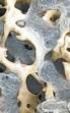 Trabecular Metal Femoral Component Surgical Technique INTRO Trabecular Metal Femoral Component Surgical Technique Introduction The Persona Trabecular Metal Femoral Component is designed to unite stable
PRACTICE GUIDELINE TITLE: INTRAVENOUS LINE INSERTION: PERIPHERAL AND CENTRAL
 PRACTICE GUIDELINE Effective Date: 9-17-04 Manual Reference: Deaconess Trauma Services TITLE: INTRAVENOUS LINE INSERTION: PERIPHERAL AND CENTRAL PURPOSE: To outline the indications and options for intravenous
How To Prepare and Give a Prefilled Syringe Injection
 Diablo Valley Onc&Hem Med Grp, Inc Phone Number: (925)6775041 How To Prepare and Give a Prefilled Syringe Injection Patient Education Quick Reference Guide The following are instructions for use of prefilled
ACTIV ANKLE DISTAL AND DIAPHYSEAL FIBULA INNOVATION MEANS MOTION
 ACTIV ANKLE DISTAL AND DIAPHYSEAL FIBULA POLYAXIAL LOCKING FIXATION DUALTEC SYSTEM II Precontoured implants Polyaxiality of 20 2 surgical approaches : lateral and posterolateral ACTIV ANKLE The ACTIV ANKLE
iassist Knee Surgical Technique 2-Pod Version Instruments
 iassist Knee Surgical Technique 2-Pod Version Instruments Table of Contents Page 1. Overview 4 1.1 Indication for Use 4 1.2 Training 4 1.3 Implant Indications 4 1.4 Contraindications 4 1.5 Complications
Zimmer FuZion Instruments. Surgical Technique (Beta Version)
 Zimmer FuZion Surgical Technique (Beta Version) INTRO Surgical Technique Introduction Surgical goals during total knee arthroplasty (TKA) include establishment of normal leg alignment, secure implant fixation,
Modular Sternal Cable System. Flexibility and strength in sternal closure and repair.
 Modular Sternal Cable System. Flexibility and strength in sternal closure and repair. Multiple closure options Stable fixation in all configurations Improved strength and flexibility compared to wire Modular
Placement of Epidural Catheter for Pain Management Shane Bateman DVM, DVSc, DACVECC
 Placement of Epidural Catheter for Pain Management Shane Bateman DVM, DVSc, DACVECC Indications: Patients with severe abdominal or pelvic origin pain that is poorly responsive to other analgesic modalities.
STEADYfast Stabilizer Installation Notes Fifth Wheel and Travel Trailers 11/23/13
 STEADYfast Stabilizer Installation Notes Fifth Wheel and Travel Trailers 11/23/13 (See Supplemental Instructions for trailers with heavy duty round footplates and/or Power Leveling Systems) PHONE SUPPORT
P REPLACEMENT SURGERY
 P REPLACEMENT SURGERY DIRECT ANTERIOR APPROACH M I N I M I Z I N G R E C O V E R Y. M A X I M I Z I N G R E S U L T S. CENTER FOR MINIMAL INVASIVE JOINT SURGERY 2301 25TH STREET SOUTH FARGO ND 58103 701-241-9300
ACCORD Cable System. Surgical technique completed in conjunction with: Robert Barrack, MD St. Louis, Missouri. Paul Di Cesare, MD New York, New York
 Surgical Technique Innovations in Hip Surgery 2 ACCORD Cable System Surgical technique completed in conjunction with: Robert Barrack, MD St. Louis, Missouri Paul Di Cesare, MD New York, New York Fares
SIMPLEX UNICAN LOCKS CHANGING THE CODE / COMBINATION 900 Series 1000 Series L1000 Series LP1000 Series EE1000 Series 2000 Series 2015 Series
 SIMPLEX UNICAN LOCKS CHANGING THE CODE / COMBINATION 900 Series 1000 Series L1000 Series LP1000 Series EE1000 Series 2000 Series 2015 Series 2400/2500 Series 3000 Series 3100 Series Simplex 5000 Series
Rear wheel brakes, servicing. Стр. 1 из 45. Note:
 Volkswagen Touareg - Rear wheel brakes, servicing Стр. 1 из 45 46-2 Rear wheel brakes, servicing Rear brakes, FN 44 brake caliper, servicing Note: After replacing brake pads, depress brake pedal firmly
Samuel Shorty Bunk Bed
 Samuel Shorty unk ed - Please keep for future reference / 88/999 0/8 IMPORTANT NOTE: The top surface of the mattress should not come above this line. imensions Width - 8cm epth - 8cm eight - 0cm IMPORTANT
FRONT BUMPER INSTALLATION INSTRUCTIONS 2007-2011 DODGE / MERCEDES SPRINTER
 Aluminess Products Inc 9402 Wheatlands Ct. #A Santee, CA 92071 619-449-9930 FRONT BUMPER INSTALLATION INSTRUCTIONS 2007-2011 DODGE / MERCEDES SPRINTER Please read before beginning Stainless steel hardware
Zimmer M/L Taper Hip Prosthesis with Kinectiv Technology. Surgical Technique
 Zimmer M/L Taper Hip Prosthesis with Kinectiv Technology Surgical Technique Zimmer M/L Taper Hip Prosthesis with Kinectiv Technology 1 Zimmer M/L Taper Hip Prosthesis with Kinectiv Technology Surgical
Peripheral Venous Catheter Placement Simulator
 Attention Do not let ink from pens, newspapers, this manual or other sources come in contact with the manikin, as they cannot be cleaned the manikin skin. MW9 Peripheral Venous Catheter Placement Simulator
Reasons for reissue are in Section 6, REVISION SUMMARY.
 Figure 1 This instruction sheet covers the application of OPTIMATE FSMA Fiber Optic Connector Types 905 and 906 for data and telecommunications applications. Base part numbers which apply to each type
Wagner Cone Prosthesis Hip Stem. Surgical Technique
 Wagner Cone Prosthesis Hip Stem Surgical Technique Wagner Cone Prosthesis Hip Stem Surgical Technique 3 Surgical Technique Wagner Cone Prosthesis Table of Contents History 4 Design Features 4 Wagner Cone
Chester Chest Model 2400 User s Manual
 Chester Chest Model 2400 User s Manual 308 South Sequoia Parkway, Canby, Oregon 97013 USA ph. 503.651.5050 fax 503.651.5052 email [email protected] Thank You For Your Purchase! Thank you for your purchase
ACCOLADE II. Orthopaedics. Femoral Hip System. Surgical Technique
 ACCOLADE II Femoral Hip System Orthopaedics Surgical Technique Indications The indications for use of the total hip replacement prostheses include: Noninflammatory degenerative joint disease, including
MatrixNEURO CMF Matrix
 MatrixNEURO CMF Matrix This publication is not intended for distribution in the USA. MatrixNEURO Introduction The aim of surgical fracture treatment is to reconstruct the bony anatomy and restore its function.
Exeter. Surgical Technique. V40 Stem Cement-in-Cement. Orthopaedics
 Exeter Orthopaedics V40 Stem Cement-in-Cement Surgical Technique Exeter V40 Stem Cement-in-Cement Surgical Technique Table of Contents Indications and Contraindications...2 Warnings and Precautions...2
Scout Vessel Guard. A cover for vessels during anterior lumbar spine surgery.
 Scout Vessel Guard. A cover for vessels during anterior lumbar spine surgery. Technique Guide Instruments and implants approved by the AO Foundation Table of Contents Introduction Scout Vessel Guard 2
S-ROM NOILES. This publication is not intended for distribution in the USA. SURGICAL TECHNIQUE
 S-ROM NOILES This publication is not intended for distribution in the USA. SURGICAL TECHNIQUE CONTENTS INTRODUCTION S-ROM NOILES Rotating Hinge Knee System 2 SURGICAL TECHNIQUE Initial Preparation of