
Draw one line from each structure in List A to the correct information about the structure in List B.
|
|
|
- Malcolm Melton
- 9 years ago
- Views:
Transcription
1 Q. The drawing shows the cell of a bacterium. (a) List A gives the four structures labelled on the diagram. List B includes information about each structure. Draw one line from each structure in List A to the correct information about the structure in List B. List A Structure List B Information (4) Give two differences between an animal cell and the cell of a bacterium (2) Page of 6

2 (c) The diagrams show cells containing and surrounded by oxygen molecules. Oxygen can move into cells or out of cells. Into which cell, A, B, C or D, will oxygen move the fastest? Write the correct letter, A, B, C or D, in the box. () (d) Complete the following sentence. Oxygen is taken into the cell by the process of... () (Total 8 marks) Page 2 of 6

3 Q2. (a) The diagrams show cells containing and surrounded by oxygen molecules. Oxygen can move into cells or out of cells. Into which cell, A, B, C or D, will oxygen move the fastest? Write your answer, A, B, C or D, in the box. () Draw a ring around the correct word to complete each sentence. diffusion (i) Oxygen is taken into cells by the process of osmosis. respiration () breathing (ii) Cells need oxygen for photosynthesis. respiration () membranes (iii) The parts of cells that use up the most oxygen are the mitochondria. nuclei () Page 3 of 6


4 diffusion (iv) Some cells produce oxygen in the process of photosynthesis. respiration () (Total 5 marks) Q3. The diagram shows a group of muscle cells from the wall of the intestine. (a) On the diagram, use words from the box to name the structures labelled A, B and C. cell membrane cell wall chloroplast cytoplasm nucleus (3) How are these muscle cells adapted to release a lot of energy? (2) (Total 5 marks) Page 4 of 6

5 Q4. The diagram shows a yeast cell. Label structures A and B on the diagram. Choose your answers from the list in the box. cell membrane cell wall nucleus vacuole (Total 2 marks) Q5. The diagram shows an animal cell. Page 5 of 6


6 (a) Name each labelled part and give its function. A Name... Function B Name... Function C Name... Function (6) (i) This plant cell also contains chloroplasts, a cell wall and a vacuole. Label each of these parts on the diagram. Page 6 of 6


7 (3) (ii) Give the function of these parts of a plant cell. Chloroplast function Cell wall function Vacuole function (3) (Total 2 marks) Q6. The diagram shows a human sperm. Inside the tail of the sperm is a filament mechanism that causes the side to side movement of the tail, which moves the sperm. (a) Describe the function of the mitochondria and suggest a reason why they are arranged around the filament near the tail of the sperm. (3) Explain the significance of the nucleus in determining the characteristics of the offspring. (2) (Total 5 marks) Page 7 of 6


8 Q7. The diagrams show a cheek cell from a human and a leaf cell from a plant. (a) The two cells have a number of parts in common. (i) (ii) On the cheek cell, label three of these parts which both cells have. In the table, write the names of the three parts you have labelled above and describe the main function of each part. (3) Part Function (3) Blood contains white cells and red cells. State the function of each type of cell in the blood. White cells... Red cells... (2) (Total 8 marks) Page 8 of 6


9 Q8. The drawing shows part of a root hair cell. (a) Use words from the list to label the parts of the root hair cell. cell membrane cell wall cytoplasm nucleus vacuole (4) The diagram shows four ways in which molecules may move into and out of a cell. The dots show the concentration of molecules. The cell is respiring aerobically. Which arrow, A, B, C or D represents: (i) movement of oxygen molecules;... (ii) movement of carbon dioxide molecules?... (2) (c) Name the process by which these gases move into and out of the cell. () (Total 7 marks) Page 9 of 6

10 M. (a) all four correct = 4 marks three correct = 3 marks two correct = 2 marks one correct = mark extra line from a statement cancels the mark 4 any two from: nucleus no cell wall separate chromosomes 2 (c) A (d) diffusion [8] Page 0 of 6

11 M2. (a) A (i) diffusion (ii) respiration (iii) mitochondria (iv) photosynthesis [5] M3. (a) A nucleus B C (cell) membrane cytoplasm any two from: (contain mitochondria many (mitochondria) respiration (occurs in mitochondria) 2 [5] M4. A = nucleus B = cell wall [2] M5. (a) A cytoplasm where (chemical) reactions take place do not accept where cell functions take place Page of 6
![(mitochondria) respiration (occurs in mitochondria) 2 [5] M4. A = nucleus B = cell wall [2] M5.](/docs-images/47/21035346/images/page_11.jpg "(a) A cytoplasm where (chemical) reactions take place do not accept where cell functions take")
12 or carries/holds the organelles/named organelles / named chemicals (including nutrients) do not accept keeps the shape of the cell or contains water or presses out on the membrane allow: keeps cell turgid allows transport through the cell B membrane do not accept by themselves: protects cell gives shape controls what enters/leaves the cell or contains the cell/holds the cell together do not accept keeps harmful substances out or allows movement into and out of the cell C nucleus contains the genetic material/dna/genes/chromosomes do not accept: brain of the cell stores information/instructions tells cell what to do or controls (the activity) of the cell (i) one mark for each correctly labelled part cell wall do not accept anything inboard of the inner edge vacuole accept anything inboard of transplant chloroplast: site of photosynthesis/ for photosynthesis accept word equation or balanced equation cell wall: supports the cell/keeps the shape/keeps it rigid do not accept protects the cells 2 (ii) vacuole: acts as reservoir for water / chemicals/(cell)/sap 3 Page 2 of 6

13 or keeps cell turgid/pushes content to edge or maintains concentration gradient or allows cell elongation (not growth) [2] M6. (a) award one mark for each key idea energy released or energy transferred or respiration allow provides or gives do not allow produces or makes 3 near to the site of movement or energy available quickly or more energy accept allows more mitochondria to fit in (mitochondria) packed (around filament) or efficient arrangement or spiral arrangement contains chromosomes or genes or DNA not genetic material (which) contribute half (the genes) to the fetus or offspring 23 chromosomes or half the genes or reference to X,Y chromosome determining sex (if the notion of halfness is there) nucleus contains half genes for the offspring = 2 marks [5] Page 3 of 6

14 M7. (a) (i) the three features correctly labelled on cheek cell (which are referred to in part (ii) label lines should touch or end very close to part no marks if leaf cell labelled nucleus cytoplasm cell membrane mitochondrion accept mitochondria or one of these could be labelled vacuole 3 (ii) any three from feature function nucleus controls cell accept contains genetic material or genes or chromosomes or stores information do not credit the brain of the cell cytoplasm where respiration occurs accept contains food or mitochondria or reactions occurs membrane less water or chemicals accept surrounds the cell or lets some things in but not others do not credit keeps things out or protection in and or out mitochondria where energy released ecf from leaf cell labelling accept chloroplasts make sugar or glucose accept vacuole contains sap accept if cell wall mis labelled on cheek cell, support or hold together 3 Page 4 of 6

15 fight or ingest or kill bacteria or germs or viruses or microbes accept produce antitoxins or antibodies fight disease (organisms) do not credit fungus (transport) oxygen or carry haemoglobin accept transport carbon dioxide or helps form scabs [8] M8. (a) (cell) wall (cell) membrane cytoplasm vacuole for mark each 4 (i) A (ii) B for mark each 2 (c) diffusion (reject osmosis) for mark [7] Page 5 of 6
![accept transport carbon dioxide or helps form scabs [8] M8.](/docs-images/47/21035346/images/page_15.jpg "(a) (cell) wall (cell) membrane cytoplasm vacuole for mark each 4 (i) A (ii) B for mark each 2 (c)")
16 Page 6 of 6

B2 1 Cells, Tissues and Organs
 B2 Cells, Tissues and Organs 5 minutes 5 marks Page of 7 Q. The diagram shows a bacterium. On the drawing, name the structures labelled A, B, C and D. (Total 4 marks) Q2. (a) The diagrams show cells containing
B2 H Mock Exam October 2014
 B2 H Mock Exam October 204 B2. - B2.6 64 minutes 64 marks 5x 4x2 2x3 Page of 34 Q. The diagram shows a cell. (a) (i) Use words from the box to name the structures labelled A and B. cell membrane chloroplast
Cells, tissues and organs
 Chapter 8: Cells, tissues and organs Cells: building blocks of life Living things are made of cells. Many of the chemical reactions that keep organisms alive (metabolic functions) take place in cells.
Cells & Cell Organelles
 Cells & Cell Organelles The Building Blocks of Life H Biology Types of cells bacteria cells Prokaryote - no organelles Eukaryotes - organelles animal cells plant cells Cell size comparison Animal cell
Cell and Membrane Practice. A. chromosome B. gene C. mitochondrion D. vacuole
 Name: ate: 1. Which structure is outside the nucleus of a cell and contains N?. chromosome. gene. mitochondrion. vacuole 2. potato core was placed in a beaker of water as shown in the figure below. Which
B2 Revision. Subject Module Date Biology B2 13 TH May (am)
 B2 Revision Subject Module Date Biology B2 13 TH May (am) Useful websites www.aqa.org.uk This website contains the specifications that we follow and also has a large number of past papers and mark schemes
PLANT AND ANIMAL CELL ORGANELLES
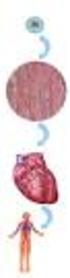
 reflect The heart is an example of an organ. Think for a minute about your body. It s organized into parts that perform specific functions. For example, your heart functions to help transport materials
COMPARISON OF PLANT AND ANIMAL CELLS SIMILARITIES IN PLANT & ANIMAL CELLS
 COMPARISON OF PLANT AND ANIMAL CELLS Cells vary widely in structure and function, even within the same organism. The human body, for example, has more than 200 different types of cells, each with a specialized
Cell Unit Practice Test #1
 ell Unit Practice Test #1 Name: ate: 1. Which organelle is primarily concerned with the conversion of potential energy of organic compounds into suitable form for immediate use by the cell?. mitochondria.
Investigating cells. Cells are the basic units of living things (this means that all living things are made up of one or more cells).
 SG Biology Summary notes Investigating cells Sub-topic a: Investigating living cells Cells are the basic units of living things (this means that all living things are made up of one or more cells). Cells
Fifth Grade Cells: Structures and Processes Assessment
 Fifth Grade Cells: Structures and Processes Assessment 1a. All living things are made up of. a. cells b. tissues c. organisms d. systems 1b. All living things are made up of. 1c. Explain what cells are
Multiple Choice Questions
 Chapter 5 THE FUNDAMENTAL UNIT OF LIFE Multiple Choice Questions 1. Which of the following can be made into crystal? (a) A Bacterium (b) An Amoeba (c) A Virus (d) A Sperm 2. A cell will swell up if (a)
Eukaryotic Cell Structure: Organelles in Animal & Plant Cells Why are organelles important and how are plants and animals different?
 Why? Eukaryotic Cell Structure: Organelles in Animal & Plant Cells Why are organelles important and how are plants and animals different? The cell is the basic unit and building block of all living things.
PRESTWICK ACADEMY NATIONAL 5 BIOLOGY CELL BIOLOGY SUMMARY
 Name PRESTWICK ACADEMY NATIONAL 5 BIOLOGY CELL BIOLOGY SUMMARY Cell Structure Identify animal, plant, fungal and bacterial cell ultrastructure and know the structures functions. Plant cell Animal cell
The chemical reactions inside cells are controlled by enzymes. Cells may be specialised to carry out a particular function.
 12.1 What are animals and plants built from? All living things are made up of cells. The structures of different types of cells are related to their functions. to relate the structure of different types
1. When you come to a station, attempt to answer each question for that station.
 Name: Block: Steps for completing this study guide 1. When you come to a station, attempt to answer each question for that station. 2. Once you are done answering the questions, or if you can t answer
Respiration occurs in the mitochondria in cells.
 B3 Question Which process occurs in the mitochondria in cells? Why do the liver and muscle cells have large number of mitochondria? What is the function of the ribosomes? Answer Respiration occurs in the
Chapter 4: A Tour of the Cell. 1. Cell Basics. Limits to Cell Size. 1. Cell Basics. 2. Prokaryotic Cells. 3. Eukaryotic Cells
 Chapter 4: A Tour of the Cell 1. Cell Basics 2. Prokaryotic Cells 3. Eukaryotic Cells 1. Cell Basics Limits to Cell Size There are 2 main reasons why cells are so small: If cells get too large: 1) there
tissues are made of cells that work together, organs are )
 Study Guide Cells Unit Test Matching. Write the letter of the correct response on the line. You may use the responses more than once. A. proteins B. simple carbohydrates C. complex carbohydrates D. lipids
CLIL lesson for TKT CLIL Chiara Cappa Liceo Scientifico Respighi - Piacenza. CLIL lesson on cells
 CLIL lesson on cells Time: 1 hour Number of students: 20 Age: 14-15 Level: Pre-intermediate (B1) Subject: Biology Learning outcomes: at the end of the lesson students should be able to: o describe the
Keystone Review Practice Test Module A Cells and Cell Processes. 1. Which characteristic is shared by all prokaryotes and eukaryotes?
 Keystone Review Practice Test Module A Cells and Cell Processes 1. Which characteristic is shared by all prokaryotes and eukaryotes? a. Ability to store hereditary information b. Use of organelles to control
7.2 Cells: A Look Inside
 CHAPTER 7 CELL STRUCTURE AND FUNCTION 7.2 Cells: A Look Inside Imagine a factory that makes thousands of cookies a day. Ingredients come into the factory, get mixed and baked, then the cookies are packaged.
ANSWERS AND MARK SCHEMES. (a) A - liver; 1 B -brain; 1 C - heart; 1 D - lung; 1 E - kidney; 1. (b) (i) E/kidney; 1. (ii) C/heart; 1.
 QUESTIONSHEET 1 A - liver; 1 B -brain; 1 C - heart; 1 D - lung; 1 E - kidney; 1 (b) (i) E/kidney; 1 C/heart; 1 (iii) B/brain; 1 (iv) D/lungs; 1 QUESTIONSHEET 2 (i) artery; 1 eye; 1 (iii) stomach; 1 (iv)
Given these characteristics of life, which of the following objects is considered a living organism? W. X. Y. Z.
 Cell Structure and Organization 1. All living things must possess certain characteristics. They are all composed of one or more cells. They can grow, reproduce, and pass their genes on to their offspring.
CELL/ PHOTOSYNTHESIS/ CELLULAR RESPIRATION Test 2011 ANSWER 250 POINTS ANY WAY IN WHICH YOU WANT
 CELL/ PHOTOSYNTHESIS/ CELLULAR RESPIRATION Test 2011 ANSWER 250 POINTS ANY WAY IN WHICH YOU WANT Completion: complete each statement. (1 point each) 1. All cells arise from. 2. The basic unit of structure
UNIT 1 - Living Organisms and the Environment Situations. Cells
 Lesson Summaries HUMAN AND SOCIAL BIOLOGY UNIT 1 - Living Organisms and the Environment Situations Lesson 2 Cells OBJECTIVES At the end of this lesson you will be able to: a) Describe the structure of
Unit 5 Photosynthesis and Cellular Respiration
 Unit 5 Photosynthesis and Cellular Respiration Advanced Concepts What is the abbreviated name of this molecule? What is its purpose? What are the three parts of this molecule? Label each part with the
Get It Right. Answers. Chapter 1: The Science of Life. A biologist studies all living things.
 Discover Biology 'N' Level Science Chapter 1 Chapter 1: The Science of Life A biologist studies all living things. In order to carry out the scientific method, we need to ask questions. Discover Biology
City Part Function Cell Part Controls what goes in and
 Answer key: CELL CITY INTRODUCTION! Floating around in the cytoplasm are small structures called organelles. Like the organs in your own body, each one carries out a specific function necessary for the
7.2 Cell Structure. Lesson Objectives. Lesson Summary. Cell Organization Eukaryotic cells contain a nucleus and many specialized structures.
 7.2 Cell Structure Lesson Objectives Describe the structure and function of the cell nucleus. Describe the role of vacuoles, lysosomes, and the cytoskeleton. Identify the role of ribosomes, endoplasmic
1.1.2. thebiotutor. AS Biology OCR. Unit F211: Cells, Exchange & Transport. Module 1.2 Cell Membranes. Notes & Questions.
 thebiotutor AS Biology OCR Unit F211: Cells, Exchange & Transport Module 1.2 Cell Membranes Notes & Questions Andy Todd 1 Outline the roles of membranes within cells and at the surface of cells. The main
Plant and Animal Cells
 Plant and Animal Cells a. Explain that cells take in nutrients in order to grow, divide and to make needed materials. S7L2a b. Relate cell structures (cell membrane, nucleus, cytoplasm, chloroplasts, and
Chapter 9 Cellular Respiration
 Chapter 9 Cellular Respiration Electrons carried in NADH Mitochondrion Glucose Glycolysis Pyruvic acid Krebs Cycle Electrons carried in NADH and FADH 2 Electron Transport Chain Cytoplasm Mitochondrion
Cellular Respiration: Practice Questions #1
 Cellular Respiration: Practice Questions #1 1. Which statement best describes one of the events taking place in the chemical reaction? A. Energy is being stored as a result of aerobic respiration. B. Fermentation
CELLS: PLANT CELLS 20 FEBRUARY 2013
 CELLS: PLANT CELLS 20 FEBRUARY 2013 Lesson Description In this lesson we will discuss the following: The Cell Theory Terminology Parts of Plant Cells: Organelles Difference between plant and animal cells
THE LIVING CELL. Cells also have variety of shapes. Plant cells are often rectangular or polygonal, while egg cells are usually spherical.
 THE LIVING CELL A Tour of the cell The cell is the smallest and the basic unit of structure of all organisms. There are two main types or categories of cells: prokaryotic cells and eukaryotic cells. Prokaryotic
CHAPTER 2 : CELL AS THE BASIC UNIT OF LIFE
 CHAPTER 2 : CELL AS THE BASIC UNIT OF LIFE Parts of microscope : An instrument that magnifies minute objects so they can be seen easily. It is one of the most important tools of science. Physicians and
Topic 3: Nutrition, Photosynthesis, and Respiration
 1. Base your answer to the following question on the chemical reaction represented below and on your knowledge of biology. If this reaction takes place in an organism that requires sunlight to produce
Biology 20 Cellular Respiration Review NG Know the process of Cellular Respiration (use this picture if it helps):
 Biology 20 Cellular Respiration Review NG Know the process of Cellular Respiration (use this picture if it helps): 1) How many ATP molecules are produced for each glucose molecule used in fermentation?
Biology Chapter 7 Practice Test
 Biology Chapter 7 Practice Test Multiple Choice Write the letter that best answers the question or completes the statement on the line provided. 1. The work of Schleiden and Schwann can be summarized by
Prokaryotic and Eukaryotic Cells
 Why? Prokaryotic and Eukaryotic Cells Do all cells have the same structure? An efficiency apartment is a one-room apartment. This one room is where you sleep, eat, shower, and entertain your guests. It
PHOTOSYNTHESIS AND CELLULAR RESPIRATION
 reflect Wind turbines shown in the photo on the right are large structures with blades that move in response to air movement. When the wind blows, the blades rotate. This motion generates energy that is
Additional Science. Biology BL2FP. (Jun15BL2FP01) General Certificate of Secondary Education Foundation Tier June 2015.
 Centre Number Surname Candidate Number For Examiner s Use Other Names Candidate Signature Examiner s Initials Question Mark Additional Science Unit Biology B2 Biology Unit Biology B2 General Certificate
Comparing Plant And Animal Cells
 Comparing Plant And Animal Cells http://khanacademy.org/video?v=hmwvj9x4gny Plant Cells shape - most plant cells are squarish or rectangular in shape. amyloplast (starch storage organelle)- an organelle
The Living Cell from the Biology: The Science of Life Series. Pre-Test
 1 Pre-Test Directions: Answer each question TRUE OR FALSE. 1. The instructions for making proteins are stored in molecules of DNA. 2. Proteins are made in the nucleus. 3. All cells are surrounded by a
Chapter 3. Cellular Structure and Function Worksheets. 39 www.ck12.org
 Chapter 3 Cellular Structure and Function Worksheets (Opening image copyright by Sebastian Kaulitzki, 2010. Used under license from Shutterstock.com.) Lesson 3.1: Introduction to Cells Lesson 3.2: Cell
H.W. 1 Bio 101 Prof. Fournier
 H.W. 1 Bio 101 Prof. Fournier 1. What is a similarity between all bacteria and plants? A) They both have a nucleus B) They are both composed of cells C) They both have chloroplasts D) They both lack a
Video Links: Differences Between Plant and Animal Cells http://www.youtube.com/watch?v=mwz4ptp_qeu
 Comparing Animal and Plant Cells by Annie Plant and animal cells are known as Eukaryotic cells which contain a nucleus and other genetic material enclosed within membranes. (Science Daily, n.d.) The primary
3120-1 - Page 1. Name:
 Name: 1) Which series is arranged in correct order according to decreasing size of structures? A) DNA, nucleus, chromosome, nucleotide, nitrogenous base B) chromosome, nucleus, nitrogenous base, nucleotide,
the!sun!to!sugars.!this!is!called!! photosynthesis.!the!byproduct!of!those! Nucleus! sugars!is!our!oxygen.!
 Cytoplasm ANIMAL CELL Vacuoles Mitochondria Chromosomes GolgiApparatus Chloroplast+ TheChloroplastiswhatmakesthefood inthecell.they reonlyfoundinplant cellsandsomeprotists.everygreen plantyouseeisconvertingenergyfrom
MCAS Biology. Review Packet
 MCAS Biology Review Packet 1 Name Class Date 1. Define organic. THE CHEMISTRY OF LIFE 2. All living things are made up of 6 essential elements: SPONCH. Name the six elements of life. S N P C O H 3. Elements
Cellular Energy. 1. Photosynthesis is carried out by which of the following?
 Cellular Energy 1. Photosynthesis is carried out by which of the following? A. plants, but not animals B. animals, but not plants C. bacteria, but neither animals nor plants D. all living organisms 2.
2. Which type of macromolecule contains high-energy bonds and is used for long-term energy storage?
 Energy Transport Study Island 1. During the process of photosynthesis, plants use energy from the Sun to convert carbon dioxide and water into glucose and oxygen. These products are, in turn, used by the
Exemplar for Internal Achievement Standard. Biology Level 2
 Exemplar for internal assessment resource Biology for Achievement Standard 91160 Exemplar for Internal Achievement Standard Biology Level 2 This exemplar supports assessment against: Achievement Standard
Cell Transport and Plasma Membrane Structure
 Cell Transport and Plasma Membrane Structure POGIL Guided Inquiry Learning Targets Explain the importance of the plasma membrane. Compare and contrast different types of passive transport. Explain how
3.1 Cells and cell function
 BTEC s own resources 3.1 Cells and cell function In this section: P1 How you are made Key terms Tissue a group of similar cells acting together to perform a particular function. Epithelial cells one of
IIn our high tech world, one of the hottest areas of development
 Topic 1.1 Why are cells important? Key Concepts Studying cells helps us understand how organisms function. Cellular organelles work together to carry out life functions. Cellular processes enable organisms
Introduction to the Cell: Plant and Animal Cells
 Introduction to the Cell: Plant and Animal Cells Tissues, Organs, and Systems of Living Things Cells, Cell Division, and Animal Systems and Plant Systems Cell Specialization Human Systems All organisms
Cells Connect Four Game
 Cells Connect Four Game Developed by Liz Haslam with help from her science colleagues in Tameside. You need to enlarge the board to A3. We have provided two sets of cards with different coloured writing
Section A: Organisms and Life Processes
 Section A: Organisms and Life Processes The cells of all living organisms have common features, and the organisms themselves share common processes. In this chapter you will read about these features and
Genetic material of all living organisms. Biology - 100
 Genetic material of all living organisms. Biology - 100 This antibiotic is made from a fungus that was first discovered growing on an orange and it became the first antibiotic to treat infection. Biology
Cellular Respiration An Overview
 Why? Cellular Respiration An Overview What are the phases of cellular respiration? All cells need energy all the time, and their primary source of energy is ATP. The methods cells use to make ATP vary
Respiration Worksheet. Respiration is the controlled release of energy from food. Types of Respiration. Aerobic Respiration
 Respiration Worksheet Respiration is the controlled release of energy from food The food involved in respiration is usually Internal respiration is controlled by which allow energy to be released in The
Cellular Respiration
 Cellular Respiration Cellular Respiration Text, Diagrams, Assessments, and Link to Standards Focus Questions 1) What is cellular respiration? 2) How is cellular respiration connected to breathing? 3) If
Second Grade The Human Body-Cells Assessment
 Second Grade The Human Body-Cells Assessment 1a. The basic unit of all life is: a. a tree b. a cell 1b. The basic unit of all life is: a. a tree b. a cell c. an egg d. a phone 1c. The basic unit of all
Plant and Animal Cells
 Plant and Animal Cells Strand Topic Life Systems Investigating organelles and their functions in cells of living things Primary SOL LS.2 The student will investigate and understand that all living things
Chapter 9 Review Worksheet Cellular Respiration
 1 of 5 11/9/2011 8:11 PM Name: Hour: Chapter 9 Review Worksheet Cellular Respiration Energy in General 1. Differentiate an autotroph from a hetertroph as it relates to obtaining energy and the processes
But what about the prokaryotic cells?
 Chapter 32: Page 318 In the past two chapters, you have explored the organelles that can be found in both plant and animal s. You have also learned that plant s contain an organelle that is not found in
The Cell Teaching Notes and Answer Keys
 The Cell Teaching Notes and Answer Keys Subject area: Science / Biology Topic focus: The Cell: components, types of cells, organelles, levels of organization Learning Aims: describe similarities and differences
Cells in Biology. Lesson 1.
 Lesson 1. Cells in Biology. Jump-Start Your Learning. Before you begin reading, take a piece of paper and write ''Cells'' across the top. Then, as fast as you can, jot down any notes, facts, opinions or
Compartmentalization of the Cell. Objectives. Recommended Reading. Professor Alfred Cuschieri. Department of Anatomy University of Malta
 Compartmentalization of the Cell Professor Alfred Cuschieri Department of Anatomy University of Malta Objectives By the end of this session the student should be able to: 1. Identify the different organelles
THE HISTORY OF CELL BIOLOGY
 SECTION 4-1 REVIEW THE HISTORY OF CELL BIOLOGY Define the following terms. 1. cell 2. cell theory Write the correct letter in the blank. 1. One early piece of evidence supporting the cell theory was the
2. What kind of energy is stored in food? A. chemical energy B. heat energy C. kinetic energy D. light energy
 Assessment Bank Matter and Energy in Living Things SC.8.L.18.4 1. What is energy? A. anything that takes up space B. anything that has mass C. the ability to conduct current D. the ability to do work 2.
Bacterial (Prokaryotic) Cell. Common features of all cells. Tour of the Cell. Eukaryotic Cell. Plasma Membrane defines inside from outside
 www.denniskunkel.com Tour of the Cell www.denniskunkel.com Today s Topics Properties of all cells Prokaryotes and Eukaryotes Functions of Major Cellular Organelles Information, Synthesis&Transport,, Vesicles
Name Date Class. energy phosphate adenine charged ATP chemical bonds work ribose
 Energy in a Cell Reinforcement and Study Guide Section.1 The Need for Energy In your textbook, read about cell energy. Use each of the terms below just once to complete the passage. energy phosphate adenine
Photo Cell Resp Practice. A. ATP B. oxygen C. DNA D. water. The following equation represents the process of photosynthesis in green plants.
 Name: ate: 1. Which molecule supplies the energy for cellular functions?. TP. oxygen. N. water 2. Photosynthesis The following equation represents the process of photosynthesis in green plants. What happens
Question. Which of the following are necessary in order for photosynthesis to occur? A. water B. light energy C. carbon dioxide D.
 Photosynthesis is the process through which plants convert light energy to chemical energy in order to produce food The energy involved in photosynthesis is eventually stored in the chemical bonds of molecules
Comparing Plant and Animal Cells
 1.2 Comparing Plant and Animal Cells Here is a summary of what you will learn in this section: Plant and animal cell structures are called organelles. Plant and animal cells perform some similar functions,
GCSE Additional Science Biology Contents Guide
 GCSE Additional Science Contents Guide Copyright Boardworks Ltd 2007 Boardworks Ltd The Gallery 54 Marston Street Oxford OX4 1LF 08703 50 55 60 [email protected] www.boardworks.co.uk 04-07 contains
Make your whiteboard come alive with science!
 LER 6038 Grades 4+ Ages 9+ Make your whiteboard come alive with science! Explore a plant cell through handson investigation! A. Cell Wall A rigid and strong wall that protects and maintains the shape of
Chapter 1: Life Processes
 The human body is composed of countless millions of units called cells. In an animal like a human there are many different types of cells, with different structures. They are specialised so that they can
Visualizing Cell Processes
 Visualizing Cell Processes A Series of Five Programs produced by BioMEDIA ASSOCIATES Content Guide for Program 3 Photosynthesis and Cellular Respiration Copyright 2001, BioMEDIA ASSOCIATES www.ebiomedia.com
Quick Hit Activity Using UIL Science Contests For Formative and Summative Assessments of Pre-AP and AP Biology Students
 Quick Hit Activity Using UIL Science Contests For Formative and Summative Assessments of Pre-AP and AP Biology Students Activity Title: Quick Hit Goal of Activity: To perform formative and summative assessments
Unit 2 Cell Biology Page 1
 Sub-Topics Include: 2.1 Cell structure 2.2 Transport across cell membranes 2.3 Producing new cells 2.4 DNA and the production of proteins 2.5 Proteins and enzymes 2.6 Genetic Engineering 2.7 Respiration
Mark Scheme (Results) Summer 2012. GCSE Biology 5BI2H/01
 Mark Scheme (Results) Summer 2012 GCSE Biology 5BI2H/01 Edexcel and BTEC Qualifications Edexcel and BTEC qualifications come from Pearson, the world s leading learning company. We provide a wide range
All About Cells Literacy Foundations Science: Biology
 Version 01 All About Cells Literacy Foundations Science: Biology 2012 by Open School BC This work is licensed under the Creative Commons Attribution-NonCommercial 4.0 International License. To view a copy
Partnerships Implementing Engineering Education Worcester Polytechnic Institute Worcester Public Schools Supported by: National Science Foundation
 Cells & Heredity: 6.C.2 Design a Cell Travel Brochure Grade Level 6 Sessions Seasonality Instructional Mode(s) Team Size WPS Benchmarks MA Frameworks Key Words 15-50 minutes N/A Individual N/A 06.SC.LS.05
0610 BIOLOGY. Mark schemes should be read in conjunction with the question paper and the Principal Examiner Report for Teachers.
 CAMBRIDGE INTERNATIONAL EXAMINATIONS International General Certificate of Secondary Education MARK SCHEME for the May/June 2014 series 0610 BIOLOGY 0610/32 Paper 3 (Extended), maximum raw mark 80 This
Todays Outline. Metabolism. Why do cells need energy? How do cells acquire energy? Metabolism. Concepts & Processes. The cells capacity to:
 and Work Metabolic Pathways Enzymes Features Factors Affecting Enzyme Activity Membrane Transport Diffusion Osmosis Passive Transport Active Transport Bulk Transport Todays Outline -Releasing Pathways
Cell. (1) This is the most basic unit of life inside of our bodies.
 Cytology Overview Cell (1) This is the most basic unit of life inside of our bodies. ATP (2) Each of our cell s requires energy in order to carry out its day to day func>ons. This is the energy all cells
pathway that involves taking in heat from the environment at each step. C.
 Study Island Cell Energy Keystone Review 1. Cells obtain energy by either capturing light energy through photosynthesis or by breaking down carbohydrates through cellular respiration. In both photosynthesis
WHAT ARE THE DIFFERENCES BETWEEN VASCULAR AND NON- VASCULAR PLANTS?
 WHAT ARE THE DIFFERENCES BETWEEN VASCULAR AND NON- VASCULAR PLANTS? Let s take a closer look. What makes them different on the outside and inside? Learning Intentions To understand how vascular plant cells
7 TH GRADE FINAL EXAM PRACTICE TEST. Part I: Cells. 1. The cell grows to its mature size during. a. mitosis b. prophase c. telophase d.
 7 TH GRADE FINAL EXAM PRACTICE TEST Part I: Cells 1. The cell grows to its mature size during a. mitosis b. prophase c. telophase d. interphase 2. The final stage of the cell cycle is called a. interphase
Photosynthesis takes place in three stages:
 Photosynthesis takes place in three stages: Light-dependent reactions Light-independent reactions The Calvin cycle 1. Capturing energy from sunlight 2. Using energy to make ATP and NADPH 3. Using ATP and
Living things: Cells Living things:
 unit 1 The cell is the smallest unit capable of living an independent existence. Most cells contain a nucleus which controls the way they work; the only cells in the human body with no nuclei are the red
Chapter 4. Photosynthesis and Cellular Respiration Worksheets. 63 www.ck12.org
 Chapter 4 Photosynthesis and Cellular Respiration Worksheets (Opening image copyright by Derek Ramsey, http://en.wikipedia.org/wiki/file:monarch_butterfly_ Danaus_plexippus_Feeding_Down_3008px.jpg, and
Endocrine System: Practice Questions #1
 Endocrine System: Practice Questions #1 1. Removing part of gland D would most likely result in A. a decrease in the secretions of other glands B. a decrease in the blood calcium level C. an increase in
Chapter 2: Cell Structure and Function pg. 70-107
 UNIT 1: Biochemistry Chapter 2: Cell Structure and Function pg. 70-107 Organelles are internal structures that carry out specialized functions, interacting and complementing each other. Animal and plant
Date: Student Name: Teacher Name: Jared George. Score: 1) A cell with 1% solute concentration is placed in a beaker with a 5% solute concentration.
 Biology Keystone (PA Core) Quiz Homeostasis and Transport - (BIO.A.4.1.1 ) Plasma Membrane, (BIO.A.4.1.2 ) Transport Mechanisms, (BIO.A.4.1.3 ) Transport Facilitation Student Name: Teacher Name: Jared
10B Plant Systems Guided Practice
 10B Plant Systems Guided Practice Reproduction Station 1 1. Observe Plant A. Locate the following parts of the flower: stamen, stigma, style, ovary. 2. Draw and label the parts of a flower (listed above)