
Exemplar for Internal Achievement Standard. Biology Level 2
|
|
|
- Dorthy Holmes
- 9 years ago
- Views:
Transcription
1 Exemplar for internal assessment resource Biology for Achievement Standard Exemplar for Internal Achievement Standard Biology Level 2 This exemplar supports assessment against: Achievement Standard Investigate biological material at the microscopic level An annotated exemplar is an extract of student evidence, with a commentary, to explain key aspects of the standard. These will assist teachers to make assessment judgements at the grade boundaries. New Zealand Qualifications Authority To support internal assessment from 2014 NZQA 2014

2 Exemplar for internal assessment resource Biology for Achievement Standard Grade Boundary: Low Merit. For Merit, the student needs to investigate, in depth, biological material at the microscopic level. This involves giving reasons for how or why observed specialised features enable the cells to effectively carry out their specific function(s). Observations must include a recognisable shape, proportions, and typical organelles present in a cell, appropriate to the magnification. Biological drawings may contain some minor errors in applying conventions, as long as they do not affect the accuracy of the representation of the biological material being viewed. The student investigates Tradescantia in depth through the preparation and viewing of a slide, records their observations in a biological drawing with an appropriate title (1) and magnification (2), and follows accepted conventions to record observations that are consistent with the biological material being viewed (). These include a recognisable shape, proportions and inclusion of typical organelles present in a cell. Some reasons for how or why the stomata and guard cells enable the cells of the leaf to effectively carry out their specific functions are provided (4). For a more secure Merit, the student would need to provide a more thorough explanation of how the guard cells function, to enable effective gas exchange in the leaf for plant processes like respiration and photosynthesis. For example, a more thorough explanation could identify the shape and thickened inner walls of the guard cells, and how or why changes result from changes in turgor pressure. NZQA 2014

3 Please note This is an extract from a student s response for one of three biological drawings 1 2 2

4 The lower epidermis leaf cells of Tradescantia (wandering jew) leaves help to regulate gases that enter and leave the leaf. The stomata are pores found mostly on the lower surface to absorb carbon dioxide for photosynthesis in the palisade cells, and release oxygen. They are opened and closed by the action of the guard cells. 4 The guard cells are pairs of cells surrounding the stomata and control the opening and closing of the stomata for gas exchange in the leaf. They also regulate water loss, like in hot, dry conditions when they close to avoid wilting and allowing the cells to carry out photosynthesis to produce glucose for respiration. 4

5 Exemplar for internal assessment resource Biology for Achievement Standard Grade Boundary: High Achieved 4. For Achieved, the student needs to investigate biological material at the microscopic level. This involves: using a light microscope to prepare the biological material from two different plant tissues and one unicellular organism for viewing viewing biological material using a light microscope to enable detail of cell structures and components to be determined recording observations in biological drawings identifying observed specialised features and relating them to the function of the cells or tissues. Observations must include a recognisable shape, proportions, and typical organelles present in a cell, appropriate to the magnification. Biological drawings may contain some errors in applying conventions or minor inaccuracies in representation. The student investigates Elodea leaf cells through the preparation and viewing of a slide, records their observations in a biological drawing with an appropriate title and magnification (1), and identifies and relates chloroplasts and the cell wall to the function of the cells (). There are some errors in following accepted conventions and representation (2), e.g. shared cells walls and cell shape. To reach Merit, the student s biological drawing would need to show fewer conventional errors that did not affect the accuracy of the representation of the Elodea cells being viewed. The student could also explain more thoroughly how or why the chloroplasts and cell walls enable the cells to effectively carry out their specific function(s). For example, a more thorough explanation could identify that Elodea cells have many chloroplasts near the edge. These contain chlorophyll to change the sun s energy to chemical energy (photosynthesis) which fuels the chemical reactions in the cells. NZQA 2014

6 Please note This is an extract from a student s response for one of three biological drawings 1 2

7 Exemplar for internal assessment resource Biology for Achievement Standard Grade Boundary: Low Achieved 5. For Achieved the student needs to investigate biological material at the microscopic level. This involves: using a light microscope to prepare the biological material from two different plant tissues and one unicellular organism for viewing viewing biological material using a light microscope to enable detail of cell structures and components to be determined recording observations in biological drawings identifying observed specialised features and relating them to the function of the cells or tissues. Observations must include a recognisable shape, proportions, and typical organelles present in a cell, appropriate to the magnification. Biological drawings may contain some errors in applying conventions or minor inaccuracies in representation. The student investigates Elodea through the preparation and viewing of a slide, records their observations in a biological drawing with a title (1) and magnification (2), uses bold lines to show cells with a recognisable shape (), and identifies the cell wall (4) and chloroplasts (5). Some evidence is provided relating these features to the function of the cells. For a more secure Achieved, the student would need to: show an appropriate title for the aspect of the material being viewed in the biological drawing, e.g. Elodea leaf cells provide more evidence relating the specialised features to the function of the cells, for example, identifying that Elodea cells have many chloroplasts near the edge for photosynthesis. NZQA 2014

8 Please note This is an extract from a student s response for one of three biological drawings

9 Exemplar for internal assessment resource Biology for Achievement Standard Grade Boundary: High Not Achieved 6. For Achieved, the student needs to investigate biological material at the microscopic level. This involves: using a light microscope to prepare the biological material from two different plant tissues and one unicellular organism for viewing viewing biological material using a light microscope to enable detail of cell structures and components to be determined recording observations in biological drawings identifying observed specialised features and relating them to the function of the cells or tissues. Observations must include a recognisable shape, proportions, and typical organelles present in a cell, appropriate to the magnification. Biological drawings may contain some errors in applying conventions or minor inaccuracies in representation. The student investigates Elodea through the preparation and viewing of a slide, records their observations in a biological drawing, identifies the magnification used (1), identifies a chloroplast (2), and describes and relates the leaf s thinness to cell number () and the absence of a guard cells or stomata (4). To reach Achieved, the student s biological drawing would need to: use clear bold, unbroken lines show an appropriate title for the aspect of the biological material being viewed, e.g. Elodea leaf cells provide more evidence relating observed specialised features to the function of the cells or tissues. For example, evidence could describe the role of chloroplasts in photosynthesis, and relate the leaf s thinness to the diffusion of gases. NZQA 2014

10 Please note This is an extract from a student s response for one of three biological drawings 1 2 4

Photosynthesis. Chemical Energy (e.g. glucose) - They are the ultimate source of chemical energy for all living organisms: directly or indirectly.
 Photosynthesis Light Energy transduction Chemical Energy (e.g. glucose) - Only photosynthetic organisms can do this (e.g. plants) - They are the ultimate source of chemical energy for all living organisms:
Cells, tissues and organs
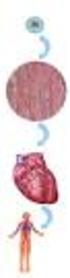 Chapter 8: Cells, tissues and organs Cells: building blocks of life Living things are made of cells. Many of the chemical reactions that keep organisms alive (metabolic functions) take place in cells.
5 E Lesson Plan. Title: Modeling Photosynthesis Grade Level and Course: 7 th grade, Life Science 10 th grade, Biology
 5 E Lesson Plan Title: Modeling Photosynthesis Grade Level and Course: 7 th grade, Life Science 10 th grade, Biology Materials: a. aluminum tray b. waxed paper c. 6 green marshmallows d. 12 pink marshmallows
Exemplar for Internal Achievement Standard. Biology Level 2
 Exemplar for internal assessment resource Biology for Achievement Standard 9115 Exemplar for Internal Achievement Standard Biology Level 2 This exemplar supports assessment against: Achievement Standard
Impressions of a Stoma
 Huntington Library, Art Collections, and Botanical Gardens Impressions of a Stoma Overview Students use two different methods to view stomata on the underside of leaves. Introduction Plants exchange the
GRADE 7: Life science 1. UNIT 7L.1 7 hours. Specialised cells. Resources. About this unit. Previous learning. Key vocabulary and technical terms
 GRADE 7: Life science 1 Specialised cells UNIT 7L.1 7 hours About this unit This unit is the first of six units on life science for Grade 7. This unit is designed to guide your planning and teaching of
Question. Which of the following are necessary in order for photosynthesis to occur? A. water B. light energy C. carbon dioxide D.
 Photosynthesis is the process through which plants convert light energy to chemical energy in order to produce food The energy involved in photosynthesis is eventually stored in the chemical bonds of molecules
CELERY LAB - Structure and Function of a Plant
 CELERY LAB - Structure and Function of a Plant READ ALL INSTRUCTIONS BEFORE BEGINNING! YOU MAY WORK WITH A PARTNER ON THIS ACTIVITY, BUT YOU MUST COMPLETE YOUR OWN LAB SHEET! Plants are incredible organisms!
Topic 3: Nutrition, Photosynthesis, and Respiration
 1. Base your answer to the following question on the chemical reaction represented below and on your knowledge of biology. If this reaction takes place in an organism that requires sunlight to produce
CELERY LAB - Structure and Function of a Plant
 CELERY LAB - Structure and Function of a Plant READ ALL INSTRUCTIONS BEFORE BEGINNING! YOU MAY WORK WITH A PARTNER ON THIS ACTIVITY, BUT YOU MUST COMPLETE YOUR OWN LAB SHEET! Look at the back of this paper
Leaf Structure and Transpiration
 10 LESSON Leaf Structure and Transpiration INTRODUCTION Have you wondered what happens to all that water that disappears from the reservoir of your growing system? Although some might have evaporated from
Comparing Plant and Animal Cells
 1.2 Comparing Plant and Animal Cells Here is a summary of what you will learn in this section: Plant and animal cell structures are called organelles. Plant and animal cells perform some similar functions,
How do living things get their energy?
 KEY TERMS How do living things get their energy? 26 Lesson - photosynthesis: food-making process in plants respiration: process by which organisms release energy from food 175 LESSON How ci? living things
Unit 5 Photosynthesis and Cellular Respiration
 Unit 5 Photosynthesis and Cellular Respiration Advanced Concepts What is the abbreviated name of this molecule? What is its purpose? What are the three parts of this molecule? Label each part with the
Plants, like all other living organisms have basic needs: a source of nutrition (food),
 LEARNING FROM LEAVES: A LOOK AT LEAF SIZE Grades 3 6 I. Introduction Plants, like all other living organisms have basic needs: a source of nutrition (food), water, space in which to live, air, and optimal
B2 1 Cells, Tissues and Organs
 B2 Cells, Tissues and Organs 5 minutes 5 marks Page of 7 Q. The diagram shows a bacterium. On the drawing, name the structures labelled A, B, C and D. (Total 4 marks) Q2. (a) The diagrams show cells containing
4.1 Chemical Energy and ATP. KEY CONCEPT All cells need chemical energy.
 4.1 Chemical Energy and ATP KEY CONCEPT All cells need chemical energy. 4.1 Chemical Energy and ATP Molecules in food store chemical energy in their bonds. Starch molecule Glucose molecule The chemical
Figure 1. Basic structure of the leaf, with a close up of the leaf surface showing Stomata and Guard cells.
 BIOL100 Laboratory Assignment 3: Analysis of Stomata Name: Stomata (singular=stoma) are the respiratory control structures in plants (see Figure 1 below). They are essentially small holes in the surface
COMPARISON OF PLANT AND ANIMAL CELLS SIMILARITIES IN PLANT & ANIMAL CELLS
 COMPARISON OF PLANT AND ANIMAL CELLS Cells vary widely in structure and function, even within the same organism. The human body, for example, has more than 200 different types of cells, each with a specialized
Cellular Respiration: Practice Questions #1
 Cellular Respiration: Practice Questions #1 1. Which statement best describes one of the events taking place in the chemical reaction? A. Energy is being stored as a result of aerobic respiration. B. Fermentation
Air bubbles on the leaf
 Exemplar...9 Air bubbles on the leaf Level: S4-5 Emphasis: Scientific investigation Introduction Scientific investigation involves defining problems, formulating hypotheses, designing and conducting investigations,
Draw one line from each structure in List A to the correct information about the structure in List B.
 Q. The drawing shows the cell of a bacterium. (a) List A gives the four structures labelled on the diagram. List B includes information about each structure. Draw one line from each structure in List A
2. Which type of macromolecule contains high-energy bonds and is used for long-term energy storage?
 Energy Transport Study Island 1. During the process of photosynthesis, plants use energy from the Sun to convert carbon dioxide and water into glucose and oxygen. These products are, in turn, used by the
Cellular Energy. 1. Photosynthesis is carried out by which of the following?
 Cellular Energy 1. Photosynthesis is carried out by which of the following? A. plants, but not animals B. animals, but not plants C. bacteria, but neither animals nor plants D. all living organisms 2.
WHAT ARE THE DIFFERENCES BETWEEN VASCULAR AND NON- VASCULAR PLANTS?
 WHAT ARE THE DIFFERENCES BETWEEN VASCULAR AND NON- VASCULAR PLANTS? Let s take a closer look. What makes them different on the outside and inside? Learning Intentions To understand how vascular plant cells
Cells & Cell Organelles
 Cells & Cell Organelles The Building Blocks of Life H Biology Types of cells bacteria cells Prokaryote - no organelles Eukaryotes - organelles animal cells plant cells Cell size comparison Animal cell
10B Plant Systems Guided Practice
 10B Plant Systems Guided Practice Reproduction Station 1 1. Observe Plant A. Locate the following parts of the flower: stamen, stigma, style, ovary. 2. Draw and label the parts of a flower (listed above)
Photosynthesis: Harvesting Light Energy
 Photosynthesis: Harvesting Light Energy Importance of Photosynthesis A. Ultimate source of energy for all life on Earth 1. All producers are photosynthesizers 2. All consumers and decomposers are dependent
Today you need: your notebook, pen or pencil, textbook,worksheet
 Cellular Energy Objectives Students will review plant/ animal cells and prokaryote/eukaryote Students will draw and label a diagram of the cell energy cycles. Students will compare and contrast autotrophs
Investigating cells. Cells are the basic units of living things (this means that all living things are made up of one or more cells).
 SG Biology Summary notes Investigating cells Sub-topic a: Investigating living cells Cells are the basic units of living things (this means that all living things are made up of one or more cells). Cells
8.2 Cells and Energy. What is photosynthesis? Photosynthesis takes place in the chloroplasts. CHAPTER 8. Solar cells and chloroplasts
 CHAPTER 8 CELL PROCESSES 8.2 Cells and Energy To stay alive, you need a constant supply of energy. You need energy to move, think, grow, and even sleep. Where does that energy come from? It all starts
Transpiration. C should equal D.BUT SOMETIMES. 1. Loss in mass is greater than volume of water added.
 Transpiration Transpiration is the loss of water by evaporation from the leaves through the stomata. The source of water for the plants is soil water. It is taken up by root hair cells by osmosis. Once
OBJECTIVES PROCEDURE. Lab 2- Bio 160. Name:
 Lab 2- Bio 160 Name: Prokaryotic and Eukaryotic Cells OBJECTIVES To explore cell structure and morphology in prokaryotes and eukaryotes. To gain more experience using the microscope. To obtain a better
pathway that involves taking in heat from the environment at each step. C.
 Study Island Cell Energy Keystone Review 1. Cells obtain energy by either capturing light energy through photosynthesis or by breaking down carbohydrates through cellular respiration. In both photosynthesis
Eukaryotic Cell Structure: Organelles in Animal & Plant Cells Why are organelles important and how are plants and animals different?
 Why? Eukaryotic Cell Structure: Organelles in Animal & Plant Cells Why are organelles important and how are plants and animals different? The cell is the basic unit and building block of all living things.
Photosynthesis 6CO 2 + 6H 2 O C 6 H 12 O 6 + 6O 2. An anabolic, endergonic, carbon dioxide (CO 2
 PHOTOSYNTHESIS Photosynthesis An anabolic, endergonic, carbon dioxide (CO 2 ) requiring process that uses light energy (photons) and water (H 2 O) to produce organic macromolecules (glucose). photons SUN
PHOTOSYNTHESIS AND CELLULAR RESPIRATION
 reflect Wind turbines shown in the photo on the right are large structures with blades that move in response to air movement. When the wind blows, the blades rotate. This motion generates energy that is
Photo Cell Resp Practice. A. ATP B. oxygen C. DNA D. water. The following equation represents the process of photosynthesis in green plants.
 Name: ate: 1. Which molecule supplies the energy for cellular functions?. TP. oxygen. N. water 2. Photosynthesis The following equation represents the process of photosynthesis in green plants. What happens
IGCSE and GCSE Biology. Answers to questions. Section 2. Flowering Plants. Chapters 6-9. Chapter 6 Plant structure and function
 1 IGCSE and GCSE Biology. Answers to questions Section 2. Flowering Plants. Chapters 6-9 Chapter 6 Plant structure and function Page 54 1. a Epidermis. Helps maintain shape, reduces evaporation, resists
Anatomy and Physiology of Leaves
 I. Leaf Structure and Anatomy Anatomy and Physiology of Leaves A. Structural Features of the Leaf Question: How do plants respire? Plants must take in CO 2 from the atmosphere in order to photosynthesize.
Photosynthesis and Cellular Respiration. Stored Energy
 Photosynthesis and Cellular Respiration Stored Energy What is Photosynthesis? plants convert the energy of sunlight into the energy in the chemical bonds of carbohydrates sugars and starches. SUMMARY EQUATION:
Prokaryotic and Eukaryotic Cells
 Lab 2- Bio 201 Prokaryotic and Eukaryotic Cells Name: OBJECTIVES To explore cell structure and morphology in prokaryotes and eukaryotes. To gain more experience using the microscope, and in particular,
Name Date Class. energy phosphate adenine charged ATP chemical bonds work ribose
 Energy in a Cell Reinforcement and Study Guide Section.1 The Need for Energy In your textbook, read about cell energy. Use each of the terms below just once to complete the passage. energy phosphate adenine
Cell Biology Prokaryotic and eukaryotic cells
 Cell Biology Prokaryotic and eukaryotic cells Observation of cells and organelles In this lab you will be looking at an example of a Prokaryotic cell (Bacillus cereus) and a some examples of Eukaryotic
Diffusion, Osmosis, and Membrane Transport
 Diffusion, Osmosis, and Membrane Transport Introduction... 2 Diffusion and osmosis as related to cellular processes... 2 The hotter the medium, the faster the molecules diffuse... 2 TASK 1: TEMPERATURE
Students will identify these animal cell structures: Students should properly answer the pre-activity cell membrane, nucleus. questions.
 WHAT DO PLANT & ANIMAL CELLS LOOK LIKE? Grade Levels: 10-12 Time Frame: 2 periods Big Idea: Students will compare various plant epithelial cells (onion and elodea) with human epithelial cells (cheek lining
Plants, like all living organisms have basic needs: a source of nutrition (food), water,
 WHAT PLANTS NEED IN ORDER TO SURVIVE AND GROW: LIGHT Grades 3 6 I. Introduction Plants, like all living organisms have basic needs: a source of nutrition (food), water, space in which to live, air, and
Plants and Photosynthesis
 Plants and Photosynthesis Original Authors: Jennifer Michnowicz and Lois Kiraly Revision June 2006: Jennifer Michnowicz and Rebecca Shomo Farmington Public Schools 11 th Grade Biology Rebecca Shomo/Jennifer
Photosynthesis P P P. Autotrophs and Heterotrophs (page 201) Chemical Energy and ATP (pages 202 203) Chapter 8. Name Class Date
 Chapter 8 Photosynthesis Section 8 1 Energy and Life (pages 201 203) This section explains where plants get the energy they need to produce food. It also describes the role of the chemical compound ATP
What is a Terrarium? Supplies Choosing your container Choosing your plants Building Your Terrarium
 What is a Terrarium? A terrarium is a collection of small plants growing in a transparent, sealed container. A terrarium is a closed environment, and can actually be used to illustrate how an ecosystem
B2 Revision. Subject Module Date Biology B2 13 TH May (am)
 B2 Revision Subject Module Date Biology B2 13 TH May (am) Useful websites www.aqa.org.uk This website contains the specifications that we follow and also has a large number of past papers and mark schemes
The chemical energy used for most cell processes is carried by ATP.
 4.1 CHEMICAL ENERGY AND ATP Study Guide KEY CONCEPT All cells need chemical energy. VOCABULARY ATP ADP chemosynthesis MAIN IDEA: The chemical energy used for most cell processes is carried by ATP. 1. What
(K-5) A scientist keeps a notebook to record his/her process (experiences, observations, and thinking).
 FIFTH GRADE Science Curriculum Framework 1 Investigations will be integrated with social studies and mathematics where appropriate. 2 Investigations will be integrated with language arts non-fiction reading,
Animal & Plant Cell Slides
 Animal & Plant Cell Slides Category: Biology Type: Class Experiment, 60 min class Materials: 2 Glass Slides 2 Cover Slips 1 Bottle of methylene blue (optional) 1 Plastic tray 1 Bottle of iodine 1 Plastic
Keystone Review Practice Test Module A Cells and Cell Processes. 1. Which characteristic is shared by all prokaryotes and eukaryotes?
 Keystone Review Practice Test Module A Cells and Cell Processes 1. Which characteristic is shared by all prokaryotes and eukaryotes? a. Ability to store hereditary information b. Use of organelles to control
AS Biology Unit 2 Key Terms and Definitions. Make sure you use these terms when answering exam questions!
 AS Biology Unit 2 Key Terms and Definitions Make sure you use these terms when answering exam questions! Chapter 7 Variation 7.1 Random Sampling Sampling a population to eliminate bias e.g. grid square
Respiration and Photosynthesis
 Respiration and Photosynthesis Topic Plants and animals carry out cellular respiration, but only plants conduct photosynthesis. Introduction Cellular respiration is the process in which a cell uses oxygen
COMPARING PLANT AND ANIMAL CELLS
 COMPARING PLANT AND ANIMAL CELLS OBJECTIVES: Distinguish between plant and animals cells by their structures Demonstrate the benefit of stains Acquire ability to prepare wet mounts SAFETY: Methylene blue
Advanced Subsidiary GCE Biology
 Advanced Subsidiary GCE Biology F211 Cells, Exchange and Transport - High banded Candidate style answer Introduction OCR has produced these candidate style answers to support teachers in interpreting the
2. What kind of energy is stored in food? A. chemical energy B. heat energy C. kinetic energy D. light energy
 Assessment Bank Matter and Energy in Living Things SC.8.L.18.4 1. What is energy? A. anything that takes up space B. anything that has mass C. the ability to conduct current D. the ability to do work 2.
3.1 Cells and cell function
 BTEC s own resources 3.1 Cells and cell function In this section: P1 How you are made Key terms Tissue a group of similar cells acting together to perform a particular function. Epithelial cells one of
Making a Terrarium. fairchild tropical botanic garden 1
 Making a Terrarium What is a Terrarium? A terrarium is a collection of small plants growing in a transparent, sealed container. A terrarium is a closed environment, and can actually be used to illustrate
Photosynthesis. Grade-Level Expectations The exercises in these instructional tasks address content related to the following grade-level expectations:
 GRADE 5 SCIENCE INSTRUCTIONAL TASKS Photosynthesis Grade-Level Expectations The exercises in these instructional tasks address content related to the following grade-level expectations: SI-M-A5 Use evidence
AUTOTROPHES AND HETEROTROPHES
 WHAT IS CLIL??? Da alcuni anni nel Liceo Linguistico Da Vinci di Alba viene sperimentata la metodologia CLIL (Content and Language Integrated Learning), anticipando quanto previsto dalla recente riforma
Cellular Respiration Worksheet 1. 1. What are the 3 phases of the cellular respiration process? Glycolysis, Krebs Cycle, Electron Transport Chain.
 Cellular Respiration Worksheet 1 1. What are the 3 phases of the cellular respiration process? Glycolysis, Krebs Cycle, Electron Transport Chain. 2. Where in the cell does the glycolysis part of cellular
Photosynthesis-Review. Pigments. Chloroplasts. Chloroplasts 5. Pigments are located in the thylakoid membranes. An Overview of Photosynthesis
 An Overview of Photosynthesis Photosynthesis-Review 1. Photosynthesis uses the energy of sunlight to convert water and carbon dioxide into high-energy sugars and oxygen. 6 CO 2 + 6 H 2 O C 6 H 12 O 6 +
Teacher Demo: Photosynthesis and Respiration: Complementary Processes
 SNC1D/1P Sustainable Ecosystems/ Sustainable Ecosystems and Human Activity Teacher Demo: Photosynthesis and Respiration: Complementary Processes Topics photosynthesis and respiration gas tests for oxygen
Bioenergetics Module A Anchor 3
 Bioenergetics Module A Anchor 3 Key Concepts: - ATP can easily release and store energy by breaking and re-forming the bonds between its phosphate groups. This characteristic of ATP makes it exceptionally
Name Section Lab 5 Photosynthesis, Respiration and Fermentation
 Name Section Lab 5 Photosynthesis, Respiration and Fermentation Plants are photosynthetic, which means that they produce their own food from atmospheric CO 2 using light energy from the sun. This process
Plant Classification, Structure, Growth and Hormones
 Biology SAT II Review Sheet Plants Plant Classification, Structure, Growth and Hormones Multicellular autotrophs (organisms that use the energy of inorganic materials to produce organic materials) Utilize
Complete a table of values. Graph the values given in a table. Create an equation representing the information in a table or graph.
 Activity III: Surface Area of a Leaf (Grades 7-9) Objectives: Complete a table of values. Graph the values given in a table. Create an equation representing the information in a table or graph. NCTM Standards
CLIL lesson for TKT CLIL Chiara Cappa Liceo Scientifico Respighi - Piacenza. CLIL lesson on cells
 CLIL lesson on cells Time: 1 hour Number of students: 20 Age: 14-15 Level: Pre-intermediate (B1) Subject: Biology Learning outcomes: at the end of the lesson students should be able to: o describe the
Cell. (1) This is the most basic unit of life inside of our bodies.
 Cytology Overview Cell (1) This is the most basic unit of life inside of our bodies. ATP (2) Each of our cell s requires energy in order to carry out its day to day func>ons. This is the energy all cells
VIII. PLANTS AND WATER
 VIII. PLANTS AND WATER Plants play a large role in the hydrologic cycle. Transpiration, the evaporative loss of water from leaves of natural and cultivated vegetation, returns to the atmosphere about 60
PRESTWICK ACADEMY NATIONAL 5 BIOLOGY CELL BIOLOGY SUMMARY
 Name PRESTWICK ACADEMY NATIONAL 5 BIOLOGY CELL BIOLOGY SUMMARY Cell Structure Identify animal, plant, fungal and bacterial cell ultrastructure and know the structures functions. Plant cell Animal cell
Cells. Cell Theory. plant cell. Cytoplasm and Organelles. animal cell
 Cells Have you ever seen a cell? Cells are the smallest unit of life. They are called the building blocks of life. We cannot see single cells with just our eyes. We must use a microscope to see them. Cell
Science Grade 7 Unit 01 & 02: Science Safety & Flow of Energy 2012 2013
 Science Grade 7 Unit 01 & 02: Science Safety & Flow of Energy 2012 2013 1 2 Using the diagram above of a grassland ecosystem, complete the following: Draw and label an energy pyramid to represent this
Chloroplasts and Mitochondria
 Name: KEY Period: Chloroplasts and Mitochondria Plant cells and some Algae contain an organelle called the chloroplast. The chloroplast allows plants to harvest energy from sunlight to carry on a process
B2 H Mock Exam October 2014
 B2 H Mock Exam October 204 B2. - B2.6 64 minutes 64 marks 5x 4x2 2x3 Page of 34 Q. The diagram shows a cell. (a) (i) Use words from the box to name the structures labelled A and B. cell membrane chloroplast
Chapter 9 Cellular Respiration
 Chapter 9 Cellular Respiration Electrons carried in NADH Mitochondrion Glucose Glycolysis Pyruvic acid Krebs Cycle Electrons carried in NADH and FADH 2 Electron Transport Chain Cytoplasm Mitochondrion
Fifth Grade Cells: Structures and Processes Assessment
 Fifth Grade Cells: Structures and Processes Assessment 1a. All living things are made up of. a. cells b. tissues c. organisms d. systems 1b. All living things are made up of. 1c. Explain what cells are
Biology I. Chapter 8/9
 Biology I Chapter 8/9 NOTEBOOK #1 Interest Grabber Suppose you earned extra money by having a part-time job. At first, you might be tempted to spend all of the money, but then you decide to open a bank
2- The Top and bottom of the leaf is covered by thin layer of cells called epidermis that allow sunlight to easily pass into the middle of the leaf.
 Final exam summary sheet Topic 5, lesson 2 How leaf is adapted to carry on photosynthesis? 1- Waxy layer called the cuticle cover the leaf slow the water loss. 2- The Top and bottom of the leaf is covered
Given these characteristics of life, which of the following objects is considered a living organism? W. X. Y. Z.
 Cell Structure and Organization 1. All living things must possess certain characteristics. They are all composed of one or more cells. They can grow, reproduce, and pass their genes on to their offspring.
Introduction to the Cell: Plant and Animal Cells
 Introduction to the Cell: Plant and Animal Cells Tissues, Organs, and Systems of Living Things Cells, Cell Division, and Animal Systems and Plant Systems Cell Specialization Human Systems All organisms
Biology 20 Cellular Respiration Review NG Know the process of Cellular Respiration (use this picture if it helps):
 Biology 20 Cellular Respiration Review NG Know the process of Cellular Respiration (use this picture if it helps): 1) How many ATP molecules are produced for each glucose molecule used in fermentation?
Equation for Photosynthesis
 Photosynthesis Definition The process by which cells harvest light energy to make sugars (glucose). -Sugar is used to power the process of cellular respiration, which produces the ATP that cells utilize
1. When you come to a station, attempt to answer each question for that station.
 Name: Block: Steps for completing this study guide 1. When you come to a station, attempt to answer each question for that station. 2. Once you are done answering the questions, or if you can t answer
Photosynthesis and Respiration
 Photosynthesis and Respiration Experiment 31C Plants make sugar, storing the energy of the sun into chemical energy, by the process of photosynthesis. When they require energy, they can tap the stored
8-3 The Reactions of Photosynthesis Slide 1 of 51
 8-3 The of Photosynthesis 1 of 51 Inside a Chloroplast Inside a Chloroplast In plants, photosynthesis takes place inside chloroplasts. Plant Chloroplast Plant cells 2 of 51 Inside a Chloroplast Chloroplasts
Class Copy! Class Copy! The process of photosynthesis can be expressed by the following word equation and chemical equation.
 Floating Leaf Disk Photosynthesis Lab Introduction: Photosynthesis is a process that converts carbon dioxide into sugars such as glucose using energy from the sun. When light is absorbed by pigments in
Photosynthesis Practice. 2. Chlorophyll a and b absorb _B -_V and _R wavelengths of light best.
 Photosynthesis Practice Fill in the blanks. Name Date Period 1. Molecules that collect light energy are called _P. 2. Chlorophyll a and b absorb _B -_V and _R wavelengths of light best. 3. _C is the main
7.2 Cells: A Look Inside
 CHAPTER 7 CELL STRUCTURE AND FUNCTION 7.2 Cells: A Look Inside Imagine a factory that makes thousands of cookies a day. Ingredients come into the factory, get mixed and baked, then the cookies are packaged.
Ch. 4 ATP & Photosynthesis
 Name: Biology G Vocabulary Section 4.1 Ch. 4 ATP & Photosynthesis Period: ADP Adenosine Diphosphate ATP Adenosine Triphosphate Chemosynthesis Vocabulary Section 4.2 Photosynthesis Chlorophyll Thylakoid
The burning candle. Overview. Aims. Teaching sequence. Experiments about plant growth MODULE 1
 Experiments about plant growth MODULE 1 The burning candle Timing 1-2 hours Materials per group 1 Tea candle 1 Jar 1 Stop-watch 1 Straw Matches Photocopies of sheets E1, E2, E3 Skills Observation Measurement
Plant and Animal Cells
 Plant and Animal Cells a. Explain that cells take in nutrients in order to grow, divide and to make needed materials. S7L2a b. Relate cell structures (cell membrane, nucleus, cytoplasm, chloroplasts, and
called a cell wall. The cell wall protects against mechanical stress and keeps the cell from becoming over-filled with water.
 What are Cells? By: Byron Norelius About Cells A cell is the basic unit of life. All living organisms are composed of one (unicellular) or more (multicellular) cells. In unicellular organisms, like many
GCSE Biology. BL3HP Report on the Examination. 4401 June 2014. Version: 1.0
 GCSE Biology BL3HP Report on the Examination 4401 June 2014 Version: 1.0 Further copies of this Report are available from aqa.org.uk Copyright 2014 AQA and its licensors. All rights reserved. AQA retains
7.2 Cell Structure. Lesson Objectives. Lesson Summary. Cell Organization Eukaryotic cells contain a nucleus and many specialized structures.
 7.2 Cell Structure Lesson Objectives Describe the structure and function of the cell nucleus. Describe the role of vacuoles, lysosomes, and the cytoskeleton. Identify the role of ribosomes, endoplasmic
Make your whiteboard come alive with science!
 LER 6038 Grades 4+ Ages 9+ Make your whiteboard come alive with science! Explore a plant cell through handson investigation! A. Cell Wall A rigid and strong wall that protects and maintains the shape of