
The American Press and the Holocaust
|
|
|
- Cori Glenn
- 9 years ago
- Views:
Transcription
1 ClassroomFocus Social Education 59(6), National Council for the Social Studies This month, Classroom Focus features two Holocaust-related lessons by Paul Wieser, on the U.S. Press and the Holocaust, and on Anti-Semitism in Nazi Germany from 1933 to Also included are maps by George F. McCleary, Jr., Darin T. Grauberger, and Michael G. Noll, and a chronology of the Holocaust by Stephen Feinberg. The American Press and the Holocaust Paul Wieser The treatment accorded by the American press to the destruction of the Jews during World War II can be best described as a sidebar, the name given by journalists to a story that is ancillary to the main story. The press coverage of the Nazi persecution of the Jews paralleled U.S. government policy on refugee rescue, which was not treated as an issue of primary importance. The behavior of the press reflected the United States attitude of rescue through victory. It was relatively rare for more than the isolated paper to call for action to assist Jews. Information about the Final Solution and the systematic destruction of the Jews, was available from 1942, long before the end of the war. In spite of Nazi efforts to carry out mass murder in isolated areas and to swear participants to secrecy, executioners themselves talked, and occasional witnesses to mass shootings even more so. Underground organizations, particularly Jewish and Polish, made great efforts to let the world know what was happening and what would occur if the Nazis were not halted. The information was sometimes partial and even contradictory, but there were enough stories from enough sources that the outside world should have been able to discern a pattern by The Nazi regime was doing what Hitler had promised. Practically no aspect of the Holocaust remained unknown by Some of the information about specific killings, and about hundreds of thousands of deaths, was published in the Western press, although not in complete or dramatic form in most of the major American newspapers, with facts often understated or qualified by cautious editors. Significant information was often buried on the inside pages of newspapers. For instance, the June 1942 announcement that two million Jews had been killed as a result of planned annihilation was placed at the bottom of page 6 of the Chicago Tribune and given thirteen lines. The story was treated similarly by other major papers. Many readers probably missed this story and similar ones published well inside the paper. Those readers who did see it had cause to assume that the editors did not really believe it; had they believed it, a reader might have assumed, they would have accorded it more prominent placement. From the beginning of the Nazi regime, the press in the U.S. generally failed to take Hitler s prewar and, in certain cases, wartime threats against Jews seriously. Unfortunately, after the outbreak of World War II, all too many people compared reports of the Nazi treatment of Jews to stories about German atrocities in occupied Belgium and northern France during World War I, claims that turned out after the war to have been invented by Allied propagandists. As a result, there was much skepticism about reports of Nazi mass killings. Another factor was that a great many Europeans were suffering under brutal Nazi occupation, and it was not always easy to see that the Nazi had different policies for different peoples. When Jews pressed outsiders to recognize the growing tragedy for their people, unsympathetic observers could perceive this as a request for special favors from the Allies. The stakes of the military conflict were so high that many Allied government officials and citizens felt compelled to focus all efforts and concern on that task. They paid little attention to anything else that might complicate winning the war as quickly as possible. Finally and perhaps most importantly, there was the psychological barrier: what the Nazis were doing was not only logical and unprecedented, but literally inconceivable to many. As 1942 went on, the mass killings of Jews received some attention in U.S. newspapers. Until the second half of 1942, the outside world knew little about the gas chambers and extermination camps. There were no satellites to provide aerial photographs, no portable TV cameras yet in existence. But there were a few people willing to risk their lives to unveil the Final Solution. One person willing to take a risk was Jan Karski, a courier from the Polish underground to the Polish government-inexile in London. Karski had been inside the Warsaw Ghetto in August 1942 in the midst of the deportations, and in September inside Belzec, one of the six death camps in Poland. Karski s vivid report to the Polish government-in-exile had some impact. On December 10, the Polish government-in-exile issued a note to the Allied governments describing in detail the process of destruction being utilized by the Germans and of their intent to exterminate all the Jews of Poland. On December 17, the United States, Great Britain, and ten Allied governments-in-exile issued a joint declaration denouncing Nazi implementation of Hitler s oft-repeated intention to exterminate the Jewish people in Europe. This statement was the first time the United States government had made or participated in a declaration about Nazi mass killings of Jews. By the end of the year, the six extermination camps had streamlined and accelerated the Final Solution to the point where it had already claimed perhaps more than three million Jews. Scattered Jewish resistance inside and outside the ghettos had begun, but resistance organizers often had limited support from the Jewish community, very few arms, and limited or poor relations with non- Jewish partisans. And the governments of the United States and Great Britain were barely ready to recognize what was happening, and not prepared to do much about it. Reprinted from the October 1995 issue of Social Education C1

2 ClassroomFocus By mid-1943 the news of the persecution of the Jews was regarded as an old story, and therefore most newspapers carried it on their inside pages. Bibliography Breitman, Richard. The Final Solution In Fifty Years Ago: In the Depths of Darkness. Washington, DC: U.S. Holocaust Memorial Museum 1992, Breitman, Richard, and Alan M. Kraut. American Refugee Policy and European Jewry, Bloomington: University of Indiana Press, Laqueur, Walter. The Terrible Secret: An Investigation into the Suppression of Information about Hitler s Final Solution. Boston: Little, Brown, Lipstadt, Deborah E. Beyond Belief: The American Press and the Coming of the Holocaust, New York: The Free Press, Wyman, D. The Abandonment of the Jews: America and the Holocaust, New York: Pantheon Books, Lesson Plan Title: The American Press and the Holocaust Goal: Through the reading and study of newspapers, students will come to a realization of the importance of primary sources to historical research. Specifically, they will attempt to determine the extent of knowledge the American public could have had about the destruction of European Jewry from simply reading the daily American newspapers. Objectives: Upon completion of this unit of study the students will be able to do the following: 1. Read and analyze newspaper accounts of Holocaust-related items. 2. Compare and contrast the physical placement of Holocaust-related news items to other news items. 3. Compare and evaluate, in terms of importance, articles unrelated to the Holocaust to Holocaust-related items that appeared together on the same page of a particular daily newspaper. 4. Compare and evaluate, in terms of importance, front page news articles to Holocaust-related articles not appearing on the front page. 5. Compare and analyze their local newspaper coverage of the Holocaust to national treatment of these events, if materials are available at a local newspaper office. Procedure: The following is written specifically for a class working in groups. However this activity can easily be adapted for students working independently. Students will be working with copies of pages from newspapers. The newspaper editions recommended for this lesson are the editions of The New York Times, and in one case, the New York Herald Tribune. listed below. (Editions of the Times and Tribune are on microfilm in most university libraries and many local libraries. Teachers may, however, wish to adapt the lesson by using other sources, including local newspapers.) All these editions contain Holocaust-related news articles. Some appear on the front pages, and some on inside pages. Once the teacher has identified the makeup of the student groups, each group will be given a set of newspaper articles. The recommended sources are the Times editions of July 2, 1942 (pp. 1 & 6); July 23, 1942 (pp. 1 & 6); July 29, 1942 (pp. 1 & 7); and November 25, 1942 (pp. 1 & 7). The article from the Tribune dates from the November 25, 1942 edition, pages 1 & 10. These editions contain several items of interest. A front-page article in the Times (July 2), for example, reported the governor of New York giving up tennis and donating his playing shoes to the scrap rubber drive, while a story about the killing of 700,000 Jews appeared on page 6. A story in the same newspaper (July 23) on page 6 had a headline about 17,000 people being killed by the Nazis, while the text of the article referred not only to 17,000 persons being murdered since the invasion of Austria,but also to 53,000 Jews reported to have died in Poland from starvation, exposure or torture. The November issues of both newspapers report a statement by Rabbi Stephen Wise, chairman of the World Jewish Congress, that he had learned from sources confirmed by the State Department that 2 million Jews in Europe had been killed in an extermination campaign. The Tribune carried the story on page 1, the Times only on page 10. Along with the articles the students will also receive a set of instructions (attached) to guide them through the successful completion of the assignment. Upon completion of the assignment, which may take two class periods, each group will report their findings to the class. A teacher-led discussion may then focus on the following points: Do you think the American people, from simply reading the daily newspaper, had enough information so as to realize the Holocaust was actually taking place? Why did news of the Holocaust seldom appear on the front pages? How did local coverage differ from national coverage? Student Instructions You have received copies of specific pages from a 1942 edition of The New York Times and/or the New York Herald Tribune. All contain Holocaust-related news items. Follow the directions below and answer the questions as they appear. 1. Read through the pages you have been given and locate any news items that relate to the Holocaust. Briefly summarize these articles. 2. On what pages did you find news of the Holocaust? What other kinds of articles appeared on that page? What message does this convey to you about how newspaper editors/publishers perceived the Holocaust? 3. For those dealing with the Times and Tribune editions of Nov. 25, 1942, what differences in coverage did you note? What do you think is responsible for such obvious differences? 4. Locate a copy of your local daily newspaper that corresponds to the date of the edition of The New York Times or Tribune with which you are working. Was there any news of the Holocaust in your local newspaper? If so, on what page did it appear? Briefly summarize the article. Compare and contrast the coverage in your local newspaper(s) with that of The New York Times and Tribune. What do you make of the differences? Paul Wieser is the Social Studies Coordinator for the Pendergast School District in Phoenix, AZ. He taught social studies at the junior high level for 16 years. He serves as chairman of the education committee for the Phoenix Holocaust Survivors Association, and is a member of the Anti-Defamation League s education committee in Arizona. C2 Reprinted from the October 1995 issue of Social Education

3 The Path of the Einsatzgruppen GEORGE F. MCCLEARY, JR., DARIN T. GRAUBERGER, MICHAEL G. NOLL Liepaja Talinnin Parnu Tartu Riga Narva Pskov Ostrow Leningrad Staraia Russa Kalinin Grodno Kilometers Miles Minsk Gdansk Lodz Kielce Krakow Debrecen Szeged Belgrade Raseiniai Kaunas Warsaw Brest Lvov Cruj Siauliai Grodno Lutsk Vilna Piatra-Neamt Minsk Pinsk Korosten' Rovno Zhitomir Chernovtsy Daugavipils Vinnitsa Bucharest Bobruysk Slutsk Kishinev Babi Yar Uman Smolensk Orsha Gomel Kiev Klintsy Chernirov Ananyev Nikolayev Odessa Velikiye Luki Vitebsk Rogachev Korsen Pervomaysk Bryansk Nikopol' Kherson Sevastapol Rzhev Moschaisk Vyazma Sevsk Kremenchug Yalta Orel Brest Kursk Moscow Khar'kov Dnepropetrovsk Donetsk Fedorovka Melitopol Kerch Feodosiya Kramatorskaya Rostov Krasnodar Headquarters Kilometers Tula Miles Slonim Stalingrad Elista Prokhadnaya Nalchik Grozny Nesvizh Kletsk Slutzk Pinsk Unspecified Size The Einsatzgruppen, mobile killing units of the SS, followed the army as the German military assault advanced eastward across the Soviet Union in From June 1941 to December 1942, the Einsatzgruppen murdered more than 900,000 Jews and several hundred thousand non-jewish Russians. The left-hand map traces the paths of the four mobile killing squads as they established headquarters at different sites and moved into the adjacent countryside eliminating Jewish communities. The map at the right shows destroyed communities in the area south and west of Minsk. Useful sources include: Gary Mokotoff and Sallyann Amdur Sack, Where Once We Walked: A Guide to the Jewish Communities Destroyed in the Holocaust (Teaneck, NJ: Avotaynu, 1991), which has been used to compile the destroyed communities map; Raul Hilberg, The Destruction of the European Jews (New York: Holmes and Meier, 1985); and Helmut Krausnick and Hans-Heinrich Wilhelm, Die Truppe des Weltanschaungskrieges: Die Einsatzgruppen der Sicherheitspolizei und des SD, (Stuttgart: Deutsche Verlags-Anstatt, 1981), from which the data for the left-hand map have been obtained. The Death Camps GEORGE F. MCCLEARY, JR Kilometers Miles Chelmno Belchatow Lodz Piotrkow Trybunalski Treblinka Warsaw Radom Lublin Majdanek Sobibor Poland-Belarus (1995) Brest Kovel This map shows the six extermination camps and the adjacent ghettos in wartime Poland (the eastern portion is now in Belarus and Ukraine). Circles representing the ghettos are proportional to their population size, from 3,500 in Bochnia to 205,000 in Lodz and 500,000 in Warsaw. The earliest, Plotrkow Trybunalski (population 18,000) was founded in October 1939 (and liquidated in October 1942). The last of these ghettos to be liquidated was Lodz, in May Data are from Israel Gutman (editor-in-chief ), Encyclopedia of the Holocaust (New York: Macmillan, 1990). Germany Czechoslovakia Czestochowa Auschwitz Krakow Kielce Bochnia Tarnow Rzeszow Belzec Poland-Ukraine (1995) Lvov George F. McCleary, Jr. is Associate Professor of Geography at the University of Kansas, where he teaches cartography. His maps and papers have appeared in many publications. Darin T. Grauberger is a freelance cartographer and a coowner of Stellar Cartography. He earned his B.G.S. in Cartography at the University of Kansas. Michael G. Noll is a Ph.D. candidate in Cultural Geography at the University of Kansas. He is studying indigenous people and conservation issues in Central America. Reprinted from the October 1995 issue of Social Education C3

4 Paul Wieser ClassroomFocus Anti-Semitism: A Warrant for Genocide Goal of this lesson plan: Students will arrive at an understanding and appreciation of the breadth and scope of German anti-semitic policy. Students will develop an empathy for the situation German Jewry found itself in after the rise of National Socialism in Hopefully, they will be able to identify with young Jews their own age, who were forced to tiptoe their way through a minefield of restrictive regulations. Objectives: Upon completion of this unit of study the students will be able to do the following: 1. List the Nazi anti-semitic regulations from year-to-year. 2. By developing a chart, categorize the different types of anti-semitic measures. 3. In writing, indicate and provide a rationale as to which measures would have had the greatest effect on Jewish youth. 4. List and analyze the reasons for such an enormous body of anti-semitic legislation. 5. Identify and describe those anti-semitic measures that they feel would have had the greatest negative impact on their lives had they been a Jewish teenager growing up in Nazi Germany. Procedure: The following can be used in group situations or with students working independently. Students will be working with four lists which contain some of the anti-semitic measures implemented by the National Socialist government. The lists are organized in the following groupings: , 1938, , and Students will be working with one list at a time beginning with and moving chronologically through After completing each list, the students respond to the questions and complete a chart activity. At the end of each list in the assignment, before moving on to the next list, the teacher may choose to hold a class discussion. At the time the students finish all four lists, a teacher-led discussion should take place. Such a discussion might focus on the following points: Is there any reason why the Germans seemingly took their time in dealing with their Jewish neighbors? Did not the Nazis have the authority and wherewithal to quickly find a solution to the Jewish Question? In 1938 what options, if any, were open to Jewish youth? The Jewish people have had a long history of persecution and suffering. Do you think this history and the fact that they always seemed to survive had any effect on the way the German Jews viewed Nazi anti- Semitism and their responses to it? List 1: German Jewry & Nazi Anti-Semitic Legislation, April 1: A one-day boycott of all Jewish businesses. April 7: Most Jews holding civil service (government) jobs are forced to retire. April 25: The number of Jews that can attend German high schools is limited. May 10: Books published by or about Jews are burnt in public. May: Jews are forced to leave the German Armed Forces. Spring: Jewish professors are expelled from the universities. Summer: Jewish writers and artists are prohibited from practicing their professions Sep. 6: Jewish newspapers cannot be sold on the street. Sep. 15: Nuremberg Laws passed: Jews are no longer German citizens; Jews cannot display the German flag; Jews cannot employ Germans in their homes under the age of 45; marriages and relations between Jews and Germans are forbidden Nov. 16: Jews can obtain passports to travel abroad only in special cases Class Activities 1. After reading through each list, students should indicate which of the measures (there could be more than one) they consider to be the most serious and why. Answers should be explained in detail. 2. After each list, students should study the character of the measures, and compare those in the second, third and fourth lists with previous measures. Suggested questions include: As the years pass, what patterns do you see developing? Provide several examples, and explain your answers Compare the anti-semitic measures on your first list ( ) List 2: German Jewry & Nazi Anti-Semitic Legislation, Apr. 26: Jews must register all property valued over 500 Reichsmarks. Jun. 15: Any Jew who had ever been convicted of any offense, including traffic violations, was arrested. Jul. 23: All Jews over 15 had to carry a special ID card at all times. Jews must state they are Jewish as well as show the card in any dealings with the government. Jul. 25: Jewish doctors have their licenses canceled. They can only treat Jewish patients. Jul. 27: Any street names in Germany that are of Jewish origin are replaced. Aug. 17: Effective Jan. 1, 1939, newly born Jewish children are to be named from an approved list of names. (A few examples are: for boys, Feibisch and Faleg; for girls, Scheindel and Scharne.) Nov. 9-10: Kristallnacht: 200 synagogues destroyed; 7500 shops looted; 30,000 Jews sent to concentration camps, and as many as 1000 Jews killed. Nov. 11: Jews cannot own or bear arms. Nov. 12: Jews cannot own retail stores or mail order firms. Jews cannot attend plays, movies, concerts or exhibitions. Jews must pay 1.25 million Reichsmarks for damages caused on Kristallnacht. Nov. 15: Jews are expelled from German schools, and must now attend Jewish schools. Dec. 3: Jews must hand in their drivers licenses and car registrations. Dec. 8: Jews cannot attend German universities. C4 Reprinted from the October 1995 issue of Social Education

5 ClassroomFocus List 3: German Jewry & Nazi Anti-Semitic Legislation, Jan. 1: A law that all Jews must add Sarah or Israel to their names became effective. Feb. 21: Jews must surrender all their gold, platinum, silver objects, precious stones and pearls. Mar. 4: Jews leaving Germany cannot take any possession they acquired after Jan. 30, They can take things acquired before this date except for gold, silver, jewels, pearls, etc. Wedding rings, silver watches and used silverware (two knifes, two forks, two table spoons and two soup spoons) are allowed. Sep. 3: A Jewish curfew is imposed at 9:00pm in summer, 8:00pm in winter. Sep. 23: Jews must hand in all their radios. Dec. 1: Jewish food rations reduced. No more cocoa or rice are allowed, and smaller amounts of meat and butter are allocated Feb. 6: Jews are not issued ration cards for clothes or shoes. Jul. 19: Jews cannot have phones. Jul: Beginning of the systematic murder of German Jewish patients (mentally ill and infirm) in Brandenburg, the first Jews murdered by gas in the euthanasia program. List 4: German Jewry & Nazi Anti-Semitic Legislation, Sep. 19: All Jews over the age of six must wear a black, 6-pointed star on yellow material, as big as the palm of the hand, with the inscription Jew sewn above the heart. Oct. 1: Jews are forbidden to emigrate from Germany. Oct. 16: The general deportation of all Jews from German soil begins. These individuals are sent to Lodz, Poland. Oct. 31: Employers of Jews must make sure that Jews receive no sick pay, vacations with pay, and no additional pay for overtime. Dec. 26: Jews cannot use public phones Jan. 5: Jews must hand in any woolen and fur clothing in their possession. Feb. 17: Jews cannot subscribe to magazines or newspapers. Mar. 26: Jews must affix the Star of David to their doors. Apr. 17: Jews are prohibited from using public transportation. May 15: Jews cannot have pets. May 29: Jews cannot use non-jewish hairdressers or barber shops. Jun. 19: Jews must hand in all electric appliances, typewriters, and bicycles. Jun. 30: All Jewish schools are closed. Sep. 18: Jews will no longer receive meat, eggs, wheat products, milk, et al. Oct. 9: Jews cannot buy books with those for Are there any similarities? Is the situation about the same or worse? Explain your answer by providing examples to support your position Compare the anti-semitic measures on your first two lists ( , 1938) with those for What are the similarities and differences? Please explain your answers Compare the anti-semitic measures on your first three lists ( , 1938, ) with those for Are there any similarities? What are they and how are they similar? Do things appear to be worsening? If so, specifically how are they worsening? 3. After each list, students should attempt to gauge the impact of the measures on different groups in the Jewish population by assigning scores to the measures, as described in (d) below. They will need to make charts for each of the four lists. Relative to the chart activity, teachers might consider having the outline and headings on the charts drawn up in advance. This will certainly save a lot of time and allow students to get right to labeling and filling in the appropriate information. Student Instructions a. After each list, on a piece of paper make a chart that allows for at least six columns (more if you want). b. After each list, record the measures on the chart in the left-hand column The left hand column should be entitled, Anti-Semitic Measures Under this title you should list all the measures that appear on your list for It is OK to abbreviate. For example: 1-day boycott ; Jews lose gov t. jobs, etc The left hand column should be entitled, Anti-Semitic Measures Under this title you should list all the measures that appear on your list for For example: Jews over 15 must carry special ID ; Jews attend Jewish schools only, etc The left hand column should be entitled, Anti-Semitic Measures Under this title you should list all the measures that appear on your list for For example: Jews add Sarah or Israel to names ; Jews must give up all precious metals and stones, etc The left hand column should be entitled Antisemitic Measures Under this title you should list all the measures that appear on your list for For example: All Jews must wear star, Deportation of Jews begins, etc. c. After each list, use the columns to the right of the Anti-Semitic Measures column for the names of the different Jewish groups that were affected by these measures. These should be listed next to the title in the left-hand column, with one group per column. Groups might include: men, women, businessmen, young people, adults, elderly, professionals, etc. It will be up to you to decide which to include. You can have as many groups as you wish, but do not forget to make enough columns. d. Once your columns have been labeled and the legislation written in, you will be ready to begin to rate how each anti-semitic measure affected a particular group of Jews in Germany. Using a rating system of 1-5 (five being the highest), determine the impact you think a particular law had by placing a number in the space directly below the group s name and directly across from a particular law. For example, in the list, if Reprinted from the October 1995 issue of Social Education C5

6 ClassroomFocus you think the burning of books had a greater affect on adults than teenagers, then you should place a higher number in the adult column and a lower one in the teenager s column. In the 1938 list, if you think that Jewish doctors being limited to treating Jewish patients had a greater affect on adults than young people, then you should place a higher number in the adult column and a lower one in the young people s column. Complete the entire chart in this manner. Total the number of points you have given each group at the bottom of each column. After you have had the chance to read all four listings, which will take you through 1942, you will be asked specific questions based upon your ratings. 4. Now that you have completed all four lists for the years , compare them and answer the following questions: a. As the years pass, do you notice any pattern developing? Provide several examples, and explain your answers. b. Which group did you rate the highest (meaning receiving the most points ) for each time period? Overall which group scored highest? Especially in this latter case, what reasons can you give why this group seems to be under attack more than others? Explain why you think this is so. c. Which time period was particularly hard for young German Jews? Which restrictions do you think were most difficult for them to deal with? Explain your answers. d. As a parent of Jewish children, which anti-semitic measures would have affected you the most? Explain your answers. The Jewish Population of Europe Before and After World War II GEORGE F. MCCLEARY, JR. PreWar Jewish Population Portugal Morocco Spain Ireland Great Britain France Algeria Netherlands Belgium Luxembourg Switzerland Tunisia PostWar Jewish Population Portugal Morocco Spain Ireland Great Britain France Algeria Netherlands Belgium Luxembourg Switzerland Tunisia Norway Denmark Germany Italy Norway Denmark Germany Italy Sweden Czechoslovakia Austria Sweden Hungary Yugoslavia Czechoslovakia Austria Albania Poland Hungary Yugoslavia Albania Finland Poland Greece Estonia Latvia Lithuania Romania Bulgaria Union of Soviet Socialist Republics Turkey 10,000 50, , ,000 1,000,000 3,000, Greece Finland Estonia Latvia Lithuania Romania Bulgaria Union of Soviet Socialist Republics Turkey 10,000 50, , ,000 1,000,000 3,000, Miles Kilometers Iran Miles Kilometers Iran The Holocaust devastated the Jewish population of Europe. These maps tell the grim story. The circles represent the size of the Jewish communities in the different countries of Europe before and after World War II. Looking just at countries that had prewar Jewish populations of more than 100,000, in Austria, the Jewish population was reduced from 250,000 to 20,000 (perhaps as few as 5,000); in Czechoslovakia, from 400,000 to 42,000; in France, from 220,000 to 170,000; in Germany, from 564,000 before the war to 40,000 (perhaps as few as 6,000); in Hungary, from 476,000 to 174,000; in Lithuania, from 155,000 to 20,000 (perhaps only 2-3,000); in the Netherlands, from 150,000 to 28,000; in Poland, from 2,978,000 to less than 100,000; in Romania, from 900,000 to ,000; and, in the Soviet Union, from 3,000,000 to 1,800,000. Data have been taken from Abraham J. Edelheit and Hershel Edelheit, History of the Holocaust; A Handbook and Dictionary (Boulder, CO: Westview Press, 1994), and from the American Jewish Yearbook. For the prewar statistics, an attempt has been made to use data from the early 1930s; the postwar map uses the Yearbook s volumes for 1949 and C6 Reprinted from the October 1995 issue of Social Education

7 Stephen Feinberg 1933 Jan. 30 Hitler appointed Chancellor of Germany. Feb. 27 Reichstag fire. Feb. 28 Hitler given emergency powers by presidential decree. Mar. 5 Reichstag elections; Nazis win 44% of the vote. Mar. 20 First concentration camp opens at Dachau. Mar. 24 Enabling Law passed by Reichstag; used to establish dictatorship. Apr. 1 Nationwide boycott of Jewishowned businesses. Apr. Jews excluded from government employment; includes teachers and university professors. Apr. 26 Formation of the Gestapo (Geheime Staatspolizei). May 10 Public burning of books by Jews and opponents of Nazis. Jul. 20 Concordat signed in Rome between the Vatican and the Third Reich. Oct. 14 German withdrawal from the League of Nations. Nov. 12 Reichstag elections; Nazis win 93% of the vote. Dec. 1 Legal unity of German state and Nazi Party declared Jan. 26 Ten-year nonaggression pact signed with Poland. Jun. 30 Night of the Long Knives ; Ernst Roehm, head of the SA, is murdered; SA purged. Aug. 2 Death of President von Hindenburg; Hitler declares himself Fuehrer of the German state; armed forces are required to take a personal oath of loyalty to Hitler. Oct.-Nov. First major arrests of homosexuals throughout Germany Mar. 16 In violation of Treaty of Versailles, military conscription introduced; no response from other powers. Apr. Jehovah Witnesses banned from civil service jobs; many arrested throughout Germany. ClassroomFocus Holocaust Chronology Sep. 15 Nuremberg Laws announced; Jews deprived of citizenship Mar. 3 Jewish doctors no longer permitted to practice in government institutions in Germany. Mar. 7 Nazi army enters Rhineland in violation of Treaty of Versailles; no response from other powers. Jul. 12 First arrest of German Gypsies; sent to Dachau. Aug. 1 In anticipation of 1936 Olympic Games in Berlin, anti-semitic signs removed from most public places. Oct. 25 Rome-Berlin Axis agreement signed Jul. 16 Establishment of Buchenwald concentration camp. Sep. 7 Hitler repudiates Treaty of Versailles. Nov. 25 Political and military pact signed by Germany and Japan Mar. 13 Anschluss: Austria is annexed by Germany. Jul Thirty-two countries at Evian Conference discuss refugee policies; most countries refuse to let in more Jewish refugees. Aug. 17 All Jewish men in Germany will be required to add Israel to their names; all Jewish women will be required to add Sarah. Sep. 29 Munich Agreement is signed by Germany, France, Italy and Great Britain; Czechoslovakia loses Sudetenland to Germany. Oct. 28 First deportation of Polish Jews from Germany. Nov. 7 Shooting of Ernst vom Rath, a low-level Nazi functionary, in Paris by Herschel Grynszpan, a Polish Jew. Nov. 9 Kristallnacht, a nationwide pogrom; 30,000 Jews sent to concentration camps. Nov. 12 Fine of 1 billion reichsmarks levied on Jews of Germany. Nov. 15 All Jewish children expelled from public schools. Dec. 2-3 Gypsies in Germany required to register with police Mar. 15 Nazis invade Czechoslovakia; no immediate response from other powers. May 15 Ravensbruck concentration camp for women established. Jun. Jewish refugees aboard the S.S. St. Louis denied entry to the United States and Cuba; forced to return to Europe. Aug. 23 Hitler-Stalin Pact signed. Sep. 1 Germany invades Poland; World War II begins. Sep. 2 Stutthof concentration camp established in Poland. Sep. 3 Britain and France declare war on Germany. Sep. 21 Reinhard Heydrich (SS) orders establishment of Judenrate and concentration of Polish Jews. Sep. 28 Partition of Poland between Germany and USSR. Oct. Hitler authorizes euthanasia program (T-4) in Germany; doctors to kill institutionalized mentally and physically disabled. Oct. 8 First Polish ghetto established in Piotrkow Trybunalski Feb. 8 Establishment of Lodz Ghetto. Apr. 27 Heinrich Himmler (SS) orders establishment of Auschwitz concentration camp; first prisoners, mostly Poles, arrive in early June. Apr. 30 Lodz Ghetto is sealed. Spring Nazis conquer Denmark, Norway, Belgium, Luxembourg, Holland, and France. Sep. 27 Berlin-Rome-Tokyo Axis established. Oct. 3 Anti-Jewish laws passed by Vichy government in France. Oct. 12 Establishment of Warsaw Ghetto. Nov. 15 Warsaw Ghetto is sealed. Nov. 20 Hungary, Rumania, and Slovakia join the Nazis and Italians Mar. 1 Himmler orders construction of camp at Birkenau (Auschwitz II); construction begins in October 1941 and continues until March Mar Krakow Ghetto established and sealed. Reprinted from the October 1995 issue of Social Education C7

8 Mar. 24 Nazis invade North Africa. Apr. 6 Nazis invade Yugoslavia and Greece. Apr. 24 Lublin Ghetto is sealed. Jun. 22 Operation Barbarossa, the Nazi invasion of the USSR. Jun. 23 Einsatzgruppen begin their mass murder of Jews, Gypsies, and Communist leaders in the USSR. Jul. 20 Minsk Ghetto established. Jul. 21 Hermann Goering gives Reinhard Heydrich the authority to prepare a total solution to the Jewish question in Europe. Aug. 1 Bialystok Ghetto established. Sep. 1 Euthanasia program (T-4) in Germany ended; between 70,000 and 93,000 people had been murdered in Germany during the course of this program. Sep. 3 The first experimental gassing of Soviet prisoners of war at Auschwitz. Sep. 3-6 Two ghettos established at Vilna. Sep. 19 German Jews required to wear yellow badge in public. Sep At Babi Yar, 33,771 Kiev Jews murdered. Oct-Nov. First deportation of German and Austrian Jews to ghettos in Eastern Europe. Oct. Construction of Majdanek-Lublin extermination camp. Nov. 1 Construction of Belzec extermination camp begins. Nov. 24 Theresienstadt (Terezin) concentration camp established. Dec. 7 Japan attacks Pearl Harbor. Dec. 8 Gassing operations begin at Chelmo extermination camp. Dec. 11 Germany and Italy declare war on the United States Jan. 20 Wannsee Conference (coordination of the Final Solution planned). Feb. 8 First Jews from Salonika, Greece sent to Auschwitz. Mar. 1 Construction of Sobibor extermination camp begins; Jews first killed there in May Mar. 17 Killings begin at Belzec extermination camp. Mar. 28 First Jews from France sent to Auschwitz. Apr. 29 Dutch Jews ordered to wear yellow badge. May 27 Belgium Jews ordered to wear yellow badge. Jun. 7 Jews in occupied France ordered to wear yellow badge. Jul. 22 Treblinka extermination camp completed; by August 1943, 870,000 Jews murdered at Treblinka. Jul. 22-Sep. 12 Mass deportations from Warsaw Ghetto to Treblinka. Jul. 28 Jewish fighting organization set up in Warsaw Ghetto. Aug Majority of Croatian Jews sent to Auschwitz. Oct. 16 Over 1,000 Roman Jews are deported to Auschwitz. Nov. 24 Knowledge of the extermination of the Jews of Europe publicly announced in U.S. by Rabbi Stephen S. Wise Jan First Warsaw Ghetto uprising breaks out. Feb. 2 Nazis defeated at Battle of Stalingrad. Feb. 26 First transport of Gypsies arrive at Auschwitz; Gypsy Camp established. Apr. 19-May 16 Warsaw Ghetto uprising; Jews resist Nazis effort to deport them to death camps. Jul. 21 Himmler orders the liquidation of all ghettos in Poland and USSR. Aug. 2 Inmate uprising at Treblinka extermination camp. Aug. 16 Revolt in Bialystok Ghetto. Oct. 2 Nazis attempt round-up of Danish Jews; Danish people use boats to smuggle most Danish Jews (7,200) to neutral Sweden. Oct. 14 Inmate revolt at Sobibor extermination camp. Oct. 20 United Nations War Crimes Commission established Mar. 19 Nazis occupy Hungary. Apr. 5 Hungarian Jews ordered to wear yellow badge. Apr. 7 Alfred Wetzler and Rudolf Vrba escape from Auschwitz with detailed information about the extermination of the Jews; their report, from Slovakia, reaches the free world in June. May 2 First transport of Hungarian Jews reach Auschwitz; by July 9, over 437,000 Hungarian Jews are sent to Auschwitz; most of them are gassed. Jun. 6 Allied invasion of Normandy. Jul. 20 Unsuccessful attempt made to assassinate Hitler. Jul. 24 Soviet army liberates Majdanek extermination camp. Aug. 2 Gypsy camp at Auschwitz destroyed by Nazis; 3,000 Gypsies gassed. Oct. 7 Prisoners blow up one of the gas chambers at Auschwitz-Birkenau extermination camp Jan. 17 Nazis evacuate Auschwitz; death marches toward Germany. Jan. 27 Soviet army liberates Auschwitz. Apr. 11 American army liberates Buchenwald concentration camp. Apr. 15 British army liberates Bergen- Belsen concentration camp. Apr. 28 Mussolini executed by Italian partisans. Apr. 29 American army liberates Dachau concentration camp. Apr Ravensbruck concentration camp liberated. Apr. 30 Hitler commits suicide in Berlin. May 2 Soviet troops capture Berlin. May 3 Nazis hand over Theresienstadt to the International Red Cross. May 5 American army liberates Mauthausen concentration camp. May 7 Nazi Germany surrenders; end of World War II in Europe. Aug. 14 Japan surrenders; end of World War II. Nov. 20 First major Nuremberg War Crimes Trials begin Oct. 1 Conclusion of first major Nuremberg Trials; twelve Nazis to be executed, three sentenced to life imprisonment, four receive various prison terms, and three are acquitted. Oct. 16 Execution of Nazi war criminals May 14 State of Israel established. Sources Bachrach, Susan D. Tell Them We Remember: The Story of the Holocaust. Boston: Little Brown and Company, Gutman, Israel (Ed.). Encyclopedia of the Holocaust. New York: Macmillan, Hilberg, Raul. The Destruction of the European Jews. New York: Holmes and Meier, Reitlinger, Gerald. The Final Solution: The Attempt to Exterminate the Jews of Europe New York: Beechhurst Press, C8 Reprinted from the October 1995 issue of Social Education

9 SocialEducation The Official Journal of National Council for the Social Studies For information on membership in NCSS, please contact: National Council for the Social Studies 3501 Newark Street, NW Washington, DC (202) National Council for the Social Studies All Rights Reserved

INTRODUCTION TO THE HOLOCAUST
 INTRODUCTION TO THE HOLOCAUST Jews from Subcarpathian Rus undergo a selection on the ramp at Auschwitz-Birkenau. (Credit: US Holocaust Memorial Museum, courtesy of Yad Vashem) The Holocaust was the systematic,
Anti-Jewish Regulations: 1933-1945
 Anti-Jewish Regulations: 1933-1945 Adolf Hitler became Chancellor of Germany on January 30, 1933. The Nazi regime ruled almost entirely by executive order, with the tacit consent of the Reichstag. During
Children Speak Classroom Lessons
 Children Speak Classroom Lessons Rationale: The purpose of these lessons is to explore the stories of four survivors who were children in Europe during the Holocaust, as presented in the Shoah Foundation
The Polish Experience During World War II
 The Polish Experience During World War II Meg Heubeck- UVA Center for Politics Polish Perspectives How does fear affect one s acceptance of authority? Poland and its neighbors during WWII Emily Grannis-
Methodological Considerations
 Methodological Considerations 10 Guidelines to evaluate materials to use when teaching about the Holocaust. Chadron Conference United States Holocaust Memorial Museum Rationale for Teaching the Holocaust
Nazi Ideas about Race and Religion
 Nazi Ideas about Race and Religion Nazi Germany This icon indicates the slide contains activities created in Flash. These activities are not editable. 1 of 25 For more detailed instructions, see the Getting
AP EUROPEAN HISTORY 2006 SCORING GUIDELINES. Question 7
 AP EUROPEAN HISTORY 2006 SCORING GUIDELINES Question 7 Considering the period 1933 to 1945, analyze the economic, diplomatic, and military reasons for Germany s defeat in the Second World War. 9 6: Stronger
WORLD WARS (1914 to 1918 and 1939 to 1945) First World War (1914 to 1918) I. One mark questions (Answer in one sentence each)
 WORLD WARS (1914 to 1918 and 1939 to 1945) First World War (1914 to 1918) I. One mark questions (Answer in one sentence each) 1. When did the First World War begin? First World War began on 28 th July
Social Studies. Directions: Complete the following questions using the link listed below.
 Social Studies Name: Directions: Complete the following questions using the link listed below. Questions 1-8: http://www.biography.com/people/adolf-hitler-9340144 (Pages 1-2) Questions 9-17: http://www.history.com/topics/world-war-ii/adolf-hitler
This cartoon by Eric Godal (1899-1969) appeared in Ken magazine on April 7, 1938. It was published just days after the Roosevelt administration
 This cartoon by Eric Godal (1899-1969) appeared in Ken magazine on April 7, 1938. It was published just days after the Roosevelt administration announced that it was inviting 33 countries to send representatives
Daniel s Story by Carol Matas
 Daniel s Story by Carol Matas TABLE of CONTENTS Teachers Resources: Introduction...................................................... 2 Suggestions for Using the Unit.......................................
IMMIGRATION TO AND EMIGRATION FROM GERMANY IN THE LAST FEW YEARS
 IMMIGRATION TO AND EMIGRATION FROM GERMANY IN THE LAST FEW YEARS Bernd Geiss* Germany, Destination for Migrants Germany is in the middle of Europe and has common borders with nine countries. Therefore,
Timeline of The Second World War
 Timeline of The Second World War September 18, 1931 Japan invades Manchuria. October 2, 1935 May 1936 Fascist Italy invades, conquers, and annexes Ethiopia. October 25 November 1, 1936 Nazi Germany and
German initiated battle in western europe that attempted to push back the allied advance that was un. Sample letter requesting financial assistance
 German initiated battle in western europe that attempted to push back the allied advance that was un. Sample letter requesting financial assistance from employer. German initiated battle in western europe
Adolf Hitler. The man that did the unthinkable
 Adolf Hitler The man that did the unthinkable Hitler s Childhood Born on April 20 th 1889 His hometown is the Austrian town of Braunau His Mother was a housemaid while his father was an Austrian Custom
STUDY GUIDE: JEANNINE BURK
 STUDY GUIDE: JEANNINE BURK BACKGROUND Jeannine Burk (Rasalowicz) was born in Brussels, Belgium, on September 15, 1939, two weeks after Hitler invaded Poland and World War II began. The Jewish people had
THE "FINAL SOLUTION" THE WANNSEE CONFERENCE AND THE NÜRNBERG LAWS
 THE "FINAL SOLUTION" THE WANNSEE CONFERENCE AND THE NÜRNBERG LAWS Compiled by Campbell M Gold From Various Sources (This material has disturbing content) The Wannsee Conference On January 20, 1942, fifteen
The Treaty of Versailles
 Payback For WWI The Treaty of Versailles The Treaty of Versailles After WWI, the League of Nations made Germany sign the Treaty of Versailles. Germany didn t have any choice whether to sign it or not.
Factors: German air superiority (Luftwaffen), British naval superiority
 Occupied Norway (1940 45) Norway in 1940: Population 3 million (Today: 4.5) Chief of State: King Haakon VII Head of Government: Prime Minister Johan Nygaardsvold Cabinet: State Council appointed by monarch,
WORLD WAR 2 Political and economic conditions in Europe and throughout the world after World War 1 led directly to World War 2:
 Political and economic conditions in Europe and throughout the world after World War 1 led directly to World War 2: 1. The Treaty of Versailles, ending World War 1, was particularly harsh on Germany and
When they came for me, there was no one left to speak up.
 When they came for me, there was no one left to speak up. A Lesson Plan from the Education Department of the The National World War II Museum The National World War II Museum 945 Magazine Street New Orleans,
EU Lesson Plan. Name of Teacher: Sharon Goralewski School: Oakland Schools Title of Lesson Plan: The European Union: United in Diversity
 EU Lesson Plan Name of Teacher: School: Oakland Schools Title of Lesson Plan: The European Union: United in Diversity Grades: 6th or 7 th Description: This lesson introduces the students to the countries
7. The Holocaust by Bullets
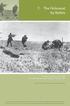 7. The Holocaust by Bullets A German policeman aims his rifle at a woman and her child, Ivangorod, Ukraine, 1942. Photo Credit: United States Holocaust Memorial Museum The views or opinions expressed in
Learning from the Holocaust. VISITING KRAKOW and AUSCHWITZ-BIRKENAU
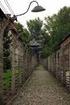 Learning from the Holocaust VISITING KRAKOW and AUSCHWITZ-BIRKENAU Contents Preparing to visit Auschwitz-Birkenau...2 Why go to Auschwitz-Birkenau?...3 Oswiecim...3 Death Camps and Auschwitz-Birkenau...4
INTERNATIONAL TRADEMARK REGISTRATION UNDER THE MADRID PROTOCOL
 INTERNATIONAL TRADEMARK REGISTRATION UNDER THE MADRID PROTOCOL Presented to The American Bar Association Spring Meeting Washington, D.C., April 24, 2013 Bruce Alexander McDonald BUCHANAN INGERSOLL & ROONEY
EXAMPLE CIS CITIZENSHIP INTERVIEW/TEST
 EXAMPLE CIS CITIZENSHIP INTERVIEW/TEST This exercise shows how a typical CIS interview/test might be conducted. The purpose of this sample is to give citizenship applicants an idea of the general steps
Dividends Tax: Summary of withholding tax rates per South African Double Taxation Agreements currently in force Version: 2 Updated: 2012-05-22
 Dividends Tax: Summary of withholding tax rates per South African Double Taxation Agreements currently in force Version: 2 Updated: 2012-05-22 Note: A summary of the rates and the relevant provisions relating
Introduction to the Holocaust, Analyzing Propaganda from the Exhibit
 State of Deception: The Power of Nazi Propaganda LESSON 1 Introduction to the Holocaust, Analyzing Propaganda from the Exhibit Lesson Overview: Lesson 1 is designed to prepare your students for a visit
Pan-European opinion poll on occupational safety and health
 PRESS KIT Pan-European opinion poll on occupational safety and health Results across 36 European countries Press kit Conducted by Ipsos MORI Social Research Institute at the request of the European Agency
THE FOURTH INTERNATIONAL FORUM REMEMBERING THE PAST AND SAFEGUARDING THE FUTURE INTERNATIONAL HOLOCAUST REMEMBRANCE DAY 70TH ANNIVERSARY
 P.Bonet. RAO. THE FOURTH INTERNATIONAL FORUM REMEMBERING THE PAST AND SAFEGUARDING THE FUTURE INTERNATIONAL HOLOCAUST REMEMBRANCE DAY 70TH ANNIVERSARY THE CZECH REPUBLIC IN COOPERATION WITH THE EUROPEAN
CIVIL SERVICE NATIONALITY RULES GUIDANCE ON CHECKING ELIGIBILITY
 CIVIL SERVICE NATIONALITY RULES GUIDANCE ON CHECKING ELIGIBILITY Employment Practice Division Civil Service Capability Group Cabinet Office November 2007 1 CIVIL SERVICE NATIONALITY RULES GUIDANCE ON CHECKING
Advanced Placement European History Summer Assignment 2015 Ms. Broffman
 Advanced Placement European History Summer Assignment 2015 Ms. Broffman Welcome to AP European History. I look forward to working with you next year. The AP course and examination in European History are
Young Europeans Commemorating the Roma Genocide
 Young Europeans Commemorating the Roma Genocide 1. Short details: Dates: 30.07.-04.08.2013 (including travel, 4 program days) Place: Krakow, Auschwitz (Poland) Participants: 300 young Roma and non-roma
DBQ 13: Start of the Cold War
 Name Date DBQ 13: Start of the Cold War (Adapted from Document-Based Assessment for Global History, Walch Education) Historical Context: Between 1945 and 1950, the wartime alliance between the United States
Origins of the Cold War
 Origins of the Cold War Main Idea The detonation of the atomic bomb and the end of World War II led to disagreements among the Big Three wartime Allies and a shift in American attitudes toward the Soviet
International Relations. Simulation: The Treaty of Versailles This activity accompanies slide 15 of The Treaty of Versailles (part 1).
 Name: Simulation: The Treaty of Versailles This activity accompanies slide 15 of The Treaty of Versailles (part 1).ppt Instructions You are going to take part in a simulation of the Versailles negotiations.
Note Taking Study Guide FROM APPEASEMENT TO WAR
 SECTION 1 FROM APPEASEMENT TO WAR Focus Question: What events unfolded between Chamberlain s declaration of peace in our time and the outbreak of a world war? A. As you read Aggression Goes Unchecked and
Wannsee Protocol January 20, 1942; Translation
 Wannsee Protocol January 20, 1942; Translation (Source, http://prorev.com/wannsee.htm) ----------------------------------------------------------------------- --------- This English text of the original
Working Holiday Maker visa programme report
 Working Holiday Maker visa programme report 30 June 2015 This page is left blank intentionally. Table of Contents About this report 1 Enquiries 1 Definition of terms 2 Background to the Working Holiday
Name: Date: Hour: Allies (Russia in this instance) over the Germans. Allies (British and American forces defeated German forces in Northern Africa)
 Name: Date: Hour: World War II Use your textbook and other sources to complete the chart below regarding the significant events that took place during World War II. Answer the questions that follow in
In May and July 2014 UK Visas and Immigration (UKVI) introduced changes to the right to work checks employers are required to carry out.
 Summary of changes - August 2014 In May and July 2014 UK Visas and Immigration (UKVI) introduced changes to the right to work checks employers are required to carry out. In light of the recent changes,
Group 1 Group 2 Group 3 Group 4
 Open Cities Lesson 1: Different kinds of cities Worksheet Task 1 Find the countries on the map Group 1 Group 2 Group 3 Group 4 1 Austria 2 Belgium 3 Bulgaria 4 Cyprus 5 Czech Republic 6 Denmark 7 Estonia
Carer s Allowance and Carer s Credit
 Carer s Allowance and Carer s Credit Benefit and support you may get if you are caring for someone 2 Introduction This leaflet: explains what Carer s Allowance and Carer s Credit are asks some questions
Chapter 22: World War I. Four most powerful European nations in the early 1900s were Great Britain, France, Germany, Russia.
 Chapter 22: World War I The Beginnings of World War I World War I was fought from 1914-1918. United States entered World War I in 1917. The Origins of Europe s Great War Nationalism Four most powerful
Lesson # Overview Title /Standards. Big Question for lesson (from teaching thesis) Specific lesson Objectives (transfer from above).
 Lesson # Overview Title /Standards Big Question for lesson (from teaching thesis) Specific lesson Objectives (transfer from above). Content focused/action verbs Assessment of Objective(s) (you do not need
Working Holiday Maker visa programme report. 31 December 2014
 Working Holiday Maker visa programme report 31 December 2014 Contents Page About this report 1 Enquiries 1 Definition of terms 2 Background to the Working Holiday Maker programme 3 Recent developments
Lesson Plan #8 The Holocaust. Classroom description: Approximately 25 students of various genders and abilities
 Lesson Plan #8 The Holocaust Subject: Social Studies Grade Level: 7-11 Classroom description: Approximately 25 students of various genders and abilities Topic: The Holocaust Amount of Time Allowed for
HISTORY OF THE HOLOCAUST: AN OVERVIEW
 HISTORY OF THE HOLOCAUST: AN OVERVIEW On January 20, 1942, an extraordinary 90-minute meeting took place in a lakeside villa in the wealthy Wannsee district of Berlin. Fifteen high-ranking Nazi party and
The Sequence of Causes of the Cold War
 The Sequence of Causes of the Cold War Outside the U.S. In the U.S. 1917 Revolutions in Russia 1917-1919 Russian Civil War 1941-1944 Second Front against Hitler Casablanca Conference 1943 Teheran Conference
Lesson Plan: Citizenship
 Key Concepts: Rights Responsibilities Bystander Patriotism Democracy Materials: White board, chalkboard, overhead projector, or easel with chart paper Downloadable testimony clips: Testimony - TV and DVD
Anne Frank Remembered, by Miep Gies
 Reading Guide for Anne Frank Remembered, by Miep Gies To check your comprehension, answer the following questions during or after reading. Prologue 1. What was the author s motivation in writing this account?
Family benefits Information about health insurance country. Udbetaling Danmark Kongens Vænge 8 3400 Hillerød. A. Personal data
 Mail to Udbetaling Danmark Kongens Vænge 8 3400 Hillerød Family benefits Information about health insurance country A. Personal data Name Danish civil registration (CPR) number Address Telephone number
Chapter 4A: World Opinion on Terrorism
 1 Pew Global Attitudes Project, Spring 2007 Now I m going to read you a list of things that may be problems in our country. As I read each one, please tell me if you think it is a very big problem, a moderately
SELECTED WORLD EVENTS
 1879 March 14 born in Ulm, Germany, in Bavaria 1880-1894 school in Munich 1881 sister Maja born EINSTEIN S LIFE 1889 begins reading physics, math, and philosophy on his own 1894 joins family in Italy 1895
Measles and rubella monitoring
 SURVEILLANCE REPORT Measles and rubella monitoring February 213 Measles and rubella are targeted for elimination in Europe by 215. ECDC closely monitors progress towards interruption of endemic transmission
6. Which of the following was the location of a Nazi extermination camp? a. Berlin b. Warsaw c. Auschwitz d. Dresden
 Name Date CHAPTER 32 CHAPTER TEST World War II Form A Part 1: Main Ideas Choose the correct answer. (4 points each) 1. What prompted Great Britain and France to declare war on Germany? a. Soviet invasion
ANNUAL REPORT ON THE HOLOCAUST VICTIMS INSURANCE ACT, FOR THE YEARS 2006 AND 2007 BY THE MARYLAND INSURANCE ADMINISTRATION
 ANNUAL REPORT ON THE HOLOCAUST VICTIMS INSURANCE ACT, CHAPTER 117 OF THE LAWS OF 1999, FOR THE YEARS 2006 AND 2007 BY THE MARYLAND INSURANCE ADMINISTRATION I INTRODUCTION During the 1999 Session, the Maryland
Carer s Allowance. May 2009
 Carer s Allowance May 2009 Important information about this leaflet This leaflet is only a guide and does not cover every circumstance. We have done our best to make sure the leaflet is correct as of May
Inspiring Jewish Journeys. Lodz. Lublin (Majdanek) Journey. Tarnow. Poland. Square Synagogue. (Auschwitz-Birkenau) September 2016
 Inspiring Jewish s Warsaw Lodz Lublin (Majdanek) Tarnow Lincoln Square Synagogue Krakow (Auschwitz-Birkenau) September 2016 Sunday Depart USA Monday Arrive in Warsaw Okopowa Street Jewish Cemetery Visit
International aspects of taxation in the Netherlands
 International aspects of taxation in the Netherlands Individuals resident in the Netherlands are subject to income tax on their worldwide income. Companies established in the Netherlands are subject to
EUROPEAN YOUTH: PARTICIPATION IN DEMOCRATIC LIFE
 Flash Eurobarometer EUROPEAN YOUTH: PARTICIPATION IN DEMOCRATIC LIFE REPORT Fieldwork: April 2013 Publication: May 2013 This survey has been requested by the European Commission, Directorate-General for
The Rights of Parents to Home-school Their Children in Europe. Written by Mr J. Sperling, LL.M and Drs. P.J. van Zuidam
 The Rights of Parents to Home-school Their Children in Europe Written by Mr J. Sperling, LL.M and Drs. P.J. van Zuidam Spoken by Drs. P.J. van Zuidam at the World Congress of Families V, Forum 2 10 August,
(Only available if you have applied for a Decreasing Mortgage Cover Plan or a Level Protection Plan).
 Mortgage protection Free cover (Only available if you have applied for a Decreasing Mortgage Cover Plan or a Level Protection Plan). At Zurich, we understand the importance of financial protection when
AN ASSEMBLY FOR HOLOCAUST MEMORIAL DAY 2016
 AN ASSEMBLY FOR HOLOCAUST MEMORIAL DAY 2016 This assembly has been designed for any secondary aged students (ages 11-18) and ideally would take place on 27 January Holocaust Memorial Day. We recommend
SWECARE FOUNDATION. Uniting the Swedish health care sector for increased international competitiveness
 SWECARE FOUNDATION Uniting the Swedish health care sector for increased international competitiveness SWEDEN IN BRIEF Population: approx. 9 800 000 (2015) GDP/capita: approx. EUR 43 300 (2015) Unemployment
How to Register for the Applied Biosystems SQL*LIMS Software Administrator Certification Test
 How to Register for the Applied Biosystems SQL*LIMS Software Administrator Certification Test This initial set of instructions will guide you through the on-line registration process from any region or
Population Aging in Developed Countries: Emerging Trends and Dynamics Wan He, Ph.D. Population Division U.S. Census Bureau
 Population Aging in Developed Countries: Emerging Trends and Dynamics Wan He, Ph.D. Population Division U.S. Census Bureau This presentation is released to inform interested parties of population aging
A Hollow Shell. 10 th Grade Exemplar Essay: Response to Literature
 10 th Grade Exemplar Essay: Response to Literature Introduction orients the reader. Writer provides a perceptive analysis of the text that integrates summary. Writer links credible evidence to the thesis
2. Is registration with PARAFES free? Yes.
 Automated Border Control 1. What does PARAFES stand for? PARAFES (translated from French) means Automated Fast Track Crossing at External Schengen Borders. 2. Is registration with PARAFES free? Yes. 3.
The Importance of Accident Statistics
 The Importance of Accident Statistics 1 Introduction 2 3 4 Statistics and Gaps Good Reasons for Statistics Conclusions Published Le Figaro Nov 11 th, 2012 Le Parisien Nov 11 th, 2012 TF1 France News Ouest
How To Calculate Tax Burden In European Union
 The Tax Burden of Typical Workers in the EU 28 2015 James Rogers Cécile Philippe Institut Économique Molinari, Paris Bruxelles TABLE OF CONTENTS Abstract 2 Background 2 Main Results 3 On average, a respite
Ageing OECD Societies
 ISBN 978-92-64-04661-0 Trends Shaping Education OECD 2008 Chapter 1 Ageing OECD Societies FEWER CHILDREN LIVING LONGER CHANGING AGE STRUCTURES The notion of ageing societies covers a major set of trends
Economic and Social Council
 United Nations Economic and Social Council Distr.: General 27 February 2014 ECE/CES/2014/43 Original: English Economic Commission for Europe Conference of European Statisticians Sixty-second plenary session
The Tax Burden of Typical Workers in the EU 28 2014 Edition. James Rogers & Cécile Philippe May 2014. (Cover page) Data provided by
 (Cover page) The Tax Burden of Typical Workers in the EU 28 2014 Edition NEW DIRECTION Page 1 of 17 James Rogers & Cécile Philippe May 2014 New Direction aims to help shift the EU onto a different course
Modern European History courses, fall 2008 B226 Mafia and other Italian mysteries Carl Ipsen T, Th 2:30-3:45
 Modern European History courses, fall 2008 B226 Mafia and other Italian mysteries Carl Ipsen T, Th 2:30-3:45 B323 The Holocaust Mark Roseman M, W 1:25-2:15; plus discussion B357 Modern France Rebecca Spang
Men from the British Empire in the First World War
 In 1914, Britain ruled over one quarter of the world s surface area and 434 million people. This was known as the British Empire. When war broke out, Britain was desperate for men to fight. Unlike France,
HSE HR Circular 005/2010 12 th February 2010.
 Office of the National Director of Human Resources Health Service Executive Dr. Steevens Hospital Dublin 8 HSE HR Circular 005/2010 12 th February 2010. To: Each Member of Management Team, HSE; Each Regional
States Parties to the 1951 Convention relating to the Status of Refugees and the 1967 Protocol
 States Parties to the 1951 Convention relating to the Status of Refugees and the 1967 Protocol Date of entry into force: 22 April 1954 (Convention) 4 October 1967 (Protocol) As of 1 October 2008 Total
BEST EXECUTION POLICY
 BEST EXECUTION POLICY In Prague on 9 th December 2015 TABLE OF CONTENT 1. Introductory provisions 2. Markets where the Company executes customer's instructions 3. Instructions 4. Strategy for executing
Office Rents map EUROPE, MIDDLE EAST AND AFRICA. Accelerating success.
 Office Rents map EUROPE, MIDDLE EAST AND AFRICA Accelerating success. FINLAND EMEA Office Rents H2 212 NORWAY Oslo 38.3 5.4% 7.% 295, SWEDEN Stockholm 44.7 4.5% 3.% 5, Tallinn 13.4 44,2 21. 5.25% 1.% 12,
APPLICATION FORM FOR POST OF SENIOR CLINICAL BIOCHEMIST. NB: 5 Curriculum Vitae (unbound) must accompany this Application Form
 COOMBE WOMEN AND INFANTS UNIVERSITY HOSPITAL APPLICATION FORM FOR POST OF SENIOR CLINICAL BIOCHEMIST NB: 5 Curriculum Vitae (unbound) must accompany this Application Form Closing date: FRIDAY, 22 ND JANUARY
Employee eligibility to work in the UK
 Employee eligibility to work in the UK This document details legal requirements that apply to ALL new members of staff All employers in the UK are legally bound to comply with the Asylum and Immigration
Document Based Questions (DBQs) AP European History Magister Ricard
 As we wind down the year, we are going to be reviewing while also finalizing our preparation for the AP Exam on May 6 th. One of the last skills you will need to have is writing essays from DBQs or Document
The Tax Burden of Typical Workers in the EU 27 2013 Edition
 (Cover page) The Tax Burden of Typical Workers in the EU 27 2013 Edition James Rogers & Cécile Philippe May 2013 Data provided by NEW DIRECTION Page 1 of 16 The Tax Burden of Typical Workers in the EU
Preparing for Group and Student Tours
 Preparing for Group and Student Tours Mission Statement Holocaust Museum Houston is dedicated to educating people about the Holocaust, remembering the 6 million Jews and other innocent victims and honoring
T R A V E L A N D A C C O M M O D A T I O N E X P E N S E S 2 0 1 4
 13/01/2015 www.bdo.lu T R A V E L A N D A C C O M M O D A T I O N E X P E N S E S 2 0 1 4 In Luxembourg the travel expenses for business trips are reimbursed either based on actual expenses or based on
Created by Paul Hallett
 The Cuban Missile Crisis was a confrontation during the Cold War between the Soviet Union and the United States regarding the deployment of nuclear missiles in Cuba. The missiles had been placed to protect
YEAR 1: Kings, Queens and Leaders (6 lessons)
 YEAR 1: Kings, Queens and Leaders (6 lessons) Contents Include: The United Kingdom and the Union Jack Kings and Queens The Magna Carta Charles I Parliament The Prime Minister Suggested Teacher Resources:
The Guardianship Service
 The Guardianship Service How can they help you? When you arrive in Belgium Are you under the age of 18 and have you arrived in Belgium without your father or mother? You are searching for support and accommodation
Overnight stays in hotel establishments registered an increase of 2.7% in August, as compared to the same month of 2013
 23 September 214 Hotel Tourism Short-Term Trends (HOS/HPI/IPHS) August 214. Provisional data Overnight stays in hotel establishments registered an increase of 2.7% in August, as compared to the same month
World History Course Summary Department: Social Studies. Semester 1
 World History Course Summary Department: Social Studies All World History courses (Honors or otherwise) utilize the same targets and indicators for student performance. However, students enrolled in Honors
Deadly Medicine: Creating the Master Race
 Deadly Medicine: Creating the Master Race March 13 to July 19, 2009 The mentally handicapped and the mentally ill are a cost factor. In Nazi Germany those that were deemed incurable were registered with
41 T Korea, Rep. 52.3. 42 T Netherlands 51.4. 43 T Japan 51.1. 44 E Bulgaria 51.1. 45 T Argentina 50.8. 46 T Czech Republic 50.4. 47 T Greece 50.
 Overall Results Climate Change Performance Index 2012 Table 1 Rank Country Score** Partial Score Tendency Trend Level Policy 1* Rank Country Score** Partial Score Tendency Trend Level Policy 21 - Egypt***
UNHCR, United Nations High Commissioner for Refugees
 Belgium 22 Jul 1953 r 08 Apr 1969 a Belize 27 Jun 1990 a 27 Jun 1990 a Benin 04 Apr 1962 s 06 Jul 1970 a Bolivia 09 Feb 1982 a 09 Feb 1982 a Bosnia and Herzegovina 01 Sep 1993 s 01 Sep 1993 s Botswana
GfK PURCHASING POWER INTERNATIONAL
 GfK PURCHASING POWER INTERNATIONAL 1 Agenda 1. Europe 3 2. Americas 45 3. Asia & Near East 54 4. Afrika 66 5. Australia 68 6. Overview of countries and available levels 70 2 2 EUROPE 4 GfK
ECONOMIC MIGRATIONS OF THE POLES. Report by Work Service S.A.
 ECONOMIC MIGRATIONS OF THE POLES Report by Work Service S.A. TABLE OF CONTENTS INTRODUCTION 3 THE REPORT IN NUMBERS 4 PREFERRED COUNTRIES OF EMIGRATION 5 THOSE CONSIDERING ECONOMIC EMIGRATION 6 REASONS