
The effective management of exudate is recognised
|
|
|
- Anabel Kelley
- 9 years ago
- Views:
Transcription
1 Effective management of exudate with AQUACEL Extra Joy Tickle Tissue Viability Nurse Specialist/Clinical Lead, Shropshire Community Health NHS Trust The effective management of exudate is recognised as an essential element in wound care. An optimal moist environment needs to be created and the surrounding skin protected from the risk of maceration and subsequent risk of infection. In order to achieve this, clinicians will require a clear understanding of the underlying wound aetiology and exudate production. Recent years have seen the development of modern absorbent dressings, as opposed to the traditional gauze and absorbent pads (Queen, 2010). Many dressings now have the capacity to absorb large volumes of exudate; this is their primary function, rather than the management of exudate production. Foam dressings are also considered to be absorbent. Where exudate levels exceed the absorbency capacity of such dressings, however, subsequent peri-wound maceration has been a resulting complication (Queen, 2010). Exudate management Unresolved exudate can cause significant pain and discomfort, leading to complicated wound healing. Its overall negative impact on the patient s quality of life is severe (Cutting, 1999). Patients often experience anxiety, fear and social isolation due to the malodorous, unmanageable leakage from wound dressings (Tadej, 2009; Gebhardt et al, 2010). Most frequently, chronic wounds are associated with moderate-to-high exudate levels and non-healing (Thomas, 2008). Within the UK, it is estimated that patients Abstract The management of patients with highly-exuding wounds can often lead to the use of unreliable and costly treatments. Patients are frequently found to be at increased risk of infection and delayed healing, which results in a huge negative impact on their quality of life. In the political and health arena, reducing health-care costs yet maintaining high quality and productivity is high on the list. With current economic, health-care and political targets, it is crucial to address the importance of effective wound management, particularly the importance of managing exudate. Inappropriate management of wound exudate can lead to prolonged wound healing, peri-wound maceration and excoriation, and can result in deterioration of the wound. KEY WORDS Exudate management Hydrofiber technology Wound dressings have a chronic wound, resulting in costs of billion per year, which equates to approximately 3% of NHS expenditure (Posnett and Franks, 2007). The introduction of Commissioning for Quality, Innovation, Productivity and Prevention in healthcare (QIPP) and the Harm Free Care agenda encompass the ethos of improving patient care, while ensuring quality treatment and preventing patient harm (NHS Institute for Innovation and Improvement, 2009; Department of Health (DH), 2010). It can be argued that these current health drivers are vital prerequisites for the delivery of high-quality, effective care; however, the achievement of these national targets are currently challenged by severe economic pressures to reduce spending within the NHS by before 2015 (DH, 2011). In line with the Government agenda, in particular the Harm Free Care agenda, all clinicians have a responsibility to manage exudate effectively, therefore reducing the occurrence of harm (DH, 2009). Clinical challenges Clinicians face many wound management challenges every day. These may include: Retaining and controlling exudate levels to prevent maceration (World Union of Wound Healing Societies [WUWHS], 2007) Removing harmful bacteria and enzymes from the wound to reduce instances of delayed healing (WUWHS, 2007) Minimising patient pain and discomfort during dressing changes or when dressing is in situ (WUWHS, 2007) Containing costs while providing effective care. Effective exudate management can reduce the aforementioned challenges. A clear understanding of its role, importance and position in effective wound healing is crucial for health professionals. This will enable clinicians to clearly identify any changes from the natural process of exudate production and ensure effective objectives are set in place to prevent complications due to poorly managed wound exudate. Clinicians must also have an appreciation of the importance of exudate; the production of wound exudate is a natural part of the wound-healing continuum and is necessary to promote moist wound healing (Winter, 1962; Cutting 2003). It facilitates the migration of vital tissuerepairing cells and provides essential growth factors and S38 Wound Care, September 2012 BJCN_WCA_Aquacel_FINAL.indd 18 30/08/ :50

2 nutrients essential for wound healing (White and Cutting, 2006). Exudate facilitates wound bed autolysis of dead or devitalised tissue and transports essential cell-metabolising nutrients, growth factors and immune cells (WUWHS, 2007). Effective management of wound exudate can lead to improved patient outcomes relating to: Reduced peri-wound maceration Reduced bacterial burden on the wound bed Promotion of rapid granulation from the wound s base. Such management leads to an improved quality of life for the patient and clinical cost-effectiveness (WUWHS, 2007). In non-healing chronic wounds, excessive amounts of exudate are thought to prolong the inflammatory phase, impede growth factor availability and prevent or delay cell proliferation (WUWHS, 2007). Proteolytic activity is increased and this will increase the risk of infection. If wound exudate levels increase and are not effectively managed, the wound bed will become overhydrated, leading to excessive moisture forming on the peri-wound skin. This moisture, if not managed by an effective wound dressing, can lead to maceration to the skin and further tissue damage. The proteolytic enzymes and waste products within the exudate will also lead to skin stripping/excoriation and an increased risk of bacterial critical colonisation or infection (Cutting, 2002; Fletcher, 2002). In addition, unresolved exudate management in chronic wounds can lead to increased levels of certain matrix metalloproteinases, which can result in delayed wound healing (WUWHS, 2007). Poor management of exudate levels can also lead to increased demands on the clinician s time and resources. It can often result in daily or even twice-daily dressing changes, thus increasing costs, which have to be minimised in our healthcare climate (DH, 2009). In contrast, however, clinicans must be aware that a wound bed with low levels of exudate managed with highly absorbent dressings can produce cell desiccation, dryness of the wound bed and delay wound healing (Dowsett and Newton, 2005). This can lead to dressing adhering to the wound bed, resulting in increased pain and discomfort to the patient, impacting on concordance and increasing the difficulty of dressing removal for the clinician. To achieve effective exudate management, clinicians must go through the following processes (Thomas, 2008): Identify any underlying causes of excessive exudate, such as infection, oedema or underlying medical conditions (e.g. heart failure or lymphoedema) Assess the patient s health, physically and psychologically, and the impact of the wound on his/her quality life Make an accurate and frequent wound assessment to ensure an optimum wound-healing environment Prevent wound bed desiccation or overhydration by maintaining effective wound bed moisture Prevent peri-wound skin maceration and or excoriation. Dressing selection and mode of action Wound dressing selection should be tailored to the condition of the wound and peri-wound skin. The prudent selection and careful determination of wear time are also important. Thomas (2008) identified the following as some of the key characteristics of effective wound dressings: Absorbs and retains exudate Keeps harmful exudate away from healthy intact skin Performs effectively, even when used underneath compression therapy Is non-traumatic upon removal Is effective in both cost and wear time. When effectively managing wound exudate, the clinician must be knowledgeable of the dressing s fluid-handling mechanisms. This may be through the dressing s absorptive ability, fluid retention activity or moisture vapour properties. Certain dressings may facilitate absorption through a gelling action, where the exudate interacts with the dressing material to form a gel (Thomas and Fram, 2001). The dressing material should absorb the fluid directly above the wound without lateral wicking. Such dressings have been demonstrated to be clinically and cost-effective in exudate management (Armstrong and Ruckley 1997; Guest et al, 2005). Dressings that enable moisture vapour transmission are designed to absorb fluid and move it away from the wound bed and peri-wound skin interface, locking it in a permeable backing layer. A portion of the fluid is lost to the atmosphere by evaporation, which is known as moisture vapour transmission (White and Cutting, 2006). Wound dressings designed for exudate management may consist of polyurethane foam, alginate fibres and carboxymethylcellulose. More recently, new superabsorbent dressings have emerged that are designed to control large volumes of exudate (White and Cutting, 2006). Practical challenges facing clinicians when using dressings designed for exudate management include their ability to contour to the wound bed. Effective contact with the wound bed will reduce the dead space between the two (Rogers and Chen, 2003) This will in turn assist in the reduction of potential bacterial proliferation and risk of infection. Its conformability properties will also enhance the wear time of the dressing and increase acceptability to the patient. A dressing that poorly conforms to the skin and fails to remain in situ can often lead to reduced concordance, both from the patient and the clinician (White and Cutting, 2006). It is also imperative that wound management products address the level of wound exudate, enhance patient comfort and be suitable for the type of tissue present (Wounds UK, 2010). As already highlighted, poorly managed exudate levels can be distressing for the patient, causing tissue damage and reducing quality of life. Inappropriate wound management and dressing selection can also contribute to the problem and lead to delayed healing. Hydrofiber technology In recent years, the emergence of Hydrofiber technology in wound care has been of significant importance. It is available as a soft, sterile, non-woven sheet or ribbon S40 Wound Care, September 2012 BJCN_WCA_Aquacel_FINAL.indd 20 30/08/ :50

3 dressing composed of sodium carboxymethylcellulose (Queen, 2010). The material is extremely conformable and is able to absorb a large amount of wound fluid, such as exudate with bacteria. The fluid is then transformed into a soft gel, creating a moist environment for the wound-healing process (Queen, 2010). The gel formation also assists in autolytic debridement of non-viable tissue within the wound. Hydrofiber technology is versatile and can be incorporated into a variety of dressing formats (Thomas, 2010). Clinical evidence Hydrofiber technology can be used in moderately-tohighly exuding chronic and acute wounds. A key feature of Hydrofiber dressings is their ability to absorb and lock in wound fluid (Dowsett, 2008). This means that wound exudate and any pathogenic bacteria that it may contain is removed from the wound bed and peri-wound area, providing protection from potential maceration (Robinson, 2000; Coutts and Sibbald, 2005; Dowsett, 2008) and passive infection control (Bowler et al, 1999). Furthermore, this action can minimise the release of bacteria into the air on dressing removal (Dowsett, 2008). This unique locking in action makes dressings using Hydrofiber technology more effective at retaining fluid than traditional gauze or alginate dressings (Collado, 2002). The Hydrofiber technology also allows dressings to conform to the micro-contour of the wound bed. (Convatec 2010). This minimises the dead space where bacteria can grow (Hoekstra et al, 2002) and maintains an optimal moisture balance in the wound bed (Bishop et al, 2003). Hydrofiber dressings absorb wound fluid to form a cohesive gel. The unique gelling action assists with wound autolysis, protects tender wound tissue and minimises pain associated with dressing changes (Waring and Parsons, 2000; Barnea et al, 2004; Kogan et al, 2004). It also enables such dressings to respond to different wound conditions. For example, in acute healing wounds, this creates a moist wound environment (Bishop et al, 2003); whereas in chronic wounds it maintains a moisture balance, ensuring the wound is neither too wet nor too dry (Hoekstra et al, 2002; Bishop et al, 2003). The use of AQUACEL (Convatec Inc.) dressing is supported by 15 years of clinical experience demonstrating efficacy. There are 20 randomised controlled trials, 80+ review papers as well as scientific studies that have demonstrated evidence of wound progression toward healing (Brunner and Euberlein, 2000; Barnea et al, 2004; Ravenscroft, 2006). It is also shown to be a cost-reducing adjunct to a protocol of care (Moore and Foster, 2000; Harding et al, 2001; Dillon et al, 2007). The newly-introduced AQUACEL Extra (Convatec Inc.) dressing is designed to provide additional benefits relating to extra strength; it is nine times stronger and has 39% greater absorbency than AQUACEL (Convatec, 2011). This, in turn, helps to facilitate easy removal, increase patient comfort during dressing changes, manage moderate-to-highly exuding wounds, and enhance dressing efficiencies (ConvaTec, 2011). AQUACEL Hydrofiber (Convatec Inc.) was already included in Shropshire County s wound care formulary; it had proved extremely effective in assisting with autolytic debridement of wounds, facilitated a moist wound environment and assisted with wound exudate control. Interestingly, however, in clinical practice where exudate levels were moderate-to-high, several layers of the Hydrofiber were frequently used. An evaluation of AQUACEL Extra was undertaken by the author to evaluate its properties when addressing problems associated with poor exudate management, its impact on the patient s quality of life and its clinical effectiveness alongside its cost-effectiveness. Clinical experience with AQUACEL Extra Patient 1 Mr A is a 47-year-old man who, following surgery for a perianal cyst 6 years ago, still had a non-healing cavity. He was an obese man, whose weight problems were further exacerbated by being unable to exercise due to the chronic wound. Despite being under the care of his GP and a consultant, he was informed that he may have to live with this wound. He was referred to the tissue viability service by a television company that was filming his plight with this chronic and embarrassing condition. This patient s quality of life had been dramatically affected, from embarrassment to the loss of masculinity. The clinical wound care objectives in this case were to: effectively manage the exudate reduce peri-wound maceration reduce the bacterial burden on the wound promote rapid granulation from the base of the wound upwards. The wound On initial assessment, the patient s wound was filled with 100% slough and the peri-wound skin was excoriated and inflamed. The treatment being used was a simple, low-adherent dressing and pad. This was being changed up to three times per day due to the high levels of exudate (see Figure 1). Mr A had previously used superabsorbent dressings, but these proved unsuccessful as they were difficult to secure and he also reported they felt stiff and uncomfortable. On examination, the wound bed was showing clinical signs of critical colonisation and high exudate levels. For this reason, AQUACEL Ag (Convatec Inc.) was used to pack the cavity and AQUACEL Extra laid on top of the wound to assist with management of the exudate levels and peri-wound skin excoriation and breakdown. It was necessary to apply Cavilon barrier foam to the gluteal cleft that was excoriated by the excessive moisture. A secondary dressing of Mepilex Border was also used. Wound Care, September 2012 S21 S41 BJCN_WCA_Aquacel_FINAL.indd 21 30/08/ :50

4 Figure 1. Patient 1 s perianal cavity on initial assessment Results Following 24 hours of treatment, the patient reported that the wound dressing did not leak and that it felt comfortable. On dressing change, it was clear that the AQUACEL Extra dressing had retained the exudate and that the peri-wound excoriation was resolving. Four days after initiating this treatment, there was no longer any need to apply Cavilon barrier foam to the gluteal cleft. After a further ten days of treatment (see Figure 2), the AQUACEL Extra dressing was changed to AQUACEL dressing, as the wound exudate levels had become low-to-moderate. The wound tissue was now 100% granulation and the wound had decreased in size by 50%. Dressing change could now be performed every third day. Most importantly, the patient reported positive psychological and social results, increased comfort, no pain on dressing change and increased selfesteem, as in his words I do not have to worry about the risk of discharge running down my leg. Three months after commencing treatment with AQUACEL the patient s wound was completely healed (see Figure 3), something that had not occurred for 6 years. Discussion AQUACEL Ag dressing, in conjunction with AQUACELExtra, was the ideal choice for the management Figure 3. Three months after treatment, there was complete healing Figure 2. Wound after 10 days following the regimen of this wound. Due to the broad spectrum and sustained antimicrobial activity of AQUACEL Ag dressing during the wear time, and the increased absorbency and extra strength of the AQUACEL Extra, the following was achieved: Exudate levels were effectively managed. The frequency of dressing changes was reduced Excoriation to the peri-wound skin and gluteal cleft was resolved The patient did not experience any pain during or after his dressing change, and his quality of life was dramatically improved The dressing remained in place and was easily removed on dressing change A moist wound environment and autolytic debridement was achieved The wound size was reduced, leading to complete healing. Patient 2 Mrs D is a 74-year-old woman who underwent abdominal surgery for endometrial cancer. Unfortunately, this procedure was followed by abdominal dehiscence due to infection. After 4 weeks of topical negative pressure therapy, the open abdominal wound was at a stage to receive daily packing (see Figure 4). The woman was obese and had a large abdominal pannus. She also had diabetes, which was controlled with oral medication. Her nutritional status was compromised due to her reduced appetite following surgery. Wound-related problems The exudate levels were high, and the peri-wound skin and skin surrounding the abdominal pannus was red and excoriated. Management of the high exudate levels was proving to be problematic for the nurses despite a superabsorbent secondary dressing. The dressing was being changed daily, but there was still a problem with exudate strikethrough. AQUACEL was the primary dressing choice and several layers were applied to increase absorbency. The overall aims of treatment were to provide continued granulation tissue production while reducing exudate strikethrough. It was also important to provide a moist S42 Wound Care, September 2012 BJCN_WCA_Aquacel_FINAL.indd 22 30/08/ :50

5 wound environment while protecting the peri-wound area, and to prevent the need for the use of several layers of a Hydrofiber dressing. Finally, it was imperative to reduce excoriation of the peri-wound area and the abdominal pannus while ensuring non-adherence and pain-free dressing change. Importantly, the clinicians needed to achieve this with cost-effectiveness in mind. Clinical management Before the AQUACEL Extra evaluation, the patient s abdomen was dressed daily with AQUACEL and a superabsorbent secondary dressing (Flivasorb). Despite the daily dressings, there was still exudate strikethrough to the secondary absorbent pad. Due to the high levels of exudate, barrier foam was applied to the peri-wound skin and the abdominal pannus. This was to treat the excoriation of the skin and to prevent further tissue breakdown. AQUACEL was used to promote the production of granulation tissue; however, district nurses were applying two to three layers to assist with absorbency. This resulted in increased dressing costs. The patient complained of pain on dressing change and was also extremely distressed with the soiling of clothing and bed clothes from the exudate strikethrough. Treatment regimen AQUACEL Extra was commenced and the dressings were applied daily. Following only 4 days of treatment, there was no strikethrough. The granulation tissue continued to be present and most importantly the excoriated skin was now greatly improved. Only one layer of the AQUACEL Extra was required and it not only provided increased management of exudates, but also maintained its shape and strength within the wound bed. The patient has seen Figure 4. Patient 2 s abdominal wound after 4 weeks of topical negative pressure therapy before receiving daily packing the difference in her surrounding skin (see Figure 5) and reported that it no longer felt painful and sore. Most importantly, she was now confident to socialise outside her home as she no longer had to worry about stained clothing and, ultimately, the risk of embarrassment. Final clinical outcomes There was no longer the need to use more than one layer of Hydrofiber dressing. The number of dressing changes had decreased. Most importantly, the woman s peri-wound and abdominal pannus excoriation had resolved and the wound bed continued to improve and decrease in size (see Figure 6) From the aspect of the patient s quality of life, she experienced no pain on dressing change. Clinicians found that the dressing was easily applied and removed, and was cost-effective. Figure 5. Abdominal wound after 4 weeks of treatment with Aquacel Extra Wound Care, September 2012 S43 BJCN_WCA_Aquacel_FINAL.indd 23 30/08/ :50

6 ulcer (European Pressure Ulcer Advisory Panel, 2009). The wound bed was 4 cm in depth and showed evidence of yellow discolouration, slough and some granulation tissue (see Figure 7). Wound-related problems The patient presented with high levels of exudate, which led to daily packing of the cavity with AQUACEL Hydrofiber and Mepilex foam dressings. The high levels of exudate were not always retained within the dressing and, on occasion, the wound had to be redressed twice-daily, resulting in the increased risk of peri-wound stripping due to the high fragility of the patient s skin. Nursing time and resources were also increased. The woman was often extremely agitated on dressing change due to her underlying dementia, so having to redress twice-daily was having a negative impact on her quality of life. Figure 6. Patient 2 s abdominal wound after 5 (top) and 6 (bottom) weeks of treatment Patient 3 Mrs F is an 80-year-old woman with a history of dementia and type 2 diabetes controlled with oral medication. She is a patient within a nursing home and, following a recent chest infection, had developed skin damage to her sacrum. On first referral to the tissue viability service, Mrs F presented with a grade 4 pressure Aim of treatment The aim of the treatment plan was to continue to encourage autolysis of the devitalised tissue and promote granulation tissue production while absorbing excessive fluid and reducing exudate strikethrough. It was also important to provide a moist wound environment via the gelling action of the Hydrofiber dressing and to protect the peri-wound skin from damage. It was important to reduce the need for twice-daily dressing changes in order to improve the patient s quality of life and reduce her distress. The need for non-adherence and pain-free dressing change were also identified alongside cost-effectiveness in terms of dressing resources and staff time. Clinical management Before using AQUACEL Extra, the patient s pressure ulcer was often dressed twice-daily with AQUACEL and Mepilex adhesive foam. If this was not performed twice- Figure 7. Ulcer on referral to the tissue viability nurse Figure 8. The ulcer after 12 days of treatment S44 Wound Care, September 2012 BJCN_WCA_Aquacel_FINAL.indd 24 30/08/ :51

7 daily, the result would be exudate strikethrough and risk of excoriation or maceration of the peri-wound skin. Due to the high levels of exudate, Cavilon barrier foam was applied. This was to protect against potential excoriation of the skin and prevent further tissue breakdown. It was necessary to pack the cavity with AQUACEL to allow the dressing to follow the contour of the wound bed. AQUACEL dressing did facilitate the production of granulation tissue; however, the nursing staff were using it to both pack the wound cavity and to lay on the top of the wound itself in order to assist with exudate absorption. This resulted in increased dressing costs and nursing time. New treatment regimen Daily AQUACEL Extra dressings were applied. Following only 2 days of treatment, there was no exudate strikethrough to the outer foam dressing. The granulation tissue continued to be present and the AQUACEL continued to encourage autolysis of the devitalised tissue. Only one layer of AQUACEL Extra was required, and not only did it provide increased management of the exudate but it also kept its shape and strength within the wound bed. It was easily applied and removed, still maintaining its original shape. Most importantly, the patient s distress was reduced as the dressing no longer needed to be changed twice-daily. Final clinical outcomes There was no longer the need to use more than one layer of Hydrofiber and the number of dressing changes decreased due to the increased absorbency of AQUACEL Extra. There was no longer the requirement to apply barrier film protector to the peri-wound skin, facilitating increased cost-effectiveness. The wound bed continued to improve and decrease in size. The clinicians found the dressing easy to apply and remove. They were already informed and educated in the use of a Hydrofiber, and so there was no need to re-educate or retrain staff on its use. The dressing was both clinically- and cost-effective. Within 31 days the wound had significantly decreased in width, length and depth (see Figure 8) and the dressing was now applied every third day. After 14 days, the exudate levels were low-to-moderate and the AQUACEL Extra was changed to AQUACEL, as the clinician no longer needed a higher absorbency capability. Conclusion The need for a higher level of wound dressing absorbency has been discussed, as well as the importance of clinical effectiveness alongside cost-effectiveness. Dressings with inadequate absorption abilities can leave patients with leakage, restricting their lifestyle and impacting heavily on their quality of life. From the clinical evaluations undertaken by the author, it is clear that AQUACEL Extra has the ability to manage moderate to high levels of exudate effectively. In turn, this resulted in reduced wound dressing changes, a reduction in nursing time/resources, a reduction in costs and most importantly reduction in patient discomfort and distress. It is vital when selecting dressings to absorb and manage wound exudate that the product s components and its mode of action are fully understood in order to ensure correct selection. It is clear that some dressings have a very limited ability to absorb and manage moderately-to-highly exuding wounds and some superabsorbent dressings, although effective, are expensive. The choice of AQUACEL Extra was influenced by its increased fluid handling capacity and increased strength. This in turn reduced the overall costs related to dressing products and nursing time. Its ease of use, contouring and its ability to treat a range of wound aetiologies ensured its versatility. The positive and rapid results achieved in practice and the aforementioned factors have led to the inclusion of AQUACEL Extra within the county s wound care formulary. BJCN Conflict of interest: This article was sponsored by Convatec Inc. Armstrong SH, Ruckley CV (1997) Use of a fibrous dressing in exuding leg ulcers. J Wound Care 6(7): Barnea Y, Amir A, Leshem D et al. (2004) Clinical comparative study of Aquacel and paraffin gauze dressing for split-skin donor site treatment. Ann Plast Surg 53(2): Bishop SM, Walker M, Rogers AA, Chen WY (2003) Importance of moisture balance at the wound-dressing interface. J Wound Care 12(4): Bowler PG, Jones SA, Davies BJ, Coyle E (1999) Infection control properties of some wound dressings. J Wound Care 8(10): Brunner U, Eberlein T (2000) Experiences with hydrofibres in the moist treatment of chronic wounds, in particular of diabetic foot. Vasa 29(4): Collado GF (2002) Care for cutaneous lesions by combining hydrofiber and extra fine hydrocolloid dressings. Rev Enferm 25(2): 130 ConvaTec (2010) Hydrofiber Technology from ConvaTec. com (accessed 24 August 2012) ConvaTec (2011) Preliminary Assessment of the Physical Properties of AQUACEL EXTRATM and AQUACEL Dressings. Scientific Background Report WHRI3461 TA214 Rev , Data on File, ConvaTec Inc Coutts P, Sibbald RG (2005) The effect of a silver-containing Hydrofiber dressing on superficial wound bed and bacterial balance of chronic wounds. Int Wound J 2(4): Cutting K (1999) The causes and prevention of maceration to the skin. J Wound Care 8(4): Cutting KF (2002) Avoidance and management of peri-wound maceration of the skin. Prof Nurse 18(1): 33, 35 6 Cutting K (2003) Wound exudate: composition and functions. Br J Community Nurs 8(9 Suppl): 4 9 Department of Health (2009) NHS from Good to Great: Preventative, People-centred, Productive. (accessed 24 August 2012) Department of Health (2010) The NHS Quality, Innovation, Productivity and KEY points Unresolved exudate management can cause significant pain and discomfort, leading to complicated wound healing Poorly managed wound exudate level is a problem for both the clinician and the patient It is vital when selecting dressings to absorb wound exudate that the product s components and mode of action are fully understood to ensure effective outcomes Cost-effective and clinically-effective dressing regimens are vital in the current health and political arena Hydrofiber dressings with extra absorbency and strength are an important addition to a clinician s wound care portfolio, incorporating both clinical and cost-effectiveness Wound Care, September 2012 S45 BJCN_WCA_Aquacel_FINAL.indd 25 30/08/ :51

8 Prevention Challenge. An Introduction for Clinicians. DH, London Department of Health (2011) Delivering efficiency savings in the NHS. National Audit Office Communications. DH, London Dillon JM, Clarke JV, Emmerson S, Kinninmonth AWG (2007) The Jubilee method: a modern dressing design which reduces complications and is cost effective following total hip and knee athroplasty. Poster presented at: American Academy of Orthopaedic Surgeons Annual Meeting; February 2007; San Diego, CA Dowsett C, Newton H (2005) Wound bed preparation: time in practice. Wounds UK 1(3): Dowsett C (2008) Managing wound exudate: role of Versiva XC gelling foam dressing. Br J Nursing 17(11 Suppl): Fletcher J (2002) Exudate theory and the clinical management of exuding wounds. Prof Nurse 17(8): European Pressure Ulcer Advisory Panel/National Pressure Ulcer Advisory Panel (2009) Pressure Ulcer Treatment: Quick Reference Guide. com/ygjykjx (accessed 28 August 2012) Gebhardt U (2010) Wunnd management: Tumorwunden sind eine haufig verkannte Entitat. Dtsch Arztebl 107(23): Guest JF, Ruiz FJ, Mihai A, Lehman A (2005) Cost effectiveness of using carboxymethylcellulose dressing compared with gauze in the management of exuding venous leg ulcers in Germany and the USA. Curr Med Res Opin 21(1): Harding KG, Price P, Robinson B, Thomas S, Hofman D (2001) Cost and dressing evaluation of hydrofiber alginate dressings in the management of community-based patients with chronic leg ulceration. Wounds 13(12): Hoekstra MJ, Hermans MH, Richters CD, Dutrieux RP (2002) A histological comparison of acute inflammatory responses with a Hydrofiber or tulle gauze dressing. J Wound Care 11(3): Kogan L, Moldavsky M, Szvalb S, Govrin-Yehudain J (2004) Comparative study of Aquacel and Silverol treatment in burns. Ann Burns Fire Disasters 17(4): Moore PJ, Foster L (2000) Cost benefits of two dressings in the management of surgical wounds. Br J Nurs 9(17): NHS Institute for Innovation and Improvement (2009) High Impact Actions. (accessed 24 August 2012) Posnett J, Franks P (2007) The cost of skin breakdown and ulceration in the UK. In: Skin Breakdown: the Silent Epidemic. Smith & Nephew Foundation, Hull Queen D (2010) Understanding Hydrofiber technology. Wound International 1(5): Ravenscroft MJ (2006) A prospective randomised controlled trial comparing wound drssings used in hip and knee surgery: Aquacel and Tegaderm versus Cutiplast. Ann R Coll Surg England 88(1): Robinson BJ (2000) The use of a Hydrofiber dressing in wound management. J Wound Care 9(1): 32 4 Rogers. A, Chen W (2003) Importance of moisture balance at the wound dressing interface. J Wound Care 12(4): Tadej M (2009) The use of Flivasorb in highly exuding wounds. Br J Nurs 18(15): s38, s40-2 Thomas S (2008) The Role of Dressings in the Treatment of Moisture-related Skin Damage. (accessed 23 August 2012) Thomas S, Fram P (2001) The development of novel technique for predicting the exudate handling properties of modern wound dressings. J Tissue Viability 11(4): , Thomas S (2010) Sodium carboxymethylcellulose. Primary Wound Dressing. (accessed 28 August 2012). Waring MJ, Parsons D (2001) Physico-chemical characterisation of carboxymethylated spun cellulose fibres. Biomaterials 22: White R, Cutting K (2006) Modern Exudate Management: a Review of Wound Treatments. (accessed 24 August 2012) Winter G (1962) Formation of the scab and the use of epitheliasation of superficial wounds in the skin of the young domestic pig. Nature 193: World Union of Wound Healing Societies (2007) Principles of best practice: wound exudate and the role of dressings. A consensus document. tinyurl.com/8c8fzft (accessed 24 August 2012) Wounds UK (2010) Best Practice Statement. The Use of Topical Antiseptic/ Antimicrobial Agents in Wound Management. (Accessed 28 August 2012) S46 Wound Care, September 2012 BJCN_WCA_Aquacel_FINAL.indd 26 30/08/ :51

Stop painful dressing changes!*
 Stop painful dressing changes!* Apply it, leave it,* help heal it * AQUACEL Ag BURN and AQUACEL BURN dressings provide a comfortable environment while the dressing is in situ or upon removal. Although
Technology update: Understanding Hydrofiber Technology
 Technology update: Understanding Hydrofiber Technology Modern wound care clinicians have witnessed the development of a bewildering array of new technologies, many of which have emerged as a result of
What dressing for what wound. Prudence Lennox National Clinical Leader Healthcare Rehabilitation Ltd
 What dressing for what wound Prudence Lennox National Clinical Leader Healthcare Rehabilitation Ltd Wound assessment Accurate wound assessment is a prerequisite to planning appropriate care & should adopt
Opticell Wound Dressings. Powerful Yet Gentle Moisture Management
 Wound Dressings Powerful Yet Gentle Moisture Management 1 Exclusive Forzagel TM Technology s unique gelling attributes are the result of Forzagel technology. When moistened, the absorbent fibers of the
Managing cavity wounds Journal of Community Nursing March 1998 Author: Rosemary Pudner
 Managing cavity wounds Journal of Community Nursing March 1998 Author: Rosemary Pudner It has been seen in recent years, that an increasing number of patients are being discharged early into the community,
COMPLIANCE WITH THIS DOCUMENT IS MANDATORY
 COVER SHEET NAME OF DOCUMENT Wound Wound Assessment and Management TYPE OF DOCUMENT Procedure DOCUMENT NUMBER SESLHDPR/297 DATE OF PUBLICATION April 2014 RISK RATING Medium LEVEL OF EVIDENCE N/A REVIEW
Development of a Next- Generation Antimicrobial Wound Dressing- Results Count
 Development of a Next- Generation Antimicrobial Wound Dressing- Results Count Phil Bowler, MPhil, FIBMS Science & Technology, ConvaTec 24 th November 2015 /TM all trade marks are the property of their
WOUND EXUDATE: WHAT IT IS AND HOW TO MANAGE IT
 WOUND EXUDATE: WHAT IT IS AND HOW TO MANAGE IT Wound exudate plays an essential role in wound healing by providing a moist wound bed and a supply of necessary nutrients. Understanding what causes changes
The true cost of wounds. And how to reduce it
 The true cost of wounds And how to reduce it Wounds are a growing challenge Wounds have been called the silent epidemic. In a typical hospital setting today, between 25% and 40% of beds will be occupied
WOUND MANAGEMENT PROTOCOLS WOUND CLEANSING: REMOVING WOUND DEBRIS FROM WOUND BASE
 WOUND MANAGEMENT PROTOCOLS PURPOSE: Provide nursing personnel with simple guidance regarding appropriate dressing selection in the absence of wound specialist expertise Identify appropriate interventions
Super-absorbent dressing for improving patient care
 BIGGER PACKAGES NOW AVAILABLE! Super-absorbent dressing for improving patient care BRITAIN S No. SUPER-ABSORBENT (IMS May 205) Caring with KerraMax As a woundcare nurse, you ve seen the damage exudate
Adhesives Dedicated to Better Wound Care
 Adhesives Dedicated to Better Wound Care Medical Design Joyce Laird Mon, 2014-09-08 11:50 ConvaTec strives to make life better for both short- and long-term patients. ConvaTec is a giant in the medical
Wound Care: The Basics
 Wound Care: The Basics Suzann Williams-Rosenthal, RN, MSN, WOC, GNP Norma Branham, RN, MSN, WOC, GNP University of Virginia May, 2010 What Type of Wound is it? How long has it been there? Acute-generally
Silicone pressure-reducing pads for the prevention and treatment of pressure ulcers
 S46 Product focus Silicone pressure-reducing pads for the prevention and treatment of pressure ulcers Abstract Pressure ulcers, a key quality of care indicator, cause emotional distress to the patient,
USING ADAPTIC TOUCH Non-Adhering Silicone Dressing: CASE STUDIES
 INTERNATIONAL CASE STUDIES USING ADAPTIC TOUCH Non-Adhering Silicone Dressing: CASE STUDIES CASE STUDIES SERIES 2013 This document has been jointly developed by Wounds International and Systagenix with
Quality standard Published: 11 June 2015 nice.org.uk/guidance/qs89
 Pressure ulcers Quality standard Published: 11 June 2015 nice.org.uk/guidance/qs89 NICE 2015. All rights reserved. Contents Introduction... 6 Why this quality standard is needed... 6 How this quality standard
Wirral University Teaching Hospital NHS Foundation Trust
 Clinical guideline Wound dressings Guidance for Use There are several types of dressings in use at Wirral University Teaching Hospitals (WUTH). These are: 1. Medicated dressings a) Hydrocolloid dressings
Wounds UK. Exsudex : another means of managing exudate Pauline Beldon
 Wounds UK Exsudex : another means of managing exudate Pauline Beldon Product REVIEW Exsudex : another means of managing exudate Heavily exuding wounds can cause discomfort to the patient as well as inhibiting
A Pocket Guide. Application and Cutting Guide
 A Pocket Guide Application and Cutting Guide Developed by Pia Carlsen, RN, Denmark Jacqui Fletcher, Principal Lecturer, MSc BSc (Hons) PG Dip (ED) RN ILT, UK Maria Mousley, AHP, Consultant Podiatrist,
The compatibility of INTRASITE Gel and ACTICOAT : An In-Vivo and In-Vitro assessment
 *smith&nephew The compatibility of INTRASITE Gel and ACTICOAT : An In-Vivo and In-Vitro assessment 1 Trade Marks of Smith & Nephew An In-Vivo and In-Vitro assessment of the compatibility of ACTICOAT and
An evaluation of the efficacy of Cutimed Sorbact in different types of non-healing wounds Sylvie Hampton
 Wounds UK An evaluation of the efficacy of Cutimed Sorbact in different types of non-healing wounds Sylvie Hampton Wounds UK, 2007, Vol 3, No 1 1 An evaluation of the efficacy of Cutimed Sorbact in different
Standard Operating Procedure Template
 Standard Operating Procedure Template Title of Standard Operation Procedure: Topical Negative Pressure (TNP) Reference Number: Version No: 1 Issue Date: May 2012 Review Date: August 2015 Purpose and Background
Wound Healing Community Outreach Service
 Wound Healing Community Outreach Service Wound Management Education Plan January 2012 December 2012 Author: Michelle Gibb Nurse Practitioner Wound Management Wound Healing Community Outreach Service Institute
TAKING CARE OF WOUNDS KEY FIGURE:
 Chapter 9 TAKING CARE OF WOUNDS KEY FIGURE: Gauze Wound care represents a major area of concern for the rural health provider. This chapter discusses the treatment of open wounds, with emphasis on dressing
Cutimed PROTECT Medical skin protection. Protect Preserve Prevent
 PROTECT Medical skin protection Protect Preserve Prevent PROTECT Ordering information PROTECT is available in foam applicators and spray bottle PROTECT REF No. Size Unit of Measure HCPCS Spray 7265300
PRESSURE ULCER GUIDELINES FOR TOPICAL TREATMENT
 PRESSURE ULCER GUIDELINES FOR TOPICAL TREATMENT The following are suggested guidelines for treatment of pressure ulcers using products from Swiss-American Products, Inc. and are intended to supplement
Assessing Mepilex Border in post-operative wound care
 Assessing Mepilex Border in post-operative wound care Tiina Pukki, Minna Tikkanen, Sirpa Halonen Abstract Aims: An important component of surgical wound management is the selection of suitable dressings,
the Role of Patricia Turner BSN, RN, CWCN, CWS
 Understanding the Role of Outpatient Wound Centers Patricia Turner BSN, RN, CWCN, CWS Outpatient wound centers are somewhat of a specialty unto themselves within the world of wound care. The focus of the
Simplicity through innovation
 RENASYS Soft Port Simplicity through innovation The new RENASYS Soft Port from Smith & Nephew represents a revolutionary advancement in Negative Pressure Wound Therapy (NPWT). This innovative Soft Port
The population of the United Kingdom is
 Wound care in five English NHS Trusts: Results of a survey KEY WORDS Ageing Infection Survey Wound Wound dressing Karen Ousey Reader Advancing Clinical Practice, School of Human and Health Sciences, University
Vacuum-Assisted Wound Closure ISSN: 0002-936X American Journal of Nursing
 Vacuum-Assisted Wound Closure ISSN: 0002-936X American Journal of Nursing Author(s): Chua Patel, Christy T. MS, RN; Kinsey, Gail C. MS, RN, CNS; Koperski-Moen, Kelley J. ADN, RN; Bungum, Lisa D. BSN, RN
Use of Packing for Surgical Wounds. Maggie Benson Clinical Problem Solving II
 Use of Packing for Surgical Wounds Maggie Benson Clinical Problem Solving II Purpose Present patient management s/p Incision and Drainage in an outpatient setting Examine evidence for the use of wound
Use of a Pressure Ulcer Protocol: Benefits and Recommendations
 Use of a Pressure Ulcer Protocol: Benefits and Recommendations Elizabeth L. Enriquez RN,BSN,MPH,CWOCN Wound Care Specialist/Infection Control Morningiside House 1000 Pellham Parkway, Bronx, NY 10461 Wound
University of Huddersfield Repository
 University of Huddersfield Repository Atkin, Leanne and Shirlow, K. Understanding and applying compression therapy Original Citation Atkin, Leanne and Shirlow, K. (2014) Understanding and applying compression
Val Robson University Hospital Aintree. Liverpool U.K.
 Val Robson University Hospital Aintree. Liverpool U.K. Results of a Randomised Controlled Trial Comparing Antibacterial Honey (Medihoney ) to conventional treatment in wound care and the problems arising
Wound bed preparation: TIME in practice
 Wound bed preparation: TIME in practice Wound bed preparation is now a well established concept and the TIME framework has been developed as a practical tool to assist practitioners when assessing and
WOUND MANAGEMENT PRODUCTS FORMULARY
 Tissue Viability Service WOUND MANAGEMENT PRODUCTS FORMULARY Version: April 2014 Tissue Viability Service: Pia Obank, Julie Sturges, Ann Fowler, Sam Goodman 01/04/2014 Introduction The first choice dressing
Reimbursement guide. IODOSORB and IODOFLEX are Cadexomer Iodine Dressings which are available in a gel or pad format.
 Reimbursement guide IODOSORB and IODOFLEX are Cadexomer Iodine Dressings which are available in a gel or pad format. IODOSORB and IODOFLEX remove barriers to healing and reduce pain and odor associated
Since its introduction almost 20
 Guidelines for safe negative-pressure wound therapy Rule of thumb: Assess twice, dress once By Ron Rock MSN, RN, ACNS-BC Since its introduction almost 20 years ago, negative-pressure wound therapy (NPWT)
Individualized Care Plans Fully Developed
 Appendix Individualized Care Plans Fully Developed A Refer to Chapter 1 The Nursing Process: A Synopsis, p. 32: Two Individualized Care Plans Fully Developed; Care Plan 1 for Mr. John Walters, Care Plan
CHAPTER V CONCLUSION AND RECOMMENDATIONS. findings are presented, implications for nursing practice and education are discussed,
 CHAPTER V CONCLUSION AND RECOMMENDATIONS In this chapter, a summary of the findings and conclusion drawn from the findings are presented, implications for nursing practice and education are discussed,
Summary of Recommendations
 Summary of Recommendations *LEVEL OF EVIDENCE Practice Recommendations Assessment 1.1 Conduct a history and focused physical assessment. IV 1.2 Conduct a psychosocial assessment to determine the client
NHS Greater Glasgow and Clyde Wound Formulary 2015/16
 NHS Greater Glasgow and Clyde Wound Formulary 2015/16 rimary Care and Acute Joint Formulary Wound care formulary, product data and prescribing guidance developed by the Wound Formulary and Implementation
Pressure Ulcers Risk Management and Treatment
 Pressure Ulcers Risk Management and Treatment Objectives State reasons why individuals initiate lawsuits. Define strategies to reduce the risk of litigation. Determine appropriate treatment for the patient.
3M Steri-Strip S Surgical Skin Closure. Commonly Asked Questions
 3M Steri-Strip S Surgical Skin Closure Commonly Asked Questions What are the indications for use of 3M Steri-Strip S Surgical Skin Closure? Steri-Strip S Surgical Skin Closures are indicated as a primary
Introduction to Wound Management
 EWMA Educational Development Programme Curriculum Development Project Education Module: Introduction to Wound Management Latest revision: October 2012 ABOUT THE EWMA EDUCATIONAL DEVELOPMENT PROGRAMME The
Wound and Skin Assessment. Mary Carvalho RN, BSN, MBA Clinical Coordinator Johnson Creek Wound and Edema Center
 Wound and Skin Assessment Mary Carvalho RN, BSN, MBA Clinical Coordinator Johnson Creek Wound and Edema Center Skin The largest Organ Weighs between 6 and 8 pounds Covers over 20 square feet Thickness
An evaluation of Actilite Antibacterial non-adherent dressing with Activon+
 An evaluation of Actilite Antibacterial non-adherent dressing with Activon+ Antibacterial protection Activon honey plus Manuka oil. Non-adherent The non-adherence of the knitted viscose is further enhanced
HCPCS Coding Information 3M Health Care Products
 Revised February 2015 Coding Information 3M Health Care Products Ostomy Products Professional Skin Care Products Dressings and Bandages Medical Tapes Rehabilitation Products Disclaimer: The reimbursement
Wound Healing. Healing is a matter of time, but it is sometimes also a matter of opportunity. Hippocrates
 C HAPTER 9 Wound Healing Healing is a matter of time, but it is sometimes also a matter of opportunity. Hippocrates As the above quote suggests, conduct regular and systematic wound assessments, and seize
An in-vitro comparison of the physical characteristics of hydrocolloids, hydrogels, foams, and alginate/cmc fibrous dressings.
 An in-vitro comparison of the physical characteristics of hydrocolloids, hydrogels, foams, and alginate/cmc fibrous dressings. Summary This document describes the results of a testing programme that was
CCME CNE Course Announcement
 CCME CNE Course Announcement Activity Title: NoCVA Pressure Ulcer Webinar The Carolinas Center for Medical Excellence (CCME) is accredited as an approved provider of continuing nursing education by North
THERAPEUTIC USE OF HEAT AND COLD
 THERAPEUTIC USE OF HEAT AND COLD INTRODUCTION Heat and cold are simple and very effective therapeutic tools. They can be used locally or over the whole body, and the proper application of heat and cold
The Use of MEDIHONEY for Wound Management in Oncology
 The Use of MEDIHONEY for Wound Management in Oncology Presenter: Patrice M. Dillow, MSN, APRN, CWOCN Cancer Treatment Centers of America Midwestern Regional Medical Center A Magnet Hospital This presentation
Critically evaluate the organization of diabetic foot ulcer services and interdisciplinary team working
 Rationale of Module Accurate nursing assessment is the key to effective diabetic foot ulcer prevention, treatment and management. A comprehensive assessment identifies ulcer aetiology and the factors which
HCPCS AMERIGEL HYDROGEL DRESSINGS CODING GUIDANCE FOR:
 HCPCS CODING GUIDANCE FOR: AMERIGEL HYDROGEL DRESSINGS FORM 1500 MUST HAVE THE FOLLOWING: APPROPRIATE HCPCS CODE APPROPRIATE A MODIFIER ACCURATE POS = 12 The Centers for Medicare and Medicaid Services
3M Surgical Drapes, Gowns and Custom Procedure Trays Range Guide
 3M Surgical Drapes, Gowns and Custom Procedure Trays Range Guide Single Use Drapes Surgical Drape Packs Custom Procedure Trays Gowns Bespoke Soft Packs Incise Drapes 3HealthCare The 3M Surgical Drape range
Working together to prevent pressure ulcers (prevention and pressure-relieving devices)
 Working together to prevent pressure ulcers (prevention and pressure-relieving devices) Understanding NICE guidance information for people at risk of pressure ulcers, their carers, and the public Draft
The use of MEDIHONEY in Palliative Wound Care and the Advanced Aging Patient
 The use of MEDIHONEY in Palliative Wound Care and the Advanced Aging Patient Presenter: Angel Sutton, RN, MSN/Ed, CWCN, CFCN, CCCN Wound Care Nurse Consultant Agenda My clinical practice Why MEDIHONEY?
A Patient s guide to. pin site care. (Upper and lower limb external fixation) Limb Reconstruction Unit [email protected].
 A Patient s guide to pin site care (Upper and lower limb external fixation) Limb Reconstruction Unit [email protected] Introduction Before you leave hospital you will have been taught how
Treating Pressure Ulcers: When, How and What to expect when using MEDIHONEY and the primary topical intervention
 Treating Pressure Ulcers: When, How and What to expect when using MEDIHONEY and the primary topical intervention Presenter: Peg Manochi, RN, BSN, WCC, CWCN Clinical Field Specialist Derma Sciences, Clinical
Negative Pressure Wound Therapy (VAC Therapy) Guidelines
 Negative Pressure Wound Therapy (VAC Therapy) Guidelines This is a living document and will be updated as required March 2013 Negative Pressure Wound Therapy Negative Pressure Wound Therapy (NPWT), also
APPLICATION OF DRY DRESSING
 G-100 APPLICATION OF DRY DRESSING PURPOSE To aid in the management of a wound with minimal drainage. To protect the wound from injury, prevent introduction of bacteria, reduce discomfort, and assist with
Skin Care In Bladder And Bowel Dysfunction Wendy Ness Colorectal Nurse Specialist
 Skin Care In Bladder And Bowel Dysfunction Wendy Ness Colorectal Nurse Specialist Function Of The Skin Healthy skin serves several purposes it protects the internal organs physically, chemically and biologically
Wound Classification Name That Wound Sheridan, WY June 8 th 2013
 Initial Wound Care Consult Sheridan, WY June 8 th, 2013 History Physical Examination Detailed examination of the wound Photographs Cultures Procedures TCOM ABI Debridement Management Decisions A Detailed
FUNCTIONS OF THE SKIN
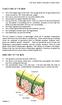 FUNCTIONS OF THE SKIN Skin is the largest organ of the body. The average adult has 18 square feet of skin which account for 16% of the total body weight. Skin acts as a physical barrier for you to the
comfortable healing customizable infection control antimicrobial exudate control evidence conformable biofilm control absorbency tested advanced
 Next generation antimicrobial dressings AQUACEL Ag+ Extra and Ribbon antimicrobial absorbency tested comfortable strength infection control advanced exudate control evidence healing customizable protection
Vacuum-assisted closure (VAC) is a noninvasive, active, closed
 P r o c e d u r e s P r o W O U N D C R E / S U R G E R y Peer Reviewed THE ESSENTIL WOUND CRE SERIES Vacuum-ssisted Wound Closure This is the third installment of The Essential Wound Care Series, which
Let's get physical: Cutimed Sorbact
 Let's get physical: Cutimed Sorbact Staph. aureus (yellow), Pseudomonas aeruginosa (purple), Enterococcus faecalis (blue), Klebsiella spec. (green) and Candida albicans (orange) bound to Cutimed Sorbact
The role of MEDIHONEY in treating acute and chronic wounds of our nation s military
 The role of MEDIHONEY in treating acute and chronic wounds of our nation s military Kara S. Couch, MS, CRNP, CWS Complex Wound and Limb Salvage Center Bethesda, MD Agenda My clinical practice Why MEDIHONEY?
Hydrosorb Comfort. Hydrosorb comfort features its own adhesive film border. 4.5 x 6.5cm HTM900702 Box/5 $ 7.5 x 10cm HTM900706 Box/5.
 202 / HYDROGEL Hydrosorb Hydrosorb is a transparent, solid hydrogel sheet with a semi-permeable outer layer. The dressing provides a moist wound environment for optimal healing. The dressing s 60% water
Urgotul : a novel non-adherent lipidocolloid dressing
 Urgotul : a novel non-adherent lipidocolloid dressing Meaume S, Senet P, Dumas R, Carsin H, Pannier M, Bohbot S British Journal of Nursing August 2002 (Supplement), 11(16) The enclosed peer-reviewed journal
NPUAP PRESSURE ULCER ROOT CAUSE ANALYSIS (RCA) TEMPLATE
 Purpose: The development of a facility acquired pressure ulcer brings with it both a financial impact to an institution and a performance or quality of care impact that may be reportable to state or government
Patient Information Leaflet Anal Fistula operation
 Patient Information Leaflet Anal Fistula operation SM07/04 Anal Fistula operation What is a fistula? An anal fistula is a track between the skin on the outside of the buttock/anal area and the anal canal
NURSING DOCUMENTATION
 NURSING DOCUMENTATION OBJECTIVES 1. The learner will be able to state 2 components of documentation that meet the 2. The learner will be able to identify 4 characteristics of a complete skin assessment
* This policy is under review and is being updated. A revised policy will be added shortly * February 2009. Clinical Development Forum
 * This policy is under review and is being updated. A revised policy will be added shortly * Document Title: PCT Document Ref No.: Local Document Ref No.: Date of Approval: Approved by: Guidance for the
Pressure Ulcer Passport
 Pressure Ulcer Passport Information for patients This is a record of the treatment you are receiving for your pressure ulcer injury. Please bring it with you to all your healthcare appointments. This will
Understand nurse aide skills needed to promote skin integrity.
 Unit B Resident Care Skills Essential Standard NA5.00 Understand nurse aide s role in providing residents hygiene, grooming, and skin care. Indicator Understand nurse aide skills needed to promote skin
How do I evaluate my skin condition? What causes sore skin?
 skin care Taking good care of your peri-stomal skin is of utmost importance. Your skin is the base, on which all of your stoma products will be placed, so it is vital that it is kept in good condition.
HARTMANN Inco System. Incontinence Hygiene
 HARTMANN Inco System Incontinence Hygiene MoliCare Premium Air Active The breathable non-woven side panels, covering the hip area makes the all-in-one incontinence briefs MoliCare Premium Air Active pleasant
Chapter 4 Physiological Therapeutics. 2 Superficial Heat
 Chapter 4 Physiological Therapeutics 2 Superficial Heat Date revised 8/27/03 Superficial Heat PHYSIOLOGICAL EFFECTS OF HEAT APPLICATION 1. Increases blood flow 5. Promotes abnormal ossification 2. Increases
MEDIZINISCHE PUBLIKATIONEN
 Re Print MEDIZIN & PRAXIS Spezial Infected Wounds Has Cutisorb Sorbact proved its practical value as an antibacterial dressing? B. v. Hallern, Copyright 2005 by Verlag für MEDIZINISCHE PUBLIKATIONEN Bernd
7/30/2012. Increased incidence of chronic diseases due
 Dianne Rudolph, DNP, GNP bc, CWOCN Discuss management of wound care in older adults with focus on lower extremity ulcers Identify key aspects of prevention Explain basic principles of wound management
COMPLIANCE WITH THIS DOCUMENT IS MANDATORY
 COVER SHEET NAME OF DOCUMENT TYPE OF DOCUMENT Policy DOCUMENT NUMBER DATE OF PUBLICATION August 2011 RISK RATING Medium Risk LEVEL OF EVIDENCE REVIEW DATE August 2014 FORMER REFERENCE(S) EXECUTIVE SPONSOR
University of Huddersfield Repository
 University of Huddersfield Repository Atkin, Leanne, Stephenson, John and Bateman, Sharon Foam dressings: a review of the literature and evaluation of fluid-handling capacity of four leading foam dressings
Clinical Guideline for: Aseptic Technique
 Clinical Guideline for: Technique Summary This guideline provides the principles of, Non Touch, and Clean Techniques to be implemented in the hospital environment. Key Points The essential elements of
Report a number that is zero filled and right justified. For example, 11 visits should be reported as 011.
 OASIS ITEM (M2200) Therapy Need: In the home health plan of care for the Medicare payment episode for which this assessment will define a case mix group, what is the indicated need for therapy visits (total
BANDAGES AND BANDAGING TECHNIQUES
 BANDAGES AND BANDAGING TECHNIQUES Your role as a veterinary assistant is to understand the theory behind bandaging, as bandaging is the veterinary technician s and the veterinarian s role. You ll need
Anyone who has difficulty moving can get a pressure sore. But you are more likely to get one if you:
 Patient information from the BMJ Group Pressure sores Anyone can get a pressure sore if they sit or lie still for too long without moving. People who are old or very ill are most likely to get them. Careful
Wrist Fracture. Please stick addressograph here
 ORTHOPAEDIC UNIT: 01-293 8687 /01-293 6602 UPMC BEACON CENTRE FOR ORTHOPAEDICS: 01-2937575 PHYSIOTHERAPY DEPARTMENT: 01-2936692 GUIDELINES FOR PATIENTS FOLLOWING WRIST FRACTURE Please stick addressograph
High Impact Intervention Care bundle to reduce ventilation-association pneumonia
 High Impact Intervention Care bundle to reduce ventilation-association pneumonia Aim To reduce the incidence of ventilation-associated pneumonia (VAP). Context The aim of the care bundle, as set out in
PREPARING FOR YOUR STOMA REVERSAL
 PREPARING FOR YOUR STOMA REVERSAL Information Leaflet Your Health. Our Priority. Page 2 of 6 Introduction- What you need to know As part of your bowel operation you may have had a temporary stoma formed.
Varicose Vein Surgery
 Information for patients Varicose Vein Surgery Northern General Hospital You have been diagnosed as having varicose veins and your specialist has recommended varicose vein surgery. This leaflet explains
Prevention and Recognition of Obstetric Fistula Training Package. Module 8: Pre-repair Care and Referral for Women with Obstetric Fistula
 Prevention and Recognition of Obstetric Fistula Training Package Module 8: Pre-repair Care and Referral for Women with Obstetric Fistula Early detection and treatment If a woman has recently survived a
V03 Varicose Veins Surgery
 V03 Varicose Veins Surgery What are varicose veins? Varicose veins are enlarged and twisted veins in the leg. They are common and affect up to 3 in 10 people. More women than men ask for treatment, with
Managing your bladder with a suprapubic catheter at home
 Managing your bladder with a suprapubic catheter at home Gateshead Primary Care Trust South Tyneside Primary Care Trust Sunderland Teaching Primary Care Trust What is a suprapubic catheter? A suprapubic
3M Medical. 3M Cavilon No Sting Barrier Film. Evidence-based, Versatile. Skin Damage Prevention
 Medical Cavilon No Sting Barrier Film Evidence-based, Versatile Skin Damage Prevention Cavilon No Sting Barrier Film Unique Polymer Advantages is a worldwide leader in the science of polymer technology