
Gastrocnemius Recession to Treat Isolated Foot Pain
|
|
|
- Jennifer Ramsey
- 9 years ago
- Views:
Transcription
1 FOOT &ANKLE INTERNATIONAL Copyright 2010 by the American Orthopaedic Foot & Ankle Society DOI: /FAI Gastrocnemius Recession to Treat Isolated Foot Pain John D. Maskill, MD; Donald R. Bohay, MD; John G. Anderson, MD Grand Rapids, MI ABSTRACT Background: Gastrocnemius recession is performed to correct an isolated gastrocnemius equinus contracture of the ankle that may accompany foot and ankle pathology in the adult. It has been proposed that this equinus deformity leads to excessive strain throughout the foot, thus causing pain. This can manifest itself in the form of plantar fasciitis, metatarsalgia, posterior tibial tendon insufficiency, osteoarthritis, and foot ulcers. The purpose of this retrospective study was to review the efficacy of the gastrocnemius recession in providing pain relief for patients who have foot pain without structural abnormality who have failed conservative treatment and have an isolated gastrocnemius contracture. Materials and Methods: Twentynine patients (34 feet) who had chronic foot pain without any structural abnormality other than an isolated gastrocnemius contracture underwent a gastrocnemius recession and were available for follow up at an average of 19.5 (range, 7 to 44) months. The outcome measurements were related to pain relief (Visual Analog Scale) and patient satisfaction. Results: Preoperatively the average pain score was 8/10 which improved postoperatively to 2/10. Twenty-seven patients (93.1%) said they would recommend this procedure for isolated foot pain to a friend. Twenty-seven patients (93.1%) said they were satisfied with the results of the procedure. Twenty-three of 25 patients (92%) who had a unilateral procedure stated they would have the contralateral leg done if needed. Conclusion: Gastrocnemius recession was found to be an effective procedure when used to relieve recalcitrant foot pain in those patients with an isolated gastrocnemius contracture without deformity. Level of Evidence: IV, Retrospective Case Series No benefits in any form have been received or will be received from a commercial party related directly or indirectly to the subject of this article. Corresponding Author: John D. Maskill, MD Orthopaedic Associates of Michigan Foot and Ankle 1111 Leffingwell Ave NE Suite 100 Grand Rapids, MI [email protected] For information on pricings and availability of reprints, call , x232. Key Words: Gastrocnemius Recession; Strayer; Plantar Fasciitis; Equinus; Pain INTRODUCTION Equinus contractures of the foot have been shown to result in increased loads placed through the forefoot during gait. 1 5,7 9,13 15,17 19,26,29,33 Equinus contractures have thus been thought to be a possible etiology for various chronic foot problems such as diabetic foot ulcers, 1,2,5,13,22,26 28,37,40 metatarsalgia, 11,13,22,37 hallux valgus, 11,13,22,37 posterior tibial tendon insufficiency, 2,11,13,20, 22,23,37 and plantar fasciitis. 13,22,26 Over the years, two types of equinus contractures have been identified: a global contracture of the combined gastrocsoleus complex, or a contracture that is more subtle and isolated to the gastrocnemius muscle. 2,11,20,38,39 Conservative measures for the management of such contractures associated with these diagnoses primarily involve stretching the leg musculature. Studies have shown effectiveness in stretching and increasing the range of motion of the ankle. 9,34 However, some data imply that the gastrocsoleus complex cannot be stretched. 18 The authors suggest that the act of triceps surae stretching does not actually lengthen anything in the superficial posterior compartment, but instead effectively prevents further contracture and may result in the stretching of weaker, less resistant structures, such as the plantar tendons, ligaments, fascia and capsules. Since the Achilles tendon can only stretch 3% to 5%, 11 it is the gastrocnemius-soleus contracture that must be addressed. Surgical management for this condition began two centuries ago. Delpech, 3 in the early 1800 s, described the first tendoachilles lengthening for the treatment of spasticity and its untoward effects on the foot. Vulpius 43 and Stoffel in 1913, and Strayer 39 in 1950 discussed the management of the spastic gastrocsoleus complex with either a tendoachilles lengthening or a gastrocnemius recession. The recession was reserved for those with an isolated gastrocnemius contracture. To help differentiate these two conditions, the Silverskiold test 38 was introduced. The literature initially discussed the association of various foot pathologies such as Achilles tendonitis, 22 plantar 19

2 20 MASKILL ET AL. Foot & Ankle International/Vol. 31, No. 1/January 2010 fasciitis, 22,26 metatarsalgia, 13,22,37 and recurrent diabetic foot ulcers 5 with equinus contractures. It discussed performing a gastrocnemius recession in those patients with findings of the previously named conditions with a concomitant, more subtle, isolated contracture. However, these reports were observational and anecdotal. 5,13,22,26,37 Tendoachilles lengthening has been found to be appropriate for those with a significant Achilles contracture. However, it is fraught with its own complications and risks such as overlengthening, painful Achilles tendinosis, rupture, loss of strength, and prolonged time to weightbearing. 1,10,19,25,28 The gastrocnemius recession was revisited in the orthopaedic literature in The anatomy of the gastrocsoleus complex and its relationship to the sural nerve was noted and the technique further modified, minimizing the morbidity. 33,36 Gastrocnemius recession is performed to correct an isolated gastrocnemius equinus contracture of the ankle that may accompany foot and ankle pathology in the adult. 2,12,17,19,21,35,36,41 It has been proposed that this equinus deformity leads to excessive pressure and overload throughout the foot thus causing pain and deformity. 1,2,5,7,12,17,26 28, 31,37,40 Manifestations can be in the form of plantar fasciitis, metatarsalgia, posterior tibial tendon insufficiency, osteoarthritis, and foot ulcers. The purpose of this retrospective study was to review the efficacy of the gastrocnemius recession in providing pain relief for patients who have failed conservative treatment for chronic foot pain and have an isolated gastrocnemius contracture without structural abnormality consistent with their pain and complaint. MATERIALS AND METHODS IRB approval was obtained prior to collection of data. A retrospective study was performed from June 2002 to June The patients had all undergone an isolated gastrocnemius recession for chronic foot pain. Six months of followup was chosen as a minimum to allow for wound healing and muscle rehabilitation. All procedures were performed by one of two senior authors (JGA, DRB). The same technique was utilized. The inclusion criteria were the following: 1) All patients had the diagnosis of foot pain without any structural abnormality. 2) All patients had a preoperative diagnosis of an isolated gastrocnemius contracture, as verified by the Silverskiold test. The definition of contracture was an inability to dorsiflex at the ankle greater than neutral with the knee in extension. 3) All patients had conservative measures for at least 6 months, which included NSAIDs, orthotics, stretching and/or physical therapy. 4) All patients had no other concomitant procedures performed. The exclusion criteria were the following: 1) Any patient that exhibited a foot deformity (i.e. varus, valgus, cavus, planus, etc.) 2) Any diabetic patient with non-healing ulcers. 3) All patients without an intake VAS (visual analogue scale) for postoperative comparison. There were 1,175 total gastrocnemius recessions performed in 3 years. However, only 52 isolated gastrocnemius recessions were noted. Thirty-eight patients (43 procedures) were eligible for the study. Eight patients were unable to be contacted. One patient was known to be deceased. This left 29 patients (34 feet) involved in the study. Eight of twenty-nine patients were men (27.6%) and 21 patients were women (72.4%). Five patients had bilateral procedures. Of those with unilateral procedures, 11 were right-sided, and 13 were left-sided. All patients were diagnosed with foot pain. Specifically, this included 25 feet with a diagnosis of plantar fasciitis, six feet with metatarsalgia, and three feet with arch pain. Of the 29 patients studied, three (10.3%) had undergone previous trauma to the involved limb (two involved in MVA s with resultant foot/ankle injury and one fell off a horse sustaining a calcaneus fracture). Five (17.2%) patients had undergone prior foot/ankle surgery. All patients underwent a gastrocnemius recession. This was performed at the musculotendinous junction. Posteriorly, the sural nerve was protected, as was the soleus muscle anteriorly. The fascia was left open and the skin was closed with 3-0 monocryl and staples. The postoperative protocol was the same between surgeons. The patients were placed into a pneumatic walking boot for 2 weeks. The patients were all made weightbearing as tolerated. They were all followed up at 2 weeks for a wound check. They were subsequently placed into a shoe, given a home exercise-stretching program to maintain their range of motion, and followed up again at 12 weeks. Overall clinical followup averaged 28.1 (range, 6 to 96) weeks. Upon contacting the patients via mail, the average followup was 19.5 (range, 7 to 44) months. All patients were asked to complete a postoperative VAS. In addition, they were asked to fill out a questionnaire. These questions included; whether or not they were satisfied with the procedure with regard to pain relief; if they were on current pain medications for pain and if so, was it related to the surgery; if they would recommend the procedure to a friend; and if those who had only undergone a unilateral procedure would have the other side done if indicated. An independent party (DAC) evaluated the questionnaire. The primary outcome variable for this study was the Visual Analog Scale (preoperative and postoperative). A Wilcoxon s signed rank test was performed to identify the significance of

3 Foot & Ankle International/Vol. 31, No. 1/January 2010 GASTROCNEMIUS RECESSION 21 the difference in pain preoperatively and postoperatively with statistical significance set at p Descriptive statistics were used for the demographic variables. RESULTS Preoperatively the 29 patients (34 feet) reviewed rated their pain at an average of 8/10 (range, 3 to 10). Postoperatively the average pain score was 2/10 (range, 0 to 8) (p = ). The patient who ranked her VAS an eight had had a previous plantar fascia release that had failed 2 years prior to her surgery. In addition to postoperative pain at the plantarmedial tubercle, she had significant incisional pain from her previous plantar fascia release. She had undergone physical therapy for desensitization prior to her gastrocnemius recession, but it did not improve her symptoms. After the patient had undergone her gastrocnemius recession, her deep pain at the plantarmedial tubercle was gone completely, however her incisional pain persisted. Upon completing the VAS, she mentioned her plantar fascial release incision hurt at an eight but the deep pain associated with her plantar fascia was at a zero. The group was broken down by diagnosis and evaluated individually (Figure 1). The plantar fasciitis and metatarsalgia groups showed a significant difference in preoperative and postoperative pain scores. The arch pain group showed a trend toward improvement after the procedure, however, there were too few patients in the group to obtain significance. On physical examination at their final clinical followup (average, 28.1 weeks), there was maintenance of normal foot alignment and a normal arch. Clinically, there was no evidence of collapse. Twenty-seven of 29 patients (93.1%) said they would recommend this procedure for isolated foot pain to a friend. Twenty-seven (93.1%) patients said they were satisfied with the results of the procedure. One of the two patients not satisfied said his pain did not improve, remaining a 6/10 as it was preoperatively. The other patient who was not completely satisfied did note that at the time of her interview that her pain was at a level of 1/10 and had improved from a preoperative level of 9/10. Her dissatisfaction resulted from a postoperative deep vein thrombosis that evolved to a pulmonary embolus. She was happy with the pain relief, and expressed a desire to have the same surgery on her other leg except for the fact that she was too frightened by the thought of having another DVT. This patient was morbidly obese, but had no other risk factors for DVT. Twenty-three of 25 patients (92%) who underwent a unilateral procedure stated they would have the contralateral leg done if needed. The other patient, besides the one mentioned previously, who was unsure whether or not they would have the contralateral calf done noted that his pain preoperatively was 6/10 that was reduced to 3/10. Eight of 29 patients (27.5%) noted on their questionnaire they still required pain medication, but only two (6.7%) of these patients were on narcotics. Both patients stated the pain medication was for pain unrelated to this surgery. There were no sural nerve injuries documented. There were no wound problems noted in any patient. All healed uneventfully. No patient expressed dissatisfaction as a result of calf weakness or from the scar. DISCUSSION The gastrocnemius recession has been an efficacious procedure used to treat the pediatric spastic lower extremity. 4, 8,14,39,43 The concept that an isolated gastrocnemius muscle contracture could result in painful conditions of the foot and ankle is not new. However, the literature is sparse. The idea was originally noted by Morton 17 in 1935 and then reintroduced by McGlamry 29 in DiGiovanni 11 et al. noted in his prospective study comparing patients with midfoot and forefoot pathology to an asymptomatic control group that isolated gastrocnemius Fig. 1: Pain relief broken down by diagnosis., shows significant differences between preoperative and postoperative pain with p < 0.05 (Plantar Fasciitis, p < ; Metatarsalgia, p < 0.03; Arch Pain, p = 0.11).

4 22 MASKILL ET AL. Foot & Ankle International/Vol. 31, No. 1/January 2010 contracture is associated with pain and pathology in the nonneuromuscular population. Eighty-eight percent of patients in the group with midfoot and forefoot pain were noted to have gastrocnemius contractures defined as less than 10 degrees of dorsiflexion with the knee in extension (Silverskiold test 38 ). As research has enlightened us in this area, contracture of the gastrocnemius has been found to alter the biomechanics of the foot causing overload. 2,7,11,17,31,42 This overload has been thought to initially cause symptoms such as metatarsalgia, plantar fasciitis, and arch pain as subsequent strain is placed on the plantar fascia and other supporting structures. As time goes on, deformity is thought to occur. To this point, the authors believe that an equinus contracture could relate to arch collapse starting first with foot symptoms only and no deformity (a pre-collapse state), progressing to symptoms and deformity in the forefoot, midfoot, then hindfoot. The patients in this study would thus be categorized as having symptoms with no deformity (Type I arch collapse). With this hypothesis in mind, a gastrocnemius recession for these patients addresses the primary pathology. However, more carefully controlled outcome studies need to be done to definitively prove this relationship. The tendoachilles lengthening procedure has been used as a tool to relieve pressure on the foot, specifically with diabetic foot ulcers and significant foot deformity. 1,2,17,19,25, 28,37 Multiple authors have supported this anecdotally. 5,13,22, 23,26,37 Sammarco et al. 36 looked at patients who had undergone a gastrocnemius recession with numerous other concomitant procedures. Strength testing two years postoperatively showed increasing strength over an 18 month period to 82% strength relative to the unoperated contralateral limb supporting the idea that a recession may not sacrifice significant strength. Other complications associated with tendoachilles lengthening, such as Achilles rupture, overlengthening, or prolonged postoperative course, are not known risks for a gastrocnemius recession. The biggest risk associated with this procedure is injury to the sural nerve and to a lesser extent skin dimpling and weakness. 33,35,36 If appropriately observed and retracted, damage to the sural nerve should be minimized. There were no injuries to the sural nerve in any of these study patients. This is a controversial topic with a paucity of supporting literature. However, the study demonstrates the idea that the cause of the pain in the foot may not be in the foot, but rather in the calf. The gastrocnemius recession in this study population revealed a very high level of patient satisfaction, and showed acceptable effectiveness in relieving plantar fasciitis and metatarsalgia in patients without deformity. To our knowledge this relationship has not been demonstrated previously. The same trend is noted with generalized arch pain, however, the numbers in this study were too low to show significance. CONCLUSION A gastrocnemius recession appears to be a safe and effective treatment for chronic foot pain in patients with an isolated gastrocnemius contracture without deformity. We believe it to be a very useful adjunct in those patients who have failed conservative measures. EDITOR S NOTE This concept is both intriguing and controversial. Debates have been held at our AOFAS meetings regarding the relationship of the tight gastrocnemius to various foot pathologies. Generally, it has seemed that those discussing the topic have been all-or-none speakers. Clearly, the two senior authors are impressed with their results resulting from a gastrocnemius recession as their numbers show that they have done an average of about 200 of them each per year. I am a believer in that I perform the procedure but certainly not at the same rate. Prospective, randomized studies would certainly help to better define the patient populations that would benefit most from this procedure. REFERENCES 1. Armstrong, DG; Stacpoole-Shea, S; Nguyen, H; Harkless, LB: Lengthening of the Achilles tendon in diabetic patients who are at high risk for ulceration of the foot. J Bone Joint Surg, 81-A:535 38, Aronow, M; Diaz-Doran, V; Sullivan, RJ; Adams, DJ: The Effect of Triceps Surae Contracture Force on Plantar Foot Pressure Distribution. Foot Ankle Int. 27(1):43 52, Baker, LD: A rational approach to the surgical needs of the cerebral palsy patient. J Bone Joint Surg. 38A: , Banks, HH; Green, WT: The correction of equinus deformity in cerebral palsy. J Bone Joint Surg. 40A: , Barry, DC; Sabacinski, KA; Habershaw, GM; Giurini, JM; Chrzan, JS: Tendo Achilles procedures for chronic ulcerations with transmetatarsal amputations. J Am Podiatr. Med Assoc. 83: , Beals, T; Pomeroy, GC; Manoli, A: Posterior tibial tendon insufficiency: diagnosis and treatment. J Am Acad Orthop Surg. 7(2): , Cheung, JT; Zhang, M; An, KN: Effect of Achilles tendon loading on plantar fascia tension in the standing foot. Clin Biomech (Bristol Avon). Feb; 21(2): , a. Coetzee, JC; Hurwitz, SR: Arthritis and Arthroplasty; the Foot and Ankle. Saunders/Elsevier. pp ; Craig, JJ; Van Vuren, J: The importance of gastrocnemius recession in the correction of equinus deformity in cerebral palsy. J Bone Joint Surg BR. 58(1):84 7, Davis, PF; Severud, E; Baxter, DE: Painful heel syndrome: results of nonoperative treatment. Foot Ankle Int. 15(10):531 5, Delp, SL; Statler, K; Carroll, NC: Preserving plantarflexion strength after surgical treatment for contracture of the triceps surae: A computer simulation study. J. Ortho Res., 13:96 104, DiGiovanni, CW; Kuo, R; Tejwani, N; et al.: Isolated gastrocnemius tightness in patients without neurological impairment. J. Bone Joint Surg. 84-A:962 70, DiGiovanni, CW; Langer, P: The Role of Isolated Gastrocnemius and Combined Achilles Contractures in the Flatfoot. Foot Ankle Clin N Am. 12: , 2007.

5 Foot & Ankle International/Vol. 31, No. 1/January 2010 GASTROCNEMIUS RECESSION Downey, MS; Banks, AS: Gastrocnemius recession in the treatment of nonspastic ankle equinus; a retrospective study. J Am Podiatr Med Assoc. 79: , Fulford, G: Surgical management of foot and ankle deformities in cerebral palsy. Clin. Orthop. 253:55 61, Fulp, MJ; McGlamry, ED: Gastrocnemius tendon recession. Tongue in groove procedure to lengthen gastrocnemius tendon. J Am Podiatry Assoc. 64:163 71, Funk, DA; Cass, JR; Johnson, KA: Acquired adult flat foot secondary to posterior tibial tendon pathology. J Bone Joint Surg Am. 68:95 102, Gentchos, CE; Bohay, DR; Anderson, JG: Gastrocnemius Recession as Treatment for Refractory Achilles Tendinopathy: A Case Report. Foot Ankle Int. 29(6):620 3, Grady, JF; Saxena, A: Effects of stretching the gastrocnemius muscle. J Foot Surg. 30:465 9, Hansen, ST: Functional Reconstruction of the Foot and Ankle. Philadelphia, PA, Lippincott, Williams & Wilkins, 17 32, Harris, RI; Beath, T: Hypermobile flat-foot with short tendo Achilles. J Bone Joint Surg. 30-A: , Herzenberg, JE; Lamm, BM; Corwin, C; Sekel, J: Isolated Recession of the Gatrocnemius Muscle: The Baumann Procedure. Foot Ankle Int. 28(11): , Hill, RS: Ankle Equinus. Prevalence and linkage to common foot pathology. J Am Podiatr Med Assoc. 85: , Hoke, M: An operation for the correction of extremely relaxed flat feet. J Bone Joint Surg Am. 13: , Johnson, KA: Tibialis posterior tendon rupture. Clin Orthop Relat Res. 177: , Kaspar, SS: Effect of Achilles tendon lengthening on neuropathic plantar ulcers. J Bone Joint Surg Am. 86-A(4);870, Lavery, LA; Armstrong, DG; Boulton, AJ: Ankle equinus deformity and its relationship to high plantar pressure in a large population with diabetes mellitus. J Am Podiatr Med Assoc. 92; , Lin, SS; Lee, TH; Wapner, KL: Plantar forefoot ulceration with equinus deformity of the ankle in diabetic patients. The effect of tendo-achilles lengthening and total contact casting. Orthopedics , Maluf, KS; Mueller, MJ; Strube, MJ; Engsberg, JR; Johnson, JE: Tendon Achilles lengthening for the treatment of neuropathic ulcers causes a temporary reduction in forefoot pressure associated with changes in plantar flexion power rather than ankle motion during gait. J Biomech. 37(6): , McGlamry, ED; Kitting, RW: Aquinus foot. An analysis of the etiology, pathology and treatment techniques. J. Am. Podiatry Assoc. 5:165 84, Meehan, RE; Brage, M: Adult acquired flat foot deformity: clinical and radiographic examination. Foot Ankle Clin. 8(3): , Perez, HR: Equinus deformity as a factor in forefoot nerve entrapment. J Am Podiatr Med Assoc. 97(2):171, Pinney, SJ; Hansen, ST; Sangeorzan, JB: The effect on ankle dorsiflexion of gastrocnemius recession. Foot Ankle Int. 23(1): 26 9, Pinney, SJ; Sangeorzan, BJ; Hansen, ST: Surgical anatomy of the gastrocnemius recession (Strayer procedure). Foot Ankle Int, 25: , Porter, D; Barrill, E; Oneacre, K; May, BD: The effects of duration and frequency of Achilles tendon stretching on dorsiflexion and outcome in painful heel syndrome: a randomized, blinded control study. Foot Ankle Int. 23(7):619 24, Rush, S; Ford, LA; Hamilton, Ga: Morbidity Associated With High Gastrocnemius Recession: Retrospective Review 126 Cases. J Foot Ankle Surg. 45(3);156 60, Sammarco, GJ; Mahesh, RB; Sammarco, VJ; Magur, EG: The Effects of Unilateral Gastroc Recession. Foot Ankle Int. 7:508 11, Sgarlato, TE; Morgan, J; Shane, HS; Frenkenberg, A: Tendo Achilles lengthening and its effect on foot disorders. J Am Podiatr Med Assoc. 65; , Silverskiold, N: Reduction of the uncrossed two-joint muscles of the leg to one-joint muscles in spastic conditions. Acta Chir. Scand. 56:315 30, Strayer, LM: Recession of the gastrocnemius. An operation to relieve spastic contracture of the calf muscles. J. Bone Joint Surg. 32- A:671 76, Subotnick, SL: Equinus Deformity as it affects the Forefoot. J. Am. Podiatry Assoc. 61(11):423 7, Tashjian, RZ; Appel, AJ; Banerjee, R; DiGiovanni, CW: Endoscopic Gastrocnemius Recession: Evaluation in a Cadaver Model; Foot Ankle Int. 24: , Thordarson, DB; Schmotzer, H; Chon, J: Dynamic support of the human longitudinal arch. A biomechanical evaluation. Clin Orthop Relat Res. 316: , Vulpius, O; Stoeffel, A: Tenotmie der end schnen dermm. Gastrocnemius el soleus mittels rutschenlassens nach Vulpius. In: Orthopaedische Operationslehre, Ferdinard Enke, Stuttgart, pp , 1913.

Chamnanni Rungprai, M.D.
 Outcomes of single versus multi-level Gastrosoleus or Achilles tendon lengthening Techniques: A Comparative Study 1,2 Chamnanni Rungprai, M.D. Co-authors 1 Christopher Cyclosz, M.D. 1 Phinit Phisitkul,
MODIFIED STRAYER GASTROCNEMIUS RECESSION: A Technique Guide for the Supine Positioned Patient
 C H A P T E R 4 5 MODIFIED STRAYER GASTROCNEMIUS RECESSION: A Technique Guide for the Supine Positioned Patient M. Jay Groves, IV, DPM Gastrosoleal equinus is a common deforming force on the foot and ankle.
Podo Pediatrics Identifying Biomechanical Pathologies
 Podo Pediatrics Identifying Biomechanical Pathologies David Lee, D.P.M., D. A.B.P.S. Purpose Identification of mechanical foot and ankle conditions Base treatments Knowing when to refer to a podiatrist
PHYSICAL EXAMINATION OF THE FOOT AND ANKLE
 PHYSICAL EXAMINATION OF THE FOOT AND ANKLE Presenter Dr. Richard Coughlin AOFAS Lecture Series OBJECTIVES 1. ASSESS 2. DIAGNOSE 3. TREAT HISTORY TAKING Take a HISTORY What is the patient s chief complaint?
Plantar fascia. Plantar Fasciitis (pain in the heel of the foot)
 ! Plantar fascia Plantar Fasciitis (pain in the heel of the foot) Plantar Fasciitis is the most common foot problem seen in runners and is often associated with an increase in running mileage. Typically
.org. Posterior Tibial Tendon Dysfunction. Anatomy. Cause. Symptoms
 Posterior Tibial Tendon Dysfunction Page ( 1 ) Posterior tibial tendon dysfunction is one of the most common problems of the foot and ankle. It occurs when the posterior tibial tendon becomes inflamed
EQUINUS DEFORMITY IN CEREBRAL PALSY. A Comparison between Elongation of the Tendo Calcaneus and Gastrocnemius Recession
 EQUINUS DEFORMITY IN CEREBRAL PALSY A Comparison between Elongation of the Tendo Calcaneus and Gastrocnemius Recession W. J. W. SHARRARD and S. BERNSTEIN,* SHEFFIELD, ENGLAND From the Children s Hospital,
Lower Extremity Orthopedic Surgery in Cerebral Palsy. Hank Chambers, MD Rady Children s Hospital - San Diego
 Lower Extremity Orthopedic Surgery in Cerebral Palsy Hank Chambers, MD Rady Children s Hospital - San Diego Indications Fixed contracture Joint dislocations Shoe wear problems Pain Perineal hygiene problems
Calcaneus (Heel Bone) Fractures
 Copyright 2010 American Academy of Orthopaedic Surgeons Calcaneus (Heel Bone) Fractures Fractures of the heel bone, or calcaneus, can be disabling injuries. They most often occur during high-energy collisions
.org. Plantar Fasciitis and Bone Spurs. Anatomy. Cause
 Plantar Fasciitis and Bone Spurs Page ( 1 ) Plantar fasciitis (fashee-eye-tiss) is the most common cause of pain on the bottom of the heel. Approximately 2 million patients are treated for this condition
FORGET ME NOT: The Triple Arthrodesis
 C H A P T E R 1 5 FORGET ME NOT: The Triple Arthrodesis Andrea D. Cass, DPM INTRODUCTION The triple arthrodesis is a procedure that is performed much less commonly for the same conditions as it was 20
Outline. The Agony of the Foot: Disclosure. Plantar Fasciitis. Top 5 Foot and Ankle Problems in Primary Care. Daniel Thuillier, M.D.
 The Agony of the Foot: Top 5 Foot and Ankle Problems in Primary Care Daniel Thuillier, M.D. Assistant Professor of Clinical Orthopaedics University of California San Francisco Plantar Fasciitis Achilles
Heel Pain: Heal! Amie C. Scantlin, DPM, MS, FACFAS Glencoe Regional Health Services (320) 864-3121 ext. 1933
 Heel Pain: Heal! Amie C. Scantlin, DPM, MS, FACFAS Glencoe Regional Health Services (320) 864-3121 ext. 1933 www.grhsonline.org Important Notice The information contained in this document is for informational
Plantar Fascia Release
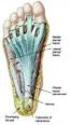 Plantar Fascia Release Introduction Plantar fasciitis is a common condition that causes pain around the heel. It may be severe enough to affect regular activities. If other treatments are unsuccessful,
ADVANCEMENTS IN PLANTAR FASCIA SURGERY
 C H A P T E R 3 3 ADVANCEMENTS IN PLANTAR FASCIA SURGERY James L. Bouchard, DPM Andrea Cass, DPM INTRODUCTION It has been estimated that 90% of patients with plantar fasciitis and heel spur syndrome get
Predislocation syndrome
 Predislocation syndrome Sky Ridge Medical Center, Aspen Building Pre-dislocation syndrome, capsulitis, and metatarsalgia are all similar problems usually at the ball of the foot near the second and third
Plantar fasciitis is a common foot problem that occurs in 10%
 Review Article Plantar Fasciitis Heel Pain: Part 1 a Practical Management Plantar fasciitis is a common foot problem that occurs in 10% of the population. 1,2 The most involved age group is 40-50 3,4 Actually,
Position Statement: The Use of Total Ankle Replacement for the Treatment of Arthritic Conditions of the Ankle
 Position Statement: The Use of Total Ankle Replacement for the Treatment of Arthritic Conditions of the Ankle Position Statement The (AOFAS) endorses the use of total ankle replacement surgery for treatment
Endoscopic Plantar Fasciotomy
 Endoscopic Plantar Fasciotomy Introduction Plantar fasciitis is a common condition that causes pain centralized around the heel. It may be severe enough to affect regular activities. Health care providers
The goals of surgery in ambulatory children with cerebral
 ORIGINAL ARTICLE Changes in Pelvic Rotation After Soft Tissue and Bony Surgery in Ambulatory Children With Cerebral Palsy Robert M. Kay, MD,* Susan Rethlefsen, PT,* Marty Reed, MD, K. Patrick Do, BS,*
PLANTAR FASCITIS (Heel Spur Syndrome)
 PLANTAR FASCITIS (Heel Spur Syndrome) R. Amadeus Mason MD Description Plantar fascitis is characterized by stiffness and inflammation of the main fascia (fibrous connective [ligament-like] tissue) on the
Heel Pain Syndromes DELLON INSTITUTES FOR PERIPHERAL NERVE SURGERY
 Heel Pain s 5 3333 N CALVERT ST, SUITE 370, BALTIMORE, MD 21218 T410 467 5400 F410 366 9826 delloninstitutes.com your complaints are Pain, numbness or burning in your heel. The timing of this pain and
Treatment of Spastic Foot Deformities
 Penn Comprehensive Neuroscience Center Treatment of Spastic Foot Deformities Penn Neuro-Orthopaedics Service 1 Table of Contents Overview Overview 1 Treatment 2 Procedures 4 Achilles Tendon Lengthening
COMPLICATIONS OF PLANTAR FASCIA RELEASE
 C H A P T E R 8 COMPLICATIONS OF PLANTAR FASCIA RELEASE Michelle L. Butterworth, DPM INTRODUCTION Heel pain is one of the most common disorders that foot and ankle surgeons treat. Investigators have stated
Clinical Analysis of Foot Problems
 Clinical Analysis of Foot Problems by Karen S. Seale, M.D. Introduction Orthotists are vital members of the foot care team. Their expertise and special interests in materials and biomechanics add a unique
Posterior Tibialis Tendon Dysfunction (PTTD)
 Patient information leaflet Royal Surrey County Hospital NHS Foundation Trust Posterior Tibialis Tendon Dysfunction (PTTD) Physiotherapy This leaflet has been designed to provide information about the
.org. Lisfranc (Midfoot) Injury. Anatomy. Description
 Lisfranc (Midfoot) Injury Page ( 1 ) Lisfranc (midfoot) injuries result if bones in the midfoot are broken or ligaments that support the midfoot are torn. The severity of the injury can vary from simple
Plantar Fasciitis. Plantar Fascia
 Plantar Fasciitis Introduction Plantar fasciitis is an inflammation of the thick band of tissue that connects your heel bone to your toes. This thick band of tissue is called the plantar fascia. Plantar
Plantar Heel Pain. By: Kevin Kleiner, M.B.S. New York College of Podiatric Medicine
 Plantar Heel Pain By: Kevin Kleiner, M.B.S. New York College of Podiatric Medicine Plantar Heel Pain: - Many Etiologies but few solutions Plantar heel pain more specifically: Heel pain felt in ones rear-foot
The Five Most Common Pathomechanical Foot Types (Rearfoot varus, forefoot varus, equinus, plantarflexed first ray, forefoot valgus)
 The Five Most Common Pathomechanical Foot Types (Rearfoot varus, forefoot varus, equinus, plantarflexed first ray, forefoot valgus) Pathomechanical foot types usually refer to structural deformities that
Objectives Learn the anatomy of the foot. Identify key terms associated with plantar fasciitis. Determine the causes of plantar fasciitis and understa
 Plantar Fasciitis Objectives Learn the anatomy of the foot. Identify key terms associated with plantar fasciitis. Determine the causes of plantar fasciitis and understand why it occurs. Recognize the injury
Posttraumatic medial ankle instability
 Posttraumatic medial ankle instability Alexej Barg, Markus Knupp, Beat Hintermann Orthopaedic Department University Hospital of Basel, Switzerland Clinic of Orthopaedic Surgery, Kantonsspital Baselland
Physician Assistant Post Graduate Orthopaedic Surgery Fellowship Program. Watauga Orthopaedics
 Physician Assistant Post Graduate Orthopaedic Surgery Fellowship Program Watauga Orthopaedics Physician Assistant Post-Graduate Fellowship Program in Orthopaedic Surgery Required Texts: 1. Backache Macnab,
UNILATERAL VS. BILATERAL FIRST RAY SURGERY: A PROSPECTIVE STUDY OF 186 CONSECUTIVE CASES COMPLICATIONS, PATIENT SATISFACTION, AND COST TO SOCIETY
 UNILATERAL VS. BILATERAL FIRST RAY SURGERY: A PROSPECTIVE STUDY OF 186 CONSECUTIVE CASES COMPLICATIONS, PATIENT SATISFACTION, AND COST TO SOCIETY Robert Fridman DPM, Jarrett Cain DPM, Lowell Weil Jr. DPM,
Evaluate the hindfoot alignment after total knee arthroplasty; new radiographic view of the hindfoot.
 Evaluate the hindfoot alignment after total knee arthroplasty; new radiographic view of the hindfoot. Yusuke Hara, Kazuya Ikoma, Yuji Arai, Koji Nagasawa, Suzuyo Ohashi, Kan Imai, Masamitsu Kido, Toshikazu
Therapeutic shoes (for individuals with diabetes) and foot (in-shoe) orthotics are reimbursable under Plans administered by QualCare, Inc.
 Subject: Foot Orthotics and Diabetic Shoes* Effective Date: October 1, 1999 Department(s): Utilization Management Policy: Objective: Procedure: Therapeutic shoes (for individuals with diabetes) and foot
Dr Rick Robinson, DPM Director of Podiatric Services USPHS Hospital at Whiteriver, AZ 2015 IHS National Combined Council Winter Meeting Friday,
 Dr Rick Robinson, DPM Director of Podiatric Services USPHS Hospital at Whiteriver, AZ 2015 IHS National Combined Council Winter Meeting Friday, January 30, 2015 1 We are all athletes, the difference is
Heel pain and Plantar fasciitis
 A patient s guide Heel pain and Plantar fasciitis Fred Robinson BSc FRCS FRCS(orth) Consultant Trauma & Orthopaedic Surgeon Alex Wee BSc FRCS(orth) Consultant Trauma & Orthopaedic Surgeon. What causes
Treatment of Recalcitrant Intermetatarsal Neuroma With 4% Sclerosing Alcohol Injection: A Pilot Study
 Treatment of Recalcitrant Intermetatarsal Neuroma With 4% Sclerosing Alcohol Injection: A Pilot Study Christopher F. Hyer, DPM,' Lynette R. Mehl, DPM,2 Alan J. Block, DPM, MS, FACFAS,3 and Robert B. Vancourt,
ORTHOPAEDIC SURGERY FOR THE LOWER LIMBS IN CHILDREN WITH CEREBRAL PALSY
 ORTHOPAEDIC SURGERY FOR THE LOWER LIMBS IN CHILDREN WITH CEREBRAL PALSY Robert M. Kay, M.D. Vice Chief, Children s Orthopaedic Center Children s Hospital Los Angeles Professor, Orthopaedic Surgery Keck-
Page 2 of 6 plantar fascia. This is called the windlass mechanism. Later, we'll discuss how this mechanism is used to treat plantar fasciitis with str
 Page 1 of 6 Plantar Fasciitis (Heel Pain) Plantar fasciitis is a painful condition affecting the bottom of the foot. It is a common cause of heel pain and is sometimes called a heel spur. Plantar fasciitis
Lower Back Spinal Fusion & Exercise
 & Exercise with Rick Kaselj, MS More FREE Information on Exercise & Injuries $299 Fitness Education Returning the Shoulder Back to Optimal Function Seminar Exercise Modification for the Sensitive Shoulder
RX: Custom Thermoplastic AFO Compliance Documentation
 RX: Custom Thermoplastic AFO Compliance Documentation Doctor Name: Phone: Patient Name: HICN: DOB: Indicate Quality ARIZONA THERMOPLASTIC ARTICULATED AFO, DORSI-ASSIST CROW L4631 A bivalved custom molded
Integra. Subtalar MBA Implant
 Integra Subtalar MBA Implant Patient EDUCATION Overview: What is Flatfoot? Flatfoot is a physical deformity where there is an absence of the arch that runs from the heel of the foot to the toes. A common
WALKING BOOTS WALKING BOOTS. AFO s: Provider vs Prescriber? Provider. Prescriber
 Douglas H. Richie, Jr., D.P.M. 550 Pacific Coast Highway Suite 209 Seal Beach, California 90740 562.493.2451 phone 562.596.3157 fax [email protected] WALKING BOOTS Definitions: L 4360 (defined by HCPS):
.org. Achilles Tendinitis. Description. Cause. Achilles tendinitis is a common condition that causes pain along the back of the leg near the heel.
 Achilles Tendinitis Page ( 1 ) Achilles tendinitis is a common condition that causes pain along the back of the leg near the heel. The Achilles tendon is the largest tendon in the body. It connects your
Flat foot and lower back pain
 Flat foot and lower back pain Dr James Tang, MBA, BDS, LDS RCS General Dental Practitioner, NASM Corrective Exercise Specialist with special interest in postural dysfunction & lower back problems, Level
Common Foot & Ankle Sports Injuries
 Common Foot & Ankle Sports Injuries Symptoms Related to Abnormal Foot Biomechanics & their Differential Diagnosis Daniel Pang BSc (Hon) P&O, Cped Certified Pedorthist (USA) Only 10% of foot having structure
RUNNING INJURIES: PREVENTION AND REHABILITATION
 RUNNING INJURIES: PREVENTION AND REHABILITATION Topics of Tonight s s Lecture Common Injuries and Treatments Causes of Common Injuries Measures to Avoid Injury Most Common Running Injuries Plantar Fascitis
ORIGINAL ARTICLE. EXCISION OF RETROCALCANEAL SPUR BY A LATERAL APPROACH FOR RELIEF OF HEEL PAIN. Nandivada V.S. Kiran Kumar
 EXCISION OF RETROCALCANEAL SPUR BY A LATERAL APPROACH FOR RELIEF OF HEEL PAIN. Nandivada V.S. Kiran Kumar 1. Assistant Professor. Department of Orthopaedics, King George Hospital. Visakhapatnam. CORRESPONDING
Rheumatoid Arthritis of the Foot and Ankle
 Copyright 2011 American Academy of Orthopaedic Surgeons Rheumatoid Arthritis of the Foot and Ankle Rheumatoid arthritis is a chronic disease that attacks multiple joints throughout the body. It most often
Imaging of Lisfranc Injury
 November 2011 Imaging of Lisfranc Injury Greg Cvetanovich, Harvard Medical School Year IV Agenda Case Presentation Introduction Anatomy Lisfranc Injury Classification Imaging Treatment 2 Case Presentation
Deformities. Assessment of Foot. The majority of foot deformities occur in otherwise healthy infants. However most generalized.
 Assessment of Foot Deformities in the Infant By Maureen Baxter, MDCM, FRCS The majority of foot deformities occur in otherwise healthy infants. However most generalized neurologic disorders (spina bifida,
Rehabilitation Guidelines for Achilles Tendon Repair
 UW HEALTH SPORTS REHABILITATION Rehabilitation Guidelines for Achilles Tendon Repair The Achilles tendon is the strongest and thickest tendon in the body. It attaches the calf muscles (soleus and gastrocnemius)
A Patient s Guide to Plantar Fasciitis. Foot and Ankle Center of Massachusetts, P.C.
 A Patient s Guide to Plantar Fasciitis Welcome to Foot and Ankle Center of Massachusetts, where we believe in accelerating your learning curve with educational materials that are clearly written and professionally
An Essential Tool For The Care DFUs
 Adjunct HBO 2 Therapy: March 16, 2016 William Tettelbach, MD, FACP, FIDSA System Medical Director of Wound & Hyperbaric Medicine Services An Essential Tool For The Care DFUs Fedorko, L., et al., Hyperbaric
PATHOLOGIC GAIT -- MUSCULOSKELETAL. Focal Weakness. Ankle Dorsiflexion Weakness COMMON GAIT ABNORMALITIES
 Pathological Gait I: Musculoskeletal - 1 PATHOLOGIC GAIT -- MUSCULOSKELETAL Normal walking is the standard against which pathology is measured Efficiency is often reduced in pathology COMMON GAIT ABNORMALITIES
Surgical Treatment in Cerebral Palsy
 Surgical Treatment in Cerebral Palsy พ.ญ.ก ต วรรณ ว ป ลากร ภาคว ชาออร โธป ด กส คณะแพทยศาสตร มหาว ทยาล ยขอนแก น General consideration important to speak clearly and frankly with the family about the goals
Osteoarthritis progresses slowly and the pain and stiffness it causes worsens over time.
 Arthritis of the Foot and Ankle Arthritis is the leading cause of disability in the United States. It can occur at any age, and literally means "pain within a joint." As a result, arthritis is a term used
Screening Examination of the Lower Extremities BUY THIS BOOK! Lower Extremity Screening Exam
 Screening Examination of the Lower Extremities Melvyn Harrington, MD Department of Orthopaedic Surgery & Rehabilitation Loyola University Medical Center BUY THIS BOOK! Essentials of Musculoskeletal Care
HEEL PAIN. Differential diagnosis. 1. Insertional Plantar fascitis. 2. Enthesis. 3. Heel pad atrophy. 4. Tarsal tunnel syndrome
 HEEL PAIN Differential diagnosis 1. Insertional Plantar fascitis 2. Enthesis 3. Heel pad atrophy 4. Tarsal tunnel syndrome 5. Calcaneal stress fracture 6. Haglund s syndrome 7. Posterior ankle impingement
Joint Pain: Wrist, Knee, Shoulder, Ankle, Elbow, TMJ
 Joint Pain: Wrist, Knee, Shoulder, Ankle, Elbow, TMJ 6 3333 N CALVERT ST, SUITE 370, BALTIMORE, MD 21218 T410 467 5400 F410 366 9826 delloninstitutes.com your complaints are Your wrist hurts when you bend
APPENDIX 1: INTERDISCIPLINARY APPROACH TO PREVENTION AND MANAGEMENT OF DIABETIC FOOT COMPLICATIONS
 APPENDIX 1: INTERDISCIPLINARY APPROACH TO PREVENTION AND MANAGEMENT OF DIABETIC FOOT COMPLICATIONS Template: Regional Foot Programs should develop a list of available health professionals in the following
Integra. Subtalar MBA and bioblock Implant SURGICAL TECHNIQUE
 Integra Subtalar MBA and bioblock Implant SURGICAL TECHNIQUE Table of contents Introduction Description... 2 Indications... 2 Contraindications... 2 Surgical Technique Step 1: Incision and Dissection...3
Synopsis of Causation. Pes Planus
 Ministry of Defence Synopsis of Causation Pes Planus Author: Mr Matthew J Wilson, Ninewells Hospital and Medical School, Dundee Validator: Mr William Body, The Hillingdon Hospital, Uxbridge September 2008
I. Ankle and Foot Orthotics: (AFO) are considered medical necessary when One or more of the following are met:
 Moda Health Plan, Inc. Medical Necessity Criteria Subject: Origination Date: 05/2015 Revision Date(s): Developed By: Medical Criteria Committee Effective 07/01/2015 Ankle-Foot Orthotics (AFO) Page 1 of
A Patient s Guide to Lateral Ligament Reconstruction of the Ankle
 A Patient s Guide to Lateral Ligament Reconstruction of the Ankle The Foot and Ankle unit at the Royal National Orthopaedic Hospital (RNOH) is a multi-disciplinary team. The team consists of three specialist
Total Contact Casting for Neuropathic Ulcers: A Lost Art?
 Total Contact Casting for Neuropathic Ulcers: A Lost Art? Authors: Robert M. Greenhagen, DPM 1, Dane K. Wukich, MD 2 The Journal of Diabetic Foot Complications, Volume 1, Issue 4, No. 2, All rights reserved.
Tibial Intramedullary Nailing
 Tibial Intramedullary Nailing Turnberg Building Orthopaedics 0161 206 4898 All Rights Reserved 2015. Document for issue as handout. Procedure The tibia is the long shin bone in the lower leg. It is a weight
Field Evaluation and Management of Non-Battle Related Knee and Ankle Injuries by the ATP in the
 Field Evaluation and Management of Non-Battle Related Knee and Ankle Injuries by the ATP in the JF Rick Hammesfahr, MD Editor s Note: Part Three consists of ankle injury evaluation and taping. Part Two
Hyperpronation and Foot Pain
 Hyperpronation and Foot Pain Steps Toward Pain-Free Feet Steven D. Stovitz, MD; J. Chris Coetzee, MD THE PHYSICIAN AND SPORTSMEDICINE - VOL 32 - NO. 8 - AUGUST 2004 For CME accreditation information, instructions
Arthroscopic Ankle Fusion (Arthrodesis)
 Arthroscopic Ankle Fusion (Arthrodesis) Exceptional healthcare, personally delivered Following your consultation with a member of the Foot and Ankle team you have been diagnosed with ankle arthritis and
Sports Related Fractures of the Foot and Ankle
 Sports Related Fractures of the Foot and Ankle Patrick Ebeling, MD Orthopedic Foot and Ankle Surgeon Twin Cities Orthopedics Burnsville, MN No disclosures Sports Related Fractures of 5 th Metatarsal Fractures
Taking Care of Flat Feet in Children
 1 Contact: Customer Service Foot Levelers, Inc. P.O. Box 12611 Roanoke, VA 24027-2611 (800) 553-4860 Ext. 3189 [email protected] Taking Care of Flat Feet in Children by Mark N. Charrette, DC Flatfoot
Ankle Fractures - OrthoInfo - AAOS. Copyright 2007 American Academy of Orthopaedic Surgeons. Ankle Fractures
 Copyright 2007 American Academy of Orthopaedic Surgeons Ankle Fractures "I broke my ankle." A broken ankle is also known as an ankle "fracture." This means that one or more of the bones that make up the
Sports Injuries of the Foot and Ankle. Dr. Travis Kieckbusch August 7, 2014
 Sports Injuries of the Foot and Ankle Dr. Travis Kieckbusch August 7, 2014 Foot and Ankle Injuries in Athletes Lateral ankle sprains Syndesmosis sprains high ankle sprain Achilles tendon injuries Lisfranc
How To Treat Heel Pain
 Plantar Fasciitis, Heel Spurs, Heel Pain The Plantar Fasciitis Organization is dedicated to the understanding of Plantar Fasciitis, Heel Spurs, and all other forms of Heel Pain. Welcome to the Plantar
Case Report Reconstructive Osteotomy for Ankle Malunion Improves Patient Satisfaction and Function
 Case Reports in Orthopedics Volume 2015, Article ID 549109, 5 pages http://dx.doi.org/10.1155/2015/549109 Case Report Reconstructive Osteotomy for Ankle Malunion Improves Patient Satisfaction and Function
Common Foot Pathologies
 Common Foot Pathologies Chondromalacia Patella (patellofemoral pain syndrome) Chondromalacia Patella (patellofemoral pain syndrome) What is it? Chondromalacia (of Greek origin meaning softening of the
DROP FOOT AND TREATMENTS YOUNGMEE PARK
 DROP FOOT AND TREATMENTS YOUNGMEE PARK WHAT IS FOOT DROP Foot drop / Drop foot the inability to lift the front part of the foot not a disease a symptom of some other medical problems a sign of an underlying
PODIATRIC SURGERY INFORMATION GUIDE: MANAGEMENT OF PLANTAR FASCIITIS/HEEL PAIN
 PODIATRIC SURGERY INFORMATION GUIDE: MANAGEMENT OF PLANTAR FASCIITIS/HEEL PAIN What is Plantar Fasciitis? Plantar fasciitis is pain in the heel and arch area of the foot. The plantar fascia is a strong
CAPPAGH NATIONAL ORTHOPAEDIC HOSPITAL, FINGLAS, DUBLIN 11. The Sisters of Mercy. Plantar Fascitis
 1.0 Policy Statement... 2 2.0 Purpose... 2 3.0 Scope... 2 4.0 Health & Safety... 2 5.0 Responsibilities... 2 6.0 Definitions and Abbreviations... 2 7.0 Guideline... 3 7.1 Assessment... 3 7.2 Treatment...
.org. Ankle Fractures (Broken Ankle) Anatomy
 Ankle Fractures (Broken Ankle) Page ( 1 ) A broken ankle is also known as an ankle fracture. This means that one or more of the bones that make up the ankle joint are broken. A fractured ankle can range
Foot and Ankle Conditioning Program. Purpose of Program
 Prepared for: Prepared by: OrthoInfo Purpose of Program After an injury or surgery, an exercise conditioning program will help you return to daily activities and enjoy a more active, healthy lifestyle.
Ankle Injury/Sprains in Youth Soccer Players Elite Soccer Community Organization (ESCO) November 14, 2013
 Ankle Injury/Sprains in Youth Soccer Players Elite Soccer Community Organization (ESCO) November 14, 2013 Jeffrey R. Baker, DPM, FACFAS Weil Foot and Ankle Institute Des Plaines, IL Ankle Injury/Sprains
A Patient s Guide to Arthritis of the Big Toe (Hallux Rigidus) With Discussion on Cheilectomy and Fusion
 A Patient s Guide to Arthritis of the Big Toe (Hallux Rigidus) With Discussion on Cheilectomy and Fusion The foot and ankle unit at the Royal National Orthopaedic Hospital (RNOH) is a multi-disciplinary
Chapter 5. Objectives. Normal Ankle Range of Motion. Lateral Ankle Sprains. Lateral Ankle Sprains. Assessment of Lateral Ankle Sprains
 Objectives Chapter 5 Assessment of Ankle & Lower Leg Injuries Review the following components of injury assessment related to the ankle and lower leg Stress tests Special tests Normal Ankle Range of Motion
Chapter 140 Heel Pain
 Chapter 140 Heel Pain David R. Richardson, MD E. Greer Richardson, MD I. Overview and Epidemiology A. General characteristics Heel pain (subcalcaneal pain syndrome) is the most common foot-related symptom
The Flatfoot. Flatfoot: Terminology, Treatment, & Importance of Cobey View page 1 of 10. Are You Smarter Than a 5 th Grader? Podiatrist?
 & Importance of Cobey View page 1 of 10 Society of Skeletal Radiology 2010 The Flatfoot Adult PTT Acquired Surgeries Flatfoot Terminology, Treatment, & Importance of Cobey View I have nothing to disclose
Y O U R S U R G E O N S. choice of. implants F O R Y O U R S U R G E R Y
 Y O U R S U R G E O N S choice of implants F O R Y O U R S U R G E R Y Y O U R S U R G E O N S choice of implants F O R Y O U R S U R G E R Y Your Surgeon Has Chosen the C 2 a-taper Acetabular System The
OS TRIGONUM SYNDROME. Incidence: 10% unilateral and 2% bilateral in general population 1. Bilateral occurs in 50% of os trigonum population 4.
 OS TRIGONUM SYNDROME Incidence: 10% unilateral and 2% bilateral in general population 1. Bilateral occurs in 50% of os trigonum population 4. Mechanism of Injury: Os trigonum syndrome occurs due to repetitive,
Paediatric Flat Feet Why do we treat the way we do? By Kim McArthur and Adam Jones
 Paediatric Flat Feet Why do we treat the way we do? By Kim McArthur and Adam Jones Aims and Objectives As clinicians we regularly make decisions in clinics regarding the orthotic treatment plan of children.
ORIGINAL ARTICLES Chiropractic adjustments and orthotics reduced symptoms for standing workers
 ORIGINAL ARTICLES Chiropractic adjustments and orthotics reduced symptoms for standing workers John Zhang, PhD, MD a WINTER 2005 Number 4 Volume 4 a Logan College of Chiropractic, Chesterfield, MO. Submit