
MODIFIED STRAYER GASTROCNEMIUS RECESSION: A Technique Guide for the Supine Positioned Patient
|
|
|
- Lizbeth Phebe Simpson
- 9 years ago
- Views:
Transcription
1 C H A P T E R 4 5 MODIFIED STRAYER GASTROCNEMIUS RECESSION: A Technique Guide for the Supine Positioned Patient M. Jay Groves, IV, DPM Gastrosoleal equinus is a common deforming force on the foot and ankle. Pediatric flatfoot, tibialis posterior tendon dysfunction, and diabetic ulceration represent a few of the diverse conditions associated with tightness of the triceps surae. When conservative measures are clinically ineffective, surgical release of the posterior contracture is indicated. Several surgical procedures have been recommended to resolve nonspastic contracture of the gastrocnemius or gastrosoleal complex including both endoscopic and open gastrocnemius recession, as well as, both percutaneous and open Achilles tendon lengthening. The selection of Achilles tendon lengthening and gastrocnemius recession procedures is based upon the clinical evaluation. The focus of this article will be upon the When surgically correcting gastrocnemius equinus, other foot stabilizing procedures are frequently indicated (e.g., Evans calcaneal osteotomy, medial calcaneal slide, medial arch stabilization, etc.). With few exceptions, performing and assessing reconstructive procedures is optimal with the patient in the supine position. However, the majority of gastrocnemius recession procedures call for prone positioning of the patient. A gastrocnemius recession carried out in the supine positioned patient would eliminate the challenges and risks of patient repositioning for multiple procedures. It is the purpose of this article to review the clinical rationale and technique guide for performing the modified Strayer gastrocnemius recession an effective procedure while maintaining the patient in the supine position. CLINICAL EVALUATION Since there is no accepted standard for measuring ankle joint range of motion interobserver reliability is inconsistent. Not surprisingly, precise ankle joint measurement remains controversial. There are, however, several recommendations to enhance clinical evaluation of ankle motion and the diagnosis of equinus. Established values for normal and restricted ankle joint dorsiflexion are broad; consequently, exact measurement is not required. Normal ankle joint dorsiflexion reaches 10 degrees with the knee extended (i.e., dorsiflexion of the foot at the ankle joint is 10 degrees proximal to neutral) and designates an absence of ankle equinus; generally, this is the consensus minimal amount of ankle dorsiflexion required for normal ambulation. Restricted ankle dorsiflexion reaches neutral or less (i.e., in the plantarflexed direction) and designates a presence of ankle equinus. During the clinical examination ankle equinus can be sub classified into osseous, gastrosoleal, and gastrocnemius types. Osseous equinus is diagnosed using radiographic and/or clinical methods of examination. The differentiation of gastrosoleal from gastrocnemius equinus is carried out using the Silfverskiold test. Adhering to sound, established clinical examination protocols (e.g., using the Silfverskiold method) improves interobserver reliability. The Silfverskiold test involves measuring ankle dorsiflexion while holding the subtalar joint in neutral or slight inversion. The neutral or inverted foot both mimics a locked midtarsal and subtalar joint during propulsion, and also eliminates abnormal dorsiflexory and compensatory motion at these joints during examination. Once the foot is properly positioned, the amount of ankle dorsiflexion is measured with the knee in extension and flexion. The Silfverskiold method further categorizes equinus as either gastrocnemius or gastrosoleal if this restricted ankle dorsiflexion occurs with the knee in either extension or flexion respectively. The concept is that knee flexion releases tension generated by the gastrocnemius proximal femoral insertion on ankle dorsiflexion. The clinical application of this examination method lies in selection of the surgical procedure. Specifically: 1. If ankle equinus is observed only with knee extension (indicating an isolated gastrocnemius equinus) then a gastrocnemius equinus is present. Isolated lengthening of the gastrocnemius (aponeurosis) is all that is required to resolve the contracture. 2. If ankle equinus is observed both with knee extension and flexion then a gastrosoleal or osseous equinus is present. Once the presence an osseous equinus is ruled out, the gastrosoleal equinus may be resolved by surgically lengthening the Achilles tendon.

2 260 CHAPTER 45 THE GASTROCNEMIUS RECESSION: PROCEDURE SELECTION Once the gastrocnemius recession is indicated, the surgeon may choose from several effective procedures. The ideal procedure would accomplish the following goals: 1) Effective elimination of the contracture, 2) Exposes the patient to minimal risks, and 3) Offers a good cosmetic result. While a procedure may offer exceptional benefits in a specific area the same procedure may demonstrate significant risks in another (Tables 1, 2). It is this author s opinion that the modified Strayer gastrocnemius recession most effectively accomplishes these goals. When sequencing multiple procedures the posterior release is performed first. This is recommended for the following reasons: 1. Release of ankle contracture decompresses and unlocks other sites of deformity, which improves intraoperative deformity assessment and effectiveness of repair, 2. Dorsiflexion forces required to separate and lengthen the aponeurosis may disrupt other sites of surgical repair if the posterior lengthening is done later in sequencing. Consequently, at the start of cases involving multiple procedures the initial positioning of the patient is for the MODIFIED STRAYER GASTROCNEMIUS RECESSION: PATIENT POSITIONING Typically, the modified Strayer gastrocnemius recession is performed with the patient under general anesthesia and positioned supine. Once anesthetized ankle equinus is reassessed prior to carrying out the procedure. The surgical limb needs to be safely placed in external rotation. Following a sterile preparation and draping to the anterior tibial tubercle, the heel and Achilles region is rested upon a soft sterile roll to elevate the lower leg above the surgical table; this positioning creates a work space with access to the gastrocnemius aponeurosis. SKIN INCISION: DETERMINING THE RIGHT LEVEL A 4-7 centimeter transverse plane skin incision is made in the sagittal plane midsection of the aponeurosis. This midsection level is determined by first holding the foot dorsiflexed and palpating and skin marking the proximal extent of Kagar s triangle this represents the aponeurosis distal margin (Figure 1). Next, the gastrocnemius medial head is palpated Table 1 RISKS/ COMPLICATIONS Sural Nerve entrapment Surgical field contamination Injury/fall risk Increased anesthesia time Scar (incision) hypertrophy ASSOCIATED GR PROCEDURE -Cephalic to Caudal incision placement -Baker -Inverted Baker *Risks present when patient is rotated supine for additional procedures. Table 2 BENEFITS Resolution of contracture Repositioning unnecessary Reduced anesthesia time Good cosmetic result ASSOCIATED GR PROCEDURE -Baker -Inverted Baker and marked at its distal extent this represents the gastrocnemius aponeurosis proximal margin. (Figure 2). Finally, the medial margin is palpated and marked (Figure 3). The distance between the aponeurosis proximal and distal margins is measured, divided in half, and marked. This is the level of skin incision (Figure 4). The medial portion of this transverse incision level needs to extend medial to the gastrocnemius aponeurosis medial border. The lateral portion of the incision needs to provide access to the lateral aponeurosis border at the subcutaneous level. Counter-intuitively, the lateral portion of the skin incision does not need to overlie nor extend to the lateral aponeurosis border (Figure 5).

3 CHAPTER Figure 1. The aponeurosis distal margin begins at Kagar s triangle proximal margin. Figure 2. The aponeurosis proximal margin begins at the gastrocnemius medial head distal margin. Figure 3. The medial margin of the aponeurosis is palpated and marked. Figure 4.The distance between proximal and distal margins is measured, halved, and marked. This is the level of skin incision and subsequent SUBCUTANEOUS DISSECTION Anatomic dissection proceeds through the superficial fascia in the transverse plane from medial to lateral. Vigilance is maintained throughout this dissection level to avoid lacerating the sural nerve and small saphenous vein. It is the author s experience that these delicate neurovascular structures are encountered in 30-40% of modified Strayer GR procedures. When encountered, vessel loops are used to gently retract, protect, and visually alert the surgeon to their location. The deep fascial plane level is identified by placing the ankle through its range of motion and visualizing movement of the underlying aponeurosis. A dissection interval is created at this level, and the subcutaneous tissues (including the neuro-vascular bundle) are carefully retracted. A 1-2 cm wide malleable retractor inserted from the lateral aspect is effective in protecting these tissues and creating space for incision of the deep fascia (Figure 6). DEEP FASCIA INCISION AND GASTROCNEMIUS RECESSION Dorsiflexing the ankle is important while incising both the deep fascia and paratenon, as well as, during subsequent sectioning of the aponeurosis. With the ankle at 0 degrees of dorsiflexion the deep fascia and paratenon are sharply incised both in line with the length of the original skin incision (Figure 7). The paratenon is elevated from the aponeurosis and the medial margin of the gastrocnemius aponeurosis (GA) is identified. The less visible lateral margin of the deep fascia and paratenon overlying the GA need not be incised. The incised edges of the paratenon are elevated from the GA. A dissection interval between the paratenon and aponeurosis is created with a Freer elevator which is advanced laterally thereby creating a dissection tunnel to the lateral border of the GA (Figure 8). This border is easily palpated, but not easily visualized with the patient in the supine position.

4 262 CHAPTER 45 Figure 5.Transverse skin incision placement for the modified Strayer Figure 6.The superficial and deep fascia dissection interval. A malleable retractor is placed laterally between the superficial fascia and deep fascia. Figure 7. The deep fascia and paratenon incision. Figure 8. Initiation of the GR from the medial border of the GA. Note the Freer elevator is positioned between the GA and the paratenon; Posterior retraction of the paratenon creates an access plane for sectioning the aponeurosis less visible lateral fibers. The gastrocnemius recession is initiated from the medial border of the GA using a controlled depth incision and the tip of a #15 scalpel. As the aponeurosis and plantaris tendon are incised; care is taken to avoid both incision of the underlying muscle tissue and application of excessive dorsiflexion; using good surgical technique in these maneuvers minimizes the respective complications of postoperative hematoma and calcaneal gait. As previously mentioned the lateral border of the GA is not easily visualized. This edge may be seen by applying medial and anterior tension to the partially sectioned aponeurosis using hand held forceps. When advancing the aponeurosis incision laterally a Freer elevator is used to lift and actively retract the paratenon posterior (Figure 8); this creates a safe zone for transecting the aponeurosis less visible lateral fibers. The most lateral fibers may be sectioned blindly provided soft tissues are protected and a controlled depth sectioning technique is used. To confirm complete release of the GA instrument or digital palpation may be used. Once sectioned, final aponeurosis lengthening is achieved while assessing ankle joint dorsiflexion. Up to 10 degrees of dorsiflexion is optimal. Once lengthening is achieved, 3-0 absorbable single layer closure of the deep fascia and paratenon is recommended. Interrupted suturing of these tissues is effective and efficient. Subcutaneous and skin closure is performed as usual while caring for neurovascular structures. The patient is placed in a Jones dressing and posterior splint.

5 CHAPTER POSTOPERATIVE COURSE Frequently, postoperative course is determined by healing at other procedure sites. However, if an isolated gastrocnemius recession is performed the patient is kept nonweight bearing for 1 week, and converted to a walking cast or removable cast boot with a heel lift. The patient is progressed from partial weight bearing to full weight bearing as tolerated. Physical therapy beginning at 3-4 weeks postoperative is strongly recommended to expedite recovery of lower extremity strength and normalization of gait. The patient may be placed in supportive shoes at 4-6 weeks postoperative with a gradual return to normal activities. BIBLIOGRAPHY Downey MS: Ankle equinus. In Banks AS, Downey MS, Martin DE, Miller SJ: McGlamry s comprehensive textbook of foot and ankle surgery. Third edition. Philadelphia: Lippincott Williams and Wilkins; Silfverskiold N: Reduction of the uncrossed two-joint muscles of the leg to one-joint muscles in spastic conditions. Acta Chir Scand 1924;56: Strayer LM Jr.: Recession of the gastrocnemius: an operation to relieve spastic contracture of the calf muscles. J Bone Joint Surg Am 1950;32: CONCLUSION The modified Strayer gastrocnemius recession is effective in reducing non-spastic gastrocnemius equinus; offers intraoperative efficiency by eliminating patient repositioning, and creates a safer operative experience for the patient. While detailed meta-analysis is not possible within the scope of this paper, close attention to the risk-benefit analysis suggests that this is a preferred procedure for gastrocnemius lengthening.

Minimally Invasive Hip Replacement through the Direct Lateral Approach
 Surgical Technique INNOVATIONS IN MINIMALLY INVASIVE JOINT SURGERY Minimally Invasive Hip Replacement through the Direct Lateral Approach *smith&nephew Introduction Prosthetic replacement of the hip joint
Anatomic Percutaneous Ankle Reconstruction of Lateral Ligaments (A Percutaneous Anti ROLL)
 Anatomic Percutaneous Ankle Reconstruction of Lateral Ligaments (A Percutaneous Anti ROLL) Mark Glazebrook James Stone Masato Takao Stephane Guillo Introduction Ankle stabilization is required when a patient
Posttraumatic medial ankle instability
 Posttraumatic medial ankle instability Alexej Barg, Markus Knupp, Beat Hintermann Orthopaedic Department University Hospital of Basel, Switzerland Clinic of Orthopaedic Surgery, Kantonsspital Baselland
FORGET ME NOT: The Triple Arthrodesis
 C H A P T E R 1 5 FORGET ME NOT: The Triple Arthrodesis Andrea D. Cass, DPM INTRODUCTION The triple arthrodesis is a procedure that is performed much less commonly for the same conditions as it was 20
Common Foot & Ankle Sports Injuries
 Common Foot & Ankle Sports Injuries Symptoms Related to Abnormal Foot Biomechanics & their Differential Diagnosis Daniel Pang BSc (Hon) P&O, Cped Certified Pedorthist (USA) Only 10% of foot having structure
.org. Posterior Tibial Tendon Dysfunction. Anatomy. Cause. Symptoms
 Posterior Tibial Tendon Dysfunction Page ( 1 ) Posterior tibial tendon dysfunction is one of the most common problems of the foot and ankle. It occurs when the posterior tibial tendon becomes inflamed
Lower Extremity Orthopedic Surgery in Cerebral Palsy. Hank Chambers, MD Rady Children s Hospital - San Diego
 Lower Extremity Orthopedic Surgery in Cerebral Palsy Hank Chambers, MD Rady Children s Hospital - San Diego Indications Fixed contracture Joint dislocations Shoe wear problems Pain Perineal hygiene problems
Spinal Arthrodesis Group Exercises
 Spinal Arthrodesis Group Exercises 1. Two surgeons work together to perform an arthrodesis. Dr. Bonet, a general surgeon, makes the anterior incision to gain access to the spine for the arthrodesis procedure.
Integra. Subtalar MBA and bioblock Implant SURGICAL TECHNIQUE
 Integra Subtalar MBA and bioblock Implant SURGICAL TECHNIQUE Table of contents Introduction Description... 2 Indications... 2 Contraindications... 2 Surgical Technique Step 1: Incision and Dissection...3
Achilles Tendon Repair, Operative Technique
 *smith&nephew ANKLE TECHNIQUE GUIDE Achilles Tendon Repair, Operative Technique Prepared in Consultation with: C. Niek van Dijk, MD, PhD KNEE HIP SHOULDER EXTREMITIES Achilles Tendon Repair, Operative
Malleolar fractures Anna Ekman, Lena Brauer
 Malleolar fractures Anna Ekman, Lena Brauer How to use this handout? The left column is the information as given during the lecture. The column at the right gives you space to make personal notes. Learning
Plantar fascia. Plantar Fasciitis (pain in the heel of the foot)
 ! Plantar fascia Plantar Fasciitis (pain in the heel of the foot) Plantar Fasciitis is the most common foot problem seen in runners and is often associated with an increase in running mileage. Typically
Podo Pediatrics Identifying Biomechanical Pathologies
 Podo Pediatrics Identifying Biomechanical Pathologies David Lee, D.P.M., D. A.B.P.S. Purpose Identification of mechanical foot and ankle conditions Base treatments Knowing when to refer to a podiatrist
ADVANCEMENTS IN PLANTAR FASCIA SURGERY
 C H A P T E R 3 3 ADVANCEMENTS IN PLANTAR FASCIA SURGERY James L. Bouchard, DPM Andrea Cass, DPM INTRODUCTION It has been estimated that 90% of patients with plantar fasciitis and heel spur syndrome get
PHYSICAL EXAMINATION OF THE FOOT AND ANKLE
 PHYSICAL EXAMINATION OF THE FOOT AND ANKLE Presenter Dr. Richard Coughlin AOFAS Lecture Series OBJECTIVES 1. ASSESS 2. DIAGNOSE 3. TREAT HISTORY TAKING Take a HISTORY What is the patient s chief complaint?
The Five Most Common Pathomechanical Foot Types (Rearfoot varus, forefoot varus, equinus, plantarflexed first ray, forefoot valgus)
 The Five Most Common Pathomechanical Foot Types (Rearfoot varus, forefoot varus, equinus, plantarflexed first ray, forefoot valgus) Pathomechanical foot types usually refer to structural deformities that
Chamnanni Rungprai, M.D.
 Outcomes of single versus multi-level Gastrosoleus or Achilles tendon lengthening Techniques: A Comparative Study 1,2 Chamnanni Rungprai, M.D. Co-authors 1 Christopher Cyclosz, M.D. 1 Phinit Phisitkul,
Integumentary System Individual Exercises
 Integumentary System Individual Exercises 1. A physician performs an incision and drainage of a subcutaneous abscess in his office for a particularly uncooperative established patient. How should this
Plantar Fascia Release
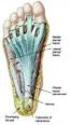 Plantar Fascia Release Introduction Plantar fasciitis is a common condition that causes pain around the heel. It may be severe enough to affect regular activities. If other treatments are unsuccessful,
Lateral Ankle Instability Repair using TWINFIX Ti 3.5 mm Suture Anchors
 *smith&nephew ANKLE TECHNIQUE GUIDE Lateral Ankle Instability Repair using TWINFIX Ti 3.5 mm Suture Anchors Prepared in Consultation with: James Calder, MD KNEE HIP SHOULDER EXTREMITIES Lateral Ankle Instability
Predislocation syndrome
 Predislocation syndrome Sky Ridge Medical Center, Aspen Building Pre-dislocation syndrome, capsulitis, and metatarsalgia are all similar problems usually at the ball of the foot near the second and third
.org. Plantar Fasciitis and Bone Spurs. Anatomy. Cause
 Plantar Fasciitis and Bone Spurs Page ( 1 ) Plantar fasciitis (fashee-eye-tiss) is the most common cause of pain on the bottom of the heel. Approximately 2 million patients are treated for this condition
Endoscopic Plantar Fasciotomy
 Endoscopic Plantar Fasciotomy Introduction Plantar fasciitis is a common condition that causes pain centralized around the heel. It may be severe enough to affect regular activities. Health care providers
EQUINUS DEFORMITY IN CEREBRAL PALSY. A Comparison between Elongation of the Tendo Calcaneus and Gastrocnemius Recession
 EQUINUS DEFORMITY IN CEREBRAL PALSY A Comparison between Elongation of the Tendo Calcaneus and Gastrocnemius Recession W. J. W. SHARRARD and S. BERNSTEIN,* SHEFFIELD, ENGLAND From the Children s Hospital,
Achilles Tendon Repair Surgery Post-operative Instructions Phase One: The First Week After Surgery
 Amon T. Ferry, MD Orthopedic Surgery Sports Medicine Achilles Tendon Repair Surgery Post-operative Instructions Phase One: The First Week After Surgery Amon T. Ferry, MD Orthopedic Surgery / Sports Medicine
Lower Back Spinal Fusion & Exercise
 & Exercise with Rick Kaselj, MS More FREE Information on Exercise & Injuries $299 Fitness Education Returning the Shoulder Back to Optimal Function Seminar Exercise Modification for the Sensitive Shoulder
Femoral head and neck ostectomy (FHO) is a commonly
 P ro c e d u re s P ro O R T H O P E D I C S Peer Reviewed Laura E. Peycke, DVM, MS, Diplomate CVS Texas &M University Femoral Head & Neck Ostectomy Femoral head and neck ostectomy (FHO) is a commonly
.org. Achilles Tendinitis. Description. Cause. Achilles tendinitis is a common condition that causes pain along the back of the leg near the heel.
 Achilles Tendinitis Page ( 1 ) Achilles tendinitis is a common condition that causes pain along the back of the leg near the heel. The Achilles tendon is the largest tendon in the body. It connects your
Heel Pain: Heal! Amie C. Scantlin, DPM, MS, FACFAS Glencoe Regional Health Services (320) 864-3121 ext. 1933
 Heel Pain: Heal! Amie C. Scantlin, DPM, MS, FACFAS Glencoe Regional Health Services (320) 864-3121 ext. 1933 www.grhsonline.org Important Notice The information contained in this document is for informational
Ankle Block. Indications The ankle block is suitable for the following: Orthopedic and podiatry surgical procedures of the distal foot.
 Ankle Block The ankle block is a common peripheral nerve block. It is useful for procedures of the foot and toes, as long as a tourniquet is not required above the ankle. It is a safe and effective technique.
RX: Custom Thermoplastic AFO Compliance Documentation
 RX: Custom Thermoplastic AFO Compliance Documentation Doctor Name: Phone: Patient Name: HICN: DOB: Indicate Quality ARIZONA THERMOPLASTIC ARTICULATED AFO, DORSI-ASSIST CROW L4631 A bivalved custom molded
Rehabilitation Guidelines for Achilles Tendon Repair
 UW HEALTH SPORTS REHABILITATION Rehabilitation Guidelines for Achilles Tendon Repair The Achilles tendon is the strongest and thickest tendon in the body. It attaches the calf muscles (soleus and gastrocnemius)
Structure & Function of the Ankle and Foot. A complicated model of simplicity that you really think little about until you have a problem with one.
 Structure & Function of the Ankle and Foot A complicated model of simplicity that you really think little about until you have a problem with one. The Foot and Ankle Terminology Plantar flexion Dorsi flexion
Heel Pain Syndromes DELLON INSTITUTES FOR PERIPHERAL NERVE SURGERY
 Heel Pain s 5 3333 N CALVERT ST, SUITE 370, BALTIMORE, MD 21218 T410 467 5400 F410 366 9826 delloninstitutes.com your complaints are Pain, numbness or burning in your heel. The timing of this pain and
Deformities. Assessment of Foot. The majority of foot deformities occur in otherwise healthy infants. However most generalized.
 Assessment of Foot Deformities in the Infant By Maureen Baxter, MDCM, FRCS The majority of foot deformities occur in otherwise healthy infants. However most generalized neurologic disorders (spina bifida,
Bankart Repair using the Smith & Nephew BIORAPTOR 2.9 Suture Anchor
 Shoulder Series Technique Guide *smith&nephew BIORAPTOR 2.9 Suture Anchor Bankart Repair using the Smith & Nephew BIORAPTOR 2.9 Suture Anchor Gary M. Gartsman, M.D. Introduction Arthroscopic studies of
Mini TightRope CMC Surgical Technique
 Mini TightRope CMC Surgical Technique Mini TightRope CMC Mini TightRope CMC Fixation The Mini TightRope provides a unique means to suspend the thumb metacarpal after partial or complete trapezial resection
DESPITE THE FACT that cubital tunnel syndrome is
 SURGICAL TECHNIQUE Endoscopic Cubital Tunnel Release Tyson K. Cobb, MD A minimally invasive endoscopic approach has been successfully applied to surgical treatment of cubital tunnel syndrome. This procedure
TransFx External Fixation System Large and Intermediate Surgical Technique
 TransFx External Fixation System Large and Intermediate Surgical Technique TransFx External Fixation System Large and Intermediate Surgical Technique 1 Surgical Technique For TransFx External Fixation
Functional Anatomy and Lower Extremity Biomechanics
 Functional Anatomy and Lower Extremity Biomechanics Eric Folmar, MPT, OCS Functional Lower Extremity Biomechanics The science of foot, ankle, knee and hip biomechanics and their relationships and interactions
AOBP with thanks to: Dawn Dillinger, DO Kyle Bodley, DO
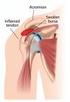 AOBP with thanks to: Dawn Dillinger, DO Kyle Bodley, DO Common maneuvers in some sports that can increase risk for injury Jumping Pivoting while running Sudden stopping while running Maneuvering a ball
Treatment of Spastic Foot Deformities
 Penn Comprehensive Neuroscience Center Treatment of Spastic Foot Deformities Penn Neuro-Orthopaedics Service 1 Table of Contents Overview Overview 1 Treatment 2 Procedures 4 Achilles Tendon Lengthening
PRACTICE GUIDELINE TITLE: INTRAVENOUS LINE INSERTION: PERIPHERAL AND CENTRAL
 PRACTICE GUIDELINE Effective Date: 9-17-04 Manual Reference: Deaconess Trauma Services TITLE: INTRAVENOUS LINE INSERTION: PERIPHERAL AND CENTRAL PURPOSE: To outline the indications and options for intravenous
Syndesmosis Injuries
 Syndesmosis Injuries Dr. Alex Rabinovich Outline Anatomy Injury types and classification Treatment options Nonoperative vs. Operative Indications for operative Operative technique Postoperative management
Integra. Subtalar MBA Implant
 Integra Subtalar MBA Implant Patient EDUCATION Overview: What is Flatfoot? Flatfoot is a physical deformity where there is an absence of the arch that runs from the heel of the foot to the toes. A common
The Ankle Sprain That Won t Get Better. By: George E. Quill, Jr., M.D. With springtime in Louisville upon us, the primary care physician and the
 The Ankle Sprain That Won t Get Better By: George E. Quill, Jr., M.D. With springtime in Louisville upon us, the primary care physician and the orthopaedist alike can expect to see more than his or her
George E. Quill, Jr., M.D. Louisville Orthopaedic Clinic Louisville, KY
 George E. Quill, Jr., M.D. Louisville Orthopaedic Clinic Louisville, KY The Ankle Sprain That Won t Get Better With springtime in Louisville upon us, the primary care physician and the orthopaedist alike
HEEL PAIN. Differential diagnosis. 1. Insertional Plantar fascitis. 2. Enthesis. 3. Heel pad atrophy. 4. Tarsal tunnel syndrome
 HEEL PAIN Differential diagnosis 1. Insertional Plantar fascitis 2. Enthesis 3. Heel pad atrophy 4. Tarsal tunnel syndrome 5. Calcaneal stress fracture 6. Haglund s syndrome 7. Posterior ankle impingement
POSTERIOR CRUCIATE LIGAMENT RECONSTRUCTION POSTOPERATIVE REHABILITATION PROTOCOL
 Corey A. Wulf, MD POSTERIOR CRUCIATE LIGAMENT RECONSTRUCTION POSTOPERATIVE REHABILITATION PROTOCOL The range of motion allowed after posterior cruciate ligament reconstructive surgery is dependent upon
ORIGINAL ARTICLE. EXCISION OF RETROCALCANEAL SPUR BY A LATERAL APPROACH FOR RELIEF OF HEEL PAIN. Nandivada V.S. Kiran Kumar
 EXCISION OF RETROCALCANEAL SPUR BY A LATERAL APPROACH FOR RELIEF OF HEEL PAIN. Nandivada V.S. Kiran Kumar 1. Assistant Professor. Department of Orthopaedics, King George Hospital. Visakhapatnam. CORRESPONDING
Calcaneus (Heel Bone) Fractures
 Copyright 2010 American Academy of Orthopaedic Surgeons Calcaneus (Heel Bone) Fractures Fractures of the heel bone, or calcaneus, can be disabling injuries. They most often occur during high-energy collisions
ACL Reconstruction: Patellar Tendon Graft/Hamstring Tendon Graft
 ACL Reconstruction: Patellar Tendon Graft/Hamstring Tendon Graft Patellar Tendon Graft/Hamstring Tendon Graft General Information: The intent of these guidelines is to provide the therapist with direction
Rehabilitation Guidelines for Lateral Ankle Reconstruction
 UW HEALTH SPORTS REHABILITATION Rehabilitation Guidelines for Lateral Ankle Reconstruction The ankle is a very complex joint. There are actually three joints that make up the ankle complex: the tibiotalar
Provided by the American Venous Forum: veinforum.org
 CHAPTER 17 SURGICAL THERAPY FOR DEEP VALVE INCOMPETENCE Original author: Seshadri Raju Abstracted by Gary W. Lemmon Introduction Deep vein valvular incompetence happens when the valves in the veins (tubes
KnifeLight. Carpal Tunnel Ligament Release. Operative Technique
 KnifeLight Carpal Tunnel Ligament Release Operative Technique Contents Page 1. Features & Benefits 3 Intended Use and Indications 3 Contraindications 3 Features & Benefits 3 2. Operative Technique 4 Antegrade
How To Fix A Radial Head Plate
 Mayo Clinic CoNGRUENT RADIAL HEAD PLATE Since 1988 Acumed has been designing solutions to the demanding situations facing orthopedic surgeons, hospitals and their patients. Our strategy has been to know
ACL RECONSTRUCTION POST-OPERATIVE REHABILITATION PROGRAMME
 ACL RECONSTRUCTION POST-OPERATIVE REHABILITATION PROGRAMME ABOUT THE OPERATION The aim of your operation is to reconstruct the Anterior Cruciate Ligament (ACL) to restore knee joint stability. A graft,
SALVATION. Fusion Bolts and Beams SURGICAL TECHNIQUE
 SALVATION Fusion Bolts and Beams SURGICAL TECHNIQUE Contents Chapter 1 4 Introduction Chapter 2 4 Intended Use Chapter 3 4 Device Description 4 Fusion Beams 5 Fusion Bolts Chapter 4 5 Preoperative Planning
Chapter 7. Expose the Injured Area
 Chapter 7 GUNSHOT WOUNDS KEY FIGURES: Entrance/exit wounds This chapter describes how to treat the external, surface wounds caused by a bullet. The evaluation for underlying injury related to gunshot wounds
Common Foot Pathologies
 Common Foot Pathologies Chondromalacia Patella (patellofemoral pain syndrome) Chondromalacia Patella (patellofemoral pain syndrome) What is it? Chondromalacia (of Greek origin meaning softening of the
Surgical Treatment in Cerebral Palsy
 Surgical Treatment in Cerebral Palsy พ.ญ.ก ต วรรณ ว ป ลากร ภาคว ชาออร โธป ด กส คณะแพทยศาสตร มหาว ทยาล ยขอนแก น General consideration important to speak clearly and frankly with the family about the goals
PLANTAR FASCITIS (Heel Spur Syndrome)
 PLANTAR FASCITIS (Heel Spur Syndrome) R. Amadeus Mason MD Description Plantar fascitis is characterized by stiffness and inflammation of the main fascia (fibrous connective [ligament-like] tissue) on the
Zimmer Periarticular Proximal Tibial Locking Plate
 Zimmer Periarticular Proximal Tibial Locking Plate Surgical Technique The Science of the Landscape Zimmer Periarticular Proximal Tibial Locking Plate 1 Table of Contents Introduction 2 Locking Screw Technology
Chapter 21. How to do fasciotomy. neighboring structures
 Chapter 21 FRACTURES OF THE TIBIA AND FIBULA KEY FIGURES: Calf anatomy How to do fasciotomy Gastrocnemius and neighboring structures Longstanding open fracture Gastrocnemius flap Fractures of the tibia
ORTHOPAEDIC SURGERY FOR THE LOWER LIMBS IN CHILDREN WITH CEREBRAL PALSY
 ORTHOPAEDIC SURGERY FOR THE LOWER LIMBS IN CHILDREN WITH CEREBRAL PALSY Robert M. Kay, M.D. Vice Chief, Children s Orthopaedic Center Children s Hospital Los Angeles Professor, Orthopaedic Surgery Keck-
Preparing to Suture. 6 th Annual Pediatric Advanced Practice Conference Tuesday, February 9, 2016 1:30 pm. Workshop B: Suturing for Beginners
 Preparing to Suture Kristen Devick, MPAS, PA-C University of Colorado Department of Emergency Medicine NONE! Skin Anatomy Trott, 2012, p.11 Preparing to suture Initial evaluation Hemostasis Anesthesia
International Standards for the Classification of Spinal Cord Injury Motor Exam Guide
 C5 Elbow Flexors Biceps Brachii, Brachialis Patient Position: The shoulder is in neutral rotation, neutral flexion/extension, and adducted. The elbow is fully extended, with the forearm in full supination.
PATHOLOGIC GAIT -- MUSCULOSKELETAL. Focal Weakness. Ankle Dorsiflexion Weakness COMMON GAIT ABNORMALITIES
 Pathological Gait I: Musculoskeletal - 1 PATHOLOGIC GAIT -- MUSCULOSKELETAL Normal walking is the standard against which pathology is measured Efficiency is often reduced in pathology COMMON GAIT ABNORMALITIES
Minimally Invasive Spine Surgery
 Chapter 1 Minimally Invasive Spine Surgery 1 H.M. Mayer Primum non nocere First do no harm In the long history of surgery it always has been a basic principle to restrict the iatrogenic trauma done to
QUESTION I HAVE BEEN ASKED TO REHAB GRADE II AND III MCL INJURIES DIFFERENTLY BY DIFFERENT SURGEONS IN THE FIRST 6WEEKS FOLLOWING INJURY.
 QUESTION I HAVE BEEN ASKED TO REHAB GRADE II AND III MCL INJURIES DIFFERENTLY BY DIFFERENT SURGEONS IN THE FIRST 6WEEKS FOLLOWING INJURY. SOME ARE HINGE BRACED 0-90 DEGREES AND ASKED TO REHAB INCLUDING
5 Achilles tendon rupture
 5 Achilles tendon rupture Contents Introduction Anatomy Pathogenesis Classification Patient History and Physical Findings Imaging and Diagnostic Studies Treatment Pearls and Pitfalls Postoperative Care
Ankle Injury/Sprains in Youth Soccer Players Elite Soccer Community Organization (ESCO) November 14, 2013
 Ankle Injury/Sprains in Youth Soccer Players Elite Soccer Community Organization (ESCO) November 14, 2013 Jeffrey R. Baker, DPM, FACFAS Weil Foot and Ankle Institute Des Plaines, IL Ankle Injury/Sprains
Plantar Fasciitis. Plantar Fascia
 Plantar Fasciitis Introduction Plantar fasciitis is an inflammation of the thick band of tissue that connects your heel bone to your toes. This thick band of tissue is called the plantar fascia. Plantar
Chapter 11. Everting skin edges
 Chapter 11 PRIMARY WOUND CLOSURE KEY FIGURE: Everting skin edges In primary wound closure, the skin edges of the wound are sutured together to close the defect. Whenever possible and practical, primary
Outline. The Agony of the Foot: Disclosure. Plantar Fasciitis. Top 5 Foot and Ankle Problems in Primary Care. Daniel Thuillier, M.D.
 The Agony of the Foot: Top 5 Foot and Ankle Problems in Primary Care Daniel Thuillier, M.D. Assistant Professor of Clinical Orthopaedics University of California San Francisco Plantar Fasciitis Achilles
LATERAL PAIN SYNDROMES OF THE FOOT AND ANKLE
 C H A P T E R 3 LATERAL PAIN SYNDROMES OF THE FOOT AND ANKLE William D. Fishco, DPM The majority of patient encounters with the podiatrist are secondary to pain in the foot and/or ankle. If we draw an
The WalkOn Range. Dynamic Lower Leg Orthoses. NeW. Information for physicians, orthotists and physiotherapists
 The WalkOn Range Dynamic Lower Leg Orthoses NeW Information for physicians, orthotists and physiotherapists One Range Many Different Applications The WalkOn product range allows you to address the specific
Dr Rick Robinson, DPM Director of Podiatric Services USPHS Hospital at Whiteriver, AZ 2015 IHS National Combined Council Winter Meeting Friday,
 Dr Rick Robinson, DPM Director of Podiatric Services USPHS Hospital at Whiteriver, AZ 2015 IHS National Combined Council Winter Meeting Friday, January 30, 2015 1 We are all athletes, the difference is
Page 2 of 6 plantar fascia. This is called the windlass mechanism. Later, we'll discuss how this mechanism is used to treat plantar fasciitis with str
 Page 1 of 6 Plantar Fasciitis (Heel Pain) Plantar fasciitis is a painful condition affecting the bottom of the foot. It is a common cause of heel pain and is sometimes called a heel spur. Plantar fasciitis
.org. Lisfranc (Midfoot) Injury. Anatomy. Description
 Lisfranc (Midfoot) Injury Page ( 1 ) Lisfranc (midfoot) injuries result if bones in the midfoot are broken or ligaments that support the midfoot are torn. The severity of the injury can vary from simple
Foot and Ankle Technique Guide Proximal Inter-Phalangeal (PIP) Fusion
 Surgical Technique Foot and Ankle Technique Guide Proximal Inter-Phalangeal (PIP) Fusion Prepared in consultation with: Phinit Phisitkul, MD Department of Orthopedics and Rehabilitation University of Iowa
Posterior Tibial Tendon Tear/Insufficiency/Rupture PTTD Posterior Tibial Tendon Dysfunction Flatfeet Deformity, Pes Planus, Fallen Arches
 Jonathan Deland, MD Chief Foot and Ankle Service 535 East 70 th Street New York, NY 10021 212-606-1665 Posterior Tibial Tendon Tear/Insufficiency/Rupture PTTD Posterior Tibial Tendon Dysfunction Flatfeet
Sports Injuries of the Foot and Ankle. Dr. Travis Kieckbusch August 7, 2014
 Sports Injuries of the Foot and Ankle Dr. Travis Kieckbusch August 7, 2014 Foot and Ankle Injuries in Athletes Lateral ankle sprains Syndesmosis sprains high ankle sprain Achilles tendon injuries Lisfranc
Lesions, and Masses, and Tumors Oh My!!
 Lesions, and Masses, and Tumors Oh My!! Presented by: Susan Ward, CPC, CPC-H, CPC-I, CPCD, CEMC, CPRC 1 1 CPT GUIDELINES Agenda CPT DEFINITIONS OP REPORT CASES 2 Definitions Cyst - a closed sac having
Zimmer FuZion Instruments. Surgical Technique (Beta Version)
 Zimmer FuZion Surgical Technique (Beta Version) INTRO Surgical Technique Introduction Surgical goals during total knee arthroplasty (TKA) include establishment of normal leg alignment, secure implant fixation,
Foot and Ankle Conditioning Program. Purpose of Program
 Prepared for: Prepared by: OrthoInfo Purpose of Program After an injury or surgery, an exercise conditioning program will help you return to daily activities and enjoy a more active, healthy lifestyle.
Arthroscopic Shoulder Instability Repair Using the SUTUREFIX ULTRA Suture Anchor and SUTUREFIX ULTRA Instrumentation System
 *smith&nephew SHOULDER TECHNIQUE GUIDE Arthroscopic Shoulder Instability Repair Using the SUTUREFIX ULTRA Suture Anchor and SUTUREFIX ULTRA Instrumentation System KNEE HIP SHOULDER EXTREMITIES Arthroscopic
Massage and Movement
 Massage and Movement Incorporating Movement into Massage Part One: Theory and Technique in Prone With Lee Stang, LMT NCBTMB #450217-06 1850 West Street Southington, CT 06489 860.747.6388 www.bridgestohealthseminars.com
Brian P. McKeon MD Jason D. Rand, PA-C, PT Patient Information Sheet: Anterior Cruciate Ligament
 Brian P. McKeon MD Jason D. Rand, PA-C, PT Patient Information Sheet: Anterior Cruciate Ligament The anterior cruciate ligament or ACL is one of the major ligaments located in the knee joint. This ligament
Modern Varicose Vein Treatments: What Every Patient Should Know
 The Skin and Vein Center Oneonta Laser Derm & Day Spa Natural Good Looks and Leg Veins Our Specialty Dr Eric Dohner, MD 41-45 Dietz St Oneonta, NY 13820 607/431-2525 www.oneontalaserderm.com Modern Varicose
Chapter 35. Volar forearm fasciotomy incisions Hand/dorsal forearm fasciotomy incisions Finger fasciotomy incisions
 Chapter 35 HAND CRUSH INJURY AND COMPARTMENT SYNDROME KEY FIGURES: Volar forearm fasciotomy incisions Hand/dorsal forearm fasciotomy incisions Finger fasciotomy incisions The previous chapters about the
Femoral Nerve Block/3-in-1 Nerve Block
 Femoral Nerve Block/3-in-1 Nerve Block Femoral and/or 3-in-1 nerve blocks are used for surgical procedures on the front portion of the thigh down to the knee and postoperative analgesia. Both blocks are
ORTHOARIZONA Shelden L. Martin, M.D.
 ORTHOARIZONA Shelden L. Martin, M.D. Common Foot Procedures - Physical Therapy Guidelines 1. Hallux Rigidus: Cheilectomy with and without concomitant osteotomies. Hallux Rigidus refers to the limitation
Screening Examination of the Lower Extremities BUY THIS BOOK! Lower Extremity Screening Exam
 Screening Examination of the Lower Extremities Melvyn Harrington, MD Department of Orthopaedic Surgery & Rehabilitation Loyola University Medical Center BUY THIS BOOK! Essentials of Musculoskeletal Care
Rehabilitation Guidelines for Knee Multi-ligament Repair/Reconstruction
 UW Health Sports Rehabilitation Rehabilitation Guidelines for Knee Multi-ligament Repair/Reconstruction The knee joint is comprised of an articulation of three bones: the femur (thigh bone), tibia (shin
Chapter 30. Rotational deformity Buddy taping Reduction of metacarpal fracture
 Chapter 30 FINGER FRACTURES AND DISLOCATIONS KEY FIGURES: Rotational deformity Buddy taping Reduction of metacarpal fracture Because we use our hands for so many things, finger fractures and dislocations
Y O U R S U R G E O N S. choice of. implants F O R Y O U R S U R G E R Y
 Y O U R S U R G E O N S choice of implants F O R Y O U R S U R G E R Y Y O U R S U R G E O N S choice of implants F O R Y O U R S U R G E R Y Your Surgeon Has Chosen the C 2 a-taper Acetabular System The
CGMA. Center for Gait and Movement Analysis Physical Therapy Guidelines for Orthopedic Procedures TABLE OF CONTENTS
 TABLE OF CONTENTS PT01: INTRAMUSCULAR ILIOPSOAS LENGTHENING AT PELVIC BRIM PT02: ADDUCTOR TENDON LENGTHENING PT03: RECTUS FEMORIS TRANSFER TO MEDIAL HAMSTRING PT04: HAMSTRING LENGTHENING, OPEN Z-PLASTY
DSM Spine+Sport - Mobility
 To set yourself up for success, practice keeping a neutral spine throughout all of these movements. This will ensure the tissue mobilization is being applied to the correct area, and make the techniques