
CAUSES, SYMPTOMS, PREVENTION, AND TREATMENT OF VARIOUS ANIMAL DISEASES
|
|
|
- Elizabeth McKenzie
- 9 years ago
- Views:
Transcription
1 ANIMAL SCIENCE 8822-B INTRODUCTION CAUSES, SYMPTOMS, PREVENTION, AND TREATMENT OF VARIOUS ANIMAL DISEASES It is impossible to accurately estimate all the losses caused by livestock diseases, but the United States Department of Agriculture estimates that losses caused by mortality, reduced productivity, lower fertility, condemned products, and restricted access to potential markets exceed 17.5 billion dollars annually in the United States. Those losses represent almost 17% of the production costs associated with the livestock industry. Livestock production is an integral part of the way-of-life for the people of the world. Many farmers and ranchers depend upon livestock production for their livelihoods. Consumers expect adequate supplies of meat at economical prices. With livestock mismanagement and spread of diseases*, we are all affected. CAUSES OF DISEASES Disease causes body functions to disfunction or function improperly. Three principal reasons most often cited for the spread of diseases are poor sanitation, improper management, and introduction of new animals into a herd. One or more of the following defects cause diseases. Nutritional defects - An imbalance of required food nutrients in the ration is the cause of nutritional defects. Animals receiving inadequate amounts of vitamins, minerals, fats, carbohydrates, and protein cannot produce efficiently. Therefore, their levels of resistance to disease are lowered. Physiological defects - These defects cause an improper functioning of glands, organs, or body systems. The relationship between the diet and the proper functioning of body parts is directly related. For example, the thyroid gland regulates the rate of body metabolism and depends upon an adequate supply of iodine to function properly. An improperly functioning thyroid gland may increase the nutritive requirements of animals to the point that very few nutrients are available for growth or production. * Underlined words are defined in the Glossary of Terms

2 Morphological defects (physical defects) - An accident or negligence is responsible for physical defects. Cuts, scrapes, scratches, bruises, and broken bones are examples of morphological defects. Any one of these can temporarily or permanently reduce the efficiency of an animal. Good management practices help eliminate defects of this nature. Pathogenic defects - Certain organisms produce toxins or poisons that upset the normal metabolic activity of the animal. Viruses and bacteria are the most common disease-causing pathogens. They are microscopic in size and capable of multiplying rapidly under ideal environmental conditions. Other pathogens are fungi and protozoans. A discussion of each type follows. Viral diseases are the most difficult to control because viruses closely resemble the chemical compounds that make up a cell. Another problem in controlling viruses is that the chemicals capable of killing or controlling them also kill or destroy the host cell. Preventive vaccinations are the most successful method of controlling viral diseases. Bacteria are microscopic in size, produce powerful toxins, and multiply rapidly. Many bacteria are capable of forming spores, resistant forms of bacterial cells able to withstand severe environmental conditions. These spores are difficult to control and may lie dormant for years before being provided with the opportunity to cause disease. Antibiotics are used successfully to control bacteria. Fungal diseases are caused by fungi, which are small organisms. Many disease-producing fungi live in the soil. It is often difficult to determine the cause of fungal diseases, because bacteria cause a secondary infection and are often erroneously identified as fungi. Protozoa are one celled and the simplest form of animal life. Some protozoa cannot move themselves and must be transported by other means. Some move by making whip-like lashes or vibrating projections. A number of different kinds of protozoa prey upon animals and cause disease. EIGHT GOOD MANAGEMENT PRACTICES Animals to be added to a herd should be isolated 3 to 4 weeks before they are placed with the herd. This includes both new animals and those removed from the herd and exposed to other animals. A sound immunization program should be followed. Clean, healthful surroundings should be provided. Rations must be nutritionally adequate. Visitors and new animals should not be allowed in the livestock area. Diseases should be accurately and quickly diagnosed. A competent veterinarian should be consulted when a health problem arises. Livestock should be handled properly. Examples of how to handle animals include the following: o Canvas slappers, rather than clubs and whips, should be used. o Protruding nails and broken boards should be eliminated. o Machinery and equipment should be removed from the lot. o Horned cattle should be dehorned. o Barns and trucks should be bedded properly. o Animals should be loaded slowly and carefully. o Partitions should be used to separate different classes of livestock. o Livestock should be protected from inclement weather

3 CHARACTERISTICS OF COMMON DISEASES Disease Cause Symptoms Prevention & Control NUTRITIONAL DEFECTS Anemia Bloat All farm animals are susceptible. Iron deficiency prevents the formation of hemoglobin, a red ironcontaining pigment in the red blood cells responsible for carrying oxygen to the cells. Typically occurs when animals are grazing on highly productive pastures during the wetter part of late spring Characterized by general weakness and a lack of vigor. Swollen abdomen on the left side, labored breathing, profuse salivation, groaning, lack of appetite, & stiffness. & summer. Colic Improper feeding. Pain, sweating, & constipation, kicking, & groaning. Enterotoxemia Bacteria & overeating. Constipation is an early symptom & sometimes followed by diarrhea. Founder VIRAL DISEASES Overeating of grain, or lush, highly improved pasture grasses. Affected animals experience pain and may have fever as high as 106 degrees F. Cholera Caused by a filterable virus. Loss of appetite, high fever, reddish-purplish patchwork of coloration on the affected stomach, breathing difficulty& a wobbly gait. Equine Encephalomyelitis Hemorrhagic Septicemia Newcastle Viruses classified as group A & B are transmitted by bloodsucking insects, such as the mosquito. Caused by a bacterium that seems to multiply rapidly when animals are subject to stress conditions. Poultry disease - caused by a virus that is spread by contaminated equipment or mechanical means. Fever, impaired vision, irregular gait, muscle spasms, a pendulous lower lip, walking aimlessly. Fever, difficultly breathing, a cough, & discharge from the eyes & nose. Chicks make circular movements, walk backwards, fall, twist their necks so that their heads are lying on their backs, cough, sneeze, and develop high fever & diarrhea. Warts A virus causes warts. Protruding growths on the skin. A balanced ration usually prevents the occurrence of anemia. Maintain pastures composed of 50% or more grass. Careful feeding. Bacterin or antitoxin vaccine should be used at the beginning of the feeding period. Good management & feeding practices prevent the disease. A preventive vaccine is available. No effective treatment. Producers should use good management. Control of carrier, use of a vaccine. Vaccination several days prior to shipping or other periods of stress. Several types of Newcastle vaccines are available, antibiotics are used in treating early stages of the disease. No known preventive measures. Most effective means is with a vaccine

4 BACTERIAL DISEASES Pneumonia Tetanus Atrophic Rhinitis Anthrax Blackleg Brucellosis Distemper Erysipelas Leptospirosis Tuberculosis CHARACTERISTICS OF COMMON DISEASES (continued) Bacteria, fungi, dust, or other foreign matter. The bacterium, pasturella multiocida, is often responsible for the disease. A spore-forming anaerobe bacterium is the cause. The spores may be found in the soil & feces of animals. Two different bacterium, Bordetella bronchiospetica & Pasturella, cause atrophic rhinitis. A spore-forming bacterium causes the disease. (Cattle-Sheep) A spore-forming bacterium that remains in an area permanently. The germ has an incubation period of one to five days & is taken into the body from contaminated soil & water. Caused by bacteria. Brucella abortus is the bacterium. (Horses) Contagious. Exposure to cold, wet weather, fatigue, and an infection of the respiratory tract aid in spreading the disease. A resistant bacterium capable of living several months in barnyard litter. Caused by a bacterium found in the blood, urine & milk of infected animals. Three types of tubercle bacilli causing the disease are human, bovine, & avian. The human type rarely produces TB in lower animals, but the bovine type is capable of producing the disease in most warm-blooded vertebrates. The avian type produces the disease in birds & swine. A general dullness, failing appetite, fever & difficulty breathing. Difficulty swallowing, stiff muscles, & muscle spasms. Affects the nose, making it crooked and wrinkled. Sneezing, nose bleeds, and a tear-stained face occur. Fever, swelling in the lower body region, a bloody discharge, staggering, trembling, difficult breathing, & convulsive movements. Lameness, followed by depression & fever.. The muscles in the hip, shoulder, chest, back, & neck swell. The abortion of the immature fetus is the only sign in some animals. Increased respiratory rate, depression, loss of appetite & discharge of pus from the nose are visible symptoms. Infected animals have fever & swollen lymph glands, located under the jaw Three forms: acute, subacute, & diamond skin form. Acute: constipation, diarrhea, & reddish patches on the skin. Subacute: usually localized in an organ such as heart, bladder, or joints. Sloughing off of the skin is common. Causes abortion & sterility. Symptoms are blood-tinged milk & urine. Lungs are affected. However, other organs may be affected. Some animals show no symptoms; others appear unthrifty & have a cough. Proper housing, ventilation, sanitation, and antibiotics. Immunizing animals with a tetanus toxoid. Sanitation and a good health program are important for prevention. Vaccines are available. An annual vaccination. Manure & contaminated materials should be burned & area disinfected. Insects should be controlled. A preventative vaccine. Vaccinating calves with Br. abortus prevent cattle from contacting the disease. Infected cattle must be slaughtered. Animals with disease should be isolated, provided with rest, protected from the weather, and treated with antibiotics. An anti-swine erysipelas serum is available. Susceptible animals should be vaccinated. Maintaining a sanitary environment & comfortable quarters help prevent the disease

5 Pullorum CHARACTERISTICS OF COMMON DISEASES (continued) Poultry disease caused by a bacterium that is capable of living for months in a dormant state in damp, sheltered places. The germs infect the ovary & are transmitted to the chicks through the eggs. Infected chicks huddle together with their eyes closed, wings drooped, feathers ruffled, & have foamy droppings. Blood test is required for positive identification of the disease. Disposal of infected hens aids in preventing the disease. Chicks should be purchased from a certified pullorum-free hatchery. FUNGAL DISEASES Foot Rot Calf Diphtheria A fungus common to filth is responsible for foot rot. Animals are most apt to contact foot rot when forced to live in wet, muddy, unsanitary lots for long periods of time. Lives in soil, litter, & unclean stables& enters the body through small scratches or wounds. Skin near the hoof-line is red, swollen, & often has small lesions. Difficulty breathing, eating, and drinking. Patches of yellowish, dead tissue appear on the edges of the tongue, gums, & throat. Often, a nasal discharge occurs. Maintaining clean, welldrained lots is an easy method of preventing foot rot. The diseased tissue is removed to expose healthy tissue, which is treated by swabbing it with tincture of iodine. PROTOZOAN DISEASE Coccidiosis A protozoan of which several species is responsible. Occurs in two forms: cecae and intestinal. Cecae is the acute form that develops rapidly & causes high mortality rate, bloody droppings, & sudden death. Intestinal coccidiosis is chronic in nature, and its symptoms are loss of appetite, weakness, pale comb, & low production. Few deaths occur from the latter form. Because the disease is transmitted in feces, maintaining sanitary conditions & feeding a coccidiostat prevent the disease. DISEASE PREVENTION Prevention is the key to controlling animal diseases. Sanitation is the key to prevention of diseases. Most disease-causing agents enter the body through some type of body opening, such as the nose, eyes, mouth, or wound incision. Pathogens may be spread by direct contact, or indirectly by the wind, water, feed, or other animals. After entering the host, a pathogen must overcome the natural resistance of the body to produce the disease. The following management practices are possibly the best methods of controlling diseases. Provide an environment that prevents or restricts the growth of pathogens (sanitation). Provide a balanced diet. Provide protection from accidental injury

6 The practices include the following standards for the animals living quarters. Sufficient space for all animals. Crowded conditions tend to promote the incidence of disease. Fresh air and temperature control through ventilation. Good drainage. Floors and pens must be kept dry and clean. Bedding must be kept fresh, and manure should be disposed of often. Systematic pasture rotation system. This is a practical method of disease and parasite control. It breaks the life cycle of pathogens by removing the host. The ultraviolet rays of sunlight kill pathogens when the pasture does not have livestock in it to reinfest it. Use of disinfectants. Chemicals that restrict the growth of pathogens should be used regularly. Soap and boiling water are two inexpensive disinfectants available to livestock producers. GOVERNMENT REGULATIONS Governmental regulations controlling the transportation and sale of diseased animals are strict and complex. It is important that the livestock producer recognize available assistance through the local veterinarian. The services of the local veterinarian should be used in establishing a disease prevention program and as a source of information on governmental regulations affecting the producer. SUMMARY Proper management practices are the keys to profitable livestock enterprises. Many variables cause diseases, but consulting local veterinarians and learning about the diseases reduce the incidence of the diseases. If mismanagement and livestock diseases are allowed to spread, everyone loses. SELECTED WEB SITES FOR INFORMATION RELATED TO ANIMAL DISEASES Acknowledgements Kristy Corley, Graduate Technician, Department of Agricultural Education, Texas A&M University, revised this topic. Larry Ermis, Curriculum Specialist, Instructional Materials Service, Texas A&M University, reviewed this topic. Vickie Marriott, Office Software Associate, Instructional Materials Service, Texas A&M University, prepared the layout and design for this topic. Christine Stetter, Artist, Instructional Materials Service, Texas A&M University, prepared the illustrations for this topic. REFERENCES Agricultural Research Service U.S.D.A. Animal Health. [Online]. Available: [2002, July]. Baker, James K. and William Greer. Animal Health - A Layperson s Guide to Disease Control. Prentice- Hall, Incorporated: Upper Saddle River, NJ. March

7 GLOSSARY OF TERMS Antibiotic A chemical substance produced from microorganisms and used to kill other microorganisms. Diseases Impairments that affect the performance of vital life functions. Metabolism The phenomena of chemically changing feedstuffs into complex tissue elements and complex substances into simple compounds. Morphological defects Physical defects caused by accident or negligence. Nutritional defects Defects caused by an imbalance of nutrients in a ration. Pathogenic defects Defects caused by pathogenic organisms such as bacteria and viruses. Physiological defects Defects caused by improper functioning of body parts such as glands and organs. Slapper An item used while working cattle or other livestock to ensure that no damage occurs to the animal s hide. Viruses Ultra-microscopic particles reproduced in a cell that causes a reaction in the cell. SELECTED STUDENT ACTIVITIES SHORT ANSWER/LISTING: Answer the following questions or statements in the space provided or on additional paper. 1. List three principal reasons most often cited for the spread of livestock diseases. 2. List eight good management practices that should be followed by livestock producers. d. e. f. g. h. 3. List four types of pathogenic organisms. d. 4. What are the four defects that cause diseases? d. 5. Provide an example of a protozoan disease

8 6. How do most disease-causing organisms enter the body? 7. List five examples of how to properly handle animals. d. e. 8. Annual losses from livestock diseases in the United States exceed $. 9. A(n) or is the cause of morphological (physical) defects. 10. Nutritional defects can be prevented by observing good management practices and by feeding a. 11. To produce efficiently, animals must receive adequate amounts of,,,, and. 12. Living organisms capable of producing diseases are called. 13. Physiological defects cause an improper functioning of,, or. 14. Hemorrhagic septicemia can be prevented by animals several days prior to shipment or other periods of stress. 15. Equine encephalomyelitis is transmitted by insects. 16. Blackleg is taken into the body from contaminated and. 17. Protozoa are one-celled and the simplest form of. 18. is the key to controlling animal diseases. 19. After entering the host, a pathogen must overcome the of the body to produce the disease. ADVANCED ACTIVITIES 1. Select an animal disease of your choice. Research and write a report on that disease and present your findings orally to the class. 2. Research available resources on all diseases affecting a specific livestock species in your area. Then, develop a complete prevention plan and provide details of how to give and when to give vaccines and antibiotics. List other methods of preventing and controlling the diseases. ALL RIGHTS RESERVED Reproduction prohibited without written permission. Instructional Materials Service Texas A&M University 2588 TAMUS College Station, Texas

Figure 1: Use a stethoscope to check heart, lungs and rumen for abnormalities.
 The Basic Clinical Exam: Key to Early Identification of Sick Animals Ralph Bruno, DVM, MS; Ellen Jordan, PhD; Juan Hernandez-Rivera, PhD; and Kevin Lager, MS Texas AgriLife Extension Service Finding and
Nursing college, Second stage Microbiology Dr.Nada Khazal K. Hendi L14: Hospital acquired infection, nosocomial infection
 L14: Hospital acquired infection, nosocomial infection Definition A hospital acquired infection, also called a nosocomial infection, is an infection that first appears between 48 hours and four days after
Overview of the Cattle Immune System 1
 Oregon State University BEEF043 Beef Cattle Library Beef Cattle Sciences Overview of the Cattle Immune System 1 Reinaldo F. Cooke 2 Introduction On average, the U.S. cattle industry loses more than $1
Multiple Choice Questions
 C hapter 13 WHY DO WE FALL ILL Multiple Choice Questions 1. Which one of the following is not a viral disease? (a) Dengue (b) AIDS (c) Typhoid (d) Influenza 2. Which one of the following is not a bacterial
The Immune System and Disease
 Chapter 40 The Immune System and Disease Section 40 1 Infectious Disease (pages 1029 1033) This section describes the causes of disease and explains how infectious diseases are transmitted Introduction
X-Plain Pediatric Tuberculosis Reference Summary
 X-Plain Pediatric Tuberculosis Reference Summary Introduction Tuberculosis, or TB, is a bacterial infection that causes more deaths in the world than any other infectious disease. When a child gets TB,
Infection control. Self-study course
 Infection control Self-study course Course objectives By the end of this course you will be able to: 1) Define a germ 2) Define the environment that a germ needs to live and grow 3) Explain the chain of
Vaccination Programs for the Cow/Calf Operation
 Vaccination Programs for the Cow/Calf Operation Disease prevention is of utmost importance in a cow-calf operation because it is a low profit margin enterprise. Adequate nutrition, strategic deworming,
Keeping Show Pigs Healthy
 L-5392 10-02 Keeping Show Pigs Healthy Bruce Lawhorn Associate Professor and Extension Swine Veterinarian The Texas A&M University System Show pigs can bring many disease organisms into a farm and spread
SKIN CONDITIONS IN PIGS
 DEPARTMENT: AGRICULTURE SKIN CONDITIONS IN PIGS Jenny Turton 2001 Compiled by Directorate Communication, Department of Agriculture in cooperation with the ARC-Onderstepoort Veterinary Institute Printed
Lesson 7: Respiratory and Skeletal Systems and Tuberculosis
 Glossary 1. asthma: when the airways of the lungs narrow, making breathing difficult 2. bacteria: tiny living creatures that can only be seen with a microscope; some bacteria help the human body, and other
reduce the probability of devastating disease outbreaks reduce the severity of disease agents present in a herd improve the value of products sold.
 Vaccination Programs: Beef Cow Calf Operations Timothy Jordan, D.V.M Beef Production Medicine Program North Carolina State University College of Veterinary Medicine Goals A comprehensive herd health and
Tuberculosis: FAQs. What is the difference between latent TB infection and TB disease?
 Tuberculosis: FAQs What is TB disease? Tuberculosis (TB) is a disease caused by bacteria (germs) that are spread from person to person through the air. TB usually affects the lungs, but it can also affect
Problems of the Digestive System
 The American College of Obstetricians and Gynecologists f AQ FREQUENTLY ASKED QUESTIONS FAQ120 WOMEN S HEALTH Problems of the Digestive System What are some common digestive problems? What is constipation?
Approaches to Infection Control
 Approaches to Infection Control Considerations for PTAs in the Clinic Objectives Describe the basic characteristics of bacteria, viruses, fungi, and parasites. Discuss the locations, advantages, and disadvantages
2009-2010 STATE FFA DAIRY EVALUATION CAREER DEVELOPMENT EVENT KNOWLEDGE TEST
 2009-2010 STATE FFA DAIRY EVALUATION CAREER DEVELOPMENT EVENT KNOWLEDGE TEST Contestant Number: Name: Chapter Name: Score: Directions: Read each question carefully and choose the best possible answer.
MANAGING ANEMIA. When You Have Kidney Disease or Kidney Failure. www.kidney.org
 MANAGING ANEMIA When You Have Kidney Disease or Kidney Failure www.kidney.org About the Information in this Booklet Did you know that the National Kidney Foundation (NKF) offers guidelines and commentaries
Name Date Class. This section explains what kinds of organisms cause infectious disease and how infectious diseases are spread.
 Fighting Disease Name Date Class Infectious Disease This section explains what kinds of organisms cause infectious disease and how infectious diseases are spread. Use Target Reading Skills Before you read,
Classical Swine Fever and Look-a-like Diseases of Pigs. Pat Blanchard
 Classical Swine Fever and Look-a-like Diseases of Pigs Pat Blanchard California Animal Health and Food Safety Laboratory, Tulare branch [email protected] Classical Swine Fever CSF is a viral disease
Managing Clostridial Diseases in Cattle
 Managing Clostridial Diseases in Cattle Sheila M. McGuirk, DVM, PhD Introduction The many diseases of cattle that are attributed to Clostridial bacteria are shown in the following table. Clostridial type
Streptococcal Infections
 Streptococcal Infections Introduction Streptococcal, or strep, infections cause a variety of health problems. These infections can cause a mild skin infection or sore throat. But they can also cause severe,
C. difficile Infections
 C. difficile Infections Introduction C. difficile is a type of bacteria that can cause diarrhea and infection of the colon. This bacterium is more likely to infect patients at hospitals and other healthcare
CHAPTER 35 HUMAN IMMUNE SYSTEM STANDARDS:SC.912.L.14.52 & SC.912.L.14.6
 CHAPTER 35 HUMAN IMMUNE SYSTEM STANDARDS:SC.912.L.14.52 & SC.912.L.14.6 SECTION 1 - Infectious Disease 1.Identify the causes of infectious disease. 2.Explain how infectious diseases are spread. Causes
The Disease is a commonly diagnosed infectious disease that affects all equidae worldwide. Caused by the bacterium Streptococcus equi (S.equi), this d
 ADVICE ON The Disease is a commonly diagnosed infectious disease that affects all equidae worldwide. Caused by the bacterium Streptococcus equi (S.equi), this disease is highly contagious and is spread
You are planning to travel on vacation or business does your destination require a vaccination?
 Disease, travel and vaccinations You are planning to travel on vacation or business does your destination require a vaccination? If you are planning to stay in a resort or a city and you are in good health,
BIOSECURITY PROCEDURES IN POULTRY PRODUCTION
 1 Annex VII CHAPTER 6.4. BIOSECURITY PROCEDURES IN POULTRY PRODUCTION Article 6.4.1. Introduction This chapter provides recommended biosecurity procedures in poultry production and is not specifically
2 P age. Babies from Birth to Age 2
 Contents Babies from Birth to Age 2... 2 Vaccines give parents the power... 2 Vaccines are recommended throughout our lives... 3 Talk to your doctor... 3 Vaccines are very safe... 3 Whooping Cough (Pertussis)...
Long Term Use of Antacid Medications Can Cause an Increased Risk for Osteoporosis and Much More
 Long Term Use of Antacid Medications Can Cause an Increased Risk for Osteoporosis and Much More By: Jeremie Pederson D.C., C.S.C.S. Many people are concerned about the FDA news release dated May 25, 2010
SWINE QUIZ BOWL QUESTIONS
 SWINE QUIZ BOWL QUESTIONS Swine 1 Questions 1. Name this black bodied pig that has six white points, including their nose, tail and feet. They have erect ears and dished snouts. a. Berkshire 2. Name this
Whooping Cough. The Lungs Whooping cough is an infection of the lungs and breathing tubes, both of which are parts of the respiratory system.
 Whooping Cough Introduction Whooping cough is a serious bacterial infection of the lungs and breathing tubes. It is also called pertussis. About 16 million cases of whooping cough happen worldwide each
Facts About Brucellosis
 Facts About Brucellosis 1. What is brucellosis? It is a contagious, costly disease of ruminant (E.g. cattle, bison and cervids) animals that also affects humans. Although brucellosis can attack other animals,
Introduction. Introduction Nutritional Requirements. Six Major Classes of Nutrients. Water 12/1/2011. Regional Hay School -- Bolivar, MO 1
 Cattle and Horse Nutrition Dona Goede Livestock Specialist Introduction Many health, reproductive and production problems can be prevented with good nutrition. Poor nutrition results in: Poor conception
disease causing micro-organisms
 disease causing micro-organisms What are disease causing micro-organisms? How many times have we been told to wash our hands before sitting down at the supper table or after touching money and other dirty
Swine Flu and Common Infections to Prepare For. Rochester Recreation Club for the Deaf October 15, 2009
 Swine Flu and Common Infections to Prepare For Rochester Recreation Club for the Deaf October 15, 2009 Supporters Deaf Health Community Committee Members Julia Aggas Cathie Armstrong Michael McKee Mistie
How To Care For A Sick Person
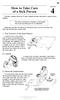 39 How to Take Care of a Sick Person Sickness weakens the body. To gain strength and get well quickly, special care is needed. Medicines are often not necessary. But good care is always important. The
DIGESTION is the physical and
 Digestion DIGESTION is the physical and chemical breakdown of feeds as they pass through the gastrointestinal tract. The structures of the gastrointestinal tract include the mouth, the esophagus, the stomach,
Personal Injury TYPES OF HOLIDAY ILLNESSES. www.simpsonmillar.co.uk Telephone 0844 858 3200
 TYPES OF HOLIDAY ILLNESSES Whilst on holiday many different contractable illnesses exist, the list below contains the most common. This list is by no means exhaustive and if you have suffered from an illness
VACCINATION PROGRAMS FOR DAIRY YOUNG STOCK
 Animal Health Fact Sheet VACCINATION PROGRAMS FOR DAIRY YOUNG STOCK Clell V. Bagley, DVM, Extension Veterinarian Utah State University, Logan UT 84322-5600 March 2001 AH/Dairy/06 Vaccines are an important
Parasitic Diseases. There are three main classes of parasites that cause disease in humans: Protozoa. Helminths. Ectoparasites.
 Parasitic Diseases Introduction Parasites are living things that use other living things, like your body, for food and a place to live. You can get them from contaminated food or water, a bug bite or sexual
THE UDDER OF THE COW
 THE UDDER OF THE COW HOW IS IT INSIDE? Fore Quarters (40-45 %) Rear Quarters (55-60 %) Suspensory Lateral Laminas of Lateral Lobule with Alveoli Gland Cistern Udder Suspensory Lactiferous ducts Udder Lateral
Enteric Septicemia of Catfish
 Enteric Septicemia of Catfish Jesse Chappell Extension Fisheries Specialist Revised 2008 Enteric Septicemia of Catfish (ESC) has become one of the two most significant diseases of economic significance
Division of Epidemiology, Environmental and Occupational Health Consumer and Environmental Health Services
 Division of Epidemiology, Environmental and Occupational Health Consumer and Environmental Health Services FACTS Cryptosporidium in Drinking Water What Is Cryptosporidium? 3 Why Is Cryptosporidium a Concern
Swine Health. Beth Ferry MSU Extension Pork Educator
 Swine Health Beth Ferry MSU Extension Pork Educator What Affects Pig Health? Resources Environment Nutrition Management Animal Care What is your job? Good Observation Key to managing health, production
Calf Scours: Causes, Prevention and Treatment
 Calf Scours Causes: Prevention and Treatment, G75-269-A (Revised November 1982) Page 1 of 6 G75-269-A (Revised November 1982) Calf Scours: Causes, Prevention and Treatment Calf scours or calf diarrhea:
Conjunctivitis - Pink Eye
 Conjunctivitis - Pink Eye Introduction Conjunctivitis is often called pink eye. It causes inflammation of the thin, clear lining inside the eyelid and on the white of the eye. The inflammation gives the
TB CARE EARLY DETECTION AND PREVENTION OF TUBERCULOSIS (TB) IN CHILDREN. Risk factors in children acquiring TB:
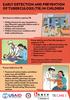 EARLY DETECTION AND PREVENTION OF TUBERCULOSIS (TB) IN CHILDREN Risk factors in children acquiring TB: Children living in the same household as a lung TB patient (especially children under 5) Children
Lesson 1 Understanding the Epidemiologic Triangle through Infectious Disease
 Lesson 1 Understanding the Epidemiologic Triangle through Infectious Disease Section Diseases Investigative Questions What is our experience with infectious diseases and what do we know about them? What
ABU DHABI FOOD CONTROL AUTHORITY. Food Poisoning. www.facebook.com/adfca1. www.twitter.com/adfca. www.youtube.com/adfcamedia
 Food Poisoning جهاز أبوظبي للرقابة الغذائية ABU DHABI FOOD CONTROL AUTHORITY Food Poisoning www.facebook.com/adfca1 www.twitter.com/adfca www.youtube.com/adfcamedia Creating awareness among the consumers
Childhood Diseases and potential risks during pregnancy: (All information available on the March of Dimes Web Site.) http://www.modimes.
 Childhood Diseases and potential risks during pregnancy: (All information available on the March of Dimes Web Site.) http://www.modimes.org/ Fifth disease (erythema infectiosum) is a common, mild, childhood
Chick Quality and First Week Mortality. Why is chick quality important? What factors affect chick quality? Objectives 4/5/2012
 Chick Quality and First Week Mortality What does a good, quality chick look like? Bright, alert and reactive Good yellow coloring Dry fluffy feathering Uniform size Well hydrated Healed navels Little vaccine
Managing Heat Stress in Poultry
 Managing Heat Stress in Poultry Amy E. Halls, Monogastric Nutritionist Shur-Gain, Nutreco Canada Inc. Heat stress has several serious and economical effects on poultry. In broilers and turkeys, it can
Leader's Resource. Note: Both men and women can have an STD without physical symptoms.
 Leader's Resource Information on Sexually Transmitted Diseases (STDs) Signs and Symptoms of STDs Note: Both men and women can have an STD without physical symptoms. Any of the following can indicate to
Quality Measures for Long-stay Residents Percent of residents whose need for help with daily activities has increased.
 Quality Measures for Long-stay Residents Percent of residents whose need for help with daily activities has increased. This graph shows the percent of residents whose need for help doing basic daily tasks
Blood Transfusion. There are three types of blood cells: Red blood cells. White blood cells. Platelets.
 Blood Transfusion Introduction Blood transfusions can save lives. Every second, someone in the world needs a blood transfusion. Blood transfusions can replace the blood lost from a serious injury or surgery.
20.3 Diseases Caused by Bacteria and Viruses
 20.3 Diseases Caused by Bacteria and Viruses Lesson Objectives Explain how bacteria cause disease. Explain how viruses cause disease. Define emerging disease and explain why emerging diseases are a threat
MRSA. Living with. Acknowledgements. (Methicillin-Resistant Staphylococcus aureus)
 How can I keep myself healthy? Hand washing and use of an alcohol-based hand sanitizer are the primary way to prevent acquiring or transmitting bacteria. If you get a cut or scrape, wash it well with soap
COMMON DISEASES OF CHICKENS, TURKEYS & GAMEBIRDS
 COMMON DISEASES OF CHICKENS, TURKEYS & GAMEBIRDS Julie D. Helm, DVM Clemson Livestock-Poultry Health (November 2004) DISEASES EFFECTING THE RESPIRATORY SYSTEM (trachea, lungs, airsacs) Viral Bacterial
Influenza and Pandemic Flu Guidelines
 Influenza and Pandemic Flu Guidelines Introduction Pandemic flu is a form of influenza that spreads rapidly to affect most countries and regions around the world. Unlike the 'ordinary' flu that occurs
The Polio Virus. Getting to Know Your Old Enemy. Marcia Falconer, Ph.D.
 The Polio Virus Getting to Know Your Old Enemy Marcia Falconer, Ph.D. The Polio Virus Virus is smallest living thing that can reproduce itself Outer shell (capsid) Inner genetic material (RNA) and one
C H A P T E R 7. 1 0.
 1 C H A P T E R 7. 1 0. A N I M A L W E L F A R E A N D B R O I L E R C H I C K E N P R O D U C T I O N S Y S T E M S [Article 7.10.1.] [Article 7.10.2.] [Article 7.10.3.] Article 7.10.4. Recommendations
CONSULTATION & CONSENT FORMS p. 1 of 5 C J HERBAL REMEDIES, INC. ********************************************************************************
 CONSULTATION & CONSENT FORMS p. 1 of 5 ******************************************************************************** List your full name, age, sex, and today's date List your complete address List your
What Is. Norovirus? Learning how to control the spread of norovirus. Web Sites
 Web Sites Centers for Disease Control and Prevention (CDC) http://www.cdc.gov/norovirus/index.html Your Local Health Department http://www.azdhs.gov/diro/lhliaison/countymap.htm What Is Ocument dn Norovirus?
APPENDIX I-A: INFORMED CONSENT BB IND 11184 Protocol CDC IRB #4167
 APPENDIX I-A: INFORMED CONSENT BB IND 11184 Protocol CDC IRB #4167 INFORMED CONSENT FOR USE OF DIPHTHERIA ANTITOXIN (DAT) FOR SUSPECTED DIPHTHERIA CASES Investigational New Drug (IND) BB 11184 Protocol
Faculteit Diergeneeskunde. Prof. dr. G. Opsomer Faculty of Veterinary Medicine Ghent University.
 Faculteit Diergeneeskunde Integrated veterinary herd health management as the basis for sustainable animal production (dairy herd health as an example) Prof. dr. G. Opsomer Faculty of Veterinary Medicine
RSV infection. Information about RSV and how you can reduce the risk of your infant developing a severe infection.
 RSV infection Information about RSV and how you can reduce the risk of your infant developing a severe infection. What is RSV? RSV is one of the most common respiratory viruses and is spread easily. By
Diar in cattle. D. Luseba
 Diar iarrhoea in cattle D. Luseba 2002 First print 2005 Second print Printed and published by Department of Agriculture Obtainable from Directorate: Agricultural Information Services Private Bag X144 Pretoria
Blood Transfusion. Red Blood Cells White Blood Cells Platelets
 Blood Transfusion Introduction Blood transfusions are very common. Each year, almost 5 million Americans need a blood transfusion. Blood transfusions are given to replace blood lost during surgery or serious
Poultry Care. Guide. Getting Started Breeds Raising Healthy Chicks Keeping Layers Happy Disease Prevention Project and Daily Management Checklists
 Poultry Care Guide Getting Started Breeds Raising Healthy Chicks Keeping Layers Happy Disease Prevention Project and Daily Management Checklists Getting Started Raising chickens, turkeys, ducks, geese
Diagnostic Testing and Strategies for BVDV
 Diagnostic Testing and Strategies for BVDV Dan Grooms Dept. of Large Animal Clinical Sciences College of Veterinary Medicine Introduction Clinical diseases in cattle resulting from infection with bovine
Canine Distemper Virus
 Canine Distemper Virus Canine Distemper (CD) is a highly contagious infectious disease of dogs worldwide caused by the canine distemper virus (CDV). It is often fatal. CD is a multisystemic disease that
Guidelines for Hand Foot and Mouth Disease HFMD
 Guidelines for Hand Foot and Mouth Disease HFMD Hand, foot, and mouth disease, or HFMD, is a contagious illness caused by different viruses. Infants and children younger than 5 years are more likely to
WHY IS THIS IMPORTANT?
 CHAPTER 1 WHAT IS MICROBIOLOGY AND WHY IS IT IMPORTANT? WHO / TDR / Crump WHY IS THIS IMPORTANT? Microbiology is more relevant than ever in today s world. Infectious diseases are a leading health-related
PREVENTING THE SPREAD OF CONTAGIOUS ILLNESS
 PREVENTING THE SPREAD OF CONTAGIOUS ILLNESS This easy-to-use Leader s Guide is provided to assist in conducting a successful presentation. Featured are: INTRODUCTION: A brief description of the program
MEDICATION GUIDE ACTOPLUS MET (ak-tō-plus-met) (pioglitazone hydrochloride and metformin hydrochloride) tablets
 MEDICATION GUIDE (ak-tō-plus-met) (pioglitazone hydrochloride and metformin hydrochloride) tablets Read this Medication Guide carefully before you start taking and each time you get a refill. There may
Frequently Asked Questions: Ai-Detox
 What is Ai-Detox? Frequently Asked Questions: Ai-Detox Ai-Detox is a Chinese herbal medicinal formula, produced using state of the art biotechnology, which ensures the utmost standards in quality and safety.
Multiple Myeloma. This reference summary will help you understand multiple myeloma and its treatment options.
 Multiple Myeloma Introduction Multiple myeloma is a type of cancer that affects white blood cells. Each year, thousands of people find out that they have multiple myeloma. This reference summary will help
Internal Parasites Worms Ascarids: Large Roundworms
 Internal Parasites Internal Parasites can be classified into two basic groups, worms and protozoa. Parasitic disease differs from bacterial and viral disease in specific ways: Parasites have a complex
Symptoms of Hodgkin lymphoma
 Produced 28.02.2011 Revision due 28.02.2013 Symptoms of Hodgkin lymphoma Lymphoma is a cancer of cells called lymphocytes. These cells are part of our immune system, which helps us to fight off infections.
VACCINATION PROGRAM FOR BEEF CALVES
 Animal Health Fact Sheet VACCINATION PROGRAM FOR BEEF CALVES Clell V. Bagley, DVM, Extension Veterinarian Utah State University, Logan UT 84322-5600 October 2001 Beef 40 Vaccines are an important tool
Sanitary Food Preparation & Safe Food Handling
 70 Feeding Infants 10 Sanitary Food Preparation & Safe Food Handling Babies are more susceptible to bacteria than older children, and unsanitary food conditions can cause serious infections. General cleanliness,
Pneumonia Education and Discharge Instructions
 Pneumonia Education and Discharge Instructions Pneumonia Education and Discharge Instructions Definition: Pneumonia is an infection of the lungs. Many different organisms can cause it, including bacteria,
BASIC INFORMATION ABOUT HIV, HEPATITIS B and C, and TUBERCULOSIS Adapted from the CDC
 BASIC INFORMATION ABOUT HIV, HEPATITIS B and C, and TUBERCULOSIS Adapted from the CDC HIV What are HIV and AIDS? HIV stands for Human Immunodeficiency Virus. This is the virus that causes AIDS. HIV is
Internal Parasites Donna K. Carver, DVM, PhD, ACPV
 Internal Parasites Donna K. Carver, DVM, PhD, ACPV Parasites are organisms that live in or on another organism (host) and gain an advantage at the expense of the host. Internal parasites live inside their
Summary of the risk management plan (RMP) for Tritanrix HB [Diphtheria, tetanus, pertussis (whole cell) and hepatitis B (rdna) vaccine (adsorbed)]
![Summary of the risk management plan (RMP) for Tritanrix HB [Diphtheria, tetanus, pertussis (whole cell) and hepatitis B (rdna) vaccine (adsorbed)]](/thumbs/27/12172665.jpg "Summary of the risk management plan (RMP) for Tritanrix HB [Diphtheria, tetanus, pertussis (whole cell) and hepatitis B (rdna) vaccine (adsorbed)]") EMA/14365/2014 Summary of the risk management plan (RMP) for Tritanrix HB [Diphtheria, tetanus, pertussis (whole cell) and hepatitis B (rdna) vaccine (adsorbed)] Overview of disease epidemiology Diphtheria
EMA/14365/2014 Summary of the risk management plan (RMP) for Tritanrix HB [Diphtheria, tetanus, pertussis (whole cell) and hepatitis B (rdna) vaccine (adsorbed)] Overview of disease epidemiology Diphtheria
Food allergy /anaphylaxis
 Food allergy /anaphylaxis A food allergy or hypersensitivity is an abnormal response to a food that is triggered by the immune system. Allergic reactions are often mild, but can be sometimes very dangerous.
MEDICATION GUIDE REMICADE (Rem-eh-kaid) (infliximab) Read the Medication Guide that comes with REMICADE before you receive the first treatment, and
 MEDICATION GUIDE REMICADE (Rem-eh-kaid) (infliximab) Read the Medication Guide that comes with REMICADE before you receive the first treatment, and before each time you get a treatment of REMICADE. This
Why is prematurity a concern?
 Prematurity What is prematurity? A baby born before 37 weeks of pregnancy is considered premature. Approximately 12% of all babies are born prematurely. Terms that refer to premature babies are preterm
Learning about Hepatitis C and Chronic Kidney Disease
 Learning about Hepatitis C and Chronic Kidney Disease Hepatitis C and Chronic Kidney Disease If you have chronic kidney disease (CKD), you want to learn all you can about your disease and what you can
The symptoms of HIV infection
 2 The symptoms of HIV infection Saleema s story HIV infection and HIV disease The first weeks of HIV infection The quiet stage of HIV infection The beginning of HIV disease Answering Saleema s questions
Understanding Foodborne Illness (Food Poisoning)
 Understanding Foodborne Illness (Food Poisoning) 9 Costs of Foodborne Illness (Food Poisoning) possible law suits from customers who are ill There have been numerous cases where restaurants have been sued
Bacteria vs. Virus: What s the Difference? Grade 11-12
 Bacteria vs. Virus: What s the Difference? Grade 11-12 Subject: Biology Topic: Bacteria, viruses, and the differences between them. The role that water plays in spreading bacteria and viruses, and the
For the Patient: Paclitaxel injection Other names: TAXOL
 For the Patient: Paclitaxel injection Other names: TAXOL Paclitaxel (pak'' li tax' el) is a drug that is used to treat many types of cancer. It is a clear liquid that is injected into a vein. Tell your
12 Points of Tuberculosis (TB) Patient Education
 12 Points of Tuberculosis (TB) Patient Education Transmission of TB TB is a disease caused by the TB germ. The disease is mainly in the lungs (pulmonary TB), but the germ can travel to other parts of the
Chronic Obstructive Pulmonary Disease Patient Guidebook
 Chronic Obstructive Pulmonary Disease Patient Guidebook The Respiratory System The respiratory system consists of the lungs and air passages. The lungs are the part of the body where gases are exchanged
NEURO-OPHTHALMIC QUESTIONNAIRE NAME: AGE: DATE OF EXAM: CHART #: (Office Use Only)
 PAGE 1 NEURO-OPHTHALMIC QUESTIONNAIRE NAME: AGE: DATE OF EXAM: CHART #: (Office Use Only) 1. What is the main problem that you are having? (If additional space is required, please use the back of this
PATIENT HEALTH QUESTIONNAIRE Radiation Oncology (Patient Label)
 REVIEWED DATE / INITIALS SAFETY: Are you at risk for falls? Do you have a Pacemaker? Females; Is there a possibility you may be pregnant? ALLERGIES: Do you have any allergies to medications? If, please