
Facts About Brucellosis
|
|
|
- Kelley Ferguson
- 10 years ago
- Views:
Transcription
1 Facts About Brucellosis 1. What is brucellosis? It is a contagious, costly disease of ruminant (E.g. cattle, bison and cervids) animals that also affects humans. Although brucellosis can attack other animals, its main threat is to cattle, bison, cervids (E.g. elk and deer), and swine. The disease is also known as contagious abortion or Bang's disease. In humans, it's known as undulant fever because of the severe intermittent fever accompanying human infection or Malta fever because it was first recognized as a human disease on the island of Malta. 2. How serious is brucellosis? Bovine brucellosis is a serious disease of livestock that has significant animal health, public health, and international trade consequences. Considering the damage done by the infection in animals decreased milk production, weight loss, loss of young, infertility and lameness this disease is a formidable threat to livestock. The fact that this disease can spread rapidly and be transmitted to humans makes it all the more serious. 3. What disease agents cause brucellosis? The disease is caused by a group of bacteria known scientifically as the genus Brucella. Three species of Brucella cause the most concern: B. abortus, principally affecting cattle, bison and cervids; B. suis, principally affecting swine and reindeer but also cattle and bison; and B. melitensis, principally affecting goats but not present in the United States. In cattle and bison, the disease primarily localizes in the reproductive organs and/or the udder. Bacteria are shed in milk or via the aborted fetus, afterbirth, or other reproductive tract discharges. 4. What are the signs of brucellosis? There is no effective way to detect infected animals by their appearance. The most obvious signs in pregnant animals are abortion or birth of weak calves. Milk production may be reduced from changes in the normal lactation period caused by abortions and delayed conceptions. Not all infected cows abort, but those that do usually abort between the fifth and seventh month of pregnancy. Infected cows usually abort once, but a percentage will abort during additional pregnancies, and calves born from later pregnancies may be weak and unhealthy. Calves from infected cows may have latent infections, i.e. infections that are not detected until they become pregnant, abort or give birth. Even though their calves may appear healthy, infected cows continue to harbor and discharge infectious organisms and should be regarded as dangerous sources of the disease. Other signs of brucellosis include an apparent lowering of fertility with poor conception rates, retained afterbirths with resulting uterine infections, and (occasionally) enlarged, arthritic joints. 5. How is brucellosis spread? Brucellosis is commonly transmitted to susceptible animals by direct contact with infected animals or with an environment that has been contaminated with discharges from infected 1

2 animals. Aborted fetuses, placental membranes or fluids, and other vaginal discharges present after an infected animal has aborted or calved are all highly contaminated with infectious Brucella organisms. Cows may lick those materials or the genital area of other cows or ingest feed or water contaminated with the disease-causing organisms. Despite occasional exceptions, the general rule is that brucellosis is carried from one herd to another by an infected or exposed animal. This mode of transmission occurs when a herd owner buys replacement cattle or domestic bison that are infected or have been exposed to infected animals, animal tissues or animal discharges prior to purchase. The disease may also be spread when wild animals or animals from an affected herd mingle with brucellosis-free herds. 6. What is the incubation period of brucellosis? An incubation period is the interval of time between exposure to an infectious dose of organism and the first appearance of disease signs. The incubation period of brucellosis in cattle, bison, and other animals is quite variable ranging from about 2 weeks to 1 year and even longer in certain instances. When abortion is the first sign observed, the minimum incubation period is usually about 30 days. Some animals abort before developing a positive reaction to the diagnostic test. Other infected animals may never abort. Generally, infected animals that do not abort develop a positive reaction to the diagnostic test within 30 to 60 days after infection, although some may not develop a positive reaction for several months to over a year. 7. Can brucellosis in animals be cured? No. Repeated attempts to develop a cure for brucellosis in animals have failed. Occasionally, animals may recover after a period of time. More commonly, however, only the signs disappear and the animals remain diseased. Such animals are dangerous sources of infection for other animals with which they associate. 8. Can brucellosis be avoided? Yes. Brucellosis may be avoided by using proper sanitation methods. Proper herd management strategies can also aid in the avoidance of the disease. These include: Maintaining closed herds, recording individual animal identification and maintaining accurate records, isolating and testing purchased additions as well as cattle re-entering the herd and arranging diagnostic workups and necropsies for potentially or suspected brucellosis infected cattle. 9. Is there a program to eradicate brucellosis? Yes. In 1954 Congressional funds were first approved for a Cooperative State - Federal Brucellosis Eradication Program to eliminate the disease from the country. Like other animal disease eradication efforts, success of the program depends on the support and participation of livestock producers. The basic approach has always been to vaccinate calves, test cattle and domestic bison for infection, and send infected animals to slaughter. Depopulation of herds, if funds are available, may be used if herds are severely affected. Identification of market animals for tracing, surveillance to find infected animals, investigation of affected herds, and vaccination of replacement calves in brucellosis-affected areas are important features of the current program. The program's Uniform Methods and Rules set forth the minimum standards for states to achieve eradication. States are designated brucellosis free when none of their cattle or bison is found to be infected for 12 consecutive months under an active surveillance program. For current Brucellosis State classifications see the updates posted at: 2

3 %3a%2Faphis_content_library%2Fsa_our_focus%2Fsa_animal_health%2Fsa_animal_disease_i nformation%2fct_status_of_eradication_programs and %3a% apath%3a%2faphis_content_library%2fsa_our_focus%2fsa_animal_health%2fsa_animal_dise ase_information%2fsa_cattle_health%2fsa_tb_bruc%2fct_monthly_rpt2faphis_content_librar y%2fsa_our_focus%2fsa_animal_health%2fsa_animal_disease_information%2fsa_cattle_heal th%2fsa_tb_bruc%2fct_monthly_rpt 10. How effective is the Brucellosis Eradication Program? At the beginning of the program, brucellosis was widespread throughout U.S. livestock, but eradication efforts have had dramatic results. In 1956, there were 124,000 affected herds found by testing in the United States. By 1992, this number had dropped to 700 herds and the number of affected, domestic herds has declined to single digits since then. USDA, APHIS, Cooperative State Federal Program continues to work towards achieving the goal of nationwide eradication of brucellosis from domestic cattle and bison. Currently all 50 states, Puerto Rico and the U.S. Virgin Islands are brucellosis Class Free. 11. How costly is brucellosis to the livestock industry? The livestock and dairy industries and the American consumer have realized great financial savings from the success of the Cooperative State Federal Brucellosis Eradication Program. Annual losses from lowered milk production, aborted calves and pigs, and reduced breeding efficiency have decreased from more than $400 million in 1952 to less than $1 million today. Studies have shown that, if brucellosis eradication program efforts were stopped, the costs of producing beef and milk would increase by an estimated $80 million annually in less than 10 years. 12. Is there a national surveillance strategy? Yes. The objective is to have a strategy that will maintain confidence that brucellosis is present in less than one animal per million in the national beef and dairy cattle herd. Domestic bison are also included in the surveillance strategy. This sampling approach moves away from censusbased sampling originally designed for disease eradication to one more appropriate for the current situation. Using statistical sampling for slaughter surveillance based on the national cattle herd size, this strategy will result in an approximate 50 percent or greater reduction in the number of slaughter surveillance samples needed. The plan eliminates State-by-State census sampling while still effectively demonstrating the national herd s disease-free status. This national status based surveillance strategy exceeds the standards set by the World Organization for Animal Health (OIE) for a country recognized as disease-free for brucellosis. 13. How is infection found in cattle and domestic bison? Two primary surveillance procedures are used to locate infection without having to test each animal in every herd. Milk from dairy herds is checked, in some states, two to four times a year 3

4 by testing a small sample obtained from creameries or farm milk tanks for evidence of brucellosis. Cattle and domestic bison herds that do not produce milk for sale are routinely tested for brucellosis by blood-testing animals sold from these herds at livestock markets, in some states, or at federally designated slaughter facilities. With certain exceptions, herd tests for disease investigations must include all cattle and bison over 6 months of age except steers and spayed heifers. In addition, some states require adult cattle and bison be subjected to blood tests for brucellosis upon change of ownership even if sold directly from one farm to another. If brucellosis test positive animals are detected in surveillance testing, the cattle and bison remaining in the herds from which such animals originated are tested. 14. Is identification of market cattle and domestic bison important? Yes. Market Cattle Identification (MCI) provides a means of determining the brucellosis status of animals marketed from a large area and eliminates the need to round up cattle and bison in all herds for routine testing. MCI, along with preliminary testing procedures, is effective in locating brucellosis infection so control measures can be taken to contain the disease and eliminate it. The key to the MCI program is proper identification of all animals so they can be traced to their herds of origin. Most livestock markets identify cattle and bison with numbered USDAapproved backtags. Backtags, as well as eartags and other man-made identification devices, are collected at slaughter facilities and sent to the diagnostic laboratory along with the matching blood samples to aid in identifying ownership of test-positive animals. MCI is important for locating, controlling brucellosis and other diseases. 15. What happens if evidence of brucellosis is found? When an affected herd is located, the infection is contained by quarantining all infected and exposed cattle and bison and limiting their movement to slaughter only. This is done until the disease can be eliminated from the herd. Depopulation of brucellosis affected herds is recommended if funding is available. Diagnostic tests are used to find all infected cattle and bison in the herd, to determine if adjacent herds are affected, to determine the most probable source of the infection, and to determine if the disease may have been transmitted to other herds. Epidemiologists, specially trained veterinarians, investigate disease sources and develop herd plans for affected herds, possibly exposed herds, and area herds to control, eradicate, and prevent the spread of the disease. 16. Is there a vaccine for brucellosis? Yes. The brucellosis vaccine is called RB51. RB51 works by producing an immune response that increases the animal's resistance to the disease. The vaccine is a live product and must be administered only by an accredited veterinarian or State or Federal animal health official. Vaccination is not 100 percent effective in preventing brucellosis; it typically protects about percent of the vaccinated cattle from becoming infected by an average exposure. For best results, female calves should be vaccinated when they are between 4 months and 1 year old. At the time of vaccination, a tattoo is applied in the ear which identifies the animal as an "official vaccinate." The tattoo identifies the RB51 vaccine and the year in which vaccination took place. Vaccination is an important tool in the control, management and elimination of brucellosis. Every cattle or domestic bison owner, regardless of location, should discuss the advantages and disadvantages of vaccination with his or her veterinarian. Some States do not allow cattle and domestic bison to be imported for breeding if they are not official brucellosis vaccinates and they 4

5 are beyond the age at which they should have been vaccinated. In brucellosis affected areas such as the Greater Yellowstone Area, revaccination of female cattle or domestic bison at 3 to 5 year intervals is recommended. This gives much better protection to the herd. 17. What about wildlife, free-ranging bison and elk herds? Brucellosis-affected wildlife can transmit the disease to domestic livestock. To demonstrate the disease-free status of the United States, we must lessen risks of brucellosis transmission from wildlife to livestock. The presence of brucellosis in free-ranging bison and elk in the Greater Yellowstone Area (GYA), Yellowstone National Park and Grand Teton National Park and the area around those parks, threatens the brucellosis status of the surrounding States and the health of their cattle and domestic bison herds, which are free of the disease. Reintroduction of the disease into a brucellosis-free State could have a serious economic impact on domestic livestock markets and potentially affect export markets. The U.S. Department of Agriculture's (USDA) Animal and Plant Health Inspection Service (APHIS) is working cooperatively with State and other Federal agencies toward containing the spread of brucellosis from free-ranging bison and elk to domestic bison and cattle and eliminating the disease from the GYA while maintaining viable free-ranging bison and elk herds in the GYA and in the Parks. 18. How does brucellosis affect humans? People infected with the brucellosis organism usually develop symptoms similar to a severe influenza, but this disease, called undulant fever, persists for several weeks, months or longer and may get progressively worse if it is not treated. The initial symptoms are fatigue and headaches, followed by high fever, chills, drenching sweats, joint pains, backache, and loss of weight and appetite. Long-term effects can include arthritis, swelling of internal organs, depression, chronic fatigue and recurrent fevers. Undulant fever does not often kill its victims, but the disease is too serious to be dealt with lightly. Farmers, ranchers, veterinarians, and packing plant workers are more vulnerable to becoming infected because they come into direct contact with infected animals and tissues from those animals. 19. What are the main sources of human infection? The most common way to be infected is by eating or drinking contaminated, unpasteurized milk products. When sheep, goats, cows, or camels are infected, their milk is contaminated with the bacteria. If the milk is not pasteurized, these bacteria can be transmitted to persons who drink the milk or eat cheeses and other dairy made from it. Humans can also contract the disease when slaughtering infected animals or when processing contaminated organs from freshly-killed, brucellosis infected livestock, wildlife or feral swine. 20. Can people get brucellosis by eating meat? There is no danger from eating cooked meat products because the disease-causing bacteria are not normally found in muscle tissue and they are killed by normal cooking temperatures. 5

6 21. How common is human brucellosis in this country? Fortunately, the combination of pasteurization of milk and progress in the eradication of the disease in livestock has resulted in substantially fewer human cases than in the past. Ninety eight cases of human brucellosis were reported in 1997, a fraction of the 6,400 cases reported in More recently, approximately 100 cases of brucellosis in humans are reported annually to the Centers for Disease Control and Prevention. 22. How can people lessen the risk of brucellosis infection? Ranchers, farmers, or animal managers should clean and disinfect calving areas and other places likely to become contaminated with infective material. All individuals should wear sturdy rubber or plastic gloves when field dressing and handling tissues from wildlife and feral swine, assisting calving or aborting animals, and scrub well with soap and water afterward. Precautions against drinking raw milk or eating unpasteurized milk byproducts are also important. Ultimately, the best prevention is to eliminate brucellosis from all animals in the area. For more information regarding brucellosis in humans please visit the Center for Disease Control s (CDC) website at: CDC - Home - Brucellosis 6

Diagnostic Testing and Strategies for BVDV
 Diagnostic Testing and Strategies for BVDV Dan Grooms Dept. of Large Animal Clinical Sciences College of Veterinary Medicine Introduction Clinical diseases in cattle resulting from infection with bovine
Vaccination Programs for the Cow/Calf Operation
 Vaccination Programs for the Cow/Calf Operation Disease prevention is of utmost importance in a cow-calf operation because it is a low profit margin enterprise. Adequate nutrition, strategic deworming,
New Florida Cattle Identification Program to Protect Florida s Cattle Industry; Mitigate Spread of Disease
 New Florida Cattle Identification Program to Protect Florida s Cattle Industry; Mitigate Spread of Disease Florida Department of Agriculture and Consumer Services Invites Feedback on Draft Rule Over the
VACCINATION PROGRAMS FOR DAIRY YOUNG STOCK
 Animal Health Fact Sheet VACCINATION PROGRAMS FOR DAIRY YOUNG STOCK Clell V. Bagley, DVM, Extension Veterinarian Utah State University, Logan UT 84322-5600 March 2001 AH/Dairy/06 Vaccines are an important
1/27/2015. Module 12: Animal Disease Traceability. Supplemental Training. Supplemental Training. Supplemental Training
 Supplemental Training Module 12: Animal Disease Traceability National Veterinary Accreditation Program (NVAP) 1. Print clearly on the sign-in sheets. 2. It is critical that we have your current email address
Chlamydial Abortions in Sheep and Goats
 Chlamydial Abortions in Sheep and Goats History Reported for the first time in 1959 in Germany, then diagnosis of the disease occurred in Bulgaria, Spain, USA, France, India, Japan, United Kingdom, Chad,
Faculteit Diergeneeskunde. Prof. dr. G. Opsomer Faculty of Veterinary Medicine Ghent University.
 Faculteit Diergeneeskunde Integrated veterinary herd health management as the basis for sustainable animal production (dairy herd health as an example) Prof. dr. G. Opsomer Faculty of Veterinary Medicine
http:www.aphis.gov/animal_health/vet_accreditation/training_modules.shtml
 APHIS Approved Supplemental Training for Accredited Veterinarians has now been approved for Continuing Education Credit by the Texas Board of Veterinary Medical Examiners In the new accreditation process,
reduce the probability of devastating disease outbreaks reduce the severity of disease agents present in a herd improve the value of products sold.
 Vaccination Programs: Beef Cow Calf Operations Timothy Jordan, D.V.M Beef Production Medicine Program North Carolina State University College of Veterinary Medicine Goals A comprehensive herd health and
Swine Health. Beth Ferry MSU Extension Pork Educator
 Swine Health Beth Ferry MSU Extension Pork Educator What Affects Pig Health? Resources Environment Nutrition Management Animal Care What is your job? Good Observation Key to managing health, production
ABORTION IN CATTLE. Animal Health Fact Sheet. Clell V. Bagley, DVM, Extension Veterinarian Utah State University, Logan UT 84322-5600
 Animal Health Fact Sheet ABORTION IN CATTLE Clell V. Bagley, DVM, Extension Veterinarian Utah State University, Logan UT 84322-5600 October 1999 AH/Beef/36 Abortion is the premature expulsion of the fetus
Interstate Movement Health Requirements Chapter 40-13-2 RULES OF GEORGIA DEPARTMENT OF AGRICULTURE ANIMAL INDUSTRY DIVISION
 RULES OF GEORGIA DEPARTMENT OF AGRICULTURE ANIMAL INDUSTRY DIVISION CHAPTER 40-13-2 INTERSTATE MOVEMENT HEALTH REQUIREMENTS TABLE OF CONTENTS 40-13-2-.01 Definitions 40-13-2-.02 Vesicular Stomatitis 40-13-2-.03
The economic and social impact of the Institute for Animal Health s work on Bluetongue disease (BTV-8)
 The economic and social impact of the Institute for Animal Health s work on Bluetongue disease (BTV-8) Donald Webb DTZ One Edinburgh Quay 133 Fountainbridge Edinburgh EH3 9QG Tel: 0131 222 4500 March 2008
ADVICE FOR OWNERS OF PET PIGS AND MICRO PIGS
 ADVICE FOR OWNERS OF PET PIGS AND MICRO PIGS General guidance for keeping your pig ADVICE AND GUIDANCE Keeping pigs or micro pigs animals specially bred to be smaller in adulthood than most other pig species
http://www.who.int/csr/disease/avian_influenza/phase/en 4 http://new.paho.org/hq/index.php?option=com_content&task=view&id=1283&itemid=569
 Food and Agriculture Organization of the United Nations International Food Safety Authorities Network (INFOSAN) (Update) 30 April 2009 INFOSAN Information Note No. 2/2009 Human-animal interface aspects
Animal health requirements for the exported pig meat, etc. to Japan from Spain are as follows.
 Animal health requirements for meat and viscera derived from pigs and sausages, ham and bacon made from the said meat and viscera as raw materials to be exported to Japan from Spain Animal health requirements
BRUCELLOSIS. Other animals, including wildlife, may provide a reservoir for brucellae.
 Infectious Disease Epidemiology Section Office of Public Health, Louisiana Dept of Health & Hospitals 800-256-2748 (24 hr number) (504) 219-4563 www.infectiousdisease.dhh.louisiana.gov BRUCELLOSIS Revised
HPAI Response HPAI Response Goals November 18, 2015
 HPAI Response HPAI Response Goals November 18, 2015 Please note: These may be revised as the situation continues to change. USDA APHIS will work to achieve these goals for critical activities in a highly
The Moredun Foundation. News Sheet Vol. 4, No.10. Toxoplasmosis in Sheep
 The Moredun Foundation News Sheet Vol. 4, No.10 Toxoplasmosis in Sheep (Published February 2006) Susan Rodger BVMS (Hons), PhD, MRCVS David Buxton BVMS, PhD, FRCPath, FRCVS Moredun Research Institute Pentlands
DRYSTOCK BIOSECURITY GUIDELINES SEVEN INTERVENTION POINTS FOR ON-FARM BIOSECURITY
 JUNE 2013 DRYSTOCK BIOSECURITY GUIDELINES SEVEN INTERVENTION POINTS FOR ON-FARM BIOSECURITY PREPARED BY BEEF + LAMB NEW ZEALAND AND DEER INDUSTRY NEW ZEALAND DRYSTOCK BIOSECURITY GUIDELINES SEVEN INTERVENTION
The Danish veterinary preparedness for avian influenza and Newcastle disease
 The Danish veterinary preparedness for avian influenza and Newcastle disease Sten Mortensen, Veterinary R&D manager, Animal Health Division, Deputy head 19-04-2016 Livestock statistics, Denmark 2015 Species
BIOSECURITY PROCEDURES IN POULTRY PRODUCTION
 1 Annex VII CHAPTER 6.4. BIOSECURITY PROCEDURES IN POULTRY PRODUCTION Article 6.4.1. Introduction This chapter provides recommended biosecurity procedures in poultry production and is not specifically
Cattle. MRDP and Heifer
 Cattle MRDP and Heifer 1. Redwater 2. Blackquarter 3. Lumpy skin 4. Heartwater 5. Gallsickness and Sweating sickness 6. Warts 7. Snotsiekte and Sleeping Sickness 8. Worms and Fluke 9. External parasites
Have you ever wanted to help animals and people stay healthy? Have you ever thought about working in veterinary medicine? Well, I m here to explain
 Have you ever wanted to help animals and people stay healthy? Have you ever thought about working in veterinary medicine? Well, I m here to explain what veterinarians do and answer some of your questions.
BE SURE. BE SAFE. VACCINATE.
 DON T GET OR GIVE THE FLU THIS YEAR THANK YOU Vaccination is the only protection. www.immunisation.ie BE SURE. BE SAFE. VACCINATE. FLU VACCINE 2013-2014 Healthcare workers prevent the spread of flu and
Bloodborne Pathogens. Scott Anderson CCEMTP. Materials used with permission from the Oklahoma State University
 Bloodborne Pathogens Scott Anderson CCEMTP Materials used with permission from the Oklahoma State University What is a Bloodborne Pathogen? Microorganisms that are carried in the blood that can cause disease
Overview of the Cattle Immune System 1
 Oregon State University BEEF043 Beef Cattle Library Beef Cattle Sciences Overview of the Cattle Immune System 1 Reinaldo F. Cooke 2 Introduction On average, the U.S. cattle industry loses more than $1
Influenza and Pandemic Flu Guidelines
 Influenza and Pandemic Flu Guidelines Introduction Pandemic flu is a form of influenza that spreads rapidly to affect most countries and regions around the world. Unlike the 'ordinary' flu that occurs
MINISTRY OF LIVESTOCK DEVELOPMENT SMALLHOLDER DAIRY COMMERCIALIZATION PROGRAMME. Artificial Insemination (AI) Service
 MINISTRY OF LIVESTOCK DEVELOPMENT SMALLHOLDER DAIRY COMMERCIALIZATION PROGRAMME Artificial Insemination (AI) Service 1 1.0 Introduction The fertility of a dairy cattle is very important for a dairy farmer
Consumer Concerns About Hormones in Food
 Cornell University Program on Breast Cancer and Environmental Risk Factors in New York State (BCERF) June 2000 Consumer Concerns About Hormones in Food This fact sheet addresses some of the consumer concerns
Animal Pharming: The Industrialization of Transgenic Animals December 1999
 Animal Pharming: The Industrialization of Transgenic Animals December 1999 Animal pharming, the process of using transgenic animals to produce human drugs, is staking its claim in a lucrative world market.
UNIFORM DATA COLLECTION PROCEDURES
 UNIFORM DATA COLLECTION PROCEDURES PURPOSE: The purpose of these procedures is to provide the framework for a uniform, accurate record system that will increase dairy farmers' net profit. The uniform records
What is whooping cough. (pertussis)? Information and Prevention. Ocument dn
 What is whooping cough Ocument dn (pertussis)? Information and Prevention IMPORTANT Pertussis (or whooping cough) is a highly contagious infection that can cause uncontrollable, violent coughing. If you
Frequently asked questions about whooping cough (pertussis)
 Frequently asked questions about whooping cough (pertussis) About whooping cough What is whooping cough? Whooping cough is a highly contagious illness caused by bacteria. It mainly affects the respiratory
National Veterinary Accreditation Program
 United States Department of Agriculture Animal and Plant Health Inspection Service APHIS 91 55 082 National Veterinary Accreditation Program Reference Guide Preface The U.S. Department of Agriculture (USDA)
Management is designed to produce veterinarians and veterinary officers who are
 Graduate Diploma Program in Veterinary in Livestock Diseases and Health Management International Program (New curriculum 2009) 1. Title of curriculum Graduate Diploma Program in Veterinary in Livestock
Influenza Vaccine Frequently Asked Questions. Influenza Control Program
 Influenza Vaccine Frequently Asked Questions Influenza Control Program Influenza or the flu can be a serious contagious disease, which is spread by droplet transmission through close contact with an infected
Course Curriculum for Master Degree in Food Hygiene /Faculty of Veterinary Medicine
 Course Curriculum for Master Degree in Food Hygiene /Faculty of Veterinary Medicine The Master Degree Food Hygiene /Veterinary Medicine is awarded by the Faculty of Graduate Studies at Jordan University
Medicine Record Book
 Medicine Record Book Medicine Administration and Purchase Record Book (and Beef/Lamb Stock Health Plan) Name:.. Address:........ Assurance Number:. CONTENTS Foreword Animal Health Plan (Beef& Lamb only)
Animal Health Programs: Combining Surveillance, Detection, and Response
 United States Department of Agriculture Animal and Plant Health Inspection Service Animal Health Programs: Combining Surveillance, Detection, and Response The Animal and Plant Health Inspection Service
The Hepatitis B virus (HBV)
 The Hepatitis B virus (HBV) There are 400 million people in the world who live with chronic hepatitis B, including France. Most people don t even know they are infected. But there are several important
Canine Influenza. What do I need to know?
 Canine Influenza What do I need to know? What is canine influenza? Canine influenza is a newly emerging infectious disease caused by a flu virus. In dogs, a highly contagious strain of the influenza A
The Disease is a commonly diagnosed infectious disease that affects all equidae worldwide. Caused by the bacterium Streptococcus equi (S.equi), this d
 ADVICE ON The Disease is a commonly diagnosed infectious disease that affects all equidae worldwide. Caused by the bacterium Streptococcus equi (S.equi), this disease is highly contagious and is spread
Manual for Reporting on Zoonoses, Zoonotic Agents, Antimicrobial Resistance and Food-borne Outbreaks in the framework of Directive 2003/99/EC
 Report from the Task Force on Zoonoses Data Collection Manual for Reporting on Zoonoses, Zoonotic Agents, Antimicrobial Resistance and Food-borne Outbreaks in the framework of Directive 2003/99/EC and
National Antimicrobial Resistance Monitoring System - Enteric Bacteria. A program to monitor antimicrobial resistance in humans and animals
 National Antimicrobial Resistance Monitoring System - Enteric Bacteria A program to monitor antimicrobial resistance in humans and animals Antimicrobial resistance in foodborne pathogens is an important
TB CARE EARLY DETECTION AND PREVENTION OF TUBERCULOSIS (TB) IN CHILDREN. Risk factors in children acquiring TB:
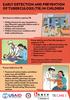 EARLY DETECTION AND PREVENTION OF TUBERCULOSIS (TB) IN CHILDREN Risk factors in children acquiring TB: Children living in the same household as a lung TB patient (especially children under 5) Children
STATE RABIES AND ANIMAL CONTROL STATUTES (effective November 20, 2002) TITLE IV of the state health law RABIES
 STATE RABIES AND ANIMAL CONTROL STATUTES (effective November 20, 2002) TITLE IV of the state health law RABIES Section 2140. Definitions. 2141. Compulsory vaccination. 2142. Rabies; emergency provisions.
THE UDDER OF THE COW
 THE UDDER OF THE COW HOW IS IT INSIDE? Fore Quarters (40-45 %) Rear Quarters (55-60 %) Suspensory Lateral Laminas of Lateral Lobule with Alveoli Gland Cistern Udder Suspensory Lactiferous ducts Udder Lateral
Tuberculosis: FAQs. What is the difference between latent TB infection and TB disease?
 Tuberculosis: FAQs What is TB disease? Tuberculosis (TB) is a disease caused by bacteria (germs) that are spread from person to person through the air. TB usually affects the lungs, but it can also affect
Childhood Diseases and potential risks during pregnancy: (All information available on the March of Dimes Web Site.) http://www.modimes.
 Childhood Diseases and potential risks during pregnancy: (All information available on the March of Dimes Web Site.) http://www.modimes.org/ Fifth disease (erythema infectiosum) is a common, mild, childhood
Managing the Dairy Farm: Key Performance Indicators
 Managing the Dairy Farm: Key Performance Indicators Thomas Fuhrmann, DVM DairyWorks, PO Box 2800-317, Carefree AZ 85377 Email: [email protected] Take Home Message This paper discusses how to use information
DEVISING IMPORT HEALTH MEASURES FOR ANIMAL COMMODITIES
 DEVISING IMPORT HEALTH MEASURES FOR ANIMAL COMMODITIES This paper provides guidance to OIE Members on the use of the animal health information in the OIE World Animal Health Information Database (WAHID)
Zoonotic Diseases of Cattle
 publication 400-460 Zoonotic Diseases of Cattle Kevin D. Pelzer, Associate Professor, Large Animal Clinical Sciences, Virginia Tech Nancy Currin, D.V.M., Veterinary Extension Publication Specialist, Virginia
Animal health: Discover potential health benefits of using homeopathy
 Animal health: Discover potential health benefits of using homeopathy 21 October 2014 By Wendy Short! The homeopathic treatment of livestock diseases is relatively uncommon, but the practice has been around
VETERINARY TECHNICIAN
 MICHIGAN CIVIL SERVICE COMMISSION JOB SPECIFICATION VETERINARY TECHNICIAN JOB DESCRIPTION Employees in this job perform various tasks to facilitate and support the work and research of professional veterinarians,
Notifiable Diseases. A Guide for Official Veterinarians
 Notifiable Diseases A Guide for Official Veterinarians Learning Objectives To understand the mechanisms in place for dealing with notifiable disease To improve awareness of which diseases are notifiable
ADVANCING ANIMAL DISEASE TRACEABILITY ROAD MAP FOR TEXAS
 ADVANCING ANIMAL DISEASE TRACEABILITY ROAD MAP FOR TEXAS A Three-Year Plan Submitted by: DR. DEE ELLIS EXECUTIVE DIRECTOR, STATE VETERINARIAN TEXAS ANIMAL HEALTH COMMISSION 2105 KRAMER LANE, AUSTIN, TX
How To Control A Dog
 TITLE 8: AGRICULTURE AND ANIMALS CHAPTER I: DEPARTMENT OF AGRICULTURE : ANIMALS AND ANIMAL PRODUCTS (EXCEPT MEAT AND POULTRY INSPECTION ACT REGULATIONS) PART 30 ANIMAL CONTROL ACT Section 30.10 Definitions
Comments from the National Association of State Public Health Veterinarians (NASPHV) on Proposed Revision of HHS/CDC Animal-Importation Regulations
 November 30, 2007 Comments from the National Association of State Public Health Veterinarians (NASPHV) on Proposed Revision of HHS/CDC Animal-Importation Regulations Response to Section 2, Other Animal
Information on Measles and Whooping Cough: Vaccination and Disease
 Information on Measles and Whooping Cough: Vaccination and Disease Vaccine s Mechanism of Action Vaccines expose the recipient to a small amount of an weakened organism. Through this exposure, the body
ADVICE FOR OWNERS OF PET PIGS AND MICRO PIGS
 ADVICE FOR OWNERS OF PET PIGS AND MICRO PIGS Guidance on the legal obligations of pig keepers ADVICE AND GUIDANCE This leaflet is designed for people who keep, or are considering keeping, pigs or micro
Clinical description 2 Laboratory test for diagnosis 3. Incubation period 4 Mode of transmission 4 Period of communicability 4
 Tuberculosis Contents Epidemiology in New Zealand 2 Case definition 2 Clinical description 2 Laboratory test for diagnosis 3 Case classification 3 Spread of infection 4 Incubation period 4 Mode of transmission
Infection control. Self-study course
 Infection control Self-study course Course objectives By the end of this course you will be able to: 1) Define a germ 2) Define the environment that a germ needs to live and grow 3) Explain the chain of
Biosecurity and Biological Risk Management for Livestock Enterprises
 Biosecurity and Biological Risk Management for Livestock Enterprises Dr. Matt Hersom Department of Animal Sciences Institute of Food and Agricultural Sciences University of Florida Developed in cooperation
Animal Welfare During a Disease Outbreak. Dr. Patrick Webb Director, Swine Health Programs
 Animal Welfare During a Disease Outbreak Dr. Patrick Webb Director, Swine Health Programs Making the A List.. 1 Economic Impacts of FMD Center for Agricultural and Rural Development Food and Agricultural
West Nile Virus and Workers
 West Nile Virus and Workers What is West Nile virus (WNv)? The West Nile Virus (WNv) is a mosquito-borne virus that can cause swelling and inflammation of the brain and spinal cord in horses, birds, and
Advice for Colleges, Universities, and Students about Ebola in West Africa For Colleges and Universities
 Advice for Colleges, Universities, and Students about Ebola in West Africa For Colleges and Universities Advice for Study Abroad, Foreign Exchange, or Other Education-related Travel Is it safe to travel
MODULE 1: INTRODUCTION TO THE NATIONAL VETERINARY ACCREDITATION PROGRAM
 MODULE 1: INTRODUCTION TO THE NATIONAL VETERINARY ACCREDITATION PROGRAM NATIONAL VETERINARY ACCREDITATION PROGRAM United States Department of Agriculture Animal and Plant Health Inspection Service Veterinary
Exposure. What Healthcare Personnel Need to Know
 Information from the Centers for Disease Control and Prevention National Center for Infectious Diseases Divison of Healthcare Quality Promotion and Division of Viral Hepatitis For additional brochures
BASIC INFORMATION ABOUT HIV, HEPATITIS B and C, and TUBERCULOSIS Adapted from the CDC
 BASIC INFORMATION ABOUT HIV, HEPATITIS B and C, and TUBERCULOSIS Adapted from the CDC HIV What are HIV and AIDS? HIV stands for Human Immunodeficiency Virus. This is the virus that causes AIDS. HIV is
C. difficile Infections
 C. difficile Infections Introduction C. difficile is a type of bacteria that can cause diarrhea and infection of the colon. This bacterium is more likely to infect patients at hospitals and other healthcare
Work & Pregnancy Do Mix...
 Work & Pregnancy Do Mix... www.beststart.org PREGNANT AND WORKING Most women continue to work during their pregnancy, whether they work from home, or travel to a workplace. If you are pregnant or planning
BUSINESS CONTINUITY PLANNING FOR AGRICULTURE
 CHAPTER 8 BUSINESS CONTINUITY PLANNING FOR AGRICULTURE 1 Introduction The concept of planning for emergencies isn t a new one. That s what saving for that rainy day is all about. Most of us sleep better
PRODUCERS can choose to use natural
 Artificial Insemination PRODUCERS can choose to use natural or artificial means of breeding their animals. Technology has advanced in the last 30 to 40 years to allow animal producers to use means other
Salmonella. Case Report. Bhushan Jayarao. Department of Veterinary Science Pennsylvania State University University Park, PA. Extension Veterinarian
 Salmonella Case Report Modified with permission from a slide set by Bhushan Jayarao Extension Veterinarian Department of Veterinary Science Pennsylvania State University University Park, PA PART ONE Hudson
VACCINATION PROGRAM FOR BEEF CALVES
 Animal Health Fact Sheet VACCINATION PROGRAM FOR BEEF CALVES Clell V. Bagley, DVM, Extension Veterinarian Utah State University, Logan UT 84322-5600 October 2001 Beef 40 Vaccines are an important tool
Keeping Show Pigs Healthy
 L-5392 10-02 Keeping Show Pigs Healthy Bruce Lawhorn Associate Professor and Extension Swine Veterinarian The Texas A&M University System Show pigs can bring many disease organisms into a farm and spread
Tuberculosis Exposure Control Plan for Low Risk Dental Offices
 Tuberculosis Exposure Control Plan for Low Risk Dental Offices A. BACKGROUND According to the CDC, approximately one-third of the world s population, almost two billion people, are infected with tuberculosis.
Division of Epidemiology, Environmental and Occupational Health Consumer and Environmental Health Services
 Division of Epidemiology, Environmental and Occupational Health Consumer and Environmental Health Services FACTS Cryptosporidium in Drinking Water What Is Cryptosporidium? 3 Why Is Cryptosporidium a Concern
Cats and pregnant women Toxoplasmosis
 Cats and pregnant women Toxoplasmosis VETERINARY GUIDE 20 What is toxoplasmosis? Toxoplasmosis is a disease caused by a microscopic parasite called Toxoplasma gondii (T gondii). As it is a disease that
Course Curriculum for Master Degree in Veterinary Epidemiology/Faculty of Veterinary Medicine
 Course Curriculum for Master Degree in Veterinary Epidemiology/Faculty of Veterinary Medicine The Master Degree Veterinary Epidemiology/ Faculty of Veterinary Medicine is awarded by the Faculty of Graduate
Professional Biological Company Since 1923
 Professional Biological Company Since 1923 COMPANY PROFESSIONAL BIOLOGICAL The PEAK of QUALITY Product Catalog 2006 Professional Biological Company History / Timeline Continuing its long and distinguished
Key Facts about Influenza (Flu) & Flu Vaccine
 Key Facts about Influenza (Flu) & Flu Vaccine mouths or noses of people who are nearby. Less often, a person might also get flu by touching a surface or object that has flu virus on it and then touching
Proposed amendment to Part XV of the Health of Animals Regulations. July 2012. Presentation during comment period
 Proposed amendment to Part XV of the Health of Animals Regulations July 2012 Presentation during comment period 2011 Her Majesty the Queen in Right of Canada (Canadian Food Inspection Agency), all rights
Blood borne Pathogens
 Blood borne Pathogens What Are Blood borne Pathogens? Blood borne pathogens are microorganisms such as viruses or bacteria that are carried in blood and can cause disease in people. Types of Blood borne
How To Treat Anaphylactic Virus
 Equine Herpesvirus Infections (EHV) There are five herpesviruses that are found in the horse environment and which are associated with a variety of equine disease syndromes. They are called Equine herpesviruses
Biosecurity Plan Australian Lot Feeding Industry
 Biosecurity Plan Australian Lot Feeding Industry INTRODUCTION 2 BIOSECURITY PLAN 3 Stock Purchases 3 On Arrival 3 Stock Monitoring 4 Manure & Effluent Management 4 Dead Stock Management 4 Stockfeed 5 Vehicle
How To Understand The State Of The Art In Animal Health Risk Assessment
 Survey Questionnaires Surveillance Activities and University Researchers in Animal Health Risk Assessment Science Advice in the Public Interest Survey Questionnaires 1 Survey Questionnaires Surveillance
A POWERFUL IN VITRO FERTILIZATION
 A POWERFUL During the past 50 years technological advances in the field of bovine reproduction have led to some dramatic changes in the way cattle look, reproduce, perform, and even taste. Artificial Insemination
Animal Sciences. Footrot in Sheep and Goats
 Purdue Extension Animal Sciences AS-596-W Footrot in Sheep and Goats Lynn Pezzanite, Animal Sciences Student Dr. Mike Neary, Small Ruminant Extension Specialist, Purdue University Terry Hutchens, Extension
Note: a separate sheep supplement is available. If the plan is used for Dairy, beef and sheep, the plans below must cover beef and sheep cattle.
 FARM NAME: Farm Name Veterinary Practice Details Type and number of Livestock covered by the plan Names of persons who administer medicines Cows Heifers Youngstock/ calves Stock bulls Store cattle Finished
THE A, B, C S OF HEPATITIS. Matt Eidem, M.D. Digestive Health Associates of Texas 1600 Coit Road Suite #301 Plano, Texas 75075 (972) 867-0019
 THE A, B, C S OF HEPATITIS Matt Eidem, M.D. Digestive Health Associates of Texas 1600 Coit Road Suite #301 Plano, Texas 75075 (972) 867-0019 WHAT IS HEPATITIS? Hepatitis means inflammation of the liver
WHY ARE WE HERE? OSHA BB Pathogen standard. The more you know, the better you will perform in real situations!
 WHY ARE WE HERE? OSHA BB Pathogen standard anyone whose job requires exposure to BB pathogens is required to complete training employees who are trained in CPR and first aid The more you know, the better
The Treasury. Yn Tashtey. Assessor I Q Kelly PRACTICE NOTE. PN 26/89 Date:11 September 1989
 The Treasury Yn Tashtey INCOME TAX DIVISION Government Office, Douglas Isle of Man, British Isles IM1 3TX Assessor I Q Kelly Telephone: (01624) 685400 Fax: (01624) 685351 E-mail: [email protected] Website: