
What should I know about my cardiac nuclear stress test with Lexiscan (regadenoson) injection?
|
|
|
- Elfreda Matthews
- 9 years ago
- Views:
Transcription
1 What should I know about my cardiac nuclear stress test with Lexiscan (regadenoson) injection? Use: Lexiscan is a prescription drug given through an IV line that increases blood flow through the arteries of the heart during a cardiac nuclear stress test. Lexiscan is given to patients when they are unable to exercise adequately for a stress test. Safety Considerations: Lexiscan should not be given to patients who have certain abnormal heart rhythms unless they have a pacemaker. PLEASE SEE FULL PRESCRIBING INFORMATION ON PAGE
2 Coronary artery disease What is coronary artery disease? The heart is a specialized muscle. Like other muscles in your body, it needs oxygen and nutrients. The coronary (heart) arteries deliver oxygen and nutrients to your heart so that it can effectively pump blood throughout your body. People with heart disease may have one or more coronary arteries that have become narrowed or clogged over time by fatty deposits (also called plaques). These can decrease blood flow to the heart. Page 2 is an illustration that shows you what a healthy artery looks like compared with an unhealthy artery. normal artery clogged artery So less blood flow is bad, right? Exactly. Reduced blood flow may cause chest pain (angina), shortness of breath, and potentially a heart attack. Injured heart muscle can be permanently damaged if the coronary arteries stay blocked for too long. If there is a problem with your heart, it is important to find out about it as soon as possible. My doctor scheduled me for an MPI test. What is it? MPI stands for myocardial perfusion imaging (MPI). The myocardium is your heart muscle. Perfusion refers to blood flow. And imaging is exactly what it sounds like, taking pictures. So, myocardial perfusion imaging is basically just taking pictures of the blood flow to your heart. MPI is also called a cardiac nuclear stress test. It provides detailed images that can be used to diagnose and assess coronary artery disease. Okay, but how common is it? Very common. In fact, more than 3 million people had this test performed on them last year. It helps physicians see if there s a problem with your heart. 2 3
3 Myocardial perfusion imaging Does it hurt? Except for a small needle (catheter) that will be placed in a vein in your arm at the start of the test, MPI is a noninvasive test. That means it takes place outside of your body and does not involve surgery of any kind. You will stay awake and alert the entire time. A small amount of radioactive liquid (called a tracer) will be injected into your bloodstream through the catheter during the MPI test. This tracer helps the doctor see the blood flow to your heart. You probably will not feel any effects from the tracer, which your body eliminates by natural means. So it s radioactive? Yes. Remember, radiation is always around us, from computers to wireless technology. Your doctor will make sure this is an appropriate test by looking at the amount of radiation you will be exposed to compared to your risks for heart disease. In many cases, not having this test may present higher risk than having it done. Okay, how do the pictures work? Is there a camera or something? Yes. A special camera will take pictures of your heart once the tracer moves through your arteries. Depending on the type of test, you may be required to have 2 sets of pictures taken by the camera at 2 different times (either later that day or even the next). These pictures give doctors detailed information about blood flow into your heart. They might see that some areas of your heart are blocked and not getting all the oxygen and nutrients they need. This information will help your doctors decide what steps should be taken next. 4 5
4 Myocardial perfusion imaging How will the test be monitored? Your MPI test will be done under the supervision of your heart imaging team, which may consist of a cardiologist, a certified technologist, a radiologist, and/or a registered nurse. In addition to the catheter, electrocardiograph (ECG) leads will be placed on your upper body, and a blood pressure cuff will be used to check your blood pressure. These are all normal monitoring procedures during the test. What else happens during an MPI test? To help the tracer move quickly through your body and to your heart, it is necessary to get more blood flowing to your heart. This can often be achieved by walking briskly on a treadmill. This test is known as exercise stress. If for any reason, you are not able to exercise on the treadmill for your MPI test, your doctor may prescribe a medication that will be given through the catheter to increase blood flow to your heart. This procedure is called pharmacologic stress and it s used millions of times a year to help produce accurate images. Safety Considerations Lexiscan can cause serious or fatal heart attacks, abnormal heart rhythms, cardiac arrest or serious allergic reactions. Lexiscan should not be given to patients with signs or symptoms of acute blood loss to the heart because they may be at greater risk of serious heart reactions. Trained staff should be immediately available while you are receiving Lexiscan. Really? That seems like a lot. Well, there are any number of reasons why someone may be unable to exercise adequately for an MPI test. Age, obesity, arthritis, diabetes, even chronic kidney disease can make exercise difficult. I see. What s the drug called? There are a few different pharmacologic stress agents available, but the most commonly used one is called Lexiscan (regadenoson) injection. 6 7
5 Lexiscan (regadenoson) injection What does Lexiscan do exactly? Lexiscan is a prescription drug given through an IV line that increases blood flow through the arteries of the heart during a cardiac nuclear stress test. Lexiscan is given to patients when they are unable to exercise adequately for a stress test. How will Lexiscan be given? Well, you may be lying down on a hospital cart or sitting in a chair when you receive Lexiscan (regadenoson) injection. A nurse or other lab professional will inject the Lexiscan, and then the tracer, through the catheter that is already in your arm. You ll feel the effects of the Lexiscan almost immediately. It s important to understand, whether you exercise on a treadmill or receive Lexiscan stress, the goal is the same: to increase blood flow to your heart so that the tracer is completely distributed throughout your heart for accurate imaging. Safety Considerations Drugs such as Lexiscan may cause an increase or decrease in blood pressure especially in patients with certain heart and blood vessel disorders. Lexiscan can cause breathing difficulties. Before receiving Lexiscan, tell your doctor if you have respiratory diseases, such as COPD (chronic obstructive pulmonary disease) or asthma. Tell your doctor about all medications you use to manage these conditions. What are the most common side effects with Lexiscan? The most common side effects that occurred in clinical trials of Lexiscan were shortness of breath, headache, flushing, chest discomfort or chest pain, dizziness, nausea, abdominal discomfort, a metallic taste in the mouth, and feeling hot. Most common side effects began soon after receiving Lexiscan and went away within 15 minutes except for headache which resolved in most patients within 30 minutes. Such effects are expected, so be sure to tell the physician or lab personnel how you re feeling. Remember, these effects usually go away within minutes. After you receive Lexiscan, you ll be ready for the images to be taken. 8 9
6 The nuclear imaging camera What do I need to do during the imaging part of the test? For the best possible images of your heart, just do your best to relax and stay still. The goal is to be sure you are as comfortable as possible during the procedure. You may still be feeling the effects of Lexiscan (regadenoson) injection when you re ready for the images to be taken. This is expected. During the imaging part of the test, you ll rest on your back with your arms above your head. The camera will take images of your heart for about 20 to 40 minutes. It s very important that you re comfortable so that you can be as still as possible so that the camera can produce the best images. The camera is large, but don t worry. It won t touch your body and it doesn t hurt. Safety Considerations Avoid consuming any caffeine-containing foods and beverages or medicines containing caffeine or theophylline in the 12 hours before your scheduled heart scan. Ask your doctor if you should stop taking any medications you usually take before the day of the test. You are encouraged to report negative side effects of prescription drugs to the FDA. Visit or call FDA
7 The nuclear images You mentioned that there might be two sets of images. How does that work? One set of images will be taken after the treadmill exercise or after you ve received pharmacologic stress. You may have another set of images taken while you re at rest. Comparing these two sets of images makes it easier for your doctor to see if any parts of your heart are not getting enough blood. What happens after the test? A nuclear cardiologist or radiologist will look at the pictures of your heart to look for areas that might not be getting enough blood. They will discuss the images with the doctor who ordered the test, who may be your cardiologist or your primary care doctor. When you meet with your doctor, you ll discuss the test results and decide what steps to take next. These may include some simple lifestyle changes, new medications, or more testing
8 Preparing for the test Which foods, drinks, and medications should I avoid before my test? DO NOT consume caffeine-containing foods and drinks or medications that contain methylxanthines (eg, caffeine or theophylline) in the 12 hours before your scheduled pharmacologic stress test with Lexiscan (regadenoson) injection. This is a short list of some foods and drugs to avoid before the test. Remember, it is only a partial list. Your doctor and pharmacist will know about other products, foods, drinks, and medications you shouldn t have before your test. Be sure to tell your doctor which over-the-counter (OTC) and prescription drugs you re currently taking. Your doctor will then give you instructions about those medications. Foods to avoid chocolate candies chocolate cakes brownies chocolate pudding energy bars foods containing guarana Drinks to avoid chocolate milk hot cocoa coffee (brewed, instant, iced, decaf) tea (brewed, instant, iced, decaf) soda pop (including caffeine-free ) energy drinks drinks containing guarana OTC drugs containing caffeine Anacin (aspirin, caffeine) Excedrin (acetaminophen, aspirin, caffeine) Vivarin (caffeine) NoDoz (caffeine) Prescription drugs containing caffeine Cafergot (ergotamine tartrate, caffeine) Esgic (butalbital, acetaminophen, caffeine) Fioricet (butalbital, acetaminophen, caffeine) Fiorinal (butalbital, aspirin, caffeine) Norgesic (orphenadrine, aspirin, caffeine) Norgesic Forte (orphenadrine, aspirin, caffeine) Synalgos -DC (dihydrocodeine, aspirin, caffeine) Prescription drugs containing dipyridamole (withhold for 48 hours) Aggrenox (aspirin, dipyridamole) Persantine (dipyridamole) Prescription drugs containing theophylline Elixophylline (theophylline) Theo-24 (theophylline) Theolair (theophylline) 14 15
9 Important Safety Information IMPORTANT SAFETY INFORMATION Lexiscan should not be given to patients who have certain abnormal heart rhythms unless they have a pacemaker. Lexiscan can cause serious or fatal heart attacks, abnormal heart rhythms, cardiac arrest or serious allergic reactions. Lexiscan should not be given to patients with signs or symptoms of acute blood loss to the heart because they may be at greater risk of serious heart reactions. Trained staff should be immediately available while you are receiving Lexiscan. Drugs such as Lexiscan may cause an increase or decrease in blood pressure especially in patients with certain heart and blood vessel disorders. Lexiscan can cause breathing difficulties. Before receiving Lexiscan, tell your doctor if you have respiratory diseases, such as COPD (chronic obstructive pulmonary disease) or asthma. Tell your doctor about all medications you use to manage these conditions. The most common side effects that occurred in clinical trials of Lexiscan were shortness of breath, headache, flushing, chest discomfort or chest pain, dizziness, nausea, abdominal discomfort, a metallic taste in the mouth, and feeling hot. Most common side effects began soon after receiving Lexiscan and went away within 15 minutes except for headache which resolved in most patients within 30 minutes. USE Lexiscan is a prescription drug given through an IV line that increases blood flow through the arteries of the heart during a cardiac nuclear stress test. Lexiscan is given to patients when they are unable to exercise adequately for a stress test. Avoid consuming any caffeine-containing foods and beverages or medicines containing caffeine or theophylline in the 12 hours before your scheduled heart scan. Ask your doctor if you should stop taking any medications you usually take before the day of the test. You are encouraged to report negative side effects of prescription drugs to the FDA. Visit or call FDA
10 What to do before the test Your test information All right. I think I understand the test. So what should I do to prepare for it? Glad you asked! Be sure to read and understand the following steps to take BEFORE the day of your test: Ask your doctor if you should follow any dietary restrictions before your test Ask your doctor if you should stop taking any medications you usually take before the day of the test If you have diabetes and use insulin or oral diabetes medications, ask your doctor for special instructions Tell your doctor if you have a history of wheezing, asthma, or chronic lung disease Date: Location: Phone: Physician: Return time: Time: DO NOT consume foods, drinks, or medications that contain methylxanthines (eg, caffeine or theophylline) for at least 12 hours before the Lexiscan (regadenoson) injection test; One easy way to remember this is: Twelve hours or less, no pharm stress. Some medications containing certain ingredients should also be avoided; see the list on pages 14 and 15 for products you should avoid DO NOT apply creams, lotions, or powder to your chest area on the day of the test Wear comfortable clothing and shoes Special instructions: Caffeine reminder! Twelve hours or less, no pharm stress
11 The information in this booklet is only a starting point. Be sure to talk with your physician. If you have questions, please talk with all of your healthcare providers. 20 Now you know Hopefully this brochure has helped you get a better understanding of your cardiac nuclear stress test with Lexiscan (regadenoson) injection. For more tips on how to prepare for your test, see pages 18 and 19, which you can detach and bring with you on the day of your appointment. Presented by: 1 Astellas Way, Northbrook, IL USA Lexiscan was developed in collaboration with Gilead Palo Alto, Inc. (formerly CV Therapeutics, Inc.). Lexiscan is a registered trademark of Astellas US LLC. Other trademarks listed belong to their respective owners Astellas Pharma US, Inc. All rights reserved. 014C /14
12 Revised: October G036-1-LEX-MKT HIGHLIGHTS OF PRESCRIBING INFORMATION These highlights do not include all the information needed to use LEXISCAN safely and effectively. See full prescribing information for LEXISCAN. LEXISCAN (regadenoson) injection for intravenous use Initial U.S. Approval: RECENT MAJOR CHANGES Warnings and Precautions, Myocardial Ischemia (5.1) 10/ INDICATIONS AND USAGE Lexiscan is a pharmacologic stress agent indicated for radionuclide myocardial perfusion imaging (MPI) in patients unable to undergo adequate exercise stress (1) DOSAGE AND ADMINISTRATION The recommended dose of Lexiscan is 5 ml (0.4 mg regadenoson) by rapid intravenous injection; followed immediately by saline flush and radiopharmaceutical (2) DOSAGE FORMS AND STRENGTHS Single-use pre-filled syringe: Injection solution containing regadenoson 0.4 mg/5 ml (0.08 mg/ml) (3) CONTRAINDICATIONS Do not administer Lexiscan to patients with: Second- or third- degree AV block, or sinus node dysfunction unless the patients have a functioning artificial pacemaker (4) WARNINGS AND PRECAUTIONS Myocardial Ischemia: Fatal cardiac events have occurred. Avoid use in patients with symptoms or signs of acute myocardial ischemia, for example unstable angina or cardiovascular instability, who may be at greater risk. Cardiac resuscitation equipment and trained staff should be available before administration (5.1) Sinoatrial (SA) and Atrioventricular (AV) Nodal Block. Adenosine receptor agonists, including Lexiscan, can depress the SA and AV nodes and may cause first-, second- or third-degree AV block, or sinus bradycardia (5.2) Hypersensitivity, including Anaphylaxis. Anaphylaxis, angioedema, cardiac or respiratory arrest, respiratory distress, decreased oxygen saturation, hypotension, throat tightness, urticaria, and rashes have occurred. Have personnel and resuscitative equipment immediately available (5.3) Hypotension. Adenosine receptor agonists, including Lexiscan, induce vasodilation and hypotension. The risk of serious hypotension may be higher in patients with autonomic dysfunction, stenotic valvular heart disease, pericarditis or pericardial effusions, stenotic carotid artery disease with cerebrovascular insufficiency, or hypovolemia (5.4) Hypertension. Adenosine receptor agonists, including Lexiscan, may induce clinically significant increases in blood pressure particularly in patients with a history of hypertension and when the MPI includes low level exercise (5.5) Bronchoconstriction. Adenosine receptor agonists, including Lexiscan, may induce dyspnea, bronchoconstriction and respiratory compromise in patients with COPD or asthma. Resuscitative measures should be available (5.6) ADVERSE REACTIONS The most common (incidence 5%) adverse reactions to Lexiscan are dyspnea, headache, flushing, chest discomfort, dizziness, angina pectoris, chest pain, and nausea (6). To report SUSPECTED ADVERSE REACTIONS, contact Astellas Pharma US, Inc. at or FDA at FDA-1088 or DRUG INTERACTIONS Methylxanthines, e.g., caffeine and theophylline, interfere with the activity of Lexiscan (7.1, 12.2) Aminophylline may be used to attenuate severe and/or persistent adverse reactions to Lexiscan (7.1, 10) Dipyridamole may increase the activity of Lexiscan. When possible, withhold dipyridamole for at least two days prior to Lexiscan administration (7.1) See 17 for PATIENT COUNSELING INFORMATION 10/2013 FULL PRESCRIBING INFORMATION: CONTENTS* 1 INDICATIONS AND USAGE 2 DOSAGE AND ADMINISTRATION 3 DOSAGE FORMS AND STRENGTHS 4 CONTRAINDICATIONS 5 WARNINGS AND PRECAUTIONS 5.1 Myocardial Ischemia 5.2 Sinoatrial and Atrioventricular Nodal Block 5.3 Hypersensitivity, including Anaphylaxis 5.4 Hypotension 5.5 Hypertension 5.6 Bronchoconstriction 6 ADVERSE REACTIONS 6.1 Clinical Trials Experience 6.2 Post-Marketing Experience 7 DRUG INTERACTIONS 7.1 Effects of Other Drugs on Lexiscan 7.2 Effect of Lexiscan on Other Drugs 8 USE IN SPECIFIC POPULATIONS 8.1 Pregnancy 8.3 Nursing Mothers 8.4 Pediatric Use 8.5 Geriatric Use 8.6 Renal Impairment 10 OVERDOSAGE 11 DESCRIPTION 12 CLINICAL PHARMACOLOGY 12.1 Mechanism of Action 12.2 Pharmacodynamics 12.3 Pharmacokinetics 13 NONCLINICAL TOXICOLOGY 13.1 Carcinogenesis, Mutagenesis, Impairment of Fertility 13.2 Animal Toxicology and/or Pharmacology 14 CLINICAL STUDIES 16 HOW SUPPLIED/STORAGE AND HANDLING 17 PATIENT COUNSELING INFORMATION 17.1 Methylxanthine Consumption 17.2 Common Reactions 17.3 Patients with COPD or Asthma * Sections or subsections omitted from the full prescribing information are not listed FULL PRESCRIBING INFORMATION 1 INDICATIONS AND USAGE Lexiscan (regadenoson) injection is a pharmacologic stress agent indicated for radionuclide myocardial perfusion imaging (MPI) in patients unable to undergo adequate exercise stress. 2 DOSAGE AND ADMINISTRATION The recommended intravenous dose of Lexiscan is 5 ml (0.4 mg regadenoson) Administer Lexiscan as a rapid (approximately 10 seconds) injection into a peripheral vein using a 22 gauge or larger catheter or needle. Administer a 5 ml saline flush immediately after the injection of Lexiscan. Administer the radionuclide myocardial perfusion imaging agent seconds after the saline flush. The radionuclide may be injected directly into the same catheter as Lexiscan. NOTE: Parenteral drug products should be inspected visually for particulate matter and discoloration prior to administration, whenever solution and container permit. Do not administer Lexiscan if it contains particulate matter or is discolored. 3 DOSAGE FORMS AND STRENGTHS Single-use pre-filled syringe: Injection solution containing regadenoson 0.4 mg/5 ml (0.08 mg/ml). 4 CONTRAINDICATIONS Do not administer Lexiscan to patients with: Second- or third- degree AV block, or sinus node dysfunction unless these patients have a functioning artificial pacemaker [see Warnings and Precautions (5.2)]. 5 WARNINGS AND PRECAUTIONS 5.1 Myocardial Ischemia Fatal and nonfatal myocardial infarction, ventricular arrhythmias, and cardiac arrest have occurred following Lexiscan injection. Avoid use in patients with symptoms or signs of acute myocardial ischemia, for example unstable angina or cardiovascular instability; these patients may be at greater risk of serious cardiovascular reactions to Lexiscan. Cardiac resuscitation equipment and trained staff should be available before administering Lexiscan. If serious reactions to Lexiscan occur, consider the use of aminophylline, an adenosine antagonist, to shorten the duration of increased coronary blood flow induced by Lexiscan [see Overdosage (10)]. 5.2 Sinoatrial and Atrioventricular Nodal Block Adenosine receptor agonists, including Lexiscan, can depress the SA and AV nodes and may cause first-, second-or third-degree AV block, or sinus bradycardia requiring intervention. In clinical trials first-degree AV block (PR prolongation > 220 msec) developed in 3% of patients within 2 hours of Lexiscan administration; transient second-degree AV block with one dropped beat was observed in one patient receiving Lexiscan. In postmarketing experience, third degree heart block and asystole within minutes of Lexiscan administration have occurred [see Adverse Reactions (6.2)]. 5.3 Hypersensitivity, Including Anaphylaxis Anaphylaxis, angioedema, cardiac or respiratory arrest, respiratory distress, decreased oxygen saturation, hypotension, throat tightness, urticaria and rashes have occurred. In clinical trials, hypersensitivity reactions were reported in fewer than 1 percent of patients [see Adverse Reactions (6.1)]. Have personnel and resuscitative equipment immediately available. 5.4 Hypotension Adenosine receptor agonists, including Lexiscan, induce arterial vasodilation and hypotension. In clinical trials, decreased systolic blood pressure (> 35 mm Hg) was observed in 7% of patients and decreased diastolic blood pressure (> 25 mm Hg) was observed in 4% of patients within 45 min of Lexiscan administration. The risk of serious hypotension may be higher in patients with autonomic dysfunction, hypovolemia, left main coronary artery stenosis, stenotic valvular heart disease, pericarditis or pericardial effusions, or stenotic carotid artery disease with cerebrovascular insufficiency. In postmarketing experience, syncope, transient ischemic attacks and seizures have been observed [see Adverse Reactions (6.2)]. 5.5 Hypertension Administration of adenosine receptor agonists, including Lexiscan, may result in clinically significant increases in blood pressure in some patients. Among patients who experienced an increase in blood pressure in clinical trials, the increase was observed within minutes of Lexiscan administration. Most increases resolved within 10 to 15 minutes, but in some cases, increases were observed at 45 minutes following administration [see Clinical 13G036-1-LEX-MKT Pharmacology (12.2)]. In post-marketing experience, cases of potentially clinically significant hypertension have been reported, particularly with underlying hypertension and when low-level exercise was included in the MPI [see Adverse Reactions (6.2)]. 5.6 Bronchoconstriction Adenosine receptor agonists, including Lexiscan, may cause dyspnea, bronchoconstriction, and respiratory compromise. Appropriate bronchodilator therapy and resuscitative measures should be available prior to Lexiscan administration [see Adverse Reactions (6.1), Clinical Pharmacology (12.2), Overdosage (10) and Patient Counseling Information (17.3)]. 6 ADVERSE REACTIONS The following adverse reactions are discussed in more detail in other sections of the labeling. Myocardial Ischemia [see Warnings and Precautions (5.1)] Sinoatrial and Atrioventricular Nodal Block [see Warnings and Precautions (5.2)] Hypersensitivity, Including Anaphylaxis [see Warnings and Precautions (5.3)] Hypotension [see Warnings and Precautions (5.4)] Hypertension [see Warnings and Precautions (5.5)] Bronchoconstriction [see Warnings and Precautions (5.6)] 6.1 Clinical Trials Experience Because clinical trials are conducted under widely varying conditions, adverse reaction rates observed in the clinical trials of a drug cannot be directly compared to rates in the clinical trials of another drug and may not reflect the rates observed in practice.
13 During clinical development, 1,651 subjects were exposed to Lexiscan, with most receiving 0.4 mg as a rapid ( 10 seconds) intravenous injection. Most of these subjects received Lexiscan in two clinical studies that enrolled patients who had no history of bronchospastic lung disease as well as no history of a cardiac conduction block of greater than first-degree AV block, except for patients with functioning artificial pacemakers. In these studies (Studies 1 and 2), 2,015 patients underwent myocardial perfusion imaging after administration of Lexiscan (N = 1,337) or Adenoscan (N = 678). The population was years of age (median 66 years), 70% male and primarily Caucasian (76% Caucasian, 7% African American, 9% Hispanic, 5% Asian). Table 1 shows the most frequently reported adverse reactions. Overall, any adverse reaction occurred at similar rates between the study groups (80% for the Lexiscan group and 83% for the Adenoscan group). Aminophylline was used to treat the reactions in 3% of patients in the Lexiscan group and 2% of patients in the Adenoscan group. Most adverse reactions began soon after dosing, and generally resolved within approximately 15 minutes, except for headache which resolved in most patients within 30 minutes. Table 1 Adverse Reactions in Studies 1 and 2 Pooled (Frequency 5%) Lexiscan N = 1,337 Adenoscan N = 678 Dyspnea 28% 26% Headache 26% 17% Flushing 16% 25% Chest Discomfort 13% 18% Angina Pectoris or ST Segment Depression 12% 18% Dizziness 8% 7% Chest Pain 7% 10% Nausea 6% 6% Abdominal Discomfort 5% 2% Dysgeusia 5% 7% Feeling Hot 5% 8% ECG Abnormalities The frequency of rhythm or conduction abnormalities following Lexiscan or Adenoscan is shown in Table 2 [see Warnings and Precautions (5.2)]. Table 2 Rhythm or Conduction Abnormalities* in Studies 1 and 2 Lexiscan N / N evaluable (%) Adenoscan N / N evaluable (%) Rhythm or conduction abnormalities 332/1275 (26%) 192/645 (30%) Rhythm abnormalities 260/1275 (20%) 131/645 (20%) PACs 86/1274 (7%) 57/645 (9%) PVCs 179/1274 (14%) 79/645 (12%) First-degree AV block (PR prolongation 34/1209 (3%) 43/618 (7%) > 220 msec) Second-degree AV block 1/1209 (0.1%) 9/618 (1%) AV conduction abnormalities (other than AV 1/1209 (0.1%) 0/618 (0%) blocks) Ventricular conduction abnormalities 64/1152 (6%) 31/581 (5%) *12-lead ECGs were recorded before and for up to 2 hrs after dosing includes rhythm abnormalities (PACs, PVCs, atrial fibrillation/flutter, wandering atrial pacemaker, supraventricular or ventricular arrhythmia) or conduction abnormalities, including AV block Respiratory Abnormalities In a randomized, placebo-controlled trial (Study 3) of 999 subjects with asthma (n= 532) or stable chronic obstructive pulmonary disease (n=467), the overall incidence of pre-specified respiratory adverse reactions was greater in the Lexiscan group compared to the placebo group (p < 0.001). Most respiratory adverse reactions resolved without therapy; a few subjects received aminophylline or a short acting bronchodilator. No differences were observed between treatment arms in the reduction of >15% from baseline at two-hours in FEV 1 (Table 3). Table 3 Respiratory Adverse Effects in Study 3* Asthma Cohort COPD Cohort Lexiscan (N=356) Placebo (N=176) Lexiscan (N=316) Placebo (N=151) Overall Pre-specified Respiratory Adverse Reaction 12.9% 2.3% 19.0% 4.0% Dyspnea 10.7% 1.1% 18.0% 2.6% Wheezing 3.1% 1.1% 0.9% 0.7% FEV 1 reduction >15% 1.1% 2.9% 4.2% 5.4% * All subjects continued the use of their respiratory medications as prescribed prior to administration of Lexiscan. Patients may have reported more than one type of adverse reaction. Adverse reactions were collected up to 24 hours following drug administration. Pre-specified respiratory adverse reactions included dyspnea, wheezing, obstructive airway disorder, dyspnea exertional, and tachypnea. Change from baseline at 2 hours Renal Impairment In a randomized, placebo-controlled trial of 504 subjects (Lexiscan n=334 and placebo n=170) with a diagnosis or risk factors for coronary artery disease and NKFK/DOQI Stage III or IV renal impairment (defined as GFR ml/min/1.73 m 2 ), no serious adverse events were reported through the 24-hour follow-up period. 6.2 Post-Marketing Experience Cardiovascular Myocardial infarction, cardiac arrest, ventricular arrhythmias, supraventricular tachyarrhythmias including atrial fibrillation or flutter, heart block (including third degree block), asystole, marked hypertension, symptomatic hypotension in association with transient ischemic attack, seizures and syncope [see Warnings and Precautions (5.1)] have been reported. Some events required intervention with fluids and/or aminophylline. QTc prolongation shortly after Lexiscan administration has been reported. Central Nervous System Tremor, seizure (particularly with a history of seizure) Gastrointestinal Abdominal pain, occasionally severe, has been reported a few minutes after Lexiscan administration, in association with nausea, vomiting, or myalgias; administration of aminophylline, an adenosine antagonist, appeared to lessen the pain. Diarrhea and fecal incontinence have also been reported following Lexiscan administration. Hypersensitivity Anaphylaxis, angioedema, cardiac or respiratory arrest, respiratory distress, decreased oxygen saturation, hypotension, throat tightness, urticaria, rashes have occurred and have required treatment including resuscitation [see Warnings and Precautions (5.3)]. Musculoskeletal Musculoskeletal pain has occurred, typically minutes after Lexiscan administration; the pain was occasionally severe, localized in the arms and lower back and extended to the buttocks and lower legs bilaterally. Administration of aminophylline appeared to lessen the pain. Respiratory Respiratory arrest, dyspnea and wheezing have been reported following Lexiscan administration. Because these reactions are reported voluntarily from a population of uncertain size, it is not always possible to reliably estimate their frequency or establish a causal relationship to Lexiscan exposure. 7 DRUG INTERACTIONS No formal pharmacokinetic drug interaction studies have been conducted with Lexiscan. 7.1 Effects of Other Drugs on Lexiscan Methylxanthines (e.g., caffeine and theophylline) are non-specific adenosine receptor antagonists that interfere with the vasodilation activity of Lexiscan [see Clinical Pharmacology (12.2) and Patient Counseling Information (17.1)]. Patients should avoid consumption of any products containing methylxanthines as well as any drugs containing theophylline for at least 12 hours before Lexiscan administration. Aminophylline may be used to attenuate severe or persistent adverse reactions to Lexiscan [see Overdosage (10)]. In clinical studies, Lexiscan was administered to patients taking other cardioactive drugs (i.e., β-blockers, calcium channel blockers, ACE inhibitors, nitrates, cardiac glycosides, and angiotensin receptor blockers) without reported adverse reactions or apparent effects on efficacy. Dipyridamole may change the effects of Lexiscan. When possible, withhold dipyridamole for at least two days prior to Lexiscan administration. 7.2 Effect of Lexiscan on Other Drugs Regadenoson does not inhibit the metabolism of substrates for CYP1A2, CYP2C8, CYP2C9, CYP2C19, CYP2D6, or CYP3A4 in human liver microsomes, indicating that it is unlikely to alter the pharmacokinetics of drugs metabolized by these cytochrome P450 enzymes. 8 USE IN SPECIFIC POPULATIONS 8.1 Pregnancy Pregnancy Category C: There are no adequate well-controlled studies with Lexiscan in pregnant women. Lexiscan should be used during pregnancy only if the potential benefit to the patient justifies the potential risk to the fetus. Reproductive studies in rats showed that regadenoson doses 10 and 20 times the maximum recommended human dose (MRHD) based on body surface area, caused reduced fetal body weights and significant ossification delays in fore- and hind limb phalanges and metatarsals; however, maternal toxicity also occurred at these doses.
14 Skeletal variations were increased in all treated groups. In rabbits, there were no Teratogenic effects in offspring at regadenoson doses 4 times the MRHD, although signs of maternal toxicity occurred at this dose. At regadenoson doses equivalent to 12 and 20 times the MRHD, maternal toxicity occurred along with increased embryofetal loss and fetal malformations. It is not clear whether malformations that occurred at maternally toxic doses of regadenoson in both animal species were due to fetal drug effects or only to the maternal toxic effects. Because animals received repeated doses of regadenoson, their exposure was significantly higher than that achieved with the standard single dose administered to humans [see Nonclinical Toxicology (13.2)]. 8.3 Nursing Mothers It is not known whether Lexiscan is excreted in human milk. Because many drugs are excreted in human milk and because of the potential for serious adverse reactions from Lexiscan in nursing infants, the decision to interrupt nursing after administration of Lexiscan or not to administer Lexiscan, should take into account the importance of the drug to the mother. Based on the pharmacokinetics of Lexiscan, it should be cleared 10 hours after administration. Therefore, nursing women may consider interrupting nursing for 10 hours after administration. 8.4 Pediatric Use Safety and effectiveness in pediatric patients (< 18 years of age) have not been established. 8.5 Geriatric Use Of the 1,337 patients receiving Lexiscan in Studies 1 and 2, 56% were 65 years of age and over and 24% were 75 years of age and over. Older patients ( 75 years of age) had a similar adverse event profile compared to younger patients (< 65 years of age), but had a higher incidence of hypotension (2% vs. < 1%). 8.6 Renal Impairment Lexiscan was assessed in a randomized, placebo-controlled trial of patients with NKFK/DOQI Stage III or IV renal impairment (defined as a GFR ml/min/1.73 m 2 ). No serious adverse events were reported through the 24-hour follow-up period [see Adverse Reactions (6.1)]. 10 OVERDOSAGE Lexiscan overdosage may result in serious reactions [see Warnings and Precautions (5)]. In a study of healthy volunteers, symptoms of flushing, dizziness and increased heart rate were assessed as intolerable at Lexiscan doses greater than 0.02 mg/kg. Aminophylline to Reverse Effects Aminophylline may be administered in doses ranging from 50 mg to 250 mg by slow intravenous injection (50 mg to 100 mg over seconds) to attenuate severe and/ or persistent adverse reactions to Lexiscan. 11 DESCRIPTION Regadenoson is an A 2A adenosine receptor agonist that is a coronary vasodilator [see Clinical Pharmacology (12.1)]. Regadenoson is chemically described as adenosine, 2-[4-[(methylamino)carbonyl]-1H-pyrazol-1-yl]-, monohydrate. Its structural formula is: The molecular formula for regadenoson is C 15 H 18 N 8 O 5 H 2 O and its molecular weight is Lexiscan is a sterile, nonpyrogenic solution for intravenous injection. The solution is clear and colorless. Each 1 ml in the 5 ml pre-filled syringe contains mg of regadenoson monohydrate, corresponding to 0.08 mg regadenoson on an anhydrous basis, 10.9 mg dibasic sodium phosphate dihydrate or 8.7 mg dibasic sodium phosphate anhydrous, 5.4 mg monobasic sodium phosphate monohydrate, 150 mg propylene glycol, 1 mg edetate disodium dihydrate, and Water for Injection, with ph between 6.3 and CLINICAL PHARMACOLOGY 12.1 Mechanism of Action Regadenoson is a low affinity agonist (K i 1.3 µm) for the A 2A adenosine receptor, with at least 10-fold lower affinity for the A 1 adenosine receptor (K i > 16.5 µm), and weak, if any, affinity for the A 2B and A 3 adenosine receptors. Activation of the A 2A adenosine receptor by regadenoson produces coronary vasodilation and increases coronary blood flow (CBF) Pharmacodynamics Coronary Blood Flow Lexiscan causes a rapid increase in CBF which is sustained for a short duration. In patients undergoing coronary catheterization, pulsed-wave Doppler ultrasonography was used to measure the average peak velocity (APV) of coronary blood flow before and up to 30 minutes after administration of regadenoson (0.4 mg, intravenously). Mean APV increased to greater than twice baseline by 30 seconds and decreased to less than twice the baseline level within 10 minutes [see Clinical Pharmacology (12.3)]. Myocardial uptake of the radiopharmaceutical is proportional to CBF. Because Lexiscan increases blood flow in normal coronary arteries with little or no increase in stenotic arteries, Lexiscan causes relatively less uptake of the radiopharmaceutical in vascular territories supplied by stenotic arteries. MPI intensity after Lexiscan administration is therefore greater in areas perfused by normal relative to stenosed arteries. Effect of Aminophylline Aminophylline (100 mg, administered by slow iv injection over 60 seconds) injected 1 minute after 0.4 mg Lexiscan in subjects undergoing cardiac catheterization, was shown to shorten the duration of the coronary blood flow response to Lexiscan as measured by pulsed-wave Doppler ultrasonography [see Overdosage (10)]. Effect of Caffeine Ingestion of caffeine decreases the ability to detect reversible ischemic defects. In a placebo-controlled, parallel group clinical study, patients with known or suspected myocardial ischemia received a baseline rest/stress MPI followed by a second stress MPI. Patients received caffeine or placebo 90 minutes before the second Lexiscan stress MPI. Following caffeine administration (200 or 400 mg), the mean number of reversible defects identified was reduced by approximately 60%. This decrease was statistically significant. [see Drug Interactions (7.1) and Patient Counseling Information (17.1)]. Hemodynamic Effects In clinical studies, the majority of patients had an increase in heart rate and a decrease in blood pressure within 45 minutes after administration of Lexiscan. Maximum hemodynamic changes after Lexiscan and Adenoscan in Studies 1 and 2 are summarized in Table 4. Table 4 Hemodynamic Effects in Studies 1 and 2 Vital Sign Parameter Lexiscan N = 1,337 Adenoscan N = 678 Heart Rate > 100 bpm 22% 13% Increase > 40 bpm 5% 3% Systolic Blood Pressure < 90 mm Hg 2% 3% Decrease > 35 mm Hg 7% 8% 200 mm Hg 1.9% 1.9% Increase 50 mm Hg 0.7% 0.8% 180 mm Hg and increase of 20 mm Hg from baseline 4.6% 3.2% Diastolic Blood Pressure < 50 mm Hg 2% 4% Decrease > 25 mm Hg 4% 5% 115 mm Hg 0.9% 0.9% Increase 30 mm Hg 0.5% 1.1% Respiratory Effects The A 2B and A 3 adenosine receptors have been implicated in the pathophysiology of bronchoconstriction in susceptible individuals (i.e., asthmatics). In in vitro studies, regadenoson has not been shown to have appreciable binding affinity for the A 2B and A 3 adenosine receptors. In a randomized, placebo-controlled clinical trial (Study 3) of 999 subjects with a diagnosis, or risk factors for, coronary artery disease and concurrent asthma or COPD, the incidence of respiratory adverse reactions (dyspnea, wheezing) was greater with Lexiscan compared to placebo. Moderate (2.5%) or severe (<1%) respiratory reactions were observed more frequently in the Lexiscan group compared to placebo [see Adverse Reactions (6.1)] Pharmacokinetics In healthy volunteers, the regadenoson plasma concentration-time profile is multiexponential in nature and best characterized by 3-compartment model. The maximal plasma concentration of regadenoson is achieved within 1 to 4 minutes after injection of Lexiscan and parallels the onset of the pharmacodynamic response. The half-life of this initial phase is approximately 2 to 4 minutes. An intermediate phase follows, with a half-life on average of 30 minutes coinciding with loss of the pharmacodynamic effect. The terminal phase consists of a decline in plasma concentration with a halflife of approximately 2 hours [see Clinical Pharmacology (12.2)]. Within the dose range of µg/kg in healthy subjects, clearance, terminal half-life or volume of distribution do not appear dependent upon the dose. A population pharmacokinetic analysis including data from subjects and patients demonstrated that regadenoson clearance decreases in parallel with a reduction in creatinine clearance and clearance increases with increased body weight. Age, gender, and race have minimal effects on the pharmacokinetics of regadenoson. Special Populations Renally Impaired Patients: The disposition of regadenoson was studied in 18 subjects with various degrees of renal function and in 6 healthy subjects. With increasing renal impairment, from mild (CLcr 50 to < 80 ml/min) to moderate (CLcr 30 to < 50 ml/min) to severe renal impairment (CLcr < 30 ml/min), the fraction of regadenoson excreted unchanged in urine and the renal clearance decreased, resulting in increased elimination half-lives and AUC values compared to healthy subjects (CLcr 80 ml/min). However, the maximum observed plasma concentrations as well as volumes of distribution estimates were similar across the groups. The plasma concentrationtime profiles were not significantly altered in the early stages after dosing when most pharmacologic effects are observed. No dose adjustment is needed in patients with renal impairment. Patients with End Stage Renal Disease: The pharmacokinetics of regadenoson in patients on dialysis has not been assessed. Hepatically Impaired Patients: The influence of hepatic impairment on the pharmacokinetics of regadenoson has not been evaluated. Because greater than 55% of the dose is excreted in the urine as unchanged drug and factors that decrease clearance do not affect the plasma concentration in the early stages after dosing when clinically meaningful pharmacologic effects are observed, no dose adjustment is needed in patients with hepatic impairment. Geriatric Patients: Based on a population pharmacokinetic analysis, age has a minor influence on the pharmacokinetics of regadenoson. No dose adjustment is needed in elderly patients.
15 Metabolism The metabolism of regadenoson is unknown in humans. Incubation with rat, dog, and human liver microsomes as well as human hepatocytes produced no detectable metabolites of regadenoson. Excretion In healthy volunteers, 57% of the regadenoson dose is excreted unchanged in the urine (range 19 77%), with an average plasma renal clearance around 450 ml/min, i.e., in excess of the glomerular filtration rate. This indicates that renal tubular secretion plays a role in regadenoson elimination. 13 NONCLINICAL TOXICOLOGY 13.1 Carcinogenesis, Mutagenesis, Impairment of Fertility Regadenoson was negative in the Ames bacterial mutation assay, chromosomal aberration assay in Chinese hamster ovary (CHO) cells, and mouse bone marrow micronucleus assay. Long-term animal studies have not been conducted to evaluate Lexiscan s carcinogenic potential or potential effects on fertility Animal Toxicology and/or Pharmacology Reproductive Toxicology Studies Reproduction studies were conducted in rabbits and rats using doses of Lexiscan that were 2 to 20 times (rats) and 4 to 20 times (rabbits) the maximum recommended human dose (MRHD), based on body surface area comparison. When administered to rabbits during organogenesis, regadenoson caused maternal toxicity including tachypnea, soft, liquid or scant feces, and localized alopecia in all treated groups, and caused reduction in body weight and feed consumption at 0.3 and 0.5 mg/kg/day (12 and 20 X MRHD, respectively). At regadenoson doses equivalent to 12 and 20 times the MRHD, maternal toxicity occurred along with decreased number of live fetuses, reduced fetal body weight, and occurrence of fetal variations and malformations. At regadenoson doses equivalent to 20 times the MRHD, resorptions were increased and fetal body weights reduced. Fetal malformations included microphthalmia (1/116 at 20 X MRHD), interrelated vertebrae/rib alterations (2/145 and 2/116 each at 12 and 20 X MRHD), and misaligned caudal vertebrae (3/145 at 12 X MRHD). Fetal toxicity was only observed at maternally toxic doses. The no effect dose level for fetal toxicity is 0.1 mg/kg (4 X MRHD). A no effect dose level was not identified for maternal toxicity. When regadenoson was administered to pregnant rats during the period of major organogenesis, 4/25 rats from the 1.0 mg/kg/day group (20 X MRHD) and 1/25 rats from the 0.8 mg/kg (16 X MRHD) group died immediately following the first dose of regadenoson. All dams had decreased motor activity and one was gasping post-dosing. At doses 0.5 mg/kg (10 X MRHD), maternal toxicity included decreased motor activity, increased limb extension, excess salivation, and reduction in body weight and feed consumption. At doses 0.5 mg/kg, fetal body weights were significantly reduced and significant ossification delays were observed in fore- and hind limb phalanges and metatarsals. Skeletal malformations included delayed ossification of the skull (1/167), and hemivertebra present at a thoracic vertebra (1/167), observed at X MRHD, and small arches of a lumbar and sacral vertebrae (1/174) observed at 2 X MRHD. The no effect dose level for maternal toxicity is 0.1 mg/kg/day (2 X MRHD). Cardiomyopathy Minimal cardiomyopathy (myocyte necrosis and inflammation) was observed in rats following single dose administration of regadenoson. Increased incidence of minimal cardiomyopathy was observed on day 2 in males at doses of 0.08, 0.2 and 0.8 mg/kg (1/5, 2/5, and 5/5) and in females (2/5) at 0.8 mg/kg. In a separate study in male rats, the mean arterial pressure was decreased by 30 to 50% of baseline values for up to 90 minutes at regadenoson doses of 0.2 and 0.8 mg/kg, respectively. No cardiomyopathy was noted in rats sacrificed 15 days following single administration of regadenoson. The mechanism of the cardiomyopathy induced by regadenoson was not elucidated in this study but was associated with the hypotensive effects of regadenoson. Profound hypotension induced by vasoactive drugs is known to cause cardiomyopathy in rats. Local Irritation Intravenous administration of Lexiscan to rabbits resulted in perivascular hemorrhage, vein vasculitis, inflammation, thrombosis and necrosis, with inflammation and thrombosis persisting through day 8 (last observation day). Perivascular administration of Lexiscan to rabbits resulted in hemorrhage, inflammation, pustule formation and epidermal hyperplasia, which persisted through day 8 except for the hemorrhage which resolved. Subcutaneous administration of Lexiscan to rabbits resulted in hemorrhage, acute inflammation, and necrosis; on day 8 muscle fiber regeneration was observed. defects on the initial scan, 24% had 2 4 segments, and 9% had 5 segments. Image Agreement Comparison of the images obtained with Lexiscan to those obtained with Adenoscan was performed as follows. Using the 17-segment model, the number of segments showing a reversible perfusion defect was calculated for the initial Adenoscan study and for the randomized study obtained using Lexiscan or Adenoscan. The agreement rate for the image obtained with Lexiscan or Adenoscan relative to the initial Adenoscan image was calculated by determining how frequently the patients assigned to each initial Adenoscan category (0 1, 2 4, 5 17 reversible segments) were placed in the same category with the randomized scan. The agreement rates for Lexiscan and Adenoscan were calculated as the average of the agreement rates across the three categories determined by the initial scan. Studies 1 and 2 each demonstrated that Lexiscan is similar to Adenoscan in assessing the extent of reversible perfusion abnormalities (Table 5). Table 5 Agreement Rates in Studies 1 and 2 Study 1 Study 2 Adenoscan Adenoscan Agreement Rate (± SE) 61 ± 3% 64 ± 4% Adenoscan Lexiscan Agreement Rate (± SE) 62 ± 2% 63 ± 3% Rate Difference (Lexiscan Adenoscan) (± SE) 1 ± 4% -1 ± 5% 95% Confidence Interval -7.5, 9.2% -11.2, 8.7% 16 HOW SUPPLIED/STORAGE AND HANDLING Lexiscan is supplied as a sterile, preservative-free solution containing 0.08 mg/ml regadenoson in the following package: Single-use 5 ml pre-filled plastic Ansyr syringes with luer-lock fitting (NDC ). Store at controlled room temperature, 25 C (77 F); excursions permitted to 15 to 30 C (59 86 F). 17 PATIENT COUNSELING INFORMATION 17.1 Methylxanthine Consumption Patients should be instructed to avoid consumption of any products containing methylxanthines, including caffeinated coffee, tea or other caffeinated beverages, caffeine-containing drug products, and theophylline for at least 12 hours before a scheduled radionuclide MPI Common Reactions Prior to Lexiscan administration, patients should be informed of the most common reactions (such as shortness of breath, headache and flushing) that have been reported in association with Lexiscan during MPI Patients with COPD or Asthma Patients with COPD or asthma should be informed to discuss their respiratory history and administration of pre- and post-study bronchodilator therapy with their clinician before scheduling an MPI study with Lexiscan. Rx Only Marketed by: Astellas Pharma US, Inc. Northbrook, IL Syringes Manufactured by: Hospira, Inc. Lake Forest, IL USA Only Lexiscan is the trademark of Astellas US, LLC. Other trademarks listed belong to their respective owners. Revised: October G036-1-LEX-MKT 14 CLINICAL STUDIES The efficacy and safety of Lexiscan were determined relative to Adenoscan in two randomized, double-blind studies (Studies 1 and 2) in 2,015 patients with known or suspected coronary artery disease who were indicated for pharmacologic stress MPI. A total of 1,871 of these patients had images considered valid for the primary efficacy evaluation, including 1,294 (69%) men and 577 (31%) women with a median age of 66 years (range years of age). Each patient received an initial stress scan using Adenoscan (6-minute infusion using a dose of 0.14 mg/kg/min, without exercise) with a radionuclide gated SPECT imaging protocol. After the initial scan, patients were randomized to either Lexiscan or Adenoscan, and received a second stress scan with the same radionuclide imaging protocol as that used for the initial scan. The median time between scans was 7 days (range of days). The most common cardiovascular histories included hypertension (81%), CABG, PTCA or stenting (51%), angina (63%), and history of myocardial infarction (41%) or arrhythmia (33%); other medical history included diabetes (32%) and COPD (5%). Patients with a recent history of serious uncontrolled ventricular arrhythmia, myocardial infarction, or unstable angina, a history of greater than first-degree AV block, or with symptomatic bradycardia, sick sinus syndrome, or a heart transplant were excluded. A number of patients took cardioactive medications on the day of the scan, including β-blockers (18%), calcium channel blockers (9%), and nitrates (6%). In the pooled study population, 68% of patients had 0 1 segments showing reversible
2015 Reimbursement Guide
 Reimbursement Guide - Cardiology 2015 Reimbursement Guide for Myocardial Perfusion Imaging including radiopharmaceuticals and related product information 2015 Reimbursement Guide for Myocardial Perfusion
---------------------------DOSAGE FORMS AND STRENGTHS---------------- For Injection: 3 mg/ml in single-dose vials (3)
 HIGHLIGHTS OF PRESCRIBING INFORMATION These highlights do not include all the information needed to use ADENOSCAN safely and effectively. See full prescribing information for ADENOSCAN. ADENOSCAN (adenosine)
Novartis Gilenya FDO Program Clinical Protocol and Highlights from Prescribing Information (PI)
 Novartis Gilenya FDO Program Clinical Protocol and Highlights from Prescribing Information (PI) Highlights from Prescribing Information - the link to the full text PI is as follows: http://www.pharma.us.novartis.com/product/pi/pdf/gilenya.pdf
Pharmacologic Stress Test: Adenosine
 Pharmacologic Stress Test: Adenosine OVERVIEW The purpose of this document is to specifically identify the critical components involved in performing a pharmacologic stress test with adenosine. This information
See 17 for PATIENT COUNSELING INFORMATION. Revised: 3/2016 FULL PRESCRIBING INFORMATION: CONTENTS* WARNING: ADRENAL CRISIS IN THE SETTING OF SHOCK OR
 HIGHLIGHTS OF PRESCRIBING INFORMATION These highlights do not include all the information needed to use LYSODREN safely and effectively. See full prescribing information for LYSODREN. LYSODREN (mitotane)
**4 HOURS BEFORE TEST**
 SAVANNAH CARDIOLOGY NUCLEAR MYOCARDIAL PERFUSION (NUCLEAR STRESS IMAGING) Location of Study: 6301 Abercorn Street Physician Park Plaza Legacy Medical Center Savannah, GA 31405 8 Hospital Center Blvd. Suite
ADENOCARD IV (adenosine injection) FOR RAPID BOLUS INTRAVENOUS USE
 ADENOCARD IV (adenosine injection) FOR RAPID BOLUS INTRAVENOUS USE Description Adenosine is an endogenous nucleoside occurring in all cells of the body. It is chemically 6- amino-9-β-d-ribofuranosyl-9-h-purine
INITIATING ORAL AUBAGIO (teriflunomide) THERAPY
 FOR YOUR PATIENTS WITH RELAPSING FORMS OF MS INITIATING ORAL AUBAGIO (teriflunomide) THERAPY WARNING: HEPATOTOXICITY AND RISK OF TERATOGENICITY Severe liver injury including fatal liver failure has been
ANNE ARUNDEL MEDICAL CENTER CRITICAL CARE MEDICATION MANUAL DEPARTMENT OF NURSING AND PHARMACY. Guidelines for Use of Intravenous Isoproterenol
 ANNE ARUNDEL MEDICAL CENTER CRITICAL CARE MEDICATION MANUAL DEPARTMENT OF NURSING AND PHARMACY Guidelines for Use of Intravenous Isoproterenol Major Indications Status Asthmaticus As a last resort for
GENERAL HEART DISEASE KNOW THE FACTS
 GENERAL HEART DISEASE KNOW THE FACTS WHAT IS Heart disease is a broad term meaning any disease affecting the heart. It is commonly used to refer to coronary heart disease (CHD), a more specific term to
DO YOU HAVE ITCHY ALLERGY EYES? Find out about lasting relief
 DO YOU HAVE ITCHY ALLERGY EYES? Find out about lasting relief Common causes of itching due to eye allergies include: Pollen from trees, grasses, and ragweed Dust mites Cat dander Approximately 10 million
High Blood Pressure (Essential Hypertension)
 Sacramento Heart & Vascular Medical Associates February 18, 2012 500 University Ave. Sacramento, CA 95825 Page 1 916-830-2000 Fax: 916-830-2001 What is essential hypertension? Blood pressure is the force
123 Main St NY, New York 12345 ph: (202) 555 5555 fax: (202) 555 5555
 Patient Name: DOE, JOHN D. Gender: M Date of Study: 4/2/2013 Date of birth: 6/28/1962 Age: 50 Medical Record #: 45869725 Ordering Physician: JANE INTERNIST, MD History: Atypical Angina, Abn ECG, High Cholesterol,
PACKAGE LEAFLET: INFORMATION FOR THE USER. ADRENALINE (TARTRATE) STEROP 1 mg/1 ml Solution for injection. Adrenaline (Levorenine, Epinephrine)
 PACKAGE LEAFLET: INFORMATION FOR THE USER ADRENALINE (TARTRATE) STEROP 1 mg/1 ml Solution for injection Adrenaline (Levorenine, Epinephrine) Read all of this leaflet carefully before you start using this
High Blood pressure and chronic kidney disease
 High Blood pressure and chronic kidney disease For People with CKD Stages 1 4 www.kidney.org National Kidney Foundation's Kidney Disease Outcomes Quality Initiative Did you know that the National Kidney
ACLS PHARMACOLOGY 2011 Guidelines
 ACLS PHARMACOLOGY 2011 Guidelines ADENOSINE Narrow complex tachycardias or wide complex tachycardias that may be supraventricular in nature. It is effective in treating 90% of the reentry arrhythmias.
Medical management of CHF: A New Class of Medication. Al Timothy, M.D. Cardiovascular Institute of the South
 Medical management of CHF: A New Class of Medication Al Timothy, M.D. Cardiovascular Institute of the South Disclosures Speakers Bureau for Amgen Background Chronic systolic congestive heart failure remains
NAME OF THE HOSPITAL: 1. Coronary Balloon Angioplasty: M7F1.1/ Angioplasty with Stent(PTCA with Stent): M7F1.3
 1. Coronary Balloon Angioplasty: M7F1.1/ Angioplasty with Stent(PTCA with Stent): M7F1.3 1. Name of the Procedure: Coronary Balloon Angioplasty 2. Select the Indication from the drop down of various indications
High Blood Pressure and Chronic Kidney Disease. For People With CKD Stages 1 4
 High Blood Pressure and Chronic Kidney Disease For People With CKD Stages 1 4 National Kidney Foundation s Kidney Disease Outcomes Quality Initiative (NKF-KDOQI ) The National Kidney Foundation s Kidney
CARDIAC REHABILITATION PROGRAM
 CARDIAC REHABILITATION PROGRAM Preparation for the Cardiac Rehabilitation Program After your heart problem is stable, your physician or cardiologist will refer you to the Cardiac Rehabilitation program.
GFR (Glomerular Filtration Rate) A Key to Understanding How Well Your Kidneys Are Working
 GFR (Glomerular Filtration Rate) A Key to Understanding How Well Your Kidneys Are Working www.kidney.org National Kidney Foundation's Kidney Disease Outcomes Quality Initiative Did you know that the National
Heart Attack: What You Need to Know
 A WorkLife4You Guide Heart Attack: What You Need to Know What is a Heart Attack? The heart works 24 hours a day, pumping oxygen and nutrient-rich blood to the body. Blood is supplied to the heart through
Reference ID: 3482803
 HIGHLIGHTS OF PRESCRIBING INFORMATION These highlights do not include all the information needed to use EVZIO safely and effectively. See full prescribing information for EVZIO. EVZIO (naloxone hydrochloride
Learn More About Product Labeling
 Learn More About Product Labeling Product label The product label is developed during the formal process of review and approval by regulatory agencies of any medicine or medical product. There are specific
Pharmacologic Stress Agents
 Pharmacologic Stress Agents Donna Lesniak, RN, CCRC Mallinckrodt Institute of Radiology Washington University School of Medicine Saint Louis, Missouri Disclosure Neither I nor my immediate family members
Perioperative Cardiac Evaluation
 Perioperative Cardiac Evaluation Caroline McKillop Advisor: Dr. Tam Psenka 10-3-2007 Importance of Cardiac Guidelines -Used multiple times every day -Patient Safety -Part of Surgical Care Improvement Project
ZOVIRAX Cold Sore Cream
 Data Sheet ZOVIRAX Cold Sore Cream Aciclovir 5% w/w Presentation Topical cream Indications ZOVIRAX Cold Sore Cream is indicated for the treatment of Herpes simplex virus infections of the lips and face
PHENYLEPHRINE HYDROCHLORIDE INJECTION USP
 PRESCRIBING INFORMATION PHENYLEPHRINE HYDROCHLORIDE INJECTION USP 10 mg/ml Sandoz Canada Inc. Date of Preparation: September 1992 145 Jules-Léger Date of Revision : January 13, 2011 Boucherville, QC, Canada
Positron Emission Tomography - For Patients
 Positron Emission Tomography - For Patients A physician s written order is required for any PET-CT tests. How should I prepare for my PET-CT? PET-CT is more complicated than most other tests you may be
HEART HEALTH WEEK 3 SUPPLEMENT. A Beginner s Guide to Cardiovascular Disease HEART FAILURE. Relatively mild, symptoms with intense exercise
 WEEK 3 SUPPLEMENT HEART HEALTH A Beginner s Guide to Cardiovascular Disease HEART FAILURE Heart failure can be defined as the failing (insufficiency) of the heart as a mechanical pump due to either acute
VISTARIL (hydroxyzine pamoate) Capsules and Oral Suspension
 VISTARIL (hydroxyzine pamoate) Capsules and Oral Suspension DESCRIPTION Hydroxyzine pamoate is designated chemically as 1-(p-chlorobenzhydryl) 4- [2-(2-hydroxyethoxy) ethyl] diethylenediamine salt of 1,1
Efficient Evaluation of Chest Pain
 Efficient Evaluation of Chest Pain Vikranth Gongidi, DO FACC FACOI Indian River Medical Center Vero Beach, FL No Disclosures Outline Background Chest pain pathway Indications for stress test Stress test
Nursing 113. Pharmacology Principles
 Nursing 113 Pharmacology Principles 1. The study of how drugs enter the body, reach the site of action, and are removed from the body is called a. pharmacotherapeutics b. pharmacology c. pharmacodynamics
8.5 Geriatric Use * Sections or subsections omitted from the full prescribing information are not listed.
 HIGHLIGHTS OF PRESCRIBING INFORMATION These highlights do not include all the information needed to use Injectafer safely and effectively. See full prescribing information for Injectafer. INJECTAFER (ferric
HIGH BLOOD PRESSURE AND YOUR KIDNEYS
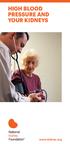 HIGH BLOOD PRESSURE AND YOUR KIDNEYS www.kidney.org About the Information in this Booklet Did you know that the National Kidney (NKF) Foundation offers guidelines and commentaries that help your healthcare
Teriflunomide is the active metabolite of Leflunomide, a drug employed since 1994 for the treatment of rheumatoid arthritis (Baselt, 2011).
 Page 1 of 10 ANALYTE NAME AND STRUCTURE TERIFLUNOMIDE Teriflunomide TRADE NAME Aubagio CATEGORY Antimetabolite TEST CODE PURPOSE Therapeutic Drug Monitoring GENERAL RELEVANCY BACKGROUND sclerosis. The
Section 8: Clinical Exercise Testing. a maximal GXT?
 Section 8: Clinical Exercise Testing Maximal GXT ACSM Guidelines: Chapter 5 ACSM Manual: Chapter 8 HPHE 4450 Dr. Cheatham Outline What is the purpose of a maximal GXT? Who should have a maximal GXT (and
HYPERTENSION ASSOCIATED WITH RENAL DISEASES
 RENAL DISEASE v Patients with renal insufficiency should be encouraged to reduce dietary salt and protein intake. v Target blood pressure is less than 135-130/85 mmhg. If patients have urinary protein
Naloxone Hydrochloride Injection PRODUCT INFORMATION
 Naloxone Hydrochloride Injection PRODUCT INFORMATION DESCRIPTION Naloxone hydrochloride is 17-allyl-4,5α-epoxy-3,14-dihydroxymorphinan-6-one hydrochloride; C 19 H 21 NO 4.HCl. It is an off-white powder
About High Blood Pressure
 About High Blood Pressure Your Treatment & You: working together to help manage your health Glaxo- Blood Pressure Booklet (ASK) EN.indd 1 10/7/2014 4:49:14 PM Glaxo- Blood Pressure Booklet (ASK) EN.indd
Atrial Fibrillation Management Across the Spectrum of Illness
 Disclosures Atrial Fibrillation Management Across the Spectrum of Illness NONE Barbara Birriel, MSN, ACNP-BC, FCCM The Pennsylvania State University Objectives AF Discuss the pathophysiology, diagnosis,
Cardioversion for. Atrial Fibrillation. Your Heart s Electrical System Cardioversion Living with Atrial Fibrillation
 Cardioversion for Atrial Fibrillation Your Heart s Electrical System Cardioversion Living with Atrial Fibrillation When You Have Atrial Fibrillation You ve been told you have a heart condition called atrial
High Blood Pressure and Your Kidneys
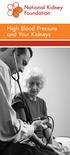 High Blood Pressure and Your Kidneys About 65 million Americans have high blood pressure, but as many as one third or three in 10 don't even know it. There are usually no signs or symptoms that your blood
Summary of the risk management plan (RMP) for Cerdelga (eliglustat)
 EMA/743948/2014 Summary of the risk management plan (RMP) for Cerdelga (eliglustat) This is a summary of the risk management plan (RMP) for Cerdelga, which details the measures to be taken in order to
Summary of the risk management plan (RMP) for Ofev (nintedanib)
 EMA/738120/2014 Summary of the risk management plan (RMP) for Ofev (nintedanib) This is a summary of the risk management plan (RMP) for Ofev, which details the measures to be taken in order to ensure that
Atrial Fibrillation: The heart of the matter
 Atrial Fibrillation: The heart of the matter This booklet has been written especially for people with atrial fibrillation (AF), a heart condition often described as an irregular heartbeat (also known
3% Sodium Chloride Injection, USP 5% Sodium Chloride Injection, USP
 PRESCRIBING INFORMATION 3% Sodium Chloride Injection, USP 5% Sodium Chloride Injection, USP IV Fluid and Electrolyte Replenisher Baxter Corporation Mississauga, Ontario L5N 0C2 Canada Date of Revision:
Thioctacid 600 T Solution for Injection contains 600 mg alpha-lipoic acid
 Package Leaflet: Information for the User Thioctacid 600 T Solution for Injection contains 600 mg alpha-lipoic acid For use in adults Active substance: Alpha-lipoic acid, Trometamol salt (1:1) Read all
Marilyn Borkgren-Okonek, APN, CCNS, RN, MS Suburban Lung Associates, S.C. Elk Grove Village, IL
 Marilyn Borkgren-Okonek, APN, CCNS, RN, MS Suburban Lung Associates, S.C. Elk Grove Village, IL www.goldcopd.com GLOBAL INITIATIVE FOR CHRONIC OBSTRUCTIVE LUNG DISEASE GLOBAL STRATEGY FOR DIAGNOSIS, MANAGEMENT
QUESTIONS TO ASK MY DOCTOR
 Be a part of the treatment decision by asking questions QUESTIONS TO ASK MY DOCTOR FOR PATIENTS WITH ADVANCED STOMACH OR GASTROESOPHAGEAL JUNCTION (GEJ) CANCER CYRAMZA (ramucirumab) is used alone or in
New 7/1/2015 MCFRS 1
 New 7/1/2015 MCFRS 1 The providers will summarize the need for this change from an epinephrine auto injector The provider will define the proper dosage of epinephrine for the adult and pediatric patient
PATIENT MEDICATION INFORMATION
 READ THIS FOR SAFE AND EFFECTIVE USE OF YOUR MEDICINE PATIENT MEDICATION INFORMATION Pr CYRAMZA ramucirumab Read this carefully before you receive CYRAMZA (pronounced "si ram - ze"). This leaflet is a
Summary of the risk management plan (RMP) for Orkambi (lumacaftor and ivacaftor)
 EMA/662624/2015 Summary of the risk management plan (RMP) for Orkambi (lumacaftor and ivacaftor) This is a summary of the risk management plan (RMP) for Orkambi, which details the measures to be taken
LIDOCAINE HYDROCHLORIDE INJECTION, USP AQUEOUS SOLUTIONS FOR ACUTE MANAGEMENT OF VENTRICULAR ARRHYTHMIAS
 LIDOCAINE HYDROCHLORIDE INJECTION, USP AQUEOUS SOLUTIONS FOR ACUTE MANAGEMENT OF VENTRICULAR ARRHYTHMIAS Ansyr Plastic Syringe LifeShield Abboject Syringe R x only DESCRIPTION Lidocaine Hydrochloride Injection,
Diagnosis Code Crosswalk : ICD-9-CM to ICD-10-CM Cardiac Rhythm and Heart Failure Diagnoses
 Diagnosis Code Crosswalk : to 402.01 Hypertensive heart disease, malignant, with heart failure 402.11 Hypertensive heart disease, benign, with heart failure 402.91 Hypertensive heart disease, unspecified,
NEW ZEALAND DATA SHEET NAPHCON-A Naphazoline hydrochloride and pheniramine maleate.
 NEW ZEALAND DATA SHEET NAPHCON-A Naphazoline hydrochloride and pheniramine maleate. PRESENTATION Eye Drops: NAPHCON-A Eye Drops are a combination of an antihistamine (pheniramine maleate) and a decongestant
Low Blood Pressure. This reference summary explains low blood pressure and how it can be prevented and controlled.
 Low Blood Pressure Introduction Low blood pressure, or hypotension, is when your blood pressure reading is 90/60 or lower. Some people have low blood pressure all of the time. In other people, blood pressure
RISK EVALUATION AND MITIGATION STRATEGY (REMS)
 Initial REMS Approval: 9/2010 Most Recent Modification: 05/2015 0.5mg capsules Sphingosine 1-phosphate Receptor Modulator Novartis Pharmaceuticals Corporation One Health Plaza East Hanover, NJ 07936 RISK
Tachyarrhythmias (fast heart rhythms)
 Patient information factsheet Tachyarrhythmias (fast heart rhythms) The normal electrical system of the heart The heart has its own electrical conduction system. The conduction system sends signals throughout
Acute Coronary Syndrome. What Every Healthcare Professional Needs To Know
 Acute Coronary Syndrome What Every Healthcare Professional Needs To Know Background of ACS Acute Coronary Syndrome (ACS) is an umbrella term used to cover a spectrum of clinical conditions that are caused
Oxygen Therapy. Oxygen therapy quick guide V3 July 2012.
 PRESENTATION Oxygen (O 2 ) is a gas provided in a compressed form in a cylinder. It is also available in a liquid form. It is fed via a regulator and flow meter to the patient by means of plastic tubing
Cardiac Rehabilitation
 Cardiac Rehabilitation Introduction Experiencing heart disease should be the beginning of a new, healthier lifestyle. Cardiac rehabilitation helps you in two ways. First, it helps your heart recover through
Atrial & Junctional Dysrhythmias
 Atrial & Junctional Dysrhythmias Atrial & Junctional Dysrhythmias Atrial Premature Atrial Complex Wandering Atrial Pacemaker Atrial Tachycardia (ectopic) Multifocal Atrial Tachycardia Atrial Flutter Atrial
Information for you Treatment of venous thrombosis in pregnancy and after birth. What are the symptoms of a DVT during pregnancy?
 Information for you Treatment of venous thrombosis in pregnancy and after birth Published in September 2011 What is venous thrombosis? Thrombosis is a blood clot in a blood vessel (a vein or an artery).
Cardiology ICD-10-CM Coding Tip Sheet Overview of Key Chapter Updates for Cardiology
 Cardiology ICD-10-CM Coding Tip Sheet Overview of Key Chapter Updates for Cardiology Chapter 4: Endocrine, Nutritional, and Metabolic Diseases (E00-E89) The diabetes mellitus codes are combination codes
Crash Cart Drugs Drugs used in CPR. Dr. Layla Borham Professor of Clinical Pharmacology Umm Al Qura University
 Crash Cart Drugs Drugs used in CPR Dr. Layla Borham Professor of Clinical Pharmacology Umm Al Qura University Introduction A list of the drugs kept in the crash carts. This list has been approved by the
MEDICATION GUIDE. PROCRIT (PRO KRIT) (epoetin alfa)
 MEDICATION GUIDE PROCRIT (PROKRIT) (epoetin alfa) Read this Medication Guide: before you start PROCRIT. if you are told by your healthcare provider that there is new information about PROCRIT. if you are
Cardiovascular diseases. pathology
 Cardiovascular diseases pathology Atherosclerosis Vascular diseases A disease that results in arterial wall thickens as a result of build- up of fatty materials such cholesterol, resulting in acute and
Name: Age: Resting BP: Wt. kg: Est. HR max : 85%HR max : Resting HR:
 Bruce Protocol - Submaximal GXT Name: Age: Resting BP: Wt. kg: Est. HR max : 85%HR max : Resting HR: Stage Min. % Grade MPH METs 2min HR 3min HR BP RPE 1 0-3 10 1.7 4.7 2 3-6 12 2.5 7.0 3 6-9 14 3.4 10.1
Exchange solutes and water with cells of the body
 Chapter 8 Heart and Blood Vessels Three Types of Blood Vessels Transport Blood Arteries Carry blood away from the heart Transport blood under high pressure Capillaries Exchange solutes and water with cells
White, circular, biconvex, uncoated tablets with a score line on one side, plain on the other.
 Nausicalm Cyclizine hydrochloride Ph. Eur. 50 mg Presentation White, circular, biconvex, uncoated tablets with a score line on one side, plain on the other. Uses Actions The active ingredient-cyclizine
Billing and Coding Guide
 Billing and Coding Guide INDICATIONS Injectafer is an iron replacement product indicated for the treatment of iron deficiency anemia (IDA) in adult patients: who have intolerance to or have had unsatisfactory
IMPORTANT DRUG WARNING Regarding Mycophenolate-Containing Products
 Dear Healthcare Provider: Mycophenolate REMS (Risk Evaluation and Mitigation Strategy) has been mandated by the FDA (Food and Drug Administration) due to postmarketing reports showing that exposure to
MEDICATION GUIDE ACTOPLUS MET (ak-tō-plus-met) (pioglitazone hydrochloride and metformin hydrochloride) tablets
 MEDICATION GUIDE (ak-tō-plus-met) (pioglitazone hydrochloride and metformin hydrochloride) tablets Read this Medication Guide carefully before you start taking and each time you get a refill. There may
ATRIAL FIBRILLATION (RATE VS RHYTHM CONTROL)
 ATRIAL FIBRILLATION (RATE VS RHYTHM CONTROL) By Prof. Dr. Helmy A. Bakr Mansoura Universirty 2014 AF Classification: Mechanisms of AF : Selected Risk Factors and Biomarkers for AF: WHY AF? 1. Atrial fibrillation
Package leaflet: Information for the patient. Naloxone Hydrochloride 20 micrograms / ml Solution for Injection Naloxone hydrochloride
 A leaflet will be included in each pack. The leaflet will consist of a Technical Information Leaflet and a Patient Information Leaflet. The two leaflets will be easily separatable. The text of the Technical
MEDICATION GUIDE. These serious side effects are described below:
 MEDICATION GUIDE LYRICA (LEER-i-kah) (pregabalin) Capsules and Oral Solution, CV Read this Medication Guide before you start taking LYRICA and each time you get a refill. There may be new information.
The science of medicine. The compassion to heal.
 A PATIENT S GUIDE TO ELECTROPHYSIOLOGY STUDIES OF THE HEART The science of medicine. The compassion to heal. This teaching booklet is designed to introduce you to electrophysiology studies of the heart.
High Blood Pressure and Chronic Kidney Disease
 High Blood Pressure and Chronic Kidney Disease For People with CKD Stages 1 4 www.kidney.org National Kidney Foundation's Kidney Disease Outcomes Quality Initiative Did you know that the National Kidney
PACKAGE LEAFLET: INFORMATION FOR THE USER. ADRENALINE (HCl) STEROP 0,8mg/1ml. Solution for injection. Adrenaline (Levorenine, Epinephrine)
 PACKAGE LEAFLET: INFORMATION FOR THE USER ADRENALINE (HCl) STEROP 0,4mg/1ml ADRENALINE (HCl) STEROP 0,8mg/1ml Solution for injection Adrenaline (Levorenine, Epinephrine) Read all of this leaflet carefully
Procedures/risks: Radiology (CT, DXA, MRI, ultrasound, X-ray)
 Procedures/risks: Radiology (CT, DXA, MRI, ultrasound, X-ray) Computerized Axial Tomography (CT): Procedure: A Computerized Axial Tomography (CT) scan [of your heart] involves holding your breath for a
DERBYSHIRE JOINT AREA PRESCRIBING COMMITTEE (JAPC) MANAGEMENT of Atrial Fibrillation (AF)
 DERBYSHIRE JOINT AREA PRESCRIBING COMMITTEE (JAPC) MANAGEMENT of Atrial Fibrillation (AF) Key priorities Identification and diagnosis Treatment for persistent AF Treatment for permanent AF Antithrombotic
Coronary Artery Disease leading cause of morbidity & mortality in industrialised nations.
 INTRODUCTION Coronary Artery Disease leading cause of morbidity & mortality in industrialised nations. Although decrease in cardiovascular mortality still major cause of morbidity & burden of disease.
Current Management of Atrial Fibrillation DISCLOSURES. Heart Beat Anatomy. I have no financial conflicts to disclose
 Current Management of Atrial Fibrillation Mary Macklin, MSN, APRN Concord Hospital Cardiac Associates DISCLOSURES I have no financial conflicts to disclose Book Women: Fit at Fifty. A Guide to Living Long.
Pharmacologic Stress Agents: Protocol and Safety
 Pharmacologic Stress Agents: Protocol and Safety Donna Lesniak, RN, CCRC Mallinckrodt Institute of Radiology Washington University School of Medicine Saint Louis, Missouri Disclosure Neither I nor my immediate
Anticoagulants in Atrial Fibrillation
 Anticoagulants in Atrial Fibrillation Starting and Stopping Them Safely Carmine D Amico, D.O. Overview Learning objectives Introduction Basic concepts Treatment strategy & options Summary 1 Learning objectives
Selected Requirements of Prescribing Information
 The Selected Requirements of Prescribing Information (SRPI) is a checklist of 42 important format prescribing information (PI) items based on labeling regulations [21 CFR 201.56(d) and 201.57] and guidances.
RATE VERSUS RHYTHM CONTROL OF ATRIAL FIBRILLATION: SPECIAL CONSIDERATION IN ELDERLY. Charles Jazra
 RATE VERSUS RHYTHM CONTROL OF ATRIAL FIBRILLATION: SPECIAL CONSIDERATION IN ELDERLY Charles Jazra NO CONFLICT OF INTEREST TO DECLARE Relationship Between Atrial Fibrillation and Age Prevalence, percent
READ THIS FOR SAFE AND EFFECTIVE USE OF YOUR MEDICINE PATIENT MEDICATION INFORMATION. [new-ka la]
![READ THIS FOR SAFE AND EFFECTIVE USE OF YOUR MEDICINE PATIENT MEDICATION INFORMATION. [new-ka la]](/thumbs/35/17235501.jpg "READ THIS FOR SAFE AND EFFECTIVE USE OF YOUR MEDICINE PATIENT MEDICATION INFORMATION. [new-ka la]") READ THIS FOR SAFE AND EFFECTIVE USE OF YOUR MEDICINE PATIENT MEDICATION INFORMATION Pr NUCALA [new-ka la] mepolizumab lyophilized powder for subcutaneous injection Read this carefully before you start
READ THIS FOR SAFE AND EFFECTIVE USE OF YOUR MEDICINE PATIENT MEDICATION INFORMATION Pr NUCALA [new-ka la] mepolizumab lyophilized powder for subcutaneous injection Read this carefully before you start
The largest clinical study of Bayer's Xarelto (rivaroxaban) Wednesday, 14 November 2012 07:38
 Bayer HealthCare has announced the initiation of the COMPASS study, the largest clinical study of its oral anticoagulant Xarelto (rivaroxaban) to date, investigating the prevention of major adverse cardiac
INTRODUCTION TO EECP THERAPY
 INTRODUCTION TO EECP THERAPY is an FDA cleared, Medicare approved, non-invasive medical therapy for the treatment of stable and unstable angina, congestive heart failure, acute myocardial infarction, and
NONCLINICAL EVALUATION FOR ANTICANCER PHARMACEUTICALS
 INTERNATIONAL CONFERENCE ON HARMONISATION OF TECHNICAL REQUIREMENTS FOR REGISTRATION OF PHARMACEUTICALS FOR HUMAN USE ICH HARMONISED TRIPARTITE GUIDELINE NONCLINICAL EVALUATION FOR ANTICANCER PHARMACEUTICALS
Identifying and treating long-term kidney problems (chronic kidney disease)
 Understanding NICE guidance Information for people who use NHS services Identifying and treating long-term kidney problems (chronic kidney disease) NICE clinical guidelines advise the NHS on caring for
Epidural Continuous Infusion. Patient information Leaflet
 Epidural Continuous Infusion Patient information Leaflet April 2015 Introduction You may already know that epidural s are often used to treat pain during childbirth. This same technique can also used as
嘉 義 長 庚 醫 院 藥 劑 科 Speaker : 翁 玟 雯
 The Clinical Efficacy and Safety of Sodium Glucose Cotransporter-2 (SGLT2) Inhibitors in Adults with Type 2 Diabetes Mellitus 嘉 義 長 庚 醫 院 藥 劑 科 Speaker : 翁 玟 雯 Diabetes Mellitus : A group of diseases characterized
Series 1 Case Studies Adverse Events that Represent Unanticipated Problems: Reporting Required
 Welcome! This document contains three (3) series of Case Study examples that will demonstrate all four OHSU reporting categories (#1 4) as well as examples of events that are considered not reportable.