
INDONESIA Last update: 19 July 2004
|
|
|
- Shona Chandler
- 9 years ago
- Views:
Transcription
1 INDONESIA Last update: 19 July 2004 Present Context In more than 30 years since 1967, Indonesia made substantial progress. A period of economic growth was experienced which successfully resulted in raising the per capita income from USD 50 in 1968 to USD 1,124 in These achievements received a severe set back in mid-1997 when the Indonesian economy collapsed. The value of the currency plummeted, prices increased, and unemployment rose dramatically. In addition, parts of the country suffered from relatively long droughts and extensive forest fires. As it forms the part of Pacific Ring of Fire, Indonesia is highly prone to natural disasters such as earthquakes, volcanic eruptions, tsunamis, floods, and drought. In the period of 2001 through 2005, Indonesia faces an important transitional period. After over 25 years of highly centralized government, Indonesia is going through rapid democratization and decentralization of political and bureaucratic power. There is a large number of complex emergencies currently in the country. Vast displacements of populations have taken place in West Timor, Malukus, and Aceh provinces causing the death of over 11,000 people and the displacement of 1.4 million persons. In the conflict and disaster affected areas, several years of inter-communal violence, combined with the negative impacts of economic and social crises and frequent natural disasters, have increased public health risks for the general population in the country. The multi-dimensional crises in Indonesia have affected the health care system in different ways; almost all conflict-affected areas suffer from shortages of staff and necessary equipment, a breakdown of regular programmes, a weakening of primary health care (PHC) structures, and shortages of essential drugs (source: Indonesia CAP 2004). The conflict resulted in: Lack of experienced health staff especially managing emergency and essential public health care services; Existing community centres not functioning/shortage of essential medical supplies; difficulty in maintaining referral system due to accessibility and security; Reproductive health services not available; lack of ante and post-natal services for pregnant women; provision of nutritional support for the under 5 children; Children suffer more from respiratory infection, tuberculosis, measles, diarrhoea, dengue fever, gastroenteritis, skin infection, typhoid, malaria and trauma; Most of the affected communities suffer from psychosocial and mental disorders 1. 1 Source: report from WHO-EHA in Indonesia

2 Public Health Concerns Health Status Communicable diseases continue to be a major cause of morbidity and mortality in Indonesia. Technical strategies for communicable disease control have already been accepted, adapted and adopted to country-specific needs. However, the implementation of the accepted strategies needs improvement, especially under a decentralised health system. Many of these problems are related to the improvement and strengthening of the district health system. Tuberculosis is a major health problem. It is the second highest cause of death and the first killer for infectious diseases. It is estimated that 175,000 people die every year from tuberculosis. The DOTS strategy has been expanded to 225 districts (74.8%) out of a total at 311 districts, covering 88 out of the 210 million people. Leprosy is on the verge of being eliminated and current efforts focus on final campaigns. Malaria is still a public health problem. Approximately 1.5 million cases are detected annually. In 1997, the parasite incidence ranged from 0.12 per 1000 population in Java and Balito around 40 per 1000 population, under 10 years of age in the outer islands. In 1998, there were malaria outbreaks in the highlands of Irian Jaya, and resurgence in Central Java. Dengue fever/dengue haemorrhagic fever usually occurs in epidemic proportions during the peak season, starting in November and peaking in May. In 1998, 30,000 cases were reported from cities and also from some rural areas. STDs remain a serious problem especially in high-risk groups and promotes the spread of HIV/AIDS. Control is complicated by social and cultural attitudes towards these diseases and their interventions. As of January 1999, the cumulative number of reported AIDS cases was 227, of which 113 AIDS patients died. The progression rate seems to increase slowly doubling in more than two years. However this may be due to under-diagnosis or under-reporting. Many of the traditional infectious diseases of children have been controlled through immunization. Polio is close to elimination and current efforts focus on surveillance and final provincial Immunization Days campaigns. The last wild poliovirus isolated in Indonesia was in June Routine EPI coverage has been maintained above 80% nationally with donor assistance; however, rates are falling in pocket areas. New immunization programmes, such as hepatitis B, are being implemented. Other initiatives are the School Immunization Month, TT immunization campaigns in high-risk areas, and improving injection practices. However, with decentralization of the health system, renewed efforts will be needed to ensure that immunization coverage is sustained. The health of women and children continues to be a problem. With five million pregnancies every year in Indonesia, more than 20,000 women die annually during pregnancy and delivery. The high number of maternal deaths is especially a problem in rural areas with limited access to delivery by skilled attendants and an inadequate referral system. Almost 50% of women give birth without skilled attendants and 70% have no postpartum care during the six weeks following delivery. An important objective of the country is to reduce the IMR to less than 50 and the under-five mortality rate to 66 per 1000 live births. One of the strategies is the Integrated Management of Childhood Illness (IMCI). As the life expectancy of Indonesians improves, the concern is shifting from communicable diseases to degenerative diseases. This epidemiological transition has presented the health care delivery system with a double burden. Chronic conditions include cancer, circulatory diseases, metabolic disorders, congenital disorders, tobacco dependence, mental health and neurological disorders. Since these diseases are expensive and difficult to cure, it is appropriate

3 focus be put on prevention of non-communicable diseases, especially promoting healthy lifestyles with emphasis on reducing tobacco dependence. Indonesians are increasingly exposed to health risks from environmental hazards. Cases of severe urban air pollution and massive air contamination of ground and surface water resources by industries and households are common. Many potentially harmful chemicals are readily available to the public and are regularly used at places of work in agriculture, industry and commerce. Food contamination of both microbiological and chemical origin is a major issue. The haze from the forest fires in Indonesia has had significant disruptive social and economic effects on people living in affected areas. However, there is low commitment, the main obstacles being the complexity of the issues and a lack of clear institutional responsibilities, both in the public and private sectors. Health System Indonesia s health system was facing severe problems even before the economic and political crises. Some basic changes in the health system were avoided because of the system inertia. The budget system consists of two major categories: the routine budget and the development budget. It is highly centralized, inflexible and fragmented. Every administrative level has a local budget, including a budget for health. However, at least 90% of government budget comes directly or indirectly from the central government so there is a heavy reliance on the centre. Based on the best available data, it is estimated that the total health development budget was 2.4% of the annual national development budget in fiscal year (FY) 1996/97 increasing to 3.0% in FY 1999/2000 or 0.4% of GDP in FY 1996/97 increasing to 1% in FY 1999/2000. The available budget fails to meet the health needs. Funds flow into the sector from a variety of sources; the major ones being allocation of government revenues - both central and local government, payments by households (fees for services, drug purchases); employer contribution to health care by employees; limited support from NGOs, and foreign loans and grants. In the period , on average 30% of the health care expenditure came from government sources, while 70% came from nongovernmental sources, including the organized private sector (employer and insurance) and out of-pocket health expenditure from households. Besides the MOH, there is a National Agency for Drug and Food Control, which was not part of the Ministry of Health. The National Agency is, among others, responsible for the registration of medicines and medical supplies and inspection of manufacturers. The agency can, upon request and provided a justification is given, authorize the importation in Indonesia of drugs and medical supplies that are not registered in Indonesia. The National agency has branch offices in most provinces. Mobilization of internal and external resources to support development programmes comes under the responsibility of the National Development Planning Board. Environmental impact Analysis ensures that health aspects are included in all development activities. Each sub-district in Indonesia has at least one health centre headed by a doctor, usually supported by two or three sub-centres, the majority of which are headed by nurses. Health centres mainly provide 8 programs. Most are equipped with four-wheel drive vehicles or motorboats to serve as mobile health centres and provide services to underserved populations in urban and remote rural areas. At the village level, the integrated Family Health Post provides preventive and promotive services. These health posts are established and managed by the community with the assistance of health center staff. To improve maternal and child health, midwives are being deployed to the villages.

4 Current humanitarian Health Priorities Improve health services and assist in peace-building efforts Strengthen health systems; improve health of communities Control of disease outbreaks and strengthening of disease surveillance system Improve mental health services and reduce mental health morbidity Strengthen the emergency preparedness and response programme National development in Indonesia will use a health-oriented national development approach - "Healthy Indonesia 2010". The new mission of the National Health Development Programme is: To lead and initiate health-oriented national development; To maintain and enhance health of individuals, family and community, along with their environments; To maintain and enhance quality, equitable and affordable health services; and To promote public self-reliance in achieving good health Other Humanitarian priorities The provinces of Maluku, North Sumatura and Madura Island continue to face problems of remaining IDPs. In Maluku alone there are over 188,000 IDPs requiring assistance. In Madura, some 130,000 IDPs are not able to return to their villages in Central Kalimantan. Significant pockets of displacement exist in different parts of the country. Without financial support from the central government, provincial authorities cannot effectively end the plight of the displaced In Papua, socio-economic conditions have deteriorated over the past several years, and 55% of Papuans live below the poverty line. The province has the highest infant mortality rate in the country, as well as the highest and fastest growing prevalence of HIV/AIDS. Another major problem is a lack of development activities carried out by UN agencies and international NGOs. Although there are no indications now of acute humanitarian needs in Papua, early warning indicators suggest that increased UN and NGO activities can reduce the risk of an emerging humanitarian situation Gaps and Challenges Lack of access, hampering accurate and reliable information on the humanitarian situation, especially in the Aceh and West Timor province because of the insecurity; Weakening status of IDPs i.e. the reclassification by the government of IDPs as "vulnerable groups", meaning no longer funding from central government; Delay in the launch of the CAP, affecting funding for humanitarian activities carried out by UN agencies and NGOs; Major donors' reluctance to support humanitarian access, fearing this might jeopardize their relationship with Indonesia.

5 Sector Actors CARDI, CARE INT, CCF - Indonesia, CRS, FAO, ICMC, IOM, MCI, OCHA, OXFAM, PBI, PCI, SC - US, SC UK, SIL, UNDP, UNDP/UNSECO, ORD, UNFPA, UNICEF, WFP, WV Disclaimer The emergency country profiles are not a formal publication of WHO and do not necessarily represent the decisions or the stated policy of the Organization. The presentation of maps contained herein does not imply the expression of any opinion whatsoever on the part of WHO concerning the legal status of any country, territory, city or areas or its authorities, or concerning the delineation of its frontiers or boundaries. Contact Details Dr Georg Petersen WHO Representative to Indonesia Tel: ; Fax: [email protected] Office of the UN Resident and Humanitarian Coordinator for Indonesia UNDP Office in Indonesia Jakarta Tel: Fax: [email protected] Dr A. Sujudi The Minister of Health Ministry of Health JL. H. Rasuna Said kav. X 5 No.: 04-9 Jakarta 12950, Indonesia Tel: / 1590/ 1591/4396 Fax: Mr Jae-Hyuk Chang Avenue Appia 20, Building C, Room 240 CH-1211 Geneva 27, Switzerland Phone: [email protected] Dr Luis Jorge Perez, Regional Adviser, EHA SEARO World Health Organization South-East Asia Regional Office New Delhi, India Phone: or Fax: [email protected] Key Readings UN-CAP-Indonesia 2004

6 WHO Country Cooperation Strategy (2000) WHO Web site of the Regional Office for South-East Asia: WHO Web site of Headquarters:

7 Annexes Annex 1: Health Profile 2 General Indicators Population (2004) 222,611,000 Refugees Internally Displaced Persons 3 Over 500,000 Healthy life expectancy at birth m/f (years) 65/68 GNI (Gross National Income) per capita (US $, 2002) Infant Mortality rate (deaths/1000 live births) 39 Under-five mortality rate (deaths/1000 live births) 50 Total adult literacy m/f % (2000) 92/82 Population using improved drinking water sources 78% Population using adequate sanitation facilities 55% UNDP's Human Development Index ranking 5 111/177 Health Systems Profile Total expenditure on health as % of GDP 2.4 Total per capita health expenditure (US $) 16 Nurses rate per 100,000 population 50.0 Physicians rate per 100,000 population 16.0 Hospital Beds per 1000 population 0.7 Tuberculosis Prevalence per 100, Mortality rate per 100, HIV/AIDS Adult prevalence of HIV/AIDS (15-49 years) 0.1 Estimated number of adults living with HIV/AIDS (2001) 110,000 Reported number of people receiving antiretroviral therapy NA (15-49 years) Orphans due to AIDS 1500 Malaria Mortality rate per 100,000 4 Immunization (2002) 6 BCG 77% DPT3 75% Measles 76% Polio 74% Pregnant women receiving tetanus vaccine 81% Women's Health Total fertility rate 2.4 % of antenatal care coverage 89 %of skilled attendant at delivery ~50 Maternal mortality ratio WHO/CDS baseline statistics unless indicated otherwise The World Bank Annual Report, UNDP Human Development Report

8 Annex 2: Populations of humanitarian concern 7 7 WHO/CDS baseline statistics unless indicated otherwise

9 Annex 3: Overview of Humanitarian priorities (province by province, as of June 2004) Aceh Humanitarian issue: assistance to population affected by conflict with separatist movement No. of IDPs: 6,946 (down from 122,000 in 2003) Security phase: 3 in Banda Aceh, 4 outside Access: very restricted through 'Blue Book' procedure, max days, limited number of ICRC and UN staff only North Sumatura Humanitarian issue: displacement from Aceh No. of IDPs: 120,000 Security phase: 1 Access: no limitations West Kalimantan Humanitarian issue: displacement from Sambas No. of IDPs: 78,000 Security phase: 1 Access: no limitations, but some areas remote and inaccessible during rainy season Madura Humanitarian issue: displacement from Central Kalimantan No. of IDPs: 130,000 Security phase: 1 Access: no limitations Central Sulawesi Humanitarian issue: displacement from Poso and Tentena No. of IDPs: 36,000(down from 143,000) Security phase: 1 in Palu, 2 in Poso Access: no limitations North Sulawesi Humanitarian issue: displacement from North Maluku No. of IDPs: 33,000 Security phase: 1 Access: no limitations Maluku Humanitarian issue: displacement within the province No. of IDPs: 188,000 Security phase: 4 in Ambon Island, 3 other regions Access: limitations under civil emergency were lifted. Now, UN security limitations and physical limitations due to geography

10 Papua Humanitarian issue: separatist movement, natural disasters, poverty No. of IDPs: 7,000(resettled) Security phase: 2 Access: free access to provincial capital, police permission required for visits outside West Timor Humanitarian issue: former refugees No. of IDPs: 28,000 Ethnic origin: East Timor Security phase: 4(downgraded from 5, as of 10 June) Access: UN imposed limitations

11 Annex 4: Security and logistics Security 8 : Capital: Jakarta (Phase I). PHASE IV is in effect for Aceh Province, Ambon Island in Maluku Province (the remainder of Maluku Province remains at Phase III) and West Timor. PHASE III is in effect in Banda Aceh, Mala Hayat/Payakameng to the east of Banda Aceh and the airport and the main road from Banda Aceh, Sibree Town to the South of Banda Aceh and Lhonga Town to the west, Sunda Islands of Aceh Province, North Malaku and Maluku Province. PHASE II for Irian Jaya Province, the Poso area of Central Sulawesi. PHASE I for West Kalimantan, the islands of Bali and Lombok and the rest of Indonesia. No travel should commence to Bali or Lombok without prior security clearance from the Designated Official. All official and nonofficial travel to and within Indonesia should be confined to essential journeys only. Staff required to transit through Bali and required to stay overnight are advised to travel directly to their hotel and avoid clubs, bars and other establishments frequented by foreigners. In order to provide greater authority to the field and to enhance operational capacity, UNSECOORD is delegating authority to the Designated Official to grant security clearance for entry and travel into PHASE IV areas of Indonesia. Mr. Bo Asplund, UN Resident Coordinator/UNDP Resident Representative is the Designated Official, tel: , cell: , fax: / Regional FSCO based in Jakarta, Indonesia: Mr. William Simpson, tel: , fax: , [email protected]. Duty Officer, Field Security Unit, tel: Accessibility and Essentials for Logistics Dry season: Between June and September. Dry winds blowing from Australia (low moisture) Rainy season: Between December and March there is the wet (high moisture) wind from Asia and Pacific, and passed through several oceans Routes of access: Railways: Total 6,458km Highways: Total 342,700 km (paved 158,670 km) Airports: 453 (2000 est.), 136 of these 453 with paved runways Waterways: 21,579 km total Source: Global Water Supply and Sanitation Assessment, WHO & UNICEF report 8 UNSECOORD, 22 July 2004

Central African Republic Country brief and funding request February 2015
 PEOPLE AFFECTED 2 700 000 affected with 2,000,000 target by Humanitarian response 1 472 000 of those in need, targeted for health service support by WHO 430 000 internally displaced 426 000 refugees HEALTH
INDICATOR REGION WORLD
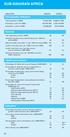 SUB-SAHARAN AFRICA INDICATOR REGION WORLD Demographic indicators Total population (2005) 713,457,000 6,449,371,000 Population under 18 (2005) 361,301,000 2,183,143,000 Population under 5 (2005) 119,555,000
cambodia Maternal, Newborn AND Child Health and Nutrition
 cambodia Maternal, Newborn AND Child Health and Nutrition situation Between 2000 and 2010, Cambodia has made significant progress in improving the health of its children. The infant mortality rate has
REPUBLIC OF THE CONGO
 For every child Health, Education, Equality, Protection ADVANCE HUMANITY UNICEF HUMANITARIAN ACTION REPUBLIC OF THE CONGO IN 2007 CORE COUNTRY DATA Population under 18 2153 (thousands) U5 mortality rate
INDICATOR REGION WORLD
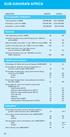 SUB-SAHARAN AFRICA INDICATOR REGION WORLD Demographic indicators Total population (2006) 748,886,000 6,577,236,000 Population under 18 (2006) 376,047,000 2,212,024,000 Population under 5 (2006) 125,254,000
Goal 1: Eradicate extreme poverty and hunger. 1. Proportion of population below $1 (PPP) per day a
 Annex II Revised Millennium Development Goal monitoring framework, including new targets and indicators, as recommended by the Inter-Agency and Expert Group on Millennium Development Goal Indicators At
HEALTH TRANSITION AND ECONOMIC GROWTH IN SRI LANKA LESSONS OF THE PAST AND EMERGING ISSUES
 HEALTH TRANSITION AND ECONOMIC GROWTH IN SRI LANKA LESSONS OF THE PAST AND EMERGING ISSUES Dr. Godfrey Gunatilleke, Sri Lanka How the Presentation is Organized An Overview of the Health Transition in Sri
Health, history and hard choices: Funding dilemmas in a fast-changing world
 Health, history and hard choices: Funding dilemmas in a fast-changing world Thomson Prentice Global Health Histories Health and Philanthropy: Leveraging change University of Indiana, August 2006 An embarrassment
MDG 4: Reduce Child Mortality
 143 MDG 4: Reduce Child Mortality The target for Millennium Development Goal (MDG) 4 is to reduce the mortality rate of children under 5 years old (under-5 mortality) by two-thirds between 1990 and 2015.
Maternal and Neonatal Health in Bangladesh
 Maternal and Neonatal Health in Bangladesh KEY STATISTICS Basic data Maternal mortality ratio (deaths per 100,000 births) 320* Neonatal mortality rate (deaths per 1,000 births) 37 Births for women aged
CALL FOR PROPOSALS. Provision of Health Service Delivery Activities in Kismayo, Somalia. Migration Health Division (MHD)
 CALL FOR PROPOSALS Provision of Health Service Delivery Activities in Kismayo, Somalia Migration Health Division (MHD) Date: 26 th August 2015 Closing Date: 6 th September 2015 Eligible Parties: Eligible
SRI LANKA SRI LANKA 187
 SRI LANKA 187 List of Country Indicators Selected Demographic Indicators Selected demographic indicators Child Mortality and Nutritional Status Neonatal, infant and under-five mortality rates: trends Distribution
Expanded Programme on Immunization
 Expanded Programme on Immunization Expanded Programme on Immunization has been delivered the immunization services to the targeted children of under one year old child and pregnant women. Currently total
OneHealth Tool: Supporting integrated strategic health planning, costing and health impact analysis
 OneHealth Tool: Supporting integrated strategic health planning, costing and health impact analysis December 2013 Health Systems Financing and Governance Department OneHealth Tool: Launched May 2012 and
WHO in 60 years: a chronology of public health milestones
 WHO in 60 years: a chronology of public health milestones In 2008, WHO is celebrating its 60 th anniversary. The chronology below tells the story of WHO and public health achievements over the last 60
Statement by Dr. Sugiri Syarief, MPA
 Check against delivery_ Commission on Population and Development 45th Session Economic and Social Council Statement by Dr. Sugiri Syarief, MPA Chairperson of the National Population and Family Planning
PUBLIC HEALTH AND NUTRITION SECTOR OVERVIEW AND STRATEGIC APPROACH
 PUBLIC HEALTH AND NUTRITION SECTOR OVERVIEW AND STRATEGIC APPROACH Niger Cassandra Nelson/Mercy Corps An Overview The current state of global health presents a unique challenge. While there are many advances
Country Case Study E T H I O P I A S H U M A N R E S O U R C E S F O R H E A L T H P R O G R A M M E
 Country Case Study E T H I O P I A S H U M A N R E S O U R C E S F O R H E A L T H P R O G R A M M E GHWA Task Force on Scaling Up Education and Training for Health Workers S U M M A R Y Ethiopia suffers
Internship at the Centers for Diseases Control
 Internship at the Centers for Diseases Control Survey method to assess reproductive health of refugees Edith Roset Bahmanyar International Emergency Refugee Health Branch (IERHB) Division of Emergency
1.8. Flow Charts for Emergency Management
 WHO/EHA EMERGENCY HEALTH TRAINING PROGRAMME FOR AFRICA 1. Overview 1.8. Flow Charts for Emergency Management Panafrican Emergency Training Centre, Addis Ababa, July 1998 1.8. Flow Charts for Emergency
ORGANIZATIONS. Organization Programmatic Areas of Focus Notes Interviewed? Yes. Averting Maternal Death and Disability (AMDD)
 Averting Maternal Death and Disability (AMDD) Bixby Center for Global Reproductive Health (UCSF) Global advocacy, human rights, strengthening health systems (conducting needs assessments for EmOC, strengthening
IASC Inter-Agency Standing Committee
 IASC Inter-Agency Standing Committee Global Health Cluster Guidance Note Promotion and Advocacy for Stronger National and Local Capacities in Health Emergency Preparedness and Risk Reduction 1. Background
Q&A on methodology on HIV estimates
 Q&A on methodology on HIV estimates 09 Understanding the latest estimates of the 2008 Report on the global AIDS epidemic Part one: The data 1. What data do UNAIDS and WHO base their HIV prevalence estimates
Evidence-Based Practice for Public Health Identified Knowledge Domains of Public Health
 1 Biostatistics Statistical Methods & Theory Evidence-Based Practice for Public Health Identified Knowledge Domains of Public Health General Public Health Epidemiology Risk Assessment Population-Based
FOREWORD. Member States in 2014 places patients and communities at the heart of the response. Here is an introduction to the End TB Strategy.
 FOREWORD We stand at a crossroads as the United Nations move from the 2015 Millennium Development Goals (MDGs) to the Sustainable Development Goals (SDGs) for 2030. Integral to this transition, the world
PAKISTAN - FLOODS AND COMPLEX EMERGENCY
 PAKISTAN - FLOODS AND COMPLEX EMERGENCY FACT SHEET #3, FISCAL YEAR (FY) 03 JULY 5, 03 NUMBERS AT A GLANCE.5 million Flood-affected people still in need of humanitarian assistance U.N. Office for the Coordination
GLOBAL HEALTH ESSENTIAL CORE COMPETENCIES
 GLOBAL HEALTH ESSENTIAL CORE COMPETENCIES All medical graduates should understand the major factors that influence the health of individuals and populations worldwide. They should have a basic understanding
The Burgeoning Public Health Crisis: Demand Analysis and Market Opportunity for Advanced Trauma Systems in the Developing World
 The Burgeoning Public Health Crisis: Demand Analysis and Market Opportunity for Advanced Trauma Systems in the Developing World Globally, the causes of mortality will experience significant shifts over
Universal Health Care
 Universal Health Care in the Philippines Gains and Challenges Enrique T. Ona, MD, FPCS, FACS ( Hon.) Secretary of Health The Social Contract with the Filipino From treating health as just another area
COUNTRY REPORT: CAMBODIA Sophal Oum, MD, MTH, DrPH, Deputy Director-General for Health
 COUNTRY REPORT: CAMBODIA Sophal Oum, MD, MTH, DrPH, Deputy Director-General for Health I. ESTABLISHED PROFESSIONAL QUALIFICATIONS IN HEALTH, 2003 Sector Medical Service, Nursing, First Aid Medical Service
The Healthy Asia Pacific 2020 Roadmap INTRODUCTION: THE HEALTHY ASIA PACIFIC 2020 INITIATIVE
 The Healthy Asia Pacific 2020 Roadmap INTRODUCTION: THE HEALTHY ASIA PACIFIC 2020 INITIATIVE In the 2014 APEC Leader s Declaration and Joint Ministerial Statement, it is recognized that the prospect of
Preventable mortality and morbidity of children under 5 years of age as a human rights concern
 Preventable mortality and morbidity of children under 5 years of age as a human rights concern 1. Has your government developed a national policy/strategy/action plan aimed at reducing mortality and morbidity
SIXTY-SEVENTH WORLD HEALTH ASSEMBLY. Agenda item 12.3 24 May 2014. Hepatitis
 SIXTY-SEVENTH WORLD HEALTH ASSEMBLY WHA67.6 Agenda item 12.3 24 May 2014 Hepatitis The Sixty-seventh World Health Assembly, Having considered the report on hepatitis; 1 Reaffirming resolution WHA63.18,
The History and National Application of Essential Public Health Functions (EPHF) Dr. Steve Sapirie Management Sciences for Health
 The History and National Application of Essential Public Health Functions (EPHF) Dr. Steve Sapirie Management Sciences for Health Agenda Share the origins of EPHF within the World Health Organization Discuss
International Service Program 2010-2012
 International Service Program 2010-2012 Prevention of Mother-to-Child Transmission of HIV and Gender-Based Violence in Rwanda UNICEF USA$500,000 Project Description THE GOAL To prevent mother-to-child
SUMMARY- REPORT on CAUSES of DEATH: 2001-03 in INDIA
 SUMMARY- REPORT on CAUSES of DEATH: 2001-03 in INDIA Background: Long-term mortality measurement by cause, gender and geographic area has been the requirement of every country. With this in view, Medical
NO MORE MISSED MDG4 OPPORTUNITIES: OPTIMIZING EXISTING HEALTH PLATFORMS FOR CHILD SURVIVAL. Polio Campaigns
 NO MORE MISSED MDG4 OPPORTUNITIES: OPTIMIZING EXISTING HEALTH PLATFORMS FOR CHILD SURVIVAL Polio Campaigns With fewer than 600 days remaining to the Millennium Development Goal (MDG) deadline, new strategies
Strengthening Policies on the Harmful Use of Alcohol, Gender-Based Violence and Infectious Disease
 Strengthening Policies on the Harmful Use of Alcohol, Gender-Based Violence and Infectious Disease A joint UNDP, WHO, IOGT, & FORUT initiative Dudley Tarlton [email protected] SVRI Forum, September
Briefing Note. Crisis Overview. Afghanistan. Floods. Date: 24 April - 2 May 2014
 Briefing Note 1 Afghanistan Floods Date: 24 April - 2 May 2014 Crisis Overview Torrential rains on 24 and 25 April led to flash floods affecting 27 districts in western, northern and northeastern Afghanistan.
Snapshot Report on Russia s Healthcare Infrastructure Industry
 Snapshot Report on Russia s Healthcare Infrastructure Industry According to UK Trade & Investment report, Russia will spend US$ 15bn in next 2 years to modernize its healthcare system. (Source: UK Trade
Part 4 Burden of disease: DALYs
 Part Burden of disease:. Broad cause composition 0 5. The age distribution of burden of disease 6. Leading causes of burden of disease 7. The disease and injury burden for women 6 8. The growing burden
Sudan Health Highlights A bi-monthly bulletin of WHO Sudan s Emergency Preparedness and Humanitarian Action (EHA) Weeks 22-23 of 2013 1-14 June 2013
 Sudan Health Highlights A bi-monthly bulletin of WHO Sudan s Emergency Preparedness and Humanitarian Action (EHA) Weeks 22-23 of 2013 1-14 June 2013 Highlights Overall security situation in North Darfur
Prospectus of. The Postgraduate Diploma. Health Sector Disaster Management
 POTGRADUATE INSTITUTE OF MEDICINE UNIVERSITY OF COLOMBO, SRI LANKA Prospectus of The Postgraduate Diploma In Health Sector Disaster Management 2012 Speciality Board In Health Sector Disaster Management
Tuberculosis in Myanmar Progress, Plans and Challenges
 Tuberculosis in Myanmar Progress, Plans and Challenges Myanmar is one of the world s 22 high tuberculosis (TB) burden countries, with a TB prevalence rate three times higher than the global average and
Viral hepatitis. Report by the Secretariat
 SIXTY-THIRD WORLD HEALTH ASSEMBLY A63/15 Provisional agenda item 11.12 25 March 2010 Viral hepatitis Report by the Secretariat THE DISEASES AND BURDEN 1. The group of viruses (hepatitis A, B, C, D and
Long Term Socio-Economic Impact of HIV/AIDS on Children and Policy Response in Thailand
 Long Term Socio-Economic Impact of HIV/AIDS on Children and Policy Response in Thailand Wattana S. Janjaroen Faculty of Economics and College of Public Health Chulalongkorn University Suwanee Khamman and
UNAIDS ISSUES BRIEF 2011 A NEW INVESTMENT FRAMEWORK FOR THE GLOBAL HIV RESPONSE
 UNAIDS ISSUES BRIEF 2011 A NEW INVESTMENT FRAMEWORK FOR THE GLOBAL HIV RESPONSE Copyright 2011 Joint United Nations Programme on HIV/AIDS (UNAIDS) All rights reserved The designations employed and the
Zambia 2007 2010. I. Progress on key indicators
 Zambia 2007 2010 I. Progress on key indicators Indicator Value Year Value Year Child population (millions, under 18 years) 6.1 2004 6.7 2008 U5MR (per 1,000 live births) 182 2004 148 2008 Underweight (%,
Nigeria: Population and Demographic trends
 Nigeria: Population and Demographic trends Bolatito Ogunbiyi Atlas Fellow, Population Action International Nigeria Beyond the Headlines: Population Health, Natural Resources, and Governance The Woodrow
NEPAL. Bhutan 56,710 56,710 43,920 43,920 29,290 29,290 Tibetans 15,000-15,000-15,000 - Various 260 260 230 230 210 210 Bhutan 2,290-1,790-1,790 -
 NEPAL Nepal hosts a large number of refugees and asylum-seekers, mainly from Bhutan, although their numbers have steadily decreased in recent years as a result of the resettlement programme. With the support
Multi-Hazard Disaster Risk Assessment (v2)
 Multi-Hazard Disaster Risk Assessment (v2) This How to Note is part of a series of Guidance Notes designed to assist DFID Country Offices in embedding disaster resilience in their country programmes. This
2014-2017. UNICEF/NYHQ2012-1868/Noorani
 UNICEF STRATEGIC PLAN 2014-2017 UNICEF/NYHQ2012-1868/Noorani UNICEF s Strategic Plan 2014-2017 is a road map for the realization of the rights of every child. The equity strategy, emphasizing the most
CSCAP MEMORANDUM No. 15 The Security Implications of Climate Change
 CSCAP MEMORANDUM No. 15 The Security Implications of Climate Change A Memorandum from the Council for Security Cooperation in the Asia Pacific (CSCAP) June 2010 CSCAP Memorandum No. 15 The Security Implications
NCDs POLICY BRIEF - INDIA
 Age group Age group NCDs POLICY BRIEF - INDIA February 2011 The World Bank, South Asia Human Development, Health Nutrition, and Population NON-COMMUNICABLE DISEASES (NCDS) 1 INDIA S NEXT MAJOR HEALTH CHALLENGE
MATERNAL AND CHILD HEALTH 9
 MATERNAL AND CHILD HEALTH 9 Ann Phoya and Sophie Kang oma This chapter presents the 2004 MDHS findings on maternal and child health in Malawi. Topics discussed include the utilisation maternal and child
Public Health Services
 Public Health Services FUNCTION The functions of the Public Health Services programs are to protect and promote the health and safety of County residents. This is accomplished by monitoring health status
SITUATION IN LEBANON
 MIDDLE EAST CRISIS UNICEF Situation Report No. 13 Thursday 3 August 2006 Key Statistics IMPACT OF CONFLICT Duration of Conflict 23 days (since July 12) Deaths 835 (source: Higher Relief Committee) Casualties
MATERNAL AND CHILD HEALTH
 MATERNAL AND CHILD HEALTH 9 George Kichamu, Jones N. Abisi, and Lydia Karimurio This chapter presents findings from key areas in maternal and child health namely, antenatal, postnatal and delivery care,
AREAS OF FOCUS POLICY STATEMENTS
 ENGLISH (EN) AREAS OF FOCUS POLICY STATEMENTS With respect to the areas of focus policy statements, The Rotary Foundation notes that 1. The goals of the Foundation are to increase efficiency in grant processing
Prevention & Control of Viral Hepatitis Infection: A Strategy for Global Action
 Prevention & Control of Viral Hepatitis Infection: A Strategy for Global Action World Health Organization 2011. All rights reserved. The designations employed and the presentation of the material in this
Questions and Answers on Universal Health Coverage and the post-2015 Framework
 Questions and Answers on Universal Health Coverage and the post-2015 Framework How does universal health coverage contribute to sustainable development? Universal health coverage (UHC) has a direct impact
Population, Health, and Human Well-Being-- Benin
 Population, Health, and Human Well-Being-- Benin Demographic and Health Indicators Benin Sub- Saharan Africa World Total Population (in thousands of people) 1950 2,046 176,775 2,519,495 2002 6,629 683,782
Objectives. What is undernutrition? What is undernutrition? What does undernutrition look like?
 Objectives Basics Jean-Pierre Habicht, MD, PhD Professor Division of Nutritional Sciences Cornell University Types and causes Determinants Consequences Global occurrence and progress Way forward What is
Emergency appeal operations update Cameroon: Population Movements
 Emergency appeal operations update Cameroon: Population Movements Emergency appeal n MDRCM021 Operations update n 1 GLIDE n OT-2014-000172-CMR Timeframe covered by this update: 9 to 28 February 2015 Timeframe:
COST OF HEALTH CARE- A STUDY OF UNORGANISED LABOUR IN DELHI. K.S.Nair*
 Health and Population -Perspectives and Issues: 24 (2): 88-98, 2001 COST OF HEALTH CARE- A STUDY OF UNORGANISED LABOUR IN DELHI K.S.Nair* ABSTRACT The study attempts to estimate the economic burden of
MATARA. Geographic location 4 (2006-07) Distribution of population by wealth quintiles (%), 2006-07 27.3 21.4 12.9 23.7 14.8. Source: DHS 2006-07
 Ministry of Health MATARA DEMOGRAPHICS Total population 822, (28) L and area (Sq. Km) 1,27 (26) under-five (%) 9.2 (26-7) 1 Females in reproductive age group (%) 2 5.1 (26-7) 1 Estimated housing units
SUB-SAHARAN AFRICA. Economic indicators. Demographic indicators. Survival HIV/AIDS. Health and nutrition. Child protection. Education.
 SUB-SAHARAN AFRICA Total population (2004) 697,561,000 6,374,050,000 Population under 18 (2004) 354,355,000 2,181,991,000 Population under 5 (2004) 117,346,000 614,399,000 Life expectancy at birth (2004)
ASSESSING THE RISK OF CHOLERA AND THE BENEFITS OF IMPLMENTING ORAL CHOLERA VACCINE
 Johns Hopkins Bloomberg School of Public Health, 615 N. Wolfe Street / E5537, Baltimore, MD 21205, USA ASSESSING THE RISK OF CHOLERA AND THE BENEFITS OF IMPLMENTING ORAL CHOLERA VACCINE Draft February
Child and Maternal Nutrition in Bangladesh
 Child and Maternal Nutrition in Bangladesh KEY STATISTICS Nutrition % of the population Malnutrition, in children (birth to 59 months) Wasting (weight-for-height) 17.4 2 Stunting (height-for-age) 43.2
Development of Social Statistics in Indonesia: a brief note
 Development of Social Statistics in Indonesia: a brief note Wynandin Imawan [email protected] BPS Statistics Indonesia 29 September 2011 1 Legal Setting Institutional: Statistics Law No 16 1997; BPS Statistics
CONTROL AND PREVENTION OF ENTERIC FEVER: POLICY AND PRACTICE IN WHO SEARO
 CONTROL AND PREVENTION OF ENTERIC FEVER: POLICY AND PRACTICE IN WHO SEARO Professor Lalitha Mendis 8 th International Conference on Typhoid fever And Other Invasive Salmonelloses 1-2 March 2013 WHO Position
Sudan ANNUAL REPORT. www.wvi.org/sudan
 Sudan 2012 ANNUAL REPORT www.wvi.org/sudan OUR OPERATIONS: World Vision s involvement in Sudan dates back to 1983. It ceased its operations in 1988 and returned a decade and a half later, in June 2004,
C-IMCI Program Guidance. Community-based Integrated Management of Childhood Illness
 C-IMCI Program Guidance Community-based Integrated Management of Childhood Illness January 2009 Summary This document provides an overview of the Community-based Integrated Management of Childhood Illnesses
Investing in rural people in Indonesia
 IFAD/Roger Arnold Investing in rural people in Indonesia Rural poverty in Indonesia Indonesia is the largest economy in South-East Asia and has progressed rapidly over the past decade into a dynamic, highly
Shutterstock TACstock
 Shutterstock TACstock 10 Introduction Since 2000, the IDF Diabetes Atlas has detailed the extent of diabetes and this seventh edition shows how it is impacting every country, every age group and every
Seven Key Reasons Why immunization must remain a priority in the WHO European Region
 Seven Key Reasons Why immunization must remain a priority in the WHO European Region A dramatic decrease in cases of vaccine-preventable diseases has made many infectious diseases seen as a thing of the
Rwanda Situation Report 30 April 2016. UNICEF Rwanda/2015/Bannon
 Rwanda Humanitarian Situation Report Burundi Refugee Response UNICEF Rwanda/2015/Bannon UNICEF @UNICEF Rwanda/2015/Bannon Rwanda/2015/Park DATE OF SITREP 30 April 2016 Highlights The total number of Burundian
Introduction to Public Health: Explaining Its Role in Disasters
 Introduction to Public Health: Explaining Its Role in Disasters Objectives By the end of this section, the participant should be able to: State the mission of public health Describe the role of public
UNAIDS 2013 AIDS by the numbers
 UNAIDS 2013 AIDS by the numbers 33 % decrease in new HIV infections since 2001 29 % decrease in AIDS-related deaths (adults and children) since 2005 52 % decrease in new HIV infections in children since
Draft Sri Lanka National Health Promotion Policy
 Draft Sri Lanka National Health Promotion Policy Table of contents Executive summary...1 Forewords...2 Preamble...3 The Concept for Health Promotion development...4 Guiding Principles...4 Current Sri Lanka
Pakistan Demographic and Health Survey 2006-07
 Education Most Pakistani Women Lack Any Education Only one in three ever-married women ages 15-49 in Pakistan has any education. Most women never learn how to read. The new Demographic and Health Survey
2013-14 Report on Plans and Priorities Additional Information for Sub-programs and Sub-sub-programs
 2013-14 Report on Plans and Priorities Additional Information for Sub-programs and Sub-sub-programs Strategic Outcome: Protecting Canadians and empowering them to improve their health Program 1.1 Public
GLOBAL GRANT MONITORING AND EVALUATION PLAN SUPPLEMENT
 ENGLISH (EN) GLOBAL GRANT MONITORING AND EVALUATION PLAN SUPPLEMENT Global grant sponsors for humanitarian projects and vocational training teams must incorporate monitoring and evaluation measures within
Indicators of Sustainable Development Principles and Practices
 Indicators of Sustainable Development Principles and Practices Division for Sustainable Development United Nations Department of Economic and Social Affairs Policy demand for SD indicators (UNCED) Chapter
ChildFund PnG AnnuAl REPORT 2013 14
 ChildFund PNG ANNUAL REPORT 2013 14 ChildFund in PNG ChildFund Papua New Guinea is the representative office of ChildFund Australia an independent and non-religious international development organisation
Logical Framework Planning Matrix: Health and Care programme/health promotion and education project.
 Logical Framework Planning Matri: Health and Care programme/health promotion and education project. Indicators Sources of verification Assumption/risks Overall Goal Health and social vulnerability of people
Module 7 Expanded Programme of Immunization (EPI)
 Module 7 Expanded Programme of Immunization (EPI) (including Vitamin A, Tetanus Toxoid and Growth Monitoring) CONTENTS 7.1 What are the tools used for data collection?....................................2
Rotary s Areas of Focus
 Rotary s Areas of Focus Rotary s Areas of Focus For more than 00 years, Rotarians have joined together from all continents, cultures, and industries to take action in our communities and around the world.
Mississippi Public Health Timeline
 Mississippi Public Health Timeline Public health programs have changed considerably since the Mississippi Legislature established the State Board of Health in 1877. Shifts in health problems that affect
Implementing Community Based Maternal Death Reviews in Sierra Leone
 Project Summary Implementing Community Based Maternal Death Reviews in Sierra Leone Background Sierra Leone is among the poorest nations in the world, with 70% of the population living below the established
Health Promotion, Prevention, Medical care, Rehabilitation under the CBR Matrix heading of "Health
 Health Promotion, Prevention, Medical care, Rehabilitation under the CBR Matrix heading of "Health Dr Deepthi N Shanbhag Assistant Professor Department of Community Health St. John s Medical College Bangalore
Health for All Changing the paradigm of healthcare provision in S. Tomé & Príncipe InstitutoMarquêsde Valle Flôr 1988-2008
 Health for All Changing the paradigm of healthcare provision in S. Tomé & Príncipe InstitutoMarquêsde Valle Flôr 1988-2008 CLÁUDIA COSTA; RITA SANTOS; ADRIANA LOUREIRO; PAULA SANTANA 6 November 2009 PAULO
water, sanitation and hygiene
 water, sanitation and hygiene situation Lack of water and sanitation is one of the biggest issues affecting the health of children across Cambodia, particularly those who live in the countryside. Too many
UNICEF NIGERIA COUNTRY OFFICE Monthly Humanitarian Situation Report Date: 23 April, 2012
 UNICEF NIGERIA COUNTRY OFFICE Monthly Humanitarian Situation Report Date: 23 April, 2012 Highlights 1. A total of 13,218 Children with Severe Acute Malnutrition (SAM) have been treated in the month of
WHO Consultation on the Zero Draft Global Mental Health Action Plan 2013-2020 International Diabetes Federation (IDF) Submission
 WHO Consultation on the Zero Draft Global Mental Health Action Plan 2013-2020 International Diabetes Federation (IDF) Submission The International Diabetes Federation (IDF), an umbrella organisation of
50 years THE GAP REPORT 2014
 THE GAP REPORT 2014 People aged 50 years and older The ageing of the world s population is one of the most significant demographic trends of this era, and there are a growing number of people aged 50 and
Cholera: mechanism for control and prevention
 SIXTY-FOURTH WORLD HEALTH ASSEMBLY A64/18 Provisional agenda item 13.9 17 March 2011 Cholera: mechanism for control and prevention Report by the Secretariat 1. Cholera is an acute enteric infection characterized
Second International Conference on Nutrition. Rome, 19-21 November 2014. Conference Outcome Document: Rome Declaration on Nutrition
 October 2014 ICN2 2014/2 Second International Conference on Nutrition Rome, 19-21 November 2014 Conference Outcome Document: Rome Declaration on Nutrition Welcoming the participation of Heads of State