
Every Nurse is a Skin Care Nurse
|
|
|
- Justin Simon
- 9 years ago
- Views:
Transcription
1 Every Nurse is a Skin Care Nurse
2 Contents Introduction 4 Anatomy of the Skin 4 Importance of the Epidermis 5 Authors: Laura Herbe BSN, RN, CWOCN Patti Haberer MA, BSN, RN, CWOCN Jayme Taylor Managing Risk 6 Preventative Skin Care 7-8 Not All Barriers Are Created Equal 9 Moisture-Associated Skin Damage 10 Incontinence-Associated Dermatitis Intertriginous Dermatitis Dry Skin - Xerosis Structured Skin Care Regimen 17 Build Your Simplified Formulary 18 Quiz
3 Introduction Caring for patients includes caring for the largest organ of the body the skin. Preventing skin damage is not only possible, it is critical for patient health and comfort. This booklet is aimed to help you understand the anatomy and function of the skin. In addition, it discusses the common types of moisture-associated skin damage, caring for dry skin and best practices for preventing skin damage in your patient population. Anatomy of the Skin The skin protects the body and its internal organs from injury and is a barrier to bacteria and infection. It keeps moisture inside the body and also regulates body temperature by cooling mechanisms such as perspiration. In addition, the skin provides sensation, allowing us to feel heat, cold, pain and touch. Glands within the skin secrete oil and sweat for lubrication, helping it stay moist and healthy. There are three (3) primary layers of the skin: Epidermis: dry, outermost layer which provides protection Dermis: moist, inner layer which provides strength and support Hypodermis: adipose tissue or fatty layer which provides insulation and cushioning Hypodermis Importance of the Epidermis Understanding the epidermal layer is essential to preventative skin care. For example, the epidermis uses keratinocytes and lipids to seal in the body s moisture, while the acid mantle retards bacteria growth. Selecting skin care products that enhance the epidermis natural ability to control water loss and retard bacterial growth will be beneficial to the skin health of your patients. Up to about 60% of the body is water. The body is able to retain water thanks to the outer layer of the epidermis, the stratum corneum. Like bricks on a building, the epidermal cells are tightly stacked in a staggered fashion. In between the epidermal cells are hydrophobic (water repellant) lipids, or fats, which act like mortar to keep the bricks in place. This structure allows the epidermis to be effective at sealing in the body s moisture. The epidermis also acts as a barrier to infection. Keep in mind there are about one (1) trillion microorganisms on the surface of the skin. Many of these microorganisms are considered pathogens to the human body. The epidermis is able to protect the body from these harmful pathogens through the sebaceous glands or oil glands. The sebaceous glands secrete an acidic mixture of oils, called sebum, via the hair follicles and shafts. Sebum has an average ph of 5.4, which is on the lower acidic side of the scale. This ph level, called an acid mantle, retards the growth and spread of bacteria on the skin because most pathogenic bacteria thrive in alkaline (ph above 7) environments. Finally, sebum also plays a role in keeping the skin smooth in texture. Substances in contact with the skin can change the skin s ph or acid mantle. Skin exposed to urine and stool through incontinence will have a higher ph (more alkaline), which could increase the risk for skin irritation, breakdown and infection. The illustration shows a cross-section of the skin, muscle and bone. NPUAP - Used with Permission The three (3) primary layers of the skin are the epidermis, dermis and hypodermis. The epidermis is the dry, outermost layer. Underneath the epidermis is the dermis, a moist inner layer which provides strength and support. The dermis contains blood vessels, lymph vessels, sweat glands and hair follicles. This layer also contains the pain and touch receptors. When the epidermis is injured, the dermis is exposed. This type of injury can hurt because pain receptors are exposed. The hypodermis or adipose fatty layer is the deepest layer of skin. The Epidermal Layers 4 5
4 Managing Risk The key to providing comprehensive and compassionate care is managing risk. Failure to identify risk and manage patients appropriately can lead to pain, suffering and medical complications. Regulatory entities such as Centers for Medicare & Medicaid Services (CMS) and The Joint Commission (formerly known as the Joint Commission on Accreditation of Hospitals) unite their efforts to continuously improve healthcare for the public. Preventative skin care has been identified as a problem area in healthcare facilities. Continued staff education regarding risk identification and timely, appropriate action is essential to meet prevention goals. Risk factors that compromise intact skin kin exposed to urine and stool from S incontinence riction that occurs when the skin rubs F against skin or a surface such as bed linens hearing caused by deeper tissue layers S sliding against each other ry skin (xerosis - the medical term for D very dry, scaly skin) Any of the above factors can contribute to skin injuries or the formation of pressure ulcers. Once the skin is broken, the patient is susceptible to infection and pain as well as increased care costs. This is why it is important for each care provider to help prevent skin breakdown. Preventative Skin Care Compromised Epidermis NPUAP Used with permission. Some of the strongest available evidence associated with maintaining optimal skin health and preventing skin complications supports the use of a structured skin care regimen and quality products1. A simplified, structured regimen decreases variations in the delivery of Head care among staff and promotes compliance for optimal outcomes2. The guiding principles of a structured skin care regimen include three (3) elements of care: Toes Shoulder 1. Cleanse 2. Moisturize 3. Protect Base of spine Bottom 6 Surface of bed Heels 1 liss, et al. An economic evaluation of four skin regimens in nursing home residents with incontinence: economics of skin damage protection. Journal B of Wound Ostomy and Continence Nurs: Gray M, Bliss DZ, Doughty DB, Ermer-Seltun J, Kennedy-Evans KL, Palmer MH. Incontinence associated dermatitis: a consensus. J Wound Ostomy Continence Nurs 2007; 34:
5 Preventative Skin Care (Cont.) Not All Barriers Are Created Equal Cleanse Cleansing is a basic but essential first step in maintaining and promoting optimal skin health. During daily activities, skin wastes and environmental contaminants can accumulate on the skin. As a result, skin cleansing should be done at regular intervals. Cleansing of the body should be gentle, without scrubbing. Once cleansed, gently pat dry. To minimize potential skin sensitivities, allergens or skin irritations, select a mild skin cleanser that is ph-balanced and made with few ingredients. If the skin is soiled from urine or stool, cleanse the skin as soon as possible to limit skin irritation. When frequent cleansing is necessary, a no-rinse, ph-balanced skin cleanser is preferred because it is left on the skin rather than rinsed away, saving time and steps. Specific instructions for perineal skin cleansing will be discussed later in this booklet. Moisturize Moisturizing the skin routinely, especially after bathing, with creams or lotions is an important second step which can help avoid skin complications such as dry skin, skin tears and skin breakdown. Protect Protecting the skin is the ultimate goal in the third step of a structured skin care regimen. Exposure to irritants and excess moisture from urinary and/or fecal incontinence can lead to painful dermatitis and skin breakdown. Skin protecting barriers isolate the skins exposure to these elements. An ideal moisture barrier shields the skin from irritants and excess moisture, maintains skin hydration, and avoids maceration. As previously stated, ideal skin protecting barriers should shield the skin from irritants, maintain skin hydration, and prevent maceration of tissue when the skin is exposed to moisture for a sustained period of time. When choosing a protectant, consider the following strengths and weaknesses of the ingredients used in barrier products: Petrolatum - Good protection - Modest skin hydration - Avoids maceration Active ingredients in skin products A study by Hoggarth et. al, tested each of the following ingredients and identified their property characteristics 1 : Products containing petrolatum demonstrated good protection against irritants, avoided maceration of tissue, and provided modest skin hydration. Products containing dimethicone demonstrated good skin hydration, but only variable protection against irritants and modest barrier efficacy to prevent maceration. Products containing zinc oxide demonstrated good protection against irritants, but did not avoid maceration nor provide skin hydration. Conclusion Dimethicone - Variable protection - Good skin hydration - Modest protection against maceration The study suggests that not all barrier ingredients are equal. Overall, petrolatum was the only test article shown to be efficacious with all testing variables (e.g., a barrier to irritants, with skin hydration potential and a barrier against maceration). Products that offer optimal protection against incontinence include all three ingredients (dimethicone, zinc oxide & petrolatum). Assessment Zinc oxide - Good protection - Poor skin hydration - Does not avoid maceration Lastly, it is important to note that consistent monitoring of your patients skin is crucial to maintain skin health. Use all of your senses to identify any potential skin problems. What do you see: are there areas of skin that are red, discolored or broken? What are you hearing from the patient: are they complaining of itching, burning or pain? What do you feel: are some areas of the skin a little too firm, soft, scaly, hot or cold compared to the surrounding skin? Are there any odors: especially ones that remain after cleansing of the area? If you observe changes, document and report them and create an appropriate plan of care. 1 Hoggarth A. Waromg M, Alexander J, Greenwood A, Callaghan T. A controlled, three-part trial to investigate the barrier function and skin hydration properties of six skin protectants.ostomy Wound Management: 2005; 51(12):
6 Moisture-Associated Skin Damage You might encounter many different skin conditions while caring for your patients. Among the most common, yet most concerning, conditions are those caused by too much moisture on the skin. Periwound moisture-associated dermatitis occurs when wound drainage has sustained contact with the skin around a wound. The wound drainage can cause inflammation and redness. Moisture-associated skin damage, or MASD, is the term used to describe the irritation, inflammation and erosion of skin that has been in contact with moisture. There are four (4) common types of MASD: incontinenceassociated dermatitis, intertriginous dermatitis, peristomal moisture-associated dermatitis and periwound moisture-associated dermatitis1. For any of these four (4) types of skin damage, long-term exposure to moisture can lead not only to redness and inflammation, but skin erosion and/or infection. For this booklet, two types of moisture-associated skin damage (MASD), IAD and ITD, will be further discussed. Incontinence-Associated Dermatitis (IAD) Incontinence-Associated Dermatitis (IAD) Incontinence-associated dermatitis, also known as IAD, is more commonly known as diaper rash or diaper dermatitis. IAD is an inflammation that occurs when the skin has prolonged contact with urine or stool. Intertriginous dermatitis also known as ITD or intertrigo is an inflammation that occurs between opposing skin surfaces or between skin and medical device such as oxygen tubing or a blood pressure cuff. Inflammation is directly related to friction fron skin-on-skin rubbing, and trapped moisture from perspiration within a skin fold. If not managed appropriately, the risk of skin breakdown and infection increases. Peristomal moisture-associated dermatitis occurs when moisture such as stool or urine leaks from the stoma opening and underneath the skin barrier of the ostomy pouching system. This causes inflammation or redness of the skin next to the stoma. Intertriginous Dermatitis (ITD) Peristomal Moisture-Associated Dermatitis Incontinence-associated dermatitis (IAD) sometimes called diaper dermatitis, maceration, perineal dermatitis or moisture lesions, occurs when skin is exposed to repeated or prolonged incontinence. When urine and/or stool are in regular contact with the skin in the perineal or groin area, you may initially see redness or inflammation. However, erosion of the skin can sometimes occur within a short period of time, especially in patients with liquid stools. As a result, patients with incontinence should be assessed frequently to lower the risk of injury to the skin. Any change of skin condition should be documented and reported to the appropriate healthcare staff for further assessment. Cleansing skin gently is an important first step for patients who already have compromised skin1. Cleansing should be performed promptly after each incontinent episode and the cleanser selected should be indicated for perineal skin cleansing. The ideal cleanser removes unwanted microorganisms while maintaining the skin s barrier function2. Perineal skin cleansers are ph balanced to be similar to the ph of the skin and can be packaged as a liquid, emulsion, foam or disposable cloth. Avoid harsh soaps like bar soap and antibacterial hand-washing soap. These can change the ph of the skin, and can cause the skin to dry, crack and take longer to heal3. Skin protectants should be used routinely for at-risk or compromised skin from incontinence. They are best applied in a thin, even layer over the entire area needing protection. Incontinent Skin Care 1. Cleanse Gently cleanse patient with mild, ph-balanced cleanser (Bedside Care Foam, Bedside Care, Bedside Care EasiCleanse Bath or Gentle Rain Extra Mild). Pat skin dry. Do not rub. 2. Protect Apply a thin, even layer of skin protectant Periwound Moisture-Associated Dermatitis Gray M, BohacekL, Weir D, ZdanukJ. Moisture vs pressure: making sense out of perineal wounds. J Wound Ostomy Continence Nurs. 2007;34(2): Review ray M, Black JM, Baharestani MM, et al. Moisture-Associated Skin Damage: overview and pathology. J Wound Ostomy Continence Nurs. 2011; G 38(3): Gray et al. Incontinence-associated dermatitis: A consensus J Wound Ostomy Continence Nurs. 2007;34(1): Nix D, et al. A review of perineal skin care protocols and skin barrier product use. Ostomy Wound Management. 2004;50(12)
7 2007 Coloplast Corp. Used with permission. NPUAP. Used with permission. Appearance: Spread-out irregular edges, may include Appearance: Defined area of injury, usually over a bony denuded areas. Located in perineal area, inner thighs, prominence buttocks and adjacent skin folds. Injury: Starts on the inside and moves outward Injury: Starts at the top layer of skin and works inward Cause: Pressure and shear Cause: Moisture and friction Color: Red, yellow, brown, black, or purple Color: Red or shiny red Odor: Foul smelling when bacteria present Odor: Skin may smell of ammonia Depth: Partial or full thickness damage Depth: Partial thickness damage Tissue: If full-thickness, may have necrotic tissue - slough Tissue: No necrotic tissue or eschar Symptoms: Pain and/or itching Symptoms: Pain and/or itching Treatment: Apply moisture barrier ointment, paste, or Treatment: Provide pressure redistribution and moist wound cream to prevent skin injury and protect from irritants healing dressings M1236N THE INCONTINENCE ASSOCIATED DERMATITIS AND ITS SEVERITY (IADS) INSTRUMENT LOCATION The 13 body locations of IAD 1. Perianal skin 8 2. Crease between buttocks 3. Left lower buttock 4. Right lower buttock 5. Left upper buttock Right upper buttock 2 7. Genitalia (labia/scrotum) Lower abdomen/suprapubic 9. Crease between genitalia and thigh Left inner thigh Right inner thigh Left Posterior thigh 13. Right posterior thigh REDNESS The options are none, pink, red, and bright red. IAD in darker pigmented skin may actually have a purplish hue to the bright red skin damage. Light skin tone Shade of redness: none pink red Dark skin tone SKIN LOSS Skin is moist, as the top layer is missing (eroded). Yes or No Pressure Ulcer NOT IAD RASH An area of redness with an irregular edge and pinpoint red dots trailing off from edge. Yes or No Incontinence-Associated Dermatitis (IAD) (Cont.) IAD is a serious and common problem which can lead to infection, pain, and pressure ulcers. To prevent IAD, perineal skin care should begin before the skin turns red. Assessment and management of the skin are essential components of nursing practice, whether you are a WOCN, wound care specialist, staff nurse, or nursing assistant. Complications from IAD Whenever a patient is seen with incontinence, you also need to assess for secondary infection, such as candidiasis. Implement timely and appropriate treatment using an antifungal product that incorporates a skin protectant 1. Staff are more likely to adhere to structure when minimal products are required. Moisture Moisture & Yeast The photo on the left shows the effects of moisture from incontinence, while the photo on the right shows the effects of moisture combined with yeast. Incontinence-associated dermatitis plays a key role in skin breakdown and pressure ulcer formation. IAD or Pressure Ulcer? To mistakenly classify IAD as a stage I or II pressure ulcer is not uncommon. IAD and pressure ulcers are closely related and etiology can be confusing, especially if the injury is on the buttocks. Skin injuries not only determine the care we provide, but are also considered a quality indicator in the healthcare setting. Therefore, it s important to differentiate IAD from pressure ulcers to plan accordingly for care. A thorough examination of all skin from perineal, peri-genital areas to adjacent skin folds is necessary to differentiate the etiology. Tools can help accurately identify persons at risk of IAD allowing staff to take appropriate steps for prevention, such as an IAD Assessment tool and IAD vs. Pressure Ulcer Differentiation tool. These tools can help accurately identify persons at risk of IAD allowing staff to take appropriate steps for prevention. Differentiating IAD from Pressure Ulcer Incontinence-Associated Dermatitis Pressure Ulcer Tools - Differentiating IAD from Pressure (Coloplast) (IAD-S) instrument, Borchert & Bliss, 2010 Intertriginous Dermatitis (ITD) ITD, also known as intertrigo, is an inflammatory dermatitis of opposing skin surfaces caused by moisture and friction. Many people are at risk for developing intertriginous dermatitis including those who are hospitalized, immobilized, obese, malnourished, or have skin-to-skin or skin-to-device contact such as from a brace or when a blood pressure cuff is left in place. Symptoms common to ITD are odor, erythema, itching, burning, skin lesions and skin erosion. Not only do these uncomfortable symptoms become a problem, but trapped moisture and increased friction within a skin fold also create the ideal environment for fungal and bacterial overgrowth. Medical complications such as skin breakdown and infection become an added risk when the skin s natural protective barrier is eroded by moisture and friction. ITD can occur in a normal weight individual, as well as in an individual of size (bariatric) at any age. Intertriginous dermatitis is most often found in areas of the body such as in the inframammary, pannus, axillary region, neck creases, posterior knee and inguinal skin folds. In this photo, note the limited amount of redness visible around the perimeter of the skin fold. The extent of the problem is identified only when carefully spreading the skin fold apart. Skin Fold Care 1. Gently cleanse skin with a ph-balanced no-rinse cleanser 2. Pat or air dry skin. Do not rub. 3. Place InterDry Ag Textile between skin fold or under medical device. 4. Allow at least 2 inches of textile exposed outside of skin fold or brace/ splint. 5. Remove textile when bathing and replace when finished. 6. Replace the textile in 5 days or sooner if it becomes soiled with urine or stool. 1 Gray M. Incontience-related skin damage: essential knowledge. Ostomy Wound Manage 2008; 53(12)
8 Intertriginous Dermatitis (ITD) (Cont.) Delayed or inappropriate care can lead to serious complications, therefore, prevention and early intervention is key. Moisture that remains trapped in a skin fold and friction from skin-onskin rubbing are the primary etiologies for skin fold problems. Effective skin fold management must address all causative etiologies. Some treatments, such as antifungal powders and creams, wound dressings, towels, and pillowcases used to absorb moisture do not address all causes and can actually delay appropriate care of ITD. Best practice recommends using a knitted polyester fabric that is impregnated with silver complex to wick sweat out of the skin folds and away from the body1. When providing care for a patient whether it s your initial assessment, routine bathing, turning, dressing, or providing incontinence care remember to take the extra step and closely assess skin fold areas. Look for changes such as redness and moisture build-up. As you can see below, when skin folds are not appropriately managed, ITD can occur and can lead to serious complications. Skin fold management begins by identifying the causative etiologies, and managing them appropriately. Dry skin, or xerosis, the medical term for dry skin, requires proper care just as moist skin does. Skin-to-skin and skin-to-device application sites: Neck Axilla Under breast Under Breasts Before Under Breasts After Back Abdomen Between fingers Groin Upper leg Dry Skin - Xerosis Under full immobilizers ICU Settings Lower extremities Under braces, wraps or blood pressure cuffs2 Between toes The stratum corneum, or the protective outermost layer of the epidermis, needs a balance in moisture levels to stay healthy. Dry skin is often thought of as unimportant and can be overlooked. However, if the epidermis is either too moist or too dry, it may be less able to resist infections, friction and shear injuries. Dry skin that develops into scaly, itchy skin is called pruritus. Overly dry skin can become uncomfortable and can increase the risk for skin breakdown. Dry skin appears rough, uneven, and cracked and feels tight to the touch. There may be raised areas or scaling, flaking or chapping, and complaints of itching. In severe cases, deep cracks, warmth, pain and redness may be evident. The presence of rough, uneven or cracked skin indicates a need for intervention. Dry skin may be classified as mild, moderate, or severe. It is more easily eliminated or controlled when in the mild to moderate stages. Dry Skin Care 1. Cleanse Gently cleanse skin with a mild, phbalanced cleanser and soft cloth or disposable wash cloth (Bedside Care Foam, Bedside Care, Bedside Care Easicleanse Bath or Gentle Rain Extra Mild). 2. Pat skin dry. Do not rub. 3. Moisturize Apply moisturizing creams or lotions after bathing and as needed (Sween 24, Sween Cream or Atrac-Tain Cream). Between toes 1. Perspectives on Patient Safety. The Joint Commission. April Volume 9, Issue Moisture Management Challenges for the WOC Nurse. Julie Freyberg, RN, BSN, CWOCN; Debra Netsch RN, MSN, FNP, CWOCN; Jan Tessling RN, MSN, ANP, CWOCN 15
9 Dry Skin - Xerosis (Cont.) Dry skin is a common problem caused by loss of the skin s natural moisturizers, leading to epidermal water loss. The environment plays an important role in this water loss. During the winter, or with the use of central heating or air conditioning, skin loses moisture more readily. Similarly, frequent bathing or using harsh soap product may increase the risk of dry skin. Dry skin is most often found on the lower legs and feet and less often on the trunk of the body or hands. The skin may be scaling and flaking, it may appear dull with a gray whitish discoloration, or you may see increased skin markings or lines. The skin needs moisture. Unfortunately, retaining moisture becomes difficult as we age. The elderly have a lower production of free fatty acids and amino acids, which can increase the risk for dry skin. When a patient is scratching or complaining of itching, assess the skin and begin skin care interventions before skin breakdown occurs. Choosing the best type of moisturizer is important as well. For instance, water-based moisturizers require frequent application, often with little improvement. More effective oil-based creams and lotions that trap moisture in the skin and require less frequent application. Implementing Your Structured Skin Care Regimen Some of the strongest available evidence associated with maintaining optimal skin health and preventing skin complications involves a structured skin care regimen. The bottom line consistent, structured skin care. Mild Severe A structured regimen of care includes ongoing education of staff on appropriate product use. Preventive structured skin regimens are important and can improve skin health as well as decrease healthcare costs related to skin breakdown and medical complications. A simplified, structured regimen: Simplifies formulary Decreases variations in the delivery of care among staff Promotes compliance for optimal outcomes Care Improved clinical compliance Improved patient outcomes Reduced product waste Reduced pharmacy costs Reduced cost of complications Costs 17
10 Every Nurse is a Skin Care Nurse Quiz 1) Patients who are incontinent of urine and/or stool should have perineal area cleansing. a. Daily b. 2-3 times daily c. 4-5 times daily d. As soon as possible after each episode 2) Addressing dry skin is important because dry skin is less resistant to the following: a. Infections b. Friction c. Shear and injuries d. All of the above Build Your Simplified Formulary with Coloplast. Cleanse. Moisturize. Protect. Cleanser Moisturizer Skin Protectant Antifungal Hand Hygiene Bedside Care Foam Sween 24 Critic-Aid Clear Critic-Aid Clear AF Isagel 3) Inflammation between skin surfaces or between the skin and a medical device, which is directly related to perspiration, friction, and the presence of bacteria or fungi on the skin is called: a. IAD b. Intertrigo c. Xerosis d. All of the above 4) Perineal skin care should begin once the perineal skin turns red. a. True b. False Bedside Care Sween Cream Bedside Care Perineal Wash Bedside Care EasiCleanse Bath Gentle Rain Extra Mild Gentle Rain Antibacterial Sween Lotion AtracTain Cream Critic-Aid Skin Paste Baza Clear Baza Protect Baza Cleanse & Protect Baza Antifungal 5) The retards the growth and spread of bacteria on the skin because most pathogenic bacteria thrive in alkaline environments. a. Acid mantle b. Epidermis c. IAD d. Stratum corneum 6) List the four common types of moisture-associated skin damage: a. b. c. d
11 7) The outer most layer of the skin, responsible for regulating water loss and retarding bacteria growth is called: a. Dermis b. Adipose layer c. Epidermis d. Hypodermis 8) List the three (3) guiding principles of preventative skin care: a. b. c. 9) Skin exposed to urine and stool through incontinence will have a ph (more alkaline), which could increase the risk for skin irritation, breakdown and infection. a. Lower b. Higher c. Neutral 10) Preventative skin care has been identified as an area of improvement for healthcare facilities by which two entities: a. b. 11) Evidence has shown that implementing a structured and consistent skin care regimen is a key factor to maintaining skin health in a patient population. a. True b. False 12) Oil-based moisturizers are more effective than water-based moisturizers because they trap moisture in the skin and require application. a. True b. False Certificate of Completion This document certifies that Has completed the Every Nurse is a Skin Care Nurse Program AUTHORIZED BY INSTITUTION DATE 20
12 22 23 Notes
13 Coloplast develops products and services that make life easier for people with very personal and private medical conditions. Working closely with the people who use our products, we create solutions that are sensitive to their special needs. We call this intimate healthcare. Our business includes ostomy care, urology and continence care and wound and skin care. We operate globally and employ more than 7,500 people. Coloplast Corp. Minneapolis, MN The Coloplast logo is a registered trademark of Coloplast A/S Coloplast Corp. All rights reserved. MXXXXN 10.11
Skin Care Educational Pocket Guide
 Skin Care Educational Pocket Guide Moisture-Associated Skin Damage Moisture-Associated Skin Damage is the injury to the skin by repeated or sustained exposure to moisture. Intertriginous dermatitis Incontinence-associated
Skin Care In Bladder And Bowel Dysfunction Wendy Ness Colorectal Nurse Specialist
 Skin Care In Bladder And Bowel Dysfunction Wendy Ness Colorectal Nurse Specialist Function Of The Skin Healthy skin serves several purposes it protects the internal organs physically, chemically and biologically
7/11/2011. Pressure Ulcers. Moisture-NOT Pressure. Wounds NOT Caused by Pressure
 Assessment and Documentation of Pressure Ulcers Jeri Ann Lundgren, RN, BSN, PHN, CWS, CWCN Pathway Health Services July 19, 2011 Training Objectives Describe etiologies of pressure ulcers Discuss how to
Position Statement: Pressure Ulcer Staging
 Position Statement: Pressure Ulcer Staging Statement of Position The Wound, Ostomy and Continence Nurses (WOCN) Society supports the use of the National Pressure Ulcer Advisory Panel Staging System (NPUAP).
Understand nurse aide skills needed to promote skin integrity.
 Unit B Resident Care Skills Essential Standard NA5.00 Understand nurse aide s role in providing residents hygiene, grooming, and skin care. Indicator Understand nurse aide skills needed to promote skin
How To Stage A Pressure Ulcer
 WOCN Society Position Statement: Pressure Ulcer Staging Originated By: Wound Committee Date Completed: 1996 Reviewed/Revised: July 2006 Revised: August 2007 Reviewed/Revised: April 2011 Definition of Pressure
Pressure Ulcers Assessing and Staging. Anne Pirzadeh RN CWOCN University of Colorado Hospital June 2010
 Pressure Ulcers Assessing and Staging Anne Pirzadeh RN CWOCN University of Colorado Hospital June 2010 Never Events: Pressure Ulcers Pressure Ulcer Codes: MD documentation of pressure ulcers determines
FUNCTIONS OF THE SKIN
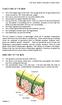 FUNCTIONS OF THE SKIN Skin is the largest organ of the body. The average adult has 18 square feet of skin which account for 16% of the total body weight. Skin acts as a physical barrier for you to the
OASIS-C Integument Assessment: Not for Wimps! Part I: Pressure Ulcers
 OASIS-C Integument Assessment: Not for Wimps! Part I: Pressure Ulcers Presented by: Rhonda Will, RN, BS, COS-C, HCS-D Assistant Director, OASIS Competency Institute 243 King Street, Suite 246 Northampton,
A Pocket Guide. Application and Cutting Guide
 A Pocket Guide Application and Cutting Guide Developed by Pia Carlsen, RN, Denmark Jacqui Fletcher, Principal Lecturer, MSc BSc (Hons) PG Dip (ED) RN ILT, UK Maria Mousley, AHP, Consultant Podiatrist,
PATIENT TEACHING GUIDE: Wound Care Handbook
 PATIENT TEACHING GUIDE: Wound Care Handbook PATIENT TEACHING GUIDE: WOUND CARE Design by Mariscal Design, Illustrations by Lysa Hawke. The Wound Care Self Care Guide was written and prepared by: Barbara
Wound, Ostomy and Continence Nurses Society s Guidance on OASIS-C1 Integumentary Items: Best Practice for Clinicians
 Wound, Ostomy and Continence Nurses Society s Guidance on OASIS-C1 Integumentary Items: Best Practice for Clinicians Acknowledgments Wound, Ostomy and Continence Nurses Society s Guidance on OASIS-C1 Integumentary
WOUND OSTOMY CONTINENCE NURSES SOCIETY GUIDANCE ON OASIS-C INTEGUMENTARY ITEMS
 Wound Ostomy Continence Nurses Society Guidance on OASIS-C Integumentary Items WOCN OASIS Taskforce Members: Ben Peirce (Chairperson), RN, BA, CWOCN, COS-C Dianne Mackey, BSN, RN, PHN, CWOCN Laurie McNichol,
APPLICATION OF DRY DRESSING
 G-100 APPLICATION OF DRY DRESSING PURPOSE To aid in the management of a wound with minimal drainage. To protect the wound from injury, prevent introduction of bacteria, reduce discomfort, and assist with
Two main classes: Epithelial Connective (synovial) Epithelial. Cutaneous Mucous Serous
 Two main classes: Epithelial Connective (synovial) Epithelial Cutaneous Mucous Serous Epithelial Membranes = sheet of epithelia + connective tissue base 1. Cutaneous membrane: outer skin layer (stratified
Pressure Ulcers in Neonatal Patients. Rene Amaya, MD Pediatric Specialists of Houston Infectious Disease/Wound Care
 Pressure Ulcers in Neonatal Patients Rene Amaya, MD Pediatric Specialists of Houston Infectious Disease/Wound Care Objectives Review skin anatomy and understand why neonatal skin is at increased risk for
WHAT IS INCONTINENCE?
 CNA Workbook WHAT IS INCONTINENCE? Incontinence is the inability to control the flow of urine or feces from your body. Approximately 26 million Americans are incontinent. Many people don t report it because
Skin & Wound Care Prevention & Treatment. By Candy Houk, RN Skin & Wound Program Manager
 Skin & Wound Care Prevention & Treatment By Candy Houk, RN Skin & Wound Program Manager OBJECTIVES Classify Stage 1 and 2 pressure ulcers Recognize suspected Stage 3, 4, DTI, and unstageable pressure ulcers
Wound and Skin Assessment. Mary Carvalho RN, BSN, MBA Clinical Coordinator Johnson Creek Wound and Edema Center
 Wound and Skin Assessment Mary Carvalho RN, BSN, MBA Clinical Coordinator Johnson Creek Wound and Edema Center Skin The largest Organ Weighs between 6 and 8 pounds Covers over 20 square feet Thickness
X-Plain Foley Catheter Male Reference Summary
 X-Plain Foley Catheter Male Reference Summary Introduction A Foley catheter is a tube that is put through the urinary opening and into your bladder to drain urine. Your doctor may have placed or may ask
WOUND MANAGEMENT PROTOCOLS WOUND CLEANSING: REMOVING WOUND DEBRIS FROM WOUND BASE
 WOUND MANAGEMENT PROTOCOLS PURPOSE: Provide nursing personnel with simple guidance regarding appropriate dressing selection in the absence of wound specialist expertise Identify appropriate interventions
Pressure Ulcers Risk Management and Treatment
 Pressure Ulcers Risk Management and Treatment Objectives State reasons why individuals initiate lawsuits. Define strategies to reduce the risk of litigation. Determine appropriate treatment for the patient.
The Integumentary System Dr. Ali Ebneshahidi
 The Integumentary System Dr. Ali Ebneshahidi The Skin The integument system consists of the skin (cutaneous membrane) and its accessory organs. The skin is composed of three layers of tissue: the outer
Illinois Department of Public Health STATEMENT OF DEFICIENCIES AND PLAN OF CORRECTION. Statement of LICENSURE Violations
 (X1) PROVER/SUPPLIER/CLIA ENTIFICATION NUMBER: (X3) SURVEY D NAME OF PROVER OR SUPPLIER (X4) SUMMARY REGULATORY OR LSC ENTIFYING INFORMATION) PROVER'S PLAN OF CORRECTION Final Observations Statement of
PRESSURE ULCER GUIDELINES FOR TOPICAL TREATMENT
 PRESSURE ULCER GUIDELINES FOR TOPICAL TREATMENT The following are suggested guidelines for treatment of pressure ulcers using products from Swiss-American Products, Inc. and are intended to supplement
How To Care For A Stoma
 People who have a stoma often share many of the same questions and concerns. This best practice document provides answers to some of the common questions that people ask about the day to day care of the
Pressure Ulcers: Facility Assessment Checklists
 Pressure Ulcers: Facility Assessment Checklists This is a series of self-assessment checklists for nursing home staff to use to assess processes related to managing pressure ulcers in the facility, in
Wound Classification Name That Wound Sheridan, WY June 8 th 2013
 Initial Wound Care Consult Sheridan, WY June 8 th, 2013 History Physical Examination Detailed examination of the wound Photographs Cultures Procedures TCOM ABI Debridement Management Decisions A Detailed
Wound Care: The Basics
 Wound Care: The Basics Suzann Williams-Rosenthal, RN, MSN, WOC, GNP Norma Branham, RN, MSN, WOC, GNP University of Virginia May, 2010 What Type of Wound is it? How long has it been there? Acute-generally
Pressure Ulcers. Occupational Therapy. This leaflet is for both yourself and Carers
 Pressure Ulcers Occupational Therapy This leaflet is for both yourself and Carers Contents What is a pressure ulcer? 3 Who is at risk of developing a pressure ulcer? 4 How can I avoid developing a pressure
Preventing pressure ulcers
 Golden Jubilee National Hospital NHS National Waiting Times Centre Preventing pressure ulcers Patient information guide for adults at risk of pressure ulcers Agamemnon Street Clydebank, G81 4DY (: 0141
Heat Illnesses. Common Heat Rash Sites
 Heat Illnesses Introduction Heat illnesses happen when the body becomes too hot and cannot cool itself. There are several different types of heat-related illnesses. This includes heat cramps, heat exhaustion,
What is Psoriasis? Common Areas Affected. Type Who Does it Affect Characteristics
 What is? is a term derived from the Greek word psōra which means itch and is a common, long lasting, inflammatory skin condition which affects 1-3% of the UK population and about 80 million people worldwide.
Pressure Injury Prevention and Management Policy
 Pressure Injury Prevention and Management Policy Owner (initiating the document): Dr Amanda Ling Contact name and number: Rachel Dennis (Ph: 9222 2197) Version: 1.5 Approved by: Professor Bryant Stokes,
KINESIOLOGY TAPING GUIDE
 KINESIOLOGY TAPING GUIDE What is Kinesiology tape and how does Kinesiology tape work? How to apply Kinesiology tape Examples of application of UP Kinesiology tape for common injuries and conditions Introduction
Hand Dermatitis in Health Care Workers
 Hand in Health Care Workers Safety and Health Assessment and Research for Prevention (SHARP) Program Washington Department of Labor and Industries PO Box 44330 Olympia, WA 98504-4330 1-888-66-SHARP www.lni.wa.gov/sharp/derm
A GUIDE TO SPICA CAST CARE
 A GUIDE TO SPICA CAST CARE KAPI'OLANI ORTHOPAEDIC ASSOCIATES Pediatric Orthopaedics Spine Deformity Sports & Dance Medicine Young Adult Hip Preservation 1319 Punahou Street Suite #630 Honolulu, Hawaii
Preventing Diaper Rashes
 Preventing Diaper Rashes This pamphlet is meant to help you learn what you can do to help prevent diaper rash. Your child is receiving medication (antibiotics, diuretics, chemotherapy) that may make your
PROTOCOL INCONTINENCE, URINARY/FECAL Effective Date: August 4, 2010
 Number: PROT0106 Submitted by: WOC Issuing Department: PATIENT CARE SERVICES Approved By: (Signature on File) Reviewed by: Date: WOC Nursing Service 7/27/10 Med Surg CPT 8/10 Date: 08/2010 Supersedes:
PATIENT HANDBOOK AND JOURNAL DAY OF SURGERY
 PATIENT HANDBOOK AND JOURNAL DAY OF SURGERY PREPARING YOUR SKIN BEFORE SURGERY PRE-OP HIBICLENS BATHING INSTRUCTIONS: General Information: Because the skin is not sterile, it is important to make sure
THERAPEUTIC USE OF HEAT AND COLD
 THERAPEUTIC USE OF HEAT AND COLD INTRODUCTION Heat and cold are simple and very effective therapeutic tools. They can be used locally or over the whole body, and the proper application of heat and cold
THERAPY FOR THE SKIN Non-allergenic and Non-sensitizing
 THERAPY FOR THE SKIN Non-allergenic and Non-sensitizing FOR CLINICAL INFORMATION ABOUT OUR PRODUCTS, CALL 877.611.0081. TO ORDER, VISIT MMS.MCKESSON.COM OR CALL YOUR MCKESSON MEDICAL-SURGICAL ACCOUNT MANAGER.
Objectives- Participants will:
 Pressure Ulcer Staging Elizabeth A. Ayello PhD, RN, ACNS-BC, CWON, ETN, MAPWCA, FAAN Clinical Editor, Advances in Skin and Wound Care Faculty, Excelsior College School of Nursing Co-Director and Course
Cutimed PROTECT Medical skin protection. Protect Preserve Prevent
 PROTECT Medical skin protection Protect Preserve Prevent PROTECT Ordering information PROTECT is available in foam applicators and spray bottle PROTECT REF No. Size Unit of Measure HCPCS Spray 7265300
MRSA. Living with. Acknowledgements. (Methicillin-Resistant Staphylococcus aureus)
 How can I keep myself healthy? Hand washing and use of an alcohol-based hand sanitizer are the primary way to prevent acquiring or transmitting bacteria. If you get a cut or scrape, wash it well with soap
Individualized Care Plans Fully Developed
 Appendix Individualized Care Plans Fully Developed A Refer to Chapter 1 The Nursing Process: A Synopsis, p. 32: Two Individualized Care Plans Fully Developed; Care Plan 1 for Mr. John Walters, Care Plan
How does Diabetes Effect the Feet
 How does Diabetes Effect the Feet What Skin Changes May Occur? Diabetes can cause changes in the skin of your foot. At times your foot may become very dry. The skin may peel and crack. The problem is that
Use of a Pressure Ulcer Protocol: Benefits and Recommendations
 Use of a Pressure Ulcer Protocol: Benefits and Recommendations Elizabeth L. Enriquez RN,BSN,MPH,CWOCN Wound Care Specialist/Infection Control Morningiside House 1000 Pellham Parkway, Bronx, NY 10461 Wound
Environmental Management of Staph and MRSA in Community Settings July 2008
 Page 1 of 7 Environmental Management of Staph and MRSA in Community Settings July 2008 Questions addressed on this page What are Staph and MRSA? How is Staph and MRSA spread? What is the role of the environment
Management of Burns. The burns patient has the same priorities as all other trauma patients.
 Management of Burns The burns patient has the same priorities as all other trauma patients. Assess: - Airway - Breathing: beware of inhalation and rapid airway compromise - Circulation: fluid replacement
SECTION M: SKIN CONDITIONS. M0100: Determination of Pressure Ulcer Risk. Item Rationale Health-related Quality of Life.
 SECTION M: SKIN CONDITIONS Intent: The items in this section document the risk, presence, appearance, and change of pressure ulcers. This section also notes other skin ulcers, wounds, or lesions, and documents
How To Recover From A Surgical Wound From A Cast
 Care of Your Wounds After Amputation Surgery by Paddy Rossbach, RN Depending on the reason for your amputation and the state of your limb at the time of surgery, definitive closure of the wound may take
Preventing Pressure Ulcers and Assisting With Wound Care
 Preventing Pressure Ulcers and Assisting With Wound Care C H A P T E R 19 A nursing assistant makes an occupied bed. Providing clean, wrinkle-free linens is just one way that nursing assistants help to
Wound Healing. Healing is a matter of time, but it is sometimes also a matter of opportunity. Hippocrates
 C HAPTER 9 Wound Healing Healing is a matter of time, but it is sometimes also a matter of opportunity. Hippocrates As the above quote suggests, conduct regular and systematic wound assessments, and seize
b. Povidone Iodine 5% Swabsticks, Single Pack (4 packs) c. Clean gloves
 Program Agenda SUBJECT: Universal Decolonization Protocols for Pre-operative Orthopedic Patients EFFECTIVE DATE: 5/2014 REVISED DATE: I. Policy: The largest fraction of hospital acquired infections (HAIs),
How To Prevent Pressure Ulcer
 Pressure ulcers prevention and treatment A Coloplast quick guide Table of Contents Pressure ulcers prevention and treatment... 3 What is a pressure ulcer?... 4 How do pressure ulcers occur?... 5 Who develops
NURSING DOCUMENTATION
 NURSING DOCUMENTATION OBJECTIVES 1. The learner will be able to state 2 components of documentation that meet the 2. The learner will be able to identify 4 characteristics of a complete skin assessment
A Guide to Help You Manage Your Catheter and Drainage Bags
 A Guide to Help You Manage Your Catheter and Drainage Bags A catheter can make a difference to your health and quality of life. We understand that it can be a big adjustment for you. This information will
Informed Consent For Laser Hair Removal
 Informed Consent For Laser Hair Removal INSTRUCTIONS This informed-consent document has been prepared to help inform you about laser procedures, its risks, as well as alternative treatment(s). It is important
Skin care guidelines for patients receiving radiotherapy
 Skin care guidelines for patients receiving radiotherapy Delivering the best in care UHB is a no smoking Trust To see all of our current patient information leaflets please visit www.uhb.nhs.uk/patient-information-leaflets.htm
AcneBooklet_A02.qxp 25-04-2007 14:05 Side 1. Acne treatment CLINICALLY PROVEN SAFE AND EFFECTIVE
 AcneBooklet_A02.qxp 25-04-2007 14:05 Side 1 Acne treatment CLINICALLY PROVEN SAFE AND EFFECTIVE AcneBooklet_A02.qxp 25-04-2007 14:05 Side 2 AcneBooklet_A02.qxp 25-04-2007 14:05 Side 3 At some point in
Introduction A JP Drain is a soft tube and container used to drain fluids that build up under the skin after surgery.
 JP Drain Introduction A JP Drain is a soft tube and container used to drain fluids that build up under the skin after surgery. This reference summary explains what a JP Drain is and discusses how to take
Scabies. Care Homes IPC Study Day. Sue Barber Lead Nurse Infection Prevention & Control AV & Chiltern CCG s
 Scabies Care Homes IPC Study Day Sue Barber Lead Nurse Infection Prevention & Control AV & Chiltern CCG s Scabies What is it? (warning you will experience itching during this session) Ancient disease evidence
Identifying Hard to Detect Pressure Ulcers in Individuals
 Identifying Hard to Detect Pressure Ulcers in Individuals with Dark Skin Tones Sheila Carter, MSN, RN FNP BC, CWON, CFCN Pam Damron, MSN, RN, CWON Patricia Moore, RN, ASN, CWCN Jennifer Vandiver, RN, BSN,
Rigid Gas Permeable Contact Lens Information
 Rigid Gas Permeable Contact Lens Information Congratulations! You have been fit with quality contact lenses designed specifically for your visual correction. Please note that successful contact lens wear
Radiation Therapy and Caring for Your Skin
 Patient Information Radiation Therapy and Caring for Your Skin Comments, Feedback? Contact Patient and Professional Education 519-685-8742 Email: [email protected] Reviewed by the LRCP Patient Education
Looking after your urinary catheter at home. An information guide
 TO PROVIDE THE VERY BEST CARE FOR EACH PATIENT ON EVERY OCCASION Looking after your urinary catheter at home An information guide Looking after your urinary catheter at home This leaflet is provided for
Anyone who has difficulty moving can get a pressure sore. But you are more likely to get one if you:
 Patient information from the BMJ Group Pressure sores Anyone can get a pressure sore if they sit or lie still for too long without moving. People who are old or very ill are most likely to get them. Careful
Pressure Ulcer Passport
 Pressure Ulcer Passport Information for patients This is a record of the treatment you are receiving for your pressure ulcer injury. Please bring it with you to all your healthcare appointments. This will
Nursing Process Focus: Patients Receiving LINDANE (Kwell)
 Nursing Process Focus: Patients Receiving LINDANE (Kwell) ASSESSMENT Prior to administration: Obtain complete health history including allergies, drug history, and possible drug interactions. Assess vital
TAKING CARE OF WOUNDS KEY FIGURE:
 Chapter 9 TAKING CARE OF WOUNDS KEY FIGURE: Gauze Wound care represents a major area of concern for the rural health provider. This chapter discusses the treatment of open wounds, with emphasis on dressing
Multiple Myeloma. This reference summary will help you understand multiple myeloma and its treatment options.
 Multiple Myeloma Introduction Multiple myeloma is a type of cancer that affects white blood cells. Each year, thousands of people find out that they have multiple myeloma. This reference summary will help
NIH Clinical Center Patient Education Materials Giving a subcutaneous injection
 NIH Clinical Center Patient Education Materials What is a subcutaenous injection? A subcutaneous injection is given in the fatty layer of tissue just under the skin. A subcutaneous injection into the fatty
Chapter 11. Everting skin edges
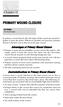 Chapter 11 PRIMARY WOUND CLOSURE KEY FIGURE: Everting skin edges In primary wound closure, the skin edges of the wound are sutured together to close the defect. Whenever possible and practical, primary
Spinal Cord and Bladder Management Male: Intermittent Catheter
 Spinal Cord and Bladder Management Male: Intermittent Catheter The 5 parts of the urinary system work together to get rid of waste and make urine. Urine is made in your kidneys and travels down 2 thin
ACTIV foaming cleanser
 ACTIV foaming cleanser Formulated specially for the face, this concentrated, highly effective gentle cleanser removes makeup, dirt and impurities, leaving your skin beautifully clean, soft and radiant,
CHAPTER 6: INTEGUMENTARY SYSTEM. 1. Explain why the skin is called the cutaneous membrane.
 OBJECTIVES: 1. Explain why the skin is called the cutaneous membrane. 2. Name the layers of the skin, describe the structure (tissues) of each, and name a general function of each. 3. Discuss the four
Achieving Independence
 Bard: Intermittent Self-Catheterization A Guide to Self-Catheterization Achieving Independence Introduction This brochure is provided by Bard, a leading provider of urology products since 1907. The best
Melanoma The Skin Understanding Cancer
 Melanoma A form of cancer that begins in melanocytes (cells that make the pigment melanin). It may begin in a mole (skin melanoma), but can also begin in other pigmented tissues, such as in the eye or
Please read these instructions carefully before using Poise* Bladder Supports
 For the Temporary Management of Stress Urinary Incontinence in Women INSTRUCTIONS FOR USE Please read these instructions carefully before using Poise* Bladder Supports 500000023088 For the Temporary Management
Safety FIRST: Infection Prevention Tips
 Reading Hospital Safety FIRST: Infection Prevention Tips Reading Hospital is committed to providing high quality care to our patients. Your healthcare team does many things to help prevent infections.
Radiotherapy for breast cancer
 Radiotherapy for breast cancer This information is an extract from the booklet Understanding breast cancer. You may find the full booklet helpful. We can send you a copy free see page 6. Contents Radiotherapy
How do I evaluate my skin condition? What causes sore skin?
 skin care Taking good care of your peri-stomal skin is of utmost importance. Your skin is the base, on which all of your stoma products will be placed, so it is vital that it is kept in good condition.
Self Catheterization Guide
 Self Catheterization Guide An introduction to intermittent self-catheterization Medical professionals have recommended that you selfcatheterize in order to completely empty your bladder. This prevents
Diabetes and your feet
 The Society of Chiropodists and Podiatrists Diabetes and your feet A guide to maintaining healthy feet for people with diabetes Diabetes and your feet 3 Diabetes and your feet Many people with diabetes
Instructions for Wearing your Scoliosis Brace
 Instructions for Wearing your Scoliosis Brace modified from Boston Scoliosis Brace course instruction manual, presented by NOPCP and Children s Hospital Medical Center, Boston, MA Goal: This requires:
Radiation Therapy To the Arms or Legs
 Radiation Therapy To the Arms or Legs You will be receiving two to six weeks of radiation to the arms or legs. It will describe how your treatments are given. It will also describe how to take care of
MEDICATION GUIDE. PROTOPIC [pro-top-ik] (tacrolimus) Ointment 0.03% Ointment 0.1%
![MEDICATION GUIDE. PROTOPIC [pro-top-ik] (tacrolimus) Ointment 0.03% Ointment 0.1%](/thumbs/27/10084771.jpg "MEDICATION GUIDE. PROTOPIC [pro-top-ik] (tacrolimus) Ointment 0.03% Ointment 0.1%") MEDICATION GUIDE PROTOPIC [pro-top-ik] (tacrolimus) Ointment 0.03% Ointment 0.1% Read the Medication Guide every time you or a family member gets PROTOPIC Ointment. There may be new information. This Medication
MEDICATION GUIDE PROTOPIC [pro-top-ik] (tacrolimus) Ointment 0.03% Ointment 0.1% Read the Medication Guide every time you or a family member gets PROTOPIC Ointment. There may be new information. This Medication
1g cream or ointment contains 1 mg methylprednisolone aceponate.
 CONSUMER MEDICINE INFORMATION ADVANTAN 1g cream or ointment contains 1 mg methylprednisolone aceponate. What is in this leaflet Please read this leaflet carefully before you start using ADVANTAN. It will
3M Cavilon Durable Barrier Cream. Clinical Evidence Summaries. Clinical. Evidence. Summaries
 3M Cavilon Durable Barrier Cream TM Clinical Evidence Summaries Durable. Comfortable. Unique. It s the polymers... 3 Note: In Australia and New Zealand, Cavilon Durable Barrier Cream is approved for the
Working together to prevent pressure ulcers (prevention and pressure-relieving devices)
 Working together to prevent pressure ulcers (prevention and pressure-relieving devices) Understanding NICE guidance information for people at risk of pressure ulcers, their carers, and the public Draft
MANAGING ACNE IN PHARMACY
 MANAGING ACNE IN PHARMACY ACNE PREVALENCE Acne is the most common of skin diseases, affecting 85 per cent of Australians aged 15-24 years old. Very few people manage to escape their teenage and young adult
MRSA Positive. An information guide
 TO PROVIDE THE VERY BEST CARE FOR EACH PATIENT ON EVERY OCCASION MRSA Positive An information guide MRSA Positive What is MRSA? Staphylococcus aureus is a germ often found on the skin and up the nose of
Graduated compression hosiery (stockings)
 What is compression hosiery? Compression hosiery are elasticated stockings which give support to your legs. In graduated compression hosiery, the pressure given by the stockings is greater at the ankle
HOW TO CHECK YOUR LYMPH NODES
 HOW TO CHECK YOUR LYMPH NODES What are the aims of this leaflet? This leaflet has been written to help you to understand more about how to check your lymph nodes yourself. It tells you why you should be