
Distillery Design: Producing Vodka and Other Spirits
|
|
|
- Cory Stokes
- 9 years ago
- Views:
Transcription
1 Distillery Design: Producing Vodka and Other Spirits A Major Qualifying Project submitted to the Faculty of Worcester Polytechnic Institute in partial fulfillment of the requirements for a Bachelor of Science Degree in the field of Chemical Engineering By Jack Besse Danielle Dechaine April 28, 2014

2 Table of Contents Acknowledgements... 3 Abstract... 4 Executive Summary... 5 Introduction... 6 Background... 9 Amherst Farm Winery... 9 Batch Distillation of Spirits Vodka Other Spirits Regulations Federal Regulations State Regulations Amherst Local Regulations Micro-Distilleries Methodology Design Process Flow Diagram Process Description Component Descriptions Still and Mash Cooker Fermenting Vessels Receiving Tanks Pumps Hammer Mill Additional Infrastructure Operational Details Pump Operation Still Operation Waste Removal Layout Economics

3 Environmental Health and Safety Marketing Conclusions and Recommendations References Appendices Appendix A: Copper Batch Still Diagram Appendix B: Quote from Vendome Copper and Brass Works Appendix C: Pictures Amherst Farm Winery Distillery Tours Workshop

4 Acknowledgements Thank you to Professor Kmiotek for advising our project, providing constant feedback and encouragement, and helping us apply what we learned through this project to our future careers. Thank you to the Chemical Engineering department, Professor DiBiasio in particular, for providing us with the opportunity to take part in the workshop. Audrey Samek, who gave us the opportunity to work with her to create this distillery, and gave us a wonderful educational opportunity. Ray Parker for hosting us at the workshop, teaching us invaluable information about distilling, and offering his help in any future endeavors 3

5 Abstract The goal of our project was to provide the owner of Amherst Farm Winery with an operable distillery design within a tight budget. A growing craft spirits market influenced the owner to pursue a new revenue stream by starting Amherst Farm Distillery, LLC, a locally sourced micro-distillery located in western Massachusetts. Through numerous distillery tours, a hands-on workshop, research, and communication with the owner and numerous vendors, we were able to design a process that will work for the owner and fits her needs. Throughout this project, we gained valuable experience by working with a client and a vendor, and gained practical knowledge associated with creating an operable design. 4

6 Executive Summary The goal of this project was to provide a complete distillery design for the owner of Amherst Farm Winery to expand her business. The owner desired a simple, easy to operate system that was locally made and would fit her $100,000 budget. It would be located in the upstairs loft area in the barn currently used exclusively for the winery. This was accomplished by first researching how batch distilleries operate, and visiting a number of craft distilleries throughout New England to better understand the setup and operation of these facilities. Additionally, by participating in a weekend long workshop at an operating craft distillery, a significant amount was learned about the actual operation, workflow, and overall process. After a thorough examination of the collected data, a design was completed, and summary of operation was compiled. The design consisted of a process flow diagram, a layout, and a summary of all equipment required for the operation of the distillery. A batch still with a 50 gallon pot, manufactured by Vendome Copper and Brass Works was selected for many, mostly financial, reasons. This still will double as a mash cooker, and its electric heat source eliminates the need for a boiler. Additional equipment such as tanks, pumps, and a grain mill will be purchased from used equipment companies for more savings. New flooring will be installed to isolate any liquids to the distillery area, and protective Plexiglas will be placed around the still to ensure public safety. The owner was educated in the basic process of distilling and fermenting, and this design was presented to her and accepted, and will be brought forward and installed in the coming years, pending permitting. 5

7 Introduction Amherst Farm Winery is a small business located in Amherst, MA producing a wide variety of wines for the western Massachusetts region. The winery was founded in the fall of 2011 in a historic barn that had been relocated due to the formation of the Quabbin Reservoir. The winery began producing both traditional and fruit wines, which it sold from their location. The production area for the wine is relatively small, and because of that, the quantity of wine produced is not enough for distribution to wine stores and restaurants. While this business model has worked so far, it is important to continue making a variety of new products to keep consumers interested in visiting the location and trying new products. This can include new varieties of wine and similar products, or by diversifying the business to include something new, such as craft spirits. A growing number of small wineries are showing up across the country, attempting to fill the need for an ever-growing demand for wine across the world. Wine lovers are turning their passion for the drink into a business, creating a flourishing supply of new and interesting varieties of wine to enjoy. The small businesses that are at the heart of this growing wine production trend are restricted by the limited amount of wine grapes that are grown, especially in the northeastern region of the United States. They have diversified into many fruit wines to help increase their variety, but for some small wineries, this may not be enough to satisfy the need to have a wide variety of products available to the consumer. One way that many of these wineries are attempting to fill that gap is by expanding their business to making craft spirits as well. With a moderate investment, a winery can build a small distillery attached to their winery. With just one still, they can produce a vast assortment of liquors, both in terms of type and flavor. Vodka, brandy, gin, grappa, and many other types of 6

8 liquor could be made in a variety of flavors, adding countless options for consumers on top of the already wide variety of wines. A micro-distillery can also be a very financially beneficial option. Typically, a business can make a fairly substantial profit from selling liquor, especially kinds that do not require any kind of aging, as the costs to ferment, distill, and flavor are not tremendously high. A key aspect to this winery s business model is locally sourced ingredients. While the farm on site can produce some fruits for production, it isn t nearly enough to supply the entire business. As such, the winery sources out to other local farms and orchards to bring in grapes and other fruits and flavors to ensure they can provide a wide variety of products. To start the distillery, the winery would require additional supplies to make a liquor mash. Fortunately, there are many local sources of crops such as potatoes and various grains which can be used to produce vodkas and other liquors which will form the basis for the majority of distillery products. While the distillery may one day expand to have a large selection of spirits, the initial startup of the distillery should be geared to sell products to existing winery customers. The current customer base is made up of approximately 80% women, most of whom are middle to older aged. A simple yet productive way to market to this group is through selling flavored vodkas. The distillation of vodka is a fairly straight forward process relative to other liquors, which means lower costs for its production. The addition of natural flavorings, which can also be locally sourced, will add a degree of variety to the liquors available and cater more toward the targeted consumers. Today, flavored vodkas are a widely used ingredient in countless mixed drinks, as well as a slightly easier way to drink vodka straight, and have grown in popularity year after year over the past decade. However, most of the currently available options are produced by 7

9 large distilleries such as Svedka, Smirnoff, Skyy, Three Olives, Pinnacle, and several others. However, the market for local, smaller batch flavored vodkas remains far from saturated, and the potential of entering this market seems a very logical starting point for the micro-distillery. 8

10 Background Amherst Farm Winery Located in the town of Amherst, Massachusetts, Amherst Farm Winery LLC is a small winery and vineyard that is owned and operated by Audrey Samek. Amherst Farm Winery produces a wide variety of wines, from their versions of basic reds and whites to a plethora of fruit-flavored blends and dessert wines. Due to its location within the center of Pioneer Valley in western Massachusetts, she is unable to grow many of the fruits necessary for her winemaking. Additionally, because her winery is so new, the trees and vines that she does have are not yet producing enough to meet demand. Currently, she sources all of the other necessary ingredients from nearby farms to supplement what she is able to grow. Open only during the months from March through December, keeping up with demand for her products has been quite the challenge. While Audrey has aid through her hand-picked employees and student workers from local colleges, the New England weather hinders the growth of grapes, making it rather difficult to produce early in the spring. The winery is located in a wooden barn that consists of two levels. The main entrance is at ground level and contains her winemaking operation, including production, tasting, party room, and the store. The upper level is currently empty in preparation for the micro-distillery business that Audrey is in the process of planning. The design of the actual process of distilling craft spirits for her location will be outlined later in this report. To get to the upper level, there exists only stairs. In order to allow the public upstairs according to local fire code, there will need to be some sort of lift. The copper-topped bar that is located on the second floor will serve as a tasting for the spirits produced there. 9

11 The owner is very focused on keeping her business as local as possible. Since she purchases supplemental juices from other local farms, she d like to continue this trend by getting her raw materials for the distillery from them as well. In addition, all physical labor necessary to get this production off the ground will be locally sourced. She prefers to source all of her products locally to aid her community, as well as to gain more customers through the business connections she makes. Additionally, sourcing locally can help reduce shipping costs, lowering her net spending, and helping to increase her potential profits. Batch Distillation of Spirits Spirits are any aqueous solutions of ethanol that are obtained by distillation, such as vodka, brandy, rum, or whisky. These alcoholic liquors can be produced from various raw materials, but all have a similar process to obtain a high alcohol by volume, or ABV. Each type of liquor is produced by the addition of various enzymes to break down the raw material, fermentation to produce the ethanol, and distillation to separate the ethanol for a more pure product. The final steps after distillation to create the finish product depend on the type of spirit desired and also on the recipe created by the distiller. There is a lot of room for creativity in the recipe, and each distiller will have a unique way of producing each spirit. Many types of liquor have their own regulations and if they are not met, then the solution produced cannot be bottled and sold under the name of that liquor. For example, In order to refer to a liquor as vodka, the ethanol must be distilled to 190 proof, or 95% ethanol. When referring to proof, this is the alcoholic strength of the liquor. In the United States, proof is twice the amount of alcohol by volume (ABV). For instance, if a beverage is 80 proof, then it contains 40% alcohol by volume. 10

12 Vodka Vodka is very high purity liquor. As mentioned earlier, in order to refer to liquor as vodka, the ethanol must be distilled to 190 proof, or 95% ethanol, then diluted to proof for distribution. If the product is not distilled to this high proof, then it is not technically considered vodka. The raw materials for vodka are any type of grain that can be ground, such as corn, potatoes, and whey. Different starting materials will result in a slightly different flavor, which many craft distillers are focused on. The unique starting material is what gives each recipe its distinct flavors. To start off the process, the raw material is ground into a fine powder and mixed with water and various enzymes and bacteria to prepare for fermentation. It is allowed to ferment and then fed to the distillation process to remove the ethanol to increase the proof of the spirit to 190. Then clean water is added for the final product. Other Spirits There are many other spirit types that are all produced slightly differently. Whiskey is a very popular liquor which is made exclusively from grains. There are many variations of whiskey, such as Bourbon, Scotch, and Tennessee whiskeys, all of which have their own regulations on what can be given that name. For example, Bourbon whiskey must be put in a new white oak barrel to age at less than 125 proof. All of these whiskeys have their own unique flavors and recipes that distinguish them. Another liquor is rum, which is fermented with a molasses or sugar base, creating a very sweet liquor. Gin is a liquor that is distilled over a basket of mashed fruits including juniper berries, along with potential others such as apples to add 11

13 flavor. Every liquor has its own distinct character, and plenty of room for adaptation and creativity. Regulations There are a number of regulations pertaining to the distillation of alcohol federally, locally, and by the state. These regulations must be followed to ensure the continued operation of any facility, and the required permits as described in the regulations must be obtained prior to production. Federal Regulations The US Alcohol and Tobacco Tax and Trade Bureau regulates the distilled beverage industry. This agency requires a new business to apply for a permit to produce alcohol in the United States that must be approved prior to any production of liquor. There is no fee for this permit to be screened or maintained through the lifetime of the business. There are several permits that this agency gives out to different industries, but the liquor industry applies under the Distilled Spirits Plant - Beverage title, which covers any business producing, bottling, or selling distilled beverages. State Regulations In Massachusetts, there are more regulations pertaining to distilleries. There is a classification for farm distilleries, which allows farmers to produce small amounts of liquor as an additional source of income. This classification allows the production of up to 5000 proof 12

14 gallons (50% ABV) of liquor a year for a licensing fee of $22; additional production induces a larger licensing fee. The farmer-distiller license is required to be renewed yearly, however, there is no need to resubmit the paperwork required in the initial application. Additionally, there are a number of state taxes on the sale of liquor produced in such a facility. A tax of four dollars and five cents shall be collected for every proof gallon as defined above. This is a legal requirement for any alcohol producer, and must be paid to continue production and sale of the product. Amherst Local Regulations Locally, there are several regulatory requirements for a distillery. First, there must be approval from the fire chief because of the heating element in the still and the potential fire and explosion hazards associated with alcohol. Additionally, there must be approval from the town or city sewer system to ensure any products going down the drain from the distillery will not adversely affect the water treatment system or the sewer pipes themselves. Also, if the distillery wishes to give samples or sell drinks at the site, they will be required to obtain a liquor license from the necessary local authorities. Micro-Distilleries A distillery is a place where alcoholic spirits are made. More specifically, a microdistillery is a small-scale version of a commercial manufacture distillery. An operation of this size is great for creating craft liquors and is focused more on the taste and quality of a premium spirit rather than producing vast quantities of liquor. Many craft distillers choose to produce flavored spirits, rather than compete for the same customers as larger, well-known companies such as Smirnoff or Svedka. The number of micro-distilleries throughout Massachusetts and the 13


15 rest of New England has increased dramatically over the last few years. As seen in Figure 1, Massachusetts has several around the state; however the area surrounding Amherst is quite bare. Figure 1: Map of Massachusetts Micro-Distilleries As craft distilling is a quickly emerging industry, the number of businesses in this area is expected grow. As of July 2013, there were 14 craft distilleries in the state of Massachusetts. The exact number currently in business is unknown due to the constant flux of start-up distilleries. One nearby distillery is Nashoba Valley Spirits. Nashoba produces grappa, gin, vodka, whiskey, and brandy on site, from growing the raw materials to fermentation and distillation, and the finished product. Their pot still used for distillation of spirits can be seen in Figure 2. This still has a 100 gallon capacity. Amherst Farm is looking to produce approximately the same amount of, or even less, spirits per year as Nashoba and will likely need something of this magnitude. Figure 2: Nashoba Valley Spirits Still 14

16 Other micro-distilleries are on a slightly larger scale, such as Cold River Vodka located in Maine or American Crafted Spirits who makes Silo Vodka which is located in Vermont. The still used by Cold River has a 1000 liter, or 264 gallon, capacity, as can be seen in Figure 3. The still used by American Crafted Spirits is about the same size and can be seen in Figure 4, along with separate tray towers for increased separation as seen in Figure 5. Figure 3: Cold River Vodka Still There are many different sizes and options for pot stills when it comes to distilling craft spirits. These companies bought their equipment from Vendome Copper and Brass Works in Kentucky, Kothe Distilling in Germany, and Carl Artisan Distilleries in Germany. Figure 4: American Crafted Spirits Still Figure 5: American Crafted Spirits Distillation Columns and Condenser 15

17 Methodology The goal of this project was to provide the sponsor with a final distillery design to be installed in the provided space at Amherst Farm Winery. We began by meeting with the winery owner to gauge needs, wants, and a budget for the project. We researched distilling to gain a basic knowledge base on the subject, and to help guide the next steps. We contacted four different still manufacturers to get quotes and give the sponsor a general idea of what was available at what price. We visited a number of small distilleries to get a better idea of the operation and functionality of different aspects of the process, and participated in a weekendlong workshop on distilling in Windsor, VT. After we had gained a working knowledge of what was required and the associated costs, we designed the proposed distillery and presented it to the sponsor. The first step was to meet with the sponsor in order to gauge needs and wants for this design, and to learn what her knowledge base was for this project. At the initial meeting, the sponsor laid out her vision of a small distillery in the upper floor of the barn where Amherst Farm Winery is currently located. She wanted an easy to operate, visually appealing design to help bring attention to the new business. She wanted to keep the total expense to around $100,000, including all necessary installation and infrastructure upgrades for the space. She also outlined her desire to keep everything local where possible, including all potential equipment for the distillery. With these limitations in mind, the space was measured and analyzed help provide a base for the future design. The next step was to get in contact with distillery equipment manufacturers and get quotes for equipment. After some research, requests for quotes were sent out to four manufacturers. We received quotes from two manufacturers in the United States, one in Chicago, 16

18 which is German owned, and one in Kentucky. After reviewing the products offered and comparing them to the needs and budget of the distillery, a manufacturer was selected. There was a constant line of communication with the manufacturer, collecting technical details of the products, as well as finding more detailed financial information, confirming the quoted prices, and rough estimates for installation costs. Through this communication we were able to provide the owner of the distillery with all necessary equipment information prior to her purchase. To better understand how small craft distilleries operate, many distillery tours were taken across New England. While the process of distilling can be explained easily, there are many subtleties about the design that aid the efficient running of a distillery and can help the distiller make more quality product. By visiting many distilleries, similarities in design, as well as specific benefits and inefficiencies of certain setups, were seen. Additionally, the participation in a weekend-long distilling workshop at American Crafted Spirits in Windsor, Vermont provided a look at the actual operation of a distillery. By taking part in the process, and operating all of the machinery, it helped teach many key operational details for a distillery that cannot be found in literature. This information was later applied to ensure the design of the final distillery would be functional and efficient for the owner. Once all of the necessary information had been collected, and all necessary factors had been considered, a design was completed. The design consisted of selecting all necessary equipment for the efficient operation of the distillery, as well as all necessary upgrades to the space to ensure safe operation of all equipment. All of the components were organized into a layout that will provide a working operation for the owner. 17

19 Design Process Flow Diagram 18

20 Process Description This process is designed to produce craft liquor at Amherst Farm Winery. It will produce small batches of liquor from locally sourced ingredients to be bottled and sold on-site in western Massachusetts. Approximately 500 pounds of grain or other starch source is ground to a granular texture in the hammer mill. A portion is brought to the still and mixed with enough water to fill the pot. The mixture is brought up to a temperature of 85 C with continuous mixing and allowed to cook for about an hour, varying by recipe. The heating unit is turned off, and enzymes are added at various high temperatures according to the recipe. The mash is allowed to cool further to around 30 C, when the yeasts are added to begin fermentation. Once fully mixed, the mash is transferred via the mash pump to the fermenter. This process is repeated until all grains have been used, and the fermentation tank is full. The pot is cleaned thoroughly to prepare for later use in the process. The fermentation takes place over a period of 5-7 days, at around 30 C and should produce a mash of approximately 10% ABV. Using the mash pump, the fermented mixture is transferred to the still. A stripping run is performed by heating and stirring the mixture until a 35% ABV vapor is condensed and collected in a receiver tank without the use of the tray column. The run is considered complete when the temperature of the pot reaches 99 C, as most of the alcohol should have been removed by that point. The remaining mash in the pot is discarded as waste or collected for farm use. This is repeated until the entire 10% fermented mixture has been stripped and collected. After the strip process is complete, the still and fermentation tank should be thoroughly cleaned prior to next use. 19

21 The stripped liquor is transferred with the clear liquid pump back into the still. The agitator and heating element are turned on to begin the distillation run. At around 80 C, product will begin to flow, and an initial few gallons should be condensed and taken off as waste, as it will contain potentially dangerous amounts of methanol and will have a very foul odor and taste. The dephlegmator is provided with cold water, and the reflux will greatly increase, causing the alcohol percentage to rise. Slowly, more liquor will be fully condensed and taken out of the system as heads. In total, up to 5 gallons could be removed as heads. After the heads have been removed, the flow will begin to reach top quality, and can be taken into the receiving tank as product. The stream must be closely monitored for quality and proof. If the desired proof has not been reached, an increase in the flow of cold water to the dephlegmator will increase reflux and result in a higher proof product. As distillation continues and quality and proof decline, the receiving tank is removed, and the still is shut off and allowed to cool. The waste liquor is drained from the still and the pot and tower are cleaned thoroughly. The final product is held in a receiving tank, where distilled water is added to dilute the liquor to desired proof. This final product is then put in a storage tank connected to the bottling unit, and then packaged for sale. Component Descriptions Still and Mash Cooker The copper batch still manufactured by Vendome Copper and Brass Works has a capacity of 50 gallons. It has a diameter of 42 and a height of 9-3. It will have four bubble cap trays and a dephlegmator to achieve maximum separation. All gauges and safety devices are included, along with an additional touch screen automated system control unit. This batch still doubles as 20
22 a mash cooker with an explosion proof agitator to ensure thorough mixing. This unit requires 230 V electric hookup. The insulation jacket will reduce heat loss to conserve energy. Fermenting Vessels This design will include two stainless steel fermenting tanks, each with a capacity of 100 gallons, a diameter of 3, and a height of 40. They are open top design and are equipped with 1- ½ drain and pipe connections. Receiving Tanks This design includes two stainless steel receiving tanks, each with a 55 gallon capacity, a diameter of 2, and a height of 3. For ease of use, they are wheel mounted to provide mobility to all parts of the process. 21
23 Pumps Two pumps will be required to operate this process. One will be required to move viscous fluids up to 50 gallons at a time. The other pump will transfer clear liquids such as water and ethanol up to 50 gallons at a time. Each pump will require its own set of removable tubing, clamps, and gaskets. The decision of which pumps to purchase will be at the discretion of the business owner; however, it is suggested that they be purchased from W. A. Thompkins, a used equipment distributor located in Massachusetts. Hammer Mill A hammer mill will need to be capable of grinding up to 500 pounds of grain, such a potatoes or corn, in under an hour. The decision of which hammer mill to purchase will be at the discretion of the business owner; however, it is recommended that the mill is purchased from Glen Mills, a New Jersey based grinding equipment manufacturer. Additional Infrastructure The entire distillery area will be covered in waterproof flooring in order to prevent drips or spilling and to provide for easier cleanup of the equipment. The new flooring will slope to a center point for easier draining. A drain will be installed in the floor to ensure that there is no water build up. 230 volt electric will need to be provided for the still and pumps. An electrician will need to be hired to install this on the upper level of the building. Three sides of the area containing the batch still should be contained by Plexiglas to shield observers from any dangers posed by the equipment. 22
24 Operational Details Pump Operation Additional considerations must be noted for the safe and effective use of the pumps in this process. In the start-up process for a pump, there is a specific order for opening valves when transferring materials between units. The discharge side must be the first to be opened to prevent a pressure build up. Second, the source valve must be opened to fill the hose and provide something for the pump to move. Once both valves are open, the pump can be turned on, allowing product to flow to the desired location. As stated earlier, two pumps will be employed in this operation. One will be used for mash and any mealy or thick fluids, while the other will be used for any clear liquids, such as water, or high proof liquor, including the products of the stripping run and any thereafter. It is important to not contaminate the clean pump as it is what is used to transfer the final product, which should be as pure as possible, to the bottling station. Additionally, each pump should have its own set of hoses to prevent contamination, and all hoses should be thoroughly cleaned after each use. Operators should be careful to keep the power line to the pump clear of any liquid, water or otherwise, to prevent shock hazard and damage to the machinery. Still Operation The copper batch still will be used for three types of operations: cooking the mash, stripping the ethanol from the fermented mash, and distilling to a high proof ethanol product. Operation of the still for each of these processes is quite different, and they are outlined below. 23
25 Mash Cooking To perform a mash cook, first the still must be filled with the grain that has just been ground by the mill and mixed with water by the agitator. Check that all valves and openings are sealed to prevent leaks and ensure efficient heating. Using the automated controls, set the temperature to 85 C. Once the mash has reached this temperature, add enzymes and yeast at the times and temperatures dictated by the recipe. Once the yeast is added and it is thoroughly mixed, the agitator can be turned off and the mash manually transferred to the fermenting tank by use of the mash pump. After all of the mash has been removed from the pot of the still, it must be thoroughly cleaned by rinsing with water. Stripping Run The bubble cap trays in the column are first removed before the stripping run is conducted to prevent build-up of unwanted grain residue. 50 Gallons of the fermented mash is transferred to the pot by use of the mash pump. The agitator is turned on to ensure well-mixed heating, and the temperature of the automated controls is set to 99 C. Next, the condenser water is turned on and the receiving tank is placed under the spirit cup in order to collect the product. The run continues until the rate of product collection has slowed to a slow trickle. The heating element and agitator are both turned off, and the leftover mash is discarded. Again, the still is rinsed with water and the trays are placed back into the column to prepare for future use. 24
26 Distillation The liquor from the stripping run is put back into the pot of the still and the agitator turned on. The cooling water for the condenser is turned on, and the pot is allowed to heat to 79C, the boiling point of ethanol. This will remove more volatile components, such as methanol, as heads and discarded. Once the initial flow of this is collected, the dephlegmator cooling water is turned on to increase the proof of the product. The heating element is kept on to provide the heat necessary to raise the temperature to match the boiling point of the mixture. Once the desired proof, such as 190 for vodka, is achieved, the liquor is collected as hearts in the receiving tank. The dephlegmator is adjusted throughout the process to maintain the desired proof. Once the distiller is satisfied with the product, the heating element is turned off. Once the remaining product, collected as tails and discarded, has stopped flowing, the cooling water for the condenser and dephlegmator are turned off, as well as the agitator. The remaining low proof liquor in the pot is discarded and the still rinsed with water. Waste Removal The distillation of liquor produces a large amount of waste, as is the nature of a separation process. There are three types of waste produced in this process, and they all need to be dealt with in a responsible manner. After a stripping run is performed, the mash left in the pot will be a thick, soupy mash with a low alcohol content. This waste can be dealt with in several ways: It can be collected and fed to local farm animals since the raw material is a grain, it can be dumped outside to be used as a fertilizer, or it can be disposed of through the drain, provided it is thinned down with enough water. The other two main waste products are the heads and tails of the final distillation. Both of these are high in alcohol content, but can be disposed of down the 25
27 drain. Additionally, the heads may be used as a floor cleaner, as they are nearly pure ethanol, and will sanitize the floors, and evaporate. 26
28 Layout Hammer Mill Fermentation Vessels Receiving Tank Pumps Receiving Tank Still/Mash Cooker 27

29 Economics The design of this distillery was very much focused on accommodating a small budget of $100,000. This limit includes purchase and installation of all equipment, and any necessary modifications to the building. The approximate costs of the equipment along with installation are outlined in Table 1. Table 1: Economic Summary All building modifications are not included and will incur additional costs, such as an electrician and plumber, flooring, bottling station, lift, and Plexiglas walls. 28
30 Environmental Health and Safety With the installation of a piece of equipment such as a still, it is important to take into consideration some environmental and safety concerns associated with the project. One key element is the risk associated with the high temperature vapors that are associated with distilling. It is possible that with a vapor cloud of ethanol in the still, there could be an explosion with metal shards being flung across the building. The building at this site is very open, and will often have customers wandering throughout the building. To help prevent possible injury, it is recommended that the area being used for the distillery be enclosed by a Plexiglas wall to protect customers from potential accidents. In addition, the hammer mill can produce both loud noise and dust. It is suggested that the operator wear ear protection and only operate the mill while the building is closed to the public. To prevent the grain dust from settling on the other parts of the building, it is recommended that some method to keep the dust contained be installed. One key environmental consideration that needs to be made is what will be done with the waste from the process. The high proof heads and tails of the main distillation can be put down the drain, however the leftover mash is a much larger quantity and is much more viscous, and should not be discarded in that manner. There are two environmentally friendly and moneysaving methods to use such waste. One way is to collect the mash in tanks and bring it to a farm for animal consumption. There is a plethora of edible grain in the mash that animals will love. Although there is a bit of alcohol left over, the small amount, less than 5% ABV, will not harm the animals. Another option is to use the grains as fertilizer. There are several nutrients in the mash, and it can be used to aid in growing more grains to feed the process. 29
31 Marketing In order for this micro-distillery to be successful from the beginning, there are some marketing tools that the owner, Audrey Samek, has been very interested in pursuing. Audrey is very passionate about keeping all of her raw materials locally sourced for her emerging business. These raw materials may include, but are not limited to, potatoes, corn, whey, and natural fruit flavorings. There are several farms in the towns surrounding Amherst that produce these ingredients. As a sort of trade or business proposition, the left over mash from the process could be used to feed the animals also found on these farms, creating a sort of mutually beneficial relationship between the farms in the Berkshires. In addition, all pieces of equipment designed for this process are made in America, in keeping with her ideal of locally sourced products as much as possible. Amherst Farm Winery has kept with these local ideals from the beginning, and by keeping that tradition, the owner hopes to carry over her current customer base to the new distillery. In order to take advantage of the branding she has already developed, her emerging business will be named Amherst Farm Distillery, similar to that of the winery. Since the two businesses will be in the same building, it is expected that her current wine tastings will lead to interest in the new spirits as the installation takes place. Once installed, the pot still will be visible from the tasting area, creating curiosity and interest for the new products. Current customers consist of approximately 80% women who are above the age of 35. Their tastes coincide with flavorful, fruity drinks. One way to provide this with the distillery is by producing a line of flavored vodkas to build immediate interest. In order for her customers to taste her vodka spirits, there is a separate tasting bar on the second floor of the barn, in close proximity to the equipment. This will provide an opportunity for tasting mixed drinks, while 30
32 simultaneously viewing and learning about the spirit-making process. While customers will not be able to enter the equipment area while the process is running, the full-length Plexiglas window will allow for adequate viewing. An idea that the owner had was to assist in selling the spirits by marketing them in distinct packaging. While she plans to sell both 375 ml and 750 ml bottles, she would ideally like to have custom glass blown bottles that have the imprint of two hands holding the bottle. Spirits in these bottles will be sold at a slightly inflated cost, as they cost more to make and could then be used as décor. The products of the distillery will only be sold on-site, keeping with the tradition of the winery. This will also aid in branding the new line of products because customers will need to visit the distillery in order to purchase. 31
33 Conclusions and Recommendations With any sort of design work, there are always obstacles that lead to valuable learning experiences in the classroom and in industry. In the design curriculum, the focus is on technical details and creating a process that results in the desired specifications without regard for efficiency or cost. Through this project, the experience led to a more realistic design problem. Working with a tight budget, the design was very limited in scale, including only essential elements of the process. The owner of Amherst Farm Distillery was forced to realize that some of her wants were not feasible due to the high cost and that there were some necessities that she fought against. Once she realized how the operation would work, it was obvious to her that this design would be the most cost effective, and that it would work best for her location. By far, the most difficult part of this project was getting in touch with the owner. Over the course of about two months, we were not able to get in contact with her to discuss any aspect of the design. Since it is her business and she makes all final decisions, it was not possible to move forward with the design and continue speaking with vendors. Eventually contact was made, however the owner was not available to meet for a further three weeks. Once the meeting took place, the project was able to move forward, only slightly behind schedule. In many scientific processes, there is a rigid and established method for creating a product. Conversely, making craft spirits, such as vodka or whiskey, has a lot of room for creativity. There will never be two batches that are exactly the same, and no two recipes will produce the same product. There are certain requirements for various liquors to be labeled under a certain name, but the recipe to obtain those specifications could be anything within reason. Designing the recipe is an art form; it requires a lot of passion and dedication to come up with a product that is enjoyable. This will be left to the owner of Amherst Farm Distillery so that 32
34 she may craft her liquor to her customers tastes. It is a recommendation that she continue to build relationships with other distillers in order to further her knowledge about spirit making and their unique flavors. In addition, she must know what her equipment is capable of. Dialog between her and Vendome Copper and Brass Works, Incorporated will be crucial to her continued success as she develops her new business. 33
35 References Audrey Samek, Personal Communication. Sep May "Distilled Spirits Industry." TTB Web. 24 Apr Kyle Grant. Personal Communication. May 11, 2014 Massachusetts general laws. Part I, title XX, ch. 138: Alcoholic Liquors. (2014) Ray Parker, Personal Communication. March 29,
36 Appendices Appendix A: Copper Batch Still Diagram 35

37 Appendix B: Quote from Vendome Copper and Brass Works 36

38 37

39 38
40 39
41 40
42 41
43 42
44 Appendix C: Pictures Amherst Farm Winery 43
45 44
46 45
47 Distillery Tours 46
48 47
49 48
50 Workshop 49
51 50
52 51
53 52
MAKING & FERMENTING THE MASH
 MAKING & FERMENTING THE MASH Contents 1. Table of Ingredients for the Mash 2. About Myths 3. Making and Fermenting Mash from Whole Corn or Directly from Corn Meal 4. For Starters in Distillation 5. Sugar
EXPRESS STILL WARNING It is legal in New Zealand to own and operate a still for the purpose of producing alcohol for your own consumption.
 THE EXPRESS STILL This still represents the next generation in home distillation equipment. It eliminates the problem of having to spend all day processing a 25 litre wash. Taking 1 hour to heat up, then
The Alcoholic Beverage Menu continued
 The Alcoholic Beverage Menu continued Menu Marketing and Management OH 5-1 Alcoholic Beverages Are Part of the Dining Experience Many customers enjoy an alcoholic beverage with their food. Food and alcoholic
Keggomax CM Reflux Still
 Keggomax CM Reflux Still The Kegomax CM Reflux Still is easily one of the best reflux stills available today. It s a professional grade still that produces exceptional purity spirit with a high level of
Resource efficiency in the UK whisky sector
 Case Study: UK Drinks Sector Resource efficiency in the UK whisky sector Reducing water, material and packaging use in the whisky sector. Resource efficiency in the UK whisky sector 2 WRAP s vision is
A Beginner's Guide to Beer Making
 A Beginner's Guide to Beer Making By the Staff of Maryland Home Brew, Inc. You may share this document for non-commercial purposes, provided you cite the source as A Beginner s Guide to Beer Making 2010
RECTIFIER DESIGN FOR FUEL ETHANOL PLANTS
 RECTIFIER DESIGN FOR FUEL ETHANOL PLANTS By Daniel R. Summers, P.E. SULZER CHEMTECH USA, Inc. Presented at the AIChE Annual Meeting Advances in Distillation Equipment and Applications Paper 264b November
History of Whisky Production. By: Lyric Kilpatrick
 History of Whisky Production By: Lyric Kilpatrick Whiskey and Whisky Whisky is known to be called the water of life because they believed it was a cure and medicine from the herbs it had been made out
TEACHER ACTIVITY GUIDE
 Page 1/5 EXPECTED OUTCOMES TEACHER ACTIVITY GUIDE ROOT BEER PRODUCTION Taken from IFT Experiments in Food Science Series This activity will allow student an opportunity to explore yeast fermentation by
3/97 Food And Agricultural Industry 9.12.3-1
 9.12.3 Distilled Spirits 9.12.3.1 General 1-2 The distilled spirits industry includes the production of whisky, gin, vodka, rum, and brandy. The production of brandy is discussed in AP-42 Section 9.12.2,
An Introduction to Whisky English (B1 B2)
 An Introduction to Whisky English (B1 B2) www.celangue.com Barley, water & a whole lot of goodness The words highlighted in red are very important for your whisky vocabulary. If you look at any bottle
WHISKY: DISTILLATION. Vapour^Liquid Equilibrium. Introduction
 III / WHISKY: DISTILLATION 4485 WHISKY: DISTILLATION D. S. Pickerell, Maker s Mark Distillery, Loretto, KY, USA Copyright ^ 2000 Academic Press Introduction Grain fermentation yields a water-based liquid
MAGB HEALTH, SAFETY AND ENVIRONMENT GROUP POLLUTION INCIDENT RESPONSE PLAN
 MAGB HEALTH, SAFETY AND ENVIRONMENT GROUP POLLUTION INCIDENT RESPONSE PLAN SCOPE: This guidance sets out best practice for producing a Pollution Incident Response Plan to deal with an environmental incident
Heating Water by Direct Steam Injection
 Heating Water by Direct Steam Injection Producing hot water by direct steam injection provides a solution where large volumes of hot water at precise temperatures are required, and where energy and space
VACUUM REFRIGERATION SYSTEMS
 VACUUM REFRIGERATION SYSTEMS CHILL VACTOR The Croll-Reynolds CHILL-VACTOR is a chiller that uses a vapor flashing process. Water has a pressure-temperature relationship which is its boiling point. If its
Factory owners must ensure the boiler is:
 Factory owners must ensure the boiler is: * Registered with the Boilers and Pressure Vessels Division, Labour Department * Examined by an appointed examiner and has a valid certificate of fitness * Supervised
NATIONAL AGENCY FOR FOOD AND DRUG ADMINISTRATION AND CONTROL ACT 1993 (AS AMENDED) Spirit Drinks Regulations 2005. Commencement:
 S. I. of 2005 NATIONAL AGENCY FOR FOOD AND DRUG ADMINISTRATION AND CONTROL ACT 1993 (AS AMENDED) Spirit Drinks Regulations 2005 Commencement: In exercise of the powers conferred on the Governing Council
PBX Series Quick Fit Connector Bimetallic Steam Traps
 6262100/6 IM-P626-01 ST Issue 6 PBX Series Quick Fit Connector Bimetallic Steam Traps Installation and Maintenance Instructions 1. Safety information 2. General product information 3. Installation 4. Commissioning
ALL- GRAIN WHEAT- MASH VODKA
 ALL- GRAIN WHEAT- MASH VODKA Most home distillers make vodka from sugar and water fermented with turbo yeast. However, the majority of commercial vodka distilleries make their finest vodkas from Winter
BPW32 DN15, DN20 and DN25 Balanced Pressure Wafer Steam Trap
 1263050/6 IM-P126-07 ST Issue 6 BPW32 DN15, DN20 and DN25 Balanced Pressure Wafer Steam Trap Installation and Maintenance Instructions 1. Safety information 2. General product information 3. Installation
CHAPTER 1 MANDATORY LABEL INFORMATION
 CHAPTER 1 MANDATORY LABEL INFORMATION 1. BRAND NAME GENERAL FEATURES Usually, the most prominent piece of on the label Name under which a distilled spirits or line of distilled spirits is marketed NOTE:
A GROUNDWATER PROTECTION PLAN FOR HOME HEATING OIL TANKS
 A GROUNDWATER PROTECTION PLAN FOR HOME HEATING OIL TANKS What is a groundwater protection plan? A groundwater protection plan identifies the activities being conducted that can pollute groundwater and
Whiskey from Moldova. Too much of anything is bad, but too much good whiskey is barely enough. Mark Twain
 Whiskey from Moldova Too much of anything is bad, but too much good whiskey is barely enough. Mark Twain About us Joint Stock Company "ENTEH" formed in 1994, but on the market of alcoholic beverages it
Session of 2015. HOUSE BILL No. 2332. By Committee on Federal and State Affairs 2-12
 Session of 0 HOUSE BILL No. By Committee on Federal and State Affairs - 0 0 AN ACT concerning alcoholic beverages; relating to microbreweries; permitting the manufacture and sale of hard cider and mead;
PLANT LOCATION AND LAYOUT
 PLANT LOCATION AND LAYOUT The Location Of The Plant Can Have A Crucial Effect On The Profitability Of A Project, And The Scope For Future Expansion. Many Factors Must Be Considered When Selecting A Suitable
Distillation of Alcohol
 CHEM 121L General Chemistry Laboratory Revision 1.6 Distillation of Alcohol To learn about the separation of substances. To learn about the separation technique of distillation. To learn how to characterize
Dairy. Extra Cheese, Please! by: Cris Peterson. Talking Points: Activity: Butter Grade Level: Any Subject Area: Science & Social Studies
 Dairy Extra Cheese, Please! by: Cris Peterson Activity: Butter Grade Level: Any Subject Area: Science & Social Studies Materials Whipping cream (room temperature works best) Small jar, with lid (like a
Watts Pure Water Systems
 Watts Pure Water Systems WM-120-PT Installation and Operation Manual Premier Water Systems Do not use with water that is microbiologically unsafe or of unknown quality without adequate disinfection before
WASTE Application Form - Dublin Waste to Energy SECTION J ACCIDENT PREVENTION & EMERGENCY RESPONSE
 SECTION J ACCIDENT PREVENTION & EMERGENCY RESPONSE Describe the existing or proposed measures, including emergency procedures, to minimise the impact on the environment of an accidental emission or spillage.
Chapter 8 Water and Sewage Systems
 Chapter 8 Water and Sewage Systems Proper sanitary controls pertaining to the water supply system and sewage and liquid waste disposal systems are necessary in all types of food establishments to prevent
8 plumbing. plumbing. 2010 PulteGroup, Inc. All Rights Reserved.
 8 90 2010 PulteGroup, Inc. All Rights Reserved. drains All the water you use leaves the home through a drain. Maintaining drains prevents clogging, overflows, water damage, and other problems. care and
BP WIND ENERGY POLICIES AND PROCEDURES
 BP WIND ENERGY POLICIES AND PROCEDURES Document Control Details 1.0 Purpose/Scope 1.1 This procedure provides the minimum requirements to be followed for the storage of flammable or combustible materials
World-Class Oil Sampling It is Possible
 www.lubecontrol.com.au World-Class Oil Sampling It is Possible Lube Control Pty Ltd Providing lubrication solutions! Unit 5/53 Norfolk Rd, Marion, SA 5043 t: (08) 8298 5563 f: (08) 8298 6253 e: [email protected]
Bottom Loading Water Dispenser
 Bottom Loading Water Dispenser Model # 601000 TO REDUCE THE RISK OF INJURY AND PROPERTY DAMAGE, USER MUST READ THIS MANUAL BEFORE ASSEMBLING, INSTALLING & OPERATING DISPENSER. SAVE THIS MANUAL FOR FUTURE
RULE 1102. DRY CLEANERS USING SOLVENT OTHER THAN PERCHLOROETHYLENE
 (Adopted January 6, 1978)(Amended August 3, 1979)(Amended July 11, 1980) (Amended August 3, 1990)(Amended December 7, 1990) (Amended November 17, 2000) RULE 1102. DRY CLEANERS USING SOLVENT OTHER THAN
SunMaxx Solar Filling Station Operating Instructions
 SunMaxx Solar Filling Operating Instructions Content 1. Declaration of conformity... 2 2. Introduction... 2 3. Transportation and unpacking... 4 4. Mounting and commissioning... 5 5. End of operation...
Waste and Cost Reduction Techniques for Small Parts Cleaners
 Waste and Cost Reduction Techniques for Small Parts Cleaners Edited by Ron Still Mechanical components typically need cleaning during repair and maintenance activities, and most maintenance shops use parts
HAZARDS AND RELATED ISSUES IN THE WHISKY DISTILLATION INDUSTRY
 HAZARDS AND RELATED ISSUES IN THE WHISKY DISTILLATION INDUSTRY Clive Timms Strathayr, Rhu-Na-Haven Road, Aboyne, Aberdeenshire, AB34 5JB; e-mail: [email protected] The very traditional methods
ORGANIC LABORATORY TECHNIQUES 10 10.1. NEVER distill the distillation flask to dryness as there is a risk of explosion and fire.
 ORGANIC LABORATORY TECHNIQUES 10 10.1 DISTILLATION NEVER distill the distillation flask to dryness as there is a risk of explosion and fire. The most common methods of distillation are simple distillation
USER MANUAL. Bottom Loading Bottled Water Dispenser SAVE THIS MANUAL FOR FUTURE USE. Model # 900172
 Model # 900172: Page 1 USER MANUAL Bottom Loading Bottled Water Dispenser Model # 900172 TO REDUCE THE RISK OF INJURY AND PROPERTY DAMAGE, USER MUST READ THIS MANUAL BEFORE ASSEMBLING, INSTALLING & OPERATING
TEMPORARY EVENT APPLICATION
 www.camdencounty.com TEMPORARY EVENT APPLICATION Dear Special Event Participant: Enclosed is a copy of the Requirements for Temporary Food Service Operation and Special Event Fact Sheet. To obtain approval
Lab Exercise 3: Media, incubation, and aseptic technique
 Lab Exercise 3: Media, incubation, and aseptic technique Objectives 1. Compare the different types of media. 2. Describe the different formats of media, plate, tube etc. 3. Explain how to sterilize it,
Cider/Perry Making on a small (Craft) scale
 Cider/Perry Making on a small (Craft) scale Recommended Food Safety/Standards Guide. This guide has been created to assist small scale cider/perry producers, not just with maintaining standards but also
EPA RISK MANAGEMENT PROGRAM RULE TO IMPACT DISTRIBUTORS AND MANUFACTURERS
 EPA RISK MANAGEMENT PROGRAM RULE TO IMPACT DISTRIBUTORS AND MANUFACTURERS I. Introduction Under an EPA rule designed to prevent chemical accidents, certain distributors, formulators and manufacturers of
1. The Determination of Boiling Point
 1. The Determination of Boiling Point Objective In this experiment, you will first check your thermometer for errors by determining the temperature of two stable equilibrium systems. You will then use
Chapter 3: Separating Mixtures (pg. 54 81)
 Chapter 3: Separating Mixtures (pg. 54 81) 3.2: Separating Mechanical Mixtures (PB Pg. 40 5 & TB Pg. 58 61): Name: Date: Check Your Understanding & Learning (PB pg. 40 & TB pg. 61): 1. What are four methods
Contents. 03 Who we are 04 What we do 07 Product 10 Quality 13 Innovation 14 Global reach
 Private Label Contents 03 Who we are 04 What we do 07 Product 10 Quality 13 Innovation 14 Global reach Who we are Welcome to the Private Label division of the Whyte & Mackay Group. The Whyte & Mackay Group,
BELLMAN CXE-25/27 INSTRUCTIONS
 IMPORTANT SAFEGUARDS BELLMAN CXE-25/27 INSTRUCTIONS 1. READ ALL INSTRUCTIONS. 2. WARNING: SCALDING MAY OCCUR IF TOP IS NOT TIGHTENED DOWN COMPLETELY OR IF TOP IS TAKEN OFF BEFORE MACHINE IS COOL AND ALL
EC 691 January 1996 HACCP AND MICROBREWERIES PRACTICAL GUIDELINES OF FOOD SAFETY FOR MICROBREWERIES, BREWPUBS AND THE BEER INDUSTRY
 EC 691 January 1996 HACCP AND MICROBREWERIES PRACTICAL GUIDELINES OF FOOD SAFETY FOR MICROBREWERIES, BREWPUBS AND THE BEER INDUSTRY TABLE OF CONTENTS I. Purpose of this publication... 3 II. Introduction...
In this experiment, we will use three properties to identify a liquid substance: solubility, density and boiling point..
 Identification of a Substance by Physical Properties 2009 by David A. Katz. All rights reserved. Permission for academic use provided the original copyright is included Every substance has a unique set
WWW.STOPTHECLOG.COM WHY A FATS, OILS AND GREASE PROGRAM. Employee Food Service Establishment Information Sheet INTRODUCTION
 Employee Food Service Establishment Information Sheet WHY A FATS, OILS AND GREASE PROGRAM Fats, oils and grease (FOG) cause serious problems in the sewer system. FOG sticks to the walls of the pipes when
Bio-Clean. for Septic Systems. Tips for Using Bio-Clean. Page Index METRIC CONVERSIONS
 Bio-Clean for Septic Systems METRIC CONVERSIONS 1 tablespoon = 15ml 1/4 cup = 57 ml 1/3 cup = 76 ml 1/2 cup = 114 ml 1 pint = 1/2 litre 1 quart = 1 litre 1/2 gallon = 2 litres 1 gallon = 4 litres 1 pound
Beer Styles for the Novice Your Brew Day Sanitation
 Concepts for Novice Brewers Curtis Eulberg 4/2013 Beer Beer is a fermented beverage made most commonly from water, malted barley, hops, and yeast. These items when skillfully combined with proper time
NQF Level: 2 US No: 116122
 NQF Level: 2 US No: 116122 Assessment Guide Primary Agriculture Control inputs and stock in agribusiness Assessor:.......................................... Workplace / Company:.................................
Teenage Alcohol and Drug Abuse Jesse Bales Theo Edwards Kyle Kiesel Adam Stahl Types of Alcohol
 Teenage Alcohol and Drug Abuse Jesse Bales Theo Edwards Kyle Kiesel Adam Stahl Types of Alcohol Gin: a colorless alcoholic beverage made by distilling or redistilling rye or other grains. Vodka: originally
Refinery Equipment of Texas. Mini - Refinery Feasibility Overview
 Mini - Refinery Feasibility Overview Introduction This paper is intended to provide information, answer questions, and assist the owner or project developer in making informed buying decisions. A mini-refinery
Material Safety Data Sheet
 Material Safety Data Sheet Conforms to ISO 11014:2009 DRAIN CLEANER 1. IDENTIFICATION OF THE SUBSTANCE/PREPARATION AND OF THE COMPANY Product name : DRAIN CLEANER Product code : KC7 Use/description of
Cost Savings Gained through Rotary Impingement Tank Cleaning
 Gamajet Cleaning Systems, Inc. Exton, Pennsylvania August 2012 Cost Savings Gained through Rotary Impingement Tank Cleaning Abstract: Specific case studies on the benefits of rotary impingement and CIP
DRY CLEANING PLANTS REQUIREMENTS FOR INSTALLATION AND OPERATION
 DEPARTMENT OF TRADE MERCHANT SHIPPING NOTICE NO.M.847 DRY CLEANING PLANTS REQUIREMENTS FOR INSTALLATION AND OPERATION Notice to Shipowners, Masters, Shipbuilders and Repairers 1. It has come to the notice
Cubetainer. The competition can t stack up to Snyder! Stackable Tanks, Stands and Containments
 Cubetainer The competition can t stack up to Snyder! Stackable Tanks, Stands and Containments Providing Bulk Storage Solutions for Motor Oil, Lubricants, Hydraulic Fluids, ATF, Antifreeze & DEF www.snydercubetainer.com
http://www.cieplowniasiemianowice.pl/filtry.html
 Oil skimmer is a device which helps remove surface oil. Skimmer is mounted in the selection location. An oil is absorbed by the teflon tape and is removed for example from bath to another external container
MAP KEYS GLOSSARY FOR THE DRAINAGE AND WATER REPORT
 Record MAP KEYS GLOSSARY FOR THE DRAINAGE AND WATER REPORT Abandoned Gravity Private Combined Gravity Private Foul Gravity Private Surface Water Gravity Public Combined Gravity Public Foul Gravity Public
Waldviertler Roggenhof is Austria's First Whisky Distillery (established in 1995).
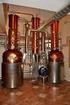 Whisky-Erlebniswelt 1. Austrian whiskydistillery Waldviertler Roggenhof is Austria's First Whisky Distillery (established in 1995). In 1990, Johann Haider III took over farming operations from his parents.
MOBILE FOOD A GUIDE TO PERMITTING IN ALBUQUERQUE
 MOBILE FOOD A GUIDE TO PERMITTING IN ALBUQUERQUE PAVE THE WAY FOR SUCCESS WHAT YOU NEED TO KNOW TO PERMIT AND OPERATE A MOBILE FOOD UNIT IN ALBUQERQUE. PERMITS AND FEES Mobile food units are required to
The Legal Guide To Establishing A Brewery In Massachusetts
 The Legal Guide To Establishing A Brewery In Massachusetts Law Offices of John P. Connell, P.C 112 Water Street, Suite 201 Boston, MA 02109 www.connelllawoffices.com @ConnellLaw The Application Process
Heat Trace Fundamentals. Monte Vander Velde, P.E. President, Interstates Instrumentation
 Heat Trace Fundamentals Monte Vander Velde, P.E. President, Interstates Instrumentation Contents Introduction... 3 Purpose of Heat Trace... 3 Types of Heat Trace... 4 Steam Trace vs. Electric Trace...
Introduction Basics The Four Brewing Methods
 Introduction Hello, and welcome to the Butler Winery home brewing primer! The purpose of this article is to provide basic instruction for beginning brewers who want to enter the world of home brewing,
MATERIAL SAFETY DATA SHEET
 MATERIAL SAFETY DATA SHEET P/Nno.: SDSID: 1/5 1. IDENTIFICATION OF THE SUBSTANCE/PREPARATION AND OF THE COMPANY/UNDERTAKING Application: For3D or metallographic replica For 3D or metallographic replica
BASEMENT FLOODING. Prevention Guide for. Homeowners
 BASEMENT FLOODING Prevention Guide for Homeowners 1 Did You Know? Floods are the most common hazards in Canada. Water damage is a common cause of loss for homeowner insurance. A heavy rainfall can result
Craft of Whiskey Distilling
 Craft of Whiskey Distilling Craft of Whiskey Distilling Published by The American Distilling Institute (ADI) The American Distilling Institute is the collective voice of a new generation of artisan distillers.
Site Visit Report. MEAT PROCESSING FACILITY COD Reduction. Industrial Assistance Section Assessment Team
 N.C. Division of Pollution Prevention and Environmental Assistance North Carolina Department of Environment and Natural Resources Site Visit Report MEAT PROCESSING FACILITY COD Reduction Industrial Assistance
I. Introduction. 10 minutes
 I. Introduction 10 minutes Introduction (1 of 2) An uninterrupted water supply is: The primary weapon for extinguishment Essential for fire fighter safety Ensuring a dependable water supply is a critical
A Timeline and Strategies for Investment in a Winery
 A Timeline and Strategies for Investment in a Winery By Jerry White Department of Applied Economics and Management Cornell University Leading Question: Do you want to make wine? OR Do you want to make
Scotch Whisky Training Seminar
 Scotch Whisky Training Seminar Legal Definition of Scotch Distilled and aged in Scotland for a minimum of three years, in oak barrels and bottled at a minimum of 40% alcohol Single Malt must also be bottled
SWIMMING POOL HEAT PUMP
 SWIMMING POOL HEAT PUMP Installation & User Manual Model HP40B HP50B HP65B Hayward Pool Products Canada, Inc. T: 1-888-238-7665 www.haywardpool.ca CONTENT I. Application 4 II. Features 4 III. Technical
ABC CIRCUITS 10 Circuit Drive Circuit Town, IN 12345 SLUG CONTROL PLAN
 ABC CIRCUITS 10 Circuit Drive Circuit Town, IN 12345 SLUG CONTROL PLAN The purpose of this plan is to provide detailed instructions for slug prevention and control. A complete copy of this plan is maintained
APPENDIX G Materials Storage and Handling Guidelines
 APPENDIX G Materials Storage and Handling Guidelines 1.0 INTRODUCTION Operations at Austin-Bergstrom International Airport (ABIA) comprise several different industrial activities including aircraft, ground
BOX DISTILLERY ÅDALEN SWEDEN NORDIC PASSION FOR THE ART OF WHISKY
 BOX DISTILLERY ÅDALEN SWEDEN NORDIC PASSION FOR THE ART OF WHISKY A POETIC MEETING IN THE WORLD OF WHISKY OUR STORY BEGINS HERE LIKE EVERY GOOD STORY, ours begins in a place far, far away. More precisely
Support Cleaning Apparatus. Operation, Cleaning, & Safety Manual
 Support Cleaning Apparatus Operation, Cleaning, & Safety Manual Revision 1.1 31 May 2014 WARNING: The instructions and precautionary statements contained herein are intended for the Support Cleaning Apparatus
Emergency Guideline for Food Facilities during Boil Water Advisory or Other Public Notices
 Emergency Guideline for Food Facilities during Boil Water Advisory or Other Public Notices Water supply warnings are generally required when water suppliers need to provide consumers with immediate and
Refrigeration Basics 101. By: Eric Nelson
 Refrigeration Basics 101 By: Eric Nelson Basics Refrigeration is the removal of heat from a material or space, so that it s temperature is lower than that of it s surroundings. When refrigerant absorbs
15430 SAFETY SHOWERS AND EYEWASHES
 15430 SAFETY SHOWERS AND EYEWASHES PART 1: GENERAL 1.01 RELATED SECTIONS 01005 - ENVIRONMENTAL HEALTH 11600 LABORATORY EQUIPMENT 15020 - LABORATORIES 15130 - PIPING SPECIALITES 15400 - PLUMBING 15420 -
Return to Lab Menu. Fermentation and Distillation
 Return to Lab Menu Fermentation and Distillation Objectives -to use yeast and sugar to effect a fermentation -to purify the alcohol obtained by fermentation through simple distillation -to compare densities
Mission 7: Saving Energy
 Mission 7: Saving Energy How can we save energy? Converting one type of energy to another often damages the environment. For example, burning coal to make electricity causes air pollution. That s why we
This Food Safety Plan was developed in New York as an example for growers. Each grower must develop their own plan which fits their operation.
 G1 This Food Safety Plan was developed in New York as an example for growers. Each grower must develop their own plan which fits their operation. This is a food safety and security program which incorporates
Spill Control Prevention Plan (SCPP)
 Spill Control Prevention Plan (SCPP) FACILITY INFORMATION PLEASE PRINT Facility Name: Mailing Address: Physical address if different: Owner Name: Owner Address: Primary Contact Name: Work Phone Number:
Autoclave Safety. Autoclaves are sterilizers using high pressure and high temperature steam. The potential safety risks for the operators are:
 Autoclave Safety Purpose: Sterilization refers to the complete killing of all living organisms, including spores. Common sterilization techniques include the application of wet heat, dry heat, chemicals,
New York State Department of Environmental Conservation 625 Broadway, Albany, NY 12233 www.dec.ny.gov. Environmental Self Audit For Small Businesses
 New York State Department of Environmental Conservation 625 Broadway, Albany, NY 12233 www.dec.ny.gov Environmental Self Audit For Small Businesses Disclaimer The materials in this document are intended
Make sure oven is OFF. Never remove parts or touch the fan unless the oven is OFF.
 Morning Cleaning The following start-up procedures MUST be completed before using the oven. The procedures may be completed at night after the oven has completed the clean cycle, or in the morning BEFORE
Physical and Chemical Changes
 Physical and Chemical Changes Jana Barrow West Point Jr. High 2775 W 550 N 801-402-8100 West Point, UT 84015 [email protected] Eighth Grade Integrated Science Standard I: Students will understand the
ArtisanLink Staining System is an automated special stains slide
 Technical Tips Tips on using the ArtisanLink Special Staining System Jamie Nowacek, BS, HT(ASCP) CM, QIHC, PMP Dako North America, Inc. Carpinteria, CA, USA ArtisanLink Staining System is an automated
G R O U P. ISO 9001:2008 Certified
 If Your Fluid Storage Area Looks Like This... IFH Has a Better Solution. G R O U P Innovative Fluid Handling Group ISO 9001:2008 Certified Take the Innovative Approach: The IFH Fluid Storage and Dispensing
Indiana Department of Environmental Management. Well Disinfection
 Indiana Department of Environmental Management www.in.gov/idem Well Disinfection Why Disinfect? Well disinfection can eliminate or reduce many different kinds harmful bacteria and viruses as well as harmless
Business Plan Winemaker s Track
 Business Plan Winemaker s Track Michael L. White, Viticulture Specialist ISU Extension [email protected] Office: 515-961-6237 Presented at the Minnesota Cold Climate Grape & Wine Conference February
Six Secrets to Simply Sell More Wine. Texas Wine & Grape Growers Association 2013 Annual Conference & Trade Show
 Six Secrets to Simply Sell More Wine Texas Wine & Grape Growers Association 2013 Annual Conference & Trade Show Case Study: WHY SELL MORE WINE? Facts Winery X was selling 3,000 cases per year, virtually
Necessary equipment. - Food grade fermenter or bucket with airtight lid - Airlock - Syphon tube - Bottles or a pressure barrel (keg) with S30 valve
 Necessary equipment - Food grade fermenter or bucket with airtight lid - Airlock - Syphon tube - Bottles or a pressure barrel (keg) with S30 valve A fermenter/bucket with lots of headspace is best, 27L
U.S. Beverage Alcohol Trends. Mike Ginley Next Level Marketing
 64 U.S. Beverage Alcohol Trends Mike Ginley Next Level Marketing Overview This session will start with a fast paced and information packed review of the trends in total beverage alcohol consumption and
Things you need. Time ?????? Large pyrex beaker preferably 500 to 1000ml, or large steel vacuum
 This experiment is a means of observing the effect of cold temperatures on a range of everyday items. A freezing solution is made for this purpose by adding dry ice to a pure alcohol. This is strictly
FOG PRETREATMENT INFORMATION. New London Public Utilities F.O.G. Program 120 Broad Street New London, CT 06320
 FOG PRETREATMENT INFORMATION 1 New London Public Utilities F.O.G. Program 120 Broad Street New London, CT 06320 Kathryn Willis Program Coordinator Phone: 860-447-5222 Introduction This information package