
Global Water Instrumentation, Inc.
|
|
|
- Bruce Merritt
- 9 years ago
- Views:
Transcription
1 Global Water Instrumentation, Inc Amalgam Way Gold River, CA T: Int l: (916) , F: (916) Temperature Sensor: WQ101 ph Sensor: WQ201 Conductivity Sensor: WQ301 Dissolved Oxygen Sensor: WQ401 ORP/Redox: WQ /30/09-1 -

2 Congratulations on your purchase of Global Water s Water Quality Sensors. This instrument has been quality tested and approved for providing accurate and reliable measurements. We are confident that you will find the sensor to be a valuable asset for your application. Should you require assistance, our technical staff will be happy to help. Table of Contents I. Checklist Page 3 II. Inspection 3 III. General Sensor Installation 4 IV. Temperature Sensor 6 V. ph Sensor 7 VI. Conductivity Sensor 10 VII. Dissolved Oxygen 12 VIII. ORP/Redox 14 IX. Maintenance 16 X. Troubleshooting 17 XI. Warranty 18 XII. Appendix A: Calibration Procedures 19 XIII. Appendix B: 2 Wire Sensor Measurement Diagram 24 XIV. Appendix C: 3 Wire Sensor Measurement Diagram 25 XV. CE Certifications 26 * Copyright Global Water Instrumentation, Inc

3 I. Sensor Checklist a. Water Quality Sensor b. Water Quality Sensor Manual II. Inspection a. Your water quality sensor was carefully inspected and certified by our Quality Assurance Team before shipping. If any damage has occurred during shipping, please notify Global Water Instrumentation, Inc. and file a claim with the carrier involved. Use the checklist to ensure that you have received everything needed to operate the water quality sensor

4 III. Sensor Installation General a. Water quality sensors have many applications and therefore many installation options. All the sensors are fully submersible and may be suspended by their waterproof cables in the water to be monitored. b. Do not install the water quality sensor in applications that contain solvents. Over time, many solvents can deteriorate the cable and the sensing element. c. Install your water quality sensor so that it is easily accessible for calibration purposes. You may need to remove and reinstall it in the future, so plan ahead! d. The sensors will not function correctly if mud, silt, leaves, or garbage buries them. The ph, Dissolved Oxygen, and ORP/Redox sensors will fail if they are left out of the water for extended periods of time. Install the sensor in a way that will avoid these conditions. e. All Global Water water quality sensors produce a 4-19 ma output signal ma is an industrial standard signal for process control monitoring. Most PLCs (Programmable Logic Controller), RTUs (Remote Telemetry Unit), and data acquisition systems accept this signal directly. If the system only accepts voltage signals, the sensor output must be converted to a voltage signal by reading the voltage across a precision resistor in series with the signal wire. Since Ohms Law states that V = IR, if the 4-19 ma signal is dropped across a 250 ohm resistor, the output will be 1 to 4.75 volts DC. If the 4-19 ma signal is dropped across a 125 ohm resistor, the output will be halved to 0.5 to VDC. The 4-19 Ma signal wire is connected to the datalogger voltage input terminal. The resistor is placed between this input and the ground terminal of the datalogger s battery. The power (or voltage to the sensor) must be connected to positive battery terminal of the datalogger

5 f. The sensors may be pulsed on or turned on by the logging system prior to taking a reading. Use a warm up time appropriate to the water quality sensor you are using to assure that the sensor is fully on. The sensors can run continuously for real time applications. Each sensor draws between 4 and 19mA depending on whether the sensor is reading at the minimum or maximum of its range. Groundwater g. Sensors may be suspended in 2 monitoring wells near the well screen. Several sensors may be suspended in the same well by staggering the sensors one foot apart. Surface Water h. Sensors may be submerged at the monitoring point and hung from their cables. It is recommended to protect the sensors inside a 4 PVC drainpipe that will act as a protective stilling well. Put a cap on the bottom end of the pipe to allow easy water flow past the sensors. Drop the sensor until it touches the bottom of the stilling well and then pull it up slightly and secure the cable

6 IV. Temperature Sensor a. Temperature sensor specifications. Output: Range: Accuracy: Operating Voltage: Current Draw: Warm Up Time: Operating Temperature: Size of Probe: Weight: 4-19mA -50 C to + 50 C ±0.2 F or ±0.1 C 10-36VDC Same as sensor output. 5 seconds minimum -50 C to +100 C 3/4" diameter x 4 1/2" long 1/2 lb. b. The sensor is a two-wire sensor using the red wire for power and the black wire for the output signal. Warning: Always connect the sensor with the power turned off. c. The temperature sensor may be stored without any special provisions. Place the sensor inside a bag to keep the sensor clean and store on a shelf or hang it on a wall. d. To check the temperature sensor calibration you will need: 1 thermometer 3 containers of water 1 power supply 1 current meter Connecting wires as necessary Connect the sensor to the power supply and current meter in the following way. Attach the black wire to the positive input of the current meter. Connect the ground terminal of the power supply to the ground of the current meter. Attach the red wire to the positive terminal of the power supply. See Appendix B. Warning: Always connect the sensor with the power turned off. See Appendix A for the temperature calibration worksheet

7 V. ph Sensor a. ph sensor specifications. Output: Range: Accuracy: Operating Voltage: Current Draw: Warm Up Time: Operating Temperature: Pressure Rating: Size of Probe: Weight: 4-19mA 0-14 ph 2% of full scale 10-36VDC 16.6 ma plus sensor output 3 seconds minimum -5 to +55 C psi 1 1/4" diameter x 10" long 1 lb. b. The sensing element is covered with a protective cap while at the Global Water facility to prevent the sensor from becoming damaged. This cap must be removed prior to sensor installation or the readings will be in error. To remove the cap, remove the protective shield and remove the rubber cap covering the sensing element. Replace the protective shield. Note: Save the cap for future use. c. This sensor has a removable sensing electrode. If the sensor is reading incorrectly, after following the basic maintenance steps, the electrode should be removed and the metal contacts cleaned. If this does not improve the sensor s results the electrode should be replaced. To remove the sensing electrode loosen the set screw holding the sensor shield and remove the shield from the sensor. Unscrew the sensing electrode from the sensor housing. Clean the metal contacts of the electrode with a clean cloth. If the electrode is replaced with a new electrode the sensor must be recalibrated to work correctly. d. The ph sensor is a three-wire sensor. Three wire sensors use the red wire for positive voltage, the white wire for the output signal, and the black wire for ground. Warning: Always connect the sensor with the power turned off

8 e. The ph sensor must be stored where the sensing element remains wet or the sensing element will be damaged. It can be stored in a container of clean water or a wet sponge can be placed inside the protective cap shipped with the sensor. Place the cap over the sensing element to keep it wet. The sensor can then be stored on a shelf or hung on a wall. f. The ph value of a substance is directly related to the ratio of hydrogen ion (H+) and Hydroxyl ion (OH-) concentrations. If H+ is greater than OH-, the solution is acidic, i.e., the ph value falls in the 0 to 7 range. If the OH- is greater than the H+, the material is basic with a ph value in the 7 to 14 range. If equal amounts of H+ and OH- ions are present, the material is neutral with a ph value of 7. The ph electrode can be thought of as a battery whose voltage changes as the ph of the solution in which it is inserted changes. It consists of two basic parts: 1) a Hydrogen ion-sensitive glass bulb, and 2) a reference electrode. The special glass of the sensitive bulb has the ability to pass H+ i.e., it is said to be H+ sensitive. This ability allows the H+ inside the bulb to be compared to the H+ outside of the bulb, and a voltage to be developed that is related to the difference. The bulb then is a half-cell that needs a reference voltage in order to function. The voltage produced by the complete probe is a linear function of ph, generally about 60 mv per ph unit. For example, at 7.00 ph the probe produces zero volts while at 6.00 ph it produces +60 mv. If the voltage had been negative it would indicate that the solution had a value of 8.00 ph. A buffer solution is a solution with a well-defined ph value and has the ability to resist changes in ph. These characteristics are well suited to the standardization of ph measuring systems. Buffers are available in a wide range of ph values and come either in pre-mixed liquid form or as convenient dry powder capsules. When selecting buffers for use with your particular system, a value should be chosen nearest to that of the sample being measured

9 g. Calibration should be checked monthly using the following procedure. You will need the following equipment: 3 small containers 1 bottle of 10pH buffer 1 bottle of 4pH buffer 1 power supply 1 current meter Connecting wires as necessary Connect the sensor to the power supply and current meter in the following way. Attach the black wire to the ground terminal of the power supply. Attach the white wire to the positive input of the current meter. Connect the ground terminal of the power supply to the ground of the current meter. Attach the red wire to the positive terminal of the power supply. See Appendix C. Warning: Always connect the sensor with the power turned off. See Appendix A for the ph calibration worksheet

10 VI. Conductivity Sensor a. Conductivity sensor specifications. Output: 4-19mA Range: us Accuracy: 1% of full scale Operating Voltage: 12VDC (+ 5%) Current Draw: 6.5 ma plus sensor output Warm Up Time: 3 seconds minimum Operating Temperature: -40 C to +55 C Size of Probe: 1" diameter x 12" long Weight: 1 lb. Temperature compensation: 2% per C Electrodes: 316 Stainless Steel b. The Conductivity sensor is a three-wire sensor. Three wire sensors use the red wire for positive voltage, the white wire for the output signal, and the black wire for ground. Warning: Always connect the sensor with the power turned off. c. The Conductivity sensor may be stored without any special provisions. Place the sensor inside a bag to keep the sensor clean and store on a shelf or hang it on a wall. d. The Conductivity sensor has two stainless steel electrodes. The outside electrode is a ring and the inside electrode is a wire. The Conductivity sensor measures the ability of a solution to conduct an electric current between the two electrodes. The sensor can be used to measure either solution conductivity or total ion concentration of aqueous samples. e. The Conductivity sensor is automatically temperature compensated using an internal thermister. Therefore the sensor will give the same conductivity in a solution that is at 15 C as it would if the same solution were warmed to 25 C. This means that one calibration can

11 be used for measurements in water samples of different temperatures. Without temperature compensated the conductivity readings would change as the temperature changed, even though the actual ion concentration did not change. CAUTION: When using the sensor in solutions with different temperatures the sensor must be left in the new solution for a minimum of 20 minutes prior to taking a valid reading. f. To check the Conductivity sensor calibration you will need the following equipment: 3 small containers 1 bottle of distilled water 1 bottle of 5000 us solution 1 power supply 1 current meter Connecting wires as necessary Connect the sensor to the power supply and current meter in the following way. Attach the black wire to the ground terminal of the power supply. Attach the white wire to the positive input of the current meter. Connect the ground terminal of the power supply to the ground of the current meter. Attach the red wire to the positive terminal of the power supply. See Appendix C. Warning: Always connect the sensor with the power turned off. See Appendix A for the conductivity calibration worksheet

12 VII. Dissolved Oxygen Sensor a. Dissolved Oxygen sensor specifications. Output: Range: Accuracy: Operating Voltage: Current Draw: Warm Up Time: Operating Temp: Size of Probe: Weight: Membrane: Combined Error: 4-19mA 0-100% Dissolved Oxygen +/- 0.5% FS 10-36VDC 11.8 ma plus sensor output 10 seconds minimum -40 to +55 C 1 ¼ diameter x 11 long 1 lb FEP Teflon (standard) 2% FS b. The sensing element is covered with a protective cap while at the Global Water facility to prevent the sensor from becoming damaged. This cap must be removed prior to sensor installation or the readings will be in error. To remove the cap, remove the protective shield and remove the rubber cap covering the sensing element. Replace the protective shield. Note: Save the cap for future use. c. This sensor has a removable sensing electrode. If the sensor is reading incorrectly, after following the basic maintenance steps, the electrode should be removed and the metal contacts cleaned. If this does not improve the sensor s results the electrode should be replaced. To remove the sensing electrode loosen the set screw holding the sensor shield and remove the shield from the sensor. Unscrew the sensing electrode from the sensor housing. Clean the metal contacts of the electrode with a clean cloth. If the electrode is replaced with a new electrode the sensor must be recalibrated to work correctly. d. The Dissolved Oxygen sensor is a three-wire sensor. Three wire sensors use the red wire for positive voltage, the white wire for the output signal, and the black wire for ground. Warning: Always connect the sensor with the power turned off

13 e. The dissolved oxygen sensor must be stored where the sensing element remains wet or the sensing element will be damaged. It can be stored in a container of clean water or a wet sponge can be placed inside the protective cap shipped with the sensor. Place the cap over the sensing element to keep it wet. The sensor can then be stored on a shelf or hung on a wall. f. Dissolved oxygen (DO) refers to the volume of oxygen that the water contains. The quantity of oxygen that the water can hold depends on the temperature, salinity, and pressure of the water. Gas solubility increases with decreasing temperature (colder water holds more oxygen). Gas solubility increases with decreasing salinity (freshwater holds more oxygen than does saltwater). Finally, gas solubility decreases as pressure decreases. Thus, the amount of oxygen absorbed in water decreases as altitude increases because of the decrease in relative pressure. g. Calibration should be checked monthly using the following procedure. You will need the following equipment: 2 small containers 1 one-gallon container 1 package of zero oxygen solution 1 power supply 1 current meter Connecting wires as necessary Connect the sensor to the power supply and current meter in the following way. Attach the black wire to the ground terminal of the power supply. Attach the white wire to the positive input of the current meter. Connect the ground terminal of the power supply to the ground of the current meter. Attach the red wire to the positive terminal of the power supply. See Appendix C. Warning: Always connect the sensor with the power turned off. See Appendix A for the dissolved oxygen calibration worksheet

14 VIII. ORP/Redox Sensor a. ORP/Redox sensor specifications. Output: Range: Accuracy: Operating Voltage: Current Draw: Warm Up Time: Operating Temp: Size: Weight: 4-19 ma -500mV to +500mV 2% of full scale 10-36VDC 13.5 ma plus sensor output 3 seconds minimum 0 to +55 C 1 diameter x 10 ½ long 1 lb. b. The sensing element is covered with a protective cap while at the Global Water facility to prevent the sensor from becoming damaged. This cap must be removed prior to sensor installation or the readings will be in error. To remove the cap, gently pull the rubber tab on the end of the cap and the cap should come off. Replace the protective shield. Note: Save the cap for future use. c. The ORP/Redox sensor is a three-wire sensor. Three wire sensors use the red wire for positive voltage, the white wire for the output signal, and the black wire for ground. Warning: Always connect the sensor with the power turned off. d. The ORP/Redox sensor must be stored where the sensing element remains wet or the sensing element will be damaged. It can be stored in a container of clean water or a wet sponge can be placed inside the protective cap shipped with the sensor. Place the cap over the sensing element to keep it wet. The sensor can then be stored on a shelf or hung on a wall. e. ORP (Oxidation Reduction Potential) is a measure of the oxidation activity of the water. If the oxidation activity is high it will rust a piece of iron quickly. ORP is also used as an alternative way to measure chlorine concentration, since water high in chlorine (a strong oxidizer)

15 has a high ORP. ORP is measured as a voltage between a platinum wire and a reference electrode. As this voltage goes up, the ORP goes up. The sensor amplifies this voltage and converts it to the 4-20 ma output signal. f. To check the conductivity sensor calibration you will need the following equipment: 3 small containers 1 package of 100mV solution 1 package of 465mV solution 1 power supply 1 current meter Connecting wires as necessary Connect the sensor to the power supply and current meter in the following way. Attach the black wire to the ground terminal of the power supply. Attach the white wire to the positive input of the current meter. Connect the ground terminal of the power supply to the ground of the current meter. Attach the red wire to the positive terminal of the power supply. See Appendix C. Warning: Always connect the sensor with the power turned off. See Appendix A for the dissolved oxygen calibration worksheet

16 IX. Maintenance a. Global Water recommends verifying the calibration every 6 months unless specified otherwise. b. The sensors must be cleaned periodically. The suggested cleaning rate depends on the installation area. In dirty areas the sensor should be cleaned weekly. In a clean area they can be cleaned yearly. Begin by checking them after the first week, then wait one month if appropriate and so on. All sensors can be cleaned using water and liquid dish soap. A small amount of bleach can be added if there appears to be algae growth. Clean glass membranes with a Q-tip, soap, water, and bleach. Electrodes should be cleaned with a bristle brush, soap, and water

17 X. Trouble Shooting Issue: Sensor reading incorrectly a. Verify power source is supplying correct voltage. b. Clean the sensor following the maintenance instructions. c. Check the sensor s calibration. Other issues d. Call Global Water for tech support: or (many problems can be solved over the phone). Fax: or [email protected]. When calling for tech support, please have the following information ready; 1. Model #. 2. Unit serial number. 3. P.O.# the equipment was purchased on. 4. Our sales number or the invoice number. 5. Repair instructions and/or specific problems relating to the product. Be prepared to describe the problem you are experiencing including specific details of the application, installation, and any additional pertinent information. e. In the event that the equipment needs to be returned to the factory for any reason, please call to obtain an RMA# (Return Material Authorization). Do not return items without an RMA# displayed on the outside of the package. Clean and decontaminate the sensor if necessary. Include a written statement describing the problems. Send the package with shipping prepaid to our factory address. Insure your shipment, Global Water s warranty does not cover damage incurred during transit

18 XI. Warranty a. Global Water Instrumentation, Inc. warrants that its products are free from defects in material and workmanship under normal use and service for a period of one year from date of shipment from factory. Global Water s obligations under this warranty are limited to, at Global Water s option: (I) replacing or (II) repairing; any products determined to be defective. In no case shall Global Water s liability exceed the products original purchase price. This warranty does not apply to any equipment that has been repaired or altered, except by Global Water Instrumentation, Inc., or which has been subject to misuse, negligence or accident. It is expressly agreed that this warranty will be in lieu of all warranties of fitness and in lieu of the warranty of merchantability. b. The warranty begins on the date of your invoice. c. Replaceable electrodes for the ph and Dissolved Oxygen sensors are not covered under this warrantee

19 XII. Appendix A: Calibration Procedures Temperature Calibration check Step 1) Fill a container of water with enough ice that it will not melt quickly. Step 2) Place the temperature sensor and thermometer into the container. Turn on the power supply and the current meter. Let the sensor stabilize for 30 minutes before taking any measurements. Step 3) Record the ice bath temperature, IT =, and record the output current of the sensor, IC =. Step 4) Fill a container with enough warm water that it will not cool down quickly. Step 5) Place the temperature sensor and thermometer into the container. Turn on the power supply and the current meter. Let the sensor stabilize for 30 minutes before taking any measurements. Step 6) Record the warm water temperature, WT =, and record the output current of the sensor, WC =. Step 7) Subtract IC from WC, WC- IC = = C. Step 8) Subtract IT from WT, WT- IT = = T. Step 9) Calculate B. WC (C/T)(WT)= = B. Step 10) Find the low current value for the sensor. (C/T)(50)+B= = LC. This current is the output current the sensor would produce if the temperature were -50 C. Step 11) Find the high current value for the sensor. (C/T)(50)+B= = HC. This current is the output current the sensor would produce if the temperature were 50 C. Step 12) Use these new current values to recalibrate the system that is monitoring the sensor output

20 ph Calibration check Step 1) Fill one container with tap water and another with 4 ph buffer solution. Step 2) Place the ph sensor into the container with 4 ph buffer. Turn on the power supply and the current meter. Let the sensor stabilize for 5 minutes before taking any measurements. Step 3) Record the output current of the sensor, W =. Remove the sensor and rinse it off in the tap water. Step 4) Fill a container with 10 ph buffer solution. Step 5) Place the ph sensor into the container. Turn on the power supply and the current meter. Let the sensor stabilize for 5 minutes before taking any measurements. Step 6) Record the output current of the sensor, X =. Remove the sensor and rinse it off in the tap water. Step 7) Subtract 4 ph current output from the 10 ph current output, X - W = = C. Step 8) Calculate B. X (C/6)(10)= = B. Step 9) Find the low current value for the sensor. B= = LC. This current is the output current the sensor would produce if the ph were 0. Step 10) Find the high current value for the sensor. (C/6)(14)+ B= = HC. This current is the output current the sensor would produce if the ph were 14. Step 11) Use these new current values to recalibrate the system that is monitoring the sensor output

21 Conductivity Calibration check Step 1) Fill one container with tap water and another with 5000 us solution. Ensure that the solution covers the bottom 2 of the sensor. Step 2) Place the conductivity sensor into the container with 5000 us solution. Turn on the power supply and the current meter. Let the sensor stabilize for 5 minutes before taking any measurements. (20 minutes if the sensor s temperature is different from the solutions.) Step 3) Record the output current of the sensor, X =. Remove the sensor and rinse it off in the tap water. Step 4) Fill a container with distilled water. Step 5) Place the conductivity sensor into the container. Turn on the power supply and the current meter. Let the sensor stabilize for 5 minutes before taking any measurements. (20 minutes if the sensor s temperature is different from the water.) Step 6) Record the output current of the sensor, W =. Step 7) The low current value for the sensor is equal to W. This current is the output current the sensor would produce if the conductivity were 0. Step 8) The high current value for the sensor is equal to X. This current is the output current the sensor would produce if the conductivity were 5000 us. Step 9) Use these new current values to recalibrate the system that is monitoring the sensor output
22 Dissolved Oxygen Calibration check Step 1) Fill one container with tap water and another with Zero Oxygen solution. Step 2) Place the dissolved oxygen sensor into the container with the Zero Oxygen solution. Turn on the power supply and the current meter. Let the sensor stabilize for 5 minutes before taking any measurements. Step 3) Record the output current of the sensor, W =. Remove the sensor and rinse it off in the tap water. Step 4) Fill the one-gallon container half full of tap water and shake vigorously for several minutes to mix the water with oxygen Step 5) Place the dissolved oxygen sensor into the container. Turn on the power supply and the current meter. Let the sensor stabilize for 5 minutes before taking any measurements. Step 6) Record the output current of the sensor, X =. Step 7) The low current value for the sensor is equal to W. This current is the output current the sensor would produce if the dissolved oxygen value were 0%. Step 8) The high current value for the sensor is equal to X. This current is the output current the sensor would produce if the dissolved oxygen value were 100%. Step 9) Use these new current values to recalibrate the system that is monitoring the sensor output
23 ORP/Redox Calibration check Step 1) Fill one container with tap water and another with the 100 mv solution. Step 2) Place the ORP/Redox sensor into the container with 100 mv solution. Turn on the power supply and the current meter. Let the sensor stabilize for 5 minutes before taking any measurements. Step 3) Record the output current of the sensor, W =. Remove the sensor and rinse it off in the tap water. Step 4) Fill a container with the 465 mv solution. Step 5) Place the ORP/Redox sensor into the container. Turn on the power supply and the current meter. Let the sensor stabilize for 5 minutes before taking any measurements. Step 6) Record the output current of the sensor, X =. Remove the sensor and rinse it off in the tap water. Step 7) Subtract 100 mv current output from the 465 mv current output, X - W = = C. Step 8) Calculate B. X (C/365)(465)= = B. Step 9) Find the low current value for the sensor. (C/365)(500)+B= = LC. This current is the output current the sensor would produce if the temperature were 500 mv. Step 10) Find the high current value for the sensor. (C/365)(500)+B= = HC. This current is the output current the sensor would produce if the temperature were 500 mv. Step 11) Use these new current values to recalibrate the system that is monitoring the sensor output
24 XIII. Appendix B: 2 Wire Sensor Measurement Diagram
25 XIV. Appendix C: 3 Wire Sensor Measurement Diagram
26 Declaration of CE Conformity Global Water Instrumentation, Inc Amalgam Way Gold River, CA USA FAX: Phone: declares that the Products: Product Name: Water Quality Sensors; Temperature, Conductivity, ORP/Redox Model Number: WQ101, WQ301, WQ600 conforms to the following European Council directives: Low Voltage Directives: 2006/95/EC; Requirements covering all health and safety risks of electrical equipment operating within certain voltage ranges. According to the following standards: EN : 2001 Electro-Magnetic Directives: 2004/108/EC; Requirements to prevent electrical and electronic equipment from generating or being affected by electromagnetic disturbances. According to the following standard: EN : 2006 Global Water hereby certifies that the product stated above conforms to all directives and standards required for it to bear the CE mark. Dale Daniel Engineering Manager Global Water Instrumentation, Inc
Global Water Instrumentation, Inc.
 Global Water Instrumentation, Inc. 11390 Amalgam Way Gold River, CA 95670 T: 800-876-1172 Int l: (916) 638-3429, F: (916) 638-3270 Water Level Sensor: WL400 00-997 11/30/09-1 - Congratulations on your
Global Water Instrumentation, Inc.
 Global Water Instrumentation, Inc. 11390 Amalgam Way Gold River, CA 95670 T: 800-876-1172 Int l: (916) 638-3429, F: (916) 638-3270 Solar Panels 2 Watt Solar Panel: SP101 5 Watt Solar Panel: SP102 01-752
Global Water Instrumentation, Inc.
 Global Water Instrumentation, Inc. 11390 Amalgam Way Gold River, CA 95670 T: 800-876-1172 Int l: (916) 638-3429, F: (916) 638-3270 6 Tipping Bucket: RG200 02/05/10 01-343 - 1 - Congratulations on your
User Guide. ExStik TM ph (PH100 & PH110) and ORP (RE300) Waterproof Series Pens. Patent Pending
 User Guide ExStik TM ph (PH100 & PH110) and ORP (RE300) Waterproof Series Pens Patent Pending Getting Started Remove the cap from the bottom of the ExStik TM to expose the electrode bulb and reference
Milwaukee USER MANUAL. Milwaukee. Smart DO Meter PORTABLE DISSOLVED OXYGEN METER MODEL: SM600. Authorized Dealer: ISMIL600 11/01
 Milwaukee Milwaukee USER MANUAL PORTABLE DISSOLVED OXYGEN METER MODEL: SM600 Smart DO Meter Authorized Dealer: ISMIL600 11/01 PROBE PREPARATION: The meter is supplied with a 9V battery. Slide off the battery
ExStik TM ph Waterproof Meters
 User Guide ExStik TM ph Waterproof Meters Models PH100 & PH110 Patent Pending ExStik TM Description Front Panel Controls 1. Battery compartment cap 2. LCD Display 3. MODE / HOLD button 4. CAL / RECALL
RI-215A Operator s Manual. Part Number: 71-0045RK Revision 0 Released: 10/3/05
 RI-215A Operator s Manual Part Number: 71-0045RK Revision 0 Released: 10/3/05 Warranty RKI Instruments, Inc., warrants gas alarm equipment sold by us to be free from defects in materials and workmanship,
User's Manual. Heavy Duty Dissolved Oxygen Meter Model 407510
 User's Manual Heavy Duty Dissolved Oxygen Meter Model 407510 Introduction Congratulations on your purchase of Extech's Heavy Duty Dissolved Oxygen / Temperature Meter which simultaneously displays Dissolved
Milwaukee USER MANUAL
 Milwaukee USER MANUAL PORTABLE DISSOLVED OXYGEN METER MODEL: MW600 Smart DO Meter PROBE PREPARATION: The meter is supplied with a 9V battery. Slide off the battery compartment cover on the back of the
User's Guide. ExStik DO600. Dissolved Oxygen Meter RECALL. Dissolved Oxygen DO600
 User's Guide ExStik DO600 Dissolved Oxygen Meter II RECALL Dissolved Oxygen DO600 Introduction Congratulations on your purchase of the ExStik DO600 dissolved oxygen / temperature meter which simultaneously
PART 1 - INTRODUCTION...
 Table of Contents PART 1 - INTRODUCTION... 3 1.1 General... 3 1.2 Sensor Features... 3 1.3 Sensor Specifications (CDE-45P)... 4 Figure 1-1 CDE-45P Sensor Dimensions (standard, convertible style)... 4 PART
User Guide. Heavy Duty Dissolved Oxygen Meter. Model 407510
 User Guide Heavy Duty Dissolved Oxygen Meter Model 407510 Introduction Congratulations on your purchase of Extech's Heavy Duty Dissolved Oxygen / Temperature Meter which simultaneously displays Dissolved
SINGLE RANGE DS METERS Operation Instructions
 SINGLE RANGE DS METERS Operation Instructions User Manual for Models 512T2 512T3 512T4 512T5 512T10 512M2 512M3 512M4 512M5 512M10 6115 Corte del Cedro Carlsbad, CA 92009-1516 USA Tel 760-438-2021 Fax
Instruction Manual. Image of SP-3015 & SP-3815. Important Safeguards. Automatic Dispensing Hot Water Pot with Reboil Function
 Important Safeguards READ ALL INSTRUCTIONS BEFORE USE. Instruction Manual Automatic Dispensing Hot Water Pot with Reboil Function Image of SP-3015 & SP-3815 SP-3015: 3.0L SP-3815: 3.8L SP-3017: 3.0L (Stainless
Instruction Manual HI 9146. Portable Waterproof Microprocessor Dissolved Oxygen Meter
 Instruction Manual HI 9146 Portable Waterproof Microprocessor Dissolved Oxygen Meter w w w. h a n n a i n s t. c o m Dear Customer, Thank you for choosing a Hanna Product. Please read this instruction
Measurement by Ion Selective Electrodes
 Measurement by Ion Selective Electrodes Adrian Vazquez May 8, 2012 Why Use Ion Selective Electrodes? Responsive over a wide concentration range Not affected by color or turbidity of sample Rugged and durable
Subminiature Load Cell Model 8417
 w Technical Product Information Subminiature Load Cell 1. Introduction... 2 2. Preparing for use... 2 2.1 Unpacking... 2 2.2 Using the instrument for the first time... 2 2.3 Grounding and potential connection...
OxyGuard. Dissolved Oxygen Probe
 OxyGuard Dissolved Oxygen Probe Standard type USER MANUAL D02 Standard Probe manual gb 0903 CONTENTS 1. DESCRIPTION 1.1 The OxyGuard Probe... 1 1.3 Which kind of transmitter can be used with the OxyGuard
6 H2O + 6 CO 2 (g) + energy
 AEROBIC RESPIRATION LAB DO 2.CALC From Biology with Calculators, Vernier Software & Technology, 2000. INTRODUCTION Aerobic cellular respiration is the process of converting the chemical energy of organic
Water Leak Detection System
 Water Leak Detection System Installation and Operating Manual 505-334-5865 ph 505-334-5867 fax www.rodisystems.com email:[email protected] 936 Highway 516 Aztec, NM 87410-2828 Manual Revisions and Copyright
Model SRMD Setra Remote Monitoring Display
 Model SRMD Setra Remote Monitoring Display 1.0 GENERAL INFORMATION Thank you for purchasing the Setra Remote Monitoring Display (SRMD). The SRMD is a digital panel meter with a bright 1 LED display for
Ground Resistance Clamp-On Tester
 User s Manual Ground Resistance Clamp-On Tester MODEL 382357 Warranty EXTECH INSTRUMENTS CORPORATION (a FLIR company) warrants the basic instrument to be free of defects in parts and workmanship for one
YSI Meter Protocol: Specific Conductivity, ph, & Dissolved Oxygen
 YSI Meter Protocol: Specific Conductivity, ph, & Dissolved Oxygen 1. Check the log-book to see if somebody else has already checked the meter for accuracy within the timeframes below. If the meter hasn
Instruction Manual HI 96800 Refractometer for Refractive Index and Brix Measurements
 Instruction Manual HI 96800 Refractometer for Refractive Index and Brix Measurements www.hannainst.com 1 Dear Customer, Thank you for choosing a Hanna Instruments product. Please read this instruction
The Control of ph and Oxidation Reduction Potential (ORP) in Cooling Tower Applications By Charles T. Johnson, Walchem Corporation
 The Control of ph and Oxidation Reduction Potential (ORP) in Cooling Tower Applications By Charles T. Johnson, Walchem Corporation Introduction The importance of keeping cooling tower water in proper chemical
PowerStar Mini Triple Play TM
 PowerStar Mini Triple Play TM High Capacity, Quiet Power Distribution for Bag & Small Cart Use Three (3) Power Inputs, each with Up to 5 Amp Capacity Nine (9) Main Power Outputs, One always on 10 Amps
Care and use guide. Contents. a handy solution made easy. www.getbluelab.com. page
 Care and use guide Contents page Features Quick guide Before use To operate Important - ph pen probe care 4 Cleaning 5 Battery replacement 5 Hydration 6 Calibration 6 Error messages 7 Troubleshooting guide
DeltaSpan Submersible Pressure Level Transmitter Manual LD31 Series 22 AUG 08 Rev A
 DeltaSpan Submersible Pressure Level Transmitter Manual LD31 Series 22 AUG 08 Flowline, Inc. 10500 Humbolt Street Los Alamitos, CA 90720 Tel: (562) 598-3015 Fax: (562) 431-8507 www.flowline.com 22 AUG
i ChatterBox! Motorcycle Security
 i Before you Start the Installation * Please read this manual to become familiar with the requirements necessary to complete the installation. * Use a high quality multi-meter to test all wires before
ph Sensor Model 397 CAUTION SENSOR/PROCESS APPLICATION COMPATIBILITY WARNING ATEX DIRECTIVE Instruction Sheet PN 51A-397/rev.
 Instruction Sheet PN 51A-397/rev.F January 2011 Model 397 ph Sensor For additional information, please visit our website at www.emersonprocess.com/raihome/liquid/. SPECIFICATIONS MODEL 397 PERFORMANCE
Precision Miniature Load Cell. Models 8431, 8432 with Overload Protection
 w Technical Product Information Precision Miniature Load Cell with Overload Protection 1. Introduction The load cells in the model 8431 and 8432 series are primarily designed for the measurement of force
MTI10 Insertion and MTL10 In-line Thermal Mass Flowmeter and Temperature Transmitter
 Thermal Mass meter and Temperature Transmitter Description The MTI10 insertion thermal mass flowmeter and the MTL10 in-line thermal mass flowmeter provide accurate mass flow measurement of clean, dry gases
SDX Submersible Depth Transmitter User Manual
 SDX Submersible Depth Transmitter User Manual January 2011 USER INFORMATION Stevens makes no warranty as to the information furnished in these instructions and the reader assumes all risk in the use thereof.
FP111-FP211-FP311 Global Water Flow Probe User s Manual
 FP111-FP211-FP311 Global Water Flow Probe User s Manual 151 Graham Road P.O. Box 9010 College Station, TX 77842-9010 T: (800) 876-1172 Int l: (979) 690-5560, F: (979) 690-0440 E-mail: [email protected]
OASIS-PLUS 120V READ ALL INSTRUCTIONS BEFORE OPERATING READ ALL INSTRUCTIONS BEFORE OPERATING OZONE IS A POWERFUL OXIDIZER AND MUST BE USED WITH CARE
 OASIS-PLUS 120V INFORMATION & OPERATING INSTRUCTIONS READ ALL INSTRUCTIONS BEFORE OPERATING READ ALL INSTRUCTIONS BEFORE OPERATING OZONE IS A POWERFUL OXIDIZER AND MUST BE USED WITH CARE 56041852 WARNING:
BC-5000 OPERATIONS MANUAL BATTERY CAPACITY TESTER COFKO LLC.
 BC-5000 BATTERY CAPACITY TESTER OPERATIONS MANUAL COFKO LLC. COPYRIGHT 2010 1 UNPACKING As you unpack your new BC-5000 battery capacity tester, inspect the tester for signs of shipping damage. If shipping
Care and use guide. Contents. page
 Care and use guide Contents page Features Bluelab Combo Meter Introduction Preparing for use Calibration Changing nutrient and temperature display units 6 Measuring hydroponic elements 7 Battery replacement
InHome Water Leak Detection Package
 InHome Water Leak Detection Package For Model Numbers ILD10A-L and ILD10A-B Installation Guide / Wiring Diagram For Creating Water Leak Detection-based Events with Line-Powered or Battery-Powered Sensors
Dual Laser InfraRed (IR) Thermometer with Color Alert
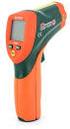 User Manual Dual Laser InfraRed (IR) Thermometer with Color Alert MODEL 42509 Introduction Congratulations on your purchase of the Model 42509 IR Thermometer with Color Alert. This Infrared thermometer
SingleNet Single Cable Control System
 Single Cable Control System Economical, Reliable and Expandable Two-Wire Single Cable System DRIP/MICRO IRRIGATION PRODUCTS Single Cable Control System System Manager or Irrigation Controller Controls
Optical Power Meter. Specification & User Manual
 Optical Power Meter Specification & User Manual Page 1 of 9 Copyright 2011 reserves the right to modify specifications without prior notice Table of Contents 1. Description and Features.......3 2. Specification......4
ph Measurement and Control
 ph Measurement and Control Tech Tip #14 1997 I. The Need for ph II. ph System Requirements III. ph Electrode Conditioning Procedures IV. How the electrode works V. Identifying the Electrode Components
OPERATION MANUAL. Pen type, separate electrode SOIL PH METER Model : PH-220S
 Pen type, separate electrode SOIL PH METER Model : PH-220S Your purchase of this SOIL PH METER marks a step forward for you into the field of precision measurement. Although this METER is a complex and
Installation and Operation Manual. Digital Remote Meter for Monitoring System Performance. Version: RM-1
 REMOTE METER TM Installation and Operation Manual. Digital Remote Meter for Monitoring System Performance. Version: RM-1 1098 Washington Crossing Road Washington Crossing, PA 18977 USA www.morningstarcorp.com
PagePac PAGEPAL V-5335700
 PagePac Issue 3 by PAGEPAL V-5335700 INTRODUCTION The PagePal unit interfaces most telephone systems (PBX, KTS, Centrex) to virtually any public address audio system. In addition, PagePal furnishes inputs
BroadBand PowerShield. User Manual
 BroadBand PowerShield User Manual 990-0375G 12/2006 Chapter 1 General Information The PowerShield provides a power source for broadband telephony and other DC applications. Safety This Safety Guide contains
PROCEDURE COVERSHEET. Document Section: CHEMISTRY Author: JOANNE WONG Date Authored: JAN 2011. In Use Date: 2/1/2011 Discontinued Date:
 PROCEDURE COVERSHEET Procedure Title: ph (Urine, Body Fluid, Platelet Samples) Document Section: CHEMISTRY Author: JOANNE WONG Date Authored: JAN 2011 Laboratory Director: TED KURTZ, MD (PARNASSUS & CHINA
PIPELINE INSPECTION COMPANY LTD. Portable Holiday Detectors. OPERATING INSTRUCTIONS SPY PORTABLE HOLIDAY DETECTORS Models 780, 785, & 790
 PIPELINE INSPECTION COMPANY LTD. Portable Holiday Detectors OPERATING INSTRUCTIONS SPY PORTABLE HOLIDAY DETECTORS Models 780, 785, & 790 Safety Disclaimer Only trained and responsible personnel should
STANDARD OPERATING PROCEDURE Dissolved Oxygen Measurement, Meter Calibration and Maintenance
 Page 1 of 9 KEY WORDS- Dissolved Oxygen, calibration, probe preparation, meter preparation APPROVALS APPROVED BY: Kean S. Go, DATE: +/?? APPROVED BY: A Pement DATE: a// A/? f Lisa Ross, EHAP Senior Scientist
ATS Overhead Table Shelf System INSTRUCTION MANUAL
 ATS Overhead Table Shelf System INSTRUCTION MANUAL ATS Overhead Table Shelf System Instruction Manual Warranty Newport Corporation warrants this product to be free of defects in material and workmanship
Harris IRT Enterprises Digital Resistance Tester Model 5060-06XR
 Harris IRT Enterprises Digital Resistance Tester Model 5060-06XR Specifications & Dimensions 2 Theory of Operation 3 Operator Controls & Connectors 4 Test Connections 5 Calibration Procedure 6-7 Options
GL500-7-2 Data Logger
 GL500-7-2 Data Logger Global Water Instrumentation, Inc. 11390 Amalgam Way Gold River, CA 95670 T: 800-876-1172 Int l: (916) 638-3429, F: (916) 638-3270 [email protected] 11/30/09 01-401 - 1 - Congratulations
CALIBRATION OF A THERMISTOR THERMOMETER (version = fall 2001)
 CALIBRATION OF A THERMISTOR THERMOMETER (version = fall 2001) I. Introduction Calibration experiments or procedures are fairly common in laboratory work which involves any type of instrumentation. Calibration
POOL SUNSHINE IONIZER MODELS SPD, SPD2 AND SPS INSTALLATION INSTRUCTIONS
 Sunshine Pool Products, LLC Manufacturer of Quality Pool & Spa Products 902 W 2010 S, Syracuse, Utah 84075 USA Voice: 801-825-4523 Website: www.sunshinepool.com Email: [email protected] POOL SUNSHINE
APPLICATION NOTE. Measuring Current Output Transducers with Campbell Scientific Dataloggers. App. Note Code: 2MI-B Revision: 1
 App. Note Code: 2MI-B Revision: 1 APPLICATION NOTE Measuring Current Output s with Campbell Scientific Dataloggers 815 W. 1800 N. Logan, Utah 84321-1784 (435) 753-2342 FAX (435) 750-9540 Copyright (C)
1000 Series Data Loggers PRODUCT MANUAL
 1000 Series Data Loggers PRODUCT MANUAL Model s 1650, 1525, 1450, 1425, 1400, 1250, 1225, 1200 CONTENTS General Overview 3 Model Specifications 4 External Sensors 5 Installation and Placement 6 Digital
Ground Resistance Clamp On Tester
 USER MANUAL Ground Resistance Clamp On Tester MODEL 382357 Introduction Congratulations on your purchase of Extech s 382357 Ground Resistance Tester. This Clamp on device allows the user to measure ground
BLUE RIBBON CORP. BC001 Birdcage Installation Manual
 Product Overview: This manual is applicable for the BC001 Birdcage Submersible Level Transmitters. If the product you have has a different prefix part number than listed above please contact the factory
Instruction Manual HI 96801 Refractometer for Sucrose Measurements
 Instruction Manual HI 96801 Refractometer for Sucrose Measurements www.hannainst.com 1 Dear Customer, Thank you for choosing a Hanna product. This manual will provide you with the necessary information
LDG DTS-4/4R Desktop Coaxial Switch / Remote
 LDG DTS-4/4R Desktop Coaxial Switch / Remote LDG Electronics 1445 Parran Road, PO Box 48 St. Leonard MD 20685-2903 USA Phone: 410-586-2177 Fax: 410-586-8475 [email protected] www.ldgelectronics.com
RGC-IR Remote Gas Calibrator for IR400
 Remote Gas Calibrator for IR400 The information and technical data disclosed in this document may be used and disseminated only for the purposes and to the extent specifically authorized in writing by
Hygro-Thermometer + InfraRed Thermometer Model RH101
 User's Guide Hygro-Thermometer + InfraRed Thermometer Model RH101 Introduction Congratulations on your purchase of the Extech Hygro-Thermometer plus InfraRed Thermometer. This device measures relative
Sip/Puff Switch User Guide
 Sip/Puff Switch User Guide www.orin.com Table of Contents Table of Contents... 2 Legal Notices... 3 Declaration of Conformity with European Directives... 3 Application Disclaimer... 4 Introduction... 5
Ozone Generator Manual
 ENMET Corporation PO Box 979 Ann Arbor, MI 48106-0979 Ozone Generator Manual 80003-118 MCN-282, 05/14/04 Table of Contents 1.0 INTRODUCTION... 1 1.1 Unpack...1 1.2 Check Order...1 1.3 Serial Numbers...1
Signal Manager Installation and Operation Manual
 Signal Manager Installation and Operation Manual Rev.11/28/2008 Part # 26550007 Table of Contents CHAPTER 1: SYSTEM DESCRIPTION... 3 FUNCTION AND THEORY... 3 CHAPTER 2: SYSTEM INSTALLATION... 4 HARDWARE
Series 510 Submersible Level Transmitters
 Series 510 Submersible Level Transmitters The Series 510 Submersible Level Transmitters are solid state instruments designed for direct submergence into many types of liquid for quick, accurate and reliable
Dissolved Oxygen Sensors
 Instruction Sheet PN 51A-HxDO/rev.F June 2008 Models Hx438 and Gx448 Dissolved Oxygen Sensors For additional information, please refer to the Instruction Manuals CD shipped with this product, or visit
Care and use guide. Contents. a handy solution made easy. www.getbluelab.com. page
 Care and use guide Contents page Features 2 Quick guide 2 To operate 3 Cleaning 4 Battery replacement 4 Calibration 5 Error messages 5 Troubleshooting guide 6 Technical specifications 6 Information about
Current Probes. User Manual
 Current Probes User Manual ETS-Lindgren L.P. reserves the right to make changes to any product described herein in order to improve function, design, or for any other reason. Nothing contained herein shall
Digital echo-charge. Owner s Manual. Xantrex Digital echo-charge Battery Charger
 Digital echo-charge Owner s Manual Xantrex Digital echo-charge Battery Charger Thank you for purchasing a Xantrex Digital echo-charge. Xantrex Technology Inc. takes pride in manufacturing quality products
User Guide. 9708 Dissolved Oxygen Probes
 User Guide 9708 Dissolved Oxygen Probes Introduction The Thermo Scientific Orion 9708 dissolved oxygen probe simplifies measurements of dissolved oxygen, particularly Biochemical Oxygen Demand (BOD).
Dual Laser InfraRed (IR) Thermometer
 User s Manual Dual Laser InfraRed (IR) Thermometer MODEL 42511 Introduction Congratulations on your purchase of the Model 42511 IR Thermometer. This Infrared thermometer measures and displays non-contact
OPERATING INSTRUCTIONS
 PIPELINE INSPECTION COMPANY LTD. OPERATING INSTRUCTIONS Wet Sponge Holiday Detectors 670,673, and MSRB Wet Sponge Holiday Detectors Portable and In-Plant Detectors Table of Contents General Information.......................3
RIGOL. Quick Guide. DS1000CA Series Oscilloscope. Aug. 2011. RIGOL Technologies, Inc.
 Quick Guide DS1000CA Series Oscilloscope Aug. 2011 Technologies, Inc. Guaranty and Declaration Copyright 2011 Technologies, Inc. All Rights Reserved. Trademark Information is a registered trademark of
A-Series Data Loggers PRODUCT MANUAL
 A-Series Data Loggers PRODUCT MANUAL Model # s A110, A125, A130, and A150 Contents Model Specifications 2 Connecting to the Computer 3 SpecWare Software 4 Installation and Placement 6 Battery Replacement
8001782 Owner s Manual
 8001782 Digital Infrared Thermometer Owner s Manual Introduction This instrument is a portable, easy to use compact-size digital thermometer with laser sighting designed for one hand operation. The meter
AIRMoN, ph and Conductivity Field Measurement
 AIRMoN, ph and Conductivity Field Measurement Items needed: Sample to be measured (sample volume 50 ml) Field Observer Form (FOF) for the sample to be measured conductance cell ph vials, 4 conductivity
Model UT713 OPERATING MANUAL
 Model UT713 OPERATING MANUAL TABLE OF CONTENTS TITLE PAGE Introduction Unpacking Inspection Safety Information Turning the Calibrator On Simulating a Thermocouple Measuring a Thermocouple Simulating TC
FMA 3100/3100ST/3300/3300ST Series Thermal Mass Flow Sensors and Meters
 FMA 3100/3100ST/3300/3300ST Series Thermal Mass Flow Sensors and Meters M-4270/0707, pg. 2 of 29 READ THIS MANUAL COMPLETELY BEFORE ATTEMPTING TO CONNECT OR OPERATE YOUR FLOW SENSOR. FAILURE TO DO SO MAY
ACL 800 MEGOHMMETER OPERATION MANUAL
 ACL 800 MEGOHMMETER OPERATION MANUAL Meter is warranted for one year from the date of purchase on parts and labor. Calibration is recommended every twelve months. NOTE: THIS MANUAL IS NOT TO BE SEPARATED
Model RPM10 Laser Photo / Contact Tachometer with IR Thermometer Patented
 User's Guide Model RPM10 Laser Photo / Contact Tachometer with IR Thermometer Patented Introduction Congratulations on your purchase of Extech's Laser Photo/Contact Tachometer with Non- Contact IR Thermometer,
USER MANUAL WARNING! CONTENTS MODEL 1 SPECIFICATIONS READ ALL INSTRUCTIONS BEFORE PROCEEDING. Non-Programmable Single Stage Heat/Cool Thermostat
 Builder MODEL 1010 Series Non-Programmable Single Stage Heat/Cool Thermostat USER MANUAL Compatible with low voltage single stage gas, oil or electric heating or cooling systems, including single stage
Direct Measurement Method Method 8157 0 to 20.0 mg/l (or 0 to 200% saturation) O 2 Clark-type Amperometric Sensor
 Oxygen, Dissolved DOC316.53.01241 Direct Measurement Method Method 8157 0 to 20.0 mg/l (or 0 to 200% saturation) O 2 Clark-type Amperometric Sensor Scope and application: For water, wastewater and process
Advantium 2 Plus Alarm
 ADI 9510-B Advantium 2 Plus Alarm INSTALLATION AND OPERATING INSTRUCTIONS Carefully Read These Instructions Before Operating Carefully Read These Controls Corporation of America 1501 Harpers Road Virginia
EQUIPMENT CALIBRATION/MAINTENANCE
 EQUIPMENT CALIBRATION/MAINTENANCE The following chart provides a guide for calibration of standard equipment used in the Fish Health Laboratory. All Intervals suggested are subject to individual manufacturer
User's Guide. Digital Viscotesters. Model 345060 High Range (0.3 to 4000 dpas) Model 345055 Low Range (1.5 to 330 mpas) Introduction
 User's Guide Digital Viscotesters Model 345060 High Range (0.3 to 4000 dpas) Model 345055 Low Range (1.5 to 330 mpas) Introduction Congratulations on your purchase of the Extech Digital Viscotester. The
Professional Plus. Calibration Tips
 Professional Plus Calibration Tips Table of Contents Introduction...1 Calibration Worksheet...1 Temperature...3 Calibration Tips...3 Troubleshooting Tips...3 Conductivity...4 Calibration Tips...4 Troubleshooting
Features. Picture. Specifications
 Type: for level measurement Order No.: see Table 1 / Page 4 Features Picture Two wire system Piezoresistive measuring element Output signal 4-20 ma Conformity error ±0.5 % FS or Standard DIN measuring
Installation and Operating Instructions (for chargers shown below)
 Installation and Operating Instructions (for chargers shown below) For additional information please call our Technical Support Group 800.742.2740 PRO CHARGING SYSTEMS, LLC 1551 Heil Quaker Boulevard,
Recommended Procedures for Use of YSI Water Quality Monitoring Instruments during Oil Spills
 Recommended Procedures for Use of YSI Water Quality Monitoring Instruments during Oil Spills Overview: This is a guidance document that is intended for users of YSI 6-Series sondes and handheld instruments
SEWER CHEWER Wastewater / Sludge Grinder Submersible Gearmotor
 INSTALLATION, OPERATION AND MAINTENANCE MANUAL For SEWER CHEWER Wastewater / Sludge Grinder Submersible Gearmotor Yeomans Chicago Corporation 3905 Enterprise Court P.O. Box 6620 Aurora, IL 60598-0620 Phone:
Part I - Installation
 400 Series Pressure and Differential Pressure Switches Types: H400, H402, H403, H400K, H402K, J400, J402, J403, J400K, J402K UNITED ELECTRIC CONTROLS Installation and Maintenance Instructions Please read
ATL Fuel Level Sender Probes
 T E C H N I C A L S P E C I F I C A T I O N The ATL EL-AD-151 (Resistance Output) and EL-AD-152 (Voltage Output) Fuel Level Senders are highly advanced sensors for continuously measuring the contents of
Magnetic Stripe Reader-Writer. Magnetic Stripe Reader-Writer. RS232 & USB-RS232 Interface Quickstart Manual
 Magnetic Stripe Reader-Writer RS232 & USB-RS232 Quickstart Manual ID TECH 10721 Walker Street Cypress, California 90630 (714) 761-6368 www.idtechproducts.com 80058504-002 Rev. C R01/08 Magnetic Stripe
ph Measurements of Common Substances
 Chem 100 Section Experiment 10 Name Partner s Name Introduction ph Measurements of Common Substances The concentration of an acid or base is frequently expressed as ph. Historically, ph stands for the
Model TJE. Precision Gage/Absolute Pressure Transducer DESCRIPTION FEATURES
 Precision Gage/Absolute Transducer DESCRIPTION Model TJE pressure transducers are all-welded stainless steel sensors built for rugged industrial applications that require high accuracy and measurement
General Purpose Thermal Mass Flowmeter Model 4140/4143
 Mass Flowmeters General Purpose Thermal Mass Flowmeter Model 4140/4143 Operation and Service Manual 1980383, Revision D January 2009 Mass Flowmeters General Purpose Thermal Mass Flowmeter Model 4140/4143
Tipping Bucket Rain Gauge Models 6011-A 6011-B
 Tipping Bucket Rain Gauge Models 6011-A 6011-B User s Manual 1165 National Drive Sacramento, CA 95834 800.824.5873 Table of Contents General Information... 1 Introduction... 1 Installation General... 2
User's Manual. Research Isometric Transducer 0 to 5 grams and 0 to 50 grams
 Research Isometric Transducer 0 to 5 grams and 0 to 50 grams User's Manual Research Isometric Transducer 0 to 5 g and 0 to 50 g, 110 VAC/60 Hz MA1 72-4481 Research Isometric Transducer 0 to 5 g and 0 to
Installation Instructions for Solar Pumps USER MANUAL FOR SPS, SPC, SPSC SPQB, SPGJ SERIES SOLAR PUMPS AND PUMP CONTROLLERS
 Installation Instructions for Solar Pumps USER MANUAL FOR SPS, SPC, SPSC SPQB, SPGJ SERIES SOLAR PUMPS AND PUMP CONTROLLERS PO Box 80, Tuakau 2342 ph 0800 14 48 65 e-mail: [email protected] www.hunkin.co.nz