
FELINE INTESTINAL SURGERY: HOW DOES IT DIFFER?
|
|
|
- Ella Johns
- 9 years ago
- Views:
Transcription
1 FELINE INTESTINAL SURGERY: HOW DOES IT DIFFER? Gary W. Ellison, DVM, MS, Diplomate ACVS University of Florida, College of Veterinary Medicine, Gainesville, FL OVERVIEW Cats are monogastric carnivores and have similar anatomy to other monogastric animals but the physiology of their digestive tract is not nearly as well studied as it is in the dog. Although the anatomic makeup and relative length of the various portions feline intestinal tract is similar to that of dogs certain clinical conditions such as cecal inversion and intestinal volvulus are not of clinical significance. It does appear that the cat s microvascular anatomy is similar to that of dogs with the vasa recta perforating the outer longitudinal and inner circular muscularis layers and supplying a rich submucosal vascular plexus. In fact the collateral circulation of the intestine in cats is superior that seen in the intestine of dogs. It also seems that the cat can tolerate intestinal perforation more effectively and is less likely to develop peritonitis than is the dog. INTESTINAL OBSTRUCTION In the dog intestinal obstruction is commonly associated with vomiting whereas in the cat it s far more common to see anorexia and weight loss. It is essential to do a thorough physical examination on a cat including abdominal palpation and oral examination. Cats are prone to ingestion of linear foreign bodies and looking under the tongue will often lead to a quick diagnosis of yarn or fishing line entrapped at the frenulum. Abdominal palpation has actually been shown to be more reliable than abdominal radiography with respect to diagnosing intestinal obstruction with one study reporting a diagnosis rate of 70-75% on palpation and less than 60% with plain radiographs. Linear foreign bodies will often cause pleating of the jejunum which can be noted on palpation. Abdominal plain film radiographs may reveal a radiopaque foreign body, loss of visceral detail or an obstructive gas pattern. Like wise bunching up of the small intestine can sometimes be seen on plain films. Ultrasonography is a sensitive way of detecting foreign bodies and is especially useful in detecting the bullseye sign typical of intussusception. Ultrasonographic changes commonly seen with feline intestinal neoplasia include symmetrical hypoechoic changes seen with lymphosarcoma and symmetric or asymmetric echogenicity seen with intestinal adenocarcinoma. Distinguishing between simple mechanical and strangulated (ischemic) bowel obstruction is critical because the latter condition requires early and rapid surgical intervention. Mechanical obstructions can be luminal (foreign bodies), intramural (neoplasia), or extramural (adhesions). With simple mechanical luminal obstruction, blood flow to the distended bowel is not completely obliterated, but increased bowel wall tension may cause both histological and physiologic changes. Venous and lymphatic hydrostatic pressures are exceeded but arterial pressures are not which results in vascular congestion. Reduced capillary flow, diminished tissue perfusion, and ultimate increase in vascular permeability result in extravasation of fluid into the interstitium. Mural edema further compromises blood flow causing hypoxia, tissue ischemia, and mucosal necrosis. Strangulated obstruction may occur from intraluminal obstruction with local pressure necrosis and or perforation of the bowel. More commonly, strangulation obstruction occurs secondarily to mesenteric vascular disruption caused by intussusception or a strangulated hernia. Primary vascular disease leading to thromboembolism and secondary ischemia as seen in human beings and horses is an uncommon finding in small animals. With strangulation obstruction, the mucosa is sensitive to insufficient perfusion and anoxia and undergoes necrosis. After the mucosal barrier is destroyed, bacteria and endotoxins pass transmurally into the lymphatics and peritoneal cavity where they enter the systemic circulation. Vasoactive properties of bacteria, endotoxins, and free peritoneal hemoglobin create systemic hypotension and septic shock. Eventually full thickness infarction and perforation may occur. ADENOMATOUS POLYPS OF THE DUODENUM IN CATS Adenomatous polyps of the duodenum in cats have been reported in 18 cats. These are older cats with a median age of about 12 years and tend to occur primarily in the Siamese and Himalayan breeds. These polypoid mucosal masses are located in the upper duodenum and tend to cause vomiting and weight loss. When the lesions ulcerate hematemesis may occur. About half the cats become anemic secondary to chronic blood loss. Diagnosis is made on contrast radiography or by endoscopy. A skilled ultrasonographer can also sometimes see the polypoid lesions within the lumen of the duodenum. This is a surgical disease

2 and requires excision of the lesions through an enterotomy incision or via resection and anastomosis. The lesions are benign but regrowth is possible if inadequate resection occurs. In the one case study 13 of 18 cats were cured, four had recurring signs and one cat died following surgery. SMALL INTESTINAL ADENOCARCINOMA These occur in older animals with a mean age of about 12 years. The so called napkin ring lesion is typically located in the jejunum although duodenal or ileal lesions are also reported. Inappetence and weight loss is typically seen and a radiographic obstructive pattern is rare. In one study of 32 cases 50% of the diagnosis were made on palpation and only 35% made radiographically. Although intestinal AC is a terminal disease and there are not really good chemotherapeutic agents to treat with it is worthwhile to tru resection and anastomosis if lymph node involvement is not present since in about 40% of the cats the mean survival time was greater than 15 months. FOREIGN BODIES Surgical management of gastrointestinal foreign bodies varies depending on the type and location of the foreign body. Sharp foreign bodies such as straight pins, safety pins, bones, nails, or glass will usually pass through the gastrointestinal tract without creating intestinal perforation. Rubber balls, cellophane, or corn cobs tend to pass slower or not at all and are more likely to cause complete mechanical obstruction requiring emergency laparotomy. Linear foreign bodies caused by such items as fishing line, meat wrappers, or sewing yarn present a difficult surgical problem. The trailing end of string foreign bodies often catches over the base of the tongue or in the stomach and act as an anchor. Intestinal peristalsis moves the foreign body aborally resulting in bowel plication. The string often cuts through the wall on the mesenteric surface resulting in peritonitis. Linear foreign bodies should be managed by initially identifying and releasing the anchor point. If wrapped around the tongue, the foreign body should be released prior to laparotomy. More commonly, a gastrotomy is necessary to free the wadding string or fish line from its gastropyloric anchor. Multiple enterotomies are then usually required to facilitate complete removal of the foreign body. If too few enterotomies are made with too much traction placed on the string, the mesenteric border may be perforated in an area which is difficult to explore and suture. Occasionally the string has cut through at several locations and peritonitis is evident. Sometimes, in long-standing cases, fibrosis has occurred around the foreign body so that even after its removal, the bowel retains its pleated conformation. In these cases, intestinal resection and anastomosis may be necessary. In some cases the number of enterotomies can be reduced by passing the end of the vinyl feeding catheter to the string through the pleated bowel, attaching the linear foreign body to its end and pulling the catheter distally to disengage the string. ASSESSING TISSUE VIABILITY With a complete obstruction, intestinal distention is often severe and the distended loops of bowel take on a cyanotic appearance. Intestinal viability is best evaluated after: 1) decompression of dilated loops of intestine, and 2) removal of the foreign body. Decompression of fluid and gas from the proximal segment of the distended bowel is performed with a 20 gauge needle and suction apparatus or a 60 cc syringe with a three-way stop cock. If intestinal wall ischemia and necrosis is present, then resection and anastomosis is performed immediately. However, in most cases of simple non-strangulated obstruction, bowel viability is maintained and the visual appearance of dark distended loops of bowel improves rapidly after removal of the obstruction. Standard clinical criteria for establishing intestinal viability are color, arterial pulsations, and the presence of peristalsis. Of these three parameters, experimental data has shown peristalsis to be the best and most dependable determinant of viability. The "pinch test" should be performed on questionable bowel to determine if smooth muscle contraction and peristalsis can be initiated. Intravenous fluorescein dye can also be used to determine viability. INTUSSUSCEPTION Intussusceptions are most often seen in immature cats. The exact biomechanical cause of the condition is unknown and has not been reproduced experimentally. Probably a local incongruency of the intestine caused by induration or spasticity (intestinal parasitism) or sudden diameter change (ileocecal area) occurs in which a proximal bowel segment invaginates (intussusceptum) into a distal section of bowel (intussuscipiens). Three layers of bowel wall are thus created if one were to make a cross section through the intussusception. Heavy intestinal parasitism with ascarids or coccidia as well as severe enteritis is

3 reported as predisposing causes. Intussusceptions are also seen with increasing frequency after laparotomy on elective or non-elective intra-abdominal procedures. Clinical signs depend on the completeness and level of obstruction. The majority of intussusceptions occur at the ileocecocolic junction in cats but jejunojejunal or even higher pylorogastric and gastroesophageal intussusceptions are reported in dogs. Patients with high intussusceptions usually undergo profuse vomiting, rapid dehydration and early death. Ileocolic intussusceptions often present with a history of sporadic vomiting, inappetence, or bloody stools. Increased mortality of these cases may be due to 1) predisposing fluid and electrolyte imbalances, 2) agranulocytosis and secondary bacterial septicemia, 3) increased tendency for the intussusceptions to recur. Although the invaginated bowel may become devitalized, perforation is rare because the outer ensheathing layer retains its viability and fibrinous adhesions seal the proximal border of the intussusception. Occasionally spontaneous recovery occurs when the nonviable intussusceptum is sloughed and patency of the intestinal lumen is reestablished. DIAGNOSIS Diagnosis of intussusception can usually be accomplished by simple abdominal palpation and ultrasonography. A cylindrical sausage shaped mass located in the mid to caudal sublumbar abdomen is pathognomonic for the disease. An obstructive pattern is seen on plain radiographs. With an upper GI series or Barium enema, and "coiled spring" appearance of the intussusceptum may be seen. SURGICAL TREATMENT Surgical management of intussusceptions involves: 1) reduction and or 2) resection and anastomosis coupled with 3) prophylactic enteropexy. Upon identifying the intussusception, it is isolated and packed off from the peritoneal cavity. Reduction is facilitated by gentle milking of the intussusceptum from the intussuscipiens. The ensheathing layer is gently compressed over the apex of the intussusceptum while gentle traction is placed on the ileum. In relatively acute cases, reduction is usually accomplished and bowel viability is closely scrutinized. When mature adhesions have formed between the invaginated and ensheathing layers, reduction is usually not possible, and resection and anastomosis are performed. Following reduction and/or resection and anastomosis of the intussusception, a bowel plication or enteropexy technique may be performed. Bowel plication involves laying the bowel side by side in a series of gentle loops. At least three loops of plicated bowel are used proximally and three distally to the origin of the intussusception. The loops are sutured together on their antimesenteric border using simple interrupted sutures of 3-0 to 4-0 chromic surgical gut which penetrate the seromuscular layers of bowel but does not enter the lumen. An alternative to this is an enteropexy technique where the intestinal serosa is sutured to the adjacent areas of the bowel and to the peritoneal surface using surgical gut sutures which are placed every eight to twelve cm. A recent report indicated that intestinal plication may not be necessary since the risk of complications is higher and there was only a slight reduction of recurrence rate. MANAGEMENT OF MEGACOLON IN CATS CLINICAL SIGNS Idiopathic megacolon is a disease of middle-aged cats. It has been reported in cats as young as one year and as old as 15 years. The mean age however is about 5 years. Commonly, cats with megacolon won't pass stools for days or weeks. The large dilated colonic segment can be easily palpated through the abdomen. Plain film radiographs will disclose colonic dilatation and impaction. A barium enema may be performed after complete evacuation of the feces to try to locate a stricture. Proctoscopy if available is also very useful in the diagnosis of colorectal strictures. MEDICAL MANAGEMENT Complete evacuation of the colon usually requires general anesthesia, multiple soapy water or mineral oil enemas and fecal evacuation with sponge or clamshell forceps. Bran or cereal-based diets, stool softeners such as Metamucil or dioctyl sodium sulfosuccinate are then used in an attempt to manage the problem. Hypertonic sodium phosphate (Fleet) enemas should be avoided in cats because they may cause dehydration, hypernatremia, hyperphosphatemia, and tetany due to hypocalcemia. The prokinetic agent cisapride (Propulsid - Jansen Pharmaceuticals) has been used in conjunction with oral lactulose to successfully treat some cats with idiopathic megacolon. Cisapride works by causing

4 the release of acetylcholine from the enteric nervous system which stimulates colonic smooth muscle to contract. The treatment is effective in some cats but not in all yet it is worth trying prior to the recommendation for surgery. The dosage used at the University of Florida is 5 cc of lactulose and 5 mg of cisapride given BID to TID. Dosages of up to 7.5 mg of cisapride can be given safely. Once constipation is relieved some animals can be maintained on alternate drug treatment. Although the treatment is successful in some cats many owners have to have subtotal colectomy performed because the cats develop an aversion to the lactulose therapy. SURGICAL TECHNIQUE FOR SUBTOTAL COLECTOMY When performing subtotal colectomy in cats the right colic and part of the left colic artery can be ligated but the cranial rectal branch off the left colic artery should be preserved. Impacted feces are milked into the enlarged colonic segment proximally and distally and intestinal forceps are applied. The proposed resection sites are at the ileocecal junction and in 1-2 cm cranial to the brim of the pubis. The ileum is anastomosed to the colon in end-to-end fashion using a simple interrupted pattern of 4-0 prolene. Luminal disparity is corrected by cutting the mesenteric surface of the colonic stump back at a 60 o angle and opposing the cut edges with simple interrupted sutures until the stoma diameter approximates that of the ileal lumen. An alternative approach is to do an end-to-side anastomosis. The final anastomosis is wrapped with omentum. Preoperative bowel preparation is usually not possible and perioperative IV administration of Cefoxitin (40 mg/kg) 2 hours prior to and BID after surgery is recommended. POSTOPERATIVE COURSE Cats are often somewhat depressed and anorectic for 48 hrs following surgery. They will sometimes have a moderate fever of F in the absence of leukocytosis. Dark tarry liquid feces are usually noted for about 3-4 days. Feces remain liquid and poorly formed for 2-6 weeks. At which time they usually become soft and poorly formed (cow pie consistency) for the remainder of the cats life. Some excellent studies have recently been done looking at the physiologic after effects of this surgery. Most cats seem to maintain their normal bad, weight or even gain a little after the surgery. The cats generally use the litter box 2-3 times a day but the total amount of water loss in the feces equals that of normal cats. The ileum increases it absorbtive capacity by increasing villis height. Bacterial overgrowth is not a problem as evidenced by normal serum coalbumin levels in operated cats. Folic acid deficiency or anemia does not seem to be a problem either. The major complaint by some owners is chronic perineal soiling caused by the loose feces. If this becomes a problem, it can often be managed by clipping hair in the perineal area. Antibiotic therapy is dependent on presence or absence of peritoneal contamination. Onset of fever, abdominal tenderness, vomiting and positive peritoneal tap warrants early reexploration of the abdomen. RECTAL PROLAPSE Rectal or anorectal prolapse is a double layer evagination of the rectum (sometimes including the anorectal junction) through the anal canal. It is seen most commonly in kittens with severe endoparasitism, enteritis, and associated tenesmus. In older cats rectal prolapse most commonly occurs secondarily to dystocia, in queens. It has also been reported secondary to urethral obstruction in male cats. DIAGNOSIS Diagnosis is made by visual examination of a tube like mass of varying length which protrudes from the anal orifice. It is important to distinguish a true rectal prolapse from a prolapsed ileocolic intussusception. A well lubricated thermometer is gently passed between the anus and the prolapsed mass. With a rectal prolapse the fornix is located within a cm or less of the anus whereas with a prolapsed intussusception, the probe can be easily passed for a distance of 5-6 cm past the mass. Occasionally only the mucosal portion of the rectal wall will be exposed. Rectal mucosal eversion may occur secondarily to some of the previously mentioned conditions but usually reduces spontaneously following treatment of the primary disease. TREATMENT Management of rectal prolapse depends on 1) degree of tissue viability and 2) number of recurrences. If the rectal mucosa is viable (red oxygenated blood oozes from its surface) and it is the cats first occurrence, reduction and an anal pursestring suture is initially attempted. If the rectal prolapse is viable but not digitally reducible or if there is a history of multiple

5 recurrence, then a colopexy procedure is performed. Colopexy has been especially effective in cats where pursestring management is ineffective and the risks of suture line dehiscence or rectal stricture after amputation are high. After performing a midline laparotomy, gentle traction is placed on the descending colon and reduction of the prolapse is confirmed by an assistant under the drape. The colopexy is performed to the left abdominal wall with the colon in slight traction. A 5 mm x 1 cm allipical section of peritoneum is removed from the abdominal wall 2 cm lateral to the midline. A similarly shaped area of colonic serosa is removed with a #15 blade. The raw bleeding surfaces are then apposed with 5 or 6 simple interrupted sutures of 3-0 nylon or polypropylene taking care not to penetrate into the lumen of the colon. Usually three or four colopexy sites are created along the length of the colon. When the prolapsed segment is devitalized an amputation and rectal anastomosis is performed. A devitalized prolapse is usually dark purple or black in appearance and exudes cyanotic blood from its often ulcerated surface. The prolapse is then sharply resected 1.0 cm from the anus. The outer and inner walls of the rectum are then apposed with full thickness simple interrupted sutures of 3-0 synthetic absorbable suture. Stay sutures are removed and the anastomosis retracts back through the anus. REFERENCES 1. Ellison GW. Intestinal resection and anastomosis, and enterotomy. In: Current Techniques in Small Animal Surgery. Bojrab MJ (ed), 4 th ed. Philadelphia, Williams and Wilkins, Anderson SM, Lippincott CL. (1992) Single enterotomy for removal of gastrointestinal linear foreign bodies. J Am Anim Hosp Assoc1992;28(6): Oaks MC. Bowel plication for preventing recurrent intussusception. In: Current Techniques in Small Animal Surgery. Bojrab MJ (ed). 4 th ed. Philadelphia, Williams and Wilkins, 1997; Applewhite AA, Hawthorne JC, Cornell KK. Complications of enteroplication for the prevention of intussusception recurrence in dogs: 35 cases ( ). J Am Vet Med Assoc 2001;219(10): Engen. Management of rectal prolapse. In: Current Techniques III, Bojrab (ed). Philadelphia, Lea & Febiger, Bright RM. Treatment of feline colonic obstruction (megacolon). In: Current Techniques in Small Animal Surgery III, Bojrab (ed). Philadelphia, WB Saunders and Co, 1990; Bright RM, et al. Subtotal colectomy for treatment of acquired megacolon in the dog and cat. J Am Vet Med Assoc 1986;188: Rosin E, et al. Subtotal colectomy for treatment of chronic constipation associated with idiopathic megacolon in cats: 38 cases. J Am Vet Med Assoc 1988;193: Bertoy RW, et al. Total colectomy with ileorectal anastomosis in the cat. Vet Surg 1989;18: Gregory CR, et al. Enteric function in cats after subtotal colectomy for treatment of megacolon. Vet Surg 1990;19:

Acute abdominal conditions Key Points
 7 Acute abdominal conditions Key Points 7.1 ASSESSMENT AND DIAGNOSIS Referred abdominal pain Fore gut pain (stomach, duodenum, gall bladder) is referred to the upper abdomen Mid gut pain (small intestine,
Gastrointestinal Bleeding
 Gastrointestinal Bleeding Introduction Gastrointestinal bleeding is a symptom of many diseases rather than a disease itself. A number of different conditions can cause gastrointestinal bleeding. Some causes
Pediatric Upper GI Series New Patient
 Pediatric Upper GI Series New Patient Upper GI Series Thought to be malrotation, no evidence of midgut volvulus Needed to repeat UGI Series WHY? Repeat UGI Series Repeat UGI Series Repeat UGI Series No
11/10/2014. I have nothing to Disclose. Covered Stents discussed are NOT FDA approved for the indications covered in my presentation
 I have nothing to Disclose Ramsey Dallal, MD, FACS Vice Chair Department of Surgery Chief Bariatric i and Minimally i Invasive Surgery Einstein Healthcare Network Nemacolin, PA 2014 Covered Stents discussed
Laparoscopic Colectomy. What do I need to know about my laparoscopic colorectal surgery?
 Laparoscopic Colectomy What do I need to know about my laparoscopic colorectal surgery? Traditionally, colon & rectal surgery requires a large, abdominal and/or pelvic incision, which often requires a
Dept. of Medical Imaging University of Ottawa
 ED Visits Related to Bariatric Surgery: Review of Normal Post-Surgical Anatomy as Well as Complications Dept. of Medical Imaging University of Ottawa Disclosures Background Roux-en-Y Gastric Bypass Surgery
Billing Guideline. Subject: Colorectal Cancer Screening Exams (Invasive Procedures) Effective Date: 1/1/2012 Last Update Effective: 4/16
 Subject: Colorectal Cancer Screening Exams (Invasive Procedures) Effective Date: 1/1/2012 Last Update Effective: 4/16 Billing Guideline Background Health First administers benefit packages with full coverage
PHaSES: Practical Hands-on Surgical Education System
 U.S. Toll Free 866-GOLIMBS PHaSES Range PHaSES: Practical Hands-on Surgical Education System Limbs & Things is pleased to introduce the PHaSES Range. The range is based upon our well known basic & general
Simple Urinary Techniques to Diagnose and Treat Complex Urinary Conditions
 Simple Urinary Techniques to Diagnose and Treat Complex Urinary Conditions Jody P. Lulich, DVM,PhD, The Minnesota Urolith Center, St Paul MN 55108 USA NONSURGICAL STONE REMOVAL: VOIDING UROHYDROPROPULSION
Laparoscopic Surgery of the Colon and Rectum (Large Intestine) A Simple Guide to Help Answer Your Questions
 Laparoscopic Surgery of the Colon and Rectum (Large Intestine) A Simple Guide to Help Answer Your Questions What are the Colon and Rectum? The colon and rectum together make up the large intestine. After
By Anne C. Travis, M.D., M.Sc. and John R. Saltzman, M.D., FACG Brigham and Women's Hospital Harvard Medical School Boston, MA
 SMALL BOWEL BLEEDING: CAUSES, DIAGNOSIS AND TREATMENT By Anne C. Travis, M.D., M.Sc. and John R. Saltzman, M.D., FACG Brigham and Women's Hospital Harvard Medical School Boston, MA 1. What is the small
Acute Abdominal Pain following Bariatric Surgery. Disclosure. Objectives 8/17/2015. I have nothing to disclose
 Acute Abdominal Pain following Bariatric Surgery Kathy J. Morris, DNP, APRN, FNP C, FAANP University of Nebraska Medical Center College of Nursing Disclosure I have nothing to disclose Objectives Pathophysiology
GI Bleeding. Thomas S.Foster,Pharm.D. PHR 961 Integrated Therapeutics
 GI Bleeding Thomas S.Foster,Pharm.D. PHR 961 Integrated Therapeutics Overview Because GI bleeding is internal, it is possible for a person to have GI bleeding without symptoms. Important to recognize
Colocutaneous Fistula. Disclosures
 Colocutaneous Fistula Madhulika G. Varma MD Associate Professor Chief, Colorectal Surgery University of California, San Francisco Honoraria Applied Medical Covidien Disclosures 1 Colocutaneous Fistula
(Anorectum Anorectum)
 Surgical anatomy (Anorectum Anorectum) Surgery of the anorectum and the perianal region in small animals Dr. T. Németh, DVM, PhD Associate Professor Surgical anatomy (Anorectum Anorectum) Surgical anatomy
Digestive System. Gross Anatomy and Physiology
 Digestive System Gross Anatomy and Physiology I. Introduction A. Base Function: Working with the circulatory system the digestive system provides the body with fuel. B. Main players: 1. Digestive tract:
Bladder/Urethral Stone(s) Surgical Philosophy
 VETERINARY SURGICAL SPECIALISTS OF NEBRASKA, P C David F. Merkley DVM MS DIPLOMATE AMERICAN COLLEGE OF VETERINARY SURGEONS SOFT TISSUE AND ORTHOPEDIC SURGERY Business: 402-206-1877 [email protected]
Diseases of peritoneum Lect. Al Qassim University, Faculty of Medicine Phase II Year III, CMD 332 Pathology Department 31-32
 Diseases of peritoneum Lect Al Qassim University, Faculty of Medicine Phase II Year III, CMD 332 Pathology Department 31-32 Describe the etiology, pathogenesis and types of peritonitis Define ascites and
Digestive System AKA. GI System. Overview. GI Process Process Includes. G-I Tract Alimentary Canal
 Digestive System AKA G-I Tract Alimentary Canal Overview GI System Consists of Mouth, pharynx, esophagus, stomach, small intestine, large intestine, anus About 30 in length Accessory Organs Teeth, tongue,
Open Ventral Hernia Repair
 Ventral Hernias Open Ventral Hernia Repair UCSF Postgraduate Course in General Surgery Maui, HI March 21, 2011 Hobart W. Harris, MD, MPH Ventral Hernias: National Experience Occur following 11-23% of laparotomies,
ABThera Open Abdomen Negative Pressure Therapy for Active Abdominal Therapy. Case Series
 ABThera Open Abdomen Negative Pressure Therapy for Active Abdominal Therapy Case Series Summary of Cases: USER EXPERIENCE The ABThera OA NPT system was found by surgeons to be a convenient and effective
Understanding Laparoscopic Colorectal Surgery
 Understanding Laparoscopic Colorectal Surgery University Colon & Rectal Surgery A Problem with Your Colon Your doctor has told you that you have a colon problem. Now you ve learned that surgery is needed
UMBILICAL SURGERY IN CALVES
 UMBILICAL SURGERY IN CALVES Sylvain Nichols, DVM, MS, Diplomate ACVS Professor of Farm Animal Surgery Department of Clinical Sciences Faculté de Médecine Vétérinaire University of Montréal St-Hyacinthe,
Colonoscopy Data Collection Form
 Identifier: Sociodemographic Information Type: Zip Code: Gender: Height: (inches) Race: Ethnicity Inpatient Outpatient Male Female Birth Date: Weight: (pounds) American Indian (Native American) or Alaska
POEM Procedure for. Esophageal Achalasia
 POEM Procedure for Esophageal Achalasia POEM (Per-Oral endoscopic myotomy) is an incisionless procedure to treat esophageal achalasia, totally performed by endoscopy, without cutting the surface of the
Urinary Diversion: Ileovesicostomy/Ileal Loop/Colon Loop
 Urinary Diversion: Ileovesicostomy/Ileal Loop/Colon Loop Why do I need this surgery? A urinary diversion is a surgical procedure that is performed to allow urine to safely pass from the kidneys into a
Placement of an indwelling urinary catheter in female dogs
 Female Dog Urinary Catheterization 1 of 6 Placement of an indwelling urinary catheter in female dogs Bernie Hansen DVM MS North Carolina State University College of Veterinary Medicine Materials Needed
THE GI TRACT IS A CONTINUOUS MULTILAYERED TUBE EXTENDING FROM THE MOUTH TO THE ANUS THAT IS SUPPORTED AND PARTIALLY COVERED BY THE PERITONEUM.
 THE GI TRACT IS A CONTINUOUS MULTILAYERED TUBE EXTENDING FROM THE MOUTH TO THE ANUS THAT IS SUPPORTED AND PARTIALLY COVERED BY THE PERITONEUM. OVERVIEW OF THE DIGESTIVE SYSTEM Two groups of organs compose
How common is bowel cancer?
 information Primary Care Society for Gastroenterology Bowel Cancer (1 of 6) How common is bowel cancer? Each year 35,000 people in Britain are diagnosed with cancer of the bowel, that is to say cancer
Guide to Abdominal or Gastroenterological Surgery Claims
 What are the steps towards abdominal surgery? Investigation and Diagnosis It is very important that all necessary tests are undertaken to investigate the patient s symptoms appropriately and an accurate
1. Use Radiographic Findings
 Top 5 Tips on Radiographic Diagnosis of Obstructive Foreign Bodies Nathalie Rademacher, Dr. med. vet., DECVDI, DACVR Louisiana State University Ileus can be functional or mechanical. In functional ileus,
Divisions of Digestive System. Organs of the Alimentary Canal. Anatomy of the Digestive System: Organs of the Alimentary Canal. CHAPTER 14 p.
 Divisions of Digestive System Anatomy of the Digestive System: Organs of the Alimentary Canal CHAPTER 14 p. 412-423 1. Alimentary Canal or Gastrointestinal Tract (GI)-digests and absorbs food coiled hollow
AORTOENTERIC FISTULA. Mark H. Tseng MD Brooklyn VA Hospital February 11, 2005
 AORTOENTERIC FISTULA Mark H. Tseng MD Brooklyn VA Hospital February 11, 2005 AORTOENTERIC FISTULA diagnosis and management Mark H. Tseng MD Brooklyn VA Hospital February 11, 2005 AORTOENTERIC FISTULA Aortoenteric
Lab 18 The Digestive System
 Lab 18 The Digestive System Laboratory Objectives Identify on a diagram, model or cadaver the parts of the digestive system and accessory organs. Describe the general histology of the digestive system.
Radiation Therapy for Prostate Cancer
 Radiation Therapy for Prostate Cancer Introduction Cancer of the prostate is the most common form of cancer that affects men. About 240,000 American men are diagnosed with prostate cancer every year. Your
The digestive system. Medicine and technology. Normal structure and function Diagnostic methods Example diseases and therapies
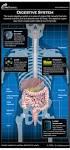 The digestive system Medicine and technology Normal structure and function Diagnostic methods Example diseases and therapies The digestive system An overview (1) Oesophagus Liver (hepar) Biliary system
Feline Cystitis (Feline Lower Urinary Tract Disease)
 Feline Cystitis (Feline Lower Urinary Tract Disease) The term "cystitis" literally means inflammation of the urinary bladder. Although this term is rather general, there is a common form of cystitis that
Chapter 33. Nerve Physiology
 Chapter 33 NERVE AND VASCULAR INJURIES OF THE HAND KEY FIGURES: Digital nerve location on finger Epineurial repair Nerves and blood vessels of the hand and fingers usually are quite delicate, and some
Abdomen X-Ray (AXR) Collimation is ideally from diaphragms to lower border of the symphysis pubis and the lateral skin margins.
 Abdomen X-Ray (AXR) Collimation is ideally from diaphragms to lower border of the symphysis pubis and the lateral skin margins. LMP of child-bearing age female patients should be checked. 1. Acute abdomen
Dyschezia: A clinical sign characterized by difficult or painful defecation. It is usually associated with lesions in or near the anal region.
 Management Strategies for the Constipated Dog and Cat Indiana Veterinary Medical Association Annual Meeting, 2015 Karen M. Tefft, DVM, MVSc, DACVIM (SAIM) The Ohio State University Constipation is a clinical
ENDOSCOPIC ULTRASOUND (EUS)
 ENDOSCOPIC ULTRASOUND (EUS) What you need to know before your procedure Your Doctor has decided that an EUS is necessary for further evaluation and treatment of your condition. This information sheet has
Overview of Bariatric Surgery
 Overview of Bariatric Surgery To better understand how weight loss surgery works, it is helpful to know how the normal digestive process works. As food moves along the digestive tract, special digestive
h. Large intestine 3
 (1) General features (a) Large intestine is last organ of digestive tract proper divided into 3 or 4 regions cecum appendix in humans colon rectum 1 b) No villi lumenal epithelium has microvilli This brush
Types of Bariatric Procedures. Tejal Brahmbhatt, MD General Surgery Teaching Conference April 18, 2012
 Types of Bariatric Procedures Tejal Brahmbhatt, MD General Surgery Teaching Conference April 18, 2012 A Brief History of Bariatric Surgery First seen in pts with short bowel syndrome weight loss First
Ischemia and Infarction
 Harvard-MIT Division of Health Sciences and Technology HST.035: Principle and Practice of Human Pathology Dr. Badizadegan Ischemia and Infarction HST.035 Spring 2003 In the US: ~50% of deaths are due to
KEYHOLE HERNIA SURGERY
 Disclaimer This movie is an educational resource only and should not be used to manage a hernia or abdominal pain. All decisions about the management of a hernia must be made in conjunction with your Physician
Introduction. Physiology of the Abdomen. Anatomy & Physiology. Abdominal Pain Introduction (2 of 2) Gastrointestional and Urologic Emergencies
 Gastrointestional and Urologic Emergencies Introduction Abdominal pain is a common complaint. Cause of abdominal pain is often difficult to determine. As an EMT: You do not need to determine exact cause.
The Gastrointestinal System It consists of: The digestive tract Mouth Pharynx Oesophagus Stomach Small intestine Large intestine
 The Gastrointestinal System It consists of: The digestive tract Mouth Pharynx Oesophagus Stomach Small intestine Large intestine The digestive organs Teeth Tongue Salivary glands Liver Gall bladder Pancreas
Laparoscopic Repair of Hernias. A simple guide to help answer your questions
 Laparoscopic Repair of Hernias A simple guide to help answer your questions What is a hernia? A hernia is defined as a hole or defect in the abdominal (belly) wall. A hernia can either be congenital (a
The Digestive System. Chapter 14. The Digestive System and Body Metabolism. Metabolism. Organs of the Digestive System. Digestion.
 Chapter 14 The Digestive System The Digestive System and Body Metabolism Digestion of ingested food of nutrients into the blood Metabolism Production of Constructive and degradative cellular activities
Fecal Incontinence. What is fecal incontinence?
 Scan for mobile link. Fecal Incontinence Fecal incontinence is the inability to control the passage of waste material from the body. It may be associated with constipation or diarrhea and typically occurs
The Whipple Procedure. Sally Hodges, Ph.D.(c) Given the length and difficulty of the procedure, regardless of the diagnosis, certain
 The Whipple Procedure Sally Hodges, Ph.D.(c) Preoperative procedures Given the length and difficulty of the procedure, regardless of the diagnosis, certain assurances must occur prior to offering a patient
Emergencies in Post- Bariatric Surgery Patients
 Emergencies in Post- Patients Disclosures Dr. Birnbaumer has no financial disclosures Diane M. Birnbaumer, M.D., FACEP Professor of Medicine University of California, Los Angeles Senior Clinical Educator
Gastrointestinal bleeding
 Gastrointestinal bleeding..is the reason in 2 % of all admissions to hospital 85.000 cases/year in the US. The incidence of urgent upper GI bleeding: 145/100.000 inhabitant/year in Hungary ( Nagy Gy. MBA
A Left Paraduodenal Hernia Causing Recurrent Small Bowel Obstruction : A Case Report
 Article ID: WMC001308 2046-1690 A Left Paraduodenal Hernia Causing Recurrent Small Bowel Obstruction : A Case Report Corresponding Author: Dr. Prashanth Shetty, Associate Professor, Kasturba Medical College,
Learning Objectives. Introduction to Medical Careers. Vocabulary: Chapter 16 FACTS. Functions. Organs. Digestive System Chapter 16
 Learning Objectives Introduction to Medical Careers Digestive System Chapter 16 Define at least 10 terms relating to the digestive Describe the four functions of the digestive Identify different structures
Problems of the Digestive System
 The American College of Obstetricians and Gynecologists f AQ FREQUENTLY ASKED QUESTIONS FAQ120 WOMEN S HEALTH Problems of the Digestive System What are some common digestive problems? What is constipation?
HELPFUL STEP-BY-STEP ILLUSTRATIONS ARE LOCATED IN THIS BOOKLET
 HELPFUL STEP-BY-STEP ILLUSTRATIONS ARE LOCATED IN THIS BOOKLET DESCRIPTION The Vet Sent Ureter comes as a sterile stent system comprised of two components: 1) the radioopaque, double pigtail multi-fenestrated
Medical Physiology Z.H.Al-Zubaydi
 Lec.13 Medical Physiology Z.H.Al-Zubaydi Functions of the Digestive System The major functions of the digestive tract include the following six processes, summarized in Figure 1: 1. Ingestion Food must
5. Secretion: release of water, acids. Enzymes, buffers by digestive tract.
 Digestive System CH-16 Lecture topics Functions of the digestive system: p. 488. 1. Ingestion: Taking food in 2. Propulsion: movement of food thru alimentary canal p.490. voluntary: swalloing : skeletal
Clinical question: what is the role of colonoscopy in the diagnosis of ischemic colitis?
 Clinical question: what is the role of colonoscopy in the diagnosis of ischemic colitis? Filtered resources,, which appraise the quality of studies and often make recommendations for practice, include
Cracking CPT Codes: An Interactive Discussion Presented by Tom Loughrey, CCS-P. Jumping Right In!
 Cracking CPT Codes: An Interactive Discussion Presented by Tom Loughrey, CCS-P Jumping Right In! Code the following: 38 year old female for right breast biopsy with percutaneous needle core using image
Informed Consent for Laparoscopic Vertical Sleeve Gastrectomy. Patient Name
 Informed Consent for Laparoscopic Vertical Sleeve Gastrectomy Patient Name Please read this form carefully and ask about anything you may not understand. I consent to have a laparoscopic Vertical Sleeve
Appendicitis National Digestive Diseases Information Clearinghouse
 Appendicitis National Digestive Diseases Information Clearinghouse National Institute of Diabetes and Digestive and Kidney Diseases NATIONAL INSTITUTES OF HEALTH The appendix is a small, tube-like structure
INFORMATION FOR PATIENTS CONSIDERING LAPAROSCOPIC INGUINAL HERNIA REPAIR
 INFORMATION FOR PATIENTS CONSIDERING A LAPAROSCOPIC INGUINAL HERNIA REPAIR Prepared By Mr Peter Willson Consultant Surgeon Contents 1. Background... 3 2. What is an inguinal Hernia?... 3 3. What are the
Clinical Anatomy of the Biliary Apparatus: Relations & Variations
 Clinical Anatomy of the Biliary Apparatus: Relations & Variations Handout download: http://www.oucom.ohiou.edu/dbms-witmer/gs-rpac.htm 24 January 2012 Lawrence M. Witmer, PhD Professor of Anatomy Department
Eating, pooping, and peeing THE DIGESTIVE SYSTEM
 THE DIGESTIVE SYSTEM Ingested food is not technically in the body until it is absorbed so it needs to be: Mechanically and chemically reduced Transported by the blood to the cells Large portions are not
Laparoscopic extended right hemicolectomy for transverse colon
 Laparoscopic extended right hemicolectomy for transverse colon cancer Elsa B. Valsdottir, MD Department of General Surgery University Hospital of Iceland Hringbraut 101 Reykjavik Iceland Phone +354 543
SMALL AND LARGE INTESTINE SECRETIONS
 SMALL AND LARGE INTESTINE SECRETIONS Objectives At the end of lecture student should be able to know, Digestive system Digestive system secretions Small intestine Component of small intestine Intestinal
Feline Lower Urinary Tract Disease (FLUTD)
 Feline Lower Urinary Tract Disease (FLUTD) VETERINARY GUIDE 2 What is FLUTD? FLUTD describes a collection of common conditions that affect the bladder and/or urethra the narrow tube that carries urine
Digestive System Notes
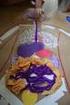 Digestive System Notes Structure Function Relation Mouth cavity Mechanical digestion by teeth; chemical digestion of starch by saliva. Salivary glands Three pairs of glands which secrete saliva containing
COLORECTAL CANCER SCREENING
 COLORECTAL CANCER SCREENING By Douglas K. Rex, M.D., FACG & Suthat Liangpunsakul, M.D. Division of Gastroenterology and Hepatology, Department of Medicine Indiana University School of Medicine Indianapolis,
Suture Patterns. Objectives. Role of Suture Patterns. Inverting Suture Patterns. Appositional Suture Patterns
 Suture Patterns Objectives Introduction to Surgery Classify suture patterns based on their effect on tissue apposition Describe the steps involved in the accurate placement of basic suture patterns Discuss
Introduction. Digestive System. Physiology. Anatomy. Physiology. Alimentary Canal. Chapter 21
 Chapter 21 Digestive System Susan G. Salvo Introduction Digestive process is a disassembly line Digestive system provides processes in which proteins, carbohydrates, and fats are broken down and used a
Gastrointestinal problems in children with Down's syndrome
 Gastrointestinal problems in children with Down's syndrome by Dr Liz Marder This article was written for parents for the Down s Syndrome Association newsletter and is reproduced here with the permission
Care of Gastrostomy Tubes for Adults with IDD in Community Settings: The Nurse s Role. Lillian Khalil, BSN, RN Volunteers of America, Chesapeake
 Care of Gastrostomy Tubes for Adults with IDD in Community Settings: The Nurse s Role Lillian Khalil, BSN, RN Volunteers of America, Chesapeake Objectives The participants will be able to identify the
Geriatric Medicine. Advice on. Constipation and Laxatives
 Geriatric Medicine Advice on Constipation and Laxatives 1 Constipation Constipation is defined as having bowel movements less than three times a week. Stools are usually hard, dry, small in size and difficult
URINARY CATHETER CARE
 URINARY CATHETER CARE INTRODUCTION Urinary catheter care is a very important skill, and it is a skill that many certified nursing assistants (CNAs) must know. Competence at providing urinary catheter care
NHS Greater Glasgow and Clyde Yorkhill Hospital CONSTIPATION IN CHILDREN
 NHS Greater Glasgow and Clyde Yorkhill Hospital CONSTIPATION IN CHILDREN Constipation in Children Version: 1 Page 1 of 8 Background Constipation is a common complaint in infants and children. The aetiology
Digestive System Digestive Tract
 Digestive System Digestive Tract Dept. of Histology and Embryology 周 莉 教 授 Introduction of digestive system * a long tube extending from the mouth to the anus, and associated with glands. * its main function:
Care and Problems of the Digestive System. Chapter 18 Lesson 2
 Care and Problems of the Digestive System Chapter 18 Lesson 2 Care of the Digestive System Good eating habits are the best way to avoid or minimize digestive system problems. Eat a variety of foods Avoid
Colorectal Cancer Treatment
 Scan for mobile link. Colorectal Cancer Treatment Colorectal cancer overview Colorectal cancer, also called large bowel cancer, is the term used to describe malignant tumors found in the colon and rectum.
Patient information regarding care and surgery associated with ULCERATIVE COLITIS
 Patient information regarding care and surgery associated with ULCERATIVE COLITIS by: Robert K. Cleary, M.D., John C. Eggenberger, M.D., Amalia J. Stefanou, M.D. location: Michigan Heart & Vascular Institute,
Placement of Epidural Catheter for Pain Management Shane Bateman DVM, DVSc, DACVECC
 Placement of Epidural Catheter for Pain Management Shane Bateman DVM, DVSc, DACVECC Indications: Patients with severe abdominal or pelvic origin pain that is poorly responsive to other analgesic modalities.
Navigating Anorectal Anatomy: Terms, Planes, Spaces, Structures
 Navigating Anorectal Anatomy: Terms, Planes, Spaces, Structures Lawrence M. Witmer, PhD Lawrence M. Witmer, PhD Department of Biomedical Sciences College of Osteopathic Medicine Ohio University Athens,
X-Plain Inguinal Hernia Repair Reference Summary
 X-Plain Inguinal Hernia Repair Reference Summary Introduction Hernias are common conditions that affect men and women of all ages. Your doctor may recommend a hernia operation. The decision whether or
DISEASES OF THE DIGESTIVE SYSTEM
 DISEASES OF THE DIGESTIVE SYSTEM DISEASES OF ORAL CAVITY, SALIVARY GLANDS AND JAWS (520-529.9) 520 DISORDERS OF TOOTH DEVELOPMENT AND ERUPTION 520.0 ANODONTIA 520.1 SUPERNUMERARY TEETH 520.2 ABNORMALITIES
Bile Duct Diseases and Problems
 Bile Duct Diseases and Problems Introduction A bile duct is a tube that carries bile between the liver and gallbladder and the intestine. Bile is a substance made by the liver that helps with digestion.
Early Colonoscopy in Patients with Acute Diverticulitis Simon Bar-Meir, M.D.
 Early Colonoscopy in Patients with Acute Diverticulitis Simon Bar-Meir, M.D. Professor of Medicine Germanis Kaufman Chair of Gastroenterology Director, Dept. of Gastroenterology Chaim Sheba Medical Center,
The Digestive System. Chapter 15
 The Digestive System Chapter 15 Introduction Digestion refers to the mechanical and chemical breakdown of food so the nutrients can be absorbed by cells Carried out by the digestive system Consists of
PREPARING FOR YOUR STOMA REVERSAL
 PREPARING FOR YOUR STOMA REVERSAL Information Leaflet Your Health. Our Priority. Page 2 of 6 Introduction- What you need to know As part of your bowel operation you may have had a temporary stoma formed.