
GREYHOUND RACING & WELFARE - HOT WEATHER POLICY & GUIDELINES
|
|
|
- Calvin Butler
- 10 years ago
- Views:
Transcription
1 Policy adopted by the Board of Greyhound Racing Victoria on 24 December 2015 to take effect from 26 December Introduction The safety and welfare of greyhounds is of paramount concern for Greyhound Racing Victoria (GRV) in assessing whether a race meeting or individual races on a program should proceed, be delayed or abandoned in hot weather conditions. This policy sets out the processes, procedures and guidelines to be followed by GRV staff, trainers, handlers, veterinarians and club officials in relation to greyhound race meetings and for Clubs conducting trial sessions in hot weather conditions. GAR 86 (ag) provides that a person shall be guilty of an offence if they fail to comply with a policy adopted by a Controlling Body. 2. Background It is clear that heat stress affects canines more severely than humans and some other animals. Canines sweat only through the pads of their feet and the pores on the tip of the nose. For their cooling, canines rely mostly on the evaporation of fluid from the lung when panting, which is reasonably efficient provided the humidity is not so high as to prevent effective evaporative cooling. So even in relatively low heat, a greyhound can still die from Heatstroke if the surrounding air remains still, and then becomes very humid. GRV implements this policy to assist all participants, Stewards, club officials, veterinarians and the Clubs to ensure that greyhounds are properly cared for in circumstances of hot weather, including in their transportation to and from the racetrack. The maximum temperature at which greyhound racing or trialling can be conducted has been set to not higher than 38 degrees Celsius. 3. Policy 3.1. Prior to Raceday (a) Following the close of nominations for a meeting (3-5 days prior to the meeting), the GRV Grader in conjunction with the GRV Racing Operations Manager will assess if there is an adverse maximum temperature forecast for the region for the scheduled day of the meeting. (b) The Australian Bureau of Meteorology (BOM) through its website provides regularly updated weather information including thermal comfort and heat stress indicators using a calculated estimate of wet bulb global temperature. This information will be utilised in determining forecast temperatures for the area where the race meeting or trial session is to be conducted. (c) If a race meeting is scheduled to be conducted in the day or twilight timeslot and the official Bureau of Meteorology forecast maximum temperature for the area where the meeting is to be conducted is between 35 degrees Celsius and 38 degrees Celsius, options to reschedule the meeting to another morning or evening timeslot are assessed. This assessment will also take into account hourly weather forecast information (where available) and will also consider travel time to and from the racecourse. Issued: 24 December

2 (d) If an alternative timeslot can be achieved, including switching timeslots with other Victorian meetings on that day in regions not expected to be impacted by heat, the meeting may be moved to another venue. (e) By no later than 3:00 pm on the day prior to the meeting, if the forecast maximum temperature for the area is 38 degrees or higher, the meeting will be cancelled, postponed or abandoned and all relevant parties (participants, clubs, media, wagering operators) are to be notified by SMS, and/or phone as well as on Fasttrack, via their registered details. (f) No travel fees are payable to participants for meetings cancelled or abandoned due to hot weather conditions at or before the appointed scratching time on the day of the race meeting or trial session Penalty Free Scratching when GRV heat policy applies (a) If at 3:00 pm on the day prior to the meeting, or at anytime thereafter, the official forecast temperature for the area at the time the meeting is to be conducted is 32 degrees or higher, the meeting will be marked as GRV heat policy applies and trainers will be permitted to withdraw any of their competing greyhounds from the meeting without penalty, especially in circumstances where they cannot be transported to the track in air-conditioned facilities. (b) The application to scratch a greyhound due to hot weather must be made before the appointed scratching time by contacting GRV Member Services by telephone. If a greyhound becomes heat stressed after the appointed scratching time, it should be scratched for illness and the normal 10 day penalty will be applied under GAR 23(4) and Stewards will require a veterinary certificate before any future nomination is accepted. (c) Once a meeting has been designated as GRV heat policy applies, only those dogs which are competing in races at the meeting are permitted to be brought to the racecourse Procedures on Raceday between Scratching Time and Kennelling (a) If at the appointed scratching time on the morning of the race meeting or any time thereafter, the official forecast temperature in the area where the meeting is to be conducted is expected to be 38 degrees Celsius or above also taking into account the travel time to and from the track, the Steward In Charge of the meeting will determine the abandonment or cancellation of the meeting. In the case of club trial sessions, the Club Manager should make the decision as to whether the trials should be abandoned. (b) The Steward In Charge may also determine to alter, cancel, or defer the race meeting in the case of other extreme weather conditions such as the result of a continuing series of hot days Travel Guidelines (a) On days when the forecast temperature is predicted to be 32 degrees or above, trainers are expected to only transport greyhounds to racetracks in air-conditioned transport facilities. (b) Participants are urged to ensure that their car or trailer is cool before greyhounds are loaded for transportation. A car can be started and air conditioned prior to leaving. Greyhounds could be hosed or towelled down with water prior to being placed in the car or trailer. (c) When planning transport to the track, it is advisable that the participant arrives as close as possible to the opening time of kennelling. (d) Participants are urged to provide their greyhounds with adequate water and ice. Fluids should be given to the greyhound before the journey. It is essential to carry adequate water and drinking containers, in case of delay or breakdown during the journey and for arrival on course. (e) Electrolyte intake may also assist the greyhound. Oral electrolytes can be given to the greyhound prior to kennelling providing they do not breach GAR 83A Raceday treatment. However, as dogs Issued: 24 December

3 maintain core body temperature by panting rather than sweating, the electrolyte loss is reduced. If electrolyte products are used they should be specifically formulated for greyhounds as other animal electrolyte products may contain higher concentrations of salt which may be detrimental to the greyhound. (f) Barking muzzles are not permitted and are not to be used during travel or at the racecourse on hot days as they restrict the ability of the greyhound to pant. Halter leads and nose straps may also be disallowed if they restrict the ability of the greyhound to pant On Track (a) Once on the racecourse, and after the greyhound has been offered fluids, it is advised to kennel the greyhound as quickly as possible. The kennels are the coolest place on the racecourse and are air-conditioned at all tracks in Victoria. (b) The trainer or authorised person responsible for the greyhound must notify the Stewards as soon as possible upon arrival on the racecourse of any greyhound that may be suffering from heat stress or heat stroke to ensure prompt veterinary attention as necessary. (c) The on-track Veterinarian (OTV) will check the condition of all greyhounds during the kennelling veterinary examination, ensuring they are not suffering from the effects of the heat and to be satisfied that they have been amply hydrated before being kennelled. Any greyhound that has lost more than 0.6kgs in weight since its previous start shall be subject to another Veterinary examination to determine whether the greyhound is fit to race. (d) Clubs must ensure that kennels are adequately equipped with cooling or air conditioning systems and that a responsible equipment maintenance strategy is adopted and observed. An annual service check of the air conditioning system should be undertaken no later than October. (e) Clubs are to ensure that kennel cooling systems are activated no less than three hours prior to the opening of kennelling for meetings where the GRV heat policy applies. (f) Clubs should be prepared with all staff, officials and facilities to open kennelling 30 mins earlier than normal. (g) Clubs are required to have ice, water and extra water hoses or several dual outlet hose apparatus available and connected close to the catching pen area and kennel area that allows all greyhounds quick access to water following a race or trial on days when the temperature may rise above 32 degrees Celsius. (h) Clubs are required to fit all kennel areas with a temperature and humidity logger to simultaneously measure and automatically record temperature and humidity. The Stewards are to observe and record the temperature in the kennelling area at the time of kennelling and immediately prior to the dogs leaving the kennel area for each race. (i) Officials will monitor closely all greyhounds in the kennels. Should any trainer, handler or staff have concerns over the welfare of a kennelled greyhound, he or she must contact the on-track Veterinarian and/or Stewards immediately. (j) The ideal temperature in the racing kennels is between 18 and 24 degrees Celsius. (k) If the temperature in the race kennels reaches 26 degrees Celsius, the Steward In Charge and on-track Veterinarian are to consult with the Club and if the temperature cannot be reduced promptly then the upcoming events for that meeting may be abandoned or postponed. (l) If during the running of the race meeting the ambient temperature is close to or exceeding 38 degrees Celsius, then the Steward In Charge is to consult with the on-track Veterinarian. In the first instance Stewards should delay the running of races if an official forecast drop in temperature is expected within a reasonable time (no more than 2 race times). If there is no reasonable expectation based on official forecasts of a drop in temperature, then the Steward In Issued: 24 December
4 Charge of the meeting will determine the abandonment or cancellation of the remainder meeting Cooling Vests (a) Trainers/Attendants will be permitted to use their own canine cooling vests at all times with their greyhounds, including when parading greyhounds to the boxes. (b) The decision as to whether or not to use a canine cooling vest will rest solely with the Trainer/Attendant, who will also be responsible for the vest at all times Race Time (a) When removed from their kennel for racing, greyhounds may receive water prior to racing under the direct supervision of an Official nominated by the Steward In Charge. (b) As far as is practicable, Officials, Veterinarians and attendants are required to watch the greyhounds urinate. If the urine is very dark or appears to contain blood (myoglobinuria or haematuria) then the greyhound should be subject to an immediate Veterinary examination to determine whether the greyhound is fit to race. (c) Officials are to ensure that greyhounds remain as long as possible in the kennels before start time. Greyhounds should not be paraded in the parade ring, but should proceed directly to the boxes, and at the conclusion of the race should be directed immediately to the closest hosing down/wash bay area. (d) At race meetings designated as Heat affected, under no circumstances is a greyhound to be taken to a Race Presentation until it has been given the opportunity for a drink and to be cooled down. In these circumstances, clubs should either cancel the presentation or move it to a suitable inside area Post Race/Trial (a) As soon as possible after the completion of the race or trial the greyhound should be offered water, but do not attempt to force water intake. (b) Hose the greyhound down immediately. Do not use very cold or ice water as this leads to a reflex constriction of the blood vessels and delayed evaporative cooling. The greyhound should be hosed until it shows signs of a decrease in its panting. It is important to pay attention to hosing the greyhound s feet, chest, head, neck, back and groin. (c) Trainers are encouraged to pay extra attention to the cool down period after the race and to make use of all cooling facilities available to them to ensure their greyhound is comfortable. (d) Give the greyhound a walk around, then re-hose with water, give the greyhound a drink and return to the kennels and ensure they are not soaking wet to remove the warmer water from their coat and to minimise any significant increases in humidity within their kennel that may reduce the effectiveness of evaporative cooling from panting. (e) In situations where the temperature exceeds 32 degrees, all greyhounds after racing are required to remain on course in a cool area in the vicinity of the kennels for at least 30 minutes during cool down before they are permitted to leave the course and at no stage are greyhounds to be loaded into their transportation until such time as they are leaving the racecourse. (f) The trainer or authorised person responsible for the greyhound must notify the Stewards as soon as possible of any greyhound that may be suffering from heat stress or heat stroke to ensure prompt veterinary attention as necessary. Issued: 24 December

5 3.9. Return Journey (a) The return journey home may well require the same consideration for the welfare of the greyhound as outlined above in the transportation section. (b) Ensure that the steps you took to cool your vehicle and trailer for the journey to the track are also taken prior to leaving the course. (c) Give your greyhound water, and electrolytes if required, and make sure you have ample fluids for the greyhound s trip home. (d) The greyhound may be hosed or towelled down prior to being placed in the vehicle or trailer. (e) The greyhound may be more affected by the heat after its event so it is important to consistently monitor the condition of your greyhounds. (f) Barking muzzles should never be used on greyhounds immediately after a race, as it can prevent the greyhound from panting. (g) Once at home ensure the greyhound has sufficient clean water and is again hosed to cool down if required. (h) The greyhound could still be affected by the heat so constant monitoring is advisable. (i) In accordance with GAR 75 (2) Matter affecting performance, should anything that might have a bearing on the past or future running of a greyhound come to the notice of the trainer or authorised person after the greyhound has left the course, it shall be reported to the Stewards as soon as practicable. GRV expects trainers to report to Stewards via or telephone any cases of heat stress/heat stroke, exertional rhabdomyolysis ( acidosis ), polyuria/polydipsia ( water diabetes ) or other illness that may be attributable to racing in hot weather to monitor the effectiveness of this policy in ensuring the safety and welfare of greyhounds. Action Table: Forecasted Temp for the Day of Meeting (BOM Website) Meeting Status Forecasted Temp Action Ready For Grading Noms close time 36 o C or above Assess move to Morning/Night Graded 3pm day prior 32 o C - 38 o C Flag meeting as Heat affected After 3pm day prior Between 3pm day prior & scratching time on Race Day 38 o C or above Prior to Scratchings 8.30am Race Day 38 o C or above After Scracthings 8.30am to Race Time Meeting Abandoned or Postponed Meeting Abandoned or Postponed 32 o C - 38 o C Stewards & OTV to monitor Issued: 24 December

ANIMAL WELFARE PENALTY GUIDELINES
 ANIMAL WELFARE PENALTY GUIDELINES Effective 1 st July 2014 TABLE OF CONTENTS Introduction... 3 The nature of penalty guidelines... 3 Relevant rules... 4 GAR 106 Proper care (welfare) of greyhounds... 4
Okolona Fire Department Standard Operating Procedure
 Page 1 of 6 October 1, 2011 New Operational Purpose: This policy will govern the type of training, the environment, gear to be used for training, and outside non-emergency activities for the Okolona Fire
Heat Stress/Flag Condition Training
 Heat Stress/Flag Condition Training Heat stress Heat stress is the buildup of heat to the point where the body s thermostat has difficulty maintaining normal internal body temperature. When the body is
GHSA Heat Guidelines. Jeff Hopp, ATC, LAT Head Athletic Trainer, Marietta High School May 30, 2013
 GHSA Heat Guidelines Jeff Hopp, ATC, LAT Head Athletic Trainer, Marietta High School May 30, 2013 Exertional Heat Illnesses Heat Cramps muscle cramping, fatigued, sweating Heat Syncope pale, lightheaded,
Heat Illnesses. Common Heat Rash Sites
 Heat Illnesses Introduction Heat illnesses happen when the body becomes too hot and cannot cool itself. There are several different types of heat-related illnesses. This includes heat cramps, heat exhaustion,
STRATEGIES TO DEAL WITH THE HEAT IN COMPETITION HORSES
 STRATEGIES TO DEAL WITH THE HEAT IN COMPETITION HORSES The Normal Horse Heart Rate: 28-44 bpm Respiratory Rate: 8-16 bpm Dr Anushka Chaku BSc BVMS MANCVS Temperature: 37.0-38.5 C Membrane colour: pink,
SCRIPT NUMBER 123 HEATSTROKE - 2 (TWO SPEAKERS)
 SCRIPT NUMBER 123 HEATSTROKE - 2 (TWO SPEAKERS) PROGRAM NAME: HEALTH NUGGETS PROGRAM TITLE: HEATSTROKE - 2 PROGRAM NUMBER: 123 SUBJECT: CAUSES, SYMPTOMS, COMPLICATIONS, TREATMENT OF HEAT-RELATED CONDITIONS
HEAT-RELATED ILLNESS AND STUDENT ATHLETES. Diana L. Malone, Ph.D. Training & Consultation Coordinator
 HEAT-RELATED ILLNESS AND STUDENT ATHLETES Diana L. Malone, Ph.D. Training & Consultation Coordinator HEAT-RELATED ILLNESS Objectives: Factors that create HRI Stages of HRI Care Basic First Aid Protecting
Fact Sheet: Working in hot temperatures
 Fact Sheet: Working in hot temperatures Why is working in the heat bad for your health? Human beings need to maintain a constant body temperature if they are to stay healthy. Working in high temperatures
Play it Safe in the Heat Tips for Coaches and Parents
 Play it Safe in the Heat Tips for Coaches and Parents Heat is the number one weather related killer in the United States. Heat illness is the leading cause of preventable death in high school athletics
HEAT ILLNESS PREVENTION PLAN FOR SUTTER COUNTY SUPERINTENDENT OF SCHOOLS
 HEAT ILLNESS PREVENTION PLAN FOR SUTTER COUNTY SUPERINTENDENT OF SCHOOLS TABLE OF CONTENTS 1.0 Purpose... 1 2.0 Heat Illness Prevention... 2 2.1 Heat Stroke... 2 2.2 Heat Exhaustion... 2 2.3 Heat Cramps...
2. When temperature and wind chill falls below 35 degrees including the wind chill, students, are kept indoors.
 Weather /Environmental Guidelines Time spent outdoors is an important part of the school day. It is difficult to set guidelines that fit every circumstance and condition in regards to outside activities.
SCRIPT NUMBER 123 HEATSTROKE - 2 (ONE SPEAKER)
 SCRIPT NUMBER 123 HEATSTROKE - 2 (ONE SPEAKER) PROGRAM NAME: HEALTH NUGGETS PROGRAM TITLE: HEATSTROKE - 2 PROGRAM NUMBER: 123 SUBJECT: CAUSES, SYMPTOMS, COMPLICATIONS, TREATMENT OF HEAT-RELATED CONDITIONS
EXTREME HEAT/HUMIDEX ADVISORY FACT SHEET
 EXTREME HEAT/HUMIDEX ADVISORY FACT SHEET While it is important to enjoy the outdoors during Canadian summers, it is also essential to keep in mind that periods of extreme heat and humidex events may cause
too hot! Heat Related Illness
 too hot! Heat Related Illness Participating in recreation and sport activities provides many benefits for children and can be a fun and enjoyable way to be physically active. However, when the temperature
The human body core temperature is constant around 37.1±1.0 o C ( degree Fahrenheit = degree Celsius 1.8 + 32 )
 The human body core temperature is constant around 37.1±1.0 o C ( degree Fahrenheit = degree Celsius 1.8 + 32 ) ( good to 20% over this range of T a and T skin ) 1. What is wind chill temperature?
Best Practices for Managing Heat Stress in Feedyard Cattle
 Best Practices for Managing Heat Stress in Feedyard Cattle Prepared for Certified Angus Beef LLC by Dr. Terry L. Mader, Mader Consulting LLC, Gretna, Nebraska These guidelines have been developed based
FISD ATHLETIC DEPARTMENT COLD WEATHER GUIDELINES
 FISD ATHLETIC DEPARTMENT COLD WEATHER GUIDELINES Cold exposure can be uncomfortable, impair performance and even become life threatening. Conditions created by cold exposure include frostbite and hypothermia.
KENSINGTON FLEMINGTON JUNIOR SPORTS CLUB PLAYER MEDICAL FORM AUSTRALIAN RULES
 KENSINGTON FL E MIN G T O N KENSINGTON FLEMINGTON JUNIOR SPORTS CLUB PLAYER MEDICAL FORM AUSTRALIAN RULES Junior Sports Club Since 1935 The following Medical Form must be completed prior to the start of
FIREGROUND REHAB PROCEDURES
 FIREGROUND REHAB PROCEDURES The University of Pittsburgh Emergency Responder Human Performance Lab created these procedures as a guideline. Obtain approval from the local medical director before implementation.
Heat Illness Prevention Program
 I. Policy Heat Illness Prevention Program Responsible Executive: Vice President for Administration and Finance Responsible Office: Environmental Health and Instructional Safety Originally Issued: February
DRI Heat Stress Fact Sheet
 Introduction As a reminder to employees who work outside during hot weather, be mindful of the hazards this presents. High temperatures and humidity (generally not an issue in Nevada, but be mindful that
Heat Illness Prevention Program
 Heat Illness Prevention Program I. Policy Employees working in outdoor places of employment or in other areas at times when the environmental risk factors for heat illness are present, are at risk for
DEPARTMENTOFTHE NAVY
 DEPARTMENTOFTHE NAVY NAVAL ACADEMY PREPARATORY SCHOOL 440 MEYERKORD AVENUE NEWPORT, RI 02841-1519 NAVAL ACADEMY PREPARATORY SCHOOL INSTRUCTION 6110.lA NAPSINST 6110.lA Nl From: Subj: Commanding Officer,
Be Safe! Manage Heat Stress. Be Safe! Manage Heat Stress.
 Be Safe! Manage Heat Stress. Be Safe! Manage Heat Stress. Overview Workers who are exposed to extreme heat or work in hot environments may be at risk of heat stress. Exposure to extreme heat can result
Sports Specific Safety. Golf. Sports Medicine & Athletic Related Trauma SMART Institute 2010 USF
 Sports Specific Safety Golf Sports Medicine & Athletic Related Trauma SMART Institute Objectives of Presentation 1. Identify the prevalence of injuries to Golf 2. Discuss commonly seen injuries in Golf
advanced military training in hot weather such as ABN / Ranger School or ROTC camp.
 Individual Guidance for Heat Acclimatization This heat acclimatization guidance is for those soldiers who will be attending strenuous advanced military training in hot weather such as ABN / Ranger School
Snohomish County Fire Chiefs Association
 Snohomish County Fire Chiefs Association DOCUMENT 60-06-09 ON SCENE REHABILITATION GUIDELINE Adopted December 2009 County Chiefs Meeting INTENT To provide standard operating guidelines to implement and
State Of Wisconsin Department of Military Affairs
 State Of Wisconsin Department of Military Affairs Division of Emergency Management Brian M. Satula Administrator Scott Walker Governor For more information contact: Tod Pritchard Lori Getter Office (608)
TEMPERATURE REQUIREMENTS FOR PIGS
 TEMPERATURE REQUIREMENTS FOR PIGS DEFINITIONS OF AMBIENT TEMPERATURE REQUIREMENTS FOR PIGS: A REVIEW Mark L. Lorschy SUMMARY Pigs, like all animals, have an ability to live in a variety of thermal environments.
Extreme Heat: A Prevention Guide to Promote Your Personal Health and Safety
 Extreme Heat: A Prevention Guide to Promote Your Personal Health and Safety Heat-related deaths and illness are preventable yet annually many people succumb to extreme heat. Historically, from 1979-2003,
The heat is on: Don t leave your chocolate candy, kids or pets in a parked car
 The heat is on: Don t leave your chocolate candy, kids or pets in a parked car The SAE International Interior Climate Control Standards Committee has conducted many engineering test programs evaluating
Managing Heat Stress in Poultry
 Managing Heat Stress in Poultry Amy E. Halls, Monogastric Nutritionist Shur-Gain, Nutreco Canada Inc. Heat stress has several serious and economical effects on poultry. In broilers and turkeys, it can
Heat Stress Training
 Heat Stress Training Agenda 1. What is Heat Stress - The Physiology - Heat Exhaustion (Symptoms and First Aid) - Heat Stroke (Symptoms and First Aid) - Other Conditions associated with Heat Stress 2. Who
3-2. Using the air conditioning system and defogger Automatic air conditioning system
 Automatic air conditioning system Airflow and outlets are automatically adjusted according to the temperature setting. Press to display the air conditioning operation screen. Air conditioning operation
Firefighter Rehabilitation. by Sandra Stoeckel RN,CEN,AEMT-P, Firefighter
 Firefighter Rehabilitation by Sandra Stoeckel RN,CEN,AEMT-P, Firefighter Goals We will discuss the need for firefighter rehab A review of the necessary components to a rehab area A discussion of the steps
Policy # 7-A Effective Date: 6/1/2012 Pages: 8. San Diego County Operational Area. Rehabilitation
 San Diego County Operational Area Rehabilitation Policy # 7-A Effective Date: 6/1/2012 Pages: 8 Purpose: This guideline provides the San Diego County Operational Area procedures for fire personnel rehabilitation
DUBAL Beat the Heat. Prevention Method
 DUBAL Beat the Heat Prevention Method Introduction The body is required to get rid of excess heat to maintain a constant internal temperature (37 C) The body s s best mechanism for removing any excess
TAB LIMITED FIXED PRICE RACING BETTING RULES
 TAB LIMITED FIXED PRICE RACING BETTING RULES 1. PRELIMINARY 2. DEFINITIONS 3. TRANSACTIONS 3.1 General 3.2 Cash Bets 3.3 Telephone Bets, Internet and other electronic betting 3.4 Betting Accounts 3.5 Betting
Protecting Yourself from. Heat Stress
 Fast Facts Heat stress, from exertion or hot environments, places workers at risk for illnesses such as heat stroke, heat exhaustion, or heat cramps. Heat Stroke A condition that occurs when the body becomes
Oregon Youth Soccer Association Weather Related Safety Precautions
 Oregon Youth Soccer Association Weather Related Safety Precautions Safety during all soccer activities is the primary concern for any individual participating in Oregon Youth Soccer or the activities of
Automatic air conditioning system
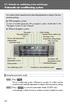 Automatic air conditioning system Air outlets and fan speed are automatically adjusted according to the temperature setting. With navigation system Owners of models equipped with a navigation system should
NSWLR116. (1) Bets with bookmakers must be for a win, or win and place, unless otherwise approved by the Controlling Body.
 HARNESS RACING NSW Local Rules of Bookmakers and Betting BETTING Control of Forms of Betting Bets Off Dead Heats Doubles Betting Each Way Betting Place Only Betting Quinella Betting Qualification On Obligation
Automatic air conditioning system
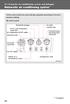 Automatic air conditioning system Airflow and outlets are automatically adjusted according to the temperature setting. Control panel Windshield defogger Driver s side temperature control dial Air conditioning
MABAS DIVISION XII REHABILITATION POLICY
 MABAS DIVISION XII REHABILITATION POLICY Purpose To ensure that the physical and mental condition of employees operating at the scene of an emergency, training exercise, or other fire department activity
Accident Policy. Accident Procedure & Injury Report Form
 Accident Policy 1. To create a safe, enjoyable space for staff, children and parents. 2. To ensure that all children, staff, parents and visitors to the Centre receive appropriate first aid and follow
Sensors for Air-conditioning in Automobiles
 Sensors for Air-conditioning in Automobiles www.epcos.com Contents...3 1. Evaporator sensors...3 2. Integral sensors...4 3. Solar sensors...4 4. Icing protection switches...5 5. External temperature sensors...5
Body Heat and Temperature Regulation
 LECTURE 8 Body Heat and Temperature Regulation Homeotherm- warm blooded (mammals and birds) Poikilotherm- cold blooded (reptiles and amphibians) I. Body Temperature (Reece Table 11.1 p 335) A. Gradients
 It is recommended that you contact your MS Nurse and Neurologist before booking your overseas trip. This ensures that all options and issues can be discussed. Air Travel and MS Therapies For international
Fireground Rehab Evaluation (FIRE) Trial
 Fireground Rehab Evaluation (FIRE) Trial Executive Summary David Hostler, PhD, Joe Suyama, MD Executive Summary: Fireground Rehab Evaluation (FIRE) Trial Background & Introduction For two years, researchers
Warranty Service Summary
 Warranty Service Summary The many details of warranty coverage can be confusing. We hope this summary of key points will help. If you do not know who to contact, call our warranty office and we will guide
PAGE 1 OF 5 ISSUED: JULY 07, 2010 REVISED:
 HALIFAX FIRE DEPARTMENT R&R ARTICLE 21 HOT WEATHER OPERATIONS GUILDLINES PAGE 1 OF 5 ISSUED: JULY 07, 2010 REVISED: Purpose This policy provides a method of action to guide firefighting personnel in the
Workplace Health and Safety Queensland. Heat Stress. managing the risk
 Workplace Health and Safety Queensland Heat Stress managing the risk What is heat stress? Heat stress occurs when heat is absorbed from the environment faster than the body can get rid of it. The resulting
1.0 Purpose, Applicability, and Scope
 Policy Subject: Heat Stress Guidelines Effective Date: 8/1/2011 Area Affected: All students, faculty and staff who work in hot environments Contact Information: Policy Owner: Environmental Health and Safety
Heat Stress: Defining, Evaluating and Preventing. Glenn E. Lamson CIH OSHA Health Response Team 2012 OSHA Oil & Gas Safety Conference
 Heat Stress: Defining, Evaluating and Preventing Glenn E. Lamson CIH OSHA Health Response Team 2012 OSHA Oil & Gas Safety Conference Defining Heat Stress The net heat load that a worker is exposed to from
Heat Production and Loss. Environmental Emergencies. Heat Regulation. Body Temperature Ranges. Focused Assessment: Your Patient: Heat Production
 Heat Production and Loss Environmental Emergencies Messing with Mother Nature Heat Production Basal Metabolism processes in the body that generate heat through nominal functions Activity, fever, metabolic
TOTALISATOR RULES. Tabcorp ACT Pty Ltd ABN 19 167 957 002. 25 August 2015
 TOTALISATOR RULES Tabcorp ACT Pty Ltd ABN 19 167 957 002 25 August 2015 These Totalisator Rules have been prepared by Tabcorp ACT Pty Ltd, pursuant to the requirements of the Totalisator Act 2014. 804282v1
TakE Care in Hot & Cold Weather
 www.coned.com TakE Care in Hot & Cold Weather Preventing Hyperthermia and Hypothermia When it s Too Hot! Beating the heat is as much a part of summer as baseball and hot dogs. City residents are particularly
Know your limit. If Gambling is a problem for you contact Gambling Help 1800 858 858 or visit www.gamblinghelp.nsw.gov.au
 wagering guide Know your limit. If Gambling is a problem for you contact Gambling Help 1800 858 858 or visit www.gamblinghelp.nsw.gov.au Welcome to Wentworth Park, the home of premier greyhound racing
MEDIA ACCREDITATION RULES FOR THE 2015 MELBOURNE CUP CARNIVAL
 Dear Media Representative MEDIA ACCREDITATION RULES FOR THE 2015 MELBOURNE CUP CARNIVAL The Victoria Racing Club (VRC) welcomes media outlets from across the globe to its four day 2015 Melbourne Cup Carnival
To protect your health when temperatures are extremely high, remember to keep cool and use common sense. The following tips are important:
 What Is Extreme Heat? Temperatures that hover 10 degrees or more above the average high temperature for the region and last for several weeks are defined as extreme heat. Humid or muggy conditions, which
Grafton Fire Department Standard Operating Guidelines, Policies and Procedures
 Grafton Fire Department Standard Operating Guidelines, Policies and Procedures Section: Safety Subject: Rehabilitation at Emergency Incidents and Trainings Approval: William Q. Rice Effective Date: 04/02/2015
MRC Medical Jeopardy Feud List of Treatments for Possible Injuries/Conditions
 List of Treatments for Possible Injuries/Conditions A. Apply cold compresses to affected area; elevate the area to reduce swelling and possible bleeding B. Apply direct pressure to wound area with sterile
What You Need to know about Your Pet s Upcoming Dentistry and Periodontal Treatment
 What You Need to know about Your Pet s Upcoming Dentistry and Periodontal Treatment We are sending this packet of information in anticipation of your pet s upcoming dental procedure. Many people have questions
Important Things to Know
 EXERGEN TemporalScanner Important Things to Know TA temperature is real time temperature Just like pulmonary artery temperature, TA temperature identifies changes in your patient s temperature sooner than
Standard Operating Guideline for
 MABAS DIVISION 5 Standard Operating Guideline SUBJECT: Emergency Incident Rehabilitation S.O.G. REHAB 2009 Approved: December 16, 2009 Revised: Standard Operating Guideline for Emergency Incident Rehabilitation
EXTREME HEAT A GUIDE TO SAFE ATHLETIC PARTICIPATION
 EXTREME HEAT A GUIDE TO SAFE ATHLETIC PARTICIPATION Coaches and Administrators of Fall Sports: Heat Index...I Heat Stress and Athletic Participation.....II Hydration Tips and Fluid Guidelines......III
STANDARD OPERATING GUIDELINE
 STANDARD OPERATING GUIDELINE OPERATIONS REHAB EFFECTIVE: 11/26/2012 REVISED: S.O.G #: 320 PAGE: 1 of 6 1.0 Objective 1.1 To ensure the physical and mental conditions of personnel operating do not deteriorate
Failure and shutdown of the body s thermoregulatory system Heat is generated by muscle exercise which is unable to be dissipated into the environment
 ASEP Successful Coaching Webinar Series Combating Heat- related Illnesses Presenter: John Storsved, HSD, ATC August 11, 2010 Combating Heat Related Illness Wednesday August 11, 2010 John Storsved HSD,
Guide to Prevention of Heat Stress At Work
 Guide to Prevention of Heat Stress At Work WCB Website: www.wcb.pe.ca Toll free in Atlantic Canada: 1-800-237-5049 Feb, 2008 1 Prevention of Heat Stress at Work On Prince Edward Island illness from excess
Chapter 16 Emergency Incident Rehabilitation
 Division 05 Emergency Medical March 2009 PO LICY This General Order establishes specific, mandatory procedures and responsibilities developed in accordance with NFPA 1584: Standard on the Rehabilitation
BETTING RULES. 1.1 Definitions. Client or Customer means a person who is 18 years or older who has opened an Account.
 BETTING RULES 1.1 Definitions Client or Customer means a person who is 18 years or older who has opened an Account. Account means a betting account opened by the Client with Luxbet for the purposes of
Do you know the benefits of adding smart hydration to your workout program? Hydration Tips from
 Do you know the benefits of adding smart hydration to your workout program? Hydration Tips from Hydration. It Powers Health, Fitness, & Athletic Performance. Kudos to you. You're one of millions of people
Therapeutic Canine Massage
 Meet our Certified Canine Massage Therapist, Stevi Quick After years of competitive grooming and handling several breeds in conformation, I became interested in training and competing with my dogs in the
EFFECT OF TUNNEL VENTILATION AND EVAPORATIVE COOLING ON THE BARN ENVIRONMENT AND COW COMFORT IN MIDWEST DAIRY FACILITIES
 Dairy Day 22 EFFECT OF TUNNEL VENTILATION AND EVAPORATIVE COOLING ON THE BARN ENVIRONMENT AND COW COMFORT IN MIDWEST DAIRY FACILITIES M. J. Brouk, J. F. Smith, and J. P. Harner, III 1 Summary During the
2.1 The performance of bus air conditioning system is evaluated in the following operating conditions
 1.0 Scope:- This test procedure is applicable for testing the Air Conditioning system performance at hot ambient and very hot ambient condition on intracity urban bus in a climatic hot chamber. This procedure
PRINCE GEORGE S COUNTY, MARYLAND FIRE/EMERGENCY MEDICAL SERVICES DEPARTMENT GENERAL ORDER
 General Order Number: 05-16 Effective Date: January 2010 Division: Emergency Medical Chapter: Emergency Incident Rehabilitation By Order of the Fire Chief: Marc S. Bashoor Revision Date: N/A POLICY This
CRUCIATE STIFLE REHABILITATION PROGRAM TRIAL VERSION
 CRUCIATE STIFLE REHABILITATION PROGRAM TRIAL VERSION CRUCIATE STIFLE REHABILITATION PROGRAM DISCLAIMER: Please be aware that these notes are guidelines and are not intended to over-ride personal observation
Automatic air conditioning system
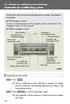 Automatic air conditioning system Airflow and outlets are automatically adjusted according to the temperature setting. With navigation system Owners of models equipped with a navigation system should refer
PHYSIOLOGICAL FACTORS THAT PUT YOUNG ATHLETES AT RISK FACTORS THAT PUT YOUNG SOCCER PLAYERS AT RISK HEAT ILLNESS PREVENTION TECHNIQUES
 US Soccer's Youth Soccer Heat Stress Guidelines The popularity of soccer among American youth is at an all-time high. Nearly 14 million young athletes (13,832,000) under the age of 18 play soccer at elite
THE BRITISH INTERNATIONAL SCHOOL OF STAVANGER EDUCATIONAL VISITS POLICY & PROCEDURES. References
 THE BRITISH INTERNATIONAL SCHOOL OF STAVANGER EDUCATIONAL VISITS POLICY & PROCEDURES References This policy draws on the guidance set out in DfES Guidance Health and Safety of Pupils on Educational Visits
Endovascular Abdominal Aortic Aneurysm Repair Surgery
 Endovascular Abdominal Aortic Aneurysm Repair Surgery You are scheduled for an admission to Cooper University Hospital for Endovascular Abdominal Aortic Aneurysm surgery (EVAR). Please read this handout,