
THE CREATION PROCESS OF 2D ANIMATED MOVIES
|
|
|
- Delilah Williams
- 10 years ago
- Views:
Transcription
1 THE CREATION PROCESS OF 2D ANIMATED MOVIES by Laura Moreno Course: Tutor: 2nd Batx. B Raquel Mancera Carme Peralta Date: October 30th, 2014
2 INDEX INTRODUCTION ANIMATION, WHAT S THAT? A LITTLE BIT OF HISTORY Beginnings Early animation devices The magic lantern Thaumatrope Phenakistoscope Zoetrope Flipbook Praxinoscope A timeline ( ) TYPES OF ANIMATION Traditional animation Stop motion animation Computer animation PRINCIPLES OF ANIMATION Squash and Stretch Anticipation Staging Straight ahead action and pose to pose animation Follow through and overlapping action Slow-out and slow-in Arcs Secondary action Timing Exaggeration Solid drawing Appeal CREATING AN ANIMATED MOVIE Personal note Character introduction Finding inspiration... 21

3 5.4. Developing the idea Writing the script The production plan Delivery date Preliminary schedule Crew plan Budget Recruiting Research Designing Character designing Main location designing Composing Storyboarding Concept art Recording the dialogues Casting Character presentation Recording Animating Key animators Inbetweeners Inking and coloring Backgrounds Photography process Computer effects Sound Release day MY PERSONAL PROJECT / EXPERIMENTING THE ANIMATION PROCESS ON MY OWN Sources of inspiration Developing the idea Writing my own script Research Designing process... 46

4 6.6. Storyboarding Recording the dialogues Animating Sound CONCLUSION WEBOGRAPHY Videos BIBLIOGRAPHY ANNEX One animation studio: Ghibli Studio... 62

5 INTRODUCTION I have loved animation since I was a little girl. I used to watch a lot of animated movies and cartoons when I was young. Every time I saw a scene, a pose or an expression from a character that I really liked, I would pause it and try to copy it into my sketchbook. Although that really annoyed my sisters, who were watching tv with me, it helped me become a better artist and in a way, that's how I discovered what I wanted to do for the rest of my life. Animating. Of course, as I was very young, I didn t know how those movies that I loved so much were made. When I discovered it I was amazed. I couldn t believe how hard animators had to work to create just one single movie. What basically made me want to do this project about animation was a conversation I had with a group of friends some time ago. We were discussing how difficult it might have been to make a certain movie that was in theatres at that moment. In the middle of the conversation, one of them said: Well, obviously it is much more complicated to do a live action movie than an animated one. Animated movies are for kids, they must be so easy to make She thought that cartoons were automatically produced by computer. That made me think. How many people might think like her? How many people didn t know how hard it is to animate something? I suddenly felt the urge to correct her and tell her how wrong she was. I needed to spread the word and tell the people how animation movies are truly made. This research project was the perfect opportunity to do so. Although making this project in Catalan would have been a lot easier for me, I chose to do it in English. Basically, I wanted to know the official vocabulary and terms animators use without translating them. Also, I have always dreamed of studying at least one university course abroad, so I thought this could be a good practice before I went to college. I decided to focus my project on 2D animation because everyone had told me to work on something that was more specific than just animation in general. Although I love 3D animated movies, I thought that it would be better to follow their advice. The main purpose that I had in mind when I started this project was to make people value more those movies that they considered for children or little kids. I decided that if I made at least one person change their minds about animated movies or cartoons, this project would have been worth it. The creation process of 2D animated movies 1

6 I started doing some research. I went to the library and picked out different books about cinema and animation. I downloaded more books from the internet, too. I also looked for random information about 2D animation, as much as I could. I copied everything that I found interesting in a small notebook and started planning how I d like to organize my project. I spent a lot of days of my summer holiday just watching videos and more videos about the process of creation of animated movies, pencil tests from different animators, tutorials, documentaries, etc. While I was watching them, I wrote as much as I could down. I started to think of what could I do for the practical part of my project. I didn t think I would be able to create a whole animated short film because I had never animated before and I knew it would take me a very long time. As I wanted to focus my project on the way animation studios create their movies, I thought it would be a good idea to pretend I was a worker on any of those studios and follow the same steps as they do to produce one of their films. I decided I would try to apply all the process professionals follow in a more simple way to see which were the perks and drawbacks of each one of the steps. Once I had collected all the information I wanted to include in my project, I started to plan and develop my own animation. As you will read later, I had a lot of difficulties during this process but I managed to solve everything in one way or another. I have divided this project in seven parts. The first one is a little introduction of the general concept of animation. The second part focuses more on its history and evolution through time. Next, I talk about the three main types of animation and I explain its twelve principles, which were created by Disney employees. After that introduction, I describe how big studios like Ghibli or Dreamworks create their animated films. Finally, I explain my own experience trying to animate and I sum up my thoughts on the whole project in the conclusion section. As I have mentioned before, the main sources of information I used to create this projects have been books, different online sites and a lot of videos from the Internet. I hope you all enjoy my project as much as I did doing it. The creation process of 2D animated movies 2

7 The creation process of 2D animated movies 3

8 1. ANIMATION, WHAT S THAT? If you look up the verb to animate in the dictionary, you find two definitions. According to the Oxford dictionary, to animate something or someone means to give (a film or character) the appearance of movement using animation techniques. The second definition -and my personal favourite- describes the action as the capacity to bring to life. To portray the mentioned appearance of movement, we need to create a sequence of images -drawn, painted or produced by other artistic methods- that slightly differ from one another. The chronological display of the previous images will produce the illusion of shape change and motion. Although it may seem easy explained in this way, in fact animation is much more complicated. It requires hard work, perseverance and a lot of time. Over the years, animation techniques have changed and evolved; going from simple devices that simulate movement with a couple of frames to more sophisticated ones capable of creating complex 3D animations. Animation is all around us, it plays a very important role in our modern society. It is a way of communication and can be used with many different purposes; such as advertising intent (as we can find on television commercials today), didactic intention (like some educational videos or documentaries online) and also as a simple way of entertainment (referring to kids cartoons and movies). Animation is almost magical. It gives animators the capacity to create characters out of drawn lines and sketches. By animating, they re able to bring those drawings to life and give them a personality, a backstory, a purpose And, even if just for a moment, they become real. Animation has been part of our life for a long time. We have all grown up watching different animated cartoons and movies. When we were kids (or even now), we used to suffer when our favourite characters were in danger or laughed when they were happy, cried when they died We used to lived their stories with such intensity we forgot that behind that specific movie we used to like, there was a whole team of animators that had spent weeks or even years working really hard. We momentarily forgot those characters were just drawn lines. I believe that is what makes animation so special. The creation process of 2D animated movies 4

9 2. A LITTLE BIT OF HISTORY 2.1. Beginnings Over the years, historians have found different art samples that attempted to simulate the sensation of movement. Obviously, they were not considered animation yet but it was a good start. The first attempts of animation in history can be seen in some prehistoric cave paintings. Different drawings of wild animals with superimposed sets of legs of that time have been found. Those drawings give the impression as if the animals were running somehow. However, we can also think that the reason of the unnatural quantity of legs is that they simply wanted to change its position and didn t have any means of erasing. Another early approach to motion in art is the illustration found in a 5,200-year old pottery bowl in Shahr-e Sukhteh, Iran. Its pattern is formed by five images that show the phases of a goat leaping out to nip a tree. Another example is an Egyptian mural found in the tomb of Khnumhotep at the Beni Hassan cemetery. It is approximately 4000 years old. The Mural shows a very long series of images that illustrate a sequence of events in a wrestling match between two men. It is a very curious wall painting due to the fact that Egyptian hieroglyphics and art in general tend to represent very static figures but in the mural we can easily see different poses and postures. The creation process of 2D animated movies 5

10 2.2. Early animation devices The magic lantern The magic lantern was invented in 1650, but nobody knows who did. It is a simple slide projector that uses images painted or photographed on glass. Although many people believe it only produced still images, it actually could create the illusion of motion and do all kind of different tricks and that is why it is called magic lantern. It was commonly used for educational and entertainment purposes. The magic lantern caused a great impact on society, people thought it produced supernatural images. Performances with this device appealed to all classes and ages so it rapidly became the most popular form of movie image entertainment up to the silent cinema Thaumatrope A thaumatrope is a toy that was popular in the 19th century. It is formed by a disk with a picture drawn on each side that has two pieces of string attached. When the strings are twirled quickly between the fingers, the two pictures seem to blend into one. Curiously, a prehistoric thaumatrope was discovered in the Chauvet Caves, France Phenakistoscope The phenakistoscope was invented in 1841 by Joseph Plateau and it is a spinning disk attached vertically to a handle. The disk has a sequence of images that produce the illusion of movement when it is turned and it projects the animation into any mirror. It is known that the principle of this device was invented by a Greek mathematician called Euclid. That is the reason of its complicated name. The term phenakistoscope means to deceive, to cheat, because it deceives the eye by creating an optical illusion of movement. The creation process of 2D animated movies 6

11 Zoetrope A zoetrope is a cylindrical device invented in 1834 by the British mathematician William George Horner. It is very similar to the phenakistoscope in terms of appearance and, as all the apparatus mentioned before, it creates the illusion of motion. Its name comes from the greek term zoe, that means life and tropos, which means turning. The zoetrope used to be sold as a toy for many years as well as bands of paper with cycles of drawings to use with it Flipbook A flipbook is a series of combined images intended to be flipped over to create an animated sequence from a simple small book without machine. It became very popular at the end of the 19th century and the beginning of the 20th century. It is one of the most simple and plain animation devices. It is also called thumb book because to make the images move you have to hold it in one hand while you flip over the pages with the thumb of the other hand Praxinoscope The Praxinoscope is a device invented by a science teacher from Paris called Charles-Émile Reynauda in It is very similar to the zoetrope. The main difference between the two apparatus is that the zoetrope had slits to look through and the praxinoscope replaced them with mirrors, so the quality of the image was clearer and less distorted. The word praxinoscope comes from the greek term praxis, meaning action and scopein, which means to look at. The creation process of 2D animated movies 7

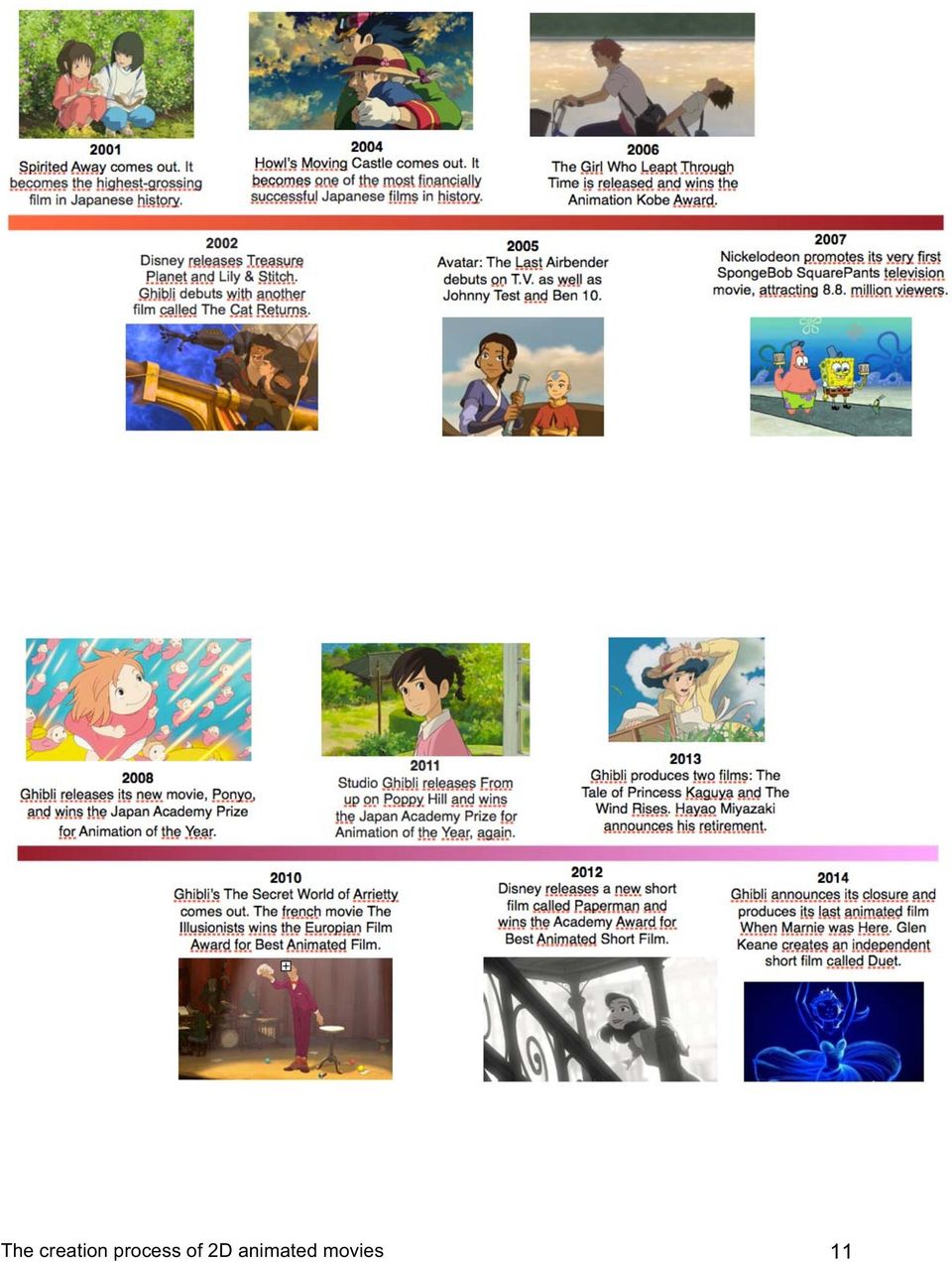
12 2.3. A timeline ( ) The creation process of 2D animated movies 8

13 The creation process of 2D animated movies 9

14 The creation process of 2D animated movies 10

15 The creation process of 2D animated movies 11
16 3. TYPES OF ANIMATION 3.1. Traditional animation Traditional animation (also known as hand-drawn animation, cel animation or classical animation) is an animation technique where all the frames used to create the illusion of motion are first drawn on paper and, consequently, done by hand. This process was the most used until the appearance of computer animation (explained below). With the evolution of technology, the traditional cel animation process became obsolete by the beginning of the 21st century. Nowadays, the backgrounds and characters designs from the animators are either scanned into or drawn directly into a computer system. Although computer technology has assisted animators in their efforts over the years, the final result still looks like the traditional cel animation did at the beginning and it has remained essentially the same over the past 70 years. Today, there are people that used the term tradigital to describe cel animation which is assisted digitally. Some popular traditionally animated films are Snow White and the Seven Dwarfs (1937) and Pinocchio (1940) Stop motion animation Stop motion animation -or stop frame animation- is a cinematic process or technique used to make real-world objects appear as if they were moving. Those objects are physically manipulated and photographed every time after being moved between frames. When the sequence of images are displayed rapidly, the objects are brought to life. This technique is very similar to the cel animation one, except that instead of drawings it uses physical objects. There are many different types of stop motion animation and they are usually named after the medium used to create the animation. For example claymation -or clay animation- is a form of stop motion that uses figures made of clay, like Wallace & Gromit. Puppet animation is the one that uses still puppets, as in Coraline (2009). This technique is used in a lot of Tim Burton s movies. Early stop motion was captured with film cameras. Animators could not see how their work looked like until they got their film processed. If the animation was not fluid, if the set had been bumped, or the lighting was bad, the work was lost and the animator had to start all over again. The creation process of 2D animated movies 12
17 3.3. Computer animation Computer animation, also called CGI animation, is the technique used by generating animated images with computer graphics. Computer animation is broken down into two categories. Computer-assisted animation is when traditional animations are computerized. On the other hand, computer-generated animation is the one designed solely on the computer system using animation and 3D graphics software. Modern computer animation usually uses 3D computer graphics but 2D computer graphics are still used from time to time. Computer-generated animation is very useful when it comes to creating crowd scenes or special effects, etc. Nowadays, most animated movies are created using computer graphics. Pixar, Dreamworks or even Disney, are studios that are using this type of animation to create the majority of their movies. Some examples of computer-generated films are How to Train Your Dragon (2010), Tangled (2010), Brave (2012), etc. The creation process of 2D animated movies 13

18 4. 12 PRINCIPLES OF ANIMATION The twelve basic principles of animation were developed by Walt Disney Studios animators during the 1930s. Amongst them were Frank Thomas and Ollie Johnston, who published them in their book The Illusion of Life: Disney Animation, in Those principles came as a result of their effort to produce more realistic animations through movement and expression of the character s body. The principles follow the basic laws of physics but also deal with more abstract issues, such as emotional timing and characters appeal. They were used as guidelines to create cartoons at that time and are still used today in many animation studios, where the book The Illusion of Life has been referred to by some as the Bible of animation Squash and Stretch This action is considered the most important of the twelve principles. It gives the illusion of weight, volume and flexibility to the characters (and also objects) as they move. Squash and Stretch is useful in animating dialogue and doing facial expressions because it can be applied to simple objects -like bouncing balls- and also more complex constructions, like the musculature of a human face. The more extreme the use of this principle is, the more comical effect it has. However, it is the most commonly used and the first technique animators learn to master. The creation process of 2D animated movies 14

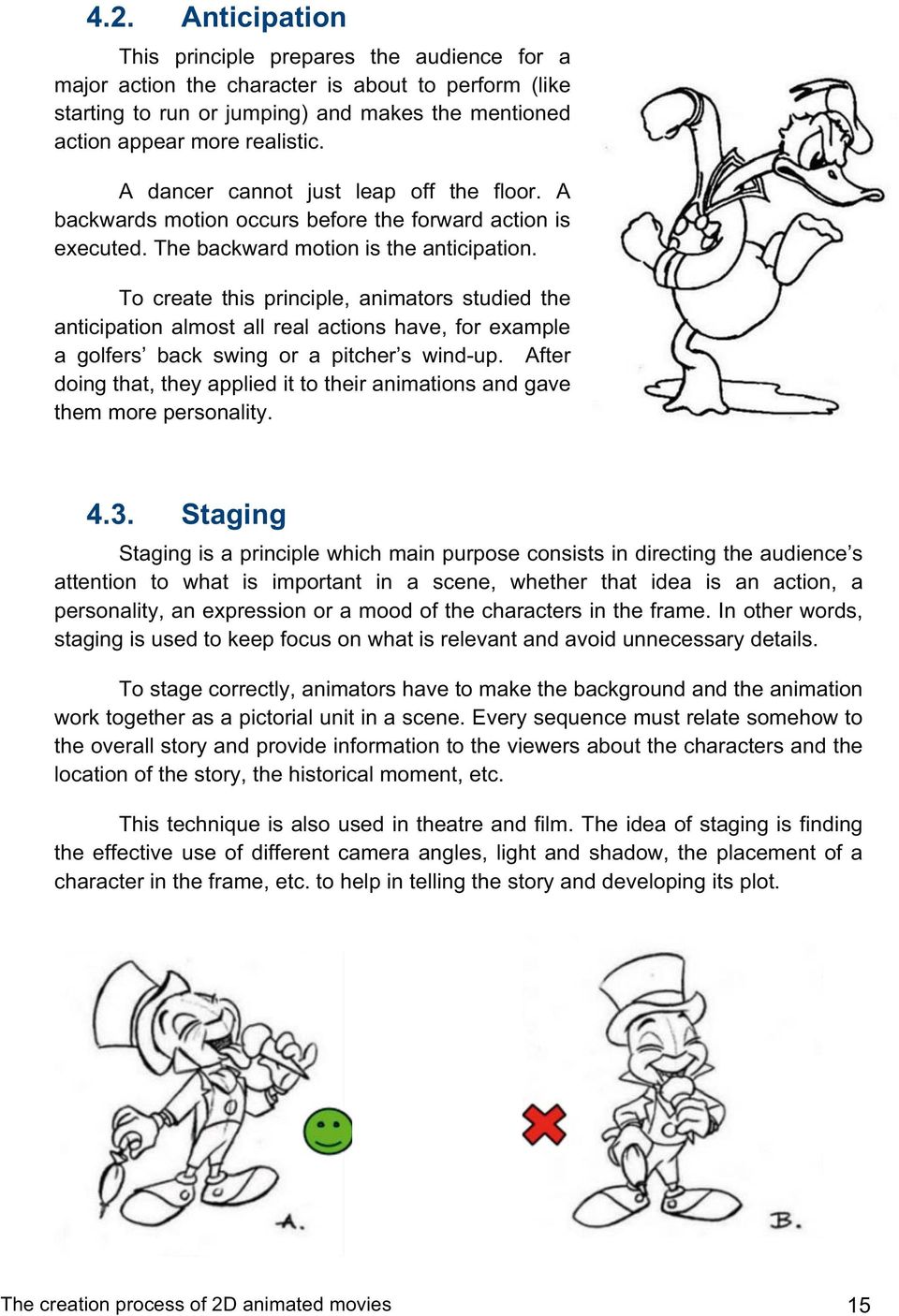
19 4.2. Anticipation This principle prepares the audience for a major action the character is about to perform (like starting to run or jumping) and makes the mentioned action appear more realistic. A dancer cannot just leap off the floor. A backwards motion occurs before the forward action is executed. The backward motion is the anticipation. To create this principle, animators studied the anticipation almost all real actions have, for example a golfers back swing or a pitcher s wind-up. After doing that, they applied it to their animations and gave them more personality Staging Staging is a principle which main purpose consists in directing the audience s attention to what is important in a scene, whether that idea is an action, a personality, an expression or a mood of the characters in the frame. In other words, staging is used to keep focus on what is relevant and avoid unnecessary details. To stage correctly, animators have to make the background and the animation work together as a pictorial unit in a scene. Every sequence must relate somehow to the overall story and provide information to the viewers about the characters and the location of the story, the historical moment, etc. This technique is also used in theatre and film. The idea of staging is finding the effective use of different camera angles, light and shadow, the placement of a character in the frame, etc. to help in telling the story and developing its plot. The creation process of 2D animated movies 15
20 4.4. Straight ahead action and pose to pose animation Animators use the expression straight ahead action when they draw out a scene frame by frame from beginning to end. This technique is very useful to create fluid and dynamic illusion of movement but the animation can lose size, volume and proportions. It is used in fast, wild action scenes because it provides spontaneity and freshness to the final result. Pose to pose is very a little bit different. First of all, animators plan out the scenes they have to develop and do key drawings at intervals that, later on, will be handed to their assistants who will fill the intervals and finish the animation. Size, volumes and proportions are controlled better this way. This method works better for dramatic or emotional scenes, where composition and relation to the surroundings are of greater importance. Many scenes are created using a combination of both methods Follow through and overlapping action These are two concepts that together help to represent movement more realistically. Follow through consists in avoiding the sudden stoppage of a character and making all other parts of its body continue to move after it has stopped in order to catch up with the rest of the main mass. The main purpose of the overlapping technique is to avoid any robotic effect and give more fluidity to the character s movement. It is used by animators to emphasize the action and mood of the character by moving the different parts of the character s body at different speed and at different times. When it moves, some parts of the body lead the action and the others follow the main action. Normally, arms and legs follow the movement of the torso. Drag is another popular technique where the following parts of the body take a few more frames to catch up with its leading parts. For example, if a The creation process of 2D animated movies 16

21 character starts running, his head, ears, upper body and clothes may not keep up with its legs. That way, it would look as if the character was running as fast as he could. Another example we can use is the famous dance scene from Snow White and the Seven Dwarfs. In it, she starts dancing but her dress doesn t begin to move with her until some frames later Slow-out and slow-in The slow-out and slow-in technique consists in drawing more frames near the beginning and the end of an action and fewer in the middle. This way, the parts where there are more frames will look slower and the action itself faster. It will give the character time to accelerate and slow down and make the animation more realistic Arcs This technique is based on the natural trajectory almost every action follows, arcs. It can be applied to the human figure and animals or simply to thrown objects. Arcs make animation look more natural and have a better flow. Objects that move out of their natural arc will appear erratic. To prevent that, animators tend to draw the arc on the paper for reference and erase it later Secondary action The secondary action is an animation method which main purpose is to supplement and reinforce the main action of a scene. It is important to remember that it has to emphasize and not take attention away from it. The creation process of 2D animated movies 17
22 We use secondary action when we are animating a character that is angrily walking around. To add a secondary action would be to make his arms move aggressively or his head bounce just to accentuate his walk and express his emotion to the viewer Timing Timing is one of the animation techniques people learn with experience and personal experimentation. It consists in choosing the number of frames or drawings that are going to be used to animate a scene or an action. The number of frames translates to the speed of the action on the film: The less frames and action has, the faster and crisper it will get. If an action has a lot of frames, it will be slow and smooth. Timing adds texture and interest to the movement of your characters. A good way to practice this technique would be studying the acting and movement of actors and performers on stage and use it as reference when animating. The creation process of 2D animated movies 18
23 4.10. Exaggeration Exaggeration is the effect animators add to their drawings to exaggerate expressions, poses, attitudes and actions of their characters. The level of exaggeration depends on the comical effect the animator is seeking. When exaggerated, animations look more natural than when they are just a perfect imitation of reality. According to Disney animators, exaggerating is remaining true to reality but presenting it in a wilder, more extreme form. However, animators have to use good taste and common sense to keep it from becoming too theatrical and excessively animated Solid drawing When talking about solid drawing, animators refer to the application of the basic principles of drawing form, weight and volume solidity to provide the animations with a much more three-dimensional look. To accomplish that, animators have to take art classes and do sketches from real life. The main purpose of this method is to give the animations a realistic look and make them believable Appeal The term appeal in animation is the same as charisma when talking about actors. This method consists in making the characters likeable and capture and involve the audience s interest. To accomplish that, characters must have an easyto-read design, clear drawing and personality development. The creation process of 2D animated movies 19
24 Appeal doesn t apply only to the main protagonist of the film, it also includes villains, sidekicks, etc. Viewers must feel every character of the story is real, interesting and engaging. Like all forms of storytelling, the feature has to appeal to the mind as well as to the eye. To make their characters more appealing, animators use symmetry and smooth curves and shapes in their composition. Baby-like faces with big eyes tend to be the viewers favourite features; we can find those characteristics in almost every design of the Disney princesses. The creation process of 2D animated movies 20
25 5. CREATING AN ANIMATED MOVIE 5.1. Personal note In this part of the project, I am going to explain the creation process of an animated movie. However, I want to clarify that every animated movie has been made in a different way, with different techniques and devices. There is no correct or unique way to animate and the steps explained below aren't always followed in the same order. What I am going to explain is the general process the big animation studios (Disney, Dreamworks, Ghibli, etc.) follow to create their famous movies; since an idea pops in someone s head until the day the final film premieres on cinemas. However, to accomplish that, I have created a fictional character named Tom Abbott, who I will use to show you how movies are made in a different way. He will talk in first person, as if this was part of a story Character introduction Hello everyone, my name is Tom Abbott. I m the director of one of the most successful animation studios in the world, the Abbott Pictures Studio. You might have heard of it. It has come to my attention that you are interested in the process of creating animated movies so I have decided to show you how we do so in my company. Let s begin! 5.3. Finding inspiration As Earl Nightingale once said, everything begins with an idea. To make an animated movie (or any movie in general) you need to think of a story first. However, trying to come up with a good story can be really difficult sometimes. The story is the most important part of any animated movie. If the animation isn t the best but the story is great, you have a good movie; but when it s the other way around, then the movie is worthless. To come up with a good story you need to find inspiration. How can you do that? You just have to observe what is around you. Inspiration can come from everywhere, a movie, a song, a poem Use anything from your own life to get inspired. Any person you ve ever met, any place you ve ever been to, any The creation process of 2D animated movies 21
26 experience you ve ever had might make all the ideas in your head click and create a story. A good way to organize your ideas is to always carry a little notebook around and write down anything that comes to your mind. By doing this, you make sure you won t forget a single thing. Also, you don t always need to come up with everything on your own, many animation movies have been based on previous books or legends. For instance, Disney s Mulan was based on the traditional Chinese legend The Ballad of Hua Mulan. A lot of animation studios base their movies on traditional fairy tales and add some modifications to them, like Cinderella and Sleeping Beauty among others Developing the idea This is always a long process with lots of changes. It is when we, the director and producer(s), get together and think of the changes we want to add to the story we have chosen to animate. We propose different ways to add depth to it, the message we want to transmit, the main plot, etc. We try to make them more complex and appealing to the contemporary audience. All the different ideas we come up with are archived and saved to be used as future projects. Some of them never get to see the light of day, some others are taken up again in the future. The important thing is to never stop thinking of new ideas Writing the script Once we have chosen what our movie is going to be about, we move on to the next step: writing the script, which is the text where all the dialogues of the movie are written. This step is also very important because the key to a successful project is a good script. When writing it, it is important to take into account the audience the movie is going to be addressed to. In the case of animated ones, it is normally children. Having that in mind, we have to try not to include any swearing in it as well as violent and sexual scenes. The script evolves a lot during the creation of the movie, it changes many times until we get the final one. Our writers are always changing lines or creating new situations to add to the film. The creation process of 2D animated movies 22
27 It is very important to give the characters different voices, none of them have to sound the same. You have to think of the characters as different people with different ways of thinking. It is through the script that the viewers get to know the personality of the characters The production plan As the name indicates, this step consists on planning everything before starting the production process. Although it can sound very boring, it is essential to organize the project and prepare everything before starting to animate. I like to compare this step to preparing your suitcase before a trip, it is necessary to make sure you have all you need to make the journey Delivery date First of all, we set the release day of the movie we are going to make. The more tight it is, the less quality the movie might have because we will have less time to produce it Preliminary schedule The producer(s) starts to plan it based on the delivery date. Making the preliminary schedule consists on organizing the number of days, weeks, months or even years that will take to create the movie. When doing this, it s important that we are realistic about what our studio can accomplish in the time available until the release day. To organize everything, producers use different charts and timetables with notes on what needs to be done everyday Crew plan After organizing everything, producers calculate the number of stuff the studio is going to need to perform each task in order to meet the schedule. They also determine the time everyone in the crew will have to finish their task Budget The budget is the financial construction of the estimated expenses the production of the movie might cause. It is based on the creative elements and goals, the estimated duration, the complexity of the project, etc. The creation process of 2D animated movies 23
28 The budget of a movie is something very important because if something is miscalculated the studio might lose money, as it happened to the Ghibli Studio with the production of their movie Kiki s delivery service. Detailed and summary budget The are two types of budgets, the detailed one and the summary one. The summary budget is usually no more than two pages long while the detailed budget lists each and every item and the specific costs associated with it. To calculate it we have to take into account licensing fees, rights and clearance fees, facility rental/lease, training costs, new equipment fees, traveling expenses, promotional costs, public relations costs, among others. Above and below the line budget Budget lists can be divided in two parts, above and below the line. The abovethe-line numbers are commonly those numbers based on contracts. They include rights payments, deals and payments to be made to the producers, directors and writers as well as any other key talent associated with the project (such as actors). They are all considered the creative costs of the production. On the other hand, below-the-line items are all other monies required to produce the project, such as crew, equipment, subcontractors and so on. The producer also needs to establish what the fringe benefits will be for the project Recruiting It is the human resources department who takes care of it. They are the ones who employ all the stuff needed that has been calculated previously, always under my supervision. The different jobs that are usually included in an animated movie production are storyboard artists, reference animators, sound readers, animation timers, lipsync specialists, voice talents (actors), casting agents, recording director, recording technicians, sound engineers, copyright clearance specialists, overseas supervisors, among others. The creation process of 2D animated movies 24
29 5.7. Research When the production plan is over, research begins. Every movie is settled in a certain period of time, it can be placed in the prehistoric times or in victorian London, in any case, research must be done. Animators need to investigate and get to know everything about that time in order to set the story correctly. History books are always helpful but the best way to learn about a country and its culture is travelling there. There are many cases in which animators have spent almost a month in a foreign country studying it. In Disney s Mulan, the stuff members travelled to China 3 weeks to know the culture better. They always carried sketchbooks and drew what they saw everywhere, flags, doors, clothing patterns, plants, architecture, animals... Later on, they used those drawings to design the backgrounds of the movie. The same happened in Dreamworks The Prince of Egypt, where the animators used everything they had seen in their trip to Egypt as a model for the movie, the enormous columns, the statues, etc. To create The Hunchback of Notre Dame, Disney s animators travelled to Paris and studied very carefully the cathedral. They took pictures of it from different angles, they explored every corner of it, made drawings of the bells, etc. just to capture it later on paper. Because the movie is settled in a real place, it would look false if they invented or modified the church. Also, research is not only done to get the backgrounds correctly but also the movement of the characters. When animating typical dances from a certain place, animators investigate the different steps dancers follow to perform them; as they did in Lilo and Stitch to study the hawaiian dance, the Hula. Animators have sometimes needed to study animals movement too, for example to create the gorillas in Tarzan, the lions in The Lion King and the bears in Brother Bear. The creation process of 2D animated movies 25
30 Research is essential to get the clothing right. Clothing fashions have evolved and changed dramatically through time. That s why animators have to make sure they don t use a medieval dress in a movie set in the late 70s, for example. There are a lot of useful resources on the Internet where you can find different pictures and paintings from different periods of history to get the designs correctly Designing Once all the research is done, we start designing the characters and backgrounds for the movie Character designing When it comes to designing characters, everyone contributes with their ideas. Every animator takes a pencil and a paper and they start sketching different designs of the characters over and over again. A lot of different designs are created until we get to choose the final ones. If you saw the original sketches some studios made about their characters you wouldn t be able to tell who they were. The characters must be appealing to the audience, there are different techniques that help to accomplish that. One of them is using round forms and designs, that way characters are warmer and look more childish. Some examples of characters designed with round shapes are Mickey Mouse and Stitch, both from Disney. The creation process of 2D animated movies 26
31 Sometimes, animators create their characters based on people from real life. For instance, Chihiro from Ghibli s Spirited Away, was inspired by the daughter of one of the studio animators at the time. Also, king Triton from The Little Mermaid was based on Andreas Deja s father, as well as Ariel, who was based on Glen Keane s wife. (They are both animators from Disney.) When designing the characters, animators also take into account the country the movie is settled in. They want the drawing style from the movie to resemble the culture of that country in some way, for example, in Hercules they used as inspiration different greek columns and in Lilo and Stitch animators drew chubby characters with heavy legs. Also, they have to draw them according to the race of the specific country they want to set the movie in, chinese people, african people, south americans When the final designs are chosen, animators create the character s model. The character s models are sheets with different views of the character (full-frontal, half-frontal, left-side ) that are created so that every animator knows how they will look from every angle. Animators draw the characters face with different expressions, too. They also create a size comparison sheet, where they draw all the main characters next to each other to see the height difference between them and get the scales correctly. Sometimes, small statues known as maquettes are produced to show how the characters look in three dimensions. The creation process of 2D animated movies 27
32 Main location designing Animators also have to design the backgrounds of the movie, even if it is just the bedroom of the main character, a school class or a whole village, everything must be planned. When designing backgrounds, they sometimes use photographs they had taken during the research process. Other times, they just draw from their imagination. In Beauty and the Beast, animators used classical paintings as inspiration to give the movie a more fantastic look, the look of a fairy tale. The backgrounds are drawn in various angles and with different atmospheres, during day time, night time, etc Composing This part of the process consists on, as the name indicates, composing the songs that are going to be sung by the characters. This step is only applicable when talking about a musical film, not every animated movies have singing in it. It is through songs that the viewers get to know the characters more, the way they think, their dreams and hopes, etc. They are sometimes used to explain a part of a story or just as a simple presentation for the movie. When composing, musicians tend to add easy and catchy songs so that people remember the lyrics and they get stuck in their heads. The songs they remember the most will be the ones that the audience will associate with the movie. For instance, Under the Sea or Part of your World are songs that everybody knows they are from The Little Mermaid. The creation process of 2D animated movies 28
33 Sometimes the soundtrack is composed by more than just one person. A lot of different Disney movies have used the music from composer Alan Menken and the lyrics from Tim Rice. They have both worked together in a lot of different movies. Composing is a very long process. Hans Zimmer, who created The Lion King s soundtrack, spent two years arranging the songs. Composers are often inspired by the music from the place the movie is based on. They tend to use typical instruments and music rhythms from there. When listening to The Lion King s soundtrack, you can notice African-flavoured melodies and rhythms and instrumentation associated with Africa, like the marimba. To create Mulan s soundtrack, they used the di, a Chinese bamboo flute, and the gu-zheng, a kind of horizontal Chinese harp, and in Lilo and Stitch, the classical Hawaiian instrument, the ukulele. However, it is important to mention that the background music is usually composed after all the scenes are finished Storyboarding Storyboards are sketches similar to comic books that follow the action of the script and shows how the characters will move in every scene. To plan the storyboard, animators use a bar sheet to organize the scenes. A bar sheet (or exposure sheet) is a table that contains the breakdown of the action, dialogue and sound of every sequence. It determines exactly which posses, drawings and movements animators will have to draw later. It is organized in a similar way as a music pentagram and it is usually smaller than a A4 paper. Once the bar sheet is completed, storyboard artists begin to draw everything. Storyboards don t have to be as clean as the final animation, they are just rough sketches. The character s features don t have to be very exact either. However, there are storyboards that are very well elaborated and even colored. It depends on the artist who draws it. Sometimes, the artists reuse the same drawing multiple times. That way they don t have to redraw it every time it appears in the scene. The creation process of 2D animated movies 29
34 The storyboard artists create different storyboards for every scene and they present them to the director and producers. To do so, they put all the drawings together hanging on a board called the story reel. They present their work to the other animators and staff members and we all discuss together the scenes. This process still has a lot of changes, sometimes scenes will be eliminated or maybe modified or combined with another scene to create a new one. Under the drawings hung on the story reel, they put little charts with the dialogue phrases said in every sequence. They later add temporary sound effect and music and work with this temporarily Concept art It is the visual development department who takes charge of this step. This is when we start planning the look of the film. The department has to develop the style, tone, colour and overall artistic approach to each and every sequence. Concept art will not be in any part of the movie, it just helps the animators to get inspired and know how the movie will finally look. Everything has to be designed, from the major characters to the smallest of props. They make thousands and thousands of drawings, paintings, blueprints, sculptures and models to design everything. Normally they tend to fuse together the main animator s drawing style with the architecture and paintings from each country. This way, they create new styles and it give the film a more unique look. In the making of Mulan, they joined together the style of Chen Yi (an animator from the Disney s Studios) and the simplicity from Chinese paintings. The same happens in many other movies. The creation process of 2D animated movies 30
35 5.12. Recording the dialogues When the concept art is already finished, it is time to record the voices of the characters. This process can be divided in three steps: casting, character presentation and recording Casting When casting the voice actors, it is not their looks what are important, but their voices. The actors should be the same age as their character, you can not use an old actress to play a 6 year old girl, obviously. Also, it s important to take into account the origin of the actors. It s advisable to look for voice actors from the place the movie is based on. Or maybe sometimes, voice actors just fake another accent for a character. Usually, when movies are based in Britain, they tend to use British voice actors, like they did in 1951 with Alice in Wonderland. Voice can reflect the personality of the characters, for example, when looking for actors to play a little innocent girl, casting agents will look for someone with a soft pitch voice. They usually cast famous Hollywood actors to promote the movie. However, it isn t always the same actor who plays the speaking and the singing voice of the character. Usually, they look for two people with similar voices to play the different parts Character presentation Once they ve chosen who is going to play who, the recording director presents the characters to the actors. They explain to them how their personalities are, how do they react in every situation, etc. They tell them everything they need to know to get into the character. When recording, voice actors are usually surrounded with pictures and maquettes of their characters to get inspired. The creation process of 2D animated movies 31
36 Recording To record the dialogues, they put on a microphone and read the script phrase by phrase multiple times. The recording director(s) gives indications on how they have to pronounce everything, how they have to emphasize every word they say differently. Actors have to express emotion through their voice. They are the ones that give personality to the characters, they have to capture their spirit. A little trick some voice actors use is imagining they are reading a book to a child, that way it gets easier for them to get the voice they would give to their character correctly. Voice acting is very different from acting in a life action movie. Actors have to transmit without their body and that is more difficult than it sounds. Everything they say have to sound believable. When voice actors are saying their phrases, they are filmed. Sometimes, animators use those tapes to add a little personality to the characters movement when animating them. They pay attention to the way those actors move their hand when shouting something or the way they move their mouths when speaking and they try to put that into paper Animating This is when animation truly begins. All the storyboards and the planning is done so now it s time to let the animators do magic. Animators are divided in two groups, the key animators (or main animators) and the inbetweeners Key animators Every character is assigned to one main animator, usually the one who designed them, that will draw all the scenes where the mentioned character appears. Key animators draw the frames that have the essential poses of the characters without taking into account the fluidness of the movement. The creation process of 2D animated movies 32
37 They usually draw with pencil on transparent sheets of paper perforated to fit the peg bars in their desks or light tables. This way, they are able to observe the last drawing they made and draw a new one above it that slightly differs from it. Just like the voice actors, animators have their desks and studies covered with drawings and maquettes of their characters. They use those as reference as well as the model sheets they had created previously. If they come across a difficult scene to animate, they use life models as guides. That s what they did to animate the famous dance scene in the woods from Sleeping Beauty and in The Little Mermaid, when she has rescued the prince from drowning and is waiting for him to wake up at the beach, among other ones. Sometimes, the same voice actor inspires the animators, Dreamworks animators used Brat Pitt (voice actor of Sinbad) as inspiration to animate him. Animators also use people they know to animate their characters. Glen Keane used her wife as inspiration not only for the design of Ariel but also for the way she moved. If you watch the movie closely, you will notice the mermaid bites her lip many times in different scenes, he says that is something he took from his wife, too. Animators create scenes based on past experiences and how they felt during them and they try to put that into paper. They have to make their characters look as real as possible. They must seem real people, the viewers have to be able to guess what they are thinking through the expression of their faces and eyes. For example, Glen Keane explains that when he was animating the scene in Tarzan when he and Jane put their hands together and he realises there are more people like him, he used as inspiration the moment he first saw his daughter born and the moment he first touch her hand. He says that the look in Tarzan s eyes is the look he had when she gazed at her daughter for the first time. The creation process of 2D animated movies 33
38 Inbetweeners The inbetweeners are the animators that receive the main frames the key animator has created and fill them with more frames to make the movement flow and look real. The average number of frames a second has to contain is 24 f/s. This procedure of filling the main frames is called tweening. They have to keep in mind that the characters must do simple human things like breathing and blinking, etc. They have to give them the feeling of having flesh and bones. Tweening is also a difficult process because everything has to look the same, unified. Viewers can t notice the difference between what one animator has drawn and what other one has. To see if there is any mistake in their animation, they put all the drawings together in a videotape called a pencil test. It is a preliminary version of the final animated scene, sometimes they even add the dialogues to see if the lip-sync is done correctly Inking and coloring When all the scenes have been animated, they are taken to the inking department. That is where they pass the pencil sketches into celluloid. Celluloid is a thin, clear sheet of transparent plastic. There, they ink or photocopy the outline of the drawing onto cel, depending if they are doing it traditionally or digitally. Originally everyone inked the sketches by hand, and they could spend a lot of hours with just one of them. Luckily, with the invention of computer, the process has become a lot faster and easier. The creation process of 2D animated movies 34
39 Later, they use gouache, acrylic or any similar paint to ass colours on the reverse sides of the cel. Again, if they are doing it digitally, animators just paint them with the computer. The election of the colours is very important. A colour palette can define the mood of a scene and make it warmer or colder depending on what they want to accomplish. There are specialists in charge of choosing the colours for every frame. Colours are able to transmit emotions, that s why animators use grey palettes when doing sad scenes, red ones when the sequence contains passionate scenes, like love ones or fighting scenes, as well as bright colours for happy moments of the film. To choose the colours they take into account the lightning of the scene, the characters designs, etc Backgrounds The backgrounds are the sets where the action of each animated sequence takes place. As well as the previous step, they can be done by computer or by hand. Traditionally painted drawings are usually made with gouache or acrylic paint, though some animated productions also use watercolour and oil paint. Digital ones are done with specific 3D programs and are edited to look more twodimensional. (2D) In both cases they take into account the palette used to colour the characters in the colouring process so that they are harmonic and unified. The creation process of 2D animated movies 35
40 5.16. Photography process After the background and the characters are finished, it s time to put them together. They are both laid together on top of each other with a piece of glass on the top to stop any irregularities the cels might have. Then, they are photographed using a specific type of camera called rostrum camera (or animation camera). The process is repeated with every cel until all of them are finished. Later on, the final film is sent for development and processing. Nowadays, though, they are put together directly in the computer Computer effects Sometimes, a sequence requires some type of animation that would be very difficult to do by hand and that is when we use computer effects. They are used for many different things. Animators use the computer when they need to animate a scene with a huge crowd or with some kind of magic effect or fire on them. By animating the background characters with computer, we are able to save extra work and time. Using the computer, animators change the angle of the camera, edit possible mistakes, correct the lightning, the speed of movement, the atmosphere of scenes, etc. They give the final look to the movie. They also use the computer to add the initial and ending credits Sound This is the last part of the animation process. The sound designers create and record sound effects and ambience (footsteps, clothes rustling, doors opening,...) to create the textures and layers of sound that enrich the story. Nowadays they are created digitally but at the beginning of animation, sound designers had to make the sounds they needed themselves. In Snow White they recorded the sounds of broken dishes, animals, doors knocking etc. because they didn t have another way to do it. The creation process of 2D animated movies 36
41 After that, the background music is composed. Background music reflects the way the main character is feeling at the moment. That is why, depending on the type of scene, the music will be fast or slow-paced. Then, the dialogues recorded before are added making them coincide with the lip movement of the characters. Finally, the dialogue, music and sound effects are assembled on the sound mixing stage. They add audio levels, equalization, perspective and treatments (Echo, TV or radio sound...) as tracks and they are mixed into the final version of the movie Release day Once all the previous steps are finished, our movie is ready to be shown to the world. We distribute the film worldwide and, depending on the country, it will come out sooner or later. When a movie premieres for the first time, the casting, producers and me, the director, go together to watch it in the cinema and see the public s reaction. If the movie we have done is good enough, it will have good reviews from the critics and experts. Who knows, maybe we even get to win an award? The creation process of 2D animated movies 37
42 6. MY PERSONAL PROJECT / EXPERIMENTING THE ANIMATION PROCESS ON MY OWN Leaving Tom Abbott s explanation of the process aside, I will now like to talk about my own experience: 6.1. Sources of inspiration To create my own animation I used different sources as inspiration. One of them, and my all time favourite, was the Ghibli Studio. I have grown up watching all of its movies and I am not lying when I say I have watched Spirited Away at least 50 times. Every time I see My Neighbor Totoro or Princess Mononoke (or any Ghibli movie) I get speechless. I really admire Hayao Miyazaki s work, the magic and uniqueness of his movies, all the characters designs and personalities, the fantastic stories I really love them. I decided I wanted to give my animation a similar look to his movies, full of bright colours and well-defined black lineart. Disney has had a big impact on me, too. Every movie they have produced astonishes me. Although it is a large multinational corporation, I think it has not lost its original essence. Their movies are still worth watching, and I would say, they will always be. However, Disney is producing a lot of 3D animated movies lately so I based my work on the films from the Disney Renaissance era, the period from 1989 to 1999, when the studio experienced a creative resurgence in producing animated films based on well-known stories, such as Tarzan, Beauty and the Beast, Aladdin, Pocahontas and The Lion King, among others. I also used Glen Keane s work as inspiration. I really admire the way he draws figures and characters so vividly with just a few lines. He has a lot of talent and imagination and that, combined, can create memorable characters like Ariel from The Little Mermaid or Rapunzel from Tangled. I have always looked up to him. The designs and model sheets of my characters were based on his sketches and drawings and Keane s last short movie Duet inspired me to create a short animation for this project. Apart from Ghibli and Disney, there are other studios that used to inspire me, which are Dreamworks and Fox Animated Studios. They both have a lot of 2D animated movies which, in my opinion, aren t recognized enough. For instance, Fox s Anastasia or Dreamworks Prince of Egypt. The creation process of 2D animated movies 38
43 6.2. Developing the idea At first, I didn t know what my animation was going to be about. I tried really hard but couldn t make anything up. That s why I decided I would base my animation in an existing story just like a lot of animation studios do. I started to think of different short stories I could animate. I looked for different fairy tales up in books from the Grimm Brothers or Hans Christian Andersen. However, most of them had already been done on film or were too long or difficult to animate. I wanted to make something new, something that hadn t been done before in an animated movie. Finally, something popped in my head: If Disney bases its movies on traditional legends and tales from around the world, why don t I do that with a story from my country? That s how everything started. I made a list of all the different legends and fables from Catalonia I could come up with. Some of them were: El Patufet El Tió La Castanyera La vella Quaresma dels set peus Sant Jordi (Saint George) I also searched for more Catalan stories on the internet but, as I didn t know them at all I wasn t motivated enough to use them. At the end, I decided I would base my animation on the Saint George s legend. I wanted to give a magical look to the film; the idea of basing it on the medieval period convinced me in the end. It was the perfect princess story from Catalonia, just like Mulan was from China or Aladdin from Arabia. Still, I wanted to make the story a little different from the original. I wanted to tell the story from the point of view of the princess, not Saint George. I wanted the movie to reflect the struggle of the villagers when they run out of animals and their impotence against the constant threat of the evil dragon. I wanted Saint George to be a minor character in the story. I knew I couldn t animate a whole movie, so I made a list of different possible scenes I could do and tried to choose one to animate. Some of the scenes I planned were: The creation process of 2D animated movies 39
44 A scene where it showed how the dragon took the last sheep from the village and how the shepherd warned the village they had run out of animals to feed the beast. Another one that showed the first time the villagers picked a person to be sacrificed. Also, the well-known scene where the princess gets chosen and has to go to face the dragon. I planned a scene where the king asked the princess to escape the night before she had to get eaten by the dragon because he didn t want her to die. To make the story a little bit different, I thought it would be a great idea to make the princess want to fight the beast and that she took a sword and planned to kill the dragon instead of going to face him defenceless as the legend narrates. As you can see, I didn t want to animate something that was specifically narrated in the original story. I preferred to give it my own personal touch and make it more mine, if that makes sense. At last, I chose to animate the second scene from my list, the one where one random villager is chosen for the first time Writing my own script When I knew exactly what I wanted to do, I started planning the script and how the scene was going to develop. I thought I had everything planned out, but when I was actually going to write the dialogues and the action down I realized I didn t know how to write a script. Is there a specific way to do it or you just write down what the characters say? I researched the correct way to format a script up in the internet and also read different scripts from famous movies to get inspired. I really enjoyed the script from the movie The Iron Giant, by Tim McCanlies and Brad Bird. Once I had done that, I started writing my own script. I decided to write it in Catalan because I thought that way it would be easier for everyone to understand it. EXT. POBLE EMMURALLAT RODEJAT DE MUNTANYES I BOSCOS - DE DIA Se senten veus superposades de gent del poble que està molt preocupada. No s entén res. PREGONER The creation process of 2D animated movies 40
45 Ningú calla. EXT. PLAÇA DEL POBLE Silenci si us plau! El rei i la princesa són asseguts a sobre d un entarimat. La gent del poble ho envolta i continua xerrant. El pregoner està també a l entarimat demanant silenci. PREGONER Atenció! Veu que ningú el fa cas. Mira al rei i s encongeix de braços sense saber què més fer. El rei es du la mà al front, esgotat per la difícil situació. No sap què fer. La princesa el mira i després mira la gent. S aixeca poc a poc i camina lentament fins on es troba el pregoner. Les veus continuen. Ella tanca els ulls i al cap d un moment els obre. PRINCESA Calleu! (crida fins que les veus es fonen) Se sent una lleu estossegada, el poble es mira la princesa estupefacte. PREGONER Gràcies, altesa Mira la princesa agraït i després es gira cap al poble, s aclara la gola. PREGONER Em Bé, doncs eh (no sap per on començar) Bon dia a tothom! (enèrgicament) La gent del poble se l mira enfadada, trista, preocupada Se sent un nen plorar de fons. PREGONER D això (incòmode) The creation process of 2D animated movies 41
46 Dedica un somriure torçat al poble i de seguida es torna a posar seriós per parlar. PREGONER (veu en off) Com tots sabeu, ja no queden més animal per oferir al drac que domina les nostres terres. Primer van ser totes les ovelles, després les cabres, més tard les vaques i ahir (se li entretalla la veu)...ahir vam sacrificar el darrer porc que ens quedava. La princesa es torna a seure i mira al rei, ell li fa una reverència afectiva amb el cap, agraït. Ella li dedica un somriure comprensiu. PREGONER El rellotge marcarà les dotze ben aviat i la ofrena s ha de realitzar com cada dia. Es veu el rellotge de la torre del poble, gairebé son les dotze. Zoom. La agulla minutera avança un minut. PREGONER Estem aquí tots per escollir qui donarà avui la seva vida per satisfer la gana del temible drac de la nostra muntanya. Es veuen cares de diferents persones del poble, un home, una dona, una família finalment la cara preocupada de la princesa. De fons se sent el lleu so del vent. PREGONER Sense més preàmbuls Agafa una cistella ple de paperets amb els noms de la gent del poble. Se la mira. Es veu l interior d aquesta. Uns núvols que es mouen amb el vent. Agafa un nom i obre el paper. Pla de detall dels ulls del pregoner que llegeixen el paper. Es tanquen uns moments trobant el valor per dir el nom en veu alta. Es mira la gent. Tensió. El vent li mou els cabells suaument. The creation process of 2D animated movies 42
47 PREGONER Marc Destral! Zoom fins a tenir un primeríssim primer pla a la cara del Marc. Està en xoc. La dona i la filla se li abracen plorant. El pregoner es mira la família amb pena. PREGONER Tens dos minuts per acomiadar-te de la teva família La princesa i el rei es miren amb pena. El pregoner observa la escena dessolat. La família del Marc s abraça trista i plorant. Uns guàrdies arriben per endur-se el Marc. Rellotge de la plaça que està a punt de donar les dotze del migdia. Zoom lent de la cara del Marc mentre camina fins a la sortida del poble. Està plorant mirant al terra. Arriben a les portes del castell. EXT. Vista de la porta i la muralla del castell des de fora. La porta s obre i es veu la petita silueta del Marc que surt fora del poble. Es gira fins a mirar la seva família. La seva dona el mira plorant desesperada i la seva filla s abraça a la cama de la seva mare. El Marc comença a tremolar mentre les portes es tanquen al seu davant. Se senten les ales del drac que bé a menjar-se l. Les portes es tanquen definitivament. Es veuen uns núvols i se sent el rugit ferotge del drac. La imatge torna a ser la inicial del poble, però que ara resta en silenci. Fos en negre. The creation process of 2D animated movies 43
48 6.4. Research To do my research, I first read a lot of different versions of the story. All of them were very similar and only had slight differences between them, but my personal favourite was the one written by Joan Amades. To get the clothing right, I spent some time searching for images and clothing blogs with references I could use to make my own designs. I really liked the colourful dresses and the exotic hairdos of that period. I used some pictures my father had taken some years ago in a medieval fair that took place in Montblanc, the village where supposedly everything happened. Furthermore, I looked pictures up on the internet of different villages of Catalonia to design the outside view of the village from my movie. I wanted the architecture to look as something you could have found in the medieval Catalonia. Finally, I searched for different paintings and illustrations of Saint George to see how other people imagined the main characters and how they portrayed them. Some of them were really pretty and left me astonished. The ones I liked the most were: The creation process of 2D animated movies 44
49 The creation process of 2D animated movies 45
50 6.5. Designing process At first I started sketching different characters without thinking, to see what I could come up with. They were very simple and yet they helped me visualize better how I wanted the characters to be. After that, I did some drawings and sketches a little bit more detailed. I used all the images I had found during the research process as reference. I wanted the characters to look similar to the way almost everyone pictured them, so I asked my family and some friends how they imagined the characters when they were told the story. Most of them described me the princess as a blond young woman and a very handsome Saint George. Looking at the paintings mentioned in the previous section, I noticed most of the painters capture the princess with long blond hair tied in a braided hairdo. I combined those designs with the way I imagined the characters. I wanted their designs to reflect their personality, to say something about them. The princess was inspired by all the Disney princess and Ghibli heroines. I wanted her to be a very mature young lady with strong personality, a very caring and comprehensive The creation process of 2D animated movies 46
51 girl who isn t afraid to speak her mind. I didn t want her to be the typical useless princess who needs rescue. I had trouble designing the king of my story. I am not used to drawing old people so that was kind of a deal to me. However, I think I can say I managed to do him quite well, at least, better than I was expecting him to be. I imagined him as a very tranquil person, someone who suffers and worries about his people, someone who is fair and wise. I wanted to create a character that wasn t explicitly mentioned in the original story. I liked the idea of combining the funny appearance and personality of a buffoon with a little-more-serious touch in this character. That is how I designed the herald. He is someone that has the obligation to say the bad news out loud, he is the one who has to tell the people what they are already imagining and suspecting. And yet he still tries to say it kindly and trying to comfort the villagers. Ever since I first designed him he started growing in me until becoming one of my favourite characters and he isn t even in the original story! When I had finished thinking of how everyone would look I did some model sheets of them with different expressions and camera angles. I really enjoyed this part of the process. Sketching and designing is something I have always enjoyed doing. The rest of the characters from the village I made them up at the moment when I was doing the storyboard. The creation process of 2D animated movies 47
52 6.6. Storyboarding Creating my storyboard took a long time. Even though storyboards aren t supposed to be very detailed, I spent more time on it than I expected. I created my storyboards using a digital painting program called Paint Tool SAI. It is the program that I usually use to make my drawings and illustrations, so I thought it that the best option would be to stick to something I was already familiar with. I decided I wanted to give the storyboard a messy look, but still I wanted the characters features to be defined because I had a very clear image of them in my head. I watched as many storyboards online as I could, some were from professional animation studios, some others weren t, but they all served me to get the idea of how storyboarding worked. I thought that doing it just with a black and white palette would make it look more like the ones I has seen online so that is what I did. Some frames were more difficult than others, I am very bad at drawing backgrounds, as you may notice when watching it. Buildings are my Achilles heel. On the other hand, the human figure (or the human face, more than the whole body) is something that I am very used to draw. These are some drawings from the storyboard I created: The creation process of 2D animated movies 48
53 6.7. Recording the dialogues Being part of a large family has its perks sometimes. I didn t have to look too far to find the perfect voice actors for my animation. As I am one of four sisters, I could only use my father as the voice of the herald and my sister really wanted to play the princess, so I let her. My other two sisters and I played the villagers who are talking at the beginning of the animation and my mother and one of my sisters also did Marc Destral s wife and daughter voices, respectively. One of my cousins also came along and helped us. I showed them the designs of the characters and explained them what were they like, how they thought and how they were feeling in that situation. I used IMovie to record the audio because that way we could watch the animation while recording. We repeated the same phrases over and over again until we got the perfect intonation. When playing the villagers voices, my sisters and I had to decide every time who we were before recording. We would say: Okay, now we are a couple of old The creation process of 2D animated movies 49
54 ladies who are really worried about what is going to happen next. Then, we clicked the recording button and improvised at the moment. After doing that, we recorded again being different characters: a grumpy old man tired of waiting there, two sons asking their mother what was happening, etc. We had a very good time. Here are some photos of the voice casting: The creation process of 2D animated movies 50
55 6.8. Animating This was a really long and difficult process. I had never animated before so I had no idea of which software I could use to make my animation. I started watching different tutorials on the internet but most of them used some programs that looked way too professional for me and that I knew I would not have enough time to master before the deadline. When I was almost giving up, I found a tutorial that showed how to animate using Photoshop. It looked less complicated, but the process was slower and even more time-consuming than the other options. However, as I had worked with Photoshop before, I thought it would be the best option for me. I started making some rough animations to see how it all worked. When I more or less got the hang of it, I started with the first frames. I drew everything digitally using my Wacom tablet. The first image, where you can see the village and the mountains, was very difficult to make. I downloaded some Photoshop brushes to give different textures to the frame. I used all the pictures I had found during my research process as reference. It is one of the most complicated illustrations I have done in my entire life. It took me two whole days without leaving my desk to create it. I didn t think I could be able to animate my whole storyboard on time. That is why I finally decided to divide it in four parts. The storyboard is almost 100 frames long, so I thought I would start animating 25 of them and if I had time I would do more. I wanted to experiment all the different parts of creating an animated movie. I thought that if I tried to animate the whole storyboard I would not have enough time to add sound to it or even colour it. For the rest of the frames, I created the background differently. I downloaded a program called Sketch Up, which is mainly used to create 3D animated models of buildings, furniture, etc. I hadn t used it before, so I had to watch more tutorials to know how it worked. After that, I looked for an existing model of a medieval castle and created the structure of a planking with two thrones on it. I downloaded my model and edited it with Photoshop to make it look more 2D-like. When I had the background finished, it was time to draw the characters. I based my creation process on the layout technique that animators use. I first drew the background characters, who in this case were the princess and the king sitting on their thrones, then the herald and finally all the villagers that were listening to him. Drawing all those different characters and colouring them was a very long process that took a lot of time. When I finally finished the second frame, I went on to the third. I drew the characters again in a different position to give them the illusion of movement. The creation process of 2D animated movies 51
56 All in all, this process was the most difficult and time-consuming of the whole process. According to animators, one second has to contain 24 different drawings to make the movement feel fluid and natural. I didn t have enough time to repeat the same process 24 times but I tried to do as much drawings as I could. I spent entire afternoons drawing and colouring frames after school. To colour the linearts of my animation, I used my first designs of the characters to get the colour correctly. I created different palettes for the extra characters of the village so they all looked diverse and unique. When all the characters were coloured, I added some layers with lighter superposed colours to give the frames a brighter look. As I was doing everything directly on my computer, I didn t have to photograph or scan any of my drawings. I wanted to see what the final look of my movie would be like so I finally animated the first 25 frames of the storyboard, which lasts more or less 30 seconds. That may sound like nothing but to do that, I spent weeks and even months working on it. Here are some examples of the final animation: The creation process of 2D animated movies 52
57 6.9. Sound When I had finished all the frames I wanted to use, I put them together using IMovie. Then, I added all the dialogues I had recorded before making sure the lip movements and the voices were synchronized. I did this process twice, once with the final animation and a second time with the storyboard because it was a longer clip. After I had finished adding the dialogues, I downloaded different sound effects to give my animation a more professional look. The sounds I used were a baby crying, the wind howling and a dragon roaring. Finally, I added two clips of background music. One of them was a medieval inspired melody, but the other one was a Catalan troubadour song called Quant ai lo mon consirat. I chose that song because I wanted to use at least one music clip from here, Catalonia. The creation process of 2D animated movies 53
58 7. CONCLUSION This project has helped me to understand the complexity of the animation world. I have learned a lot of new things about it that I didn t know before. I have been able to experiment with my own resources how animations are made and it has been a very rewarding experience. I have encountered different obstacles during this process, but I have managed to overtake them and learned from them. I started this project with a slight idea about the process of the creation of animated movies, all my knowledge came from the making of videos from the Disney DVDs I had when I was little. In those videos everything looked so easy, but with all the research I have made I have learned that there is so much more behind those animated movies. They didn t show you the preproduction process in their videos, nor the hard work the inbetweeners do or how they adjust the audio and the final effects to the film. I am very happy that I know all of that now, because that way I can value better all the cartoons and animated movies that I see. I found really interesting the evolution that animation devices have made through history, it seems so unreal that it all just started with paintings on some prehistoric caves. Looking back at it, it makes me wonder how will animation evolve and change in the next 50 or 100 years? I would love to find out. Also, by doing this project, I have discovered how to create a timeline and it is definitely something I will use again in future school projects because it was really fun to make. I was really surprised of how old some series and movies that I used to watch were. For instance I remember watching Disney s short films The Three Little Pigs and The Hare and the Tortoise, but I certainly didn t know they were made in the 1930s. The 12 principles of animation was something I found fascinating when reading The Illusion of Life. I was shocked of how well developed each principle was and how they truly helped the animations feel more fluent and comical in a way. I look forward to learning how to use them in the future. After I had introduced all this concepts I described the process animation studios follow to create their movies. Basically, they first think of an idea to develop, then they write a script. Once the idea is approved by the directors and producers they start designing the different characters and backgrounds of the movies. After that, they elaborate some concept art to get the artistic look of the movie and they record the dialogues. Sometimes they compose songs to be sung during the movie. Then, the main animators and inbetweeners start animating everything. After that, they send their drawings to the inking department, where they are coloured and photographed. They pass everything into the computer to add the corresponding The creation process of 2D animated movies 54
59 sound effects and correct any possible mistakes. The last step is to send it to the cinemas around the world and wait until the release date. In my opinion, it is quite ironic such a long process can be described in just a few lines. It takes studios at least one year to produce a simple animated film and they have thousands and thousands of staff members working on it everyday. Creating an animated movie requires a lot of effort and perseverance and I think everyone should start noticing it. As I mentioned in the introduction of this project, I have encountered different people who thought that as animated movies are usually for children, they are easier to produce than a life action movie. Now that I have truly realized how wrong they are, I feel like I have to spread the word and show people how complex animation really is. After experiencing all the different steps of the production of an animated movie, I want to share my thoughts on each of them. Finding inspiration may sound like an easy thing to do. However, when your mind has gone blank and you don t have any good ideas, it can be the hardest thing ever to find a great story to animate. What I have learned is that, even if you don t think they are good enough, you have to write down anything that comes to your mind. If you don t come up with anything, stop thinking. Do something else instead. After that, read what you had written down and maybe you will see them differently. Inspiration is something that comes and goes, you just have to wait until it strikes you back again. Once you know what you want to do, developing the idea is a lot easier. Animation movies let people create anything they imagine, so it is up to you to think of a great story to tell the world. To do so, you then need to write a script. I have learned how to write a formal script for a movie and it is something I have truly enjoyed doing. I didn t know there was a specific format scripts had to follow and it was quite interesting for me to learn how to write them correctly. Screenwriters have to think of the perfect words to narrate their story through the character dialogues. Production plan is something I didn t have to do the same way as the big studios do because I had no staff members to hire nor any budget to calculate. Nonetheless, I had to plan my own schedule to organize all the tasks I had to carry out to finish this project. It was quite tiring sometimes to follow it and the whole process definitely took me more than I expected. Research is very important, too. I had to look for information all the time, to get the clothing right, to know how castles looked, etc. I set the film in Catalonia because it is my homeland so I didn t have to do as much research as other animators have, because I already knew almost everything about it. However, it made me realize how difficult it must have been for some animators to set their films in other foreign countries with different cultures and history. I still can t believe they The creation process of 2D animated movies 55
60 only have a few weeks to know everything about that place and make as much drawings and photographs as they can to transmit all that information in a two-hours movie. Designing characters and backgrounds is probably the step that I personally enjoyed the most. Animators have to create characters that are appealing to the audience and then bring them to life, animate them. Creating the different frames is the part that is more time consuming because animators spend a lot of hours drawing the characters moving again and again until they get the movement right. They have to take into account a lot of different things like the 12 rules of animation, the human body s anatomy, even some physical laws, etc. I was a little bit mad when I saw that all the drawings I had made for the final animation could be displayed in only 30 seconds. How can the work of various weeks fit in such a short period of time? I guess all animators feel the same way that I do. Inking, colouring and photographing also has its difficulties. I didn t know there even were specialists that choose the best colours for each sequence. It doesn t matter if you do it traditionally or digitally, but it is something that requires a lot of dedication and time. Adding the sound effects to the movie is something that takes the movie to another level because it makes it feel more real. Adding sounds of footprints and wind are small details that really help to give the movie a more believable look. I have learned a lot doing this research project. Writing it in English has been a challenge for me and, although sometimes it was hard, I am happy I did it this way. With the help of my English teacher and my own research, I have improved my writing and reading skills, so I personally can say I have not only learned new things about animation but also about English. As I have mentioned a couple of times, it has been the first time I have animated anything in my entire life. I wish I had more experience and time to be able to make my animation better and more professional, but it being the first animation I have ever made, I think it is good enough. This project has motivated me to keep practising more and more to get better at animation and I can t wait to start another animation project on my own soon. My dream has always been to work in a famous animation studio, so I think this has been the perfect opportunity for me to get myself into this world of moving lines. The creation process of 2D animated movies 56
61 8. WEBOGRAPHY Alicia Miller, (Unknown date) A Review of The Lion King Music Anand Sagar Dash, (2013) Arena Animation, April Klazema, (2014) Udemy Blog, Ashish Garg, (2013) Stop Motion Animation: Another Approach to Animation, Brad Aldridge. (2005) Just Disney, Dan Cooper. (2011) Dan Cooper s blog splotch, Dan McLaughlin, (2001) A Rather Incomplete but still Fascinating History of Animation, Geocities, (2004) Chinese Culture in Mulan Jamaal Bradley (2013) Pencil Test Depot Larry Lauria (1999) Overlapping Action Miracle Animation Studios, INC. (2013) Production Process for 2D Animation, Peter Nagy. (2010) Living Lines Library, Unknown. (2012) 2D Animation process, Unkown, (2014) Animation, Unknown, (2014) Fantasmagorie (1908 Film), Unknown, (2014) History of Animation, _of_animation&sa=d&sntz=1&usg=afqjcnewls0jjqtp40cqbvlc51ntjwwyug Unknown, (2014) Magic Lanter, The creation process of 2D animated movies 57
62 Unkown. (2014) Traditional Animation, Unknown (Unknown Date) Writing a script The Correct Format (Making an Animated Movie) Unknown (2014) How to write a Script for an Animated Movie Vangie Beal (2014) Computer Animation Videos Beast Pencil Transformation Beauty and the Beast. (2012) Youtube, Cómo se hizo El Jorobado de Notre Dame (2013) Youtube, Cómo se hizo La Bella y la Bestia / The making of Beauty and the Beast. (2012) Youtube, Cómo se hizo La Cenicienta / The Making of Cinderella. (2012) Youtube, Cómo se hizo Lilo & Stitch. (2012) Youtube, Como se hizo Mulan / The Making of Mulan. (2012) Youtube, Cómo se hizo Peter Pan / The Making of Peter Pan. (2012) Youtube, Cómo se hizo Tarzan / The making of Tarzan. (2013) Youtube, Disney Channel s Making of The Little Mermaid (1989) Part 1. (2008) Youtube, Disney Channel s Making of The Little Mermaid (1989) Part 2. (2008) Youtube, The creation process of 2D animated movies 58
63 Disney Channel s Making of The Little Mermaid (1989) Part 3. (2008) Youtube, Disney The Princess and the Frog: The Making of a Classic. (2009) Youtube, Kiki s Delivery Service Storyboard. (2011) Youtube, Making of La Princesa Mononoke 1. (2013) Youtube, Making of La Princesa Mononoke 2. (2013) Youtube, Making of La Princesa Mononoke 3. (2012) Youtube, Making of Omohide Poro Poro 1 (2011) Youtube, Making of Omohide Poro Poro 3 (2011) Youtube, Making of Omohide Poro Poro 4 (2011) Youtube, Making of Spirited Away - Part 1 (2011) Youtube, Making of Spirited Away - Part 2 (2011) Youtube Once Upon a Scene Brave Extras. (2013) Youtube, Paperman and the Future of 2D Animation. (2012) Youtube, Prince of Egypt Chariot Race, Basics of Animation. (2013) Youtube, Tangled Alternative Opening. (2011) Youtube, Tarzan Pencil Test. (Jane s Monologue). (2012) Youtube, The Birth of Studio Ghibli (Part 1 of 3). (2012) Youtube, The creation process of 2D animated movies 59
64 The Birth of Studio Ghibli (Part 2 of 3). (2012) Youtube, The Birth of Studio Ghibli (Part 3 of 3). (2012) Youtube, The Lion King: The Making of a Walt Disney Masterpiece (Part 1 of 2). (2011) Youtube, The Lion King: The Making of a Walt Disney Masterpiece (Part 2 of 2). (2011) Youtube, The Making of Aladdin (1992). (2014) Youtube, The Making of Beauty and the Beast (1991) Disney Classic. (2007) Youtube, The Making of Pocahontas (1/3). (2009) Youtube, The Making of Pocahontas (2/3). (2009) Youtube The Making of Pocahontas (3/3). (2009) Youtube The Making of Sinbad Part 1 of 1. (2012) Youtube, The Making of Sleeping Beauty (1/5). (2009) Youtube, xk The Making of Sleeping Beauty (2/5). (2009) Youtube, The Making of Sleeping Beauty (3/5). (2009) Youtube, The Making of Sleeping Beauty (4/5). (2009) Youtube, The Making of Sleeping Beauty (5/5). (2009) Youtube, Treasure Planet (2002) Behind the Scenes Info Part 1. (2012) Youtube, Treasure Planet (2002) Behind the Scenes Info Part 2. (2012) Youtube, The creation process of 2D animated movies 60
65 9. BIBLIOGRAPHY Blair, Preston (1994) Animation Cartoons [PDF Reader Version] Milic, Lea and McConville, Yasmin (2006) The Animation Producer s Handbook [Preview from Google Books] plan+animation&source=bl&ots=vuqce4oxsp&sig=ealwxx_wbz0fgg189a3vsbvv oqo&hl=ca&sa=x&ei=p_tdvjumg4pear2_gyap&ved=0cegq6aewbq#v=onepage &q=crew%20plan%20animation&f=false Robles, Manuel (2010) Antología del Studio Ghibli de Nausicaä a Mononoke ( ) [Manga Books] Robles, Manuel (2013) Antología del Studio Ghibli de los Yamada a Kokuriko ( ) [Manga books] Stanchfield, Walt and Brodie, Leo ( ) Gesture Drawing for Animation [PDF Reader Version] Thomas, Frank and Johnson, Ollie (1981) The Illusion of Life [New York, Walt Disney Productions] Winder, Catherine and Dowlatabadi, Zahra (2001) Producing animation [Preview from Google Books] R5UQ_8C&pg=PT128&lpg=PT128&dq=preliminary+schedule+animation&source=bl &ots=dawexxmyf2&sig=6g4rulaw0wpxuhserp_fer7_hlk&hl=ca&sa=x&ei=fv VDVJ_OGdHYaoXOgPAH&ved=0CDQQ6AEwAw#v=onepage&q=preliminary%20sc hedule%20animation&f=false Webster, Chris (2005) Animation: The Mechanics of Motion [PDF Reader Version] s/anim-draw-43-webster-mechanics-of-motion.pdf Whitaker, Harold and Hallas, John (1981) Timing for animation [PDF Reader Version] 20L3%20Tech/documents/resources/unit%204/Timing%20For%20Animation.pdf White, Tony (2009) How to Make Animated Films [PDF Reader Version] s/how%20to%20make%20animated%20films.pdf The creation process of 2D animated movies 61
66 10. ANNEX One animation studio: Ghibli Studio Ghibli Studio is a Japanese animation film Studio based in Koganei, Tokyo and it was founded in Since then, it has produced different anime feature films, several short films, television commercials, one television film and even a couple of music videos. The name Ghibli was given by Hayao Miyazaki, one of the most important and iconic animators of all time. It is based on the Arabic name for the Sirocco (a Mediterranean wind) that Italians used for their Saharan scouting planes during World War II. Sirocco in Italian is Ghibli and they chose it with the idea that the studio would blow a new wind through the anime industry by changing thins up and offering a breath of fresh air. However, there have always been discussions about the pronunciation of the world because in Italian, the world is pronounced with a very hard g but in Japanese, they say it with a soft g (Ji-bu-ri) Miyazaki has always had a big passion for planes and that is also reflected, not only in the name of the Studio, but in his movies too, where you can see at least one flying apparatus or vehicle. It all started with Toshio Suzuki, now the studio producer, who was working as a journalist for an animation magazine called Animage. One day, they told him he had to cover one of Takahata s new films so he went to the animation studio where he was working at the time to interview him. However, neither him nor Miyazaki wanted to answer his questions. The following year, he was asked to cover Hayao Miyazaki s first film Castle of Cagliostro. Again, when he went to visit him, Miyazaki ignored him. Suzuki was fascinated with his animation and after talking to him and visiting him in different occasions, they started to become friends. Hayao was planning his next film at the time and Suzuki and him discussed its concept art together. He wanted to make a movie called Nausicaa and the Valley of the Wind but it was rejected because it wasn t based on any comic or manga. Very determined, Hayao Miyazaki started a comic based on the movie he wanted to make and it rapidly became one of the most famous in all Japan. Naturally, the project was accepted due to popular response. The creation process of 2D animated movies 62
67 Suzuki promoted the movie through his magazine column and asked once for animators to participate in the making of it. One day, a mysterious young man knocked on their door with a storyboard on his hand. He was Hideaki Anno, who would later become the creator of one of the most successful animated series from Japan, Evangelion. They all produced the movie together and it was release on March, 11 th of It was a total success and was ranked among the bestanimated films from Japan. They wanted to make more movies on their own so in 1985 they created a new animation studio and named it Ghibli. The first official Ghibli movie they produced was Castle in the Sky, a movie about a young girl who is the secret princess of a flying city. When they presented their new movie s script, My Neighbour Totoro, producers told them they needed to make more than just one movie in two years. The Ghibli staff members planned a second movie named The Grave of the Fireflies, which would be directed by Takahata. Their proposal was finally accepted and they managed to produce both movies at the same time. Although they were really successful, the studio suffered some economic problems. Their next movie, Kiki s Delivery Service, sold four times more tickets than any of their previous movies. It was a total success. Yet again, the production required a lot of money and they weren t able to pay the salary to all the staff members. They decided they needed young animators who were motivated enough to animate without being paid a very high salary. With their help, the studio created Only Yesterday in Ghibli started producing almost a movie each year: Porco Rosso, The Ocean Waves, Pompoko, Whisper of the Heart In 1997, Miyazaki directed Princess Mononoke, which became the highest-grossing movie of all time and a reference for all animators. He really took animation to another level with that movie. Ghibli has produced a lot of new movies since then, My neighbours Yamada, Spirited Away, Cat Returns, among others. In 2001, the Ghibli Museum opened in Tokyo. It is a museum dedicated to all of their movies with giant statues, paintings, the original storyboards, a replica of Hayao Miyazaki s studio, ghiblithemed cafés We could say it is the Disneyland of the Ghibli Studio, but without the amusement park. The creation process of 2D animated movies 63
68 Hayao Miyazaki considers himself a feminist, he says animation has to five more importance to woman. Almost all his movies include female leads that are very strong characters; they are always the heroines of the story. That is something I personally love about the studio. On September 1st, 2013, Hayao Miyazaki held a press conference in Venice confirming his retirement saying: "I know I've said I would retire many times in the past. Many of you must think, 'Once again.' But this time I am quite serious." On August 3rd, 2014, Toshio Suzuki announced that Studio Ghibli would take a "brief pause" to re-evaluate and restructure in the wake of Miyazaki's retirement. Many devoted fans of the studio were devastated to hear the news. However, the studio s last movie When Marnie was There hasn t been released in Spain yet, so we all still have one last opportunity to watch a Ghibli Studio movie on the big screen. The creation process of 2D animated movies 64
Lesson Plan. Performance Objective: Upon completion of this assignment, the student will be able to identify the Twelve Principles of Animation.
 Lesson Plan Course Title: Animation Session Title: The Twelve Principles of Animation Lesson Duration: Approximately two 90-minute class periods Day One View and discuss The Twelve Principles of Animation
The Fundamental Principles of Animation
 Tutorial #11 Prepared by Gustavo Carneiro This tutorial was based on the Notes by P. Coleman, on the web-page http://www.comet-cartoons.com/toons/3ddocs/charanim/, and on the paper Principles of Traditional
Develop Computer Animation
 Name: Block: A. Introduction 1. Animation simulation of movement created by rapidly displaying images or frames. Relies on persistence of vision the way our eyes retain images for a split second longer
Fundamentals of Computer Animation
 Fundamentals of Computer Animation Principles of Traditional Animation How to create maximum impact page 1 How to create maximum impact Early animators worked from scratch to analyze and improve upon silence
Computer Animation. Jason Lawrence CS 4810: Graphics
 Computer Animation Jason Lawrence CS 4810: Graphics Acknowledgment: slides by Misha Kazhdan, Allison Klein, Tom Funkhouser, Adam Finkelstein and David Dobkin Overview Some early animation history o http://web.inter.nl.net/users/anima/index.htm
Animation. The Twelve Principles of Animation
 Animation The Twelve Principles of Animation Image 01. Public Domain. 1 Principles of Animation Image 02. Public Domain. In their book, The Illusion of Life, Ollie Johnston and Frank Thomas present the
New Media production week 9
 New Media production week 9 How to Make an Digital Animation [email protected] Hardware PC or Mac with high resolution graphics and lots of RAM Peripherals such as graphics tablet Digital Camera (2D,
M2: Animation Techniques
 M2: Animation Techniques This module is divided into the following topics: Animation Techniques, on page 24 Activity 1: Research a New Animation Technique, on page 31 Animate Pro 2 - Student Workbook Animation
Chapter 1. Animation. 1.1 Computer animation
 Chapter 1 Animation "Animation can explain whatever the mind of man can conceive. This facility makes it the most versatile and explicit means of communication yet devised for quick mass appreciation."
How To Make Animation From Scratch
 The Animated Film Key Concepts What is an animated film? Different from live action at the production stage Live action = an ongoing action is shot in real time Animated film = images are shot one frame
HACKETTSTOWN, NEW JERSEY. Computer Animation Grades 10-12 CURRICULUM GUIDE FINAL DRAFT. July 2014
 HACKETTSTOWN, NEW JERSEY Computer Animation Grades 10-12 CURRICULUM GUIDE FINAL DRAFT July 2014 Mr. David C. Mango, Superintendent Ms. Nadia Inskeep, Director of Curriculum & Instruction Developed by:
The Thinking of Animation: Conflict of 3D and 2D. Shih-Ting Tsai, Ming-Hsiu Mia Chen Tatung University, Taiwan
 The Thinking of Animation: Conflict of 3D and 2D Shih-Ting Tsai, Ming-Hsiu Mia Chen Tatung University, Taiwan 0180 The Asian Conference on Ethics, Religion & Philosophy 2013 2013 Abstract The computer
If there are any questions, students are encouraged to email or call the instructor for further clarification.
 Course Outline 3D Maya Animation/2015 animcareerpro.com Course Description: 3D Maya Animation incorporates four sections Basics, Body Mechanics, Acting and Advanced Dialogue. Basic to advanced software
Program of Study. Animation (1288X) Level 1 (390 hrs)
 Program of Study Level 1 (390 hrs) ANI1513 Life Drawing for Animation I (60 hrs) Life drawing is a fundamental skill for creating believability in our animated drawings of motion. Through the use of casts
HIGH SCHOOL COURSE OUTLINE
 OFFICE OF CURRICULUM, INSTRUCTION AND PROFESSIONAL DEVELOPMENT HIGH SCHOOL COURSE OUTLINE Department Visual/Performing Arts Course Title Art & Animation 1-2 Course Code 1044 Grade Level 9-12 Course Length
MT. DIABLO UNIFIED SCHOOL DISTRICT COURSE OF STUDY
 COURSE TITLE: ANIMATION I COURSE NUMBER: 4435 CBEDS NUMBER: 2908 DEPARTMENT: Visual Arts or Visual and Performing Arts LENGTH OF COURSE: One Year CREDITS PER SEMESTER: 5 GRADE LEVEL(S): 10-12 REQUIRED
An Introduction to Stop Motion Animation
 An Introduction to Stop Motion Animation Our resources are designed to be used with selected film titles, which are available free for clubs at www.filmclub.org See, think, make. Imagine intofilm.org Into
KIDS & TEENS SUMMER HOLIDAYS
 DEC 2015 - JAN 2016 KIDS & TEENS SUMMER HOLIDAYS LEARN NEW SKILLS IN FILMMAKING, TV PRESENTING, SCREEN ACTING RADIO, DIGI ANIMATION & MORE! AUSTRALIAN FILM TELEVISION AND RADIO SCHOOL SUMMER SCHOOL HOLIDAY
The 3D rendering pipeline (our version for this class)
 The 3D rendering pipeline (our version for this class) 3D models in model coordinates 3D models in world coordinates 2D Polygons in camera coordinates Pixels in image coordinates Scene graph Camera Rasterization
WSOA 3001 - Introduction to Principles of Animation Course Outline 2013
 WSOA 3001 - Introduction to Principles of Animation Course Outline 2013 Lecturer: Charl Smit Contact Details: 082 68 75 306 Email: [email protected] Venue: The New Lab and Seminar Room. Class Times:
Chapter 13: Directing and Producing
 Chapter 13: Directing and Producing Playwright Producer Functions are distinct yet entwined Director Writing, producing, and directing come together in a variety of ways and meet in production Playwright
P R E P R O D U C T I O N C H E C K L I S T
 P R E P R O D U C T I O N C H E C K L I S T 1. Make a Production Schedule: a. Block out dates for all your shoots; Aim to leave at least 3 weeks for careful editing. If you are editing at the last minute,
Fundamentals of Computer Animation
 Fundamentals of Computer Animation Production Pipeline page 1 Producing an Animation page 2 Producing an Animation 3DEM Flybys http://www.visualizationsoftware.com/3dem/flybys.html page 3 Producing an
Teacher Edition. Making an Animated. Cartoon. alphakids. Written and illustrated by Alex Stitt Photography by Michael Curtain
 Teacher Edition Making an Animated Cartoon alphakids Written and illustrated by Alex Stitt Photography by Michael Curtain Published edition Eleanor Curtain Publishing 2004 Text Kerrie Shanahan Photographs
The Art Of Animation
 UNIVERSITY OF CALIFORNIA College of Engineering Department of Electrical Engineering and Computer Sciences Computer Science Division CS 294-7 The Art Of Animation Professor Brian A. Barsky and Laurence
Coraline Study Notes
 Coraline Study Notes Directed by: Heny Selick Certificate: PG Running time: 100 mins Suitable for: KS2/3 English/Literacy This resource is designed to work across upper KS2 and lower KS3. It could form
Strung Up is a 3D animation dark comedy in which a magic doll strives to
 Christopher Hudson www.umich.edu/~fknight Senior Integrative Project Thesis 2008 Strung Up is a 3D animation dark comedy in which a magic doll strives to elongate his short life. The piece is a short film,
Designing a Pixar Film
 At Pixar Animation Studios, we think our entire filmmaking process is a design process, alternating iterations of planning and implementation, all centered on storytelling. Like a painter, imagining the
A PHOTO OF BARBARA. expressing feelings in an artistic way.
 I like portraits, especially the ones which reveal an aspect of someone s life. This is what I try to achieve in my photographs as well. How you go about this is important. I try to get to know a person.
CS 4300 Computer Graphics. Prof. Harriet Fell Fall 2012 Lecture 33 November 26, 2012
 CS 4300 Computer Graphics Prof. Harriet Fell Fall 2012 Lecture 33 November 26, 2012 1 Today s Topics Animation 2 Static to Animated we have mostly created static scenes except when we applied affine transformations
Visual Storytelling, Shot Styles and Composition
 Pre-Production 1.2 Visual Storytelling, Shot Styles and Composition Objectives: Students will know/be able to >> Understand the role of shot styles, camera movement, and composition in telling a story
My Family FREE SAMPLE. This unit focuses on sequencing. These extension
 Unit 5 This unit focuses on sequencing. These extension Unit Objectives activities give the children practice with sequencing beginning, middle, and end. As the learn to name family members and rooms children
UCLA Extension Writers Program Public Syllabus. Writing for Animation
 UCLA Extension Writers Program Public Syllabus Note to students: this public syllabus is designed to give you a glimpse into this course and instructor. If you have further questions about our courses
EILEEN SIMPSON & BEN WHITE
 CuadernoInjerto:Layout 1 2/24/10 7:42 PM Page 95 EILEEN SIMPSON & BEN WHITE // Reverse Engineering: The making of Struggle in Jerash The following text is a transcript edited from a series of conversations
How To Create a Short Animated Story
 How To Create a Short Animated Story Written by Sven Nilsen The Ingredients There are three ingredients in a story that makes it exciting, entertaining and funny: A character that the viewer sympethises
{PROFILE} {PROFILE} {PROFILE} Roberto Fino. Roberto Fino {OUTLINE} ISSUE 1, 2014 9
 {OUTLINE} ISSUE 1, 2014 9 Italian born Roberto has a long background working in illustration and animation in across an international environment. This experienced artist shares his experience, the importance
Animation Overview of the Industry Arts, AV, Technology, and Communication. Lesson Plan
 Animation Overview of the Industry Arts, AV, Technology, and Communication Lesson Plan Performance Objective Upon completion of this assignment, the student will have a better understanding of career and
Lesson 3: Behind the Scenes with Production
 Lesson 3: Behind the Scenes with Production Overview: Being in production is the second phase of the production process and involves everything that happens from the first shot to the final wrap. In this
ONE DOLLAR AND EIGHTY-SEVEN CENTS.
 T h e G i f t o f t h e M a g i p T h e G i f t o f t h e M a g i ONE DOLLAR AND EIGHTY-SEVEN CENTS. That was all. She had put it aside, one cent and then another and then another, in her careful buying
COVERAGE You re going to have to edit your film later. How do you make sure you get enough footage for that to work?
 MAKE IT YOUR STORY CINEMATOGRAPHY Film is a visual medium - which just means it s a story you consume through your eyeballs. So, when you ve got your story figured out, you need to think about the best
UNCORRECTED PAGE PROOFS
 UNIT 48 eading film texts Aspects of film While written texts convey meaning through words, film texts convey meaning through a different set of features and structures. Films are multimodal texts: they
Blender Notes. Introduction to Digital Modelling and Animation in Design Blender Tutorial - week 9 The Game Engine
 Blender Notes Introduction to Digital Modelling and Animation in Design Blender Tutorial - week 9 The Game Engine The Blender Game Engine This week we will have an introduction to the Game Engine build
Wall-E. Ideas for the Classroom
 Wall-E Ideas for the Classroom Wall-E In this computer-animated tale, a wide-eyed robot named Wall-E (Waste Allocation Load Lifter-Earth Class) travels through space in search of a friend. Wall-E is a
Mammon and the Archer
 O. H e n r y p Mammon and the Archer OLD ANTHONY ROCKWALL, WHO HAD MADE millions of dollars by making and selling Rockwall s soap, stood at a window of his large Fifth Avenue house. He was looking out
How to Produce a Television Commercial Without Spending a Fortune (or Wasting Money) And Still Get the Results You Want.
 How to Produce a Television Commercial Without Spending a Fortune (or Wasting Money) And Still Get the Results You Want. Read this report to learn the 7 things you must know before you produce a TV spot.
Moses. July 11-12, 2015. God has a plan for us. Exodus 2-4; Jeremiah 29:11
 rd 3 5 July 11-12, 2015 Moses Exodus 2-4; Jeremiah 29:11 God has a plan for us. th Connect Time (20 minutes): Five minutes after the service begins, split kids into groups and begin their activity. Remember
COMP 150-04 Visualization. Lecture 15 Animation
 COMP 150-04 Visualization Lecture 15 Animation History of animation The function of animation Illustrate steps of a complex process Illustrate cause and effect, context Show trends over time, tell a story
DAE - ANIMATION FILM MAKING -
 DAE - ANIMATION FILM MAKING - PRODUCT NOTE (Effective from September 09) *Available at select Arena Animation centers only Animation Animation means, literally, to breathe life into some thing. A transformation
The Animation Production Process. by Randy Gossman
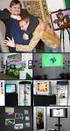 by Randy Gossman Animation is a media staple. One would be hard pressed to watch television, see a movie or visit a website without encountering it. Sometimes it s just a word moving across a webpage.
DIABLO VALLEY COLLEGE CATALOG 2015-2016
 ART DIGITAL MEDIA ARTDM Michael Almaguer, Dean Applied and Fine Arts Division Business and Foreign Language Building, Room 204 Possible career opportunities Digital media or graphic design jobs cover all
OCR LEVEL 3 CAMBRIDGE TECHNICAL
 Cambridge TECHNICALS OCR LEVEL 3 CAMBRIDGE TECHNICAL CERTIFICATE/DIPLOMA IN IT COMPUTER ANIMATION D/601/7658 LEVEL 3 UNIT 14 GUIDED LEARNING HOURS: 60 UNIT CREDIT VALUE: 10 COMPUTER ANIMATION D/601/7658
Advice for Recommenders: How to write an effective Letter of Recommendation for applicants to the Stanford MBA Program
 Advice for Recommenders: How to write an effective Letter of Recommendation for applicants to the Stanford MBA Program -- Edited Transcript of Interview updated 27 July 2011 What are some of your responsibilities
2 Programming in Alice: Program Design and Implementation
 `Then you should say what you mean,' the March Hare went on. `I do,' Alice hastily replied; `at least--at least I mean what I say--that's the same thing, you know.' `Not the same thing a bit!' said the
A: We really embarrassed ourselves last night at that business function.
 Dialog: VIP LESSON 049 - Future of Business A: We really embarrassed ourselves last night at that business function. B: What are you talking about? A: We didn't even have business cards to hand out. We
Using Video Cameras in Physical Education
 Using Video Cameras in Physical Education Steve Kibble & Steve Cayley This document is reproduced and made available with the kind permission of the authors and Devon Curriculum Services Using Video Cameras
The IGA Step-by-Step Guide to drawing your own cartoon character. Create your own Kids Club Character
 The IGA Step-by-Step Guide to drawing your own cartoon character Create your own Kids Club Character Before putting pencil to paper... Hi fellow artists, we hope you have fun creating your own Kids club
Graphic Design. Background: The part of an artwork that appears to be farthest from the viewer, or in the distance of the scene.
 Graphic Design Active Layer- When you create multi layers for your images the active layer, or the only one that will be affected by your actions, is the one with a blue background in your layers palette.
3D Animation Silent Movie Entitled The Seed : Research for Level of Understanding Compare between Male and Female
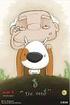 World Journal of Computer Application and Technology 2(4): 94-98, 2014 DOI: 10.13189/ wjcat.2014.020403 http://www.hrpub.org 3D Animation Silent Movie Entitled The Seed : Research for Level of Understanding
DIABLO VALLEY COLLEGE CATALOG 2014-2015
 ART DIGITAL MEDIA ARTDM Michael Almaguer, Dean Applied and Fine Arts Division Business and Foreign Language Building, Room 204 Possible career opportunities Digital media or graphic design jobs cover all
Cartooning and Animation MS. Middle School
 Cartooning and Animation Middle School Course Title Cartooning and Animation MS Course Abbreviation CART/ANIM MS Course Code Number 200603 Special Notes General Art is a prerequisite, or department permission
CREATIVE S SKETCHBOOK
 Session Plan for Creative Directors CREATIVE S SKETCHBOOK THIS SKETCHBOOK BELONGS TO: @OfficialSYP 1 WELCOME YOUNG CREATIVE If you re reading this, it means you ve accepted the We-CTV challenge and are
Message, Audience, Production (MAP) Framework for Teaching Media Literacy Social Studies Integration PRODUCTION
 Message, Audience, Production (MAP) Framework for Teaching Media Literacy Social Studies Integration PRODUCTION All media messages - a film or book, photograph or picture, newspaper article, news story,
Non-Stop Optical Illusions A Teacher s Guide to the Empire State Plaza Art Collection
 Non-Stop Optical Illusions A Teacher s Guide to the Empire State Plaza Art Collection New York State Office of General Services Curatorial/Tour Services 29 th Floor, Corning Tower Albany, NY 12242 518.473.7521
Dates count as one word. For example, December 2, 1935 would all count as one word.
 What is an exhibit? An exhibit is a visual representation of your research and interpretation of your topic's significance in history. Your exhibit will look a lot like a small version of an exhibit you
OUR PAST THROUGH FILM
 OUR PAST THROUGH FILM Watching old footage helps us to learn more about what life was like in the past, and it can also help us access our own memories. This activity pack will help you run some activities
Activity 2. Activity 3
 WORKSHEET 1 E.T. TURNS 20 E.T. is a story of a lost little visitor from another planet who makes friends with a young boy called Elliot. Together they find a way to return the young alien home. The film
Webelos Scouts will use old and new media in this adventure to bring stories to life as movies. Lights! Camera! Action!
 MOVIEMAKING RATIONALE FOR ADVENTURE Webelos Scouts will use old and new media in this adventure to bring stories to life as movies. Lights! Camera! Action! TAKEAWAYS FOR CUB SCOUTS Creating projects with
Fantasia 2000 Animation
 Fantasia 2000 Animation http://www.filmeducation.org/primary/archive/fantasia/fant.html [24/9/2001 11:45:47] introducing Fantasia 2000 FANTASIA 2000 represents the most up-to-date type of animation there
Clay Animation A Interdisciplinary Lesson
 Clay animation combines the high tech equipment kids love to use with their ageless, timeless love for the tactile qualities of clay. It encourages teamwork and gives students the opportunity to learn
ANIMATION ARTIST, PREVIS ARTIST, AND DESIGNER
 John C. Hill 102-1950 Cedar Village Cres. North Vancouver BC. V6J 3M5 (604) 990-0394 www.johnchill.com http://www.linkedin.com/in/johnchill Email [email protected] ANIMATION ARTIST, PREVIS ARTIST, AND
VISUAL COMMUNICATION NEWS
 SCHOOL OF ART & DESIGN VISUAL COMMUNICATION NEWS BA (HONS) ANIMATION BA (HONS) ART & DESIGN MEDIA PRACTICE (ONE YEAR TOP-UP) BA (HONS) GRAPHIC DESIGN BA (HONS) PHOTOGRAPHY FdA MEDIA CREATIVES IMAGES: FINAL-YEAR
IN A SMALL PART OF THE CITY WEST OF
 p T h e L a s t L e a f IN A SMALL PART OF THE CITY WEST OF Washington Square, the streets have gone wild. They turn in different directions. They are broken into small pieces called places. One street
YOU THINK YOU MIGHT WANT TO STUDY:
 YOU THINK YOU MIGHT WANT TO STUDY: ANIMATION DIGITAL MEDIA DESIGN PRODUCT DESIGN VISUAL COMMUNICATION MOTION GRAPHICS 70 DESIGN & CREATIVE MEDIA Course LISTING Bachelor of Arts in Animation Bachelor of
Graphics Designer 101. Learn The Basics To Becoming A Graphics Designer!
 Graphics Designer 101 Learn The Basics To Becoming A Graphics Designer! Contents Introduction Chapter 1 The Role of the Graphics Designer Chapter 2 Qualifications in Order to Become a Graphics Designer
Psychic Lotto Formula 3-Step Formula Secret Template To Lottery Secrets Module 3
 Page 1 Table of Content The Psychic Lotto Formula Jackpot to Success System... 4 Part 1 Channeling the Power of Your Mind to Success... 6 Part 2 Visualization... 12 Part 3 Integrating Luck and Making it
Personal Narrative Writing
 CHAPTER 6 Teaching Genres Using BEW A personal narrative tells the audience my story. This type of story must include a well-planned story line, with details that occur in chronological order, character
CINEMA DEPARTMENT COURSE LEVEL STUDENT LEARNING OUTCOMES BY COURSE
 CINEMA DEPARTMENT COURSE LEVEL STUDENT LEARNING OUTCOMES BY COURSE CINE 1000 A. Develop and implement a plan for approaching and completing complex individual and team projects. B. Illustrate skills in
Education for the Arts
 Education for the Arts Course Brochure 2013-2014 find your voice. Mission Statement The mission of Education for the Arts is to enhance arts education for all students in Kalamazoo County making dance,
Graphic Design for Beginners
 Graphic Design for Beginners Presented By MasterResaleRights.com Table of Contents Introduction 3 Chapter 1 The Role of the Graphic Designer 5 Chapter 2 Qualifications in Order to Become a Graphic Designer
Case Study 1: Cut out Animation. A Norwich Middle School, Norfolk. Key Stage 2
 Case Study 1: Cut out Animation A Norwich Middle School, Norfolk Key Stage 2 As part of the literacy research we invited Hannah Giffard, of Red Fox Productions to lead two cineliteracy days at two middle
Skills Canada Competition Dufferin-Peel Catholic District School Board
 Skills Canada Competition Dufferin-Peel Catholic District School Board 2D Character Animation - Secondary Date: March 19, 2014 2D Character Animation Scope Location: Philip Pocock Secondary School Communication
LESSON TITLE: Spiritual Gifts. THEME: God gives us all different gifts to serve Him and to serve others! SCRIPTURE: 1 Corinthians 12:1-31; 14:1-40
 Devotion NT319 CHILDREN S DEVOTIONS FOR THE WEEK OF: LESSON TITLE: Spiritual Gifts THEME: God gives us all different gifts to serve Him and to serve others! SCRIPTURE: 1 Corinthians 12:1-31; 14:1-40 Dear
Introduction to. With Slides from Dongho Kim and Karen Liu. School of Media @ Computer Soongsil University Animation. Computer Animation
 Introduction to With Slides from Dongho Kim and Karen Liu School of Media @ Computer Soongsil University Animation Where are s? Movies Star Wars, Toy Story, Titanic, many more Real-performance driven animation
Mastering Marketing Questions & Answers
 Mastering Marketing Questions & Answers Advertising Q: How do you feel about television advertising for your studio? A:(Farrah) I ve seen a couple of people who have done some fun commercials, but I m
STOP MOTION. Recommendations:
 STOP MOTION Stop motion is a powerful animation technique that makes static objects appear to be moving. Creating stop motion draws attention to placement, framing, direction and speed of movement. There
How to make online video work for your business
 How to make online video work for your business Video marketing for the web works, but there are a few things to consider making sure you get the most out of it. Lee Walker of Blue Chew Digital explains
The Dance Lesson. A good dance lesson should contain some or all of the following:-
 The Dance Lesson The Primary School Curriculum says:- Dance in education involves the child in creating, performing and appreciating movement as a means of expression and communication. Dance differs from
Art Foundation at Kings Oxford
 Art Foundation at Kings Oxford www.kingscolleges.com The fastest route to a creative degree Any student wanting to study an Art and Design-related degree course at a UK university, including British nationals,
Customer Success Story
 Client: Industry: Products: Akama Studio Animation & VFX V-Ray for ds Max October 011 Working with V-Ray has changed our way of conceiving images. In an industry where clients demand ever more beautiful
Lesson One: God Is Always At Work
 Lesson One: God Is Always At Work Scripture: Jeremiah 29:11 Summary: This lesson introduces the Esther unit. The children will meet the main characters of the story and will learn about the exciting things
SCHEHERAZADE LESSON PLAN. Discovering the world of the Arabian Nights fairy tales through the music of Rimsky-Korsakov s Scheherazade
 Content focus: Music Visual Arts Language Arts History/Social Sciences SCHEHERAZADE LESSON PLAN Discovering the world of the Arabian Nights fairy tales through the music of Rimsky-Korsakov s Scheherazade
VAPA (Visual Arts) VISUAL ARTS
 VISUAL ARTS VAPA (Visual Arts) ART 1-2 This course will introduce the student to the various ways of producing artistic pieces in the areas of drawing, design, color, painting, three-dimensional, and printmaking.
BIG FISH Dramaturgical Study Guide
 BIG FISH Dramaturgical Study Guide Created by Joel Edwards, Student Dramaturge Introduction As I began research for Big Fish, especially for some of the historical references in the show, I began to notice