
NATIONAL PARK SERVICE RODENT-EXCLUSION MANUAL
|
|
|
- Brice Lane
- 10 years ago
- Views:
Transcription
1 NATIONAL PARK SERVICE RODENT-EXCLUSION MANUAL MECHANICAL RODENT-PROOFING TECHNIQUES A Training Guide For National Park Service Employees Revision of March 2005 Originally prepared and printed in 1997 by Gerard Hoddenbach, Rodent-proofing Consultant to the NPS Jerry Johnson, Chief, NPS Public Health Program Carol DiSalvo, Integrated Pest Management, WASO Public Health Program 1201 Eye Street, NW (11 th Floor) Washington, D.C (voice) (fax) NATIONAL PARK SERVICE

2 This page is intended to be blank. [ NPS Rodent Exclusion Manual - ii ]

3 CONTENTS SUMMARY / v ACKNOWLEDGMENTS / vii INTRODUCTION Mechanical Rodent-control Methods / 1 Reasons for Controlling Rodents / 3 RODENT BIOLOGY AND HABITS / 5 INSPECTION Inspection / 9 Monitoring / 9 Background for Rodent Inspections / 9 Inspection Equipment / 10 Building Exteriors / 11 House-trailer Exteriors / 19 Building Interiors / 21 House-trailer Interiors / 27 PREVENTION AND CONTROL OF RODENT INFESTATION Excluding Rodents / 29 Rodent-proofing Materials / 37 SANITATION AND HABITAT MODIFICATION / 45 POST-TREATMENT MONITORING AND EVALUATION / 47 SELECTED REFERENCES / 49 APPENDIXES A: Inspection and Monitoring Form / 55 B: Example of Written Inspection Report / 59 C: Hantavirus Worker Protection / 63 D: Sources of Rodent-control Supplies and Equipment / 67 [ NPS Rodent Exclusion Manual - iii ]

4 This page is intended to be blank. [ NPS Rodent Exclusion Manual - iv ]

5 SUMMARY Controlling rodents in buildings is very important from the perspectives of both their potential effects on human health and their possible damage to physical structures. Rodent control can be an attainable goal, but it always demands more than randomly setting out a few traps. The most important consideration of all is that rodents must be prevented from entering the building (or room). This demands cooperative efforts among all involved persons that is, building occupants, pest management professionals, maintenance staff, and site managers in frequently inspecting buildings and promptly closing small, seemingly unimportant holes. The importance of good sanitation practices and effective trapping and monitoring programs cannot be overstated. These measures are neither complicated nor excessively difficult; however, rodent control is usually unsuccessful when these critical steps are not fully undertaken. [ NPS Rodent Exclusion Manual - v ]

6 This page is intended to be blank. [ NPS Rodent Exclusion Manual - vi ]

7 ACKNOWLEDGEMENTS The authors want to thank the following individuals, whose support, encouragement, and assistance made this manual possible. Gregory Gurri Glass, Ph.D. School of Hygiene and Public Health Johns Hopkins University James Mills, Ph.D. Center for Infectious Diseases Centers for Disease Control, DHHS James Childs, Ph.D. Center for Infectious Diseases Centers for Disease Control, DHHS [ NPS Rodent Exclusion Manual - vii ]

8 This page is intended to be blank. [ NPS Rodent Exclusion Manual - viii ]

9 NATIONAL PARK SERVICE RODENT-EXCLUSION MANUAL Mechanical Rodent-proofing Techniques INTRODUCTION Rodents have probably been a common problem in human living and working environments since humans began living in permanent dwellings. Even today, many people believe that rodent infestations are "inevitable." However, the recent appearance of hantavirus (also known as sin nombre virus, hantavirus pulmonary syndrome, HPS) in the Western states has re-awakened the public to the serious health consequences posed by rodents, and has prompted new inquiries into more effective ways to manage infestations. This manual is designed as a training guide to making rodent control in buildings an attainable goal. MECHANICAL RODENT-CONTROL METHODS The control of rodents in buildings is not complicated, but it always involves much more than simply setting out a few mousetraps or a package of rat poison. To be effective, rodent control must be done in a professional manner, and should be handled as a cooperative among between site occupants, pest management professionals, and site management and maintenance staff. At a minimum, the successful control of rodents in structures requires the following (not in priority order): Basic knowledge of rodent biology. A fundamental understanding of the habits and reproductive abilities of different species of rodents is helpful in knowing where to look for signs of animals, and in the selection of the best control measures. Basic knowledge of National Park Service policy. Native rodents are protected under National Park Service policy. This policy promotes the use of rodent exclusion methods that is, keeping them outside in their natural habitats. (Note: Management strategies will differ inside and outside, and are prescribed on a case-by-case basis.) [ NPS Rodent Exclusion Manual - 1 ]

10 Thorough inspection of the exterior and interior of a building. The main purpose of an inspection is to identify structural defects that allow rodents to enter buildings. Inspections also provide information about the species of rodents present, key shelter areas, and locations where animals obtain food and water, and also to identify conditions around buildings that favor infestations. These findings are used to set priorities for repairs needed to keep animals out of buildings, and to make recommendations for changes in conditions that support rodent populations. Effective exclusion. Rodent control in structures is based on one simple rule: Rodents must be prevented from entering a building (or room). Excluding rodents by closing all possible holes though which they can enter a structure is always the most important measure against infestation. Good sanitation practices that eliminate food, water, and shelter for rodents. Good sanitation removes water, food, and shelter resources required by rodents, and limits the number of animals that can live in an area. Good sanitation is very important for controlling rodent populations, but even the best of sanitation measures will not prevent infestations where exclusion is inadequate. Continual removal of 85% to 95% of the rodents capable of reproduction. Rodents mature quickly, and produce large numbers of young. Unless most breeding adults are removed, the numbers of animals present may remain constant, or may continually increase. Regular checking for new rodent activity. Regular documented re-inspection (monitoring) of sites is important to determine if previous control efforts are effective; to identify any newly-created entry points; to monitor for changes in sanitation and harborage conditions; and to determine if the number of animals present has changed substantially (e.g., has increased, has decreased, or remains unchanged). The importance of continuing watchfulness is clear when it is known how rapidly rodent populations can increase and how difficult controlling established infestations can be. Cooperation among people. Rodent management must always be a team effort among building occupants (the affected persons), maintenance workers (who make repairs), and area managers (who make decisions). It is important for all involved persons to be totally committed to and have a clear understanding of the program requirements. Assigning responsibilities. Assigning responsibilities to the people involved in a rodent management project is essential to success. To ensure that each team member is aware of rodent-control activities and their own responsibilities, participants should together determine responsibilities, with completion dates, and establish this information in writing. Common failures in controlling rodent infestations in buildings are usually the result of one or more of the following oversights: Underestimating the severity of a rodent infestation either the number of animals present, or the size of the infested area. [ NPS Rodent Exclusion Manual - 2 ]

11 Failing to locate or satisfactorily eliminate holes used by animals to enter buildings or rooms. Using too few traps or trapping stations, or improperly placing traps. Failing to have "buy in" or the cooperation of site occupants and site management staff (usually resulting from a failure to assign responsibilities in writing). Failing to remove trapped rodents, which become food for surviving animals. Failing to secure garbage and other food supplies. Placing too much reliance on poison bait as a means of control. REASONS FOR CONTROLLING RODENTS There are two very important reasons for controlling rodent populations in and around structures occupied by humans: Rodents can be responsible for spreading disease; and rodents can damage buildings and building contents. Health Risks By far the most important reason to control rodents is potential health risks from human contact with rodents or rodent debris. Rodents are known to be capable of carrying over 200 disease organisms, many of which can be transmitted to man. Many of these diseases are spread while rodents wander about in buildings at night searching for food and mates. During those activities, they continually drop feces, urine, and hairs, which can come in contact with human foodstuff, eating utensils, and bedding, or can be responsible in other ways for the spread of diseases. Old World house mice and rats i.e., exotic rodents that were accidentally introduced into this country can spread plague, typhus, rat-bite fever, trichinosis, salmonella food poisoning, and other infectious diseases. Native rats and mice i.e., rodents naturally occurring in this country can carry plague, tularemia, leptospirosis (in urine), endemic relapsing fever, Rocky Mountain spotted fever, and Q-fever. Sylvatic (wild animal) plague is endemic in the western United States. In 1992, deer mice were identified as the most important transmitter of sin nombre virus (hantavirus pulmonary syndrome, HPS). Humans can become ill with sin nombre virus after coming in contact with rodents, or rodent feces, urine, or body fluids; or after inhaling dust arising from rodent feces or nesting materials. Rodent food caches and nests, and dead rodent carcasses (i.e., poisoned animals or animals dying from natural causes) cause secondary health issues when they attract parasites, flies, carpet beetles, and other pests all of which can cause serious problems in buildings and act as agents of human disease. The nighttime activities of rodents inside buildings can result in sleep disturbances to human occupants, and, in rare cases, they have been associated with paranoid fears, and even serious accidents. [ NPS Rodent Exclusion Manual - 3 ]

12 Damage Many kinds of physical damage can be expected when rodents infest the interiors of buildings. The animals often build nests and store large amounts of food (e.g., acorns, nuts, seeds, etc.) behind walls or in attics, and such storage can cause structural damage and attract other pests. Rodents often burrow into and re-arrange wall and attic insulation, and, because of their habit of gnawing on objects, they may damage upholstered furniture, museum collections, paper and leather goods, clothing, and electrical lines and equipment (including computers). Each year, many structural fires in this country are thought to result from electrical wiring damaged by rodents. Outside of buildings, rodent burrows near foundations can increase the rate of structural deterioration by loosening soils, allowing for increased water penetration, and supporting excessive vegetation. The mere presence of rodent burrows attracts large predatory animals that enlarge the burrows, resulting in additional structural damage. Rodent-associated damage to buildings increases the potential for deterioration from weathering, moisture, and other sources. Rodents frequently enter and make nests in parked machinery and vehicles, and damage electrical wiring and hoses. This can be quite serious, if emergency-response vehicles are involved. Rodents often also damage valuable garden and ornamental plants. [ NPS Rodent Exclusion Manual - 4 ]

13 RODENT BIOLOGY AND HABITS Rodents are one of the most numerous, successful, and adaptable of all animal groups. There are over 3,000 different kinds of rodents in the world, ranging in size from small (a fraction of an ounce) to large (more than 100 pounds). Rodents of one kind or another occur in every kind of environment, from desert to tundra. They differ from other kinds of animals by virtue of their front teeth, which are specialized for gnawing. Rodent teeth grow continuously throughout the animal's life. Because of this, these animals have to gnaw frequently to keep the tips worn down. Rodents have a keen sense of smell, and the animals produce many natural odors (pheromones). Once rodents enter a hole, room, or building, their odors remain in the area and may attract other rodents. Their scent is often left behind by grease marks made by oils in the skin, and by urine markings. Rodents present in this country may be either native (New World) or exotic (Old World). It is very important to be able to accurately identify rodents that are causing problems, because, although these animals resemble one another, they have quite different habits and living requirements. Native (naturally occurring) rodents include: mice (white-footed, pygmy, pocket, grasshopper, harvest, and jumping mice); rats (wood, cotton, kangaroo, and rice rats); voles; porcupines; pocket gophers; lemmings; nutrias; squirrels (ground, tree, and flying squirrels); chipmunks; marmots; prairie dogs; muskrats; and beavers. Exotic rodents (animals accidentally introduced into this country from other countries) are house mice and rats (Norway and black rats). Exotic rodents are easily identified by their scaled, nearly hairless tails, giving them the name "naked-tail" rodents. Mice and rats are the most common structural pests in buildings. A basic description of their biology follows. MICE Mice, because of their size and adaptability, are the most common indoor rodent pests in buildings. In the eastern United States, exotic house mice are the animals most often found inside buildings, but native mice (especially white-footed mice) are the most common indoor rodent pests in the West. In general, rodents produce large numbers of young. This is necessary for the survival of rodent populations due to a high mortality rate. House mice, for example, are capable of reproducing year-round indoors. During one year and under ideal conditions, a single pair of house mice is thought to be capable of producing over 3,000 offspring. This is theoretically possible, because young house mice can produce young when only about 30 [ NPS Rodent Exclusion Manual - 5 ]

14 days old, and a female can become pregnant with a second litter even while the first litter is still nursing. Native deer mice, better adapted to outdoor life, do not reproduce year-round, and produce fewer young. Yet under ideal conditions, a pair of deer mice is theoretically capable of producing a population of approximately 800 mice during their 4-month-long breeding season. Mice are an important food source for many other animals. Under natural outdoor conditions, however, competition between mice for space and food, as well as natural predation by owls and foxes remove 80% to 90% of all young mice soon after birth. It is not surprising that when ample food, water, and shelter are available, and when predation is absent (e.g., conditions found indoors), mouse populations can explode. Indeed, mice will occupy as many spaces in a building as possible until a limitation in the resources available to them restricts the numbers of animals that can survive. Mice are exceptionally agile animals and can jump 12 or more inches straight up from one flat surface to another. They can jump to even higher levels against a flat vertical surface such as a wall or springboard. They can jump down to the floor from an elevation of 8 or more feet without being injured. They can climb any slightly rough, vertical surface, such as wood, plaster, brick, metal pipes, wire mesh, and cables. In addition, mice have good balance, and can easily run along horizontal electrical wires, ropes, and cables from one part of a building to another. Mice are actually somewhat smaller than they appear, and they can squeeze their heads through holes only about ¼ inch in diameter (about the same diameter as a wooden pencil). After getting its head through a hole, a mouse has no trouble getting the rest of its body through. Although mice tend to prefer cereal grains, they will eat almost any foods consumed by humans and domestic pets. A mouse s daily food requirements are small, only about 1/10 ounce (½ teaspoon) of food and 1/5 ounce of water per day for survival, and much of their water requirements can come from the food they eat. Mice are sometimes difficult to poison, because they will only nibble on small bits of food from many locations, and unless they can be encouraged to heavily feed on poison bait, they may not get a lethal dose. Eating small amounts of poison bait may cause only mild discomfort and make the bait repulsive to them. Some animals have definite food preferences, and will not eat bait at all. Mice are most active after sunset, but they are sometimes seen during the day, when, in severe infestations, there is extreme competition between mice for space. Activity habits are different for native and exotic mice. Native white-footed mice occupy a home range area of about 1/3 acre to 4 acres, and they may travel 200 or more feet from the nest to a food source. They do not hibernate, but they are less active during winter. Exotic house mice have much smaller ranges, seldom travel more than 20 feet from their nest site to a food source, and are active throughout the winter months. They are very curious as compared to rats, and will investigate new objects, such as traps. Mice are strongly attracted to the warmth, shelter, food, and water offered by structures occupied by humans. Outdoors, native mice are most numerous during late summer, and when competition between animals for nest sites becomes strong with the onset of cold weather. This is when animals begin to enter buildings. However, many mice that move into buildings during the fall will continue to feed outside on natural foods until winter. With the return of warmer weather, adult mice begin producing young. Shortly thereafter, when most [ NPS Rodent Exclusion Manual - 6 ]

15 animals return to outdoor habitats and remain there during the summer, rodent problems in buildings seem to suddenly come to an end. RATS The principal indoor rat-sized pests in the eastern United States are Old World (exotic) rats. The most common rat-sized structural pests in the West are native wood rats, squirrels, and chipmunks. Both native and exotic rats quickly adapt to nearly all living environments provided them by humans (e.g., granaries, fields, sewers, attics, basements). Old World rats, similar to exotic mice, often live most of their lives inside buildings. In the West, especially during winter, chipmunks, wood rats, some ground squirrels, and tree squirrels may nest inside buildings, attics, crawl spaces, and chimneys. However, they usually feed outside and seldom enter occupied portions of a building. Old World female rats become reproductively mature when about 3 months old, and they can produce an average of 20 surviving young per year. Native rat-size rodents are less productive than mice, but females can usually raise three to four surviving young each year. Rats generally eat the same foods as mice, but because they are larger animals, they require about 1 ounce (2 tablespoons) of food and 1 to 2 ounces of water per day for survival. As is the case with mice, a water supply is not as critical for rats as food, because most water comes from digested food. Old World rats are very agile, and can leap 3 feet straight up or 4 feet horizontally. They can also climb the outside of a 3-inch-diameter pipe, walk on wires between buildings, swim ½ mile in open water, tread water for days, swim up currents in sewer lines and through toilet traps, and survive a fall of more than 50 feet. Native rats (e.g., tree squirrels, wood rats, chipmunks, and some ground squirrels) are also very agile. Rats have powerful teeth, and are able to gnaw holes through concrete block, aluminum siding, adobe brick, wallboard, plaster, wood, and various other durable materials. Usually, there must be an exposed edge to gnaw; smooth surfaces limit their ability to initiate holes. Although rats are much larger animals than mice, they can squeeze through holes only ½ inch in diameter. Old World rats usually range within about 100 to 150 feet of their nest. They may sometimes nest indoors and forage outside for food or nest outside and forage indoors. Native rats have relatively large forage areas and can move long distances from an indoor nest site to a food source. [ NPS Rodent Exclusion Manual - 7 ]

16 This page is intended to be blank. [ NPS Rodent Exclusion Manual - 8 ]

17 INSPECTION The underlying causes of most rodent infestations in buildings are structural deficiencies such as holes, cracks, and gaps, which allow animals to enter. These defects can be discovered during routine building inspections. Observations made over long periods of time (monitoring) provide additional information such as the relative effectiveness of control efforts; changes in the numbers of animals present, or renewed rodent activity; locations of greatest rodent activity; changes in the amount of food or shelter available for rodents; and changes in the rates of structural deterioration. The terms "inspection" and "monitoring," commonly used by pest control workers, are sometimes confusing, because they describe what seem to be similar activities, but actually have different meanings. INSPECTION Inspection is a comprehensive initial written evaluation (i.e., a one-time "snapshot" evaluation), in which the "inspector" looks for the presence of rodents and rodent signs, conditions favoring them, and potential sources of rodent access into buildings. MONITORING Monitoring is a continuing written evaluation that identifies and evaluates changing conditions over time, including re-infestation and new sources of rodent access discovered since the last evaluation. Monitoring will be discussed in the section following the discussion of rodentcontrol methods. BACKGROUND FOR RODENT INSPECTIONS Rodent infestations were studied in 1994 in a number of buildings in three National Park Service areas. The interiors and exteriors of buildings were inspected for rodent activity, conditions favoring rodent activity, and structural defects allowing rodent access. The studies showed that it is common to be able to initially trap animals outside of a building and then later re-capture the same animals inside the building. This study demonstrated the ability of rodents to move between building exteriors and interiors. [ NPS Rodent Exclusion Manual - 9 ]

18 After identified sources of rodent access into buildings were repaired, overall rodent infestations decreased by more than 90% when compared to similar structures not repaired. In most repaired structures, no rodent activity was detected. This study clearly demonstrates that the identification of structural defects, followed by relatively simple mechanical repairs, can significantly reduce, or eliminate, rodent problems in most buildings. Adequately rodent-proofing structures requires knowledge of rodent behavior; care in identifying and eliminating sources of rodent access; and periodic follow-up to ensure that all sources of rodent access are eliminated and no new sources are created through the repair or replacement of utility lines, plumbing fixtures, and so forth. Information derived from inspections is very useful in follow-up control programs. The Information an inspector should gain and describe in a written inspection report includes type, extent, and severity of the rodent infestation; locations of rodent entry points; possible supporting reasons for the infestation (i.e., available food, shelter, water); presence and location of major rodent activity and harborage areas; recommendations for the lowest risk and most appropriate rodent control strategies; and signs of rodent activity, such as gnawing, rub marks, and piles of cockroach wings (mice will eat cockroaches, leaving wings and legs in a pile). An example of a written inspection report is provided in Appendix B. SAFETY NOTE. Because of the recent recognition of hantavirus (sin nombre virus; HPS), which has been documented nationwide, anyone performing rodent inspections or monitoring duties and who might come in contact with dead or live rodents or rodent debris should follow all of the U.S. Center for Disease Control (CDC) guidelines for personal safety. See Appendix C for a summary of recent CDC recommendations on workers protection. INSPECTION EQUIPMENT You will need a clipboard, pencil or pen, and inspection forms for recording inspection findings. A bright flashlight should be used during inspections, even during daylight hours. The light helps concentrate focus, and better illuminates rodent signs, structural deficiencies, and likely harborage sites. Other useful equipment may include: hand and extendable inspection mirror; tape measure; Polaroid, 35 mm, and/or video camera; Phillips and slot screwdrivers; step ladder; compass; colored sticky labels (to mark areas needing repair); and a hard hat and knee pads if sub-floor or attic areas will be entered. Also helpful are electronic moisture meter; stud finder; voltage detector; pocket-size tape recorder; jeweler's eye loop; and long forceps. [ NPS Rodent Exclusion Manual - 10 ]

19 BUILDING EXTERIORS Exterior inspections of buildings should be conducted at least twice a year: Once during spring, to evaluate winter damage, and a second time during fall, before rodents try to move in to buildings. Inspections should document any new structural defects or building repairs/accidents, which may provide new points of entry for rodents. Ideally, the same inspector performs both inspections. The first step in making an inspection of a building is to prepare a rough drawing of the building exterior. Show all major features where pests might find entry (Figure 1). This may include, but is not limited to, access points for electrical and plumbing service lines, doors and windows, crawl space and basement openings, window wells, porches and decks, dormer corners, and chimneys. Also indicate on the drawing the direction of north with an arrow, the point on the building where you begin the inspection, and a curved arrow to show the direction you moved around the building during the inspection. Figure 1 From a point of beginning, slowly and systematically examine the entire building exterior from the ground to the roof while looking for defects that could allow for rodent entry. (You must think like a rodent.) When you find defects, note their locations on the drawing, and describe them as possible rodent entry points. The aim of an exterior inspection is to obtain as much information as possible on rodent access points, and on existing conditions in or near the building that might support rodent activity. Normally, deficiencies seen on building exteriors will provide clues as to what will be found inside. It is not possible to provide an exhaustive list of all the elements that could be found in the wide variety of existing building styles. Model inspection forms (for both interior and exterior inspections), found in Appendix A, will help in developing forms specific to your needs. The following descriptions offer general guidance as to some of the major deficiencies to look for. Sections of the manual that follow will discuss recommendations for repairs, and specific materials to use for repairs. Finally, a completed Work Order Form for repairs should be provided to site [ NPS Rodent Exclusion Manual - 11 ]

20 maintenance staff for implementation. General Building Exterior Carefully check the siding, eaves, soffits, cornices, gables, porches, chimney or furnace clean-out ports, loading platforms, and all other external areas for cracks or holes that are ¼ inch or larger in size (Figures 2, 3, 4). Figure 2 [ NPS Rodent Exclusion Manual - 12 ]

21 Figure 3 Figure 4 [ NPS Rodent Exclusion Manual - 13 ]
22 Check around porches and decks adjoining the building, dormer corners, and chimneys, for any holes, cracks, or gaps that could allow rodent entry. Corner joints and cracks in log buildings require detailed inspection. Check to see that exhaust flaps on clothes-dryer vents close easily and are not blocked open by lint (Figure 5). Figure 5 When doubts occur as to whether or not to list borderline-sized holes, mark them anyway. A repair crew will follow most inspections, and it will take them very little time to fill a few extra holes to ensure that the building is adequately sealed. Record the locations and severity of all defects found on the structural drawing. Report any obvious harborage such as piles or stacks of lumber, firewood, rocks, trash, debris, vegetation, or tree stumps found within 50 feet of the building (Figures 3, 4). Make note of any shrubs with thick bottom leaves and stems that could provide shelter for rodents. Take note of tall vegetation growing next to the building; the wider the vegetation-free area around buildings, the better. Ideally an 18-inch vegetation-free zone should exist around the outside of the building to discourage rodent activity. Watch for "vegetation ladders" (i.e., shrubs or trees touching or overhanging a building) that allow rodents access to the tops of buildings. Identify standing water near buildings, leaking pipes or hydrants, and inadequate water runoff (grade) from buildings. [ NPS Rodent Exclusion Manual - 14 ]
23 Foundations Foundations are particularly vulnerable to rodent attack (Figures 4, 6, 7). Figure 6 Figure 7 Identify cracks and holes in or under foundations, improperly fitted crawl-space or basement doors, openings around window wells, and so forth. Observe signs of rodent activity next to buildings, as demonstrated by fresh burrowing activity, burrows that lead under foundations, rodent runways along walls, plants damaged by rodents, rodent tracks and droppings, rodent feeding stations, gnawing damage on structures, and rodent harborage (e.g., debris or tall vegetation). [ NPS Rodent Exclusion Manual - 15 ]
24 Doors and Windows Doorways are one of the most common places rodents enter buildings. The animals are drawn to outside doors, especially those with lights that attract night-flying insects and bats. Check doors and screen doors for self-closing springs, door sweeps, and screening made of metal. Carefully examine exterior door frames, thresholds, and windows for cracks and gaps (Figures 8, 9). Figure 8 [ NPS Rodent Exclusion Manual - 16 ]
25 Figure 9 Observe closed doors from the inside of the building during daylight hours to evaluate the size of any holes admitting light. Service Lines and Breaker Boxes Gaps and holes around electrical, plumbing, and gas lines entering the building are ideal entry points for rodents (Figure 10). [ NPS Rodent Exclusion Manual - 17 ]
26 Figure 10 Check to see that there are no holes or gaps larger than ¼ inch around electrical lines and pipes that pass through walls. Ensure that electrical breaker box doors fit tightly. Roofs, Chimneys, and Vents Use a ladder to examine soffits, gables, and other roof structures (Figure 11). Figure 11 Check to see if chimney and vent flashings are tight, and fireplace chimneys are capped when [ NPS Rodent Exclusion Manual - 18 ]
27 not in use or covered with a commercial rodent-proof chimney cover. Verify that all vent pipes are screened with ¼-inch-mesh hardware cloth or appropriate exclusion devices. Look for gaps around heating and air-conditioning units and vents. Be sure the open ends of corrugated metal and Spanish tile roofing are sealed. Check the general condition of the roof for defects and possible water leaks or depressed areas that might hold water. Note any cables or electrical lines leading to the roof and any overhanging vegetation. Attics and Crawl Spaces Identifying suspected rodent entry points from the exterior of an attic or crawl space can be difficult (Figures 1, 2). The best method for inspecting these areas is to enter them during daylight hours. Turn off all interior lights, and possible entry points will be visible at locations where light enters from the outside. If holes in the roof are observed, insert a plastic straw or other thin item through the hole and return to the top of the roof to mark the locations. Garbage Odors from garbage disposal areas attract rodents to buildings. Examine garbage containers and surrounding areas for obvious rodent activity and poor sanitation (e.g., garbage on the ground, improperly washed concrete pads), garbage cans located too close to buildings, and loose-fitting garbage-can or dumpster lids. Poor sanitation practices that support rodents should be noted in the inspection report and brought to the attention of building residents or managers. HOUSE-TRAILER EXTERIORS The inspection of house trailers (whether used for offices or residences) does not differ greatly from that of other buildings (Figures 12, 13). [ NPS Rodent Exclusion Manual - 19 ]
28 Figure 12 Figure 13 [ NPS Rodent Exclusion Manual - 20 ]
29 However, trailers are more difficult to rodent-proof because of construction and subsequent repairs (commonly seen in the crawl space) that have damaged the integrity of the floors. Because it can be quite difficult to seal the bottom of a trailer, the exterior inspection must determine ways to keep animals from entering the structure. In addition to the items noted above, be particularly watchful for the following: The foundational skirting of the trailer must not have any sags, gaps, holes, or cracks, which could admit rodents into the crawl space beneath the trailer. If the trailer does not have a concrete or similar rodent-proof foundation, the bottom of the skirting around the trailer must be protected with a curtain-wire barrier (see Exclusion section) to prevent the animals from digging beneath it. In certain situations it is better to remove the skirting to prevent a sheltered rodent habitat. Holes are commonly found around the trailer tongue when it has not been removed. Inspect the tongue area carefully for holes that rodents could use to access crawl space or walls. Electrical, water, gas, and sometimes sewer lines enter a trailer through or under the skirting. Check carefully around all service lines for gaps and holes. Hot-water-heater closets on most trailers open to the outside and have pipes and wires that penetrate into the crawl space, and can serve as access points for rodents. Carefully examine hot-water-heater cabinet doors for warping or damage and thoroughly examine cabinet interiors for holes or gaps that could allow animals to enter the trailer. It is not uncommon to find considerable wood rot in hot-water-heater cabinets. Check all exterior doors for tight fit, and check all windows for intact glass and screens. Metal exterior doors often become bent during use and do not close properly. Trailer residents sometimes remove window glass or make holes in screens for electrical extensions. Also check for weather-stripping around the edge of doors, and, if present, check its condition. Carefully check all roof-mounted air conditioners and other appliances to determine if flashings are tight and units are adequately screened with ¼-inch-mesh hardware cloth. Check to see that roof ventilation vents are screened, and that they close tightly and are not partly open because of an electrical extension line or water line leading to the outside. BUILDING INTERIORS Building interiors should also be inspected at least twice a year. In addition, it is desirable to continuously monitor building interiors to detect the presence of rodents or any changed conditions that could attract rodents or allow entry. An interior building inspection is normally performed after inspecting the building exterior. Interior inspections require the same careful, methodical examination to detect rodent access and entry points; food, water, [ NPS Rodent Exclusion Manual - 21 ]
30 and harborage conditions; signs of rodent infestation; and sanitation practices (or habits) that might support rodent infestations. With a rough drawing of the building's interior floor plan in hand (Figure 14), begin at an identifiable point on the inside (usually the front door) and systematically progress along each wall and through all rooms, including garage, storage, and utility areas. Figure 14 Look for any possible rodent entry points and for conditions that might support their [ NPS Rodent Exclusion Manual 22 ]
31 presence. Record defects found on the inspection report and/or building floor plan. Finding Rodent Entry Holes Thorough interior inspections are essential, because rodents can enter rooms through any small hole, crack, or gap just ¼ inch or slightly larger, which connects room interiors with the outside or with wall, floor, and ceiling voids or crawl space and attic areas. The most common entry places are under doors and through the "larger-than-required" holes in walls and floors (i.e., chases) provided for passage of electrical, water, gas, and sewer lines and vents and conduits (Figure 15). Figure 15 Carefully check all thresholds and pipe and electrical chases. Holes and gaps around stone or brick fireplaces are also common entry places for rodents. Other entryways that are more difficult to find may be hidden in dark corners of rooms and closets; behind or under built-in cupboards; and around hot-water heaters, furnaces (Figure 16), radiators, dish and clothing washers, and stoves. [ NPS Rodent Exclusion Manual 23 ]
32 Figure 16 Use a flashlight to examine all corners and closets; remove and inspect behind and under the lower drawers of cupboards; and inspect around appliances. If evidence of an active rodent infestation is found in a room, it is very important to concentrate efforts on finding the entry points. Beyond the initial inspection, this may require follow-up inspections after placing out rodent traps or non-toxic tracking stations (e.g., wheat flour, talc, corn starch sprinkled on the floor or on small boards around the room) to demonstrate areas used by rodents. Closing interior doors between rooms at night will limit rodent activity and allow for the identification of points of entry. [ NPS Rodent Exclusion Manual 24 ]
33 Identifying Rodent Food and Water Sources Identify any sources of food or water available to rodents. Examples may include, but are not limited to, the following: desks kitchens snack rooms pop and candy machines coffee stations indoor recycling storage areas (e.g., aluminum cans) dead insects or rodents on sticky or snap traps bars of soap in restrooms garbage left overnight in buildings broken packages or spilled foods in storage cabinets open drains or leaking pipes Always be on the lookout for feeding stations when conducting rodent inspections. They may be partly visible sites where rodents feel it is safe to eat food they have collected from other locations. Usually, feeding stations are located in protected room corners; under or behind the bottom drawers of kitchen cupboards; under stoves, refrigerators, or sinks; and under or behind furniture. The stations are identified by a greater than normal amount of rodent feces and urine deposits in a certain spot or by the remnants of a variety of foods (e.g., candy wrappers, nut shells) and remnants of cockroach carcasses. The food remnants found in feeding stations can offer helpful clues as to whether or not there is a need to inspect other locations for rodent activity. Determine if there are any sources of moisture available to rodents and other pests. Ask building occupants if they have observed or are aware of water leaks. Be on the lookout for moist areas, swollen wood, and cracked paint. If necessary, use a moisture meter to check walls and floors for suspicious excess moisture coming from leaking plumbing, improper grade or drainage, clogged drain traps, condensation on cold pipes or windows, humidifiers and de-humidifiers, fish tanks, and potted plants. The presence of excess moisture also supports mold, fungus, slime, lint, and insects (e.g., fungus-feeding beetles, flies, mites, and centipedes), as well as spiders and scorpions. All of these can be a source of food and water to rodents. Correcting moisture problems in a building is not only important for pest control but also for the longevity of the building. Note on the inspection report any poor sanitation practices that promote rodent infestations, and bring these to the attention of building residents or managers. [ NPS Rodent Exclusion Manual 25 ]
34 Indicators of the Presence of Rodents Such indicators include carcasses piles of cockroach wings/legs seeds, nuts rub-marks or grease-marks droppings and urine stains hair in openings. One indicator of the presence of mice in closed rooms can be observed by the familiar musky odor they leave behind. Building occupants are usually more than happy to discuss with you where they have seen mice in the building or where mice have gotten into their food items. Be watchful for such signs of rodents as feces, partially eaten nuts, candy wrappers, and/or shredded paper. Identifying Rodent Harborage Use a flashlight to look for areas offering shelter to rodents. Such areas will be found inside cabinets; in and among boxes and other items stored on floors; under dressers and chests of drawers; behind and inside machinery (e.g., kitchen appliances, water coolers, etc.); around hot-water heaters and furnaces; and in employee lockers. Sometimes overlooked sources of rodent harborage and activity are found under the lower drawers in kitchen cupboards or stoves; in refrigerator drip pans and coils; inside upholstered furniture or furniture having hollow legs; in attic and storage room clutter; and inside wall voids, electrical motors, and computer cases. Ensure that boxes and other items stored on floors are placed on shelves or pallets and are elevated 6 or more inches above the floor. Moving items off the floor and away from rodent activity eliminates hiding places, allows floors to be cleaned and inspected, and provides locations for the placement of rodent traps. [ NPS Rodent Exclusion Manual 26 ]
35 HOUSE-TRAILER INTERIORS Methods used in constructing house trailers may leave many small holes available to rodents that allow access to the maze of inter-connecting open spaces (voids) behind walls, ceilings, and sub-floors. Once inside voids, the animals usually find a way to enter living spaces. An interior inspection of house trailers is very important, and checks must be made of all the items previously noted for other structures (Figure 14). Particular attention should be paid to the following: Carefully check all points where gas, water, electrical, and drain lines and vents penetrate floors, ceilings, or walls. Open gaps around pipes are often found under the kitchen sink (Figure 15). Check for loose pipe escutcheons that do not properly seal the chase around incoming water lines. If the hot-water heater is located inside the trailer (Figure 16), carefully check the interior of the cabinet for openings. Look inside the kitchen cupboard above the stove for gaps around the area where the stove vent penetrates the top of the trailer ceiling. If kitchen vents exhaust through the side of the trailer, ensure that either the louvers close properly or that the open end is screened. Thoroughly examine the interior of built-in furnace cabinets for gaps or holes (Figure 16). Look for rodent feces, grease marks, or other evidence inside floor-mounted heating registers. Rodents sometimes gnaw through plastic heating ducts in the crawl space and can then move up into rooms through heating registers. Sometimes heating conduits under trailers are open and not even attached to the furnace. Look for openings on ceilings and walls around air-conditioning installations. Look for gaps around the area where the furnace vent penetrates the upper-most portion of the trailer ceiling; this may require the removal of a ceiling and/or wall panel. Check for gaps around clothes-washing-machine pipes and bibs. Inspect the exhaust flaps on clothing dryers to ensure that louvers are not restricted by lint build-up. If the clothing dryer is vented to the crawl space, inspect the vent line for possible holes. If a clothing washer and/or clothing dryer are not present, verify that pipes and vents are tightly sealed. Many of the main electrical circuit-breaker boxes of trailers are mounted on a wall in a bedroom. Check to ensure that the box is properly installed and does not have open spaces around or inside of it. If evidence of rodents is found inside the trailer, carefully inspect the interiors of upholstered furniture for possible nesting sites. [ NPS Rodent Exclusion Manual 27 ]
36 This page is intended to be blank. [ NPS Rodent Exclusion Manual - 28 ]
37 PREVENTION AND CONTROL OF RODENT INFESTATION EXCLUDING RODENTS The need for exclusion in rodent control is evident, and the second step in preventing and controlling rodent infestations is to correct structural defects in the building. Some types of building construction (or instances in which there are mandates to maintain a given historical appearance) may not allow building exteriors to be altered to prevent rodent entry. If so, rodents will enter the inner structure of a building and move around in open spaces (voids) behind walls and floors; however, the animals can usually be kept out of interior living or working spaces by carefully sealing all possible points of entry. The need for exclusion in rodent control is evident. If the building is a historical structure, be sure to contact professional cultural resource management staff to determine if prescribed repairs are acceptable. The next step after exclusion (rodent-proofing) is to prevent and control rodent infestations. The process is simple: Eliminate (or minimize) all holes, cracks, and gaps of ¼ inch in size or larger through which rodents can enter buildings, rooms, or equipment, or through which animals can reach food, water, or shelter. It is usually easy to find a good number of those entry points in buildings, especially in buildings with active rodent infestations. Common points of entry are those beneath exterior doorways; around water, electrical, gas, vent, and sewer-line chases; through unscreened pipes, exhausts, chimneys, and vents; through broken screens; and through gaps in window and door facings; and under and through building foundations and trailer skirting. The effectiveness of closing such passageways was demonstrated in the 1994 study of rodent infestations in three national park areas. That study reduced rodent infestations in structures by more than 90% through good exclusion methods. The work was performed by maintenance crews with no specialized training in rodent control, and at an average cost of about $600 per structure using standard construction methods and materials. Descriptions of various rodent-proofing materials are noted at the end of this chapter. Note: It must always be remembered that exclusion is never permanent. Continuing, ongoing inspection, exclusion, sanitation, and monitoring are required to keep buildings tight enough to prevent or control re-infestations and to deprive rodents of food and harborage. Building Exteriors Most small holes and cracks in building siding can be filled with painter's caulking (Figure 17) of an appropriate color, or be painted after the caulking dries. [ NPS Rodent Exclusion Manual - 29 ]
38 Figure 17 Larger holes may require a filler (e.g., wire mesh or foam) before caulking is applied. Expanding foam (Figure 18), sometimes used for difficult-to-seal cracks, is very messy and expensive and its use requires follow-up after drying is complete. Figure 18 The foam can break in the presence of sunlight, and presents an unfinished appearance unless it is sealed with paint or caulking. [ NPS Rodent Exclusion Manual - 30 ]
39 Holes with large open spaces behind them (voids) that prevent the use of fillers (e.g., holes made through sidings by squirrels or woodpeckers) are usually covered with thin, galvanized sheet metal and then painted. When using sheet metal, ensure that all edges are securely attached to the structure. Utility Lines. Most of the many small gaps and holes around electrical lines, plumbing and drain pipes, conduits, gas lines, air conditioners and ducts, and TV lines that enter the building can be sealed with caulking compounds, hardware cloth, or sheet metal (Figure 19). Figure 19 Sheet metal is sometimes used to fabricate conical or flat rodent-proof guards around wires to prevent animals from climbing onto roof structures. Vents and Chimneys. Where permitted and safe, screen the open ends of plumbing, exhaust, heating, and air conditioning vents, and other pipes, with ¼-inch hardware cloth (Figure 11). Terminal ends for clothing-dryer vents are available that exhaust the air vertically rather than horizontally, and they appear to be more effective in excluding rodents than flapper-type vent ends. Install commercial, rodent-proof chimney guards over fireplace chimneys if hardware cloth could cause a fire hazard (Figure 11). [ NPS Rodent Exclusion Manual - 31 ]
40 Doors and Windows. Most small holes around door and window facings can be filled with painter's caulk of an appropriate color, or painted after the caulk dries (Figure 20). Figure 20 Install metal kick plates (Figure 20), tight-fitting door sweeps, or metal thresholds (Figures 20, 21) on all exterior doors that allow no more than ¼-inch clearance between the door and floor. [ NPS Rodent Exclusion Manual - 32 ]
41 Figure 21 Windows must close properly and have intact screens, preferably constructed of metal (Figure 22). Seal all cracks and gaps around windows and doorframes with caulk, or repair the facings. [ NPS Rodent Exclusion Manual - 33 ]
42 Figure 22 Foundations and Trailer Skirting. Repair cracks in stone and cement foundations with concrete or mortar (Figure 23). Figure 23 [ NPS Rodent Exclusion Manual - 34 ]
43 If rodent burrows are found that extend under foundations or trailer skirting, animals must be removed by trapping or other means before exclusion devices can be installed. Following removal of the animals, protect the entire perimeter of foundations or skirting with a buried ¼-inch, L-shaped, 16-gauge to 19-gauge hardware cloth "curtain-wire barrier," about 14 inches wide (Figure 24). Figure 24 The higher, vertical edge of the wire should be tightly attached to the building siding about 5 to 6 inches above ground level, and the other end of the wire should be buried 2 or more inches below ground. The bottom edge of the wire extending below ground should be curved outward horizontally about 5 to 6 inches from the building. The horizontal edge of the belowground wire should be made tight by staking it to the ground at approximately every foot of length and then covering it with 2 or more inches of soil and rocks. Most animals attempting to burrow under a wall begin digging downward where the wall meets the ground. The buried, horizontal portion of the curtain-wire barrier extending out away from the wall makes this impossible. Old World (exotic) rats are more aggressive in their attempts to burrow under foundations, and may require the construction of a concrete curtain wall. This is a 4-inch-thick, L-shaped wall of concrete that abuts the foundation. It extends above ground 6 to 8 inches, and below ground for a minimum of 2 feet. The lower and horizontal portion of the curtain wall should extend at least 1 foot out from the building. Although this type of construction can be used for nearly any type of foundation, it is expensive to retrofit structures, because a 2-foot-deep ditch has to be dug around the building and concrete forms have to be constructed. [ NPS Rodent Exclusion Manual - 35 ]
44 Attics and Crawl Space Vents. Install tight doors or commercially available, screened, self-closing vents over attic and crawl space openings, or screen them with ¼-inch-mesh hardware cloth (Figure 2). Trailer Tongues. Generally, ¼-inch hardware cloth wire is the best material for closing irregular openings around trailer tongues (Figures 12, 13). However, its use may require considerable ingenuity in finding ways to securely attach the wire to both the tongue and trailer siding. Extreme cases may require the use of quick-setting construction cements or epoxy compounds. Vegetation. To keep rodents from using vegetation as a way onto roofs, trim all trees and shrubs away from buildings, and remove limbs that overhang or are in close proximity to roof lines. Where possible, an 18-inch-vegetation fire zone should be maintained around all structures. Filling the 18-inch zone with gravel will create a neat, esthetically pleasing appearance. This method requires the approval of cultural resource management prior to implementation. Garbage and Trash Areas. Repair trash-can and dumpster lids so they fit tightly, and screen any large drain holes in the bottoms of the receptacles with ¼-inch-mesh hardware cloth (Figure 10). Insert a metal disc in the bottom of tulip-style cans to prevent rodent access. Automobiles and Machinery. It is very difficult to exclude rodents from machinery such as vehicles, construction equipment, and emergency-response equipment when they are parked outside. Machinery can only be kept free from rodent damage by parking it in enclosed, rodent-proof garages. The same general guidelines that were described previously for other buildings apply to the exclusion of rodents from garages and outbuildings. Specially designed door seals and gaskets are commercially available, and effective. Building Interiors All holes, gaps, and cracks in walls, floors, ceilings, and cupboard interiors, and around bathtubs or chimneys, must be sealed to keep rodents from entering rooms. Similarly, all open chases and gaps must be sealed around conduits, electrical wires, circuitbreaker boxes, water pipes, gas lines, drains, exhaust vents and ducts, air conditioners, and other elements that penetrate walls, floors, and ceilings. Unlike use on building exteriors, the use of hardware cloth wire or sheet metal to cover cracks and holes on the building interiors does not produce a desired finished appearance, and caulking, plastering, and/or painting usually accompanies repairs. Screen floor drains in custodial closets, laundry rooms, and lunchrooms with stainless-steel grates should have openings less than ¼ inch in diameter. Fit exterior doors with self-closing devices (springs), and reduce the threshold gap to ¼ inch or less. Interior doors may also be fitted with close-fitting door sweeps to make it possible to contain or isolate indoor rodent problems within specific rooms or areas. [ NPS Rodent Exclusion Manual - 36 ]
45 Install ¼-inch, 16- to 19-gauge hardware cloth over heating registers and cold-air-return vents if rodents use these pathways. RODENT-PROOFING MATERIALS The object of rodent exclusion is to physically prevent or discourage rodent penetration of a physical structure. However, the sharp teeth of rodents are adapted for gnawing, and allow the animals to penetrate many commonly used construction materials. Materials selected for rodent-proofing must be resistant to penetration by rodents, be used in ways that discourage rodents from penetrating them, and be as easy as possible to work with. Regardless of the materials used, no holes should be left open on the inside or outside of buildings that are more than ¼ inch in diameter. (Also see Appendix D, Sources for Pest Control Supplies and Equipment, for the addresses of manufacturers.) Solid-metal Materials Sheet Metal. Galvanized sheet metal, 24-gauge or heavier, is recommended for most general rodent-exclusion uses. "Tyrne" Sheet Metal. Some pest control technicians prefer to use a 40-pound-weight, tin-coated steel, known as "Tyrne" sheet metal. It is a soft, bendable (annealed) metal, which is sometimes resin-coated to facilitate ease of painting. "Tyrne" is extremely animal resistant, and comes on a 14-inch-wide by 50-foot-long roll (Follansbee Steel). Kick Plate. Door bottoms can be protected from gnawing rodents by the installation of a 12-inch-wide kick plate made from 24- or 26-gauge metal (galvanized steel or brass) at the bottom of the door. Rodent Guards. Flat or tunnel-shaped rodent guards for single vertical utility lines leading into buildings can be made from sheet metal (Figure 25). [ NPS Rodent Exclusion Manual - 37 ]
46 Figure 25 Multiple vertical utility lines require more elaborate guards. Protect horizontal lines leading into buildings with 18-inch-radius metal disk-guards set far enough away from buildings to keep animals from jumping from the line to the roof. Aluminum-coil Stock. This is soft and easily shaped, and excludes birds (except woodpeckers) and bats, but mice, rats, and squirrels can easily gnaw through aluminum. If at all possible, use galvanized sheet metal rather than aluminum. [ NPS Rodent Exclusion Manual - 38 ]
47 Screening Materials Expanded Metal. Galvanized (non-rusting) expanded metal, 28-gauge or heavier, resembles heavy-duty hardware cloth, and, although it is bulky and somewhat difficult to work with, it is highly resistant to most animals. Perforated Metal. Galvanized (non-rusting) perforated metal, 24-gauge or heavier, is also highly resistant to most animals, but it is also somewhat difficult to work with. Hardware Cloth. Hardware cloth is the best, and one of the easiest, materials to use for screening foundation vents, open pipes, and other holes. It effectively excludes mice and most native rats. However, light-gauge hardware cloth is not entirely resistant to more aggressive animals, such as Old World rats. Use 16- to 19-gauge, welded-at-each-joint, ½-inch by ½-inch-mesh, galvanized-afterwelding wire screen to exclude larger animals or aggressive rats. This is extremely strong material, and will last 10 to 20 years due to its heavy zinc coating. Use 19- or heavier gauge, galvanized, ¼-inch or smaller mesh hardware cloth to keep smaller animals (e.g., mice) out. Covering hardware cloth with metal window screening also keeps insects out. Stainless-steel Hardware Cloth. Cover floor drains with ¼-inch-mesh, heavy 16- to 19-gauge stainless-steel hardware cloth, and be careful to not leave any openings around the sides any larger than ¼ inch. Covering drains will increase clogging, so be sure to inform building maintenance staff when you install these screens. Metal Window Screening. Metal window screening is not an adequate protective material for rodent-proofing, and it should only be used on windows to keep insects out. Plastic window screening does not provide any rodent-proofing qualities at all. Weather Stripping Many different types of weather stripping are commercially available for sealing small spaces between movable parts like doors and windows. However, special types of weather-stripping can be obtained for unusual applications. Refer to manufacturer catalogs for specific designs. Compression Seals. Compression seals are commonly made from felt, foam, or sponge materials, and are not highly resistant to gnawing rodents. Compression seals are best used for non-uniform gaps, are inexpensive, and are easy to install; however, they are less durable than other kinds of weather stripping. "Bump"-type Seals. Include vinyl tubular gaskets (with or without reinforcing molding). They may be backed with vinyl, felt, wool pile, or foam strips. These are unobtrusive and also suitable for non-uniform gaps. Heavy-duty types of seals function better, but even these are not resistant to gnawing rodents. [ NPS Rodent Exclusion Manual - 39 ]
48 Metal Tension Strips. These strips are available in a variety of designs in brass, bronze, and aluminum wafer-like strips. These are not difficult to install, but they are not suitable for non-uniform gaps. They are permanent, tight, and unobtrusive, but they only offer moderate resistance against rodents. Interlocking Seals. Interlocking seals are made in two pieces, and form a double seal on door jambs, door bottoms, and windows. They are relatively expensive, and they may require installation by a carpenter. They are not suitable for non-uniform gaps, but they are permanent, highly effective and unobtrusive, and they offer moderate resistance against rodents. Door Sweeps. Although they require frequent repair, good door sweeps are one of the most important means for keeping rodents out of structures. To keep rodents from gnawing on door sweeps, install metal kick plates on the outside of doors, allowing less than ¼-inch clearance to the floor. Gustatory repellents (bad-tasting substances) are sometimes applied to rubber and vinyl door sweeps and seals to keep rodents from gnawing on them. Door-bottom or Threshold Seals. These compressible rubber or vinyl seals fit on door bottoms or thresholds, and are suitable for uneven gaps. They are relatively expensive, and are somewhat difficult to properly install. Common Door Sweeps. These include felt, vinyl, and stiff-bristle sweeps that are inserted in a metal holder and used to weather-seal door bottoms. They are suitable for slightly uneven gaps, are moderately priced, and are easy to install, but they are highly visible. Sweeps with elongated mounting holes for screws allow readjustments as the sweep wears. Automatic door sweeps are also available; these drop to seal against the floor when the door closes, but they may require professional installation. Garage-door Strips. Weather stripping used on overhead garage doors is usually either flap-type door sweeps or round rubber gaskets that compress under the weight of the door. Garage-door sweeps are suitable for somewhat uneven gaps, are durable, are moderately priced, and are easy to install unless they somehow interfere with the door-locking mechanism. Damage to garage-door sweeps and compression gaskets from rodents trying to gain entrance is usually confined to gasket corners, which can sometimes be protected with metal flashings. [ NPS Rodent Exclusion Manual - 40 ]
49 Filler Materials Lath Screen or Lath Metal. This is a galvanized, light-gauge metal mesh that is installed over wooden walls before the plaster finish is applied. This material is extremely malleable, and can be wadded up and pushed into holes. It is highly rodent-proof. Lath screen is galvanized and does not rust or bleed through caulk. This is an excellent filler material, and it can be easily compressed to completely fill odd-shaped openings. After forcing lath screen into holes, slightly expand its sharp edges with a screwdriver to better fill the cracks and then force the metal into the edges of the hole. Be careful of sharp edges when handling this material. Steel Wool. If steel wool must be used, only use 00-sized material. Steel wool is an effective and easy-to-use filler for small holes, but it rusts and cannot be used where moisture is present. Rodents often work their way between the steel wool and edges of the opening. Always caulk over steel wool to seal it and to make it easier to determine if rodents have penetrated the seal. Copper Screen. Copper is a soft metal, and can be penetrated by rodents. (Aluminum and plastic screening do not exclude rodents at all.) Aluminum Screen and Plastic Screen. These materials do not exclude rodents at all. Copper Mesh. Stuff-It" is a compressible copper mesh that is commercially available and is reported by the manufacturer to be rodent-proof. However, it is still best to caulk over openings filled with copper mesh. Caulking Compounds Use the best available caulking, and use colors that match the structure. Oil and Oil-resin Caulking Compounds. Some prefer this caulking compound because it is long-lasting (from 1 to 4 years) and has superior smoothing qualities, even in cold weather. Although inexpensive and easy to apply, oil-resin caulking compounds may discolor, shrink, or adhere poorly to porous surfaces, such as brick. It cures slowly, and requires paint thinner for cleanup. Oil-based caulking compound is adequate for filling small holes and cracks that are not subject to stress (e.g., between wooden frames and siding). Latex Caulking Compounds. This caulking can be either acrylic or vinyl. Acrylic latexes are good for non-moving joints, last longer, and have better weathering characteristics, but they are more expensive than vinyl latexes. Both of these products are easy to apply, cure quickly, do not stain or bleed, clean up with water, are durable (3 to 10 years), have good adhesion, and do not shrink greatly. However, latex caulking compounds may freeze before hardening when used during cold weather. Butyl Caulking Compounds. Although this material is slow-curing, it is very good for sealing gaps between metal and masonry and for joints up to ¾ inch wide and 3/8 inch deep. Butyl caulking compounds are slightly more durable than latex-based caulking compounds, [ NPS Rodent Exclusion Manual - 41 ]
50 but are more difficult to apply. However, butyl-based caulking compounds are resistant to shrinking, possess excellent adhesion properties, and are good for use below ground level. This material is flammable when wet, and requires paint thinner for clean up. Elastomeric Sealants. This group of materials includes silicones, polyurethanes, polysulfides, and so forth. They are best used for joints subject to movement (e.g., between masonry and wood, metal, or fiberglass siding). Silicones can be used in cracks larger than 1 inch wide and ½ inch deep, and are quite durable (for up to 20 years). Elastomeric sealants cure rapidly, are waterproof, remain flexible in a wide range of temperatures, show excellent resistance to shrinking, and adhere well to most materials. However, only certain formulations can be painted, and these sealants are more expensive than other caulking, and they require solvents for clean up. Asphalt Sealants. Asphalt sealants are tough, outdoor caulking materials that mice have been observed gnawing but not penetrating. This material requires mineral spirits for clean up and thinning. It remains flexible between expanding and contracting surfaces; resists oil, grease, salt, and heavy traffic; and sets up tack-free in about 30 minutes. Color selection is limited. Roof Cement (in caulking tubes). This material is softer and thinner than canned roofing cement and is easier to apply. The best products contain fiber material. Roof Cement (in cans). This material is waterproof and pasty. It sticks to nearly everything it touches, as long as the items are dry and not dusty. It is available in 1-gallon and 5-gallon cans. This is a good material for cementing around chimney flashings and caps, because it expands and contracts with changing temperatures. Roof cement lasts twice as long as mortar when applied to clean and dry surfaces, and it is relatively inexpensive when compared to other types of adhesives. Epoxy and Fiberglass Resins. These materials can be used as caulking and hole-filling material. They are available from auto- and boat-repair supply sources. Many formulations harden quickly, and are highly durable, weather-resistant, and rodent-proof. Mortar and Cement Products Although these materials are both excellent barriers to wildlife, they are not practical in most situations, because they harden so slowly and require so much time to mix and clean up. Cement and Concrete. These materials are good for large jobs (e.g., steps, sidewalks, tuck-pointed foundations, chimneys, barriers around slabs and sidewalks). The best mixes for cement are one part cement to three parts sand or richer. For concrete, use one part cement to two to four parts sand, or richer. Cement Mortar. This is a mixture of several materials, and is designed to be an elastic spacer for ceramics (e.g., brick). Cement mortar it is not as hard as cement, and it weathers faster, is not a substitute for cement, and is not generally recommended for rodent exclusion. If mortar must be used, use a 1:3 mixture or richer. [ NPS Rodent Exclusion Manual - 42 ]
51 Cement Patching Powder. This material has similar physical characteristics to cement. Is available in small-sized containers and is easy to mix. Most brands harden in less than 4 hours and provide good to moderate rodent exclusion. Wood Wooden patches on holes can effectively repel smaller rodents if there are no gnawing edges (e.g., butts, joints, holes, other surface breaks). Use the smoothest and best grades of wood available. [ NPS Rodent Exclusion Manual - 43 ]
52 This page is intended to be blank. [ NPS Rodent Exclusion Manual - 44 ]
53 SANITATION AND HABITAT MODIFICATION Although it is clear that excluding rodents is the most important key to preventing rodent infestations, good interior sanitation is always important in controlling rodents. Good sanitation practices have tremendous impact in limiting the sizes of or increases in rodent populations. Guidelines to good sanitation practices include the following: INSIDE Food and Water Reduce and eliminate all possible food and water available to rodents. Store all foodstuffs (e.g., dry pet food, grass seed, groceries) in glass, metal, or durable plastic rodent-proof containers. Keep all garbage cans tightly covered, remove garbage from buildings every night, and empty outdoor garbage containers at least twice a week. Promptly remove leftover food not eaten by pets. Check for and remove foods stored in desks, cupboards, or filing-case drawers. Continuously clean up all crumbs in kitchens and snack rooms, and never leave leftover food or dirty dishes out. Do not take food into rooms other than the kitchen or snack room. Do not store empty aluminum cans for recycling inside buildings. Keep stove tops clean, and clean frequently around stoves and lower stove drawers. Clean frequently under bottom drawers in built-in kitchen cabinets. Clean lint from refrigerator cooling coils and drip pans, and from under refrigerators. Promptly repair all water leaks. Ensure that all occupants understand that their cooperation is essential. Harborage Mice will nest in anything that doesn't move. Continually rearrange furniture, boxes, and clothing to discourage nest development. Store items a minimum of 6 inches above the floor. Elevate hollow-base furniture above the floor by placing on legs or blocks. Remove all stacks of paper, plastic sacks, cardboard boxes, and other items rodents could use for shelter. All forms of clutter should be eliminated. [ NPS Rodent Exclusion Manual - 45 ]
54 Importation of Rodents Be sure that rodents are not imported into buildings from the outside. Animals are sometimes brought in with grocery sacks, boxes, patio furniture, firewood, and other items. Do not bring any more firewood inside than is necessary. Preventing Rodent Damage in Unoccupied Buildings Rodent damage to furniture and household contents in unoccupied cabins and houses can be reduced by removing or limiting food and available harborage and nesting sites. Remove bed linens, and hang mattresses on taut lines between ceiling beams. Remove padded cushions from furniture, and store cushions on edge, separated from one another and off the floor. Store all boxes and other materials on raised pallets or shelves. Remove drawers from cupboards or chests, empty them, and re-insert them upside down. Place all stored food in rodent-proof containers or cabinets. OUTSIDE Remove as much grass, weeds, and debris as possible from around buildings. These materials provide food sources and harborage sites for rodents. If possible, maintain an 18- inch-wide, vegetation-free zone around buildings. Continuously clean up all outside and inside clutter and litter. Trim the bottoms of hedges and other ground-hugging plants up from the ground to eliminate rodent harborage. Trim plants that touch or overhang buildings back 3 to 4 feet. Promptly repair all water leaks. Store firewood, lumber, rubbish, equipment, construction materials, and other items on pallets raised at least 18 inches off the ground and located at least 30 feet from buildings, walls, and fences. It is better to place exterior lighting on poles out and away from structures and to direct the light back on to buildings from a distance. This prevents the attraction of night-flying insects, which can serve as a food source for rodents. [ NPS Rodent Exclusion Manual - 46 ]
55 POST-TREATMENT MONITORING AND EVALUATION The documented monitoring of rodents is the last important step in managing rodent infestations. Before beginning a monitoring program, use diagrams of exterior and interior floor plans to identify locations where traps or non-toxic tracking stations have been placed. Assign specific persons to do monitoring, and establish a fixed schedule for those activities. Maintain written records on a monitoring form, showing rodent signs around the outside of structures and any developing structural deficiencies that could allow access. Signs clearly indicating the potential for rodents to move into structures are increases in numbers of rodents around a building (resulting from changes in weather, or from seasonal changes in the amount of food or shelter available to rodents) and newly developed structural deterioration To monitor for possible rodent activity inside buildings, place traps and non-toxic tracking stations in all areas of likely rodent harborage. It was recently demonstrated that tracking patches might be a more effective tool than traps for monitoring for the presence of mice in structures. Regularly check traps and tracking stations, and individually record them on a floor-plan drawing, along with the numbers and types of rodents captured (or tracking stations showing rodent activity). Maintain records of any snapped traps that failed to catch rodents and of traps not snapped that had the bait removed. Observe and record the presence and locations of any rodent sign (e.g., feces, food damage, feeding stations, gnawing damage, rodent holes), and question occupants about their observations of rodent activity. Over time, the written monitoring record will provide very helpful information on the actual presence of rodents and on relative increases and decreases in the number of animals present, and will also clearly point out those areas in the building where rodent activity is heaviest. Monitoring records will also demonstrate the effectiveness of treatments. This information can be used to show the needs for developing more effective management strategies or control methods. This information should also be presented at regularly scheduled meetings with site occupants and the site manager to ensure their cooperation. [ NPS Rodent Exclusion Manual - 47 ]
56 This page is intended to be blank. [ NPS Rodent Exclusion Manual - 48 ]
57 SELECTED REFERENCES Bennett, Gary W.; John M. Owens; Robert M. Corrigan Truman's Scientific Guide to Pest Control Operations. Purdue University, Edgell Communications, Duluth, MN Burt, William Henry A Field Guide to the Mammals of North America North of Mexico. Houghton Mifflin Co., Boston, MA. Communicable Disease Center Rat-borne disease prevention and control. U.S. Department of Health, Education, and Welfare; Public Health Service, CDC, Atlanta, GA. Glass, G. E.; J. Johnson; G. Hoddenbach; et al. (In press). Rodent-proofing and HPS (hantavirus pulmonary syndrome). Jackson, William B Rats and Mice. 74 pages. In: Mallis, Arnold Handbook of Pest Control. Franzak and Foster Co., Cleveland, OH. Hoddenbach, Gerard A. 1991, Inspection Reports and Rodent Control Plan for TWRS Concession Cabins on the North Rim of Grand Canyon National Park. Inspection Reports for rodent-proofing 35 South Rim residential house trailers and other employee residences on the North Rim. Grand Canyon National Park, Division of Natural Resources, Grand Canyon, AZ.. (G & L Consultants) Inspection reports on rodent-proofing needs for a number of residential and concession structures in Sequoia, Yosemite, and Shenandoah national parks; cooperative study between the CDC. and U.S. Public Health Service, to study the effectiveness of rodent proofing. U.S. Public Health Service and National Park Service, Washington, D.C to Inspection reports for rodent-proofing a number of structures in various National Park Service parks: Fort Larned National Historic Site, Kansas, and Scott's Bluff National Historic Site, Nebraska (National Park Service, Midwest Region, Division of Natural Resources, Omaha, NE). Tuzigoot and Tumacacori national monuments and SOAR museums (National Park Service, SOAR, Division of Natural Resources, Phoenix, AZ). Hawaii Volcanoes and Haleakala national parks (National Park Service, WRO, Division of Safety, San Francisco, CA). Big Bend and Guadalupe Mountains national parks; Chaco Culture National Historical Park; Fort Davis National Historical Site; and Salinas Pueblo Missions, White Sands, and [ NPS Rodent Exclusion Manual - 49 ]
58 El Morro national monuments (National Park Service, SWSO, Division of Natural Resources, Santa Fe, NM). Grand Teton National Park (Division of Maintenance, Grand Teton National Park, WY). Marsh, Rex E.; Terrell P. Salmon; and Walter E. Howard Integrated Management of Rodents and Other Wildlife in Campgrounds. U.S. Department of Agriculture, U.S. Department of Agriculture, Forest Service, Washington, D.C. Moore, Wayne, LS Controlling Household Pests. Ortho Books, Chevron Chemical Co., 742 Bancroft Way, Berkeley, CA Olkowski, William; Sheila Dear; and Helga Olkowski Common-Sense Pest Control. Taunton Press, Newtown, CT Pest Control and Pest Control Technology through Two pest control trade magazines having frequent articles on rodents and rodent-proofing. National Pest Control Association and GIE Publishers, 4012 Bridge Ave., Cleveland, OH Pratt, Harry D Sanitation in the Control of Insects and Rodents of Public Health Importance. U.S. Department of Health, Education, and Welfare; Public Health Service, CDC, Atlanta, GA. Pratt, Harry D.; and Robert Z. Brown Biological Factors in Domestic Rodent Control. U.S. Department of Health, Education, and Welfare; Public Health Service, CDC, Atlanta, GA. Pratt, Harry D.; F. Bjornson; and Kent S. Littig Control of Domestic Rats and Mice. U.S. Department of Health, Education, and Welfare; Public Health Service, CDC, Atlanta, GA. Scott, Harold G.; and M. R. Boram Rodent borne disease control through rodent stoppage. U.S. Department of Health, Education, and Welfare; Public Health Service, CDC, Atlanta, GA. Simmons, Sewell E Parklands Pest Management. California Department of Food and Agriculture, Sacramento, CA. Smith, Eric H.; and Richard C. Whitman NPCA Field Guide to Structural Pests. National Pest Control Association (NPCA), 8100 Oak Street, Dunn Loring VA Timm, Robert M., House Mice ; Timm, Robert M., and Walter E. Howard, White-footed and Deer Mice ; Timm, Robert M. and Gerald R. Bodman, Rodentproof Construction In: Robert M. Timm, Prevention and Control of Wildlife Damage; Nebraska Cooperative Extension Service, Lincoln, NE. U.S. Department Health, CDC Hantavirus Infection - Southwestern United States: Interim Recommendations for Risk Reduction. MMWR vol. 42, no. RR-11; July 30, [ NPS Rodent Exclusion Manual - 50 ]
59 U.S. Department of the Interior, National Park Service National Park Service Hantavirus Infection Interim Recommendations for Risk Reduction. Memorandum from Associate Director of Operations to Regional Directors and Park Superintendents (A7615 (WR-OM), October 28, National Park Service, Washington D.C. U.S. Department of the Interior, National Park Service, Wildlife and Vegetation Division Commensal Rodents, An IPM Training Manual. National Park Service, Washington, D.C. U.S. Department of the Interior, National Park Service. 1984, Integrated Pest Management Information Manual, first and second editions. National Park Service, Washington, D.C. U.S. Navy. Introduction to the Biology of Domestic Rodents. U.S. Navy Disease Vector Control Center, Jacksonville FL. Ware, George W Complete Guide to Pest Control - With and Without Chemicals. Thomson Publications, P.O. Box 9335, Fresno, CA [ NPS Rodent Exclusion Manual - 51 ]
60 This page is intended to be blank. [ NPS Rodent Exclusion Manual - 52 ]
61 APPENDIXES [ NPS Rodent Exclusion Manual - 53 ]
62 This page is intended to be blank. [ NPS Rodent Exclusion Manual - 54 ]
63 APPENDIX A Inspection and Monitoring Form Date: Inspected by: Park: Region: Building: Grounds and Building Exterior Observation Guides 1. TRASH CANS: Location(s)? Plastic can liners? Regularly emptied? Cans regularly washed/cleaned? Can bottoms under plastic liners clean? Can bottoms with holes? General can condition? Lid conditions? General sanitation around cans? Food-waste only in special cans? Schedule for emptying? 2. TRASH DUMPSTERS: Dumpsters located at a distance from building? Clean? Regularly emptied? Regularly steam-cleaned? Lid conditions? Secure against rodent entry? 3. FOOD: Evidence of animals being fed by people? Other potential sources of food for rodents seen? 4. EXCLUSION: Buildings tightly sealed? Vehicles parked in rodent-proof garages? Fences/walls tight? Wires into building pests could travel on? Attics/crawlspaces screened? Foundations protected by curtain wire or concrete curtain wall? Chimneys/vents screened? Door sweeps tight? Window/door frames good condition? 5. WATER: All pipes/downspouts/gutters in good condition, not leaking? Standing water near/around facilities? Evidence of animals using water sources? Erosion problems? Grade against buildings? Peeling paint? Roof edges in good condition? 6. HARBORAGE: Cracks and crevices in walls? Rodent harborage under nearby rocks/storage? Debris on ground supporting/attracting animals? Weed-free area around buildings? 7. LIGHTS: Type and location? Evidence of live/dead insects around lights? Rodent evidence? 8. VEGETATION: Plants that attract rodents? Foundations and wall bases with weed-free zone? Vegetation touching/overhanging building? Wall bases clear and trimmed close to ground? Tap-rooted plants present to attract gophers? Hazard trees? 9. SANITATION: General cleanliness? Rubble or stored items near or adjacent to buildings? " Bone yard" neatly arranged, storage up off ground? Presence of pests? 10. ANIMALS: Open burrows and locations? Gopher burrows in visitor use areas? Active animals seen? Young animals? Dead animals? Raptors? Predators? Ant nests? Evidences of pest infestations? Factors contributing to continued pest presence? History of animals present and types? 11. GENERAL BUILDING CONDITION: Type of construction material? Shade available for rodents? 12. PHOTO RECORDS: Pictures made? Defects Noted [ NPS Rodent Exclusion Manual - 55 ]
64 APPENDIX A (continued) Inspection and Monitoring Form Date: Inspected by: Park: Region: Building: Building Interiors Observation Guides 1. WINDOWS: Tightly sealed, glass complete, screens in good repair? Opened regularly? Frames intact? 2. DOORS: In good repair, effectively seal off rooms/areas? Seals and sweeps tight (no light showing through)? Close properly? 3. FACILITY AREAS: PIPES: Routinely inspected? In good repair? Leaks? Pipe traces open or sealed? MECHANICAL ROOM: Free from debris or water? Cracks or crevices in walls? Openings directly to outside? Vent and exhaust chases sealed? Suspended ceilings? Pests in dust collectors or central vacuum systems? Door sweeps too high? ELECTRICAL ROOMS: Conduits and lines open or sealed? Holes, cracks, or crevices in walls? Openings directly to outside? Suspended ceilings? Pests inside seldom-used equipment? Door sweeps too high? CUSTODIAL CLOSETS: Cleanliness? Personal item storage? Food stored/eaten here? Walls, floors, sink areas with cracks, crevices, holes? Excessive or long term storage of paper or supplies? Suspended ceilings? Mops off floor? BOILER/STEAM ROOMS: Standing water? Holes in walls, floors, or ceilings? Pest evidence? What? Suspended ceilings? Door sweeps too high? Grates on drain? 4. WATER SOURCES: Standing water? All cracks, crevices, holes sealed? Pipe traces sealed? 5. MUSEUM COLLECTION STORAGE: How often inspected? Cracks, crevices, holes in walls, floors, ceiling? Temperature and humidity monitored/controlled? Control on materials moving into and out of storage? Inspect seldom-used storage areas, outbuildings, and old books. Is there continual pest monitoring? How? Who? Doors/windows seal tightly? Storage on floor? Air conditioner sealed? Procedures for pest identification, isolation, preservation, record keeping? Suspended ceilings? 6. GIFT AND ACQUISITION AREA: Procedures for de-infesting new acquisitions/gifts? Regular inspection for pest infested materials? Isolation from primary collections storage? Route that materials take in entering area? Specific unpacking area away from primary collections area? Suspended ceilings? Storage conditions? 7. INTER-LIBRARY LOANS: Procedures for examining incoming materials? Are pests or damage identified? Isolation of suspected books? Food, beverage, etc. present? Suspended ceilings? 8. CONSERVATION LABORATORIES AND PRESERVATION OFFICES: Separated from collection storage and other areas? Treatment area present? Insect identification collection? Is collection kept pest free and in pest-free drawers/containers? Suspended ceilings? Defects Noted [ NPS Rodent Exclusion Manual - 56 ]
65 APPENDIX A (continued) Inspection and Monitoring Form Date: Inspected by: Park: Region: Building: Building Interiors (cont.) Observation Guides 9. GALLERIES/EXHIBITS/VISITOR CENTER: Vacuumed regularly? Custodian reports pest signs? To whom? Materials moving into/out of galleries checked for pests? Food/drink allowed in galleries? Exhibit preparation/manufacturing areas clean? Holes in walls, ceilings, floor; cracks, or crevices? Pest presence? Continually monitored for pests? By whom? Monitoring documented? Doors and windows in/adjacent to galleries seal tightly? Suspended ceilings? Air/heating vents filtered? Door sweeps too high? 10. GIFT AND SALES AREAS: Ongoing monitoring for pests? Display cases with pest harborage under/around them? Infested materials immediately removed, isolated for identification and treatment? Food, drinks eaten here, properly stored, disposed of? Proximity of area to museum galleries? Administrative offices? Pipe, electrical line traces sealed? Suspended ceilings? 11. STAFF LOUNGE AREA: In same building as museum and museum storage? Refrigerator (including defrost drain pan and coils) clean? Is only central area where food allowed? Sink/counters in good repair, clean? Pest presence? Microwave/stove/oven clean? Coffee pot/other appliances clean? Trash can has liner, lid? Emptied every night? Regularly washed? Empty pop cans stored in building? Floors regularly mopped/ dusted/vacuumed? Personal lockers present? All pipe, electrical line traces sealed? Suspended ceilings? Door sweeps too high? 12. WATER SOURCES: In good repair? Floor drains screened? Water fountains with pipe traces sealed, pipes insulated to prevent condensation? Leaks? Sinks, lavatories in good repair, without leaks, clean? Bottled water dispensers leak? Aquaria? Plants? 13. STAFF AREAS, WORK STATIONS, AND OFFICES: Food, water present; coffee/cold drinks allowed? Candy/snacks/foods in desks? Trashcans with liners, lids? Only food/paper or mixes of trash put into cans? Dried/live flowers/plants present? Pest evidence? Pipe, electrical line traces sealed? Proper storage of supplies, equipment, other materials? How long paper/envelopes stored? Doors, windows close tightly? Suspended ceilings? Pests behind/under desk drawers, cabinets, etc. Air and heating vents covered with filters? Door sweeps too high? Monitored for pests? 14. ATTIC AND BASEMENTS: Holes to outside? Pest evidence? Inspect under attic insulation. All pipe, wire traces sealed? Ducts, vents screened and sealed? Water leaks? Damaged wood? Moisture present? Doors, windows tightly seal? Proper storage? Suspended ceilings? Grates on drains? 15. WALL VOIDS: Inspect for insects, dead animals, or odors. 16. CRACKS AND CREVICES: Present? Inspected for accumulated hair or lint and pest harborage. 17. OTHER: Defects Noted [ NPS Rodent Exclusion Manual - 57 ]
66 This page is intended to be blank. [ NPS Rodent Exclusion Manual - 58 ]
67 APPENDIX B Example of a Written Inspection Report Evaluation of Trailers Trailer # 1 I was finally able to inspect the interior of this trailer and speak with the resident before I left the park. The resident and his roommate have only been in the trailer since early October and said they have had considerable problem with mice and have lost food items to rodents. Mouse feces were common in the trailer and larger, rat-size fecal pellets were found near the kitchen corner next to the furnace cabinet. Although sanitation in this trailer left a lot to be desired, there is resident can do to lessen rodent problems inside the trailer until major repairs are completed. DEFICIENCIES EXTERIOR o A large portion of the trailer skirt is missing from this trailer. 'The bottom covering of this trailer is relatively intact and seems to only broken on the south east corner and where pipes penetrate the floor. It may be possible to repair the bottom covering and screen pipe penetrations rather than installing a completely new skirt. If the decision is to install a new skirt, install 'L' wires, hardware cloth at the base of the skirt all around the trailer. o Repair windows that do not close and which have openings filled with wadded up plastic bags. o Remove all vegetation at the rear of the trailer out 3 to feet from the trailer. o Install supporting wooden framework for the hot water heater cabinet and a cabinet door. Carefully inspect the existing cabinet and replace rotten floor and open pipe and electrical line chases and wall separating the cabinet from the kitchen sink. INTERIOR o Remove copper mesh pushed into crack (West side) of the living room floor and repair and reseal the floor. o Close the opening around the clothing washer bib and caulk pipe chases at floor level. o Re-caulk/seal the bathtub; various cracks are nearly large enough to allow mice to enter. o Caulk the pipe chases under the bathroom sink at the toilet. [ NPS Rodent Exclusion Manual - 59 ]
68 o No rodent activity was seen inside the furnace inspection door but seal the bottom and upper louvers with hardware cloth. o Caulk the pipe chase for the copper water inlet line located in the cupboard to the right of the kitchen stove. o Replace the wall under the kitchen sink which separates the kitchen from the hot water heater cabinet; seal all pipe and chases. TRAILER # 2 I was not able to speak with the resident of this trailer but a male resident from nearby Trailer # 3 told me that the woman living in # 2 has had considerable rodent problems she has not been able to control and, lately, found large, 'rat-like' animal feces in the kitchen. I thought I would try to speak with the resident of # 2 to provide a few pointers on both sanitation and rodent control or at least leave a note; however, our inspection of the trailer showed there is nothing the resident can do to control rodents until major repairs are completed on the trailer. DEFICIENCIES EXTERIOR o Install a furring strip under the drip flashing. o Install an 'L' wire, hardware cloth barrier at base of skirting. o Caulk up the small holes around the trailer tongue. o Caulk the gas line inlet chase. o Repair loose trailer skirting panel on west side. o Install new floor in hot water heater cabinet and seal all holes and pipe/electrical chases in interior walls and ceiling. INTERIOR o Insert compressed metal wire (lathe metal or copper mesh) in and then caulk over the open rodent hole in the bottom of the door facing. o The kitchen stove contains rodent nests; remove and clean stove. We found rat-sized feces under the top and around the base of the kitchen stove; a medium-sized onion [ NPS Rodent Exclusion Manual - 60 ]
69 had been gnawed on and moved from one side of the room (where the resident stores onions on the floor) to the other side of the room near the stove. o Caulk the kitchen pipe chases under the sink. o There are abundant rodent feces in the floor heater vent. This allows rodentcontaminated dusts to be blown out with warm air. Clean the vents and check the heater ducts and bottom of the furnace under trailer for possible rodent entry. o Seal up the large holes around the circuit breaker box and caulk electrical line chases at the floor level. o Remove rusted steel wool and re-caulk bathroom pipe chases under sink and at toilet. o Seal up the large hole around the clothing washer bibs and caulk pipe chases at floor level. o Caulk the floor level holes in the east corner of the middle bedroom. Screen around the furnace, the base of the furnace, interior louvers, and around the furnace chimney pipe chase with 3 inch hardware cloth. [ NPS Rodent Exclusion Manual - 61 ]
70 This page is intended to be blank. [ NPS Rodent Exclusion Manual - 62 ]
71 APPENDIX C Hantavirus Worker Protection This document summarizes the updated recommendations from the Centers for Disease Control and Prevention (CDC) for hantavirus risk reduction for workers. The information is adapted from the Morbidity and Mortality Weekly Report, July 26, 2002; Vol. 51; No. RR09. Precautions for Workers Frequently Exposed to Rodents Persons who frequently handle or are exposed to wild rodents are probably at higher risk for hantavirus infection than the general public because of the frequency of their exposures. Such persons include, but are not limited to, wildlife specialists, maintenance workers, pestcontrol workers, some custodial staff, and building and fire inspectors. Therefore, enhanced precautions are warranted to protect them against hantavirus infection, as described below. Workers in potentially high-risk settings should be informed by their employers about hantavirus transmission and symptoms of infection, and be given detailed guidance on prevention measures. Determining the level of risk for HPS in each work setting is the responsibility of the park. The Regional Public Health Consultant and Safety Officer may be contacted for assistance, if necessary. Workers who develop a febrile or respiratory illness within 45 days of the last potential exposure should immediately seek medical attention and inform the attending physician of the potential occupational risk of hantavirus infection. When removing rodents from traps or handling rodents, workers should wear either a half-face, tight-seal, negative-pressure respirator or a positive pressure PAPR (powered air-purifying respirator), equipped with N-100 filters. Employees must be in compliance with NPS Director's Order #50B and Reference Manual #50B for respiratory protection. Requirements include medical clearance, and annual training and fit testing for each approved respirator type. Workers should wear rubber, latex, vinyl, or nitrile gloves when handling rodents or handling traps containing rodents. Before removing the gloves, wash gloved hands in a disinfectant or chlorine solution and then wash bare hands in soap and water. Mammalogists or wildlife biologists who handle wild rodents for research or management purposes should refer to the published safety guidelines available on CDC's website, All About Hantavirus ( Precautions for Workers Having Potential Contact with Rodents Insufficient information is available to provide general recommendations regarding risks and precautions for persons who work in occupations with unpredictable or incidental contact with rodents or their nesting sites. Examples of such occupations include archaeologists, natural resource specialists, utility operators, curators, and certain construction workers. Workers in these jobs may have to enter buildings and crawl spaces, or might otherwise be exposed to sites or material that are potentially rodent-infested. Recommendations for such circumstances must be made on a case-by-case basis after the specific working environment has been assessed. The Regional Public Health Consultant or the Safety Officer may be consulted as needed to assist in the assessment. Determining the level of risk present and implementing appropriate protective measures is the responsibility of the park. Areas with evidence of rodent activity (e.g., dead rodents, nests, and excreta) should be thoroughly cleaned to reduce the likelihood of exposure to hantavirus-infected materials. Cleanup procedures must be performed in a manner that limits the potential for dirt or dust [ NPS Rodent Exclusion Manual - 63 ]
72 from contaminated surfaces to become airborne. Recommendations are listed in this report for cleaning up (1) rodent urine and droppings, and surfaces potentially contaminated by rodents; and (2) dead rodents and rodent nests. Cleanup of Rodent Urine, Droppings, and Contaminated Surfaces During cleaning, wear rubber, latex, vinyl, or nitrile gloves. Spray rodent urine and droppings with a disinfectant or chlorine solution until thoroughly soaked. (See Cleanup of Dead Rodents and Rodent Nests.) To avoid generating potentially infectious aerosols, do not vacuum or sweep rodent urine, droppings, or contaminated surfaces until they have been disinfected. Use a paper towel to absorb the urine and pick up the droppings. Place the paper towel in the garbage. After the rodent droppings and urine have been removed, disinfect items that might have been contaminated by rodents or their urine and droppings. o Mop floors with a disinfectant or chlorine solution. o Disinfect countertops, cabinets, drawers, and other durable surfaces with a disinfectant or chlorine solution. o Spray dirt floors with a disinfectant or chlorine solution. o Disinfect carpets with a disinfectant or with a commercial-grade steam cleaner or shampoo. o o o o Steam-clean or shampoo rugs and upholstered furniture. Launder potentially contaminated bedding and clothing with hot water and detergent. Use rubber, latex, vinyl, or nitrile gloves when handling contaminated laundry. Machine-dry laundry on a high setting or hang it to air dry in the sun. Leave books, papers, and other items that cannot be cleaned with a liquid disinfectant or thrown away, outdoors in the sunlight for several hours, or in an indoor area free of rodents for approximately 1 week before cleanup. After that time, the virus should no longer be infectious. However, to further reduce risk, wear rubber, latex, vinyl, or nitrile gloves and wipe the items with a cloth moistened with disinfectant. Before removing the gloves, wash gloved hands in a disinfectant or chlorine solution and then wash bare hands in soap and water. Cleanup of Dead Rodents and Rodent Nests Wear rubber, latex, vinyl, or nitrile gloves. In the western United States, use insect repellent (containing DEET) on clothing, socks, and arms to reduce the risk of fleabites that might transmit plague. Spray dead rodents and rodent nests with a disinfectant or a chlorine solution, soaking them thoroughly. Wait 10 minutes before disturbing to ensure inactivation of the virus. Place the dead rodent or nest in a plastic bag, or remove the dead rodent from the trap and place it in a plastic bag. When cleanup is complete (or when the bag is full), seal the bag, place it into a second plastic bag, and seal the second bag. Dispose of the material in the double bag by burning it or discarding it in a covered trash can that is regularly emptied. Contact the local or state health department concerning other appropriate disposal methods. Clean up the surrounding area as described in "Cleanup of Rodent Urine and Droppings and Contaminated Surfaces." [ NPS Rodent Exclusion Manual - 64 ]
73 Disinfecting Solutions Two types of disinfecting solutions are recommended to clean up rodent materials. 1. General-Purpose Household Disinfectant: Prepare according to the label, if not prediluted. Almost any agent commercially available in the United States is sufficient as long as the label states that it is a disinfectant. Effective agents include those based on phenols, quaternary ammonium compounds, and hypochlorite. 2. Hypochlorite Solution: A chlorine solution, freshly prepared by mixing 1½ cups of household bleach in 1 gallon of water (or a 1:10 solution) can be used in place of a commercial disinfectant. When using chlorine solution, avoid spilling the mixture on clothing or other items that might be damaged by bleach. Wear rubber, latex, vinyl, or nitrile gloves when preparing and using chlorine solutions. Chlorine solutions should be prepared fresh daily. Cleaning Sheds and Other Outbuildings Before cleaning closed sheds and other outbuildings, ventilate the building by opening doors and windows for at least 30 minutes. Use cross ventilation if possible. Leave the area during the airing-out period. This airing helps to remove infectious primary aerosols that might be created by hantavirus-infected rodents. In substantially dirty or dusty environments, additional protective clothing or equipment may be worn. Such equipment includes coveralls (disposable when possible) and safety glasses or goggles, in addition to rubber, latex, vinyl, or nitrile gloves. For recommendations regarding precautions for cleanup of outbuildings with heavy rodent infestations, see below. Recommendations for Cleaning Homes or Buildings with Heavy Rodent Infestations Special precautions are indicated for cleaning homes or buildings with heavy rodent infestations. A rodent infestation is considered heavy if piles of feces or numerous nests or dead rodents are observed. Persons cleaning these homes or buildings should contact their Safety Officer or Public Health Consultant. These precautions also can apply to vacant dwellings that have attracted rodents while unoccupied and to dwellings and other structures that have been occupied by persons with confirmed hantavirus infection. Workers who are either hired specifically to perform the cleanup or asked to do so as part of their work activities should receive a thorough orientation about hantavirus transmission and disease symptoms and should be trained to perform the required activities safely. If the building has been closed and unoccupied for a long period (weeks or months), ventilate the building by opening doors and windows for at least 30 minutes before beginning any work. The ventilation helps to remove aerosolized virus inside the structure. Use cross ventilation if possible. Leave the area during the airing-out period. Persons involved in the cleanup should wear coveralls (disposable, if possible); rubber boots or disposable shoe covers; rubber, latex, vinyl, or nitrile gloves; protective goggles; and an appropriate respiratory protection device as detailed in "Precautions for Workers Frequently Exposed to Rodents." Personal protective gear should be decontaminated or safely disposed of upon removal at the end of the day. If the coveralls are not disposable, they should be laundered on site. If no laundry facilities are available, the coveralls should be immersed in liquid disinfectant until they can be washed. Unless burned on site, all potentially infectious waste material from cleanup operations should be double-bagged in durable plastic bags and then discarded in a covered trash [ NPS Rodent Exclusion Manual - 65 ]
74 can that is regularly emptied. Contact the local or state health department concerning other appropriate disposal methods. Persons involved in the cleanup who develop a febrile or respiratory illness within 45 days of the last potential exposure should immediately seek medical attention and inform the attending physician of the potential occupational risk of hantavirus infection. [ NPS Rodent Exclusion Manual - 66 ]
75 APPENDIX D SOURCES OF RODENT CONTROL SUPPLIES AND EQUIPMENT The following list of rodent control equipment and chemical suppliers is not meant to completely cover the entire field and is offered as an assistance in finding specific products. Space limitations do not permit including every possible vendor. Undoubtedly, the list omits those products or companies not coming to our attention. Products or companies listed here are not endorsed or recommended by the United States Government or G&L Consultants. No discrimination is intended against products or companies not listed. Additional listings classified by subject can be found at The list, compiled by Scott E. Hygnstrom and Dale J. Hafer, is provided by the Prevention and Control of Wildlife Damage, Coop. Extension. Div., Inst. Agric. and Nat. Res., University of Nebraska, Lincoln NE. ALPHABETIZED LISTING Advantage Products P.O. Box Commerce Blvd. Mound, MN Rodent bait stations Allen Special Products Box 605 Montgomeryville, PA Manufacturer of "Stuff-It", a copper, non-rusting, material to exclude pests. Aearo Safety 8001 Woodland Drive Indianapolis, IN Respirators, personal protective safety equipment. Atlantic Paste and Glue Co. 4-53rd St. Brooklyn, NY Catchmaster rodent sticky traps. Ben Meadows Co. PO Box Atlanta, GA Weed flamers. Dallas, TX Simple Solution (odor eliminator, enzyme from Bacillus subtilis that breaks down sulfide bonds in skunk scent). Burlington Scientific Corp. 222 Sherwood Ave. Farmingdale, NY Ro-Pel (benzyldiethyl methyl ammonium saccharide) general gustatory repellent to prevent gnawing by rodents. Chim-a-lator 8824 Wentworth Ave. S. Minneapolis, MN Chimney covers. Clean & Fresh th Ave Brooklyn, NY Odor neutralizers, degreasers, and cleaning supplies. Critter Control Inc E. Cherry Bend Rd. Traverse City, MI Rodent and animal traps and control supplies. Bramton Co. DAP Inc. [ NPS Rodent Exclusion Manual - 67 ]
76 2400 Boston St. Suite 200 Baltimore, MD Asphalt caulking. Direct Safety Co. P.O. Box Phoenix, AZ Respirators (UVEX), other safety equipment. Epoleon Corp Doty Avenue Torrance, CA Deodorizers. Follansbee Steel PO Box 610 Follansbee, WV Tyrne metal. Forestry Suppliers, Inc. 205 West Rankin Street PO Box 8397 Jackson, MS Weed flamers; live/multiple capture/snap traps; monitoring equipment, other products. Fox Valley Marking Systems, Inc. 172 S. Northwest Hwy Cary, IL Metal traps. Fumigation Service and Supply Westfield Park Road Westfield, IN G.G. Bean Brunswick, ME Skunk Kleen, water based deodorizer. Woodstream Corp. Front and Locust Streets Lititz, PA Live traps. HY-C Co North 14th St. St. Louis, MO Chimney covers. Improvements 4944 Commerce Parkway Cleveland, OH HEPA vacuum bags, door sweeps, weather stripping, caulking tips, epoxy kits, vertical-rising dryer vent cover, under appliance vacuum tip and brush. Industrial Safety Co Neubrecht Rd. Lima, OH Respirators and replacement cartridges, safety supplies. J.T. Eaton and Company 1393 East Highland Rd. Twinsburg, OH Traps, rodenticides, bait boxes. K Fence Systems Rt. 1 Box 195 Zumbro Falls, MN Kness Manufacturing 2053 Hwy. 5 South P.O. Box 70 Albia, IO Snap/multiple-capture rodent traps; supplies. Havahart Traps Lab Safety Supply [ NPS Rodent Exclusion Manual - 68 ]
77 P.O. Box 1368 Janesville, WI HEPA filters, respirators, vacuum cleaners, disposable coveralls. M & M Fur Co. Box 15 Bridgewater, SD Animal lures and urine, traps, trapping supplies. Macklanburg-Duncan Co Major manufacturer of weather stripping devices with designs shown in their catalog. McClintock Metal Fabricators Haul-All Equipment Systems Woodland, CA Hid-A-Bag, a tightly closing garbage can for vertebrate pests. Moldex-Metric Inc. Safety Products Div Leahy St. Culver City, CA / Disposable fume, dust, mist HEPA respirators, fit testing kits. Morrison Manufacturing Co. PO Box 52 Highway #175 Morrison, IA CAGE, Safe-N-Sound Live Traps live traps. Myro, Inc. Magic American Products Beachwood, OH Milwaukee, WI Caulk finishing tool and plastic caulking tube tips; available in hardware departments of stores like K-Mart. Formula NI-712 Super Concentrated Organic Odor Eliminator Nilfisk of America 300 Technology Drive Malvern, PA HEPA filter vacuum cleaners. Precision Environmental 180 Canada Larga Road Ventura, CA Heat treatment for pest infestation Professional Equipment 130 Dale St. West Babylon, NY Full line of test equipment, moisture meters. Pocatello Supply Depot USDA-APHIS Animal Damage Control U.S. Fish and Wildlife Service 238 E. Dillon St. Pocatello, ID Gopher control supplies, deodorants and netroleum alpha. P-W Manufacturing 610 High Street Henryetta OK Death-Klutch DK-1 and DK-2 Gopher Getter gopher traps. Sealeze Corp White Pine Rd. Richmond, VA Pest Stop, brush-type weatherseals for commercial and residential doors and windows. Neutron Industries Sherman, H.B. [ NPS Rodent Exclusion Manual - 69 ]
78 3731 Peddie Drive Tallahassee, FL Standard Sherman folding live traps. Survival Air Systems (SAS) Co th St. Long Beach, CA Respirators, personal protective equipment. Sudbury Laboratory Inc. 572 Dutton Rd. Sudbury, MA Chaperone Deer and Rabbit Repellent (thiram) rabbit, deer, meadow mice repellent. Target Specialty Products 1155 Mabury Road San Jose, CA , Deodorants. Tomahawk Live Trap Co. PO Box 323 Tomahawk, WI Live traps. Tramex c/o Black Hawk Sales Inc. 28 in Oak Drive Littleton, CO Non-destructive moisture meter. Univar USA 6100 Carillon Point Kirkland, WA Chemicals, pest control equipment. USDA Animal Damage Control P.O. Box Lincoln, NE Neutroleum alpha, odor eliminator UVEX Safety, LLC 910 Douglas Pike Smithfield, RI Safety equipment, face protection. Wildlife Control Technology Inc N. Sunnyside Ave. Fresno, CA , Fencing materials, "Bat Kit" and instructions. ZA Macabee Gopher Trap Co. 110 Loma Alta Ave. Los Gatos, CA Gopher traps [ NPS Rodent Exclusion Manual - 70 ]
79 IDENTIFICATION SOURCES: call/write to inquire about services or other sources of identification. Arizona Dept of Health Services, Disease Control 3008 N. 3rd Ave., Room 201 Phoenix, AZ Pests of public health concern. Duke University Medical Center Micology Center Div. Infectious Diseases and International Health Durham, NC Histoplalsmosis in guano/feces. New Mexico State University Las Cruces, New Mexico Department Entomology Cooperative Extension Service New Mexico Pest Survey and Detection Program. University of Arizona Cooperative Extension 2400 S. Milton Flagstaff AZ Mid West Laboratories, Inc B Street Omaha, NE Complete chemical/analytical lab services. [ NPS Rodent Exclusion Manual - 71 ]
RODENT EXCLUSION TECHNIQUES
 RODENT EXCLUSION TECHNIQUES A Training Guide for National Park Service Employees Prepared and Printed 1997 Gerard Hoddenbach, Rodent-proofing Consultant to the NPS Jerry Johnson, Chief, NPS Public Health
What to Do About Rats or Mice in Your Home or Business
 Janel Heinrich, MPH, MA, Director City-County Building, Room 507 608 266-4821 210 Martin Luther King, Jr. Boulevard 608 266-4858 fax Madison, WI 53703 www.publichealthmdc.com What to Do About Rats or Mice
Safer Pest Control for Child Care Facilities
 Safer Pest Control for Child Care Facilities A Guide to Help You Get Started Contents About This Guide 1 Keeping Children Safe 1 Setting Up an Integrated Pest Management Plan 1 1. Look for Signs of Pests
Controlling rats and mice. A guide to preventing infestations and getting rid of them
 Controlling rats and mice A guide to preventing infestations and getting rid of them General information about rats and mice The house mouse and the brown rat are common rodent pests. We all have a responsibility
Facts About Hantaviruses
 Facts About Hantaviruses What You Need To Know To Prevent the Disease Hantavirus Pulmonary Syndrome (HPS) DEPARTMENT OF HEALTH AND HUMAN SERVICES Centers for Disease Control and Prevention Facts About
INTEGRATED PEST MANAGEMENT
 INTEGRATED PEST MANAGEMENT Pests, such as insects and rodents, can be a serious problem in a restaurant. They can contaminate food supplies as well as damage facilities. More importantly, they can also
Follow the steps listed on the following pages to help eliminate the conditions that encourage rats.
 CONTROLLING RATS Responsibilities It takes a community-wide effort to manage the rodent population. What Does the Evanston Health and Human Services Department Do? Working with residents, the Evanston
Protection Against Hantavirus. How to safely clean-up rodent droppings, dead rodents, and nests
 Protection Against Hantavirus How to safely clean-up rodent droppings, dead rodents, and nests 1 Hantavirus Carriers Other culprits include: the white-footed mouse, the rice rat, and the cotton rat Deer
Integrated Pest Management
 Integrated Pest Management Many people do not mind encountering bugs outdoors. However, bugs indoors are usually considered pests. Even one insect may be considered too many. People use pesticides to control
RODENT PROOFING CHECKLIST
 RODENT PROOFING CHECKLIST The most important part of a rodent control job is a thorough inspection of the problem areas/building. Since we warranty the control of rodents with our standard pest control
Integrated Pest Management for Rat, Mice, and other Rodents at Thurston County s Waste and Recovery Center
 Integrated Pest Management for Rat, Mice, and other Rodents at Thurston County s Waste and Recovery Center When you think of garbage you automatically think of rats and rodents because they are very opportunistic
ORIENTAL COCKROACH PREVENTION & CONTROL
 ORIENTAL COCKROACH PREVENTION & CONTROL DESCRIPTION Oriental cockroaches are dark brown to black in color and 1-1¼ inch in length. The females have only traces of wings, while males have short wings which
Dear Customer, Sincerely, White Knight Pest Control. 1 www.whiteknightpest.com
 Dear Customer, Welcome! And thank you for choosing White Knight Pest Control. We know you have many companies to choose from for your pest control problems, and we truly appreciate your trust in our services
Rat and Mouse Prevention and Control
 Rat and Mouse Prevention and Control General Information Rats and mice have been associated with people for hundreds of years. They live on our food and waste products and inhabit our buildings. Rodents
Preventing Rats on Your Property
 Preventing Rats on Your Property A Guide for Property Owners and Tenants A Healthy Homes Guide Contents How to Use This Guide 1 How the Health Department 1 Inspects for Rats How to Control Rats 2 Step
www.citiesinspection.com October 5, 2015 Dear Client,
 www.citiesinspection.com October 5, 2015 Dear Client, On 9/14/2015, Cities Inspection Service, Inc. completed a building inspection of the property located at 123 Oak Street, Someplace, Minnesota for you.
A comfortable house is a great source of happiness. - Sydney Smith. Home Maintenance Guide
 A comfortable house is a great source of happiness. - Sydney Smith Home Maintenance Guide HOME GUIDE By conducting regular maintenance checks, you can prevent small inexpensive repairs from becoming more
Home Maintenance Checklist
 Regular maintenance keeps your home functioning efficiently and safely and helps protect its value. We're happy to offer this checklist of ongoing and seasonal maintenance steps to help you safeguard your
Idaho Falls School District 91 Effective Date January 25, 2010
 PLN-4 CONTENTS 1. PURPOSE... 2 2. SCOPE AND APPLICABILITY... 2 3. SPIDERS... 2 4. COCKROACH CONTROL... 3 PLN-4 1. PURPOSE It is the policy of Idaho Falls School District #91 to provide a place of education
How To Inspect For Rodents on Your Property
 How To Inspect For Rodents on Your Property Building Question Yes No Necessary Correction if "Yes" 1. Does my home (or other structure) have gaps or holes bigger than 1/4 inch: a. In the foundation? Seal
Self-Home Inspection Checklist
 To be used as a first home visit for note taking. Visit www.homeinspectiondirect.com for more tips and information about buying a home and hiring a home inspector. This form in no way replaces a professional
HOME INSPECTION CHECKLIST
 CLOSING.COM LEARNING CENTER HOME INSPECTION CHECKLIST CONTENTS Attic 1 Balconies 1 Basement 1 Bathroom 2 Ceiling, Floors and Walls 2 Crawlspace 3 Decks and Porches 3 Doors and Windows 4 Drainage 4 Driveways
Inspection Item COMMENTS
 APPENDIX 9 AFFORDABLE HOUSING PROGRAM INSPECTION CHECKLIST Participating Jurisdiction: Homeowner Name: Assisted Property Address: Date of Physical Inspection of Property: Total Square Footage of Property:
U.S. Department of Housing and Urban Development Office of Public and Indian Housing. A Good Place to Live!
 U.S. Department of Housing and Urban Development Office of Public and Indian Housing A Good Place to Live! Introduction Having a good place to live is important. Through your Public Housing Agency (or
Why do Pest Infestations Occur? 3. Why is Pest Management Important? 4. Who is Responsible for Pest Control? 5. Types of Common Pests 6
 PEST M ANAGEMENT This publication provides a set of guidelines on good pest management practices for food operators and food handlers. To manage and reduce the risk of food-borne illnesses, a comprehensive
Their Damage. Chapter 3. What is needed for the inspection?
 Chapter 3 Page 1 Chapter 3 Det etec ecting Termit ermites es and Their Damage It has been estimated that 17-20 percent of Nebraska homes have either had a termite infestation sometime in the past or will
Total Home Inspection Checklist
 Total Home Inspection Checklist Use a checklist like this to make sure that you are looking at all parts of the house. Check off those items that are in good condition and make notes about those that are
IPM Inspection Form. Entryways Yes No Not Sure N/A
 IPM Inspection Form (Pests and Pest Conducive Conditions Checklist) School District School or Site Date Inspected by Entryways Yes No Not Sure N/A Doors closed when not in use Doors shut tight and close
Protecting Your Home From Water Damage
 1 P a g e Protecting Your Home From Water Damage The first signs of water damage might seem trivial. But warnings like water stains on the ceilings or a leak under the kitchen sink can lead to real problems,
RRIO Checklist. Use of checklist: Definitions: Limitations
 CITY OF SEATTLE RENTAL REGISTRATION AND INSPECTION ORDINANCE (RRIO) RRIO Checklist Use of checklist: Property owners will use the RRIO Checklist to confirm that their rental housing properties and units
BOROUGH OF NATIONAL PARK APPLICATION FOR A CERTIFICATE OF OCCUPANCY FOR CHANGE OF OCCUPANCY ADDRESS OF PROPERTY FOR INSPECTION CURRENT OWNER
 BOROUGH OF NATIONAL PARK APPLICATION FOR A CERTIFICATE OF OCCUPANCY FOR CHANGE OF OCCUPANCY ADDRESS OF PROPERTY FOR INSPECTION # BLOCK LOT VACANT YES NO CURRENT OWNER NAME ADDRESS TELEPHONE # PROSPECTIVE
State of Rhode Island Property Maintenance Code (SBC-6)
 State of Rhode Island Property Maintenance Code (SBC-6) RESPONSIBILITIES OF OCCUPANTS RELATING TO ASTHMA TRIGGERS IN THE HOME Droppings or body parts of pests such as cockroaches and rodents can cause
Orlando Home Inspection Services
 PLEASE NOTE: Orlando Home Inspection Services Serving Central Florida since 1999 P O Box 915451, Longwood, Florida, 32791-5451 Phone: (321) 228-2493 Fax: (407) 374-8505 Web: http://www.orlando-home-inspections.com
Georgia Home Inspection Services
 Cover Page Property Inspection Report My street, Anytown GA, 30000 Inspection prepared for: John Doe Inspection Date: 7/18/2011 Time: 5pm Age: 25+ Size: >1500 Weather: Clear This ranch style home is in
SANITATION AND PEST CONTROL INSPECTION REPORT INSPECTOR: BUSINESS NAME:
 SANITATION AND PEST CONTROL INSPECTION REPORT INSPECTOR: BUSINESS NAME: A. EXTERIOR AREAS 1. Evidence of pest activity 2. Pest harborage 3. Adequate garbage handling 4. Adequate garbage container design
Windbrooke Townhome Association, Inc. Maintenance & Service Responsibility Chart
 Roof Siding Chimney Doors and Windows Building Maintenance Repair and restoration of interior damage caused by roof leak; repair or replacement of structural supports under the roof decking and sheathing
COMPREHENSIVE PROPERTY INSPECTIONS
 COMPREHENSIVE PROPERTY INSPECTIONS Thank you for selecting CPI for your Deficiency Observation. A full home inspection was not performed on this property at the buyers request. This inspection is a limited
PEST CONTROL SYSTEMS
 HYGIENE MANAGEMENT PEST CONTROL SYSTEMS rodents birds Pest includes: numerous species of flying and crawling insects: cockroaches, flies, grain beetles, moths dogs, cats Pest control systems Pest pose
EAST STROUDSBURG BOROUGH RESIDENTIAL RENTAL INSPECTION CHECK LIST
 DATE TIME EAST STROUDSBURG BOROUGH RESIDENTIAL RENTAL INSPECTION CHECK LIST INSPECTOR: LICENSE # ADDRESS: PROPERTY OWNER: SINGLE: DOUBLE: MULTI-UNIT # OF UNITS POINT OF INSPECTION Sanitation IPMC 302.1
Common Problems with Walls
 Common Problems with Walls Common Problems with Walls There are problems and concerns that are shared by all walls and siding installations. In this article, we will learn about the following commonly
Sample Integrated Pest Management Plan. General Pest Control. Facility Name Address Telephone Number
 Sample Integrated Pest Management Plan General Pest Control Facility Name Address Telephone Number Pests to be Controlled Pest control services which can be performed in the General Pest Control category
Home Warranty Inspection Report
 Scope of the Inspection 1111 Sample Dr. home warranty inspection 2/30/2006 Home Warranty Inspection Report 1111 Sample Dr., Detroit, MI 48223 Inspection Date: February 30, 2006 Client: Alfred E. Neumann
Safe & Healthy Home Assessment EHA ID #: Date of Site Visit:
 Safe & Healthy Home Assessment EHA ID #: Date of Site Visit: Name: Phone(s): Address: Front of House Compass Direction General Description of the Site Primary Ground Cover: Grass Dirt Gravel Concrete Other
2. What building projects are exempted? (permit not required)
 BUILDING AND SAFETY DEPARTMENT 1. What building projects require a permit? Following is a list of projects that require building permits based on Appendix chapter 1 of the California Building Code and
CLIENT. Inspection Report. 271 Front St. Alert Bay, B.C. Island Building Inspections V ANCOUVER I SLAND B. C.
 CLIENT Inspection Report 271 Front St. Alert Bay, B.C. Island Building Inspections 2013 V ANCOUVER I SLAND B. C. Elevation Photos For the Property at 271 Front Street Alert Bay, BC ELEVATION PICTURES Front
Vari Inspection Services
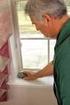 Cover Page Vari Inspection Services Property Inspection Report Inspection prepared for: Sample Real Estate Agent: None - Date of Inspection: 5/13/2015 Inspector: Tony Vari License # HI8047 23110 STRD 54
This handout is a guide only and does not contain all of the requirements of the Minnesota State Building Code or city ordinances.
 Basement Finishing Guide Community Development Department Building Inspections Division 5200 85 th Avenue North / Brooklyn Park, MN 55443 Phone: (763) 488-6379 / Fax: (763) 493-8171 6/15 www.brooklynpark.org
We have put together the following guidance on the different kinds of pests that we treat.
 Pest Control Guidance Document: We have put together the following guidance on the different kinds of pests that we treat. If you need advice or help with pests, please contact us on 01942 404364. Contents
Water Management & Damage Prevention:
 Water Management & Damage Prevention: A Guide for Homeowners This article provides homeowners with basic information to make these decisions and take the appropriate actions to keep their homes dry and
HomeSpec REPORT SUMMARY
 HomeSpec 04/25/2007 Ms. Rachel Trujeque Re: 13038 West Plum Road Lot #1225 - Peoria, AZ. 85383 - Pre Drywall Inspection Dear Ms. Trujeque, At your request, a visual pre drywall inspection of the above
INSPECTION PROPERTY ADDRESS: Fort Bend County, Texas
 5006 Cherry Ridge Road Richmond, Texas 77406 281-342-9944 [email protected] INSPECTION PROPERTY ADDRESS: INSPECTION PERFORMED FOR: XXXX Drive Fort Bend County, Texas Mr. and Mrs. New Construction
CENTER FOR ENVIRONMENTAL HEALTH Emergency Response/Indoor Air Quality Program
 CENTER FOR ENVIRONMENTAL HEALTH Emergency Response/Indoor Air Quality Program Guidance Concerning Remediation and Prevention of Mold Growth and Water Damage in Public Schools/Buildings to Maintain Air
How To Check For A Deficiency
 UPCS in Pictures The following pictures are not all inclusive nor does it cover every deficiency. The pictures, however are some of the most commonly cited deficiencies on REAC inspections. Erosion The
Minimum Housing and Health Standards
 APPENDIX M.O. 57/2012 Minimum Housing and Health Standards Original version July 20, 1999. Revisions to Part lll, Housing Premises, sections 3 and 4, June 30, 2012 (all revisions are bolded and underlined).
BUILDING DEPARTMENT 8748 W. 82 nd Place - Justice, IL 60458 Phone: (708) 458-2130 Fax: (708) 458-3207
 BUILDING DEPARTMENT 8748 W. 82 nd Place - Justice, IL 60458 Phone: (708) 458-2130 Fax: (708) 458-3207 SELF EVALUATION CHECKLIST FOR RESIDENTIAL AND MULTI-FAMILY DWELLING INSPECTIONS The attached checklist
healthy homes Pesticides are poisons used to kill pests (including cockroaches, mice and rats).
 WHAT YOU NEED TO KNOW ABOUT PESTS AND PESTICIDES TO PROTECT YOUR FAMILY S HEALTH Pests or chemicals? It s a hard choice. Mice and cockroaches can make your family sick, trigger asthma attacks, and damage
Report for. Dick and Jane Homeowner. 1234 Lovers Lane, Houston, Texas 77000
 Report for Dick and Jane Homeowner 1234 Lovers Lane, Houston, Texas 77000 March 17, 2004 I NI NP R Inspection Item I. STRUCTURAL SYSTEMS o o o A. Foundations (If all crawl space areas are not inspected,
RECOMMENDED COFFEE WAREHOUSE STORAGE PRACTICES
 45 Broadway, New York, NY 10006 (212) 766-5854 Fax (212) 766-5815 RECOMMENDED COFFEE WAREHOUSE STORAGE PRACTICES I. LOCATION AND PHYSICAL STRUCTURE OF WAREHOUSE Any location for the storage of coffee should
Inspecting to a higher standard.
 Inspecting to a higher standard. Rob Hopkin Silver Spring, MD 20902 Monday, June 2, 2014 ProTec Inspection Services Inc. 19736 Selby Ave Poolesville, MD 20837 301-972-8531 www.protec-inspections.com [email protected]
The most effective undetectable termite control product available in New York
 The most effective undetectable termite control product available in New York The most serious threat The Eastern Subterranean termite is the most common termite species and poses the most serious threat
Holz Choices & Specifications
 March 21, 2011 0. SALES AND DESIGN 1. UTILITIES AND PERMITS Holz Choices & Specifications 2. EXCAVATION AND LOT PREPARATION Job Beginning date of Monday May 2 nd, 2011 ALTERNATE: Garage walls as drawn
New Home Walk-Through Package
 New Home Walk-Through Package Carrying out a Successful Walk-through Before Closing John MacDonald Architect inc. The Courtyard @ Bonnie Stuart, 141 Whitney Place Suite 101, Kitchener, ON. N2G 2X8 New
Rehab Inspection Report Page 1
 Rehab Inspection Report Page 1 Home Address: Construction Style: Number of bedrooms Square footage: Value of offer: Estimated rehab cost: Value of resale: Orientation of house: N S E W Note: orientation
#1) BEFORE Purchasing Land Here Is A Checklist Of Things You Should Check
 #1) BEFORE Purchasing Land Here Is A Checklist Of Things You Should Check Zoning laws Deed restrictions on home size, foundation style, roof pitch, etc. Suitability (slope, wetland issues, etc.) Accessibility
SCHOOLS INTEGRATED PEST MANAGEMENT (IPM) FOR RATS AND MICE
 SCHOOLS INTEGRATED PEST MANAGEMENT (IPM) FOR RATS AND MICE *Important Note* According to the Virginia Pesticide Control Act (Section 3.1-249.53), in order to apply ANY pesticide (including Raid, Round-Up,
Walkthrough Inspection Checklist
 Walkthrough Inspection Checklist This checklist is to aid during an IAQ Walkthrough of the school. The checklist includes considerations both inside and outside the school building: Instructions: 1. Read
Rodents. By: Isidoro Cabrera
 Rodents By: Isidoro Cabrera The trouble with rodents Norway rats The trouble with rodents Polynesian rats The trouble with rodents Roof rats The trouble with rodents Common house mouse Norway rats and
Vision Home Inspection
 Vision Home Inspection 324 Rams Run Shepherdsville KY 40165-7877 Inspector: James McFadden Property Inspection Report Client(s): Property address: Inspection date: View report summary This report is the
Does Wall Township require an inspection by the building department on resale of a home?
 Selling your home Does Wall Township require an inspection by the building department on resale of a home? No. We do not require a Certificate of Continued Occupancy on the resale of home. A Smoke Detector,
healthy homes assessment
 healthy homes assessment Date of Inspection: Inspector s Name: Agency: Address of Property: Resident s Name: Phone Number: Primary Reason for Visit: Asthma Lead Poisoning Voluntary Referral Other: GENERAL
Integrated Pest Management How does this fit into the Maintenance Dept.
 Integrated Pest Management How does this fit into the Maintenance Dept. Janet Hurley, MPA School IPM Program Specialist Texas AgriLife Extension Service Southern Region School IPM Committee 1 It s s just
LOS ANGELES UNIFIED SCHOOL DISTRICT. Integrated Pest Management Training Program
 LOS ANGELES UNIFIED SCHOOL DISTRICT Integrated Pest Management Training Program In March 1999, the Board of Education of the Los Angeles Unified School District adopted an integrated pest management policy
PEPPER VINER HOMES WARRANTY GUIDELINES
 PEPPER VINER HOMES WARRANTY GUIDELINES All non-emergency warranty and customer service requests MUST be made in writing. This provides you with documentation and allows Pepper Viner to operate efficiently.
COST OF WORK FORM. Abbreviations: ea = each, LF = linear feet, SF = square feet, HSF = square feet of living area (including garage conversion space)
 COST OF WORK FORM All costs shown are estimates using base grade materials, taxes, and labor. For houses where a higher quality is indicated, the costs should be increased for work requiring upgraded materials.
Basic Mold Prevention
 Basic Mold Prevention Mold is a form of fungi and a part of nature. Just as other plants produce seeds to reproduce themselves, mold produces tiny spores to reproduce itself. These spores are floating
Controlling moisture. For your home. Bellevue, WA 98009-9734. Puget Sound Energy. pse.com/myrebates. P.O. Box 97034 1210 02/14
 Controlling moisture For your home 1210 02/14 Puget Sound Energy P.O. Box 97034 Bellevue, WA 98009-9734 pse.com/myrebates Control the moisture in your home In this guide 3 Control the moisture in your
Sentinel Chicken Screening Here are the mosquito larvae! Ground Application Aerial Larvicide Applications
 County of San Diego Vector Control Program Mosquitoes, Rats, Ticks and More! What is a Vector? Any organism capable of carrying and transferring a disease Common vectors: Mosquitoes Ticks Rats Flies Mosquito
HOMEOWNER S PERMIT GUIDE
 HOMEOWNER S PERMIT GUIDE WHEN IS A PERMIT REQUIRED? Department of Development and Permits 306 Cedar Road, City Hall 2 nd Floor P.O. Box 15225 Chesapeake, VA 23328 Phone: (757) 382-6018 Fax: (757) 382-8448
Guide to Care and Maintenance
 Village of Mount Prospect Guide to Care and Maintenance of Your Apartment Sponsored ed by: y: Village of Mount Prospect Envir nvironmental Health Division with the assistance of The Concerened ened Owners
Clarendon CISD. Integrated Pest Management Program (IPM) Manual Updated & Board Acknowledgement 11/10/11
 Clarendon CISD Integrated Pest Management Program (IPM) Manual Updated & Board Acknowledgement 11/10/11 See Official Board Policy Code CLB (LEGAL) & (LOCAL) 1 TABLE OF CONTENTS Policy Statement... 3 IPM
Integrating Healthy Housing Considerations into Weatherization Inspections. Jim LaRue
 Cleveland Cuyahoga County Healthy House Project Training Integrating Healthy Housing Considerations into Weatherization Inspections Jim LaRue Joint inspections for housing health hazards Weatherization
Plumbing Installations. A homeowner guide to the City of Winnipeg plumbing requirements for a single-family dwelling
 Plumbing Installations A homeowner guide to the City of Winnipeg plumbing requirements for a single-family dwelling February 2001 contents General Information 3 Inspection 4 New Drain and Vent Installations
Home Management Checklist: Preventing Home Moisture Damage. Exterior Checklist
 HL 235 Rev. August 1998 In all instances where there is excess moisture in a house, the most important thing to do is to determine the source of the water and eliminate that source. The Extension publications
Integrated Pest Management for School and Municipal Buildings, Part 2
 www.nysipm.cornell.edu/factsheets/buildings/municipal_ipm_step2.pdf 2012 Community Integrated Pest Management for School and Municipal Buildings, Part 2 J. Gangloff-Kaufmann, New York State Integrated
Home Management Checklist: Spring
 Home Management Checklist: Spring HVAC System Attic Plumbing and Electrical Service air conditioning unit (Ventilation inspected as part of service call). Ensure gutters are discharging water away from
Integrated Pest Management
 Slide 197 Integrated Pest Management Prepared by: Michael Waldvogel, Ph.D. NC Cooperative Extension Service North Carolina State University 197 In this section of food safety training, we will discuss
159 Morningside Avenue, Toronto
 159 Morningside Avenue, Toronto Inspection Report February 6, 2013 159 Morningside Avenue, Toronto Inspection Report Overall Condition: This 60±-year-old home was extensively renovated and extended in
WHY DO WE NEED TO ELIMINATE RODENTS FROM FOOD PREMISES?
 WHY DO WE NEED TO ELIMINATE RODENTS FROM FOOD PREMISES? There is specific legislation concerning rodent pests in any premises. The Prevention of Damage by Pests Act 1949 insists that you keep your premises
Service & Maintenance:
 Service & Maintenance: Condensation About Condensation Tips for Controlling Humidity and Condensation Frequently Asked Questions Sources 1 condensation: What is it? Introduction Moisture on windows and
PRE-PURCHASE INSPECTION REPORT
 PRE-PURCHASE INSPECTION REPORT PREPARED FOR: PROPERTY ADDRESS: Waiheke Island DATE: 21 November 2012 Page 1 of 13 (a) This is a report of a visual only, non-invasive inspection of the areas of the building
Crawford Inspection Services C.C.B. # 76914 www.crawfordinspections.com
 Crawford Inspection Services C.C.B. # 76914 www.crawfordinspections.com Portland Area PO Box 665 West Linn, OR 97068 Ph: (503) 650-6957 Salem Area 5434 River Rd. N; #192 Keizer, OR 97303 Ph: (503) 362-5809
Home Inspection Report
 4949 Brownsboro Rd Suite 293 Louisville, KY 40223 (502) 414-1440 [email protected] Inspected By: William Carter, HI-1956 Home Inspection Report Prepared For: Edward Cullen Property Address:
bout your HOUSE before you start Renovating Your Basement Moisture Problems
 A bout your HOUSE before you start Renovating Your Basement Moisture Problems CE 28 c Condensation of cold surfaces, efflorescence Water leak in corner on floor Mold and decay on floor joists and sill
Representing Yourself in an
 Representing Yourself in an Housing Code Eviction Case In Massachusetts, the state Sanitary Code is the main law that gives tenants a right to decent housing. All rental housing must at least meet the
LIMITED ONE-YEAR WARRANTY SELLER S RESPONSIBILITY
 LIMITED ONE-YEAR WARRANTY SELLER S RESPONSIBILITY Except as covered by a manufacturers limited warranty, the Seller hereby provides a Limited Warranty for the dwelling against defects in the original material
Owner Cleaning and Maintenance Checklist
 Owner Cleaning and Maintenance Checklist Whether in between rentals or on a yearly basis, it is important to keep your holiday home in great condition, which is why we have created this list to make it
The Ultimate Guide to Exterminating Termites
 TAKE ON THOSE TERRIBLE TERMITES! The Ultimate Guide to Exterminating Termites Prepared by: TERMITE TERROR: DESTRUCTION IN A FEW BITES Have you ever wondered why termites are such a problem? Home inspectors