
VASOPRESSORS are believed to improve the outcome
|
|
|
- Joseph Harper
- 10 years ago
- Views:
Transcription
1 Acta Anaesthesiol Scand 2006; 50: Printed in Singapore. All rights reserved # 2006 The Authors Journal compilation # 2006 Acta Anaesthesiol Scand ACTA ANAESTHESIOLOGICA SCANDINAVICA doi: /j x Naloxone and epinephrine are equally effective for cardiopulmonary resuscitation in a rat asphyxia model M.-H. CHEN 1,L.XIE 2, T.-W. LIU 1, F.-Q. SONG 1 and T. HE 1 1 Institute of Cardiovascular Diseases, First Affiliated Hospital of Guangxi Medical University and 2 Department of Physiology, School of Pre-Clinical Sciences, Guangxi Medical University, Nanning, China Background: It is not known whether naloxone is as efficacious as epinephrine during cardiopulmonary resuscitation (CPR). The aim of the study was to compare the effects of naloxone and epinephrine on the outcomes of CPR following asphyxial cardiac arrest in rats. Methods: Cardiac arrest was induced with asphyxia by clamping the tracheal tubes. Twenty-four Sprague Dawley rats were randomized prospectively into a saline group (treated with normal saline, 1 ml intravenously, n ¼ 8), an epinephrine group (treated with epinephrine, 0.04 mg/kg intravenously, n ¼ 8) or a naloxone group (treated with naloxone, 1 mg/kg intravenously, n ¼ 8) in a blind fashion during resuscitation after asphyxial cardiac arrest. After 5 min of untreated cardiac arrest, conventional manual CPR was started and each drug was administered at the same time. Results: The rates of restoration of spontaneous circulation (ROSC) were one of eight (12.5%), seven of eight (87.5%) and seven of eight (87.5%) in the saline, epinephrine and naloxone groups, respectively. The rates of ROSC in the epinephrine and naloxone groups were equal and significantly greater than that in the saline group (P ¼ 0.01 and P ¼ 0.01, respectively). Conclusion: The administration of naloxone or epinephrine alone may increase the resuscitation rate, and both drugs are equally effective for CPR in a rat asphyxia model. However, the mechanism by which naloxone produces its efficacy during CPR remains unclear and further experimentation will be necessary. Accepted for publication 16 June 2006 Key words: animal; asphyxia; cardiac arrest; cardiopulmonary resuscitation; epinephrine; naloxone. # 2006 The Authors Journal compilation # 2006 Acta Anaesthesiol Scand VASOPRESSORS are believed to improve the outcome of patients with cardiac arrest by improving cardiac and brain blood flow during cardiopulmonary resuscitation (CPR). Although epinephrine has been used as a standard first-line drug in cardiac arrest for many years, the efficacy of the drug is still not completely satisfactory. CPR studies have shown that epinephrine may be associated with ventricular arrhythmias (1) and severe post-resuscitation myocardial dysfunction (2). Recently, it has been reported that vasopressin is more effective than epinephrine during CPR in a ventricular fibrillation model (3). However, asphyxial cardiac arrest is a very different insult from sudden cardiac arrest. In an unpublished experimental study, epinephrine yielded a much better outcome to CPR than vasopressin in asphyxial rabbit cardiac arrest. Sumann et al. (4) described the case of a 19- year-old female patient with prolonged, hypothermic, out-of-hospital cardiopulmonary arrest after near drowning, in whom cardiocirculatory arrest persisted despite 2 mg of intravenous epinephrine; however, immediate return of spontaneous circulation occurred after a single dose (40 IU) of intravenous vasopressin. Unfortunately, the patient died of multiorgan failure 15 h later. Schwarz et al. (5) also reported that, although vasopressin significantly increased coronary perfusion pressure and defibrillation success, the 60-min survival rate was not improved. These data suggest that the efficacy of vasopressin during CPR remains to be established, and that the search for a better resuscitation medication remains a challenge. Naloxone is used most often to reverse opioidinduced respiratory depression (6, 7). It has also been used in many varieties of shock (8 11). Except for death due to opioid overdose, little knowledge is available on the efficacy of naloxone during variants of cardiac arrest and CPR. In an earlier preliminary study, we attempted to identify whether naloxone 1125

2 M.-H. Chen et al. alone could increase the rate of restoration of spontaneous circulation (ROSC) during CPR. Different doses of naloxone (0.5 and 1.0 mg/kg body weight) were administered in an asphyxia rat model of cardiac arrest. It was found that high doses of naloxone alone could increase the resuscitation rate during CPR. The present study was performed to identify whether naloxone alone has the same efficacy as epinephrine during CPR. The hypothesis was that both drugs would exhibit the same efficacy for CPR. Materials and methods This study was approved by the Animal Investigation Committee at Guangxi Medical University, Nanning, China, and was conducted in accordance with National Institutes of Health guidelines for ethical animal research. Animal preparation Sprague-Dawley rats of both sexes, weighing g, were fasted overnight with the exception of free access to water. The animals were anesthetized by intraperitoneal injection of 1 g/kg urethane, placed in a supine position on a surgical board and the extremities were immobilized. The proximal trachea was surgically exposed in the animals and a 14-gauge cannula was inserted through a tracheostomy, 10 mm caudal to the larynx. Through the right external jugular vein, an 18- gauge polyethylene catheter was advanced through the superior vena cava into the right atrium. The right atrial pressure was measured with reference to the mid-chest with a high-sensitivity pressure transducer. Another 18-gauge polyethylene catheter was advanced from the left carotid artery into the thoracic aorta for the measurement of the aortic pressure. The void space of the catheters was filled with physiological salt solution containing 5 IU/ml of bovine heparin. The core temperature was measured through a rectal temperature probe. Conventional lead II electrocardiograms were recorded using subcutaneous needles. The electrocardiogram (lead II) and aortic and right atrial pressures were continuously recorded on a desktop computer via a four-channel physiological recorder (BL-420 E Bio-systems, Chengdu Technology & Market Co. Ltd., China) for subsequent analyses. The coronary perfusion pressure was calculated as the difference between the minimal diastolic aortic pressure and the simultaneously recorded right atrial pressure Experimental protocol After a min equilibration period following surgery, asphyxial cardiac arrest was induced by clamping of the endotracheal tube. Cardiac arrest was determined by the loss of aortic pulsations and a mean aortic pressure of less than 10 mmhg, together with asystole or pulseless electrical activity (12). The animals were randomized prospectively into a saline group (treated with normal saline, 1 ml intravenously, n ¼ 8), an epinephrine group (treated with epinephrine, 0.04 mg/kg intravenously, n ¼ 8) or a naloxone group (treated with naloxone, 1 mg/kg intravenously, n ¼ 8) in a blind fashion. After 5 min of untreated asphyxial cardiac arrest, CPR was initiated, and each drug was administered at the same time. Drug administration occurred only once at this point in all groups. Ventilation was performed by a volume-controlled small animal ventilator (DH- 150, Medical Instrument of Zhejiang University, Zhejiang, China) with room air at 70 breaths/min and a tidal volume adjusted to 6 ml/kg. This ventilation was consistently maintained in order to imitate the scenario of no oxygen available. Manual chest compression at a rate of 180 compressions/min, with equal compression relaxation duration, was performed by the same investigator, who was blind to the hemodynamic monitor tracings and guided by acoustic audio tones. The compression depth was about 30% of the anteroposterior chest diameter at maximal compression. ROSC was defined as the return of supraventricular rhythm with a mean aortic pressure of 20 mmhg or more for a minimum of 5 min. Failure to restore spontaneous circulation after 10 min resulted in the discontinuation of resuscitation efforts. Post-resuscitation care Hemodynamics and heart rate monitoring were continued for 1 h, and mechanical ventilation was continued for 1 h or less than 1 h after successful resuscitation depending on the condition of the animal s respiration. The appearance of spontaneous breathing was defined as the return of spontaneous breathing with more than 5 breaths/min under mechanical ventilation. If spontaneous breathing presented with 40 breaths/min or more for 5 min or more within 1 h after ROSC, and the blood pressure remained stable or gradually increased, mechanical ventilation was withdrawn. After 1 h of close observation, all catheters were removed with the tracheal tube left intact. The wound was then sutured. The animals were subsequently returned to their cages and allowed to recover spontaneously.

3 Naloxone and epinephrine during CPR The investigators observed the animals until spontaneous breathing stopped. The survival time was defined as the time from ROSC to the cessation of spontaneous breathing. Necropsy was routinely performed after death, including resuscitated and non-resuscitated animals. The thoracic and abdominal organs were examined for gross evidence of traumatic injuries that followed the intraperitoneal injection of anesthesia, airway management, vascular cannulation or precordial compression, and the position of the catheters was documented. Statistical analysis Data were presented as the mean standard deviation for approximately normally distributed variables and, otherwise, as the median (25th and 75th percentiles). One-way analysis of variance (ANOVA) was used to determine the statistical significance between the three groups. For the data after ROSC, Student s t-test was applied to examine the difference between the epinephrine and naloxone groups with regard to blood pressure and heart rate. The Mann Whitney U-test was used to determine the differences in variables not normally distributed between the groups. Fisher s exact test was used for discrete variables, such as ROSC. A two-tailed value of P < 0.05 was considered to be statistically significant. Results Before asphyxia, no significant differences were observed between the three groups with regard to body weight, heart rate, systolic blood pressure, diastolic blood pressure, mean aortic pressure, central venous pressure and body temperature. The time from the initiation of asphyxia to cardiac arrest was min in the saline group, min in the epinephrine group and min in the naloxone group (P ¼ NS between the groups). The time from the initiation of asphyxia to the termination of spontaneous breathing was s in the saline group, 56 8 s in the epinephrine group and 44 4 s in the naloxone group (P ¼ NS between the groups). During the consecutive 5 min of untreated cardiac arrest, all animals presented with pulseless electrical activity and no spontaneous ventricular fibrillation occurred. Cardiac rhythms subsequently resulted in asystole in 18 of the 24 animals before CPR (P ¼ NS between the groups). The rates of ROSC in the epinephrine and naloxone groups were equal and significantly higher than that in the saline group (P ¼ 0.01 and P ¼ 0.01, respectively). The time of ROSC in the epinephrine group was shorter than that in the naloxone group (P ¼ 0.002), as was the survival time in the epinephrine group, but no statistically significant difference was observed (Table 1). There was no significant difference between the epinephrine and naloxone groups with regard to the rate of appearance of spontaneous breathing. The time of appearance of spontaneous breathing and the time of ventilation withdrawal in the epinephrine group were longer than those in the naloxone group, but did not reach statistical significance (Table 2). The saline group data were not compared with those of the other groups because of the low survival rate. The coronary perfusion pressure in the epinephrine group was much higher than that in the saline and naloxone groups. The coronary perfusion pressure in the naloxone group was higher than that in the saline group, but did not reach statistical significance, except at 10 min (Fig. 1). There were no statistically significant differences between the epinephrine and naloxone groups with regard to the mean aortic pressure during 60 min of monitoring after ROSC, except at 5 min (P ¼ 0.001; Fig. 2). The changes in heart rate in both the epinephrine and naloxone groups were similar during 60 min of monitoring after ROSC (Fig. 3). The saline group was excluded because of the low survival rate and, consequently, was not compared with the other groups. Discussion In this study, although the coronary perfusion pressure in the epinephrine group was much higher than that in the naloxone and saline groups, the rates of Table 1 Comparison of restoration of spontaneous circulation (ROSC), time of cardiopulmonary resuscitation (CPR) and survival time between the three groups. Group Rats (n) ROSC, n (%) Time of ROSC (s) Survival time (h) Saline 8 1 (12.5) Epinephrine 8 7 (87.5)* 40 (32, 51) 2 (1, 6) Naloxone 8 7 (87.5)* 58 (55, 65) 4 (1, 26) Time is presented as median (25th, 75th percentiles). Time of ROSC represents the time from CPR to ROSC; survival time represents the time from ROSC to the termination of spontaneous breathing. *P < 0.05 vs. saline group. P < 0.01 vs. naloxone group. 1127

4 M.-H. Chen et al. Table Comparison of the changes in respiration within 60 min after restoration of spontaneous circulation (ROSC) between the three groups (mean SD) Group ROSC (n) Rate of appearance of spontaneous breathing (n) Time of appearance of spontaneous breathing (min) Time of ventilation withdrawal (min) Saline Epinephrine Naloxone MAP (mmhg) Nal gro Epi gro Time of appearance of spontaneous breathing represents the time from ROSC to the appearance of spontaneous breathing Time (min) ROSC in the epinephrine and naloxone groups were equal, and both groups showed significantly higher coronary perfusion pressure than that in the saline group. Therefore, the data suggest that naloxone and epinephrine are equally effective for CPR in a rat asphyxia model. The satisfactory resuscitation results demonstrated after the administration of naloxone in cardiorespiratory arrest (13) have stimulated further investigation into the efficacy of naloxone in CPR. In this study, the mechanism by which naloxone was as effective as epinephrine during CPR after asphyxial arrest remains unclear. Many reports have indicated that hypoxia may cause cerebrospinal fluid or plasma Coronary perfusion pressure (mmhg) Epi gro Nal gro Sal gro Time (min) Fig. 1. Changes in coronary perfusion pressure during the first 10 min of resuscitation after 5 min of untreated cardiac arrest. Variables are expressed as the mean SEM. The coronary perfusion pressure in the epinephrine group (Epi-gro) was much higher than that in the saline group (Sal-gro) from 0.5 to 10 min (P ¼ ). The coronary perfusion pressure in the epinephrine group was much higher than that in the naloxone group (Nal-gro) from 0.5 to 5 min (P ¼ ), but there was no significant difference between the two groups at 10 min (P ¼ 0.413). In addition, there was no significant difference in the coronary perfusion pressure between the naloxone and saline groups, except at 10 min (P ¼ 0.004) Fig. 2. Changes in mean aortic pressure (MAP) during 60 min of monitoring after restoration of spontaneous circulation (ROSC). There were no significant differences between the epinephrine (Epi-gro) and naloxone (Nal-gro) groups with regard to MAP during 60 min of monitoring after ROSC, except at 5 min (P ¼ 0.001). levels of b-endorphin-like immunoreactivity to increase. This is associated with respiratory difficulties, inhibits vasoconstriction and plays a role in the pathophysiology of prolonged infant apnea (14 17). It has been postulated that asphyxial cardiac arrest may cause a similar reaction in the body, and lead to the release of endogenous opiates that are partially responsible for respiratory, cardiac and peripheral vascular depression. In addition, the response to epinephrine may be attenuated by these substances, but this effect can be reversed by naloxone. An alternative hypothesis is the involvement of catecholamines and the autonomic nervous system. Naloxone can quickly stimulate catecholamine release (18 20), increase sympathetic nerve activity (21) and significantly elevate heart rate and blood HR (beats/min) Time (min) Nal gro Epi gro Fig. 3. Changes in heart rate (HR) during 60 min of monitoring after restoration of spontaneous circulation. Epi-gro, epinephrine group; Nal-gro, naloxone group.

5 Naloxone and epinephrine during CPR pressure (22, 23). This could potentially improve the survival rate in the asphyxial rat model compared with the control group. Naloxone may induce hypertension, pulmonary edema, atrial and ventricular arrhythmias, or cardiac arrest in certain patients. These adverse effects may be a result of extreme sympathetic nervous system activity (24) and an unexpected catecholamine surge. The administration of too much naloxone, or administering it too quickly, can easily precipitate these adverse effects. However, in the case of cardiac arrest and CPR, it is hypothesized that these adverse effects may be beneficial. Asphyxial cardiac arrest can be viewed simply as the ultimate respiratory and cardiovascular suppression state. The higher sympathetic nervous system activity and the higher concentration of plasma catecholamines may help to return spontaneous circulation. The administration of a large bolus of naloxone may result in a reaction consistent with the administration of epinephrine, which may be a possible explanation of why naloxone alone increased the resuscitation rate in the asphyxial rat model. The most serious side-effect of epinephrine is to increase myocardial oxygen consumption during ventricular fibrillation. It may also cause myocardial dysfunction in the post-resuscitation phase, probably as a result of its b-agonistic effect. Two different types of myocardial dysfunction have been identified. Mechanical dysfunction is characterized by decreased systolic and diastolic function. Electrical dysfunction is characterized by potentially fatal ectopic ventricular rhythms (25). The severity of both mechanical and electrical dysfunction increase with prolonged duration of cardiac arrest, increased power of electrical defibrillation shock and the administration of [b]-adrenergic agonists (especially epinephrine) (26). As naloxone produces the effect of anti-arrhythmia (27, 28) and ameliorates cardiac function (29, 30), it may be a beneficial adjunct to improve post-resuscitation myocardial dysfunction. In this study, however, because no adverse effects of epinephrine were observed, the theoretically beneficial effects of naloxone during CPR were not documented. There was no significant difference between the epinephrine and naloxone groups with regard to the rate of appearance of spontaneous breathing, the time of appearance of spontaneous breathing and the time of ventilation withdrawal. Therefore, the changes in respiration after ROSC in both groups were not significantly different in this study. Some conflicting reports on the action of naloxone should be noted. For example, naloxone has been reported not to affect the hemodynamics after ROSC (31), not to influence catecholamine levels (32) and to have no effect on survival in opiate overdose patients in cardiopulmonary arrest (33). The reason for this may be species differences or different animal models. In an asphyxial cardiac arrest rat model, numerous resuscitation-related variables appeared to be different between Sprague-Dawley rats and Wistar rats (12). Therefore, the results of animal experiments cannot be directly extrapolated immediately to clinical settings. In conclusion, the administration of naloxone or epinephrine alone may increase the resuscitation rate, and both drugs are equally effective and better than placebo for CPR in a rat asphyxia model. The mechanism by which naloxone produces its efficacy in this situation remains unclear, and further experimentation will be required. Acknowledgements This study was supported by the Guangxi Natural Science Foundation of China (No ). The authors express their gratitude to the staff of the Department of Physiology for excellent technical help, professional input and advice. References 1. Niemann JT, Haynes KS, Garner D, Rennie CJ 3rd, Jagels G, Stormo O. Postcountershock pulseless rhythms: response to CPR, artificial cardiac pacing, and adrenergic agonists. Ann Emerg Med 1986; 15 (2): Tang W, Weil MH, Gazmuri RJ, Sun S, Duggal C, Bisera J. Pulmonary ventilation/perfusion defects induced by epinephrine during CPR. Circulation 1991; 84 (5): Johansson J, Gedeborg R, Rubertsson S. Vasopressin versus continuous adrenaline during experimental cardiopulmonary resuscitation. Resuscitation 2004; 62 (1): Sumann G, Krismer AC, Wenzel V, et al. Cardiopulmonary resuscitation after near drowning and hypothermia: restoration of spontaneous circulation after vasopressin. Acta Anaesthesiol Scand 2003; 47 (3): Schwarz B, Mair P, Wagner-Berger H, et al. Neither vasopressin nor amiodarone improve CPR outcome in an animal model of hypothermic cardiac arrest. Acta Anaesthesiol Scand 2003; 47 (9): Pasero C, McCaffery M. Reversing respiratory depression with naloxone. Am J Nurs 2000; 100 (2): Lewanowitsch T., Irvine RJ. Naloxone methiodide reverses opioid-induced respiratory depression and analgesia without withdrawal. Eur J Pharmacol 2002; 445 (1 2): Haglind E. Effects of continuous naloxone infusion in intestinal ischemia shock in the rat. Circ Shock 1992; 38 (3): Duarte RR, Ali MM, Sayegh NY, Nayak P, Grace BW. Effects of naloxone infusion in patients with septic shock and renal failure: a limited experience. Am J Nephrol 1992; 12 (6): Nash PL. Naloxone and its use in neonatal septic shock. Neonatal Netw 1990; 8 (6):

6 M.-H. Chen et al. 11. Schumann LL, Remington MA. The use of naloxone in treating endotoxic shock. Crit Care Nurse 1990; 10 (2): Ebmeyer U, Keilhoff G, Wolf G, Rose W. Strain specific differences in a cardio-pulmonary resuscitation rat model. Resuscitation 2002; 53 (2): Berlot G, Gullo A, Romano E, Rinaldi A. Naloxone in cardiorespiratory arrest. Anaesthesia 1985; 40 (8): Espinoza M, Riquelme R, Germain AM, Tevah J, Parer JT, Llanos AJ. Role of endogenous opioids in the cardiovascular responses to asphyxia in fetal sheep. Am J Physiol 1989; 256 (5 Part 2): R Myer EC, Morris DL, Adams ML, Brase DA, Dewey WL. Increased cerebrospinal fluid beta-endorphin immunoreactivity in infants with apnea and in siblings of victims of sudden infant death syndrome. J Pediatr 1987; 111 (5): Ruth V, Pohjavuori M, Rovamo L, Salminen K, Laatikainen T. Plasma beta-endorphin in perinatal asphyxia and respiratory difficulties in newborn infants. Pediatr Res 1986; 20 (6): Sankaran K, Hindmarsh KW, Wallace SM, McKay RJ, O Donnell M. Cerebrospinal fluid and plasma beta-endorphin concentrations in prolonged infant apnea (near-miss sudden infant death syndrome). Dev Pharmacol Ther 1986; 9 (4): Mannelli M, Maggi M, De Feo ML, et al. Naloxone administration releases catecholamines. N Engl J Med 1983; 308 (11): McIntosh TK, Palter M, Grasberger R, Vezina R, Yeston NS, Egdahl RH. Effect of an opiate antagonist (naloxone) and an agonist/antagonist (nalbuphine) in primate hemorrhagic shock: relationship to catecholamine release. Circ Shock 1985; 17 (4): Kienbaum P, Scherbaum N, Thurauf N, Michel MC, Gastpar M, Peters J. Acute detoxification of opioid-addicted patients with naloxone during propofol or methohexital anesthesia: a comparison of withdrawal symptoms, neuroendocrine, metabolic, and cardiovascular patterns. Crit Care Med 2000; 28 (4): Chang AP, Dillard M, Dixon WR. Effect of naloxone on blood pressure responses and plasma catecholamine levels following clonidine injection in conscious, unrestrained rats. J Cardiovasc Pharmacol 1989; 13 (2): Freye E, Hartung E. Naloxone induces excitation of the cardiovascular system and a rise in myocardial oxygen consumption in fentanyl and meperidine-anesthetized dogs. Acta Anaesthesiol Belg 1982; 33 (2): Padbury JF, Agata Y, Polk DH, Wang DL, Callegari CC. Neonatal adaptation: naloxone increases the catecholamine surge at birth. Pediatr Res 1987; 21 (6): Kienbaum P, Heuter T, Michel MC, Scherbaum N, Gastpar M, Peters J. Sympathetic neural activation evoked by mureceptor blockade in patients addicted to opioids is abolished by intravenous clonidine. Anesthesiology 2002; 96 (2): Weil MH, Tang W. Cardiopulmonary resuscitation: a promise as yet largely unfulfilled. Dis Mon 1997; 43 (7): Tang W, Weil MH, Sun S, Noc M, Yang L, Gazmuri RJ. Epinephrine increases the severity of postresuscitation myocardial dysfunction. Circulation 1995; 92 (10): Hung CF, Wu MH, Tsai CH, Chu SH, Chi JF, Su MJ. Electrophysiological mechanisms for the antiarrhythmic activities of naloxone on cardiac tissues. Life Sci 1998; 63 (14): Lin CJ, Chen YT, Kuo JS, Lee AY. Antiarrhythmic action of naloxone. Suppression of picrotoxin-induced cardiac arrhythmias in the rat. Jpn Heart J 1992; 33 (3): Parker JL, Keller RS, Behm LL, Adams HR. Left ventricular dysfunction in early E. coli endotoxemia: effects of naloxone. Am J Physiol 1990; 259 (2 Part 2): H Lee AY, Zhan CY, Wong TM. Effects of beta-endorphin on the contraction and electrical activity of the isolated perfused rat heart. Int J Pept Protein Res 1984; 24 (5): Gervais HW, Eberle B, Hennes HJ, et al. High dose naloxone does not improve cerebral or myocardial blood flow during cardiopulmonary resuscitation in pigs. Resuscitation 1997; 34 (3): Foley PJ, Tacker WA, Voorhees WD, Ralston SH, Elchisak MA. Effects of naloxone on the adrenomedullary response during and after cardiopulmonary resuscitation in dogs. Am J Emerg Med 1987; 5 (5): Sporer KA, Firestone J, Isaacs SM. Out-of-hospital treatment of opioid overdoses in an urban setting. Acad Emerg Med 1996; 3 (7): Address: Dr Tang-Wei Liu Institute of Cardiovascular Diseases First Affiliated Hospital of Guangxi Medical University Nanning China [email protected] 1130

Update on Small Animal Cardiopulmonary Resuscitation (CPR)- is anything new?
 Update on Small Animal Cardiopulmonary Resuscitation (CPR)- is anything new? DVM, DACVA Objective: Update on the new Small animal guidelines for CPR and a discussion of the 2012 Reassessment Campaign on
Cardiac Arrest Pediatric Ventricular Fibrillation / Pulseless Ventricular Tachycardia Protocol revised October 2008
 Cardiac Arrest Pediatric Ventricular Fibrillation / Pulseless Ventricular Tachycardia Protocol revised October 2008 Preamble In contrast to cardiac arrest in adults, cardiopulmonary arrest in pediatric
ACLS PHARMACOLOGY 2011 Guidelines
 ACLS PHARMACOLOGY 2011 Guidelines ADENOSINE Narrow complex tachycardias or wide complex tachycardias that may be supraventricular in nature. It is effective in treating 90% of the reentry arrhythmias.
Cardiac Arrest - Ventricular Fibrillation / Pulseless Ventricular Tachycardia Protocol revised October 2008
 Cardiac Arrest - Ventricular Fibrillation / Pulseless Ventricular Tachycardia Protocol revised October 2008 Preamble Survival from cardiorespiratory arrest for patients who present with ventricular fibrillation
ACLS Provider Manual Comparison Sheet Based on 2010 AHA Guidelines for CPR and ECC. BLS Changes
 ACLS Provider Manual Comparison Sheet Based on 2010 AHA Guidelines for CPR and ECC CPR Chest compressions, Airway, Breathing (C-A-B) BLS Changes New Old Rationale New science indicates the following order:
What is the Future of Epinephrine in Cardiac Arrest? Pros and Cons
 What is the Future of Epinephrine in Cardiac Arrest? Pros and Cons Melissa L. Thompson Bastin, PharmD., BCPS Komal A. Pandya, PharmD., BCPS 0 Presenter Disclosure Information Melissa L. Thompson Bastin,
Atrial Fibrillation in the ICU: Attempting to defend 4 controversial statements
 Atrial Fibrillation in the ICU: Attempting to defend 4 controversial statements Salmaan Kanji, Pharm.D. The Ottawa Hospital The Ottawa Hospital Research Institute Conflict of Interest No financial, proprietary
ACLS Cardiac Arrest Algorithm Neumar, R. W. et al. Circulation 2010;122:S729-S767
 ACLS Cardiac Arrest Algorithm Neumar, R. W. et al. Circulation 2010;122:S729-S767 Copyright 2010 American Heart Association ACLS Cardiac Arrest Circular Algorithm Neumar, R. W. et al. Circulation 2010;122:S729-S767
ACLS PRE-TEST ANNOTATED ANSWER KEY
 ACLS PRE-TEST ANNOTATED ANSWER KEY June, 2011 Question 1: Question 2: There is no pulse with this rhythm. Question 3: Question 4: Question 5: Question 6: Question 7: Question 8: Question 9: Question 10:
Crash Cart Drugs Drugs used in CPR. Dr. Layla Borham Professor of Clinical Pharmacology Umm Al Qura University
 Crash Cart Drugs Drugs used in CPR Dr. Layla Borham Professor of Clinical Pharmacology Umm Al Qura University Introduction A list of the drugs kept in the crash carts. This list has been approved by the
Cardiac Arrest VF/Pulseless VT Learning Station Checklist
 Cardiac Arrest VF/Pulseless VT Learning Station Checklist VF/VT 00 American Heart Association Adult Cardiac Arrest Shout for Help/Activate Emergency Response Epinephrine every - min Amiodarone Start CPR
ANNE ARUNDEL MEDICAL CENTER CRITICAL CARE MEDICATION MANUAL DEPARTMENT OF NURSING AND PHARMACY. Guidelines for Use of Intravenous Isoproterenol
 ANNE ARUNDEL MEDICAL CENTER CRITICAL CARE MEDICATION MANUAL DEPARTMENT OF NURSING AND PHARMACY Guidelines for Use of Intravenous Isoproterenol Major Indications Status Asthmaticus As a last resort for
2015 Interim Resources for HeartCode ACLS
 2015 Interim Resources for HeartCode ACLS Original Release: November 25, 2015 Starting in 2016, new versions of American Heart Association online courses will be released to reflect the changes published
Pediatric Pharmacotherapy A Monthly Newsletter for Health Care Professionals Children s Medical Center at the University of Virginia
 Pediatric Pharmacotherapy A Monthly Newsletter for Health Care Professionals Children s Medical Center at the University of Virginia Volume 2 Number 12 December 1996 Medications for Neonatal and Pediatric
The Sepsis Puzzle: Identification, Monitoring and Early Goal Directed Therapy
 The Sepsis Puzzle: Identification, Monitoring and Early Goal Directed Therapy Cindy Goodrich RN, MS, CCRN Content Description Sepsis is caused by widespread tissue injury and systemic inflammation resulting
E C C. American Heart Association. Advanced Cardiovascular Life Support. Written Exams. May 2011
 E C C American Heart Association Advanced Cardiovascular Life Support Written Exams Contents: Exam Memo Student Answer Sheet Version A Exam Version A Answer Key Version A Reference Sheet Version B Exam
Resuscitation in congenital heart disease. Peter C. Laussen MBBS FCICM Department Critical Care Medicine Hospital for Sick Children Toronto
 Resuscitation in congenital heart disease Peter C. Laussen MBBS FCICM Department Critical Care Medicine Hospital for Sick Children Toronto Evolution of Congenital Heart Disease Extraordinary success: Overall
Cardiopulmonary Resuscitation
 Cardiopulmonary Resuscitation Jonathan E. Palmer, V.M.D. Author s address: Graham French Neonatal Section, Connelly Intensive Care Unit, New Bolton Center, University of Pennsylvania, 382 West Street Rd.,
RESPONDING TO ANESTHETIC COMPLICATIONS
 RESPONDING TO ANESTHETIC COMPLICATIONS General anesthesia poses minimal risk to most patients when performed by a capable anesthetist using appropriate protocols and proper monitoring. However, it is vitally
If you do not wish to print the entire pre-test you may print Page 2 only to write your answers, score your test, and turn in to your instructor.
 This is a SAMPLE of the pretest you can access with your AHA PALS Course Manual at Heart.org/Eccstudent using your personal code that comes with your PALS Course Manual The American Heart Association strongly
Cardiovascular response to epinephrine varies with increasing duration of cardiac arrest
 Resuscitation (2008) 77, 101 110 available at www.sciencedirect.com journal homepage: www.elsevier.com/locate/resuscitation EXPERIMENTAL PAPER Cardiovascular response to epinephrine varies with increasing
Local Anaesthetic Systemic Toxicity. Dr Thomas Engelhardt, MD, PhD, FRCA Royal Aberdeen Children s Hospital, Scotland
 Local Anaesthetic Systemic Toxicity Dr Thomas Engelhardt, MD, PhD, FRCA Royal Aberdeen Children s Hospital, Scotland Conflict of interest None Overview Local anesthetic systemic toxicity (LAST) Background
Adding IV Amiodarone to the EMS Algorithm for Cardiac Arrest Due to VF/Pulseless VT
 Adding IV Amiodarone to the EMS Algorithm for Cardiac Arrest Due to VF/Pulseless VT Introduction Before the year 2000, the traditional antiarrhythmic agents (lidocaine, bretylium, magnesium sulfate, procainamide,
F.E.E.A. FONDATION EUROPEENNE D'ENSEIGNEMENT EN ANESTHESIOLOGIE FOUNDATION FOR EUROPEAN EDUCATION IN ANAESTHESIOLOGY
 créée sous le Patronage de l'union Européenne Detailed plan of the program of six courses 1. RESPIRATORY 1. ESPIRATORY AND THORAX 1.1 Physics and principles of measurement 1.1.1 Physical laws 1.1.2 Vaporizers
ROC CONTINUOUS CHEST COMPRESSIONS STUDY (CCC): MEDICAL CARDIAC ARREST MEDICAL DIRECTIVE
 ROC CONTINUOUS CHEST COMPRESSIONS STUDY (CCC): MEDICAL CARDIAC ARREST MEDICAL DIRECTIVE An Advanced Care Paramedic will provide the treatment based on the randomization scheme and as prescribed in this
Official Online ACLS Exam
 \ Official Online ACLS Exam Please fill out this form before you take the exam. Name : Email : Phone : 1. Hypovolemia initially produces which arrhythmia? A. PEA B. Sinus tachycardia C. Symptomatic bradyarrhythmia
American Heart Association ACLS Pre-Course Self Assessment Dec., 2006. ECG Analysis. Name the following rhythms from the list below:
 American Heart Association ACLS Pre-Course Self Assessment Dec., 2006 ECG Analysis This pre-test is exactly the same as the pretest on the ACLS Provider manual CD. This paper version can be completed in
All Intraosseous Sites Are Not Equal
 All Intraosseous Sites Are Not Equal Clinical Data Suggests the Sternal IO Route Improves Patient Outcomes Current Guidelines, (such as AHA) indicate that Intraosseous Infusion (IO) is a rapid, safe and
Paediatric Advanced Life Support
 Paediatric Advanced Life Support Introduction There is concern that resuscitation from cardiac arrest is not performed as well as it might because the variations in guidelines for different age groups
Impact of Manual CPR on Increasing Coronary Perfusion Pressure
 Impact of Manual CPR on Increasing Coronary Perfusion Pressure In sudden cardiac arrest cases, the ability to adequately perfuse the brain and heart during resuscitation is of critical importance. The
THERAPEUTIC INDUCED HYPOTHERMIA GUIDELINES
 THERAPEUTIC INDUCED HYPOTHERMIA GUIDELINES Guidelines for Inclusion: (check all that apply) Cardiac arrest patients with any of the following: Ventricular fibrillation Pulseless Ventricular tachycardia
AMERICAN HEART ASSOCIATION 2010 ACLS GUIDELINES: WHAT EVERY CLINICIAN NEEDS TO KNOW
 AMERICAN HEART ASSOCIATION 2010 ACLS GUIDELINES: WHAT EVERY CLINICIAN NEEDS TO KNOW Joseph Heidenreich, MD Texas A&M Health Science Center Scott & White Memorial Hospital Scott & White Memorial Hospital
It is recommended that the reader review each medical directive presented in this presentation along with the actual PCP Core medical directive.
 It is recommended that the reader review each medical directive presented in this presentation along with the actual PCP Core medical directive. This presentation will highlight the changes and any new
Purpose To guide registered nurses who may manage clients experiencing sudden or unexpected life-threatening cardiac emergencies.
 Emergency Cardiac Care: Decision Support Tool #1 RN-Initiated Emergency Cardiac Care Without Cardiac Monitoring/Manual Defibrillator or Emergency Cardiac Drugs Decision support tools are evidence-based
Present : PGY 王 淳 峻 Supervisor: F1 王 德 皓 991109
 Present : PGY 王 淳 峻 Supervisor: F1 王 德 皓 991109 Interventions to prevent cardiac arrest + Airway management + Ventilation support + Treatment of bradyarrhythmias & Tachyarrhythmias Treat cardiac arrest
Cardiac Arrest: General Considerations
 Andrea Gabrielli, MD, FCCM Cardiac Arrest: General Considerations Cardiopulmonary resuscitation (CPR) is described as a series of assessments and interventions performed during a variety of acute medical
Emergency Medical Services Advanced Level Competency Checklist
 Emergency Services Advanced Level Competency Checklist EMS Service: Current License in State of Nebraska: # (Copy of license kept in file at station) Date of joining EMS Service: EMS Service Member Name:
CH CONSCIOUS SEDATION
 Summary: CH CONSCIOUS SEDATION It is the policy of Carondelet Health that moderate conscious sedation of patients will be undertaken with appropriate evaluation and monitoring. Effective Date: 9/4/04 Revision
Naloxone: Effects and Side Effects
 Gregory W. Terman M.D., Ph.D. Professor Department of Anesthesiology and Pain Medicine and the Graduate Program in Neurobiology Mayday Pain and Society Fellow University of Washington Seattle, Washington
Vasopressors. Judith Hellman, M.D. Associate Professor Anesthesia and Perioperative Care University of California, San Francisco
 Vasopressors Judith Hellman, M.D. Associate Professor Anesthesia and Perioperative Care University of California, San Francisco Overview Define shock states Review drugs commonly used to treat hypotension
PHENYLEPHRINE HYDROCHLORIDE INJECTION USP
 PRESCRIBING INFORMATION PHENYLEPHRINE HYDROCHLORIDE INJECTION USP 10 mg/ml Sandoz Canada Inc. Date of Preparation: September 1992 145 Jules-Léger Date of Revision : January 13, 2011 Boucherville, QC, Canada
E C C. American Heart Association. Advanced Cardiovascular Life Support. Written Precourse Self-Assessment. May 2011. 2011 American Heart Association
 E C C American Heart Association Advanced Cardiovascular Life Support Written Precourse Self-Assessment May 2011 2011 American Heart Association 2011 ACLS Written Precourse Self-Assessment 1. Ten minutes
Michigan Adult Cardiac Protocols CARDIAC ARREST GENERAL. Date: May 31, 2012 Page 1 of 5
 Date: May 31, 2012 Page 1 of 5 Cardiac Arrest General This protocol should be followed for all adult cardiac arrests. Medical cardiac arrest patients undergoing attempted resuscitation should not be transported
Guidelines for the Use of Naloxone in Palliative Care in Adult Patients
 Guidelines for the Use of Naloxone in Palliative Care in Adult Patients Date Approved by Network Governance May 2012 Date for Review May 2015 Changes between Version 1 and 2 1. Guideline background 2.
CENTER FOR DRUG EVALUATION AND RESEARCH
 CENTER FOR DRUG EVALUATION AND RESEARCH APPLICATION NUMBER: 205029Orig1s000 SUMMARY REVIEW Cross Discipline Team Leader Review 4. Nonclinical Pharmacology/Toxicology In their review of the original application,
The management of cardiac arrest
 CHAPTER 6 The management of cardiac arrest LEARNING OBJECTIVES In this chapter you will learn: How to assess the cardiac arrest rhythm and perform advanced life support 6.1. INTRODUCTION Cardiac arrest
Anatomy and Physiology: Understanding the Importance of CPR
 Anatomy and Physiology: Understanding the Importance of CPR Overview This document gives you more information about the body s structure (anatomy) and function (physiology). This information will help
Intraosseous Vascular Access and Lidocaine
 Intraosseous Vascular Access and Lidocaine Intraosseous (IO) needles provide access to the medullary cavity of a bone. It is a technique primarily used in emergency situations to administer fluid and medication
The role of epinephrine during cardiopulmonary resuscitation
 Repeated Administration of Vasopressin but Not Epinephrine Maintains Coronary Perfusion Pressure After Early and Late Administration During Prolonged Cardiopulmonary Resuscitation in Pigs Volker Wenzel,
WORKSHEET for PROPOSED Evidence-Based GUIDELINE RECOMMENDATIONS
 Worksheet Author: WORKSHEET for PROPOSED Evidence-Based GUIDELINE RECOMMENDATIONS Taskforce/Subcommittee: BLS ACLS PEDS ID PROAD _X (NRP) Other: Author s Home Resuscitation Council: _X_AHA ANZCOR CLAR
Management of Adult Cardiac Arrest
 73991_CH27_page68-73.qxd 6/6/11 3:54 PM Page 68 27.68 Section 5 Medical Guidelines for Performing a 12-Lead ECG The only way to learn how to obtain a 12-lead ECG is to practice with the equipment itself.
Behavioral Health Policy: Methadone Treatment and Intensive Detoxification or Ultra-Rapid Detoxification for Opiate Addiction
 Behavioral Health Policy: Methadone Treatment and Intensive Detoxification or Ultra-Rapid Detoxification for Opiate Addiction Table of Contents Policy: Commercial Coding Information Information Pertaining
DEBRIEFING GUIDE. The key components of an optimal code response: 1. Early recognition that the patient is deteriorating or has become unresponsive.
 DEBRIEFING GUIDE I N T R O D U C T I O N Debriefing has been shown to improve clinical behavior during cardiac resuscitation and, as such, has become a recommended procedure in the 2010 American Heart
Community Ambulance Service of Minot ALS Standing Orders Legend
 Legend Indicates General Information and Guidelines Indicates Procedures Indicates Medication Administration Indicates Referral to Other Protocol Indicates Referral to Online Medical Direction Pediatric
EMBARGOED FOR RELEASE
 Systems of Care and Continuous Quality Improvement Universal elements of a system of care have been identified to provide stakeholders with a common framework with which to assemble an integrated resuscitation
- NALOXONE/NARCAN. This training is designed to teach you about one action you can take in case of an overdose of opiates.
 OVERDOSE MANAGEMENT PROTOCOL - NALOXONE/NARCAN TRAINING This training is designed to teach you about one action you can take in case of an overdose of opiates. This training program will not make you a
Comparison of Heart Rate and Blood Pressure administration of anesthesia agent with and without
 ISSN: 2347-3215 Volume 2 Number 9 (September-2014) pp. 153-158 www.ijcrar.com Comparison of Heart Rate and Blood Pressure administration of anesthesia agent with and without Mohammad Ali Ghavimi 1*, Javad
2015 Interim Resources for BLS
 2015 Interim Resources for BLS Original Release: November 25, 2015 Starting in 2016, new versions of American Heart Association online courses will be released to reflect the changes published in the 2015
Bier Block (Intravenous Regional Anesthesia)
 Bier Block (Intravenous Regional Anesthesia) History August Bier introduced this block in 1908. Early methods included the use of two separate tourniquets and procaine was the local anesthetic of choice.
Inotropes/Vasoactive Agents Hina N. Patel, Pharm.D., BCPS Cathy Lawson, Pharm.D., BCPS
 Inotropes/Vasoactive Agents Hina N. Patel, Pharm.D., BCPS Cathy Lawson, Pharm.D., BCPS 1. Definition -an agent that affects the contractility of the heart -may be positive (increases contractility) or
Procedure 17: Cardiopulmonary Resuscitation
 Cardiopulmonary Resuscitation 349 Procedure 17: Cardiopulmonary Resuscitation Introduction Cardiopulmonary arrest (CPA) occurs when a patient s heart and lungs stop functioning. In children, CPA usually
The Initial and 24 h (After the Patient Rehabilitation) Deficit of Arterial Blood Gases as Predictors of Patients Outcome
 Biomedical & Pharmacology Journal Vol. 6(2), 259-264 (2013) The Initial and 24 h (After the Patient Rehabilitation) Deficit of Arterial Blood Gases as Predictors of Patients Outcome Vadod Norouzi 1, Ali
Use of the A-B-C basic life support sequence.
 Basic Life Support A change in the basic life support (BLS) sequence of steps for trained rescuers from A-B-C (Airway, Breathing, Chest compressions) to C-A-B (Chest compressions, Airway, Breathing) for
table of contents drug reference
 table of contents drug reference ADULT DRUG REFERENCE...155 161 PEDIATRIC DRUG REFERENCE...162 164 PEDIATRIC WEIGHT-BASED DOSING CHARTS...165 180 Adenosine...165 Amiodarone...166 Atropine...167 Defibrillation...168
Medical Direction and Practices Board WHITE PAPER
 Medical Direction and Practices Board WHITE PAPER Use of Pressors in Pre-Hospital Medicine: Proper Indication and State of the Science Regarding Proper Choice of Pressor BACKGROUND Shock is caused by a
ACLS Study Guide BLS Overview CAB
 ACLS Study Guide The ACLS Provider exam is 50-mutiple choice questions. Passing score is 84%. Student may miss 8 questions. For students taking ACLS for the first time or renewing students with a current
NORTH WALES CRITICAL CARE NETWORK
 NORTH WALES CRITICAL CARE NETWORK LEVELS OF CRITICAL CARE FOR ADULT PATIENTS Throughout the work of the North Wales Critical Care Network reference to Levels of Care for the critically ill are frequently
CARDIAC RESUSCITATION: A compazuson of 30:2 AND ccc cpr on ADMINISTRATION. A Thesis Submitted to the Honors Collese MAY 2011
 CARDIAC RESUSCITATION: A compazuson of 30:2 AND ccc cpr on BYSTANDER WILLINGNESS AND THE TIMING AND ROUTE OF EPINEPHRINE ADMINISTRATION By Sarah Nicole Peer A Thesis Submitted to the Honors Collese In
ANZCOR Guideline 12.4 Medications and Fluids in Paediatric Advanced Life Support
 ANZCOR Guideline 12. Medications and Fluids in Paediatric Advanced Life Support Who does this guideline apply to? This guideline applies to infants and children. Summary Who is the audience for this guideline?
The 5 Most Important EMS Articles EAGLES 2014
 The 5 Most Important EMS Articles EAGLES 2014 Corey M. Slovis, M.D. Vanderbilt University Medical Center Metro Nashville Fire Department Nashville International Airport Nashville, TN VanderbiltEM.com
Neonatal Reference Guide
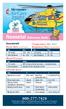 Operated by REACH Air Medical Services Assessment Heart Rate (beats/min.) Age Rate
Target groups: Paramedics, nurses, respiratory therapists, physicians, and others who manage respiratory emergencies.
 Overview Estimated scenario time: 10 15 minutes Estimated debriefing time: 10 minutes Target groups: Paramedics, nurses, respiratory therapists, physicians, and others who manage respiratory emergencies.
NEWBORN (birth to 24 hours)
 NEWBORN (birth to 24 hours) 3kg ETT size: 3mm ETT length: 14cm AIRTRAQ: GREY LMA size: 1 or 1.5 IGT size: 5 FG SHOCK: 15 joules CPR: one third of chest depth rate 100/min 3:1 The emphases in resuscitation
Original Contributions
 doi:10.1016/j.jemermed.2010.02.030 The Journal of Emergency Medicine, Vol. 41, No. 5, pp. 453 459, 2011 Copyright 2011 Elsevier Inc. Printed in the USA. All rights reserved 0736-4679/$ see front matter
Yamaguchi University, Japan
 Yamaguchi University, Japan The United Graduate School of Veterinary Science The Stress Related Neuroendocrine and Metabolic Effects of Alpha-2 Adrenergic Agents and Their Combinations with Injectable
AHA/AAP Neonatal Resuscitation Guidelines 2010: Summary of Major Changes and Comment on its Utility in Resource-Limited Settings
 AHA/AAP Neonatal Resuscitation Guidelines 2010: Summary of Major Changes and Comment on its Utility in Resource-Limited Settings Resuscitation step Recommendations (2005) Recommendations (2010) Comments/LOE
Naloxone Hydrochloride Injection PRODUCT INFORMATION
 Naloxone Hydrochloride Injection PRODUCT INFORMATION DESCRIPTION Naloxone hydrochloride is 17-allyl-4,5α-epoxy-3,14-dihydroxymorphinan-6-one hydrochloride; C 19 H 21 NO 4.HCl. It is an off-white powder
Milwaukee School of Engineering [email protected]. Case Study: Factors that Affect Blood Pressure Instructor Version
 Case Study: Factors that Affect Blood Pressure Instructor Version Goal This activity (case study and its associated questions) is designed to be a student-centered learning activity relating to the factors
Levels of Critical Care for Adult Patients
 LEVELS OF CARE 1 Levels of Critical Care for Adult Patients STANDARDS AND GUIDELINES LEVELS OF CARE 2 Intensive Care Society 2009 All rights reserved. No reproduction, copy or transmission of this publication
*Reflex withdrawal from a painful stimulus is NOT considered a purposeful response.
 Analgesia and Moderate Sedation This Nebraska Board of Nursing advisory opinion is issued in accordance with Nebraska Revised Statute (NRS) 71-1,132.11(2). As such, this advisory opinion is for informational
Utstein-style guidelines for uniform reporting of laboratory CPR research.
 Resuscitation 33 (1996) 69 84 Utstein-style guidelines for uniform reporting of laboratory CPR research. A Statement for Healthcare Professionals from a Task Force of the American Heart Association, the
Arrest. What s a Nurse to do?
 Benzo s, Blockers, Coma & Cardiac Arrest What s a Nurse to do? Objectives Review of ACLS Algorithms for Cardiac Arrest Management Discuss the toxicology of Beta Blocker Poisoning Describe the clinical
How To Treat A Heart Attack
 13 Resuscitation and preparation for anaesthesia and surgery Key Points 13.1 MANAGEMENT OF EMERGENCIES AND CARDIOPULMONARY RESUSCITATION ESSENTIAL HEALTH TECHNOLOGIES The emergency measures that are familiar
Resuscitation Could this new model of CPR hold promise for better rates of neurologically intact survival?
 Cover report by Gordon A. Ewy, MD, Michael J. Kellum, MD, & Bentley J. Bobrow, MD CARDIOCEREBRAL Resuscitation Could this new model of CPR hold promise for better rates of neurologically intact survival?
GUIDELINE FOR ADMINISTRATION OF FENTANYL FOR PAIN RELIEF IN LABOUR
 GUIDELINE FOR ADMINISTRATION OF FENTANYL FOR PAIN RELIEF IN LABOUR INTRODUCTION Intravenous (IV) Fentanyl is a good option for pain management during labour and should be administered in a safe and competent
Adult Drug Reference. Dopamine Drip Chart. Pediatric Drug Reference. Pediatric Drug Dosage Charts DRUG REFERENCES
 Adult Drug Reference Dopamine Drip Chart Pediatric Drug Reference Pediatric Drug Dosage Charts DRUG REFERENCES ADULT DRUG REFERENCE Drug Indication Adult Dosage Precautions / Comments ADENOSINE Paroxysmal
IU Health ACLS Study Guide
 IU Health ACLS Study Guide Preparing for your upcoming ACLS Class REVISED SEPTEMBER 2011 ON APRIL 1, 2011 WE BEGAN TEACHING THE 2010 AHA GUIDELINES. WE HIGHLY RECOMMEND REVIEWING THE NEW ALGORYHMS FOUND
PEDIATRIC TREATMENT GUIDELINES
 P1 Pediatric Patient Care P2 Cardiac Arrest Initial Care and CPR P3 Neonatal Resuscitation P4 Ventricular Fibrillation / Ventricular Tachycardia P5 PEA / Asystole P6 Symptomatic Bradycardia P7 Tachycardia
Septic Shock: Pharmacologic Agents for Hemodynamic Support. Nathan E Cope, PharmD PGY2 Critical Care Pharmacy Resident
 Septic Shock: Pharmacologic Agents for Hemodynamic Support Nathan E Cope, PharmD PGY2 Critical Care Pharmacy Resident Objectives Define septic shock and briefly review pathophysiology Outline receptor
Epinephrine in CPR. The 5 Most Important EMS Articles EAGLES 2014. Epi vs No-Epi Take Homes 2/28/2014. VF/VT (1990 Pairs) Epi vs No-Epi
 The 5 Most Important EMS Articles EAGLES 214 Corey M. Slovis, M.D. Vanderbilt University Medical Center Metro Nashville Fire Department Nashville International Airport Nashville, TN nephrine in CPR VF/VT
Southern Stone County Fire Protection District Emergency Medical Protocols
 TITLE Pediatric Medical Assessment PM 2.4 Confirm scene safety Appropriate body substance isolation procedures Number of patients Nature of illness Evaluate the need for assistance B.L.S ABC s & LOC Focused
The vast majority of patients
 Sodium nitroprusside enhanced cardiopulmonary resuscitation improves survival with good neurological function in a porcine model of prolonged cardiac arrest* Demetris Yannopoulos, MD; Timothy Matsuura,
Recommendations: Other Supportive Therapy of Severe Sepsis*
 Recommendations: Other Supportive Therapy of Severe Sepsis* K. Blood Product Administration 1. Once tissue hypoperfusion has resolved and in the absence of extenuating circumstances, such as myocardial
Section Four: Pulmonary Artery Waveform Interpretation
 Section Four: Pulmonary Artery Waveform Interpretation All hemodynamic pressures and waveforms are generated by pressure changes in the heart caused by myocardial contraction (systole) and relaxation/filling
High dose versus standard dose epinephrine in cardiac arrest a meta-analysis
 Resuscitation 45 (2000) 161 166 www.elsevier.com/locate/resuscitation High dose versus standard dose epinephrine in cardiac arrest a meta-analysis C. Vandycke *, P. Martens Department of Emergency Medicine,