
School Water, Sanitation and Hygiene
|
|
|
- Spencer Pierce
- 10 years ago
- Views:
Transcription
1 State of Palestine Ministry of Education School Water, Sanitation and Hygiene Knowledge, Attitudes and Practices Survey Funded by the Australian Government October 2012

2

3 State of Palestine Ministry of Education School Water, Sanitation and Hygiene Knowledge, Attitudes and Practices Survey October 2012 Funded by the Australian Government

4 School Water Sanitation and Hygiene Knowledge, Attitudes and Practices Survey, occupied Palestinian territory, 2011 United Nations Children s Fund office in the occupied Palestinian territory, 2011 The School Water Sanitation and Hygiene Knowledge Attitudes and Practices Survey was conducted by the Ministry of Education and UNICEF in the occupied Palestinian territory, in A special thanks to Dr Mohamad Rimawi, Dr. Taisser Al-Shorafa, Dr. Moammer Ishteewi, Mahmoud Matar, Munjid Suleiman, Suzan Totah, Amjad Ehmedat, Mahmoud Amarna, Samir Rajab and Sahira Danoun from the Ministry and UNICEF colleagues Bilas Dongol, Carol Awad, Jacqueline Paul, Snjezana Hansen, Candie Cassabalian and Monica Awad for making this report possible. Our deep appreciation goes to our donor the Australian Government Overseas Aid Program (AusAID) for supporting this effort. Cover photo: UNICEF-oPt/Izhiman October 2012 The content of this report does not necessarily reflect UNICEF s or AUSAID s official position. The text has not been edited to official publication standards and UNICEF and AusAID accept no responsibility for errors. The designations in this publication do not imply an opinion on the legal status of any country or territory, or of its authorities, or the delimitation of frontiers. For further information, please contact: Dr. Mohammed Rimawi Monica Awad Ministry of Education United Nations Children s Fund Ramallah Beit Hanina, Jerusalem Telephone: Telephone: Website: [email protected]

5 ACRONYMS EFA KAP MoE OECD opt PCBS PWA UNESCO UNICEF UNRWA WASH CFS Education for All Knowledge, Attitudes and Practices Ministry of Education Organization for Economic Cooperation and Development occupied Palestinian territory Palestinian Central Bureau of Statistics Palestinian Water Authority The United Nations Educational, Scientific and Cultural Organization United Nations Children s Fund United Nations Relief and Works Agency for Palestine Refugees in the Near East Water, Sanitation and Hygiene Child Friendly Schools

6

7 Contents ACRONYMS EXECUTIVE SUMMARY INTRODUCTION Background on the educational system in the opt The 2011 Knowledge, Attitudes and Practices (KAP) Survey on School Water, Sanitation and Hygiene Survey coverage Report s content CHARACTERISTICS OF SCHOOLS, TEACHERS AND STUDENTS School characteristics Teachers characteristics Students characteristics...22 Conclusion School HygienE Environment General environment Sources of drinking water Sanitation facilities Hand-washing facilities Waste disposal...32 Conclusion School Hygiene and Health-Related Activities School sanitation and hygiene education Teachers involvement with hygiene-related activities Parental and student involvement with hygiene-related activities...39 Conclusion Students knowledge of proper hygiene habits Knowledge of protective measures against diarrhoea Knowledge of hand-washing and its importance Knowledge of proper toilet use Knowledge of cleanliness importance Access to health hygiene education at school Sources of information about hygiene...46 Conclusion Students attitudes towards proper hygiene habits Attitude towards use of school toilet facilities Attitudes towards drinking water at school Attitudes towards hand-washing at school...51 Conclusion Students hygiene practices Drinking water practices Hand-washing practices Bathing and brushing teeth practices Other hygiene practices Discussion about hygiene behaviours...58 Conclusion...59

8 8.0 Conclusions and recommendations Conclusions Recommendations...64 Annex 1: Detailed methodology...67 Annex 2: Monitoring forms...71 Annex 3: Statistical tables...77 Annex 4: Specific chapter recommendations Tables Table 1-1: Results of survey interviews by location...11 Table 1-2: Results of survey interviews by directorate...12 Table 1-3: Results of survey interviews by school type...13 Table 1-4: Results of survey interviews by school level...13 Table 1-5: Chapter/Statistical table index...14 Table 2-1: Mean number of classes per school, of students per class and of student per school...17 Table 2-2: Mean number of teachers in schools in the opt...20 Table 3-1: Student-to-toilet ratios for boys and girls (without urinals)...28 Table 3-2: Mean number of toilet facilities per school, disaggregated by type of facility...30 Table 4-1: Most frequent roles for School Health Committees and Environmental Clubs...35 Table 5-1: Hand-washing knowledge of students...43 Table 8-1: Summary of MoE recommendations on WASH facilities versus findings...62 Table 8-2: Summary of MoE recommendations on WASH facilities versus findings disaggregated...62 Figures Figure 2-1: Percentage of schools with morning shift only and with morning and afternoon shifts combined...19 Figure 2-2: Student-teacher ratio by directorate...21 Figure 2-3: Student-teacher ratio by location and type of school...21 Figure 2-4: Student-to-cleaning worker ratio per directorate...22 Figure 2-5: Family size by directorate...23 Figure 3-1: Percentage of schools free of rubbish by directorate...25 Figure 3-2: Student-to-water point ratio by directorate...27 Figure 3-3: Student-to-toilet facility ratio...29 Figure 3-4: Student-to-hand-washing facility ratio by directorate...32 Figure 4-1: Topics conveyed by the school to students about hygiene and sanitation...36 Figure 5-1: Level of knowledge of ways of protection from diarrhoea...42 Figure 5-2: Percentage of students mentioning public media as a source of information on cleanliness and hygiene by directorate...46 Figure 6-1: Percentage of students refusal to use school toilets by directorate...49 Figure 6-2: Percentage of students refusal to use school toilets by sex, grade and location...50 Figure 7-1: Distribution of students by drinking water practices at school...53 Figure 7-2: Hand-washing practices in opt by sex...54 Figure 7-3: Frequency of bathing among students in the opt...55 Figure 7-4: Frequency of cleaning teeth among students in the opt...56 Figure 7-5: Frequency of hygiene habits among students: key differences...58 Figure 7-6: Percentage of students discussing various hygienic behaviours with family...58

9 STATISTICAL TABLES Table 1.1 Survey sample characteristics by school location...78 Table 1.1 Survey sample characteristics by school location...79 Table 1.2 Survey sample characteristics by school type...80 Table 1.3 Survey sample characteristics by school level...81 Table 2.1 Mean number of classes and number of shifts...82 Table 2.1 Mean number of classes and number of shifts...83 Table 2.1 Mean number of classes and number of shifts...84 Table 2.2a: Mean number of students, by sex and location, opt...85 Table 2.2 Mean number of students...86 Table 2.2 Mean number of students...87 Table 2.3 Class Crowdness...88 Table 2.3 Class Crowdness...89 Table 2.3 Class Crowdness...90 Table 2.4 Teachers headcount...91 Table 2.4 Teachers headcount...92 Table 2.4 Teachers headcount...93 Table 2.5 Workers headcount...94 Table 2.5 Workers headcount...95 Table 2.5 Workers headcount...96 Table 2.6 Teachers characteristics...97 Table 2.6 Teachers characteristics...98 Table 2.6 Teachers characteristics...99 Table 2.7 Students characteristics Table 2.7 Students characteristics Table 2.7 Students characteristics Table 3.1 General school environment Table 3.1 General school environment Table 3.1 General school environment Table 3.2 Cleaning classrooms and yard Table 3.2 Cleaning classrooms and yard Table 3.2 Cleaning classrooms and yard Table 3.3 Observed cleanness of yard Table 3.3 Observed cleanness of yard Table 3.3 Observed cleanness of yard Table 3.4 Sources of drinking water at school Table 3.4 Sources of drinking water at school Table 3.4 Sources of drinking water at school Table 3.5 Drinking water storage at schools Table 3.5 Drinking water storage at schools Table 3.5 Drinking water storage at schools Table 3.6 Assessment of sources of drinking water Table 3.6 Assessment of sources of drinking water Table 3.6 Assessment of sources of drinking water Table 3.7 Quality of drinking water Table 3.7 Quality of drinking water...124

10 Table 3.7 Quality of drinking water Table 3.8 Number of sanitation facilities Table 3.8 Number of sanitation facilities Table 3.8 Number of sanitation facilities Tables 3.8a: School s opinion on number of toilets Table 3.9 Drainage of sanitation facilities Table 3.9 Drainage of sanitation facilities Table 3.9 Drainage of sanitation facilities Table 3.10 Cleaning and maintaining sanitation facilities Table 3.10 Cleaning and maintaining sanitation facilities Table 3.10 Cleaning and maintaining sanitation facilities Table 3.11 Student friendly toilets Table 3.11 Student friendly toilets Table 3.11 Student friendly toilets Table 3.12 Cleanness of toilets Table 3.12 Cleanness of toilets Table 3.12 Cleanness of toilets Table 3.13 Availability and properly equipped hand washing facilities Table 3.13 Availability and properly equipped hand washing facilities Table 3.13 Availability and properly equipped hand washing facilities Table 3.14 Collection and disposal of wastes Table 3.14 Collection and disposal of wastes Table 3.14 Collection and disposal of wastes Table 3.15 Observation of wastes disposal management Table 3.15 Observation of wastes disposal management Table 3.15 Observation of wastes disposal management Table 3.16: Teacher s perception of cleanliness of schools and perception of responsabilities for school cleanliness Table 4.1 School sanitation and hygiene education committees/associations Table 4.1 School sanitation and hygiene education committees/associations Table 4.1a: Teachers invovlment in committees and clubs Table 4.1b: Students participation in school health committee and environmental clubs and their opinion on the school health committee and environemntal club Table 4.2 School hygiene education Table 4.2 School hygiene education Table 4.2a: Students opinion on best source of information about hygiene Table 4.3 Teaching students specific health hygiene issues Table 4.3 Teaching students specific health hygiene issues Table 4.4 Availability of materials to teach health issues Table 4.4 Availability of materials to teach health issues Table 4.5 Parent s involvement with improving school sanitation and hygiene education Table 4.5 Parent s involvement with improving school sanitation and hygiene education Table 4.6 Teachers involvement with improving school sanitation and hygiene education Table 4.6 Teachers involvement with improving school sanitation and hygiene education Table 5.1 Knowledge of ways of protection from stomachache and diarrhea by background characteristics...187

11 Table 5.1 Knowledge of ways of protection from stomachache and diarrhea by background characteristics Table 5.1 Knowledge of ways of protection from stomachache and diarrhea by background characteristics Table 5.2 Knowledge of ways of protection from stomachache and diarrhea by selected characteristics Table 5.3 Knowledge of appropriate hand washing practices by background characteristics Table 5.3 Knowledge of appropriate hand washing practices by background characteristics Table 5.3 Knowledge of appropriate hand washing practices by background characteristics Table 5.4 Knowledge of appropriate hand washing practices by selected characteristics Table 5.5 Knowledge of the importance of hand washing with water and soap by background characteristics Table 5.5 Knowledge of the importance of hand washing with water and soap by background characteristics Table 5.5 Knowledge of the importance of hand washing with water and soap by background characteristics Table 5.6 Knowledge of the importance of hand washing with water and soap by selected characteristics Table 5.7 Importance of cleanness by background characteristics Table 5.7 Importance of cleanness by background characteristics Table 5.8 Importance of cleanness by selected characteristics Table 5.9 Importance of cleanness by background characteristics Table 5.9 Sources of knowledge about general cleanliness and personal hygiene Table 5.9 Sources of knowledge about general cleanliness and personal hygiene Table 5.10 Access to health hygiene education at school by background characteristics Table 5.10 Access to health hygiene education at school by background characteristics Table 5.11 Access to health hygiene education at school by background characteristics Table 5.11 Access to health hygiene education at school by selected characteristics Table 5.11 Access to health hygiene education at school by selected characteristics Table 5.12 School syllabus and health hygiene Table 5.12 School syllabus and health hygiene Table 5.12 School syllabus and health hygiene Table 5.13 Sources of knowledge about general cleanliness and personal hygiene Table 6.1a: Students perception of proper toilet use and of their contribution to waste management Table 6.1 Attitude towards using school toilets by school toilet characteristics Table 6.2 Attitude towards using school toilets by background characteristics Table 6.2 Attitude towards using school toilets by background characteristics Table 6.2 Attitude towards using school toilets by background characteristics Table 6.3 Usage of school toilet facilities by background characteristics Table 6.4 Source of drinking water at school by school water sources characteristics Table 6.5 Source of drinking water at school by background characteristics Table 6.5 Source of drinking water at school by background characteristics Table 6.5 Source of drinking water at school by background characteristics Table 6.6 Attitudes towards hand washing places at school by background characteristics Table 7.1 Drinking water habits at school Table 7.1 Drinking water habits at school Table 7.1 Drinking water habits at school Table 7.2 Washing hands at school by background characteristics...260

12 Table 7.2 Washing hands at school by background characteristics Table 7.2 Washing hands at school by background characteristics Table 7.3 Cleaning teeth practice by background characteristics Table 7.3 Cleaning teeth practice by background characteristics Table 7.3 Cleaning teeth practice by background characteristics Table 7.4 Cleaning teeth practice by other selected characteristics Table 7.5 General hygiene habits by background characteristics Table 7.5 General hygiene habits by background characteristics Table 7.5 General hygiene habits by background characteristics Table 7.6 General hygiene habits by other selected characteristics Table 7.7 Discussions about hygienic behaviors learned at school by background characteristics Table 7.7 Discussions about hygienic behaviors learned at school by background characteristics Table 7.7 Discussions about hygienic behaviors learned at school by background characteristics Table 7.8 Discussions about hygienic behaviors learned at school by other selected characteristics Table 7.9: Teachers opinion on ways to improve hygiene practices amongst students...288

13 EXECUTIVE SUMMARY UNICEF-oPt/Izhiman There are over 1,900 Government run public schools in opt (in the West Bank over 1,530 and nearly 400 public schools in the Gaza Strip), excluding UNRWA schools in the refugee camps and private schools. With an insufficient number of school buildings in the Gaza Strip, two shifts operate in many schools. Within the education sector, poor infrastructure and inadequacy of WASH facilities in the opt schools such as insufficient number of toilets (below recommended standards), lack of separate and/or suitable toilets for girls and boys in co-educational schools water shortages in the schools that are not connected to the water network particularly in Area C, poor quality of water in the schools in Gaza strip among other issues. is a key concern and negatively influences the educational environment for students and teachers, while also contributing to water-related health risks. While there is a general understanding of the hygiene and sanitation situation in opt schools, comprehensive and concrete data have not been available. The lack of current and complete information is an impediment to identifying priority needs to be addressed. There is also a need to strengthen the Palestinian Authority Ministry of Education capacity to monitor the hygiene and sanitation situation in its schools. Hence the MoE and UNICEF decided to conduct a Knowledge, Attitudes and Practices (KAP) Survey on School Water, Sanitation and Hygiene (WASH). The 2011 Knowledge, Attitudes and Practices (KAP) Survey on School Water, Sanitation and Hygiene (WASH) identifies the rehabilitation needs for WASH facilities in government schools, as well as gaps in knowledge, attitudes and hygiene practices of school students and staff. Generally, the survey finds that the numbers of hygiene-related facilities available to students are less than those required by international standards and/or the recommendations by the MoE. Girls in the Gaza region in particular are affected by this disparity. All schools surveyed were found to be educating students in proper WASH practices. Student knowledge about hygiene-related practices is widespread, if not comprehensive. Student attitudes and practices, however, are affected by the perception that school toilets, in particular, are unclean. Moreover, soap is available in hand-washing facilities only in some of the surveyed schools. School Water, Sanitation and Hygiene Knowledge, Attitudes and Practices Survey 1

14 ABOUT THE SURVEY This first-of-its-kind survey provides a baseline for developing WASH interventions in schools with effective monitoring over time. A subsequent post-kap survey is planned for The survey was conducted in Government schools in the occupied Palestinian territory. It was based on a statistically-valid sample comprising 411 schools in the Gaza Strip, West Bank (including Area C) and East Jerusalem. Included were primary and secondary schools; girls, boys and coeducational schools; Child-Friendly Schools [1] ; and grades four, seven and 10 that are located in urban and rural areas, and government-run secondary schools in refugee camps, where UNRWA provides the basic education. The following findings are based on interviews with 4,135 students, 822 teachers and 411 principals and observations made upon visits to the schools, all conducted throughout May CROWDED AND UNDERSTAFFED School facilities in the opt cater to a great number of students. Classes are crowded (with an overall average number of students per class in surveyed schools at 29.84), especially in urban areas and in Gaza. In the West Bank, basic school classes average 27.8 students and secondary school classes average 26.1 students. In Gaza, classes are much more crowded, with an average of 35.8 students per basic education class and 35.7 students per secondary education class. By comparison, the Organization for Economic Cooperation and Development (OECD) countries average for 2005 was 21.7 students per class in primary public schools and 23.8 students per class in lower secondary public schools [2]. Schools are large (averaging 411 students in surveyed schools), especially in urban areas and in Gaza. Moreover, in Gaza, every directorate has schools where one school building hosts two shifts, although some cases like this also exist in the West Bank. Also in Gaza, the ratio of students per teacher is high (24 students per teacher in basic schools and 21.6 in secondary schools surveyed compared with the West Bank, where there are 19.6 students per teacher in basic schools and 15.7 in secondary schools). For comparison, based on 2005 data average ratio of students to teaching staff in OECD countries is 16.7 in primary education and 13.4 in secondary education. Every school has at least one cleaning worker and Gaza schools and girls schools have more than most but these workers sometimes cater to a great number of students. According to the principals interviewed in the survey, in the vast majority of surveyed schools, the toilets are cleaned daily. The average cleaning worker in Jericho has to cater to 144 students while in Rafah, the average cleaning worker has to cater to 439 students. This puts a great deal of pressure on school facilities and personnel. GAPS IN SERVICES, DESPITE ATTENTION According to principals of surveyed schools, classrooms are cleaned almost daily with some exceptions in rural schools. The same applies to the cleaning of the grounds. As a result, the vast majority of schoolyards and playgrounds were observed as being clean or very clean during the survey. [1] These schools received training in CFS approach. UNICEF has developed a framework for rights-based, child-friendly educational systems and schools that are characterized as inclusive, healthy and protective for all children, effective with children, and involved with families and communities - and children (Shaeffer, 1999). [2] OECD, Education at a glance, 2007 report 2 School Water, Sanitation and Hygiene Knowledge, Attitudes and Practices Survey

15 Every opt school surveyed has personnel responsible for cleaning the school toilets. In the vast majority of cases, the toilets are cleaned daily (WB: 98.9 per cent, GS: 87.8 per cent). In Gaza, most of the schools whose toilets are not cleaned daily are girls schools and rural schools. But the schools environment in opt are not always devoid of rubbish. In the West Bank, one-third of schools (32.9 per cent) have rubbish around the school, while slightly more schools in Gaza (41.2 per cent) have rubbish nearby. In Gaza, 14 per cent of urban schools have water stagnating around the grounds of the school. Although connectivity is high, 87 per cent in West Bank and only eight per cent of surveyed schools in Gaza use the public water network as their main source of drinking water. According to the school principals interviewed in this survey, although the regular water quality monitoring is carried out by MoH, results of water quality test are not always available to schools and so school principals perception is that schools might not be meeting the WHO standards on water quality. But schools have found ways to get access to other sources of drinking water and/or appropriate treatment methods. For example, in Gaza, 92 per cent of surveyed schools have water trucked to them, often through the support of international organizations.. There is a great inequality in availability of WASH school facilities, especially between the West Bank and Gaza. When disaggregated by gender, the analysis reveals in particular that there are not enough toilets for girls a fact that is confirmed by teacher s perceptions. Results of survey show in schools in the West Bank there is an average of one toilet for every 29 boys and 40 girls, while in Gaza there is an average of one toilet for every 59 boys and 76 girls. International standards recommend one female toilet for every 25 [3] or 30 [4] girls and one male toilet plus a urinal for every 50 [5] boys or one toilet for 60 [6] boys. Although according to the school principals the toilets are cleaned daily, only half of all schools were observed to have all toilets clean at the time of the survey, with no great difference between the West Bank and the Gaza Strip. In the West Bank 15 per cent of schools and 18.3 per cent of schools in Gaza had not even one clean toilet. Only half of teachers surveyed believe students toilets to be clean. The vast majority of toilets do not have toilet paper. There are, on average, 38 students per water point in the West Bank and 62 students per water point in Gaza, nearly double the minimum recommended by MoE [7] of at least one water point for every 30 students. However the school principals generally believe that the supply of water is adequate in their establishments. Almost all schools have hand-washing facilities, although many schools do not have enough hand-washing places to meet MoE recommendations. On average, there are 95.6 students per hand-washing place in the opt as a whole, ranging in the sample by directorate from 10.6 students to 619 students per place. Regionally, the West Bank averages 81.6 students per hand-washing place while Gaza averages 126 students per hand-washing place. MoE guidelines, however, recommend one washing basin for every 30 [8] students [9] at a minimum and therefore, most opt schools fall below official Palestinian recommendations. The availability of soap varies greatly (between per cent) but is never sufficient, according to student reports. Half of the teachers surveyed believe student hand-washing places are not clean. [3] Adams, J., Bartram, J., Chartier, Y. and Sims, J., Water, Sanitation and Hygiene Standards for Schools in Low-cost Settings, WHO, Geneva, [4] The Sphere Project, Humanitarian Charter and Minimum Standards in Humanitarian Response, UK, [5] Ibid, p. 19. [6] Ibid, p. 20. [7] MoE, Guidebook of school health and environment standards, Palestinian National Committee of School Health and Environment Standards, School Health National Committee, [8] International standards call for one hand-washing place for every students. See UNESCO, FRESH Tools for Effective School Health, Guidelines for the Provision of Safe Water and Sanitation Facilities in Schools, website available at [9] MoE, Guidebook of school health and environment standards, Palestinian National Committee of School Health and Environment Standards, School Health National Committee, 2003 School Water, Sanitation and Hygiene Knowledge, Attitudes and Practices Survey 3

16 The survey also reviewed sanitation facilities in schools in Area C, where the MoE has little access and Israel controls construction and infrastructure. Although the results are merely illustrative due to the small sample size, few remarkable differences were found between these schools facilities and those in other areas of the opt. Area C schools were found to have male toilets in better condition than non-area C schools but with less water and fewer toilets available overall. In Area C schools, students are more involved in collecting the rubbish at school than in non-area C schools. There were no significant differences between Area C schools and non-area C schools in terms of sources of water, physical conditions of buildings, water availability, water testing, and school cleanliness. HIGH LEVELS OF EDUCATIONAL ENGAGEMENT The vast majority of schools (98.9 per cent in the West Bank and 100 per cent in Gaza) have at least one school body responsible for water, health, environment, sanitation or hygiene issues. These bodies mostly monitor sanitation and hygiene and support awareness-raising activities. Moreover, 100 per cent of schools surveyed in the opt offer teaching on hygiene and environmental sanitation at least once a month. Students find this very beneficial. Almost all teachers in surveyed schools teach students about health and hygiene topics, mostly using posters, brochures leaflets, and school textbooks. The vast majority of teachers in opt (96.3 per cent in the West Bank and 98.9 per cent in the Gaza Strip) report having taught students important health issues over the past six months prior to the survey. In the majority of cases, teachers believe they bear a great responsibility towards the state of sanitation and hygiene in the schools with 76 per cent considering it their responsibility to ensure the cleanliness of toilets, the schoolyard, classrooms and drinking water points and 78.2 per cent saying teachers could assist in supervising and following-up on maintaining school toilets. Two-thirds of schools report parents involvement in school sanitation and hygiene and between a fourth and a third of students participate in related clubs and committee activities. STUDENTS KNOWLEDGE ON HYGIENE Most students surveyed demonstrate partial knowledge on how to protect oneself from diarrhoea with 95 per cent of students in opt who can identify at least one correct way of preventing diarrhoea. On the importance of washing one s hands, students answers are fairly satisfactory, although Gaza students seem to have less knowledge than their West Bank counterparts. Many students do not necessarily connect this practice with the prevention of diarrhoea but they know that hand-washing helps in preventing diseases. Only half of students surveyed, however, are able to correctly identify all the important situations in which one should wash his hands. There is little correlation between these students and those who report being exposed to hygiene information at school in the last six months, The vast majority of students know cleanliness is important for health and know how to contribute to the cleanliness of their school environment. They also know how to properly use school toilets, although the survey shows this knowledge is not necessarily universal or comprehensive. Overall in the opt, 86.3 per cent of students know that they should wash their hands after using the toilet; 85.5 per cent know they need to flush the toilet with water after use; 75.6 per cent know they should not throw and leave toilet paper on the floor; 74.2 per cent know they have to turn off the washbasin faucet firmly and not leave it turned on; 68.9 per cent know they should defecate/ urinate in the toilet bowl. These data show, however, that there are still some students in some instances more than 30 per cent who did not respond correctly on the proper use of school toilets. Most students primary source of information about cleanliness and hygiene is from their mothers and teachers. The majority of students want to know more about hygiene and health topics, especially personal hygiene (69.9 per cent). 4 School Water, Sanitation and Hygiene Knowledge, Attitudes and Practices Survey

17 The celebration of Global Handwashing Day in schools appears to slightly increase knowledge of proper hand-washing and toilet use among students, showing the impact of such interventions. STUDENTS ATTITUDES TOWARDS HYGIENE PRACTICES Student attitudes towards school hygiene facilities are rather poor except for hand washing. Almost half of students (44.1 per cent of West Bank students and 42 per cent of Gaza students) refuse to use school toilets and prefer to wait until they go home, especially older students and girls. Dirty toilets and bad smell are the main reasons given for the refusal to use the toilets. Of the schools where an enumerator observed that toilets were clean and dry, 43.8 per cent of the students surveyed however refuse to use the toilets, 68.8 per cent of them giving the toilets lack of cleanliness as one reason for their refusal. Further study is required to determine why students refusing to use toilet facilities. Urination and defecation outside the school toilets, as reported by students, are negligible. Three-quarters of students in opt drink from school faucets and the 94.6 per cent of students use schools hand-washing facilities. STUDENTS HYGIENE PRACTICES Survey found that 57.9 per cent of students in the West Bank and 76.6 per cent in Gaza drink water by using their hands. Boys are much more likely to use their hands to drink. Survey also found that 86.7 per cent of students wash their hands with soap before eating, 84.4 per cent wash their hands with soap after going to the toilet and 78.4 per cent wash their hands after playing ), but only 67.9 per cent report doing all three, with a marked difference between Gaza (55.3 per cent) and the West Bank (74 per cent). Hand-washing practice is slightly better among students that celebrated Global Handwashing Day at school. Almost 70 per cent of students surveyed bathe every two or three days. Only 60 per cent of them brush their teeth most of the days although not every day. About three-quarters of students clean their hair or take care of their head daily, clip their fingernails weekly and never spit. A total of 75 % of students change their under wear every one to two days (with 50 % changing their underwear daily and another 25 % every two days).girls (versus boys) and students exposed to health hygiene lessons at school in the past six months (as compared with the rest) have better oral hygiene habits. Encouragingly, 96.9 per cent of students discuss hygienic behaviours learned at school with parents and family. School Water, Sanitation and Hygiene Knowledge, Attitudes and Practices Survey 5

18 MAIN RECOMMENDATIONS The following are the main recommendations based on this survey and are further elaborated in the complete report. Increase the number of sanitation facilities: Build new WASH facilities including toilets for girls in schools, giving priority to Gaza Ensure cleanness of WASH facilities: Standardize the number of cleaning workers, provide sufficient cleaning materials and ensure regular monitoring Improve water quality: The MoE to establish guidelines and procedures and ensure regular water quality monitoring in schools Ensuring availability of supplies for hygiene practices: Analyze enabling factors such as budget/expenditure and management/coordination, allowing for sustainable provision of toilet paper, soap, cleaning materials etc. in schools Promote knowledge: There is a need for the MoE to prepare manual on curriculum supplement for basic grades students, standard training materials for field health workers and systematize monitoring of hygiene practices at schools including strengthening of school health committees and environmental clubs, and enhance active participation of the community Promote good hygiene practices: Increase the efforts for events such as Global Handwashing Day and World Water Day making them more than one-day events and creating the opportunities throughout the year for promoting good hygiene practices Preparation of the standards: Review the existing MoE recommendations for WASH facilities requirements at schools and endorse as national standards 6 School Water, Sanitation and Hygiene Knowledge, Attitudes and Practices Survey

19 1.0 INTRODUCTION This report presents the findings of the 2011 Knowledge, Attitudes and Practices (KAP) Survey on School Water Sanitation and Hygiene conducted in the occupied Palestinian territory (opt). This chapter will present background information on the educational system in the opt, the survey coverage and methodology, and the report s content. 1.1 Background on the educational system in the opt The Palestinian educational system has realized significant achievements since the establishment of the Ministry of Education (MoE) in 1994 [10]. Now catering to 1.18 million male and female students [11], education has been made accessible to virtually all throughout the opt. The government dedicated 17.5 per cent of its national budget to education in 2008/9 [12]. The MoE is currently on its second five-year plan, the Education Development Strategic Plan According to national statistics [13], the rate of enrolment in basic education (grades 1 to 10) increased from 81 per cent in 1994/5 to 92.6 per cent in 2009/10 [14], The average number of students transitioning from the basic stage to the secondary stage increased from 65 per cent to 91 per cent during 2008/9 [15]. There is no gender imbalance, with both boys and girls attending schools in equal proportions. As such, opt is on the right track towards realizing the Education For All (EFA) quantitative goals for basic education [16], and achieving Millennium Development Goal Number 2. However, EFA goals related to pre-school enrolment rates, the quality of education at all levels, and the status of non-formal education need significant further attention, efforts and resources [17]. MoE records of 2009/10 show that there are a total of 2,577 schools in the opt. These schools are run by various institutions, although 74.5 per cent are run by the MoE as government schools. Schools run by the United Nations Relief and Works Agency (UNRWA) constitute 12.6 per cent, mainly servicing refugee camps. Finally, the private sector (for-profit and not-for-profit institutions) supervised 12.9 per cent of them [18]. Schools are either separate for boys or girls, or co-educational. Of the total schools, boys schools constitute 40 per cent, girls schools 39 per cent and co-educational schools 21 per cent [19]. School is free and compulsory in the opt until grade 10 [20]. With students entering the system at age six, basic education is then divided into the preparatory stage (grades one to four) and the empowerment stage (Grades five to 10). Secondary education includes grades 11 and 12, which can be academic or vocational. At the end of 12 years of schooling, students take the secondary school examination called the tawjihi. [10] Basri Saleh, An Overview of the Educational System in Palestine Achievements and Challenges, This Week In Palestine, August 2010 [11] Ibid. [12] Ibid. [13] Note: The United Nations Educational, Scientific and Cultural Organization (UNESCO) Institute of statistics uses different methodology to calculate the indicators. In accordance to UNESCO UIS a net enrolment rate in primary education is 87 per cent and a gross enrolment rate 92 per cent,. See [14] Source MoE; NET enrolment rates calculated using PCBS 2009 population projections and enrolment figures for 2009/10 (for children with specific official school age) [15] Ibid. [16] MoE, Education Development Strategic Plan [17] Ibid. [18] Basri Saleh, An Overview of the Educational System in Palestine Achievements and Challenges, This Week In Palestine, August 2010 [19] Ministry of Education (MoE), Educational Database of School Census for Academic Year, [20] Ibid. School Water, Sanitation and Hygiene Knowledge, Attitudes and Practices Survey 7
![1 Background on the educational system in the opt The Palestinian educational system has realized significant achievements since the establishment of the Ministry of Education (MoE) in 1994 [10].](/docs-images/41/13707397/images/page_19.jpg "Now catering to 1.18 million male and female students [11], education has been made accessible to virtually all throughout the opt. The government dedicated 17.")
20 Water sanitation and hygiene component is part of curriculum for grades 7 to 10 as separate text book while for other grades it is integrated in other text books. Health, hygiene and environment issues at schools are handled in the MoE by the General Directorate for School Health. It has a representative in each of the 22 directorates of the West Bank (including East Jerusalem) and Gaza. 1.2 The 2011 Knowledge, Attitudes and Practices (KAP) Survey on School Water, Sanitation and Hygiene The 2011 Knowledge, Attitudes and Practices (KAP) Survey on School Water, Sanitation and Hygiene (hereafter KAP survey on WASH in schools ) is the first one of its kind conducted in the opt. The purpose of the KAP survey on WASH in schools is: to develop a comprehensive understanding of the water, sanitation and hygiene situation, knowledge and behaviours in government schools in the country, thereby enabling the development, implementation and assessment of strategically targeted WASH interventions for the benefit of girls and boys and female and male school personnel. The survey identifies the needs for rehabilitation and building of new WaSH facilities in government schools, as well as gaps in knowledge, attitudes and hygiene practices of school students and staff. It provides quantitative and qualitative data on water, sanitation and hygiene in MoE schools. The 2011 KAP survey on WASH in schools will provide a baseline for developing WASH through school interventions with effective monitoring over time. A subsequent post-kap survey is planned for The study covers the three areas constituting the occupied Palestinian territory: East Jerusalem, the Gaza Strip and the West Bank (including Area C), while limiting itself to government schools. It was conducted by the Palestinian MoE and UNICEF in the opt Specific objectives and research questions of the 2011 KAP survey on WaSH in schools The objectives of the KAP survey on WaSH in schools are: to assess the availability and utilisation of water and sanitation facilities in government schools in the opt, to identify the water, sanitation and hygiene knowledge, attitudes and practices of female and male students in government schools in the opt; to identify the role and participation of female and male teachers in water, sanitation and hygiene knowledge creation, attitudes and practices in government schools in the opt; and to identify the needs of female and male teachers in relation to promoting good water, sanitation and hygiene practices. Accordingly, the key research questions are as follows: What are the availability and quality of water and sanitation facilities, and associated practices with respect to provision and maintenance, in Palestinian government schools? What is the level of water, sanitation and hygiene knowledge among students attending Palestinian government schools? What are the hygiene practices of students in Palestinian government schools, in relation to toilet usage, hand-washing and environmental cleanliness, among other related practices? What is the nature and extent of student, school personnel, parent and community participation in water, sanitation and hygiene education and activities? 8 School Water, Sanitation and Hygiene Knowledge, Attitudes and Practices Survey

21 What are the needs of teaching personnel in relation to strengthening the water, sanitation and hygiene knowledge and practices of students? Methodology The 2011 KAP Survey was conducted jointly by the Palestinian MoE and UNICEF. A Steering Committee, comprising the General Directors of the relevant directorates within the MoE (namely School building, School Health, Educational Planning and Projects) and the Chief of the UNICEF WASH Programme provided overall guidance and served as the key decisionmaking body for the survey, meeting regularly throughout its duration. While Steering Committee s role was to guide the process, technical team with members from MoE and UNICEF worked independently on planning of the survey, development of instruments, training monitoring and data analysis. Key individuals within the MoE were responsible for data collection, entry, cleaning and validation, while the data analysis was done jointly. Annex 1 gives detailed information about the study methodology Sample design A statistically valid and representative sample of 411 schools was determined by the MoE, according to the methodology of the Palestinian Central Bureau of Statistics (PCBS). Particular variables were taken into consideration, including coverage of: (a) The Gaza Strip, the West Bank (including Area C) and East Jerusalem, (b) Primary and secondary schools, (c) Girls, boys and co-educational schools, (d) Child-Friendly Schools, and (e) The various grades studied (in this case, grades four, seven and 10). After identifying the sample of schools, the number of female and male students and teachers to be questioned in each school was determined in order to obtain the perspectives of girl and boy students and female and male school staff. To ensure representativeness, students were selected randomly from the school registry list of the grades included in the survey. Student respondents were between the ages of nine and 17 (most of students in grade four were between nine and 11, students in grade seven were between the ages of 12 and 14 and students in grade 10 were between ages 15 and 17). However, the most common ages represented among grades four, seven and 10 were ages 10, 13 and 16, respectively. A set of two teachers per school were selected, one of them from the school s health committee and the other randomly chosen Development of instruments The study involved the administration of three questionnaires: one assessing the water, sanitation and hygiene situation in selected schools, one determining the knowledge and practices of students and one identifying the knowledge and practices of teachers. The MoE and UNICEF jointly determined the exact content of the questionnaires, translated them into Arabic and pre-tested them. The school questionnaire included basic information about the school: its grades; the number of students, teachers, staff and cleaning personnel; the work of the hygiene committee; condition of infrastructure; water availability and quality; toilet availability, quality, condition and use; cleanliness; hygiene education; and washing facilities. The students questionnaire included questions about their knowledge of hygiene; their sources of information on hygiene; their use of toilets in the schools and their opinions of the toilets condition; and their hygiene practices. School Water, Sanitation and Hygiene Knowledge, Attitudes and Practices Survey 9
22 The teachers questionnaire included questions mainly about school hygiene activities; teaching WASH topics in schools and teachers perceptions of the school s cleanliness and availability of WASH facilities. The data was collected by administrating the questionnaire through one-on-one interviews. The school questionnaire was administered to the school principal, who was sometimes helped by a teacher responsible for WASH activities in the school. Direct observations on the general state of the school facilities were conducted by the enumerator. Also, the student questionnaire was administered to boy and girl students and the teacher questionnaire to male and female teachers Data collection and processing Personnel from the School Health Department of the MoE were assigned as field workers. They received training in ensuring reliable and valid data collection that was jointly conducted by the MoE and UNICEF. UNICEF WASH Programme and Education Programme personnel were involved in delivering this training, along with the Gender and Development Specialist. The field workers were grouped into teams, and given explicit instructions as to the procedures to be followed. The fact that data collectors were from the MoE, the supervisory school authority, had advantages and disadvantages. On the one hand, it allowed them to achieve a high response rate (as seen in Section 1.3 on Survey Coverage) but on the other hand, this relationship might have inhibited the respondents, making them reluctant to share negative opinions about the ministry or their supervisors. Data collection started on 1 May 2011 and lasted for four weeks. As the data were collected, they were processed and validated by the MoE staff in the West Bank and Gaza Strip for the respective datasets. The data were ultimately merged into one national dataset Data analysis Data analysis formats were prepared by UNICEF in consultation with the MoE. The MoE (Division of Statistics and School health) did compilation, statistical analysis and tabulation of data. The data were further analysed and interpreted by UNICEF. UNICEF was responsible for preparation and finalization of the report; with the inputs from the MoE Monitoring A monitoring system independent of the data collectors was put into place to ensure the quality of the data collection process. Independent monitors were hired to follow up on the data collectors and assess the data collection process. Two monitoring questionnaires (see Annex 2) were developed and used: the first one was used in schools as data collectors were interviewing school principals, teachers, and students. It allowed monitors to identify methodological issues, difficult questions and related attitudes of the enumerators. The second questionnaire was filled in by the data collectors themselves so that they could reflect on and explain any difficulties they faced. Through this process, it was found that: collecting data from enclaves and communities behind the barrier [21] was a major challenge; the concept of probing was not always well-understood by data collectors, who were sometimes reading off the various answers to the respondents; [21] Israel began constructing a barrier in the West Bank in Tens of thousands of Palestinians now reside in enclaves between the barrier and Israel, separated from the rest of the West Bank population but also unable to move in Israel without military permission. Often, access to these enclaves is restricted even to humanitarian staff. In July 2004, the International Court of Justice at The Hague determined that the barrier s route was illegal and it should be dismantled and those affected compensated. 10 School Water, Sanitation and Hygiene Knowledge, Attitudes and Practices Survey
23 the questions were often difficult for fourth graders to understand and answer; the timing of data collection coincided with preparations for school exams, making it difficult for data collectors to get full participation from respondents; in the beginning of survey implementation, interviews and administration of the questionnaires were taking quite long time while the process was smoother after few days when enumerators became more used to the questionnaires in some cases respondents were tired and had difficulties to stay focused to respond lengthy questionnaire and sometimes repetitive questions. In some instances in Gaza the girls were interviewed by male enumerator due to the lack of qualified female staff. Hence they were shy to answer some of the questions related to personal hygiene and use of toilets. 1.3 Survey coverage Tables 1-1 to 1-4 below summarize the results of interviews by locations and school types of the fieldwork for the 2011 KAP Survey. A total of 411 schools were included in the survey sample, covering each school directorate in the West Bank and Gaza Strip. All of the sample schools were surveyed, yielding a response rate of 100 per cent. A total of 822 teachers and 4,135 students were interviewed. The response rates of both teachers and students were also 100 per cent. The 100 per cent response can be attributed to: A methodology designed to limit opportunities for bias; Encouragement from the MoE survey team that staff and teachers participate; Active participation from school principals in encouraging students to participate in the survey; and Enumerators being briefed on adequate interviewing techniques to encourage the respondents Survey results by location A distinction is made in the sample between urban, rural and refugee camp government schools [22]. Table 1-1: Results of survey interviews by location Interview results Number of schools, teachers and students interviewed, according to school location Urban Rural West Bank Camp (Government run schools) Urban Rural Gaza Camp (Government run schools) Schools interviewed Teachers interviewed Students interviewed 1, ,135 Total Gaza s sample includes a large difference in the number of urban schools and the number of rural schools surveyed. This is due to the high level of urbanization of the Gaza Strip, which are only 360 square kilometres and home to a million and a half Palestinians. The situation, and therefore the sample, is more balanced in the West Bank. The refugee camp sample is very small, mainly due to the fact that there are few governmental schools in the camp areas. In refugee camps, UNRWA is the main service provider for education Basic education in [22] For detailed description of this classification refer to Annex1: Detailed methodology School Water, Sanitation and Hygiene Knowledge, Attitudes and Practices Survey 11
24 particular is almost exclusively managed by UNRWA. UNRWA schools stop at grade 9 (and exceptionally grade 10), and therefore the MoE runs secondary schools in the camps throughout the opt In the West Bank, there are no basic government schools in the camps and in Gaza, there are only a few (11), mainly in camp areas that have a mixed refugee and non-refugee population. For the KAP survey on WASH in schools, this means that there are no data for West Bank camp basic schools (not applicable=na) Survey Results by Directorate The number of sampled schools in West Bank by directorate (Table 1-2) ranged from three in Jericho to 32 in Ramallah. The small sample sizes in Jericho and Tubas directorates were due to the fewer number of schools in those directorates: 20 in Jericho and 41 in Tubas. Only seven schools in East Jerusalem were sampled as there are few schools in Jerusalem that are supervised by the Palestinian MoE. This is because East Jerusalem is under Israeli control; Palestinian children mainly go to Israeli schools supervised by the Jerusalem municipality or choose to pay for private school. Table 1-2: Results of survey interviews by directorate Number of schools, teachers and students interviewed, according to directorates Directorates Schools interviewed Teachers interviewed Students interviewed West Bank ,785 Jenin South Nablus Nablus Salfit Tulkarm Qalqilya Ramallah Jerusalem Sub Jerusalem Bethlehem Jericho North Hebron Hebron South Hebron Qabatya Tubas Gaza ,350 North Gaza Khan Younis Rafah Middle Area East Gaza West Gaza School Water, Sanitation and Hygiene Knowledge, Attitudes and Practices Survey
25 1.3.3 Survey Results by School Type Stratified sampling of schools was also done to ensure representative sample of boys, girls and coed schools (Table 1-3). A total of 165 boys schools (104 in the West Bank and 61 in Gaza), 160 girls school (107 in the West Bank and 53 in Gaza) and 86 co-ed schools (69 in the West Bank and 17 in Gaza) were included in the survey. Table 1-3: Results of survey interviews by school type Number of schools, teachers and students interviewed, according to school type Interview results West Bank Gaza Boys Girls Co-educ. Boys Girls Co-educ. Schools interviewed Teachers interviewed Students interviewed 1,047 1, Table 1-4: Results of survey interviews by school level Number of schools, teachers and students interviewed, according to school level Interview results West Bank Gaza Basic Secondary Basic Secondary Schools interviewed Teachers interviewed Students interviewed 1,552 1,233 1, Survey results by school level Both basic and secondary schools were included in the survey (Table 1-4). As described above, basic schools include grades one to 10. Grades 11 and 12 constitute secondary level education. However, very few schools only teach grade 11 and 12; most often, they teach grades one to 12 (or sometimes grades five to 12). In the survey therefore, secondary schools is not used solely to describe secondary level classes but rather the schools that include up to grade Report s content This report describes available school WASH facilities and presents the findings of the survey in terms of knowledge, attitudes and practice relating to water sanitation and hygiene in schools. The report is presented in the following chapters. Chapter two describes the schools, teachers and students addressed in the survey. Over-population of students and multiple shift operation at schools are discussed. School personnel such as teachers and cleaning workers are also described. Chapter three discusses the school hygienic environment. This chapter describes the cleanliness at schools, availability of drinking water, the availability of hand-washing places, and the quality and adequacy of sanitation facilities including means of solid waste disposal. Chapter four relates to school hygiene and health activities. It also presents school health committees and their activities, including parent and teacher involvement. School Water, Sanitation and Hygiene Knowledge, Attitudes and Practices Survey 13
26 UNICEF-oPt/Izhiman Chapter five addresses students knowledge of proper hygiene habits. It shows the extent to which students know how to prevent diarrhoea and the importance of washing hands and being clean. The chapter also investigates the extent to which health hygiene education is provided in schools. Chapter six presents students attitudes towards proper hygiene habits. Looking at their attitudes towards school toilet facilities, school drinking water provision and hand-washing facilities, this chapter examines obstacles to school facility usage. Chapter seven describes students hygiene practices. This chapter seeks to illustrate how and how much students drink and wash their hands at school. It also analyses to which extent, outside of school, they bathe, brush their teeth and otherwise practice good hygiene by changing their underwear and clipping their fingernails. Finally it looks into whether students discuss what they have learned in school about hygiene with their families. The final chapter presents the main findings and makes recommendations for WASH interventions in schools. Table 1-5: Chapter/Statistical table index [23] Report s chapters Corresponding annex s tables 1. INTRODUCTION 1.1 Background on the educational system in the occupied Palestinian territory 1.2 The 2011 School Hygiene and Sanitation Survey 1.3 Survey Coverage Tables 1.1, 1.2 and Report s content [23] For detailed list of all statistical tables see table of content in Annex2 14 School Water, Sanitation and Hygiene Knowledge, Attitudes and Practices Survey
27 Report s chapters Corresponding annex s tables 2. CHARACTERISTICS OF SCHOOLS, TEACHERS AND STUDENTS School characteristics Tables 2.1, 2.2, 2.2a, 2.3, 2.4, Teachers characteristics Tables 2.6 Students characteristics Tables Conclusion 3. School Hygienic Environment 3.1 General environment conditions Tables 3.1, 3.2, Sources of drinking water Tables 3.4 to Sanitation facilities Tables 3.8 to 3.12, 3.8a, 3.4 Hand-washing places Tables Waste disposal Tables 3.14 and Conclusion 4. School Hygiene and Health Related Activities 4.1 School sanitation and hygiene education Tables 4.1, 4.2, 4.2a 4.2 Teachers involvement with hygiene related activities Tables 3.16a, 4.1a, 4.3, 4.4, 4.6, 4.3 Parents and students involvement with hygiene related activities Tables 4.5, 4.1b 4.4 Conclusion 5. Students knowledge of proper hygiene habits 5.1 Knowledge of protective measures against diarrhoea Tables 5.1 and Knowledge of hand-washing and its importance Tables 5.3 to Knowledge of proper toilet use Tables A5 5.4 Knowledge of cleanliness importance Tables 5.7, Access to health hygiene education at school Tables 5.10, 5.11 and Source of information about hygiene Tables a 5.7 Conclusion 6. Students attitudes towards proper hygiene habits 6.1 Attitude towards school toilet facilities Tables 6.1a, 6.1 to Attitude towards drinking water at school Tables 6.4 and Attitudes towards hand-washing at school Tables Conclusion 7. Students hygiene practices 7.1 Drinking water practices Tables Hand-washing practices Tables Bathing and brushing teeth practices Tables 7.3, 7.4, 7.5 and Other hygiene practices Tables 7.5 and Discussion about hygiene behaviours Tables 7.7 and 7.8, 7.9a 7.6 Conclusion 8. Conclusions and recommendations 8.1 Conclusions 8.2 Recommendations School Water, Sanitation and Hygiene Knowledge, Attitudes and Practices Survey 15
28 UNICEF-oPt/Izhiman
29 2.0 CHARACTERISTICS OF SCHOOLS, TEACHERS AND STUDENTS This chapter presents background information on the schools sampled for the 2011 KAP Survey, as well as the teachers and students who were interviewed for the survey. The purpose of this section is to assess the level of use of available school facilities by students and school staff. 2.1 School characteristics Schools in the opt are characterized by differing levels of utilization and resources in relation to WASH Utilization of available facilities Schools in the opt are often under a lot of pressure, having too many students and too little infrastructure to cater effectively to all. The mean number of classes/students per school and the percentage of schools having more than one shift are all indicators of the population pressure exerted on school infrastructure. The higher the number of students, the more classes there are in the schools and the greater frequency that an afternoon shift is added to the school schedule, the greater the difficult in catering to all students. In the opt, the survey found that: the mean number of classes per school is 13.18; the mean number of students per class is 29.84; and the mean number of students per school is 411. In the West Bank, the mean number of classes per school is 11 for basic schools and 12.8 in secondary schools. In Gaza, it is much higher: 15.6 is the mean number of classes per basic school and 18 is the mean number of classes per secondary schools. In the West Bank and in Gaza, data show that the mean number of classes is higher in urban areas than in rural areas in both basic and secondary schools (Table 2-1). In terms of type of schools, co-ed basic schools in the West Bank have the smaller number of mean classes per school (9.4) and girls secondary schools in Gaza have the highest mean number of classes (18.7). The number of students for class size or overcrowding is compared with, the Organization for Economic Cooperation and Development (OECD) for 2004, which has on average 21.5 students per class in primary public schools and 23.8 students per class in lower secondary public schools. The situation in the opt is presented in Table 2-1. Table 2-1: Mean number of classes per school, of students per class and of student per school Background characteristics Mean number of classes per school opt West Bank Gaza Location Basic Secondary Basic Secondary Basic Secondary Urban Rural Camp (Government run Schools) NA School type Boys school Girls school Co-educ. School School Water, Sanitation and Hygiene Knowledge, Attitudes and Practices Survey 17
30 Mean number of students per class Background characteristics opt West Bank Gaza Location Basic Secondary Basic Secondary Basic Secondary Urban Rural Camp (Government run Schools) NA School type Boys school Girls school Co-educ. School Mean number of students per school Background characteristics opt West Bank Gaza Location Basic Secondary Basic Secondary Basic Secondary Urban Rural Camp (Government run Schools) NA School type Boys school Girls school Co-educ. school In the West Bank, the mean is 27.8 student per class in basic schools and 26.1 in secondary. There are, however, great variations between locations: in general, classes are more crowded in urban areas than in rural areas. In Gaza, classes are much more crowded than in the West Bank, with an average of 35.8 students per basic education class and 35.7 students per secondary education class. The most crowded classes in Gaza are found in refugee camp secondary schools (Government run) while the least crowded are in co-ed secondary schools. In every directorate in Gaza, classes have more than 32 students on average. The mean number of students per school is currently 411 in the opt as a whole, ranging from a low of 53 to a high of 1,029 in the sample. Schools in Gaza are more populated than in the West Bank: they have on average students in basic schools and 666 students in secondary schools while in the West Bank, there are students in basic schools on average and students in secondary schools. Schools have more students in urban areas than in rural areas. Camp secondary schools run by Government are more than three times bigger in Gaza than those in the West Bank. The difference in school size between girls and boys schools is minimal: they usually have comparable number of students. There is also a great variation between directorates: the mean number of students per school is consistently higher in all directorates of Gaza than in the West Bank. It ranges between students per school in the Jerusalem Suburbs to students per school in West Gaza. School buildings are sometimes catering to two schools, i.e., two bodies of teachers, staff and students that function independently of each other. The normal school day starts at 7:45 a.m. and finishes at 1:45 p.m. or 2:30 p.m., depending on the grades. However, some school buildings are used in the afternoon for a second school. Overall in the opt, 15.6 per cent of government schools are used both in the morning and in the afternoon. Nowhere in the opt do schools have morning and afternoon shifts using the same staff. In Gaza, morning and afternoon shifts occur often and in all locations (urban, rural or government run schools in camps) while in the West Bank, this happens 18 School Water, Sanitation and Hygiene Knowledge, Attitudes and Practices Survey
31 rarely. In the West Bank, only a few urban schools have afternoon shifts and all of these are located in the Hebron and North Hebron districts. In Gaza, between one-third and two-thirds of schools have afternoon shifts. Figure 2-1: Percentage of schools with morning shift only and with morning and afternoon shifts combined 100% 90% 80% 70% 60% 50% 40% 30% 20% 10% 0% Morning shi Also a ernoon shi for a different school UNICEF-oPt/Izhiman School Water, Sanitation and Hygiene Knowledge, Attitudes and Practices Survey 19
32 2.1.2 Human resources This section deals with the situation of teachers and other personnel responsible for cleaning WASH facilities in the schools Availability of teachers The mean number of teachers available in each school sampled in the opt range from 16 for a rural basic school to 20 for an urban basic school. At secondary level schools, the mean number of teachers is nearly 18 and 27 for rural and urban schools respectively. Although there are some female teachers at boys schools, male teachers are almost non-existent at girls schools. There are more female teachers at co-ed basic schools and more male teachers at co-ed secondary schools. Table 2-2 below presents the mean number of teachers at schools in the opt. Table 2-2: Mean number of teachers in schools in the opt Background characteristics Mean number of teachers for Basic school Mean number of teachers for Secondary school Location Males Females Total Males Females Total Urban Rural Government schools in Camp School type Boys Girls Co-ed In the West Bank, there are more teachers per school in secondary schools than in basic schools. The same can be said of the number of teachers per school in urban areas over rural ones. There is, on average, approximately the same number of teachers in boys as compared with girls schools. In Gaza, there are more teachers per school than in the West Bank. Directorate data present a great variation, ranging from 14.3 to 26.8 teachers per school on average. The student-teacher ratio throughout the opt ranges from 13.3 at secondary co-ed schools to 28 at government run basic schools in the camps.. This helps to reflect the teachers workloads and their availability to their students. The ministry does not maintain standards for the ideal student-teacher ratio but, for comparison purposes, the average student-teacher ratio in the OECD for 2005 was [24] : 16.7 in primary, 13.7 in lower secondary and 13 in upper secondary schools [25]. The data show that the student-teacher ratio is generally higher in Gaza compared to the West Bank, where there are 19.6 students per teacher in basic schools and 15.7 in secondary schools. In Gaza, there are 24 students per teacher in basic schools and 21.6 in secondary schools. In general, all basic schools in Gaza have a higher student-teacher ratio than those in the West Bank. (Similarly, the ratio in the whole of the opt is higher in urban than in rural areas, which are mostly present in the West Bank.) The student-teacher ratio is particularly high (28) in Gaza s basic schools in camps. Co-ed schools have a lower than average student-teacher ratio in the West Bank but higher than average in Gaza. The data hence show that great inequalities exist in the student-teacher ratio between the West Bank and Gaza. [24] OECD database, 2005, [25] UNESCO s Education For All Global Monitoring Report mentions a student-to-teacher ratio in opt of 29 in primary schools and 24 in secondary schools for the year 2007/8, compared to averages for the Arab world of 22 students in primary school and 16 in secondary, hence confirming the survey findings of a high student-teacher ratio in the opt. UNESCO, Education For All Global Monitoring Report 2011, 20 School Water, Sanitation and Hygiene Knowledge, Attitudes and Practices Survey
33 Figure 2-2: Student-teacher ratio by directorate Figure 2-3: Student-teacher ratio by location and type of school Basic school students-to-teacher ra o Secondary school students-to-teacher ra o 5 0 Boys Girls Co-educ. Urban Rural Camp TOTAL Boys Girls Co-educ. Urban Rural Camp TOTAL WB Gaza Availability of cleaning staff Another resource at schools disposal is its workers, in particular its cleaning staff, which is recruited by the MoE. There are on average 1.5 cleaning workers per school in the opt. In the West Bank, there are more cleaning workers in urban areas than in rural ones, while in Gaza, the difference between urban and rural areas is far less noticeable. In both the West Bank and Gaza, there are more cleaners in girls schools than in boys schools. Overall, schools in Gaza have on average more cleaning personnel than in the West Bank. This was compared to the mean number of students per school, as shown on the graphic below. Data show that in the West Bank, there is on average one cleaning worker for every 232 students in basic schools and every students in secondary schools. There are in general more cleaning workers in places where schools have more students, although this is not necessarily a rule. In Gaza, each cleaning worker has to cater to more students: on average students in basic schools and students in secondary schools. When the data are disaggregated by directorate, School Water, Sanitation and Hygiene Knowledge, Attitudes and Practices Survey 21
34 they show great inequalities: the average cleaning worker has to cater to 144 students in the Jericho directorate while in Rafah directorate, the average cleaning worker has to cater to 439 students. Figure 2-4: Student-to-cleaning worker ratio per directorate Teachers characteristics Teachers in the opt are mainly females. The imbalance between male and female teachers is particularly marked in Jerusalem, where 100 per cent of teachers interviewed were females. In both the West Bank and Gaza, there are few male teachers working in girls schools and, conversely, few female teachers in boys schools. Most of the teachers (69.5 per cent) have more than 5 years of experience with 37.5 per cent of all interviewed teachers having more than 10 years of experience. Age of interviewed teachers is mainly between 25 and 40 years (61.7 per cent). 2.3 Students characteristics Both male and female students were interviewed in the survey, in approximately equal proportions. In the West Bank, the proportion of rural to urban students interviewed was somewhat equal, albeit with very few students from Government schools in camp areas (see Section 1.3.1). In Gaza, on the other hand, almost three quarters of students surveyed were from urban schools. Regarding school type, a quarter of West Bank students surveyed attend co-ed schools and the rest were evenly divided between boys and girls schools. In Gaza however, only 13 per cent of students surveyed go to co-ed schools. In the West Bank, a tenth of surveyed students fathers have a university degree, while in Gaza these students were one-third of those surveyed. About half of the fathers in both regions at least attended secondary school. In the West Bank, only a third of surveyed students mothers had passed grade 10, while in Gaza, at least half of students mothers had at least attended secondary school. Students live in houses with an average of 8.1 people in Gaza, compared with 7.5 in the West Bank. Families are particularly large in rural areas. 22 School Water, Sanitation and Hygiene Knowledge, Attitudes and Practices Survey
35 Figure 2-5: Family size by directorate Mean number of family members Conclusion In conclusion, the survey results show that school facilities cater to a great number of students. Classes are crowded, especially in urban areas and in Gaza. Schools are large (averaging over 400 students), especially in urban areas and in Gaza. School buildings are highly-utilized, catering sometimes to two schools. (This is particularly true in Gaza where every directorate schools where one school building hosts two shifts, although some cases also exist in the West Bank). Also in Gaza, the ratio of students per teacher is high. Every school has at least one cleaning worker and Gaza schools and girls schools have more than most but these workers sometimes cater to a great number of students. This puts a great deal of pressure on school facilities and personnel. School Water, Sanitation and Hygiene Knowledge, Attitudes and Practices Survey 23
36 UNICEF-oPt/Izhiman
37 3.0 School HygienE Environment Schools are one of the environments where children and adolescents spend most of their day. It is therefore important that the buildings, grounds and facilities inside the schools be clean, safe and hygienic. This chapter presents the surveyed schools physical infrastructure, water, sanitation facilities, washing places, and waste management, and assesses their standards of hygiene. 3.1 General environment The quality of the environment surrounding the surveyed schools in opt varies greatly when examined by directorate, region and location. In the West Bank, one-third of schools (32.9 per cent) have rubbish around the school, while in Gaza the situation is even worse where 41.2 per cent of schools have rubbish nearby. Rubbish is more of an issue in urban schools over rural ones in the West Bank as is the problem of stagnating water in the West Bank. In Gaza, 14 per cent of urban schools have water stagnating around the grounds of the school. The vast majority of schools in opt have a fence fully surrounding the school (WB: 77.9 per cent, GS: 97.7 per cent) and are in good or very good structural condition (WB: 78.3 per cent, GS: 82.5 per cent). Survey showed that boys schools in the West Bank seem to be the worst off in terms of structural conditions, with only 65 per cent considered very good or good. Figure 3-1: Percentage of schools free of rubbish by directorate According to principals of surveyed schools, classrooms are cleaned almost daily with some exceptions in rural schools. The same applies to the cleaning of the grounds. As a result, the vast majority of schoolyards and playgrounds were observed as being clean or very clean during the survey. These observations are further substantiated by teachers opinions about the schools cleanliness. Almost all teachers surveyed agree that the schoolyard, classrooms and administration rooms are kept clean. Only half, on the other hand, thought that the streets surrounding the schools are clean (52.4 per cent). 3.2 Sources of drinking water Access to safe drinking water within the school grounds is of paramount importance for students health and hygiene. In general, water supplied from a safe source such as the water network in West Bank and water tankers in Gaza is considered appropriate for drinking. However, this may not School Water, Sanitation and Hygiene Knowledge, Attitudes and Practices Survey 25
38 always be enough to guaranty good drinking water; water can be polluted during the transmission and distribution. This is also perception of school principals interviewed Water Source and treatment The public water network and private vendors providing water are usually considered safe sources of water in opt. In the West Bank, 87 per cent of schools report that the public water network is their main source of drinking water while only eight per cent of schools in Gaza reported the same, as more than 90 per cent of the water sources in Gaza are unsafe to drink [26]. Due to the poor water quality supplied through the public network in Gaza [27], schools there receive water mainly by water-tank trucks (92 per cent), most of which are delivered by humanitarian organizations (88 per cent of the total water available in schools) who take responsibility for the quality of the water provided. Although water vendors are not monitored the quality of water provided through water tankers is expected to be safe as they supply treated water. This enables Gaza schools to access safe. In the West Bank, however up to 10 per cent of schools, mainly in rural areas, do not have safe sources of drinking water. In these schools, rainwater is collected and used for all purposes. Water is also sometimes treated by schools prior to drinking. In the West Bank 34.6 per cent and in Gaza: 17.6 per cent of surveyed schools treat their water. Survey showed that 93.8 per cent of schools in West Bank and 86.9 per cent of schools in Gaza treat water using appropriate treatment methods Water quality As mentioned earlier, although water is supplied from safe sources, the quality of the water for end users may not be appropriate for drinking. Almost all schools (99 per cent) in the survey had water that appeared clean, with neither smell nor colour. Not all of the schools in opt have their water tested. When asked about previous water testing, almost three-quarters of schools (73.6 per cent) in the West Bank and almost two-thirds of schools (62.6 per cent) in Gaza have had their water tested for all chemical, biological and physical parameters. In accordance to school principals most of the time, this test was done by the Ministry of Health (WB: 68.4 per cent, GS: 85.4 per cent). Most of the time in opt schools, the test was done by sampling water from the faucet. In 65 per cent of West Bank schools, water is tested once a year. In Gaza, 70.7 per cent of schools have their water tested more often than this, i.e., once every three months or once every six months. According to the school principals interviewed in this survey, the perception is that regular water quality monitoring in schools is highly required and result of water quality test is provided to MoE and schools as school principals fear that schools in opt might not be meeting the WHO standards on water quality. In Gaza this raises questions as to the source of the water sold in water tanks by private vendors as well as the source of the water provided by humanitarian organizations Water storage As water supply in the opt is intermittent, water storage tanks are important for the provision of adequate water for drinking and other purposes. In the West Bank, 79 per cent of schools surveyed have storage tanks while only 63 per cent of schools in Gaza have such a facility. All of the tanks in the West Bank are closed but in Gaza survey showed that 50 per cent of school water tanks are open to the elements. This has the potential for water contamination at the point of storage. The water tanks in schools in the opt are usually washed with soap and water once a semester Water availability Survey shows in the opt as a whole, there are an average of nine drinking water points available per school, although the actual range is from one to 28 drinking water points. [26] World bank, report No GZ: Assessment of Restriction on Palestinian Water Sector Development, April 2009 [27] UNICEF & PHG, Water, Sanitation and Hygiene Household Survey Gaza, 2010: 90 to 95 per cent of water in Gaza is not suitable for drinking according to WHO guidelines as it is contaminated with salt and nitrates far exceeding permissible levels 26 School Water, Sanitation and Hygiene Knowledge, Attitudes and Practices Survey
39 There are, on average, 8.7 water points per school in the West Bank for an average of 330 students per school. This means there are 38 students per water point. Similarly, there are on average 9.5 water points per school in Gaza with an average of 585 students per school, making one water point available for 62 students, which is almost the double the number of students per water point compared to the West Bank. MoE guidelines [28] for WASH in schools recommend at least one water point for every 30 students. The situation is therefore almost satisfactory in the West Bank but very worrisome in Gaza. As to the adequacy of water availability in schools, the survey found that in opt: 91.7 per cent of school principals believe the water supply at school is adequate or more than adequate for drinking purposes; 88.3 per cent of school principals believe the water supply at school is adequate or more than adequate for sanitation purposes; 91.7 per cent of school principals believe the water supply at school is adequate or more than adequate for personal hygiene purposes; and 89 per cent of school principals believe the water supply at school is adequate or more than adequate for cleaning purposes. In the West Bank, all of the above are higher than 90 per cent in both rural and urban schools. In Gaza, however, the percentages are lower, especially in urban areas but still above 75 per cent. There is a wide variation in access to water points among directorates: the student to water point ratio ranges from 18 in Jericho to 73 in Khan Younis. The vast majority of water points (above 90 per cent) are observed as being both safe (water wells have covers, water collection/carrying tools are convenient) and child-friendly (drinking water faucets are suitable for children in size, height, faucet type, etc). Figure 3-2: Student-to-water point ratio by directorate [28] MoE, Guidebook of school health and environment standards, Palestinian National Committee of School Health and Environment Standards, School Health National Committee, School Water, Sanitation and Hygiene Knowledge, Attitudes and Practices Survey 27
40 3.3 Sanitation facilities This section presents the analysis of sanitation facilities in surveyed schools, both in terms of the availability and cleanliness Availability of toilets Analysis of data collected on school toilet facilities shows that, in the opt, every school has at least one toilet. On average, there are 9.4 toilets including urinals for boys per school for students or 8.3 if urinals are excluded. With an average of 411 students per school in the opt, this means that there is one toilet for every 43.7 students including urinals, or one toilet for every 49.5 students if urinals are excluded. When looking at the range of availability, however, the schools sampled had wide disparities: between 8.9 students per toilet to 566 students per toilet. MoE guidelines recommend that there be one toilet for every 25 students in basic schools and one toilet for every 30 students in secondary schools, at a minimum [29]. Conditions in Palestinian schools therefore do not meet the recommendations of MoE. International standards are disaggregated by gender: they recommend one female toilet for every 25 [30] or 30 [31] girls and one male toilet plus a urinal for every 50 [32] boys or one toilet for 60 [33] boys, In the opt, this study shows that there are not enough girls toilets, both in West Bank and Gaza. The situation is particularly alerting In Gaza where students-to-toilet ratio for girls is more than double international standards. The boy student-to-toilet ratio is acceptable in Gaza and quite advantageous in the West Bank. For girls however, the West Bank ratio of studentsto-toilet is higher than international standards and in Gaza, in particular, it is more than double international standards. Table 3-1 shows values and calculations of student-to-toilet ratio for boys and girls in opt disaggregated by region. Table 3-1: Student-to-toilet ratios for boys and girls (without urinals) Background characteristics West Bank Gaza Mean number of boy students Ratio: 28.9 Mean number of boy toilets Mean number of girl students Ratio: Mean number of girl toilets Ratio: Ratio: In opt the distribution of boys and girls toilets is particularly poor in co-ed schools. In Gaza, there is more or less the same number of toilets for boys as for girls in co-ed schools and in the West Bank, the situation is even worse where there are more boys toilets on average than girls toilets in coed schools, while there should be almost double more toilets for girls in order to meet international standards in opt co-ed schools The availability of toilets for students also varies greatly depending on the directorate. There is on average one toilet for 24 students in Jericho whereas one toilet serves 69.7 students in West Gaza. [29] MoE, Guidebook of school health and environment standards, Palestinian National Committee of School Health and Environment Standards, School Health National Committee, 2003 [30] Adams, J., Bartram, J., Chartier, Y. and Sims, J., Water, Sanitation and Hygiene Standards for Schools in Low-cost Settings, WHO, Geneva, [31] The Sphere Project, Humanitarian Charter and Minimum Standards in Humanitarian Response, UK, [32] Ibid, p. 19. [33] Ibid, p School Water, Sanitation and Hygiene Knowledge, Attitudes and Practices Survey
41 Figure 3-3: Student-to-toilet facility ratio Students-to-toilet ratio In absolute terms, there are more toilets in Gaza schools than in West Bank schools but the schools are also bigger. In the West Bank, there are more toilets in urban schools than in rural ones. In Gaza, rural schools have more toilets than urban ones. Around three-quarters of school principals in surveyed schools stated that their schools had enough toilets to serve students. Principals in the West Bank are more likely to consider that the number of toilets in their schools are adequate compared to principals in Gaza. The greatest difference in opinion between the two is found on the issue of female student toilets: only 51.4 per cent of Gaza principals believe they have enough toilets for girls as opposed to 80.1 per cent of principals in West Bank. In Gaza, half of teachers surveyed think their schools do not have enough toilets for girls. In rural schools, one-third of teachers surveyed think there are not enough boys toilets. In the West Bank, as many as 80 per cent of teachers believe the number of boys and girls toilets is adequate. In addition, 76.6 per cent of teachers in urban schools think there are enough girls toilets and 82.5 per cent in rural schools think there are enough girls toilets. Despite teachers general perception is that sanitation facilities available at schools are sufficient, the situation is far below MoE recommendations as well as international standards. Almost all schools have toilets for teachers: in West Bank 99.6 per cent and in Gaza 99.2 per cent of surveyed schools are having teachers toilets. Three-quarters of school principals surveyed believe there are enough toilets for staff. For boy and girl students, the most commonly-available facility in schools in opt is the oriental toilet with flush while teachers have more European toilets at their disposal. In the West Bank, rural schools have a higher percentage of oriental toilets, while in Gaza, this difference is not as high. Girls schools in the opt have more European toilets than boys schools, which have more oriental ones (particularly more oriental toilets without flush). The MoE s latest recommendations on WASH in school facilities, however, require that all toilets be flushable. Table 3-2 presents mean number of toilet facilities per school in opt disaggregated by the type of toilet. School Water, Sanitation and Hygiene Knowledge, Attitudes and Practices Survey 29
42 Table 3-2: Mean number of toilet facilities per school, disaggregated by type of facility opt West Bank Gaza European toilet: For male students For female students For male teachers For female teachers Oriental toilet with flush: For male students For female students For male teachers For female teachers Oriental toilet without flush: For male students For female students For male teachers For female teachers Urinals: For male students For female students The drainage of the toilet facilities is mainly handled by cesspits in the West Bank (72.1 per cent) and by the public sewer system in Gaza (67.9 per cent). Cesspits are much more common than any other methods in rural areas in both West Bank and Gaza. Toilets are easy accessible for students: in the West Bank, mean distance to toilet from classrooms is about 20 meters and in Gaza about 40 meters. Toilets are further away from classrooms in rural areas than in urban ones in the West Bank (i.e meters vs meters for girls toilets) and not much difference is seen in this regard between boys, girls and co-ed schools. In Gaza, the average distance to toilets, as far as 40 meters for female students, is much greater than in the West Bank. It is shorter in rural areas as compared to urban ones while in co-ed schools in Gaza toilets are closer to the classroom than in boys or girls schools (32.9 vs meters for boys and 29.4 vs.43.5 meters for girls) In the majority of West Bank schools surveyed (69.3 per cent), all toilets have adequate lighting while in Gaza, 41.2 per cent of schools have no light in the bathrooms. In both regions, the door locks are in general suitable for use by children Cleanliness Every opt school surveyed has personnel responsible for cleaning the school toilets. In the vast majority of cases, the toilets are cleaned daily (WB: 98.9 per cent, GS: 87.8 per cent). In Gaza, most of the schools whose toilets are not cleaned daily are girls schools and rural schools. Maintenance is done mainly once a year in Gaza (78.6 per cent) while, in the West Bank, some schools maintain the toilets monthly (22.5 per cent), once every semester (33.9 per cent) or once a year (37.5 per cent). In terms of the cleanliness of West Bank toilets, observers found no insects (59.6 per cent) or very few (25 per cent). In most cases, the walls of the students toilets are clean and dry (85 30 School Water, Sanitation and Hygiene Knowledge, Attitudes and Practices Survey
43 per cent) as well as their floors (74.6 per cent). Staff toilets in the West Bank are even cleaner, according to the survey s observations.. However in opt schools the toilets themselves are not as clean as their immediate environment: in the West Bank, schools principals in only 47.1 per cent and in Gaza in 48.5 per cent of schools report all toilets clean. Inspecting the cleanliness of toilets is one of the responsibilities of the School Health Committees. The highest percentage of schools reporting all toilets clean are girls schools. It is of course difficult to conclude the condition of the toilets from one observation: the observer might have arrived at the school in the morning, just after the cleaning worker had completed his or her job and before students arrived, which would result in a positive review or he or she could have arrived at the end of the day, after hundreds of students had used the toilets, thus resulting in a negative review. Perceptions are also subjective and one person might consider the toilets clean while someone else would not. However, even with these survey limitations, 15 per cent of surveyed schools in the West Bank and 18.3 per cent in Gaza were observed as having not even one clean toilet. Teachers perceptions confirm this situation. Only half of teachers surveyed consider the student toilets at their school clean, whether they be boys or girls toilets. Even fewer teachers in Gaza consider the student toilets clean. More problematic is the fact that the overwhelming majority of toilets do not have toilet paper (WB: 82.9 per cent in female toilets, 86.7 per cent in male toilets and GS: 97.4 per cent in male toilets, 89.9 per cent in female toilets). This has dire consequences for the use of toilets by students, as discussed in Chapter 6. The lack of toilet paper might result from schools limited resources, the MoE s budgetary constraints and/or problems with coordination/ management mechanisms. 3.4 Hand-washing facilities Almost all of schools surveyed in opt have hand-washing facilities (97.1 per cent). More interestingly, rural schools in the opt are better equipped in this regard than urban schools (only 1.7 per cent of rural schools surveyed are not having at all hand washing facilities as compared to 3.9 per cent of urban schools). All Government schools surveyed in camps are having hand washing facilities available. The situation is better in girls and co-ed schools with only 1.3 and 1.2 schools without hand washing facilities in those schools as compared to 5.5 per cent of boys schools where those facilities are not available at all. Figure 3-4: Student-to-hand-washing facility ratio by directorate Most hand-washing places in Gaza are located outside but close by the toilets (between 7 and 18 meters on average) and inside the toilets themselves in the West Bank. There are on average 5.4 hand-washing places in schools in the West Bank and 7.4 hand-washing places in schools in School Water, Sanitation and Hygiene Knowledge, Attitudes and Practices Survey 31
44 Gaza. Student-to-hand-washing facility ratio varies greatly by directorate: from one washing facility to every 40 students in Jericho to one washing facility for every 123 students in Khan Younis. On average, there are 95.6 students per hand-washing place in the opt as a whole, ranging in the schools sampled from 10.6 students to 619 students per place. Regional averages are 81.6 students per hand-washing place in the West Bank and 126 students per hand-washing place in Gaza. MoE guidelines, however, recommend one washing facility for every 30 students at minimum and therefore, most opt schools fall below official MoE recommendations. It should be emphasized that soap is available in hand-washing facilities only in some of surveyed schools. In the West Bank, 54.3 per cent of girls toilets have soap compared with 29.8 per cent of boys toilets. In Gaza, 30.4 per cent of girls toilets and only 13.7 per cent of boys toilets have soap. Co-ed schools are in general better equipped than boys schools and worse off than girls schools. A minority of basins and sinks are either unusable or damaged (in about five per cent of surveyed schools) but these problems are more frequent in male hand-washing facilities than in the female ones. Teachers report that students hand-washing facilities are not always clean: 57.5 per cent of teachers in the surveyed schools throughout opt state that male students hand-washing facilities are clean while 56.2 per cent state those female students hand-washing facilities are clean. 3.5 Waste disposal In terms of waste disposal, which is very important for keeping schools clean and preventing the spread of illness among students, the majority of schools in the opt have their rubbish collected by the municipality (97.7 per cent in Gaza and 89.6 per cent in the West Bank). If the rubbish is not collected, it is burned, despite that this is not an acceptable practice. Rubbish is collected from classrooms and offices on a daily basis (86.3 per cent in Gaza and 98.9 per cent in the West Bank). Solid waste is usually collected by municipalities (89.6 per cent in the West Bank and 93.9 per cent in Gaza). In most of surveyed schools, bins are available in all classrooms but not everywhere on playgrounds. Conclusion In conclusion, most schools surveyed are cleaned daily and both observers and teachers consider them clean. But the surroundings of the schools are not always devoid of rubbish. In terms of availability of drinking water, not all schools have as the main source of drinking water the public water network, especially schools in Gaza. But schools have found ways to get access to other safe sources of drinking water and/or apply appropriate treatment methods. This is not enough, however, to guarantee the quality of the water and, even if almost all schools surveyed were observed as having clean water, the perception of the school principals is that regular water quality monitoring is highly required and school principals are concerned over the water quality. Overall, there are not always enough drinking water points in schools. School principals generally believe that the supply of water is adequate in their establishments although based on the survey results in about one-fourth of Gaza s urban schools, the supply seems inadequate. Sanitation facilities in the schools surveyed do not always meet MoE recommendations. There is a great inequality in availability of school facilities, especially between the West Bank and Gaza. When disaggregated by gender, the analysis reveals in particular that there are not enough toilets for girls a fact that is confirmed by teacher s perceptions. The toilets are cleaned daily but only half of schools were observed to have all toilets clean at the time of the survey. Only half of teachers surveyed believed students toilets to be clean. The vast majority of toilets do not have toilet paper. Almost all schools have hand-washing facilities, although many schools do not have enough hand-washing places to meet national MoE recommendations. The availability of soap varies greatly (between per cent) but is never sufficient. Half of the teachers surveyed believe student hand-washing places are not clean. 32 School Water, Sanitation and Hygiene Knowledge, Attitudes and Practices Survey
45 Special focus on Area C schools Area C is a territory determined by the 1993 Oslo Accords. Although part of the West Bank, this territory is fully under Israeli control. It represents 60 per cent of the West Bank but is only home to four per cent of the Palestinian population. It is characterized by small communities scattered in the countryside, difficult access to services for its inhabitants, and the threat of interference from the Israeli military or settlers. From the point of view of WASH in schools, it is important to analyze the specific situation of Area C schools as it is believed that they experience special hardship. Indeed, the MoE has restricted access to these schools; the Israeli administration controls their building/maintenance permit mechanisms and few people willingly agree to work there. Analysis was carried out to find the difference between Area C schools and non-area C schools on some selected indicators, mainly linked to infrastructure and access. In terms of the schools physical condition, infrastructure and access to appropriate facilities, the survey found that Area C schools have more classes of a large size than non-area C schools. More Area C schools only have a partial or no fence around the school. There are also fewer schools in Area C with their own water tanks to store water. Regarding toilet facilities, Area C schools were found to have male toilets in better condition than non-area C schools but with less water and fewer toilets available overall. Non-Area C schools report fewer toilets available for girls when compared with Area C schools. The percentage of students refusing to use the toilets at school is the same in Area C schools and non-area C schools but fewer students in Area C schools give as their reason that the toilets are dirty and smell bad. In Area C schools, students are more involved in collecting the rubbish at school than in non-area C schools. A smaller proportion of Area C schools have rubbish collected by the municipality. Other indicators show no significant differences between Area C schools and non- Area C schools in terms of sources of water, physical conditions of buildings, water availability, water testing, and school cleanliness. In conclusion, the survey found some differences between Area C schools and non- Area C schools but it has to be noted that the observed inequality is not overwhelming: for the vast majority of indicators, there are no marked differences between the two. The similarity in findings between non-area C and Area C schools could be mainly because randomly sampled schools are all within the area of Master plan with construction permits from Israeli authorities. School Water, Sanitation and Hygiene Knowledge, Attitudes and Practices Survey 33
46 UNICEF-oPt/Halawani
47 4.0 School Hygiene and Health-Related Activities Schools promote good hygiene behaviour and practices through a number of activities and the involvement of teachers, students, parents and school committees. This chapter presents information about school activities related to sanitation and health hygiene. Parental, student and teacher involvement in sanitation and health hygiene activities in schools is discussed. 4.1 School sanitation and hygiene education Nearly all of opt schools have some kind of school body responsible for water, health, environment, sanitation or hygiene issues. This can be a community committee for sanitation and maintenance, a School Health Committee or a student Environmental Club. Overall in the opt, the vast majority of surveyed schools have at least one such organization (WB: 98.9 per cent, GS: 100 per cent). Both in the West Bank and Gaza, the most common of these organizations is the School Health Committee (WB: 98.6 per cent, GS: 100 per cent), which is composed of teachers, students, community members, the school health worker and the school social worker. It delegates different groups, each one responsible for key interventions in school: nutrition, cleanliness, health information, environment and safety. School Health Committees have official responsibilities decided by the MoE. Environmental clubs are less common (WB: 25 per cent, GS: 51.9 per cent). In this case, club members are comprised of students, teachers and people from the community who, on a voluntary basis, seek to raise awareness on the environment and cooperate to improve the school environment. The members then train the students on cooperation and team work, introduce students to environmental concepts, and disseminate information to students on the environment (through magazines and posters). Most school committees dedicate themselves to monitoring sanitation and hygiene (WB: 85.6 per cent, GS: 78.8 per cent) and supporting awareness-raising activities (WB: 87.1 per cent, GS: 88.4 per cent). Many meet once a month (WB: 59.4 per cent, GS: 40.3 per cent). More specifically, School Health Committees and Environmental Clubs are engaged in a wide range of activities. According to teachers involved in Committees and Clubs, the most frequent roles for such bodies are: advocacy with local authorities, school cleaning campaigns, taking care of the school garden, education seminars on hygiene at school, hygiene campaigns, preparation of wall posters, activities during the morning assembly, open days, peer education and fundraising (order ranked in Table 4-1). Table 4-1: Most frequent roles for School Health Committees and Environmental Clubs Activities carried out by the School Health Committee during the past year opt data Activities carried out by the school Environment Club during the past year opt data School cleaning campaigns 94.4% School cleaning campaigns 87.7% Activities during the morning assembly 90.6% Taking care of the school garden 86.1% Preparation of wall posters 89.7% Carrying out hygiene campaigns 82.8% Education seminars about hygiene at school 88.4% Education seminars about hygiene at school 82.0% Carrying out hygiene campaigns 82.4% Activities during the morning assembly 80.3% Advocacy with local authorities 80.3% Preparation of wall posters 77.0% Peer education 71.5% Advocacy with local authorities 74.6% Taking care of the school garden 68.3% Peer education 64.8% Open day 58.2% Open day 51.6% Fundraising 53.3% Fundraising 49.2% Monitoring the water and sanitation conditions 39.4% Monitoring the water and sanitation conditions 33.6% Organizing local community meetings 31.5% Organizing local community meetings 29.5% Other 3.2% Other 0.7% School Water, Sanitation and Hygiene Knowledge, Attitudes and Practices Survey 35
48 Students interviewed in sampled schools consider the work of both the Committee (79.3 per cent) and Club (73.6 per cent) to be very beneficial. This is truer in Gaza than in the West Bank; about the work of School Health Committee for example, 88.5 per cent of students in Gaza think that it is very beneficial as compared to 76.2 per cent in West Bank The KAP survey on WASH in schools also collected data on schools offering education in hygiene and environmental sanitation, how often these subjects are taught, which teaching aids are used, who provides the teaching, and what topics are covered. Survey data show that 100 per cent of schools in the opt offer teaching on such topics. This universal coverage is due to the fact that these topics are included in the national curriculum. In the West Bank, almost 60 per cent of surveyed schools cover sanitation and hygiene topics once a week. The vast majority (97 per cent) go over these issues at least once a month. Those educational aids most used are: announcements over the microphone (98.6 per cent), teachers instructions (95.7 per cent) and posters/boards (94.6 per cent). On the other hand, radio programmes are the least used (5 per cent). Video programmes are only used in 30 per cent of schools. Instruction in hygiene and sanitation is mainly provided by the School Health Committee coordinator and teachers but half of schools also report that students provide such instruction. In the vast majority of West Bank schools surveyed (more than 80 per cent), topics covered include: proper hand-washing, proper use of toilets, oral and dental hygiene, personal hygiene, proper waste disposal and health hazards. Water storage and treatment on the other hand is only discussed in less than half of schools in the West Bank, although more in rural schools than in urban ones. In Gaza, the situation is very similar, with hygiene and sanitation taught at least once a month but more often once a week. The same education aids (announcements over the microphone, posters/ boards and teachers instructions) are used most often. School Health Committee coordinators are leaders in providing instruction. Students play less of a role than in the West Bank, however with one quarter of them reported that they participated in the activities of the School Health Committee compared to 34.5 per cent in West Bank. Personal hygiene is the most taught topic in schools surveyed in Gaza (taught in 97.7 per cent of schools). It is interesting to see that, again, water storage and treatment are the least taught topics, despite that it is a much more serious issue in Gaza than in the West Bank. Figure 4-1: Topics conveyed by the school to students about hygiene and sanitation Personal hygiene Proper use of toilets Proper hand washing Oral and dental hygiene Health hazards Proper waste disposal Water storage Water treatment Other Gaza West Bank Finally, 76.9 per cent of students in surveyed schools declare that they have benefited from a hygiene awareness campaign at school, with a slightly greater proportion of students stating this in Gaza (82.6 per cent) than in the West Bank (74.1 per cent). 36 School Water, Sanitation and Hygiene Knowledge, Attitudes and Practices Survey
49 4.2 Teachers involvement with hygiene-related activities Teachers are also instrumental in advocating for good sanitation and proper hygiene behaviour. The vast majority of teachers in surveyed schools in opt (WB: 96.3 per cent, GS: 98.9 per cent) report having taught students important health issues over the past six months prior to the survey. In opt, 90.4 per cent of interviewed teachers report having taught within the past six months about health in general, 36.1 per cent about worm infections, 82.6 per cent about healthy eating habits, 94 per cent about the benefits of personal hygiene, 90.9 per cent about proper hand-washing and 76.3 per cent about various environmental issues (safe water, waste disposal, etc.). In the majority of cases, school teachers and school health committees participated in this teaching. Very often, students (WB: 80 per cent; GS: 64.9 per cent) and school counsellors (WB: 52.1 per cent, GS: 69.8 per cent) also participated. Field health educators and school health field workers are more involved in the West Bank than in Gaza in such teaching. The top three ways opt teachers say would encourage them to participate in activities that promote correct hygiene practices are through incentives (88.2 per cent), making available sufficient materials at school (78.2 per cent), and through training programs (71.2 per cent). More than half of interviewed teachers also believe they need to be trained on personal hygiene; environmental health; using, storing and preserving water; and health issues. In terms of related teaching materials, more than 80 per cent of teachers in the opt report having at their disposal a complement of posters, brochures and leaflets. Those teaching aids least available are videos and games. In general there is no big difference in availability of teaching aids between rural schools and urban ones except that games are used more in rural schools particularly in Gaza. Though radio program is the least used aid in teaching hygiene, it was mentioned by 13 per cent of rural schools in Gaza. In regards to types of schools co-ed schools both in West Bank and Gaza appear as better off than others in having teaching aids at their disposal. The overwhelming majority of teachers (over 80 per cent) consider posters, educational games, brochures and slides as aids that are needed to teach hygiene and environmental health issues. Posters as required teaching aid are mentioned equally by teachers in West Bank and Gaza (over 86 per cent) as well as slides (between 80 and 85 per cent) while more teachers in West Bank than in Gaza consider educational games, brochures, school text books and instructions for teachers as needed materials for teaching hygiene issues. UNICEF-oPt/Halawani School Water, Sanitation and Hygiene Knowledge, Attitudes and Practices Survey 37
50 UNICEF-oPt/Halawani Out of all teachers in surveyed schools in opt 71 per cent of them report having participated in activities or events to promote student s health in school in the past year. In the West Bank, 96.6 per cent of them report participating in school cleaning campaigns, 84 per cent in educational seminars about hygiene at school, and 86.8 per cent in activities during the morning assembly. In Gaza, teachers primarily participated in school cleaning campaigns (86.2 per cent) while about 75 per cent of them take part in educational seminars about hygiene and activities during the morning assembly. Teachers who did not participate in the activities promoting health and hygiene as main reason report that that their supervisor did not instruct them to do so (WB: 49 per cent, GS: 43.2 per cent). As reason for not participating in these activities some of the teachers mention lack of time (WB: 43 per cent, GS: 32.1 per cent) or that promoting health and hygiene activities are responsibility of school health committees (WB: 33.8 per cent, GS: 30.9 per cent). Almost all schools in opt have School Health Committees (WB: 98.6 per cent, GS: 100 per cent). Usually they meet once or twice per month. Only few schools surveyed in Tulkarim, Ramallah and Jerusalem directorates reported not having this committee. In West Bank 25 per cent and in Gaza 52 per cent of schools have Environment Club. Out of all teachers interviewed in this survey 12.7 per cent of them in the West Bank and 19.5 per cent in Gaza are members of Environment Club. It has to be noted that in this survey two teachers were selected from each school: school health coordinator or other member of the School Health Committee and one teacher randomly selected. Teachers are very conscious of their responsibility for maintaining sanitation and hygiene in schools. Almost all of the teachers in surveyed schools (89.5 per cent) agree that the school cleaning staff is not solely responsible for school cleanliness. Three-quarters of them (76 per cent) consider it their responsibility to ensure the cleanliness of toilets, the schoolyard, classrooms and drinking water points. Most of them (83.7 per cent) believe that the government has the responsibility to support water and sanitation facilities in schools. They are more divided when it comes to the role of parents and students: half (53 per cent) agree that parents and students should not be responsible for supporting the cost of keeping the school clean and hygienic and a third disagree (34.9 per cent). Most consider social and school activities an important part of promoting cleanliness and hygiene (94.9 per cent) and that teachers could also assist in supervising and following-up on maintaining school toilets (78.2 per cent). 38 School Water, Sanitation and Hygiene Knowledge, Attitudes and Practices Survey
51 4.3 Parental and student involvement with hygiene-related activities Parental involvement in hygiene-related activities is important in helping school administrators improve students sanitation and hygiene practices. In the opt, two-thirds of surveyed schools report that parents are involved in the hygiene and sanitation related activities at least sometimes (69.3 per cent state that fathers and 65.9 per cent state that mothers participate at least sometimes). This involvement is greater in the West Bank than in Gaza: 69.6 per cent of schools report fathers involvement and 70.7 per cent mothers involvement in improving and supporting awareness of school sanitation and hygiene in the West Bank while these percentages are 68.7 per cent for fathers and 55.7 per cent for mothers participation in Gaza. While the involvement of fathers and mothers is notably equal in the West Bank, fathers interestingly participate more than mothers in Gaza. In the West Bank, little variation is found between rural and urban schools in terms of parental participation in hygiene and sanitation related activities. In Gaza, however, fathers in rural areas participate more than fathers in urban areas (75 per cent versus 68 per cent) and fathers from camp areas are the least involved (60 per cent are involved at least sometimes). A similar pattern is found for mothers in Gaza though as already noted, mothers in Gaza a participating less in those activities than fathers. When parental participation is analysed by type of schools i survey shows both in West Bank and Gaza that mothers are involved more in girls than boys schools while fathers are involved similarly girls and boys schools. In Gaza, co-ed schools benefit notably from a greater involvement of both mothers and fathers. In majority of schools surveyed in opt, parents are invited and encouraged to participate in school activities on WASH once a month (58.9 per cent) and the community is invited/encouraged once a semester to do so. As far as students are concerned, 31.4 per cent of interviewed students participated in activities of the School Health Committee in the year prior to the survey and 26 per cent participated in activities of the Environmental Club. Among surveyed students more of the students in the West Bank participated in these activities than in Gaza. As almost all schools have School Health Committee this student participation percentage seems quite low. Conclusion In conclusion, the vast majority of schools have at least one school body responsible for water, health, environment, sanitation or hygiene issues. These bodies mostly monitor sanitation and hygiene and support awareness-raising activities. One hundred per cent of schools surveyed in the opt offer teaching on hygiene and environmental sanitation at least once a month. Students find this very beneficial. Almost all surveyed teachers teach students about health and hygiene topics, mostly using posters, brochures leaflets, and school textbooks. Almost three-quarters of teachers participate in school activities that promote health and hygiene at schools. In the majority of cases, teachers believe they bear a great responsibility towards the state of sanitation and hygiene in the schools. Two-thirds of schools in the survey report parents involvement in school sanitation and hygiene and between a fourth and a third of students participate in clubs and committee activities. School Water, Sanitation and Hygiene Knowledge, Attitudes and Practices Survey 39
52 UNICEF-oPt/Izhiman
53 5.0 Students knowledge of proper hygiene habits Students knowledge of proper hygiene practices is the cornerstone of any school health programme. This chapter assesses their level of knowledge in i) protective measures against diarrhoea and stomach ache, ii) hand-washing and its importance, iii) other hygienic behaviours, iv) importance of cleanliness, and v) access to health hygiene education at school. This knowledge can help in preventing incidence of waterborne diseases among the student population. 5.1 Knowledge of protective measures against diarrhoea The majority of students that participated in this survey (95 per cent in opt) can identify at least one correct way of preventing diarrhoea: 91.3 per cent in Gaza and 96.7 per cent in West Bank. Both in West Bank and Gaza, the most common response for how to protect oneself from these illnesses was to eat non-contaminated and unspoiled food (WB: 86 per cent; GS: 85 per cent). The next common responses in West Bank were drinking clean water (77 per cent), eating washed fruits and vegetables (76.4 per cent) and washing hands before eating (67.1 per cent). In Gaza the next most mentioned responds included also eating washed fruits and vegetables (64.8 per cent) and washing hands before eating (61.8 per cent). Out of all girls interviewed in this survey 92.6 per cent of them showed the knowledge of proper hygiene habits identifying at least one correct way of how to prevent of diarrhoea. In the West Bank the levels of boys and girls knowledge are comparable while in Gaza knowledge of girls is lower than that of boys (For example, only 18.6 per cent of girls, compared to 38.2 per cent of boys identified all correct ways to prevent diarrhoea). Otherwise, the difference in knowledge by school grades is minimal, i.e. young opt students don t necessarily know less than older ones. The education of students parents also seems to make very little difference in student knowledge, especially in the West Bank. (In Gaza, some differences can be seen, with students with the least knowledge about hygiene and sanitation being those whose mother has no formal education.) Students in all locations showed general knowledge with more than 90 per cent of those surveyed in urban, rural and camp settings able to identify at least one correct response in how one prevents diarrhoea. Comprehensive knowledge of proper hygiene habits in relation to the prevention of diarrhoea however is lower in urban than rural areas of West Bank. For example, analysis shows that there were 34.9 per cent students from rural compared to 26.4 per cent of those from urban locations in West Bank who identified all correct ways of protecting from diarrhoea. Similar difference can be observed when comparing other answers related to recognizing correct ways for preventing diarrhoea. The situation is rather opposite in Gaza, where students from urban areas showed higher level of knowledge. When data are disaggregated by directorate, responds to the survey question related to protection from diarrhoea, show that the knowledge of students is lowest in Hebron, South Hebron, North Hebron and Jerusalem suburbs directorates in West Bank and North Gaza in Gaza. This can be seen from following examples: only 78.3 per cent of students interviewed in Hebron identified at least one correct answer (compared to minimum 95 per cent in any other directorate); percentage of students who identified washing hands after using of toilet as important to protect from diarrhoea is lowest in mentioned directorates (20.4 in Hebron, 22.2 in North Gaza, 54.5 in South Hebron, 55.4 in Jerusalem suburbs); only 11.5 per cent in Hebron and 35.2 per cent of surveyed students in North Hebron stated that using clean water can prevent from diarrhoea. On the other hand, students interviewed in Rafah showed very high level of knowledge with all of them identifying at least one and as many as 63.5 per cent identifying all of correct methods on how to protect from diarrhoea. All school types demonstrate a high level of knowledge, although students interviewed in Gaza girls schools were the least able (at 86.9 per cent) to identify one correct response.. Even if partial knowledge is high, comprehensive knowledge is low. Although 96.7 per cent of West Bank students and 91.3 per cent of Gaza students can identify at least one way of protecting oneself against diarrhoea, the proportion of students who manage to identify all correct ways of protecting oneself is 30.6 per cent in the West Bank and 27.9 per cent in Gaza. Only approximately School Water, Sanitation and Hygiene Knowledge, Attitudes and Practices Survey 41
54 50 per cent of students in Gaza and 60 per cent in West Bank identify hand-washing as a way to prevent diarrhoea, whether after using the toilet, before eating, after cleaning young children, after taking care of pets and farm animals or after playing. The least identified way to prevent diarrhoea is washing hands after playing in the West Bank and using clean toilets in Gaza. Some lack of knowledge is quite remarkable: only 4.4 per cent of students in schools surveyed in Hebron know that using clean toilets can prevent diarrhoea and only 3.2 per cent of North Gaza students know of the protective role of washing hands after caring for animals. When analysing students knowledge of ways of protection from diarrhoea, it has to be taken into consideration, however that in order to assess students ability to identify correct methods, interviewers probed for the answers asking open ended question. This may mean that some elements of knowledge were forgotten even though known. Figure 5-1: Level of knowledge of ways of protection from diarrhoea 100.0% 90.0% 80.0% 70.0% 60.0% 50.0% 40.0% 30.0% 20.0% 10.0% 0.0% West Bank Gaza It seems that whether or not students were exposed to information about cleanliness and health hygiene during the past six months makes little difference in their general knowledge of proper hygiene habits and ability to identify at least one correct way of protecting against diarrhoea (95.5 per cent versus 91.2 per cent). However when data related to students knowledge of protective measures against diarrhoea are analysed by type of hygiene habit that was given as correct answer, results show that among students who identified specific correct way of protecting against diarrhoea, there is higher percentage of those who had been exposed to information about cleanness and hygiene in last 6 months compared to students who had not been exposed to those information in specified time frame. For illustration, respond washing hands after using toilet was given by 62.5 per cent of students who were exposed to information about cleanness during 6 months prior to survey as compared to 50.3 per cent of students who had not been exposed to these information 6 months prior to survey. Similar difference appears across other responds. 5.2 Knowledge of hand-washing and its importance Specific knowledge on the importance of washing one s hands appears fairly widespread, although Gaza students seem to have slightly less knowledge than their West Bank counterparts. While nearly all students surveyed in both regions identified at least one situation where hand-washing is important, 66.5 per cent of West Bank students and 44 per cent of Gaza students surveyed identified all situations ( before eating, after eating, after using toilet, after taking care of pets or farm animals, when waking up, after coughing and sneezing and after playing ) where hand-washing is important. 42 School Water, Sanitation and Hygiene Knowledge, Attitudes and Practices Survey
55 As shown in Table 5-1, the importance of washing one s hand in key situations is well-known to students. In particular, the majority of students (90.8 per cent of Gaza students and 96.1 per cent of West Bank students) know of the importance of washing one s hands after using the toilet. Even though students know it s important to wash hands, assessment of students knowledge of protective measures against diarrhoea reveals that they don t connect hygiene habit with the prevention of diarrhoea: only 56.9 per cent of Gaza students and 63.0 per cent of West Bank students mentioned that washing hands after using the toilet can prevent this illness. Again, it is important to note that responds to these questions, were obtained from open-ended questions (probing students for answers) so respondents might have forgotten to mention some of important measures even if they knew about them. Table 5-1: Hand-washing knowledge of students Situations Percentage of students who reported that washing hands with water and soap is important Before eating 94.3% After eating 94.3% After using toilet 94.4% After taking care of pets or farm animals 71.7% When waking up from sleep 72.8% After coughing and sneezing 66.5% After playing 80.4% Other situations 3.1% When the responses to the questions assessing students knowledge of proper hand washing habits are disaggregated by sex, it shows again that in Gaza, girls have less knowledge than boys. Though all girls participated in the survey in Gaza identified at least one correct situation when hand washing is important, when results are analysed by specific respond/case mentioned, the percentage of girls who stated particular situation as important is lower than percentage of boys. For instance, washing hands after using toilet was stated as important by 88.2 per cent of girls versus 93.7 per cent boys. The difference is even bigger among students who reported washing hands after coughing and sneezing as important per cent of boys as compared to only 41.1per cent of girls. The opposite is true in the West Bank where although the differences are smaller, survey results show that the girls are more knowledgeable than boys. Though young students showed good general knowledge about the importance of hand washing, when specific responds are compared, the knowledge of younger students is to some extent lower than of older once. The difference is again more significant in Gaza where, for instance, 86 per cent of students in 4th grade versus 94.9 per cent of those in 7th grade stated washing hands after using toilet is important while only 40.7 per cent of students in 4th grade comparing to 60 per cent in 10th grade mentioned that washing hands after coughing and sneezing is important. Again, the education of mothers makes a difference in Gaza with students of mothers who at least attended elementary school demonstrating better knowledge about the importance of hand-washing than those of uneducated mothers. For illustration, 81.8 per cent children of mothers without formal education reported washing hands after using toilet is important as compared to 88.4 per cent of those whose mothers at least attended elementary school or 93.3 per cent of students whose mothers completed secondary education; only 33.3 per cent of students of mothers without formal education versus 48.4 per cent of those whose mothers at least attended primary grades, stated that washing hands after coughing and sneezing is important. This is not the situation in the West Bank where the education level of fathers seems to be more influential on students knowledge of appropriate hand washing practices. Thus among students in the West Bank whose fathers at least attended elementary school 71.3 per cent reports washing hands after coughing and sneezing as important compared to 60.6 per cent of students whose father did not have any formal education. Similar difference can be seen in stating that washing hands reduces the chances of diarrhoea (69.6 per cent versus 60.6 per cent). School Water, Sanitation and Hygiene Knowledge, Attitudes and Practices Survey 43
56 Knowledge about the importance of hand-washing is lower in urban areas than in rural areas in the West Bank. For example 66.8 per cent of students in urban compared to 81.0 per cent of those in rural locations in West Bank reported that washing hands after coughing and sneezing is important. Although differences are less significant, the opposite is true in Gaza. Analysis of responds at directorates level show the biggest gap in knowledge among students interviewed in South and North Hebron and Hebron directorates in West Bank and in North Gaza in Gaza. In Hebron 78.8 per cent of students in surveyed schools stated that washing hands before eating as well as after using toilet is important (for comparison, in other directorates this has been stated by at least 92 per cent of students). Percentage of students in these directorates who recognised that washing hands after coughing and sneezing is important is much lower than average (11.7 in North Hebron, 12.8 in Hebron and 52.7 in South Hebron, 11.7 in North Gaza). In the West Bank the knowledge is good among students of all three types of schools though it is slightly higher in girls school than the opt average. In Gaza when compared by school type, the knowledge is highest among students of boys schools surveyed One of examples that demonstrate this: 61.1 per cent of student in boys school stated that stated that washing hands after coughing and sneezing is important comparing to 42.5 and 37 per cent of students in girls and co-ed schools respectively. The fact least known by students in both West Bank and Gaza is that hand-washing is important after coughing and sneezing (WB: 74.1 per cent; GS: 50.7 per cent). As per survey results, comprehensive knowledge of appropriate hand washing practices appears slightly higher among the students who were exposed to information about cleanliness and health hygiene during the past six months. One of the examples that demonstrates this: 67.7 per cent of students who were exposed to information on cleanness and hygiene less than 6 months prior to survey versus 57.6 per cents of those who were not reported that washing hands with water and soap is important after coughing and sneezing. When asked why it is important to wash one s hands, students mainly answer logically that it keeps hands clean (87.4 per cent). They are also many who know that it is important in preventing infections and diseases (91.4 per cent). The importance of hand-washing to prevent diarrhoea or stomach ache is less known (66 per cent and 63.5 per cent). Finally, students also state that washing hands is important for religious reasons (63.5 per cent). Analysing at different levels responds to the question - why it is important to wash hands- shows similar situation with students knowledge as elaborated above. Student knowledge varies little according to gender in the West Bank, but in Gaza, girls appear to be less knowledgeable than boys. Young students seem less knowledgeable than older ones. Again, urban students in the West Bank and rural students in Gaza are less knowledgeable. Knowledge in girls schools is higher in the West Bank and lower in Gaza as compared with boys school. Students of lesseducated mothers in Gaza demonstrate less knowledge, although the same is not true in the West Bank. What students know about the importance of hand-washing does not correlate with the availability of soap in school hand-washing places, although it does impact attitudes and practices (see chapters 6 and 7). When correlating the ability of students to identify the importance of hand-washing in key situations with the responses of students whose schools celebrate Global Handwashing Day and those who do not, the survey shows a positive association between this activity and students knowledge. Overall, there is a about two percentage point increase in knowledge about the importance of hand-washing among students that have celebrated Global Hand-washing Day at school. It does nominally indicate that activities led by the ministry to sensitize students to hygiene and sanitation do have positive influence. That finding is further supported later in this report. 5.3 Knowledge of proper toilet use The majority of students interviewed in surveyed schools know the proper way to use toilets, although the level of knowledge seems to be lower in Gaza than in the West Bank. Overall in the opt, 86.3 per cent of students know that they should wash their hands after using the toilet; 85.5 per cent know they need to flush the toilet with water after use; 75.6 per cent know they should not throw 44 School Water, Sanitation and Hygiene Knowledge, Attitudes and Practices Survey
57 and leave toilet paper on the floor; 74.2 per cent know they have to turn off the washbowl faucet firmly and not leave it turned on. These data show, however, that there are still some students in some instances more than 30 per cent who did not respond correctly and seem not to know how to properly use their school toilets. Only half (55 per cent) of students surveyed actually have comprehensive knowledge that allows them to correctly identify all the correct ways of properly using the toilets. The same two percentage point increase in those who correctly identified all correct ways of using the toilets is found among students whose school celebrates Global Handwashing Day. 5.4 Knowledge of cleanliness importance Generally among students interviewed in the survey there is very good understanding of importance of cleanliness both for people and spaces. In particular, students state that personal cleanliness is most important to maintain health (93.1 per cent). Their second most important reason for cleanliness is status in their family or community (76.7 per cent), followed plainly by it s not good not to be clean (72.6 per cent) and one s smell (72.3 per cent). When the data are disaggregated, young students give slightly less importance to each of these reasons, as compared to older ones; thus, for example, 89.9 per cent of 4th grade students in opt report that cleanliness is important for good health as compared 95.7 per cent of students in 10th grade. When responds are disaggregated by various background characteristics of students, there are no noticeable differences in their reporting why is cleanliness important though students in Gaza give slightly less importance to different reasons for cleanness then those in West Bank. For proper waste management of spaces, the majority of students surveyed know that they can help by using a case for sharpening pencils (65.4 per cent), throwing cans, bottles and papers in the rubbish bin (89.4 per cent), not throwing rubbish on the floor (90.1 per cent), giving advice to their friends (76.9 per cent) and helping to empty rubbish bins (71.2 per cent). 5.5 Access to health hygiene education at school The majority of schools offer health hygiene education (WB: 93.6 per cent, GS: 95.5 per cent). It is usually imparted once or twice a week (WB: 53.2 per cent, GS: 59 per cent). During morning assembly and during classes is the most common time to impart health hygiene education. In addition, in the West Bank, a lot of hygiene education is provided through school activities (70.4 per cent). No significant differences can be observed per grade, per type of school (girls, boys or co-ed), per region (West Bank, Gaza), directorates or urban and rural location in schools provision of health hygiene education to students. In the opt as a whole, 94.2 per cent of students surveyed report that their school syllabus contains information on health hygiene. Seventh graders in particular were most likely to report hygiene information is available in the syllabus. Female students and students at girls schools in Gaza were less likely to report this (78.9 and 76.3 per cent). The methods used most often to promote cleanliness and hygiene in schools, according to surveyed students, are verbal instructions (stated by 86.8 per cent of students) and posters (mentioned by 76.7 per cent), followed by competitions, brochures and books (each of these were mentioned by approximately 50 per cent of students). While use of both verbal instructions and posters are equally reported by students in West Bank and Gaza, more students in the West Bank than in Gaza mentioned books (60.6 versus 26.4 per cent) and brochures (57 versus 33.4 per cent), as materials that are used to promote cleanness and hygiene in their schools. Though in accordance to interviewed students games and videos are not used much in schools to promote hygiene, again these are more mentioned by students in the West Bank than Gaza (18.7 per cent versus 9.5 per cent and 19.9 per cent versus 10.5 per cent). School Water, Sanitation and Hygiene Knowledge, Attitudes and Practices Survey 45
58 5.6 Sources of information about hygiene Most students source of information about cleanliness and hygiene is school (WB: 99 per cent, GS: 95.9 per cent), followed by family and friends (WB: 95.9 per cent, GS: 92.8 per cent). The other sources of information mentioned are: the public media (WB: 79.1 per cent; GS: 64.2 per cent), the community (WB: 49 per cent; GS: 41 per cent), and activities about health/hygiene (WB: 68.7 per cent; GS: 38.8 per cent). Figure 5-2: Percentage of students mentioning public media as a source of information on cleanliness and hygiene by directorate 100.0% 90.0% 80.0% 70.0% 60.0% 50.0% 40.0% 30.0% 20.0% 10.0% 0.0% While no difference can be seen between sources of information reaching boys and girls in the West Bank, in Gaza, boys have more sources of information than girls. Some of the examples that show this difference in Gaza are: mentioning health/hygiene activities as source (49.1 per cent of boys as compared to 29 per cent of girls) or public media (68.6 per cent of boys as compared to 60 per cent of girls). Disparity is similar between boys and girls schools in Gaza. In both the West Bank and Gaza, younger students report fewer sources of information than older ones. Again, rural Gaza and urban West Bank are more at a disadvantage in terms of sources of information in their respective regions. Again, parental education makes little difference, except in Gaza where students of uneducated mothers report having fewer sources of information. For example, only 48.1 per cent of students in Gaza whose mothers are not having any form of formal education report public media as their source of information about cleanness and hygiene compared to 60.8 per cent of students whose mothers at least completed first six grades. Students rank their mothers as the best source of information on hygiene, 41.9 per cent of respondents choosing mothers above other sources. The second best source of information is teachers with 23.7 per cent. All other sources of information are far less prominent when students are asked to choose their sources of information on hygiene. However, more than five per cent of students select school textbooks (6.8 per cent) and television (7.9 per cent) as the best source of information on hygiene. More than half of students state that they need to know more about different topics related to hygiene, the most prominent of which is personal hygiene (chosen by 76.2 per cent of students interviewed in Gaza and 66.8 per cent in West Bank). They also want to know about health hazards (more in West Bank 70.5 per cent than in Gaza per cent), oral and dental hygiene (about 63.5 per cent in both 46 School Water, Sanitation and Hygiene Knowledge, Attitudes and Practices Survey
59 region), proper waste disposal (more in West Bank 66.5 per cent versus 52.9 per cent in Gaza ), proper hand-washing (WB: 62.6 per cent; GS: 58.5 per cent). More in West Bank (63 per cent in average) than Gaza (44 per cent in average) students want to know about water related issues: proper handling, treatment and storage while they are similarly interested in both regions to get more information on proper use of toilets (WB:57.7 per cent; GS: 52.4 per cent). Conclusion In conclusion, students demonstrate partial knowledge on how to protect oneself from diarrhoea but are not comprehensive in their understanding. Students knowledge on the importance of washing one s hands in specific situations is quite good, although Gaza students seem to have slightly less knowledge than their West Bank counterparts. More than half of students do not necessarily connect this practice with the prevention of diarrhoea but they know that hand-washing helps in preventing diseases. Only half of students surveyed, however, are able to correctly identify all the important situations in which one should wash his hands. The vast majority of students know cleanliness is important for health and know how to contribute to the cleanliness of their school environment. They also know how to properly use school toilets, although the survey shows this knowledge is not necessarily universal or comprehensive. Most students obtain information about cleanliness and hygiene from their mothers and teachers. The majority of students want to know more about hygiene and health topics. The celebration of Global Handwashing Day in schools appears to slightly increase knowledge of proper hand-washing and toilet use among students, showing a positive association between such interventions and knowledge. School Water, Sanitation and Hygiene Knowledge, Attitudes and Practices Survey 47
60 UNICEF-oPt/Izhiman
61 6.0 Students attitudes towards proper hygiene habits It is important to provide access to safe drinking water, clean toilets and hand-washing places, and drinking water fountains. However, the attitudes of students utilising the available facilities needs also to be understood. This chapter will therefore analyse students attitude towards use of school toilet facilities, drinking water at school, and hand-washing at school. The objective is primarily to identify obstacles to the proper usage of the facilities by students. 6.1 Attitude towards use of school toilet facilities The survey identified the attitudes of students towards use of school toilet facilities in opt, in particular students refusal to use the facilities. Survey results show that 44.1 per cent of West Bank students and 42 per cent of Gaza students refuse to use school toilets and prefer to wait until they go home instead. The refusal to use the toilets is higher among students in government camp schools followed by students in urban and rural schools, respectively. The percentage of students refusing to use the school toilets varies a great deal by directorate (see Figure 6-1). The students parents educational level does not seem to correlate with whether students use the school toilets or not. UNICEF-oPt/Izhiman Refusal to use the existing toilets is higher among secondary school students, compared to primary school students. In fact, the percentage of grade 10 students that refuse to use school toilets is 2.5 times higher than the percentage of grade four students with 24.3 per cent of students of grade 4 surveyed in opt refusing to use toilet and as many as 61.5 per cent of students of grade 10 refusing to do so. The study also found that refusal to use the facilities is higher among girls than among boys. Ten per cent more girls than boys in the West Bank refuse to use school toilets (49 per cent in total), and 20 per cent more girls than boys in Gaza refuse to use school toilets (52.5 per cent in total) (see Figure 6-2). Figure 6-1: Percentage of students refusal to use school toilets by directorate 90.0% 80.0% 70.0% 60.0% 50.0% 40.0% 30.0% 20.0% 10.0% 0.0% School Water, Sanitation and Hygiene Knowledge, Attitudes and Practices Survey 49
62 Figure 6-2: Percentage of students refusal to use school toilets by sex, grade and location 70% 60% 50% 40% 30% 20% 10% 0% Male Female 4th 7th 10th Urban Rural Camp Sex Grade Loca on The main reasons reported by students for refusing to use school toilets include: The toilets are dirty (WB: 72.4 per cent, GS 70.4 per cent) and smell bad (WB: 74.3 per cent, GS 62.4 per cent). There is no soap in the toilets (WB: 40.3 per cent, GS: 26.8 per cent) and no toilet paper (WB: 47 per cent, GS: 21.3 per cent). Other reasons ( Out of order, No privacy, No privacy from male students, No privacy from female students, Inadequate toilets for male students, Inadequate toilets for female students, No water in the toilet, Others ) were less commonly reported. The finding that many students refuse to use school toilets because the toilets are unclean is not consistent with the status of the cleanliness of school toilets as observed by enumerators as in the schools where enumerators observed that toilets were clean and dry, 43.8 per cent of the students surveyed also refuse to use the toilets, 68.8 per cent of them giving the toilets lack of cleanliness as one reason for their refusal. This contradiction can be interpreted in two ways: i) the students perception is that the toilets are dirty and therefore refuse to use them ii) the toilets eventually become too dirty for use as the day progresses even though they are cleaned daily, usually in the morning. This latter explanation may indicate that either students poor hygiene practices or excessive pressure on the facilities from too many users make the toilets too dirty to use. When it comes to general findings on cleanness of the toilets need to be mentioned that half of teachers interviewed in opt think students toilets are dirty and observers in half of the schools found that students toilets were not all clean. Although more than 40 per cent of students in opt refuse to use the toilets, they don t urinate or defecate outside. Only 1.8 per cent report ever urinating/defecating outside of school toilets and majority of them are boys (88 per cent). 6.2 Attitudes towards drinking water at school The survey of students attitudes towards drinking water at school in opt show: 75 per cent of students drink from school faucets, 19.6 per cent of students bring water from home, 6.6 per cent of students purchase bottled water, and 2.5 per cent never get drinking water at school. 50 School Water, Sanitation and Hygiene Knowledge, Attitudes and Practices Survey
63 More students in Gaza drink water from school faucets than in the West Bank (WB: 72.9 per cent, GS: 84.0 per cent). In both the West Bank and Gaza, male students report drinking more from school faucets than girls (there is an 18 percentage point difference between the two groups in Gaza and a 26 percentage point difference in the West Bank). Similarly in boys schools in opt faucets are more used than in girls or co-ed schools where more students bring water from home (30.2 per cent in girls and 23.4 per cent in co-ed schools). While in the West Bank, young students use school faucets more than older ones, the opposite is true in Gaza. In the West Bank, there is little difference between urban, rural and camp areas when it comes to students drinking from school faucets. But in Gaza, camp students report drinking more from school faucets than do urban ones, who bring water from home over seven times more frequently. In some cases (30 schools) survey enumerator observed bad water taste, colour and smell. Despite that in those schools the more than two-thirds of students surveyed (66.7 per cent) still drink from the school water faucets. Though it is not possible to draw conclusion based on statistically insignificant number of schools (these 30 schools are only 7.3 per cent of all surveyed schools), the finding in those schools may indicate that the water quality seems to make little difference to students. 6.3 Attitudes towards hand-washing at school The vast majority of students use schools hand-washing facilities (94.6 per cent). Older students are less likely to use the facilities: 8.2 per cent of students interviewed in opt in grade 10 reported not using hand- washing facilities as compared to 2.9 per cent of those in grade 4, There is little difference between the hand-washing practices of urban versus rural students or of male versus female students. The most reported reason for 5.4 per cent of students not using the schools hand-washing basins is that they are dirty. Also students who are not using hand washing facilities report that quite often soap is missing. Conclusion In conclusion, student attitudes towards school hygiene facilities are rather poor except for hand-washing. Almost half of students refuse to use school toilets and prefer to wait until they go home, especially older students and girls. Dirty toilets and bad smell are the main reasons for the refusal to use the toilets. Urination and defecation outside the school toilets, as reported by students, are negligible. Three-quarters of students drink from school faucets and the majority of students use schools hand-washing facilities. School Water, Sanitation and Hygiene Knowledge, Attitudes and Practices Survey 51
64 UNICEF-oPt/Izhiman
65 7.0 Students hygiene practices This last chapter will assess students practice in matters of hygiene: after having ascertained access to school WASH facilities, students knowledge of their importance and their attitudes towards using them, the final question is to which extent they indeed use them. It is important to know whether and how students drink water, wash hands, bathe and brush teeth. This will complete the survey picture of students WASH-related behaviours. 7.1 Drinking water practices The study found that the majority of students in opt (57.9 per cent in the West Bank and 76.6 per cent in Gaza) drink water by using their hands. This raises hygiene questions since this practice is safe only if hands are clean. However, the available alternatives are: using plastic cups shared with other students, using cups shared with other students, using shared bottles, using their own plastic cups, using their own cups, using their own bottles, or drinking directly by mouth. The different alternatives therefore are either logistically complicated, requiring also some cleaning in order to be safe or necessitating bringing personal effects from home. Figure 7-1 below illustrates to what extend students are applying different drinking water practices at school. According to the survey, boys are much more likely to use their hands to drink, particularly in Gaza (WB: 73.4 per cent; GS: 89.9 per cent). Even if many girls in opt use their hands to drink water (WB: 43.2 per cent; GS: 64.8 per cent), a great proportion of them also use their own bottle (30.6 per cent of girls surveyed in West Bank and 23.8 per cent in Gaza).Likewise use of hands for drinking is more prevalent among students in boys schools than among those in girls or co-ed schools. Interestingly, younger students report being less likely to use their hands for drinking than older ones: 58.3 per cent of students surveyed in grade 4 versus 70.8 per cent in grade 10. Young students surveyed in opt use their own bottle (17.8 per cent), own plastic cups (7.8 per cent) or drink directly by mouth (eight per cent). The difference in behaviour between rural and urban students is small, but students in government camp schools appear to use their hands for drinking more than the other two locations: 83.3 per cent of students interviewed in government schools located in camps reported using hands for drinking while 65.4 per cent and 61.4 per cent of them stated so in urban and rural locations respectively. Among students who drink directly from the faucet using their mouths, boys in the West Bank are more likely to do this than girls there (12.8 per cent versus 3.4 per cent), although the same does not appear to be true in Gaza. The situation varies across directorates. Highest number of students reported using their hands for drinking water in Jericho (78.6 per cent) and Khan Younis (85.5 per cent). In Qabatia, Jerusalem and West Gaza high number of students as compared to other directorates use their own bottle for drinking (37.2 per cent, 36.9 per cent and 23.7 per cent in that order). Figure 7-1: Distribution of students by drinking water practices at school 4.0% West Bank 1.5% 8.0% 18.4% 57.9% 7.5% Hands Plas c cups shared with other students Cups shared with other students Shared bo les Own plas c cup Own cups Own bo le 1.8% 0.9% 0.9% 1.0% 0.5% Gaza 2.7% 0.5% 15.2% 76.6% 0.9% 0.7% 1.0% Directly by mouth Other School Water, Sanitation and Hygiene Knowledge, Attitudes and Practices Survey 53
66 7.2 Hand-washing practices When it comes to applying outside of school what they have learned about hygiene and cleanliness, most students report that they wash their hands with soap before eating (86.7 per cent), wash their hands with soap after going to the toilet (84.4 per cent) and wash their hands after playing (78.4 per cent). When data are analysed at national level very little difference is apparent in the home hand-washing practices of urban versus rural students, or younger versus older students. More students in the West Bank report washing their hands outside school than they do in Gaza: 90.2 per cent versus 79.6 per cent before eating, 89.5 per cent versus 74.0 per cent after using the toilet, and 84.3 per cent versus 66.4 per cent after playing. There is some difference in hand-washing practices between boys and girls surveyed in opt as illustrated by Figure 7-2 below. However the difference is more significant between boys and girls in Gaza where 86.7 per cent of boys versus 73 per cent of girls state washing their hands with soap before eating; 84.9 per cent of boys as compared to only 64 per cent of girls wash hands with soap after using toilet and 76.5 per cent of boys reports washing their hands after playing as compared to 57.1 per cent of girls; only 44.3 per cent of girls in Gaza reported washing their hands in all three situations as compared to 67,6 per cent of boys. If levels of hand-washing practice seem high in particular situations, systematic good hand-washing practice is not overwhelmingly high in the opt: 67.9 per cent of students report washing their hands in all three of the above-mentioned situations, with a marked difference between Gaza and the West Bank (WB: 74.0 per cent, GS: 55.3 per cent). The situation varies in different directorates. Students in some of directorates show systematic application of good hand-washing practices. Examples for this are West Gaza and majority of West Bank directorates where over 80 per cent of students reported washing their hands with soap in all three situations (before eating, after using toilet and after playing). However poor hand-washing practices among students in certain directorates are quite significant: only 41.6 per cent of students in Hebron and 34.1 per cent in North Gaza report wash their hands after using toilet. In their respective region, these two directorates also present the lowest level of systematic good hand-washing practices only 5.8 per cent of students interviewed in North Gaza and 15.5 per cent in Hebron stated they are washing their hands in all three situations. Figure 7-2: Hand-washing practices in opt by sex 100.0% 90.0% 80.0% 70.0% 60.0% 50.0% 40.0% 30.0% 20.0% 10.0% 0.0% wash hands with soap before ea ng wash hands with soap a er toilet wash my hands a er playing % of students who reported washing their hands in ALL THREE situa ons Male Female 54 School Water, Sanitation and Hygiene Knowledge, Attitudes and Practices Survey
67 The mean number of times students reported washing their hands daily is This number, however, has to be taken with caution. Many students found it difficult to answer this question and answers vary from 0 to 50. The most common answer was, however, five times a day. Older students wash their hands more often than younger ones. Urban students in the West Bank seem to wash their hands more often than rural ones but in Gaza, rural students seem to wash their hands more often than urban ones. When comparing practice in hand-washing, students who celebrated Global Handwashing Day in school reported better practices than those who did not. These students reported washing their hands more times daily than other students and are nearly two per cent more likely to wash their hands in the three instances detailed above. 7.3 Bathing and brushing teeth practices The percentage of students surveyed in opt that report taking a daily bath is low: 14.8 per cent in the West Bank and 17.3 per cent in Gaza. The greatest proportion of students surveyed bathe every two days (WB: 39.9 per cent, GS 48 per cent). More than a quarter of all students surveyed bathe every three days. Overall, Gaza students bathe more often than those in the West Bank. Among students interviewed in all directorates those in Jericho and Middle Area are taking bath most often. In Jericho 78.6 per cent and 70.4 per cent of students in Middle Area bath at least once in two days. On the other hand, in North Hebron and Hebron directorate students report having bath least frequently; 38 per cent in North Hebron and 26.5 per cent in Hebron reported to have bath only once per week. More boys than girls in the opt bathe only once a week. Older students bathe more often than younger ones. Very little difference is seen in behaviour between urban and rural students, even though camp students seem to bathe more often than the other two groups. Figure 7-3: Frequency of bathing among students in the opt 0.1% Bathing 0.0% 0.0% 27.2% 14.5% 15.6% 42.6% Daily Every two days Every three days Weekly Every two weeks Monthly Never School Water, Sanitation and Hygiene Knowledge, Attitudes and Practices Survey 55
68 In opt 60 per cent of students brush their teeth most days (this combines the percentage of students that brush their teeth every day 41.5 per cent and those who do it most of the days per cent). A situation is bit better in Gaza where 63.8 per cent of students wash their teeth most days as compared in West Bank where 58.1 per cent report doing so. Moreover, 6.5 per cent of West Bank students reported never brushing their teeth (compared with zero in Gaza). Almost all students use a toothbrush and toothpaste (WB: 97.2 per cent, GS: 96.4 per cent). Most students brush their teeth when they wake up (WB: 75.4 per cent, GS: 77.2 per cent) and before going to sleep (WB: 74.1 per cent, GS: 66.3 per cent) even half of them do so after eating (WB: 56.4 per cent, GS: 45.7 per cent). Comparing of students tooth cleaning practices by location shows that students in government camp schools in West Bank clean their teeth least frequently where 14.3 per cent of them report not to clean teeth at all. In Gaza however student from urban, rural and camp locations are having similar tooth cleaning practices. At least 50 per cent of interviewed students in all directorates except North Hebron (42.9 per cent) and Middle Area in Gaza (44.4 per cent) stated that they brush teeth most of the days. In North Hebron as well as Qabatia directorates significant number of students reported never cleaning their teeth (11 per cent in North Hebron and 15.4 per cent in Qabatia). Students in Khan Younis are cleaning their teeth most frequently where 84.7 per cent of them clean teeth most of the days. Girls in general report better oral hygiene habits than boys in brushing their teeth every day, using toothpaste and a toothbrush, and brushing in the morning, evening and after eating. As an example, 44.8 per cent of girls interviewed in West Bank and 56.3 of them in Gaza reported cleaning their teeth every day as compared to 30.8 per cent of boys in West Bank and 40 per cent in Gaza. The difference in behaviour between younger and older students is not great, nor is the difference between urban and rural students. Proper oral hygiene seems to be more prevalent when students have been exposed to information about cleanliness and health hygiene during the past six months (41 per cent of surveyed students exposed to this information report brushing their teeth every day compared to 33.4 per cent of student who have not been exposed to information about cleanliness and health hygiene 6 months prior to the survey.). This illustrates the importance of such programmes. Figure 7-4: Frequency of cleaning teeth among students in the opt Frequency of cleaning teeth 6.3% 34.9% 40.6% Every day Most of the days Some days Never 18.2% 56 School Water, Sanitation and Hygiene Knowledge, Attitudes and Practices Survey
69 7.4 Other hygiene practices Other hygiene practices studied in the survey are the cleaning of hair and taking care of the head, clipping of finger nails, (not) spitting on the ground, covering the mouth and nose when coughing, and changing of underwear. The results found that 70.3 per cent of students in the opt clean their hair or take care of their head daily. Interestingly, males more than females take care of their hair on a daily basis. It is also noticeable that students wash their hair more than they bathe. Older students do so more often than younger ones and no marked differences can be seen between urban and rural students in this regard. A greater proportion of students in the West Bank clean their head daily than in Gaza. There is, however, no difference between the West Bank and Gaza in the proportion of students that report taking care of their hair every one or two days. Most of the students surveyed in opt (77 per cent) clip their fingernails weekly. Female students do so more often than male students (79.4 per cent vs per cent); and students in government camp schools and rural students more often than urban ones (88.9 per cent and 79.8 per cent vs per cent). No major difference is seen between West Bank and Gaza in this regard. Spitting on the ground is not very frequent; 72.8 per cent of students report never doing so. It is much more of a habit among boys than girls however, with 20.3 per cent of boys doing it daily and about half of them reporting spitting sometimes more often in Gaza then in the West Bank (WB: 39.2 per cent, GS: 56.3 per cent).the greatest proportion of students that report spitting is found among seventh graders, among the various grades surveyed, and rural students spit more than urban ones. The majority of students (82.3 per cent) report covering their mouth and nose when coughing and sneezing. Girls report doing so more than boys and older students report doing so more than younger ones. Urban students in Gaza do so more than rural ones, while in the West Bank, there are no marked differences between students by location in this regard. Overall, the UNICEF-oPt/Halawani School Water, Sanitation and Hygiene Knowledge, Attitudes and Practices Survey 57
70 covering of the mouth and nose when coughing and sneezing appears to be a hygiene practice better followed by West Bank students than by Gaza students. In the opt just over half of all students surveyed (57.6 per cent) report changing their underwear every day. Another quarter of them change their underwear every two days (25.4 per cent). Girls change their underwear more frequently than boys: 74.5 per cent of girls as compared to 39.5 per cent of boys are doing that daily. Older students do it more often than younger ones: about 55 per cent of students in 4th and 7th grade as compared to 62 per cent of those in 10th grade are changing their underwear daily. More students in government camp schools compared to urban or rural ones change their underwear daily (66.7 per cent versus 57 per cent). Overall, West Bank students change their underwear daily in a greater proportion than Gaza students (WB: 61.3 per cent; GS: 50.1 per cent) Having been exposed to information about cleanliness and health hygiene during the past six months only has a positive correlation with those students that report covering their mouth and nose when coughing or sneezing (83.3 per cent versus 75.0 per cent), and not with other practices. Figure 7-5: Frequency of hygiene habits among students: key differences West Bank Gaza 90.0% 80.0% 70.0% 60.0% 50.0% 40.0% 30.0% 20.0% 10.0% 0.0% Cleaning of hair and taking care of head: Daily Clipping finger nails: At least once a week Spi ng on the ground: Some mes Covering mouth and nose when coughing Changing underwear: Daily 7.5 Discussion about hygiene behaviours The vast majority of students (96.9 per cent) report discussing hygienic behaviours learned at school with parents and family. Slightly more girls than boys discuss these behaviours. Otherwise, the finding is uniform when disaggregated by student grade, age, location (urban/rural) and region (West Bank/Gaza). Bathing is the most discussed topic (WB: 85.6 per cent, GS: 79.8 per cent), followed by washing hands with soap before eating, washing hands with soap after urinating and defecating, cleaning teeth, and clipping and cleaning fingernails. It is very encouraging to know that students share with family members what they learn at school concerning water, sanitation and hygiene as this has the potential to spread knowledge from students to influence the whole community. 58 School Water, Sanitation and Hygiene Knowledge, Attitudes and Practices Survey
71 Figure 7-6: Percentage of students discussing various hygienic behaviours with family Wash hands a er playing Bathing Clipping and cleaning fingernails Cleaning teeth Wash hands with soap a er urina ng and Wash hands with soap before ea ng Preven ng flies from coming near food Not drinking contaminated water Not ea ng unwashed fruits and vegetables Build/ improve sanitary toilets Other 0% 10% 20% 30% 40% 50% 60% 70% 80% 90% 100% Teachers, on the other hand, report that the best ways of improving hygiene practices among students are first peer education, then the involvement of families, competitions, certificates of acknowledgement, practical presentations, and training, plays, audio-visual tools and group discussions. Teachers in Gaza are less inclined to consider these ways of improving students practices. Conclusion In conclusion, the majority of students drink water by using their hands. The level of hand washing practices in particular situations is high: most students report that they wash their hands with soap before eating, wash their hands with soap after going to the toilet and wash their hands after playing, but only two third of them are washing their hands in all three situation. Hand-washing practice is better among students that celebrated Global Handwashing Day at school and among those who reported that they have been exposed to information on hygiene. Most students surveyed bathe every two or three days. The brushing teeth practice among students is not particularly high and only 60 per cent brush their teeth most of the days but not every day. About three-quarters of students clean their hair or take care of their head daily, clip their fingernails weekly and never spit. Only half change their underwear daily. The vast majority of students discuss hygienic behaviours learned at school with parents and family. School Water, Sanitation and Hygiene Knowledge, Attitudes and Practices Survey 59
72 UNICEF-oPt/Izhiman
73 8.0 Conclusions and recommendations 8.1 Conclusions This first Knowledge Attitudes and Practices (KAP) Survey on School Water, Sanitation and Hygiene in the opt has generated significant findings on the situation of students, teachers and school facilities. The objectives of the KAP survey on WASH in schools were to: assess the availability and utilisation of water and sanitation facilities in government schools in the opt, with consideration given to health-related issues; identify the water, sanitation and hygiene knowledge, attitudes and practices of female and male students in government schools in the opt; identify the role and participation of female and male teachers in water, sanitation and hygiene knowledge creation, attitudes and practices in government schools in the opt as well as role of parents and society; identify the needs of female and male teachers in relation to promoting good water, sanitation and hygiene practices and identify the needs for WASH interventions in schools in opt. Main findings 1. Availability and utilisation of water and sanitation facilities in schools The water situation is complicated. On the one hand, the survey found that almost all schools throughout the opt are supplied with safe sources of water. These sources are mainly the public water network (in the West Bank) and water tanks (in Gaza). On the other hand, school principals raised their concerns over water quality and are of the perception that regular water monitoring is highly required. The quantity of water available is deemed suitable for all school needs by most school principals. However, in Gaza, the vast majority of schools depend on water tankering provided by humanitarian organizations, raising serious sustainability issues about water availability. In addition, there are not always enough water points for students. Moreover, around 50 per cent of schools have open water storage in Gaza. School sanitation facilities are on average not sufficient. The greatest problem in terms of access is that girls do not have enough toilets, especially in co-ed schools. The ratio of two girls toilets for each boys toilet (when the student population is equally shared between boys and girls) is not met. In the opt, there are about 33 per cent more toilets for boys than for girls while international standards require 100 per cent more toilets for girls than for boys. Hand-washing facilities are similarly found in insufficient numbers. In West Bank the situation is almost satisfactory where there are 38 students per water point but in Gaza one water point is available for 62 students while student-to-water point ratio recommended by the Ministry of education is 30. Overall, water faucets, sanitation facilities and hand-washing facilities are not available in sufficient numbers to meet national recommendation and international standards (see Table 8-1). When the data are disaggregated, Gaza and girls appear to be at a greater disadvantage (see Table 8-2). School Water, Sanitation and Hygiene Knowledge, Attitudes and Practices Survey 61
74 Table 8-1: Summary of MoE recommendations on WASH facilities versus findings International standards Ratio of students per one facility MoE recommendations 1 water faucet for n/a 30 students 55 students 1 sanitation facility for 45 students [34] students 1 hand-washing facility for students 30 students 96 students KAP survey on WASH in schools findings for opt 44 students (incl. urinal) or 50 students (excl. urinal) Table 8-2: Summary of MoE recommendations on WASH facilities versus findings disaggregated International standards Ratio of students per one facility MoE recommendations KAP survey on WASH in schools findings for opt 1 water faucet for n/a 30 students 38 students in WB 62 students in GS 1 sanitation facility for 25 or 30 girls 40 girls in WB 77 girls in GS students 60 or 50 [35] boys 29 boys in WB 59 boys in GS 1 hand-washing facility for students 30 students 82 students in WB 126 students in Gaza [34] [35] 2. Water, sanitation and hygiene knowledge, attitudes and practices of students Almost half of students refuse to use school toilets. The main reason given by students surveyed is that the toilets are dirty and smelly. This fact is indeed confirmed by observations and teacher s perceptions: half of teachers think students toilets are dirty and observers in half of the schools found that students toilets were not all clean. Toilets are, however, cleaned every day in over 90 per cent of schools surveyed and all schools employ cleaners. There are not a lot of cleaning workers employed in the schools (serving between 144 and 440 students) but as reported by school principals, they do manage to clean the grounds, facilities and toilets on a daily basis. This leaves the question as to why toilets are still too dirty to be used as perceived by students but also by teachers: is it an infrastructure issue as there are just too many students using one toilet (the ratio of students per toilet ranges from 8.9 students per toilet to 566 students per toilet)? Or is it a problem related to hygiene practice, where students do not keep the toilets clean? Another important explanation why half of students surveyed say they refuse to use school toilets is that there is usually neither toilet paper available nor soap to wash their hands. Almost all toilets are without paper and per cent of hand-washing places do not have soap. Although about 50 per cent of interviewed students report using school toilets, it has to be noted that there is lack of soap and toilet paper which discourages students from practicing good hygiene behaviours. Overall, students knowledge of proper hygiene is quite good, albeit lacking in comprehensiveness. Most students know different ways to protect themselves from diarrhoea and stomach ache. Almost all students know that they should wash their hands and a few situations in which to do so. They know of the importance of cleanliness and most students know elements of proper toilet use. Their comprehensive knowledge of these issues, however, is much lower. Only a third to half of students are able to identify all correct answers in survey questions on diarrhoea, hand-washing and proper toilet use. In addition, more than half of students state the need to know [34] Calculated using Sphere standards, assuming parity of female and male students in school [35] with an additional urinal according to Adams, J., Bartram, J., Chartier, Y. and Sims, J., Water, Sanitation and Hygiene Standards for Schools in Low-cost Settings, WHO, Geneva School Water, Sanitation and Hygiene Knowledge, Attitudes and Practices Survey
75 more about many topics, the most prominent of which is personal hygiene, which 69.9 per cent of respondents want to know more about. Students knowledge about hand-washing leads them to good practice. Most students report washing their hands with soap before eating, after going to the toilet and after playing when they are not in school. At school, however, the lack of soap is an impediment to good hand-washing practice. Students reasonably good knowledge is taught mainly through verbal instructions and use of posters. These methodologies do not provide enough opportunities for engaging students. WASH promotion is mostly imparted during morning assembly and during classes. The survey did not find significant differences in hygiene knowledge among the various student ages surveyed. Students in 7th or 10th grades do not show higher knowledge as compared to those in 4th grade. However, in some instances children acquire unhealthy practices over time (e.g. older children tend to spit on ground more, care less for their fingernails, etc.). 3. Role/participation of teachers in WASH knowledge, attitudes and practices and needs in promoting good WASH practices Teachers are widely involved in water, sanitation and hygiene teaching and awareness activities. Ninety per cent of them report teaching about WASH, per cent of them participate in school WASH activities. They are widely conscious of their responsibility for maintaining good sanitation and hygiene at school. Teachers therefore seem to have the right attitude towards teaching. Still, only a quarter of students surveyed consider teachers their best source of information on WASH matters. One hundred per cent of schools offer hygiene and sanitation education; almost all have a committee or club responsible for hygiene and sanitation activities; and posters and leaflets on hygiene and sanitation are reported to be everywhere at the disposal of teachers (90 per cent). Yet, comprehensive knowledge on WASH issues is not found in even half of students, as described above. In order to improve comprehensive knowledge of students teaching methods should be reassessed. Teachers can be encouraged to participate in activities that promote correct hygiene practices through the provision of incentives, the availability of sufficient materials at school, and training programs. More than half of teachers surveyed also say they need to be trained on personal hygiene; environmental health; using, storing and preserving water and health issues. In addition to teachers, school health committees and environmental clubs have an important role to play in developing WASH knowledge, attitudes and practices in schools. Almost all schools have one committee or a club or both whose responsibility and main activity is to monitor the sanitation situation at school. Three-quarters of students consider the work of these groups beneficial. School toilets, however, are still too dirty to be used by students. The investment of the MoE appears to have generated positive results. Ministry-led activities such as Global Handwashing Day appear to have positive association with students knowledge about the importance of hand-washing and proper toilet use and to some extent students practice of hand-washing outside of schools. Yet it is not school that students trust most on WASH issues. Mothers are considered the best source of information on hygiene and health by students. They are, however, lacking in formal education, with a third of them in the West Bank and half of them in Gaza having reached secondary education or higher. Although this fact does not preclude mothers from being knowledgeable on hygiene and health issues, students knowledge in some situations seems to be lowest where mother s education is lowest, especially in Gaza. As such, mothers level of participation in school WASH activities is not commensurate with their level of influence over students. Only a fourth of mothers in Gaza and a third of mothers in the West Bank participate often in improving and supporting awareness of school sanitation and hygiene. The vast majority of students discuss hygienic behaviours learned at school with parents and family, providing an opportunity for schools to have an influence on the whole community. However participation of parents/mothers in hygiene and sanitation related activities in school has to be strengthened. School Water, Sanitation and Hygiene Knowledge, Attitudes and Practices Survey 63
76 8.2 Recommendations The above-mentioned findings lead to important recommendations concerning water, sanitation and hygiene in Palestinian schools. Any WASH intervention requires both a hard component like building infrastructure and procuring supplies and a soft component covering teaching good habits, behavioural change and advocacy. The survey recommendations are therefore catalogued accordingly. 1. WaSH in school: infrastructure & supplies a. Toilets and other sanitation facilities construction Build new and rehabilitate existing toilets for girls, giving priority to Gaza; As an emergency measure, re-allocate boys toilets for girls use in co-ed schools; Ensure twice the number of toilets are in place for girls as there are for boys in opt, in order to meet international standards in this regard; Provide additional water points particularly in Gaza and hand washing basins throughout opt to ensure recommendations of MoE on minimum water points and hand washing places in schools are met. b. Water provision and water quality Establish guidelines (procedures, frequency, responsibilities, follow-up requirements, etc.) and ensure regular water quality monitoring in schools. Ensure the results of water quality monitoring are provided to MoE and schools; Identify vendors providing water that does not meet PWA standards, build their capacity to provide safe water and/or sanction them for non-compliance; Encourage all schools particularly in West Bank to maintain two different tanks to provide water, i) one for drinking and ii) one for other usages, especially in schools where the water quality is poor; Pilot a Solar Distillation Process for places with high levels of chloride and nitrates (e.g. Gaza, Jordan Valley) to provide safe drinking water in a sustainable way, eventually replacing water tankering. c. WASH supplies provision Analyze enabling factors such as budget/expenditure and management/coordination, allowing for sustainable provision of toilet paper and soap in schools; Make toilet paper available in schools in a way that prevents waste (e.g. with toilet paper dispensers in classrooms); Provide schools with hygienic kits for students, cleaning materials and tools; Supply toilet brushes to schools and sensitize students about importance of keeping Make soap available in schools in a way that prevents waste (e.g. using soap dispensers); toilets clean. 2. WASH in school: promotional activities These soft component recommendations for WASH interventions are actor-specific: special recommendations are made for teachers, students, the school itself and the community in terms of activities promoting good hygiene and sanitation. a. Teachers, field health workers and cleaners Strengthen teachers and field health workers participation in activities that promote correct hygiene practices and provide adequate training programmes on WASH issues, particularly on health and environmental health; 64 School Water, Sanitation and Hygiene Knowledge, Attitudes and Practices Survey
77 Enhance and encourage innovative, proactive and child-friendly educational approaches in the teaching of hygiene and sanitation topics. Monitor the impact of these teaching methods; Include cleaners in health and hygiene trainings in schools. b. Students Expand and activate clubs and committees and provide more significant role and opportunities for students to be engaged in promoting/monitoring school cleanliness (through environmental clubs and school health committees); Provide more opportunities/time for peer education and extracurricular activities including competitions, and initiatives initiated by students themselves; Put in place mechanisms for students to convey messages about WaSH deficiencies in school (e.g. through clubs) such as the lack of soap or broken toilets; Install brushes in toilets and sensitize students on how to keep toilets clean after the use; Launch a My school is my home campaign, raising awareness on the need for students to keep their environment clean. c. Schools Identify mechanisms/opportunities to encourage teachers commitment to promoting hygiene (e.g. teacher of the month, teacher competitions, engagement in training programmes, etc.); Strengthen coordination and cooperation with the municipality, Health centres, and other stakeholders within the community; Strengthen the role of School Health Committee coordinators within the schools (probably by reducing their educational lessons to have more time for follow-up) Monitor and ensure cleanness of toilets; Direct more attention towards hygienic activities through sports and art lessons, school competitions, open days and by engaging more students or classes in the morning assembly on a daily bases (e.g. classes take turns leading the hygiene activity for that day s assembly). Recommendations for extra-curricular activities: 1. Clubs & Committees: sensitize school health committees and environmental clubs to the importance of good hygiene practices, making them more pro-active and participatory, including families in hygiene activities at school; 2. Global Handwashing Day and World Water Day: increase efforts for these one-day events to spin off throughout the year, creating momentum in the process of promoting good hygiene practices. Recommendations for intra-curricular activities: 1. Update and standardize the curriculum on water and hygiene including different teaching methods, putting more emphasis on early grades because it is at an early age that one develops good habits. i. At MoE / Directorate level: Incorporate a hygiene promotion checklist in supervisory notes and registrations; Review the content, adequacy and locations of the available posters, leaflets and other educational materials; produce new, different and motivating educational materials and provide schools with sufficient supply of those materials; School Water, Sanitation and Hygiene Knowledge, Attitudes and Practices Survey 65
78 Do more analysis of social and other factors related to children s refusal to use the toilets; Arrange for ministry level or directory level competitions or opportunities; Review existing MoE recommendations on WASH facilities to reflect the greater needs for Encourage principals to utilize miscellaneous budgets to promote hygiene within their schools; toilets for girls than for boys, aligning them with international standards; Review and endorse MoE recommendations on WASH facilities in schools and establish them as national standards. d. Community Strengthen the role of communities and families by enhancing their engagement and active participation in school health committees and environmental clubs; Use the forum of parent-teacher associations to support and advise parents to educate their children on how to keep the school and school facilities clean; Increase the frequency of meetings with the community to discuss WASH issues and plan hygiene related activities; Promote community-led initiatives to maintain school infrastructure and monitor hygienerelated activities within schools. Finally, even if this KAP survey on WASH in schools highlights many important findings, it does not answer all questions on WaSH in schools in the opt. As a final recommendation, three additional elements should be further investigated: The comparative cost of water tankering versus on-site water treatment methods (e.g. reverse osmosis filtration, solar distillation process, etc.); The funding gap in addressing the shortfall in girls toilets and a corresponding investment plan; The causality analysis of student s refusal to use school toilets and the reason for their perceived dirtiness. UNICEF-oPt/Izhiman 66 School Water, Sanitation and Hygiene Knowledge, Attitudes and Practices Survey
79 Annex 1: Detailed methodology This annex presents the scientific methodology and quality control measures employed in the planning and implementation of the Knowledge, Attitudes and Practices (KAP) Survey on School Water, Sanitation and Hygiene Survey. Issues covered here include the design of main research instruments; methods of data collection, processing and analysis; in addition to data accuracy checks and quality control measures. Survey questionnaires The survey questionnaires were the main instruments used in data collection. Therefore, proper technical specifications had to be observed throughout the survey, particularly during fieldwork and data processing and analysis. The design of the questionnaires was based on a review of relevant globally-used questionnaires, as well as the MoE s needs in terms of relevant indicators. Due consideration was given to the specific context of Palestinian society and government schools. The survey instruments consisted of three questionnaires: School questionnaire: It addressed the following subjects: general information; physical status of the school, classrooms, toilet and hand-washing facilities; water; toilet facilities; cleaning; and hygiene education. This questionnaire was completed through a personal interview with the school principal, in addition to the personal observations of the field researcher. Teacher questionnaire: It covered the following issues: general information on the school where the teacher is teaching; background information on the teacher; knowledge of proper hygiene practices in the school; and school hygiene activities and education. Student questionnaire: It addressed the following issues: general information on the school that student is attending,; background information on the student; students sources of information on hygiene and sanitation, activities related to school hygiene; knowledge of proper hygiene habits; school environment and attitudes related to proper hygiene habits; and hygiene practices. Sample and sampling frame Study population The study population for this research consisted of all government schools and students and teachers in these schools in the opt during the school year 2010/11. Sampling frame The sampling frame was designed by Statistical Division in General Directorate of Planning, MoE. It was based on a list of government basic and secondary schools in the West Bank and Gaza Strip that have at least one grade among the following: grades four, seven and 10. The total number of these schools was 1,824 schools: 1,496 in the West Bank and 328 in Gaza Strip. Sample size The survey sample consisted of 411 schools representing every Education District Office of the West Bank and Gaza: 280 schools in the West Bank and 131 schools in Gaza. The total number of students in the sample was 4,135 students, including 2,785 students in the West Bank and 1,350 in Gaza. The total number of teachers in the sample was 822 teachers: 566 in the West Bank and 262 in Gaza Strip. School Water, Sanitation and Hygiene Knowledge, Attitudes and Practices Survey 67
80 Sample design The survey sample is a random stratified sample consisting of three phases: First phase: School selection. Schools in the survey sample were classified into the following strata: First: education district (16 districts) Second: type of community (urban, rural, camp) Third: school level (basic, secondary) Fourth: school sex (male, female, co-ed) Education districts: There are 16 education districts in opt: Jenin, South Nablus, Nablus, Salfit, Tulkarm, Qalqilya, Rammallah, Jerusalem Suburbs, Jerusalem, Bethlehem, Jericho, North Hebron, Hebron, South Hebron, Qabatya and Tubas in the West Bank and North Gaza, Khan Younis, Rafah, Middle area, East Gaza and West Gaza Type of community (urban, rural, and camp): This classification is used by the Palestinian Central Bureau of Statistics [36]. Localities belonging to the urban category are: any locality whose population amounts to 10,000 people or more; every governorates/districts centre, regardless of size; any locality that has between 4,000 and 9,999 people, provided that it also has at least four of the following elements: a public electricity network, public water network, post office, health centre with a full-time physician and/or a school offering a general secondary education certificate. Localities belonging to the rural category are any locality whose population is less than 4,000 people or whose population is between 4,000 and 9,999 people but does not have four of the aforementioned elements. Localities belonging to the camp category are any locality referred to as a refugee camp and administered by UNRWA. The classification of Palestinian localities according to this criterion dates back to the 2007 Census and will stay valid until the 2017 Census. School level: Basic level includes grades from one to 10 and secondary level includes grades 11 and 12. School is classified to belong to secondary level if there are secondary classes School sex: Schools in opt are either separate for boys or girls or co-ed with both boys and girls attending those schools. Second phase: Selection of students in the sample. On average, 10 students were selected from each school. Students in the sample were classified by sex (male, female) and grade (grade four, grade seven, grade 10). For the selection of students in the sample, school attendance sheets were used, which contain students names and registration numbers. The selection of students was carried out according to a list of random numbers provided by the ministry to the field researchers. Third phase: Selection of teachers in the sample. Two teachers were selected from each school, including the coordinator or a member of the School Health Committee. The second teacher was selected randomly from the school s administrative records. Data collection Data collection is the crucial stage in survey implementation. Therefore, detailed work was carried out to meet the requirements for successful implementation at this stage. This included the provision of all technical and administrative requirements, including division of work and training. [36] 68 School Water, Sanitation and Hygiene Knowledge, Attitudes and Practices Survey
81 Selecting and training the interviewers Field school health staff members at the Education Districts level were selected to carry out the field research, taking into regard their competence and experience in the issues being surveyed. Prior to implementation, the field researchers were offered training on the different field processes. The training covered data collection processes; the ethics of statistical fieldwork including how to ask the questions and record the answers; the ethics of interviewing; in addition to the particularities of the school hygiene and sanitation survey in terms of questionnaires, questions and concepts employed. Field supervisors and auditors were also selected from staff in the school health, planning and statistics sections in the Education District Offices in view of their experience and administrative and technical competence in conducting and supervising field surveys. These field school health staff members were offered training on the tasks and fundamentals of field supervision and auditing, while staff from the planning and statistics section were trained in the mechanisms of desk auditing of questionnaires. Two training workshops were held for the field team at MoEHE offices in the West Bank, with the participation of 68 field researchers, 18 field auditors and supervisors and 18 desk auditors. A similar training workshop was held at MoEHE offices in Gaza Strip. The field team received training on: Introduction to the survey, goals and methodology, Clarifications of questions in the questionnaires and definition of terminology, Interviewing techniques and administration of the questionnaires, Field auditors and supervisors tasks and duties and field supervision mechanisms, Desk auditors tasks and duties and desk auditing procedures. Data collection The questionnaires were completed through personal interviews with school principals, students and teachers, in addition to observations that were used to complete a special section in the school questionnaire. The data collection was conducted in the period between 2-29 May Members of the field team were allocated to Education Districts according to the sample size of each District. They were provided with all tools and supplies required for carrying out the field work. Data processing The data processing stage consisted of a number of activities and processes for preparing the questionnaires for the analysis stage. The following processes were involved: 1. Auditing of data prior to their entry: at this stage, all questionnaires were audited in the field and office according to the instructions for field and desk audits. 2. Data entry: the data entry process was conducted using Excel software, which was also used in questionnaire programming. For this purpose, a program was developed with the following features: Has the ability to perform all possible logical tests and probabilities and data sequence in the questionnaires. Minimizes field work errors and digital data entry errors through data validation rules. Ensures user-friendly management of the program and data. Provides the possibility to transfer data to other formats that can be used for analysis by other statistical packages and databases, such as Access and SPSS. School Water, Sanitation and Hygiene Knowledge, Attitudes and Practices Survey 69
82 Data quality Data accuracy The checking of data accuracy involved several aspects of the survey, mainly statistical errors due to the use of a sample, as well as non-statistical errors related to the survey team and instruments. This section includes: 1. Statistical errors: Survey data are subject to statistical errors due to the use of a sample rather than comprehensively covering all units in the study population. Inevitably, the obtained values will differ from real values gathered in a census. When variance assessment was performed, the findings showed that there was no problem in generalizing the data at the level of the main strata in the sample. However, it was not possible to generalize some indicators where the variance coefficient was especially high due to the small sample size or small number of cases related to the given indicator. 2. Non-statistical errors: Collection of data on school hygiene and sanitation has a specific character related to the nature of this topic. There is a larger risk of error when interviewing the respondents, as many questions are subjective and rely on the person s own assessment and perception. Therefore, the collected data are affected by the interviewees, their level of awareness at the time of the interview, as well as other situational influences. This is particularly true with regard to questions addressed to students. Sources of some non-statistical errors that may have occurred during implementation of the survey include the following: In some case, the interviewer and interviewee may resort to quantitative and/or qualitative judgments. Some interviewees may believe that the survey could be associated with personal appraisal (of the school, the student or the teacher), which makes him or her inclined to give a positive picture of hygiene and sanitation practices. Errors may result from how the field researcher asks the question (example are multiply choice questions where probing is used as interviewing method). Accuracy will depend on how the respondent understands the question and how he/she answers it on the basis of such understanding. Quality control measures Several measures have been taken to ensure quality control in the survey in order to minimize the impact of non-statistical errors to the possible extent. Qualified field researchers were selected with competence in the implementation of such surveys; they received training on methods of field work and mechanisms of completing the questionnaires. With regard to field supervision and office work, the field supervision and desk auditing team was selected to ensure experience and competence in this area. They were trained in mechanisms of field supervision and desk auditing and provided with instructions for this purpose. Regarding the errors that can occur during data entry, a very accurate data validation rules and procedures were developed to prevent any coordination errors that may occur during this process. For the purpose of data entry also, the selection of data enterers was based on their experience and competence in data entry. They also received training on the software and data entry form, as well as on data entry process quality control during this process. Furthermore, the data entry was verified for five per cent of the questionnaires that were entered in order to assure quality of entry and absence of errors. 70 School Water, Sanitation and Hygiene Knowledge, Attitudes and Practices Survey
83 Annex 2: Monitoring forms WaSH in Schools Survey FIELD MONITORING FORM 1 (For visits to the schools during the interviews or after they are completed) Date of visit:... Field Monitor (name):... School:... Location/area:... Name(s) of data collector(s)... Responsible for the school:... General questions regarding sampling Are the correct schools (those from the sample) being visited by the field workers? Yes No Are the sample-identified school principals, teachers and students being surveyed? Yes No If answer on any question above is no, please document and provide more explanation below: Activity conducted during the visit of the field monitor: (Please indicate activity that applies) observation of the interview In this case, go to Section 1 interview/talk to school principal, teacher or student In this case, go to Section 2 (This in case monitor has visited the school after data collection was completed) School Water, Sanitation and Hygiene Knowledge, Attitudes and Practices Survey 71
84 Section 1 (Questions to be answered during observation of the interview ) Who was interviewed by data collector during this monitoring visit and observation? school principal teacher teacher responsible for health students How many: boys... girls... Are respondents interviewed (i.e. are the questions being read to them)? Yes No Are all questions from the questionnaire being asked at the interview? Yes No Has student answered all the questions by her/himself (without the help of data collector)? Interview 1 Yes No Interview 2 Yes No Interview 3 Yes No Interview 4 Yes No For the questions with different options in answer which are suggested to probe the respondent, is data collector reading the possible answers or probing? Reading Probing Are female teachers in this school interviewed by female data collector? Yes No Are all girls in this school interviewed by female data collector? Yes No Please provide additional explanation and any other issue from observing the interview (i.e. communication with respondent, how the questions are asked etc.) School Water, Sanitation and Hygiene Knowledge, Attitudes and Practices Survey
85 Section 2 (This in case monitor has visited the school after interviews were completed) Who did you talk during this visit? school principal teacher teacher responsible for health student somebody else:... Please indicate any relevant comment/observation by the school principal, teachers or students about the KAP study, interviews conducted in the school (communication with data collectors, how the questions were asked, relevance of the study etc.) MONITOR S OBSERVATION OF THE SCHOOL HYGIENE FACILITIES: Sources of drinking water, toilets, hand washing facilities, presence of posters etc. This part is used to cross-check / triangulate the information. As a guideline use the School questionnaire, SECTION 3: School observation Sources of drinking water: Toilets: Hand washing facilities: Hygiene and sanitation related posters and other materials: School Water, Sanitation and Hygiene Knowledge, Attitudes and Practices Survey 73
86 WaSH in Schools Survey FIELD MONITORING FORM2 (For discussion with data collectors and recommendation of the monitors) This form will be used by monitor for some of the general issues related to the data collection. For each field worker, monitor will have one form. At the end of the form there is section where the monitor, based on observation of the study and discussions with data collectors etc. shall provide recommendation for the future Date:... Field Monitor (name):... Name of the field worker/ data collector:... Questions for field workers /data collectors Have your received some incorrect/ incomplete questionnaires (i.e. missing pages, repeated pages etc.) If the answer is yes, how many questionnaires were with problems? How many days do you need (in average) to finalize the interviews in one school? Are there questions in the questionnaires that respondents find difficult to answer? Yes No If the answer is yes, in the table below indicate for each type of the questionnaire those questions that are most difficult to answer: Type of questionnaire School quest. Teacher quest. Student quest. Questions (indicate the number of the question) Please explain here, why the questions above were difficult to answer? Yes No School Water, Sanitation and Hygiene Knowledge, Attitudes and Practices Survey
87 Has anybody of respondents refused to be interviewed? Yes No If yes, what was the reason? What did data collector do in this case? Are data collectors experiencing any difficulties and challenges during the work? Yes No If yes, describe the problems and how the data collectors addressing/ solving them: Are data collectors reporting problems to the MoEHE central office? Recommendation by the monitors Yes No ACTION REQUIRED/ RECOMMENDATION In this section provide your recommendation on what action is required, in addition to what is already being done, in order to ensure KAP study is conducted successfully and data are collected in qualitative manner (also include your observation and recommendation regarding the data collection for future KAP or similar study): School Water, Sanitation and Hygiene Knowledge, Attitudes and Practices Survey 75
88 UNICEF-oPt/Izhiman 76 School Water, Sanitation and Hygiene Knowledge, Attitudes and Practices Survey
89 Annex 3: Statistical tables School Water, Sanitation and Hygiene Knowledge, Attitudes and Practices Survey 77
90 Table 1.1 Survey sample characteristics by school location Number of schools, teachers and students, interviews, and response rates, according to urban-rural location and region in West Bank [opt, 2011] Location Directorate Total Tubas Qabatya South Hebron Hebron North Hebron Jericho Bethlehem Jerusalem Jerusalem Suburbs Ramallah Qalqilya Tulkarm Salfit Nablus South Nablus Jenin Camp Rural Urban Interview results School interviews Schools target sample Schools interviews completed School interviews response rate 100% 100% 100% 100% 100% 100% 100% 100% 100% 100% 100% 100% 100% 100% 100% 100% 100% 100% 100% 100% Teacher interviews Teachers target sample Teacher interviews completed Teacher interviews response rate 100% 100% 100% 100% 100% 100% 100% 100% 100% 100% 100% 100% 100% 100% 100% 100% 100% 100% 100% 100% Student interviews Students target sample Students interviews completed Students interviews response rate 100% 100% 100% 100% 100% 100% 100% 100% 100% 100% 100% 100% 100% 100% 100% 100% 100% 100% 100% 100% 78 School Water, Sanitation and Hygiene Knowledge, Attitudes and Practices Survey
91 Table 1.1 Survey sample characteristics by school location Number of schools, teachers and students, interviews, and response rates, according to urban-rural location and region in Gaza [opt, 2011] Interview results Location Directorate Urban Rural Camp North Gaza Khan Younis Rafah Middle Area Dir. East Gaza West Gaza Total School interviews Schools target sample Schools interviews completed School interviews response rate 100% 100% 100% 100% 100% 100% 100% 100% 100% 100% Teacher interviews Teachers target sample Teacher interviews completed Teacher interviews response rate 100% 100% 100% 100% 100% 100% 100% 100% 100% 100% Student interviews Students target sample Students interviews completed Students interviews response rate 100% 100% 100% 100% 100% 100% 100% 100% 100% 100% Interviews conducted Total WB Total Gaza Total opt School Water, Sanitation and Hygiene Knowledge, Attitudes and Practices Survey 79
92 Table 1.2 Survey sample characteristics by school type Number of schools, teachers and students, interviews, and response rates, according to school type [opt, 2011] West Bank Gaza Interview results Total Boys Girls Co-educ. Boys Girls Co-educ. School interviews Schools target sample Schools interviews completed School interviews response rate 100% 100% 100% 100% 100% 100% 100% Teacher interviews Teachers target sample Teacher interviews completed Teacher interviews response rate 100% 100% 100% 100% 100% 100% 100% Student interviews Students target sample Students interviews completed Students interviews response rate 100% 100% 100% 100% 100% 100% 100% 80 School Water, Sanitation and Hygiene Knowledge, Attitudes and Practices Survey
93 Table 1.3 Survey sample characteristics by school level Number of schools, teachers and students interviewed, according to school level [opt, 2011] Interview results West Bank Gaza Basic Secondary Basic Secondary School interviews Schools interviewed Schools interviews completed School interviews response rate Teacher interviews Teachers interviewed Teacher interviews completed Teacher interviews response rate Student interviews Students interviewed Students interviews completed Students interviews response rate School Water, Sanitation and Hygiene Knowledge, Attitudes and Practices Survey 81
94 School Characteristics Table 2.1 Mean number of classes and number of shifts Mean number of basic and secondary school classes, and percent distribution of schools by the number of shifts, according to background characteristics [opt, 2011] Background characteristics Mean number of classes Number of shifts Basic Secondary Morning Afternoon Morning and afternoon Total number of school Location mean mean % % % N Urban NA 230 Rural NA 174 Camp NA 7 School type mean mean % % N Boys NA 165 Girls NA 160 Co-educ NA 86 TOTAL NA School Water, Sanitation and Hygiene Knowledge, Attitudes and Practices Survey
95 Table 2.1 Mean number of classes and number of shifts Mean number of basic and secondary school classes, and percent distribution of schools by the number of shifts, according to background characteristics, West Bank[oPt, 2011] Background characteristics Location Mean number of classes Basic Secondary Morning only Percentage of schools according to number of shifts Morning and afternoon for 2 different schools staff Morning and afternoon with same staff Urban % 2.20% 0 Rural % 0 0 Camp NA % 0 0 Directorate Jenin % 0 0 South Nablus % 0 0 Nablus % 0 0 Salfit % 0 0 Tulkarm % 0 0 Qalqilya % 0 0 Ramallah % 0 0 Jerusalem Suburbs % 0 0 Jerusalem % 0 0 Bethlehem % 0 0 Jericho % 0 0 North Hebron % 11.80% 0 Hebron % 4.50% 0 South Hebron % 0 0 Qabatya % 0 0 Tubas % 0 0 School type Boys % 2.00% 0 Girls % 1.00% 0 Co-educ % 0 0 Total % 1.10% 0 School Water, Sanitation and Hygiene Knowledge, Attitudes and Practices Survey 83
96 Table 2.1 Mean number of classes and number of shifts Mean number of basic and secondary school classes, and percent distribution of schools by the number of shifts, according to background characteristics, Gaza[oPt, 2011] Background characteristics Location Mean number of classes Basic Secondary Morning only Percentage of schools according to number of shifts Morning and afternoon for 2 different schools staff Morning and afternoon with same staff Urban % 45.30% 0 Rural % 45.20% 0 Camp % 80% 0 Directorate North Gaza % 47.80% 0 Khan Younis % 63% 0 Rafah % 50% 0 Middle Area Dir % 42.90% 0 East Gaza % 42.90% 0 West Gaza % 33.30% 0 School type Boys % 44.30% 0 Girls % 50.90% 0 Co-educ % 41.20% 0 Total % 46.60% 0 84 School Water, Sanitation and Hygiene Knowledge, Attitudes and Practices Survey
97 Table 2.2a: Mean number of students, by sex and location, opt Mean number of students disaggregated per sex Background characteristics West Bank Background Gaza Background opt male student female student total characteristics male student female student total characteristics male student female student total Location Location Location Urban Urban Urban Rural Rural Rural Camp Camp Camp Directorate Directorate School type Jenin North Gaza Boys NA South Nablus Khan Younis Girls NA Nablus Rafah Co-educ Salfit Middle Area Dir Total Tulkarm East Gaza Qalqilya West Gaza Ramallah School type Jerusalem Suburbs Boys NA Jerusalem Girls NA Bethlehem Co-educ Jericho Total North Hebron Hebron South Hebron Qabatya Tubas School type Boys NA Girls NA Co-educ Total School Water, Sanitation and Hygiene Knowledge, Attitudes and Practices Survey 85
98 Table 2.2 Mean number of students Mean number of students/class by grade, according to background characteristics, West Bank[oPt, 2011] Background characteristics Location Grade 1 Grade 2 Grade 3 Grade 4 Grade 5 Grade 6 Grade 7 Grade 8 Grade 9 Grade 10 Academic (Science) 11 Academic (Science) 12 Academic (Literature) 11 Academic (Literature) 12 Vocational 11 Vocational 12 Urban Rural Camp NA NA NA NA NA NA NA NA NA NA NA NA Directorate Jenin South Nablus Nablus NA NA Salfit NA NA Tulkarm Qalqilya NA NA Ramallah NA NA Jerusalem Suburbs NA NA Jerusalem NA NA Bethlehem Jericho NA NA North Hebron Hebron South Hebron NA NA Qabatya Tubas School type Boys Girls Co-educ NA NA Total School Water, Sanitation and Hygiene Knowledge, Attitudes and Practices Survey
99 Table 2.2 Mean number of students Mean number of students/class by grade, according to background characteristics, Gaza[oPt, 2011] Background characteristics Grade 1 Grade 2 Grade 3 Grade 4 Grade 5 Grade 6 Grade 7 Grade 8 Grade 9 Grade 10 Academic (Science) 11 Academic (Science) 12 Academic (Literature) 11 Academic (Literature) 12 Vocational 11 Vocational 12 Location NA NA Urban NA NA Rural NA NA Camp NA NA Directorate NA NA North Gaza NA NA Khan Younis NA NA Rafah NA NA Middle Area Dir NA NA NA NA East gaza NA NA West Gaza NA NA School type NA NA Boys NA NA Girls NA NA Co-educ NA NA NA NA Total NA NA School Water, Sanitation and Hygiene Knowledge, Attitudes and Practices Survey 87
100 Table 2.3 Class Crowdness Mean number of school students per class, according to background characteristics, [opt, 2011] Background characteristics Mean number of students/ class Basic Secondary Location mean mean Urban Rural Camp School type mean mean Boys Girls Co-educ Total School Water, Sanitation and Hygiene Knowledge, Attitudes and Practices Survey
101 Table 2.3 Class Crowdness Mean number of school students per class, according to background characteristics, West Bank[oPt, 2011] Background characteristics Mean number of students/ class Basic Secondary Location Urban Rural Camp NA Directorate Jenin South Nablus Nablus Salfit Tulkarm Qalqilya Ramallah Jerusalem Suburbs Jerusalem Bethlehem Jericho North Hebron Hebron South Hebron Qabatya Tubas School type Boys Girls Co-educ Total School Water, Sanitation and Hygiene Knowledge, Attitudes and Practices Survey 89
102 Table 2.3 Class Crowdness Mean number of school students per class, according to background characteristics, Gaza[oPt, 2011] Background characteristics Mean number of students/ class Basic Secondary Location Urban Rural Camp Directorate North Gaza Khan Younis Rafah Middle Area Dir East Gaza West Gaza School type Boys Girls Co-educ Total School Water, Sanitation and Hygiene Knowledge, Attitudes and Practices Survey
103 Table 2.4 Teachers headcount Mean number of basic and secondary teachers by sex and the primary student to teacher ratio (number of student per teacher for the primary level), according to background characteristics, [opt, 2011] Background characteristics Basic Secondary Males Females Total teachers Males Females Total Basic school student teacher ratio Secondary school student teacher ratio Location mean mean mean mean mean mean mean mean Urban Rural Camp School type mean mean mean mean mean mean mean Boys Girls Co-educ Total School Water, Sanitation and Hygiene Knowledge, Attitudes and Practices Survey 91
104 Table 2.4 Teachers headcount Mean number of basic and secondary teachers by sex and the primary student to teacher ratio (number of student per teacher for the primary level), according to background characteristics, West Bank[oPt, 2011] Background characteristics Basic Secondary Total mean Males Females Males Females number Basic school student teacher ratio Secondary school student teacher ratio Total ratio Location Urban Rural Camp NA NA Directorate Jenin South Nablus Nablus Salfit Tulkarm Qalqilya Ramallah Jerusalem Suburbs Jerusalem Bethlehem Jericho North Hebron Hebron South Hebron Qabatya Tubas School type Boys Girls Co-educ Total School Water, Sanitation and Hygiene Knowledge, Attitudes and Practices Survey
105 Table 2.4 Teachers headcount Mean number of basic and secondary teachers by sex and the primary student to teacher ratio (number of student per teacher for the primary level), according to background characteristics, Gaza[oPt, 2011] Background characteristics Basic Secondary Total mean Males Females Males Females number Basic school student teacher ratio Secondary school student teacher ratio Total ratio Location Urban Rural Camp Directorate North Gaza Khan Younis Rafah Middle Area Dir East Gaza West Gaza School type Boys Girls Co-educ Total School Water, Sanitation and Hygiene Knowledge, Attitudes and Practices Survey 93
106 Table 2.5 Workers headcount Mean number of basic and secondary cleaning workers who are responsible for cleaning sanitary facilities, according to background characteristics, [opt, 2011] Background characteristics mean number of Cleaning workers mean number of students Basic Secondary mean number of cleaner Basic Secondary mean number of students Location mean mean mean mean mean mean Urban Rural Camp School type mean mean mean mean mean mean Boys Girls Co-educ Total School Water, Sanitation and Hygiene Knowledge, Attitudes and Practices Survey
107 Table 2.5 Workers headcount Mean number of basic and secondary workers other than teachers and cleaning workers who are responsible for cleaning sanitary facilities, according to background characteristics, West Bank [opt, 2011] Background characteristics Workers Cleaning workers Basic Secondary Basic Secondary Mean number of students Male Female Male Female Male Female total Male Female total total Basic Secondary total Location Urban Rural Camp NA NA NA NA Directorate Jenin South Nablus Nablus Salfit Tulkarm Qalqilya Ramallah Jerusalem Suburbs Jerusalem Bethlehem Jericho North Hebron Hebron South Hebron Qabatya Tubas School type Boys Girls Co-educ Total in basic, one cleaner for this many students: in secondary, one cleaner for this many students: School Water, Sanitation and Hygiene Knowledge, Attitudes and Practices Survey 95
108 Table 2.5 Workers headcount Mean number of basic and secondary workers other than teachers and cleaning workers who are responsible for cleaning sanitary facilities, according to background characteristics, Gaza [opt, 2011] Workers Cleaning workers Number of students Background characteristics Basic Secondary Basic Secondary Male Female Male Female Male Female total Male Female total total Basic Secondary total Location Urban Rural Camp Directorate North Gaza Khan Younis Rafah Middle Area Dir East Gaza West Gaza School type Boys Girls Co-educ Total in basic, one cleaner for this many students: in secondary, one cleaner for this many students: School Water, Sanitation and Hygiene Knowledge, Attitudes and Practices Survey
109 Table 2.6 Teachers characteristics Percent distribution of school teachers by specific characteristics, according to urban-rural location, region, and type of school, [opt, 2011] School level Type of school Characteristics Urban Rural Camp Total Basic Secondary Boys Girls Co - educ. Age % % % % % % % % % Sex % % % % % % % % % Male Female Years of experience % % % % % % % % % < School Water, Sanitation and Hygiene Knowledge, Attitudes and Practices Survey 97
110 Table 2.6 Teachers characteristics Percent distribution of school teachers by specific characteristics, according to urban-rural location, region, and type of school, West Bank[oPt, 2011] Directorate Type of school School level Total Co - educ. Camp Rural Girls Boys Tubas Qabatya South Hebron Hebron North Hebron Jericho Bethlehem Jerusalem Jerusalem Suburbs Ramallah Qalqilya Tulkarm Salfit Nablus South Nablus Jenin Secondary Basic Urban Characteristics Age Sex Male Female Years of experience < Total 98 School Water, Sanitation and Hygiene Knowledge, Attitudes and Practices Survey
111 Table 2.6 Teachers characteristics Percent distribution of school teachers by specific characteristics, according to urban-rural location, region, and type of school, Gaza[oPt, 2011] School level Directorate Type of school Characteristics Urban Rural Camp Basic Secondary North Gaza Khan Younis Rafah Middle Area Dir. East Gaza West Gaza Boys Girls Co - educ. Total Age Sex Male Female Years of experience < Total School Water, Sanitation and Hygiene Knowledge, Attitudes and Practices Survey 99
112 Table 2.7 Students characteristics Percent distribution of school students by specific characteristics, according to urban-rural location, region, and type of school, [opt, 2011] Type of school Characteristics Urban Rural Camp Total Boys Girls Co - educ. Age % % % % % % % Sex % % % % % % % Male Female mean of family size Female guardian education % % % % % % % No formal education Elementary (grades 1-6) Preparatory (grades 7-10) Secondary but without passing exam (Tawjihi) Secondary but passing exam (Tawjihi) College or university(higher) Don t know Male guardian education % % % % % % % No formal education Elementary (grades 1-6) Preparatory (grades 7-10) Secondary but without passing exam (Tawjihi) Secondary but passing exam (Tawjihi) College or university(higher) Don t know total number of students School Water, Sanitation and Hygiene Knowledge, Attitudes and Practices Survey
113 Table 2.7 Students characteristics Percent distribution of school students by specific characteristics, according to urban-rural location, region, and type of school, West Bank [opt, 2011] Directorate Type of school Total Co - educ. Girls Boys Tubas Qabatya South Hebron Hebron North Hebron Jericho Bethlehem Jerusalem Jerusalem Suburbs Ramallah Qalqilya Tulkarm Salfit Nablus South Nablus Jenin Camp Rural Urban Characteristics Sex Male Female Grade 4th grade th grade th grade mean of family size Female guardian education No formal education Elementary (grades 1-6) Preparatory (grades 7-10) Secondary but without passing exam (Tawjihi) Secondary but passing exam (Tawjihi) College or university(higher) Don t know Male guardian education No formal education Elementary (grades 1-6) Preparatory (grades 7-10) Secondary but without passing exam (Tawjihi) Secondary but passing exam (Tawjihi) College or university (higher) Don t know Total School Water, Sanitation and Hygiene Knowledge, Attitudes and Practices Survey 101
114 Table 2.7 Students characteristics Percent distribution of school students by specific characteristics, according to urban-rural location, region, and type of school, Gaza [opt, 2011] Sex Characteristics Urban Rural Camp North Gaza Khan Younis Directorate Type of school Rafah Middle Area Dir. East Gaza West Gaza Boys Girls Co - educ. Total Male Female Grade 4th grade th grade th grade mean of family size Female guardian education No formal education Elementary (grades 1-6) Preparatory (grades 7-10) Secondary but without passing exam (Tawjihi) Secondary but passing exam (Tawjihi) College or university(higher) Don t know Male guardian education No formal education Elementary (grades 1-6) Preparatory (grades 7-10) Secondary but without passing exam (Tawjihi) Secondary but passing exam (Tawjihi) College or university (higher) Don t know Total School Water, Sanitation and Hygiene Knowledge, Attitudes and Practices Survey
115 School Questionnaire 301, 302, 303 Table 3.1 General school environment Percent distribution of schools by the condition of neighborhood area around school and the physical condition of the school building, according to urban-rural location, region, and type of school, [opt, 2011] Type of school Characteristics Urban Rural Camp Total Boys Girls Co - educ. Area outside school: Free of rubbish Rubbish outside the school Stagnation of water in the surrounding area Surrounding roads are paved Existence of fence around the school: Fully present Partially present No fences at all Structural condition of the school: Very good Good Moderate bad Very Bad Number of schools School Water, Sanitation and Hygiene Knowledge, Attitudes and Practices Survey 103
116 Table 3.1 General school environment Percent distribution of schools by the condition of neighborhood area around school and the physical condition of the school building, according to urban-rural location, region, and type of school, West Bank [opt, 2011] Directorate Type of school Total Co - educ. Camp Rural Urban Characteristics Girls Boys Tubas Qabatya South Hebron Hebron North Hebron Jericho Bethlehem Jerusalem Jerusalem Suburbs Ramallah Qalqilya Tulkarm Salfit Nablus South Nablus Jenin Area outside school: Rubbish outside the school Stagnation of water in the surrounding area Surrounding roads are paved % Existence of fence around the school: Fully present Partially present No fences at all Structural condition of the school: Very good Good Moderate Bad Very Bad School Water, Sanitation and Hygiene Knowledge, Attitudes and Practices Survey
117 School Questionnaire 301, 302, 303 Table 3.1 General school environment Percent distribution of schools by the condition of neighborhood area around school and the physical condition of the school building, according to urban-rural location, region, and type of school, Gaza [opt, 2011] Characteristics Urban Rural Camp North Gaza Khan Younis Directorate Type of school Rafah Middle Area Dir. East Gaza West Gaza Boys Girls Co - educ. Total Area outside school: Rubbish outside the school Stagnation of water in the surrounding area Surrounding roads are paved Existence of fence around the school: Fully present Partially present No fences at all Structural condition of the school: Very good Good Moderate Bad Very Bad School Water, Sanitation and Hygiene Knowledge, Attitudes and Practices Survey 105
118 School Questionnaire 230, 231 Table 3.2 Cleaning classrooms and yard Percent distribution of schools by the frequency of cleaning classrooms and school yard, according to urban-rural location, region, and type of school, [opt, 2011] Type of school Characteristics Urban Rural Camp Total Boys Girls Co-educ. Frequency of cleaning classrooms: Daily Once a week Once a month Once a semester Once a year Frequency of cleaning school grounds: Daily Once a week Once a month Once a semester Once a year Number of schools School Water, Sanitation and Hygiene Knowledge, Attitudes and Practices Survey
119 School Questionnaire 230, 231 Table 3.2 Cleaning classrooms and yard Percent distribution of schools by the frequency of cleaning classrooms and school yard, according to urban-rural location, region, and type of school, West Bank [opt, 2011] Directorate Type of school Total Co-educ. Boys Tubas Qabatya South Hebron Hebron North Hebron Jericho Bethlehem Jerusalem Jerusalem Suburbs Ramallah Qalqilya Tulkarm Salfit Nablus South Nablus Jenin Camp Rural Urban Characteristics Girls Frequency of cleaning classrooms: Daily Once a week Once a month Once a semester Once a year Frequency of cleaning school grounds: Daily Once a week Once a month Once a semester Once a year School Water, Sanitation and Hygiene Knowledge, Attitudes and Practices Survey 107
120 School Questionnaire 230, 231 Table 3.2 Cleaning classrooms and yard Percent distribution of schools by the frequency of cleaning classrooms and school yard, according to urban-rural location, region, and type of school, Gaza [opt, 2011] Characteristics Urban Rural Camp North Gaza Khan Younis Directorate Type of school Rafah Middle Area Dir. East Gaza West Gaza Boys Girls Co-educ. Total Frequency of cleaning classrooms: Daily Once a week Once a month Once a semester Once a year Frequency of cleaning school grounds: Daily Once a week Once a month Once a semester Once a year School Water, Sanitation and Hygiene Knowledge, Attitudes and Practices Survey
121 School Questionnaire 337 Table 3.3 Observed cleanness of yard Percent distribution of schools by the observed cleanness of the school yard and mean score of yard cleanness, according to urban-rural location, region, and type of school, [opt, 2011] Characteristics Urban Rural Camp School yard cleanliness assessment: Type of school Boys Girls Co-educ. Total Very clean Clean Dirty Very dirty Mean score Number of schools School Water, Sanitation and Hygiene Knowledge, Attitudes and Practices Survey 109
122 School Questionnaire 337 Table 3.3 Observed cleanness of yard Percent distribution of schools by the observed cleanness of the school yard and mean score of yard cleanness, according to urban-rural location, region, and type of school, West Bank [opt, 2011] Directorate Type of school Total Co-educ. Camp Rural Urban Characteristics Girls Boys Tubas Qabatya South Hebron Hebron North Hebron Jericho Bethlehem Jerusalem Jerusalem Suburbs Ramallah Qalqilya Tulkarm Salfit Nablus South Nablus Jenin School yard cleanliness assessment: Very clean Clean Dirty Very dirty Mean score School Water, Sanitation and Hygiene Knowledge, Attitudes and Practices Survey
123 School Questionnaire 337 Table 3.3 Observed cleanness of yard Percent distribution of schools by the observed cleanness of the school yard and mean score of yard cleanness, according to urban-rural location, region, and type of school, Gaza [opt, 2011] Characteristics Urban Rural Camp North Gaza Khan Younis Directorate Type of school Rafah Middle Area Dir. East Gaza West Gaza Boys Girls Co-educ. Total School yard cleanliness assessment: Very clean Clean Dirty Very dirty Mean score School Water, Sanitation and Hygiene Knowledge, Attitudes and Practices Survey 111
124 School Questionnaire 201, 202, 203 Table 3.4 Sources of drinking water at school Percent distribution of schools by source of drinking water, and treatment of drinking water, according to urban-rural location, region, and type of school [opt, 2011] Type of school Drinking water Urban Rural Camp Total Boys Girls Co-educ. Main source of drinking water at school: Public water network Rainwater collection Water hauled by tank trucks from a private vendor Water hauled by tank trucks from a humanitarian aid organisation Surface water Other (specify) Water treatment prior to drinking % % % % % % % Boiling Adding bleach/ chlorine Using a water filter Letting water sit and settle Other (specify) Percentage using an appropriate treatment method Number of schools School Water, Sanitation and Hygiene Knowledge, Attitudes and Practices Survey
125 School Questionnaire 201, 202, 203 Table 3.4 Sources of drinking water at school Percent distribution of schools by source of drinking water, and treatment of drinking water, according to urban-rural location, region, and type of school,west Bank[oPt, 2011] Directorate Type of school Total Co-educ. Girls Boys Tubas Qabatya South Hebron Hebron North Hebron Jericho Bethlehem Jerusalem Jerusalem Suburbs Ramallah Qalqilya Tulkarm Salfit Nablus South Nablus Jenin Camp Rural Urban Drinking water Main source of drinking water at school Public water network Rainwater collection Water hauled by tank trucks from a private vendor Water hauled by tank trucks from a humanitarian aid organisation Surface water Other (specify) Percentage using any safe source of drinking water (from network, or water tanks) Water treatment prior to drinking Percentage using some kind of water treatement Out of those using treatement: Boiling Out of those using treatement: Adding bleach/ chlorine Out of those using treatement: Using a water filter Out of those using treatement: Letting water sit and settle Out of those using treatement: Other (specify) Out of those using treatement: Percentage using an appropriate treatment method (boiling, chlorine, or filter) Percentage of school having safe drinking water, either because the source is safe or because water is appropriately treated School Water, Sanitation and Hygiene Knowledge, Attitudes and Practices Survey 113
126 School Questionnaire 201, 202, 203 Table 3.4 Sources of drinking water at school Percent distribution of schools by source of drinking water, and treatment of drinking water, according to urban-rural location, region, and type of school,gaza[opt, 2011] Drinking water Urban Rural Camp North Gaza Khan Younis Directorate Type of school Rafah Middle Area Dir. East Gaza West Gaza Boys Girls Co-educ. Total Main source of drinking water at school: Public water network Rainwater collection Water hauled by tank trucks from a private vendor Water hauled by tank trucks from a humanitarian aid organisation Surface water Other (specify) Percentage using any safe source of drinking water Water treatment prior to drinking Percentage using some kind of water treatement Out of those using treatement: Boiling Out of those using treatement: Adding bleach/ chlorine Out of those using treatement: Using a water filter Out of those using treatement: Letting water sit and settle Out of those using treatement: Other (specify) Out of those using treatement: Percentage using an appropriate treatment method Percentage of school having safe drinking water, either because the source is safe or because water is appropriately treated School Water, Sanitation and Hygiene Knowledge, Attitudes and Practices Survey
127 School Questionnaire 207, 208, 209, 210, 211, 212, 213, 214, 215 Table 3.5 Drinking water storage at schools Percent distribution of schools by storage of drinking water, and among schools in which water is stored, percent distribution by presence of covers on the containers in which water is stored, type of container in which water is stored, and manner of cleaning containers, according to urban-rural location, region, and type of school, [opt, 2011] Drinking water Urban Rural Camp Storage of drinking water: Type of school Boys Girls Co-educ. Total Yes No Storage containers closed: All closed Some closed None closed Not able to observe Type of storage containers: Metallic Plastic Metal and plastic containers mouth Narrow mouth Wide mouth Both narrow and wide mouth Water tanks washing from inside method: Washed thoroughly with water Washed with soap and water Other (Specify) Washing frequency: Every day Twice a week Once week Once every two weeks Once a month Once every three months Once a semester Once a year I donot know Total number of schools storing water School Water, Sanitation and Hygiene Knowledge, Attitudes and Practices Survey 115
128 School Questionnaire 207, 208, 209, 210, 211, 212, 213, 214, 215 Table 3.5 Drinking water storage at schools Percent distribution of schools by storage of drinking water, and among schools in which water is stored, percent distribution by presence of covers on the containers in which water is stored, type of container in which water is stored, and manner of cleaning containers, according to urban-rural location, region, and type of school, West Bank [opt, 2011] Directorate Type of school Total Co-educ. Camp Rural Urban Drinking water Girls Boys Tubas Qabatya South Hebron Hebron North Hebron Jericho Bethlehem Jerusalem Jerusalem Suburbs Ramallah Qalqilya Tulkarm Salfit Nablus South Nablus Jenin Storage of drinking water: Yes No Storage containers closed: All closed Some closed None closed Not able to observe Type of storage containers: Metallic Plastic Metal and plastic Mouth of containers Narrow mouth Wide mouth Both narrow and wide mouth School Water, Sanitation and Hygiene Knowledge, Attitudes and Practices Survey
129 Directorate Type of school Total Co-educ. Boys Tubas Qabatya South Hebron Hebron North Hebron Jericho Bethlehem Jerusalem Jerusalem Suburbs Ramallah Qalqilya Tulkarm Salfit Nablus South Nablus Jenin Camp Rural Urban Drinking water Girls Washed thoroughly with water Washed with soap and water Other (Specify) Washing frequency: Every day Twice a week Once week Once every two weeks Once a month Once every three months Once a semester Once a year I do not know School Water, Sanitation and Hygiene Knowledge, Attitudes and Practices Survey 117
130 School Questionnaire 207, 208, 209, 210, 211, 212, 213, 214, 215 Table 3.5 Drinking water storage at schools Percent distribution of schools by storage of drinking water, and among schools in which water is stored, percent distribution by presence of covers on the containers in which water is stored, type of container in which water is stored, and manner of cleaning containers, according to urban-rural location, region, and type of school, Gaza [opt, 2011] Drinking water Urban Rural Camp North Gaza Khan Younis Directorate Type of school Rafah Middle Area Dir. East Gaza West Gaza Boys Girls Co-educ. Total Storage of drinking water: Yes No Storage containers closed: All closed Some closed None closed Not able to observe Type of storage containers: Metallic Plastic Metal and plastic Mouth of containers Narrow mouth Wide mouth Both narrow and wide mouth Water tanks washing from inside method: Washed thoroughly with water Washed with soap and water Other (Specify) School Water, Sanitation and Hygiene Knowledge, Attitudes and Practices Survey
131 Drinking water Urban Rural Camp North Gaza Khan Younis Directorate Type of school Rafah Middle Area Dir. East Gaza West Gaza Boys Girls Co-educ. Total Every day Twice a week Once week Once every two weeks Once a month Once every three months Once a semester Once a year I do not know School Water, Sanitation and Hygiene Knowledge, Attitudes and Practices Survey 119
132 School Questionnaire 304, 305, 306, 307, 308 Table 3.6 Assessment of sources of drinking water Percent distribution of school by the observed cleanness of drinking water, whether drinking water sources are covered, mean number of water points, and percentage of schools with child safe and child friendly water points, according to urban-rural location, region, and type of school, [opt, 2011] Characteristics Urban Rural Camp Type of school Boys Girls Co-educ Total Cleanliness of drinking water: % % % % % % % Available and has no smell or color Available but has bad smell and/or color No Source of drinking water Sources of drinking water covered: % % % % % % % All Some None Mean number of water points Water points are child- safe % % % % % % % yes all yes some No Water points are child friendly % % % % % % % yes all yes some No Number of schools School Water, Sanitation and Hygiene Knowledge, Attitudes and Practices Survey
133 School Questionnaire 304, 305, 306, 307, 308 Table 3.6 Assessment of sources of drinking water Percent distribution of school by the observed cleanness of drinking water, whether drinking water sources are covered, mean number of water points, and percentage of schools with child safe and child friendly water points, according to urban-rural location, region, and type of school, West Bank[oPt, 2011] Directorate Type of school Total Co-educ Boys Tubas Qabatya South Hebron Hebron North Hebron Jericho Bethlehem Jerusalem Jerusalem Suburbs Ramallah Qalqilya Tulkarm Salfit Nablus South Nablus Jenin Camp Rural Urban Characteristics Girls Cleanliness of drinking water: Available and has no smell or color Available but has bad smell and/or color No Source of drinking water Sources of drinking water covered: All Some None Mean number of water points Water points are child- safe Water points are child friendly School Water, Sanitation and Hygiene Knowledge, Attitudes and Practices Survey 121
134 School Questionnaire 304, 305, 306, 307, 308 Table 3.6 Assessment of sources of drinking water Percent distribution of school by the observed cleanness of drinking water, whether drinking water sources are covered, mean number of water points, and percentage of schools with child safe and child friendly water points, according to urban-rural location, region, and type of school, Gaza[oPt, 2011] Characteristics Urban Rural Camp North Gaza Khan Younis Directorate Type of school Rafah Middle Area Dir. East Gaza West Gaza Boys Girls Co-educ Total Cleanliness of drinking water: Available and has no smell or color Available but has bad smell and/or color No Source of drinking water Sources of drinking water covered: All Some None Mean number of water points Water points are child- safe Water points are child friendly School Water, Sanitation and Hygiene Knowledge, Attitudes and Practices Survey
135 School Questionnaire Table 3.7 Quality of drinking water Percentage of schools who reported that water has ever been tested, and among those who reported that water was tested percentage by who undertook the test, and the test results according to urban-rural location, region, and type of school, [opt, 2011] Characteristics Urban Rural Camp Type of school Boys Gils Co-educ Total Water tested number of schools Water samples taken by: % % % % % % % Ministry of health Municipality/ local authority Ministry of Education Civic institutions foreign organisations Other (specify) Test results are compatible with Water Authority Standarads % % % % % % % yes No don t know Water sampled from: % % % % % % % Directly from the tank From the faucet Spring or well More than one source (of the sources) Test undertaken by: % % % % % % % Ministry of health Municipality/ local authority Ministry of Education Civic institutions foreign organisations Other (specify) Frequency of test: % % % % % % % Once aweek Twice a month Once a month Once every three months Once every six months once a year don t know Test included:all chemical, biological and physical parameters the test for any school include these 3 parameters School Water, Sanitation and Hygiene Knowledge, Attitudes and Practices Survey 123
136 School Questionnaire Table 3.7 Quality of drinking water Percentage of schools who reported that water has ever been tested, and among those who reported that water was tested percentage by who undertook the test, and the test results according to urban-rural location, region, and type of school, West Bank [opt, 2011] Directorate Type of school Total Co-educ Camp Rural Urban Characteristics Gils Boys Tubas Qabatya South Hebron Hebron North Hebron Jericho Bethlehem Jerusalem Jerusalem Suburbs Ramallah Qalqilya Tulkarm Salfit Nablus South Nablus Jenin Water tested number of schools % Water samples taken by: Ministry of health Municipality/ local authority Ministry of Education Civic organisations/ institutions Foreign organisations/ institutions Other (specify) Test results are compatible with Water Authority Standarads Yes No I donot know the result Water sampled from: Directly from the tank From the faucet Spring or well More than one source (of the sources) 124 School Water, Sanitation and Hygiene Knowledge, Attitudes and Practices Survey
137 Directorate Type of school Total Co-educ Boys Tubas Qabatya South Hebron Hebron North Hebron Jericho Bethlehem Jerusalem Jerusalem Suburbs Ramallah Qalqilya Tulkarm Salfit Nablus South Nablus Jenin Camp Rural Urban Characteristics Gils Ministry of health Municipality/ local authority Ministry of Education Civic organisations/ institutions Foreign organisations/ institutions Other (specify) Frequency of test: Once aweek Once a month Twice a month Once every three months Once every six months Once a year I do not know School Water, Sanitation and Hygiene Knowledge, Attitudes and Practices Survey 125
138 School Questionnaire Table 3.7 Quality of drinking water Percentage of schools who reported that water has ever been tested, and among those who reported that water was tested percentage by who undertook the test, and the test results according to urban-rural location, region, and type of school, Gaza [opt, 2011] Characteristics Urban Rural Camp North Gaza Khan Younis Directorate Type of school Rafah Middle Area Dir. East Gaza West Gaza Boys Gils Co-educ Total Water tested number of schools % Water samples taken by: Ministry of health Municipality/ local authority Ministry of Education Civic organisations/ institutions Foreign organisations/ institutions Other (specify) Test results are compatible with Water Authority Standarads Yes No I donot know Water sampled from: Directly from the tank From the faucet Spring or well More than one source (of the sources) School Water, Sanitation and Hygiene Knowledge, Attitudes and Practices Survey
139 Characteristics Urban Rural Camp North Gaza Khan Younis Directorate Type of school Rafah Middle Area Dir. East Gaza West Gaza Boys Gils Co-educ Total Ministry of health Municipality/ local authority Ministry of Education Civic organisations/ institutions Foreign organisations/ institutions Other (specify) Frequency of test: Once aweek Once a month Twice a month Once every three months Once every six months Once a year I donot know School Water, Sanitation and Hygiene Knowledge, Attitudes and Practices Survey 127
140 School Questionnaire 310, 311 Table 3.8 Number of sanitation facilities Mean number of toilet facilities available at school for students and teachers, and the percentage of school with no latrines available for students or teachers, according to urban-rural location, region, and type of school, [opt, 2011] Mean number Urban Rural Camp Type of school Boys Girls Co-educ. Total European toilet: mean mean mean mean mean mean mean Male student NA Female student NA Male teacher Female teacher Oriental toilet with flush: mean mean mean mean mean mean mean Male student NA Female student NA Male teacher Female teacher Oriental toilet without flush: mean mean mean mean mean mean mean Male student NA Female student NA Male teacher Female teacher Urinals: mean mean mean mean mean mean mean Male students NA Male teachers NA mean toilets of students mean mean mean mean mean mean mean Male student with urinals NA Male student without urinals NA Female student NA students toilets with urinals students toilets without urinals Number of schools School Water, Sanitation and Hygiene Knowledge, Attitudes and Practices Survey
141 School Questionnaire 310, 311 Table 3.8 Number of sanitation facilities Mean number of toilet facilities available at school for students and teachers, and the percentage of school with no latrines available for students or teachers, according to urban-rural location, region, and type of school, West Bank[oPt, 2011] Directorate Type of school Total Co-educ. Boys Tubas Qabatya South Hebron Hebron North Hebron Jericho Bethlehem Jerusalem Jerusalem Suburbs Ramallah Qalqilya Tulkarm Salfit Nablus South Nablus Jenin Camp Rural Urban Mean number Girls Male student NA Female student NA Male teacher Female teacher Oriental toilet with flush: Male student NA Female student NA Male teacher Female teacher Oriental toilet without flush: Male student NA Female student NA Female teacher Urinals: Male students NA Male teachers School Water, Sanitation and Hygiene Knowledge, Attitudes and Practices Survey 129
142 Directorate Type of school Total Co-educ. Camp Rural Urban Mean number Girls Boys Tubas Qabatya South Hebron Hebron North Hebron Jericho Bethlehem Jerusalem Jerusalem Suburbs Ramallah Qalqilya Tulkarm Salfit Nablus South Nablus Jenin % of schools with toilets: for students 100% 100% 100% 100% 100% 100% 100% 100% 100% 100% 100% 100% 100% 100% 100% 100% 100% 100% 100% 100% 100% 100% 100% for teachers 100% 99.3% 100% 100% 100% 100% 91.7% 100% 100% 100% 100% 100% 100% 100% 100% 100% 100% 100% 100% 100% 100% 98.6% 99.6% any kind of toilet 100% 100% 100% 100% 100% 100% 100% 100% 100% 100% 100% 100% 100% 100% 100% 100% 100% 100% 100% 100% 100% 100% 100% Mean number of toilets per school: for male students NA for female students NA total mean number of toilets for students (with male Urinals) total mean number of toilets for students (without male Urinals) 130 School Water, Sanitation and Hygiene Knowledge, Attitudes and Practices Survey
143 School Questionnaire 310, 311 Table 3.8 Number of sanitation facilities Mean number of toilet facilities available at school for students and teachers, and the percentage of school with no latrines available for students or teachers, according to urban-rural location, region, and type of school, Gaza[oPt, 2011] Mean number Urban Rural Camp North Gaza Khan Younis Directorate Type of school Rafah Middle Area Dir. East Gaza West Gaza Boys Girls Co-educ. Total European toilet: Male student Female student Male teacher Female teacher Oriental toilet with flush: Male student Female student Male teacher Female teacher Oriental toilet without flush: Male student Female student Male teacher Female teacher Urinals: Male students Male teachers School Water, Sanitation and Hygiene Knowledge, Attitudes and Practices Survey 131
144 Mean number Urban Rural Camp North Gaza Khan Younis Directorate Type of school Rafah Middle Area Dir. East Gaza West Gaza Boys Girls Co-educ. Total % of schools with toilets: for students 100.0% 100.0% 100.0% 100.0% 100.0% 100.0% 100.0% 100.0% 100.0% 100.0% 100.0% 100.0% 100.0% for teachers 100.0% 96.8% 100.0% 95.7% 100.0% 100.0% 100.0% 100.0% 100.0% 98.4% 100.0% 100.0% 99.2% any kind of toilet 100.0% 100.0% 100.0% 100.0% 100.0% 100.0% 100.0% 100.0% 100.0% 100.0% 100.0% 100.0% 100.0% Mean number of toilets per school: for male students NA for female students NA total mean number of toilets for students (with male Urinals) total mean number of toilets for students (without male Urinals) School Water, Sanitation and Hygiene Knowledge, Attitudes and Practices Survey
145 School Questionnaire: 128, 216 Tables 3.8a: School s opinion on number of toilets Percentage of schools considering there are enough toilets and that water avaialble is dequante or more than adequante West Bank Gaza opt Characteristics Urban Rural Camp Type of school Boys Girls Total Urban Rural Camp Type of school Boys Girls Coeduc Coeduc Total Total School s opinion on number of toilets Enough male students toilets 81.0% 78.5% 100.0% 77.9% NA 82.6% 79.8% 71.4% 66.7% 75.0% 73.8% NA 70.6% 72.2% 76.7% Enough female students toilets 76.6% 82.5% 100.0% NA 85.0% 78.3% 80.1% 49.1% 56.3% 66.7% NA 49.1% 62.5% 51.4% 71.8% Enough male employees toilets 74.6% 85.0% 100.0% 82.4% 50.0% 79.5% 80.3% 75.7% 71.4% 50.0% 78.3% 68.8% 64.3% 73.6% 77.5% Enough female employees toilets 75.6% 79.8% 100.0% 72.7% 78.1% 79.7% 78.0% 64.2% 75.0% 66.7% 0.0% 67.9% 75.0% 66.7% 74.9% School s opinion on availability of water Adequate/more than adequate for drinking 96.3% 97.2% 100.0% 96.2% 96.3% 98.6% 96.8% 78.9% 87.1% 80.0% 80.3% 83.0% 76.5% 80.9% 91.7% Adequate/more than adequate for sanitation 91.1% 91.6% 100.0% 92.3% 89.7% 92.8% 91.4% 79.8% 83.9% 100.0% 88.3% 75.5% 76.5% 81.5% 88.3% Adequate/more than adequate for personal hygiene 94.8% 97.2% 100.0% 95.2% 95.3% 98.6% 96.1% 78.7% 90.3% 100.0% 86.7% 77.4% 82.4% 82.3% 91.7% Adequate/more than adequate for cleaning 90.4% 93.0% 100.0% 94.2% 88.8% 92.8% 91.8% 78.7% 93.5% 100.0% 91.7% 75.5% 76.5% 83.1% 89.0% School Water, Sanitation and Hygiene Knowledge, Attitudes and Practices Survey 133
146 School Questionnaire 224 Table 3.9 Drainage of sanitation facilities Percent distribution of school by type of drainage system of sanitation facilities, according to urban-rural location, region, and type of school, [opt, 2011] Drainage system Urban Rural Camp Boys Type of school Girls Coeduc. Wastewater from school toilet discharged to: % % % % % % % Sewer pipe network (public network) Cesspits Directly into nature System of public network cesspits Other (specify) Number of schools Total 134 School Water, Sanitation and Hygiene Knowledge, Attitudes and Practices Survey
147 School Questionnaire 224 Table 3.9 Drainage of sanitation facilities Percent distribution of school by type of drainage system of sanitation facilities, according to urban-rural location, region, and type of school, West Bank [opt, 2011] Directorate Type of school Total Co-educ. Boys Tubas Qabatya South Hebron Hebron North Hebron Jericho Bethlehem Jerusalem Jerusalem Suburbs Ramallah Qalqilya Tulkarm Salfit Nablus South Nablus Jenin Camp Rural Urban Drainage system Girls Wastewater from school toilet discharged to: Sewer pipe network (public network) Cesspits Directly into nature System of public network cesspits Other (specify) School Water, Sanitation and Hygiene Knowledge, Attitudes and Practices Survey 135
148 School Questionnaire 224 Table 3.9 Drainage of sanitation facilities Percent distribution of school by type of drainage system of sanitation facilities, according to urban-rural location, region, and type of school, Gaza [opt, 2011] Drainage system Urban Rural Camp North Gaza Khan Younis Directorate Type of school Rafah Middle Area Dir. East Gaza West Gaza Boys Girls Co-educ. Total Wastewater from school toilet discharged to: Sewer pipe network (public network) Cesspits Directly into nature System of public network cesspits Other (specify) School Water, Sanitation and Hygiene Knowledge, Attitudes and Practices Survey
149 School Questionnaire 238, 239, 240 Table 3.10 Cleaning and maintaining sanitation facilities Percent distribution of schools by the reported frequency of carrying out maintenance of school toilets, percentage of schools who have personnel responsible for cleaning and maintaining sanitation facilities, and among those schools who have personnel responsible for cleaning and maintaining sanitation facilities percent distribution by the reported frequency of cleaning toilets, according to urban-rural location, region, and type of school, [opt, 2011] Urban Rural Camp Type of school Boys Girls Co-educ. Total Frequency of toilets maintenance: % % % % % % % Daily Weekly Once a month Once every semester Once in a school year Frequency of cleaning toilets: % % % % % % % Daily Once a week Once a month Once a semester once a year mean number of personnel for cleaning: mean mean mean mean mean mean mean Male NA Female NA mean number of cleaner School Water, Sanitation and Hygiene Knowledge, Attitudes and Practices Survey 137
150 School Questionnaire 238, 239, 240 Table 3.10 Cleaning and maintaining sanitation facilities Percent distribution of schools by the reported frequency of carrying out maintenance of school toilets, percentage of schools who have personnel responsible for cleaning and maintaining sanitation facilities, and among those schools who have personnel responsible for cleaning and maintaining sanitation facilities percent distribution by the reported frequency of cleaning toilets, according to urban-rural location, region, and type of school, West Bank [opt, 2011] Directorate Type of school Total Co-educ. Girls Boys Tubas Qabatya South Hebron Hebron North Hebron Jericho Bethlehem Jerusalem Jerusalem Suburbs Ramallah Qalqilya Tulkarm Salfit Nablus South Nablus Jenin Camp Rural Urban Frequency of toilets maintenance: Daily Weekly Monthly Once every semester Once in a school year Frequency of cleaning toilets: Daily Once a week Once a month Once a semester Once a year Percentage of schools who have personnel responsible for cleaning toilets Number of personnel for cleaning: Male Female School Water, Sanitation and Hygiene Knowledge, Attitudes and Practices Survey
151 School Questionnaire 238, 239, 240 Table 3.10 Cleaning and maintaining sanitation facilities Percent distribution of schools by the reported frequency of carrying out maintenance of school toilets, percentage of schools who have personnel responsible for cleaning and maintaining sanitation facilities, and among those schools who have personnel responsible for cleaning and maintaining sanitation facilities percent distribution by the reported frequency of cleaning toilets, according to urban-rural location, region, and type of school, Gaza [opt, 2011] Urban Rural Camp North Gaza Khan Younis Directorate Type of school Rafah Middle Area Dir. East Gaza West Gaza Boys Girls Co-educ. Total Frequency of toilets maintenance: Daily Weekly Monthly Once every semester Once in a school year Frequency of cleaning toilets: Daily Once a week Once a month Once a semester Once a year Percentage of schools who have personnel responsible for cleaning toilets Number of personnel for cleaning: Male Female School Water, Sanitation and Hygiene Knowledge, Attitudes and Practices Survey 139
152 School Questionnaire 313, 314, Table 3.11 Student friendly toilets Mean distance in meters from the classrooms to toilet facilities, percentage of schools with toilets that are near enough to classes, have suitable bowl size, have adequate light, have anal cleansing materials and mean number of toilets within school that have doors and children friendly bolts or non-child friendly ones and those with no blots or doors, according to urban-rural location, region, and type of school, [opt, 2011] Urban Rural Camp Type of school Boys Girls Co-educ. Mean distance to toilet facilities from classrooms in meters For Male students NA for female students NA Toilets have adequate light: All 52.1% 60.4% 43.4% 45.9% 61.9% 61.9% 55.4% Most 16.5% 20.9% 14.2% 20.0% 14.4% 22.4% 18.3% Some 8.3% 6.2% 0.0% 10.3% 4.4% 7.1% 7.3% None 23.1% 12.5% 42.5% 23.8% 19.4% 8.5% 19.0% Availability of toilet paper in female student toilet: All 8.9% 3.2% 0.0% NA 5.6% 6.9% 6.0% Some 7.3% 11.9% 0.0% NA 11.9% 3.4% 8.8% None 83.8% 84.9% 100.0% NA 82.5% 89.7% 85.1% Availability of toilet paper in male student toilet: All 4.4% 4.4% 0.0% 3.6% NA 5.7% 4.3% Some 6.7% 3.5% 29.2% 6.6% NA 3.4% 5.5% None 88.9% 92.1% 70.8% 89.8% NA 90.9% 90.2% Suitability of female toilet door locks: Suitable for children 83.8% 86.3% 100.0% NA 87.6% 77.0% 85.1% Not suitable for children 4.1% 3.3% 0.0% NA 3.2% 5.3% 3.7% Doors have no locks 12.0% 9.8% 0.0% NA 9.0% 17.1% 10.9% No doors 0.1% 0.6% 0.0% NA 0.2% 0.6% 0.3% Suitability of male toilet door locks: Suitable for children 73.5% 75.9% 54.8% 74.3% NA 72.6% 73.9% Not suitable for children 2.5% 4.0% 0.0% 2.3% NA 5.3% 3.1% Doors have no locks 19.3% 19.7% 40.7% 20.1% NA 20.4% 20.1% No doors 4.6% 0.4% 4.5% 3.4% NA 1.7% 2.9% schools with toilet facilities 100.0% 100.0% 100.0% 100.0% 100.0% 100.0% 100.0% Total 140 School Water, Sanitation and Hygiene Knowledge, Attitudes and Practices Survey
153 School Questionnaire 313, 314, Table 3.11 Student friendly toilets Mean distance in meters from the classrooms to toilet facilities, percentage of schools with toilets that are near enough to classes, have suitable bowl size, have adequate light, have anal cleansing materials and mean number of toilets within school that have doors and children friendly bolts or non-child friendly ones and those with no blots or doors, according to urban-rural location, region, and type of school, West Bank [opt, 2011] Directorate Type of school Total Co-educ. Girls Boys Tubas Qabatya South Hebron Hebron North Hebron Jericho Bethlehem Jerusalem Jerusalem Suburbs Ramallah Qalqilya Tulkarm Salfit Nablus South Nablus Jenin Camp Rural Urban Mean distance to toilet facilities from classrooms in meters For Male students NA for female students NA Toilets have adequate light: All 68.1% 69.9% 100.0% 83.3% 92.9% 76.9% 58.3% 85.7% 81.3% 46.9% 41.7% 85.7% 71.4% 66.7% 58.8% 59.1% 70.0% 62.5% 85.7% 58.7% 78.5% 71.0% 69.3% Most 14.8% 17.5% 0.0% 12.5% 0.0% 15.4% 25.0% 9.5% 18.8% 28.1% 16.7% 0.0% 9.5% 33.3% 35.3% 9.1% 16.7% 12.5% 14.3% 19.2% 11.2% 18.8% 16.1% Some 5.2% 7.7% 0.0% 0.0% 0.0% 7.7% 8.3% 4.8% 0.0% 15.6% 8.3% 14.3% 14.3% 0.0% 0.0% 18.2% 0.0% 0.0% 0.0% 10.6% 2.8% 5.8% 6.4% None 11.9% 4.9% 0.0% 4.2% 7.1% 0.0% 8.3% 0.0% 0.0% 9.4% 33.3% 0.0% 4.8% 0.0% 5.9% 13.6% 13.3% 25.0% 0.0% 11.5% 7.5% 4.3% 8.2% Availability of toilet paper in female student toilet: All 11.1% 3.9% 0.0% 0.0% 0.0% 0.0% 12.5% 8.3% 0.0% 4.3% 42.9% 50.0% 0.0% 0.0% 33.3% 0.0% 4.8% 0.0% 0.0% NA 5.6% 8.8% 6.9% Some 12.5% 8.8% 0.0% 0.0% 0.0% 6.3% 12.5% 8.3% 0.0% 13.0% 28.6% 25.0% 0.0% 0.0% 33.3% 0.0% 28.6% 0.0% 0.0% NA 14.0% 4.4% 10.3% None 76.4% 87.3% 100.0% 100.0% 100.0% 93.8% 75.0% 83.3% 100.0% 82.6% 28.6% 25.0% 100.0% 100.0% 33.3% 100.0% 66.7% 100.0% 100.0% NA 80.4% 86.8% 82.9% Availability of toilet paper in male student toilet: All 7.6% 4.3% 0.0% 12.5% 0.0% 6.7% 0.0% 0.0% 0.0% 0.0% 25.0% 25.0% 0.0% 0.0% 36.4% 0.0% 0.0% 0.0% 0.0% 4.8% NA 7.2% 5.8% Some 10.1% 4.3% 100.0% 6.3% 12.5% 6.7% 0.0% 7.7% 0.0% 0.0% 12.5% 25.0% 0.0% 50.0% 27.3% 0.0% 10.0% 11.1% 0.0% 9.6% NA 4.3% 7.5% None 82.3% 91.4% 0.0% 81.3% 87.5% 86.7% 100.0% 92.3% 100.0% 100.0% 62.5% 50.0% 100.0% 50.0% 36.4% 100.0% 90.0% 88.9% 100.0% 85.6% NA 88.4% 86.7% School Water, Sanitation and Hygiene Knowledge, Attitudes and Practices Survey 141
154 Directorate Type of school Total Co-educ. Girls Boys Tubas Qabatya South Hebron Hebron North Hebron Jericho Bethlehem Jerusalem Jerusalem Suburbs Ramallah Qalqilya Tulkarm Salfit Nablus South Nablus Jenin Camp Rural Urban Suitability of female toilet door locks: Suitable for children 89.7% 85.2% 100.0% 52.4% 87.5% 93.8% 100.0% 97.4% 71.8% 78.6% 89.7% 75.8% 96.4% 100.0% 100.0% 93.8% 92.8% 92.9% 100.0% NA 90.6% 77.3% 87.4% Not suitable for children 3.1% 3.8% 0.0% 17.1% 0.0% 2.3% 0.0% 1.3% 14.1% 1.2% 10.3% 0.0% 0.0% 0.0% 0.0% 0.0% 2.9% 3.6% 0.0% NA 3.0% 4.8% 3.5% Doors have no locks 7.0% 10.5% 0.0% 29.3% 12.5% 3.8% 0.0% 1.3% 11.8% 20.2% 0.0% 24.2% 3.6% 0.0% 0.0% 6.2% 3.6% 3.6% 0.0% NA 6.1% 17.5% 8.8% No doors 0.2% 0.5% 0.0% 1.2% 0.0% 0.0% 0.0% 0.0% 2.4% 0.0% 0.0% 0.0% 0.0% 0.0% 0.0% 0.0% 0.7% 0.0% 0.0% NA 0.3% 0.3% 0.3% Suitability of male toilet door locks: Suitable for children 73.2% 75.1% 100.0% 83.0% 74.6% 67.0% 58.3% 70.0% 74.2% 76.0% 60.9% 48.3% 82.1% 71.4% 85.5% 55.7% 86.1% 98.4% 60.0% 75.4% NA 72.0% 74.4% Not suitable for children 4.2% 4.6% 0.0% 0.0% 9.0% 1.7% 4.2% 11.3% 8.1% 7.2% 0.0% 0.0% 0.0% 0.0% 13.2% 0.0% 4.2% 0.0% 0.0% 3.6% NA 6.2% 4.4% Doors have no locks 17.8% 20.3% 0.0% 17.0% 16.4% 22.6% 27.1% 17.5% 17.7% 13.2% 39.1% 34.5% 17.9% 28.6% 1.3% 44.3% 9.0% 1.6% 40.0% 18.4% NA 20.1% 18.9% No doors 4.7% 0.0% 0.0% 0.0% 0.0% 8.7% 10.4% 1.3% 0.0% 3.6% 0.0% 17.2% 0.0% 0.0% 0.0% 0.0% 0.7% 0.0% 0.0% 2.6% NA 1.8% 2.3% 100% 100% 100% 100% 100% 100% 100% 100% 100% 100% 100% 100% 100% 100% 100% 100% 100% 100% 100% 100% 100% 100% 100% Percentage of schools with toilet facilities 142 School Water, Sanitation and Hygiene Knowledge, Attitudes and Practices Survey
155 School Questionnaire 313, 314, Table 3.11 Student friendly toilets Mean distance in meters from the classrooms to toilet facilities, percentage of schools with toilets that are near enough to classes, have suitable bowl size, have adequate light, have anal cleansing materials and mean number of toilets within school that have doors and children friendly bolts or non-child friendly ones and those with no blots or doors, according to urban-rural location, region, and type of school, Gaza [opt, 2011] Mean distance to toilet facilities from classrooms in meters Urban Rural Camp North Gaza Khan Younis Directorate Type of school Rafah Middle Area Dir. East Gaza West Gaza Boys Girls Co-educ. Total For Male students NA for female students NA Toilets have adequate light: All 29.5% 19.4% 20.0% 17.4% 3.7% 25.0% 28.6% 21.4% 63.0% 24.6% 28.3% 29.4% 26.7% Most 18.9% 35.5% 20.0% 8.7% 37.0% 16.7% 42.9% 17.9% 18.5% 21.3% 20.8% 35.3% 22.9% Some 12.6% 0.0% 0.0% 13.0% 7.4% 8.3% 0.0% 10.7% 11.1% 9.8% 7.5% 11.8% 9.2% None 38.9% 45.2% 60.0% 60.9% 51.9% 50.0% 28.6% 50.0% 7.4% 44.3% 43.4% 23.5% 41.2% Availability of toilet paper in female student toilet: All 5.9% 0.0% 0.0% 0.0% 6.7% 0.0% 14.3% 0.0% 6.7% NA 5.7% 0.0% 4.3% Some 0.0% 25.0% 0.0% 18.2% 0.0% 14.3% 0.0% 7.1% 0.0% NA 7.5% 0.0% 5.8% None 94.1% 75.0% 100.0% 81.8% 93.3% 85.7% 85.7% 92.9% 93.3% NA 86.8% 100.0% 89.9% Availability of toilet paper in male student toilet: All 0.0% 4.8% 0.0% 0.0% 6.7% 0.0% 0.0% 0.0% 0.0% 1.6% NA 0.0% 1.3% Some 1.9% 0.0% 0.0% 0.0% 0.0% 0.0% 0.0% 0.0% 5.6% 1.6% NA 0.0% 1.3% None 98.1% 95.2% 100.0% 100.0% 93.3% 100.0% 100.0% 100.0% 94.4% 96.7% NA 100.0% 97.4% School Water, Sanitation and Hygiene Knowledge, Attitudes and Practices Survey 143
156 Urban Rural Camp North Gaza Khan Younis Directorate Type of school Rafah Middle Area Dir. East Gaza West Gaza Boys Girls Co-educ. Total Suitability of female toilet door locks: Suitable for children 75.5% 90.9% 100.0% 86.6% 87.5% 80.6% 69.5% 75.6% 75.9% NA 81.6% 76.0% 80.4% Not suitable for children 5.5% 1.2% 0.0% 0.0% 3.3% 0.0% 3.4% 2.4% 12.8% NA 3.4% 6.8% 4.2% Doors have no locks 19.0% 6.7% 0.0% 13.4% 9.2% 19.4% 23.7% 22.0% 11.3% NA 14.9% 15.8% 15.1% No doors 0.0% 1.2% 0.0% 0.0% 0.0% 0.0% 3.4% 0.0% 0.0% NA 0.0% 1.4% 0.3% Suitability of male toilet door locks: Suitable for children 74.0% 79.5% 36.2% 91.1% 69.4% 100.0% 39.3% 77.6% 71.2% 72.4% NA 74.8% 72.9% Not suitable for children 0.2% 1.2% 0.0% 0.0% 0.0% 0.0% 1.9% 0.0% 0.6% 0.0% NA 2.1% 0.4% Doors have no locks 21.3% 17.0% 57.4% 8.9% 20.4% 0.0% 47.7% 21.6% 27.1% 22.8% NA 21.7% 22.6% No doors 4.5% 2.3% 6.4% 0.0% 10.2% 0.0% 11.2% 0.8% 1.1% 4.8% NA 1.4% 4.1% Percentage of schools with toilet facilities 100% 100% 100% 100% 100% 100% 100% 100% 100% 100% 100% 100% 100% 144 School Water, Sanitation and Hygiene Knowledge, Attitudes and Practices Survey
157 School Questionnaire 312, 315, Table 3.12 Cleanness of toilets Percentage of schools in which insects were observed inside toilets, percentage with clean toilets, clean toilet floors and walls, and the mean number of toilets that have poor drainage, according to urban-rural location, region, and type of school, [opt, 2011] Presence of insects in latrines: Urban Rural Camp Boys Type of school Girls Coeduc. Total None 58.7% 51.9% 71.7% 53.9% 59.4% 54.3% 56.1% Very few 23.0% 30.7% 14.2% 26.7% 25.0% 26.3% 26.1% Some 16.1% 13.9% 14.2% 15.2% 14.4% 16.9% 15.1% Many 2.2% 3.5% 0.0% 4.2% 1.2% 2.4% 2.7% Toilets clean without too much smell: All 45.2% 50.0% 14.6% 39.4% 58.1% 39.4% 46.7% Some 40.0% 32.0% 71.2% 39.4% 35.0% 37.0% 37.2% None 14.8% 18.0% 14.2% 21.2% 6.9% 23.6% 16.1% Cleanliness of student toilet floor: Clean and dry 70.8% 73.5% 57.5% 65.4% 81.9% 64.6% 71.7% Dirty (rubbish, urine, feces, stagnation of water) 23.5% 20.6% 28.3% 24.8% 16.9% 28.3% 22.4% Very dirty (rubbish, urine, feces, stagnation of water) 5.7% 5.9% 14.2% 9.7% 1.2% 7.1% 5.9% Not applicable 0.0% 0.0% 0.0% 0.0% 0.0% 0.0% 0.0% Cleanliness of staff toilet floor: Clean and dry 93.9% 91.4% 85.8% 89.7% 97.5% 89.3% 92.7% Dirty (rubbish, urine, feces, stagnation of water) 5.7% 8.0% 14.2% 10.3% 1.9% 9.5% 6.8% Very dirty (rubbish, urine, feces, stagnation of water) 0.4% 0.6% 0.0% 0.0% 0.6% 1.1% 0.5% Not applicable 0.0% 0.0% 0.0% 0.0% 0.0% 0.0% 0.0% Cleanliness of student toilet Walls: Clean and dry 80.0% 86.0% 85.8% 73.3% 92.5% 82.1% 82.7% Dirty (rubbish, urine, feces, stagnation of water) 17.4% 11.0% 14.2% 21.8% 6.9% 15.7% 14.6% Very dirty (rubbish, urine, feces, stagnation of water) 2.6% 2.9% 0.0% 4.8% 0.6% 2.3% 2.7% Not applicable 0.0% 0.0% 0.0% 0.0% 0.0% 0.0% 0.0% Cleanliness of staff toilet Walls: Clean and dry 97.8% 95.3% 100.0% 97.6% 97.5% 94.2% 96.8% Dirty (rubbish, urine, feces, stagnation of water) 2.2% 3.5% 0.0% 2.4% 2.5% 3.6% 2.7% Very dirty (rubbish, urine, feces, stagnation of water) 0.0% 0.6% 0.0% 0.0% 0.0% 1.1% 0.2% Not applicable 0.0% 0.6% 0.0% 0.0% 0.0% 1.1% 0.2% toilets with poor drainage 7.8% 5.1% 18.5% 9.5% 6.3% 4.0% 6.9% schools with toilet facilities 100.0% 100.0% 100.0% 100.0% 100.0% 100.0% 100.0% School Water, Sanitation and Hygiene Knowledge, Attitudes and Practices Survey 145
158 School Questionnaire 312, 315, Table 3.12 Cleanness of toilets Percentage of schools in which insects were observed inside toilets, percentage with clean toilets, clean toilet floors and walls, and the mean number of toilets that have poor drainage, according to urban-rural location, region, and type of school,west Bank [opt, 2011] Directorate Type of school Total Co-educ. Girls Boys Tubas Qabatya South Hebron Hebron North Hebron Jericho Bethlehem Jerusalem Jerusalem Suburbs Ramallah Qalqilya Tulkarm Salfit Nablus South Nablus Jenin Camp Rural Urban Presence of insects in latrines: None 60.7% 58.0% 100.0% 70.8% 64.3% 65.4% 75.0% 76.2% 50.0% 43.8% 25.0% 85.7% 57.1% 66.7% 47.1% 45.5% 66.7% 81.3% 42.9% 58.7% 61.7% 58.0% 59.6% Very few 23.7% 26.6% 0.0% 29.2% 21.4% 26.9% 0.0% 14.3% 37.5% 34.4% 50.0% 0.0% 38.1% 33.3% 29.4% 9.1% 23.3% 6.3% 42.9% 22.1% 24.3% 30.4% 25.0% Some 12.6% 12.6% 0.0% 0.0% 14.3% 7.7% 25.0% 9.5% 6.3% 15.6% 16.7% 14.3% 0.0% 0.0% 23.5% 31.8% 10.0% 12.5% 14.3% 13.5% 13.1% 10.1% 12.5% Many 3.0% 2.8% 0.0% 0.0% 0.0% 0.0% 0.0% 0.0% 6.3% 6.3% 8.3% 0.0% 4.8% 0.0% 0.0% 13.6% 0.0% 0.0% 0.0% 5.8% 0.9% 1.4% 2.9% Toilets clean without too much smell: All 44.4% 49.7% 50.0% 70.8% 64.3% 65.4% 33.3% 38.1% 62.5% 34.4% 50.0% 57.1% 38.1% 100.0% 52.9% 31.8% 33.3% 50.0% 14.3% 38.5% 59.8% 40.6% 47.1% Some 40.7% 35.0% 50.0% 29.2% 35.7% 26.9% 50.0% 38.1% 25.0% 50.0% 50.0% 28.6% 28.6% 0.0% 41.2% 40.9% 43.3% 25.0% 85.7% 41.3% 33.6% 39.1% 37.9% None 14.8% 15.4% 0.0% 0.0% 0.0% 7.7% 16.7% 23.8% 12.5% 15.6% 0.0% 14.3% 33.3% 0.0% 5.9% 27.3% 23.3% 25.0% 0.0% 20.2% 6.5% 20.3% 15.0% Cleanliness of student toilet floor: Clean and dry 74.1% 74.8% 100.0% 79.2% 85.7% 76.9% 58.3% 81.0% 81.3% 68.8% 83.3% 100.0% 66.7% 100.0% 82.4% 59.1% 60.0% 87.5% 85.7% 66.3% 86.0% 69.6% 74.6% 20.7% 22.4% 0.0% 20.8% 14.3% 23.1% 41.7% 9.5% 18.8% 28.1% 16.7% 0.0% 23.8% 0.0% 11.8% 31.8% 30.0% 12.5% 14.3% 26.9% 14.0% 24.6% 21.4% 5.2% 2.8% 0.0% 0.0% 0.0% 0.0% 0.0% 9.5% 0.0% 3.1% 0.0% 0.0% 9.5% 0.0% 5.9% 9.1% 10.0% 0.0% 0.0% 6.7% 0.0% 5.8% 3.9% Dirty (rubbish, urine, feces, stagnation of water) Very dirty (rubbish, urine, feces, stagnation of water) Not applicable 0.0% 0.0% 0.0% 0.0% 0.0% 0.0% 0.0% 0.0% 0.0% 0.0% 0.0% 0.0% 0.0% 0.0% 0.0% 0.0% 0.0% 0.0% 0.0% 0.0% 0.0% 0.0% 0.0% 146 School Water, Sanitation and Hygiene Knowledge, Attitudes and Practices Survey
159 Directorate Type of school Total Co-educ. Girls Boys Tubas Qabatya South Hebron Hebron North Hebron Jericho Bethlehem Jerusalem Jerusalem Suburbs Ramallah Qalqilya Tulkarm Salfit Nablus South Nablus Jenin Camp Rural Urban Cleanliness of staff toilet floor: Clean and dry 94.8% 90.9% 100.0% 100.0% 92.9% 92.3% 83.3% 95.2% 93.8% 84.4% 100.0% 100.0% 90.5% 100.0% 94.1% 90.9% 93.3% 93.8% 100.0% 88.5% 98.1% 91.3% 92.9% 5.2% 8.4% 0.0% 0.0% 7.1% 7.7% 8.3% 4.8% 6.3% 15.6% 0.0% 0.0% 9.5% 0.0% 5.9% 9.1% 6.7% 6.3% 0.0% 11.5% 1.9% 7.2% 6.8% 0.0% 0.7% 0.0% 0.0% 0.0% 0.0% 8.3% 0.0% 0.0% 0.0% 0.0% 0.0% 0.0% 0.0% 0.0% 0.0% 0.0% 0.0% 0.0% 0.0% 0.0% 1.4% 0.4% Dirty (rubbish, urine, feces, stagnation of water) Very dirty (rubbish, urine, feces, stagnation of water) Not applicable 0.0% 0.0% 0.0% 0.0% 0.0% 0.0% 0.0% 0.0% 0.0% 0.0% 0.0% 0.0% 0.0% 0.0% 0.0% 0.0% 0.0% 0.0% 0.0% 0.0% 0.0% 0.0% 0.0% Cleanliness of student toilet Walls: Clean and dry 80.7% 88.8% 100.0% 91.7% 100.0% 88.5% 83.3% 85.7% 100.0% 87.5% 91.7% 85.7% 66.7% 100.0% 88.2% 68.2% 73.3% 93.8% 85.7% 75.0% 93.5% 87.0% 85.0% 16.3% 9.1% 0.0% 8.3% 0.0% 11.5% 16.7% 9.5% 0.0% 6.3% 8.3% 14.3% 23.8% 0.0% 11.8% 31.8% 20.0% 6.3% 14.3% 20.2% 6.5% 10.1% 12.5% 3.0% 2.1% 0.0% 0.0% 0.0% 0.0% 0.0% 4.8% 0.0% 6.3% 0.0% 0.0% 9.5% 0.0% 0.0% 0.0% 6.7% 0.0% 0.0% 4.8% 0.0% 2.9% 2.5% Dirty (rubbish, urine, feces, stagnation of water) Very dirty (rubbish, urine, feces, stagnation of water) Not applicable 0.0% 0.0% 0.0% 0.0% 0.0% 0.0% 0.0% 0.0% 0.0% 0.0% 0.0% 0.0% 0.0% 0.0% 0.0% 0.0% 0.0% 0.0% 0.0% 0.0% 0.0% 0.0% 0.0% Cleanliness of staff toilet Walls: Clean and dry 97.8% 96.5% 100.0% 100.0% 100.0% 96.2% 91.7% 100.0% 100.0% 96.9% 91.7% 85.7% 100.0% 100.0% 94.1% 95.5% 100.0% 100.0% 85.7% 98.1% 98.1% 94.2% 97.1% 2.2% 2.1% 0.0% 0.0% 0.0% 3.8% 0.0% 0.0% 0.0% 3.1% 8.3% 14.3% 0.0% 0.0% 5.9% 4.5% 0.0% 0.0% 0.0% 1.9% 1.9% 2.9% 2.1% 0.0% 0.7% 0.0% 0.0% 0.0% 0.0% 0.0% 0.0% 0.0% 0.0% 0.0% 0.0% 0.0% 0.0% 0.0% 0.0% 0.0% 0.0% 14.3% 0.0% 0.0% 1.4% 0.4% Dirty (rubbish, urine, feces, stagnation of water) Very dirty (rubbish, urine, feces, stagnation of water) Not applicable 0.0% 0.7% 0.0% 0.0% 0.0% 0.0% 8.3% 0.0% 0.0% 0.0% 0.0% 0.0% 0.0% 0.0% 0.0% 0.0% 0.0% 0.0% 0.0% 0.0% 0.0% 1.4% 0.4% Toilets with poor drainage 5.4% 4.2% 0.0% 6.8% 3.2% 2.7% 16.7% 5.7% 2.7% 5.0% 2.5% 0.0% 5.6% 0.0% 0.6% 11.7% 3.4% 1.3% 0.0% 5.5% 4.8% 3.5% 4.8% School Water, Sanitation and Hygiene Knowledge, Attitudes and Practices Survey 147
160 School Questionnaire 312, 315, Table 3.12 Cleanness of toilets Percentage of schools in which insects were observed inside toilets, percentage with clean toilets, clean toilet floors and walls, and the mean number of toilets that have poor drainage, according to urban-rural location, region, and type of school,gaza [opt, 2011] Urban Rural Camp North Gaza Khan Younis Directorate Type of school Rafah Middle Area Dir. East Gaza West Gaza Boys Girls Co-educ. Total Presence of insects in latrines: None 55.8% 25.8% 60.0% 52.2% 22.2% 50.0% 64.3% 32.1% 81.5% 45.9% 54.7% 41.2% 48.9% Very few 22.1% 48.4% 20.0% 21.7% 51.9% 25.0% 21.4% 35.7% 7.4% 34.4% 26.4% 11.8% 28.2% Some 21.1% 19.4% 20.0% 21.7% 25.9% 16.7% 7.1% 32.1% 11.1% 18.0% 17.0% 41.2% 20.6% Many 1.1% 6.5% 0.0% 4.3% 0.0% 8.3% 7.1% 0.0% 0.0% 1.6% 1.9% 5.9% 2.3% Toilets clean without too much smell: All 46.3% 51.6% 0.0% 34.8% 51.9% 66.7% 28.6% 35.7% 59.3% 41.0% 54.7% 35.3% 45.8% Some 38.9% 19.4% 80.0% 34.8% 40.7% 16.7% 42.9% 50.0% 22.2% 36.1% 37.7% 29.4% 35.9% None 14.7% 29.0% 20.0% 30.4% 7.4% 16.7% 28.6% 14.3% 18.5% 23.0% 7.5% 35.3% 18.3% Cleanliness of student toilet floor: Clean and dry 66.3% 67.7% 40.0% 47.8% 85.2% 83.3% 50.0% 53.6% 74.1% 63.9% 73.6% 47.1% 65.6% Dirty (rubbish, urine, feces, stagnation of water) Very dirty (rubbish, urine, feces, stagnation of water) 27.4% 12.9% 40.0% 26.1% 11.1% 16.7% 28.6% 35.7% 25.9% 21.3% 22.6% 41.2% 24.4% 6.3% 19.4% 20.0% 26.1% 3.7% 0.0% 21.4% 10.7% 0.0% 14.8% 3.8% 11.8% 9.9% Not applicable 0.0% 0.0% 0.0% 0.0% 0.0% 0.0% 0.0% 0.0% 0.0% 0.0% 0.0% 0.0% 0.0% Cleanliness of staff toilet floor: Clean and dry 92.6% 93.5% 80.0% 91.3% 92.6% 83.3% 92.9% 100.0% 88.9% 91.8% 96.2% 82.4% 92.4% Dirty (rubbish, urine, feces, stagnation of water) Very dirty (rubbish, urine, feces, stagnation of water) 6.3% 6.5% 20.0% 4.3% 7.4% 16.7% 7.1% 0.0% 11.1% 8.2% 1.9% 17.6% 6.9% 1.1% 0.0% 0.0% 4.3% 0.0% 0.0% 0.0% 0.0% 0.0% 0.0% 1.9% 0.0% 0.8% Not applicable 0.0% 0.0% 0.0% 0.0% 0.0% 0.0% 0.0% 0.0% 0.0% 0.0% 0.0% 0.0% 0.0% 148 School Water, Sanitation and Hygiene Knowledge, Attitudes and Practices Survey
161 Urban Rural Camp North Gaza Khan Younis Directorate Type of school Rafah Middle Area Dir. East Gaza West Gaza Boys Girls Co-educ. Total Cleanliness of student toilet Walls Clean and dry 78.9% 74.2% 80.0% 65.2% 85.2% 83.3% 71.4% 82.1% 77.8% 70.5% 90.6% 64.7% 77.9% Dirty (rubbish, urine, feces, stagnation of water) Very dirty (rubbish, urine, feces, stagnation of water) 18.9% 19.4% 20.0% 17.4% 14.8% 16.7% 28.6% 17.9% 22.2% 24.6% 7.5% 35.3% 19.1% 2.1% 6.5% 0.0% 17.4% 0.0% 0.0% 0.0% 0.0% 0.0% 4.9% 1.9% 0.0% 3.1% Not applicable 0.0% 0.0% 0.0% 0.0% 0.0% 0.0% 0.0% 0.0% 0.0% 0.0% 0.0% 0.0% 0.0% Cleanliness of staff toilet Walls Clean and dry 97.9% 90.3% 100.0% 91.3% 96.3% 91.7% 100.0% 100.0% 96.3% 96.7% 96.2% 94.1% 96.2% Dirty (rubbish, urine, feces, stagnation of water) Very dirty (rubbish, urine, feces, stagnation of water) 2.1% 9.7% 0.0% 8.7% 3.7% 8.3% 0.0% 0.0% 3.7% 3.3% 3.8% 5.9% 3.8% 0.0% 0.0% 0.0% 0.0% 0.0% 0.0% 0.0% 0.0% 0.0% 0.0% 0.0% 0.0% 0.0% Not applicable 0.0% 0.0% 0.0% 0.0% 0.0% 0.0% 0.0% 0.0% 0.0% 0.0% 0.0% 0.0% 0.0% Toilets with poor drainage 11.2% 8.8% 26.1% 14.7% 16.7% 8.2% 4.0% 12.9% 6.8% 16.0% 9.2% 5.8% 11.4% School Water, Sanitation and Hygiene Knowledge, Attitudes and Practices Survey 149
162 School Questionnaire 325, 327, 331, 328, 332, 329, 334 Table 3.13 Availability and properly equipped hand washing facilities Percent distribution of schools by location of hand washing facility, and among schools with hand washing facilities mean number of facilities, mean distance to facilities, and availability of equipments and soap within facilities, according to urban-rural location, region, and type of school, [opt, 2011] Urban Rural Camp Type of school Boys Girls Co-educ. Total Location of hand washing facility: % % % % % % % Inside toilet Outside toilet located close Outside toilet located far away No hand washing facilities Number of schools Mean number of hand washing facilities: mean mean mean mean mean mean mean Boys NA Girls NA Mixed NA NA Total students Female teachers Male Teachers Mean distance to hand washing facilities from toilets: mean mean mean mean mean mean mean Boys Girls Mixed Water available at hand washing facilities: % % % % % % % All Some None Source of water for hand washing: % % % % % % % Public water network Tanker water brought by truck Rainwater Other (specify) Hand washing facilities for students have a functioning: Basin with several faucets 51.5% 30.0% 57.1% 49.7% 41.3% 31.1% 42.5% Sink with faucet 79.7% 89.9% 42.9% 78.7% 83.1% 92.7% 83.4% Other (specify) 0.0% 0.0% 0.0% 0.0% 0.0% 0.0% 0.0% 150 School Water, Sanitation and Hygiene Knowledge, Attitudes and Practices Survey
163 Urban Rural Camp Type of school Boys Girls Co-educ. Condition of Basin with several faucets as hand washing facilities for male students Usable and undamaged 36.4% 19.8% 35.7% 34.2% NA 18.0% 28.9% Usable but leaks water 11.4% 11.6% 0.0% 10.3% NA 13.2% 11.5% Unsable 4.1% 0.9% 17.9% 4.5% NA 0.0% 3.0% Not present 48.1% 67.7% 46.4% 51.0% NA 68.9% 56.6% Condition of Sink with faucet as hand washing facilities for male students Usable and undamaged 50.7% 69.5% 28.6% 51.2% NA 72.5% 58.3% Usable but leaks water 17.6% 14.4% 17.9% 17.3% NA 14.4% 16.2% Unsable 10.2% 5.4% 0.0% 9.6% NA 4.7% 7.8% Not present 21.5% 10.7% 53.6% 22.0% NA 8.4% 17.6% Condition of Basin with several faucets as hand washing facilities for female students Usable and undamaged 36.5% 19.6% 0.0% NA 31.9% 18.0% 28.6% Usable but leaks water 9.7% 3.3% 35.7% NA 5.6% 8.4% 7.1% Unsable 4.0% 0.0% 0.0% NA 3.1% 0.0% 2.3% Not present 49.7% 77.1% 64.3% NA 59.4% 73.6% 62.0% Condition of Sink with faucet as hand washing facilities for female students Usable and undamaged 46.9% 57.5% 50.0% 1.3% 73.1% 73.7% 51.5% Usable but leaks water 6.3% 8.0% 0.0% 0.0% 6.9% 11.9% 6.9% Unsable 5.0% 2.3% 0.0% 1.9% 3.1% 3.6% 3.8% Not present 41.8% 32.2% 50.0% 96.8% 16.9% 10.8% 37.8% Hand washing facilities for Male students have: Bar soap/liquid soap 16.5% 34.3% 17.9% 14.7% NA 43.3% 24.6% Educational materials 7.1% 8.1% 0.0% 7.7% NA 7.0% 7.5% Hand washing facilities for Female students have: Bar soap/liquid soap 39.5% 54.7% 100.0% NA 49.7% 43.3% 46.7% Educational materials 12.3% 11.3% 0.0% NA 13.8% 7.0% 11.5% Percentage of schools with hand washing facilities 96.1% 98.3% 100.0% 94.6% 98.7% 98.8% 97.1% Total School Water, Sanitation and Hygiene Knowledge, Attitudes and Practices Survey 151
164 School Questionnaire 325, 327, 331, 328, 332, 329, 334 Table 3.13 Availability and properly equipped hand washing facilities Percent distribution of schools by location of hand washing facility, and among schools with hand washing facilities mean number of facilities, mean distance to facilities, and availability of equipments and soap within facilities, according to urban-rural location, region, and type of school, West Bank [opt, 2011] Directorate Type of school Total Co-educ. Girls Boys Tubas Qabatya South Hebron Hebron North Hebron Jericho Bethlehem Jerusalem Jerusalem Suburbs Ramallah Qalqilya Tulkarm Salfit Nablus South Nablus Jenin Camp Rural Urban Location of hand washing facility: Inside toilet Outside toilet located close by Outside toilet located far away No hand washing facilities Mean number of hand washing facilities: Boys Girls Mixed Total Females Teachers Males teachers Mean distance to hand washing facilities from toilets in meters: Boys Girls Mixed School Water, Sanitation and Hygiene Knowledge, Attitudes and Practices Survey
165 Directorate Type of school Total Co-educ. Girls Boys Tubas Qabatya South Hebron Hebron North Hebron Jericho Bethlehem Jerusalem Jerusalem Suburbs Ramallah Qalqilya Tulkarm Salfit Nablus South Nablus Jenin Camp Rural Urban Water available at hand washing facilities: All Some None Source of water for hand washing: Public water network Tanker water brought by truck Rainwater Other (specify) Hand washing facilities for students have a functioning: Basin with several faucets 22.0% 18.4% NA 8.3% 7.1% 16.7% 25.0% 9.5% 6.3% 21.9% 41.7% 14.3% 25.0% 33.3% 35.3% 19.0% 27.6% 25.0% 14.3% 23.2% 16.8% 20.3% 20.0% Sink with faucet 92.4% 97.9% 100.0% 100.0% 85.7% 91.7% 100.0% 100.0% 100.0% 93.8% 100.0% 100.0% 95.0% 100.0% 94.1% 85.7% 93.1% 100.0% 100.0% 94.9% 94.4% 97.1% 95.3% Other (specify) 0.0% 0.0% 0.0% 0.0% 0.0% 0.0% 0.0% 0.0% 0.0% 0.0% 0.0% 0.0% 0.0% 0.0% 0.0% 0.0% 0.0% 0.0% 0.0% 0.0% 0.0% 0.0% 0.0% Condition of Basin with several faucets as hand washing facilities for male students Usable and undamaged 13.2% 15.4% 0.0% 6.3% 12.5% 15.4% 28.6% 0.0% 9.1% 5.0% 12.5% 25.0% 15.4% 50.0% 27.3% 20.0% 10.5% 44.4% 0.0% 16.2% NA 11.6% 14.3% Usable but leaks water 6.6% 5.5% 0.0% 6.3% 0.0% 7.7% 0.0% 0.0% 0.0% 10.0% 25.0% 0.0% 7.7% 0.0% 9.1% 0.0% 10.5% 0.0% 0.0% 4.0% NA 8.7% 6.0% Unusable 2.6% 0.0% 0.0% 0.0% 0.0% 0.0% 0.0% 0.0% 0.0% 0.0% 0.0% 0.0% 15.4% 0.0% 0.0% 0.0% 0.0% 0.0% 0.0% 2.0% NA 0.0% 1.2% Not present 77.6% 79.1% 100.0% 87.5% 87.5% 76.9% 71.4% 100.0% 90.9% 85.0% 62.5% 75.0% 61.5% 50.0% 63.6% 80.0% 78.9% 55.6% 100.0% 77.8% NA 79.7% 78.6% School Water, Sanitation and Hygiene Knowledge, Attitudes and Practices Survey 153
166 Directorate Type of school Total Co-educ. Girls Boys Tubas Qabatya South Hebron Hebron North Hebron Jericho Bethlehem Jerusalem Jerusalem Suburbs Ramallah Qalqilya Tulkarm Salfit Nablus South Nablus Jenin Camp Rural Urban Condition of Sink with faucet as hand washing facilities for male students Usable and undamaged 60.5% 78.0% 100.0% 87.5% 50.0% 84.6% 42.9% 61.5% 100.0% 75.0% 87.5% 100.0% 53.8% 100.0% 45.5% 80.0% 47.4% 88.9% 50.0% 62.6% NA 81.2% 70.2% Usable but leaks water 17.1% 14.3% 0.0% 12.5% 25.0% 0.0% 57.1% 30.8% 0.0% 20.0% 0.0% 0.0% 7.7% 0.0% 45.5% 0.0% 15.8% 0.0% 25.0% 20.2% NA 8.7% 15.5% Unusable 14.5% 4.4% 0.0% 0.0% 0.0% 7.7% 0.0% 7.7% 0.0% 5.0% 12.5% 0.0% 23.1% 0.0% 9.1% 0.0% 26.3% 11.1% 25.0% 11.1% NA 5.8% 8.9% Not present 7.9% 3.3% 0.0% 0.0% 25.0% 7.7% 0.0% 0.0% 0.0% 0.0% 0.0% 0.0% 15.4% 0.0% 0.0% 20.0% 10.5% 0.0% 0.0% 6.1% NA 4.3% 5.4% Condition of Basin with several faucets as hand washing facilities for female students Usable and undamaged 18.1% 11.7% 0.0% 0.0% 11.1% 6.3% 25.0% 8.3% 0.0% 21.7% 14.3% 25.0% 15.4% 0.0% 33.3% 16.7% 23.8% 0.0% 20.0% NA 15.9% 11.6% 14.2% Usable but leaks water 5.6% 0.0% 0.0% 7.1% 0.0% 0.0% 0.0% 0.0% 0.0% 4.3% 14.3% 0.0% 0.0% 0.0% 0.0% 0.0% 4.8% 0.0% 0.0% NA 0.9% 4.3% 2.3% Unusable 0.0% 0.0% 0.0% 0.0% 0.0% 0.0% 0.0% 0.0% 0.0% 0.0% 0.0% 0.0% 0.0% 0.0% 0.0% 0.0% 0.0% 0.0% 0.0% 0.0% 0.0% 0.0% 0.0% Not present 76.4% 88.3% 100.0% 92.9% 88.9% 93.8% 75.0% 91.7% 100.0% 73.9% 71.4% 75.0% 84.6% 100.0% 66.7% 83.3% 71.4% 100.0% 80.0% NA 83.2% 84.1% 83.5% Condition of Sink with faucet as hand washing facilities for female students Usable and undamaged 45.5% 64.5% 50.0% 50.0% 57.1% 58.3% 66.7% 52.4% 68.8% 59.4% 58.3% 42.9% 55.0% 66.7% 35.3% 42.9% 62.1% 56.3% 57.1% 2.0% 86.9% 82.6% 55.3% Usable but leaks water 3.8% 5.7% 0.0% 8.3% 0.0% 4.2% 0.0% 0.0% 6.3% 0.0% 0.0% 14.3% 10.0% 0.0% 11.8% 9.5% 3.4% 0.0% 14.3% 0.0% 6.5% 8.7% 4.7% Unusable 3.0% 1.4% 0.0% 0.0% 0.0% 0.0% 0.0% 9.5% 0.0% 3.1% 8.3% 0.0% 5.0% 0.0% 5.9% 0.0% 0.0% 0.0% 0.0% 3.0% 0.9% 2.9% 2.2% Not present 47.7% 28.4% 50.0% 41.7% 42.9% 37.5% 33.3% 38.1% 25.0% 37.5% 33.3% 42.9% 30.0% 33.3% 47.1% 47.6% 34.5% 43.8% 28.6% 94.9% 5.6% 5.8% 37.8% Hand washing facilities for Male students have: Bar soap/liquid soap 22.4% 36.3% 0.0% 31.3% 37.5% 30.8% 57.1% 46.2% 54.5% 20.0% 37.5% 75.0% 7.7% 0.0% 36.4% 10.0% 26.3% 0.0% 25.0% 17.2% NA 47.8% 29.8% Educational materials 9.2% 6.6% 0.0% 6.3% 12.5% 0.0% 14.3% 7.7% 9.1% 5.0% 25.0% 25.0% 0.0% 0.0% 18.2% 10.0% 5.3% 0.0% 0.0% 7.1% NA 8.7% 7.7% Hand washing facilities for Female students have: Bar soap/liquid soap 53.5% 54.4% 100.0% 57.1% 55.6% 66.7% 87.5% 58.3% 72.7% 52.2% 85.7% 75.0% 15.4% 33.3% 77.8% 16.7% 52.4% 33.3% 60.0% NA 58.5% 47.8% 54.3% Educational materials 14.1% 9.7% 0.0% 0.0% 22.2% 13.3% 25.0% 8.3% 9.1% 8.7% 42.9% 50.0% 7.7% 0.0% 0.0% 16.7% 4.8% 0.0% 20.0% NA 14.2% 7.2% 11.4% 96.3% 98.6% 100.0% 100.0% 100.0% 88.5% 100.0% 100.0% 100.0% 100.0% 100.0% 100.0% 95.2% 100.0% 94.1% 95.5% 96.7% 100.0% 100.0% 95.2% 98.1% 100.0% 97.5% Percentage of schools with hand washing facilities 154 School Water, Sanitation and Hygiene Knowledge, Attitudes and Practices Survey
167 School Questionnaire 325, 327, 331, 328, 332, 329, 334 Table 3.13 Availability and properly equipped hand washing facilities Percent distribution of schools by location of hand washing facility, and among schools with hand washing facilities mean number of facilities, mean distance to facilities, and availability of equipments and soap within facilities, according to urban-rural location, region, and type of school, Gaza [opt, 2011] Urban Rural Camp North Gaza Khan Younis Directorate Type of school Rafah Middle Area Dir. East Gaza West Gaza Boys Girls Co-educ. Total Location of hand washing facility: Inside toilet Outside toilet located close by Outside toilet located far away No hand washing facilities Mean number of hand washing facilities: Boys Girls Mixed Total Females Teachers Males Teachers Mean distance to hand washing facilities from toilets in meters: Boys Girls Mixed Water available at hand washing facilities: All Some None School Water, Sanitation and Hygiene Knowledge, Attitudes and Practices Survey 155
168 Urban Rural Camp North Gaza Khan Younis Directorate Type of school Rafah Middle Area Dir. East Gaza West Gaza Boys Girls Co-educ. Total Source of water for hand washing: Public water network Tanker water brought by truck Rainwater Other (specify) Hand washing facilities for students have a functioning: Basin with several faucets 93.4% 83.3% 80.0% 100.0% 84.6% 72.7% 100.0% 96.2% 84.6% 94.7% 90.6% 75.0% 90.5% Sink with faucet 61.5% 53.3% 20.0% 56.5% 34.6% 63.6% 35.7% 73.1% 76.9% 50.9% 60.4% 75.0% 57.9% Other (specify) Condition of Basin with several faucets as hand washing facilities for male students Usable and undamaged 69.4% 40.0% 50.0% 53.8% 42.9% 66.7% 45.5% 83.3% 70.6% 64.9% NA 43.8% 60.3% Usable but leaks water 18.4% 40.0% 0.0% 30.8% 21.4% 0.0% 54.5% 8.3% 17.6% 21.1% NA 31.3% 23.3% Unusable 6.1% 5.0% 25.0% 15.4% 21.4% 0.0% 0.0% 0.0% 0.0% 8.8% NA 0.0% 6.8% Not present 6.1% 15.0% 25.0% 0.0% 14.3% 33.3% 0.0% 8.3% 11.8% 5.3% NA 25.0% 9.6% Condition of Sink with faucet as hand washing facilities for male students Usable and undamaged 36.7% 30.0% 0.0% 23.1% 7.1% 50.0% 27.3% 50.0% 47.1% 31.6% NA 37.5% 32.9% Usable but leaks water 18.4% 15.0% 25.0% 23.1% 28.6% 0.0% 0.0% 8.3% 29.4% 12.3% NA 37.5% 17.8% Unusable 4.1% 10.0% 0.0% 7.7% 7.1% 16.7% 0.0% 8.3% 0.0% 7.0% NA 0.0% 5.5% Not present 40.8% 45.0% 75.0% 46.2% 57.1% 33.3% 72.7% 33.3% 23.5% 49.1% NA 25.0% 43.8% 156 School Water, Sanitation and Hygiene Knowledge, Attitudes and Practices Survey
169 Condition of Basin with several faucets as hand washing facilities for female students Urban Rural Camp North Gaza Khan Younis Directorate Type of school Rafah Middle Area Dir. East Gaza West Gaza Boys Girls Co-educ. Total Usable and undamaged 62.7% 56.3% 0.0% 45.5% 53.3% 66.7% 57.1% 80.0% 53.3% NA 64.2% 43.8% 59.4% Usable but leaks water 15.7% 18.8% 50.0% 36.4% 6.7% 0.0% 42.9% 13.3% 13.3% NA 15.1% 25.0% 17.4% Unusable 9.8% 0.0% 0.0% 18.2% 13.3% 0.0% 0.0% 0.0% 6.7% NA 9.4% 0.0% 7.2% Not present 11.8% 25.0% 50.0% 0.0% 26.7% 33.3% 0.0% 6.7% 26.7% NA 11.3% 31.3% 15.9% Condition of Sink with faucet as hand washing facilities for female students Usable and undamaged 49.0% 25.0% 50.0% 45.5% 13.3% 50.0% 42.9% 60.0% 53.3% NA 45.3% 37.5% 43.5% Usable but leaks water 9.8% 18.8% 0.0% 0.0% 20.0% 16.7% 0.0% 6.7% 20.0% NA 7.5% 25.0% 11.6% Unusable 7.8% 6.3% 0.0% 9.1% 6.7% 0.0% 0.0% 6.7% 13.3% NA 7.5% 6.3% 7.2% Not present 33.3% 50.0% 50.0% 45.5% 60.0% 33.3% 57.1% 26.7% 13.3% NA 39.6% 31.3% 37.7% Hand washing facilities for Male students have: Bar soap/liquid soap 8.2% 25.0% 25.0% 7.7% 35.7% 0.0% 18.2% 0.0% 11.8% 10.5% NA 25.0% 13.7% Educational materials 4.1% 15.0% 0.0% 7.7% 21.4% 0.0% 0.0% 0.0% 5.9% 8.8% NA 0.0% 6.8% Hand washing facilities for Female students have: Bar soap/liquid soap 19.6% 56.3% 100.0% 18.2% 53.3% 16.7% 42.9% 13.3% 33.3% NA 32.1% 25.0% 30.4% Educational materials 9.8% 18.8% 0.0% 9.1% 26.7% 0.0% 0.0% 6.7% 13.3% NA 13.2% 6.3% 11.6% Percentage of schools with hand washing facilities 95.8% 96.8% 100.0% 100.0% 96.3% 91.7% 100.0% 92.9% 96.3% 93.4% 100.0% 94.1% 96.2% School Water, Sanitation and Hygiene Knowledge, Attitudes and Practices Survey 157
170 School Questionnaire 232, 233 Table 3.14 Collection and disposal of wastes Percent distribution of schools by the frequency of collecting solid waste from classrooms and offices and percentage of schools by the reported way of disposal of waste products, according to urban-rural location, region, and type of school, [opt, 2011] Frequency of collecting rubbish from classrooms and offices: Urban Rural Camp Type of school Boys Girls Co-educ. Total % % % % % % % Daily Once a week Once a month Once a semester once a year Ways of disposal of rubbish: % % % % % % % Burried Burned Dumped into the street Thrown into nature Collected by municipality/ local authority Other (specify) Number of schools School Water, Sanitation and Hygiene Knowledge, Attitudes and Practices Survey
171 School Questionnaire 232, 233 Table 3.14 Collection and disposal of wastes Percent distribution of schools by the frequency of collecting solid waste from classrooms and offices and percentage of schools by the reported way of disposal of waste products, according to urban-rural location, region, and type of school, West Bank [opt, 2011] Directorate Type of school Total Co-educ. Girls Boys Tubas Qabatya South Hebron Hebron North Hebron Jericho Bethlehem Jerusalem Jerusalem Suburbs Ramallah Qalqilya Tulkarm Salfit Nablus South Nablus Jenin Camp Rural Urban Frequency of collecting rubbish from classrooms and offices: Daily Once a week Once a month Once a semester Once a year Ways of disposal of rubbish: Burried Burned Dumped into the street Thrown into nature Collected by municipality/ local authority Other (specify) School Water, Sanitation and Hygiene Knowledge, Attitudes and Practices Survey 159
172 School Questionnaire 232, 233 Table 3.14 Collection and disposal of wastes Percent distribution of schools by the frequency of collecting solid waste from classrooms and offices and percentage of schools by the reported way of disposal of waste products, according to urban-rural location, region, and type of school, Gaza [opt, 2011] Frequency of collecting rubbish from classrooms and offices: Urban Rural Camp North Gaza Khan Younis Directorate Type of school Rafah Middle Area Dir. East Gaza West Gaza Boys Girls Co-educ. Total Daily Once a week Once a month Once a semester Once a year Ways of disposal of rubbish: Burried Burned Dumped into the street Thrown into nature Collected by municipality/ local authority Other (specify) School Water, Sanitation and Hygiene Knowledge, Attitudes and Practices Survey
173 School Questionnaire 336, 338 Table 3.15 Observation of wastes disposal management Percent distribution of schools by method of solid wastes disposal and the availability of waste bins in classrooms, according to urban-rural location, region, and type of school, [opt, 2011] Urban Rural Camp Type of school Boys Girls Co-educ Total Disposal of solid wastes: % % % % % % % Buried Burned Dumped into the street Thrown into nature Collected by municipality/ local authority Other (Specify) Waste bins available in classrooms: % % % % % % % In all classrooms In some classrooms Waste bins available in the playground: % % % % % % % In all places In some places None Number of schools School Water, Sanitation and Hygiene Knowledge, Attitudes and Practices Survey 161
174 School Questionnaire 336, 338 Table 3.15 Observation of wastes disposal management Percent distribution of schools by method of solid wastes disposal and the availability of waste bins in classrooms, according to urban-rural location, region, and type of school, West Bank [opt, 2011] Directorate Type of school Total Co-educ Girls Boys Tubas Qabatya South Hebron Hebron North Hebron Jericho Bethlehem Jerusalem Jerusalem Suburbs Ramallah Qalqilya Tulkarm Salfit Nablus South Nablus Jenin Camp Rural Urban Disposal of solid wastes: Buried 0 o Burned Dumped into the street Thrown into nature Collected by municipality/ local authority Other (Specify) Waste bins available in classrooms: In all classrooms In some classrooms None Waste bins available in the playground: In all places In some places None School Water, Sanitation and Hygiene Knowledge, Attitudes and Practices Survey
175 School Questionnaire 336, 338 Table 3.15 Observation of wastes disposal management Percent distribution of schools by method of solid wastes disposal and the availability of waste bins in classrooms, according to urban-rural location, region, and type of school, Gaza [opt, 2011] Directorate Type of school Urban Rural Camp North Gaza Khan Younis Rafah Middle Area Dir. East Gaza West Gaza Boys Girls Coeduc Total Disposal of solid wastes: Buried Burned Dumped into the street Thrown into nature Collected by municipality/ local authority Other (Specify) Waste bins available in classrooms: In all classrooms In some classrooms None Waste bins available in the playground: In all places In some places None School Water, Sanitation and Hygiene Knowledge, Attitudes and Practices Survey 163
176 Teacher Questionnaire 206, 308 Table 3.16: Teacher s perception of cleanliness of schools and perception of responsabilities for school cleanliness Percentage of teachers who agree on cleanliness statements and on responsability statements Characteristics Strongly agree or Agree West Bank Gaza opt Disagree or Strongly disagree Strongly agree or Agree Disagree or Strongly disagree Strongly agree or Agree Disagree or Strongly disagree Percentage of teachers agreeing on cleanliness statements Female student toilets are clean 52.1% 3.6% 47.7% 3.4% 50.7% 3.5% Male student toilets are clean 50.2% 5.0% 48.1% 6.9% 49.5% 5.6% Female employee toilets are clean 52.5% 2.0% 68.7% 1.5% 57.7% 1.8% Male employee toilets are clean 63.6% 1.4% 55.7% 2.7% 61.1% 1.8% Male student hand washing facilities are clean 57.7% 3.8% 57.3% 5.3% 57.5% 4.3% Male student hand washing facilities are clean 57.1% 3.9% 54.2% 2.7% 56.2% 3.5% Schoolyard is clean 94.5% 1.8% 98.1% 0.4% 95.6% 1.3% Classrooms are clean 88.8% 3.0% 94.7% 1.9% 90.6% 2.7% School administration rooms are clean 97.9% 0.7% 97.7% 1.1% 97.8% 0.9% The streets surrounding the school are clean 53.6% 25.5% 50.0% 30.5% 52.4% 27.1% School garden is clean 73.2% 2.9% 86.3% 0.8% 77.4% 2.2% Percentage of teachers agreeing on responsability statements It is not the teacher s responsibility to ensure the cleanliness of toilets, the schoolyard, classrooms and drinking water points. It is the full responsibility of the government to support the water and sanitation facilities in schools 19.3% 75.9% 22.1% 76.3% 20.2% 76.0% 82.1% 12.0% 87.0% 10.7% 83.7% 11.6% Teachers could assist in supervising and following up on school toilets 82.5% 8.6% 69.1% 25.2% 78.2% 13.9% Parents and students should not be responsible for supporting the cost of keeping the school clean and hygienic 51.6% 34.6% 56.1% 35.5% 53.0% 34.9% Social and school activities are not important in promoting cleanliness hygiene 4.3% 94.6% 3.4% 95.4% 4.0% 94.9% The school cleaning staff (janitors) are the only ones responsible for school cleanliness 9.3% 88.2% 7.3% 92.4% 8.6% 89.5% 164 School Water, Sanitation and Hygiene Knowledge, Attitudes and Practices Survey
177 School Questionnaire 111, 114, 115 Table 4.1 School sanitation and hygiene education committees/associations Percentage of schools that have any committees or associations responsible for school sanitation, hygiene education and environment, and among those who have committees/associations percentage by committees/association activities and percent distribution by frequency of committees meetings, according to urban-rural location, region, and type of school, West Bank [opt, 2011] Directorate Type of school Total Co-educ. Boys Tubas Qabatya South Hebron Hebron North Hebron Jericho Bethlehem Jerusalem Jerusalem Suburbs Ramallah Qalqilya Tulkarm Salfit Nablus South Nablus Jenin Camp Rural Urban Characteristics Girls Percentage of schools that have any committees or association responsible for school sanitation, hygiene education and environment % of schools that have environmental clubs % of schools that have school health committee % of schools that have at least one of three committes above Committee/association activities: Local level advocacy Monitoring the sanitation and hygiene situation Supporting awareness-raising activities Building new facilities Collecting donations and financial support Others Frequency of committee meetings: Once a week 15.2% 11.1% 0.0% 0.0% 33.2% 0.0% 0.0% 0.0% 0.0% 7.6% 0.0% 33.3% 20.2% 33.3% 0.0% 40.1% 11.0% 39.9% 0.0% 10.4% 18.7% 6.5% 13.3% Twice a month 33.2% 16.7% 0.0% 49.7% 33.2% 0.0% 0.0% 66.4% 33.5% 30.8% 0.0% 0.0% 20.2% 33.3% 0.0% 19.8% 22.3% 0.0% 66.7% 10.4% 28.1% 46.5% 25.1% Once a month 48.8% 69.4% 100.0% 25.1% 33.2% 100.0% 100.0% 33.2% 33.5% 61.6% 100.0% 66.7% 60.1% 33.3% 100.0% 40.1% 66.7% 60.1% 33.3% 76.0% 50.2% 46.5% 59.4% Once a semester 2.4% 2.8% 0.0% 25.1% 0.0% 0.0% 0.0% 0.0% 33.5% 0.0% 0.0% 0.0% 0.0% 0.0% 0.0% 0.0% 0.0% 0.0% 0.0% 3.6% 3.0% 0.0% 2.6% School Water, Sanitation and Hygiene Knowledge, Attitudes and Practices Survey 165
178 School Questionnaire 111, 114, 115 Table 4.1 School sanitation and hygiene education committees/associations Percentage of schools that have any committees or associations responsible for school sanitation, hygiene education and environment, and among those who have committees/associations percentage by committees/association activities and percent distribution by frequency of committees meetings, according to urban-rural location, region, and type of school, Gaza [opt, 2011] Directorate Type of school Characteristics Urban Rural Camp North Gaza Khan Younis Rafah Middle Area Dir. East Gaza West Gaza Boys Girls Coeduc. Total School have any committees or association responsible for school sanitation, hygiene education and environment: % of schools that have environmental clubs % of schools that have school health committee % of schools that have at least one of three committes above Committee/association activities Local level advocacy Monitoring the sanitation and hygiene situation Supporting awareness-raising activities Building new facilities Collecting donations and financial support Others Frequency of committee meetings: Once a week Twice a month One a month Once a semester School Water, Sanitation and Hygiene Knowledge, Attitudes and Practices Survey
179 Teacher Questionnaire 110, 111, 112, 113 Table 4.1a: Teachers invovlment in committees and clubs Percentage of teachers who are members of school health committees and environemntal clubs, and their activities Characteristics West Bank Gaza opt Percentage of teachers who are member of the school health committee 57.7% 55.0% 56.8% Activities carried out by the school health committee during the past year School cleaning campaigns 98.1% 86.1% 94.4% Taking care of the school garden 71.8% 60.4% 68.3% Education seminars about hygiene at school 91.0% 82.6% 88.4% Carrying out hygiene campaigns 87.0% 72.2% 82.4% Preparation of wall posters 94.1% 79.9% 89.7% Activities during the morning assembly 93.2% 84.7% 90.6% Open day 67.2% 38.2% 58.2% Peer education 74.3% 65.3% 71.5% Fundraising 56.3% 46.5% 53.3% Organizing local community meetings 34.1% 25.7% 31.5% Advocacy with local authorities 87.3% 64.6% 80.3% Monitoring the water and sanitation conditions 38.7% 41.0% 39.4% Other 4.6% 0.0% 3.2% Percentage of teachers who are member of the school environment club 12.7% 19.5% 14.8% Activities carried out by the school environment club during the past year School cleaning campaigns 91.5% 82.4% 87.7% Taking care of the school garden 87.3% 84.3% 86.1% Education seminars about hygiene at school 87.3% 74.5% 82.0% Carrying out hygiene campaigns 84.5% 80.4% 82.8% Preparation of wall posters 87.3% 62.7% 77.0% Activities during the morning assembly 84.5% 74.5% 80.3% Open day 59.2% 41.2% 51.6% Peer education 69.0% 58.8% 64.8% Fundraising 56.3% 39.2% 49.2% Organizing local community meetings 36.6% 19.6% 29.5% Advocacy with local authorities 87.3% 56.9% 74.6% Monitoring the water and sanitation conditions 40.8% 23.5% 33.6% Other 1.1% 0.0% 0.7% School Water, Sanitation and Hygiene Knowledge, Attitudes and Practices Survey 167
180 Student Questionnaire 206, 208, 211, 213, 214 Table 4.1b: Students participation in school health committee and environmental clubs and their opinion on the school health committee and environemntal club Percentage of students who particiapted in activities of the school health committee Characteristics West Bank Gaza opt Percentage of students who participated in activities of the school health committee in the year Opinion on the school health committee 34.5% 24.9% 31.4% Very beneficial 76.2% 88.5% 79.3% Somewhat beneficial 22.4% 10.8% 19.5% Neutral 0.3% 0.7% 0.4% Not beneficial 0.1% 0.0% 0.1% I don t know 1.0% 0.0% 0.8% Percentage of students who participated in activities of the environmental club in the year 31.1% 20.2% 26.0% Opinion on the environemntal club Very beneficial 71.1% 78.1% 73.6% Somewhat beneficial 26.3% 21.9% 24.7% Neutral 0.9% 0.0% 0.6% Not beneficial 0.0% 0.0% 0.0% I don t know 1.8% 0.0% 1.1% Percentage of students who have had a hygiene awareness campaign at school 74.1% 82.6% 76.9% 168 School Water, Sanitation and Hygiene Knowledge, Attitudes and Practices Survey
181 School Questionnaire 246, 247, 248, 249, 250, 251 Table 4.2 School hygiene education Percentage of schools that offer education on hygiene and environmental sanitation, and among schools that offer such education percent distribution by frequency of offering hygiene education and environmental sanitation, teaching aids used to promote for personal hygiene activities, who provide the teaching about sanitation and health hygiene, and topics covered according to urban-rural location, region, and type of school, West Bank[oPt, 2011] Directotate Type of school Total Co-educ. Boys Tubas Qabatya South Hebron Hebron North Hebron Jericho Bethlehem Jerusalem Jerusalem Suburbs Ramallah Qalqilya Tulkarm Salfit Nablus South Nablus Jenin Camp Rural Urban Characteristics Girls School offering education on hygiene and health Frequency of offering such education Daily Once a week Once a month Oncer a semester Once a year Educational aids used: Books Announcement over the microphone Posters/ boards Video programs Radio programs Teacher instruction Contest Games Other School Water, Sanitation and Hygiene Knowledge, Attitudes and Practices Survey 169
182 Directotate Type of school Total Co-educ. Camp Rural Urban Characteristics Girls Boys Tubas Qabatya South Hebron Hebron North Hebron Jericho Bethlehem Jerusalem Jerusalem Suburbs Ramallah Qalqilya Tulkarm Salfit Nablus South Nablus Jenin Who provide instruction in hygiene and sanitation Male teacheres Female teachers Field health educator School health committee coordinator Male students NA Female students NA Others Topics of messages conveyed by the school to the students about hygiene and sanitation Proper hand washing Proper use of toilets Oral and dental hygiene Personal hygiene Proper waste disposal Water storage Water treatment Health hazards Other School Water, Sanitation and Hygiene Knowledge, Attitudes and Practices Survey
183 School Questionnaire 246, 247, 248, 249, 250, 251 Table 4.2 School hygiene education Percentage of schools that offer education on hygiene and environmental sanitation, and among schools that offer such education percent distribution by frequency of offering hygiene education and environmental sanitation, teaching aids used to promote for personal hygiene activities, who provide the teaching about sanitation and health hygiene, nd topics covered according to urban-rural location, region, and type of school, Gaza [opt, 2011] Directotate Type of school Characteristics Urban Rural Camp North Gaza Khan Younis Rafah Middle Area Dir. East Gaza West Gaza Boys Girls Coeduc. Total School offer education on hygiene and health Frequency of offering such education Daily Once a week Once a month Oncer a semester Once a year Educational aids used: Books Announcement over the microphone Posters/ boards Video programs Radio programs Teacher instruction Contest Games Other School Water, Sanitation and Hygiene Knowledge, Attitudes and Practices Survey 171
184 Directotate Type of school Characteristics Urban Rural Camp North Gaza Khan Younis Rafah Middle Area Dir. East Gaza West Gaza Boys Girls Coeduc. Total Who provide instruction in hygiene and sanitation Male teacheres Female teachers Field health educator School health committee coordinator Male students Female students Other Topics of messages conveyed by the school to the students about hygiene and sanitation Proper hand washing Proper use of toilets Oral and dental hygiene Personal hygiene Proper waste disposal Water storage Water treatment Health hazards Other School Water, Sanitation and Hygiene Knowledge, Attitudes and Practices Survey
185 Student Questionnaire 206, 226 Table 4.2a: Students opinion on best source of information about hygiene Percentage of students ranking first their best source of information about hygiene and percentage of student needing to know more about selected hygiene topics Best source of information about hygiene Public Media Characteristics West Bank Gaza opt Television 7.7% 8.1% 7.9% Radio 0.3% 0.6% 0.4% Newspapers and magazines 1.4% 1.3% 1.4% Social media 1.7% 0.7% 1.3% Community Festivals, plays 0.5% 0.7% 0.6% Meetings, events 0.2% 0.1% 0.1% Grassroots community organizations 0.2% 0.2% 0.2% Civic organizations 0.1% 0.1% 0.1% Youth centres 0.3% 0.2% 0.3% Religious centres 0.5% 2.8% 1.3% Schools: School textbooks 9.0% 2.4% 6.8% School activities 3.3% 2.7% 3.1% School health committee 3.4% 3.9% 3.6% School environmental club 0.2% 0.2% 0.2% Materials displayed at school 0.4% 0.3% 0.4% Meetings and lectures 0.3% 0.2% 0.3% Teachers 23.4% 24.2% 23.7% Activities about health/hygiene Health workers (staff) 1.0% 1.0% 1.0% Programs and activities inside health facilities 0.2% 0.1% 0.2% Posters and brochures 0.5% 1.2% 0.7% Family and Friends: Mother/female carer 41.4% 43.0% 41.9% Father /male carer 2.0% 4.6% 2.9% Relatives 0.9% 0.8% 0.9% Friends 1.0% 0.2% 0.7% Other 0.0% 0.5% 0.2% School Water, Sanitation and Hygiene Knowledge, Attitudes and Practices Survey 173
186 Characteristics West Bank Gaza opt Information needed to know more about about hygiene and cleanliness Personal hygiene 66.8% 76.2% 69.9% Health hazards 70.5% 53.2% 64.9% Oral and dental hygiene 63.9% 63.0% 63.7% Proper waste disposal 66.5% 52.9% 62.0% Proper hand washing 62.6% 58.5% 61.3% Water handling 63.8% 45.6% 57.8% Water treatment 64.7% 43.7% 57.8% Proper use of toilets 57.7% 52.4% 56.0% Water storage 61.8% 42.5% 55.5% Food preparation 58.6% 43.9% 53.8% Other 2.5% 0.0% 1.7% 174 School Water, Sanitation and Hygiene Knowledge, Attitudes and Practices Survey
187 Teacher Questionnaire 304, 305, 306 Table 4.3 Teaching students specific health hygiene issues Percentage of teachers who reported that students were taught the prompted health issues during the last school year and tutor of those health issues, and among those who reported that none of the health issues were taught, percentage by reason for not teaching those health issues, according to urban-rural location, region, and type of school, West Bank [opt, 2011] Directorate Type of school Total Co-educ. Boys Tubas Qabatya South Hebron Hebron North Hebron Jericho Bethlehem Jerusalem Jerusalem Suburbs Ramallah Qalqilya Tulkarm Salfit Nablus South Nablus Jenin Camp Rural Urban Characteristics Girls Students taught during the past 6 months: Health in general Worm infections Healthy eating habits Benefits of personal hygiene Proper hand washing Environmental issues (safe water, waste disposal) Any of the above Tutor participating in teaching the issues: School teacher Fathers Mothers Students School counsellor Field heath educator School health field worker School environment club School health committee Other School Water, Sanitation and Hygiene Knowledge, Attitudes and Practices Survey 175
188 Directorate Type of school Total Co-educ. Camp Rural Urban Characteristics Girls Boys Tubas Qabatya South Hebron Hebron North Hebron Jericho Bethlehem Jerusalem Jerusalem Suburbs Ramallah Qalqilya Tulkarm Salfit Nablus South Nablus Jenin Reasons for not teaching health issues: School is not interested with the personal hygiene of students School curriculum does not contain such topics I do not believe in such activities Teachers are not trained in these topics School facilities are not suitable for teaching such topics There is not enough teaching time Other (specify) School Water, Sanitation and Hygiene Knowledge, Attitudes and Practices Survey
189 Teacher Questionnaire 304, 305, 306 Table 4.3 Teaching students specific health hygiene issues Percentage of teachers who reported that students were taught the prompted health issues during the last school year and tutor of those health issues, and among those who reported that none of the health issues were taught, percentage by reason for not teaching those health issues, according to urban-rural location, region, and type of school, Gaza [opt, 2011] Characteristics Urban Rural Camp North Gaza Khan Younis Directorate Type of school Rafah Middle Area Dir. East Gaza West Gaza Boys Girls Co-educ. Total Students taught during the past 6 months: Health in general Worm infections Healthy eating habits Benefits of personal hygiene Proper hand washing Environmental issues (safe water, waste disposal) Any of the above Tutor participating in teaching the issues: School teacher Fathers Mothers Students School counsellor Field heath educator School health field worker School environment club School health committee Other School Water, Sanitation and Hygiene Knowledge, Attitudes and Practices Survey 177
190 Characteristics Urban Rural Camp North Gaza Khan Younis Directorate Type of school Rafah Middle Area Dir. East Gaza West Gaza Boys Girls Co-educ. Total Reasons for not teaching health issues: School is not interested with the personal hygiene of students School curriculum does not contain such topics I do not believe in such activities Teachers are not trained in these topics School facilities are not suitable for teaching such topics There is not enough teaching time Other (specify) School Water, Sanitation and Hygiene Knowledge, Attitudes and Practices Survey
191 Teacher Questionnaire 307 Table 4.4 Availability of materials to teach health issues Percentage of teachers who reported the availability of different educational materials at school to teach health issues, according to urban-rural location, region, and type of school, West Bank [opt, 2011] Directorate Type of school Total Co-educ. Boys Tubas Qabatya South Hebron Hebron North Hebron Jericho Bethlehem Jerusalem Jerusalem Suburbs Ramallah Qalqilya Tulkarm Salfit Nablus South Nablus Jenin Camp Rural Urban Characteristics Girls Available educational materials for teaching cleanliness and hygiene issues: Instructions for teachers School textbooks Flip charts Posters Brochures Leaflet Slides Videos Educational games Educational materials Knowledge of educational materials Others (specify) School Water, Sanitation and Hygiene Knowledge, Attitudes and Practices Survey 179
192 Teacher Questionnaire 307 Table 4.4 Availability of materials to teach health issues Percentage of teachers who reported the availability of different educational materials at school to teach health issues, according to urban-rural location, region, and type of school, Gaza [opt, 2011] Characteristics Urban Rural Camp Available educational materials for teaching cleanliness and hygiene issues: North Gaza Khan Younis Directorate Type of school Rafah Middle Area Dir. East Gaza West Gaza Boys Girls Co-educ. Total Instructions for teachers School textbooks Flip charts Posters Brochures Leaflet Slides Videos Educational games Educational materials Knowledge of educational materials Others (specify) School Water, Sanitation and Hygiene Knowledge, Attitudes and Practices Survey
193 School Questionnaire 116, 117, 118, 119 Table 4.5 Parent s involvement with improving school sanitation and hygiene education Percent distribution of schools by the reported extent of parent s involvement on improving school sanitation and hygiene education, and frequency of their involvement, according to urban-rural location, region, and type of school, West Bank [opt, 2011] Directorate Type of school Total Co-educ. Camp Rural Urban Characteristics Girls Boys Tubas Qabatya South Hebron Hebron North Hebron Jericho Bethlehem Jerusalem Jerusalem Suburbs Ramallah Qalqilya Tulkarm Salfit Nablus South Nablus Jenin Extend of father s participation in improving and supporting awareness of school sanitation and hygiene: Always participate Participate most of the time Participate sometimes Never participate Extend of mother s participation in improving and supporting awareness of school sanitation and hygiene: Always participate Participate most of the time Participate sometimes o Never participate Frequency of parents invitation to participate in awareness enhancement: Once every two weeks Once a month Once a semester Once a year Never School Water, Sanitation and Hygiene Knowledge, Attitudes and Practices Survey 181
194 Directorate Type of school Total Co-educ. Camp Rural Urban Characteristics Girls Boys Tubas Qabatya South Hebron Hebron North Hebron Jericho Bethlehem Jerusalem Jerusalem Suburbs Ramallah Qalqilya Tulkarm Salfit Nablus South Nablus Jenin Frequency of community participation in awareness enhancement: Once every two weeks Once a month Once a semester Once a year Never School Water, Sanitation and Hygiene Knowledge, Attitudes and Practices Survey
195 School Questionnaire 116, 117, 118, 119 Table 4.5 Parent s involvement with improving school sanitation and hygiene education Percent distribution of schools by the reported extent of parent s involvement on improving school sanitation and hygiene education, and frequency of their involvement, according to urban-rural location, region, and type of school, Gaza [opt, 2011] Characteristics Urban Rural Camp Extend of father s participation in improving and supporting awareness of school sanitation and hygiene: North Gaza Khan Younis Directorate Type of school Rafah Middle Area Dir. East Gaza West Gaza Boys Girls Co-educ. Always participate Total Participate most of the time Participate sometimes Never participate Extend of mother s participation in improving and supporting awareness of school sanitation and hygiene: Always participate Participate most of the time Participate sometimes Never participate Frequency of parents invitation to participate in awareness enhancement: Once every two weeks Once a month Once a semester Once a year Never Frequency of community participation in awareness enhancement: Once every two weeks Once a month Once a semester Once a year Never School Water, Sanitation and Hygiene Knowledge, Attitudes and Practices Survey 183
196 Teacher Questionnaire 301, 302, 303 Table 4.6 Teachers involvement with improving school sanitation and hygiene education Percentage of teachers who participated in activities/events to promote student s health, and among those percentage by reported activities/events they participated in, and among teachers who didn t participate in such activities/events percentage by the reported reasons for not participating in such activities/events, according to urban-rural location, region, and type of school, West Bank [opt, 2011] Directorate Type of school Total Co-educ Camp Rural Urban Characteristics Girls Boys Tubas Qabatya South Hebron Hebron North Hebron Jericho Bethlehem Jerusalem Jerusalem Suburbs Ramallah Qalqilya Tulkarm Salfit Nablus South Nablus Jenin Percentage of teachers having participated in any activities or events to promote sudents s health Activities or events participated to promote cleanliness and hygiene amongst students: School cleaning campaigns Taking care of school garden Education seminars about hygiene at school Carrying out hygiene campaigns Preparation of wall posters Activities during the morning assembly Open day Peer education activities Other (specify) Percentage of teachers who didn t paricipate in activities to promote cleanliness and hygiene amongst students 184 School Water, Sanitation and Hygiene Knowledge, Attitudes and Practices Survey
197 Directorate Type of school Total Co-educ Boys Tubas Qabatya South Hebron Hebron North Hebron Jericho Bethlehem Jerusalem Jerusalem Suburbs Ramallah Qalqilya Tulkarm Salfit Nablus South Nablus Jenin Camp Rural Urban Characteristics Girls Reason for not participating in activities or events: No such activities were carried out in school I have no time to participate I don t believe in these activities This is the responsibility of school health committee This is the responsibility of environmental club Not enough resources are available I was not instructed by my supervisor Other (specify) o School Water, Sanitation and Hygiene Knowledge, Attitudes and Practices Survey 185
198 Teacher Questionnaire 301, 302, 303 Table 4.6 Teachers involvement with improving school sanitation and hygiene education Percentage of teachers who participated in activities/events to promote student s health, and among those percentage by reported activities/events they participated in, and among teachers who didn t participate in such activities/events percentage by the reported reasons for not participating in such activities/events, according to urbanrural location, region, and type of school, Gaza [opt, 2011] Characteristics Urban Rural Camp Percentage of teachers having participated in any activities or events to promote sudents s health Activities or events participated to promote cleanliness and hygiene amongst students: North Gaza Khan Younis Directorate Type of school Rafah Middle Area Dir. East Gaza West Gaza Boys Girls Co-educ School cleaning campaigns Total Taking care of school garden Education seminars about hygiene at school Carrying out hygiene campaigns Preparation of wall posters Activities during the morning assembly Open day Peer education activities Other (specify) Percentage of teachers who didn t paricipate in activities to promote cleanliness and hygiene amongst students Reason for not participating in activities or events: No such activities were carried out in school I have no time to participate I don t believe in these activities This is the responsibility of school health committee This is the responsibility of environmental club Not enough resources are available I was not instructed by my supervisor Other (specify) School Water, Sanitation and Hygiene Knowledge, Attitudes and Practices Survey
199 Student Questionnaire 301 Table 5.1 Knowledge of ways of protection from stomachache and diarrhea by background characteristics Percentage of school students by knowledge about ways of protection against diarrhea, according to background characteristics, [opt, 2011] % who identified all correct way % who identified at least one correct way Others Eat washed fruits and vegetables Eat noncontaminated and unspoiled food Use clean toilet Drink clean/ boiled water Use clean water Wash hands after playing Wash hands after taking care of pets and farm animals Wash hands after cleaning yound children Wash hands before eating Wash hands after using toilet Background characteristics Sex Male 64.8% 68.8% 56.2% 58.8% 55.6% 64.1% 74.3% 57.2% 86.6% 75.5% 7.8% 96.2% 32.6% Female 57.5% 62.2% 50.1% 52.1% 51.5% 54.7% 66.8% 50.9% 84.7% 69.9% 6.0% 93.8% 27.0% Grade 4th 61.2% 66.4% 50.2% 52.7% 54.9% 55.8% 64.9% 51.1% 81.3% 70.0% 8.8% 94.1% 30.1% 7th 58.7% 63.6% 53.2% 56.9% 51.1% 61.4% 72.2% 54.7% 86.9% 73.7% 6.2% 95.6% 28.4% 10th 63.0% 65.9% 56.4% 57.0% 54.0% 61.4% 75.4% 56.7% 89.5% 74.7% 5.2% 95.5% 30.4% Father/ Male guardian education: No formal education 54.6% 69.2% 51.0% 54.5% 54.8% 56.5% 72.7% 49.1% 85.5% 71.0% 7.1% 96.4% 33.9% Elementary (grades 1-6) 59.4% 59.0% 52.4% 53.1% 52.1% 55.0% 67.0% 50.2% 82.9% 67.3% 8.8% 92.9% 29.9% Preparatory (grades 7-10) 59.9% 65.8% 52.8% 55.9% 53.8% 61.6% 72.9% 57.1% 86.0% 70.2% 7.1% 94.6% 29.1% Secondary but without passing exam (Tawjihi) 64.0% 69.8% 55.8% 57.3% 51.8% 64.4% 72.1% 56.1% 83.5% 75.3% 10.0% 97.3% 31.1% Secondary with passing exam (Tawjihi) 61.5% 65.1% 54.0% 55.6% 53.5% 58.7% 71.6% 54.6% 86.9% 73.5% 5.2% 94.0% 29.9% College or university 61.9% 64.8% 52.6% 54.4% 52.7% 60.2% 68.8% 53.8% 89.0% 75.7% 5.8% 96.0% 29.9% Don t know 59.9% 66.1% 51.3% 54.9% 55.0% 56.2% 69.1% 51.1% 82.1% 70.9% 7.1% 94.3% 27.7% School Water, Sanitation and Hygiene Knowledge, Attitudes and Practices Survey 187
200 % who identified all correct way % who identified at least one correct way Others Eat washed fruits and vegetables Eat noncontaminated and unspoiled food Use clean toilet Drink clean/ boiled water Use clean water Wash hands after playing Wash hands after taking care of pets and farm animals Wash hands after cleaning yound children Wash hands before eating Wash hands after using toilet Background characteristics Mother/ Female guardian education: No formal education 52.2% 60.2% 46.0% 48.7% 47.8% 51.3% 61.9% 49.6% 81.4% 66.4% 8.0% 93.8% 25.7% Elementary (grades 1-6) 60.6% 62.4% 57.1% 56.5% 51.7% 57.9% 71.5% 53.6% 84.1% 70.6% 9.0% 95.0% 30.7% Preparatory (grades 7-10) 59.5% 64.2% 51.2% 52.9% 51.0% 59.4% 71.7% 54.7% 85.0% 72.5% 7.5% 94.5% 27.0% Secondary but without passing exam (Tawjihi) 64.2% 67.9% 53.3% 58.2% 55.5% 62.5% 75.4% 56.8% 88.8% 77.2% 7.3% 97.4% 29.9% Secondary with passing exam (Tawjihi) 61.0% 67.0% 52.7% 54.7% 54.5% 60.1% 70.7% 53.2% 87.6% 73.7% 4.3% 94.7% 29.1% College or university 63.8% 65.3% 52.1% 56.6% 53.4% 60.0% 66.6% 53.3% 86.6% 73.3% 6.8% 95.7% 31.5% Don t know 61.0% 66.9% 54.6% 56.4% 56.6% 58.4% 70.0% 53.7% 84.0% 71.3% 6.8% 94.5% 31.6% Location: Urban 58.6% 63.1% 47.7% 51.6% 50.9% 54.8% 67.0% 49.6% 84.0% 70.2% 6.7% 93.6% 27.4% Rural 63.9% 68.1% 59.8% 60.2% 56.8% 65.0% 74.9% 59.7% 87.3% 75.2% 7.2% 96.6% 32.6% Camp 72.2% 77.8% 68.1% 59.7% 58.3% 66.7% 77.8% 56.9% 98.6% 88.9% 4.2% 100.0% 37.5% Type of school Boys 63.6% 68.3% 54.8% 57.7% 54.8% 63.0% 73.6% 55.8% 86.6% 75.5% 7.3% 95.7% 32.5% Girls 55.0% 59.3% 48.1% 49.4% 49.3% 52.3% 65.5% 48.8% 83.4% 67.2% 6.2% 92.5% 25.1% Co-Educ. 67.7% 71.6% 59.4% 62.2% 59.1% 65.6% 73.7% 60.4% 88.1% 77.3% 7.4% 98.3% 33.1% Total 61.0% 65.4% 53.1% 55.3% 53.5% 59.3% 70.4% 54.0% 85.6% 72.6% 6.9% 95.0% 29.7% 188 School Water, Sanitation and Hygiene Knowledge, Attitudes and Practices Survey
201 Student Questionnaire 301 Table 5.1 Knowledge of ways of protection from stomachache and diarrhea by background characteristics Percentage of school students by knowledge about ways of protection against diarrhea, according to background characteristics, West Bank [opt, 2011] % who identified all correct ways % who identified at least one correct way Others Eat washed fruits and vegetables Eat noncontaminated and unspoiled food Use clean toilet Drink clean/ boiled water Use clean water Wash hands after playing Wash hands after taking care of pets and farm animals Wash hands after cleaning young children Wash hands before eating Wash hands after using toilet Background characteristics Sex Male 63.0% 67.2% 55.6% 58.7% 52.3% 65.9% 76.3% 58.0% 85.5% 75.4% 11.5% 97.3% 30.0% Female 63.1% 67.1% 59.9% 61.8% 55.7% 67.2% 77.8% 61.1% 86.4% 77.3% 9.0% 96.2% 31.1% Grade 4th 63.3% 69.0% 54.8% 56.8% 55.7% 61.3% 70.3% 56.3% 80.7% 72.1% 12.8% 95.6% 31.2% 7th 60.1% 64.3% 57.5% 61.4% 52.2% 67.9% 78.6% 59.1% 88.1% 77.1% 8.7% 96.9% 29.5% 10th 65.7% 67.6% 62.1% 63.7% 53.7% 72.1% 84.4% 64.6% 90.8% 81.3% 8.4% 98.1% 30.9% Father/ Male guardian education: No formal education 51.5% 63.6% 48.5% 54.5% 45.5% 51.5% 72.7% 48.5% 84.8% 66.7% 12.1% 100.0% 33.3% Elementary (grades 1-6) 64.0% 64.3% 59.1% 60.2% 53.6% 63.0% 74.2% 58.1% 84.3% 73.7% 13.1% 96.2% 33.3% Preparatory (grades 7-10) 61.0% 66.9% 56.7% 60.1% 54.7% 68.3% 77.2% 60.9% 87.0% 73.8% 9.4% 96.3% 28.4% Secondary but without passing exam (Tawjihi) 63.5% 69.8% 58.5% 59.4% 49.6% 69.5% 76.6% 57.8% 84.4% 78.7% 13.1% 98.9% 30.7% Secondary with passing exam (Tawjihi) 64.1% 66.6% 60.8% 61.8% 53.5% 66.7% 78.7% 60.4% 86.1% 76.7% 7.7% 95.0% 32.7% College or university 65.3% 67.5% 59.1% 61.0% 53.8% 70.4% 77.3% 62.1% 89.7% 80.6% 9.9% 97.9% 31.2% Don t know 61.0% 67.3% 53.7% 58.4% 56.3% 61.3% 75.8% 56.2% 81.9% 73.7% 10.5% 95.8% 28.2% School Water, Sanitation and Hygiene Knowledge, Attitudes and Practices Survey 189
202 % who identified all correct ways % who identified at least one correct way Others Eat washed fruits and vegetables Eat noncontaminated and unspoiled food Use clean toilet Drink clean/ boiled water Use clean water Wash hands after playing Wash hands after taking care of pets and farm animals Wash hands after cleaning young children Wash hands before eating Wash hands after using toilet Background characteristics Mother/ Female guardian education: No formal education 56.3% 65.0% 53.8% 57.5% 53.8% 60.0% 70.0% 60.0% 83.8% 75.0% 11.3% 97.5% 28.8% Elementary (grades 1-6) 62.4% 65.4% 61.0% 61.3% 53.7% 63.5% 76.8% 58.1% 85.4% 74.2% 11.2% 96.6% 31.8% Preparatory (grades 7-10) 61.3% 66.3% 55.6% 57.2% 51.0% 66.5% 77.1% 58.4% 85.2% 76.0% 10.1% 96.5% 28.1% Secondary but without passing exam (Tawjihi) 65.5% 69.0% 56.6% 62.4% 54.9% 71.3% 81.4% 62.3% 89.9% 83.7% 10.8% 98.1% 31.3% Secondary with passing exam (Tawjihi) 63.9% 68.8% 60.6% 63.8% 55.9% 72.8% 81.5% 62.6% 88.7% 78.9% 8.1% 96.8% 29.4% College or university 68.4% 67.4% 58.0% 62.9% 52.2% 68.3% 75.7% 59.8% 87.5% 77.3% 11.4% 97.2% 32.9% Don t know 61.4% 67.1% 57.3% 58.6% 57.2% 62.1% 74.3% 58.8% 82.9% 72.5% 9.9% 96.0% 31.7% Location: Urban 59.1% 63.8% 49.3% 53.9% 48.8% 60.4% 71.2% 53.5% 83.2% 73.6% 11.5% 95.8% 26.4% Rural 66.8% 70.5% 66.0% 66.7% 59.4% 72.3% 82.5% 65.9% 88.5% 78.8% 8.9% 97.6% 34.9% Camp 71.4% 66.7% 66.7% 52.4% 42.9% 85.7% 95.2% 47.6% 95.2% 90.5% 14.3% 100.0% 14.3% Directorate Jenin 59.2% 66.1% 57.9% 57.5% 49.8% 70.8% 78.5% 57.9% 89.3% 76.0% 5.2% 98.7% 30.5% South Nablus 76.7% 78.8% 72.6% 73.3% 69.9% 76.0% 82.9% 68.5% 87.0% 81.5% 0.7% 97.3% 39.7% Nablus 69.0% 69.7% 68.0% 77.1% 63.9% 81.4% 93.7% 75.0% 96.1% 93.3% 6.7% 99.6% 38.8% Salfit 70.2% 77.7% 76.9% 76.9% 71.1% 80.2% 87.6% 80.2% 88.4% 83.5% 99.2% 40.5% Tulkarm 76.1% 81.0% 81.5% 79.5% 75.6% 86.8% 94.1% 77.6% 94.6% 89.8% 10.7% 99.5% 48.5% Qalqilya 63.1% 70.0% 69.4% 67.5% 56.9% 70.4% 94.4% 63.8% 95.0% 81.9% 21.1% 98.8% 29.8% Ramallah 74.8% 74.5% 76.7% 79.7% 71.8% 79.4% 89.4% 73.0% 94.2% 87.0% 1.2% 97.0% 45.2% 190 School Water, Sanitation and Hygiene Knowledge, Attitudes and Practices Survey
203 % who identified all correct ways % who identified at least one correct way Others Eat washed fruits and vegetables Eat noncontaminated and unspoiled food Use clean toilet Drink clean/ boiled water Use clean water Wash hands after playing Wash hands after taking care of pets and farm animals Wash hands after cleaning young children Wash hands before eating Wash hands after using toilet Background characteristics Jerusalem Suburbs 55.4% 58.9% 45.0% 43.2% 45.0% 52.7% 64.0% 46.8% 82.9% 72.3% 15.2% 99.1% 24.1% Jerusalem 68.1% 76.4% 62.5% 75.0% 63.9% 73.6% 86.1% 87.5% 88.9% 88.9% 2.8% 100.0% 34.7% Bethlehem 61.2% 71.4% 62.1% 69.9% 55.8% 76.2% 86.9% 65.5% 92.7% 87.9% 5.8% 98.5% 30.6% Jericho 82.1% 96.4% 78.6% 85.7% 85.7% 100.0% 96.4% 85.7% 92.9% 92.9% 3.6% 100.0% 53.6% North Hebron 66.0% 61.3% 12.3% 14.2% 26.5% 35.2% 51.5% 30.9% 74.2% 55.8% 12.9% 95.7% 4.9% Hebron 20.4% 31.8% 6.2% 8.4% 10.2% 11.5% 19.9% 4.4% 49.6% 26.1% 27.9% 78.3% 0.4% South Hebron 54.5% 57.9% 43.2% 43.8% 42.5% 50.3% 59.2% 47.1% 75.0% 64.6% 21.7% 97.3% 22.3% Qabatya 69.4% 74.7% 76.7% 79.4% 55.6% 86.2% 95.7% 74.8% 97.5% 91.3% 7.4% 100.0% 35.8% Tubas 76.6% 64.1% 56.3% 60.9% 51.6% 71.9% 84.4% 56.3% 90.6% 68.8% 1.6% 98.4% 21.9% Type of school Boys 60.2% 65.7% 53.1% 56.8% 49.8% 64.3% 75.5% 55.9% 85.1% 75.2% 11.7% 96.8% 29.1% Girls 61.3% 65.3% 57.6% 59.8% 54.9% 65.5% 77.0% 59.6% 85.0% 75.6% 9.2% 95.3% 30.0% Co-Educ. 70.5% 72.5% 65.9% 66.8% 59.4% 72.0% 79.8% 65.8% 89.0% 79.6% 9.5% 99.1% 34.0% Total 63.0% 67.1% 57.8% 60.3% 54.0% 66.5% 77.1% 59.6% 86.0% 76.4% 10.2% 96.7% 30.6% School Water, Sanitation and Hygiene Knowledge, Attitudes and Practices Survey 191
204 Student Questionnaire 301 Table 5.1 Knowledge of ways of protection from stomachache and diarrhea by background characteristics Percentage of school students by knowledge about ways of protection against diarrhea, according to background characteristics, Gaza [opt, 2011] % who identified all correct ways % who identified at least one correct way Others Eat washed fruits and vegetables Eat noncontaminated and unspoiled food Use clean toilet Drink clean/ boiled water Use clean water Wash hands after playing Wash hands after taking care of pets and farm animals Wash hands after cleaning young children Wash hands before eating Wash hands after using toilet Background characteristics Sex Male 68.8% 72.3% 57.6% 59.0% 62.7% 60.5% 70.0% 55.5% 88.9% 75.7% 0.0% 93.9% 38.2% Female 46.1% 52.4% 30.4% 32.6% 43.1% 29.7% 44.8% 30.4% 81.2% 55.1% 0.0% 89.0% 18.6% Grade 4th 56.3% 60.6% 39.9% 43.5% 53.1% 43.5% 52.8% 39.5% 82.8% 65.1% 0.0% 90.7% 27.4% 7th 55.1% 61.7% 42.6% 46.0% 48.6% 45.4% 56.6% 43.7% 83.7% 65.3% 0.0% 92.3% 25.7% 10th 58.6% 63.1% 47.1% 46.1% 54.3% 44.2% 60.6% 44.0% 87.6% 64.2% 0.0% 91.3% 29.7% Father/ Male guardian education: No formal education 59.1% 77.3% 54.5% 54.5% 68.2% 63.6% 72.7% 50.0% 86.4% 77.3% 0.0% 91.3% 34.8% Elementary (grades 1-6) 50.0% 48.3% 38.8% 38.8% 49.1% 38.8% 52.6% 34.5% 80.0% 54.3% 0.0% 86.3% 23.1% Preparatory (grades 7-10) 56.3% 62.6% 40.8% 43.1% 51.1% 40.8% 59.8% 45.4% 82.8% 59.2% 0.0% 89.1% 31.4% Secondary but without passing exam (Tawjihi) 65.5% 70.1% 47.1% 50.6% 58.6% 47.7% 57.5% 50.6% 80.5% 64.4% 0.0% 92.0% 32.2% Secondary with passing exam (Tawjihi) 56.0% 62.0% 40.0% 42.7% 53.4% 42.1% 57.1% 42.4% 88.5% 66.8% 0.0% 91.8% 24.1% College or university 57.2% 61.0% 43.3% 45.0% 51.1% 45.8% 56.6% 42.0% 87.9% 68.6% 0.0% 93.3% 28.0% Don t know 57.6% 63.6% 46.4% 47.7% 52.3% 45.7% 55.1% 40.5% 82.6% 65.1% 0.0% 91.3% 26.9% Mother/ Female guardian education: No formal education 42.4% 48.5% 27.3% 27.3% 33.3% 30.3% 42.4% 24.2% 75.8% 45.5% 0.0% 84.8% 18.2% Elementary (grades 1-6) 53.2% 50.0% 41.5% 37.2% 43.6% 35.1% 50.0% 35.1% 78.7% 56.4% 0.0% 88.4% 26.3% 192 School Water, Sanitation and Hygiene Knowledge, Attitudes and Practices Survey
205 % who identified all correct ways % who identified at least one correct way Others Eat washed fruits and vegetables Eat noncontaminated and unspoiled food Use clean toilet Drink clean/ boiled water Use clean water Wash hands after playing Wash hands after taking care of pets and farm animals Wash hands after cleaning young children Wash hands before eating Wash hands after using toilet Background characteristics Preparatory (grades 7-10) 54.5% 58.4% 38.7% 40.6% 51.0% 39.0% 56.3% 44.1% 84.4% 62.6% 0.0% 88.8% 24.0% Secondary but without passing exam (Tawjihi) 61.6% 65.6% 46.4% 49.6% 56.8% 44.4% 63.2% 45.6% 86.4% 63.7% 0.0% 96.0% 27.0% Secondary with passing exam (Tawjihi) 57.6% 65.0% 43.5% 44.2% 52.7% 45.4% 58.2% 42.3% 86.4% 67.7% 0.0% 92.3% 28.8% College or university 57.0% 62.1% 43.3% 47.2% 55.2% 47.6% 53.0% 43.7% 85.4% 67.2% 0.0% 93.4% 29.5% Don t know 60.4% 66.5% 48.9% 51.7% 55.1% 50.8% 60.8% 43.0% 86.4% 68.7% 0.0% 91.5% 31.5% Location: Urban 57.9% 62.2% 45.3% 48.5% 54.0% 47.1% 60.9% 44.3% 85.0% 65.4% 0.0% 90.6% 28.6% Rural 51.5% 57.6% 33.2% 32.3% 45.7% 33.9% 42.1% 33.4% 81.8% 59.6% 0.0% 92.3% 22.5% Camp 72.5% 82.4% 68.6% 62.7% 64.7% 58.8% 70.6% 60.8% 100.0% 88.2% 0.0% 100.0% 47.1% Directorate North Gaza 22.2% 26.7% 6.0% 3.2% 23.0% 6.5% 13.3% 10.5% 66.5% 14.9% 0.0% 75.1% 0.4% Khan Younis 57.4% 62.9% 33.5% 33.5% 42.2% 35.7% 34.2% 33.9% 86.3% 75.6% 0.0% 96.4% 26.6% Rafah 96.4% 97.8% 81.8% 81.0% 84.7% 83.2% 97.1% 87.6% 94.2% 94.9% 0.0% 100.0% 63.5% Middle Area Dir. 58.6% 66.7% 50.3% 51.9% 58.6% 52.5% 59.9% 45.7% 85.2% 66.0% 0.0% 93.8% 35.8% East Gaza 55.8% 60.8% 49.8% 52.5% 54.0% 53.3% 62.2% 46.6% 84.5% 64.0% 0.0% 87.8% 33.0% West Gaza 68.5% 73.0% 55.8% 64.0% 66.7% 52.8% 88.8% 49.4% 95.9% 86.5% 0.0% 100.0% 27.0% Type of school Boys 69.3% 72.7% 57.8% 59.2% 63.0% 60.8% 70.3% 55.7% 89.0% 76.1% 0.0% 93.9% 38.2% Girls 42.2% 47.1% 28.8% 28.5% 38.1% 25.6% 42.5% 27.0% 79.9% 50.4% 0.0% 86.9% 15.2% Co-Educ. 57.8% 68.2% 36.1% 45.6% 57.8% 42.8% 52.2% 41.1% 85.0% 68.9% 0.0% 95.6% 29.8% Total 56.9% 61.8% 43.3% 45.1% 52.4% 44.3% 56.7% 42.3% 84.8% 64.8% 0.0% 91.3% 27.9% School Water, Sanitation and Hygiene Knowledge, Attitudes and Practices Survey 193
206 Student Questionnaire 301 Table 5.2 Knowledge of ways of protection from stomachache and diarrhea by selected characteristics Percentage of school students by knowledge about ways of protection against stomachache and diarrhea, according to selected characteristics, [opt, 2011] % who identified at least one correct way Others Eat washed fruits and vegetables Eat noncontaminated and unspoiled food Use clean toilet Drink clean/ boiled water Use clean water Wash hands after playing Wash hands after taking care of pets and farm animals Wash hands after cleaning young children Wash hands before eating Wash hands after using toilet Selected characteristics School offers education on hygiene and environmental health Yes 61.0% 65.4% 53.1% 55.4% 53.5% 59.3% 70.5% 54.0% 85.6% 72.6% 6.9% 95.0% No no school is not offering education on hygiene and environmental health Male and female students participate actively in maintaining hygiene Yes 61.0% 65.4% 53.1% 55.4% 53.5% 59.3% 70.5% 54.0% 85.6% 72.6% 6.9% 95.3% No no school is not having active participation of students in maintaining hygiene Exposed to information about cleanness and health hygiene during the past 6 months Yes 62.5% 66.7% 54.6% 56.9% 54.7% 60.8% 71.9% 55.3% 86.8% 73.9% 6.8% 95.5% No 50.3% 56.3% 42.0% 44.5% 45.0% 49.0% 60.4% 44.5% 76.9% 63.3% 7.3% 91.2% Total 61.0% 65.4% 53.1% 55.4% 53.5% 59.3% 70.5% 54.0% 85.6% 72.6% 6.9% 95.0% 194 School Water, Sanitation and Hygiene Knowledge, Attitudes and Practices Survey
207 Student Questionnaire 304 Table 5.3 Knowledge of appropriate hand washing practices by background characteristics Percentage of students who reported that washing hands with water and soap is important in prompted situations, according to background characteristics,[opt, 2011] % who identified all correct way % who identified at least one correct way Other After playing After coughing and sneezing When wake up from sleep After taking care of pets or farm animals After using toilet After eating Before eating Background characteristics Sex Male 93.8% 93.2% 94.7% 74.7% 72.7% 66.3% 81.5% 3.4% 99.9% 58.3% Female 94.8% 95.3% 94.1% 68.9% 72.9% 66.7% 79.4% 2.8% 99.9% 60.0% Grade 4th 92.6% 93.4% 91.9% 65.9% 69.8% 61.3% 78.2% 2.6% 99.9% 55.0% 7th 95.1% 95.9% 96.1% 73.5% 72.8% 68.5% 82.2% 3.2% 99.8% 61.3% 10th 95.6% 94.0% 95.7% 77.1% 76.4% 70.9% 81.4% 3.6% 99.9% 62.3% Father/ Male guardian education: No formal education 94.6% 92.9% 87.5% 60.7% 62.5% 57.1% 73.2% 3.6% 100.0% 51.8% Elementary (grades 1-6) 93.5% 94.9% 92.7% 70.6% 74.3% 64.7% 77.4% 3.7% 99.7% 58.2% Preparatory (grades 7-10) 94.0% 94.3% 94.6% 73.4% 74.6% 67.1% 81.6% 3.2% 100.0% 59.3% Secondary but without passing exam (Tawjihi) 95.7% 95.7% 96.5% 78.1% 80.0% 69.2% 80.5% 4.3% 100.0% 62.2% Secondary with passing exam (Tawjihi) 94.8% 94.7% 94.8% 73.4% 73.6% 68.1% 81.5% 3.0% 99.7% 60.3% College or university 94.8% 94.7% 94.6% 69.1% 70.5% 65.2% 80.0% 3.4% 100.0% 58.1% Don t know 93.2% 93.0% 93.6% 70.1% 70.5% 65.7% 80.9% 2.3% 99.9% 58.6% School Water, Sanitation and Hygiene Knowledge, Attitudes and Practices Survey 195
208 % who identified all correct way % who identified at least one correct way Other After playing After coughing and sneezing When wake up from sleep After taking care of pets or farm animals After using toilet After eating Before eating Background characteristics Mother/ Female guardian education: No formal education 96.5% 92.9% 90.3% 67.3% 71.7% 60.2% 77.9% 3.5% 100.0% 54.0% Elementary (grades 1-6) 93.9% 92.7% 94.6% 73.9% 75.4% 67.9% 79.1% 3.8% 99.8% 60.6% Preparatory (grades 7-10) 94.8% 94.9% 94.1% 73.9% 75.6% 68.7% 79.6% 3.9% 99.9% 61.0% Secondary but without passing exam (Tawjihi) 94.5% 94.8% 95.1% 72.5% 75.8% 67.3% 83.1% 3.6% 99.7% 61.3% Secondary with passing exam (Tawjihi) 94.9% 95.5% 95.7% 71.2% 70.3% 66.9% 80.8% 2.0% 100.0% 57.9% College or university 93.5% 94.6% 94.4% 67.1% 68.0% 63.0% 78.4% 3.3% 100.0% 55.4% Don t know 93.8% 93.7% 93.6% 72.2% 72.7% 66.1% 82.6% 2.4% 99.9% 60.0% Location: Urban 93.4% 93.3% 92.8% 66.1% 68.7% 61.5% 78.2% 2.7% 100.0% 53.8% Rural 95.3% 95.6% 96.2% 78.7% 77.9% 72.6% 82.8% 3.6% 99.8% 65.7% Camp 100.0% 98.6% 100.0% 86.1% 84.7% 83.3% 95.8% 4.2% 100.0% 77.8% Type of school Boys 93.4% 93.1% 94.7% 73.5% 71.7% 65.3% 81.1% 3.2% 99.9% 57.1% Girls 95.0% 95.3% 93.9% 68.9% 73.5% 67.3% 78.8% 2.5% 99.9% 60.9% Co-Educ. 94.8% 94.8% 94.5% 73.6% 73.8% 67.3% 82.1% 4.2% 99.9% 60.1% Total 94.3% 94.3% 94.4% 71.8% 72.8% 66.5% 80.4% 3.1% 99.9% 59.2% 196 School Water, Sanitation and Hygiene Knowledge, Attitudes and Practices Survey
209 Student Questionnaire 304 Table 5.3 Knowledge of appropriate hand washing practices by background characteristics Percentage of students who reported that washing hands with water and soap is important in prompted situations, according to background characteristics, West Bank[oPt, 2011] Background characteristics Before eating After eating After using toilet After taking care of pets or farm animals When wake up from sleep After coughing and sneezing After playing Other % who identified at least one correct way % who identified all correct ways Sex Male 93.8% 92.7% 95.1% 78.3% 74.1% 68.5% 82.9% 5.0% 99.9% 59.9% Female 96.1% 97.4% 97.0% 82.1% 84.3% 79.4% 87.7% 4.3% 99.9% 72.8% Grade 4th 93.4% 94.4% 94.3% 74.5% 77.9% 70.5% 81.5% 3.8% 99.9% 64.0% 7th 95.1% 96.2% 96.6% 80.9% 77.8% 75.3% 86.1% 4.5% 99.9% 67.1% 10th 96.8% 95.0% 97.9% 87.2% 82.9% 77.6% 89.7% 5.8% 99.9% 69.3% Father/ Male guardian education: No formal education 90.9% 87.9% 90.9% 63.6% 69.7% 60.6% 72.7% 6.1% 100.0% 57.6% Elementary (grades 1-6) 93.7% 95.8% 95.8% 80.2% 81.0% 71.3% 83.5% 5.5% 100.0% 65.0% Preparatory (grades 7-10) 94.8% 94.1% 95.9% 79.7% 78.0% 73.6% 85.6% 4.2% 100.0% 64.8% Secondary but without passing exam (Tawjihi) 95.4% 95.1% 97.5% 82.0% 82.7% 72.1% 84.8% 5.7% 100.0% 64.7% Secondary with passing exam (Tawjihi) 95.8% 95.0% 96.8% 83.2% 78.0% 76.5% 87.4% 4.5% 99.5% 67.3% College or university 95.6% 97.4% 96.2% 80.5% 80.8% 74.7% 86.2% 5.8% 100.0% 68.2% Don t know 94.2% 94.4% 95.1% 77.8% 78.1% 73.9% 84.4% 3.4% 99.8% 67.3% Mother/ Female guardian education: No formal education 95.0% 92.5% 93.8% 80.0% 80.0% 71.3% 85.0% 5.0% 100.0% 65.0% Elementary (grades 1-6) 94.8% 93.5% 96.1% 80.5% 80.2% 72.7% 81.5% 4.7% 99.7% 65.1% School Water, Sanitation and Hygiene Knowledge, Attitudes and Practices Survey 197
210 Background characteristics Before eating After eating After using toilet After taking care of pets or farm animals When wake up from sleep After coughing and sneezing After playing Other % who identified at least one correct way % who identified all correct ways Preparatory (grades 7-10) 94.6% 95.5% 95.8% 81.0% 79.8% 75.2% 84.5% 5.3% 99.9% 66.7% Secondary but without passing exam (Tawjihi) 96.5% 94.6% 97.3% 79.5% 80.7% 74.1% 88.8% 5.4% 100.0% 67.6% Secondary with passing exam (Tawjihi) 96.8% 96.8% 97.7% 83.3% 78.1% 78.1% 88.2% 3.7% 100.0% 67.1% College or university 94.6% 96.1% 96.1% 76.9% 77.5% 71.2% 84.5% 5.4% 100.0% 64.0% Don t know 93.9% 94.4% 95.1% 79.6% 79.4% 73.5% 86.4% 3.5% 99.8% 68.1% Location: Urban 93.6% 93.4% 94.5% 72.8% 73.6% 66.8% 82.5% 4.7% 99.9% 58.7% Rural 96.2% 96.8% 97.6% 87.4% 84.7% 81.0% 87.9% 4.4% 99.9% 74.0% Camp 100.0% 95.2% 100.0% 95.2% 90.5% 95.2% 100.0% 14.3% 100.0% 81.0% Directorate Jenin 99.1% 99.1% 93.6% 86.7% 82.0% 80.7% 86.3% 2.1% 100.0% 75.1% South Nablus 99.3% 99.3% 100.0% 98.6% 96.6% 93.8% 97.3% 100.0% 88.4% Nablus 98.8% 97.6% 99.6% 99.2% 92.5% 94.9% 98.0% 6.7% 100.0% 86.7% Salfit 98.3% 99.2% 100.0% 98.3% 98.3% 95.0% 99.2% 1.7% 100.0% 90.1% Tulkarm 99.5% 99.0% 100.0% 97.6% 89.8% 94.7% 98.1% 5.8% 100.0% 84.5% Qalqilya 95.0% 96.9% 100.0% 96.9% 84.5% 86.3% 91.3% 15.5% 100.0% 70.8% Ramallah 99.1% 98.8% 99.7% 98.2% 94.2% 93.3% 97.3% 1.5% 100.0% 87.0% Jerusalem Suburbs 92.0% 95.5% 95.5% 66.1% 67.0% 65.2% 82.1% 14.3% 100.0% 58.0% Jerusalem 98.6% 98.6% 95.8% 86.1% 87.5% 83.3% 95.8% 2.8% 100.0% 75.0% Bethlehem 98.1% 98.1% 100.0% 99.0% 93.7% 92.7% 95.6% 4.4% 100.0% 85.0% 198 School Water, Sanitation and Hygiene Knowledge, Attitudes and Practices Survey
211 Background characteristics Before eating After eating After using toilet After taking care of pets or farm animals When wake up from sleep After coughing and sneezing After playing Other % who identified at least one correct way % who identified all correct ways Jericho 92.9% 85.7% 96.4% 100.0% 78.6% 75.0% 85.7% 100.0% 67.9% North Hebron 95.1% 81.6% 92.6% 16.0% 41.7% 11.7% 51.5% 1.2% 100.0% 3.7% Hebron 78.8% 86.7% 78.8% 16.4% 18.1% 12.8% 50.0% 5.8% 99.6% 5.3% South Hebron 85.7% 88.7% 93.0% 64.7% 70.0% 52.7% 66.7% 4.0% 99.3% 45.0% Qabatya 98.1% 98.8% 100.0% 100.0% 97.5% 91.4% 96.9% 5.6% 100.0% 87.0% Tubas 96.9% 92.2% 96.9% 76.6% 93.8% 64.1% 90.6% 100.0% 57.8% Type of school Boys 93.0% 92.3% 95.2% 77.0% 72.6% 67.3% 82.3% 5.1% 100.0% 58.3% Girls 96.4% 97.3% 96.5% 81.7% 84.7% 79.6% 88.6% 3.7% 99.8% 73.5% Co-Educ. 95.7% 96.1% 96.7% 83.1% 81.1% 75.8% 84.8% 5.4% 99.8% 68.2% Total 95.0% 95.1% 96.1% 80.3% 79.3% 74.1% 85.4% 4.6% 99.9% 66.5% School Water, Sanitation and Hygiene Knowledge, Attitudes and Practices Survey 199
212 Student Questionnaire 304 Table 5.3 Knowledge of appropriate hand washing practices by background characteristics Percentage of students who reported that washing hands with water and soap is important in prompted situations, according to background characteristics, Gaza[oPt, 2011] Background characteristics Before eating After eating After using toilet After taking care of pets or farm animals When wake up from sleep After coughing and sneezing After playing Other % who identified at least one correct way % who identified all correct ways Sex Male 93.9% 94.4% 93.7% 67.3% 70.0% 61.5% 78.6% 0.0% 99.8% 54.8% Female 92.1% 91.1% 88.2% 42.2% 49.9% 41.1% 62.7% 0.0% 100.0% 34.3% Grade 4th 90.9% 91.3% 86.6% 46.5% 51.8% 40.7% 70.9% 0.0% 100.0% 34.8% 7th 95.1% 95.1% 94.9% 55.1% 60.6% 51.4% 72.6% 0.0% 99.7% 46.9% 10th 93.5% 92.3% 92.1% 60.6% 65.9% 60.0% 67.9% 0.0% 100.0% 51.0% Father/ Male guardian education: No formal education 100.0% 100.0% 82.6% 56.5% 52.2% 52.2% 73.9% 0.0% 100.0% 43.5% Elementary (grades 1-6) 93.2% 93.2% 86.3% 51.3% 60.7% 51.3% 65.0% 0.0% 99.1% 44.4% Preparatory (grades 7-10) 91.4% 94.9% 90.3% 53.7% 64.0% 46.9% 69.1% 0.0% 100.0% 42.3% Secondary but without passing exam (Tawjihi) 96.6% 97.7% 93.1% 65.5% 71.3% 59.8% 66.7% 0.0% 100.0% 54.0% Secondary with passing exam (Tawjihi) 92.8% 93.8% 90.8% 53.3% 64.6% 50.8% 69.2% 0.0% 100.0% 45.6% College or university 93.5% 90.8% 92.3% 52.9% 55.8% 51.6% 71.2% 0.0% 100.0% 43.7% Don t know 91.3% 90.3% 90.3% 54.4% 54.7% 48.9% 73.8% 0.0% 100.0% 40.8% Mother/ Female guardian education: No formal education 100.0% 93.9% 81.8% 36.4% 51.5% 33.3% 60.6% 0.0% 100.0% 27.3% Elementary (grades 1-6) 90.5% 89.5% 88.4% 47.4% 55.8% 48.4% 69.5% 0.0% 100.0% 42.1% Preparatory (grades 7-10) 95.3% 93.0% 89.1% 53.5% 63.6% 50.0% 65.5% 0.0% 100.0% 44.6% 200 School Water, Sanitation and Hygiene Knowledge, Attitudes and Practices Survey
213 Background characteristics Secondary but without passing exam (Tawjihi) Before eating After eating After using toilet After taking care of pets or farm animals When wake up from sleep After coughing and sneezing After playing Other % who identified at least one correct way % who identified all correct ways 90.5% 95.2% 90.5% 57.9% 65.9% 53.2% 71.4% 0.0% 99.2% 48.4% Secondary with passing exam (Tawjihi) 92.6% 94.0% 93.3% 57.2% 61.2% 53.8% 72.2% 0.0% 100.0% 47.2% College or university 91.9% 92.2% 91.9% 52.3% 53.9% 50.8% 69.4% 0.0% 100.0% 42.6% Don t know 93.7% 92.2% 90.4% 56.3% 58.5% 50.4% 74.4% 0.0% 100.0% 42.6% Location: Urban 93.0% 93.1% 90.5% 56.9% 61.8% 54.0% 72.1% 0.0% 100.0% 46.9% Rural 91.7% 90.2% 90.5% 41.2% 48.6% 36.6% 60.9% 0.0% 99.7% 30.2% Camp 100.0% 100.0% 100.0% 82.4% 82.4% 78.4% 94.1% 0.0% 100.0% 76.5% Directorate North Gaza 80.2% 86.4% 82.1% 18.3% 26.8% 11.7% 37.4% 0.0% 99.6% 5.1% Khan Younis 94.4% 90.3% 96.8% 35.1% 41.1% 38.3% 66.1% 0.0% 100.0% 31.0% Rafah 100.0% 98.5% 97.1% 81.8% 91.2% 74.5% 78.1% 0.0% 100.0% 68.6% Middle Area Dir. 95.7% 90.1% 87.7% 55.6% 58.6% 51.2% 68.5% 0.0% 100.0% 48.8% East gaza 94.6% 94.6% 86.4% 63.8% 66.3% 61.6% 76.3% 0.0% 100.0% 54.5% West Gaza 97.0% 97.4% 97.0% 80.9% 84.6% 76.0% 96.3% 0.0% 100.0% 67.0% Type of school Boys 93.9% 94.6% 93.9% 67.7% 70.2% 61.8% 79.1% 0.0% 99.8% 55.1% Girls 92.2% 91.3% 88.5% 43.1% 50.6% 42.5% 59.1% 0.0% 100.0% 35.3% Co-Educ. 91.7% 90.1% 86.7% 39.8% 48.1% 37.0% 72.4% 0.0% 100.0% 31.5% Total 93.0% 92.7% 90.8% 54.1% 59.4% 50.7% 70.2% 0.0% 99.9% 44.0% School Water, Sanitation and Hygiene Knowledge, Attitudes and Practices Survey 201
214 Student Questionnaire 304 Table 5.4 Knowledge of appropriate hand washing practices by selected characteristics Percentage of students who reported that washing hands with water and soap is important in prompted situations, according to selected characteristics, [opt, 2011] Background characteristics Before eating After eating After using toilet After taking care of pets or farm animals When wake up from sleep After coughing and sneezing After playing Other School offers education on hygiene and environment sanitation Yes 94.3% 94.3% 94.4% 71.7% 72.8% 66.5% 80.4% 3.1% No no school is not offering education on hygiene and environmental health School students participate actively in maintaining hygiene Yes 94.3% 94.3% 94.4% 71.7% 72.8% 66.5% 80.4% 3.1% No no school is not having active participation of students in maintaining hygiene Exposed to information about cleanness and health hygiene during the past 6 months Yes 94.6% 94.9% 94.9% 72.8% 74.8% 67.7% 81.8% 3.2% No 91.9% 90.2% 90.4% 63.9% 58.9% 57.6% 70.5% 2.4% Total 94.3% 94.3% 94.4% 71.7% 72.8% 66.5% 80.4% 3.1% Percentage of students who reported that washing hands with water and soap is important in prompted situations, Before eating 94.3% After eating 94.3% After using toilet 94.4% After taking care of pets or farm animals When wake up from sleep After coughing and sneezing 71.7% 72.8% 66.5% After playing 80.4% Other 3.1% 202 School Water, Sanitation and Hygiene Knowledge, Attitudes and Practices Survey
215 Student Questionnaire 303 Table 5.5 Knowledge of the importance of hand washing with water and soap by background characteristics Percentage of students by their reported importance of washing hands with water and soap, according to background characteristics,[opt, 2011] Background characteristics Reduces the chances of getting diarrhea Reduces the chances of getting other diseases/ infections Keep hands clean Reduces stomachache Religious beliefs Other Sex Male 69.5% 89.4% 88.3% 59.8% 64.0% 1.5% Female 64.0% 93.2% 86.5% 55.6% 63.0% 1.4% Grade 4th 62.5% 87.4% 83.7% 55.0% 57.9% 1.3% 7th 69.0% 92.9% 88.5% 58.6% 66.4% 1.6% 10th 69.6% 94.8% 90.7% 60.0% 67.4% 1.6% Father/ Male guardian education: No formal education 62.5% 85.7% 91.1% 51.8% 57.1% 0.0% Elementary (grades 1-6) 64.1% 94.6% 82.8% 55.4% 61.9% 2.0% Preparatory (grades 7-10) 69.2% 92.7% 88.1% 57.9% 64.9% 2.1% Secondary but without passing exam (Tawjihi) 67.8% 91.6% 89.2% 61.4% 69.2% 1.9% Secondary with passing exam (Tawjihi) 68.4% 92.0% 88.3% 58.9% 65.8% 1.5% College or university 68.0% 92.2% 88.2% 57.4% 63.7% 1.1% Don t know 62.9% 87.9% 86.0% 56.0% 59.3% 0.7% Mother/ Female guardian education: No formal education 64.6% 88.5% 85.0% 52.2% 61.1% 4.4% Elementary (grades 1-6) 65.4% 90.6% 87.3% 58.0% 64.5% 1.7% Preparatory (grades 7-10) 67.0% 92.2% 87.5% 59.7% 66.4% 1.9% Secondary but without passing exam (Tawjihi) 69.1% 91.4% 88.6% 58.2% 65.2% 1.3% Secondary with passing exam (Tawjihi) 67.3% 92.9% 89.8% 57.4% 64.9% 1.1% College or university 66.1% 93.8% 84.9% 55.6% 60.4% 1.2% Don t know 66.2% 88.2% 87.0% 57.5% 60.7% 0.9% Location: Urban 62.9% 90.8% 85.3% 53.6% 59.5% 1.0% Rural 71.3% 92.0% 89.7% 62.7% 68.2% 2.0% Camp 80.6% 94.4% 98.6% 69.4% 79.2% 2.8% Type of school Boys 68.5% 89.0% 88.1% 58.9% 63.3% 1.3% Girls 63.5% 93.3% 86.2% 55.3% 62.9% 1.3% Co-Educ. 69.1% 92.4% 88.0% 59.8% 64.7% 1.9% Total 66.7% 91.4% 87.4% 57.7% 63.4% 1.5% School Water, Sanitation and Hygiene Knowledge, Attitudes and Practices Survey 203
216 Student Questionnaire 303 Table 5.5 Knowledge of the importance of hand washing with water and soap by background characteristics Percentage of students by their reported importance of washing hands with water and soap, according to background characteristics, West Bank[oPt, 2011] Background characteristics Reduces the chances of getting diarrhea Reduces the chances of getting other diseases/ infections Keep hands clean Reduces stomachache Religious beliefs Other Sex Male 70.6% 88.8% 91.9% 60.9% 65.7% 2.2% Female 72.3% 93.6% 90.7% 65.4% 73.9% 2.1% Grade 4th 67.5% 87.6% 87.9% 61.7% 65.8% 1.8% 7th 73.1% 92.6% 92.1% 62.7% 71.9% 2.2% 10th 75.1% 94.8% 95.0% 65.7% 73.3% 2.6% Father/ Male guardian education: No formal education 60.6% 84.8% 97.0% 48.5% 57.6% Elementary (grades 1-6) 69.6% 94.1% 88.2% 59.9% 67.9% 3.0% Preparatory (grades 7-10) 72.3% 92.6% 90.4% 61.3% 69.9% 2.8% Secondary but without passing exam (Tawjihi) 68.2% 91.5% 91.9% 62.9% 71.7% 2.5% Secondary with passing exam (Tawjihi) 76.0% 92.8% 90.8% 65.8% 72.8% 2.2% College or university 74.2% 92.5% 92.8% 65.4% 73.6% 1.9% Don t know 68.1% 87.0% 91.2% 62.3% 65.4% 1.1% Mother/ Female guardian education: No formal education 70.0% 90.0% 91.3% 60.0% 71.3% 6.3% Elementary (grades 1-6) 70.1% 90.9% 89.8% 61.5% 68.8% 2.1% Preparatory (grades 7-10) 69.9% 92.2% 91.5% 63.8% 71.9% 2.6% Secondary but without passing exam (Tawjihi) 71.8% 92.3% 90.7% 61.0% 70.3% 1.9% Secondary with passing exam (Tawjihi) 76.7% 93.7% 93.7% 67.1% 74.6% 2.0% College or university 73.1% 92.7% 89.9% 62.7% 69.9% 2.1% Don t know 70.2% 87.6% 91.6% 62.9% 65.0% 1.4% Location: Urban 66.2% 89.8% 89.6% 56.7% 63.7% 1.7% Rural 76.4% 92.5% 92.8% 69.5% 76.0% 2.5% Camp 90.5% 100.0% 100.0% 66.7% 71.4% 9.5% Directorate Jenin 82.0% 96.1% 97.0% 72.1% 76.4% 0.9% South Nablus 89.7% 93.8% 99.3% 84.9% 84.2% Nablus 80.4% 95.7% 99.2% 72.9% 91.4% 0.4% 204 School Water, Sanitation and Hygiene Knowledge, Attitudes and Practices Survey
217 Background characteristics Reduces the chances of getting diarrhea Reduces the chances of getting other diseases/ infections Keep hands clean Reduces stomachache Religious beliefs Other Salfit 84.3% 89.3% 99.2% 82.6% 83.5% 0.8% Tulkarm 90.8% 96.1% 100.0% 85.0% 79.1% 1.9% Qalqilya 78.3% 93.2% 100.0% 78.3% 95.0% 2.5% Ramallah 90.0% 96.4% 98.8% 87.6% 75.5% 0.6% Jerusalem Suburbs 59.8% 84.8% 75.0% 49.1% 57.1% 8.9% Jerusalem 83.3% 87.5% 93.1% 61.1% 73.6% 1.4% Bethlehem 82.0% 94.7% 98.1% 72.3% 86.9% 3.4% Jericho 96.4% 96.4% 96.4% 85.7% 85.7% North Hebron 27.0% 71.8% 81.0% 18.4% 11.0% 0.6% Hebron 16.8% 86.7% 54.9% 6.2% 23.5% 1.8% South Hebron 56.7% 85.0% 82.0% 43.3% 51.0% 6.7% Qabatya 85.8% 93.8% 99.4% 69.8% 94.4% 1.2% Tubas 59.4% 98.4% 98.4% 51.6% 78.1% 1.6% Type of school Boys 69.1% 87.8% 92.6% 59.6% 65.0% 2.1% Girls 71.8% 93.6% 90.1% 64.7% 73.4% 2.0% Co-Educ. 74.7% 93.0% 91.3% 66.5% 71.9% 2.5% Total 71.5% 91.3% 91.3% 63.2% 69.9% 2.2% School Water, Sanitation and Hygiene Knowledge, Attitudes and Practices Survey 205
218 Student Questionnaire 303 Table 5.5 Knowledge of the importance of hand washing with water and soap by background characteristics Percentage of students by their reported importance of washing hands with water and soap, according to background characteristics, Gaza[oPt, 2011] Background characteristics Reduces the chances of getting diarrhea Reduces the chances of getting other diseases/ infections Keep hands clean Reduces stomachache Religious beliefs Other Sex Male 67.3% 90.8% 80.4% 57.6% 60.3% 0.0% Female 47.3% 92.4% 78.1% 36.0% 41.1% 0.0% Grade 4th 51.2% 86.8% 74.4% 40.0% 40.2% 0.0% 7th 58.6% 93.7% 79.4% 48.3% 52.9% 0.0% 10th 60.8% 94.9% 83.7% 50.8% 57.9% 0.0% Father/ Male guardian education: No formal education 65.2% 87.0% 82.6% 56.5% 56.5% 0.0% Elementary (grades 1-6) 53.0% 95.7% 71.8% 46.2% 49.6% 0.0% Preparatory (grades 7-10) 59.4% 93.1% 81.1% 47.4% 49.1% 0.0% Secondary but without passing exam (Tawjihi) 66.7% 92.0% 80.5% 56.3% 60.9% 0.0% Secondary with passing exam (Tawjihi) 52.8% 90.3% 83.1% 44.6% 51.3% 0.0% College or university 59.3% 91.8% 81.6% 45.9% 49.6% 0.0% Don t know 52.1% 89.6% 75.1% 43.0% 46.6% 0.0% Mother/ Female guardian education: No formal education 51.5% 84.8% 69.7% 33.3% 36.4% 0.0% Elementary (grades 1-6) 46.3% 89.5% 76.8% 44.2% 47.4% 0.0% Preparatory (grades 7-10) 58.5% 92.2% 76.0% 47.7% 50.4% 0.0% Secondary but without passing exam (Tawjihi) 63.5% 89.7% 84.1% 52.4% 54.8% 0.0% Secondary with passing exam (Tawjihi) 56.5% 92.0% 85.3% 46.2% 53.5% 0.0% College or university 55.8% 95.3% 77.5% 45.0% 46.1% 0.0% Don t know 57.8% 89.3% 77.0% 45.9% 51.5% 0.0% Location: Urban 58.2% 92.2% 79.3% 49.2% 53.6% 0.0% Rural 49.2% 89.8% 76.0% 33.5% 34.8% 0.0% Camp 76.5% 92.2% 98.0% 70.6% 82.4% 0.0% Directorate North Gaza 20.6% 80.2% 47.1% 6.2% 16.7% 0.0% Khan Younis 52.8% 88.7% 87.9% 34.7% 35.1% 0.0% Rafah 98.5% 100.0% 94.9% 75.2% 76.6% 0.0% 206 School Water, Sanitation and Hygiene Knowledge, Attitudes and Practices Survey
219 Background characteristics Reduces the chances of getting diarrhea Reduces the chances of getting other diseases/ infections Keep hands clean Reduces stomachache Religious beliefs Other Middle Area Dir. 53.7% 92.6% 76.5% 49.4% 50.6% 0.0% East gaza 52.0% 94.3% 80.6% 55.2% 59.1% 0.0% West Gaza 80.5% 97.8% 94.0% 69.3% 73.0% 0.0% Type of school Boys 67.5% 91.1% 80.7% 57.6% 60.5% 0.0% Girls 46.8% 92.8% 78.4% 36.4% 41.8% 0.0% Co-Educ. 49.2% 90.1% 76.2% 35.9% 39.2% 0.0% Total 56.7% 91.6% 79.2% 46.2% 50.1% 0.0% School Water, Sanitation and Hygiene Knowledge, Attitudes and Practices Survey 207
220 Student Questionnaire 303 Table 5.6 Knowledge of the importance of hand washing with water and soap by selected characteristics Percentage of students by their reported importance of washing hands with water and soap, according to selected characteristics, [opt, 2011] Selected characteristics Reduces the possibility of getting diarrhea Reduces the possibility of contracting other illness Keep hands clean Reduces abdominal pains Religious beliefs School offers education on hygiene and environment sanitation Yes 66.0% 91.4% 87.4% 57.7% 63.5% 1.5% No no school is not offering education on hygiene and environmental health School students participate actively in maintaining hygiene Yes 66.0% 91.4% 87.4% 57.7% 63.5% 1.5% No no school is not having active participation of students in maintaining hygiene Exposed to information about cleanness and health hygiene during the past 6 months Yes 68.6% 91.8% 88.1% 59.0% 65.6% 1.5% No 52.8% 88.2% 81.7% 48.1% 48.5% 0.8% Availability of soap and educational materiala at school hand washing facilities for male students Bar soap/liquid soap Yes 75.9% 88.7% 91.3% 66.4% 67.7% 2.1% No 67.6% 89.4% 87.1% 57.7% 62.5% 1.4% Educational material Yes 67.1% 82.9% 90.7% 54.3% 58.6% 2.1% No 69.4% 89.7% 87.7% 59.8% 64.0% 1.5% Availability of soap and educational material at school hand washing facilities for female students Bar soap/liquid soap Yes 69.7% 93.2% 91.9% 60.7% 66.3% 1.4% No 58.8% 93.2% 81.7% 51.3% 60.0% 1.4% Educational material Yes 66.9% 91.7% 89.5% 58.3% 63.9% 1.5% No 63.5% 93.4% 86.0% 55.3% 62.8% 1.4% Total 66.0% 91.4% 87.4% 57.7% 63.5% 1.5% Other 208 School Water, Sanitation and Hygiene Knowledge, Attitudes and Practices Survey
221 Student Questionnaire 310 Table 5.7 Importance of cleanness by background characteristics Percentage of students by the reported importance of being clean, according to background characteristics, West Bank [opt, 2011] Background characteristic Health Smell Status in family/ community It is not good to be not clean Other Sex Male 93.7% 76.3% 77.3% 80.7% 5.0% Female 95.8% 82.8% 81.8% 78.8% 2.8% Grade 4th 92.3% 72.8% 71.9% 73.6% 3.0% 7th 95.1% 83.1% 83.1% 81.6% 3.5% 10th 97.7% 85.3% 86.3% 86.0% 5.5% Father/ Male guardian education: No formal education 90.9% 72.7% 75.8% 81.8% 6.1% Elementary (grades 1-6) 94.9% 80.2% 81.4% 76.4% 3.8% Preparatory (grades 7-10) 94.8% 76.8% 80.3% 77.9% 4.2% Secondary but without passing exam (Tawjihi) 93.3% 81.6% 80.6% 82.0% 4.6% Secondary with passing exam (Tawjihi) 94.3% 83.7% 80.2% 79.2% 5.2% College or university 97.2% 79.8% 82.5% 83.9% 4.0% Don t know 93.4% 77.9% 75.1% 77.2% 2.2% Mother/ Female guardian education: No formal education 91.3% 75.0% 80.0% 80.0% 5.0% Elementary (grades 1-6) 93.0% 78.6% 79.9% 78.6% 3.9% Preparatory (grades 7-10) 95.7% 81.5% 80.6% 78.4% 4.9% Secondary but without passing exam (Tawjihi) 93.8% 81.1% 78.0% 81.9% 5.4% Secondary with passing exam (Tawjihi) 96.3% 81.8% 81.3% 86.2% 2.6% College or university 95.1% 78.5% 81.9% 79.8% 4.1% Don t know 94.6% 77.2% 76.1% 77.0% 2.4% Location: Urban 92.6% 73.6% 74.0% 73.9% 3.5% Rural 96.8% 85.3% 85.0% 85.2% 4.2% Camp 100.0% 100.0% 90.5% 100.0% 9.5% Directorate Jenin 97.9% 83.7% 82.0% 84.1% 1.7% South Nablus 98.6% 92.5% 89.0% 91.1% Nablus 98.8% 90.6% 92.2% 89.8% 0.8% Salfit 100.0% 97.5% 85.1% 84.3% 1.7% Tulkarm 100.0% 95.1% 98.1% 90.3% 2.9% Qalqilya 100.0% 100.0% 93.8% 98.1% 11.2% School Water, Sanitation and Hygiene Knowledge, Attitudes and Practices Survey 209
222 Background characteristic Health Smell Status in family/ community It is not good to be not clean Other Ramallah 100.0% 96.1% 95.2% 95.5% 0.0% Jerusalem Suburbs 92.9% 63.4% 71.4% 60.7% 4.5% Jerusalem 95.8% 77.8% 65.3% 76.4% 8.3% Bethlehem 99.0% 93.2% 87.9% 91.7% 1.9% Jericho 100.0% 100.0% 100.0% 100.0% 3.6% North Hebron 74.2% 52.8% 35.6% 48.5% 3.7% Hebron 80.5% 20.4% 37.2% 27.4% 3.1% South Hebron 88.0% 62.3% 68.3% 70.7% 11.7% Qabatya 100.0% 96.3% 90.1% 99.4% 7.4% Tubas 100.0% 68.8% 98.4% 75.0% 0.0% Type of school Boys 92.8% 75.8% 75.5% 80.4% 5.3% Girls 95.3% 82.9% 81.4% 78.8% 2.6% Co-Educ. 97.0% 80.4% 83.2% 80.3% 3.9% Total 95% 80% 80% 80% 4% 210 School Water, Sanitation and Hygiene Knowledge, Attitudes and Practices Survey
223 Student Questionnaire 310 Table 5.7 Importance of cleanness by background characteristics Percentage of students by the reported importance of being clean, according to background characteristics, Gaza [opt, 2011] Background characteristic Health Smell Status in family/ community It is not good to be not clean Other Sex Male 91.4% 64.5% 73.2% 64.6% 0.0% Female 87.8% 50.4% 68.4% 52.0% 0.0% Grade 4th 84.3% 48.2% 63.8% 53.0% 0.0% 7th 92.3% 64.9% 68.9% 56.9% 0.0% 10th 92.5% 60.2% 78.5% 63.6% 0.0% Father/ Male guardian education: No formal education 91.3% 69.6% 69.6% 69.6% 0.0% Elementary (grades 1-6) 87.2% 58.1% 72.6% 57.3% 0.0% Preparatory (grades 7-10) 89.1% 58.9% 70.9% 54.3% 0.0% Secondary but without passing exam (Tawjihi) 93.1% 58.6% 71.3% 66.7% 0.0% Secondary with passing exam (Tawjihi) 90.8% 56.4% 72.3% 59.0% 0.0% College or university 90.8% 58.3% 70.2% 62.8% 0.0% Don t know 86.7% 53.1% 68.6% 51.5% 0.0% Mother/ Female guardian education: No formal education 81.8% 51.5% 66.7% 48.5% 0.0% Elementary (grades 1-6) 86.3% 53.7% 63.2% 48.4% 0.0% Preparatory (grades 7-10) 89.1% 61.2% 67.8% 54.7% 0.0% Secondary but without passing exam (Tawjihi) 94.4% 59.5% 79.4% 65.1% 0.0% Secondary with passing exam (Tawjihi) 92.6% 56.9% 73.2% 61.5% 0.0% College or university 88.8% 55.0% 70.5% 59.7% 0.0% Don t know 87.0% 55.6% 69.3% 57.0% 0.0% Location: Urban 88.5% 59.4% 72.5% 58.8% 0.0% Rural 90.8% 46.5% 61.8% 49.8% 0.0% Camp 100.0% 78.4% 92.2% 94.1% 0.0% Directorate North Gaza 74.3% 23.3% 49.4% 18.7% 0.0% Khan Younis 90.7% 41.5% 57.3% 69.0% 0.0% Rafah 100.0% 95.6% 76.6% 79.6% 0.0% Middle Area Dir. 90.7% 61.1% 79.6% 69.1% 0.0% East gaza 90.0% 60.6% 76.7% 43.0% 0.0% West Gaza 96.3% 77.9% 88.8% 83.5% 0.0% School Water, Sanitation and Hygiene Knowledge, Attitudes and Practices Survey 211
224 Background characteristic Health Smell Status in family/ community It is not good to be not clean Other Type of school Boys 91.6% 64.5% 73.7% 64.8% 0.0% Girls 87.2% 52.1% 69.3% 50.8% 0.0% Co-Educ. 89.0% 45.9% 64.1% 55.8% 0.0% Total 89.5% 57.0% 70.7% 58.0% 0.0% 212 School Water, Sanitation and Hygiene Knowledge, Attitudes and Practices Survey
225 Student Questionnaire 310 Table 5.8 Importance of cleanness by selected characteristics Percentage of students by the reported importance of being clean, according to selected characteristics, [opt, 2011] Selected characteristic Health Smell Status in family/ community It is not good to be not clean School offers education on hygiene and evironmental sanitation Yes 93.1% 72.3% 76.7% 72.6% 2.6% No no school is not offering education on hygiene and environmental health School students participate actively in maintaining hygiene Yes 93.1% 72.3% 76.7% 72.6% 2.6% No no school is not having active participation of students in maintaining hygiene Exposed to information about cleanness and health hygiene during the past 6 months Yes 93.8% 73.8% 78.4% 73.5% 2.5% No 87.4% 61.5% 64.8% 66.8% 3.5% Total 93.1% 72.3% 76.7% 72.6% 2.6% Other School Water, Sanitation and Hygiene Knowledge, Attitudes and Practices Survey 213
226 Student Questionnaire 310 Table 5.9 Importance of cleanness by background characteristics Percentage of students by the reported importance of being clean, according to background characteristics, [opt, 2011] Background characteristic Health Smell Status in family/ community It is not good to be not clean Other Sex Male 93.0% 72.5% 76.0% 75.5% 3.4% Female 93.1% 72.0% 77.4% 69.9% 1.9% Grade 4th 89.9% 65.2% 69.4% 67.2% 2.1% 7th 94.3% 77.8% 79.0% 74.5% 2.5% 10th 95.7% 75.7% 83.3% 77.5% 3.4% Father/ Male guardian education: No formal education 91.1% 71.4% 73.2% 76.8% 3.6% Elementary (grades 1-6) 92.4% 72.9% 78.5% 70.0% 2.5% Preparatory (grades 7-10) 93.4% 72.4% 78.0% 72.1% 3.2% Secondary but without passing exam (Tawjihi) 93.2% 76.2% 78.4% 78.4% 3.5% Secondary with passing exam (Tawjihi) 93.2% 74.8% 77.6% 72.6% 3.5% College or university 94.6% 70.9% 77.5% 75.2% 2.4% Don t know 91.2% 69.8% 73.0% 68.8% 1.5% Mother/ Female guardian education: No formal education 88.5% 68.1% 76.1% 70.8% 3.5% Elementary (grades 1-6) 91.7% 73.7% 76.6% 72.7% 3.1% Preparatory (grades 7-10) 94.0% 76.3% 77.3% 72.3% 3.6% Secondary but without passing exam (Tawjihi) 94.0% 74.0% 78.4% 76.4% 3.6% Secondary with passing exam (Tawjihi) 94.6% 70.3% 77.6% 74.8% 1.4% College or university 92.5% 69.1% 77.3% 71.7% 2.5% Don t know 92.2% 70.3% 73.9% 70.6% 1.7% Location: Urban 90.9% 67.7% 73.4% 67.6% 2.0% Rural 95.7% 78.0% 80.6% 78.5% 3.4% Camp 100.0% 84.7% 91.7% 95.8% 2.8% Type of school Boys 92.4% 71.6% 74.9% 74.6% 3.3% Girls 92.7% 72.7% 77.4% 69.5% 1.7% Co-Educ. 95.3% 72.9% 79.0% 74.9% 3.0% Total 93.1% 72.3% 76.7% 72.6% 2.6% 214 School Water, Sanitation and Hygiene Knowledge, Attitudes and Practices Survey
227 Student Questionnaire 202 Table 5.9 Sources of knowledge about general cleanliness and personal hygiene Percentage of students by source of knowledge about general cleanliness and hygiene, according to background characteristics, West Bank [opt, 2011] Sex Background characteristic Public Media Community School Through activities about health/ hygiene Family and friends Male 76.0% 52.2% 99.0% 68.8% 95.5% Female 81.8% 46.2% 98.9% 68.6% 96.2% Grade 4th 77.1% 43.4% 99.1% 60.6% 95.8% 7th 79.8% 50.8% 99.3% 71.5% 96.7% 10th 81.1% 54.2% 98.3% 76.0% 95.0% Father/ Male guardian education: No formal education 96.7% 46.7% 100.0% 63.3% 90.0% Elementary (grades 1-6) 79.0% 48.8% 98.0% 65.4% 93.7% Preparatory (grades 7-10) 76.3% 47.2% 98.3% 68.4% 96.4% Secondary but without passing exam (Tawjihi) 78.3% 44.6% 99.2% 68.7% 96.0% Secondary with passing exam (Tawjihi) 83.1% 55.8% 99.7% 73.6% 97.2% College or university 83.5% 54.3% 99.2% 72.3% 96.9% Don t know 73.5% 42.5% 99.1% 63.3% 94.7% Mother/ Female guardian education: No formal education 86.6% 53.7% 100.0% 65.7% 94.0% Elementary (grades 1-6) 79.5% 45.6% 98.2% 63.0% 96.0% Preparatory (grades 7-10) 77.4% 45.4% 99.1% 67.5% 95.5% Secondary but without passing exam (Tawjihi) 79.7% 47.6% 98.7% 72.7% 96.5% Secondary with passing exam (Tawjihi) 84.7% 59.7% 98.7% 76.0% 97.7% College or university 79.6% 54.6% 99.7% 68.4% 97.4% Don t know 76.0% 45.1% 99.0% 67.5% 94.0% Location: Urban 75.0% 45.1% 98.8% 62.9% 95.6% Rural 83.2% 52.5% 99.1% 73.7% 96.0% Camp 66.7% 52.4% 100.0% 90.5% 100.0% Directorate Jenin 85.1% 68.8% 100.0% 76.9% 94.6% South Nablus 78.8% 39.8% 100.0% 76.3% 94.1% Nablus 83.6% 60.4% 100.0% 77.3% 94.7% Salfit 79.8% 61.6% 99.0% 88.9% 91.9% Tulkarm 83.9% 76.2% 98.2% 85.7% 97.0% School Water, Sanitation and Hygiene Knowledge, Attitudes and Practices Survey 215
228 Background characteristic Public Media Community School Through activities about health/ hygiene Family and friends Qalqilya 86.5% 60.9% 100.0% 78.8% 100.0% Ramallah 85.8% 58.4% 99.7% 83.8% 98.6% Jerusalem Suburbs 77.1% 25.0% 95.8% 55.2% 91.7% Jerusalem 84.4% 51.6% 98.4% 79.7% 98.4% Bethlehem 74.1% 47.6% 99.4% 67.6% 97.6% Jericho 83.3% 45.8% 100.0% 95.8% 100.0% North Hebron 56.0% 6.0% 99.3% 18.7% 94.0% Hebron 61.9% 24.9% 96.8% 49.2% 93.7% South Hebron 82.9% 45.0% 98.4% 53.0% 94.4% Qabatya 84.2% 52.6% 99.3% 77.6% 98.7% Tubas 69.5% 10.2% 96.6% 42.4% 94.9% Type of school Boys 74.9% 52.8% 98.7% 68.7% 95.8% Girls 80.6% 45.7% 99.0% 68.0% 96.6% Co-Educ. 83.0% 48.9% 99.3% 69.8% 94.7% Total 79.1% 49.0% 99.0% 68.7% 95.9% 216 School Water, Sanitation and Hygiene Knowledge, Attitudes and Practices Survey
229 Student Questionnaire 202 Table 5.9 Sources of knowledge about general cleanliness and personal hygiene Percentage of students by source of knowledge about general cleanliness and hygiene, according to background characteristics, Gaza [opt, 2011] Sex Background characteristic Public Media Community School Through activities about health/ hygiene Family and friends Male 68.6% 59.0% 96.8% 49.1% 91.8% Female 60.0% 23.9% 95.2% 29.0% 93.7% Grade 4th 53.1% 26.0% 91.9% 29.5% 89.1% 7th 63.2% 45.7% 98.7% 41.3% 93.7% 10th 75.2% 51.7% 97.8% 45.9% 95.7% Father/ Male guardian education: No formal education 66.7% 61.9% 100.0% 52.4% 90.5% Elementary (grades 1-6) 63.6% 42.4% 98.0% 41.4% 90.9% Preparatory (grades 7-10) 70.3% 44.5% 97.4% 32.9% 94.2% Secondary but without passing exam (Tawjihi) 60.5% 59.2% 100.0% 46.1% 93.4% Secondary with passing exam (Tawjihi) 67.0% 44.1% 96.6% 41.9% 92.7% College or university 63.1% 39.4% 94.2% 39.9% 93.9% Don t know 60.5% 31.2% 95.3% 33.3% 90.6% Mother/ Female guardian education: No formal education 48.1% 33.3% 100.0% 29.6% 92.6% Elementary (grades 1-6) 60.8% 34.2% 96.2% 32.9% 89.9% Preparatory (grades 7-10) 70.9% 41.9% 94.9% 41.5% 94.0% Secondary but without passing exam (Tawjihi) 67.5% 50.4% 99.1% 44.4% 90.6% Secondary with passing exam (Tawjihi) 62.9% 47.8% 97.1% 40.1% 95.2% College or university 65.9% 40.8% 93.3% 38.6% 95.5% Don t know 58.8% 31.3% 95.9% 36.2% 88.9% Location: Urban 67.1% 42.6% 95.9% 40.6% 93.2% Rural 53.1% 32.1% 95.2% 26.6% 90.4% Camp 72.9% 60.4% 100.0% 75.0% 97.9% Directorate North Gaza 48.3% 40.8% 91.6% 7.1% 87.0% Khan Younis 50.5% 34.3% 95.1% 36.3% 95.6% Rafah 69.7% 19.7% 98.4% 8.2% 96.7% Middle Area Dir. 61.7% 46.6% 100.0% 62.4% 91.0% School Water, Sanitation and Hygiene Knowledge, Attitudes and Practices Survey 217
230 Background characteristic Public Media Community School Through activities about health/ hygiene Family and friends East gaza 72.3% 40.3% 95.3% 51.4% 94.1% West Gaza 80.5% 54.3% 98.0% 60.2% 93.8% Type of school Boys 68.8% 60.1% 96.9% 49.8% 92.2% Girls 62.5% 25.6% 95.2% 27.3% 95.4% Co-Educ. 52.3% 17.0% 94.8% 33.3% 86.9% Total 64.2% 41.0% 95.9% 38.8% 92.8% 218 School Water, Sanitation and Hygiene Knowledge, Attitudes and Practices Survey
231 Student Questionnaire 311, 312 Table 5.10 Access to health hygiene education at school by background characteristics Percentage of students who reported that their schools provide health hygiene activities/education, and among those percent distribution by the frequency of offering health hygiene activities and percentage by when are those activities provided, according to background characteristics, West Bannk [opt, 2011] Frequency Timing of receive health hygiene education Other Morning assembly Through sports activities Through school activities During recess During classes Don t know Once per year Once or twice per semester Once or twice per month Once or twice per week Every - day Percentage whose school provide health hygiene activities Background Characteristic Sex Male 91.6% 24.1% 55.4% 13.2% 1.9% 0.9% 4.5% 81.7% 53.4% 63.0% 41.0% 87.8% 1.5% Female 95.6% 22.0% 51.2% 18.0% 2.6% 0.4% 5.8% 82.5% 49.9% 77.0% 37.2% 88.8% 1.6% Grade 82.1% 51.6% 70.4% 39.0% 88.3% 1.6% 4th 93.4% 30.0% 52.5% 10.3% 0.7% 0.5% 5.9% 79.9% 56.6% 67.5% 38.3% 89.7% 1.3% 7th 94.6% 19.8% 56.0% 17.0% 2.6% 0.1% 4.5% 85.7% 50.7% 72.6% 41.2% 87.9% 2.3% 10th 93.1% 16.9% 51.2% 21.6% 3.9% 1.4% 5.0% 81.3% 45.7% 71.7% 37.6% 87.0% 1.2% Father/ Male guardian education: No formal education 84.8% 17.9% 50.0% 32.1% 0.0% 0.0% 0.0% 78.6% 57.1% 64.3% 42.9% 82.1% 0.0% Elementary (grades 1-6) 94.5% 21.9% 52.7% 17.9% 0.9% 0.4% 6.3% 82.6% 50.4% 69.6% 38.4% 83.5% 1.3% Preparatory (grades 7-10) 93.9% 23.6% 53.0% 15.7% 2.9% 0.6% 4.1% 81.1% 50.1% 71.3% 38.9% 87.6% 1.4% 94.0% 19.5% 58.3% 14.7% 4.1% 0.8% 2.6% 78.6% 54.5% 66.2% 36.8% 89.5% 1.5% Secondary but without passing exam (Tawjihi) Secondary with passing exam (Tawjihi) 94.1% 24.5% 51.1% 16.3% 2.6% 1.1% 4.5% 84.7% 49.5% 71.6% 39.7% 91.6% 2.1% College or university 93.2% 21.5% 55.4% 15.9% 2.2% 0.7% 4.1% 84.6% 52.8% 74.3% 40.1% 88.8% 2.1% Don t know 93.6% 25.8% 50.5% 13.9% 1.0% 0.5% 8.4% 80.8% 51.8% 67.1% 37.8% 88.5% 1.2% School Water, Sanitation and Hygiene Knowledge, Attitudes and Practices Survey 219
232 Frequency Timing of receive health hygiene education Other Morning assembly Through sports activities Through school activities During recess During classes Don t know Once per year Once or twice per semester Once or twice per month Once or twice per week Every - day Percentage whose school provide health hygiene activities Background Characteristic Mother/ Female guardian education: No formal education 91.3% 26.0% 41.1% 20.5% 2.7% 1.4% 8.2% 87.7% 58.9% 80.8% 60.3% 87.7% 0.0% Elementary (grades 1-6) 93.5% 23.7% 52.9% 17.3% 1.9% 0.6% 3.6% 83.6% 51.5% 72.1% 41.2% 87.2% 1.7% Preparatory (grades 7-10) 93.3% 22.0% 53.0% 16.1% 3.0% 0.3% 5.6% 80.9% 49.8% 69.5% 37.5% 87.8% 2.0% 93.4% 21.9% 57.0% 14.5% 1.7% 1.7% 3.3% 83.9% 47.1% 66.5% 37.2% 90.5% 2.1% Secondary but without passing exam (Tawjihi) Secondary with passing exam (Tawjihi) 94.5% 21.0% 53.0% 19.8% 2.4% 0.6% 3.0% 83.8% 47.6% 75.6% 40.2% 89.6% 1.5% College or university 92.7% 25.7% 53.9% 14.0% 2.8% 0.8% 2.8% 84.4% 53.6% 68.7% 37.7% 89.4% 1.4% Don t know 94.8% 23.3% 52.8% 13.1% 1.1% 0.6% 9.2% 78.9% 55.7% 68.2% 37.1% 87.3% 1.1% Location: Urban 93.0% 26.5% 51.8% 13.9% 2.5% 0.7% 4.6% 80.1% 49.9% 64.1% 33.9% 88.4% 1.4% Rural 94.4% 19.7% 54.4% 17.5% 2.0% 0.5% 5.9% 84.1% 53.5% 76.3% 43.7% 88.2% 1.7% Camp 85.7% 11.1% 66.7% 16.7% 0.0% 5.6% 0.0% 83.3% 27.8% 77.8% 61.1% 94.4% 0.0% Directorate Jenin 96.6% 14.2% 65.8% 14.2% 0.4% 0.4% 4.9% 92.9% 37.8% 76.0% 28.0% 91.1% 0.0% South Nablus 91.1% 20.3% 52.6% 21.1% 3.0% 0.8% 2.3% 82.7% 59.4% 85.0% 49.6% 85.0% 0.0% Nablus 91.8% 20.1% 56.0% 15.8% 1.3% 0.4% 6.4% 88.0% 51.3% 82.9% 38.5% 84.6% 2.1% Salfit 92.6% 6.3% 40.2% 35.7% 8.0% 0.0% 9.8% 78.6% 55.4% 87.5% 49.1% 94.6% 0.0% Tulkarm 96.1% 19.7% 54.0% 14.6% 3.5% 1.0% 7.1% 77.8% 63.6% 88.4% 57.6% 93.4% 0.5% Qalqilya 98.8% 30.2% 54.7% 10.7% 1.9% 0.0% 2.5% 88.1% 61.0% 83.6% 49.7% 89.3% 5.0% 220 School Water, Sanitation and Hygiene Knowledge, Attitudes and Practices Survey
233 Frequency Timing of receive health hygiene education Other Morning assembly Through sports activities Through school activities During recess During classes Don t know Once per year Once or twice per semester Once or twice per month Once or twice per week Every - day Percentage whose school provide health hygiene activities Background Characteristic Ramallah 94.8% 16.0% 58.5% 20.1% 1.0% 1.0% 3.5% 85.3% 51.4% 81.2% 54.3% 92.0% 0.0% Jerusalem Suburbs 93.8% 28.6% 41.0% 19.0% 2.9% 0.0% 8.6% 69.5% 55.2% 48.6% 26.7% 78.1% 6.7% Jerusalem 86.1% 16.1% 50.0% 22.6% 1.6% 4.8% 4.8% 71.0% 54.8% 69.4% 37.1% 93.5% 1.6% Bethlehem 93.2% 29.7% 49.5% 10.9% 3.6% 1.0% 5.2% 83.3% 66.1% 69.3% 45.3% 88.0% 0.5% Jericho 96.4% 18.5% 44.4% 29.6% 0.0% 3.7% 3.7% 96.3% 44.4% 96.3% 11.1% 96.3% 0.0% North Hebron 98.8% 41.0% 48.4% 6.2% 1.2% 0.6% 2.5% 82.6% 34.2% 37.9% 26.7% 96.3% 0.0% Hebron 94.7% 26.2% 44.9% 18.7% 3.3% 0.5% 6.5% 57.9% 35.0% 18.7% 4.2% 71.0% 0.9% South Hebron 86.0% 32.9% 51.2% 10.5% 1.6% 0.4% 3.5% 84.9% 53.1% 74.4% 37.2% 88.8% 4.3% Qabatya 96.3% 18.6% 60.9% 9.0% 0.6% 0.0% 10.9% 87.2% 66.0% 78.8% 46.2% 92.3% 3.2% Tubas 92.2% 18.6% 59.3% 16.9% 5.1% 0.0% 0.0% 89.8% 23.7% 47.5% 32.2% 88.1% 0.0% Type of school Boys 91.1% 24.9% 55.5% 12.4% 2.0% 0.8% 4.4% 82.6% 53.5% 61.6% 39.2% 87.4% 1.5% Girls 96.8% 22.5% 51.2% 17.7% 2.5% 0.3% 5.9% 82.1% 50.6% 77.3% 37.0% 89.1% 1.7% Co-Educ. 92.4% 20.7% 53.3% 17.6% 2.0% 1.0% 5.4% 81.5% 50.3% 71.9% 42.2% 88.4% 1.5% Total 93.6% 23.0% 53.2% 15.7% 2.2% 0.7% 5.2% 82.1% 51.6% 70.4% 39.0% 88.3% 1.6% School Water, Sanitation and Hygiene Knowledge, Attitudes and Practices Survey 221
234 Student Questionnaire 311, 312 Table 5.10 Access to health hygiene education at school by background characteristics Percentage of students who reported that their schools provide health hygiene activities/education, and among those percent distribution by the frequency of offering health hygiene activities and percentage by when are those activities provided, according to background characteristics, Gaza [opt, 2011] Frequency Timing of receive health hygiene education Other Morning assembly Through sports activities Through school activities During recess During classes Don t know Once per year Once or twice per semester Once or twice per month Once or twice per week Every - day Percentage whose school provide health hygiene activities Background Characteristic Sex Male 94.7% 15.2% 67.4% 13.7% 0.5% 0.3% 2.8% 74.9% 37.9% 38.7% 38.7% 87.1% 0.0% Female 96.2% 23.4% 51.5% 19.0% 1.6% 1.2% 3.4% 84.2% 24.3% 30.0% 12.6% 75.7% 0.0% Grade 4th 94.7% 27.8% 59.7% 8.3% 0.0% 0.4% 3.8% 75.2% 28.6% 25.6% 26.7% 79.7% 0.0% 7th 98.0% 15.5% 65.7% 14.9% 0.9% 0.3% 2.7% 81.5% 31.0% 37.3% 23.0% 82.1% 0.0% 10th 94.5% 14.3% 53.5% 25.7% 2.3% 1.5% 2.7% 83.2% 32.4% 40.0% 24.3% 81.7% 0.0% Father/ Male guardian education: No formal education 82.6% 31.6% 63.2% 5.3% 0.0% 0.0% 0.0% 84.2% 47.4% 47.4% 47.4% 73.7% 0.0% Elementary (grades 1-6) 96.6% 22.1% 50.4% 15.0% 4.4% 2.7% 5.3% 85.0% 27.4% 32.7% 17.7% 78.8% 0.0% Preparatory (grades 7-10) 93.1% 16.6% 57.1% 22.1% 1.8% 0.6% 1.8% 78.5% 28.2% 31.3% 17.8% 85.3% 0.0% 94.3% 19.5% 50.0% 25.6% 1.2% 0.0% 3.7% 81.7% 37.8% 41.5% 25.6% 79.3% 0.0% Secondary but without passing exam (Tawjihi) Secondary with passing exam (Tawjihi) 95.9% 19.8% 56.7% 17.6% 1.1% 1.1% 3.7% 81.8% 29.4% 36.4% 19.8% 78.1% 0.0% College or university 96.8% 16.9% 62.8% 17.2% 0.8% 0.8% 1.5% 79.5% 29.0% 36.7% 28.2% 83.1% 0.0% Don t know 96.1% 22.9% 62.0% 9.8% 0.0% 0.3% 5.1% 77.1% 32.0% 27.3% 28.3% 78.8% 0.0% Mother/ Female guardian education: No formal education 87.9% 17.2% 58.6% 20.7% 0.0% 0.0% 3.4% 82.8% 24.1% 27.6% 17.2% 65.5% 0.0% 222 School Water, Sanitation and Hygiene Knowledge, Attitudes and Practices Survey
235 Frequency Timing of receive health hygiene education Other Morning assembly Through sports activities Through school activities During recess During classes Don t know Once per year Once or twice per semester Once or twice per month Once or twice per week Every - day Percentage whose school provide health hygiene activities Background Characteristic Elementary (grades 1-6) 91.6% 24.1% 52.9% 12.6% 3.4% 3.4% 3.4% 87.4% 32.2% 24.1% 13.8% 81.6% 0.0% Preparatory (grades 7-10) 96.1% 23.8% 53.6% 17.7% 2.4% 0.4% 2.0% 78.2% 29.4% 36.3% 23.0% 79.8% 0.0% 92.1% 19.8% 55.2% 22.4% 0.0% 0.0% 2.6% 79.3% 31.9% 41.4% 23.3% 83.6% 0.0% Secondary but without passing exam (Tawjihi) Secondary with passing exam (Tawjihi) 97.7% 16.1% 59.9% 19.5% 1.0% 1.4% 2.1% 84.6% 32.5% 35.3% 24.7% 81.5% 0.0% College or university 96.5% 16.1% 63.1% 16.9% 0.4% 0.4% 3.2% 77.5% 27.7% 36.5% 30.5% 81.9% 0.0% Don t know 95.6% 22.1% 62.8% 9.7% 0.4% 0.4% 4.7% 75.6% 32.2% 28.7% 27.1% 81.4% 0.0% Location: Urban 95.8% 21.1% 60.8% 14.0% 1.0% 0.3% 2.8% 80.2% 31.8% 36.0% 28.0% 81.6% 0.0% Rural 95.1% 14.6% 53.1% 24.6% 1.6% 1.6% 4.5% 76.7% 25.9% 23.6% 15.2% 77.3% 0.0% Camp 92.2% 21.3% 61.7% 12.8% 0.0% 4.3% 0.0% 93.6% 38.3% 63.8% 25.5% 95.7% 0.0% Directorate North Gaza 94.6% 30.0% 53.1% 11.5% 0.4% 0.8% 4.1% 60.9% 11.9% 3.3% 5.3% 61.7% 0.0% Khan Younis 96.8% 9.2% 65.8% 24.2% 0.0% 0.0% 0.8% 87.5% 34.6% 48.3% 29.6% 89.6% 0.0% Rafah 92.0% 2.4% 69.0% 27.0% 0.8% 0.0% 0.8% 75.4% 11.1% 34.1% 0.0% 93.7% 0.0% Middle Area Dir. 88.9% 12.5% 45.1% 20.8% 5.6% 3.5% 12.5% 84.0% 42.4% 26.4% 9.0% 82.6% 0.0% East gaza 97.8% 20.1% 65.9% 11.7% 0.4% 0.4% 1.5% 87.9% 42.1% 39.6% 39.6% 81.0% 0.0% West Gaza 98.5% 30.8% 53.6% 11.8% 1.1% 0.8% 1.9% 81.7% 35.4% 47.9% 43.7% 84.4% 0.0% Type of school Boys 94.7% 15.3% 67.4% 13.9% 0.5% 0.3% 2.5% 75.0% 38.3% 39.3% 39.3% 87.4% 0.0% Girls 96.5% 22.0% 52.7% 21.3% 1.1% 0.8% 2.1% 84.3% 22.8% 30.8% 10.5% 75.9% 0.0% Co-Educ. 95.0% 26.7% 48.8% 11.0% 2.9% 2.3% 8.1% 83.1% 27.9% 25.6% 18.0% 75.0% 0.0% Total 95.5% 19.6% 59.0% 16.5% 1.1% 0.8% 3.1% 79.8% 30.6% 34.1% 24.8% 81.1% 0.0% School Water, Sanitation and Hygiene Knowledge, Attitudes and Practices Survey 223
236 Student Questionnaire 311, 312 Table 5.11 Access to health hygiene education at school by background characteristics Percentage of students who reported that their schools provide health hygiene activities/education, and among those percent distribution by the frequency of offering health hygiene activities and percentage by when are those activities provided, according to background characteristics, [opt, 2011] Frequency Timing of receive health hygiene education Other Morning assembly Through sports activities Through school activities During recess During classes Don t know Once per year Once or twice per semester Once or twice per month Once or twice per week Every - day Percentage whose school provide health hygiene activities Background Characteristic Sex Male 92.6% 21.2% 59.3% 13.4% 1.4% 0.7% 4.0% 79.5% 48.4% 55.2% 40.3% 87.6% 1.0% Female 95.8% 22.5% 51.3% 18.3% 2.2% 0.7% 5.0% 83.1% 41.4% 61.4% 29.0% 84.5% 1.1% Grade 4th 93.8% 29.3% 54.8% 9.7% 0.5% 0.5% 5.3% 78.5% 48.0% 54.6% 34.7% 86.6% 0.9% 7th 95.6% 18.6% 58.8% 16.4% 2.1% 0.2% 4.0% 84.5% 45.1% 62.4% 36.0% 86.2% 1.7% 10th 93.6% 15.9% 52.1% 23.2% 3.3% 1.4% 4.1% 82.0% 40.6% 59.6% 32.5% 85.0% 0.7% Father/ Male guardian education: No formal education 83.9% 23.5% 55.4% 21.1% 0.0% 0.0% 0.0% 80.9% 53.1% 57.3% 44.7% 78.7% 0.0% Elementary (grades 1-6) 95.2% 22.0% 51.9% 16.9% 2.1% 1.2% 5.9% 83.4% 42.8% 57.4% 31.5% 81.9% 0.9% Preparatory (grades 7-10) 93.7% 21.9% 54.0% 17.3% 2.7% 0.6% 3.6% 80.5% 44.8% 61.5% 33.7% 87.1% 1.0% 94.1% 19.5% 56.3% 17.2% 3.5% 0.6% 2.9% 79.3% 50.6% 60.4% 34.2% 87.1% 1.2% Secondary but without passing exam (Tawjihi) Secondary with passing exam (Tawjihi) 94.7% 22.9% 52.9% 16.7% 2.1% 1.1% 4.2% 83.8% 42.9% 60.1% 33.2% 87.2% 1.4% College or university 94.7% 19.6% 58.5% 16.4% 1.6% 0.8% 3.1% 82.5% 43.0% 58.8% 35.2% 86.4% 1.2% Don t know 94.4% 24.8% 54.2% 12.5% 0.7% 0.4% 7.3% 79.6% 45.4% 54.1% 34.7% 85.3% 0.8% 224 School Water, Sanitation and Hygiene Knowledge, Attitudes and Practices Survey
237 Frequency Timing of receive health hygiene education Other Morning assembly Through sports activities Through school activities During recess During classes Don t know Once per year Once or twice per semester Once or twice per month Once or twice per week Every - day Percentage whose school provide health hygiene activities Background Characteristic Mother/ Female guardian education: No formal education 90.3% 23.5% 46.2% 20.6% 1.9% 1.0% 6.8% 86.2% 48.8% 65.3% 47.7% 81.2% 0.0% Elementary (grades 1-6) 93.1% 23.8% 52.9% 16.4% 2.2% 1.1% 3.6% 84.3% 47.7% 62.6% 35.8% 86.1% 1.3% Preparatory (grades 7-10) 94.0% 22.5% 53.1% 16.5% 2.9% 0.3% 4.7% 80.2% 44.5% 60.9% 33.7% 85.8% 1.5% 93.0% 21.2% 56.4% 17.1% 1.1% 1.1% 3.1% 82.4% 42.1% 58.3% 32.6% 88.2% 1.4% Secondary but without passing exam (Tawjihi) Secondary with passing exam (Tawjihi) 96.0% 18.7% 56.2% 19.7% 1.8% 1.0% 2.6% 84.2% 40.6% 56.9% 33.0% 85.9% 0.8% College or university 94.3% 21.8% 57.6% 15.1% 1.8% 0.7% 3.0% 81.6% 43.2% 55.8% 34.8% 86.4% 0.8% Don t know 95.0% 22.9% 56.0% 12.0% 0.9% 0.5% 7.7% 77.8% 48.2% 55.6% 33.9% 85.4% 0.8% Location: Urban 94.2% 24.2% 55.6% 14.0% 1.9% 0.5% 3.8% 80.1% 42.4% 52.4% 31.4% 85.5% 0.8% Rural 94.5% 18.8% 54.1% 18.8% 1.9% 0.7% 5.7% 82.7% 48.3% 66.4% 38.3% 86.2% 1.4% Camp 90.3% 18.3% 63.2% 13.9% 0.0% 4.6% 0.0% 90.6% 35.2% 67.9% 35.9% 95.4% 0.0% Type of school Boys 92.5% 21.3% 59.9% 13.0% 1.4% 0.7% 3.7% 79.7% 47.8% 53.3% 39.2% 87.4% 0.9% Girls 96.7% 22.3% 51.7% 18.9% 2.1% 0.4% 4.6% 82.8% 41.4% 61.9% 28.3% 84.7% 1.1% Co-Educ. 93.0% 22.0% 52.3% 16.2% 2.2% 1.3% 6.0% 81.9% 45.4% 61.8% 36.9% 85.5% 1.2% Total 94.2% 21.9% 55.1% 16.0% 1.9% 0.7% 4.5% 81.4% 44.7% 58.5% 34.4% 86.0% 1.1% School Water, Sanitation and Hygiene Knowledge, Attitudes and Practices Survey 225
238 Student Questionnaire 306, 307 Table 5.11 Access to health hygiene education at school by selected characteristics Percentage of students who reported that their schools provide health hygiene activities/education, and among those percent distribution by the frequency of offering health hygiene activities and percentage by when are those activities provided, according to selected characteristics, West Bank[oPt, 2011] Frequency Timing of receive health hygiene education Other Morning assembly Through sports activities Through school activities During recess During classes Don t know Once per year Once or twice per semester Once or twice per month Once or twice per week Every - day Percentage whose school provide health hygiene activities Background Characteristic School has committee/ association responsible for school sanitation and hygiene education Yes 93.9% 22.9% 53.2% 15.8% 2.2% 0.6% 5.2% 82.1% 51.6% 70.1% 38.6% 88.3% 1.3% No 71.0% 27.3% 50.0% 9.1% 0.0% 4.5% 9.1% 81.8% 50.0% 100.0% 81.8% 90.9% NA School has students health committee Yes 93.9% 22.9% 53.2% 15.8% 2.2% 0.6% 5.2% 82.1% 51.5% 70.0% 38.5% 88.3% 1.6% No 77.5% 25.8% 51.6% 6.5% 3.2% 3.2% 9.7% 83.9% 61.3% 100.0% 77.4% 90.3% School has students enviroment club Yes 95.0% 21.1% 51.8% 17.6% 2.1% 0.6% 6.8% 84.4% 48.2% 75.5% 40.1% 87.8% 1.6% No 93.2% 23.6% 53.7% 15.0% 2.3% 0.7% 4.7% 81.3% 52.8% 68.6% 38.6% 88.5% 1.6% School has a health field supervisor Yes 93.0% 21.3% 54.0% 15.4% 2.5% 0.7% 6.1% 82.8% 53.6% 72.6% 40.9% 89.3% 0.7% No 94.1% 24.2% 52.7% 15.9% 2.1% 0.6% 4.6% 81.7% 50.1% 68.8% 37.6% 87.6% 2.2% Total 93.6% 23.0% 53.2% 15.7% 2.2% 0.7% 5.2% 82.1% 51.6% 70.4% 39.0% 88.3% 1.6% 226 School Water, Sanitation and Hygiene Knowledge, Attitudes and Practices Survey
239 Student Questionnaire 306, 307 Table 5.11 Access to health hygiene education at school by selected characteristics Percentage of students who reported that their schools provide health hygiene activities/education, and among those percent distribution by the frequency of offering health hygiene activities and percentage by when are those activities provided, according to selected characteristics, Gaza[oPt, 2011] Frequency Timing of receive health hygiene education Other Morning assembly Through sports activities Through school activities During recess During classes Don t know Once per year Once or twice per semester Once or twice per month Once or twice per week Every - day Percentage whose school provide health hygiene activities Background Characteristic School has committee/ association responsible for school sanitation and hygiene education Yes 95.48% 19.55% 58.96% 16.52% 1.09% 0.78% 3.10% 79.8% 30.6% 34.1% 24.8% 81.1% 0.0% No NA NA NA NA NA NA NA NA NA NA NA NA NA School has students health committee Yes 95.5% 19.6% 59.0% 16.5% 1.1% 0.8% 3.1% 79.8% 30.6% 34.1% 24.8% 81.1% 0.0% No 0.0% 0.0% 0.0% 0.0% 0.0% 0.0% 0.0% 0.0% 0.0% 0.0% 0.0% 0.0% 0.0% School has students enviroment club Yes 95.0% 20.5% 56.0% 17.8% 1.3% 0.7% 3.6% 81.4% 26.8% 33.4% 21.0% 78.4% 0.0% No 96.0% 18.5% 62.2% 15.1% 0.8% 0.8% 2.6% 78.1% 34.8% 34.8% 29.0% 83.9% 0.0% School has a health field supervisor Yes 96.9% 27.0% 57.3% 12.7% NA 0.5% 2.4% 76.8% 27.3% 38.6% 33.8% 79.5% 0.0% No 94.9% 16.5% 59.6% 18.1% 1.5% 0.9% 3.4% 81.1% 32.0% 32.2% 21.2% 81.7% 0.0% Total 95.5% 19.6% 59.0% 16.5% 1.1% 0.8% 3.1% 79.8% 30.6% 34.1% 24.8% 81.1% 0.0% School Water, Sanitation and Hygiene Knowledge, Attitudes and Practices Survey 227
240 Student Questionnaire 312, 314 Table 5.12 School syllabus and health hygiene Percentage of students who reported that school syllabus contain information about health hygiene and the type of materials used at school for promoting health hygiene, according to background characteristics, [opt, 2011] Background characteristic Percentage who reported that school syllabus contains information on health hygiene Brochures/ bulletin Games Videos Books Materials used to promote cleanliness and hygiene Posters/ wall magazines Verbal directions Competition Other Nothing/Don t know Sex Male 90.7% 47.1% 15.1% 18.3% 53.1% 72.9% 86.1% 48.1% 2.1% 4.5% Female 86.5% 51.1% 16.2% 15.5% 46.0% 80.1% 87.4% 54.0% 1.7% 1.9% Grade 4th 87.7% 43.6% 17.9% 16.0% 47.7% 73.0% 85.6% 53.4% 2.1% 4.2% 7th 94.8% 52.0% 17.0% 15.8% 51.7% 79.6% 85.6% 54.4% 1.9% 2.6% 10th 83.7% 53.6% 11.9% 18.7% 49.4% 78.5% 89.4% 45.6% 1.7% 2.4% Father/ Male guardian education: No formal education 85.7% 63.6% 17.0% 16.9% 63.7% 85.0% 85.1% 80.9% 0.0% 0.0% Elementary (grades 1-6) 88.7% 54.1% 16.1% 18.4% 52.4% 75.7% 86.4% 57.6% 2.3% 2.7% Preparatory (grades 7-10) 89.1% 51.6% 16.5% 17.8% 50.5% 76.8% 87.3% 46.7% 1.4% 2.7% Secondary but without passing exam (Tawjihi) 91.1% 50.6% 18.7% 15.8% 51.7% 77.0% 88.5% 47.1% 3.0% 2.6% Secondary with passing exam (Tawjihi) 90.6% 50.3% 15.2% 21.4% 50.2% 79.2% 88.6% 50.2% 2.2% 2.8% College or university 88.5% 47.3% 14.3% 15.6% 46.9% 79.0% 85.5% 53.1% 2.0% 3.3% Don t know 86.0% 44.8% 15.5% 14.1% 47.9% 72.9% 85.8% 50.9% 1.5% 4.0% Mother/ Female guardian education: No formal education 89.4% 50.7% 19.5% 16.6% 58.5% 76.3% 84.2% 57.8% 2.7% 0.0% Elementary (grades 1-6) 89.8% 50.6% 15.9% 17.5% 53.7% 74.4% 84.7% 49.8% 2.5% 2.7% 228 School Water, Sanitation and Hygiene Knowledge, Attitudes and Practices Survey
241 Background characteristic Percentage who reported that school syllabus contains information on health hygiene Brochures/ bulletin Games Videos Books Materials used to promote cleanliness and hygiene Posters/ wall magazines Verbal directions Competition Other Nothing/Don t know Preparatory (grades 7-10) 88.9% 53.5% 13.7% 16.4% 50.8% 78.1% 88.8% 49.7% 1.7% 2.4% Secondary but without passing exam (Tawjihi) 90.4% 51.4% 17.9% 16.5% 47.4% 76.0% 87.1% 48.6% 2.9% 3.1% Secondary with passing exam (Tawjihi) 88.1% 48.2% 14.4% 17.2% 48.2% 80.2% 87.6% 54.9% 1.7% 3.7% College or university 88.4% 46.0% 15.2% 19.6% 45.6% 78.3% 84.4% 48.6% 1.7% 3.0% Don t know 86.8% 45.7% 17.5% 14.5% 49.2% 73.0% 86.9% 53.0% 1.7% 4.4% Location: Urban 86.6% 44.2% 13.8% 14.6% 44.6% 74.5% 86.0% 51.3% 2.0% 2.9% Rural 90.9% 56.2% 17.8% 18.8% 55.6% 79.0% 87.5% 50.4% 1.9% 3.3% Camp 94.4% 45.8% 28.9% 42.6% 58.9% 90.5% 95.4% 68.4% 1.4% 6.5% Type of school Boys 90.2% 45.9% 13.8% 18.3% 52.2% 72.3% 86.8% 48.4% 2.1% 4.9% Girls 85.0% 51.9% 16.2% 15.9% 44.8% 79.2% 87.1% 53.8% 1.8% 2.0% Co-Educ. 91.9% 50.5% 18.3% 15.9% 53.3% 80.4% 86.3% 51.3% 1.8% 1.8% Total 88.5% 49.3% 15.7% 16.8% 49.5% 76.7% 86.8% 51.2% 1.9% 3.1% School Water, Sanitation and Hygiene Knowledge, Attitudes and Practices Survey 229
242 Student Questionnaire 312, 314 Table 5.12 School syllabus and health hygiene Percentage of students who reported that school syllabus contain information about health hygiene and the type of materials used at school for promoting health hygiene, according to background characteristics, West Bank [opt, 2011] Background characteristic Percentage who reported that school syllabus contains information on health hygiene Brochures/ bulletin Games Videos Books Materials used to promote cleanliness and hygiene Posters/ wall magazines Verbal directions Competition Other Nothing/Don t know Sex Male 91.1% 51.1% 15.8% 19.9% 60.1% 74.1% 87.8% 42.8% 3.1% 4.9% Female 90.2% 62.3% 21.3% 19.9% 61.1% 83.4% 87.9% 52.1% 2.6% 2.3% Grade 4th 89.4% 54.2% 22.0% 20.4% 58.1% 75.2% 86.4% 52.0% 3.0% 4.2% 7th 95.3% 57.3% 20.1% 18.5% 62.2% 82.1% 87.0% 50.9% 2.7% 2.4% 10th 87.5% 60.3% 12.8% 20.8% 62.3% 80.7% 90.6% 38.4% 2.8% 3.8% Father/ Male guardian education: No formal education 84.8% 75.0% 17.9% 21.4% 71.4% 92.9% 85.7% 75.0% Elementary (grades 1-6) 90.3% 62.1% 18.3% 20.1% 65.6% 78.1% 87.1% 57.6% 3.4% 4.0% Preparatory (grades 7-10) 90.2% 57.0% 19.1% 19.8% 59.7% 79.0% 88.4% 46.2% 1.8% 3.1% Secondary but without passing exam (Tawjihi) 92.6% 53.8% 19.5% 16.5% 58.3% 79.3% 89.8% 43.6% 3.9% 1.9% Secondary with passing exam (Tawjihi) 93.8% 57.4% 17.1% 23.7% 63.4% 80.5% 89.7% 45.3% 3.2% 3.4% College or university 91.6% 56.4% 17.6% 20.8% 61.4% 83.1% 87.1% 46.8% 3.5% 3.7% Don t know 87.5% 54.8% 20.1% 18.1% 57.5% 74.1% 85.6% 47.8% 2.2% 4.3% Mother/ Female guardian education: No formal education 90.0% 63.0% 24.7% 20.5% 71.2% 83.6% 89.0% 58.9% 3.8% Elementary (grades 1-6) 91.7% 56.3% 17.0% 18.7% 61.3% 78.0% 85.5% 49.0% 3.1% 1.9% 230 School Water, Sanitation and Hygiene Knowledge, Attitudes and Practices Survey
243 Background characteristic Percentage who reported that school syllabus contains information on health hygiene Brochures/ bulletin Games Videos Books Materials used to promote cleanliness and hygiene Posters/ wall magazines Verbal directions Competition Other Nothing/Don t know Preparatory (grades 7-10) 90.8% 60.5% 16.2% 18.5% 60.9% 79.6% 90.0% 46.2% 2.3% 2.7% Secondary but without passing exam (Tawjihi) 91.5% 55.0% 19.4% 17.8% 57.4% 78.1% 91.3% 47.1% 4.2% 3.3% Secondary with passing exam (Tawjihi) 91.4% 56.4% 18.0% 21.3% 64.9% 82.6% 87.5% 46.6% 3.2% 5.8% College or university 90.9% 55.0% 19.0% 26.5% 58.1% 81.6% 84.6% 41.9% 2.8% 3.9% Don t know 89.0% 54.6% 21.7% 18.0% 58.8% 75.0% 87.1% 51.8% 2.4% 4.4% Location: Urban 88.8% 51.6% 17.5% 18.5% 56.6% 74.9% 85.9% 46.0% 3.4% 3.5% Rural 92.4% 62.6% 19.9% 21.3% 64.2% 83.0% 89.7% 49.5% 2.3% 3.3% Camp 100.0% 27.8% 11.1% 22.2% 77.8% 77.8% 94.4% 27.8% 4.8% 22.2% Directorate Jenin 99.1% 56.4% 8.4% 11.6% 73.3% 84.4% 88.0% 41.8% 15.6% South Nablus 95.2% 75.2% 26.3% 20.3% 74.4% 85.7% 93.2% 59.4% 0.7% 1.5% Nablus 88.2% 61.1% 21.8% 26.1% 73.9% 91.9% 97.4% 50.0% 2.0% 0.4% Salfit 93.4% 75.0% 28.6% 29.5% 86.6% 92.0% 96.4% 57.1% 2.7% Tulkarm 93.7% 74.2% 25.3% 27.8% 80.3% 86.4% 94.4% 62.1% 2.4% 2.0% Qalqilya 93.2% 56.6% 16.4% 32.1% 59.7% 91.2% 96.9% 51.6% 3.1% Ramallah 91.2% 69.3% 22.4% 23.3% 63.6% 82.4% 94.6% 45.0% 0.9% 0.6% Jerusalem Suburbs 92.9% 65.7% 18.1% 14.3% 41.9% 64.8% 81.0% 49.5% 7.1% 1.9% Jerusalem 91.7% 69.4% 45.2% 62.9% 67.7% 88.7% 91.9% 64.5% 4.2% 1.6% Bethlehem 92.7% 49.0% 28.1% 21.4% 62.0% 82.8% 93.2% 45.3% 0.5% 4.2% School Water, Sanitation and Hygiene Knowledge, Attitudes and Practices Survey 231
244 Background characteristic Percentage who reported that school syllabus contains information on health hygiene Brochures/ bulletin Games Videos Books Materials used to promote cleanliness and hygiene Posters/ wall magazines Verbal directions Competition Other Nothing/Don t know Jericho 100.0% 59.3% 3.7% 3.7% 51.9% 96.3% 85.2% 40.7% 3.7% North Hebron 84.0% 27.3% 10.6% 7.5% 33.5% 47.2% 93.2% 25.5% 3.7% 0.6% Hebron 76.1% 30.8% 7.0% 13.1% 22.9% 50.9% 53.3% 39.7% 7.1% 9.3% South Hebron 88.0% 46.5% 17.1% 7.8% 50.8% 71.7% 74.8% 46.9% 6.3% 4.3% Qabatya 94.4% 59.0% 13.5% 17.3% 70.5% 87.2% 94.9% 44.9% 3.7% 0.6% Tubas 90.6% 57.6% 8.5% 16.9% 52.5% 84.7% 79.7% 61.0% 1.6% Type of school Boys 90.6% 50.1% 13.9% 20.2% 60.3% 73.2% 89.0% 41.4% 3.3% 5.8% Girls 89.3% 62.4% 21.3% 20.0% 60.5% 83.3% 87.3% 52.6% 2.7% 2.5% Co-Educ. 93.0% 58.3% 21.5% 19.2% 61.3% 80.7% 87.1% 48.9% 2.3% 1.8% Total 90.7% 57.0% 18.7% 19.9% 60.6% 79.0% 87.8% 47.7% 2.8% 3.5% 232 School Water, Sanitation and Hygiene Knowledge, Attitudes and Practices Survey
245 Student Questionnaire 312, 314 Table 5.12 School syllabus and health hygiene Percentage of students who reported that school syllabus contain information about health hygiene and the type of materials used at school for promoting health hygiene, according to background characteristics, Gaza [opt, 2011] Background characteristic Percentage who reported that school syllabus contains information on health hygiene Brochures/ bulletin Games Videos Books Materials used to promote cleanliness and hygiene Posters/ wall magazines Verbal directions Competition Other Nothing/Don t know Sex Male 89.7% 38.7% 13.6% 15.0% 38.3% 70.4% 82.5% 59.5% 0.0% 3.6% Female 78.9% 28.7% 6.0% 6.4% 15.8% 73.4% 86.5% 57.7% 0.0% 1.2% Grade 4th 83.7% 19.7% 8.8% 6.2% 24.5% 68.0% 83.7% 56.7% 0.0% 4.1% 7th 93.7% 38.8% 9.3% 9.3% 25.9% 73.2% 81.9% 63.0% 0.0% 2.9% 10th 77.6% 42.7% 10.4% 15.4% 28.5% 75.0% 87.5% 57.3% 0.0% 0.2% Father/ Male guardian education: No formal education 87.0% 47.4% 15.8% 10.5% 52.6% 73.7% 84.2% 89.5% 0.0% Elementary (grades 1-6) 85.5% 38.1% 11.5% 15.0% 25.7% 70.8% 85.0% 57.5% 0.0% Preparatory (grades 7-10) 85.7% 35.0% 8.6% 11.7% 22.1% 69.9% 84.0% 48.5% 0.0% 1.2% Secondary but without passing exam (Tawjihi) 86.2% 40.2% 15.9% 13.4% 30.5% 69.5% 84.1% 58.5% 0.0% 4.9% Secondary with passing exam (Tawjihi) 84.1% 35.8% 11.2% 16.6% 23.0% 76.5% 86.1% 60.4% 0.0% 1.6% College or university 84.1% 34.4% 9.5% 8.2% 26.2% 73.1% 83.3% 62.1% 0.0% 2.6% Don t know 82.8% 23.9% 6.1% 6.1% 27.9% 70.4% 86.2% 57.2% 0.0% 3.4% Mother/ Female guardian education: No formal education 87.9% 20.7% 6.9% 6.9% 27.6% 58.6% 72.4% 55.2% 0.0% Elementary (grades 1-6) 82.1% 27.6% 11.5% 12.6% 23.0% 59.8% 81.6% 52.9% 0.0% 5.7% School Water, Sanitation and Hygiene Knowledge, Attitudes and Practices Survey 233
246 Background characteristic Percentage who reported that school syllabus contains information on health hygiene Brochures/ bulletin Games Videos Books Materials used to promote cleanliness and hygiene Posters/ wall magazines Verbal directions Competition Other Nothing/Don t know Preparatory (grades 7-10) 83.3% 33.5% 6.5% 10.5% 21.8% 73.8% 85.5% 59.7% 0.0% 1.2% Secondary but without passing exam (Tawjihi) 88.1% 44.0% 14.7% 13.8% 26.7% 71.6% 78.4% 51.7% 0.0% 2.6% Secondary with passing exam (Tawjihi) 84.3% 38.7% 10.3% 12.3% 28.8% 77.4% 87.7% 64.4% 0.0% 1.4% College or university 84.5% 32.5% 9.6% 9.2% 26.9% 73.5% 83.9% 58.6% 0.0% 1.6% Don t know 82.2% 26.7% 8.5% 7.0% 28.7% 68.6% 86.4% 55.4% 0.0% 4.3% Location: Urban 83.5% 33.8% 8.5% 9.2% 27.8% 74.1% 86.2% 58.6% 0.0% 2.1% Rural 84.3% 29.1% 8.7% 8.1% 18.4% 62.1% 78.3% 54.4% 0.0% 3.2% Camp 92.2% 53.2% 36.2% 51.1% 51.1% 95.7% 95.7% 85.1% 0.0% Directorate North Gaza 82.1% 7.0% 3.7% 2.1% 1.2% 28.4% 61.7% 32.9% 0.0% 9.1% Khan Younis 85.1% 30.4% 3.3% 2.9% 24.2% 74.2% 88.3% 77.5% 0.0% Rafah 86.9% 28.6% 7.9% 2.4% 8.7% 81.0% 83.3% 25.4% 0.0% 0.8% Middle Area Dir. 87.7% 66.0% 36.8% 44.4% 45.1% 89.6% 88.9% 63.2% 0.0% 1.4% East gaza 81.4% 35.5% 9.9% 11.0% 43.2% 76.9% 93.0% 57.1% 0.0% 1.1% West Gaza 83.9% 42.6% 6.1% 9.9% 32.3% 91.3% 92.0% 79.8% 0.0% 0.8% Type of school Boys 89.5% 38.8% 13.4% 15.0% 38.7% 70.8% 83.0% 60.2% 0.0% 3.5% Girls 76.3% 30.7% 5.9% 7.5% 13.0% 70.9% 86.8% 56.3% 0.0% 1.1% Co-Educ. 87.8% 22.7% 7.0% 4.1% 24.4% 79.7% 83.7% 59.9% 0.0% 1.7% Total 84.0% 33.4% 9.5% 10.5% 26.4% 72.0% 84.6% 58.6% 0.0% 2.3% 234 School Water, Sanitation and Hygiene Knowledge, Attitudes and Practices Survey
247 Student Questionnaire 202 Table 5.13 Sources of knowledge about general cleanliness and personal hygiene Percentage of students by source of knowledge about general cleanliness and hygiene, according to background characteristics, [opt, 2011] Sex Background characteristic Public Media Community School Through activities about health/ hygiene Family and friends Male 73.6% 54.4% 98.3% 62.5% 94.3% Female 74.6% 38.8% 97.7% 55.4% 95.4% Grade 4th 69.7% 38.0% 96.9% 51.0% 93.7% 7th 75.0% 49.3% 99.2% 62.8% 95.8% 10th 78.9% 53.3% 98.1% 64.5% 95.3% Father/ Male guardian education: No formal education 84.3% 52.9% 100.0% 58.8% 90.2% Elementary (grades 1-6) 73.9% 46.7% 98.0% 57.4% 92.7% Preparatory (grades 7-10) 74.8% 46.6% 98.1% 59.7% 95.8% Secondary but without passing exam (Tawjihi) 74.1% 48.0% 99.4% 63.4% 95.4% Secondary with passing exam (Tawjihi) 77.8% 52.0% 98.7% 63.3% 95.8% College or university 75.1% 48.1% 97.2% 58.9% 95.7% Don t know 69.3% 38.8% 97.8% 53.5% 93.4% Mother/ Female guardian education: No formal education 75.3% 47.8% 100.0% 55.1% 93.6% Elementary (grades 1-6) 75.8% 43.3% 97.8% 57.0% 94.8% Preparatory (grades 7-10) 75.8% 44.5% 98.0% 60.8% 95.1% Secondary but without passing exam (Tawjihi) 75.7% 48.5% 98.8% 63.5% 94.6% Secondary with passing exam (Tawjihi) 74.6% 54.2% 97.9% 59.4% 96.6% College or university 74.1% 49.1% 97.1% 56.4% 96.7% Don t know 70.5% 40.7% 98.0% 57.5% 92.4% Location: Urban 71.7% 44.1% 97.6% 53.6% 94.6% Rural 77.5% 48.7% 98.4% 64.8% 95.0% Camp 71.1% 58.1% 100.0% 79.5% 98.5% Type of school Boys 72.6% 55.5% 98.0% 61.6% 94.4% Girls 74.6% 39.1% 97.7% 54.5% 96.2% Co-Educ. 76.3% 41.9% 98.3% 61.8% 93.0% Total 74.2% 46.4% 98.0% 59.0% 94.9% School Water, Sanitation and Hygiene Knowledge, Attitudes and Practices Survey 235
248 Student Questionnaire 303, 308 Table 6.1a: Students perception of proper toilet use and of their contribution to waste management Percentage of students considering the selected statements as proper use of toilets and percentage of students considering the selected statemnts as their contribution ot waste management Students perception of proper toilet use Characteristics West Bank Gaza opt Washing hands after using the toilet 89.1% 80.4% 86.3% Flushing the toilet with water after use 87.5% 81.3% 85.5% Not throwing and leaving toilet paper on the floor 80.7% 65.0% 75.6% Turning off the faucet firmly and not leaving it turned on 79.4% 63.5% 74.2% Defecating/urinating in the toilet bowl 72.5% 61.6% 68.9% Not throwing solid objects into the toilet 74.8% 54.1% 68.1% Avoiding spilling water on the floor 73.9% 52.6% 66.9% Other 2.9% 0.0% 2.0% All of the above 61.1% 43.9% 55.5% Students perception of their contribution to waste management Using a case for sharpening pencils 71.9% 52.1% 65.4% Throwing cans, bottles and papers in the rubbish bin 91.1% 85.9% 89.4% Not throwing rubbish on the floor 91.2% 87.6% 90.1% Giving advice to my friends 81.3% 67.9% 76.9% Helping to empty rubbish bins 77.6% 58.0% 71.2% Other 2.1% 0.0% 1.4% All of the above 59.10% 42.70% 53.80% 236 School Water, Sanitation and Hygiene Knowledge, Attitudes and Practices Survey
249 Student Questionnaire 401, 402 Table 6.1 Attitude towards using school toilets by school toilet characteristics Percentage of students who reported that they refuse to use school toilet, and among those percentage reporting reasons for refusing to use school toilet, according to school toilet characteristics, [opt, 2011] Number of students who refuse to use school toilet Reasons for not using school toilet Other No toilet paper No soap in the toilet No water in the toilet Inadequate toilets for female students Inadequate toilets for male students No privacy from female students No privacy from male students No privacy Out of order Smells bad Number of students whose schools have toilet Percentage who refuse to use school toilet School toilet characteristics Dirty Observed clealiness of toilet floor: Clean and dry 43.8% % 69.0% 9.9% 13.2% 18.6% 5.4% 16.6% 10.9% 11.5% 34.1% 38.8% 8.9% % % 76.4% 11.9% 13.2% 18.9% 5.5% 14.4% 8.1% 17.3% 43.1% 41.9% 6.9% 394 Dirty (rubbish, urine, feces, stagnation of water) 41.3% % 67.6% 21.0% 21.9% 17.6% 0.0% 25.0% 15.2% 23.8% 33.3% 29.5% 3.8% 105 Very dirty (rubbish, urine, feces, stagnation of water) Toilet clean without too much smell: All 44.7% % 68.8% 7.7% 9.2% 12.7% 4.2% 15.5% 8.7% 11.3% 31.0% 35.0% 10.0% 860 Some 43.7% % 70.8% 12.6% 17.1% 22.0% 7.3% 15.1% 13.7% 13.5% 40.5% 44.0% 6.8% 672 None 38.8% % 75.6% 17.6% 19.8% 22.0% 3.3% 22.4% 9.4% 20.6% 40.8% 38.5% 5.3% 262 Presence of insects in latrines: None 45.6% % 70.8% 10.9% 14.6% 19.7% 4.5% 20.6% 10.4% 11.9% 36.1% 40.3% 9.3% 1065 Very few 42.7% % 68.4% 10.7% 13.8% 17.7% 7.7% 10.2% 11.8% 15.6% 37.7% 37.1% 5.7% 456 Some 36.4% % 72.1% 8.0% 6.2% 10.7% 3.9% 3.5% 7.1% 11.1% 30.5% 36.3% 5.8% 226 Many 41.2% % 78.7% 29.8% 29.8% 28.6% 0.0% 37.1% 25.0% 40.4% 44.7% 38.3% 17.0% 47 Male Students Toilets have doors: All 35.0% % 76.7% 18.9% 19.7% 20.5% 0.5% 15.9% 4.8% 18.3% 47.7% 49.6% 6.5% 665 Most 52.9% % 100.0% 44.4% 29.6% 37.0% 0.0% 33.3% 0.0% 29.6% 55.6% 48.1% 0.0% 27 School Water, Sanitation and Hygiene Knowledge, Attitudes and Practices Survey 237
250 Number of students who refuse to use school toilet Reasons for not using school toilet Other No toilet paper No soap in the toilet No water in the toilet Inadequate toilets for female students Inadequate toilets for male students No privacy from female students No privacy from male students No privacy Out of order Smells bad Number of students whose schools have toilet Percentage who refuse to use school toilet School toilet characteristics Dirty Some 62.8% % 81.5% 37.0% 59.3% 55.6% 0.0% 22.2% 7.9% 11.1% 70.4% 70.4% 0.0% 27 None 0.0% 0 0.0% 0.0% 0.0% 0.0% 0.0% 0.0% 0.0% 0.0% 0.0% 0.0% 0.0% 0.0% 0 Female Students Toilets have doors: All 50.6% % 65.9% 4.4% 8.3% 1.2% 5.1% 2.3% 1.2% 9.7% 27.6% 31.2% 9.8% 1049 Most 55.3% % 57.7% 3.8% 19.2% 0.0% 23.1% 3.2% 0.0% 19.2% 19.2% 30.8% 3.8% 26 Some 45.5% % 70.0% 20.0% 0.0% 0.0% 0.0% 0.0% 0.0% 30.0% 20.0% 20.0% 0.0% 10 None 0.0% 0 0.0% 0.0% 0.0% 0.0% 0.0% 0.0% 0.0% 0.0% 0.0% 0.0% 0.0% 0.0% 0 Total 43.4% % 70.6% 11.0% 13.7% 24.1% 5.8% 18.5% 11.1% 13.5% 36.0% 38.9% 8.1% School Water, Sanitation and Hygiene Knowledge, Attitudes and Practices Survey
251 Student Questionnaire 401, 402 Table 6.2 Attitude towards using school toilets by background characteristics Percentage of students who reported that they refuse to use school toilet, and among those percentage reporting reasons for refusing to use school toilet, according to background characteristics,[opt, 2011] Number of students who refuse to use school toilet Reasons for not using school toilet Other No toilet paper No soap in the toilet No water in the toilet Inadequate toilets for female students Inadequate toilets for male students No privacy from female students No privacy from male students No privacy Out of order Smells bad Dirty Number of students whose schools have toilet Percentage who refuse to use school toilet Background characteristics Sex Male 36.1% % 77.9% 20.0% 21.0% 22.0% 1.9% 16.3% 0.0% 18.2% 48.3% 49.6% 62.3% 719 Female 50.2% % 66.1% 4.6% 8.6% 5.0% 5.6% 3.1% 10.7% 10.1% 27.7% 31.7% 57.0% 1075 Grade 4th 24.3% % 67.1% 8.4% 11.4% 13.9% 4.8% 16.1% 11.2% 14.5% 31.8% 34.8% 8.6% 386 7th 48.5% % 73.6% 9.1% 13.6% 16.3% 4.3% 20.2% 11.5% 13.1% 32.9% 35.9% 7.5% th 61.5% % 69.5% 13.2% 14.4% 22.6% 5.9% 13.7% 9.8% 13.2% 39.6% 41.9% 7.8% 819 Father/ Male guardian education: No formal education 37.5% % 74.5% 14.7% 11.8% 16.1% 5.4% 11.8% 23.6% 10.8% 45.1% 49.0% 7.8% 21 Elementary (grades 1-6) 41.2% % 66.7% 16.3% 17.7% 21.7% 8.3% 16.4% 21.0% 12.9% 31.2% 31.0% 7.4% 146 Preparatory (grades 7-10) 46.2% % 68.4% 12.2% 14.3% 21.3% 5.1% 21.7% 9.1% 13.1% 37.4% 38.5% 7.9% % % 76.1% 8.7% 15.2% 18.2% 4.5% 14.1% 12.2% 19.0% 40.2% 43.5% 7.6% 184 Secondary but without passing exam (Tawjihi) Secondary with passing exam (Tawjihi) 54.4% % 76.2% 11.2% 12.4% 18.6% 3.9% 14.1% 10.6% 11.7% 41.3% 42.8% 6.4% 326 College or university 43.4% % 67.1% 10.0% 12.4% 15.0% 5.8% 13.0% 8.7% 10.8% 31.3% 36.0% 9.7% 424 Don t know 32.1% % 69.6% 9.0% 13.1% 16.0% 5.1% 19.5% 9.0% 15.7% 32.1% 35.8% 8.0% 304 School Water, Sanitation and Hygiene Knowledge, Attitudes and Practices Survey 239
252 Number of students who refuse to use school toilet Reasons for not using school toilet Other No toilet paper No soap in the toilet No water in the toilet Inadequate toilets for female students Inadequate toilets for male students No privacy from female students No privacy from male students No privacy Out of order Smells bad Number of students whose schools have toilet Percentage who refuse to use school toilet Background characteristics Dirty Mother/ Female guardian education: No formal education 39.8% % 81.0% 13.7% 11.8% 27.0% 15.7% 29.8% 22.5% 15.7% 40.6% 44.5% 4.0% 45 Elementary (grades 1-6) 43.4% % 69.8% 10.1% 16.5% 14.0% 4.0% 15.2% 12.8% 14.1% 36.6% 37.7% 6.8% 208 Preparatory (grades 7-10) 49.4% % 70.2% 10.2% 12.9% 19.4% 4.5% 21.5% 10.4% 10.9% 37.0% 37.9% 8.4% % % 75.9% 12.5% 14.1% 15.4% 8.4% 15.0% 9.3% 18.9% 37.1% 39.1% 9.8% 191 Secondary but without passing exam (Tawjihi) Secondary with passing exam (Tawjihi) 46.0% % 69.1% 8.3% 13.5% 19.6% 5.4% 16.7% 9.9% 13.0% 33.0% 39.9% 7.4% 297 College or university 43.6% % 68.2% 11.7% 12.0% 19.0% 1.2% 10.6% 8.7% 11.0% 33.7% 37.9% 8.1% 281 Don t know 31.6% % 69.7% 12.4% 14.5% 16.3% 5.8% 15.9% 11.0% 16.0% 35.7% 37.4% 8.3% 267 Location: Urban 45.7% % 70.2% 11.6% 13.7% 20.8% 6.1% 19.0% 9.5% 14.6% 35.6% 36.6% 7.5% 1071 Rural 40.0% % 70.6% 9.1% 12.8% 14.0% 4.5% 11.0% 12.6% 11.6% 35.3% 41.0% 8.7% 688 Camp 48.6% % 68.7% 19.8% 19.9% 22.2% 0.0% 9.7% 5.0% 14.2% 48.4% 42.7% 2.9% 35 Type of school Boys 36.4% % 78.6% 21.2% 21.3% 22.0% NA 16.6% NA 19.8% 48.6% 49.8% 56.9% 609 Girls 52.7% % 65.1% 4.3% 8.2% NA 5.2% NA 9.1% 10.4% 25.6% 30.0% 56.7% 862 Co-Educ. 39.2% % 71.9% 8.3% 13.0% 10.4% 3.4% 11.5% 18.6% 11.1% 38.7% 42.0% 70.6% 323 Total 43.4% % 70.4% 10.9% 13.6% 18.1% 5.2% 16.2% 10.8% 13.4% 35.9% 38.6% 8.0% School Water, Sanitation and Hygiene Knowledge, Attitudes and Practices Survey
253 Student Questionnaire 401, 402 Table 6.2 Attitude towards using school toilets by background characteristics Percentage of students who reported that they refuse to use school toilet, and among those percentage reporting reasons for refusing to use school toilet, according to background characteristics, West Bank[oPt, 2011] Reasons for not using school toilet Other No toilet paper No soap in the toilet No water in the toilet Inadequate toilets for female students Inadequate toilets for male students No privacy from female students No privacy from male students No privacy Out of order Smells bad Number of students whose schools have toilet Percentage who refuse to use school toilet Background characteristics Dirty Sex Male 38.8% % 77.0% 23.6% 25.0% 24.6% 2.8% 19.6% 0.0% 20.0% 51.6% 54.3% 91.8% Female 49.0% % 72.4% 5.7% 12.1% 7.5% 7.3% 0.0% 14.8% 9.5% 31.8% 41.6% 85.3% Grade 4th 25.0% % 70.8% 10.2% 15.3% 16.7% 6.9% 21.0% 14.4% 15.0% 36.5% 43.1% 12.4% 7th 49.3% % 76.1% 10.3% 18.1% 21.3% 5.6% 23.5% 14.6% 12.9% 37.8% 43.2% 10.6% 10th 64.0% % 74.8% 17.5% 18.4% 22.0% 7.4% 16.3% 15.3% 14.4% 44.2% 52.2% 12.7% Father/ Male guardian education: No formal education 45.5% % 80.0% 13.3% 20.0% 27.3% 9.1% 20.0% 40.0% 6.7% 53.3% 60.0% 13.3% Elementary (grades 1-6) 42.2% % 75.0% 20.0% 20.0% 17.9% 10.9% 17.5% 28.3% 16.0% 38.0% 41.0% 11.0% Preparatory (grades 7-10) 47.2% % 70.7% 14.8% 17.2% 23.6% 6.0% 23.3% 12.1% 15.2% 42.2% 44.5% 10.5% 49.8% % 76.6% 9.9% 14.9% 14.8% 4.7% 16.7% 16.0% 18.4% 41.1% 46.8% 9.9% Secondary but without passing exam (Tawjihi) 52.0% % 81.4% 13.3% 16.7% 23.9% 4.7% 15.8% 13.0% 8.1% 43.3% 51.0% 9.5% Secondary with passing exam (Tawjihi) College or university 44.2% % 73.1% 13.0% 18.6% 19.3% 8.7% 20.8% 13.6% 11.5% 36.0% 47.8% 16.6% Don t know 33.2% % 71.7% 11.3% 18.4% 20.0% 6.7% 23.5% 13.4% 17.0% 38.2% 45.3% 11.8% School Water, Sanitation and Hygiene Knowledge, Attitudes and Practices Survey 241
254 Reasons for not using school toilet Other No toilet paper No soap in the toilet No water in the toilet Inadequate toilets for female students Inadequate toilets for male students No privacy from female students No privacy from male students No privacy Out of order Smells bad Number of students whose schools have toilet Percentage who refuse to use school toilet Background characteristics Dirty Mother/ Female guardian education: No formal education 45.0% % 77.8% 19.4% 16.7% 38.1% 22.2% 21.4% 31.8% 22.2% 52.8% 58.3% 5.6% Elementary (grades 1-6) 43.0% % 72.1% 10.9% 18.8% 16.3% 5.0% 19.0% 15.0% 16.4% 38.2% 41.8% 8.5% Preparatory (grades 7-10) 50.1% % 74.7% 12.1% 15.9% 21.1% 5.7% 21.6% 12.8% 11.6% 40.7% 43.4% 11.3% 50.2% % 76.9% 13.8% 16.9% 15.4% 8.7% 18.0% 13.8% 16.2% 39.2% 45.4% 14.6% Secondary but without passing exam (Tawjihi) 44.1% % 77.8% 11.8% 20.3% 23.8% 7.5% 23.1% 15.9% 11.1% 40.5% 57.5% 13.7% Secondary with passing exam (Tawjihi) College or university 44.0% % 72.9% 14.1% 17.1% 21.5% 2.0% 14.1% 12.8% 10.6% 39.4% 48.8% 13.5% Don t know 34.1% % 71.4% 16.3% 19.4% 19.8% 8.5% 20.9% 16.2% 18.9% 39.3% 46.4% 12.2% Location: Urban 47.4% % 75.2% 16.3% 20.2% 25.3% 9.7% 25.7% 15.3% 16.3% 41.3% 47.0% 12.9% Rural 40.7% % 73.2% 10.2% 14.8% 16.2% 4.1% 11.8% 14.4% 11.6% 39.3% 47.4% 10.7% Camp 47.6% % 80.0% 0.0% 10.0% 0.0% 0.0% 11.1% 0.0% 0.0% 30.0% 30.0% 10.0% Directorate Jenin 40.8% % 74.7% 6.3% 13.7% 11.8% 0.0% 16.0% 8.9% 8.4% 27.4% 29.5% 14.7% South Nablus 52.7% % 84.4% 22.1% 23.4% 42.9% 3.6% 18.8% 2.2% 7.8% 55.8% 61.0% 2.6% Nablus 47.1% % 75.0% 15.0% 25.8% 27.4% 3.8% 20.4% 13.6% 8.3% 34.2% 44.2% 9.2% Salfit 34.7% % 88.1% 9.5% 16.7% 20.7% 8.3% 26.9% 25.0% 16.7% 52.4% 64.3% 7.1% Tulkarm 51.9% % 67.3% 21.5% 35.5% 29.8% 2.4% 23.9% 14.8% 13.1% 33.6% 51.4% 17.8% 242 School Water, Sanitation and Hygiene Knowledge, Attitudes and Practices Survey
255 Reasons for not using school toilet Other No toilet paper No soap in the toilet No water in the toilet Inadequate toilets for female students Inadequate toilets for male students No privacy from female students No privacy from male students No privacy Out of order Smells bad Number of students whose schools have toilet Percentage who refuse to use school toilet Background characteristics Dirty Qalqilya 26.7% % 90.7% 7.0% 14.0% 12.5% 9.4% 6.7% 14.3% 14.0% 41.9% 55.8% 14.0% Ramallah 46.4% % 81.0% 18.3% 19.6% 17.4% 7.5% 22.2% 17.2% 17.6% 54.9% 63.4% 9.2% Jerusalem Suburbs 61.6% % 71.0% 14.5% 5.8% 5.0% 8.1% 8.6% 5.9% 23.2% 37.7% 49.3% 24.6% Jerusalem 58.3% % 73.8% 11.9% 19.0% 31.6% 7.1% 22.2% 29.2% 11.9% 40.5% 57.1% 9.5% Bethlehem 58.3% % 79.2% 22.5% 30.0% 29.6% 1.4% 34.0% 29.9% 27.5% 56.7% 56.7% 6.7% Jericho 78.6% % 63.6% 4.5% 0.0% 7.7% 4.5% 12.5% 35.7% 4.5% 63.6% 68.2% 13.6% North Hebron 25.8% % 69.0% 23.8% 0.0% 0.0% 0.0% 45.0% 4.5% 31.0% 35.7% 33.3% 19.0% Hebron 38.5% % 62.1% 1.1% 1.1% 15.8% 0.0% 0.0% 3.7% 3.4% 18.4% 18.4% 9.2% South Hebron 38.0% % 63.2% 5.3% 5.3% 13.1% 3.4% 22.2% 15.4% 13.2% 32.5% 31.6% 10.5% Qabatya 41.4% % 71.6% 4.5% 20.9% 26.5% 0.0% 12.5% 17.1% 3.0% 38.8% 50.7% 20.9% Tubas 42.2% % 81.5% 7.4% 14.8% 38.5% 0.0% 0.0% 7.1% 22.2% 18.5% 18.5% 11.1% Type of school Boys 39.7% % 77.9% 26.4% 26.7% 25.2% NA 20.9% NA 21.2% 52.9% 55.8% 91.1% Girls 49.5% % 71.7% 5.7% 11.6% NA 7.8% NA 12.8% 10.0% 28.8% 39.6% 84.7% Co-Educ. 41.9% % 74.1% 8.5% 15.6% 13.3% 4.4% 14.7% 21.7% 11.1% 43.7% 48.5% 90.4% Total 44.1% % 74.3% 13.4% 17.6% 20.6% 6.7% 19.6% 14.8% 14.0% 40.3% 47.0% 11.9% 70.4% 62.4% 5.8% 5.3% 13.0% 2.1% 9.3% 2.4% 12.3% 26.8% 21.3% 0.0% School Water, Sanitation and Hygiene Knowledge, Attitudes and Practices Survey 243
256 Student Questionnaire 401, 402 Table 6.2 Attitude towards using school toilets by background characteristics Percentage of students who reported that they refuse to use school toilet, and among those percentage reporting reasons for refusing to use school toilet, according to background characteristics, Gaza [opt, 2011] Number of students who refuse to use school toilet Reasons for not using school toilet Other No toilet paper No soap in the toilet No water in the toilet Inadequate toilets for female students Inadequate toilets for male students No privacy from female students No privacy from male students No privacy Out of order Smells bad Number of students whose schools have toilet Percentage who refuse to use school toilet Background characteristics Dirty Sex Male 30.4% % 79.9% 12.4% 12.4% 16.5% 0.0% 9.3% 0.0% 14.4% 41.2% 39.7% 0.0% 194 Female 52.5% % 53.4% 2.4% 1.6% 0.0% 2.1% 9.3% 2.4% 11.3% 19.3% 11.8% 0.0% 373 Grade 4th 22.8% % 58.9% 4.5% 2.7% 7.8% 0.0% 5.1% 4.1% 13.4% 21.4% 16.1% 0.0% 112 7th 46.6% % 67.5% 6.1% 2.5% 3.8% 1.0% 11.9% 3.8% 13.5% 20.9% 17.8% 0.0% th 57.5% % 61.0% 6.2% 7.9% 23.5% 3.6% 9.4% 1.0% 11.3% 32.2% 25.3% 0.0% 292 Father/ Male guardian education: No formal education 26.1% % 66.7% 16.7% 0.0% 0.0% 0.0% 0.0% 0.0% 16.7% 33.3% 33.3% 0.0% 6 Elementary (grades 1-6) 39.3% % 50.0% 8.7% 13.0% 29.4% 3.1% 14.3% 6.3% 6.5% 17.4% 10.9% 0.0% 46 Preparatory (grades 7-10) 42.9% % 61.3% 4.0% 5.3% 14.3% 2.2% 16.7% 0.0% 6.7% 22.7% 20.0% 0.0% % % 74.4% 4.7% 16.3% 29.2% 4.0% 5.6% 0.0% 20.9% 37.2% 32.6% 0.0% 43 Secondary but without passing exam (Tawjihi) 59.5% % 65.5% 6.9% 3.4% 7.7% 2.3% 10.7% 5.7% 19.0% 37.1% 25.9% 0.0% 116 Secondary with passing exam (Tawjihi) College or university 42.4% % 58.5% 5.8% 3.5% 9.0% 1.7% 1.8% 1.7% 9.9% 24.6% 19.3% 0.0% 171 Don t know 29.8% % 65.2% 4.3% 2.2% 7.8% 1.8% 11.1% 0.0% 13.0% 19.6% 16.3% 0.0% School Water, Sanitation and Hygiene Knowledge, Attitudes and Practices Survey
257 Number of students who refuse to use school toilet Reasons for not using school toilet Other No toilet paper No soap in the toilet No water in the toilet Inadequate toilets for female students Inadequate toilets for male students No privacy from female students No privacy from male students No privacy Out of order Smells bad Number of students whose schools have toilet Percentage who refuse to use school toilet Background characteristics Dirty Mother/ Female guardian education: No formal education 27.3% % 88.9% 0.0% 0.0% 0.0% 0.0% 50.0% 0.0% 0.0% 11.1% 11.1% 0.0% 9 Elementary (grades 1-6) 45.3% % 60.5% 7.0% 7.0% 4.5% 0.0% 0.0% 3.7% 4.7% 30.2% 20.9% 0.0% 43 Preparatory (grades 7-10) 47.3% % 57.4% 4.9% 4.1% 14.6% 1.1% 21.2% 3.4% 9.0% 26.2% 22.1% 0.0% % % 73.8% 9.8% 8.2% 15.4% 7.7% 8.7% 0.0% 24.6% 32.8% 26.2% 0.0% 61 Secondary but without passing exam (Tawjihi) 48.2% % 59.0% 4.2% 5.6% 14.8% 3.0% 9.3% 3.0% 15.3% 24.3% 19.4% 0.0% 144 Secondary with passing exam (Tawjihi) College or university 43.0% % 61.3% 8.1% 4.5% 15.2% 0.0% 5.3% 2.7% 11.7% 25.2% 21.6% 0.0% 111 Don t know 26.3% % 66.2% 4.2% 4.2% 8.9% 0.0% 5.4% 0.0% 9.9% 28.2% 18.3% 0.0% 71 Location: Urban 43.3% % 63.3% 5.0% 4.5% 14.5% 1.1% 9.7% 1.4% 12.1% 27.5% 22.0% 0.0% 422 Rural 36.9% % 59.2% 4.2% 4.2% 4.6% 6.2% 7.7% 4.9% 11.7% 18.3% 13.3% 0.0% 120 Camp 49.0% % 64.0% 28.0% 24.0% 31.3% 0.0% 9.1% 7.1% 20.0% 56.0% 48.0% 0.0% 25 Directorate North Gaza 44.7% % 71.3% 3.5% 1.7% 10.0% 9.3% 10.0% 0.0% 13.9% 8.7% 2.6% 0.0% 115 Khan Younis 41.1% % 52.9% 7.8% 2.0% 2.7% 0.0% 0.0% 0.0% 4.9% 31.4% 24.5% 0.0% 102 Rafah 27.0% % 78.4% 0.0% 5.4% 0.0% 4.3% 0.0% 4.5% 37.8% 54.1% 51.4% 0.0% 37 Middle Area Dir. 35.8% % 68.4% 14.0% 21.1% 23.8% 0.0% 20.8% 12.1% 10.5% 40.4% 35.1% 0.0% 57 School Water, Sanitation and Hygiene Knowledge, Attitudes and Practices Survey 245
258 Number of students who refuse to use school toilet Reasons for not using school toilet Other No toilet paper No soap in the toilet No water in the toilet Inadequate toilets for female students Inadequate toilets for male students No privacy from female students No privacy from male students No privacy Out of order Smells bad Number of students whose schools have toilet Percentage who refuse to use school toilet Background characteristics Dirty East gaza 43.7% % 44.3% 1.6% 2.5% 13.9% 0.0% 5.9% 2.3% 9.8% 31.1% 24.6% 0.0% 122 West Gaza 49.6% % 71.6% 8.2% 6.7% 16.9% 0.0% 12.3% 2.6% 12.7% 21.6% 17.9% 0.0% 134 Type of school Boys 30.7% % 79.8% 12.4% 12.4% 16.6% NA 9.3% NA 17.5% 41.5% 39.9% 0.0% 193 Girls 59.3% % 51.7% 1.6% 1.2% NA 0.0% NA 1.6% 11.2% 19.0% 10.6% 0.0% 321 Co-Educ. 29.3% % 64.2% 7.5% 3.8% 0.0% 0.0% 0.0% 7.7% 11.3% 20.8% 18.9% 0.0% 53 Total 42.0% % 62.4% 5.8% 5.3% 13.0% 2.1% 9.3% 2.4% 12.3% 26.8% 21.3% 0.0% School Water, Sanitation and Hygiene Knowledge, Attitudes and Practices Survey
259 Student Questionnaire 403, 404, 405 Table 6.3 Usage of school toilet facilities by background characteristics Number of students who urinate/defecate outside school toilets, and among those percentage reporting reasons by not using school toilet and location where they go to urinate/defecate, according to background characteristics, opt [opt, 2011] Reasons for not using school toilet Go to urinate/ deficate at: Other (Specify) Toilet nearby school Mosque/ church Grounds/ street Home Other (specify) No toilet paper No soap in the toilet No water in the toilet Inadequate toilets for female students Inadequate toilets for male students No privacy from female students No privacy from male students No privacy Out of order Smells bad Dirty Number of students who urinate/ defecate outside school toilet School toilet characteristics Sex Male Female Grade 4th th th Location Urban Rural Camp NA NA NA NA NA NA NA NA NA NA NA NA NA NA NA NA NA 0 Total School Water, Sanitation and Hygiene Knowledge, Attitudes and Practices Survey 247
260 Student Questionnaire 406, 407 Table 6.4 Source of drinking water at school by school water sources characteristics Percent distribution of students by their source of drinking water at school, according to school water sources characteristics, [opt, 2011] School water sources characteristics From school water faucets Bring water from home Purchase bottled water Never get drinking water at school Other (specify) Observed cleanness of source of water Clean (No odor, color or taste) 76.7% 19.7% 6.0% 2.5% 0.5% 4016 Tastes bad/ colored/bad odor 66.7% 26.7% 0.0% 6.7% 0.0% 30 No source of drinking water 11.1% 88.9% 0.0% 0.0% 0.0% 9 NA/missing 80 Water sources are child friendly All 77.1% 19.1% 6.0% 2.6% 0.5% 3472 Some 79.1% 19.3% 0.0% 1.6% 0.0% 383 None 61.8% 33.5% 1.0% 3.1% 5.0% 191 NA/missing 89 Water sources are child safe All 77.1% 19.3% 6.0% 2.5% 0.5% 3705 Some 78.4% 20.7% 0.0% 0.9% 0.0% 222 None 58.0% 34.5% 1.7% 5.9% 0.0% 119 NA/missing 89 Total 75.0% 19.6% 6.6% 2.5% 0.5% 4055 Total 248 School Water, Sanitation and Hygiene Knowledge, Attitudes and Practices Survey
261 Student Questionnaire 406, 407 Table 6.5 Source of drinking water at school by background characteristics Percent distribution of students by their source of drinking water at school, according to background characteristics, [opt, 2011] Background characteristics From school water faucets Bring water from home Purchase bottled water Never get drinking water at school Other (specify) Total Sex Male 88.7% 8.2% 0.3% 2.0% 0.7% Female 65.3% 30.7% 0.8% 3.0% 0.3% Grade 4th 77.5% 20.7% 0.3% 1.2% 0.3% 7th 74.2% 23.0% 0.6% 1.7% 0.5% 10th 77.4% 16.2% 0.9% 4.8% 0.7% Location Urban 76.0% 20.4% 0.8% 2.6% 0.2% Rural 76.7% 19.9% 0.3% 2.3% 0.9% Camp 86.3% 8.1% 0.2% 5.2% 0.0% Type of school Boys 88.5% 8.1% 0.4% 2.1% 0.9% Girls 65.4% 30.2% 0.9% 3.2% 0.3% Co-educ. 74.3% 23.4% 0.4% 1.8% 0.1% Total 76.5% 19.9% 0.6% 2.5% 0.5% School Water, Sanitation and Hygiene Knowledge, Attitudes and Practices Survey 249
262 Student Questionnaire 406, 407 Table 6.5 Source of drinking water at school by background characteristics Percent distribution of students by their source of drinking water at school, according to background characteristics, West Bank [opt, 2011] Background characteristics From school water faucets Bring water from home Purchase bottled water Never get drinking water at school Other (specify) Total Sex Male 86.3% 9.7% 0.5% 2.5% 1.0% 1335 Female 60.2% 35.3% 1.1% 3.3% 0.2% 1414 Grade 4th 75.7% 21.8% 0.5% 1.7% 0.5% th 70.5% 26.2% 0.7% 1.9% 0.7% th 71.6% 20.7% 1.4% 5.7% 0.6% 810 Location Urban 71.8% 23.7% 1.3% 3.1% 0.1% 1349 Rural 73.8% 22.1% 0.4% 2.7% 1.0% 1379 Camp 72.9% 22.8% 0.8% 2.9% 0.0% 21 Diractorate Jenin 62.2% 32.2% 0.0% 5.6% 0.0% 233 South Nablus 76.7% 22.6% 0.7% 0.0% 0.0% 146 Nablus 75.8% 21.0% 1.2% 1.6% 0.4% 252 Salfit 82.8% 14.7% 0.0% 2.6% 0.0% 116 Tulkarm 73.5% 25.0% 0.0% 1.5% 0.0% 204 Qalqilya 88.1% 9.4% 0.0% 2.5% 0.0% 159 Ramallah 67.3% 27.5% 1.5% 3.1% 0.6% 327 Jerusalem Suburbs 68.2% 26.4% 2.7% 2.7% 0.0% 110 Jerusalem 54.3% 31.4% 7.1% 7.1% 0.0% 70 Bethlehem 61.5% 34.0% 1.0% 3.5% 0.0% 200 Jericho 82.1% 17.9% 0.0% 0.0% 0.0% 28 North Hebron 85.4% 12.0% 0.0% 1.3% 1.3% 158 Hebron 78.3% 18.6% 0.9% 2.2% 0.0% 226 South Hebron 79.3% 15.3% 0.3% 4.7% 0.3% 295 Qabatya 60.9% 29.8% 0.0% 3.1% 6.2% 161 Tubas 71.9% 25.0% 0.0% 3.1% 0.0% 64 Type of school Boys 85.5% 9.8% 0.7% 2.8% 1.3% 1032 Girls 59.1% 36.2% 1.1% 3.3% 0.3% 1077 Co-educ. 75.8% 21.4% 0.5% 2.3% 0.0% 640 Total 72.9% 22.8% 0.8% 2.9% 0.6% School Water, Sanitation and Hygiene Knowledge, Attitudes and Practices Survey
263 Student Questionnaire 406, 407 Table 6.5 Source of drinking water at school by background characteristics Percent distribution of students by their source of drinking water at school, according to background characteristics, Gaza [opt, 2011] Background characteristics From school water faucets Bring water from home Purchase bottled water Never get drinking water at school Other (specify) Total Sex Male 93.8% 5.1% 0.0% 1.0% 0.2% 608 Female 75.5% 21.5% 0.3% 2.3% 0.4% 698 Grade 4th 81.6% 18.2% 0.0% 0.2% 0.0% 467 7th 83.4% 15.1% 0.3% 1.2% 0.0% th 86.7% 9.0% 0.2% 3.4% 0.8% 502 Location Urban 82.0% 15.7% 0.2% 1.8% 0.3% 942 Rural 88.9% 10.2% 0.0% 0.6% 0.3% 315 Camp 91.8% 2.0% 0.0% 6.1% 0.0% 49 Directorate North Gaza 88.2% 10.5% 0.0% 0.9% 0.4% 229 Khan Younis 95.5% 3.7% 0.0% 0.8% 0.0% 244 Rafah 77.0% 21.5% 0.0% 1.5% 0.0% 135 Middle Area Dir. 84.8% 13.3% 0.6% 0.6% 0.6% 158 East gaza 84.6% 12.5% 0.4% 2.2% 0.4% 279 West Gaza 72.0% 24.1% 0.0% 3.4% 0.4% 261 Type of school Boys 93.6% 5.2% 0.0% 1.0% 0.2% 597 Girls 78.2% 18.0% 0.4% 3.0% 0.4% 532 Co-educ. 68.9% 30.5% 0.0% 0.0% 0.6% 177 Total 84.0% 13.9% 0.2% 1.7% 0.3% 1306 School Water, Sanitation and Hygiene Knowledge, Attitudes and Practices Survey 251
264 Student Questionnaire 410, 411 Table 6.6 Attitudes towards hand washing places at school by background characteristics Percentage of students who use hand washing places at school, and among those who don t use hand washing places percentage by the reported reasons for non use, according to background characteristics, opt[opt, 2011] Number of students who do not use hand washing palces at school Reasons for not using hand washing facilities (in numbers) Other Soap not available Wash basins not clean Mixed with female students Mixed with male students Out of order Crowded Little water Far from class rooms Number of students whose schools have hand washing facilities Percentage who do not use hand washing places at school Background characteristics Sex Male 6.0% Female 4.8% Grade 4th 2.9% th 5.5% th 8.2% Location Urban 5.4% Rural 5.4% Camp 5.6% Total 5.4% % 19% 18% 16% 6% 3% 43% 37% 30% 100% 252 School Water, Sanitation and Hygiene Knowledge, Attitudes and Practices Survey
265 Student Questionnaire 408 Table 7.1 Drinking water habits at school Percent distribution of students by drinking water practices at school, according to background characteristics,[opt, 2011] Drink water at school using Background characteristic Hands Plastic cups shared with other students Cups shared with other students Shared bottles Own plastic cup Own cups Own bottle Directly by mouth Other Sex Male 78.7% 0.6% 0.2% 0.7% 2.7% 0.9% 5.6% 9.5% 1.2% Female 50.4% 1.2% 1.3% 1.0% 7.8% 5.6% 28.3% 3.2% 1.2% Grade 4th 58.3% 0.8% 0.5% 1.2% 7.8% 4.6% 17.8% 8.0% 0.9% 7th 64.1% 1.1% 1.0% 0.8% 4.3% 2.9% 18.6% 5.4% 1.8% 10th 70.8% 0.8% 0.9% 0.6% 3.2% 2.1% 15.7% 4.9% 1.0% Father/ Male guardian education: No formal education 58.6% 3.6% 1.8% 0.0% 8.9% 0.0% 12.7% 10.8% 3.7% Elementary (grades 1-6) 68.6% 0.9% 0.9% 0.6% 7.0% 3.2% 12.5% 5.3% 0.9% Preparatory (grades 7-10) 65.4% 1.0% 0.9% 1.3% 3.6% 2.9% 17.0% 7.0% 0.9% Secondary but without passing exam (Tawjihi) 63.9% 0.9% 0.6% 1.2% 6.6% 4.3% 16.3% 4.9% 1.4% Secondary with passing exam (Tawjihi) 62.3% 0.7% 0.3% 0.7% 6.1% 4.0% 18.1% 6.1% 1.7% College or university 63.3% 0.4% 0.9% 0.3% 4.8% 2.7% 22.0% 4.4% 1.1% Don t know 63.5% 1.0% 0.6% 1.3% 5.3% 3.5% 15.3% 8.4% 1.2% Mother/ Female guardian education: No formal education 54.7% 2.7% 0.9% 0.0% 9.3% 0.9% 11.1% 18.5% 1.8% Elementary (grades 1-6) 61.5% 1.3% 0.7% 0.4% 7.7% 3.5% 16.1% 7.5% 1.3% School Water, Sanitation and Hygiene Knowledge, Attitudes and Practices Survey 253
266 Drink water at school using Background characteristic Hands Plastic cups shared with other students Cups shared with other students Shared bottles Own plastic cup Own cups Own bottle Directly by mouth Other Preparatory (grades 7-10) 63.5% 0.6% 1.0% 0.9% 5.2% 3.2% 19.1% 5.3% 0.9% Secondary but without passing exam (Tawjihi) 63.9% 1.1% 0.8% 0.8% 4.3% 5.2% 16.8% 5.7% 1.4% Secondary with passing exam (Tawjihi) 67.4% 0.2% 0.5% 0.8% 5.5% 2.9% 16.5% 5.6% 0.6% College or university 62.6% 1.5% 1.5% 0.7% 4.3% 2.6% 18.7% 6.2% 2.0% Don t know 65.5% 0.7% 0.2% 1.4% 4.9% 3.6% 16.7% 5.9% 1.1% Location: Urban 65.4% 0.7% 0.7% 0.9% 3.8% 2.9% 17.9% 6.8% 0.9% Rural 61.4% 1.1% 0.9% 0.8% 7.6% 3.9% 17.1% 5.7% 1.5% Camp 83.3% 1.5% 0.0% 1.5% 0.0% 4.6% 5.9% 0.0% 3.1% Type of school Boys 80.3% 0.6% 0.2% 0.6% 2.1% 0.6% 5.2% 9.4% 1.1% Girls 51.6% 0.9% 1.2% 0.8% 7.3% 5.7% 29.4% 2.4% 0.8% Co-Educ. 55.6% 1.5% 1.2% 1.6% 8.0% 4.2% 18.2% 7.5% 2.1% Total 64.0% 0.9% 0.8% 0.9% 5.3% 3.3% 17.4% 6.3% 1.2% 254 School Water, Sanitation and Hygiene Knowledge, Attitudes and Practices Survey
267 Student Questionnaire 408 Table 7.1 Drinking water habits at school Percent distribution of students by drinking water practices at school, according to background characteristics, West Bank[oPt, 2011] Drink water at school using Background characteristic Hands Plastic cups shared with other students Cups shared with other students Shared bottles Own plastic cup Own cups Own bottle Directly by mouth Other Sex Male 73.4% 0.7% 0.2% 1.0% 3.6% 1.2% 5.6% 12.8% 1.5% Female 43.2% 1.4% 1.1% 0.7% 11.2% 6.8% 30.6% 3.4% 1.5% Grade 4th 53.2% 0.9% 0.7% 1.0% 10.9% 5.7% 17.3% 9.0% 1.2% 7th 59.9% 1.1% 0.6% 1.0% 5.4% 3.6% 19.2% 6.9% 2.4% 10th 62.3% 1.2% 0.8% 0.5% 5.1% 2.2% 19.1% 7.7% 1.0% Father/ Male guardian education: No formal education 42.4% 6.1% 3.0% 0.0% 15.2% 0.0% 15.2% 15.2% 3.0% Elementary (grades 1-6) 60.5% 0.9% 0.9% 0.4% 10.5% 4.4% 13.6% 7.5% 1.3% Preparatory (grades 7-10) 58.7% 1.2% 1.0% 1.7% 4.8% 3.7% 19.4% 8.7% 1.0% Secondary but without passing exam (Tawjihi) 58.6% 1.1% 0.0% 1.5% 8.3% 4.5% 17.7% 6.4% 1.9% Secondary with passing exam (Tawjihi) 57.8% 0.8% 0.5% 0.5% 8.2% 4.6% 18.0% 7.5% 2.1% College or university 55.6% 0.6% 0.7% 0.2% 8.3% 2.9% 23.9% 6.4% 1.5% Don t know 59.0% 1.1% 0.5% 1.0% 6.8% 4.7% 15.4% 9.6% 1.8% Mother/ Female guardian education: No formal education 44.7% 2.6% 1.3% 0.0% 13.2% 0.0% 13.2% 23.7% 1.3% Elementary (grades 1-6) 57.4% 1.4% 0.8% 0.3% 9.6% 4.1% 16.9% 7.9% 1.6% School Water, Sanitation and Hygiene Knowledge, Attitudes and Practices Survey 255
268 Drink water at school using Background characteristic Hands Plastic cups shared with other students Cups shared with other students Shared bottles Own plastic cup Own cups Own bottle Directly by mouth Other Preparatory (grades 7-10) 58.1% 0.7% 1.1% 1.3% 6.8% 3.5% 20.9% 6.6% 1.0% Secondary but without passing exam (Tawjihi) 58.1% 1.6% 0.4% 0.8% 6.5% 7.3% 18.1% 5.6% 1.6% Secondary with passing exam (Tawjihi) 57.5% 0.0% 0.3% 0.9% 9.6% 4.2% 17.4% 9.3% 0.9% College or university 55.7% 1.6% 0.8% 0.5% 7.1% 2.7% 19.1% 9.3% 3.0% Don t know 61.8% 1.1% 0.2% 1.1% 5.9% 4.5% 16.9% 7.0% 1.6% Location: Urban 58.1% 1.1% 0.8% 0.8% 6.0% 3.4% 18.7% 9.6% 1.4% Rural 57.4% 1.0% 0.5% 0.9% 9.0% 4.7% 18.3% 6.6% 1.7% Camp 85.0% 0.0% 0.0% 0.0% 0.0% 0.0% 15.0% 0.0% 0.0% Directorate Jenin 50.5% 0.5% 0.0% 0.9% 4.5% 6.8% 31.4% 5.5% 0.0% South Nablus 63.7% 2.7% 0.0% 0.7% 5.5% 0.7% 22.6% 4.1% 0.0% Nablus 64.5% 0.8% 0.0% 0.0% 9.7% 2.4% 21.0% 1.6% 0.0% Salfit 56.6% 0.0% 0.0% 2.7% 15.0% 3.5% 16.8% 5.3% 0.0% Tulkarm 68.7% 1.0% 0.0% 0.0% 4.5% 5.0% 11.9% 8.0% 1.0% Qalqilya 71.0% 0.0% 3.9% 1.3% 5.2% 1.9% 7.7% 9.0% 0.0% Ramallah 63.1% 0.0% 0.0% 0.3% 6.0% 8.2% 18.3% 1.6% 2.5% Jerusalem Suburbs 60.7% 0.9% 0.0% 0.9% 6.5% 4.7% 21.5% 4.7% 0.0% Jerusalem 53.8% 0.0% 0.0% 0.0% 0.0% 0.0% 36.9% 9.2% 0.0% 256 School Water, Sanitation and Hygiene Knowledge, Attitudes and Practices Survey
269 Drink water at school using Background characteristic Hands Plastic cups shared with other students Cups shared with other students Shared bottles Own plastic cup Own cups Own bottle Directly by mouth Other Bethlehem 52.8% 1.6% 0.5% 0.5% 6.7% 2.6% 19.2% 13.5% 2.6% Jericho 78.6% 0.0% 0.0% 0.0% 3.6% 0.0% 14.3% 3.6% 0.0% North Hebron 66.7% 1.9% 0.0% 1.9% 2.6% 3.8% 10.3% 12.8% 0.0% Hebron 58.8% 0.5% 2.7% 0.9% 10.0% 5.9% 7.7% 13.6% 0.0% South Hebron 43.4% 2.8% 1.1% 0.4% 13.9% 1.1% 10.7% 18.9% 7.8% Qabatya 44.2% 0.0% 0.0% 1.9% 9.6% 1.9% 37.2% 3.8% 1.3% Tubas 33.9% 4.8% 3.2% 4.8% 6.5% 12.9% 25.8% 4.8% 3.2% Type of school Boys 74.5% 0.7% 0.2% 0.9% 2.9% 0.7% 5.0% 13.7% 1.5% Girls 44.0% 1.2% 0.8% 0.9% 10.6% 6.8% 32.6% 2.3% 1.0% Co-Educ. 54.6% 1.4% 1.3% 0.8% 9.8% 4.8% 16.5% 8.3% 2.6% Total 57.9% 1.0% 0.7% 0.9% 7.5% 4.0% 18.4% 8.0% 1.5% School Water, Sanitation and Hygiene Knowledge, Attitudes and Practices Survey 257
270 Student Questionnaire 408 Table 7.1 Drinking water habits at school Percent distribution of students by drinking water practices at school, according to background characteristics, Gaza[oPt, 2011] Drink water at school using Background characteristic Hands Plastic cups shared with other students Cups shared with other students Shared bottles Own plastic cup Own cups Own bottle Directly by mouth Other Sex Male 89.9% 0.3% 0.2% 0.0% 0.7% 0.3% 5.5% 2.7% 0.5% Female 64.8% 0.7% 1.8% 1.6% 1.0% 3.1% 23.8% 2.8% 0.4% Grade 4th 69.7% 0.4% 0.2% 1.5% 1.1% 2.1% 18.9% 5.8% 0.2% 7th 74.5% 1.2% 2.1% 0.3% 1.5% 1.2% 17.1% 1.8% 0.3% 10th 84.5% 0.2% 1.0% 0.6% 0.2% 1.9% 10.3% 0.4% 0.8% Father/ Male guardian education: No formal education 81.8% 0.0% 0.0% 0.0% 0.0% 0.0% 9.1% 4.5% 4.5% Elementary (grades 1-6) 84.9% 0.9% 0.9% 0.9% 0.0% 0.9% 10.4% 0.9% Preparatory (grades 7-10) 86.5% 0.6% 0.6% 0.0% 0.0% 0.6% 9.4% 1.8% 0.6% Secondary but without passing exam (Tawjihi) 81.2% 0.0% 2.4% 0.0% 1.2% 3.5% 11.8% 0.0% 0.0% Secondary with passing exam (Tawjihi) 71.7% 0.5% 0.0% 1.1% 1.6% 2.7% 18.2% 3.2% 1.1% College or university 74.4% 0.3% 1.0% 0.5% 2.3% 19.4% 1.6% 0.5% Don t know 72.7% 0.7% 0.7% 2.1% 2.1% 1.0% 14.9% 5.9% 0.0% Mother/ Female guardian education: No formal education 78.8% 3.0% 0.0% 0.0% 0.0% 3.0% 6.1% 6.1% 3.0% Elementary (grades 1-6) 78.2% 1.1% 0.0% 1.1% 0.0% 1.1% 12.6% 5.7% 258 School Water, Sanitation and Hygiene Knowledge, Attitudes and Practices Survey
271 Drink water at school using Background characteristic Hands Plastic cups shared with other students Cups shared with other students Shared bottles Own plastic cup Own cups Own bottle Directly by mouth Other Preparatory (grades 7-10) 79.1% 0.4% 0.8% 0.0% 0.8% 2.4% 14.1% 1.6% 0.8% Secondary but without passing exam (Tawjihi) 75.8% 0.0% 1.7% 0.8% 0.0% 0.8% 14.2% 5.8% 0.8% Secondary with passing exam (Tawjihi) 79.0% 0.3% 0.7% 0.7% 0.7% 1.4% 15.5% 1.4% 0.3% College or university 73.0% 1.2% 2.5% 0.8% 0.0% 2.5% 18.0% 1.6% 0.4% Don t know 73.3% 0.0% 0.4% 2.0% 2.8% 1.6% 16.3% 3.6% Location: Urban 75.6% 0.1% 0.5% 0.9% 0.8% 2.1% 16.9% 3.0% 0.2% Rural 78.6% 1.6% 2.6% 0.6% 1.3% 0.3% 12.1% 2.2% 0.6% Camp 82.6% 2.2% 0.0% 2.2% 0.0% 6.5% 2.2% 0.0% 4.3% Directorate North Gaza 79.7% 0.0% 0.4% 0.4% 0.4% 1.8% 11.0% 5.3% 0.9% Khan Younis 85.5% 1.2% 2.9% 0.0% 1.2% 1.7% 6.2% 0.8% 0.4% Rafah 73.7% 0.8% 0.0% 0.0% 0.0% 0.8% 19.5% 4.5% 0.8% Middle Area Dir. 76.3% 1.3% 1.9% 1.3% 1.3% 1.3% 13.8% 1.9% 1.3% East gaza 75.1% 0.0% 0.0% 0.4% 0.4% 3.7% 17.6% 2.9% 0.0% West Gaza 68.3% 0.4% 0.8% 2.8% 1.6% 0.8% 23.7% 1.6% 0.0% Type of school Boys 90.0% 0.3% 0.2% 0.0% 0.7% 0.3% 5.6% 2.4% 0.5% Girls 67.1% 0.4% 1.9% 0.6% 0.8% 3.3% 23.1% 2.5% 0.4% Co-Educ. 59.3% 1.7% 1.1% 4.5% 1.7% 2.3% 24.3% 4.5% 0.6% Total 76.6% 0.5% 1.0% 0.9% 0.9% 1.8% 15.2% 2.7% 0.5% School Water, Sanitation and Hygiene Knowledge, Attitudes and Practices Survey 259
272 Student Questionnaire 412 Table 7.2 Washing hands at school by background characteristics Percentage of student who report applying the things they learn at school about cleanliness and hygiene outside school I wash hands with soap before eating and I wash hands with soap after urinating and I wash my hands after playing, opt [opt, 2011] Number of times students report washing their hands Background characteristics wash hands with soap before eating wash hands with soap after toilet wash my hands after playing % of students who reported washing their hands in ALL THREE situations mean number of time median number of times mode number of times Min value Max value Sex Male 89.2% 88.1% 81.3% 69.4% Female 84.4% 81.1% 75.9% 66.6% Grade 4th 86.2% 81.9% 78.6% 65.7% th 87.0% 85.4% 79.7% 70.2% th 87.0% 86.3% 77.1% 68.6% Location: Urban 85.6% 81.4% 74.4% 63.6% Rural 87.9% 88.0% 83.4% 73.1% Camp 91.7% 95.8% 88.9% 86.1% Type of school Boys 88.6% 87.6% 80.3% 67.8% Girls 83.2% 79.3% 74.5% 65.1% Co-Educ. 90.1% 88.4% 82.7% 73.8% Total 86.7% 84.4% 78.4% 67.9% School Water, Sanitation and Hygiene Knowledge, Attitudes and Practices Survey
273 Student Questionnaire 412 Table 7.2 Washing hands at school by background characteristics Percentage of student who report applying the things they learn at school about cleanliness and hygiene outside school I wash hands with soap before eating and I wash hands with soap after urinating and I wash my hands after playing, West Bank [opt, 2011] Number of times students report washing their hands Background characteristics wash hands with soap before eating wash hands with soap after toilet wash my hands after playing % of students who reported washing their hands in ALL THREE situations mean number of time median number of times mode number of times Min value Max value Sex Male 90.5% 89.7% 83.7% 70.2% Female 89.9% 89.2% 84.9% 77.7% Grade 4th 88.4% 85.8% 83.2% 70.1% th 90.7% 90.0% 83.6% 75.1% th 91.8% 93.6% 86.5% 78.1% Location: Urban 87.7% 85.4% 79.4% 67.1% Rural 92.4% 93.1% 88.8% 80.6% Camp 95.2% 100.0% 90.5% 90.5% Directorate Jenin 90.4% 90.8% 85.1% 79.0% South Nablus 99.3% 100.0% 96.4% 91.1% Nablus 99.2% 99.6% 97.2% 93.3% Salfit 98.3% 100.0% 96.5% 90.1% School Water, Sanitation and Hygiene Knowledge, Attitudes and Practices Survey 261
274 Number of times students report washing their hands Background characteristics wash hands with soap before eating wash hands with soap after toilet wash my hands after playing % of students who reported washing their hands in ALL THREE situations mean number of time median number of times mode number of times Min value Max value Tulkarm 95.9% 99.0% 95.9% 88.3% Qalqilya 93.7% 97.5% 96.2% 90.7% Ramallah 97.0% 99.3% 99.0% 89.1% Jerusalem Suburbs 86.9% 84.8% 71.7% 58.0% Jerusalem 100.0% 100.0% 100.0% 91.7% Bethlehem 98.9% 98.3% 95.0% 81.6% Jericho 100.0% 100.0% 100.0% 89.3% North Hebron 72.3% 68.6% 54.7% 32.5% Hebron 54.8% 41.6% 26.4% 15.5% South Hebron 81.7% 77.3% 71.4% 55.3% Qabatya 96.8% 100.0% 94.9% 90.1% Tubas 95.3% 93.8% 87.5% 81.3% Type of school Boys 89.3% 89.0% 82.6% 67.6% Girls 89.2% 88.3% 84.5% 77.4% Co-Educ. 93.1% 92.3% 86.7% 78.7% Total 90.2% 89.5% 84.3% 74.0% School Water, Sanitation and Hygiene Knowledge, Attitudes and Practices Survey
275 Student Questionnaire 412 Table 7.2 Washing hands at school by background characteristics Percentage of student who report applying the things they learn at school about cleanliness and hygiene outside school I wash hands with soap before eating and I wash hands with soap after urinating and I wash my hands after playing, Gaza [opt, 2011] Number of times students report washing their hands Background characteristics wash hands with soap before eating wash hands with soap after toilet wash my hands after playing % of students who reported washing their hands in ALL THREE situations mean number of time median number of times mode number of times Min value Max value Sex Male 86.7% 84.9% 76.5% 67.6% Female 73.0% 64.0% 57.1% 44.3% Grade 4th 81.4% 73.5% 68.7% 55.7% th 77.8% 74.3% 70.4% 58.0% th 79.0% 74.4% 61.4% 53.1% Location: Urban 82.8% 75.9% 67.7% 58.7% Rural 67.5% 64.4% 58.5% 40.6% Camp 90.2% 94.1% 88.2% 84.3% Directorate North Gaza 49.3% 34.1% 25.1% 5.8% Khan Younis 67.3% 70.6% 58.8% 46.0% a 1 30 Rafah 97.5% 96.7% 86.7% 74.5% Middle Area Dir. 79.3% 75.2% 64.8% 57.4% School Water, Sanitation and Hygiene Knowledge, Attitudes and Practices Survey 263
276 Number of times students report washing their hands Background characteristics wash hands with soap before eating wash hands with soap after toilet wash my hands after playing % of students who reported washing their hands in ALL THREE situations mean number of time median number of times mode number of times Min value Max value East gaza 89.8% 77.0% 73.7% 67.4% West Gaza 98.4% 97.7% 93.4% 88.0% Type of school Boys 87.4% 85.4% 76.9% 68.0% Girls 70.3% 60.3% 53.3% 40.3% Co-Educ. 79.0% 74.3% 68.3% 56.4% Total 79.6% 74.0% 66.4% 55.3% School Water, Sanitation and Hygiene Knowledge, Attitudes and Practices Survey
277 Student Questionnaire 505, 506, 507 Table 7.3 Cleaning teeth practice by background characteristics Percent distribution of students by frequency of cleaning their teeth, and among those who clean their teeth percent distribution by method of cleaning and percentage by when they clean their teeth, according to background characteristics, [opt, 2011] Frequency of cleaning teeth Clean teeth with: Timing of cleaning teeth Background characteristic Every day Most of the days Some days Never Toothpaste and brush Water and brush/ sewak Water only Other When I wake up Before going to sleep After I eat Other Sex Male 33.8% 17.3% 43.7% 5.3% 95.7% 2.8% 1.4% 0.2% 70.2% 67.0% 50.4% 2.3% Female 48.6% 19.6% 28.2% 3.6% 98.1% 1.4% 0.3% 0.1% 81.2% 75.7% 55.1% 1.5% Grade 4th 41.9% 16.0% 36.5% 5.5% 98.1% 0.9% 1.0% 0.1% 73.5% 73.0% 59.6% 2.0% 7th 36.2% 21.1% 38.8% 3.9% 97.1% 1.8% 0.8% 0.3% 76.1% 73.0% 52.8% 1.7% 10th 45.8% 19.0% 31.7% 3.5% 95.5% 3.6% 0.7% 0.2% 78.7% 68.5% 45.1% 1.9% Father/ Male guardian education: No formal education 49.4% 15.4% 31.6% 3.6% 97.8% 2.2% 0.0% 0.0% 77.8% 69.9% 61.8% 1.9% Elementary (grades 1-6) 40.9% 17.1% 38.9% 3.1% 96.4% 2.7% 0.9% 0.0% 76.6% 69.1% 49.6% 0.9% Preparatory (grades 7-10) 37.2% 17.5% 39.3% 6.0% 96.8% 2.1% 0.8% 0.3% 74.5% 69.0% 52.8% 2.1% Secondary but without passing exam (Tawjihi) Secondary with passing exam (Tawjihi) 37.0% 22.3% 36.1% 4.6% 96.3% 2.6% 0.9% 0.3% 78.2% 72.2% 49.6% 0.9% 45.7% 21.2% 28.8% 4.3% 96.5% 2.5% 0.9% 0.2% 78.3% 73.3% 52.7% 2.5% College or university 49.6% 17.6% 29.5% 3.3% 97.0% 2.2% 0.5% 0.3% 77.2% 73.4% 52.6% 1.8% Don t know 34.2% 17.5% 43.3% 5.0% 97.7% 1.1% 1.1% 0.0% 73.4% 71.0% 55.9% 2.2% Mother/ Female guardian education: No formal education 40.5% 9.9% 45.2% 4.4% 98.0% 0.0% 0.9% 1.0% 70.8% 75.5% 48.9% 0.0% School Water, Sanitation and Hygiene Knowledge, Attitudes and Practices Survey 265
278 Frequency of cleaning teeth Clean teeth with: Timing of cleaning teeth Background characteristic Every day Most of the days Some days Never Toothpaste and brush Water and brush/ sewak Water only Other When I wake up Before going to sleep After I eat Other Elementary (grades 1-6) 36.2% 21.0% 37.6% 5.2% 95.7% 2.2% 2.0% 0.0% 73.8% 68.1% 50.6% 2.9% Preparatory (grades 7-10) 40.3% 18.1% 37.0% 4.6% 97.3% 2.3% 0.3% 0.0% 78.5% 70.7% 53.9% 1.8% Secondary but without passing exam (Tawjihi) Secondary with passing exam (Tawjihi) 44.0% 21.3% 29.8% 4.9% 96.9% 2.8% 0.0% 0.3% 75.7% 70.2% 51.1% 1.7% 44.9% 20.3% 32.3% 2.5% 96.6% 2.4% 0.5% 0.5% 78.2% 73.3% 52.1% 2.3% College or university 51.0% 16.6% 29.0% 3.4% 96.7% 2.0% 1.0% 0.3% 75.5% 73.5% 52.8% 1.8% Don t know 34.7% 17.7% 41.7% 5.8% 97.4% 1.3% 1.3% 0.0% 73.7% 71.5% 55.1% 1.4% Location: Urban 42.7% 18.4% 36.0% 3.0% 96.6% 2.0% 1.1% 0.3% 76.9% 71.0% 63.2% 30.9% Rural 39.9% 18.8% 34.9% 6.3% 97.7% 1.9% 0.4% 0.0% 74.8% 74.8% 68.0% 48.6% Camp 41.0% 13.0% 41.8% 4.2% 92.3% 6.2% 0.0% 1.5% 72.3% 61.9% 41.4% 13.0% Type of school Boys 34.4% 16.3% 44.2% 5.0% 95.9% 2.5% 1.4% 0.3% 69.8% 66.0% 49.6% 2.3% Girls 49.4% 20.0% 27.4% 3.1% 98.0% 1.5% 0.3% 0.2% 82.2% 74.6% 53.7% 1.9% Co-Educ. 40.0% 19.8% 34.5% 5.7% 97.0% 2.2% 0.8% 0.0% 75.7% 76.6% 57.8% 1.0% Total 41.5% 18.5% 35.6% 4.4% 97.0% 2.0% 0.8% 0.2% 76.0% 71.6% 52.9% 1.9% 266 School Water, Sanitation and Hygiene Knowledge, Attitudes and Practices Survey
279 Student Questionnaire 505, 506, 507 Table 7.3 Cleaning teeth practice by background characteristics Percent distribution of students by frequency of cleaning their teeth, and among those who clean their teeth percent distribution by method of cleaning and percentage by when they clean their teeth, according to background characteristics, West Bank [opt, 2011] Frequency of cleaning teeth Clean teeth with: Timing of cleaning teeth Background characteristic Every day Most of the days Some days Never Toothpaste and brush Water & brush/ sewak Water only Other When I wake up Before going to sleep After I eat Other Sex Male 30.8% 18.3% 43.1% 7.8% 95.5% 3.0% 1.4% 0.1% 67.7% 68.3% 53.9% 3.4% Female 44.8% 21.8% 28.0% 5.4% 98.8% 1.0% 0.1% 0.1% 82.4% 79.5% 58.6% 2.2% Grade 4th 38.7% 16.7% 36.6% 8.0% 98.2% 1.0% 0.8% 0.0% 73.7% 77.0% 60.8% 2.9% 7th 33.0% 23.7% 37.8% 5.4% 97.4% 1.6% 0.9% 0.1% 76.0% 75.3% 57.3% 2.3% 10th 42.4% 20.9% 31.0% 5.7% 95.7% 3.6% 0.5% 0.1% 76.9% 69.1% 49.6% 3.1% Father/ Male guardian education: No formal education 54.5% 15.2% 24.2% 6.1% 100.0% 0.0% 0.0% 0.0% 80.6% 71.0% 64.5% 3.2% Elementary (grades 1-6) 40.1% 17.7% 37.6% 4.6% 97.3% 1.8% 0.9% 0.0% 77.0% 71.2% 52.7% 1.3% Preparatory (grades 7-10) 35.2% 19.6% 37.3% 7.9% 96.8% 2.4% 0.6% 0.2% 74.3% 71.1% 56.7% 2.8% Secondary but without passing exam (Tawjihi) Secondary with passing exam (Tawjihi) 34.3% 24.7% 35.0% 6.0% 96.2% 2.6% 1.1% 0.0% 76.7% 74.8% 53.0% 1.1% 42.6% 21.3% 29.7% 6.4% 96.3% 2.4% 1.1% 0.3% 77.8% 77.5% 56.3% 3.7% College or university 43.6% 19.9% 30.9% 5.6% 97.6% 2.2% 0.2% 0.0% 77.3% 74.7% 56.6% 3.1% Don t know 31.9% 19.1% 41.6% 7.4% 98.0% 1.0% 1.0% 0.0% 72.1% 74.7% 58.3% 3.2% Mother/ Female guardian education: No formal education 42.5% 12.5% 38.8% 6.3% 98.7% 0.0% 1.3% 0.0% 72.0% 78.7% 57.3% 0.0% School Water, Sanitation and Hygiene Knowledge, Attitudes and Practices Survey 267
280 Frequency of cleaning teeth Clean teeth with: Timing of cleaning teeth Background characteristic Every day Most of the days Some days Never Toothpaste and brush Water & brush/ sewak Water only Other When I wake up Before going to sleep After I eat Other Elementary (grades 1-6) 35.2% 21.4% 37.0% 6.5% 95.5% 2.5% 1.9% 0.0% 74.7% 70.8% 53.5% 3.6% Preparatory (grades 7-10) 37.5% 19.3% 37.0% 6.2% 97.4% 2.3% 0.3% 0.0% 76.5% 73.1% 57.6% 2.4% Secondary but without passing exam (Tawjihi) Secondary with passing exam (Tawjihi) 39.8% 23.9% 29.0% 7.3% 97.1% 2.5% 0.0% 0.4% 75.8% 76.7% 55.4% 2.5% 41.8% 20.7% 32.9% 4.6% 97.3% 1.8% 0.6% 0.3% 77.9% 75.2% 56.5% 4.2% College or university 44.3% 19.9% 30.1% 5.7% 98.4% 1.4% 0.3% 0.0% 75.3% 73.4% 54.9% 3.0% Don t know 32.4% 19.5% 39.5% 8.5% 97.1% 1.7% 1.1% 0.0% 73.1% 75.4% 57.5% 2.1% Location: Urban 38.0% 20.6% 36.3% 5.1% 97.0% 1.8% 1.0% 0.2% 74.5% 74.5% 74.3% 53.0% Rural 38.4% 19.7% 34.1% 7.8% 97.6% 1.9% 0.5% 0.0% 76.5% 76.5% 74.1% 60.0% Camp 19.0% 14.3% 52.4% 14.3% 88.9% 11.1% 0.0% 0.0% 55.6% 55.6% 61.1% 44.4% Directorate Jenin 33.0% 27.5% 35.2% 4.3% 98.2% 1.3% 0.4% 0.0% 80.3% 75.8% 69.5% 1.3% South Nablus 42.5% 21.9% 32.2% 3.4% 96.5% 2.8% 0.7% 0.0% 73.0% 66.7% 65.2% 0.0% Nablus 42.7% 23.1% 31.0% 3.1% 95.1% 4.5% 0.4% 0.0% 79.4% 81.0% 72.1% 3.6% Salfit 37.2% 15.7% 36.4% 10.7% 96.3% 2.8% 0.9% 0.0% 80.6% 68.5% 69.4% 2.8% Tulkarm 42.2% 26.7% 22.8% 8.3% 98.4% 1.6% 0.0% 0.0% 77.8% 76.2% 69.8% 5.8% Qalqilya 32.9% 25.5% 33.5% 8.1% 100.0% 0.0% 0.0% 0.0% 82.4% 75.7% 50.0% 0.0% Ramallah 42.1% 18.2% 35.5% 4.2% 99.4% 0.3% 0.3% 0.0% 85.1% 79.1% 55.1% 1.3% Jerusalem Suburbs 34.8% 22.3% 38.4% 4.5% 96.3% 2.8% 0.9% 0.0% 80.4% 69.2% 54.2% 4.7% Jerusalem 51.4% 13.9% 29.2% 5.6% 97.1% 1.5% 0.0% 1.5% 79.4% 72.1% 35.3% 5.9% 268 School Water, Sanitation and Hygiene Knowledge, Attitudes and Practices Survey
281 Frequency of cleaning teeth Clean teeth with: Timing of cleaning teeth Background characteristic Every day Most of the days Some days Never Toothpaste and brush Water & brush/ sewak Water only Other When I wake up Before going to sleep After I eat Other Bethlehem 35.9% 17.5% 38.8% 7.8% 97.9% 2.1% 0.0% 0.0% 73.7% 71.1% 55.8% 6.3% Jericho 32.1% 17.9% 46.4% 3.6% 96.3% 0.0% 3.7% 0.0% 70.4% 59.3% 44.4% 0.0% North Hebron 35.0% 8.0% 46.0% 11.0% 96.6% 1.4% 2.1% 0.0% 53.8% 65.5% 35.9% 3.4% Hebron 36.3% 18.1% 42.5% 3.1% 97.3% 2.3% 0.5% 0.0% 67.6% 71.7% 41.6% 1.8% South Hebron 38.0% 18.0% 36.3% 7.7% 94.9% 1.8% 2.9% 0.4% 70.0% 79.8% 53.8% 3.2% Qabatya 32.7% 20.4% 31.5% 15.4% 97.1% 2.9% 0.0% 0.0% 73.7% 74.5% 45.3% 2.2% Tubas 34.4% 20.3% 40.6% 4.7% 96.7% 3.3% 0.0% 0.0% 63.9% 60.7% 54.1% 0.0% Type of school Boys 30.9% 16.9% 44.2% 8.0% 95.8% 2.5% 1.6% 0.1% 66.6% 66.9% 53.4% 3.6% Girls 45.7% 21.8% 27.9% 4.7% 98.6% 1.3% 0.0% 0.1% 82.8% 77.5% 57.9% 2.8% Co-Educ. 36.6% 22.5% 33.5% 7.3% 97.2% 2.2% 0.7% 0.0% 76.5% 79.9% 58.5% 1.3% Total 38.0% 20.1% 35.3% 6.5% 97.2% 2.0% 0.7% 0.1% 75.4% 74.1% 56.4% 2.8% School Water, Sanitation and Hygiene Knowledge, Attitudes and Practices Survey 269
282 Student Questionnaire 505, 506, 507 Table 7.3 Cleaning teeth practice by background characteristics Percent distribution of students by frequency of cleaning their teeth, and among those who clean their teeth percent distribution by method of cleaning and percentage by when they clean their teeth, according to background characteristics, Gaza [opt, 2011] Frequency of cleaning teeth Clean teeth with: Timing of cleaning teeth Background characteristic Every day Most of the days Some days Never Toothpaste and brush Water and brush/ sewak Water only Other When I wake up Before going to sleep After I eat Other Sex Male 40.0% 15.1% 44.9% 0.0% 96.0% 2.4% 1.2% 0.5% 75.5% 64.2% 43.0% 0.0% Female 56.3% 15.1% 28.6% 0.0% 96.7% 2.1% 0.9% 0.3% 78.7% 68.1% 48.1% 0.0% Grade 4th 49.1% 14.6% 36.3% 0.0% 97.8% 0.7% 1.3% 0.2% 73.3% 64.1% 57.0% 0.0% 7th 44.0% 14.8% 41.2% 0.0% 96.3% 2.5% 0.6% 0.6% 76.3% 67.4% 41.8% 0.0% 10th 51.3% 15.9% 32.8% 0.0% 95.1% 3.5% 1.0% 0.4% 81.4% 67.6% 37.7% 0.0% Father/ Male guardian education: No formal education 42.1% 15.8% 42.1% 0.0% 94.7% 5.3% 0.0% 0.0% 73.7% 68.4% 57.9% 0.0% Elementary (grades 1-6) 42.6% 15.7% 41.7% 0.0% 94.4% 4.6% 0.9% 0.0% 75.9% 64.8% 43.5% 0.0% Preparatory (grades 7-10) 43.1% 11.3% 45.6% 0.0% 96.9% 1.3% 1.3% 0.6% 75.0% 62.5% 40.6% 0.0% Secondary but without passing exam (Tawjihi) Secondary with passing exam (Tawjihi) 45.8% 14.5% 39.8% 0.0% 96.4% 2.4% 0.0% 1.2% 83.1% 63.9% 38.6% 0.0% 52.1% 21.1% 26.8% 0.0% 96.8% 2.6% 0.5% 0.0% 79.5% 64.7% 45.3% 0.0% College or university 58.1% 14.3% 27.6% 0.0% 96.1% 2.1% 1.0% 0.8% 77.1% 71.6% 46.9% 0.0% Don t know 39.0% 14.3% 46.7% 0.0% 97.2% 1.4% 1.4% 0.0% 76.0% 63.4% 50.9% 0.0% Mother/ Female guardian education: No formal education 35.7% 3.6% 60.7% 0.0% 96.4% 0.0% 0.0% 3.6% 67.9% 67.9% 28.6% 0.0% Elementary (grades 1-6) 40.2% 19.5% 40.2% 0.0% 96.6% 1.1% 2.3% 0.0% 70.1% 57.5% 39.1% 0.0% 270 School Water, Sanitation and Hygiene Knowledge, Attitudes and Practices Survey
283 Frequency of cleaning teeth Clean teeth with: Timing of cleaning teeth Background characteristic Every day Most of the days Some days Never Toothpaste and brush Water and brush/ sewak Water only Other When I wake up Before going to sleep After I eat Other Preparatory (grades 7-10) 48.2% 14.6% 37.2% 0.0% 97.2% 2.4% 0.4% 0.0% 84.2% 64.0% 43.3% 0.0% Secondary but without passing exam (Tawjihi) Secondary with passing exam (Tawjihi) 52.6% 15.8% 31.6% 0.0% 96.5% 3.5% 0.0% 0.0% 75.4% 57.0% 42.1% 0.0% 48.4% 19.9% 31.7% 0.0% 95.8% 3.1% 0.3% 0.7% 78.4% 71.1% 47.0% 0.0% College or university 61.1% 11.5% 27.5% 0.0% 94.3% 2.9% 2.0% 0.8% 75.8% 73.8% 49.6% 0.0% Don t know 39.7% 13.9% 46.4% 0.0% 98.0% 0.4% 1.6% 0.0% 75.0% 63.1% 50.0% 0.0% Location: Urban 49.2% 15.3% 35.5% 0.0% 96.0% 2.3% 1.3% 0.4% 80.3% 66.0% 47.7% 0.0% Rural 46.7% 15.0% 38.2% 0.0% 98.0% 1.6% 0.3% 0.0% 67.3% 67.3% 41.8% 0.0% Camp 50.0% 12.5% 37.5% 0.0% 93.8% 4.2% 0.0% 2.1% 79.2% 64.6% 33.3% 0.0% Directorate North Gaza 40.5% 10.1% 49.4% 0.0% 97.5% 2.5% 70.0% 59.5% 35.0% 0.0% Khan Younis 67.4% 17.4% 15.3% 0.0% 97.1% 2.5% 0.0% 0.4% 79.8% 74.4% 41.3% 0.0% Rafah 43.9% 13.0% 43.1% 0.0% 95.1% 1.6% 3.3% 0.0% 82.9% 65.0% 47.2% 0.0% Middle Area Dir. 31.9% 12.5% 55.6% 0.0% 93.8% 1.4% 2.8% 2.1% 63.2% 67.4% 38.2% 0.0% East gaza 43.2% 22.2% 34.6% 0.0% 95.9% 1.9% 1.9% 0.4% 78.6% 66.5% 57.5% 0.0% West Gaza 55.8% 12.8% 31.4% 0.0% 97.3% 2.7% 0.0% 0.0% 84.9% 64.7% 51.2% 0.0% Type of school Boys 40.3% 15.4% 44.3% 0.0% 95.9% 2.4% 1.2% 0.5% 75.2% 64.6% 43.4% 0.0% Girls 57.0% 16.5% 26.5% 0.0% 96.9% 1.9% 0.8% 0.4% 80.9% 68.7% 45.1% 0.0% Co-Educ. 52.0% 9.9% 38.0% 0.0% 96.5% 2.3% 1.2% 0.0% 72.5% 64.9% 55.6% 0.0% Total 48.7% 15.1% 36.2% 0.0% 96.4% 2.2% 1.0% 0.4% 77.2% 66.3% 45.7% 0.0% School Water, Sanitation and Hygiene Knowledge, Attitudes and Practices Survey 271
284 Student Questionnaire 505, 506, 507 Table 7.4 Cleaning teeth practice by other selected characteristics Percent distribution of students by frequency of cleaning their teeth, and among those who clean their teeth percent distribution by method of cleaning and percentage by when they clean their teeth, according to other selected characteristics, [opt, 2011] Other selected characteristics School offers education on hygiene and environmental sanitation Every day Frequency of cleaning teeth Clean teeth with: Timing of cleaning teeth Most of the days Some days Never Toothpaste and brush Water and brush/ sewak Water only Other When I wake up Before going to sleep After I eat Other Yes 40.6% 18.2% 34.9% 6.3% 96.9% 21.0% 0.8% 0.2% 76.0% 71.0% 52.9% 1.7% No no school is not offering education on hygiene and environmental health School students participate actively in maintaining hygiene Yes 40.6% 18.2% 34.9% 6.3% 96.9% 21.0% 0.8% 0.2% 76.0% 71.0% 52.9% 1.7% No no school is not having active participation of students in maintaining hygiene Exposed to information about cleanness and health hygiene during the past 6 months Yes 41.6% 18.5% 34.0% 6.0% 97.1% 1.9% 0.8% 0.2% 76.3% 72.2% 53.1% 1.6% No 33.4% 16.3% 41.7% 8.6% 95.5% 3.0% 1.3% 0.2% 73.1% 66.5% 51.4% 2.6% Total 40.6% 18.2% 34.9% 6.3% 96.9% 21.0% 0.8% 0.2% 76.0% 71.0% 52.9% 1.7% 272 School Water, Sanitation and Hygiene Knowledge, Attitudes and Practices Survey
285 Student Questionnaire 510 Table 7.5 General hygiene habits by background characteristics Percent distribution of students by frequency of cleaning their hair and taking care of head, washing legs, cutting nails and spitting on the ground, according to background characteristics, [opt, 2011] Cleaning of hair and taking care of head Bathing Clipping fingure nails Spitting on the ground Covering mouth and nose when coughing Changing underwear daily Background characteristics Never Monthly Every two weeks Weekly Every three days Every two days Daily Never Monthly Every two weeks Weekly Every three days Every two days Daily Never Monthly Every two weeks Weekly Every three days Every two days Daily Never Monthly Every two weeks Weekly Every three days Every two days Daily Never Monthly Every two weeks Weekly Every three days Every two days Daily Never Monthly Every two weeks Weekly Every three days Every two days Daily Sex Male 76.9% 11.1% 5.8% 5.6% 0.2% 0.5% 0.1% 17.2% 37.5% 27.2% 17.9% 0.1% 0.1% 0.0% 3.3% 2.3% 6.4% 74.4% 10.9% 2.3% 0.4% 20.3% 4.6% 4.3% 6.9% 2.9% 5.7% 55.3% 76.1% 6.9% 3.0% 4.3% 0.6% 2.0% 7.2% 39.5% 33.2% 18.9% 7.9% 0.2% 0.1% 0.3% Female 64.2% 20.4% 10.0% 4.9% 0.2% 0.3% 0.0% 14.1% 47.3% 27.2% 11.4% 0.0% 0.0% 0.0% 4.3% 2.3% 5.6% 79.4% 5.6% 1.5% 1.3% 3.2% 1.5% 0.7% 1.5% 0.9% 3.1% 89.0% 88.1% 1.9% 1.7% 2.7% 0.3% 2.5% 2.8% 74.5% 18.2% 4.7% 2.3% 0.0% 0.0% 0.2% Grade 4th 67.4% 13.8% 9.0% 9.1% 0.3% 0.4% 0.1% 12.6% 32.2% 28.0% 26.9% 0.1% 0.2% 0.0% 5.9% 2.8% 5.4% 76.2% 7.6% 1.6% 0.5% 10.8% 3.5% 2.4% 4.1% 1.1% 2.6% 75.7% 79.8% 3.4% 2.9% 5.3% 0.4% 2.7% 5.5% 55.0% 21.9% 12.6% 9.8% 0.1% 0.1% 0.4% 7th 69.4% 18.3% 8.6% 3.4% 0.0% 0.3% 0.0% 11.9% 47.3% 30.0% 10.9% 0.0% 0.0% 0.0% 2.6% 1.9% 6.8% 78.6% 7.0% 2.2% 1.0% 12.8% 3.3% 2.6% 3.9% 3.1% 4.3% 70.1% 80.6% 5.2% 2.0% 2.8% 0.6% 3.0% 5.8% 55.6% 28.7% 12.7% 2.8% 0.1% 0.0% 0.1% 10th 74.6% 16.3% 6.2% 2.3% 0.4% 0.3% 0.0% 22.6% 50.6% 23.6% 3.2% 0.0% 0.0% 0.0% 2.5% 2.0% 5.9% 76.6% 9.8% 2.0% 1.2% 11.0% 2.1% 2.4% 4.4% 1.6% 6.6% 71.8% 86.9% 4.7% 1.9% 1.9% 0.3% 1.1% 3.4% 62.6% 26.7% 9.2% 1.3% 0.1% 0.0% 0.2% Father/ Male guardian education: 80.4% 3.6% 10.7% 5.4% 0.0% 0.0% 0.0% 25.0% 41.1% 23.2% 10.7% 0.0% 0.0% 0.0% 0.0% 0.0% 3.6% 73.2% 14.3% 3.6% 5.4% 16.1% 7.1% 0.0% 3.6% 3.6% 5.4% 64.3% 80.3% 7.1% 0.0% 3.6% 0.0% 0.0% 8.9% 48.2% 33.9% 12.5% 5.4% 0.0% 0.0% 0.0% No formal education 72.6% 15.0% 9.0% 2.5% 0.6% 0.3% 0.0% 18.1% 46.3% 24.3% 11.3% 0.0% 0.0% 0.0% 4.5% 2.8% 6.8% 76.6% 6.5% 2.0% 0.8% 9.9% 3.7% 2.5% 4.2% 2.0% 4.5% 73.2% 81.6% 4.5% 2.3% 3.4% 0.3% 2.3% 5.7% 59.3% 28.3% 8.5% 4.0% 0.0% 0.0% 0.0% Elementary (grades 1-6) 73.8% 15.2% 6.8% 3.8% 0.0% 0.4% 0.0% 17.6% 43.8% 25.0% 13.7% 0.0% 0.0% 0.0% 3.8% 2.0% 7.4% 75.7% 8.5% 1.8% 0.8% 11.2% 2.6% 2.6% 4.6% 2.5% 5.0% 71.4% 79.9% 7.1% 3.1% 3.1% 0.4% 2.4% 4.0% 60.0% 24.8% 10.7% 4.0% 0.3% 0.0% 0.1% Preparatory (grades 7-10) 72.4% 16.5% 6.2% 3.8% 0.5% 0.5% 0.0% 18.1% 49.2% 22.7% 10.0% 0.0% 0.0% 0.0% 3.5% 3.5% 3.8% 80.3% 6.8% 1.4% 0.8% 12.7% 4.6% 2.2% 4.1% 1.9% 4.3% 70.3% 84.9% 2.7% 1.6% 3.0% 0.3% 2.4% 5.1% 58.1% 25.4% 11.9% 3.8% 0.3% 0.0% 0.5% Secondary but without passing exam (Tawjihi) 72.3% 15.7% 6.8% 4.3% 0.0% 0.8% 0.0% 16.9% 43.1% 28.9% 11.0% 0.0% 0.2% 0.0% 3.8% 2.3% 7.5% 76.1% 8.3% 1.7% 0.2% 10.4% 2.7% 1.7% 4.3% 1.7% 3.8% 75.5% 82.8% 3.2% 2.2% 3.2% 0.7% 2.7% 5.3% 61.8% 24.9% 9.5% 3.3% 0.0% 0.2% 0.3% Secondary with passing exam (Tawjihi) 70.5% 16.5% 8.7% 4.0% 0.2% 0.0% 0.1% 15.3% 43.3% 29.0% 12.3% 0.1% 0.0% 0.0% 3.7% 2.4% 5.8% 77.6% 8.3% 1.5% 0.7% 11.6% 2.0% 2.3% 4.2% 1.4% 5.5% 73.0% 83.2% 3.4% 1.8% 4.7% 0.7% 2.2% 4.0% 58.2% 25.8% 12.1% 3.5% 0.1% 0.0% 0.3% College or university Don t know 63.5% 16.9% 9.4% 9.6% 0.2% 0.4% 0.0% 11.7% 35.3% 29.2% 23.4% 0.1% 0.2% 0.0% 4.3% 1.8% 4.4% 77.7% 8.1% 2.3% 1.3% 11.5% 3.3% 3.4% 4.1% 1.8% 2.7% 73.2% 81.8% 4.3% 2.6% 3.3% 0.2% 2.2% 5.6% 51.6% 24.8% 14.0% 9.4% 0.0% 0.0% 0.2% Mother/ Female guardian education: 68.1% 15.9% 9.7% 5.3% 0.0% 0.9% 0.0% 14.2% 45.1% 26.5% 14.2% 0.0% 0.0% 0.0% 6.2% 3.5% 3.5% 70.8% 10.6% 4.4% 0.9% 17.7% 3.5% 1.8% 7.1% 1.8% 3.5% 64.6% 79.6% 3.5% 5.3% 5.3% 0.0% 0.9% 5.3% 63.7% 24.8% 4.4% 7.1% 0.0% 0.0% 0.0% No formal education School Water, Sanitation and Hygiene Knowledge, Attitudes and Practices Survey 273
286 Cleaning of hair and taking care of head Bathing Clipping fingure nails Spitting on the ground Covering mouth and nose when coughing Changing underwear daily Background characteristics Never Monthly Every two weeks Weekly Every three days Every two days Daily Never Monthly Every two weeks Weekly Every three days Every two days Daily Never Monthly Every two weeks Weekly Every three days Every two days Daily Never Monthly Every two weeks Weekly Every three days Every two days Daily Never Monthly Every two weeks Weekly Every three days Every two days Daily Never Monthly Every two weeks Weekly Every three days Every two days Daily 76.4% 11.1% 7.3% 4.4% 0.2% 0.6% 0.0% 16.3% 43.4% 26.1% 14.2% 0.0% 0.0% 0.0% 4.2% 2.1% 7.3% 75.6% 7.5% 2.3% 1.0% 11.1% 3.5% 1.9% 4.4% 2.3% 4.2% 72.7% 80.4% 5.4% 1.9% 4.2% 0.4% 2.7% 5.0% 61.8% 22.5% 10.0% 4.8% 0.4% 0.0% 0.4% Elementary (grades 1-6) 70.9% 17.3% 7.6% 3.7% 0.1% 0.4% 0.0% 17.4% 46.7% 25.1% 10.7% 0.0% 0.0% 0.0% 3.1% 2.2% 7.1% 77.1% 7.3% 1.9% 1.3% 9.9% 3.0% 2.1% 3.2% 1.6% 4.5% 75.7% 84.8% 3.7% 2.1% 2.0% 0.4% 2.3% 4.7% 59.9% 26.4% 10.5% 2.8% 0.1% 0.0% 0.3% Preparatory (grades 7-10) 72.0% 16.9% 6.8% 3.4% 0.8% 0.3% 0.0% 19.2% 43.9% 25.2% 11.7% 0.0% 0.0% 0.0% 4.2% 3.4% 6.5% 74.3% 8.3% 2.3% 1.0% 10.6% 2.1% 3.1% 3.1% 2.1% 6.5% 72.5% 85.5% 2.6% 1.3% 3.9% 0.3% 1.8% 4.7% 61.3% 22.6% 11.7% 4.2% 0.0% 0.0% 0.3% Secondary but without passing exam (Tawjihi) 68.1% 18.0% 9.1% 4.6% 0.0% 0.2% 0.0% 15.2% 46.1% 27.1% 11.6% 0.0% 0.0% 0.0% 4.3% 1.9% 4.2% 79.6% 8.0% 1.4% 0.6% 11.3% 2.2% 1.7% 5.7% 1.5% 6.3% 71.2% 81.6% 5.7% 2.0% 2.5% 0.9% 2.3% 5.0% 58.0% 28.0% 10.7% 2.9% 0.2% 0.0% 0.2% Secondary with passing exam (Tawjihi) 70.0% 16.2% 7.0% 5.9% 0.3% 0.5% 0.2% 14.6% 39.0% 30.1% 16.3% 0.0% 0.0% 0.0% 3.7% 1.9% 6.5% 78.4% 7.5% 1.7% 0.3% 11.5% 2.5% 2.3% 4.5% 1.7% 4.0% 73.4% 82.0% 3.6% 2.5% 4.8% 0.5% 2.3% 4.3% 56.7% 25.9% 12.9% 4.3% 0.0% 0.0% 0.2% College or university Don t know 67.9% 14.6% 8.8% 8.3% 0.2% 0.2% 0.0% 12.6% 36.4% 28.7% 21.8% 0.2% 0.4% 0.0% 3.8% 2.4% 4.9% 77.0% 9.5% 1.7% 0.8% 13.2% 3.9% 3.3% 3.8% 2.1% 2.1% 71.6% 80.0% 4.9% 3.0% 4.0% 0.2% 2.4% 5.6% 50.5% 25.0% 14.1% 10.1% 0.0% 0.1% 0.2% Location: Urban 69.5% 16.3% 8.4% 5.3% 0.3% 0.2% 0.0% 15.3% 42.5% 26.8% 15.3% 0.1% 0.0% 0.0% 4.4% 2.4% 6.0% 74.6% 9.9% 1.7% 1.1% 11.4% 2.9% 2.6% 3.9% 2.0% 3.9% 73.2% 82.0% 5.0% 2.0% 2.8% 0.5% 2.1% 5.6% 57.2% 24.9% 12.0% 5.4% 0.1% 0.0% 0.3% Rural 71.2% 15.2% 7.5% 5.2% 0.2% 0.6% 0.1% 15.2% 43.2% 27.6% 14.0% 0.0% 0.1% 0.0% 3.3% 2.2% 6.0% 79.8% 5.9% 2.2% 0.6% 11.4% 3.0% 2.2% 4.2% 1.6% 5.1% 72.6% 82.3% 3.7% 2.6% 4.2% 0.4% 2.6% 4.1% 57.8% 26.2% 11.2% 4.6% 0.1% 0.0% 0.1% Camp 73.6% 20.8% 5.6% 0.0% 0.0% 0.0% 0.0% 37.5% 30.6% 27.8% 4.2% 0.0% 0.0% 0.0% 0.0% 1.4% 4.2% 88.9% 4.2% 1.4% 0.0% 12.5% 5.6% 4.2% 9.7% 1.4% 2.8% 63.9% 91.7% 0.0% 2.8% 5.6% 0.0% 0.0% 0.0% 66.7% 23.6% 8.3% 1.4% 0.0% 0.0% 0.0% Type of school Boys 76.7% 11.5% 6.2% 5.0% 0.2% 0.4% 0.1% 17.0% 38.7% 26.9% 17.3% 0.1% 0.1% 0.0% 3.3% 2.3% 5.7% 74.4% 11.5% 2.4% 0.4% 21.2% 5.0% 3.9% 6.9% 2.9% 5.9% 54.3% 75.3% 7.4% 2.8% 4.6% 0.5% 2.0% 7.4% 37.6% 35.1% 18.7% 8.1% 0.1% 0.1% 0.3% Girls 63.1% 22.0% 10.0% 4.6% 0.2% 0.1% 0.0% 13.7% 47.5% 28.3% 10.5% 0.0% 0.1% 0.0% 4.5% 1.8% 5.9% 79.9% 4.9% 1.6% 1.4% 2.3% 1.1% 0.6% 1.3% 0.7% 3.2% 90.8% 89.5% 1.5% 1.1% 2.1% 0.4% 2.9% 2.6% 76.0% 18.1% 4.3% 1.3% 0.0% 0.0% 0.2% Co-Educ. 71.5% 13.0% 7.6% 6.9% 0.2% 0.7% 0.0% 16.7% 40.7% 25.5% 16.8% 0.1% 0.1% 0.0% 3.6% 3.2% 6.8% 76.5% 7.8% 1.5% 0.7% 9.7% 2.7% 3.3% 4.0% 2.1% 3.5% 74.8% 82.3% 3.8% 3.6% 3.9% 0.2% 1.7% 4.5% 61.8% 20.4% 11.3% 6.1% 0.2% 0.0% 0.2% Total 70.3% 15.9% 8.0% 5.2% 0.2% 0.4% 0.0% 15.6% 42.6% 27.2% 14.5% 0.0% 0.1% 0.0% 3.8% 2.3% 6.0% 77.0% 8.1% 1.9% 0.9% 11.4% 3.0% 2.4% 4.1% 1.8% 4.4% 72.8% 82.3% 4.3% 2.3% 3.5% 0.4% 2.3% 4.9% 57.6% 25.4% 11.6% 5.0% 0.1% 0.0% 0.2% 274 School Water, Sanitation and Hygiene Knowledge, Attitudes and Practices Survey
287 Student Questionnaire 510 Table 7.5 General hygiene habits by background characteristics Percent distribution of students by frequency of cleaning their hair and taking care of head, washing legs, cutting nails and spitting on the ground, according to background characteristics, West Bank[oPt, 2011] Cleaning of hair and taking care of head Bathing Clipping finger nails Spitting on the ground Covering mouth and nose when coughing Changing underwear Never Monthly Every two weeks Weekly Every three days Every two days Daily Never Monthly Every two weeks Weekly Every three days Every two days Daily Never Monthly Every two weeks Weekly Every three days Every two days Daily Never Monthly Every two weeks Weekly Every three days Every two days Daily Never Monthly Every two weeks Weekly Every three days Every two days Daily Never Monthly Every two weeks Weekly Every three days Every two days Daily Background characteristics Sex Male 77.3% 10.7% 5.0% 6.3% 0.2% 0.5% 0.0% 17.1% 36.0% 26.2% 20.6% 0.1% 0.1% 0.0% 3.0% 2.5% 7.8% 73.8% 10.3% 2.2% 0.4% 17.1% 4.1% 3.8% 5.3% 3.4% 5.4% 60.8% 79.7% 5.0% 3.5% 3.3% 0.7% 2.6% 5.4% 42.6% 31.3% 18.2% 7.4% 0.3% 0.0% 0.2% Female 70.9% 14.8% 9.3% 4.8% 0.1% 0.1% 0.0% 12.6% 43.6% 30.4% 13.2% 0.0% 0.1% 0.0% 4.1% 2.0% 5.8% 82.2% 4.1% 0.7% 1.1% 3.3% 1.3% 0.6% 1.5% 0.8% 2.7% 89.9% 90.6% 1.5% 1.0% 1.0% 0.3% 3.4% 2.1% 78.8% 14.7% 3.6% 2.7% 0.0% 0.0% 0.2% Grade 4th 70.1% 12.2% 8.0% 9.0% 0.3% 0.4% 0.0% 12.6% 29.1% 27.9% 30.2% 0.1% 0.2% 0.0% 5.6% 2.5% 6.4% 77.0% 6.8% 1.6% 0.2% 8.4% 2.8% 1.8% 2.9% 1.2% 3.0% 79.9% 84.1% 2.8% 2.3% 2.1% 0.5% 3.4% 4.9% 60.9% 19.1% 9.8% 9.6% 0.2% 0.0% 0.4% 7th 73.3% 14.2% 7.9% 4.4% 0.0% 0.2% 0.0% 11.9% 44.6% 31.5% 12.0% 0.0% 0.0% 0.0% 2.2% 1.7% 7.8% 78.4% 7.4% 1.3% 1.3% 11.0% 2.8% 2.7% 3.6% 3.6% 3.0% 73.4% 84.0% 3.8% 1.7% 2.7% 0.7% 4.2% 2.9% 59.7% 25.3% 12.5% 2.3% 0.1% 0.0% 0.0% 10th 80.0% 12.2% 5.3% 2.1% 0.2% 0.2% 0.0% 20.8% 49.6% 25.8% 3.9% 0.0% 0.0% 0.0% 2.4% 2.6% 6.2% 79.3% 7.0% 1.3% 1.1% 11.2% 2.3% 2.1% 3.6% 1.6% 6.4% 72.8% 88.2% 3.0% 2.6% 1.6% 0.4% 1.3% 2.9% 63.3% 24.8% 9.8% 1.7% 0.1% 0.0% 0.2% Father/ Male guardian education: 81.8% 0.0% 9.1% 9.1% 0.0% 0.0% 0.0% 30.3% 30.3% 27.3% 12.1% 0.0% 0.0% 0.0% 0.0% 0.0% 6.1% 75.8% 15.2% 0.0% 3.0% 21.2% 6.1% 0.0% 0.0% 3.0% 6.1% 63.6% 90.9% 6.1% 0.0% 3.0% 0.0% 0.0% 0.0% 63.6% 18.2% 9.1% 9.1% 0.0% 0.0% 0.0% No formal education 77.2% 10.5% 8.0% 3.0% 0.8% 0.4% 0.0% 16.9% 43.5% 27.0% 12.7% 0.0% 0.0% 0.0% 4.6% 3.0% 7.2% 76.8% 6.8% 0.4% 1.3% 8.0% 2.1% 3.0% 3.8% 1.7% 3.4% 78.1% 87.3% 3.4% 2.1% 1.7% 0.4% 3.0% 2.1% 64.1% 24.1% 8.0% 3.8% 0.0% 0.0% 0.0% Elementary (grades 1-6) 76.4% 12.7% 6.1% 4.4% 0.0% 0.4% 0.0% 17.0% 42.6% 24.9% 15.5% 0.0% 0.0% 0.0% 3.7% 1.8% 7.6% 77.9% 6.8% 1.7% 0.6% 9.6% 2.8% 2.4% 3.3% 2.6% 5.0% 74.4% 83.0% 5.5% 2.8% 2.8% 0.4% 3.0% 2.6% 62.0% 23.4% 10.0% 4.1% 0.4% 0.0% 0.2% Preparatory (grades 7-10) 73.5% 15.5% 5.3% 4.2% 0.7% 0.7% 0.0% 18.0% 45.2% 24.7% 12.0% 0.0% 0.0% 0.0% 3.5% 3.5% 3.5% 79.9% 7.1% 1.4% 1.1% 12.0% 4.9% 2.5% 4.6% 2.5% 3.9% 69.6% 86.2% 1.8% 1.8% 2.5% 0.4% 2.8% 4.6% 58.7% 22.6% 13.1% 4.9% 0.4% 0.0% 0.4% Secondary but without passing exam (Tawjihi) 77.0% 10.4% 7.2% 5.2% 0.0% 0.2% 0.0% 15.8% 39.9% 30.7% 13.6% 0.0% 0.0% 0.0% 3.2% 2.0% 8.7% 77.5% 7.4% 1.0% 0.2% 10.1% 2.2% 1.5% 4.0% 1.2% 4.0% 77.0% 84.4% 1.7% 2.2% 2.0% 0.2% 4.0% 5.4% 63.4% 22.8% 10.1% 3.2% 0.0% 0.0% 0.5% Secondary with passing exam (Tawjihi) 75.2% 13.8% 7.5% 3.5% 0.0% 0.0% 0.0% 13.6% 39.6% 32.3% 14.3% 0.2% 0.0% 0.0% 4.0% 2.1% 7.9% 77.7% 6.6% 1.2% 0.5% 10.5% 2.1% 2.3% 2.3% 2.1% 4.5% 76.3% 85.0% 2.6% 2.1% 2.6% 1.2% 2.8% 3.7% 60.0% 25.3% 10.6% 3.7% 0.2% 0.0% 0.2% College or university Don t know 66.7% 14.2% 8.9% 9.7% 0.2% 0.3% 0.0% 11.4% 32.6% 29.4% 26.3% 0.0% 0.3% 0.0% 3.6% 1.9% 4.9% 79.7% 6.9% 1.9% 1.3% 8.9% 2.3% 2.0% 3.8% 2.2% 2.7% 78.1% 86.2% 3.1% 1.9% 1.4% 0.3% 3.0% 4.1% 59.5% 20.2% 11.7% 8.5% 0.0% 0.0% 0.2% Mother/ Female guardian education: 76.3% 10.0% 7.5% 6.3% 0.0% 0.0% 0.0% 12.5% 46.3% 26.3% 15.0% 0.0% 0.0% 0.0% 7.5% 3.8% 3.8% 71.3% 11.3% 1.3% 1.3% 18.8% 3.8% 1.3% 7.5% 1.3% 3.8% 63.8% 86.3% 5.0% 6.3% 1.3% 0.0% 1.3% 0.0% 67.5% 20.0% 3.8% 8.8% 0.0% 0.0% 0.0% No formal education 80.7% 7.8% 6.3% 4.2% 0.3% 0.8% 0.0% 16.1% 41.9% 27.1% 14.8% 0.0% 0.0% 0.0% 3.6% 1.6% 7.8% 77.3% 7.3% 1.3% 1.0% 10.2% 2.9% 2.1% 4.4% 2.1% 3.6% 74.7% 83.6% 5.2% 1.6% 2.1% 0.5% 3.1% 3.9% 64.8% 20.1% 9.1% 4.9% 0.5% 0.0% 0.5% Elementary (grades 1-6) 73.3% 15.7% 6.3% 4.5% 0.0% 0.3% 0.0% 16.6% 45.3% 25.5% 12.6% 0.0% 0.0% 0.0% 2.3% 2.6% 8.0% 77.1% 6.9% 1.9% 1.3% 8.8% 2.4% 2.2% 2.7% 1.9% 4.7% 77.3% 87.0% 2.4% 2.2% 1.9% 0.4% 3.0% 3.1% 61.1% 24.6% 10.7% 3.4% 0.1% 0.0% 0.1% Preparatory (grades 7-10) 75.7% 11.2% 8.1% 4.2% 0.8% 0.0% 0.0% 18.1% 39.0% 28.2% 14.7% 0.0% 0.0% 0.0% 4.2% 3.5% 5.4% 79.2% 6.2% 0.8% 0.8% 9.3% 2.3% 2.3% 2.7% 0.8% 5.0% 77.6% 87.6% 1.2% 1.5% 3.5% 0.4% 2.3% 3.5% 61.8% 19.3% 13.5% 5.0% 0.0% 0.0% 0.4% Secondary but without passing exam (Tawjihi) School Water, Sanitation and Hygiene Knowledge, Attitudes and Practices Survey 275
288 Cleaning of hair and taking care of head Bathing Clipping finger nails Spitting on the ground Covering mouth and nose when coughing Changing underwear Never Monthly Every two weeks Weekly Every three days Every two days Daily Never Monthly Every two weeks Weekly Every three days Every two days Daily Never Monthly Every two weeks Weekly Every three days Every two days Daily Never Monthly Every two weeks Weekly Every three days Every two days Daily Never Monthly Every two weeks Weekly Every three days Every two days Daily Never Monthly Every two weeks Weekly Every three days Every two days Daily Background characteristics 71.5% 14.7% 8.4% 5.2% 0.0% 0.3% 0.0% 12.4% 40.9% 30.3% 16.4% 0.0% 0.0% 0.0% 4.6% 1.7% 5.5% 79.5% 6.9% 1.4% 0.3% 10.4% 2.6% 1.7% 4.0% 2.0% 5.5% 73.8% 83.6% 3.7% 2.6% 1.7% 0.9% 4.0% 3.5% 59.9% 24.8% 11.0% 3.7% 0.3% 0.0% 0.3% Secondary with passing exam (Tawjihi) 73.6% 12.7% 7.3% 6.0% 0.3% 0.3% 0.0% 13.0% 32.6% 33.7% 20.7% 0.0% 0.0% 0.0% 4.4% 1.6% 8.3% 77.7% 5.7% 2.1% 0.3% 11.4% 2.6% 1.8% 3.1% 2.3% 4.1% 74.6% 84.5% 2.6% 2.3% 2.6% 0.8% 2.6% 4.7% 59.1% 24.6% 11.9% 4.4% 0.0% 0.0% 0.0% College or university Don t know 71.4% 12.4% 7.5% 8.4% 0.2% 0.2% 0.0% 13.1% 35.5% 28.2% 22.6% 0.2% 0.3% 0.0% 3.3% 2.1% 5.2% 80.3% 7.7% 0.9% 0.5% 9.8% 2.8% 2.6% 3.0% 2.8% 1.9% 77.2% 84.1% 3.7% 2.1% 1.9% 0.3% 3.3% 4.5% 59.9% 21.8% 10.3% 7.8% 0.0% 0.0% 0.2% Location: Urban 72.5% 13.5% 7.9% 5.8% 0.1% 0.1% 0.0% 14.5% 38.2% 28.5% 18.8% 0.1% 0.0% 0.0% 4.0% 2.3% 6.8% 76.2% 8.5% 1.1% 1.1% 10.7% 2.9% 1.9% 2.9% 2.3% 3.7% 75.6% 85.2% 3.1% 1.8% 1.9% 0.6% 3.1% 4.3% 62.2% 21.3% 10.4% 5.6% 0.1% 0.0% 0.3% Rural 75.3% 12.2% 6.5% 5.4% 0.2% 0.4% 0.0% 14.8% 41.9% 28.1% 15.1% 0.0% 0.1% 0.0% 3.2% 2.3% 6.7% 79.9% 5.7% 1.7% 0.5% 9.5% 2.3% 2.4% 3.7% 1.8% 4.3% 76.1% 85.3% 3.3% 2.4% 2.4% 0.4% 3.0% 3.2% 60.0% 24.2% 11.0% 4.5% 0.1% 0.0% 0.1% Camp 85.7% 9.5% 4.8% 0.0% 0.0% 0.0% 0.0% 38.1% 19.0% 38.1% 4.8% 0.0% 0.0% 0.0% 0.0% 0.0% 9.5% 81.0% 4.8% 4.8% 0.0% 4.8% 9.5% 0.0% 9.5% 0.0% 9.5% 66.7% 90.5% 0.0% 9.5% 0.0% 0.0% 0.0% 0.0% 81.0% 14.3% 4.8% 0.0% 0.0% 0.0% 0.0% Directorate Jenin 69.1% 16.3% 8.2% 6.4% 0.0% 0.0% 0.0% 19.7% 43.8% 23.6% 12.9% 0.0% 0.0% 0.0% 1.7% 3.0% 6.0% 86.3% 2.1% 0.4% 0.4% 7.7% 3.9% 1.3% 1.7% 2.1% 2.6% 80.7% 85.0% 7.3% 2.1% 1.3% 2.1% 0.4% 1.7% 68.7% 24.0% 5.2% 1.7% 0.0% 0.0% 0.4% South Nablus 84.2% 6.8% 4.8% 2.1% 0.0% 2.1% 0.0% 6.8% 37.0% 34.9% 21.2% 0.0% 0.0% 0.0% 2.1% 2.1% 3.4% 80.1% 10.3% 1.4% 0.7% 4.1% 0.7% 8.2% 3.4% 1.4% 0.0% 82.2% 87.0% 0.7% 5.5% 1.4% 0.0% 0.0% 5.5% 52.7% 21.9% 16.4% 8.9% 0.0% 0.0% 0.0% Nablus 76.1% 14.9% 5.5% 3.5% 0.0% 0.0% 0.0% 9.0% 45.1% 23.1% 22.7% 0.0% 0.0% 0.0% 5.1% 2.7% 11.0% 75.3% 2.7% 0.4% 2.7% 7.8% 2.0% 3.1% 4.3% 1.2% 4.7% 76.9% 85.9% 2.7% 2.4% 1.6% 0.0% 1.6% 5.9% 64.3% 19.2% 10.2% 6.3% 0.0% 0.0% 0.0% Salfit 81.8% 7.4% 4.1% 5.0% 1.7% 0.0% 0.0% 13.2% 32.2% 39.7% 14.9% 0.0% 0.0% 0.0% 3.3% 3.3% 5.8% 85.1% 2.5% 0.0% 0.0% 1.7% 0.8% 2.5% 0.8% 0.8% 5.8% 87.6% 78.5% 5.0% 4.1% 3.3% 0.0% 0.8% 8.3% 63.6% 21.5% 10.7% 4.1% 0.0% 0.0% 0.0% Tulkarm 86.4% 7.8% 3.4% 2.4% 0.0% 0.0% 0.0% 30.1% 38.3% 20.4% 11.2% 0.0% 0.0% 0.0% 4.4% 2.9% 7.8% 83.5% 1.0% 0.0% 0.5% 19.4% 2.4% 3.4% 3.4% 0.5% 1.5% 69.4% 94.7% 0.0% 1.0% 0.0% 0.0% 1.5% 2.9% 71.8% 17.5% 9.7% 0.5% 0.5% 0.0% 0.0% Qalqilya 57.1% 26.1% 13.0% 3.1% 0.0% 0.6% 0.0% 14.3% 48.4% 29.2% 8.1% 0.0% 0.0% 0.0% 3.7% 2.5% 13.0% 72.0% 6.2% 1.2% 1.2% 8.1% 3.1% 1.2% 3.1% 1.9% 9.3% 73.3% 69.6% 6.2% 1.9% 6.2% 1.2% 11.2% 3.7% 62.1% 28.6% 6.8% 2.5% 0.0% 0.0% 0.0% Ramallah 78.8% 8.8% 6.4% 5.2% 0.6% 0.3% 0.0% 16.1% 45.2% 29.1% 9.7% 0.0% 0.0% 0.0% 1.2% 1.8% 3.6% 76.7% 12.1% 4.2% 0.3% 8.5% 3.3% 2.1% 3.3% 5.8% 3.6% 73.3% 93.3% 2.7% 0.0% 0.9% 0.3% 0.6% 2.1% 62.7% 25.2% 11.5% 0.6% 0.0% 0.0% 0.0% 88.4% 6.3% 3.6% 1.8% 0.0% 0.0% 0.0% 8.9% 54.5% 25.0% 11.6% 0.0% 0.0% 0.0% 0.9% 6.3% 9.8% 75.9% 6.3% 0.9% 0.0% 14.3% 4.5% 0.9% 5.4% 1.8% 0.9% 72.3% 90.2% 2.7% 0.9% 0.9% 0.0% 0.0% 5.4% 64.3% 19.6% 9.8% 5.4% 0.0% 0.0% 0.9% Jerusalem Suburbs Jerusalem 84.7% 8.3% 4.2% 1.4% 0.0% 1.4% 0.0% 26.4% 27.8% 30.6% 13.9% 1.4% 0.0% 0.0% 2.8% 1.4% 5.6% 84.7% 5.6% 0.0% 0.0% 4.2% 4.2% 0.0% 0.0% 2.8% 2.8% 86.1% 91.7% 1.4% 2.8% 1.4% 0.0% 0.0% 2.8% 72.2% 13.9% 9.7% 4.2% 0.0% 0.0% 0.0% Bethlehem 68.4% 17.0% 8.3% 5.8% 0.5% 0.0% 0.0% 16.5% 39.8% 27.2% 16.5% 0.0% 0.0% 0.0% 5.8% 1.0% 8.3% 70.4% 12.6% 1.5% 0.5% 16.5% 5.8% 2.4% 3.9% 4.4% 3.4% 63.6% 73.3% 6.3% 3.4% 3.4% 1.0% 5.3% 7.3% 59.2% 25.2% 10.2% 4.4% 0.5% 0.0% 0.5% Jericho 75.0% 14.3% 10.7% 0.0% 0.0% 0.0% 0.0% 50.0% 28.6% 17.9% 3.6% 0.0% 0.0% 0.0% 3.6% 0.0% 3.6% 82.1% 7.1% 3.6% 0.0% 7.1% 0.0% 3.6% 3.6% 0.0% 17.9% 67.9% 89.3% 3.6% 0.0% 0.0% 0.0% 0.0% 7.1% 85.7% 10.7% 3.6% 0.0% 0.0% 0.0% 0.0% North Hebron 47.9% 14.1% 18.4% 19.6% 0.0% 0.0% 0.0% 6.7% 24.5% 30.7% 38.0% 0.0% 0.0% 0.0% 8.6% 0.6% 4.9% 60.1% 22.7% 2.5% 0.6% 1.8% 0.0% 0.6% 0.0% 0.0% 0.0% 97.5% 98.8% 0.0% 0.0% 0.0% 0.0% 0.0% 1.2% 41.7% 12.9% 18.4% 26.4% 0.0% 0.0% 0.6% Hebron 65.5% 20.4% 5.8% 8.4% 0.0% 0.0% 0.0% 6.2% 36.3% 30.5% 26.5% 0.0% 0.4% 0.0% 4.4% 0.9% 8.4% 79.2% 5.8% 0.9% 0.4% 12.8% 1.3% 1.8% 6.6% 2.7% 7.5% 67.3% 73.9% 3.5% 6.6% 6.2% 0.9% 5.8% 3.1% 55.8% 28.3% 10.2% 5.8% 0.0% 0.0% 0.0% South Hebron 75.7% 9.0% 8.7% 6.0% 0.0% 0.7% 0.0% 17.0% 36.7% 28.3% 17.7% 0.0% 0.3% 0.0% 5.3% 3.0% 4.7% 76.7% 7.0% 2.0% 1.3% 16.0% 4.0% 0.7% 4.0% 0.3% 1.7% 73.3% 81.0% 3.0% 1.3% 0.7% 0.7% 10.0% 3.3% 61.3% 22.7% 9.0% 5.7% 0.7% 0.0% 0.7% Qabatya 77.8% 11.7% 4.9% 5.6% 0.0% 0.0% 0.0% 12.3% 45.1% 31.5% 11.1% 0.0% 0.0% 0.0% 0.6% 1.9% 6.8% 87.0% 2.5% 0.6% 0.6% 5.6% 0.6% 0.6% 1.2% 1.9% 8.6% 81.5% 95.1% 1.9% 1.2% 1.2% 0.0% 0.0% 0.6% 50.0% 34.0% 14.2% 1.9% 0.0% 0.0% 0.0% Tubas 82.8% 12.5% 3.1% 1.6% 0.0% 0.0% 0.0% 9.4% 31.3% 40.6% 18.8% 0.0% 0.0% 0.0% 0.0% 1.6% 0.0% 92.2% 1.6% 3.1% 1.6% 12.5% 1.6% 4.7% 7.8% 0.0% 9.4% 64.1% 82.8% 1.6% 1.6% 9.4% 0.0% 1.6% 3.1% 68.8% 15.6% 15.6% 0.0% 0.0% 0.0% 0.0% Type of school Boys 77.0% 11.3% 5.5% 5.5% 0.2% 0.5% 0.0% 16.4% 37.3% 25.7% 20.5% 0.0% 0.0% 0.0% 3.1% 2.6% 7.0% 73.3% 11.2% 2.5% 0.5% 17.8% 4.5% 3.0% 4.9% 3.5% 5.5% 60.8% 79.7% 5.1% 3.3% 3.3% 0.7% 2.7% 5.3% 40.3% 33.6% 17.9% 7.7% 0.2% 0.0% 0.3% Girls 71.0% 15.5% 9.0% 4.4% 0.1% 0.0% 0.0% 11.2% 43.6% 32.0% 13.1% 0.0% 0.1% 0.0% 4.4% 1.2% 5.9% 83.5% 2.8% 0.8% 1.4% 2.7% 1.3% 0.5% 1.5% 0.5% 2.7% 90.9% 89.6% 1.3% 1.1% 1.3% 0.5% 4.1% 2.2% 79.4% 15.0% 3.4% 2.0% 0.0% 0.0% 0.2% Co-Educ. 74.2% 10.7% 6.8% 7.5% 0.3% 0.5% 0.0% 18.2% 37.9% 26.6% 17.1% 0.2% 0.2% 0.0% 3.1% 3.6% 7.8% 76.9% 7.6% 0.8% 0.3% 9.9% 2.0% 3.6% 4.0% 2.3% 3.7% 74.4% 87.1% 3.4% 2.2% 1.6% 0.3% 1.7% 3.7% 64.4% 18.2% 11.3% 5.6% 0.3% 0.0% 0.2% Total 74.0% 12.8% 7.2% 5.5% 0.2% 0.3% 0.0% 14.8% 39.9% 28.4% 16.8% 0.0% 0.1% 0.0% 3.6% 2.3% 6.8% 78.1% 7.1% 1.4% 0.8% 10.0% 2.7% 2.2% 3.3% 2.0% 4.0% 75.8% 85.3% 3.2% 2.2% 2.1% 0.5% 3.0% 3.7% 61.3% 22.7% 10.7% 5.0% 0.1% 0.0% 0.2% Gaza 62.7% 22.3% 9.6% 4.5% 0.3% 0.5% 0.1% 17.3% 48.0% 24.7% 9.9% 0.1% 0.1% 0.0% 4.3% 2.4% 4.4% 74.7% 10.4% 2.8% 1.0% 14.4% 3.6% 3.0% 5.8% 1.4% 5.1% 66.7% 76.1% 6.7% 2.5% 6.2% 0.3% 0.7% 7.4% 50.1% 31.0% 13.4% 5.0% 0.0% 0.1% 0.3% 276 School Water, Sanitation and Hygiene Knowledge, Attitudes and Practices Survey
289 Student Questionnaire 510 Table 7.5 General hygiene habits by background characteristics Percent distribution of students by frequency of cleaning their hair and taking care of head, washing legs, cutting nails and spitting on the ground, according to background characteristics, Gaza[oPt, 2011] Cleaning of hair and taking care of head Bathing Clipping finger nails Spitting on the ground Covering mouth and nose when coughing Changing underwear Never Monthly Every two weeks Weekly Every three days Every two days Daily Never Monthly Every two weeks Weekly Every three days Every two days Daily Never Monthly Every two weeks Weekly Every three days Every two days Daily Never Monthly Every two weeks Weekly Every three days Every two days Daily Never Monthly Every two weeks Weekly Every three days Every two days Daily Never Monthly Every two weeks Weekly Every three days Every two days Daily Background characteristics Sex Male 75.9% 11.9% 7.5% 4.1% 0.2% 0.3% 0.2% 17.5% 40.7% 29.3% 12.2% 0.2% 0.2% 0.0% 3.8% 1.9% 3.4% 75.9% 12.4% 2.3% 0.3% 26.9% 5.6% 5.3% 10.3% 1.7% 6.4% 43.7% 68.4% 11.1% 1.9% 6.6% 0.3% 0.8% 11.0% 32.7% 37.4% 20.5% 8.9% 0.0% 0.2% 0.3% Female 50.8% 31.6% 11.5% 4.9% 0.4% 0.7% 0.0% 17.2% 54.6% 20.5% 7.7% 0.0% 0.0% 0.0% 4.8% 2.8% 5.2% 73.7% 8.6% 3.2% 1.7% 3.1% 1.8% 1.0% 1.7% 1.1% 3.9% 87.3% 83.1% 2.7% 3.1% 5.9% 0.3% 0.7% 4.2% 65.8% 25.3% 7.0% 1.5% 0.0% 0.0% 0.3% Grade 4th 61.4% 17.3% 11.2% 9.1% 0.2% 0.6% 0.2% 12.8% 39.2% 28.3% 19.3% 0.2% 0.2% 0.0% 6.7% 3.7% 3.3% 74.4% 9.3% 1.4% 1.2% 16.1% 4.9% 3.7% 6.7% 0.8% 1.6% 66.3% 70.1% 4.7% 4.3% 12.4% 0.4% 1.2% 6.9% 41.9% 28.0% 18.9% 10.4% 0.0% 0.2% 0.6% 7th 59.7% 28.3% 10.6% 0.9% 0.0% 0.6% 0.0% 11.7% 54.0% 26.3% 8.0% 0.0% 0.0% 0.0% 3.4% 2.3% 4.3% 79.1% 6.0% 4.6% 0.3% 17.1% 4.6% 2.3% 4.6% 2.0% 7.4% 62.0% 72.3% 8.6% 2.6% 3.1% 0.3% 0.3% 12.9% 45.4% 37.1% 13.1% 4.0% 0.0% 0.0% 0.3% 10th 65.9% 23.0% 7.5% 2.6% 0.6% 0.4% 0.0% 25.6% 52.4% 20.1% 2.0% 0.0% 0.0% 0.0% 2.6% 1.2% 5.5% 72.0% 14.4% 3.0% 1.4% 10.8% 1.8% 3.0% 5.7% 1.6% 6.9% 70.3% 84.6% 7.3% 0.8% 2.4% 0.2% 0.6% 4.1% 61.4% 29.7% 8.3% 0.6% 0.0% 0.0% 0.0% Father/ Male guardian education: 78.3% 8.7% 13.0% 0.0% 0.0% 0.0% 0.0% 17.4% 56.5% 17.4% 8.7% 0.0% 0.0% 0.0% 0.0% 0.0% 0.0% 69.6% 13.0% 8.7% 8.7% 8.7% 8.7% 0.0% 8.7% 4.3% 4.3% 65.2% 65.2% 8.7% 0.0% 4.3% 0.0% 0.0% 21.7% 26.1% 56.5% 17.4% 0.0% 0.0% 0.0% 0.0% No formal education 63.2% 23.9% 11.1% 1.7% 0.0% 0.0% 0.0% 20.5% 52.1% 18.8% 8.5% 0.0% 0.0% 0.0% 4.3% 2.6% 6.0% 76.1% 6.0% 5.1% 0.0% 13.7% 6.8% 1.7% 5.1% 2.6% 6.8% 63.2% 70.1% 6.8% 2.6% 6.8% 0.0% 0.9% 12.8% 49.6% 36.8% 9.4% 4.3% 0.0% 0.0% 0.0% Elementary (grades 1-6) 65.7% 22.9% 9.1% 1.7% 0.0% 0.6% 0.0% 19.4% 47.4% 25.1% 8.0% 0.0% 0.0% 0.0% 4.0% 2.3% 6.9% 69.1% 13.7% 2.3% 1.7% 16.0% 2.3% 3.4% 8.6% 2.3% 5.1% 62.3% 70.3% 12.0% 4.0% 4.0% 0.6% 0.6% 8.6% 53.7% 29.1% 13.1% 4.0% 0.0% 0.0% 0.0% Preparatory (grades 7-10) 69.0% 19.5% 9.2% 2.3% 0.0% 0.0% 0.0% 18.4% 62.1% 16.1% 3.4% 0.0% 0.0% 0.0% 3.4% 3.4% 4.6% 81.6% 5.7% 1.1% 0.0% 14.9% 3.4% 1.1% 2.3% 0.0% 5.7% 72.4% 80.5% 5.7% 1.1% 4.6% 0.0% 1.1% 6.9% 56.3% 34.5% 8.0% 0.0% 0.0% 0.0% 1.1% Secondary but without passing exam (Tawjihi) 62.6% 26.7% 6.2% 2.6% 0.0% 2.1% 0.0% 19.0% 49.7% 25.1% 5.6% 0.0% 0.5% 0.0% 5.1% 3.1% 5.1% 73.3% 10.3% 3.1% 0.0% 10.8% 3.6% 2.1% 5.1% 2.6% 3.6% 72.3% 79.5% 6.2% 2.1% 5.6% 1.5% 0.0% 5.1% 58.5% 29.2% 8.2% 3.6% 0.0% 0.5% 0.0% Secondary with passing exam (Tawjihi) 63.8% 20.3% 10.4% 4.7% 0.5% 0.0% 0.2% 17.6% 48.6% 24.3% 9.4% 0.0% 0.0% 0.0% 3.2% 2.7% 3.0% 77.4% 10.7% 2.0% 1.0% 13.2% 2.0% 2.2% 6.9% 0.5% 6.9% 68.2% 80.6% 4.5% 1.5% 7.7% 0.0% 1.2% 4.5% 55.6% 26.6% 14.1% 3.2% 0.0% 0.0% 0.5% College or university Don t know 57.0% 22.3% 10.4% 9.4% 0.3% 0.6% 0.0% 12.3% 41.1% 28.8% 17.5% 0.3% 0.0% 0.0% 5.8% 1.6% 3.6% 73.8% 10.7% 3.2% 1.3% 16.8% 5.2% 6.1% 4.9% 1.0% 2.9% 63.1% 72.5% 6.8% 4.2% 7.1% 0.0% 0.6% 8.7% 35.3% 34.3% 18.8% 11.3% 0.0% 0.0% 0.3% Mother/ Female guardian education: 48.5% 30.3% 15.2% 3.0% 0.0% 3.0% 0.0% 18.2% 42.4% 27.3% 12.1% 0.0% 0.0% 0.0% 3.0% 3.0% 3.0% 69.7% 9.1% 12.1% 0.0% 15.2% 3.0% 3.0% 6.1% 3.0% 3.0% 66.7% 63.6% 0.0% 3.0% 15.2% 0.0% 0.0% 18.2% 54.5% 36.4% 6.1% 3.0% 0.0% 0.0% 0.0% No formal education 58.9% 24.2% 11.6% 5.3% 0.0% 0.0% 0.0% 16.8% 49.5% 22.1% 11.6% 0.0% 0.0% 0.0% 6.3% 4.2% 5.3% 68.4% 8.4% 6.3% 1.1% 14.7% 6.3% 1.1% 4.2% 3.2% 6.3% 64.2% 67.4% 6.3% 3.2% 12.6% 0.0% 1.1% 9.5% 49.5% 32.6% 13.7% 4.2% 0.0% 0.0% 0.0% Elementary (grades 1-6) 64.0% 22.1% 11.2% 1.6% 0.4% 0.8% 0.0% 19.8% 50.8% 24.0% 5.4% 0.0% 0.0% 0.0% 5.4% 1.2% 4.7% 77.1% 8.5% 1.9% 1.2% 13.2% 4.7% 1.9% 4.7% 0.8% 3.9% 70.9% 78.3% 7.4% 1.9% 2.3% 0.4% 0.4% 9.3% 56.2% 31.8% 10.1% 1.2% 0.0% 0.0% 0.8% Preparatory (grades 7-10) 64.3% 28.6% 4.0% 1.6% 0.8% 0.8% 0.0% 21.4% 54.0% 19.0% 5.6% 0.0% 0.0% 0.0% 4.0% 3.2% 8.7% 64.3% 12.7% 5.6% 1.6% 13.5% 1.6% 4.8% 4.0% 4.8% 9.5% 61.9% 81.0% 5.6% 0.8% 4.8% 0.0% 0.8% 7.1% 60.3% 29.4% 7.9% 2.4% 0.0% 0.0% 0.0% Secondary but without passing exam (Tawjihi) 64.2% 21.7% 10.0% 4.0% 0.0% 0.0% 0.0% 18.4% 52.2% 23.4% 6.0% 0.0% 0.0% 0.0% 4.0% 2.0% 2.7% 79.6% 9.4% 1.3% 1.0% 12.4% 1.7% 1.7% 7.7% 1.0% 7.4% 68.2% 79.3% 8.0% 1.3% 3.3% 1.0% 0.3% 6.7% 55.9% 31.8% 10.4% 2.0% 0.0% 0.0% 0.0% Secondary with passing exam (Tawjihi) School Water, Sanitation and Hygiene Knowledge, Attitudes and Practices Survey 277
290 Cleaning of hair and taking care of head Bathing Clipping finger nails Spitting on the ground Covering mouth and nose when coughing Changing underwear Never Monthly Every two weeks Weekly Every three days Every two days Daily Never Monthly Every two weeks Weekly Every three days Every two days Daily Never Monthly Every two weeks Weekly Every three days Every two days Daily Never Monthly Every two weeks Weekly Every three days Every two days Daily Never Monthly Every two weeks Weekly Every three days Every two days Daily Never Monthly Every two weeks Weekly Every three days Every two days Daily Background characteristics 64.7% 21.3% 6.6% 5.8% 0.4% 0.8% 0.4% 17.1% 48.4% 24.8% 9.7% 0.0% 0.0% 0.0% 2.7% 2.3% 3.9% 79.5% 10.1% 1.2% 0.4% 11.6% 2.3% 3.1% 6.6% 0.8% 3.9% 71.7% 78.3% 5.0% 2.7% 8.1% 0.0% 1.9% 3.9% 53.1% 27.9% 14.3% 4.3% 0.0% 0.0% 0.4% College or university Don t know 60.4% 19.3% 11.5% 8.1% 0.4% 0.4% 0.0% 11.5% 38.1% 29.6% 20.0% 0.4% 0.4% 0.0% 4.8% 3.0% 4.1% 70.0% 13.3% 3.3% 1.5% 20.4% 6.3% 4.8% 5.6% 0.7% 2.6% 59.6% 71.1% 7.4% 4.8% 8.5% 0.0% 0.4% 7.8% 30.4% 31.9% 22.2% 14.8% 0.0% 0.4% 0.4% Location: Urban 65.3% 20.2% 9.1% 4.7% 0.4% 0.2% 0.0% 16.4% 48.5% 24.5% 10.4% 0.1% 0.1% 0.0% 4.8% 2.6% 4.8% 72.4% 11.8% 2.5% 1.1% 12.5% 2.9% 3.5% 5.2% 1.6% 4.3% 69.9% 77.5% 7.5% 2.4% 4.1% 0.3% 0.7% 7.5% 50.2% 30.0% 14.1% 5.2% 0.0% 0.1% 0.4% Rural 53.8% 28.0% 11.7% 4.6% 0.0% 1.5% 0.3% 16.9% 48.6% 25.2% 9.2% 0.0% 0.0% 0.0% 3.4% 1.8% 3.4% 79.1% 7.1% 4.3% 0.9% 19.7% 5.8% 1.2% 6.8% 0.6% 8.3% 57.5% 69.5% 5.2% 3.4% 12.3% 0.3% 0.9% 8.3% 48.3% 34.8% 12.0% 4.9% 0.0% 0.0% 0.0% Camp 68.6% 25.5% 5.9% 0.0% 0.0% 0.0% 0.0% 37.3% 35.3% 23.5% 3.9% 0.0% 0.0% 0.0% 0.0% 2.0% 2.0% 92.2% 3.9% 0.0% 0.0% 15.7% 3.9% 5.9% 9.8% 2.0% 0.0% 62.7% 92.2% 0.0% 0.0% 7.8% 0.0% 0.0% 0.0% 60.8% 27.5% 9.8% 2.0% 0.0% 0.0% 0.0% Directorate North Gaza 61.1% 24.9% 8.6% 4.3% 0.4% 0.8% 0.0% 18.3% 47.5% 21.0% 12.8% 0.0% 0.4% 0.0% 7.4% 3.5% 5.8% 76.3% 4.3% 1.2% 1.6% 27.2% 7.4% 3.5% 3.9% 0.0% 3.1% 54.9% 67.7% 23.3% 2.3% 1.6% 0.0% 1.2% 3.9% 46.3% 31.9% 13.2% 8.2% 0.0% 0.4% 0.0% Khan Younis 45.6% 31.0% 16.1% 5.2% 0.8% 0.8% 0.4% 11.7% 46.0% 34.3% 7.7% 0.4% 0.0% 0.0% 0.8% 0.4% 0.8% 89.1% 8.5% 0.4% 0.0% 7.3% 2.8% 2.0% 12.1% 1.6% 8.1% 66.1% 76.6% 1.6% 0.8% 19.0% 0.4% 0.0% 1.6% 51.6% 27.4% 16.9% 4.0% 0.0% 0.0% 0.0% Rafah 60.6% 27.7% 10.2% 1.5% 0.0% 0.0% 0.0% 8.8% 50.4% 29.9% 10.9% 0.0% 0.0% 0.0% 0.0% 0.7% 2.9% 40.9% 38.0% 16.8% 0.7% 1.5% 0.0% 3.6% 5.8% 8.8% 5.8% 74.5% 70.8% 1.5% 2.9% 2.2% 1.5% 0.7% 20.4% 43.8% 35.0% 17.5% 3.6% 0.0% 0.0% 0.0% Middle Area Dir. 74.7% 14.2% 5.6% 3.7% 0.0% 1.9% 0.0% 25.3% 45.1% 20.4% 9.3% 0.0% 0.0% 0.0% 2.5% 2.5% 3.1% 82.7% 4.9% 3.1% 1.2% 29.0% 1.9% 2.5% 3.7% 0.0% 4.9% 58.0% 80.9% 2.5% 6.2% 6.8% 0.0% 1.9% 1.9% 57.4% 28.4% 9.9% 4.3% 0.0% 0.0% 0.0% East gaza 57.3% 21.1% 12.5% 8.6% 0.4% 0.0% 0.0% 19.0% 49.5% 22.2% 9.3% 0.0% 0.0% 0.0% 5.7% 4.3% 6.5% 69.5% 11.5% 1.1% 1.4% 7.9% 4.7% 4.7% 5.0% 1.1% 5.0% 71.7% 81.0% 0.7% 1.4% 2.9% 0.4% 0.0% 13.6% 45.5% 35.1% 12.9% 5.7% 0.0% 0.0% 0.7% West Gaza 79.4% 15.0% 3.7% 1.9% 0.0% 0.0% 0.0% 19.5% 49.4% 21.7% 9.4% 0.0% 0.0% 0.0% 6.4% 1.9% 5.6% 77.9% 6.0% 1.1% 1.1% 13.1% 2.6% 1.9% 3.7% 0.0% 4.1% 74.5% 78.7% 6.7% 3.0% 4.1% 0.0% 1.1% 6.4% 56.2% 28.8% 10.9% 3.4% 0.0% 0.0% 0.7% Type of school Boys 76.3% 11.8% 7.3% 4.0% 0.2% 0.3% 0.2% 17.8% 40.9% 29.0% 11.9% 0.2% 0.2% 0.0% 3.7% 1.9% 3.5% 76.3% 12.1% 2.2% 0.3% 26.9% 5.7% 5.4% 10.4% 1.8% 6.5% 43.3% 68.0% 11.3% 1.9% 6.7% 0.3% 0.8% 11.0% 33.1% 37.6% 20.2% 8.6% 0.0% 0.2% 0.3% Girls 47.1% 34.9% 12.0% 5.0% 0.6% 0.4% 0.0% 18.7% 55.3% 20.7% 5.4% 0.0% 0.0% 0.0% 4.6% 3.1% 5.7% 72.8% 9.1% 3.1% 1.5% 1.7% 0.7% 0.6% 1.1% 1.1% 4.3% 90.6% 89.3% 1.8% 1.1% 3.7% 0.4% 0.4% 3.3% 69.1% 24.4% 6.3% 0.0% 0.0% 0.0% 0.2% Co-Educ. 61.9% 21.0% 10.5% 5.0% 0.0% 1.7% 0.0% 11.6% 50.8% 21.5% 16.0% 0.0% 0.0% 0.0% 5.5% 1.7% 3.3% 75.1% 8.3% 3.9% 2.2% 8.8% 5.0% 2.2% 3.9% 1.1% 2.8% 76.2% 65.2% 5.0% 8.8% 12.2% 0.0% 1.7% 7.2% 52.5% 28.2% 11.0% 7.7% 0.0% 0.0% 0.6% Total 62.7% 22.3% 9.6% 4.5% 0.3% 0.5% 0.1% 17.3% 48.0% 24.7% 9.9% 0.1% 0.1% 0.0% 4.3% 2.4% 4.4% 74.7% 10.4% 2.8% 1.0% 14.4% 3.6% 3.0% 5.8% 1.4% 5.1% 66.7% 76.1% 6.7% 2.5% 6.2% 0.3% 0.7% 7.4% 50.1% 31.0% 13.4% 5.0% 0.0% 0.1% 0.3% 278 School Water, Sanitation and Hygiene Knowledge, Attitudes and Practices Survey
291 Student Questionnaire 510 Table 7.6 General hygiene habits by other selected characteristics Percent distribution of students by frequency of cleaning their hair and taking care of head, washing legs, cutting nails and spitting on the ground, according to other selected characteristics, [opt, 2011] Cleaning of hair and taking care of head Bathing Clipping finger nails Spitting on the ground Covering mouth and nose when coughing Changing underwear Never Monthly Every two weeks Weekly Every three days Every two days Daily Never Monthly Every two weeks Weekly Every three days Every two days Daily Never Monthly Every two weeks Weekly Every three days Every two days Daily Never Monthly Every two weeks Weekly Every three days Every two days Daily Never Monthly Every two weeks Weekly Every three days Every two days Daily Never Monthly Every two weeks Weekly Every three days Every two days Daily Other selected characteristics School offers education on hygiene and environmental sanitation Yes 70.3% 15.9% 8.0% 5.2% 0.2% 0.4% 0.0% 15.6% 42.6% 27.2% 14.5% 0.0% 0.1% 0.0% 3.8% 2.3% 6.0% 77.0% 8.1% 1.9% 0.9% 11.4% 3.0% 2.4% 4.1% 1.8% 4.4% 72.8% 82.3% 4.3% 2.3% 3.5% 0.4% 2.3% 4.9% 57.6% 25.4% 11.6% 5.0% 0.1% 0.0% 0.2% No no school is not offering education on hygiene and environmental health School students participate actively in maintaining hygiene Yes 70.3% 15.9% 8.0% 5.2% 0.2% 0.4% 0.0% 15.6% 42.6% 27.2% 14.5% 0.0% 0.1% 0.0% 3.8% 2.3% 6.0% 77.0% 8.1% 1.9% 0.9% 11.4% 3.0% 2.4% 4.1% 1.8% 4.4% 72.8% 82.3% 4.3% 2.3% 3.5% 0.4% 2.3% 4.9% 57.6% 25.4% 11.6% 5.0% 0.1% 0.0% 0.2% No no school is not having active participation of students in maintaining hygiene Exposed to information about cleanness and health hygiene during the past 6 months Yes 70.2% 16.1% 8.3% 4.8% 0.2% 0.4% 0.0% 15.4% 43.4% 27.5% 13.5% 0.0% 0.1% 0.0% 3.6% 2.3% 6.1% 77.7% 7.6% 1.8% 0.8% 11.4% 3.0% 2.6% 4.1% 1.9% 4.4% 72.6% 83.3% 4.3% 2.3% 3.3% 0.5% 2.2% 4.2% 58.4% 25.4% 11.4% 4.4% 0.1% 0.0% 0.2% No 70.9% 14.5% 5.9% 8.1% 0.0% 0.4% 0.2% 17.1% 36.3% 24.6% 21.8% 0.2% 0.0% 0.0% 5.1% 2.0% 5.1% 72.1% 11.8% 2.8% 1.2% 11.8% 3.1% 1.2% 4.1% 1.2% 4.1% 74.5% 75.0% 4.7% 2.6% 4.9% 0.2% 2.9% 9.6% 52.5% 25.5% 12.4% 9.4% 0.0% 0.0% 0.2% Total 70.3% 15.9% 8.0% 5.2% 0.2% 0.4% 0.0% 15.6% 42.6% 27.2% 14.5% 0.0% 0.1% 0.0% 3.8% 2.3% 6.0% 77.0% 8.1% 1.9% 0.9% 11.4% 3.0% 2.4% 4.1% 1.8% 4.4% 72.8% 82.3% 4.3% 2.3% 3.5% 0.4% 2.3% 4.9% 57.6% 25.4% 11.6% 5.0% 0.1% 0.0% 0.2% School Water, Sanitation and Hygiene Knowledge, Attitudes and Practices Survey 279
292 Student Questionnaire 502, 503, 504 Table 7.7 Discussions about hygienic behaviors learned at school by background characteristics Percentage of students who reported that they discuss the hygienic behaviors that they learned at school with parents/ family, and among those percentage by the hygienic behaviors discussed, according to background characteristics, [opt, 2011] Hygieneic behaviors discussed: Other Wash hands after playing Bathing Clipping and cleaning fingernails Cleaning teeth Wash hands with soap after urinating and defecating Wash hands with soap before eating Preventing flies from coming near food Not drinking contaminated water Nott eating unwashed fruits and vegetables Build/ improve sanitary toilets Percentage who discuss hygienic behavoir learned at school with parrents/ family Background characteristic Sex Male 95.5% 39.6% 73.4% 65.5% 69.5% 82.5% 80.7% 75.7% 77.2% 82.3% 72.2% 3.2% Female 98.3% 35.5% 71.2% 64.0% 68.0% 81.1% 78.3% 78.2% 78.9% 85.0% 70.9% 3.0% Grade 4th 97.1% 31.5% 68.1% 59.8% 65.0% 81.8% 77.6% 75.6% 75.5% 80.7% 70.8% 3.8% 7th 97.5% 39.2% 75.3% 68.5% 72.4% 83.1% 82.2% 80.2% 81.4% 86.9% 73.9% 3.0% 10th 96.2% 43.0% 74.5% 67.2% 69.9% 80.5% 79.3% 75.6% 78.1% 84.4% 70.3% 2.3% Father/ Male guardian education: No formal education 100.0% 39.3% 69.6% 62.5% 67.9% 76.8% 76.8% 78.6% 80.4% 91.1% 71.4% 1.8% Elementary (grades 1-6) 96.9% 39.3% 68.9% 65.0% 67.2% 79.7% 77.7% 74.6% 75.1% 81.9% 72.0% 4.2% Preparatory (grades 7-10) 97.4% 41.1% 76.0% 67.4% 69.9% 81.0% 81.2% 75.0% 79.2% 84.0% 72.5% 4.0% 97.0% 41.1% 76.8% 68.9% 71.1% 82.4% 81.4% 79.7% 77.3% 83.2% 72.4% 2.7% Secondary but without passing exam (Tawjihi) 97.3% 36.6% 73.1% 65.3% 67.9% 81.0% 79.5% 76.6% 78.0% 85.3% 69.6% 3.7% Secondary with passing exam (Tawjihi) College or university 97.3% 38.0% 70.9% 62.4% 67.6% 82.0% 79.6% 77.9% 78.4% 84.1% 70.6% 2.3% Don t know 95.9% 31.4% 69.8% 62.8% 68.7% 83.1% 78.0% 77.3% 78.3% 82.4% 72.6% 3.1% 280 School Water, Sanitation and Hygiene Knowledge, Attitudes and Practices Survey
293 Hygieneic behaviors discussed: Other Wash hands after playing Bathing Clipping and cleaning fingernails Cleaning teeth Wash hands with soap after urinating and defecating Wash hands with soap before eating Preventing flies from coming near food Not drinking contaminated water Nott eating unwashed fruits and vegetables Build/ improve sanitary toilets Percentage who discuss hygienic behavoir learned at school with parrents/ family Background characteristic Mother/ Female guardian education: No formal education 96.5% 45.1% 65.5% 62.8% 63.7% 80.5% 77.9% 76.1% 75.2% 84.1% 65.5% 5.3% Elementary (grades 1-6) 96.5% 42.0% 73.7% 66.8% 73.1% 81.6% 80.6% 77.5% 77.3% 84.1% 73.1% 3.3% Preparatory (grades 7-10) 97.8% 40.5% 73.1% 66.7% 70.8% 81.3% 80.1% 77.9% 79.3% 85.5% 72.0% 3.7% 97.4% 37.7% 73.5% 64.9% 69.1% 81.8% 79.5% 74.3% 77.7% 81.0% 68.8% 2.9% Secondary but without passing exam (Tawjihi) 97.8% 38.5% 73.5% 65.6% 68.3% 82.8% 81.6% 76.6% 79.4% 85.4% 72.0% 1.7% Secondary with passing exam (Tawjihi) College or university 96.7% 35.1% 68.5% 58.8% 62.9% 80.7% 77.3% 76.7% 75.0% 82.6% 68.5% 3.1% Don t know 95.6% 30.7% 72.6% 65.2% 69.2% 82.5% 78.7% 77.4% 79.1% 82.2% 74.3% 3.2% Location: Urban 96.7% 31.5% 69.0% 58.7% 63.4% 80.2% 76.2% 73.8% 74.4% 81.3% 67.4% 3.3% Rural 97.3% 44.9% 76.5% 72.4% 75.5% 83.4% 83.4% 80.8% 82.4% 86.5% 76.5% 2.9% Camp 97.2% 54.2% 77.8% 75.0% 80.6% 91.7% 94.4% 87.5% 93.1% 95.8% 88.9% 0.0% Type of school Boys 95.3% 38.9% 72.3% 64.2% 68.4% 81.8% 79.9% 74.5% 76.0% 81.7% 71.3% 3.3% Girls 98.5% 35.0% 70.5% 63.3% 67.0% 80.1% 76.4% 77.8% 78.3% 84.4% 68.7% 3.2% Co-Educ. 97.1% 39.5% 75.6% 68.6% 73.0% 84.9% 84.7% 80.2% 81.8% 86.4% 77.7% 2.4% Total 96.9% 37.5% 72.3% 64.7% 68.7% 81.7% 79.5% 77.0% 78.1% 83.7% 71.6% 3.1% School Water, Sanitation and Hygiene Knowledge, Attitudes and Practices Survey 281
294 Student Questionnaire 502, 503, 504 Table 7.7 Discussions about hygienic behaviors learned at school by background characteristics Percentage of students who reported that they discuss the hygienic behaviors that they learned at school with parents/ family, and among those percentage by the hygienic behaviors discussed, according to background characteristics, West Bank [opt, 2011] Hygieneic behaviors discussed: Other Wash hands after playing Bathing Clipping and cleaning fingernails Cleaning teeth Wash hands with soap after urinating and defecating Wash hands with soap before eating Preventing flies from coming near food Not drinking contaminated water Not eating unwashed fruits and vegetables Build/ improve sanitary toilets Percentage who discuss hygienic behaviours learned at school with parents/ family Background characteristic Sex Male 95.3% 39.1% 76.1% 68.7% 73.6% 83.4% 81.6% 77.4% 79.7% 83.2% 73.9% 4.7% Female 98.4% 45.7% 82.8% 77.1% 80.7% 86.5% 86.3% 85.2% 84.6% 87.9% 78.6% 4.5% Grade 4th 97.4% 37.2% 75.9% 67.9% 72.6% 83.8% 81.7% 79.6% 79.1% 83.0% 75.1% 5.6% 7th 97.2% 45.1% 81.7% 75.6% 79.9% 85.6% 85.2% 83.4% 84.7% 88.3% 77.3% 4.3% 10th 95.9% 46.8% 82.1% 77.3% 80.8% 85.9% 85.9% 81.7% 83.6% 86.4% 76.9% 3.6% Father/ Male guardian education: No formal education 100.0% 39.4% 72.7% 63.6% 75.8% 78.8% 75.8% 78.8% 81.8% 93.9% 78.8% 3.0% Elementary (grades 1-6) 97.0% 45.1% 76.8% 74.3% 76.8% 84.8% 81.9% 80.2% 80.2% 86.1% 78.1% 6.3% Preparatory (grades 7-10) 97.4% 46.5% 80.8% 72.9% 76.2% 82.5% 85.1% 80.1% 82.5% 85.4% 76.8% 5.4% 96.5% 44.2% 79.9% 72.8% 74.2% 84.1% 83.4% 80.9% 79.9% 84.1% 74.2% 3.5% Secondary but without passing exam (Tawjihi) 96.8% 40.8% 81.4% 74.8% 77.0% 85.4% 84.9% 82.2% 82.2% 86.4% 73.8% 5.4% Secondary with passing exam (Tawjihi) College or university 97.4% 43.5% 79.9% 73.8% 78.7% 87.1% 85.7% 82.4% 83.4% 86.6% 76.6% 3.8% Don t know 96.2% 36.2% 77.5% 70.7% 77.8% 85.4% 82.2% 81.4% 82.2% 84.4% 76.8% 4.5% 282 School Water, Sanitation and Hygiene Knowledge, Attitudes and Practices Survey
295 Hygieneic behaviors discussed: Other Wash hands after playing Bathing Clipping and cleaning fingernails Cleaning teeth Wash hands with soap after urinating and defecating Wash hands with soap before eating Preventing flies from coming near food Not drinking contaminated water Not eating unwashed fruits and vegetables Build/ improve sanitary toilets Percentage who discuss hygienic behaviours learned at school with parents/ family Background characteristic Mother/ Female guardian education: No formal education 97.5% 55.0% 78.8% 73.8% 77.5% 86.3% 85.0% 81.3% 81.3% 86.3% 77.5% 7.5% Elementary (grades 1-6) 96.6% 47.7% 78.9% 72.1% 78.9% 85.4% 84.4% 81.8% 80.7% 85.9% 77.6% 4.2% Preparatory (grades 7-10) 98.0% 45.7% 80.0% 73.3% 78.1% 84.1% 85.0% 81.5% 83.0% 87.0% 76.2% 5.0% 96.5% 39.8% 79.2% 72.2% 74.9% 85.3% 83.4% 78.8% 79.5% 83.4% 71.4% 4.2% Secondary but without passing exam (Tawjihi) 98.0% 45.2% 84.1% 79.8% 82.7% 87.9% 88.8% 83.6% 85.0% 87.6% 78.7% 3.2% Secondary with passing exam (Tawjihi) College or university 96.1% 38.6% 76.2% 69.7% 72.3% 84.2% 81.6% 81.6% 80.1% 84.2% 74.6% 5.2% Don t know 95.8% 34.7% 78.7% 71.3% 75.8% 84.1% 81.2% 80.7% 82.9% 84.1% 77.0% 4.7% Location: Urban 96.6% 34.6% 74.6% 64.4% 69.9% 81.7% 78.8% 78.1% 77.8% 82.5% 70.6% 5.7% Rural 97.3% 50.3% 84.2% 81.3% 84.2% 88.1% 88.9% 84.7% 86.2% 88.5% 81.7% 3.6% Camp 90.5% 38.1% 95.2% 90.5% 100.0% 90.5% 100.0% 81.0% 100.0% 100.0% 95.2% 0.0% Directorate Jenin 96.1% 35.2% 82.4% 80.7% 82.0% 88.0% 87.1% 83.7% 84.5% 92.3% 80.7% 0.9% South Nablus 93.2% 61.0% 90.4% 80.8% 87.0% 92.5% 93.2% 90.4% 92.5% 91.1% 87.7% 0.0% Nablus 97.3% 52.2% 92.9% 92.5% 94.9% 96.9% 97.6% 94.1% 94.5% 96.5% 91.8% 0.8% Salfit 98.3% 60.3% 89.3% 94.2% 95.9% 95.9% 97.5% 94.2% 96.7% 96.7% 90.9% 0.0% School Water, Sanitation and Hygiene Knowledge, Attitudes and Practices Survey 283
296 Hygieneic behaviors discussed: Other Wash hands after playing Bathing Clipping and cleaning fingernails Cleaning teeth Wash hands with soap after urinating and defecating Wash hands with soap before eating Preventing flies from coming near food Not drinking contaminated water Not eating unwashed fruits and vegetables Build/ improve sanitary toilets Percentage who discuss hygienic behaviours learned at school with parents/ family Background characteristic Tulkarm 94.2% 55.8% 90.3% 86.9% 88.8% 90.3% 90.3% 91.7% 91.3% 90.3% 85.4% 0.5% Qalqilya 96.3% 64.0% 95.7% 95.0% 95.7% 91.3% 95.0% 90.1% 95.0% 96.9% 91.3% 3.1% Ramallah 98.8% 46.7% 94.8% 90.0% 96.1% 94.8% 96.4% 95.8% 95.8% 96.7% 94.5% 0.0% Jerusalem Suburbs 97.3% 25.9% 65.2% 47.3% 55.4% 68.8% 67.0% 66.1% 67.9% 67.0% 54.5% 12.5% Jerusalem 98.6% 19.4% 86.1% 79.2% 81.9% 94.4% 95.8% 93.1% 93.1% 97.2% 90.3% 2.8% Bethlehem 96.1% 64.1% 88.3% 89.8% 88.3% 91.3% 91.7% 88.8% 88.3% 89.8% 88.3% 3.4% Jericho 96.4% 57.1% 85.7% 92.9% 92.9% 92.9% 89.3% 78.6% 85.7% 85.7% 82.1% 0.0% North Hebron 96.9% 8.6% 48.5% 23.3% 37.4% 69.3% 63.2% 71.2% 73.0% 77.9% 39.9% 7.4% Hebron 97.8% 7.5% 31.9% 11.9% 17.3% 42.9% 34.5% 29.2% 27.0% 39.4% 20.8% 19.0% South Hebron 97.3% 40.3% 67.3% 58.7% 65.7% 78.0% 76.0% 69.0% 66.3% 75.7% 64.0% 10.0% Qabatya 96.9% 52.5% 93.8% 93.2% 95.1% 95.7% 97.5% 92.6% 96.3% 96.3% 86.4% 5.6% Tubas 100.0% 9.4% 73.4% 56.3% 65.6% 93.8% 81.3% 79.7% 90.6% 93.8% 87.5% 1.6% Type of school Boys 95.1% 37.7% 75.0% 67.4% 72.7% 82.1% 80.3% 76.0% 78.3% 82.2% 72.8% 5.3% Girls 98.7% 44.1% 82.3% 76.9% 79.8% 86.7% 85.8% 85.9% 84.8% 87.7% 77.5% 4.8% Co-Educ. 96.7% 47.4% 82.3% 75.6% 80.4% 86.8% 87.0% 82.5% 84.0% 87.7% 80.1% 3.1% Total 96.9% 42.5% 79.5% 73.0% 77.3% 85.0% 84.0% 81.4% 82.2% 85.6% 76.3% 4.6% 284 School Water, Sanitation and Hygiene Knowledge, Attitudes and Practices Survey
297 Student Questionnaire 502, 503, 504 Table 7.7 Discussions about hygienic behaviors learned at school by background characteristics Percentage of students who reported that they discuss the hygienic behaviors that they learned at school with parents/ family, and among those percentage by the hygienic behaviors discussed, according to background characteristics, Gaza [opt, 2011] Hygieneic behaviors discussed: Other Wash hands after playing Bathing Clipping and cleaning fingernails Cleaning teeth Wash hands with soap after urinating and defecating Wash hands with soap before eating Preventing flies from coming near food Not drinking contaminated water Not eating unwashed fruits and vegetables Build/ improve sanitary toilets Percentage who discuss hygienic behaviours learned at school with parents/ family Background characteristic Sex Male 95.8% 40.7% 67.8% 58.5% 60.9% 80.6% 78.9% 72.0% 72.0% 80.4% 68.7% 0.0% Female 98.0% 14.9% 47.8% 37.7% 42.3% 70.0% 62.3% 64.0% 67.4% 79.2% 55.4% 0.0% Grade 4th 96.3% 18.9% 50.6% 41.7% 48.0% 77.2% 68.5% 66.7% 67.5% 75.6% 61.2% 0.0% 7th 98.3% 24.6% 59.4% 51.1% 54.0% 76.9% 74.9% 72.3% 73.1% 83.4% 65.4% 0.0% 10th 96.7% 36.8% 62.2% 50.8% 52.2% 71.7% 68.5% 65.7% 69.1% 81.3% 59.6% 0.0% Father/ Male guardian education: No formal education 100.0% 39.1% 65.2% 60.9% 56.5% 73.9% 78.3% 78.3% 78.3% 87.0% 60.9% 0.0% Elementary (grades 1-6) 96.6% 27.4% 53.0% 46.2% 47.9% 69.2% 69.2% 63.2% 65.0% 73.5% 59.8% 0.0% Preparatory (grades 7-10) 97.1% 24.6% 61.1% 50.3% 50.3% 76.6% 69.1% 59.4% 69.1% 79.4% 59.4% 0.0% 98.9% 31.0% 66.7% 56.3% 60.9% 77.0% 74.7% 75.9% 69.0% 80.5% 66.7% 0.0% Secondary but without passing exam (Tawjihi) Secondary with passing exam (Tawjihi) 98.5% 27.7% 55.9% 45.6% 49.2% 71.8% 68.2% 65.1% 69.2% 83.1% 61.0% 0.0% College or university 97.3% 30.3% 58.1% 46.2% 51.9% 74.7% 71.0% 71.5% 71.2% 80.6% 62.0% 0.0% Don t know 95.1% 21.7% 54.0% 46.3% 49.8% 78.3% 69.3% 68.9% 70.2% 78.3% 63.8% 0.0% Mother/ Female guardian education: No formal education 93.9% 21.2% 33.3% 36.4% 30.3% 66.7% 60.6% 63.6% 60.6% 78.8% 36.4% 0.0% Elementary (grades 1-6) 95.8% 18.9% 52.6% 45.3% 49.5% 66.3% 65.3% 60.0% 63.2% 76.8% 54.7% 0.0% Preparatory (grades 7-10) 97.3% 25.6% 53.1% 47.7% 49.6% 73.3% 65.9% 67.4% 68.6% 81.0% 59.7% 0.0% School Water, Sanitation and Hygiene Knowledge, Attitudes and Practices Survey 285
298 Hygieneic behaviors discussed: Other Wash hands after playing Bathing Clipping and cleaning fingernails Cleaning teeth Wash hands with soap after urinating and defecating Wash hands with soap before eating Preventing flies from coming near food Not drinking contaminated water Not eating unwashed fruits and vegetables Build/ improve sanitary toilets Percentage who discuss hygienic behaviours learned at school with parents/ family Background characteristic 99.2% 33.3% 61.9% 50.0% 57.1% 74.6% 71.4% 65.1% 73.8% 76.2% 63.5% 0.0% Secondary but without passing exam (Tawjihi) 97.7% 30.8% 61.2% 49.2% 51.5% 76.9% 73.2% 68.6% 72.9% 82.9% 64.2% 0.0% Secondary with passing exam (Tawjihi) College or university 97.7% 29.8% 57.0% 42.6% 48.8% 75.6% 70.9% 69.4% 67.4% 80.2% 59.3% 0.0% Don t know 95.2% 22.2% 59.6% 52.2% 55.2% 78.9% 73.3% 70.4% 71.1% 78.1% 68.5% 0.0% Location: Urban 96.7% 27.1% 61.2% 50.8% 54.3% 78.1% 72.5% 67.9% 69.7% 79.6% 62.9% 0.0% Rural 97.2% 21.8% 43.4% 34.5% 38.2% 63.1% 59.7% 64.0% 65.8% 78.2% 54.2% 0.0% Camp 100.0% 60.8% 70.6% 68.6% 72.5% 92.2% 92.2% 90.2% 90.2% 94.1% 86.3% 0.0% Directorate North Gaza 97.7% 4.7% 13.6% 4.3% 7.8% 40.1% 33.1% 31.9% 33.5% 58.4% 25.3% 0.0% Khan Younis 98.4% 27.8% 39.5% 30.2% 33.1% 71.4% 69.4% 72.6% 74.2% 81.9% 52.8% 0.0% Rafah 100.0% 10.2% 88.3% 86.1% 88.3% 94.2% 89.1% 93.4% 94.2% 91.2% 80.3% 0.0% Middle Area Dir. 99.4% 58.0% 74.7% 56.2% 61.7% 80.9% 77.2% 76.5% 77.8% 85.8% 71.6% 0.0% East gaza 91.4% 36.9% 58.8% 55.9% 59.1% 77.8% 68.1% 61.3% 66.7% 77.1% 64.5% 0.0% West Gaza 97.8% 27.7% 87.6% 71.5% 75.7% 95.9% 94.8% 86.1% 85.4% 91.8% 86.5% 0.0% Type of school Boys 95.7% 40.8% 67.8% 58.8% 61.1% 81.2% 79.3% 72.0% 72.1% 80.9% 68.9% 0.0% Girls 98.0% 16.5% 46.8% 35.9% 41.0% 66.9% 57.3% 61.4% 65.1% 77.8% 50.8% 0.0% Co-Educ. 98.3% 11.6% 51.9% 43.6% 46.4% 77.9% 76.8% 72.4% 74.0% 81.8% 69.1% 0.0% Total 97.0% 27.1% 57.3% 47.6% 51.1% 75.0% 70.1% 67.8% 69.6% 79.8% 61.7% 0.0% 286 School Water, Sanitation and Hygiene Knowledge, Attitudes and Practices Survey
299 Student Questionnaire 502, 503, 504 Table 7.8 Discussions about hygienic behaviors learned at school by other selected characteristics Percentage of students who reported that they discuss the hygienic behaviors that they learned at school with parents/ family, and among those percentage by the hygienic behaviors discussed, according to other selected characteristics, [opt, 2011] Hygieneic behaviors discussed: Percentage who discuss hygienic behaviours learned at school with parents/ family Background characteristic Other Wash hands after playing Bathing Clipping and cleaning fingernails Cleaning teeth Wash hands with soap after urinating and defecating Wash hands with soap before eating Preventing flies from coming near food Not drinking contaminated water Not eating unwashed fruits and vegetables Build/ improve sanitary toilets School offers education on hygiene and environmental sanitation Yes 96.9% 37.5% 72.3% 64.7% 68.7% 81.7% 79.5% 77.0% 78.1% 83.7% 71.6% 3.1% No no school is not offering education on hygiene and environmental health School students participate actively in maintaining hygiene Yes 96.9% 37.5% 72.3% 64.7% 68.7% 81.7% 79.5% 77.0% 78.1% 83.7% 71.6% 3.1% No no school is not having active participation of students in maintaining hygiene Exposed to information about cleanness and health hygiene during the past 6 months Yes 97.3% 38.8% 73.9% 66.4% 70.3% 82.7% 81.0% 78.5% 79.3% 84.6% 72.7% 3.0% No 94.1% 27.9% 60.3% 53.0% 57.4% 74.7% 68.6% 66.0% 69.0% 77.4% 63.3% 3.7% School has committee/ association reponsible for school sanitation and hygiene education Yes 97.1% 37.5% 72.1% 64.6% 68.6% 81.7% 79.4% 76.9% 78.0% 83.6% 71.4% 2.9% No 96.8% 38.7% 87.1% 80.6% 87.1% 93.5% 93.5% 90.3% 90.3% 96.8% 93.5% 3.2% Total 96.9% 37.5% 72.3% 64.7% 68.7% 81.7% 79.5% 77.0% 78.1% 83.7% 71.6% 3.1% School Water, Sanitation and Hygiene Knowledge, Attitudes and Practices Survey 287
300 Teacher Questionnaire 309, 310, 311, 312 Table 7.9: Teachers opinion on ways to improve hygiene practices amongst students Percentage of teachers considering best ways of improving hygiene practices amongst students, best ways of encouraging teachers to participate in activities that promote correct hygiene practice, which topics teachers need to be trained in to teach hygiene and environmental health issues and which aids needed to teach hygiene and environmental health issues Characteristics West Bank Gaza opt Best ways of improving hygiene practices amongst students: Peer education 94.5% 76.3% 88.7% Audio-visual tools 87.9% 62.6% 79.8% Practical presentations 90.4% 67.9% 83.2% Plays 86.6% 69.8% 81.3% Competitions 92.0% 74.0% 86.3% Group discussion 86.3% 58.8% 77.5% Involving families 91.4% 76.0% 86.5% Training 89.1% 67.6% 82.2% Certificate of acknowledgement 90.4% 71.8% 84.4% Other 12.0% 0.0% 8.2% Best ways of encouraging teachers to participate in activities that promote correct hygiene practices: Training program 73.6% 66.0% 71.2% Promotions 69.1% 45.8% 61.7% Incentives 89.6% 85.1% 88.2% Availability of sufficient materials at school 86.3% 62.2% 78.6% Other 11.8% 0.0% 8.0% Topics teachers need to be trained in to teach hygiene and environmental health issues: Personal hygiene 58.0% 65.6% 60.5% Environmental health 80.7% 68.7% 76.9% Using, storing and preserving water 80.7% 63.0% 75.1% Health issues 90.9% 82.1% 88.1% Other 7.3% 0.0% 5.0% Aids needed to teach hygiene and environmental health issues: Instructions for teachers 76.4% 63.0% 72.1% School textbooks 76.6% 56.9% 70.3% Flip charts 71.1% 56.5% 66.4% Posters 86.8% 86.3% 86.6% Brochures 86.4% 77.1% 83.5% Slides 85.2% 80.9% 83.8% Videos 77.5% 64.9% 73.5% Educational games 90.4% 74.8% 85.4% Educational materials. 85.4% 59.9% 77.3% Other 76.4% 51.1% 68.4% 288 School Water, Sanitation and Hygiene Knowledge, Attitudes and Practices Survey
301 Annex 4: Specific chapter recommendations Chapter 2: 1. Resolve the issue of double shifts and crowded schools; 2. Standardize number of cleaning workers and ensure sufficient number of cleaning workers in in crowded schools; 3. Increase number of teachers in overcrowded schools and also the number of classes to meet national recommendations (1 to 1.5 square meters for each student in the class, and each classroom of 6.3 meter width and 8.1 meter length suitable for 36 students in the largest case). Chapter 3: 1. Increase the participation of local authorities in water provision, quality control and maintenance of school infrastructure; 2. Provide school staff with toilets in schools that lack staff toilets; 3. Provide adequate number of toilets with flush and ensure flush functioning in existing toilets in order to help keep toilets clean; 4. Insure adequate cleaning of toilets by cleaners and standardize the number of cleaning workers; 5. Increase the number of washing basins in schools; 6. Hold more awareness activities for the community and local authorities to keep school surrounding clean; 7. Connect all schools to the public water network; 8. Increase water supply in schools suffering from inadequate water supply and make sure that all schools meet the national standards for water supply and consumption; 9. Increase the number of girls toilets so they are sufficient, especially in co-education schools; 10. Provide toilet paper and soap to schools and hygienic kits for students; 11. Provide sufficient cleaning materials and tools in schools. Chapter 4: 1. Increase participation of public media in awareness activities, especially targeted at the community and mothers; 2. Increase hygiene activities programming to get more benefit for students and to develop better student attitudes and knowledge; 3. Increase the participation of teachers in hygiene training and activities; 4. Increase number of schools and students participating in hygiene activities. Chapter 5: 1. Increase the size of the Global Handwashing Day program to cover a larger number of schools and students, also increasing the time throughout the year allocated to activities so as to achieve a greater impact; School Water, Sanitation and Hygiene Knowledge, Attitudes and Practices Survey 289
302 2. Design and apply special programs about the correct ways of using school hygiene facilities emphasizing role of teachers and students in keeping these facilities clean after use; 3. Include mothers in school health and hygiene programs (especially about students personal hygiene practices), as mothers are the most important source of WaSH information for their children; 4. Develop more innovative and motivating programs and materials related to promotion of good hygiene practices in schools. Chapter 6: 1. Increase activities that support student knowledge on water contamination; 2. Ensure school principals monitor water sources, intervene when they feel there is any problem so as to prevent students from using them, and take actions to treat the problems directly; 3. Ensure water tanks are closed proper to prevent contamination of water. Chapter 7: 1. Extend the events such as Global hand washing day and plan f awareness campaigns on hand washing and other good hygiene practices such as brushing teeth etc.; 2. Strengthen participation of parents/mothers in hygiene awareness and other WaSH related activities in schools. In conclusion: 1. Make sure that all schools meet national recommendations especially for: water points, hand-washing basins, toilets, classroom areas and water consumption and storage capacity; 2. Make sure that there is satisfactory access for girls to school hygiene facilities, especially in co-education schools; 3. All schools shall be provided with sufficient amounts of soap, toilet paper and cleaning materials; 4. Include mothers in health water, sanitation and hygiene activities in schools. 290 School Water, Sanitation and Hygiene Knowledge, Attitudes and Practices Survey
A joint Collaboration of Rwanda Ministry of Health, UNICEF, and Emory University 1
 A joint Collaboration of Rwanda Ministry of Health, UNICEF, and Emory University 1 2 Clubs in Schools: Environmental clubs and hygiene clubs In the ESSP, issues related to hygiene, sanitation and availability
UNICEF-Turkey TERMS OF REFERENCE SHORT-TERM INSTITUTIONAL CONSULTANCY
 UNICEF-Turkey TERMS OF REFERENCE SHORT-TERM INSTITUTIONAL CONSULTANCY DEVELOPMENT OF WASH IN SCHOOL EDUCATION CONTENT AND METHODS AND PILOT IMPLEMENTATION (REF: EDU/TURA/2014- I) Programme/Project/Activity
www.ochaopt.org United Nations Office for the Coordination of Humanitarian Affairs occupied Palestinian territory
 In the Spotlight opt AREA C Vulnerability Profile The Vulnerability Profile Project (VPP), launched in 013, is an inter-agency exercise designed to identify vulnerabilities in Area C 1. This feature provides
Promoting hygiene. 9.1 Assessing hygiene practices CHAPTER 9
 74 CHAPTER 9 Promoting hygiene The goal of hygiene promotion is to help people to understand and develop good hygiene practices, so as to prevent disease and promote positive attitudes towards cleanliness.
Exploring Menstrual Hygiene Management in Schools
 Exploring Menstrual Hygiene Management in Schools Research tools for exploratory studies conducted by Water For People India & Sanhita Gender Resource Center, West Bengal, India Menstrual Hygiene Management
Jordan Early Childhood Care and Education (ECCE) programmes
 IBE/2006/EFA/GMR/CP/40 Country profile prepared for the Education for All Global Monitoring Report 2007 Strong Foundations: Early Childhood Care and Education Jordan Early Childhood Care and Education
2.1 Net enrolment ratio in primary education
 2.1 Net enrolment ratio in primary education GOAL AND TARGET ADDRESSED Goal 2: Achieve universal primary education Target 2.A: Ensure that, by 2015, children everywhere, boys and girls alike, will be able
Her right to education. How water, sanitation and hygiene in schools determines access to education for girls
 Her right to education How water, sanitation and hygiene in schools determines access to education for girls Acknowledgements Written by Bethlehem Mengistu. With thanks to Faith Gugu, Christina Chacha
Final Report Endline KAP Survey (Knowledge, Attitudes and Practices)
 Annex 1 Endline KAP survey Mission East/KIRDARC Final Report Endline KAP Survey (Knowledge, Attitudes and Practices) conducted in the frame of an ECHO funded project Clean water, improved sanitation and
Changing hygiene behavior in schools and communities
 Changing hygiene behavior in schools and communities Successes and lessons learned from Nasirnagar, Bangladesh, March 2009 BACKGROUND In 2006, Save the Children conducted formative research into hygiene
Higher Education in the Gaza Strip
 Access Equity Diversity and Inclusion in Higher Education Higher Education in the Gaza Strip Policies, Quality, Access and the role of NGOs Ahmed Alqarout EAN World Congress Scholar 2013 1 Contents 1.
Water is essential for life and health. In emergencies,
 Have you read section A? Gender and water, sanitation and hygiene in emergencies Water is essential for life and health. In emergencies, when adequate and appropriate water, sanitation and hygiene are
Ministry of Education, Science and Sports
 Ministry of Education, Science and Sports Republic of Ghana Report on Basic Statistics and Planning Parameters for TEACHER TRAINING COLLEGES in Ghana 2007/2008 EMIS Project March, 2008 ACKNOWLEDGEMENT
Children in Egypt 2014 A STATISTICAL DIGEST
 Children in Egypt 2014 A STATISTICAL DIGEST CHAPTER 8 EDUCATION Children in Egypt 2014 is a statistical digest produced by UNICEF Egypt to present updated and quality data on major dimensions of child
Qatar Early Childhood Care and Education (ECCE) programmes
 IBE/2006/EFA/GMR/CP/71 Country profile prepared for the Education for All Global Monitoring Report 2007 Strong Foundations: Early Childhood Care and Education Qatar Early Childhood Care and Education (ECCE)
FOCUSING RESOURCES ON EFFECTIVE SCHOOL HEALTH:
 FOCUSING RESOURCES ON EFFECTIVE SCHOOL HEALTH: a FRESH Start to Enhancing the Quality and Equity of Education. World Education Forum 2000, Final Report To achieve our goal of Education For All, we the
Bahrain Early Childhood Care and Education (ECCE) programmes
 IBE/2006/EFA/GMR/CP/04 Country profile prepared for the Education for All Global Monitoring Report 2007 Strong Foundations: Early Childhood Care and Education Bahrain Early Childhood Care and Education
UNICEF, Division of Policy and Practice, Statistics and Monitoring Section, www.childinfo.org, May 2008
 Education statistics: Tajikistan UNICEF, Division of Policy and Practice, Statistics and Monitoring Section, www.childinfo.org, May 28 1 Tajikistan: Pre-primary enrollment 8 NER or GER (%) 6 4 2 198 1982
Nepal Early Childhood Care and Education (ECCE) programmes
 IBE/2006/EFA/GMR/CP/59 Country profile prepared for the Education for All Global Monitoring Report 2007 Strong Foundations: Early Childhood Care and Education Nepal Early Childhood Care and Education (ECCE)
SELF ASSESMENT EVALUATION FORMS QUALITY INDICATORS CHILD FRIENDLY BARAABARU SCHOOLS MALDIVES
 SELF ASSESMENT EVALUATION FORMS QUALITY INDICATORS CHILD FRIENDLY BARAABARU SCHOOLS MALDIVES Copyright Ministry of Education, Republic of Maldives The United Nations Children s Fund (UNICEF), Maldives
Costa Rica Early Childhood Care and Education (ECCE) programmes
 IBE/2006/EFA/GMR/CP/21 Country profile prepared for the Education for All Global Monitoring Report 2007 Strong Foundations: Early Childhood Care and Education Costa Rica Early Childhood Care and Education
Steps to Becoming an Inclusive Learning-Friendly Environment
 Steps to Becoming an Inclusive Learning-Friendly Environment Description of tool: This tool suggests steps that school staff (or a dedicated team) might take to create a more inclusive, learning-friendly
Finland Population: Fertility rate: GDP per capita: Children under 6 years: Female labour force participation:
 Finland Population: 5.21 m. Fertility rate: 1.7. GDP per capita: USD 26 500. Children under 6 years: 399 889. Female labour force participation: 72% of women (15-64 years) are employed, 18.2% of whom are
Australian Catholic Schools 2012
 Australian Catholic Schools 2012 Foreword Australian Catholic Schools 2012 is the tenth annual report on enrolment trends in Catholic schools from the NCEC Data Committee. As with previous editions, this
The IBIS Education for Change strategy states the overall objective
 CONCEPT PAPER: YOUTH EDUCATION & TRAINING 1 Concept Paper youth education & training Photo: Ricardo Ramirez The IBIS Education for Change strategy states the overall objective of IBIS work with education
Water, Sanitation and Hygiene
 Water, Sanitation and Hygiene UNICEF/Giacomo Pirozzi for children unite for children UNICEF/Julie Pudlowski Fast facts Tanzanians that lack access to improved drinking water sources 46% Tanzanians with
relatively slow process; it takes about 2 years from the initial attack of caries to be clinically evident and be counted as D in the DMFT index.
 Most childhood tooth decay could be avoided through simple preventive measures such as screening, monitoring, combined use of fluorides and dental sealants and regular professional care. These measures
COMMITTEE ON THE RIGHTS OF THE CHILD. Twenty- Second Session CONSIDERATION OF REPORTS SUBMITTED BY STATES PARTIES UNDER ARTICLE 44 OF THE CONVENTION
 UNITED NATIONS CRC Convention on the Rights of the Child Distr. GENERAL CRC/C/15/Add.111 10 November 1999 Original: ENGLISH COMMITTEE ON THE RIGHTS OF THE CHILD Twenty- Second Session CONSIDERATION OF
Social protection and poverty reduction
 Social protection and poverty reduction Despite the positive economic growth path projected for Africa, the possibility of further global shocks coupled with persistent risks for households make proactive
South Africa Early Childhood Care and Education (ECCE) programmes
 IBE/2006/EFA/GMR/CP/78 Country profile prepared for the Education for All Global Monitoring Report 2007 Strong Foundations: Early Childhood Care and Education South Africa Early Childhood Care and Education
Palestinian Authority Early Childhood Care and Education (ECCE) programmes
 IBE/2006/EFA/GMR/CP/65 Country profile prepared for the Education for All Global Monitoring Report 2007 Strong Foundations: Early Childhood Care and Education Palestinian Authority Early Childhood Care
Impact Assessment Research of Micro- Credit Loans on Palestinian Women
 Impact Assessment Research of Micro- Credit Loans on Palestinian Women Executive Summary: OPTIMUM for Consultancy & Training Randa Hilal Despite the fact that the universal Human Rights declarations, resolutions
SCHOOL HEALTH MINIMUM PACKAGE
 REPUBLIC OF RWANDA MINISTRY OF EDUCATION SCHOOL HEALTH MINIMUM PACKAGE REPUBLIC OF RWANDA MINISTRY OF EDUCATION SCHOOL HEALTH MINIMUM PACKAGE May, 2014 CONTENTS 1. INTRODUCTION... 7 2. TYPES OF SCHOOLS...
The INEE Minimum Standards Linkages to the Sphere Minimum Standards
 The INEE Minimum Standards Linkages to the Sphere Minimum Standards Coordination and collaboration between education and other humanitarian sectors is essential to ensure an effective response that addresses
Water, sanitation and hygiene in health care facilities in Asia and the Pacific
 Water, sanitation and hygiene in health care facilities in Asia and the Pacific A necessary step to achieving universal health coverage and improving health outcomes This note sets out the crucial role
How Do You Feel About Water? Students conduct and analyze a survey about attitudes towards water and assess water knowledge
 Students conduct and analyze a survey about attitudes towards water and assess water knowledge Grade Level: 5-8, 3-4 Subjects: Science, math, social studies and language arts Learning Objectives: Students
DONOR REPORT WATER PROJECTS 2015
 DONOR REPORT WATER PROJECTS 2015 UPDATED: MAY 2015 ISLAMIC RELIEF USA WATER PROJECTS FUNDING IN PROGRESS. 2 URGENT WATER REPAIRS FOR GAZA FEB. 2015 - JULY 2015 LOCATION: Gaza Working with American Near
Study into the Sales of Add-on General Insurance Products
 Study into the Sales of Add-on General Insurance Quantitative Consumer Research Report Prepared For: Financial Conduct Authority (FCA) March, 2014 Authorised Contact Persons Frances Green Research Director
Scaling Up Nutrition (SUN) Movement Strategy [2012-2015]
![Scaling Up Nutrition (SUN) Movement Strategy [2012-2015]](/thumbs/27/12344538.jpg "Scaling Up Nutrition (SUN) Movement Strategy [2012-2015]") Scaling Up Nutrition (SUN) Movement Strategy [2012-2015] September 2012 Table of Contents Synopsis... 3 A: SUN Movement Vision and Goals... 4 B: Strategic Approaches and Objectives... 4 C: Principles of
Scaling Up Nutrition (SUN) Movement Strategy [2012-2015] September 2012 Table of Contents Synopsis... 3 A: SUN Movement Vision and Goals... 4 B: Strategic Approaches and Objectives... 4 C: Principles of
GLOBAL GRANT MONITORING AND EVALUATION PLAN SUPPLEMENT
 ENGLISH (EN) GLOBAL GRANT MONITORING AND EVALUATION PLAN SUPPLEMENT Global grant sponsors for humanitarian projects and vocational training teams must incorporate monitoring and evaluation measures within
LATVIA. The national Youth Guarantee Implementation Plan 2014-2018 (YGIP)
 LATVIA The national Youth Guarantee Implementation Plan 2014-2018 (YGIP) 1. Context/Rationale (see SWD section 1.2 and 1.5) Description of youth unemployment in Latvia. The overall youth unemployment rate
education department unrwa school dropout: an agency wide study
 education department unrwa school dropout: an agency wide study september 2013 unrwa school dropout: an agency wide study September 2013 i Gillian Hampden-Thompson of the University of York, UK prepared
The Role of the Egyptian government in Public Service Provision and meeting basic needs 1
 The Role of the Egyptian government in Public Service Provision and meeting basic needs 1 Salma Dahab, Researcher at Baseera, the Egyptian Centre for Public Opinion Polling Executive summary Introduction
2014-2017. UNICEF/NYHQ2012-1868/Noorani
 UNICEF STRATEGIC PLAN 2014-2017 UNICEF/NYHQ2012-1868/Noorani UNICEF s Strategic Plan 2014-2017 is a road map for the realization of the rights of every child. The equity strategy, emphasizing the most
Jamaica Early Childhood Care and Education (ECCE) programmes
 IBE/2006/EFA/GMR/CP/39 Country profile prepared for the Education for All Global Monitoring Report 2007 Strong Foundations: Early Childhood Care and Education Jamaica Early Childhood Care and Education
Cross sectional study on household sanitation, hygiene and water access level in Debay Tilat Gin Woreda, East Gojjam, Ethiopia
 Cross sectional study on household sanitation, hygiene and water access level in Debay Tilat Gin Woreda, East Gojjam, Ethiopia Abstract Introduction An estimated.6 billion people lack access to improved
Cameroon Early Childhood Care and Education (ECCE) programmes
 IBE/2006/EFA/GMR/CP/15 Original: French Country profile prepared for the Education for All Global Monitoring Report 2007 Strong Foundations: Early Childhood Care and Education Cameroon Early Childhood
USING OPEN AND DISTANCE LEARNING FOR TEACHER PROFESSIONAL DEVELOPMENT IN THE CONTEXT OF EFA AND THE MDG GOALS: CASE OF THE PEDAGOGIC DRUM IN CAMEROON
 USING OPEN AND DISTANCE LEARNING FOR TEACHER PROFESSIONAL DEVELOPMENT IN THE CONTEXT OF EFA AND THE MDG GOALS: CASE OF THE PEDAGOGIC DRUM IN CAMEROON Michael Nkwenti Ndongfack, Ministry of Basic Education,
The South African Child Support Grant Impact Assessment. Evidence from a survey of children, adolescents and their households
 The South African Child Support Grant Impact Assessment Evidence from a survey of children, adolescents and their households Executive Summary EXECUTIVE SUMMARY UNICEF/Schermbrucker Cover photograph: UNICEF/Pirozzi
Key Progress Indicators, Baselines and Targets (for each Outcome)
 NAMIBIA: CPD Summary Results Matrix Summary Results Matrix: Government of Namibia UNICEF Country Programme, 2014 2018 Millennium Development Goals / Millennium Declaration Commitments / CRC Article(s):
1. Answers will vary. Students might focus on the unsanitary or disgusting nature of. Teacher Notes for Investigation #1: Did You Wash Your Hands?
 Teacher Notes for Investigation #1: Did You Wash Your Hands? This investigation builds on the two hand-washing studies that were discussed in the Introduction. The questions posed here are designed to
Nigeria Early Childhood Care and Education (ECCE) programmes
 IBE/2006/EFA/GMR/CP/62 Country profile prepared for the Education for All Global Monitoring Report 2007 Strong Foundations: Early Childhood Care and Education Nigeria Early Childhood Care and Education
17% of cell phone owners do most of their online browsing on their phone, rather than a computer or other device
 JUNE 26, 2012 17% of cell phone owners do most of their online browsing on their phone, rather than a computer or other device Most do so for convenience, but for some their phone is their only option
INVESTIGATION OF SANITATION AND HYGIENE PRACTICES IN SELECTED RURAL AREAS OF THE NORTHERN PROVINCE, SOUTH AFRICA. ABSTRACT
 Presented at the WISA 2000 Biennial Conference, Sun City, South Africa, 28 May - 1 June 2000 INVESTIGATION OF SANITATION AND HYGIENE PRACTICES IN SELECTED RURAL AREAS OF THE NORTHERN PROVINCE, SOUTH AFRICA.
Water and Health. Information brief
 Lack of safe water, sanitation and hygiene remains one of the world s most urgent health issues. Almost one tenth of the global disease burden could be prevented by improving water supply, sanitation,
Human Rights Education in Primary and Secondary School Systems: A Self-assessment Guide for Governments
 Human Rights Education in Primary and Secondary School Systems: A Self-assessment Guide for Governments New York and Geneva, 2012 NOTE The designations employed and the presentation of the material in
Annual Performance Agreement (APA)
 Government of the People's Republic of Bangladesh Annual Performance Agreement (APA) Between The Cabinet Secretary and The Secretary, Ministry of Primary and Mass Education 2014-2015 Page : 2 of 23 Table
The Accommodating Plan Formulated by the K-12 Education. Administration, Ministry of Education for Senior High Schools (and below,
 The Accommodating Plan Formulated by the K-12 Education Administration, Ministry of Education for Senior High Schools (and below, including Preschools) in Response to the H7N9 Influenza Pandemic I. The
water, sanitation and hygiene
 water, sanitation and hygiene situation Lack of water and sanitation is one of the biggest issues affecting the health of children across Cambodia, particularly those who live in the countryside. Too many
Appeal to the Member States of the United Nations Early Childhood Development: The Foundation of Sustainable Human Development for 2015 and Beyond
 UNICEF/NYHQ2006-0450/Pirozzi Appeal to the Member States of the United Nations Early Childhood Development: The Foundation of Sustainable Human Development for 2015 and Beyond We, the undersigned, submit
Improving the quality of education in Palestine through e- learning and ICT: the bottom-up approach for a sustainable pedagogy
 Improving the quality of education in Palestine through e- learning and ICT: the bottom-up approach for a sustainable pedagogy Author: Elena Pacetti University of Bologna, Bologna, Italy Abstract SPEP
4.1 Principles of life skills-based hygiene education
 Chapter 4 Life skills-based hygiene education This chapter has been adapted from the booklet produced by IRC and UNICEF: Life skills-based hygiene education. The document can be downloaded free of charge.
Strengthening Integrated Education Programs for Blind and Visually Impaired Children in Bangladesh
 WA 092 Strengthening Integrated Education Programs for Blind and Visually Impaired Children in Bangladesh Manju Samaddar Principal Baptist Sangha School for Blind Girls 77, Senpara Parbata, Mirpur 10 Dhaka
Population, Health, and Human Well-Being-- Benin
 Population, Health, and Human Well-Being-- Benin Demographic and Health Indicators Benin Sub- Saharan Africa World Total Population (in thousands of people) 1950 2,046 176,775 2,519,495 2002 6,629 683,782
ANNEX E. Czech Republic
 Czech Republic Population: 10.24 m. Fertility rate: 1.18. GDP per capita: USD 15 100. Children under 6years: 540 000. Female labour force participation: Female labour force participation rate for women
Terms of Reference Baseline Assessment for the employment intensive project for youth in Lower Juba (Dhobley and Afmadow), Somalia
 Terms of Reference Baseline Assessment for the employment intensive project for youth in Lower Juba (Dhobley and Afmadow), Somalia Organization African Development Solutions www.adesoafrica.org Project
DoQuP project. WP.1 - Definition and implementation of an on-line documentation system for quality assurance of study programmes in partner countries
 DoQuP project WP.1 - Definition and implementation of an on-line documentation system for quality assurance of study programmes in partner countries Deliverable 1.3 - Methodologies and procedures of definition,
Cyprus Early Childhood Care and Education (ECCE) programmes
 IBE/2006/EFA/GMR/CP/24 Country profile prepared for the Education for All Global Monitoring Report 2007 Strong Foundations: Early Childhood Care and Education Cyprus Early Childhood Care and Education
As of 2010, an estimated 61 million students of primary school age 9% of the world total - are out of school vi.
 YOUTH AND EDUCATION HIGHLIGHTS 10.6% of the world s youth (15-24 years old) are non-literate i. Data from 2011 indicates that in developing countries, the percentage of non-literate youth is 12.1%, with
SAMPLE TERMS OF REFERENCE FOR SANITATION MARKETING CONSUMER (MARKET) RESEARCH
 SAMPLE TERMS OF REFERENCE FOR SANITATION MARKETING CONSUMER (MARKET) RESEARCH 1. SUMMARY [Organization] is seeking to hire an independent research firm to conduct a consumer survey in the [area if applicable
Belgian development agency PALESTINIAN TERRITORY BELGIUM PARTNERSHIP
 Belgian development agency PALESTINIAN TERRITORY BELGIUM PARTNERSHIP BTC / Joline Fatouleh PALESTINIAN TERRITORY BELGIUM PARTNERSHIP Since 1997, the Belgian Government has been supporting the development
KINGDOM OF CAMBODIA NATION RELIGION KING MINISTRY OF EDUCATION, YOUTH AND SPORT FLOOD ASSESSMENT REPORT ON IMPACTS AND DAMAGES ON EDUCATION SECTOR
 Final Draft KINGDOM OF CAMBODIA NATION RELIGION KING MINISTRY OF EDUCATION, YOUTH AND SPORT FLOOD ASSESSMENT REPORT ON IMPACTS AND DAMAGES ON EDUCATION SECTOR DECEMBER 2013 1 Contents ****** FOREWORD*****...
INSTITUTIONAL AND ORGANISATIONAL CHANGE j) Mainstreaming a gender equality perspective in the Consolidated Inter-Agency Appeals BACKGROUND
 INSTITUTIONAL AND ORGANISATIONAL CHANGE j) Mainstreaming a gender equality perspective in the Consolidated Inter-Agency Appeals BACKGROUND A gender perspective in humanitarian assistance: what does it
REPUBLIC OF RWANDA MINISTRY OF EDUCATION P.O BOX 622 KIGALI 2013 EDUCATION STATISTICAL YEARBOOK
 REPUBLIC OF RWANDA MINISTRY OF EDUCATION P.O BOX 622 KIGALI 2013 EDUCATION STATISTICAL YEARBOOK September 2014 FOREWORD The mission of the Ministry of Education is to transform the Rwandan citizens into
Statement by Dr. Sugiri Syarief, MPA
 Check against delivery_ Commission on Population and Development 45th Session Economic and Social Council Statement by Dr. Sugiri Syarief, MPA Chairperson of the National Population and Family Planning
Quitline Tax Increase. Survey NEW ZEALAND POLICE CITIZENS SATISFACTION RESEARCH (TN/10/19) Six Month Follow Up. Contents
 Market Research Proposal Proposal Prepared For New Zealand Police Quitline Tax Increase Research Report Prepared for The Quit Group January 2011 Survey Six Month Follow Up NEW ZEALAND POLICE CITIZENS SATISFACTION
Prepared as a contribution to Sanitation and Water 2008 A World Vision/AusAid Conference October 27-29, 2009 Melbourne, Australia
 A Snapshot of Drinking Water and Sanitation in South-eastern Asia and the Pacific A regional perspective based on the 2008 Report of the WHO/UNICEF Joint Monitoring Programme for Water Supply and Sanitation
Water and Sanitation. Action Sheet 19. Key message. 1. Protection risks
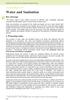 Handbook for the Protection of Internally Displaced Persons Action Sheet 19 Water and Sanitation Key message The human right to water entitles everyone to sufficient, safe, acceptable, physically accessible
Examples of Educational Strategies to Promote Environmental Health
 Examples of Educational Strategies to Promote Environmental Health Description of tool: This tool describes the contribution that skills-based health education brings to efforts aimed at creating a health-supportive
Over-Age, Under-Age, and On-Time Students in Primary School, Uganda
 Primary School Net and Gross Attendance Rates, Uganda More than three quarters of primary school age children in Uganda attend school and gender parity in attendance has been achieved. of children ages
Proposed post-2015 education goals: Emphasizing equity, measurability and finance
 Education for All Global Monitoring Report Proposed post-2015 education goals: Emphasizing equity, measurability and finance INITIAL DRAFT FOR DISCUSSION March 2013 The six Education for All goals have
Zambia Early Childhood Care and Education (ECCE) programmes
 IBE/2006/EFA/GMR/CP/94 Country profile prepared for the Education for All Global Monitoring Report 2007 Strong Foundations: Early Childhood Care and Education Zambia Early Childhood Care and Education
Swachh Vidyalaya Puraskar. Recognizing excellence in Water, Sanitation and Hygiene. in schools. Instituted by
 Swachh Vidyalaya Puraskar Recognizing excellence in Water, Sanitation and Hygiene in schools Instituted by Ministry of Human Resource Development Government of India 2 Content 1. Swachh Bharat Swachh Vidyalaya:
Fact Sheet: Youth and Education
 Fact Sheet: Youth and Education 11% of the world s youth (15-24 years old) are non-literate. Data from 2005-2008 indicates that in developing countries, the percentage of nonliterate youth is 13%, with
The MetLife Survey of
 The MetLife Survey of Challenges for School Leadership Challenges for School Leadership A Survey of Teachers and Principals Conducted for: MetLife, Inc. Survey Field Dates: Teachers: October 5 November
Home Health Education Programme Thatta - Pakistan
 Home Health Education Programme Thatta - Pakistan Programme Update July 2014-April 2015 Supported by: Association of Medical Doctors of Asia (AMDA) Funded by: Chigasaki -Chuo Rotary Club (CCRC)-Japan Implemented
ST. VINCENT & THE GRENADINES
 ST. VINCENT & THE GRENADINES Caribbean Symposium on Inclusive Education Kingston, Jamaica, 5 7 December 2007 UNESCO International Bureau of Education St. Vincent and Grenadines Country Report Ms. Laura
Education is the key to lasting development
 Education is the key to lasting development As world leaders prepare to meet in New York later this month to discuss progress on the Millennium Development Goals, UNESCO s Education for All Global Monitoring
Making Global Handwashing Day More Than Just a Day: Governments Take Action
 Making Global Handwashing Day More Than Just a Day: Governments Take Action About the Global Public-Private Partnership for Handwashing (PPPHW) Every day, families around the world battle communicable
TERMS OF REFERENCE Health and Hygiene Promotion Approaches for Namibia Technical Assistance
 1. Summary Title Purpose TERMS OF REFERENCE Health and Hygiene Promotion Approaches for Namibia Technical Assistance Health and Hygiene Promotion (HHP) Approaches for Namibia To develop a common approach
Disaster risk reduction & emergency response for WASH
 February 2009 WSSCC Reference Note Disaster risk reduction & emergency response for WASH The Water Supply and Sanitation Collaborative Council (WSSCC) is a global multi-stakeholder partnership organisation
Include us in education!
 Include us in education! A qualitative research study on barriers and enablers to education for children with disabilities in Nepal Executive summary For further information or questions on the analysis,
A TEACHER FOR EVERY CHILD: Projecting Global Teacher Needs from 2015 to 2030
 A TEACHER FOR EVERY CHILD: Projecting Global Teacher Needs from 2015 to 2030 UIS FACT SHEET OCTOBER 2013, No.27 According to new global projections from the UNESCO Institute for Statistics, chronic shortages
CLARIFICATION OF BASIC EDUCATION EARMARK 12/15/09
 CLARIFICATION OF BASIC EDUCATION EARMARK 12/15/09 Funding under the Basic Education (BE) earmark for USAID has gone up dramatically since 2000. This document provides the USAID definition of basic education
Rural Sanitation, Hygiene and Water Supply
 Rural Sanitation, Hygiene and Water Supply KEY STATISTICS Use of sanitary latrines (% of rural population) 32 Defecating in the open (% of rural population) 9 Use of hanging latrines (% of rural population)
THE HUMAN RIGHTS TO WATER AND SANITATION
 THE HUMAN RIGHTS TO WATER AND SANITATION Overview of the September 2014 Resolution of the Human Rights Council The human rights to water and sanitation 1 are a remarkable success story of international