
FOSTER CARE MANUAL FOR RABBITS
|
|
|
- Reynold Hubbard
- 10 years ago
- Views:
Transcription
1 FOSTER CARE MANUAL FOR RABBITS 2015 Megan Kraemer, Foster Care Coordinator Bethany Kloc, Editor Mark Schnerle, Shelter Rabbit Coordinator 1

2 CONTENTS The Foster Care Volunteer... Page 3 Home Set Up.....Page 4 Caring for the Nursing Rabbit...Page 5 Trouble Shooting...Page 7 Nutrition Page 9 Handling and Care... Page 11 What to Watch for.. Page 13 Contact and Telephone Numbers Page 14 This manual has been created and made available by the SPCA Serving Erie County. Animal welfare organizations are permitted to reprint and edit the content as appropriate to their needs. 2

3 The Foster Care Volunteer The foster care volunteer plays a special part in saving lives at the SPCA. Many of the animals that come to the SPCA are not immediately ready to be placed up for adoption. These animals may be injured, sick, too young, too small, un-socialized, pregnant or orphaned. To keep these animals at the shelter for care and treatment is not always in their best interest. For instance, a rabbit with medical issues or that is too young might already be stressed and could become more stressed if housed at the SPCA. Being in foster care also allows the rabbit to become socialized in a home environment. That s where the foster care volunteer comes in. These volunteers are highly committed people who give weeks or months of their time to homeless pets needing extra care. Having a foster care program is a real celebration of the overall success of the SPCA in lowering the number of homeless pets in Erie County! Overall Responsibility of the Foster Home Foster homes are responsible for providing a warm, safe and clean environment for the animals in their care. They are responsible for providing socialization, enrichment and medical care for the animals in their care. The foster care volunteer is also responsible for contacting the SPCA if any medical problems arise. The SPCA is responsible for providing all necessary food, supplies and medical care. Volunteers should understand that if they seek medical help outside of the SPCA, they take financial responsibility in doing so. To prevent an unnecessary vet bill, it is our policy to see all of our foster animals at the shelter for any medical care needed. Time Commitment The amount of time that a foster animal needs to remain in foster care varies depending on each specific situation. Some rabbits may require only a week or two, while the fostering of a mother rabbit may be upwards of six months. When the rabbit is placed in your care, you will be advised of the estimated foster duration and possible return date. People who work full time can still be wonderful foster parents. Emotional Investment Foster parents sometimes become emotionally involved with the animal they are caring for, therefore it is important that foster parents understand that sometimes, not often, an animal will inevitably not survive, even in the best of care. Each foster parent will handle 3

4 this differently. Please feel free to discuss your feelings with any staff member of the SPCA. Bonds will form between you and our foster rabbit. This is perfectly natural but does not mean that you should adopt the rabbit. The same considerations for any person adopting a pet should be maintained for the foster parent. The foster care volunteer should analyze whether adopting the foster rabbit fits with their household or is just an emotional response to caring for this sick or young rabbit. After returning the rabbit to the shelter, you can check on his or her status up until he or she is adopted. Risks There is always a risk of bringing disease (or even injury) home to your own pets when taking in a foster rabbit. The SPCA has done all it can to determine the health of the rabbit(s) before going into your home. If there are known risks, you will be advised at the time of foster placement and it is your choice whether to take on the responsibility. Basic Facts Rabbits can be litterbox trained. They can live to be 7-10 years old. Rabbits are inquisitive, sociable animals. They make wonderful indoor companions. Rabbits can purr when contented. Like cats and dogs, rabbits need to be spayed or neutered to improve health and behavior. Unlike other pets, most rabbits do not like to be held. They prefer to sit beside you. Rabbits like to play with toys, such as cardboard boxes, wire cat balls, hard plastic baby keys, and untreated willow baskets. Rabbits need to have things of their own to chew on (or they might nibble on your things.) Rabbits need to be protected from predators, poisons, temperature extremes, electrical cords, and rough handling. Home Set Up for your Foster Rabbit(s) To set up the rabbit, we recommend utilizing a small area or roomy cage (or both.) Use a laundry room, bathroom, hallway blocked off with baby gates, or part of a larger room sectioned off using furniture, boxes, or other objects he can't scale or knock over. Choose a spot that gets some regular, not-too-noisy traffic, where he can see and hear but not be trampled by your daily routines. Start house training by providing at least one or two litterboxes. A fresh layer of grass hay on top will both encourage and reward him for 4

5 hopping in. If you know what brand of chow he was eating, keep him on it for a while to minimize risk of digestive upset (unless it was rabbit junk-food that contained corn, seeds, and other unhealthy additions.) Fresh water in a bowl or bottle, or both, should be available at all times. Give him at least one cardboard box with two bunny-size doors cut, and a towel draped across one area of his cage, as hiding places. Start him on the road to good chewing habits by removing forbidden and dangerous temptations such as house plants, electric cords, and books. Provide permitted alternatives such as untreated straw, wicker, or sea-grass baskets and mats, cardboard tubes and boxes, plastic baby-toys for tossing, fruittree branches, and plenty of fresh hay. Domestic Baby Rabbits and Their Mom The first thing to do is to remove the father, or any male, if he is with the mother. Males will probably not hurt the babies, but he can impregnate the female again, even on the day she gives birth. Not only can he impregnate the mother rabbit, he will also impregnate the female offspring as soon as they mature. Creating a Nest Place the mother and the babies in a small, warm, quiet room. If she is indoors, give the mother a litterbox in the opposite corner of the nest. If she is not used to being in the house, this may stress her more than being left in her outdoor cage. The only thing to do in that case is add a proper nest area. If the babies are scattered, cold and do not have plump tummies, the mother needs help making a proper nest box, and the babies need to be warmed up before anything else is attempted. No baby mammals can successfully digest foods if their body temperature is below normal. This is extremely important to understand. In this case, warm the babies as follows: Place a hot water bottle, filled with warm water (not hot!) into a small box of any kind. Line it with clean terry cloth towels and place the bottle UNDER the towels. A small plastic container or a leak-proof plastic bag can be used 5

6 if necessary. Make a small space within the nest and put the babies in the temporary warming nest. Be sure the babies are not in direct contact with the warm water (it may become too hot for them.) Be sure that the towels do not have holes in them and are not frayed, because the fine threads could cut their delicate skin and holes could strangle them should they squirm through one. In the meantime, prepare a proper box and nest for the mother, so she will feel secure when the babies are returned to her. Get a cardboard box which is just slightly larger than the mother rabbit. It should not be too big, or the babies may scatter again and miss an important feeding. A doorway should be cut in the center of one side, which is just large enough for the mother to fit through. The doorway should have a lip of about 1 inch above the floor to help keep the babies in the box. Place a large handful of straw, grass or hay in the box and place it in a corner of the rabbit cage. Be sure it is not in the corner that the mother rabbit uses as a bathroom! Make sure that grass clippings do not contain any pesticides or fertilizers. Do not use fabric scraps, burlap, gauze or anything else with fine threads or holes in it. The straw/hay should be replaced every three or four days as it will become soaked in urine. You can just take the babies out of the box, and remove and replace most of the clean fur, and change the rest of the bedding and line the box with clean bedding. The babies can be placed into the new nest as soon as their body temperature feels warm to the touch. (Only warm the babies if they have been scattered on the cage floor. If they were huddled together in a good nest site, leave them alone, except to check whether they have been fed.) 6

7 Are They Getting Fed? A well-fed baby will have a very, round and plump tummy. If the babies tummies are full, the mother is feeding them and the caretaker can rest assured that things are going as they should. The babies can be examined every day if that will make the caretaker feel more assured. If the babies have not been fed, they will have sunken tummies, their skin will be wrinkled from dehydration and they will be weak (their response to being handled will be weak or non-existent, although they will hopefully be breathing.) Scattered babies are more likely not to have been fed, so make sure that they are warm first. If the babies are weak or dehydrated, veterinary intervention is advised, so please contact the Foster Care Department sooner than later. Placing a drop of honey or fruit jam into their mouths sometimes helps elevate their blood sugar level until veterinary help and/or mother s milk is available. If you feel it is necessary to examine the babies every day to verify that they have been fed, pet the mother rabbit first, to help cover human scents, and avoid wearing heavy perfumes. It is best to handle the babies as little as possible until they are old enough to leave the nest box on their own. If it has been close to two days and you are positive that the babies have not been fed, call foster care immediately at Try allowing the babies to nurse, as suckling sometimes stimulates the milk glands. If that happens, monitoring the babies growth is the only thing that needs to be done. Mother rabbits stand upright while nursing and the babies lie upside down beneath her. Hold the rabbits in this natural position. Is There a Problem? Oftentimes people are concerned that the mother rabbit is not feeding the babies, because she is rarely seen with them. This is normal behavior for a domestic (or wild) rabbit and that mother rabbits do not lay with their offspring in the same manner as dogs and cats do. Domestic rabbits retain some of the genetic imprints of their wild European ancestors, that are preyed upon by others in nature. Mother rabbits instinctually sense that staying with their offspring will call a predator s attention to the nest. Adult rabbits have a scent, while babies do not yet have a scent. Most mother rabbits will not hop into the nest (or box) to 7

8 check on their babies during the day, although she is usually watching from a safe distance. This is normal behavior. A mature female will often pull fur to make a nest, with or without a male present and regardless of whether actual mating has occurred. This hormonal behavior is known as a false pregnancy. If the mother has pulled fur in an attempt to make a nest, she will probably be all right if her nest is appropriate. It is safe to examine the babies and move them, with the mother, to a more proper place, if necessary. Rabbits feed their babies only once or twice per day and will only do so when they feel safe, usually just before dawn and/or just after dusk. If humans and children are continually gathered around the cage, the mother may become too stressed to nurse the babies. There is a way to determine if the mother is feeding her offspring. Did the mother rabbit pull some of her fur out? Did she shred papers, or gather hay or rip up carpeting (if housed indoors) in an attempt to make a nest? Mother rabbits usually make a nest any time between a few days prior to the birth up to the day of birth itself. She may also do so without an actual pregnancy. Are the Babies in Danger? If you think that the mother is injuring the babies while kindling (giving birth,) while feeding, or has eaten any of the babies, several issues should be explored. Sometimes a mother rabbit will accidentally injure the babies because her nails have never been clipped, the nest box is not proper, or she is stressed and skittish as a result of too much activity going on around her. Some rabbits are highly skittish by nature. Very young mothers, especially those under six months of age, may not understand what has happened to them and veterinary intervention is imperative. Nervous and young mothers sometimes abandon their babies for unknown reasons, which may include having produced unhealthy babies. Sometimes the nutritional status of the mother is highly inadequate. If the mother seems to be eating her babies, nutritional deficiencies are one of the possible scenarios. It is normal for these vegetarian animals to eat the afterbirth. It prevents predators from discovering the nest and provides the mother with some much-needed nutrients. If the mother rabbit has died, cannot or is not feeding the babies, you should contact foster care immediately at Sadly, bottle-feeding baby rabbits usually culminates 8

9 in the babies death within a few days to weeks. Bottle feeding is terribly unsuccessful because there is no milk replacement formula that is 100% adapted for baby rabbits. Nutrition What are the basics of a good foster rabbit diet? A rabbit's diet should be made up of good quality pellets, fresh hay (alfalfa, timothy or oat), water and fresh vegetables. Anything beyond that is a "treat" and should be given in limited quantities. The SPCA will provide the hay and pellets for rabbits placed into a foster home. What kinds of veggies should I feed my foster rabbit? When shopping for vegetables, look for a selection of different veggies--look for both dark leafy veggies and root vegetables, and try to get different colors. Stay away from beans and rhubarb. Here's a suggested veggie list. Alfalfa,radish&cloversprouts Basil Beetgreens Bokchoy Broccoli(mostlyleaves/stems) Brussels sprouts Carrot & carrot tops Celery Cilantro Clover Collard greens Dandelion greens and flowers (no pesticides) Endive Escarole Green peppers Kale Lettuce: Romaine, Red or Green leaf (no iceberg or light colored leaf) MintMustard greens Parsley Pea pods (the flat edible kind) Peppermint leaves Raddichio Radish tops Raspberry leaves Spinach 9

10 Use sparingly or rotate. Vegetables high in either oxalates or goitrogens may be toxic in accumulated quantities over a period of time. What kinds of treats should I feed my foster rabbit? Fruits: Apple Blueberries Melon Orange Papaya Peach Pea Pineapple Plums Raspberries Strawberries Is feeding hay important? Hay is essential to a rabbit's good health, providing roughage which reduces the danger of hairballs and other blockages. Apple tree twigs also provide good roughage. What quantities of food should be fed to babies and "teenagers"? Birth to 3 weeks--mother's milk 3 to 4 weeks--mother's milk, nibbles of alfalfa and pellets 4 to 7 weeks--mother's milk, access to alfalfa and pellets 7 weeks to 7 months--unlimited pellets, unlimited hay (plus see 12 weeks below) 12 weeks--introduce vegetables (one at a time, quantities under 1/2 oz.) What quantities of food should be fed to young adults? (7 months to 1 year) introduce timothy hay, grass hay, and oat hays, decrease alfalfa decrease pellets to 1/2 cup per 6 lbs. body weight increase daily vegetables gradually Fruit daily ration no more than 1 oz. to 2 oz. per 6 lbs. body weight (because of calories) What quantities of food should be fed to mature adults? (1 to 5 years) Unlimited timothy, grass hay, oat hay, straw 1/4 to 1/2 cup pellets per 6 lbs. body weight (depending on metabolism and/or proportionate to veggies) Minimum 2 cups chopped vegetables per 6 lbs. body weight Fruit daily ration no more than 2 oz. (2 TBL) per 6 lbs. body weight. What quantities of food should be fed to senior rabbits? (Over 6 years) 10

11 If sufficient weight is maintained, continue adult diet Frail, older rabbits may need unrestricted pellets to keep weight up. Alfalfa can be given to underweight rabbits, only if calcium levels are normal. Annual blood workups are highly recommended for geriatric rabbits. Absolutely NO chocolate (poisonous!), cookies, crackers, breakfast cereals, bread, pasta, yogurt drops or other human treats. There is research to suggest these items may contribute to fatal cases of enterotoxemia, a toxic overgrowth of bad bacteria in the intestinal tract. Should I give the rabbit items to chew? Yes, here are some items that are OK for rabbits to chew on: Apples Willow and aspen branches Hay Pine firewood Untreated fresh pine lumber attached to cage so it doesn t move A basket with hay in it let the bun chew the basket as well as the hay Compressed alfalfa cubes Handling Approaching a Rabbit The safest approach with rabbits is to begin by stroking the top of their heads. Do not offer your hand for a rabbit to sniff the way you would to a dog, because most seem to find this gesture offensive and may attack (lightning fast lunge with a snort.) Most rabbits do not like having the tips of their noses or chins touched. Their feet also tend to be ticklish. Lifting Rabbits should not be lifted by the ears or scruff. Instead, lift the rabbit by placing one hand under the chest of the rabbit and place the other hand beneath the rabbit s rear end, slowly lift and bring rabbit snug to your body. If the rabbit begins to flail then stop and allow the rabbit to calm down before proceeding again. A rabbit s back is very fragile and they can injure themselves easily if they are allowed to thrash when being picked up. Grooming Rabbits can act as if they re hardy creatures, but they are in fact, extremely delicate. Care must be taken to maintain their good health. The following basics are necessary to know in order to groom rabbits safely and to help keep them healthy. 11

12 Shedding Rabbits are fastidious groomers. They insist on being clean and tidy and will lick themselves like cats, and like cats, they can get hairballs if they ingest too much hair. Unlike cats however, rabbits cannot vomit. Rabbits need to be brushed at least weekly. In addition to removing any loose hair, this weekly brushing session helps prepare them for the multiple daily brushings that they must undergo when their heavy shedding begins. Baths The vast majority of rabbits, like their ancestors, do not relish getting wet. Even an occasional bath is quite stressful to the average rabbit and is not recommended. NEVER, unless an SPCA veterinarian advises it to bring down a fever, should you give a sick rabbit a bath. Because seemingly healthy rabbits can have undiagnosed problems, it s best not to subject them to the stress of a bath. Nails Rabbit nails can grow to be very long and sharp and will be uncomfortable for the rabbit. If the rabbit has light colored nails they are very easy to trim. You can see the blood inside the nail and you clip just before that point. The dark colored nails are harder to see where they should be clipped but it is still visible. You can schedule to have the nails clipped with the foster department if you aren t comfortable doing them yourself. Eyes Watery eyes or and eye discharge needs to be diagnosed by a veterinarian. If the rabbit s eyes are watery call the foster department to schedule an appointment to be seen. 12

13 How to tell if your Foster Rabbit is Sick CONTACT THE SPCA IMMEDIATELY IF YOU NOTICE ANY OF THE FOLLOWING: Diarrhea with listlessness Sudden loss of appetite with bloat and abdominal gurgling Loss of appetite with labored breathing Loss of appetite with runny nose Head tilt Incontinence (urine-soaked rear legs) Abscesses, lumps or swellings anywhere Any sudden behavior change Bites and scratches may also cause issues for humans. Any bites or scratches must be reported to the SPCA, and then the SPCA will report it to the Health Department. Wounds need to be cleaned out thoroughly and antibiotics may be necessary. If the rabbit has bacteria in its nails, the bacteria can go into your bloodstream and can be very harmful. You need to clean the wound immediately and call your doctor for advice and possible treatment. The SPCA is available 24-hours a day. During regular business hours, all questions are welcomed. Calls after hours should be limited to emergencies. After regular business hours or on weekends, please contact the SPCA through the answering service. The service will contact the staff member who is on call. SPCA main number Night answering service Foster Care Department ***SPCA EMERGENCY (Please do not use this number unless it is an emergency) We appreciate all of the hard work and time foster families put into their foster animals. Because of our dedicated foster families, thousands of homeless pets are given a chance to find their forever homes. While fostering does not entitle you to a free adoption, it does give you the pick of the litter. If you or anyone you know is interested in adopting the animals in your care, they must be pre-approved at the SPCA. When the animals are brought back to the shelter it is imperative that we know the name(s) and phone number(s) of the adopters. 13

Caring for guinea pigs
 Caring for guinea pigs YOUR GUIDE TO KEEPING GUINEA PIGS HEALTHY AND HAPPY Animal Welfare Foundation www.bva-awf.org.uk AWF is the charity led by the veterinary profession Registered Charity No. 287118
Puppies! Intro Supplies Getting Started Feeding Eliminating Socialization Growth and Development
 Puppies! Intro Supplies Getting Started Feeding Eliminating Socialization Growth and Development Intro Very often, underage puppies (under 8 weeks of age) are brought to shelters without their mothers
Off to the best start. Important information about feeding your baby
 Off to the best start Important information about feeding your baby mum s milk the best start for your baby What happens in your baby s first years has a big effect on how healthy he or she will be in
How To Care For A Sick Person
 39 How to Take Care of a Sick Person Sickness weakens the body. To gain strength and get well quickly, special care is needed. Medicines are often not necessary. But good care is always important. The
Virginia Gardener http://www.hort.vt.edu/envirohort
 The Virginia Gardener http://www.hort.vt.edu/envirohort Name Help Sheets: Things Plants Need There are certain things that every living thing needs in order to live and grow. Just like you, plants need
Caring for your adult cat
 CAT 3 Caring for your adult cat The charity dedicated to helping sick, injured and homeless pets since 1897. Caring for your adult cat Although considered independent pets, cats are reliant on their owners
Background (cont) World Health Organisation (WHO) and IDF predict that this number will increase to more than 1,3 million in the next 25 years.
 Diabetes Overview Background What is diabetes Non-modifiable risk factors Modifiable risk factors Common symptoms of diabetes Early diagnosis and management of diabetes Non-medical management of diabetes
Saving Wild Baby Rabbits
 Saving Wild Baby Rabbits The best chance for survival of a wild baby rabbit is to leave it in its nest, where the mother will return to take care of it. If you find a wild baby rabbit, let him be, and
Basic Care of Guinea Pigs
 Basic Care of Guinea Pigs THE GUINEA PIG The guinea pig (Cavia porcellus) is a rodent and is a domesticated version of the wild cavies of the Andes Mountain area of South America. They were first domesticated
Gastroschisis and My Baby
 Patient and Family Education Gastroschisis and My Baby Gastroschisis is a condition where a baby is born with the intestine outside the body. Learning about the diagnosis What is gastroschisis? (pronounced
Clover Kid Rabbit. Before You Get Started:
 Clover Kid Rabbit UNL Clover Kid Team P.O. Box 45, Center, NE 68724 / 402-288-5611 Clover Kid Corner Website (http://child.unl.edu/cloverkid) Information for Parents Before You Get Started: Caring for
Coloring fun from the House Rabbit Society. Kids-n-Bunnies. Illustrations by B.J. Seelig
 Coloring fun from the House Rabbit Society Kids-n-Bunnies Illustrations by B.J. Seelig Coloring fun from the House Rabbit Society Kids-n-Bunnies Written by Kypris Aster Drake Featuring original illustrations
What Is. Norovirus? Learning how to control the spread of norovirus. Web Sites
 Web Sites Centers for Disease Control and Prevention (CDC) http://www.cdc.gov/norovirus/index.html Your Local Health Department http://www.azdhs.gov/diro/lhliaison/countymap.htm What Is Ocument dn Norovirus?
Nutritional Glossary. Index of Contents
 Nutritional Glossary This glossary provides nutrition information about the nutrients commonly found in fruits, vegetables, and other plant foods Each glossary definition has a long and a short version.
What You And Your Family Can Do About Asthma
 GLOBAL INITIATIVE FOR ASTHMA What You And Your Family Can Do About Asthma BASED ON THE GLOBAL STRATEGY FOR ASTHMA MANAGEMENT AND PREVENTION NHLBI/WHO WORKSHOP REPORT NATIONAL INSTITUTES OF HEALTH NATIONAL
What to Do About Rats or Mice in Your Home or Business
 Janel Heinrich, MPH, MA, Director City-County Building, Room 507 608 266-4821 210 Martin Luther King, Jr. Boulevard 608 266-4858 fax Madison, WI 53703 www.publichealthmdc.com What to Do About Rats or Mice
Advice about MRSA for people not in hospital. If you have MRSA, this leaflet tells you about things you should do in your everyday life.
 Advice about MRSA for people not in hospital If you have MRSA, this leaflet tells you about things you should do in your everyday life. Easy read This booklet is about a germ called MRSA. It is an Easy
FIBER IN YOUR DIET WHAT IS FIBER?
 FIBER IN YOUR DIET WHAT IS FIBER? Fiber is the portion of plant foods that our bodies cannot absorb or digest. Fiber is found primarily in fruits, vegetables, legumes, and whole grains. There is no fiber
Tobacco Addiction. Why does it seem so hard to stop smoking? What's in cigarettes? What if I smoke just a few cigarettes a day?
 Tobacco Addiction Why does it seem so hard to stop smoking? Smoking causes changes in your body and in the way you act. The changes in your body are caused by an addiction to nicotine. The changes in the
How to Raise and Show Pigs
 How to Raise and Show Pigs Producing a champion show pig requires a lot of hard work, careful selection, a good home and feeding program, and effective fitting and showing. All six steps must be followed
Many dogs love to play and to be petted. But not all dogs are friendly or want to play all the time.
 Dear Parents: Many children are bitten and injured by dogs each year. Bites can result from family dogs, neighbor dogs, as well as strange dogs. These injuries often occur because children do not understand
Common Concerns About Breastfeeding
 Patient Education Page 51 Caring for Yourself and Your New Baby Common Concerns About Breastfeeding Breastfeeding is healthy and natural. So are the questions and concerns that come with it. Whether you
Enhanced recovery after laparoscopic surgery (ERALS) programme: patient information and advice 2
 This booklet is funded by, and developed in collaboration between University Hospital Southampton NHS Foundation Trust and Pfizer Limited. NPKAM0198 March 2014 Enhanced recovery after laparoscopic surgery
Food Sources of Fibre
 Food Sources of Fibre Information About Fibre Fibre includes all parts of plant foods that your body can't digest or absorb. Fibre is also known as roughage or bulk. Insoluble fibre helps promote regularity
Feline Diabetes Mellitus
 Feline Diabetes Mellitus Expert health and behavior advice from the feline care professionals at Paws, Whiskers & Claws The Feline Hospital www.pawswhiskersandclaws.com What is diabetes mellitus? Diabetes
HOW TO CARE FOR A PATIENT WITH DIABETES
 HOW TO CARE FOR A PATIENT WITH DIABETES INTRODUCTION Diabetes is one of the most common diseases in the United States, and diabetes is a disease that affects the way the body handles blood sugar. Approximately
Take Control of Your Health and Reduce Your Cancer Risk
 Take Control of Your Health and Reduce Your Cancer Risk Creation of this material was made possible in part by a pioneering grant from CBCC-USA. Distributed by India Cancer Initiative Take Control of
FAQs about Warfarin (brand name Coumadin )
 FAQs about Warfarin (brand name Coumadin ) What is warfarin? Warfarin is the most commonly used anticoagulant in the US. An anticoagulant is a drug used to prevent unwanted and harmful blood clots. Although
Your Own Teeth and Gums
 Your Own Teeth and Gums CHAPTER1 Next time you look in a mirror, look at your teeth and the skin (gums) around them. Look in your children s mouths, too. Look at both gums and teeth, because the health
Living With Congestive Heart Failure
 Living With Congestive Heart Failure Information for patients and their families Patient information developed by EPICORE Centre, Division of Cardiology, University of Alberta The REACT study: supported
Bottle Feeding Puppies and Kittens
 Bottle Feeding Puppies and Kittens Formula Goats milk works as a temporary substitute, but it can get expensive. Goats milk is sold at Wal-Mart and most grocery stores. Cow s milk is not an alternative;
SKIN CONDITIONS IN PIGS
 DEPARTMENT: AGRICULTURE SKIN CONDITIONS IN PIGS Jenny Turton 2001 Compiled by Directorate Communication, Department of Agriculture in cooperation with the ARC-Onderstepoort Veterinary Institute Printed
Water It s Crucial Role in Health. By: James L. Holly, MD
 Water It s Crucial Role in Health By: James L. Holly, MD After a two week hiatus, we return to our series entitled, Aging Well. It is often the case that in health we become so infatuated with the exotic,
You will be having surgery to remove a tumour(s) from your liver.
 Liver surgery You will be having surgery to remove a tumour(s) from your liver. This handout will help you learn about the surgery, how to prepare for surgery and your care after surgery. Surgery can be
Science of Life Explorations
 Science of Life Explorations Celebrate the Growing Year: The Farmer s Year A Farmer s Year While you are in school or on a vacation, farmers are working hard to provide us with the foods we eat and the
Staying on Track with TUBERCULOSIS. Medicine
 Staying on Track with TB TUBERCULOSIS Medicine What s Inside: Read this brochure to learn about TB and what you can do to get healthy. Put it in a familiar place to pull out and read when you have questions.
Immunotherapy For Control Of Allergies In Your Pets
 Immunotherapy For Control Of Allergies In Your Pets Pet owner information from The Quality Clinical Pathology Service What is Immunotherapy? Immunotherapy is a medical treatment where allergens (pollens,
Here's how to include more fiber in your diet.
 July 1, 2012 Welcome to our first newsletter which will address the issue of fiber in your diet. If you are not regular or are having difficulty going to the bathroom then you should consider eating more
High blood sugars caused by steroids
 High blood sugars caused by steroids Your blood sugars are high because you are taking a medication called steroids. Steroids are used to: decrease swelling decrease the natural response of your immune
What You Need to know about Your Pet s Upcoming Dentistry and Periodontal Treatment
 What You Need to know about Your Pet s Upcoming Dentistry and Periodontal Treatment We are sending this packet of information in anticipation of your pet s upcoming dental procedure. Many people have questions
Integrated Pest Management
 Integrated Pest Management Many people do not mind encountering bugs outdoors. However, bugs indoors are usually considered pests. Even one insect may be considered too many. People use pesticides to control
Dietary Fiber. Soluble fiber is fiber that partially dissolves in water. Insoluble fiber does not dissolve in water.
 Dietary Fiber Introduction Fiber is a substance in plants. Dietary fiber is the kind of fiber you get from the foods you eat. Fiber is an important part of a healthy diet. Fiber helps get rid of excess
Advice for those affected by MRSA outside of hospital
 Advice for those affected by MRSA outside of hospital If you have MRSA this leaflet provides information and advice for managing your day-to-day life. 1 About MRSA There are lots of different types or
Time: Depending on the size and behavior of the dog, this procedure will take no longer than approximately two hours.
 How to Groom a Dog Purpose This set of basic grooming instructions inform dog owners, veterinary staff, groomers and even interested animal lovers on how to groom a dog. The dog grooming instructional
INTRODUCTION TO THE REHABILITATION OF THE EASTERN COTTONTAIL
 INTRODUCTION TO THE REHABILITATION OF THE EASTERN COTTONTAIL Wildlife Welfare, Inc 2013 WRNC Symposium 2013 Basic Cottontail Rehabilitation Instructor: Jackie Wylie [email protected] INTRODUCTION
Mini Medical School Lesson
 Mini Medical School Lesson The American Osteopathic Association s (AOA) Mini Medical School Lesson is designed to help educators teach children about health and fitness. This lesson is aimed towards elementary
Streptococcal Infections
 Streptococcal Infections Introduction Streptococcal, or strep, infections cause a variety of health problems. These infections can cause a mild skin infection or sore throat. But they can also cause severe,
Share the important information in this Medication Guide with members of your household.
 MEDICATION GUIDE BUPRENORPHINE (BUE-pre-NOR-feen) Sublingual Tablets, CIII IMPORTANT: Keep buprenorphine sublingual tablets in a secure place away from children. Accidental use by a child is a medical
How babies' senses develop
 B2 There is much growth and change that must occur in your baby s body. For babies born full-term (37-40 weeks), this growth and change occurred within the warm, dark, watery womb. For the premature baby,
Roots and Stems and Leaves, Oh My!
 Roots and Stems and Leaves, Oh My! Objectives 1. The student will be able to identify parts of a plant. 2. The student will understand the function of plant parts. Grade Level 1-3 4-6 TEKS: 1.6B, 2.6C;
Neonatal Intensive Care Unit A photographic tour
 Patient Education : A photographic tour Neonatal Intensive Care Unit A photographic tour This booklet was created by mothers who gave birth to premature babies at University of Washington Medical Center
Facts About Hantaviruses
 Facts About Hantaviruses What You Need To Know To Prevent the Disease Hantavirus Pulmonary Syndrome (HPS) DEPARTMENT OF HEALTH AND HUMAN SERVICES Centers for Disease Control and Prevention Facts About
Importance of Nutrition Classroom Activity
 Importance of Nutrition Classroom Activity The Classroom Activity introduces students to the context of a performance task, so they are not disadvantaged in demonstrating the skills the task intends to
Canada s Food Guide Jeopardy
 Canada s Food Guide Jeopardy Drafted: July 2008 Revised: December 2012 Eating Well with Canada s Food Guide Veg & Fruit Grain Products Milk & Alternatives Meat & Alternatives Physical Activity Miscellaneous
If baby was born 3 or more weeks prematurely, # of weeks premature: Last name: State/ Province: Home telephone number:
 Ages & Stages Questionnaires 4 3 months 0 days through 4 months 30 days Month Questionnaire Please provide the following information. Use black or blue ink only and print legibly when completing this form.
Understanding Lead Poisoning
 Understanding Lead Poisoning A guide for parents of children with high lead levels FOR MORE INFORMATION, CONTACT: Childhood Lead Poisoning Prevention Program (CLPPP) Massachusetts Department of Public
The challenge of herpes
 The challenge of herpes Herpes is a common and personally challenging disease Herpes is very common. One out of four adults has genital herpes. When people first hear that they are infected, many become
If You Smoke And Are Pregnant
 If You Smoke And Are Pregnant Or Thinking About Pregnancy, Use This Self-help Guide TAKE THE FIRST STEP FOR YOUR BABY TAKE THE FIRST STEP FOR YOUR BABY Having a plan is the most important step you can
Food Sources of Fibre
 Information About Fibre Food Sources of Fibre Fibre includes all parts of plant foods that your body can't digest or absorb. Fibre is also known as roughage or bulk. Insoluble fibre helps promote regularity
MRSA. Living with. Acknowledgements. (Methicillin-Resistant Staphylococcus aureus)
 How can I keep myself healthy? Hand washing and use of an alcohol-based hand sanitizer are the primary way to prevent acquiring or transmitting bacteria. If you get a cut or scrape, wash it well with soap
Colon Cancer Surgery and Recovery. A Guide for Patients and Families
 Colon Cancer Surgery and Recovery A Guide for Patients and Families This Booklet You are receiving this booklet because you will be having surgery shortly. This booklet tells you what to do before, during,
0 3 Months Sensory Motor Checklist
 0 3 Months Sensory Motor Checklist Enjoys playful face-to-face interaction with people Coos in response to playful interaction Notices and responds to sounds Moves legs and arms off of surface when excited
Neonatal Abstinence Syndrome. A Guide for Families
 Neonatal Abstinence Syndrome A Guide for Families Contents What is Neonatal Abstinence Syndrome (NAS)?...................... 4 When will my baby show signs of NAS?..................................................
Moving to a hospital or skilled nursing facility
 H Moving to a hospital or skilled nursing facility What to expect when you have MRSA (Methicillin-resistant Staphylococcus aureus) A booklet for patients, residents, family members, and caregivers About
VRE. Living with. Learning how to control the spread of Vancomycin-resistant enterococci (VRE)
 VRE Living with Learning how to control the spread of Vancomycin-resistant enterococci (VRE) CONTENTS IMPORTANT VRE is a serious infection that may become life-threatening if left untreated. If you or
& WHEN SHOULD I WORRY?
 WHEN SHOULD I WORRY? - Your guide to Coughs, Colds, Earache & Sore Throats Information For:- Who is this booklet for? Having an ill child can be a very scary experience for parents. If you understand more
Date Problem Goal Interventions Discipline Review 12/30/ Worried and scared since readmission Crying more frequently
 Mrs. M. Care Plan (Post Significant Change) Mrs. Cynthia M is a 90-year-old, Caucasian female, born June 22, 1920 in Germany and immigrated to the United States when she was seven years old. Mrs. M speaks
HIGH FIBER DIET. (Article - Web Site) August 20, 2003
 HIGH FIBER DIET (Article - Web Site) August 20, 2003 Dietary fiber, found mainly in fruits, vegetables, whole grains and legumes, is probably best known for its ability to prevent or relieve constipation.
Making Healthy Food Choices. Section 2: Module 5
 Making Healthy Food Choices Section 2: Module 5 1 Nutrition For Health What is healthy Tips on planning meals Making a shopping list/ Bulk orders Using WIC foods Cook and freeze What foods to choose How
Yes, Tuberculosis is a serious problem all over the world. Between 6 and 10 million in South Africa are infected by the TB germ.
 What is TB? Do many people get tuberculosis (TB)? Yes, Tuberculosis is a serious problem all over the world. Between 6 and 10 million in South Africa are infected by the TB germ. It is infectious, so it
GOING HOME AFTER YOUR TAVR PROCEDURE
 GOING HOME AFTER YOUR TAVR PROCEDURE HENRY FORD HOSPITAL CENTER FOR STRUCTURAL HEART DISEASE GOING HOME After your TAVR procedure, you will need help when you go home. It is hard to predict how much help
Fiber. What is fiber? Fiber is a part of plant food. There are two types of fiber:
 Fiber An important part of a healthy diet is eating fiber-rich foods. This handout will explain what fiber is, where it s found, and how to increase the amount of fiber in your diet. What is fiber? Fiber
WHAT IS A HEALTHY LIFESTYLE?
 TEACHER NOTES WHAT IS A HEALTHY LIFESTYLE? A HEALTHY LIFESTYLE Indicators Reads information about a healthy lifestyle. Critically analyzes examples of lifestyles and suggests improvements. Teacher information
Recovery plan: radical cystectomy Information for patients
 Recovery plan: radical cystectomy Information for patients Help for you following a bereavement 5 This leaflet will help you know what to expect during your time with us. Please take some time to read
Manage cancer related fatigue:
 Manage cancer related fatigue: For People Affected by Cancer In this pamphlet: What can I do to manage fatigue? What is cancer related fatigue? What causes cancer related fatigue? How can my health care
Yorketown Community Children s Centre. Food Safety and Healthy Eating Policy
 Yorketown Community Children s Centre Food Safety and Healthy Eating Policy Policy Number 1 Link to CCQA Principles Family Day Care Quality Assurance (FDCQA) Quality Practices Guide (2004) Principle 4.2
Maricopa County. Food Code References for Produce. Receiving. Storage
 Maricopa County Environmental Services Department 1001 N. Central. Avenue Suite 300 Phoenix, AZ 85004 esd.maricopa.gov Food for Produce This guidance document was developed for food establishments interested
It is important to know that some types of fats, like saturated and trans fat, can raise blood cholesterol levels.
 Healthy Eating You are what you eat! So before you even shop for food, it is important to become a well informed, smart food consumer and have a basic understanding of what a heart healthy diet looks like.
LARGE GROUP PRESENTATION: PRESENTER S NOTES
 LARGE GROUP PRESENTATION: PRESENTER S NOTES Introduce yourself. Welcome! We are so glad you are here to learn about fruits and vegetables. Icebreaker Handout: Fruit or Vegetable: Parts of Many Words Read
Staying Dry: Good bladder habits for your child
 Staying Dry: Good bladder habits for your child Developed by the health care professionals of Urology Department with assistance from the Department of Learning and Development. All rights reserved. No
All About Your Peripherally Inserted Central Catheter (PICC)
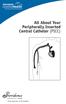 All About Your Peripherally Inserted Central Catheter (PICC) General Information Intravenous (IV) therapy is the delivery of fluid directly into a vein. An intravenous catheter is a hollow tube that is
- Woody Kageler, M.D.
 Dear Parent/Guardian, We all want our children with asthma to be healthy! Asthma can be a frightening experience for kids, as well as their parents. Let Darby BoIngg be your partner, along with your physician,
your new puppy! Congratulations on Puppy nutrition 7
 Puppy care Congratulations on your new puppy! This guide has been designed to help you familiarise yourself with the routine healthcare requirements of the new addition to your family, answering some of
gestational diabetes my pregnancy, my baby, and me
 gestational diabetes my pregnancy, my baby, and me What is Gestational Diabetes? Gestational diabetes occurs when your body cannot make adequate use of sugar in the blood. It is first found during pregnancy.
TrialNet Natural History Study of the Development of Type 1 Diabetes: A Pathway to Prevention
 TrialNet Natural History Study of the Development of Type 1 Diabetes: A Pathway to Prevention Type 1 Diabetes TrialNet Researchers in this study are part of a larger group called Type 1 Diabetes TrialNet.
Breastfed Babies in Child Care. Breastfeeding Works! How to Meet the Needs of
 Breastfeeding Works! How to Meet the Needs of Breastfed Babies in Child Care Massachusetts Department of Public Health Bureau of Family and Community Health Nutrition and Physical Activity Unit WIC Nutrition
Challenges of Foster Parents who Care for Infants with Neonatal Abstinence Syndrome
 Challenges of Foster Parents who Care for Infants with Neonatal Abstinence Syndrome All Health Care Providers are required by law to make a referral to the Department of Children s Services (DCS) Child
Get the Facts About. Disease
 Get the Facts About TB TUBERCULOSIS Disease What s Inside: 3 PAGE Get the facts, then get the cure 4 PAGE 9 PAGE 12 PAGE Learn how TB is spread Treatment for TB disease Talking to family and friends about
potassium which is of special importance in treating rheumatic diseases and arthritis.
 Vegetable Broth: This drink is used in all the fasting clinics in Europe. Use it first thing in the morning and before going to bed. It is a cleansing and alkalizing drink which supplies a great amount
Ready to Stop? We Can Help You Put on the Brakes. Stop Now! The Bad News About Smoking. Caution! Protect Your Family The Facts About Secondhand Smoke
 Stop Now! The Bad News About Smoking Smoking harms nearly every organ of the body. Smoking causes cancer and coronary heart disease, the leading causes of death in the United States. Health effects from
How To Choose Between A Vaginal Birth Or A Cesarean Section
 Be informed. Know your rights. Protect yourself. Protect your baby. What Every Pregnant Woman Needs to Know About Cesarean Section 2012 Childbirth Connection If you re expecting a baby, there s a good
High Dose Radioactive Iodine (I-131) Therapy for Treatment of Thyroid Cancer
 12 High Dose Radioactive Iodine (I-131) Therapy for Treatment of Thyroid Cancer Please arrive 15 minutes early to allow for parking and registration. If you have questions or need to cancel your appointment
Let s see if I can convince you
 Chapter 33: Page 328 How many times have you been sick in the past year? Once, twice, three times? What if I told you there are ways to keep from getting sick so many times? Would you do it? Let s see