
ZABBIX Manual v1.6. Release 017. Review and Approval. For ZABBIX SIA:
|
|
|
- Kevin Wells
- 10 years ago
- Views:
Transcription
1 Release 017 ZABBI Manual v1.6 Review and Approval Name Signature Date For ZABBI SIA: No part of this document may be reproduced or transmitted in any form or by any means, electronic or mechanical, for any purpose, without the express written permission of ZABBI SIA Copyright 2008 ZABBI SIA, REGISTERED IN LATVIA NO: LV

2 ZABBI Manual v1.6 Table of Contents Table of Contents 1.ABOUT Revision History Conventions Distribution list Overview of ZABBI What is ZABBI? What does ZABBI offer? Why use ZABBI? Users of ZABBI Goals and Principles Main Goals of ZABBI Development Main principles of ZABBI development What s new in ZABBI Escalations and Repeated notifications Much Better Performance Support of IPv Support of IPMI Better Distributed Monitoring ZABBI Proxy Process Dashboard Dynamic Screens Nice Zoom for Graphs Pie Charts Basic Management Functions More Efficient Communication with Agents More Efficient ZABBI Sender Improved View of Trigger Statuses Support of SNMP Data with Dynamic Index Special Processing of Wellknown SNMP OIDs Added Printable View for All Screens...26 Copyright 2008 ZABBI SIA Page 2 of 320

3 ZABBI Manual v Disabling of Login Rights for a Group of Users Added Support of UTF Added Screen for Better Management of Translations Added Maintenance Mode Unlimited Number of Map Link Styles Improved User Permission Schema Other Improvements Queue moved into Administration Link to Maps, Screens and Graphs moved to the Dashboard Autologin option New communication protocol Support of themes for ZABBI frontend User guest can be disabled Disabling of a group of users Database down screen Duplicated Login removed Added sorting for all screens Better informative message Support of import/export of the host template linkage information Support of negative values in graphs Support of directories in the parameter Include Support of new macros New afterlogin greeting message Autodiscovery by ICMP ping Increased number of log entries sent per second Added massupdate functionality for hosts and triggers Added fullscreen icon Active only mode for ZABBI agent Added monitoring of Proxy availability Added protection against bruteforce attacks Improved event viewing More accurate ICMP pings Support of bulk acknowledgements Added time filter to Availability Report History of Actions moved under Administration Required server performance value is available Added support of autologin Automatic selection of the first element in dropdowns Last access time is displayed for users More flexible Status of Trigger screen Extended host profiles Installation and Upgrade Notes Installation Version compatibility Important Upgrade procedure Stop ZABBI server...30 Copyright 2008 ZABBI SIA Page 3 of 320

4 ZABBI Manual v Backup existing ZABBI database Backup configuration files, PHP files and ZABBI binaries Install new server binaries Review Server configuration parameters Upgrade database Install new ZABBI GUI Start new ZABBI binaries Commercial support INSTALLATION How to Get ZABBI Requirements Hardware Requirements Memory Requirements CPU Requirements Other hardware Examples of hardware configuration Supported Platforms Software Requirements Choice of database engine Database size Time synchronization Components ZABBI Components ZABBI Server ZABBI Proxy ZABBI Agent The WEB Interface Installation from Source Software requirements Structure of ZABBI distribution ZABBI Server ZABBI Proxy ZABBI Agent ZABBI WEB Interface Upgrading Database upgrade ZABBI PROCESSES...65 Copyright 2008 ZABBI SIA Page 4 of 320

5 ZABBI Manual v ZABBI Server ZABBI Proxy ZABBI Agent (UNI, standalone daemon) ZABBI Agent (UNI, Inetd version) ZABBI Agent (Windows) Installation Usage ZABBI Sender (UNI) ZABBI Get (UNI) CONFIGURATION Development Environment Actions Action conditions Operations Macros for messages and remote commands Macros List of supported macros Applications Graphs Medias JABBER SCRIPT GSM Modem Host templates Host groups Host and trigger dependencies Items Item key Supported by Platform ZABBI Agent SNMP Agent Simple checks Timeout processing ICMP pings Copyright 2008 ZABBI SIA Page 5 of 320

6 ZABBI Manual v Internal Checks Aggregated checks External checks User Parameters Simple user parameters Flexible user parameters Windows performance counters Simple user parameters Triggers Expression for triggers Trigger dependencies Trigger severity Hysteresis Screens and Slide Shows IT Services User permissions Overview User types The Queue Overview How to read Utilities Startup scripts snmptrap.sh QUICK START GUIDE Login Protection against brute force attacks Add user settings Add agentenabled host Setup notifications ML IMPORT AND EPORT Goals Copyright 2008 ZABBI SIA Page 6 of 320

7 ZABBI Manual v Overview Data export Data import TUTORIALS Extending ZABBI Agent Monitoring of log files Remote actions Monitoring of Windows services ESCALATIONS AND REPEATED NOTIFICATIONS Goals Overview WEB MONITORING Goals Overview WEB Scenario WEB Step Real life scenario LOG FILE MONITORING Overview How it works AUTODISCOVERY Goals Overview How it works Discovery Actions Autodiscovery rule Real life scenario ADVANCED SNMP MONITORING Copyright 2008 ZABBI SIA Page 7 of 320

8 ZABBI Manual v Special MIBs Use of dynamic indexes MONITORING OF IPMI DEVICES Goals IMPI parameters IPMI actions USE OF PROIES Why use Proxy Proxy v.s. Node Configuration DISTRIBUTED MONITORING Goals Overview Configuration Configuration of Nodes Simple configuration More complex setup Platform independence Configuration of a single Node Switching between nodes Data flow Child to Master Master to Child Firewall settings Performance considerations MAINTENANCE MODE FOR ZABBI GUI Goals Configuration How it looks like WEB INTERFACE Copyright 2008 ZABBI SIA Page 8 of 320

9 ZABBI Manual v Creating your own theme Configuration General Events Housekeeper Images Themes Value mapping Working time Other WEB Hosts Hosts Templates Proxies Host groups Template linkage Applications Items Items Triggers Triggers Actions Actions Graphs Graphs Screens Screens Maps Maps IT Services IT Services Discovery Discovery Export/Import Export Import Administration Authentication HTTP LDAP Users Users User Groups Copyright 2008 ZABBI SIA Page 9 of 320

10 ZABBI Manual v Media types Media types Scripts Audit Queue Notifications Locales Installation PERFORMANCE TUNING Real world configuration Performance tuning Hardware Operating System Database Engine General advices COOKBOOK GENERAL RECIPES Monitoring of server's availability Sending alerts via WinPopUps MONITORING OF SPECIFIC APPLICATIONS AS/ MySQL Mikrotik routers WIN Novell Tuxedo Informix JM INTEGRATION HP OpenView TROUBLESHOOTING Error and warning messages Copyright 2008 ZABBI SIA Page 10 of 320

11 ZABBI Manual v LICENCE CONTRIBUTE CREDITS Developers of ZABBI Contributors to ZABBI Copyright 2008 ZABBI SIA Page 11 of 320

12 ZABBI Manual v1.6 About this Manual This manual is distributed in the hope that it will be useful, but WITHOUT ANY WARRANTY; without even the implied warranty of MERCHANTABILITY or FITNESS FOR A PARTICULAR PURPOSE. This manual is part of ZABBI software. The latest version of the manual is available at The ZABBI Reference Manual IS NOT distributed under a GPLstyle license. Use of the manual is subject to the following terms: Translation and conversion to other formats is allowed, but the actual content may not be altered or edited in any way. You may create a printed copy for your own personal use. For all other uses, such as selling printed copies or using (parts of) the manual in another publication (either printed or electronical), prior written agreement from ZABBI Company is required. Please send an to [email protected] for more information. Copyright 2008 ZABBI SIA Page 12 of 320

13 ZABBI Manual v1.6 Introduction Purpose of this Document The purpose of this document is to provide a comprehensive introduction and overview of ZABBI, its architecture, the features it offers and their functions. This document contains all information necessary for the successful administration of ZABBI. What you should already know No deep technical knowledge is required, although an understanding of UNI is essential. Who Should Use this Document Anyone involved in installation and administration of ZABBI, and anyone else wishing to get an insight into how it works. Copyright 2008 ZABBI SIA Page 13 of 320

14 ZABBI Manual v1.6 Contacts ZABBI SIA Location: Neretas 2/1109, LV1004, Riga, Latvia Tel: Fax: ZABBI SIA, Product Manager, Director Alexei Vladishev ZABBI SIA, Sales ZABBI SIA, Customer Support Copyright 2008 ZABBI SIA Page 14 of 320

15 ZABBI Manual v1.6 Glossary TERM DESCRIPTION Active Active refers to a mode that the ZABBI Agent can run in. When running actively, the agent keeps track of what items to send to the server and at what intervals. The agent can poll the server at set intervals in order to keep track of what items it should be sending. Active checker Active checker gather operational information from the system where ZABBI Agent is running, and report this data to the ZABBI for further processing. Action An action is a response taken when a Trigger has been triggered. Actions can be configured to send messages to specific user groups as defined in ZABBI, based on their Media Type settings, or execute remote commands. Agent Agent refers to the program that is run on hosts that want to be monitored. It is run as a service and can process both active and passive checks simultaneously. Alerter Alerter is a server process which is responsible for execution of actions ( s, jabber, SMS, scripts). Autoregistration Autoregistration refers to a feature of ZABBI that allows Hosts to automatically register themselves with the ZABBI server. This is configured via the web interface by an administrator that defines a particular Hostname patter such as *Linux and define Items for that host based on a Template of items. Autodiscovery ZABBI autodiscovery module is a module which performs automated discovery of hosts and services and generating events for further processing. Event An event is when a trigger is triggered. Graphs Graphs can refer to the simple graphs that are available for each numerical Item that is monitored, or it can refer to custom graphs which can be used to show several numerical Items in one graph. Host Host refers to the machine that is being monitored. Housekeeper Housekeeper refers to the service within the ZABBI server that cleans the ZABBI database of old actions, events, history, and trend data as defined by the user. Housekeeping of Actions and Events is defined in General settings. History and trend data is defined per item. IPMI Intelligent Platform Management Interface. Copyright 2008 ZABBI SIA Page 15 of 320

16 ZABBI Manual v1.6 IT Services IT Services refers to a feature within ZABBI that allows users to define an SLA and have ZABBI keep track of the expected SLA and actual SLA. IT Services are defined as groups of triggers and can be configured to calculate the minimum of a group or maximum of a group. Item Item refers to an individual item that is monitored on a host, such as load average or response time. Item can refer to an item obtained via the ZABBI agent, SNMP, or other means. Items can be configured as float, 64bit integers, character strings, text or log values. Location Environment monitored by a single Node. Map refers to a feature of ZABBI that allows users to create customized graphics via the web interface to create network maps and define links between Hosts on the map. Links can be configured to change color or style based on Triggers. Map Master or Master Node Media Type Node Node ID Node Watcher Queue Master Node. Master Node may have one or several Childs. Master Node can control configuration of the Childs. Media Types are used to notify ZABBI users when an Action has occurred. Media types can be via or custom scripts. Media Types are configured globally to be made available to all Users, and then specified per User to allow certain Users to be notified via one media type, and other users to be notified via another media type. ZABBI Server in distributed setup monitoring number of hosts. Node ID is a unique number which identifies Node. Each Node must have its own unique Node ID. ZABBI Server process which takes care of internode communications. Queue refers to the internal queue of items the ZABBI server is monitoring. Based on the specified intervals of items the ZABBI server maintains a queue to keep track of the items and when it should poll them. Passive Passive refers to a mode that the ZABBI Agent can run in. When running passively, the agent waits for requests for items from the server and sends them back as requested. It should be noted that typically the agent runs in both modes, and the modes are defined by the Item when it is configured. Pinger ZABBI Server process which processes ICMP pings. Poller ZABBI Server process which is responsible for retrieval of data from ZABBI and SNMP agents and processing remote (simple) checks. Proxy ZABBI Proxy process which collects performance and availability data from servers and network devices and send it to a ZABBI Server for further processing. Copyright 2008 ZABBI SIA Page 16 of 320

17 ZABBI Manual v1.6 ROI Return on Investment. Screen Screen refers to another customizable feature of ZABBI which allows users to create custom pages within ZABBI for displaying information. A screen can consist of graphs (custom), simple graphs, maps, or plain text such as the last 5 values of a particular item. Sender ZABBI utility which sends data to ZABBI Server for further processing. It usually used in user scripts. Server Server refers to the program that is run on a centralized machine that has been deemed the monitoring station. The server is run as a service and is in charge of keeping track of all the configured hosts, items, actions, alerts, etc. SLA SLA refers to Service Level Agreement. These are typically used in contracts between companies and clients in order to define a certain level of service such as 99.5% availability of a particular Host. Child or Child Node Child Node is linked to a Master Node. Child Nodes reports to Master Node. Template A Template is a Host that has a defined set of Items, Triggers, etc. which Hosts can be linked to. This allows easier configuration of hosts and changes to hosts without having to change each individual host. Host Templates are no different from other hosts except that their status is set to Template during configuration and as such no Host is actually monitored. Timer ZABBI Server process responsible for processing of date and time related functions of trigger expressions. Trapper ZABBI Server process responsible for processing of ZABBI Agent (active) checks, log files and data sent by sender. Trigger A trigger is used to define constraints on items and provide notifications when these constraints are exceeded. For example, you could be monitoring load average on a specific host and want to know when load average exceeds 1.0. Triggers are very flexible and can allow for multiple constraints. User The ZABBI web frontend can be configured to allow access to multiple users at varying levels of access. Users can be allowed anonymous access via the guest account and be allowed to view all available data but not modify any changes, or users can be given access to only view or modify specific sections of ZABBI. Copyright 2008 ZABBI SIA Page 17 of 320

18 ZABBI Manual v1.6 User parameter User Parameter, (UserParameter) refers to custom scripts defined in an agent s configuration file. User parameters are defined by a key and command. The key refers to the item defined in the web interface and can be configured to accept arguments as sent by the server. ZABBI ZABBI Software ZABBI SIA Latvian company that develops and provides support for ZABBI. Copyright 2008 ZABBI SIA Page 18 of 320

19 ZABBI Manual v1.6 References The following publications provide further information on technical aspects of ZABBI. Internal documents No internal documents at the moment. External References hdparm resources at Microsoft home page at MySQL home page at Oracle home page at PHP home page at PostgreSQL home page at SQLite home page at Sqlora8 home page at SuSE Linux home page at Ubuntu Linux home page at ZABBI home page at Copyright 2008 ZABBI SIA Page 19 of 320

20 ZABBI Manual v1.6 1.About 1.1.Revision History Release Date Reason Who 13 10/04/2008 Updated Release Notes Alexei Vladishev 15 18/09/2008 Pre1.6 updates. Alexei Vladishev 16 04/11/08 Added: Alexei Vladishev Maintenance mode Configuration (Hosts, WEB, Triggers, Graphs, Maps, everything) Paremeters StartDBSyncers, BufferSend, BufferSize creation of new themes Key zabbix[proxy,...] 17 04/11/08 Added: Alexei Vladishev info on permission notifications check description {TRIGGER.NSEVERITY} for of description of last(#num) information on connections of secure LDAP error codes (version 1.8) macros for system maps (version 1.8) item data type (version 1.8.) 1.2.Conventions Document conventions The ZABBI Manual uses the typographical conventions shown in the following table. Format Definition file name Name of file or directory Copyright 2008 ZABBI SIA Page 20 of 320
![themes Key zabbix[proxy,...] 17 04/11/08 Added: Alexei Vladishev info on permission notifications check description {TRIGGER.](/docs-images/43/13271903/images/page_20.jpg "NSEVERITY} for of description of last(#num) information on connections of secure LDAP error codes (version 1.8) macros for system maps (version 1.8) item data type (version 1.8.) 1.2.")
21 ZABBI Manual v1.6 Important note Notes, important emphasis information, strong Shell commands Shell commands, paths, configuration files Constants Constants, configuration parameters Notes, comments, additional details. Note: Note 1.3.Distribution list Author Changes Alexei Vladishev Author and maintainer of the Manual. Charlie Collins Significant improvements of initial (Ly) versions of the document. Shawn Marriott Proofreading of the ZABBI Manual v1.0. Copyright 2008 ZABBI SIA Page 21 of 320
22 ZABBI Manual v Overview of ZABBI What is ZABBI? ZABBI was created by Alexei Vladishev, and currently is actively developed and supported by ZABBI SIA. ZABBI is an enterpriseclass open source distributed monitoring solution. ZABBI is software that monitors numerous parameters of a network and the health and integrity of servers. ZABBI uses a flexible notification mechanism that allows users to configure based alerts for virtually any event. This allows a fast reaction to server problems. ZABBI offers excellent reporting and data visualisation features based on the stored data. This makes ZABBI ideal for capacity planning. ZABBI supports both polling and trapping. All ZABBI reports and statistics, as well as configuration parameters, are accessed through a webbased front end. A webbased front end ensures that the status of your network and the health of your servers can be assessed from any location. Properly configured, ZABBI can play an important role in monitoring IT infrastructure. This is equally true for small organisations with a few servers and for large companies with a multitude of servers. ZABBI is free of cost. ZABBI is written and distributed under the GPL General Public License version 2. It means that its source code is freely distributed and available for the general public. Both free and commercial support is available and provided by ZABBI Company What does ZABBI offer? ZABBI offers: autodiscovery of servers and network devices distributed monitoring with centralised WEB administration support for both polling and trapping mechanisms server software for Linux, Solaris, HPU, AI, Free BSD, Open BSD, OS native high performance agents (client software for Linux,Solaris, HPU, AI, Free BSD, Open BSD, OS, Tru64/OSF1, Windows NT4.0, Windows 2000, Windows 2003, Windows P, Windows Vista) agentless monitoring secure user authentication flexible user permissions webbased interface flexible notification of predefined events highlevel (business) view of monitored resources Copyright 2008 ZABBI SIA Page 22 of 320
23 ZABBI Manual v1.6 audit log Why use ZABBI? Open Source solution highly efficient agents for UNI and WIN32 based platforms low learning curve high ROI. Downtimes are very expensive. low cost of ownership very simple configuration Centralised monitoring system. All information (configuration, performance data) is stored in relational database highlevel service tree very easy setup support for SNMP (v1,v2). Both trapping and polling. visualisation capabilities builtin housekeeping procedure Users of ZABBI Many organisations of different size around the World rely on ZABBI as a primary monitoring platform. 1.5.Goals and Principles Main Goals of ZABBI Development There are several goals ZABBI is trying to achieve: become recognized Open Source monitoring tool create ZABBI user group, which helps making the software even better provide highquality commercial support Main principles of ZABBI development be user friendly keep things simple use as few processing resources as possible react fast document every aspect of the software Copyright 2008 ZABBI SIA Page 23 of 320
24 ZABBI Manual v What s new in ZABBI Escalations and Repeated notifications Support of escalations and repeated notifications has been implemented. Escalations can be configured in a very flexible way and may include not only notifications but also execution of remote and IPMI commands Much Better Performance ZABBI database cache module, when enabled by the parameter StartDBSyncers, increases speed of ZABBI upto 48x times depending on the configuration Support of IPv6 All ZABBI modules support both IPv4 and IPv6. ZABBI can be used in mixed or IPv6 only environments Support of IPMI ZABBI support monitoring of IPMI parameters and manual execution of IMPI commands from ZABBI frontend as well as remote commands Better Distributed Monitoring ZABBI distributed monitoring has been improved for a more efficient Node synchronisation protocol. See also details on ZABBI Proxy ZABBI Proxy Process ZABBI Proxy is a lightweight process, which collects data collection on behalf of ZABBI Server. The proxies can be used in order to centralise monitoring of remote locations by reporting to the central server or one of ZABBI nodes in the distributed environment. ZABBI Proxy simplifies deployment and maintenances of the centralised distributed monitoring significantly Dashboard ZABBI Dashboard provides high level personalized details about the monitored environment. Now this is a central part of ZABBI frontend. Copyright 2008 ZABBI SIA Page 24 of 320
25 ZABBI Manual v Dynamic Screens A screen element can be made dynamic. In this case, the information displayed in the element will depend on the particular host selected by ZABBI user Nice Zoom for Graphs The Zoom period can be selected by mouse for drilldown analysis Pie Charts Pie charts (both 2D and 3D) are supported Basic Management Functions Traceroute and Ping can be executed from a number of screens. More scripts can be added and configured. The scripts are executed on the single ZABBI server or any ZABBI node in the distributed setup More Efficient Communication with Agents ZABBI Agents support data buffering, which can be tuned by new configuration parameters, BufferSize and BufferSend. The communication protocol has been improved to support sending of multiple values by one TCP connection More Efficient ZABBI Sender ZABBI Sender has been improved to support sending of multiple values by one network connection Improved View of Trigger Statuses The screen will display information about triggers and associated events Support of SNMP Data with Dynamic Index A new syntax can be used to monitor SNMP data with a dynamic index. See SNMP section for more details Special Processing of Wellknown SNMP OIDs Copyright 2008 ZABBI SIA Page 25 of 320
26 ZABBI Manual v1.6 Simple SNMP OIDs, like ifdescr, ifinoctets, ifinoctets, and other can be used in ZABBI and will be translated automatically into correct numeric representation by ZABBI itself Added Printable View for All Screens Any screen can be printed in a nice way by pressing the Print link Disabling of Login Rights for a Group of Users An entire user group can be configured not to have access to ZABBI frontend Added Support of UTF8 ZABBI frontend is UTF8 ready. Note that ZABBI database and ZABBI server and agent processes still are not ready for correct processing of UTF8 data Added Screen Translations for Better Management of The screen can be used to add new translations of ZABBI frontend Added Maintenance Mode ZABBI maintenance mode can be activated to disable ZABBI frontend temporarily Unlimited Number of Map Link Styles Any number of triggers can be linked to the map link. The style of the triggers will define how the link is displayed Improved User Permission Schema In 1.6 user permissions slightly differ from the permissions in Other Improvements Queue moved into Administration Now the information is available to ZABBI Super Administrators only Link to Maps, Screens and Graphs moved to the Copyright 2008 ZABBI SIA Page 26 of 320
27 ZABBI Manual v1.6 Dashboard The main menu was simplified. Now Maps, Screens and Graphs can be accessed from the Dashboard Autologin option The user profile option makes possible automatic login to ZABBI frontend within one month New communication protocol New more efficient communication protocol makes possible sending of multiple values by one TCP connection Support of themes for ZABBI frontend New frondend includes two themes by default. More themes can be added User guest can be disabled In this case, user authorization is required for access to the ZABBI frontend Disabling of a group of users A group of users can be disabled Database down screen Nice screen will appear in case if ZABBI frontend is unable to talk to the database Duplicated Login removed The Login menu item has been removed to avoid confusion Added sorting for all screens Most of tables in ZABBI frontend can be sorted by selected column Better informative message Information message has different colours depending on status. It may also contain more details, which are hidden by default Support of import/export of the host template linkage information Copyright 2008 ZABBI SIA Page 27 of 320
28 ZABBI Manual v1.6 ML import/export respects host template linkage information Support of negative values in graphs Graphs support displaying of negative values Support of directories in the parameter Include Parameter Include can be used to include all files in a directory Support of new macros Add new macros, which can be useful for notifications: {EVENT.DATE}, {EVENT.TIME}, {EVENT.AGE}, {ESC.HISTORY} New afterlogin greeting message Welcome message is not confusing any more Autodiscovery by ICMP ping Autodiscovery supports discovery by ICMP ping Increased number of log entries sent per second By default ZABBI will send no more than 100 of lines per second per each log file Added triggers massupdate functionality for hosts and Some of host and trigger attributes can be massupdated Added fullscreen icon Most of screens support fullscreen mode, which is controlled by the fullscreen icon Active only mode for ZABBI agent Activeonly mode can be enabled for agents. In this case, the agent will not listen for incoming connections, which may be important for security Added monitoring of Proxy availability Availability of proxies can be monitored automatically using new internal checks. Copyright 2008 ZABBI SIA Page 28 of 320
29 ZABBI Manual v Added protection against bruteforce attacks ZABBI frontend is protected from brute force attacks Improved event viewing Every single event provides detailed information about executed commands and notifications More accurate ICMP pings Refresh rate for ICMP pings can be controlled individually for each item Support of bulk acknowledgements Multiple events can be acknowledged by a single click thanks to bulkacknowledgement Added time filter to Availability Report Availability report support selection of time period History of Actions moved under Administration History of actions and remote command moved to Administration>Audit Required server performance value is available The value is a good indicator of performance of ZABBI and can be used for hardware requirements Added support of autologin Optional one month autologin is supported on user level Automatic selection of the first element in dropdowns The first element of all dropdown controls will be selected by default Last access time is displayed for users Last access time is available for users More flexible Status of Trigger screen Status of Triggers screen provide information about triggers and corresponding events. Copyright 2008 ZABBI SIA Page 29 of 320
30 ZABBI Manual v Extended host profiles Extended host profiles can be optionally used. 1.7.Installation and Upgrade Notes Installation See the INSTALLATION section for full details Version compatibility Older agents from ZABBI 1.0, ZABBI 1.1.x and ZABBI 1.4.x can be used with ZABBI 1.6. It does not require any configuration changes on agent side Important User permission schema has been changed. Now ZABBI Administrators do not have write access to all hosts by default. ZABBI 1.6 does not allow empty user passwords. All empty passwords are replaced by 'zabbix' after database upgrade! User 'guest' is the only exception Upgrade procedure The following steps have to be performed for successful upgrade from ZABBI 1.4.x to 1.6. The whole upgrade procedure may take several hours depending on size of ZABBI database Stop ZABBI server Stop ZABBI server to make sure that no new data are coming to database Backup existing ZABBI database This is very important step. Make sure that you have backup of your database. It will help if upgrade procedure fails (lack of disk space, power off, any unexpected problem) Backup configuration files, PHP files and ZABBI binaries Make a backup copy of ZABBI binaries, configuration files and PHP files. Copyright 2008 ZABBI SIA Page 30 of 320
31 ZABBI Manual v Install new server binaries You may use precompiled binaries or compile your own Review Server configuration parameters Some parameters of zabbix_server.conf were changed in 1.6, new parameters added. You may want to review them Upgrade database Database upgrade scripts are located in directory upgrades/dbpatches/1.6/<db engine>: MySQL: upgrades/dbpatches/1.6/mysql/patch.sql Oracle: upgrades/dbpatches/1.6/oracle/patch.sql PostgreSQL: upgrades/dbpatches/1.6/postgresql/patch.sql Note: Database upgrade may take quite significant time, several hours or more. It is recommended to test the upgrade procedure in a nonproduction environment. Make sure that you have enough permissions (create table, drop table, create index, drop index). Also make sure that you have enough free disk space. Note: These scripts are for upgrade from ZABBI 1.4.x to 1.6 only! Install new ZABBI GUI Follow Installation Instructions Start new ZABBI binaries Start new binaries. Check log files to see if the binaries are started successfully. 1.8.Commercial support ZABBI SIA offers a full range of support options to meet your specific needs. ZABBI Support Services provide direct access to our expert Support Engineers who are ready to assist you in the development, deployment, and management of ZABBI. Visit or contact [email protected] for more details. Copyright 2008 ZABBI SIA Page 31 of 320
32 ZABBI Manual v1.6 Copyright 2008 ZABBI SIA Page 32 of 320
33 ZABBI Manual v1.6 2.Installation 2.1.How to Get ZABBI Check the ZABBI Home Page at for information about the current version and for downloading instructions. 2.2.Requirements Hardware Requirements Memory Requirements ZABBI requires both physical and disk memory. 128 MB of physical memory and 256 MB of free disk space could be a good starting point. However, the amount of required disk memory obviously depends on the number of hosts and parameters that are being monitored. If you're planning to keep a long history of monitored parameters, you should be thinking of at least a couple of gigabytes to have enough space to store the history in the database. Each ZABBI daemon process requires several connections to a database server. Amount of memory allocated for the connection depends on configuration of the database engine. Note: The more physical memory you have, the faster the database (and therefore ZABBI) works! CPU Requirements ZABBI and especially ZABBI database may require significant CPU resources depending on number of monitored parameters and chosen database engine Other hardware A serial communication port and a serial GSM Modem required for using SMS notifications builtin ZABBI Examples of hardware configuration The table provides several hardware configurations: Name Copyright 2008 ZABBI SIA Platform CPU/Memory Database Monitored Page 33 of 320
34 ZABBI Manual v1.6 hosts Small Medium Ubuntu Linux PII 350MHz MySQL MyISAM 20 Ubuntu Linux 64 bit AMD Athlon MySQL InnoDB MB 500 2GB Large Ubuntu Linux 64 bit Intel Dual MySQL InnoDB Core 6400 or 4GB PostgreSQL RAID10 >1000 Very large RedHat Enterprise Intel eon MySQL InnoDB > xCPU or 8GB PostgreSQL Fast RAID10 Note: Actual configuration depends on number of active items and refresh rates very much. It is highly recommended to run the database on a separate box for large installations Supported Platforms Due to security requirements and missioncritical nature of monitoring server, UNI is the only operating system that can consistently deliver the necessary performance, fault tolerance and resilience. ZABBI operates on market leading versions. ZABBI is tested on the following platforms: AI FreeBSD HPU Linux Mac OS/ NetBSD OpenBSD SCO Open Server Solaris Windows 2000, 2003, P, Vista (only ZABBI agent) Copyright 2008 ZABBI SIA Page 34 of 320
35 ZABBI Manual v1.6 Note: ZABBI may work on other Unixlike operating systems as well Software Requirements ZABBI is built around modern Apache WEB server, leading database engines, and the PHP scripting language. The following software is required to run ZABBI: Software Version Apache Comments or later PHP 4.3 or later PHP modules: 4.3 or later phpgd PHP GD module must support PNG images. phpbcmath MySQL phpmysql Oracle phpsqlora8 PostgreSQL phppgsql SQLite phpsqlite later or Required if MySQL is used as ZABBI back end database later or Required if Oracle is used as ZABBI backend database later or Required if PostgreSQL is ZABBI backend database. used as Consider using PostgreSQL 8.x or later for much better performance later or Required if SQLite is used as ZABBI backend database. Note: ZABBI may work on previous versions of Apache, MySQL, Oracle, and PostgreSQL as well. WEB browser on client side Support for HTML and PNG images required. MS Explorer (5.xx and 6.xx) and Mozilla 1.x work perfectly. Cookies and Java Script must be enabled. Other browsers may work with ZABBI as well. Copyright 2008 ZABBI SIA Page 35 of 320
36 ZABBI Manual v Choice of database engine ZABBI Server and Proxy support four database engines: MySQL Oracle PostgreSQL SQLite Each database engine has its own advantages. We cannot recommend one over another. Choice of database engine depends on the following aspects: how powerful is your hardware free or commercial database engine how busy is ZABBI Server or Proxy The table can be used as a general recommendation on choice of database engine. Database engine of choice Usage MySQL InnoDB Heavy duty Node/Standalone Server Heavy duty Proxy MySQL MyISAM Light duty Node/Standalone Light duty Proxy PostgreSQL Heavy duty Node/Standalone Server Heavy duty Proxy Oracle Heavy duty Node/Standalone Server SQLite Light duty Proxy Database size ZABBI configuration data requires fixed amount of disk space and does not grow much. ZABBI database size mainly depends on these variables, which define amount of stored historical data: Number of processed values per second Copyright 2008 ZABBI SIA Page 36 of 320
37 ZABBI Manual v1.6 This is average number of new values ZABBI server receives every second. For example, if we have 3000 items for monitoring with refresh rate of 60 seconds, number of values per seconds is calculated as 3000/60 = 50. It means that 50 new values are added to ZABBI database every second. Housekeeper settings for history ZABBI keeps values for a fixed period of time, normally several weeks or months. Each new value required certain amount of disk space for data and index. So, if we would like to keep 30 days of history and we receive 50 values per second, total number of values will be around (30*24*3600)*50 = , or about 130M of values. Depending on used database engine, type of received values (floats, integers, strings, log files, etc), disk space for keeping a single value may vary from 40 bytes to hundreds of bytes. Normally it is around 50 bytes per value. In our case, it means that 130M of values will require 130M * 50 bytes = 6.5GB of disk space. Housekeeper setting for trends ZABBI keeps 1 hour max/min/avg/count statistics for each item in table trends. The data is used for trending and long period graphs. ZABBI database, depending on database type, requires about 128 bytes per each total. Suppose we would like to keep trend data for 5 years values will require (3000/1800)*(24*3600*365)*128 = 6.3GB per year, or 31.5GB for 5 years. Housekeeper settings for events Each ZABBI event requires approximately 130 bytes of disk space. It is hard number of events generated by ZABBI daily. In worst case scenario, we may assume that ZABBI generates one event per second. It means that if we want to keep 3 years of events, this would require 3*365*24*3600*130 = 11GB The table contains formulas that can be used to calculate disk space required for ZABBI system: Parameter Formula for required disk space (in bytes) ZABBI configuration Fixed size. Normally 10MB or less. History days*(items/refresh rate)*24*3600*bytes items: number of items days: number of days to keep history refresh rate: average refresh rate of items Copyright 2008 ZABBI SIA Page 37 of 320
38 ZABBI Manual v1.6 bytes: number of bytes required to keep single value, depends on database engine, normally 50 bytes. Trends days*(items/1800)*24*3600*bytes items: number of items days: number of days to keep history bytes: number of bytes required to keep single trend, depends on database engine, normally 128 bytes. Events days*events*24*3600*bytes events: number of event per second. One (1) event per second in worst case scenario. days: number of days to keep history bytes: number of bytes required to keep single trend, depends on database engine, normally 130 bytes. So, the total required disk space can be calculated as: Configuration + History + Trends + Events The disk space will NOT be used immediately after ZABBI installation. Database size will grow then it will stop growing at some point, which depends on hosekeeper settings. Note: Disk space requirements for nodes in distributed setup are calculated in a similar way, but this also depends on a total number of child nodes linked to a node Time synchronization It is very important to have precise system date on server with ZABBI running. timed is one of most popular daemons that synchronizes the host s time with the time of other machines. Copyright 2008 ZABBI SIA Page 38 of 320
39 ZABBI Manual v Components ZABBI Components ZABBI consists of several major software components, the responsibilities of which are outlined below ZABBI Server This is the centre of the ZABBI software. The Server can remotely check networked services (such as web servers and mail servers) using simple service checks, but it is also the central component to which the Agents will report availability and integrity information and statistics. The Server is the central repository in which all configuration, statistical and operational data are stored, and it is the entity in the ZABBI software that will actively alert administrators when problems arise in any of the monitored systems. ZABBI can also perform agentless monitoring and also monitor network devices using SNMP agents ZABBI Proxy The Proxy is an optional part of ZABBI deployment. The Proxy collects performance and availability data on behalf of ZABBI Server. All collected data is buffered locally and transferred to ZABBI Server the Proxy belongs to. ZABBI Proxy is an ideal solution for a centralized monitoring of remote locations, branches, networks having no local administrators. ZABBI Proxies can also be used to distribute load of a single ZABBI Server. In this case, only Proxies collect data thus making processing on the Server less CPU and disk I/O hungry ZABBI Agent In order to actively monitor local resources and applications (such as harddrives, memory, processor statistics etc.) on networked systems, those systems must run the ZABBI Agent. The Agent will gather operational information from the system on which it is running, and report these data to the ZABBI for further processing. In case of failures (such as a harddisk running full, or a crashed Copyright 2008 ZABBI SIA Page 39 of 320
40 ZABBI Manual v1.6 service process), the ZABBI Server can actively alert the administrators of the particular machine that reported the failure. The ZABBI Agents are extremely efficient because of use of native system calls for gathering statistical information The WEB Interface In order to allow easy access to the monitoring data and then configuration of ZABBI from anywhere and from any platform, the Webbased Interface is provided. The Interface is a part of the ZABBI Server, and is usually (but not necessarily) run on the same physical machine as the one running the ZABBI Server. Note: ZABBI frontend must run on the same physical machine if SQLite is used. 2.4.Installation from Source Software requirements Building of ZABBI server or agents from sources requires additional software. The following software is required to compile ZABBI: One of the following database engines: MySQL Headers and Libraries Version 3.22 or later required. Oracle Headers and Libraries Sqlora8 headers and libraries are required. PostgreSQL Headers and Libraries Copyright 2008 ZABBI SIA Page 40 of 320
41 ZABBI Manual v1.6 Version or later required. Consider using PostgreSQL 8.x for much better performance. SQLite Headers and Libraries Version or later required. Note: Usually provided as part of mysqldev, postgresqldev, sqlite3dev packages. NETSNMP (or UCDSNMP) library and header files Required for SNMP support. Optional. Iksemel library and header files Required to enable Jabber messaging. Optional. Libcurl library and header files Version or higher required for WEB monitoring module. Optional. C Compiler C compiler is required. GNU C compiler is the best choice for open platforms. Other (HP, IBM) C compilers may be used as well. GNU Make GNU make is required to process ZABBI Makefiles Structure of ZABBI distribution docs The directory contains this Manual in PDF format src Copyright 2008 ZABBI SIA Page 41 of 320
42 ZABBI Manual v1.6 The directory contains sources for all ZABBI processes except frontends. src/zabbix_server The directory contains Makefile and sources for zabbix_server. src/zabbix_agent The directory zabbix_agentd. contains Makefile and sources for zabbix_agent and src/zabbix_get The directory contains Makefile and sources for zabbix_get. src/zabbix_sender The directory contains Makefile and sources for zabbix_sender. include The directory contains include ZABBI files. misc misc/init.d The directory contains startup scripts for different platforms. frontends frontends/php The directory contains files of PHP frontend. create The directory contains SQL script for initial database creation. create/schema Database creation schemas. create/data Data for initial database creation. upgrades The directory contains upgrade procedures for different versions of ZABBI ZABBI Server Server side Step 1 Create the ZABBI superuser account This is the user the server will run as. For production use you should create a dedicated unprivileged account ('zabbix' is commonly used). Running ZABBI as 'root','bin', or any other account with special rights is a security risk. Do not do it! Copyright 2008 ZABBI SIA Page 42 of 320
43 ZABBI Manual v1.6 Note: ZABBI server process (zabbix_server) is protected from being run under root account. Step 2 Untar ZABBI sources shell> gunzip zabbix1.6.tar.gz && tar xvf zabbix1.6.tar Step 3 Create the ZABBI database ZABBI comes with SQL scripts used to create the required database schema and also to insert a default configuration. There are separate scripts for MySQL, Oracle, PostgreSQL and SQLite. For MySQL: shell> mysql u<username> p<password> mysql> create database zabbix; mysql> quit; shell> cd create/schema shell> cat mysql.sql mysql u<username> p<password> zabbix shell> cd../data shell> cat data.sql mysql u<username> p<password> zabbix shell> cat images_mysql.sql mysql u<username> p<password> zabbix For Oracle (we assume that user zabbix with password password exists and has permissions to create database objects): shell> cd create shell> sqlplus zabbix/password sqlplus> set def off sqlplus> exit For PostgreSQL: Copyright 2008 ZABBI SIA Page 43 of 320
44 ZABBI Manual v1.6 shell> psql U <username> psql> create database zabbix; psql> \q shell> cd create/schema shell> cat postgresql.sql psql U <username> zabbix shell> cd../data shell> cat data.sql psql U <username> zabbix shell> cat images_pgsql.sql psql U <username> zabbix For SQLite: shell> cd create/schema shell> cat sqlite.sql sqlite3 /var/lib/sqlite/zabbix.db shell> cd../data shell> cat data.sql sqlite3 /var/lib/sqlite/zabbix.db shell> cat images_sqlite3.sql sqlite3 /var/lib/sqlite/zabbix.db Note: The database will be automatically created if it does not exist. Step 4 Configure and compile the source code for your system The sources must be compiled for both the server (monitoring machine) as well as the clients (monitored machines). To configure the source for the server, you must specify which database will be used. shell>./configure enableserver withmysql withnetsnmp withjabber withlibcurl # for MySQL + Jabber + WEB monitoring or shell>./configure enableserver withpgsql withnetsnmp withjabber withlibcurl # for PostgreSQL + Jabber + WEB monitoring or Copyright 2008 ZABBI SIA Page 44 of 320
45 ZABBI Manual v1.6 shell>./configure enableserver withoracle=/home/zabbix/sqlora8 withnetsnmp withjabber withlibcurl # for Oracle + Jabber + WEB monitoring Note: Use flag withoracle to specify location of sqlora8 library. The libary is required for Oracle support. The library can be found at libsqlora8 homepage Note: Use flag enablestatic to statically link libraries. If you plan to distribute compiled binaries among different servers, you must use this flag to make these binaries work without required libraries. enablestatic does not work under Solaris. Flag withucdsnmp can be used instead of withnetsnmp. If no SNMP support required, both withnetsnmp and withucdsnmp may be skipped. However, if you want to compile client binaries along with server binaries, run: shell>./configure enableserver enableagent withmysql withnetsnmp withjabber withlibcurl Parameter enablestatic may be used to force static linkage. Step 5 Make and install everything shell> make install By default, make install will install all the files in /usr/local/bin, /usr/local/lib etc. You can specify an installation prefix other than /usr/local using prefix Step 6 Configure /etc/services The step is not real requirement. However, it is recommended. On the client (monitored) machines, add the following lines to /etc/services: Copyright 2008 ZABBI SIA Page 45 of 320
46 ZABBI Manual v1.6 zabbixagent 10050/tcp Zabbix Agent zabbixagent 10050/udp Zabbix Agent zabbixtrapper 10051/tcp Zabbix Trapper zabbixtrapper 10051/udp Zabbix Trapper Step 7 Configure /etc/inetd.conf If you plan to use zabbix_agent instead of the recommended zabbix_agentd, the following line must be added: zabbix_agent stream tcp nowait.3600 zabbix /opt/zabbix/bin/zabbix_agent Restart inetd shell> killall HUP inetd Modify default settings in configuration files Step 8 Configure /etc/zabbix/zabbix_agent.conf You need to configure this file for every host having zabbix_agent installed. The file should contain IP address of ZABBI server. Connections from other hosts will be denied. You may take misc/conf/zabbix_agent.conf as example. Step 9 Configure /etc/zabbix/zabbix_agentd.conf You need to configure this file for every host with zabbix_agentd installed. The file should contain the IP address of the ZABBI server. Connections from other hosts will be denied. You may take misc/conf/zabbix_agentd.conf as example. Step 10 Configure /etc/zabbix/zabbix_server.conf For small installations (up to ten monitored hosts), default parameters are sufficient. However, you should change default parameters to maximize performance of ZABBI. See section [Performance tuning] for more details. You may take misc/conf/zabbix_server.conf as example. Copyright 2008 ZABBI SIA Page 46 of 320
47 ZABBI Manual v1.6 Step 11 Run server processes Run zabbix_server on server side. shell> cd bin shell>./zabbix_server Step 12 Run agents Run zabbix_agentd where necessary. shell> cd bin shell>./zabbix_agentd ZABBI Proxy ZABBI Proxy is a special process. It is not required to run the process. Step 1 Create the ZABBI superuser account This is the user the Proxy will run as. For production use you should create a dedicated unprivileged account ('zabbix' is commonly used). Running ZABBI Proxy as 'root','bin', or any other account with special rights is a security risk. Do not do it! Note: ZABBI Proxy process (zabbix_proxy) is protected from being run under root account. Step 2 Untar ZABBI sources shell> gunzip zabbix1.6.tar.gz && tar xvf zabbix1.6.tar Step 3 Copyright 2008 ZABBI SIA Create the ZABBI database. Optional. Page 47 of 320
48 ZABBI Manual v1.6 Note: ZABBI Proxy process will create database automatically on the first run if it does not exist. It will use existing database otherwise. Database autocreation is supported by SQLite only. ZABBI comes with SQL scripts used to create the required database schema. There are separate scripts for MySQL, Oracle, PostgreSQL and SQLite. For MySQL: shell> mysql u<username> p<password> mysql> create database zabbix; mysql> quit; shell> cd create/schema shell> cat mysql.sql mysql u<username> p<password> zabbix shell> cd../data shell> cat data.sql mysql u<username> p<password> zabbix shell> cat images_mysql.sql mysql u<username> p<password> zabbix For Oracle (we assume that user zabbix with password password exists and has permissions to create database objects): shell> cd create/schema shell> cat oracle.sql sqlplus zabbix/password >out.log Note: Check file out.log for any error messages. shell> cd../data shell> cat data.sql sqlplus zabbix/password >out.log shell> cat images_oracle.sql sqlplus zabbix/password >>out.log For PostgreSQL: shell> psql U <username> psql> create database zabbix; psql> \q shell> cd create/schema shell> cat postgresql.sql psql U <username> zabbix shell> cd../data Copyright 2008 ZABBI SIA Page 48 of 320
49 ZABBI Manual v1.6 shell> cat data.sql psql U <username> zabbix shell> cat images_pgsql.sql psql U <username> zabbix For SQLite: shell> cd create/schema shell> cat sqlite.sql sqlite3 /var/lib/sqlite/zabbix.db shell> cd../data shell> cat data.sql sqlite3 /var/lib/sqlite/zabbix.db shell> cat images_sqlite3.sql sqlite3 /var/lib/sqlite/zabbix.db Note: The database will be automatically created if it does not exist. Step 4 Configure and compile the source code for your system The sources must be compiled to enable compilation of ZABBI Proxy process. To configure the source for the Proxy, you must specify which database will be used. shell>./configure enableproxy withmysql withnetsnmp withlibcurl # for MySQL + WEB monitoring or shell>./configure enableproxy withpgsql withnetsnmp withlibcurl # for PostgreSQL + WEB monitoring or shell>./configure enableproxy withoracle=/home/zabbix/sqlora8 withnetsnmp withlibcurl # for Oracle + WEB monitoring Note: Use flag withoracle to specify location of sqlora8 library. The libary is required for Oracle support. The library can be found at libsqlora8 homepage Copyright 2008 ZABBI SIA Page 49 of 320
50 ZABBI Manual v1.6 Note: Use flag enablestatic to statically link libraries. If you plan to distribute compiled binaries among different hosts, you must use this flag to make these binaries work without required libraries. enablestatic does not work under Solaris. Flag withucdsnmp can be used instead of withnetsnmp. If no SNMP support required, both withnetsnmp and withucdsnmp may be skipped. However, if you want to compile client binaries along with proxy binaries, run: shell>./configure enableproxy enableagent withmysql withnetsnmp withlibcurl Parameter enablestatic may be used to force static linkage. Step 5 Make and install everything shell> make install By default, make install will install all the files in /usr/local/bin, /usr/local/lib etc. You can specify an installation prefix other than /usr/local using prefix Step 6 Configure /etc/services The step is not real requirement. However, it is recommended. On the client (monitored) machines, add the following lines to /etc/services: zabbix_agent 10050/tcp zabbix_trap 10051/tcp Step 7 Configure /etc/inetd.conf If you plan to use zabbix_agent instead of the recommended zabbix_agentd, the following line must be added: Copyright 2008 ZABBI SIA Page 50 of 320
51 ZABBI Manual v1.6 zabbix_agent stream tcp nowait.3600 zabbix /opt/zabbix/bin/zabbix_agent Restart inetd shell> killall HUP inetd Modify default settings in configuration files Step 8 Configure /etc/zabbix/zabbix_proxy.conf For small installations (up to ten monitored hosts), default parameters are sufficient. However, you should change default parameters to maximize performance of ZABBI Proxy. Make sure you have correct Hostname and Server parameters set. You may take misc/conf/zabbix_proxy.conf as example. Step 9 Run Proxy processes Run zabbix_proxy: shell> cd sbin shell>./zabbix_proxy ZABBI Agent Client side Step 1 Create the ZABBI account This is the user the agent will run as. For production use you should create a dedicated unprivileged account ( zabbix is commonly used). ZABBI agents have protection against running under root account. Step 2 Untar ZABBI sources shell> gunzip zabbix1.6.tar.gz && tar xvf zabbix1.6.tar Copyright 2008 ZABBI SIA Page 51 of 320
52 ZABBI Manual v1.6 Step 3 Configure and compile the source code for your system The sources must be compiled for the client only. To configure the source for the client: shell>./configure enableagent Note: Use flag enablestatic to statically link libraries. If you plan to distribute compiled binaries among different hosts, you must use this flag to make these binaries work without required libraries. Step 4 Build agent shell> make Copy created binaries from bin/ to /opt/zabbix/bin or any other directory Other common directories are /usr/local/bin or /usr/local/zabbix/bin. Step 5 Configure /etc/services The step is not real requirement. However, it is recommended. On the client (monitored) machines, add the following lines to /etc/services: zabbix_agent 10050/tcp zabbix_trap 10051/tcp Step 6 Configure /etc/inetd.conf If you plan to use zabbix_agent instead of the recommended zabbix_agentd, the following line must be added: zabbix_agent stream tcp nowait.3600 zabbix /opt/zabbix/bin/zabbix_agent Copyright 2008 ZABBI SIA Page 52 of 320
53 ZABBI Manual v1.6 Restart inetd shell> killall HUP inetd Step 7 Configure /etc/zabbix/zabbix_agent.conf You need to configure this file for every host having zabbix_agent installed. The file should contain IP address of ZABBI server. Connections from other hosts will be denied. Note, that no end of line character should present in the file. You may take misc/conf/zabbix_agent.conf as example. Step 8 Configure /etc/zabbix/zabbix_agentd.conf You need to configure this file for every host with zabbix_agentd installed. The file should contain IP address of ZABBI server. Connections from other hosts will be denied. You may take misc/conf/zabbix_agentd.conf as example. Step 9 Run zabbix_agentd on all monitored machines shell> /opt/zabbix/bin/zabbix_agentd Note: You should not run zabbix_agentd if you have chosen to use zabbix_agent! Note: Make sure that your system allows allocation of 2MB of shared memory, otherwise the agent may not start and you will see Can't allocate shared memory for collector. in agent s log file. This may happen on Solaris 8. Copyright 2008 ZABBI SIA Page 53 of 320
54 ZABBI Manual v ZABBI WEB Interface Step 1 Copyright 2008 ZABBI SIA Point your browser to ZABBI URL. Page 54 of 320

55 ZABBI Manual v1.6 Step 2 Copyright 2008 ZABBI SIA Read and accept GPL v2. Page 55 of 320
56 ZABBI Manual v1.6 Step 3 Make sure that all software prerequisites are met. Prerequisite Minimum value PHP version PHP limit Memory 8MB Description In php.ini: memory_limit = 128M PHP post max 8MB size In php.ini: PHP max 300 seconds execution time In php.ini: post_max_size = 8M max_execution_time = 300 PHP database One of: MySQL, One of the following modules Oracle, must be installed: support PostgreSQL, phpmysql, phpsqlora8, phpsqlite pgsql, phpsqlite3 PHP BC math Any Compiled in PHP5. GD Version 2.0 or higher Module phpgd. Image formats At least PNG Module phpgd. Copyright 2008 ZABBI SIA Page 56 of 320

57 ZABBI Manual v1.6 Step 4 Copyright 2008 ZABBI SIA Configure database settings. ZABBI database must already be created. Page 57 of 320
58 ZABBI Manual v1.6 Step 5 Copyright 2008 ZABBI SIA Enter ZABBI Server details. Page 58 of 320
59 ZABBI Manual v1.6 Step 6 Copyright 2008 ZABBI SIA See summary of settings. Page 59 of 320

60 ZABBI Manual v1.6 Step 7 Copyright 2008 ZABBI SIA Download configuration file and place it under conf/. Page 60 of 320

61 ZABBI Manual v1.6 Step 8 Copyright 2008 ZABBI SIA Finishing installation. Page 61 of 320
62 ZABBI Manual v1.6 Step 9 For distributed monitoring only! If used in a distributed environment you have to run: shell>./zabbix_server n <nodeid> where Node ID is an unique Node identificator. For example: shell>./zabbix_server n 1 This will convert database data for use with Node ID 1 and also adds a local node. Copyright 2008 ZABBI SIA Page 62 of 320
63 ZABBI Manual v1.6 Step 10 Copyright 2008 ZABBI SIA ZABBI frontend is ready! Default user name is Admin, password 'zabbix'. Page 63 of 320
64 ZABBI Manual v Upgrading The upgrade procedure is quite simple. New binaries and frontend should be installed according to latest installation instructions. In order to update database structure, the following steps should be performed. The upgrade process can take from 0 seconds (if no patches required) to several hours. Note that before applying database patches, all ZABBI processes must be stopped. Database upgrade is usually required for upgrade from one major stable release to another. For example, from 1.4.x to 1.6.x. For production installations a database backup is required! Database upgrade Go to the upgrades/dbpatches directory. In this directory are subdirectories named according to a version upgrade (e.g. 1.0beta3_to_1.0beta4). Enter the directory corresponding to your upgrade (if you are upgrading through multiple versions, you will need to apply the upgrades one at a time). Depending on which database you use: shell> cd mysql; cat patch.sql mysql zabbix u<username> p<password> or shell> cd postgresql; cat patch.sql psql U <username> zabbix Do not forget to upgrade PHP frontend files. Finally, read version specific notes below for any extra procedures and useful information. Copyright 2008 ZABBI SIA Page 64 of 320
65 ZABBI Manual v1.6 3.ZABBI Processes 3.1.ZABBI Server ZABBI Server is a central process of ZABBI software. ZABBI Server can be started by executing: shell> cd bin shell>./zabbix_server ZABBI Server runs as a daemon process. ZABBI Server accepts the following command line parameters: c config <file> specify configuration file, default is /etc/zabbix/zabbix_server.conf h help give this help v version display version number In order to get this help run: shell> zabbix_server h Example of command line parameters: shell> zabbix_server c /usr/local/etc/zabbix_server.conf shell> zabbix_server help shell> zabbix_server v The configuration file contains parameters for zabbix_server. The file must exist and it should have read permissions for user zabbix. Supported parameters: Parameter Mandatory Default value AlertScriptsPath No /home/zabbix/bin Location of scripts for userdefined media types. DBHost Yes Copyright 2008 ZABBI SIA Description Database zabbix. name. Usually Page 65 of 320
66 ZABBI Manual v1.6 Parameter Mandatory Default value Description DBName Yes Database zabbix. DBSocket No DB socket name. Used for nontcp connection to MySQL database. name. Usually Example: /tmp/mysql.sock DBPassword No NULL Database password. If password is not used, then this parameter must be commented. DBUser No NULL User name for connecting to the database. DebugLevel No 3 Debug level, one of 0 none 1 critical 2 errors 3 warnings 4 debug DisableHouseke eping No 0 If set to 1, housekeeper will be disabled. ExternalScripts No / Location of scripts etc/zabbix/extern external checks. alscripts FpingLocation No /usr/sbin/fping Location of ICMP pinger. It must have setuid flag set. HousekkepingFr equency No 1 The parameter defines how often the daemon must perform housekeeping procedure (in hours). If PostgreSQL is used set the value to 24 as it will perform command VACUUM. Include No Use this parameter to include a file into the configuration file. Number of parameters Include is not limited. for For example: Include=/etc/zabbix/db_conn. conf ListenIP Copyright 2008 ZABBI SIA No Interface to listen by trapper processes. Trapper will listen Page 66 of 320
67 ZABBI Manual v1.6 Parameter Mandatory Default value Description to all interfaces if parameter is not set. this ListenPort No Port number to listen by trapper processes. LogFile No Name of log file. If not set, syslog is used. LogFileSize No 1 This parameter controls log rotation setting for LogFile. By default, ZABBI automatically roatates log file when it reaches 1MB. This parameter is in MB. If set to 0, no log rotation will be performed. NodeID No 0 Unique NodeID (0999). Must be 0 or missing for standalone ZABBI Server. NodeNoEvents No 0 If set to 1 local events won t be sent to master node. NodeNoHistory No 0 If set to 1 local history won t be sent to master node. PidFile No / tmp/zabbix_serv er.pid Name of file to store PID PingerFrequenc y No 30 ZABBI server ping servers once per PingerFrequency seconds (13600). SenderFrequenc y No 30 The parameter defines how often the daemon must try to send alerts (in seconds) SourceIP No Set source IP address for all connections established by the process. StartDBSyncers No 0 Enable database cache: 0 Disabled 1 Enabled StartDiscoverers No 1 Number of discoverers to start (0255). StartHTTPPoller s No 5 Number of HTTP pollers to start (0255). StartPollers No 5 Number of pollers to start (0 Copyright 2008 ZABBI SIA Page 67 of 320
68 ZABBI Manual v1.6 Parameter Mandatory Default value Description 255). StartPollersUnre achable No 1 Number of pollers for unreachable hosts to start (0255). StartTrappers No 5 Number of trappers to start (0255) Timeout No 5 Do not spend more than Timeout seconds on retrieving requested value (130) Note: Example of the configuration file can be found at misc/conf/zabbix_server.conf TrapperTimeout No 5 Do not spend more than Timeout seconds on processing of traps (1255) UnavailableDela y No 60 How ofter try to connect to unavailable host UnreachableDel ay No 15 How often try to connect to unreachable host UnreachablePeri od No 45 If a host was unreachable for more than UnreachablePeriod seconds, change host status to Unavailable 3.2.ZABBI Proxy ZABBI Proxy is a process which collects performance and availability data from one or more monitored devices and sends the information to a ZABBI Server. ZABBI Proxy can be started by: shell> cd sbin shell>./zabbix_proxy ZABBI Proxy runs as a daemon process. ZABBI Proxy accepts the following command line parameters: c config <file> Copyright 2008 ZABBI SIA specify configuration file, default is Page 68 of 320
69 ZABBI Manual v1.6 /etc/zabbix/zabbix_proxy.conf h help give this help v version display version number In order to get this help run: shell> zabbix_proxy h Example of command line parameters: shell> zabbix_proxy c /usr/local/etc/zabbix_proxy.conf shell> zabbix_proxy help shell> zabbix_proxy v The configuration file contains parameters for zabbix_proxy. The file must exist and it should have read permissions for user zabbix. Supported parameters: Parameter Mandatory Default value Description ConfigFrequenc y No 3600 (1 hour) How often proxy refreshes configuration data in seconds. DataSenderFreq uency No 10 Proxy will send collected data every N seconds. Possible values seconds. DBHost Yes Database zabbix. name. Usually DBName Yes Database zabbix. name. Usually DBSocket No DB socket name. Used for nontcp connection to MySQL database. Example: /tmp/mysql.sock DebugLevel No 3 Debug level, one of 0 none 1 critical 2 errors 3 warnings 4 debug Copyright 2008 ZABBI SIA Page 69 of 320
70 ZABBI Manual v1.6 Parameter Mandatory Default value Description FpingLocation No /usr/sbin/fping Location of ICMP pinger. It must have setuid flag set. Fping6Location No /usr/sbin/fping6 Location of ICMP pinger for TCP6. It must have setuid flag set. Hostname Yes Unique proxy name. The name is used to identify proxy on server side. HeartbeatFreque ncy No 60 Frequency of heartbeat messages in seconds. If set to 0, heartbeat messages will be disabled. HousekeepingFr equency No 1 The parameter defines how often the daemon must perform housekeeping procedure (in hours). If PostgreSQL is used set the value to 24 as it will perform command VACUUM. ListenIP No Interface to listen by trapper processes. Trapper will listen to all interfaces if this parameter is not set. ListenPort No Port number to listen by trapper processes. LogFile No Name of log file. If not set, syslog is used. LogFileSize No 1 This parameter controls log rotation setting for LogFile. By default, ZABBI automatically roatates log file when it reaches 1MB. This parameter is in MB. If set to 0, no log rotation will be performed. PidFile No / tmp/zabbix_serv er.pid Name of file to store PID ProxyLocalBuffe r No 0 Proxy will keep data locally for N hours. This parameter may be used if local data is used by third party applications. ProxyOfflineBuff No 1 Proxy will keep data N hours Copyright 2008 ZABBI SIA Page 70 of 320
71 ZABBI Manual v1.6 Parameter Mandatory Default value Description in case if no connectivity with ZABBI Server. Older data will be lost. er Server Yes 30 DNS name or IP address of ZABBI server thr proxy will report to. ServerPort No The Proxy will connect to this server port. SourceIP No Set source IP address for all connections established by the process. StartDBSyncers No 0 Enable database cache: 0 Disabled 1 Enabled StartDiscoverers No 1 Number of discoverers to start (0255). StartHTTPPoller s No 5 Number of HTTP pollers to start (0255). StartPingers No 1 Number of ICMP pingers to start (0255). StartPollers No 5 Number of pollers to start (0255). StartPollersUnre achable No 1 Number of pollers for unreachable hosts to start (0255). StartTrappers No 5 Number of trappers to start (0255) PingerFrequenc y No 30 ZABBI server ping servers once per PingerFrequency seconds (13600). Timeout No 5 Do not spend more than Timeout seconds on retrieving requested value (1255) TrapperTimeout No 5 Do not spend more than Timeout seconds on processing of traps (1255) UnavailableDela y No 60 How ofter try to connect to unavailable host UnreachableDel ay No 15 How often try to connect to unreachable host Copyright 2008 ZABBI SIA Page 71 of 320
72 ZABBI Manual v1.6 Parameter Mandatory Default value Description UnreachablePeri od No 45 If a host was unreachable for more than UnreachablePeriod seconds, change host status to Unavailable 3.3.ZABBI Agent (UNI, standalone daemon) ZABBI UNI Agent runs on a host being monitored. The agent provides host's performance and availability information for ZABBI Server. ZABBI Agent processes items of type ZABBI Agent or ZABBI Agent (active). ZABBI Agent can be started by executing: shell> cd bin shell>./zabbix_agentd ZABBI Agent runs as a daemon process. ZABBI Agent accepts the following command line parameters: c config <file> specify configuration file, default is /etc/zabbix/zabbix_agentd.conf h help give this help v version display version number p print print supported metrics and exit t test <metric> test specified metric and exit In order to get this help run: shell> zabbix_agentd h Example of command line parameters: shell> zabbix_agentd c /usr/local/etc/zabbix_agentd.conf shell> zabbix_agentd help Copyright 2008 ZABBI SIA Page 72 of 320
73 ZABBI Manual v1.6 shell> zabbix_agentd print shell> zabbix_agentd t system.cpu.load[all,avg1] The configuration file contains configuration parameters for zabbix_agentd. The file must exist and it should have read permissions for user zabbix. Supported parameters: Parameter Mandatory Default value Description BufferSend No 5 Do not keep data longer than N seconds in buffer. Number of seconds, BufferSize No 100 Maximum number of values in a buffer. The agent will send all collected data to ZABBI Server or Proxy if the buffer is full. DebugLevel No 3 Debug level: 0 none 1 critical 2 errors 3 warnings 4 debug DisableActive No 0 Disable processing of active checks. The agent will not connect to ZABBI server to get list of active items if set to '1'. DisablePassive No 0 Disable processing of passive checks. The agent will not listen TCP port. Set this parameter to '1' if you use active checks only. EnableRemoteC ommands No 0 Enable remote commands. ZABBI server will be able to send commands for execution by the agent. Hostname No System hostname. Unique host name. The hostname is used for active checks only. If missing, system hostname (system.hostname) is used. Include Copyright 2008 ZABBI SIA No Use this parameter to include Page 73 of 320
74 ZABBI Manual v1.6 Parameter Mandatory Default value Description a file into the configuration file. Number of parameters Include is not limited. For example: Include=/etc/zabbix/user_par ameters.conf ListenIP No IP address to bind agent to. Useful if the host has multiple interfaces. ListenPort No Port number to listen. LogFile No Name of log file. If not set, syslog is used. LogFileSize No 1 This parameter controls log rotation setting for LogFile. By default, ZABBI automatically roatates log file when it reaches 1MB. This parameter is in MB. If set to 0, no log rotation will be performed. PidFile No RefreshActiveCh No ecks / tmp/zabbix_age ntd.pid Name of PID file. 120 The agent will refresh list of active checks once per 120 (default) seconds. Server Yes Commadelimited list of IP addresses of ZABBI servers or Proxies. Connections from other IP addresses will be rejected. ServerPort No The agent will connect to this server port for processing active checks. This can be port of ZABBI Server or a Proxy. SourceIP No Set source IP address all connections established by the process. StartAgents No 5 Number of agents to start. Timeout No 3 Do not spend more than Timeout seconds on getting requested value (1255). The Copyright 2008 ZABBI SIA Page 74 of 320
75 ZABBI Manual v1.6 Parameter Mandatory Default value Description agent does not kill timeouted User Parameters processes! UserParameter No Userdefined parameter to monitor. There can be several userdefined parameters. Value has form, Example:UserParameter=use rs,who wc l Note: Example of the configuration file can be found at misc/conf/zabbix_agentd.con f. 3.4.ZABBI Agent (UNI, Inetd version) The file contains configuration parameters for zabbix_agent. The file must exist and it should have read permissions for user zabbix. Supported parameters: Parameter Mandatory Default value Description Server Yes Commadelimited list of IP addresses of ZABBI Servers or Proxies. Connections from other IP addresses will be rejected. Timeout No 3 Do not spend more than Timeout seconds on getting requested value (1255). The agent does not kill timeouted User Parameters processes! UserParameter No Userdefined parameter to monitor. There can be several userdefined parameters. Example:UserParameter=us ers,who wc l Note: Example of the misc/conf/zabbix_agent.conf Copyright 2008 ZABBI SIA configuration file can be found at Page 75 of 320
76 ZABBI Manual v ZABBI Agent (Windows) Zabbix_agentd is ZABBI agent for Win32/64 systems. It will work on Windows NT 4.0, Windows 2000, Windows P, and Windows Vista Installation Installation is very simple and includes 3 steps: Step 1 Create configuration file. Create configuration file c:/zabbix_agentd.conf (it has the same syntax as UNI agent). Step 2 Install agent as a Windows service. zabbix_agentd.exe install If you wish to use configuration file other than c:\zabbix_agentd.conf, you should use the following command for service installation: zabbix_agentd.exe config <your_configuration_file> install Full path to configuration file should be specified. Step 2 Run agent. Now you can use Control Panel to start agent's service or run: zabbix_agentd.exe start Note: Windows NT 4.0 note. Zabbix_agentd.exe uses PDH (Performance Data Helper) API to gather various system information, so PDH.DLL is needed. This DLL is not supplied with Windows NT 4.0, so you need to download and install it by yourself. Microsoft Knowledge Base article number describes this in detail and contains a download link. You can find this article at Copyright 2008 ZABBI SIA Page 76 of 320
77 ZABBI Manual v Usage Command line syntax: zabbix_agentd.exe [Vhp] [idsx] [c <file>] [t <metric>] ZABBI Windows Agent accepts the following command line parameters: Options: c config <file> Specify alternate configuration file (default is c:\zabbix_agentd.conf). h help Display help information. V version Display version number. p print Print list of supported checks (metrics) and exit. t test <metric> Test single check (metric) and exit. Functions: i install Install ZABBI agent as a service. d uninstall Uninstall ZABBI agent service. s start Start ZABBI agent service. x stop Stop ZABBI agent service. The configuration file (c:/zabbix_agentd.conf) contains configuration parameters for Zabbix_agentd.exe. Supported parameters: Parameter Mandatory Default value Description Alias No Sets the alias for parameter. It can be useful to substitute long and complex parameter name with a smaller and simpler one. For example, if you wish to retrieve paging file usage in percents from the server, you may use Copyright 2008 ZABBI SIA Page 77 of 320
78 ZABBI Manual v1.6 Parameter Mandatory Default value Description parameter "perf_counter[\paging File(_Total)\% Usage]", or you may define an alias by adding the following line to configuration file: Alias = pg_usage:perf_counter[\pagi ng File(_Total)\% Usage] After that you can use parameter name "pg_usage" to retrieve the same information. You can specify as many "Alias" records as you wish. Please note that aliases cannot be used for parameters defined in "PerfCounter" configuration file records. DebugLevel No 3 Debug level, one of 0 none 1 critical 2 errors 3 warnings 4 debug Include No Use this parameter to include a file into the configuration file. Number of parameters Include is not limited. For example: Include=c:\user_parameters. conf ListenPort No Port number to listen. LogFile No Name of log file. If not set, syslog is used. LogUnresolvedS ymbols No Controls logging of unresolved symbols during agent startup. Values can be strings yes or no (without quotes). MaxCollectorPro cessingtime No 100 Sets maximum acceptable processing time of one data sample by collector thread (in milliseconds). If processing time will exceed specified Copyright 2008 ZABBI SIA Page 78 of 320
79 ZABBI Manual v1.6 Parameter Mandatory Default value Description value, warning message will be written to the log file. NoTimeWait No The parameter has no effect. PerfCounter No <parameter_name>,"<perf_c ounter_path>",<period> Defines new parameter <parameter_name> which is an average value for system performance counter <perf_counter_path> for the specified time period <period> (in seconds). For example, if you wish to receive average number of processor interrupts per second for last minute, you can define new parameter "interrupts" as following: PerfCounter = interrupts,"\processor(0)\inter rupts/sec",60 Please note double quotes around performance counter path. Samples for calculating average value will be taken every second. You may run typeperf qx to get list of all performance counters available in Windows. PidFile No The parameter has no effect. Server Yes Commadelimited list of IP addresses of ZABBI servers. Connections from other IP addresses will be rejected. SourceIP No Set source IP address all connections established by the process. StartAgents No The parameter has no effect. Copyright 2008 ZABBI SIA Page 79 of 320
80 ZABBI Manual v1.6 Parameter Mandatory Default value Description UserParameter No Userdefined parameter to monitor. There can be several userdefined parameters. Value has form <key>,<shell command>. Do not use spaces around pipe (' ') characters! Example:UserParameter=test,echo ZABBI Sender (UNI) ZABBI UNI Sender is a command line utility which may be used to send performance data to ZABBI Server for processing. The utility is usually used in long running user scripts for periodical sending of availability and performance data. ZABBI Sender can be started by executing: shell> cd bin shell>./zabbix_sender z zabbix p s LinuxDB3 k db.connections o 43 ZABBI Sender accepts the following command line parameters: z zabbixserver Hostname or IP address of ZABBI Server. <zabbix server> p port <zabbix Specify port number of server trapper server port> running on the server. Default is s host <host name or IP> Specify host name. Host IP address and DNS name will not work. I source Specify source IP address address <ip address> k key <key of metric> Specify metric name (key) we want to send. o value <value> Specify value of the key. i inputfile Load values from input file. <input file> h help Give this help. v version Display version number. Copyright 2008 ZABBI SIA Page 80 of 320
81 ZABBI Manual v1.6 In order to get this help run: shell> zabbix_sender h 3.7.ZABBI Get (UNI) ZABBI UNI Get is a process which communicates with ZABBI Agent and retrieves required information. The utility is usually used for troubleshooting of ZABBI Agents. ZABBI Get can be started by executing: shell> cd bin shell>./zabbix_get s p10050 k"system.cpu.load[all,avg1]" ZABBI Get accepts the following command line parameters: p port number> <port Specify port number of agent running on the host. Default is s host <host Specify host name or IP address of a host. name or IP> I source Specify source IP address address <ip address> k key <key of Specify metric name (key) we want to metric> retrieve. h help Give this help. v version Display version number. In order to get this help run: shell> zabbix_get h Copyright 2008 ZABBI SIA Page 81 of 320
82 ZABBI Manual v1.6 4.Configuration 4.1.Development Environment Ubuntu Linux is used as a primary development platform for ZABBI. Four servers are used for test purposes: Debain Linux 2.1, Intel PII/350Mhz, 192MB, IDE SuSe 8.1, Intel P4/1.6Mhz, 512MB, IDE Ubuntu 6.06, AMD Athlon , 2GB, SATA Ubuntu 6.10, Intel Core GHz, 2GB, SATA If you have difficulties choosing between Linux and other OS, go for the following Linux distributions, you will get better support: Debian Linux RedHat Linux SuSE Linux Ubuntu Linux 4.2.Actions ZABBI reacts to events by executing set of operations. An action can be defined for any event or set of events generated by ZABBI. Action attributes: Parameter Description Name Unique action name. Event Source Source of event. Currently two sources are supported: Triggers events generated by trigger status changes Discovery events generated by autodiscovery module Enable escalations Copyright 2008 ZABBI SIA Enable escalations. If enable, the action will be escalated according to operation steps defined for Page 82 of 320
83 ZABBI Manual v1.6 Parameter Description operations. Period (seconds) Time period for increase of escalation step. Event Source Event source: Triggers action will be executed for events generated by triggers Discovery action will be executed for discovery events Default subject Default notification subject. The subject may contain macros. Default message Default notification message. The message may contain macros. Recovery message If enabled, ZABBI will send a recovery message after an original problem is resolved. The messages will be send to those who received any message for this problem before. Recovery subject Subject of the recovery message. It may contain macros. Recovery message Recovery message. It may contain macros. Status Action status: Enabled action is active Disabled action is disabled Action conditions An action is executed only in case if an event matches defined set of conditions. The following conditions can be defined for Trigger based events: Condition type Supported operators Description Application =, like, not like = event came from Trigger, which is part of the Application like event came from Trigger, which is part of the Application containing the String not like event came from Trigger, which is part of the Application not containing the String Copyright 2008 ZABBI SIA Page 83 of 320
84 ZABBI Manual v1.6 Condition type Supported operators Description Host group =, <> Compare against Host Group having a trigger which generated event. = event came from this Host Group <> event did not come from this Host Group Host template =, <> Compare against Host Template the trigger belongs to. = event came from a trigger inherited from this Host Template <> event did not come from a trigger inherited from this Host Template Host =, <> Compare against Host having a trigger which generated event. = event came from this Host <> event did not come from this Host Trigger =, <> Compare against generated event. Trigger which = event generated by this Trigger <> event generated by other Trigger Trigger (name) description like, not like Compare against Trigger Name which generated event. like String can be found in Trigger Name. Case sensitive. not like String cannot be found in Trigger Name. Case sensitive. Trigger severity =, <>, >=, <= Compare with Trigger Severity. = equal to trigger severity <> not equal to trigger severity >= more or equal to trigger severity <= less or equal to trigger severity Trigger value = Compare with Trigger Value. = equal to trigger value (OK or PROBLEM) Time period in in Event is within time period. in event time matches the time period Time period is given in format: Copyright 2008 ZABBI SIA Page 84 of 320
85 ZABBI Manual v1.6 Condition type Supported operators Description dddd,hh:mmhh:mm;dddd,hh:mm:hh:mm; Trigger value: Trigger changes status from FALSE to TRUE (trigger value is TRUE) Trigger changes status from TRUE to FALSE (trigger value is FALSE) Note: Status change FALSE>UNKNOWN>TRUE is treated as FALSE>TRUE, and TRUE>UNKNOWN>FALSE as TRUE>FALSE. The following conditions can be defined for Discovery based events: Condition type Supported operators Description Host IP =, <> Check if IP address of a discovered Host is or is not in the range of IP addresses. = Host IP is in the range <> Host IP is out of the range Service type =, <> Check if a discovered service. = matches discovered service <> event came from a different service Service port =, <> Check if TCP port number of a discovered service is or is not in the range of ports. = service port is in the range <> service port is out of the range Discovery status = Up matches Host Up and Service Up events Down matches Host Down and Service Down events Uptime/Downtime >=, <= Downtime for Host Down and Service Down events. Uptime for Host Up and Service Up events. Copyright 2008 ZABBI SIA Page 85 of 320
86 ZABBI Manual v1.6 Condition type Supported operators Description >= uptime/downtime is more or equal <= uptime/downtime is less or equal Parameter is given in seconds. Received value = <> >= <= like not like Compare with value received from an agent (ZABBI, SNMP). String comparison. = equal to the value <> not equal to the value >= more or equal to the value <= less or equal to the value like has a substring not like does not have a substring Parameter is given as a string. For example this set of conditions (calculation type: AND/OR): Host group = Oracle servers Host group = MySQL servers Trigger name like Database is down Trigger name like Database is unavailable is evaluated as (Host group = Oracle servers or Host group = MySQL servers) and (Trigger name like Database is down or Trigger name like Database is unavailable ) Operations Operation or a set of operations is executed when event matches conditions. ZABBI supports the following operations: Send message Remote command(s), including IPMI. Copyright 2008 ZABBI SIA Page 86 of 320
87 ZABBI Manual v1.6 Additional operations available for discovery events: Add host Remove host Add to group Delete from group Link to template Unlink from template Parameter Description Step If escalation is enabled for this action, escalation settings: From execute for each step starting from this one To till this (0, for all steps starting from From) Period increase step number after this period, 0 use default period. Operation type Type of action: Send message send message to user Execute command execute remote command Event Source Send message to Send message to: Single user a single user User group to all member of a group Default message If selected, default message will be used. Subject Subject of the message. The subject may contain macros. Message The message itself. The message may contain macros. Remote command List of remote commands. Note: Starting from 1.6.2, ZABBI sends notifications only to those users, which have read permissions to a host (trigger), which generated the event. At least one host of a trigger expression must be accessible Macros for messages and remote commands The macros can be used for more efficient reporting. Copyright 2008 ZABBI SIA Page 87 of 320
88 ZABBI Manual v1.6 Example 1 Subject: {TRIGGER.NAME}: {TRIGGER.STATUS} Message subject will be replaced by something like: Processor load is too high on server zabbix.zabbix.com: ON Example 2 Message: Processor load is: {zabbix.zabbix.com:system.cpu.load[,avg1].last(0)} The message will be replaced by something like: Processor load is: 1.45 Example 3 Message: Latest value: {{HOSTNAME}:{TRIGGER.KEY}.last(0)} MA for 15 minutes: {{HOSTNAME}:{TRIGGER.KEY}.max(900)} MIN for 15 minutes: {{HOSTNAME}:{TRIGGER.KEY}.min(900)} The message will be replaced by something like: Latest value: 1.45 MA for 15 minutes: 2.33 MIN for 15 minutes: Macros ZABBI supports number of macros which may be used in various situations. Effective use of macros allows to save time and make ZABBI configuration more transparent List of supported macros The table contains complete list of macros supported by ZABBI. Copyright 2008 ZABBI SIA Page 88 of 320
89 ZABBI Manual v1.6 Copyright 2008 ZABBI SIA Page 89 of 320
90 Trigger names Trigger expressions Map labels Item key's parameters MACRO GUI Scripts Notifications and commands ZABBI Manual v1.6 DESCRIPTION {DATE} Current date in yyyy.mm.dd. format. {ESC.HISTORY} Escalation history. Log of previously sent messages. {EVENT.AGE} Age of the event. Useful in escalated messages. {EVENT.DATE} Date of the event. {EVENT.ID} Numeric event ID which triggered this action. {EVENT.TIME} Time of the event. {HOSTNAME} Host name of first item of the trigger which caused a notification. {HOST.CONN} IP and host DNS name depending on host settings. {HOST.DNS} Host DNS name. IP address of first item of the trigger which caused a notification. {IPADDRESS} {ITEM.LASTVALUE} The latest value of first item of the trigger expression which caused a notification. Supported from ZABBI It is alias to {{HOSTNAME}: {TRIGGER.KEY}.last(0)} {ITEM.NAME} Name of first item of the trigger which caused a notification. {ITEM.VALUE} {ITEM.VALUE1} The latest value of Nth item of the trigger expression if used for displaying triggers. Historical (when event happenned) value of Nth item of the trigger expression if used for displaying events. {ITEM.VALUE9} Supported from ZABBI {PROFILE.CONTACT} Contact from host profile. {PROFILE.DEVICETY PE} Device type from of host profile. {PROFILE.HARDWAR E} Hardware from host profile. {PROFILE.NAME} Name from host profile. Copyright 2008 ZABBI SIA Page 90 of 320
91 ZABBI Manual v1.6 {PROFILE.LOCATION} Location from host profile. {PROFILE.MACADDR ESS} Mac Address from host profile. {PROFILE.NOTES} Notes from host profile. {PROFILE.OS} OS from host profile. {PROFILE.SERIALNO} Serial No from host profile. {PROFILE.SOFTWAR E} Software from host profile. {PROFILE.TAG} Tag from host profile. {STATUS} Alias for {TRIGGER.STATUS}. {TIME} Current time in hh:mm.ss. {TRIGGER.COMMENT } Trigger comment. {TRIGGER.ID} Numeric trigger ID which triggered this action. {TRIGGER.KEY} Key of first item of the trigger which caused a notification. {TRIGGER.NAME} Name (description) of the trigger. {TRIGGER.NSEVERIT Y} Numerical trigger severity. Possible values: 0 Not classified 1 Information 2 Warning 3 Average 4 High 5 Disaster Supported starting from ZABBI {TRIGGER.SEVERITY} Trigger severity. Possible values: Not classified Information Warning Average High Disaster {TRIGGER.STATUS} Unknown Trigger state. ON if trigger is in TRUE state, OFF if trigger is in FALSE state. {TRIGGER.URL} Trigger URL. Copyright 2008 ZABBI SIA Page 91 of 320
92 ZABBI Manual v1.6 {TRIGGER.VALUE} Current trigger value: 0 trigger is in OFF state 1 trigger is in ON state 2 trigger UNKNOWN This macro can also be used in trigger expressions. {host:key.func(param) } Simple macros as used in trigger expressions. Note: Macros for host labels are supported starting from Applications Application is a set of host items. For example, application MySQL Server may contain all items which are related to the MySQL server: availability of MySQL, disk space, processor load, transactions per second, number of slow queries, etc. An item may be linked with one or more applications. Applications are used in ZABBI frontend to group items. 4.5.Graphs Userdefined graphs allow the creation of complex graphs. These graphs can be easily accessed via the menu item Graphs. 4.6.Medias Media is a delivery channel for ZABBI alerts. None, one or more media types can be assigned to user notification JABBER Notifications using Jabber messaging. Copyright 2008 ZABBI SIA Page 92 of 320
93 ZABBI Manual v SCRIPT Custom script. ZABBI passes three command line parameters to the script: Recipient, Subject and Message GSM Modem ZABBI supports sending of SMS messages using Serial GSM Modem connected to ZABBI Server s serial port. Make sure that: Speed of a serial device (normally /dev/ttys0 under Linux) matches GSM Modem ZABBI does not set speed of the serial link. It uses default settings. The serial device has read/write access for user zabbix. Run commans ls l /dev/ttys0 to see current permission of the serial device. GSM Modem has PIN entered and it preserves it after power reset. Alternatively you may disable PIN on the SIM card. PIN can be entered by issuing command AT+CPIN= NNNN (NNNN is your PIN number, the quotes must present) in a terminal software, such as Unix minicom or Windows HyperTerminal. ZABBI has been tested with the following GSM modems: Siemens MC35 Teltonika ModemCOM/G Host templates Use of templates is an excellent way of making maintenance of ZABBI much easier. A template can be linked to a number of hosts. Items, triggers and graphs of the template will be automatically added to the linked hosts. Change definition of a template item (trigger, graph) and the change will be automatically applied to the hosts. Host template attributes: Parameter Description Name Unique template (host) name. The name must be unique within ZABBI Node. Copyright 2008 ZABBI SIA Page 93 of 320
94 ZABBI Manual v1.6 Parameter Description Groups List of host groups the template belongs to. New group Assign new host group to the template. Link with template Used to create hierarchical templates. 4.8.Host groups Host group may have zero, one or more hosts. Host group attributes: Parameter Description Group name Unique host group name. The name must be unique within ZABBI Node. Hosts List of hosts of this group. 4.9.Host and trigger dependencies ZABBI does not support host dependencies. Host dependencies can be defined using more flexible option, i.e. trigger dependencies. How it works? A trigger may have list of one or more triggers it depends on. It means that the trigger will still change its status regardless of state of the triggers in the list, yet the trigger won t generate notifications and actions in case if one of the trigger in the list has state TRUE. Example 1 Host dependency Suppose you have two hosts: a router and a server. The server is behind the router. So, we want to receive only one notification if the route is down: The router is down instead of: The router is down and The host is down In order to achieve this, we create a trigger dependency: The host is down depends on The router is down Copyright 2008 ZABBI SIA Page 94 of 320
95 ZABBI Manual v1.6 In case if both the server and the router is down, ZABBI will not execute actions for trigger The host is down Items Item is a single performance or availability check Item key Flexible and nonflexible parameters Flexible parameter is parameter which accepts argument. For example, vfs.fs.free[*] is flexible parameter. * is any string that will be passed as argument of the parameter. vfs.fs.free[/], vfs.fs.free[/opt] correct definitions. Allowed characters The following characters are allowed: 09azAZ_.,:$<space> Note: Use of the, and : is not recommended and can be dropped in future releases. Support of Novell parameters will be maintained Supported by Platform Please consult ZABBI Manual for Windows parameters. The table is valid for ZABBI 1.1beta3 and higher. Copyright 2008 ZABBI SIA Page 95 of 320
96 Mac OS/ Tru64 AI HPU Solaris FreeBSD Parameter system Linux 2.6 Windows Linux 2.4 ZABBI Manual v1.6 agent.ping agent.version kernel.maxfiles kernel.maxproc net.if.collisions[<if>] net.if.in[<if><,mode>] bytes packets errors dropped net.if.out[<if><,mode>] bytes packets errors dropped net.tcp.dns[<ip,>zone] net.tcp.listen[port] net.tcp.port[<ip,>port] net.tcp.service.perf[service<,ip> <,port>] net.tcp.service[service<,ip><,port >] mode mode proc.mem[<name><,user> <,mode><,cmdline>] Copyright 2008 ZABBI SIA Page 96 of 320
97 Mac OS/ Tru64 AI HPU Solaris FreeBSD Parameter system Linux 2.6 Windows Linux 2.4 ZABBI Manual v1.6 sum avg max min all sleep zomb run system.boottime system.cpu.intr system.cpu.load[<cpu> <,mode>] avg1 avg5 avg15 system.cpu.num system.cpu.switches system.cpu.util[<cpu><,type> <,mode>] mode proc.num[<name><,user> <,state><,cmdline>] state mode Copyright 2008 ZABBI SIA Page 97 of 320
98 Mac OS/ Tru64 AI HPU Solaris FreeBSD Parameter system Linux 2.6 Windows Linux 2.4 ZABBI Manual v1.6 user nice idle system kernel wait interrupt avg1 avg5 avg15 wait nowait system.hostname system.localtime system.swap.in[<swap><,type>] count pages count pages type mode system.run[command<,mode>] mode type system.swap.out[<swap><,type>] type system.swap.size[<swap><,type>] Copyright 2008 ZABBI SIA Page 98 of 320
99 Mac OS/ Tru64 AI HPU Solaris FreeBSD Parameter system Linux 2.6 Windows Linux 2.4 ZABBI Manual v1.6 free total system.uname system.uptime system.users.num vfs.dev.read[device<,type> <,mode>] sectors operations bytes ops bps avg1 avg5 avg15 sectors operations bytes ops bps mode type mode vfs.dev.write[device<,type> <,mode>] type Copyright 2008 ZABBI SIA Page 99 of 320
100 Mac OS/ Tru64 AI HPU Solaris FreeBSD Parameter system Linux 2.6 Windows Linux 2.4 ZABBI Manual v1.6 avg1 avg5 avg15 vfs.file.cksum[file] vfs.file.exists[file] vfs.file.md5sum[file] vfs.file.regexp[file, user] vfs.file.regmatch[file, user] vfs.file.size[file] vfs.file.time[file<,mode>] modify access change vfs.file.inode[fs<,mode>] total free used pfree pused mode mode mode vfs.file.size[fs<,mode>] Copyright 2008 ZABBI SIA Page 100 of 320
101 mode Mac OS/ Tru64 AI HPU Solaris FreeBSD total free used pfree pused total free shared buffers cached vm.memory.size[<mode>] mode Linux 2.6 Parameter system Linux 2.4 Windows ZABBI Manual v ZABBI Agent Flexible and nonflexible parameters Flexible parameter is parameter which accepts argument. For example, vfs.fs.free[*] is flexible parameter. * is any string that will be passed as argument of the parameter. vfs.fs.free[/], vfs.fs.free[/opt] correct definitions. String between [] may contain the following characters: 09azAZ.:,()_/[space] List of supported parameters ZABBI AGENT Copyright 2008 ZABBI SIA Page 101 of 320
102 ZABBI Manual v1.6 Key Description Return value agent.ping Check the Always agent 1. availability. agent.version Version ZABBI Agent. kernel.maxfiles Maximum Number of files. number of Integer. opened files supported by OS. kernel.maxproc Maximum number processes supported OS. of of by log[file<,regexp >] Monitoring log file. of net.if.collisions[ if] Outofwindow collision. Parameters Comments return Can be used as a TCP ping. Example of returned value: file full file name Must be Check. String Number processes. of Integer. Log. regexp expression Number collisions. regual Active of if interface Integer. net.if.in[if <,mode>] Network interface incoming statistic. Integer. if interface mode bytes number bytes (default) of packets number of packets errors errors number of dropped number of dropped packets net.if.out[if <,mode>] Network interface outgoing statistic. Integer. if interface Examples: mode net.if.out[eth0,errors] bytes number bytes (default) of net.if.out[eth0] packets number of packets errors errors Copyright 2008 ZABBI SIA number You may use this key with Delta (speed per of second) in order to get bytes per second statistics. Page 102 of 320
103 ZABBI Manual v1.6 Key Description Return value Parameters Comments dropped number of dropped packets net.tcp.dns[ip, zone] Checks if DNS 0 DNS is down service is up. 1 DNS is up net.tcp.listen[p ort] Checks if this 0 it is not port port number port is in 1 it is in LISTEN state. LISTEN state net.tcp.port[<ip >, port] Check, if it is 0 cannot possible to connect make TCP 1 can connect connection to port number port. ip IP address of DNS server (ignored) Example: net.tcp.dns[ , zone zone to test zabbix.com] the DNS Example: net.tcp.listen[80] ip address(default ) IP Example: is net.tcp.port[,80] can be used to test port port number availability of WEB server running on port 80. Old naming: check_port[*] if net.tcp.service[ Check is service <,ip> service running and <,port>] accepting TCP connections. net.tcp.service. perf[service <,ip> <,port>] proc.mem[<na me> <,user> <,mode><,cmdli ne>] 0 service is service one of ssh, down service.ntp, ldap, smtp, ftp, http, pop, 1 service is nntp, imap, tcp running ip IP address 2 timeout (default is ) connecting to the service port port number (by default standard service port number is used) Example: 0 service is service one of ssh, down service.ntp, ldap, smtp, ftp, http, pop, sec number of nntp, imap, tcp seconds spent while ip IP address connecting to (default is ) the service port port number (by default standard service port number is used) Example: Memory used Memory used name process by process by process. name name running user user name under user (default is all users) Example: Check performance of service Copyright 2008 ZABBI SIA net.tcp.service[ftp,,45 ] can be used to test availability of FTP server on TCP port 45. Old naming: check_service[*] net.tcp.service.p erf[ssh] can be used to test speed of initial response from SSH server. Old naming: check_service[*] proc.mem[,root] memory used by all processes running Page 103 of 320
104 ZABBI Manual v1.6 Key Description Return value Parameters user Comments mode one of avg, under user "root". max, min, sum proc.mem[zabbix_ser (default) ver,zabbix] memory cmdline filter by used by all processes command line zabbix_server running under user zabbix proc.mem[,oracle,ma x,oraclezabbi] memory used by most memory hungry process running under oracle having oraclezabbi in its command line proc.num[<nam e> <,user> <,state><,cmdli ne>] Number of Number processes processes. name having state running under user user system.cpu.intr Device interrupts. Integer. system.boottim e Timestamp of system boot. Integer. system.cpu.loa d[<cpu> <,mode>] CPU(s) load. Processor load. Copyright 2008 ZABBI SIA Float. of name name process Example: proc.num[,mysql] user user name number of processes (default is all users) running under user mysql state one of all (default), run, sleep, proc.num[apache2,w zomb wwdata] number of apache2 running cmdline filter by under user wwwdata command line proc.num[,oracle,slee p,oraclezabbi] number of processes in sleep state running under oracle having oraclezabbi in its command line Time is seconds. cpu CPU number (default is all CPUs) Example: system.cpu.load[] mode one of avg1 (default),avg5 (average within 5 minutes), avg15 Note that returned value is not percentage. Page 104 of 320
105 ZABBI Manual v1.6 Key Description Return value Parameters Comments Old naming: system.cpu.load system.cpu.nu m Number CPUs. system.cpu.swi tches Context switches. system.cpu.util[ CPU(s) <cpu> <,type> utilisation. <,mode>] of Number of available proccessors. Example: Switches count. Old naming: system[switches] system.cpu.num Processor load cpu CPU number in percents (default is all CPUs) Old naming: system.cpu.idle, system.cpu.nice, type one of idle, system.cpu.system, nice, user (default), system.cpu.user system Example: mode one of avg1 (default),avg5 system.cpu.util[0,user (average within 5,avg5] minutes), avg15 Run specified Text result of command system.run[co command mmand<,mode> command on the command the host. execution ] Example: for system.run[ls l /] detailed file list of root mode one of wait directory. (default, wait end of execution), nowait Note: (do no wait) To enable this functionality, agent configuration file must have EnableRemoteComm ands=1 option. system.hostna me Return name. host String value Example of returned value system.localtim e System time. system.swap.in [<device> <,type>] Swap in. Copyright 2008 ZABBI SIA local Time seconds. in Swap statistics device swap device (default is all), type one of count (default, number of swapins), pages (pages swapped in) Example: system.swap.in[,byte s] Old naming: Page 105 of 320
106 ZABBI Manual v1.6 Key Description Return value Parameters Comments swap[in] system.swap.o ut[<device> <,type>] system.swap.si ze[<device> <,mode>] Swap in. Swap space. Swap statistics Number of bytes or percentage system.uname Returns detailed host information. String value system.uptime System's uptime in seconds. Number of users connected. Disk read statistics. Number of seconds system.users.n um vfs.dev.read[de vice <,type>] vfs.dev.write[de vice <,type>] vfs.file.cksum[fi le] Disk write statistics. Calculate file check sum Copyright 2008 ZABBI SIA device swap device (default is all), type one of count (default, number of swapouts), pages (pages swapped out) device swap device (default is all), type one of free (default, free swap space), total (total swap space), pfree (free swap space, percentage), pused (used swap space, percentage) Numeric value File check sum calculated by algorithm used Old naming: swap[out] Example: system.swap.size[,pfr ee] percentage of free swap space Old naming: system.swap.free, system.swap.total Example of returned value: FreeBSD localhost 4.4RELEASE FreeBSD 4.4RELEASE #0: Tue Sep 18 11:57:08 PDT 2001 BSD.org: /usr/src/sys/compile/ GENERIC i386 Use Units s or uptime to get readable values. Command who is used on agent side. Number of users Numeric value Example: system.swap.out[,pag es] device disk device (default is all), type one of sectors (default), operations device disk device (default is all), type one of sectors (default), operations file full path to file Example: vfs.dev.read[,operatio ns] Old naming: io[*] Example: vfs.dev.write[,operatio ns] Old naming: io[*] Example of returned value: Page 106 of 320
107 ZABBI Manual v1.6 Key Description Return value Parameters Comments by UNI cksum. vfs.file.exists[fil e] Check if file exists 0 file does not exist 1 file exists MD5 hash of the file. Can be used only for files less than 64MB, unsupported otherwise. file full path to file vfs.file.md5sum [file] File's MD5 check sum vfs.file.regexp[fi Find string in a file le, regexp] Matched string vfs.file.regmatc h[file, regexp] Find string in a file vfs.file.size[file] File size 0 expression not found 1 found Size in bytes. file full path to file, regexp GNU regular expression file full path to file, regexp GNU regular expression file full path to file vfs.file.time[file <, mode>] File time information. Number of seconds. vfs.fs.inode[fs <,mode>] Number of inodes Numeric value vfs.fs.size[fs <,mode>] Disk space Copyright 2008 ZABBI SIA Disk space in KB file full path to file mode one of modify (default, modification time), access last access time, change last change time fs filesystem, mode one of total (default), free, used, pfree (free, percentage), pused (used, percentage) fs filesystem, mode one of total (default), free, used, pfree (free, percentage), pused (used, percentage) Example: vfs.file.cksum[/etc/pa sswd] Example: vfs.file.exists[/tmp/ap plication.pid] Example of returned value: b5052decb577e0fffd 622d6ddc017e82 Example: vfs.file.md5sum[/etc/z abbix/zabbix_agentd. conf] Example: vfs.file.regexp[/etc/pa sswd,zabbix] Example: vfs.file.regexp[/var/lo g/app.log,error] File must have read permissions for user zabbix Example: vfs.file.size[/var/log/s yslog] Example: vfs.file.time[/etc/pass wd,modify] Example: vfs.fs.inode[/,pfree] Old naming: vfs.fs.inode.free[*], vfs.fs.inode.pfree[*], vfs.fs.inode.total[*] In case of a mounted volume, disk space for local file system is returned. Example: vfs.fs.size[/tmp,free] Page 107 of 320
108 ZABBI Manual v1.6 Key Description Return value Parameters vm.memory.siz e[<mode>] Memory size Memory size in bytes mode one of total (default), shared, free, buffers, cached web.page.get[h ost,<path>,<por t>] Get content of WEB page WEB page source as text web.page.perf[ host,<path>,<p ort>] Get timing of loading full WEB page host hostname, path path to HTML document (default is /), port port number (default is 80) Time in seconds web.page.regex p[host, <path>, <port>, <regexp>, <length>,] Get first occurence of regexp in WEB page Matched string Comments Old naming: vfs.fs.free[*], vfs.fs.total[*], vfs.fs.used[*], vfs.fs.pfree[*], vfs.fs.pused[*] Old naming: vm.memory.buffers, vm.memory.cached, vm.memory.free, vm.memory.shared, vm.memory.total Returns EOF on fail. Example: web.page.get[ abbix.com,index.php, 80] host hostname, path path to HTML document (default is /), port port number (default is 80) host hostname, path path to HTML document (default is /), port port number (default is 80), regexp GNU regular expression, length number of characters to return Example: web.page.perf[ abbix.com,index.php, 80] Returns EOF on fail. Example: web.page.get[ abbix.com, index.php, 80, OK, 2] Linuxspecific note. ZABBI agent must have readonly access to filesystem /proc. Kernel patches from limit access rights of nonprivileged users. WIN32SPECIFIC PARAMETERS This section contains description of parameter supported by ZABBI WIN32 agent only. Key Description agent[avg_coll ector_time] Average time Time in spent by milliseconds collector Copyright 2008 ZABBI SIA Return value Comments Page 108 of 320
109 ZABBI Manual v1.6 Key Description Return value Comments thread on each sample processing for last minute. agent[max_coll ector_time] Maximum time spent by collector Time in thread on milliseconds each sample processing for last minute. agent[accepted _requests] Total number of requests Number accepted by requests agent for processing. agent[rejected_ requests] Total number of requests Number rejected by requests agent for processing. agent[timed_ou t_requests] Total number of requests Number timed out in requests processing. agent[accept_e rrors] Total number of accept() Number of system call system calls errors. agent[processe d_requests] Total number of requests Number successfully requests processed by agent. agent[failed_re quests] Total number of requests Number with errors in requests processing. of These requests generated ZB_ERROR return code agent[unsuppo rted_requests] Total number of requests for unsupported parameters. of These requests generated ZB_UNSUPPORTED return code perf_counter[*] Value of any performance Value of counter, counter where Copyright 2008 ZABBI SIA Number requests of of of of Performance Monitor can be used to obtain the list of available counters. Note that this parameter will return correct value only for counters that require just one sample (like Page 109 of 320
110 ZABBI Manual v1.6 Key Description Return value parameter is the counter path. Comments \System\Threads). It will not work as expected for counters that require more that one sample like CPU utilisation. 0 running 1 paused 2 pending start 3 pause pending service_state[*] State of Parameter must be real service name as it service. 4 continue seen in service properties under "Name:" or Parameter is pending name of EE file. service name. 5 stop pending 6 stopped 7 unknown 255 no such service proc_info[<pro cess>,<attribut e>,<type>] <process> process name (same as in Different proc_cnt[] information parameter) about specific <attribute> process(es). requested process attribute. Copyright 2008 ZABBI SIA The following attributes are currenty supported: vmsize Size of process virtual memory in Kbytes wkset Size of process working set (amount of physical memory used by process) in Kbytes pf Number of page faults ktime Process kernel time in milliseconds utime Process user time in milliseconds io_read_b Number of bytes read by process during I/O operations io_read_op Number of read operation performed by process io_write_b Number of bytes written by process during I/O operations io_write_op Number of write operation performed by process io_other_b Number of bytes transferred by process during operations other than read and write operations io_other_op Number of I/O operations performed by process, other than read and write operations gdiobj Number of GDI objects used by process userobj Number of USER objects used by process <type> representation type (meaningful when more than one process with the same name exists). Valid values are: min minimal value among all processes named <process> max maximal value among all processes named <process> avg average value for all processes named <process> sum sum of values for all processes named Page 110 of 320
111 ZABBI Manual v1.6 Key Description Return value Comments <process> Examples: 1. In order to get the amount of physical memory taken by all Internet Explorer processes, use the following parameter: proc_info[iexplore.exe,wkset,sum] 2. In order to get the average number of page faults for Internet Explorer processes, use the following parameter: proc_info[iexplore.exe,pf,avg] Note: All io_xxx,gdiobj and userobj attributes available only on Windows 2000 and later versions of Windows, not on Windows NT SNMP Agent ZABBI must be configured with SNMP support in order to be able to retrieve data provided by SNMP agents. The following steps have to be performed in order to add monitoring of SNMP parameters: Step 1 Create a host for the SNMP device. Enter an IP address and a port of 161. Set the host Status to NOT MONITORED. You can use the host.snmp template which would automatically add set of items. However, the template may not be compatible with the host. Step 2 Find out the SNMP string of the item you want to monitor. After creating the host, use 'snmpwalk' (part of ucdsnmp/netsnmp software which you should have installed as part of the ZABBI installation) or equivalent tool: shell> snmpwalk <host or host IP> public This will give you a list of SNMP strings and their last value. If it doesn't then it is possible that the SNMP 'community' is different to the standard public in which case you will need to find out what it is. You would then go through the list until you find the string you want to monitor, e.g. you wanted to monitor the bytes coming in to your switch on port 3 you would use: interfaces.iftable.ifentry.ifoctetsin.3 = Counter 32: Copyright 2008 ZABBI SIA Page 111 of 320
112 ZABBI Manual v1.6 You should now use the snmpget interfaces.iftable.ifentry.ifinoctets.3: command to find the OID for shell> snmpget On interfaces.iftable.ifentry.ifoctetsin.3 where the last number in the string is the port number you are looking to monitor. This should give you something like the following: = Counter32: again the last number in the OID is the port number. 3COM seem to use port numbers in the hundreds, e.g. port 1=port 101, port 3=port 103, but Cisco use regular numbers, e.g. port 3=3 Step 3 Create an item for monitoring. So, now go back to ZABBI and click on Items, selecting the SNMP host you created earlier. Depending on whether you used a template or not when creating your host you will have either a list of SNMP items associated with your host or just a new item box. We will work on the assumption that you are going to create the item yourself using the information you have just gathered using snmpwalk and snmpget, so enter a plain English description in the 'Description' field of the new item box. Make sure the 'Host' field has your switch/router in it and change the 'Type' field to "SNMPv1 agent" (I had difficulty with SNMPv2 agent so I don't use it). Enter the community (usually public) and enter the numeric OID that you retrieved earlier in to the 'SNMP OID' field being sure to include the leading dot, i.e Enter the 'SNMP port' as 161 and the 'Key' as something meaningful, e.g. SNMPInOctetsBps. Choose the Multiplier if you want one and enter an 'update interval' and 'keep history' if you want it to be different from the default. Set the 'Status' to MONITORED, the 'Type of information' to NUMERIC and the 'Store value' to DELTA (important otherwise you will get cumulative values from the SNMP device instead of the latest change). Now ADD the item and go back to the hosts area of ZABBI. From here set the SNMP device to be MONITORED and check in LATEST VALUES for your SNMP data! Example 1 Copyright 2008 ZABBI SIA General example Page 112 of 320
113 ZABBI Manual v1.6 Parameter Description Community public Oid (or ) Key <Unique string to be used as reference to triggers> For example, my_param. Note that OID can be given in either numeric or string form. However, in some cases, string OID must be converted to numeric representation. Utility snmpget may be used for this purpose: shell> snmpget On enterprises.ucdavis.memory.memtotalswap.0 localhost public Monitoring of SNMP parameters is possible if either withnetsnmp or withucdsnmp flag was specified while configuring ZABBI sources. Example 2 Monitoring of Uptime Parameter Description Community public Oid MIB::sysUpTime.0 Key router.uptime Value type Float Units uptime Multiplier Simple checks Simple checks Simple checks are normally used for agentless monitoring or for remote checks of services. Note that ZABBI Agent is not needed for simple checks. ZABBI Server is responsible for processing of simple checks (making external connections, etc). All simple check accepts two optional parameters: ip IP address. Dafult value is port Port number. If missing, standard default service port is used. Examples of using simple checks: Copyright 2008 ZABBI SIA Page 113 of 320
114 ZABBI Manual v1.6 ftp, ,155 http, http_perf, ,8080 List of supported simple checks: Key Description icmpping Checks if server 0 ICMP ping fails is accessible by 1 ICMP ping successful ICMP ping icmppingsec Return ICMP Number of seconds ping response time ftp,<ip>,<port> Checks if FTP 0 FTP server is down server is 1 FTP server is running running and 2 timeout accepting connections http,<ip>,<port> Checks if HTTP 0 HTTP server is down server is 1 HTTP server is running running and 2 timeout accepting connections imap,<ip>,<port> Checks if IMAP 0 IMAP server is down server is 1 IMAP server is running running and 2 timeout accepting connections nntp,<ip>,<port> Checks if NNTP 0 NNTP server is down server is 1 NNTP server is running running and 2 timeout accepting connections pop,<ip>,<port> Checks if POP 0 POP server is down server is 1 POP server is running running and 2 timeout accepting connections smtp,<ip>,<port> Checks if SMTP 0 SMTP server is down server is 1 SMTP server is running running and 2 timeout accepting connections ssh,<ip>,<port> Checks if SSH 0 SSH server is down server is 1 SSH server is running running and 2 timeout accepting connections Copyright 2008 ZABBI SIA Return value Page 114 of 320
115 ZABBI Manual v1.6 Key Description Return value tcp,<ip>,<port> Checks if TCP 0 TCP service is down service is 1 TCP service is running running and 2 timeout accepting connections ftp_perf,<ip>,<port> Checks if FTP 0 FTP server is down server is Otherwise number of millisecond spent running and connecting to FTP server. accepting connections http_perf,<ip>,<port > Checks if HTTP 0 HTTP (WEB) server is down (WEB) server is Otherwise number of millisecond spent running and connecting to HTTP server. accepting connections imap_perf,<ip>,<port > Checks if IMAP 0 IMAP server is down server is Otherwise number of millisecond spent running and connecting to IMAP server. accepting connections nntp_perf,<ip>,<port > Checks if NNTP 0 NNTP server is down server is Otherwise number of millisecond spent running and connecting to NNTP server. accepting connections pop_perf,<ip>,<port> Checks if POP 0 POP server is down server is Otherwise number of millisecond spent running and connecting to POP server. accepting connections smtp_perf,<ip>,<port > Checks if SMTP 0 SMTP server is down server is Otherwise number of millisecond spent running and connecting to SMTP server. accepting connections ssh_perf,<ip>,<port> Checks if SSH 0 SSH server is down server is Otherwise number of millisecond spent running and connecting to SSH server. accepting connections Timeout processing ZABBI will not process a simple check longer than Timeout seconds defined in ZABBI Server configuration file. In case if Timeout time succeeded, 2 is returned. Copyright 2008 ZABBI SIA Page 115 of 320
116 ZABBI Manual v ICMP pings ZABBI uses external utility fping for processing of ICMP pings. The utility is not part of ZABBI distribution and has to be additionally installed. If the utility is missing, has wrong permissions or its location does not match FpingLocation defined in configuration file, ICPM pings (icmpping and icmppingsec) will not be processed. Run these commands as user root in order to setup correct permissions: shell> chown root:zabbix /usr/sbin/fping shell> chmod 710 /usr/sbin/fping shell> chmod ug+s /usr/sbin/fping Internal Checks Internal checks allow monitoring of internals of ZABBI. Internal checks are calculated by ZABBI Server. Key Description zabbix[boottime] Startup time of In seconds since the epoch. ZABBI server process in seconds. zabbix[history] Number of Do not use if MySQL InnoDB, Oracle or values stored in PostgreSQL is used! table HISTORY zabbix[history_str] Number of Do not use if MySQL InnoDB, Oracle or values stored in PostgreSQL is used! table HISTORY_STR zabbix[items] Number items ZABBI database zabbix[items_unsup ported] Number of unsupported items in ZABBI database zabbix[log] Stores warning Character. Add item with this key to have and error ZABBI internal messages stored. messages generated by Copyright 2008 ZABBI SIA Comments of in Page 116 of 320
117 ZABBI Manual v1.6 Key Description Comments ZABBI server. zabbix[proxy,<name >,<param>] Access to Proxy <name> Proxy name related List of supported parameters (<param>): information. lastaccess timestamp of last heart beat message received from Proxy For example, zabbix[proxy, Germany,lastaccess] zabbix[queue] Number items in Queue. of the zabbix[trends] Number of Do not use if MySQL InnoDB, Oracle or values stored in PostgreSQL is used! table TRENDS zabbix[triggers] Number triggers ZABBI database zabbix[uptime] Uptime of ZABBI server process in seconds. of in Aggregated checks Aggregate checks do not require any agent running on a host being monitored. ZABBI server collects aggregate information by doing direct database queries. Syntax of aggregate item's key groupfunc[ Host group, Item key, item func, parameter ] Supported group functions: GROUP FUNCTION DESCRIPTION grpavg Average value grpmax Maximum value grpmin Minimum value grpsum Sum of values Supported item functions: Copyright 2008 ZABBI SIA Page 117 of 320
118 ZABBI Manual v1.6 ITEM FUNCTION DESCRIPTION avg Average value count Number of values last Last value max Maximum value min Minimum value sum Sum of values Examples of keys for aggregate items: Example 1 Total disk space of host group 'MySQL Servers'. grpsum[ MySQL Servers, vfs.fs.size[/,total], last, 0 ] Example 2 Average processor load of host group 'MySQL Servers'. grpavg[ MySQL Servers, system.cpu.load[,avg1], last, 0 ] Example 3 Average (5min) number of queries per second for host group 'MySQL Servers' grpavg[ MySQL Servers, mysql.qps, avg, 300 ] External checks External check is a check executed by ZABBI Server by running a shell script or a binary. External checks do not require any agent running on a host being monitored. Syntax of item s key: script[parameters] script name of the script. parameters list of command line parameters. ZABBI server will find and executed the script in directory defined in configuration parameter ExternalScripts. First command line parameter is host name, other parameters are substituted by parameters. Note: Do not overuse external checks! It can decrease performance for ZABBI system very much. Copyright 2008 ZABBI SIA Page 118 of 320
119 ZABBI Manual v1.6 Example 1 Execute script check_oracle.sh with parameters h Host name www1.company.com. check_oracle.sh[h ] ZABBI will execute: check_oracle.sh www1.company.com h User Parameters Functionality of ZABBI agents can be enhanced by defining user parameters (UserParameter) in agent s configuration file Simple user parameters In order to define a new parameter for monitoring, one line has to be added to configuration file of ZABBI agent and the agent must be restarted. User parameter has the following syntax: UserParameter=key,command Parameter Description Key Unique item key. Command Command to be executed to evaluate value of the Key. Example 1 Simple command UserParameter=ping,echo 1 The agent will always return 1 for item with key ping. Example 2 More complex example UserParameter=mysql.ping,mysqladmin uroot ping grep alive wc l Copyright 2008 ZABBI SIA Page 119 of 320
120 ZABBI Manual v1.6 The agent will return 1, if MySQL server is alive, 0 otherwise Flexible user parameters Flexible user parameters can be used for more control and flexibility. For flexible user parameters, UserParameter=key[*],command Parameter Description Key Unique item key. The [*] defines that this key accepts parameters. Command Command to be executed to evaluate value of the Key. ZABBI parses content of [] and substitutes $1,,$10 in the command. Example 1 Something very simple UserParameter=ping[*],echo $1 We may define unlimited number of items for monitoring all having format ping[something]. ping[0] will always return 0 ping[aaa] will always return aaa Example 2 Let s add more sense! UserParameter=mysql.ping[*],mysqladmin u$1 p$2 ping grep alive wc l This parameter can be used for monitoring availability of MySQL database. We can pass user name and password: mysql.ping[zabbix,our_password] Copyright 2008 ZABBI SIA Page 120 of 320
121 ZABBI Manual v1.6 Example 3 How many lines matching a regular expression in a file? UserParameter=wc[*],grep $2 $1 wc l This parameter can be used to calculate number of lines in a file. wc[/etc/passwd,root] wc[/etc/services zabbix] 4.12.Windows performance counters Windows performance counter can be effectively monitored using perf_counter[]. For example: perf_counter[ Processor(0)\Interrupts/sec ] In order order to get full list of performance counter available for monitoring you may run: typeperf qx Unfortunately, depending on local settings naming of the performance counters can be different on different Windows servers. This intoroduce certain problem when creating a template for monitoring number of Windows machines having different locales. Every performance counter can be translated into numeric form, which is unique and exactly the same regardless of language settings. Run regedit, the find HKEY_LOCAL_MACHINE\SOFTWARE\Microsoft\Windows NT\CurrentVersion\Perflib\009. The registry entry contains information like: System 4 Memory 6 % Processor Time 10 File Read Operations/sec 12 Copyright 2008 ZABBI SIA Page 121 of 320
122 ZABBI Manual v1.6 File Write Operations/sec 14 File Control Operations/sec 16 File Read Bytes/sec 18 File Write Bytes/sec... So, in order to translate string name of a performance counter into numeric form, find corresponding numbers for each part of the performance counter, like: System > 2 % Processor Time > 6 /System/% Processor Time Then use these numbers to create a numeric format: /2/ Simple user parameters In order to define a new parameter for monitoring, one line has to be added to configuration file of ZABBI agent and the agent must be restarted Triggers Trigger is defined as a logical expression and represents system state. Trigger status (expression) is recalculated every time ZABBI server receives new value, if this value is part of this expression. The expression may have the following values: VALUE DESCRIPTION TRUE Normally means that something happened. For example, processor load is too high. FALSE This is normal trigger state. Copyright 2008 ZABBI SIA Page 122 of 320
123 ZABBI Manual v1.6 In this case, ZABBI cannot evaluate trigger expression. This may happen because of several reasons: UNKNOWN server is unreachable trigger expression cannot be evaluated trigger expression has been recently changed Expression for triggers The expressions used in triggers are very flexible. You can use them to create complex logical tests regarding monitored statistics. The following operators are supported for triggers (descending priority of execution): PRIORITY OPERATOR DEFINITION 1 / Division 2 * Multiplication 3 Arithmetical minus 4 + Arithmetical plus 5 < Less than 6 > More than 7 # Not equal. The operator is defined as: A=B (A<B ) (A>B ) 8 = Is equal. The operator is defined as: A=B (A>B ) & (A<B ) 9 & Logical AND 10 Logical OR The following functions are supported: Copyright 2008 ZABBI SIA Page 123 of 320
124 ZABBI Manual v1.6 FUNCTION ARGUM ENT SUPPORTED VALUE TYPES DEFINITION abschang e ignored float, int, str, text Returns absolute difference between last and previous values. For strings: 0 values are equal 1 values differ avg sec or #num float, int Average value for period of time. Parameter defines length of the period in seconds. delta sec or #num float, int Same as max()min() change ignored float, int, str, text Returns difference between last and previous values. For strings: 0 values are equal 1 values differ Copyright 2008 ZABBI SIA Page 124 of 320
125 ZABBI Manual v1.6 FUNCTION ARGUM ENT SUPPORTED VALUE TYPES DEFINITION count sec or #num float, int, log, str Number of historical values for period of time in seconds or number of last #num values matching condition. The function accepts second optional parameter pattern and third parameter operation. For example, count(600,12) will return exact number of values equal to 12 stored in the history. Integer items: exact match Float items: match within String, text and log items: matches if contains pattern. Third parameter works for integer and float values only. Supported operators: eq equal ne not equal gt greater ge greater or equal lt less le less or equal For example, count(600,12, gt ) will return exact number of values which are more than 12 stored in the history for the last 600 seconds. Another example: count(#10,12, gt ) will return exact number of values which are more than 12 stored in the history among last 10 values. Parameter #num is supported from ZABBI Copyright 2008 ZABBI SIA Page 125 of 320
126 ZABBI Manual v1.6 FUNCTION ARGUM ENT SUPPORTED VALUE TYPES DEFINITION date ignored any Returns current date in YYYYMMDD format. For example: dayofweek ignored any Returns day of week in range of 1 to 7. Mon 1, Sun 7. diff ignored float, int, str, text Returns: 1 last and previous values differ 0 otherwise fuzzytime sec float, int Returns 1 if timestamp (item value) does not differ from ZABBI server time for more than N seconds, 0 otherwise. Usually used with system.localtime to check that local time is in sync with local time of ZABBI server. iregexp 1st string str, log, text This function is non casesensitive analogue of regexp. float, int, str, text Last (most recent) value. Parameter: 2nd sec or #num last sec #num sec ignored #num Nth value For example, last(0) is always equal to last(#1) last(#3) third most recent value ZABBI does not guarantee exact order of values if more than two values exists within one second in history. Parameter #num is supported starting from ZABBI logseverit y ignored log Returns log severity of the last log entry. Parameter is ignored. 0 default severity N severity (integer, useful for Windows event logs). ZABBI takes log severity from field Information of Windows event log. Copyright 2008 ZABBI SIA Page 126 of 320
127 ZABBI Manual v1.6 FUNCTION ARGUM ENT SUPPORTED VALUE TYPES DEFINITION logsource string log Check if log source of the last log entry matches parameter. 0 does not match 1 matches Normally used for Windows event logs. For example, logsource( VMWare Server ) max sec, #num float, int Maximal value for period of time. Parameter defines length of the period in seconds. min sec, #num float, int Minimal value for period of time. Parameter defines length of the period in seconds. nodata sec any Returns: 1 if no data received during period of time in seconds. The period should not be less than 30 seconds. 0 otherwise now ignored any Returns number of seconds since the Epoch (00:00:00 UTC, January 1, 1970). prev ignored float, int, str, text Returns previous value. Parameter is ignored. regexp 1st string str, log, text Check if last value matches regular expression. Parameter defines regular expression, Posix style. 2nd sec or #num Second optional parameter is number of seconds or number of lines to analyse. In this case more than one value will be processed. This function is casesensitive. Returns: 1 found 0 otherwise Copyright 2008 ZABBI SIA Page 127 of 320
128 ZABBI Manual v1.6 FUNCTION ARGUM ENT SUPPORTED VALUE TYPES DEFINITION str 1st string str, log, text Find string in last (most recent) value. Parameter defines string to find. Case sensitive! 2nd sec or #num Second optional parameter is number of seconds or number of lines to analyse. In this case more than one value will be processed. Returns: 1 found 0 otherwise sum sec, #num float, int Sum of values for period of time. Parameter defines length of the period in seconds. time ignored any Returns current time in HHMMSS format. Example: Note: Note that some of the functions cannot be used for nonnumeric parameters! Most of numeric functions accept number of seconds as an argument. You may also use prefix # to specify that argument has a different meaning: ARGUMENT DEFINITION sum(600) Sum of all values within 600 seconds sum(#600) Sum of last 600 values The following constants are supported for triggers: CONSTANT DEFINITION <number> Positive float number. Examples: 0, 1, 0.15, <number><k M G> K 1024*N M 1024*1024*N G 1024*1024*1024*N Examples: 2K, 4G, 0.5M Copyright 2008 ZABBI SIA Page 128 of 320
129 ZABBI Manual v1.6 A simple useful expression might look like: {<server>:<key>.<function>(<parameter>)}<operator><const> Parameter must be given even for those functions, which ignore it. Example: last(0) Example 1 Processor load is too high on { system.cpu.load[all,avg1].last(0)}>5) system.cpu.load[all,avg1] gives a short name of the monitored parameter. It specifies that the server is and the key being monitored is system.cpu.load[all,avg1]. By using the function last(), we are referring to the most recent value. Finally, >5 means that the trigger is true whenever the most recent processor load measurement from is greater than 5. Example 2 is overloaded ({ system.cpu.load[all,avg1].last(0)}>5) ({ system.cpu.load[all,avg1].min(600)}>2) The expression is true when either the current processor load is more than 5 or the processor load was more than 2 during last 10 minutes. Example 3 /etc/passwd has been changed Use of function diff: ({ vfs.file.cksum[/etc/passwd].diff(0)})>0 The expression is true when the previous value of checksum of /etc/passwd differs from the most recent one. Similar expressions could be useful to monitor changes in important files, such as /etc/passwd, /etc/inetd.conf, /kernel, etc. Example 4 Someone downloads a big file from the Internet Use of function min: ({ net.if.in[eth0,bytes].min(300)})>100k The expression is true when number of received bytes on eth0 is more than 100 KB within last 5 minutes. Example 5 Copyright 2008 ZABBI SIA Both nodes of clustered SMTP server are down Page 129 of 320
130 ZABBI Manual v1.6 Note use of two different hosts in one expression: ({smtp1.zabbix.com:net.tcp.service[smtp].last(0)}=0)&({smtp2.zabbi x.com:net.tcp.service[smtp].last(0)}=0) The expression is true when both SMTP servers are down on both smtp1.zabbix.com and smtp2.zabbix.com. Example 6 ZABBI agent needs to be upgraded Use of function str(): {zabbix.zabbix.com:agent.version.str(beta8)}=1 The expression is true if ZABBI agent has version beta8 (presumably 1.0beta8). Example 7 Server is unreachable {zabbix.zabbix.com:status.last(0)}=2 Note: The status is a special parameter which is calculated if and only if corresponding host has at least one parameter for monitoring. See description of status for more details. Example 8 No heart beats within last 3 minutes Use of function nodata(): {zabbix.zabbix.com:tick.nodata(180)}=1 tick must have type ZABBI trapper. In order to make this trigger work, item tick must be defined. The host should periodically send data for this parameter using zabbix_sender. If no data is received within 180 seconds, the trigger value becomes TRUE. Example 9 CPU activity at night time Use of function time(): ({zabbix: system.cpu.load[all,avg1].min(300)}>2)&({zabbix: system.cpu.load[all,avg1].time(0)}>000000)& ({zabbix: system.cpu.load[all,avg1].time(0)}<060000) The trigger may change its status to true, only at night (00:0006:00) time Trigger dependencies Copyright 2008 ZABBI SIA Page 130 of 320
131 ZABBI Manual v1.6 Trigger dependencies can be used to define relationship between triggers. Trigger dependencies is a very convenient way of limiting number of messages to be sent in case if an event belongs to several resources. For example, a host Host is behind router Router2 and the Router2 is behind Router1. ZABBI Router1 Router2 Host If the Router1 is down, then obviously the Host and the Router2 are also unreachable. One does not want to receive three notifications about the Host, the Router1 and the Router2. This is when Trigger dependencies may be handy. In this case, we define these dependencies: trigger Host is down depends on trigger Router2 is down trigger Router2 is down depends on trigger Router1 is down Before changing status of trigger Host is down, ZABBI will check if there are corresponding trigger dependencies defined. If so, and one of the triggers is in TRUE state, then trigger status will not be changed and thus actions will not be executed and notifications will not be sent. ZABBI perform this check recursively. If Router1 or Router2 is unreachable, the Host trigger won t be updated Trigger severity Trigger severity defines how important is a trigger. ZABBI supports following trigger severities: SEVERITY DEFINITION COLOR Not classified Unknown severity. Gray. Information For information purposes. Light greed. Warning Be warned. Light yellow. Average Average problem. Dark red. High Something important has happened. Red. Disaster Disaster. Financial losses, etc. Bright red. The severities are used to: visual representation of triggers. Different colors for different severities. audio alarms in Status of Triggers screen. Different audio for different severities. user medias. Different media (notification channel) for different severities. For example, SMS high severity, other. Copyright 2008 ZABBI SIA Page 131 of 320
132 ZABBI Manual v Hysteresis Sometimes a trigger must have different conditions for different states. For example, we would like to define a trigger which would become TRUE when server room temperature is higher than 20C while it should stay in the state until temperature will not become lower than 15C. In order to do this, we define the following trigger: Example 1 Temperature in server room is too high ({TRIGGER.VALUE}=0&{server:temp.last(0)}>20) ({TRIGGER.VALUE}=1&{server:temp.last(0)}>15) Note use of macro {TRIGGER.VALUE}. The macro returns current trigger value Screens and Slide Shows ZABBI screens allow grouping of various information for quick access and display on one screen. Easytouse screen builder makes creation of the screens easy and intuitive. Screen is a table which may contain the following elements in each cell: simple graphs userdefined graphs maps other screens plain text information server information (overview) trigger information (overview) data overview clock history of events history of actions URL (data taken from other location) Number of elements in each screen is unlimited. Copyright 2008 ZABBI SIA Page 132 of 320
133 ZABBI Manual v1.6 Slide Show is a set of screens, which will be automatically rotated according to configured update intervals. PARAMETER Description Name Name of slide show. Update interval (in sec) This parameter defines default interval between screen rotations in seconds. Slides List of individual slides (screens): Screen Screen name Delay How long the screen will be displayed, in seconds. If set to 0, Update Interval of the slide show will be used. Example 1 Slide show ZABBI administrators The slide show consists of two screens which will be displayed in the follwing order: ZABBI Server Pause 60 seconds ZABBI Server2 Pause 30 seconds ZABBI Server Pause 60 seconds ZABBI Server IT Services Copyright 2008 ZABBI SIA Page 133 of 320
134 ZABBI Manual v1.6 IT Services are intended for those who want to get a highlevel (business) view of monitored infrastructure. In many cases, we are not interested in lowlevel details, like lack of disk space, high processor load, etc. What we are interested is availability of service provided by our IT department. We can also be interested in identifying weak places of IT infrastructure, SLA of various IT services, structure of existing IT infrastructure, and many other information of higher level. ZABBI IT Services provides answers to all mentioned questions. IT Services is hierarchy representation of monitored data. A very simple IT Service structure may look like: IT Service Workstations Workstation1 Workstation2 Servers Each node of the structure has attribute status. The status is calculated and propagated to upper levels according to selected algorithm. Triggers create lowest level of the IT Services. [To be finished...] User permissions All ZABBI users access the ZABBI application through the Webbased front end. Each ZABBI user is assigned a unique login name and a password. All user passwords are encrypted and stored on the ZABBI database. Users can not use their user id and password to log directly into the UNI server unless they have also been set up accordingly to UNI. Communication between the Web Server and the user s browser can be protected using SSL. Access permissions on screen within the menu may be set for each user. By default, no permissions are granted on a screen when user is registered to the ZABBI. Note that the user is automatically disconnected after 30 minutes of inactivity. Copyright 2008 ZABBI SIA Page 134 of 320
135 ZABBI Manual v1.6 [To be finished...] 4.16.User permissions Overview ZABBI has a flexible user permission schema which can be efficiently used to manage user permission within one ZABBI installation or in a distributed environment. Permissions are granted to user groups on a host group level. ZABBI supports several types of users. The type controls what administrative functions a user has permission to User types User types are used to define access to administrative functions and to specify default permissions. USER TYPE Description ZABBI User The user has access to Monitoring menu. The user has no access to any resources by default. Permissions to host groups must be explicitly given. ZABBI Admin The user has access to Monitoring and Configuration. The user has no access to any host groups by default. Permissions to host groups must be explicitly given. ZABBI Super Admin The user has access to everything: Monitoring, Configuration and Administration. The user has ReadWrite access to all host groups. Permissions cannot be revoked by by denying access to specific host groups The Queue Overview ZABBI Queue displays items that are waiting for a refresh. The Queue is just a logical representation of data from the database. There is no IPC queue or any other queue mechanism in ZABBI. Copyright 2008 ZABBI SIA Page 135 of 320

136 ZABBI Manual v1.6 Statistics shown by the Queue is a good indicator of performance of ZABBI server How to read The Queue on a standalone application or when displayed for a master node shows items waiting for a refresh. In this case, we see that we have three items of type ZABBI agent waiting to be refreshed 05 seconds, and one item of type ZABBI agent (active) waiting more than five minutes (perhaps the agent is down?). Note that information displayed for a child node is not uptodate. The master node receives historical data with a certain delay (normally, upto 10 seconds for internode data transfer), so the information is delayed. Copyright 2008 ZABBI SIA Page 136 of 320
137 ZABBI Manual v1.6 On the screenshot we see that there are 93 items waiting more than 5 minutes for refresh on node Child, however we should not trust the information as it depends on: performance of the Child node communications between Master and Child nodes possible local time difference between Master and Child nodes Note: A special item key zabbix[queue] can be used to monitor health of the queue by ZABBI Utilities Startup scripts The scripts are used to automatically start/stop ZABBI processes during system s startup/shutdown. The scripts are located under directory misc/init.d snmptrap.sh The script is used to receive SNMP traps. The script must be used in combination with snmptrapd, which is part of package netsnmp. Configuration guide: Copyright 2008 ZABBI SIA Page 137 of 320
138 ZABBI Manual v1.6 Install snmptrapd (part of netsnmp or ucdsnmp) Edit snmptrapd.conf. Add this line: traphandle default /bin/bash /home/zabbix/bin/snmptrap.sh Copy misc/snmptrap/snmptrap.sh to ~zabbix/bin Edit snmptrap.sh to configure some basic parameters Add special host and trapper (type "string") item to ZABBI. See snmptrap.sh for the item's key. Run snmptrapd Copyright 2008 ZABBI SIA Page 138 of 320
139 ZABBI Manual v1.6 7.Quick Start Guide 7.1.Login This is Welcome ZABBI screen. When installed use user name "Admin" with no password to connect as ZABBI superuser. When logged in, you will see "Connected as Admin" and access to "Configuration" area will be granted: Copyright 2008 ZABBI SIA Page 139 of 320
140 ZABBI Manual v Protection against brute force attacks In case of five consecutive failed login attempts, ZABBI interface will pause for 60 seconds within next 15 minutes in order to prevent brute force and dictionary attacks. IP address of a failed login attempt will be displayed after successful login. 7.2.Add user After initial installation, ZABBI has only two users defined. User "Admin" is ZABBI superuser. User "Admin" has all permissions. User "guest" is a special default user. If an user does not log in, the user will be granted with "guest" permissions. By default, "guest" has readonly permissions. Copyright 2008 ZABBI SIA Page 140 of 320
141 ZABBI Manual v1.6 In order to add new user, press "Create user". By default, new user has no permissions. Grant user rights. Copyright 2008 ZABBI SIA Page 141 of 320
142 ZABBI Manual v1.6 The user is added. Select "user groups" from dropdown to edit user group membership. Copyright 2008 ZABBI SIA Page 142 of 320
143 ZABBI Manual v1.6 Click on a group to change membership of the group. Assign notification methods (medias) to the user. No medias assigned yet. Copyright 2008 ZABBI SIA Page 143 of 320
144 ZABBI Manual v1.6 Configure address, list of severities for which the media will be active. Done! You may try to log in settings Copyright 2008 ZABBI SIA Page 144 of 320
145 ZABBI Manual v1.6 Initially, ZABBI has only one notification delivery method (media type) defined, . configuration can be found under Menu>Configuration>Media types. Select " " from the list of all available media types. Set correct SMTP server, SMTP helo and SMTP values. Press "Save" when ready. Copyright 2008 ZABBI SIA Page 145 of 320
146 ZABBI Manual v1.6 Now you have media type " " defined. A media type must be linked with users, otherwise it will not be used. 7.4.Add agentenabled host The section provides details about monitoring a host which has ZABBI agent running. You must have the agent installed and configured properly. No hosts defined yet. Copyright 2008 ZABBI SIA Page 146 of 320
147 ZABBI Manual v1.6 We have ZABBI agent running on our ZABBI server and we want to monitor this server. Click on "Create host". Enter all required details. We will use standard template Unix_t in order to simplify configuration. If a template is not used, we should manually add Items and Triggers to the host afterwards. Copyright 2008 ZABBI SIA Page 147 of 320
148 ZABBI Manual v1.6 The host is created and it has exactly the same items and triggers as Unix_t has. Back to the list of hosts. We see our host in the list. Let's check if this host has any items to monitor. Menu>Configuration>Items: Copyright 2008 ZABBI SIA Page 148 of 320

149 ZABBI Manual v1.6 Yes! What about triggers? Menu>Configuration>Triggers: Good. It is time to see what information is available. Go to Menu>Latest data: Copyright 2008 ZABBI SIA Page 149 of 320

150 ZABBI Manual v1.6 It is time to see some graphs. Click on Graph... and finally triggers. Menu>Status of triggers: Copyright 2008 ZABBI SIA Page 150 of 320
151 ZABBI Manual v1.6 All right, the host is under ZABBI control. After the host is added, we may be interested in: Modifying list of monitored items Modifying list of triggers items Adjusting refresh rate for items Adding user notification rules 7.5.Setup notifications We have a host or several hosts monitored. We see graphs and status of the hosts. Now it is time to configure basic notification. Menu>Configuration>Actions Copyright 2008 ZABBI SIA Page 151 of 320

152 ZABBI Manual v1.6 No actions defined yet. Press "Create Action": If you do not specify any conditions the action will be triggerred if any trigger change its status. Macro {TRIGGER.NAME} will be substituted by a trigger name. Macro {STATUS} is either ON or OFF depending on current status of the trigger. The action will be applied to all medias linked to the selected user or user group. Copyright 2008 ZABBI SIA Page 152 of 320
153 ZABBI Manual v1.6 This is very basic setup of notifications. We may be interested in: Use conditions to define advanced filters for sending notification Repeat notifications Execution of remote commands Copyright 2008 ZABBI SIA Page 153 of 320
154 ZABBI Manual v1.6 8.ML Import and Export 8.1.Goals ZABBI Import/Export functionality is created to make possible effective exchange of templates, hosts, items, triggers and graphs configuration parameters. Exported data has ML format which is easy to read and modify. Sharing of templates ZABBI users may share configuration parameters. Integration with thirdparty tools Universal ML format make possible integration and data import/export with third party tools and applications. 8.2.Overview ZABBI Import/Export processes the following data: Hosts Applications Items Triggers Custom graphs 8.3.Data export Menu>Configuration>Export/Import Step 1 Copyright 2008 ZABBI SIA Select elements for export Page 154 of 320

155 ZABBI Manual v1.6 We selected host Template_Linux all its items and triggers. Press button Preview to see list of elements to be exported: Step 2 Export data Press button Export to export selected elements to a local ML file with default name zabbix_export.xml. The file has the following format (one element of each type is shown): Copyright 2008 ZABBI SIA Page 155 of 320
156 ZABBI Manual v1.6 <?xml version="1.0"?> <zabbix_export version="1.0" date=" " time="11.11"> <hosts> <host name="zabbi Server"> <useip>1</useip> <ip> </ip> <port>10050</port> <status>1</status> <groups> </groups> <items> <item type="0" key="agent.ping" value_type="3"> <description>ping to the server (TCP)</description> <delay>30</delay> <history>7</history> <trends>365</trends> <snmp_port>161</snmp_port> <valuemap>service state</valuemap> <applications> <application>general</application> </applications> </item>... </items> <triggers> <trigger> <description>version of zabbix_agent(d) was changed on {HOSTNAME}</description> <expression>{{hostname}:agent.version.diff(0)}>0</expression> <priority>3</priority> </trigger>... <graphs> <graph name="cpu Loads" width="900" height="200"> <show_work_period>1</show_work_period> <show_triggers>1</show_triggers> <yaxismin>0.0000</yaxismin> <yaxismax> </yaxismax> <graph_elements> <graph_element item="{hostname}:system.cpu.load[,avg15]"> <color>990000</color> <yaxisside>1</yaxisside> <calc_fnc>2</calc_fnc> <periods_cnt>5</periods_cnt> </graph_element> <graph_element item="{hostname}:system.cpu.load[,avg1]"> <color>009900</color> <yaxisside>1</yaxisside> <calc_fnc>2</calc_fnc> <periods_cnt>5</periods_cnt> </graph_element> <graph_element item="{hostname}:system.cpu.load[,avg5]"> <color>999900</color> <yaxisside>1</yaxisside> <calc_fnc>2</calc_fnc> <periods_cnt>5</periods_cnt> </graph_element> </graph_elements> </graph>... </graphs> </host>... </hosts> </zabbix_export> 8.4.Data import Menu>Configuration>Export/Import Copyright 2008 ZABBI SIA Page 156 of 320
157 ZABBI Manual v1.6 Step 1 Configure settings for data import and press Import. Pay attention to the following parameters of the item: PARAMETER Description Import file File name of ML file. Rules Element defines element of ML file. If parameter Update is set for Existing element, then the import will update it with data taken from the file. Otherwise it will not update it. If parameter Add is set for Missing element, then the import will add new element with data taken from the file. Otherwise it will not add it. Copyright 2008 ZABBI SIA Page 157 of 320
158 ZABBI Manual v1.6 9.Tutorials This section contains stepbystep instructions for most common tasks. 9.1.Extending ZABBI Agent This tutorial provides stepbystep instructions how to extend functionality of ZABBI agent. Step 1 Write a script or command line to retrieve required parameter. For example, we may write the following command in order to get total number of queries executed by a MySQL server: mysqladmin uroot status cut f4 d":" cut f1 d"s" When executed, the command returns total number of SQL queries. Step 2 Add this command to agent's configuration file. Add the command to zabbix_agentd.conf: UserParameter=mysql.questions,mysqladmin uroot status cut f4 d":" cut f1 d"s" mysql.questions is an unique identifier. It can be any string, for example, queries. Test this parameter by executing: zabbix_agentd t mysql.questions Step 3 Restart ZABBI agent. Agent will reload configuration file. Step 4 Copyright 2008 ZABBI SIA Add new item for monitoring. Page 158 of 320
159 ZABBI Manual v1.6 Add new item with Key=mysql.questions to the monitored host. Type of the item must be either ZABBI Agent or ZABBI Agent (active). Be aware that type of returned values must be set correctly on ZABBI server. Otherwise ZABBI won't accept them. 9.2.Monitoring of log files This tutorial provides stepbystep instructions how to setup monitoring of log files. It is assumed that a host is configured already in ZABBI frontend. Step 1 Configure ZABBI agent. Follow standard instructions in order to install and configure agent on monitored host. Make sure that parameter Hostname matches host name of the host configured in ZABBI frontend. Also make sure zabbix_agentd.conf Step 2 that parameter DisableActive is not set in Add a new item for monitoring of a log file. Pay attention to the following parameters of the item: PARAMETER Description Type Must be set to ZABBI Agent (active). Key Must be set to log[file<,regexp>]. For example: log[/var/log/syslog], log[/var/log/syslog,error] Make sure that the file has read permissions for user zabbix otherwise the item status will be set to unsupported. ZABBI agent will filter entries of log file by the regexp if present. Type of information Must be set to log. Update interval (in sec) The parameter defines how often ZABBI Agent will check for any changes in the log file. Normally must be set to 1 second in order to get new records as soon as possible. 9.3.Remote actions Copyright 2008 ZABBI SIA Page 159 of 320
160 ZABBI Manual v1.6 This tutorial provides stepbystep instructions how to setup remote execution of predefined commands in case on an event. It is assumed that ZABBI is configured and operational. Step 1 Configure new action. Follow standard instructions in order to configure configure agent on monitored host. Pay attention to the following parameters of the action: PARAMETER Description Action type Must be set to Remote command. Remote command Each line must contain an command for remote execution. For example: host:/etc/init.d/apache restart Make sure that corresponding agent has EnableRemoteCommands set to 1 in zabbix_agentd.conf. Remote command may contain macros! Syntax of remote commands: REMOTE COMMAND Description <host>:<command> Command command will be executed on host host. <group>#<command> Command command will be executed on all hosts of host group group. Syntax of IMPI remote commands: Copyright 2008 ZABBI SIA Page 160 of 320
161 ZABBI Manual v1.6 REMOTE COMMAND Description <host>:ipmi <ipmi control> [value] The syntax is for execution of IMPI command on a single host. Supported ipmi controls: "reset", "power" Supported values: "on", "off" or number (1, by default) Examples: Server restart: host:ipmi reset on Server reboot: host:ipmi power off <group>#ipmi <ipmi control> [value] The syntax is for execution of IPMI command for all hosts of a host group. Important notes Make sure that user 'zabbix' has execute permissions for configured commands. One may be interested in using sudo to give access to priviledged commands. ZABBI agent executes commands in background ZABBI does not check if a command has been executed successfully Example 1 Restart of Windows on certain condition. In order to automatically restart Windows in case of a problem detected by ZABBI, define the following actions: PARAMETER Description Action type Remote command Remote command host:c:\windows\system32\shutdown.exe r f Replace host with ZABBI hostname of Windows server. 9.4.Monitoring of Windows services Copyright 2008 ZABBI SIA Page 161 of 320
162 ZABBI Manual v1.6 This tutorial provides stepbystep instructions how to setup monitoring of Windows services. It is assumed that ZABBI server and ZABBI agent are configured and operational. Step 1 Get service name You can get that name by going to the services mmc and bring up the properties of the service you want to monitor it's up/down status. In the General tab you should see a field called Service name. The value that follows that you put in the brackets above. For example, if I wanted to monitor the "workstation" service then my service would be lanmanworkstation. Step 2 Add item for monitoring of the service Add item with a key service_state[lanmanworkstation], value type Integer, value mapping Windows service state. Copyright 2008 ZABBI SIA Page 162 of 320
163 ZABBI Manual v Escalations and repeated notifications 10.1.Goals ZABBI Escalations is aimed to the following goals: Keep users periodically notified in case if a problem (a trigger in TRUE state) exists Repeated notifications Escalate problems to other user groups Execute actions (both notifications and remote commands) if a problem exists for more than N hours (seconds, minutes, etc). Recovery message to all interested parties Escalations based on conditions (for example, do not escalate acknowledged events) 10.2.Overview ZABBI provides effective and very flexible functionality for escalations and repeated notifications. Depending on configuration, ZABBI will automatically escalate (increase escalation step) unresolved problems and executed actions assigned to each escalation step. Copyright 2008 ZABBI SIA Page 163 of 320
164 ZABBI Manual v WEB Monitoring 11.1.Goals ZABBI WEB Monitoring is aimed to the following goals: Performance monitoring of WEB applications Availability monitoring of WEB applications Support of HTTP and HTTPS Support of complex scenarios consisting of many steps (HTTP requests) 11.2.Overview ZABBI provides effective and very flexible WEB monitoring functionality. The module periodically executes WEB scenarios and keeps collected data in the database. The data is automatically used for graphs, triggers and notifications. The following information is collected per each step of WEB scenario: Response time Download speed per second Response code ZABBI also checks if a retrieved HTML page contains a predefined string. ZABBI WEB monitoring supports both HTTP and HTTPS WEB Scenario Scenario is set of HTTP requests (steps), which will be periodically executed by ZABBI server. Normally a scenario is defined for one particular part of functionality of a WEB application. Scenarios are very convenient way of monitoring user experience. WEB Scenario is linked to a host application for grouping. WEB Scenario is periodically executed and consists of one or more Steps. All cookies are preserved during execution of a single scenario. Example 1 Copyright 2008 ZABBI SIA Monitoring of ZABBI GUI Page 164 of 320
165 ZABBI Manual v1.6 If we want to monitor availability and performance of ZABBI GUI, we have to login, check how quickly Overview and Status of Triggers screens work and then logout. The scenario may have the following steps: 1. Login 2. Go to Overview screen 3. Go to Status of Triggers screen 4. Logout If a step cannot be perfomed, execution of scenario fails. Parameter Description Application WEB scenario will be linked to this application. The application must exist. For example: ZABBI Server Name Name of the WEB scenario. The name will appear in Monitoring > Web For example: ZABBI GUI Update interval How often this scenario will be executed, in seconds. For example: 60 Agent ZABBI will pretend to be the selected browser. Useful for monitoring of WEB sites which generate different content for different WEB browsers. For example: Opera 9.02 on Linux Status Active: active scenario, it will be executed Disabled: disabled scenario, it will NOT be executed Variables List of macros to be used in configuration of the steps. Syntax: {macro}=value The macro {macro} will be replaced by variable in Step s URL and Post variables. For example: {user}=guest {password}=guest Steps Copyright 2008 ZABBI SIA Steps of the scenario. Page 165 of 320
166 ZABBI Manual v1.6 As soon as a scenario is created, ZABBI automatically adds the following items for monitoring and links them to the selected application. Actual scenario name will be used instead of Scenario. Item Description Download speed for This item will collect information about download speed (bytes per second) of the whole scenario, i.e. average scenario 'Scenario' for all steps. Item key: web.test.in[scenario,,bps] Type: float Failed step of scenario This item keeps number of failed step of the scenario. If all steps are executed successfully, 0 is returned. 'Scenario' Item key: web.test.fail[scenario] Type: integer These items can be used to create triggers and define notification conditions. Example 1 Trigger WEB scenario failed The trigger expression can be defined as: {host: web.test.fail[scenario]}.last(0)#0 Do not forget to replace the Scenario with real name of your scenario. Example 2 Trigger WEB application is slow The trigger expression can web.test.in[scenario,,bps]}.last(0)<10000 be defined as: {host: Do not forget to replace the Scenario with real name of your scenario WEB Step Step is basically a HTTP request. Steps are executed in a predefined order. Parameter Description Name Name of the step. For example: Login URL URL For example: Post Copyright 2008 ZABBI SIA HTTP POST variables, if any. Page 166 of 320
167 ZABBI Manual v1.6 Parameter Description For example: id=2345&userid={user} If {user} is defined as a macro of the WEB scenario, it will be replaced by its value when the step is executed. The information will be sent as is. Timeout Do not spend more than Timeout seconds for execution of the step. Actually this parameter defines maximum time for making connection to the URL and maximum time for performing an HTTP request. Therefore, ZABBI will not spend more than 2xTimeout seconds on the step. For example: 15 Required The string (given as Posix regular expression) must exist in retrieved content. Otherwise this step fails. If empty, any content will be accepted. For example: Homepage of ZABBI Status codes List of HTTP status codes to be considered as success. If retrieved status code is not in the list, this step fails. If empty, any status code is accepted. For example: 200,210 As soon as a step is created, ZABBI automatically adds the following items for monitoring and links them to the selected application. Actual scenario and step names will be used instead of Scenario and Step respectively. Item Description Download speed for This item will collect information about download speed step 'Step' of scenario (bytes per second) of the step. 'Scenario' Item key: web.test.in[scenario,step,bps] Type: float Response time for step This item will collect information about response time of 'Step' of scenario the step in seconds. 'Scenario Item key: web.test.time[scenario,step] Type: float Response code for This item will collect response codes of the step. step 'Step' of scenario Item key: web.test.rspcode[scenario,step] 'Scenario Type: integer These items can be used to create triggers and define notification conditions. Copyright 2008 ZABBI SIA Page 167 of 320
168 ZABBI Manual v1.6 Example 1 Trigger ZABBI GUI login is too slow The trigger expression can be defined as: {zabbix: web.test.time[zabbi GUI,Login]}.last(0)> Real life scenario Let s use ZABBI WEB Monitoring for monitoring of ZABBI WEB interafce. We want to know if it is available, provides right content and how quickly it works. So, first we make a login with our user name and password and then we will try to access Configuration>General page. Step 1 Add new host application. This step is not required if you already have a suitable application. You may also want to create a host if one does not exist. Step 2 Add new WEB scenario. We add a new scenario for monitoring of ZABBI WEB inetrafce. The scenario will execute number of steps. Copyright 2008 ZABBI SIA Page 168 of 320
169 ZABBI Manual v1.6 Note that we also created two macros, {user} and {password}. Step 3 Define steps for the scenario. Add steps for monitoring. Scenario step 1. Note use of macros {user} and {password}. Copyright 2008 ZABBI SIA Page 169 of 320


170 ZABBI Manual v1.6 Scenario step 2. Step 4 Save Scenario. The list of applications and linked scenarios will appear in Monitoring>WEB: Copyright 2008 ZABBI SIA Page 170 of 320

171 ZABBI Manual v1.6 Click on a scenario to see nice statistics: Copyright 2008 ZABBI SIA Page 171 of 320
172 ZABBI Manual v Log File Monitoring 12.1.Overview ZABBI can be used for cetralised monitoring and analysis of log files. Notifications can be used to warn users when a log file contains certain strings or string patterns How it works Monitoring of log files requires ZABBI Agent running on a host. An item used for monitoring of a log files must have type ZABBI Agent (Active), its value type must be Log and key set to log[path to log file<,pattern>]. Important notes: The server and agent keep a trace of the monitored log's size in a counter. The agent starts reading the log file from the point it stopped the previous time. The number of bytes already analyzed (the counter) is stored in the ZABBI database and is sent to the agent, to make sure it starts reading the log file from this point. Whenever the log file become smaller than the log counter known by the agent, the counter is reset to zero and the agent starts reading the log file from the beginning. ZABBI Agent processes new records of a log file once per Refresh period seconds. ZABBI Agent does not send more than 10 lines of a log file per second. The limit prevents overloading of network and CPU resources. Copyright 2008 ZABBI SIA Page 172 of 320
173 ZABBI Manual v Autodiscovery 13.1.Goals There are several goals of ZABBI autodiscovery module: Simplify deployment Autodiscovery can be used to significantly simplify and speed up ZABBI deployment. It also makes possible creation of user friendly appliances. Simplify administration Properly configured autodiscovery can simplify administration of ZABBI system very much. Support of changing environments Autodiscovery makes possible use of ZABBI environments with no excessive administration. in rapidly changing 13.2.Overview ZABBI provides effective and very flexible autodiscovery functionality. ZABBI autodiscovery is based on the following information: IP ranges Availability of external services (FTP, SSH, WEB, POP3, IMAP, TCP, etc) Information received from ZABBI agent Information received from SNMP agent It does NOT provide: Discovery of network topology Every service and host (IP) checked by ZABBI autodiscovery module generates events which may be used to create rules for the following actions: Generating user notifications Adding and removing hosts Adding hosts to a template Removing hosts from a template Linking hosts to a template Unlinking hosts from a template Executing remote scripts Copyright 2008 ZABBI SIA Page 173 of 320
174 ZABBI Manual v1.6 The actions can be configured to respect host or service uptime and downtime How it works Autodiscovery basically consists of two phases: Discovery and Actions. First, we discover a host or a service, and generate discovery event or several events. Then we process the events and apply certain actions depending of type of discovered device, IP, its status, up/down time, etc Discovery ZABBI periodically scans IP ranges defined in autodiscovery rules. Frequency of the check is configurable for each rule individually. Each rule defines set of service checks to be performed for IP range. Events generated by autodiscovery module have Event Source Discovery. ZABBI generates the following events: Event When generated Service Up Every time ZABBI detects active service. Service Down Every time ZABBI cannot detect service. Host Up If at least one of the services is UP for the IP. Host Down If all services are not responding. Service Discovered If the service is back after downtime or discovered for the first time. Service Lost If the service is lost after being up. Host Discovered If host is back after downtime or discovered for the first time. Host Lost If host is lost after being up Actions For a description of all conditions available for autodiscovery based events see Action conditions. Copyright 2008 ZABBI SIA Page 174 of 320
175 ZABBI Manual v1.6 For a description of all operations available for autodiscovery based events see Operations Autodiscovery rule Autodiscovery rule is a rule used by ZABBI to discover hosts and services. Parameters of autodiscovery rule: Parameter Description Name Name of the rule. For example, Local network. IP range Range of IP addresses for discovery. It may have the following formats: Single IP: Range of IP addresses: List: , , Delay (in sec) This parameter defines how often ZABBI should execute this rule. Checks ZABBI will use this list of check for discovery of hosts and services. List of supported checks: SSH, LDAP, SMTP, FTP, HTTP, POP, NNTP, IMAP, TCP, ZABBI Agent, SNMPv1 Agent, SNMPv2 Agent Parameter Ports may be one of following: Single port: 22 Range of ports: 2245 List: 2245,55,6070 Status Active the rule is active and will be execute by ZABBI server Disable the rule is not active. It won t be executed Real life scenario Suppose we would like to setup autodiscovery for local network having IP range of In our scenario we want to: discover only hosts having ZABBI Agent running run discovery every 10 minutes add host for monitoring if host uptime is more than 1 hour remove hosts if host downtime is more than 24 hours Copyright 2008 ZABBI SIA Page 175 of 320
176 ZABBI Manual v1.6 use Template_Windows for Windows hosts use Template_Linux for Linux hosts add Linux hosts to group Linux servers add Windows hosts to group Windows servers Step 1 Define autodiscovery rule for our IP range. ZABBI will try to discover hosts in IP range of by connecting to ZABBI Agents and getting system.uname. A value received from an agent can be used to apply different actions for different operating systems. For example, link Windows boxes to Windows_Template, Linux boxes to Linux_Template. The rule will be executed every 10 minutes (600 seconds). When the rule is added, ZABBI will automatically start discovery and generation of Discovery based events for further processing. Step 2 Copyright 2008 ZABBI SIA Define an action for adding newly discovered Linux servers. Page 176 of 320

177 ZABBI Manual v1.6 The action will be activated if: service ZABBI Agent is Up value of system.uname (ZABBI Agent s key we used in rule definition) contains Linux Uptime is more than 1 hour (3600 seconds) The action will execute the following operations: adds newly discovered host to group Linux servers (also adds host if wasn t added previously) links host to template Template_Linux. ZABBI will automatically start monitoring of the host using items and triggers from Template_Linux. Step 3 Copyright 2008 ZABBI SIA Define an action for adding newly discovered Windows servers. Page 177 of 320
178 ZABBI Manual v1.6 Step 4 Copyright 2008 ZABBI SIA Define an action for removing lost servers. Page 178 of 320
179 ZABBI Manual v1.6 A server will be removed if service ZABBI Agent is Down for more than 24 hours (86400 seconds). Copyright 2008 ZABBI SIA Page 179 of 320
180 ZABBI Manual v Advanced SNMP monitoring 14.1.Special MIBs Some of the most used SNMP MIBs are translated automatically to a numeric representation by ZABBI. For example, ifindex is translated to , ifindex.0 is translated to The table contains list of the special MIBs. Special MIB Identifier Description ifindex A unique interface. ifdescr A textual string containing information about the interface. This string should include the name of the manufacturer, the product name and the version of the hardware interface. iftype The type of interface, distinguished according to the physical/link protocol(s) immediately `below' the network layer in the protocol stack. ifmtu The size of the largest datagram which can be sent / received on the interface, specified in octets. ifspeed An estimate of the interface's current bandwidth in bits per second. ifphysaddress The interface's address at the protocol layer immediately `below' the network layer in the protocol stack. ifadminstatus The current administrative state of the interface. ifoperstatus The current operational state of the interface. ifinoctets The total number received on the Copyright 2008 ZABBI SIA value for each of octets interface, Page 180 of 320
181 ZABBI Manual v1.6 Special MIB Identifier Description including framing characters. ifinucastpkts The number of subnetworkunicast packets delivered to a higherlayer protocol. ifinnucastpkts The number of nonunicast (i.e., subnetworkbroadcast or subnetworkmulticast) packets delivered to a higherlayer protocol. ifindiscards The number of inbound packets which were chosen to be discarded even though no errors had been detected to prevent their being deliverable to a higherlayer protocol. One possible reason for discarding such a packet could be to free up buffer space. ifinerrors The number of inbound packets that contained errors preventing them from being deliverable to a higherlayer protocol. ifinunknownpr otos The number of packets received via the interface which were discarded because of an unknown or unsupported protocol. ifoutoctets The total number of octets transmitted out of the interface, including framing characters. ifoutnucastpkt s The total number of packets that higherlevel protocols requested be transmitted to a subnetworkunicast address, including those that were discarded or not sent. ifoutdiscards The number of outbound packets which were chosen to be discarded even though no errors had been detected to prevent their being transmitted. One possible reason for discarding such a packet could be to free up buffer space. ifouterrors The number of outbound packets that could not be transmitted because of errors. Copyright 2008 ZABBI SIA Page 181 of 320
182 ZABBI Manual v1.6 Special MIB Identifier Description ifoutqlen The length of the output packet queue (in packets) Use of dynamic indexes A special syntax for item OID can be used in order to deal with dynamic data (random IDs of network interfaces, etc). The syntax: <base OID of data>[ index, <base OID of index>, <string to search for> ] For example, to get the ifinoctets value for the GigabitEthernet0/1 interface on a Cisco device, yo may following OID: ifinoctets[ index, ifdescr, GigabitEthernet0/1 ] Parameter Description base OID of data Base OID to use for data retrieval. index Method of processing. method is supported: Currently one index search for index and append it to the base OID base OID of index The OID will be used to make a lookup for the string. string to search for The string is used for exact match with a value when doing lookup. Case sentitive. Another example, getting memory usage of apache process: HOSTRESOURCESMIB::hrSWRunPerfMem[ index, HOSTRESOURCESMIB::hrSWRunPath, /usr/sbin/apache2 ]... HOSTRESOURCESMIB::hrSWRunPath.5376 = STRING: "/sbin/getty" HOSTRESOURCESMIB::hrSWRunPath.5377 = STRING: "/sbin/getty" HOSTRESOURCESMIB::hrSWRunPath.5388 = STRING: "/usr/sbin/apache2" HOSTRESOURCESMIB::hrSWRunPath.5389 = STRING: "/sbin/sshd"... Copyright 2008 ZABBI SIA Page 182 of 320
183 ZABBI Manual v1.6 Now we have index, The index will be appended to the Data OID in order to receive value we are interested in: HOSTRESOURCESMIB::hrSWRunPerfMem.5376 = INTEGER: 528 KBytes HOSTRESOURCESMIB::hrSWRunPerfMem.5377 = INTEGER: 528 KBytes HOSTRESOURCESMIB::hrSWRunPerfMem.5388 = INTEGER: KBytes HOSTRESOURCESMIB::hrSWRunPerfMem.5389 = INTEGER: KBytes HOSTRESOURCESMIB::hrSWRunPerfMem.5390 = INTEGER: KBytes HOSTRESOURCESMIB::hrSWRunPerfMem.5391 = INTEGER: KBytes HOSTRESOURCESMIB::hrSWRunPerfMem.5392 = INTEGER: Kbytes Note: Use dynamic indexes with care as it leads to more SNMP queries. ZABBI does not perform caching, so the lookup is performed anytime the item value is retrieved. Copyright 2008 ZABBI SIA Page 183 of 320
184 ZABBI Manual v Monitoring of IPMI devices 15.1.Goals There are several goals of ZABBI IPMI monitoring: Monitoring of health and availability of IPMI devices Remote IPMI based management functions Remote restart, shutdown, halt, and other commands can be executed either automatically or manually from ZABBI frontend IMPI parameters ZABBI IPMI monitoring works only for devices having IPMI support (HP ilo, Sun hardware, etc). In order to use IMPI monitoring, a host must be configured to process IPMI commands. IPMI agent's IP address, port number, user name and password must be configured properly. See configuration of hosts for more details IPMI actions Two types of actions can be defined: automatic actions, which are executed automatically IPMI scripts, can be executed manually from ZABBI GUI See corresponding sections of the Manual for more details. Copyright 2008 ZABBI SIA Page 184 of 320

185 ZABBI Manual v Use of Proxies ZABBI Proxies may greatly simplify maintenance of ZABBI environment and increase performance of central ZABBI server. Also, use of ZABBI Proxies is the easiest way of implementing centralized and distributed monitoring, when all Agents and Proxies report to one ZABBI server and all data is collected centrally Why use Proxy ZABBI Proxy can be used for many purposes: Offload ZABBI Server when monitoring thousands of devices Monitor remote locations Monitor locations having unreliable communications Simplify maintenance of distributed monitoring 16.2.Proxy v.s. Node Copyright 2008 ZABBI SIA Generates notifications Centralised configuration One way TCP connections Ready for embedded hardware Local administration Automatic DB creation Easy maintenance Works independently GUI Lightweight When making a choice between use of a Proxy or a Node, several considerations must be taken into account. Page 185 of 320

186 ZABBI Manual v1.6 Node No Yes Yes No No Yes No Yes No Yes Proxy Yes No Yes Yes Yes No Yes Yes Yes No 16.3.Configuration Every host can be monitored either by ZABBI Server or by ZABBI Proxy. This is configured in host definition screen: If a host is configured to be monitored by a Proxy, the Proxy will perform gathering of performance and availability data for the host. The data will be collected by the Proxy and sent to ZABBI Server for further processing. Copyright 2008 ZABBI SIA Page 186 of 320
187 ZABBI Manual v Distributed Monitoring ZABBI can be configured to support hierarchical distributed monitoring Goals There are several goals of the distributed monitoring: Get control of whole monitoring from a single or several locations ZABBI administrator may control configuration of all Nodes from a single ZABBI WEB frontend. Hierarchical monitoring This is for monitoring of complex multilevel environments. Monitor large complex environments This is especially useful when monitoring several geographical locations. Offload the overhead from busy ZABBI server Monitoring thousands of hosts using single ZABBI server? This may be for you! 17.2.Overview ZABBI provides effective and reliable way of monitoring distributed IT infrastructure. Configuration of the whole distributed setup can be done from a single location via common WEB interface. ZABBI supports upto 1000 (one thousand) Nodes in a distributed setup. Each Node is responsible for monitoring of its own Location. Node can be configured either locally or by its Master node which has a copy of configuration data of all Child Nodes. Configuration of Child Nodes can be done in off line mode, i.e. when there are no connectivity between Master and Child Node. Hierarchical distributed monitoring allows having treelike structure of Nodes. Each Node reports to its Master Node only. All Nodes may work even in case of communication problems. Historical information and events are stored locally. When communication is back, Child Nodes will optionally send the data to Master Node. New Nodes can be attached to and detached from the ZABBI distributed setup without any loss of functionality of the setup. No restart of any Node required. Each Node has its own configuration and works as a normal ZABBI Server Configuration Configuration of Nodes Copyright 2008 ZABBI SIA Page 187 of 320
188 ZABBI Manual v1.6 Parameters of a Node: Parameter Description Name Unique node name. Id Unique Node ID. Type Local Local node Remote Remote node Time zone Time zone of the Node. ZABBI automatically converts time stamps to local timezone when transferring time related data across nodes. IP Node IP address. ZABBI trapper must be listening on this IP address. Port Node Port number. ZABBI trapper must be listening on this port number. Default is Do not keep history For non local historical data only. ZABBI won t keep history of the node longer than N seconds. older than (in sec) Do not keep trends For non local trend data only. ZABBI won t keep trends of the node longer than N seconds. older than (in sec) Copyright 2008 ZABBI SIA Page 188 of 320
189 ZABBI Manual v Simple configuration Our simple configuration consists of a Central Node and a Child One. Central Node will have total control over configuration of Child Node. ChildNode will report to central node events, history and trends. Central Node will have NodeID=1, while Child Node s NodeID=2. Central Node IP: , Port: Child Node IP: , Port: For Central Node: Step 1 Install ZABBI. Follow standard installation instructions to create database, install ZABBI frontend and binaries. Step 2 Setup NodeID in server configuration file. In file zabbix_server.conf: NodeID=1 Step 3 Convert database data. ZABBI server has to be executed to covert unique IDs for use by first node. cd bin./zabbix_server n 1 c /etc/zabbix/zabbix_server.conf Converting tables... done. Conversion completed. Note: This should be executed only once. This option is not required to start ZABBI server! Step 4 Copyright 2008 ZABBI SIA Configure Node parameters. Page 189 of 320
190 ZABBI Manual v1.6 Step 5 Copyright 2008 ZABBI SIA Add child node. Page 190 of 320
191 ZABBI Manual v1.6 Step 6 Start Master Node. We should see NodeID in stratup messages of server log file: 31754: : server #16 started [Node watcher. Node ID:1] For Child Node: Step 1 Install ZABBI. Follow standard installation instructions to create database, install ZABBI frontend and binaries. Step 2 Setup NodeID in server configuration file. In file zabbix_server.conf: NodeID=2 Step 3 Convert database data. ZABBI server has to be executed to covert unique IDs for use by first node. cd bin./zabbix_server n 2 c /etc/zabbix/zabbix_server.conf Converting tables... done. Conversion completed. Note: This should be executed only once. This option is not required to start ZABBI server! Step 4 Copyright 2008 ZABBI SIA Configure Node parameters. Page 191 of 320
192 ZABBI Manual v1.6 Step 5 Add master node. Step 6 Start Child Node. Copyright 2008 ZABBI SIA Page 192 of 320
193 ZABBI Manual v1.6 We should see NodeID in stratup messages of server log file: 27524: : server #9 started [Node watcher. Node ID:2] Does it work? Selection of active nodes will appear automatically after nodes are defined: Add host for monitoring for Child Node node and see events coming to Master Node: Copyright 2008 ZABBI SIA Page 193 of 320

194 ZABBI Manual v More complex setup The setup consists of seven Nodes. Each Node may be configured either locally (using local WEB interface) or from one of its Master Nodes. Copyright 2008 ZABBI SIA Page 194 of 320
195 ZABBI Manual v1.6 In this example, Riga (node 4) will collect events from all child nodes. It may also optionally collect historical information as well Platform independence A node may use its own platform (OS, hardware) and database engine independently of other nodes. Also child nodes can be installed without ZABBI frontend. It may be practical to use less powerful hardware with ZABBI Server running SQLite or MySQL MyISAM while nodes of higher levels may use combination of a better hardware with MySQL InnoDB, Oracle or PostgreSQL backend Configuration of a single Node Every Node in distributed environment must be properly configured to have a unique Node ID. Additional steps Step 1 Follow standard installation procedure. Follow standard installation procedure but do not start ZABBI Server. ZABBI front end must be installed and configured. ZABBI database must be created and populated with data from data.sql. Step 2 Configure zabbix_server.conf. Add NodeID to ZABBI Server configuration file. NodeID must be a unique Node ID. Step 3 Configure Master and Child Nodes. Use ZABBI Frontend to configure details of Nodes having direct communication with the Node. Make sure that all IP addresses and port numbers are correct. Step 4 Start ZABBI Node. Start ZABBI Server: shell>./zabbix_server Copyright 2008 ZABBI SIA Page 195 of 320
196 ZABBI Manual v1.6 If everything was configured properly, ZABBI node will automatically start configuration and data exchange with all nodes in distributed setup. You may see the following messages in server log file: : : NODE 2: Sending data of node 2 to node 1 datalen : : NODE 2: Sending data of node 2 to node 1 datalen Switching between nodes When connecting to a node in distributed setup, a list of available child nodes is accessible in rightupper corner of the GUI. It displays current node. All information available in the GUI belongs to the selected node Data flow Child to Master Each Child Node periodically sends configuration changes, historical data and events to its Master Node. Data Frequency Configuration changes Every 120 seconds. Events Every 10 seconds. History Every 10 seconds. Child Node will resend data in case of communication problems. Trends are calculated locally based on received historical data. ZABBI does not send operational data across the nodes. For example, itemrelated information (last check, last value, etc) exists only locally. Note: Sending of Events and History can be controlled by configuration parameters NodeNoEvents and NodeNoHistory Master to Child Copyright 2008 ZABBI SIA Page 196 of 320
197 ZABBI Manual v1.6 Each Master Node (a node with at least one child) periodically sends configuration changes to Child Nodes either directly or via other Child Nodes directly connected to the Master Node. Data Frequency Configuration changes Every 120 seconds. ZABBI does not send configuration of a Master Node to Childs Firewall settings Internode communications use TCP protocol only. Data flow Source port Destination port Child Master to Any Master Child to Any This is default port used by ZABBI trapper process Performance considerations Any node requires more processing resources in a distributed setup. Master Node must be powerful enough to process and store not only local data but also data received from its all Child Nodes. Network communications must be also fast enough for timely transfer of new data. Copyright 2008 ZABBI SIA Page 197 of 320
198 ZABBI Manual v Maintenance mode for ZABBI GUI ZABBI GUI can be temporarily disabled in order to prohibit access to the frontend. This can be useful for protection of ZABBI database from any changes initiated by users, thus protecting integrity of database. ZABBI database can be stopped while ZABBI GUI is in the maintenance mode Goals There are several goals of the maintenance mode: Protect ZABBI database from any changes initiated by users Perform database maintenance Inform users about reason of the maintenance work Users from a range of IP addresses will be able to work with the GUI during the maintenance mode normally Automatic return to normal mode when maintenance is over 18.2.Configuration In order to enable maintenance mode, file conf/maintenance.conf.php must be modified to uncomment the following lines: // Maintenance mode define('zb_deny_gui_access',1); // IP range, who allowed to connect to FrontEnd $ZB_GUI_ACCESS_IP_RANGE = array(' '); // MSG showed on Warning screen! $_REQUEST['warning_msg'] = 'ZABBI is under maintenance.'; Parameter Details ZB_DENY_GUI_ACCESS Enable maintenance mode: 1 maintenance mode is enabled, disabled otherwise ZB_GUI_ACCESS_IP_RANGE Connections from these IP addresses will be allowed with no maintenance mode. For example: warning_msg Copyright 2008 ZABBI SIA Informative message. Page 198 of 320

199 ZABBI Manual v How it looks like The following screen will be displayed while in maintenance mode. The screen is refreshed every 30 seconds in order to return to normal state withiout user intervention when maintenance is over. Copyright 2008 ZABBI SIA Page 199 of 320
200 ZABBI Manual v WEB Interface There are several useful features of ZABBI WEB interface: almost all screens support fullscreen mode Ctrl + Mouse click make possible selection of multiple list elements (hosts, items, triggers, etc) sound alarm can be switched on and off in Status of Triggers view a new theme can be created to match your preferences or a company color schema 19.1.Creating your own theme By default, ZABBI provides number of predefined themes. You may follow this stepbystep procedure in order to create your own. Feel free to share result of your work with ZABBI community if you created something nice. Step 1 Create your own CSS file. The file can be based on existing CSS files coming with ZABBI. For example, you may take Black&Blue CSS file from styles/css_bb.css and create new css_new.css. Step 2 Place the new CSS file into correct location. The file you created, css_new.css, into directory styles/. Step 3 Edit include/forms.inc.php. Open this file for editing, search for css_bb.css. There are two pieces of code that have to be amended. Original code: $cmbtheme = new CComboBox('theme',$theme); $cmbtheme>additem(zb_default_css,s_system_default); $cmbtheme>additem('css_ob.css',s_original_blue); $cmbtheme>additem('css_bb.css',s_black_and_blue); Modified code: Copyright 2008 ZABBI SIA Page 200 of 320
201 ZABBI Manual v1.6 $cmbtheme = new CComboBox('theme',$theme); $cmbtheme>additem(zb_default_css,s_system_default); $cmbtheme>additem('css_ob.css',s_original_blue); $cmbtheme>additem('css_bb.css',s_black_and_blue); $cmbtheme>additem('css_new.css','my_cool_theme'); Step 4 Activate new theme. In ZABBI GUI, you may either set this theme to be a default one or change your theme in user profile. Enjoy new look and feel! 19.2.Configuration General Events The screen defines event related settings. Copyright 2008 ZABBI SIA Page 201 of 320
202 ZABBI Manual v1.6 Configuration parameters: Parameter Description Event acknowledges This parameter defines if event acknowledges are activated in ZABBI interface. Show events no older This parameter defines for how many days event are displayed in Status of Triggers screen. Default is 7 (Days) days. Mac count of events Maximum number of event to show for each trigger in Status of Triggers screen. Default is 100. per trigger to show Copyright 2008 ZABBI SIA Page 202 of 320
203 ZABBI Manual v Housekeeper The Housekeeper is a periodical process which is executed by ZABBI Server. The process removes outdated information and information deleted by user. Configuration parameters: Parameter Description Do not keep actions This parameter defines how many days of executed actions ( s, jabber, SMS, etc) history ZABBI will older than (in days) keep in the database. Older actions will be removed. Do not keep events This parameter defines how many days of events history ZABBI will keep in the database. Older events older than (in days) will be removed. Copyright 2008 ZABBI SIA Page 203 of 320

204 ZABBI Manual v Images List of images Copyright 2008 ZABBI SIA Page 204 of 320
205 ZABBI Manual v1.6 Image definition ZABBI images are stored in the database. There are two types of images: Icon Background Icons are used in for displaying System Map elements. Backgrounds are used as background images of System Maps. Image attributes: Parameter Description Name Unique name of an image. Type Either Icon or Background Upload Name of local file (PNG, JPEG) to be uploaded to ZABBI Copyright 2008 ZABBI SIA Page 205 of 320
206 ZABBI Manual v1.6 Note: Note that you may upload image of any size, however images bigger than 1.5MB may not be displayed in maps. Increase value of max_memory_size in php.ini if you have this problem. Copyright 2008 ZABBI SIA Page 206 of 320
207 ZABBI Manual v Themes ZABBI support themes, which are used to customize look and feel of ZABBI frontend. Possible parameters: Parameter Description Default theme Theme used for all users. Default theme is Original blue. An user may override the default theme in user profile. Copyright 2008 ZABBI SIA Page 207 of 320

208 ZABBI Manual v Value mapping Value maps are used to create a mapping between numeric values and string representations. Value mappings are used for representation of data in both ZABBI frontend and information sent by /jabber/sms/whatever. For example, an item which has value 0 or 1 can use value mapping to represent the values in a human readable form: 0 => Not Available 1 => Available Note: Value mapping can be used only for items having type Unsigned integer. Copyright 2008 ZABBI SIA Page 208 of 320

209 ZABBI Manual v1.6 Value mapping definition Parameters of a value mapping: Parameter Description Name Unique name of set of value mappings. Mapping Set of mappings. New mapping Single mapping for addition. Copyright 2008 ZABBI SIA Page 209 of 320
210 ZABBI Manual v Working time Working time is systemwide parameter which defines working time. Currently this is used for graphs only. Working time is displayed as a white background, while nonworking time is displayed as grey. Working time has the following format: dddd,hh:mmhh:mm;dddd,hh:mmhh:mm, FORMAT DESCRIPTION dd Day of week: 1 Monday, 2 Tuesday,, 7 Sunday hh Hours: 0024 mm Minutes: 0059 Empty format is equal to 0107,00:0023:59 For example: 15,09:0018:00 Copyright 2008 ZABBI SIA Page 210 of 320
211 ZABBI Manual v1.6 15,09:0018:00;67,10:0016:00 Copyright 2008 ZABBI SIA Page 211 of 320
212 ZABBI Manual v Other Refresh unsupported items Some items may become unsupported due to errors in User Parameters or possible an item is not supported by an agent. ZABBI can be configured to periodically make unsupported items active. Database watchdog Availability of ZABBI server depends on availability of backend database very much. It cannot work without a database. Database watchdog, a special ZABBI server process, is created in order to alarm ZABBI administrators in case of disaster. The watchdog will send notifications to a user group in case if the database is down. ZABBI server will not stop; it will wait until the database is back again to continue processing. Parameter Description Refresh unsupported ZABBI will activate unsupported item every N seconds. If set to 0, the automatic activation will be items (in sec) disabled. Proxies check unsupported items every 10 minutes. This is not configurable for Proxies. Copyright 2008 ZABBI SIA Page 212 of 320

213 ZABBI Manual v1.6 Parameter User group database message Description for User group for sending alarm message or None. down Note: Database watchdog is supported for MySQL only! WEB The screen can be used to manage monitoring of WEB scenarios. List of WEB scenarios It provides list of active WEB scenarios. Displayed data: Parameter Description Name Unique name of a WEB scenario. Number of steps Number of individual steps (HTTP requests) the scenario consists of. Update interval Frequency of execution of the WEB scenario. Copyright 2008 ZABBI SIA Page 213 of 320
214 ZABBI Manual v1.6 Parameter Description Status Status of the scenario: Active the scenario is active Disabled the scenario is disabled. Note that disabled scenarios are not displayed by default. WEB scenarios configuration The screen is used to define parameters of an individual WEB scenario. Configuration parameters: Parameter Description Application Host application the scenario is linked to. Name Unique name of the WEB scenario. Update interval (in sec) Frequency of execution of the WEB scenario. Agent Client agent string. ZABBI will pretend that it is Firefox, MS Explorer or any other application. Useful when WEB site returns different content for different browsers. Status Copyright 2008 ZABBI SIA Status of the scenario: Page 214 of 320
215 ZABBI Manual v1.6 Parameter Description Active the scenario is active Disabled the scenario is disabled. Note that disabled scenarios are not displayed by default. Variables List of variables (macros) that can be used in scenario steps (URL and Post variables). It has the following format: {macro1}=value1 {macro2}=value2 For example: username=alexei password=kj3h5kj34bd The macros can be referenced as {username} and {password}. ZABBI will automatically replace them with actual values. Steps List of steps executed by the scenario: Name step name Timeout timeout URL location to connect to Required required string Status step status Copyright 2008 ZABBI SIA Page 215 of 320

216 ZABBI Manual v1.6 WEB step configuration The screen is used to define parameters of each individual step of the WEB scenario. Configuration parameters: Parameter Description Name Unique step name. URL URL to connect and retrieve data. For example: Post List of POST variables. GET variables can be passed in the URL parameter. Timeout ZABBI will not spend more than Timeout second on processing the URL. Required Required string. Retrieved content (HTML) must contain this string, otherwise the step will fail. If empty, no check is performed. Status codes List of expected HTTP codes. If ZABBI get a code, which is not in the list, the step will fail. If empty, no check is performed. For example: 200,201, Copyright 2008 ZABBI SIA Page 216 of 320

217 ZABBI Manual v Hosts Hosts The screen is used to manage host related information. List of Hosts The screen provides list of monitored hosts.. Displayed data: Parameter Description Name Unique host name. DNS Host DNS name if used. IP Host IP address if used. Port ZABBI Agent port number. It is ignored by ZABBI if no agent used. Templates List of templates linked to the host. Status Host Status: Copyright 2008 ZABBI SIA Page 217 of 320

218 ZABBI Manual v1.6 Parameter Description Monitored Host is active and being monitored Disabled Host disabled Availability Agent (Zabbix, SNMP) availability: Available agent is up and running Unknown agent is not available Error Any errors related to use of agent based checks. Host massupdate screen The screen is accessible by selecting hosts and clicking on button Mass update. It is very effective way of changing attributes of a number of hosts. Host configuration The screen give access to host details. Copyright 2008 ZABBI SIA Page 218 of 320

219 ZABBI Manual v1.6 Configuration parameters: Parameter Description Name Unique host name. Groups List of host groups the host belongs to. New group New group can be created and linked to the host. Ignored, if empty. DNS name Optional host DNS name. IP address Optional host IP address. Connect to ZABBI server will use this setting to retrieve data from agents: DNS name Connect to host DNS name IP address Connect to host IP (recommended) Port ZABBI agent TCP port number. Default value is Monitored by proxy The host can be monitored either by ZABBI Server or one of Proxies: (no proxy) host is monitored by ZABBI Server Proxy name host is monitored by Proxy Proxy Copyright 2008 ZABBI SIA Page 219 of 320
220 ZABBI Manual v1.6 Parameter Description name Host status: Status Monitored Host is active,ready to be monitored Not monitored Host is not active, thus not monitored Link with template Link host with one or more templates. Information about items, triggers and graphs will be inherited from the templates. Unlink unlink from template, but reserve information about items, triggers and graphs Unlink and clear unlink from template and remove all information inherited from the template Enable IMPI management functionality for this host. Use IPMI IPMI IP address IP address of IPMI management device. IPMI port Port number of the IPMI device. IPMI privilege level Keep default setting here, User. IPMI username User name for authentication. IPMI password Password for authentication. Use profile Enable or disable use of Host profile. Use extended profile Enable or disable use of extended Host profile Templates The screen is used to manage host templates. List of Templates The screen provides list of templates. Copyright 2008 ZABBI SIA Page 220 of 320

221 ZABBI Manual v1.6 Displayed data: Parameter Description Name Template name. Templates List of hosts linked to this template. Template configuration The screen give access to template details. Copyright 2008 ZABBI SIA Page 221 of 320

222 ZABBI Manual v1.6 Configuration parameters: Parameter Description Name Unique template name. Groups List of host groups the template belongs to. New group New group can be created and linked to the template. Ignored, if empty. Link with template Link template with one or more templates. Information about items, triggers and graphs will be inherited from the templates Proxies The screen is used to manage proxies. List of Proxies The screen provides list of proxies. Copyright 2008 ZABBI SIA Page 222 of 320

223 ZABBI Manual v1.6 Displayed data: Parameter Description Name Unique Proxy name. Last seen (age) Last time we received a heart beat message or data from the Proxy. Members List of hosts monitored by this Proxy. Proxy configuration The screen give access to proxy details. Copyright 2008 ZABBI SIA Page 223 of 320

224 ZABBI Manual v1.6 Configuration parameters: Parameter Description Proxy name Unique Proxy name. Hosts List of hosts monitored by this Proxy Host groups The screen is used to manage host groups. List of Host Groups. The screen provides list of host groups.. Copyright 2008 ZABBI SIA Page 224 of 320

225 ZABBI Manual v1.6 Displayed data: Parameter Description Name Host Group name. # Number of group members (hosts). Members List of host group members. Host group configuration The screen give access to host group details. Copyright 2008 ZABBI SIA Page 225 of 320

226 ZABBI Manual v1.6 Configuration parameters: Parameter Description Group name Unique host group name. Hosts List of hosts, members of the group Template linkage The screen is used to manage host template linkage. List of Templates The screen provides list of template and linked hosts. Copyright 2008 ZABBI SIA Page 226 of 320

227 ZABBI Manual v1.6 Displayed data: Parameter Description Templates Host template name. Hosts List of hosts linked to the template. Template linkage The screen give access to management of host template linkage. Copyright 2008 ZABBI SIA Page 227 of 320
228 ZABBI Manual v1.6 Configuration parameters: Parameter Description Template Template name. Hosts List of hosts linked to the template Applications The screen is used to manage applications. List of Applications The screen provides list of applications. Copyright 2008 ZABBI SIA Page 228 of 320

229 ZABBI Manual v1.6 Displayed data: Parameter Description Application Application name. Show Link to host items, also displays number of items (members of the application). Configuration of application The screen give access to management of applications. Copyright 2008 ZABBI SIA Page 229 of 320
230 ZABBI Manual v1.6 Configuration parameters: Parameter Description Name Application name. Must be unique within one host. Hosts Host name the application is linked to Items Items The screen is used to manage item related information. List of Items The screen provides list of items linked to a host. Copyright 2008 ZABBI SIA Page 230 of 320

231 ZABBI Manual v1.6 Displayed data: Parameter Description Description Item description (name). Key Unique item key. Update interval Frequency of the check. History Number of days ZABBI keeps detailed historical data. Trends Number of days ZABBI keeps trends data. Type Item type. Status Item status. Applications List of applications the item belongs to. Error Any errors related to this item. Item massupdate screen The screen is accessible by selecting items and clicking on button Mass update. It is very effective way of changing attributes of a number of items. Copyright 2008 ZABBI SIA Page 231 of 320

232 ZABBI Manual v1.6 Click on a parameter you would like to change, enter new value and press Save. Copy selected to... The screen makes possible copy of a selected item to a number of hosts. Copyright 2008 ZABBI SIA Page 232 of 320
233 ZABBI Manual v1.6 Select hosts you would like to copy items and press Copy. Item configuration The screen provides access to configuration of a single item. Copyright 2008 ZABBI SIA Page 233 of 320

234 ZABBI Manual v1.6 Item attributes: Parameter Description Description Item description. It may contain macros: $1 first parameter of item key $2 second parameter $N Nth parameter For example: Free disk space on $1 If item key is vfs.fs.size[/,free], the description will be automatically changed to Free disk space on / Type Item type. See sections below for detailed description of each type. Key Item key. The key must be unique within a single host. For The key value must be supported by an agent or ZABBI server, if key type is ZABBI Agent, ZABBI Agent (active), Simple check, or ZABBI aggregate. Type of information Type of received data. Numeric (integer 64bit) 64bit unsigned integer Numeric (float) floating point number Character character (string) data limited to 255 bytes Copyright 2008 ZABBI SIA Page 234 of 320
235 ZABBI Manual v1.6 Parameter Description Log log file. Must be set for keys log[]. Text text of unlimited size Data type The data type is used for integer items in order to specify expected data type. Decimal data in decimal format Octal data in octal format Hexadecimal data in hexadecimal format Zabbix will numeric. automatically perform conversion to This is supported starting from version 1.8. Units If set, ZABBI will add prefix K,M or G if required and the unit postfix to all received values (1024 is 1K). For example, if units set to B, ZABBI will display: 1 as 1B 1024 as 1KB 1536 as 1.5KB Some units have special processing: b, bps 1000 is 1K, special processing for bits. unixtime translated to yyyy.mm.dd hh:mm:ss uptime translated to hh:mm:ss or N days, hh:mm:dd, parameter is treated as number of seconds since 01/01/1970. s translated to yyymmmdddhhhmmm, parameter is treated as number of seconds since 01/01/1970. For example, 2y10m14d3h54m1s Use multiplier Preprocess received values. Do not use do not preprocess received values Custom multiplier multiply received values by value defined in Custom multiplier Use this option to convert values received in KB, MBps, etc into B, Bps. Otherwise ZABBI cannot correctly set prefixes (K, M and G). Custom multiplier Multiply all received value by this integer or floatingpoint value. Update interval (in sec) Refresh this item every N seconds. Flexible intervals List of exceptions for Update Interval. For example: 10 sec, 15,09:0018:00 refresh set to 10 seconds for working hours. Otherwise default update interval will be Copyright 2008 ZABBI SIA Page 235 of 320
236 ZABBI Manual v1.6 Parameter Description used. Period format: dddd,hh:mmhh:mm;dddd,hh:mmhhmm For example, 15,09:0018:00;67,10:0012:00 1 Monday,,7 Sunday Keep history (in days) Keep detailed history N days in the database. Older data will be removed by Housekeeper. Keep trends (in days) Keep aggregated (hourly min,max,avg,count) detailed history N days in the database. Older data will be removed by Housekeeper. Status Active active (normal) status. ZABBI will process this item. Disabled item is disabled. This item will not be processed. Not supported item is not supported by ZABBI or SNMP agent. This item will not be processed, however ZABBI may try to periodically set status of such items to Active if configured. Store value As is no preprocessing Delta (speed per second) evaluate value as (valprev_value)/(timeprev_time), where value current value value_prev previously received value time current timestamp prev_time timestamp of previous value This setting is extremely useful to get speed per second based on constantly growing value. Delta (simple change) prev_value), where evaluate as (value value current value value_prev previously received value Show value Apply value mapping to this item. Value mapping does not change received values, it is for displaying data only. It works with integer items only. For example, Windows service states. Applications Copyright 2008 ZABBI SIA Link item to one or more applications. Page 236 of 320

237 ZABBI Manual v1.6 See more details about items in other sections of the Manual Triggers Triggers The screen is used to manage triggers. List of Triggers The screen provides list of triggers linked to a host. Displayed data: Parameter Description Severity Colored trigger severity. Status Trigger status. Note that Disable status are hidden by default. Name Trigger name. Copyright 2008 ZABBI SIA Page 237 of 320
238 ZABBI Manual v1.6 Parameter Description Expression Trigger expression. Trigger massupdate screen The screen is accessible by selecting triggers and clicking on button Mass update. It is very effective way of changing attributes of a number of triggers. Click on a parameter you would like to change, enter new value and press Save. Copy selected to... The screen makes possible copy of a selected trigger to a number of hosts. Copyright 2008 ZABBI SIA Page 238 of 320

239 ZABBI Manual v1.6 Select hosts you would like to copy items and press Copy. Trigger configuration The screen provides access to configuration of a single trigger. Copyright 2008 ZABBI SIA Page 239 of 320

240 ZABBI Manual v1.6 Trigger attributes: Parameter Description Name Trigger name. The name may contain macros. Expression Logical expression used for calculation of trigger state. The trigger depends on List of triggers the trigger depends on. New dependency Add new dependency. Event generation Normal events are generated normally, on TRIGGER status change Normal + Multiple TRUE events events are also generated on every TRUE evaluation of the trigger Severity Trigger severity. Comments Text field used to provide more information about this trigger. May contain instructions for fixing specific problem, contact detail of responsible staff, etc. URL If not empty, the URL is used in the screen Status of Triggers. Disabled Trigger can be disabled if required. See more details about triggers in other sections of the Manual. Copyright 2008 ZABBI SIA Page 240 of 320
241 ZABBI Manual v Actions Actions The screen is used to manage actions. List of Actions The screen provides list of actions. Displayed data: Parameter Description Name Action name. Conditions List of conditions for this action. Operations List of operations for execution. Status Status of the action. Copyright 2008 ZABBI SIA Page 241 of 320
242 ZABBI Manual v1.6 Action configuration The screen provides access to configuration of a single action. More configuration options are available If escalation is enabled: Copyright 2008 ZABBI SIA Page 242 of 320

243 ZABBI Manual v1.6 See more details about configuration of actions, conditions and operations in other sections of the Manual Graphs Graphs The screen is used to manage custom graphs. List of Graphs The screen provides list of graphs. Copyright 2008 ZABBI SIA Page 243 of 320
244 ZABBI Manual v1.6 Displayed data: Parameter Description Name Graph name. Width Graph width in pixels. Height Graph height in pixels. Graph type Graph type: Normal Stacked Pie Pie exploded Graph configuration The screen provides access to configuration of a single custom graph. Copyright 2008 ZABBI SIA Page 244 of 320
245 ZABBI Manual v1.6 Graph attributes: Parameter Description Name Unique graph name. Width Graph width in pixels. Height Graph height in pixels. Graph type Graph type: Normal normal graph, values displayed as lines. Stacked stacked graph. Pie pie graphs. Exploded exploded pie graph. Show working time If selected, nonworking hours will be shown with gray background. Show triggers If selected, simple triggers will be displayed as red lines. Percentile line (Left) Display percentile for left Y axis. Normally used for displaying 95% percentile. Percentile line (Right) Display percentile for right Y axis. Normally used for displaying 95% percentile. Comments Text field used to provide more information about this trigger. May contain instructions for fixing specific Copyright 2008 ZABBI SIA Page 245 of 320
246 ZABBI Manual v1.6 Parameter Description problem, contact detail of responsible staff, etc. Y axis type Type of Y axis: Calculated Y axis value will be automatically calculated Calculated [min=0] Y min value is set to 0, maximum value will be automatically calculated. Fixed fixed min and max value for Y axis. 3D view Enable 3D style. For Pie graphs only. Legend Display legend. For Pie graphs only. Items List of graph elements (items) to be displayed for this graph. Graph element: Attributes of a graph element: Parameter Description Parameter Selection if host item, which will be displayed. Type Type: Simple Copyright 2008 ZABBI SIA Page 246 of 320
247 ZABBI Manual v1.6 Parameter Description Aggregated What values will be displayed, used when more than one value exists for a single pixel (coordinate): Function All all (minimum, average and maximum) Min minimum only Avg average only Max maximum only Draw style: Draw style Line draw lines Filled region draw filled region Bold line draw bold lines Dot draw dots Dashed line draw dashed line RGB color in HE notation. Color Aggregated count periods Y axis side What Y axis side the element is assigned to. Sort order (0>100) Draw order, 0 will be processed first Screens Screens The screen is used to manage screens. List of Screens The screen provides list of screens. Copyright 2008 ZABBI SIA Page 247 of 320
248 ZABBI Manual v1.6 Displayed data: Parameter Description Name Screen name. Dimension rows) (cols x Screen size, number of columns and rows. Screen configuration (highlevel) The screen provides access to configuration of a single screen. Copyright 2008 ZABBI SIA Page 248 of 320
249 ZABBI Manual v1.6 Screen highlevel attributes: Parameter Description Name Unique screen name. Columns Number of columns in the screen. Rows Number of rows in the screen. Screen configuration (screen elements) The screen provides access to configuration of a single screen giving access to configuration of all elements. Copyright 2008 ZABBI SIA Page 249 of 320

250 ZABBI Manual v1.6 Click on a screen element (cell) to change what information should be displayed in the screen cell. Copyright 2008 ZABBI SIA Page 250 of 320
251 ZABBI Manual v1.6 Screen highlevel attributes: Parameter Description Resource Information displayed in the cell: Clock digital or analog clock displaying current server or local time Data overview latest data for a group of hosts Graph single custom graph History of actions history of recent actions History of events latest events Hosts info high level host related information Map single map Plain text plain text data Screen screen (one screen may contain other screens inside) Server info server highlevel information Simple graph single simple graph Triggers info high level trigger related information Triggers overview status of triggers for a host group URL include content from an external resource Horizontal align Possible values: Center Left Right Vertical align Possible values: Middle Top Bottom Column span Extend cell to a number of columns, same way as HTML column spanning works. Row span Extend cell to a number of rows, same way as HTML row spanning works Maps Copyright 2008 ZABBI SIA Page 251 of 320
252 ZABBI Manual v Maps The screen is used to manage userdefined maps. List of Maps The screen provides list of maps. Displayed data: Parameter Description Name Map name Width Map width in pixels. Height Map height in pixels. Map configuration (highlevel) The screen provides access to configuration of a userdefined screen. Copyright 2008 ZABBI SIA Page 252 of 320
253 ZABBI Manual v1.6 Map highlevel attributes: Parameter Description Name Unique map name. Width Map width in pixels. Height Map height in pixels. Background image Use background image: No image no background image (white background) Image selected image to be used as a background image. No scaling is performed. Icon label type Label type used for all map icons: Label icon label only IP address IP addressonly Element name element name (for example, host name) Status only status only (OK or PROBLEM) Nothing no icon labels are displayed Icon label location Display icon label on: Bottom bottom (under the icon) Copyright 2008 ZABBI SIA Page 253 of 320
254 ZABBI Manual v1.6 Parameter Description Left left side Right right side Top top of the icon Map configuration (configuration of map elements) The screen provides access to configuration of map icons and links. List of map elements (icons): List of links: Copyright 2008 ZABBI SIA Page 254 of 320
255 ZABBI Manual v1.6 Configuration of map element The screen provides access to configuration of a single map element. Copyright 2008 ZABBI SIA Page 255 of 320
256 ZABBI Manual v1.6 Map element attributes: Parameter Description Type Type of the element: Host icon representing status of all triggers of the selected host Map icon representing status of all elements of a map Trigger icon representing status of a single trigger Host group icon representing status of all triggers of all hosts belonging to Image just an icon not linked to any resources Label Icon label, any string. Macros and multiline string can be used in labels starting from version 1.8 Label location Label location: Default Map's default label location Bottom bottom (under the icon) Left left side Right right side Top top of the icon Copyright 2008 ZABBI SIA Page 256 of 320
257 ZABBI Manual v1.6 Parameter Description Host Status of triggers of this hosts will be used. Map Status of all elements of this map will be used. Trigger Status of this triggers will be used. Host group Status of all triggers of this host group will be used. Icon (ok) Icon to be used when no problem exists. Icon (problem) Icon to be used in case of problems (one or more). Icon (unknown) Icon to be used in case of problems (one or more). Icon (disabled) Icon to be used if the selected host is disabled. Coordinate coordinate for the map element. Coordinate Y Y coordinate for the map element. URL If set, the URL will be used when an user clicks on the screen element. Configuration of a link The screen provides access to configuration of a link. Map link attributes: Copyright 2008 ZABBI SIA Page 257 of 320
258 ZABBI Manual v1.6 Parameter Description Element 1 Unique screen name. Element 2 Number of columns in the screen. Link status indicators List of triggers linked to the link. In case if a trigger has status PROBLEM, its style is applied to the link. Type (OK) Default link style: Line single line Bold line bold line Dot dots Dashed line dashed line Color (OK) Default link color IT Services IT Services The screen is used to manage IT Services. List of IT Services The screen provides list of IT Services. Copyright 2008 ZABBI SIA Page 258 of 320
259 ZABBI Manual v1.6 Displayed data: Parameter Description Service Service name. Status calculation How the service updates its status. Trigger Linked to a trigger: none no linkage trigger name linked to the trigger, thus dependson the trigger status IT Service configuration The screen provides access to configuration of a userdefined screen. Copyright 2008 ZABBI SIA Page 259 of 320
260 ZABBI Manual v1.6 IT Service attributes: Parameter Description Name Service name. Parent service Parent service. For reference only, it cannot be changed. Depends on List of child services the service depends on. Status algorithm calculation How to calculate status of the service: Do not calculate do not calculate service status Problem, if it least one child has a problem consider problem if at least one child service has a problem Problem, if all children have problems consider problem if all children have problems Calculate SLA Select to display SLA data. Acceptable SLA (in %) SLA percentage for this service. It is used for reporting. Service times By default, all service operates 24x7x365. Add new service times to make exceptions. New service time Service times: Copyright 2008 ZABBI SIA Page 260 of 320
261 ZABBI Manual v1.6 Parameter Description Onetime downtime a single downtime. Service state within this period does not affect SLA. Uptime service uptime Downtime Service state within this period does not affect SLA. Link to trigger Services of the lowest level must be linked to triggers. Sort order Display sort order, lowest comes first Discovery Discovery The screen is used to manage discovery rules. List of discovery rules The screen provides list of discovery rules. Copyright 2008 ZABBI SIA Page 261 of 320
262 ZABBI Manual v1.6 Displayed data: Parameter Description Name Name of discovery rule. IP range Range of IP addresses affected by the discovery rule. Delay Frequency in seconds. Checks List of checks executed by the discovery rule. Status Status of the discovery rule: Active the rule is active Disabled the rule is disabled Discovery rule configuration The screen provides access to configuration of a discovery rule. Discovery rule attributes: Copyright 2008 ZABBI SIA Page 262 of 320
263 ZABBI Manual v1.6 Parameter Description Name Unique name of the discovery rule. Discovery by proxy Who performs discovery: (no proxy) ZABBI Server is doing discovery proxy name This proxy performs discovery IP range Range of IP addresses for discovery. Format: Single IP: Range of IP addresses: List: , , Delay (seconds) This parameter defines how often ZABBI should execute this rule in seconds. Checks List of supported checks: SSH, LDAP, SMTP, FTP, HTTP, POP, NNTP, IMAP, TCP, ZABBI Agent, SNMPv1 Agent, SNMPv2 Agent New check SLA percentage for this service. It is used for reporting. Port This parameter may be one of following: Single port: 22 Range of ports: 2245 List: 2245,55,6070 Status Status of the discovery rule: Active the rule is active Disabled the rule is disabled New service time Service times: Onetime downtime a single downtime. Service state within this period does not affect SLA. Uptime service uptime Downtime Service state within this period does not affect SLA. Link to trigger Services of the lowest level must be linked to triggers. Sort order Display sort order, lowest comes first Export/Import Export Copyright 2008 ZABBI SIA Page 263 of 320
264 ZABBI Manual v1.6 The screen is used to export hosts, items, triggers and graphs. Export The screen provides list of hosts and their elements for export. Select elements you would like to export, then press Preview or Export. Displayed data: Parameter Description Name Host name. DNS Host DNS name. IP IP address of ZABBI agent. Port ZABBI agent port number. Status Host status. Templates Select to export template related information. Items Select to export host items. Triggers Select to export host triggers. Copyright 2008 ZABBI SIA Page 264 of 320
265 ZABBI Manual v1.6 Parameter Description Graphs Select to export host graphs. Preview page: Import The screen is used to perform ML import of host related data. Copyright 2008 ZABBI SIA Page 265 of 320
266 ZABBI Manual v1.6 Discovery rule attributes: Parameter Description Import file ML file to import. Rules Set of rules for each type of element: Existing what to do if element already exists Missing what do to if element is missing Possible actions: Update update existing element Add add element Skip do not process new data Press Import to import selected file. Copyright 2008 ZABBI SIA Page 266 of 320
267 ZABBI Manual v Administration The Administration Tab is available to users Super Administrators only Authentication HTTP The screen can be used to enable Apache based (HTTP) authentication. The authentication will be used to check user names and passwords. Note that an user must exist in ZABBI as well, however his ZABBI password will not be used. Configuration parameters: Parameter Description HTTP Authentication This parameter defines if Apache based authentication is enabled. Enabled Copyright 2008 ZABBI SIA Page 267 of 320
268 ZABBI Manual v1.6 Note: Be careful! Make sure that Apache authentication is configured and works properly before switching it on. Note: In case of Apache authentication all users (even with GUI Access set to Internal) will be authorised by Apache, not by ZABBI! Copyright 2008 ZABBI SIA Page 268 of 320
269 ZABBI Manual v LDAP The screen can be used to enable external LDAP authentication. The authentication will be used to check user names and passwords. Note that an user must exist in ZABBI as well, however his ZABBI password will not be used. ZABBI LDAP authentication works at least with Microsoft Active Directory and OpenLDAP. Configuration parameters: Parameter Description LDAP Host Name of LDAP ldap://ldap.zabbix.com server. For example: For secure LDAP server use ldaps//...: ldaps://ldap.zabbix.com Port Port of LDAP server. Default is 389. For secure LDAP connection port number is normally 636. Base DN Copyright 2008 ZABBI SIA ou=users,ou=system Page 269 of 320
270 ZABBI Manual v1.6 Parameter Description Search Attribute uid Bind DN uid=admin,ou=system Bind Password Password for binding to the LDAP server. LDAP Authentication Enable LDAP authentication. Enabled Test Authentication Login Name of a test user. The user must exist in LDAP. User Password LDAP password of the test user. ZABBI will not activate LDAP authentication if it is unable to authenticate the test user. Note: Some user group can still be authorised by ZABBI. These group must have GUI Access set to Internal Users Users The screen can be used to manage ZABBI users. List of users It provides list of users. Copyright 2008 ZABBI SIA Page 270 of 320

271 ZABBI Manual v1.6 Displayed data: Parameter Description Alias User shortname, i.e. login name. Name User name. Surname User surname. User type User type, one of following: ZABBI User ZABBI Admin ZABBI Super Admin Groups List of all group the user belong to. Is online? Is user online. GUI Access Access to GUI, depends on settings of user groups: System default ZABBI, HTTP Authentication, LDAP Authentication Internal the user is authenticated by ZABBI regardless of system settings Disabled GUI access is restricted to this user Copyright 2008 ZABBI SIA Page 271 of 320
272 ZABBI Manual v1.6 Parameter Description Status User status, depends on settings of user groups: Enabled the user is active Disabled the user is disabled. The user is ignored by ZABBI. Actions Copyright 2008 ZABBI SIA Page 272 of 320

273 ZABBI Manual v1.6 User configuration The screen provides user details and gives control to change user attributes. Configuration parameters: Parameter Description Alias User shortname, i.e. login name. Must be unique! Name User name. Surname User surname. User type User type, one of following: ZABBI User access to Monitoring tab only. ZABBI Admin Configuration tabs. access to Monitoring and ZABBI Super Admin access to everything, including Administration tabs. Groups List of all group the user belong to. Media List of all medias. The medias are used by ZABBI for sending notifications. Language Language of ZABBI GUI. Theme Defines how the GUI looks like: Copyright 2008 ZABBI SIA Page 273 of 320

274 ZABBI Manual v1.6 Parameter Description System Default use system settings Original Blue standard blue theme Black & Blue alternative theme Autologin (1 month) Autologout disable) (0 Enable if you want ZABBI to remember you. Browser cookies are used for this. User will be logouted after N seconds if inactivity. Set it to 0 to disable autologout. URL (after login) Make ZABBI to transfer you to the URL after successful login. Refresh (in seconds) Refresh used for graphs, screens, plain text data, etc. Can be set to 0 to disable. Click on User Right Show to display user rights. It is impossible to change user rights here, the rights depend on user group membership! The information is available readonly. Copyright 2008 ZABBI SIA Page 274 of 320

275 ZABBI Manual v User Groups The screen can be used to manage ZABBI user groups. List of user groups It provides list of user groups. Displayed data: Parameter Description Name Host group name. Must be unique. User status Enabled users are active Disabled all users of the group are disabled GUI Access Displays how the users are authenticated. System default use default authentication Internal use ZABBI authentication Disabled access to ZABBI GUI is forbidden Members Copyright 2008 ZABBI SIA List of group members Page 275 of 320

276 ZABBI Manual v1.6 User group configuration Configuration parameters: Parameter Description Group name Unique group name. Users List of members of this group. GUI Access How the users of the group are authenticated. System default use default authentication Internal use ZABBI authentication Disabled access to ZABBI GUI is forbidden Users Status Status of group members: Enabled users are active Disabled users are disabled Rights Three lists for different host permissions: Readwrite host groups with readwrite access Readonly host groups with readonly access Deny host groups with deny access Copyright 2008 ZABBI SIA Page 276 of 320

277 ZABBI Manual v1.6 Click on User rights (Show) to see what permissions the user group have: Copyright 2008 ZABBI SIA Page 277 of 320
278 ZABBI Manual v Media types Media types The screen can be used to manage ZABBI users. List of media types It provides list of media types. Media type is a delivery method for user notifications. Displayed data: Parameter Description Type Media type: notification SMS SMS notifications sent using serial GSM modem Jabber Jabber notification Script script based notification Description Name of the media. Details Configuration details, depends on media type. Copyright 2008 ZABBI SIA Page 278 of 320
279 ZABBI Manual v1.6 Media configuration The screen provides user details and gives control to change media attributes. Configuration parameters: Parameter Description Description Unique media name. Type Media type: notification SMTP Server server name SMTP Hello Hello string, normally domain name SMTP sender address SMS SMS notifications sent using serial GSM modem GSM Modem serial device name of GSM modem Jabber Jabber notification Jabber Identifier Jabber ID Password Password of the Jabber ID Copyright 2008 ZABBI SIA Page 279 of 320
280 ZABBI Manual v1.6 Parameter Description Script script based notification Script name name of the custom script Scripts The screen can be used to manage userdefined scripts. The scripts are executed on ZABBI Server side even for hosts monitored by a proxy. List of scripts It provides list of scripts known to ZABBI. Depending on permission, ZABBI user may execute a script from the frontend by clicking on host from certain screens. Displayed data: Parameter Description Name Unique script name. Command Command to be executed. User group The script is available to members of the user group only. Host group The script is available for hosts of the host group only. Copyright 2008 ZABBI SIA Page 280 of 320
281 ZABBI Manual v1.6 Parameter Description Host access Read an user must have read permission for the host to execute the script Write an user must have write permission for the host to execute the script. Script configuration The screen provides script details and gives control to change script attributes. Configuration parameters: Parameter Description Name Unique script name. Command Full patch to a command, which will be executed on user request. The command will run on ZABBI Server side. The following macros are supported here: {HOST.CONN} {HOST.DNS} Copyright 2008 ZABBI SIA Page 281 of 320
282 ZABBI Manual v1.6 Parameter Description {IPADDRESS} For example: /bin/pingc 3 {HOST.CONN} A special syntax for IPMI commands must be used: IPMI <ipmi control> [value] For example: IPMI power off User group The script is available to members of the user group only. Host group The script is available for hosts of the host group only. Host access Read an user must have read permission for the host to execute the script Write an user must have write permission for the host to execute the script Audit The screen can be used to see frontend audit records and list of notifications sent to users. Audit logs Copyright 2008 ZABBI SIA Page 282 of 320

283 ZABBI Manual v1.6 Displayed data: Parameter Description Time Time stamp when an action took place. User User name. Resource Object, which was affected: Application Graph Host Item User Action Performed action: Added Login Logout Removed Updated Details Copyright 2008 ZABBI SIA More detailed information about action. Page 283 of 320

284 ZABBI Manual v1.6 Audit actions The screen provides access to history of notifications and remote commands. Displayed data: Parameter Description Time Time stamp when an action took place. Type Type of executed operation: Notifications Remote command Status Status: Not sent Sent Retires left Number of retires left. Recipient(s) List of recipients. Message Message used in notification. Error Error if the notification was not sent. Copyright 2008 ZABBI SIA Page 284 of 320

285 ZABBI Manual v Queue The Queue provides information about performance of ZABBI. Overview The view gives information about overall performance of ZABBI including ZABBI Server and Proxies. For each item type the following data is displayed: Parameter Description Items Item type 5 seconds Data is delayed for 510 seconds. 10 seconds Data is delayed for 1030 seconds. 30 seconds Data is delayed for 3060 seconds. 1 minute Data is delayed for 15 minutes. 5 minutes Data is delayed for 510 minutes. More than 10 minutes Data is delayed for more than 10 minutes. Copyright 2008 ZABBI SIA Page 285 of 320

286 ZABBI Manual v1.6 Overview by proxy The view gives more detailed information about performance of ZABBI Server and Proxies. For each Proxy and local ZABBI Server the following data is displayed: Parameter Description Proxy Proxy name or Server. Server, displayed last, shows statistics about local server. Copyright 2008 ZABBI SIA Page 286 of 320

287 ZABBI Manual v1.6 Details The view gives very detailed information about delayed items. List of items is displayed with the following details: Parameter Description Next check Expected time stamp of next data retrieval. The time stamps will always be in the past. Host Host name. Description Item name. Copyright 2008 ZABBI SIA Page 287 of 320

288 ZABBI Manual v Notifications This is report on number of notifications sent to each user grouped by media types. For each user number of notifications is displayed per each media type. Copyright 2008 ZABBI SIA Page 288 of 320
289 ZABBI Manual v Locales Locales provides functionality for easy editing of translations of ZABBI frontend. Locale selection Select locale you'd like to select for further processing. Parameters: Parameter Description Take for default locale The locale will be used as a base one. Locale to extend Select language you'd like to improve. New entries Do not add if something is not translated, ignore it Leave empty if something is not translated, leave translation empty Fill with default value if something is not translated, fill translation with default value Copyright 2008 ZABBI SIA Page 289 of 320

290 ZABBI Manual v1.6 Translation form This form is used to translate phrases used in ZABBI frontend. Left side is filled with default language, right side consists of translated phrases. Once translation is ready, press button Download to have translation file, which can be used to replace files under include/locales. Copyright 2008 ZABBI SIA Page 290 of 320

291 ZABBI Manual v Installation The screen makes possible creation of ZABBI frontend configuration file. Copyright 2008 ZABBI SIA Page 291 of 320
292 ZABBI Manual v Performance Tuning 20.1.Real world configuration Server with ZABBI 1.0 installed (RedHat Linux 8.0, kernel , MySQL/MyISAM a4, Pentium IV 1.5Ghz, 256Mb, IDE) is able to collect more than 200 parameters per second from servers being monitored (assuming no network delays). How many servers can be monitored by ZABBI on the hardware, one may ask? It depends on number of monitored parameters and how often ZABBI should acquire these parameters. Suppose, each server you monitor has ten parameters to watch for. You want to update these parameters once in 30 seconds. Doing simple calculation, we see that ZABBI is able to handle 600 servers (or 6000 checks). In case if these parameters need to be updated once in a minute, the hardware configuration will be able to handle 600x2=1200 servers. These calculations made in assumption that all monitored values are retrieved as soon as required (latency is 0). If this is not a requirement, then number of monitored servers can be increased even up to 5x10x times Performance tuning It is very important to have ZABBI system properly tuned for maximum performance Hardware General advices on hardware: Use fastest processor available SCSI or SAS is better than IDE (performance of IDE disks may be significantly improved by using utility hdparm) and SATA 15K RPM is better than 10K RPM which is better than 7200 RPM User fast RAID storage Use fast Ethernet adapter Having more memory is always better Operating System Use latest (stable!) version of OS Exclude unnecessary functionality from kernel Tune kernel parameters ZABBI configuration parameters Many parameters may be tuned to get optimal performance. Copyright 2008 ZABBI SIA Page 292 of 320
293 ZABBI Manual v1.6 zabbix_server StartPollers General rule keep value of this parameter as low as possible. Every additional instance of zabbix_server adds known overhead, in the same time, parallelism is increased. Optimal number of instances is achieved when queue, on average, contains minimum number of parameters (ideally, 0 at any given moment). This value can be monitored by using internal check zabbix[queue]. DebugLevel Optimal value is 3. DBSocket MySQL only. It is recommended to use DBSocket for connection to the database. That is the fastest and the most secure way Database Engine This is probably most important part of ZABBI tuning. ZABBI heavily depends on availability and performance of database engine. use fastest database engine, i.e. MySQL use stable release of a database engine rebuild MySQL or PostgreSQL from sources to get maximum performance follow performance tuning instructions taken from MySQL or PostgreSQL documentation for MySQL, use InnoDB table structure ZABBI works at least 1.5 times faster (comparing to MyISAM) if InnoDB is used. This is because of increased parallelism. However, InnoDB requires more CPU power. keep database tables on different hard disks 'history', 'history_str, 'items' 'functions', triggers', and 'trends' are most heavily used tables. for large installations, keeping of MySQL temporary files in tmpfs is recommended General advices monitor required parameters only tune Update interval for all items. Keeping small update interval may be good for nice graphs, however, this may over load ZABBI tune parameters for default templates tune housekeeping parameters do not monitor parameters wich return same information. Example: why use system[procload],system[procload5] andsystem[procload15] if system[procload] contains all. Copyright 2008 ZABBI SIA Page 293 of 320
294 ZABBI Manual v1.6 avoid use of triggers with long period given as function argument. For example, max(3600) will be calculated significantly slower than max(60). Copyright 2008 ZABBI SIA Page 294 of 320
295 ZABBI Manual v Cookbook 21.1.GENERAL RECIPES Monitoring of server's availability At least three methods (or combination of all methods) may be used in order to monitor availability of a server. ICMP ping (Key "icmpping") Key "status" Trigger function nodata() for monitoring availability of hosts using only active checks Sending alerts via WinPopUps WinPopUps maybe very useful if you're running Windows OS and want to get quick notification from ZABBI. It could be good addition for based alert messages. Details about enabling of WinPopUps can be found at MONITORING OF SPECIFIC APPLICATIONS AS/400 IBM AS/400 platform can be monitored using SNMP. More information is available at MySQL Copyright 2008 ZABBI SIA Page 295 of 320
296 ZABBI Manual v1.6 Configuration file misc/conf/zabbix_agentd.conf contains list of parameters that can be used for monitoring of MySQL. ### Set of parameter for monitoring MySQL server (v and later) ### Change u and add p if required #UserParameter=mysql[ping],mysqladmin uroot ping grep alive wc l #UserParameter=mysql[uptime],mysqladmin uroot status cut f2 d : cut f1 d T #UserParameter=mysql[threads],mysqladmin uroot status cut f3 d : cut f1 d Q #UserParameter=mysql[questions],mysqladmin uroot status cut f4 d : cut f1 d S #UserParameter=mysql[slowqueries],mysqladmin uroot status cut f5 d : cut f1 d O #UserParameter=mysql[qps],mysqladmin uroot status cut f9 d : #UserParameter=version[mysql],mysql V * mysql[ping] Check, if MySQL is alive Result: 0 not started 1 alive * mysql[uptime] Number of seconds MySQL is running * mysql[threads] Number of MySQL threads * mysql[questions] Number of processed queries * mysql[slowqueries] Number of slow queries * mysql[qps] Queries per second * mysql[version] Copyright 2008 ZABBI SIA Page 296 of 320
297 ZABBI Manual v1.6 Version of MySQL Example: mysql Ver Distrib , for pclinuxgnu (i686) Mikrotik routers Use SNMP agent provided by Mikrotik. See for more information WIN32 Use ZABBI W32 agent included (precompiled) into ZABBI distribution Novell Use MRTG Extension Program for NetWare Server (MRTGET.NLM) agent for Novell. The agent is compatible with protocol used by ZABBI. It is available from Items have to be configured of type ZABBI Agent and must have keys according to the MRTGET documentation. For example: * UTIL1 1 minute average CPU utilization * CONNMA Max licensed connections used * VFKSys bytes free on volume Sys: Copyright 2008 ZABBI SIA Page 297 of 320
298 ZABBI Manual v1.6 Full list of parameter supported by the agent can be found in readme.txt, which is part of the software Tuxedo Tuxedo command line utilities tmadmin and qmadmin can be used in definition of a UserParameter in order to return per server/service/queue performance counters and availability of Tuxedo resources Informix Standard Informix utility onstat can be used for monitoring of virtually every aspect of Informix database. Also, ZABBI can retrieve information provided by Informix SNMP agent JM First of all, you need to configure your jvm to allow jmx monitoring. How do you know if you can do this? You can use the sun jconsole utility that comes with the jdk and point it at your machine running the jvm. If you can connect, you are good. In my tomcat environment, I enable it by setting the following options for the jvm: Dcom.sun.management.jmxremote \ Dcom.sun.management.jmxremote.port=xxxxx \ Dcom.sun.management.jmxremote.ssl=false \ Dcom.sun.management.jmxremote.authenticate=true \ Dcom.sun.management.jmxremote.password.file=/path/java/jre/lib/management/j mxremote. password" This tells the jmx server to run on port, to use password authentication, and to refer to the passwords stored in the jmxremote.password file. See the sun Copyright 2008 ZABBI SIA Page 298 of 320
299 ZABBI Manual v1.6 docs on jconsole for details. (You might consider enabling ssl to make the connection more secure.) Once that is done, I can then run jconsole and see everything that is currently exposed (and to verify that I can connect properly). jconsole will also provide you the information you need to query specific jmx attributes from the information tab. Now, since I use Tomcat, there are two ways that I can grab the jmx attribute values (or effect a jmx operation). The first way is I can use the servlet provided by Tomcat. (Don't know what jboss has). The second way is I can send well formatted requests via a jmx command line tool. Let's say I am interested in peak threads used by the system. I browse down through the jmx objects via jconsole, find it under java.lang, Threading. After selecting Threading, I click on the info tab, and I can see the name of the mbean is "java.lang:type=threading" With tomcat, I can do the following: curl s u<jmxusername>:<jmxpassword> ' where the jmx username and password are the ones defined in the file defined in the jvm options above, the qry string is the one obtained from jconsole. The output from this will be all the metrics from this jmx key. Parse the output and grab the number of your choice. If you don't have a servlet that will allow you to make a http request to the jmx interface, you can use the command line tool like this /<pathto>/java jar <jmxusername>:<jmxpassword> java.lang:type=threading PeakThreadCount Copyright 2008 ZABBI SIA /<pathto>/cmdlinejmxclient.jar <jvmhostname>:<jmxport> Page 299 of 320
300 ZABBI Manual v1.6 The difference with the command line client is you need to specify the attribute you are interested in specifically. Leaving it out will give you a list of all the attributes available under Threading. Again, parse the output for the data of your choice. Once you can reliably grab the data you are interested in, you can then turn that command into a zabbix userparm. e.g. UserParameter=jvm.maxthreads, /usr/bin/curl s u<jmxusername>:<jmxpassword> ' / bin/awk '/^PeakThreadCount\:/ { gsub( /[^ ]/, "" ); print $1 }' or UserParameter=jvm.maxthreads, /<pathto>/java jar /<pathto>/cmdlinejmxclient.jar <jmxusername>:<jmxhostname> <jvmhostname>:<jmxport> java.lang:type=threading PeakThreadCount <some filter to grab just the number you need left as an exercise to the reader> That's it. I prefer getting my stats from the servlet via http rather than using the java command line client as it is much "lighter" to start up and grab the information. Need a command line jmx client? I use the one from here: Information on setting up jmx monitoring for your jvms General Information on JM Copyright 2008 ZABBI SIA Page 300 of 320
301 ZABBI Manual v1.6 PS: apparently the 1.5 jvm also supports snmp which provides another option INTEGRATION HP OpenView ZABBI can be configured to send messages to OpenView server. The following steps must be performed: Step 1 Define new media. The media will execute a script which will send required information to OpenView. Step 2 Define new user. The user has to be linked with the media. Step 3 Configure actions. Configure actions to send all (or selected) trigger status changes to the user. Step 4 Write media script. The script will have the following logic. If trigger is ON, then execute OpenView command opcmsg id application=<application> msg_grp=<msg_grp> object=<object> msg_text=<text>. The command will return unique message ID which has to be stored somewhere, preferrably in a new table of ZABBI database. If trigger is OFF then opcmack <message id> has to be executed with message ID retrieved from the database. Copyright 2008 ZABBI SIA Page 301 of 320
302 ZABBI Manual v1.6 Refer to OpenView official documentation for more details about opcmsg and opcmack. The media script is not given here. Copyright 2008 ZABBI SIA Page 302 of 320
303 ZABBI Manual v Troubleshooting 22.1.Error and warning messages ZABBI daemons generate error and warning messages in case of any problems. The messages are written to log files or syslog depending on configuration parameters. Some of the messages are numbered. The table contains complete list of numbered messages with additional details. Error Message Details Z3001 Connection to database '%s' failed: [%d] %s ZABBI daemon is unable to establish connection to the database. Additional information: database name database error code database error string Z3002 Cannot create database '%s': [%d] %s ZABBI daemon is unable to create database. Additional information: database name database error code database error string Z3003 No connection to the database. This should never happen. Report to Zabbix Team. Z3004 Cannot close database: [%d] %s ZABBI daemon is unable to close connection to the database. Additional information: database error code database error string Z3005 Query failed: [%d] %s [%s] SQL query failed. information: execution Additional database error code database error string SQL query string Z3006 Copyright 2008 ZABBI SIA Fetch failed: [%d] %s Record fetch failed. Page 303 of 320
304 ZABBI Manual v1.6 Error Message Details Additional information: database error code database error string Note: The numbered error messages are supported starting from ZABBI 1.8. Copyright 2008 ZABBI SIA Page 304 of 320
305 ZABBI Manual v Licence GNU GENERAL PUBLIC LICENSE Version 2, June 1991 Copyright (C) 1989, 1991 Free Software Foundation, Inc. 59 Temple Place Suite 330, Boston, MA , USA Everyone is permitted to copy and distribute verbatim copies of this license document, but changing it is not allowed. Preamble The licenses for most software are designed to take away your freedom to share and change it. By contrast, the GNU General Public License is intended to guarantee your freedom to share and change free softwareto make sure the software is free for all its users. This General Public License applies to most of the Free Software Foundation's software and to any other program whose authors commit to using it. (Some other Free Software Foundation software is covered by the GNU Library General Public License instead.) You can apply it to your programs, too. When we speak of free software, we are referring to freedom, not price. Our General Public Licenses are designed to make sure that you have the freedom to distribute copies of free software (and charge for this service if you wish), that you receive source code or can get it if you want it, that you can change the software or use pieces of it in new free programs; and that you know you can do these things. To protect your rights, we need to make restrictions that forbid anyone to deny you these rights or to ask you to surrender the rights. These restrictions translate to certain responsibilities for you if you distribute copies of the software, or if you modify it. Copyright 2008 ZABBI SIA Page 305 of 320
306 ZABBI Manual v1.6 For example, if you distribute copies of such a program, whether gratis or for a fee, you must give the recipients all the rights that you have. You must make sure that they, too, receive or can get the source code. And you must show them these terms so they know their rights. We protect your rights with two steps: (1) copyright the software, and (2) offer you this license which gives you legal permission to copy, distribute and/or modify the software. Also, for each author's protection and ours, we want to make certain that everyone understands that there is no warranty for this free software. If the software is modified by someone else and passed on, we want its recipients to know that what they have is not the original, so that any problems introduced by others will not reflect on the original authors' reputations. Finally, any free program is threatened constantly by software patents. We wish to avoid the danger that redistributors of a free program will individually obtain patent licenses, in effect making the program proprietary. To prevent this, we have made it clear that any patent must be licensed for everyone's free use or not licensed at all. The precise terms and conditions for copying, distribution and modification follow. TERMS AND CONDITIONS MODIFICATION FOR COPYING, DISTRIBUTION AND 0. This License applies to any program or other work which contains a notice placed by the copyright holder saying it may be distributed under the terms of this General Public License. The "Program", below, refers to any such program or work, and a "work based on the Program" means either the Program or any derivative work under copyright law: that is to say, a work containing the Program or a portion of it, either verbatim or with modifications and/or translated into another language. (Hereinafter, translation is included without limitation in the term "modification".) Each licensee is addressed as "you". Activities other than copying, distribution and modification are not covered by this License; they are outside its scope. Copyright 2008 ZABBI SIA Page 306 of 320
307 ZABBI Manual v1.6 The act of running the Program is not restricted, and the output from the Program is covered only if its contents constitute a work based on the Program (independent of having been made by running the Program). Whether that is true depends on what the Program does. 1. You may copy and distribute verbatim copies of the Program's source code as you receive it, in any medium, provided that you conspicuously and appropriately publish on each copy an appropriate copyright notice and disclaimer of warranty; keep intact all the notices that refer to this License and to the absence of any warranty; and give any other recipients of the Program a copy of this License along with the Program. You may charge a fee for the physical act of transferring a copy, and you may at your option offer warranty protection in exchange for a fee. 2. You may modify your copy or copies of the Program or any portion of it, thus forming a work based on the Program, and copy and distribute such modifications or work under the terms of Section 1 above, provided that you also meet all of these conditions: * a) You must cause the modified files to carry prominent notices stating that you changed the files and the date of any change. * b) You must cause any work that you distribute or publish, that in whole or in part contains or is derived from the Program or any part thereof, to be licensed as a whole at no charge to all third parties under the terms of this License. * c) If the modified program normally reads commands interactively when run, you must cause it, when started running for such interactive use in the most ordinary way, to print or display an announcement including an appropriate copyright notice and a notice that there is no warranty (or else, saying that you provide a warranty) and that users may redistribute the program under these conditions, and telling the user how to view a copy of this License. (Exception: if the Program itself is interactive but does not normally Copyright 2008 ZABBI SIA Page 307 of 320
308 ZABBI Manual v1.6 print such an announcement, your work based on the Program is not required to print an announcement.) These requirements apply to the modified work as a whole. If identifiable sections of that work are not derived from the Program, and can be reasonably considered independent and separate works in themselves, then this License, and its terms, do not apply to those sections when you distribute them as separate works. But when you distribute the same sections as part of a whole which is a work based on the Program, the distribution of the whole must be on the terms of this License, whose permissions for other licensees extend to the entire whole, and thus to each and every part regardless of who wrote it. Thus, it is not the intent of this section to claim rights or contest your rights to work written entirely by you; rather, the intent is to exercise the right to control the distribution of derivative or collective works based on the Program. In addition, mere aggregation of another work not based on the Program with the Program (or with a work based on the Program) on a volume of a storage or distribution medium does not bring the other work under the scope of this License. 3. You may copy and distribute the Program (or a work based on it, under Section 2) in object code or executable form under the terms of Sections 1 and 2 above provided that you also do one of the following: * a) Accompany it with the complete corresponding machinereadable source code, which must be distributed under the terms of Sections 1 and 2 above on a medium customarily used for software interchange; or, * b) Accompany it with a written offer, valid for at least three years, to give any third party, for a charge no more than your cost of physically performing source distribution, a complete machinereadable copy of the corresponding source code, to be distributed under the terms of Sections 1 and 2 above on a medium customarily used for software interchange; or, Copyright 2008 ZABBI SIA Page 308 of 320
309 ZABBI Manual v1.6 * c) Accompany it with the information you received as to the offer to distribute corresponding source code. (This alternative is allowed only for noncommercial distribution and only if you received the program in object code or executable form with such an offer, in accord with Subsection b above.) The source code for a work means the preferred form of the work for making modifications to it. For an executable work, complete source code means all the source code for all modules it contains, plus any associated interface definition files, plus the scripts used to control compilation and installation of the executable. However, as a special exception, the source code distributed need not include anything that is normally distributed (in either source or binary form) with the major components (compiler, kernel, and so on) of the operating system on which the executable runs, unless that component itself accompanies the executable. If distribution of executable or object code is made by offering access to copy from a designated place, then offering equivalent access to copy the source code from the same place counts as distribution of the source code, even though third parties are not compelled to copy the source along with the object code. 4. You may not copy, modify, sublicense, or distribute the Program except as expressly provided under this License. Any attempt otherwise to copy, modify, sublicense or distribute the Program is void, and will automatically terminate your rights under this License. However, parties who have received copies, or rights, from you under this License will not have their licenses terminated so long as such parties remain in full compliance. 5. You are not required to accept this License, since you have not signed it. However, nothing else grants you permission to modify or distribute the Program or its derivative works. These actions are prohibited by law if you do not accept this License. Therefore, by modifying or distributing the Program (or any work based on the Program), you indicate your acceptance of this License to do so, and all its terms and conditions for copying, distributing or modifying the Program or works based on it. Copyright 2008 ZABBI SIA Page 309 of 320
310 ZABBI Manual v Each time you redistribute the Program (or any work based on the Program), the recipient automatically receives a license from the original licensor to copy, distribute or modify the Program subject to these terms and conditions. You may not impose any further restrictions on the recipients' exercise of the rights granted herein. You are not responsible for enforcing compliance by third parties to this License. 7. If, as a consequence of a court judgment or allegation of patent infringement or for any other reason (not limited to patent issues), conditions are imposed on you (whether by court order, agreement or otherwise) that contradict the conditions of this License, they do not excuse you from the conditions of this License. If you cannot distribute so as to satisfy simultaneously your obligations under this License and any other pertinent obligations, then as a consequence you may not distribute the Program at all. For example, if a patent license would not permit royaltyfree redistribution of the Program by all those who receive copies directly or indirectly through you, then the only way you could satisfy both it and this License would be to refrain entirely from distribution of the Program. If any portion of this section is held invalid or unenforceable under any particular circumstance, the balance of the section is intended to apply and the section as a whole is intended to apply in other circumstances. It is not the purpose of this section to induce you to infringe any patents or other property right claims or to contest validity of any such claims; this section has the sole purpose of protecting the integrity of the free software distribution system, which is implemented by public license practices. Many people have made generous contributions to the wide range of software distributed through that system in reliance on consistent application of that system; it is up to the author/donor to decide if he or she is willing to distribute software through any other system and a licensee cannot impose that choice. This section is intended to make thoroughly clear what is believed to be a consequence of the rest of this License. 8. If the distribution and/or use of the Program is restricted in certain countries either by patents or by Copyright 2008 ZABBI SIA Page 310 of 320
311 ZABBI Manual v1.6 copyrighted interfaces, the original copyright holder who places the Program under this License may add an explicit geographical distribution limitation excluding those countries, so that distribution is permitted only in or among countries not thus excluded. In such case, this License incorporates the limitation as if written in the body of this License. 9. The Free Software Foundation may publish revised and/or new versions of the General Public License from time to time. Such new versions will be similar in spirit to the present version, but may differ in detail to address new problems or concerns. Each version is given a distinguishing version number. If the Program specifies a version number of this License which applies to it and "any later version", you have the option of following the terms and conditions either of that version or of any later version published by the Free Software Foundation. If the Program does not specify a version number of this License, you may choose any version ever published by the Free Software Foundation. 10. If you wish to incorporate parts of the Program into other free programs whose distribution conditions are different, write to the author to ask for permission. For software which is copyrighted by the Free Software Foundation, write to the Free Software Foundation; we sometimes make exceptions for this. Our decision will be guided by the two goals of preserving the free status of all derivatives of our free software and of promoting the sharing and reuse of software generally. NO WARRANTY 11. BECAUSE THE PROGRAM IS LICENSED FREE OF CHARGE, THERE IS NO WARRANTY FOR THE PROGRAM, TO THE ETENT PERMITTED BY APPLICABLE LAW. ECEPT WHEN OTHERWISE STATED IN WRITING THE COPYRIGHT HOLDERS AND/OR OTHER PARTIES PROVIDE THE PROGRAM "AS IS" WITHOUT WARRANTY OF ANY KIND, EITHER EPRESSED OR IMPLIED, INCLUDING, BUT NOT LIMITED TO, THE IMPLIED WARRANTIES OF MERCHANTABILITY AND FITNESS FOR A PARTICULAR PURPOSE. THE ENTIRE RISK AS TO THE QUALITY AND PERFORMANCE OF THE PROGRAM IS WITH YOU. SHOULD THE PROGRAM PROVE DEFECTIVE, YOU ASSUME THE COST OF ALL NECESSARY SERVICING, REPAIR OR CORRECTION. Copyright 2008 ZABBI SIA Page 311 of 320
312 ZABBI Manual v IN NO EVENT UNLESS REQUIRED BY APPLICABLE LAW OR AGREED TO IN WRITING WILL ANY COPYRIGHT HOLDER, OR ANY OTHER PARTY WHO MAY MODIFY AND/OR REDISTRIBUTE THE PROGRAM AS PERMITTED ABOVE, BE LIABLE TO YOU FOR DAMAGES, INCLUDING ANY GENERAL, SPECIAL, INCIDENTAL OR CONSEQUENTIAL DAMAGES ARISING OUT OF THE USE OR INABILITY TO USE THE PROGRAM (INCLUDING BUT NOT LIMITED TO LOSS OF DATA OR DATA BEING RENDERED INACCURATE OR LOSSES SUSTAINED BY YOU OR THIRD PARTIES OR A FAILURE OF THE PROGRAM TO OPERATE WITH ANY OTHER PROGRAMS), EVEN IF SUCH HOLDER OR OTHER PARTY HAS BEEN ADVISED OF THE POSSIBILITY OF SUCH DAMAGES. END OF TERMS AND CONDITIONS Copyright 2008 ZABBI SIA Page 312 of 320
313 ZABBI Manual v Contribute There are several ways to contribute to the project: Share your experience We are extremely interested in your experience of using ZABBI. It gives very useful information that allows us make the software better. It also helps justify priorities for the feature requests. Write review ZABBI is relatively new software and many people are not aware of its existence. It would be very beneficial for the project to be mentioned in popular tech media. Comparison to existing Open Source and commercial competitive products is especially welcome. My assistance is guaranteed! Report bugs Please, report any bugs or inefficiencies of the software. It is not necessary to send patches or workarounds. Write code Before sending a patch or a piece of code, please, make sure that: new code is in sync with ZABBI coding conventions new code is tested and works under all supported platforms. Report any compatibility issues. new functionality is clearly described no copyright issues associated with your work Please, consider discussing your ideas with ZABBI developers before writing actual code. I believe this policy guarantees high quality of the software and makes support more efficient. Copyright 2008 ZABBI SIA Page 313 of 320
314 ZABBI Manual v1.6 My wish list at Amazon.com If ZABBI just saved you from a disaster or if you want to be nice to me, you can purchase something from my wish list at Amazon.com available at Thanks to all who sent me something from Amazon! Charlie Collins, USA Henrik Huhtinen, Finland Jaroslaw Pioro, Poland Julian Pawlowski, VirtualPlanet Group GmbH, Germany Ken Smith, USA Plushosting B.V., Netherlands Abdourahmane SECK, Senegal Contributors Please, see ZABBI Manual for a complete list of contributors. WEB Hosting WEB Hosting is freely provided by Clearcut Networks. Check it out if you want an affordable hosting in Netherlands. Copyright 2008 ZABBI SIA Page 314 of 320
315 ZABBI Manual v Credits ZABBI team wants to thank the guys from for providing hosting for the project. Our team also wants to thank all the ZABBI users who have sent corrections and suggestions. This sort of feedback helps us make the software better Developers of ZABBI ALEEI VLADISHEV Author of ZABBI, has written most of ZABBI code including PHP frontend. EUGENY GRIGORJEV Many significant improvements mostly related to PHP frontend and ZABBI agents Contributors to ZABBI I am sorry for not mentioning all who contributed to ZABBI/ In alphabetical order: ALEANDER KALIMULIN Help with various issues related to C, C functions, etc ALEANDER KIRHENSTEIN Suggested fixes to make ZABBI work under SCO. ARTURS ABOLTINS Copyright 2008 ZABBI SIA Page 315 of 320
316 ZABBI Manual v1.6 Patch to allow connection to MySQL using UNI socket. Support for graceful shutdown in case MySQL server goes down (not implemented yet). Idea and initial code for ZABBI screens. CHARLIE COLLINS Startup scripts. Significant improvements of the Manual. Thanks Charlie! DENIS USTIMENKO Support for querying SNMP parameters by IP address. DANIEL ESTER Support for SNMP values of type timetick. DANIEL HIGGINS Improvements for sending routines. Other changes. ERIK CARLSEEN Many excellent ideas. EUGENY BACULA Many suggestions for improvements. FRANKY VAN LIEDEKERKE Support of system[uptime] under Solaris. Fixes and suggestions. HARALD HOLZER RPMs and zabbix.spec. Copyright 2008 ZABBI SIA Page 316 of 320
317 ZABBI Manual v1.6 IGOR MICKO Plenty of interesting ideas based on real use of ZABBI in large monitoring environment. JAENBAPTISTE MARIOTTE Help with testing JEFF REDDING Support for nongcc compilers JOHN CRUNK Startup scripts for RedHat 8.0 JOSH KONKOL Help with testing JÜRGEN SCHMITZ Idea and implementation of check_service_perf[*] KASPARS CIKMACS Lots of new ideas based on real experience of using ZABBI. LAURIS STIGLICS Select criteria in for Status of Triggers LUKAS MACURA Many ideas. Copyright 2008 ZABBI SIA Page 317 of 320
318 ZABBI Manual v1.6 MARC LEDENT Original implementation of proc_cnt[*] for Solaris. MARIUSZ... Support for system[procload] on Solaris 2.6. Improvements for graphs. Improvements for system maps. MICHAL SUSZYCKI Help with autoconf and automake issues. MIKE HOOLEHAN Help with making the ZABBI Manual correct and understandable. OLIVER SIEGMAR Fixes in SQL statements of WEB frontend. RICKARD PLARS Help with fixing coredump for zabbix_suckerd. SEBASTIEN SLI LIENARD Fixed selection of hosts and icons in sysmap.php. Other fixes. SHAWN MARRIOTT Proofreading of the Manual. VICTOR KIRHENSTEIN Copyright 2008 ZABBI SIA Page 318 of 320
319 ZABBI Manual v1.6 Native ZABBI agent for WIN32 platforms. Copyright 2008 ZABBI SIA Page 319 of 320
320 ZABBI SIA Dzelzavas Street 117 Office #417 LV1021 Riga, Latvia Tel Fax [email protected] Web Copyright 2008 by ZABBI SIA. ZABBI is a registered trademark of ZABBI SIA. All other names and products are trademarks or registered trademarks of their respective owners.
ZABBIX Manual v1.4. Release 003. Review and Approval. Name Signature Date. For ZABBIX SIA:
 Release 003 ZABBIX Manual v1.4 Review and Approval For ZABBIX SIA: Name Signature Date No part of this document may be reproduced or transmitted in any form or by any means, electronic or mechanical, for
ENTERPRISE-CLASS MONITORING SOLUTION FOR EVERYONE ALL-IN-ONE OPEN-SOURCE DISTRIBUTED MONITORING
 ENTERPRISE-CLASS MONITORING SOLUTION FOR EVERYONE ALL-IN-ONE OPEN-SOURCE DISTRIBUTED MONITORING 1 CONTENTS About Zabbix Software... 2 Main Functions... 3 Architecture... 4 Installation Requirements...
MALAYSIAN PUBLIC SECTOR OPEN SOURCE SOFTWARE (OSS) PROGRAMME. COMPARISON REPORT ON NETWORK MONITORING SYSTEMS (Nagios and Zabbix)
 MALAYSIAN PUBLIC SECTOR OPEN SOURCE SOFTWARE (OSS) PROGRAMME COMPARISON REPORT ON NETWORK MONITORING SYSTEMS (Nagios and Zabbix) JANUARY 2010 Phase II -Network Monitoring System- Copyright The government
ZABBIX. An Enterprise-Class Open Source Distributed Monitoring Solution. Takanori Suzuki MIRACLE LINUX CORPORATION October 22, 2009
 ZABBIX An Enterprise-Class Open Source Distributed Monitoring Solution Takanori Suzuki MIRACLE LINUX CORPORATION October 22, 2009 Outline Biography ZABBIX New release ZABBIX 1.8 Activity in Japan Biography
DiskPulse DISK CHANGE MONITOR
 DiskPulse DISK CHANGE MONITOR User Manual Version 7.9 Oct 2015 www.diskpulse.com [email protected] 1 1 DiskPulse Overview...3 2 DiskPulse Product Versions...5 3 Using Desktop Product Version...6 3.1 Product
Heroix Longitude Quick Start Guide V7.1
 Heroix Longitude Quick Start Guide V7.1 Copyright 2011 Heroix 165 Bay State Drive Braintree, MA 02184 Tel: 800-229-6500 / 781-848-1701 Fax: 781-843-3472 Email: [email protected] Notice Heroix provides
NMS300 Network Management System
 NMS300 Network Management System User Manual June 2013 202-11289-01 350 East Plumeria Drive San Jose, CA 95134 USA Support Thank you for purchasing this NETGEAR product. After installing your device, locate
NetCrunch 6. AdRem. Network Monitoring Server. Document. Monitor. Manage
 AdRem NetCrunch 6 Network Monitoring Server With NetCrunch, you always know exactly what is happening with your critical applications, servers, and devices. Document Explore physical and logical network
Features Overview Guide About new features in WhatsUp Gold v12
 Features Overview Guide About new features in WhatsUp Gold v12 Contents CHAPTER 1 Learning about new features in Ipswitch WhatsUp Gold v12 Welcome to WhatsUp Gold... 1 What's new in WhatsUp Gold v12...
Zabbix 1.8 Network Monitoring
 Zabbix 1.8 Network Monitoring Monitor your network's hardware, servers, and web performance effectively and efficiently Rihards Olups - PUBLISHING - 1 BIRMINGHAM - MUMBAI Preface 1 Chapter 1: Getting Started
Smart Business Architecture for Midsize Networks Network Management Deployment Guide
 Smart Business Architecture for Midsize Networks Network Management Deployment Guide Introduction: Smart Business Architecture for Mid-sized Networks, Network Management Deployment Guide With the Smart
WhatsUp Gold v11 Features Overview
 WhatsUp Gold v11 Features Overview This guide provides an overview of the core functionality of WhatsUp Gold v11, and introduces interesting features and processes that help users maximize productivity
SysPatrol - Server Security Monitor
 SysPatrol Server Security Monitor User Manual Version 2.2 Sep 2013 www.flexense.com www.syspatrol.com 1 Product Overview SysPatrol is a server security monitoring solution allowing one to monitor one or
There are numerous ways to access monitors:
 Remote Monitors REMOTE MONITORS... 1 Overview... 1 Accessing Monitors... 1 Creating Monitors... 2 Monitor Wizard Options... 11 Editing the Monitor Configuration... 14 Status... 15 Location... 17 Alerting...
How To Monitor Mysql With Zabbix
 MySQL Performance Monitoring with Zabbix An alternative to the MySQL Enterprise Monitor? by Oli Sennhauser [email protected] http:// 1 How many of you... monitor their database servers? monitor
Application Discovery Manager User s Guide vcenter Application Discovery Manager 6.2.1
 Application Discovery Manager User s Guide vcenter Application Discovery Manager 6.2.1 This document supports the version of each product listed and supports all subsequent versions until the document
Tivoli Endpoint Manager for Remote Control Version 8 Release 2. User s Guide
 Tivoli Endpoint Manager for Remote Control Version 8 Release 2 User s Guide Tivoli Endpoint Manager for Remote Control Version 8 Release 2 User s Guide Note Before using this information and the product
A Brief. Introduction. of MG-SOFT s SNMP Network Management Products. Document Version 1.3, published in June, 2008
 A Brief Introduction of MG-SOFT s SNMP Network Management Products Document Version 1.3, published in June, 2008 MG-SOFT s SNMP Products Overview SNMP Management Products MIB Browser Pro. for Windows and
Table of Contents. Introduction...9. Installation...17. Program Tour...31. The Program Components...10 Main Program Features...11
 2011 AdRem Software, Inc. This document is written by AdRem Software and represents the views and opinions of AdRem Software regarding its content, as of the date the document was issued. The information
User Guidance. CimTrak Integrity & Compliance Suite 2.0.6.19
 CimTrak Integrity & Compliance Suite 2.0.6.19 Master Repository Management Console File System Agent Network Device Agent Command Line Utility Ping Utility Proxy Utility FTP Repository Interface User Guidance
WhatsUp Gold v11 Features Overview
 WhatsUp Gold v11 Features Overview This guide provides an overview of the core functionality of WhatsUp Gold v11, and introduces interesting features and processes that help users maximize productivity
Using SolarWinds Orion for Cisco Assessments
 Using SolarWinds Orion for Cisco Assessments Cisco Network Assessments Registering Your Assessment... 1 Installing SolarWinds Orion Network Performance Monitor... 1 Discovering Your Network... 1 Polling
Kaseya 2. User Guide. for Network Monitor 4.1
 Kaseya 2 Ping Monitor User Guide for Network Monitor 4.1 June 5, 2012 About Kaseya Kaseya is a global provider of IT automation software for IT Solution Providers and Public and Private Sector IT organizations.
PRINT FLEET MANAGER USER MANUAL
 PRINT FLEET MANAGER USER MANUAL 1 Disclaimer of warranties and limitation of liabilities ( YES ) reserves all rights in the program as delivered. The program or any portion thereof may not be reproduced
Metalogix SharePoint Backup. Advanced Installation Guide. Publication Date: August 24, 2015
 Metalogix SharePoint Backup Publication Date: August 24, 2015 All Rights Reserved. This software is protected by copyright law and international treaties. Unauthorized reproduction or distribution of this
Kaseya 2. Quick Start Guide. for Network Monitor 4.1
 Kaseya 2 Syslog Monitor Quick Start Guide for Network Monitor 4.1 June 5, 2012 About Kaseya Kaseya is a global provider of IT automation software for IT Solution Providers and Public and Private Sector
PZVM1 Administration Guide. V1.1 February 2014 Alain Ganuchaud. Page 1/27
 V1.1 February 2014 Alain Ganuchaud Page 1/27 Table of Contents 1 GENERAL INFORMATION... 3 1.1 System Overview... 3 1.2 Software... 5 2 GETTING STARTED... 6 2.1 Deploy OVF... 6 2.2 Logging On... 7 2.3 Configure
Gigabyte Management Console User s Guide (For ASPEED AST 2400 Chipset)
 Gigabyte Management Console User s Guide (For ASPEED AST 2400 Chipset) Version: 1.4 Table of Contents Using Your Gigabyte Management Console... 3 Gigabyte Management Console Key Features and Functions...
Gigabyte Content Management System Console User s Guide. Version: 0.1
 Gigabyte Content Management System Console User s Guide Version: 0.1 Table of Contents Using Your Gigabyte Content Management System Console... 2 Gigabyte Content Management System Key Features and Functions...
HP Device Manager 4.6
 Technical white paper HP Device Manager 4.6 Installation and Update Guide Table of contents Overview... 3 HPDM Server preparation... 3 FTP server configuration... 3 Windows Firewall settings... 3 Firewall
Zabbix 3.0. The Simple, the Powerful and the Shiny by Zabbix SIA www.zabbix.com
 The Simple, the Powerful and the Shiny by Zabbix SIA www.zabbix.com IntelliTrend IT-Services GmbH Otto-Brenner-Strasse 119 D-33607 Bielefeld Germany Contact: Wolfgang Alper Email: [email protected]
Network Probe User Guide
 Network Probe User Guide Network Probe User Guide Table of Contents 1. Introduction...1 2. Installation...2 Windows installation...2 Linux installation...3 Mac installation...4 License key...5 Deployment...5
Zabbix : Interview 2012 of Alexei Vladishev
 Zabbix : Interview 2012 of Alexei Vladishev Monitoring-fr : Results in 2011 for Zabbix: objectives achieved? What are your main satisfactions and disappointments? Alexei Vladishev : I am happy to say that
ENC Enterprise Network Center. Intuitive, Real-time Monitoring and Management of Distributed Devices. Benefits. Access anytime, anywhere
 Scalability management up to 2,000 devices Network and device auto-discovery Firmware upgrade/backup and device configurations Performance alerts and monitoring ZyXEL switch specialized in RMON management
Remote Control 5.1.2. Tivoli Endpoint Manager - TRC User's Guide
 Tivoli Remote Control 5.1.2 Tivoli Endpoint Manager - TRC User's Guide Tivoli Remote Control 5.1.2 Tivoli Endpoint Manager - TRC User's Guide Note Before using this information and the product it supports,
Kaseya 2. Quick Start Guide. for Network Monitor 4.1
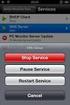 Kaseya 2 VMware Performance Monitor Quick Start Guide for Network Monitor 4.1 June 7, 2012 About Kaseya Kaseya is a global provider of IT automation software for IT Solution Providers and Public and Private
How To Set Up Safetica Insight 9 (Safetica) For A Safetrica Management Service (Sms) For An Ipad Or Ipad (Smb) (Sbc) (For A Safetaica) (
 SAFETICA INSIGHT INSTALLATION MANUAL SAFETICA INSIGHT INSTALLATION MANUAL for Safetica Insight version 6.1.2 Author: Safetica Technologies s.r.o. Safetica Insight was developed by Safetica Technologies
Deploying the BIG-IP LTM with the Cacti Open Source Network Monitoring System
 DEPLOYMENT GUIDE Deploying the BIG-IP LTM with the Cacti Open Source Network Monitoring System Version 1.0 Deploying F5 with Cacti Open Source Network Monitoring System Welcome to the F5 and Cacti deployment
HelpSystems Web Server User Guide
 HelpSystems Web Server User Guide Copyright Copyright HelpSystems, LLC. Robot is a division of HelpSystems. HelpSystems Web Server, OPAL, OPerator Assistance Language, Robot ALERT, Robot AUTOTUNE, Robot
WhatsUp Gold v16.2 MSP Edition Deployment Guide This guide provides information about installing and configuring WhatsUp Gold MSP Edition to central
 WhatsUp Gold v16.2 MSP Edition Deployment Guide This guide provides information about installing and configuring WhatsUp Gold MSP Edition to central and remote sites. Contents Table of Contents Using WhatsUp
Installation Guide for FTMS 1.6.0 and Node Manager 1.6.0
 Installation Guide for FTMS 1.6.0 and Node Manager 1.6.0 Table of Contents Overview... 2 FTMS Server Hardware Requirements... 2 Tested Operating Systems... 2 Node Manager... 2 User Interfaces... 3 License
Enterprise Reporting Server v3.5
 Enterprise Reporting Server v3.5 Administrator s Guide January 2001 Edition 2001 WebTrends Corporation Disclaimer WebTrends Corporation makes no representations or warranties with respect to the contents
TSM Studio Server User Guide 2.9.0.0
 TSM Studio Server User Guide 2.9.0.0 1 Table of Contents Disclaimer... 4 What is TSM Studio Server?... 5 System Requirements... 6 Database Requirements... 6 Installing TSM Studio Server... 7 TSM Studio
Network Monitoring with SNMP
 Network Monitoring with SNMP This paper describes how SNMP is used in WhatsUp- Professional and provides specific examples on how to configure performance, active, and passive monitors. Introduction SNMP
Remote Console Installation & Setup Guide. November 2009
 Remote Console Installation & Setup Guide November 2009 Legal Information All rights reserved. No part of this document shall be reproduced or transmitted by any means or otherwise, without written permission
AVG 8.5 Anti-Virus Network Edition
 AVG 8.5 Anti-Virus Network Edition User Manual Document revision 85.2 (23. 4. 2009) Copyright AVG Technologies CZ, s.r.o. All rights reserved. All other trademarks are the property of their respective
ActiveXperts Network Monitor. White Paper
 ActiveXperts Network Monitor Centralized monitoring of Windows, Novell, Linux and Unix servers White Paper 2008, ActiveXperts Software B.V. This document is written by ActiveXperts Software B.V. and represents
HP IMC User Behavior Auditor
 HP IMC User Behavior Auditor Administrator Guide Abstract This guide describes the User Behavior Auditor (UBA), an add-on service module of the HP Intelligent Management Center. UBA is designed for IMC
Running custom scripts which allow you to remotely and securely run a script you wrote on Windows, Mac, Linux, and Unix devices.
 About Foglight NMS Foglight NMS is a comprehensive device, application, and traffic monitoring and troubleshooting solution. It is capable of securely monitoring single and multi-site networks of all sizes,
Sawmill Log Analyzer Best Practices!! Page 1 of 6. Sawmill Log Analyzer Best Practices
 Sawmill Log Analyzer Best Practices!! Page 1 of 6 Sawmill Log Analyzer Best Practices! Sawmill Log Analyzer Best Practices!! Page 2 of 6 This document describes best practices for the Sawmill universal
Installing Management Applications on VNX for File
 EMC VNX Series Release 8.1 Installing Management Applications on VNX for File P/N 300-015-111 Rev 01 EMC Corporation Corporate Headquarters: Hopkinton, MA 01748-9103 1-508-435-1000 www.emc.com Copyright
RUGGEDCOM NMS for Linux v1.6
 Welcome to RNMS 1 Installation 2 RUGGEDCOM NMS for Linux v1.6 Notes on RNMS 3 Installation Upgrades 4 09/2013 Copyright 2013 Siemens AG All rights reserved. Dissemination or reproduction of this document,
User Manual. Onsight Management Suite Version 5.1. Another Innovation by Librestream
 User Manual Onsight Management Suite Version 5.1 Another Innovation by Librestream Doc #: 400075-06 May 2012 Information in this document is subject to change without notice. Reproduction in any manner
How To Install An Aneka Cloud On A Windows 7 Computer (For Free)
 MANJRASOFT PTY LTD Aneka 3.0 Manjrasoft 5/13/2013 This document describes in detail the steps involved in installing and configuring an Aneka Cloud. It covers the prerequisites for the installation, the
Product Description Document. Network Monitoring Solution
 Product Description Document Network Monitoring Solution 924,Navjeevan Bldg No 03 9 th Floor Lamington Road Mumbai 400 008 Ph: +91 9167104998 Email: [email protected] 1. Overview IT monitoring
MIB Explorer Feature Matrix
 MIB Explorer Feature Matrix Lite Pro Android Standards and Protocols Supported SNMPv1 (RFC 1157), SNMPv2c (RFC 1901/1905), and SNMPv3 (RFC 3412-3417). Transport Protocols UDP, TCP, and. All transport protocols
AXIGEN Mail Server Reporting Service
 AXIGEN Mail Server Reporting Service Usage and Configuration The article describes in full details how to properly configure and use the AXIGEN reporting service, as well as the steps for integrating it
Ekran System Help File
 Ekran System Help File Table of Contents About... 9 What s New... 10 System Requirements... 11 Updating Ekran to version 4.1... 13 Program Structure... 14 Getting Started... 15 Deployment Process... 15
Symantec Database Security and Audit 3100 Series Appliance. Getting Started Guide
 Symantec Database Security and Audit 3100 Series Appliance Getting Started Guide Symantec Database Security and Audit 3100 Series Getting Started Guide The software described in this book is furnished
Product Guide. Sawmill Analytics, Swindon SN4 9LZ UK [email protected] tel: +44 845 250 4470
 Product Guide What is Sawmill Sawmill is a highly sophisticated and flexible analysis and reporting tool. It can read text log files from over 800 different sources and analyse their content. Once analyzed
Vector HelpDesk - Administrator s Guide
 Vector HelpDesk - Administrator s Guide Vector HelpDesk - Administrator s Guide Configuring and Maintaining Vector HelpDesk version 5.6 Vector HelpDesk - Administrator s Guide Copyright Vector Networks
HP LeftHand SAN Solutions
 HP LeftHand SAN Solutions Support Document Applications Notes Best Practices for Using SolarWinds' ORION to Monitor SANiQ Performance Legal Notices Warranty The only warranties for HP products and services
RecoveryVault Express Client User Manual
 For Linux distributions Software version 4.1.7 Version 2.0 Disclaimer This document is compiled with the greatest possible care. However, errors might have been introduced caused by human mistakes or by
HP IMC Firewall Manager
 HP IMC Firewall Manager Configuration Guide Part number: 5998-2267 Document version: 6PW102-20120420 Legal and notice information Copyright 2012 Hewlett-Packard Development Company, L.P. No part of this
GFI Product Manual. Administrator Guide
 GFI Product Manual Administrator Guide The information and content in this document is provided for informational purposes only and is provided "as is" with no warranty of any kind, either express or implied,
GFI Product Manual. Administrator Guide
 GFI Product Manual Administrator Guide The information and content in this document is provided for informational purposes only and is provided "as is" with no warranty of any kind, either express or implied,
3M Command Center. Installation and Upgrade Guide
 3M Command Center Installation and Upgrade Guide Copyright 3M, 2015. All rights reserved., 78-8129-3760-1d 3M is a trademark of 3M. Microsoft, Windows, Windows Server, Windows Vista and SQL Server are
How To Write A Monitoring System For Free
 Zabbix : Interview of Alexei Vladishev Monitoring-fr : Hello Alexei Vladishev, can you introduce yourself to the French community please? Alexei Vladishev : I am a 36 year old engineer with a background
HP A-IMC Firewall Manager
 HP A-IMC Firewall Manager Configuration Guide Part number: 5998-2267 Document version: 6PW101-20110805 Legal and notice information Copyright 2011 Hewlett-Packard Development Company, L.P. No part of this
Avira Update Manager User Manual
 Avira Update Manager User Manual Table of contents Table of contents 1. Product information........................................... 4 1.1 Functionality................................................................
mbits Network Operations Centrec
 mbits Network Operations Centrec The mbits Network Operations Centre (NOC) is co-located and fully operationally integrated with the mbits Service Desk. The NOC is staffed by fulltime mbits employees,
http://docs.trendmicro.com
 Trend Micro Incorporated reserves the right to make changes to this document and to the products described herein without notice. Before installing and using the product, please review the readme files,
AVG 9.0 Internet Security Business Edition
 AVG 9.0 Internet Security Business Edition User Manual Document revision 90.5 (16. 4. 2010) C opyright AVG Technologies C Z, s.r.o. All rights reserved. All other trademarks are the property of their respective
WebSpy Vantage Ultimate 2.2 Web Module Administrators Guide
 WebSpy Vantage Ultimate 2.2 Web Module Administrators Guide This document is intended to help you get started using WebSpy Vantage Ultimate and the Web Module. For more detailed information, please see
Attix5 Pro Server Edition
 Attix5 Pro Server Edition V7.0.3 User Manual for Linux and Unix operating systems Your guide to protecting data with Attix5 Pro Server Edition. Copyright notice and proprietary information All rights reserved.
Red Hat Network Satellite Management and automation of your Red Hat Enterprise Linux environment
 Red Hat Network Satellite Management and automation of your Red Hat Enterprise Linux environment WHAT IS IT? Red Hat Network (RHN) Satellite server is an easy-to-use, advanced systems management platform
OnCommand Performance Manager 1.1
 OnCommand Performance Manager 1.1 Installation and Setup Guide For Red Hat Enterprise Linux NetApp, Inc. 495 East Java Drive Sunnyvale, CA 94089 U.S. Telephone: +1 (408) 822-6000 Fax: +1 (408) 822-4501
Getting Started with ESXi Embedded
 ESXi 4.1 Embedded vcenter Server 4.1 This document supports the version of each product listed and supports all subsequent versions until the document is replaced by a new edition. To check for more recent
Server Monitoring. AppDynamics Pro Documentation. Version 4.1.7. Page 1
 Server Monitoring AppDynamics Pro Documentation Version 4.1.7 Page 1 Server Monitoring......................................................... 4 Standalone Machine Agent Requirements and Supported Environments............
Red Hat Satellite Management and automation of your Red Hat Enterprise Linux environment
 Red Hat Satellite Management and automation of your Red Hat Enterprise Linux environment WHAT IS IT? Red Hat Satellite server is an easy-to-use, advanced systems management platform for your Linux infrastructure.
Installation Guide for the Intel Server Control
 Installation Guide for the Intel Server Control Order Number: 747116-007 This guide explains how to install and launch the Intel Server Control (ISC) software. ISC is a server management tool that provides
This guide specifies the required and supported system elements for the application.
 System Requirements Contents System Requirements... 2 Supported Operating Systems and Databases...2 Features with Additional Software Requirements... 2 Hardware Requirements... 4 Database Prerequisites...
Postgres Enterprise Manager Installation Guide
 Postgres Enterprise Manager Installation Guide January 22, 2016 Postgres Enterprise Manager Installation Guide, Version 6.0.0 by EnterpriseDB Corporation Copyright 2013-2016 EnterpriseDB Corporation. All
HP Operations Manager Software for Windows Integration Guide
 HP Operations Manager Software for Windows Integration Guide This guide documents the facilities to integrate EnterpriseSCHEDULE into HP Operations Manager Software for Windows (formerly known as HP OpenView
GFI Product Manual. Deployment Guide
 GFI Product Manual Deployment Guide http://www.gfi.com [email protected] The information and content in this document is provided for informational purposes only and is provided "as is" with no warranty of
Legal Notes. Regarding Trademarks. 2012 KYOCERA Document Solutions Inc.
 Legal Notes Unauthorized reproduction of all or part of this guide is prohibited. The information in this guide is subject to change without notice. We cannot be held liable for any problems arising from
ManageEngine Exchange Reporter Plus :: Help Documentation WELCOME TO EXCHANGE REPORTER PLUS... 4 GETTING STARTED... 7 DASHBOARD VIEW...
 TABLE OF CONTENTS WELCOME TO EXCHANGE REPORTER PLUS... 4 CONTACT ZOHO CORP.... 5 GETTING STARTED... 7 SYSTEM REQUIREMENTS... 8 INSTALLATION OF EXCHANGE REPORTER PLUS... 9 HOW EXCHANGE REPORTER PLUS WORKS...
Online Backup Client User Manual
 For Linux distributions Software version 4.1.7 Version 2.0 Disclaimer This document is compiled with the greatest possible care. However, errors might have been introduced caused by human mistakes or by
SolarWinds Network Performance Monitor powerful network fault & availabilty management
 SolarWinds Network Performance Monitor powerful network fault & availabilty management Fully Functional for 30 Days SolarWinds Network Performance Monitor (NPM) is powerful and affordable network monitoring
Tivoli Monitoring for Databases: Microsoft SQL Server Agent
 Tivoli Monitoring for Databases: Microsoft SQL Server Agent Version 6.2.0 User s Guide SC32-9452-01 Tivoli Monitoring for Databases: Microsoft SQL Server Agent Version 6.2.0 User s Guide SC32-9452-01
Online Backup Linux Client User Manual
 Online Backup Linux Client User Manual Software version 4.0.x For Linux distributions August 2011 Version 1.0 Disclaimer This document is compiled with the greatest possible care. However, errors might
Features Overview Guide About new features in WhatsUp Gold v14
 Features Overview Guide About new features in WhatsUp Gold v14 Contents New Features in Ipswitch WhatsUp Gold v14 Welcome to WhatsUp Gold v14!... 1 About the Welcome Center About the Quick Setup Assistant...
PATROL Console Server and RTserver Getting Started
 PATROL Console Server and RTserver Getting Started Supporting PATROL Console Server 7.5.00 RTserver 6.6.00 February 14, 2005 Contacting BMC Software You can access the BMC Software website at http://www.bmc.com.
PANDORA FMS NETWORK DEVICE MONITORING
 NETWORK DEVICE MONITORING pag. 2 INTRODUCTION This document aims to explain how Pandora FMS is able to monitor all network devices available on the marke such as Routers, Switches, Modems, Access points,
5nine Cloud Monitor for Hyper-V
 5nine Cloud Monitor for Hyper-V Getting Started Guide Table of Contents System Requirements... 2 Installation... 3 Getting Started... 8 Settings... 9 Authentication... 9 5nine Cloud Monitor for Hyper-V
HYPERION SYSTEM 9 N-TIER INSTALLATION GUIDE MASTER DATA MANAGEMENT RELEASE 9.2
 HYPERION SYSTEM 9 MASTER DATA MANAGEMENT RELEASE 9.2 N-TIER INSTALLATION GUIDE P/N: DM90192000 Copyright 2005-2006 Hyperion Solutions Corporation. All rights reserved. Hyperion, the Hyperion logo, and
Zend Server 4.0 Beta 2 Release Announcement What s new in Zend Server 4.0 Beta 2 Updates and Improvements Resolved Issues Installation Issues
 Zend Server 4.0 Beta 2 Release Announcement Thank you for your participation in the Zend Server 4.0 beta program. Your involvement will help us ensure we best address your needs and deliver even higher
DocuShare Installation Guide
 DocuShare Installation Guide Publication date: May 2009 This document supports DocuShare Release 6.5/DocuShare CPX Release 6.5 Prepared by: Xerox Corporation DocuShare Business Unit 3400 Hillview Avenue
HP Business Availability Center
 HP Business Availability Center for the Windows and Solaris operating systems Software Version: 8.05 Business Process Monitor Administration Document Release Date:September 2010 Software Release Date:
Basic & Advanced Administration for Citrix NetScaler 9.2
 Basic & Advanced Administration for Citrix NetScaler 9.2 Day One Introducing and deploying Citrix NetScaler Key - Brief Introduction to the NetScaler system Planning a NetScaler deployment Deployment scenarios