
ENDOSCOPY An overview Compiled by Donna Strain, RN, Chermside Day Hospital, 2014 What is Endoscopy?
|
|
|
- Kory Lewis
- 10 years ago
- Views:
Transcription
1 What is Endoscopy? Endoscopy is a medical procedure that enables a doctor to view different parts of the body using an endoscope. An endoscope is a long flexible tube that has a light source, camera, and different channels that allow air, water, and instruments to be passed through it. The endoscope is usually passed through a natural opening of the body such as the mouth, anus, nose, vagina and urethra. There are several different types of endoscope which include: Colonoscope: Gastroscope: Duodenoscope: Bronchoscope: Cystoscope: Hysteroscope: Laryngoscope: Inserted at the anus and views the large bowel. Inserted via the mouth and used to view the oesophagus, Stomach, and the first part of the duodenum. This scope is inserted via the mouth and is passed through to the duodenum via the oesophagus and the stomach and used to view and perform procedures on the bile duct and/or the pancreatic duct. This procedure is known as Endoscopic Retrograde Cholangio-Pancreatogram (ERCP). Also inserted via the mouth and passes through the trachea to observe the lungs. This scope is passed into the bladder via the urethra and to view the bladder and ureters. This scope is passed through the cervix via the vagina and is used to examine the uterus. This scope is passed through the nose into the throat and is used to view the larynx. At Chermside Day Hospital we use the colonoscope and the gastroscope for gastrointestinal endoscopy and the cystoscope for flexible cystoscopy.

2 Upper Gastrointestinal Endoscopy Upper Gastrointestinal Endoscopy is a procedure used to view the oesophagus, stomach and the duodenum. It is also known as an endoscopy (endo), gastroscopy (Gas), oesophagogastroduodenoscopy (OGD), or a panendoscopy (PES). A patient may be referred for an upper gastrointestinal endoscopy when a doctor determines there is a need to investigate the cause of symptoms such as: o Abdominal pain o Heartburn / reflux o Nausea o Bloating o Vomiting o Anaemia o Chest pain o Difficulty swallowing o Unexplained weight loss

3 The Oesophagus The oesophagus is the muscular tube, approximately 25cm long, which runs in a reasonably straight line through the mediastinum of the thorax. It runs through the diaphragm at the oesophageal hiatus where it enters the abdominal cavity and joins the stomach at the cardiac orifice. The cardiac orifice is surrounded by the gastroesophageal or cardiac sphincter, which acts like a valve, and with the aid of the diaphragm is closed when food is not being swallowed. Gastroesophageal Reflux Reflux occurs when the chyme from stomach is regurgitated through the lower oesophageal sphincter into the oesophagus. The sphincter may spontaneously and temporarily relax one to two hours following a meal allowing the gastric contents to move back into the oesophagus. The acid regurgitated into the oesophagus is usually neutralised and cleared with in one to three minutes by the peristaltic action of the oesophagus and the tone of the lower oesophageal sphincter is reinstated. Reflux Oesophagitis Reflux Oesophagitis can result due to a combination of factors which create an inflammatory response. When at rest the lower oesophageal sphincter generally maintains an area of high pressure that prevents acids regurgitation. Those who develop reflux oesophagitis tend to have a lower pressure than normal and events that increase abdominal pressure, such as vomiting, coughing, lifting or bending can contribute to its development. Other factors such as disorders that delay gastric emptying, therefore increasing the length of time reflux can occur and increasing the acid content of the chyme; weak oesophageal peristalsis, which

4 allows refluxed chyme to remain in the oesophagus for longer periods than normal; and disorders that weaken the lower oesophageal sphincter such as pyloric strictures and hiatal hernias can contribute to the development of reflux oesophagitis. ( Hiatal Hernia An Hiatal Hernia is a structural abnormality whereby the upper part of the stomach protrudes (herniates) through the diaphragm and into the thorax. As the diaphragm is no longer supporting the lower oesophageal sphincter gastric contents may move into the oesophagus causing oesophagitis and/ or oesophageal ulceration. There are two types of Hiatal hernia: Sliding Hiatal Hernia occurs when the stomach slides through the oesophageal hiatus into the thoracic cavity. Paraoesophageal hiatal hernia the greater curvature of the stomach herniates through a second opening in the diaphragm and lies next to the oesophagus. Barretts oesophagus The actual cause of Barretts oesophagus is not known however it is found more in those that have long standing gastro oesophageal reflux disease. Persistent reflux, over time, causes the normally pinkish white squamous cells of the oesophagus to change into red columnar cells which are similar to those that line the stomach. Barretts oesophagus is a risk factor for cancer therefore when it is seen or suspected the gastroenterologist may take lots of biopsies to confirm diagnosis and to check for dysplasia. Barretts dysplasia can be difficult for the gastroenterologist to visualize. Therefore the nurse may be asked to draw up an acetic acid solution that the gastroenterologist will flush down the gastroscope and over the required area. This is known as acetic acid chromoendoscopy and enables the gastroenterologist to visualise dysplastic areas and perform targeted biopsies.

5 This picture shows a normal Z line. The Z line is where the squamous epithelial cells of the oesophagus change into columnar gastric epithelium. ( olaryngology/sid html) Barretts oesophagus showing the long segments of changed epithelium. ( Other lesions of the oesophagus include: Schatski s ring (constriction resulting from mucosal hyperplasia of the gastroesophageal junction Mallory Weiss tear which is a tear of the mucous membrane in the distal oesophagus or the proximal stomach. It is generally caused by forceful vomiting or coughing and can also be caused by epileptic convulsions. Eosinophillic Oesophagitis is an allergic inflammatory condition of the oesophagus whereby eosinophils, which are not normally present in the oesophagus of healthy individuals, infiltrate the oesophagus and can contribute to chronic inflammation and tissue damage. Oesophageal Ulcers Oesophageal varices are dilated sub mucosal veins that occur due to portal hypertension often as a consequence of cirrhosis of the liver. Oesophageal varices can cause a major medical emergency when bleeding. Oesophageal Dilatation Oesophageal dilatation is a procedure whereby the gastroenterologist uses a dilator to stretch (or dilate) the oesophagus. Dilatation may be carried out to

6 reduce symptoms caused by strictures (can be caused by reflux), scarring (i.e. after cancer treatments), or for motility disorders. There are several different types of dilators that are available to the doctors; balloon dilators, Maloney dilators or Savary-Gillard dilators. The dilator most commonly used in CDH is the Savary-Gillard dilatory which is a bougie that is passed into the oesophagus over a guidewire. The doctor first takes a look at the at the area to be dilated with the endoscope. There are different sized bougies at CDH available to the doctor. The Doctor will chose the appropriate sized dilator and will place the guide wire through the endoscope. The Endoscope will then be removed with the nurse carefully holding the guidewire in place. The bougie is then lubricated and placed into the oesophagus via the guidewire by the doctor. Dilators need to be sterilised before use so the nursing staff need to ensure cleaning room staff are aware that there are dilatations on the list. Savary-Gillard Dilators ( The Stomach The stomach has four major parts the cardia, fundus, body and the pylorus. It acts as a mixing area and a holding reservoir for food and will vary in size throughout the day as when empty it can have the volume of approximately 50mls but when full and really distended can hold up to 4 L of food. The stomach experiences some of the most unforgiving conditions of the entire digestive tract as gastric juices are corrosively acidic and without an intact mucosal barrier these juices will digest the stomach itself. Helicobactor Pylori Helicobactor Pylor is a spiral shaped bacterium that infects up to 90% of people in developing countries and approximately 40% of Australians over the age of 60. It more common in certain ethnic groups such as Middle Eastern, Asian and eastern European. It affects both men and women equally and may be asymptomatic but can also cause symptoms such as burping, nausea and burning pain in the upper

7 abdomen. Up to 60% of stomach ulcers and at least 90% of duodenal ulcers are thought to be caused by Helicobactor infection. It is also associated with gastric cancer and lymphoma. The mode of transmission is unclear however it is thought to be transmitted via the fecal-oral route or oral-oral route. Helicobactor pylori causes inflammation in the lining of the stomach which causes the mucous barrier to be disrupted and may also cause an increase in the amount of acid produced. This appears to allow the acid to cause inflammation and ulcers. Many of the doctors routinely biopsy for Helicobactor Pylori either by taking gastric biopsies and sending them to histology or by taking a gastric biopsy and placing the specimen in a Helicobactor urea tube (HUT test). The specimen is placed in the tube which contains an orange medium, presence of the Helicobactor will turn the medium pink. ( Helicobactor Pylori along with autoimmune conditions may cause chronic gastritis (inflammation of the stomach). Chronic gastritis tends to occur most often in elderly people and can cause thinning and degeneration of the stomach wall. There are two classifications of chronic gastritis, type A (fundal) and type B (antral) with Chronic fundal gastritis (atrophic gastritis) being the most severe type. Alcohol, medications (aspirin and NSAIDS, infections and some allergic conditions are associated with acute gastritis. Erosions associated with acute gastritis are generally superficial and resuts as an injury to the protective mucosal barrier. If the stomach appears to be inflamed the gastroenterologist may do gastric biopsies as well as a HUT test. The Small Bowel

8 The small bowel is where digestion is completed and almost all absorption occurs. It is a convoluted tube that starts at the pyloric sphincter and ends at the ileocecal valve. It is divided into three parts, the duodenum, jejunum and ileum, however only the first and second parts of the duodenum are routinely viewed and biopsied during upper gastrointestinal endoscopy at Chermside Day Hospital. Villi are visible once inside the small bowel. These finger like projections increase the surface area of the small bowel and therefore greatly increase its absorptive capabilities. Coeliac Disease People with Coeliac Disease have an abnormal immune reaction to gluten, a protein found in wheat, barley, rye and oats. This reaction causes the villi lining the small bowel to become inflamed and flattened (known as villous atrophy). Therefore absorption can be greatly decreased and there may be symptoms such as weakness and fatigue, iron deficient anaemia and/or other vitamin and mineral deficiencies, failure to thrive in children or delayed puberty, recurrent mouth ulcers and altered mental alertness and irritability. Gastrointestinal symptoms such as nausea, constipation, diarrhoea, vomiting, flatulence, cramping and bloating, steatorrhea and abdominal pain may also be present. Small bowel histology may be taken to confirm diagnosis of Coeliac Disease. Small bowel mucosa in a patient with Coeliac Disease ( Lactase deficiency Lactase deficiency prevents the breakdown of lactose (milk sugar) into monosaccharides hence preventing lactose digestion and absorption across the intestinal wall. There is a deficiency of disaccharidase in the micro villi caused by a genetic defect in which lactase is generally lacking. This deficiency does not usually develop until adulthood and is most common in certain ethnic groups such as Africans, Latinos, and Native Americans. Gluten-sensitive enteropathy (Coeliac disease), enteritis, and bacterial overgrowth can also cause secondary (acquired) lactase deficiency.

9 Biopsies are regularly taken at CDH to test for Lactase deficiency. This biopsy must be taken first, before the biopsy forceps have come into contact with formalin. The Specimen is a fresh specimen and is wrapped in foil and placed in an empty specimen container. The specimen is then labelled and stored in the freezer (next to the drug cupboard) until the appropriate pathology company collects it. A laminated card indicated a disaccharidase biopsy has been taken must then be placed in the specimen bag to indicate a specimen is in the freezer awaiting collection. Small bowel biopsies may also be taken to look for causes of malabsorption, inflammation, diarrhoea and other indications. It is beneficial to always look at the patient s referral before the procedure so you get an idea as to why the procedure is taking place and the biopsies that may need to be performed. If you unsure as to why a biopsy is being performed it is fine to ask doctors or other staff to improve your understanding. BIOPSY FORCEPS All the Biopsy forceps used at CDH are cold which means they cannot be used with diathermy. All the biopsy forceps are disposable and are thrown away after the conclusion of each procedure. We currently have three types of biopsy forceps that enable the doctors to take different sized bites of tissue. Please familiarise yourself with the different types of biopsy forceps and where they are located. Colonoscopy Colonoscopy is a procedure where a colonoscope is used to view the large bowel and the last part of the ileum (terminal ileum). Some of the reasons a patient may be referred for colonoscopy include symptoms such as diarrhoea (bloody, mucousy or normal), constipation, blood stained stools and abdominal pain. Previous polyps, a family history of polyps or polyposis or a family history of bowel cancer are also common reasons for referral. The large bowel is divided into sections, rectum, sigmoid, descending, transverse, ascending and the cecum. In the Cecum the ileocecal valve can then be intubated for access to the terminal ileum. Unlike the small bowel the large bowel contains

10 no villi for increased absorption with the mucosa consisting of simple columnar epithelium, lamina propria and muscularis mucosae. The absorptive cells in the epithelium primarily absorb water although small amounts of electrolytes and vitamins are also absorbed. The wall of the right side of the colon is much thinner than that of the left and this has to be considered when removing polyps from the right side of the colon. ( Diverticular Disease Diverticula are small pouches that occur in the wall of the colon in places where the muscularis has weakened. Diverticula are very common and many people that have diverticula are unaware they have them until they have a colonoscopy however some experience symptoms when the diverticula develop inflammation. This is known as diverticulitis and it can cause fever, abdominal pain, distension, nausea and vomiting.it may also lead to perforation, peritonitis and bleeding. A paediatric colonoscope may be required if the patient is known to have diverticular disease. If diverticulitis becomes a recurring problem the patient may require surgery. Inflammatory Bowel Disease

11 ULCERATIVE COLITIS Ulcerative Colitis is a chronic inflammatory disease that can occur anywhere in the large bowel. Inflammation generally occurs in the rectum and sigmoid colon however it is possible for the entire large colon to be affected. Initial lesions may occur in those susceptible between 20 and 40 years of age with tiny ulcers appearing on the surface of the mucosa, which may bleed. The intestine produces more mucous than normal, which may contain pus, and Inflammation present in the bowel reduces its ability to reabsorb water from the faeces leading to diarrhoea. Complications can include deep ulceration, perforation and fulminant colitis / toxic megacolon (partial or full shut down of normal colonic contractions). CROHN S DISEASE Crohn s disease can occur anywhere from the mouth to the anus, however it commonly affects the small bowel and the colon; the rectum is seldom involved. Crohn s disease can be patchy with large areas of normal tissue in between diseased areas called skip lesions. All layers of the intestinal wall maybe affected therefore complications such as strictures, abscesses, fistulas and fissures may ensue. Polyps A colonic polyp is extra tissue that grows from the surface of the large bowel. The polyps can vary in size and shape, ranging from flat polyps that are difficult to distinguish on the surface of the bowel to big mushroom shaped polyps on stalks. Polyps are often benign (hyperplastic polyps) but there are certain types of polyps (tubular adenomas and sessile serrated adenomas) that can become cancerous if they are left in the bowel. Polyps may be asymptomatic or there may be symptoms such as blood mixed in with the stool on defecation, constipation and diarrhoea. There are also polyposis syndromes, which are a group of hereditary syndromes such as familial adenomatous polyposis (FAP), hereditary nonpolyposis colorectal cancer (HNPCC) and hyperplastic polyposis. Depending on the type of polyp and its location it may be removed and sent to pathology so the type of polyp can be determined. Sometimes polyps can be of mixed tissue type meaning sometimes hyperplastic polyps will contain adenomas. Removal of a polyp generally involves the use of a snare, possibly diathermy (hot), and a polyp trap in order to capture the polyp and send it away to pathology. SNARES There are many different types of snares on the market. They come in different shapes and sizes and can have different features. At CDH we keep oval and hexagonal snares made by different companies. They come in different sizes ranging from 10mm up to 27mm. Different snares are good for different types of polyps. The doctor may have preferences for different types of snares, which will be recorded on their preference sheet. It is important that you familiarise yourself with the different types of snares kept at Chermside Day Hospital. It is also prudent

12 to ask the doctor what snare he or she would prefer for that particular polyp before you open the packet. Most of the snares at CDH are disposable and should be discarded after each procedure. Polyps may be snared with or without diathermy that is hot or cold. ( ( 1/treatment_of_lesions/polypectomy hot_biopsy/polypectomy.html) INJECTORS Submucosal injection is often use to aid in the removal of large sessile serrated adenomas. Injecting a fluid into the submucosa from the margins of the polyp help to elevate the polyp and prevent perforation of the bowel. The polyp is

13 injected using a long sclerotherapy needle, which has been primed by the nurse before handing the needle over to the doctor. There are different types of fluid that may be used to lift the polyp and the main fluids used at CDH are Saline and Gelofusine. The doctor may request that these solutions are first mixed with methyl blue or indigo carmine, and may want adrenaline added if they think bleeding may be of concern. If a bag of Gelofusine is used to remember to label the bag with any additives that have been placed in it as well as the date and time it was prepared. Again, you should familiarise yourself with the doctors preferences at the start of the list and ask the doctor what he or she would like to use before priming the needle. Ensure the needle is retracted before handing it to the doctor and when it is removed from the scope. When the needle is placed in the working area, again ensure the needle is retracted and if there is a clip on the needle to prevent the needle from opening it should be placed back on at this stage. The sclerotherapy needle should be disposed of in the large sharps container. HAEMOSTASIS Bleeding is possible complication of both endoscopy and colonoscopy. Some people have risk factors we need to be aware of such as the use of blood thinning medications (e.g Warfarin, Plavix, etc) and blood clotting disorders such as factor V Leiden. Anaemia, or bleeding from the bowel are symptoms for which patients are referred therefore there are also occasions where we find the cause of bleeding, such as Watermelon stomach (Gastric Antral Vascular Ectasia) and we need to take measures to stop it. There are different mechanisms which can be used to achieve haemostasis. At CDH we primarily use clips, diathermy and occasionally Argon however it is important to understand that there are many products available on the market to prevent bleeding in the GI tract such as poly loops, sprays, gold probe and coag graspers, etc. Clips When a polyp, especially a stalked or large one, is removed there is always a chance of bleeding. This may be minimised with the use of diathermy however sometimes there is a need for other haemostasis mechanisms to be used. At CDH clips are the main mechanism used to prevent further bleeding in the patient. The clip may be applied before the procedure (on a stalked polyp) or after the procedure depending on the doctor s preference. The clip comes in a sheath, however some doctors prefer the sheath to be removed before the clip is handed to them so again ensure that you know the doctors preferences or ask what the doctor would prefer. If the clip is left in its sheath it should be advanced to the end of the sheath before handing it to the doctor. When in the endoscope it may be rotated if required by turning it in an anti clockwise direction. The Boston Scientific clips may be open and closed with out any detriment to the clip, however once the clip has been deployed it cannot be retrieved and reopened.

14 ( /global-endoscopy/resolution-clip.html) ( Argon Argon Plasma Coagulation is a non-contact thermal approach to haemostasis. Argon gas is used to deliver an evenly distributed field of energy by a probe held adjacent to the tissue. The patient has a diathermy plate applied and a high voltage spark is delivered to the tip of the probe, which ionizes the argon gas and delivers the energy with a tissue penetration of 2-3mm. The leads for Argon are kept in different places within the procedure room. Familiarise yourself with the Argon machine. There are directions for its use in the procedure room. Diathermy (ERBE) The diathermy machine has settings for both cutting and coagulation. These settings are set depending on the doctor s preferences. Before using the diathermy check with the doctor that the ERBE is on the required settings and the doctor has access to the foot pedal as well as having all the necessary equipment ready to go. At CDH most procedures performed using ERBE are monopolar therefore the procedure will require the placement of a grounding pad on the patient. Placement of the grounding pad is important as if it is improperly placed a burn to the patient may result. The pad should be placed over a well vascularised area and the nurse should ensure the entire plate has good contact with the skin. Placement where there is scar tissue, excessive hair, tattoos, plates, pins and artificial devices should be avoided. The energy will take the route of least resistance therefore the front of the grounding pad should face the area where the procedure will take place (e.g. the bowel) so the pad will pick up all signals from the device being and minimise the energy passing though any prosthetic devices and minimise the risk of burn. Any grounded object can complete the circuit. Ensure the area under the patient is dry and the patient has no metal jewellery in contact with metal on the bed, ideally jewellery should be removed. Once the device used (e.g. snare) is no longer required, disconnect the active cord from the device until it is required again. Endoscopes Chermside Day Hospital currently uses the Pentax i10 series of gastroscopes and Colonoscopes. It is important that you understand the workings of these scopes. Diagrams and manuals can be found in the cleaning room. There are also stringent

15 guidelines that govern how the scopes are cleaned, how long they can hang in the cupboard for and what equipment needs to be changed between lists. This information can again be found in the cleaning room in the infection Control in Endoscopy, 3 rd Edition. Useful resources The Dave Project Boston Scientific Endoscopy Channel You Tube GENCA Gastroentorology Nurses College of Australia GESA Gastroenterological Society of Australia American Gastroenterology Assp References Carr, S., & Watson, W. (2011) 'Eosinophilic esophagitis'. Allergy, Asthma & Clinical Immunology 7, (1) Available at [Accessed 18 September 2014] Coeliac Australia (2012) Coeliac Disease Symptoms [Online] Available at [Accessed 19 March 2011] Cohen, J. (2014) Argon plasma coagulation in the management of gastrointestinal hemorrhage [Online] Available at [Accessed 19 March 2014] Crohn's & Colitis Australia (2009) What is Crohn's Disease [Online] Available at [Accessed 19 March 2014] Crohn's & Colitis Australia (2009) What is Ulcerative Colitis [Online] Available at [Accessed 19 March 2011] Better Health Channel (2012) Gastritis [Online] Available at [Accessed 19 March 2014]

16 Gastro.net (2012) Colorectal Polyps [Online] Available at [Accessed 19 March 2014] Medical Diagnostics Australia (2014) Hut Diagnostics Test [Online] Available at [Accessed 18 March 2014] Digestive Health Foundation (2010) Helicbactor Pylori (H Pylori)[Online] Available at Pylori.pdf [Accessed 17 March 2011] Helicobactor Pylori (2009) Centre for Digestive Diseases [Online] Available at [Accessed 18 March 2014] Helicobactor Pylori (2011) Knott, L., Kenny, T., [Online] Available at [Accessed 18 March 2014] Kabbaj, N., Salihoun, M., Chaoui, Z., & Acharki, M. (2011) 'Safety and outcome using endoscopic dilation for benign oesophageal stricture without fluoroscopy'. World Journal of Gastrointestinal Pharmacology and Therapeutics 2, (6) Available at [Accessed 18 March 2011] Patient.co.uk (2014) Barretts Oesophagus [Online] Available at [Accessed 17 March 2014] Roy Pounder, Peter Cotton, Pete Peterson, Guido Tytgat (2014) GastroHelp.com [Online] Available at /ebook.asp?book= &id=4 [Accessed 17 March 2014] St James Healthcare Endoscopy Department (2012) Electrocautery & Basic Endoscopy Procedures [Online] Available at weebly.com/uploads/8/0/5/5/ /electrocautery basic.sjh.pdf [Accessed 19 March 2014] American Society for Gastrointestinal Diseases (2012) Understanding Esophageal Dilation [Online] Available at /patients.aspx?id=392 [Accessed 18 March 2011] Wheaton, G., Kandaswamy, P., & Bhandari, P. (2011) 'Acetic acid enhanced
![au/products/hut-rapid-urease-test/ [Accessed 18 March 2014] Digestive Health Foundation (2010) Helicbactor Pylori (H Pylori)[Online] Available at http://http://www.gesa.org.](/docs-images/43/12842137/images/page_16.jpg "au/files/editor_upload/file/gesa%20helicobacter%20 Pylori.pdf [Accessed 17 March 2011] Helicobactor Pylori (2009) Centre for Digestive Diseases [Online] Available at http://http://www.cdd.com.")
17 chromoendoscopy is more cost effective than protocol guided biopsies in a high risk Barrett's population; results from a large prospective series'. Gut 60, (1) A32- A33. Available at abstract[accessed 18 March 2014]

Gastrointestinal Bleeding
 Gastrointestinal Bleeding Introduction Gastrointestinal bleeding is a symptom of many diseases rather than a disease itself. A number of different conditions can cause gastrointestinal bleeding. Some causes
Learning Objectives. Introduction to Medical Careers. Vocabulary: Chapter 16 FACTS. Functions. Organs. Digestive System Chapter 16
 Learning Objectives Introduction to Medical Careers Digestive System Chapter 16 Define at least 10 terms relating to the digestive Describe the four functions of the digestive Identify different structures
How to Effectively Code for Endoscopic Procedures in Gastroenterology
 How to Effectively Code for Endoscopic Procedures in Gastroenterology Ariwan Rakvit, MD Associate Professor Interim Chief, Division of Gastroenterology Texas Tech University Health Science Center All rights
Digestive System AKA. GI System. Overview. GI Process Process Includes. G-I Tract Alimentary Canal
 Digestive System AKA G-I Tract Alimentary Canal Overview GI System Consists of Mouth, pharynx, esophagus, stomach, small intestine, large intestine, anus About 30 in length Accessory Organs Teeth, tongue,
The Digestive System
 School of Social Work The Digestive System Undergraduate researcher: Nancy D. Bergerson (2010). 1 The Digestive System breaks down and absorbs food. When food is eaten, it is not in a form the body can
Laparoscopic Surgery of the Colon and Rectum (Large Intestine) A Simple Guide to Help Answer Your Questions
 Laparoscopic Surgery of the Colon and Rectum (Large Intestine) A Simple Guide to Help Answer Your Questions What are the Colon and Rectum? The colon and rectum together make up the large intestine. After
Billing Guideline. Subject: Colorectal Cancer Screening Exams (Invasive Procedures) Effective Date: 1/1/2012 Last Update Effective: 4/16
 Subject: Colorectal Cancer Screening Exams (Invasive Procedures) Effective Date: 1/1/2012 Last Update Effective: 4/16 Billing Guideline Background Health First administers benefit packages with full coverage
Digestive System Notes
 Digestive System Notes Structure Function Relation Mouth cavity Mechanical digestion by teeth; chemical digestion of starch by saliva. Salivary glands Three pairs of glands which secrete saliva containing
Problems of the Digestive System
 The American College of Obstetricians and Gynecologists f AQ FREQUENTLY ASKED QUESTIONS FAQ120 WOMEN S HEALTH Problems of the Digestive System What are some common digestive problems? What is constipation?
Care and Problems of the Digestive System. Chapter 18 Lesson 2
 Care and Problems of the Digestive System Chapter 18 Lesson 2 Care of the Digestive System Good eating habits are the best way to avoid or minimize digestive system problems. Eat a variety of foods Avoid
10.2 The Human Digestive System pg. 411
 10.2 The Human Digestive System pg. 411 The human digestive system is made up of a group of organs working together. The digestive tract is made up of the mouth, esophagus, stomach, small intestine, and
Undergoing an Oesophageal Endoscopic Resection (ER)
 Contact Information If you have an enquiry about your appointment time/date please contact the Booking Office on 0300 422 6350. For medication enquiries please call 0300 422 8232, this is an answer machine
Gastrointestinal problems in children with Down's syndrome
 Gastrointestinal problems in children with Down's syndrome by Dr Liz Marder This article was written for parents for the Down s Syndrome Association newsletter and is reproduced here with the permission
The Digestive System. Chapter 16. Introduction. Histological Organization. Overview of Digestive System. Movement and Mixing of Digestive Materials
 The Digestive System Chapter 16 Introduction Structure of the digestive system A tube that extends from mouth to anus Accessory organs are attached Functions include Ingestion Movement Digestion Absorption
Crohn's disease and ulcerative colitis
 Crohn's disease and ulcerative colitis Summary Crohn s disease and ulcerative colitis are collectively known as inflammatory bowel disease (IBD). Crohn s disease can appear in any part of a person s digestive
Colonoscopy Data Collection Form
 Identifier: Sociodemographic Information Type: Zip Code: Gender: Height: (inches) Race: Ethnicity Inpatient Outpatient Male Female Birth Date: Weight: (pounds) American Indian (Native American) or Alaska
The digestive system. Medicine and technology. Normal structure and function Diagnostic methods Example diseases and therapies
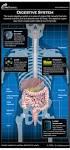 The digestive system Medicine and technology Normal structure and function Diagnostic methods Example diseases and therapies The digestive system An overview (1) Oesophagus Liver (hepar) Biliary system
The Gastrointestinal System It consists of: The digestive tract Mouth Pharynx Oesophagus Stomach Small intestine Large intestine
 The Gastrointestinal System It consists of: The digestive tract Mouth Pharynx Oesophagus Stomach Small intestine Large intestine The digestive organs Teeth Tongue Salivary glands Liver Gall bladder Pancreas
General Structure and Function of the Digestive System
 General Structure and Function of the Digestive System Do Now Why does food have to be digested before cells can use it? What are the typical four layers of the digestive tract wall? What is the name of
Digestive System. About the Digestive System. How Digestion Works
 Digestive System The first step in the digestive process happens before we even taste food. Just by smelling that homemade apple pie or thinking about how delicious that ripe tomato is going to be, you
Patients who fail to bring a driver/someone to stay with them for the night will have their procedure cancelled immediately.
 Preparing for your Colonoscopy You must have someone and/or a driver accompany you and stay with you for 24 hours after your procedure. Patients who fail to bring a driver/someone to stay with them for
POEM Procedure for. Esophageal Achalasia
 POEM Procedure for Esophageal Achalasia POEM (Per-Oral endoscopic myotomy) is an incisionless procedure to treat esophageal achalasia, totally performed by endoscopy, without cutting the surface of the
Homeostatic Imbalances of the Digestive System
 Homeostatic Imbalances of the Digestive System Sign or Disease Description, Causes, Etc. 1 Abdominal Adhesions Fibrous bands that form between tissues and organs, often as a result of injury during surgery;
Chapter 6 Gastrointestinal Impairment
 Chapter 6 Gastrointestinal This chapter consists of 2 parts: Part 6.1 Diseases of the digestive system Part 6.2 Abdominal wall hernias and obesity PART 6.1: DISEASES OF THE DIGESTIVE SYSTEM Diseases of
By Anne C. Travis, M.D., M.Sc. and John R. Saltzman, M.D., FACG Brigham and Women's Hospital Harvard Medical School Boston, MA
 SMALL BOWEL BLEEDING: CAUSES, DIAGNOSIS AND TREATMENT By Anne C. Travis, M.D., M.Sc. and John R. Saltzman, M.D., FACG Brigham and Women's Hospital Harvard Medical School Boston, MA 1. What is the small
Surgical Weight Loss. Mission Bariatrics
 Surgical Weight Loss Mission Bariatrics Obesity is a major health problem in the United States, with more than one in every three people suffering from this chronic condition. Obese adults are at an increased
Flexible sigmoidoscopy the procedure explained Please bring this booklet with you
 Flexible sigmoidoscopy the procedure explained Please bring this booklet with you Exceptional healthcare, personally delivered Introduction You have been advised by your GP or hospital doctor to have an
GI Bleeding. Thomas S.Foster,Pharm.D. PHR 961 Integrated Therapeutics
 GI Bleeding Thomas S.Foster,Pharm.D. PHR 961 Integrated Therapeutics Overview Because GI bleeding is internal, it is possible for a person to have GI bleeding without symptoms. Important to recognize
GASTROESOPHAGEAL REFLUX DISEASE (GERD)
 GASTROESOPHAGEAL REFLUX DISEASE (GERD) Gastroesophageal reflux disease is a clinical scenario where the gastric or duodenal contents reflux back up into the esophagus. Reflux esophagitis, however, is a
Upper Gastrointestinal Tract KNH 406
 Upper Gastrointestinal Tract KNH 406 Upper GI A&P GI tract long tube ~ 15 ft. Upper GI mouth, pharynx, esophagus, stomach Accessory organs pancreas, biliary system, liver Four basic functions: motility,
PATIENT CONSENT TO PROCEDURE - ROUX-EN-Y GASTRIC BYPASS
 As a patient you must be adequately informed about your condition and the recommended surgical procedure. Please read this document carefully and ask about anything you do not understand. Please initial
Gastroesophageal Reflux
 Gastroesophageal Reflux What is Gastroesophageal Reflux? Gastroesophageal reflux (GER) is involuntary regurgitation of stomach contents into the esophagus. Reflux causes a number of problems: 1. Chemical
5. Secretion: release of water, acids. Enzymes, buffers by digestive tract.
 Digestive System CH-16 Lecture topics Functions of the digestive system: p. 488. 1. Ingestion: Taking food in 2. Propulsion: movement of food thru alimentary canal p.490. voluntary: swalloing : skeletal
ENDOSCOPIC ULTRASOUND (EUS)
 ENDOSCOPIC ULTRASOUND (EUS) What you need to know before your procedure Your Doctor has decided that an EUS is necessary for further evaluation and treatment of your condition. This information sheet has
Laparoscopic Anti-Reflux (GERD) Surgery Patient Information from SAGES
 Laparoscopic Anti-Reflux (GERD) Surgery Patient Information from SAGES Surgery for "Heartburn" If you suffer from moderate to severe "heartburn" your surgeon may have recommended Laparoscopic Antireflux
Introduction. Digestive System. Physiology. Anatomy. Physiology. Alimentary Canal. Chapter 21
 Chapter 21 Digestive System Susan G. Salvo Introduction Digestive process is a disassembly line Digestive system provides processes in which proteins, carbohydrates, and fats are broken down and used a
2016 Quick Reference Coding Chart
 43197 Trans nasal esophagoscopy 43198 Biospy Trans Nasal Esophagoscopy Esophagoscopy 43200 Esophagoscopy Includes collection of specimen(s) by brushing or washing, when performed. 43201 Submucosal injection
Digestive System. Gross Anatomy and Physiology
 Digestive System Gross Anatomy and Physiology I. Introduction A. Base Function: Working with the circulatory system the digestive system provides the body with fuel. B. Main players: 1. Digestive tract:
Guide to Abdominal or Gastroenterological Surgery Claims
 What are the steps towards abdominal surgery? Investigation and Diagnosis It is very important that all necessary tests are undertaken to investigate the patient s symptoms appropriately and an accurate
A Guide for Patients Living with a Biliary Metal Stent
 A Guide for Patients Living with a Biliary Metal Stent What is a biliary metal stent? A biliary metal stent (also known as a bile duct stent ) is a flexible metallic tube specially designed to hold your
Divisions of Digestive System. Organs of the Alimentary Canal. Anatomy of the Digestive System: Organs of the Alimentary Canal. CHAPTER 14 p.
 Divisions of Digestive System Anatomy of the Digestive System: Organs of the Alimentary Canal CHAPTER 14 p. 412-423 1. Alimentary Canal or Gastrointestinal Tract (GI)-digests and absorbs food coiled hollow
WHAT S WRONG WITH MY GALL BLADDER? GALL BLADDER POLYPS
 WHAT S WRONG WITH MY GALL BLADDER? GALL BLADDER POLYPS This is a patient information booklet providing specific practical information about gall bladder polyps in brief. Its aim is to provide the patient
SOD (Sphincter of Oddi Dysfunction)
 SOD (Sphincter of Oddi Dysfunction) SOD refers to the mechanical malfunctioning of the Sphincter of Oddi, which is the valve muscle that regulates the flow of bile and pancreatic juice into the duodenum.
Laparoscopic Fundoplication for Reflux
 Laparoscopic Fundoplication for Reflux Exceptional healthcare, personally delivered Understanding Reflux General Reflux happens when acid from the stomach washes up into the gullet (oesophagus) from the
Overview of Bariatric Surgery
 Overview of Bariatric Surgery To better understand how weight loss surgery works, it is helpful to know how the normal digestive process works. As food moves along the digestive tract, special digestive
Laparoscopic Antireflux Surgery Information Sheet
 Laparoscopic Antireflux Surgery Information Sheet What is Laparoscopic Antireflux Surgery? Antireflux surgery (also known as fundoplication) is the standard surgical method of treating gastro-oesophageal
Bile Duct Diseases and Problems
 Bile Duct Diseases and Problems Introduction A bile duct is a tube that carries bile between the liver and gallbladder and the intestine. Bile is a substance made by the liver that helps with digestion.
Normal Gastrointestinal Motility and Function
 Normal Gastrointestinal Motility and Function "Motility" is an unfamiliar word to many people; it is used primarily to describe the contraction of the muscles in the gastrointestinal tract. Because the
The Digestive System. Chapter 15
 The Digestive System Chapter 15 Introduction Digestion refers to the mechanical and chemical breakdown of food so the nutrients can be absorbed by cells Carried out by the digestive system Consists of
Medical Nutrition Therapy for Upper Gastrointestinal Tract Disorders. By: Jalal Hejazi PhD, MSc.
 Medical Nutrition Therapy for Upper Gastrointestinal Tract Disorders By: Jalal Hejazi PhD, MSc. Digestive Disorders Common problem; more than 50 million outpatient visits per year Dietary habits and nutrition
SMALL AND LARGE INTESTINE SECRETIONS
 SMALL AND LARGE INTESTINE SECRETIONS Objectives At the end of lecture student should be able to know, Digestive system Digestive system secretions Small intestine Component of small intestine Intestinal
What is the Sleeve Gastrectomy?
 What is the Sleeve Gastrectomy? The Sleeve Gastrectomy (also referred to as the Gastric Sleeve, Vertical Sleeve Gastrectomy, Partial Gastrectomy, or Tube Gastrectomy) is a relatively new procedure for
KEYHOLE HERNIA SURGERY
 Disclaimer This movie is an educational resource only and should not be used to manage a hernia or abdominal pain. All decisions about the management of a hernia must be made in conjunction with your Physician
C. difficile Infections
 C. difficile Infections Introduction C. difficile is a type of bacteria that can cause diarrhea and infection of the colon. This bacterium is more likely to infect patients at hospitals and other healthcare
Chronic Diarrhea in Children
 Chronic Diarrhea in Children National Digestive Diseases Information Clearinghouse What is chronic diarrhea? Diarrhea is loose, watery stools. Chronic, or long lasting, diarrhea typically lasts for more
Colorectal Cancer Care A Cancer Care Map for Patients
 Colorectal Cancer Care A Cancer Care Map for Patients Understanding the process of care that a patient goes through in the diagnosis and treatment of colorectal cancer in BC. Colorectal Cancer Care Map
Nash Heartburn Treatment Center
 Nash Heartburn Treatment Center a division of Nash Health Care NHCS Mission Statement: To provide superior quality health care services and to help improve the health of the community in a caring, efficient
Laparoscopic Colectomy. What do I need to know about my laparoscopic colorectal surgery?
 Laparoscopic Colectomy What do I need to know about my laparoscopic colorectal surgery? Traditionally, colon & rectal surgery requires a large, abdominal and/or pelvic incision, which often requires a
Eating, pooping, and peeing THE DIGESTIVE SYSTEM
 THE DIGESTIVE SYSTEM Ingested food is not technically in the body until it is absorbed so it needs to be: Mechanically and chemically reduced Transported by the blood to the cells Large portions are not
Digestive System Functions
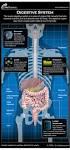 Digestive System Functions A. Gastrointestinal Processes 1. Ingestion: placing food in mouth (voluntary) 2. Propulsion: moving food through GI tract a. Peristalsis: alternating waves of contraction and
The Human Digestive System
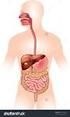 The Human Digestive System Name: Section: Date: Page 1 of 10 Page 2 of 10 Page 3 of 10 Page 4 of 10 Page 5 of 10 Page 6 of 10 Putting it All Together Digestive Enzymes Page 7 of 10 Page 8 of 10 Page 9
Use of stents in esophageal cancer" Hans Gerdes, M.D. Director, GI Endoscopy Unit Memorial Sloan-Kettering Cancer Center
 Use of stents in esophageal cancer" Hans Gerdes, M.D. Director, GI Endoscopy Unit Memorial Sloan-Kettering Cancer Center Features of esophageal cancer Esophageal cancer is an abnormal growth that arises
Gastric Sleeve Surgery
 Gastric Sleeve Surgery Introduction Obesity is associated with many diseases such as diabetes, high blood pressure, heart problems, and degeneration of the joints. These diseases and the obesity itself
understanding GI bleeding
 understanding GI bleeding a consumer education brochure American College of Gastroenterology 4900B South 31st Street, Arlington, VA 22206 703-820-7400 www.acg.gi.org American College of Gastroenterology
Pancreatic Cancer Understanding your diagnosis
 Pancreatic Cancer Understanding your diagnosis Let s Make Cancer History 1 888 939-3333 cancer.ca Pancreatic Cancer Understanding your diagnosis When you first hear that you have cancer you may feel alone
Spinal Cord and Bladder Management Male: Intermittent Catheter
 Spinal Cord and Bladder Management Male: Intermittent Catheter The 5 parts of the urinary system work together to get rid of waste and make urine. Urine is made in your kidneys and travels down 2 thin
NICE guideline Published: 2 September 2015 nice.org.uk/guidance/ng20
 Coeliac disease: recognition, assessment and management NICE guideline Published: 2 September 2015 nice.org.uk/guidance/ng20 NICE 2015. All rights reserved. Contents Key priorities for implementation...
Peptic Ulcer. Anatomy The stomach is a hollow organ. It is located in the upper abdomen, under the ribs.
 Peptic Ulcer Introduction A peptic ulcer is a sore in the lining of your stomach or duodenum. The duodenum is the first part of your small intestine. Peptic ulcers may also develop in the esophagus. Nearly
Physiology of Digestive system II
 Small Intestine Physiology of Digestive system II Motility of small intestine: Distention of the Small Intestine Elicits Mixing Contractions Called Segmentation Contractions. These are concentric contractions
The Digestive System. You are what you eat!
 The Digestive System You are what you eat! Try to label the diagram (PENCIL!!) What is Digestion? Digestion: the breakdown of large macromolecules (proteins, fats, carbohydrates) into smaller molecules
The Digestive System. Chapter 14. The Digestive System and Body Metabolism. Metabolism. Organs of the Digestive System. Digestion.
 Chapter 14 The Digestive System The Digestive System and Body Metabolism Digestion of ingested food of nutrients into the blood Metabolism Production of Constructive and degradative cellular activities
Chapter 17 Digestive System. Alimentary Canal. Movements of the Tube
 Chapter 17 Digestive System Functions of Digestive System ingestion mechanical digestion chemical digestion propulsion absorption defecation Consists of the alimentary canal and accessory organs 1 Alimentary
These parameters cannot, at the present time, be determined by non-invasive imaging techniques.
 Endoscopic Mucosal Resection for Upper Gastrointestinal Lesions Kenneth K. Wang, M.D. Chairman, WEO Publication and Guidelines Committee Professor of Medicine, Mayo Clinic Rochester, Minnesota Upper gastrointestinal
What Is Clostridium Difficile (C. Diff)? CLOSTRIDIUM DIFFICILE (C. DIFF)
 What Is Clostridium Difficile (C. Diff)? Clostridium difficile, or C. diff for short, is an infection from a bacterium, or bug, that can grow in your intestines and cause bad GI symptoms. The main risk
National Digestive Diseases Information Clearinghouse
 Gastritis National Digestive Diseases Information Clearinghouse U.S. Department of Health and Human Services NATIONAL INSTITUTES OF HEALTH What is gastritis? Gastritis is a condition in which the stomach
Motility Disorders that are Commonly Mistaken for Reflux by Susan Agrawal
 www.complexchild.com Motility Disorders that are Commonly Mistaken for Reflux by Susan Agrawal A surprisingly large number of children with motility disorders experience the same progression of events
Presence and extent of fatty liver or other metabolic liver diseases
 UC San Diego Health System Patient Information Sheet: Liver Biopsy What is a Liver Biopsy? A liver biopsy is a procedure where a qualified doctor (typically a hepatologist, radiologist or gastroenterologist)
Gastrointestinal Tract. Gastrointestinal Tract. Gastric Secretion. Stomach. Bio217 F2014 Unit 9. Gastrointestinal Tract (GI Tract, )
 Bio217: Pathophysiology Class Notes Professor Linda Falkow Unit IX: Digestive System Disorders Chapter 33: Structure and Function of the Digestive System Chapter 34: Alterations of Digestive Function Mouth
Health Science 1111 Module 15 Digestive System Lab 15. As you view the film The Body Invaders Digestion answer the question on your lab worksheet.
 Health Science 1111 Module 15 Digestive System Lab 15 As you view the film The Body Invaders Digestion answer the question on your lab worksheet. Anatlab o On campus students: Double-click on the Anatlab
Chapter 49 - Nutrients and the Digestive System I. Nutrients (chemical substances necessary for organisms to grow and function properly)
 Chapter 49 - Nutrients and the Digestive System I. Nutrients (chemical substances necessary for organisms to grow and function properly) 6 basic nutrients - 4 food groups (milk, meat, fruit and vegetable,
Endoscopy Suite Patient Information
 Having a gastroscopy and colonoscopy Endoscopy Suite Patient Information Contents Introduction 1 What is a gastroscopy and colonoscopy? 2 What preparation will I need for my gastroscopy and colonoscopy?
Sleeve Gastrectomy Surgery & Follow Up Care
 Sleeve Gastrectomy Surgery & Follow Up Care Sleeve Gastrectomy Restrictive surgical weight loss procedure Able to eat a smaller amount of food to feel satiety, less than 6 ounces at a meal Surgery The
GI TRACT ORGANS ACCESSORY ORGANS
 Digestive System GI TRACT ORGANS Oral cavity Oropharynx Esophagus Stomach Small intestine Large Intestine Anus ACCESSORY ORGANS Salivary glands Pancreas Liver Gall bladder GI TRACT LAYERS Mucosa Submucosa
DISEASES OF THE DIGESTIVE SYSTEM
 DISEASES OF THE DIGESTIVE SYSTEM DISEASES OF ORAL CAVITY, SALIVARY GLANDS AND JAWS (520-529.9) 520 DISORDERS OF TOOTH DEVELOPMENT AND ERUPTION 520.0 ANODONTIA 520.1 SUPERNUMERARY TEETH 520.2 ABNORMALITIES
The Hereditary Colorectal Cancer Website has been sponsored by the Robert Rauschenberg Foundation
 Introduction The Hereditary Colorectal Cancer Website has been sponsored by the Robert Rauschenberg Foundation Hereditary nonpolyposis colorectal cancer (HNPCC) syndrome was first described over 100 years
Understanding Laparoscopic Colorectal Surgery
 Understanding Laparoscopic Colorectal Surgery University Colon & Rectal Surgery A Problem with Your Colon Your doctor has told you that you have a colon problem. Now you ve learned that surgery is needed
Laparoscopic Cholecystectomy
 Laparoscopic Cholecystectomy Removal of Gall Bladder Page 12 Patient Information Further Information We endeavour to provide an excellent service at all times, but should you have any concerns please,
Lab 18 The Digestive System
 Lab 18 The Digestive System Laboratory Objectives Identify on a diagram, model or cadaver the parts of the digestive system and accessory organs. Describe the general histology of the digestive system.
11/10/2014. I have nothing to Disclose. Covered Stents discussed are NOT FDA approved for the indications covered in my presentation
 I have nothing to Disclose Ramsey Dallal, MD, FACS Vice Chair Department of Surgery Chief Bariatric i and Minimally i Invasive Surgery Einstein Healthcare Network Nemacolin, PA 2014 Covered Stents discussed
Outline Digestive System
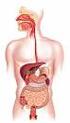 Outline Digestive System The Digestive System Digestive System Lecture Packet 19 Chapter 15 I. Function II. Layers of the GI tract III. Major parts: mouth, pharynx, esophagus, stomach, small intestine,
Chapter 48. Nutrients in Food. Carbohydrates, Proteins, and Lipids. Carbohydrates, Proteins, and Lipids, continued
 Carbohydrates, Proteins, and Lipids The three nutrients needed by the body in the greatest amounts are carbohydrates, proteins, and lipids. Nutrients in Food All of these nutrients are called organic compounds,
Radiation Therapy for Prostate Cancer
 Radiation Therapy for Prostate Cancer Introduction Cancer of the prostate is the most common form of cancer that affects men. About 240,000 American men are diagnosed with prostate cancer every year. Your
Understanding. Pancreatic Cancer
 Understanding Pancreatic Cancer Understanding Pancreatic Cancer The Pancreas The pancreas is an organ that is about 6 inches long. It s located deep in your belly between your stomach and backbone. Your