
Pediatric Congenital Cardiac Surgery
|
|
|
- Florence Young
- 10 years ago
- Views:
Transcription
1 Pediatric Congenital Cardiac Surgery in New York State New York State Department of Health October 2011

2 Members of the New York State Cardiac Advisory Committee Chair Spencer King, M.D. Executive Director of Academic Affairs St. Joseph's Health System Atlanta, GA Members George Alfieris, M.D. Associate Professor of Surgery Strong Memorial Hospital, Rochester, NY Chief of Pediatric Cardiopulmonary Surgery SUNY-Upstate Medical University Syracuse, NY Frederick Bierman, M.D. Westchester Medical Center Valhalla, NY Alfred T. Culliford, M.D. Professor of Clinical Surgery NYU Medical Center New York, NY Icilma Fergus, M.D. Chief, Division of Cardiology Harlem Hospital New York, NY Jeffrey P. Gold, M.D. Provost and Executive VP for Health Affairs Dean of the College of Medicine The University of Toledo, Toledo, OH Robert Higgins, M.D. Lumley Medical Research Chair Director, Comprehensive Transplant Center Chief, Division of Cardiac Surgery Ohio State University Medical Center Columbus, OH David R. Holmes Jr., M.D. Professor of Medicine Consultant, Cardiovascular Disease Mayo Clinic, Rochester, MN Alice Jacobs, M.D. Director, Cardiac Catheterization Laboratory & Interventional Cardiology Boston Medical Center Boston, MA Desmond Jordan, M.D. Associate Professor of Clinical Anesthesiology in Biomedical Informatics New York Presbyterian Hospital Columbia New York, NY Thomas Kulik, M.D. Director, Pulmonary Hypertension Program Children s Hospital Boston Boston, MA Stephen Lahey, M.D. University of Connecticut Health Center Farmington, CT Vice Chair Gary Walford, M.D. Johns Hopkins Medical Center Baltimore, MD John J. Lamberti, Jr., M.D. Director, Pediatric Cardiac Surgery Children s Hospital of San Diego San Diego, CA Tia Powell, M.D. Director, Montefiore-Einstein Center for Bioethics Montefiore Medical Center Bronx, NY Carlos E. Ruiz, M.D., Ph.D. Director, Division of Structural and Congenital Heart Disease Lenox Hill Heart and Vascular Institute of New York New York, NY Samin K. Sharma, M.D. Director, Cardiac Catheterization Laboratory Mt. Sinai Hospital, New York, NY Craig Smith, M.D. Chairman, Department of Surgery Surgeon-in-Chief New York Presbyterian Hospital - Columbia New York, NY Nicholas Stamato, M.D. Director of Cardiology United Health Services Hospitals Johnson City, NY Ferdinand Venditti, Jr., M.D. Vice Dean for Clinical Affairs Albany Medical Center Albany, NY Andrew S. Wechsler, M.D. Professor and Chair, Department of Cardiothoracic Surgery Drexel University College of Medicine Philadelphia, PA Deborah Whalen, R.N.C.S., M.B.A., A.N.P. Clinical Service Manager Division of Cardiology Boston Medical Center Boston, MA Roberta Williams, M.D. Professor of Pediatrics Keck School of Medicine at USC Los Angeles, CA Consultant Edward L. Hannan, Ph.D. Distinguished Professor Emeritus Department of Health Policy, Management & Behavior Associate Dean for Research Emeritus University at Albany, School of Public Health

3 Congenital Cardiac Services Subcommittee Members & Consultants Roberta Williams, M.D. Chair Professor of Pediatrics Keck School of Medicine at USC George Alfieris, M.D. Associate Professor of Surgery Strong Memorial Hospital Chief of Pediatric Cardiopulmonary Surgery SUNY - Upstate Medical University Frederick Bierman, M.D. Westchester Medical Center Jeffrey P. Gold, M.D. Provost and Executive Vice President for Health Affairs The University of Toledo Edward L. Hannan, Ph.D. Distinguished Professor Emeritus Department of Health Policy Management & Behavior Associate Dean for Research Emeritus University at Albany School of Public Health Thomas J. Kulik, M.D. Director, Pulmonary Hypertension Program Children's Hospital Boston John J. Lamberti Jr., M.D. Director, Pediatric Cardiac Surgery Children's Hospital of San Diego Carlos E. Ruiz, M.D., Ph.D. Director, Division of Structural and Congenital Heart Disease Lenox Hill Heart and Vascular Institute Staff to Pediatric Cardiac Services Analysis Workgroup New York State Department of Health Kimberly S. Cozzens, M.A. Cardiac Initiatives Research Manager Cardiac Services Program Karen C. Keller-Ullrich, R.N. Clinical Investigator Cardiac Services Program Rosemary Lombardo, M.S. CSRS Coordinator Cardiac Services Program Zaza Samadashvili, M.D., M.P.H. Research Scientist Cardiac Services Program

4 TABLE OF CONTENTS MESSAGE FROM THE DEPARTMENT OF HEALTH INTRODUCTION THE HEALTH DEPARTMENT PROGRAM PATIENT POPULATION RISK ADJUSTMENT FOR ASSESSING PROVIDER PERFORMANCE Data Collection, Data Validation and Identifying In-Hospital Deaths Assessing Patient Risk Predicting Patient Mortality Rates for Hospitals Computing the Risk-Adjusted Mortality Rate Interpreting the Risk-Adjusted Mortality Rate How This Initiative Contributes to Quality Improvement HOSPITAL OUTCOMES FOR PEDIATRIC CONGENITAL CARDIAC SURGERY Table 1 Hospital Observed, Expected and Risk-Adjusted Mortality Rates for Pediatric Congenital Cardiac Surgery in New York State, Discharges APPENDIX 1 PEDIATRIC CONGENITAL CARDIAC DIAGNOSES IN NEW YORK STATE, APPENDIX 2 PATIENT GROUPS DERIVED FROM ANALYSIS OF PEDIATRIC CONGENITAL CARDIAC SURGERY CASES IN NEW YORK STATE, APPENDIX MULTIVARIABLE (LOGISTIC REGRESSION) MODEL FOR PEDIATRIC CONGENITAL CARDIAC SURGERY IN-HOSPITAL MORTALITY APPENDIX 4 CRITERIA USED IN REPORTING SIGNIFICANT RISK FACTORS, NYS PEDIATRIC CARDIAC SURGERY CENTERS

5 MESSAGE FROM THE DEPARTMENT OF HEALTH We are very pleased to provide the information in this booklet for health care providers and for the families of children who need heart surgery. This report summarizes outcomes for pediatric patients undergoing surgery to correct congenital heart defects. Hospital-specific mortality rates that have been adjusted to account for differences in patient severity of illness are included along with the risk factors associated with in-hospital mortality for these procedures. These analyses represent one component of our ongoing efforts to provide comprehensive monitoring and assessment information for both patients and providers. This is the third report of risk-adjusted outcomes for pediatric cardiac surgery in New York State (NYS). New York is the only state in the country that we are aware of to evaluate and release this kind of information for pediatric cardiac surgery. The term congenital heart defect represents a broad range of abnormalities that may be present at birth. According to the National Heart Lung and Blood Institute, about 1 in every 125 newborns is affected by a congenital heart defect. More than 35 different types of congenital heart defects have been identified. Until recent years, the most serious defects were thought to be untreatable. However, as scientific knowledge and technology have increased, more cases have been identified and the range of surgical options to correct them or alleviate their damaging effects has grown. Evaluating pediatric cardiac surgery data represents special challenges because of the wide range of diagnoses and procedures involved. However, with the guidance of the New York State Cardiac Advisory Committee (CAC), we have been able to develop a statistical model that allows us to monitor and compare outcomes across hospitals. Similar analyses in adult cardiac surgery have been helpful both in documenting the excellent care provided in NYS centers and in continuing to improve care. We believe that similar improvements will be achieved by sharing these data for pediatric cardiac surgery. If your child has been diagnosed with a heart defect, it is very important that a specialist in pediatric cardiology evaluate him or her. If surgery is being considered, the pediatric cardiologist and cardiac surgeon will be able to explain the special features of your child s condition and discuss the various treatment options. We extend our appreciation to the providers of this state and the CAC for their efforts in developing and refining this remarkable cooperative quality improvement initiative. The New York State Department of Health (DOH) will continue to work in partnership with hospitals and physicians to ensure the continued high quality of pediatric congenital heart surgery available in NYS. 1

6 INTRODUCTION This booklet is intended for health care providers and families of children who have a congenital heart defect. It provides information on risk factors associated with pediatric congenital heart surgery and lists hospital specific mortality rates that have been risk-adjusted to account for differences in patient severity of illness. New York State has taken a leadership role in setting standards for cardiac services, monitoring outcomes, and sharing performance data with patients, hospitals, and physicians. Hospitals and doctors involved in the care of pediatric cardiac patients have worked in cooperation with the DOH and the CAC to compile accurate and meaningful data for use in enhancing quality of care. The data in this report are based on the New York State Pediatric Cardiac Surgery Reporting System. This system is used to gather information on each patient s diagnoses, the actual procedure performed and other clinical factors that may impact outcomes. As part of the reporting system, hospitals have the ability to track their own data and compare their experience to statewide outcomes. We believe that this process has been instrumental in achieving the excellent outcomes that are experienced in centers across NYS. Congenital Heart Defects Congenital heart defects are a leading cause of death in infancy. Congenital heart defects may take many forms and represent a wide range of risk. Some simple defects, such as a small opening between heart chambers, may be consistent with good health and a normal life span. Other defects, such as an under developed heart chamber or valve may result in shock in the first hours or days of life unless rapid and effective action is taken. Findings of an unusual heart murmur, cyanosis (blueness), or fast breathing indicate the need for consultation by a pediatric cardiologist (child heart specialist). In some cases, only a physical examination by a pediatric cardiologist is required. If a significant heart problem is suspected, an echocardiogram (ultrasound of the heart) is obtained. If further information is required, a heart catheterization is performed in which a small catheter or tube is inserted into a blood vessel and threaded into heart chambers and large blood vessels to measure oxygen levels. A special dye may be injected through the catheter making it possible to take internal pictures of certain parts of the heart or major vessels. For some heart defects, special devices may be inserted into the heart through a catheter to open narrowed valves or vessels, or to close simple holes within the heart. If the patient requires surgery to correct the defect, a decision regarding the timing and type of surgery is made jointly between the cardiovascular surgeon and the pediatric cardiologist. During and after surgery, the cardiovascular surgeon leads a team consisting of anesthesiologists, perfusionists, post-operative care specialists, nurses and other relevant care providers to coordinate the needs of the patient and family. Following discharge, the patient is followed jointly by the surgeon, pediatric cardiologist, and primary care provider. Some complex heart defects require a series of operations to allow for growth or to compensate for a significant malformation. Careful joint planning by the entire team of providers is needed for these patients. Some simple heart defects can be considered cured by surgery. For other patients, good health is restored, but lifelong monitoring to prevent or treat secondary problems is required. Because of the extreme variability of congenital heart defects, the timing and type of surgery can vary from patient to patient. The surgical plan may also vary from one surgical center to another when there is no clear advantage of a single approach. When experience has shown one surgical approach superior to another, it is adopted by all centers. Some patients who are at very high risk for surgery are referred to a specific center where a special technique, that is not performed elsewhere, can be performed. For this reason, it is not possible to determine the level of expertise of a program by looking at the simple mortality rate. It is necessary to compare one center s experience with the results of others performing operations of equal complexity. In examining the results of a single surgical center, it is important to remember that many factors other than the techniques of surgery are responsible for the final outcome. To fairly compare the outcomes of different surgical programs, it is necessary to recognize the extensive patient variability. Patient demographics, diagnoses, recommended procedures and health conditions all must be taken into account. When heart surgery is recommended for your child, it is important to speak with your pediatric cardiologist and cardiac surgeon. They will be able to explain the special features of your child s defect and the surgical experience of a particular center. A listing of the wide range of pediatric congenital heart disease diagnoses associated with pediatric cardiac surgery is provided in Appendix 1. 2

7 HEALTH DEPARTMENT PROGRAM The New York State Department of Health has been studying the effects of patient and treatment characteristics on outcomes for patients undergoing heart surgery for many years. Detailed statistical analyses of the information received from the study have been conducted under the guidance of the CAC, a group of independent practicing cardiac surgeons, cardiologists, and other professionals in related fields. The results have been used to create a cardiac profile system that assesses the performance of hospitals, taking into account the severity of individual patient s pre-operative conditions. Coronary artery bypass surgery results have been assessed since 1989; percutaneous coronary intervention results were released in 1996 for the first time. The first Pediatric Congenital Cardiac Surgery Report, based on data, was released in This report, based on data is the third report. This report differs from the most recent report in that the methodology has been altered slightly to best capture how the important factors of age and type of heart defect contribute to the risk of in-hospital mortality for pediatric patients undergoing cardiac surgery. This methodology is further described under Assessing Patient Risk. Designed to improve health in pediatric patients with congenital heart disease, the analyses in this report are aimed at: Understanding the health risks of patients that adversely affect how they will fare during and after pediatric congenital cardiac surgery; Assessing and evaluating the results of the surgical treatments for congenital heart disease; Improving cardiac care for pediatric patients; and Providing information to help patients families make better decisions about the care of their children. We encourage doctors to discuss the information in this report with their patients families and colleagues as they develop treatment plans. While these statistics are an important tool in making informed health care choices, individual treatment plans must be made by doctors and families together after careful consideration of all pertinent factors. It is important to recognize that many things can influence the outcome of congenital heart surgery. These include the patient s health before the procedure, the skill of the operating team, and general aftercare. In addition, keep in mind that the information in this booklet does not include data after Important changes may have taken place in some hospitals since that time. PATIENT POPULATION Pediatric patients (age <18 years) undergoing congenital cardiac surgery in New York State hospitals who were discharged between January 1, 2006, and December 31, 2009, are included in these analyses. Patients with any non-congenital cardiac disease and those who received a heart or lung transplant or an artificial heart during an admission were excluded from the analysis. Observed, expected, and risk-adjusted mortality rates are reported for patients undergoing congenital cardiac surgery in each of the 12 New York State hospitals approved to perform cardiac surgery on pediatric patients between 2006 and RISK-ADJUSTMENT FOR ASSESSING PROVIDER PERFORMANCE Hospital performance is an important factor that directly relates to patient ourcomes. Whether patients recover quickly, experience complications or die following a procedure is in part a result of the kind of medical care they receive. It is difficult, however, to compare outcomes among hospitals that treat different types of patients. Hospitals with sicker patients may have higher rates of complications and death than other hospitals in the State. The following describes how the DOH adjusts for patient risk in assessing outcomes of care in different hospitals. 3

8 Data Collection, Data Validation and Identifying In-Hospital Deaths As part of the risk-adjustment process, hospitals in NYS where pediatric cardiac surgery is performed provide information to the DOH for each patient undergoing those procedures. Each hospital s cardiac surgery department collects data concerning patients demographic and clinical characteristics including age, sex, pediatric congenital diagnosis and comorbidities. Approximately 25 of these characteristics (or risk factors) are collected for each patient. These data, along with information about the hospital, physician, procedure performed and the patient s status at discharge, are entered into a computer and sent to the DOH for analysis. Data are verified through the review of unusual reporting frequencies, crossmatching of pediatric cardiac surgery data with other DOH databases and a review of medical records for a selected sample of cases. These activities are extremely helpful in ensuring consistent interpretation of data elements across hospitals. The analysis is based on deaths occurring during the same hospital stay in which the patient underwent pediatric congenital cardiac surgery. In this report, an in-hospital death is defined as a patient who died subsequent to cardiac surgery during the same acute care admission or was discharged to hospice. Assessing Patient Risk Each person who has a congenital heart defect has a unique history. A cardiac profile system has been developed to evaluate the risk of treatment for each individual patient based on his or her history, weighing the important health factors for that person based on the experiences of patients who have had similar health histories in recent years. All of the important risk factors for each patient are combined to create his or her risk profile. The method used to assess risk in this report differs somewhat from the method used in the previous report. In that report, patients were initially placed into 14 groups on the basis of important determinants of mortality: age, whether the heart is univentircular or biventricular and the severity of the congenital diagnosis at admission (high, medium, low). A univentricular heart, or single ventricle, is a heart that has only one ventricle capable of sustaining a full cardiac output. In addition to these 14 groups, patients were categorized according to whether or not they had other conditions (comorbidities) that were shown to be predictors of mortality. In this report, each of the important determinants of mortality (age, univentricular/ biventricular anatomy and severity of diagnosis) serve as independent predictors of mortality in the riskadjustment calculation. In addition, patients under 1 year of age are categorized according to whether or not they weighed less than 2000 grams (just under four and a half pounds) at birth, another factor that has been shown to be significantly related to in-hospital mortality. Statistical analyses show that splitting out the various patient characteristics in this new way is preferable because it allows for more precise prediction for each individual patient and it does not suffer from estimation problems related to small sample sizes for some groups of patients However, clustering cases into similar groups to look at outcomes for various types of patients is useful to providers in assessing their own performance and in helping to understand the risk associated with particular cases. For this purpose, Appendix 2 presents mortality rates for groups of patients according to age, number of ventricles and risk. Appendix 3 describes the statistical model used to develop the risk-adjusted mortality rates shown in Table 1. Predicting Patient Mortality Rates for Hospitals The statistical methods used to predict mortality on the basis of the significant risk factors and diagnoses are tested to determine whether they are sufficiently accurate in predicting mortality for patients who are extremely ill prior to admission as well as for patients who are relatively healthy. These tests have confirmed that the models are reasonably accurate in predicting how patients at all different risk levels will fare when undergoing pediatric congenital cardiac surgery. The resulting rate is the predicted or expected mortality rate (EMR) and is an estimate of what the hospital s mortality rate would have been if the hospital s performance was identical to the State performance. EMR is therefore an indicator of patient severity of illness. A hospital s EMR is contrasted with its observed mortality rate (OMR), which is the 4

9 number of pediatric congenital cardiac surgery patients who died in that hospital divided by the total number of pediatric congenital cardiac surgery patients in that hospital. Computing the Risk-Adjusted Mortality Rate The risk-adjusted mortality rate (RAMR) represents the best estimate, based on the associated statistical model, of what the hospital s mortality rate would have been if the hospital had a mix of patients identical to the statewide mix. Thus, the RAMR has, to the extent possible, ironed out differences among hospitals in patient severity of illness, since it arrives at a mortality rate for each hospital based on an identical group of patients. To calculate the RAMR, the OMR is divided by the hospital s EMR. If the resulting ratio is larger than one, the hospital has a higher mortality rate than expected on the basis of the patient mix; if it is smaller than one, the hospital has a lower mortality rate than expected from its patient mix. The ratio is then multiplied by the overall statewide mortality rate (3.35 percent for ) to obtain the hospital s risk-adjusted rate. There is no Statewide EMR or RAMR, because the statewide data is not risk-adjusted. The Statewide OMR (number of total cases divided by number of total deaths) serves as the basis for comparison for each hospital s EMR and RAMR. Interpreting the Risk-Adjusted Mortality Rate If the RAMR is significantly lower than the statewide mortality rate, the hospital has a better performance than the state as a whole; if the RAMR is significantly higher than the statewide mortality rate, the hospital s performance is worse than the state as a whole. Significant differences, higher and lower, are identified in Table 1 with one or two asterisks, respectively. The RAMR is used in this report as a measure of the quality of care provided by hospitals. There are reasons that a provider s risk-adjusted rate may not be indicative of its true quality. However, we have developed mechanisms for limiting the impact of these issues. For example, extreme outcome rates may occur due to chance alone. This is particularly true for low-volume providers, for whom very high or very low rates are more likely to occur than for high-volume providers. Expected ranges or confidence intervals are included as part of the reported results in an attempt to prevent misinterpretation of differences caused by chance variation. Differences in hospital coding of risk factors could be an additional reason that a hospital s risk-adjusted mortality rate may not be reflective of their quality of care. The DOH monitors the quality of coded data by reviewing patients medical records to confirm the presence of key risk factors. Some commentators have suggested that patient severity of illness may not be accurately estimated because some risk factors are not included in the data system, and this could lead to misleading risk-adjusted rates. This is not likely because the NYS data system has been reviewed by practicing physicians in the field and is updated continually How This Initiative Contributes to Quality Improvement The goal of the DOH and the CAC is to improve the quality of care related to cardiac surgery in NYS. Providing the hospitals and cardiac surgeons in NYS with data about their own outcomes for these procedures allows them to examine the quality of the care they provide and to identify areas that need improvement. The data collected and analyzed in this program are reviewed by the CAC. Committee members assist with interpretation and advise the DOH regarding hospitals and surgeons that may need special attention. Committee members have also conducted site visits to particular hospitals and have recommended that some hospitals obtain the expertise of outside consultants to design improvements for their programs. The overall results of this program of ongoing review show that significant progress is being made. In response to the program s results for surgery, facilities have refined patient criteria, evaluated patients more closely for pre operative risks and directed them to the appropriate surgeon. More importantly, many hospitals have identified medical care process problems that have led to less than optimal outcomes, and have altered those processes to achieve improved results. 5

10 HOSPITAL OUTCOMES FOR PEDIATRIC CONGENITAL CARDIAC SURGERY Table 1 presents the Pediatric Cardiac Surgery results for the 12 hospitals performing congenital heart surgery in pediatric patients in NYS. The table contains, for each hospital, the number of pediatric congenital cardiac procedures performed resulting in discharges between , the number of in-hospital deaths, the OMR, the EMR based on the statistical model presented in Appendix 3, the RAMR, and the 95% confidence interval for the RAMR. As indicated in Table 1, the overall mortality for the 5,162 pediatric congenital cardiac surgeries performed at 12 NYS hospitals and discharged between January 1, 2006, and December 31, 2009, was 3.35 percent. This mortality rate is substantially lower than that reported in the most recent report, which was 4.08 percent for patients discharged between January 1, 2002, and December 31, Hospital observed mortality for all pediatric congenital cardiac surgery patients ranged from 0.00 to 5.29 percent. The range in expected mortality, which measures patient severity of illness, was 0.82 percent to 4.56 percent. The RAMRs, which are used to measure performance, ranged from 0.00 to 6.91 percent. Two hospitals (Long Island Jewish Medical Center in New Hyde Park and Strong Memorial Hospital in Rochester) had RAMRs that were significantly higher than the statewide rate. One hospital (Columbia Presbyterian Medical Center in Manhattan) had a RAMR that was significantly lower than the statewide rate. Note on Hospitals Not Performing Pediatric Cardiac Surgery During Entire Period Definitions of key terms are as follows: The observed mortality rate (OMR) is the observed number of deaths divided by the total number of pediatric patients who underwent congenital heart surgery. The expected mortality rate (EMR) is the sum of the predicted probabilities of death for all patients divided by the total number of patients. The risk-adjusted mortality rate (RAMR) is the best estimate, based on the statistical model, of what the provider s mortality rate would have been if the provider had a mix of patients identical to the statewide mix. The RAMR is obtained by first dividing the OMR by the EMR, and then multiplying the quotient by the statewide mortality rate (3.35 for all pediatric congenital cardiac surgery patients in ). Confidence intervals are used to identify which hospitals had more or fewer deaths than expected given the risk factors of their patients. The confidence interval identifies the range in which the calculated RAMR may fall. Hospitals with significantly higher rates than expected after adjusting for risk are those where the confidence interval range falls entirely above the statewide mortality rate. Hospitals with significantly lower RAMRs than expected given the severity of illness of their patients before pediatric congenital cardiac surgery have the confidence interval range entirely below the statewide rate. Two hospitals did not perform pediatric congenital cardiac surgery for the entire four-year time period on which this report is based. Children s Hospital in Buffalo did not perform any pediatric cardiac surgery after July The last pediatric cardiac surgery at University Hospital at Stony Brook was performed in August

11 Table 1. Hospital Observed, Expected, and Risk-Adjusted Mortality Rates for Pediatric Congenital Cardiac Surgery in New York State, Discharges (Listed Alphabetically by Hospital) Hospital Cases Deaths OMR EMR RAMR 95% CI for RAMR Albany Medical Center (0.94, 4.85) Childrens - Buffalo (0.00,78.80) Columbia Presbyterian-NYP ** (1.41, 2.62) LIJ Medical Center * (3.69, 8.28) Montefiore - Moses (3.31,12.71) Mount Sinai (2.22, 5.75) NYU Hospitals Center (2.14, 9.79) Strong Memorial * (3.74, 7.26) Univ. Hosp. - Stony Brook (0.00,24.95) Univ. Hosp. - Upstate (0.99,14.35) Weill Cornell-NYP (2.38, 8.04) Westchester Medical Center (0.89, 4.60) Total * Risk Adjusted Mortality Rate significantly higher than statewide rate based on 95 percent confidence interval. ** Risk Adjusted Mortality Rate significantly lower than statewide rate based on 95 percent confidence interval. 7

12 APPENDIX 1 Pediatric Congenital Cardiac Diagnoses in New York State, The following table is a complete list of all congenital diagnoses that were reported for pediatric congenital cardiac surgery patients between To help gain a better understanding of the variety of diagnoses present in the pediatric population of New York State, the table lists the total number of cases performed, the total number of deaths, observed mortality rate and the percent of all patients operated on between that had each diagnosis. The table presents this information first for patients who had the diagnosis as their only diagnosis, and then for patients who had the diagnosis in conjunction with other diagnoses. Code Diagnosis Sole Diagnosis Any Diagnosis Cases Deaths OMR Prevalence Cases Deaths OMR Prevalence 10 Atrial Situs: Situs Inversus Atrial Situs: Situs Ambiguous/Heterotaxy Syndrome Cardiac Position: Dextrocardia Cardiac Position: Mesocardia Cardiac Position: Ectopia cordis Pulmonary Veins: Partial Anomalous Return Pulmonary Veins: Total Anomalous Return: Supracardiac Pulmonary Veins: Total Anomalous Return: Cardiac Pulmonary Veins: Total Anomalous Return: Infracardiac Pulmonary Veins: Total Anomalous Return: Mixed Pulmonary Veins: Pulmonary Vein Stenosis Pulmonary Veins: Cor Triatrialum Atrial Septum: Secundum ASD Atrial Septum: Single Atrium Atrial Septum: Unroofed Coronary Sinus Atrial Septum: Sinus Venosus ASD Atrial Septum: PFO Tricuspid: Ebsteins Anomaly Tricuspid: Tricuspid Stenosis Tricuspid: Tricuspid Regurgitation Tricuspid: Straddling Tricuspid Valve Mitral: Supravalvular Mitral Stenosis Mitral: Valvular Mitral Stenosis Mitral: Subvalvular Mitral Stenosis Mitral: Mitral Regurgitation Mitral: Straddling Mitral Valve Mitral: Papillary Muscle Abnormality Common AV Valve: Stenosis Common AV Valve: Regurgitation Common AV Valve: Malaligned Ventricular Septum: Perimembranous VSD Ventricular Septum: Doubly committed VSD Ventricular Septum: Inlet VSD Ventricular Septum: Muscular VSD Ventricular Septum: Multiple VSDs

13 Appendix 1 (continued) Pediatric Congenital Cardiac Diagnoses in New York State Code Diagnosis Sole Diagnosis Any Diagnosis Cases Deaths OMR Prevalence Cases Deaths OMR Prevalence 160 AVSD: Partial AVSD (Primum ASD) AVSD: Complete AVSD: Balanced AVSD: Complete AVSD: Unbalanced Single Ventricle: Double/Common Inlet LV Single Ventricle: Double/Common Inlet RV Single Ventricle: Tricuspid Atresia: With IVS Single Ventricle: Tricuspid Atresia: With VSD Single Ventricle: Tricuspid Atresia: With TGA Single Ventricle: Mitral Atresia Single Ventricle: Indeterminate Ventricle Single Ventricle: Hypoplastic RV: Pulmonary atresia with IVS Single Ventricle: Hypoplastic RV: Other type of hypoplastic RV Single Ventricle: Hypoplastic LV: Classical HLHS Single Ventricle: Hypoplastic LV: Any other Hypoplastic LV Outflow: Pulmonary Outflow: Pulmonary: Pulmonary Valve Stenosis Outflow: Pulmonary: Subvalvular/ Infundibular Pulmonary Stenosis Outflow: Pulmonary: Double Chamber Right Ventricle Outflow: Pulmonary: Branch Pulmonary Artery Stenosis Outflow: Pulmonary: Hypoplastic Pulmonary Arteries Outflow: Pulmonary: Pulmonary Valve Regurgitation Outflow: Pulmonary: Main Pulmonary Artery Atresia Outflow: Pulmonary: Branch Pulmonary Artery Atresia Outflow: Aortic: Valvular Aortic Stenosis Outflow: Aortic: Subvalvular Aortic Stenosis: Discrete Outflow: Aortic: Subvalvular Aortic Stenosis: Long Segment/Tunnel Outflow: Aortic: Supravalvular Aortic Stenosis Outflow: Aortic: Aortic Valve Atresia Outflow: Aortic: Aortic Valve Regurgitation Outflow: Aortic: Aorto-Ventricular Tunnel TOF: RV-PA Continuity TOF: TOF with Pulmonary Valve Atresia TOF: Absent Pulmonary Valve Syndrome Truncus Arterious: Type I Truncus Arterious: Type II Truncus Arterious: Type III TGA: D-TGA TGA: Congenitally Corrected Transposition Double Outlet RV: Subaortic VSD Double Outlet RV: Subpulmonic VSD Double Outlet RV: Uncommitted VSD Double Outlet RV: Doubly Committed VSD Double Outlet RV: Restrictive VSD

14 Appendix 1 (continued) Pediatric Congenital Cardiac Diagnoses in New York State Code Diagnosis Sole Diagnosis Any Diagnosis Cases Deaths OMR Prevalence Cases Deaths OMR Prevalence 280 Great Vessel: Aortopulmonary Window Great Vessel: Patent Ductus Arteriosus Great Vessel: Origin of L/R PA from Aorta Great Vessel: Sinus of Valsalva Aneurysm/Fistula Great Vessel: Aortic Coarctation Great Vessel: Aortic Interruption Great Vessel: Aortic Aneurysm: Ascending Great Vessel: Aortic Aneurysm: Descending Great Vessel: Aortic Aneurysm: Transverse Great Vessel: Vascular Ring Great Vessel: Origin of LPA from RPA (PA sling) Great Vessel: Discontinuous PAs Great Vessel: Bronchial PA Blood Flow (MAPCA) Great Vessel: Isolated LSVC Great Vessel: Bilateral SVCs Great Vessel: Azygous/Hemiazygous Continuous IVC Great Vessel: Other Great Vessel Anomalies Coronary Artery: Coronary Artery Fistula Coronary Artery: Coronary Artery Sinusoids Coronary Artery: Coronary Artery Stenosis Coronary Artery: Anomalous Origin Coronary Artery Coronary Artery: Atresia Left Main Coronary Artery Coronary Artery: Atresia Right Main Coronary Artery Cardiac Rhythm: Supraventricular tachycardia Cardiac Rhythm: Sinus bradycardia Cardiac Rhythm: Heart Block Cardiomyopathies: Hypertrophic: Left Ventricle Cardiomyopathies: Hypertrophic: Right Ventricle Cardiomyopathies:Dilated Other Diagnoses NOT Listed

15 APPENDIX 2 Patient groups derived from analysis of pediatric congenital cardiac surgery cases in New York State, discharges. The table below lists the 11 patient groups derived from the analysis of pediatric congenital cardiac surgery. The following information is included for each of the 11 groups: the number of cases; the prevalence, or percent of all cases accounted for by that group; the number of deaths within the group; and the observed mortality rate within the group. For univentricular patients, a high-risk patient was one who had one of the following diagnoses, with or withourt any other diagnoses: Hypoplastic Left Ventricle, Classical HLHS or any other (NYS Diagnosis Codes 190 and 191, respectively). Patients with a univentricular heart that did not have one of these diagnoses were classified as moderate-risk. No univentricular patients are associated with a low-risk diagnosis. For biventricular patients, a high risk patient was one who had at least one of the following diagnoses, with or withourt any other diagnoses: Anomalies of Pulmonary Veins - Total Anomalous Return, Infracardiac (code 103); Anomalies of Pulmonary Ventricular Outflow Tract, Main Pulmonary Artery Atresia (code 207); Tetralogy of Fallot, with Pulmonary Valve Atresia or Absent Pulmonary Valve Syndrome (codes ); Double Outlet Right Ventricle with Subaortic, Subpulmonic or Uncommitted Ventricular Septal Defect (Codes ). A low risk patient was one whose only reported diagnosis was one of the following: Anomalies of the Atrial Septum - Secundum ASD, Single Atrium, Unroofed Coronary Sinus, Sinus Venosus ASD, or Patent Foramen Ovale (codes ); Anomalies of Ventricular Septum / Ventricular Septal Defect (VSD)- Perimembranous, Doubly committed, Inlet, Muscular or Multiple (codes ); Atrioventricular Septal Defects (AVSDs)- Partial Primum ASD or Complete AVSD- Balanced (codes ); Anomalies of the Pulmonary Ventricular Outflow Tract - Pulmonary Valve Stenosis, Subvalvular/ Infundibular Pulmonary Stenosis or Double Chamber Right Ventricle (codes ); Anomalies of Aortic Ventricular Outflow Tract - Valvular Aortic Stenosis, Discrete Subbvalvular Aortic Stenosis, or Aortic Valve Regurgitation (codes , 231); Great Vessel Anomalies - Aortic Coarctation (code 284). A patient with Anomalies of Pulmonary Veins - Partial Anomalous Return (code 100) in conjunction with Anomalies of Atrial Septum - Sinus Venosus ASD (code 113) was also at low risk. Otherwise, patients with more than one diagnosis, even more than one low-risk diagnosis, were not considered low risk. Patients classified as having moderate-risk diagnoses were those with any diagnosis not listed as high- or low-risk above and those with more than one low-risk diagnosis. Patient group Cases Prevalence (%) No. of deaths Mortality rate (%) Univentricle, age < 30 days High-risk Moderate-risk Univentricle, age 1 12 months Moderate to High-risk Univentricle, age >= 1 year Moderate to High-risk Biventricle, age < 30 days High-risk Moderate-risk Low-risk Biventricle, age >= 1 month High-risk, 1 12 months Moderate-risk, 1 12 months Moderate to High-risk, >= 1 year Low risk Total

16 APPENDIX Multivariable (Logistic Regression) Model for Pediatric Congenital Cardiac Surgery In-Hospital Mortality The significant pre-procedural risk factors for in-hospital mortality following pediatric congenital cardiac surgery in are presented in the table below. Roughly speaking, the odds ratio for a risk factor represents the number of times a patient is more likely to die in the hospital during or after cardiac surgery than a patient without the risk factor, all other risk factors being the same. For example, a patient with ventilator dependence prior to surgery has an odds of dying in the hospital that is times the odds for a patient who is not ventilator dependent prior to surgery, assuming the patients look identical with regard to all other significant risk factors. Age/birthweight is divided into five categories: Less than 30 days with and without birthweight less 12 than 2000g, 30 days to 1 year with and without low birthweight, and 1 year or older. The last category is referred to as the reference category. The odds ratios for the other age and birthweight categories are all relative to patients who are at least 1 year old. For example, a patient who is less than 30 days old at the time of surgery and weighed less than 2000g at birth is times more likely to die in the hospital during or after cardiac surgery than a patient who is 1 year or older, with all the other significant risk factors the same. The odds ratio for univentricular disease is relative to biventricular disease. High, medium and low-risk diagnoses are classified the same way as described in Appendix 2. The reference for medium or high risk diagnoses is low risk diagnoses. All of the other factors in the model are interpreted in the same way as pre-op ventilator dependence as described above. Logistic Regression Patient Risk Factor Prevalence (%) Coefficient P-value Odds Ratio Age Greater than 1 year Reference Less than 30 days With Birthweight < 2000g < With Birthweight 2000g or more < days 1 year With Birthweight < 2000g < With Birthweight 2000g or more Type of Defect Biventricular Reference Univentricular Risk Associated with Diagnosis Low Reference Medium High < Comorbidities Major Extracardiac Anomalies Positive Blood Cultures Pre-existing Neurologic Abnormality Pre-op Ventilator Dependence Pulmonary Hypertension Renal Failure Requiring Dialysis Severe Cyanosis or Hypoxia Intercept = C-Statistic = 0.854

17 APPENDIX 4 Criteria Used in Reporting Significant Risk Factors ( ) Based on Documentation in the Medical Record Comorbidity Major Extra-cardiac Anomalies Positive Blood Cultures within 2 Weeks of Surgery Pre-existing Neurologic Abnormality Pre-op Ventilator Dependence Pulmonary Hypertension Renal Failure Requiring Dialysis Severe Cyanosis or Severe Hypoxia Criteria Examples include but are not limited to: Non-Down s Syndrome chromosomal abnormalities, DiGeorge s Syndrome, Cystic Fibrosis, Marfan s Syndrome, Sickle Cell Anemia, Blood Dyscrasia, Omphalocele, Hypoplastic lung, Tracheo-esophageal (TE) fistula, Diaphragmatic hernia Code if the patient had positive blood cultures that are documented in the medical record, occurring within 2 weeks prior to surgery. Pre-existing neurological abnormality includes but is not limited to: Documented intracranial bleed, Hydrocephalus, Arterial venous malformation, Cerebral vascular accident (CVA), Seizure disorders The patient was ventilator dependent during the same admission or within 14 days prior to surgery. Code when systolic pressure reaches > 50% systemic or when elevated pulmonary vascular resistance exists. Code if the patient received either continuous or intermittent hemodialysis or peritoneal dialysis within 14 days prior to surgery. Code if any of the following are present and documented in the patient s medical record: Pulse oximetry saturation <70% Resting PO 2 < 35mmHg Arterial saturation <75%. 13

18 NYS PEDIATRIC CARDIAC SURGERY CENTERS Albany Medical Center Hospital New Scotland Avenue Albany, New York *** Children s Hospital, Buffalo 219 Bryant Street Buffalo, New York Columbia Presbyterian Medical Center NY Presbyterian 161 Fort Washington Avenue New York, New York Long Island Jewish Medical Center th Avenue New Hyde Park, New York Montefiore Medical Center Henry & Lucy Moses Division 111 East 210th Street Bronx, New York Mount Sinai Medical Center One Gustave L. Levy Place New York, New York NYU Hospitals Center 550 First Avenue New York, New York Strong Memorial Hospital 601 Elmwood Avenue Rochester, New York *** University Hospital at Stony Brook SUNY Health Science Center@ Stony Brook Stony Brook, New York University Hospital Upstate Medical Cente 750 East Adams Street Syracuse, New York Weill-Cornell Medical Center - NY Presbyterian 525 East 68 th Street New York, New York Westchester Medical Center Grasslands Reservation Valhalla, New York *** Not currently an active pediatric cardiac surgery program. 14

19 Additional copies of this report may be obtained through the Department of Health web site at or by writing to: Cardiac Box 2006 New York State Department of Health Albany, New York 12220

20 State of New York Department of Health 10/11

How to get insurance companies to work with you
 Paying for Quality ACHD Care How to get insurance companies to work with you Christy Sillman, RN, MSN ACHD nurse coordinator Inpatient ACHD Nurse Educator The Adult Congenital Heart Program Stanford Lucile
Workshop B: Essentials of Neonatal Cardiology and CHD Anthony C. Chang, MD, MBA, MPH CARDIAC INTENSIVE CARE
 SHUNT LESIONS NEONATAL : CONGENITAL CARDIAC MALFORMATIONS AND CARDIAC SURGERY ANTHONY C. CHANG, MD, MBA, MPH CHILDREN S HOSPITAL OF ORANGE COUNTY ATRIAL SEPTAL DEFECT LEFT TO RIGHT SHUNT INCREASED PULMONARY
Common types of congenital heart defects
 Common types of congenital heart defects Congenital heart defects are abnormalities that develop before birth. They can occur in the heart's chambers, valves or blood vessels. A baby may be born with only
Cardiology Fellowship Manual. Goals & Objectives -Cardiac Imaging- 1 Page
 Cardiology Fellowship Manual Goals & Objectives -Cardiac Imaging- 1 Page 2015-2016 UNIV. OF NEBRASKA CHILDREN S HOSPITAL & MEDICAL CENTER DIVISION OF CARDIOLOGY FELLOWSHIP PROGRAM CARDIAC IMAGING ROTATION
Universal Fetal Cardiac Ultrasound At the Heart of Newborn Well-being
 Universal Fetal Cardiac Ultrasound At the Heart of Newborn Well-being Optimizes detection of congenital heart disease (chd) in the general low risk obstetrical population Daniel J. Cohen, M.D. [email protected]
Facts about Congenital Heart Defects
 Facts about Congenital Heart Defects Joseph A. Sweatlock, Ph.D., DABT New Jersey Department of Health Early Identification & Monitoring Program Congenital heart defects are conditions that are present
020 // Congenital Heart Disease
 020 // Congenital Heart Disease CONTENTS 188 Basics 188 Atrial Septal Defect (ASD) 191 Patent Foramen Ovale (PFO) 192 Ventricular Septal Defects (VSD) 194 Patent Ductus Arteriosus (PDA) 195 Coronary Fistulas
The Patterns and Public Health Impact of Heart Defects in Texas Pediatric Cardiac Care Conference VI Dell Children s Medical Center, Feb.
 The Patterns and Public Health Impact of Heart Defects in Texas Pediatric Cardiac Care Conference VI Dell Children s Medical Center, Feb. 7-8, 2013 Mark Canfield, Ph.D. Manager, Birth Defects Epidemiology
How To Treat A Single Ventricle And Fontan
 COACH Columbus Ohio Adult Congenital Heart Disease Program The Heart Center at Nationwide Children s Hospital & The Ohio State University Single Ventricle Defects Normal Heart Structure The heart normally
Screening for Critical Congenital Heart Disease in the Apparently Healthy Newborn
 Screening for Critical Congenital Heart Disease in the Apparently Healthy Newborn A presentation of Texas Pulse Oximetry Project: A Joint Educational Initiative of The University of Texas Health Science
Questions FOETAL CIRCULATION ANAESTHESIA TUTORIAL OF THE WEEK 91 18 TH MAY 2008
 FOETAL CIRCULATION ANAESTHESIA TUTORIAL OF THE WEEK 91 18 TH MAY 2008 Dr. S. Mathieu, Specialist Registrar in Anaesthesia Dr. D. J. Dalgleish, Consultant Anaesthetist Royal Bournemouth and Christchurch
Pulmonary Atresia With Intact Ventricular Septum - Anatomy, Physiology, and Diagnostic Imaging
 Pulmonary Atresia With Intact Ventricular Septum - Anatomy, Physiology, and Diagnostic Imaging Larry Latson MD Director of Pediatric Interventional Cardiology and Adult CHD Joe DiMaggio Children s Hospital
Understanding your child s heart Atrial septal defect
 Understanding your child s heart Atrial septal defect About this factsheet This factsheet is for the parents of babies and children who have an atrial septal defect (ASD). It explains, what an atrial septal
Cardiovascular Pathophysiology:
 Cardiovascular Pathophysiology: Right to Left Shunts aka Cyanotic Lesions Ismee A. Williams, MD, MS [email protected] Pediatric Cardiology What is Cyanosis? Bluish discoloration of skin that occurs when
Congenital heart defects
 CONGENITAL ANOMALY REGISTER & INFORMATION SERVICE COFRESTR ANOMALEDDAU CYNHENID Congenital heart defects Cardiovascular defects are by far the commonest major group of congenital anomalies. Development
The Pattern of Congenital Heart Disease among Neonates Referred for Echocardiography
 Bahrain Medical Bulletin, Vol. 36, No. 2, June 2014 ABSTRACT The Pattern of Congenital Heart Disease among Neonates Referred for Echocardiography Hussain Al Khawahur, MD* Hussain Al Sowaiket, MD** Thuria
UW MEDICINE PATIENT EDUCATION. Aortic Stenosis. What is heart valve disease? What is aortic stenosis?
 UW MEDICINE PATIENT EDUCATION Aortic Stenosis Causes, symptoms, diagnosis, and treatment This handout describes aortic stenosis, a narrowing of the aortic valve in your heart. It also explains how this
Normal Intracardiac Pressures. Lancashire & South Cumbria Cardiac Network
 Normal Intracardiac Pressures Lancashire & South Cumbria Cardiac Network Principle Pressures recorded from catheter tip Electrical transducer - wheatstone bridge mechanical to electrical waveform display
CTA OF THE EXTRACORONARY HEART
 CTA OF THE EXTRACORONARY HEART Charles White MD Director of Thoracic Imaging Department of Radiology University of Maryland NO DISCLOSURES [email protected] CARDIAC CASE DISTRIBUTION Coronary CTA 30% ED chest
Left to Right Shunts and their Calculation. Ghada El Shahed, MD
 Left to Right Shunts and their Calculation Ghada El Shahed, MD Professor of Cardiology Ain Shams University Flow through systemic & pulmonary circulations is normally balanced and equal. Two circulations
Normal & Abnormal Intracardiac. Lancashire & South Cumbria Cardiac Network
 Normal & Abnormal Intracardiac Pressures Lancashire & South Cumbria Cardiac Network Principle Pressures recorded from catheter tip Electrical transducer - wheatstone bridge mechanical to electrical waveform
Anesthesia in Children with Congenital Heart Disease. Elliot Krane, M.D.
 Anesthesia in Children with Congenital Heart Disease Elliot Krane, M.D. Introduction The evolution of medicine to managed care and contracted medical services has often had the effect of shifting a sicker
25 Anomalies and Diseases of the Fetal Heart
 270 25 Anomalies and Diseases of the Fetal Heart Epidemiology and Indications for Fetal Echocardiography Epidemiologic Aspects It is generally known that approximately 15 20% of pregnancies in the second
Dental Work and the Risk of Bacterial Endocarditis
 Variety Children s Heart Centre Dental Work and the Risk of Bacterial Endocarditis Certain heart conditions and structural defects increase the risk of developing endocarditis (a heart valve infection)
Feeding in Infants with Complex Congenital Heart Disease. Rachel Torok, MD Southeastern Pediatric Cardiology Society Conference September 6, 2014
 Feeding in Infants with Complex Congenital Heart Disease Rachel Torok, MD Southeastern Pediatric Cardiology Society Conference September 6, 2014 Objectives Discuss common feeding issues in patients with
Doc, I Am Fine, But I Have A Cardiac Condition
 Doc, I Am Fine, But I Have A Cardiac Condition Nevine Mahmoud, MD John Ludtke, MD Maj, USAFR, MC, FS RAM Class 2014 Wright State University Boonshoft School of Medicine Division of Aerospace Medicine Dayton,
Nutrition in Paediatric Cardiology. Karen Hayes Paediatric Dietitian Addenbrooke s Hospital
 Nutrition in Paediatric Cardiology Karen Hayes Paediatric Dietitian Addenbrooke s Hospital Topics Who needs Nutrition support? Energy Requirements Meeting Energy and growth requirements Feeding Issues
Minimally Invasive Cardiac Surgery
 3rd Annual Bakken Symposium Minimally Invasive Cardiac Surgery December 7 & 8, 2009 Mayo Auditorium, COURSE DIRECTORS: Kenneth K. Liao, MD, PhD James D. St. Louis, MD Presented by Department of Surgery
How To Understand What You Know
 Heart Disorders Glossary ABG (Arterial Blood Gas) Test: A test that measures how much oxygen and carbon dioxide are in the blood. Anemia: A condition in which there are low levels of red blood cells in
HEART MURMURS THROUGHOUT CHILDHOOD
 HEART MURMURS THROUGHOUT CHILDHOOD Frances R. Zappalla, D.O. Nemours Cardiac Center A.I. du Pont Hospital for Children Wilmington, DE Definition: HEART MURMURS An extra abnormal heart sound usually detected
THE MARY ALLEN ENGLE, MD (1922-2008) PAPERS
 MEDICAL CENTER ARCHIVES OF NEWYORK-PRESBYTERIAN/WEILL CORNELL 1300 York Avenue # 34 New York, NY 10065 Finding Aid To THE MARY ALLEN ENGLE, MD (1922-2008) PAPERS Dates of Papers: 1948-1991 52.5 Linear
Potential Causes of Sudden Cardiac Arrest in Children
 Potential Causes of Sudden Cardiac Arrest in Children Project S.A.V.E. When sudden death occurs in children, adolescents and younger adults, heart abnormalities are likely causes. These conditions are
Minimally Invasive Mitral Valve Surgery
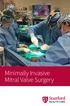 Minimally Invasive Mitral Valve Surgery Stanford Health Care offers leading, superior options in cardiac surgery, including the latest techniques and research for Minimally Invasive Cardiac surgery. Advanced
All Patient Refined DRGs (APR-DRGs) An Overview. Presented by Treo Solutions
 All Patient Refined DRGs (APR-DRGs) An Overview Presented by Treo Solutions Presentation Highlights History of inpatient classification systems APR-DRGs: what they are, how they work, and why they are
Current status of pediatric cardiac surgery
 Current status of pediatric cardiac surgery Sabine H. Daebritz Dept. of Cardio-vascular Surgery Heart Center Duisburg, Germany Normal circulation 1 Complex cardiac lesions Stenoses Shunts Malconnections
2014 Emerging Faculty Participants
 Nazem Akoum, MD, FACC Assistant Professor of Medicine, Clinical Cardiac Electrophysiology EPIC EMR Cardiology Liaison University of Utah Health Sciences [email protected] Areas of Interest: Cardiac
How To Treat Heart Valve Disease
 The Valve Clinic at Baptist Health Madisonville The Valve Clinic at Baptist Health Madisonville Welcome to the Baptist Health Madisonville Valve Clinic at the Jack L. Hamman Heart & Vascular Center. We
Congenital Heart Defects
 Congenital Heart Defects 1 Congenital Heart Defects CHD with Increased Pulmonary Blood Flow Patent Ductus Arteriosus - PDA...3 Atrial Septal Defect - ASD...4 Ventricular Septal Defect - VSD...5 Aorto-Pulmonary
CARDIOLOGIST What does a cardiologist do? A cardiologist is a doctor who specializes in caring for your heart and blood vessel health.
 YOUR TREATMENT TEAM CARDIOLOGIST What does a cardiologist do? A cardiologist is a doctor who specializes in caring for your heart and blood vessel health. To become a cardiologist, a doctor completes additional
Chapter 2 Cardiac Interpretation of Pediatric Chest X-Ray
 Chapter 2 Cardiac Interpretation of Pediatric Chest X-Ray Ra-id Abdulla and Douglas M. Luxenberg Key Facts The cardiac silhouette occupies 50 55% of the chest width on an anterior posterior chest X-ray
Congenital Heart Defects Initial Diagnosis and
 Congenital Heart Defects Initial Diagnosis and Management age e Linda Risley, RN, MSN, CPNP Congenital Heart Defects Congenital heart defects are the most common type of birth defect ~1 out of 100 live
BIRTH DEFECTS IN MICHIGAN All Cases Reported and Processed by April 15, 2008
 MICHIGAN DEPARTMENT OF COMMUNITY HEALTH Division for Vital Records and Health Statistics MICHIGAN BIRTH DEFECTS SURVEILLANCE REGISTRY BIRTH DEFECTS IN MICHIGAN All Cases Reported and Processed by April
Resuscitation in congenital heart disease. Peter C. Laussen MBBS FCICM Department Critical Care Medicine Hospital for Sick Children Toronto
 Resuscitation in congenital heart disease Peter C. Laussen MBBS FCICM Department Critical Care Medicine Hospital for Sick Children Toronto Evolution of Congenital Heart Disease Extraordinary success: Overall
1p36 and the Heart. John Lynn Jefferies, MD, MPH, FACC, FAHA
 1p36 and the Heart John Lynn Jefferies, MD, MPH, FACC, FAHA Director, Advanced Heart Failure and Cardiomyopathy Services Associate Professor, Pediatric Cardiology and Adult Cardiovascular Diseases Associate
Delivery Planning for the Fetus with Congenital Heart Disease
 Delivery Planning for the Fetus with Congenital Heart Disease Mar y T. Donofrio MD, FAAP, FACC, FASE Director of the Fetal Heart Program Children s National Medical Center Washington DC Objectives Review
Adult Cardiac Surgery ICD9 to ICD10 Crosswalks
 164.1 Malignant neoplasm of heart C38.0 Malignant neoplasm of heart 164.1 Malignant neoplasm of heart C45.2 Mesothelioma of pericardium 198.89 Secondary malignant neoplasm of other specified sites C79.89
ACHD Business Model Development April 26, 2009
 ACHD Business Model Development April 26, 2009 ACHD Business Model Development To create financially secure business models for US ACHD programs incorporating resources and revenue attractive to hospital
Definitions. Child LifeAdvance. Critical Illness Insurance Plan
 Definitions Child LifeAdvance Critical Illness Insurance Plan Child LifeAdvance This is specimen wording only and is not binding. In the event of any inconsistency between the information contained in
Acquired Heart Disease: Prevention and Treatment
 Acquired Heart Disease: Prevention and Treatment Prevention and Treatment Sharon L. Roble, MD Assistant Professor Adult Congenital Heart Program The Ohio State University/Nationwide Children s Hospital
What You Should Know About Cerebral Aneurysms
 What You Should Know About Cerebral Aneurysms From the Cerebrovascular Imaging and Interventions Committee of the American Heart Association Cardiovascular Radiology Council Randall T. Higashida, M.D.,
The Ohio State University s Second Annual Valve and Structural Heart Disease Conference: Transcatheter Management of Aortic Valve Disease
 T H E O H I O S T A T E U N I V E R S I T Y M E D I C A L C E N T E R The Ohio State University s Second Annual Valve and Structural Heart Disease Conference: Transcatheter Management of Aortic Valve Disease
Question 1: Interpret the rhythm strip above (comment on regularity, rate, P wave, PR interval and QRS)?
 It is your first month on your NICU rotation and you are prerounding on your patients. The nurse takes you aside and says she s been seeing something funny on the cardiac monitor. You walk to the bedside
Children's Medical Services (CMS) Regional Perinatal Intensive Care Center (RPICC) Neonatal Extracorporeal Life Support (ECLS) Centers Questionnaire
 Children's Medical Services (CMS) Regional Perinatal Intensive Care Center (RPICC) Neonatal Extracorporeal Life Support (ECLS) Centers Questionnaire Date: RPICC Facility: CMS use only Include the following
Congenital Anomalies In Diamond Blackfan Anemia (DBA)
 Congenital Anomalies In Diamond Blackfan Anemia (DBA) CS217857 National Center on Birth Defects and Developmental Disabilities Division of Blood Disorders Congenital Anomalies In Diamond Blackfan Anemia
Prenatal Diagnosis of Congenital Heart Disease
 Prenatal Diagnosis of Congenital Heart Disease Pei-NiJone, MD a, Kenneth O. Schowengerdt, Jr., MD b, * KEYWORDS Fetal echocardiography Prenatal diagnosis Neonatal heart disease Fetal echocardiography,
HEART DISEASE IN THE YOUNG CHARLES S. KLEINMAN, M.D.
 CHAPTER 20 HEART DISEASE IN THE YOUNG CHARLES S. KLEINMAN, M.D. INTRODUCTION Congenital heart defects are relatively rare; seriously debilitating heart abnormalities rarer still. Approximately 8 babies
Requirements for Provision of Outreach Paediatric Cardiology Service
 Requirements for Provision of Outreach Paediatric Cardiology Service Dr Shakeel A Qureshi, Consultant Paediatric Cardiologist, Evelina Children s Hospital, London, UK On behalf of British Congenital Cardiac
Practical class 3 THE HEART
 Practical class 3 THE HEART OBJECTIVES By the time you have completed this assignment and any necessary further reading or study you should be able to:- 1. Describe the fibrous pericardium and serous pericardium,
Distance Learning Program Anatomy of the Human Heart/Pig Heart Dissection Middle School/ High School
 Distance Learning Program Anatomy of the Human Heart/Pig Heart Dissection Middle School/ High School This guide is for middle and high school students participating in AIMS Anatomy of the Human Heart and
Social Security Administration Compassionate Allowances Outreach Hearing on Cardiovascular Disease and Multiple Organ Transplants November 9, 2010
 Social Security Administration Compassionate Allowances Outreach Hearing on Cardiovascular Disease and Multiple Organ Transplants November 9, 2010 Ileana Piña, MD, MPH American Heart Association/American
Adult Congenital Heart Disease and Pulmonary Arterial Hypertension. Patient Information
 Adult Congenital Heart Disease and Pulmonary Arterial Hypertension Patient Information WHAT IS CONGENITAL HEART DISEASE? Congenital heart disease (CHD) refers to a defect of the heart or major blood vessels
Critical Congenital Heart Disease (CCHD) Screening
 Critical Congenital Heart Disease (CCHD) Screening Screening The Florida Genetics and Newborn Screening Advisory Council recommended to the Department of Health that CCHD be added to the panel of disorders
CASE WESTERN RESERVE UNIVERSITY SCHOOL OF MEDICINE
 CASE WESTERN RESERVE UNIVERSITY SCHOOL OF MEDICINE MATCH LIST 2015 Anesthesiology Case Western/Univ Hosps Case Med Ctr Anesthesiology Cleveland OH Massachusetts Gen Hosp Anesthesiology Boston MA Massachusetts
Heart Sounds & Murmurs
 Cardiovascular Physiology Heart Sounds & Murmurs Dr. Abeer A. Al-Masri MBBS, MSc, PhD Associate Professor Consultant Cardiovascular Physiologist Faculty of Medicine, KSU Detected over anterior chest wall
Section Four: Pulmonary Artery Waveform Interpretation
 Section Four: Pulmonary Artery Waveform Interpretation All hemodynamic pressures and waveforms are generated by pressure changes in the heart caused by myocardial contraction (systole) and relaxation/filling
Note: The left and right sides of the heart must pump exactly the same volume of blood when averaged over a period of time
 page 1 HEART AS A PUMP A. Functional Anatomy of the Heart 1. Two pumps, arranged in series a. right heart: receives blood from the systemic circulation (via the great veins and vena cava) and pumps blood
Renovascular Disease. Renal Artery and Arteriosclerosis
 Other names: Renal Artery Stenosis (RAS) Renal Vascular Hypertension (RVH) Renal Artery Aneurysm (RAA) How does the normal kidney work? The blood passes through the kidneys to remove the body s waste.
HYPERTROPHIC CARDIOMYOPATHY
 HYPERTROPHIC CARDIOMYOPATHY Most often diagnosed during infancy or adolescence, hypertrophic cardiomyopathy (HCM) is the second most common form of heart muscle disease, is usually genetically transmitted,
Working Towards Neonatal Pulse Oximetry Screening to Detect Critical CHD
 Working Towards Neonatal Pulse Oximetry Screening to Detect Critical CHD Dalhousie Fall Refresher Course 2015 Kenny K Wong, MD, FRCPC Pediatric Cardiologist Associate Professor of Pediatrics Objectives
Christopher M. Wright, MD, MBA Pioneer Cardiovascular Consultants Tempe, Arizona
 Christopher M. Wright, MD, MBA Pioneer Cardiovascular Consultants Tempe, Arizona Areas to be covered Historical, current, and future treatments for various cardiovascular disease: Atherosclerosis (Coronary
Cardiovascular surgery: Overview and outcomes
 Cardiovascular surgery: Overview and outcomes Heart Services Health 1 s vision for cardiovascular care provides cardiovascular services that: Produce superior outcomes Design care around the patient experience
Regions Hospital Delineation of Privileges Cardiology
 Regions Hospital Delineation of s Cardiology Applicant s Name: Last First M. Instructions: Place a check-mark where indicated for each core group you are requesting. Review education and basic formal training
Abnormal cardiac finding in prenatal sonographic examination: an important indication for fetal echocardiography?
 Abnormal cardiac finding in prenatal sonographic examination: an important indication for fetal echocardiography? Rima Bader MD,PhD, FASE, FACC, FRCPCH Prof of Pediatric and Perinatal Cardiology King Abdul
Heart Murmurs. Outline. Basic Pathophysiology
 Heart Murmurs David Leder Outline I. Basic Pathophysiology II. Describing murmurs III. Systolic murmurs IV. Diastolic murmurs V. Continuous murmurs VI. Summary Basic Pathophysiology Murmurs = Math Q =
CONGENITAL HEART DISEASE
 CONGENITAL HEART DISEASE Introduction Congenital heart disease (CHD) is the most common congenital disorder in newborns [1]. Due to definitional issues, there are large variations in prevalence estimates.
Diagnostic and Therapeutic Procedures
 Diagnostic and Therapeutic Procedures Diagnostic and therapeutic cardiovascular s are central to the evaluation and management of patients with cardiovascular disease. Consistent with the other sections,
Covered Critical Illness Conditions Appendix
 Covered Critical Illness Conditions Appendix EFFECTIVE DATE: JANUARY 1, 2010 GROUP BENEFITS GROUP CRITICAL ILLNESS This Appendix contains definitions for those Conditions that are covered under the Manulife
Contegra Pulmonary Valved Conduit Humanitarian Device Exemption (HDE) H020003
 Presentation to the Pediatric Advisory Committee September 16, 2015 Contegra Pulmonary Valved Conduit Humanitarian Device Exemption (HDE) H020003 George Aggrey, MD, MPH Epidemiologist Division of Epidemiology
Transcatheter Mitral Valve-in-Valve and Valve-in-Ring Implantations. Danny Dvir, MD On behalf of VIVID registry investigators
 Transcatheter Mitral Valve-in-Valve and Valve-in-Ring Implantations Danny Dvir, MD On behalf of VIVID registry investigators Introduction Bioprosthetic valves are increasingly implanted in open-heart surgeries.
CARDIAC CARE. Giving you every advantage
 CARDIAC CARE Giving you every advantage Getting to the heart of the matter The Cardiovascular Program at Northwest Hospital & Medical Center is dedicated to the management of cardiovascular disease. The
Chromosome Syndromes associated with Congenital Heart Defects
 National Birth Defects Prevention Network (NBPDN)/NBDPS Annual Meeting Feb. 26-29. 2012 Arlington, VA Chromosome Syndromes associated with Congenital Heart Defects Angela E. Lin, MD, FAAP, FACMG Associate
Type II Pulmonary Hypertension: Pulmonary Hypertension due to Left Heart Disease
 Heart Failure Center Hadassah University Hospital Type II Pulmonary Hypertension: Pulmonary Hypertension due to Left Heart Disease Israel Gotsman MD The Heart Failure Center, Heart Institute Hadassah University
Confirmed CCHD What next?
 Confirmed CCHD What next? Herbert J. Stern MD, FACC, FSCAI Children s Cardiology Associates and Dell Children s Hospital Catheter Based Therapy: Spectrum of Procedures Tear PFO to enhance mixing (D-TGA)
Screening for Congenital Heart Defects
 Screening for Congenital Heart Defects External review against programme appraisal criteria for the UK NSC Version 4.0, April 2014 Prepared by Dr Rachel L Knowles & Ms Rachael M Hunter University College
HEART HEALTH WEEK 3 SUPPLEMENT. A Beginner s Guide to Cardiovascular Disease HEART FAILURE. Relatively mild, symptoms with intense exercise
 WEEK 3 SUPPLEMENT HEART HEALTH A Beginner s Guide to Cardiovascular Disease HEART FAILURE Heart failure can be defined as the failing (insufficiency) of the heart as a mechanical pump due to either acute
LEADING-EDGE Cardiovascular Care
 LEADING-Edge Cardiovascular Care Coral Gables Hospital North Shore Medical Center Hialeah Hospital Delray Medical Center Good Samaritan Medical Center Palm Beach Gardens Medical Center St. Mary s Medical
The P Wave: Indicator of Atrial Enlargement
 Marquette University e-publications@marquette Physician Assistant Studies Faculty Research and Publications Health Sciences, College of 8-12-2010 The P Wave: Indicator of Atrial Enlargement Patrick Loftis
Specialty Excellence Award and America s 100 Best Hospitals for Specialty Care 2013-2014 Methodology Contents
 Specialty Excellence Award and America s 100 Best Hospitals for Specialty Care 2013-2014 Methodology Contents Introduction... 2 Specialty Excellence Award Determination... 3 America s 100 Best Hospitals
5. Management of rheumatic heart disease
 5. Management of rheumatic heart disease The fundamental goal in the long-term management of RHD is to prevent ARF recurrences, and therefore, prevent the progression of RHD, and in many cases allow for
Heart Center Packages
 Heart Center Packages For more information and appointments, Please contact The Heart Center of Excellence at the American Hospital Dubai Tel: +971-4-377-6571 Email: [email protected] www.ahdubai.com