
BUNDLES IN 2013: SURVIVING SEPSIS CAMPAIGN
|
|
|
- Alban Charles
- 10 years ago
- Views:
Transcription

1 BUNDLES IN 2013: SURVIVING SEPSIS CAMPAIGN R. Phillip Dellinger MD, MSc, MCCM Professor of Medicine Cooper Medical School of Rowan University Professor of Medicine University Medicine and Dentistry of New Jersey Director Critical Care Medicine Cooper University Hospital Camden NJ USA
2 Potential Conflicts of Interest No potential financial conflict of interest as to any material presented in this presentation Leadership position in Surviving Sepsis Campaign
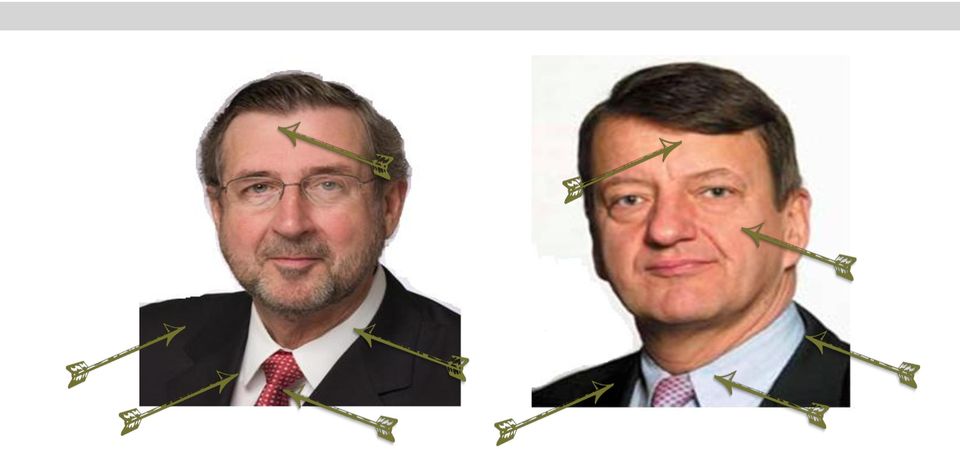
3 DEBATING (SEPSIS) GUIDELINES Bundles in 2013: Surviving Sepsis - P. Dellinger Surviving Sepsis Guidelines: where they went wrong - J. Kahn Surviving Sepsis Guidelines: what they got right - J-L. Vincent Doubts about Bundles - B. Kavanaugh

4 Phil and the Lion s Den


5 Dellinger s Last Stand


6

7 DEBATING (SEPSIS) GUIDELINES Bundles in 2013: Surviving Sepsis - P. Dellinger Surviving Sepsis Guidelines: where they went wrong - J. Kahn Surviving Sepsis Guidelines: what they got right - J-L. Vincent Doubts about Bundles - B. Kavanaugh

8
9 Surviving Sepsis Campaign: International guidelines for management of severe sepsis and septic shock: 2012 R. Phillip Dellinger, Mitchell M. Levy, Andrew Rhodes, Djillali Annane, Herwig Gerlach, Steven M. Opal, Jonathan E. Sevransky, Charles L. Sprung, Ivor S. Douglas, Roman Jaeschke, Tiffany M. Osborn, Mark E. Nunnally, Sean R. Townsend, Konrad Reinhart, Ruth M. Kleinpell, Derek C. Angus, Clifford S. Deutschman, Flavia R. Machado,Gordon D. Rubenfeld, Steven A. Webb, Richard J. Beale, Jean-Louis Vincent, Rui Moreno, and the Surviving Sepsis Campaign Guidelines Committee including the Pediatric Subgroup. Crit Care Med 2013; 41: Intensive Care Medicine 2013; 39:

10 Surviving Sepsis Campaign Currently Funded with a Gordon and Betty Moore Foundation Grant (Intel family).


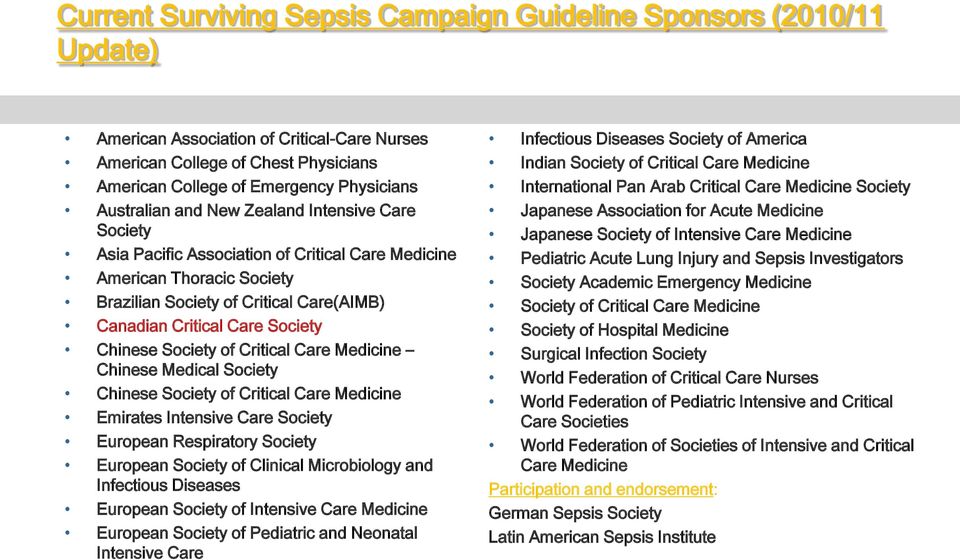
11 Current Surviving Sepsis Campaign Guideline Sponsors (2010/11 Update) American Association of Critical-Care Nurses American College of Chest Physicians American College of Emergency Physicians Australian and New Zealand Intensive Care Society Asia Pacific Association of Critical Care Medicine American Thoracic Society Brazilian Society of Critical Care(AIMB) Canadian Critical Care Society Chinese Society of Critical Care Medicine Chinese Medical Society Chinese Society of Critical Care Medicine Emirates Intensive Care Society European Respiratory Society European Society of Clinical Microbiology and Infectious Diseases European Society of Intensive Care Medicine European Society of Pediatric and Neonatal Intensive Care Infectious Diseases Society of America Indian Society of Critical Care Medicine International Pan Arab Critical Care Medicine Society Japanese Association for Acute Medicine Japanese Society of Intensive Care Medicine Pediatric Acute Lung Injury and Sepsis Investigators Society Academic Emergency Medicine Society of Critical Care Medicine Society of Hospital Medicine Surgical Infection Society World Federation of Critical Care Nurses World Federation of Pediatric Intensive and Critical Care Societies World Federation of Societies of Intensive and Critical Care Medicine Participation and endorsement: German Sepsis Society Latin American Sepsis Institute
12

13 Guidelines Are Not Enough Protocols Performance Improvement Programs Audit and Feedback


14 SSC Performance Improvement Program Partnership with Institute of Healthcare Improvement (IHI) Key elements of guidelines identified Goals established based on those chosen recommendations can be graded easily as yes or no for achievement based on chart review Sepsis Change Bundle(s) and 24 hours and 6 hours

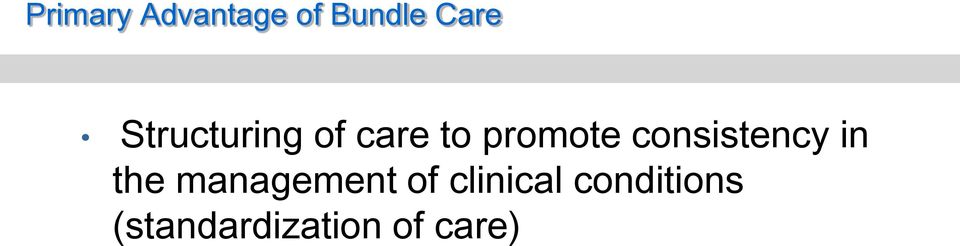
15 Primary Advantage of Bundle Care Structuring of care to promote consistency in the management of clinical conditions (standardization of care)
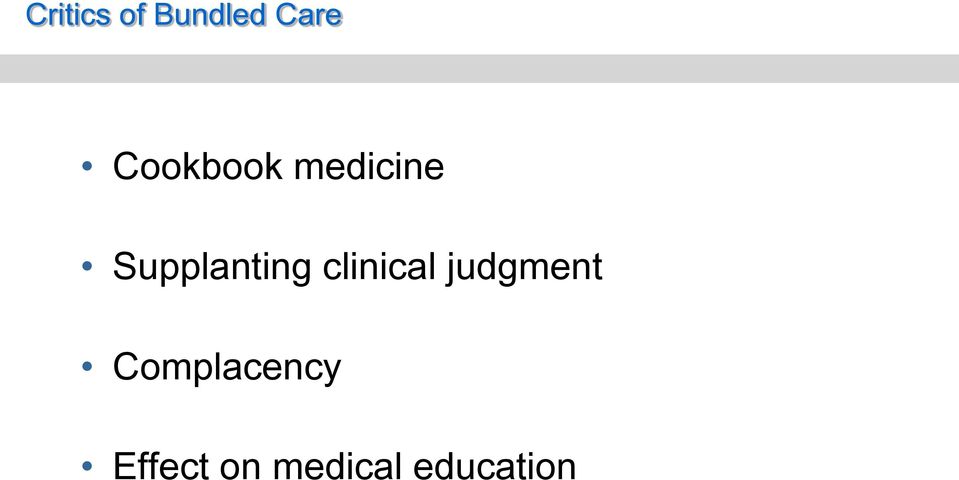
16 Critics of Bundled Care Cookbook medicine Supplanting clinical judgment Complacency Effect on medical education

17

18 Bundles should not negate deviations when particular patient scenario warrants
19 Converting Goals to Measurable Indicators
20 Bundled Care Indicators of care retrievable from chart review

21
22

23
24 Early Screening and a Performance Improvement Program (1C) Surviving Sepsis Campaign 2013
25 SURVIVING SEPSIS CAMPAIGN BUNDLES TO BE COMPLETED WITHIN 3 HOURS: 1) Measure lactate level 2) Obtain blood cultures prior to administration of antibiotics 3) Administer broad spectrum antibiotics 4) Administer 30 ml/kg crystalloid for hypotension or lactate 4mmol/L TO BE COMPLETED WITHIN 6 HOURS: 5) Apply vasopressors (for hypotension that does not respond to initial fluid resuscitation to maintain a mean arterial pressure [MAP] 65 mm Hg) 6) In the event of persistent arterial hypotension despite volume resuscitation (septic shock) or initial lactate 4 mmol/l (36 mg/dl): - Measure central venous pressure (CVP) - Measure central venous oxygen saturation (ScvO2) 7) Remeasure lactate if initial lactate was elevated
26 Why measure lactate? Diagnose severe sepsis with elevated lactate as a diagnosis of tissue hypoperfusion Trigger for quantitative resuscitation if lactate is 4 mg/dl or more
27 SURVIVING SEPSIS CAMPAIGN BUNDLES TO BE COMPLETED WITHIN 3 HOURS: 1) Measure lactate level 2) Obtain blood cultures prior to administration of antibiotics 3) Administer broad spectrum antibiotics 4) Administer 30 ml/kg crystalloid for hypotension or lactate 4mmol/L TO BE COMPLETED WITHIN 6 HOURS: 5) Apply vasopressors (for hypotension that does not respond to initial fluid resuscitation to maintain a mean arterial pressure [MAP] 65 mm Hg) 6) In the event of persistent arterial hypotension despite volume resuscitation (septic shock) or initial lactate 4 mmol/l (36 mg/dl): - Measure central venous pressure (CVP) - Measure central venous oxygen saturation (ScvO2) 7) Remeasure lactate if initial lactate was elevated
28 Blood Cultures
29 SURVIVING SEPSIS CAMPAIGN BUNDLES TO BE COMPLETED WITHIN 3 HOURS: 1) Measure lactate level 2) Obtain blood cultures prior to administration of antibiotics 3) Administer broad spectrum antibiotics 4) Administer 30 ml/kg crystalloid for hypotension or lactate 4mmol/L TO BE COMPLETED WITHIN 6 HOURS: 5) Apply vasopressors (for hypotension that does not respond to initial fluid resuscitation to maintain a mean arterial pressure [MAP] 65 mm Hg) 6) In the event of persistent arterial hypotension despite volume resuscitation (septic shock) or initial lactate 4 mmol/l (36 mg/dl): - Measure central venous pressure (CVP) - Measure central venous oxygen saturation (ScvO2) 7) Remeasure lactate if initial lactate was elevated
30 Antibiotic Therapy We recommend that intravenous antibiotic therapy be started as early as possible and within the first hour of recognition of septic shock (1B) and severe sepsis without septic shock (1C). Remark: Judged to be best practice but not standard of care
31 Antibiotic Therapy Cover broad initially Reassess antibiotic regimen daily for deescalation
32 SURVIVING SEPSIS CAMPAIGN BUNDLES TO BE COMPLETED WITHIN 3 HOURS: 1) Measure lactate level 2) Obtain blood cultures prior to administration of antibiotics 3) Administer broad spectrum antibiotics 4) Administer 30 ml/kg crystalloid for hypotension or lactate 4mmol/L TO BE COMPLETED WITHIN 6 HOURS: 5) Apply vasopressors (for hypotension that does not respond to initial fluid resuscitation to maintain a mean arterial pressure [MAP] 65 mm Hg) 6) In the event of persistent arterial hypotension despite volume resuscitation (septic shock) or initial lactate 4 mmol/l (36 mg/dl): - Measure central venous pressure (CVP) - Measure central venous oxygen saturation (ScvO2) 7) Remeasure lactate if initial lactate was elevated
33

34 Fluid therapy Initial fluid challenge in sepsis-induced tissue hypoperfusion (hypotension or elevated lactate) with suspicion of hypovolemia to be a minimum of 30ml/kg of crystalloids(a portion of this may be albumin equivalent). More rapid administration and greater amounts of fluid, may be needed in some patients ( 1B) Surviving Sepsis Campaign 2013
35 SURVIVING SEPSIS CAMPAIGN BUNDLES TO BE COMPLETED WITHIN 3 HOURS: 1) Measure lactate level 2) Obtain blood cultures prior to administration of antibiotics 3) Administer broad spectrum antibiotics 4) Administer 30 ml/kg crystalloid for hypotension or lactate 4mmol/L TO BE COMPLETED WITHIN 6 HOURS: 5) Apply vasopressors (for hypotension that does not respond to initial fluid resuscitation to maintain a mean arterial pressure [MAP] 65 mm Hg) 6) In the event of persistent arterial hypotension despite volume resuscitation (septic shock) or initial lactate 4 mmol/l (36 mg/dl): - Measure central venous pressure (CVP) - Measure central venous oxygen saturation (ScvO2) 7) Remeasure lactate if initial lactate was elevated


36 Resuscitation of Sepsis Induced Tissue Hypoperfusion Recommend MAP 65 mm Hg Grade 1C Surviving Sepsis Campaign 2013
37 Potential Conflicts of Interest No potential financial conflict of interest as to any material presented in this presentation Leadership position in Surviving Sepsis Campaign
38 Sepsis Induced Tissue Hypoperfusion Requirement for vasopressors after fluid challenge Lactate 4 mg/dl
39 Protocolized Care Protocolized Quantitative Resuscitation
40 SURVIVING SEPSIS CAMPAIGN BUNDLES TO BE COMPLETED WITHIN 3 HOURS: 1) Measure lactate level 2) Obtain blood cultures prior to administration of antibiotics 3) Administer broad spectrum antibiotics 4) Administer 30 ml/kg crystalloid for hypotension or lactate 4mmol/L TO BE COMPLETED WITHIN 6 HOURS: 5) Apply vasopressors (for hypotension that does not respond to initial fluid resuscitation to maintain a mean arterial pressure [MAP] 65 mm Hg) 6) In the event of persistent arterial hypotension despite volume resuscitation (septic shock) or initial lactate 4 mmol/l (36 mg/dl): - Measure central venous pressure (CVP) - Measure central venous oxygen saturation (ScvO2) 7) Remeasure lactate if initial lactate was elevated
41 Why Measure CVP and ScvO2? Can be accomplished within the critical first 6 hours Are these variables perfect? No Trials ongoing that seek better quantitative resuscitation targets Attempts at pushing newer technologies to the critical first 6 hours Are these variables useful for decision making? Yes, when integrated into total clinical picture
42 Also may choose to use: Systolic pressure variation (if mechanically ventilated) Inferior vena cava ultrasound (if technology and expertise available) Echocardiography(if technology and expertise available) Stroke volume and stroke volume variation (if technology and expertise available)
43 SURVIVING SEPSIS CAMPAIGN BUNDLES TO BE COMPLETED WITHIN 3 HOURS: 1) Measure lactate level 2) Obtain blood cultures prior to administration of antibiotics 3) Administer broad spectrum antibiotics 4) Administer 30 ml/kg crystalloid for hypotension or lactate 4mmol/L TO BE COMPLETED WITHIN 6 HOURS: 5) Apply vasopressors (for hypotension that does not respond to initial fluid resuscitation to maintain a mean arterial pressure [MAP] 65 mm Hg) 6) In the event of persistent arterial hypotension despite volume resuscitation (septic shock) or initial lactate 4 mmol/l (36 mg/dl): - Measure central venous pressure (CVP) - Measure central venous oxygen saturation (ScvO2) 7) Remeasure lactate if initial lactate was elevated*
44 Hospital Mortality and Length of Stay Jones, A. E. et al. JAMA 2010;303:
45 Am J Respir Crit Care Med Sep 15;182(6):
46 In Summary, ICU Bundles: Are not perfect Are still evolving and always will be Attempt to provide the best quality for the typical patient in the ICU with the matched disorder Will never replace clinical decision-making Allow audit, feedback, and behavior change Offer education and team-building capability
47

48 Thank You
Decreasing Sepsis Mortality at the University of Colorado Hospital
 Decreasing Sepsis Mortality at the University of Colorado Hospital Maureen Dzialo, RN, BSN - Nurse Manager, Cardiac Intensive Care Unit Olivia Kerveillant, RN Clinical Nurse III, Medical Intensive Care
Lynda Richardson, RN, BSN Sepsis/Septic Shock Abstractor. No disclosures
 Lynda Richardson, RN, BSN Sepsis/Septic Shock Abstractor No disclosures 1 2 3 Discuss data requirements -3 hour bundle -6 hour bundle Challenges and compliance issues Success 4 Based on the Surviving Sepsis
The Sepsis Puzzle: Identification, Monitoring and Early Goal Directed Therapy
 The Sepsis Puzzle: Identification, Monitoring and Early Goal Directed Therapy Cindy Goodrich RN, MS, CCRN Content Description Sepsis is caused by widespread tissue injury and systemic inflammation resulting
Core Measures SEPSIS UPDATES
 Patricia Walker, RN-BC, BSN Evidence Based Practice Manager Quality Management Services UCLA Health System, Ronald Reagan Medical Center Core Measures SEPSIS UPDATES Sepsis Core Measures Bundle Requirements
Michelle Pinelle RN, BSN, CCRN & Jamie Roney RN, BSN, CCRN Texas Tech University Health Sciences Center, Lubbock, Texas
 Michelle Pinelle RN, BSN, CCRN & Jamie Roney RN, BSN, CCRN Texas Tech University Health Sciences Center, Lubbock, Texas AGREE II Tool Evaluation of Sepsis Guidelines 1. The learner will be able to discuss
Subject: Severe Sepsis/Septic Shock Published Date: August 9, 2013 Scope: Hospital Wide Original Creation Date: August 9, 2013
 Stony Brook Medicine Severe Sepsis/Septic Shock Recognition and Treatment Protocols Subject: Severe Sepsis/Septic Shock Published Date: August 9, 2013 Scope: Hospital Wide Original Creation Date: August
SE5h, Sepsis Education.pdf. Surviving Sepsis
 Surviving Sepsis 1 Scope and Impact of the Problem: Severe sepsis is a major healthcare problem that affects millions of people around the world each year with an extremely high mortality rate of 30 to
Sepsis Reassess patient Monitor and maintain respiratory/ hemodynamic status
 Patient exhibits two or more of the following SIRS criteria: Temperature greater than 38 o C (100.4 o F) or less SIRS than criteria 36 o C (96.8 o F) Heart Rate greater than 90 beats/minute Respiratory
Using Predictive Analytics to Improve Sepsis Outcomes 4/23/2014
 Using Predictive Analytics to Improve Sepsis Outcomes 4/23/2014 Ryan Arnold, MD Department of Emergency Medicine and Value Institute Christiana Care Health System, Newark, DE Susan Niemeier, RN Chief Nursing
Medical Direction and Practices Board WHITE PAPER
 Medical Direction and Practices Board WHITE PAPER Use of Pressors in Pre-Hospital Medicine: Proper Indication and State of the Science Regarding Proper Choice of Pressor BACKGROUND Shock is caused by a
Sepsis: Identification and Treatment
 Sepsis: Identification and Treatment Daniel Z. Uslan, MD Associate Clinical Professor Division of Infectious Diseases Medical Director, UCLA Sepsis Task Force Severe Sepsis: A Significant Healthcare Challenge
Recommendations: Other Supportive Therapy of Severe Sepsis*
 Recommendations: Other Supportive Therapy of Severe Sepsis* K. Blood Product Administration 1. Once tissue hypoperfusion has resolved and in the absence of extenuating circumstances, such as myocardial
ANTIBIOTICS IN SEPSIS
 ANTIBIOTICS IN SEPSIS Jennifer Curello, PharmD, BCPS Clinical Pharmacist, Infectious Diseases Antimicrobial Stewardship Program Ronald Reagan UCLA Medical Center October 27, 2014 The power of antibiotics
CENTER FOR DRUG EVALUATION AND RESEARCH
 CENTER FOR DRUG EVALUATION AND RESEARCH APPLICATION NUMBER: 205029Orig1s000 SUMMARY REVIEW Cross Discipline Team Leader Review 4. Nonclinical Pharmacology/Toxicology In their review of the original application,
Inpatient Code Sepsis March Update. Sarah Prebil
 Inpatient Code Sepsis March Update Sarah Prebil 3 hour bundle Time is life Kumar et al. Crit Care Med 2006; 34:1589-1596 But Sarah, why are you harassing us about sepsis? Pilot Results 10 Code Sepsis pabents
Telemedicine Resuscitation & Arrest Trials (TreAT)
 Telemedicine Resuscitation & Arrest Trials (TreAT) Telemedicine within the ED for treating Severe Sepsis: A Hub and Spoke Telemedicine pilot SUMR Intern: Karole Collier Mentor: Dr. Brendan Carr & Dr. Anish
International Guidelines for Management of Severe Sepsis and Septic Shock
 International Guidelines for Management of Severe Sepsis and Septic Shock Sponsoring organizations: American Association of Critical-Care Nurses American College of Chest Physicians American College of
John Gasman, MD Alec Jamieson, RN, MSN Kim Clifforth, RN, BSN, MSN, CNS Thomas T. Lam, MD. June 18, 2013
 John Gasman, MD Alec Jamieson, RN, MSN Kim Clifforth, RN, BSN, MSN, CNS Thomas T. Lam, MD June 18, 2013 Objectives Acquire knowledge on defining sepsis, severe sepsis and septic shock Recognize SIRS criteria.
Septic Shock: Pharmacologic Agents for Hemodynamic Support. Nathan E Cope, PharmD PGY2 Critical Care Pharmacy Resident
 Septic Shock: Pharmacologic Agents for Hemodynamic Support Nathan E Cope, PharmD PGY2 Critical Care Pharmacy Resident Objectives Define septic shock and briefly review pathophysiology Outline receptor
Southern California Patient Safety First Collaborative Long Beach Memorial Medical Center Team Presentation. September 17, 2014
 Southern California Patient Safety First Collaborative Long Beach Memorial Medical Center Team Presentation September 17, 2014 1907 2014 Not-for-profit, community-based One of few campuses home to adult
Surviving Sepsis Campaign
 Surviving Sepsis Campaign International Guidelines for Management of Severe Sepsis and Septic Shock: 2012 Table of Contents ABSTRACT... 580 INTRODUCTION... 583 METHODOLOGY... 583 DEFINITIONS... 583 HISTORY
Clinical Practice Guidelines for Blood Transfusions
 Clinical Practice Guidelines for Blood Transfusions Purpose: To provide practice guidelines regarding the transfusion of blood and blood components and to advance the safety and quality of care for the
The Initial and 24 h (After the Patient Rehabilitation) Deficit of Arterial Blood Gases as Predictors of Patients Outcome
 Biomedical & Pharmacology Journal Vol. 6(2), 259-264 (2013) The Initial and 24 h (After the Patient Rehabilitation) Deficit of Arterial Blood Gases as Predictors of Patients Outcome Vadod Norouzi 1, Ali
Toolkit: General Practice management of Sepsis
 Toolkit: General Practice management of Sepsis This clinical toolkit has been developed in partnership with the Royal College of General Practitioners. It is designed to provide operational solutions to
Eliminating Pressure Ulcers in Ascension Health
 Eliminating Pressure Ulcers in Ascension Health Cissy Shanks RN BSN CEN & Pam Kleinhelter RN MSN CNA-BC Nursing Managers St Vincent s Health System Jacksonville, Florida Objectives Participants will be
Optimizing Patient Flow Through Physician Care Variation Management
 Optimizing Patient Flow Through Physician Care Variation Management Fred Hosler, MD and Larry Burnett, RN May 2012 Discussion Outline Market Forces and Reform Initiatives Dimensions of Care Variation Improvement
Mean Duration (days) ± SD b. n = 587 n = 587
 Online Table 1. Length of stay in matched cohorts of patients with VA and patients without VA a MS-DRG opulation (Code) ECMO or tracheostomy with mechanical ventilation 96 hours or principal diagnosis
SEPSIS TOOLKIT INPATIENT PROGRAM IMPLEMENTATION GUIDE. Sepsis Toolkit Inpatient Program Implementation Guide Page 1
 SEPSIS TOOLKIT INPATIENT PROGRAM IMPLEMENTATION GUIDE Sepsis Toolkit Inpatient Program Implementation Guide Page 1 May 2014 Sepsis Toolkit Inpatient Program Implementation Guide Page 2 TABLE OF CONTENTS
Sepsis Management. National Clinical Guideline No. 6
 Sepsis Management National Clinical Guideline No. 6 November 2014 Using this National Clinical Guideline The aim of the National Clinical Guideline is to facilitate the early recognition and appropriate
Diabetes Expert Witness on: Diabetic Hypoglycemia in Nursing Homes
 Diabetes Expert Witness on: Diabetic Hypoglycemia in Nursing Homes Nursing home patients with diabetes treated with insulin and certain oral diabetes medications (i.e. sulfonylureas and glitinides) are
Why and how to have end-of-life discussions with your patients:
 Why and how to have end-of-life discussions with your patients: A guide with a suggested script and some basic questions to use The medical literature consistently shows that physicians can enhance end-of-life
The ProCESS Investigators* ABSTRACT
 The new england journal of medicine established in 1812 may 1, 2014 vol. 370 no. 18 A Randomized Trial of Protocol-Based Care for Early Septic Shock The ProCESS Investigators* ABSTRACT Background In a
APPENDIX B SAMPLE PEDIATRIC CRITICAL CARE NURSE PRACTITIONER GOALS AND OBJECTIVES
 APPENDIX B SAMPLE PEDIATRIC CRITICAL CARE NURSE PRACTITIONER GOALS AND OBJECTIVES The critical care nurse practitioner orientation is an individualized process based on one s previous experiences and should
How To Be A Medical Flight Specialist
 Job Class Profile: Medical Flight Specialist Pay Level: CG-36 Point Band: 790-813 Accountability & Decision Making Development and Leadership Environmental Working Conditions Factor Knowledge Interpersonal
BOARD OF PHARMACY SPECIALITIES 2215 Constitution Avenue, NW Washington, DC 20037-2985 202-429-7591 FAX 202-429-6304 [email protected] www.bpsweb.
 BOARD OF PHARMACY SPECIALITIES 2215 Constitution Avenue, NW Washington, DC 20037-2985 202-429-7591 FAX 202-429-6304 [email protected] www.bpsweb.org Content Outline for the CRITICAL PHARMACY SPECIALTY CERTIFICATION
Edwards FloTrac Sensor & Edwards Vigileo Monitor. Understanding Stroke Volume Variation and Its Clinical Application
 Edwards FloTrac Sensor & Edwards Vigileo Monitor Understanding Stroke Volume Variation and Its Clinical Application 1 Topics System Configuration Pulsus Paradoxes Reversed Pulsus Paradoxus What is Stroke
Health Care Directive
 PATIENT EDUCATION Health Care Directive Honoring Choices My Health Care Directive I created this document with much thought to give my treatment choices and personal preferences if I cannot communicate
Optimal fluid therapy in 2013. Eric Hoste Department of Intensive Care Medicine Ghent University Hospital Ghent University
 Optimal fluid therapy in 2013 Eric Hoste Department of Intensive Care Medicine Ghent University Hospital Ghent University EGDT: fluids are good & prevent AKI Lin et al, Shock 2006 EGDT and AKI Prowle et
Health Science Career Field Allied Health and Nursing Pathway (JM)
 Health Science Career Field Allied Health and Nursing Pathway (JM) ODE Courses Possible Sinclair Courses CTAG Courses for approved programs Health Science and Technology 1 st course in the Career Field
MEDICAL INTENSIVE CARE UNIT - HEALTH SCIENCES CENTRE Reviewed August 2011
 MEDICAL INTENSIVE CARE UNIT - HEALTH SCIENCES CENTRE Reviewed August 2011 Goal The rotation in the Medical Intensive Care Unit at HSC is designed to allow the resident to encounter patients with tertiary
NOC: 3214. Occupation: Respiratory Therapist
 NOC: 3214 Occupation: Respiratory Therapist Occupation Description: Responsibilities include assisting in the diagnosis, treatment and care of residents with respiratory and cardiopulmonary disorders.
EVALUATION OF THE IMPACT OF SEPSIS BUNDLES ON SEVERE SEPSIS MORTALITY. A Project. Presented. to the Faculty of. California State University, Chico
 EVALUATION OF THE IMPACT OF SEPSIS BUNDLES ON SEVERE SEPSIS MORTALITY A Project Presented to the Faculty of California State University, Chico In Partial Fulfillment of the Requirements for the Degree
Fundamentals of Critical Care: Hemodynamics, Monitoring, Shock
 Fundamentals of Critical Care: Hemodynamics, Monitoring, Shock Joshua Goldberg, MD Assistant Professor of Surgery Associate Medical Director, Burn Unit UCHSC Definitions and Principles The measurement
What Is Patient Safety?
 Patient Safety Research Introductory Course Session 1 What Is Patient Safety? David W. Bates, MD, MSc External Program Lead for Research, WHO Professor of Medicine, Harvard Medical School Professor of
How To Review A Sepsis Case In Qmp Quality Management Portal
 Quality Management Portal (QMP) & Sepsis Data Analysis Lessons Learned & Progress To Date Nicole Falgout, RN Sepsis Coordinator Rei Cates Sr. Software Engineer UCLA Quality Management Services 1 Quality
CareerOneStop (Example for Nursing)
 CareerOneStop (Example for Nursing) Chris Jones (imaginary student) is interested in evaluating a career in nursing. Chris has underlined facts that are particularly important to him and has indicated
Chapter 16. Learning Objectives. Learning Objectives 9/11/2012. Shock. Explain difference between compensated and uncompensated shock
 Chapter 16 Shock Learning Objectives Explain difference between compensated and uncompensated shock Differentiate among 5 causes and types of shock: Hypovolemic Cardiogenic Neurogenic Septic Anaphylactic
2016 / 2017. Internal Medicine Residency Program. serveheal. educate. To serve, to heal and to educate. Faculty Leadership
 2016 / 2017 Internal Medicine Residency Program serveheal educate To serve, to heal and to educate Faculty Leadership Faculty Leadership: Program Director: Brian P. Gable, MD, FACP Chairman, Department
Department of Pharmacy, Kaiser Permanente San Francisco Medical Center, San Francisco 94115, California, USA
 Journal of Pharmacy and Pharmacology 3 (2015) 33-38 doi: 10.17265/2328-2150/2015.01.005 D DAVID PUBLISHING Evaluation of Glycemic Control with a Pharmacist-Managed Post-Cardiothoracic Surgery Insulin Protocol
ABCDEF Improvement Collaborative: A project of ICU LIBERATION Campaign
 ABCDEF Improvement Collaborative: A project of ICU LIBERATION Campaign Funded by Gordon and Betty Moore Foundation Collaborative Hospital Participation: Frequently Asked Questions (FAQs) What do I need
Omega-3 fatty acids improve the diagnosis-related clinical outcome. Critical Care Medicine April 2006;34(4):972-9
 Omega-3 fatty acids improve the diagnosis-related clinical outcome 1 Critical Care Medicine April 2006;34(4):972-9 Volume 34(4), April 2006, pp 972-979 Heller, Axel R. MD, PhD; Rössler, Susann; Litz, Rainer
Early Warning Scores (EWS) Clinical Sessions 2011 By Bhavin Doshi
 Early Warning Scores (EWS) Clinical Sessions 2011 By Bhavin Doshi What is EWS? After qualifying, junior doctors are expected to distinguish between the moderately sick patients who can be managed in the
Cardio-Pulmonary Resuscitation (CPR): A Decision Aid For. KGH Patients And Their Families
 Cardio-Pulmonary Resuscitation (CPR): A Decision Aid For KGH Patients And Their Families The goal of this pamphlet is to provide information about cardiopulmonary resuscitation (CPR) so you can be adequately
3100B Clinical Training Program. 3100B HFOV VIASYS Healthcare
 3100B Clinical Training Program 3100B HFOV VIASYS Healthcare HFOV at Alveolar Level Nieman,, G, SUNY 1999 Who DO We Treat? Only Pathology studied to date has been ARDS Questions about management of adults
KING FAISAL SPECIALIST HOSPITAL AND RESEARCH CENTRE (GEN. ORG.) NURSING AFFAIRS. Scope of Service PEDIATRIC INTENSIVE CARE UNIT (PICU)
 PICU-Jan.2012 Page 1 of 7 Number of Beds: 18 Nurse Patient Ratio: 1:1-2 : The Pediatric Intensive Care Unit (PICU) provides 24 hour intensive nursing care for patients aged neonate through adolescence.
Delivery System Reform Incentive Pool Plan (DSRIP) One Hospital s Experience
 Delivery System Reform Incentive Pool Plan (DSRIP) One Hospital s Experience Carolyn Brown, Director Quality and Safety Vickie Wilson, Manager - DSRIP ABOUT US Santa Clara Valley Hospital and Health System
Credentialing Critical Care Providers
 Credentialing Critical Care Providers Neal H. Cohen, MD, MPH, MS Professor and Vice Dean UCSF School of Medicine Chair, Risk Management Committee August 8, 2008 Credentials in Critical Care Medicine What
Sepsis Awareness Month
 Aon Kenya Insurance Brokers Ltd Aon Hewitt Healthcare Division Sepsis Awareness Month Issue 11 September 2015 In this Issue 2 Getting to understand Sepsis 3 Stages in Sepsis Advancement 4 Diagnosis & Treatment
Ruchika D. Husa, MD, MS Assistant t Professor of Medicine in the Division of Cardiology The Ohio State University Wexner Medical Center
 Modified Early Warning Score (MEWS) Ruchika D. Husa, MD, MS Assistant t Professor of Medicine i in the Division of Cardiology The Ohio State University Wexner Medical Center MEWS Simple physiological scoring
Healthcare Informatics and Clinical Decision Support. Deborah DiSanzo CEO Healthcare Informatics, Philips Healthcare
 Healthcare Informatics and Clinical Decision Support Deborah DiSanzo CEO Healthcare Informatics, Philips Healthcare Leading the way Providing breakthroughs for more than a century * 1988 Technology was
Children's Medical Services (CMS) Regional Perinatal Intensive Care Center (RPICC) Neonatal Extracorporeal Life Support (ECLS) Centers Questionnaire
 Children's Medical Services (CMS) Regional Perinatal Intensive Care Center (RPICC) Neonatal Extracorporeal Life Support (ECLS) Centers Questionnaire Date: RPICC Facility: CMS use only Include the following
University of Kansas. Respiratory Care Education
 University of Kansas Respiratory Care Education What is Respiratory Care? Respiratory Care is the health profession that specializes in the promotion of optimum cardiopulmonary function and health Respiratory
AUSTRALIAN AND NEW ZEALAND COLLEGE OF ANAESTHETISTS ABN 82 055 042 852 RECOMMENDATIONS FOR THE POST-ANAESTHESIA RECOVERY ROOM
 Review PS4 (2006) AUSTRALIAN AND NEW ZEALAND COLLEGE OF ANAESTHETISTS ABN 82 055 042 852 RECOMMENDATIONS FOR THE POST-ANAESTHESIA RECOVERY ROOM 1. INTRODUCTION A well-planned, well-equipped, well-staffed
Objective of This Lecture
 Component 2: The Culture of Health Care Unit 3: Health Care Settings The Places Where Care Is Delivered Lecture 5 This material was developed by Oregon Health & Science University, funded by the Department
ELSO GUIDELINES FOR ECMO CENTERS
 ELSO GUIDELINES FOR ECMO CENTERS PURPOSE These guidelines developed by the Extracorporeal Life Support Organization, outline the ideal institutional requirements needed for effective use of extracorporeal
VASOPRESSOR AGENTS IN SEPTIC SHOCK
 VASOPRESSOR AGENTS IN SEPTIC SHOCK Daniel De Backer Head Dept Intensive Care, CHIREC hospitals, Belgium Professor of Intensive Care, Université Libre de Bruxelles President European Society of Intensive
How To Learn To Perform An Ultrasound
 CAE ICCU E-Learning CAE VIMEDIX Ultrasound Simulator Master Ultrasonography of the Thoracic, Abdominal and Pelvic Cavities An Engaging Learning Solution for Ultrasound Hands-on Simulation, Multimedia Content,
Sepsis is a complex condition
 ClinicalArticle Development and Implementation of a Multidisciplinary Sepsis Protocol Kathy M. Picard, RN, MS, CCRN Sharon C. O Donoghue, RN, MS Duane A. Young-Kershaw, RN, BSN Kristin J. Russell, RN,
CLINICAL ALERTS BEYOND SIMPLE DETECTION. ELECTRONIC SURVEILLANCE OF FAILURE TO RESCUE IN SEPTIC SHOCK.
 CLINICAL ALERTS BEYOND SIMPLE DETECTION. ELECTRONIC SURVEILLANCE OF FAILURE TO RESCUE IN SEPTIC SHOCK. V. Herasevich, MD, PhD, MSc, R. Kashyap, MBBS, AC. Hanson, BS, M. Li, MD, CG. Chute, MD, DrPH, BW.
Clinical Study The Use of an Early Alert System to Improve Compliance with Sepsis Bundles and to Assess Impact on Mortality
 Critical Care Research and Practice Volume 2012, Article ID 980369, 8 pages doi:10.1155/2012/980369 Clinical Study The Use of an Early Alert System to Improve Compliance with Sepsis Bundles and to Assess
Plumbing 101:! TXA and EMS! Jay H. Reich, MD FACEP! EMS Medical Director! City of Kansas City, Missouri/Kansas City Fire Department!
 Plumbing 101:! TXA and EMS! Jay H. Reich, MD FACEP! EMS Medical Director! City of Kansas City, Missouri/Kansas City Fire Department! EMS Section Chief! Department of Emergency Medicine! University of Missouri-Kansas
Vasopressors. Judith Hellman, M.D. Associate Professor Anesthesia and Perioperative Care University of California, San Francisco
 Vasopressors Judith Hellman, M.D. Associate Professor Anesthesia and Perioperative Care University of California, San Francisco Overview Define shock states Review drugs commonly used to treat hypotension
Respiratory Care. A Life and Breath Career for You!
 Respiratory Care A Life and Breath Career for You! Respiratory Care Makes a Difference At 9:32 am, Lori Moreno brought a newborn baby struggling to breathe back to life What have you accomplished today?
National Early Warning Score. National Clinical Guideline No. 1
 National Early Warning Score National Clinical Guideline No. 1 February 2013 The National Early Warning Score and COMPASS Education programme project is a work stream of the National Acute Medicine Programme,
Update on Small Animal Cardiopulmonary Resuscitation (CPR)- is anything new?
 Update on Small Animal Cardiopulmonary Resuscitation (CPR)- is anything new? DVM, DACVA Objective: Update on the new Small animal guidelines for CPR and a discussion of the 2012 Reassessment Campaign on
CLINICAL QUALITY MEASURES FINALIZED FOR ELIGIBLE HOSPITALS AND CRITICAL ACCESS HOSPITALS BEGINNING WITH FY 2014
 CLINICAL QUALITY MEASURES FINALIZED FOR ELIGIBLE HOSPITALS AND CRITICAL ACCESS HOSPITALS BEGINNING WITH FY 2014 e 55 0495 2 Emergency Department (ED)- 1 Emergency Department Throughput Median time from
Evidence-Based Management of Severe Sepsis and Septic Shock
 Evidence-Based Management of Severe Sepsis and Septic Shock JOSEPH M. KONTRA, M.D. Infection Specialists of Lancaster ABSTRACT Sepsis remains a frequent and deadly diagnosis in hospitals across the United
A profile of European ICU nursing
 Intensive Care Med (1998) 24: 939±945 Springer-Verlag 1998 ORIGINAL B. Depasse D. Pauwels Y. Somers J.-L. Vincent A profile of European ICU nursing Received: 30 July 1997 Accepted: 22 May 1998 B.Depasse
Management of septic shock with a norepinephrine-based haemodynamic algorithm
 Resuscitation 66 (2005) 63 69 Management of septic shock with a norepinephrine-based haemodynamic algorithm Glenn Hernandez a,, Alejandro Bruhn b, Carlos Romero a, Francisco Javier Larrondo b, Rene De
Management of Sepsis in the Adult
 Management of Sepsis in the Adult Two (2.0) Contact Hours Course expires: 10/28/2017 First published: 10/28/ 2014 Reproduction and distribution of these materials is prohibited without an RN.com content
healthcare associated infection 1.2
 healthcare associated infection A C T I O N G U I D E 1.2 AUSTRALIAN SAFETY AND QUALITY GOALS FOR HEALTH CARE What are the goals? The Australian Safety and Quality Goals for Health Care set out some important
 Translating Evidence to Safer Care Patient Safety Research Introductory Course Session 7 Albert W Wu, MD, MPH Former Senior Adviser, WHO Professor of Health Policy & Management, Johns Hopkins Bloomberg
Guidelines for the Operation of Burn Centers
 C h a p t e r 1 4 Guidelines for the Operation of Burn Centers............................................................. Each year in the United States, burn injuries result in more than 500,000 hospital
THE AIRWAY IN AEROMEDICAL EVACUATION. PBLD (Problem Based Learning Discussion)
 THE AIRWAY IN AEROMEDICAL EVACUATION PBLD (Problem Based Learning Discussion) D. John Doyle MD PhD 2012 Edition Image Credit: http://www.arabianaerospace.aero/media/images/stories/medevac%20services.jpg
Global Lab for Innovation
 Global Lab for Innovation Innovation Profile IT for Cost-Effective Decision Making Cedars-Sinai Health System Clinical decision support and the Choosing Wisely guidelines are built into an Electronic Medical
Chronic Critical Illness: Can it be prevented? Carmen C Polito, MD Pulmonary & Critical Care Medicine Emory University Atlanta, GA cpolito@emory.
 Chronic Critical Illness: Can it be prevented? Carmen C Polito, MD Pulmonary & Critical Care Medicine Emory University Atlanta, GA [email protected] Data free zone Disclosures A (Very) Old Case 65 year-old